The Burren

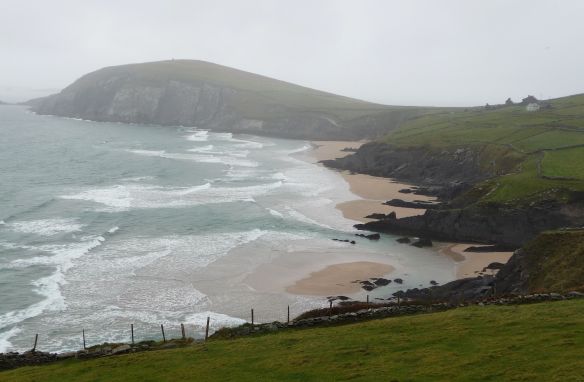
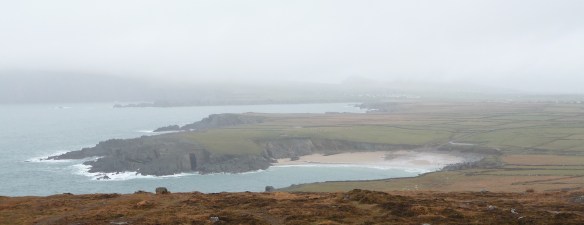
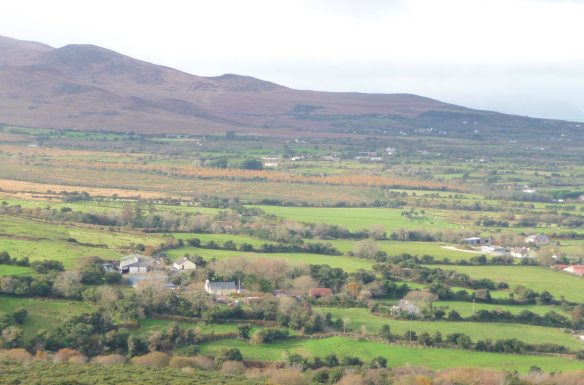
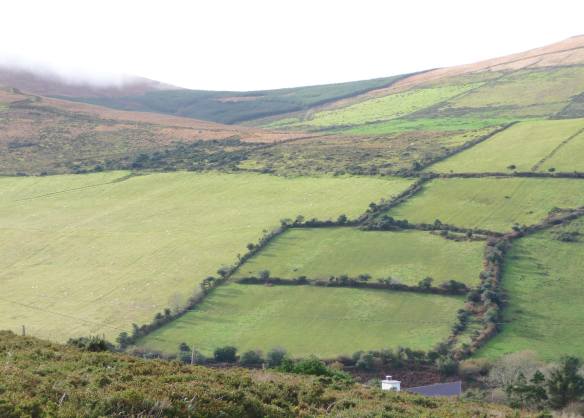
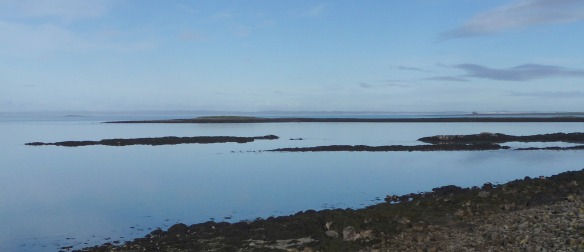
Much as we would like to have stayed in Galway a few more days, our time in Ireland was limited and there was so much more to see. Driving southward, we were once again surrounded by enchanting scenery. Scattered farmhouses wrapped in green, stone-framed pastures overlooked peaceful waters.

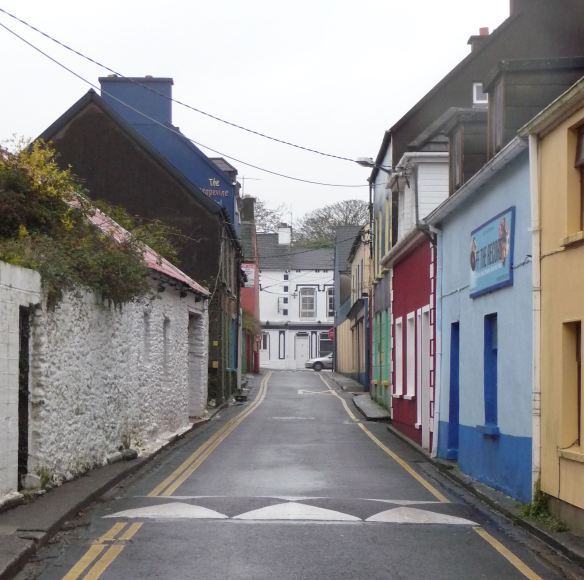
1.burren road2.burren road

Just outside Ballyvaughan we encountered Irish gridlock and spent some time chatting to the farmer. We will never forget his name, it was Michael Cannon.

The landscape changed the further we drove into the region known as The Burren.

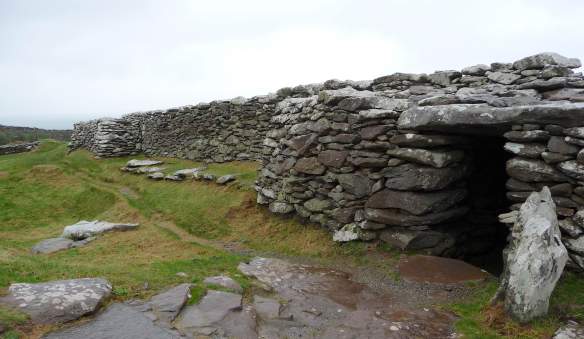
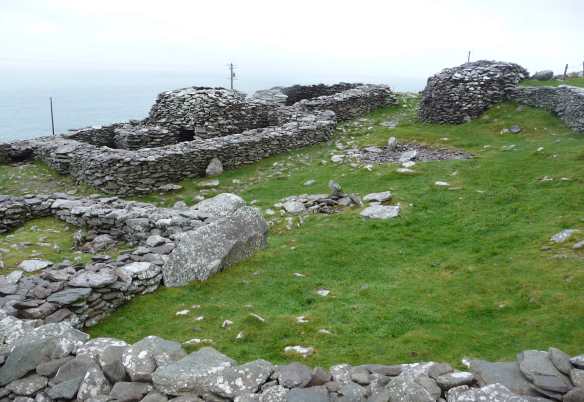
6.ruins, the burren

The great expanse of limestone karst covers around 160 square kilometres in County Clare, the rock has been dated back to the Carboniferous period, around 350 million years ago.

7.the burren

The water soluble limestone has eroded over the years and formed the channels, known as ‘grikes’ and blocks, known as ‘clints’. It’s hard to believe that when people first inhabited this area 5,000 years ago it was a lush forest. Clearing the land for farming, along with time, grazing and erosion all contributed to the appearance of The Burren.

8.limestone karst, doolin9.limestone karst, doolin

We were too late to see the array of wildflowers that bloom among the rocks in spring but there was evidence of life in unexpected places.

10.fern in limestone karst

We strolled around the quaint coastal village of Doolin with breathtaking views from the harbour.

11.doolin harbour12.doolin

Once part of the mainland, Crab Island is a renowned surfing location, though not today. The building is the remains of an 1830s constabulary outpost.

13.crab island

Further across the water, the Aran Islands are just visible. The group of three islands sit at the mouth of Galway Bay and can be reached by ferry from Doolin.

14.aran islands

There is a path along the cliffs from Doolin to the Cliffs of Moher, about an 8km walk with green fields on one side and the Atlantic ocean on the other.

15.doolin cliff walk

Not to mention spectacular scenery along the way.

16.cliffs, doolin

The Cliffs of Moher, on the southwestern edge of The Burren, are 14km of vertical cliffs rising to a height of 214 metres at the highest point. O’Briens Tower stands on that headland, built in 1835 by landowner Cornelius O’Brien as a viewing point for tourists. From Doolin, we could see beyond the tower, all the way to the rock formation known as  Hag’s Head at the southern end of the cliffs.

17.cliffs of moher, o'briens tower & hag's head

We left Doolin to have a closer look at the cliffs, passing a contented local on the way

18.doolin local

and a rather impressive edifice on a nearby hill. The 16th century Doonagore Castle has been in the same family since the 1970s and is their private holiday home. The views would be astounding.

19.doonagore castle

We finally made it to the Cliffs of Moher in all their majesty but time was ticking on and we still had no idea where we would be spending the night.


22.cliffs of moher


back to Bayviews

Last Friday, we celebrated our 16th wedding anniversary. We probably would have both forgotten except that Michael was invited to play at Bayviews Restaurant from 6pm until 8.30pm in the new lounge bar. Of course, I wasn’t going to pass up the chance of dinner at our fave place. Bayviews closed for three weeks last year, re-opening on 8th October with a very different look and the added attraction of live music on Fridays. The revamped lounge area offers plenty of comfortable seating options to enjoy a drink and something delicious from the new bar menu.

1.lounge area

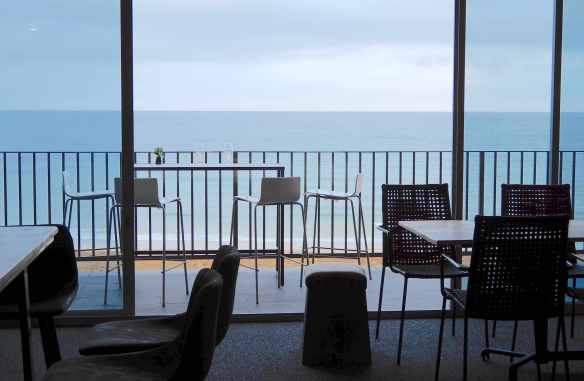
Previously the function room, the casual dining area is perfect to enjoy a meal or snack, with doors opening onto the deck for those warm summer evenings.

6.dining7.sea views

The relaxed ambience of the dining room has been retained but with a more formal feel, as the before and after photos show.

8.dining before reno9.dining after reno10.dining before reno11.dining after reno

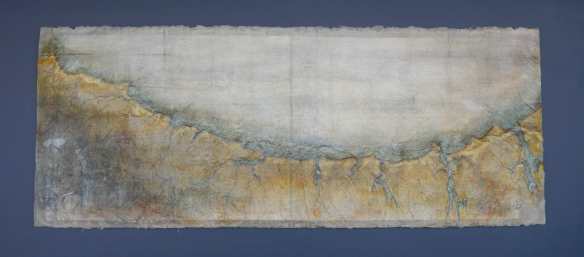
The understated artwork in the main dining area is a beautiful depiction of the northern Tasmanian coastline from Low Head to Stanley (thank you, Michael, for pointing that out).

12.artwork

Pre-playing sustenance consisted of a James Squire One Fifty Lashes and bowl of wedges, while I opted for a Ninth Island sparkling. A Josef Chromy Pinot Gris accompanied through the rest of the evening.

The new lounge area with sliding doors to the balcony allowed for enjoyment of the superb entertainment inside

13.michael

while watching the recreation beachside, courtesy of the Burnie Surf Lifesaving Club.

16.iron ocean

The Iron Ocean challenge is a combination of Ironman and Ocean Swim events, giving kids the opportunity to strengthen their confidence in the water. The event involves swimming, running, surf ski paddling and board paddling. I was in awe and exhausted, observing from my comfortable perch.

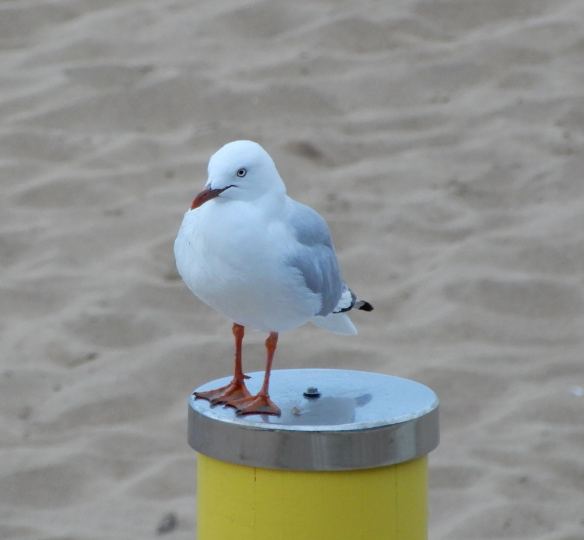
Once the action was over and some well deserved food ensued, the gulls made their presence known. My attempts to successfully photograph a gull in flight proved challenging,

I opted for a stationary specimen.

26.gull

This was one of the rare occasions where a picturesque sunset failed to evolve.

27.no sunset

When Michael had finished his session, we enjoyed the rest of the wine with a wonderful meal. The new look menu doesn’t disappoint and the unexpected lemon jelly was a perfect palate cleanser.

The meals were, as usual, delectable. Michael chose pan fried blue eye trevalla on housemade fettucine with lemon beurre blanc sauce & roasted cherry tomatoes, from the specials board.

30.blue eye trevalla

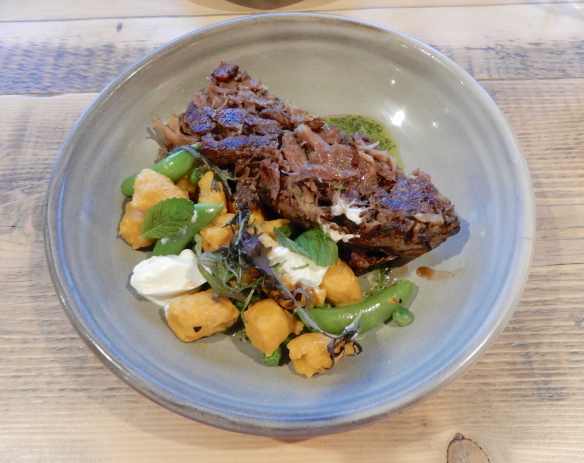
I couldn’t resist my favourite slow cooked lamb shoulder with butternut pumpkin gnocchi, salsa verde, sugar snap peas, hung yoghurt & fresh mint.

31.slow cooked lamb

Thank you Bayviews for a wonderful evening, thank you Michael for the best 16 years.

monkey business

The last thing you expect to find in a city park is a troop of Japanese macaques. Launceston City Park has been home to a few different beasts over the years, from thylacines to brown bear and deer. It was home to a group of Rhesus monkeys from the late 1800s until the last one died in 1979. The council wanted to continue the monkey tradition and, after much research, decided the Japanese macaque is best suited to the Tasmanian climate. A fitting choice, as Ikeda City in Japan became a sister city with Launceston in 1965. The enclosure reflects the natural environment of the monkeys with plenty to keep them occupied as well as a much loved swimming pool.

1.enclosure

Time slipped away as we watched, mesmerised, these gorgeous creatures and their antics. Some sat quietly, contemplating

2.thinking

while others were in the mood to play.

3.let's play

Japanese macaques are omnivorous, although their diet here is quite different to that in the wild. Their menu includes barbecue chicken, scrambled eggs and honey sandwiches as well as fruit and vegetables. Some were intently picking through the mulch, probably looking for treats of dog biscuits and bird seed that had been hidden there.

There was much grooming going on, a way of maintaining social bonds

but it wasn’t going to interrupt breakfast for this youngster.

The babies are adorable,

some stayed close to mum.

Relaxing peacefully in the sunshine was enough for others on this beautiful Sunday morning.

26.contemplation

29.how shall i spend the day?

I wonder whether the monkeys wait each day for the human exhibit to arrive?

when in Rome…

When in Rome, it is impossible to not be in a permanent state of awe. With limited time, we overdosed on the history, architecture and general magnificence of this city in one day. Walking from our hotel, we turned the corner at the Fontana dell’Acqua Felice, built in 1587 to mark the completion of the Acqua Felice, an ancient aqueduct that provided the neighbourhood with fresh water. It is also known as the Fountain of Moses, a large statue of whom stands in the central niche and is flanked on either side by reliefs depicting biblical scenes. Four water spouting lions relax in front of the columns framing the niches.

On the other side of the street, two very grand 19th century buildings seemed to line the entire stretch of Via Vittorio Emanuele Orlando. The first is the boutique Mascagni Hotel, then the luxury Dependance Mascagni occupies the top two floors of the second building.

It wasn’t long before we were standing in the Piazza della Repubblica, the majestic Fontana delle Naiads is the stunning centerpiece of a huge roundabout. Constructed in the late 1800s, the original four lion sculptures were replaced by statues of nude water nymphs in 1901. Each figure lies on top of an aquatic animal, representing four aspects of water; a sea horse for the oceans, a swan for lakes, a snake for rivers and a lizard for subterranean streams.

6.fontana delle naiadi

After wandering around the Basilica di Santa Maria degli Angeli e dei Martiri (you can read more about that here) I noticed this intriguing doorway. The inscription reveals that this is the portal of the Annona Olearia, a series of wells excavated in 1764 to store olive oil. Pope Clement XIII had the foresight to ensure a supply to the city and thereby controlled the price of the product. Each of the ten wells could hold 44,000 litres.

7.portal of the annona olearia

The morning drizzle wasn’t showing any signs of abating as we bought tickets for the Hop On Hop Off bus and settled in to admire the shops along Via Nazionale.

8.via nazionale

The Basilica di Santa Maria Maggiore, dating back to 440AD,  dominates the piazza of the same name. The core of the original structure has been retained, although there has been much restoration and extensions over the centuries with the present façade commissioned in the 1740s. The bell tower, from the year 1300, is the tallest in Rome at 75 metres and the side chapels were added in 1500.

9.basilica di santa maria maggiore

The back of the basilica, in Piazza dell’Esquilino, looks very different with the semi-circular apse added in 1600. Standing in the centre of the piazza is a 15 metre high pink granite obelisk, originally found at the entrance to the Mausoleum of Augustus and moved here in 1587.

10.basilica di santa maria maggiore

The Princeps Boutique Hotel occupies the fourth floor of this impressive palace, one of the oldest in the district. The view from the rooms must be spectacular.

13.princeps boutique hotel

Travelling down a rain soaked Via Cavour,

14.via cavour

the traffic stopped us alongside an amazing set of steps that disappeared into an archway. The steps lead to San Pietro in Vincoli (St Peter in Chains), a church named for the chains that held St. Peter when he was imprisoned in Rome and Jerusalem and are on display. It is best known for Michelangelo’s statue of Moses, created for the tomb of Pope Julius II. To add more drama, at the top of the steps is an alley where, apparently, the daughter of the 6th king of Rome killed him by running him down with her chariot. Probably no surprise that her husband was the 7th king of Rome.

15.steps from via cavour to san pietro in vincoli

We left the bus at the Colosseum for a couple of hours and embarked on a guided tour, you can see that post here. The Temple of Venus and Roma caught our eye as we sought a venue for lunch. Thought to be the largest temple in ancient Rome it was designed by emperor Hadrian and took twenty years to complete from beginning of construction in 121AD.

17.temple of venus & roma

After lunch, we wandered among the ruins of Palatine Hill

18.palatine hill

from where we had an uninterrupted view of the Temple of Antoninus and Faustina. Begun in 141AD by the Emperor Antoninus Pius, the temple was dedicated to his deceased wife, Faustina. When he died twenty years later, the temple was re-dedicated to both of them by his successor, Marcus Aurelius. The temple became a Roman Catholic church, San Lorenzo in Miranda, in the 7th century.

19.temple of antoninus & faustina

We could also see two statues atop a building in the distance, though at the time, we didn’t know where they were (stay tuned for that one).

We hopped back on the bus which took us past Circus Maximus, the first and largest stadium in ancient Rome, mostly used for chariot racing and now a public park.

22.circus maximus

The seemingly unassuming church at the top of these steps, Santa Maria in Aracoeli, dates back to the 6th century and houses the Santo Bambino of Aracoeli, a wooden statue of the Christ Child, that is believed to resurrect the dead. The 124 step marble staircase was completed in 1348 to celebrate the end of the plague in Rome. It is believed that those who climb the staircase on their knees will be rewarded with a miracle.

23.steps of santa maria in aracoeli

A quick glimpse of the Palazzo Venezia

24.palazzo venezia

before our attention was drawn to the most impressive façade of the Altare della Patria. The National Monument was built as a tribute to Vittorio Emanuele II, the man credited with the unification of Italy and first king of the new kingdom proclaimed in 1861. The focal point of the huge white marble edifice is a 12 metre long statue of a horseman, a representation of Vittorio Emanuele II. We could now see the location of the two statues we had spied from Palatine Hill. On the right, the bronze goddess Victoria riding on her chariot represents freedom and on the left, unity. They were added in 1927, sixteen years after the monument was inaugurated. There has been much controversy surrounding the monument, the uncomplimentary nicknames include “the wedding cake”, “the typewriter” and “the dentures”.

25.altare della patria

Leaving Piazza Venezia, we passed the Carabinieri headquarters (apparently with limited parking spaces)

26.carabinieri, piazza venezia

and the most enormous gift shop I have ever seen, Sorelle Adamoli.

27.sorelle adamoli

The former Palazzo Strozzi is now occupied by the Marco Besso Foundation. A banker and writer, Besso bought the building in 1905 and set up the library in 1918 while the first floor became the family home. A great admirer of Dante, the library has rare editions of his work, some printed pre 16th century. I would love to explore beyond the doorway.

28.palazzo besso

We passed Santa Maria in Vallicella, also known as Chiesa Nuova, the principal church of the Oratorians. This congregation of secular priests, founded in 1561 by St. Philip Neri, was recognised as a religious group and given the church in 1575.

29.santa maria in vallicella

At the end of Corso Vittorio Emanuele II, we turned right and followed the river, gaining a limited view of Castel Sant’Angelo on the other side.

30.castel sant'angelo

Commissioned by Roman Emperor Hadrian as a tomb for himself and his family, the building was erected between 134AD and 139AD. He also had the travertine marble bridge, the Pons Aelius, built to connect the mausoleum with the city centre.

31.castel sant'angelo

We hopped off the bus at Piazza Trinità dei Monti, where the 16th century church of the same name dominates the top of the Spanish Steps.

32.spanish steps

The 135 steps were built in 1723 to link the French owned church with the Spanish Embassy at the bottom. Yes, there really are steps beneath those bodies and a 17th century fountain in amongst the crowd.

33.spanish steps

At the bottom of the steps, the Piazza di Spagna was heaving with humanity, obliterating any evidence of the stairway. Incidentally, the building on the right is the house where English poet John Keats lived briefly before his death in 1821. It is now the Keats-Shelley Memorial House, a museum dedicated to the English Romantic poets. The building on the left is Babington’s traditional English tea shop, established in 1893 to provide a tearoom and reading room for the Anglo-Saxon community in Rome.

34.spanish steps

There was one item left on the ‘must see’ list. Although Fontana di Trevi was less than a kilometre away, the crowds created a challenging transit. The origins of the fountain date back to 19BC when it formed the end of the Aqua Virgo aqueduct. After many years of work, the fountain, as it is today, was completed in 1762, the name derived from Tre Vie, at the junction of three roads. It was impossible to capture the entire fountain due to the crowds so I opted for some sections.

Just as we were walking away, I saw an opening in the throng and pounced.

39.fontana di trevi

There is so much to see in Rome, and so much more than meets the eye. I think it would take a few lifetimes to even come close.

City Park

A stroll through Launceston City Park on a perfect spring morning is a lovely way to start the day.

1.City Park2.City Park

Established in the 1820s by the Launceston Horticultural Society, the park was handed over to Launceston City Council in 1863. Entering the western gate, the 19th century former caretakers cottage, now the studios of City Park Radio, has one of Australia’s oldest wisteria vines, planted in 1837.

3.City Park Radio

The John Hart Conservatory was erected from the John Hart bequest in 1932 and refurbished in 2010. John Hart was a mariner, merchant and parliamentarian who spent most of his career in the 1800s in South Australia. He died in 1873 at his home, Glanville Hall, at Port Adelaide. He must have felt some connection to Launceston having arrived there on the ship, Isabella, from London in 1837, even though his stay was brief. The same plans were used to build a conservatory at Parramatta Creek in the 1970s. You can see that post here, The Conservatory

4.John Hart Conservatory5.John Hart Conservatory

The garden beds at the front of the building were blooming with a stunning display of violas.

Myriad plantings edged the spacious interior, the tranquil ambience invited us to linger.

8.John Hart Conservatory

9.John Hart Conservatory

Majestic orchids thrived amidst lush greenery.

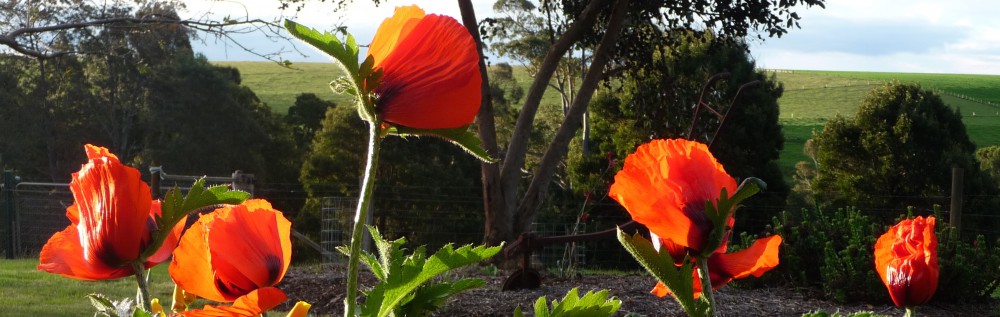
Outside, colourful poppies bounced in the breeze and the bees were already busy collecting their nectar.

There are many magnificent mature trees in the park. Apparently, the English Elms are all clones of a single tree brought to England by the Romans. Their descendants arrived in Australia on ships hundreds of years later to be planted in parks like this one. The tallest trees, the Sequoias, presumably arrived in the same manner.

The band rotunda was built in 1908 and is dedicated to Chester Edwards who joined the Launceston City Band at the age of 10 and conducted from 1906 until 1958. A plaque reads, “Erected in appreciation of the sterling services rendered by Chester Edwards in the musical activities of the City of Launceston.”

29.rotunda

The ornate drinking fountain was intended to be a gift from the children of Launceston to commemorate Queen Victoria’s Golden Jubilee in 1887.

30.Jubilee Fountain

Things didn’t go quite according to plan. The fountain was ordered from Saracen Foundry in Scotland, however, the funds were not raised in time and the installation was postponed until the Diamond Jubilee in 1897. The moulded shields above the arches depict both dates as well as a bust of Queen Victoria.
The fountain was initially positioned outside the main gates and was moved inside the park in 1908. The design incorporates symbolism popular in Victorian times; griffins are guardians of priceless possessions, lions symbolise guardianship, cranes for vigilance and eagles represent immortality.

34.Jubilee Fountain

A bronze statue of Ronald Campbell Gunn stands proudly in the shade. Arriving in Tasmania in 1830, he became Superintendent of Convicts and Police Magistrate. His career path soon led to politics but he is best known as a botanist. He collected, recorded and sent many specimens back to England (as well as a living Tasmanian tiger in 1858).

35.Ronald Campbell Gunn

The ‘Senses Garden’ was created in 1978, raised beds are filled with plants selected for their aroma or texture

36.Senses Garden

and the terracotta dolphin fountain has centre stage. The fountain was initially erected in a different area of the park in 1861 and is the second oldest fountain in Australia (the oldest being the Val d’Osne Fountain in Princes Square, less than a kilometre away).

37.Senses Garden

Reluctantly, we tore ourselves away from the garden, there were more adventures awaiting.

40.Senses Garden