Underground Barossa

No trip to the Barossa Valley would be complete without at least one wine tasting experience. We were delighted to find a ‘two for one’ voucher for Underground Barossa waiting for us when we arrived at Tanunda Cottages. The Burge name is synonymous with the Barossa Valley, the infamous Grant being the fifth generation of winemakers since 1865. Now the sixth generation are making their mark. Together, siblings Trent and Amelia created Corryton Burge and, individually, Trent is behind the Barossa Boy label while Amelia Burge Wines focuses on a range of sparkling wines. In 2019, the pair transformed an underground cellar at the front of the working winery to become home to Barossa Boy Wines.
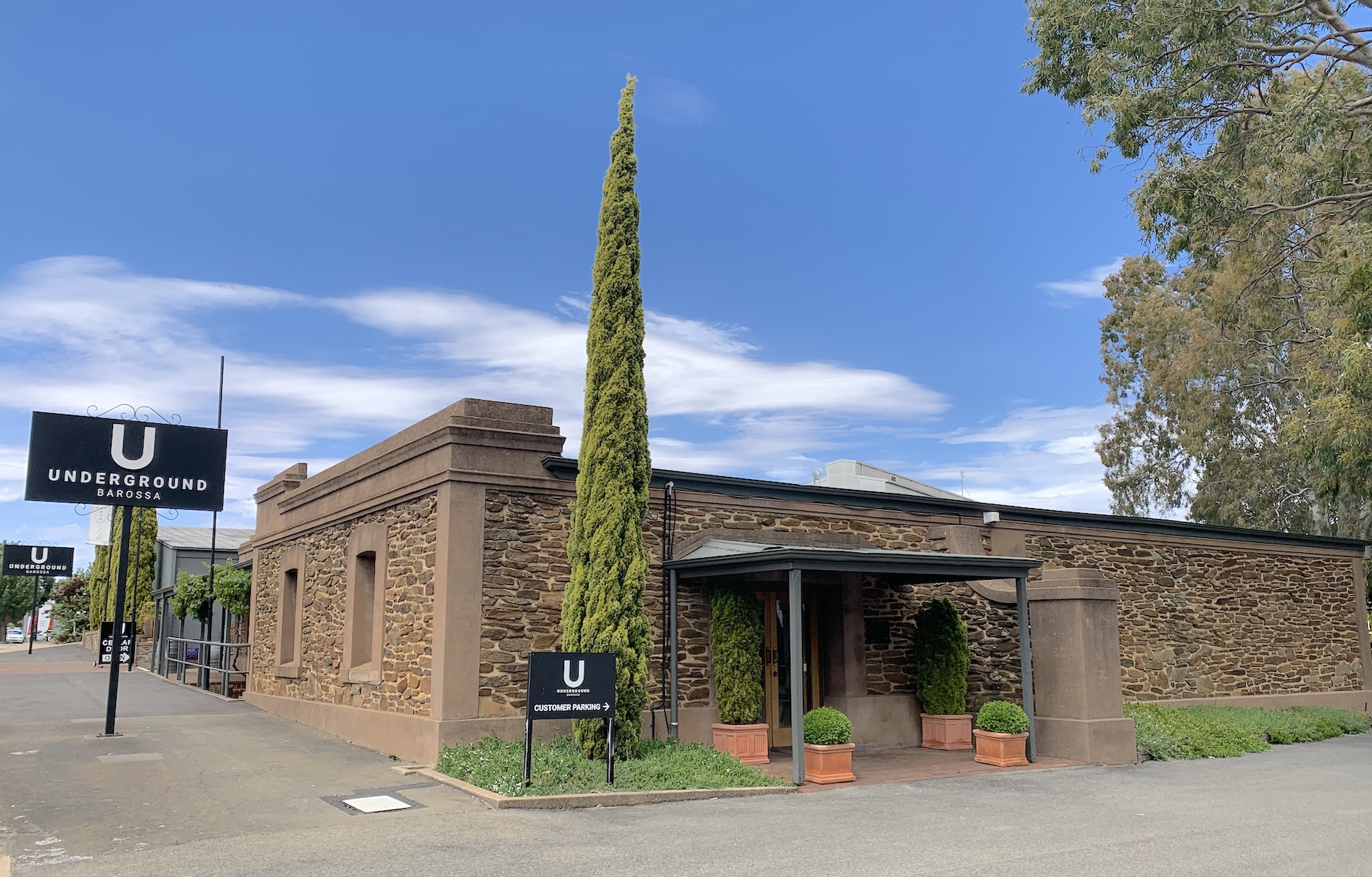
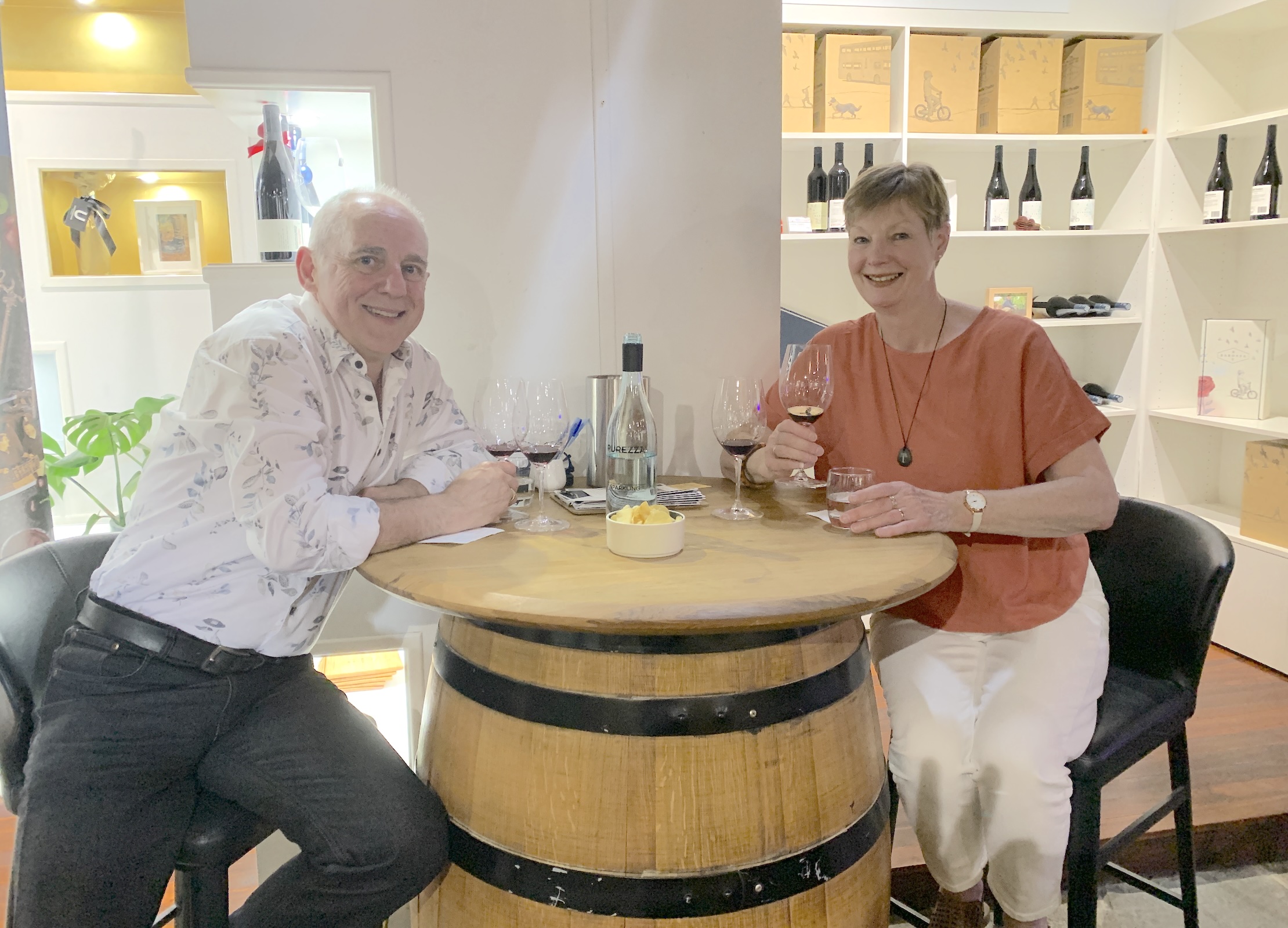
Conveniently located on the main street of Tanunda, a short walk from our accommodation, we ventured in for a late afternoon tipple.
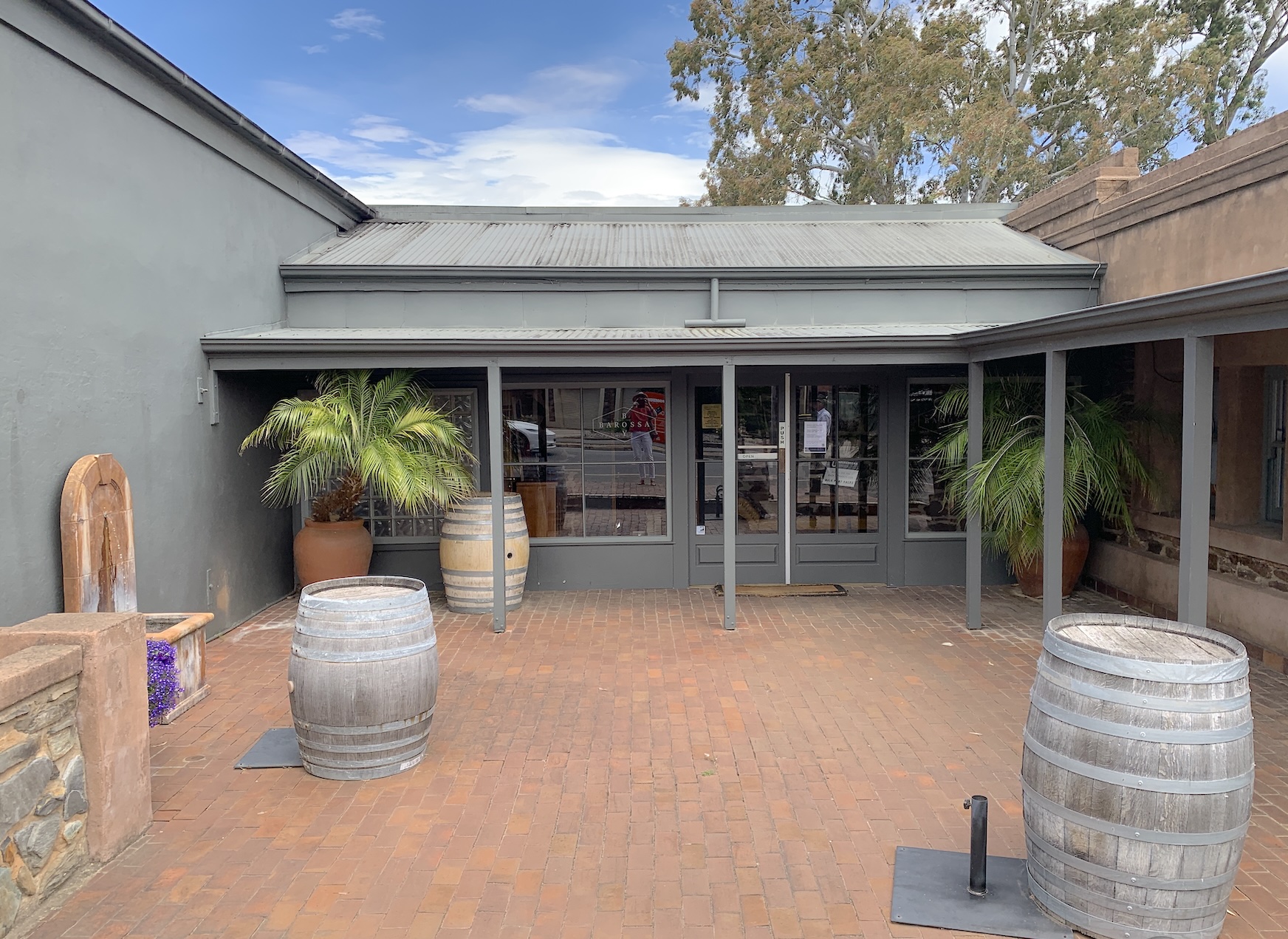
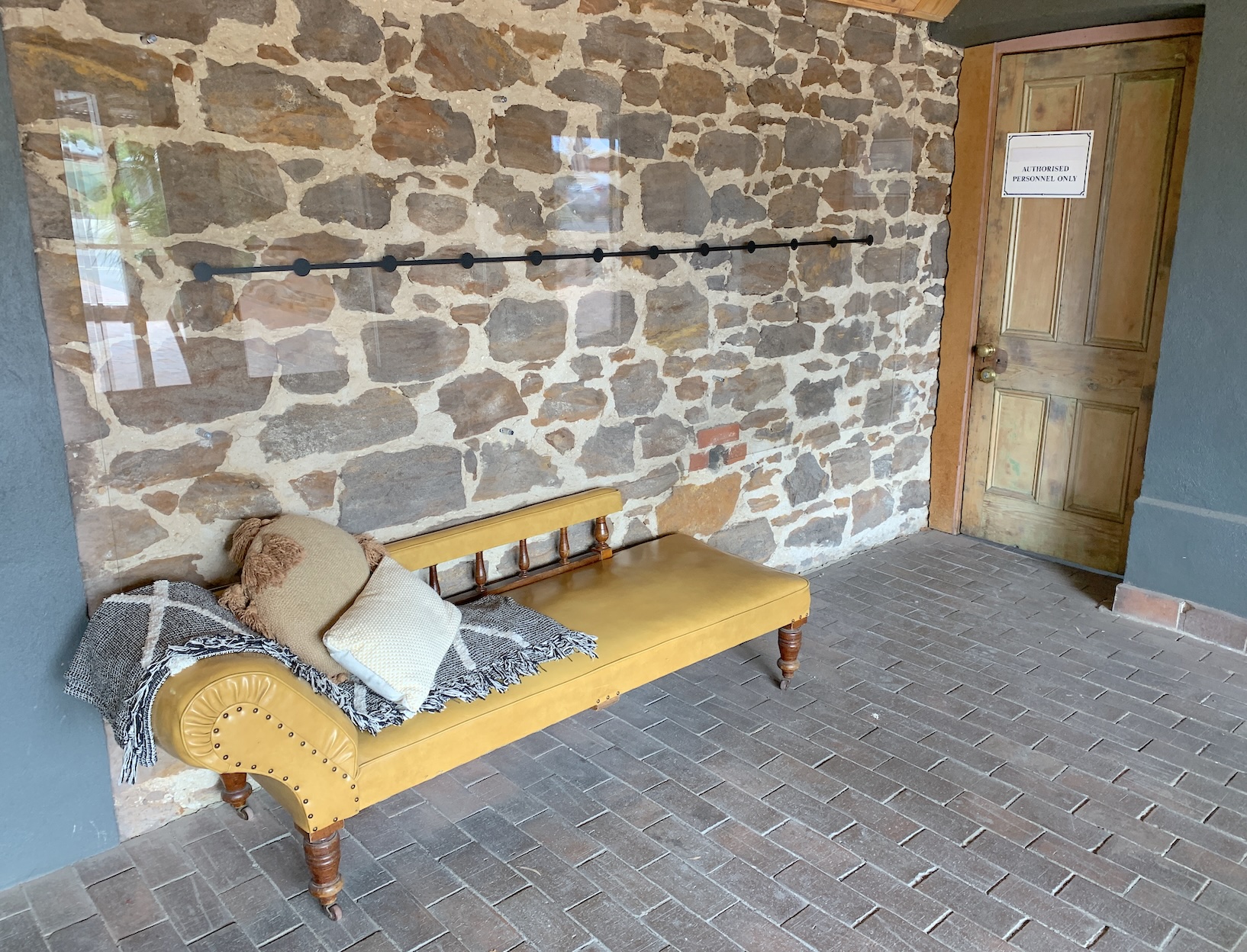
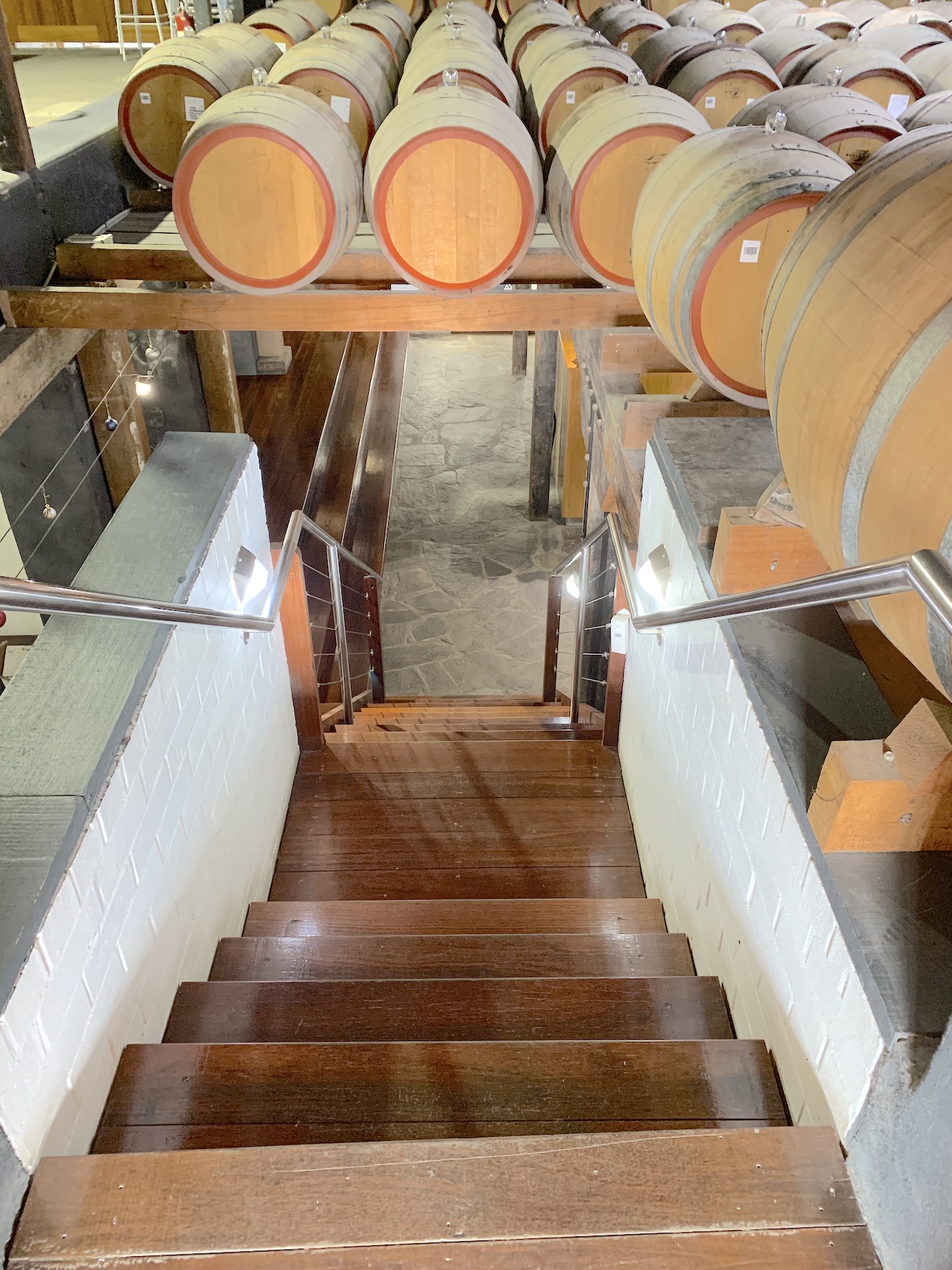
Greeted by a layer of heartwarming aged barrels
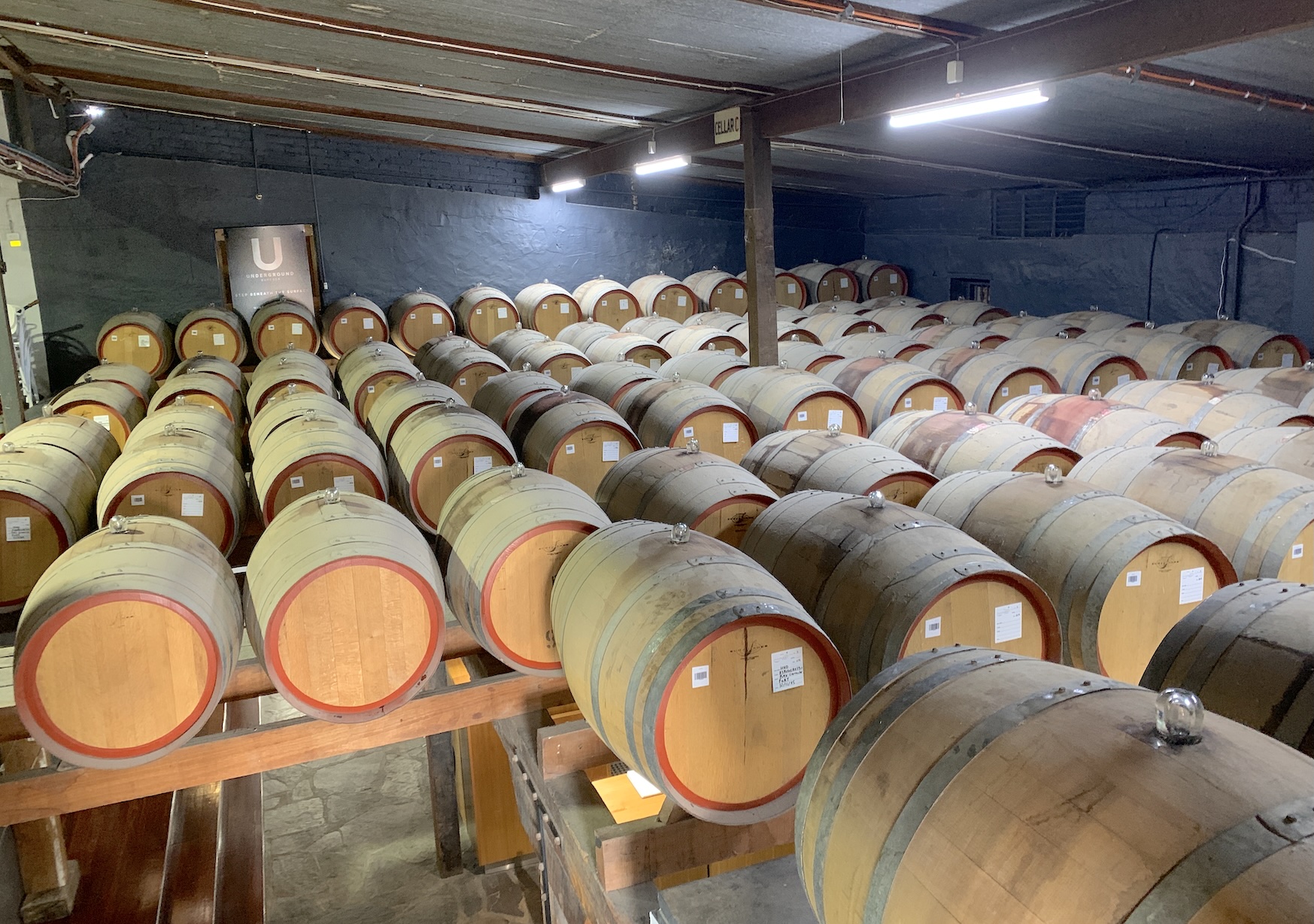
we descended the stairs into cool comfort, relishing respite from the heat outside.
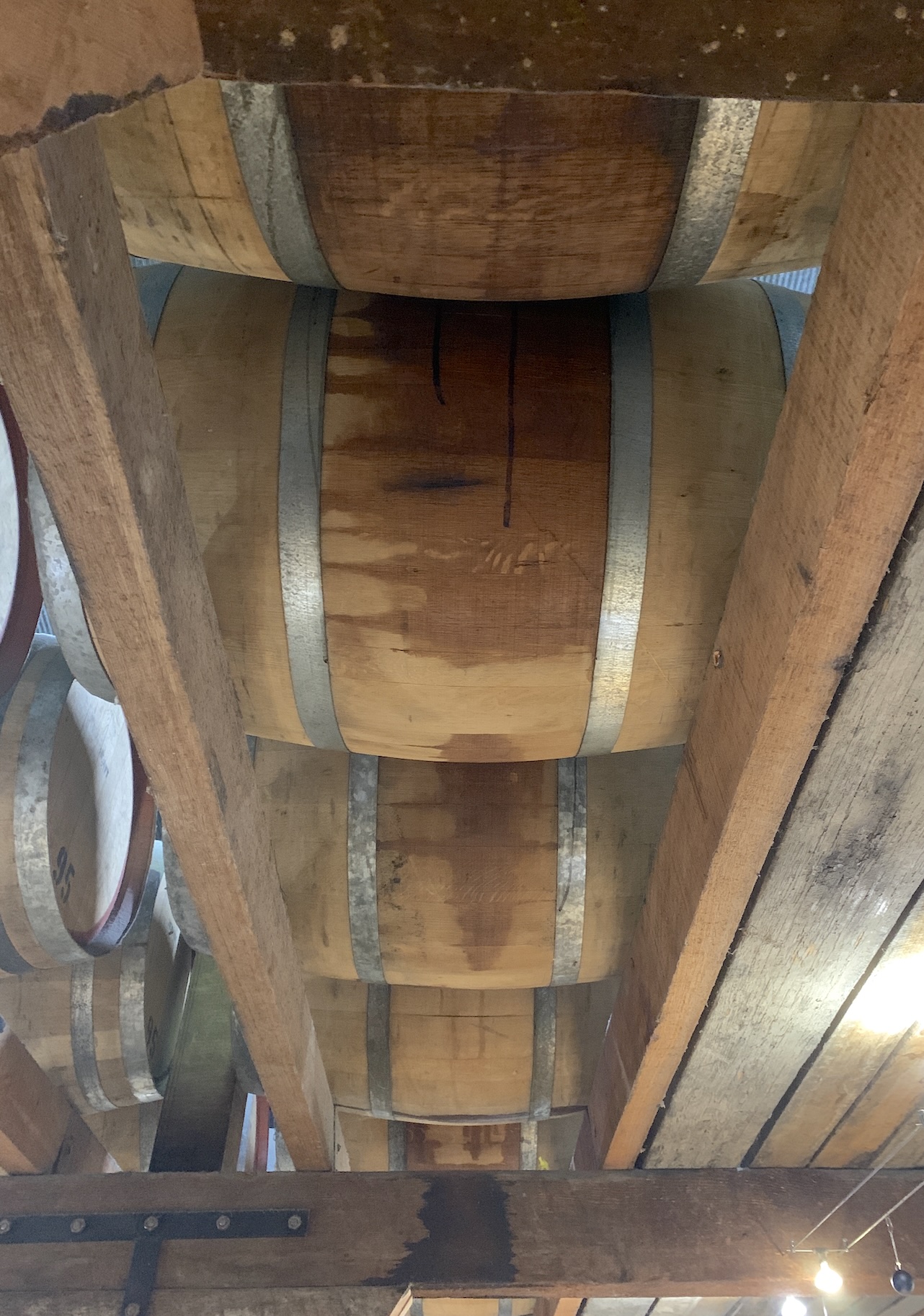
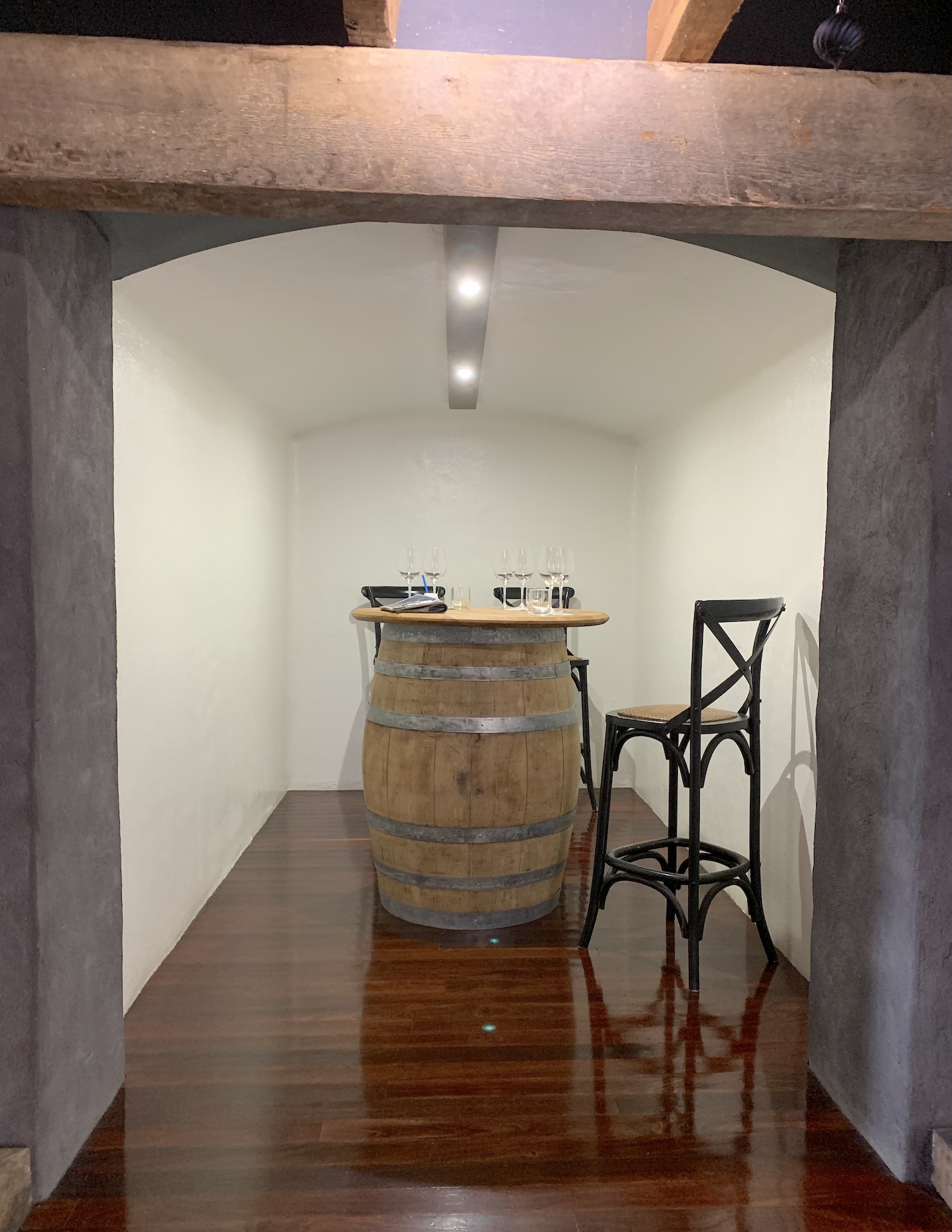
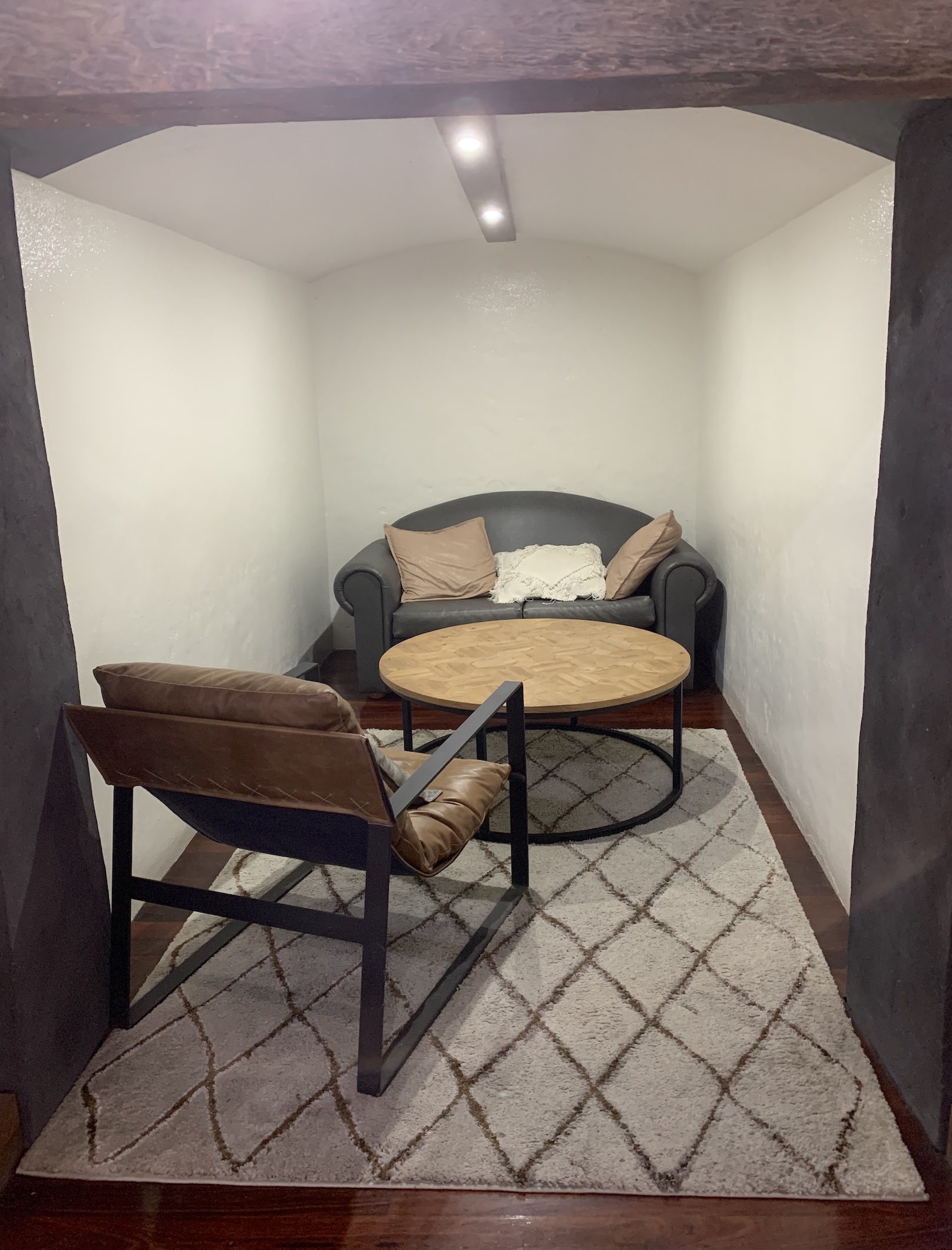
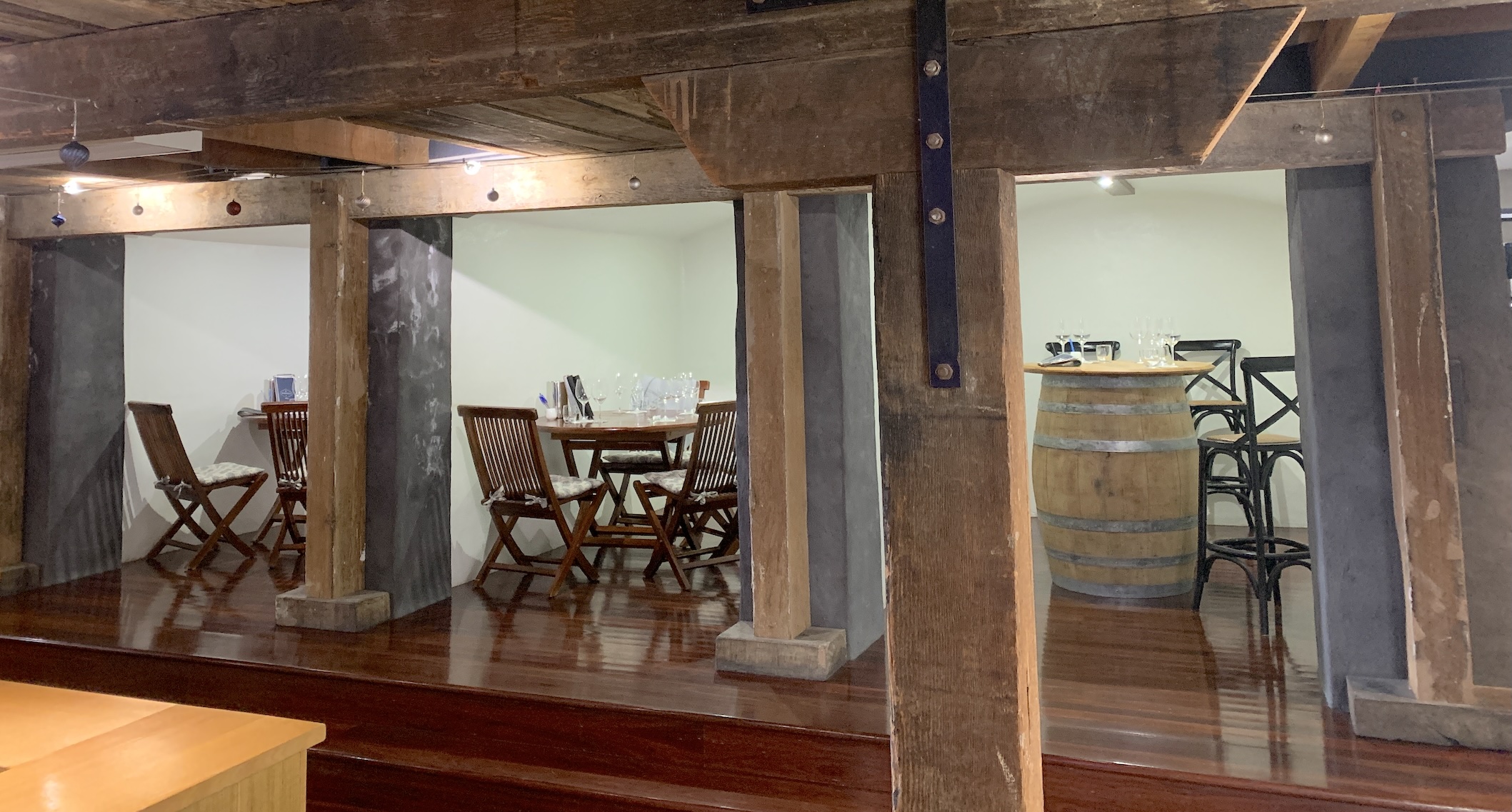
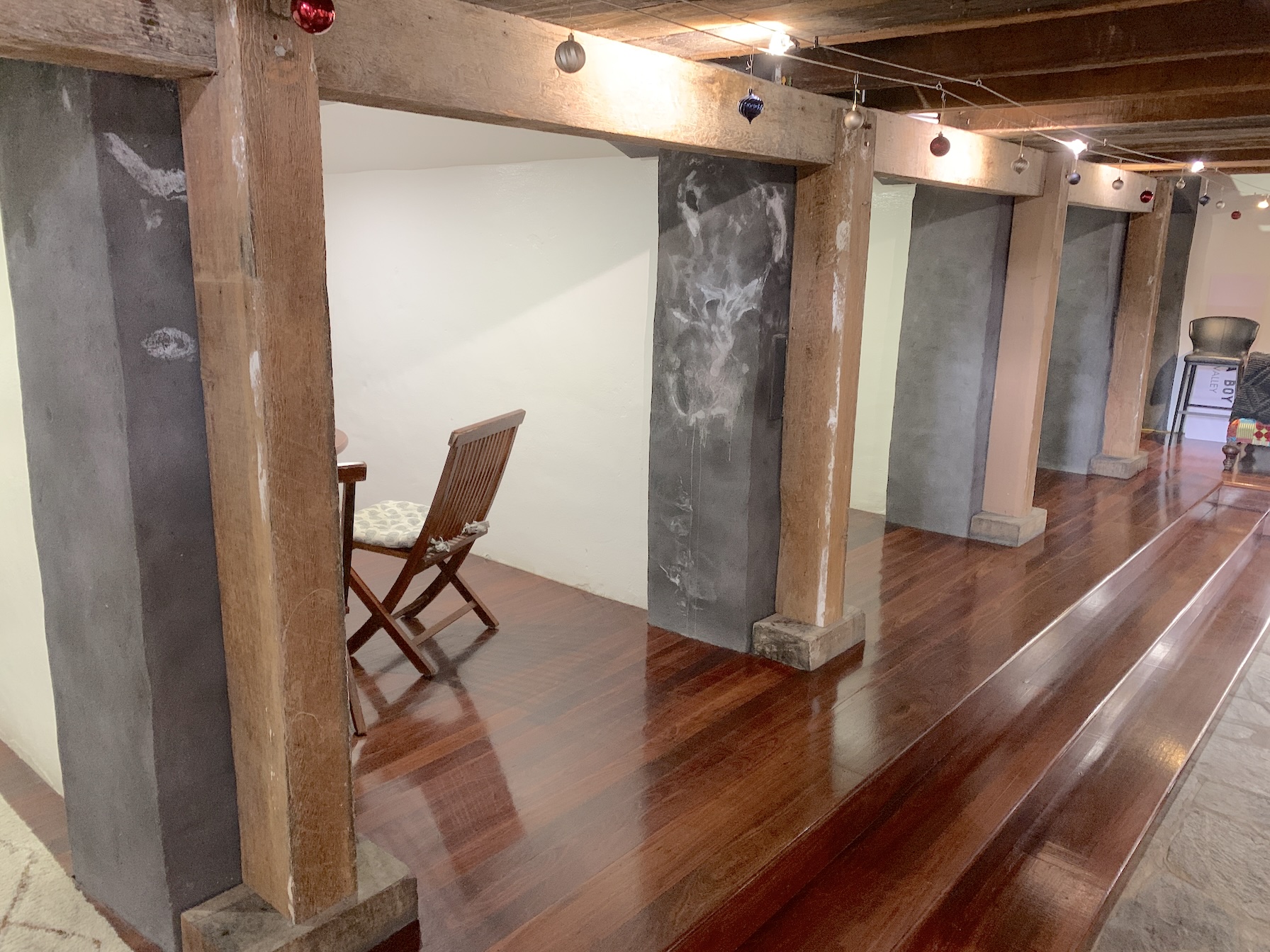
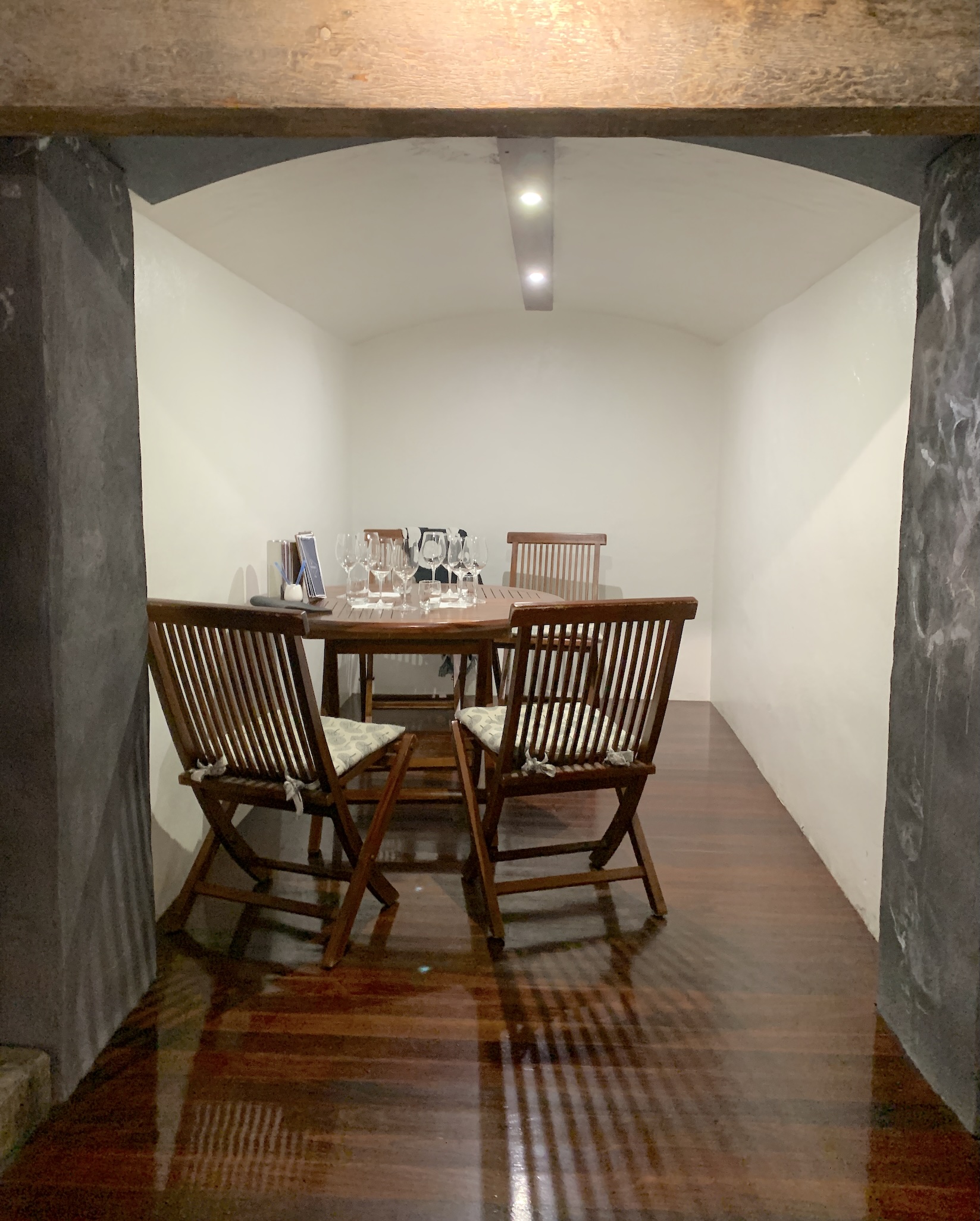
A series of cement vats, originally constructed in 1896 as underground maturation tanks, have been converted into comfortable seating pods for intimate tasting sessions.
The central bar
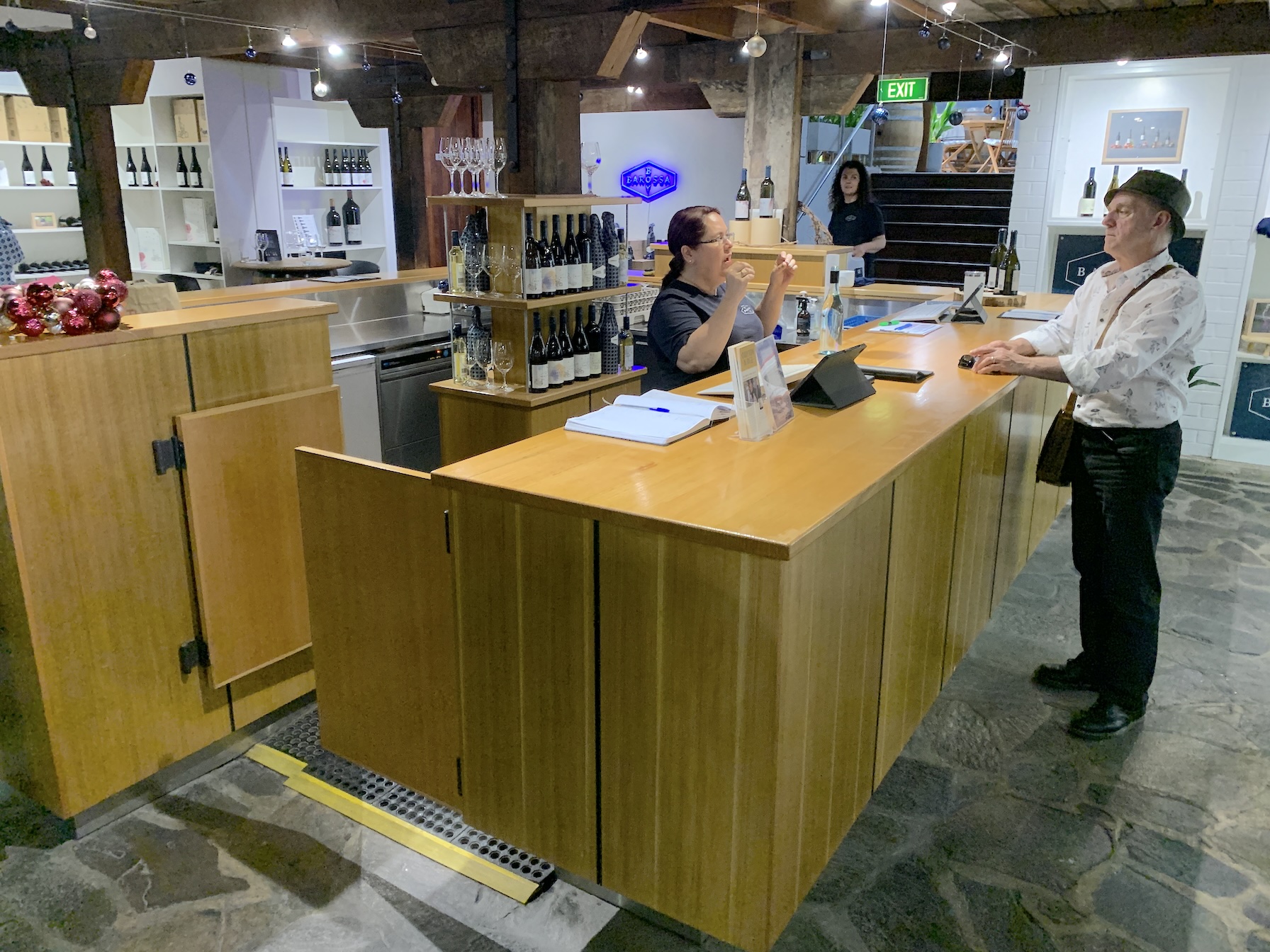
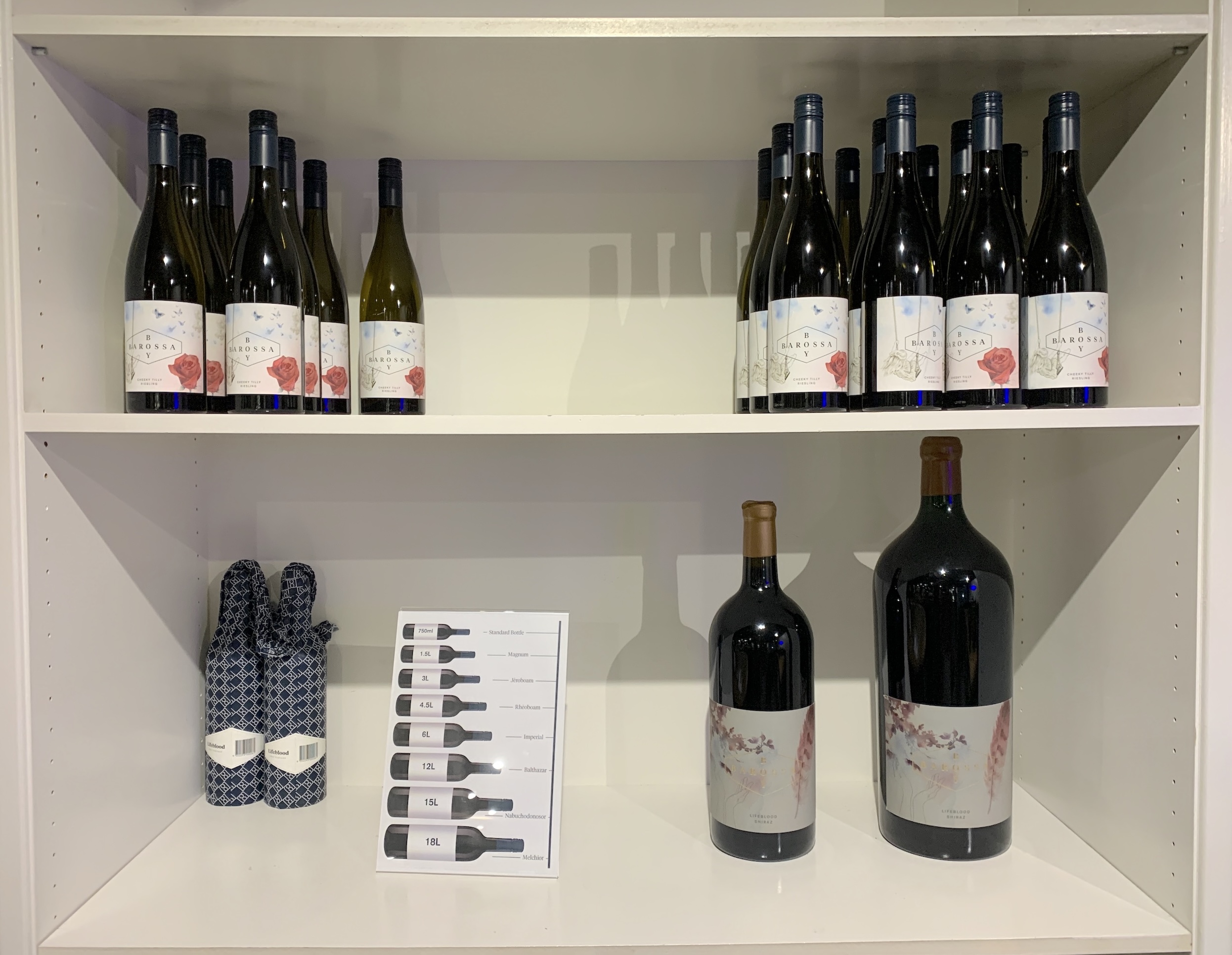
is surrounded by alcoves displaying wares and mementos of Barossa Boy’s life journey.
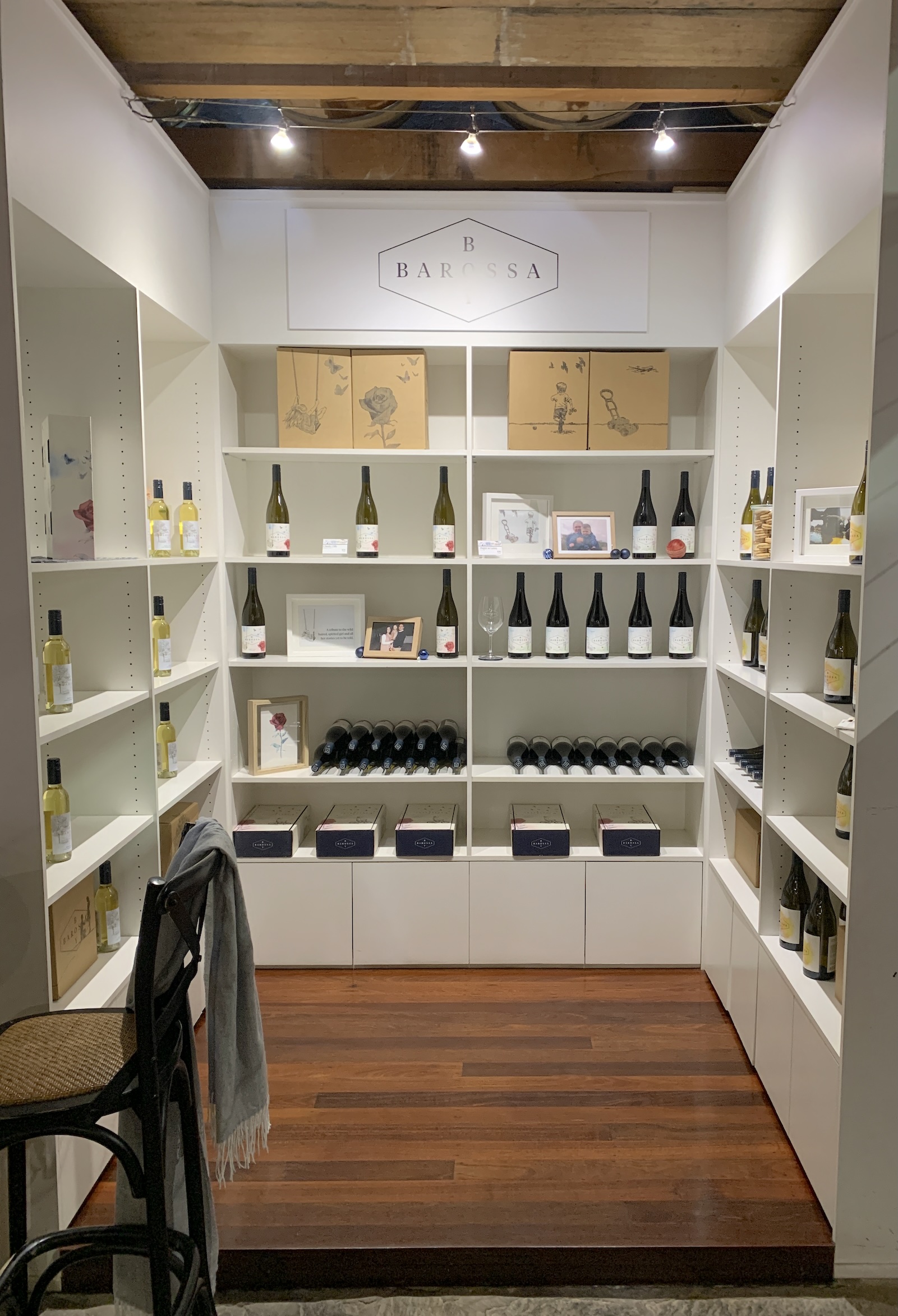
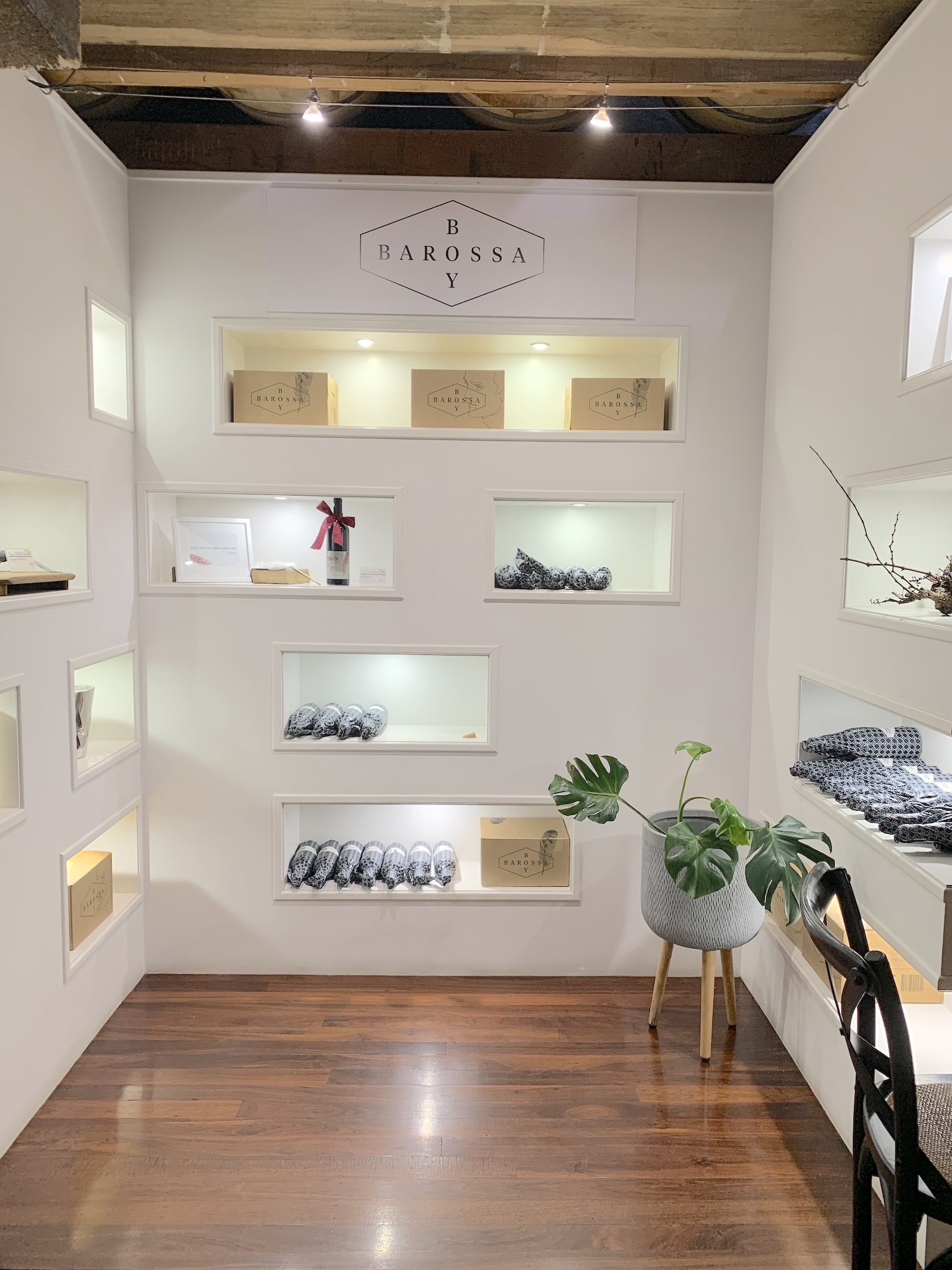
Growing up in the country, Trent had an active childhood and keen interest in team sports. A cricket club program gave him the opportunity to live a few years in England, returning for the Barossa vintage at the end of each cricket season. Returning to his roots, he launched Barossa Boy in 2016 and runs it with his wife Jessica.
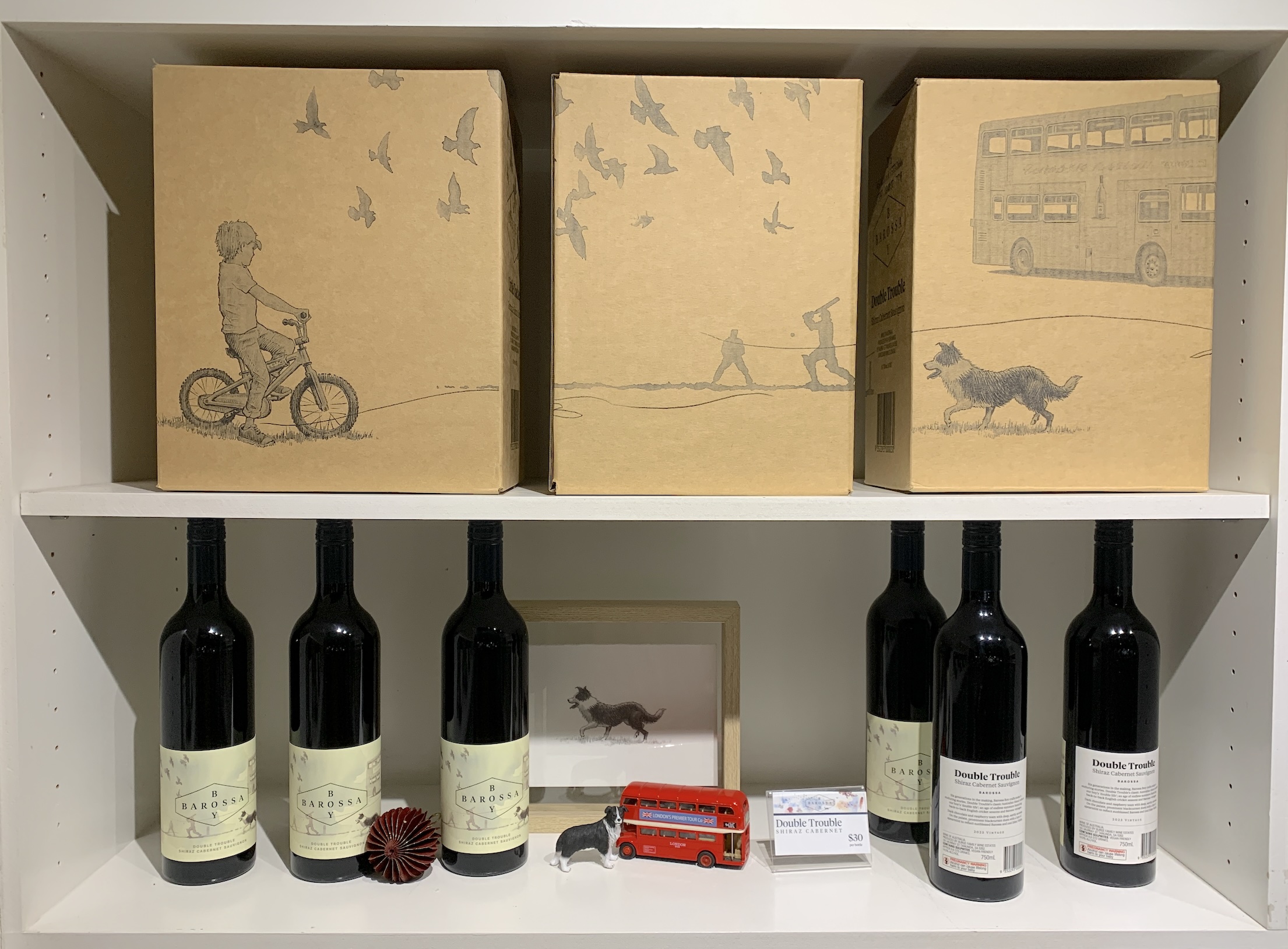
Our hosts were very attentive and shared their knowledge of the wines as well as tales of the family and history, including the demise of one poor fellow while cleaning out the concrete vats. (Apparently, it is not uncommon, the build up of carbon dioxide during fermentation remains in the vat and causes asphyxiation). There is an option to pair tasty morsels with the wines but, as we had indulged in a superb lunch at Lou Miranda Estate, the complimentary potato chips sufficed. Cheers!
Whyte River Walk

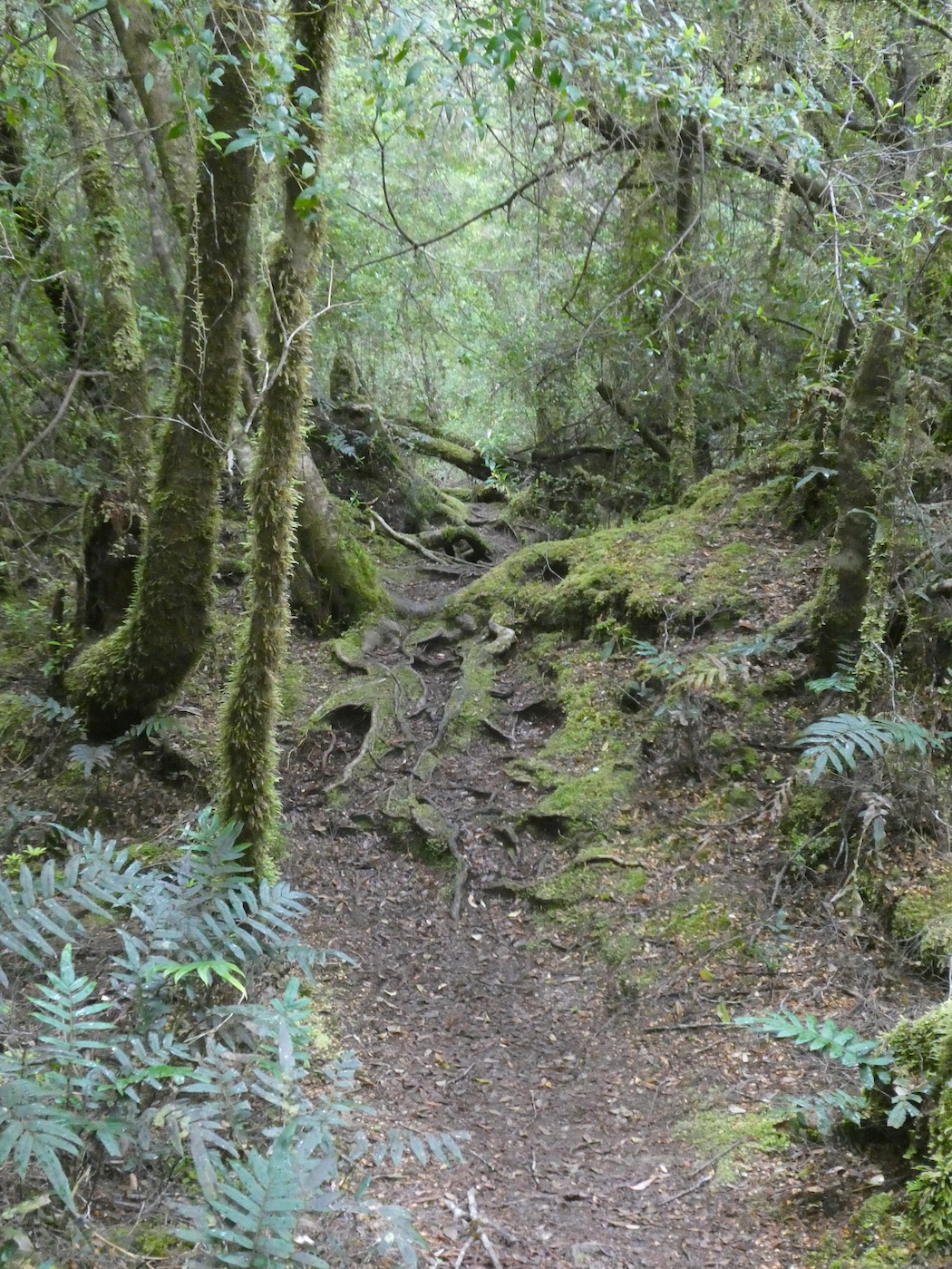
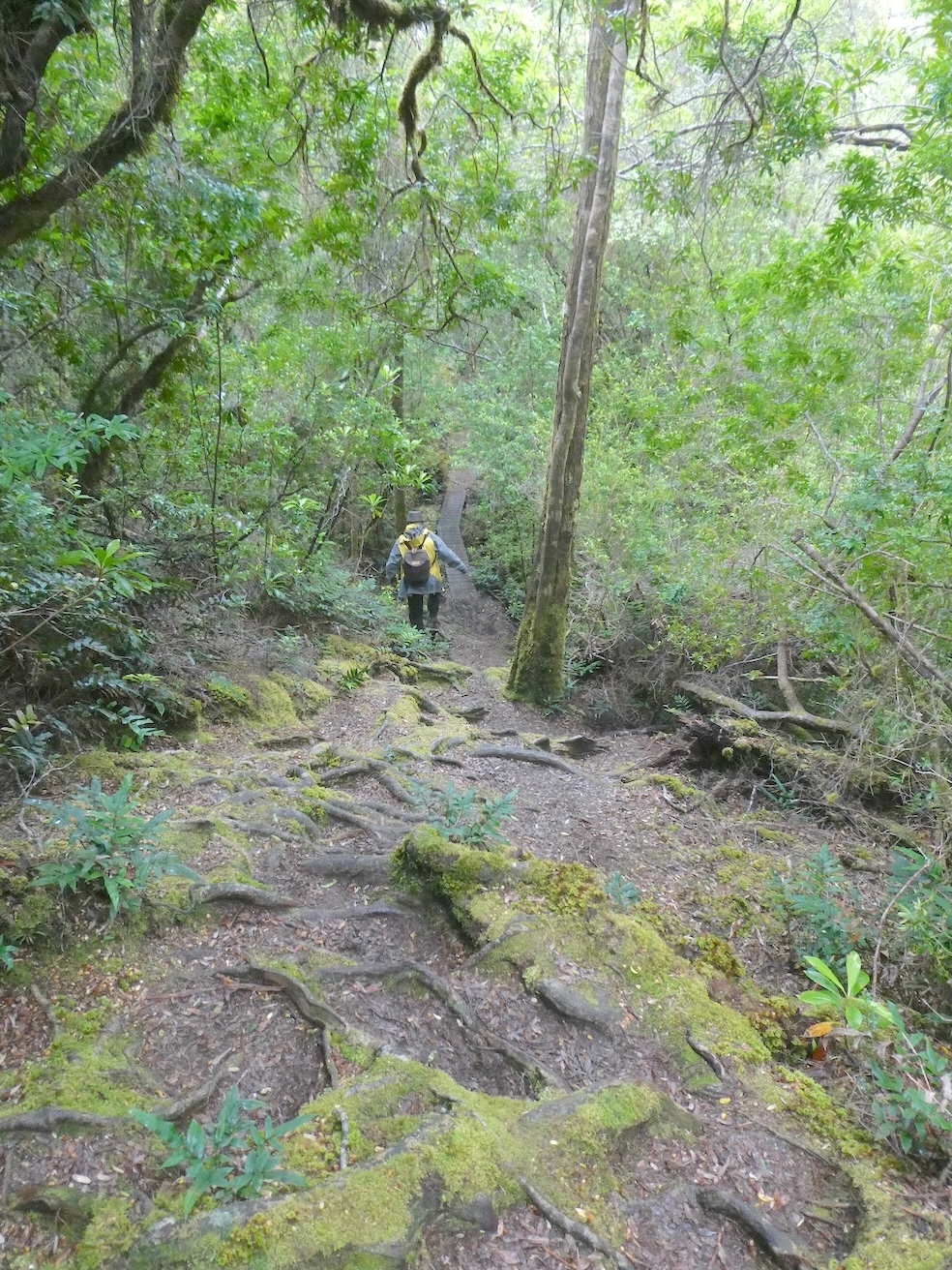
Making the most of our time at Corinna, we embarked on another walking adventure into the Tarkine. Conveniently, the start of the 3.5 kilometre trail was right next to our cottage and, although initially a comfortable tramp along a boardwalk, the track soon required careful footwork around erupting tree roots.

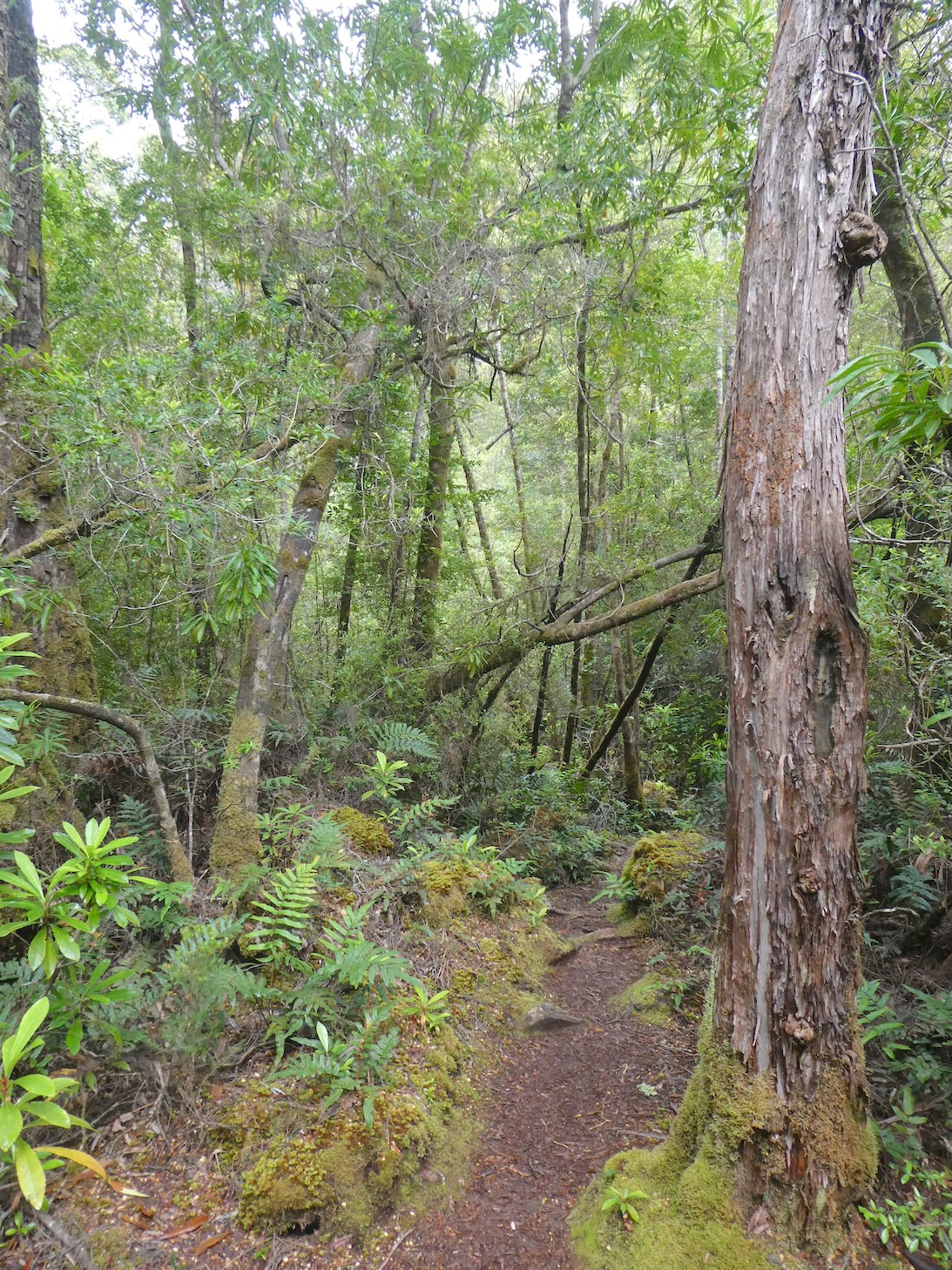
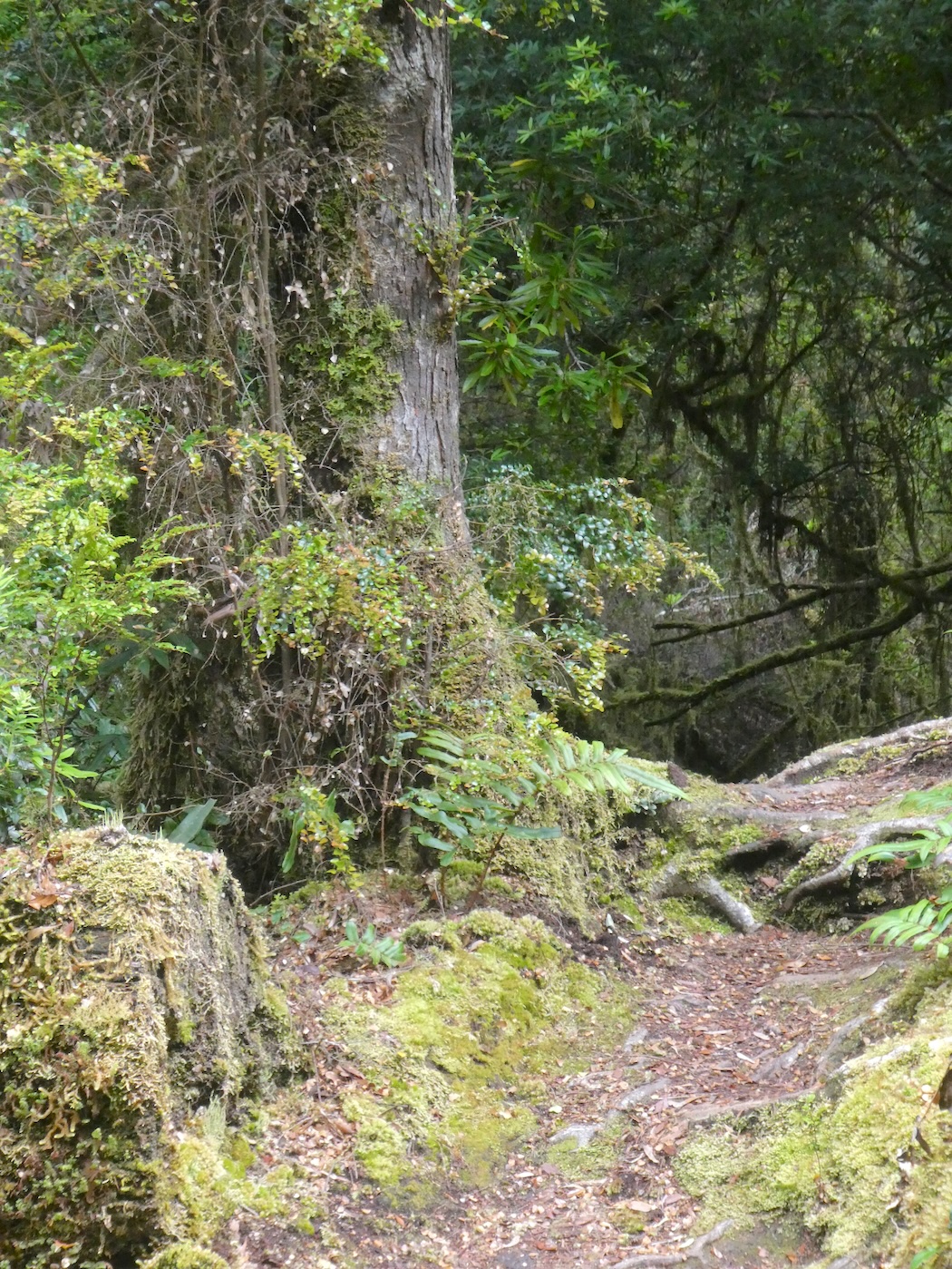
Surrounded by dense forest, the track became easier.

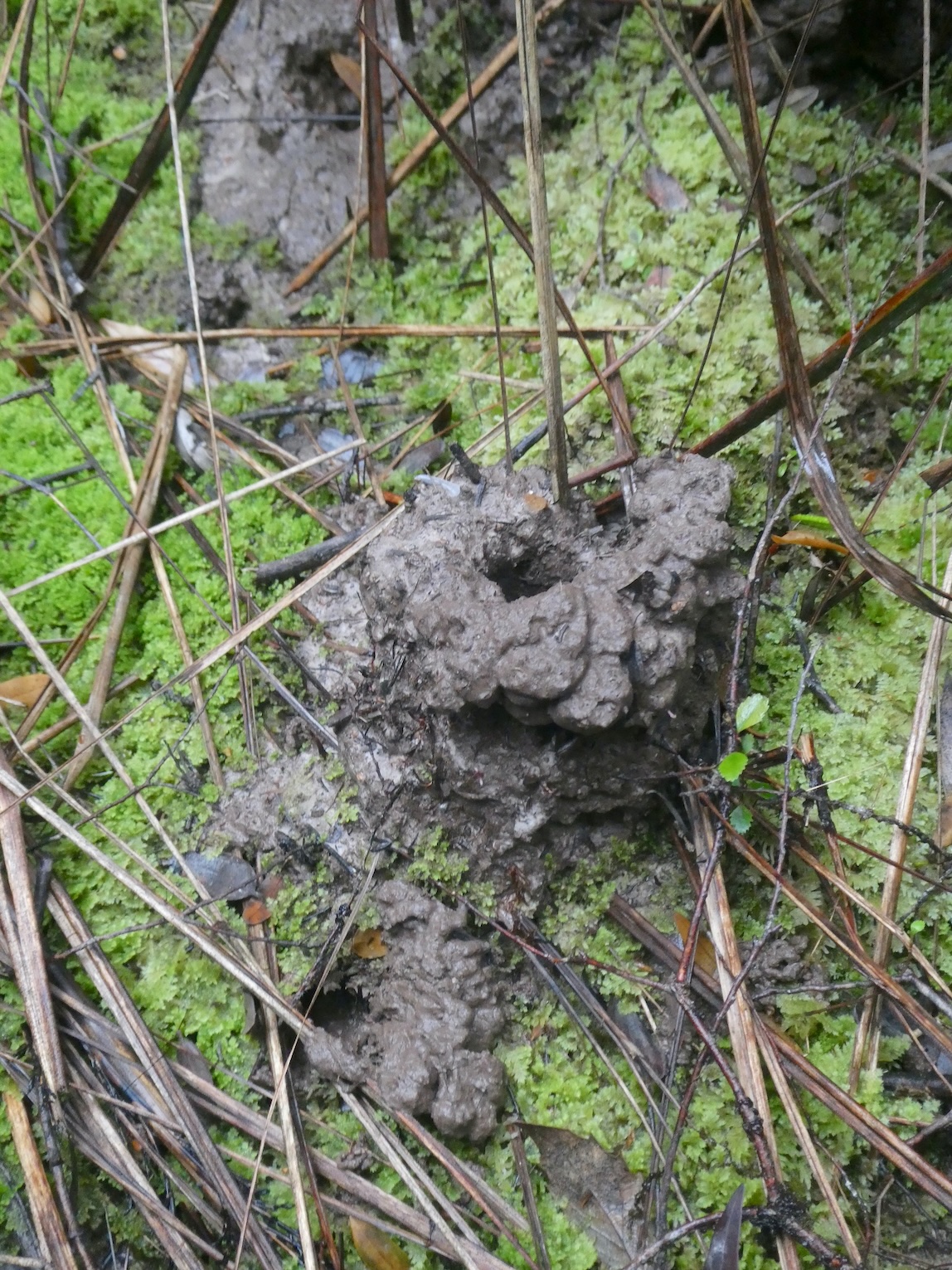
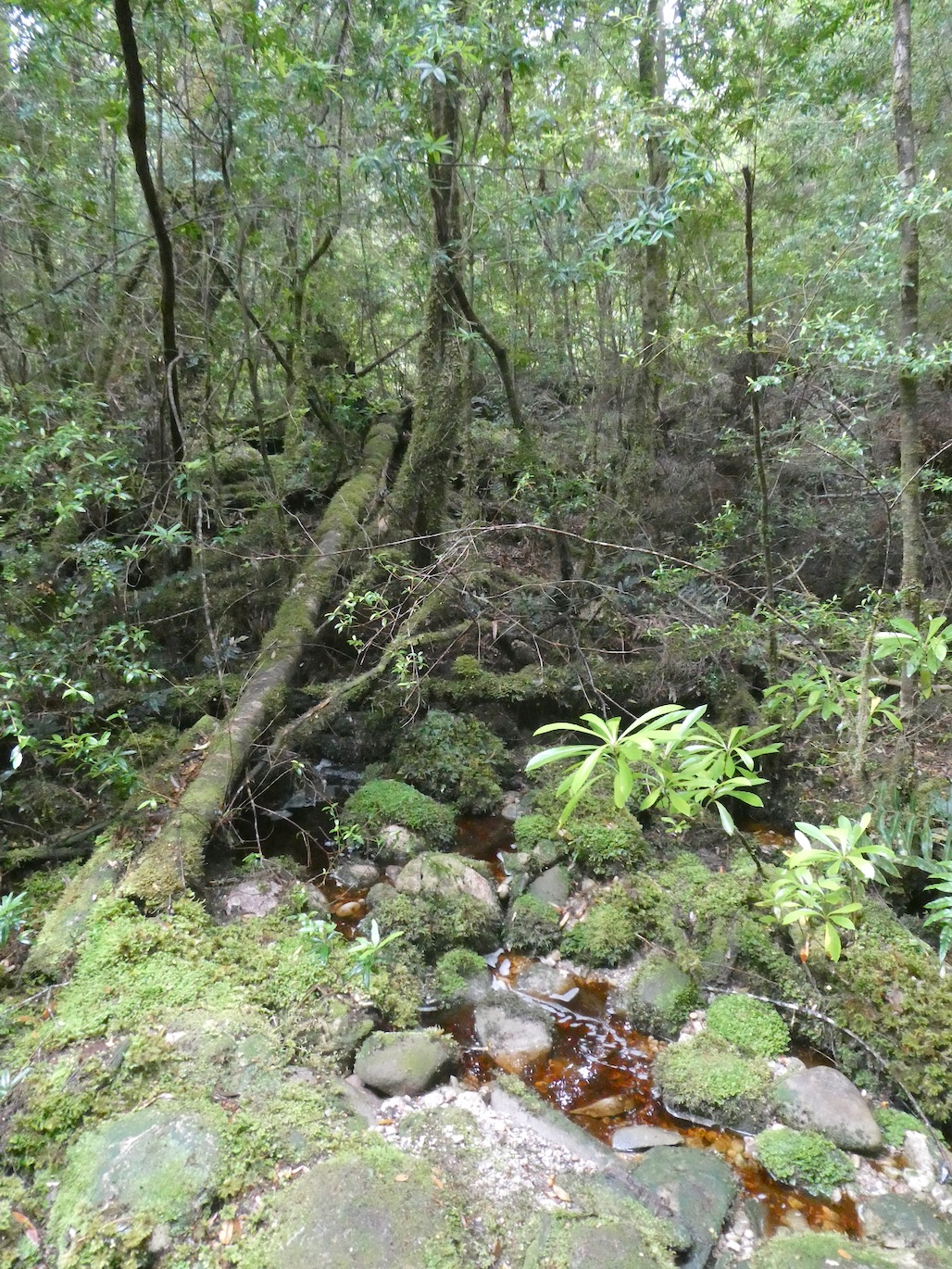
Burrowing crayfish chimneys heralded the shallow waters of a tannin stained stream.

More treacherous tree roots threatened the integrity of our ankles

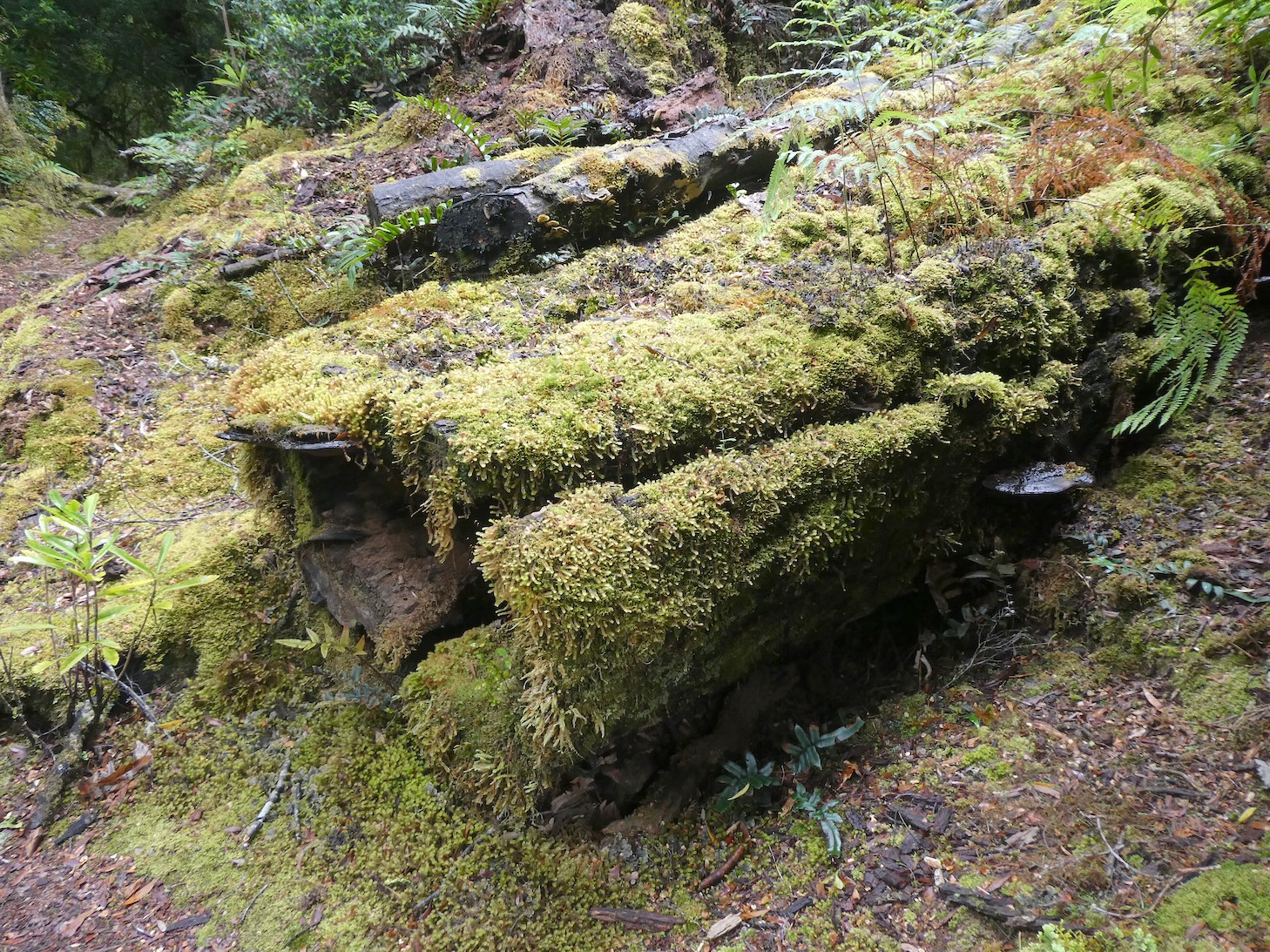
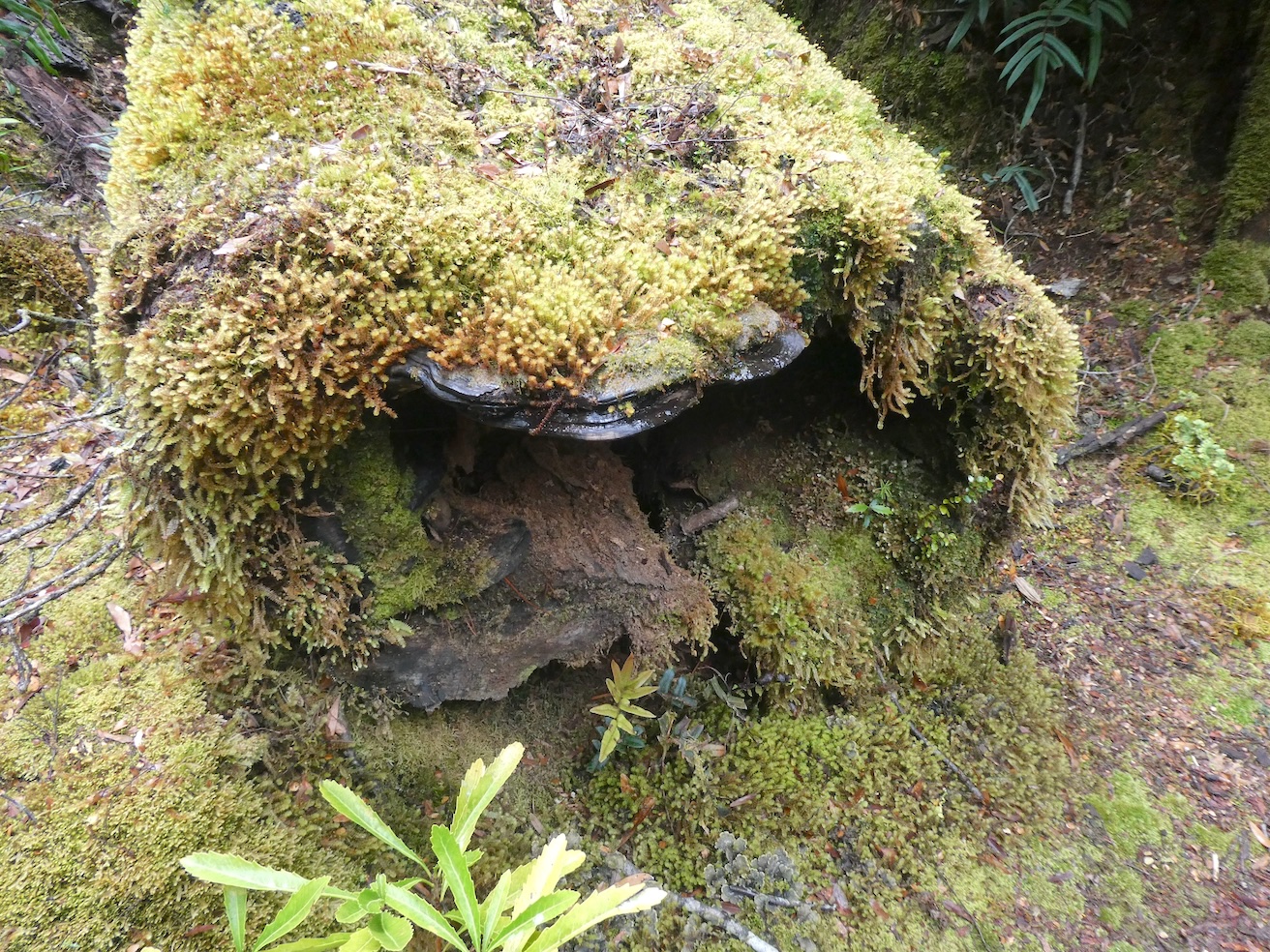
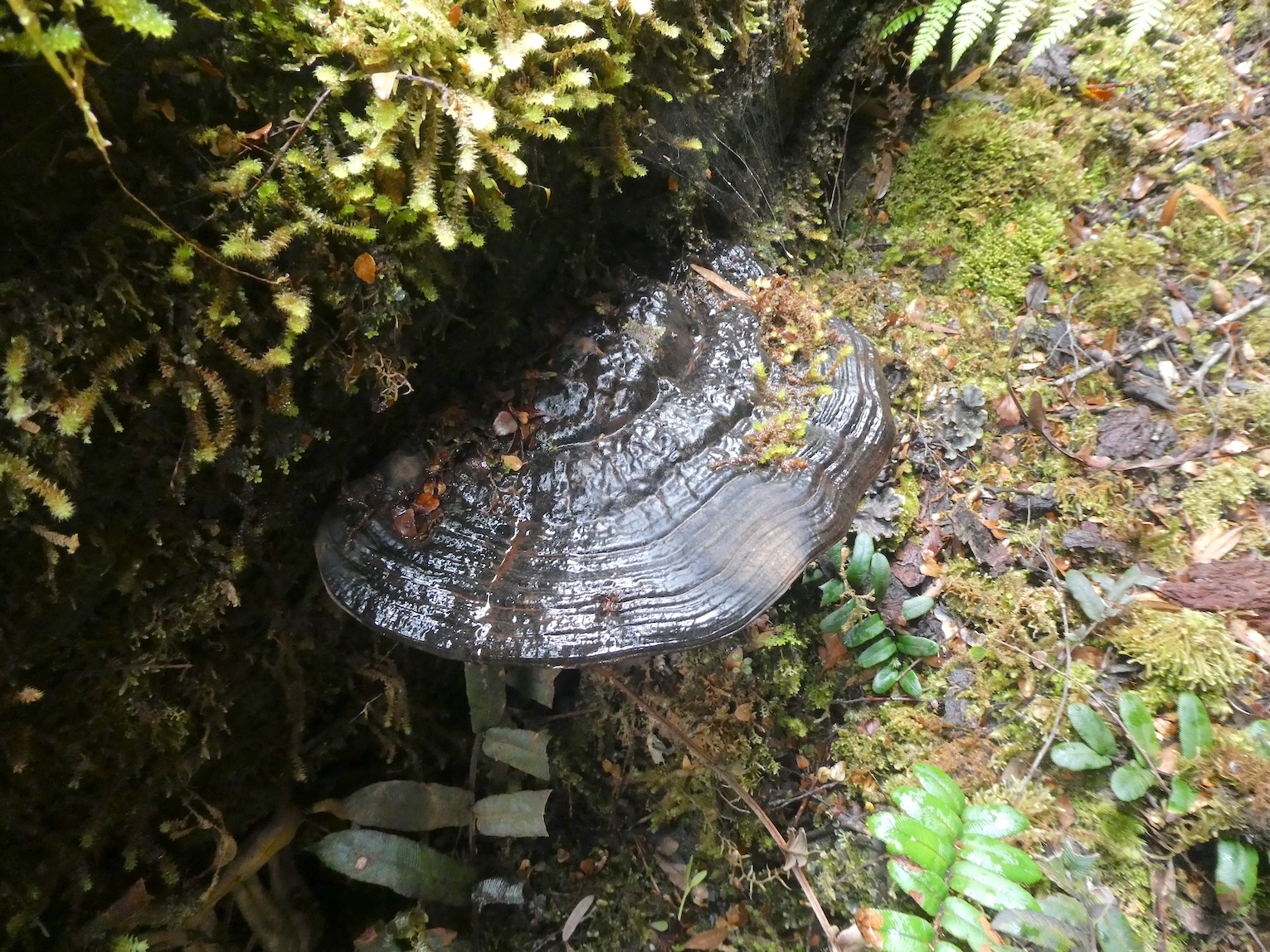
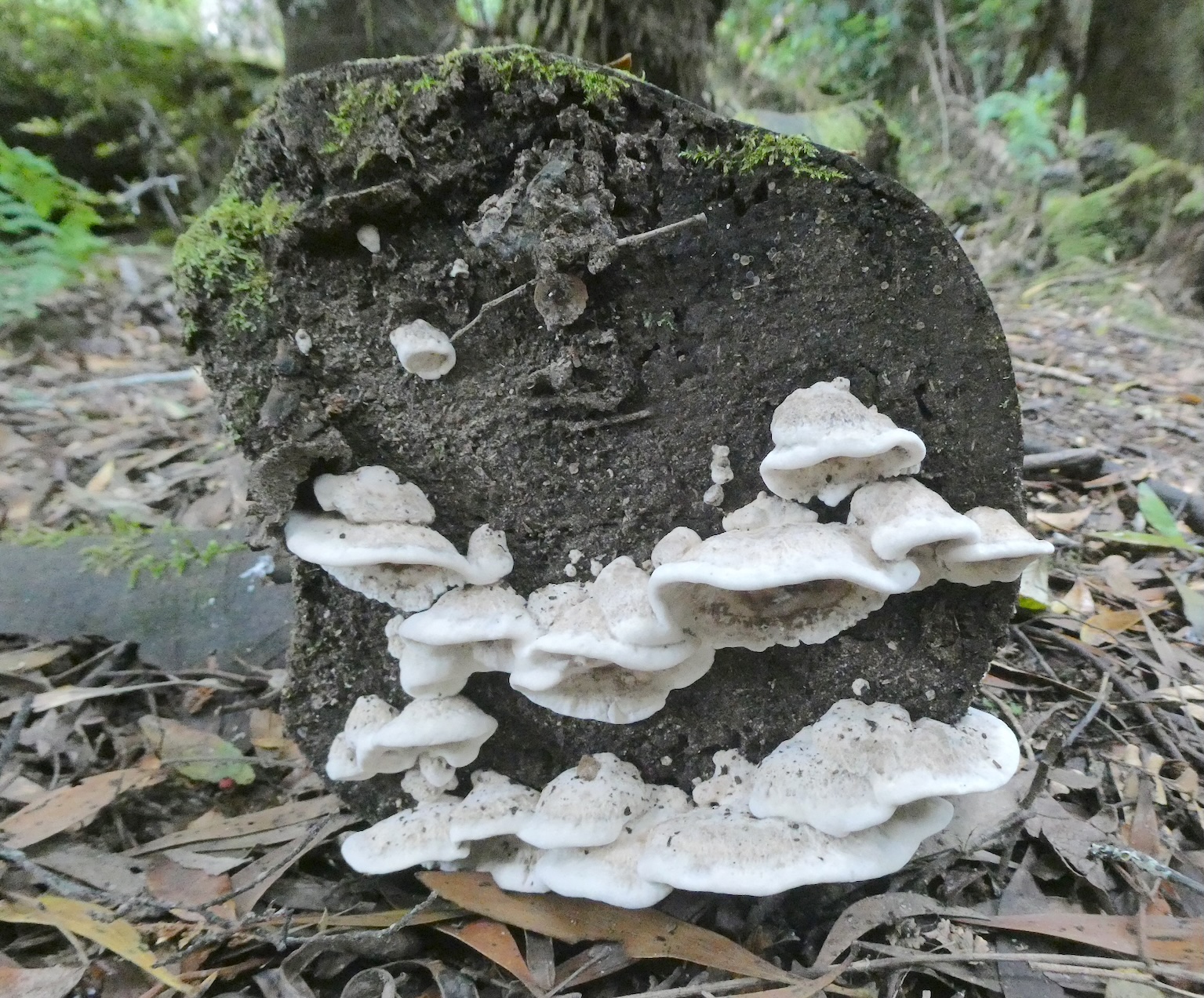
as our attention was captured by masses of mosses, lichens and fungi.

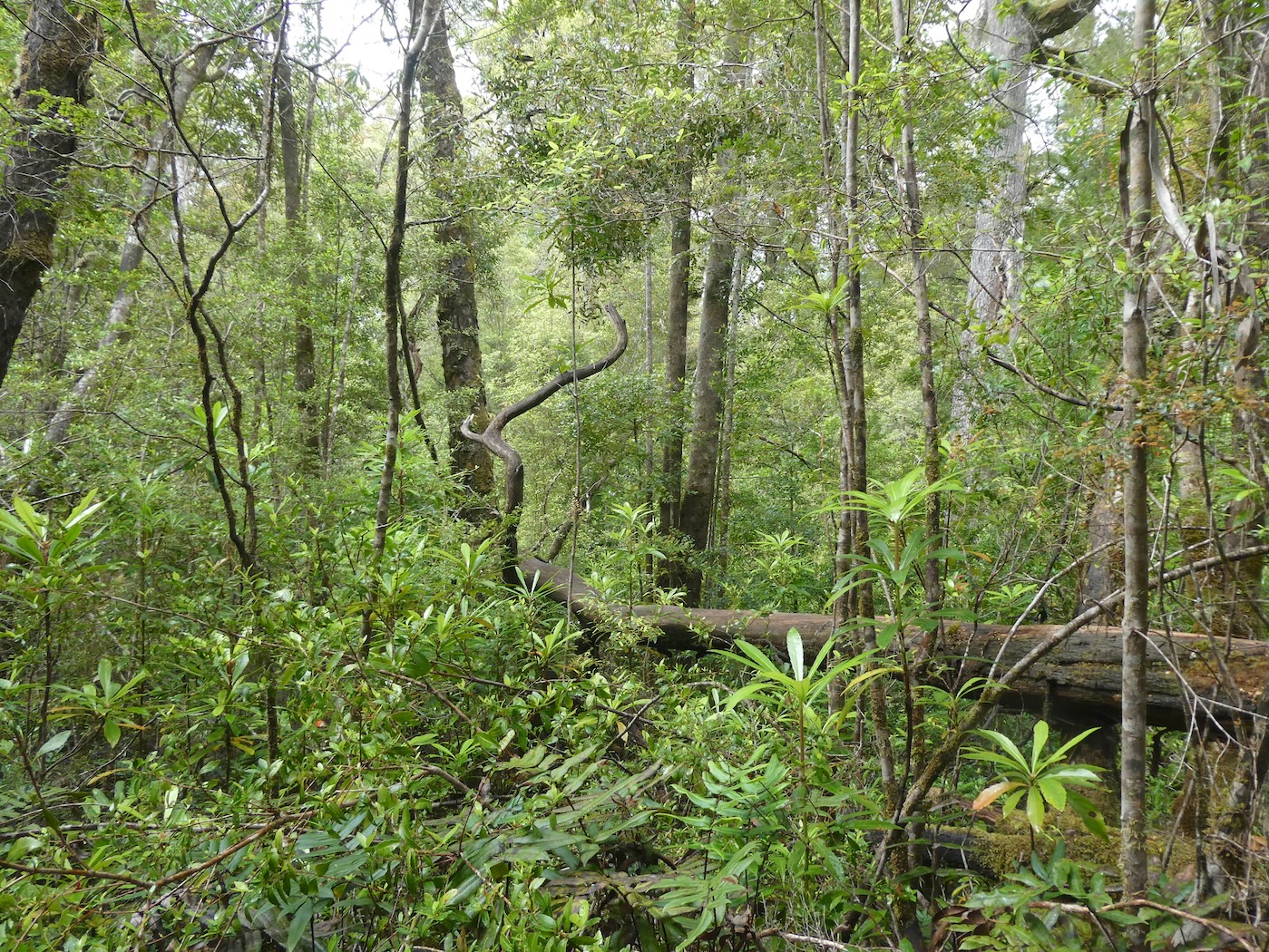
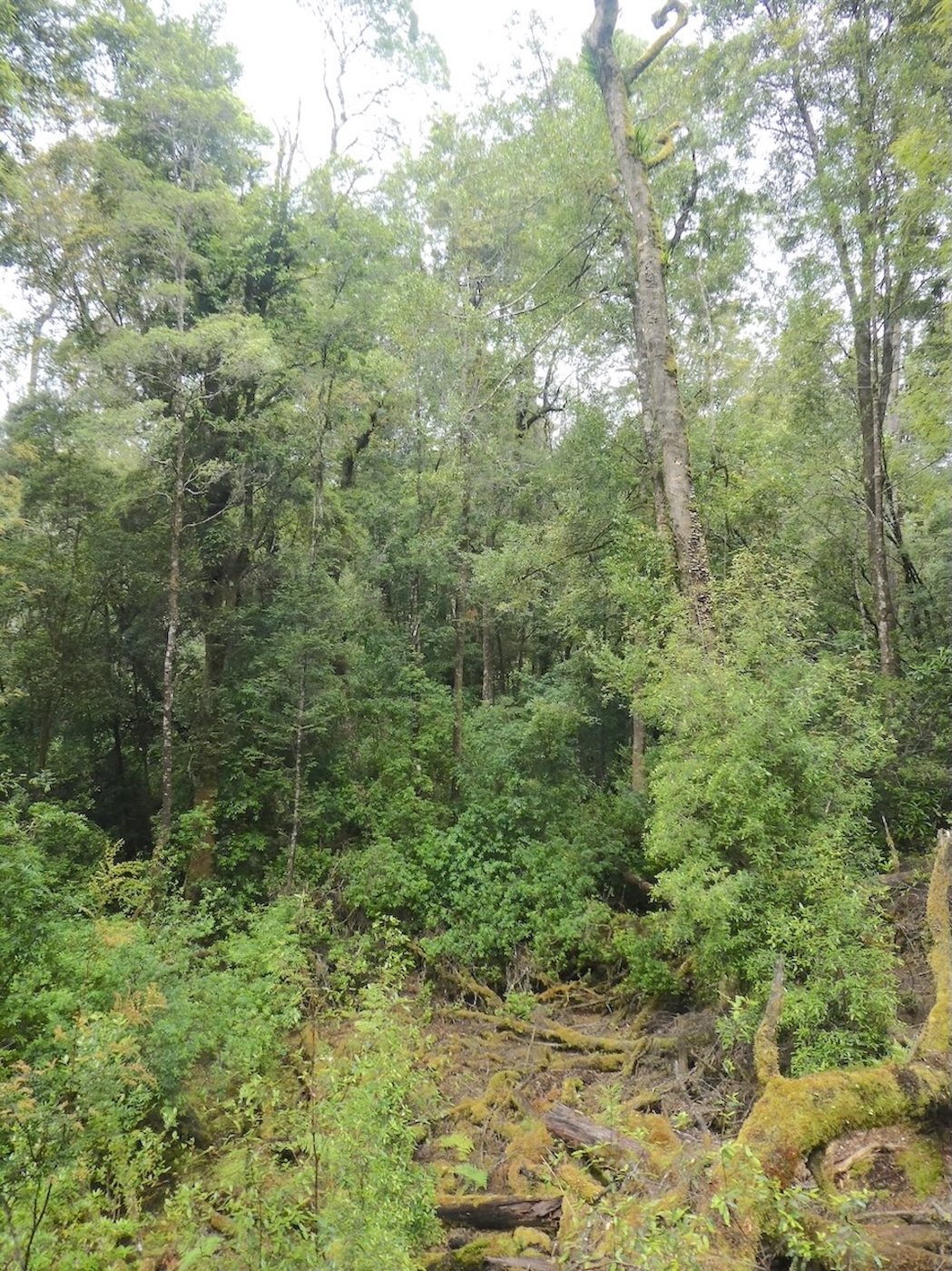
The vegetation started to change

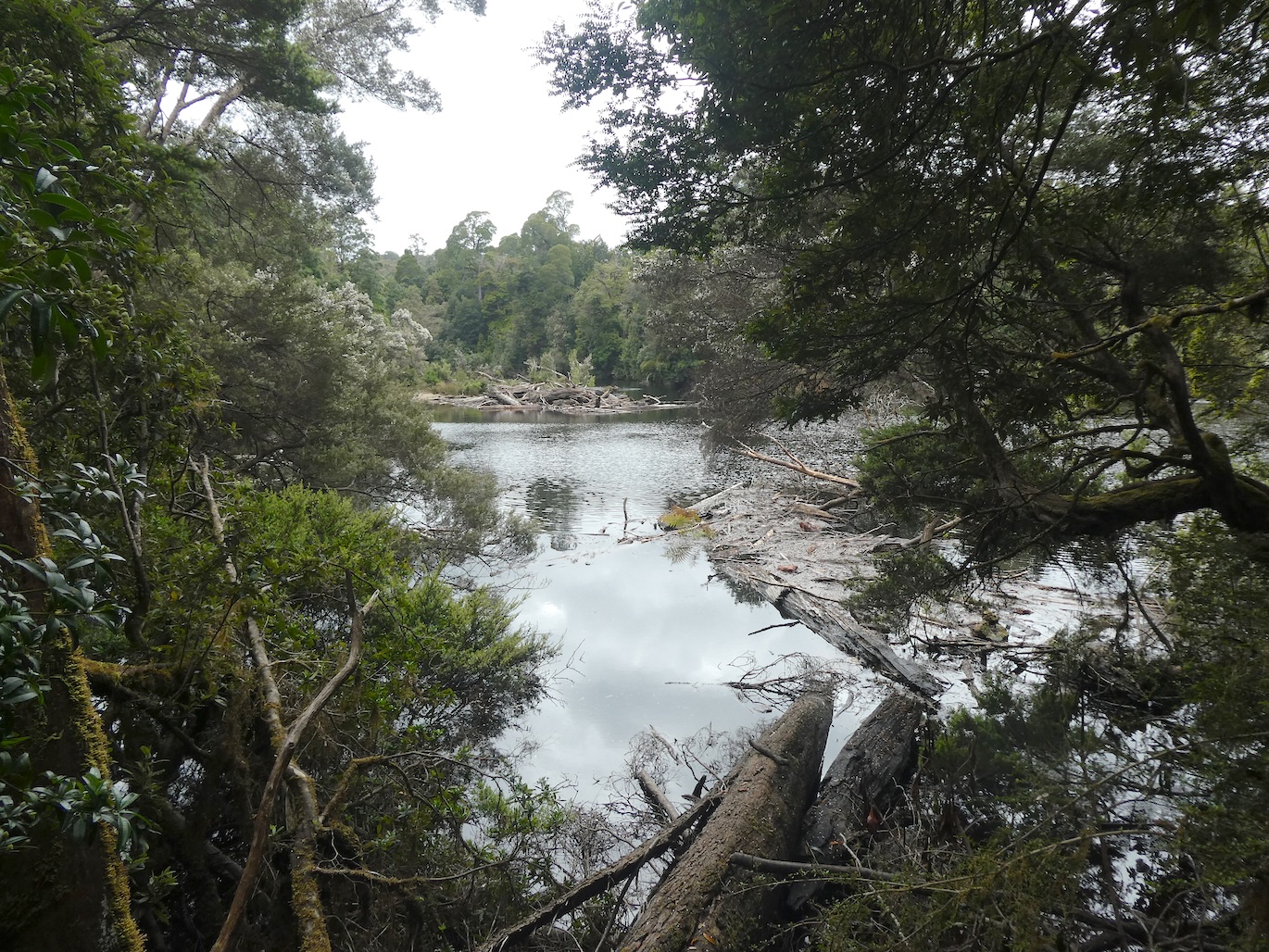
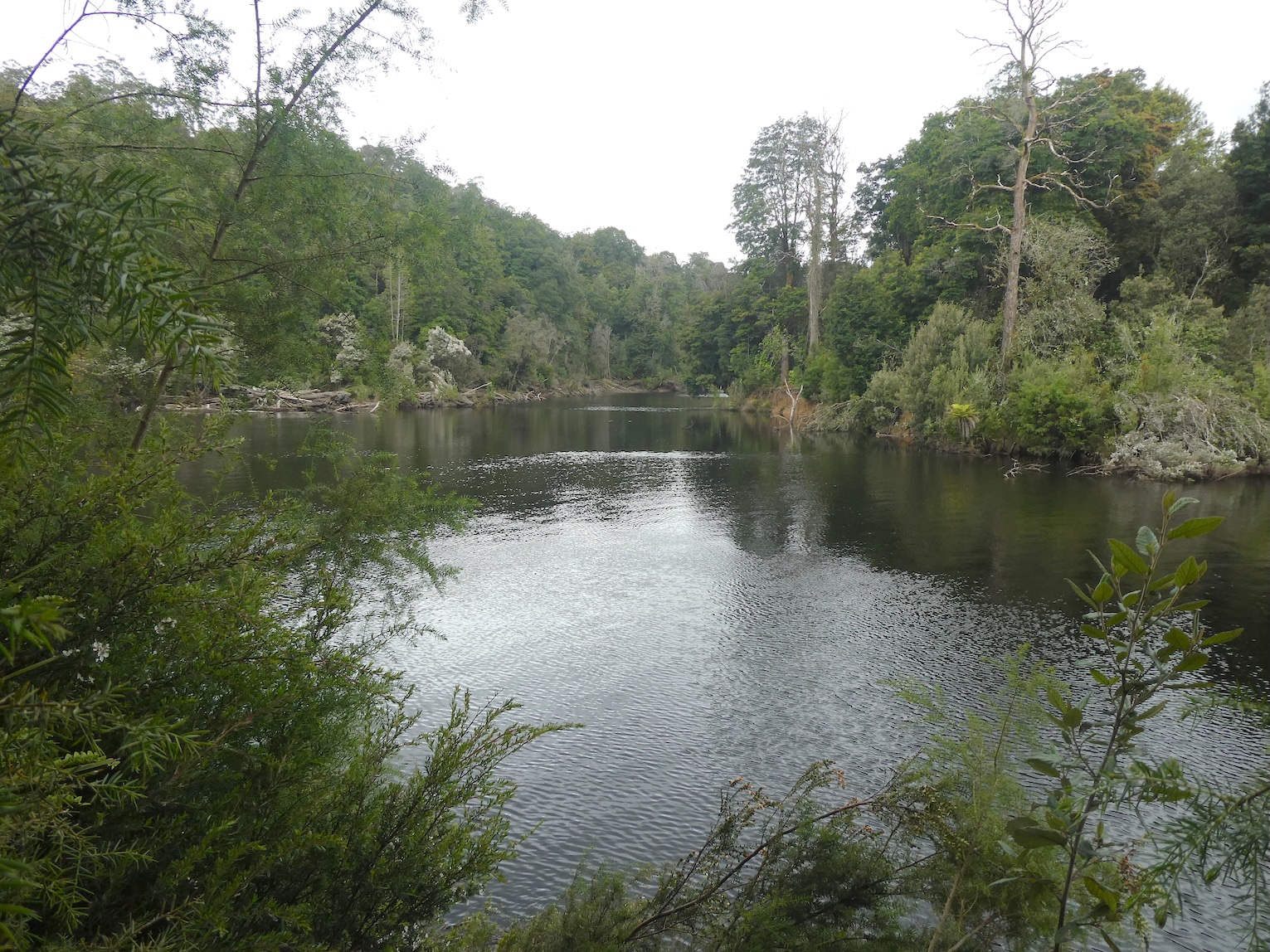
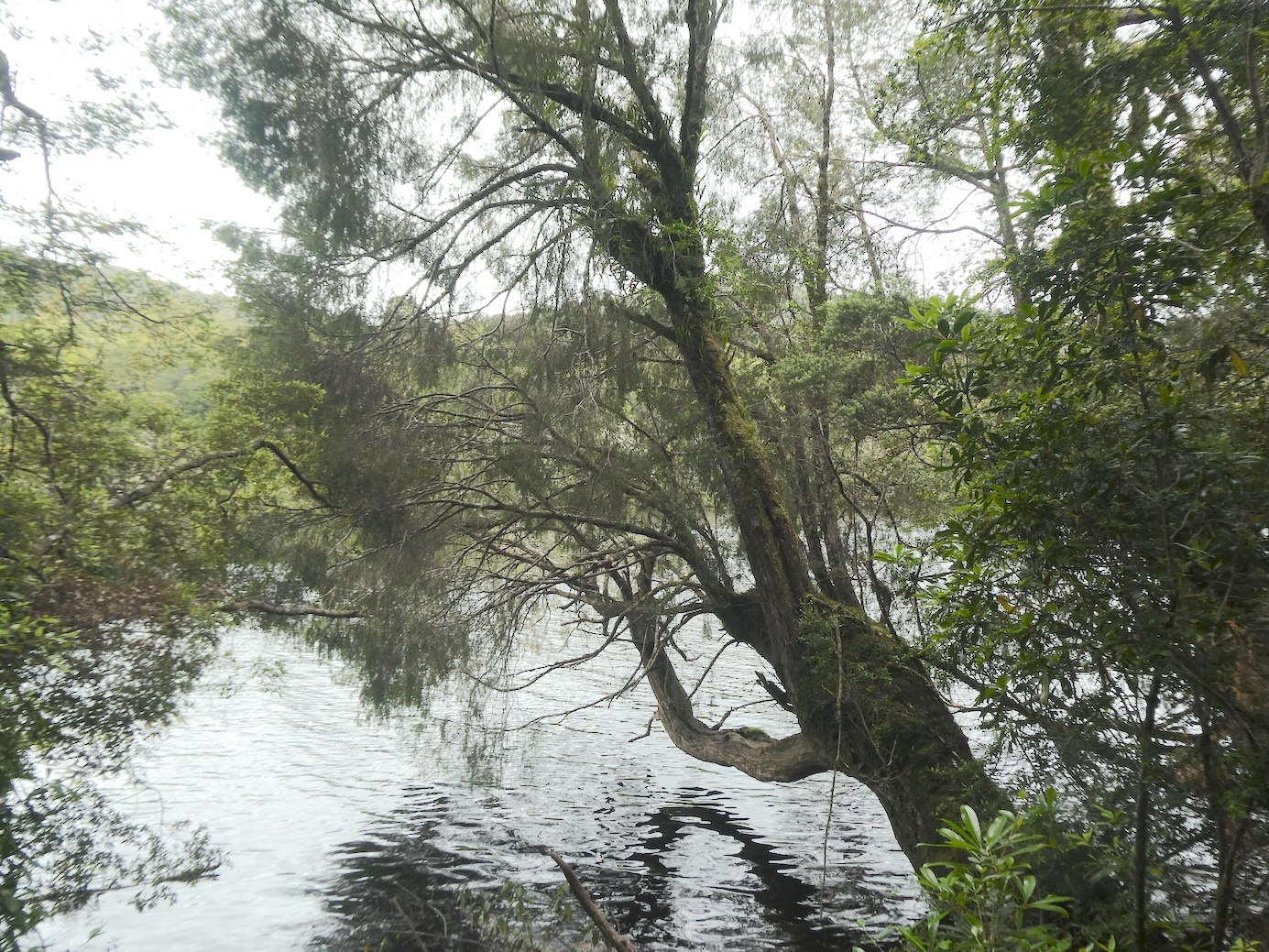
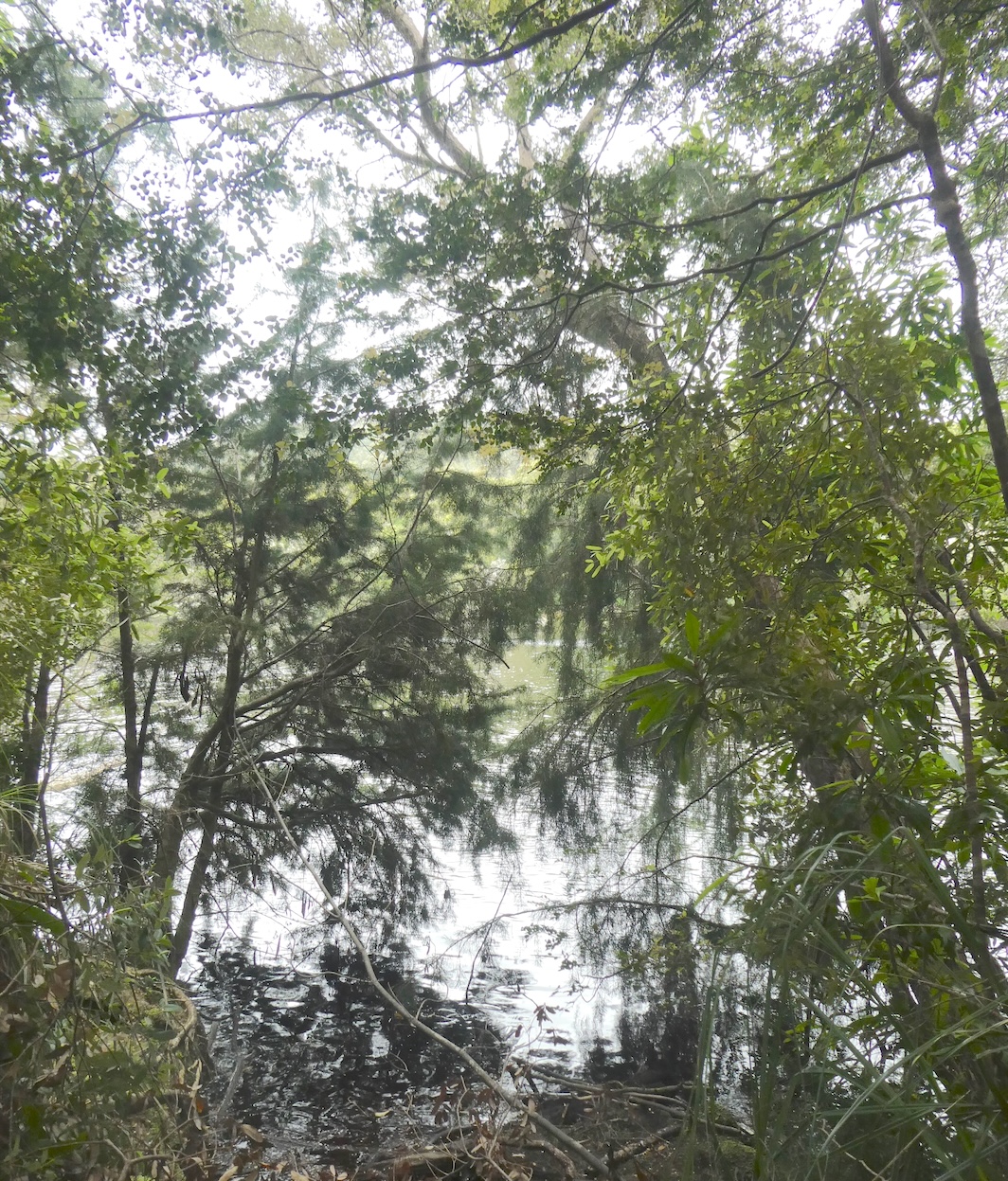
and we soon had a glimpse of the Whyte River.

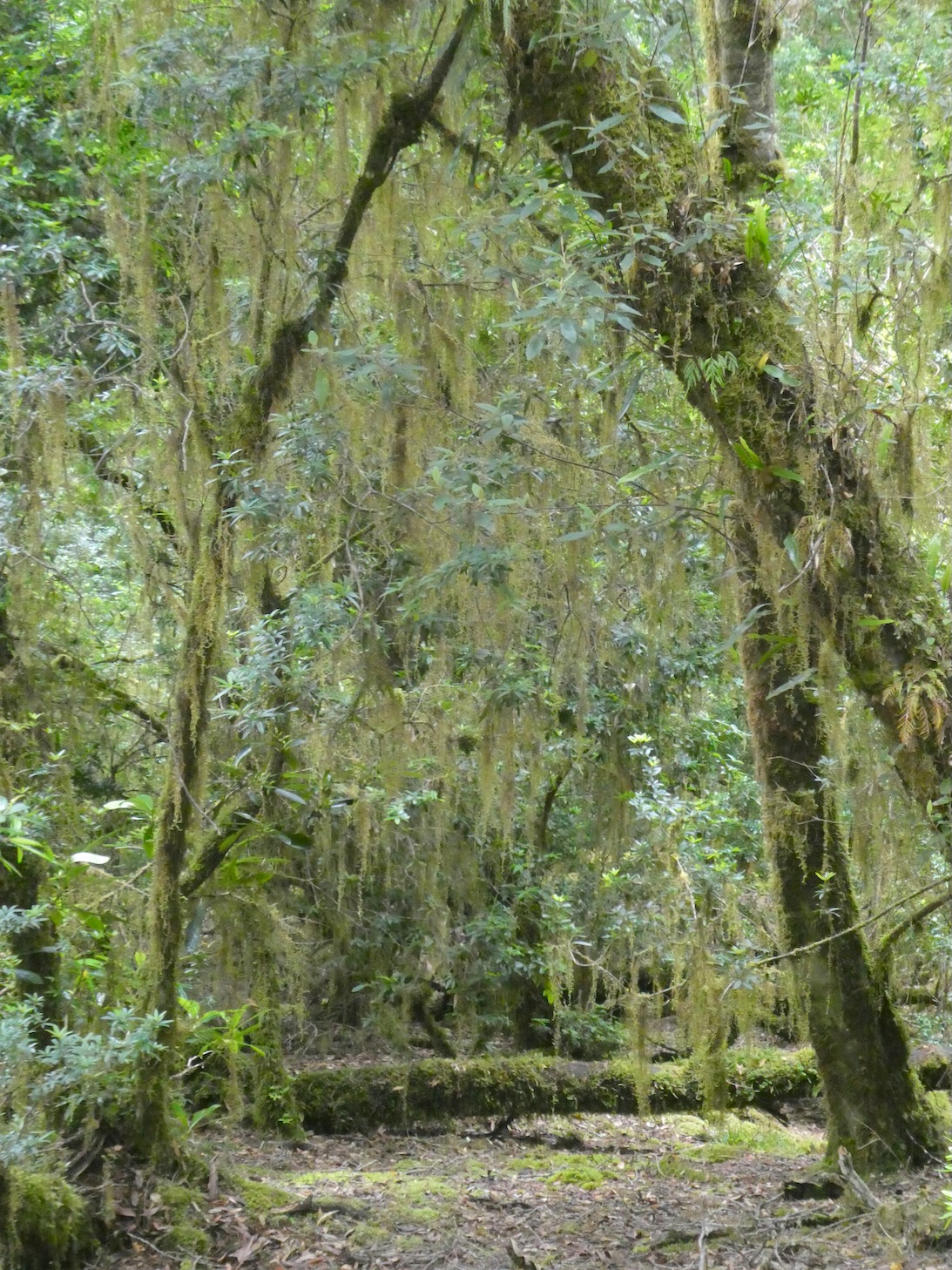
Curtains of mossy vines hung from branches

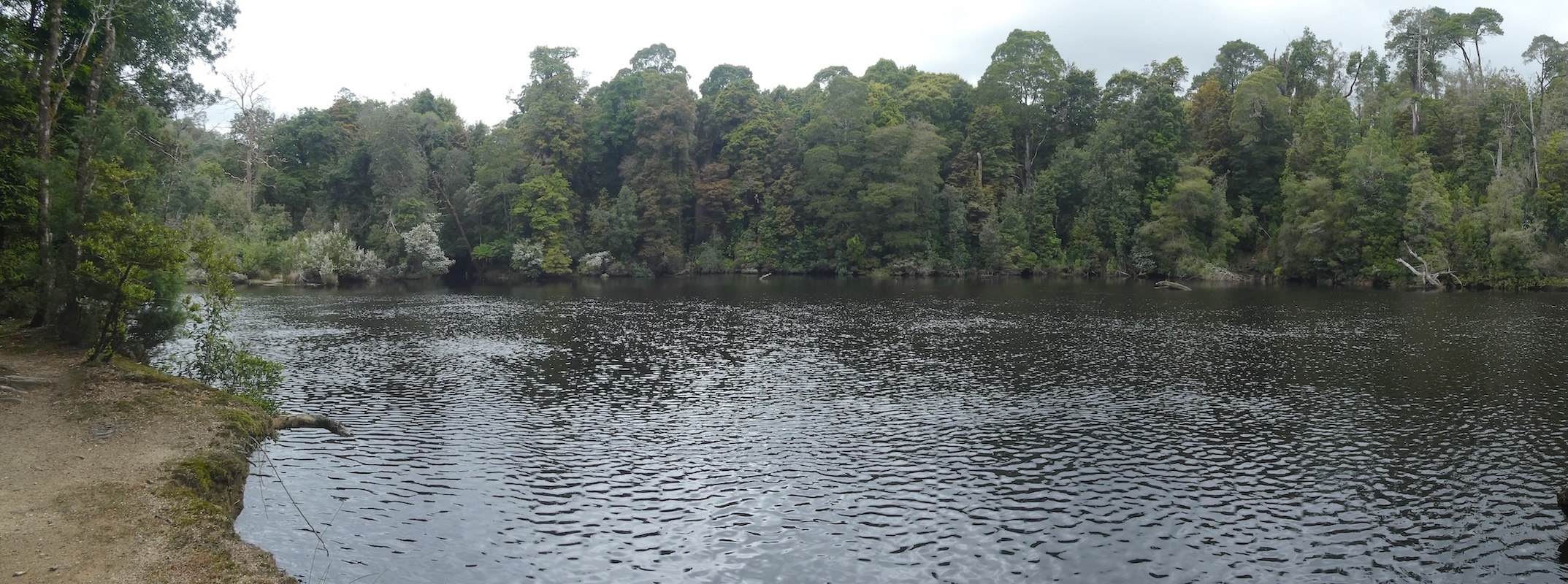
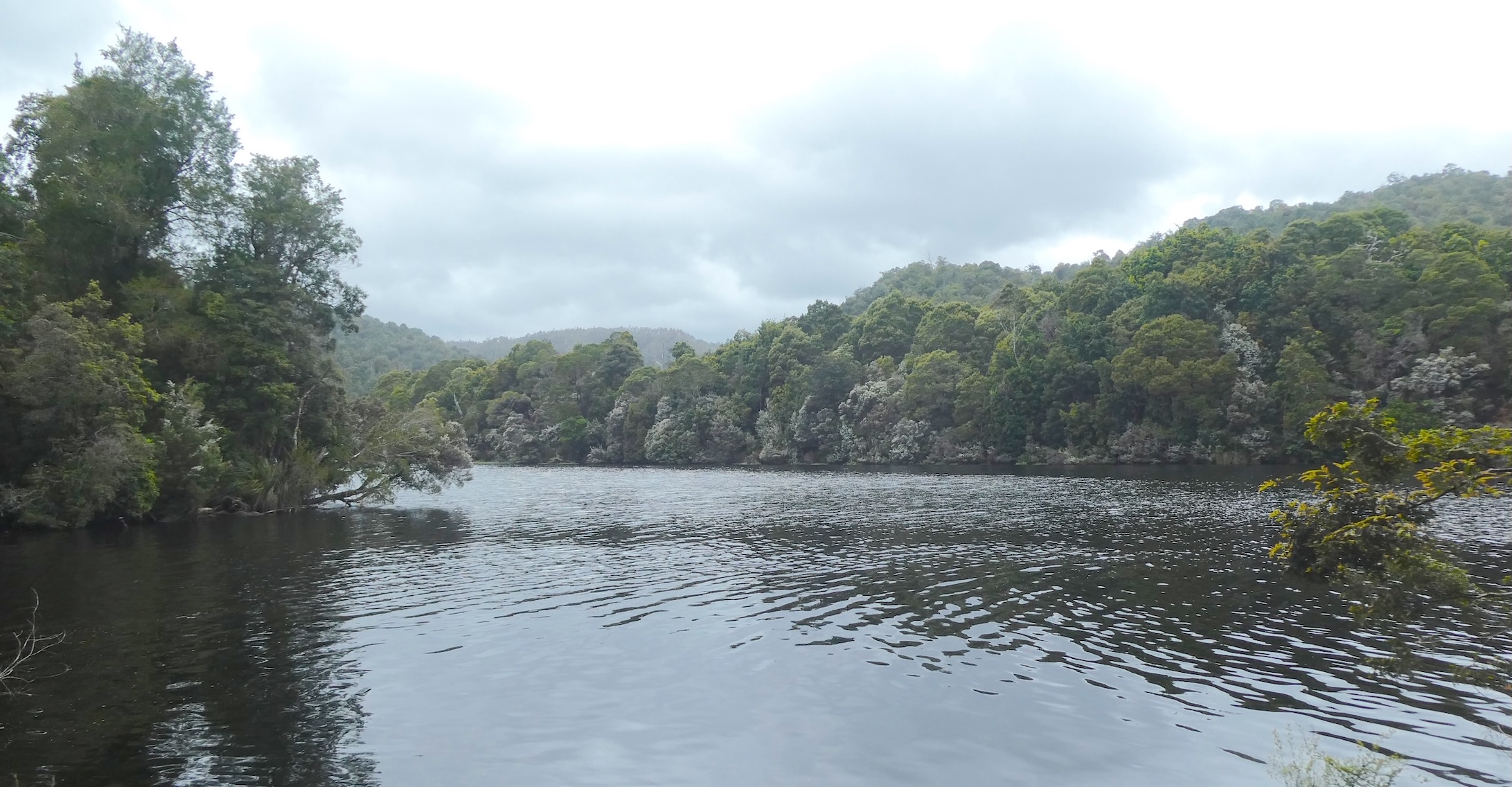
as we approached the confluence of the Whyte and Pieman Rivers.

The track then followed the Pieman

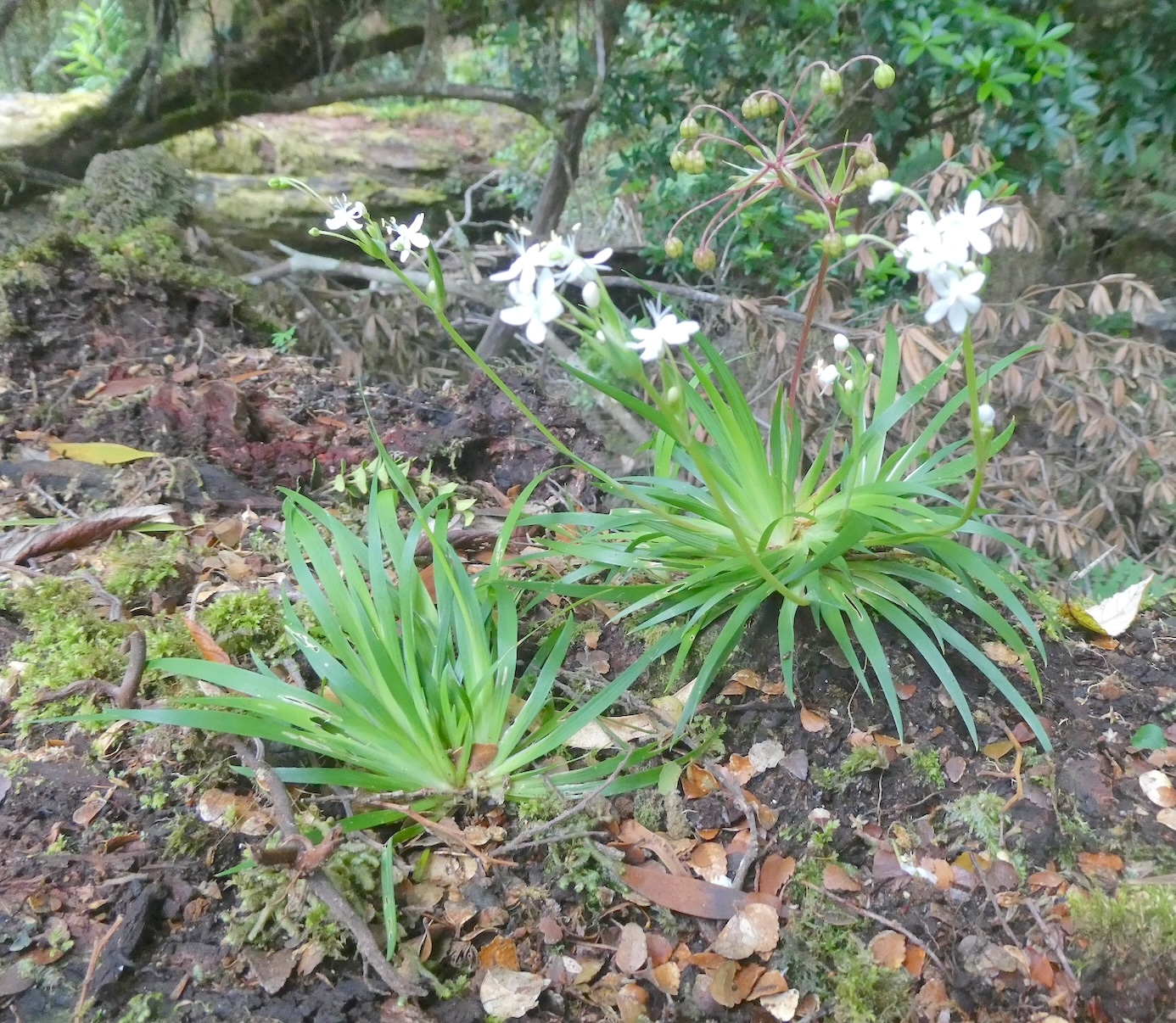
past forest giants, wildflowers and more spectacular fungi.

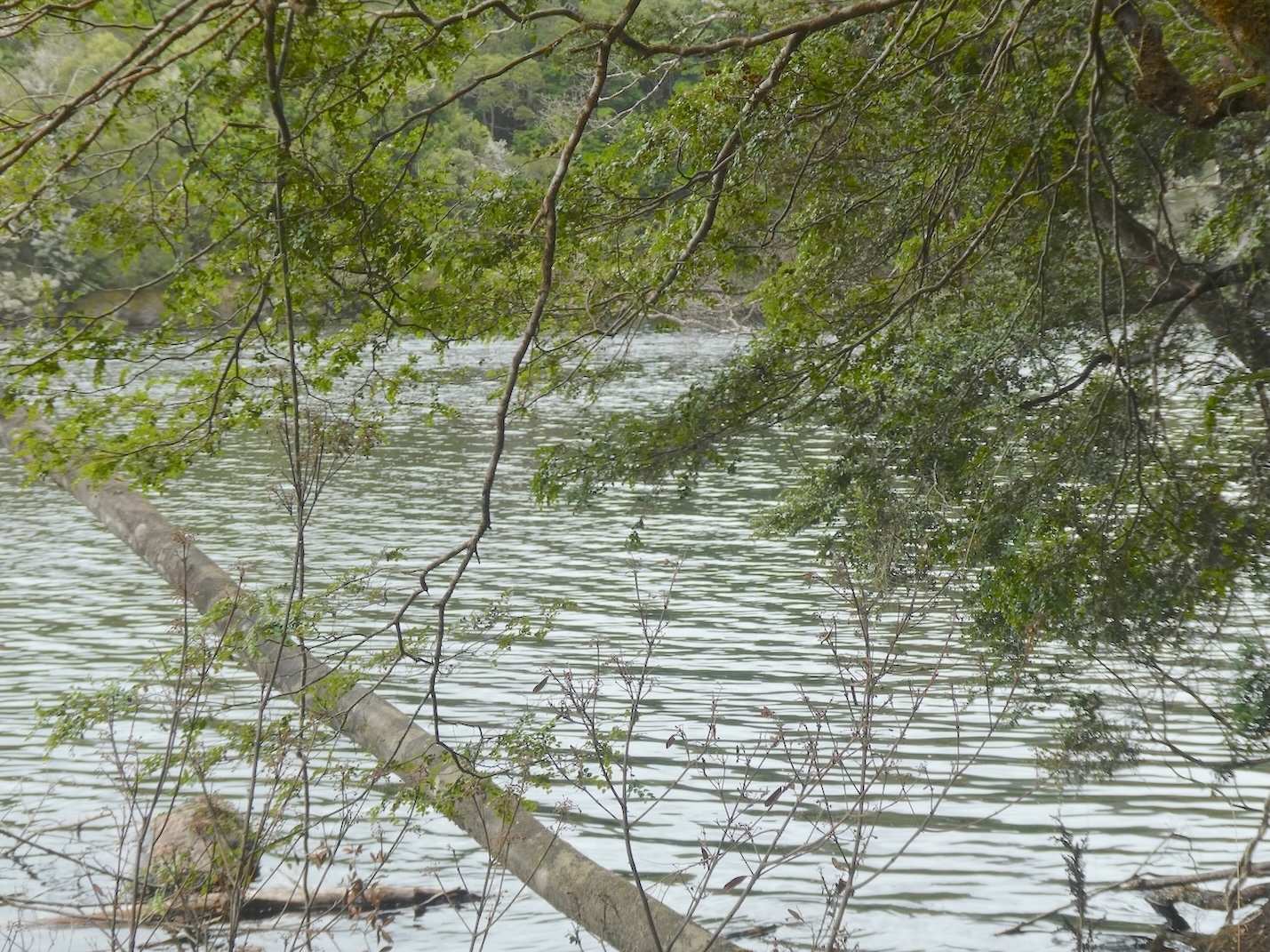
Huon pines dipped their unruly foliage into the water

as we returned to the Corinna tavern to relax with a beverage.

Stone Hut

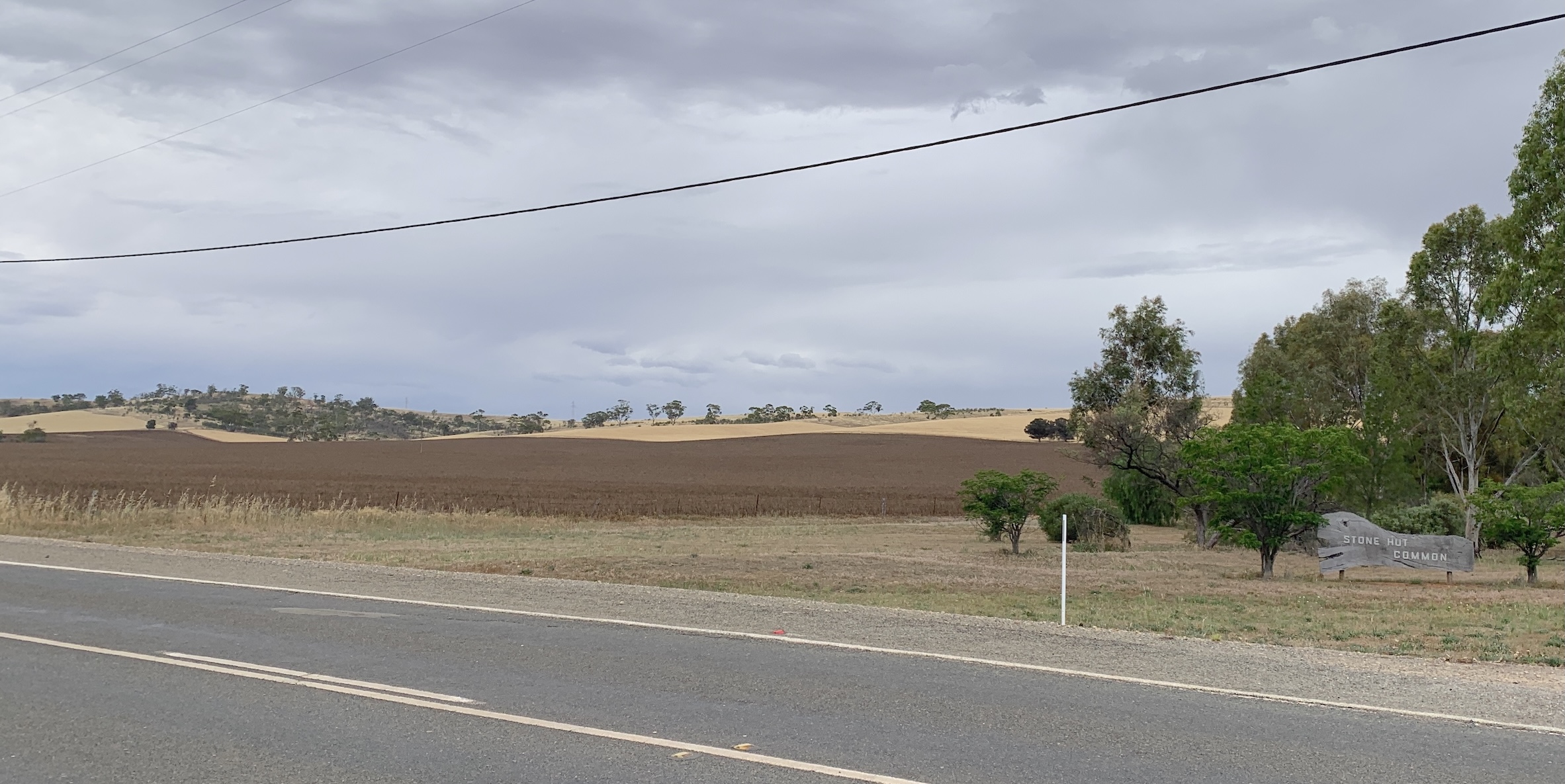
Following our wonderfully relaxing sojourn in Tanunda, we took the rural idyll to the extreme. A few years ago, my brother-in-law and his partner escaped the rat race to establish an off-grid property in a tiny town with a population of 26 . After driving for two and half hours through mostly flat, barren countryside, we arrived at Stone Hut, named for the old stone cottage built on the banks of the Rocky River in the 1850s by stonemason Thomas Long. Originally a stopover for Cobb & Co mail coaches, the next twenty years saw the village, surveyed in 1874, become a bustling pioneer settlement. There is a lot of history at Stone Hut but not much bustle these days.

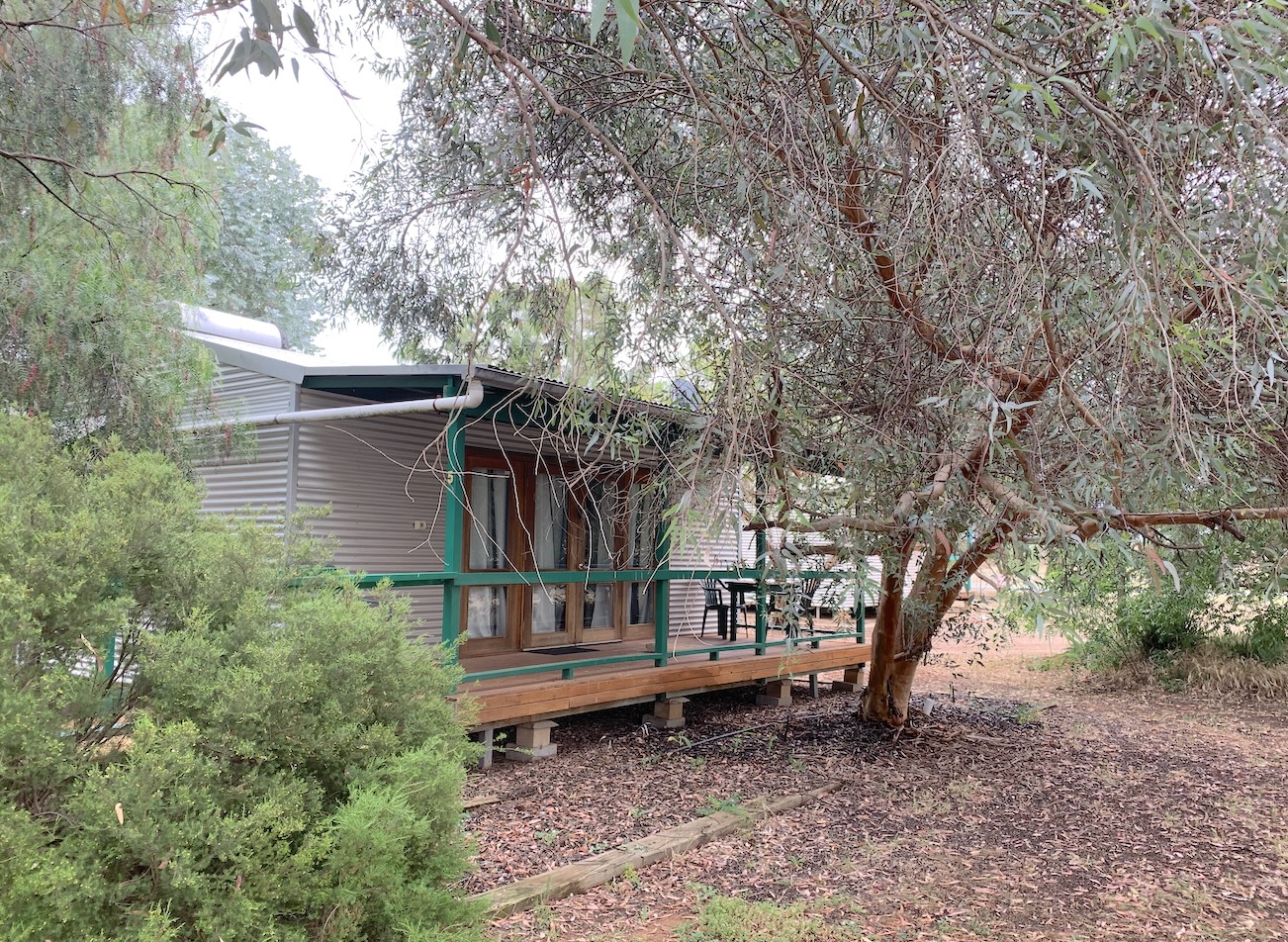
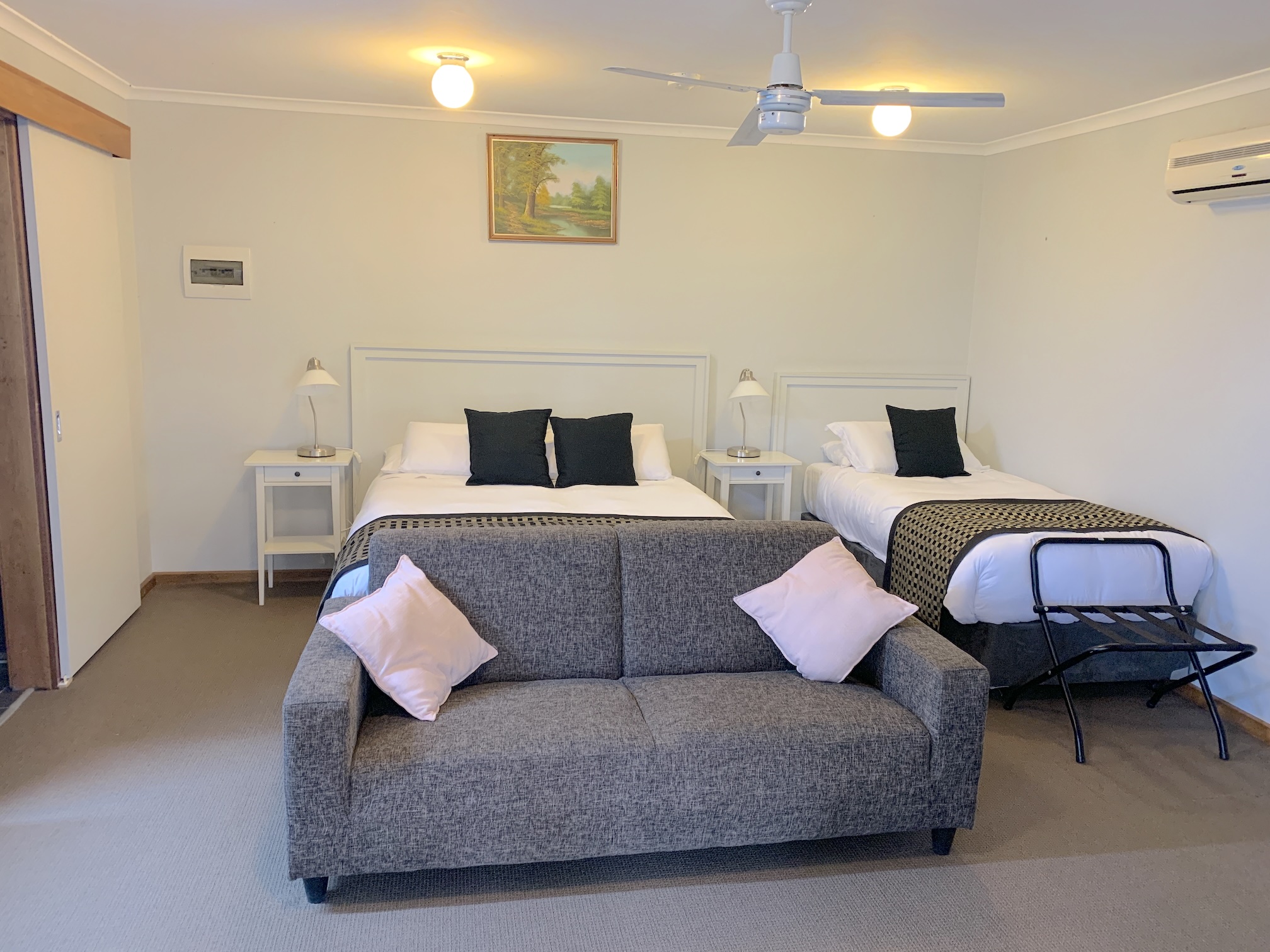
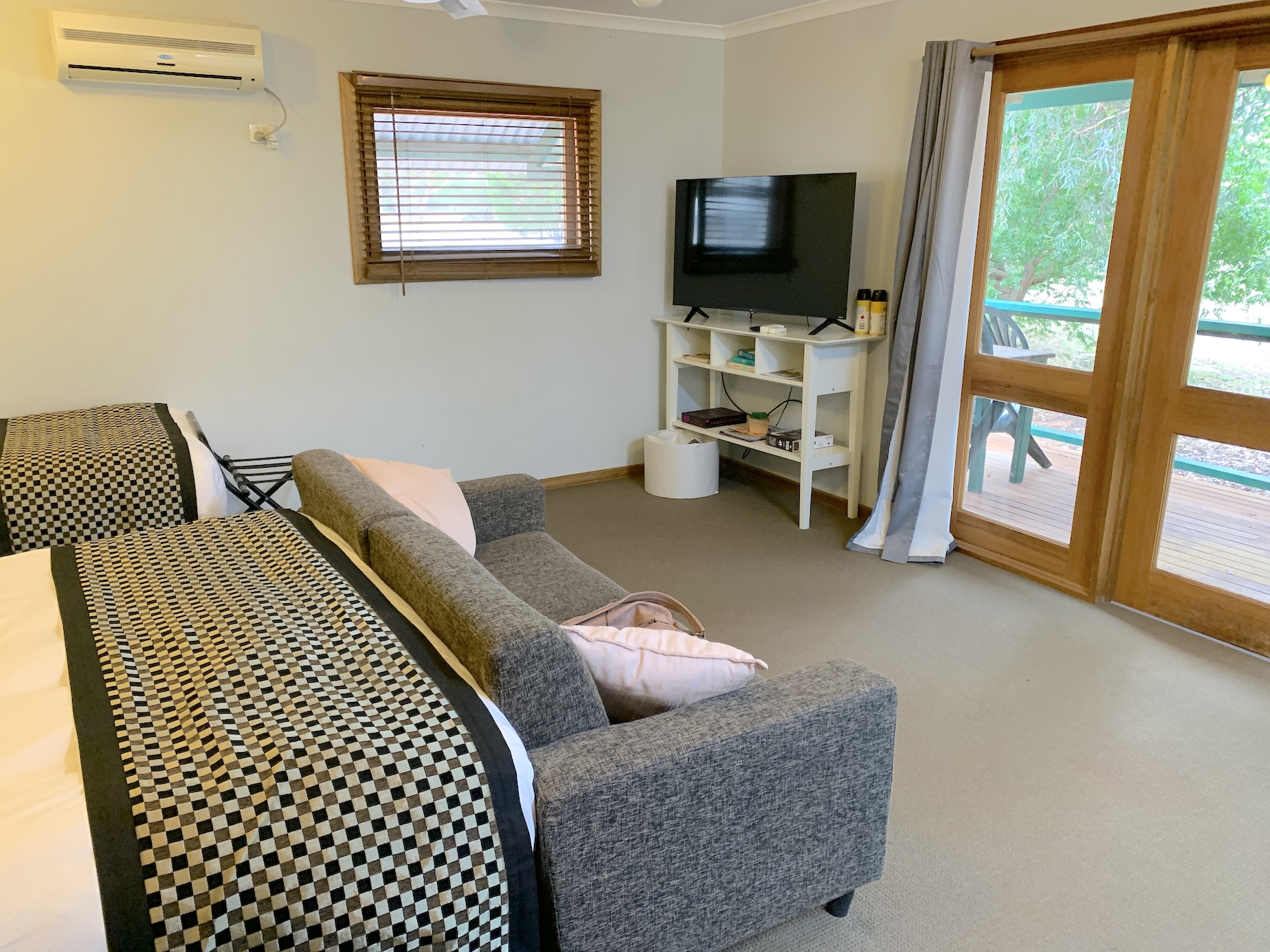
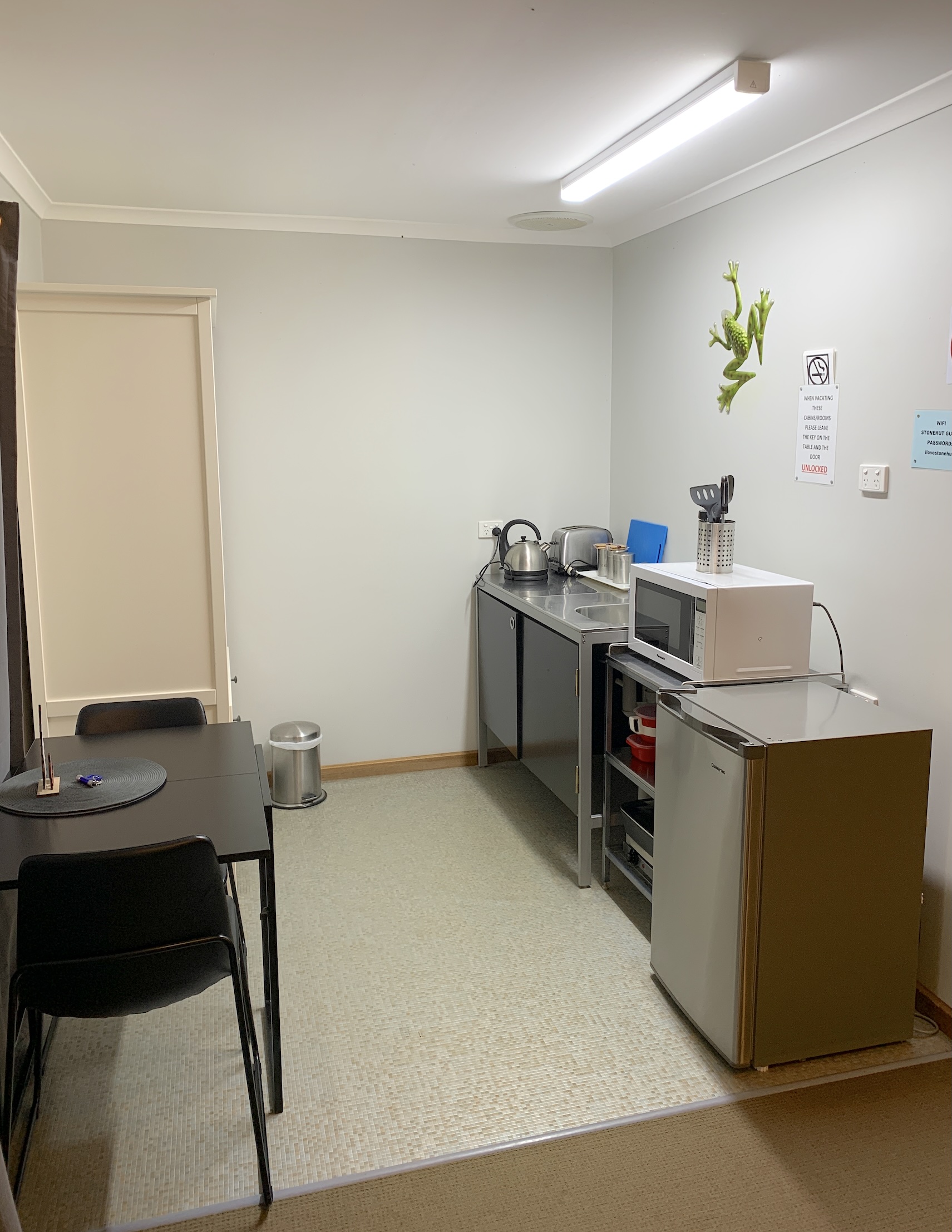
We had booked two nights at Stone Hut Cottages, adjacent to the famous bakery where, it is told, ‘visitors flock from miles to experience its delights’. We were so disappointed to find it was closed and, in a fine example of bad timing, re-opened under new management two weeks later. The cottages are scattered in a quiet bushland setting

and ours was very comfortable, spacious and well-equipped.

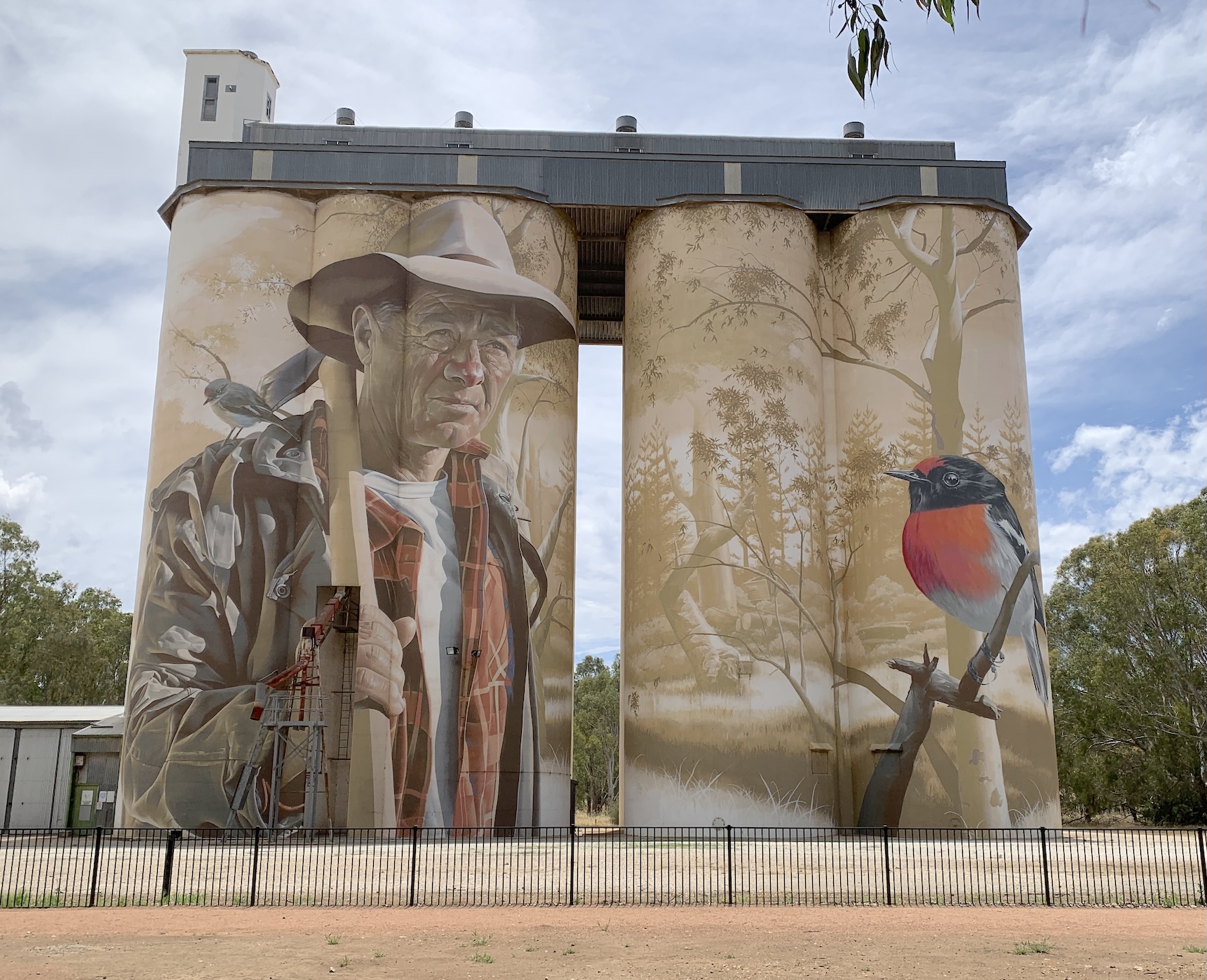
There are no convenience stores at Stone Hut but the town of Laura (population 552) is only 9km south and Wirrabara (population 353) the same distance to the north. Lunch at The Old Bakery in Wirrabara made up for our earlier dismay along with the discovery of a spectacular work of art painted on silos. To create a new tourist attraction for the town, the state Government offered an $80,000 grant to rejuvenate the non-operational silos, create a viewing area, car park, signage and lighting. In October 2018, Australian street artist Sam Bates (a.k.a. SMUG) created the forestry themed painting in twenty days.

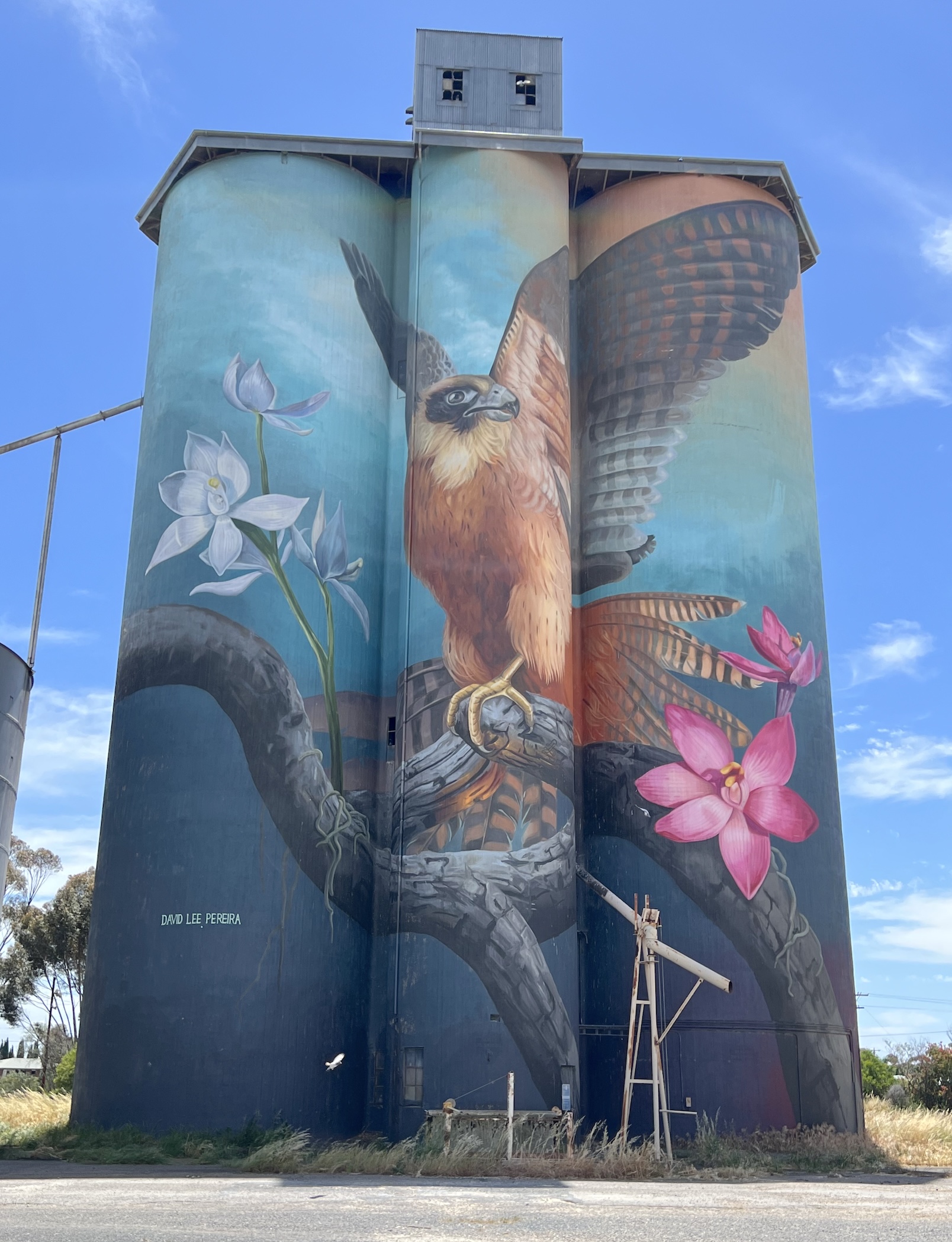
On a side note, when we drove from Geelong to Adelaide we stopped at a town called Kaniva to find a spot to eat our packed lunch. A shaded picnic table was perfect, with a beautiful backdrop of another painted silo. This one celebrates the plants and birds of Little Desert National Park in Victoria and was completed by artist David Lee Pereira in October 2020.

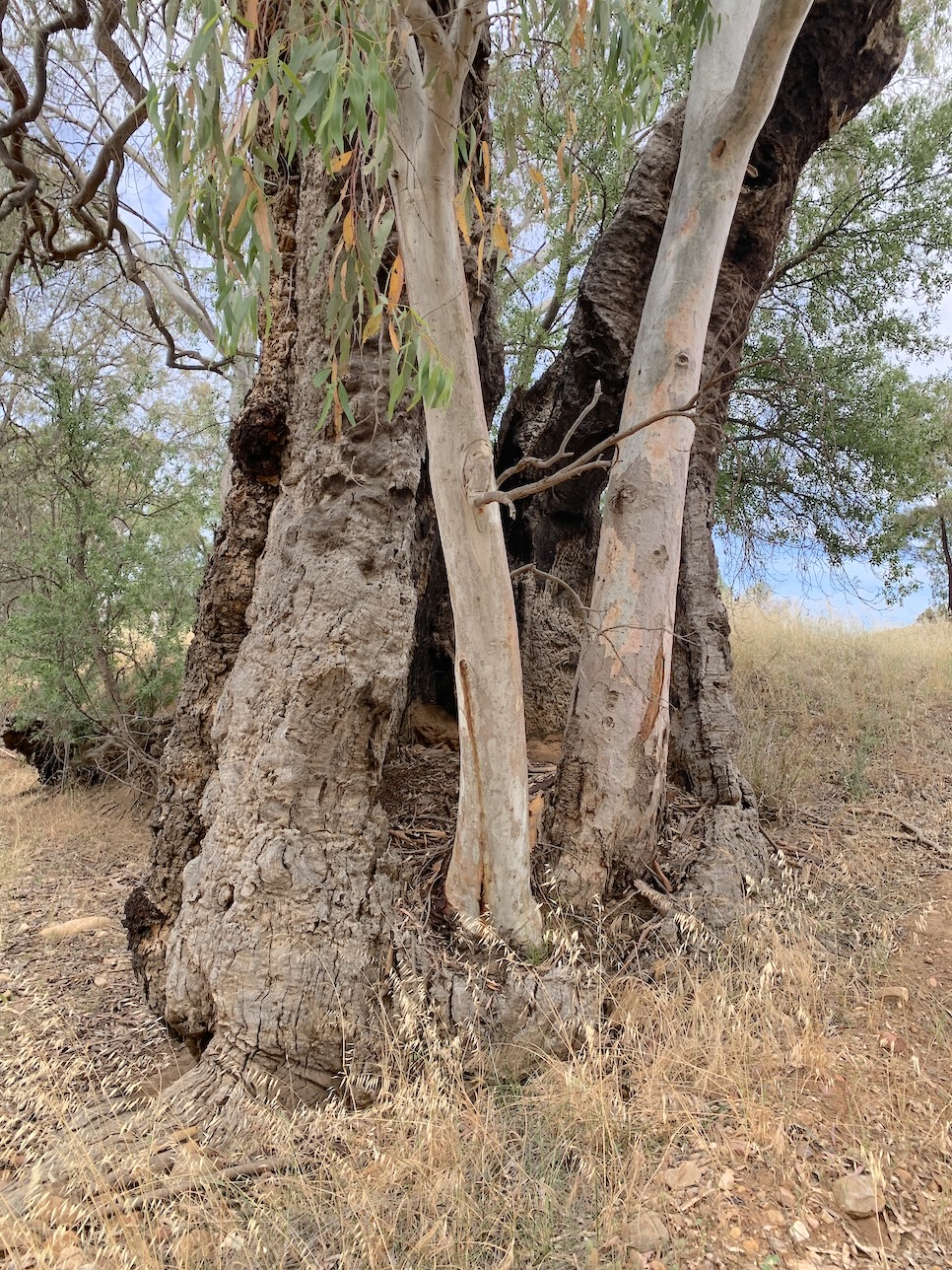
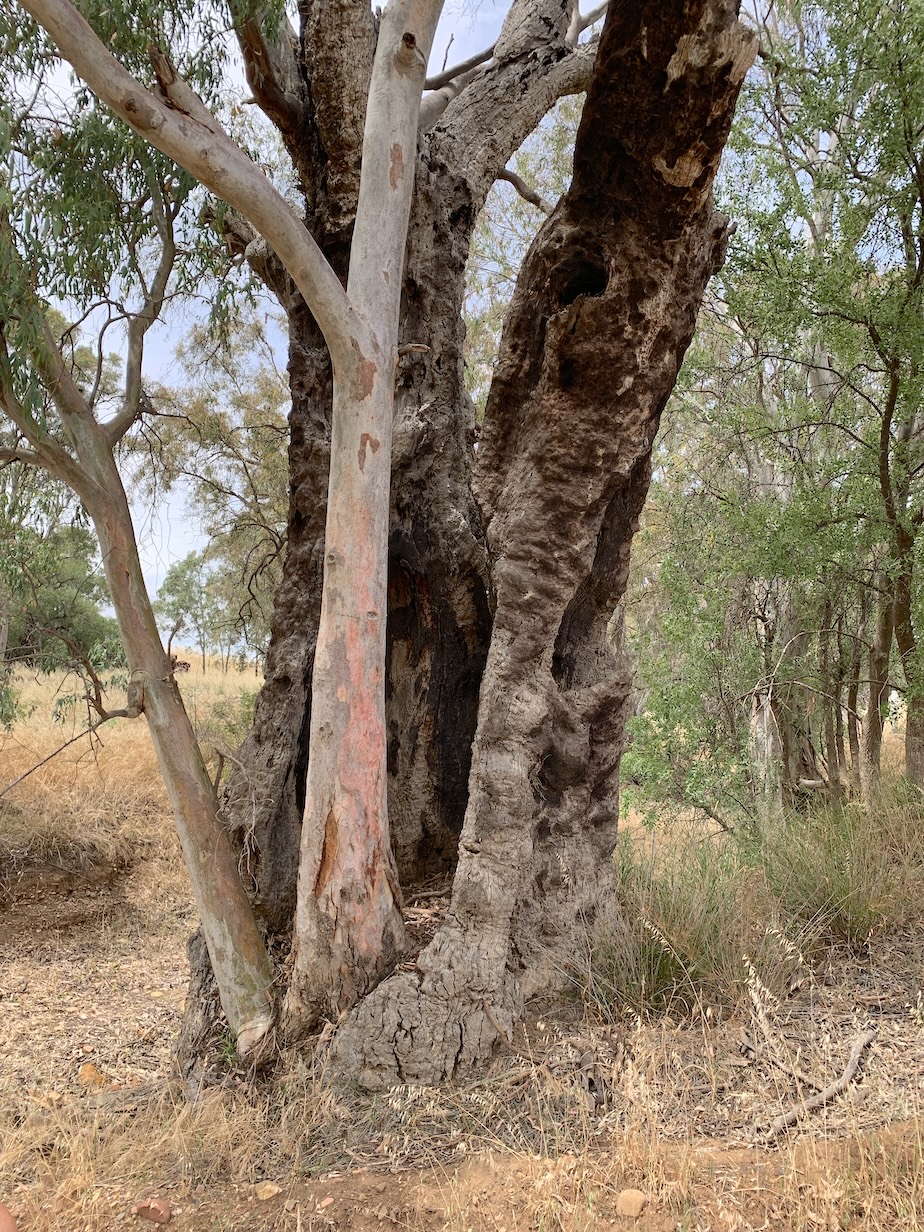
Back to Stone Hut. A post-prandial walk was just the thing to counteract the bakery lunch before an evening indulgence of home-made pizza and beverages. We climbed the dirt road to Mariette’s Lookout, passing aged trees existing symbiotically with a younger generation.

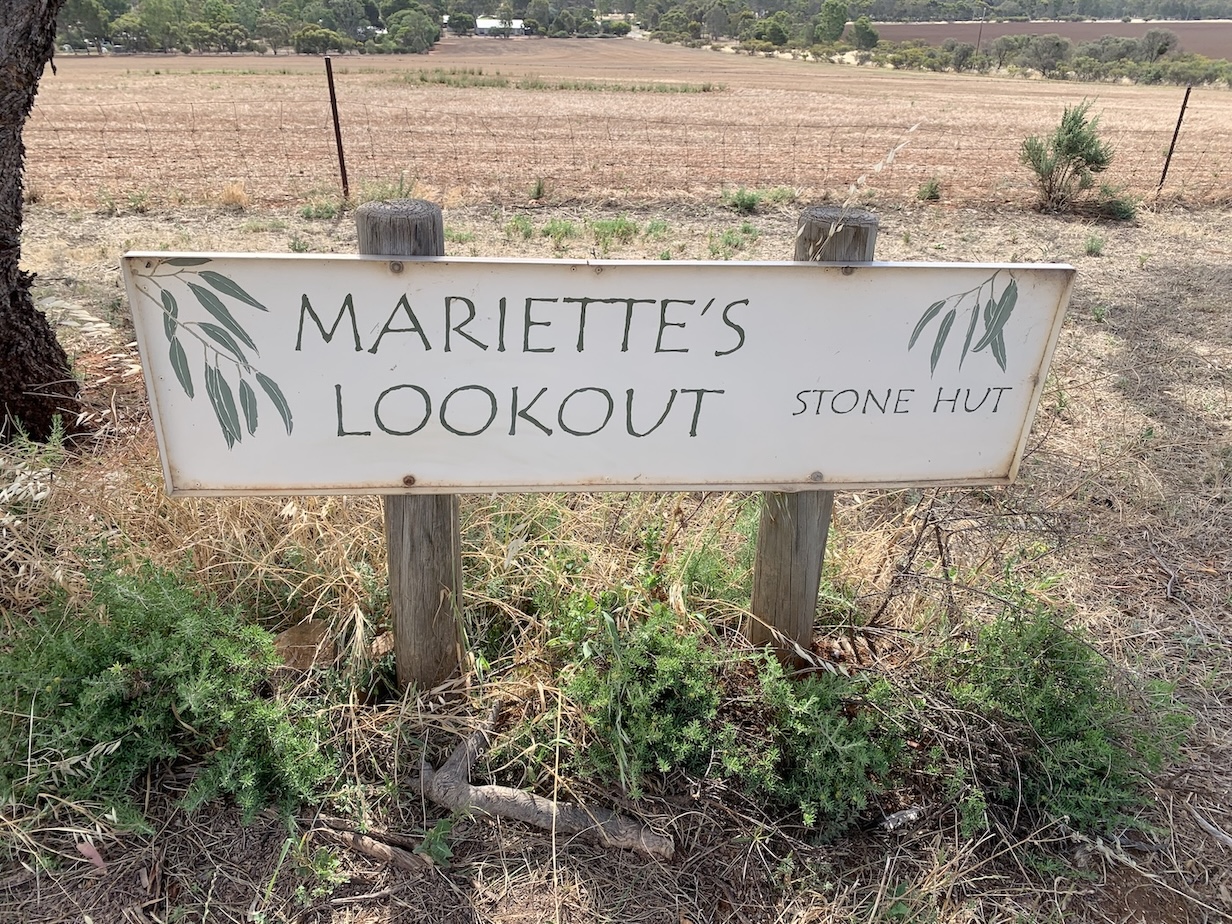
I haven’t been able to find out who Mariette was, presumably a former resident of the town.

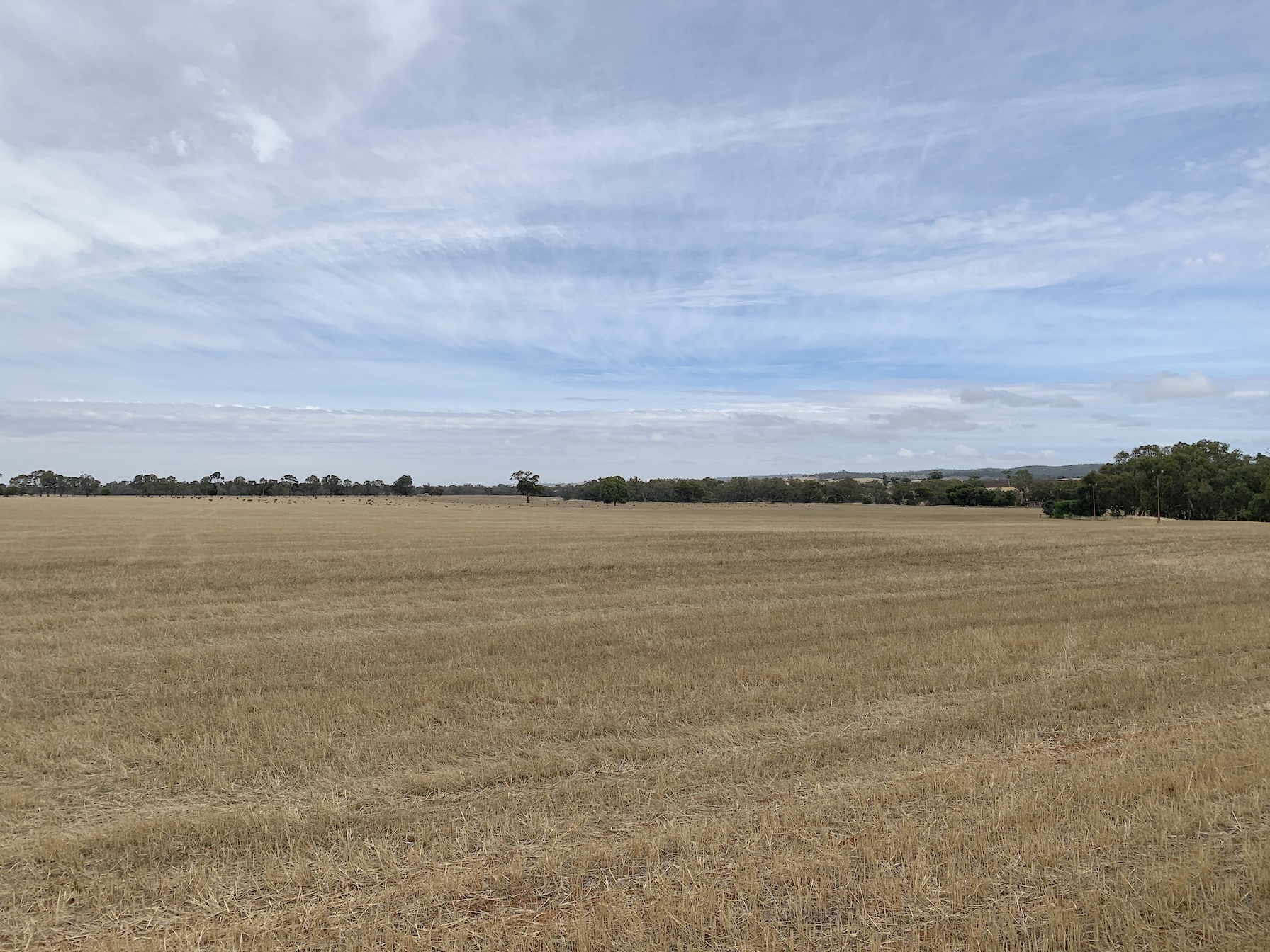
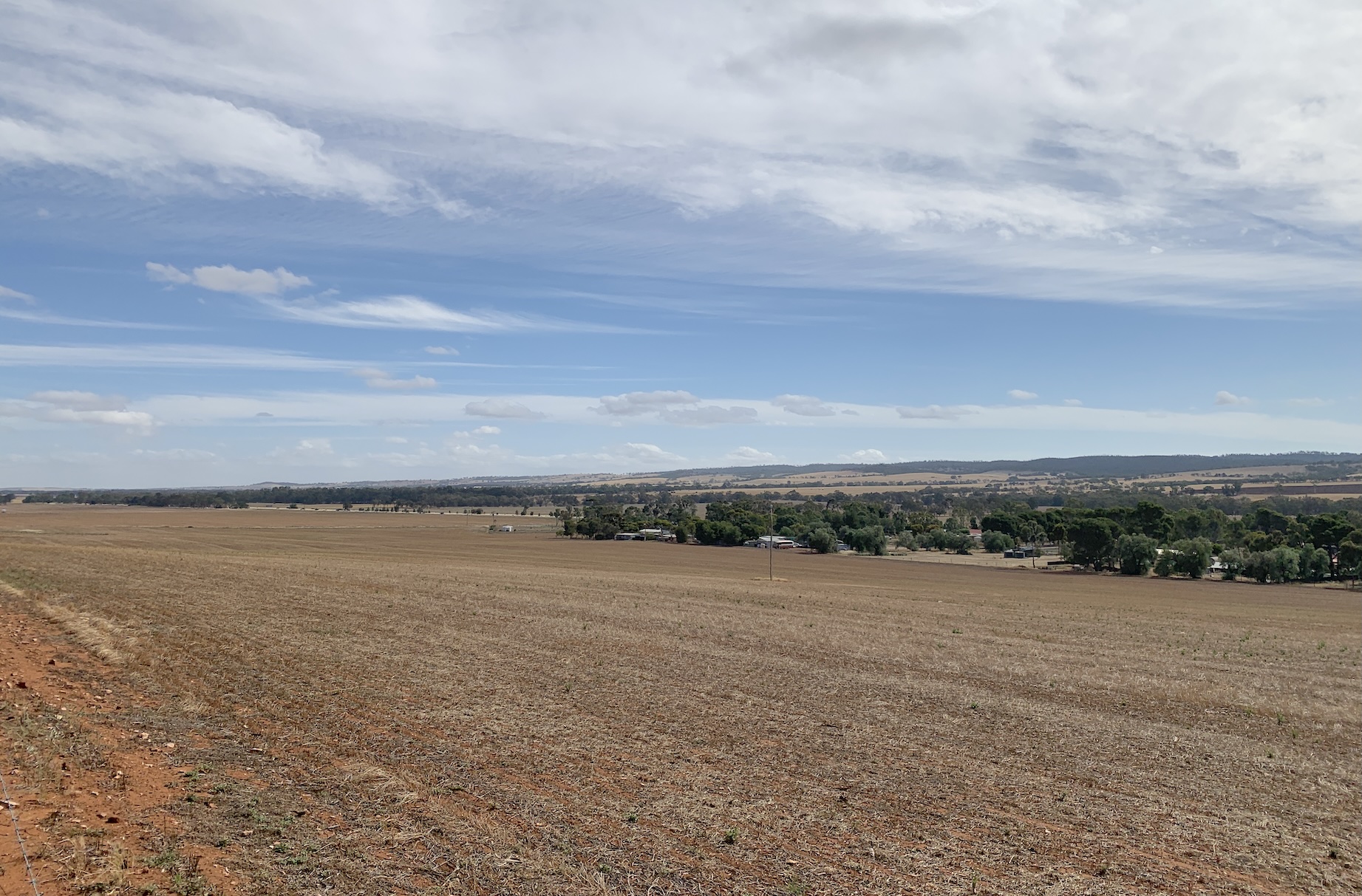
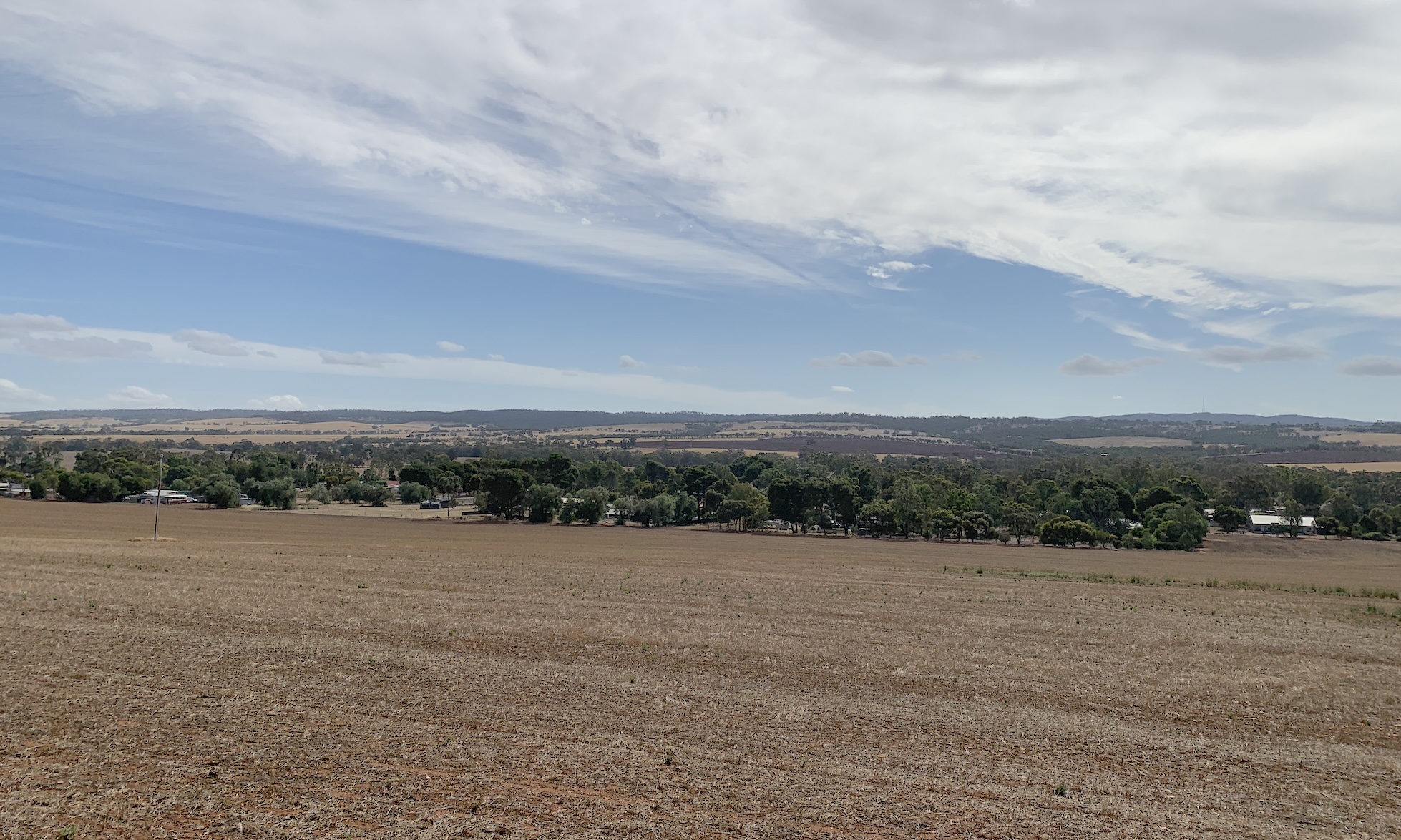
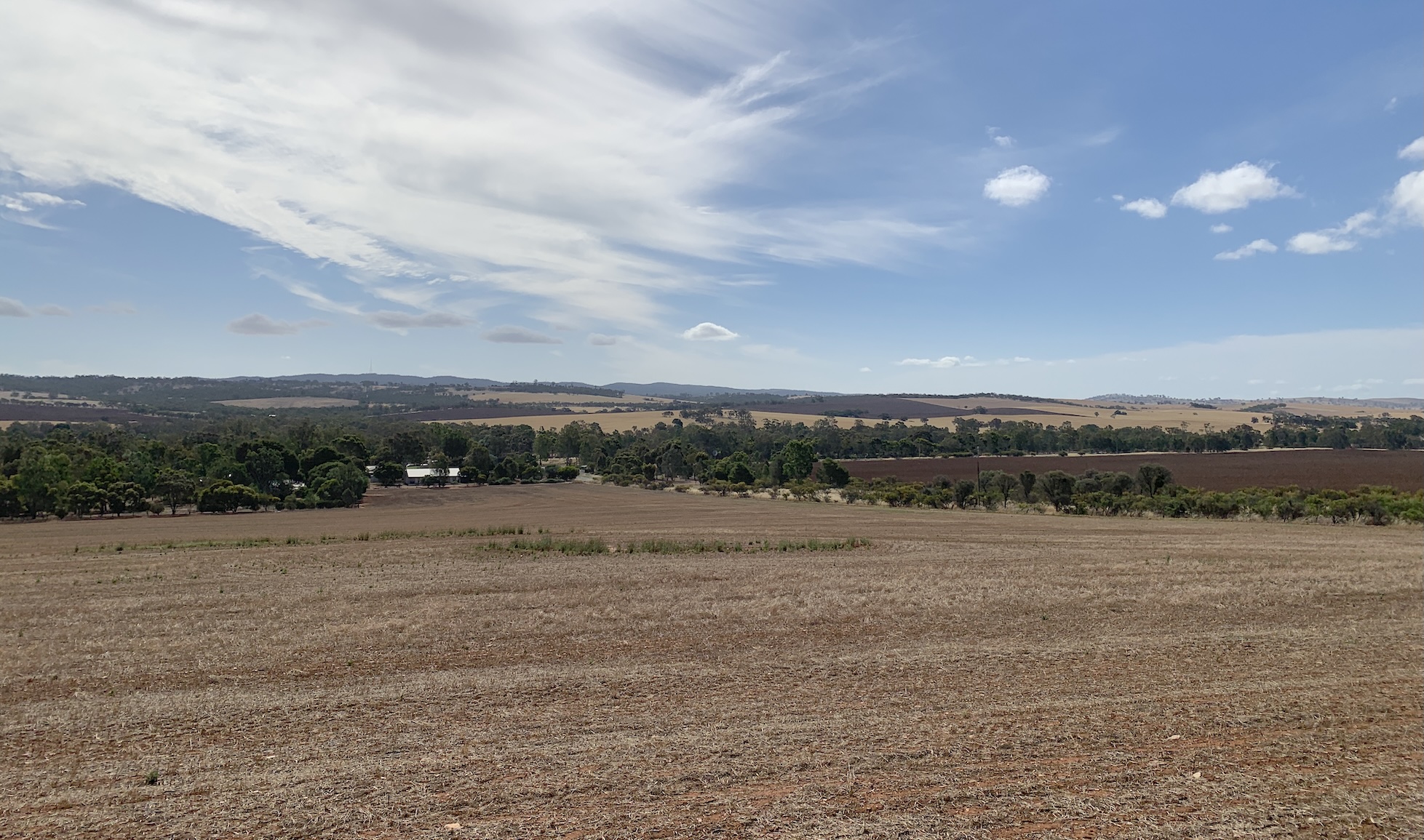
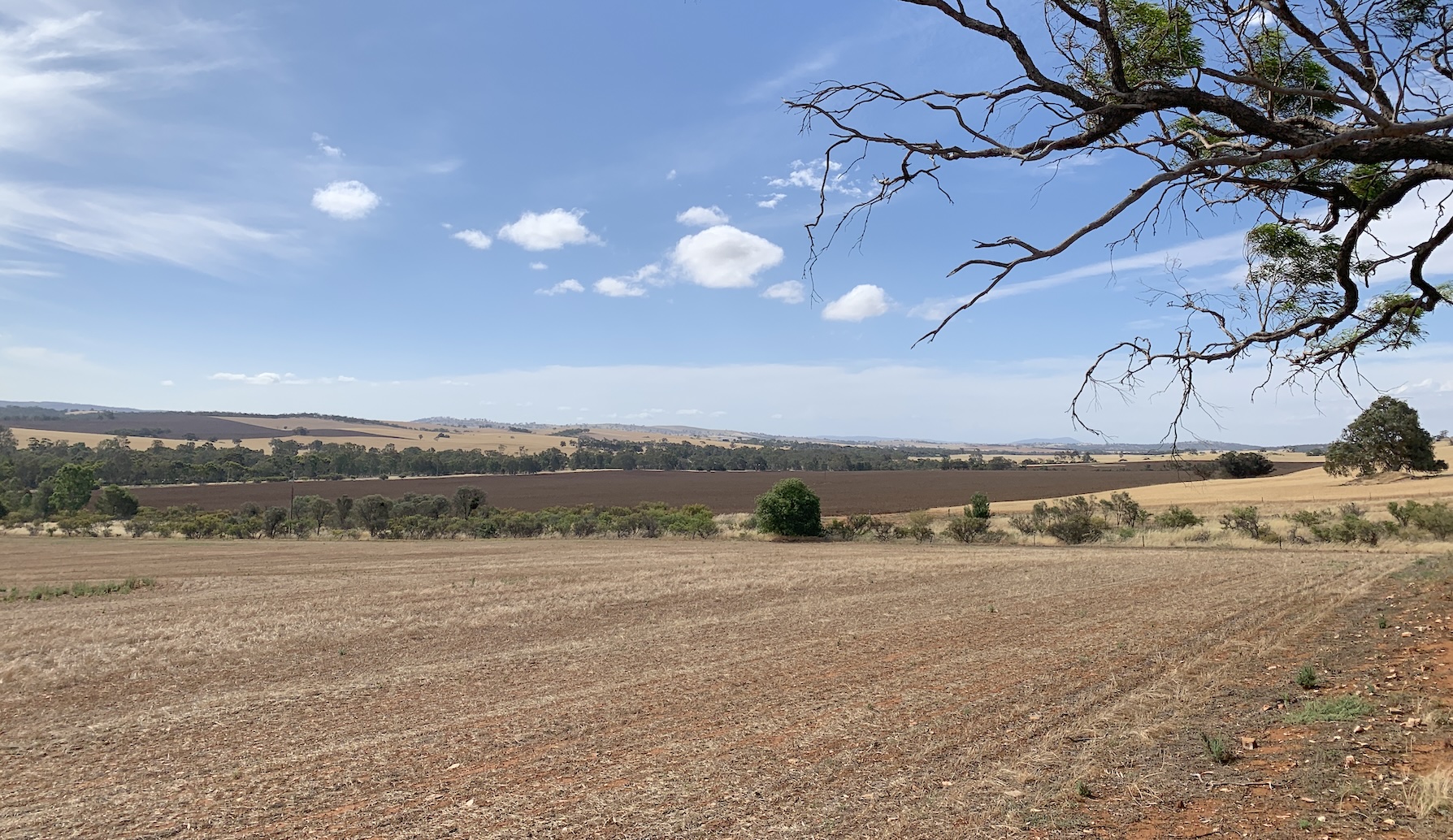
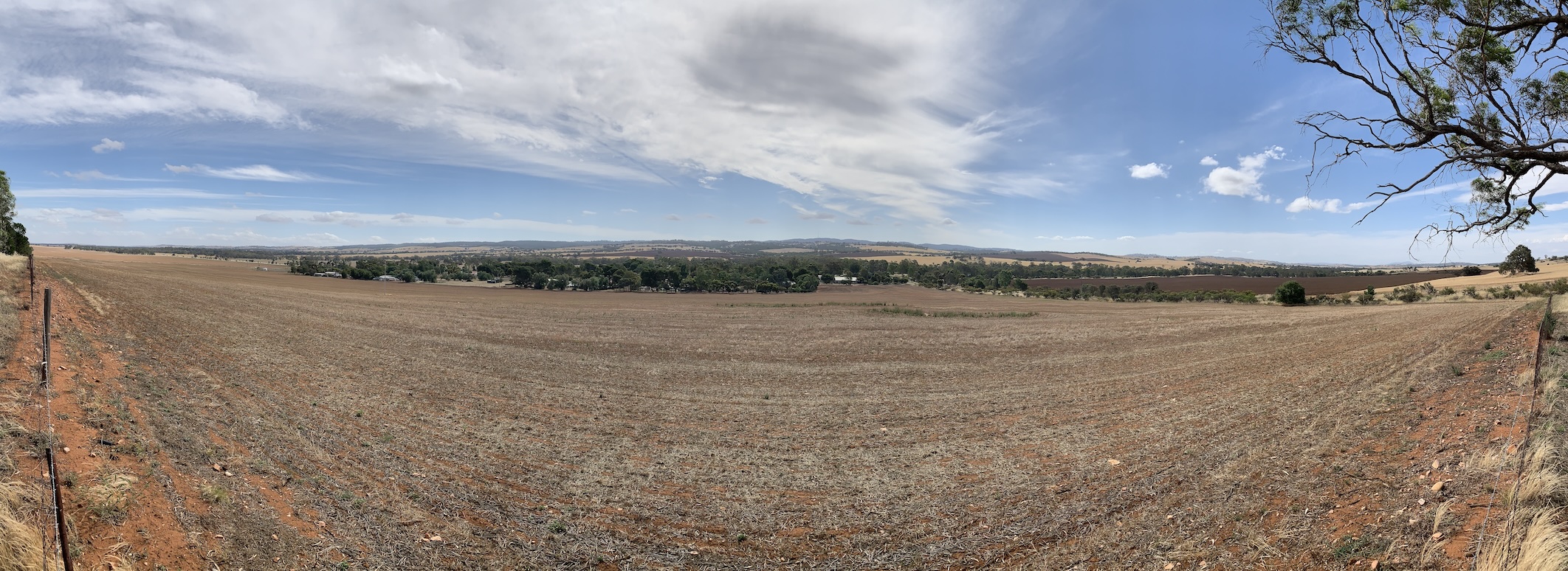
The views are expansive but at that time of year, the scenery was not particularly colourful. Being cropping and grazing country, the palette changes with the seasons ( I have seen photos of verdant pastures – really!)

A final attempt at a panorama before wine time called.

The Big Tree

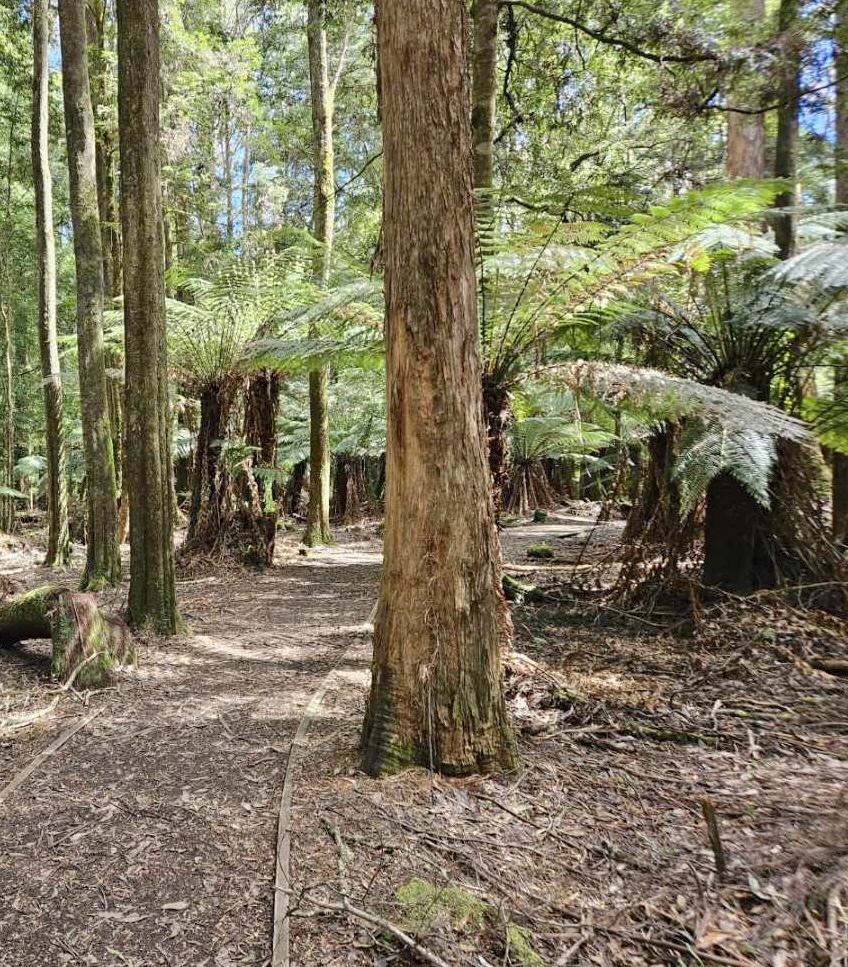
A visit to Dip Falls in northwest Tasmania isn’t complete without venturing a further kilometre up the road to experience The Big Tree. At the end of a short walk down a well defined track

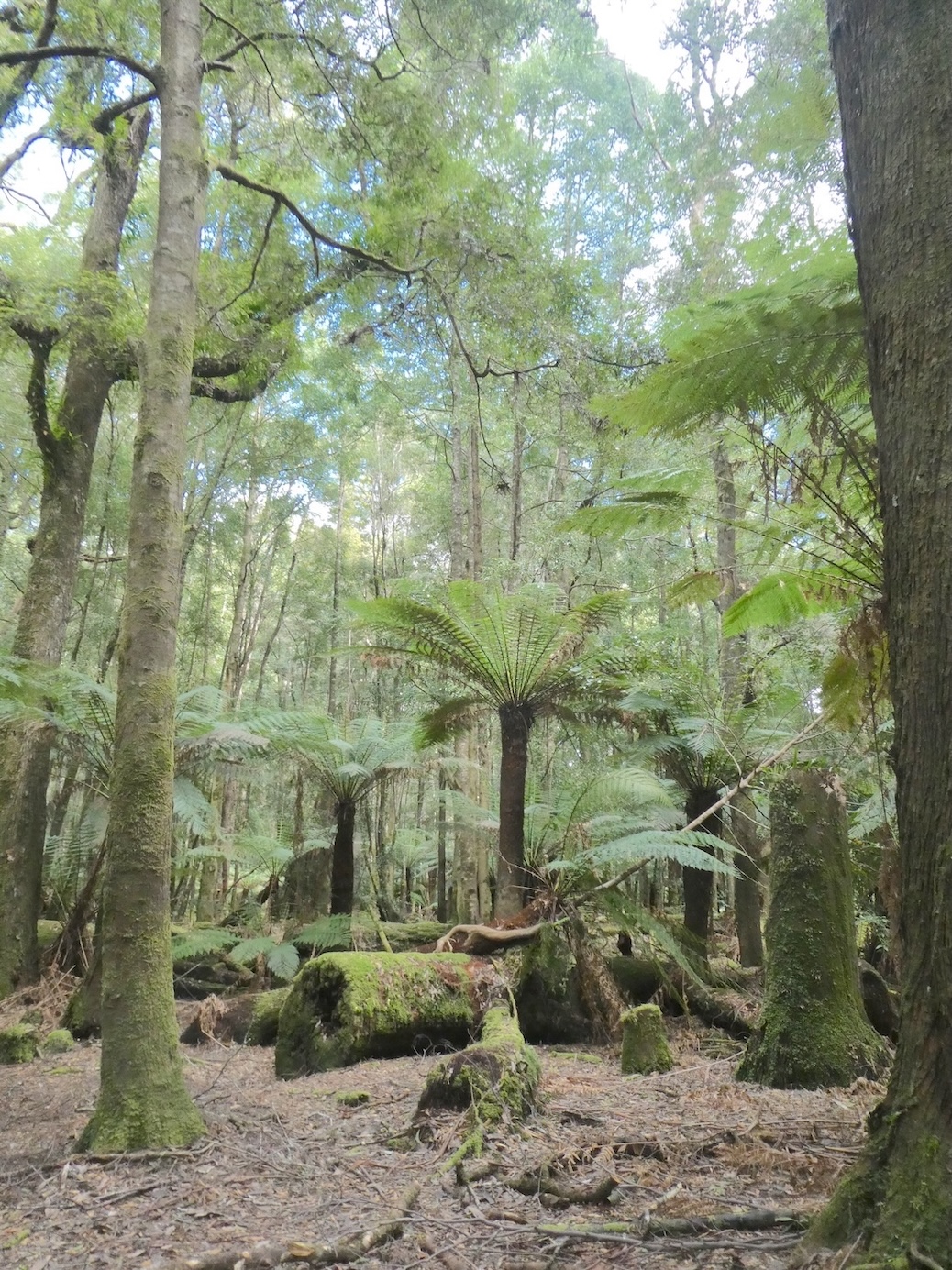
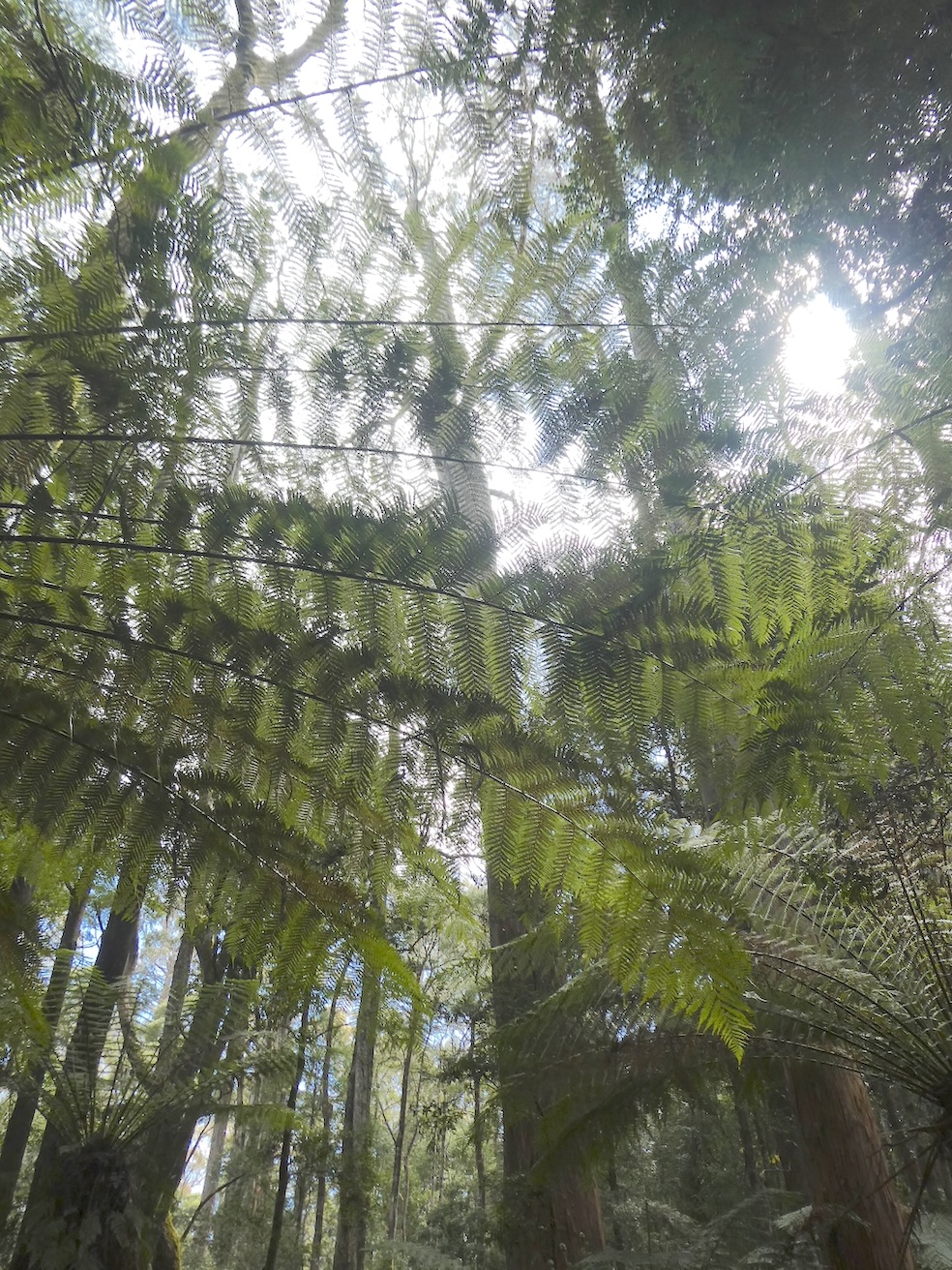
surrounded by eucalypt forest and towering manferns

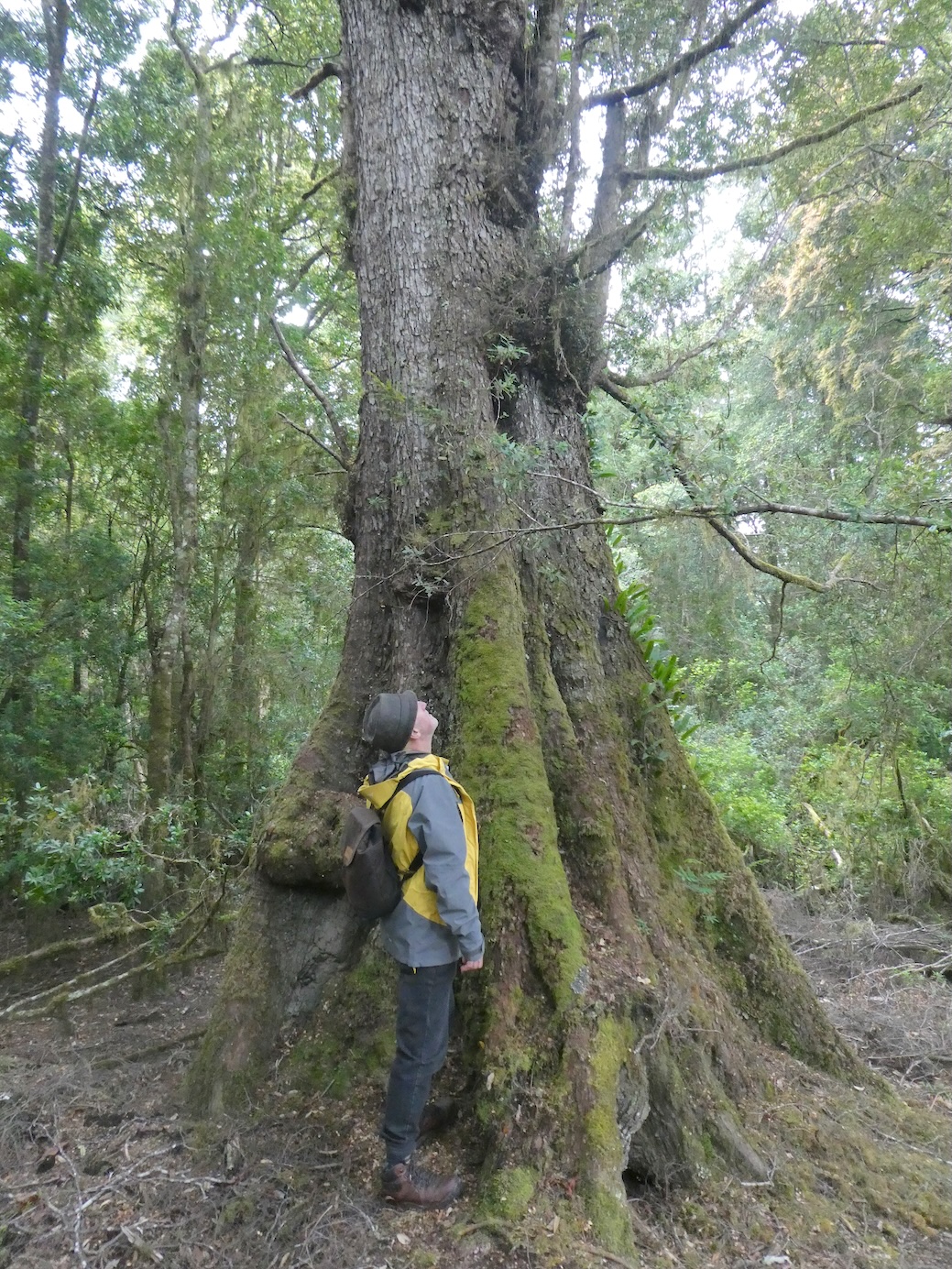
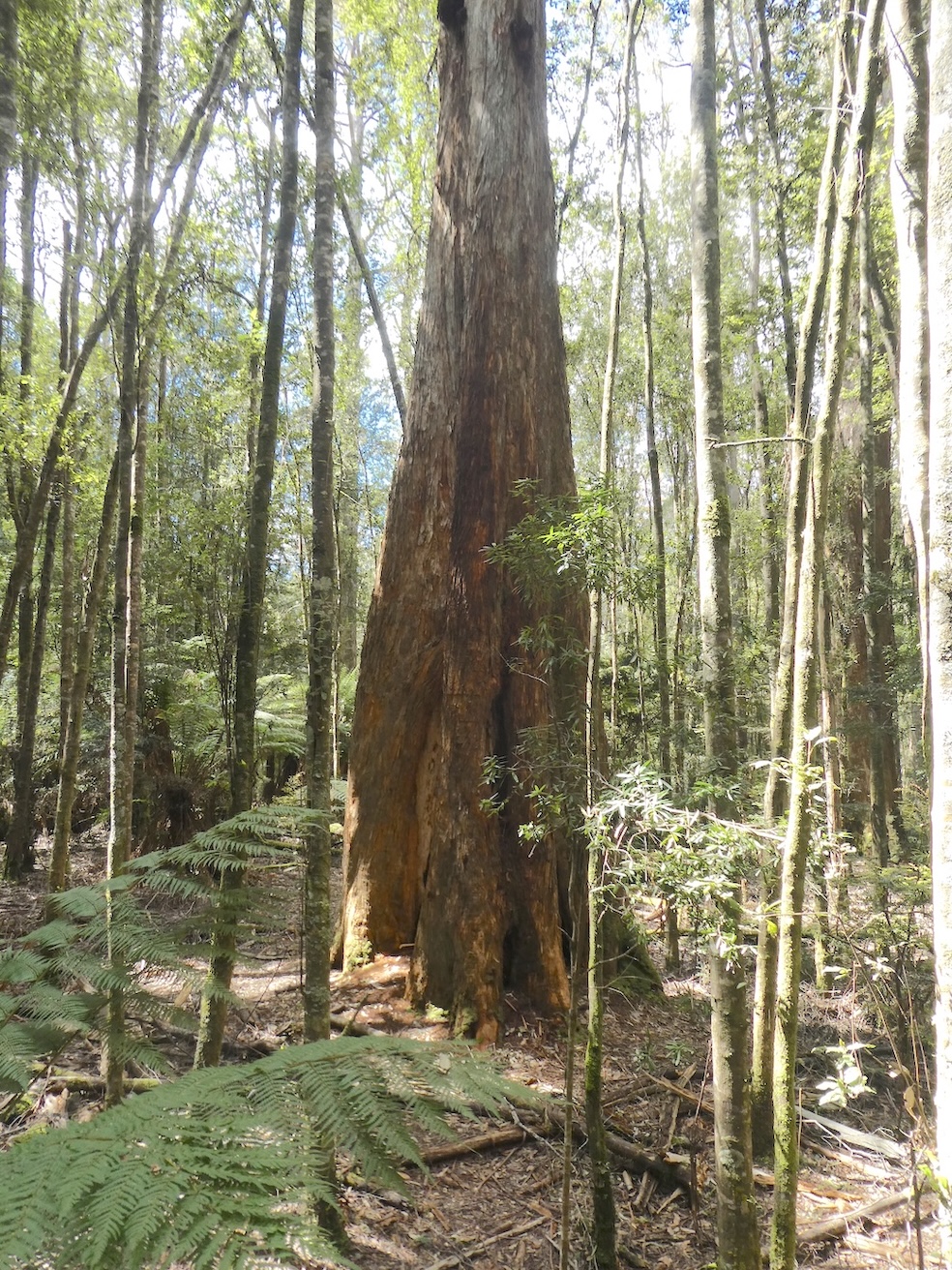
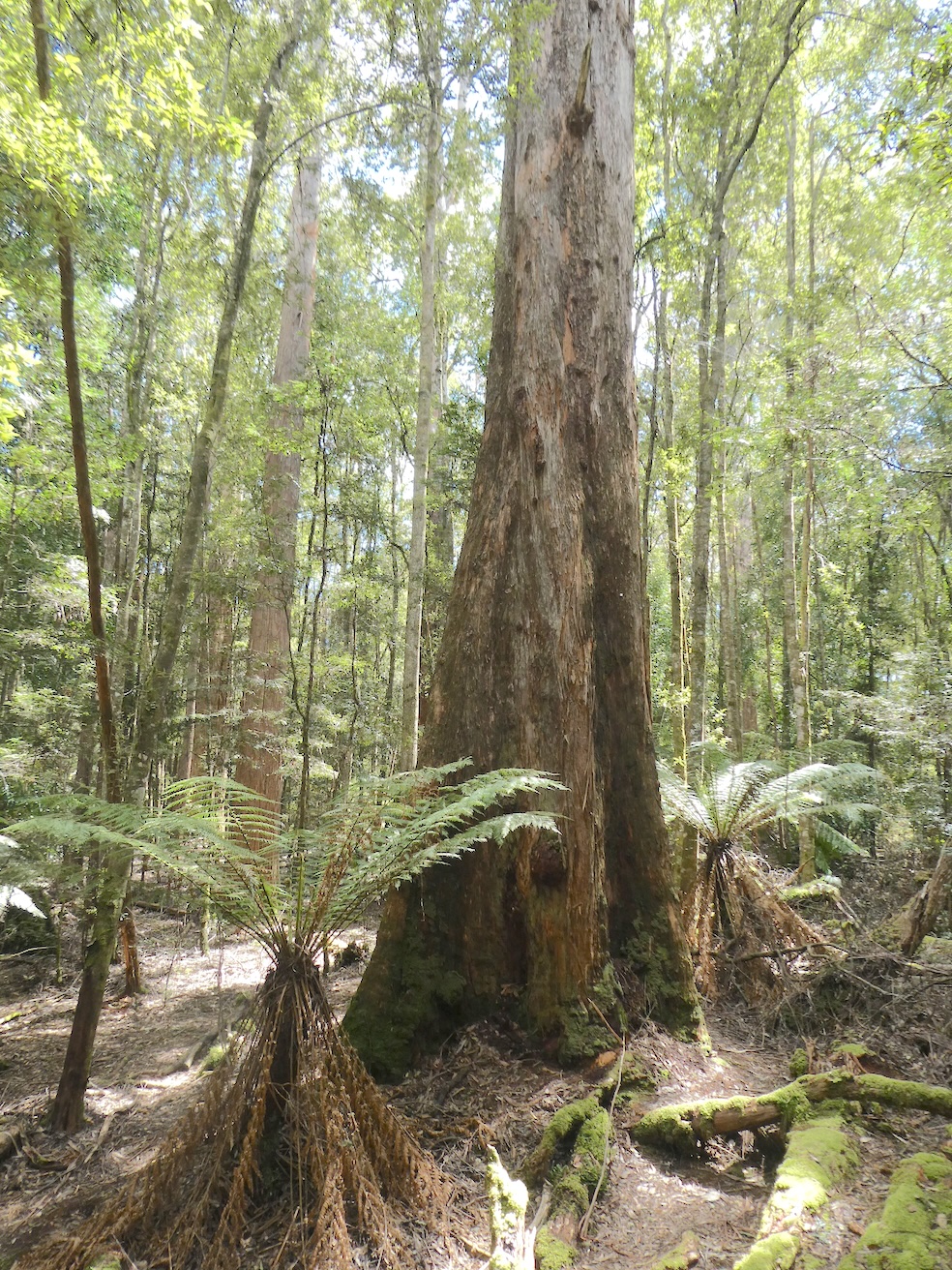
was most certainly a big tree.

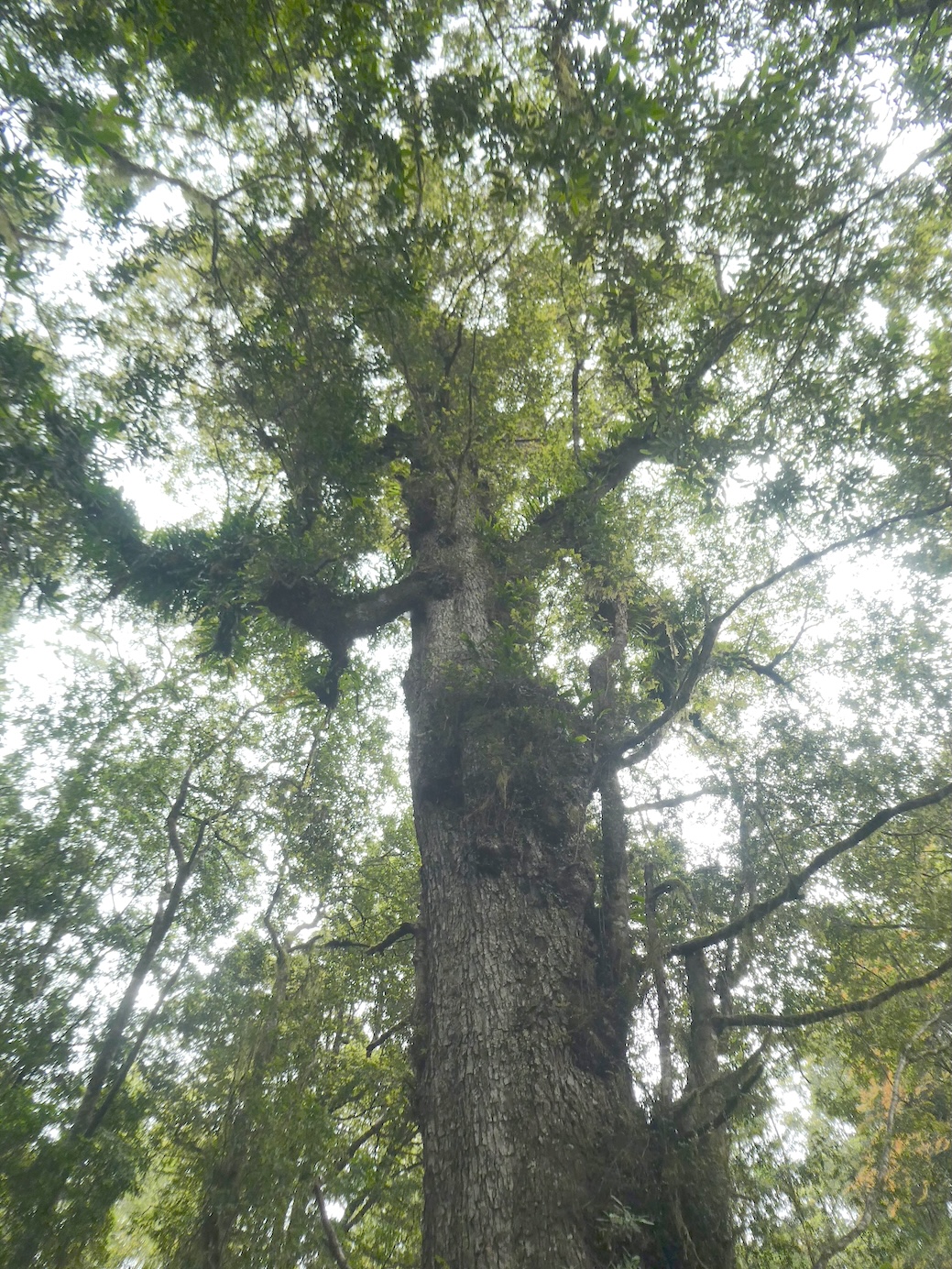
The Browntop stringybark, formally known as Eucalyptus obliqua, is not especially tall at 62 metres, considering the species can reach heights of 90 metres. However, the circumference at the base is an impressive and unusually large 16 metres.

There used to be a boardwalk around the base for a close up inspection, I don’t know when or why it was removed.

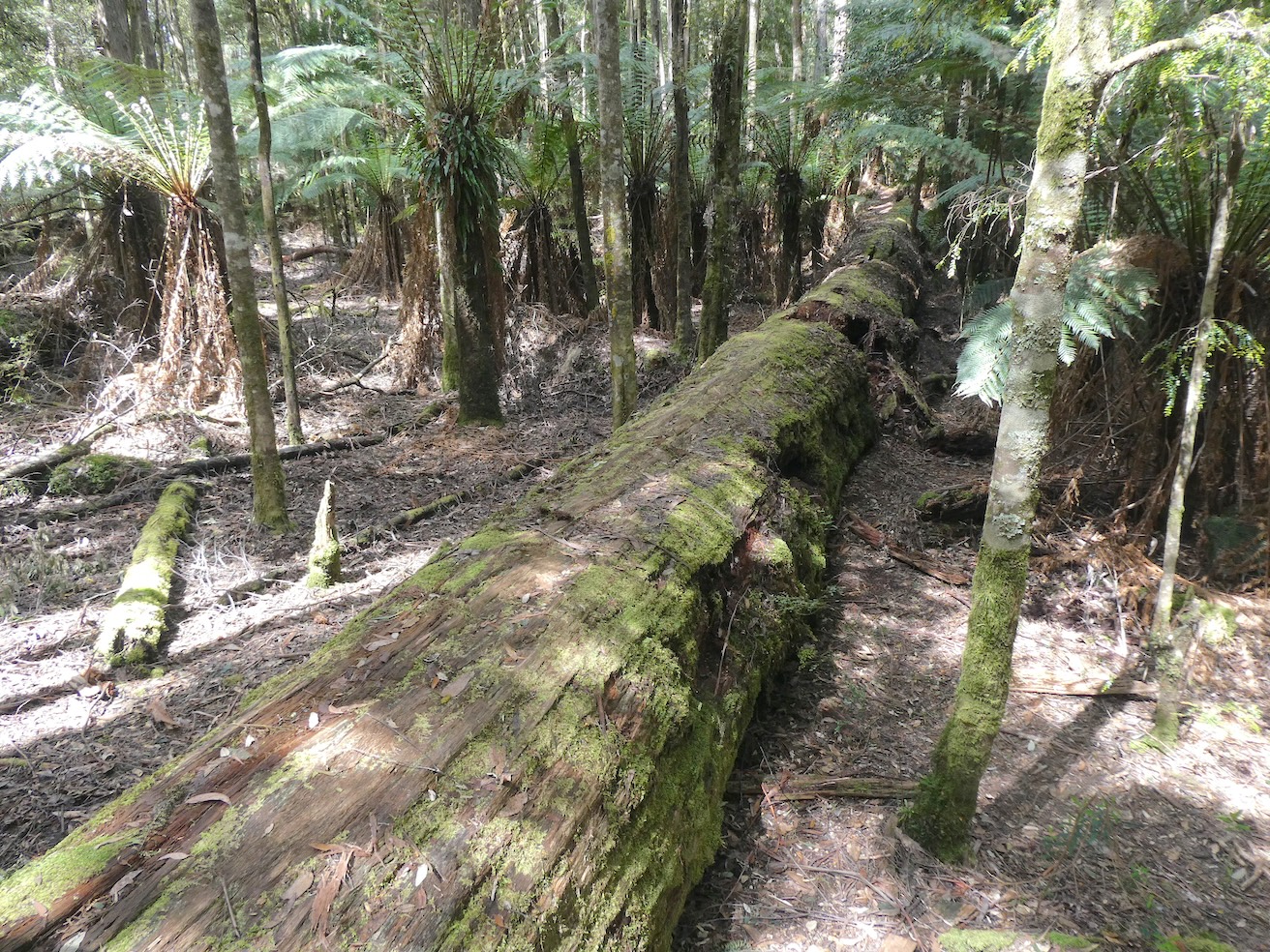
The tree is estimated to be around 400 years old and it now has large holes and hollow cavities in it’s trunk.

Once it becomes unsafe it will, sadly, be cut down and laid to rest among fallen friends.

Tanunda Cottages

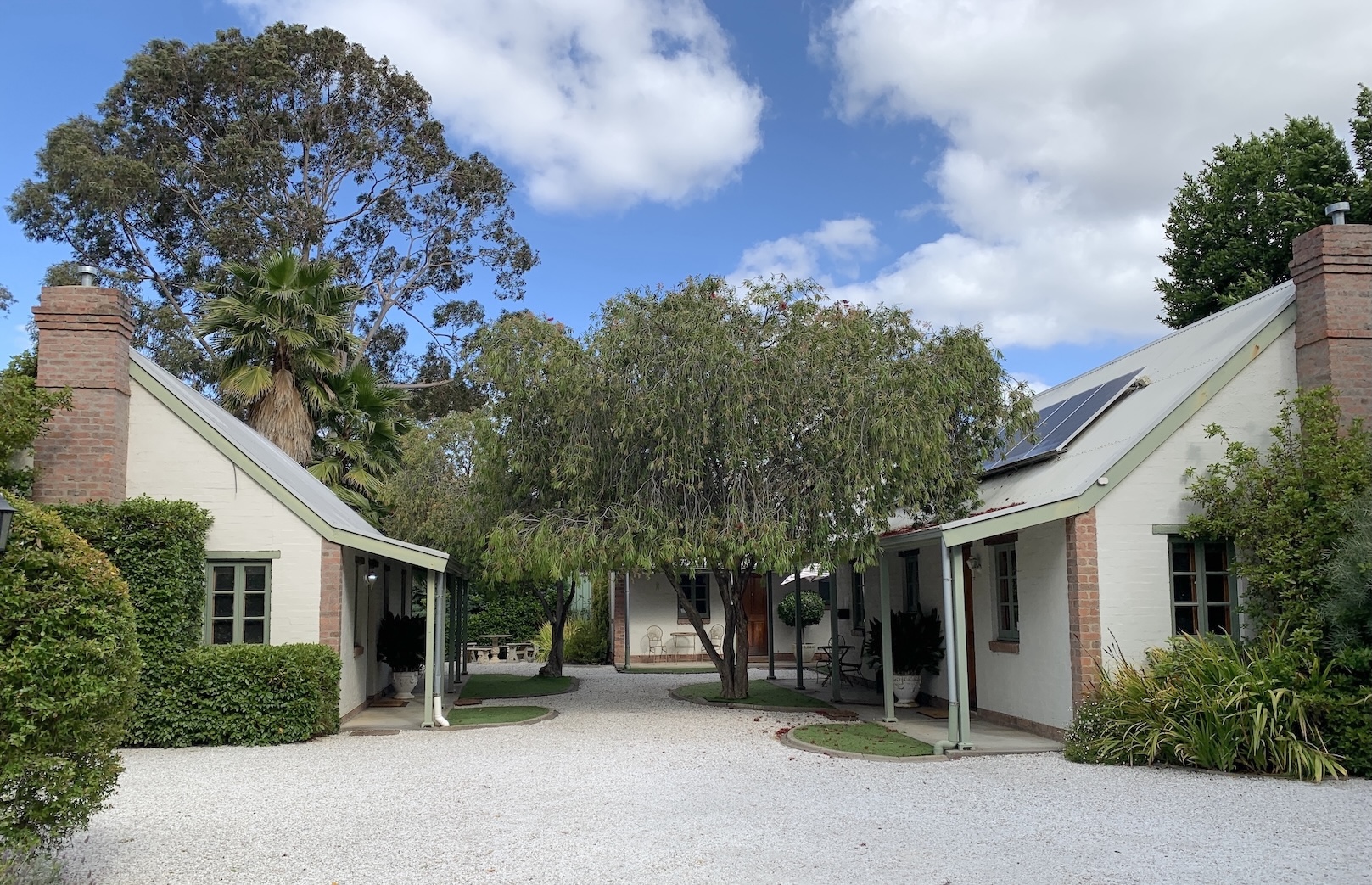
After a hectic first week staying in an apartment in North Adelaide, we were well and truly ready for a change of pace. Travelling north for an hour or so, we arrived at Tanunda in the heart of the Barossa Valley. Our stress ebbed away as we drove along the main street, brimming with beautiful heritage buildings housing cafés, restaurants, museums, galleries and, of course, pubs. We had booked to stay a few days at Tanunda Cottages on the outskirts of town.

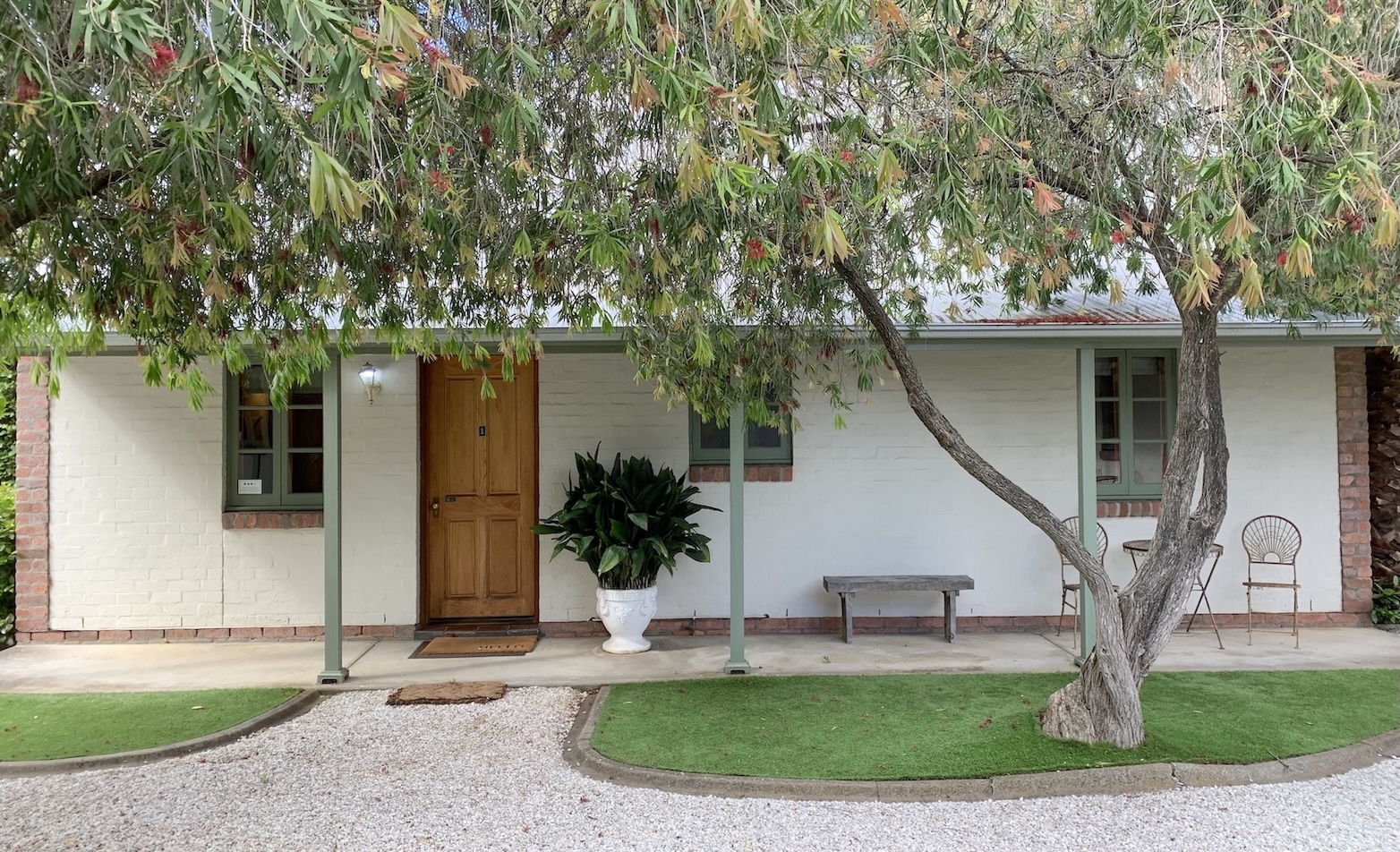
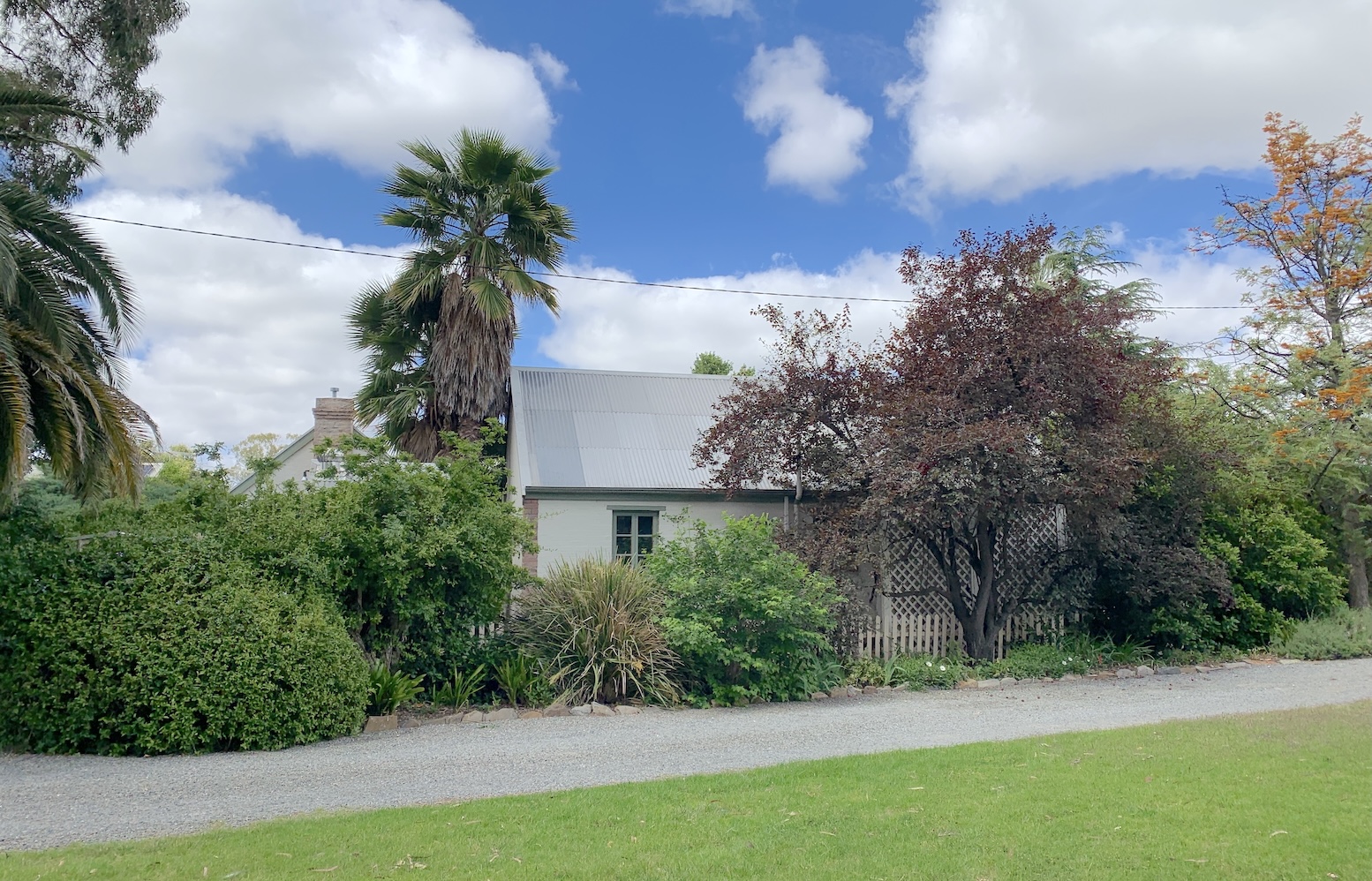
There are three self-contained cottages which were purpose built in 1992 and when Grant and Helen Burge took over the operation in 2015, the original Winery Cottage on the neighbouring winery property was also offered for accommodation. Our self check-in to Cottage no.1 went without a hitch

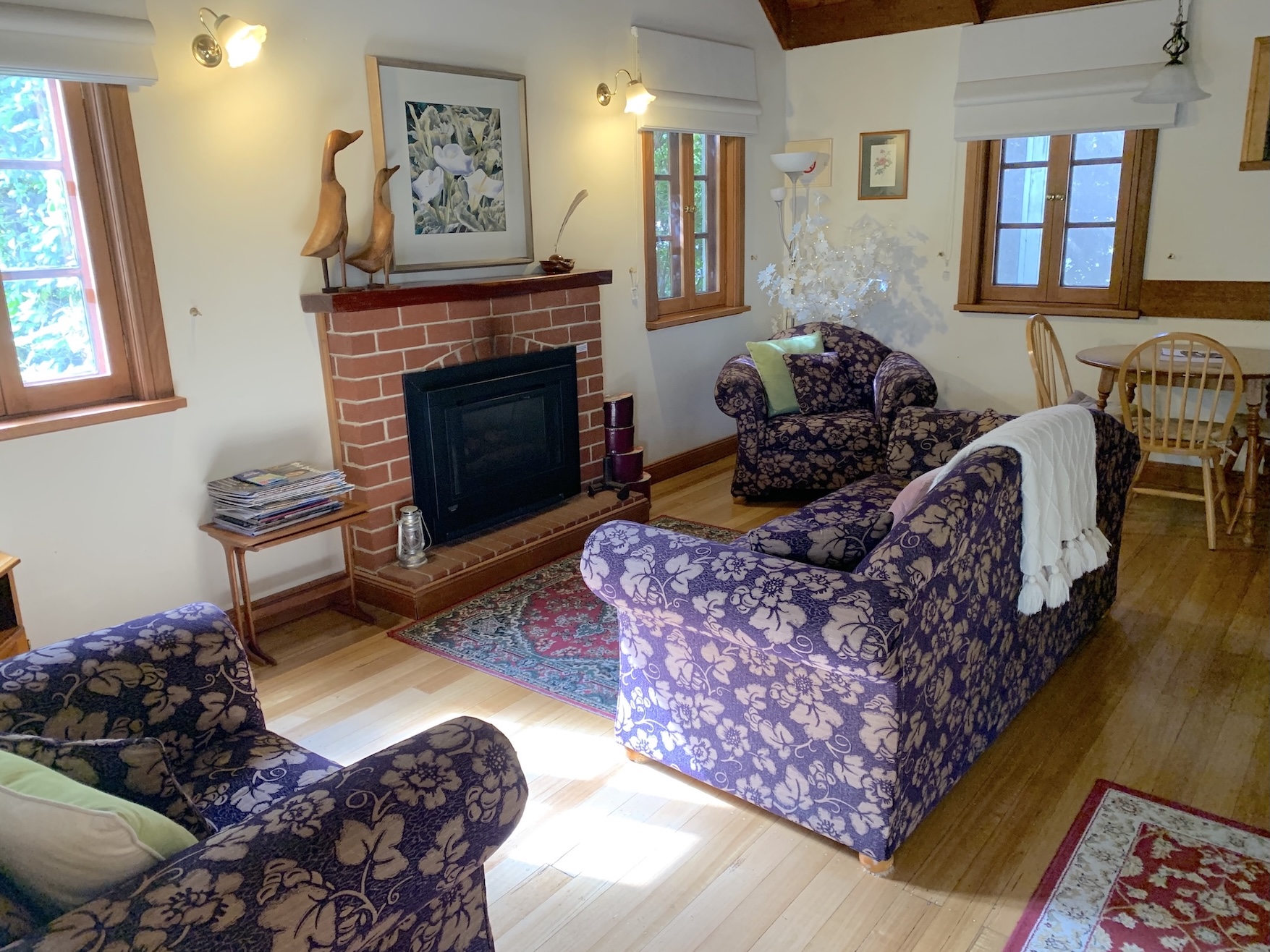
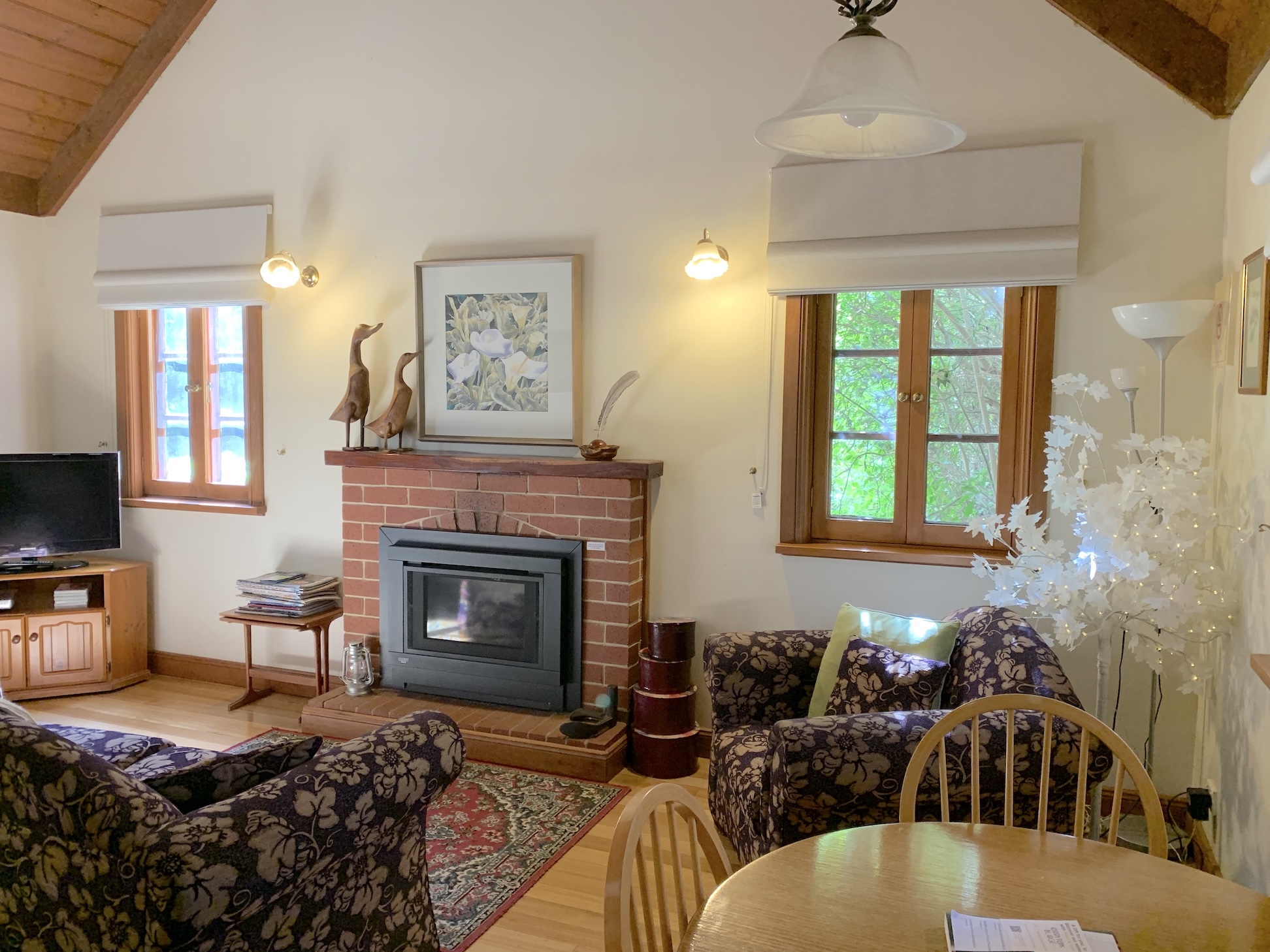
and we were greeted by an immaculate sitting room, brimming with warm sunlight and cosy ambience. The unique Christmas tree in the corner added a delightful sparkle after dark.

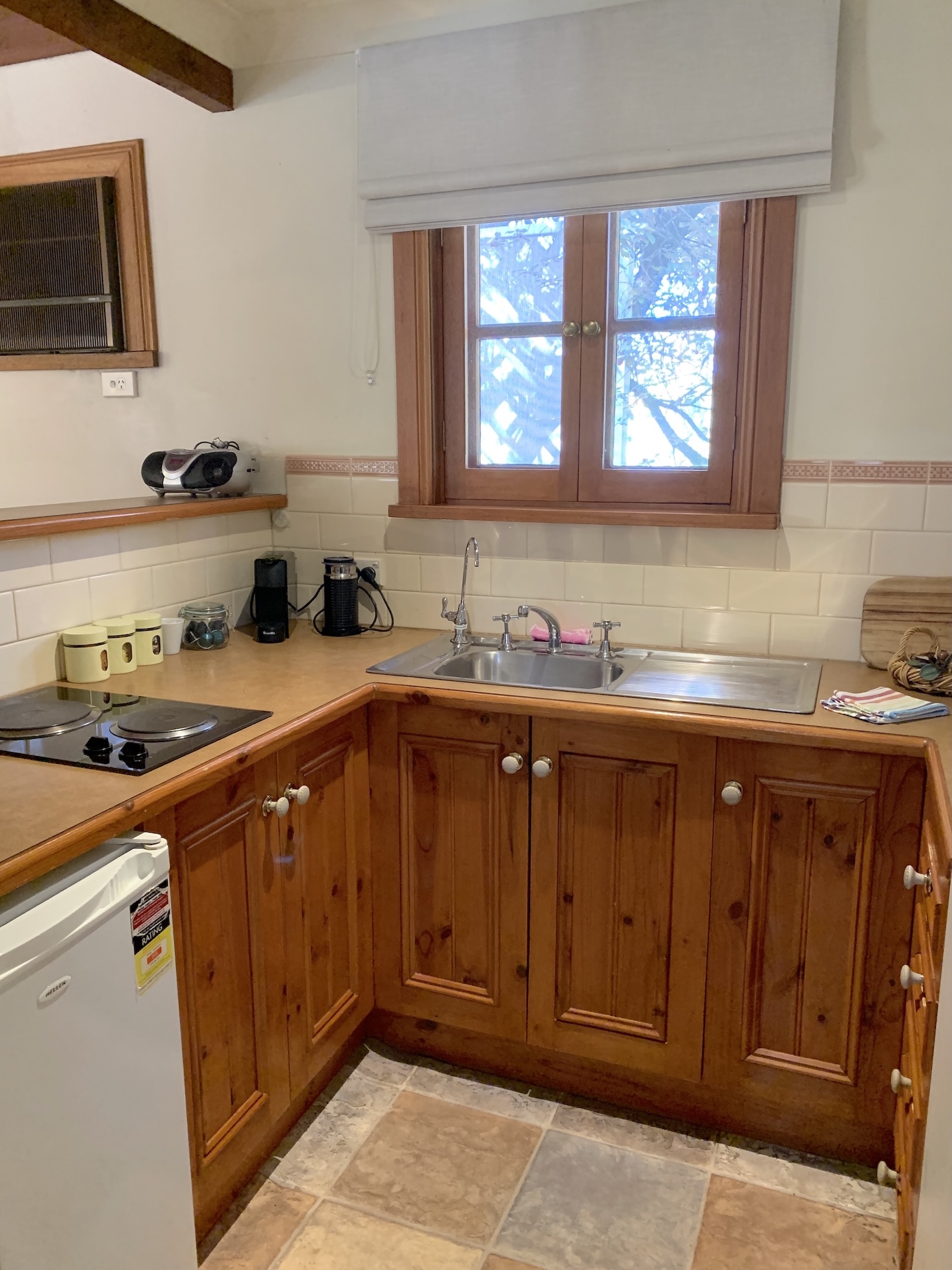
The kitchen had everything we needed to cook a meal for ourselves and breakfast provisions were plentiful in the fridge.

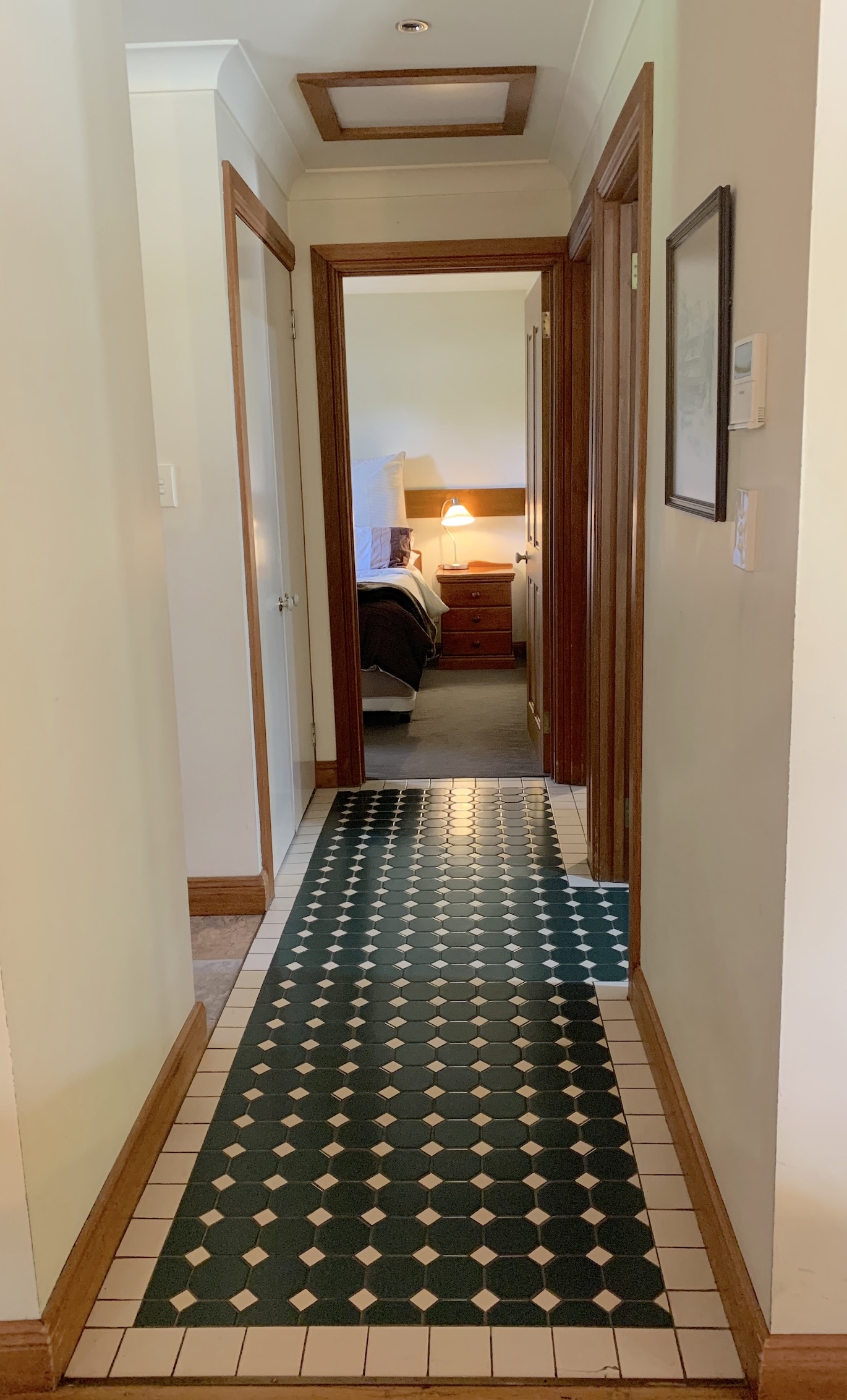
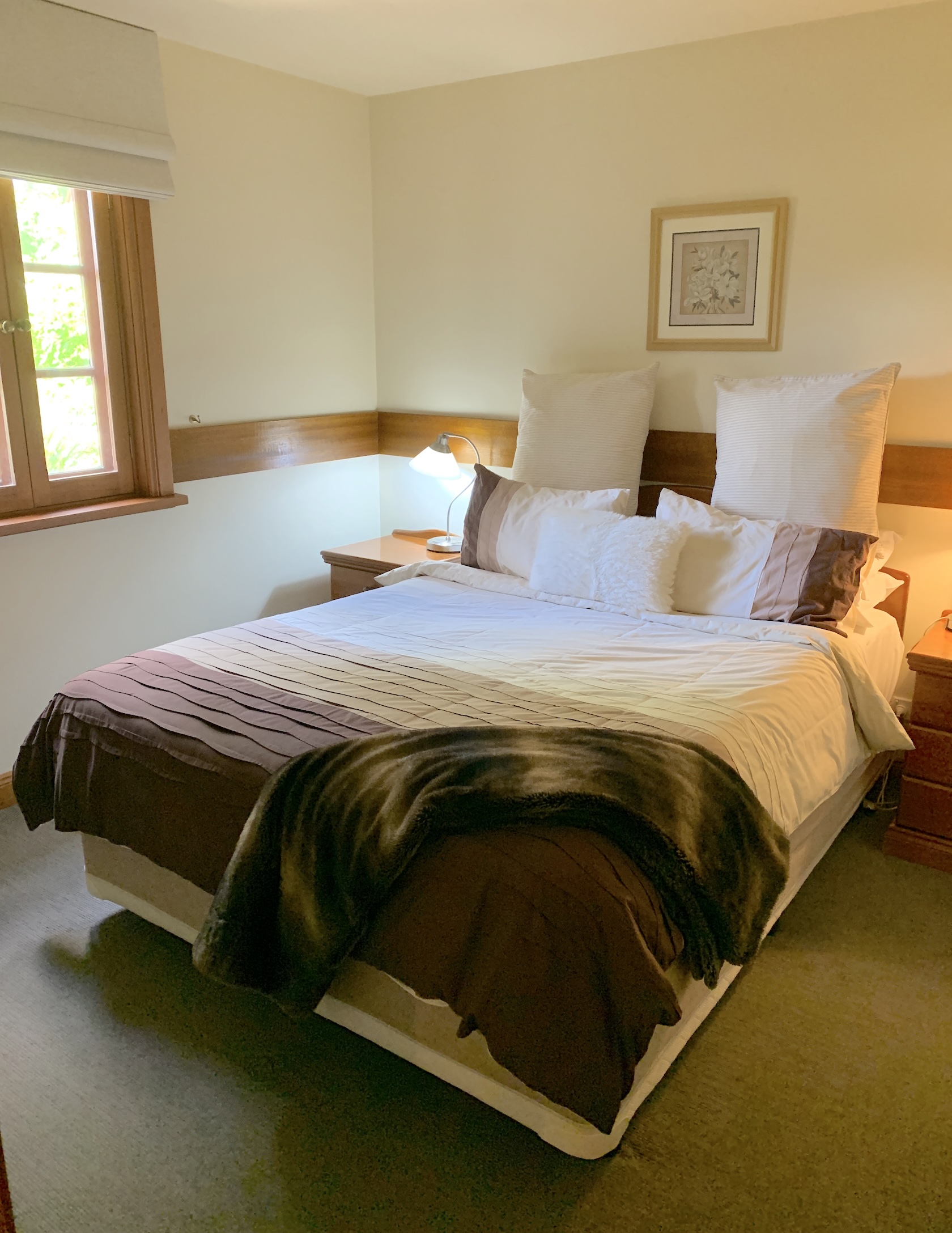
At the end of the hallway, the main bedroom was very inviting

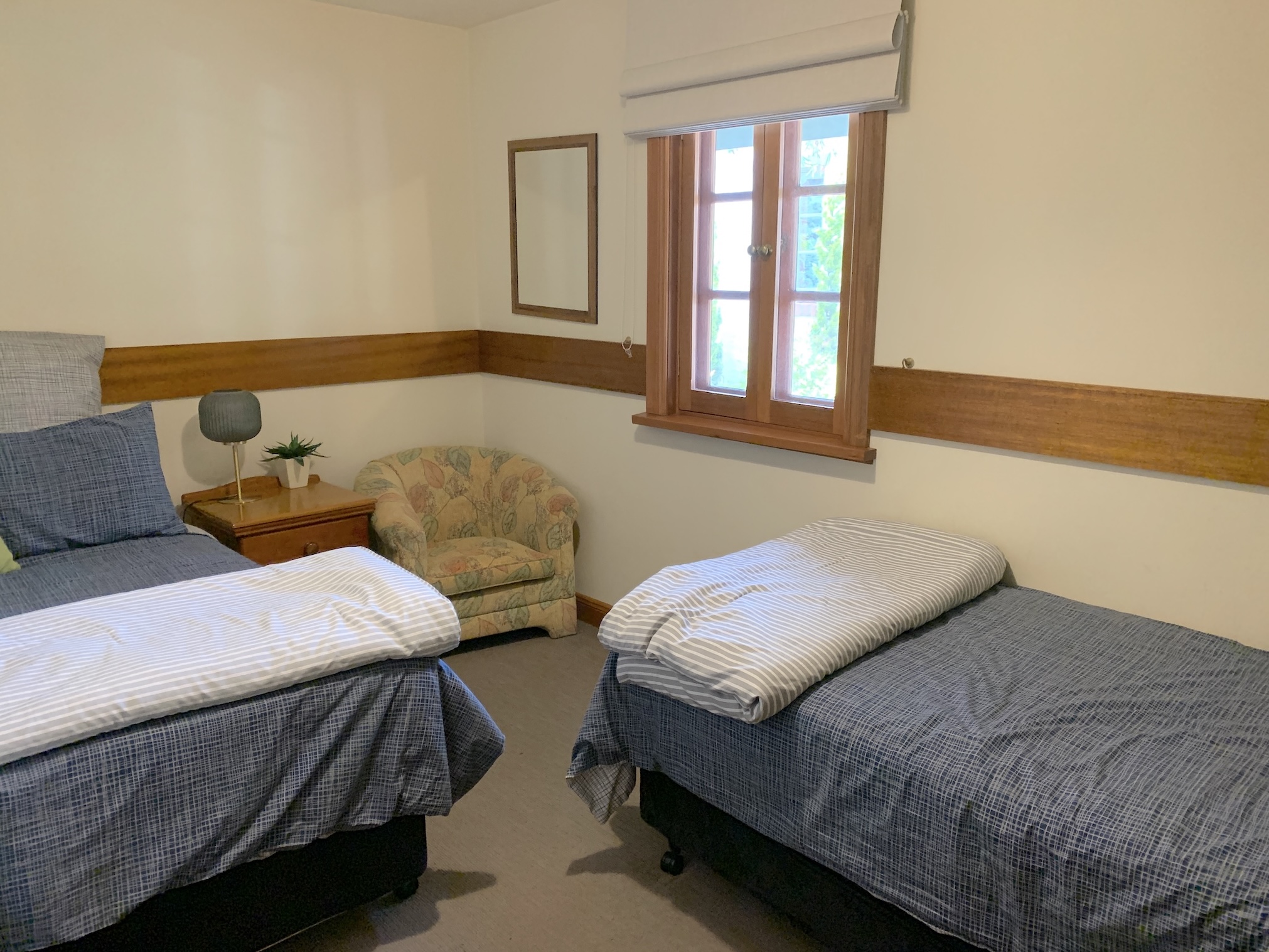
and next to it, an equally comfortable second bedroom.

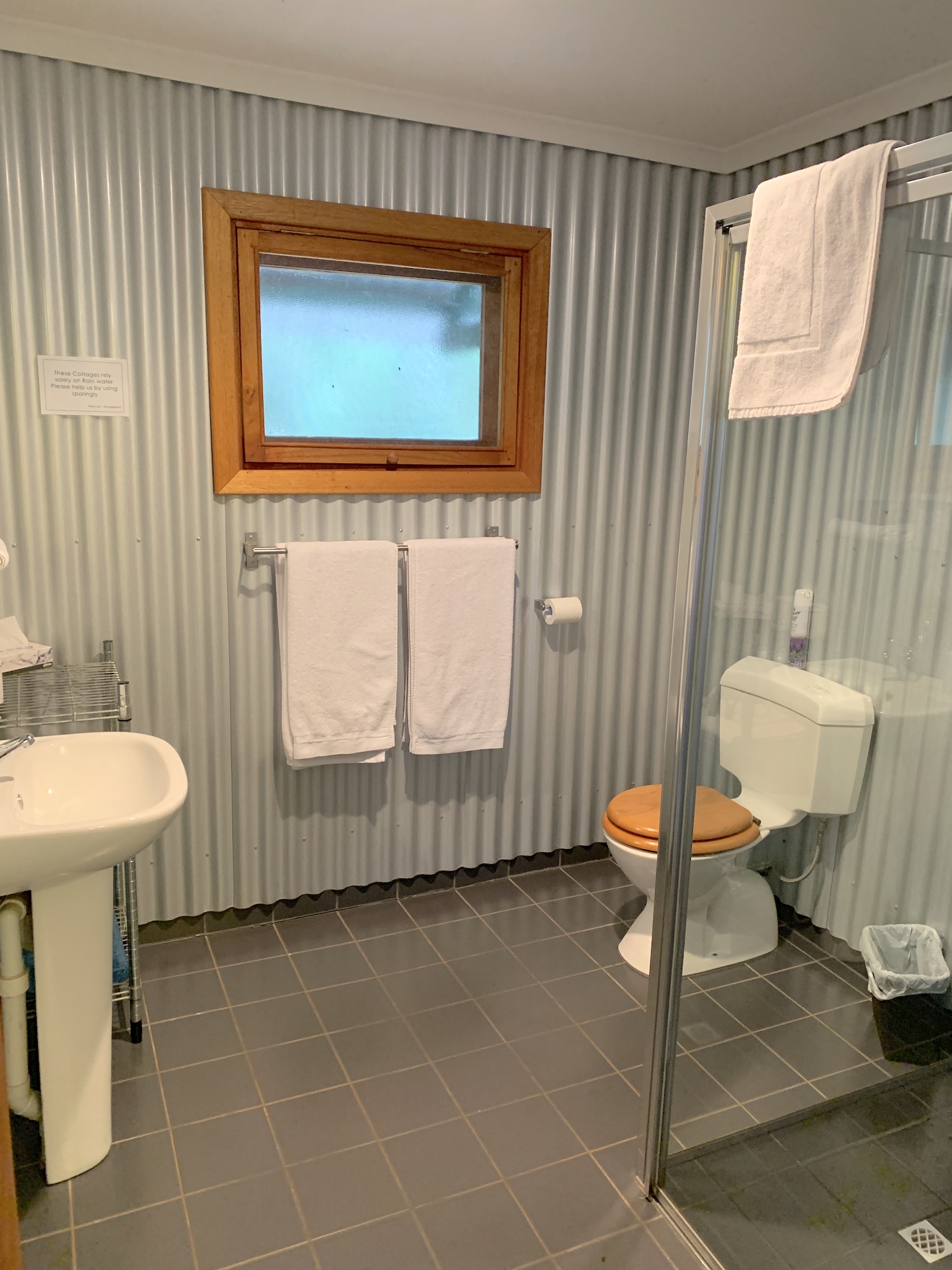
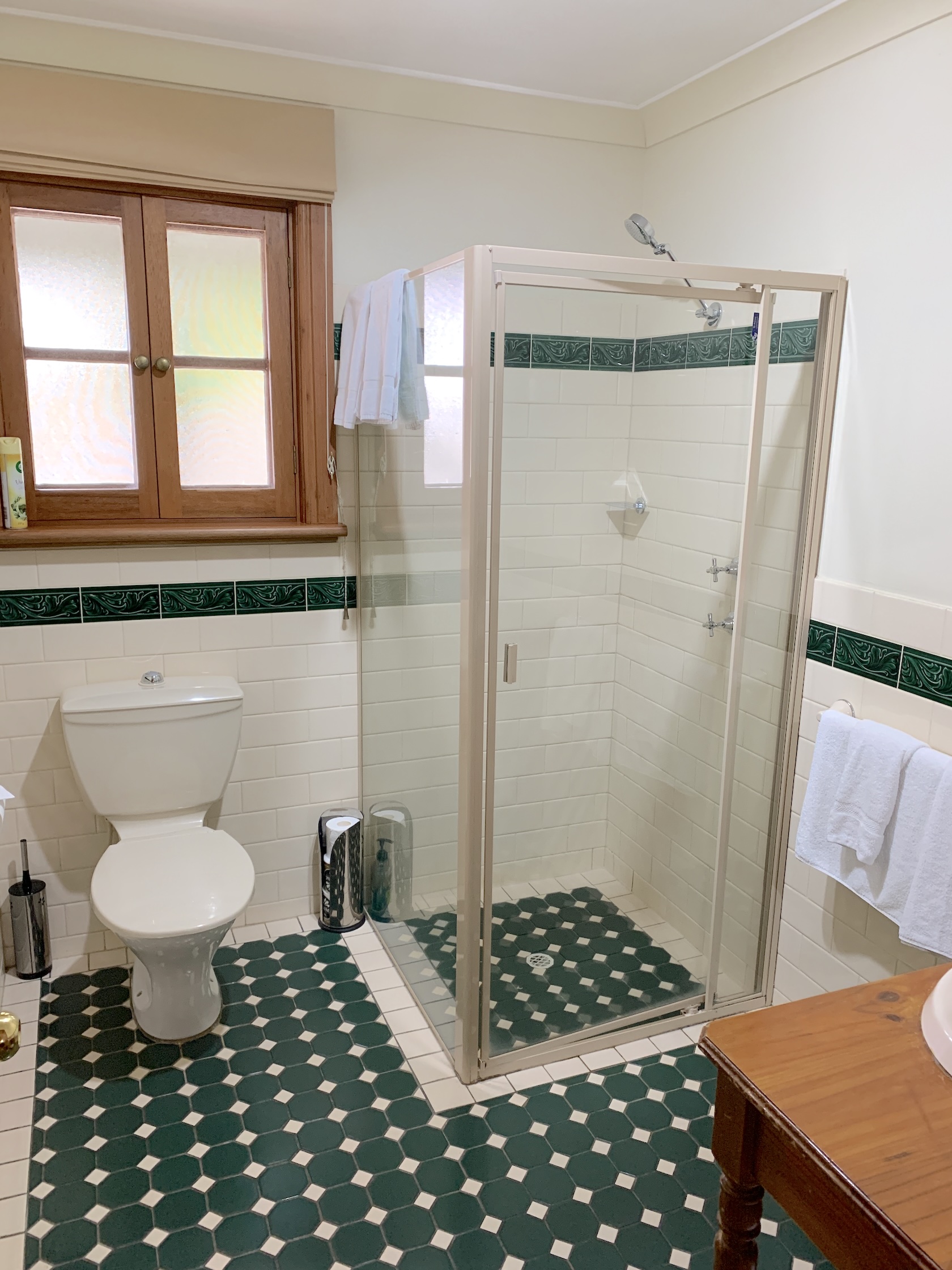
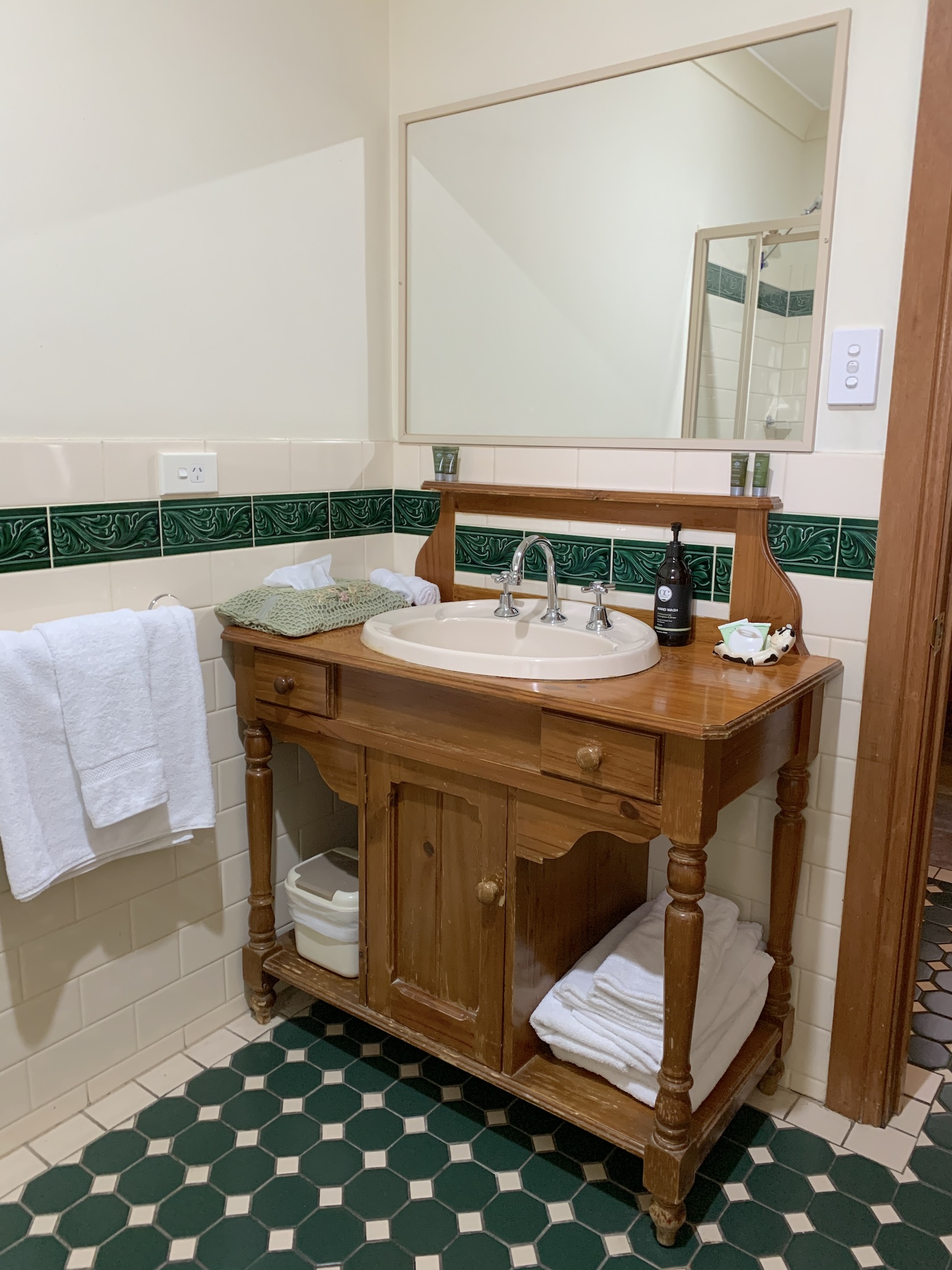
The bathroom was spacious and spotless

with extra towels and eco-friendly toiletries.

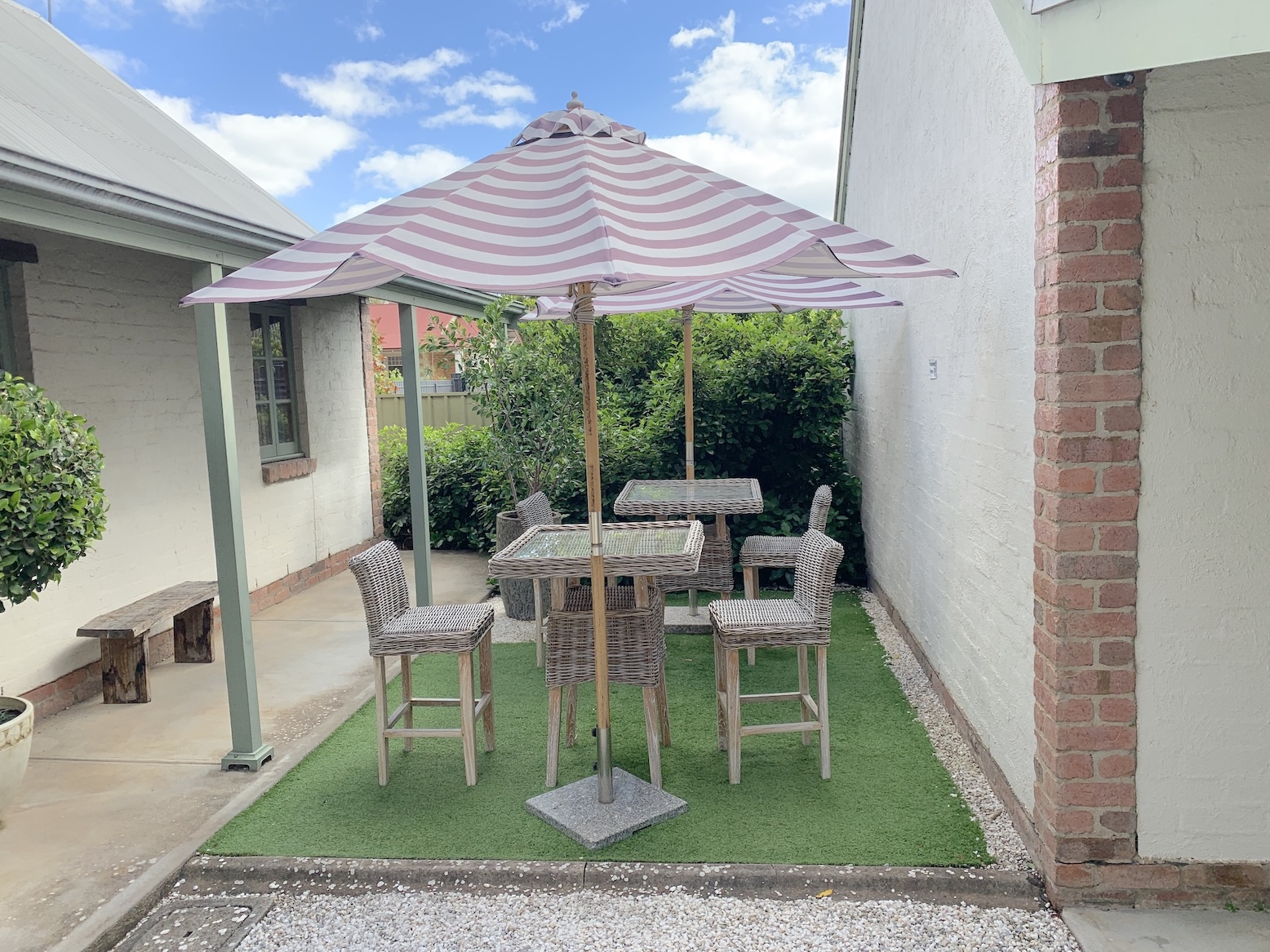
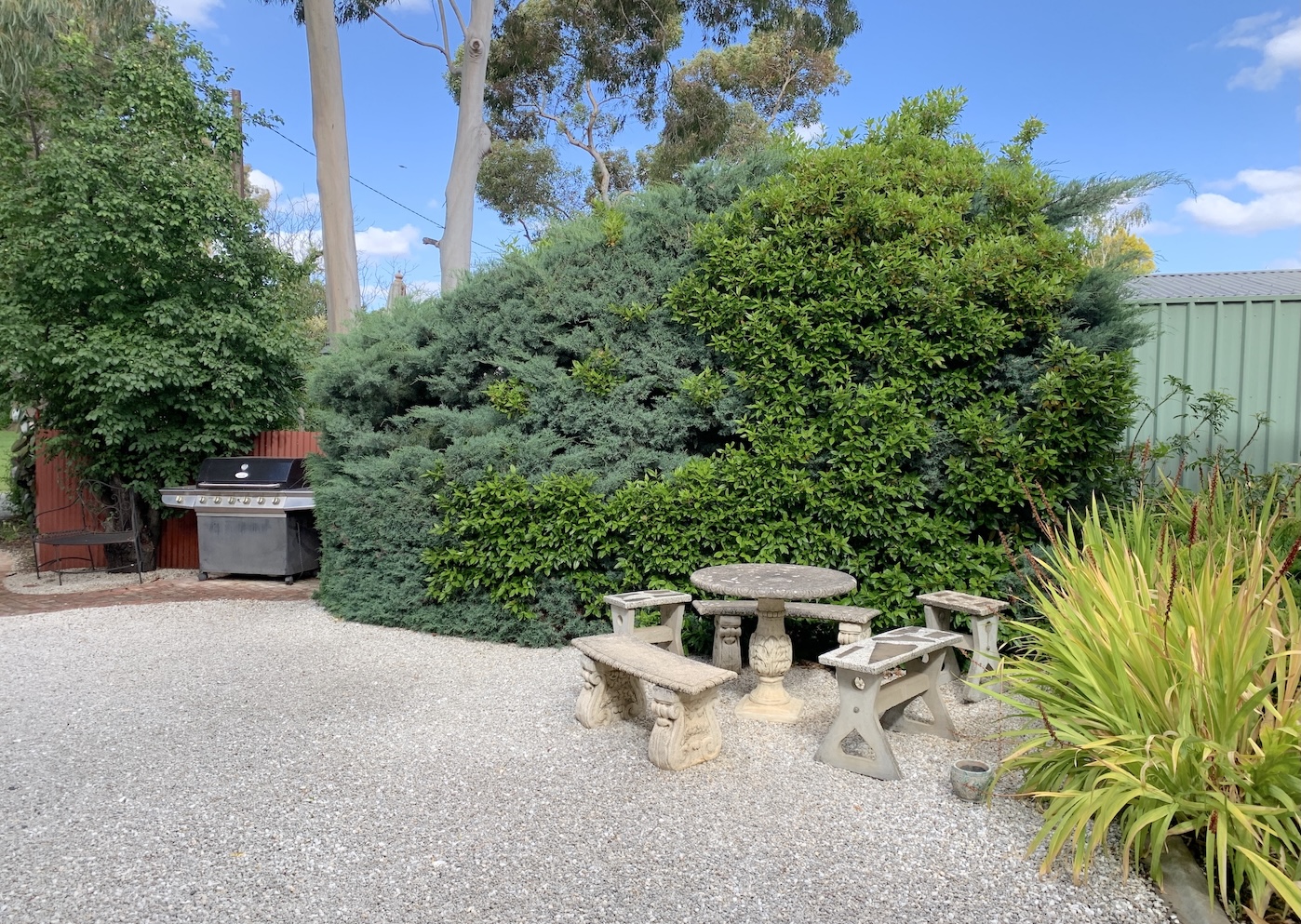
Being the only occupants, we had the outdoor seating to ourselves to enjoy a vino or two on a hot afternoon.

We didn’t make use of the barbecue but it was a great space for alfresco dining.

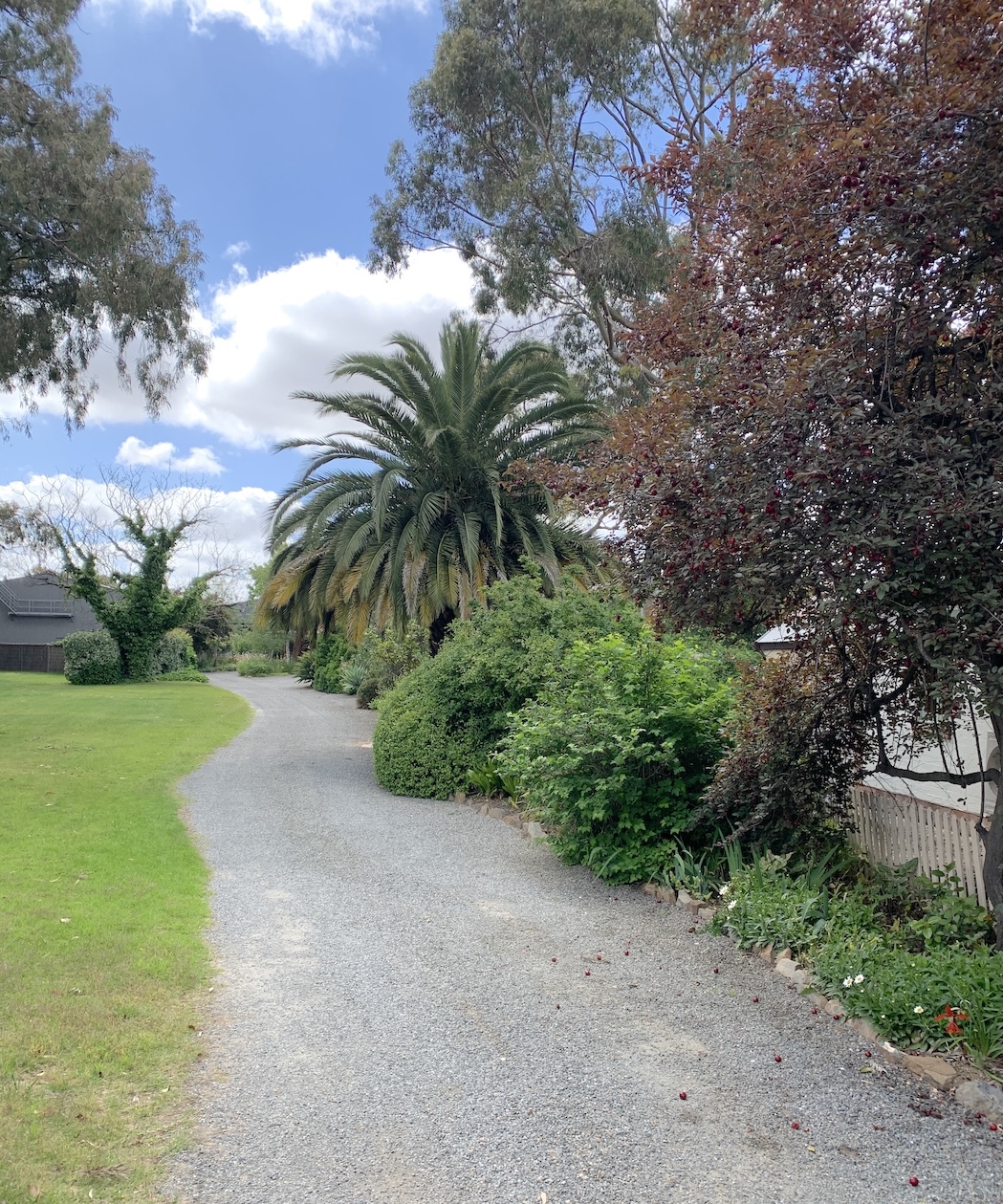
Although situated on the main road, traffic noise was not noticeable and there were no close neighbours with the driveway to the Winery Cottage and gardens at the rear of the property.