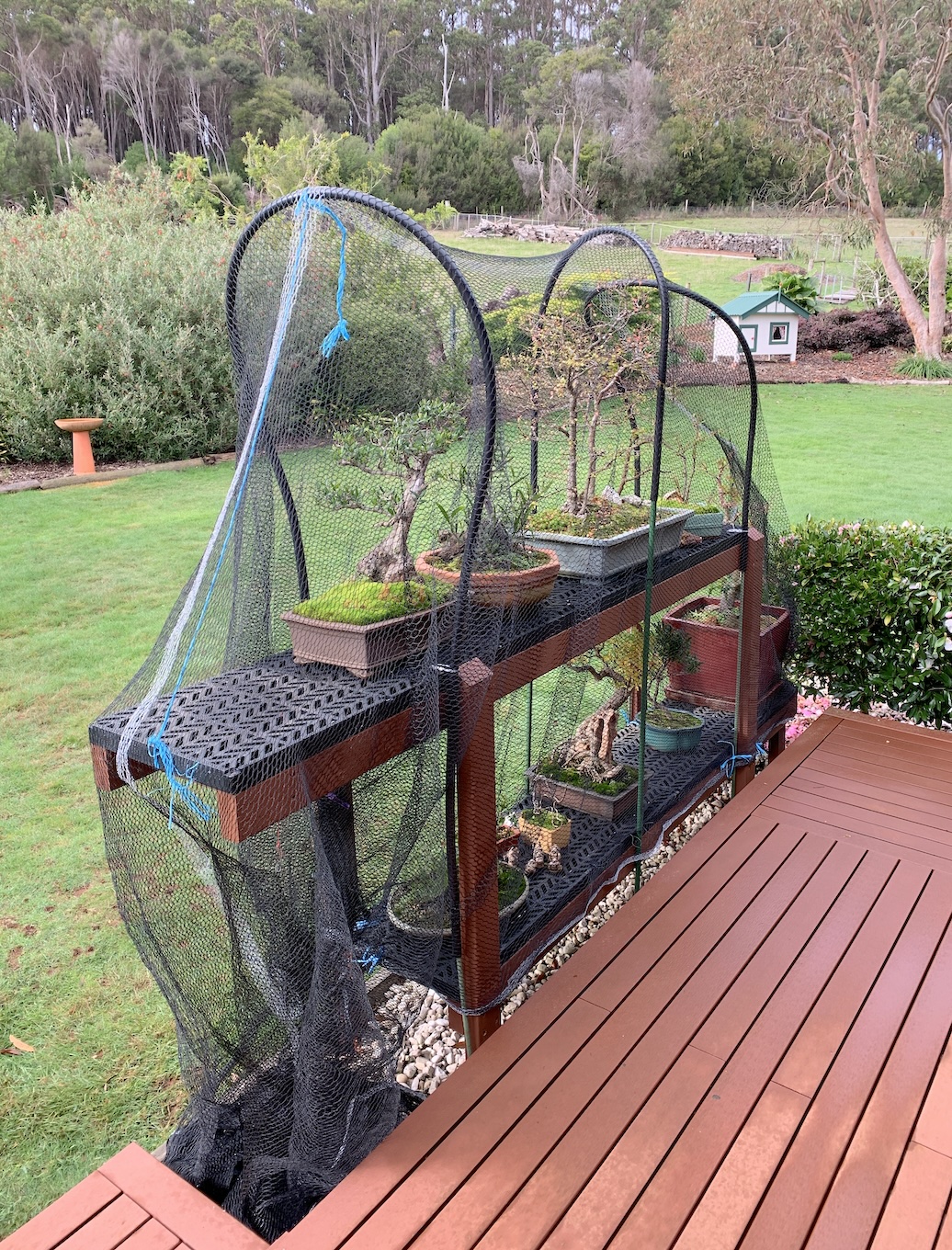
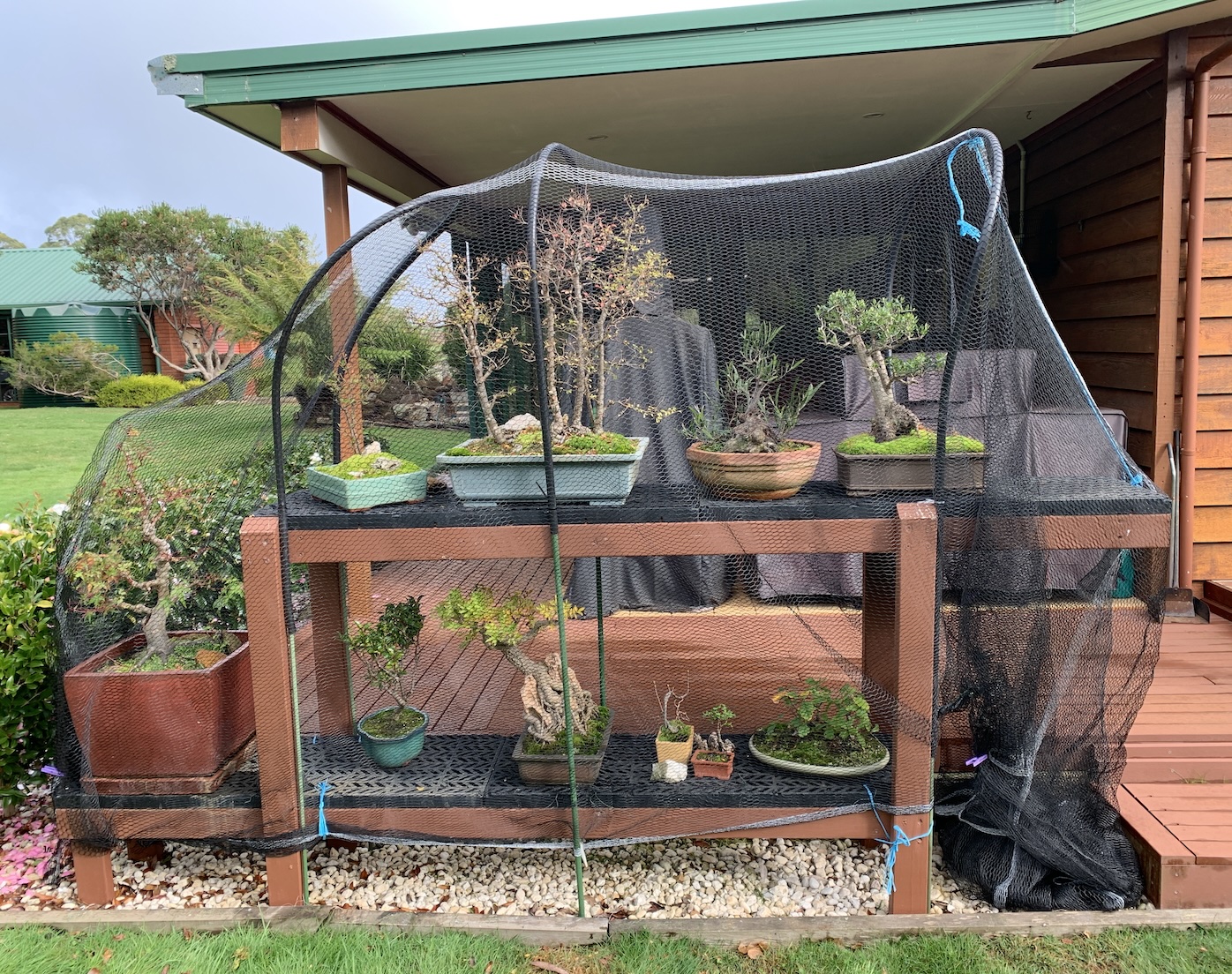
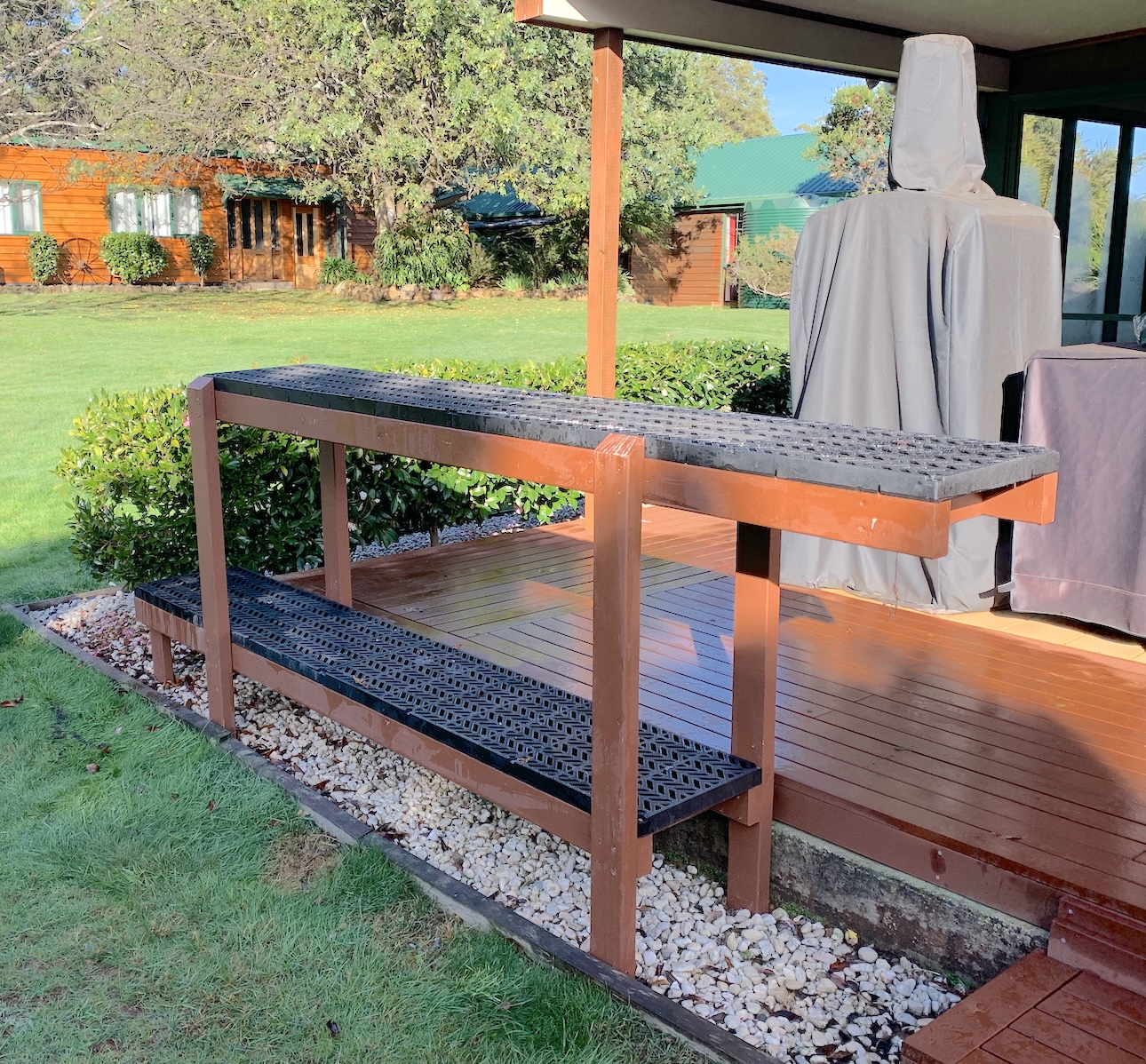
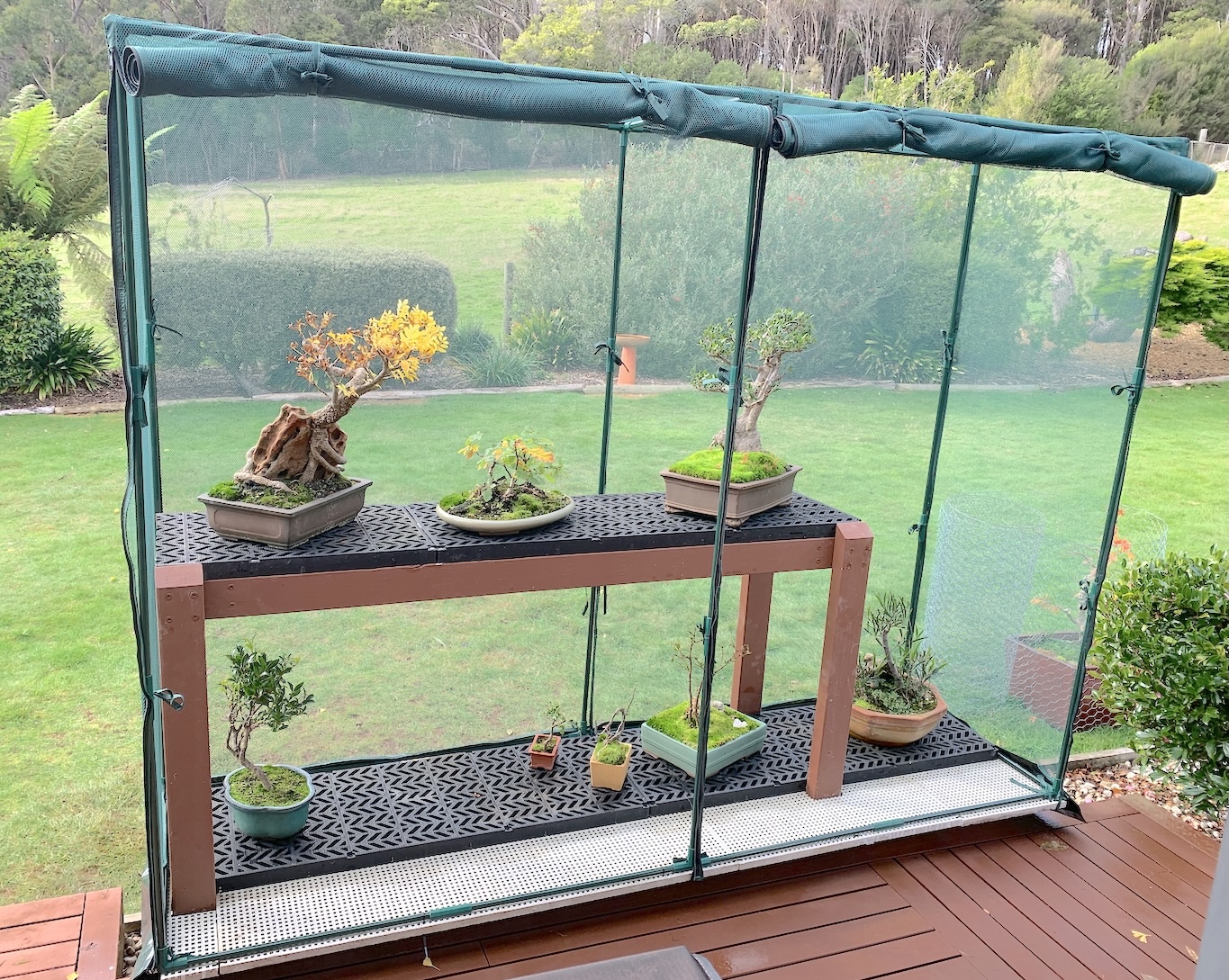
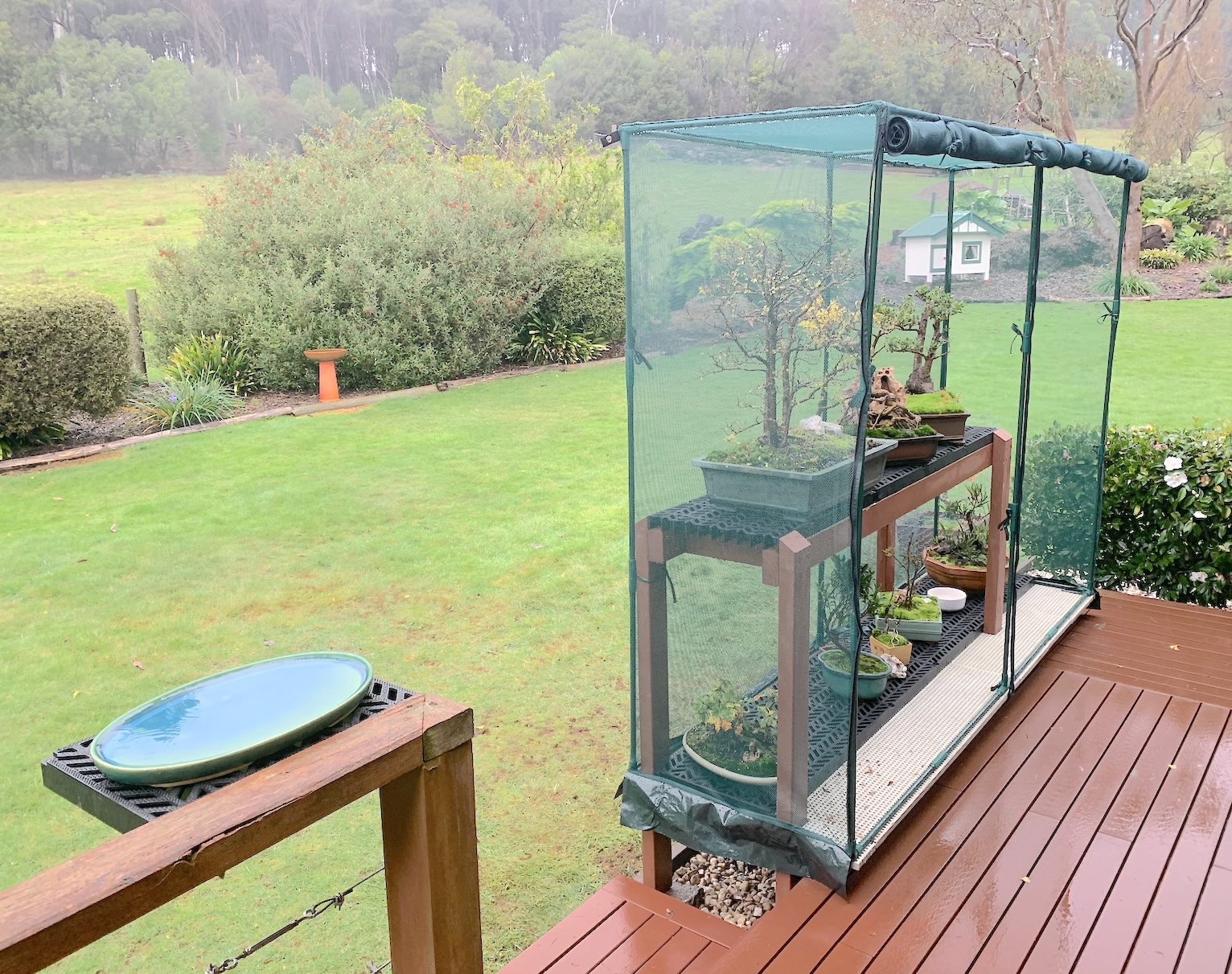
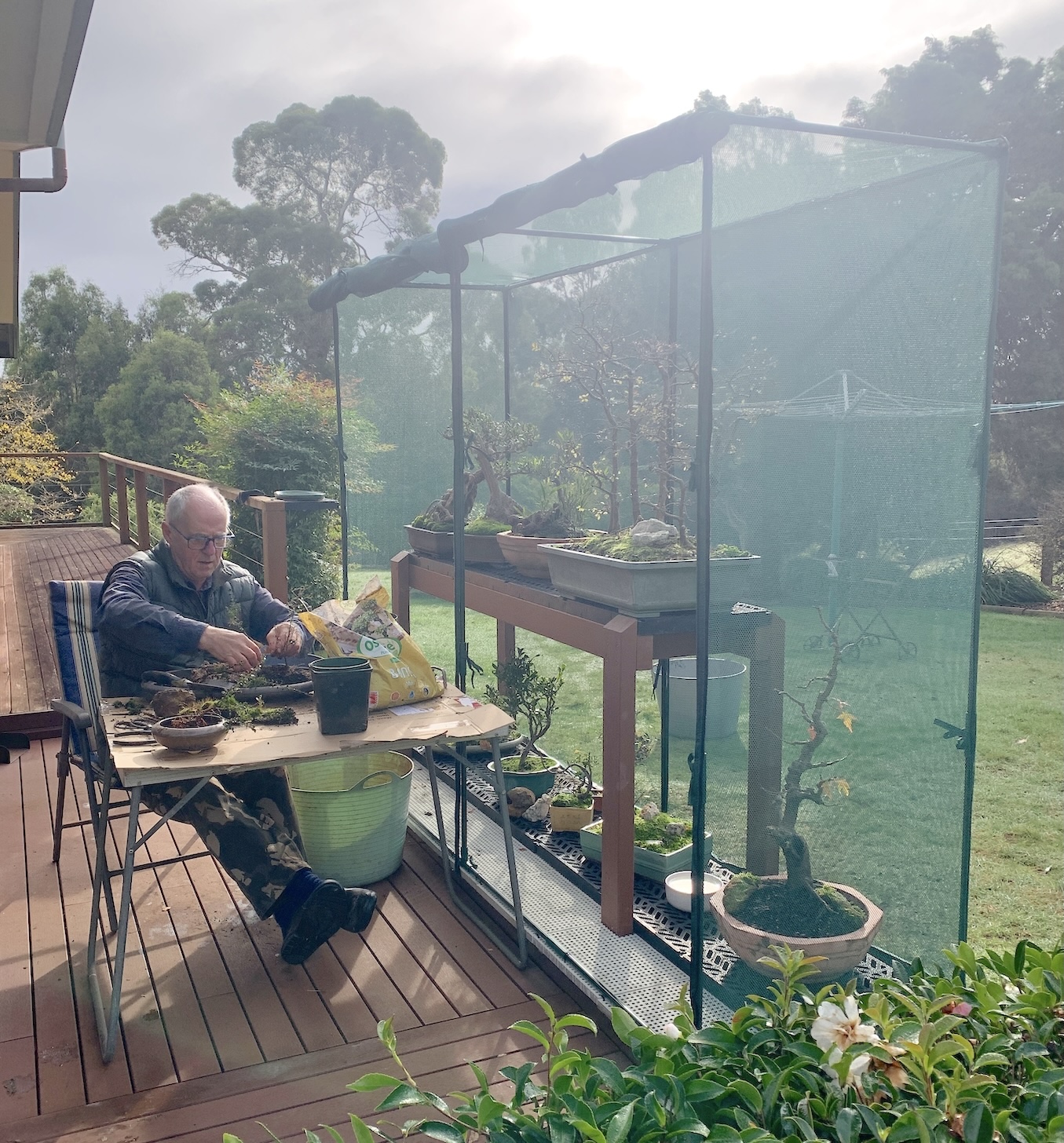
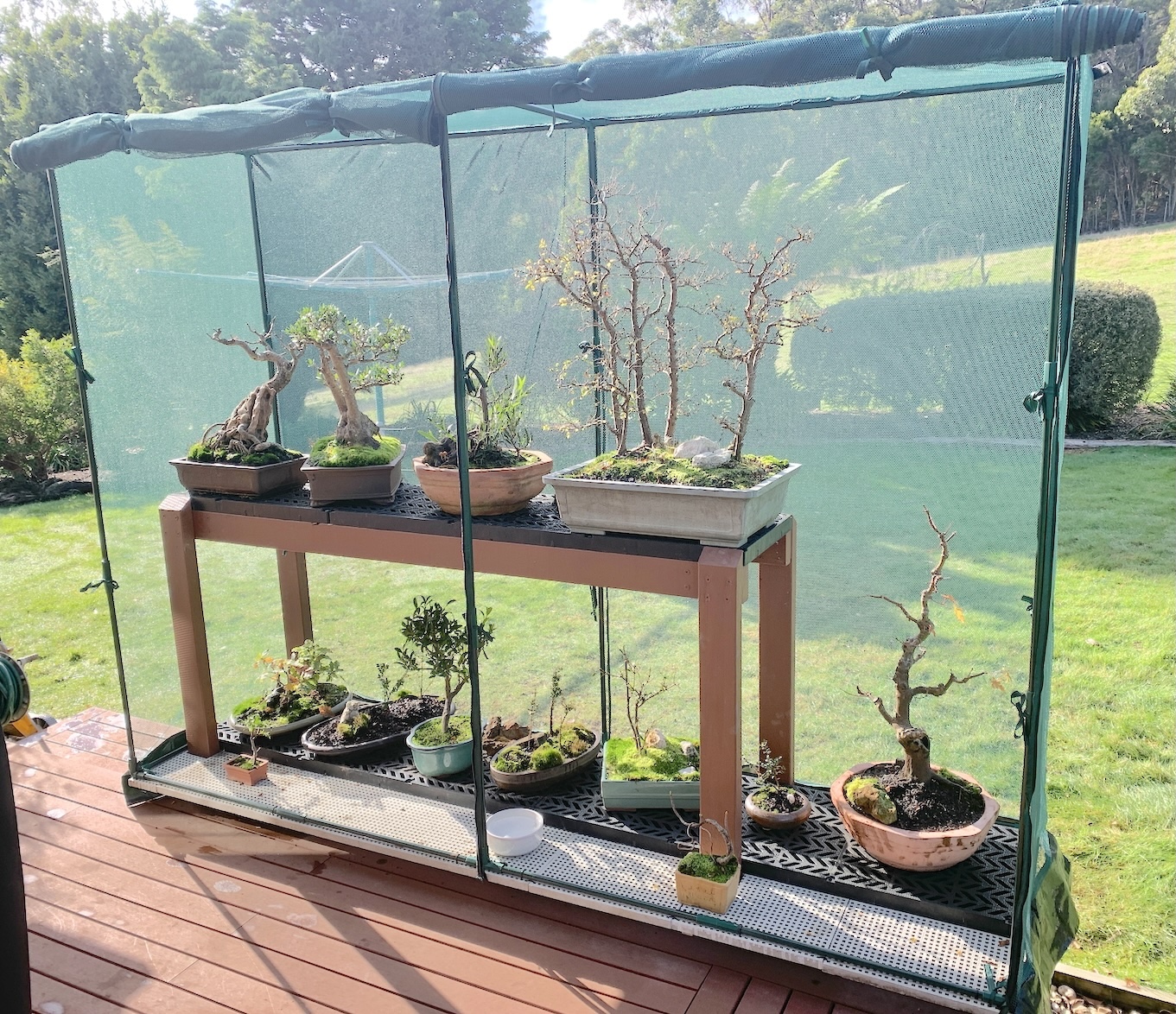
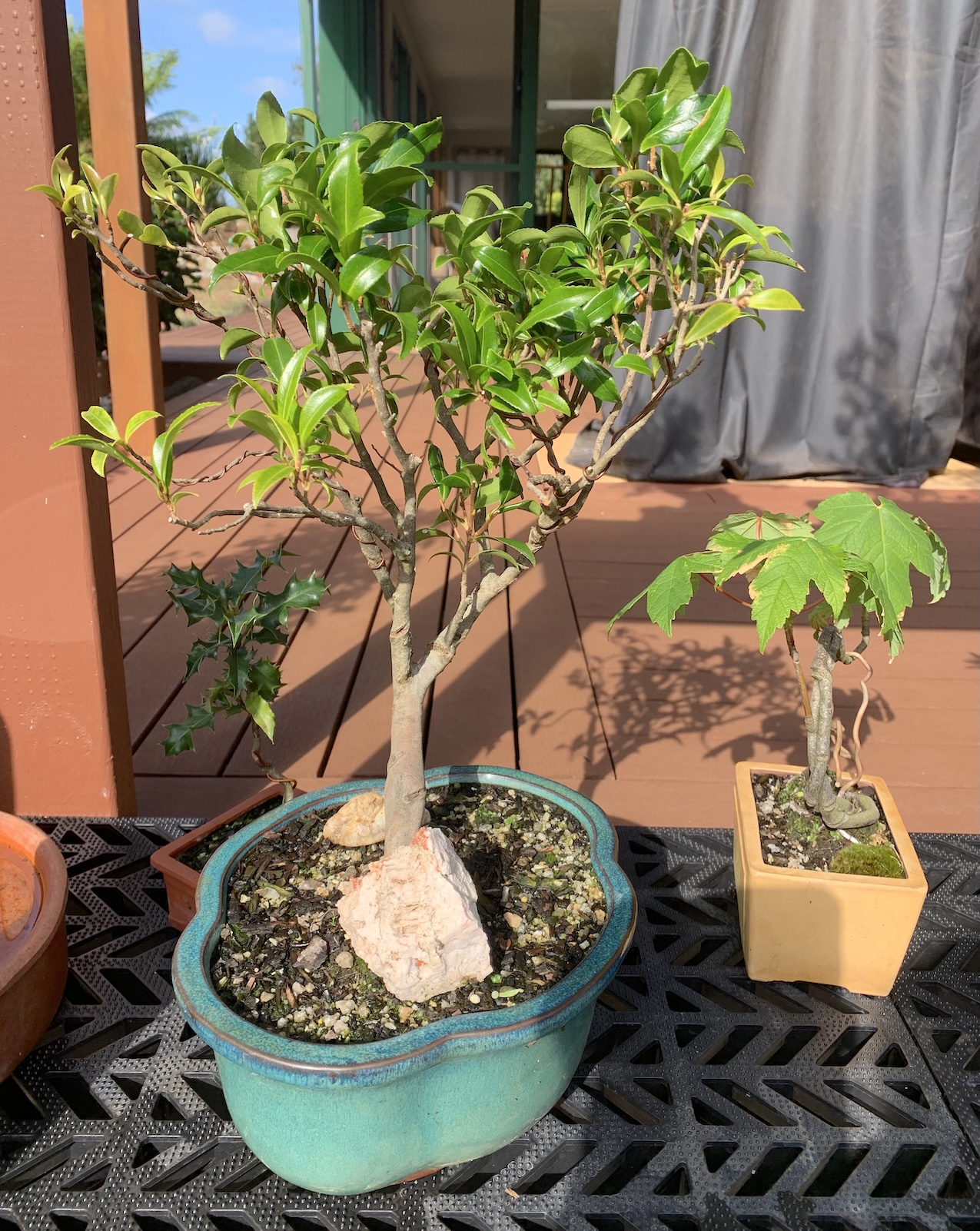
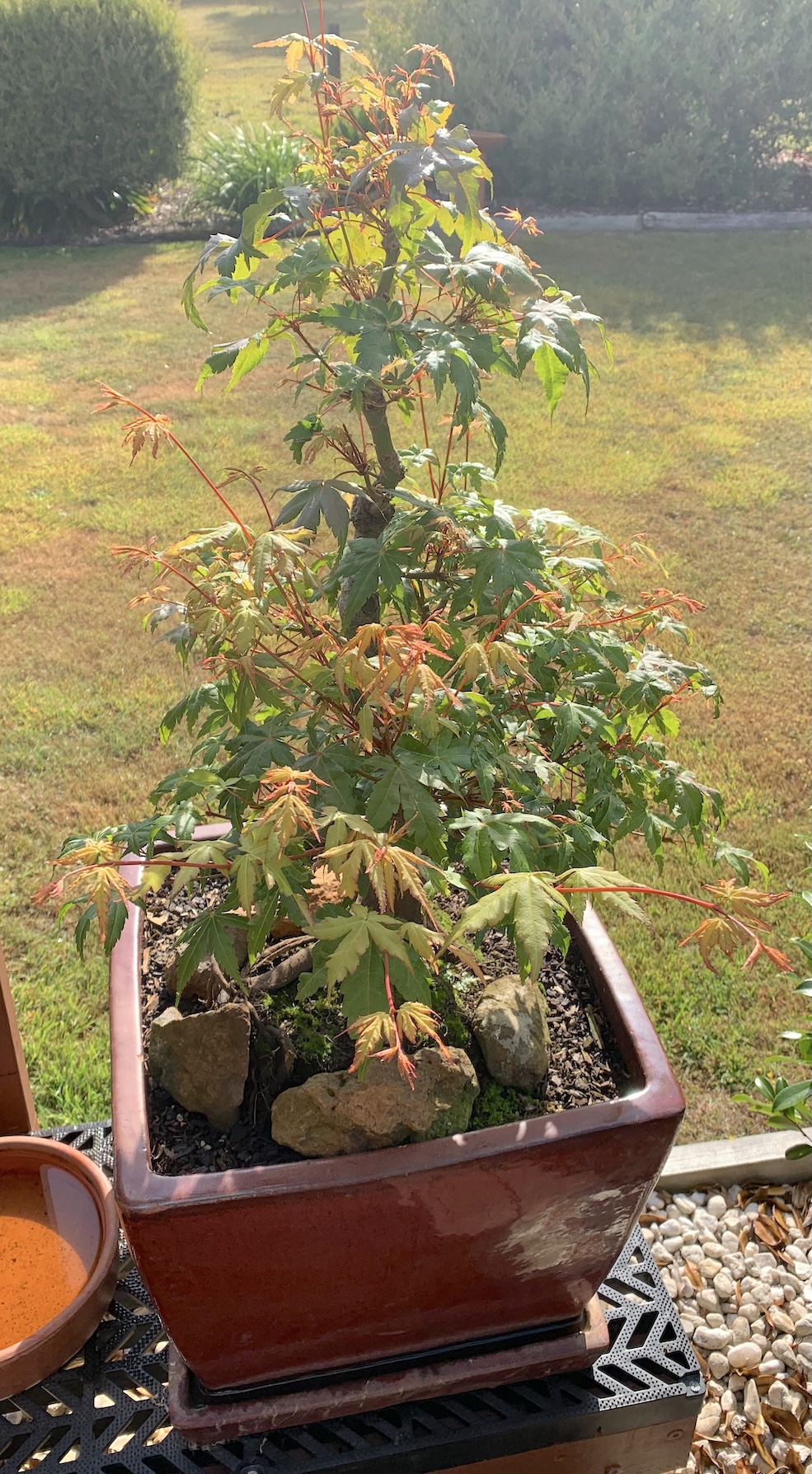
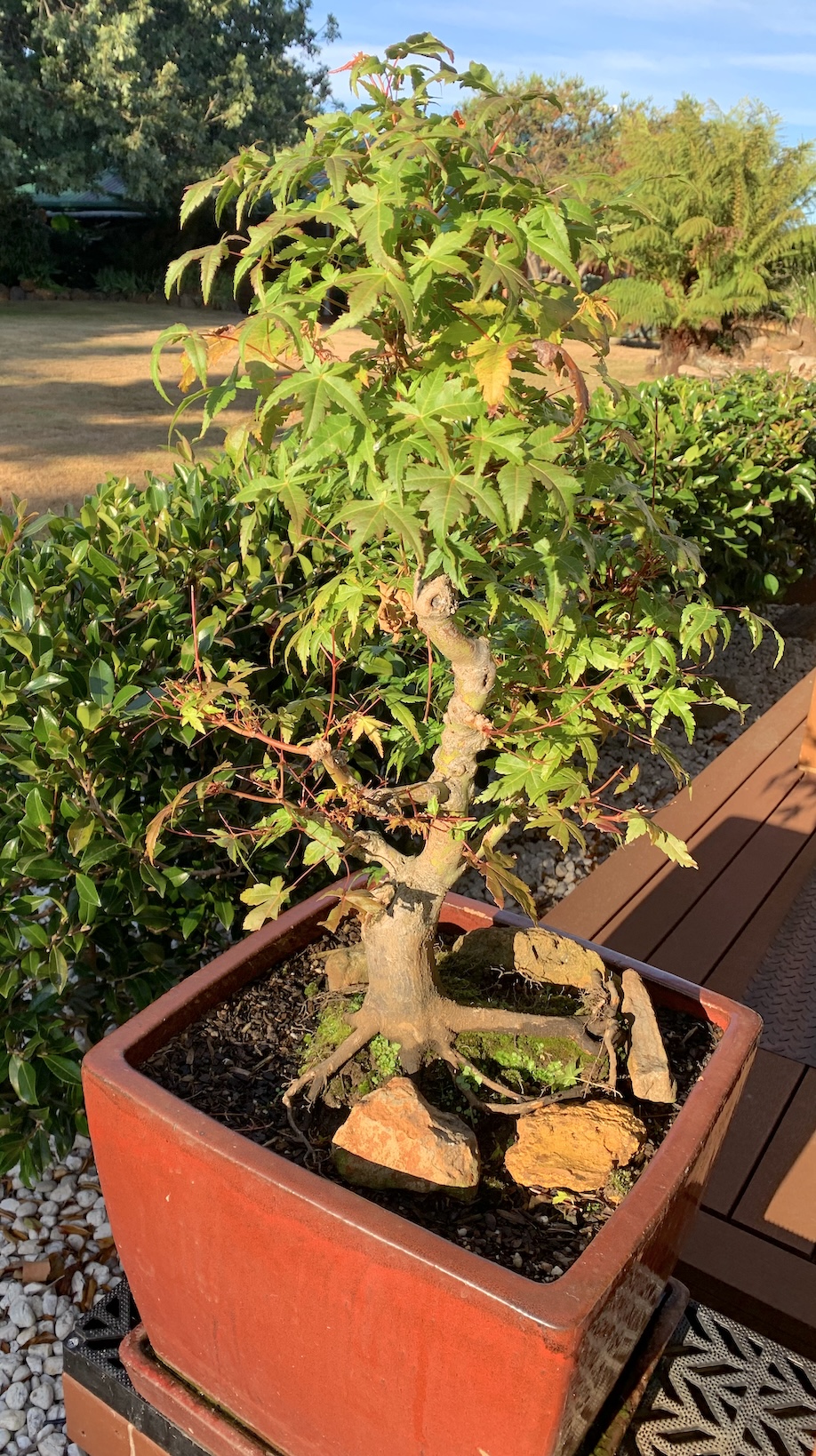
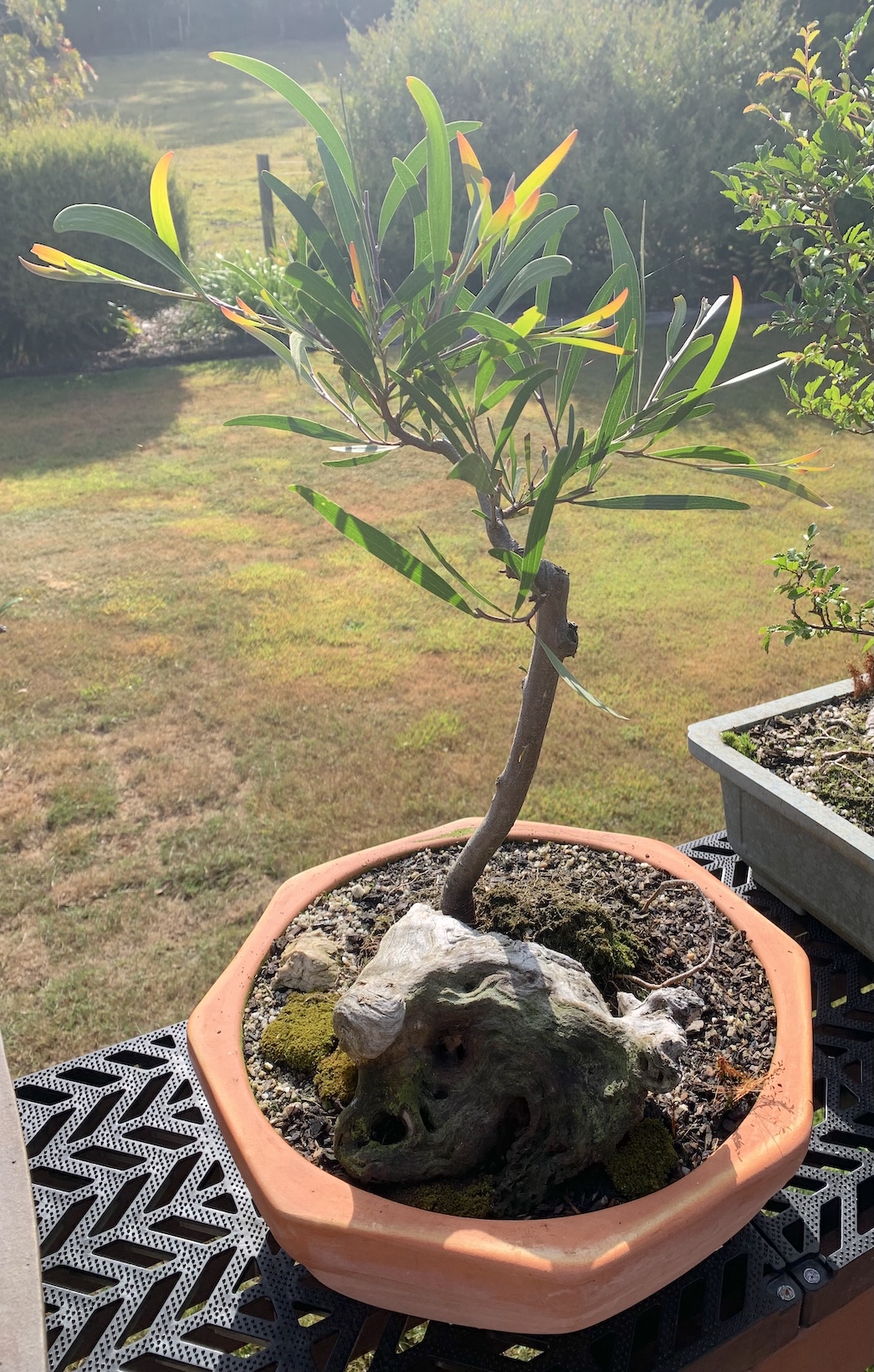
One of the drawbacks of living on a property surrounded by forest is the nightly visitations from various furry critters. Very cute to observe but destructive to the garden, in particular those plants we are trying to nurture. For some reason, after 17 years of being ignored, they decided at the beginning of winter to dine at the bonsai buffet. The brush-tailed possums are not petite creatures and inadvertently damage branches while feasting. We immediately created some temporary protection while searching for a more permanent solution. Not pretty but it did the job.
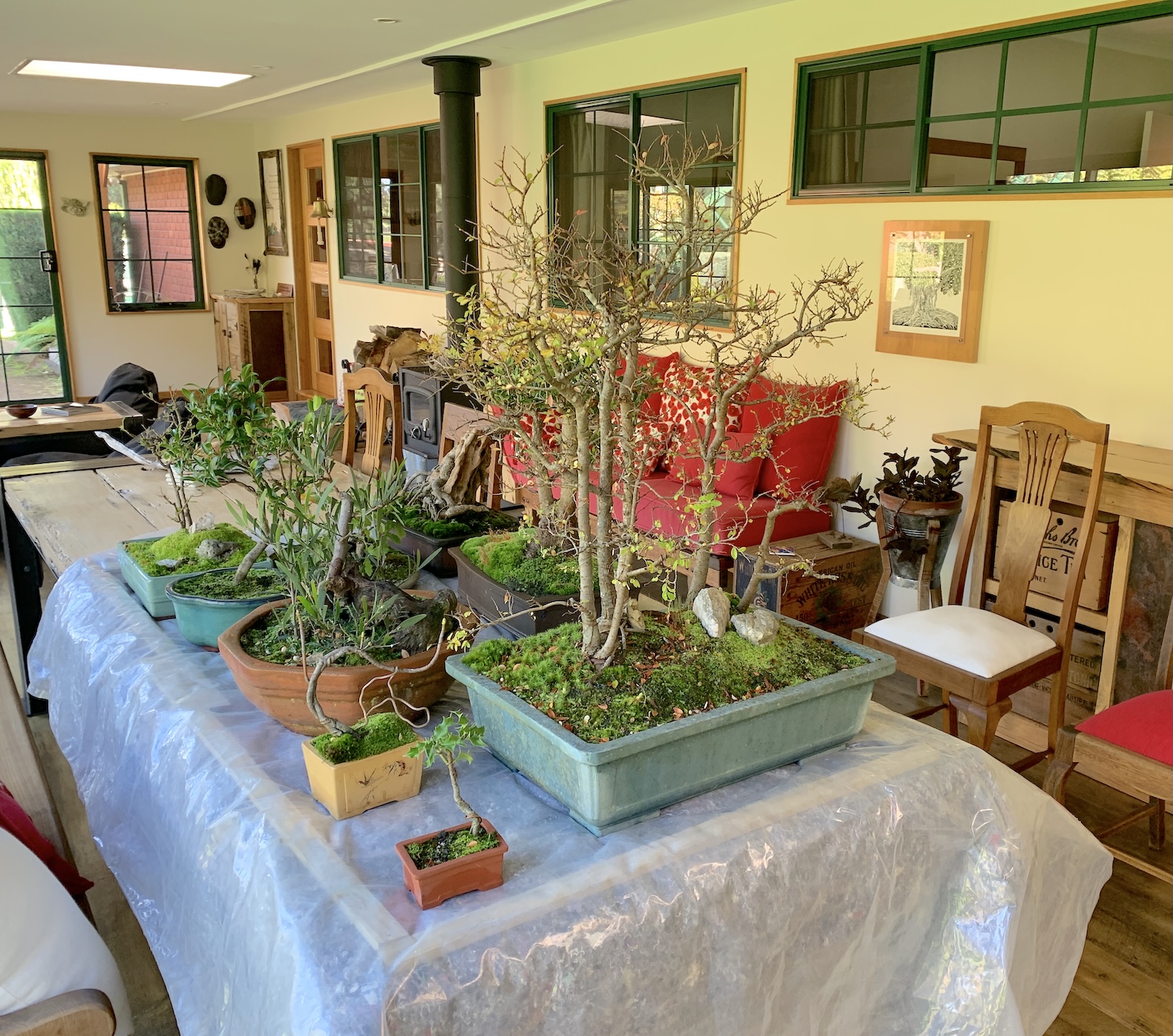
When our new cover arrived (Maze products to the rescue again), we moved the bonsai inside
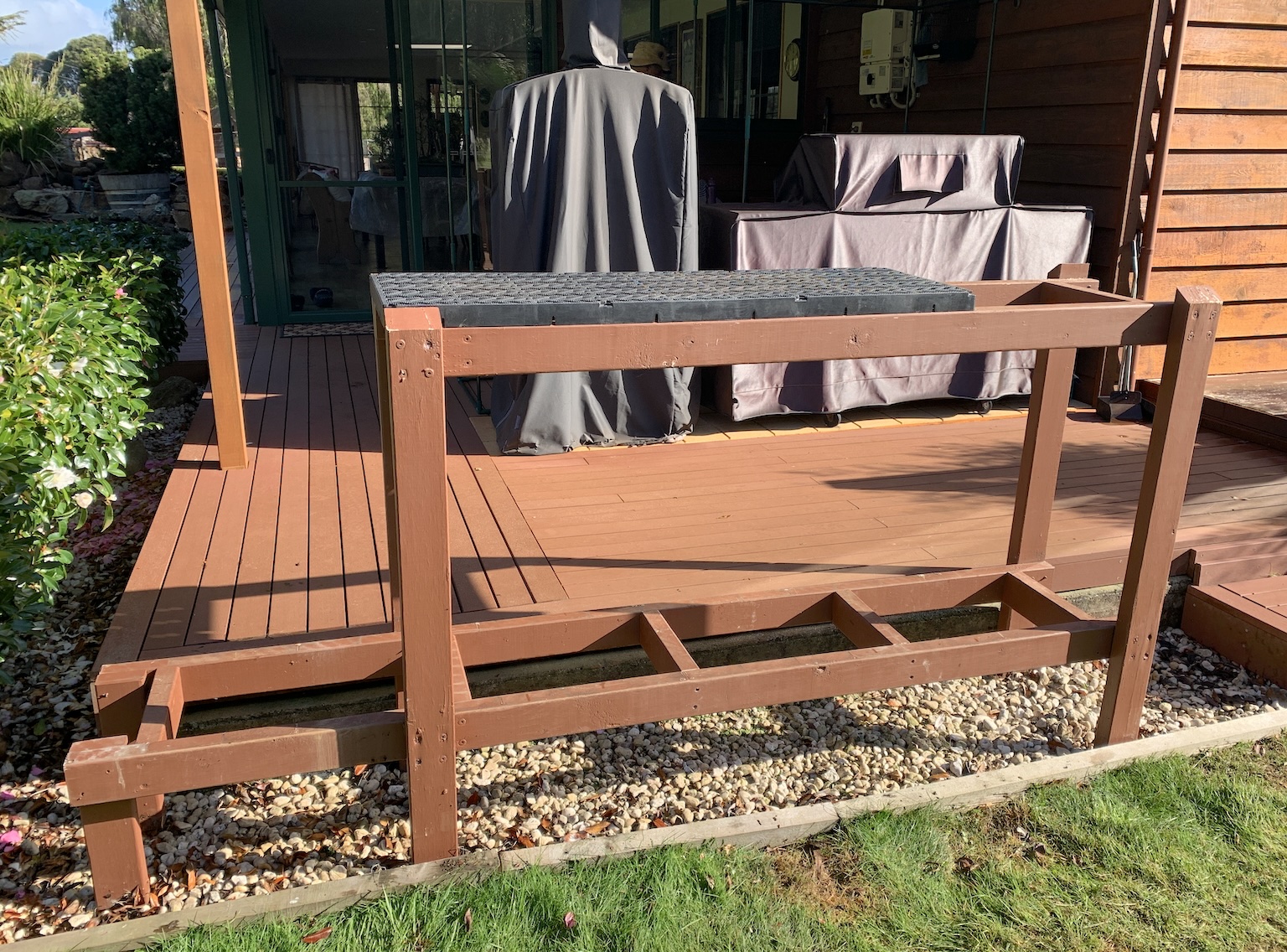
and set about modifying the stand so the cover would fit.
We removed the shelves and trimmed off one end of the top level,
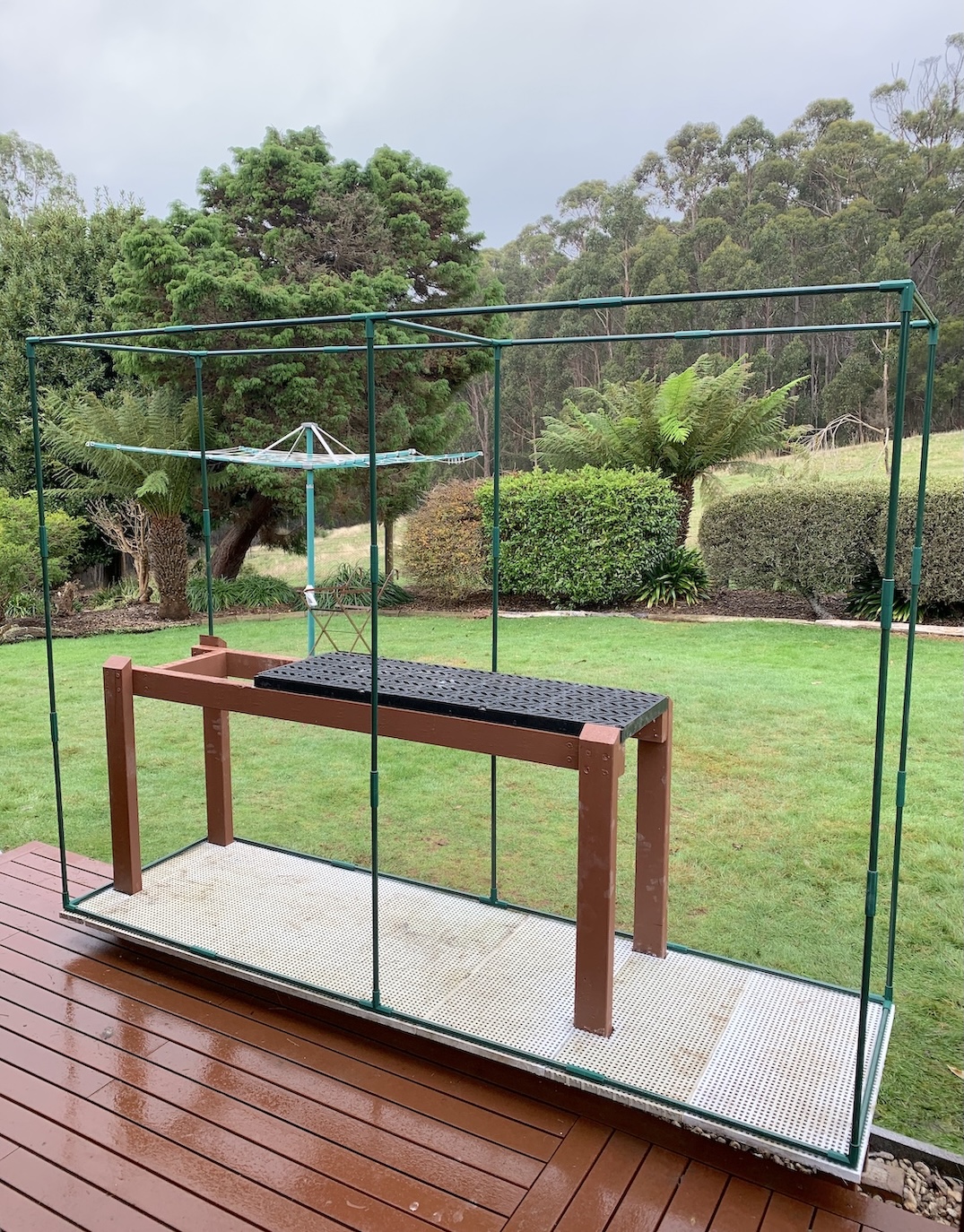
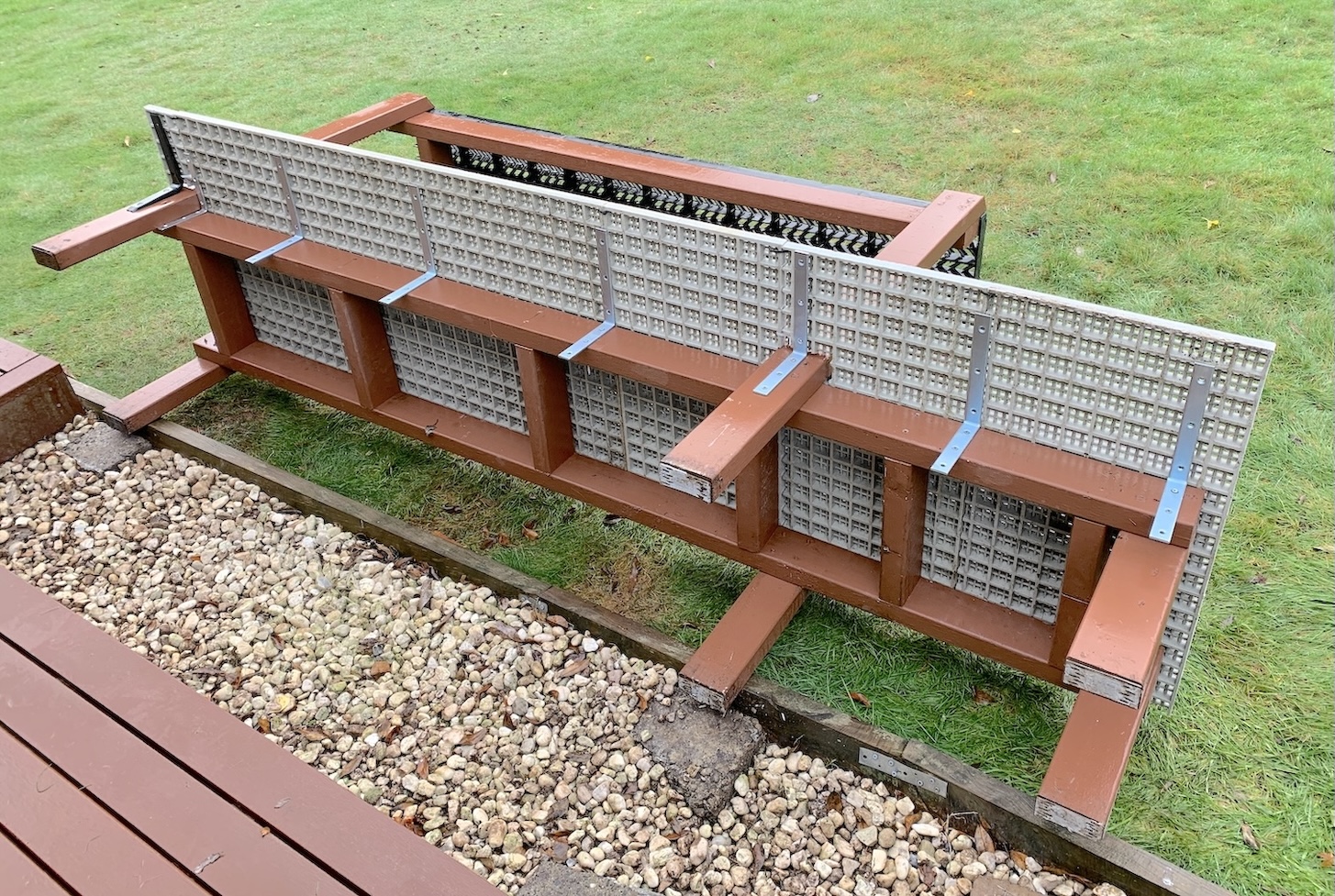
placed a new base to support the frame
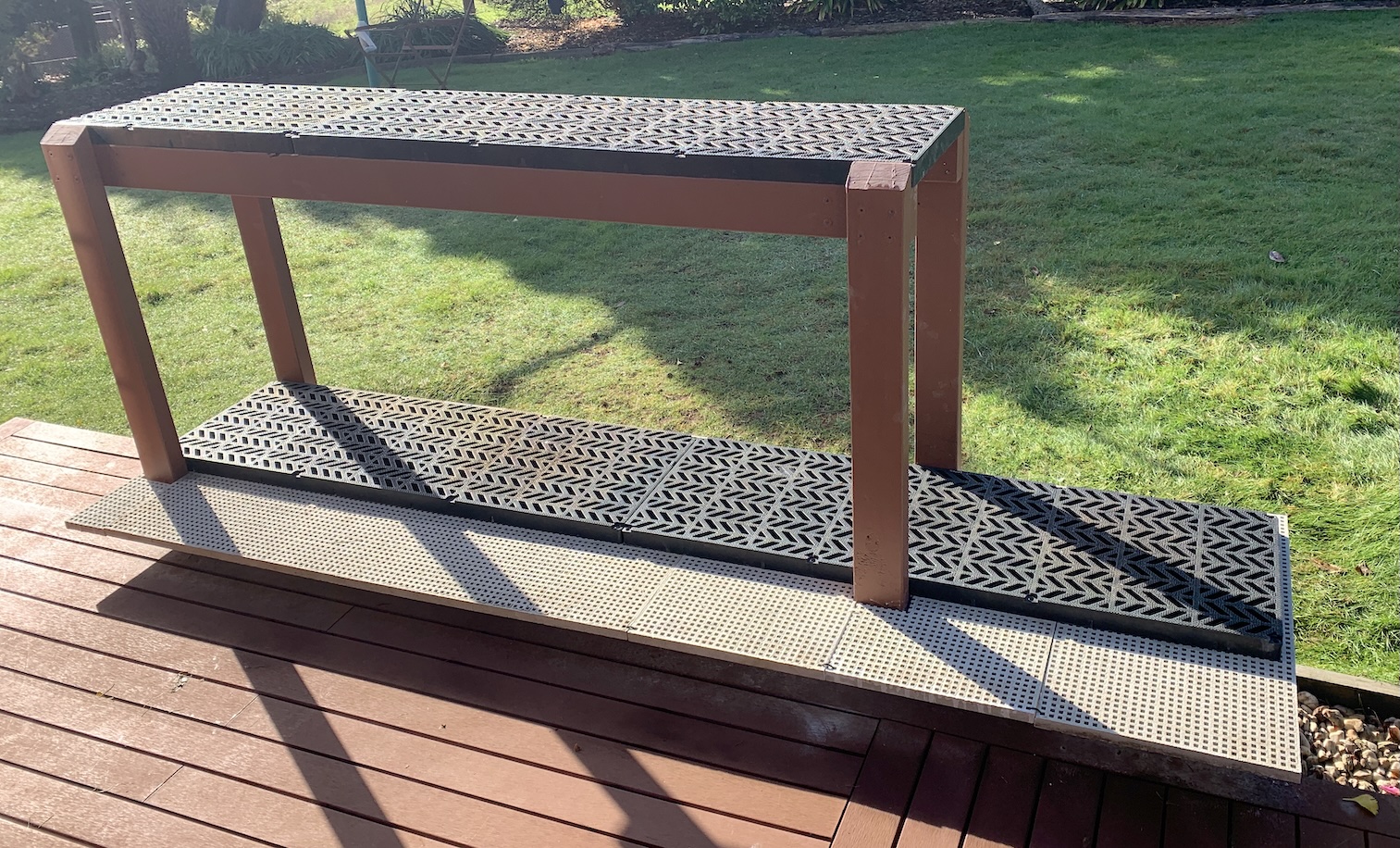
and replaced the original shelves.
Supporting brackets were added to the new base
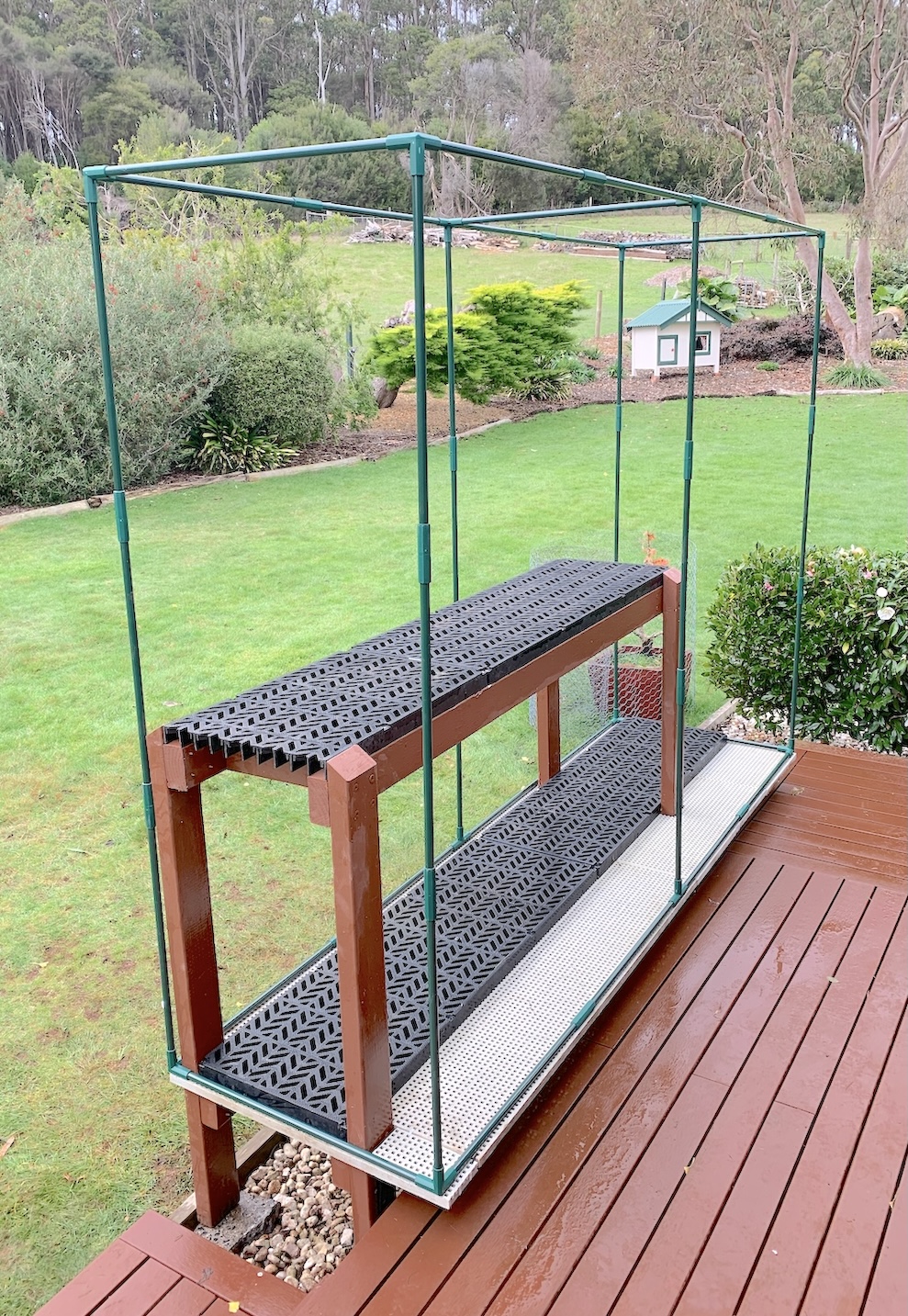
and the frame sat perfectly in place.
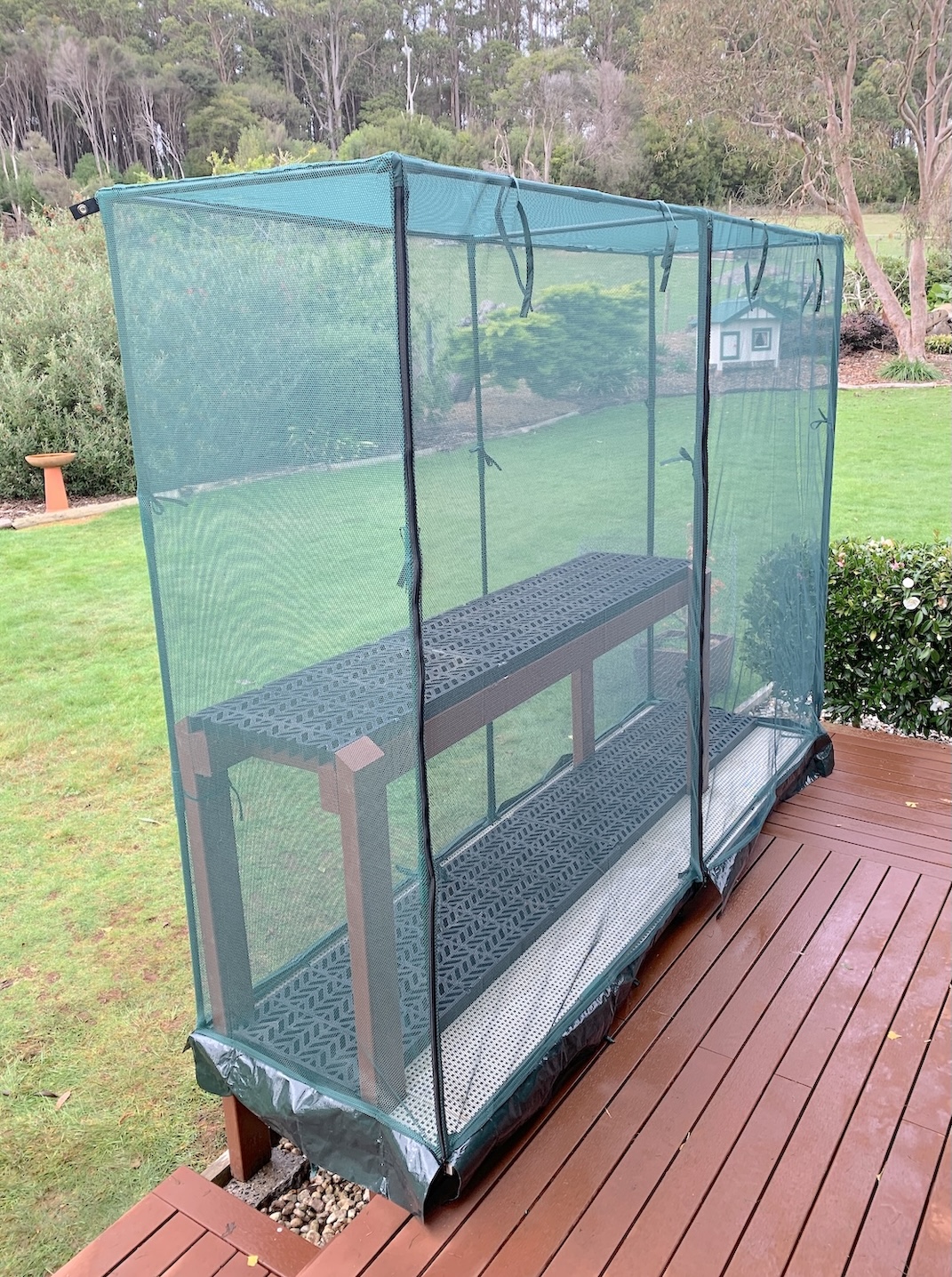
We fit the cover and tied it to the frame and the base,
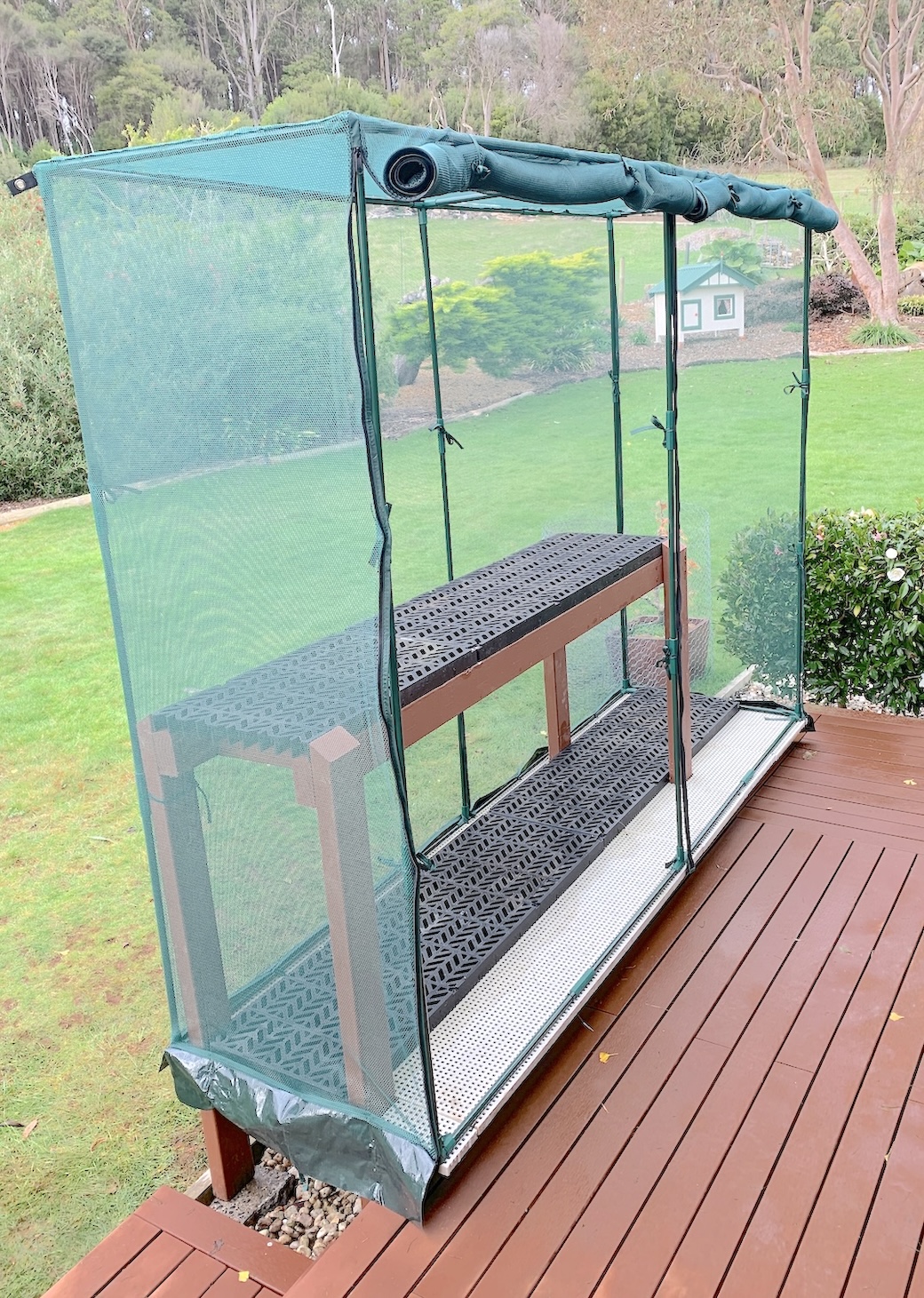
the front opens up for easy access.
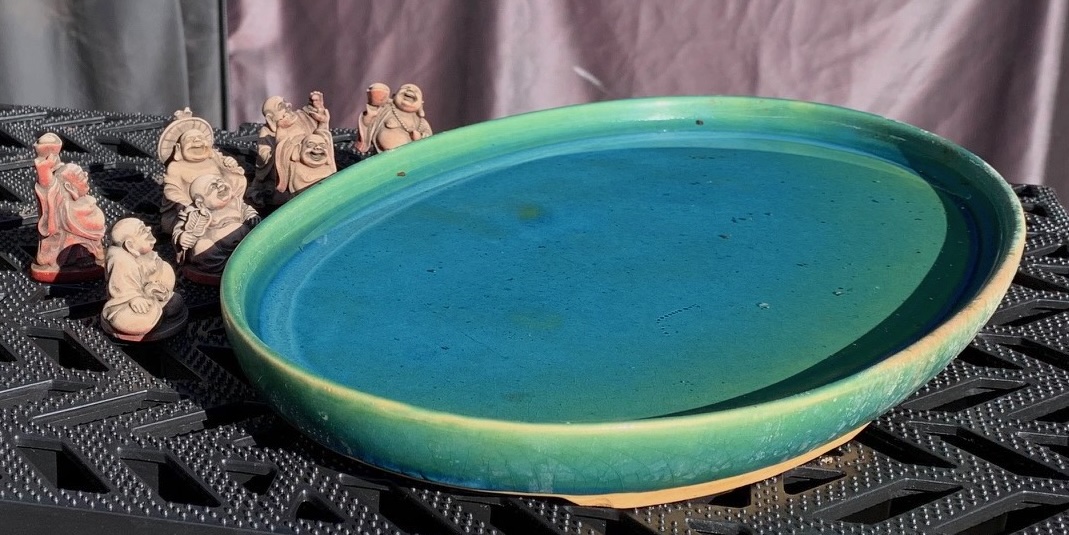
The small birds would enjoy a bath and drink from the shallow water dish when it was on the open shelf so we created a new spot so they don’t miss out.
Michael is a happy camper once more
and we are hopeful the Japanese maple will recover.
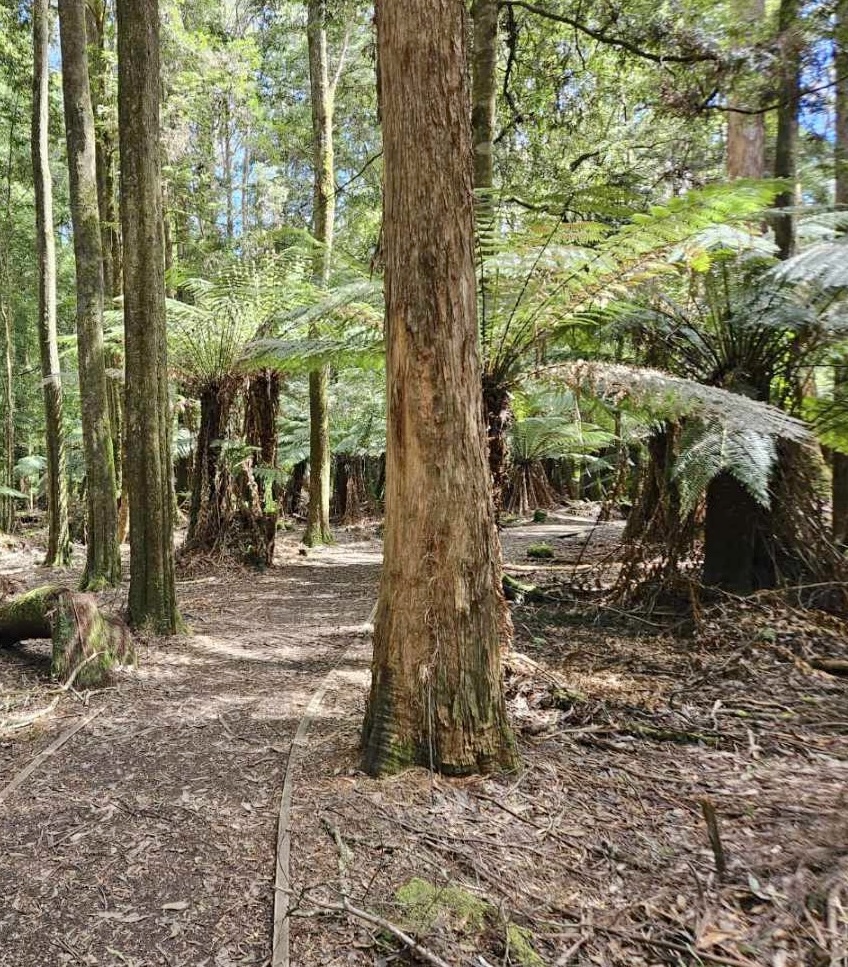
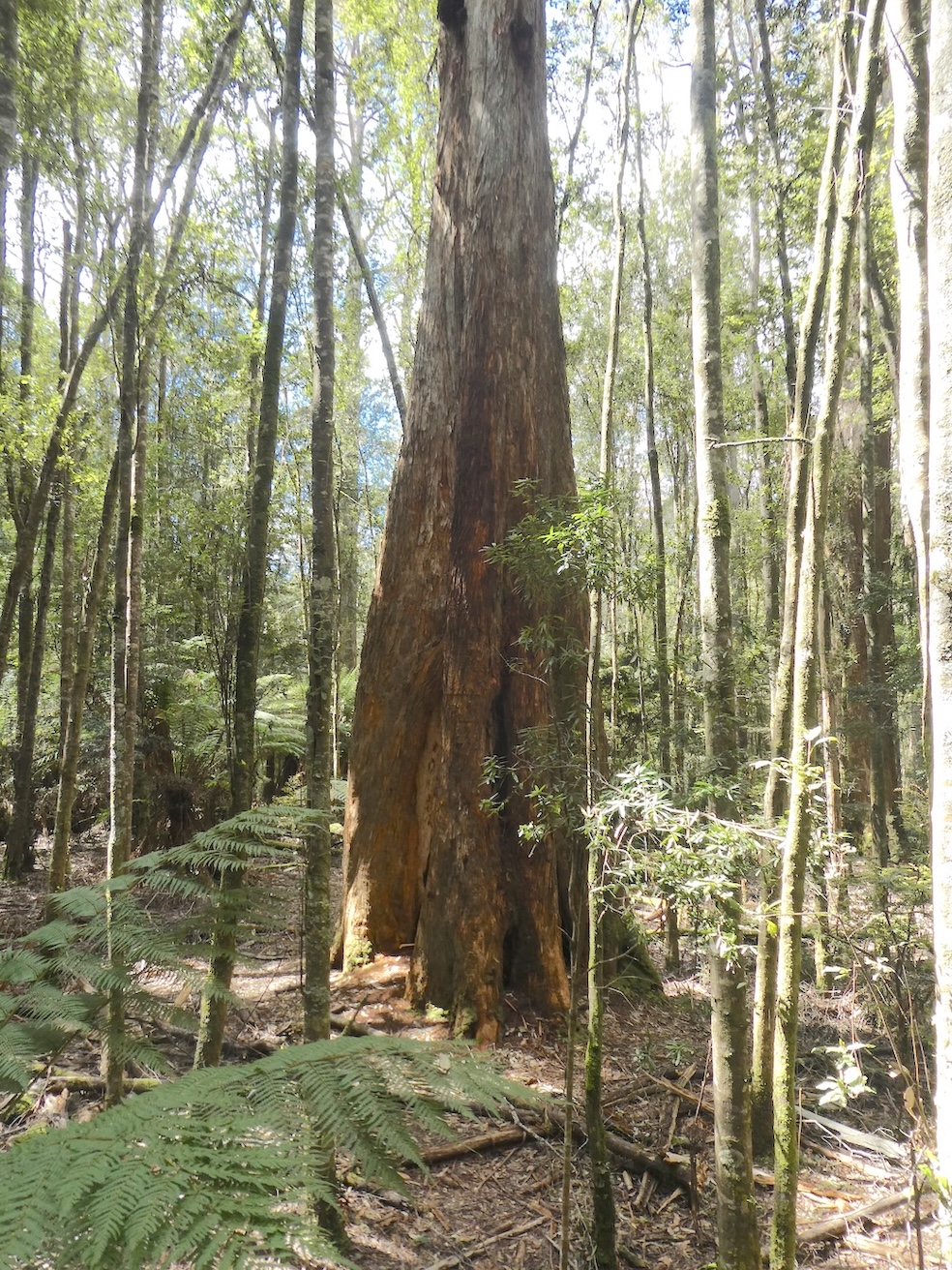
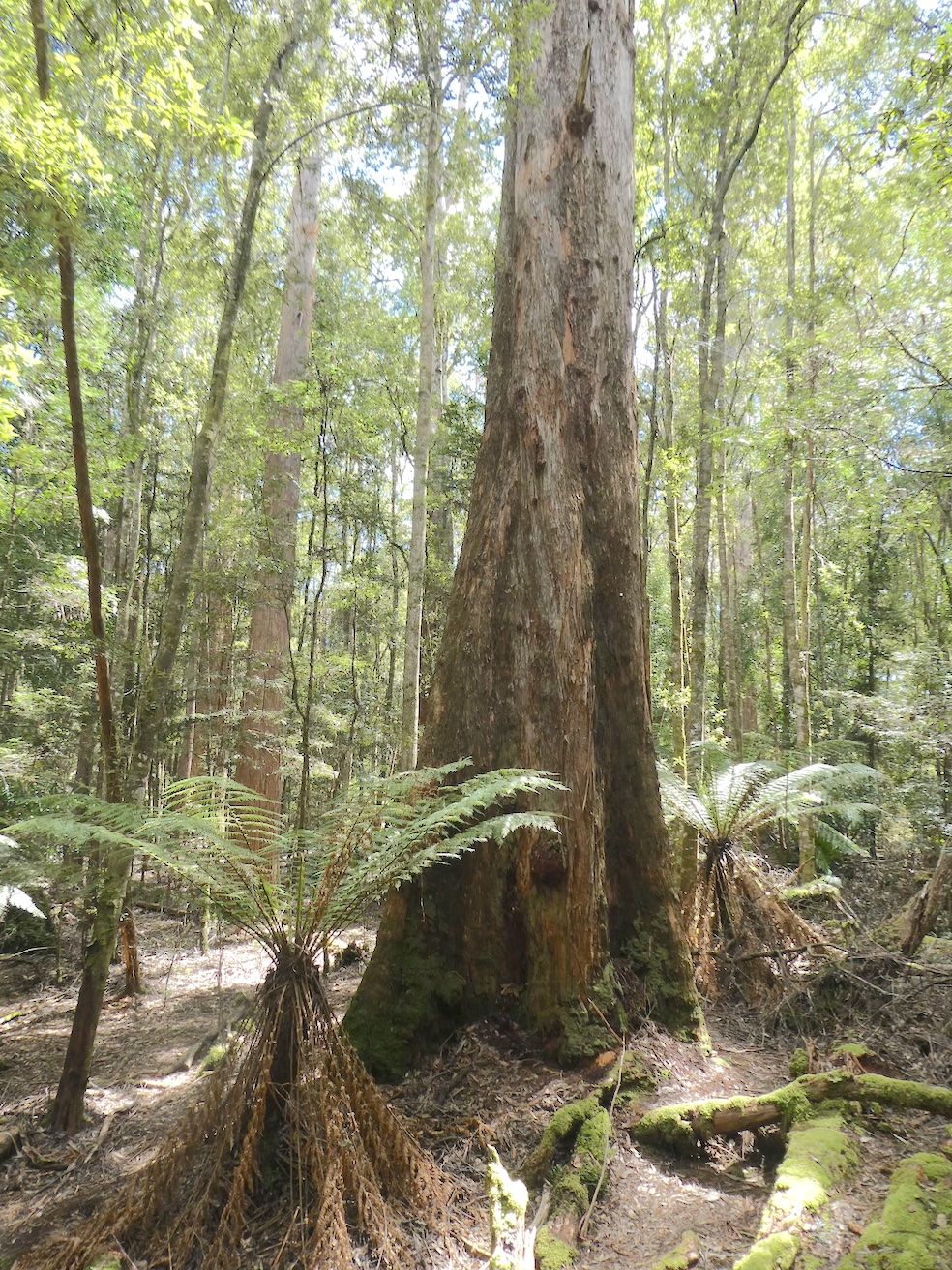
A visit to Dip Falls in northwest Tasmania isn’t complete without venturing a further kilometre up the road to experience The Big Tree. At the end of a short walk down a well defined track
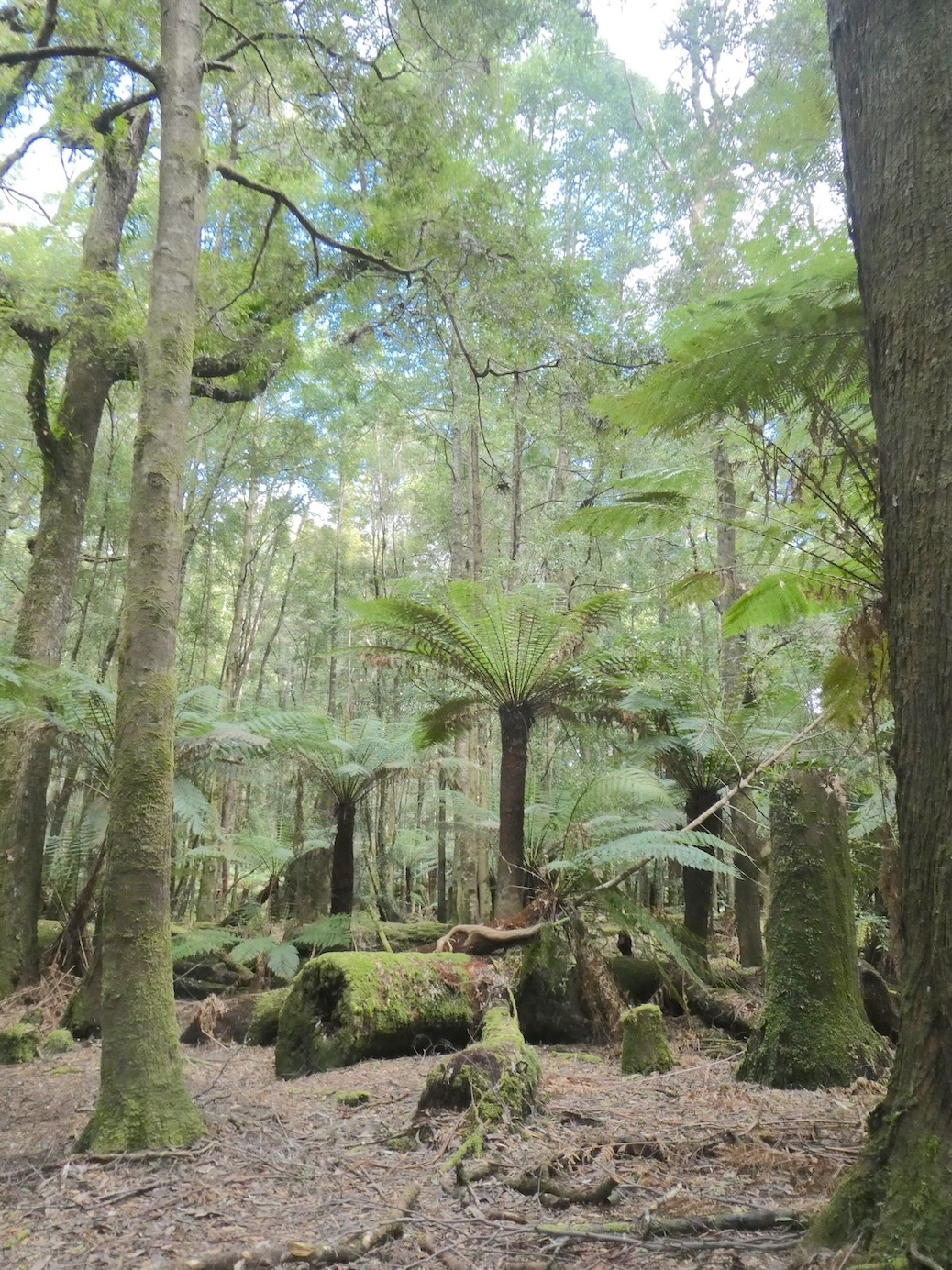
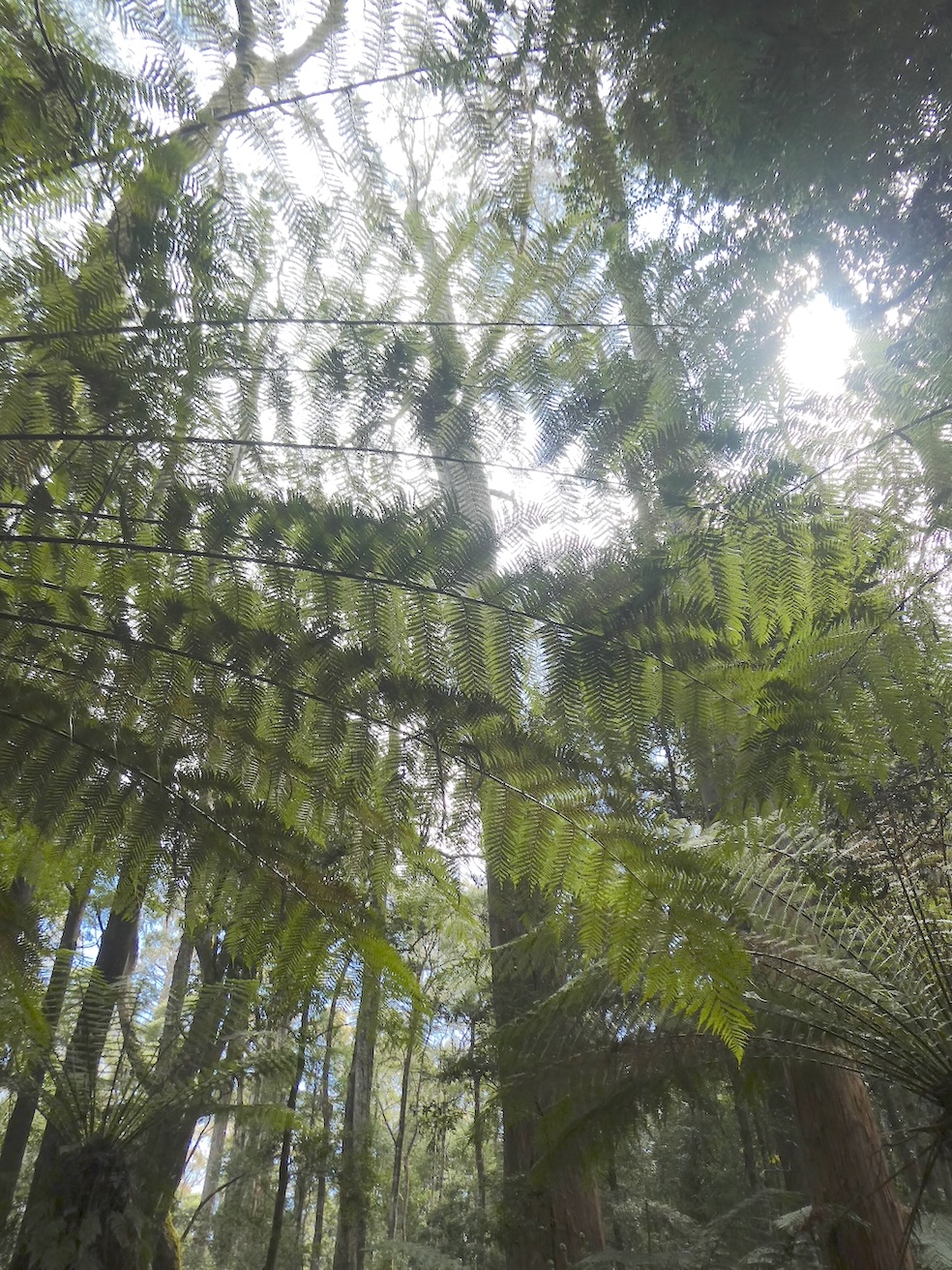
surrounded by eucalypt forest and towering manferns
was most certainly a big tree.
The Browntop stringybark, formally known as Eucalyptus obliqua, is not especially tall at 62 metres, considering the species can reach heights of 90 metres. However, the circumference at the base is an impressive and unusually large 16 metres.
There used to be a boardwalk around the base for a close up inspection, I don’t know when or why it was removed.
The tree is estimated to be around 400 years old and it now has large holes and hollow cavities in it’s trunk.
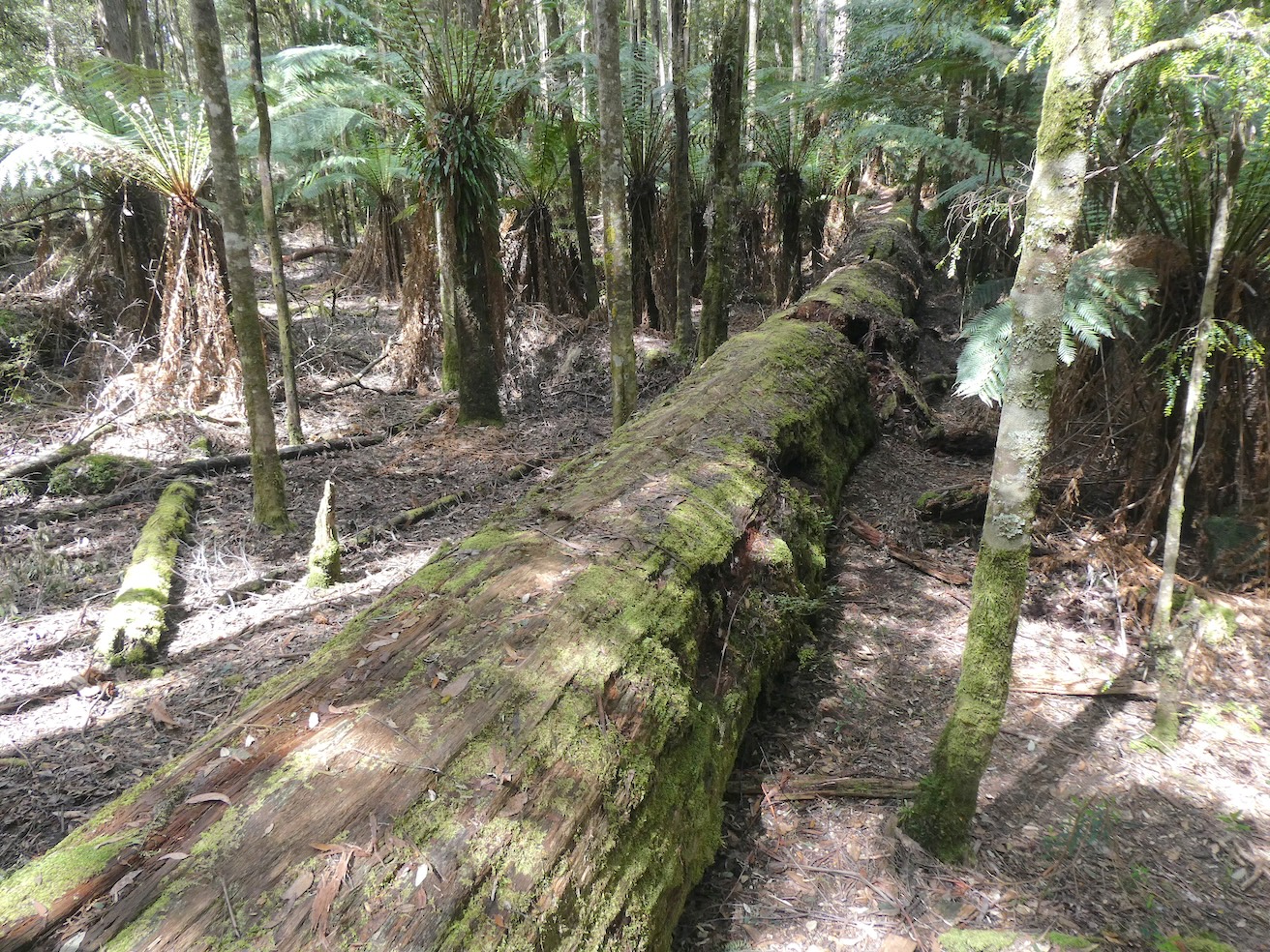
Once it becomes unsafe it will, sadly, be cut down and laid to rest among fallen friends.
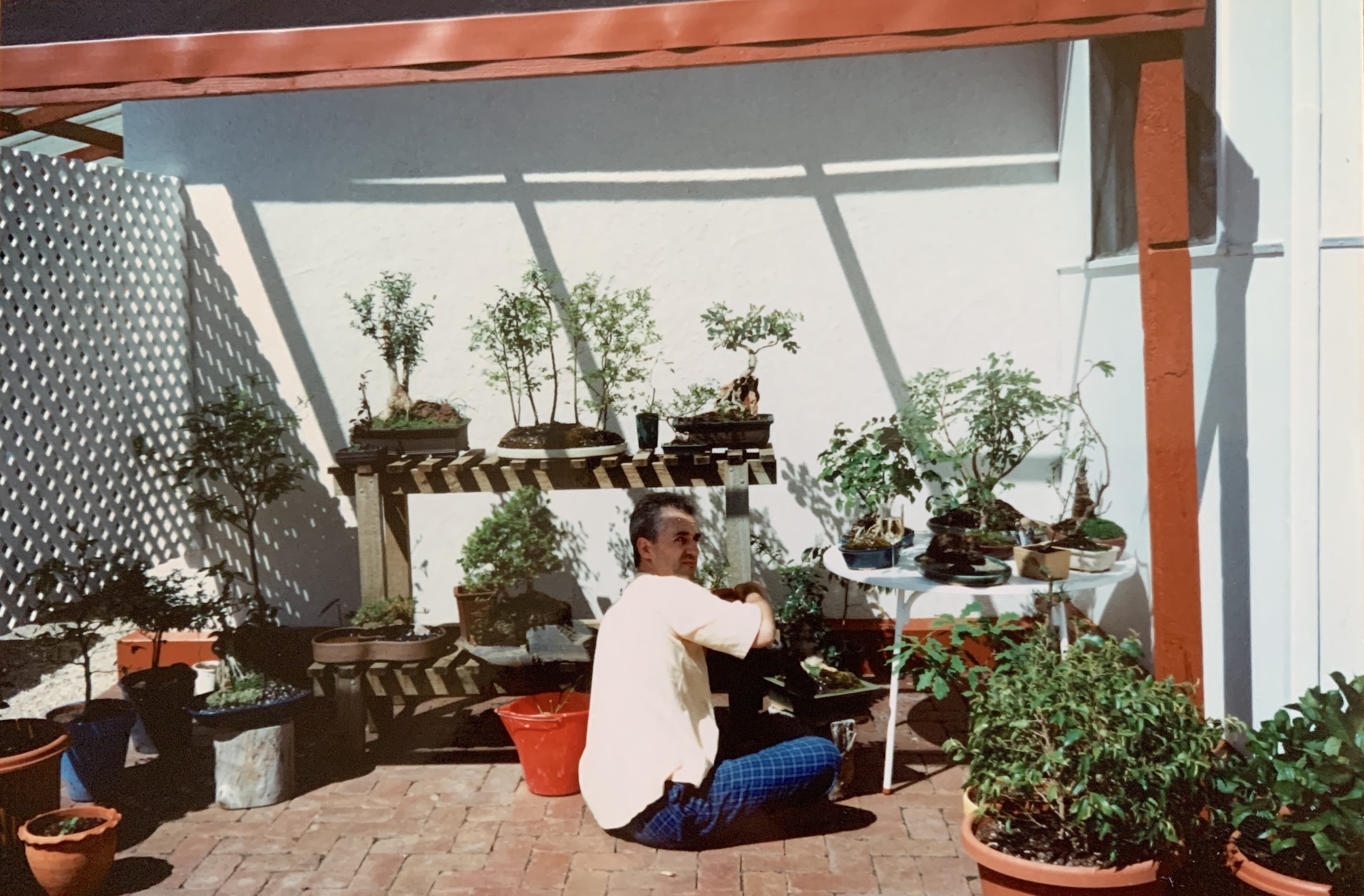
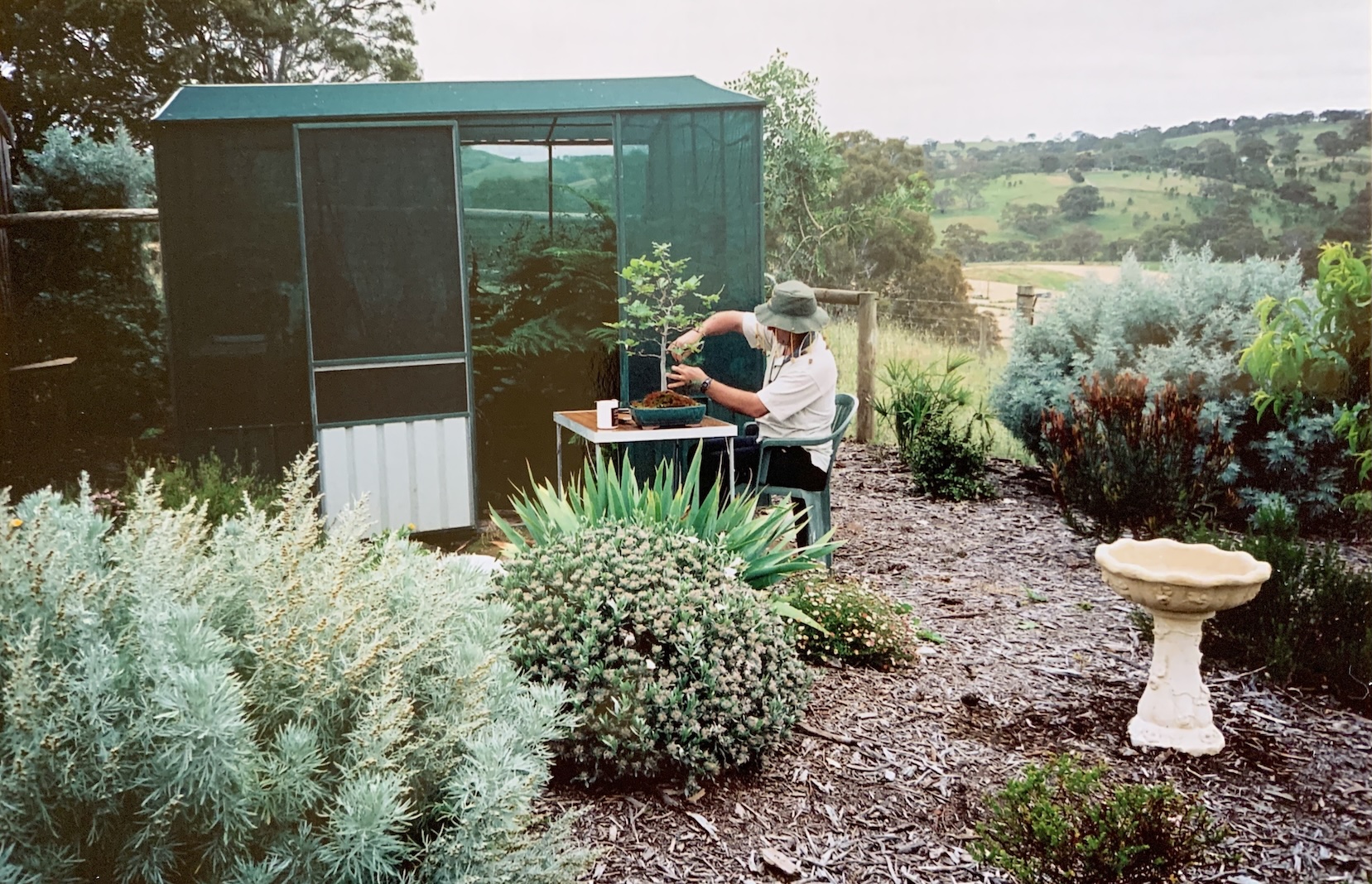
Michael developed a fascination with all things Japanese in his mid twenties and so began his interest in the art of bonsai. When we met, fifteen years later, he came as a package deal and his beloved bonsai found a home in a sunny spot under the pergola of our suburban backyard.
Five years on, we moved to a property in the Adelaide Hills and one of the first items we added to the garden was a shade house to protect the bonsai from unpredictable weather. (It did become airborne in one particular storm but, fortunately, no bonsai were harmed. We then concreted the corner posts into the ground.)
Fast forward another seven years and we made the bold decision to relocate to Tasmania. By this stage, there were over forty bonsai to consider in varying stages of evolution. There were strict biosecurity rules for entry into Tasmania, any potted plants had to be fumigated by a registered authority and sealed until arrival across the creek. Sadly, all but four were sold or given away and the remaining plants travelled with us on the Spirit of Tasmania to their new abode. More specimens have been procured and nurtured since our arrival but they have been somewhat “out of sight” in various spots around the garden.
After years of planning and procrastinating, the new bonsai stand was finally created last winter.
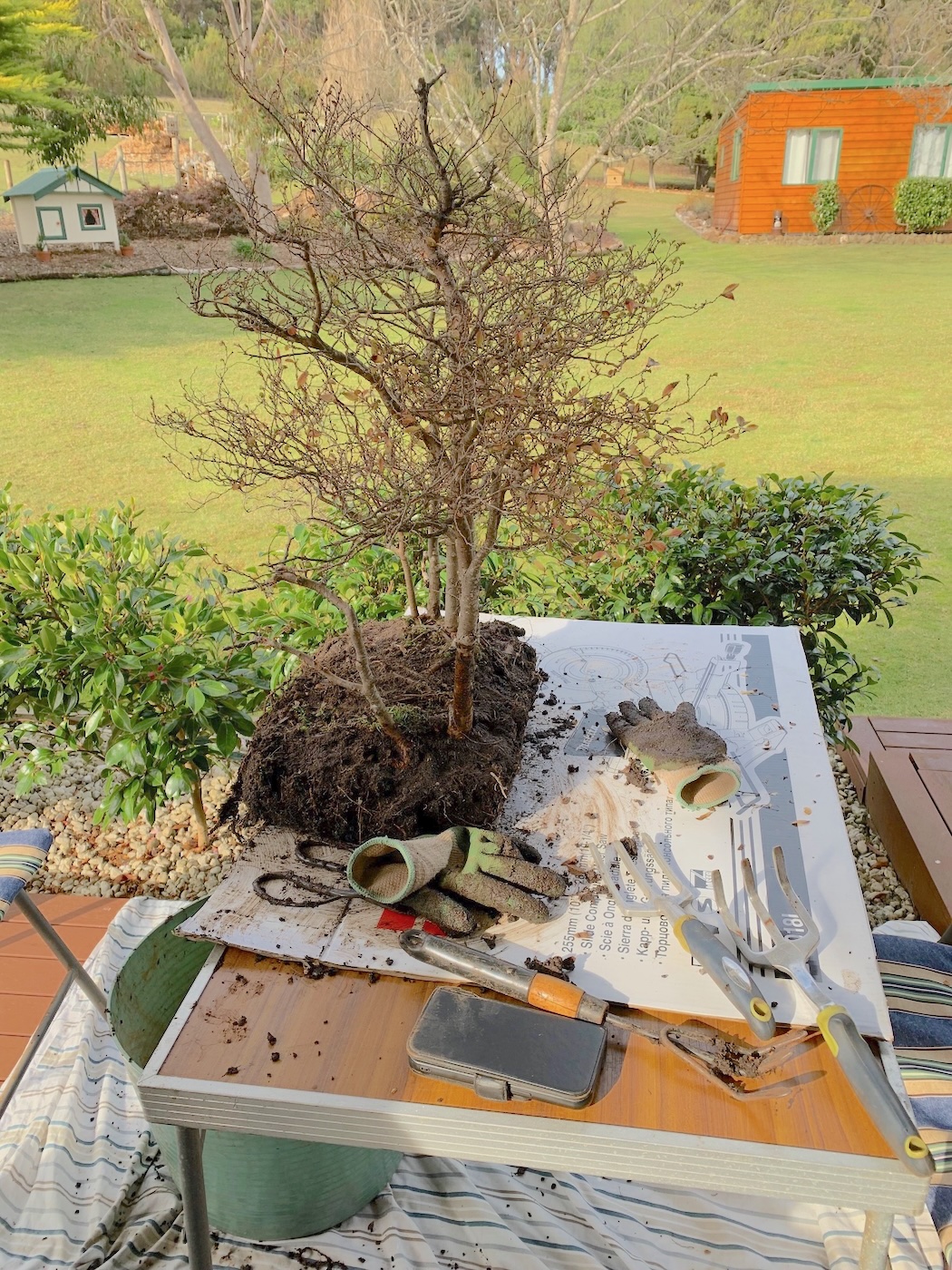
The little trees received some long overdue attention with pruning, root trimming and re-potting.
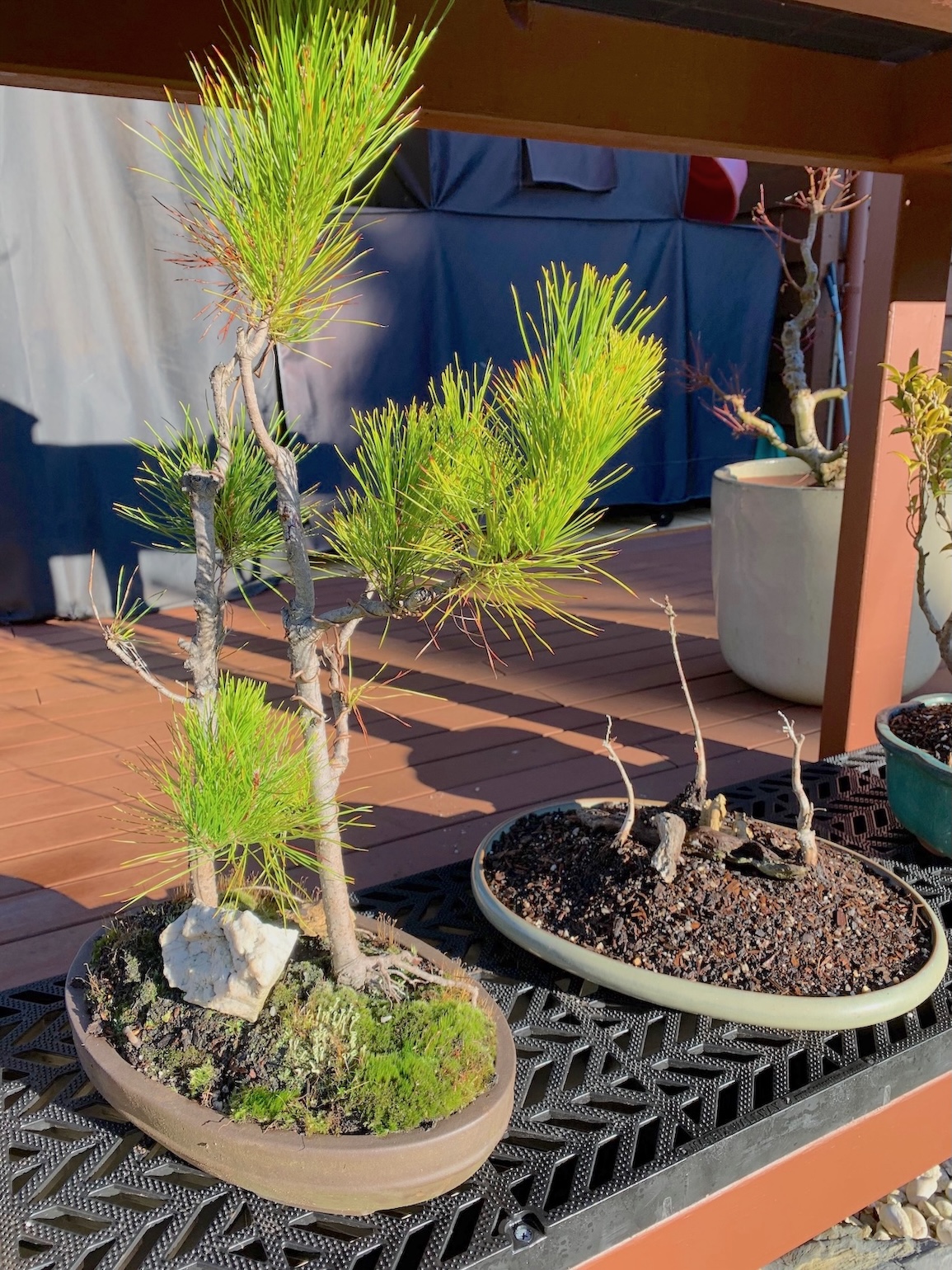
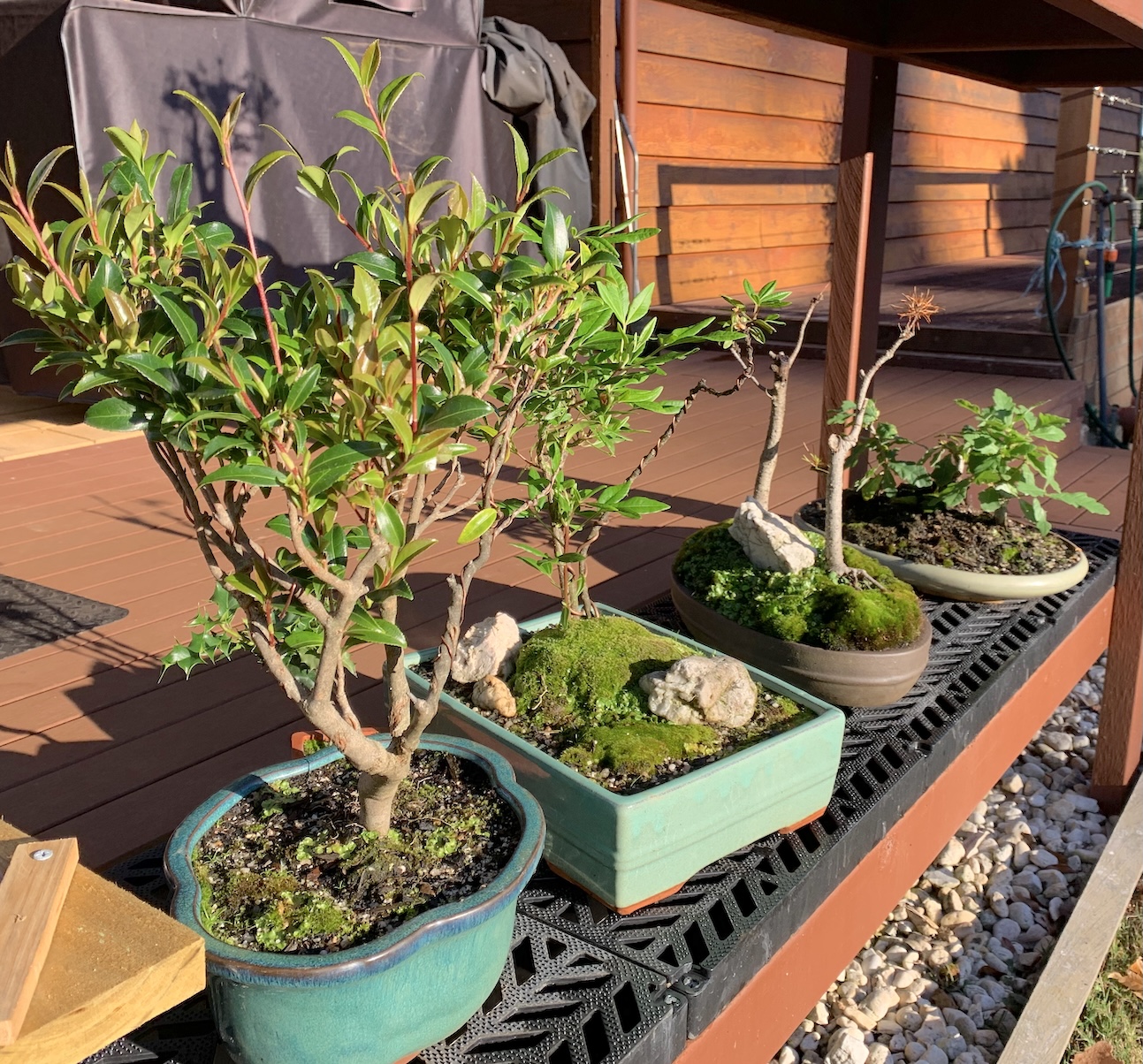
Let me introduce you to the collection. The radiata pine was given to Michael by someone who no longer wanted to continue with bonsai, and the three sticks on the right are English oaks that had self-seeded on a friends property at Table Cape.
Spring brought verdancy to the oaks but, regrettably, the radiata failed to thrive.
The origin of this liquidambar is uncertain (meaning forgotten) but, despite resembling a twig in winter, it perked up once the warmer weather arrived.
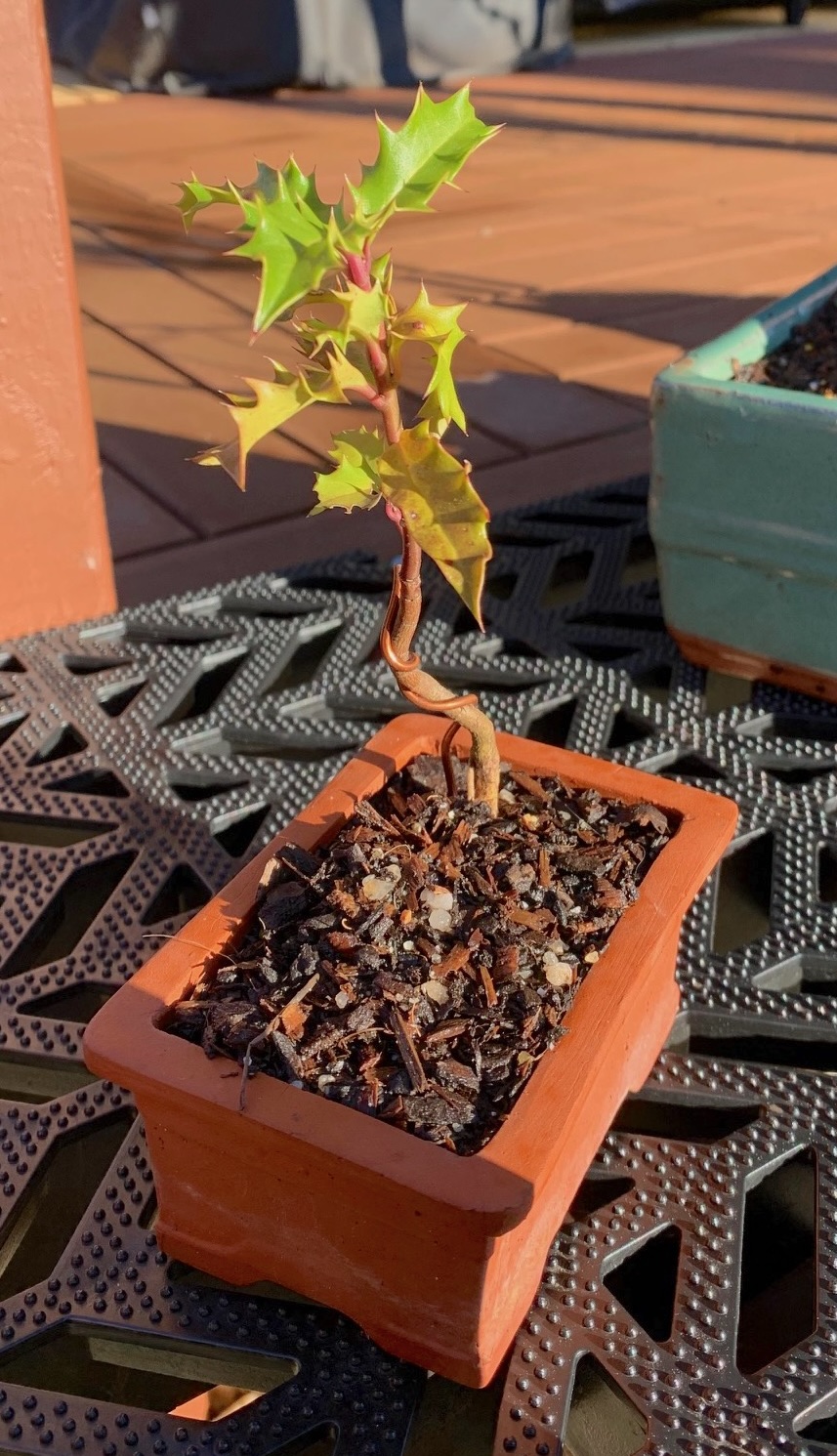
We have a huge holly tree in the garden from which we occasionally find young saplings, the perfect source to experiment with bonsai. So far, this one is a success.
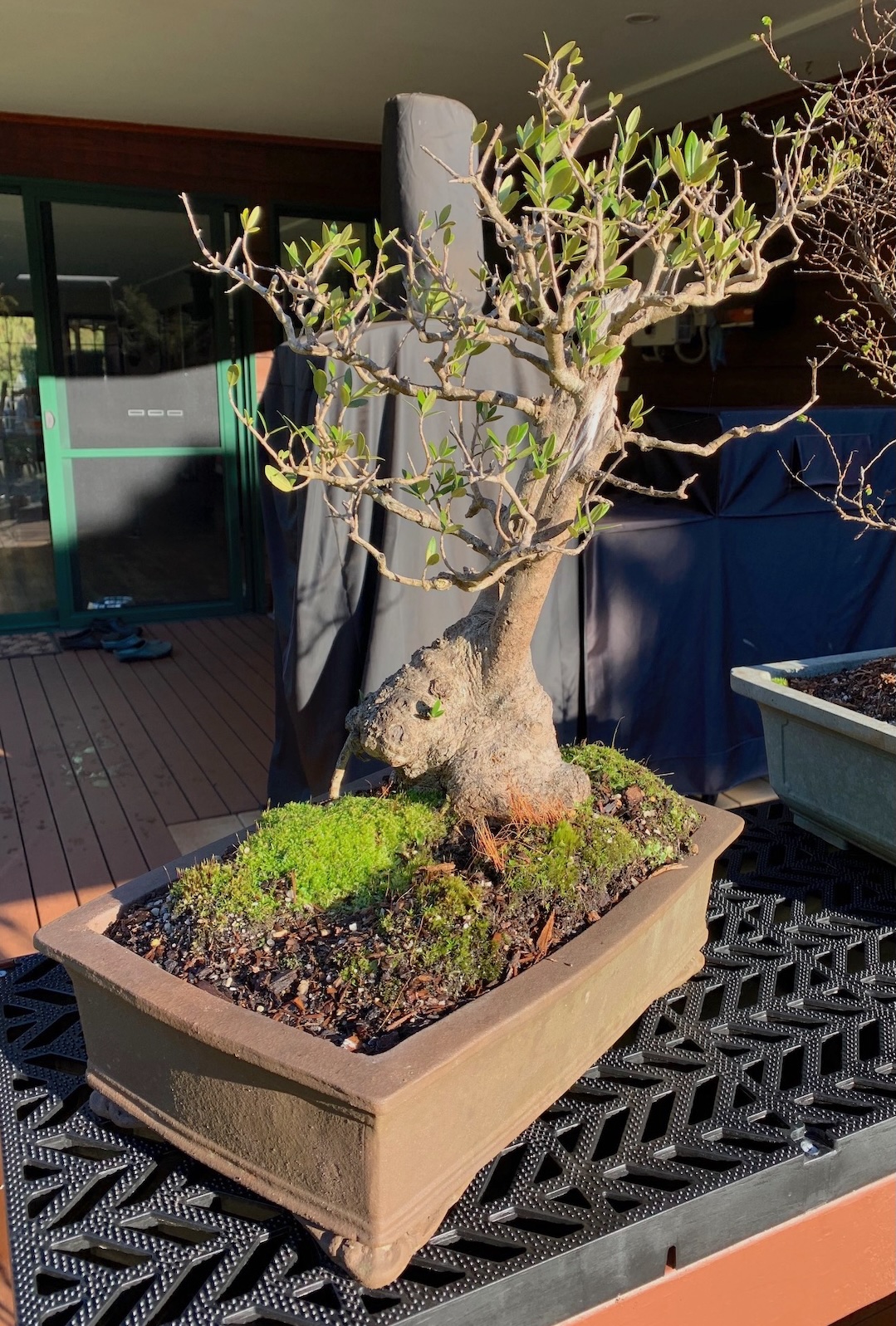
I bought Michael this olive as a gift nearly thirty years ago. He re-trained it and it is one of the chosen few who came from South Australia with us.
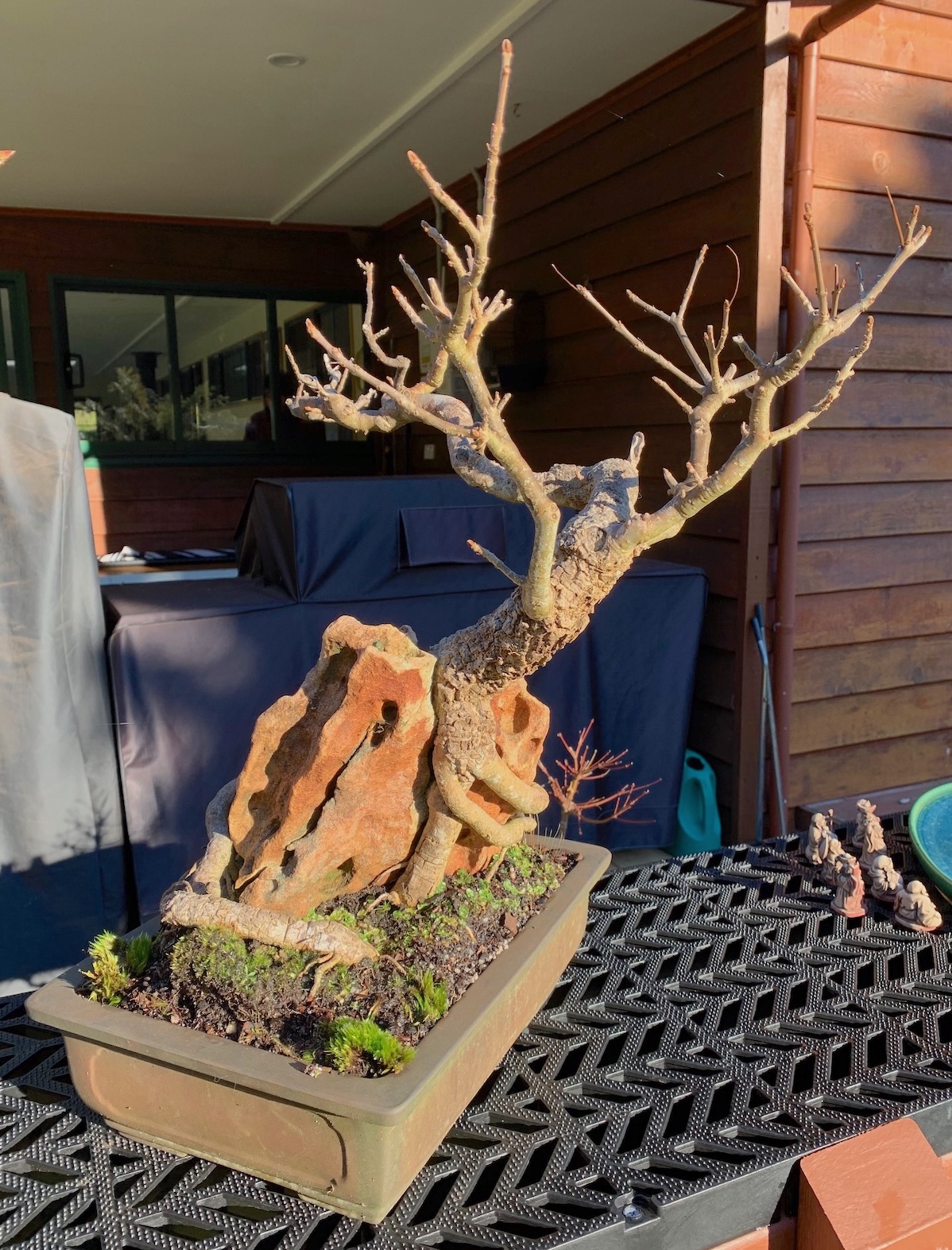
The ash tree is quite spectacular. Liberated from between two pavers on a suburban footpath in the mid 80s, Michael trained the roots around a rock before planting in a deep pot. The roots were then gradually exposed and this is the result.
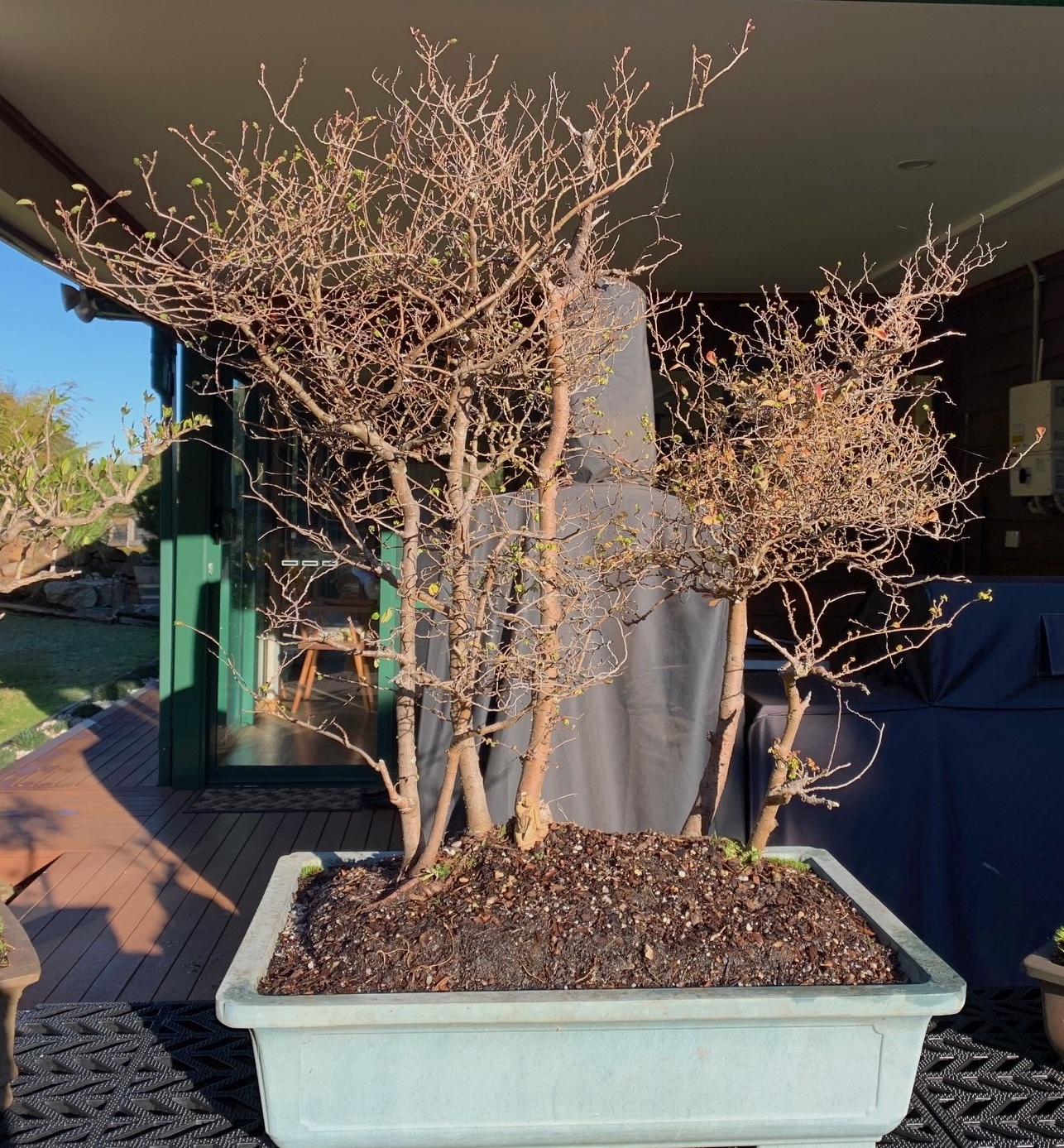
The oldest exhibit in the collection is a copse of English elms. One of the original seven died in transport to Tasmania but there are two new saplings growing in the grove and one will be nurtured to reinstate the preferred uneven number.
The dwarf camellia has done well and produced a beautiful pink flower last year.
Perhaps the hardiest of them all is the Japanese maple. Firstly created as a bonsai, it was then planted in the garden to enable it to reach its full potential. That wasn’t to be when the neighbours horses reached over the fence and ate most of it. Reclaiming it into a pot seemed the kindest thing to do, now we just need to find a way to stop the nocturnal wildlife having a nibble.
The Australian blackwood was gifted at the same time as the radiata but has fared considerably better. Several root suckers have emerged and will hopefully result in a miniature blackwood forest.
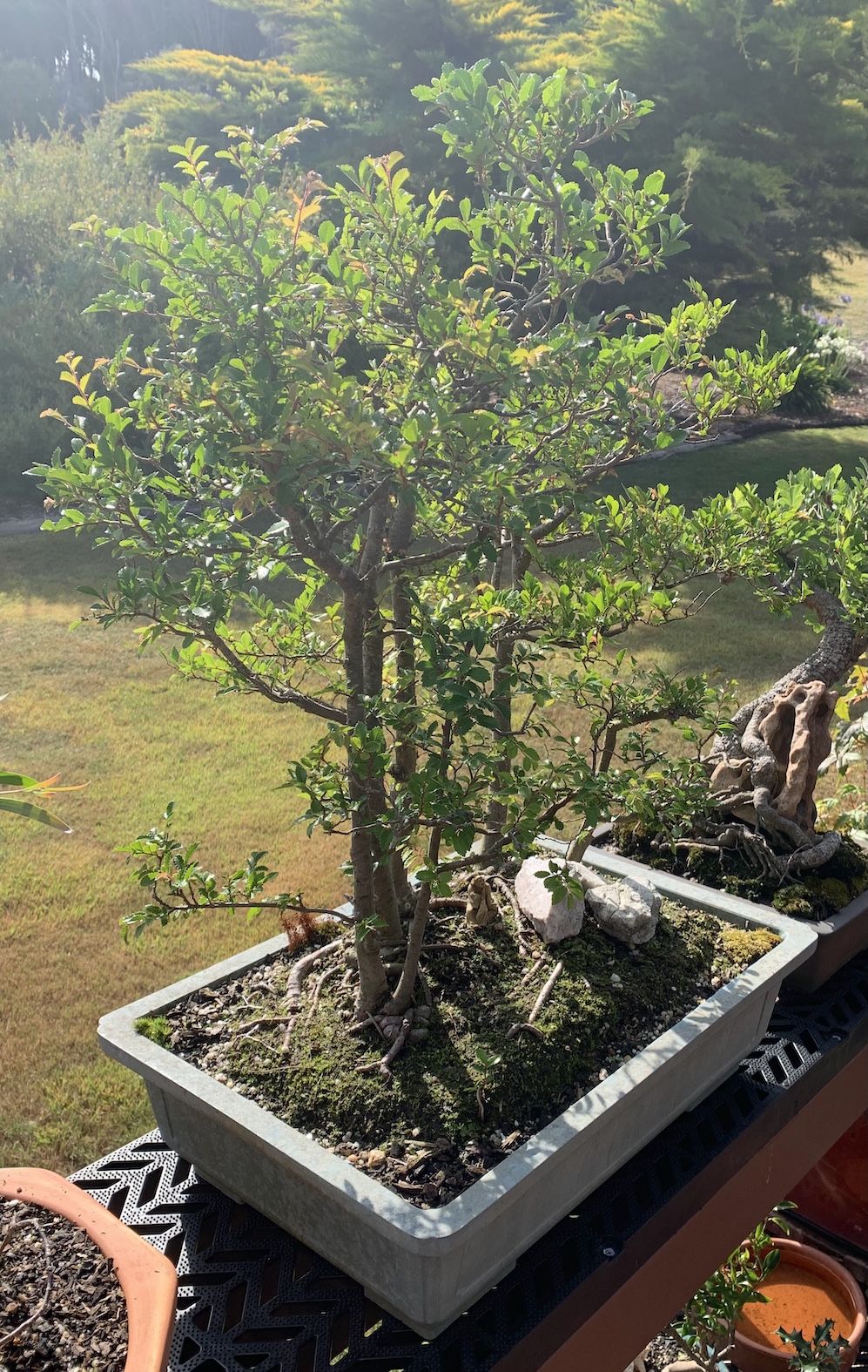
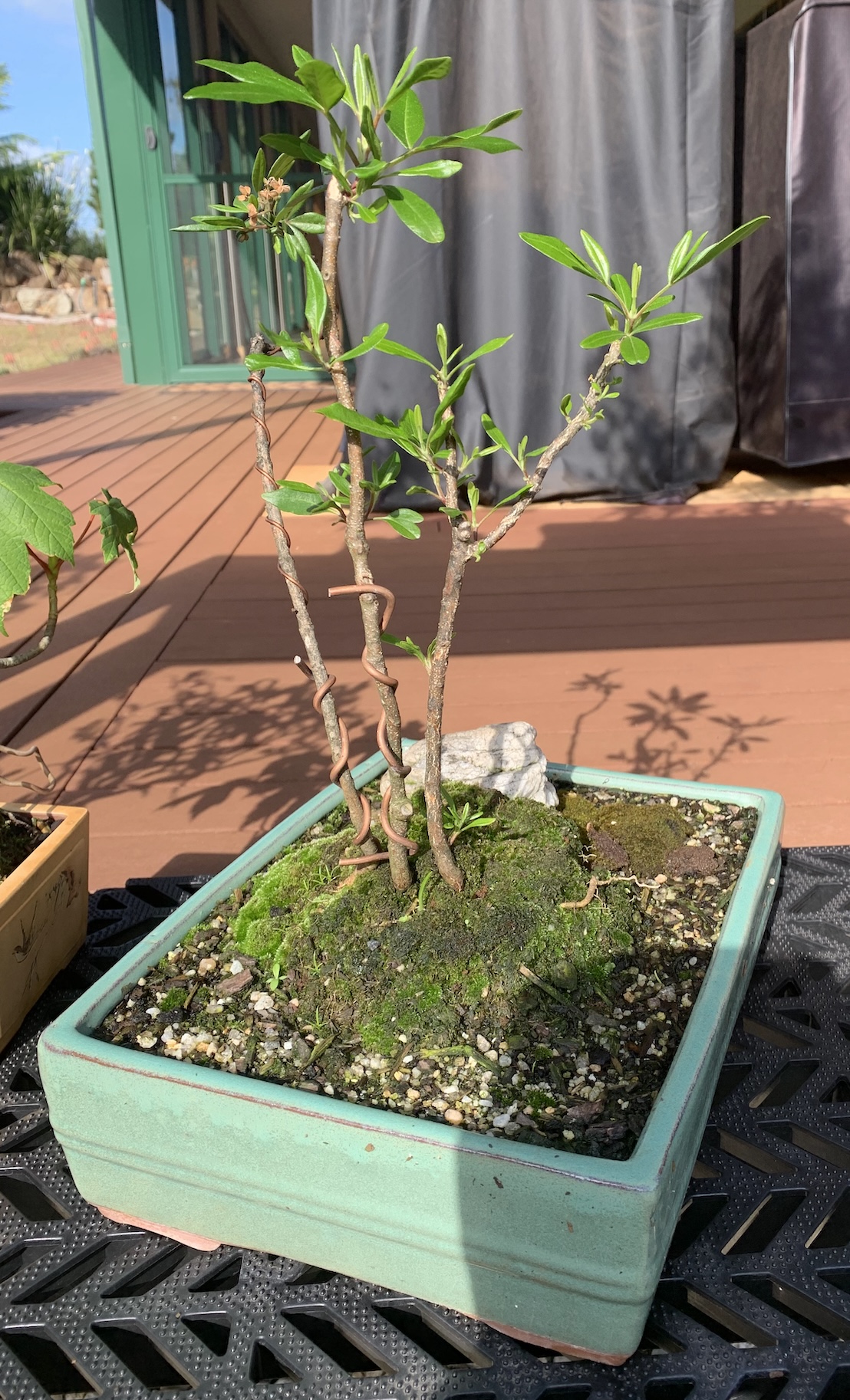
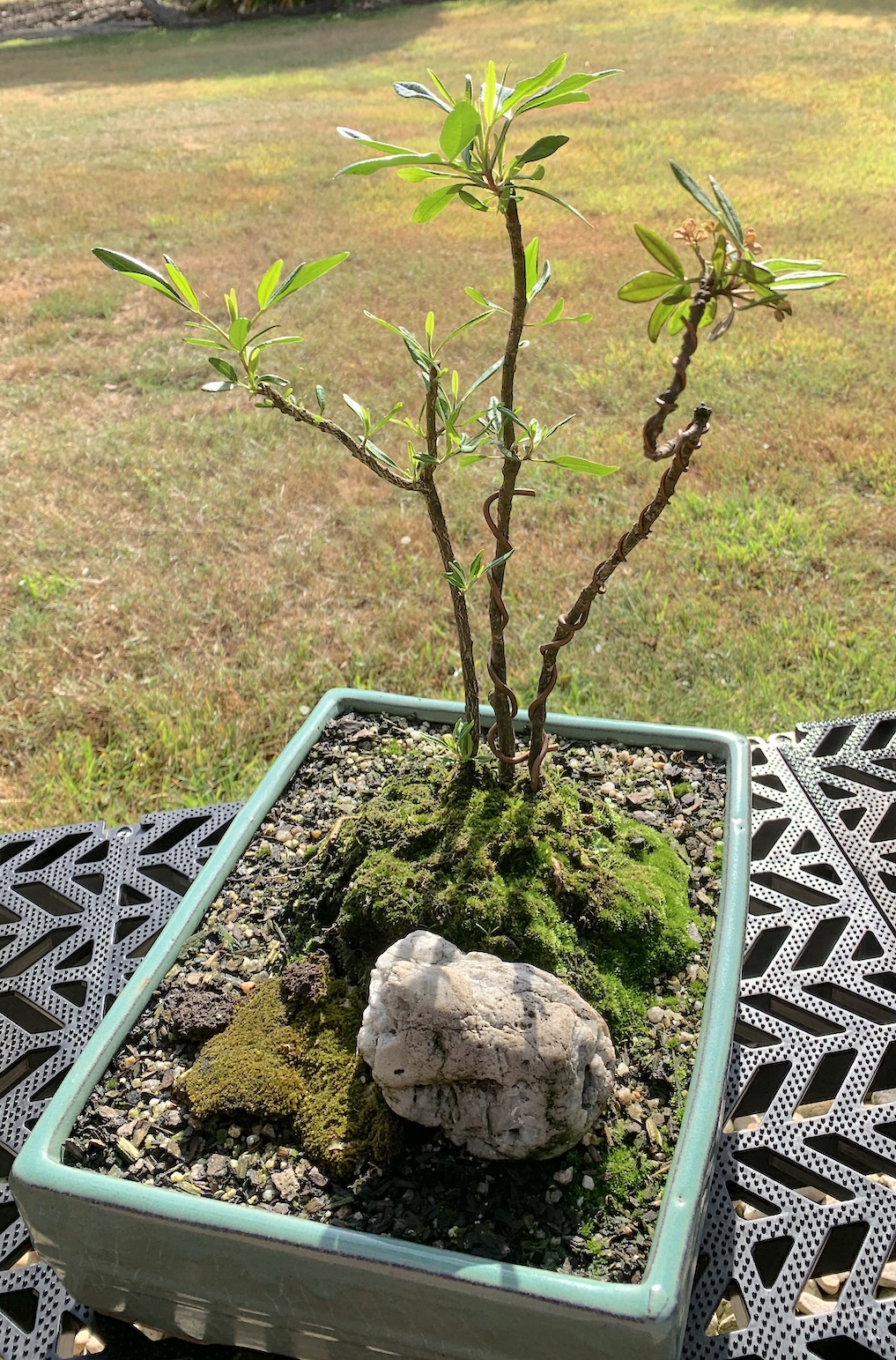
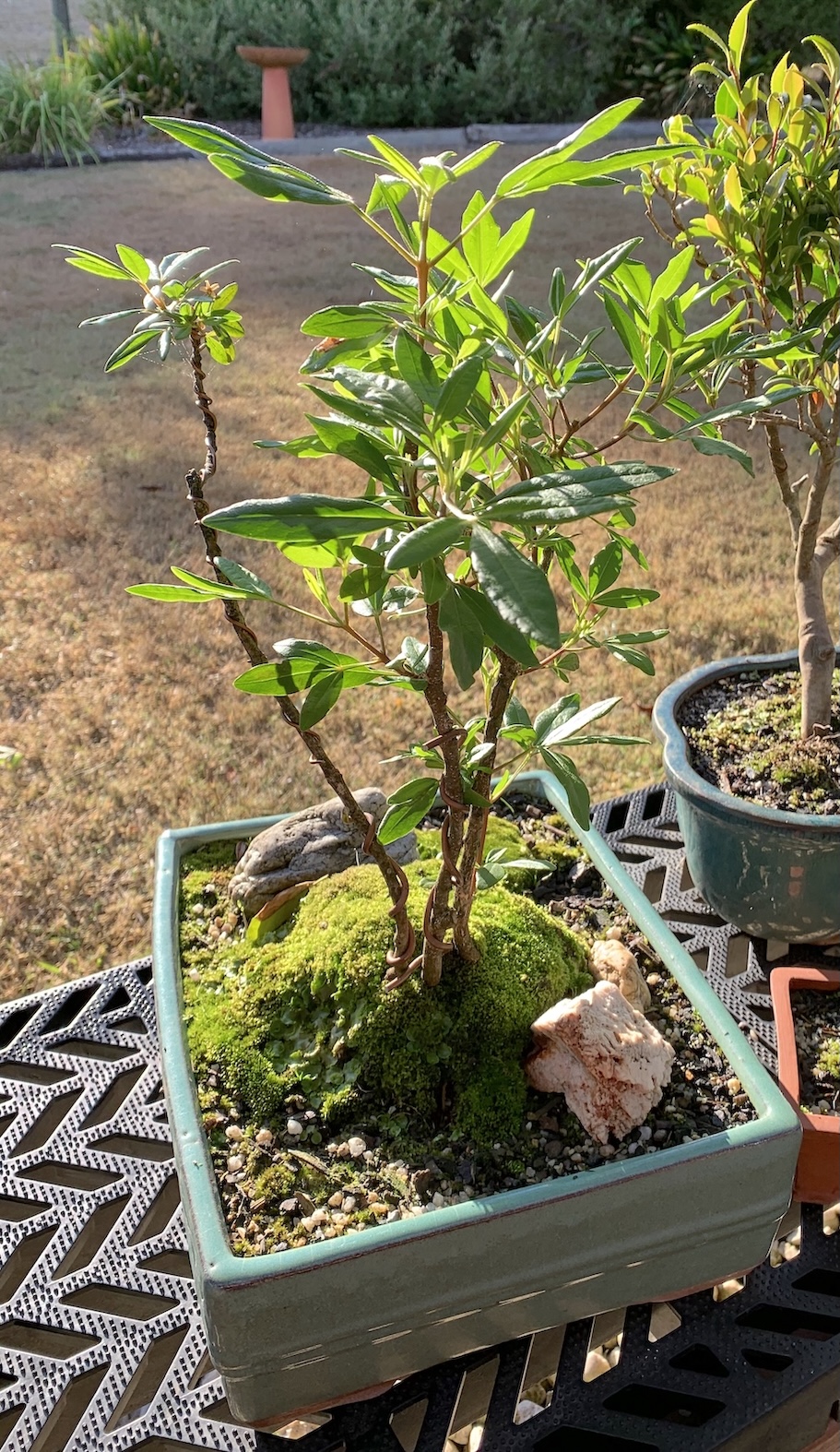
Dogwood trees are prolific in our forest and Michael took these three from the path to see if they could become bonsai. I’d say it was a successful experiment.
With the Japanese Buddhas enjoying themselves at the watering hole,
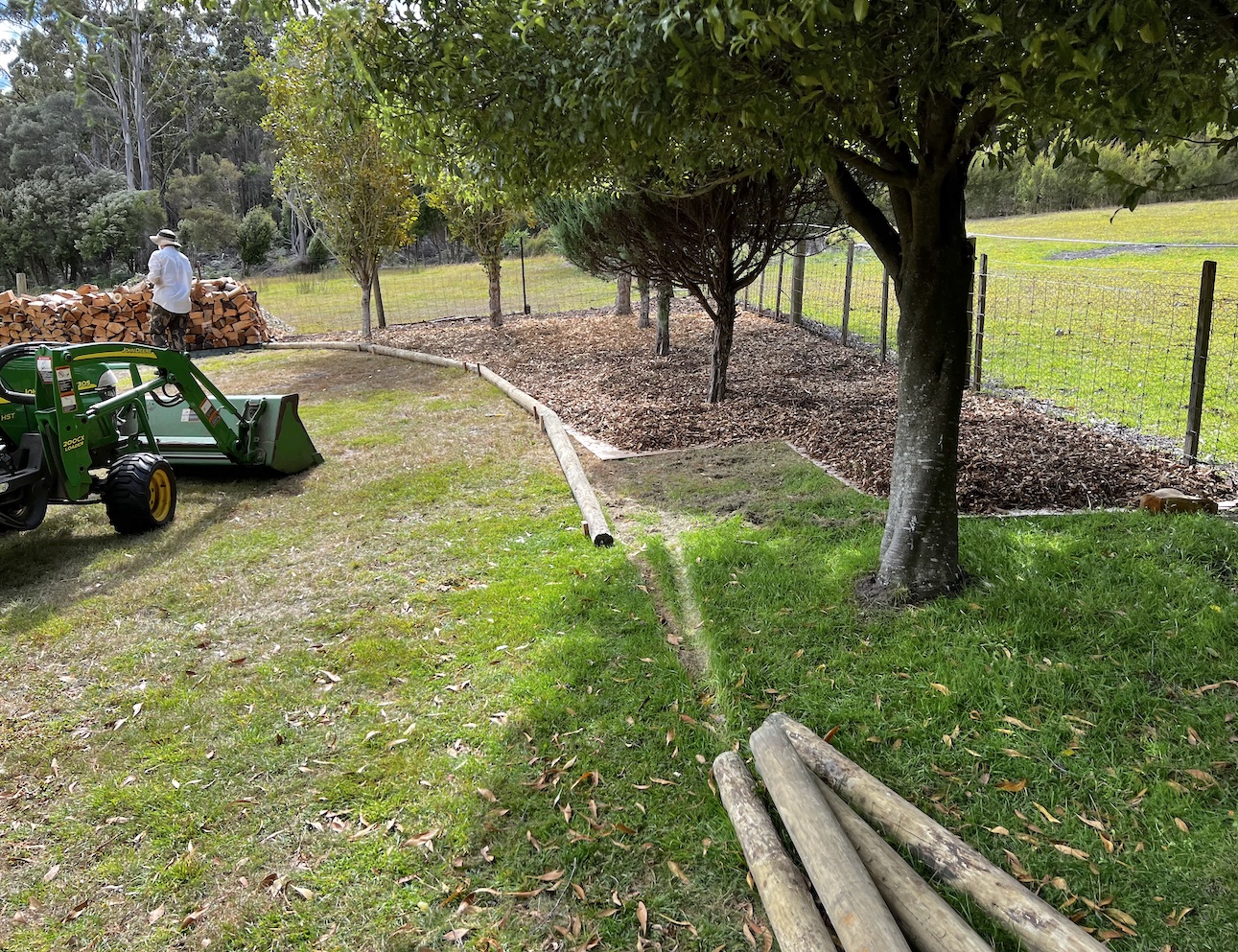
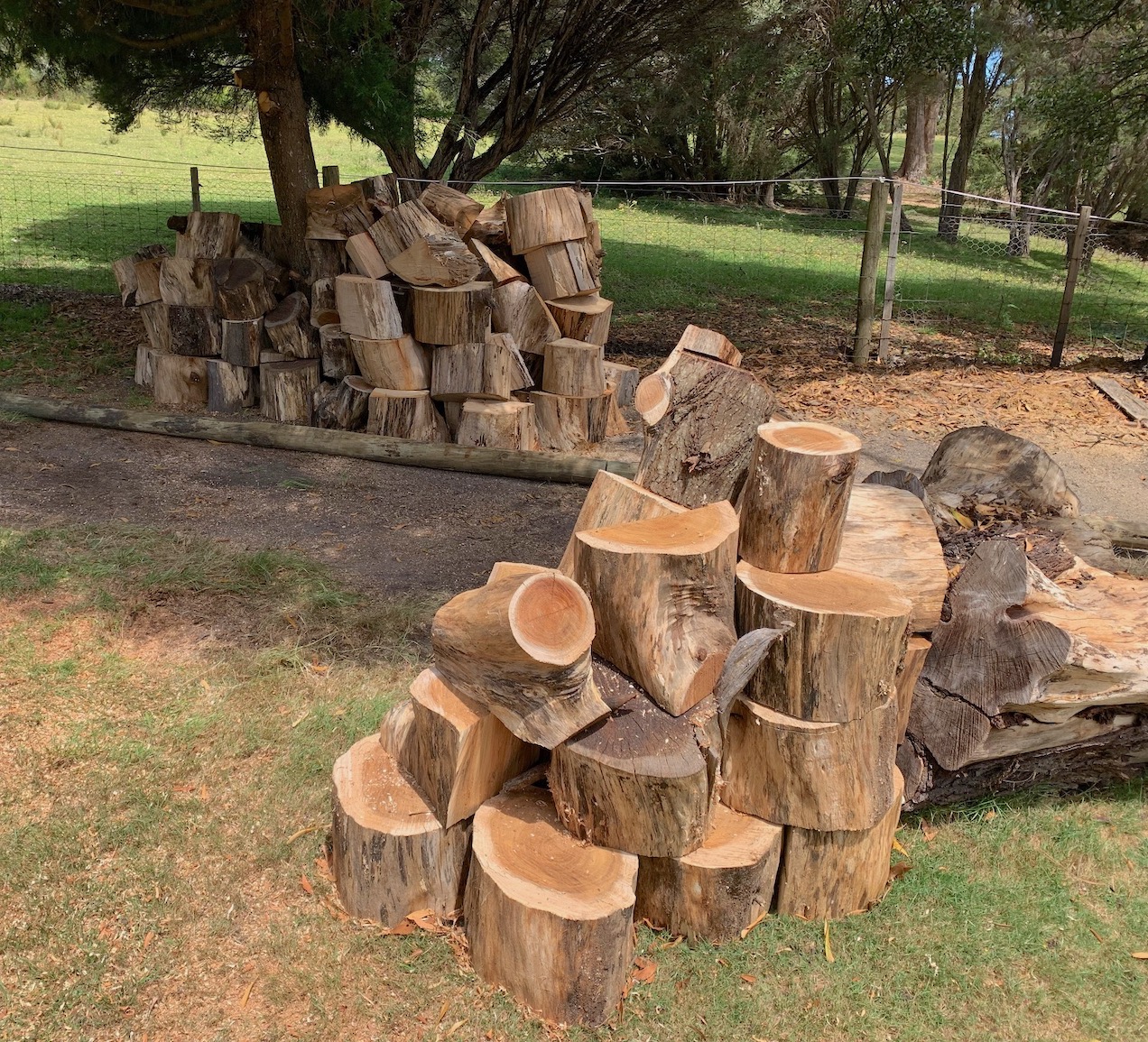
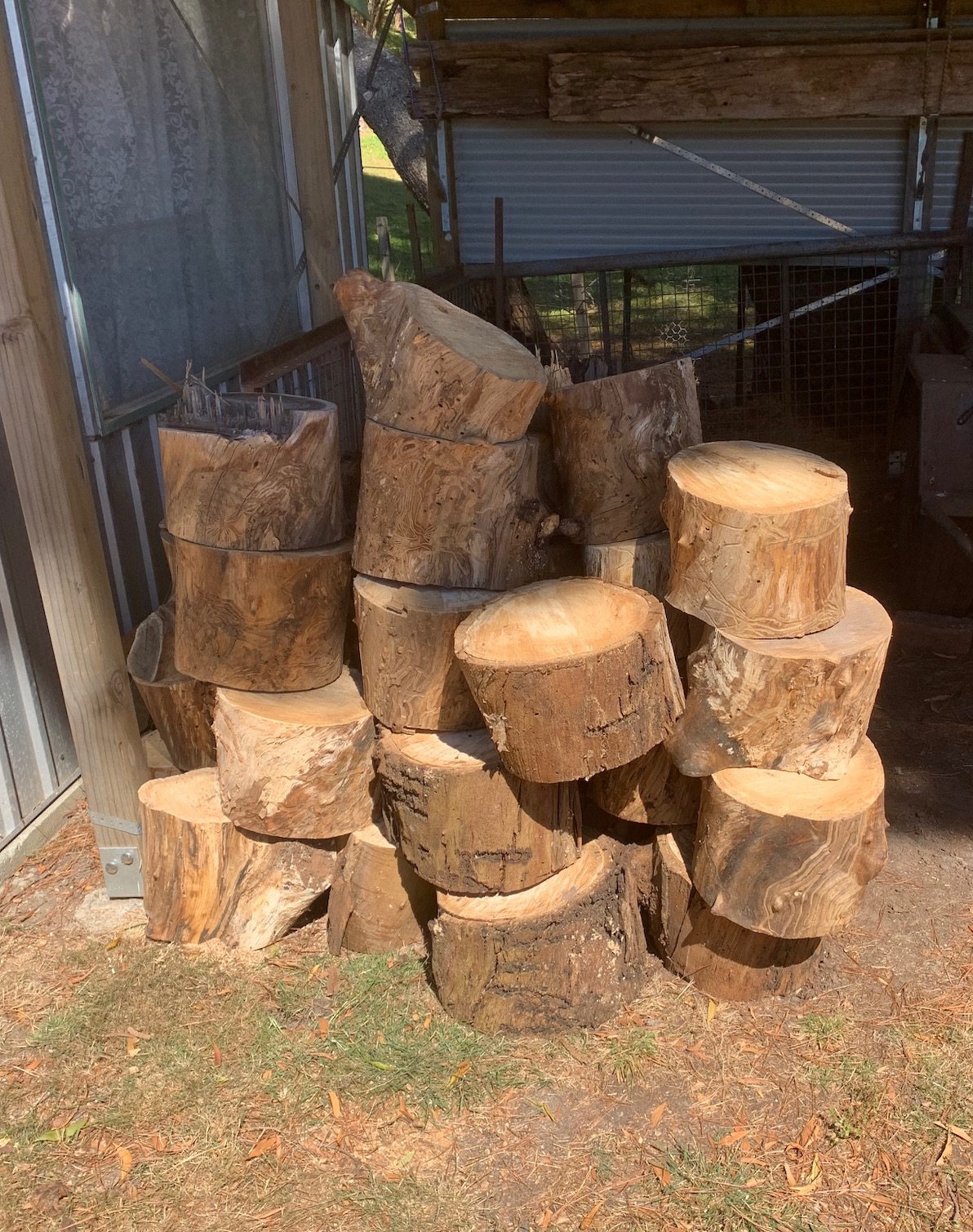
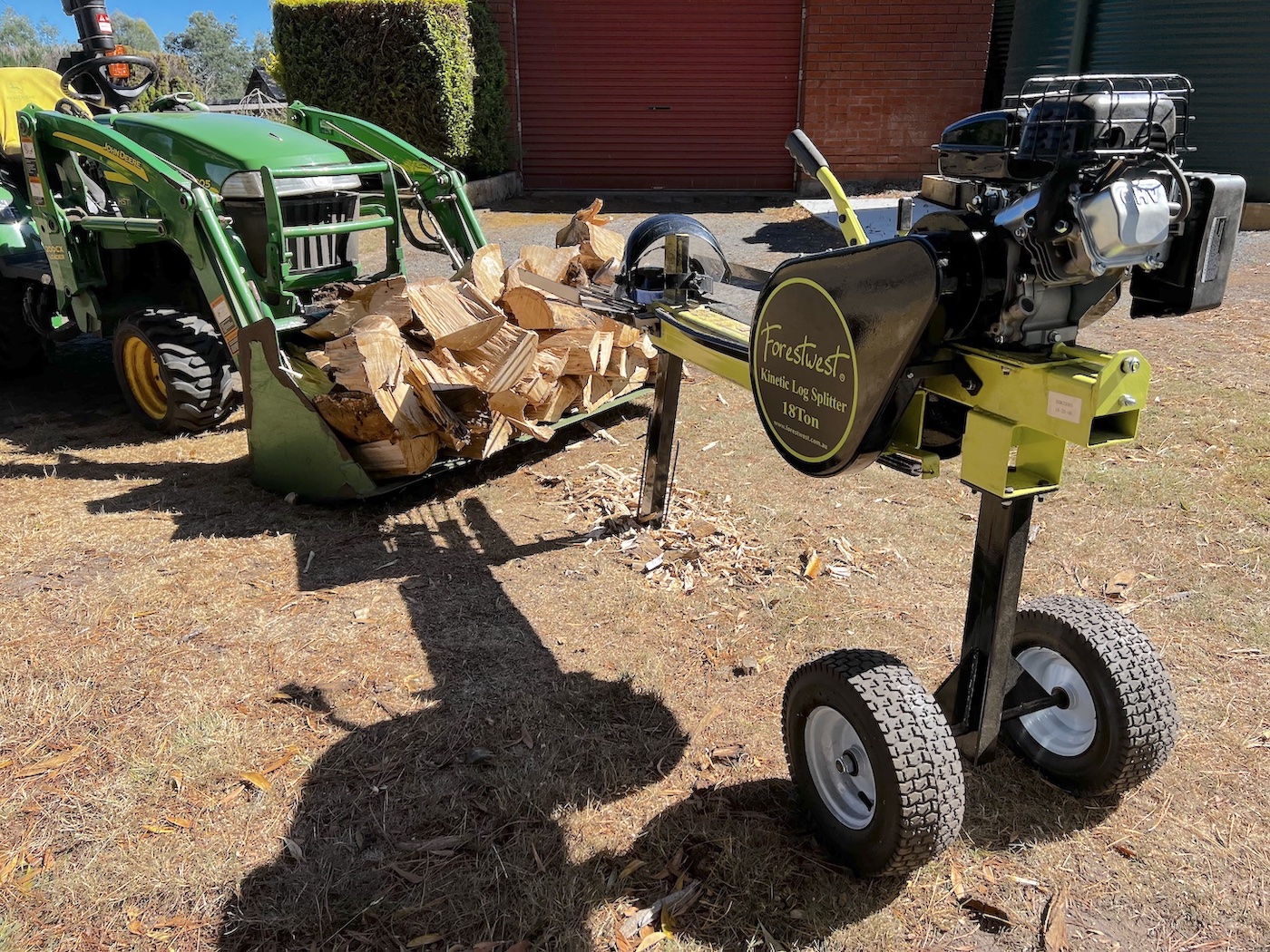
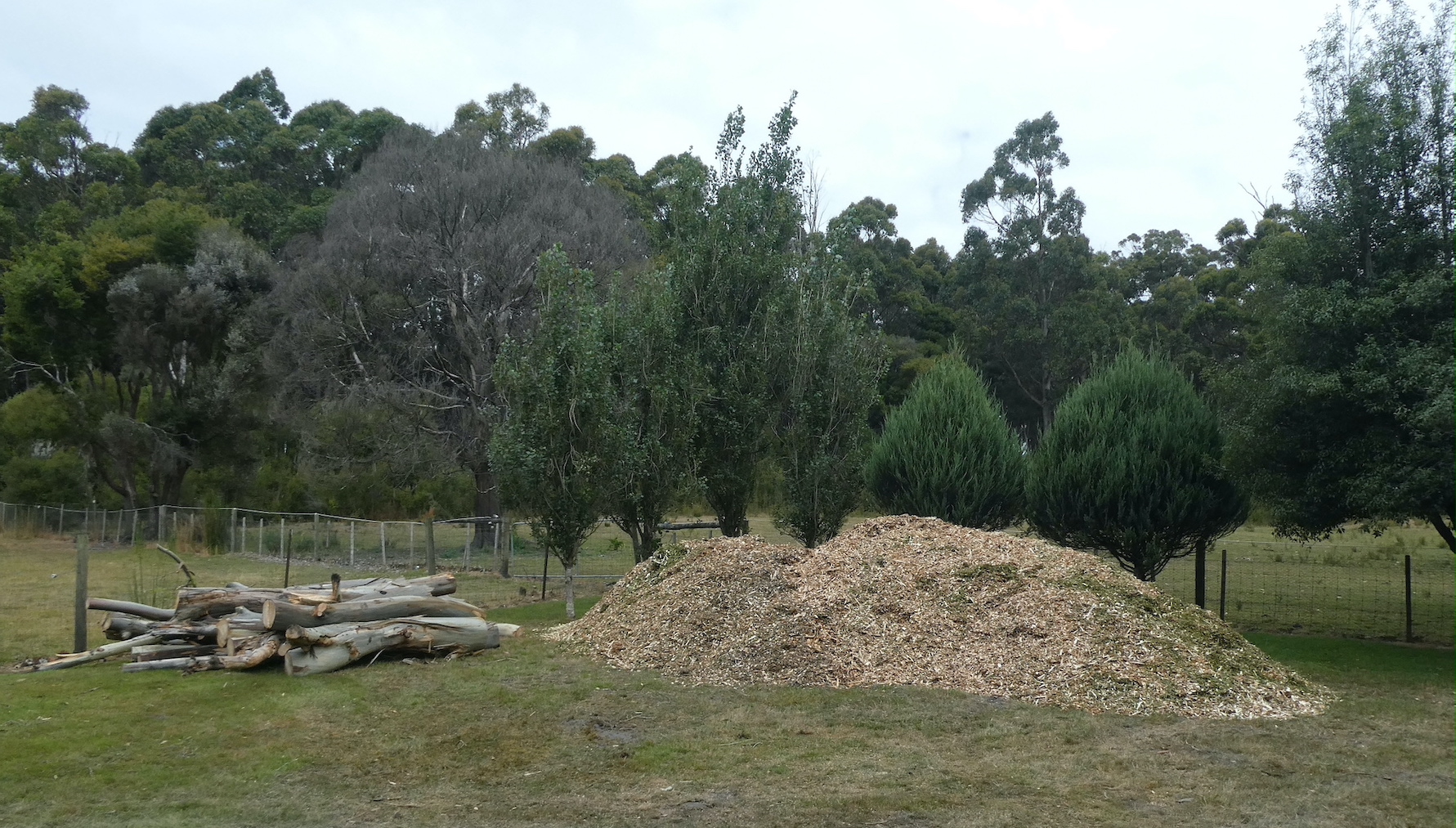
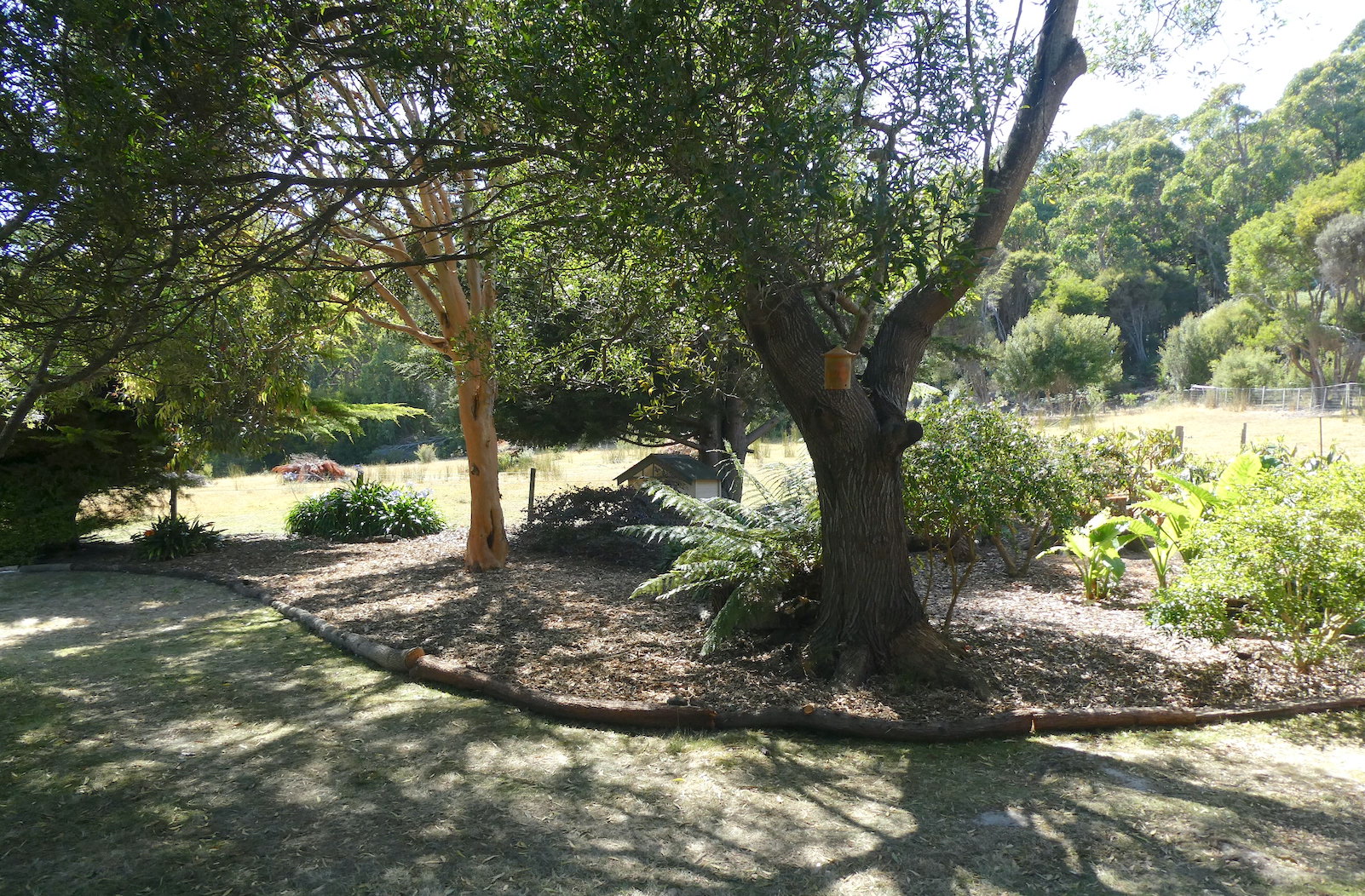
Early last year we had a few large trees removed and the timber was left in piles for us to turn into firewood. We finally got around to dealing with it this summer with many hours of chainsawing, splitting and stacking (not to mention swearing). Realising there were a further two trees that needed felling, we came up with yet another project to use the enormous pile of mulch that would ensue. The row of trees along the south-eastern boundary of the garden has always been difficult to traverse with the ride-on mower. We mapped out the area to mulch and laid 3-metre pine posts for the edging.
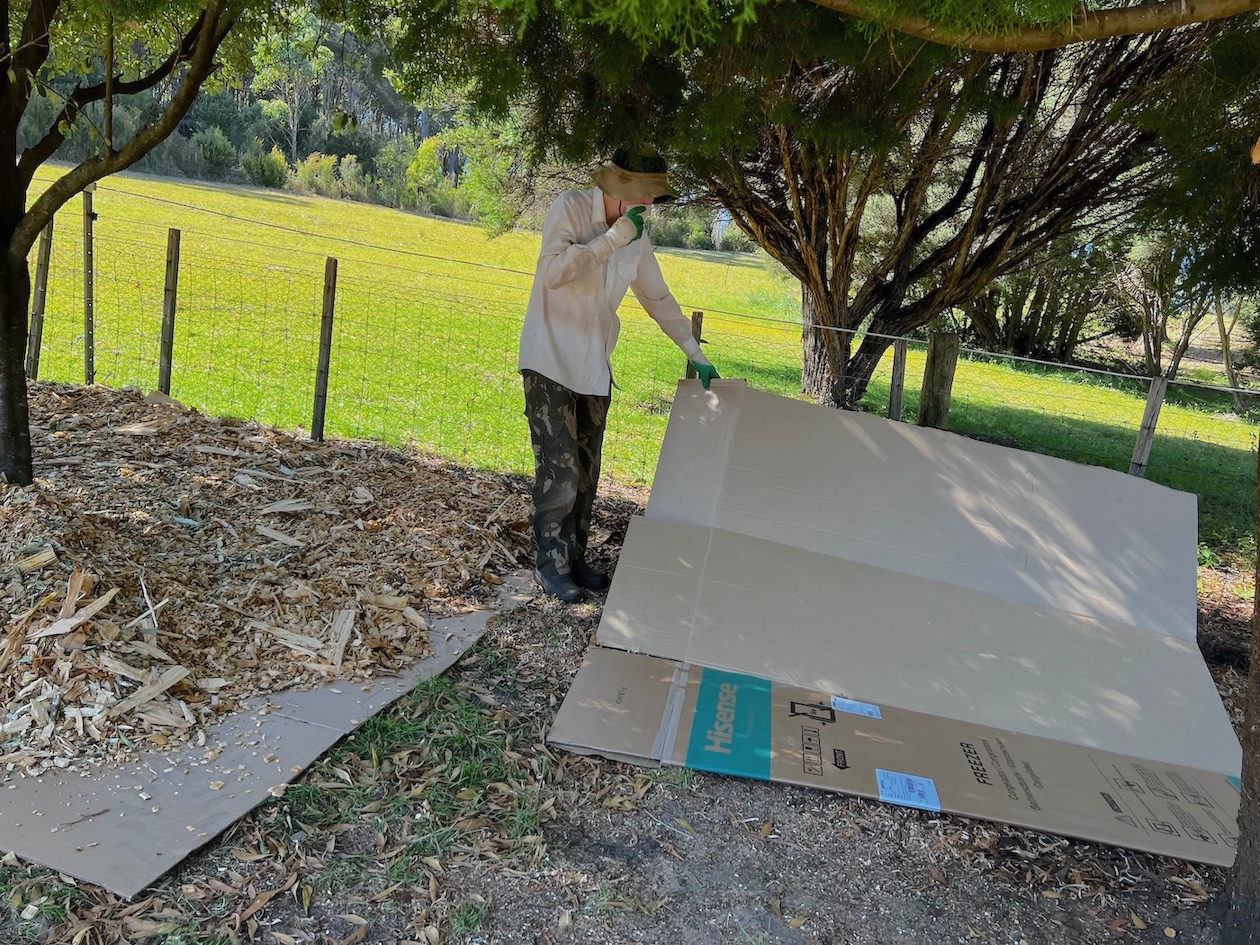
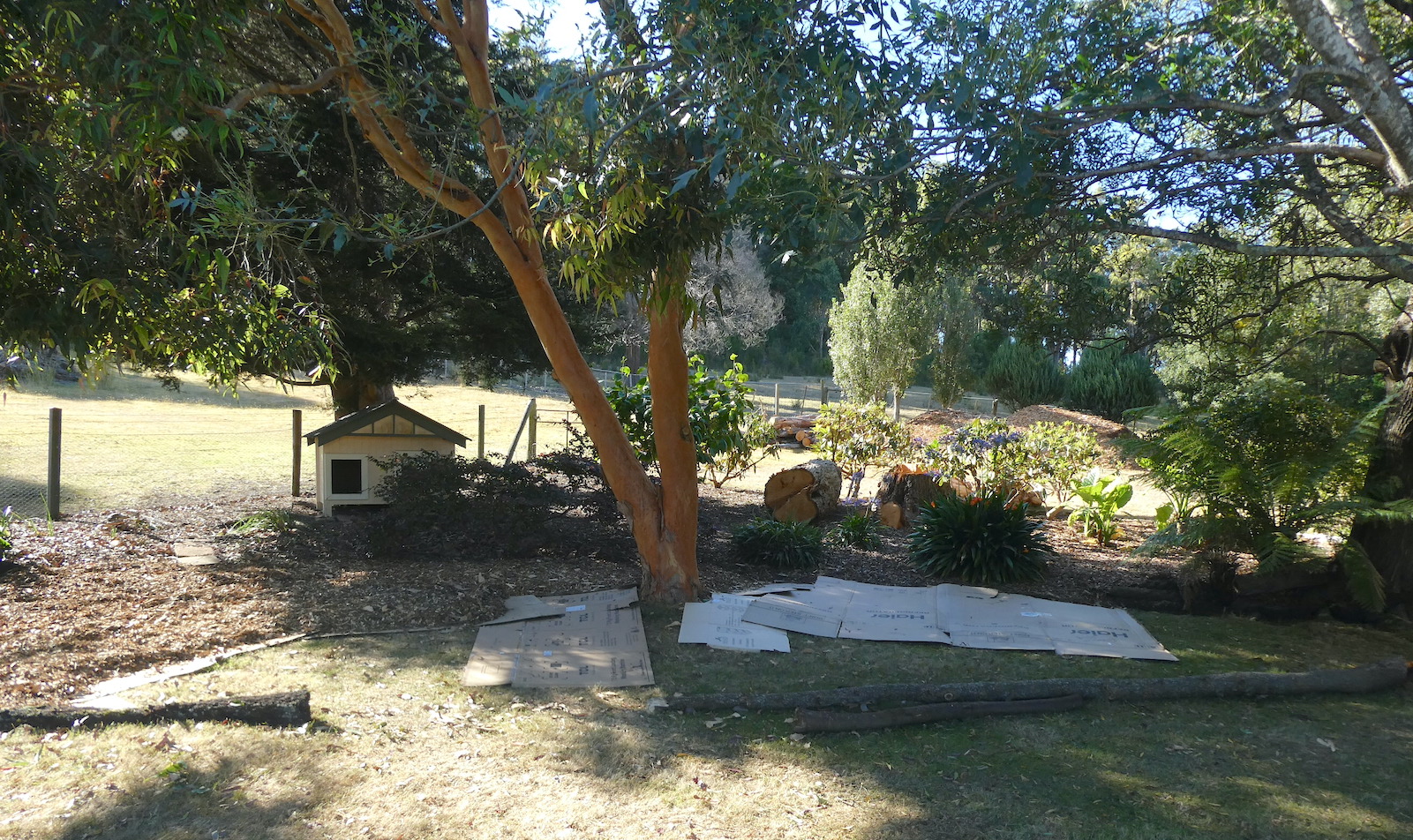
Procuring huge cardboard boxes from the dumpsters at local electrical stores, we laid them flat to repel the weeds. The remaining mulch from last year’s felling was used up first
before more cardboard and a hefty layer from the new pile.
We interspersed our weekend activities with more cutting
and splitting
to clear the way for the new border. The Tree Doctor returned to decimate the final specimen
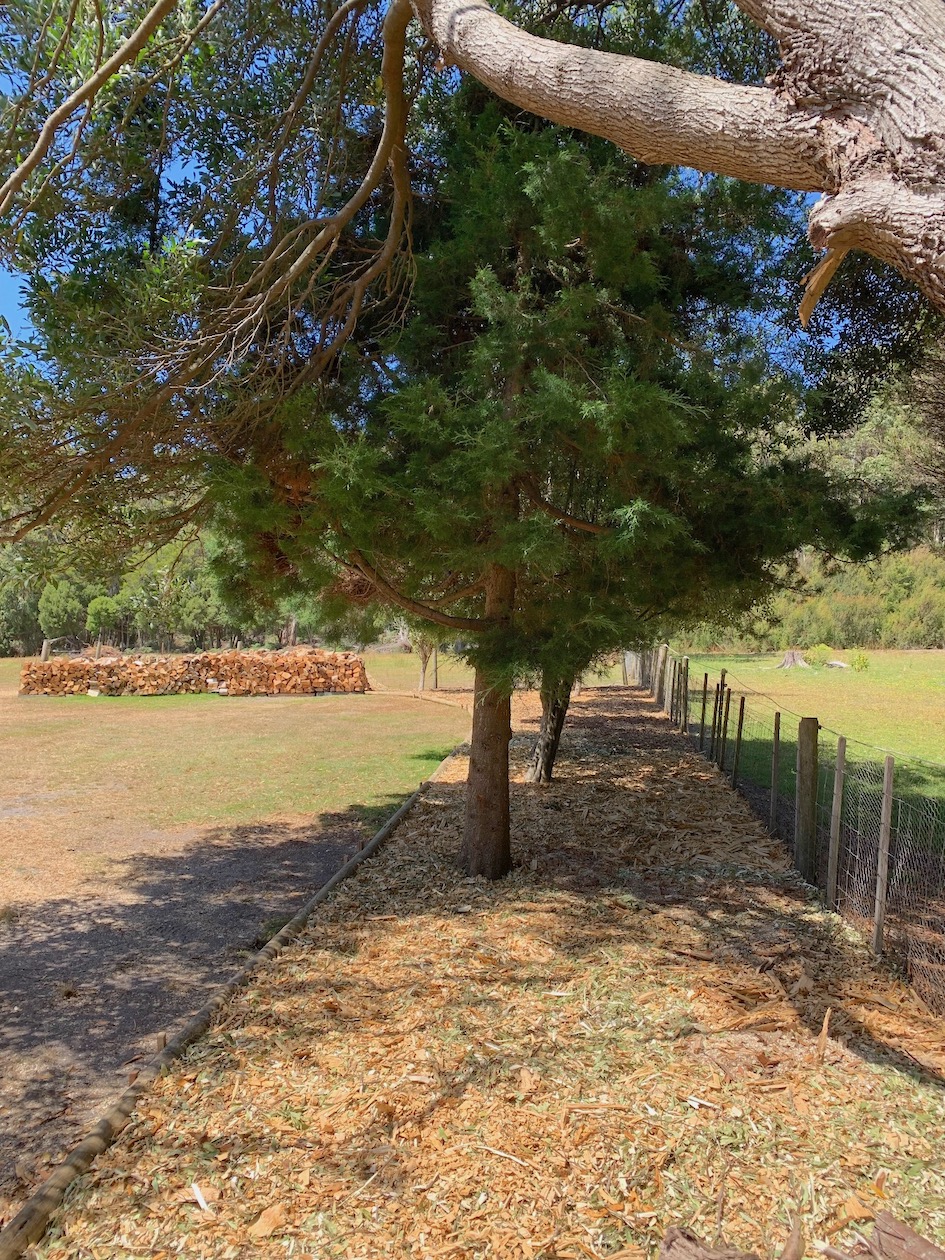
and we returned to mulching the new border with great fervour.
Alas, the piles of timber waiting for splitting seemed to be never ending
and with one monster left,
a massive effort saw the completion of our odyssey.
It is very rewarding to see the firewood stacked in preparation for coming winters.
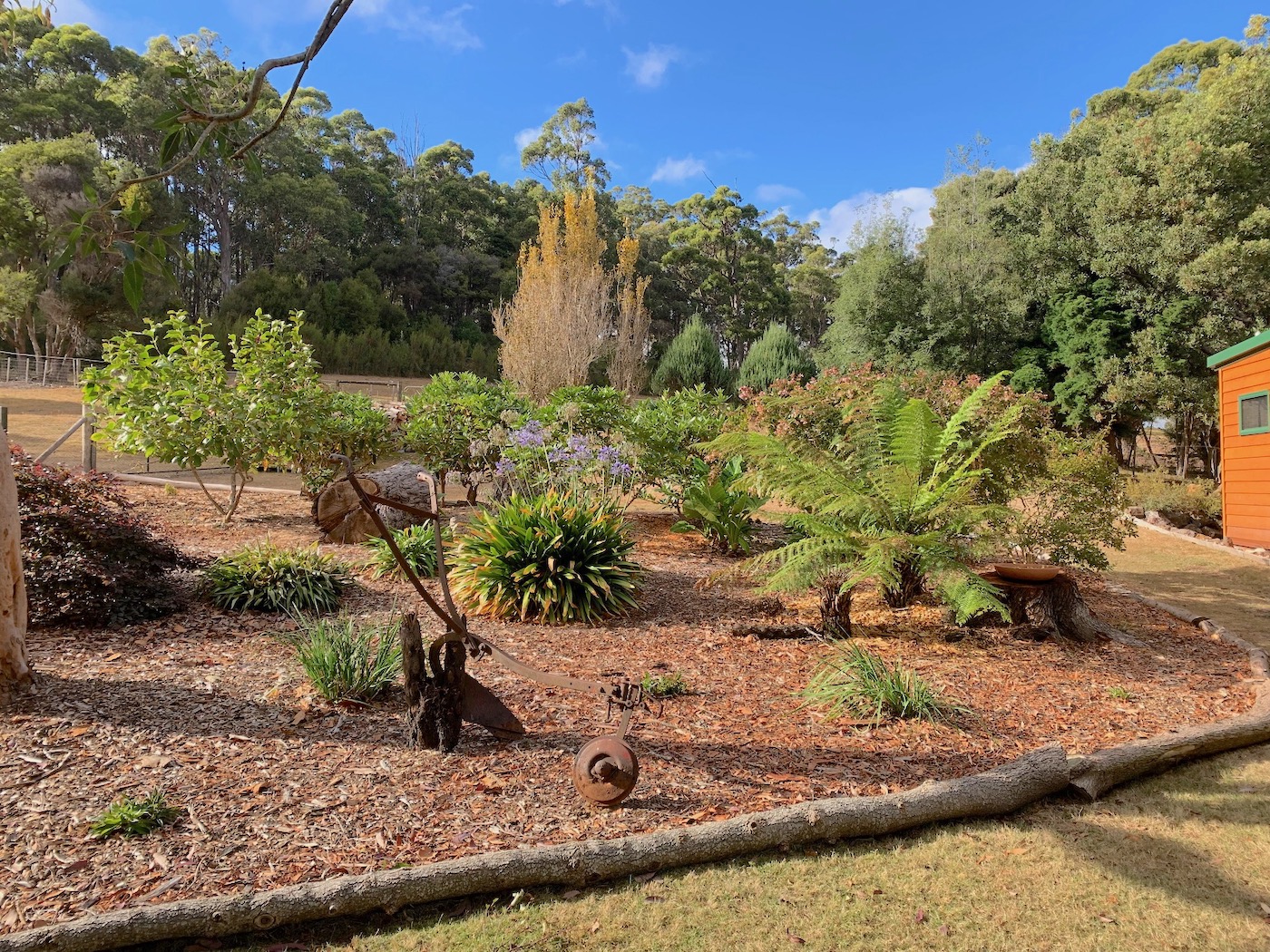
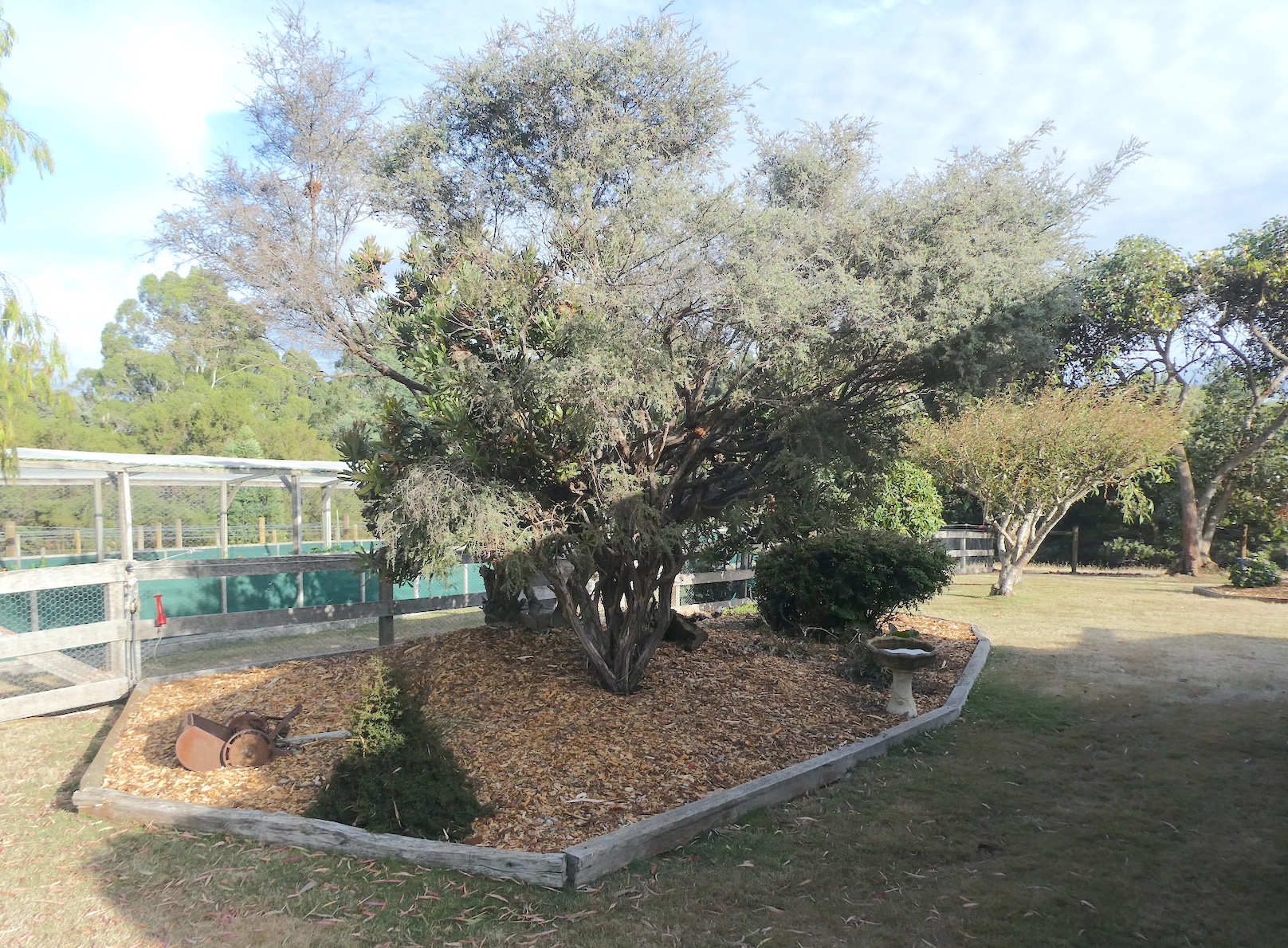
A feature has been made of the remaining stump of the once majestic blackwood tree
and the old plough has a new position front and centre.
The arboreal aftermath left us with a monstrous mulch pile to deal with and so, I made it my mission to replenish every garden bed before the onset of winter.
The Tree Doctor advised us to cover the exposed roots of a couple of large trees or they would certainly suffer. We moved the existing edging to extend the mulched area and procured some huge cardboard boxes from a local electrical store. After placing the cardboard as a weed mat, I dumped a hefty layer of mulch
and am very pleased with the result.
Come and have a look at the refreshed garden.
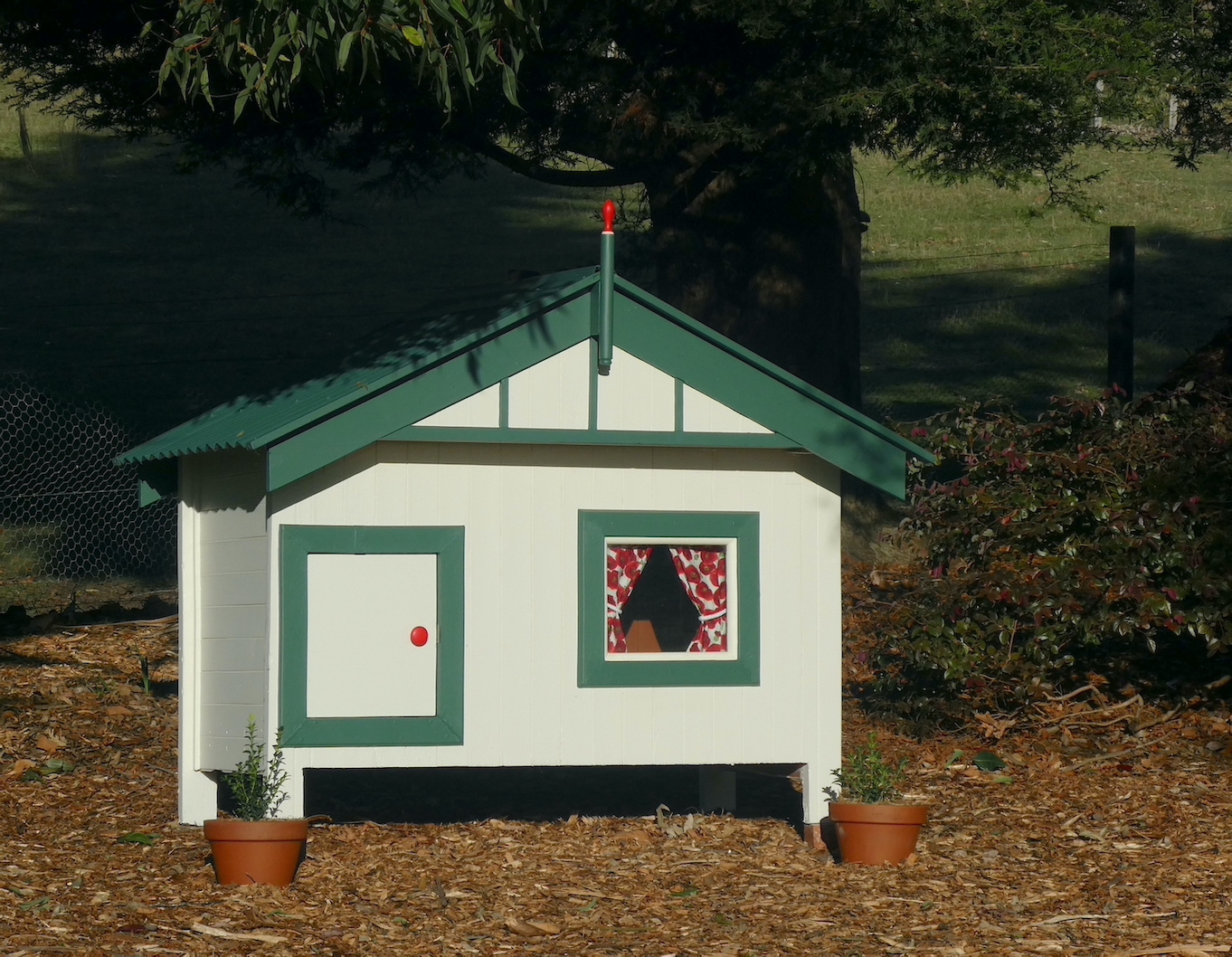
We then decided to rejuvenate the old dog kennel (that none of our dogs have actually used) and move it to a more prominent position.
With a fresh coat of paint, new bright curtains and the addition of a door and gable finial, she is flanked by a pair of potted English Box.