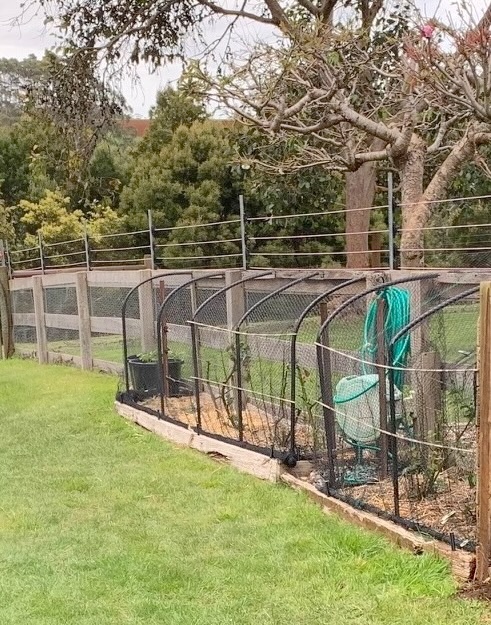
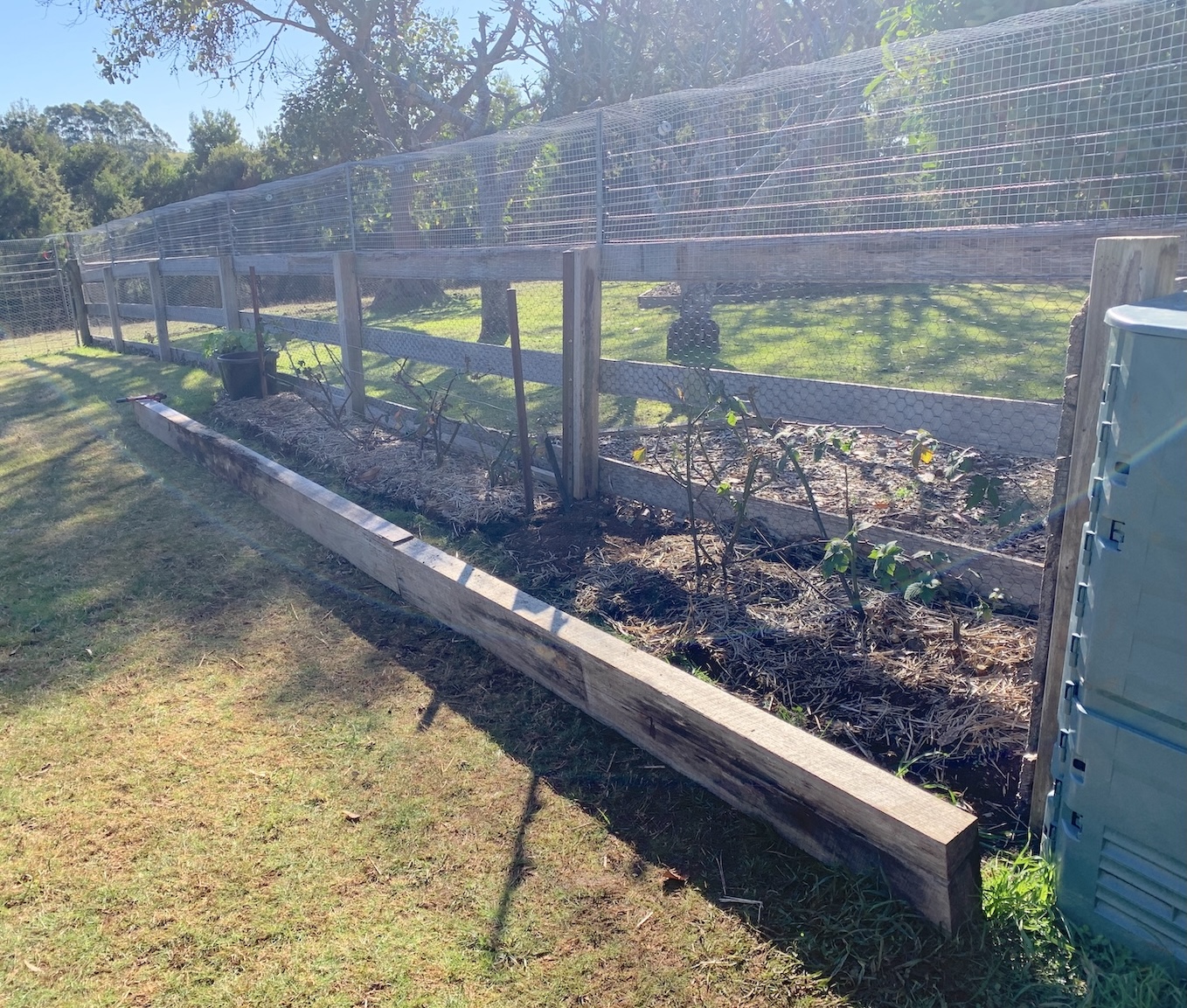
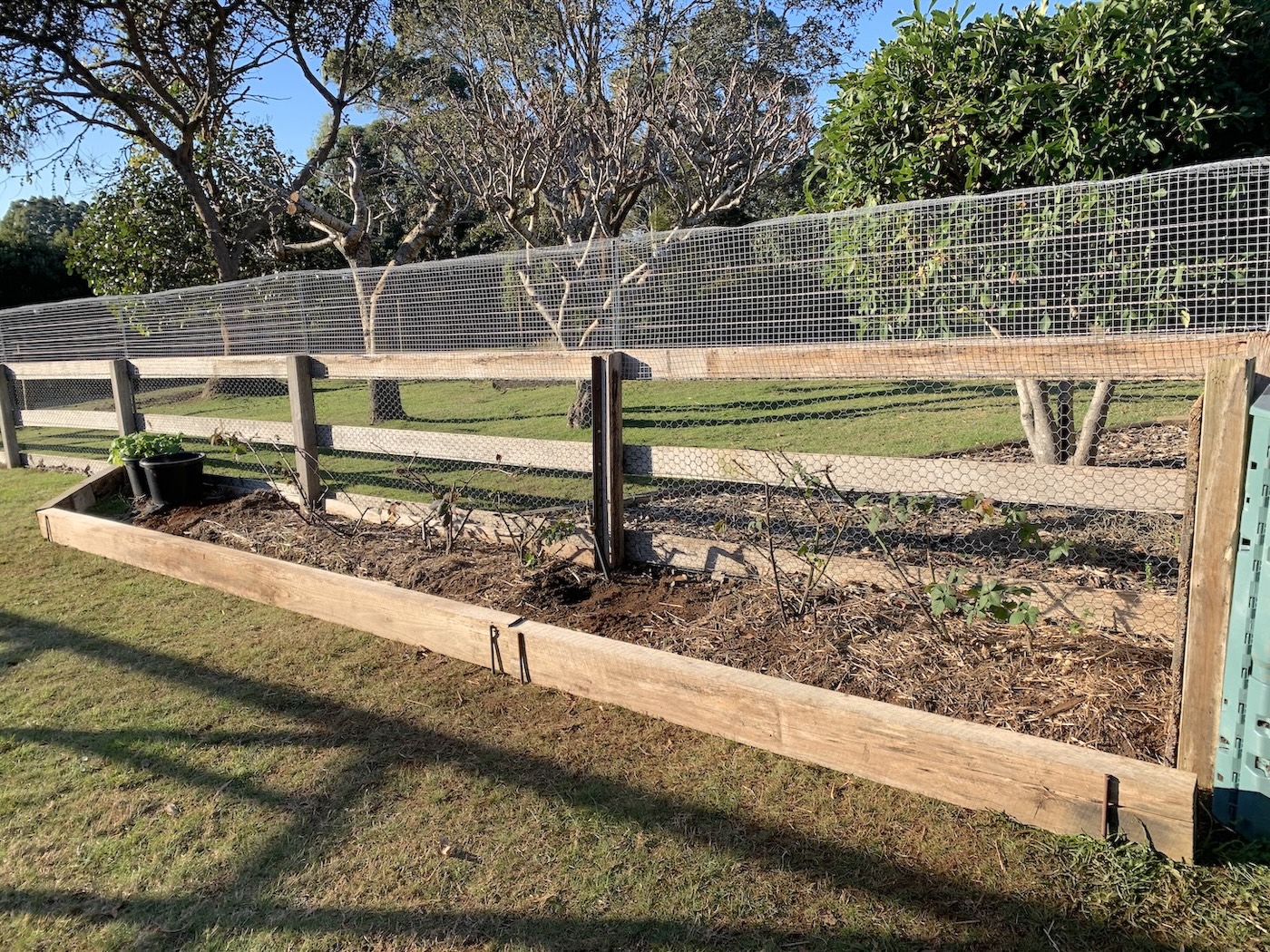
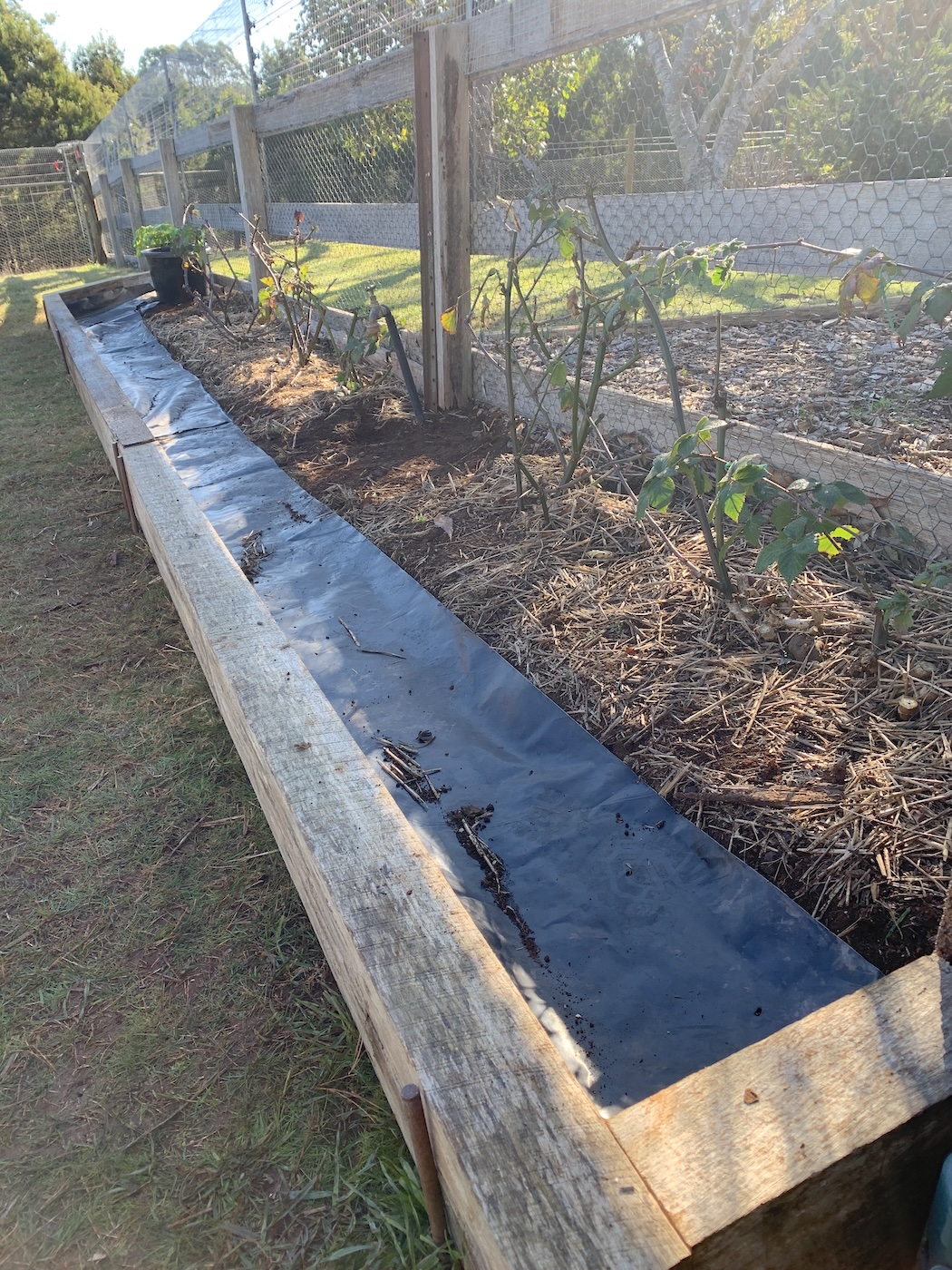
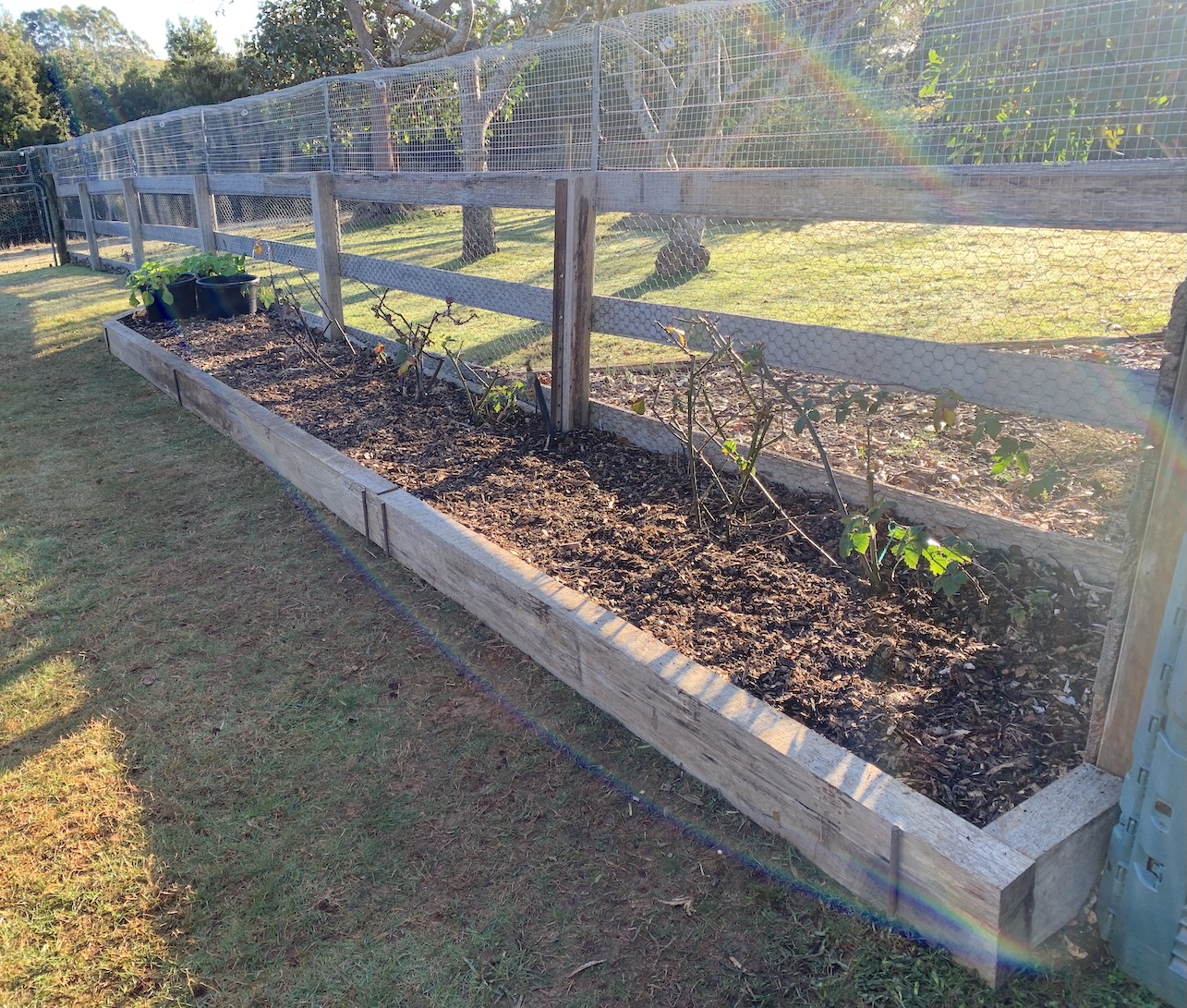
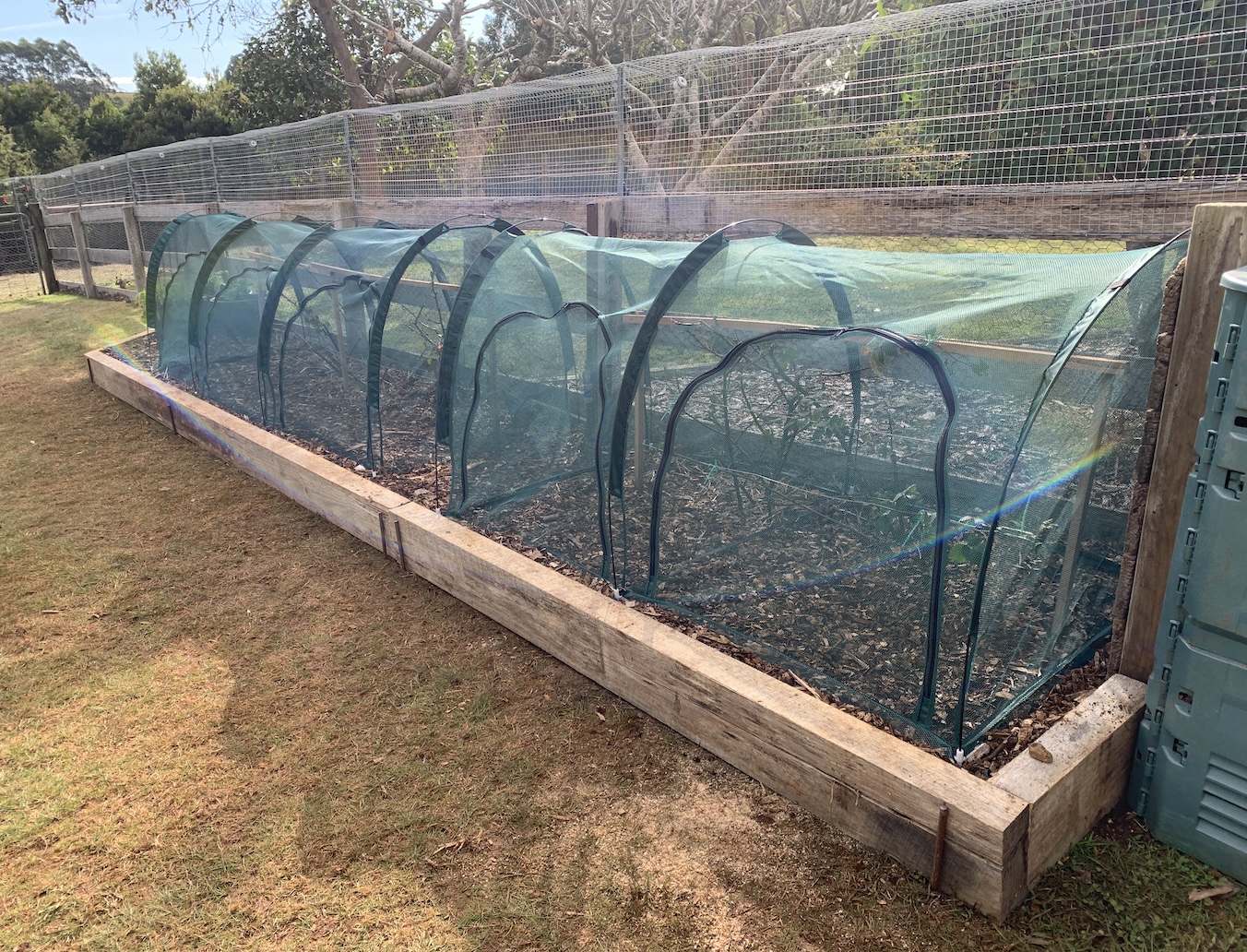
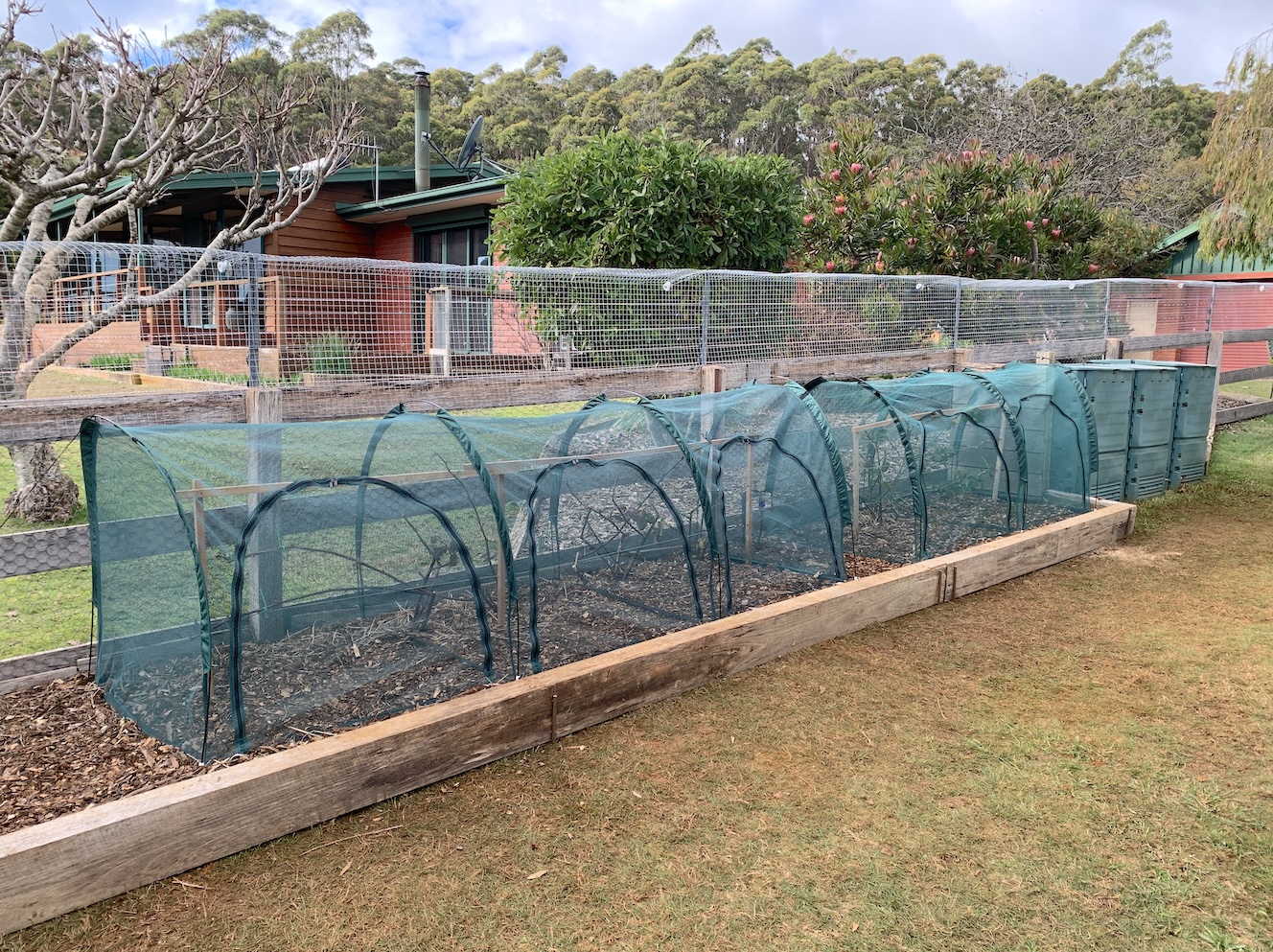
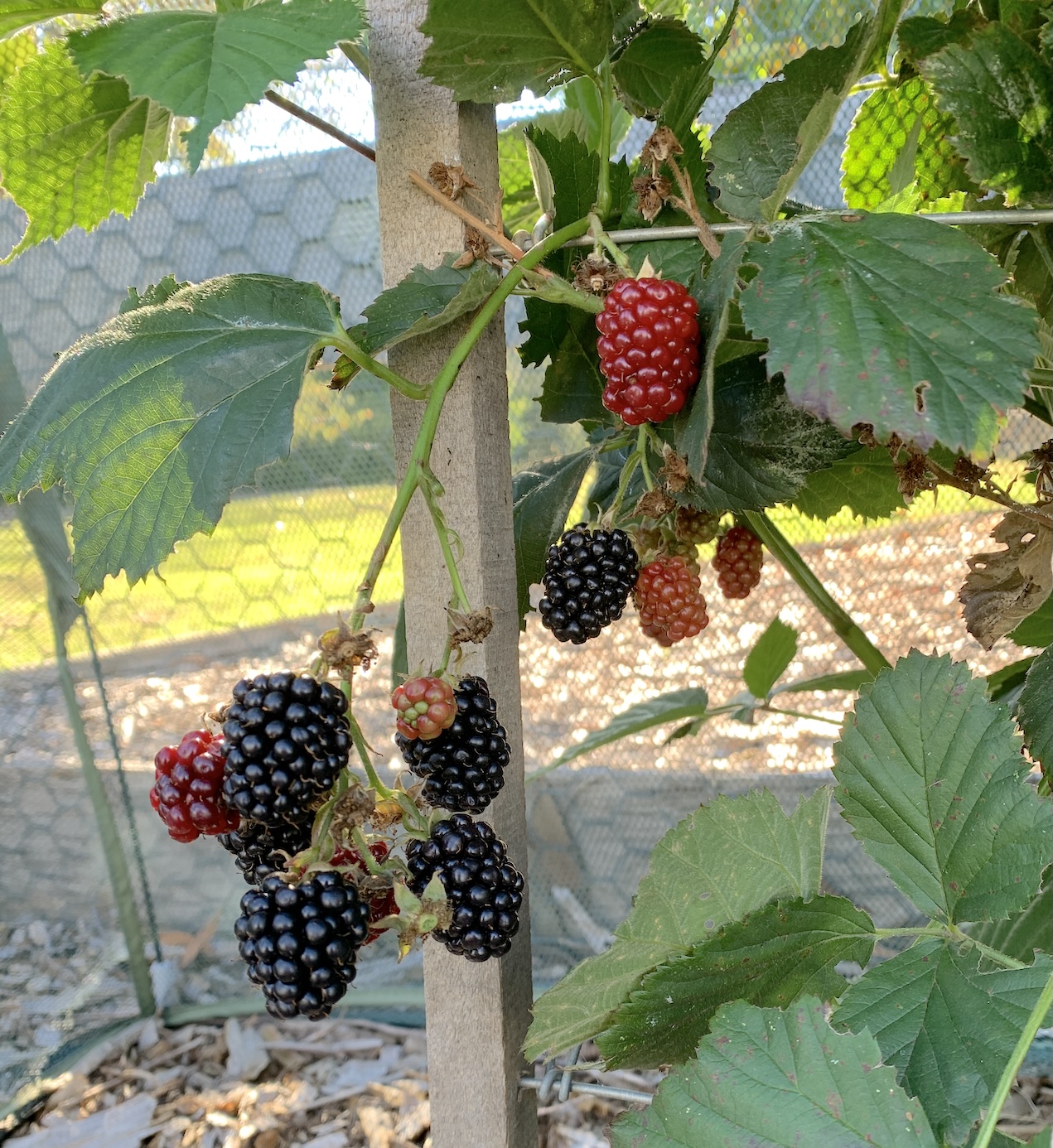
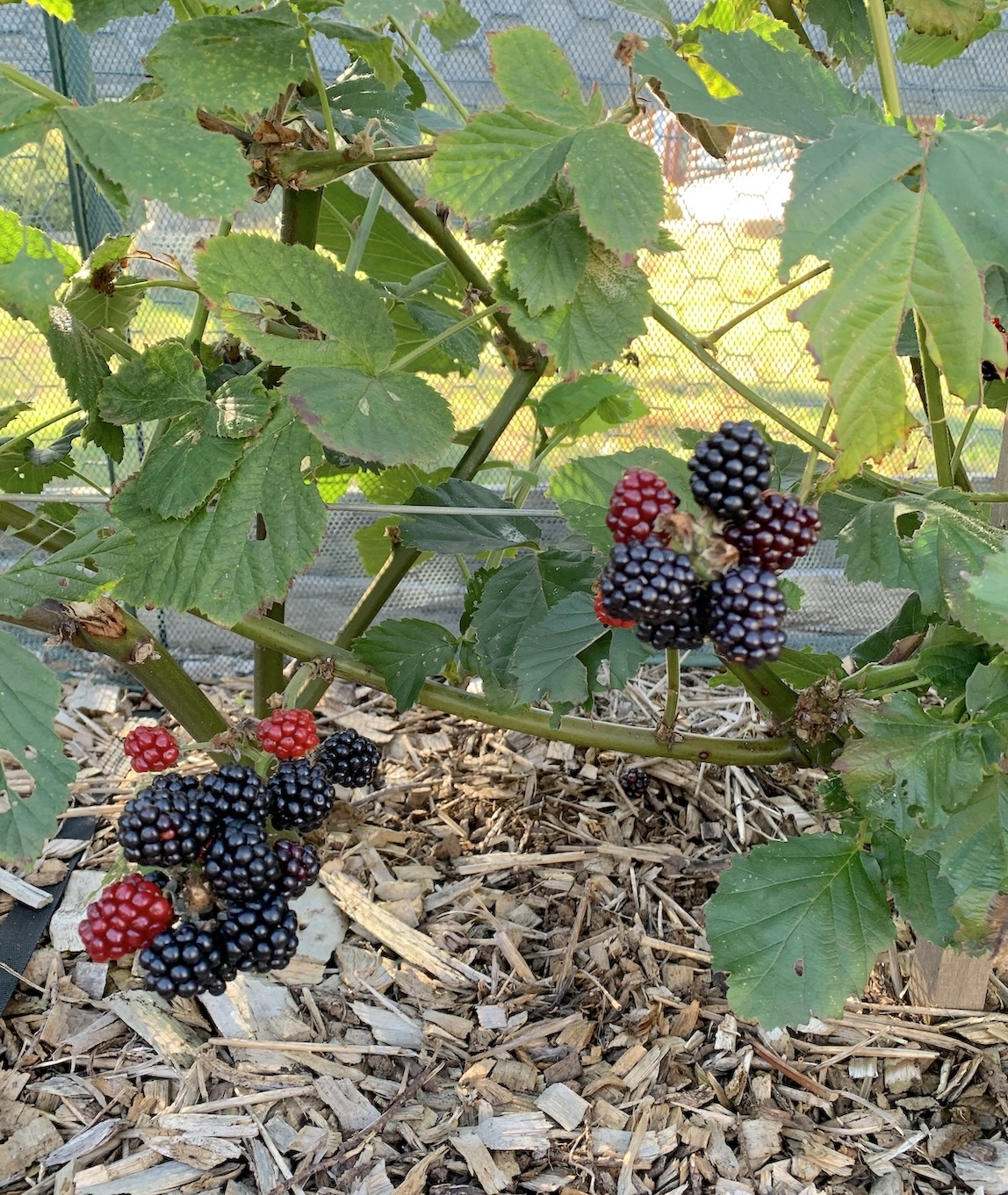
After many years exposed to the Tasmanian elements, the timber edging along our blackberry patch was starting to crumble. We had erected a temporary protective net that we have been meaning to upgrade for the same number of years.
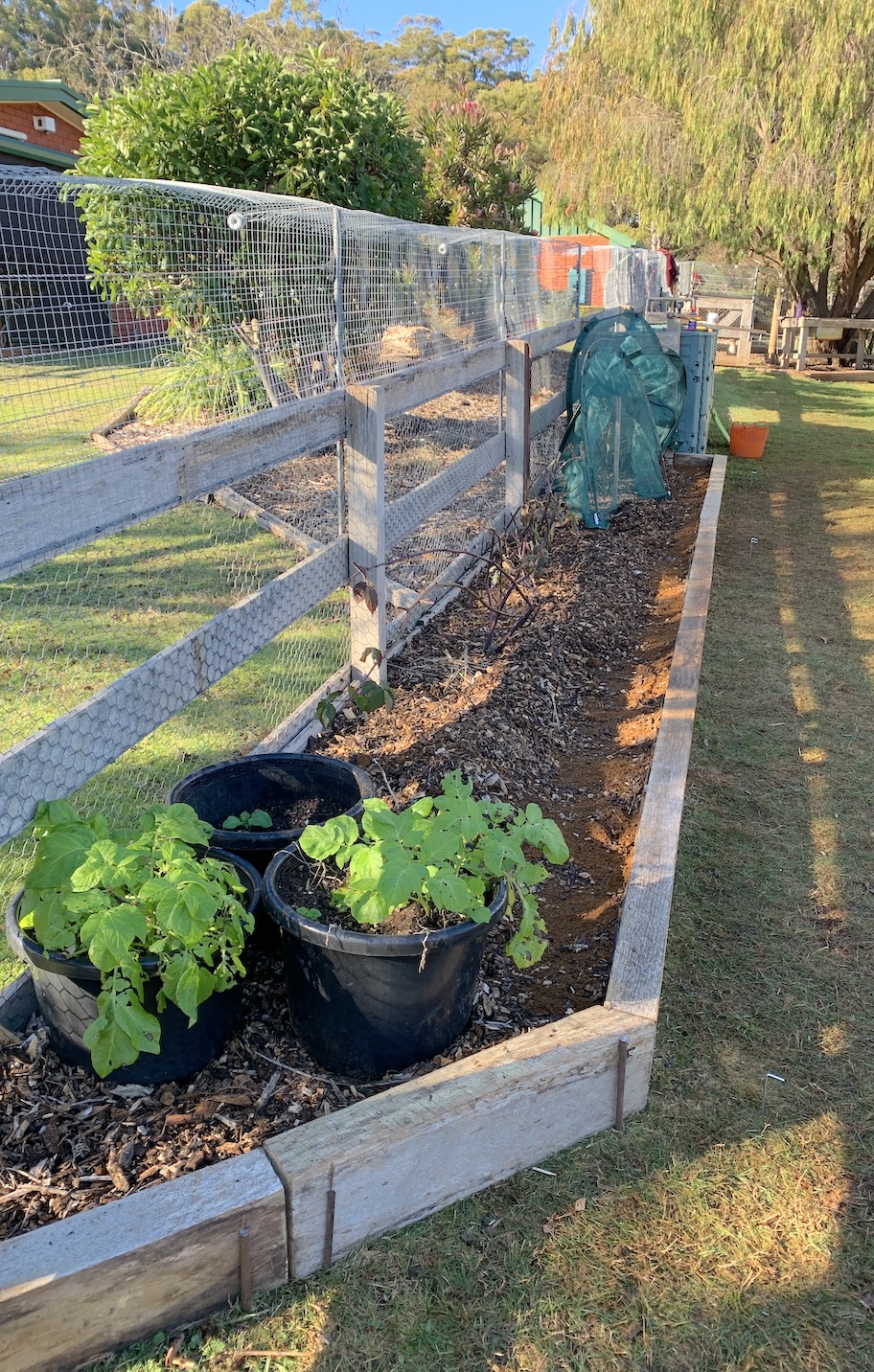
Last winter, we purchased a couple of garden tunnels and finally got around to it. The new edging was laid with space to allow for the depth of the new covers
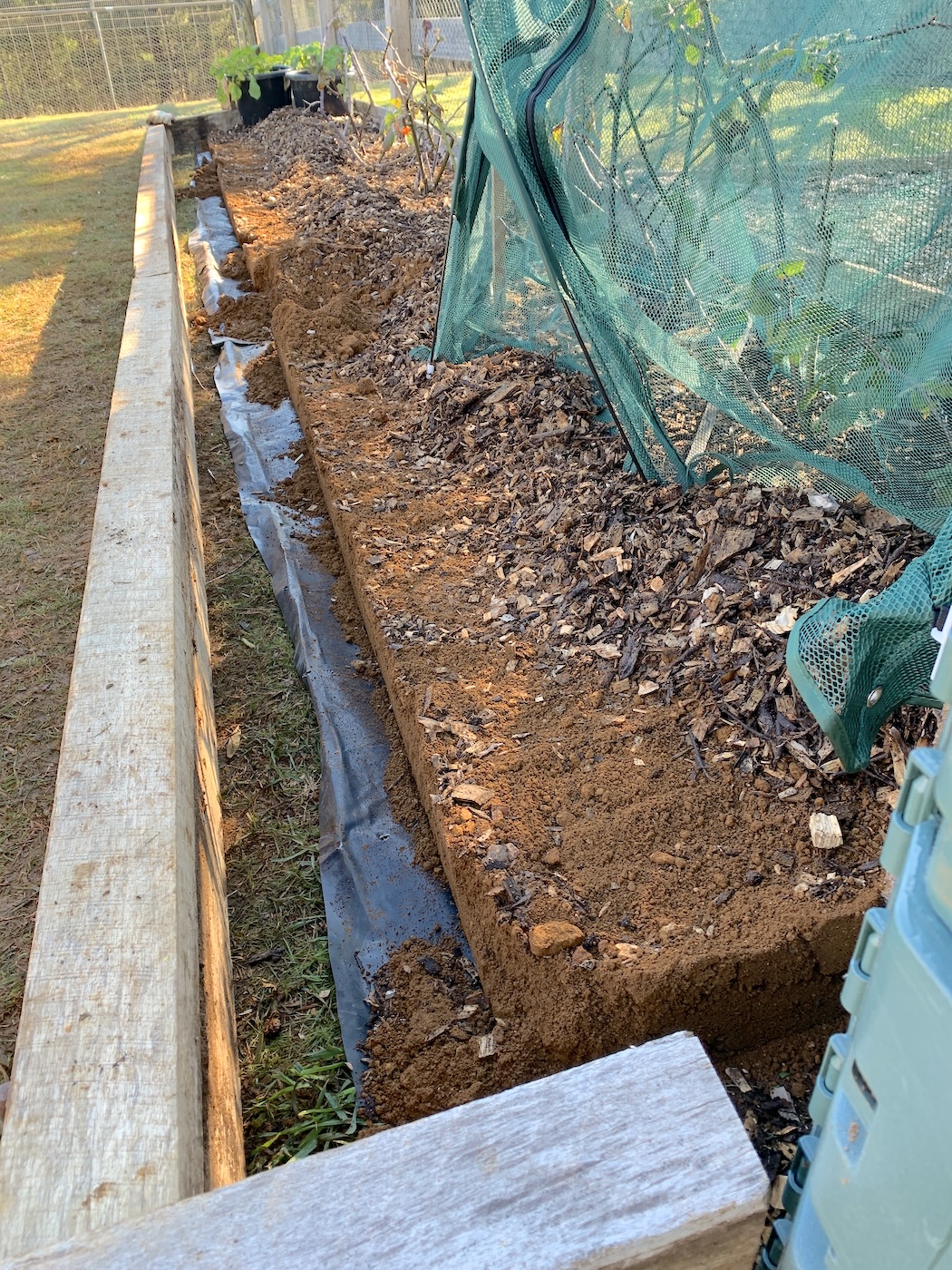
followed by plastic to discourage weeds and grass growth.
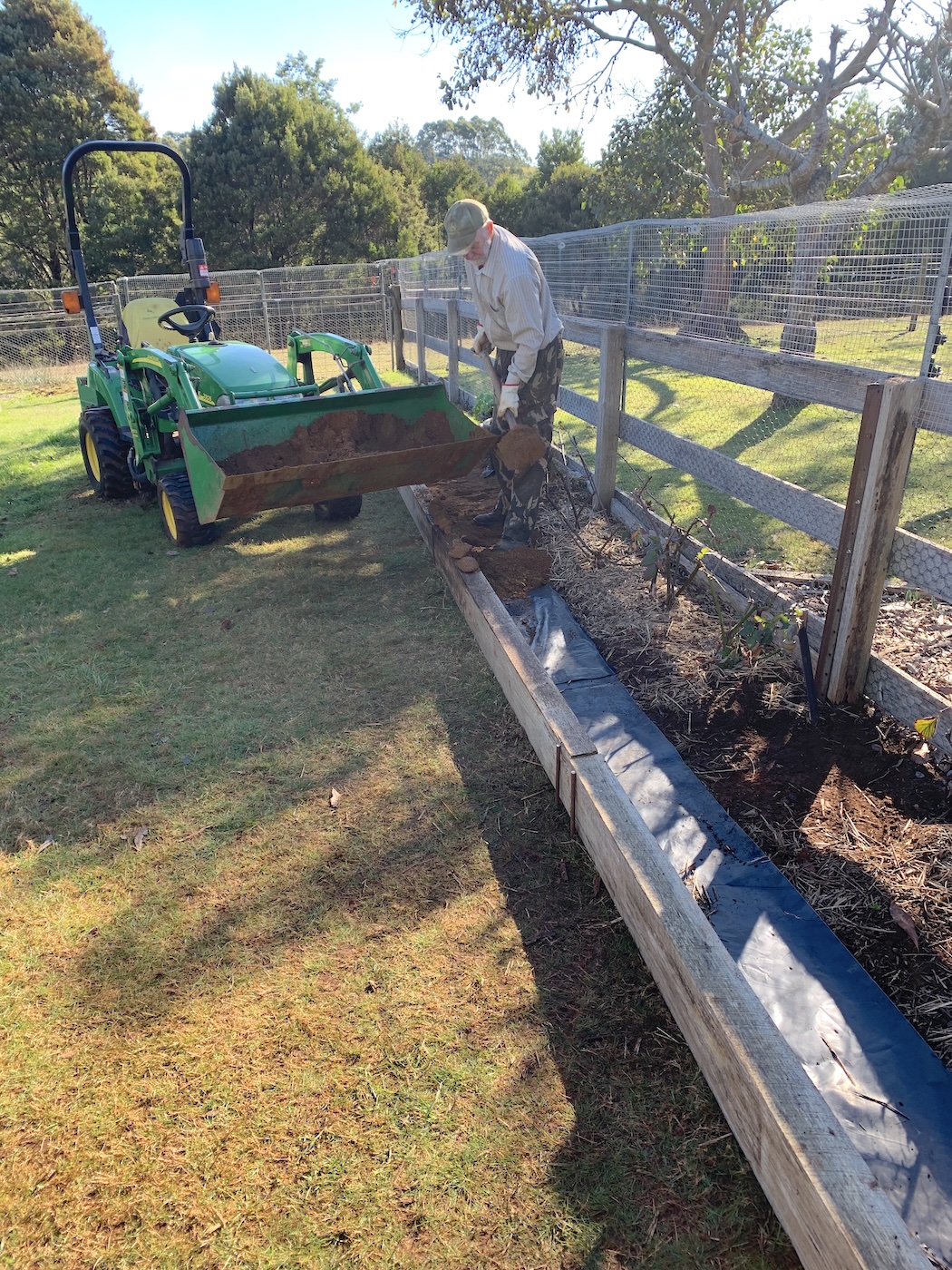
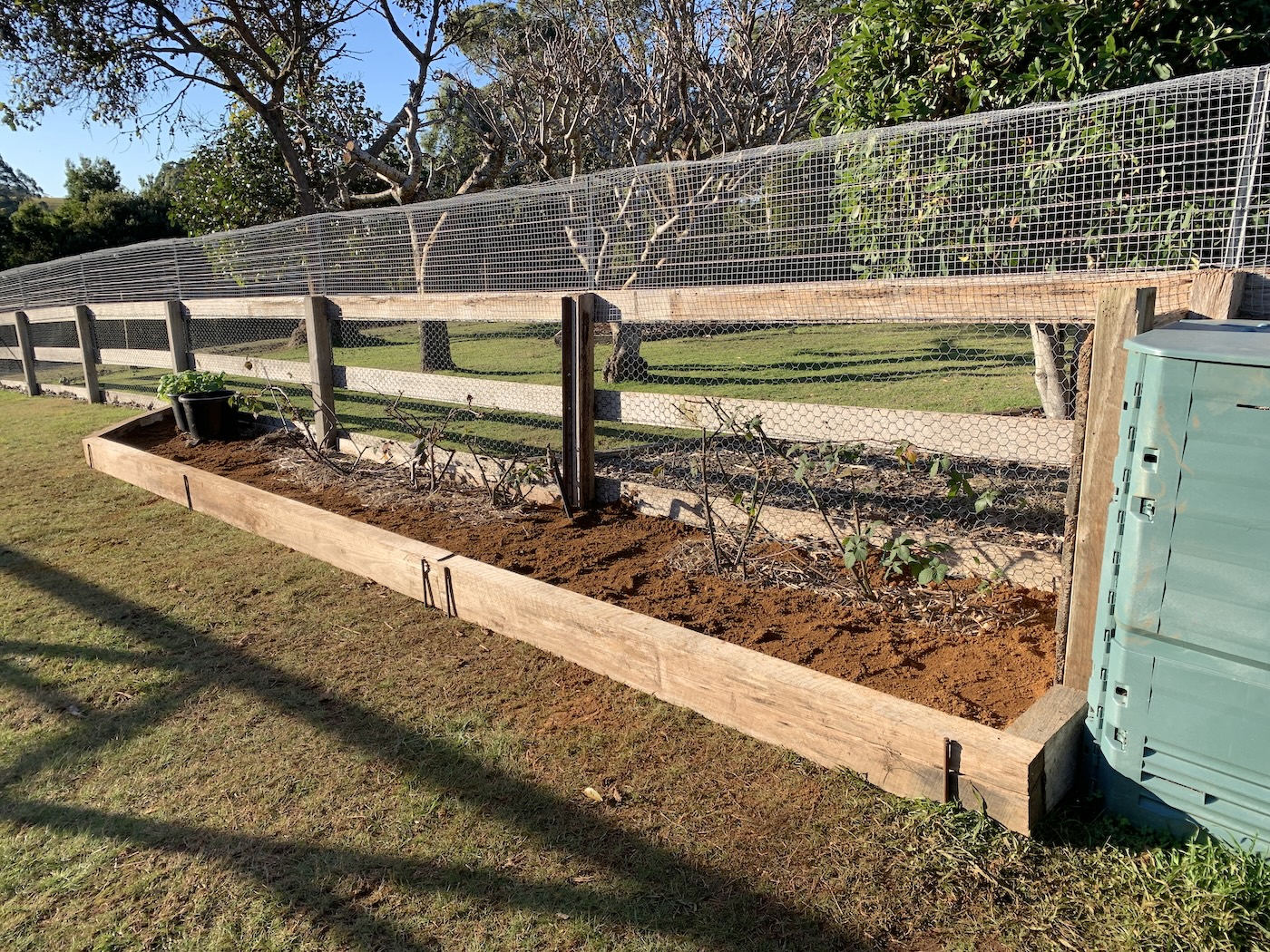
We filled in with soil
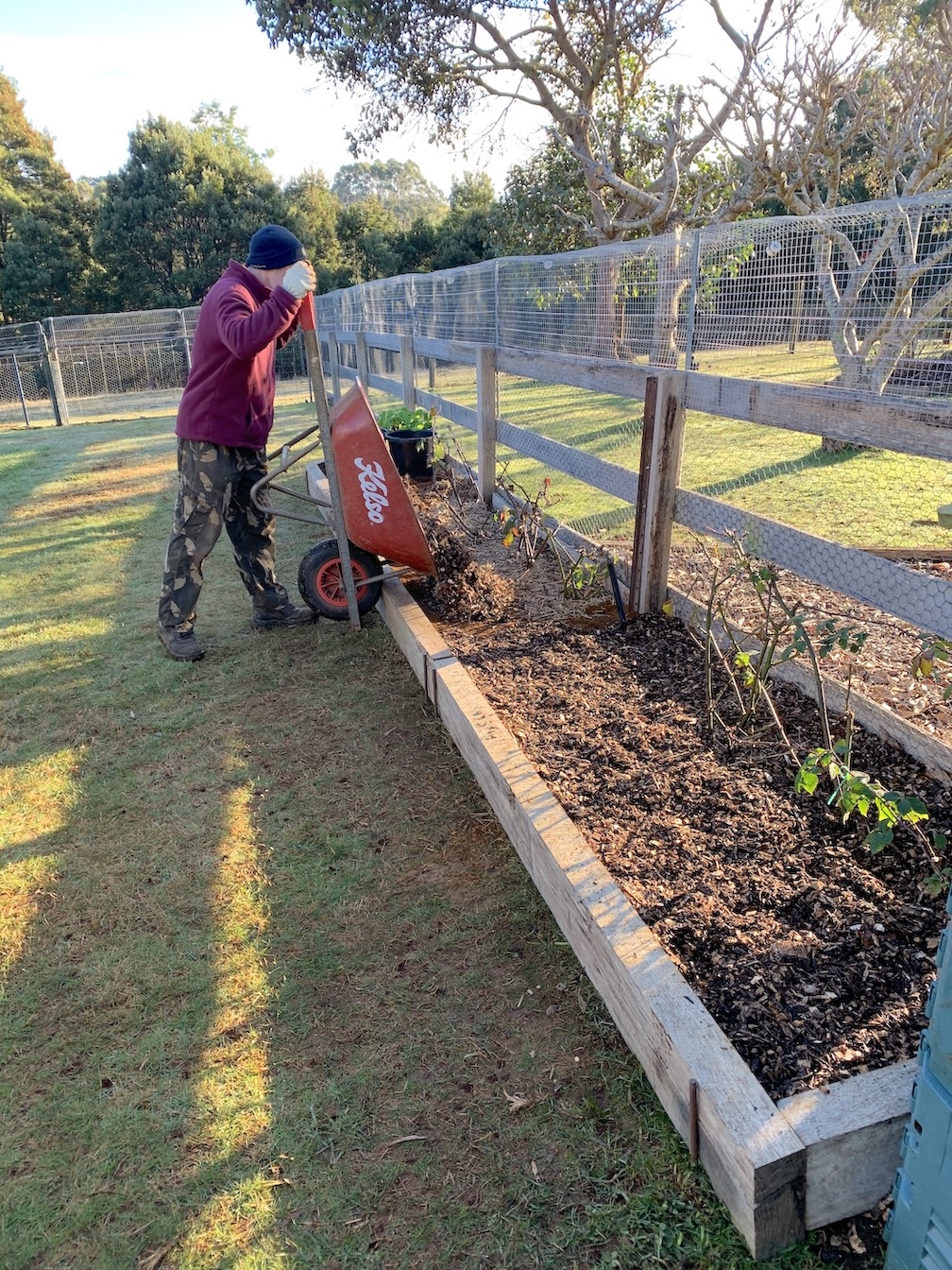
and a hefty layer of mulch.
Job done!
Or not. Our measurements hadn’t allowed for the 100mm skirt around the base of the covers. Back to the drawing board. We moved the edging another 200mm
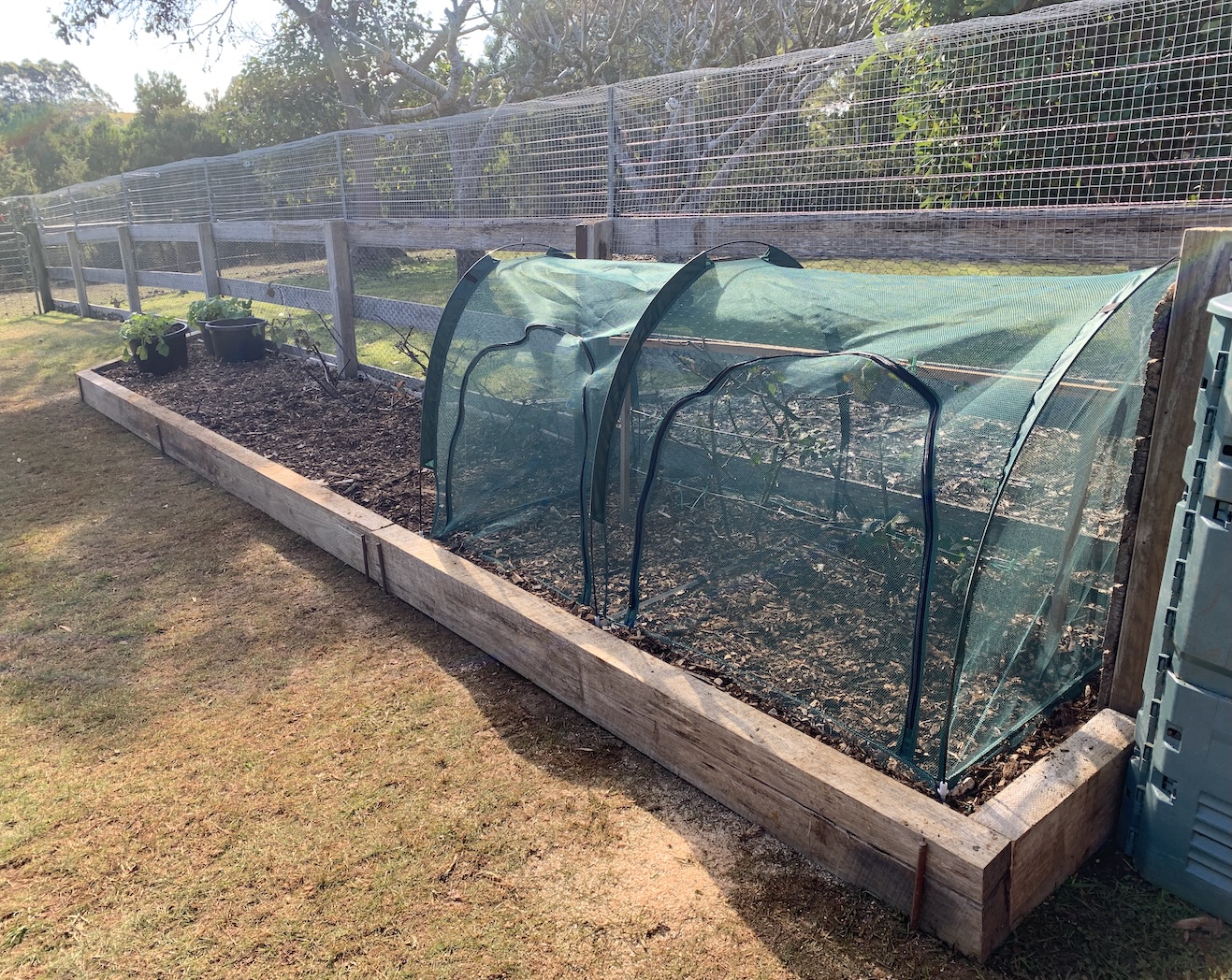
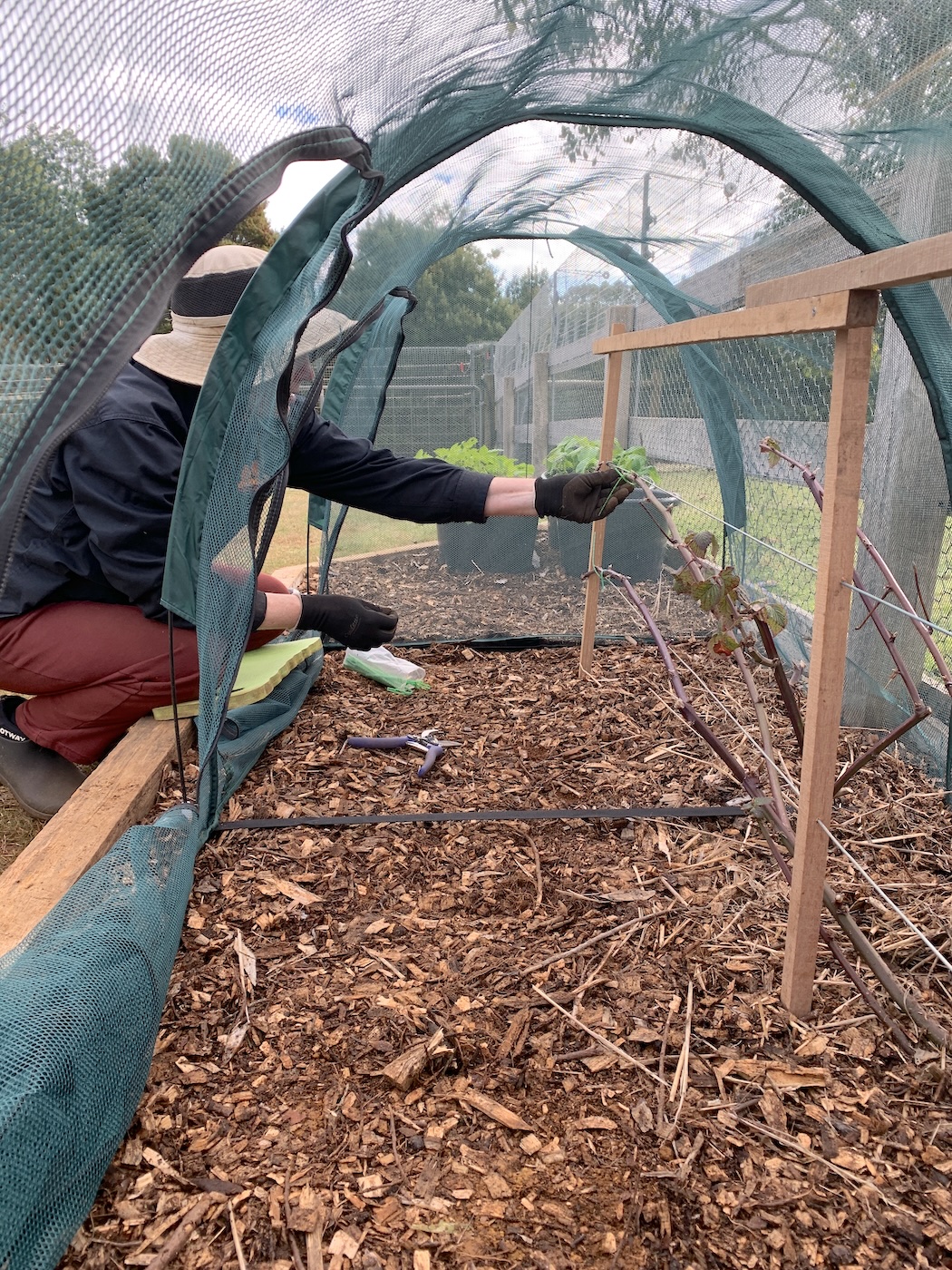
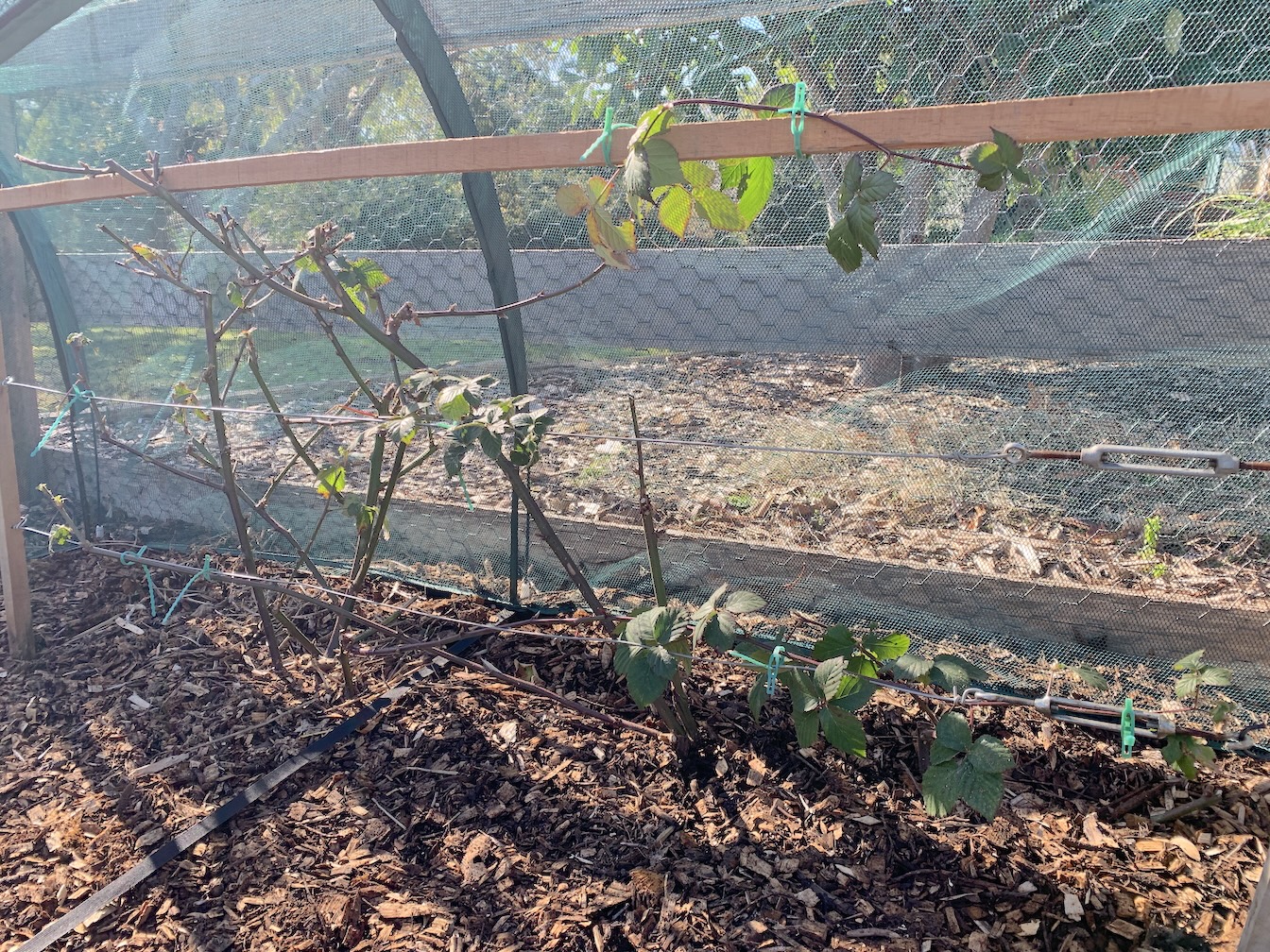
and repeated the filling process. A new frame was added to support the training wires and the first cover fit like a glove.
With both tunnels in place
the canes were fixed to the wires, ready for some warmer weather.
We had a bumper crop this year, a few kilos of berries still being harvested at the end of April.
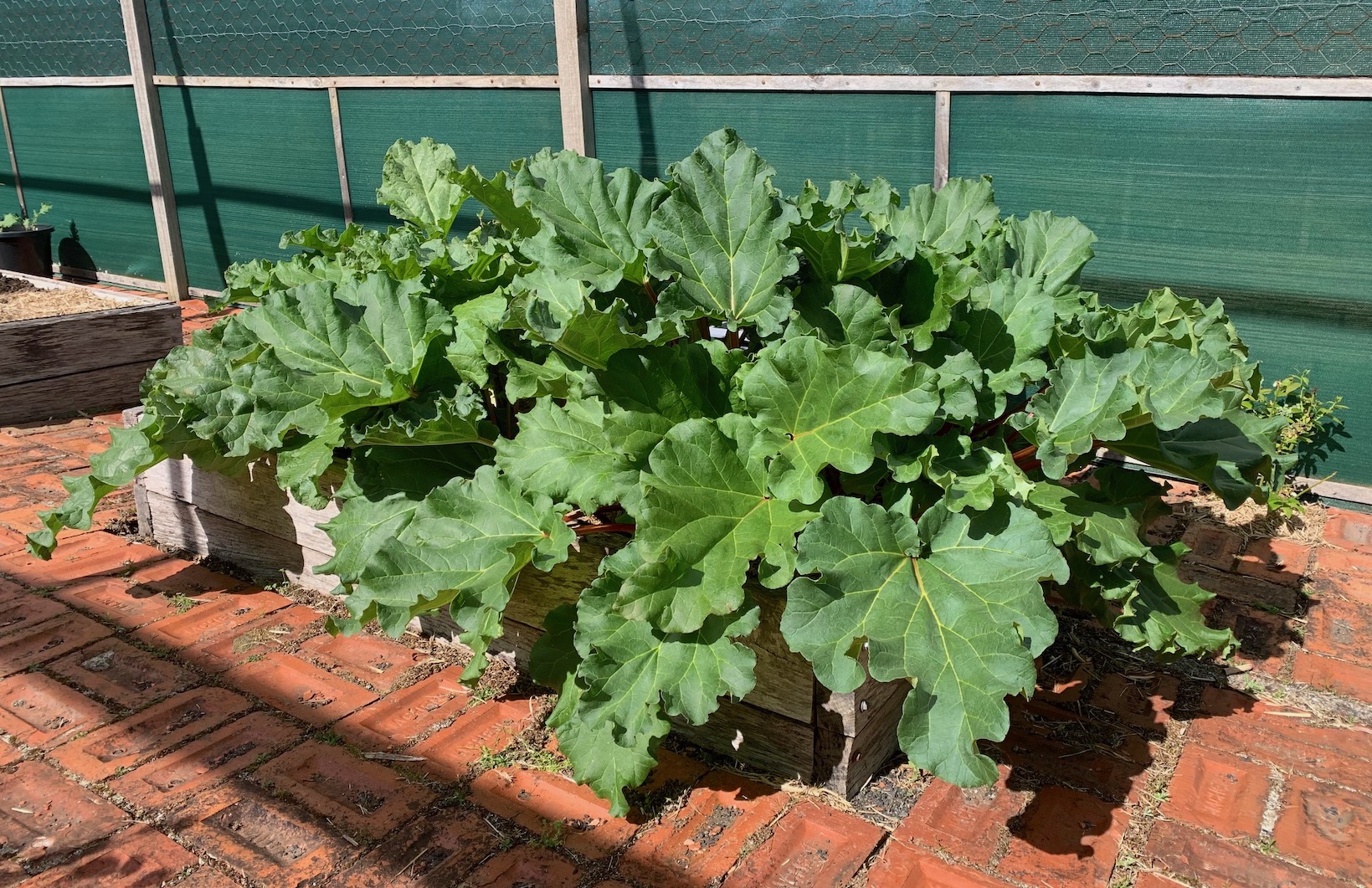
It’s that time of year when the veggie patch is transforming from winter weariness to summer surplus. Our robust rhubarb provides at a steady rate throughout the year but I am now digging deep into the repertoire of rhubarb recipes to keep up with the harvest.
One of my favourites is rhubarb champagne, the reward is definitely worth the effort. Start with 875g rhubarb, 875g sugar, a lemon (from the abundant lemon tree) and 11 tablespoons of apple cider vinegar.
Chop the rhubarb, slice the lemon
and place all these ingredients, along with 5 litres of cold water, into a food safe bucket (I use our beer fermenter). Cover loosely with a clean tea towel and leave for 48 hours.
Sterilise 10 PET bottles (I use Milton solution)
and strain 500ml of the mixture into each.
PET bottles are preferable as they have more ‘give’ and it is advisable to squeeze out as much air as you can before capping.
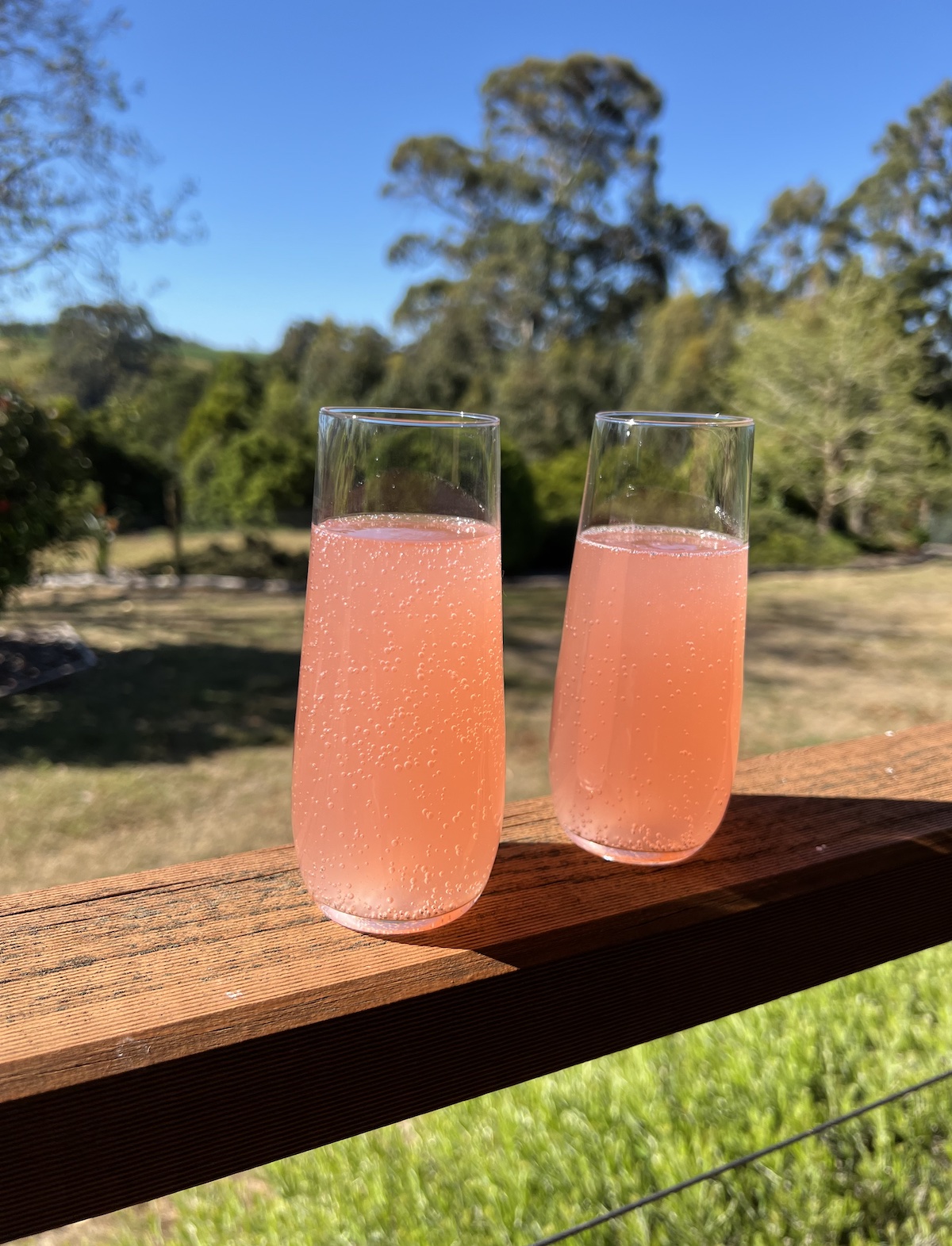
Pop the bottles in the fridge and try to refrain from sampling for at least two weeks. Deliciously refreshing as a sparkling beverage,
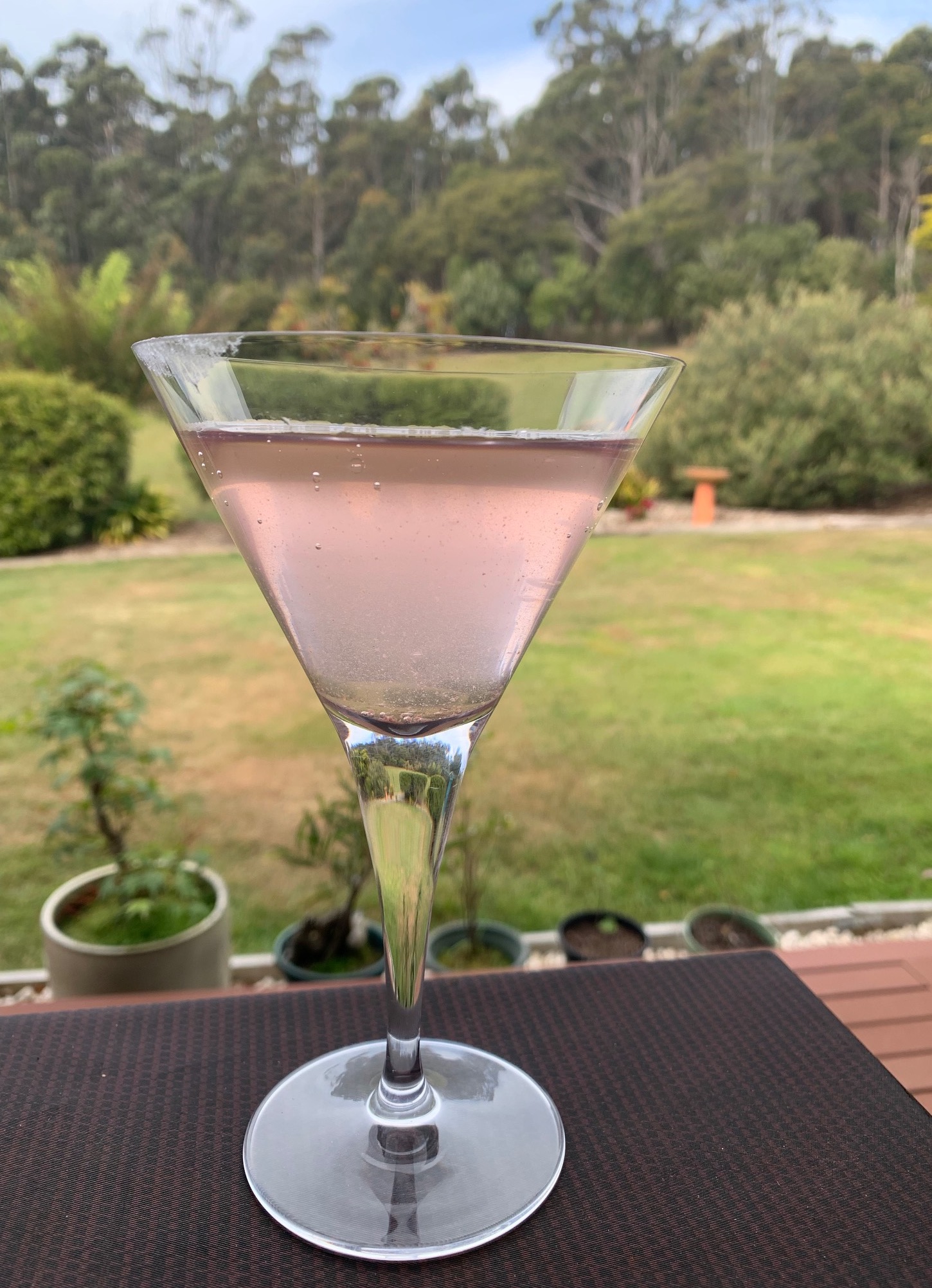
we recently discovered the benefits as a mixer. One and a half measures of gin topped up with rhubarb champagne, we have lovingly named it the ‘Stowport Stonker’. Cheers.
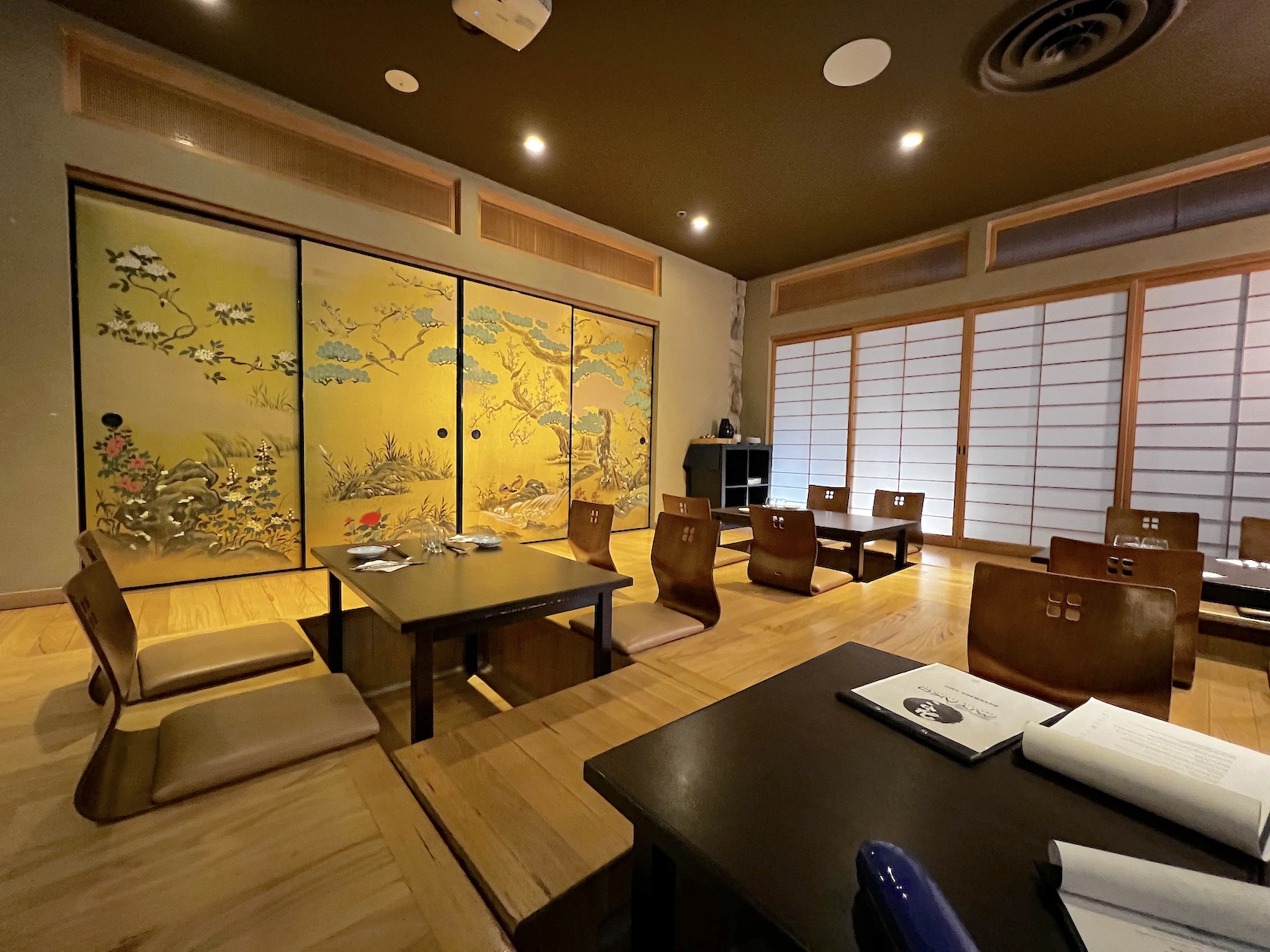
Japanese food is one of Michael’s favourites, unfortunately it is something of a rarity in Tasmania and so, we relished the opportunity to dine at the highly recommended Ginza Miyako while in Adelaide. The menu is described as a blend of Japanese cuisine with French influence, using fresh South Australian produce to highlight the flavours of Japan with French cooking techniques. For those unable or unwilling to sit on the floor, there is a generous western style seating area. We opted for the traditional style seating, separated from two private function areas by elegant Shoji screens.
We abandoned our shoes at the door where a row of ‘slip-ons’ awaited to wear for the inevitable trip to the bathroom. The attentive ladies, dressed in delicate traditional garb, advised us on our selection of dishes and promptly delivered two flasks of Sake, one warm and one cold.
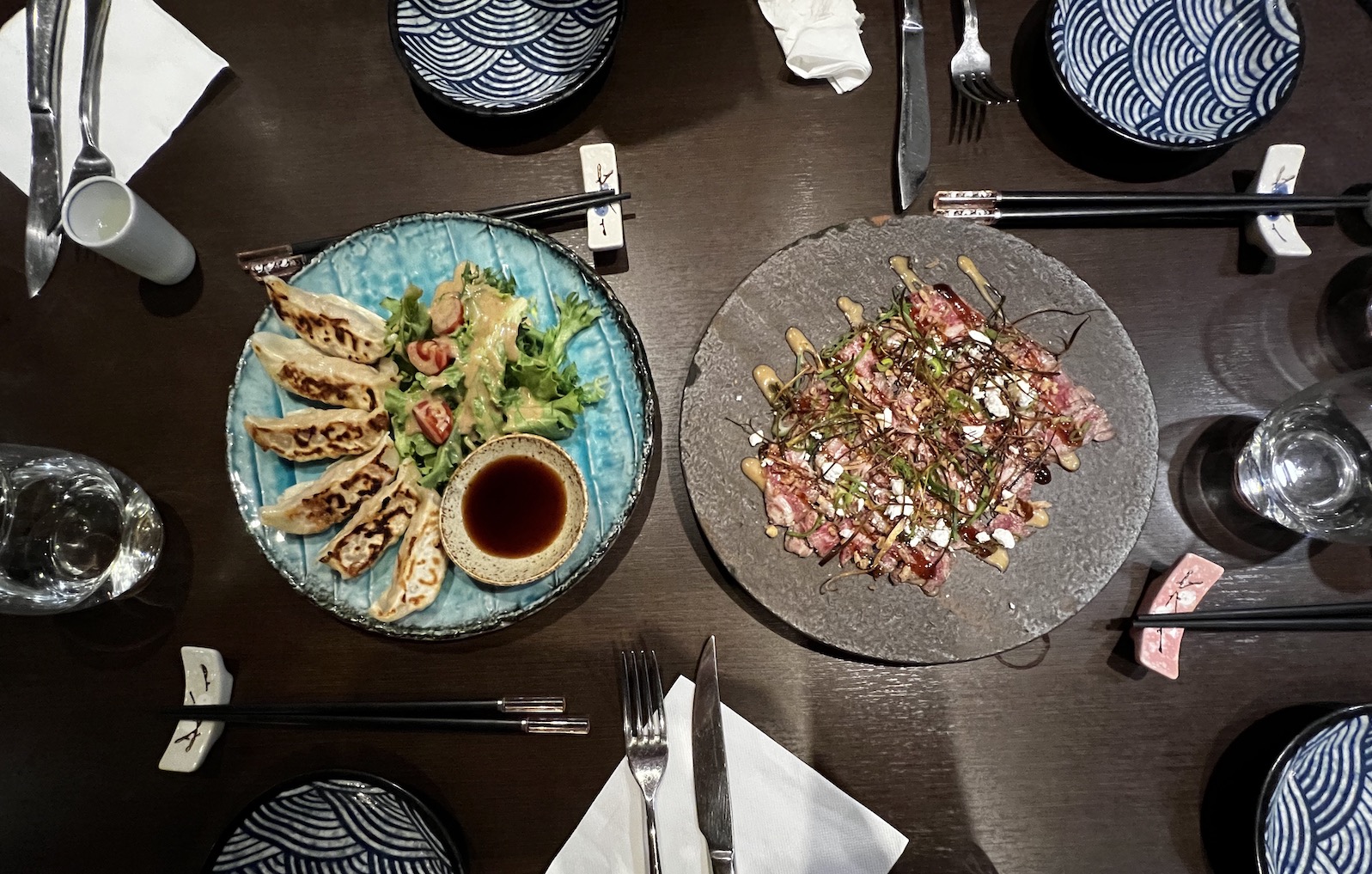
Beautifully presented entrées arrived on shared platters. Pork Gyoza and Wagyu Beef Carpaccio with citrusy homemade ponzu dressing and umami sesame aioli.
Chicken Karaage, deep fried Japanese style
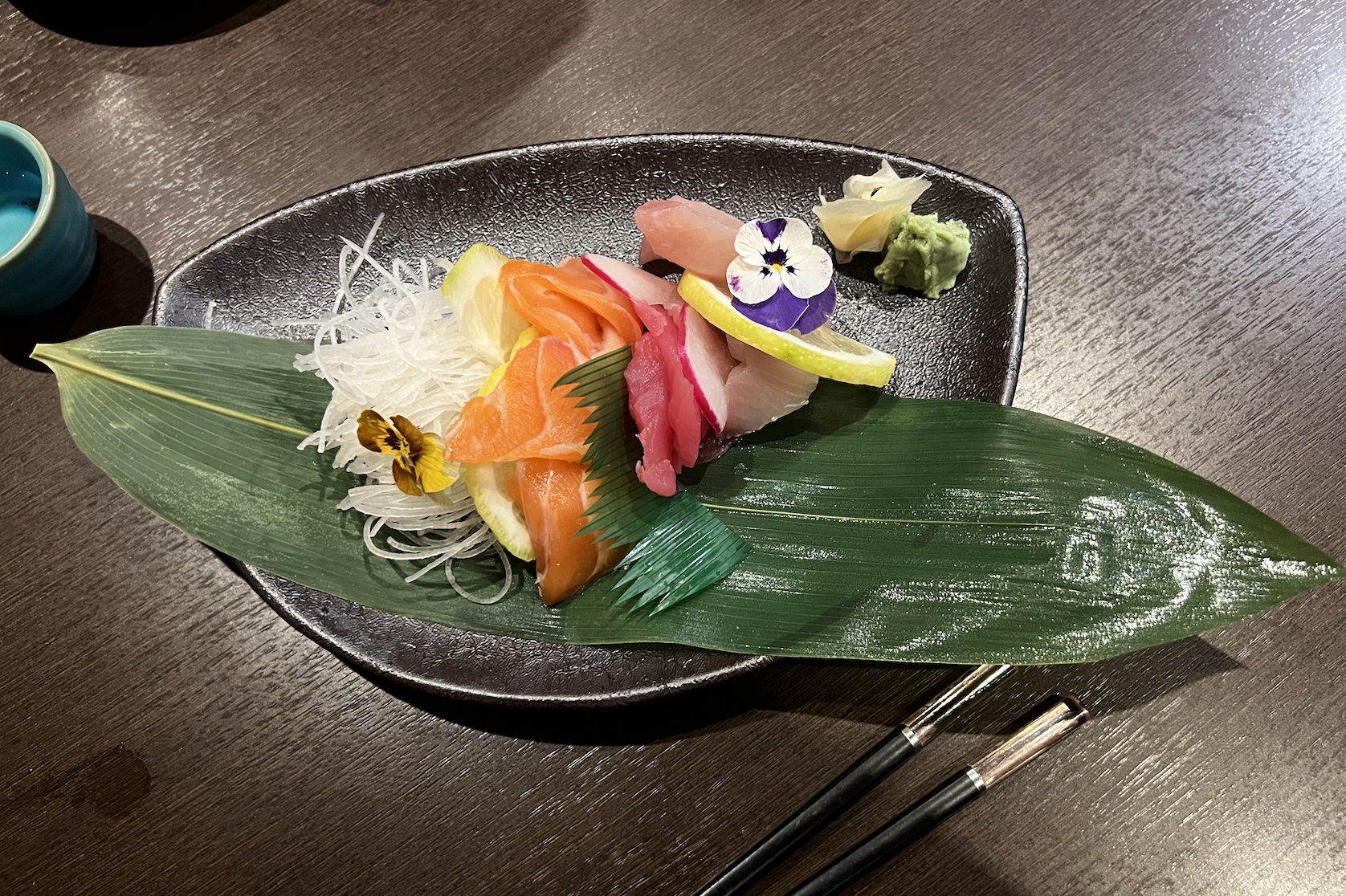
and a stunningly vibrant Sashimi Platter.
Nearly thirty years ago, I first tasted eel at another Japanese restaurant in Adelaide and was instantly smitten. For main course, I couldn’t resist Unagi Don – grilled eel with yakiniku sauce and delicious accompaniments.
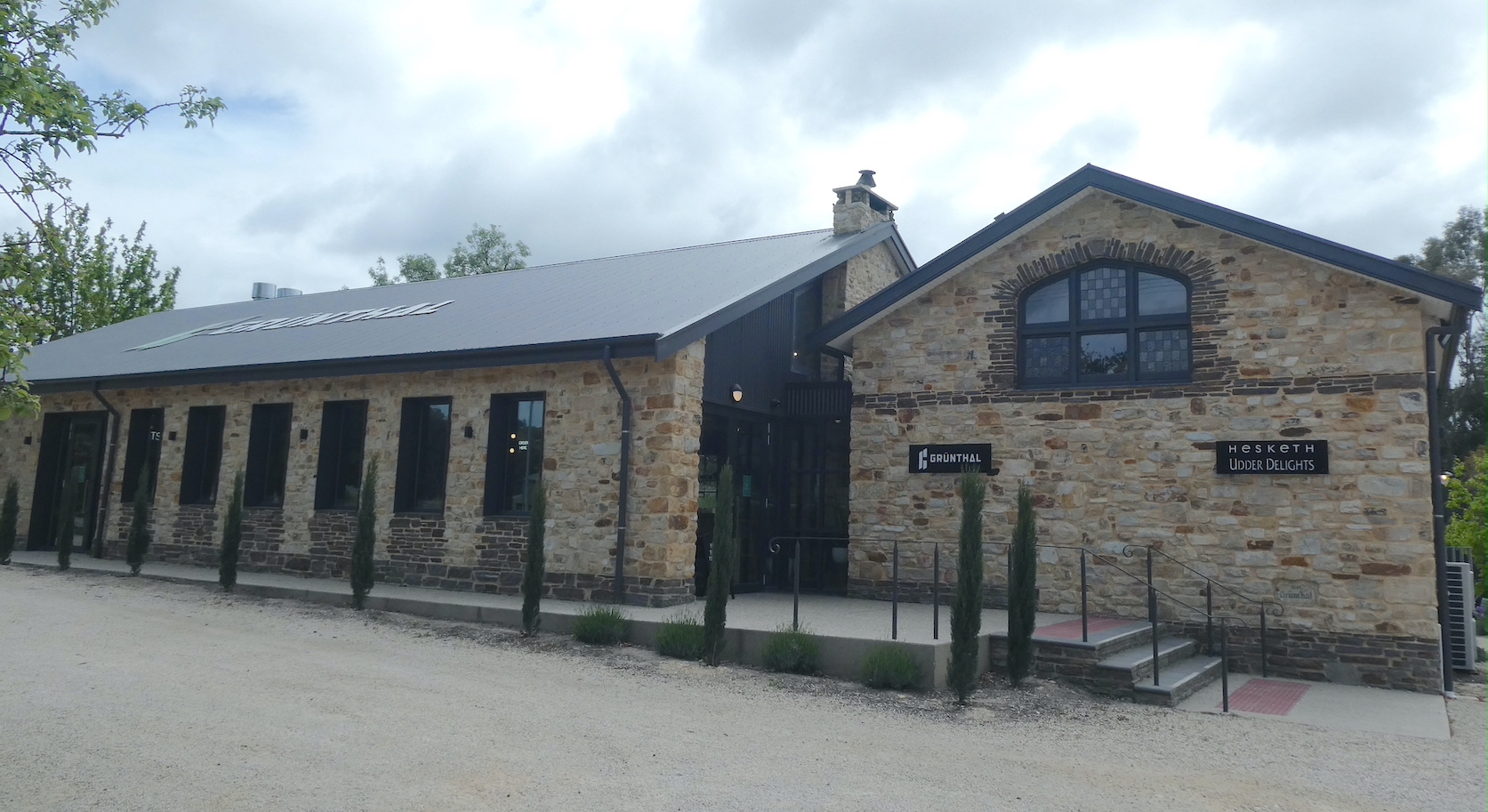
We have many fond memories of times spent in Grumpy’s Brewhaus at Verdun in the Adelaide Hills, not least the evening of our farewell in November 2008 before relocating to Tasmania. Tragically, fire gutted the restaurant in 2016 and, although the brewery survived, it was the end of Grumpy’s. The site remained undeveloped for nearly five years until new owners realised their vision for the historic venue.
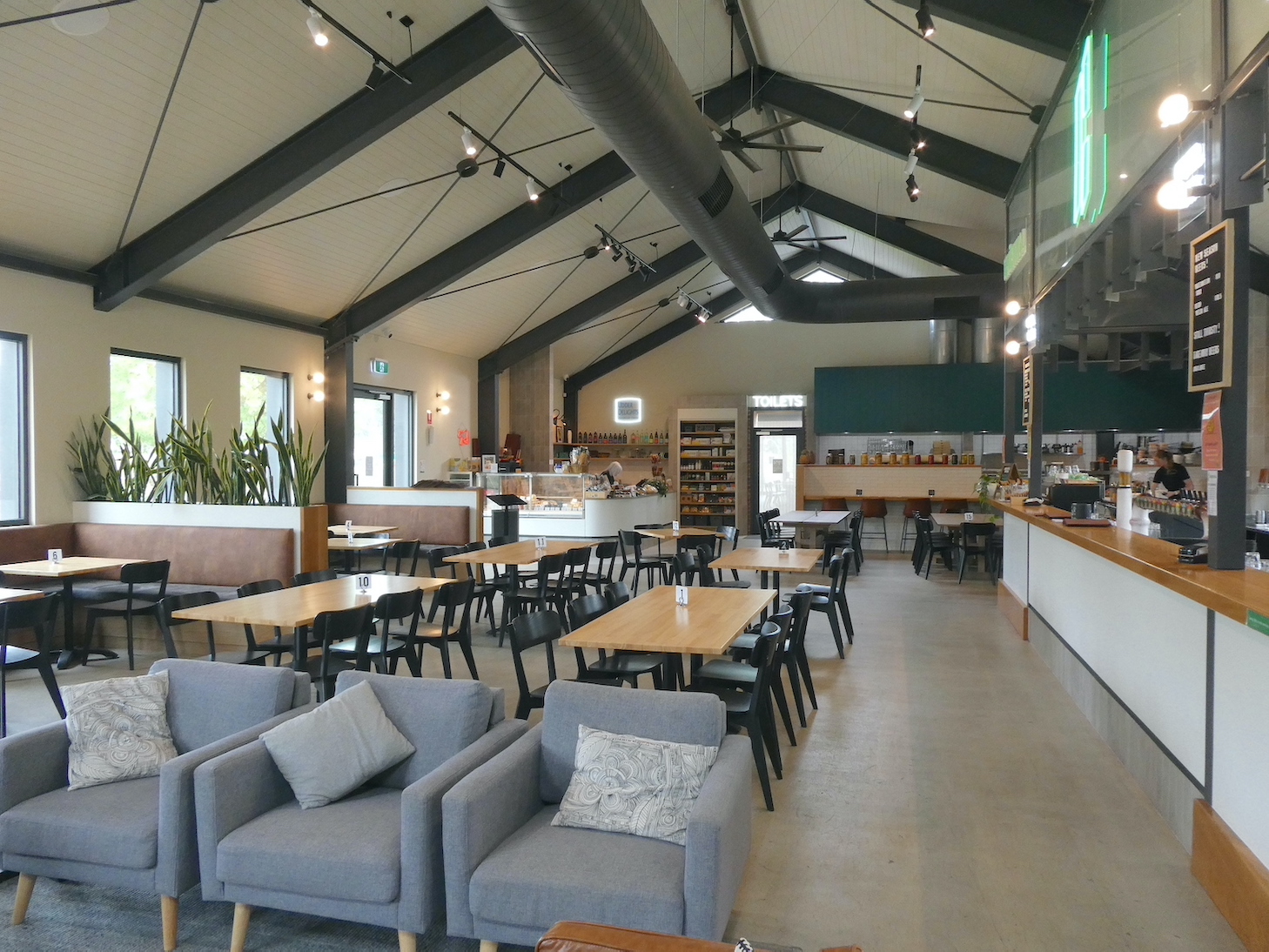
While in Adelaide recently, we visited the new incarnation, Grünthal, the name given to Verdun by the original Prussian settlers meaning Green Valley. The expansive restaurant space offers a variety of seating options as well as a conservatory for private functions.
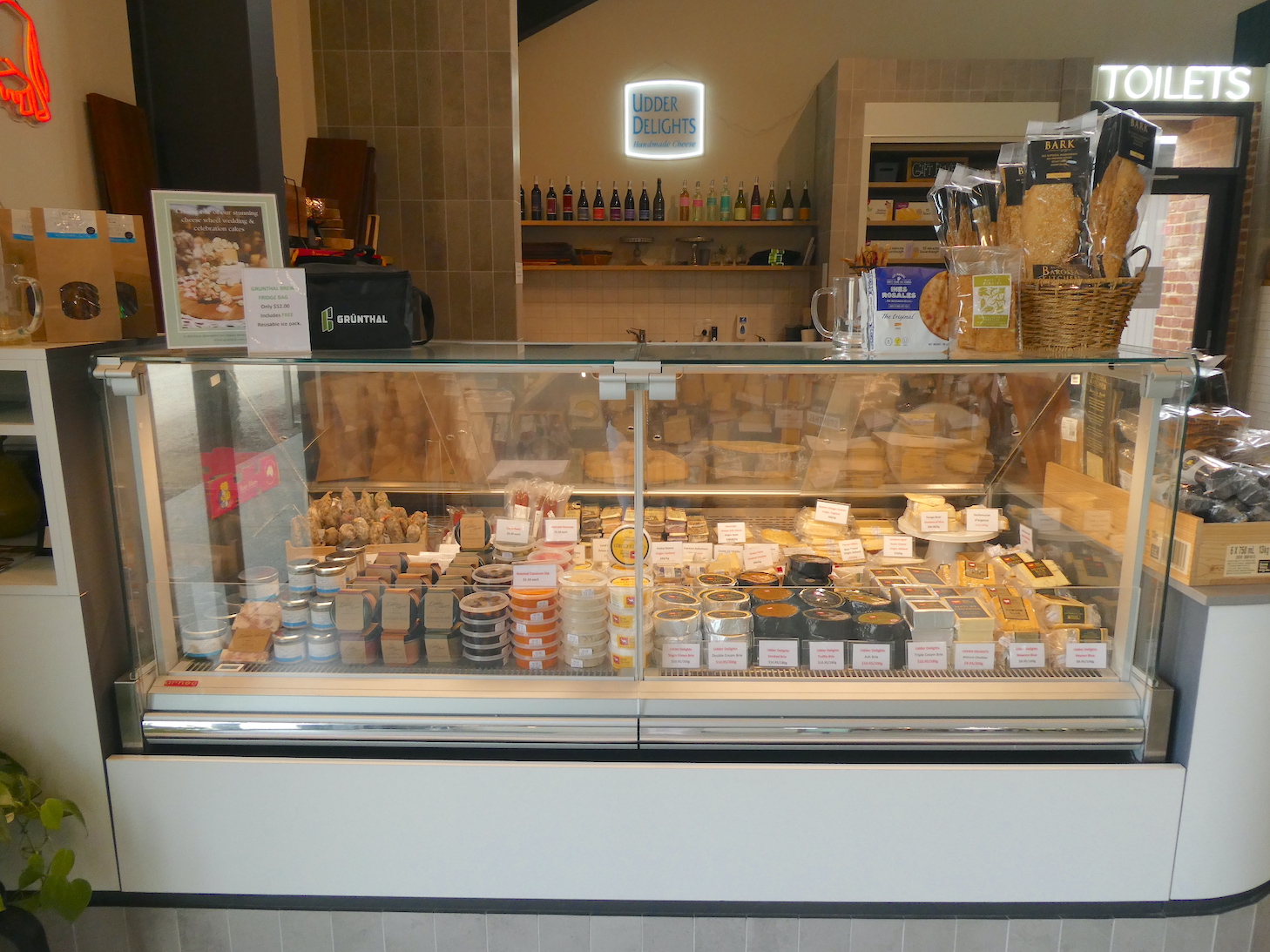
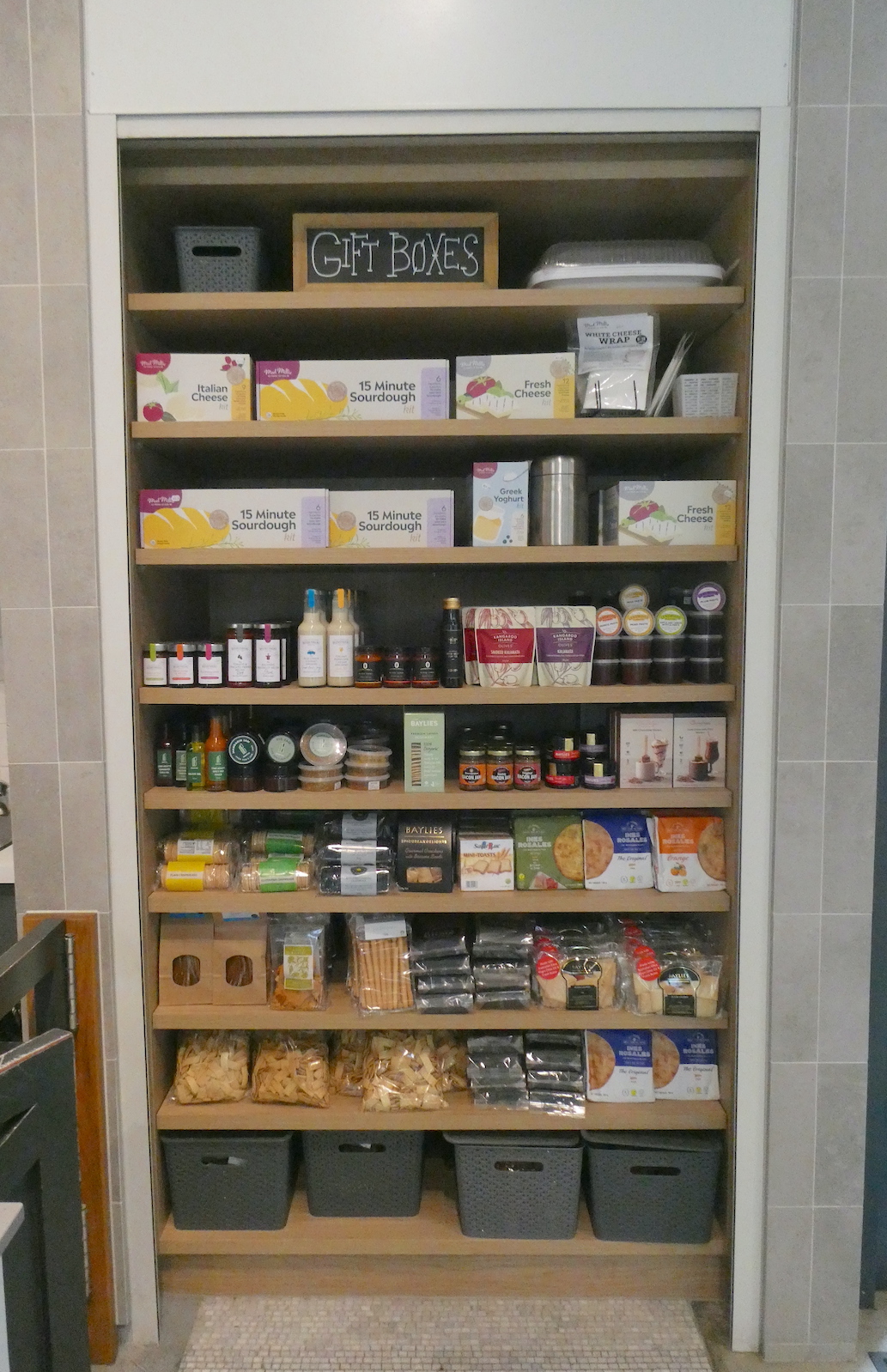
Saul and Sheree Sullivan already had years of experience creating specialty cheeses at their Udder Delights factory, also in the Adelaide Hills, before Saul decided to try his hand at the art of beer brewing. A wondrous display of local smallgoods, patés, terrines, crackers, honeys and delicious produce greeted us at the door.
Complimentary cheese tastings are offered daily and despite a looming lunch engagement elsewhere, we couldn’t resist a nibble and chat.
For those not enamoured with the amber brew, a comprehensive range of colourfully labelled Hesketh Wines are available at the bar. The family owned winery sources fruit from premium South Australian wine estates, making the most of the individual strengths of different growing regions.
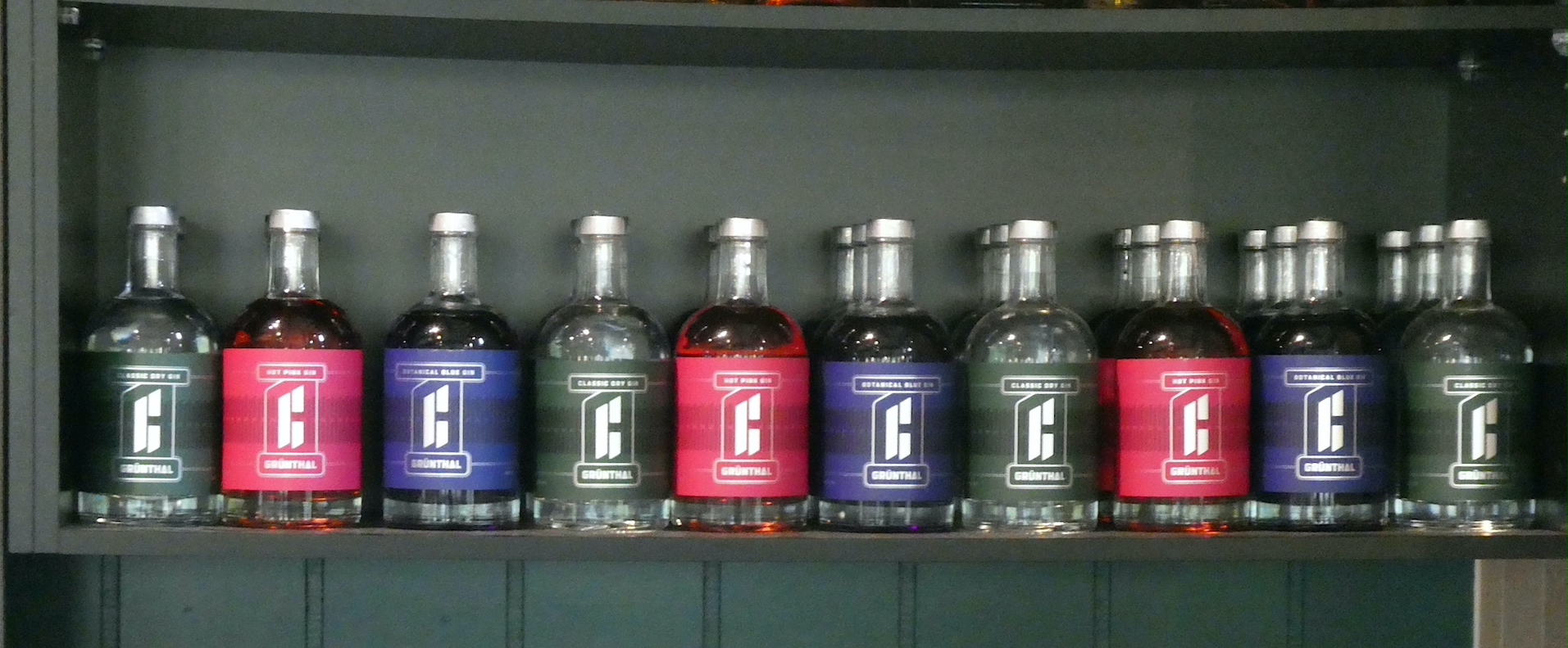
While Sheree works with an offsite distiller to produce Grünthal gins,
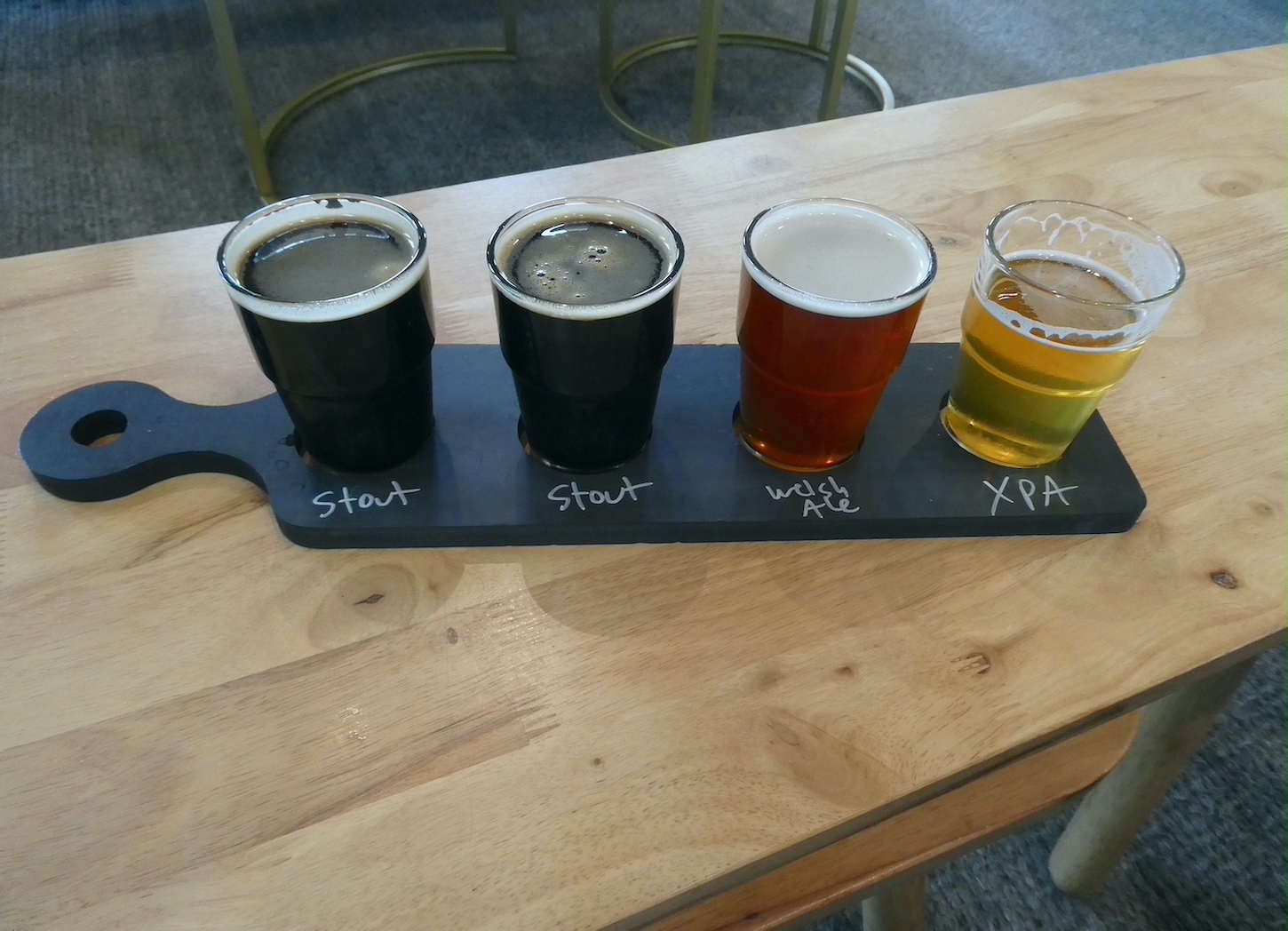
Saul’s dedication in the brewery can be found on tap.
We selected a tasting paddle (with driving duty, I restricted myself to a small stout) and made ourselves comfortable.
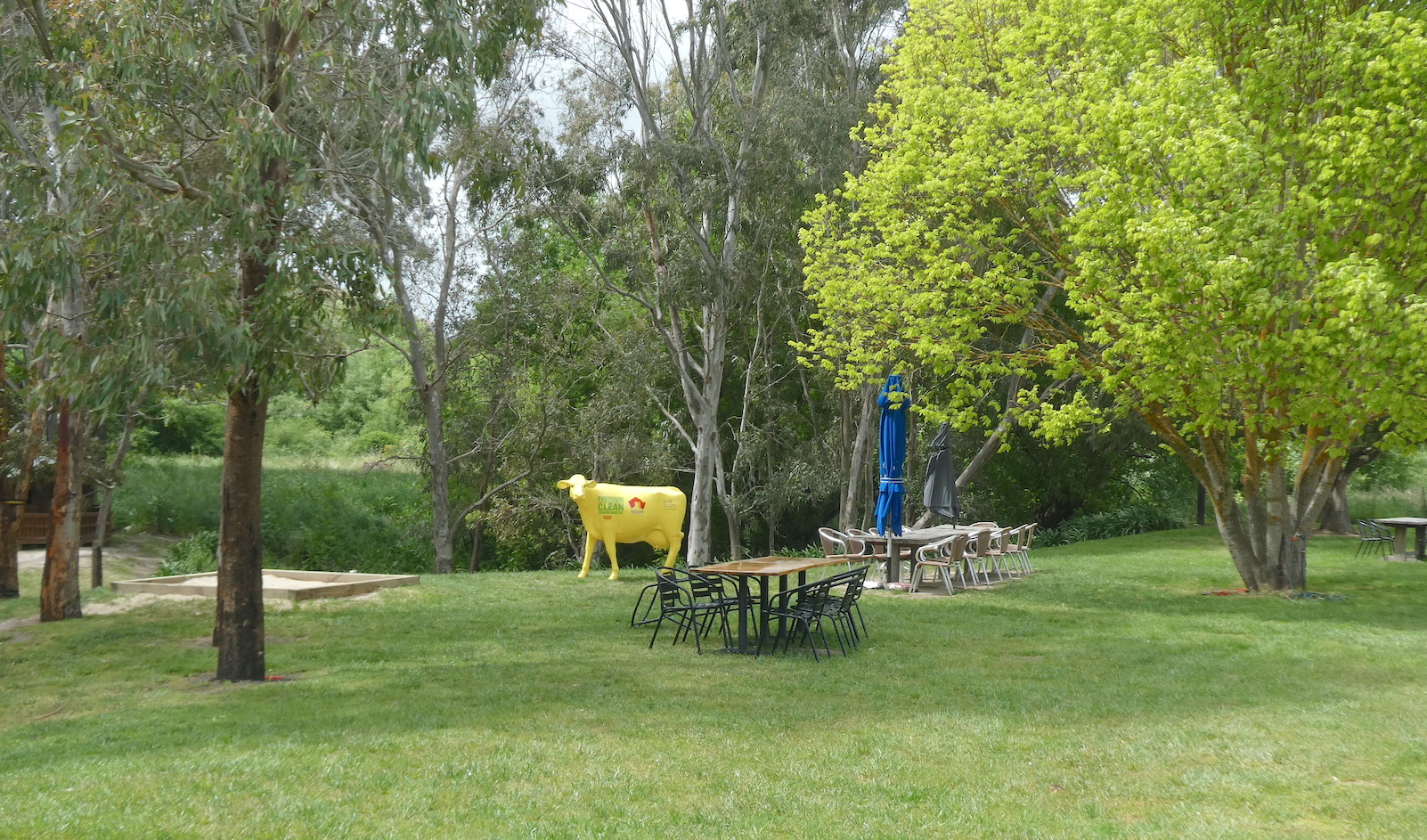
While Michael finished his breakfast, I wandered outside to peruse the grounds and outdoor seating options.
I’m so pleased we were introduced to Grünthal, they have done Grumpy’s proud.
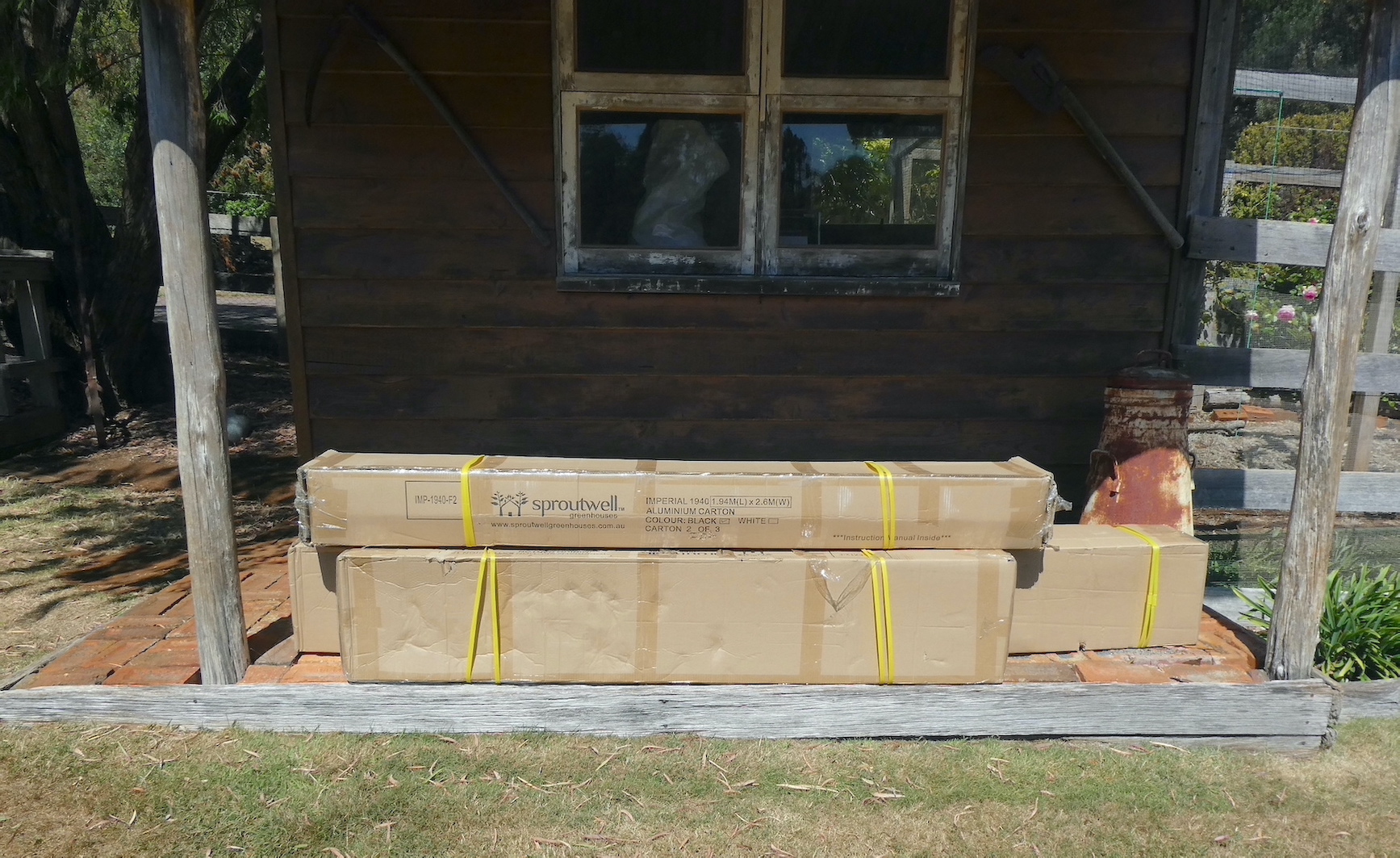
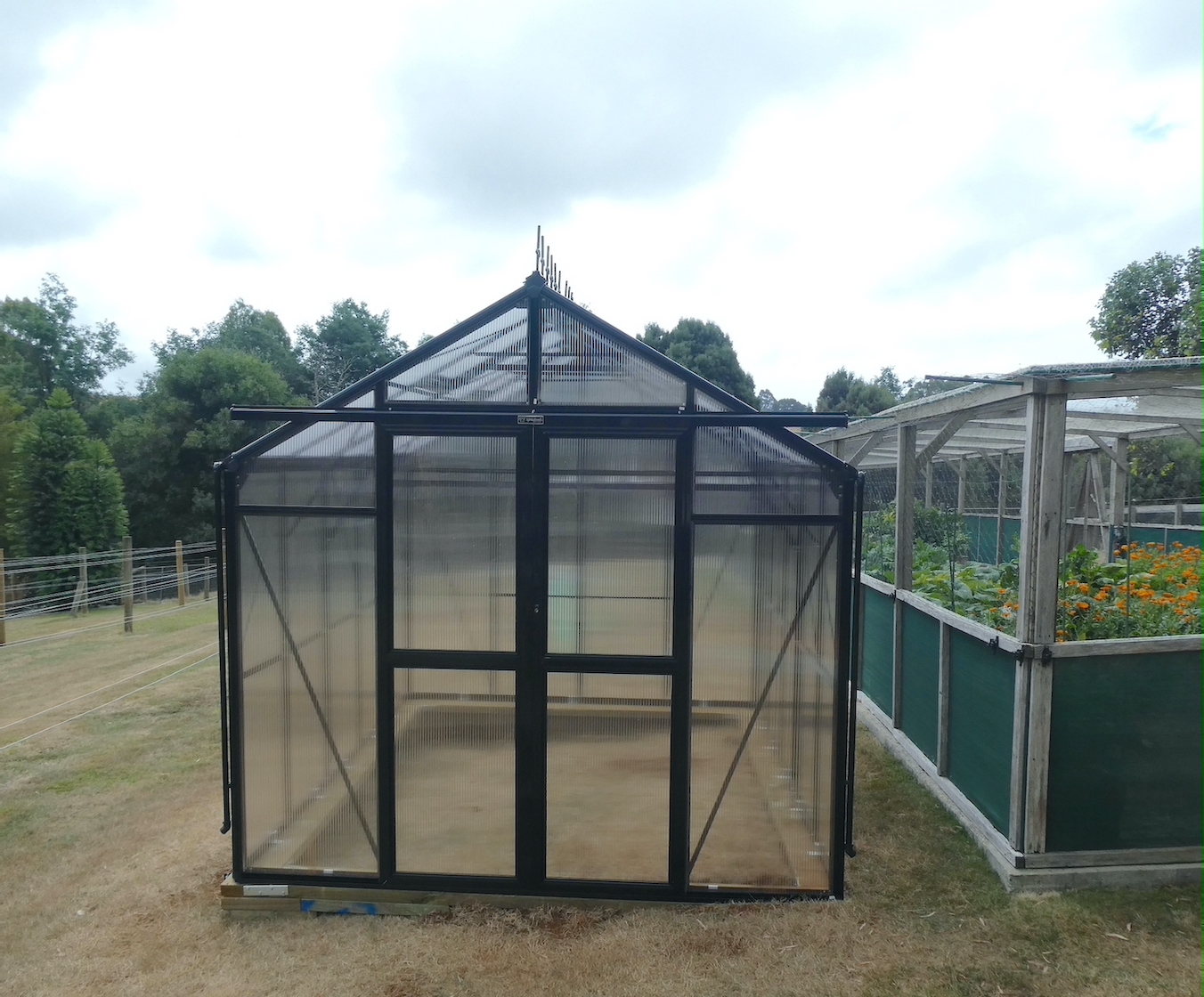
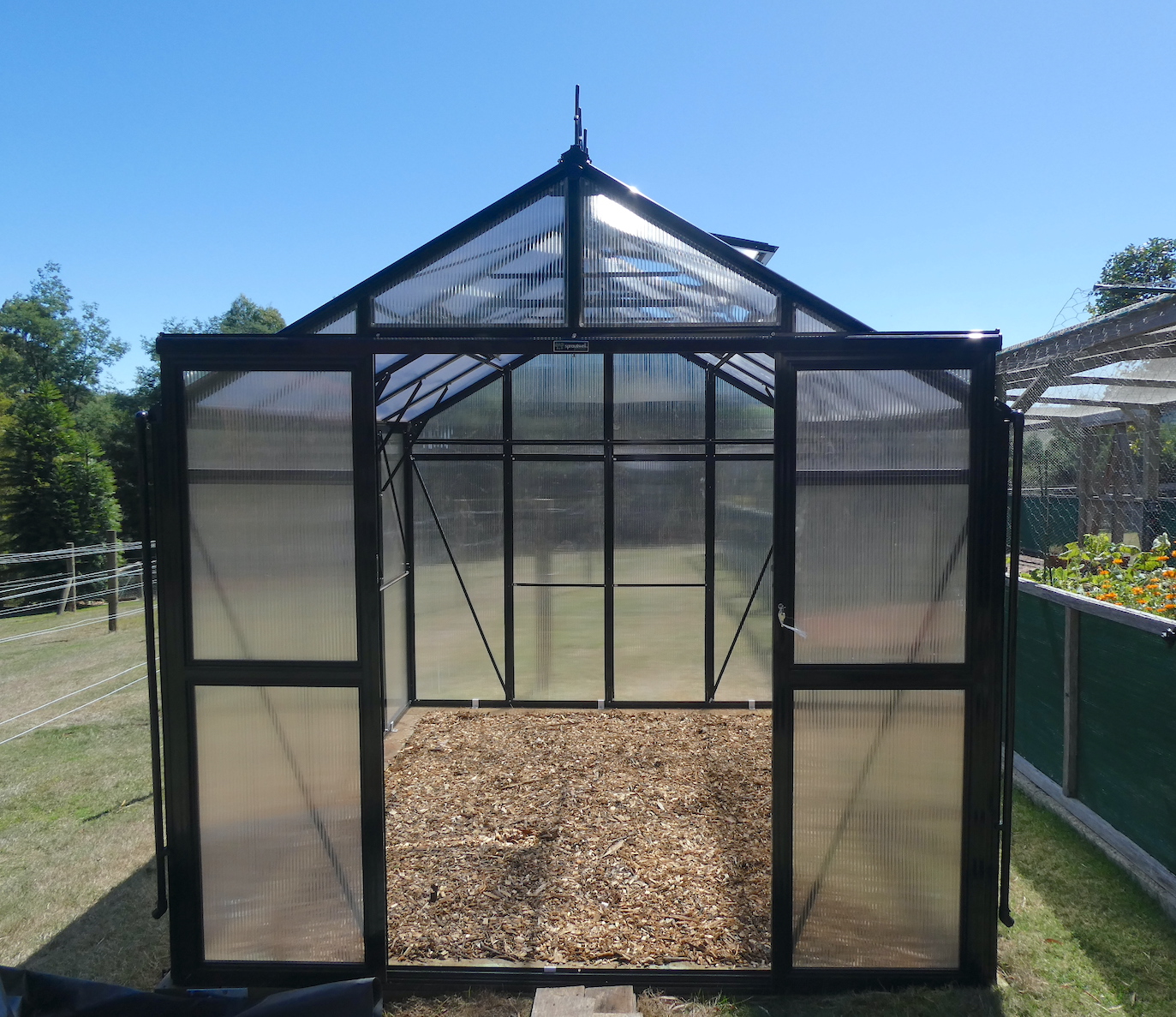
Although our veggie patch is prolific through summer, it tends to be somewhat limited once the colder months descend. After much contemplation, we took the plunge and ordered a greenhouse last February.
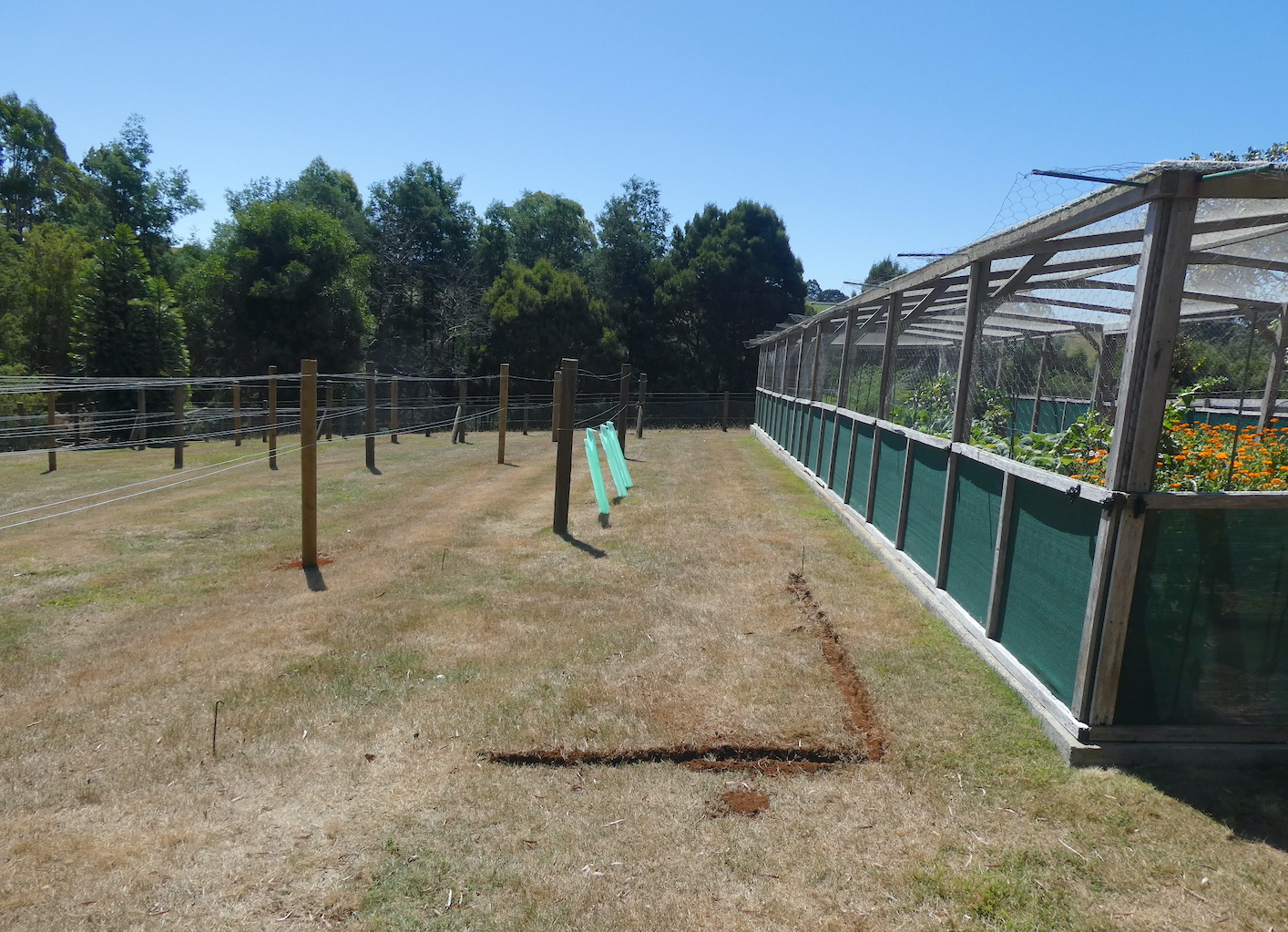
We chose a site adjacent to the vegetable enclosure with the potting shed and running water close by.
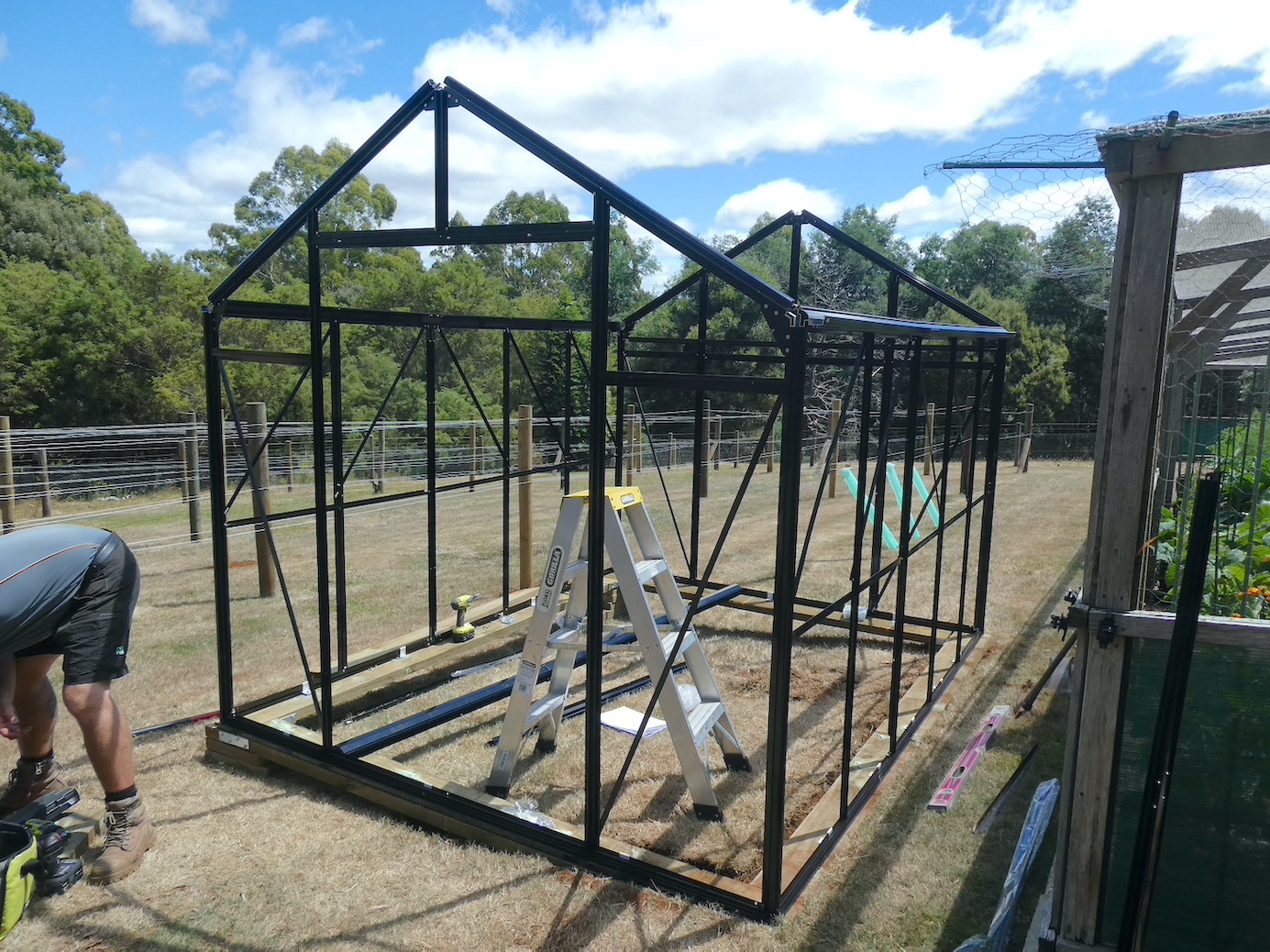
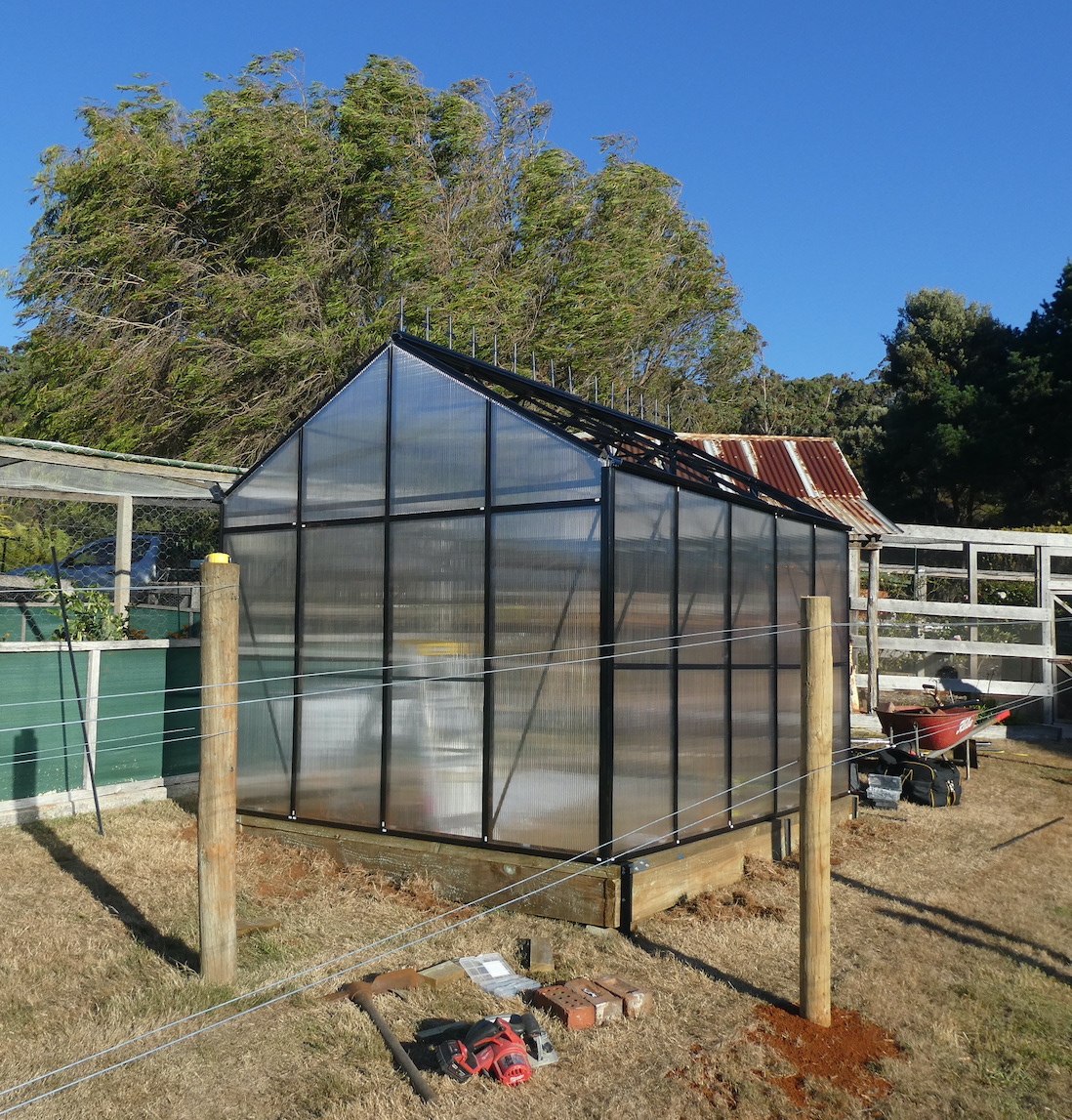
We have found that self-build is not always the easy option, with dubious instructions and missing pieces and so, we relied on those with prior experience. Even so, it took a little longer than the one day allocated to finish but the result was worth it.
We brought in a couple of scoops of earth for the base followed by a layer of blue metal to assist with drainage and a topping of mulch that can be watered down to increase humidity.
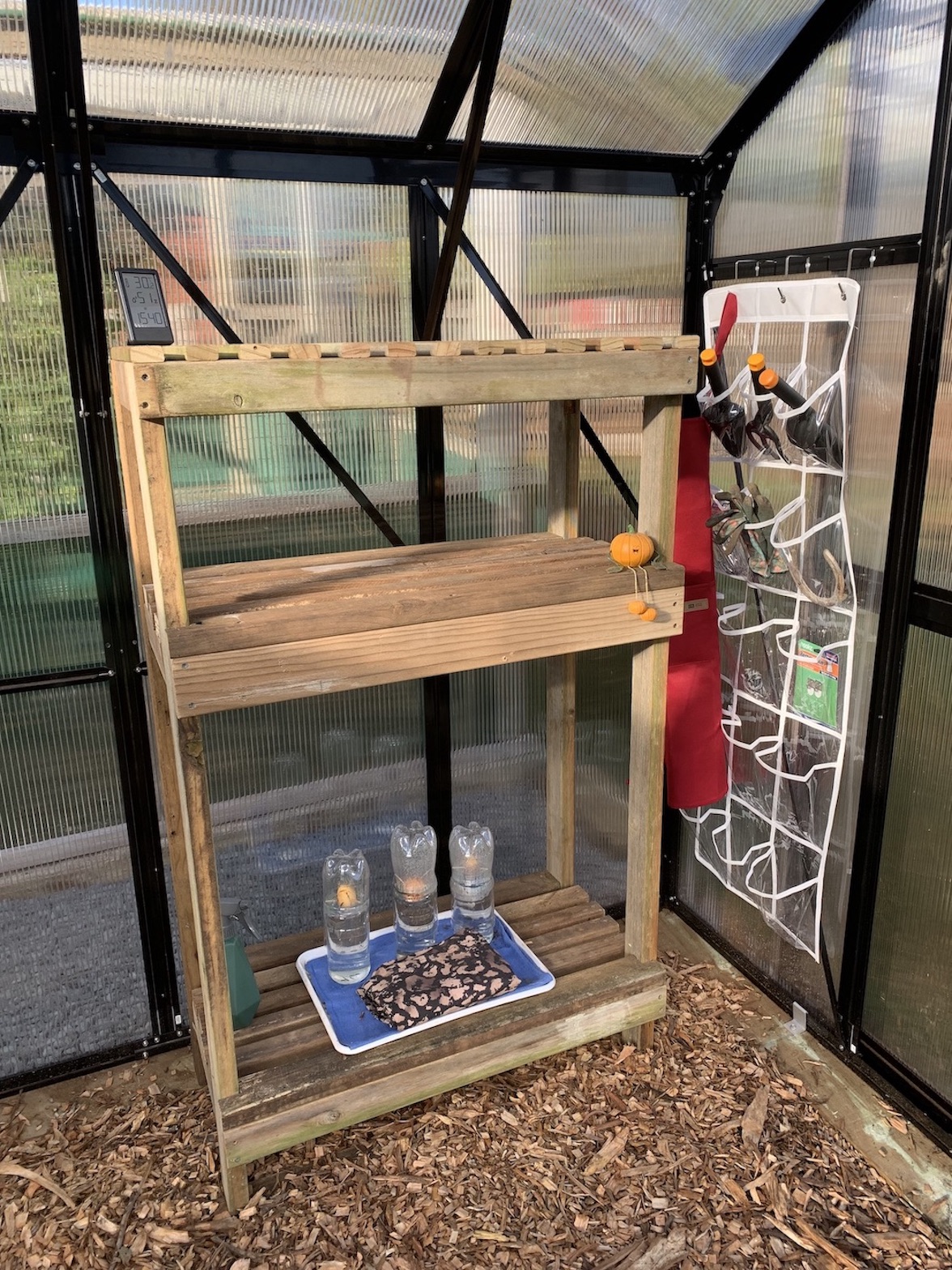
Michael constructed a staging shelf out of reclaimed timbers
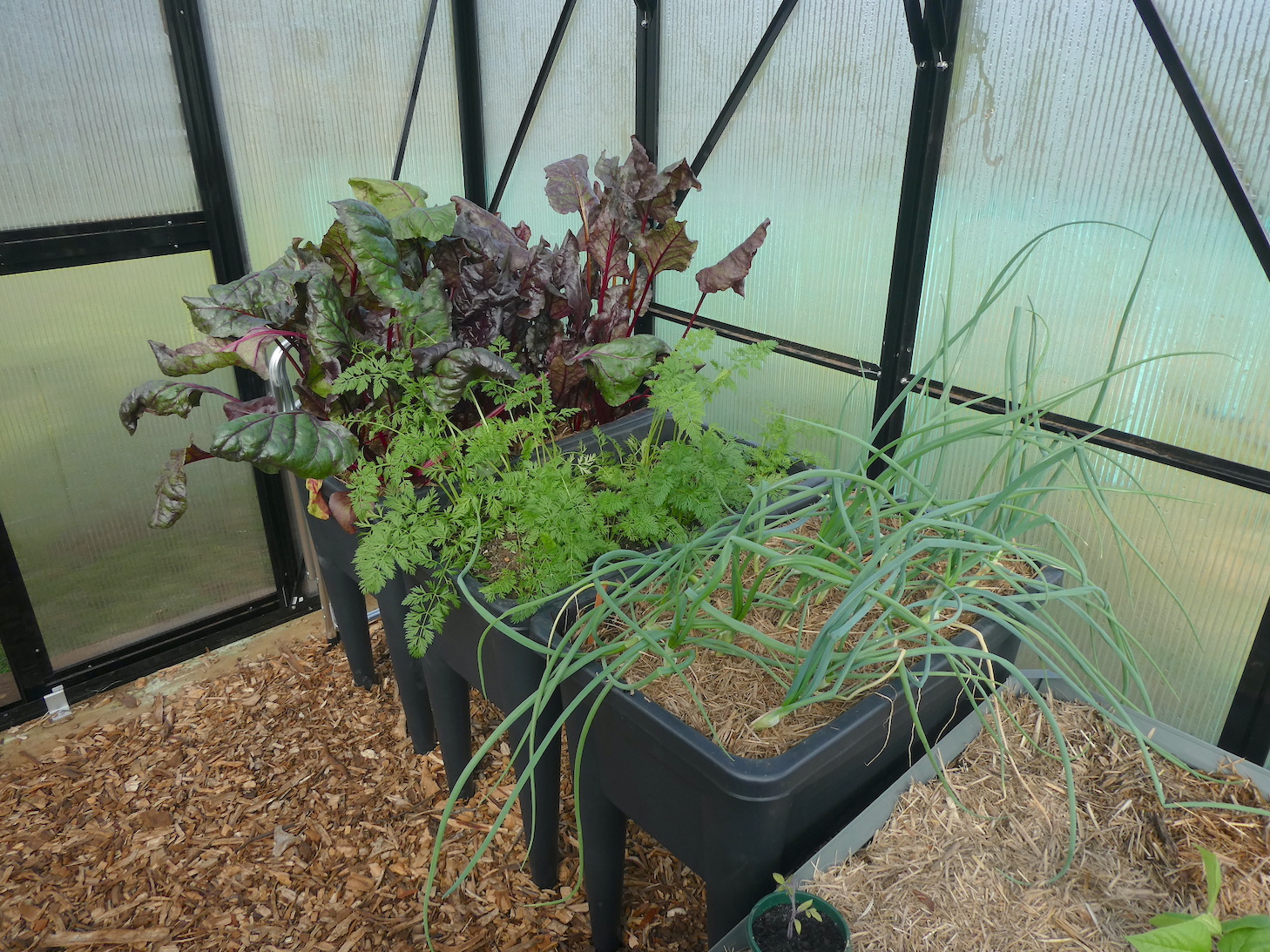
and we bought raised beds to fill the rest of the space. Once we realised how high the temperature reaches, we installed a sunshade on the northern side.
A temporary trestle provided the perfect environment to cure the butternuts in May. I then store them on a shelf high in the potting shed where they last for a good six months.
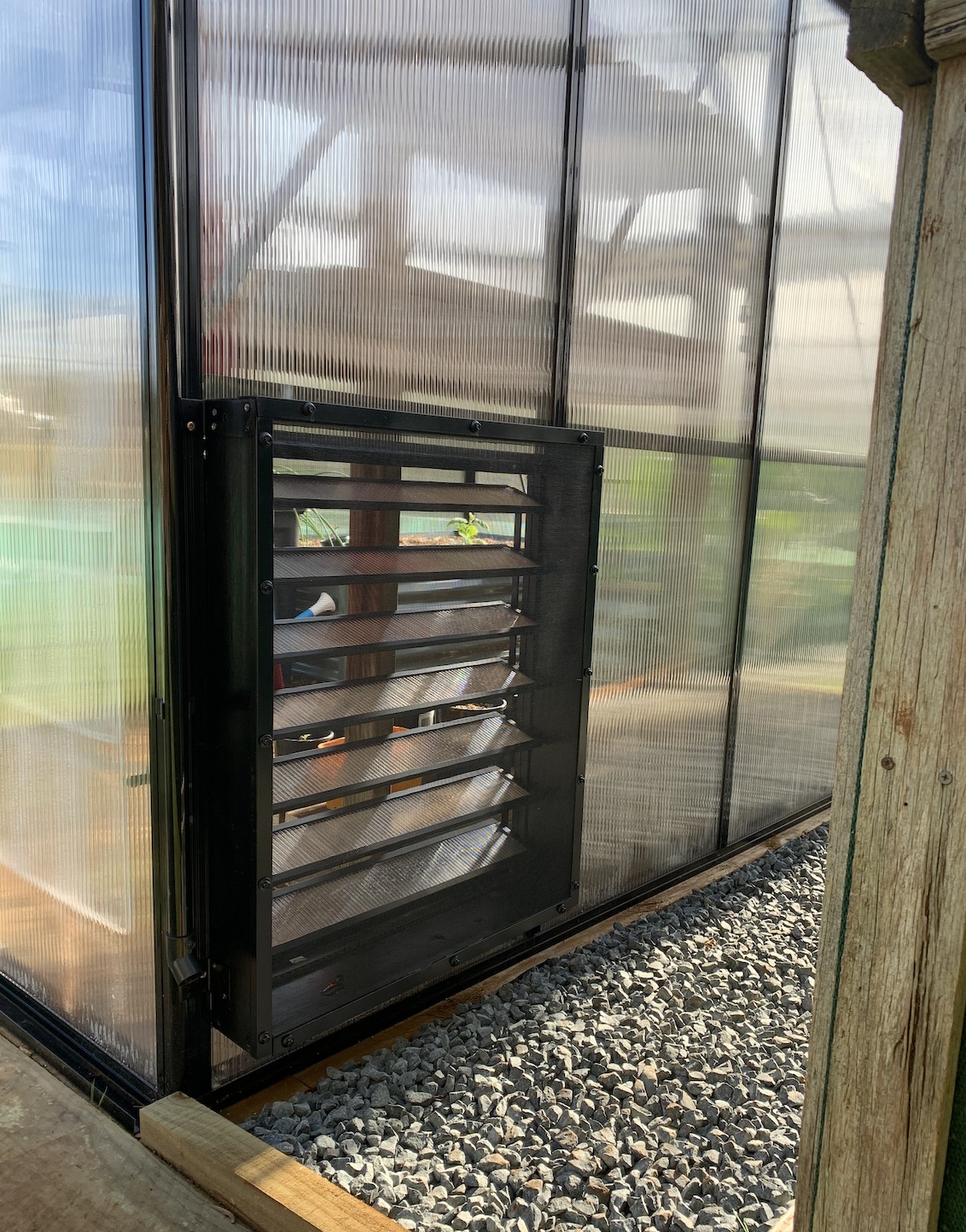
To help with temperature control, we added louvres to one of the panels and Michael cunningly created a screen to keep out creepy crawlies and resident reptiles.
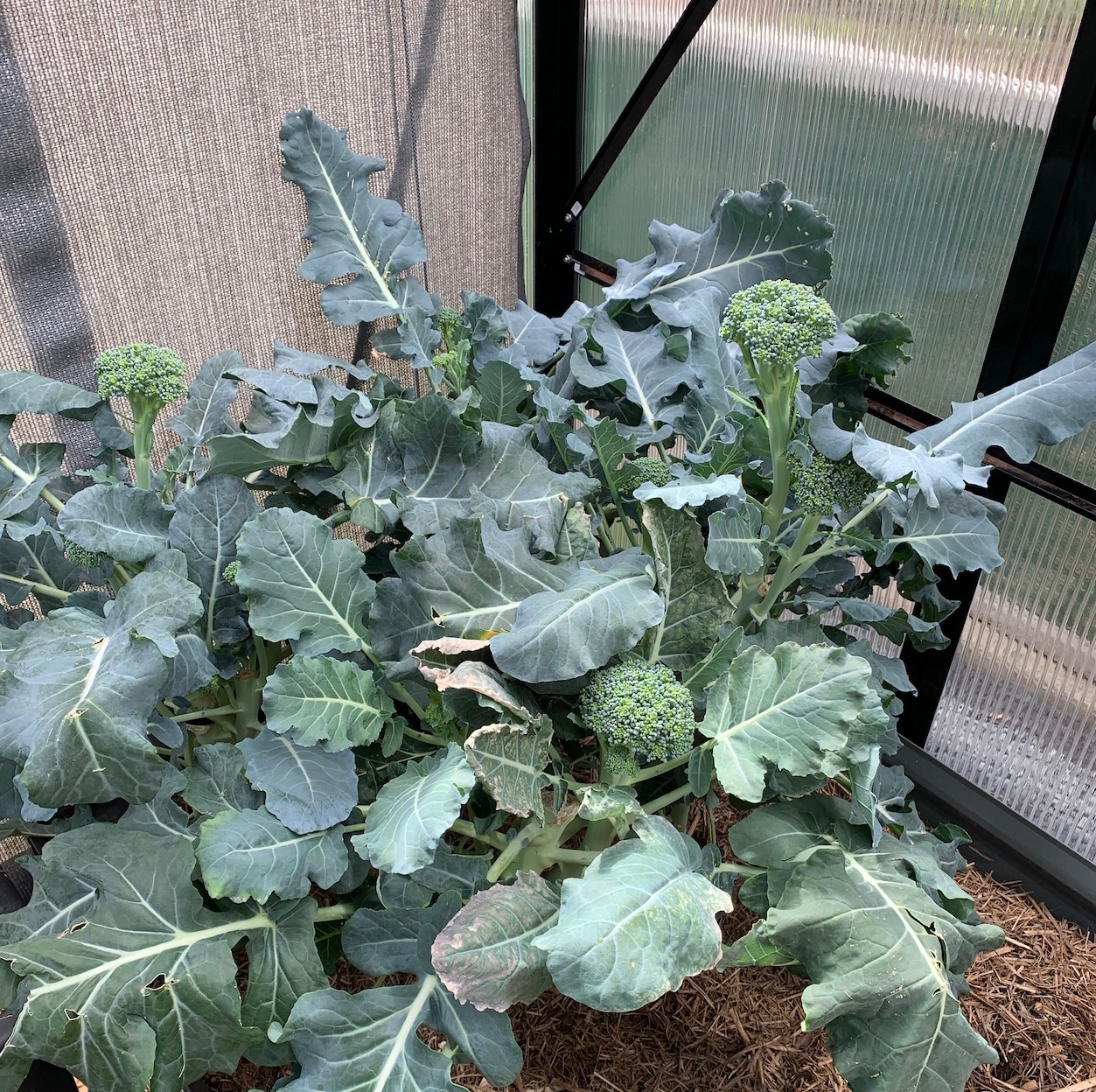
Being in the apprentice stage of greenhouse gardening, we weren’t sure which plants would be successful. We started with brassicas, beetroot, carrot, onion, capsicum, butternut and bush bean.
The first broccoli was very impressive and, three months on, we are still harvesting smaller florets.
The capsicum are thriving but yet to bear fruit.
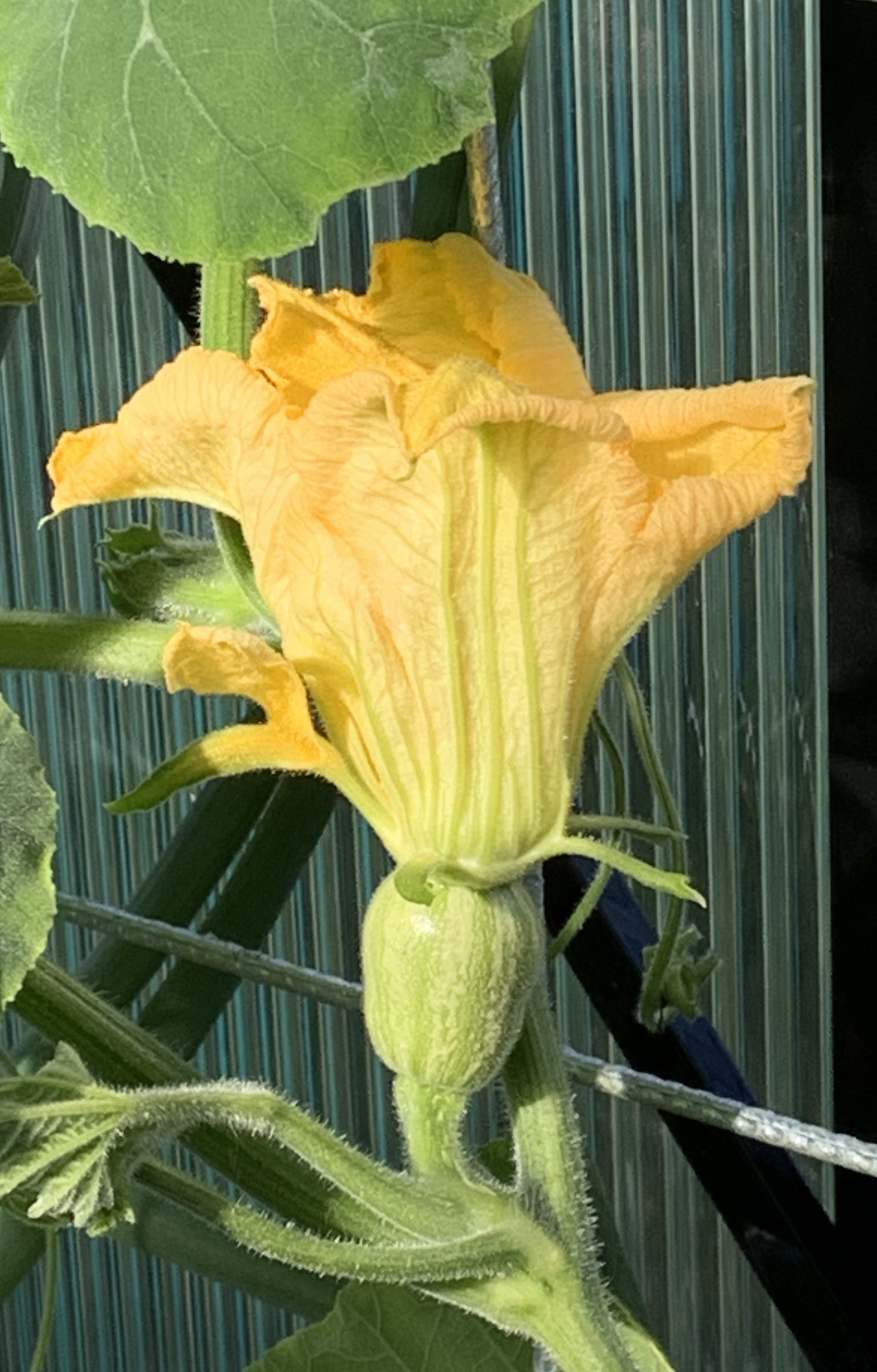
The bush bean and butternut are happy companions, we have harvested some beans but will have to be patient for the butternuts.
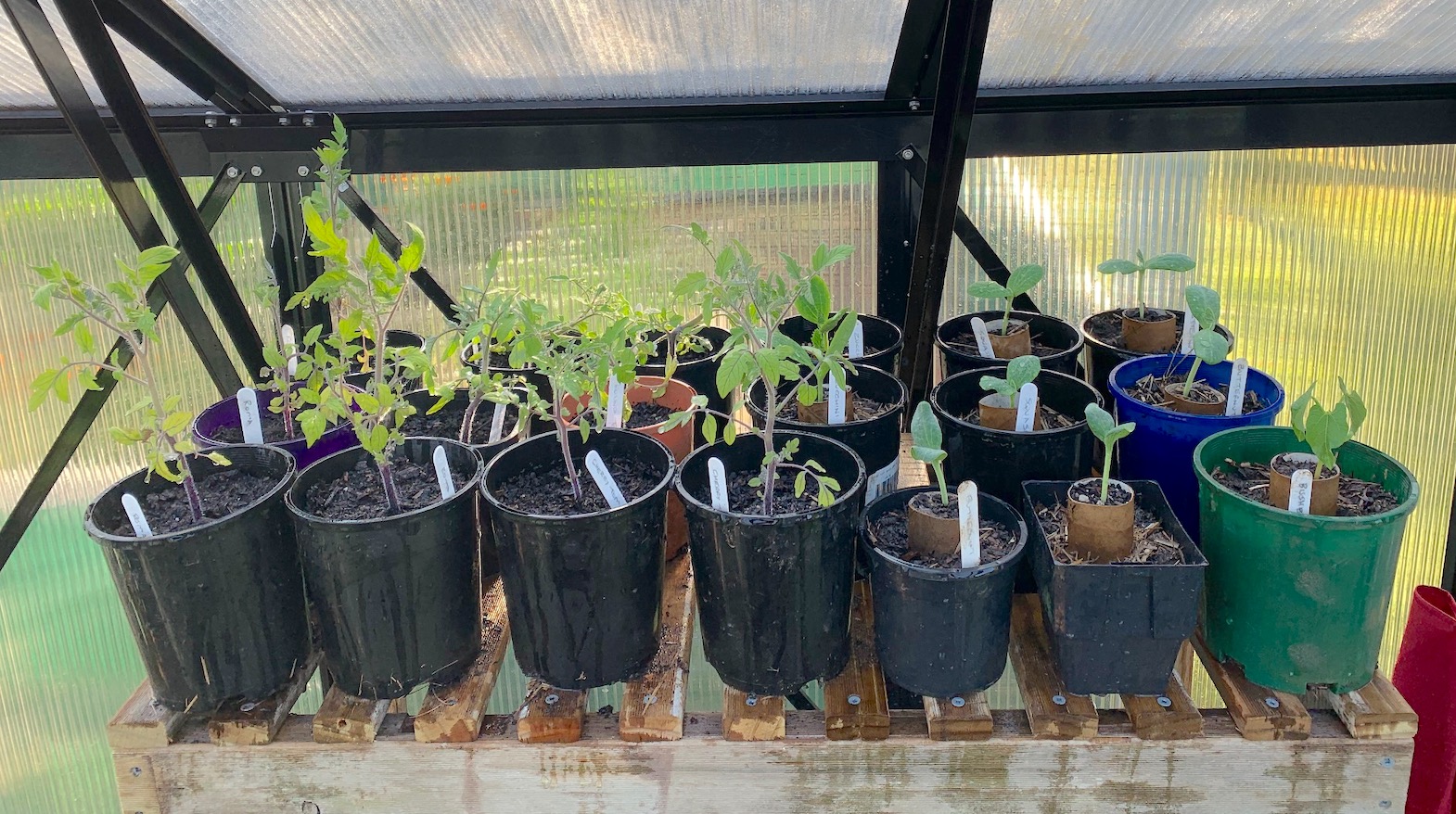
We have a plethora of seedlings ready to plant in another week or so, once the night time temperatures are a little more moderate.
My first attempt at striking Grevilleas from cuttings seems to be successful,
and after many months of coddling, the avocado stones have finally sprouted.
Michael has turned on the tap of creative juices once again and presented me with a stylish trug to collect the harvest
as well as a bespoke egg collecting box (the girls are giving us 5 to 6 eggs a day).
Of course, I needed a keyring befitting a fine greenhouse.