Kata Tjuta

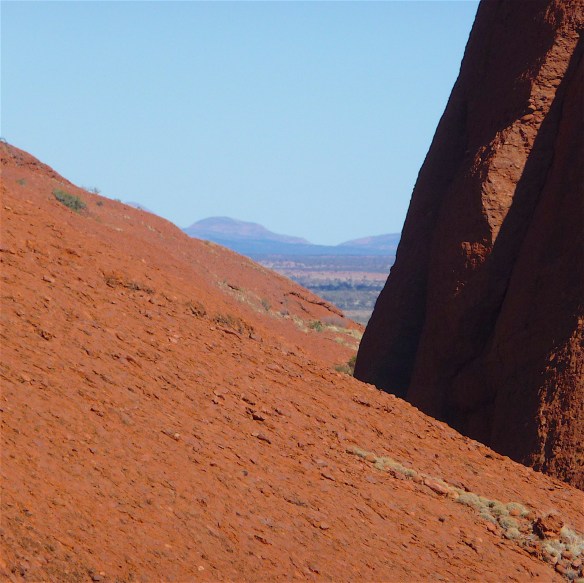
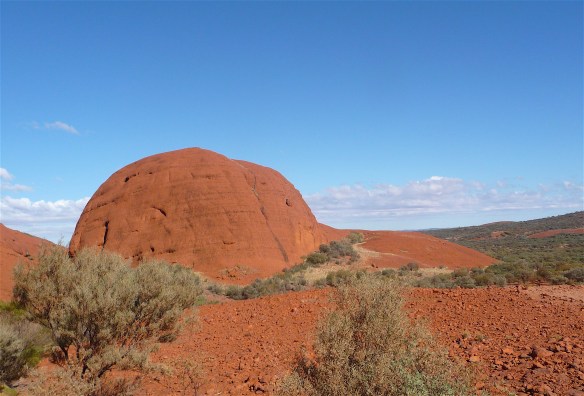
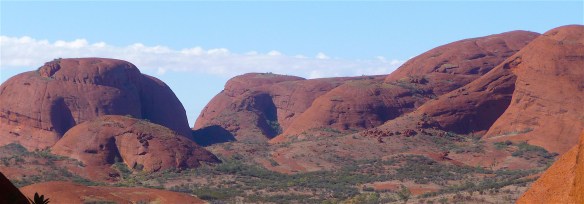
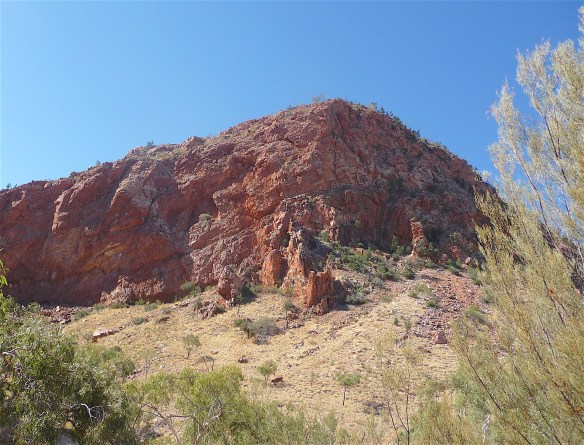
Kata Tjuta, meaning ‘many heads’ in Anangu language, is otherwise known as The Olgas, a group of 36 domed rock formations 25km east of Uluru.

The tallest peak, Mt Olga, is 198m higher than Uluru and was named in 1872 in honour of Queen Olga of Württemberg, the daughter of Tsar Nicholas I.

2.Kata Tjuta

We set out early and spent the morning exploring the magic of Kata Tjuta.

3.Kata Tjuta

The first part of the Valley of the Winds walk was quite easy along a gravel track

4.Valley of the Winds walk

with some stunning scenery.

5.walk

8.Kata Tjuta

Karu Lookout gave a hint of the extent of this spectacular rock formation.

9.Karu lookout

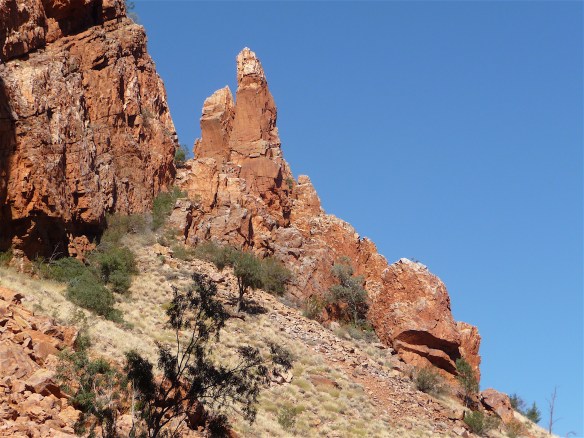
We continued on past incredible escarpments

10.escarpment

and rock faces.

The path became narrow and rugged
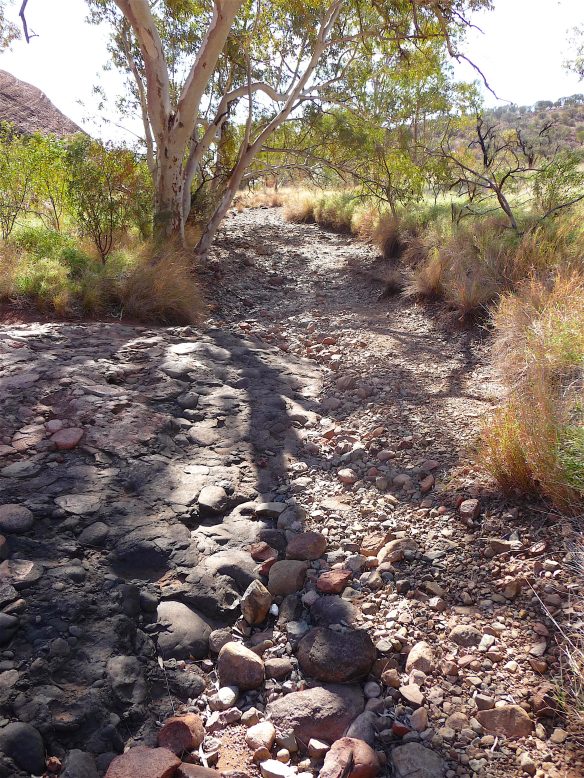
13.path

as it meandered within the domes,

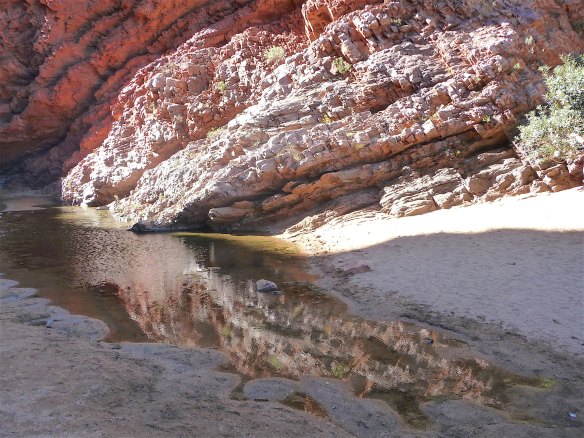
over trickling creek beds.

16.creek

In places, the trail all but disappeared and we had to scramble up the steep slopes.

The rock domes are the remains of erosion that began over 500 million years ago and extend six kilometres into the ground.

The track improved a little
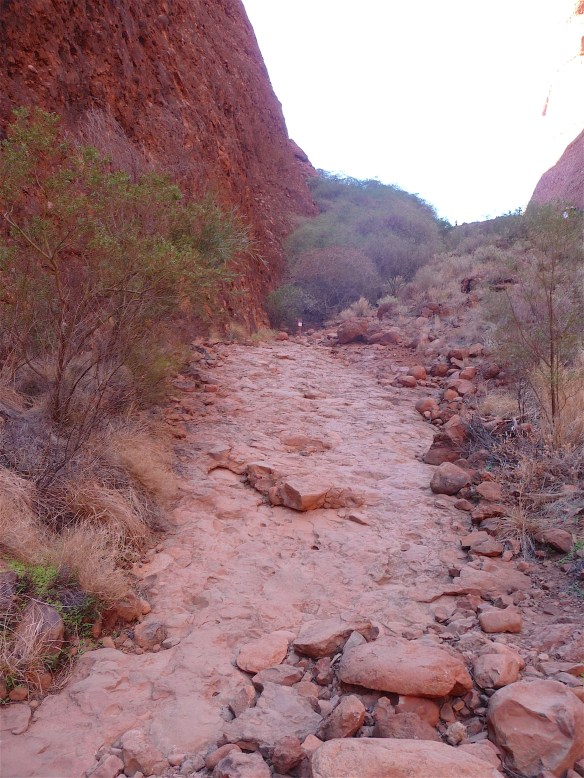
22.track

just before we reached the gap in the rocks that is Karingana Lookout.

24.Karingana Lookout

From there, the path descended very steeply to the bottom of the valley to complete a circuit walk. We opted to retrace our steps instead, our feet sighing with relief as we drove away, with fabulous memories of Kata Tjuta.
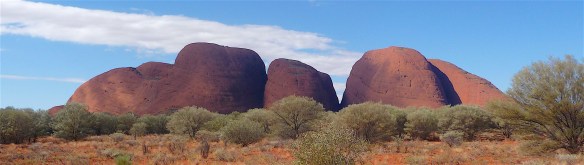
25.Kata Tjuta

Benabbio skies

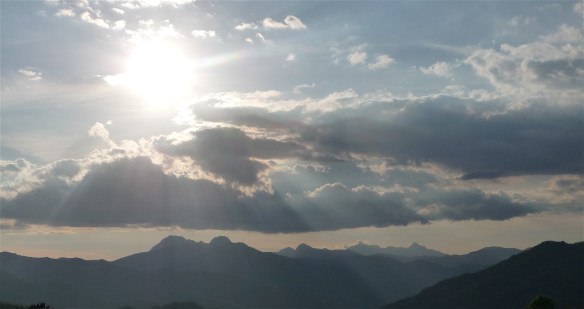
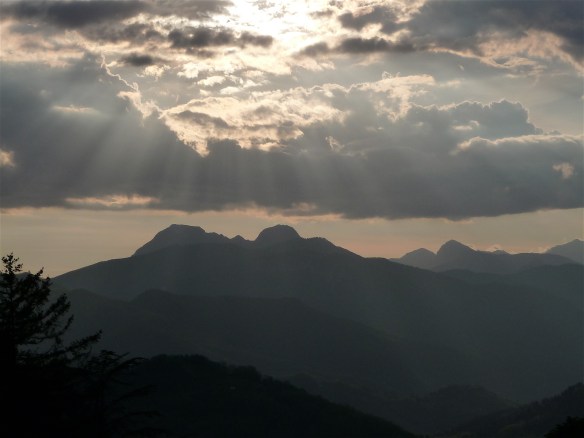
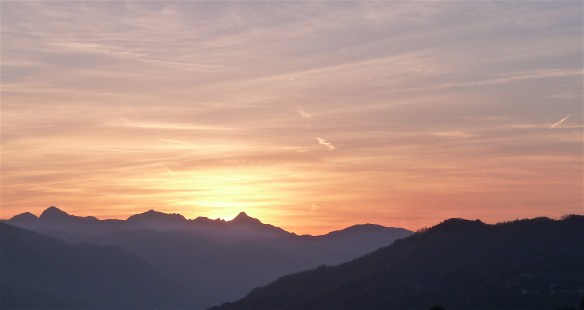
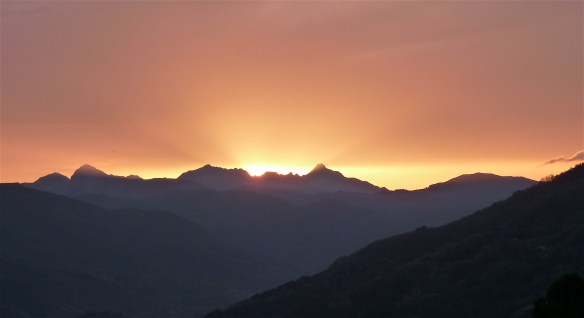
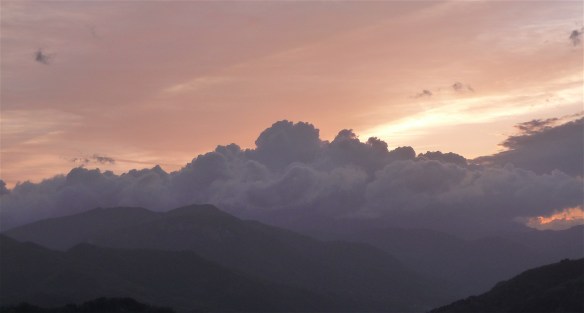
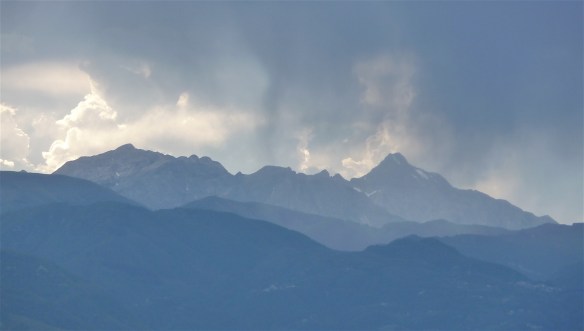
Our days at Villa San Rocco culminated with bevvies on the balcony in the late afternoon. Not only was it an exceptional way to end the day, it presented the opportunity to witness nature at her artistic best, presenting a different image each day. The suns rays illuminated the mountains through an overcast sky.

1.6.5.142.6.5.143.6.5.144.6.5.14

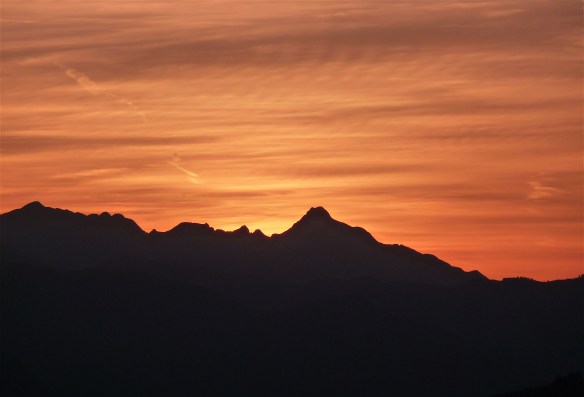
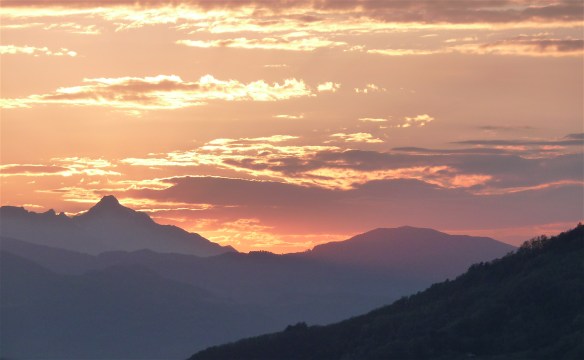
The fiery orange glow promised a perfect spring day to come.

5.10.5.146.10.5.147.10.5.14

Sure enough, the following day was glorious.

8.11.5.149.11.5.14

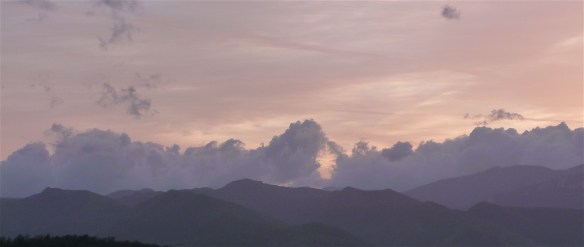
Clouds mingled with mountains creating a new horizon.

10.12.5.1411.12.5.1412.12.5.14

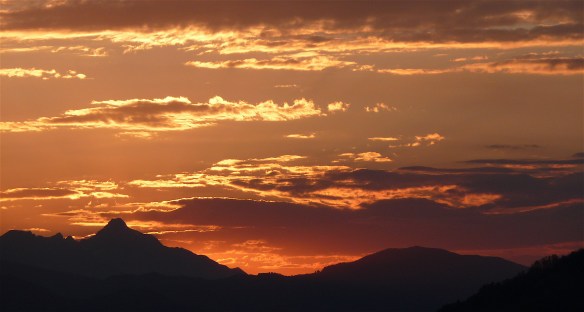
The colours explode in fabulous firecracker fashion.

13.13.5.1414.13.5.14

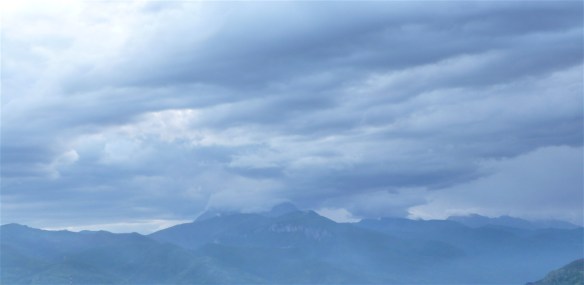
Heavy cloud concealed the setting sun

15.14.4.14

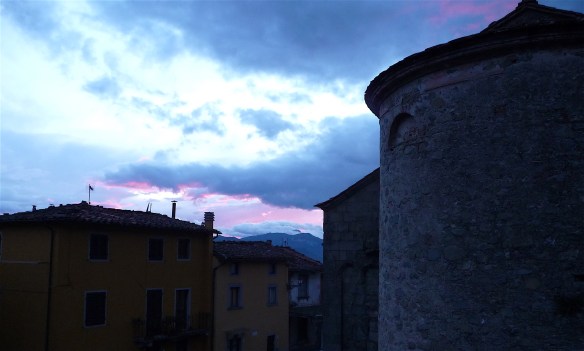
but later, after dinner in the village, a rose glow revealed itself.

16.14.5.14

There was an eerie intensity this day, almost as though spells were being cast over the mountains.

17.15.5.14

Our last sunset was truly spectacular, the changes subtle as we sipped and reminisced the past two weeks

18.18.5.1419.18.5.1420.18.5.1421.18.5.1422.18.5.14

and contemplated the adventures that lay ahead.

final

Sounds of Silence

One of the highlights of our stay at Uluru was the Sounds of Silence dinner. It began with a bus ride to a sand dune in the middle of nowhere. We indulged in canapés and sparkling wine

1.us

as we watched the descending sun

2.setting sun

change the hues of Uluru.

3.Uluru4.Uluru sunset

Behind us, Kata Tjuta was transforming

5.Kata Tjuta

as the sun sank lower. Sol finally slipped below the horizon

6.setting sun7.sunset

and while trying not to take our eyes off the spectacle around us,

8.Uluru sunset9.Kata Tjuta sunset

we made our way along a path to our restaurant. The kitchen was well equipped

10.kitchen

and the formal table settings contrasted sharply with the surrounding landscape.

11.table setting

While we got to know our fellow travellers

12.tables

we listened to the stirring sounds of a didgeridoo

13.didgeridoo

and enjoyed some of Australia’s finest wines. The bush tucker inspired buffet included barbecued barramundi, kangaroo, emu & crocodile. The last glow lit up the horizon

14.sheoak sunset

and the dark sky came alive with stars.

The resident star talker introduced us to the wonders of the universe and we had the opportunity for a close up view of Saturn and the Earth’s moon through his amazing telescope. The lighting around the perimeter created a warming ambience

and as the desert evening cooled down, the gas heaters were welcomed.

Replete with food, wine and good company, it was a very quiet bus ride back to the resort.

Vico Pancellorum

Sunday was a day of rest for the hardworking luthiers so, having been recommended a certain restaurant, we drove to the village of Vico Pancellorum to sample for ourselves. The village is the last in Bagni di Lucca heading up the Lima River. We spent some time before lunch exploring the village

1.walk2.walk

and admiring the majesty of the countryside.

3.view

The houses cling to the steep hillside leading to one of the tallest mountains in Tuscany,

4.village

each had its own character.

This monument appears to be a memorial to those who fought in the Apennines.

8.monument

We paused to look back at the village

9.village

and the neighbours across the valley

10.village

before continuing up the hill.

11.walk12.walk

Once again, I was intrigued by the old doorways

and gates.

We ambled on,

22.walk23.walk24.walk25.walk

bursts of colour revealed themselves

and it was time to take in the gorgeous view over the village

29.village

before returning for lunch. There were some lovely surprises as we strolled back.

We had worked up an appetite and Buca di Baldabò didn’t disappoint.

39.Buca di Baldabò

With no written menu, we were happy to be guided by our hosts. Unfortunately, I didn’t take food photos but the four of us shared a selection of traditional Tuscan dishes including Gnocchi with Gypsy Sauce, Tagliatelli with Wild Game Sauce, Spinach & Ricotta Ravioli with Basil, Slow Cooked Lamb and Rabbit with Olives. I came up for air long enough to snap the wonderful finale of Biscotti con Vin Santo.

40.Biscotti con Vin Santo

Before leaving the village, we had a closer look at Pieve di San Paolo.

41.Pieve di San Paolo

Dating back to 873AD, it is the oldest church of the Val di Lima.

One last look at the gorgeous mountains and we were braced for the drive home.

44.view from Pieve di San Paolo

A perfect way to spend a Sunday.

Cornwall conclusion

There were so many beautiful places in Cornwall, it was difficult to decide where to go next. Our last day loomed and we made the most of it. Padstow was traditionally a fishing port, situated at the mouth of the River Camel estuary.

1.Padstow2.Padstow

It is now a popular tourist destination and yachting haven.

3.Padstow

The former customs house offers accommodation in a gorgeous old 3-storey building.

4.Padstow

Restaurateur Rick Stein owns several restaurants and businesses in the town, in fact, we have heard the town referred to as ‘Padstein’. There are also many eateries not owned by him.

5.Padstow

We had a bite to eat in the sunshine at The Shipwrights

6.The Shipwrights

while taking in the peaceful surroundings and magnificent view.

7.Padstow8.Padstow9.Padstow

Our next port of call (no pun intended) was Port Isaac, a fishing village since the 14th century. We explored the narrow, winding streets lined with old white-washed cottages,

glimpsing the majestic cliffs across the harbour.

14.Port Isaac

On top of the cliff, this impressive Victorian house, now a B&B, would have the most stunning views.

15.Hathaway B&B

True to form, we found a pub. The Golden Lion dates back to the 18th century and has a smuggling tunnel leading down onto a causeway on the beach.

16.The Golden Lion

We found a sunny spot on the terrace with a different perspective of the cottages

17.Port Isaac

and a fabulous view of the harbour.

18.Port Isaac

Those who have seen the TV series Doc Martin are probably thinking this is all familiar.

Bert Large’s restaurant was incognito

21.Port Isaac

but there was no mistaking this well trodden path.

22.Port Isaac

I don’t know how the Doc could be so grumpy with this outlook from his house.

23.Port Isaac24.Port Isaac

The time had come to move on, we were too late getting to Tintagel to walk up to the castle ruins.

25.Tintagel Castle

The legend of King Arthur has surrounded Tintagel since it was named as the place of his conception in the 12th century.

26.Tintagel Castle

This may have inspired the Earl of Cornwall to build a castle on this site in the 13th century.

27.Tintagel Castle

In the cliff below Tintagel Castle, Merlin’s Cave can be explored at low tide

28.Merlin's Cave

but not today.

29.Tintagel

The Old Post Office in the village of Tintagel was built in 1380 as a farmhouse. It has served many purposes but has always been a home, its final use as a letter-receiving office for the village during the 1870s.

30.Old Post Office

The nearest village to our accommodation at Trevigue Farm was Boscastle. We had ventured there the previous night and dined at The Wellington Hotel, one of the oldest coaching inns in Cornwall dating back to the 16th century.

31.The Wellington Hotel

The steaks were mouthwatering.

32.The Wellington Hotel

We returned to Boscastle for a closer look.

The area was settled in the 12th century and, being the only safe harbour along 40 miles of coastline, was a commercial port throughout most of the 19th century. The houses along the River Valency were idyllic

35.Boscastle

belying the devastating floods of 2004.

36.Boscastle

There were a few dining options

including The Cobweb Inn, an off-licence since the 1700s.

40.Boscastle

We had a wonderful meal at The Riverside, built around 1854. Unfortunately, I didn’t take a photo.