Laneway

On a recent foray to Devonport, our thoughts turned to food as midday approached. We recalled a place where we had indulged in a scrumptious eggs benedict after an early morning start to attend mapali last year. Laneway, as the name suggests, is situated in a narrow lane off a main thoroughfare.
Behind an unassuming exterior,

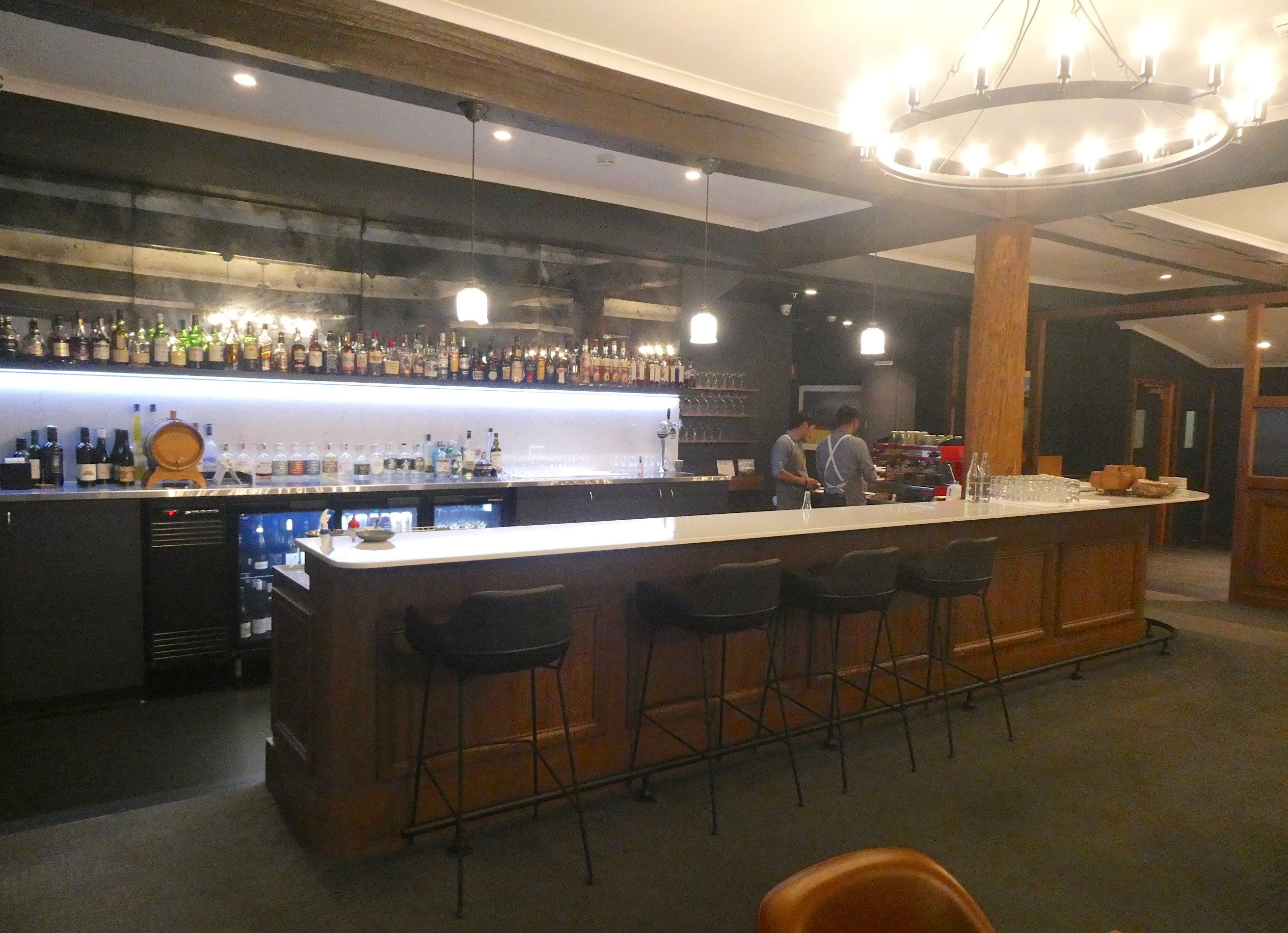
the rustic simplicity leaves no doubt as to the buildings industrial heritage.
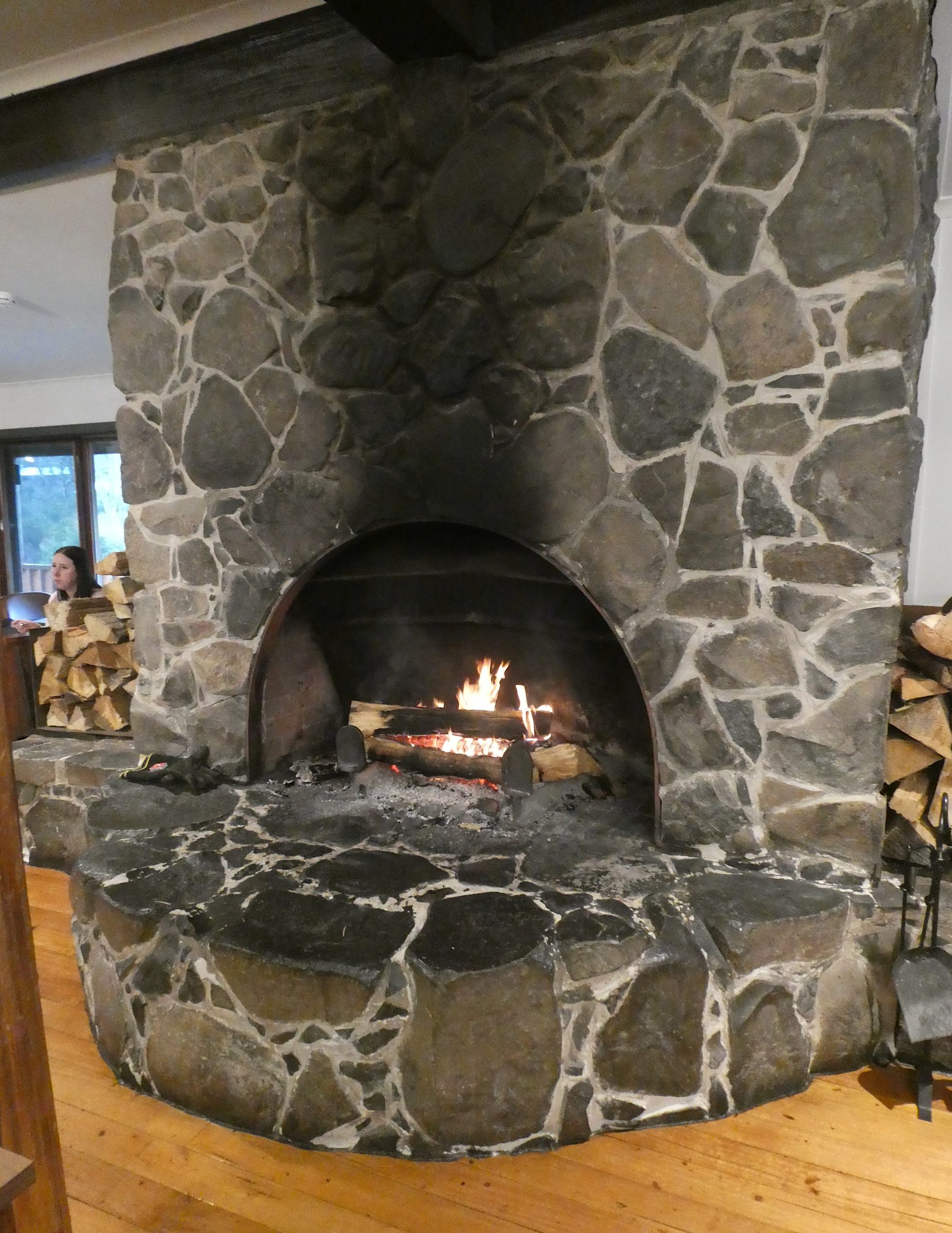
I haven’t been able to find any reference to its history but the old Small & Shattell wood fired oven, the type of which was common in the late 1800s, suggests a past life as a bakehouse.

The friendly staff are welcoming

and we chose a table on the mezzanine

with a different perspective of the décor.

The industrial theme continues with light fittings made from builders strapping.

Another room on the upper level offers more dining space with simple tables and mismatched chairs.

Old newspapers cover the walls, seemingly discovered during initial renovations.

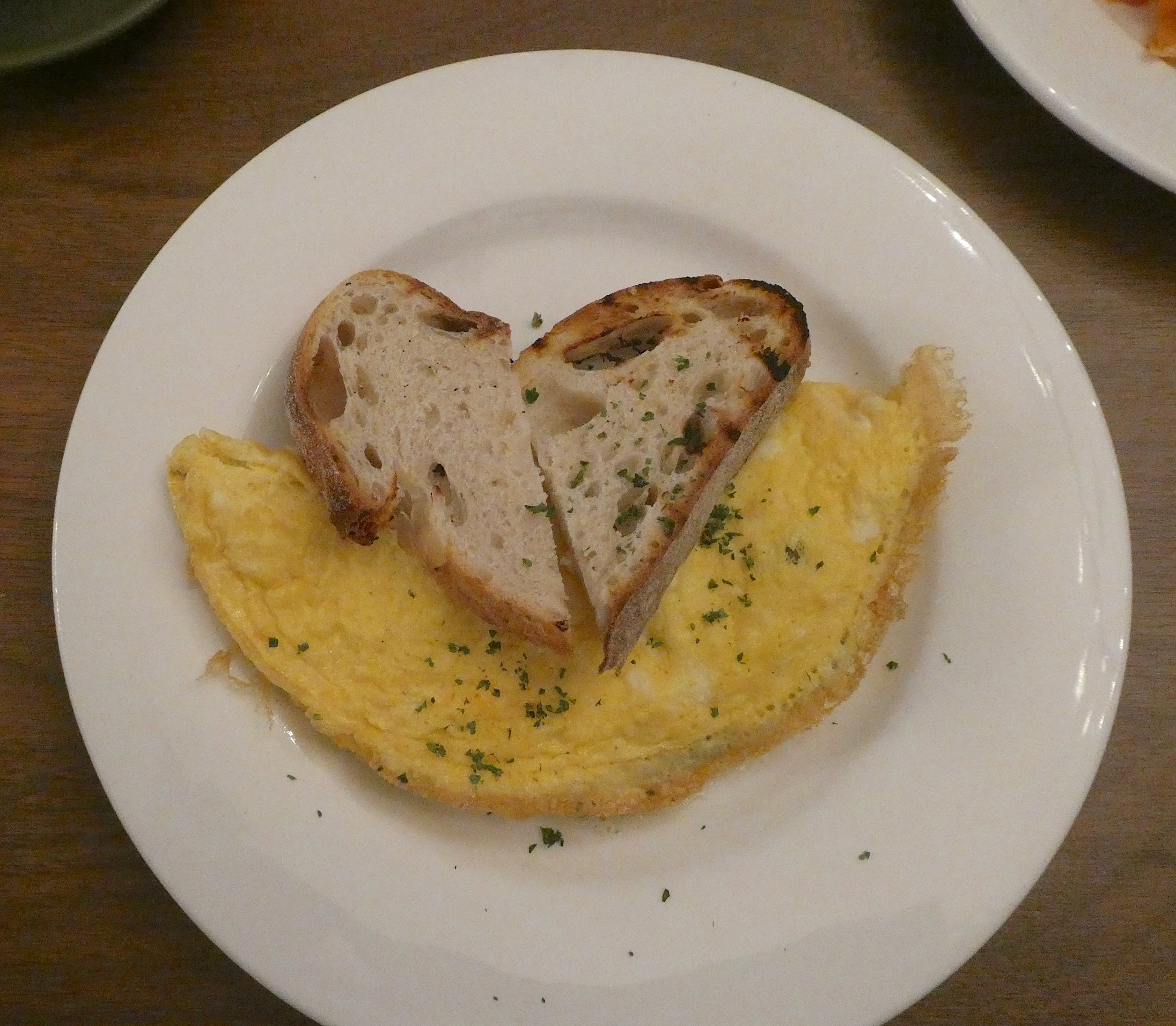
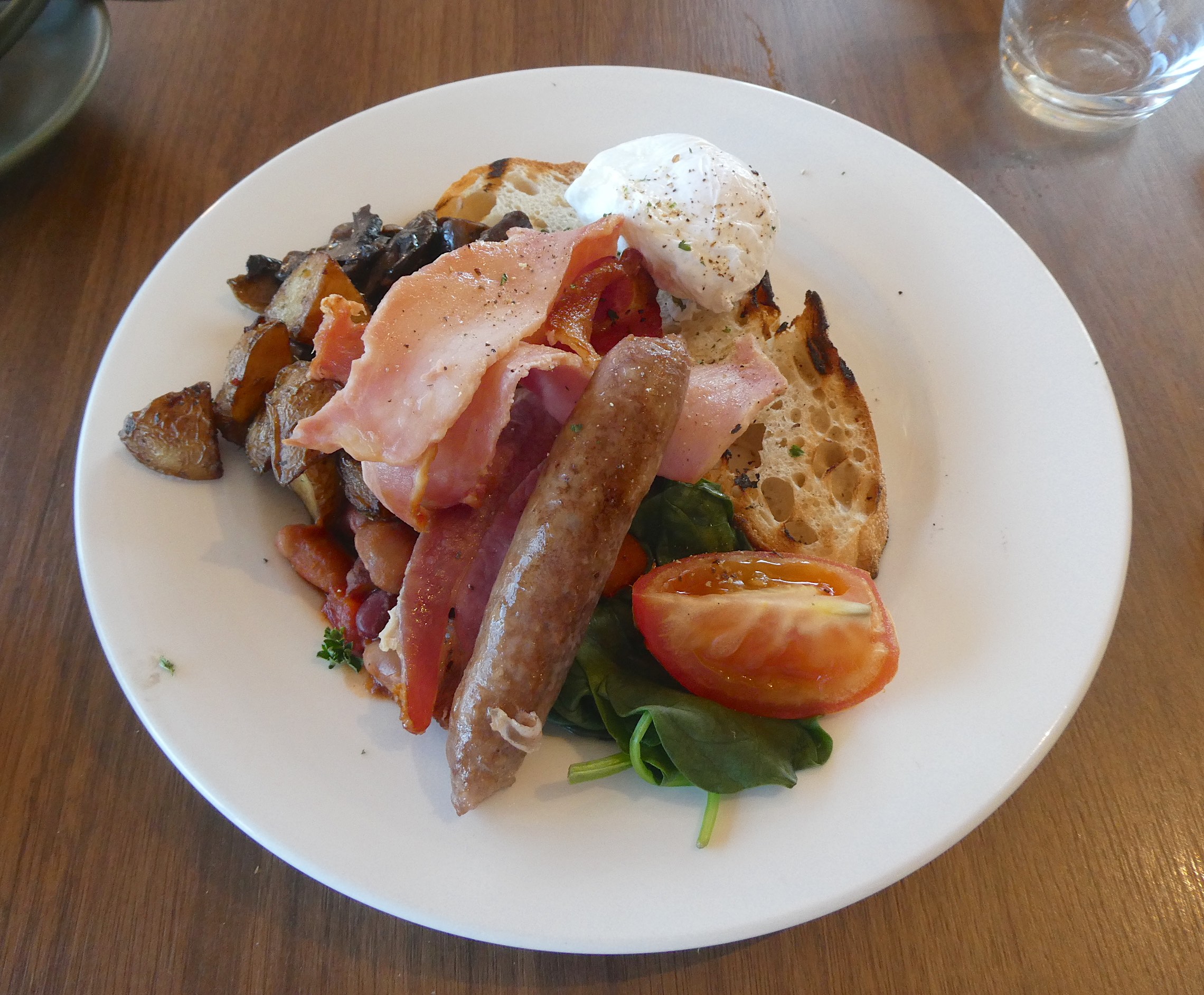
There is plenty to choose from on the tempting menu, we couldn’t go past the Cape Grim Beef & Cheese Burger. Dill pickles, tomato, mesclun, relish and coleslaw accompanied a perfectly cooked beef patty sandwiched in a lightly toasted sourdough bun. Served with just the right amount of chips, a piquant garlic aioli and a glass of our favourite beverage, lunch could not have been better.

Bywater banquet

Just in case you didn’t get enough of Hobbiton from my previous post, here is another instalment. When planning our visit, we couldn’t decide whether to do the Movie Set Tour or the Evening Banquet Tour. The obvious solution was to partake in both, after all, it was to be a once in a lifetime experience. The evening sun shed a different light on the hobbit holes and the lovely gardens.

From Bag End at the top of the hill,

the Green Dragon Inn shone invitingly across the water.

Working up an appetite and thirst, we meandered our way to lower ground.

The Green Dragon was one of many inns in the Shire and was actually situated in the neighbouring settlement of Bywater, though it was frequented by Hobbits from both villages. Arriving at our destination, we explored the inn with a complimentary Southfarthing beverage in hand.

We had been here on the morning tour but this time, there was only our group in the whole place. Apologies for the quality of this photo, I could possibly blame the ale?

As the light faded outside

we moved through to the dining room, greeted by tables laden with traditional Hobbit fare.

Is it my imagination or does that lady sitting across the table look like Pippin?

Having indulged in second and third helpings in true Hobbit style, we wandered around the garden while tables were magically transformed for dessert.

Once feasting concluded, lanterns were randomly dispersed among the guests and we ventured into the night to make our way back through the village, past smoking chimneys and hobbit holes glowing warmly, another adventure concluded.

nice natiche

It is no secret that Italy is home to some of the most impressive classical statues in the world. The Piazza della Signoria in Florence has an abundance of marble crafted male genitalia, all notably underendowed (I will get to the reason for that shortly). In my opinion, the true forte of the 16th century sculptors was fashioning a fine set of buttocks. Florentine artist Baccio Bandinelli excelled himself with the spectacular derrière of Hercules, poised to slay Cacus for stealing his cattle.

The work was commissioned to stand to the right of the entrance of the Palazzo Vecchio, to balance Michelangelo’s David on the left. At around five metres tall, they are both rather imposing figures, although David is probably more widely known. Many aspersions have been cast on the size of David’s appendage and much has been written on the subject. Historians have reasoned that large penises were associated with unappealing characteristics such as foolishness, lust and ugliness, whereas a small member belonged to a rational, intellectual and authoritative man. In 2005, two Florentine doctors argued another theory that the impending fight with Goliath has caused some shrinkage due to fear. The reasoning is irrelevant, the point is, David’s real assets are viewed from behind.

There is a young man on the left of the doorway to the Palazzo Vecchio sporting a modestly poised fig leaf but he doesn’t rate a mention in any literature I could find. He may represent Adam and, although he is smaller in stature than Hercules and David, he too has a pleasing posterior.

Across from the palazzo in the Loggia di Lanzi, Flemish sculptor, Giambologna, has continued the custom with his work, The Rape of the Sabine Women (I must clarify, at that time the term ‘rape’ referred to abduction or kidnapping not sexual assault).

There are many more superb examples in the Piazza della Signoria although I wasn’t really aware of it at the time, I shall have to return for more extensive research. At Villa Reale di Marlia, the adolescent god Apollino presented a youthful rear

but this one had seen better days. Perhaps the marble will shine again with a good clean.

It seems it wasn’t only human bottoms that were given such attention to detail as we found at the Colosseum.

remarkable regeneration

After some lovely spring weather, summer has arrived with a cold snap. Plenty of rain, high winds and even snow on some peaks. It is not unusual to lose a few trees during these storms

and a few months ago we lost a magnificent eucalypt along one of our forest paths.

We cut enough wood to clear the path and decided to leave the remainder of the tree where it lay, as nature’s retaining wall.

No surprise that the mosses are thriving

but rather than just giving up, there is new life along the trunk.

The majesty of our surroundings never ceases to amaze me.

Sadly, our peaceful walks in the forest are becoming less and less enjoyable due to the ever increasing presence of a group of dogs who are free to wander and hunt, torture and kill wildlife on our property. The accompaniment of constant manic barking echoing through the trees is far from tranquil. Unfortunately, the owners consider it is a dogs right to roam freely, despite legislation that clearly states, among many other requirements, “The owner or person in charge of a dog must ensure that the dog is not at large.” It is, however, a farmers right to dispatch marauding dogs threatening livestock.

It would be nice to wander our property without the prospect of being confronted by five dogs with their blood up, we all know what animals hunting in a pack are capable of.

Some of you reading this may consider me “precious”. Whether I am or not, my dog certainly is and she is treated with the care and respect she deserves.

Firth Tower Museum

On the way to Matamata we spent some time exploring Firth Tower Museum. Resembling a small village, the colonial buildings are set in manicured grounds on land that was once the centre of the 56,000 acre Matamata Estate established by Josiah Clifton Firth. Not knowing where we would be at lunchtime, we had purchased sandwiches earlier in the day and the lovely ladies at reception suggested we enjoy them on the verandah of the homestead. As a light drizzle set in, we did just that.

In 1904, the estate was divided into 117 farms and the then manager, John McCaw, attained the Tower Farm. The old station homestead, built in 1879, was razed by fire and the present one replaced it in 1902. The house is beautifully preserved and presented to reflect life at that time.

Englishman Josiah Firth moved to New Zealand in the early 1850s and settled in Auckland. Coming from a family background of farming and industrial development, his entrepreneurial skills soon saw him pouring money into land clearing, introducing new agricultural machinery and opening the Waihou River for navigation to send farm produce to Auckland markets. One of the earliest reinforced concrete buildings in New Zealand, the tower was built in 1882 and was used as the estate office and sleeping quarters for single men.

At 16 metres tall, it also provided a lookout across the estate and countryside beyond.

The village buildings have been brought to the present location and are maintained by the Matamata Historical Society.

The old Matamata Methodist Church was built in 1914, closed in 1972 and was moved here in 1978.

Okoroire post office began in 1891 when the postmaster was also the hotel keeper. The original building burnt down in 1912 and was replaced by this one in 1928. A century of communications development is on display, including old letters and Morse code transmitters.

The school building has a varied history. Built in 1893 as part of a planned Armadale Township, it was used as a community hall as well as a school. The village of Armadale never eventuated and so it was renamed Gordon School after the Gordon District in 1896. A new school building was erected in 1938 and the old one sat abandoned until it was moved to Selwyn School as a second room to accommodate more students in 1946. Seventeen years later, once again redundant, it was bought by a local farming family and used as a hay shed. The old Gordon School was brought to Firth Tower Museum in 1983 and is set up as a pre and early 1900s classroom.

There is a memorial cairn close by dedicated to Wiremu Tamihana Tarapipipi Te Waharoa, a Māori statesman, also known as ‘The Kingmaker’. Josiah Firth was on good terms with the Māori and supported Wiremu Tamihana’s efforts to establish a Māori king and later, in 1870, attempted to broker peace between Te Kooti and the government. Firth erected a monument following Tamihana’s death in 1866 which was later destroyed. This one was erected in the same spot in 1966 but was moved to the museum in 1978 to protect it from vandalism.

A settler’s cottage was moved from ‘behind the butcher’s shop’ in Waharoa and is furnished as a workman’s home of the 1900s.

The jail was built in 1892 in Karangahake and was moved to Matamata in 1920 where it served for the next thirty years.

Many activities are offered for groups at the museum including interactive days for school children. Unfortunately, the gallery-workshop wasn’t open this day.

There are a number of outbuildings housing interesting displays of life in the late 19th and early 20th centuries. The history of movie going and Matamata’s doctors, dentists and hospitals are among those featured in The Barn.

‘From Horse to Tractor’ was the theme in the Mark Madill Shed. I love the old farm machinery, they are real works of art.

The Joan & David Stanley Shed is all about dairy farming and 100 years of milking methods are on display.

Sheep farming was next in the John McCaw Woolshed with shearing equipment, fleece sorting table and wool bales.

Next to the original stables, a typical 19th century vegetable garden, complete with a scarecrow, is brimming with produce and flowers.

As we returned to our starting point, a pair of old railway goods wagons contain the story of the Kaimai Tunnel construction but they are in such a state of dilapidation, the exhibit is no longer accessible due to health & safety concerns. Plans are underway to move the display to a new environment in the near future.