One consolation of having another birthday is the excuse for a return visit to our favourite restaurant, Bayviews, overlooking Burnie foreshore. After ordering a bottle of Josef Chromy pinot gris, we were presented with a tempter of trevalla sashimi with lemon & lime dressing in lettuce cups.
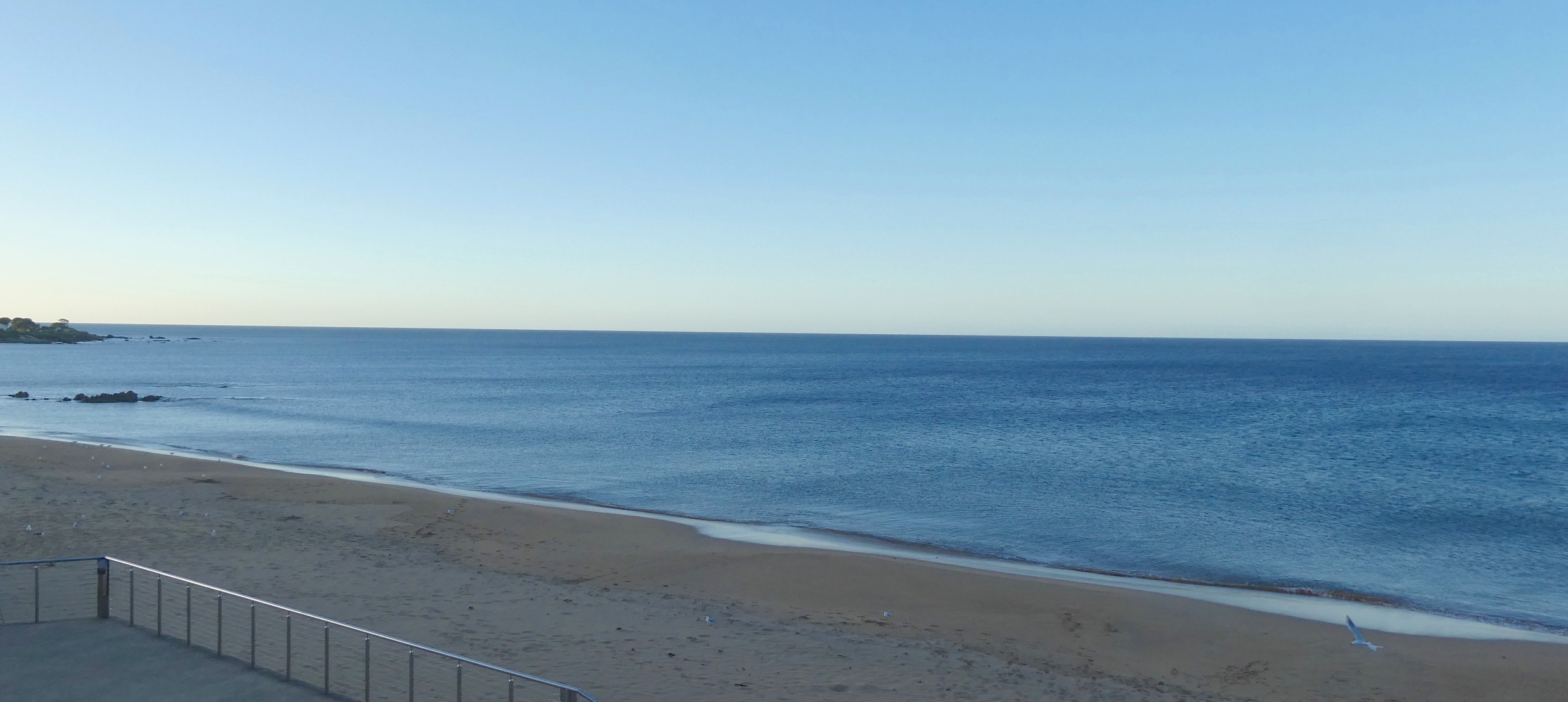
Hopeful of a spectacular sunset, the evening sky was too clear and there was nothing but calm waters across Bass Strait.
The view was forgotten as entrée arrived; pepperberry and beetroot cured salmon with pickled vegetables, gin & lime sorbet, avocado mousse, horseradish cream & sumac for me
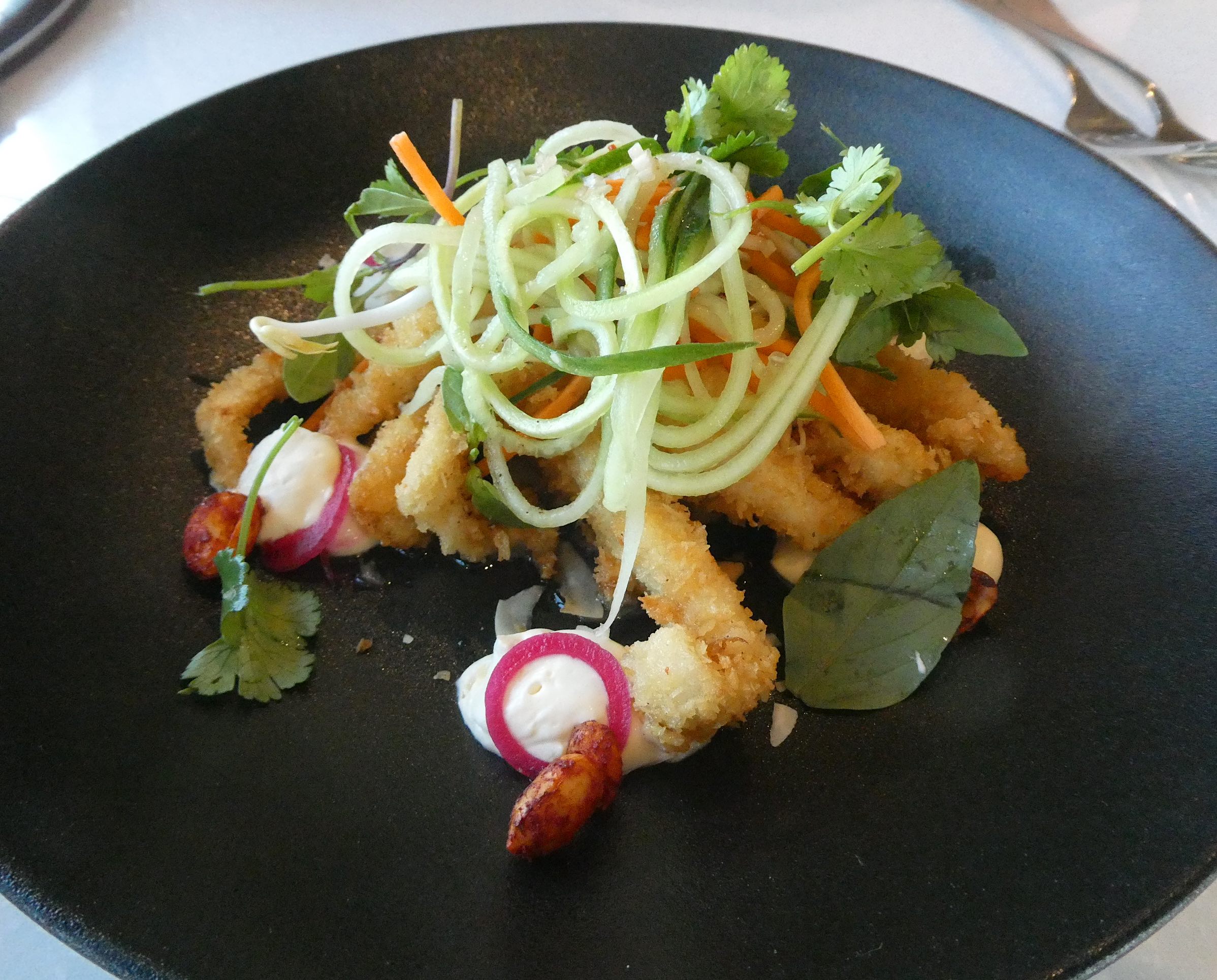
and lemon pepper dusted southern calamari with a salad of fresh vegetables, bean shoots, herbs & roasted peanuts, horseradish mousse & house made sweet chilli sauce for M.
A delicious palate cleanser of rose, honey & apple jelly
preceded the main course. I couldn’t resist the rolled belly of Scottsdale pork with cauliflower & truffle oil velouté, Joseph Chromy pinot gris poached apples, dehydrated pork skin & fennel remoulade.
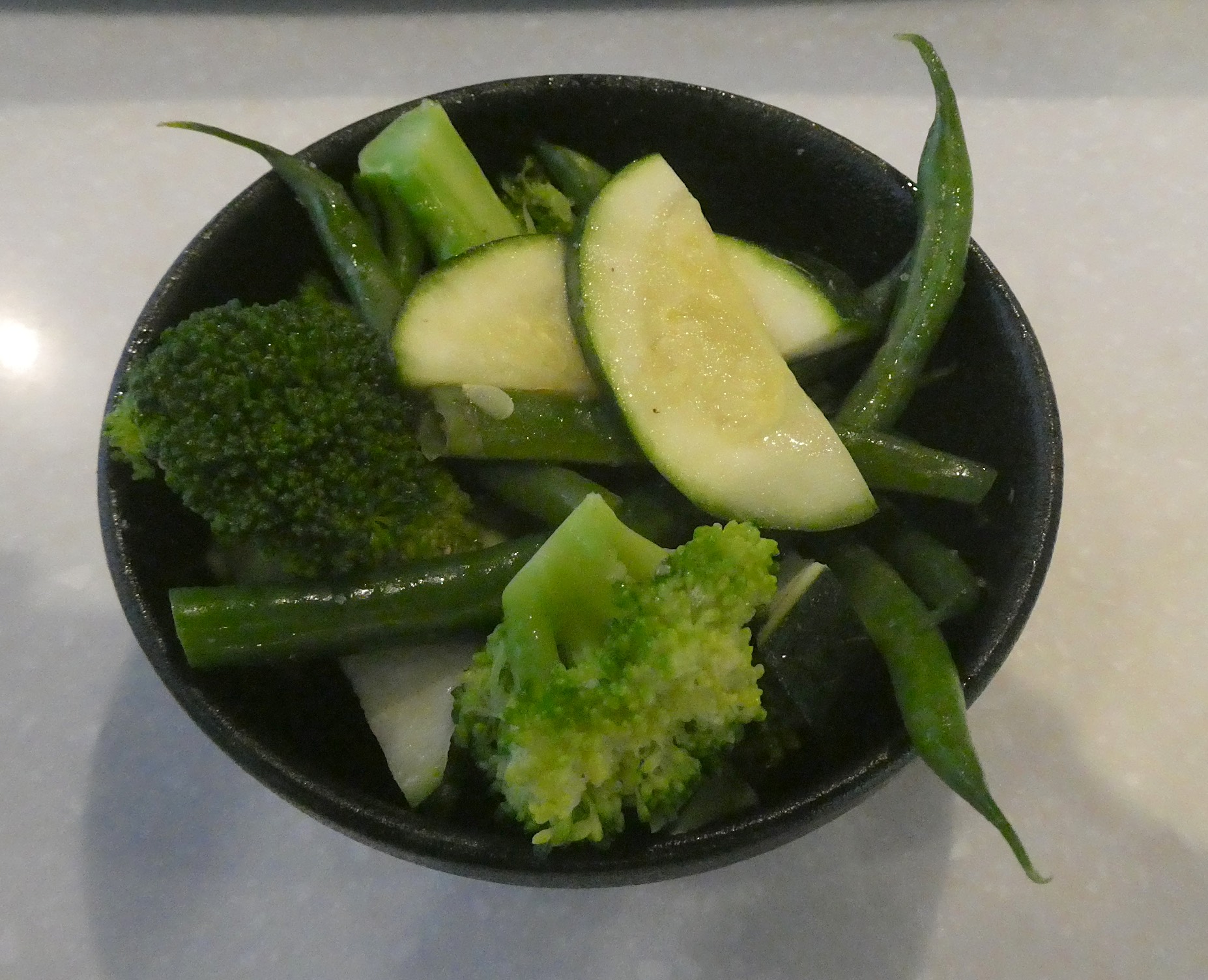
M opted for a succulent chargrilled eye fillet served with a potato, mustard seed & aged parmesan croquette, wilted baby spinach, tempura onion rings & red wine jus. A side dish of steamed greens with burnt butter dressing completed a perfect feast.
We had no room to spare in the dessert stomach, we will make up for that next time.
We are always eager to visit anywhere with the word ‘winery’ or ‘vineyard’ attached to the name and so, after a few hours absorbing the sulphurous splendour of Whakarewarewa, we sought the more mellow tones of Volcanic Hills Winery. While the wine making facility is located at ground level, the tasting room, high on the side of Mount Ngongotaha, can only be reached by a 900 metre ride on the Skyline Gondola.
The Skyline complex offers cafes and restaurants as well as luge, ziplines and mountain bike tracks for the thrill-seekers. We prefer our thrills on the more sedate side. Volcanic Hills was established in 2009 with the tasting room opening three years later.
There are no grapes grown in Rotorua, instead the best grapes are sourced from various wine regions in New Zealand and the finished product is only available at cellar door and hand chosen outlets, restaurants and hotels. We enjoyed a five wine tasting, guided through by a very knowledgeable Larissa, wife of winemaker Brent Park. The gondola continued its circuits on one side of the window
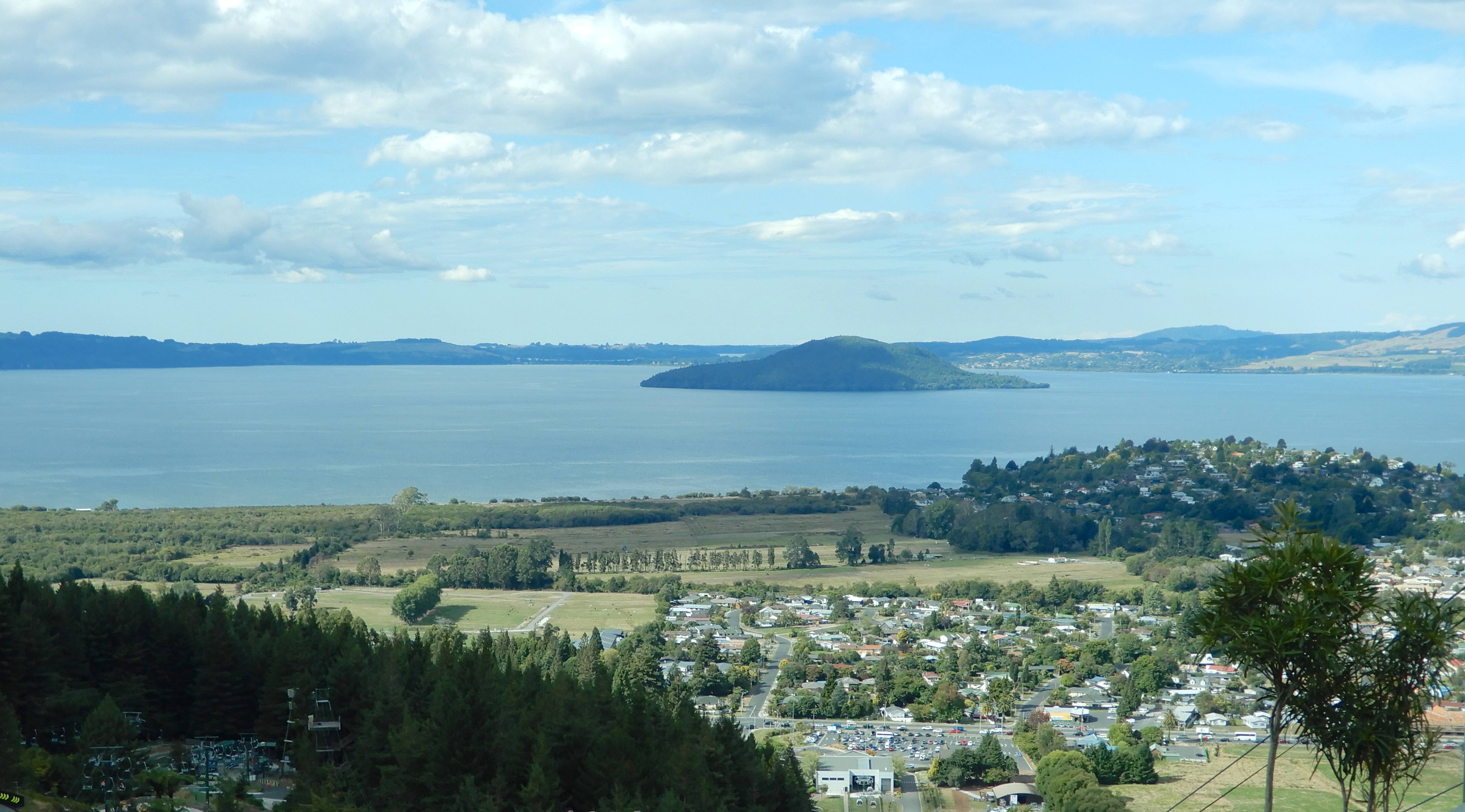
while magnificent views across the town and lake filled the rest.
Lake Rotorua was formed around 200,000 years ago following the eruption of a volcano and is the second largest lake in the North Island. The resulting caldera is about 16km wide, although with an average depth of only 10 metres.
Mokoia Island is a rhyolite lava dome in the centre of the lake, created when magma was pushed through a crack in the caldera. It is now a bird sanctuary and home to several rare species.
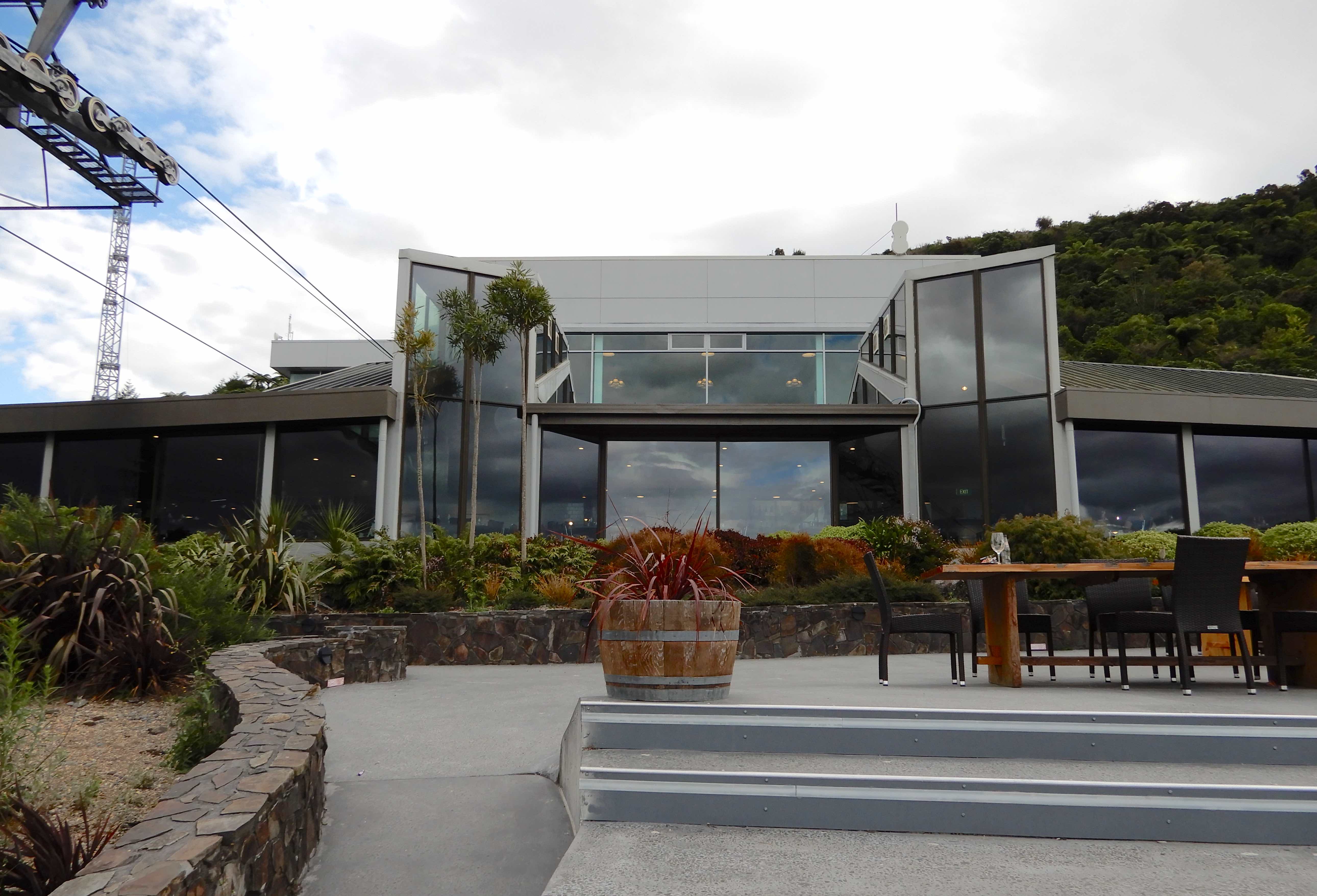
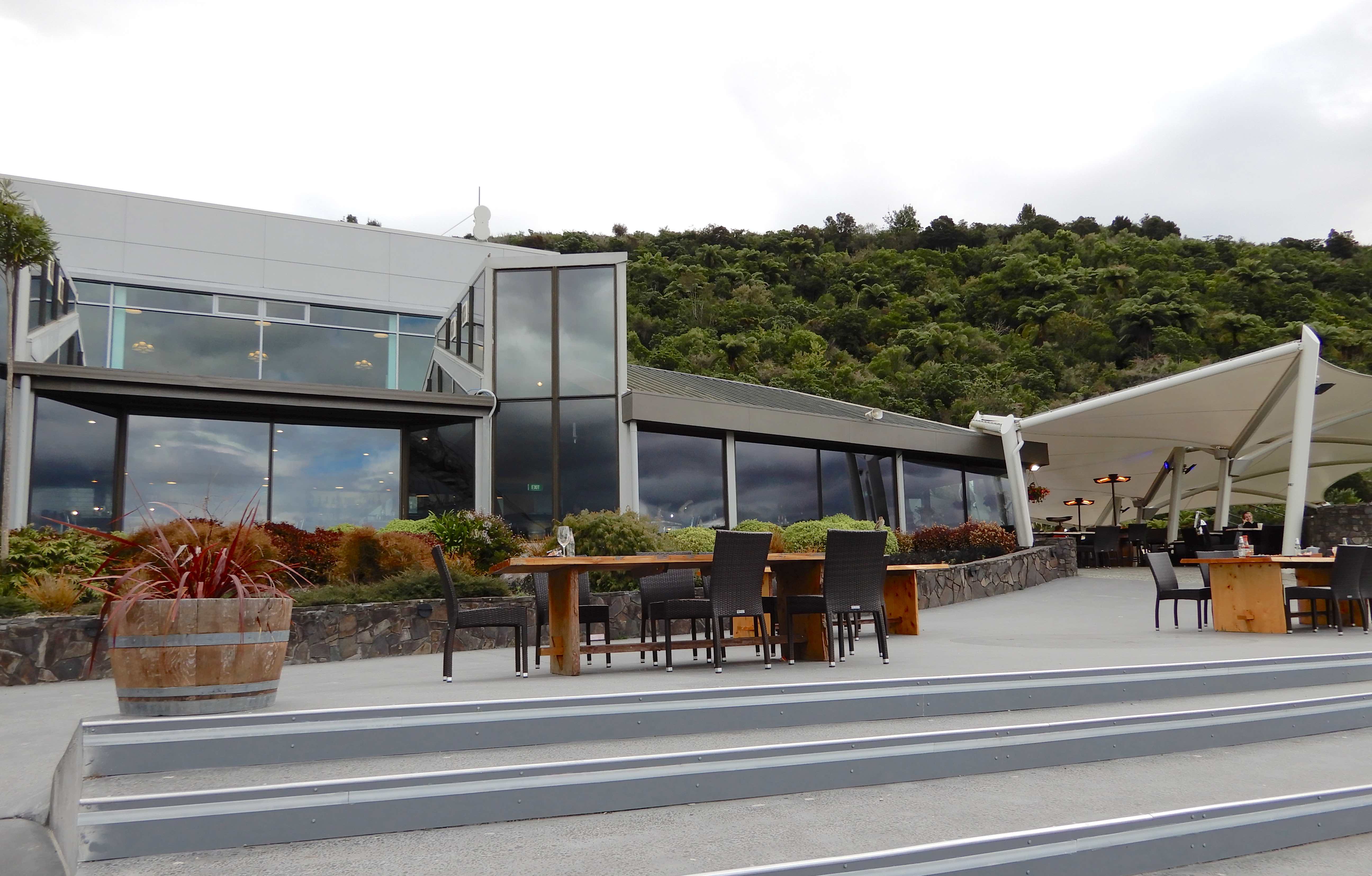
We wandered around the complex but, tempting though the restaurant was
we stashed our bottles of 2019 Hawkes Bay Rose and 2019 Marlborough Sauvignon Blanc and made our way back to Matamata as the sun descended on another wonderful day.
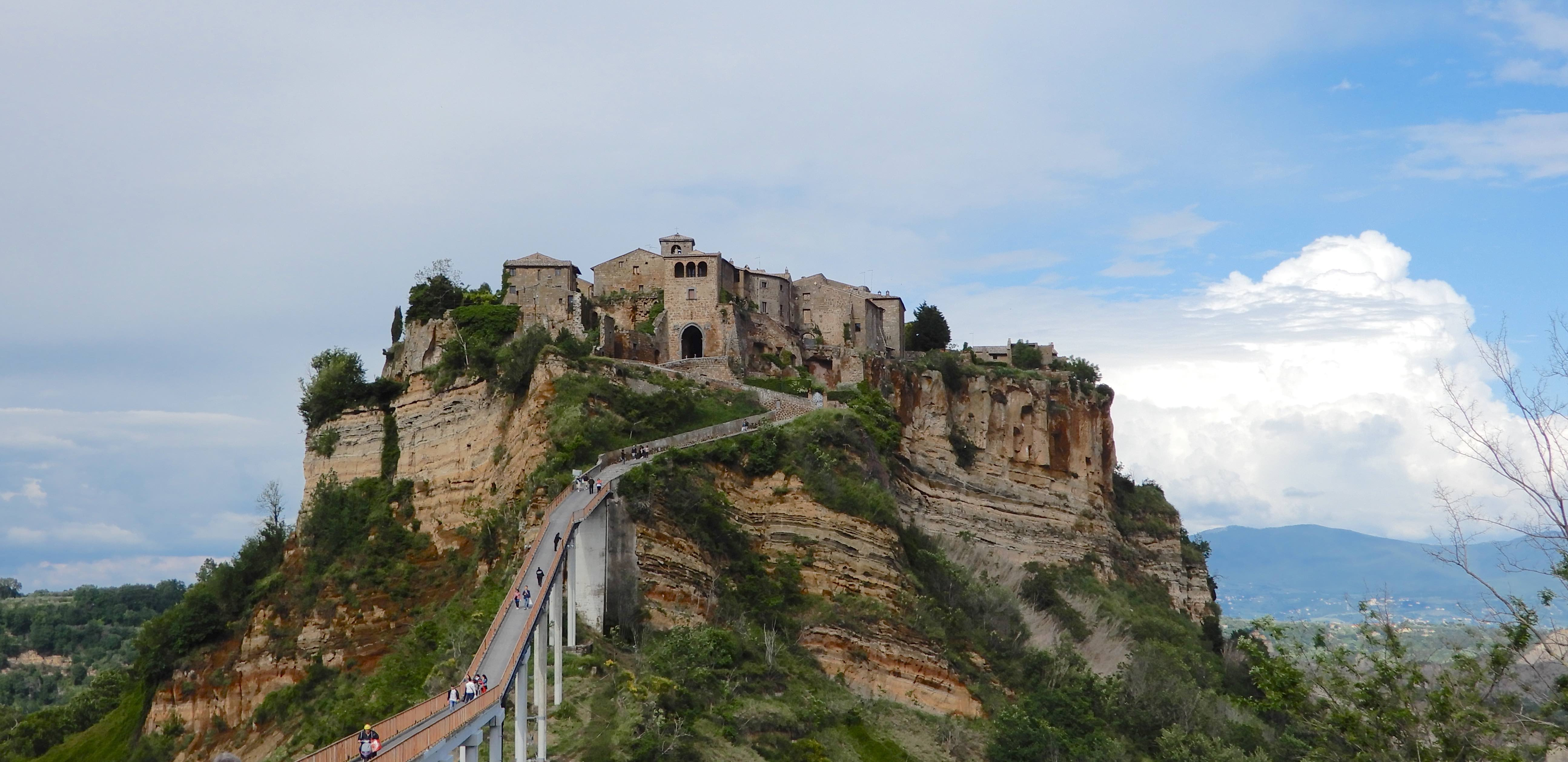
Despite the exhaustion from our adventures at Bomarzo, we couldn’t resist a detour to explore Civita di Bagnoregio. The two towns of Civita and Bagnoregio were once connected but by the 16th century, Civita had begun to disintegrate. The clay base below the tufa subsided and the cliff edges were weakened by the constant removal of stone to build houses. An earthquake in 1695 sealed its fate and the residents moved to Bagnoregio. There is now a permanent population of 12 in Civita, swelling to over 100 in the summer months, not to mention thousands of tourists. There is only one way into the town, across a long, steep footbridge.
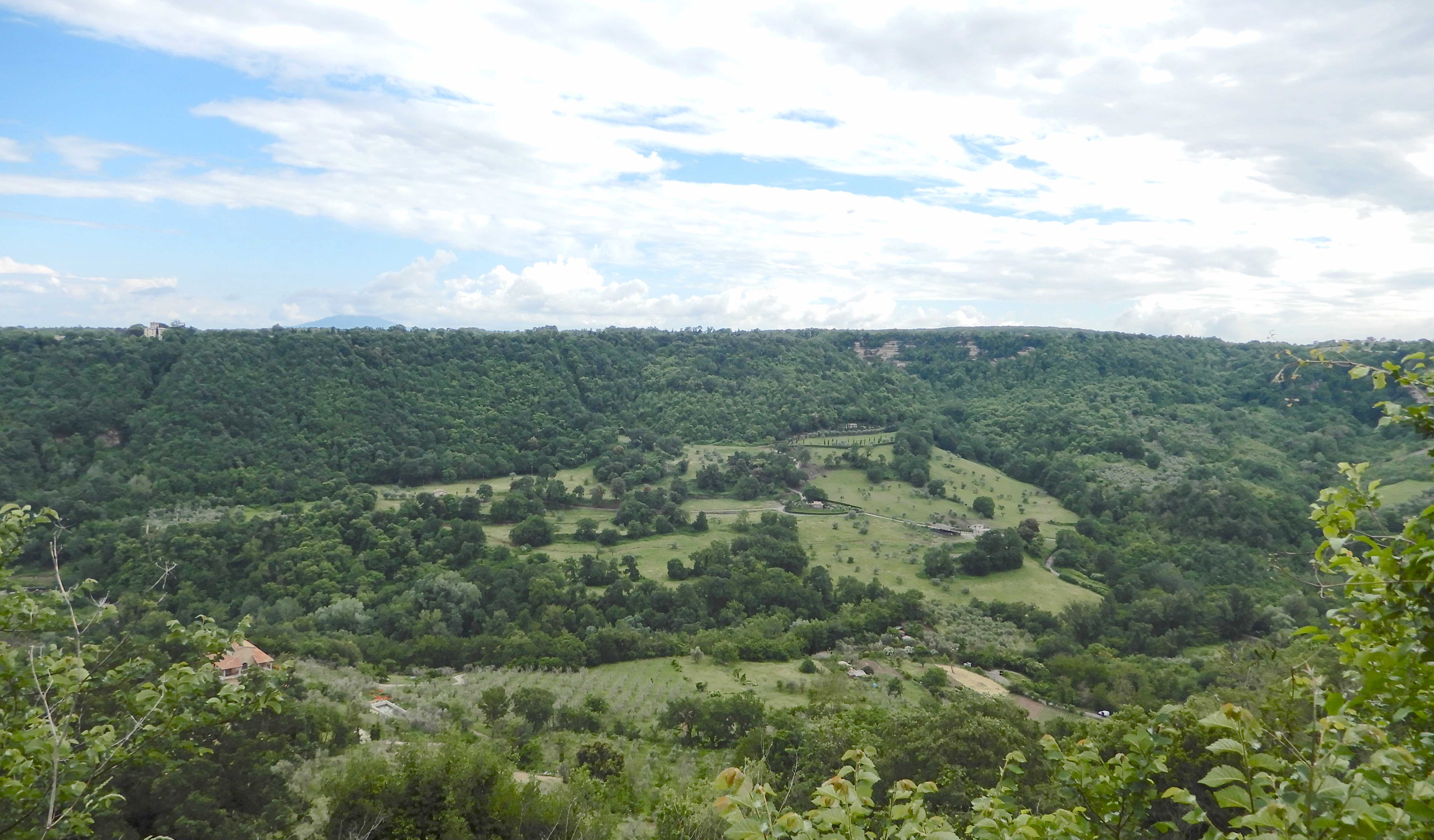
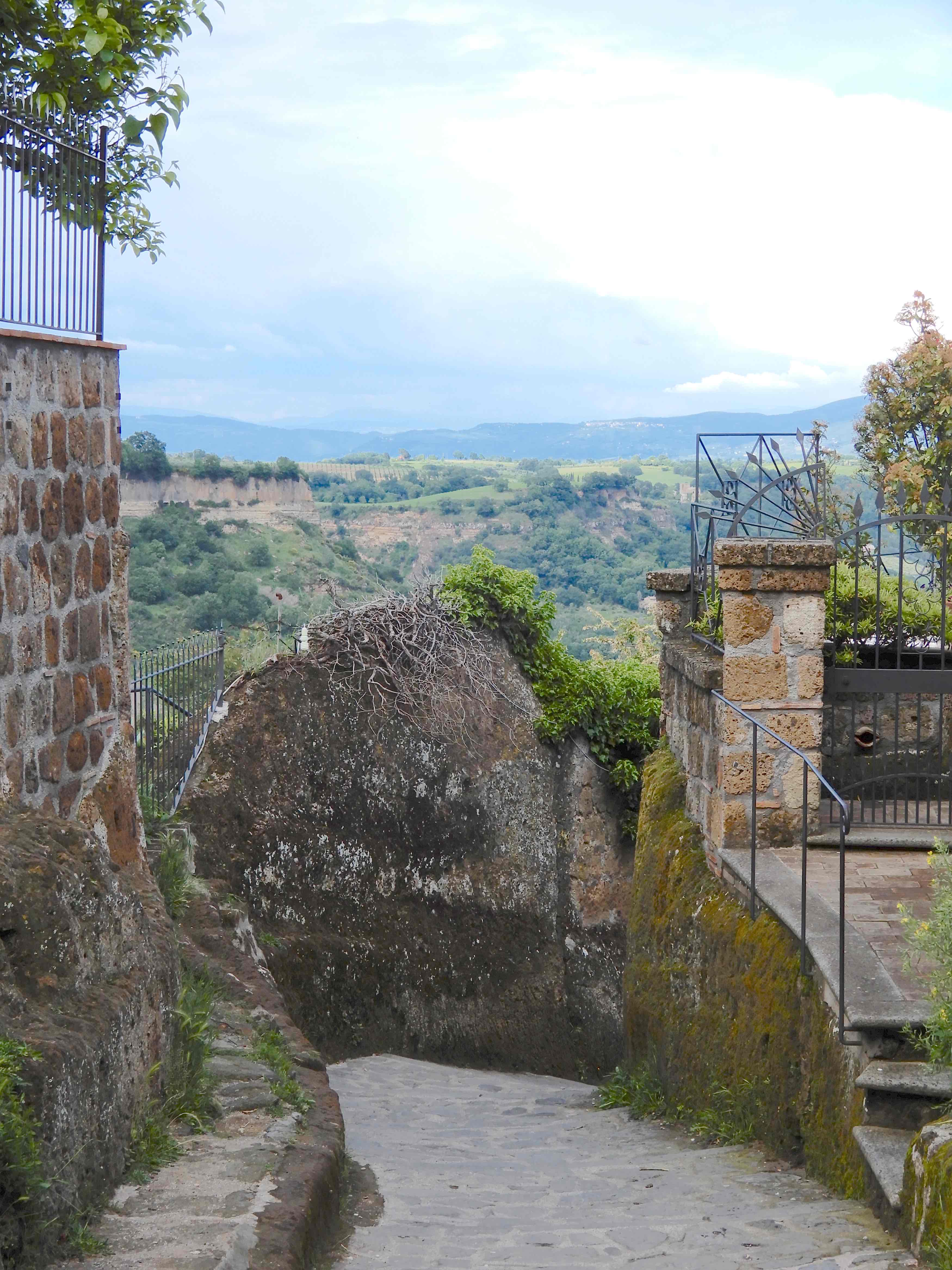
We parked the car in Bagnoregio and boarded a shuttle bus, the driver uninterested in collecting our €1 fare. A white-knuckle ride brought us to the start of the walkway with magnificent views across the valley.
As we climbed, the vista opened up to the mountains beyond.
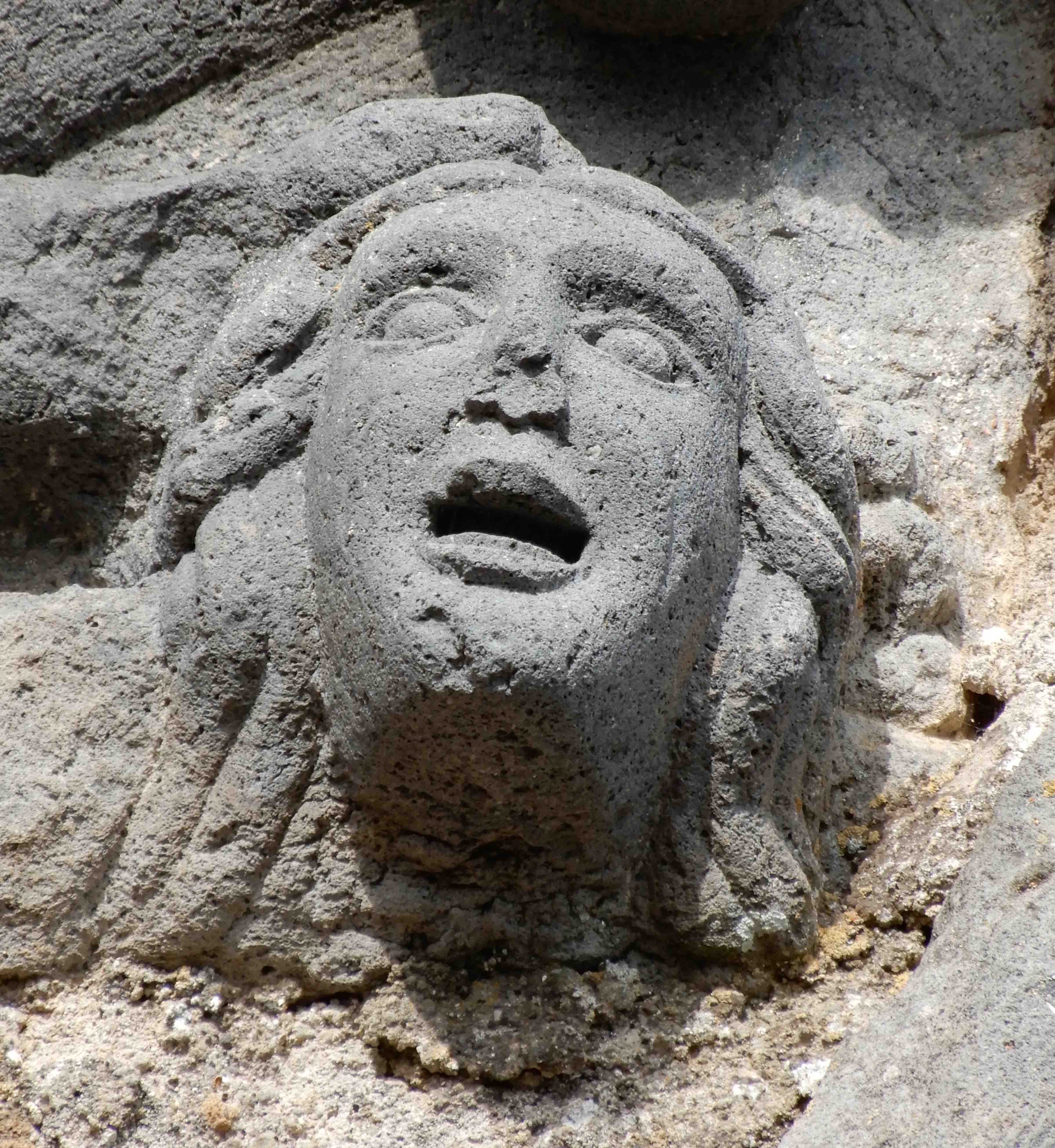
At the end of the bridge, we entered the town through the Porta Santa Maria, a stone doorway cut by the Etruscans 2500 years ago. Redecorated in the 12th century, the lions holding a human head are medieval symbols of the church.
The effort was definitely worth it, this magical place seemed frozen in time.
We wandered through streets unchanged since medieval times, the decorative door of the old palazzo and window above it has nothing but sky beyond. The rest of the building has long tumbled off the edge of the cliff.
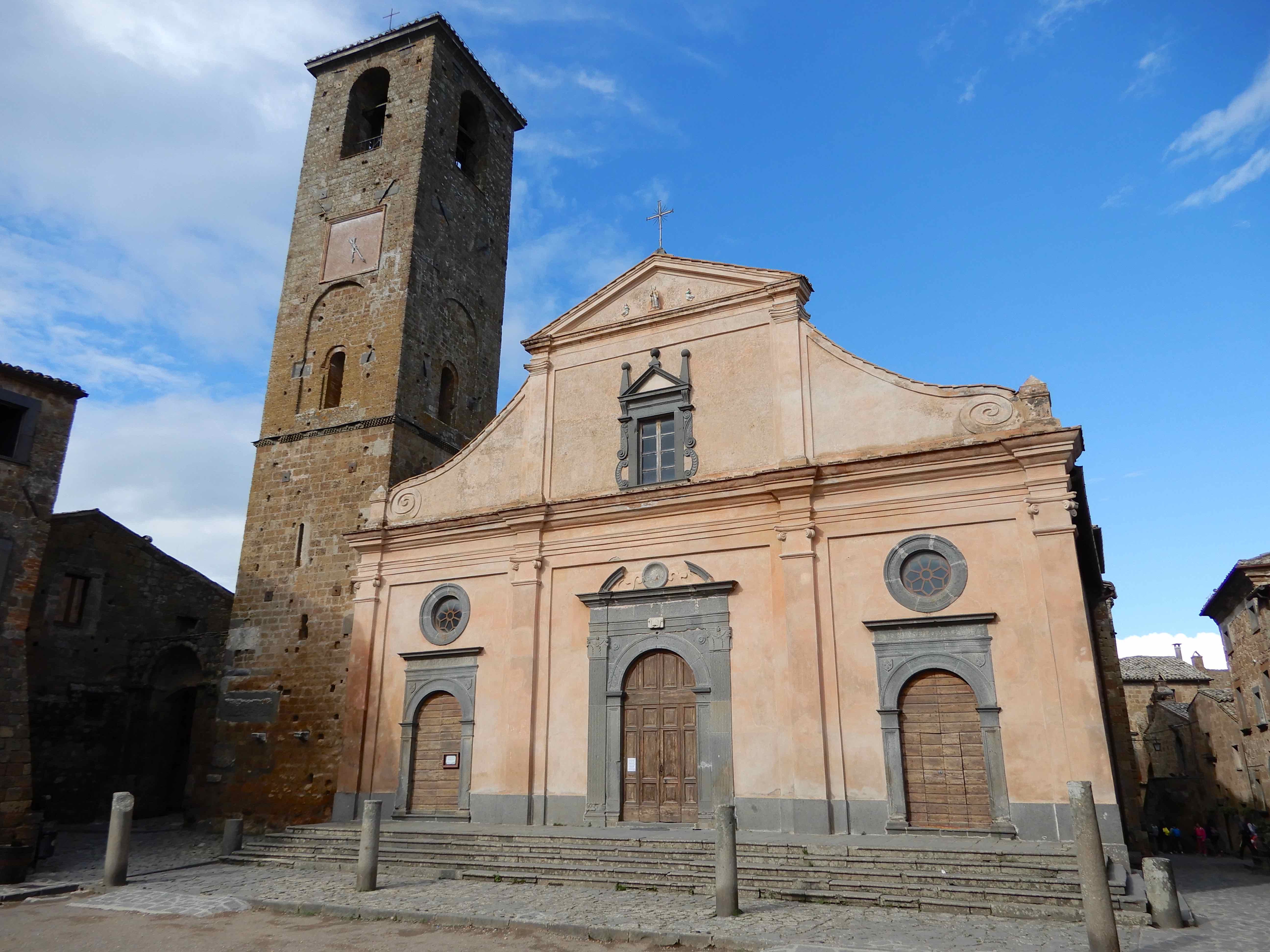
The main square, Piazza San Donato, takes the name of the 5th century Romanesque church dedicated to Saint Donato of Arezzo, a 4th century martyr. The only church in town, it was the cathedral of Bagnoregio until 1699 when damage from the previous earthquake rendered it unsafe.
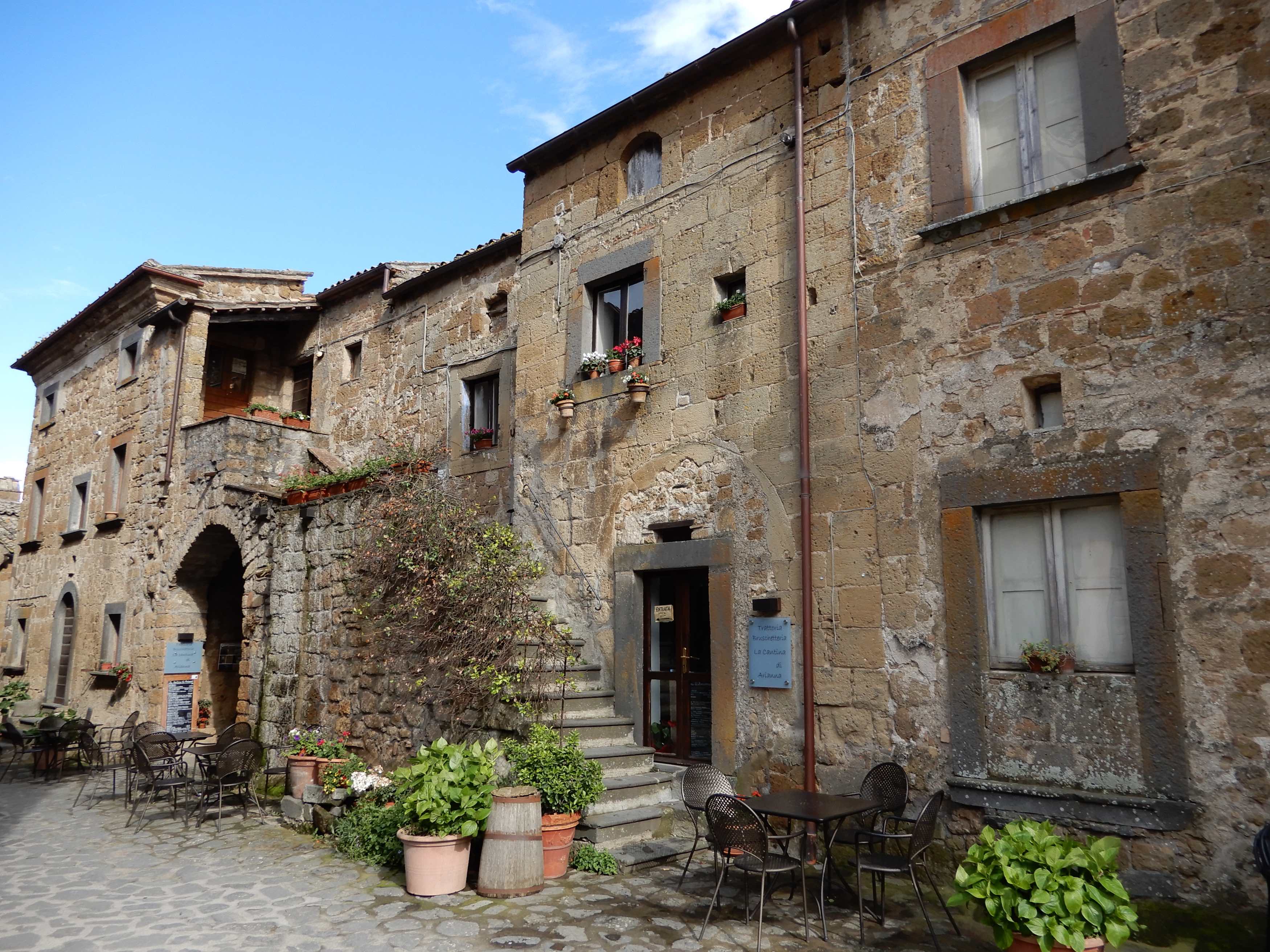
There was no shortage of eating establishments in the piazza, though the dinner crowds had yet to emerge.
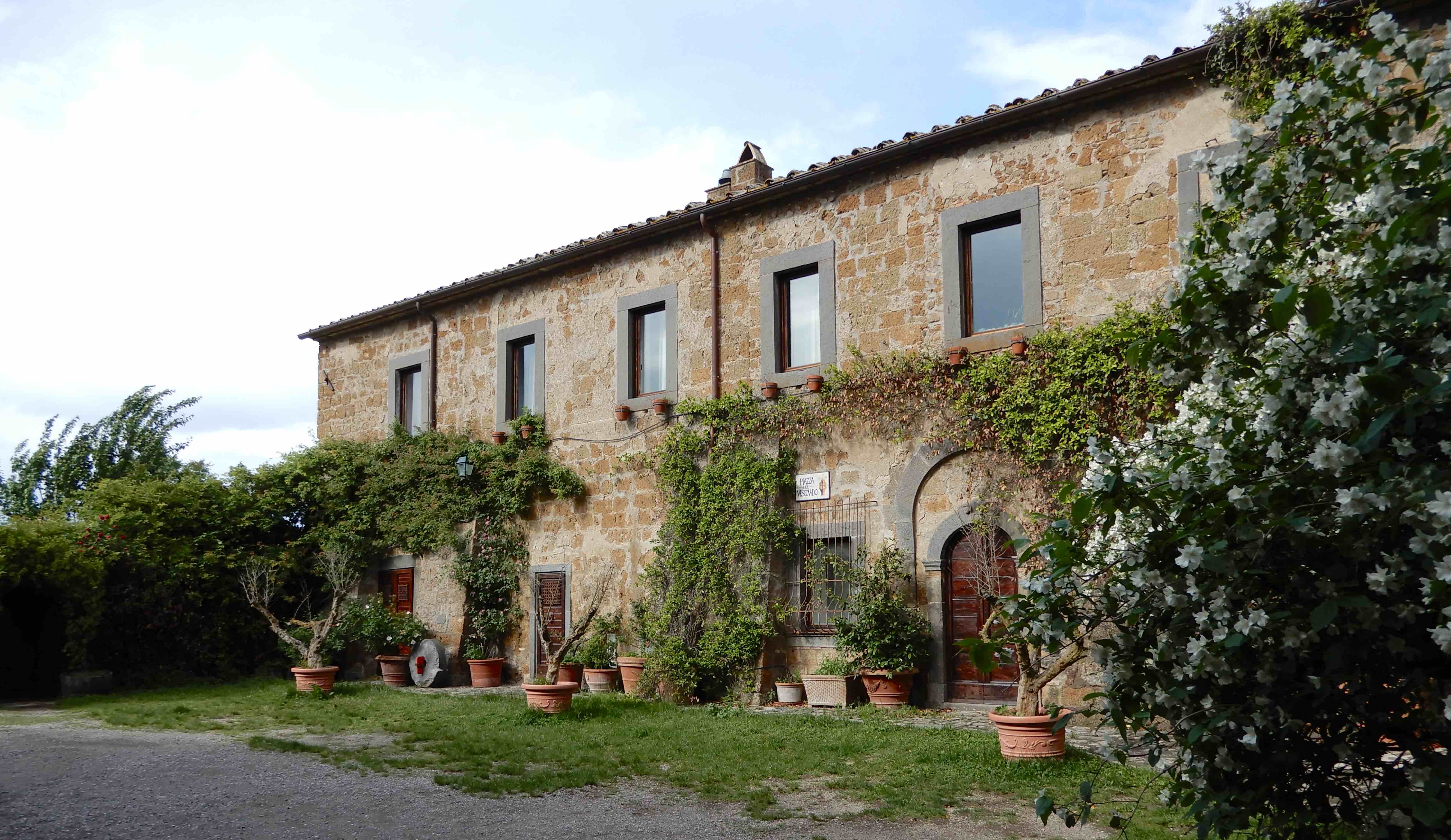
A double archway leads to the Piazza del Vescovado, the seat of the ancient bishop’s palace.
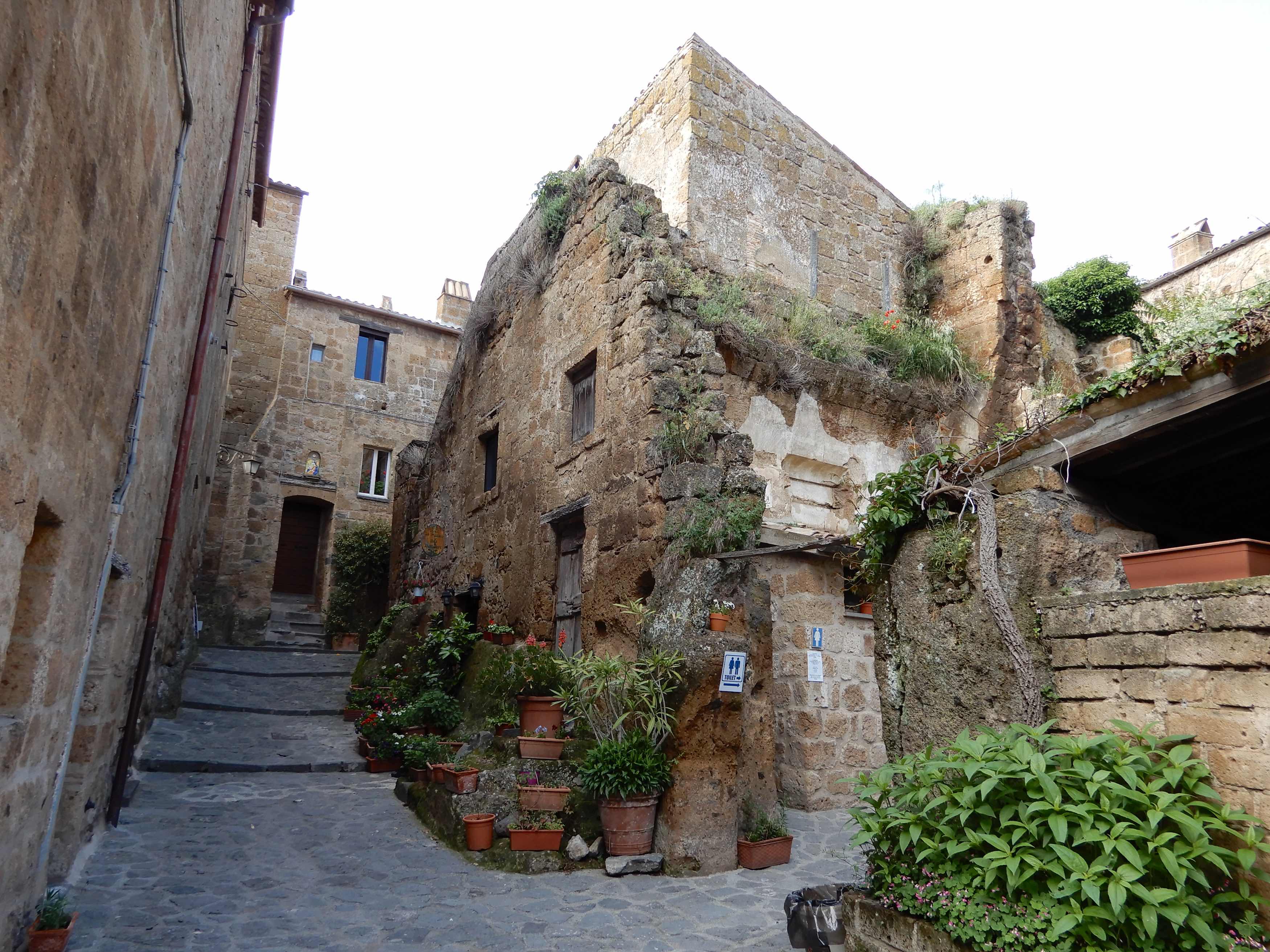
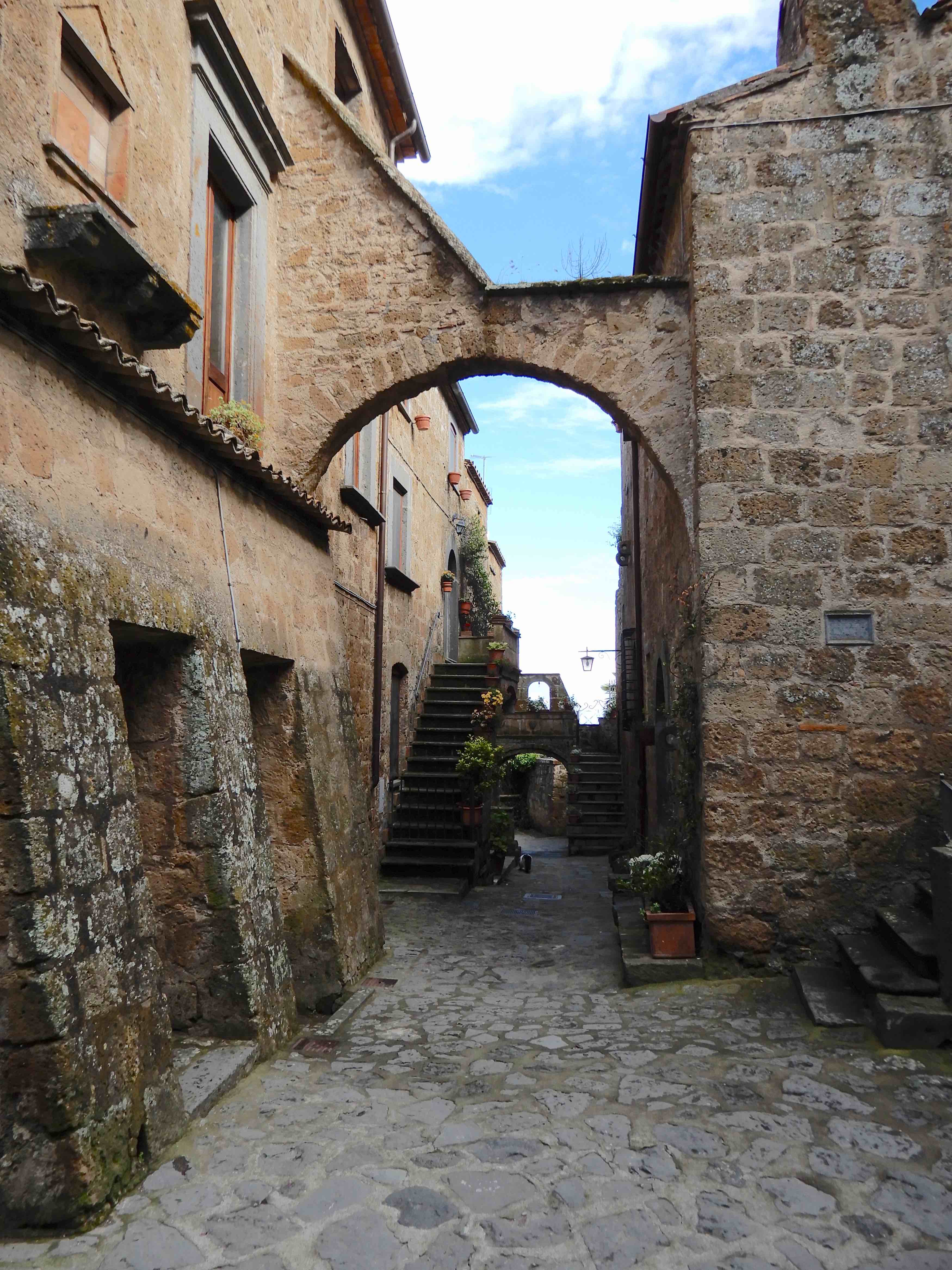
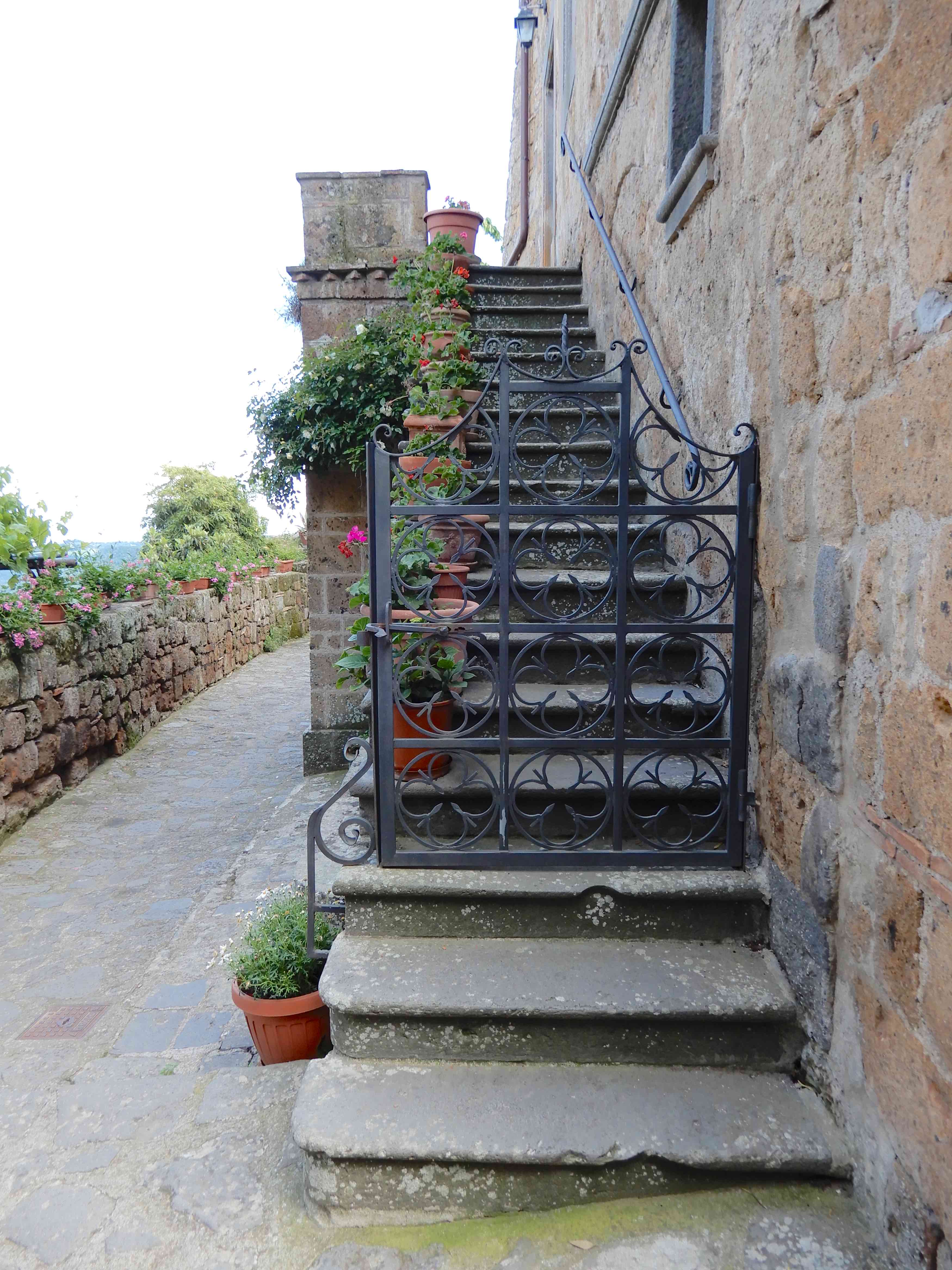
We ambled along the cobblestones, fascinated by the architecture and intricacy of alleyways, arches and stairs.
At the end of the village, a road leads to nowhere
and an interesting set of steps descend into the tufa below.
The return journey was easier on the legs,
though we were tempted to hitch a ride.
The erosion on the surrounding hillsides hinted at the future of this beautiful landscape.
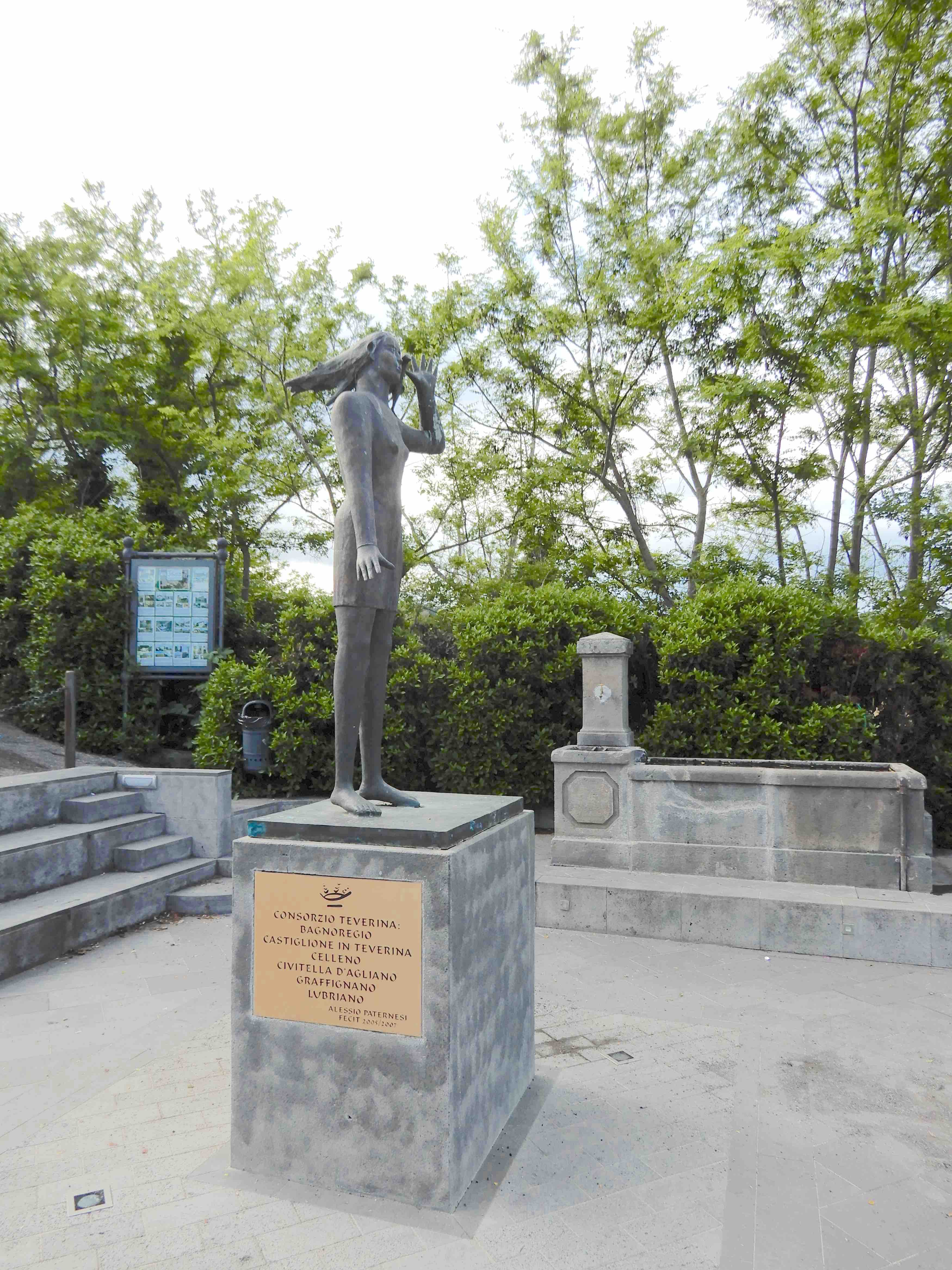
We waited for the bus in a lovely square with a bronze monument dedicated to Bonaventura Tecchi, a writer born in Bagnoregio in 1896.
From here, ‘the dying town’ of Civita shone radiantly in the evening sun.
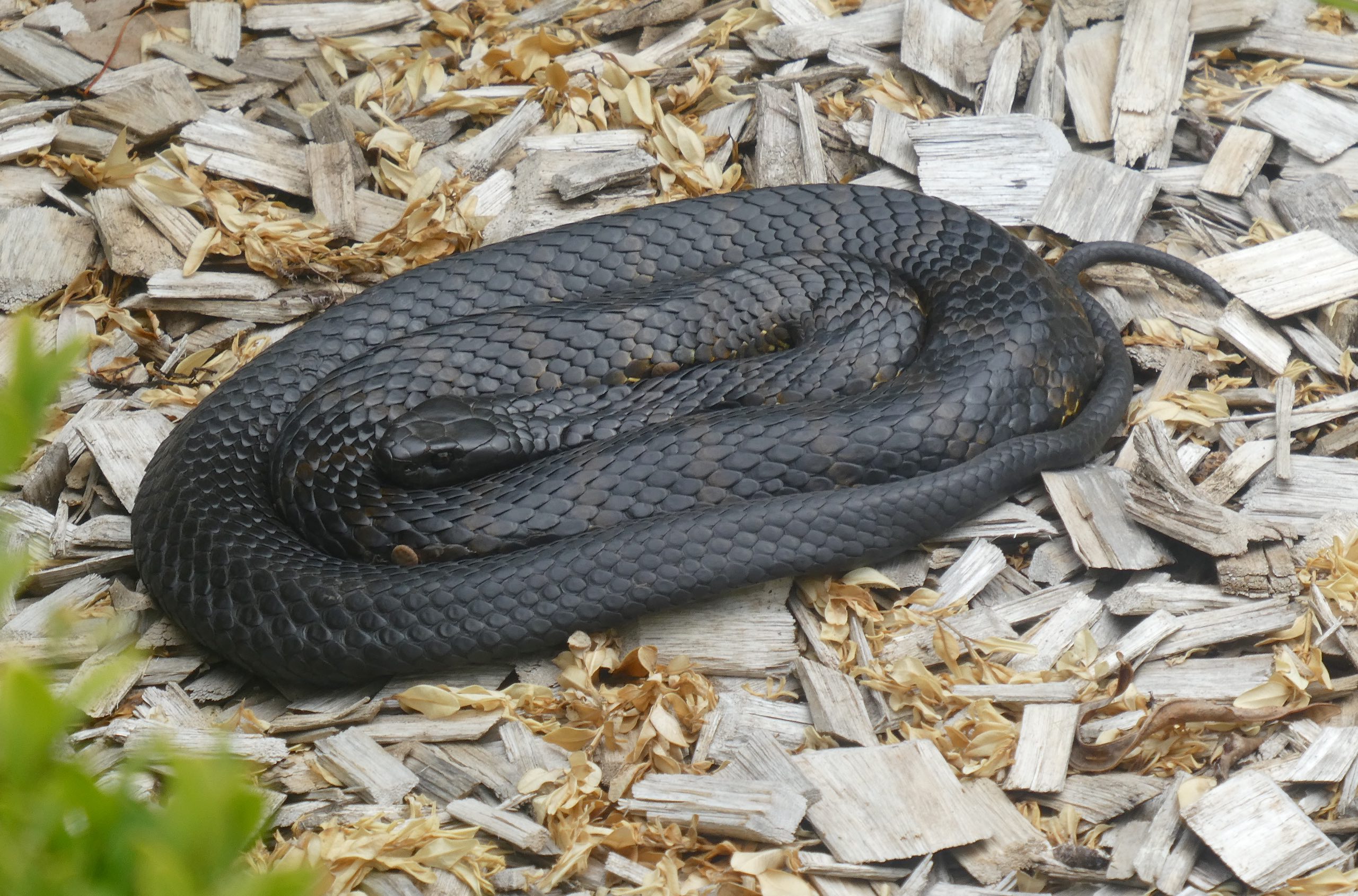
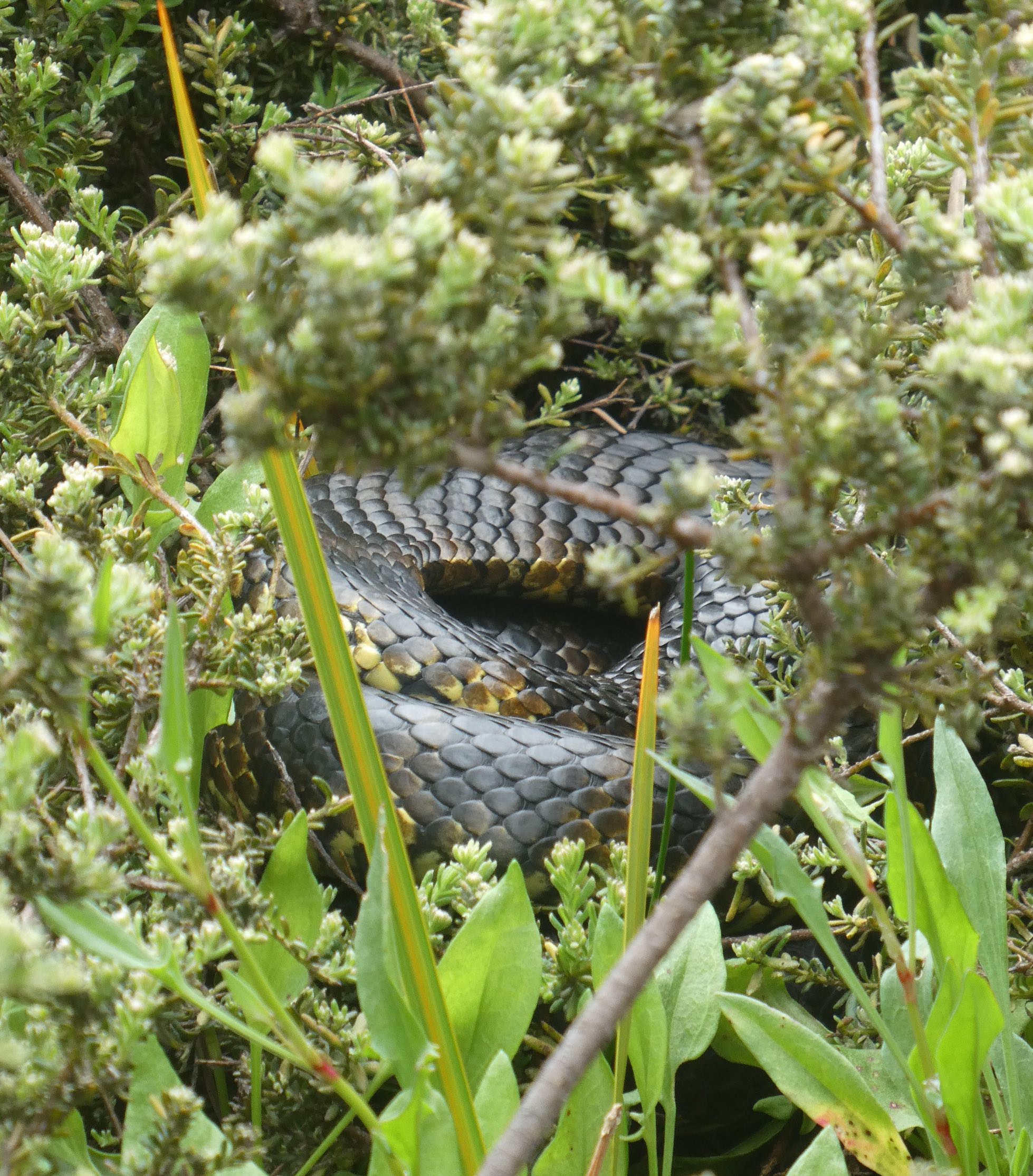
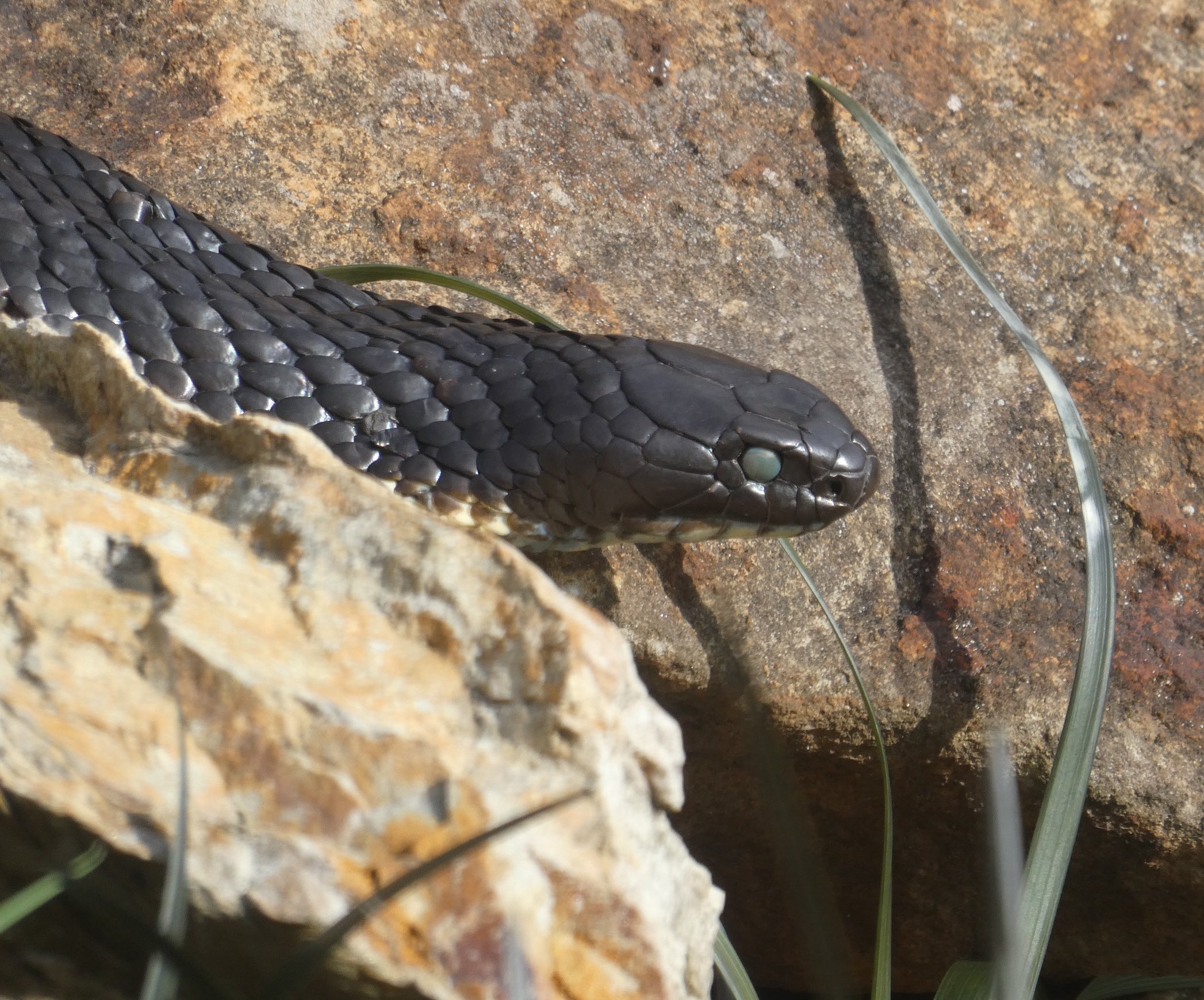
We have become accustomed to sharing our summer garden with tiger snakes, they have the perfect home around the pond and they have been very polite lodgers. Last year Michael had reconfigured the ponds and surrounding rocks and plants and, apart from a brief visit to check out the new design, no-one actually moved in. Our latest resident appeared early in the summer, curled up in a favourite spot to capture the morning sun.
The weather has been unseasonal this year, with a very wet and mild November making the process of warming up quite difficult. Tasmanian tiger snakes are darker than their mainland cousins in order to absorb more heat but there is still a need to flatten out and speed up the process.
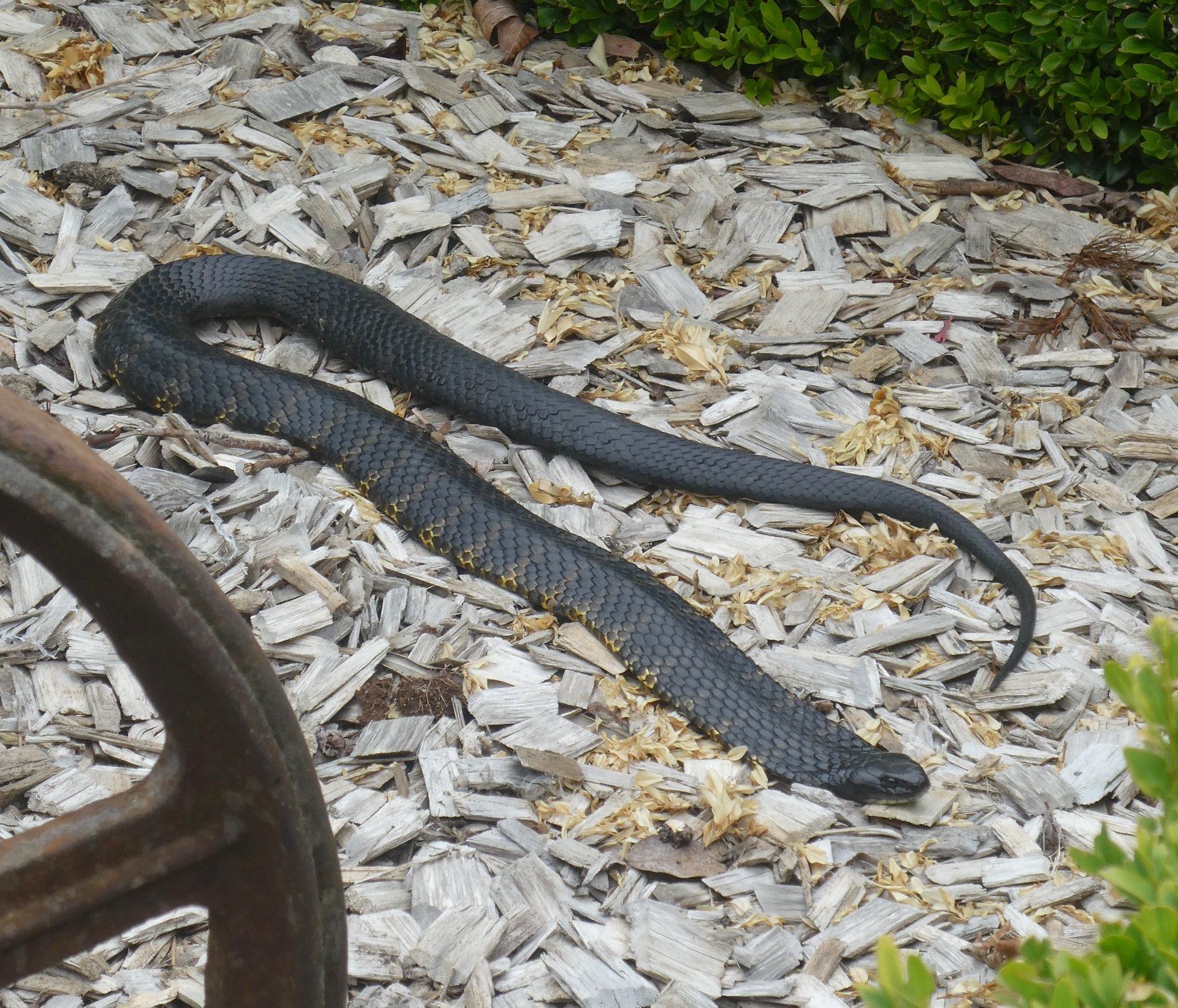
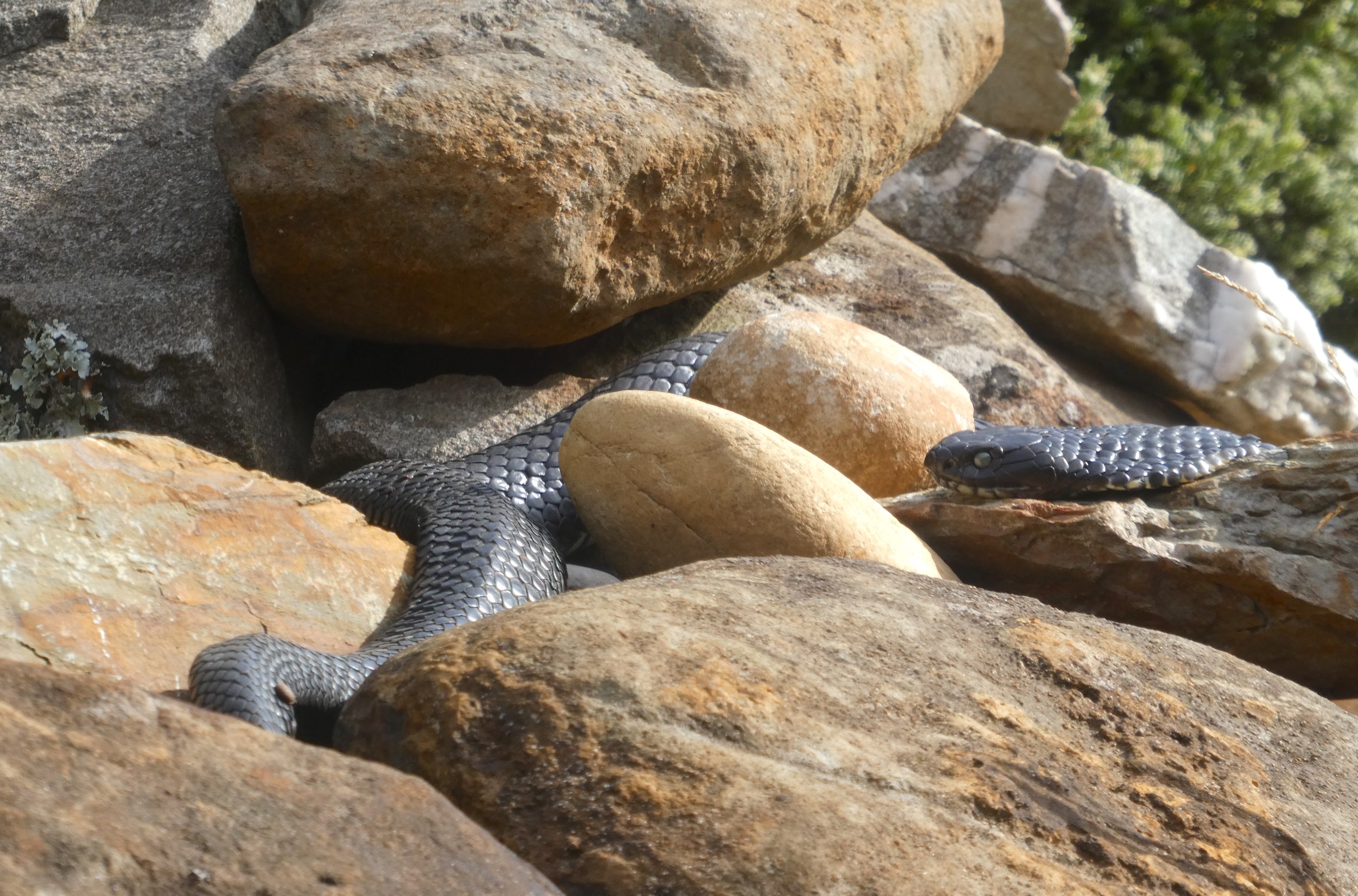
The rocks hold their warmth, a great place to stretch in the sun
until it gets too hot and then there is a shady grevillea to retreat to.
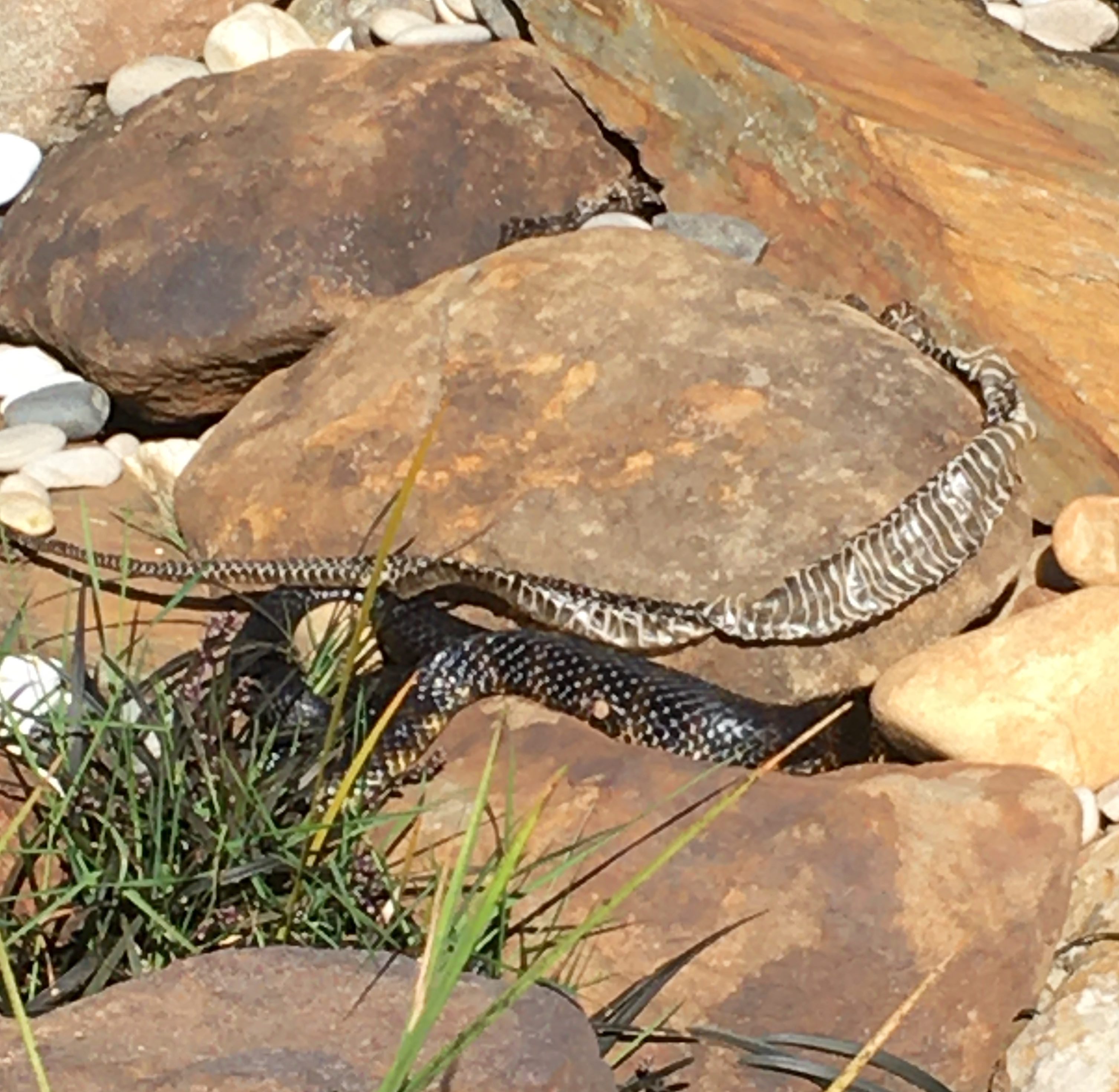
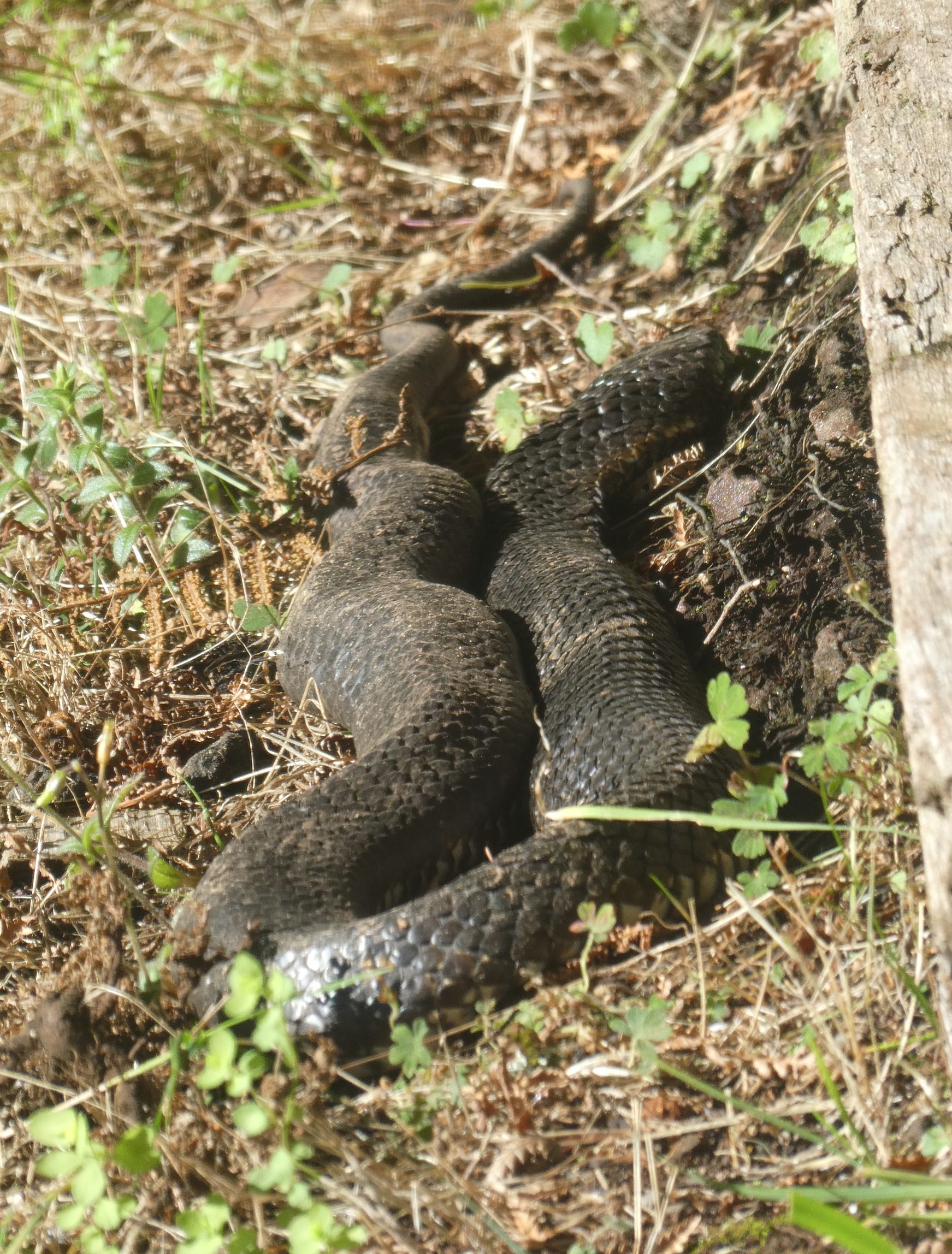
Being extremely vulnerable while shedding their skin, snakes are usually discreet about it. We were very surprised when we came in from gardening to find she had done so out in the open.
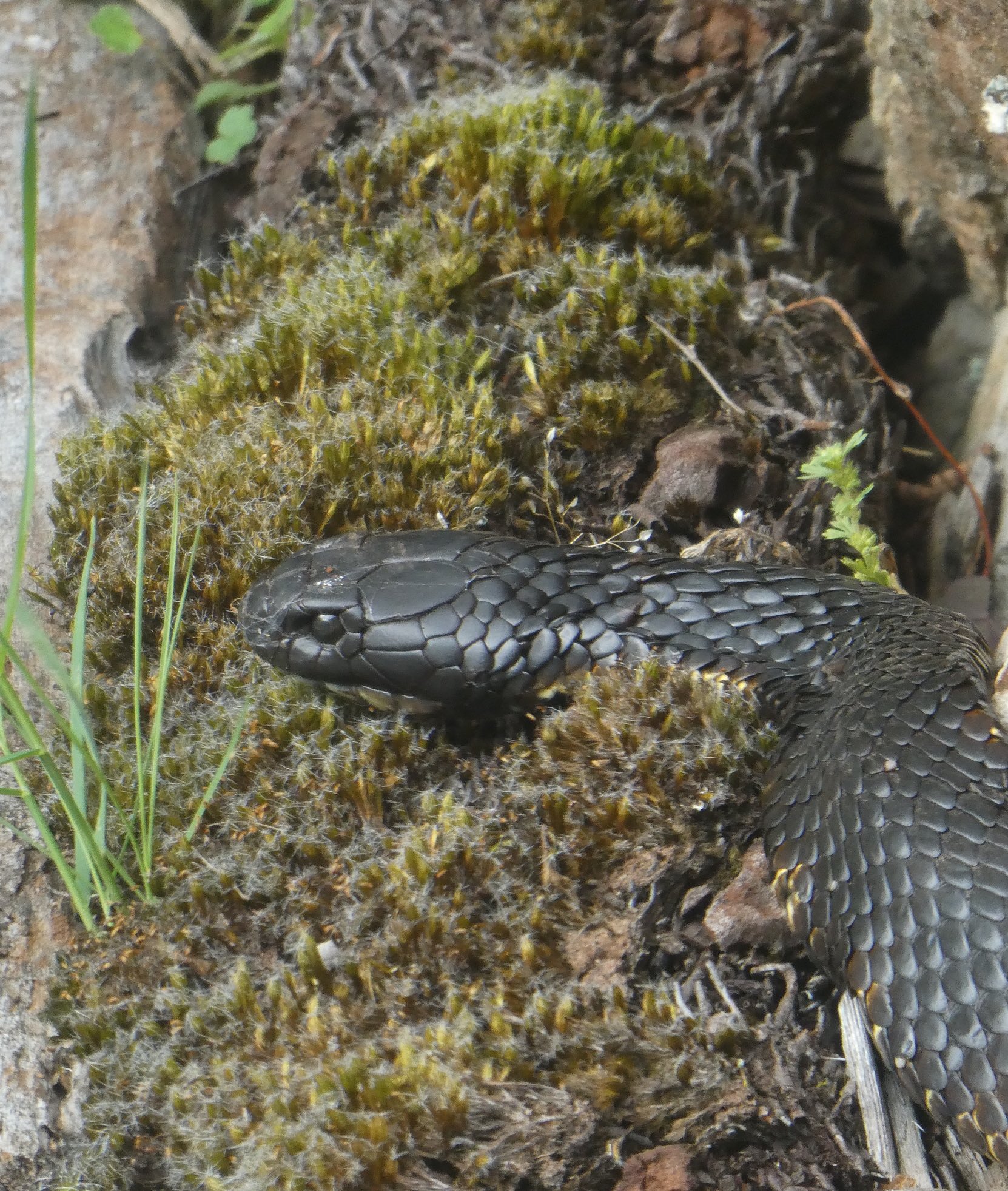
After a while, she changed her morning sunning spot, perhaps realising it warmed up earlier than her usual position.
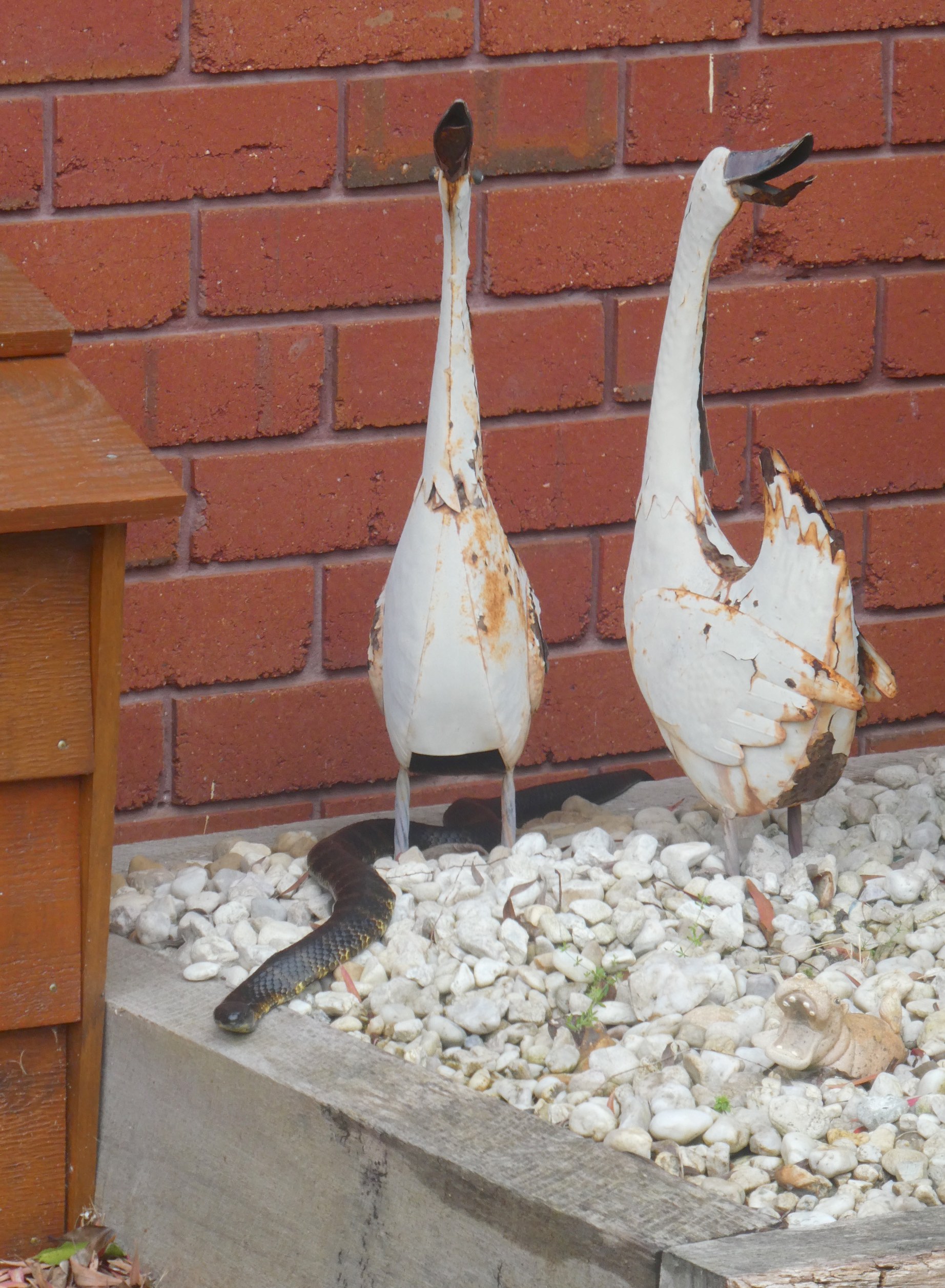
One morning we found her completely out of her comfort zone and wondered if she had been caught unawares the previous evening as the temperature can drop quickly once the sun starts its descent. She flattened out on the stones for a while
and finally made her way, very slowly, to her usual place under the box hedge.
Her home was actually in the rocks, we would see her go to bed each night around 5.30pm (no, we didn’t read her a bedtime story).
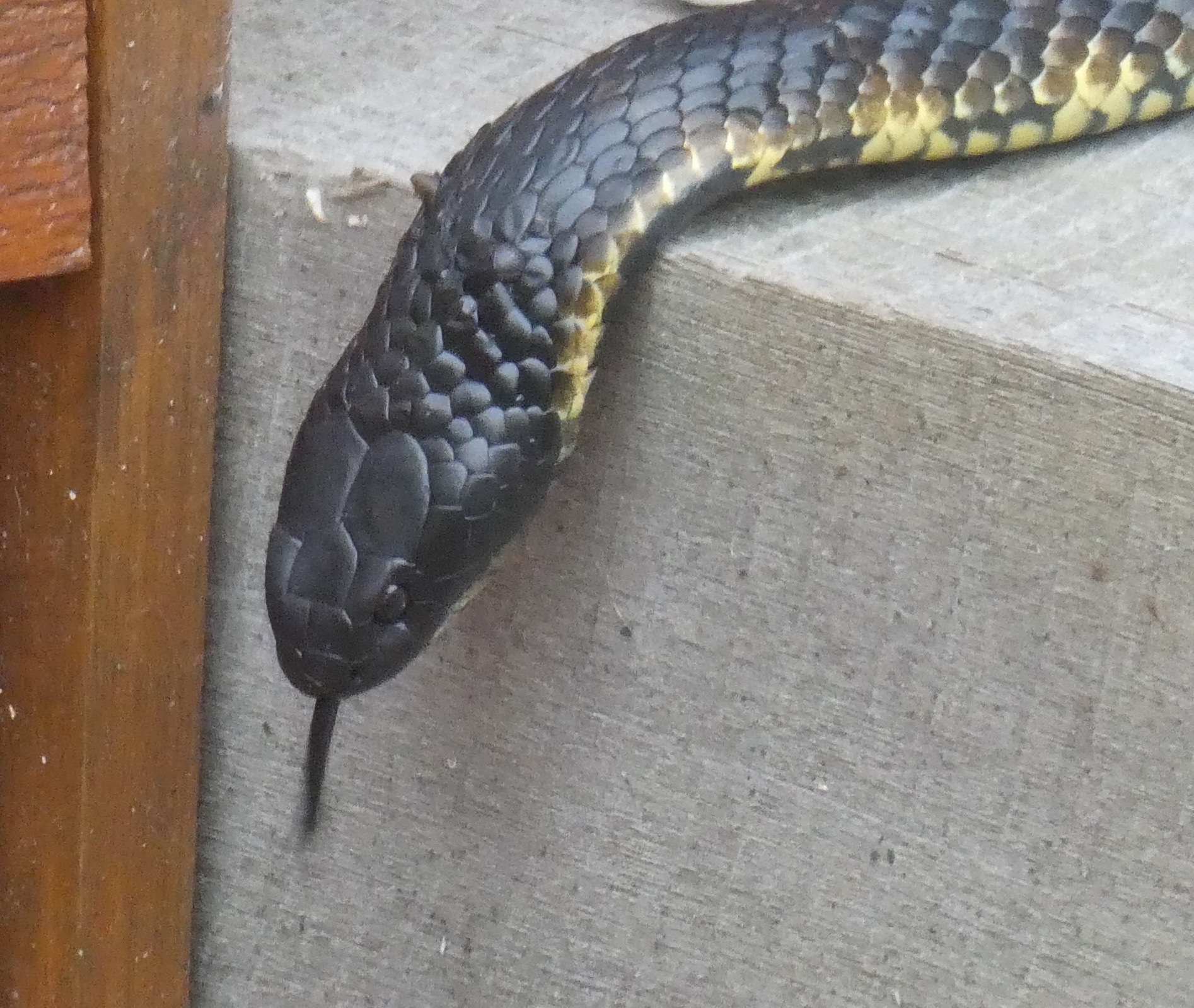
A few of weeks ago, we noticed she was looking dull, she was quite restless and her eyes were cloudy, a sure sign another skin shedding was imminent.
We kept a close eye on her movements and the camera within reach in the hope of witnessing and filming the shedding experience. It wasn’t to be, our last vision of her was in her tired, old skin and we haven’t seen her now for three weeks.
Hopefully, she has taken her shiny new self out to the forest to find a mate. Maybe she will return next year?
I am always on the lookout for beautiful gardens to visit on our travels and was very excited to discover Hamilton Gardens is only an hour drive from Matamata, perfect for a day trip. The world class gardens are situated alongside the Waikato River, an area that was once a thriving Maori settlement and home to Ngaati Wairere chief Haanui. Sadly, after European settlement, the land was used for other purposes including a rifle range, sand quarry, go-cart track and finally the city’s main rubbish dump. In the 1950s, the Hamilton Beautifying Society lobbied for a public garden and, with most development occurring since 1980, the gardens now occupy 54 hectares.
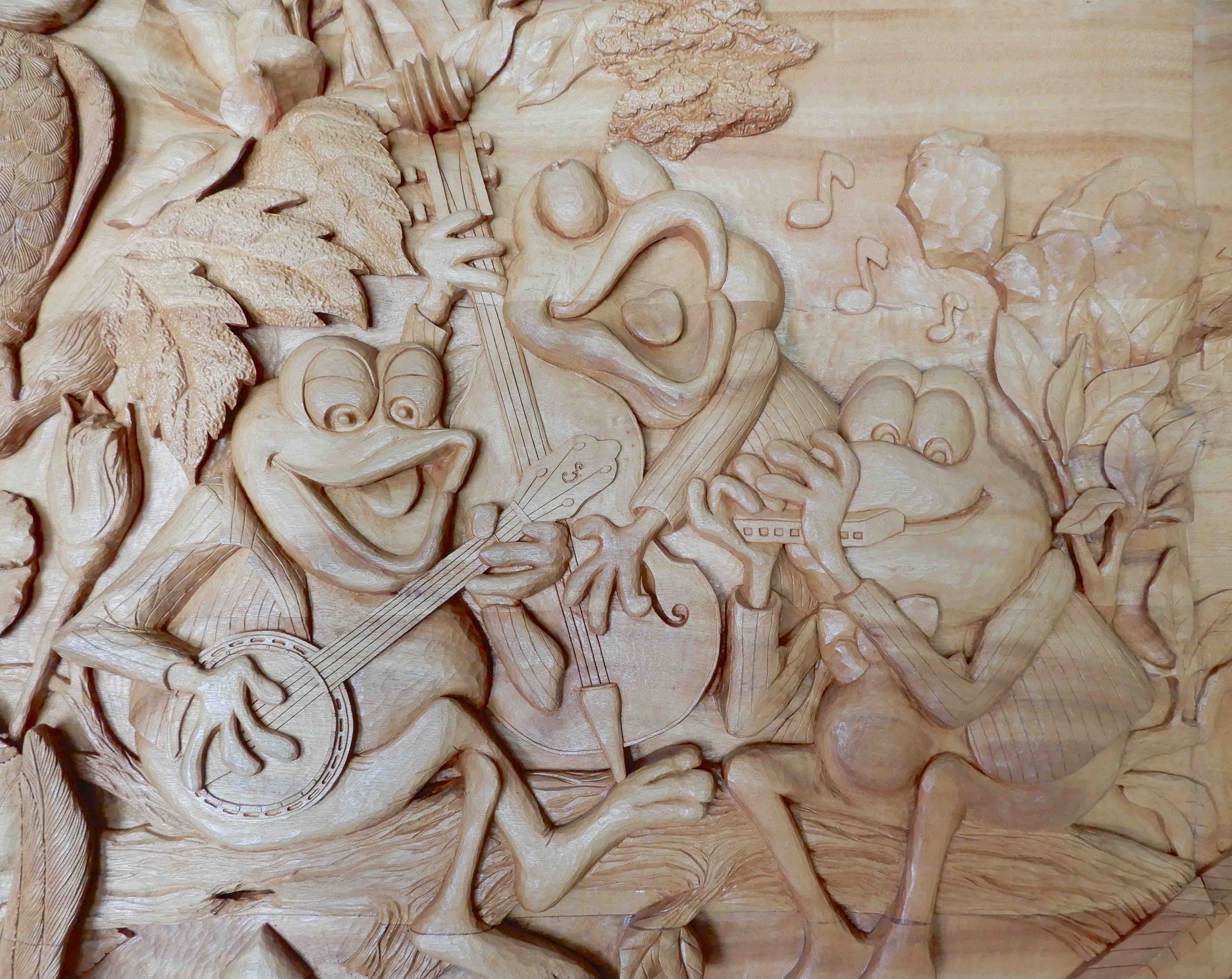
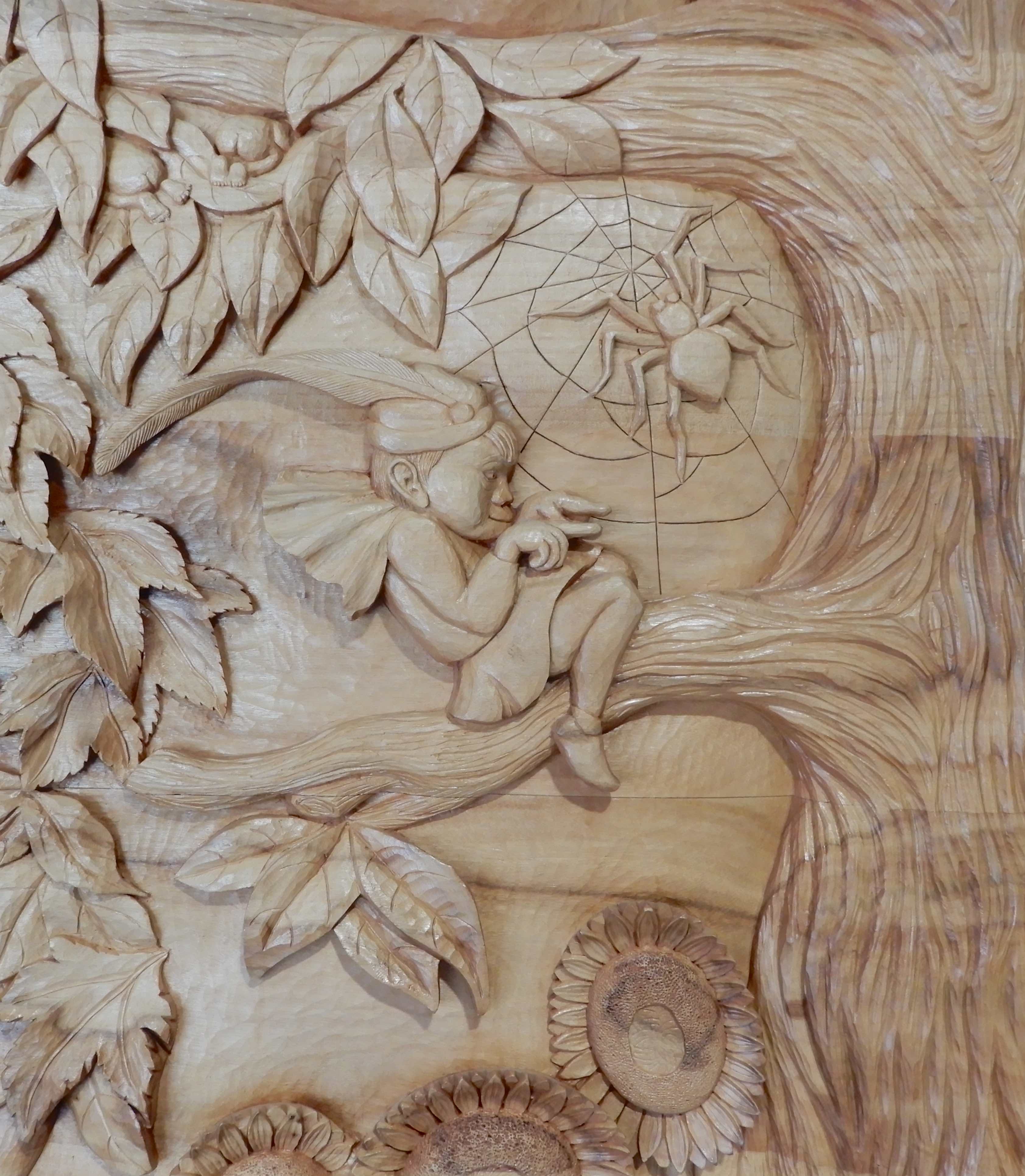
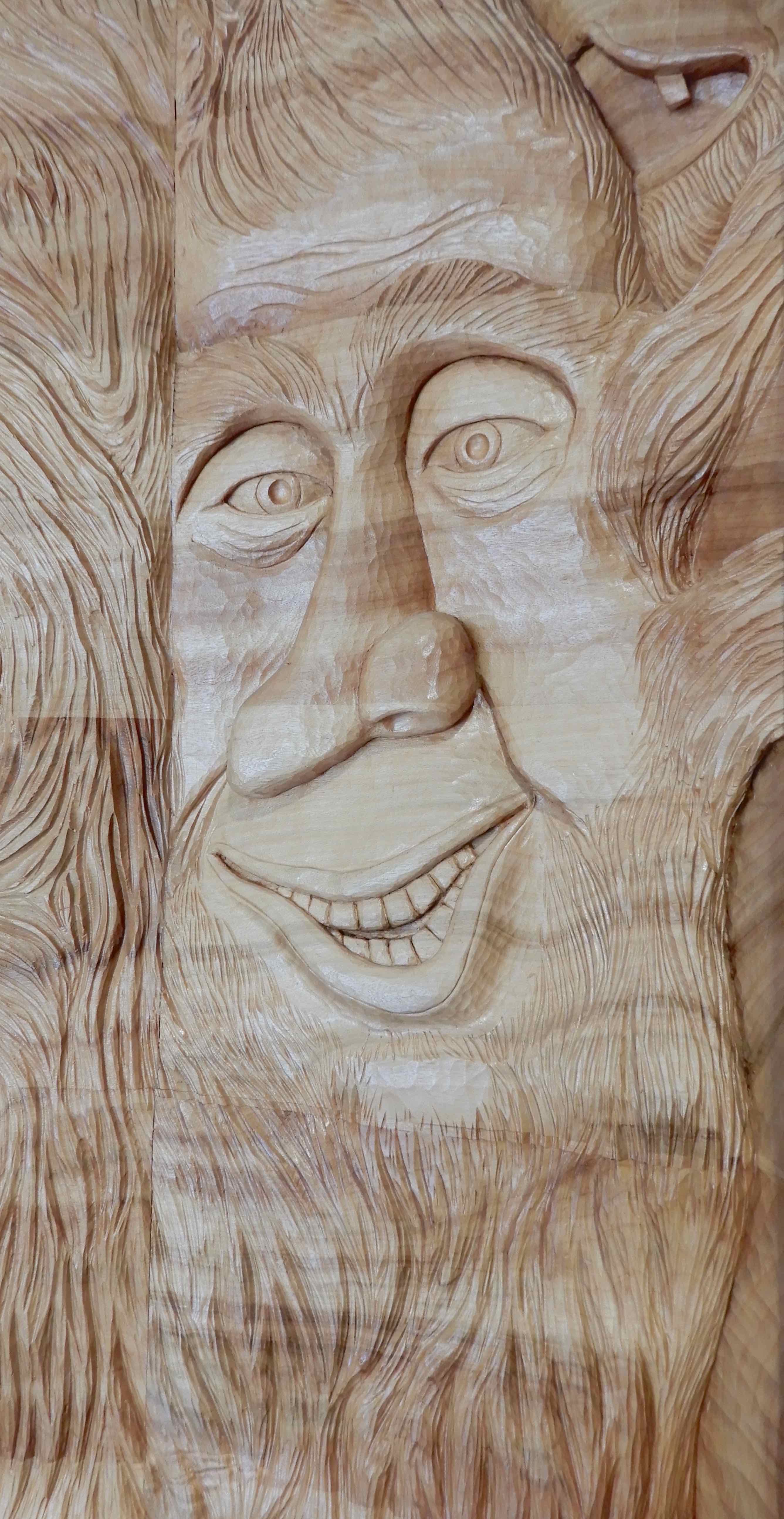
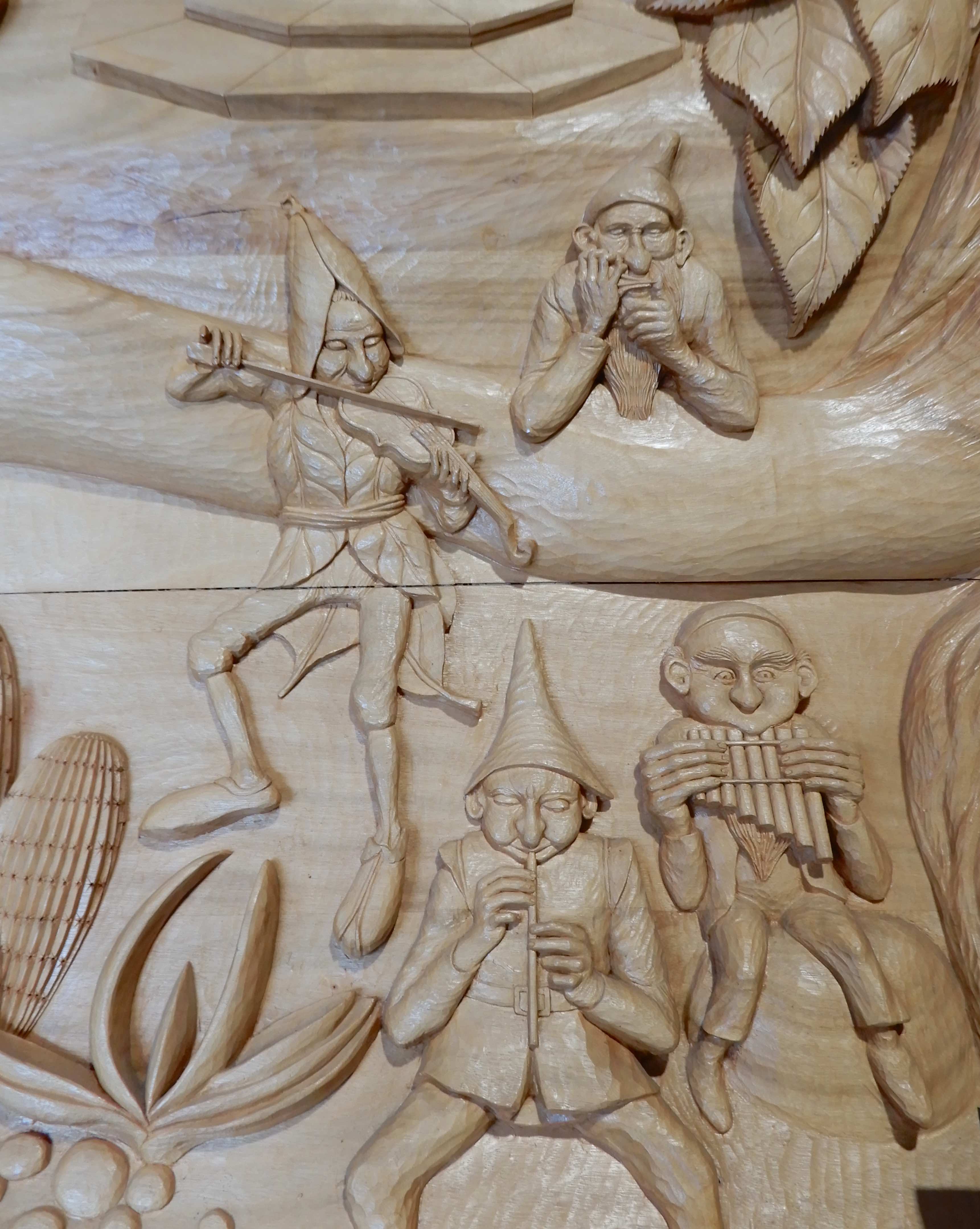
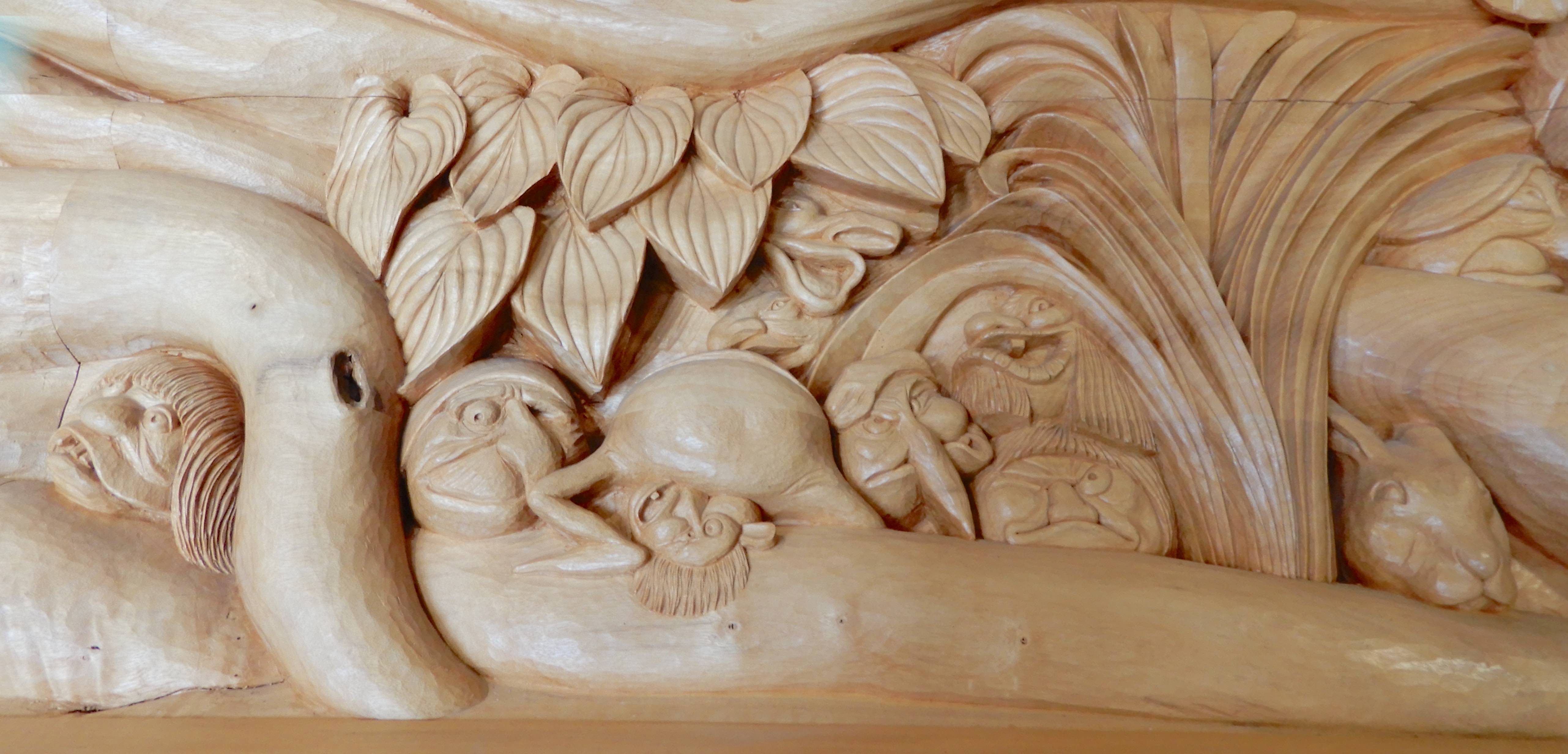
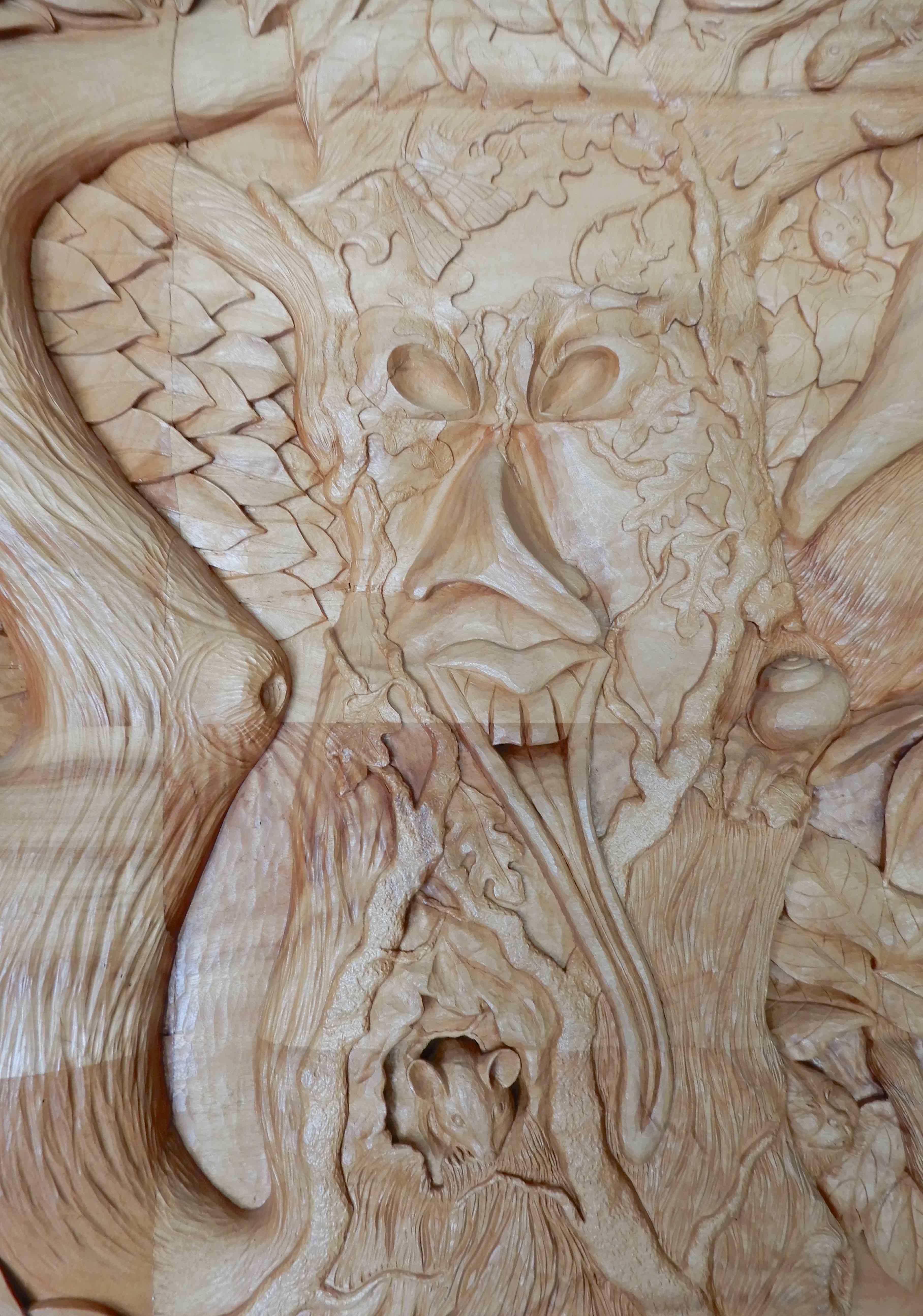
Passing by the Events Centre, we were drawn to a huge wood carving depicting real and imagined life in the gardens. The intricate carving was created from a single camphor laurel tree which grew on the river bank, far too big to capture in one photograph.
At Hamilton Gardens, the emphasis is on different types of garden design rather than plant collections, exploring the history, context and meaning of gardens. The individual gardens are presented in three separate themes – Paradise Gardens, Fantasy Gardens and Productive Gardens – too much to cover in one post so I will start with the Paradise Collection. Each garden radiates from a central court, in this case it is Cloud Court featuring statues of Egyptian gods Horus, the falcon-headed god of the sky and Sobek, the crocodilian ‘Lord of the Waters’.
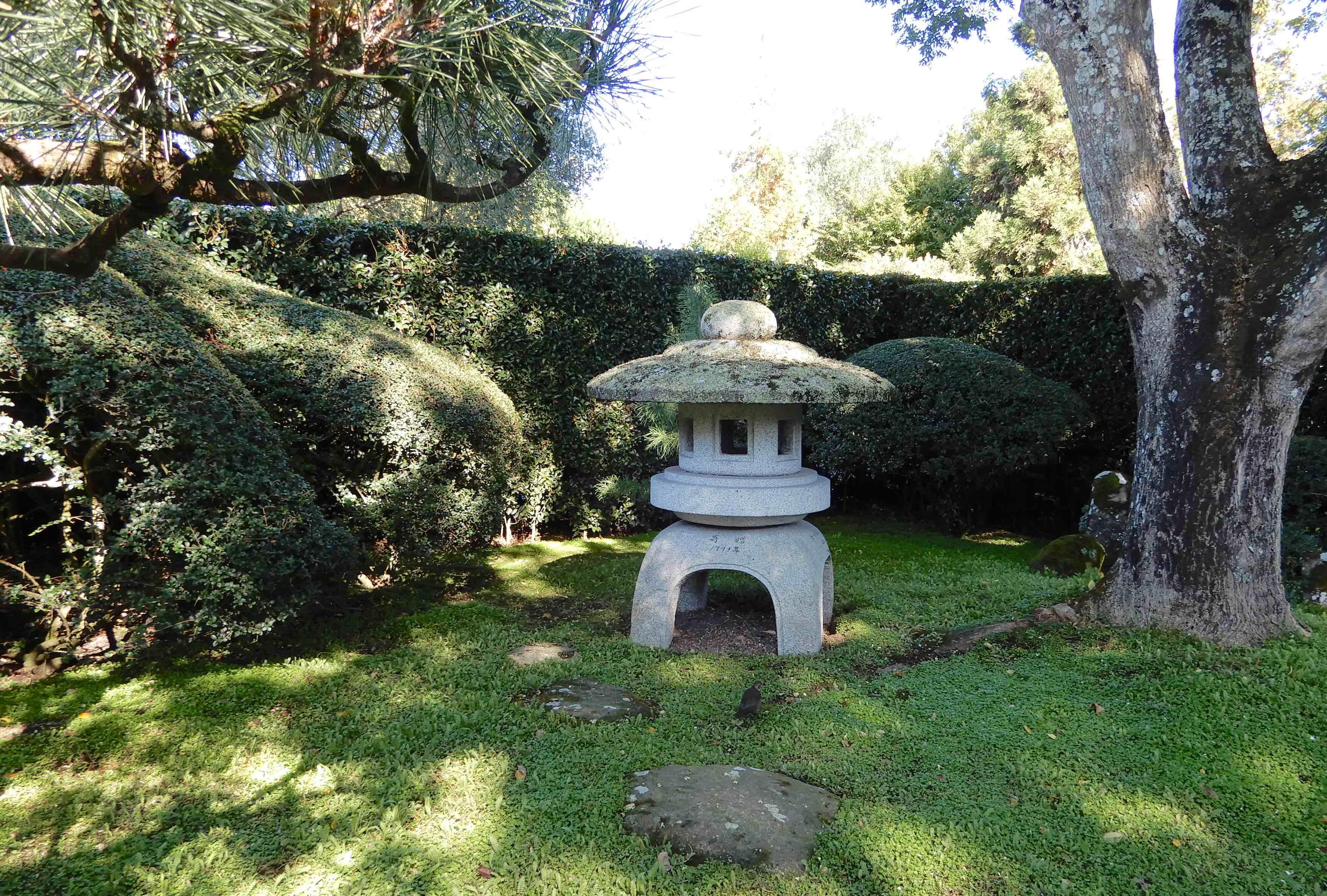
We started in the Japanese Contemplation Garden, entering into a karesansui, or dry landscape garden, of the Muromachi era from the 14th to 16th century. Often called ‘Zen gardens’ because they are found in Zen temple complexes in Japan, these are designed for quiet contemplation and study.
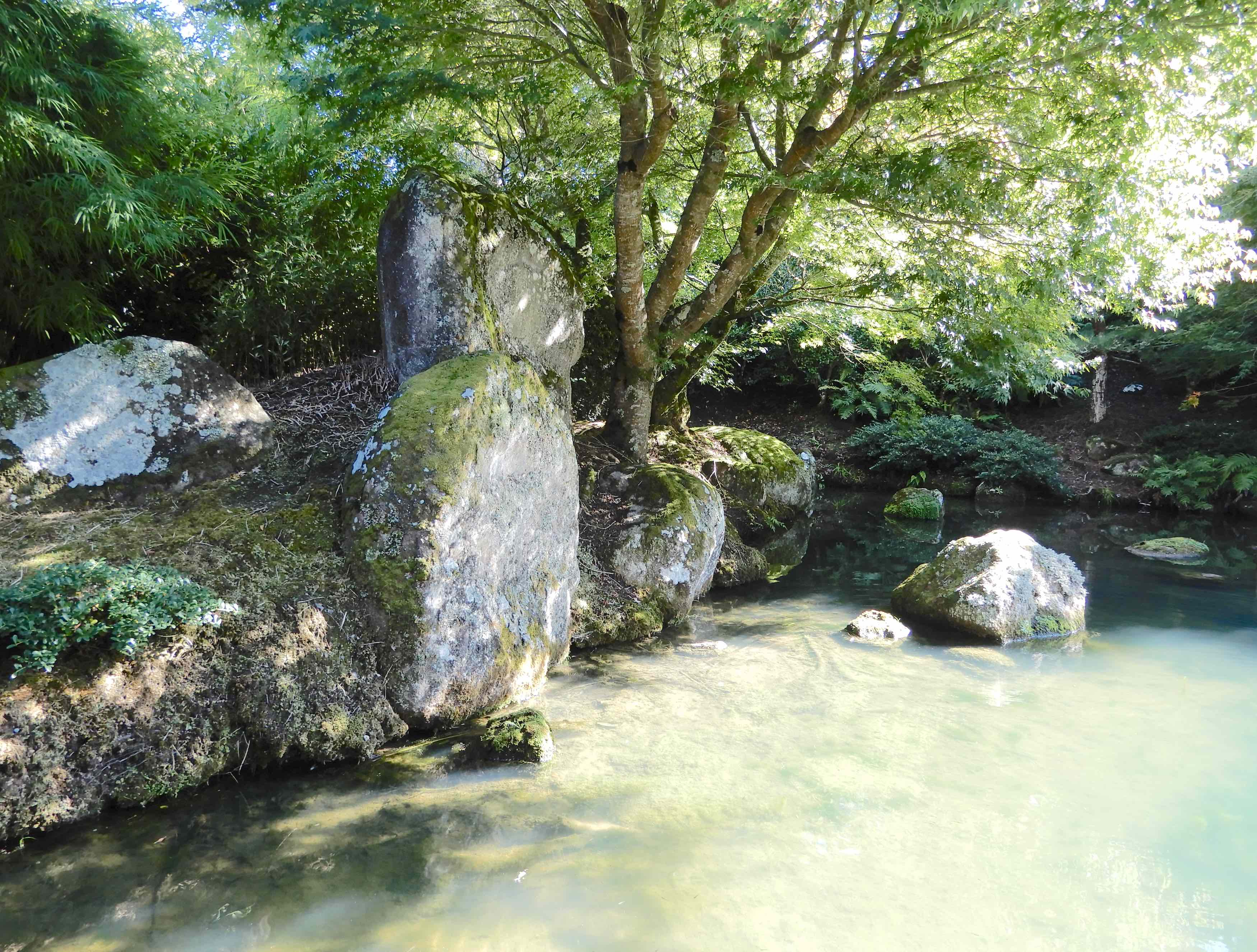
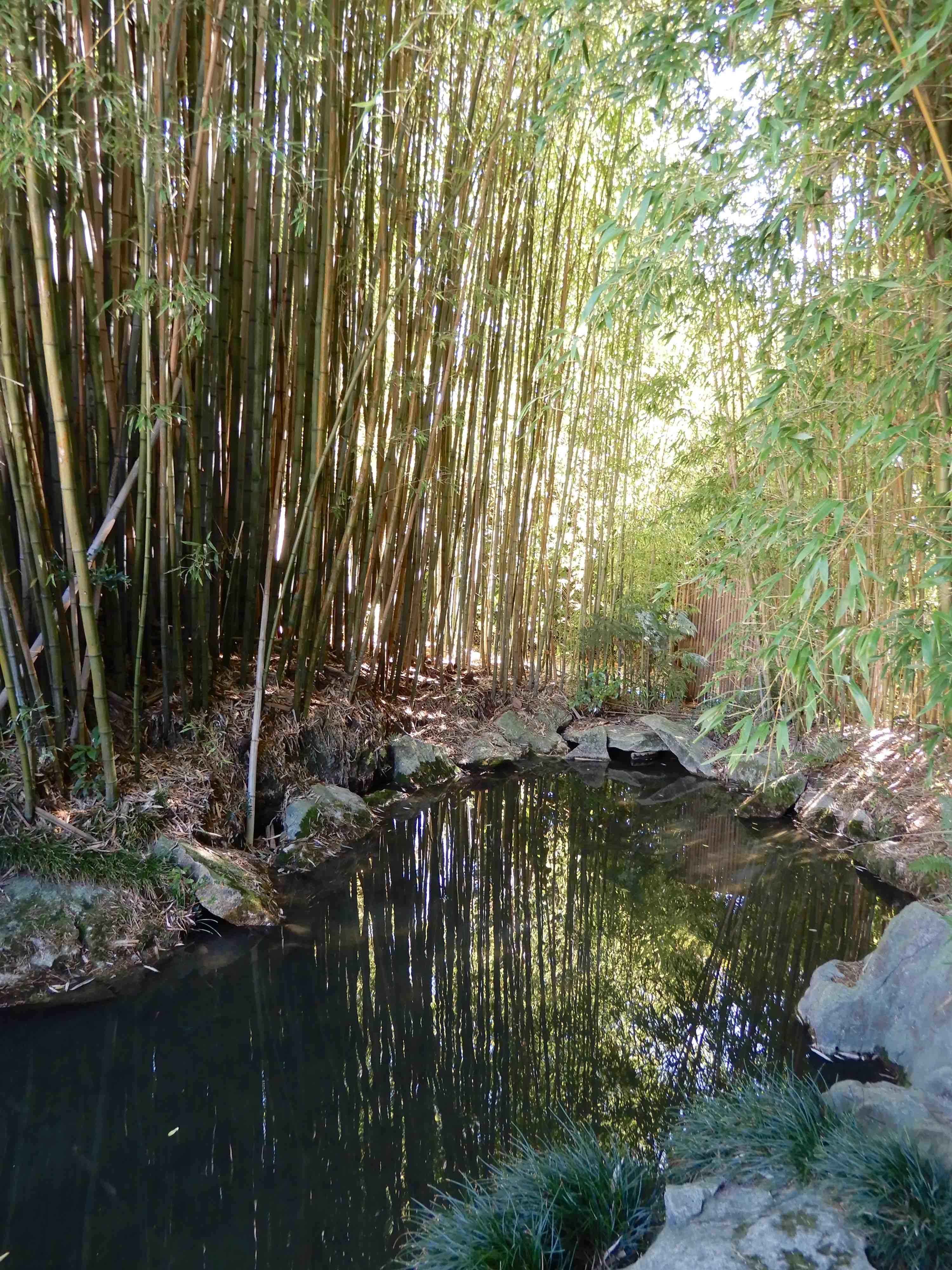
Beyond the pavilion, a pool surrounded by Japanese Maple trees infuses a serenity felt by even the smallest inhabitants.
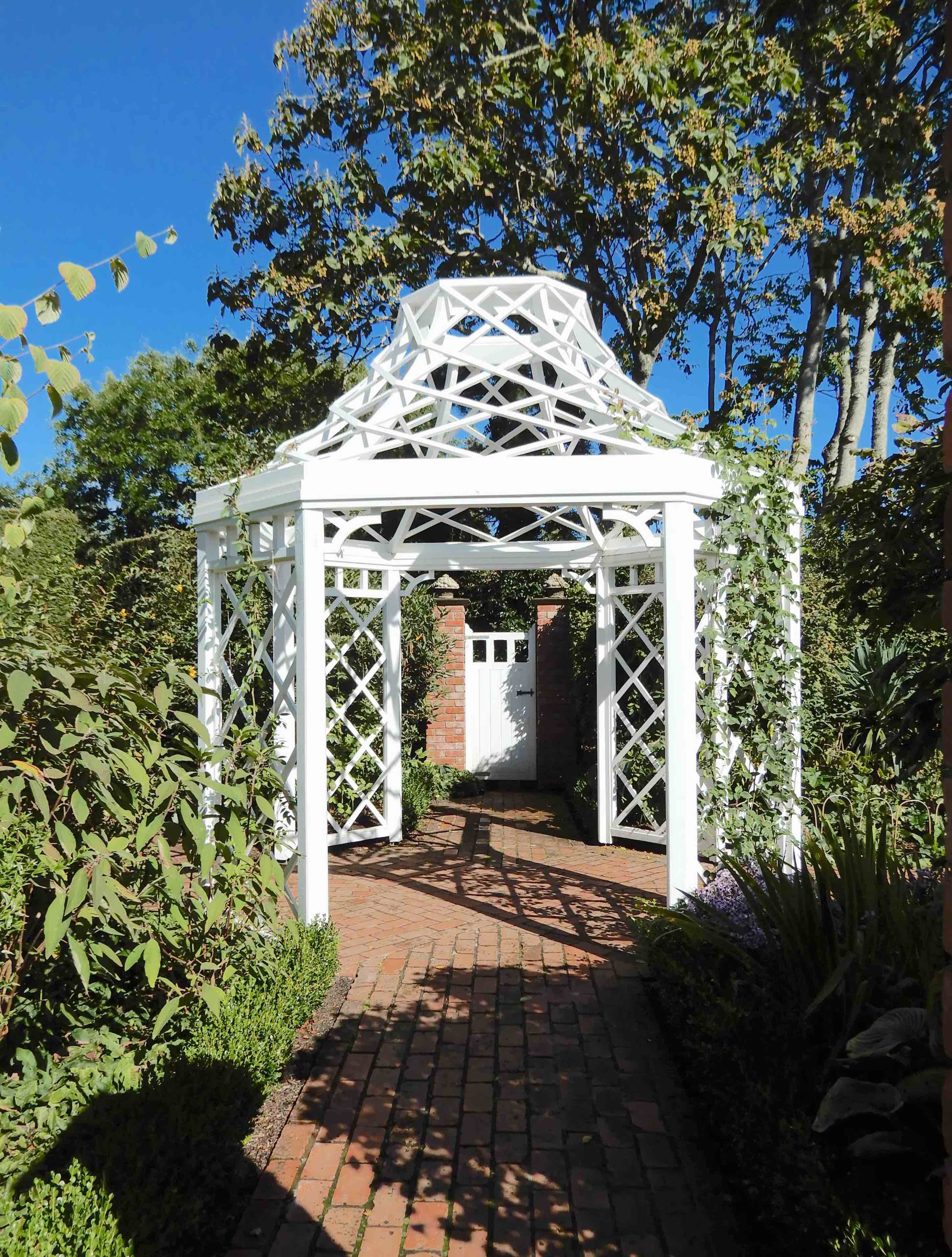
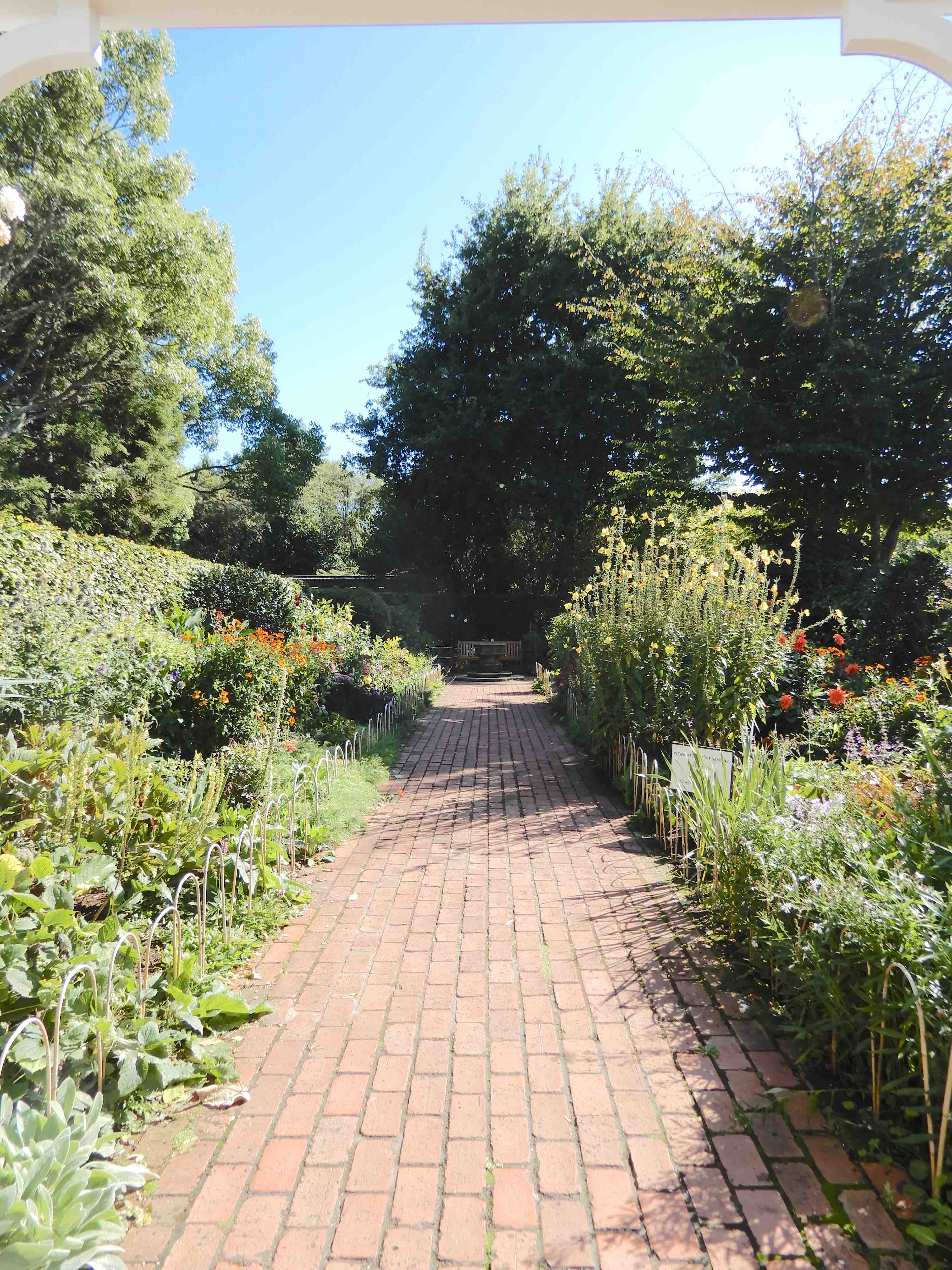
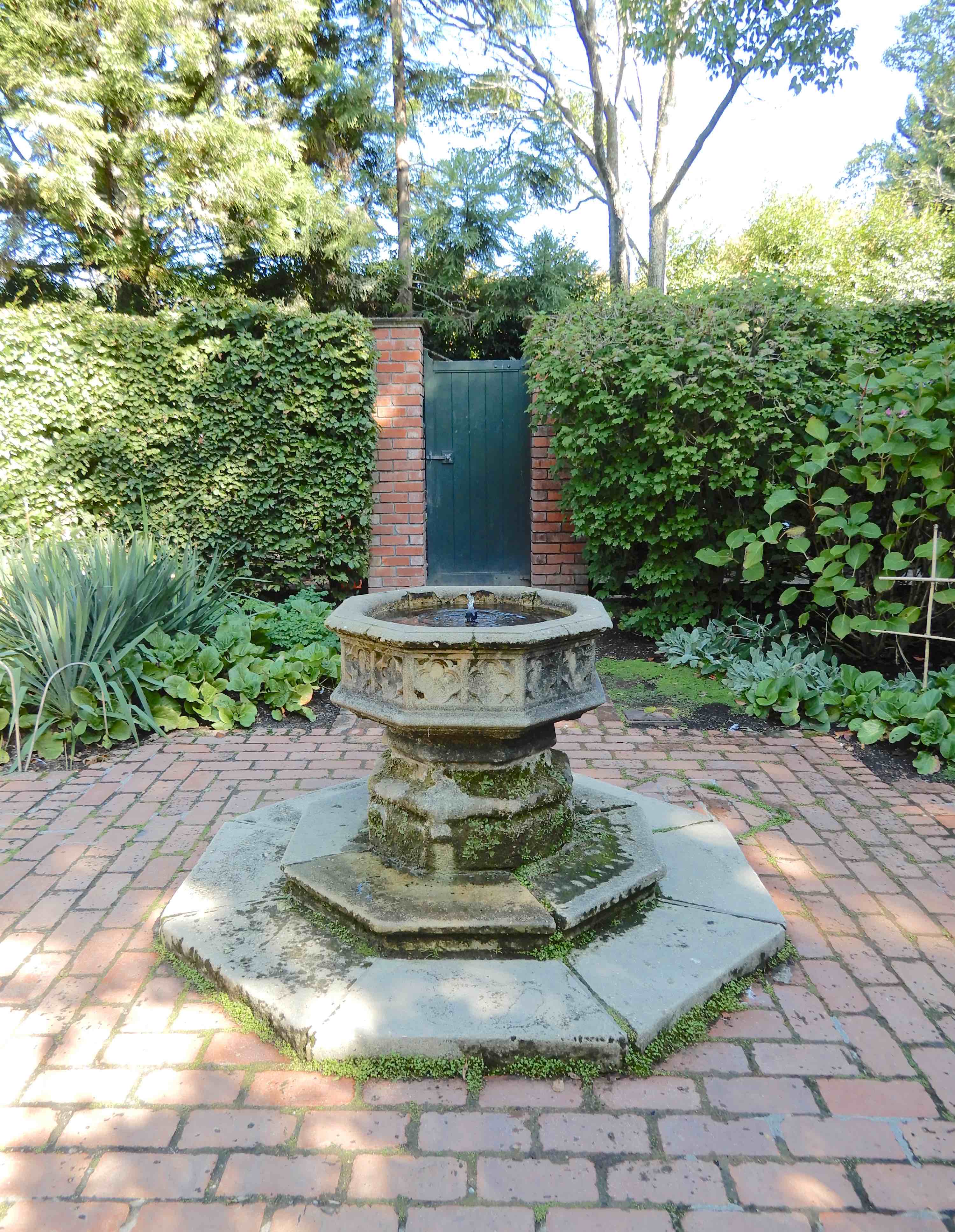
The traditional gardens of the Arts and Crafts period in the late 19th and early 20th centuries are the inspiration behind the English Flower Garden. Walls and hedges create a series of outdoor rooms, each with a different planting theme, that are linked by pathways terminating at an arbor, fountain or seat.
It is easy to see why the gardens of this era are often referred to as ‘the gardens of a golden afternoon’.
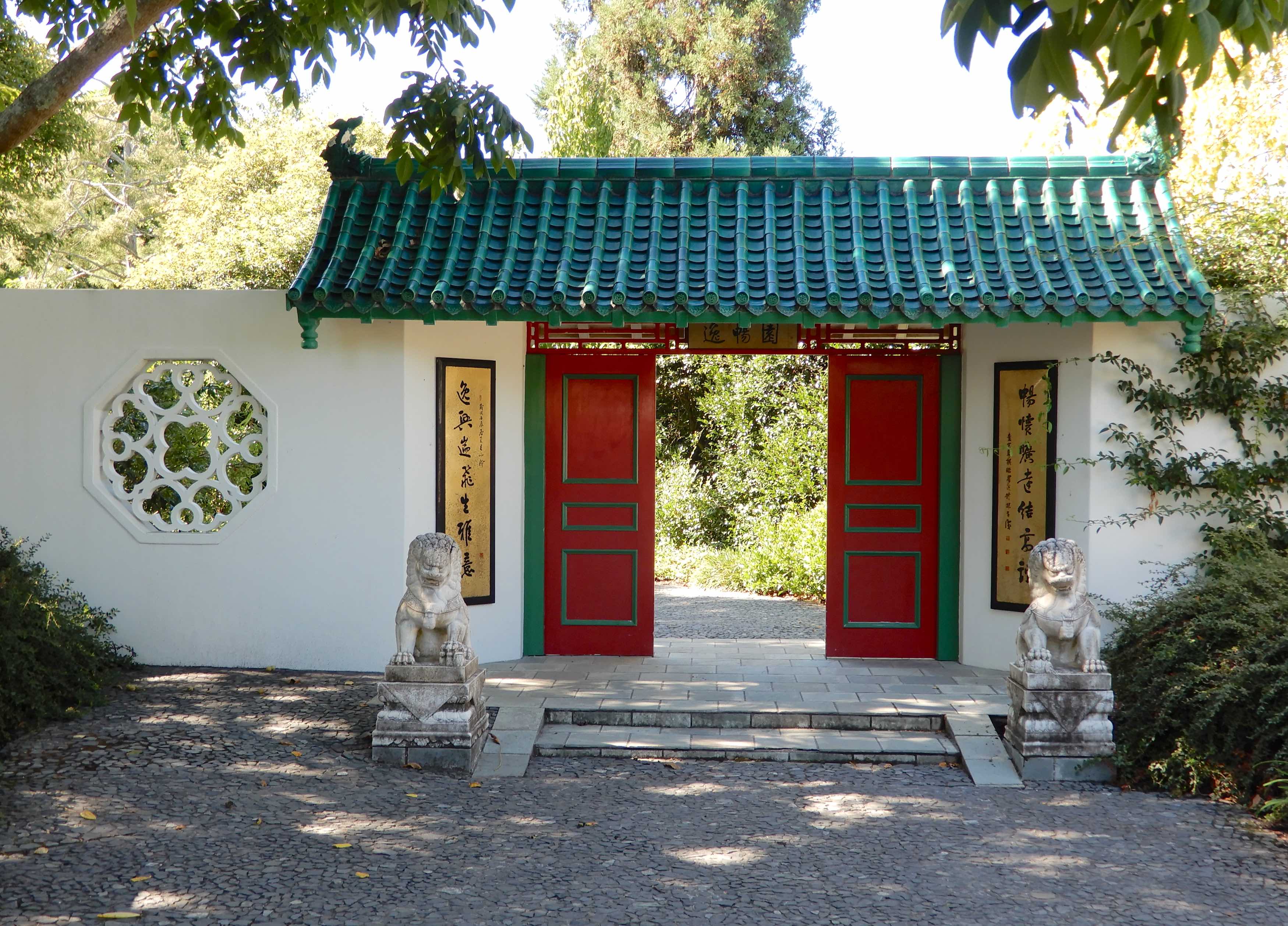
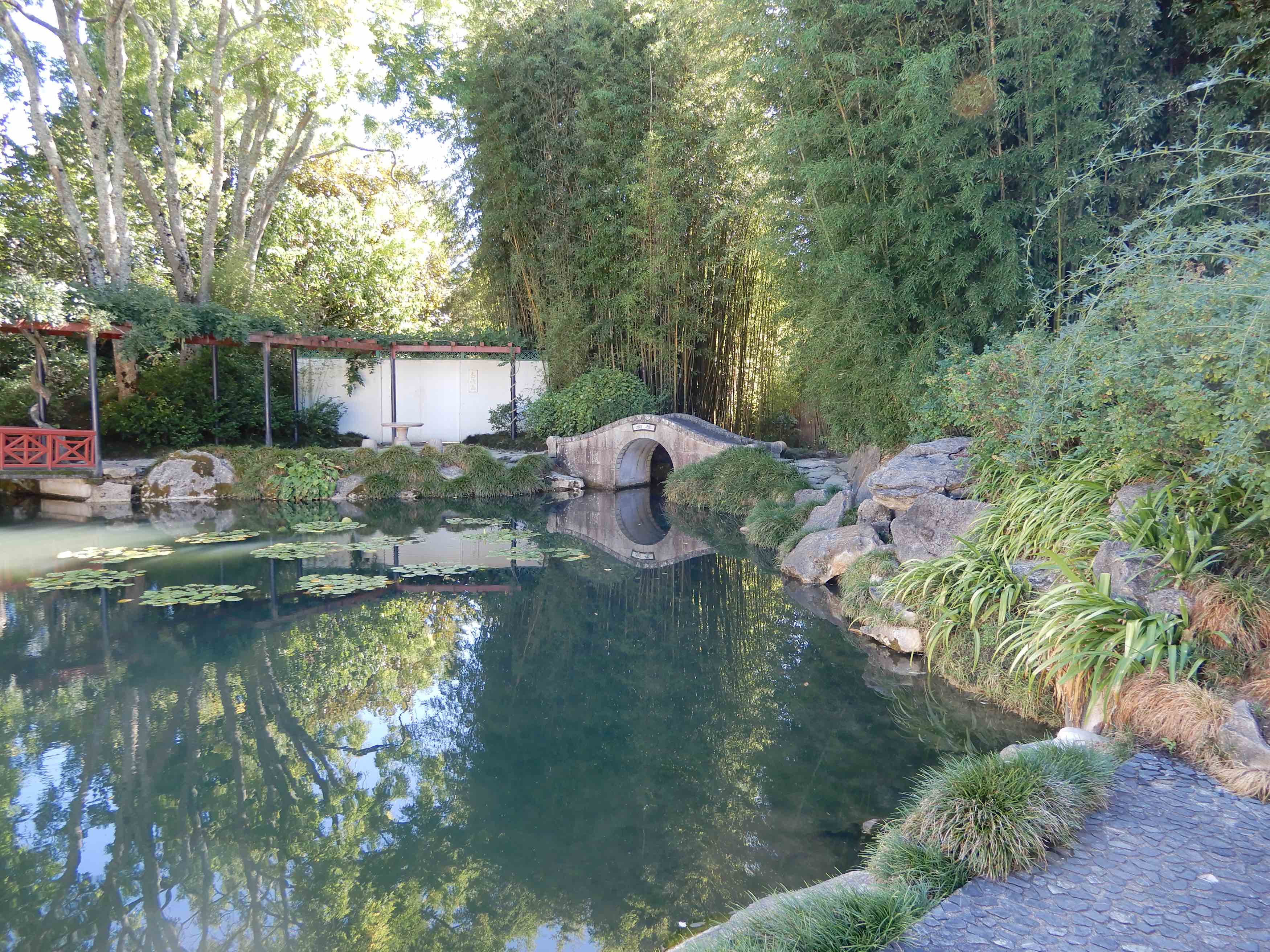
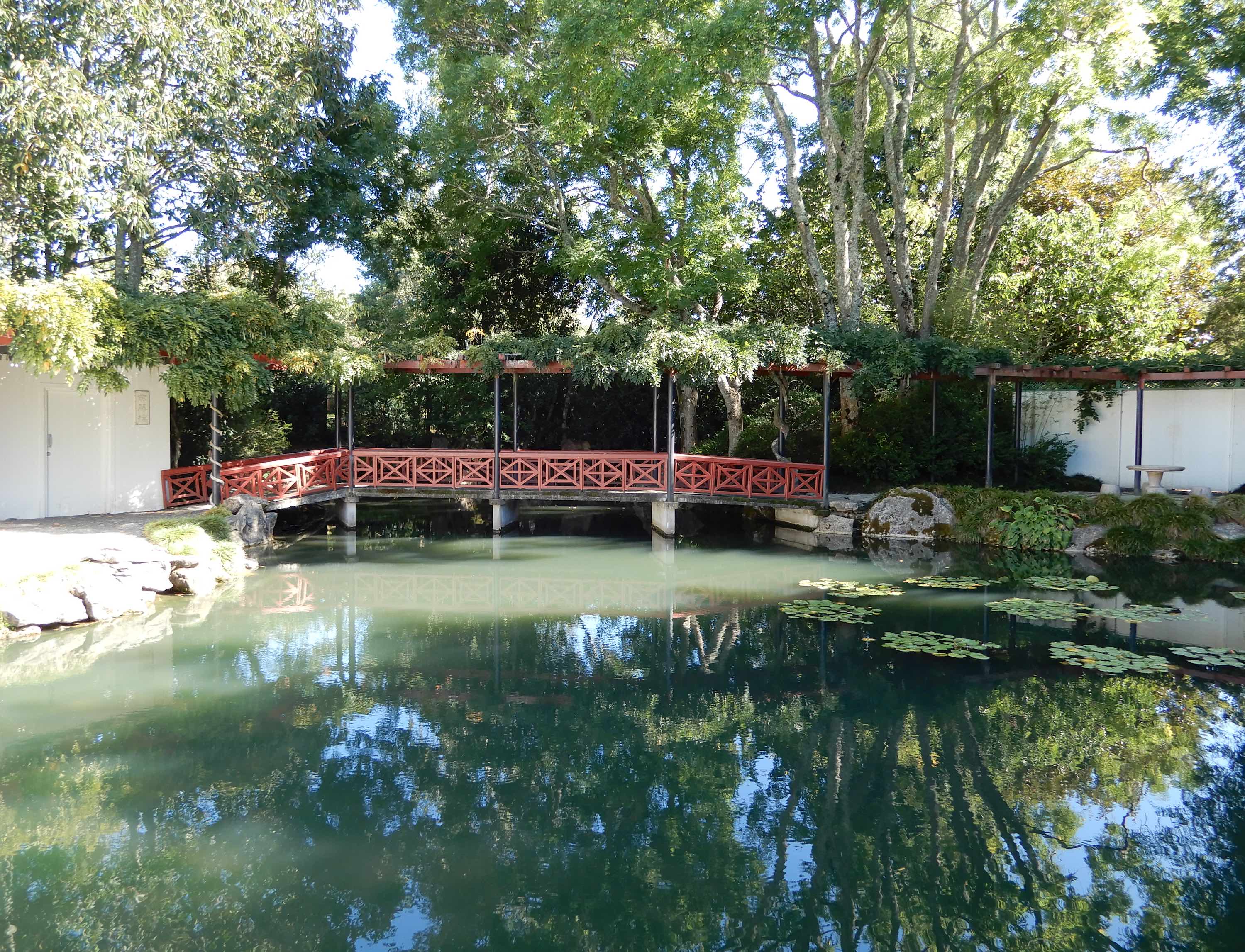
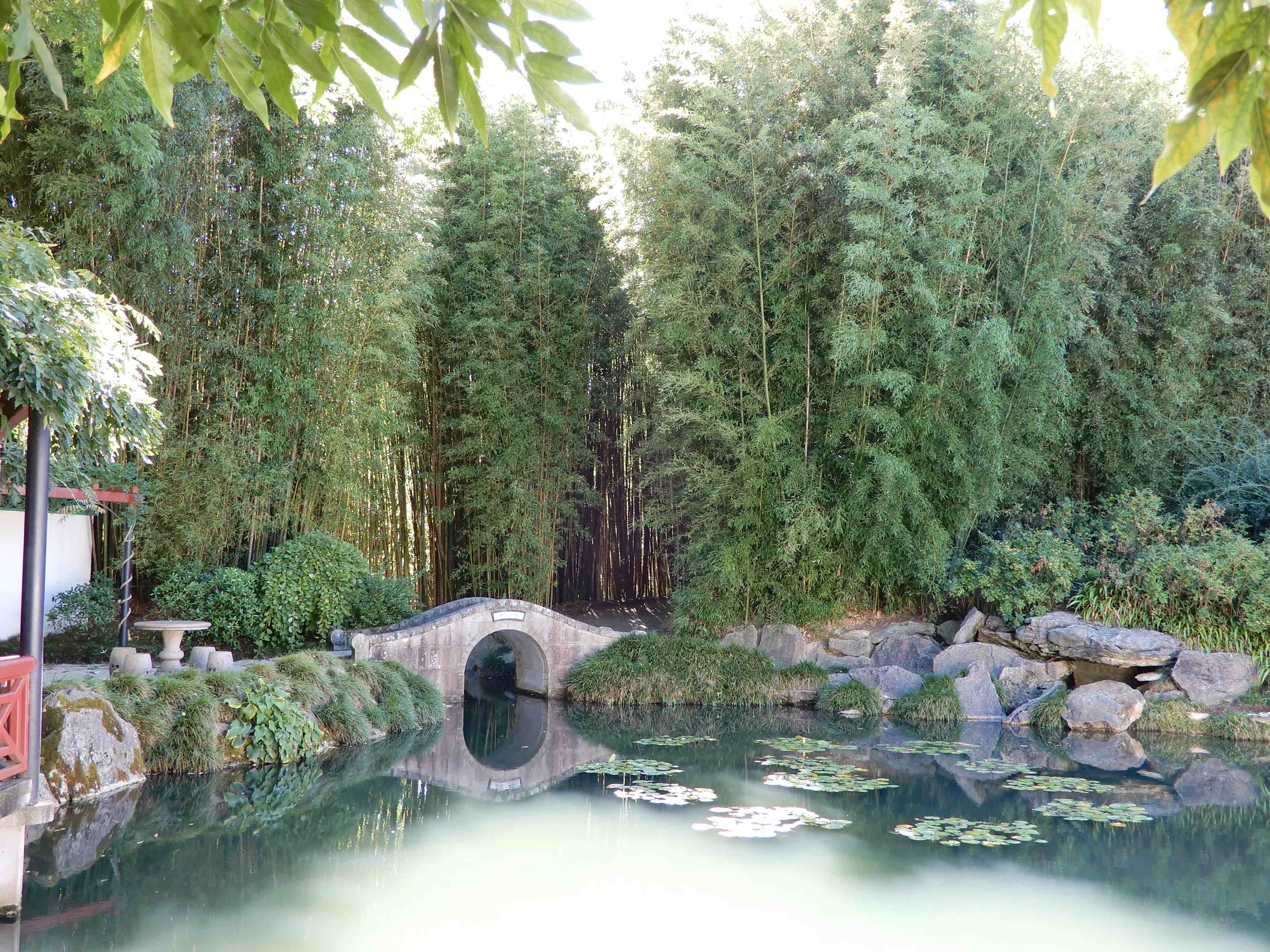
The art of Chinese gardening dates back to the Han period, at least 2,000 years ago and this influential art form has been called the ‘mother of gardens’. The Chinese Scholars’ Garden represents a traditional Chinese garden from the Sung Dynasty, 10th to 12th century, when a social class of mandarins, scholars and the landed gentry created and maintained these distinctive gardens.
The winding path led to a blooming Wisteria bridge and would eventually reach a pavilion with views of the Waikato River.
Instead, we retraced our steps, past the giant bronze half turtle-half dragon, the Celestial Yuan of Taihu, symbolically protecting the garden from floods.
The 20th century brought the minimalist design of the Modernist Garden, particularly on the U.S. western seaboard and northern Europe in the 1930s. Elements such as swimming pools, barbecues and outdoor eating areas dominated with little ornamentation or formality. Not really my idea of a garden.
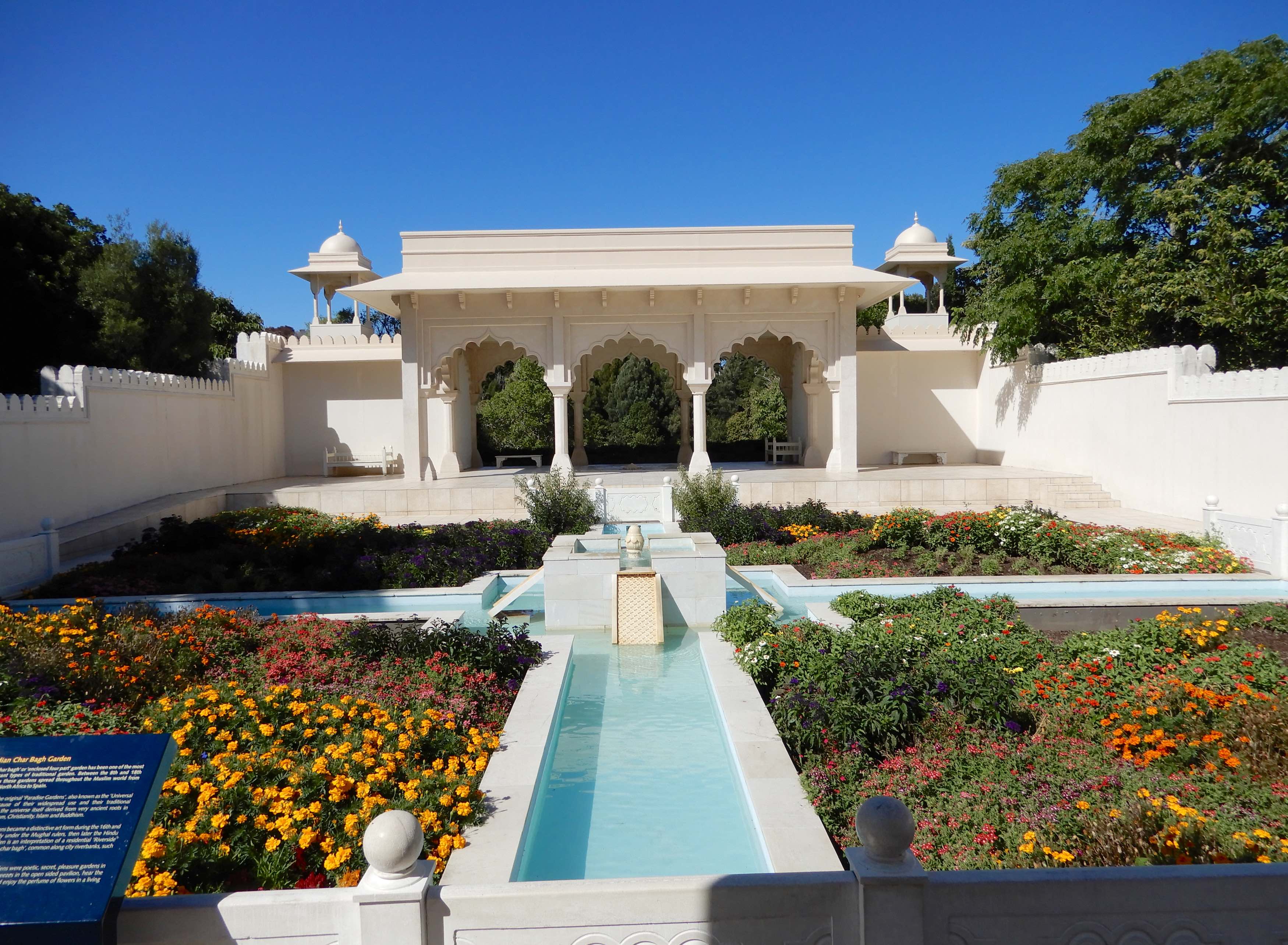
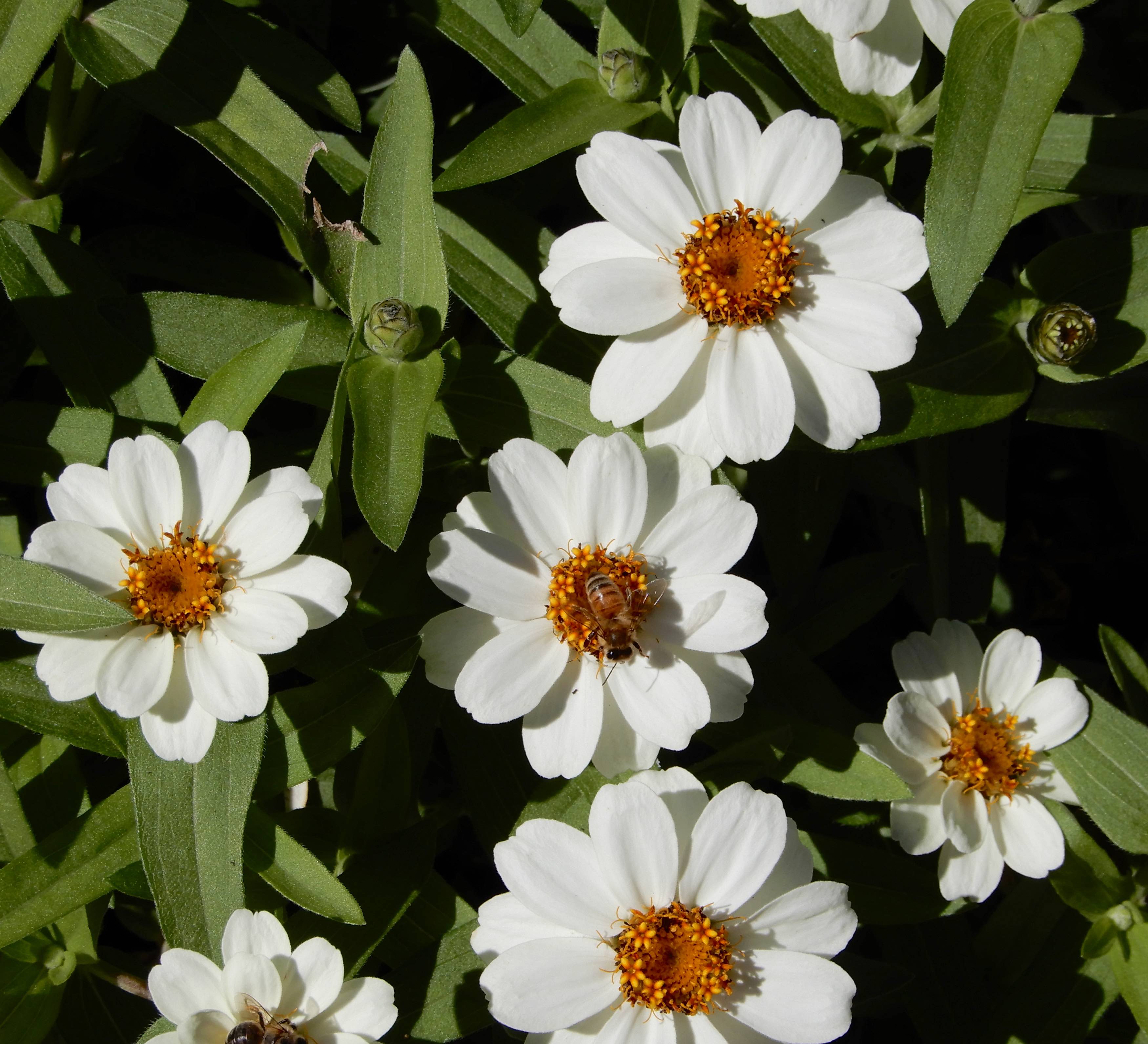
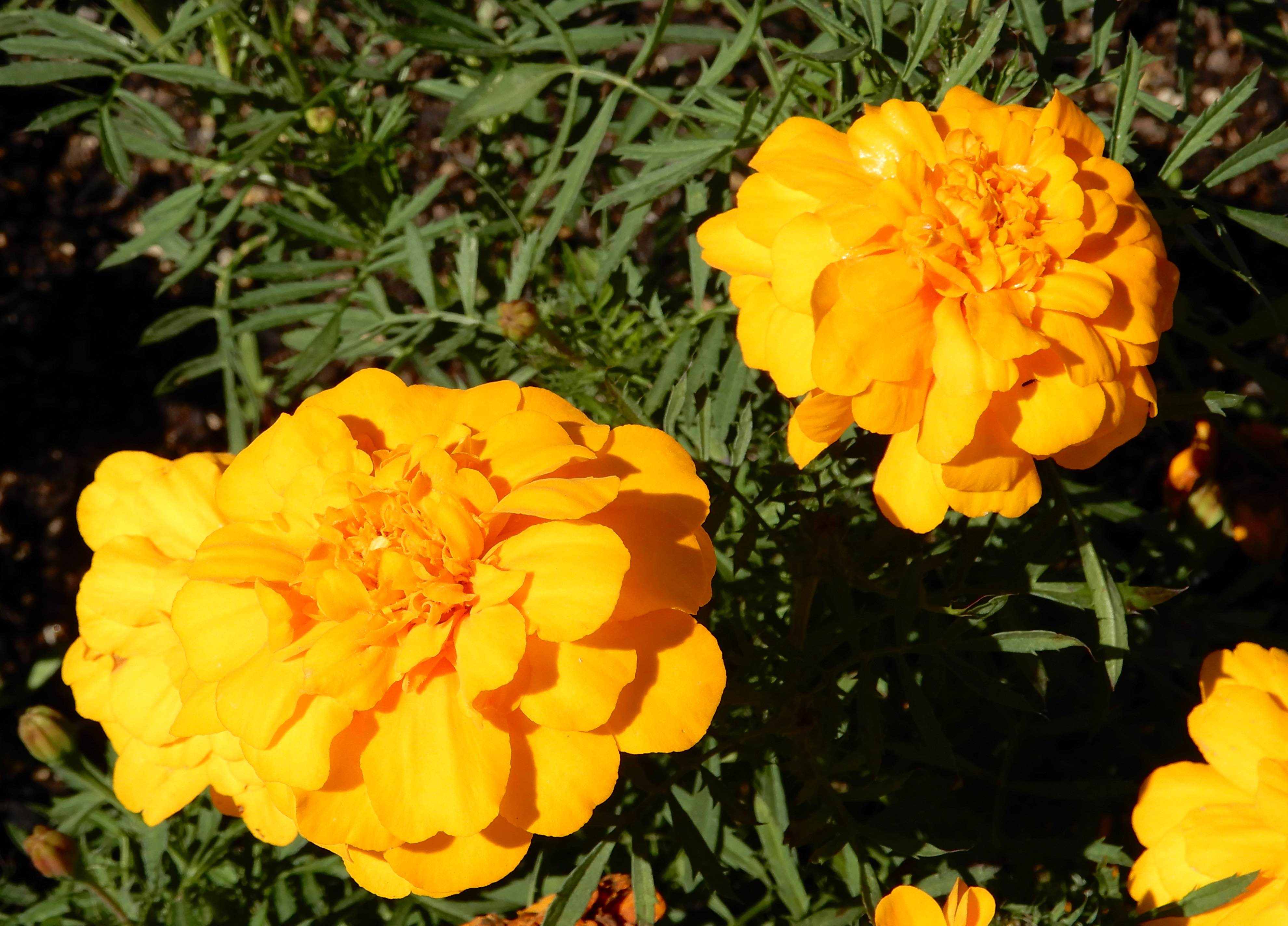
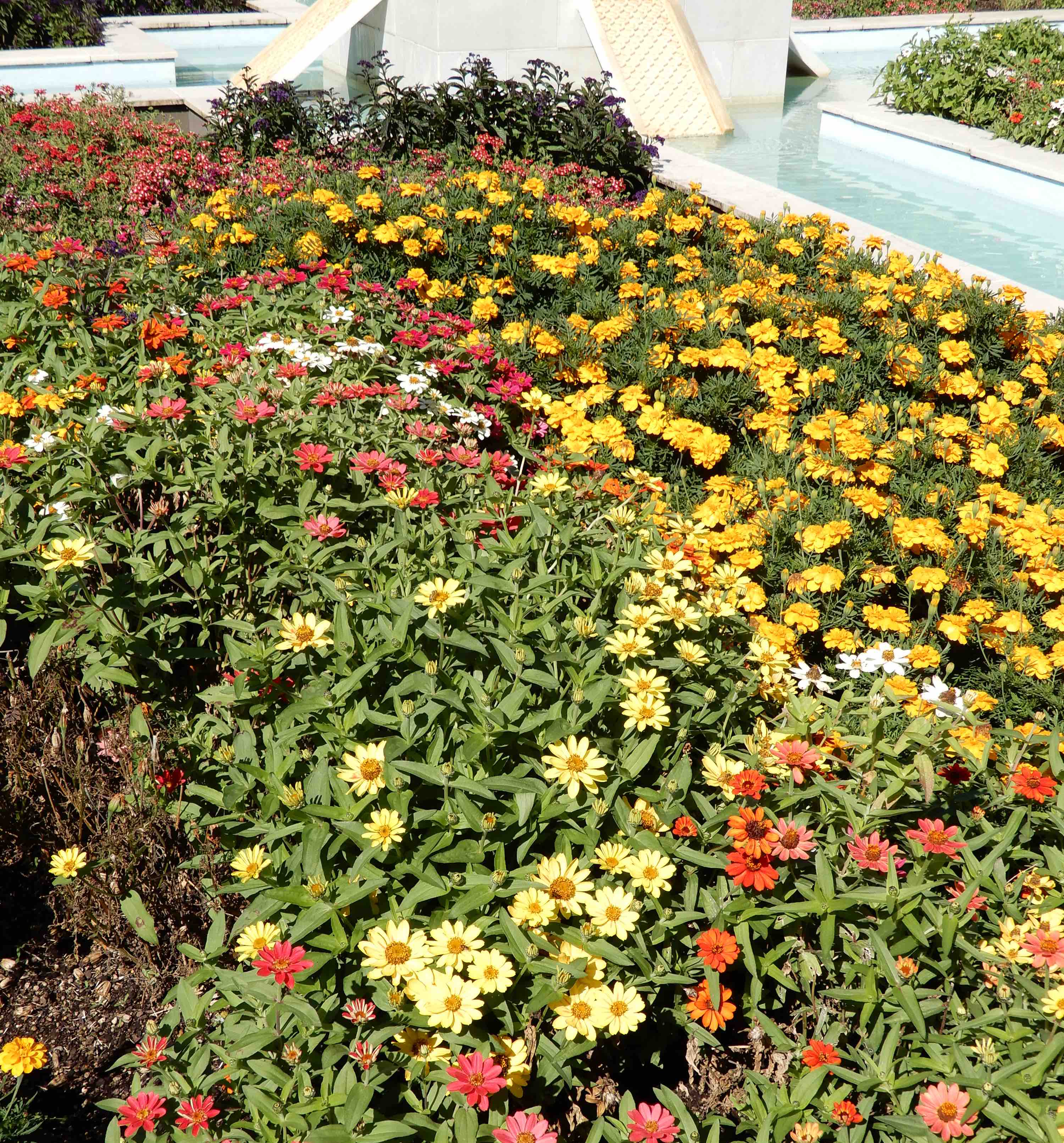
In stark contrast, the colourful Indian Char Bagh Garden was stunning. The symbolic four-quartered garden was designed for the Mughal aristocracy and spread throughout the Muslim world between the 8th and 18th centuries. The Mughal emperors, descendants of Genghis Khan, expanded their empire eastwards from Persia into northern India from the 13th century onwards. The design was adapted to local conditions but the basics of geometric layout and a focus on water and irrigation remained integral. In harsh climates, the subtle trickle of water combined with floral perfumes made for a sumptuous living Persian carpet.
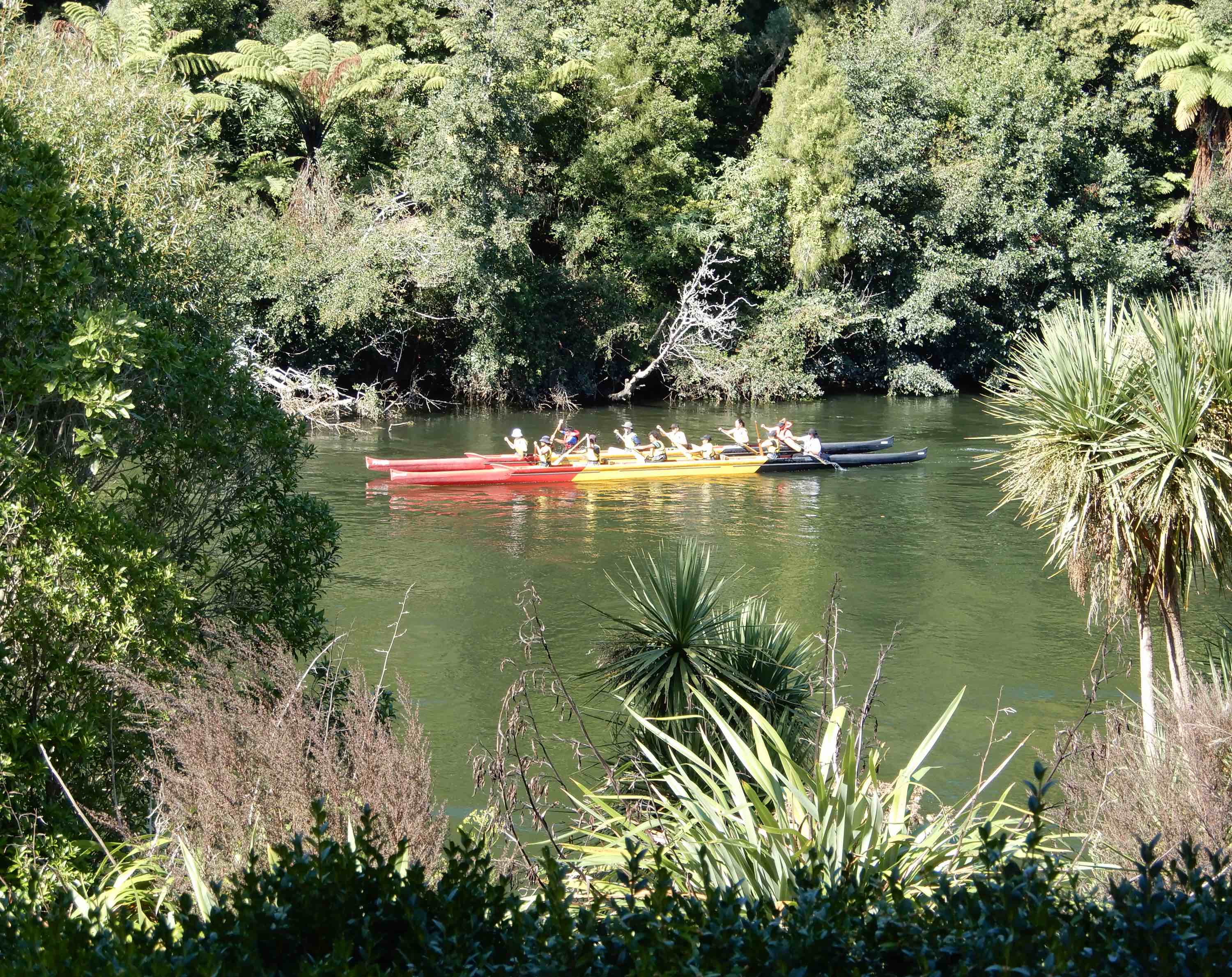
Beyond the pavilion, some were making the most of this glorious day on the Waikato River.
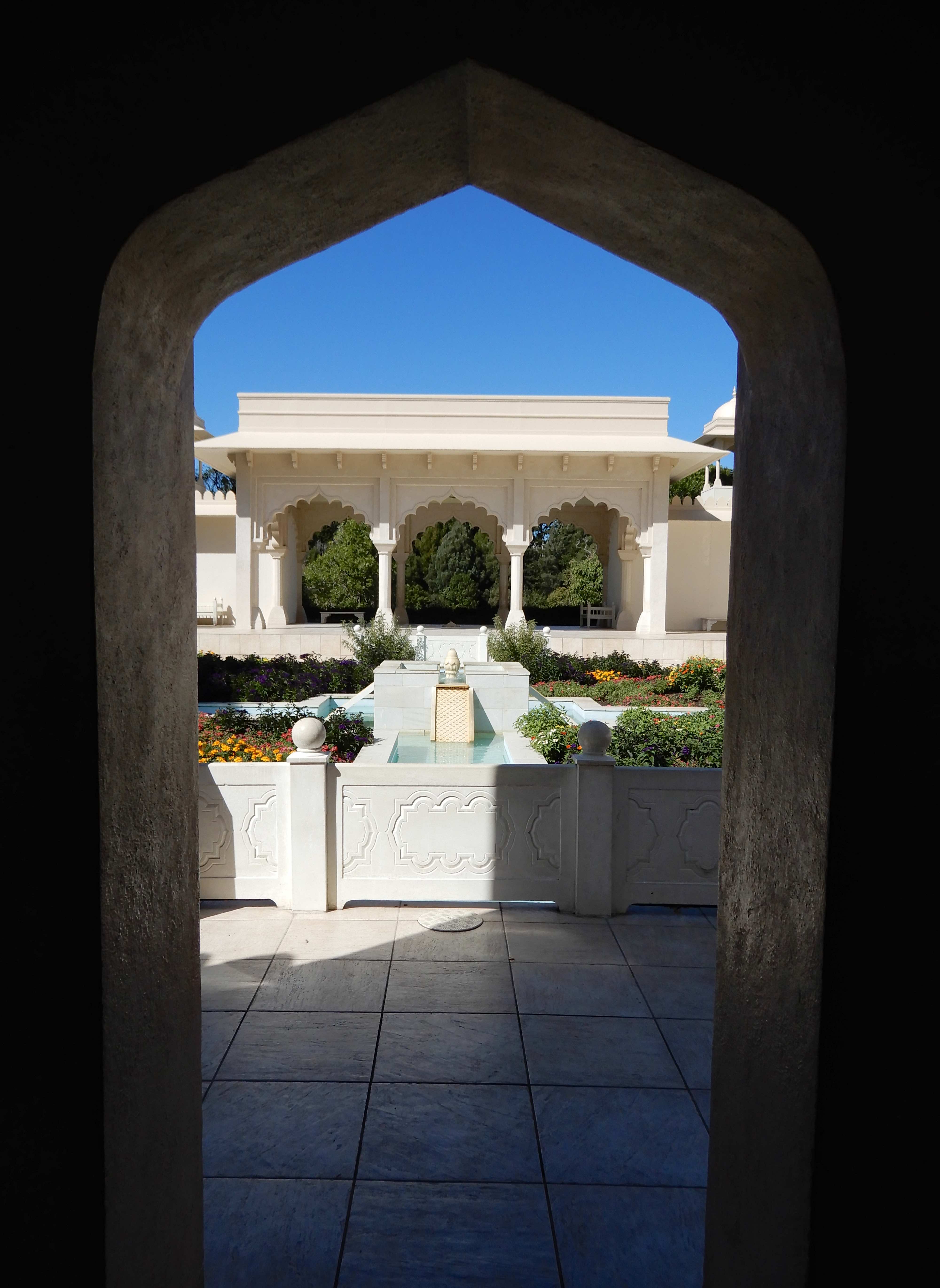
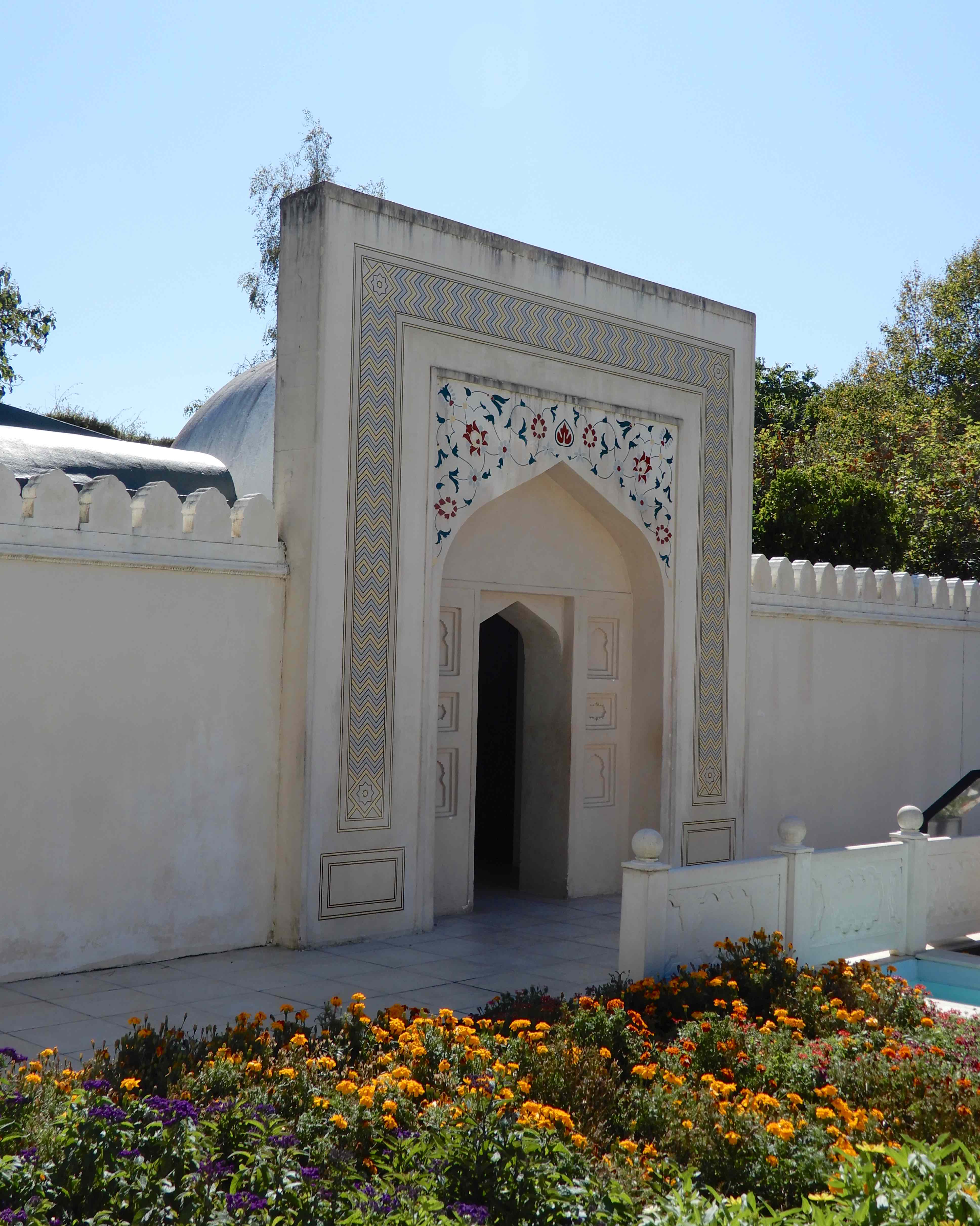
We retreated through the decorative entranceway
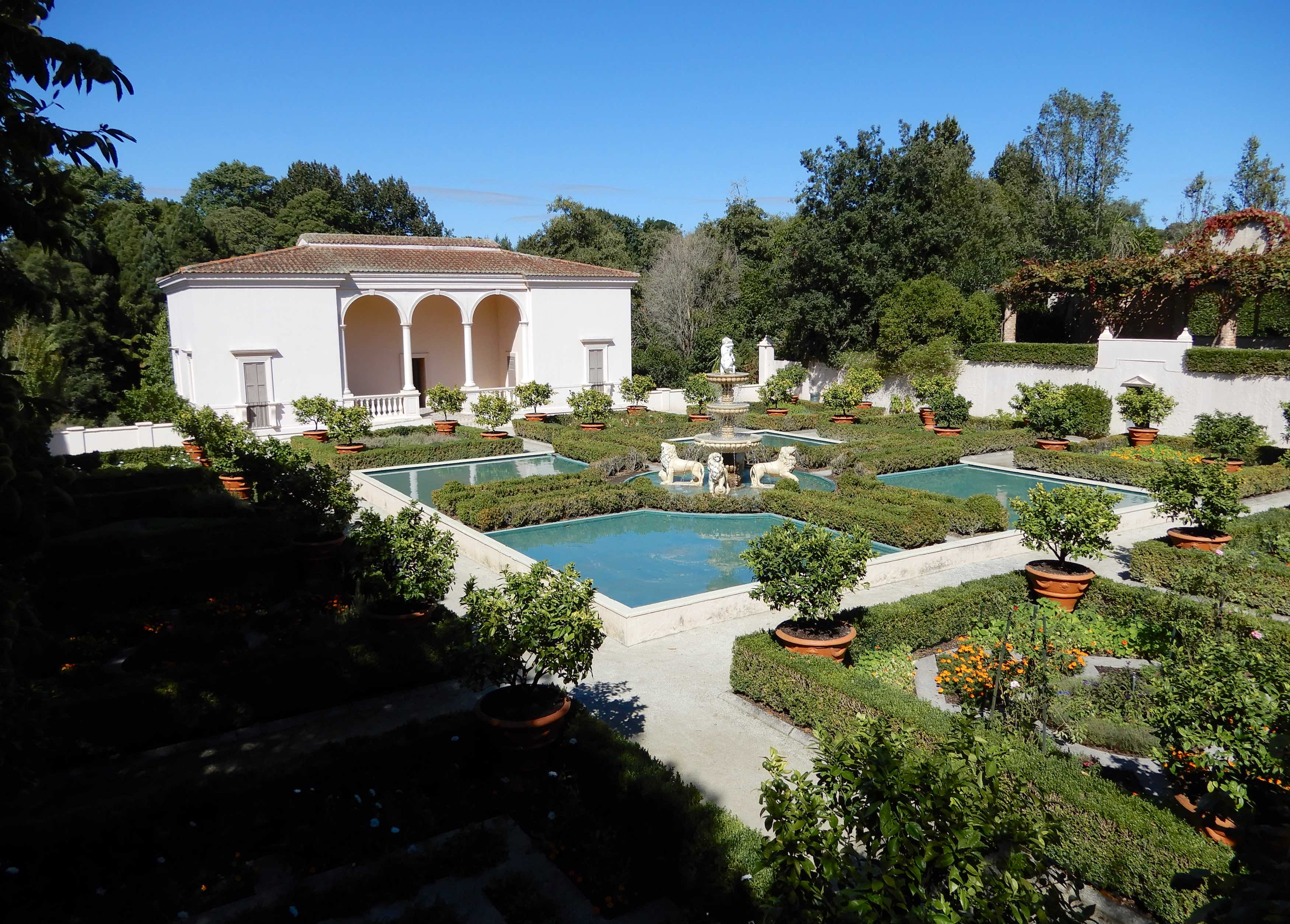
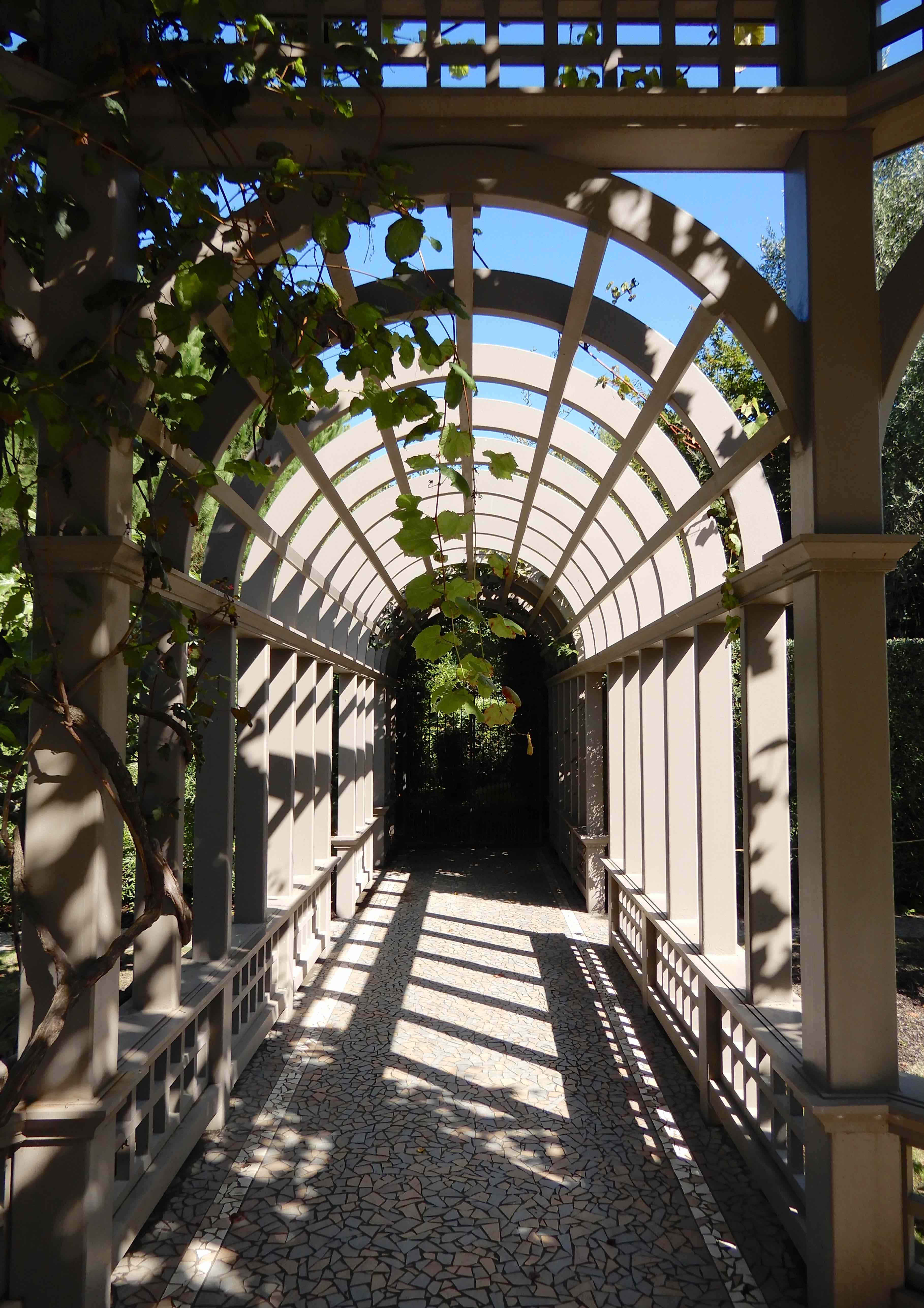
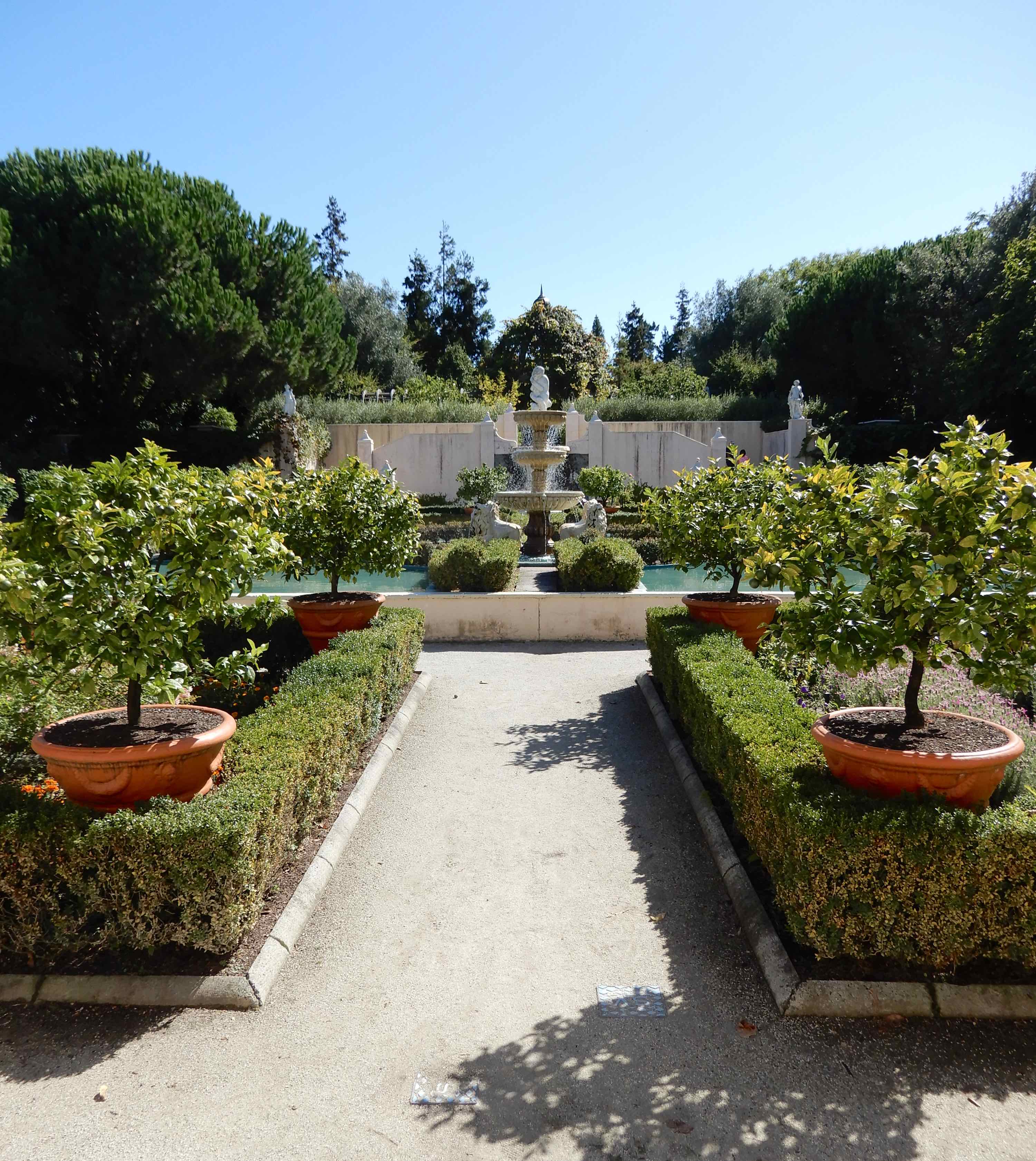
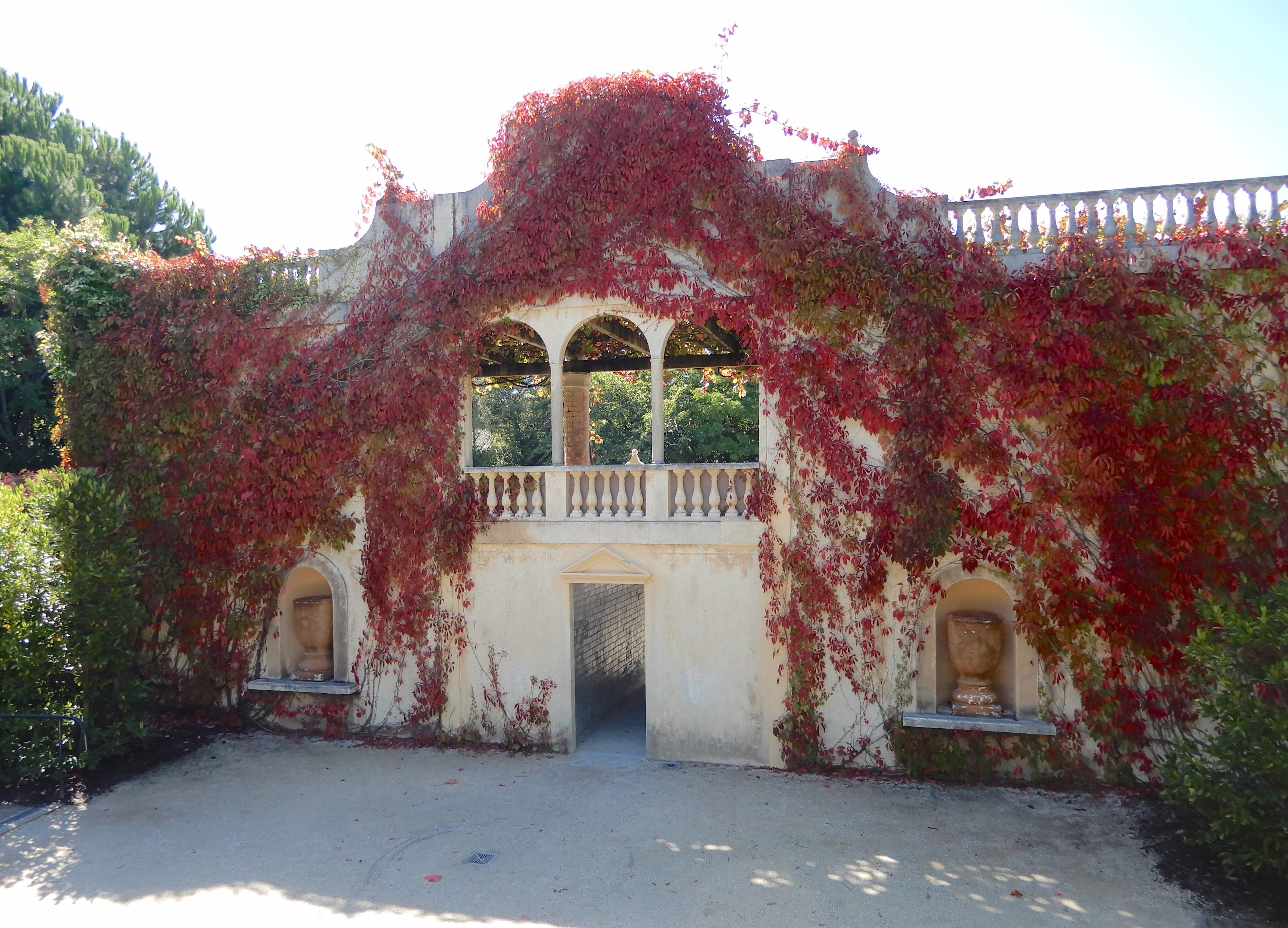
and made our way to the Italian Renaissance Garden. Many of the elements of earlier Medieval gardens have been retained such as high surrounding walls, square beds and arched trellis work.
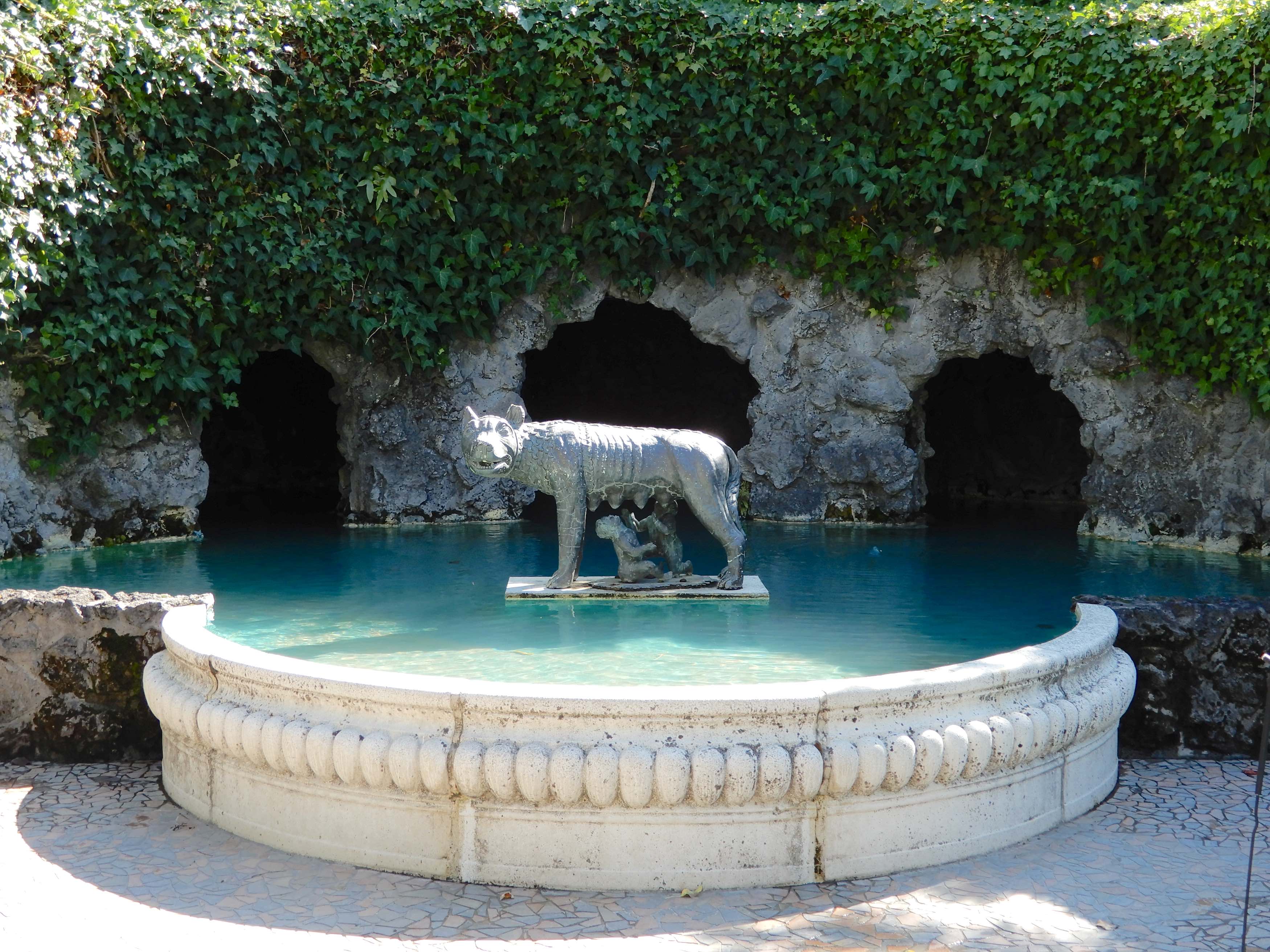
The Renaissance designers introduced a strong central axis linking different compartments of the garden and included antique sculptures. A perfect example is the copy of the original 5th century Capitoline wolf with Romulus and Remus, the founders of Rome who, as babies, were thrown into the Tiber River, which carried them to Platine where they were suckled by a she-wolf and then raised by a shepherd.
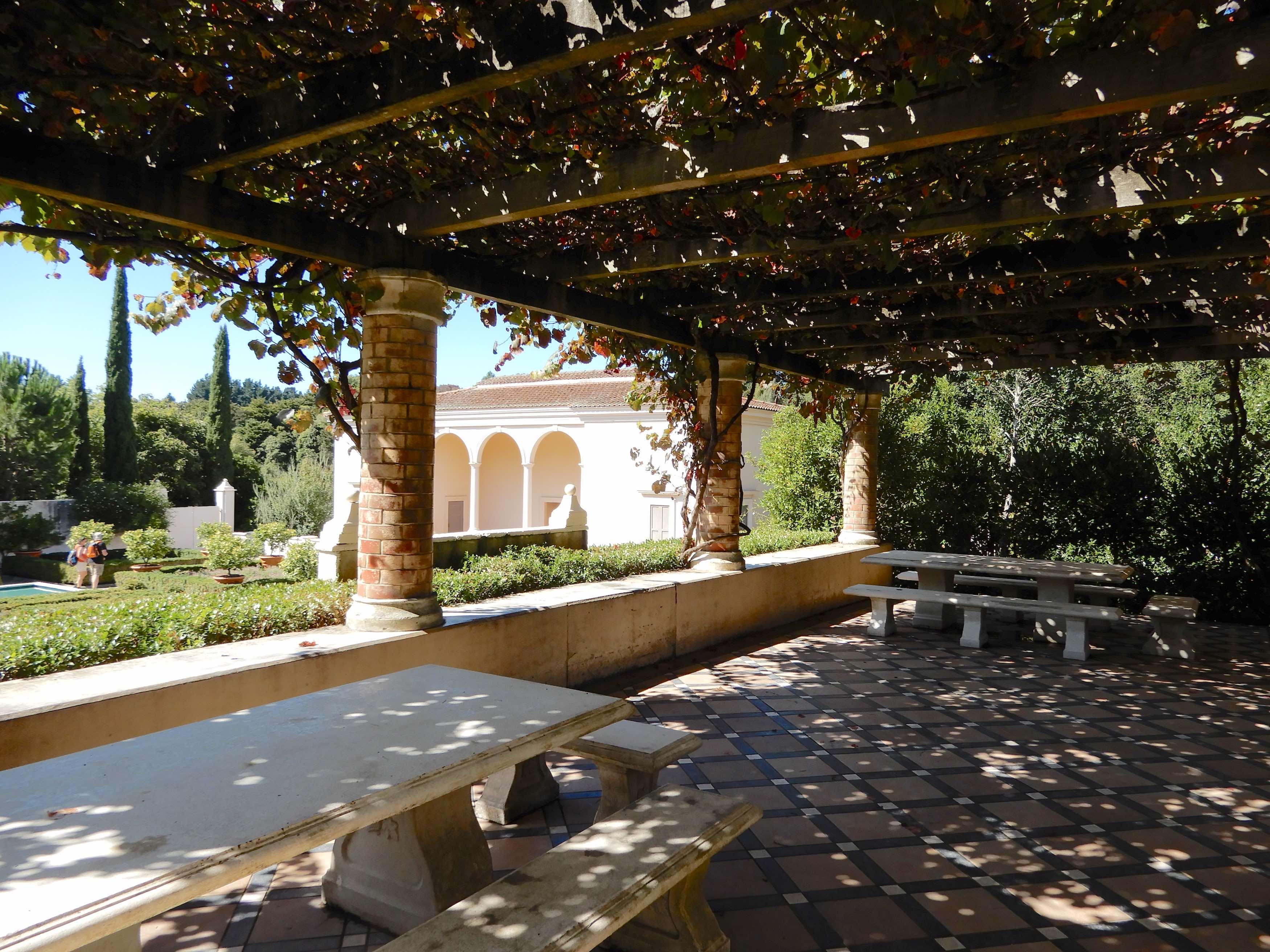
I could imagine enjoying a beverage on the vine covered terrace but there was much more to see.