Holy Trinity

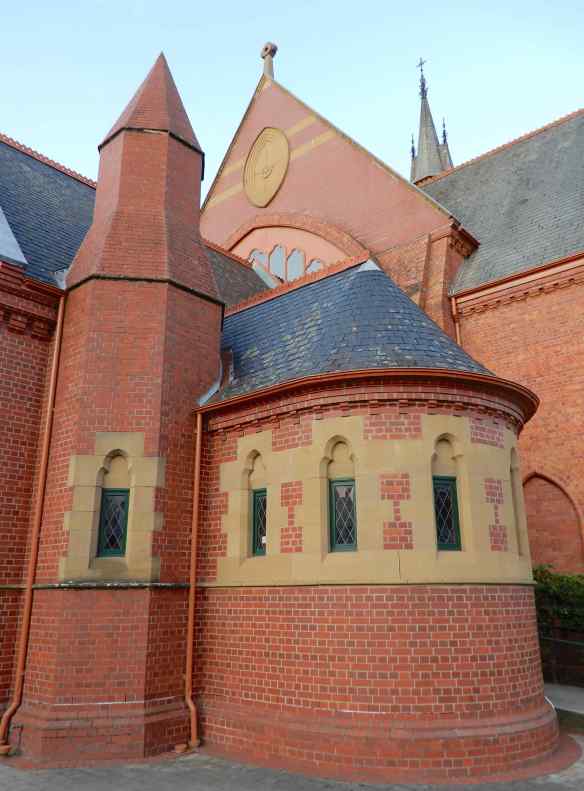
There is a spectacular edifice in Launceston that I have long admired and I recently realised how odd it is that when we travel overseas, we eagerly visit cathedrals and churches and yet never indulge here at home. Unbeknown to me, Michael contacted the church and while in Launceston last month, we were guided through Holy Trinity Anglican Church by Janet, an enthusiastic parishioner with an extensive knowledge of local history. The first Holy Trinity Church was built on this site in 1842 but when it became unsafe renowned architect, Alexander North, designed a replacement. The present church opened in 1902

1.south face Holy Trinity Church

and has been added to over the years to more resemble the original design. Described as Federation Gothic, the angles and features are fascinating.

2.Holy Trinity Church3.Holy Trinity Church

8.east face Holy Trinity Church

9.west face Holy Trinity Church

North’s vision of a more imposing structure would have seen a building twice the size with a spectacular spire at the western end.

10.original design

When Alexander North died in 1945, a former colleague designed a rose window in memory of North and his wife which is now mounted and backlit in the foyer of Holy Trinity.

11.rose window

Stepping into the interior of the church, the sheer magnitude and workmanship were breathtaking.

12.looking east

The morning sun is diffused through the glorious stained glass windows at the eastern end,

15.east wall

a memorial to Archdeacon Francis Hales, who presided over Holy Trinity for forty six years.

The massive rose window above represents the sun surrounded by angels.

19.window

On either side of the window, ceramic tiled panels, made in Italy to North’s design, depict incidents in the life of Jesus Christ.

20.ceramic tile panel

Intricately carved choir stalls on either side of the chancel

sit below the organ loft.

23.organ loft

We climbed for a closer look at the magnificent pipe organ, a work of art by George Fincham in the year 1887.

24.organ

From that height, the church took on new proportions

25.north wall from organ loft

and a different perspective of the beautiful altar

26.altar from organ loft

as well as the eastern windows

27.rose window from organ loft28.stained glass window from organ loft

and the detailed stone carvings surrounding them.

Further stained glass work brightens the north wall

and four more light the south transept.

Baptismal fonts often appear understated in their opulent surroundings but this is certainly an exception. An elaborate wooden scale model of the planned spire sits atop the font and is raised and lowered as needed for ceremonies.

40.font

A striking eagle decorates the lectern to the right of the chancel steps

41.lectern

and to the left, another fine example of the use of timber. The pulpit was created by local men from Tasmanian hardwood scaffolding used by the bricklayers in the construction of the church.

42.pulpit

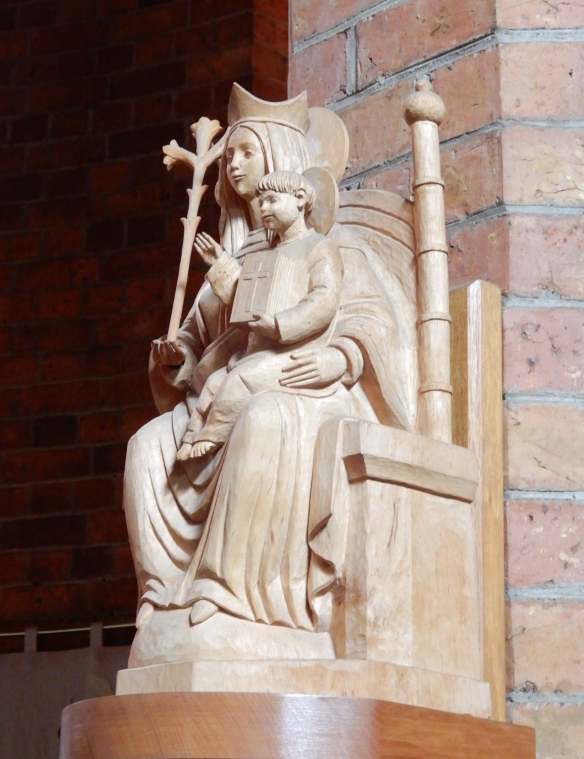
A small rounded side chapel, commonly referred to as the ‘Lady Chapel’ dedicated to the Virgin Mary, is used for more intimate services

43.Lady Chapel

and is graced with more exquisite stained glass and carvings.

47.carving

The church walls are adorned with memorial plaques,

48.north wall

gargoyles and coats of arms and a large honour board remembers 165 Holy Trinity Anglican parishioners who fought in World War I.

51.War Memorial

A big ‘thank you’ to Janet for taking the time to share Holy Trinity with us. Without her inside knowledge, we would have missed so much, including the surprising reflection of the east wall rose window above the western entrance.

52.reflection

The Mansion Hotel

One of the places on our list to visit while in Werribee was the historic 19th century mansion and gardens. When we discovered the estate included a hotel, we decided to indulge and stay the night. The Mansion Hotel evolved from the former St. Joseph’s Seminary adjacent to the mansion itself. Created in 1926, the college lay derelict for nearly thirty years from 1972 when students were moved to a new campus. Rescued and restored, the boutique hotel opened its doors in June 2000.

1.The Mansion Hotel

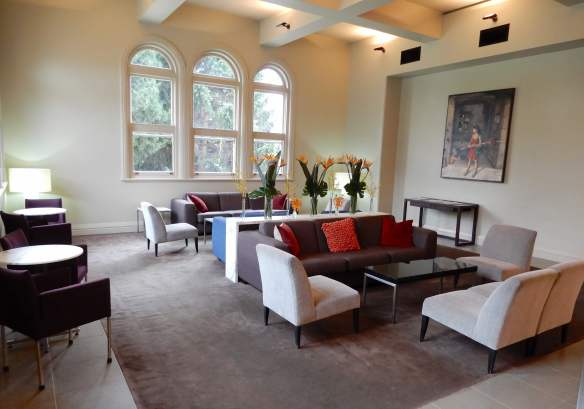
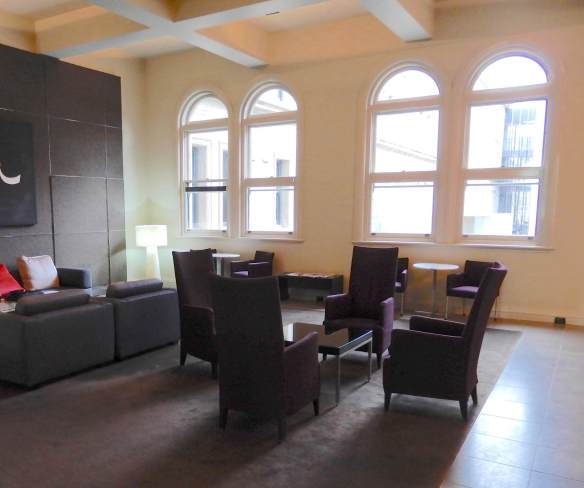
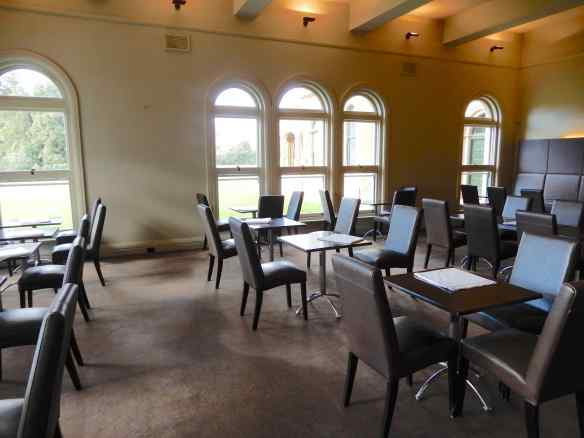
Period features have been retained, with a contemporary twist for the lounge areas of the reception foyer.

2.lounge3.lounge

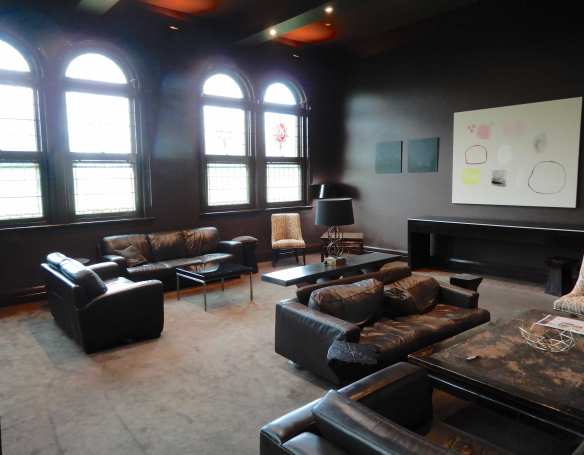
The library was once part of the chapel, the original stained glass windows complement the rich surroundings,

4.library

8.library

the snooker room is equally inviting.

9.snooker room

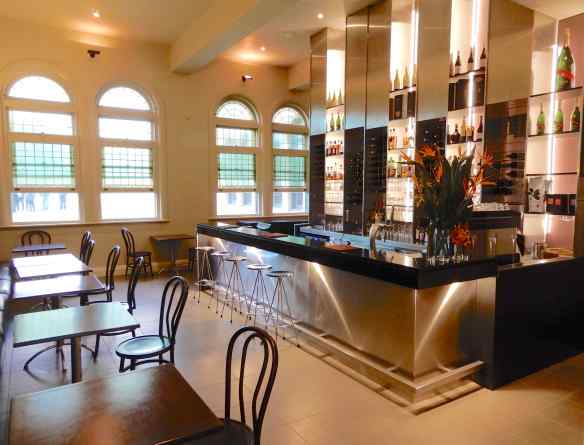
It was a little early to sample something at the opulent bar

10.bar

and the setting of tables in Joseph’s restaurant was imminent.

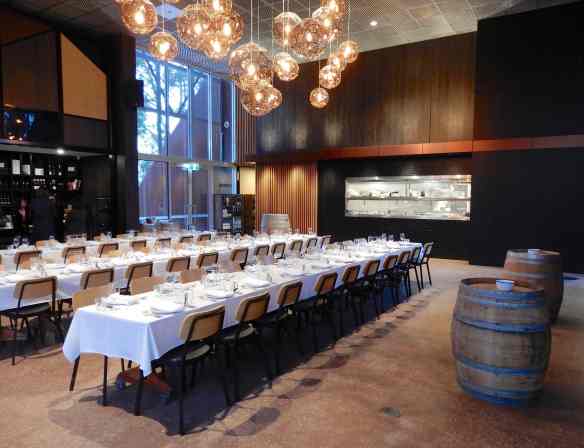
11.Joseph's Restaurant

The hotel comprises classic heritage rooms as well as deluxe accommodation in the new spa wing.

12.spa wing

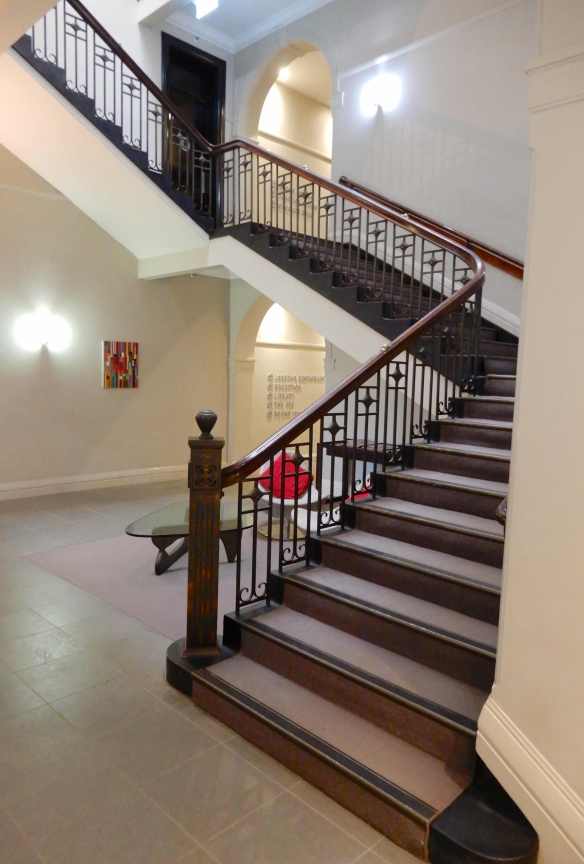
Up the stairs

13.staircase

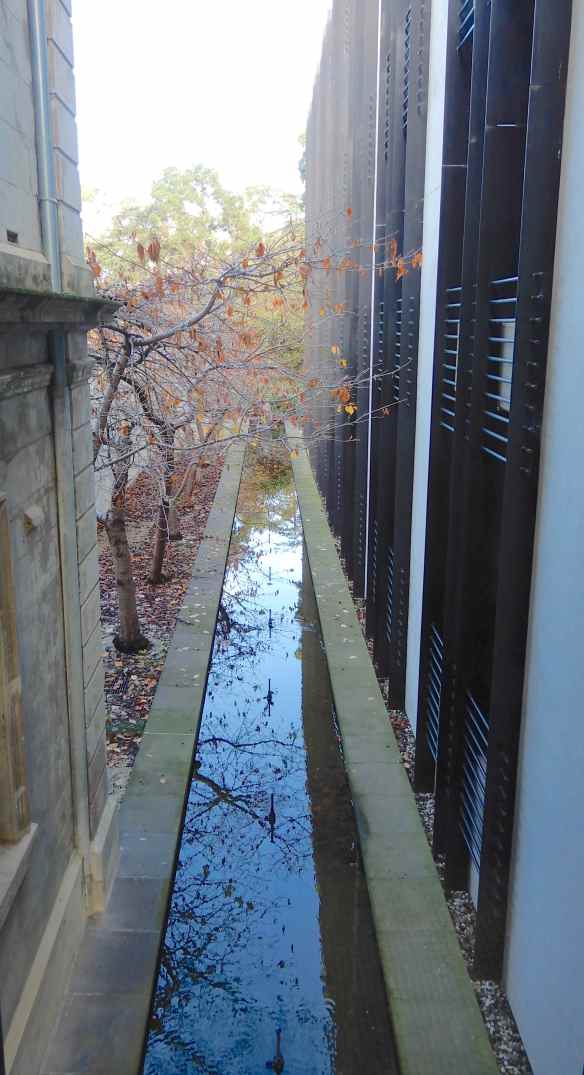
and across a walkway

14.walkway

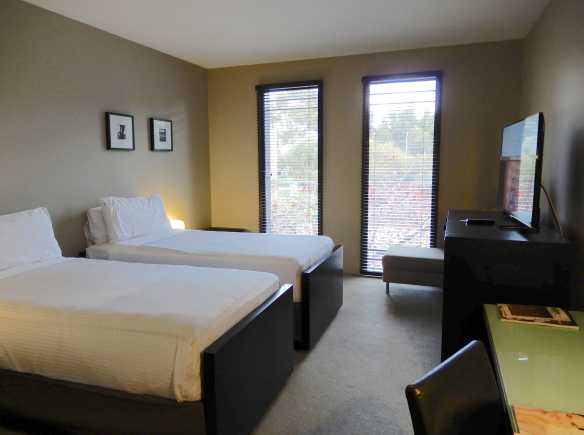
we found our very comfortable room.

15.room

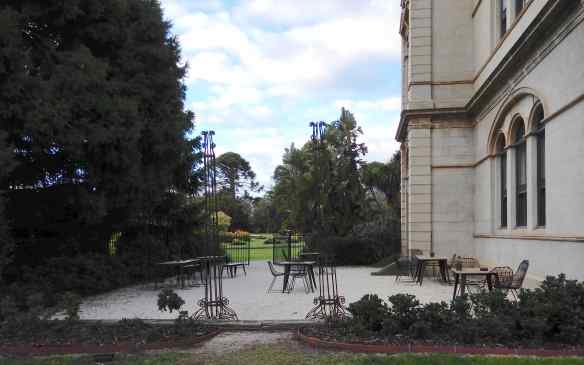
The shadows were lengthening as we set off to explore,

16.terrace

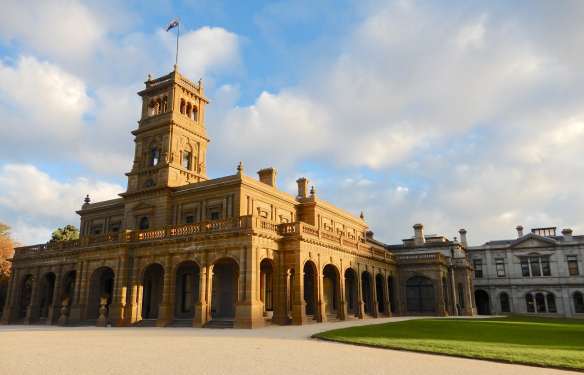
the evening sun highlighted the mansion in all her splendour.

17.The Mansion

Magnificent sweeping lawns and formal English gardens make up the ten acre estate.

A rather stunning door

21.back door

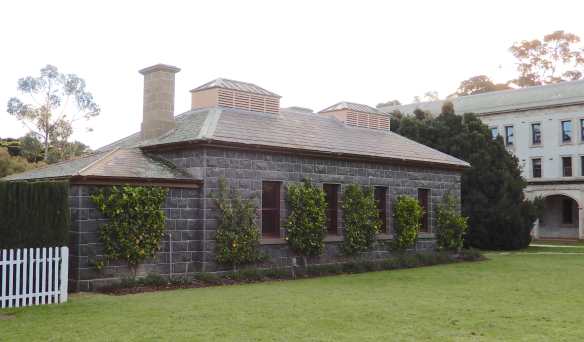
leads to the rear and a  different perspective of the palatial buildings.

22.rear view23.bluestone outbuilding

We returned to the hotel

to prepare for dinner in Joseph’s Restaurant, named in honour of the seminary. The menu changes with the seasons to take advantage of the produce grown in the heritage vegetable gardens of the estate as well as the wild and native foods available. Sprouted rye sourdough was accompanied by smoked organic butter and pepper-leaf oil from the Mansion’s ancient peppertrees.

26.sourdough

Our first course choices were Black Cobia with bug dumplings, shiso, shitake, kombu & lemongrass broth and Seven Hills goat ‘brik’ with preserved lemon, wheat, pickled chayote & goats curd.

Second course followed; Yarra Valley pheasant with bread & butter pudding, wild nettles, lardo, pine mushrooms & onion soup and local barramundi with Jersey royal potatoes, warrigal greens, quail egg, black olive & scampi anglaise.

The Musquee De Provence pumpkin pie was divine

31.pumpkin pie

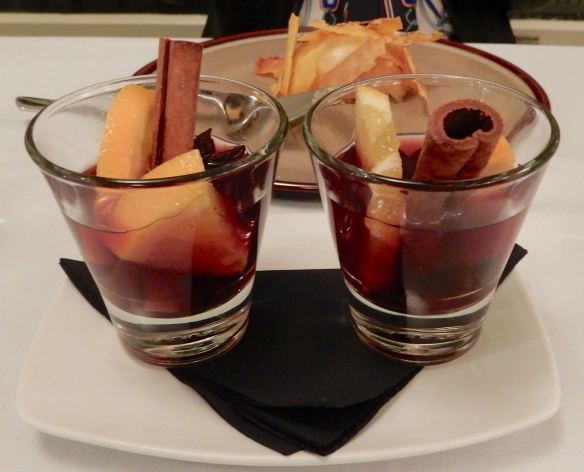
and, even though the servings weren’t huge, we barely had room for the warm mulled wine.

32.warm mulled wine

Fortunately, the perfect end to a fabulous day was only a staircase away.

Festivale

The first weekend in February brings a very special event to Launceston in the form of Festivale. Our first experience was in 2009 soon after relocating to Tasmania and, even though we had good intentions, we hadn’t attended since. This year we couldn’t resist the drawcard on the music menu. Festivale was launched in 1988 as a big street party in the CBD as part of Australia’s bicentenary celebrations. After seven years in the CBD, the annual event moved to City Park, showcasing Tasmanian gourmet food, wine, beer, cider and spirits along with entertainment by local and interstate artists. Unfortunately, the weather gods did not cooperate this time. We arrived for the 10am opening armed with raincoats and umbrellas and, resisting the temptation at the myriad stalls, sought a hot chocolate starter.

The sounds of jazz filled the park as the Ross Challender Big Band defied the elements,

8.Ross Challender Big Band

their melodies accompanied our survey of produce on offer.

Ample seating, hoping to deflect the rain, awaited in anticipation of the crowds to come.

12.seating

I was more than a little disconcerted when the local constabulary accused me of having them under surveillance but with some smooth talking, I convinced the kindly Commissioner that I was merely there to enjoy the festivities.

15.Commissioner

With wine in hand, we secured seats as the big band concluded their last number.

16.Ross Challender Big Band

The Dave Adams Band changed the tempo and rocked for the next hour before Russell Morris took to the stage. Yes, Russell Morris, Australian rock legend, stirred the gathering with his stalwarts from the early years (I remember The Real Thing from 1969, how can it be that long ago?) as well as his more recent melodies. Natures canopy that had sheltered us from the rain earlier was now shielding us from the sun

17.tree canopy

as the crowd eagerly awaited the main attraction.

18.The Whitlams

The Whitlams have been one of our favourites since their inception nearly thirty years ago yet we had never seen a live performance. They didn’t disappoint and hopefully we will have the opportunity to see them again soon (if you think there are a lot of photos of Tim Freedman, you are absolutely right).

23.The Whitlams

We left our empty friends

28.the last three

and strolled the short distance to our hotel to indulge in a nanna nap before dinner.

29.The Cornwall Hotel

Picasso’s ceramics

For me, the name Picasso conjures images of, somewhat disturbing, cubist portraits. The tragic figure of Weeping Woman, painted in 1937, is a fitting case in point.

1.Weeping Woman 1937

What I didn’t realise, until a visit to the NGV last year, is that he was also a prolific ceramicist. Spanish born Pablo Picasso was well into his sixties when he met Suzanne Ramie, one of the owners of Madoura Pottery, on a trip to the south of France. Already an accomplished artist, he was eager to experiment with this new medium and learn all he could from Suzanne. He set up his own workshop close by in the town of Vallauris and over the years, produced thousands of pieces as well as creating new ways of decorating and glazing. The Picasso’s Ceramics exhibition displayed fifty nine of his works, unfortunately I only have a few to share with you. Feminine faces and figures featured across the collection,

grand vase aux femmes voilées depicts the backs of four women, their nakedness partially covered with translucent veils.

Another favoured subject was birds, particularly owls with distinct personalities.

6.Owl vase 1951

Picasso’s interest in mythology is reflected with the playful imagery of fauns,

7.Tetes (Heads) 1956

satyrs and goats.

8.Goat's Head in Profile 1952

Bullfighting was another recurring theme with many works detailing bulls, matadors and bull-rings.

9.Corrida on Black Ground 1953

One of the things about ceramics that appealed to Picasso was the ability to create new works quickly and inexpensively. By producing editions of up to 500, as well as originals, he liked the idea that his pieces would be affordable for everyday people, not just the wealthy. That may have been the case at one time but the price tag these days is definitely out of reach for most of us.

10.Face with grid, round dish 1956

Werribee Zoo

Our arrival at Werribee Open Range Zoo timed perfectly with the start of a safari bus tour.

1.Safari Bus

Fortunately, the new bus is a lot more reliable and rhino proof.

2.Safari Bus

The 225 hectare zoo, originally agistment land for Melbourne Zoo, opened in 1983 and is home to many African and Australian species. Werribee is more than just a zoo, with breeding and recovery programmes and a commitment to conservation of wildlife, the future of these precious animals is in good hands. Setting off toward the open plains, it wasn’t long before the familiar silhouette of a bison came into view. His companion, the Addax, is critically endangered with less than 300 remaining in the wild.

We witnessed the results of the breeding programmes that have brought the Mongolian Wild Horses back from the brink of extinction. Named after the Russian explorer who first described them, Przewalski’s Horses have recently been reintroduced to reserves in Mongolia.

Crossing a waterway,

7.waterway

we were surprised to see Texan Longhorn cattle.

Apparently, they look similar to cattle found in Africa and the context became clear as we passed a replica African village.

10.African Village11.African Village

The tour was momentarily held up by a group of young Scimitar-horned Oryx cavorting around the bus.

12.Scimitar-horned Oryx

It was wonderful to see wild animals roaming freely together across the savannah. Eland grazed sedately

13.Eland grazing

alongside majestic giraffes

16.giraffe

and zebra, all able to relax and enjoy the sunshine without threat of predators.

A herd of Southern White rhinoceros, the largest of the rhino species, share the same pasture.

24.rhinoceros

A nearby waterhole gives them the chance to wallow in the mud but the only resident this day was a lone Cape Barren goose.

25.Cape Barren goose

As the tour drew to a close, the last animal in our sights, the dromedary camel, was first imported in the mid 1800s and Australia now has the world’s largest population of wild camels.

26.camel

We lunched at the Meerkat Bistro, presumably named because the meerkat enclosure abuts a full length window along one side of the café. The heat lamps took the chill off the winter air, I could watch these gorgeous little creatures for hours.

Once sated, we set off to explore the African Trail, a leisurely 1km stroll with many more animals to discover.

31.Kniphofia

The Vervet monkey was well camouflaged within the branches, seemingly deep in thought.

It was lunch time for the African Wild Dogs with their unique ‘painted’ coats. Numbers in the wild are dwindling, yet again thanks to humans.

Along with the lions, habitat destruction, trophy hunting and the killing by farmers to protect livestock are threatening their existence. These peaceful pussy cats certainly didn’t appear menacing.

43.lions

Moored at the edge of the hippopotamus enclosure

sat the African river boat, Kuba Queen.

50.Kuba Queen

Hippos have long been my favourite animal

53.hippo

and I was very excited to capture one as it seemed to test the water before deciding on a swim.

Three Western Lowland gorillas live at Werribee, a magnificent silverback, Motaba and his two sons, Yakini and Ganyeka. I don’t know which one this is but isn’t he handsome?

The fastest mammal on earth was taking it easy this afternoon,

62.cheetah

my day was complete with a wink from the Cheetah.