Taronga Zoo

On a warm December day in Sydney, we caught the ferry from Circular Quay to spend the day at Taronga Zoo. Officially opened in 1916, the zoo was based on the bar-less exhibits seen at Hamburg Zoo on a visit to Germany by the Secretary of the zoo in 1908. The 69 acre site is home to over 4,000 animals of 350 species and is a wonderful place to spend a leisurely day. The first animal we encountered was the gorgeous red panda. The deep rust-red colour contrasts beautifully with cream facial markings, the large claws a bonus when it comes to tree climbing.

These two were enjoying a nap in the humid heat, dreaming of their ancestors in south-east Asia. Binturongs have been described as a bear-cat and as tree dwellers with long bushy tails, it’s hard to believe they are distantly related to meerkats. Apparently, they have a strong odour of a cross between burnt popcorn and corn chips. We didn’t get close enough to find out.

The Java Finch seemed to be enjoying the steamy atmosphere in the waterbird exhibit.

Usually a white bird, the Cattle Egret is seen on the backs of cattle making a meal of ticks and flies. The orange brown breeding plumage becomes bright red at the height of the season. Interestingly, a group of egrets is known as a “skewer”.

9.cattle egret

The smallest known ibis in Australia, the Glossy Ibis was showing the magnificent colours of breeding plumage.
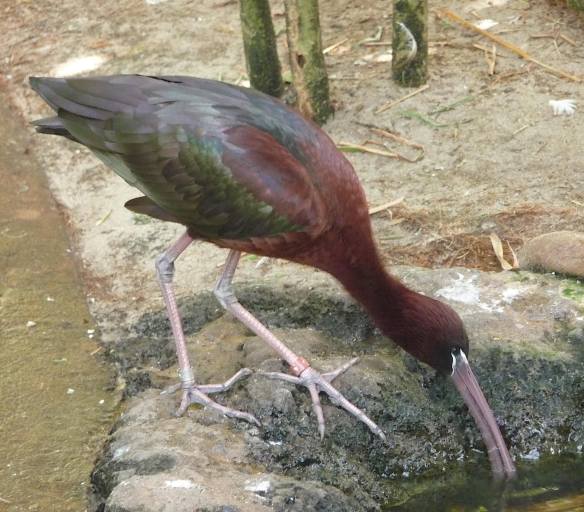
10.glossy ibis

The Asian elephant breeding program has been very successful at Taronga. The keepers led them out for their daily exercise, giving them wooden “toys” to play with.

11.Asian elephants

15.Asian elephants

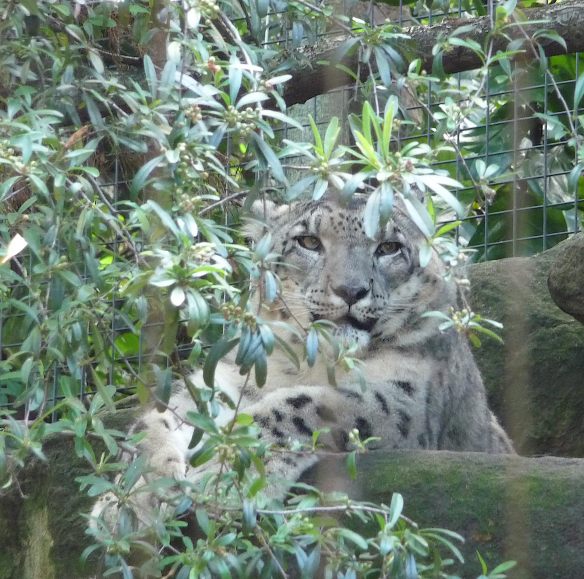
The Sumatran Tiger and Snow Leopard were on alert
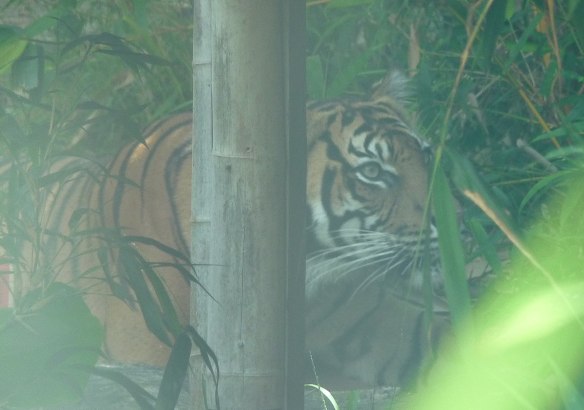
16.Sumatran Tiger17.Snow Leopard

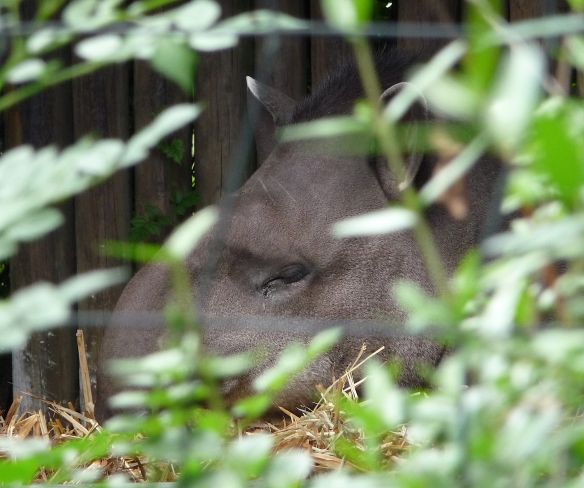
but there were others who had given in to the somnolent, steamy atmosphere.
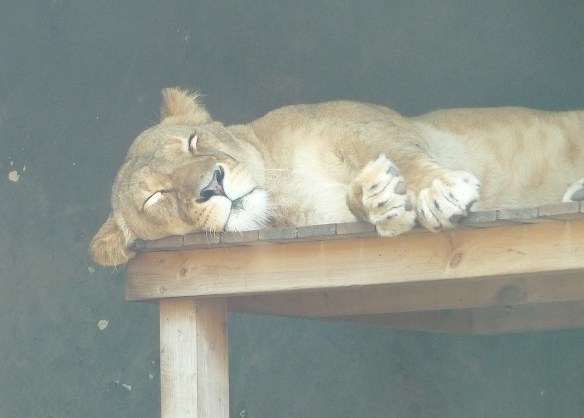
18.lioness19.bear20.tapir

I have always had a soft spot for hippos and the baby pygmy hippo stole my heart.

The meerkats were entertaining, as usual, I could watch them for hours. The dark patches around their eyes act as sunglasses to lessen the glare of the desert.

Mum and baby gorilla were enjoying a nap, dad doesn’t look too impressed at being left out.

We passed the colourful cassowary and opulent ostrich

on the way to the giraffes. The meal didn’t look very appetizing but he was tall enough to catch glimpses of the Harbour Bridge.

The world’s largest lizard at 3 metres long, the Komoda Dragon was magnificent.
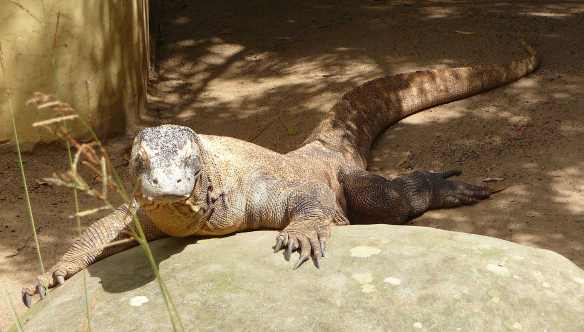
38.Komodo Dragon

Unfortunately, Tuka, as he was named, died two years ago at the age of 33.

There were many fascinating lizards and snakes, I won’t even attempt to identify them.

The Indian Star tortoise was heading for lunch

50.Indian star tortoise

while the eastern snake-necked turtle cooled off in the pool.
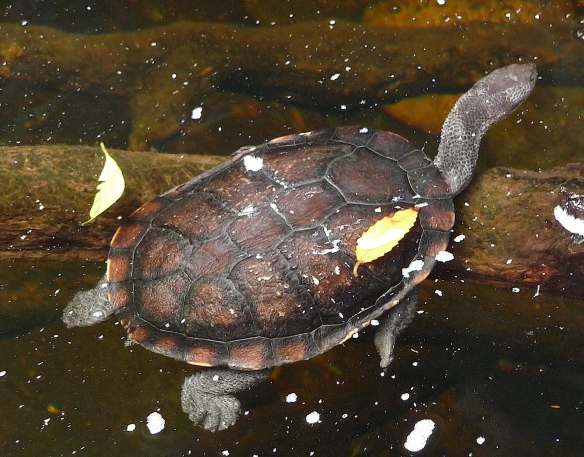
51.Eastern snake-necked turtle

The handsome countenance of the Rhinoceros Iguana reveals the sheer pleasure of basking in the sunshine.

There was a fabulous view from the Sky Safari cable car. The lush verdancy  below

contrasted perfectly with the harbour and city beyond.
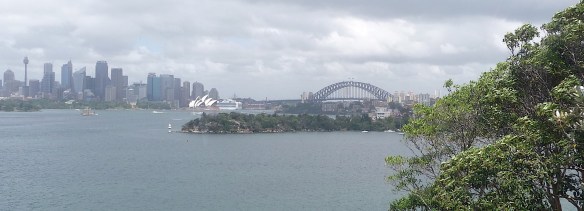
58.gondola view

Watching the chimpanzees brought us back to earth. It’s not hard to believe they are our closest living relatives, sharing nearly 99% of our DNA.

Nearing the end of our visit, we stopped by the farmyard where children can get close to the animals. The piglets were adorable

and the acrobatic goat had us wondering how she would get down from there.

68.goat

We enjoyed every minute of our day at Taronga, and with a final hint from the crocodile on how to stay cool,

69.crocodile

we returned to our apartment to do just that.
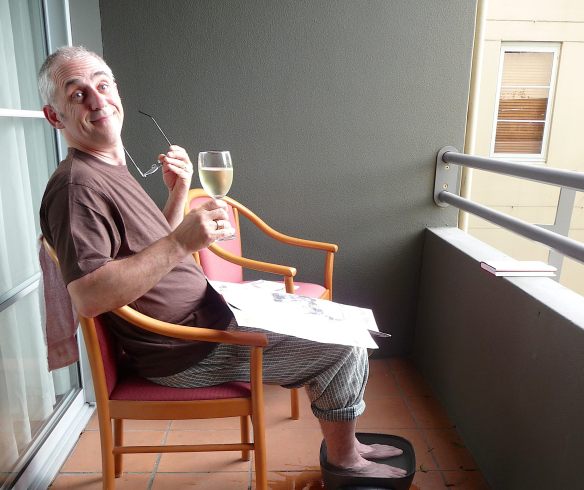
70.cooling off

York

Being the largest county in the UK, there were so many places we wanted to see in Yorkshire. Aware of our limited time, we had to make some difficult decisions. The town of York was an obvious choice. We entered the historic walled city, founded by the Romans in 71AD, along Micklegate. Once the most important of York’s four medieval gateways, we passed beautiful old buildings

1.Shops on Micklegate

on our way to the river.

2.River Ouse

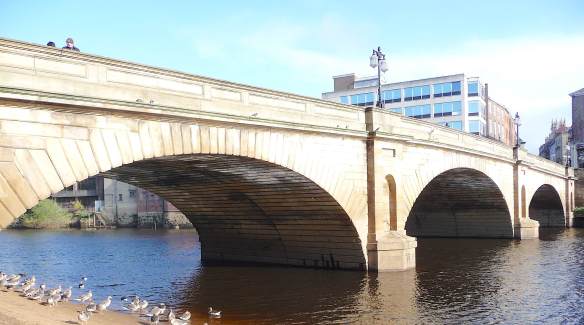
There are nine bridges across the River Ouse within the city of York, the oldest being at the site of the present Ouse Bridge as early as the 9th century. The history behind the Ouse bridge is quite interesting. In 1154, the stone bridge collapsed when a large crowd gathered to welcome Archbishop William to York. It was considered a miracle that no-one drowned and the Archbishop was later canonised and had a chapel named after him. The replacement bridge was supported by six arches and was lined with houses, shops, a toll booth, a courthouse, a prison and the chapel dedicated to St William. In 1367, the first public toilets in England were installed on the bridge. In 1564, the river flooded and the bridge collapsed, the buildings were swept away. The next new bridge was built much higher and houses and public buildings were again built along its length. After 250 years or so, in need of repairs, the bridge was replaced. Started in 1810, the present day bridge took 11 years to complete.

3.Ouse Bridge

Across the river, we made our way to The Shambles. Dating back to the 14th century, York’s oldest street has some fascinating architecture.

4.The Shambles

Historically a street of butchers shops and houses, the name is thought to come from the medieval word Shamel, meaning booth or bench. Livestock were slaughtered at the back of the premises and the meat laid out on what are now the shop window bottoms.

5.The Shambles

The overhanging fronts of the timber-framed buildings almost touch each other in some parts of the street. This was deliberate to shelter the wattle and daub walls and protect the meat from direct sunlight.

6.The Shambles

The butchers shops of old have been replaced by quaint businesses more appealing to the tourists that flock to The Shambles.

7.The Shambles

There isn’t much left to see of York Castle. Built in 1068, there were originally two circular castles, this one known as Clifford’s Tower. The wooden structure was replaced in the 13th century with stone, suffered some damage during the Civil War and was then gutted by fire after a major explosion in 1684. It wasn’t restored until the 19th century and was then used as a jail until 1929.

8.York Castle Clifford's Tower

It would have been wonderful to have had two hours to spare to walk the 3.4 kilometres of beautifully preserved town walls. We had to be satisfied with the short section that took us back to Micklegate and our next exciting destination.

9.Town walls approaching Micklegate

Watershed Winery

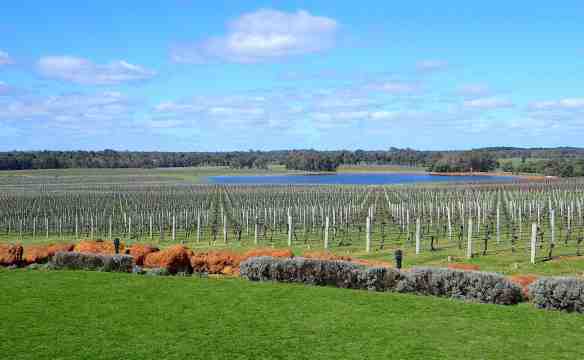
With lunch time approaching, we arrived at Watershed Winery, not far from the township of Margaret River. The expanse of regimented vines

1.Watershed vines

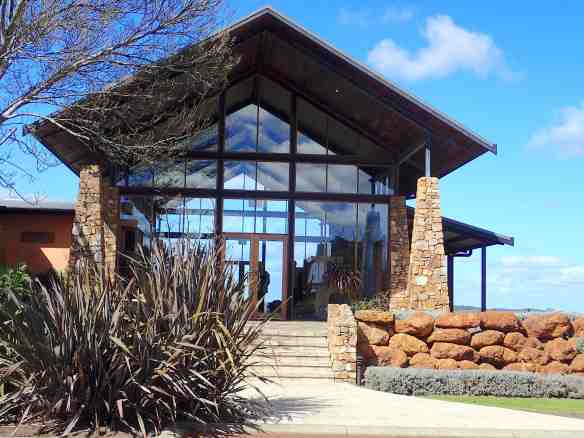
followed us down the driveway to the impressive cellar door edifice.

2.entrance

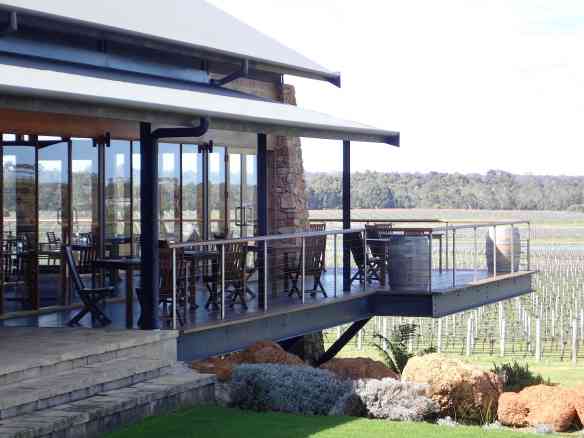
The light, airy café and restaurant are separated only by seating arrangement and menu.

3.restaurant

Head Chef, Dan Gedge, was trained in Cornwall by none other than Rick Stein. Sourcing the freshest seasonal produce, he creates a very tempting menu. I can’t remember what we ate and I have no photos but I do know it was delicious. On a warmer day it would have been perfect to sit outside. The extensive alfresco dining area

5.alfresco6.alfresco4.alfresco

delivers stunning views over the dam and rolling vineyards.

7.vineyard & dam

The architecture is exceptional, and with the beautiful setting, I can see why it is a popular venue for weddings.

8.rear entrance9.rear courtyard

We didn’t linger after lunch, there were more wineries to conquer.

Harrogate

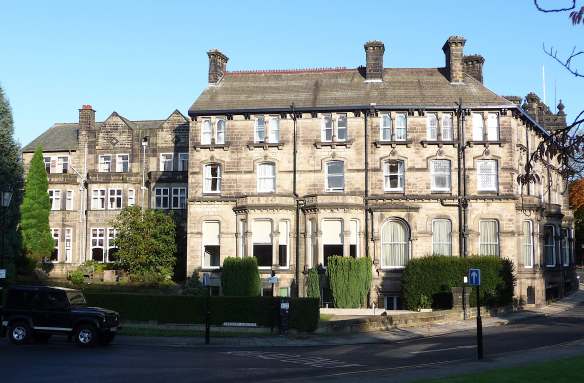
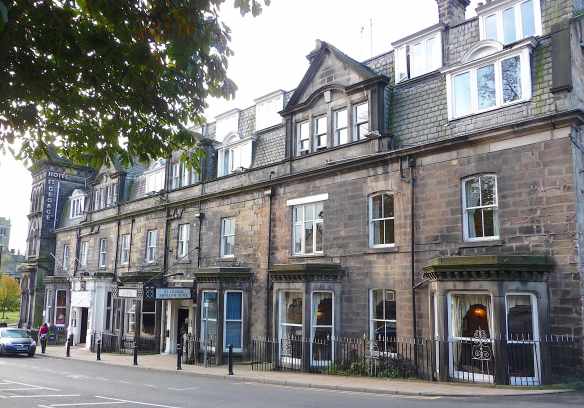
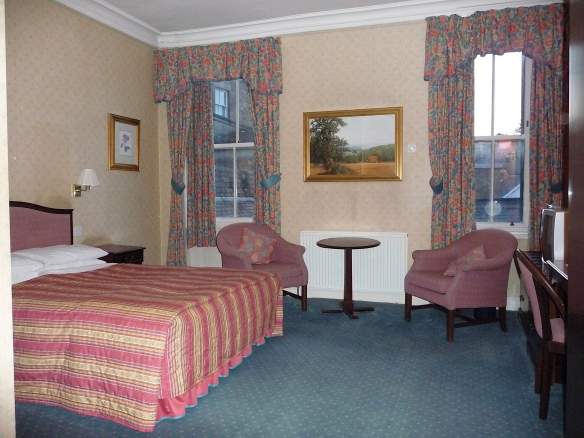
One of the advantages of travelling off season is the availability of accommodation. We stayed at the St. George Hotel, a magnificent Edwardian building right in the heart of Harrogate.

1.St. George Hotel2.St. George Hotel

It was like stepping back in time, with elegant furnishings in the lobby

and a very welcoming, comfortable room.

5.St. George Hotel

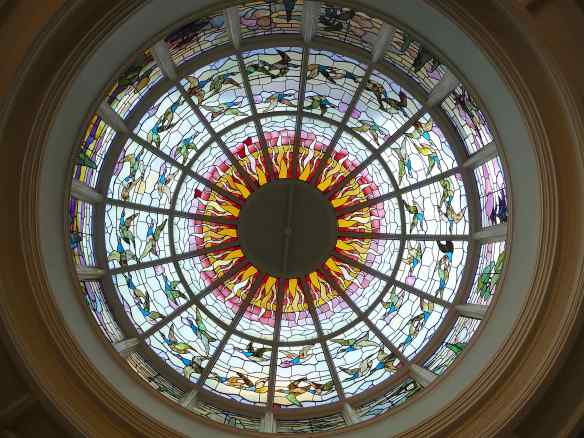
Not only had we found a fabulous place to stay, a three-course dinner each night was included in the price. The dining room had a huge central dome with stunning leadlight.

6.cupola in dining room

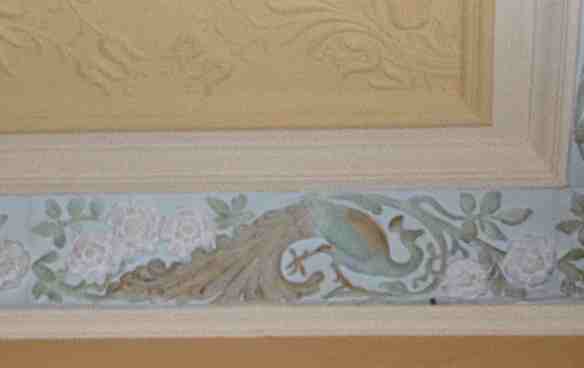
This pic isn’t very clear but it shows the intricate detail in the ceiling and cornices.

7.dining room detail

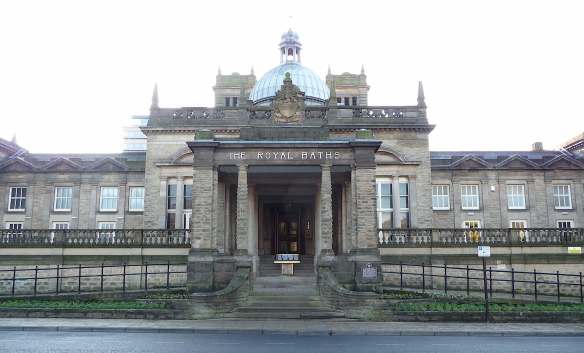
On a sunny autumn morning, we strolled the streets of Harrogate and soaked up the history of this beautiful North Yorkshire town. Known as ‘The English Spa’ after healing waters were discovered in the 16th century, the wealthy flocked to the town for treatments. The Royal Baths, considered to be the most advanced centre for hydrotherapy in the world, opened in 1897.

8.The Royal Baths

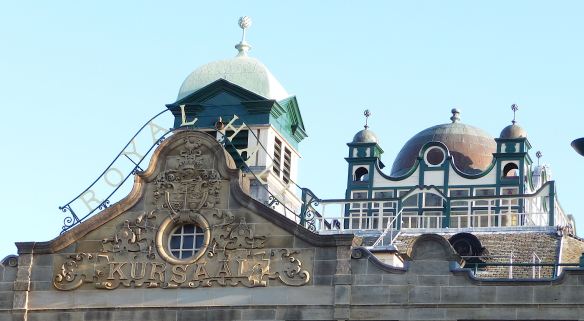
The Kursaal opened six years later, the German word translates as ‘Cure Hall’. At the beginning of World War I, the theatre was renamed the Royal Hall and is now a venue for events and entertainment.

9.Royal Hall Kursaal10.Royal Hall Kursaal

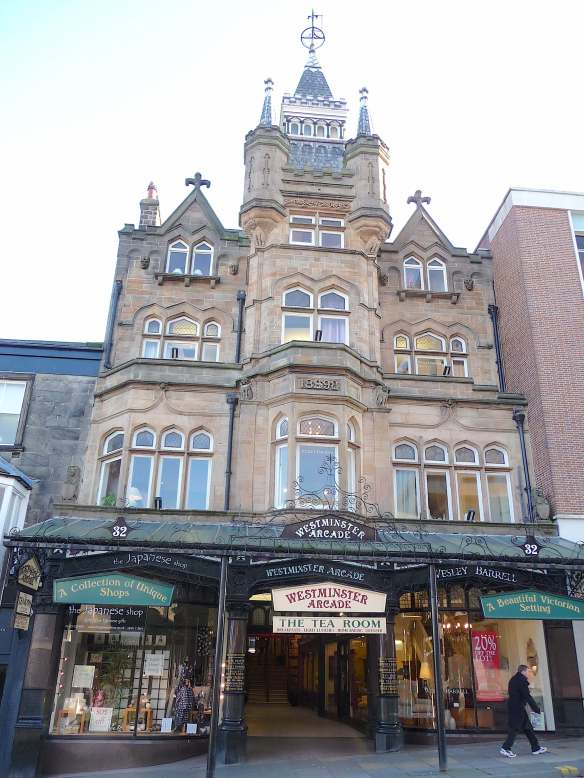
The architecture throughout the town was spectacular and the multitude of shops were housed in fantastic buildings.

11.Westminster Arcade12.Harrogate

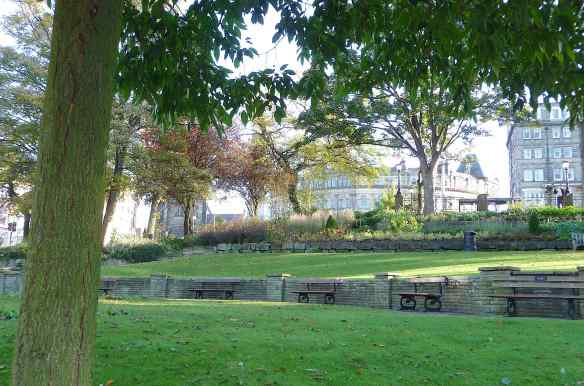
A walk through the park

13.Montpellier Hill14.Montpellier Hill

brought us to the Montpellier Quarter, home to exclusive shops, cafés and art galleries.

15.Montpellier Quarter

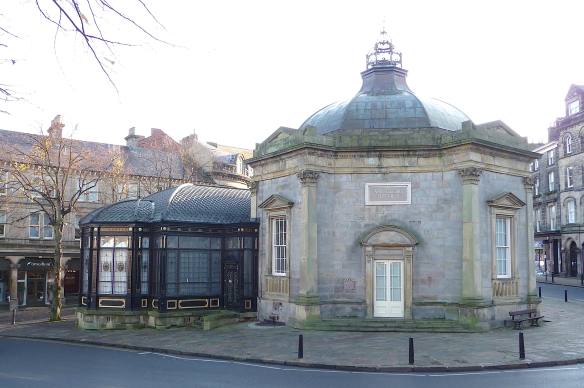
Too early in the day to visit the Royal Pump Room Museum, it sounded like a fascinating journey into the bygone era of weird and wonderful spa treatments. Built in 1842, the octagonal structure is quite distinctive.

21.Royal Pump Room Museum20.Royal Pump Room Museum

The Majestic Hotel certainly lives up to its name. Set in eight acres of landscaped gardens, the palatial Victorian hotel sits on a hill overlooking the town. Built in 1899, it has an interesting past with many celebrity guests, a fire in 1924, three bombings in 1940 and the subsequent loss of the massive glass Winter Garden that earned it the nickname the ‘Yorkshire Crystal Palace’.

22.The Majestic Hotel

Next time, I would like to stay at the Majestic Hotel.