resident reptiles

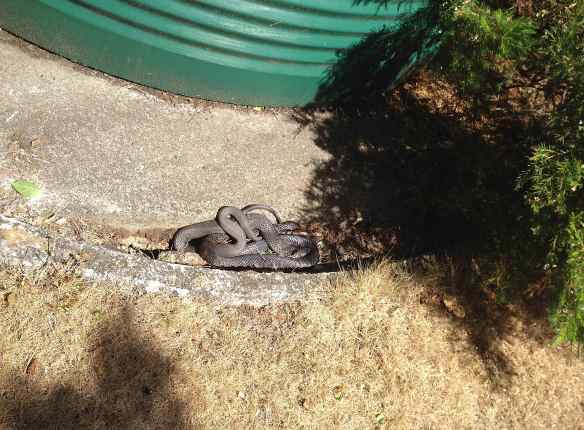
Summer is snake season here in Tasmania and although there have been some years I haven’t seen any, I know they are always there. This season, we have seen a lot, probably making the most of the warmth after a prolonged winter. Recently, I saw the familiar black tail disappearing under the Golden Diosma as I approached. Curious to know the whereabouts of the refuge, I (very warily) followed the curve of the bush and saw the same tail retreat down a hole in front of the rainwater tank. We knew of the existence of the hole, a home to previous residents, but we had filled it in. I returned half an hour later to find, to my surprise, a very cosy couple sunning themselves.
1.sunny snakes2.sunny snakes

The larger of the two, presumably the male, withdrew to safety when he sensed my presence. The second one was obviously far too comfortable.
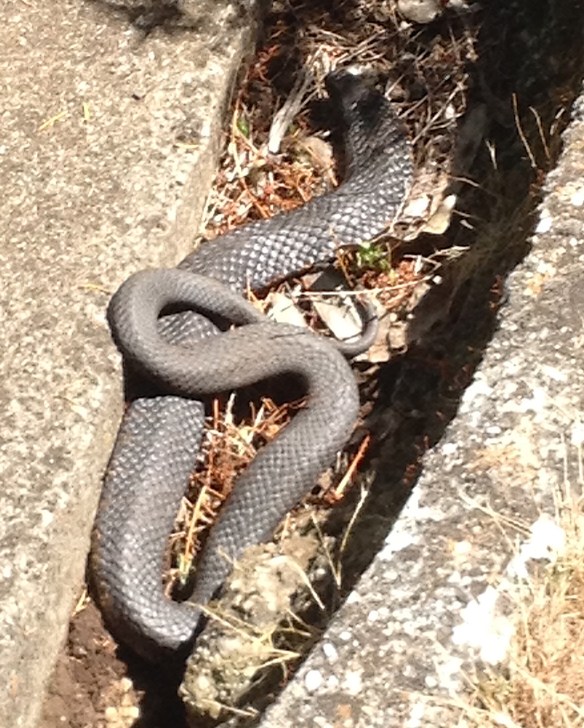
3.looking dull

I tried to find information regarding breeding pairs of Tiger snakes but have had no luck. There is no mention of snakes staying together once mating has taken place. I wanted to learn more and was concerned about the dull appearance of the smaller snake. Emails and phone calls to Parks & Wildlife weren’t particularly helpful, they suggested I contact Reptile Rescue Inc. for information. Finally getting through on the third call to them, I was promised a return call to enlighten me re breeding pairs. The call never came. I eventually received an email from Parks & Wildlife that explained a snake can look dull just before shedding its skin. Two days later, Michael presented me with this.
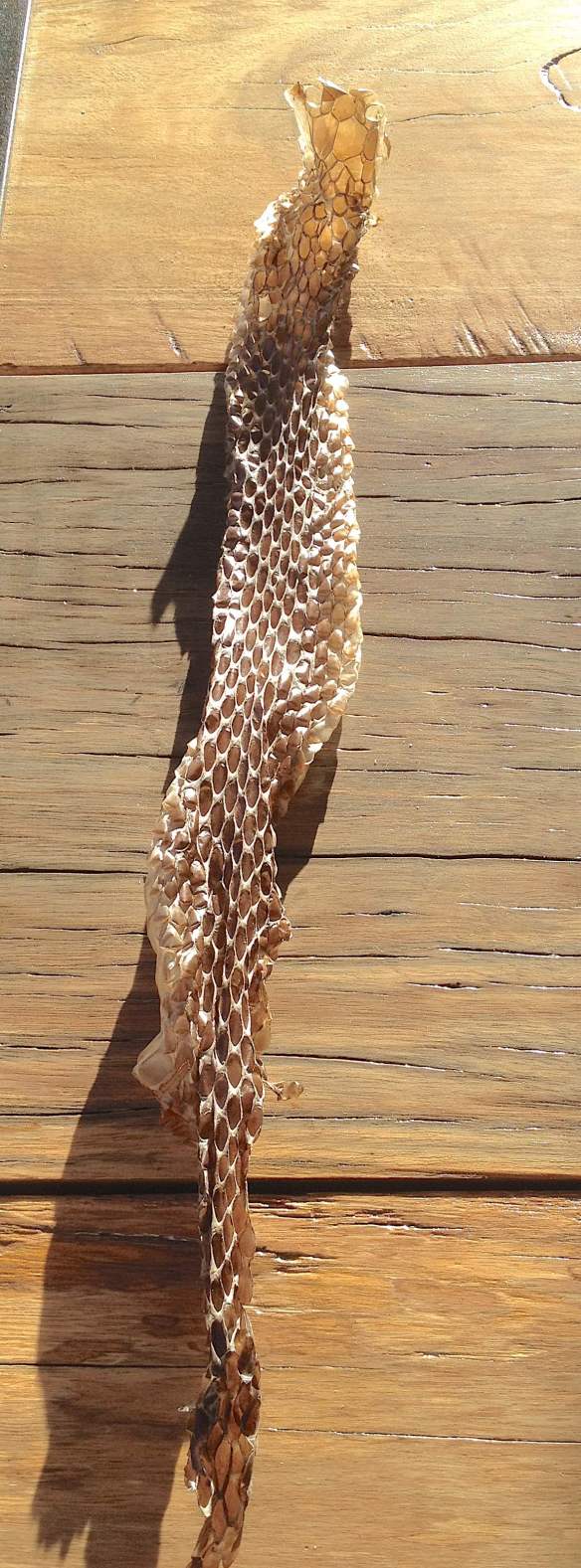
4.snake skin

Found in the garden under one of our tree ferns, we don’t know what happened to the back half. I wish I had been witness to the transformation. Even the eye holes are perfectly formed.
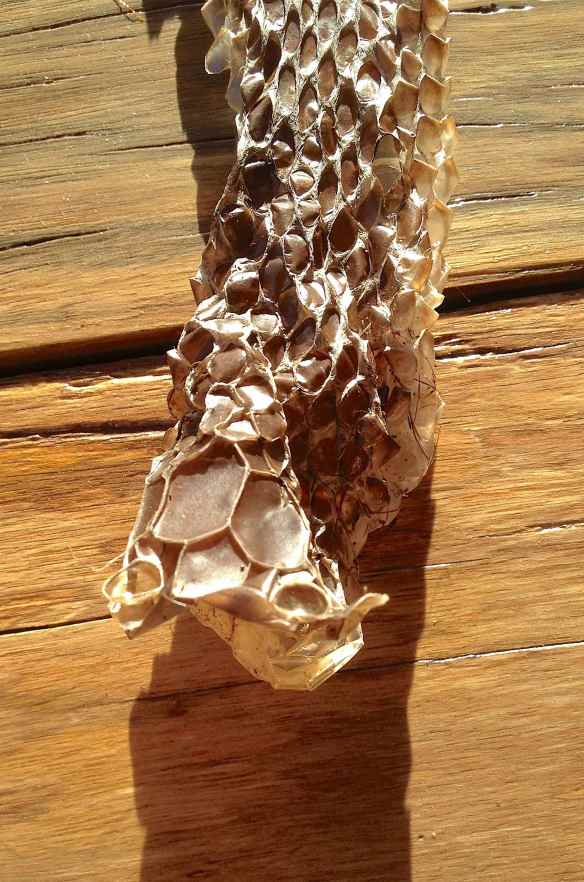
5.snake eyes

We saw her again a couple of days later as she joined her mate by the pond.

6.new coat

She looked stunning.

7.renewed

Two days of heavy rain followed and we haven’t seen them since. Apparently, it is usual for snakes to move on once they have shed their skin, I wonder if they are still together?

Bali rice

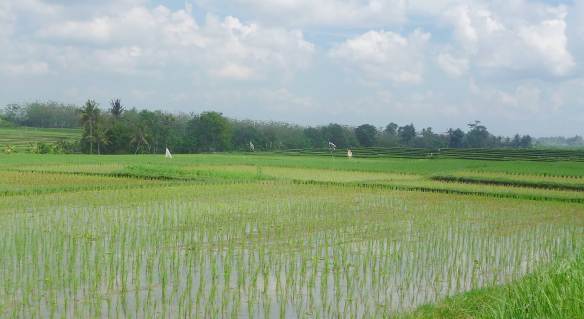
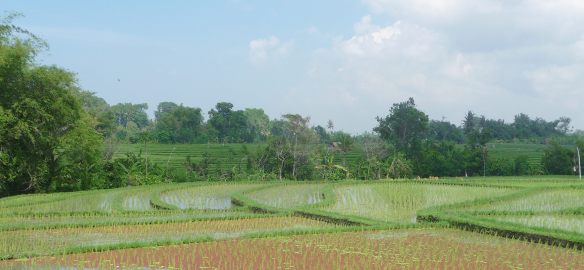
One of the things we liked about the location of our villa in Bali was the open space around us. Rice paddies almost embraced our doorstep

1.paddies next door

and stretched as far as the eye could see.

2.rice paddies3.rice paddies4.rice paddies

We didn’t have to walk far to really appreciate the intensive nature of rice farming. Seedlings are cultivated in a special nursery and are then transplanted by hand into the ploughed paddy fields. It looked like back-breaking work, hour after hour bent over to plant the rice in long rows in the mud.

5.labour

Apparently, a farmer can plant 10,000 square feet of seedlings a day, each one placed 8-10 inches apart.

11.rice seedlings

The water level is vital for the developing crop

12.irrigation13.irrigation

and the innovative means of water control were fascinating.

There were thatched shelters scattered through the fields

18.shelter

and colourful shrines ensured a bountiful crop. Offerings are made to the Hindu goddess Dewi Sri at crucial periods such as planting, full moon, when the rice is a month old, the first appearance of the grains and before harvesting.

19.shelter & shrine

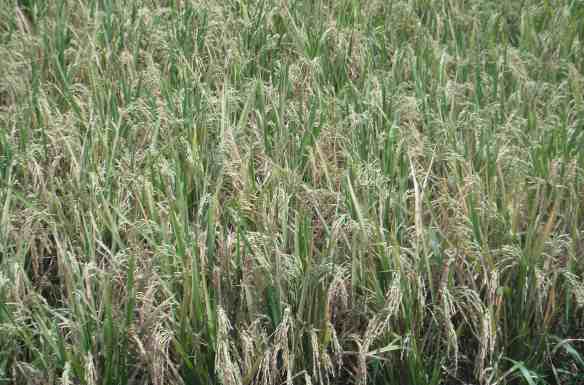
The rice is ready to be harvested after three months

23.rice

and the cycle begins again.

24.cycle

iridescent irrigation

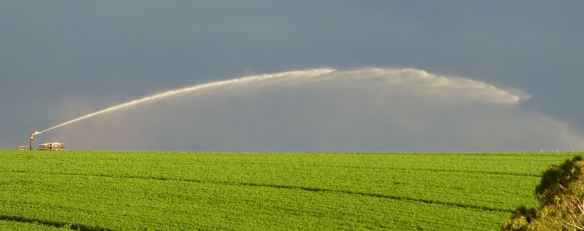
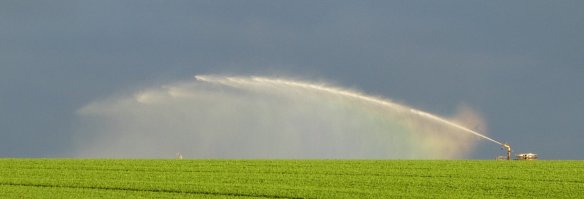
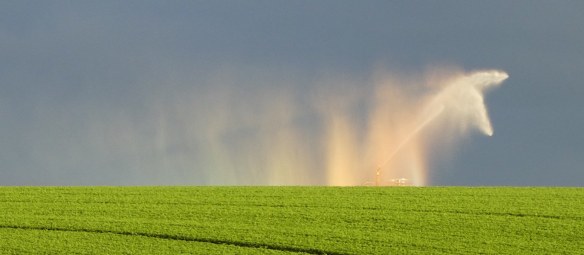
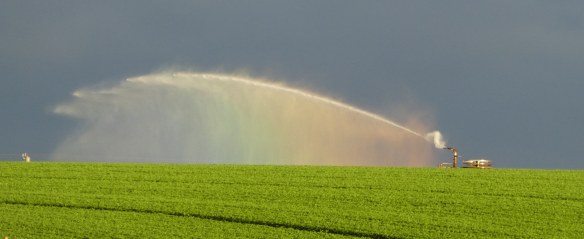
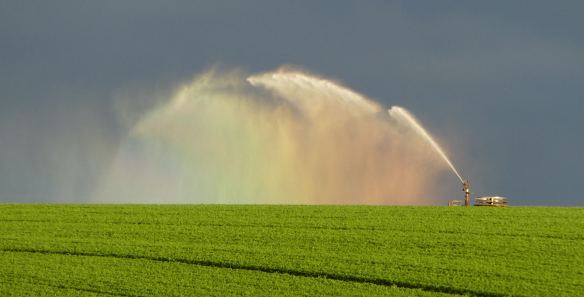
Sometimes, the simple things around us that we take for granted can present us with extraordinary moments. We have had a very dry summer and the irrigators on our neighbouring farms have been put to good use. They do come in handy for a free carwash if the timing is right. Early one morning last week, I glanced out of the window and the paddock on the hill across the valley was receiving a refreshing dowse.

1.irrigator

The slate grey sky of daybreak highlighted the curve of the water

2.irrigator

and, as I watched, the accession of colours produced a spectacular choreography.

3.irrigator4.irrigator5.irrigator6.irrigator7.irrigator8.irrigator9.irrigator

A few minutes later, the show was over. The fluidic trajectory blended with the brightening sky and disappeared into normality.

introduction to Ireland

On a grey, drizzly November day, we sadly farewelled England to spend the last 12 days of our holiday in Ireland. We had heard so much about the beauty and verdancy of the landscape, we were eager to see for ourselves. We wanted to avoid staying in the big cities on our trip to the U.K. and had managed to do it well so far. Rather than stay in Dublin, we had a B&B booked in Edenderry, about 60km inland. With time on our side, we thought it might be nice to spend a few hours in Dublin before heading west. The Tourist Information Office seemed like a sensible place to start so, after collecting the hire car, we set the satnav to assist us. After a few minutes, it became apparent we were driving back toward the airport and we were shortly informed we had reached our destination on the left!

1.Tourist Information Dublin

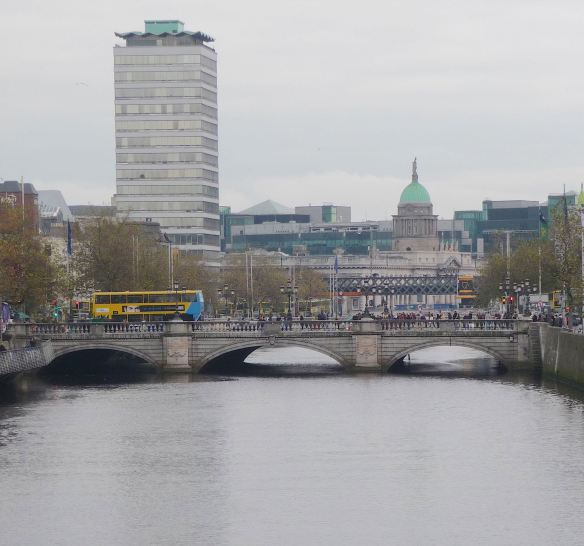
The Irish are well known for their humour but we didn’t think it had been programmed into the GPS (which, incidentally, we named Holly. Anyone who has seen ‘Red Dwarf’ will understand). We found our own way into Dublin without assistance but, I must admit, our hearts weren’t really in it. The overcast sky didn’t help, casting a gloomy pall over the city. We wandered along the River Liffey, admiring the beautiful Georgian architecture lining its banks. The Ha’penny Bridge, officially known as the Liffey Bridge, was built in 1816 to replace the seven ferries that crossed the river. The ferries had fallen into disrepair and the operator, William Walsh, was ordered to fix them or build a bridge. To compensate for lost income from the ferries, a ha’penny toll was charged to anyone crossing the bridge for the first 100 years.

2.The Ha'penny Bridge

The Ha’penny was the only pedestrian bridge across the river until the Millennium Bridge was installed in December 1999 to, obviously, commemorate the new millennium. The bridge further upstream was originally built in 1676, then known as Essex Bridge. Over the years, flood damage and pier collapses meant a rebuild and in 1874 the bridge re-opened as Grattan Bridge.

3.Millenium Bridge and Grattan Bridge

The main thoroughfare is downstream from the Ha’penny Bridge. Built between 1791-1794, the bridge was originally named Carlisle Bridge, a very impressive granite structure with a stone balustrade. The bridge was reconstructed and widened between 1877-1880 and re-opened in 1882 as O’Connell Bridge.

4.O'Connell Bridge

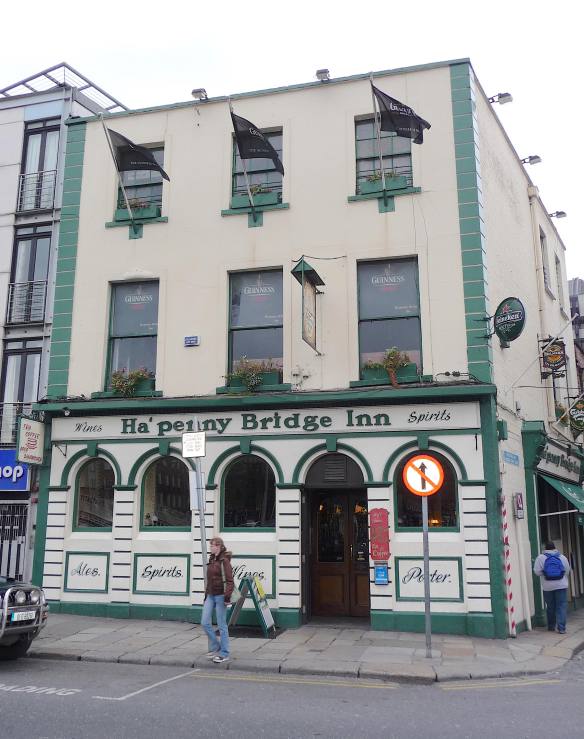
Not really knowing what else to do, we opted for a quick Guinness before making our way to Edenderry.

5.Ha'penny Bridge Inn

After navigating endless roadworks, we arrived at our B&B, Auburn Lodge, relieved to be back in the open air.

6.Auburn Lodge, Edenderry

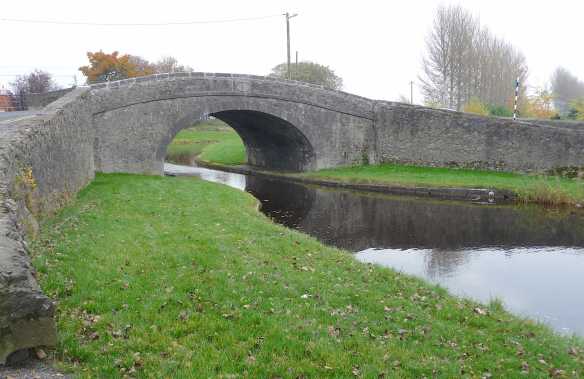
We had seen signage for The Grand Canal and decided a walk was just what we needed. The canal was completed in 1804, connecting Dublin, 131km through the midlands, to the River Shannon. Closed to commercial traffic in 1951, the canal is now popular for recreational use.

7.Grand Canal, Edenderry

Edenderry is the home of the first car manufactured in Ireland in 1907, the Alesbury. There were very few cars built in Ireland, I wonder if this was one of them?
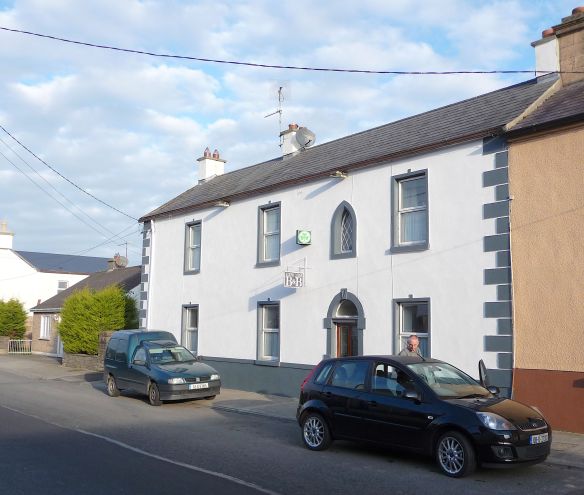
8.car wreck Grand Canal, Edenderry

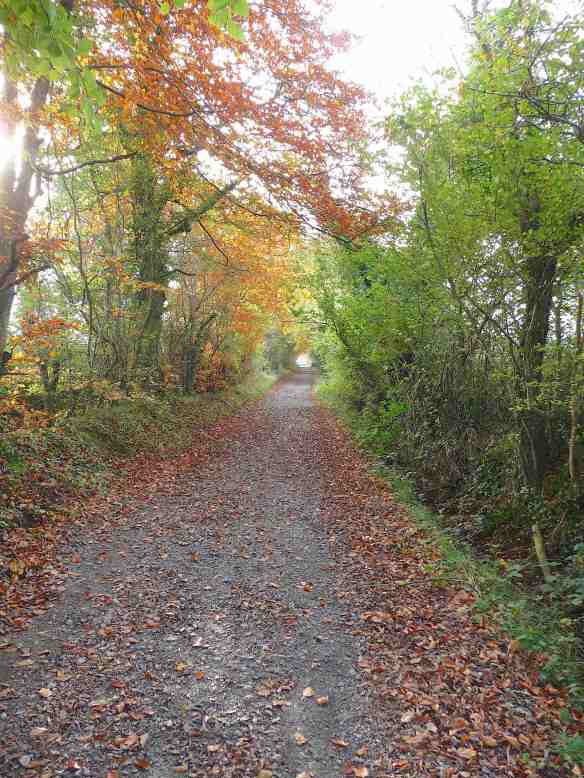
The path closed in, surrounded by lovely autumn hues and falling leaves

9.Grand Canal walk, Edenderry10.Grand Canal walk, Edenderry

before returning to the water. Old stone bridges dotted the canal, more reminders of a bygone era.

11.Grand Canal, Edenderry

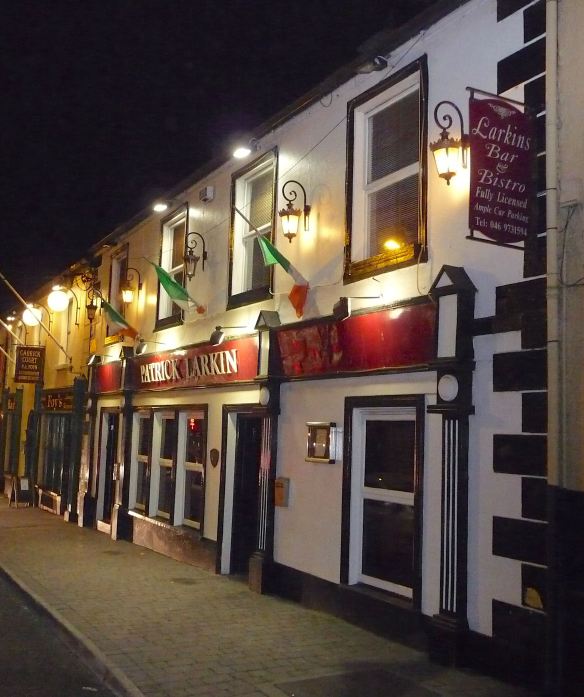
Refreshed by our walk, there was only one way to end the day. A short stroll into town on a crisp, clear evening for a fabulous meal at Larkins

12.Larkins, Edenderry

and, of course, a Guinness or two.

13.Larkins, Edenderry

monochrome Melbourne

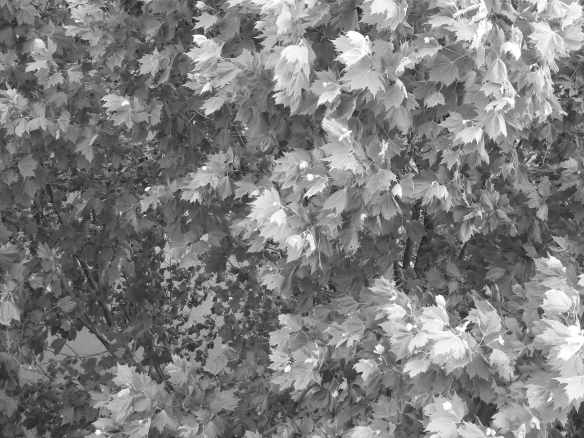
In 1973, Paul Simon released the song, ‘Kodachrome’ and I distinctly remember his notion that “…everything looks worse in black and white.” I decided to put this to the test on a recent trip to Melbourne. I have always found something fascinatingly enigmatic about monochrome photographs, perhaps it’s the invitation to look closer to discern images less obvious. The London plane tree below our apartment window does seem to lack something without the verdancy,

1.London plane tree

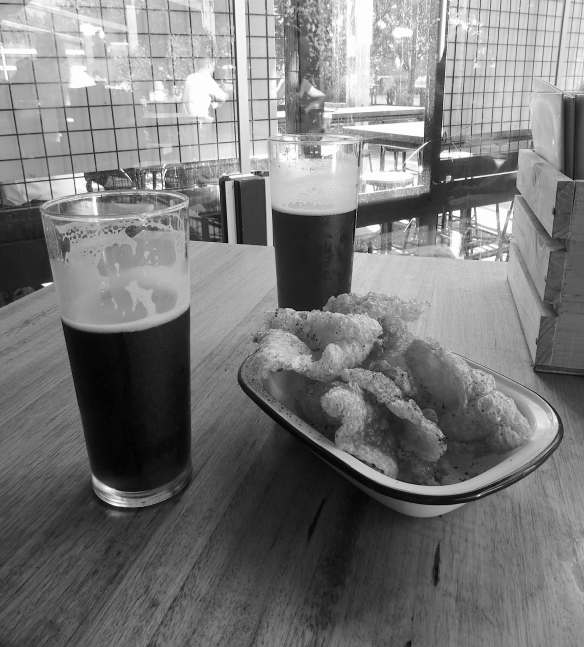
and the food looks a little less enticing.

2.ale & pork crackle

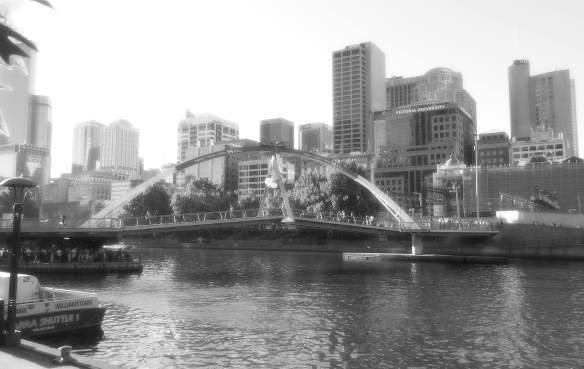
We wandered along Southbank, the late afternoon sunlight glinting off the water. The bar on Ponyfish Island seems to be perpetually crowded.

3.Southbank Pedestrian Bridge & Ponyfish Island4.Ponyfish Island5.Southbank Pedestrian Bridge

It was a perfect evening to be out on the Yarra

6.rowers

or to sit with a beverage and just observe.

7.wine

Friends, lovers and loners were enjoying the ambience,

as the sinking sun danced on the leaves of the plane trees.

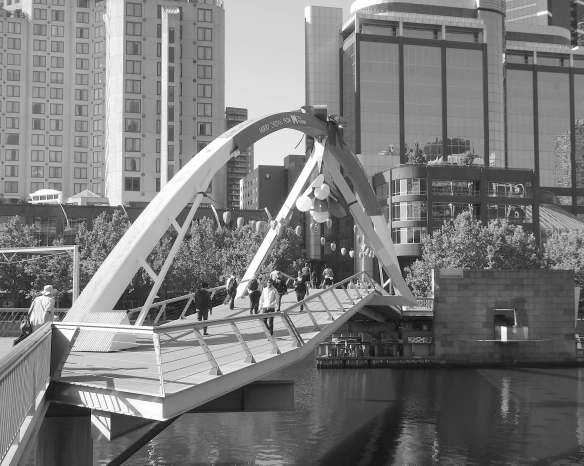
The next morning, we crossed the pedestrian bridge

13.Southbank Pedestrian Bridge

pausing halfway to capture the view upstream.

14.Yarra River, Princes Bridge

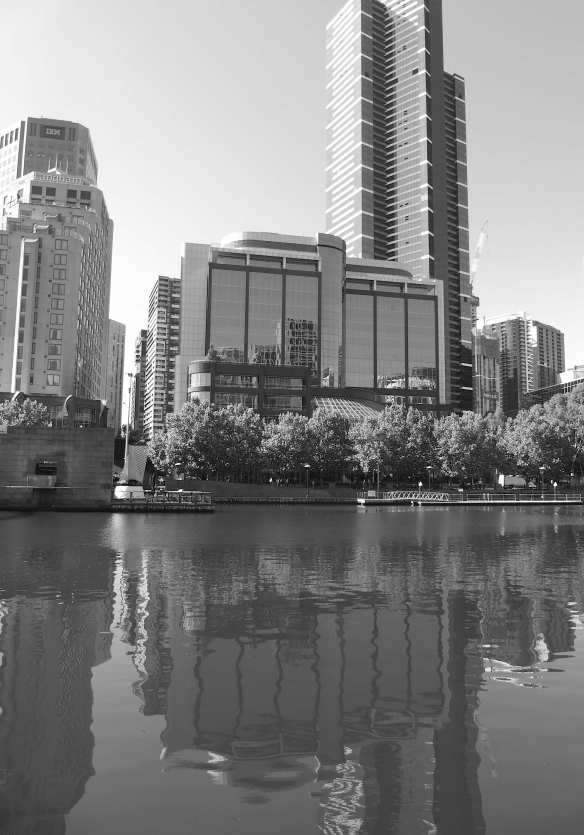
The buildings are just as impressive without colour

15.Eureka Tower16.Melbourne skyline

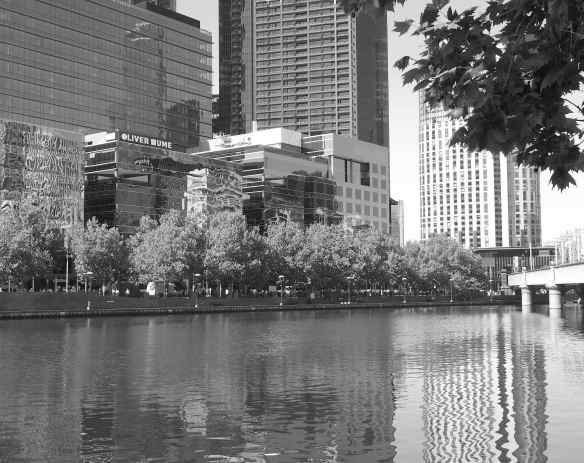
and the reflections mesmerising

17.Southbank18.Southbank19.Southbank

as we strolled along Flinders Walk.

20.Flinders Walk

We passed Sandridge Bridge, The Travellers sculptures telling stories of past immigrants to Australia.

23.rowers24.Sandridge Bridge & skyline

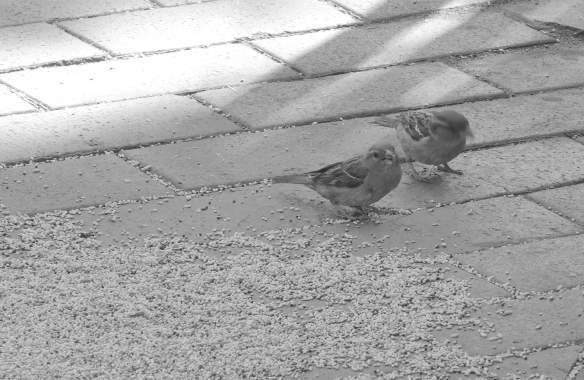
Someone had kindly left birdseed for our feathered friends.

25.birds

The rowers were being pursued by a lone gull – or so it seemed.

26.rowers

I wonder if this cormorant could smell the fish at the Sea Life Aquarium across the river. He looks like a statue against the abstract motion of the water.

28.cormorant27.Sealife

Not far past Seafarers Bridge

29.Seafarers Bridge

we reached our destination – DFO, South Wharf.

30. DFO South Wharf

Interestingly, when Paul Simon recorded his concerts in Central Park in 1982 and 1991, he changed the lyrics to “…everything looks better in black and white.” You can decide for yourself.