Pugnaloni

I was quite excited when I realised we would be in Acquapendente for the Festa dei Pugnaloni. The origin of the festival dates back to 1166AD when two farmers witnessed the blossoming of a dry cherry tree. This miracle was considered a good omen by the villagers who had been repressed under the reign of Emperor Federico I Barbarossa. Armed with prods and work tools, they destroyed the castle, drove out the tyrant and regained their freedom. The anniversary is celebrated on the third Sunday in May with a procession through the streets and much feasting. In ancient times, the peasants carried goads, implements used for prodding oxen, adorned with flowers to represent the weapons of battle and the cherry blossom.

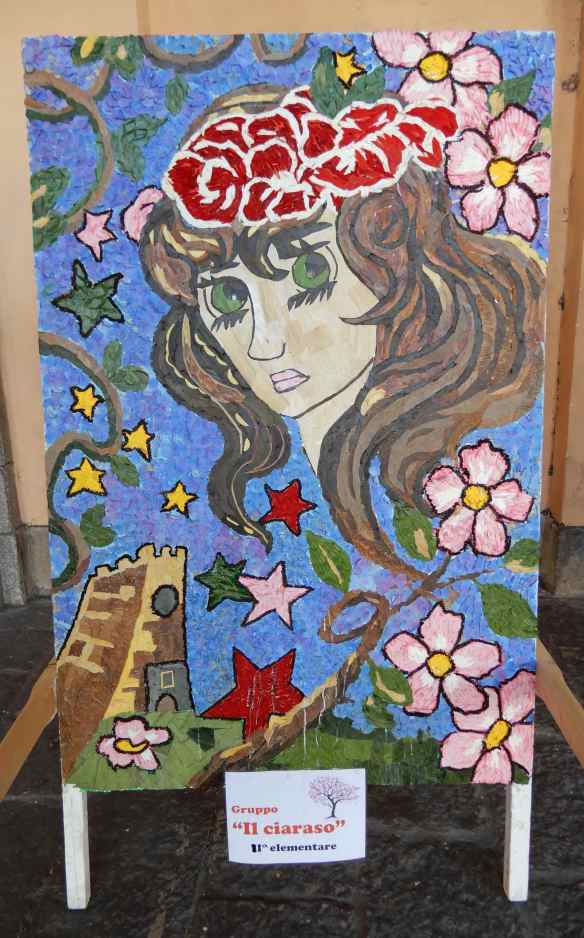
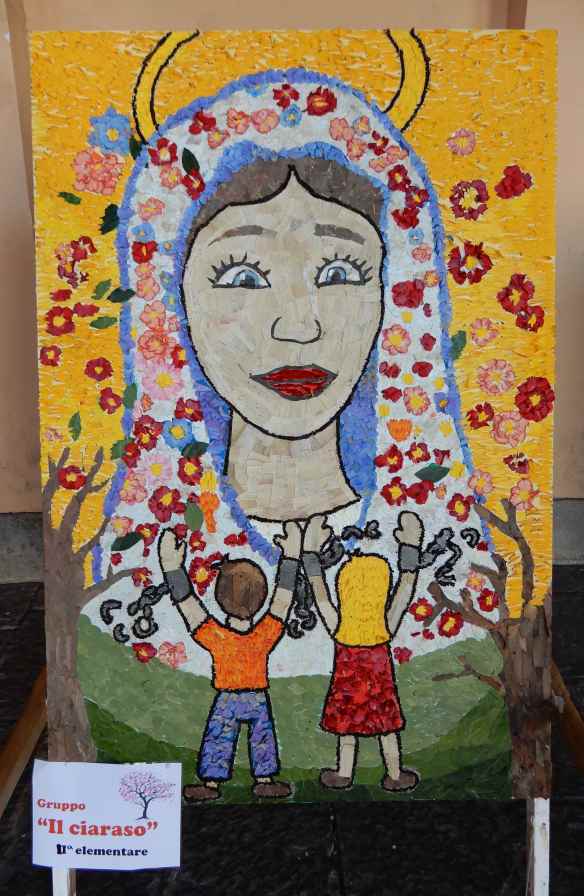
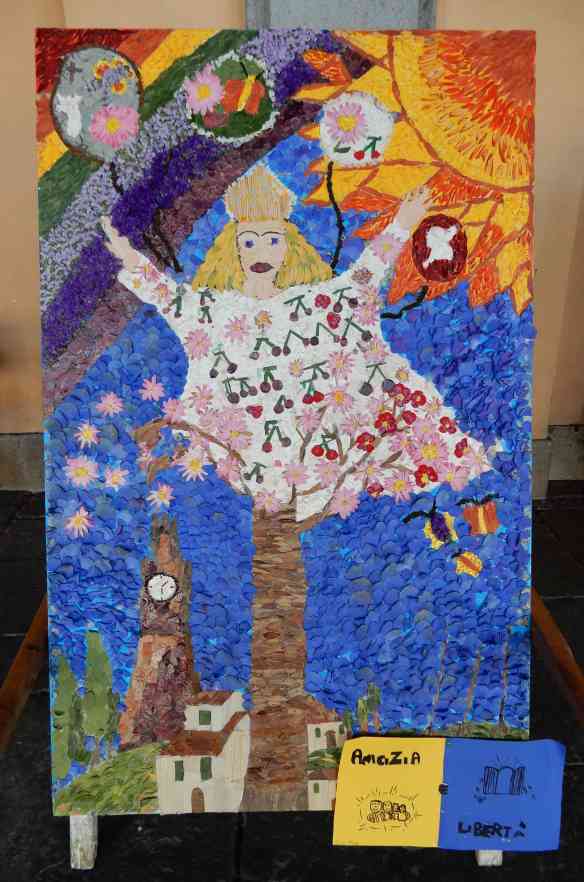
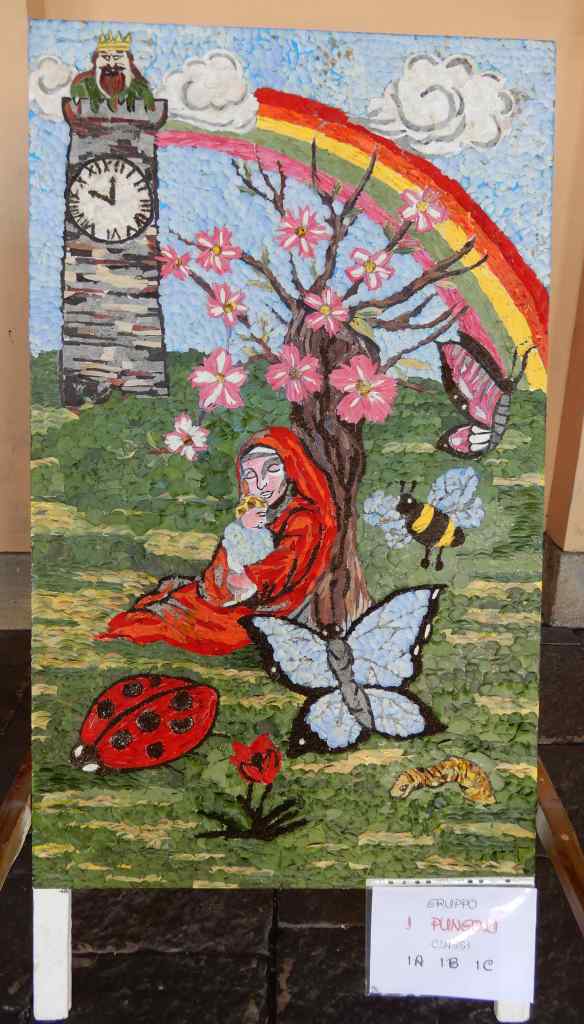
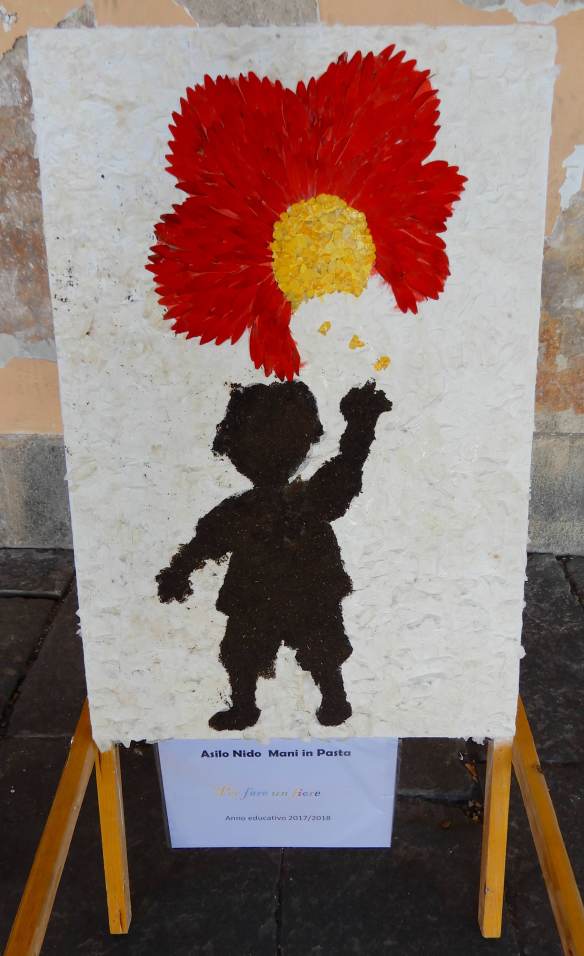
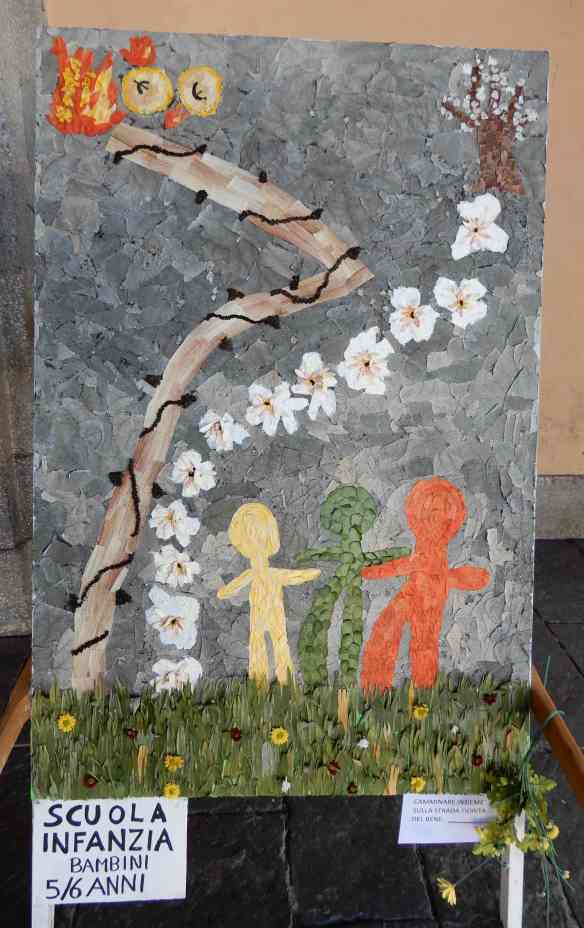
The pugnaloni have evolved over the centuries and are now superb works of art, created by different groups in the community. Large panels, 2.6 metres wide and 3.6 metres high, are covered with intricate mosaics of leaves and flower petals to create images inspired by the theme of peace and freedom. The week before the main event, we discovered some smaller versions exhibited in the loggia of the town hall.

1.mini Pugnaloni2.mini Pugnaloni3.mini Pugnaloni4.mini Pugnaloni

The Mini Pugnaloni gives the Aquesian children the opportunity to take part in this wonderful celebration.

5.mini Pugnaloni6.mini Pugnaloni7.mini Pugnaloni

We decided not to attend the festival after being advised by some locals that there would be a lot of inebriated people, they obviously thought we were crazy to even contemplate it. We revisited the town a couple of days later but could only find one on display at the town hall, the entry by a group named Via Francigena.

I think patience and a steady hand would be essential attributes for anyone undertaking this art, the results are spectacular.

12.Via Francigena

We later found out the remainder were exhibited in the Duomo and they take turns being centre stage at the town hall.

Werribee Park Mansion

After staying the night at the fabulous Mansion Hotel, we spent some time the next morning exploring Werribee Park Mansion.

1.Werribee Park Mansion

The family history has more drama and intrigue than a Pulitzer Prize winning period romance novel. I’ll give you an abridged version while we wander, starting off at the stunning entrance hall.

4.hall

Scotsman Thomas Chirnside emigrated to Australia in 1838 seeking a new life and, seeing the opportunities in the agricultural industry, invested in stock and land. His brother, Andrew, joined him in 1841 and their pastoral empire flourished. On one side of the hall at the front of the house is the library, a cosy gentleman’s space.

Across the hall, the elegant drawing room where guests would be received and the ladies withdrew after dinner, has a definite feminine touch.

7.drawing room

Four years later, Thomas returned to Scotland for a visit, fell in love with his first cousin Mary and proposed marriage. Her parents didn’t approve and he returned alone. The formal dining room, with its exquisite ceiling rose, is next to the library

10.dining room

and the more informal breakfast room adjoins.

It was then Andrew’s turn for a trip home and Thomas asked him to bring Mary back to Australia any way he could. Andrew accomplished the task and he returned in 1852 with Mary as his wife. There is one bedroom on the ground floor with the modern convenience of an ensuite bathroom.

15.bedroom

Obviously a gentleman’s domain, the billiard room is adorned with hunting trophies and presumably, the family’s pet spaniel.

18.billiard room

25.billiard room

The peaceful conservatory has a distinctly tropical ambience.

26.conservatory27.conservatory

Thomas wanted Mary to live in a stately home and so, he and Andrew built the elaborate sandstone Italianate mansion at their Werribee Park property. The 60-room house took three years to build and was completed in 1877. The presentation in the kitchen leaves little doubt as to the lavish lifestyle enjoyed at Werribee Park.

Andrew and Mary, along with three of their children, lived at the mansion. Thomas, who never married, lived at his property in nearby Point Cook until his later years when he joined them at Werribee. At the top of the main staircase,

33.main staircase

the ornate saloon was an area used as a gallery and ballroom.

A doorway leads out to a magnificent tiled balcony at the base of the tower.

36.balcony

The brothers made many generous contributions to the community, including churches and schools, and hosted events such as polo matches and picnics in the expansive grounds. Looking out over the lawns, I could just picture the dashing men and the ladies in their finery out in the sunshine.

39.gardens40.parterre garden

After years of suffering from depression, Thomas took his own life in 1887. Found dead in the laundry with a shotgun beside him, it is believed his ghost now haunts the mansion. The laundry is housed in a separate bluestone building at the rear of the mansion.

41.laundry

Andrew died of heart failure three years later and his two youngest sons inherited the property on the proviso that Mary lived there for the rest of her days. The bedrooms on the first floor are beautifully decorated and each has its own dressing room.

42.chintz bedroom

45.blue bedroom46.blue bedroom

The children’s room is more than a bedroom, with an array of playthings to keep them amused.
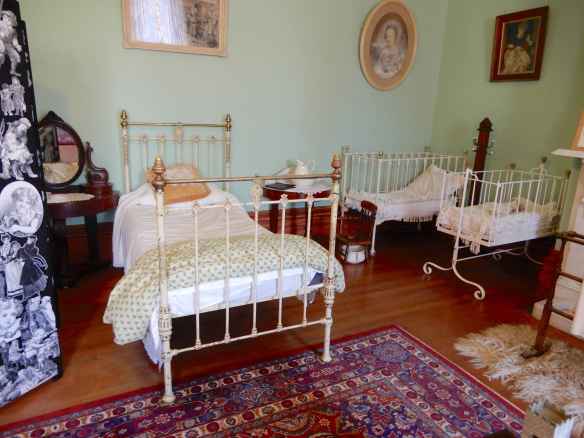
47.childrens room

Tragically, Mary died from her injuries after her hair caught fire from a bedside candle in 1908. The back staircase leads to the servants rooms

and there are marvellous exhibitions of curios from life in the late 19th century. I can’t imagine an occasion where the bird hat would be appropriate, the corset looks positively painful and the ashtray is distinctly bad taste.

The brothers sold Werribee Park in 1922 to a wealthy grazier from Warrnambool. A year later, it was sold again to the Roman Catholic Church, was developed as a seminary and operated for fifty years. In 1973, the Victorian Government acquired the property and restored the mansion and grounds to its former glory.

57.main staircase

Acquapendente

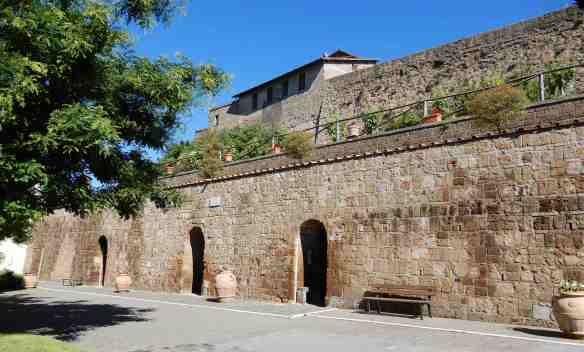
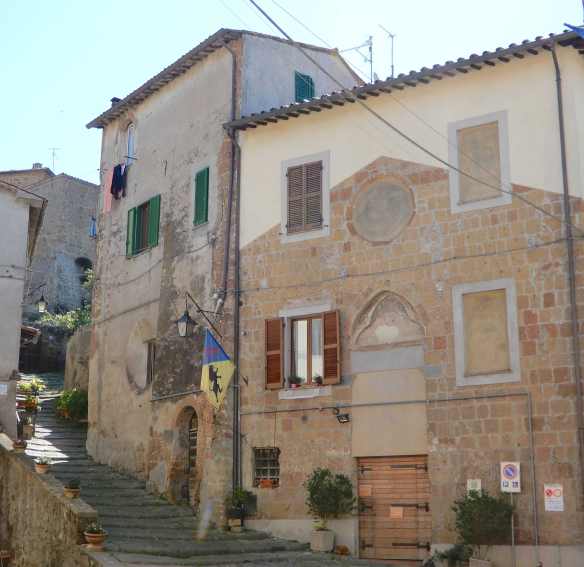
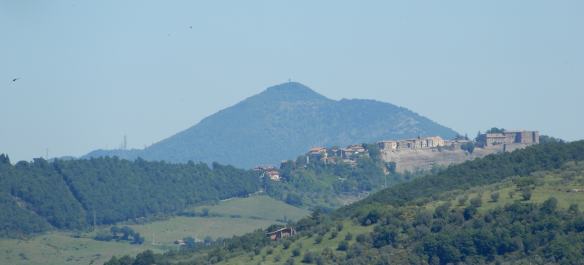
The nearest town to Montepozzo was a pleasant 4km drive away. Acquapendente, in northern Lazio, sits right at the borders of Tuscany to the west and Umbria to the east. First settled by the Etruscans, then Romans, it was established in the Middle Ages as a village and monastery by the Benedictine order. The name means “falling water” because of its vicinity to numerous small waterfalls flowing into the river Paglia. Our exploration of the town started at the Cathedral of San Sepolcro.  As far as Italian cathedrals go, it wasn’t particularly impressive from the outside. Built between 890 and 968, it was originally the church of a former Benedictine monastery, became a Romanesque church in the 12th century and eventually made it to cathedral status in 1649. Apparently, the crypt contains a blood-stained stone from the Holy Sepulchre in Jerusalem.

1.Cattedrale del Santo Sepolcro

We crossed the road for a look in the tourist information centre and found a range of local products and interesting artefacts.

We continued down Via Roma

10.Via Roma

past the City Museum

11.Museo della Città

and ventured into the Church of Saints Anthony and Catherine. The 19th century façade was easy to miss but the detail inside was lovely.

12.Chiesa dei Santi Antonio e Caterina

There was no shortage of colour in the streets

16.houses

as we made our way to the Church of Saint Agostino. Yet another unassuming façade belied a fascinating interior. Founded in 1290 by the Augustinian convent, it was rebuilt in 1747 after being completely destroyed by fire a year earlier.

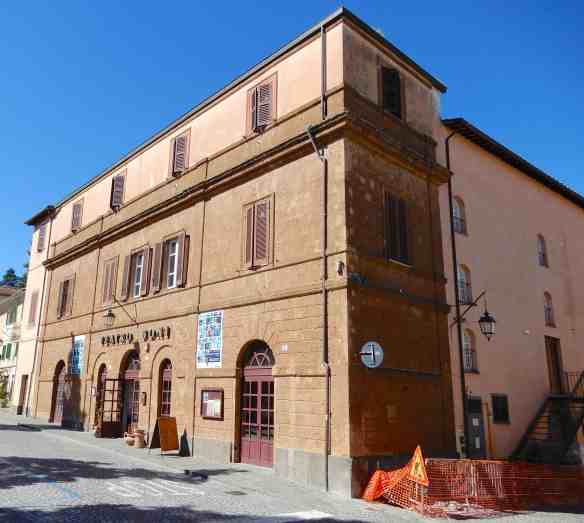
We passed the 19th century Boni Theatre

30.Teatro Boni

and around the corner, arrived at a beautiful piazza. The waters of Fonte del Rigombo flow from a natural spring, providing refreshment for both traveller and mount on their journey in medieval times. The fountain also became known as Mascheroni in the 19th century when the waters were framed architecturally with pilasters, cornices and grotesque masks around the water spouts.

31.Fonte del Rigombo

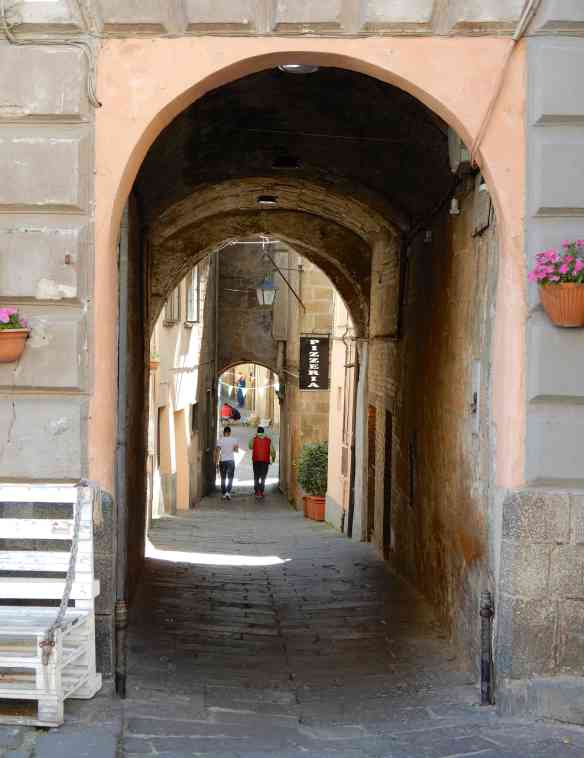
Cobblestoned side streets beckoned

36.Acquapendente

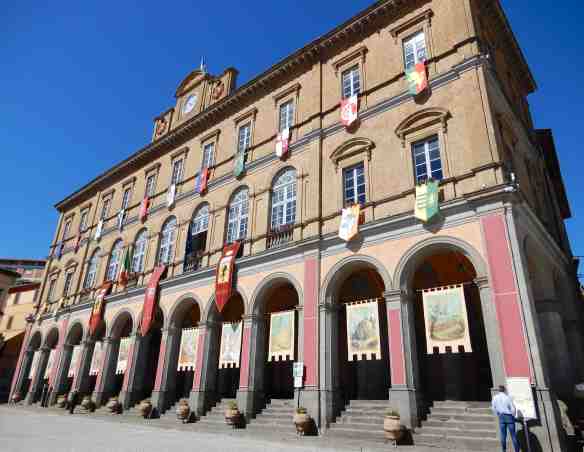
but we were on a mission as we reached Piazza Girolamo Fabrizio and the magnificent Town Hall.

37.Town Hall

Time for coffee & pastries,

38.pastries

the perfect setting to relax and watch the world go by.

Suitably replenished, we ambled further, enjoying the sights, sounds and sunshine.

66.strolling

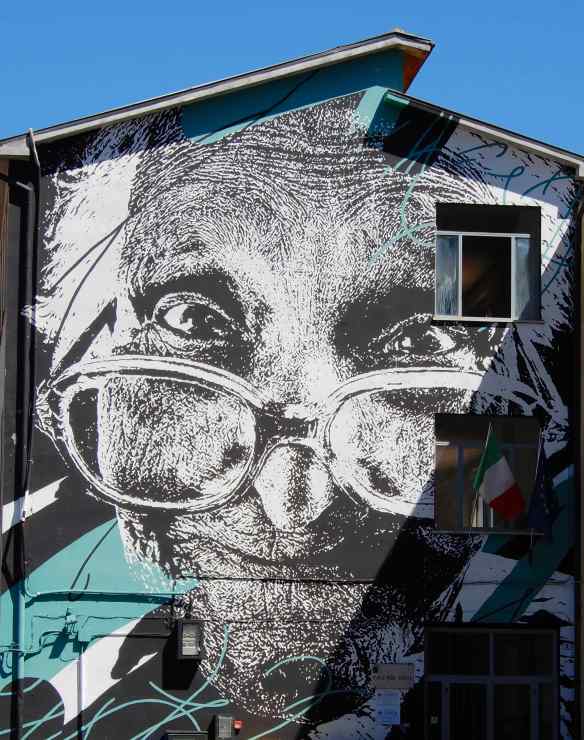
Throughout our rambling, we had noticed huge portrait paintings that appeared randomly on walls where least expected. They are entries in the Street Art section of The Urban Vision Festival, a two day festival each July that began in 2015.

82.Urban Vision

Just past the hospital,

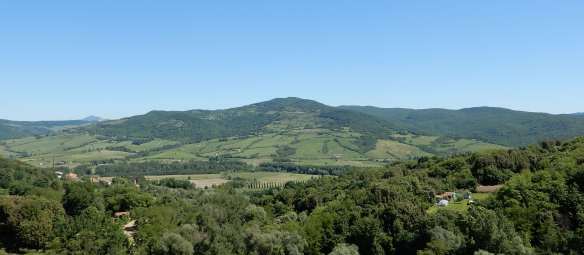
at the end of the town, we were rewarded with a spectacular vista across verdant countryside.

86.view87.view

Auckland

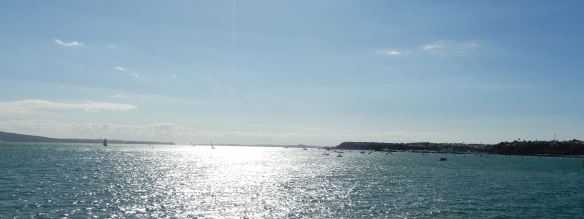
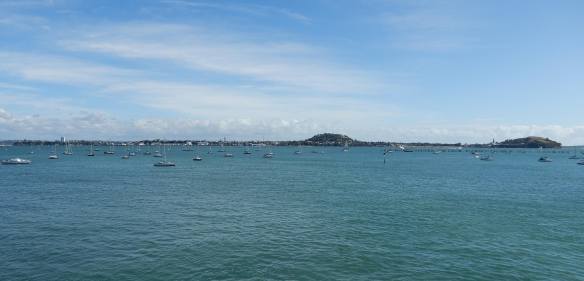
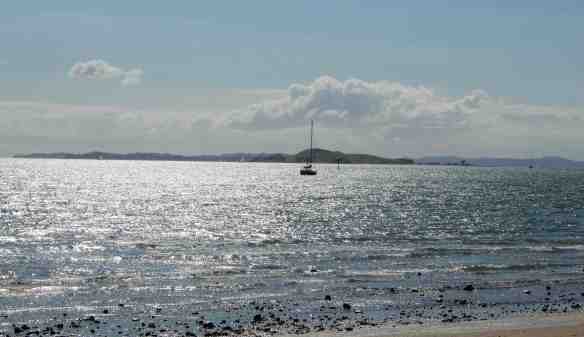
Our first day in Auckland dawned bright and sunny and we decided a ticket for the Hop On Hop Off bus was the best way to see the sights. Departing from Sky Tower, just down the road from our apartment, we were surprised by the amount of traffic and roadworks in Auckland. A huge extension to the waterfront precinct began last December, we weren’t enticed by the crowded construction site and remained on the bus as it travelled along Tamaki Drive on the way to Bastion Point. The views across Waitematā Harbour from the upper deck were breathtaking,

1.Waitematā Harbour2.Waitematā Harbour3.Waitematā Harbour

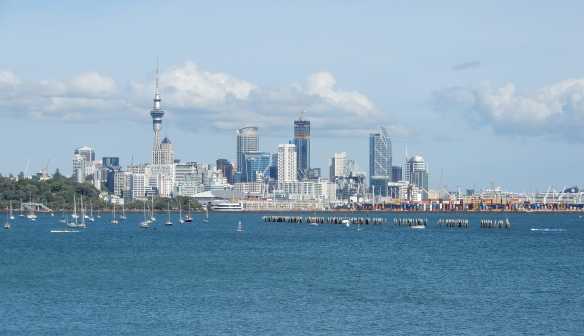
the city clearly visible, looking back across the water.

4.Auckland

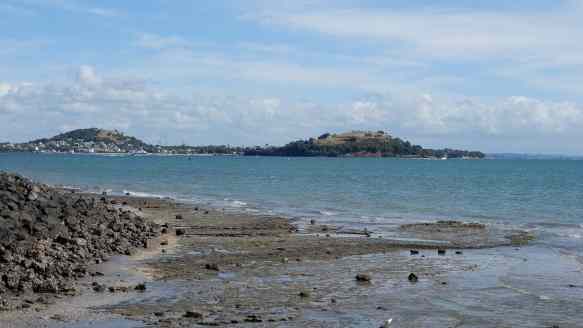
The volcanic cone of Maungauika forms the headland that is North Head Reserve, adjacent to the harbourside suburb of Devonport. There are underground tunnels and old gun emplacements to explore at the former military defence installation.

5.North Head

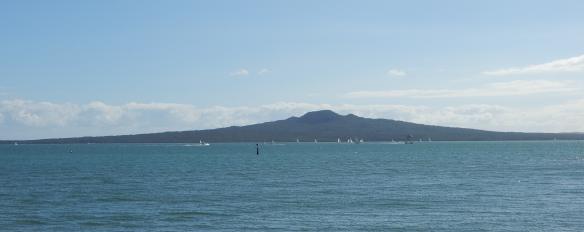
The symmetrical cone of Rangitoto Island is the youngest and largest volcano in the Auckland field, emerging a mere 600 years ago.

6.Rangitoto

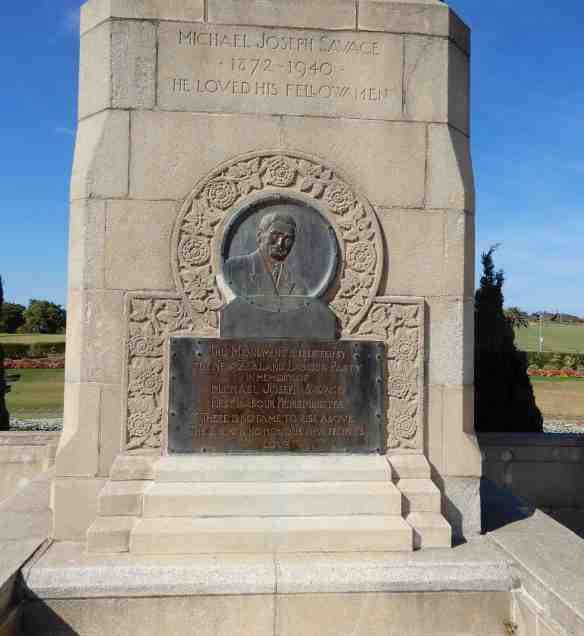
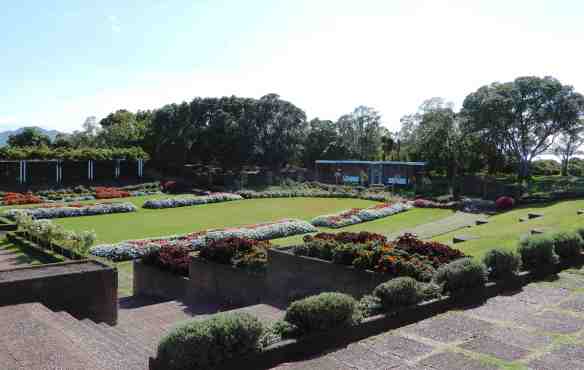
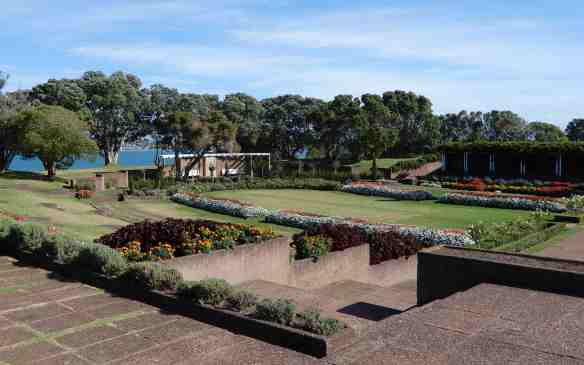
We alighted at Bastion Point to wander around the Michael Joseph Savage Memorial Park. Set on 49 hectares, the landscaped gardens, sunken pool and obelisk are a memorial to New Zealand’s first Labour Prime Minister.

7.Michael Savage Memorial

In office from 1935 until his death in 1940, Michael Savage is recognised as the founder of the Welfare State as well as creating a political alliance with the Māori Rātana movement.

8.Michael Savage Memorial

The gardens are immaculate, designed by two Auckland architects who won a national competition to design the memorial in 1941.

9.Michael Savage Memorial

10.Michael Savage Memorial

This site of a former gun emplacement affords a spectacular view of Auckland Harbour Bridge.

13.Auckland Harbour Bridge

We walked the steep path and steps from Bastion Point to Mission Bay, a popular beach with calm waters and plenty of cafes and bars.

14.Mission Bay

We had a different perspective of Devonport and North Head from the beach.

15.Devonport & North Head from Mission Bay

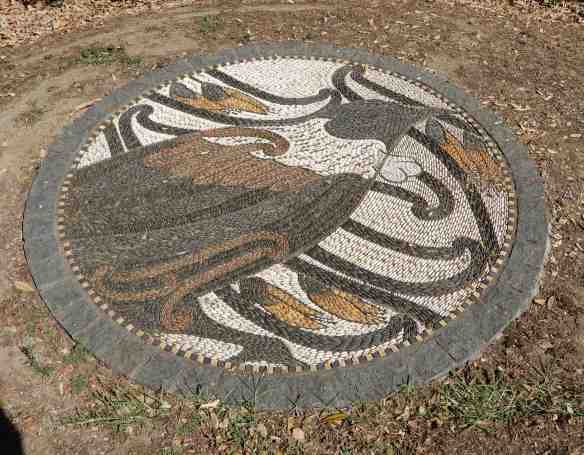
At the bottom of the steps, there are a series of beautiful pebble mosaics but no explanatory signage. I have since discovered the origin of this art, you can read about it here.

16.mosaic17.mosaic18.mosaic

Wrest Point

Michael’s gig at Cascade Brewhouse in January gave us the opportunity to stay in Hobart overnight and the perfect excuse for a belated wedding anniversary celebration. We hadn’t been to Wrest Point since a holiday in 2007 when we enjoyed a fabulous evening in the revolving restaurant, it was time to revisit. Not only did Wrest Point become Australia’s first legal casino in 1973, its fascinating history dates back to 1789 when a chap named Thomas Chaffey was transported for life to Norfolk Island. He married Maria Israel, was made a constable and given 39 acres of land. When the settlement on Norfolk Island was closed, he received 62 acres of land in Hobart and built a house on land at Queensborough which became known as Chaffey’s Point. Thomas’s son, William, built an inn on the site called the Traveller’s Rest in 1839 and it was later purchased in 1939 to create a prestigious international hotel, the Wrest Point Riviera. The current Wrest Point hotel was built on the same site and is still the city’s tallest building at 64 metres.

1.Wrest Point Tower

The complex has been extended over the years and now includes a conference centre as well as a range of bars and restaurants and three accommodation options depending on your budget. We had booked a Water Edge room but were upgraded to a newly refurbished Harbour View Deluxe  King on the sixth floor of the tower. The décor was tasteful

and the view stunning, although we didn’t have much time to spend admiring it.

5.river view6.river view

After the Brewhouse, it was a quick freshen up and change for our reservation at The Point on the top floor of the tower. A selection of breads were presented, followed by a delicious venison taster.

For entrée, we both chose the Rannoch Farm quail breast, house made falafel, onion, Cygnet mushrooms, herbs & red wine jus.

11.quail

We differed on main course with Tasmanian slow cooked lamb rump & braised neck, cauliflower, sweet potato, snow peas, almonds, green raisins, herb salsa verde & dukkah seasoning and honey glazed duck breast, braised red cabbage, parsnip, bread dumplings, caramelised chestnuts, duck & orange jus.

Had we not opted for the table d’hôte menu, we would have declined dessert, not realising the meals would be quite so generous. We soldiered on. I had textures of rhubarb & berries, honey crème brûlée, elderflower, milk crumble, lemon sorbet, pistachio sponge & meringue, while Michael managed the walnut & maple syrup tart, buckwheat pastry, red wine poached pear, sauce Anglaise & yoghurt sorbet.

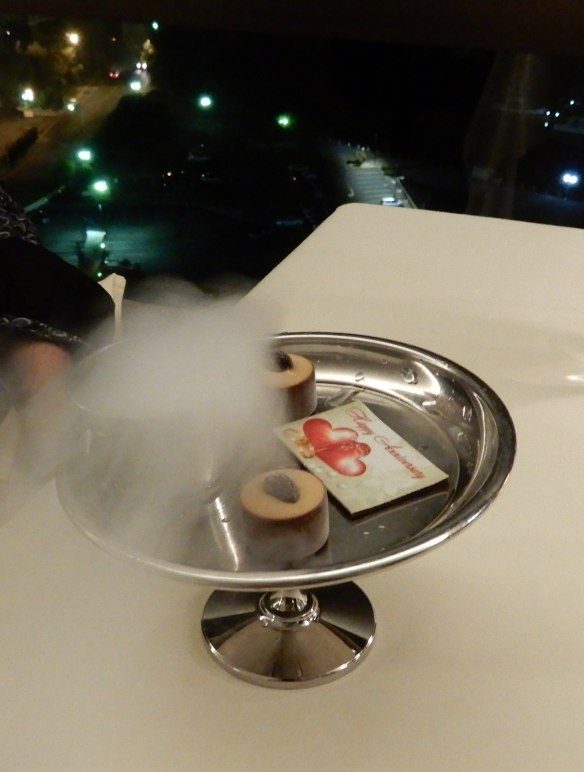
With no room for another morsel, we were presented with a mist shrouded platter bearing chocolates and a congratulatory anniversary note. How could we refuse?

16.Happy Anniversary

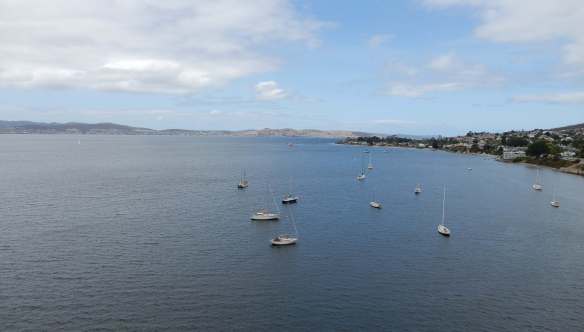
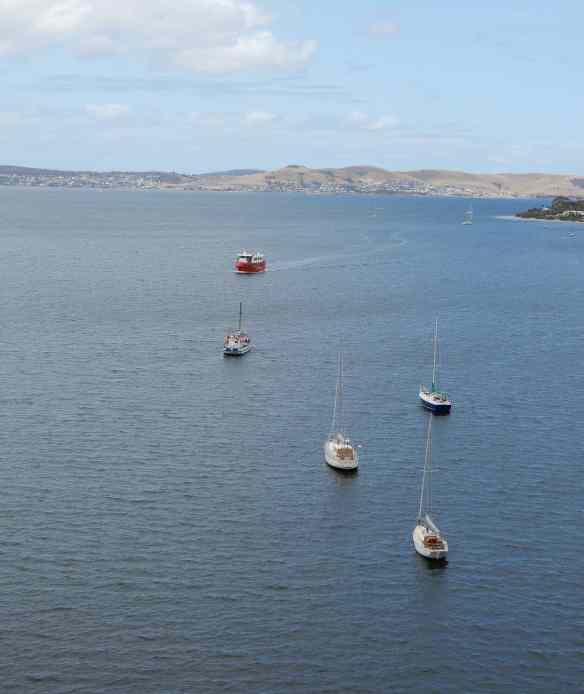
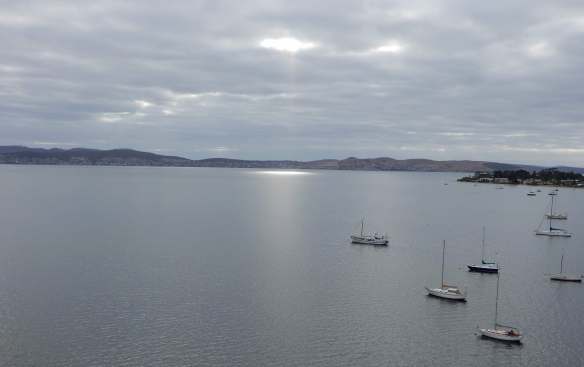
The following morning, a spotlight of sun pierced the clouds, illuminating the Derwent River and the cast of players waiting in the wings.

17.morning light18.rowers

A group of rowers appeared on the stage

followed by a lone paddle boarder, obviously confident enough to carry a backpack.

It wasn’t long before a seaplane landed then cruised downriver and disappeared from sight.

With the water entertainment over, we wandered through the venue to explore the immaculate grounds.

32.lawn31.pond

Cormorants preened on mussel crusted rocks,

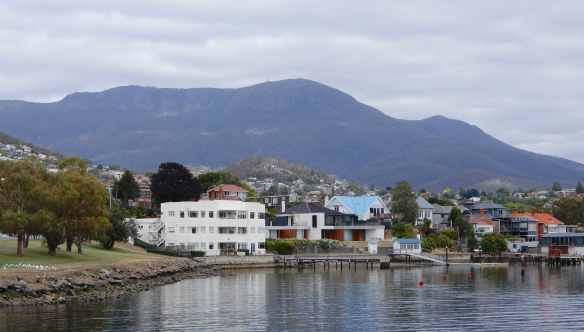
with an enviable view of the Tasman Bridge and Mt. Wellington beyond.

35.Tasman Bridge

Vegetables and herbs are grown in the gardens, a ready supply to serve the patrons.

Boardwalk Bistro

39.Boardwalk Bistro

overlooks the marina.

40.marina

It is no surprise that Sandy Bay has the most expensive real estate in Hobart.

41.Sandy Bay

Our only disappointment was that we weren’t staying for longer but there is always a next time.

42.Wrest Point Tower