Cortona

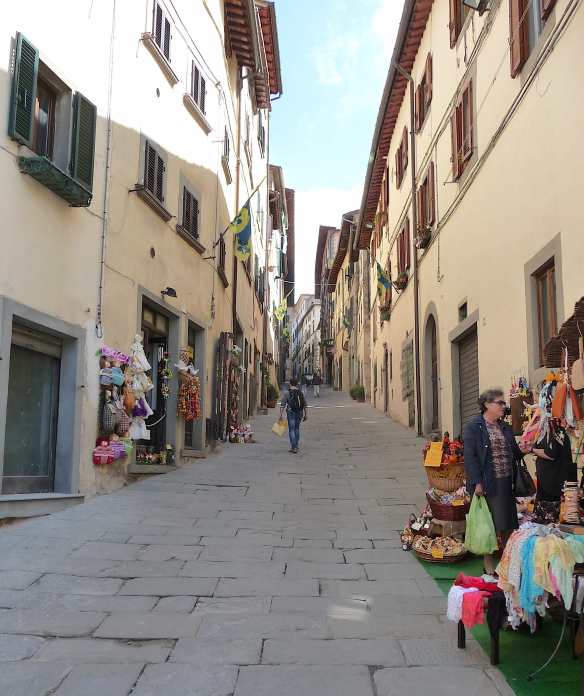
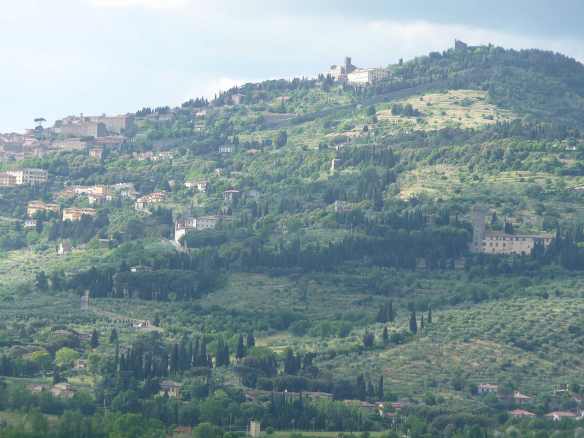
I have wanted to visit Cortona for as long as I can remember, even before “Under the Tuscan Sun” made it popular. An ancient Etruscan city, dating back to 600BC it was every bit as magical as I expected. Only a 10 minute drive from Il Castagno, we parked outside the city walls and strolled through the beautiful narrow streets
1-cortona

lined with every shop imaginable.

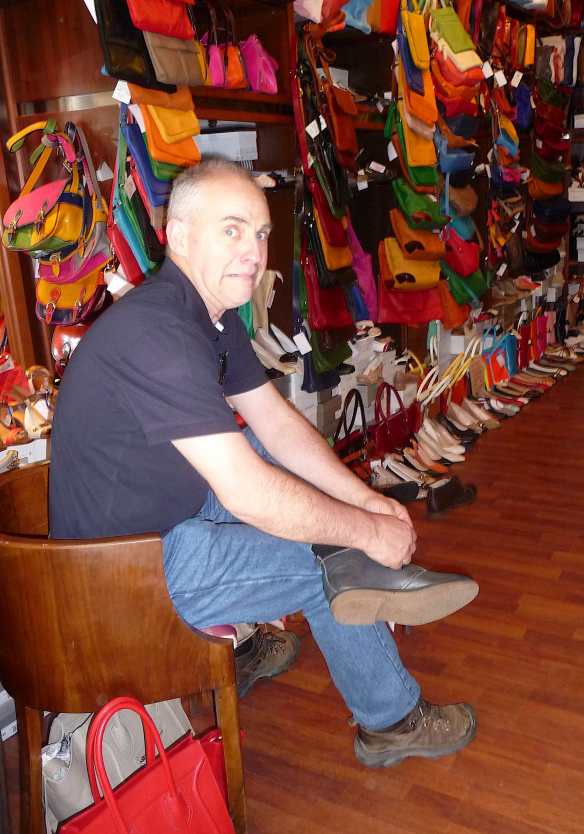
Michael even bought a pair of shoes!
12-shoe-shop

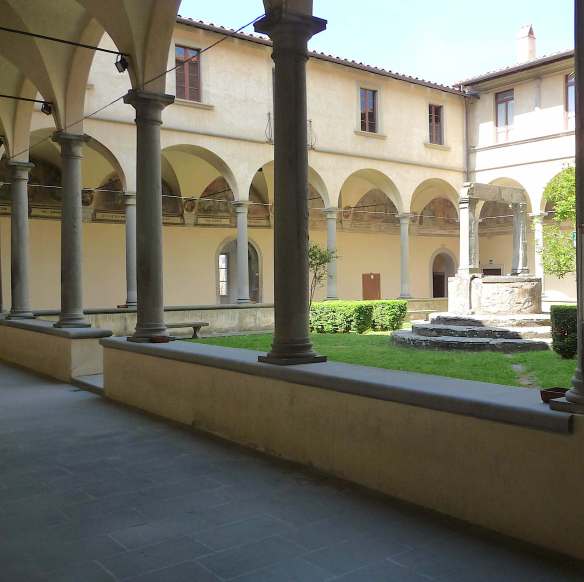
Somewhere along the way, we caught a glimpse of the cloister of Santo Agostino convent.
13-cloister-of-santo-agostino-convent

Our wandering led to Piazza Garibaldi with an obelisk dedicated to Guiseppe Garibaldi and a commemorative monument to Leonardo di Vinci.

We were lured to lunch at Ristorante Tonino by the breathtaking view.
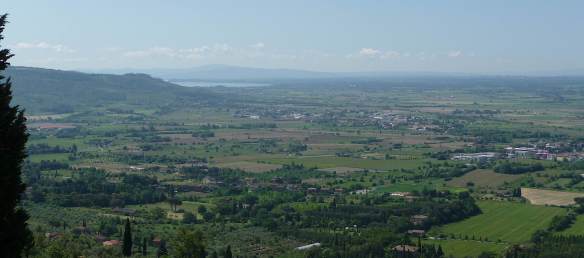
16-val-di-chiana

Unfortunately, the menu catered for tourists rather than those wishing to experience a traditional Tuscan meal.

After lunch, we walked through the Parterre Gardens, past the Monument to the Dead of World War I,
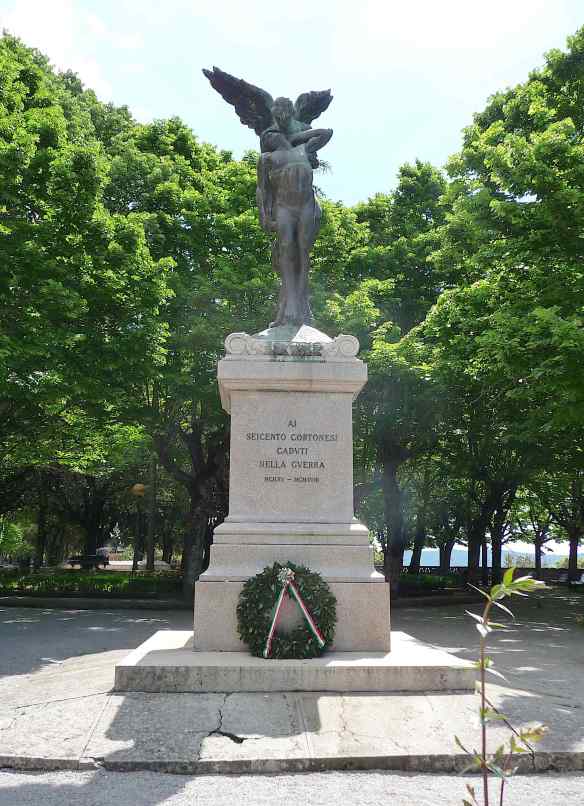
19-monument-to-the-dead-of-world-war-i

a beautiful fountain,

and what appeared to be an amphitheatre.
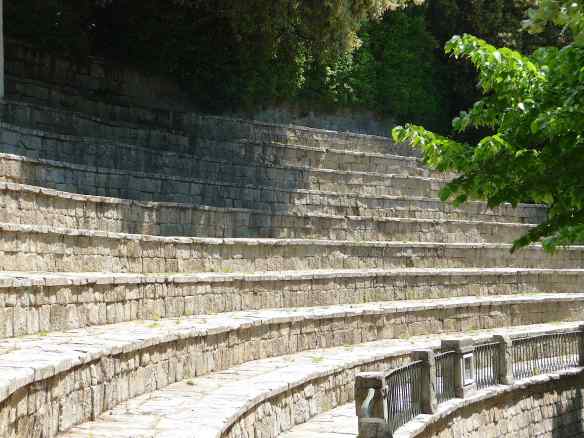
22-amphitheatre-parterre-gardens

There is a marble sculpture, the Dove of Peace, by John D Kehoe who, in 1970, founded an international art study program in Cortona.
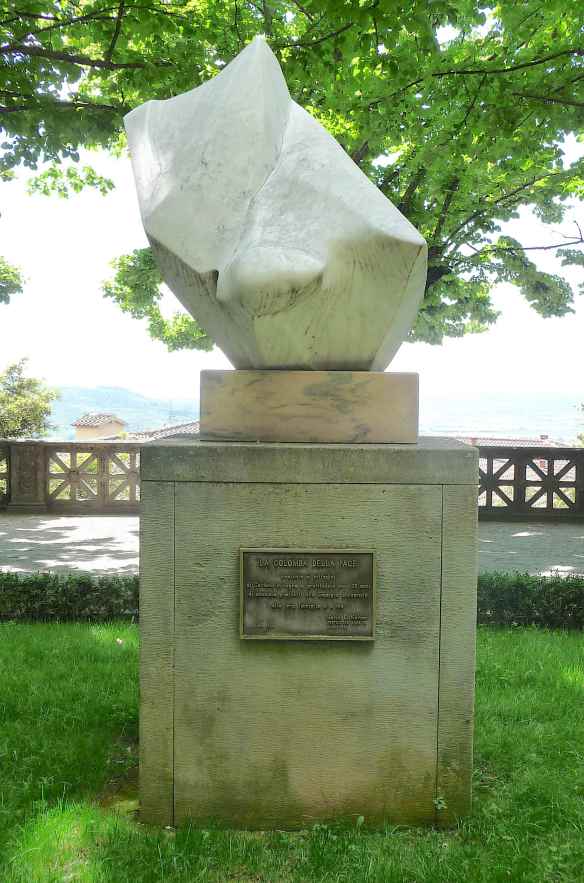
23-dove-of-peace

Just past the magnificent San Domenico Campanile

we found ourselves on a tranquil tree-lined path.
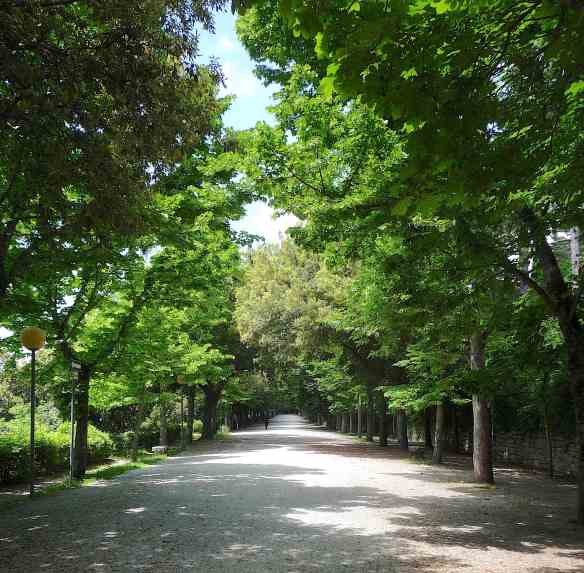
26-parterre-gardens

We attempted to find Bramasole, the villa renovated by Frances Mayes in “Under the Tuscan Sun”. We either didn’t walk far enough or we took the wrong turn, sadly, we never found it. Instead, we headed for the highest point in Cortona.
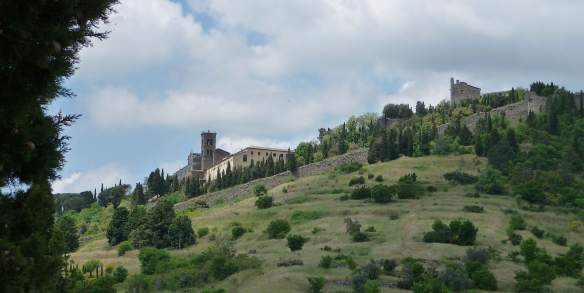
27-cortona

It was a very hot spring day and after a heavy lunch and a vino or two, it was a bit of a challenge.

Stopping to catch our breath now and then, the sights were rewarding.

The further we got, the more determined we were to make it

and finally, we reached Fortezza di Girifalco.
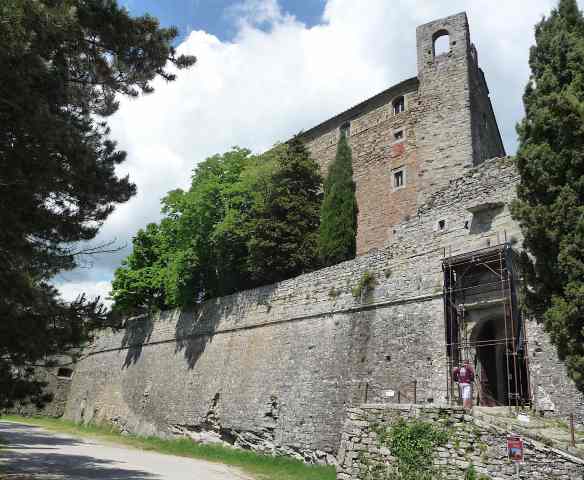
37-fortezza-del-girifalco

We took our time exploring the well preserved ruins of the 16th century fortress.

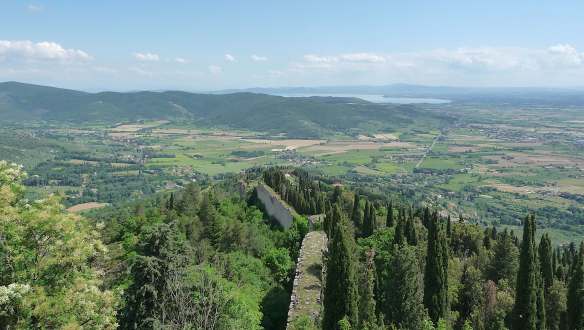
The panorama over the rooftop of the 14th century Convent of Santa Margherita
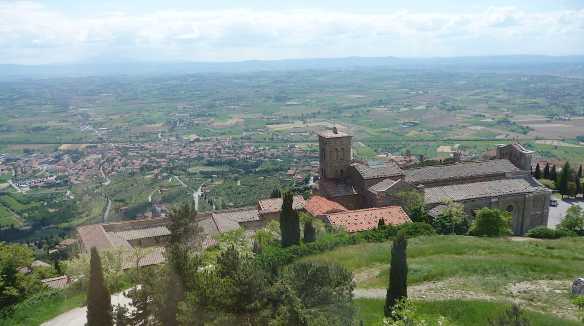
49-santuario-di-santa-margherita

across the Val di Chiana and Lake Trasimeno was spectacular.
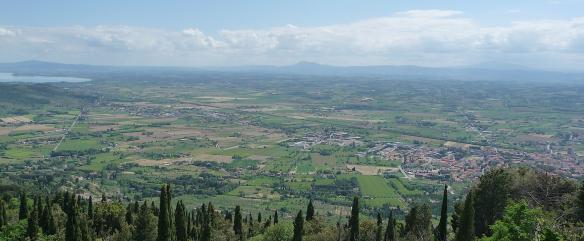
50-val-di-chiana51-lake-trasimeno

There would be some fascinating stories in the old walled cemetery.
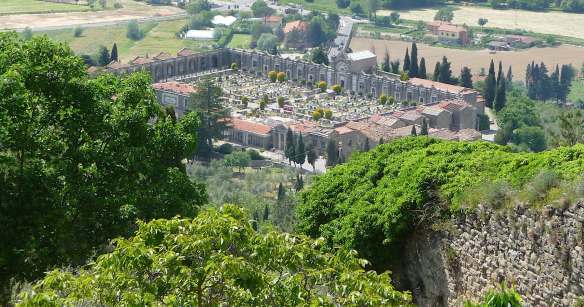
52-cimitero-della-misericordia

The Basilica Santa Margherita was built following the death of the patron saint of Cortona in 1297.
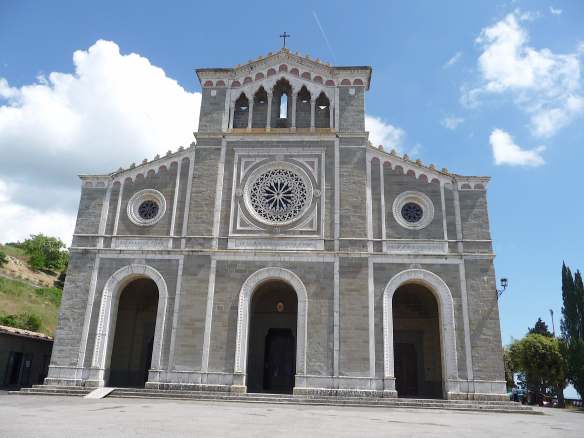
53-basilica-di-santa-margherita

The return walk to town was an easy stroll, I couldn’t resist the intriguing doorways once again.

After a short visit to the Chiesa di San Francesco, built in 1245,
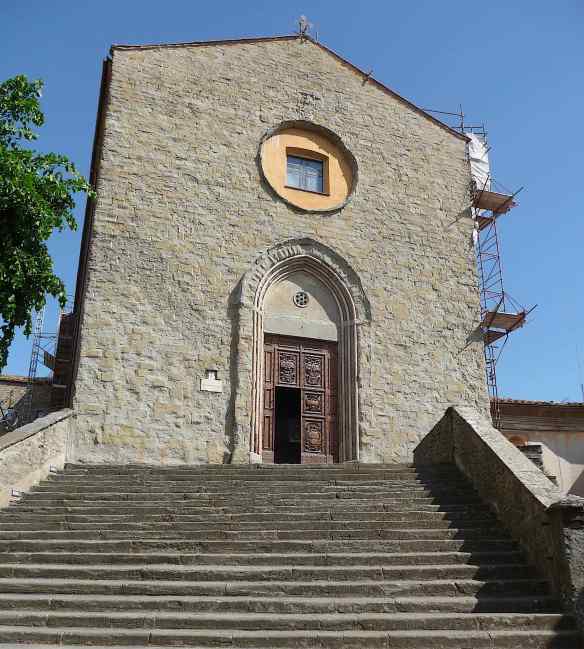
61-chiesa-di-san-franceso

we enjoyed well earned gelati before returning to our gorgeous villa to sit with a vino and reflect on our wonderful day.
67-cortona

loving the Lowlands

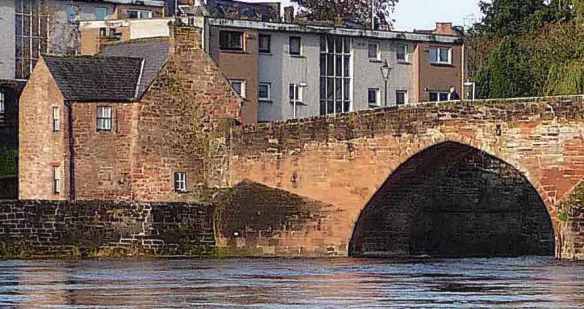
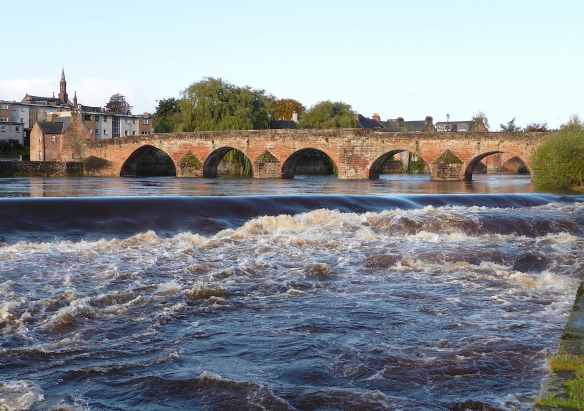
We left Carlisle on a clear, crisp morning, briefly stopping at Gretna Green on our way to Dumfries. We spent some time looking around the town and discovered this magnificent bridge. The original wooden bridge was built around 1270 for Lady Devorgilla of Galloway. Replaced with a masonry structure in the 15th century, it was severely damaged by floods in 1621. The single Gothic arch at the western end was retained in the rebuild but the new arches are semicircular.

1-degorvilla-bridge

Old Bridge House was built in 1660 by a barrel maker and served as an inn in the 1700s. It became a family home during the 1800s and was converted into two flats in the 1950s. The oldest house in Dumfries is now a museum.

2-old-bridge-house

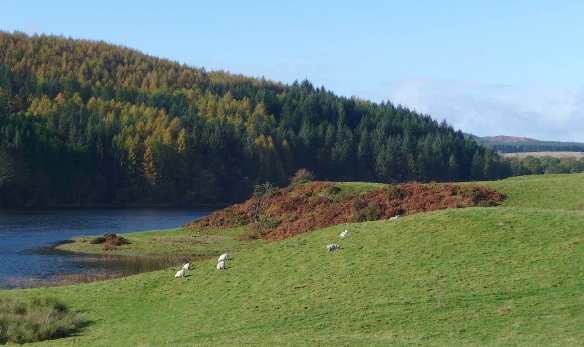
We drove the Galloway Scenic route to Ayr, immersed in the breathtaking scenery of the Scottish Lowlands.

3-galloway4-galloway

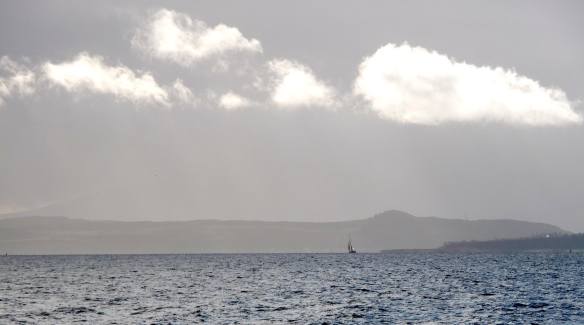
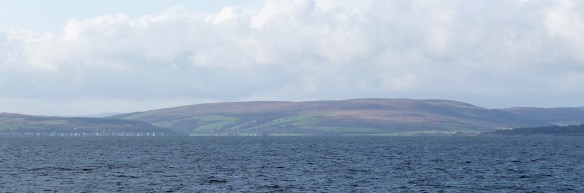
We continued north, following the Firth of Clyde. Under a misty sky, the Isle of Arran loomed out of the water.

5-isle-of-arran

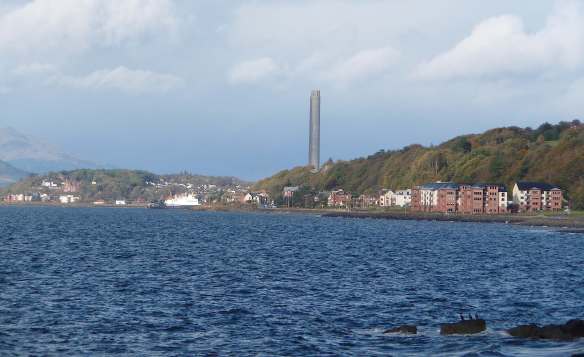
The village of Wemyss Bay is the departure point for ferries to the Isle of Bute. The Inverkip Power Station chimney, Scotland’s tallest free-standing structure at 237m no longer exists. The site was cleared for housing and the last thing to be demolished was the chimney in July 2013.

6-wemyss-bay

Our destination was Greenock, Michael’s dad’s old stomping ground. The views across the Clyde were stunning.

7-greenock-view8-greenock-view

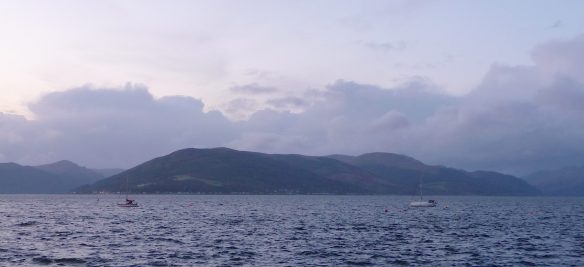
We found a lovely B&B in nearby Gourock and enjoyed a fabulous meal at The Spinnaker Hotel as night fell over Dunoon.

9-gourock-view

Cook

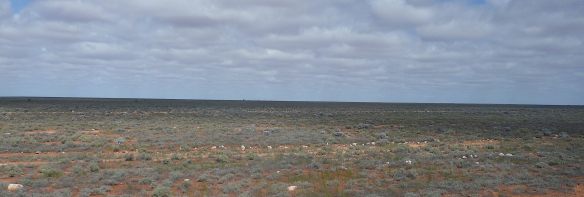
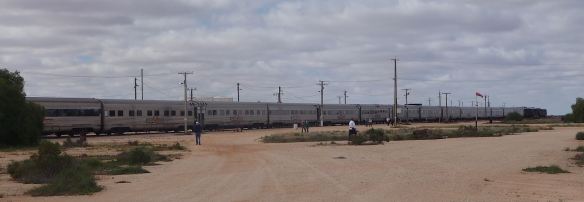
After two days of train travel, we were well and truly relaxed. The vastness of the Nullarbor Plain was boggling.

1-nullarbor-plain

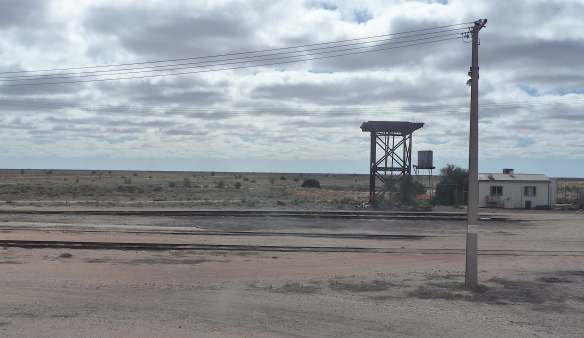
On the longest straight stretch of railway line in the world (478 kilometres) we suddenly saw signs of life.

2-cook3-cook

We had arrived at the town of Cook, the last outpost before crossing into Western Australia.

4-cook

The street sign didn’t mention that Perth is 1,500km and Sydney nearly twice that distance.

5-cook

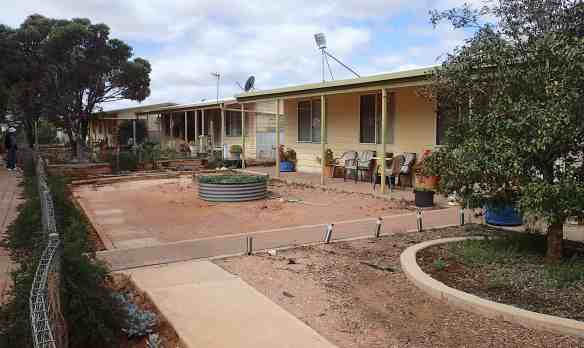
Established in 1917 when the railway was built, Cook was once a thriving town with a school, hospital, golf course and shops. The railways were privatised in 1997 and there is now a permanent population of four who remain to service the trains that pass through. We had some time to stroll around the town, the abandoned buildings are sadly neglected.

The houses

13.Cook

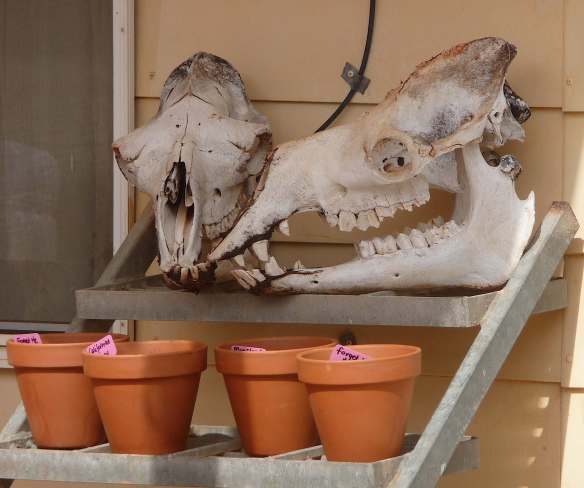
had some interesting garden ornaments

14-garden-ornaments

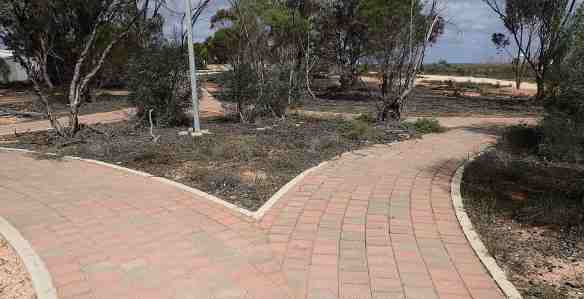
and the paths and parks had been maintained.

15.Cook

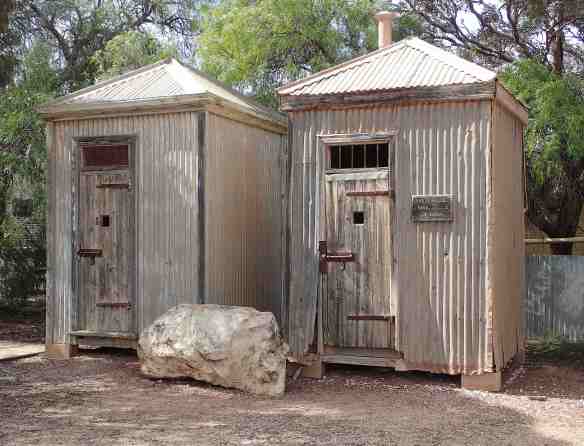
These two old gaol cells didn’t look very comfortable,

16.old gaol cells

I think you would soon be deep fried in the desert heat

and the thunderbox looked a little worse for wear.

19-thunderbox

In 1982, 600 trees were planted around the town, the event commemorated in stone.

There was more of Cook to discover but it was time to board the train and continue across the Nullarbor to Western Australia.

22-train-at-cook

Hadrian’s Wall

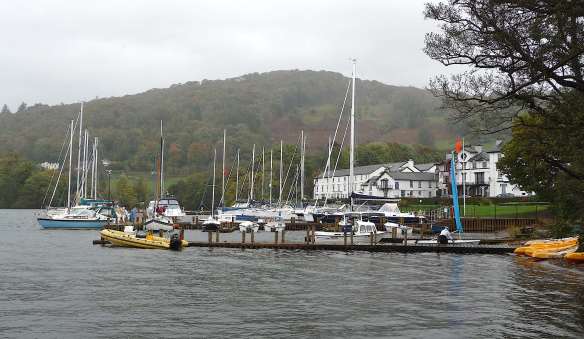
Leaving the beauty of Wales behind, we drove through the Lake District, stopping at Windermere to buy supplies.

1-windermere

The weather was not conducive to sightseeing

2-windermere

so we were soon on our way to Carlisle for a two night stay at New Pallyards Farm. The next day, we set off to discover Hadrian’s Wall. Built from 122AD, it was the northernmost boundary of the Roman Empire until early in the 5th century. There were many forts along the 80 miles between the Irish Sea and North Sea

3-hadrians-lookout

and the lookout at Greenhead rewarded with spectacular views across the countryside.

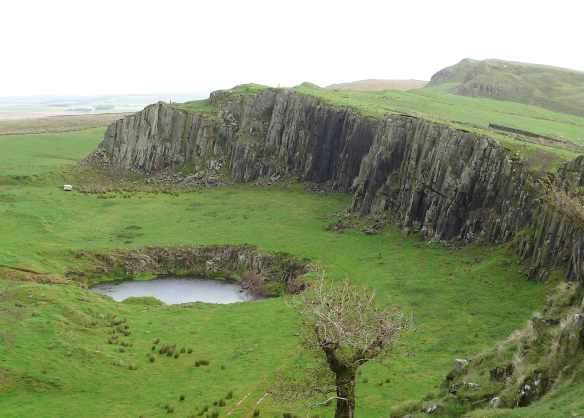
The section of wall at Walltown Crags was impressive

6-hadrians-wallwalltown-crags

as it snaked its way along Whin Sill

7-hadrians-wall-walltown-crags

a spectacular rock formation formed millions of years ago.

8-hadrians-wall-walltown-crags

The view down to the car park and the landscape beyond was stunning.

9-hadrians-wall-walltown-crags

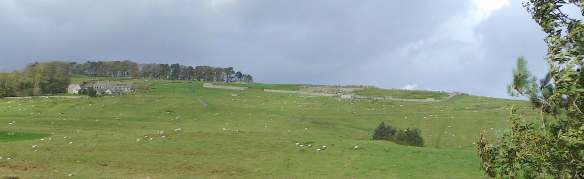
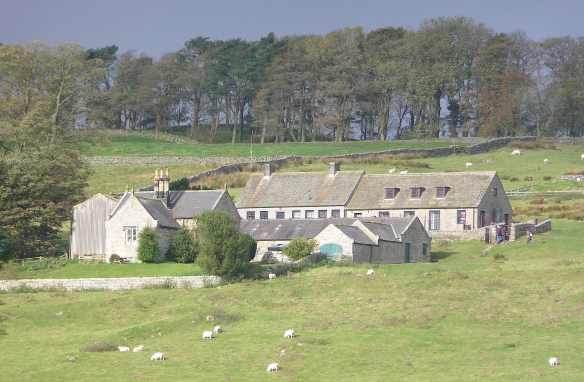
We drove on to Housesteads Fort and climbed the hill

10-housesteads-fort

to the Visitor’s Centre.

11-visitor-centre-housesteads-fort

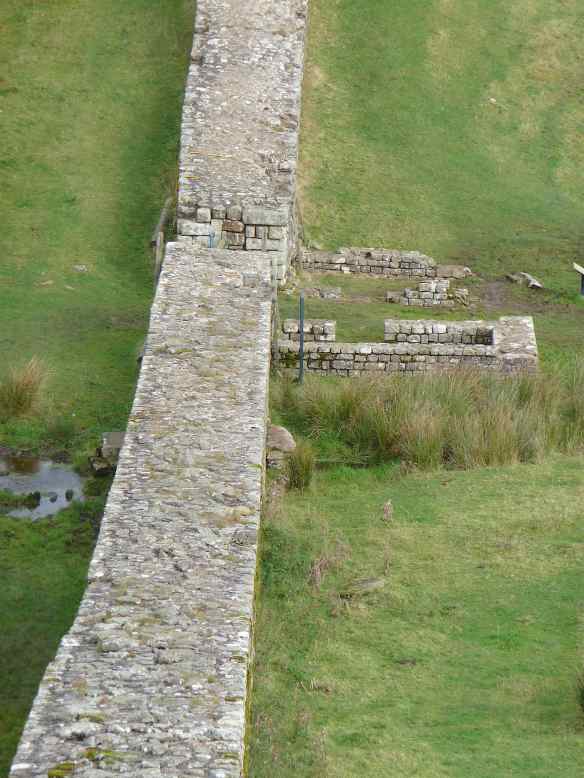
Originally named Vercovicium, meaning ‘the place of the effective fighters’, Housesteads is the most complete Roman fort in Britain.

12-housesteads-fort

The foundations include a hospital, barracks, granaries

and even flushable toilets.

20-latrines-housesteads-fort

From the ridge, the most preserved part of the wall disappears into the distance

21-hadrians-wall

and the remains of a gate can be seen.

22-hadrians-wall

The panorama across Northumberland National Park was magnificent

23-northumberland-national-park

and the locals seemed very contented.

24-local-inhabitant

We continued our drive to Newcastle,

25-newcastle

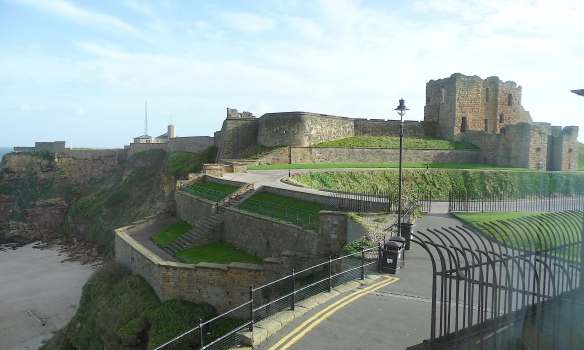
eager for a drop of the namesake brown ale. We were so disappointed to learn they don’t serve Newcastle Brown Ale on tap in Newcastle! We chose another brew and enjoyed a delicious lunch overlooking Tynemouth Bay

26-tynemouth-castle-priory

and the majestic 13th century Castle & Priory.

27-tynemouth-castle-priory

Unfortunately, the ruins were closed to visitors for the season so we returned to our cottage in Carlisle for another cosy night.

Chianti

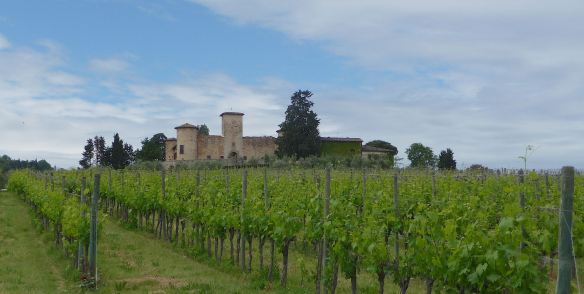
After saying our goodbyes, we left Benabbio for a day of leisurely driving to our next destination near Cortona. By lunch time we were surrounded by the stunning scenery of the Chianti Valley and were lured by the trusty knife & fork symbol at Castello di Gabbiano.

1-castello-di-gabbiano

Unfortunately, they didn’t serve lunch but we stayed a while to admire the magnificent 12th century castle, now a very inviting B&B.

2-castello-di-gabbiano3-castello-di-gabbiano

The castle has an interesting history

4-castello-di-gabbiano

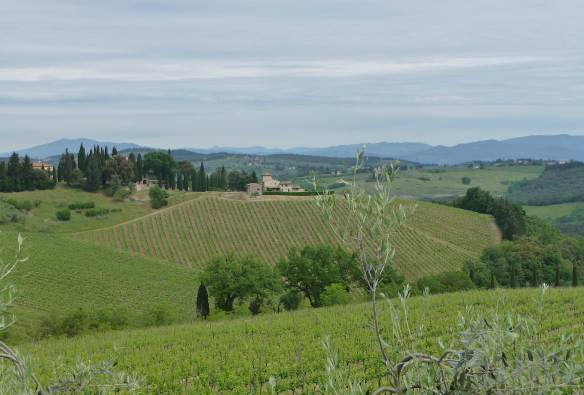
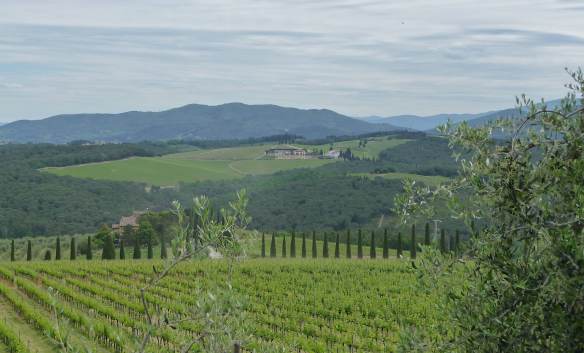
and is home to one of the oldest and best known wineries in the Chianti Classico region. The views over acres of vines, olives and woods were breathtaking.

5-castello-di-gabbiano6-castello-di-gabbiano7-castello-di-gabbiano8-castello-di-gabbiano

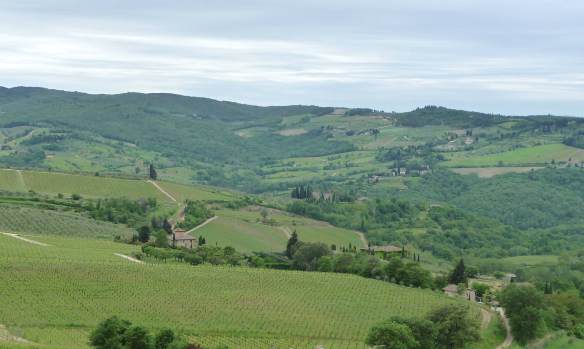
We continued to Greve in Chianti where we finally had some lunch. The drive slowed down as we ogled the scenery through the heart of old Tuscany.

9-chianti-valley

There seemed no end to the green rolling hills dotted with peaceful stone villas.

10-chianti-valley11-chianti-valley

We eventually left Chianti behind and found Camucia and our accommodation, relatively easily thanks to the detailed directions from the owner. After locating the caretaker, Isolina, ‘up the road and round the corner’, we poured a vino and settled in.