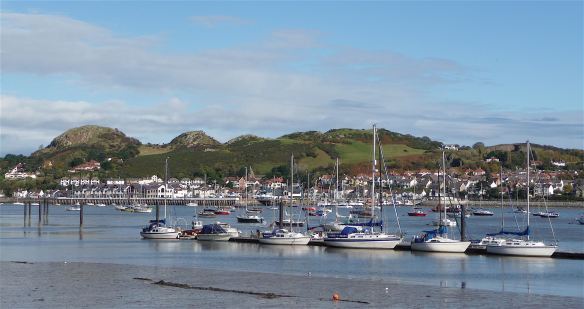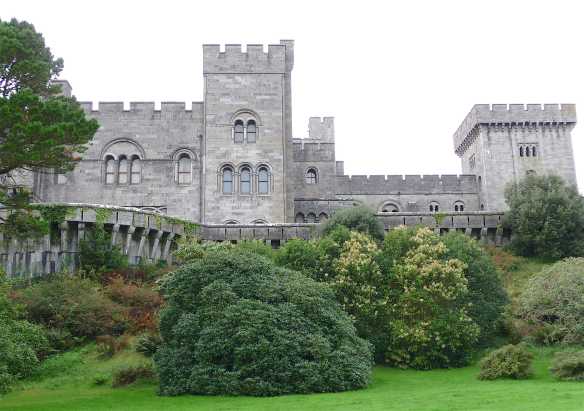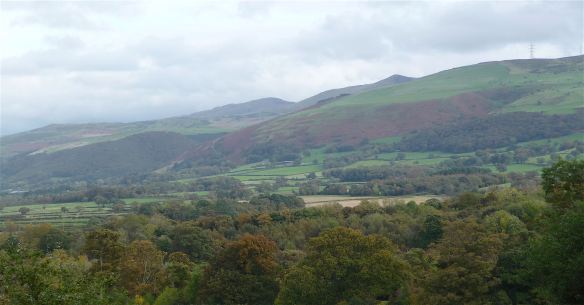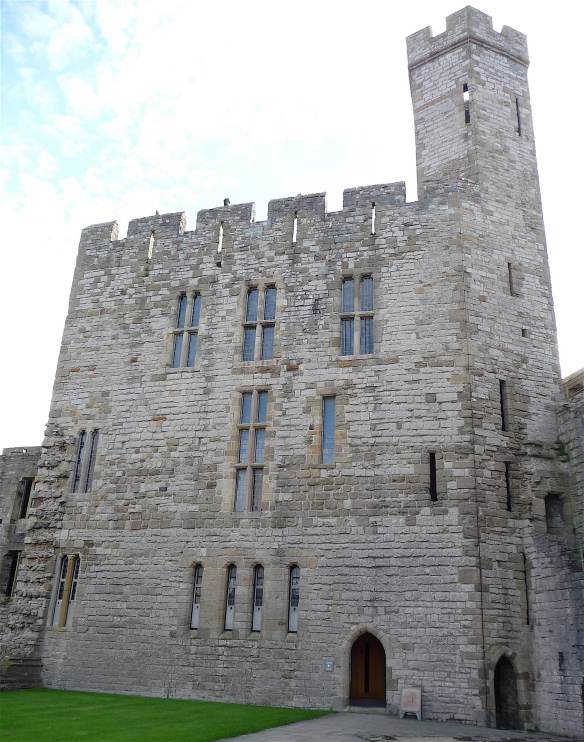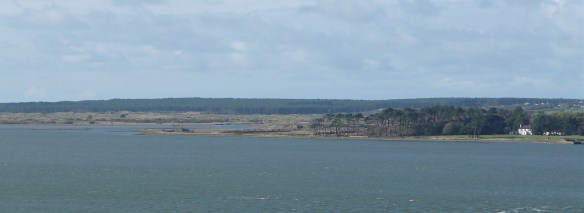
Conwy

One of the most memorable B&Bs on our travels in Britain was Whinward House in Conwy, on the north coast of Wales. The 1890s Coaching Inn had been renovated beautifully and hosts, Chris & Janis made us very welcome. After a good night sleep

1-whinward-house

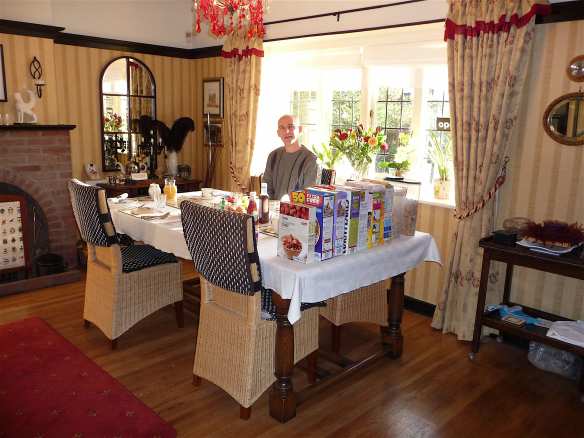
and a hearty home cooked breakfast,

2-whinward-house

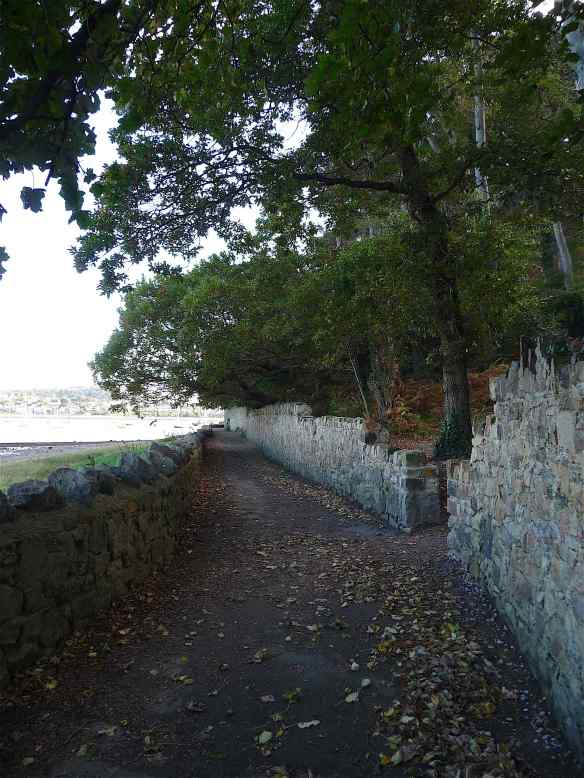
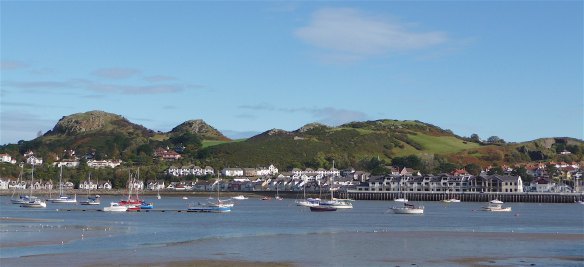
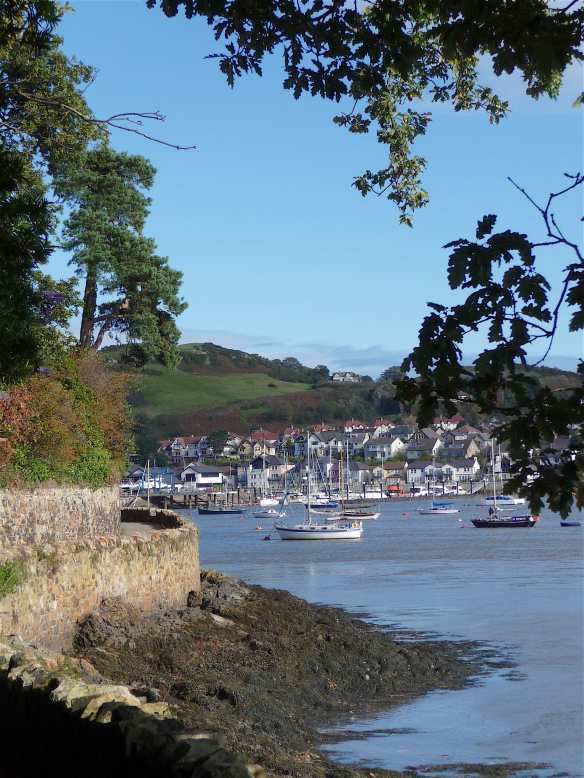
we strolled along the river walk

3-conwy4-conwy5-conwy6-conwy7-conwy

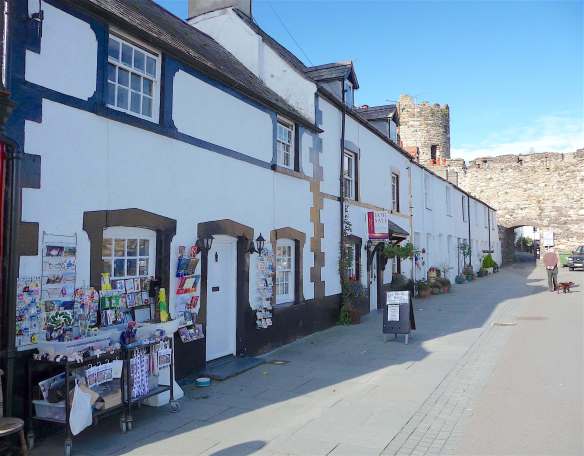
to the walled market town of Conwy.

8-conwy

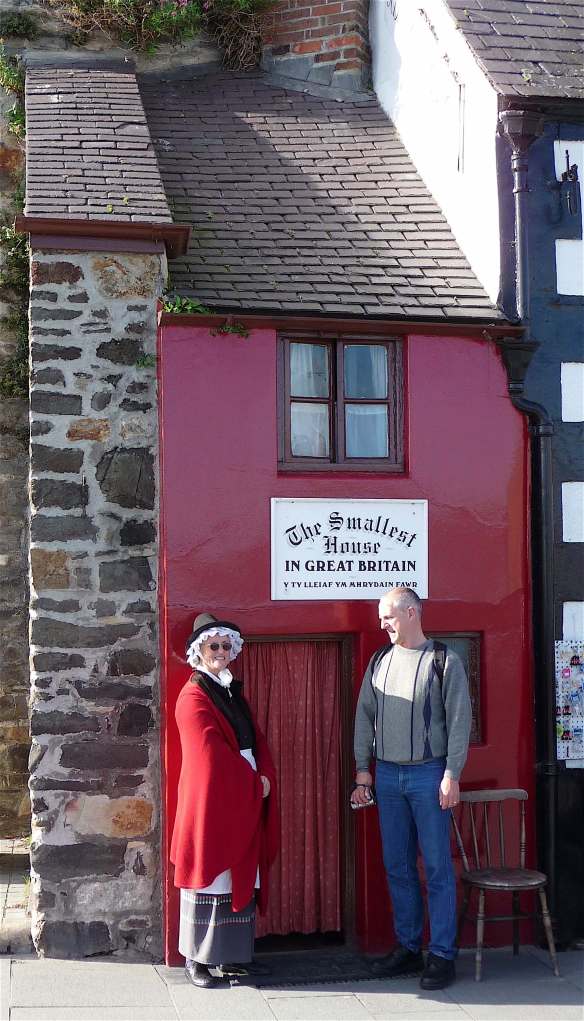
The smallest house in Great Britain, 3.05m x 1.8m, was occupied from the 16th century to 1900. The last tenant was a 6’3” fisherman and he was eventually forced to move out when the council declared the house unfit for human habitation.

9-smallest-house

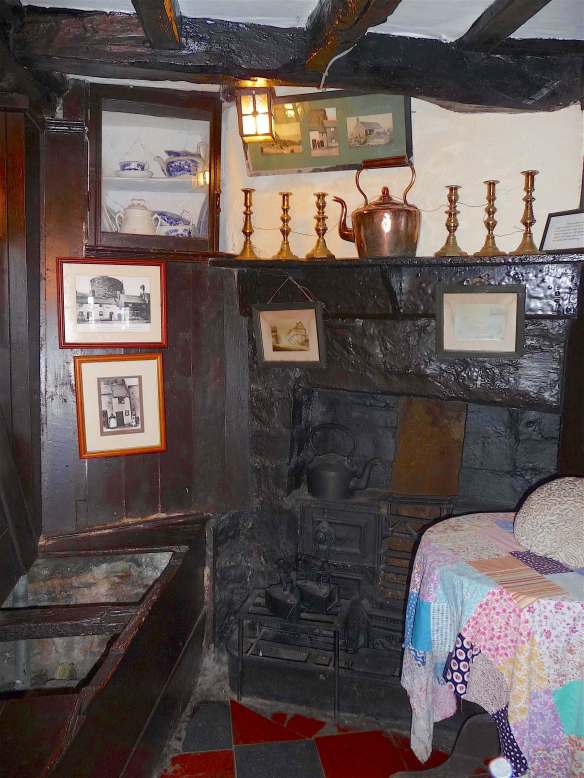
The living area on the ground floor had room for coal and an open fire

10-smallest-house

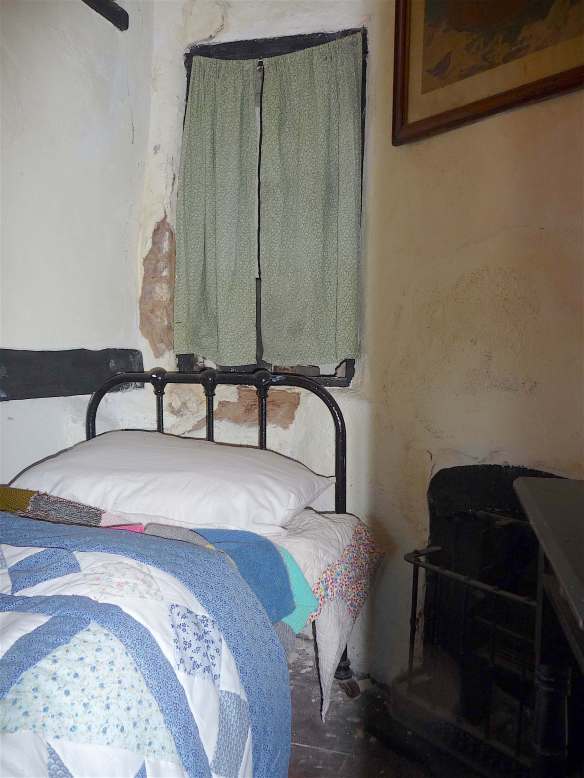
while the cosy bedroom was upstairs.

11-smallest-house

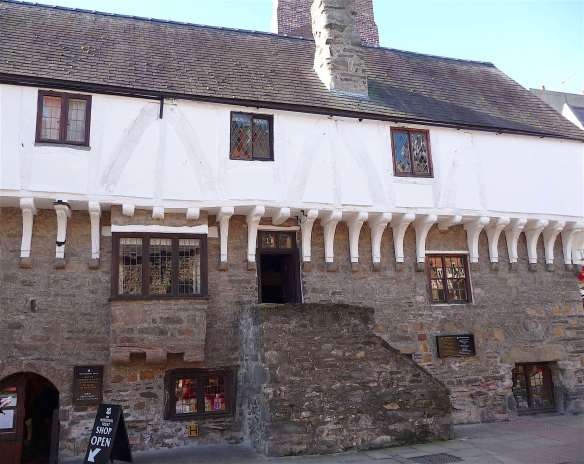
We explored Aberconwy House, a 14th century merchant’s house and the oldest recorded dwelling in Wales.

12-aberconwy-house

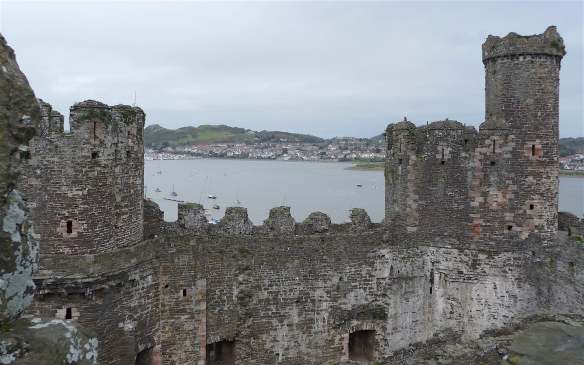
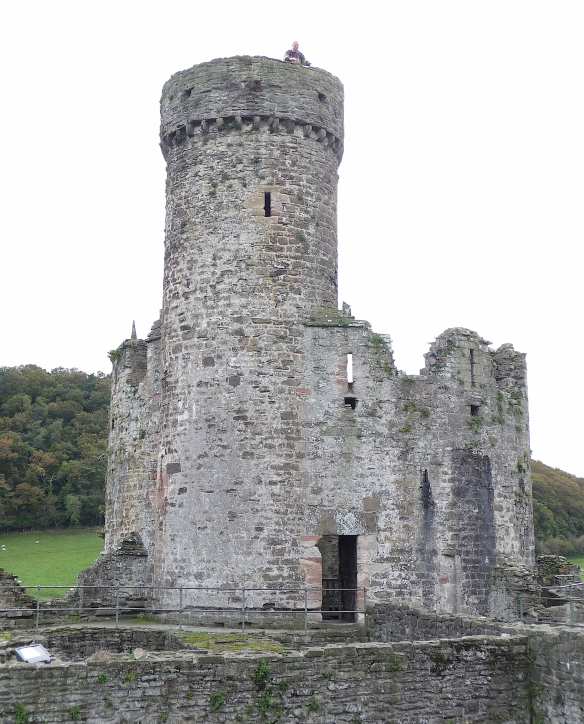
No visit to Conwy would be complete without experiencing the castle.

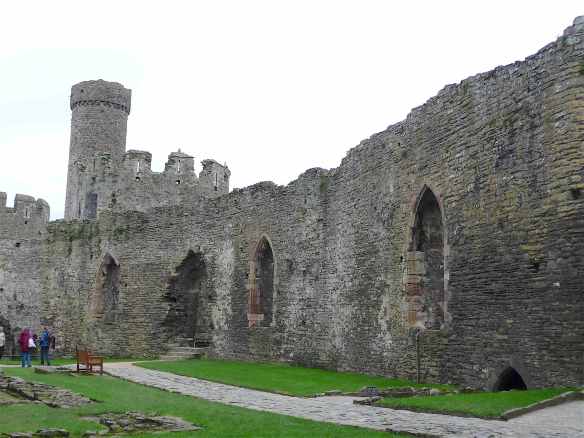
The castle and town walls were built between 1283 and 1289.

15-conwy-castle

Glimpses of the River Conwy could be seen through the windows

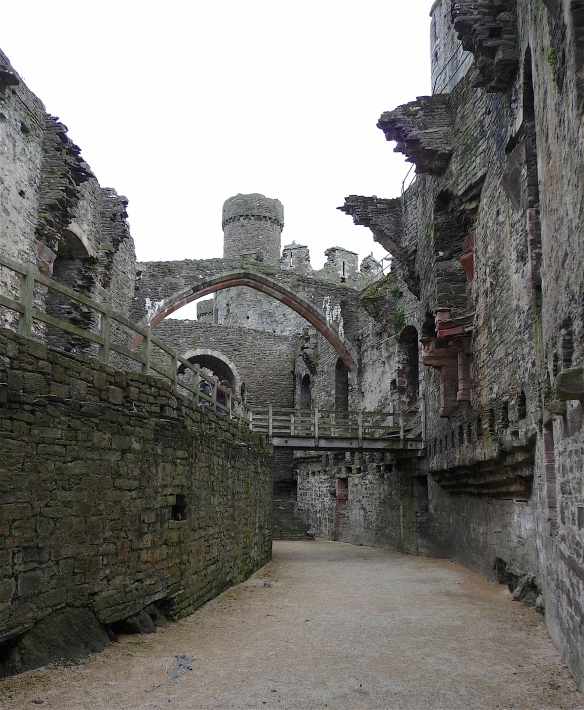
and the interior of the castle has been remarkably preserved.

18-conwy-castle

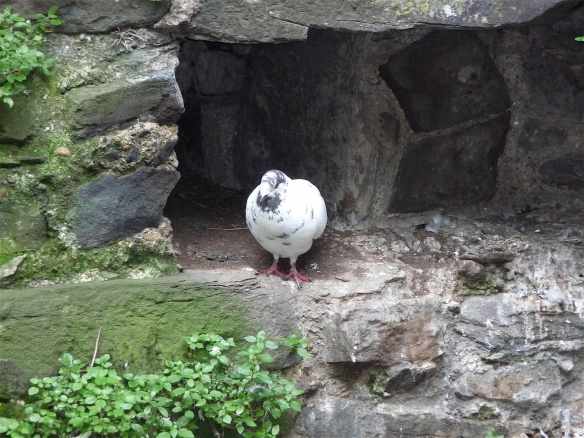
Someone had a very comfortable home.

21-pigeon

The perspective of the castle changed as we climbed higher

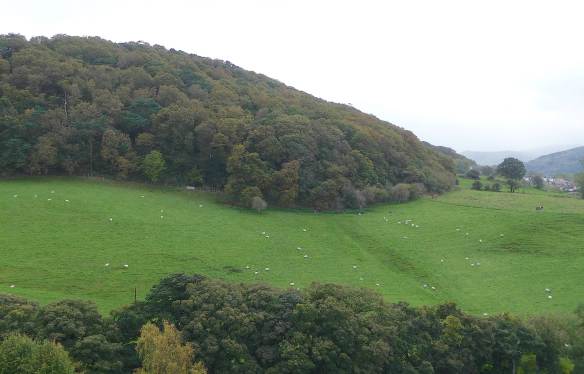
and the views of the river and countryside were beautiful.

25-conwy-castle26-view

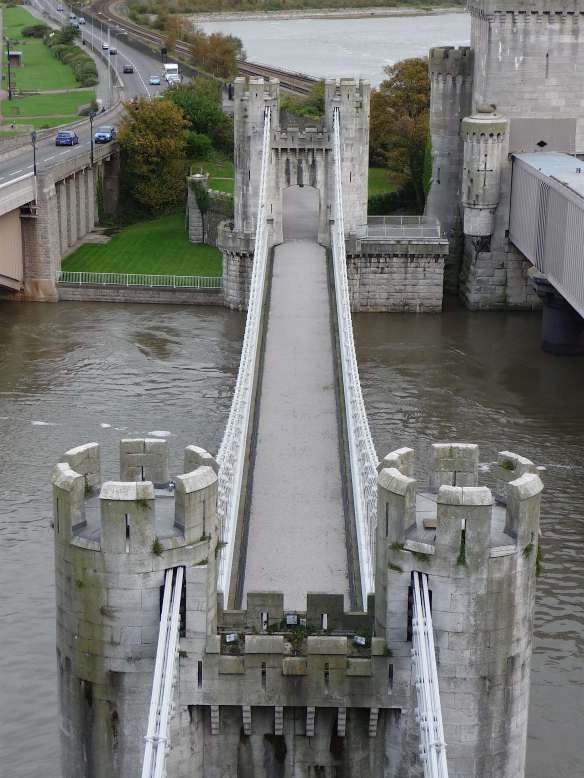
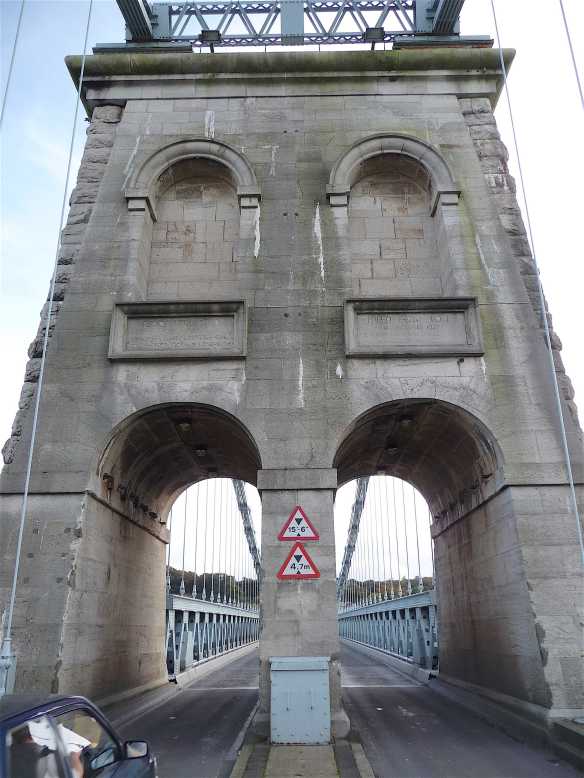
The suspension bridge was completed in 1826 to replace the ferry across the River Conwy and is now only open to pedestrians.

27-suspension-bridge

We bade farewell to Conwy Castle

28-conwy-castle

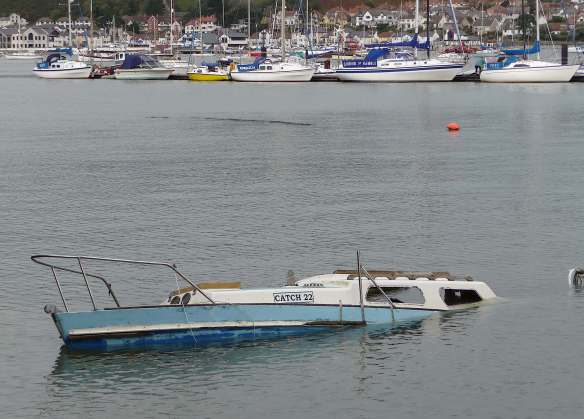
and returned along the river walk. The tide had risen, the name of this boat seemed very appropriate.

29-conwy

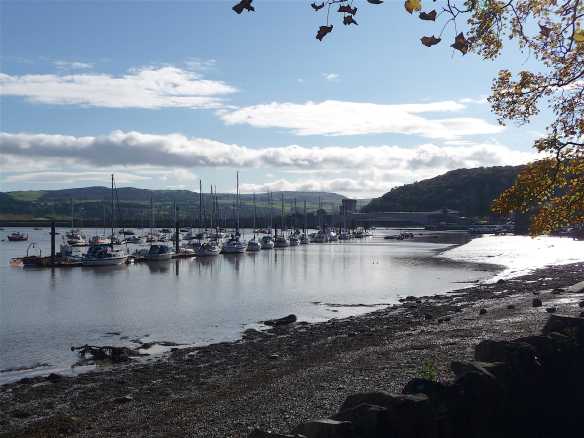
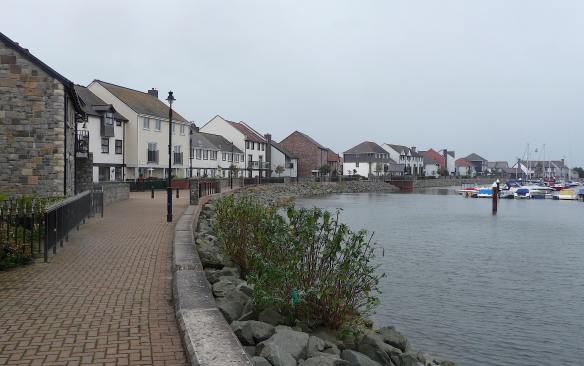
We wandered to the marina

30-conwy

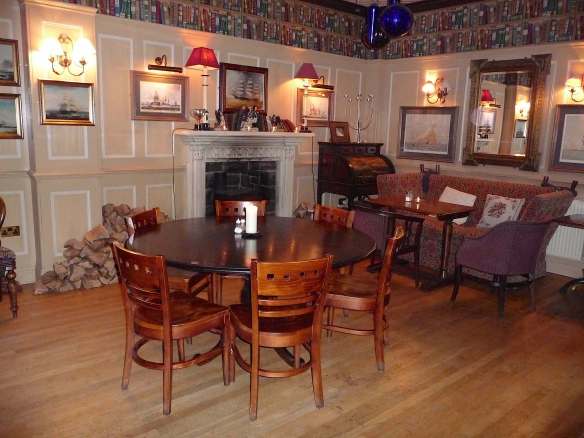
and enjoyed a wonderful meal at The Mulberry

31-the-mulberry

before another comfortable night at Whinward House.

Silver City

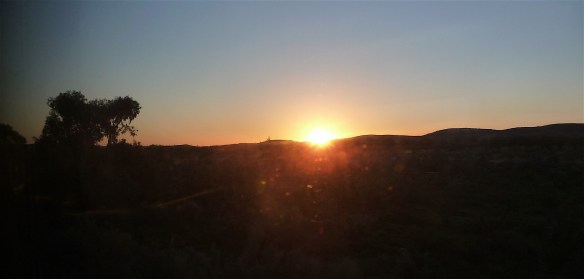
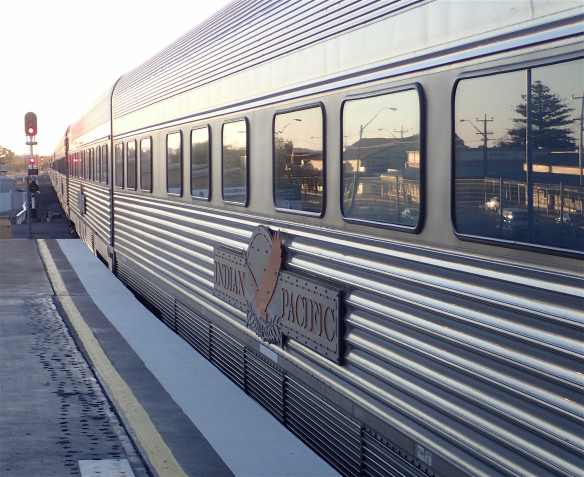
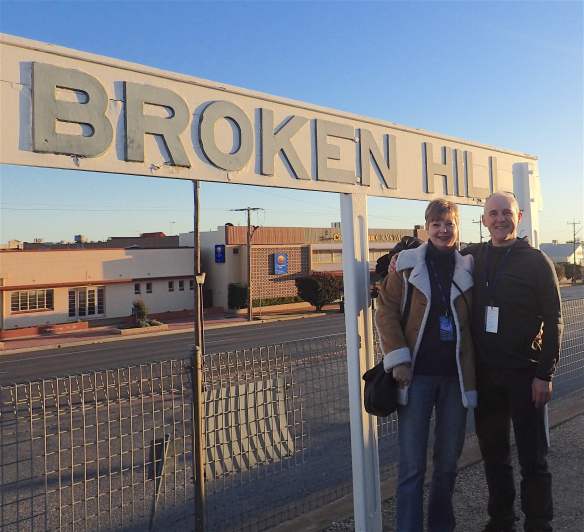
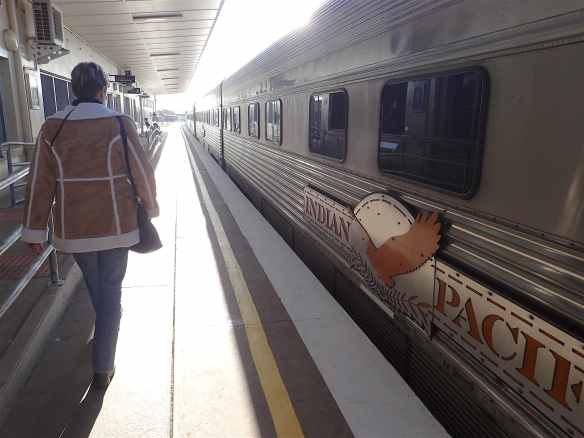
Our journey on the Indian Pacific included some interesting off-train excursions. The first morning, we were supposed to arrive early in Broken Hill and watch the sunrise over the city from the lookout of the Miners’ Memorial. Unfortunately, the train was running an hour late and the sun had risen

1-sunrise

by the time we pulled into the station.

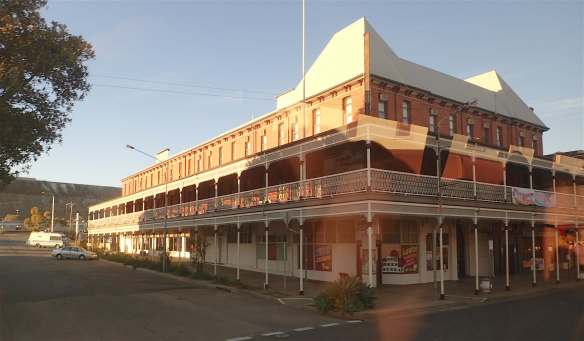
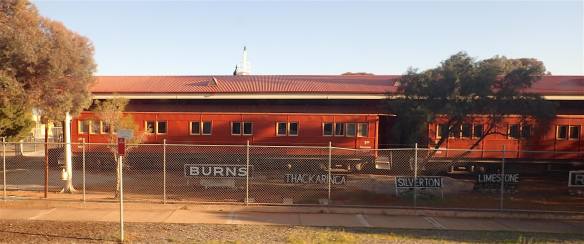
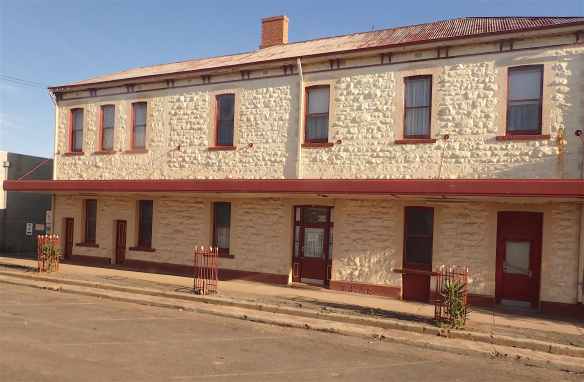
I had been looking forward to discovering Broken Hill after reading a wonderful book, ‘Silver Dreams’, by Pam Bayfield who grew up there. My first impression was the rear view of the Theatre Royal Hotel

4-theatre-royal-hotel

before boarding the coach for a tour of the town. The Theatre Royal Hotel was established in 1886

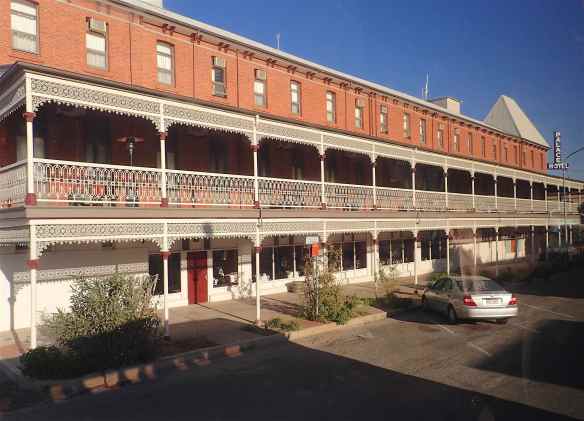
and within a few years there were seventy pubs to choose from. The Palace Hotel was originally a coffee house, built in 1889 by the Temperance Movement in an attempt to curb the drinking by the miners.

Within three years, the Palace became a regular drinking den and gained more recent infamy thanks to Priscilla, Queen of the Desert.

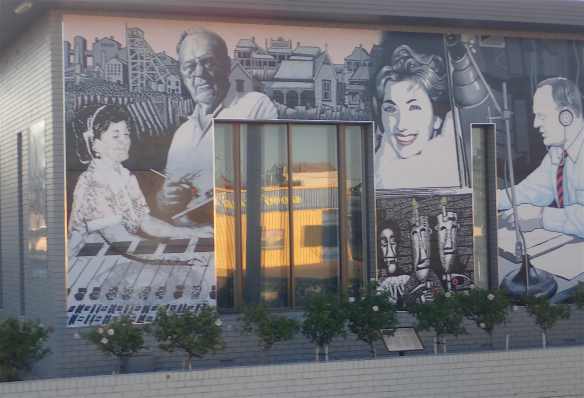
The ABC radio station was adorned with an impressive mural featuring some of the city’s best known personalities.

We passed the Pro Hart Gallery

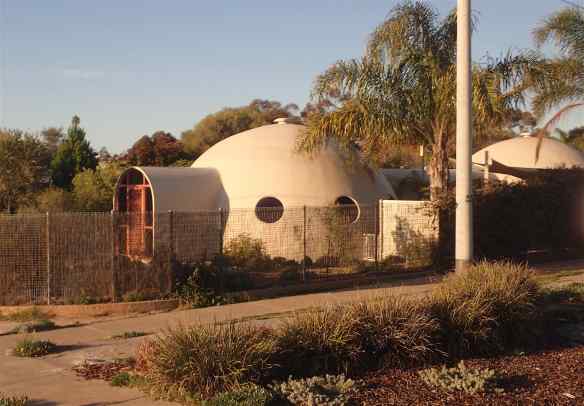
and the house he had lived in, just next door.

The Igloo House, as it is affectionately known, was built for Pro Hart in the early 1980s, (also known as Cleavage Corner!).

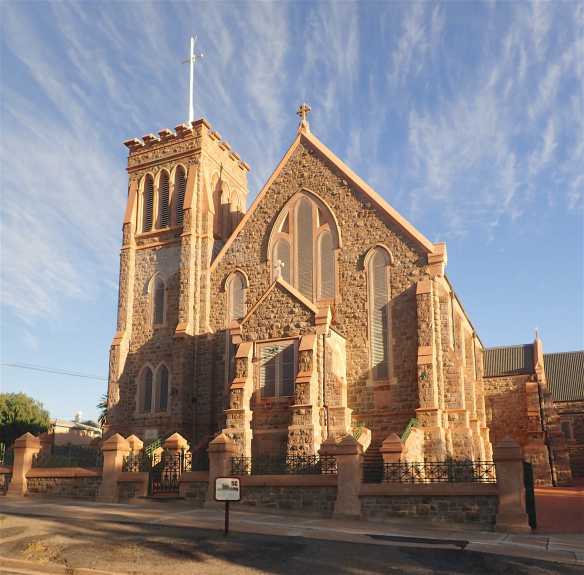
The sun was casting a warming glow as we continued our tour, shining beatifically on Sacred Heart Cathedral

and the narrow gauge rail cars at the Sulphide Street Railway Museum.

We were surprised to see what appeared to be a mine shaft in the middle of town. The Kintore Headframe is a retired wooden headframe from the 1800s and was relocated to Kintore Reserve in 1984.

The Centennial Hotel was established in 1889. A favourite with the shearers, it closed in 1990.

The Trades Hall has been the home of the union movement in Broken Hill since it was built in 1905. It is the first privately owned Trades Hall in the Southern Hemisphere, built and paid for entirely by the people of Broken Hill.

We were driven to the top of the Line of Lode mullock heap, 54 metres above the city. The Miners’ Memorial building faces east-west, capturing the rising and setting of the sun. The walls are lined with the names of over 800 miners who lost their lives working in the Broken Hill mines.

17-line-of-lode-miners-memorial

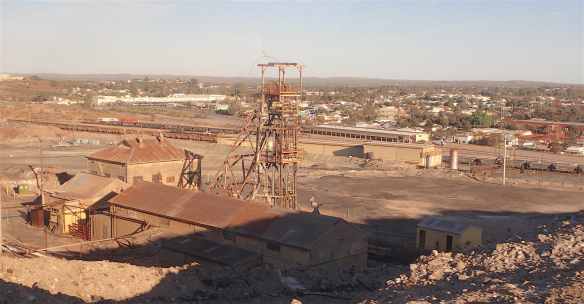
The old poppet head at the Line of Lode still stands

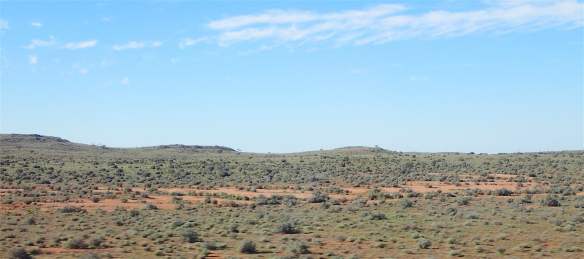
and there are far reaching views over Broken Hill and the outback beyond.

Our time in Broken Hill was brief and we soon boarded the train for a hearty breakfast

and a relaxing day enjoying the scenery.

Visit Pam’s website to find out more about her life and books. http://www.pambayfield.com.au/silver-dreams.html

Penrhyn Castle

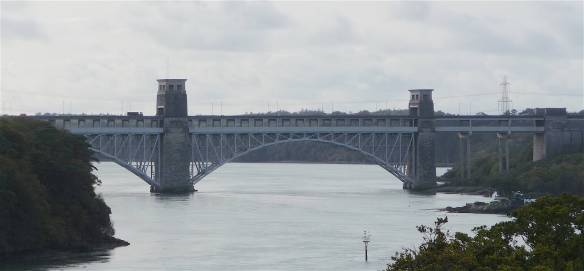
Leaving Caernarfon, we followed the Menai Strait northward with the Isle of Anglesey across the water to our left. The Menai Bridge was built to carry traffic between Anglesey and mainland Wales.

1-menai-bridge

Construction began in 1819 with the towers on either side of the strait, built using stone from Penmon quarry on the island.

2-menai-bridge

It was the first iron suspension bridge of its kind in the world, completed in 1826.

3-menai-bridge

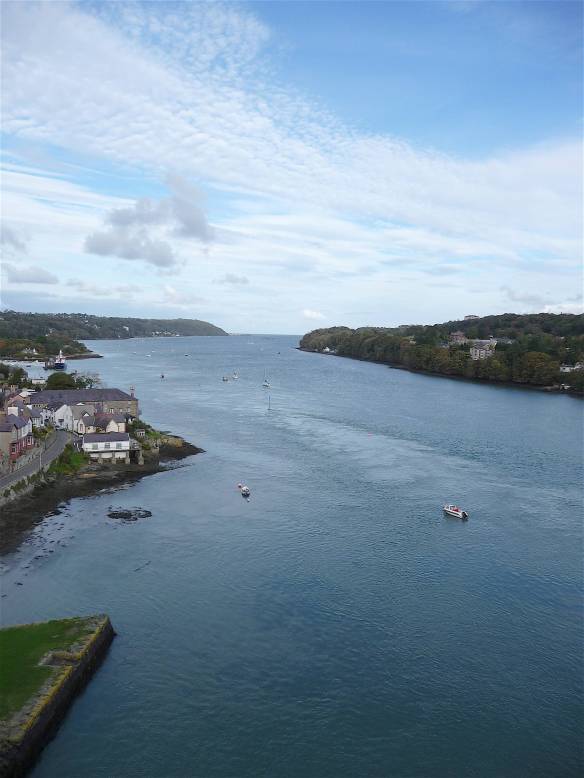
We walked across the bridge, stopping to admire the view northward to the Irish Sea.

4-menai-strait

We couldn’t resist a visit to nearby Penrhyn Castle.

5-penrhyn-castle

It’s not really a castle at all but a country house built to resemble a Norman castle.

6-penrhyn-castle

Created between 1820 and 1833, Penrhyn was built on the site of a 14th century manor house and is now owned by the National Trust.

7-penrhyn-castle

After exploring the gorgeous restored interior, we strolled through the grounds.

8-penrhyn-castle9-penrhyn-castle10-penrhyn-castle

The countryside was breathtaking, with views across Snowdonia National Park

11-snowdonia-national-park

and north to Llandudno and the Great Orme.

12-the-great-orme13-the-great-orme

Whether you love or loathe the idea of a mock castle, you can’t help but be impressed by the workmanship.

14-penrhyn-castle

Caernarfon Castle

Continuing northward through Wales, we stopped to admire the majesty of Caernarfon Castle. The original Norman castle on this site was replaced in 1283 when King Edward I began building his stone structure.

1-looking-to-upper-ward-chamberlain-tower-right

The walls were built to suit the lie of the land which resulted in the internal grounds being shaped like a figure eight. The towers within the walls were not the usual round ones of other Edwardian castles but polygonal, each with a different number of sides.

2-tower

All were accommodation towers, the grandest being the ten-sided Eagle Tower. It has three turrets which were once decorated with stone eagles that have since weathered away.

3-eagle-tower

Walkways within the castle allowed for a closer look at the workmanship.

4-tower-interior

From above we gained a different perspective of the towers

7-queens-tower-eagle-tower8-tower

and could really appreciate the expanse of the castle.

9-caernarfon-castle

The views of the River Seiont

10-river-seiont

and harbour were captivating.

11-river-seiont12-caernarfon-harbour

I would love this pair of cannons for our driveway entrance.

13-cannons

Long before there was a castle, the Romans built a fort nearby to defend the north Wales coast. Established around 78AD, Segontium held about a thousand soldiers.

14-segontium

The fort was abandoned in the 4th century and there is not much left to see of the ruins.

15-segontium

The stone was plundered and used to build King Edward’s Caernarfon Castle.

West Wales

Following our exploration of Cilgerran castle, we found a lovely place for lunch in nearby Cardigan.

1-castle-kitchen-restaurant

I thought it would be nice to buy a cardigan in Cardigan, but I didn’t. Instead, we strolled along the River Teifi

2-river-teifi3-river-teifi

before continuing our drive north. Not far from Aberystwyth was our inviting B&B, Awel-Deg, at Capel Bangor.

4-awel-deg

The views were stunning across the gorgeous Rheidol Valley.

5-rheidol-valley6-rheidol-valley

We walked to the Tynllidiart Arms for dinner

7-tynllidiart-arms

and sampled ales brewed at the smallest commercial brewery in the world. Bragdy Gwynant is a five foot square former men’s toilet where, since 2004, beers have been brewed for the Tynllidiart Arms.

8-bragdy-gwynant

The next morning, we detoured to Devil’s Bridge. There are actually three bridges built on top of each other, the oldest dating back to the 11th century. The stone bridge was then built in 1753 when the original became unstable and the most recent iron bridge was constructed in 1901.

9-devils-bridge

The bridge is at a point where, before reaching the River Rheidol, the River Mynach drops 90 metres down a steep and narrow ravine.

10-devils-bridge

As we descended the steps

the bridge rose above us.

13-devils-bridge

At the bottom, the water created wonderful waterfalls as it cascaded through the confines of the gorge.

14-devils-bridge15-devils-bridge16-devils-bridge

According to legend, the original bridge was built by the Devil. He was visiting Wales and came across a lady whose cow had wandered across the river and she couldn’t get her back. He offered to build a bridge in return for the soul of the first living thing to cross the bridge. The next morning, the lady returned but she tricked the Devil by throwing bread so her dog went across first. The Devil wasn’t happy and was never seen in Wales again.

17-devils-bridge

We continued our drive north through Snowdonia National Park, 823 square miles of stunning landscapes,

18-snowdonia19-snowdonia

as we headed for the coast.