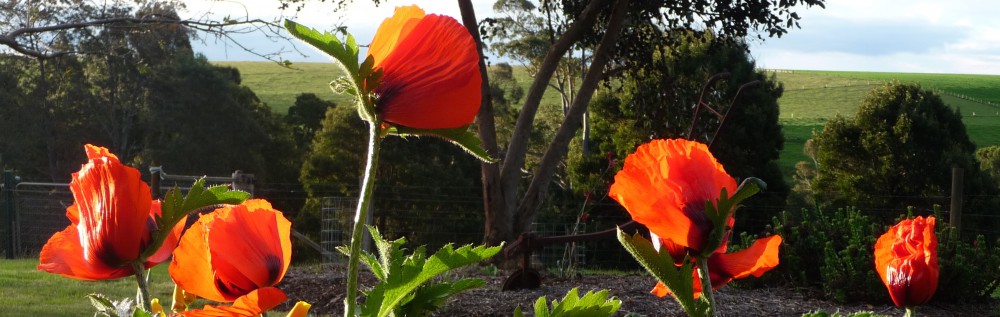
Argyll & the Isles

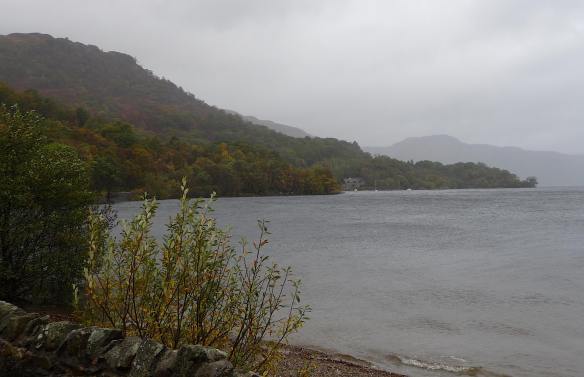
The inclement weather followed us from Gourock as we travelled north along the western shore of Loch Lomond. Often considered the boundary between the lowlands of Central Scotland and the Highlands, it is the largest inland stretch of water in Great Britain. We happened upon the village of Luss on the banks of Loch Lomond and through the mist loomed The Lodge on Loch Lomond, a luxury waterfront hotel.
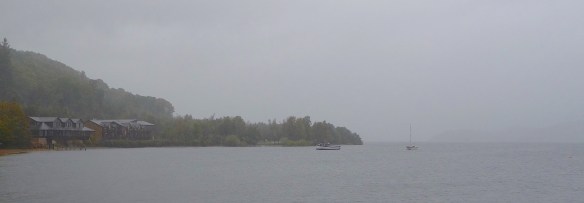
1-lodge-on-loch-lomond

We walked along the river, the beautiful autumnal hues refused to be dampened by the deluge.
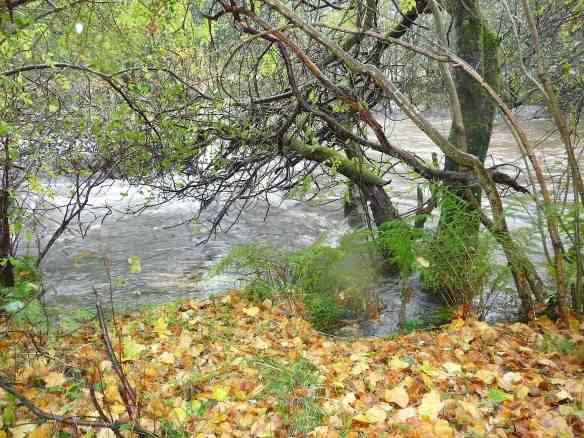
2-river-luss

The path led us to a magnificent Celtic cross, dedicated to St. Kessog who brought Christianity to Luss in 510AD and died a martyr at the hands of Druids in 520AD.
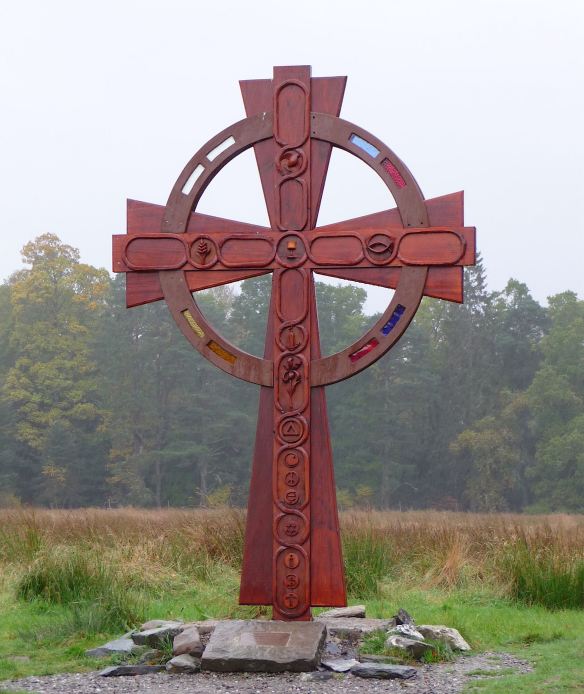
6-st-kessogs-cross-on-the-glebe

We left Luss and Loch Lomond,

7-luss8-loch-lomond-luss9-loch-lomond

our objective, the Island of Seil. We had seen an episode of “Build a New Life in the Country”, featuring a derelict tin church dating back to the early 1900s. The couple who bought it renovated it superbly and created not only their living space, but a self-contained apartment in the old vestry. I was determined to find it. We crossed the 18th century Clachan Bridge

10-seil

and had a pint at the Tigh-An-Truish Inn. The name means ‘house of trousers’ and this was apparently the place where islanders swapped their kilts for trousers after kilts were banned following the 1745 rebellion. For some reason, I don’t have a photo of the Inn but one of the tiny kiosk across the road.
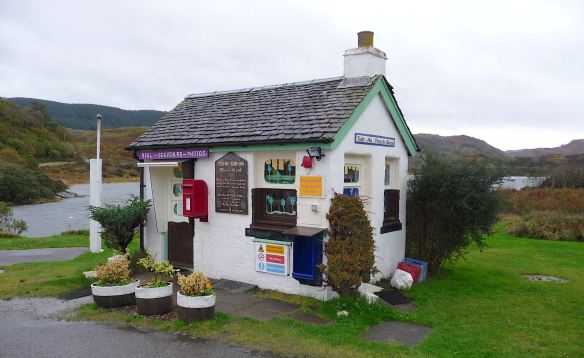
11-tigh-an-truish-kiosk

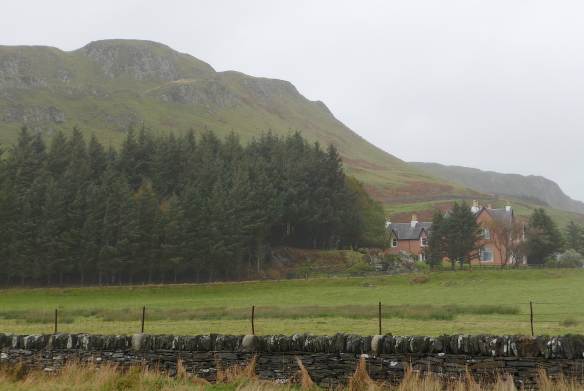
We drove around the island in search of the tin church. We did find it but again, I have no photos of it, just the rugged scenery of the island.
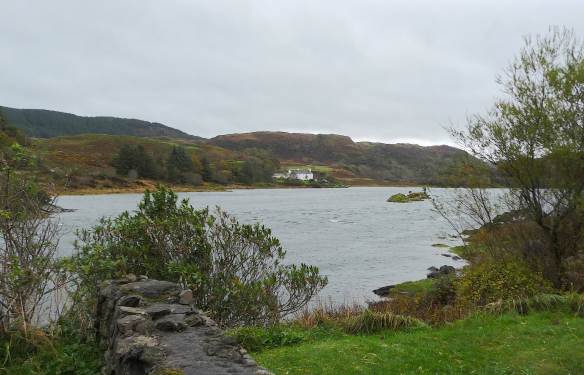
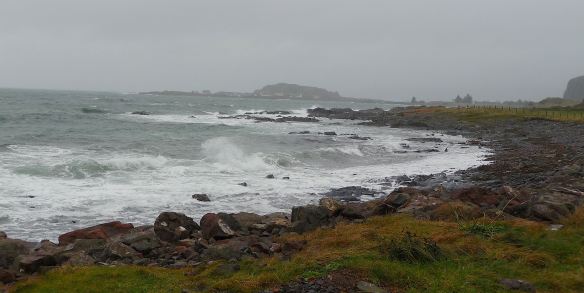
12-seil13-seil14-seil15-seil

We returned to the mainland and our northward course with no real destination in mind. We passed Castle Stalker, built around 1320 and well known for its appearance in Monty Python and the Holy Grail.

16-castle-stalker

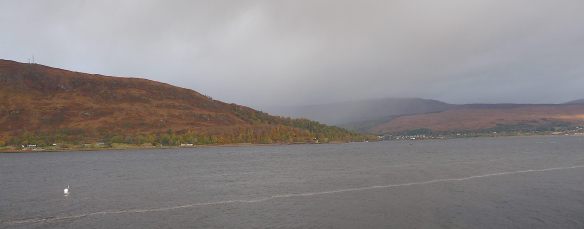
Fort William seemed like a good place to spend the night. We found a lovely hotel with spectacular views along Loch Linnhe,

17-fort-william18-fort-william19-fort-william20-fort-william

enjoyed a wonderful dinner and settled in for the night.
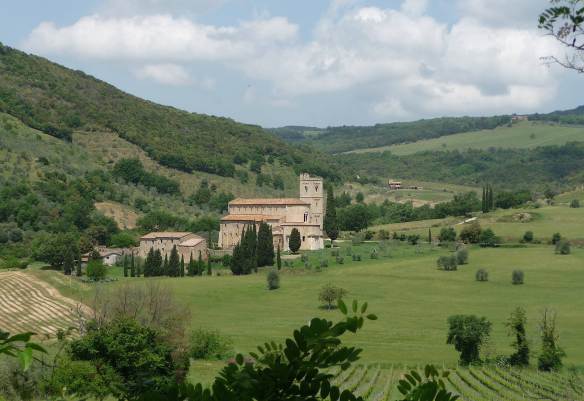
Sant’ Antimo Abbey

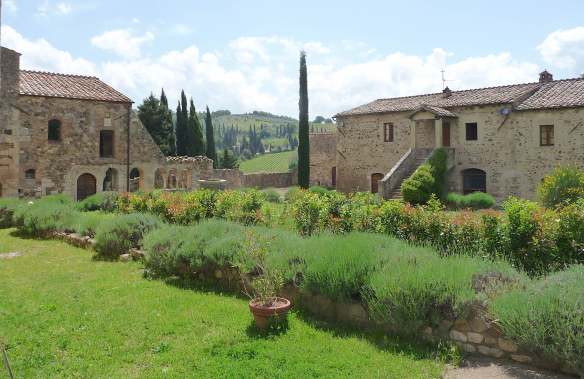
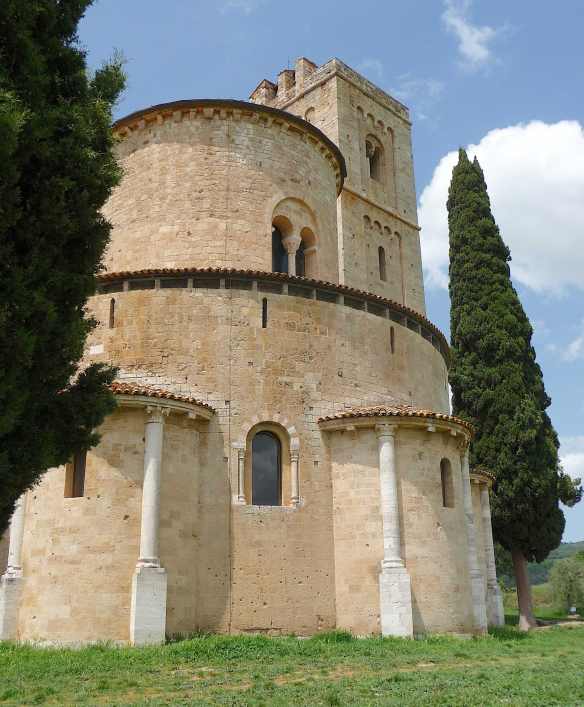
Leaving Asciano, we weaved our way through the beautiful Tuscan countryside to Sant’ Antimo Abbey, not far from Montalcino.

1-sant-antimo-abbey

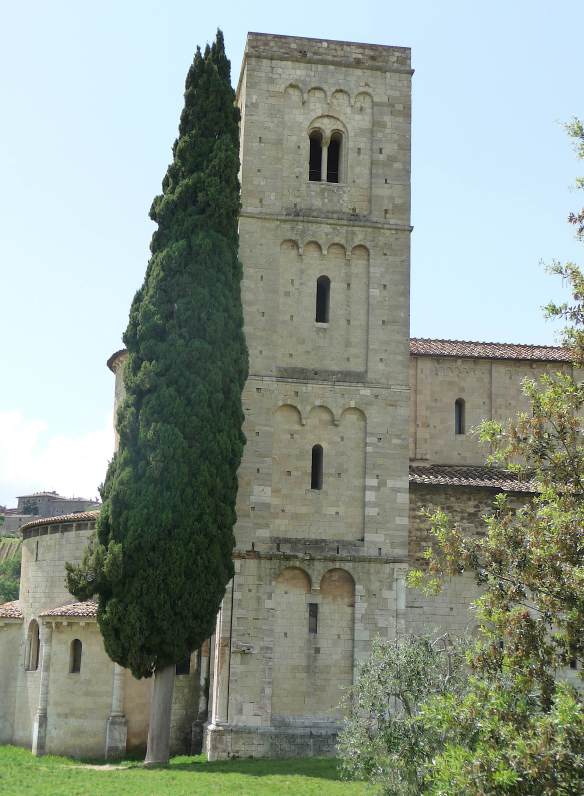
The Benedictine monastery dates back to the Middle Ages and the abbey was completed in 1260.

2-sant-antimo-abbey

I love the solitary cypress next to the bell tower.

3-cypress

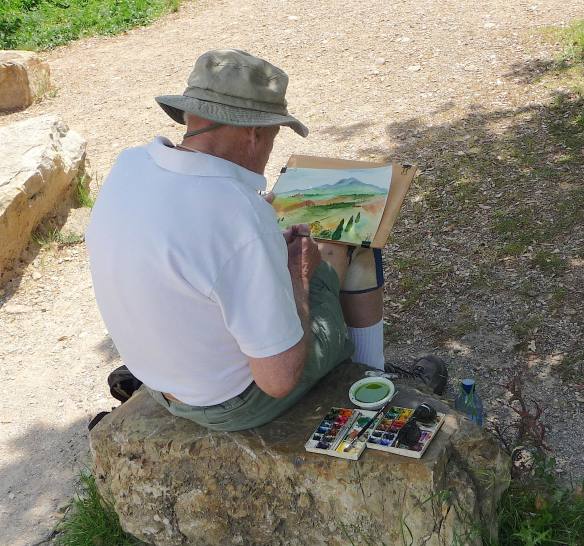
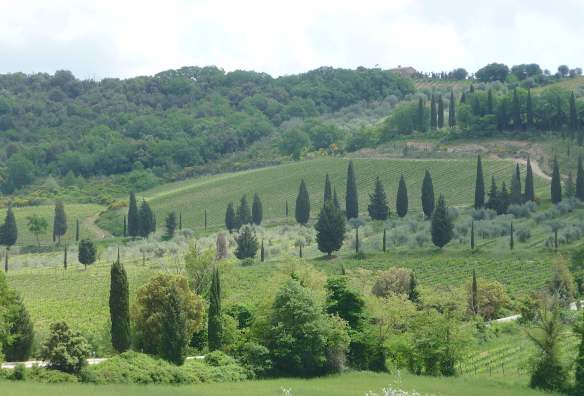
The landscape of olive trees, vineyards, fields and cypress was an artist’s dream

4-artist

and the town of Castelnuovo Dell’ Abate stood guard over the abbey.

5-castelnuovo-dell-abate

We wandered around the grounds of the monastery

6-monastery-garden7-monastery-garden8-garden

before entering the abbey to observe the prayers and chanting of the monks.

11-entrance

We were awed by the light streaming in, accentuating the 13th century wooden crucifix behind the altar.

12-sant-antimo-nave

The interior was stunning, the alabaster walls reflected the light

and there was so much detail wherever we looked.

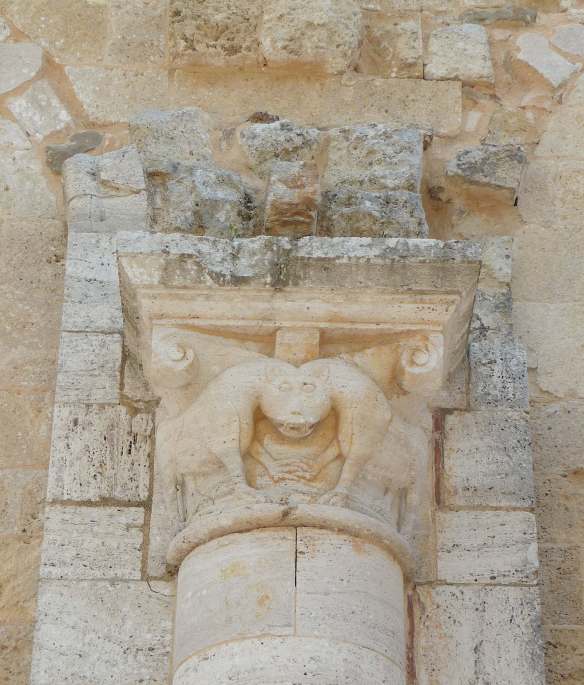
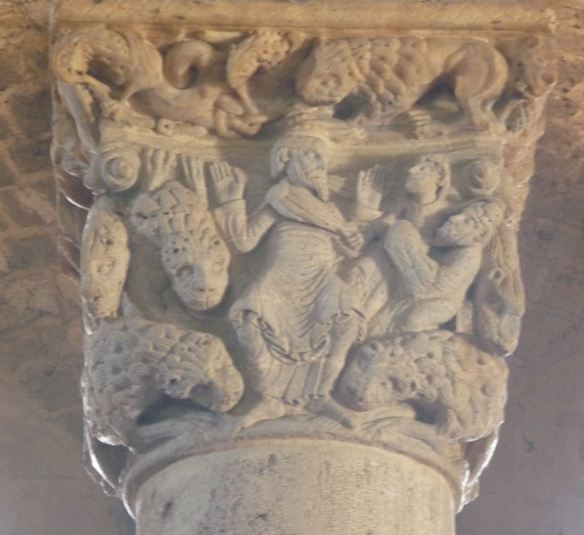
The capitals had intricate carvings,

21-sant-antimo-abbey

the most impressive depicted Daniel in the Lions’ Den.

22-capital-with-daniel-in-the-lions-den

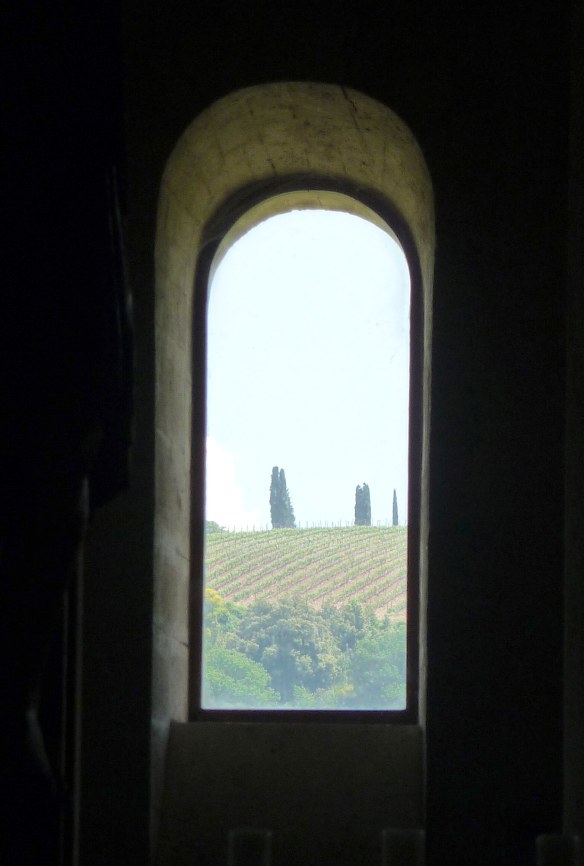
The abbey was known for its Gregorian chanting and the monks started at exactly the scheduled time of 12.45pm. Words can’t describe our ethereal experience, surrounded by those exquisite voices with the Tuscan countryside offering a tranquil portrait in the window frame.

23-view

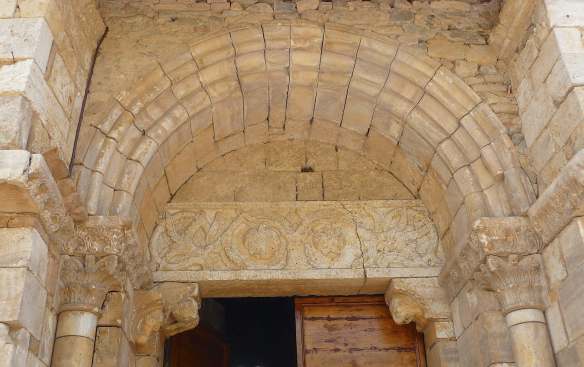
Returning to reality, we spent some time admiring the architecture of the exterior

24-cloister25-sant-antimo-abbey26-apse-of-the-carolingian-chapel

and found more intricate carvings of animals and humans.

One last look at the spectacular surroundings

33-scenery34-scenery35-scenery

and we headed for our next destination, Montalcino.

Stirling Castle

Soon after arriving in Scotland I discovered my trusty old hiking boots were no longer waterproof. There was nothing else for it but to seek out a new pair so we ventured to Stirling for the big event. Newly booted, we paid a visit to Stirling Castle.
1-stirling-castle

Dating from the early 12th century, the present buildings were mostly built between 1490 and 1600.

3-stirling-castle

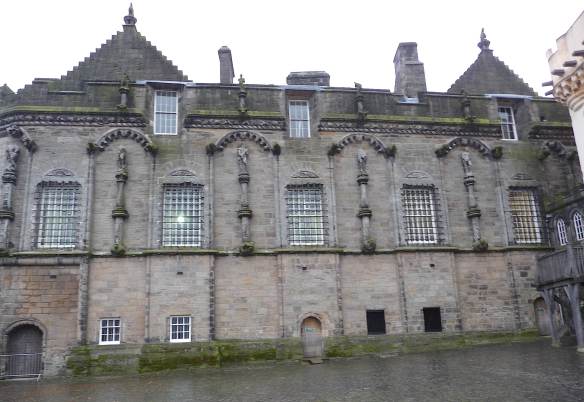
Unfortunately, the Royal Palace was undergoing a £12 million refurbishment so there wasn’t a lot for us to see.

2-royal-palace4-eastern-view-royal-palace

Judging by the weather, the walkway between the Palace and the Great Hall was a necessity.

5-connecting-walkway-palace-to-great-hall

Just outside the castle walls lies Ballengeich Cemetery and gorgeous views across the River Forth and countryside beyond.

6-ballengeich-cemetery

The inclement weather put a dampener on the National Wallace Memorial, standing on the summit of Abbey Craig.

7-national-wallace-monument

The 13th century Scottish hero, Sir William Wallace, is commemorated by this 67 metre high sandstone tower, built in 1869.

8-national-wallace-monument

We didn’t explore the monument as we were short of time. We had a dinner date back in Greenock with some of Michael’s long lost relatives.

9-the-cannon-clan

Next time, we will visit the monument and climb the 246 steps to the top, hopefully on a clear day.

Asciano

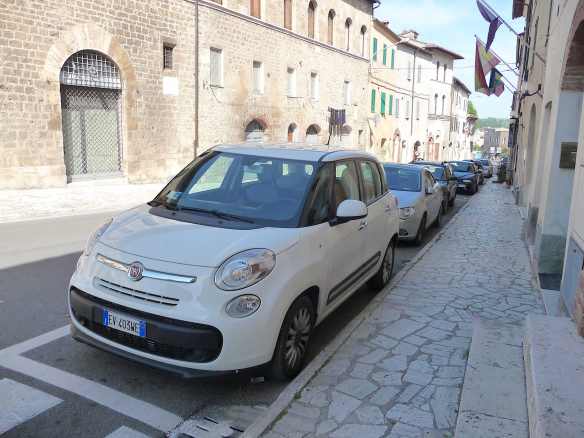
On a perfect spring morning, we set off for a day of exploring the Tuscan countryside and some of the towns along the way. Our first stop was Asciano, an Etruscan hill town in the province of Sienna. We parked our trusty Fiat

1-fiat-500

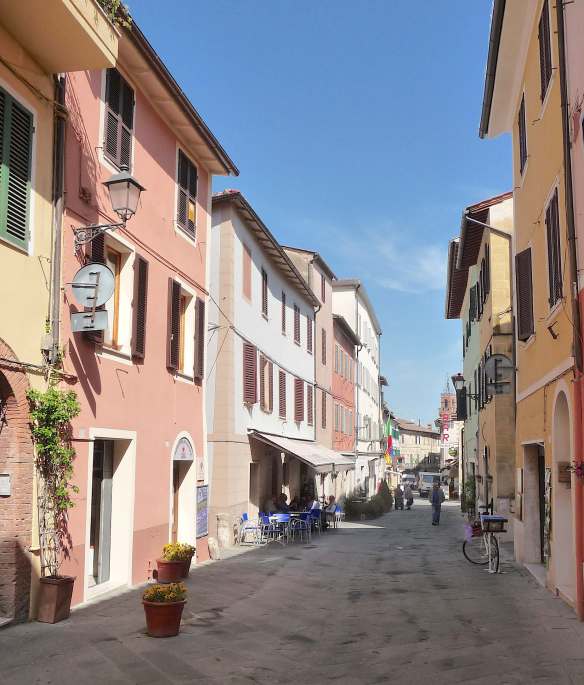
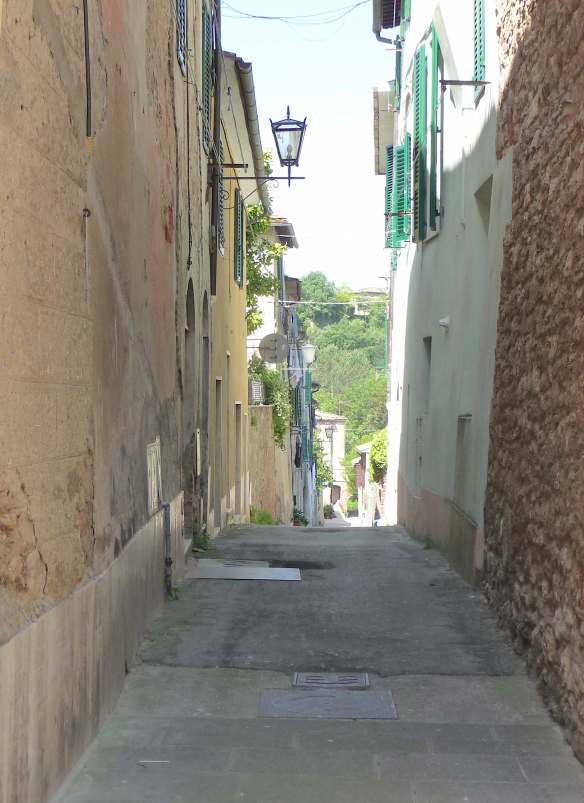
and wandered through the quiet streets.

2-asciano3-asciano4-asciano

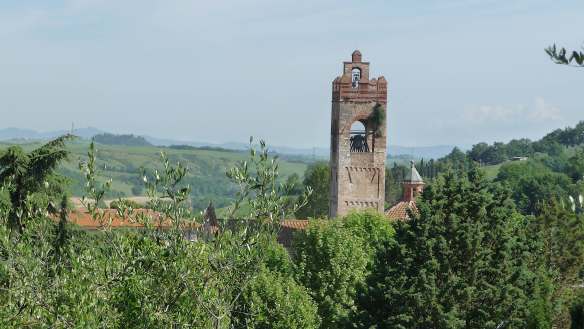
From a high point in the town, the 13th century campanile of the Church of Saint Agatha complemented the surrounding verdancy.

5-basilica-di-santagata-campanile

We indulged in coffee and chocolate croissants

7-cafe

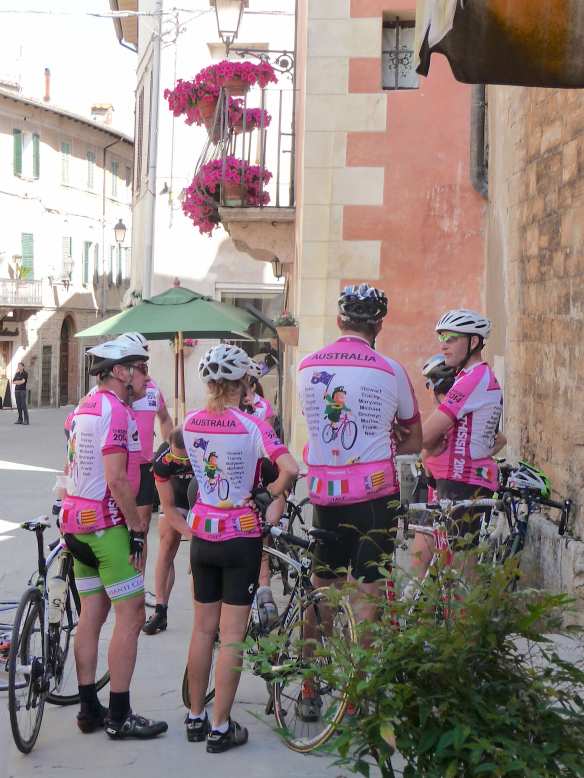
before meandering back to the car. An Australian cycling team were taking a break, they were probably in the area for the Giro d’Italia.

8-cyclists

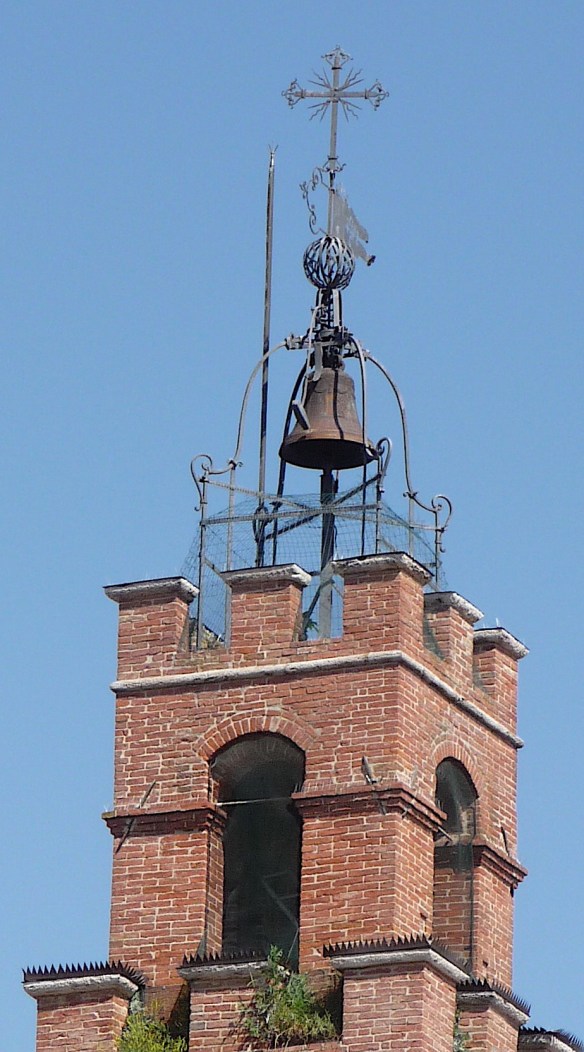
The clocktower was topped with a beautiful decorative feature.

9-clocktower10-clocktower

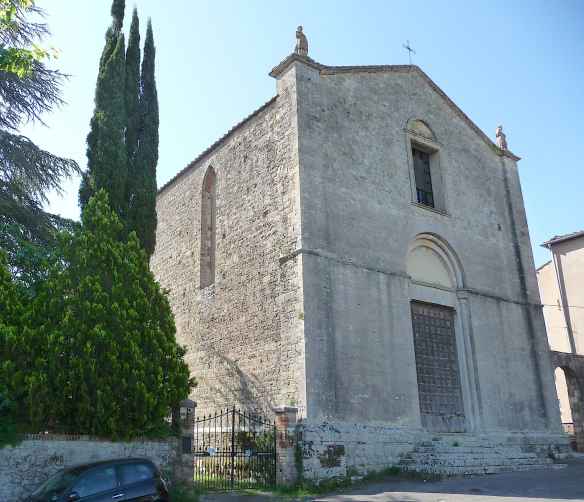
The 11th century Basilica of Saint Agatha looked quite different from this angle.

11-basilica-di-santagata

I couldn’t write an Italian post without including at least a couple of doors.

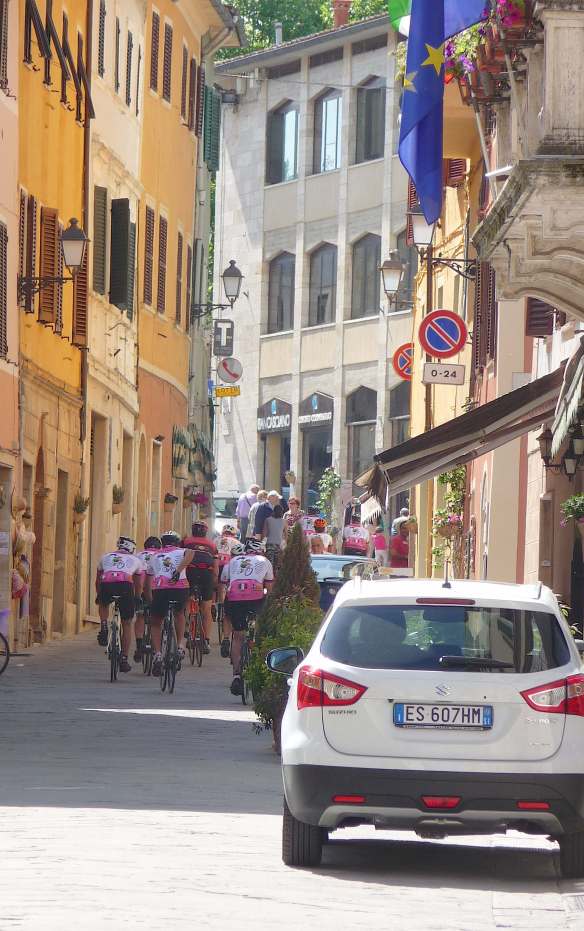
As the cyclists left town,

15-cyclists

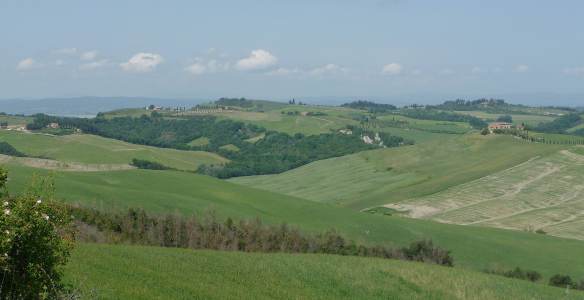
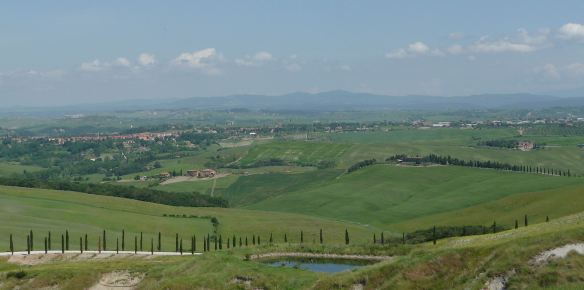
it was time to continue on our way, too. We didn’t get far before stopping to admire the breathtaking panorama.

16-tuscany17-tuscany18-tuscany19-tuscany

I think I found my dream home.

20-tuscan-farmhouse

The Falkirk Wheel

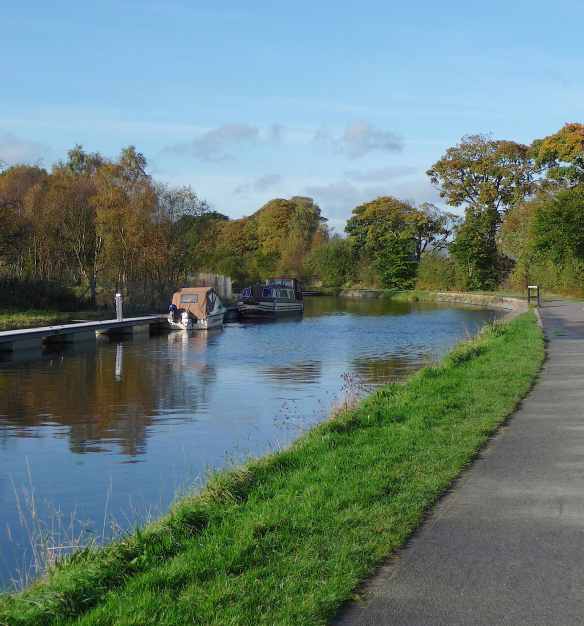
We had seen a documentary on the Falkirk Wheel some time before our travels and just had to see it for ourselves. Near the town of Falkirk in central Scotland, the Forth & Clyde Canal used to be connected to the Union Canal by a series of eleven locks. In the 1930s, the locks were demolished and for decades there was nothing to connect these two canals. The Falkirk Wheel, the only rotating boat lift of its kind in the world, opened in 2002 and reconnected Glasgow and Edinburgh via these canals. We walked along the Forth & Clyde Canal on a crisp autumn morning

1-forth-clyde-canal2-forth-clyde-canal

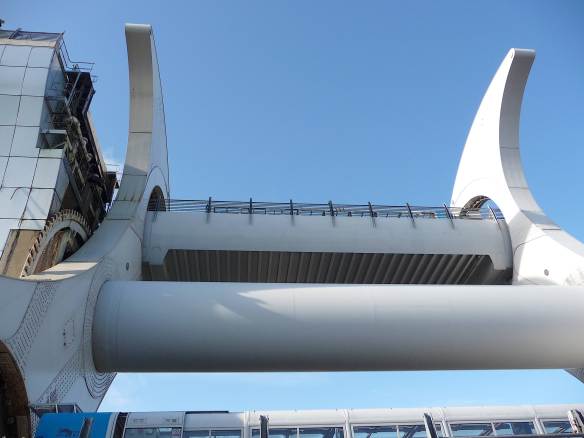
and were absolutely awed at our first sight of the wheel.

3-falkirk-wheel

The wheel works on Archimedes principle of displacement. The two gondolas are full of water. When a boat enters the gondola, it displaces a proportional volume of water so that the total mass is equal to the other gondola, whether there is a boat in it or not.

4-falkirk-wheel

The upper gondola is lowered as the lower one rises. Fascinating!

5-falkirk-wheel

The shape of the wheel was inspired by the Celtic double-headed axe. It is 35m in diameter and raises the boats 24m. More than eight boats can be carried at a time, taking around 20 minutes for a one way trip. Of course, we hopped on for a return circuit.

6-falkirk-wheel

I wish I had taken more photos, it was truly amazing.