Isle of Skye

We hadn’t planned ahead for our trip through Scotland, preferring to see where each day ended. Late October is not the height of the tourist season, however, arriving on the Isle of Skye we found accommodation scarce. We were very fortunate to find a room at Uig Hotel, a beautiful old coaching inn dating back to 1831.

1.Uig Hotel

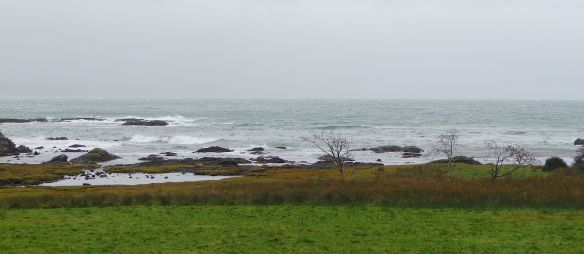
We settled in at the bar to enjoy some local beverages. A Red Cuillin ale for Michael, brewed locally since 1995 and a Talisker single malt for me from the only distillery on the Isle of Skye. We absorbed the stunning view of Uig Bay and Loch Snizort.

2.Uig Bay3.Loch Snizort

The tower in our sights was a 19th century folly, known as Fraser’s Folly. The tenants of Kilmuir Estate, owned by Major William Fraser in 1855, would go to the folly to pay their rents. The tower was later turned into a family home and eventually abandoned in the 1950s.

4.Fraser's Folly

We enjoyed a superb meal in The Folly restaurant at the hotel, Michael honouring his Scottish roots with a main course of venison haggis. The next morning, we awoke to severe stormy weather. We had decided to explore the island in an anticlockwise direction and see where the road led, we weren’t going to let the elements stop us. The camera stayed safely tucked away until we came across Sligachan Bridge.

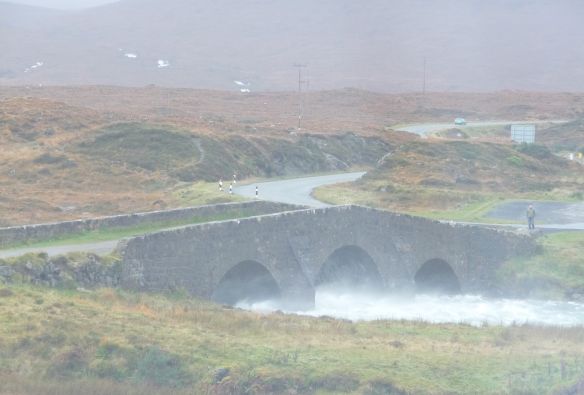
5.Sligachan Bridge

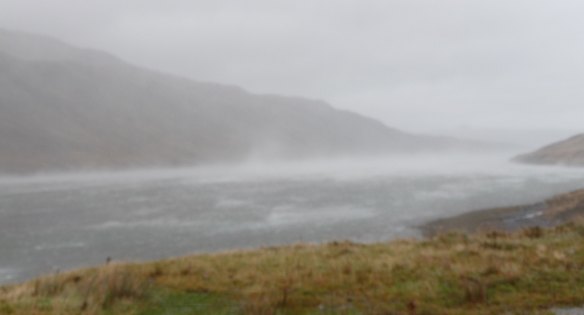
Built in the 1820s, it was taking quite a beating from the waters whipped up by the gale force winds.

6.upstream

Apparently, the views of the Black Cuillin mountains are spectacular on a clear day. Legend has it that if you dip your face in the river water by the bridge for seven seconds, you will stay young and beautiful forever. I certainly wasn’t going to try on this day.

7.downstream

Eilean Donan castle

Leaving Ben Nevis behind, we drove north through the Highlands, our destination the Isle of Skye. On the way, we stopped to explore Eilean Donan castle.

1.Eilean Donan Castle

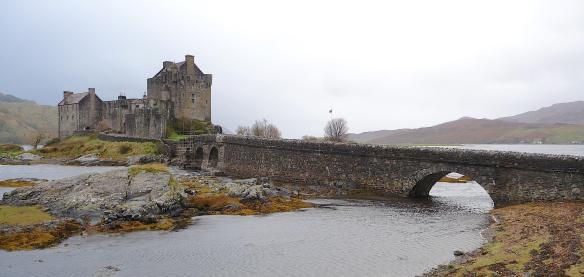
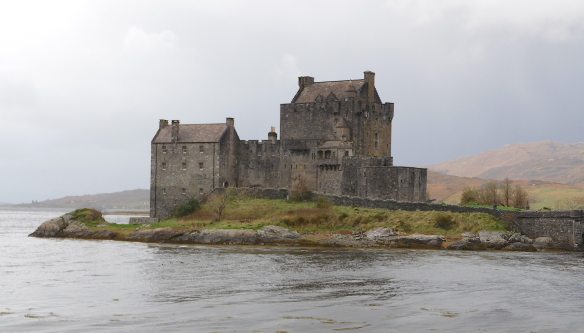
The island of Donan, at the meeting point of Loch Duich, Loch Alsh and Loch Long was settled by Irish Saint, Bishop Donan in 634AD. The first fortified castle was built in the mid 13th century to protect the area from Viking invasion.

2.Eilean Donan Castle

It was partially destroyed in the Jacobite uprising in 1719 and then lay in ruins for nearly 200 years. Lieutenant Colonel John MacRae-Gilstrap bought the island in 1911, restored the castle over the next twenty years and added the bridge.

3.Eilean Donan Castle

The scenery was breathtaking, even on an overcast day.

4.Loch Long

Entering through the majestic doorway,

5.Entrance

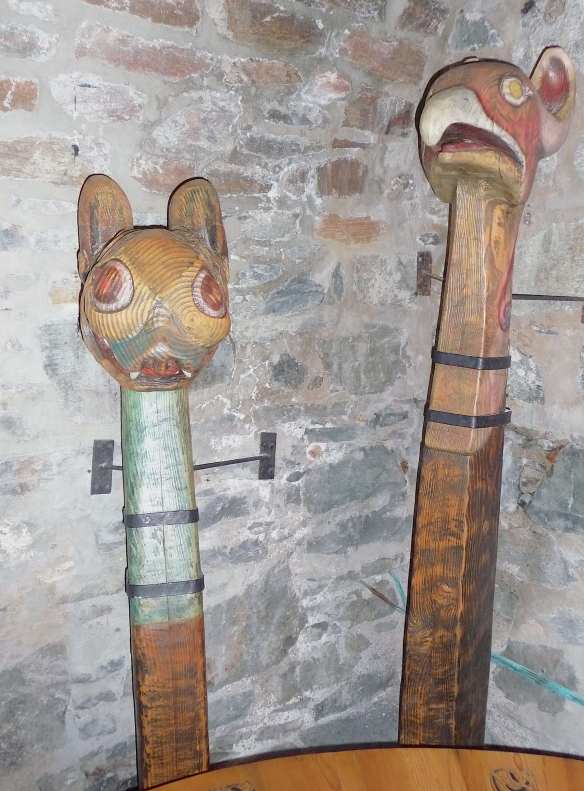
we spent some time wandering through the restored interior, I photographed these Viking sculptures before realizing photography wasn’t permitted.

6.Viking sculptures

The exterior has been lovingly resurrected, I can see why it took twenty years.

7.Eilean Donan Castle8.Eilean Donan Castle

The castle is still owned by the MacRae family. The Clan MacRae War Memorial commemorates the 423 members of the Clan MacRae who died in World War l, including Lieutenant Colonel John McRae who wrote the poem ‘In Flanders Fields’.

9.Clan MacRae War Memorial & Field Guns

In stark contrast to the castle’s history, there was a sense of serenity about the misty waters.

10.Eilean Donan Castle11.Eilean Donan Castle12.Eilean Donan Castle

The bridge across Loch Long, built in 1990, connects the nearby villages of Dornie and Ardelve.

13.Dornie bridge

Scotland’s national flag, The Saltire, stands proudly at the perimeter of the castle. The patron saint of Scotland, St. Andrew, was apparently crucified on an X shaped cross, hence, the white saltire on a background of azure blue sky.

14.Eilean Donan Castle

Montepulciano

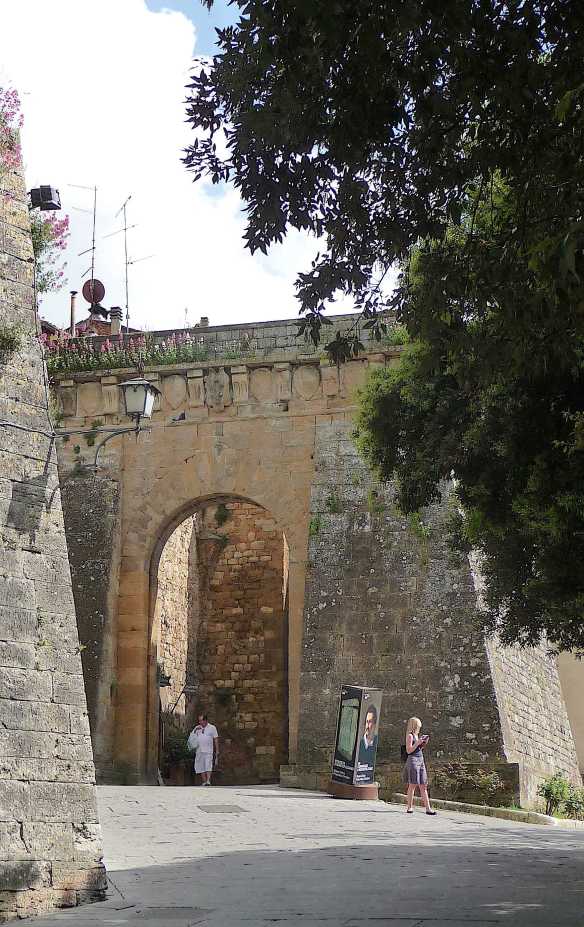
It was after siesta before we reached Montepulciano, another town I had longed to visit. Renowned for Vino Nobile di Montepulciano, a red wine produced in the surrounding vineyards, it is also a major producer of cheese, pork, lentils and honey. Entering at Porta al Prato,

1-town-wall2-porta-al-prato

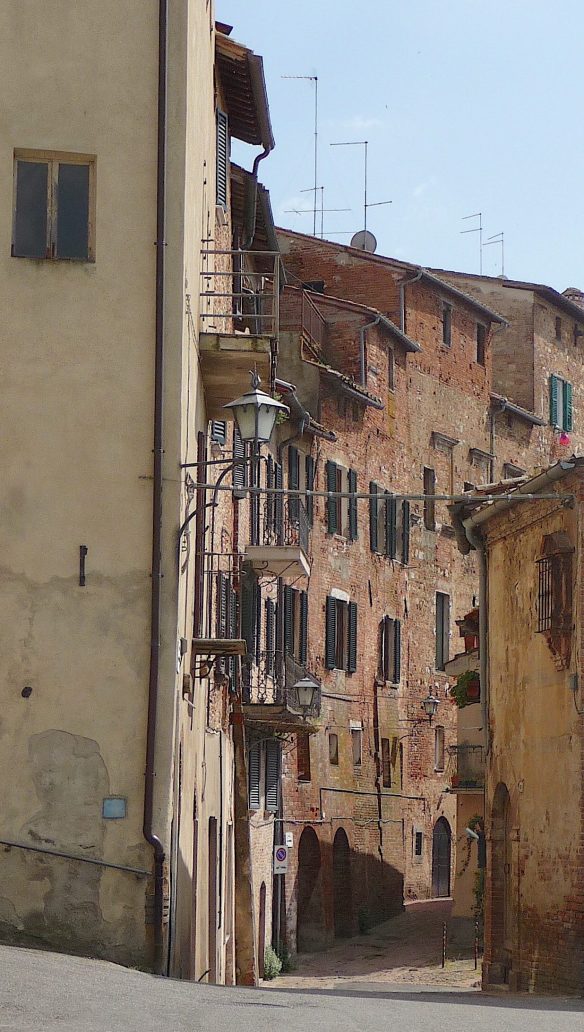
it wasn’t long before the magic of this ancient town revealed itself.

3-belltower4-montepulciano5-montepulciano

The 16th century Palazzo Avignonesi has a handsome smiling lions head either side of the entrance.

The intricate façade of Palazzo Bucelli is made up of sculptures, added in the early 1700s. Etruscan tombstone fragments, funerary urns and frieze plaques combine to create a magnificent feature.

8-palazzo-bucelli

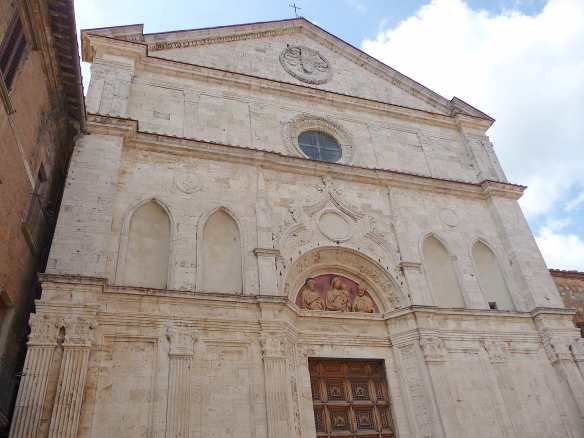
Chiesa di Sant’ Agostino was built in 1285AD and was completely renovated in the 15th century.

11-chiesa-di-sant-agostino

Above the imposing doorway is a beautiful carved portal featuring the Virgin and Child flanked by St. John and St. Augustine.

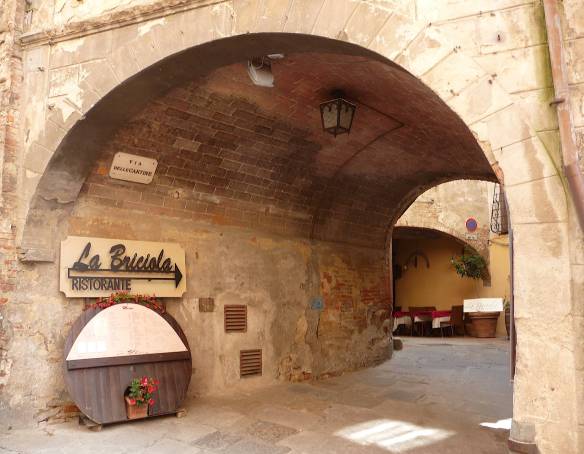
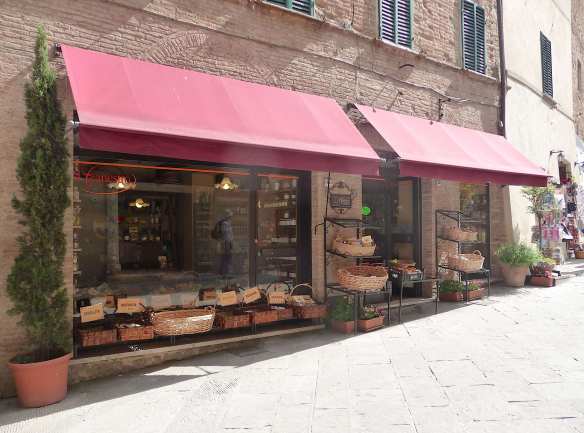
The shops were enticing

15-il-canestro16-shops

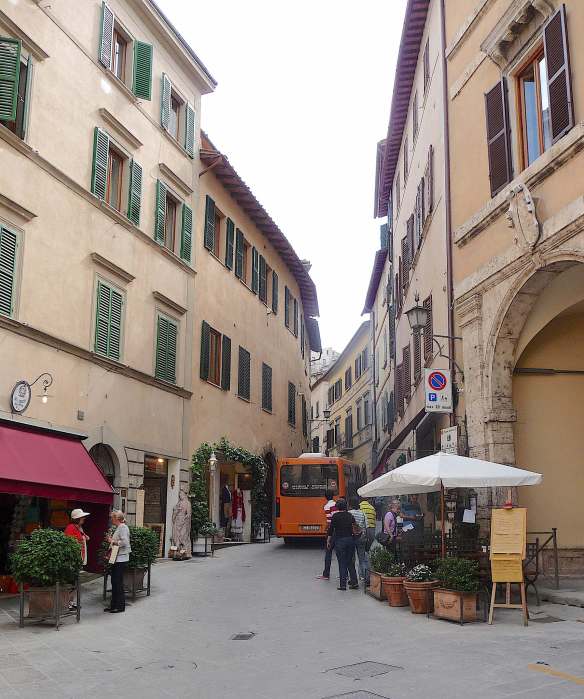
and the sight of a bus traversing the narrow streets seemed out of place.

17-bus

We explored as much as we could in the time we had

19-street

20-steps

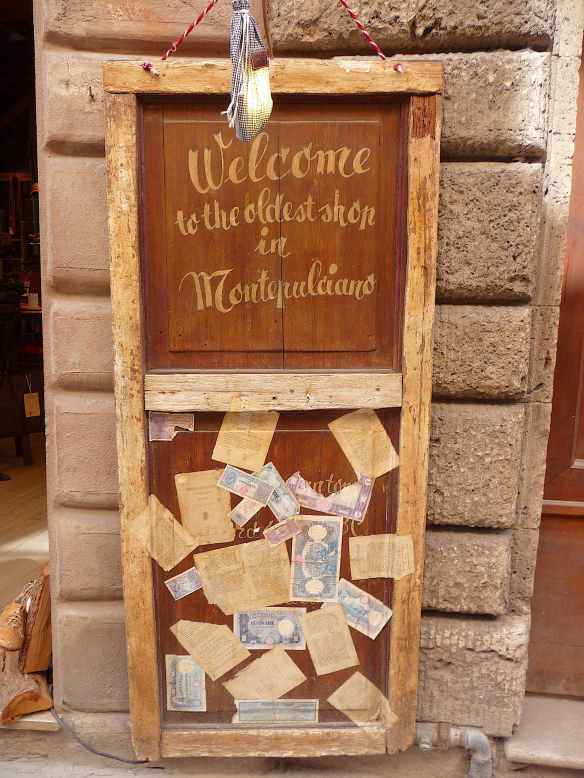
and our final discovery was the oldest shop in Montepulciano.

21-oldest-shop

It was superbly rustic with fabulous leather goods beckoning from every nook.

22-oldest-shop23-oldest-shop

The clock had beaten us and after a last gelati indugence, we made our way back to Il Castagno.

Montalcino

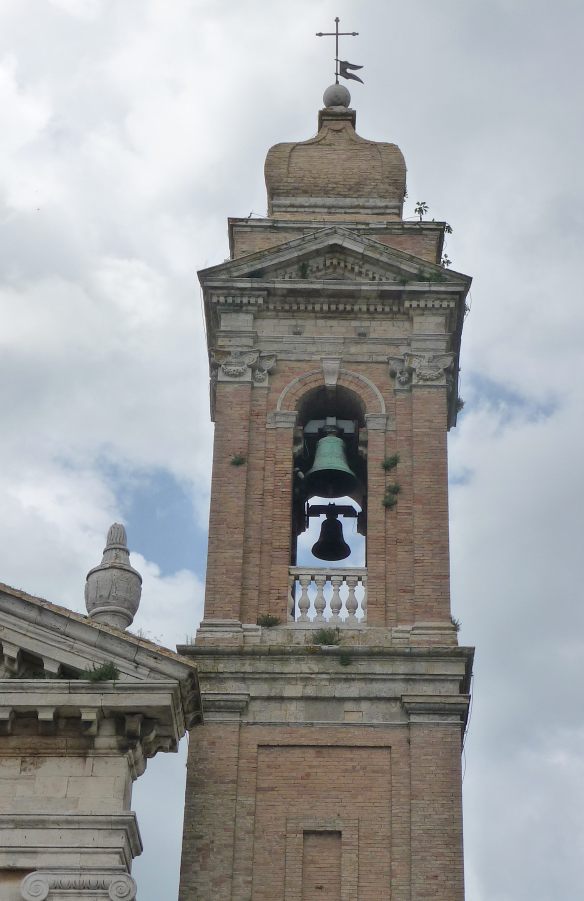
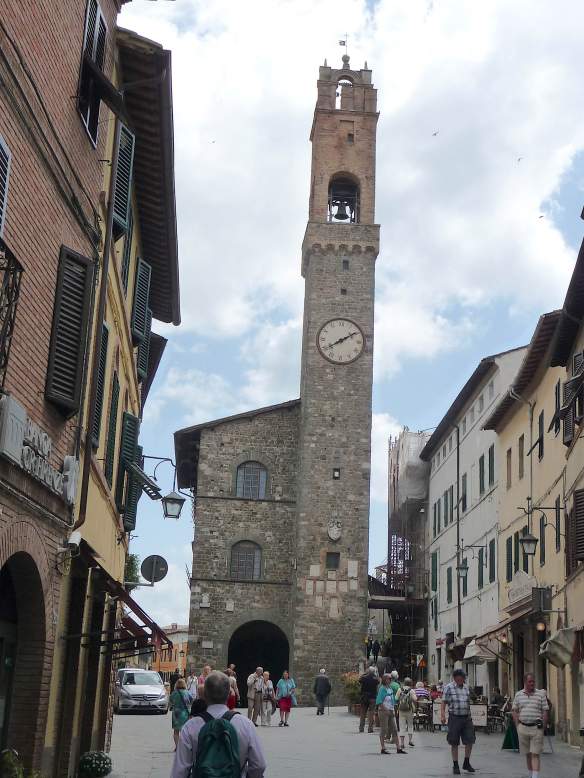
Montalcino is another gorgeous hill town in Tuscany, not far from Sant’ Antimo Abbey. Dating back to 814 AD, the town is renowned for its precious Brunello red wine. After parking the car, my first image was this beautiful bell tower.
1-santa-maria-del-soccorso

The Santa Maria del Soccorso was consecrated in 1330 and the bell tower was added in 1625.

2-santa-maria-del-soccorso

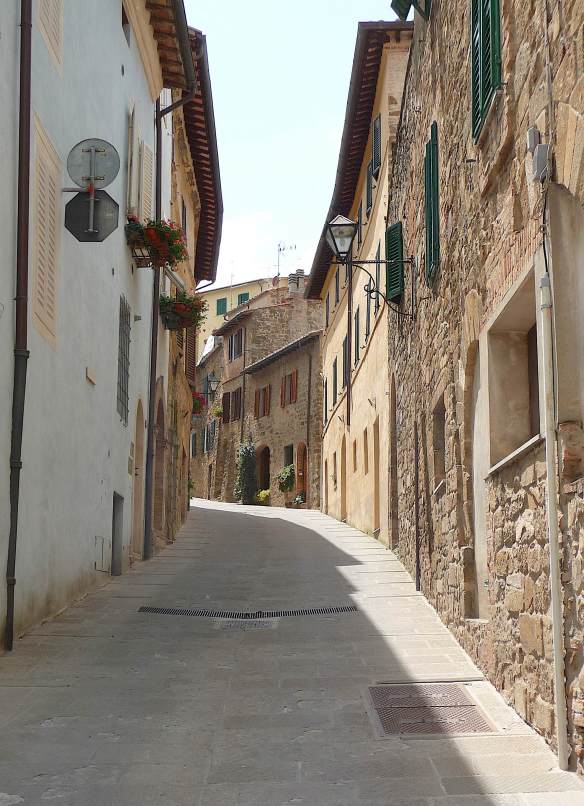
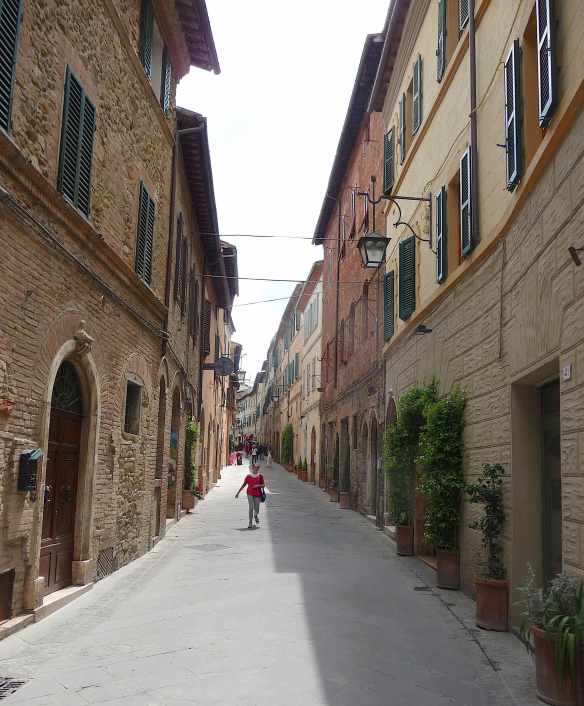
We wandered through the narrow, stone paved streets,

3-montalcino4-montalcino7-montalcino

occasionally catching glimpses down alleyways of the magnificent countryside.

5-montalcino6-view

The main square of the Piazza del Popolo is watched over by the majestic clocktower of the Palazzo dei Priori, the city’s town hall.

8-palazzo-dei-priori

The loggia houses a statue of Cosimo de Medici, 16th century warlord and grand duke.

9-statue-of-cosimo-de-medici

The shops, cafés and restaurants were enticing

10-montalcino

and some of the doors quite grand.

We enjoyed a late lunch of delicious pizza at Il Grifo Ristorante Pizzeria.

The view across the rooftops from the rear of the restaurant was stunning.

16-il-grifo-view

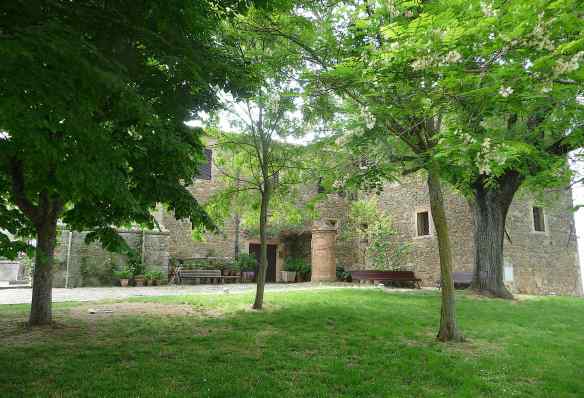
On the way back to the car, we crossed a lovely park

17-park

with another breathtaking vista of the Val d’Orcia.

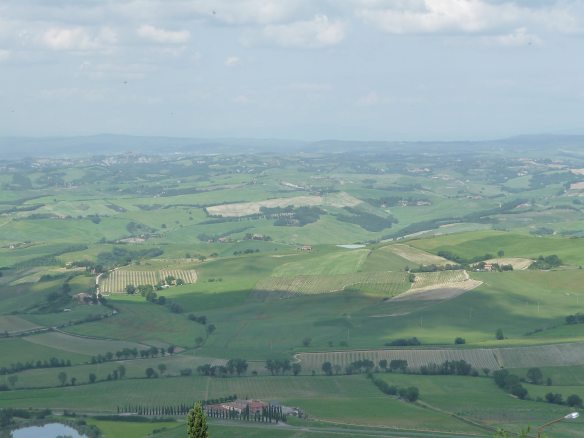
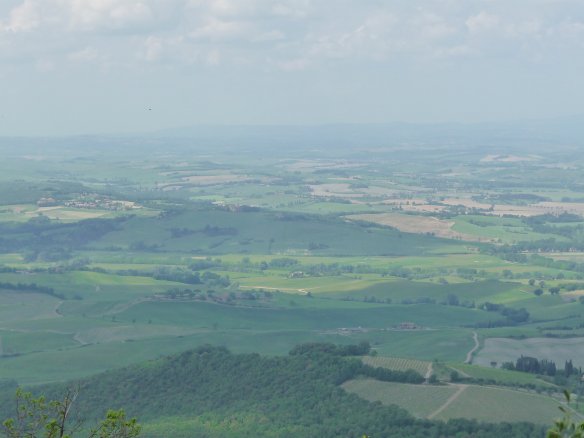
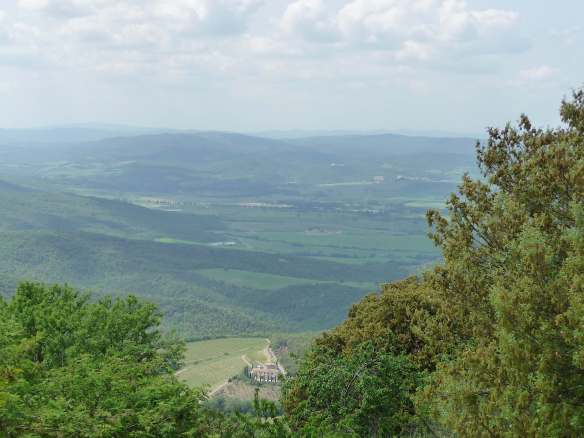
18-val-dorcia19-val-dorcia20-val-dorcia

We had to tear ourselves away, time was running out as we made our way to the next objective – Montepulciano.

Argyll & the Isles

The inclement weather followed us from Gourock as we travelled north along the western shore of Loch Lomond. Often considered the boundary between the lowlands of Central Scotland and the Highlands, it is the largest inland stretch of water in Great Britain. We happened upon the village of Luss on the banks of Loch Lomond and through the mist loomed The Lodge on Loch Lomond, a luxury waterfront hotel.

1-lodge-on-loch-lomond

We walked along the river, the beautiful autumnal hues refused to be dampened by the deluge.

2-river-luss

The path led us to a magnificent Celtic cross, dedicated to St. Kessog who brought Christianity to Luss in 510AD and died a martyr at the hands of Druids in 520AD.

6-st-kessogs-cross-on-the-glebe

We left Luss and Loch Lomond,

7-luss8-loch-lomond-luss9-loch-lomond

our objective, the Island of Seil. We had seen an episode of “Build a New Life in the Country”, featuring a derelict tin church dating back to the early 1900s. The couple who bought it renovated it superbly and created not only their living space, but a self-contained apartment in the old vestry. I was determined to find it. We crossed the 18th century Clachan Bridge

10-seil

and had a pint at the Tigh-An-Truish Inn. The name means ‘house of trousers’ and this was apparently the place where islanders swapped their kilts for trousers after kilts were banned following the 1745 rebellion. For some reason, I don’t have a photo of the Inn but one of the tiny kiosk across the road.

11-tigh-an-truish-kiosk

We drove around the island in search of the tin church. We did find it but again, I have no photos of it, just the rugged scenery of the island.

12-seil13-seil14-seil15-seil

We returned to the mainland and our northward course with no real destination in mind. We passed Castle Stalker, built around 1320 and well known for its appearance in Monty Python and the Holy Grail.

16-castle-stalker

Fort William seemed like a good place to spend the night. We found a lovely hotel with spectacular views along Loch Linnhe,

17-fort-william18-fort-william19-fort-william20-fort-william

enjoyed a wonderful dinner and settled in for the night.