Basilica di Santa Margherita

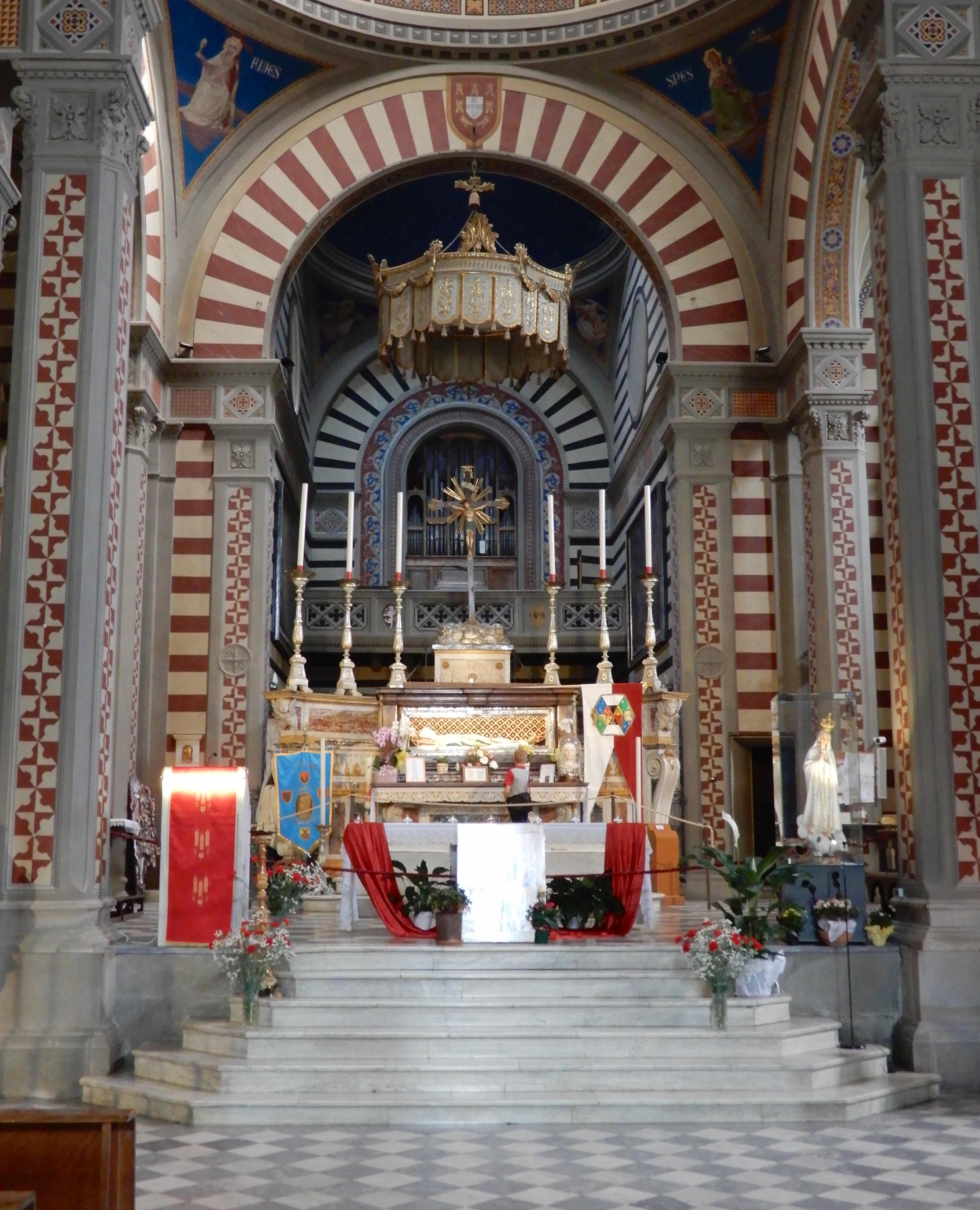
Remembering our first visit to Cortona and the strenuous postprandial walk to the top of the town, we opted to drive this time to explore the magnificent Basilica di Santa Margherita.

A church was built on the site by the Camaldolese monks in the 11th century, dedicated to St. Basil, but was damaged during the sack of Cortona in 1258. Efforts led by Margherita di Cortona resulted in the church and adjacent convent being rebuilt in 1288. The interior is spectacular.

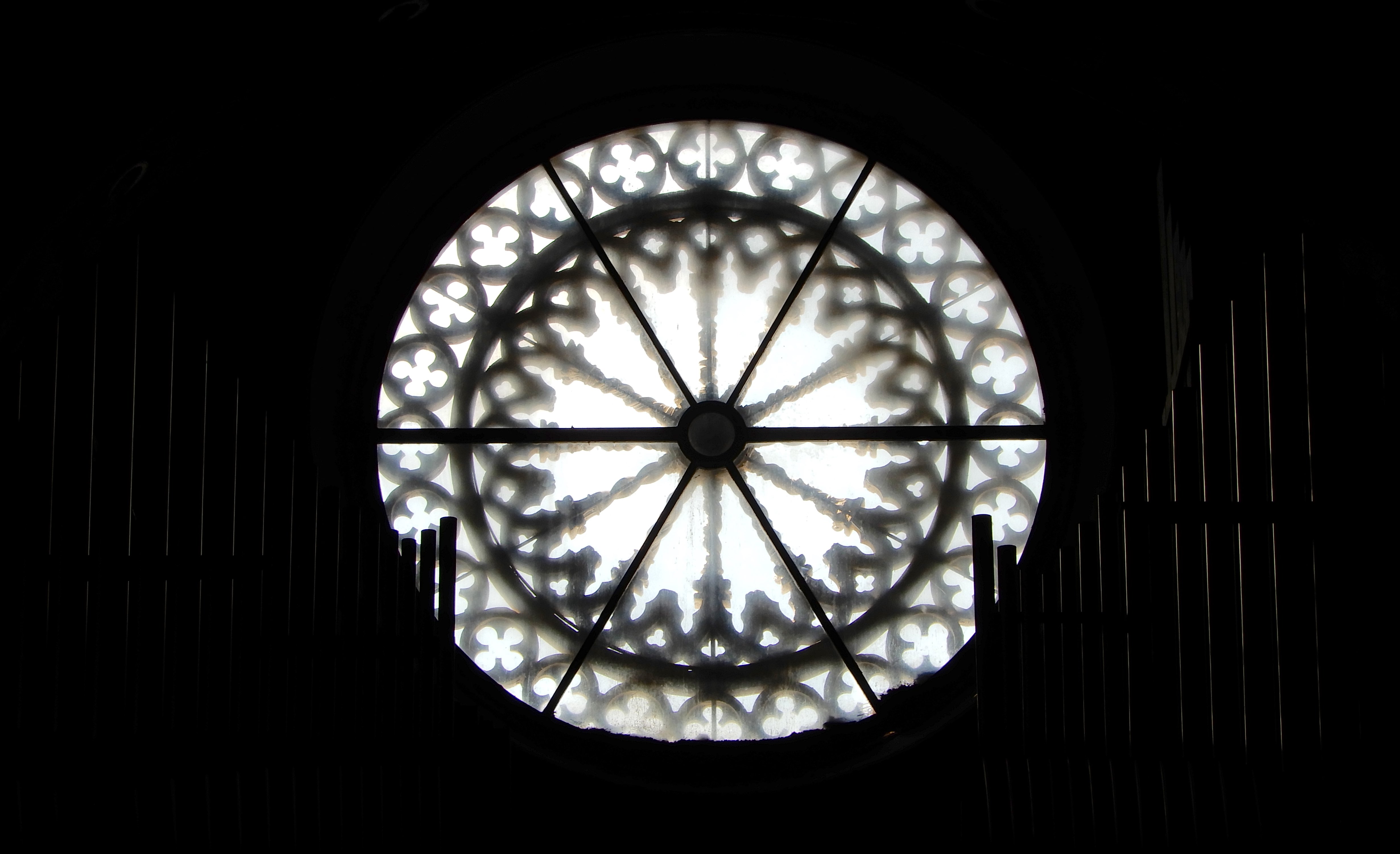
There have been many alterations over the centuries, the large rose window of the façade is one of the few remaining original features.

A marble depiction of Saint Margaret and a chapel commemorating the Cortonese war dead are to the side of the main aisle.

The most impressive display is above, with vibrant ceiling frescoes and stained glass windows presenting impossible angles.

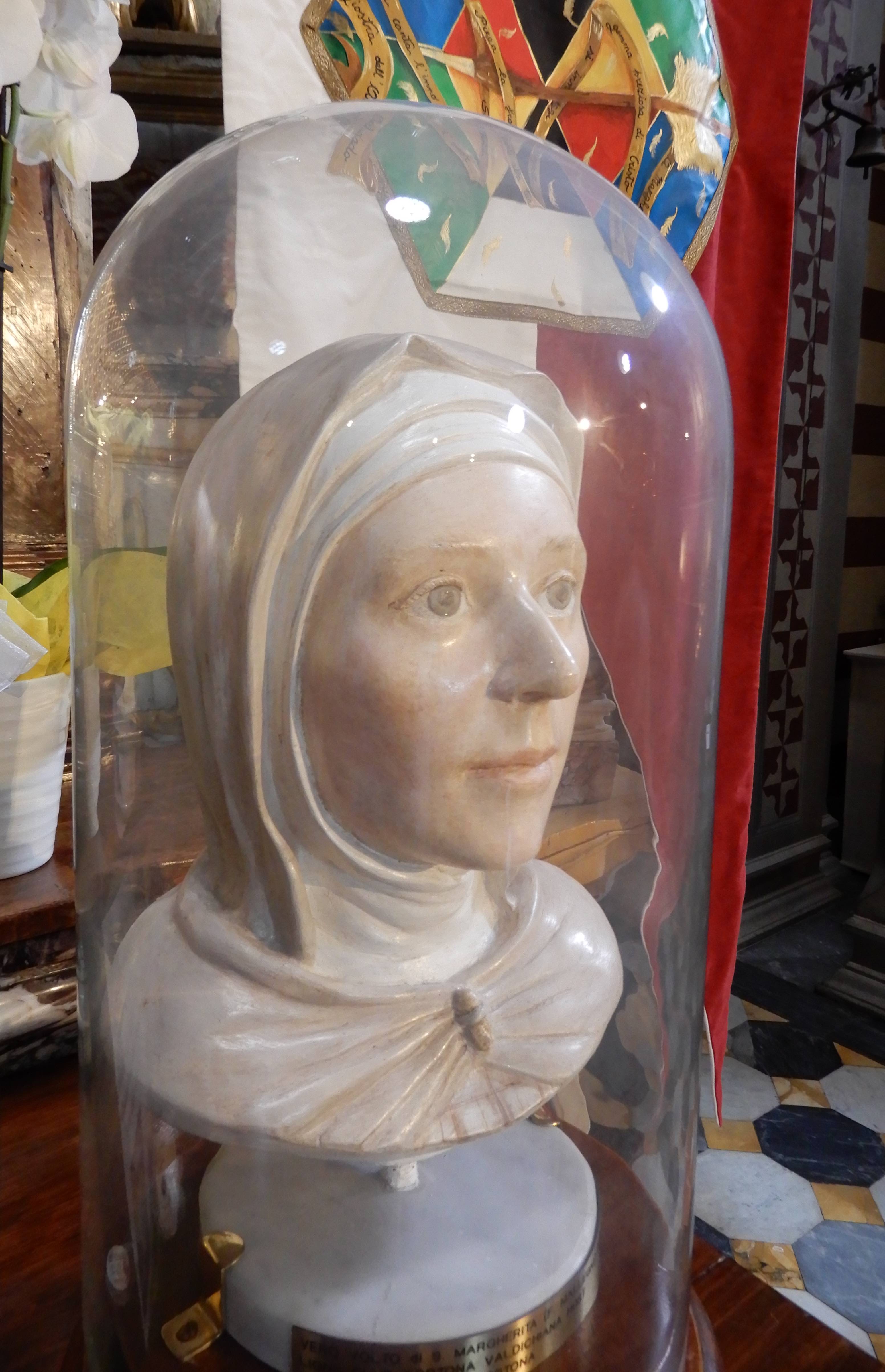
Margaret lived the last years of her life in a small room at the back of the church until her death in 1297. She was buried in a wall of the chapel of St. Basil and her remains were transferred when a larger church was constructed in 1330. Her body is now displayed in a silver casket at the main altar.

Canonized in 1728, Saint Margaret didn’t have an enviable portfolio, being the patron saint of the falsely accused, homeless, insane, orphaned, mentally ill, midwives, penitents, single mothers, reformed prostitutes, stepchildren and tramps.

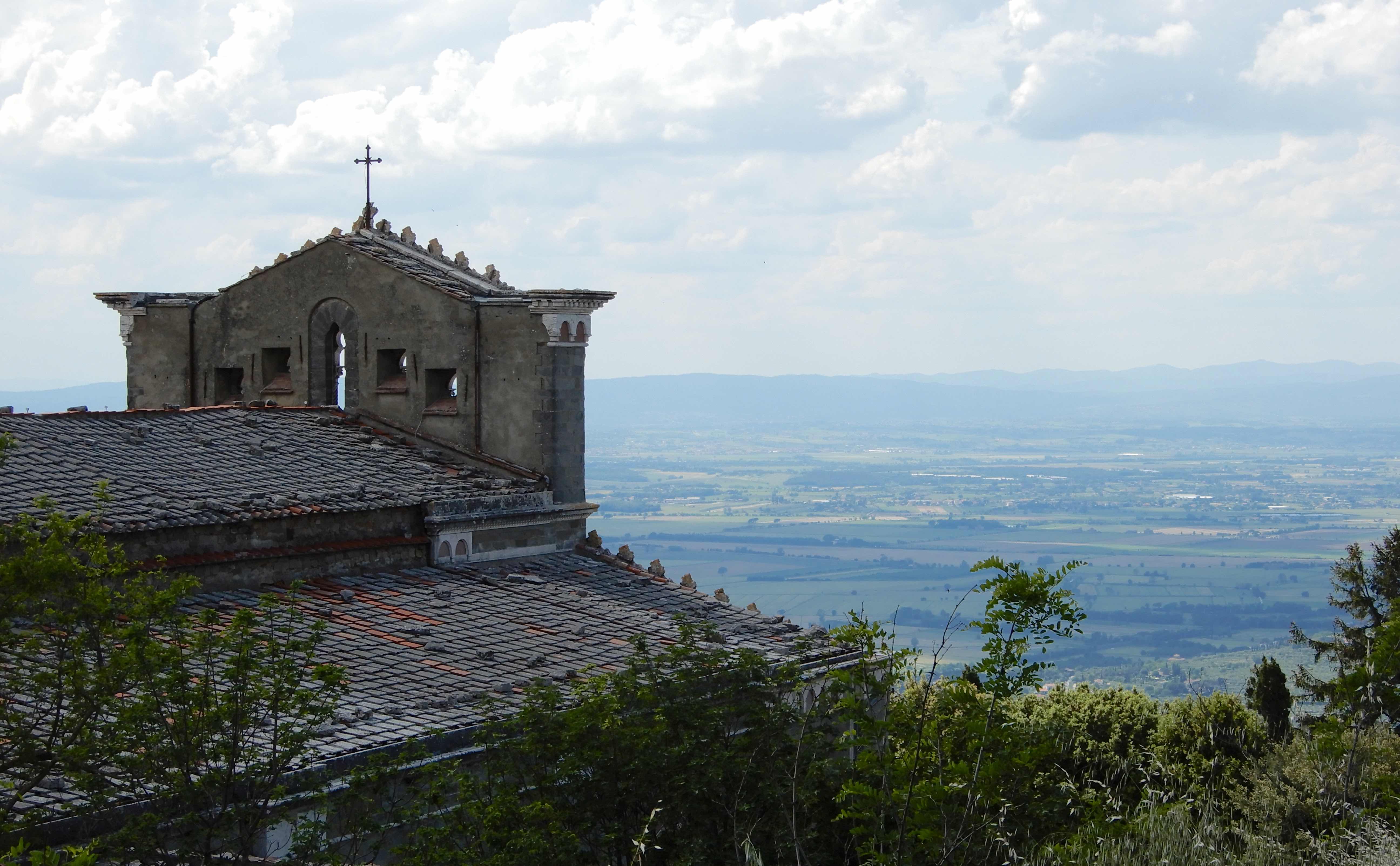
Beyond the rooftop of the neighbouring convent,

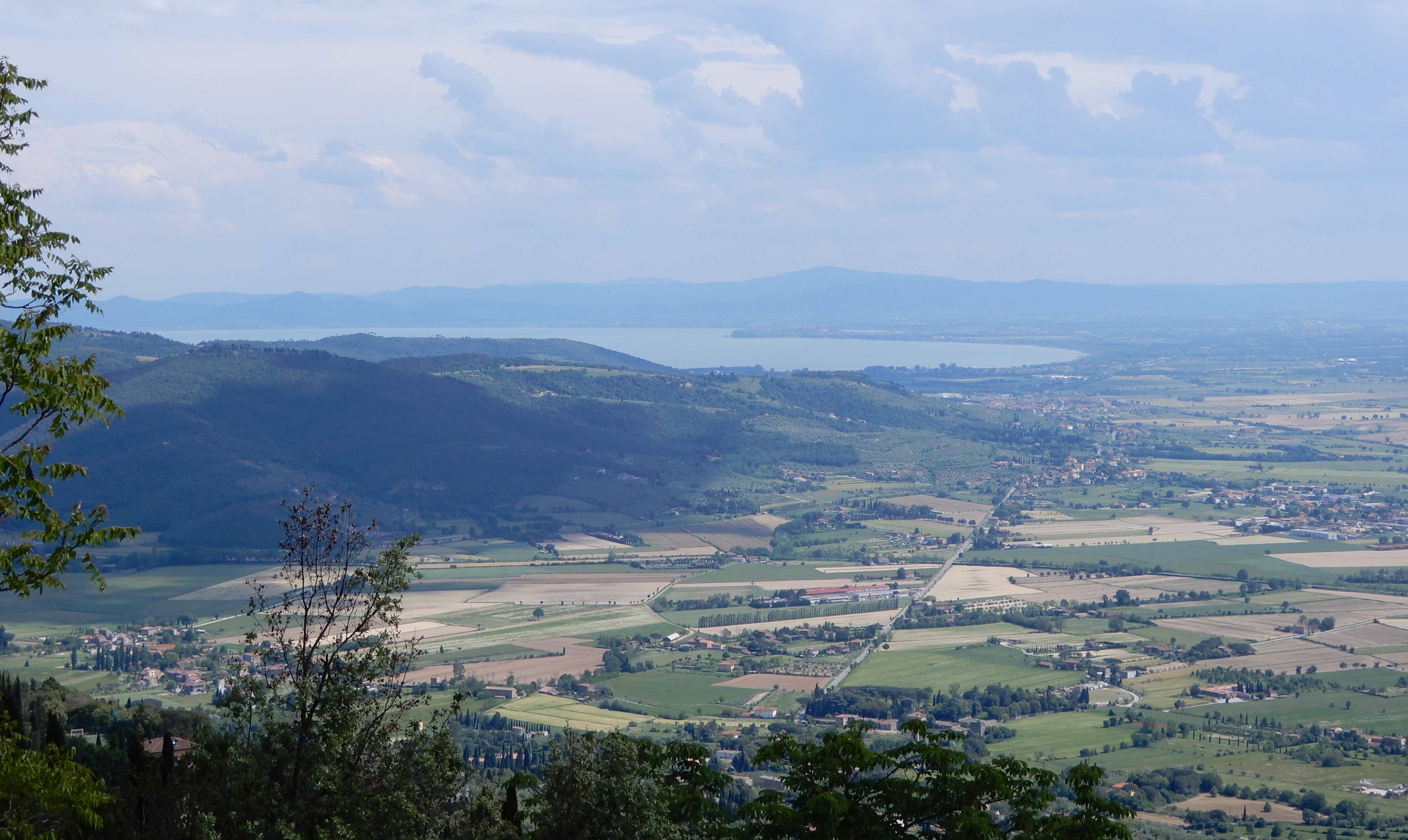
the vista across Lake Trasimeno and the Val di Chiana once again took our breath away.

Heritage Walk

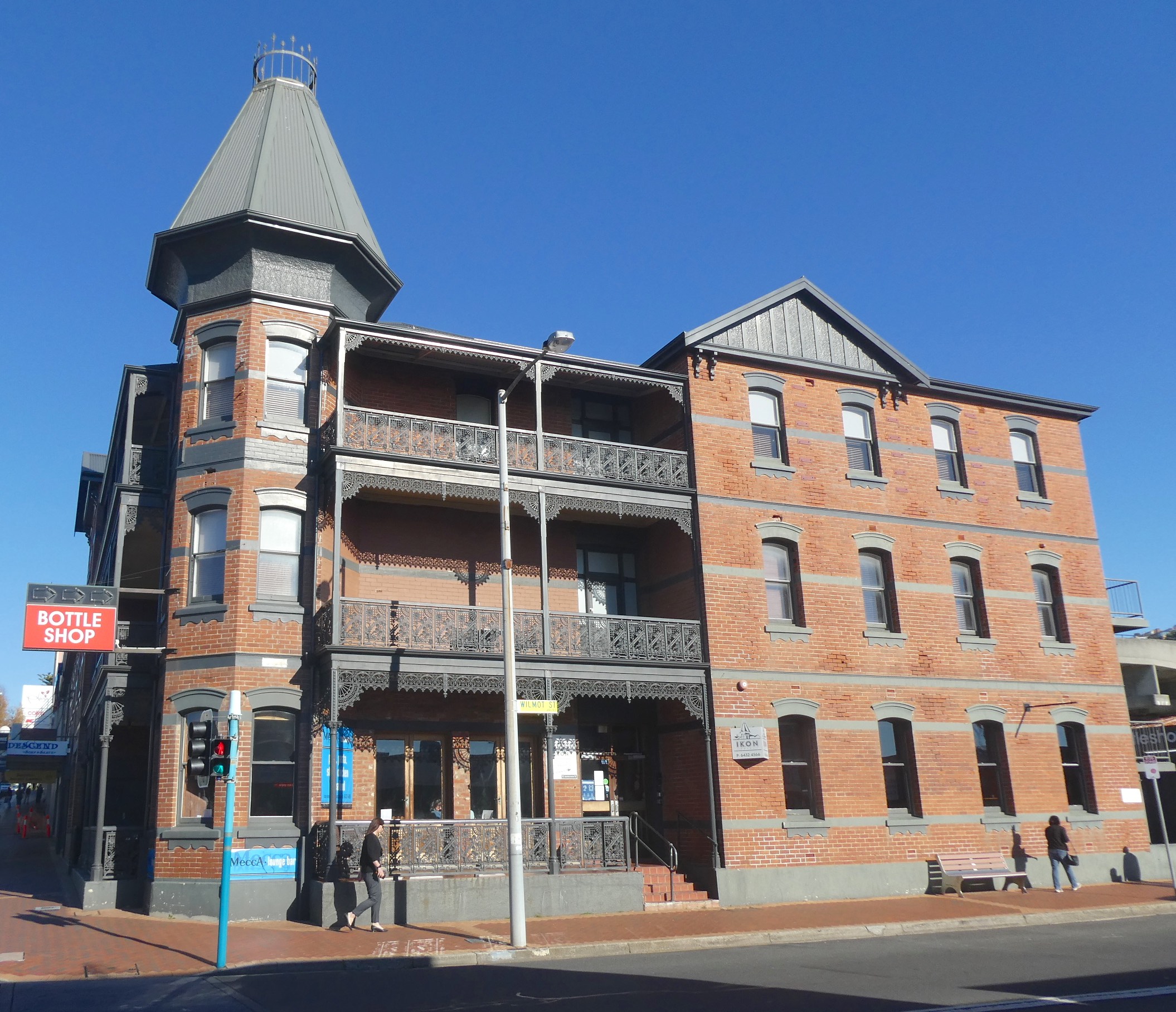
After discovering the beautiful Federation Homes of Burnie and delving further into the history of the town, I set out to investigate the civic buildings from this period. These are by no means the only significant heritage buildings in Burnie, they are merely the example promoted by the ‘Federation Walks of Burnie’ pamphlet. The prominent Ikon Hotel was established as the Club Hotel in 1912 by J.T. Alexander. The Alexander family pioneered European settlement at Table Cape and with support from his family, J.T. built his own hotel after leasing the Sea View (now the Beach Hotel) from 1902 to 1910.

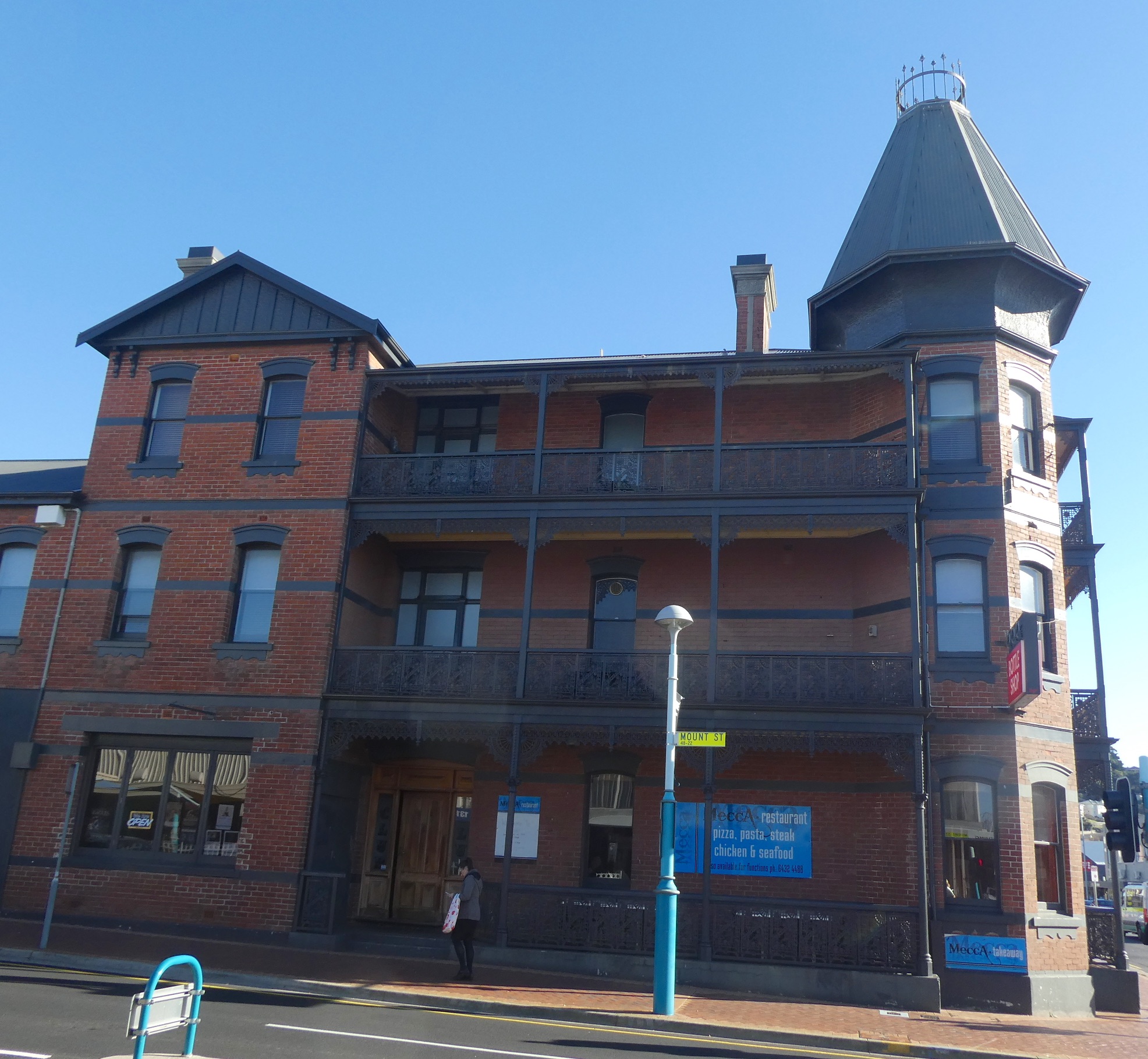
Known for his generosity to many needy families during the Great Depression, Alexander faced mounting debts and was forced to sell the hotel in 1933. The three storey building, dominated by the tall pyramidal tower, is an example of Federation Free Style architecture with very fine cast iron valances and balustrades.

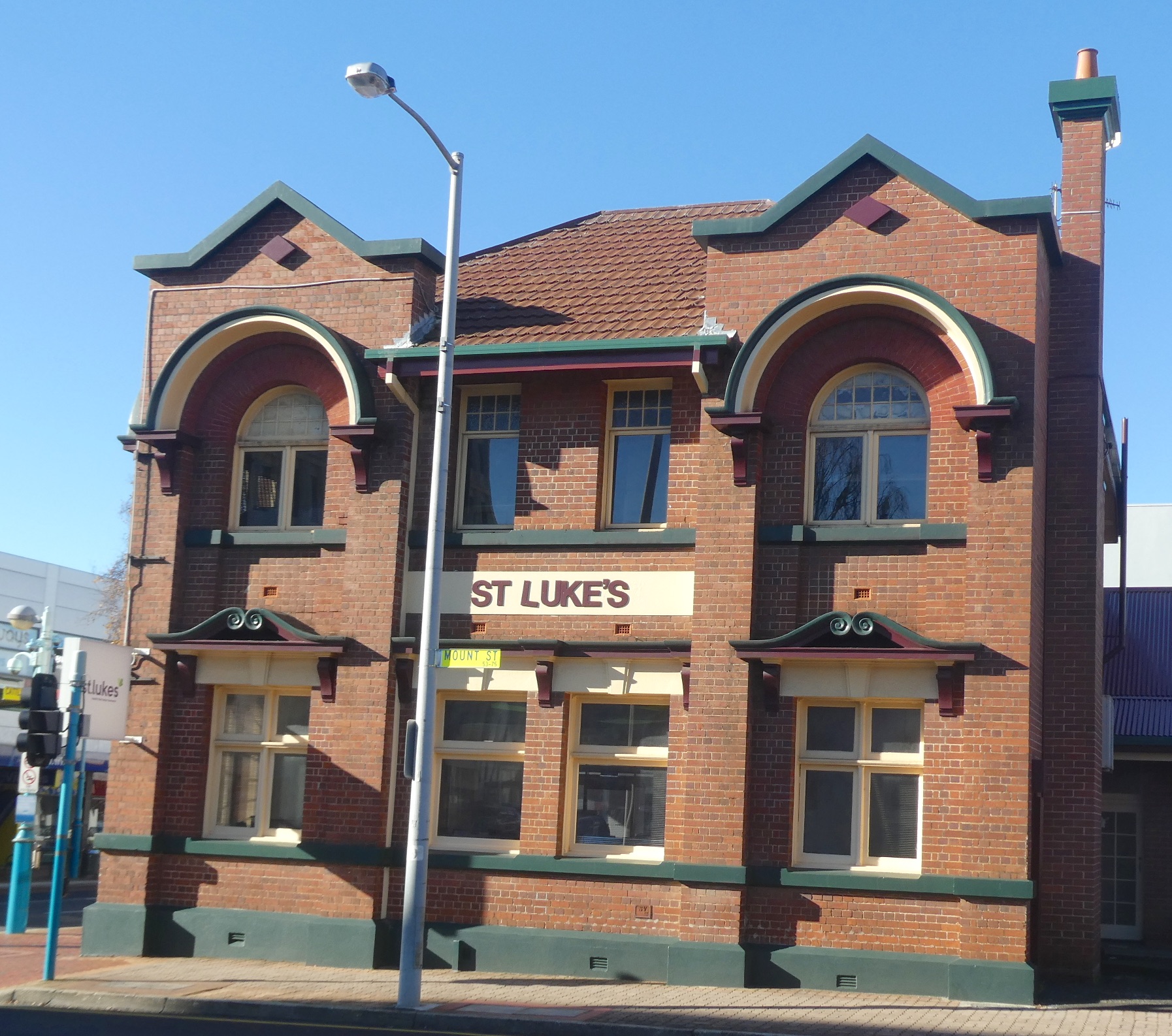
Built by the Hobart Bank in 1921, the St. Luke’s building is on the site originally used by the Don Trading Company as their wood yard. ‘Burnie Brick’ was used in the construction of many buildings of this era, dug and fired in the Cooee brickworks until 1967 when the clay was eventually exhausted and the business closed. Federation Free Style often incorporated features from other styles such as the Romanesque semi-circular arches and Art Nouveau pediments above the downstairs windows seen on St. Luke’s.

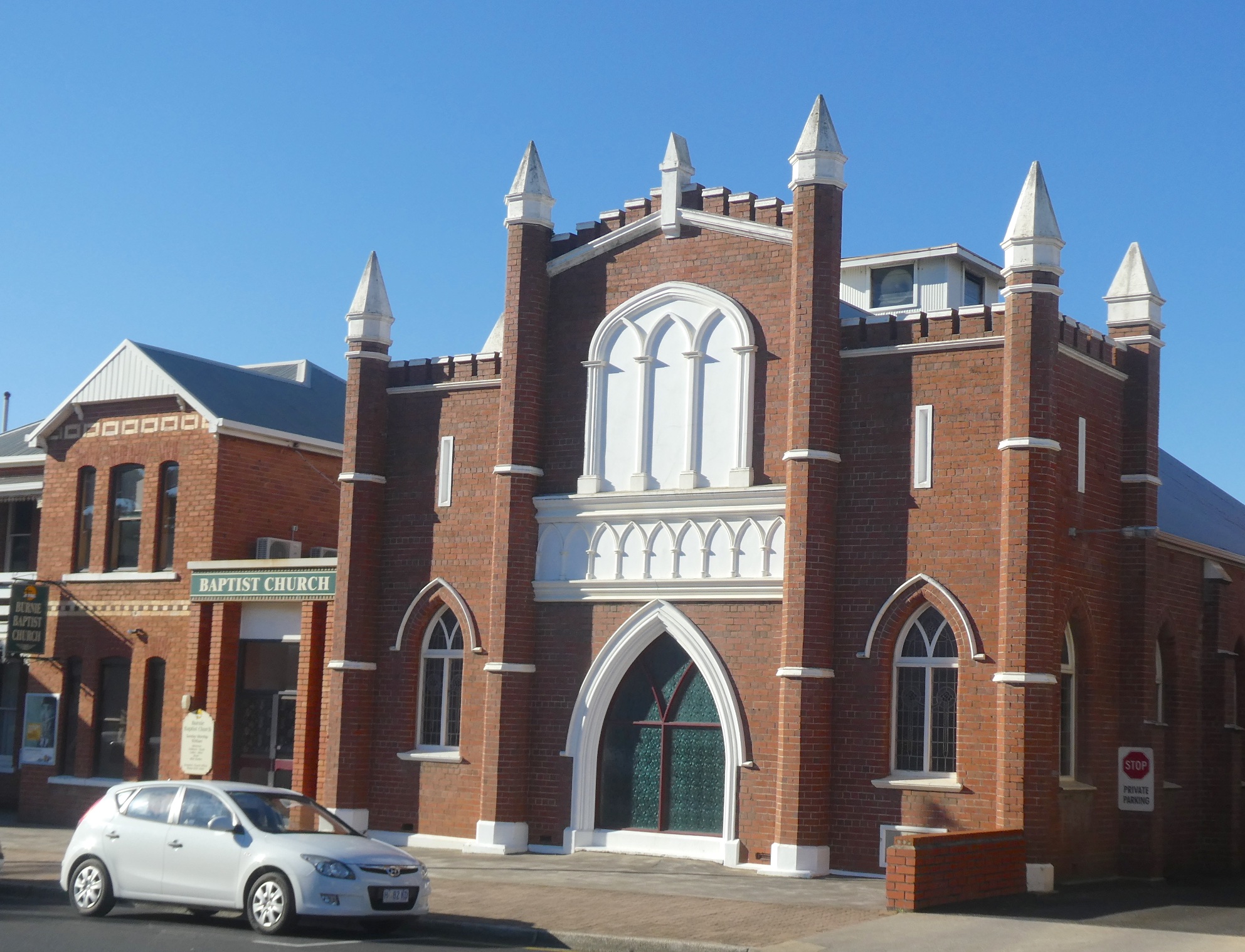
In 1899, a Baptist Church was established in the town with services held in the Town Hall. Funds were raised to purchase land and erect a purpose built weatherboard church and adjoining two-storey brick manse. By 1925, the church proved too small and the new brick version was completed almost entirely by voluntary labour of the parishioners. There are some medieval elements to the Federation Gothic style including pointed arch windows and doorways, blind turrets and arrow slits and a parapet resembling a battlement.

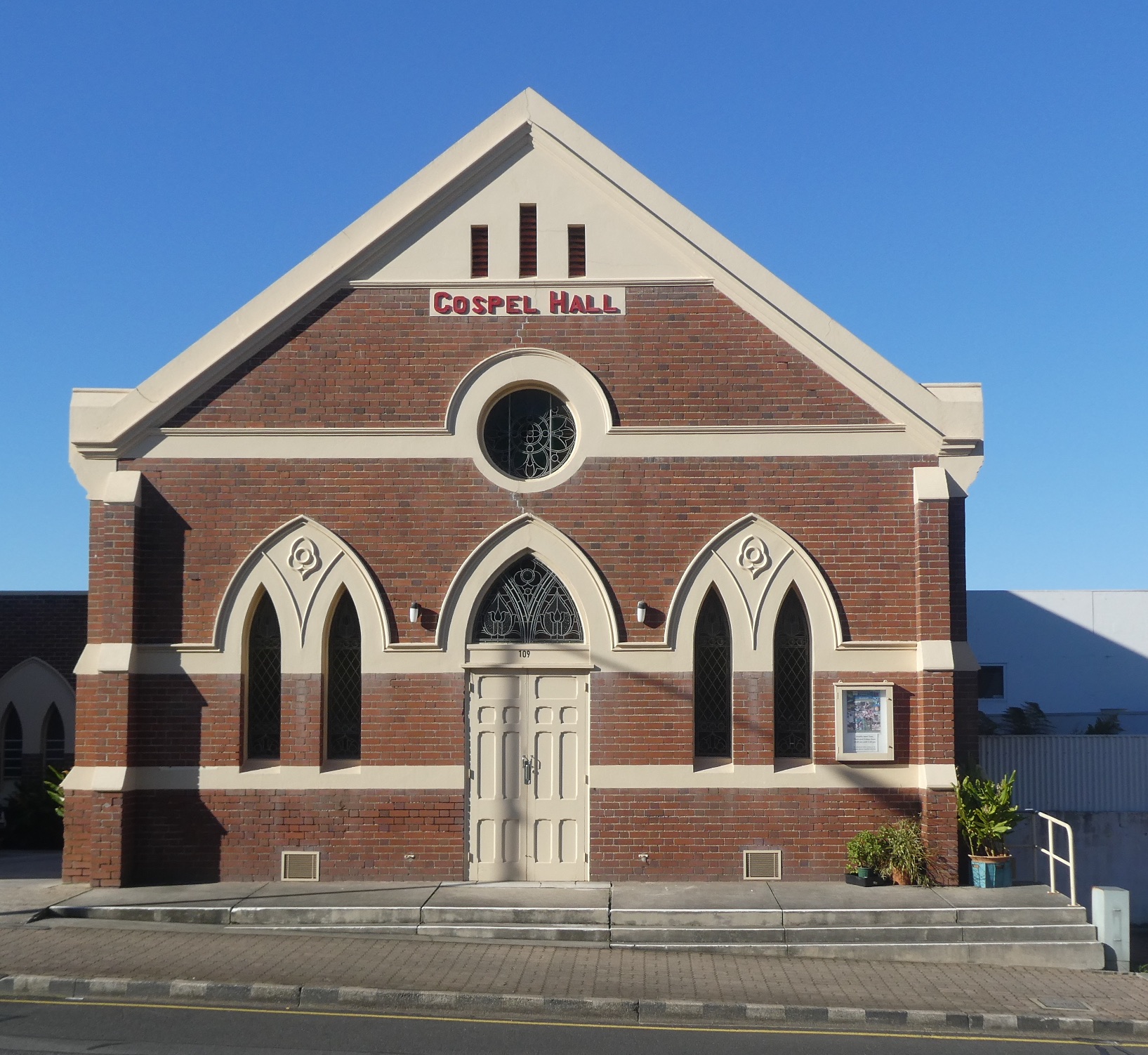
The Christian Brethren began services in Burnie in 1875 and a simple timber building was constructed a year later. The current Gospel Hall, built in 1915 and enlarged in 1930, is another example of Federation Gothic architecture with a steeply pitched roof, arched windows and the inclusion of Art Nouveau leadlight.

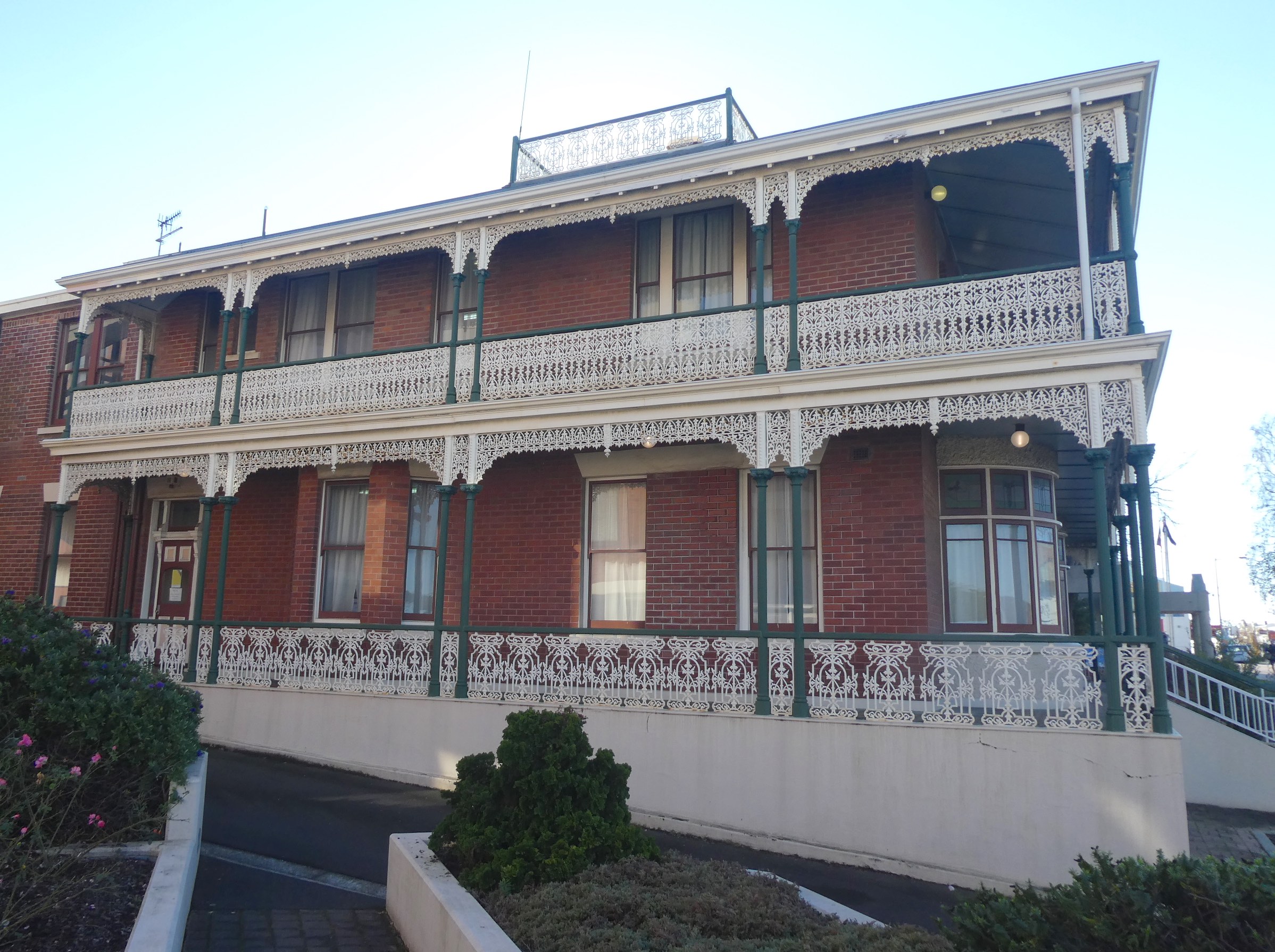
The current SES Regional Headquarters is housed in a magnificent two-storey Federation Filigree home originally built for the Lucadou-Wells family as a combined residence and dental surgery. The ornamental screening on verandahs and balconies was usually timber but in this case it is cast iron.

Constructed in the Federation Free Style for the Commercial Bank in 1913, I think this sandstone and brick structure is looking somewhat neglected. Known as the T.G.I.O. Building (Tasmanian Government Insurance Office) through the nineties, it is now inhabited by Steadfast Taswide Insurance Brokers.

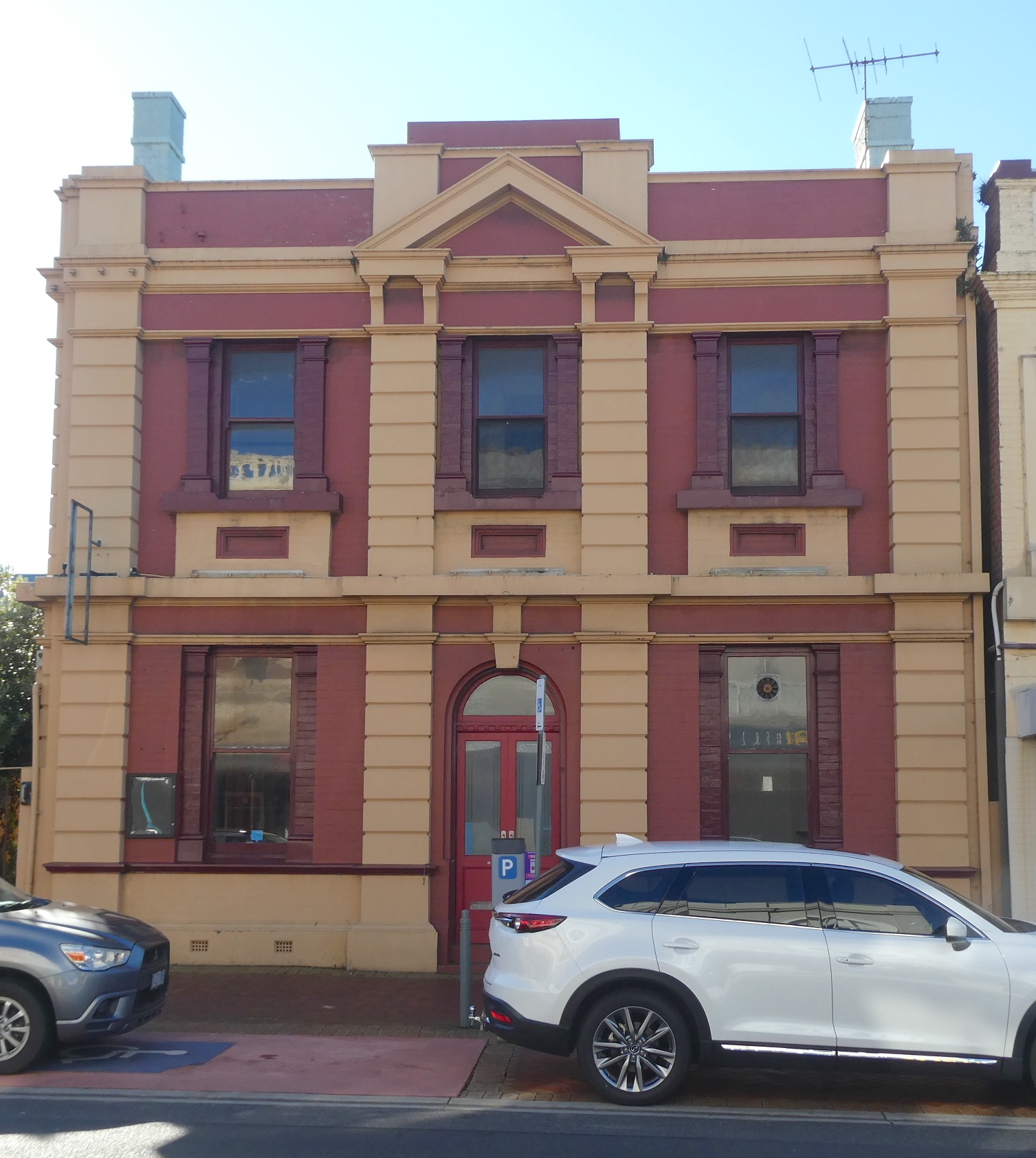
Another beautiful building sits sadly neglected. The former Burnie branch of the Launceston Bank for Savings opened in 1928 and was most recently the premises of the Spirit Bar, a welcoming hub offering Tasmanian beer, wine, cider and spirits as well as delicious fare and live music. The forlorn façade has deteriorated dismally since the unfortunate closure of Spirit Bar a couple of years ago.

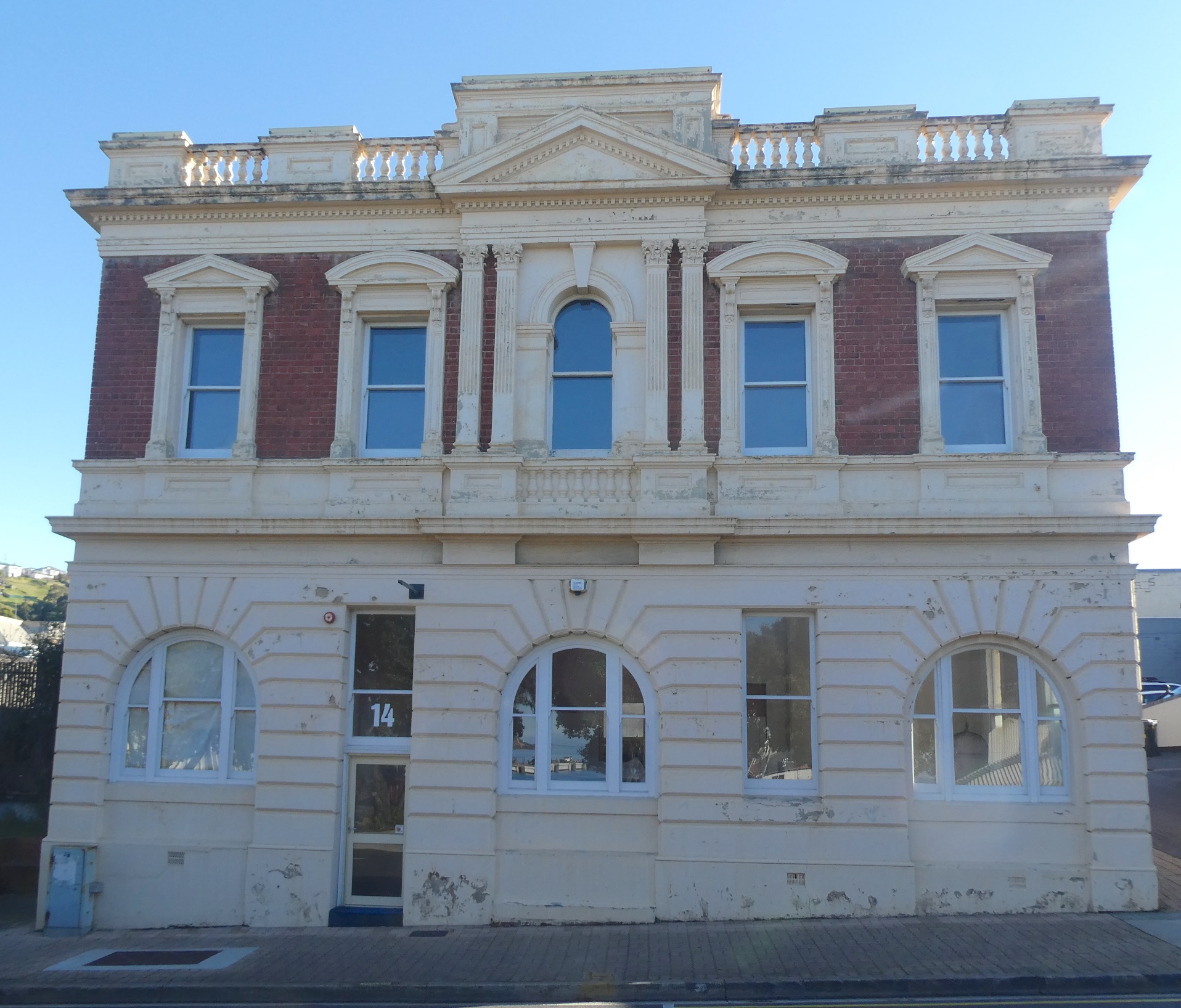
My disappointment reached a new level when I saw the condition of the Old Post Office. Purpose built in 1898, it is considered an important example of Federation Free Classical architecture. An enthusiastic couple bought the property in 2014 with plans to renovate but I can find no further reference to that story and it certainly appears deserted and decrepit.

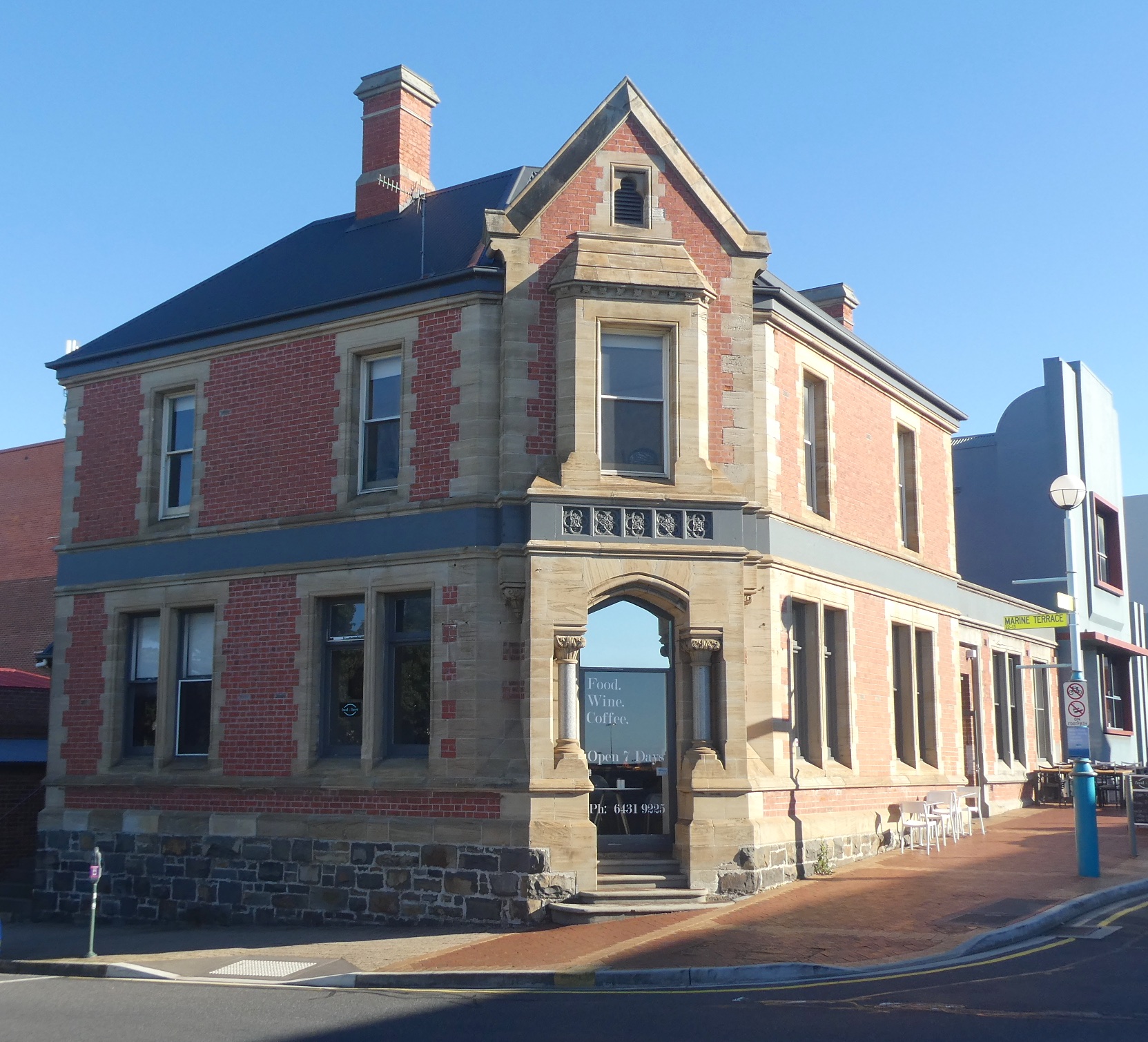
The former Bank of Van Diemen’s Land (V.D.L. Bank) building, just a few doors down from the Old Post Office, has been beautifully restored and maintained. Completed in 1892, the prominent corner position is ideal for what is now ‘Food & Brew’, a successful restaurant and wine bar serving Tasmanian produce and making the most of the stunning period architecture, both inside and out.

I fail to understand why some these buildings that are considered significant enough to be listed on the Heritage Register are not being maintained. Surely the conservation recommendation of, “this place should be retained” indicates an obligation to upkeep the premises? Perhaps some Council coffers could be allocated to restore Burnie’s historical buildings, especially those promoted in brochures to entice visitors to the town?

Wangi Falls

It is many years since I have been to Litchfield National Park and on my recent sojourn to Darwin, a visit was included on the agenda. Named after Frederick Henry Litchfield who explored the Northern Territory in the mid 1800s, the 1,500 square kilometre park is a comfortable 90 minute drive south of Darwin. The park has several stunning waterfalls and crystal clear swimming holes, the largest being Wangi Falls.

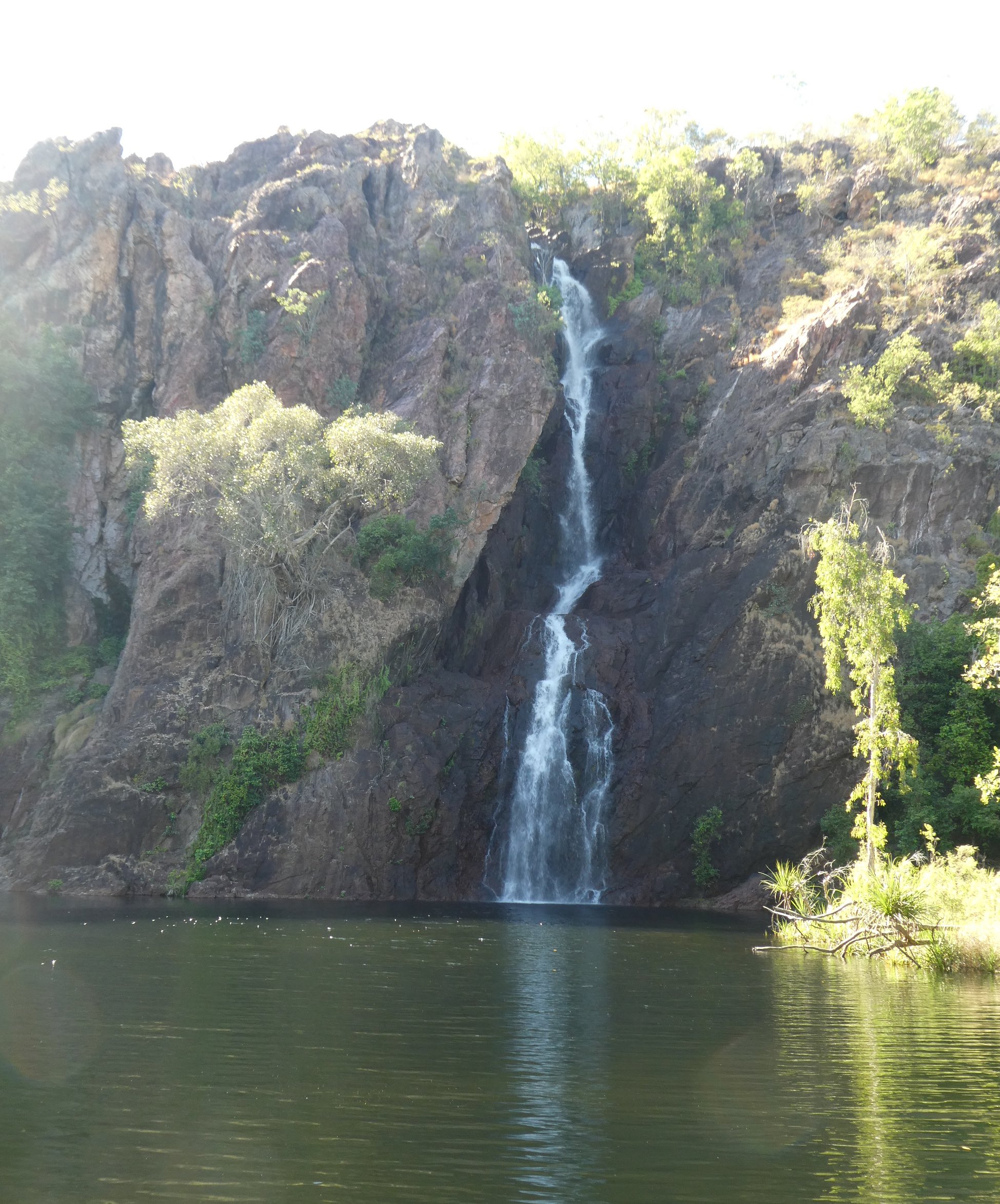
In 1883, surveyor David Lindsay named the falls after his youngest daughter, Gwendoline. Forty years later, Max Sargent took up the pastoral lease over the area and renamed the falls after his second daughter, Kathleen, who was born in 1954. The Townsend family took over the lease in 1961, built an outstation nearby and called it Wangi, the local aboriginal name for the area. Consequently, the falls became known as Wangi Falls. There are actually two cascades at Wangi, the morning sun wasn’t conducive to photographing the narrower stream flowing to the left of the main falls.

We set off on the Wangi Loop Walk, a 1.6 kilometre circuitous trail that climbs the escarpment to the top of the falls and returns on the other side of the pool. Colonies of flying foxes roosted above us, not bothering to seek shade for their morning slumber.

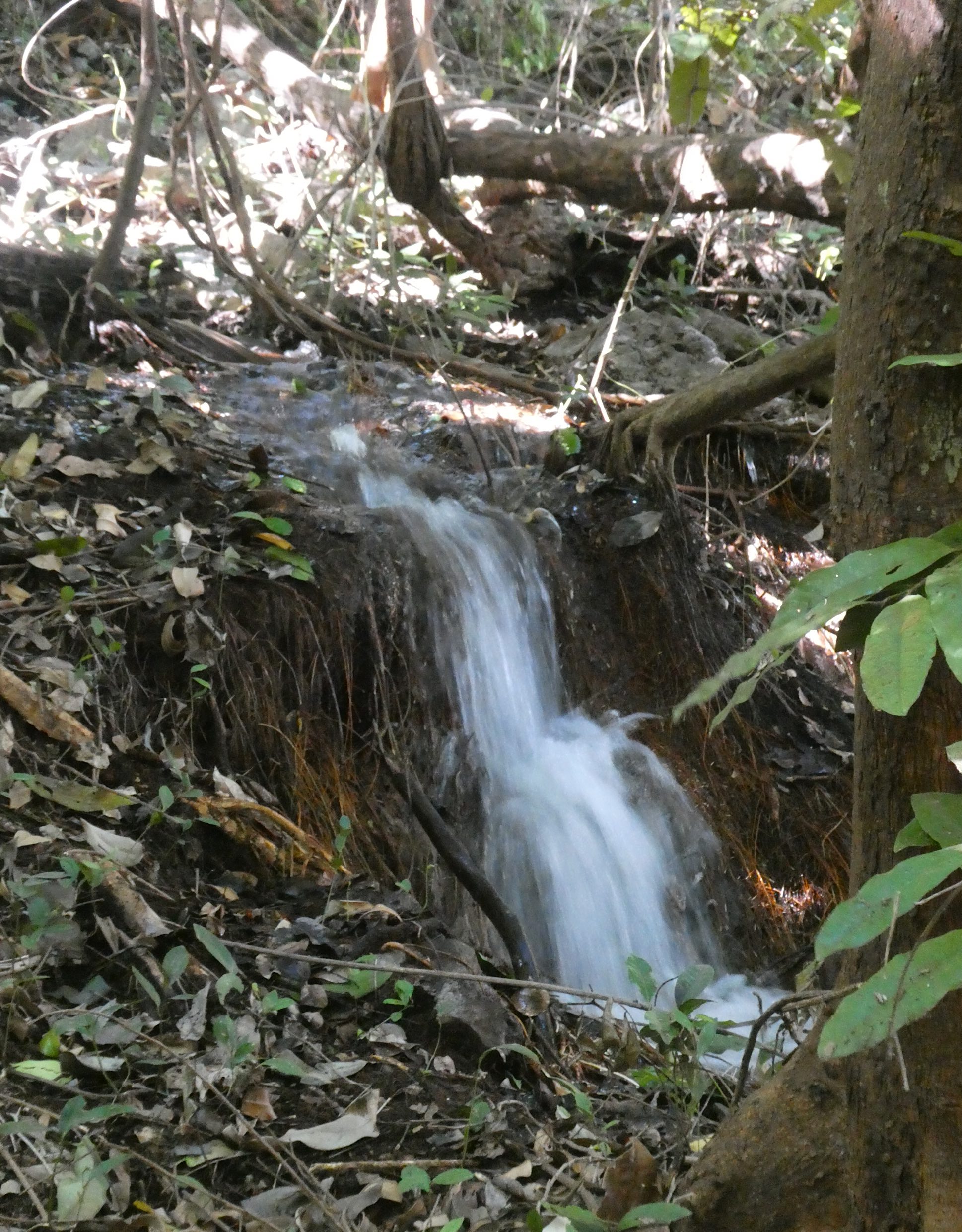
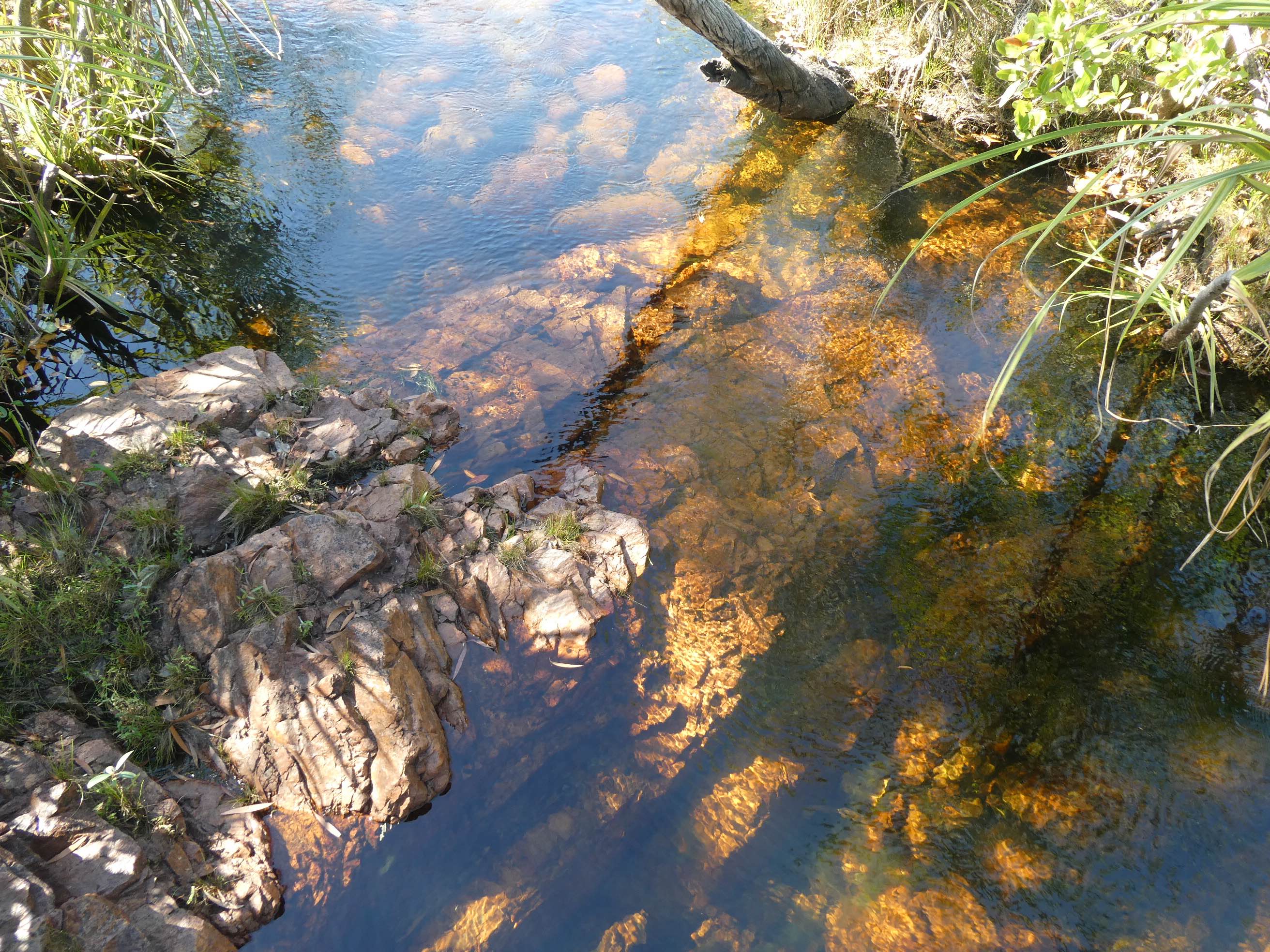
Meandering streams tumbled their way through the lush forest,

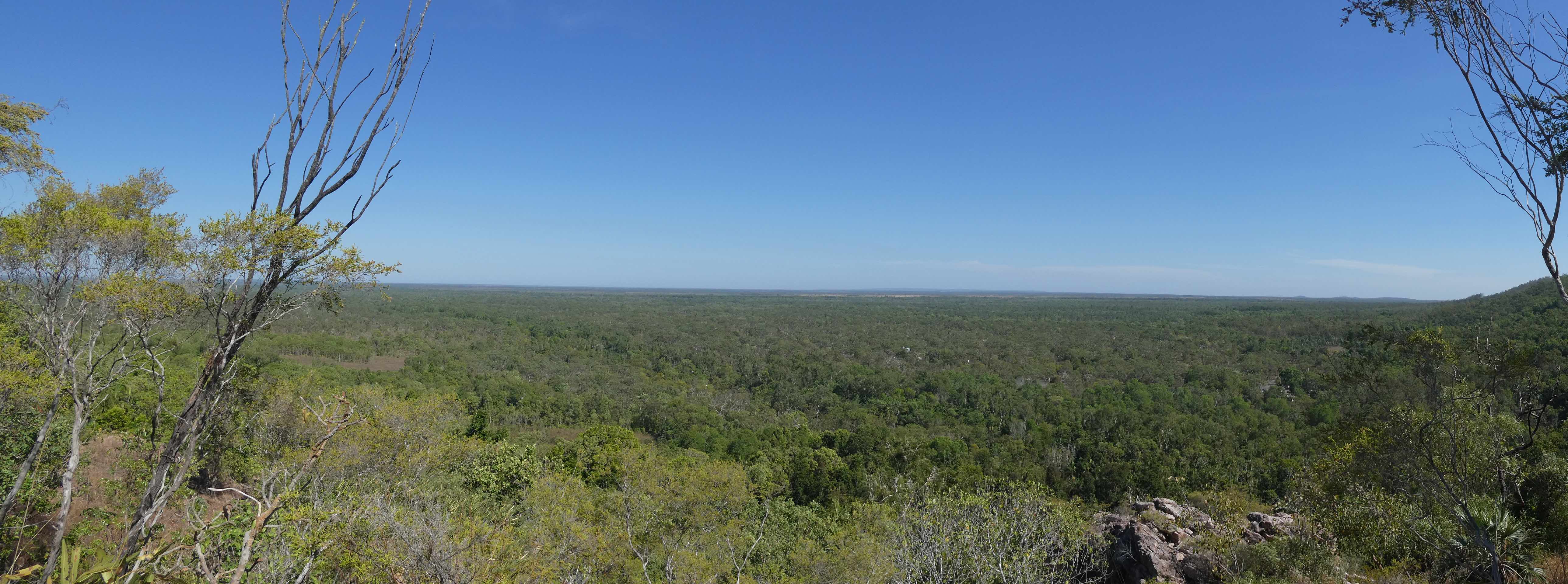
the canopy opened up to reveal a breathtaking vista as we neared the summit.

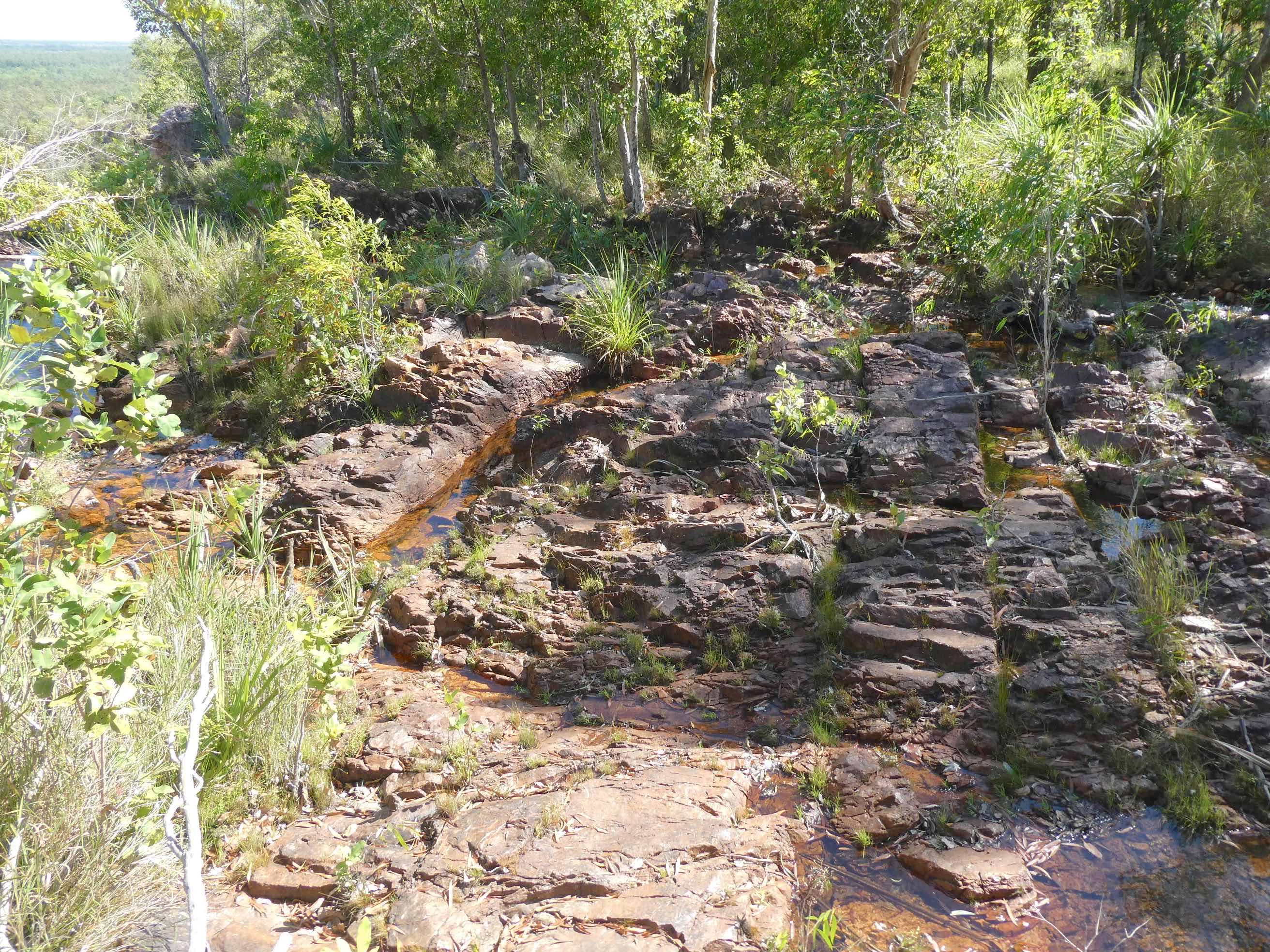
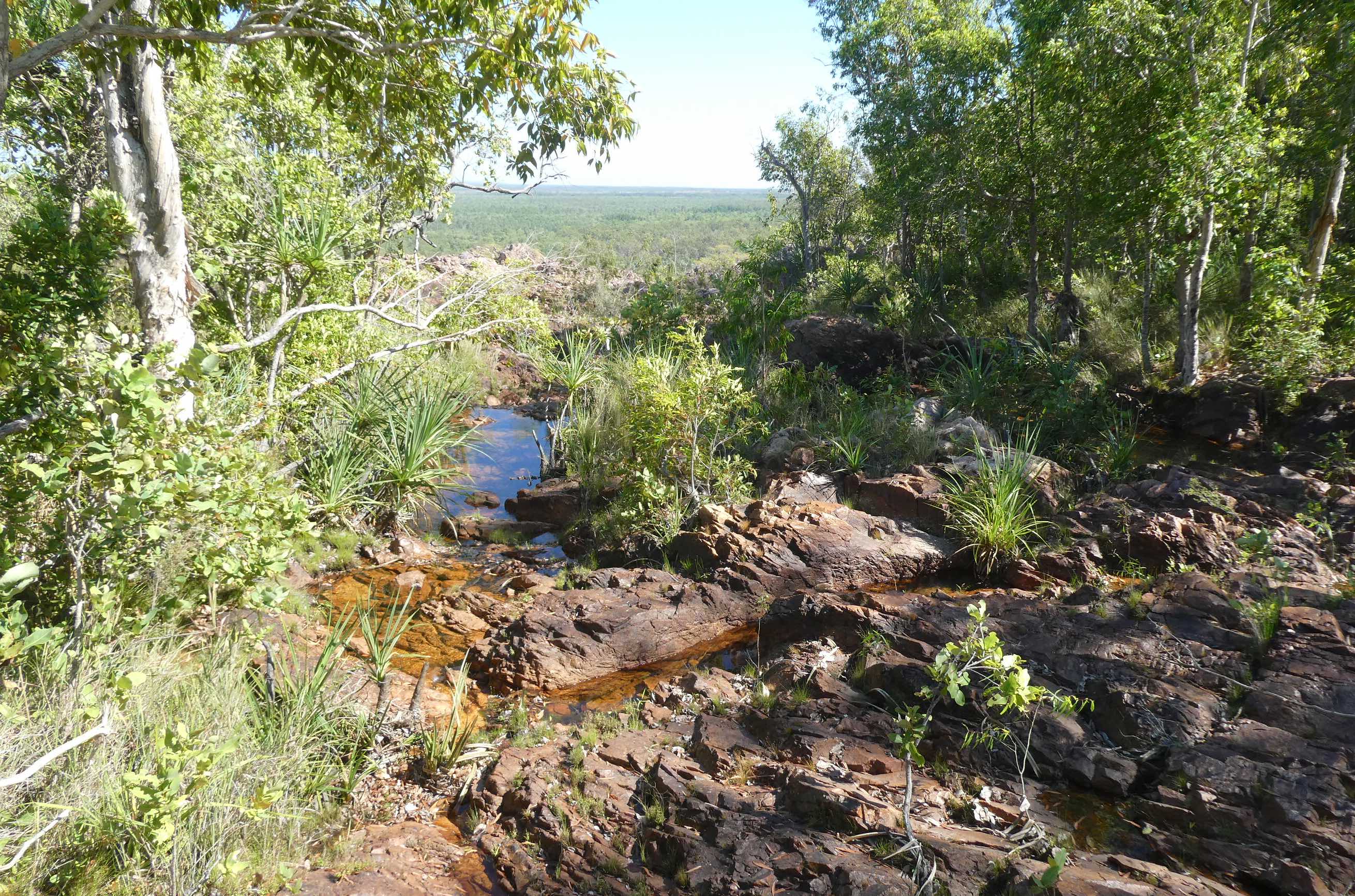
There is no view of the actual falls from the top and it is surprising that these trickling water courses create such a spectacle as they plummet over the cliff.

Smaller waterfalls accompanied us as we twisted and turned our way down a series of stone steps

to return to the pool for one last look at the majestic Wangi Falls.

lunch at Taupo

After our diversions to Huka Falls and Craters of the Moon, we eventually arrived at Taupo in time for lunch. The lovely town has a peaceful setting on the north-eastern shore of Lake Taupo, the largest lake by surface area in New Zealand, measuring 616 square kilometres. The lake is in the caldera of the Taupo Volcano and has a perimeter of approximately 193 kilometres and a maximum depth of 186 metres. It is enormous.

We strolled along the lakefront perusing the fare on offer at various establishments and decided to dine at Lakehouse. Coincidentally, the name of our next accommodation was The Lake House, we took that as a positive sign along with the intriguing  advertisement, presumably for a local beverage.

We claimed a seat, alfresco, to observe the activity on and over the water as well as an unusual art installation comprising a series of red bicycles parked along the esplanade.

We were enthused to discover an extensive range of local wine and craft beer to complement the stone grill meals and gourmet dishes, with food sourced from local producers.

Mata Brewery started off in 2004 with a passion for home brewing and, after positive feedback from friends, soon became a family affair. Students created the Mata brand and with the fortuitous find of second hand brewing equipment for sale, the first brewery was set up in Kawerau, Eastern Bay of Plenty. The enterprise grew over the next 12 years and in 2017, moved to Whakatane where new creations and seasonal releases augment the original beer styles.

The Epic Brewing Company from Auckland and Te Aro, a small batch brewery in Wellington offer more choices on tap.

The eye-catchingly named Rocky Knob presumably refers to Mount Maunganui where craft brewers, Bron and Stu Marshall, started their business as a hobby.

Set amongst vineyards in the Marlborough region, multi-award winning Moa Brewing Company is one of the pioneers of craft beer in New Zealand.

I couldn’t resist a glass of the rhubarb cider (or two) to enjoy with the delicious bacon wrapped chicken breast with asparagus.

Unfortunately, Lakehouse closed their doors in April 2021. With the lease up for renewal, the sudden passing of a family member and the effects of a certain virus on tourism, the decision was made to cease trading.

artists of Il Giardino

There are fifty four artists represented at Il Giardino di Daniel Spoerri, a sculpture wonderland set in the Tuscan countryside. I thought we had done a credible job of covering the ground but, on reflection, we only discovered half of them. It doesn’t matter, what we did see was astounding. Eva Aeppli was born in 1925 in Switzerland and, after her studies, moved to Paris. Around 1967, she started concentrating on textile life-size figures, creating sewn heads that refer to the planets. If you look closely, the stitch lines can be seen on the bronze casts of the Astrological Signs group.

The gold faces of The Planets represent the positive aspects of the Moon (in silver), Mercury, Venus, Sun, Mars, Jupiter, Saturn, Pluto, Neptune and Uranus

while the negative aspects, responsible for the sinful facets of human beings, are expressed in A Few Human Weaknesses. From left to right, these are Sloth (Moon), Envy (Mercury), Lust (Venus), Pride (Sun), Wrath (Mars), Gluttony (Jupiter), I seem to have missed Avarice (Saturn). Again, the heads were originally sewn and the texture of the silk fabric can be seen on close inspection.

An attempt to glue the figures rather than sew them wasn’t very successful. Two of the failed pieces were used as scarecrows in Eva’s vegetable garden while others were used for airgun target practice. One of the heads, collapsed and shrivelled, has been cast in bronze and embedded between two branches of an olive tree. Although it seems to be watching the passersby, the empty eye sockets see a world on The Other Side.

The three Greek goddesses of vengeance and retribution, known as the Erinyes or Furies, represent the negative aspects of the so-called invisible planets Neptune, Pluto and Uranus.

Ars Moriendi (Latin for ‘The Art of Dying’) by Italian artist, Giampaolo di Cocco, comprises three sculptures that represent life-size elephant bodies in various stages of decomposition.

Katharina Duwen’s Refuse from the Bronze Age relates to the subject matters that interest her most: traces of the past and relics of civilisation. Various items lie together as if on an illegal dump site, made of bronze they contradict the notion of putrefaction and decay. In the future, this evidence may provide useful information to archaeologists about the everyday lives of a past culture.

Not only is Angelo Maineri a maestro of sculpture, he has been responsible for the care and maintenance of the Giardino since 2016. He has melded bodies of steel and cement, seemingly weightless yet grounded, with the twisting branches of a tree for Chlorophilia – Rooted Life. He describes the work as, “humans, destroying nature, are yet dependent upon it and cannot escape it.”

When Daniel Spoerri was invited to propose a sculpture for the slopes of Vesuvius, he immediately thought of a drawing by his friend, illustrator and satirist, Roland Topor who died in 1997. The crouching woman intently watched a handful of small balls rolling from her lap (I’m not absolutely convinced of this anatomical description). The Vesuvius project was abandoned and Mamma muntagna, the Neapolitans name for their volcano, was sculpted in stone for the garden by Simone d’Angiolo.

A tower of old harrows and ploughs, wedged in amongst each other and screwed together, is titled Monument to Settledness. The artist, Arman, was well known in the sixties for his accumulations of several objects of the same kind such as milk cans, hairslides and bottle caps. These agricultural machines are the insignia of soil management and are stuck, immovable and useless, while the sound of modern agricultural machines can be heard in the surrounding hills.

Amongst the olive trees, sixty geese run in the direction of Seggiano, pursued by three extremely threatening, oversized and masked figures with drums. French artist, Oliver Estoppey has included a boy standing off to the side holding a goose under his arm, perhaps protecting the bird from the Day of Wrath.

An interesting figure that appears like a piece of wood is, in fact, bronze and is carefully attached to the wall of the villa. The Pisser served as an artist shower during a sculptors’ symposium in Freiburg in 1977 and Daniel Spoerri retrieved it from storage for the Giardino with artist Alfonso Hüppi’s consent. The refreshing stream of water usually emitted from the woman was absent on this day.

A connecting link between the distant past and modernity is seen in Two Steel Lenses, One Leaning Tower and Five Geode. The installation, by Jürgen Knubben, consists of two lens-shaped steel constructions lying next to slate stones of similar shape and size, known as geodes, that are around 180 million years old. The leaning tower resembles the obelisks used in Egypt around 2000 BC as cultic stones to honour the sun god.

Daniel Spoerri wanted an iron sculpture by his Swiss friend, Bernhard Luginbühl for the Giardino. Peasant Monument comprises ploughs and parts of agricultural machines, symbols of power, and the exaggerated verticality is a symbol of fertility.

Over the course of a year, Josef Pleier visited the Giardino several times to make measurements and calculations regarding different positions of the sun. The holes in his basalt column, Sunstone, direct the gaze to certain points on the horizon where the rising or setting sun can be seen on the day of the winter solstice (21st December), the equinox (23rd September and 21st March) and the summer solstice (21st June). The opening at the top is the point of true midday when the sun is at its zenith in the sky (and it’s not 12 noon).

Pavel Schmidt has an interest in the phenomenon of kitsch, in particular replicas of popular sculptures. Do Not Open Before the Train Has Halted (Venus and David Between the Buffers) features kitsch figures of Michelangelo’s David and Botticelli’s Venus that he blew up and then glued the fragments together. They have been placed on railway buffers arranged in the form of a cross, gazing in opposite directions.

Austrian artist Erwin Wurm became famous for a series of One Minute Sculptures where he poses people in unexpected relationships with everyday objects. Sewn together at the waistband, the pant legs of Doppelhose seem to be fidgeting in the air.

The Gordian Knot is a legend associated with Alexander the Great, the untying of an impossibly tangled knot often used as a metaphor to describe an intractable problem. German artist Till Augustin created a series of sculptures with this title, two of which are presented atop pillars each side of the path. The cables were pressed together under huge pressure and then cut so that the inside of the twisted rope is visible, giving the impression the knot could spring apart at any moment.

In a hollow in the Giardino, elaborate iron constructions topped with reddish-brown, bell-shaped heads reach 4-6 metres into the sky. Luigi Mainolfi’s mushrooms symbolise The Fertile Earth in these towering species.

The bronze figure of Banzai! Banzai! Banzai! was inspired by a small sculpture standing on Ay-O’s desk when Daniel Spoerri visited him in New York. A few grains of rice placed in the boy’s mouth would traverse the short digestive tract and exit from the rear. This impressed and amused Spoerri and he asked Ay-O to produce a life-size version for the Giardino where Banzai! wishes happiness, success and good health. I didn’t realise at the time but for those wishing to see the little fella “in action”, little bags of rice are available at the reception desk.

Roberto Barni’s figures in Continuo are positioned mid-stride on a seesaw in permanent equilibrium. The title is a contrast to the musical term, Continuo, meaning a constant accompaniment provided by the bass instruments. The men are blindfolded, a typical element of Barni’s works, perhaps in order not to disappoint their illusion of progress.

Italian Luciano Ghersi describes himself as a ‘hyper-textile hand-weaver’. The chairs of The Fakirs’ Meeting are woven with barbed wire, a comment that they would be a good seat for the government which, in Italy and elsewhere, should not be able to sit back in comfort.

The Cake Dream, created by Rosa Roedelius using aluminium and clay, is accompanied by a few lines:

What remains is the cake dream

What was or will be, trivial

Floating above the water

Living things grow from it

Standing on a viewing tower taking in the ambience of the landscape, The Visitor by Esther Seidel looks out over the labyrinthine wallpath. But is he really observing it or only seeing images inside his head?

Flying Buttress is one of the many installations by Mauro Staccioli found in public spaces all over the world. Viewed as a fragment of an archway, the large steel construction establishes a link to the motto of the Giardino, Hic Terminus Haeret and to Terminus, the Roman god of boundaries and transition.

Famous ballet dancer, Daniel Nijinski was legendary for his high leaps from a standing position. A photographer captured the moment when, at an advanced age, he leapt unexpectedly for one final time into the air. Artist Non Vital based his sculpture, Daniel Nijinski Superstar, on that photograph and he is appropriately suspended high above the ground.

Yoko Ono is famous for many reasons, one of them being her contribution to art. The first iteration of Play It By Trust was exhibited in 1966 and since then has been represented in various sizes and materials. The all white interactive chessboard functions as a metaphor for the futility of war, eliminating the colour-based opposition of one side versus another. Beyond a series of initial moves, the game is doomed to failure.