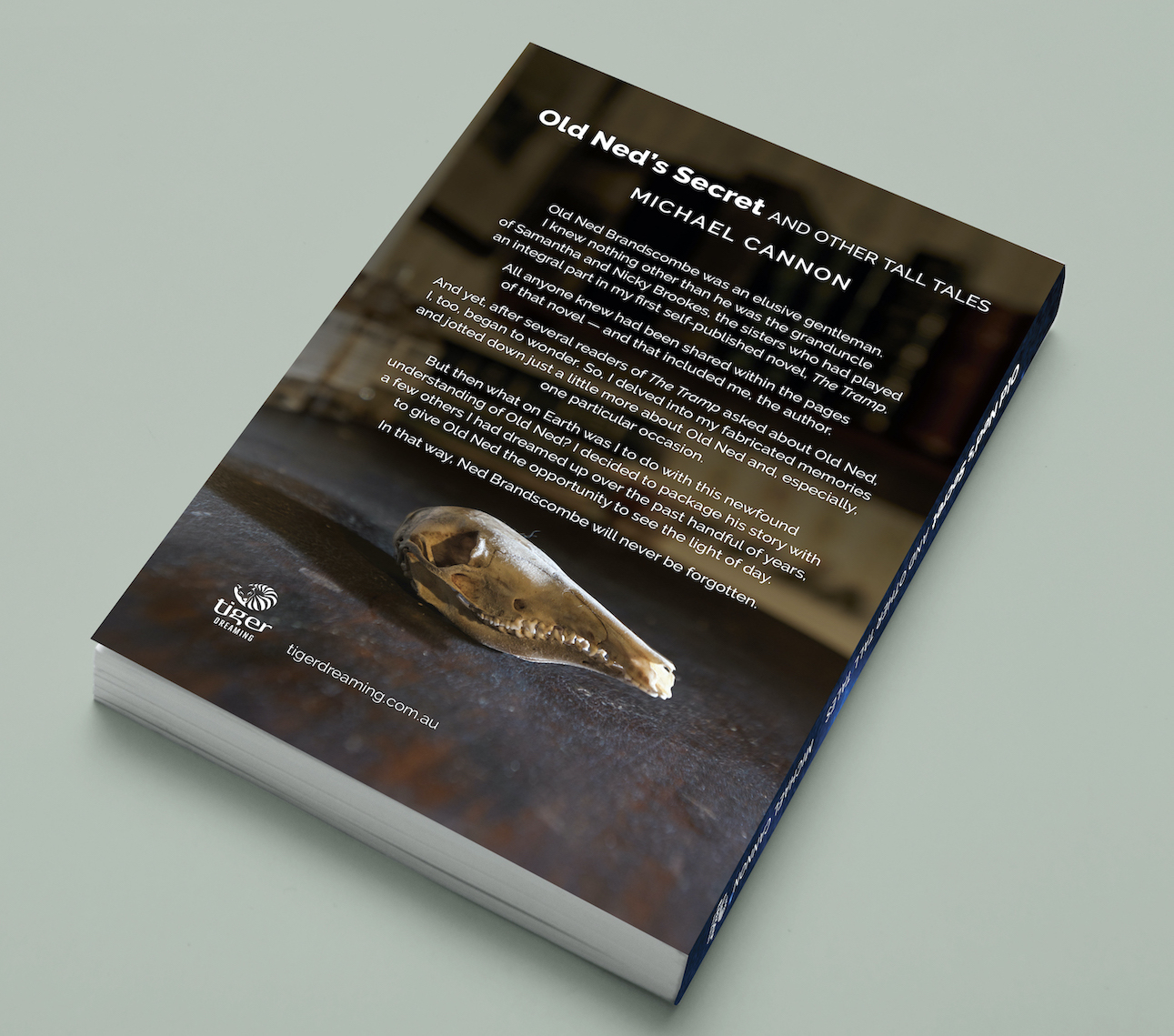
Following the success of his first novel, The Tramp, I am pleased to announce the publication of Michael’s second tome. Those who have read The Tramp will recall the enigmatic (deceased) character, Ned Brandscombe, or Uncle Ned as he was known to Samantha and Nicky. (Those who haven’t read it really should). Old Ned’s Secret turns back the clock to share the moment of revelation of a long held secret to 16 year old Samantha.
A further ten short stories, arising from the fecund imagination of the author, fill the pages between the covers. Each tale, plumbed from the depths of memories, dreams and personal experiences, is a tantalising fusion of suspense and humour. The lyrics of Michael’s musical composition, The Transit of Venus, complete the book with a thought provoking epilogue.
Old Ned’s Secret: AND OTHER TALL TALES is available in paperback or Kindle through Amazon in your country.
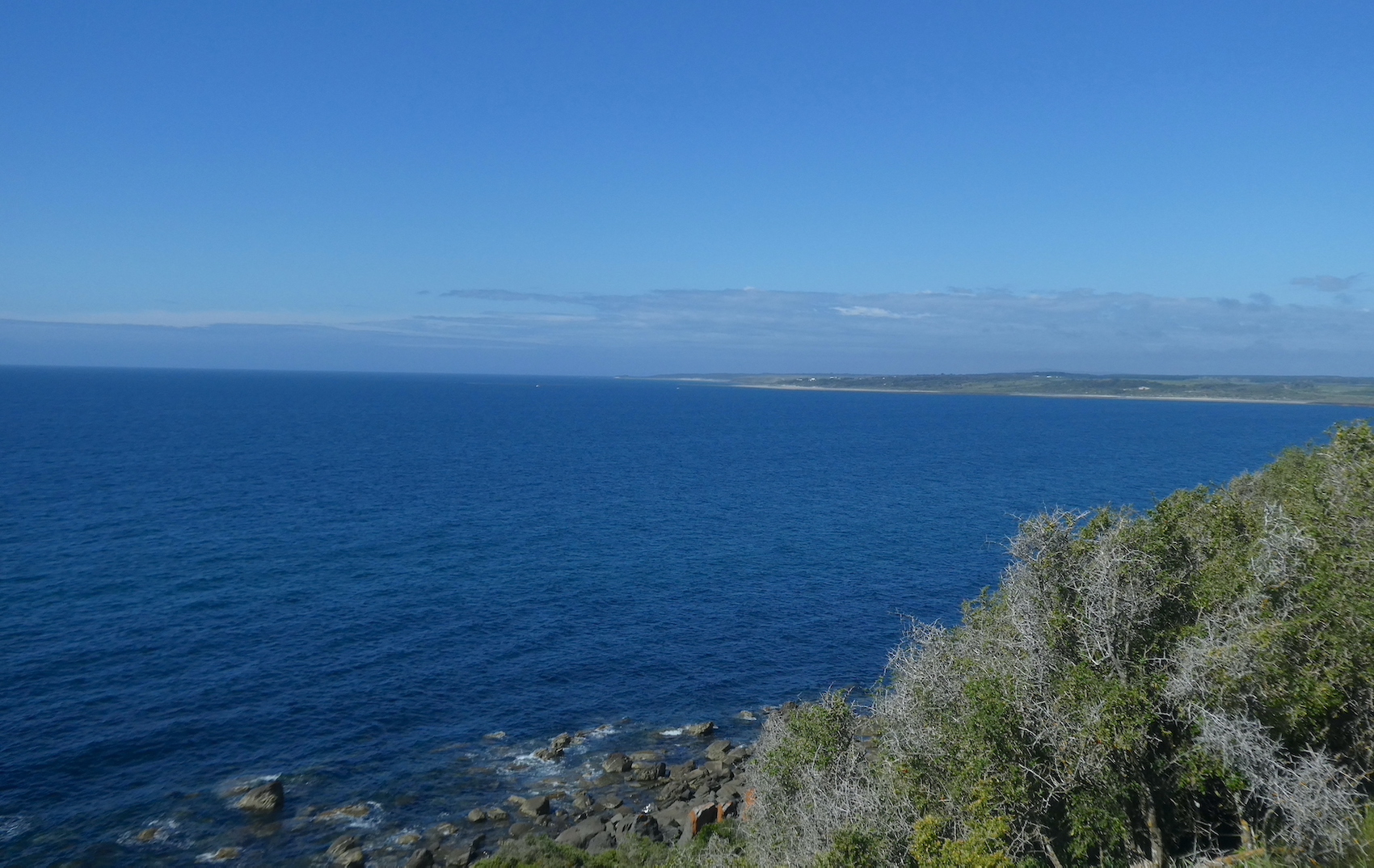
There are so many beautiful places to visit along the Tamar River, and a scenic forty minute drive from Launceston, the most sublime can be found as the waters empty into Bass Strait. It is impossible to feel anything other than calm when arriving at Low Head, surrounded by the blues and greens that only nature can bestow. This fabulous old Queenslander can be rented as holiday accommodation, with a view like that I don’t think I would ever want to leave.
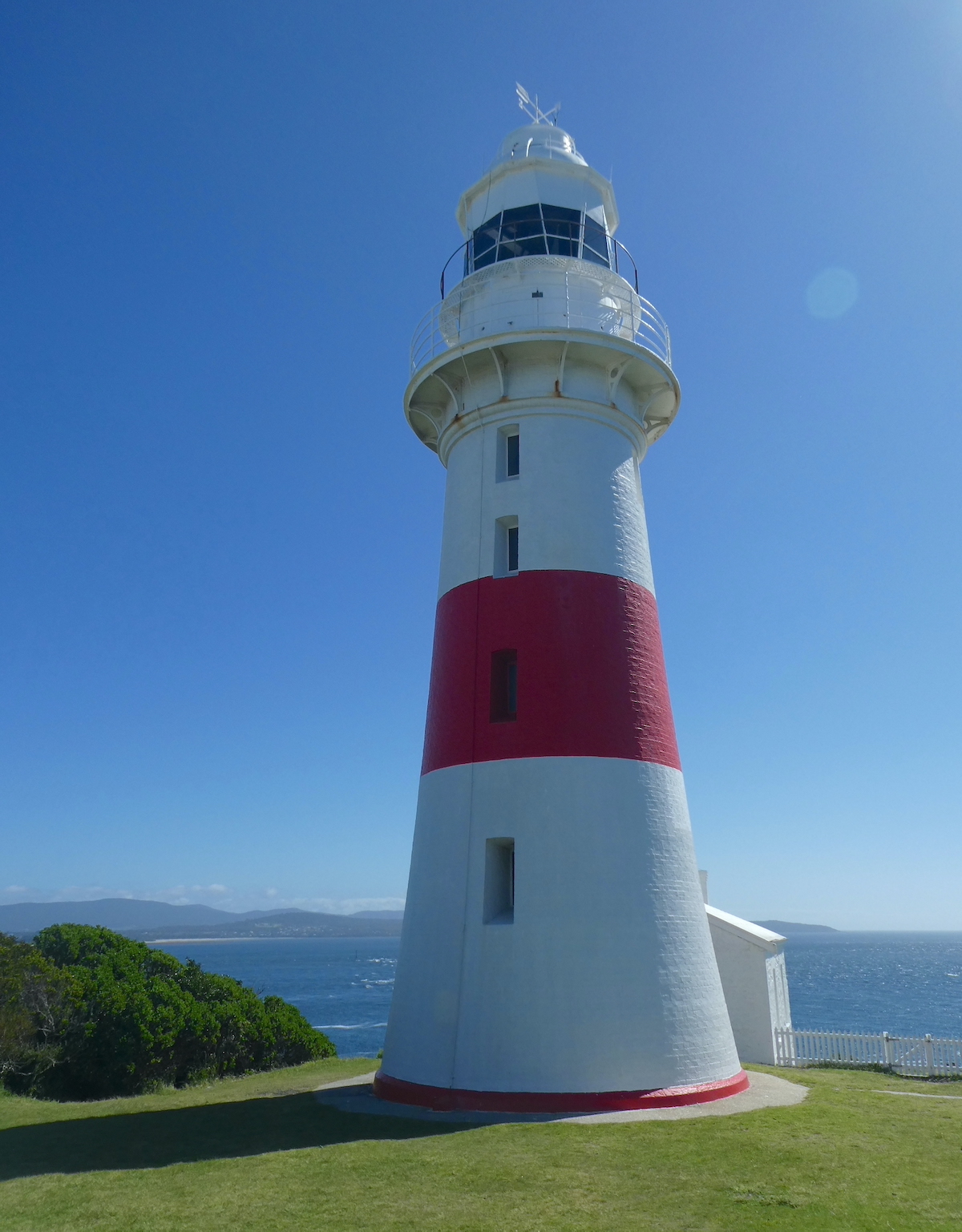
In 1798, explorers George Bass and Matthew Flinders circumnavigated Tasmania in their vessel, Norfolk and proved the existence of a strait separating the island from Australia (apparently, it took a long time to dig that ditch). With much difficulty, they located the mouth of the Tamar River and made landfall seven kilometres up river at Port Dalrymple, now called Georgetown. Ten years later, the crew of Hebe found the entrance more than ‘difficult’ and came to grief on the treacherous reef, the first of nine shipwrecks to come. Consequently, convict labour set to work to construct Tasmania’s second (Australia’s third) lighthouse from local rubble with a coat of stucco to help with durability and a lantern room built of timber.
First lit in December 1833, the structure slowly deteriorated and was replaced in 1888 with the double brick version still standing today. Originally painted solid white, the red band was added in 1926 to improve visibility during daylight.
The initial four-roomed lighthouse keeper’s quarters were attached to the base of the tower, as seen in this illustration that is exhibited at the site.
A new Head Keeper’s quarters was built in 1890 (now available as holiday rental) and an Assistant Keeper’s quarters followed in 1916.
Tasmania’s only foghorn was installed at Low Head in 1929. For those who might understand, it is one of the largest Type G diaphones ever constructed and is one of only two of the type functioning in the world today. Decommissioned in 1973, it was restored by a group of volunteers and became operational again in April 2001.
The foghorn is sounded at noon each Sunday and can be heard up to thirty kilometres out to sea.
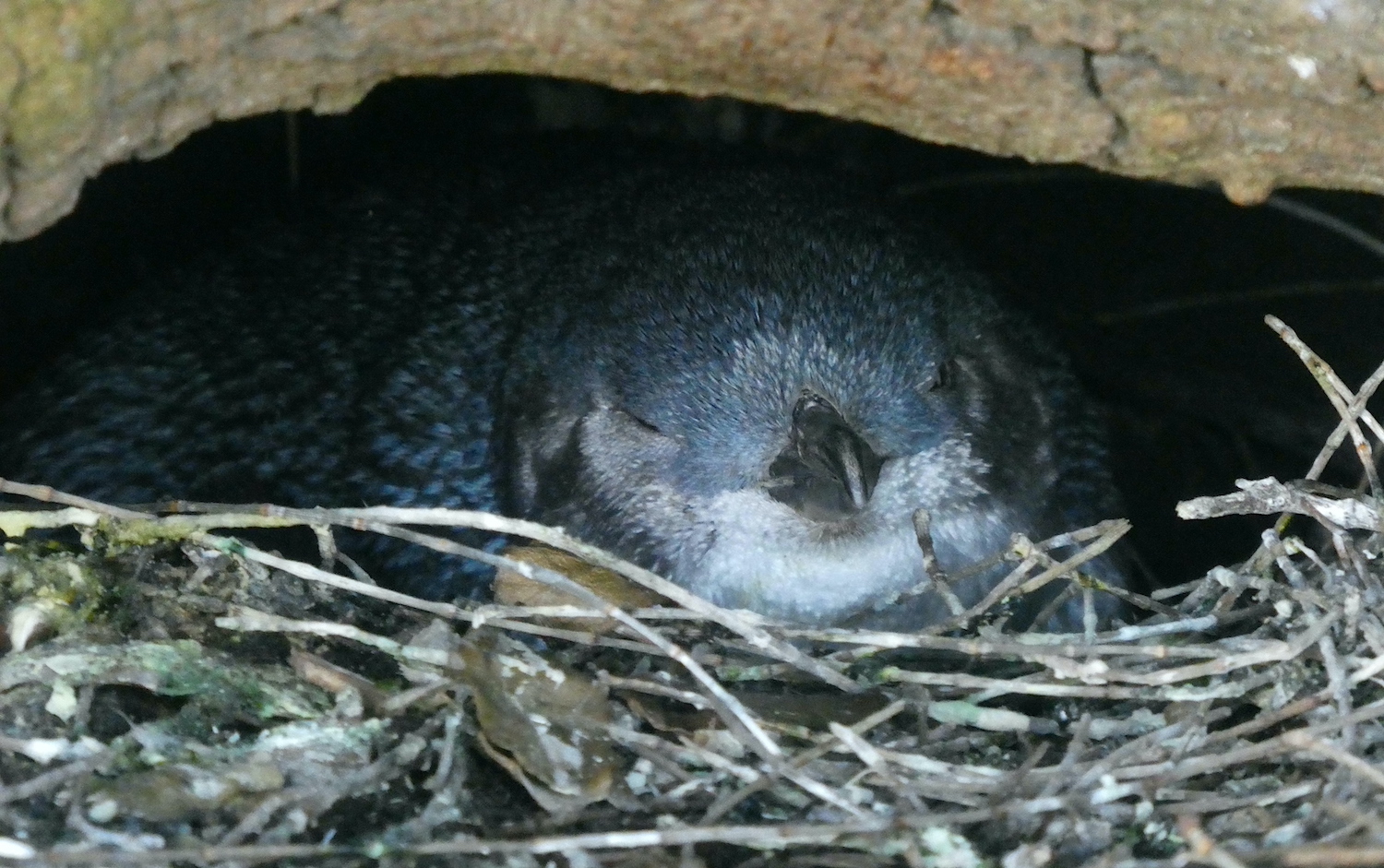
The area around the lighthouse encompasses Low Head Coastal Reserve, home to little penguins, the smallest of all penguin species. Also known as fairy penguins, they are the only species of penguin that are dark blue and white rather than black and white. The Penguin Tour experience sees them waddling back to their burrows after a day in the sea under cover of darkness. We were fortunate to spy this lovely creature settled on the nest, apparently accustomed to human presence.
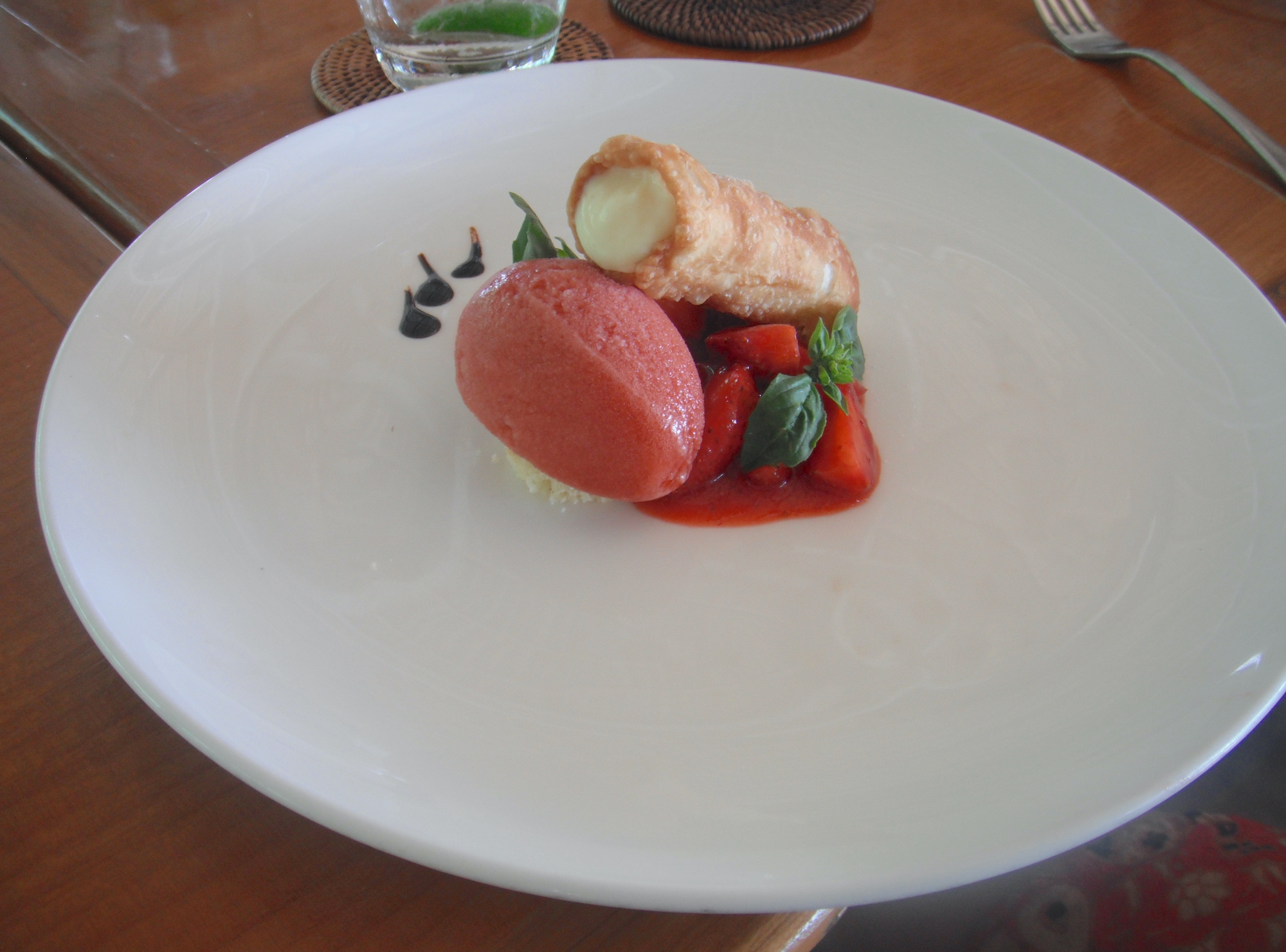
Many of us have the suspicion that we have a separate stomach specifically for the ingestion of dessert. No matter how much we have gorged ourselves on scrumptious savoury fare, we are still tempted to finish with a mouth-watering morsel. I am very happy to report that the presence of a ‘dessert stomach’ is actually a scientific fact, and it’s all because of something called sensory-specific satiety. Dr. Barbara Rolls, a professor of nutritional sciences at Penn State University in the U.S., has been studying this phenomenon since the 1980s. Simply put, the more we eat of something, the less we enjoy it and we have the perception that we are full. However, we have only lost our appetite for that particular food and the offer of something different is far more appealing. The theory is, this is an evolutionary tactic to ensure a healthy, varied diet. My extensive research to date has certainly supported this premise but I think it will be ongoing indefinitely.
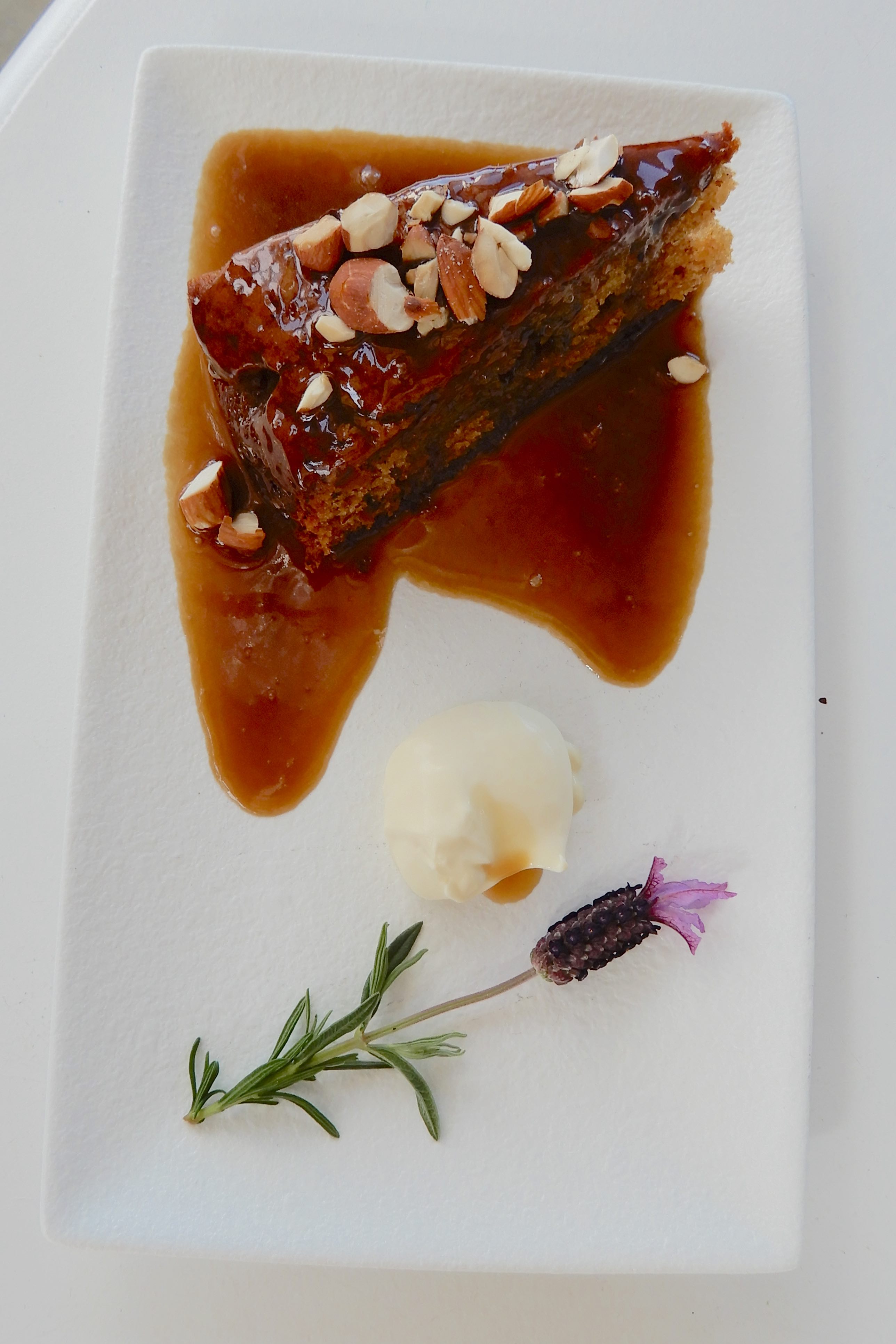
There is something comforting about a sticky pudding or slice of warm cake to finish a meal, perhaps it reminds us of a simpler time when we were cocooned in the family home.
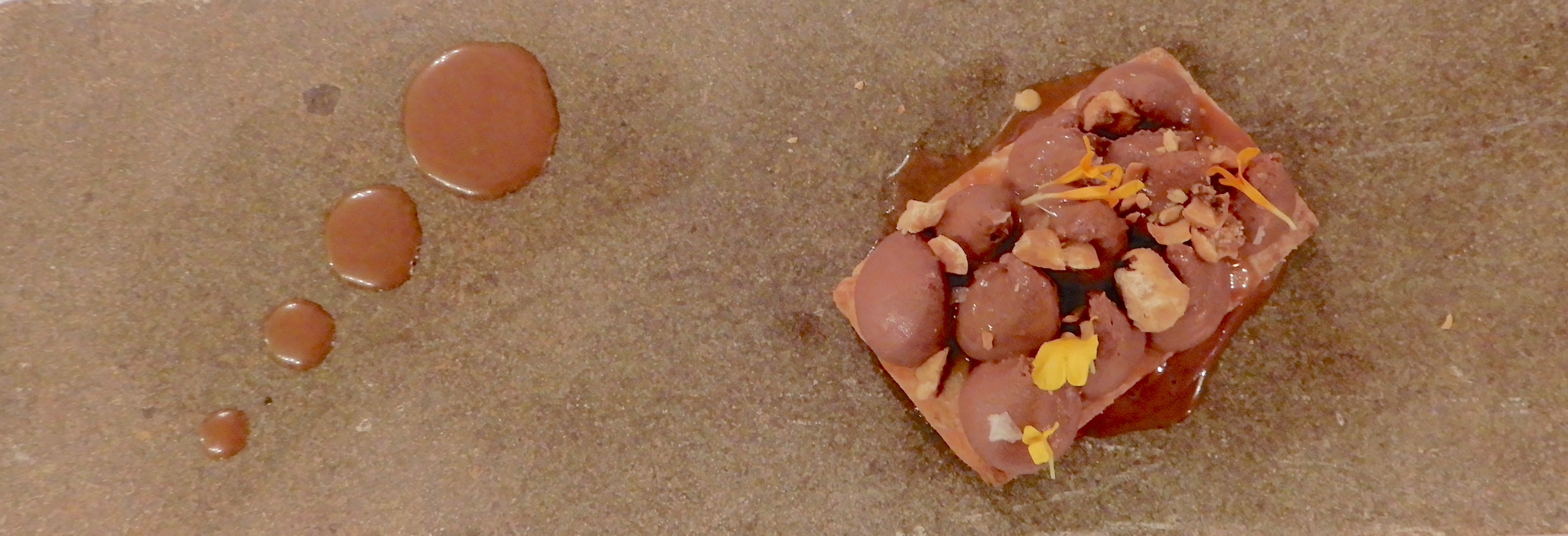
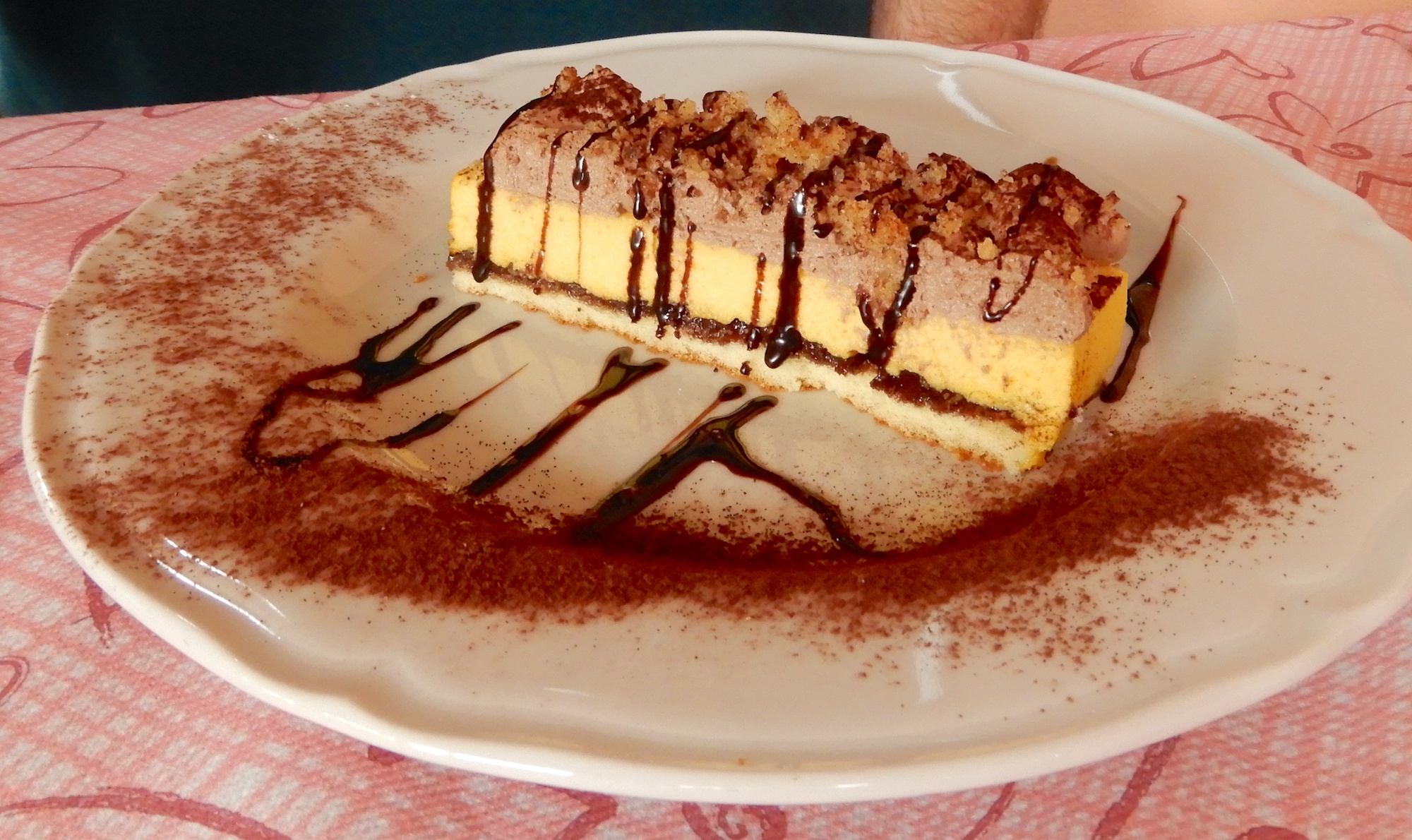
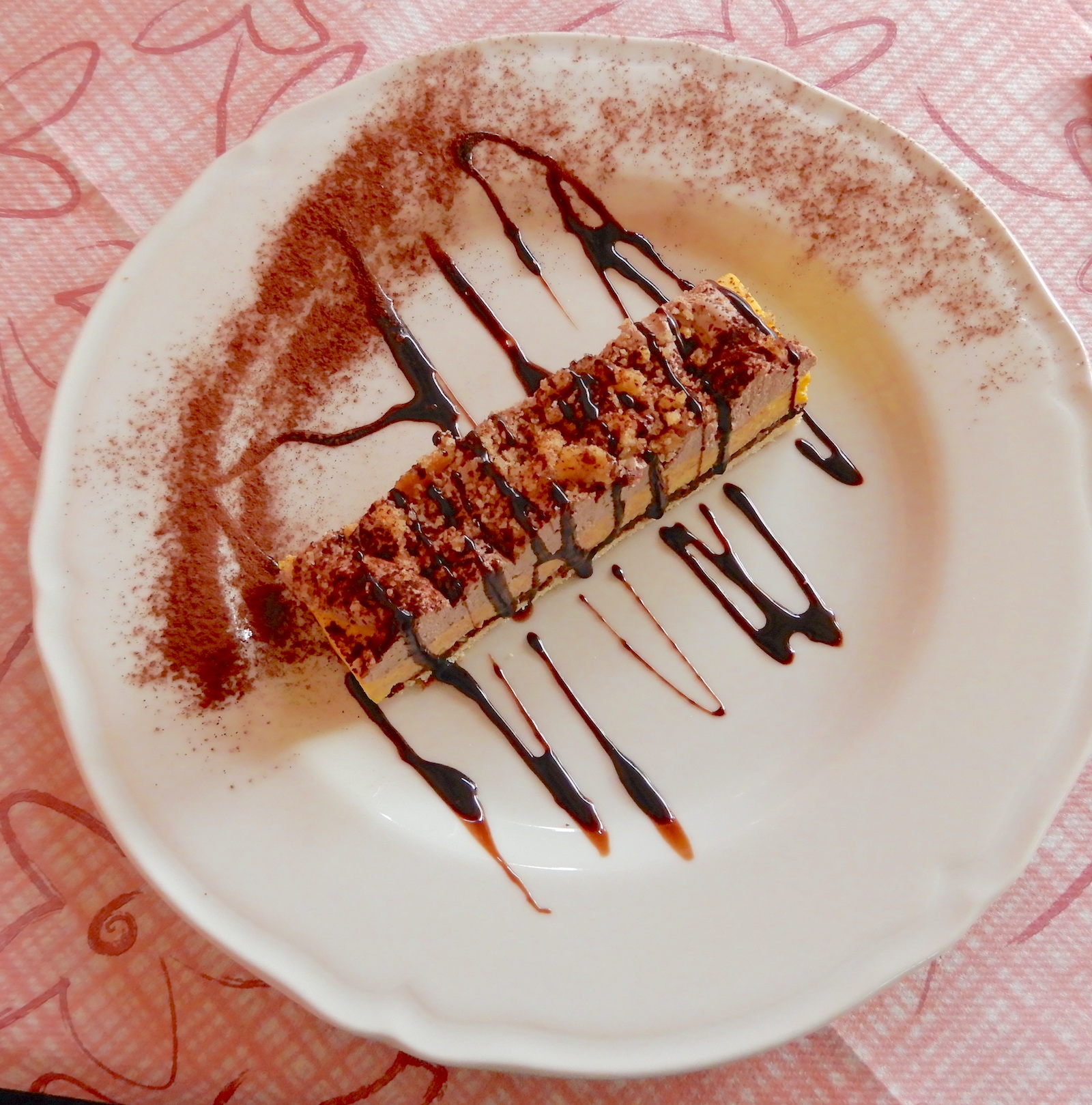
There is one word we all associate with dessert – chocolate. The health benefits of chocolate have been proven beyond doubt; antioxidants lower cholesterol, flavanols lower blood pressure and help reduce memory loss and (best of all) it contains phenylethylamine, a natural antidepressant. Of course, the amazing taste and versatility make for wondrous opportunities.
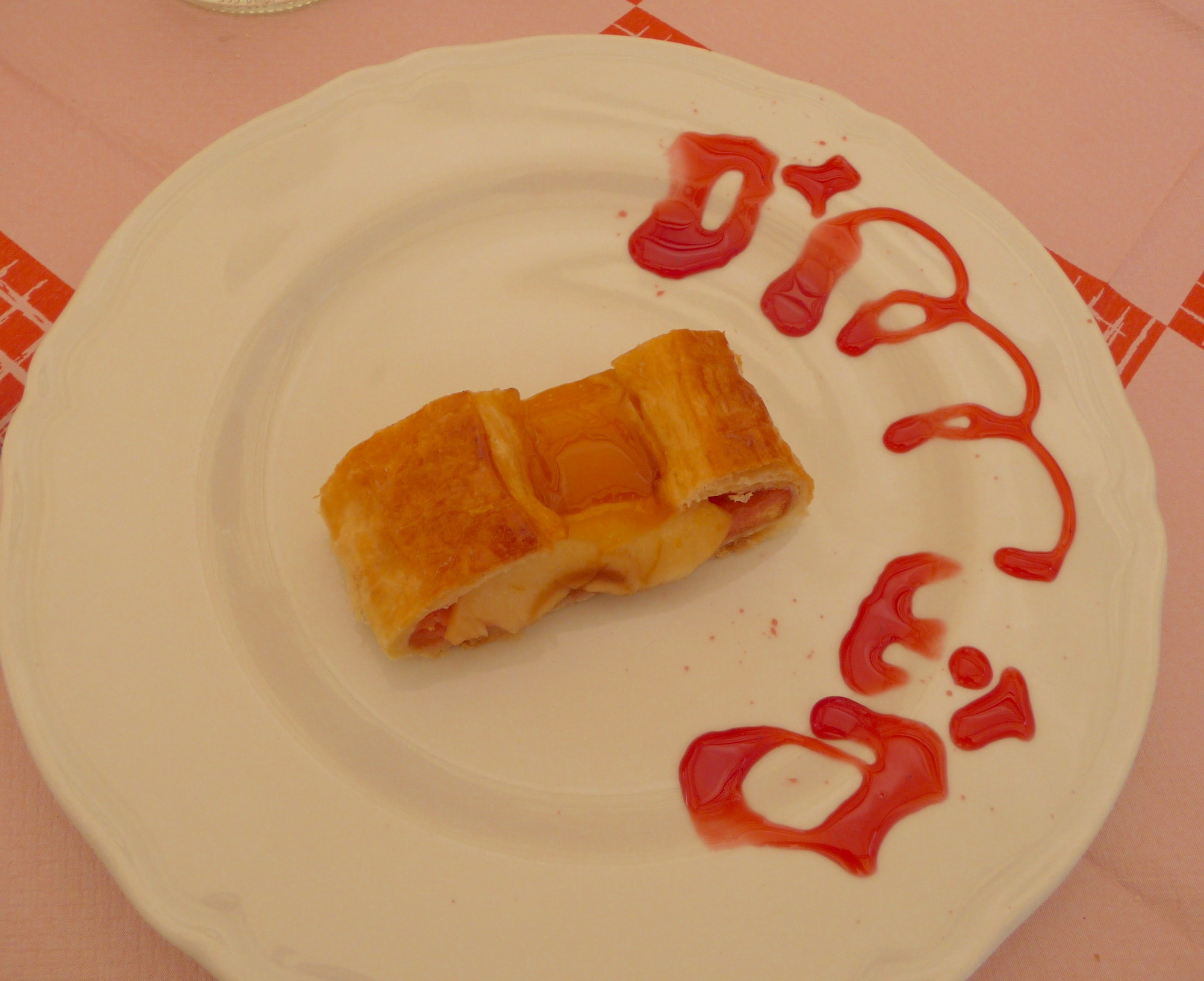
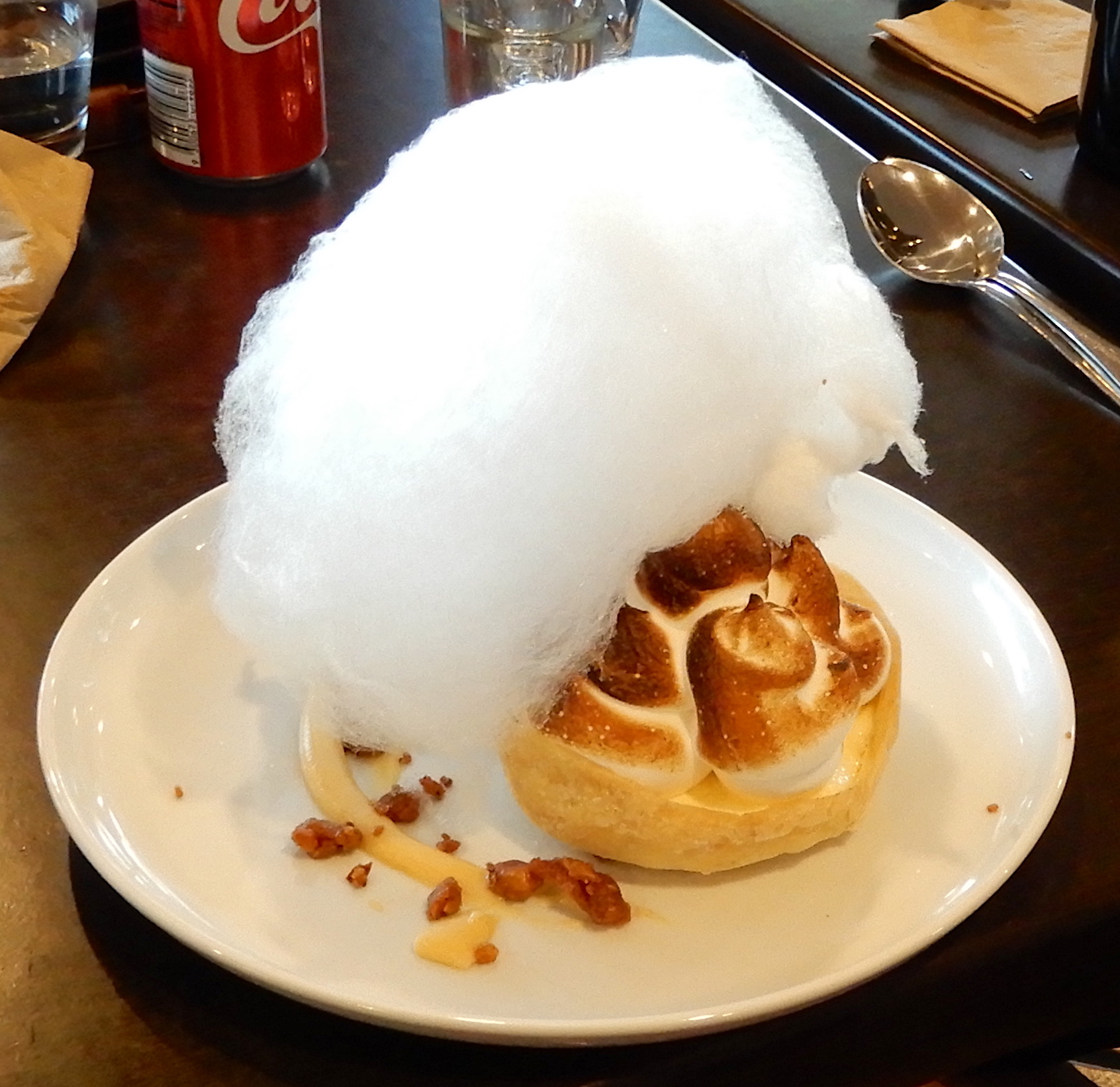
Tarts are thought to have evolved from medieval pie making. I have had a penchant for custard tarts for as long as I can remember but am always happy to indulge in anything encased in pastry.
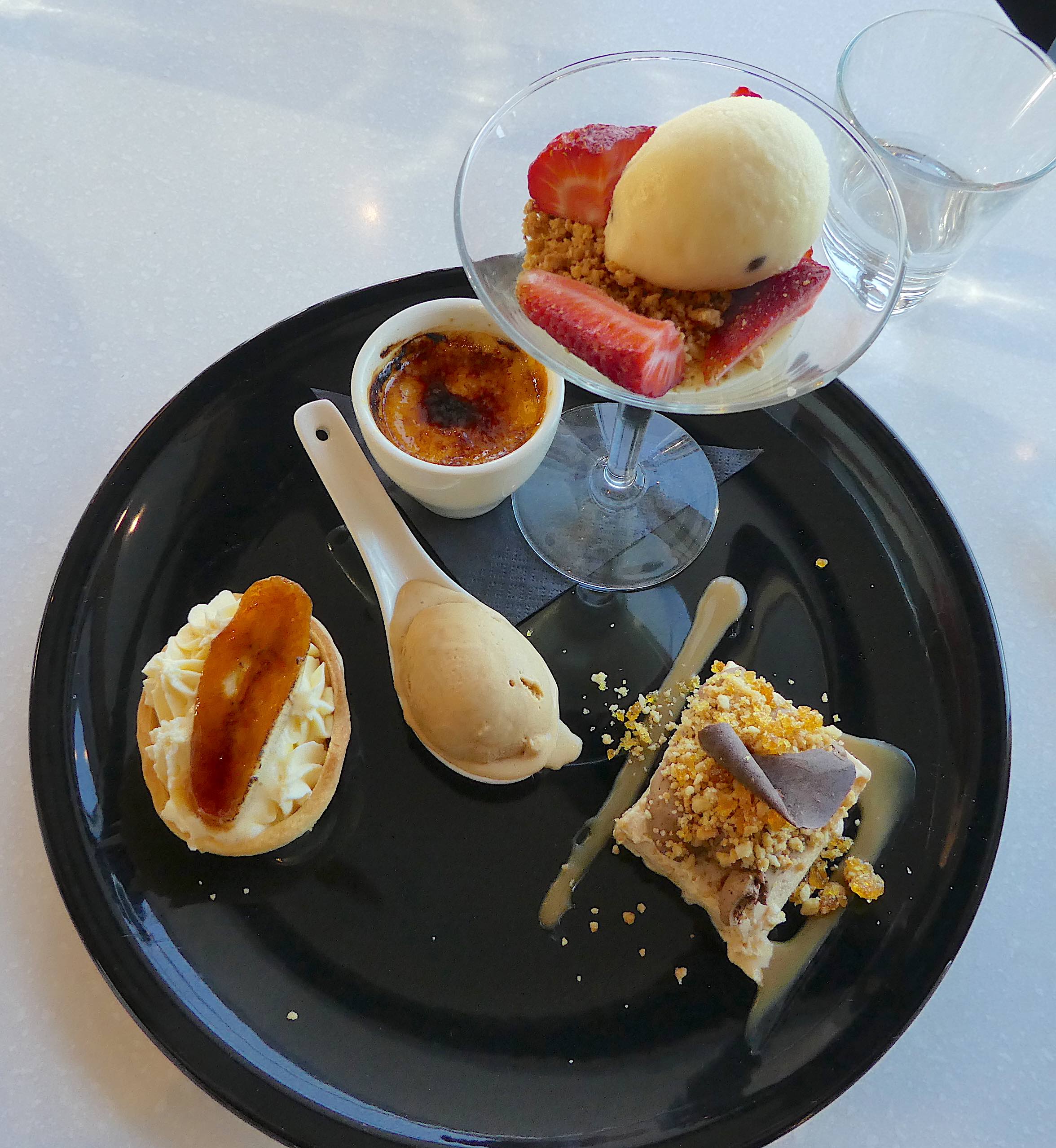
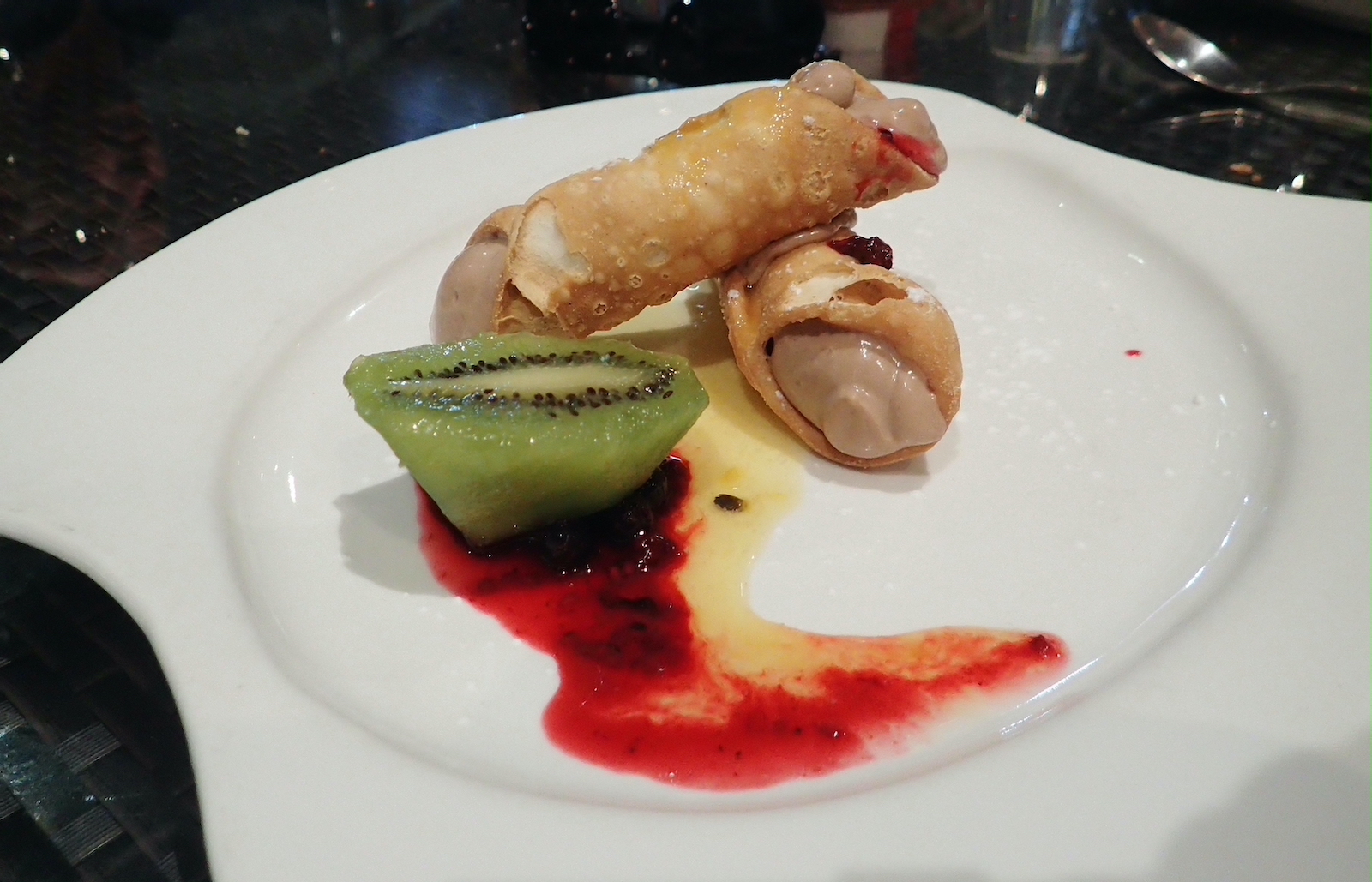
When it is difficult to choose from the array of enticing offerings on the dessert menu, what better option than a taste of everything?
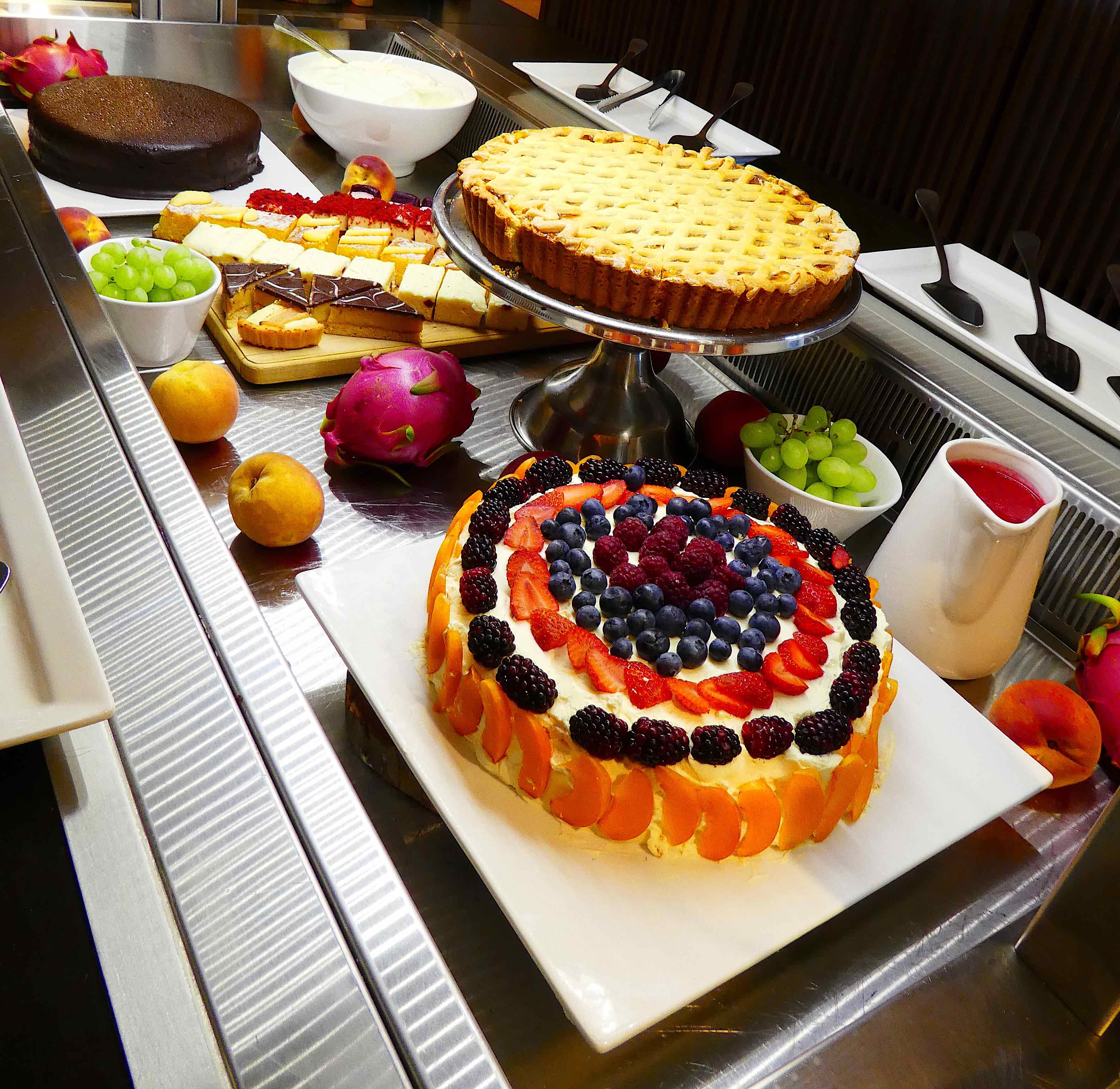
I’ve never been a fan of buffet style dining but I can make an exception when it comes to dessert.
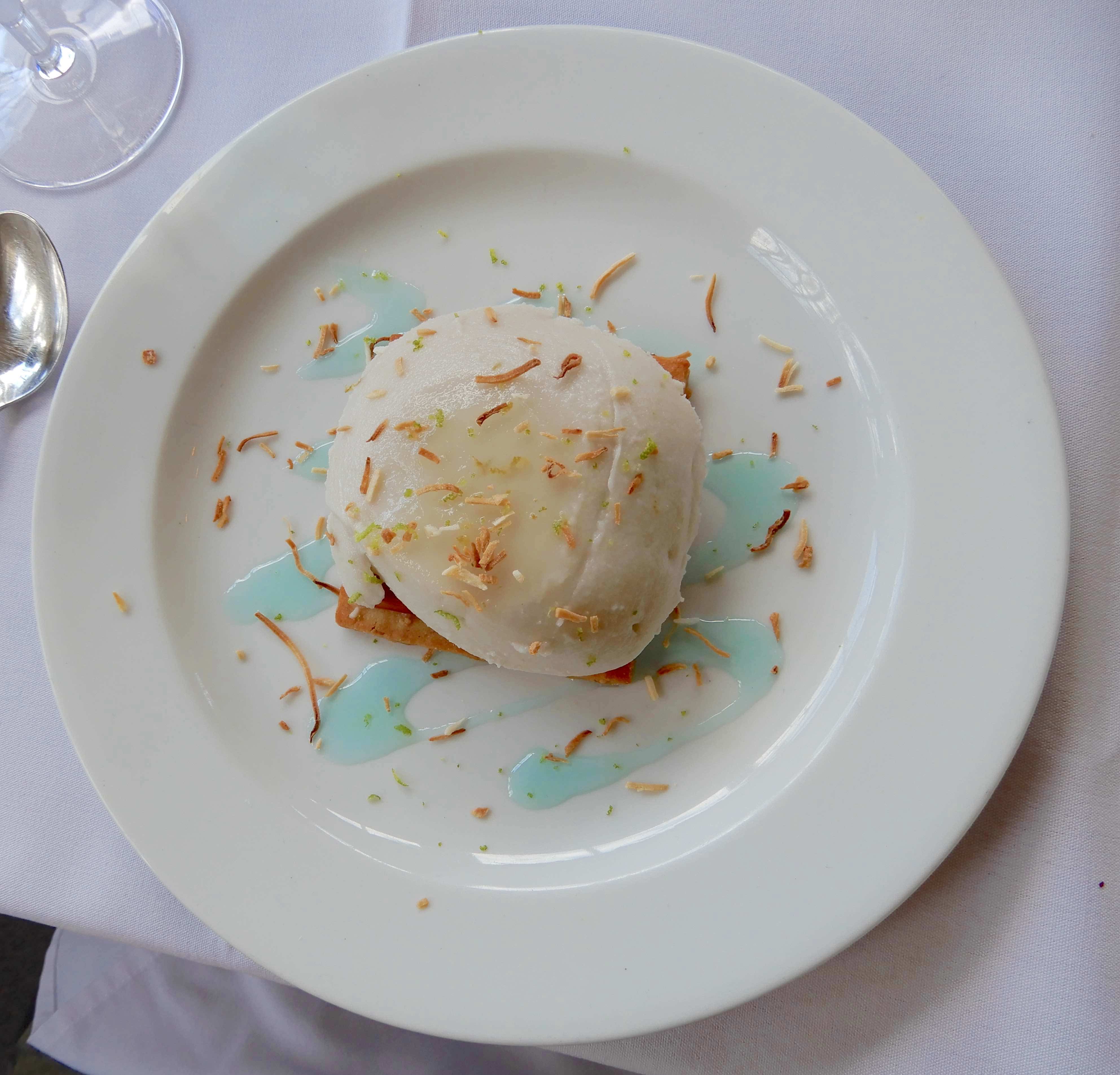
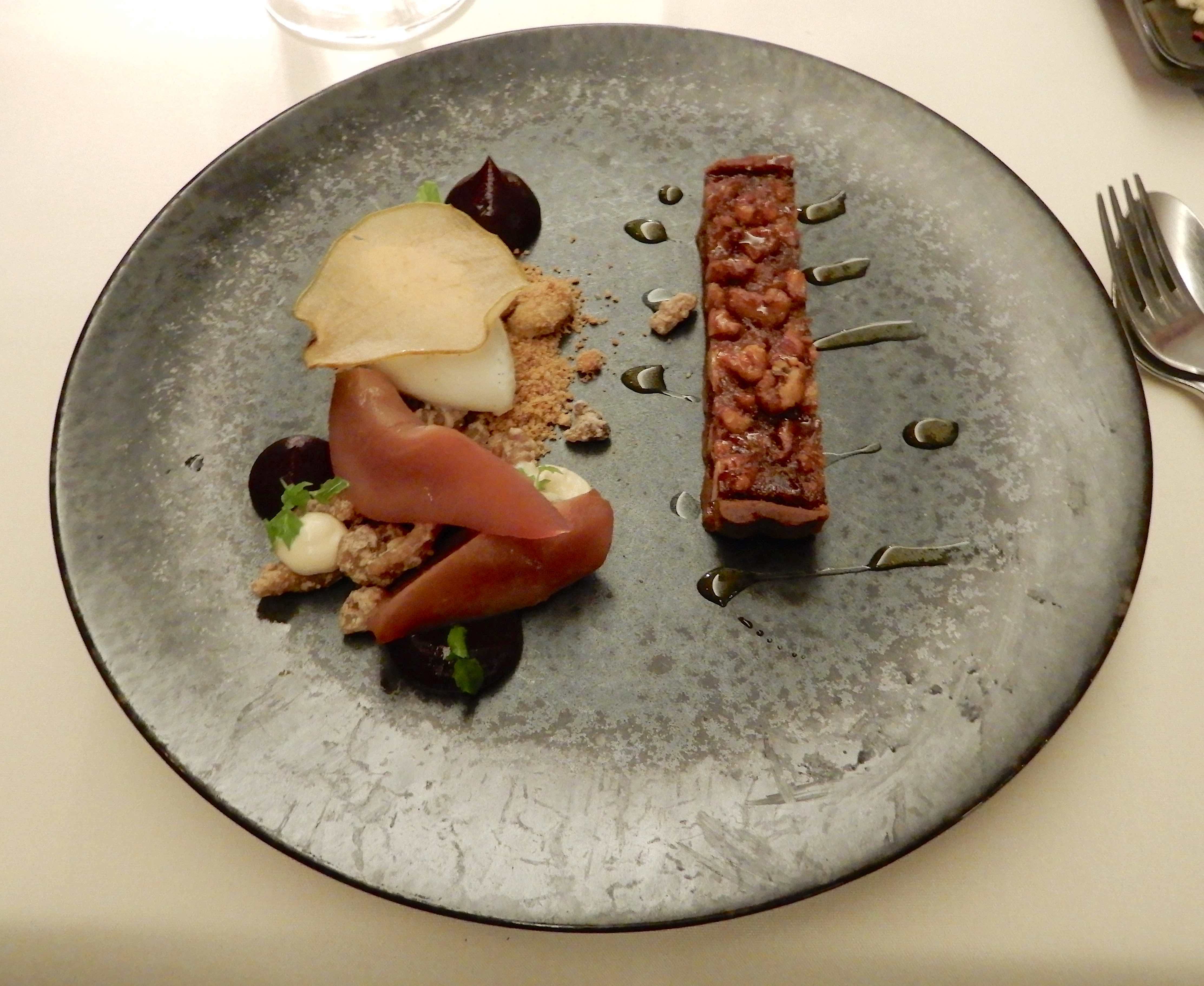
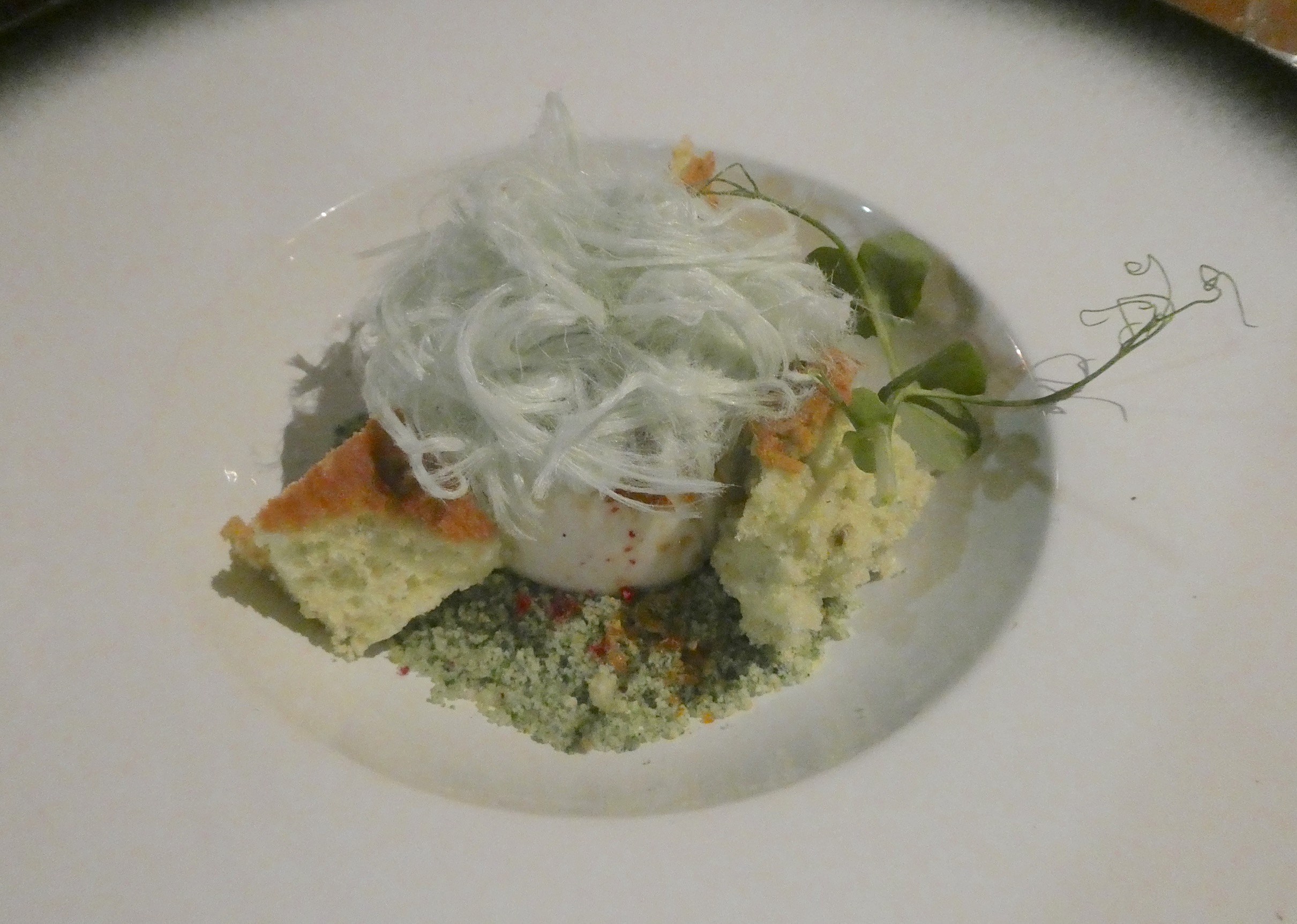
On the odd occasion where we are not sure whether we should have ordered dessert, the colourful presentation on the plate before us soon piques our interest.
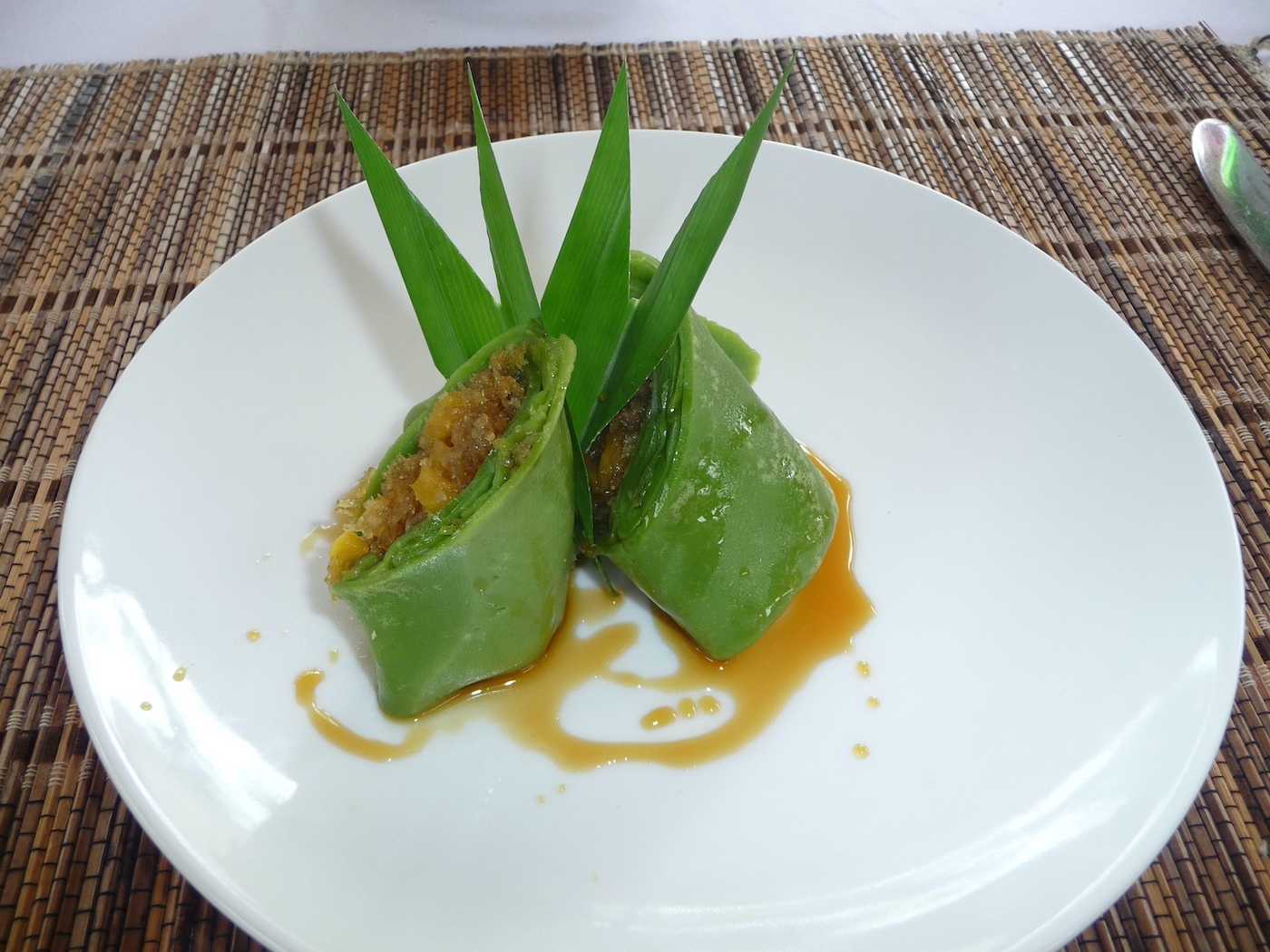
Some are nothing short of spectacular.
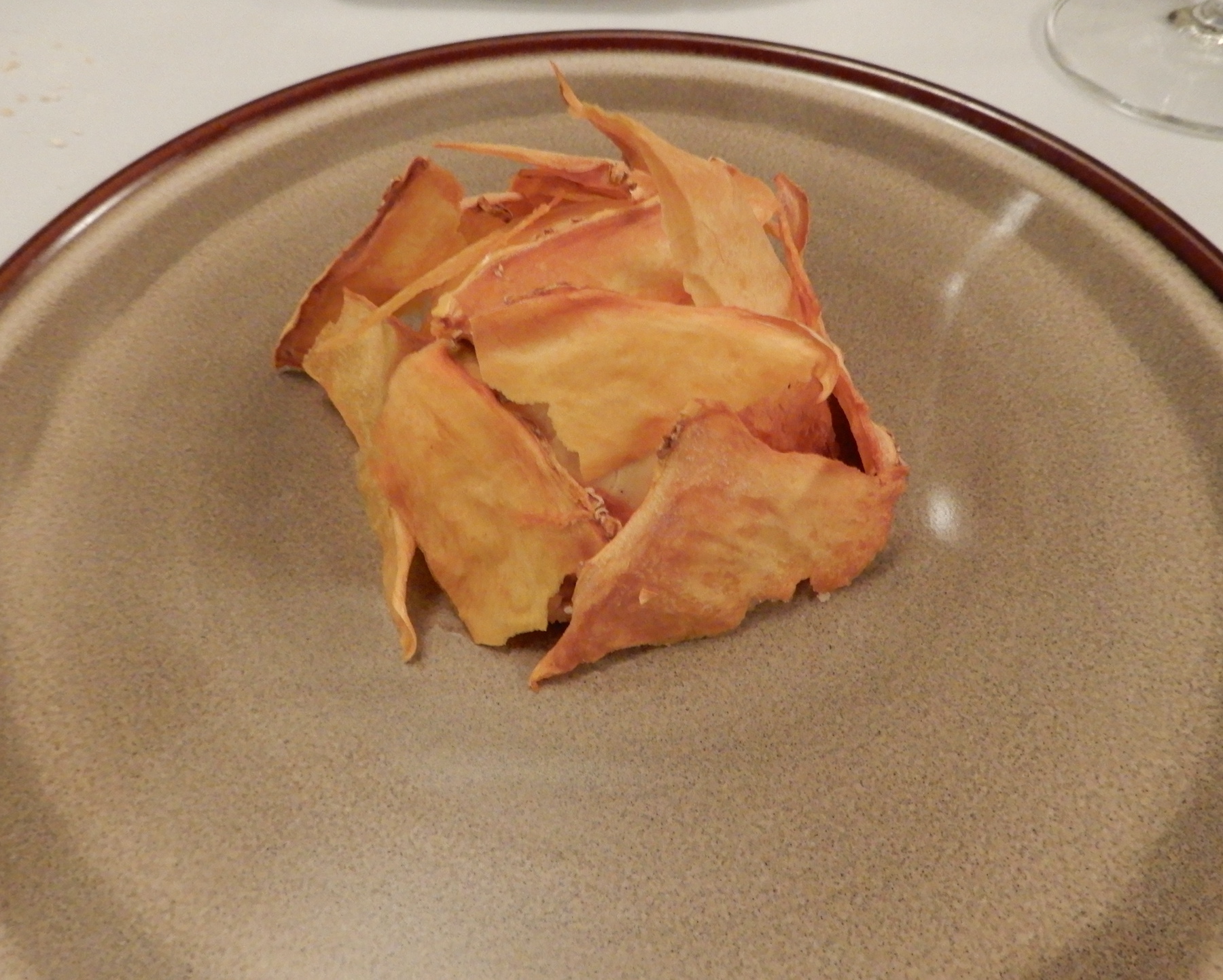
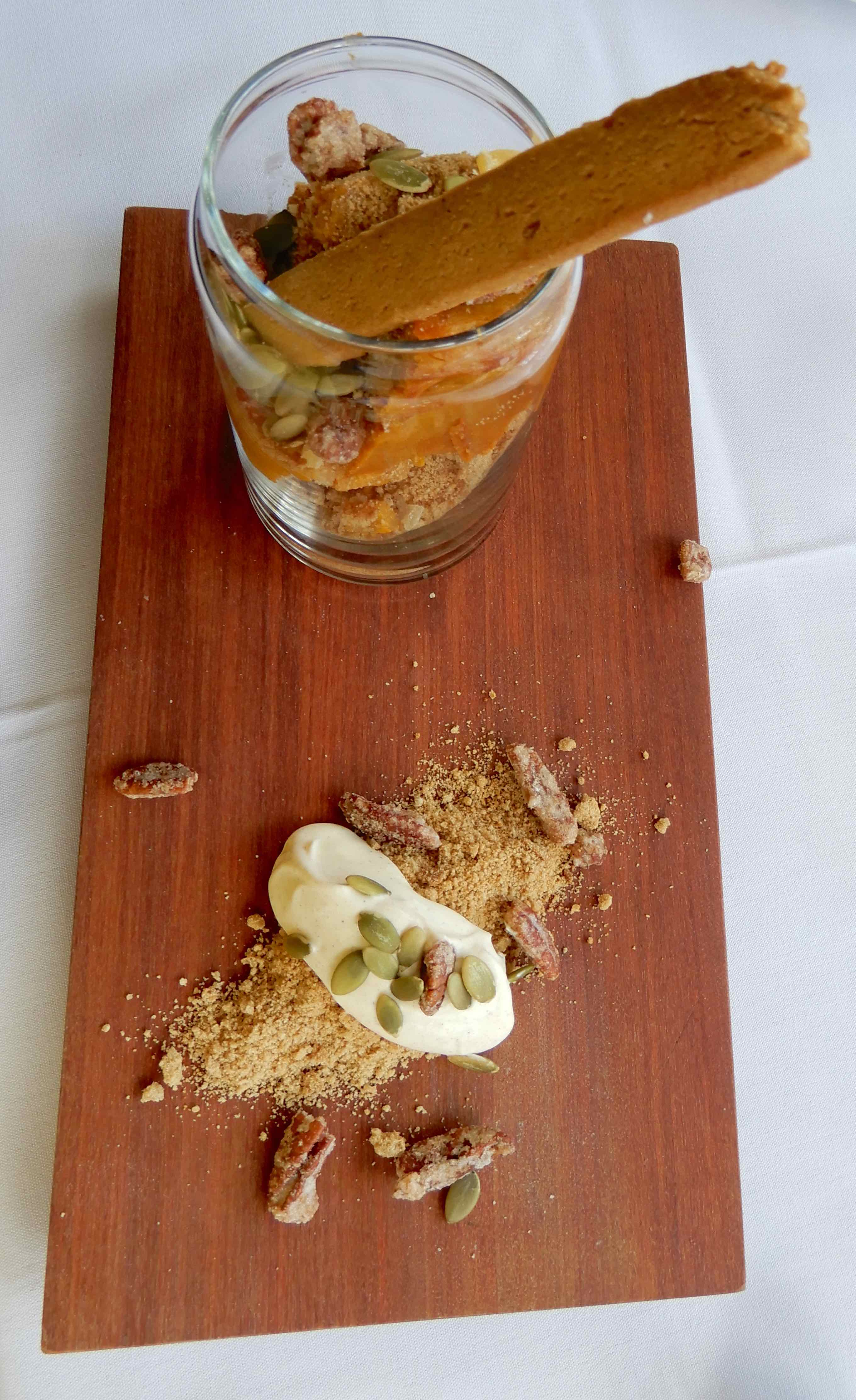
I do wonder what kitchen disaster led to the concept of deconstructed pumpkin pie,
and the brilliant mind that came up with the idea of dessert pizza.
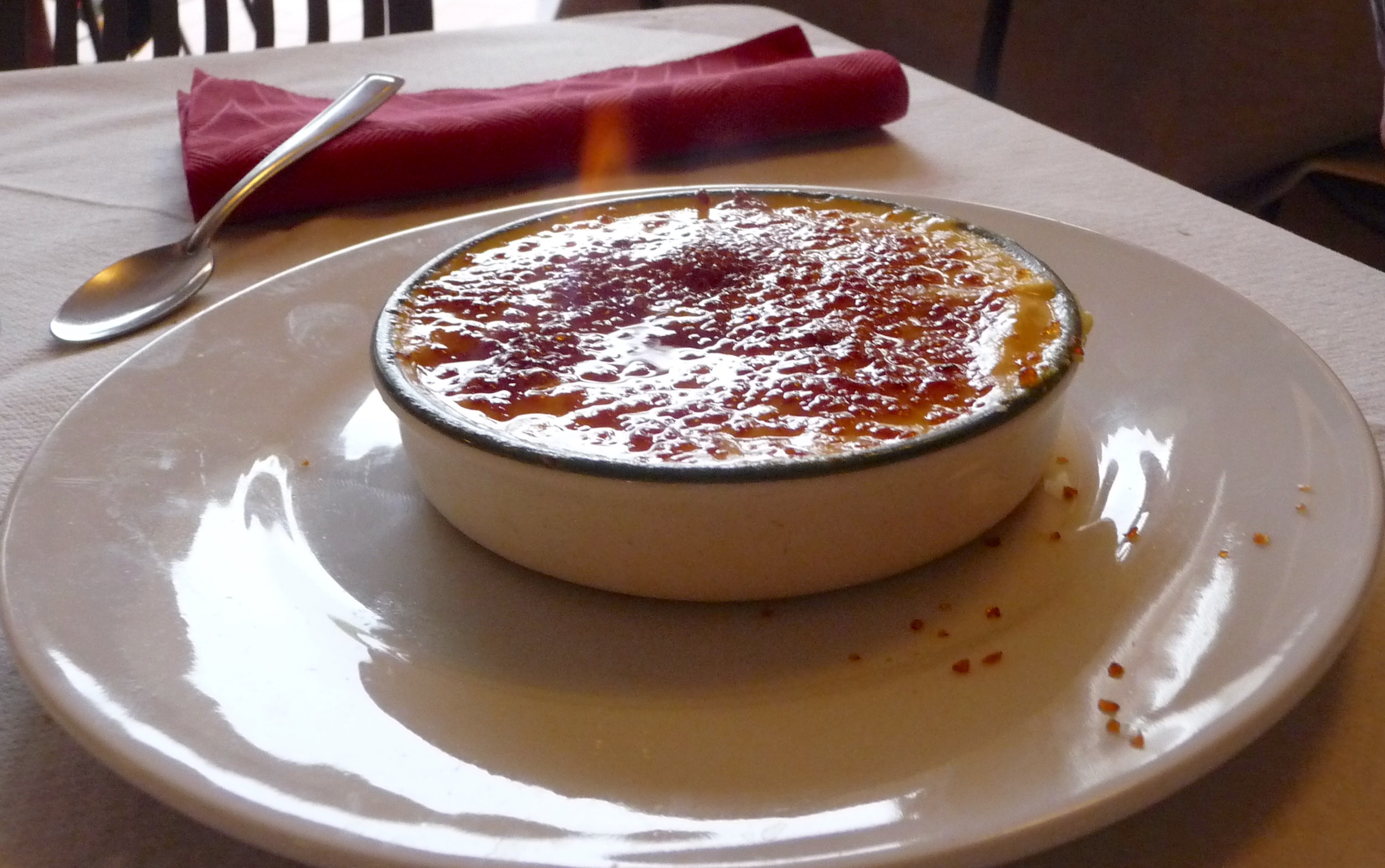
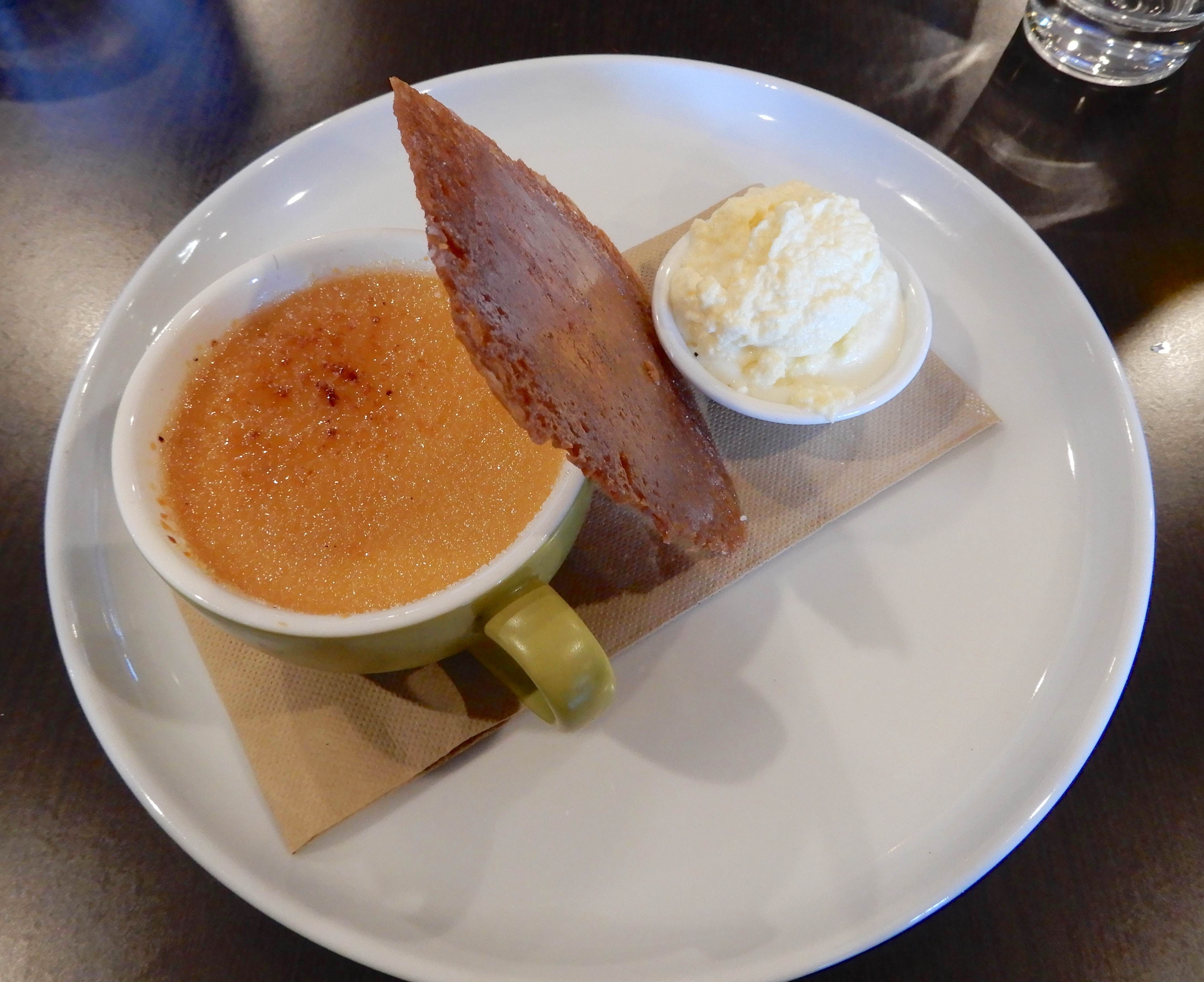
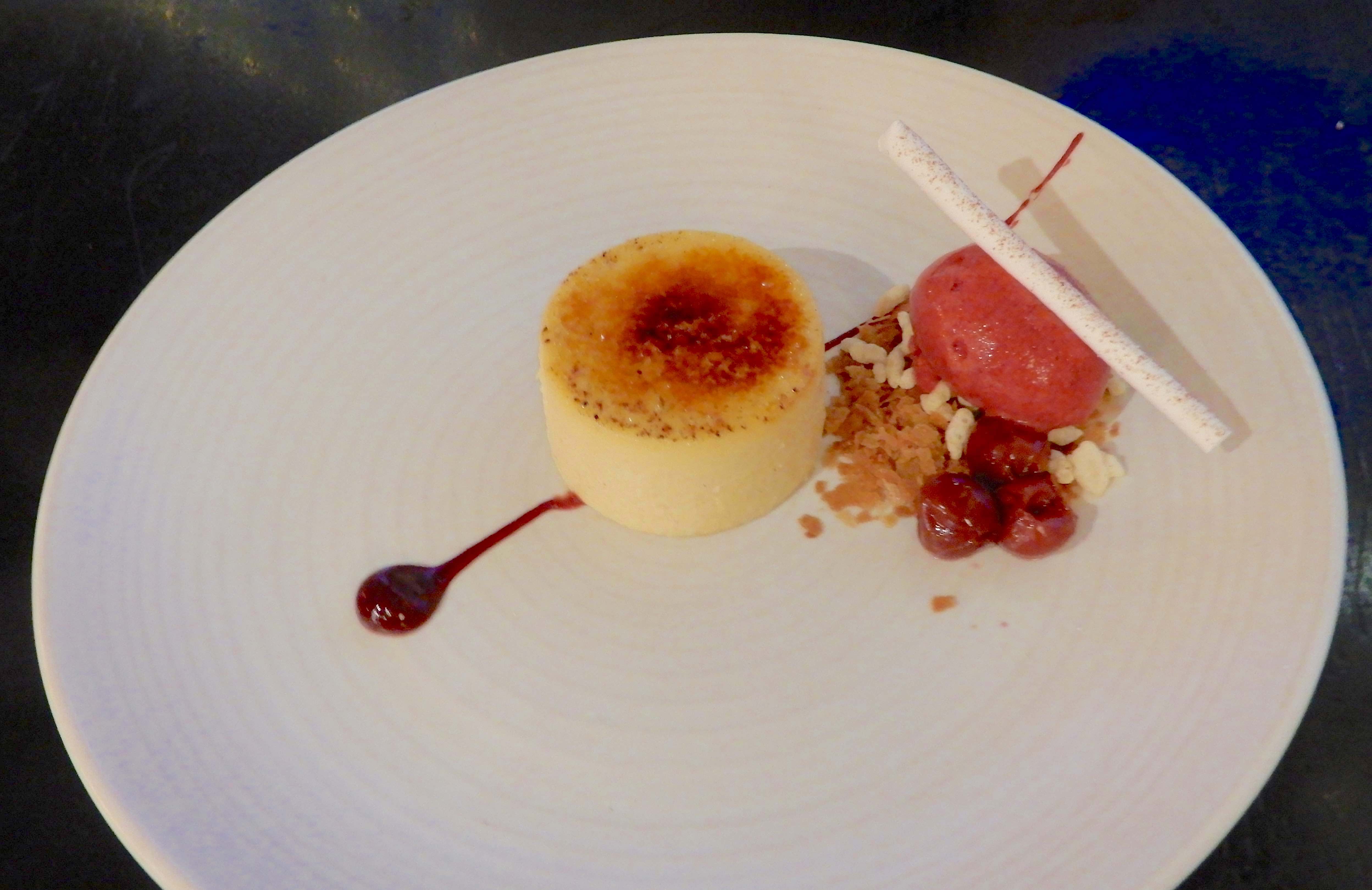
I think it is important to scan the dessert menu before deciding on savoury options and there is one tempter I can never pass up – crème brûlée. The first recorded recipe was in a French cookbook, ‘Le Cuisinier Royal Et Bourgeois’, written in 1691 by François Massialot, a chef in the kitchen of the Duke of Orléans. Back then, a red hot iron poker was used to caramelize the sugar on top. I have sampled this divine dessert across the globe and have yet to be disappointed. My research must continue.
I don’t know who uttered these words of wisdom but I wholeheartedly agree,
“No matter how much I eat, there is always room for dessert. Dessert doesn’t go to the stomach. Dessert goes to the heart.”
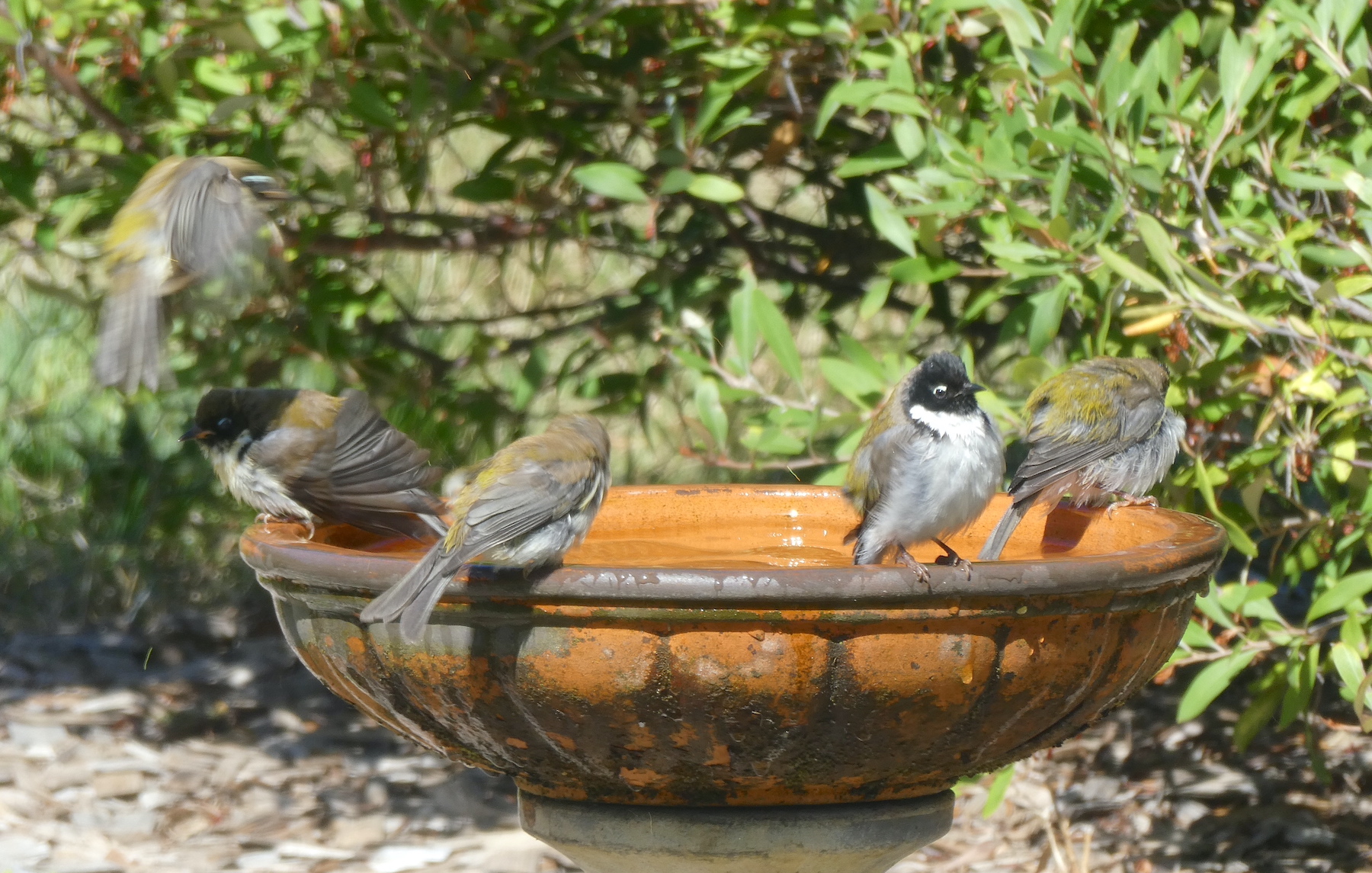
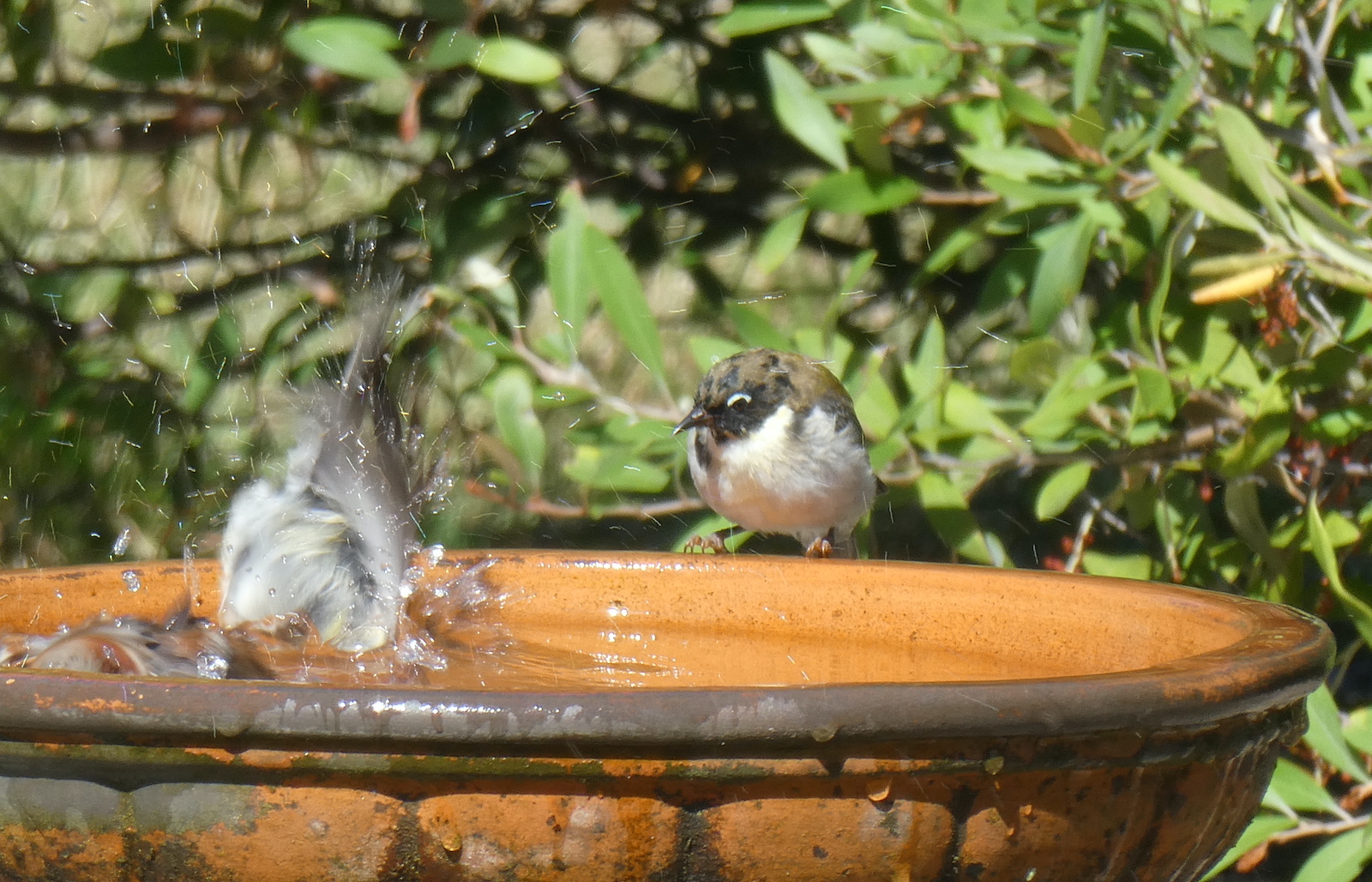
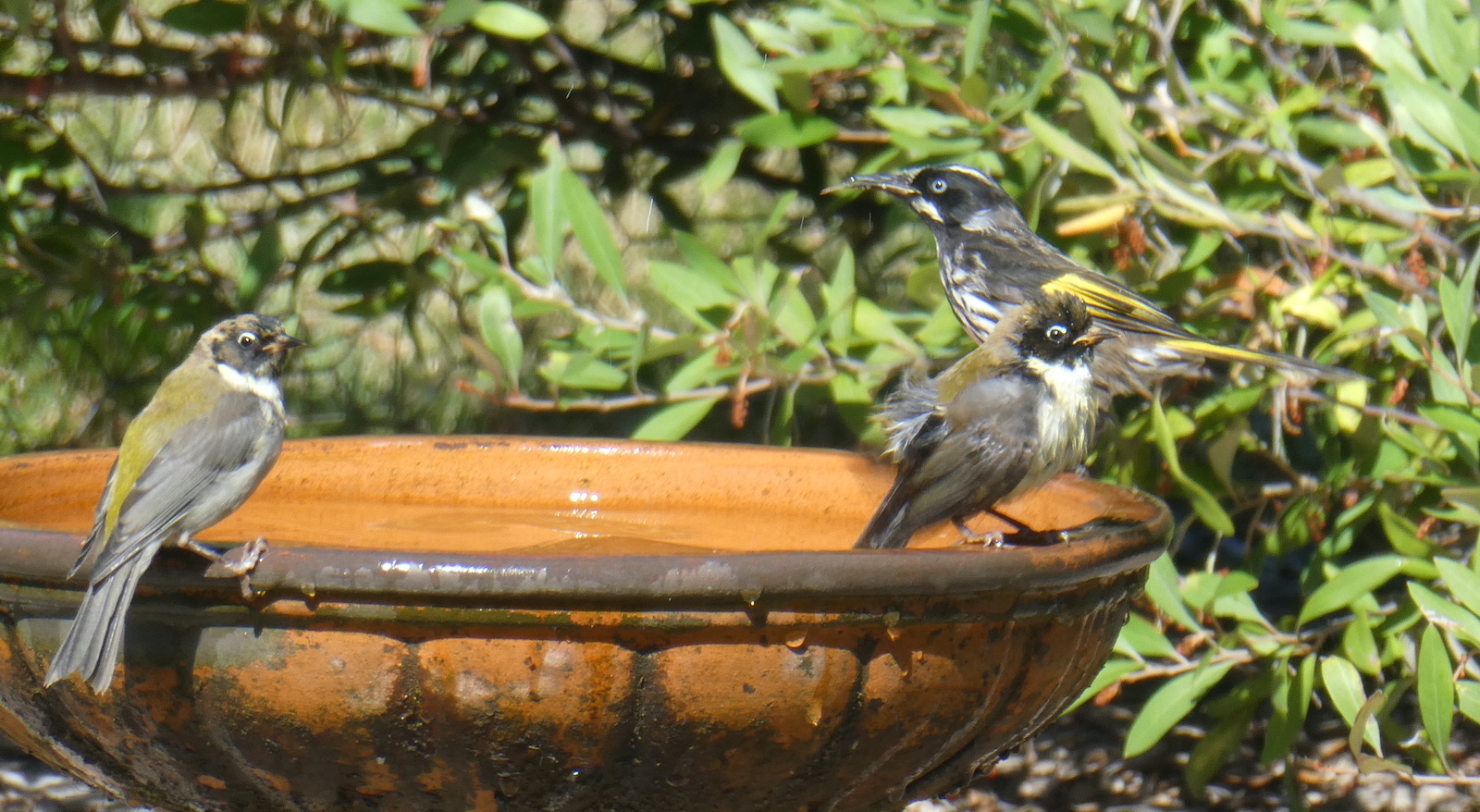
We have had the most stupendous summer here in northwest Tasmania – long, hot, sunny days stretching into warm evenings with not a breath of breeze. It will all come to an end in the next few weeks and we will be stoking the fire and donning coat, scarf, hat and gloves to venture outside. There has been a preponderance of birdlife this season, perhaps due to the absence of our usual resident tiger snake. I could spend hours watching the antics of these wonderful creatures making good use of our many birdbaths. The Black-headed Honeyeater is endemic to Tasmania and is a very sociable sort. The youngsters have a brown head and bill, looks like this was a family outing.
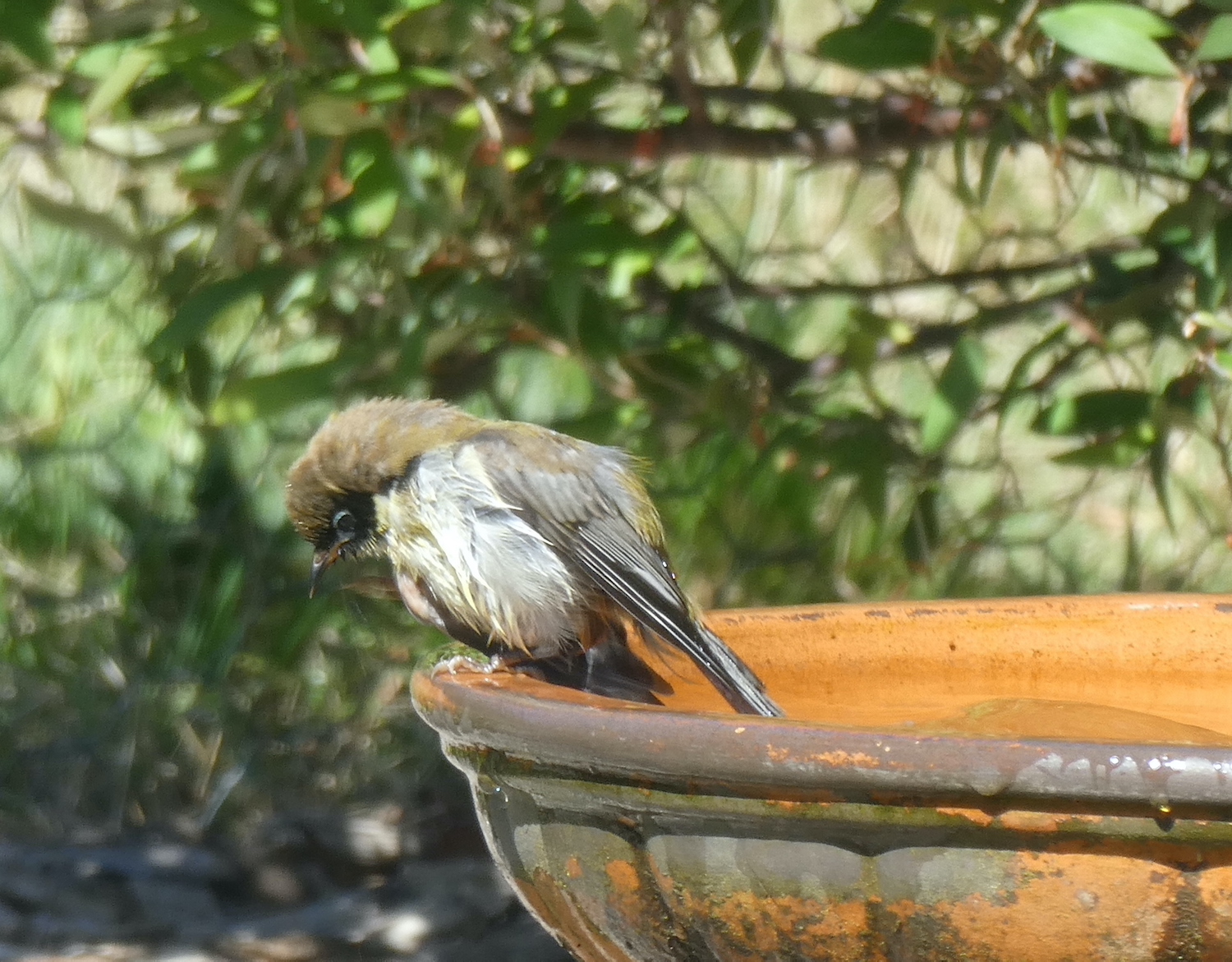
An Eastern Spinebill arrives but, after observing the zealous activity, seems reluctant to take the plunge.
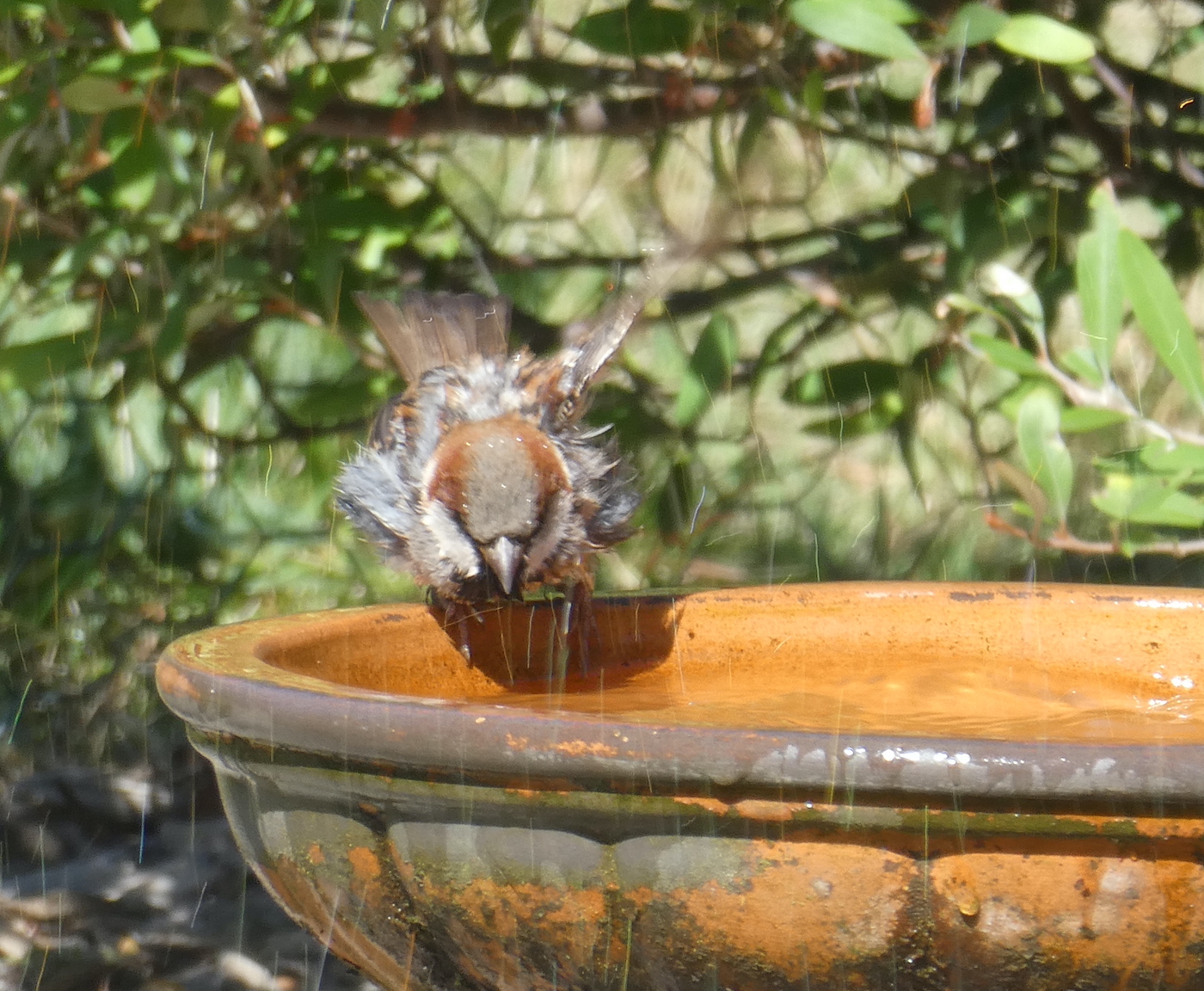
No such reticence from the House Sparrow, he just dives straight in.
When the splashing abates, a New Holland Honeyeater sneaks in for a quiet drink.
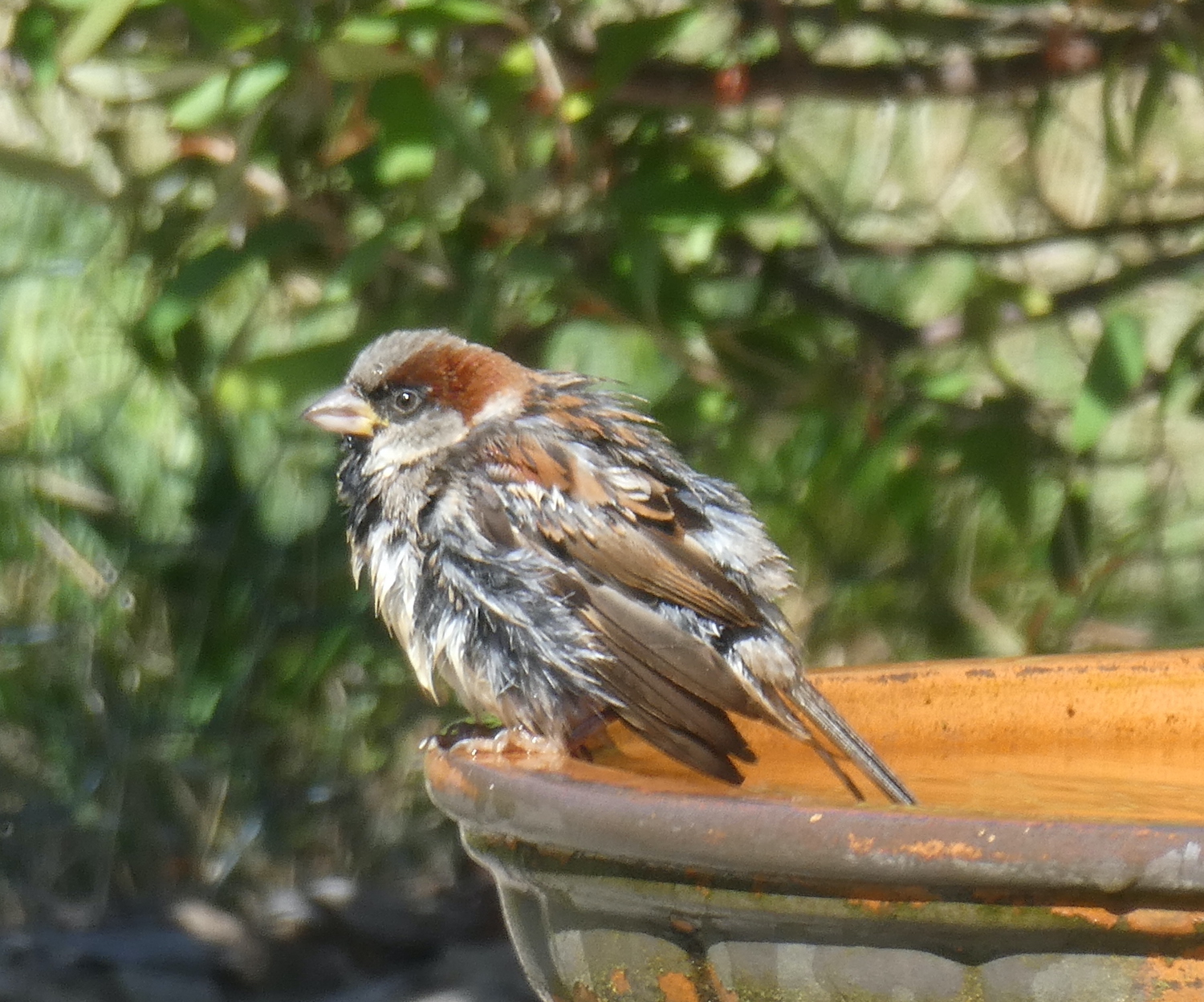
A lone swimmer enjoys the peaceful interlude before the next family arrive.
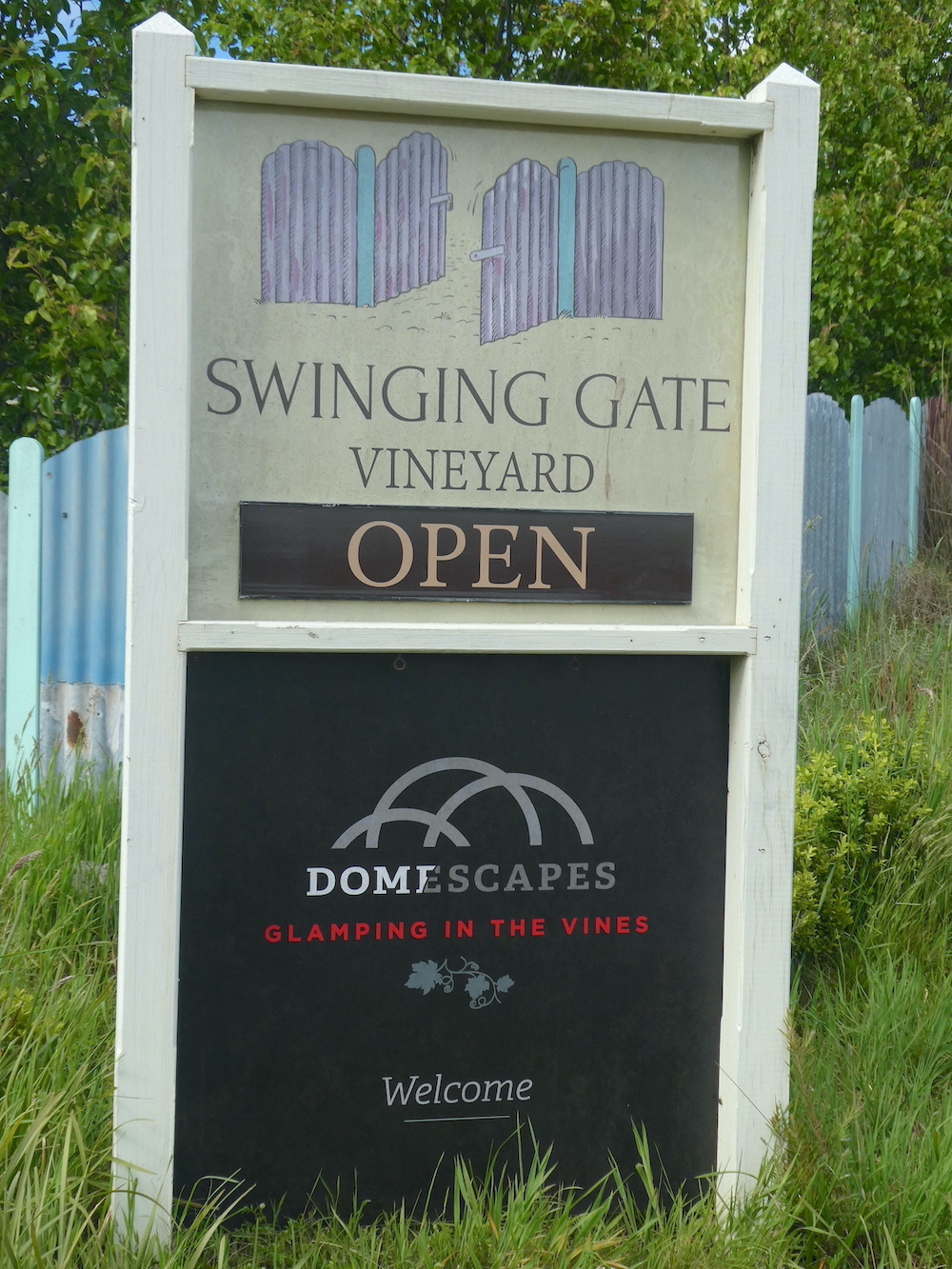
With more than thirty two vineyards along the Tamar Valley Wine Route to choose from, it was a difficult task to narrow down those to visit within our limited time frame. Looking for something a bit different, we headed to Swinging Gate at Sidmouth. The vines were originally planted in 1985 and, then known as Buchanan Vineyard, the fruit was sold to various Tasmanian wineries but never had an identity of its own. Fifteen years later, the plot was sold and abandoned until horticulturalist Doug Cox and his wife Corrie purchased the vineyard in 2014 and set about resurrecting it. The name is in reference to the gates swinging open again for the first time in many years.
The old machinery shed has been converted to a quirky cellar door and adjoining day spa.
Wine dog, Nellie, is happy to receive attention from visitors, although I think a little too much of the good life has ended her modelling career.
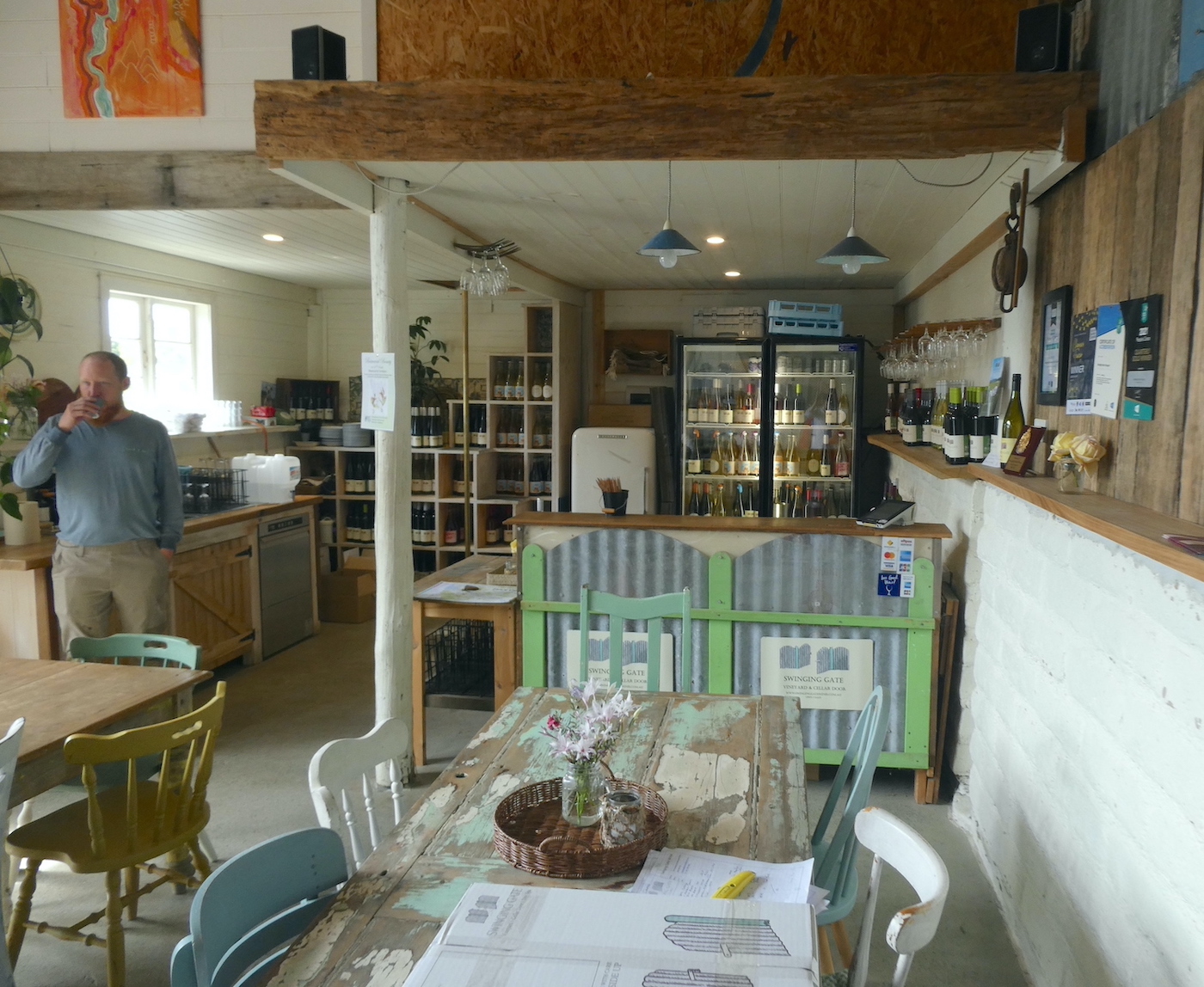
The rustic interior was instantly welcoming, with mismatched tables and chairs offering the perfect setting for an informal tasting experience.
As it was only 10.30am, we had Doug’s undivided attention as he led us through the myriad wines on offer while sharing the background of Swinging Gate. With a 30 year career in horticulture under his belt, after purchasing the vineyard Doug taught himself the winemaking process. The first year was spent rejuvenating the vines and in 2015, they produced 5,000 bottles to celebrate the 30th vintage of the vines. It appeared as though the adjoining barrel room was furnished for a tipple and quiet contemplation at the end of the day.
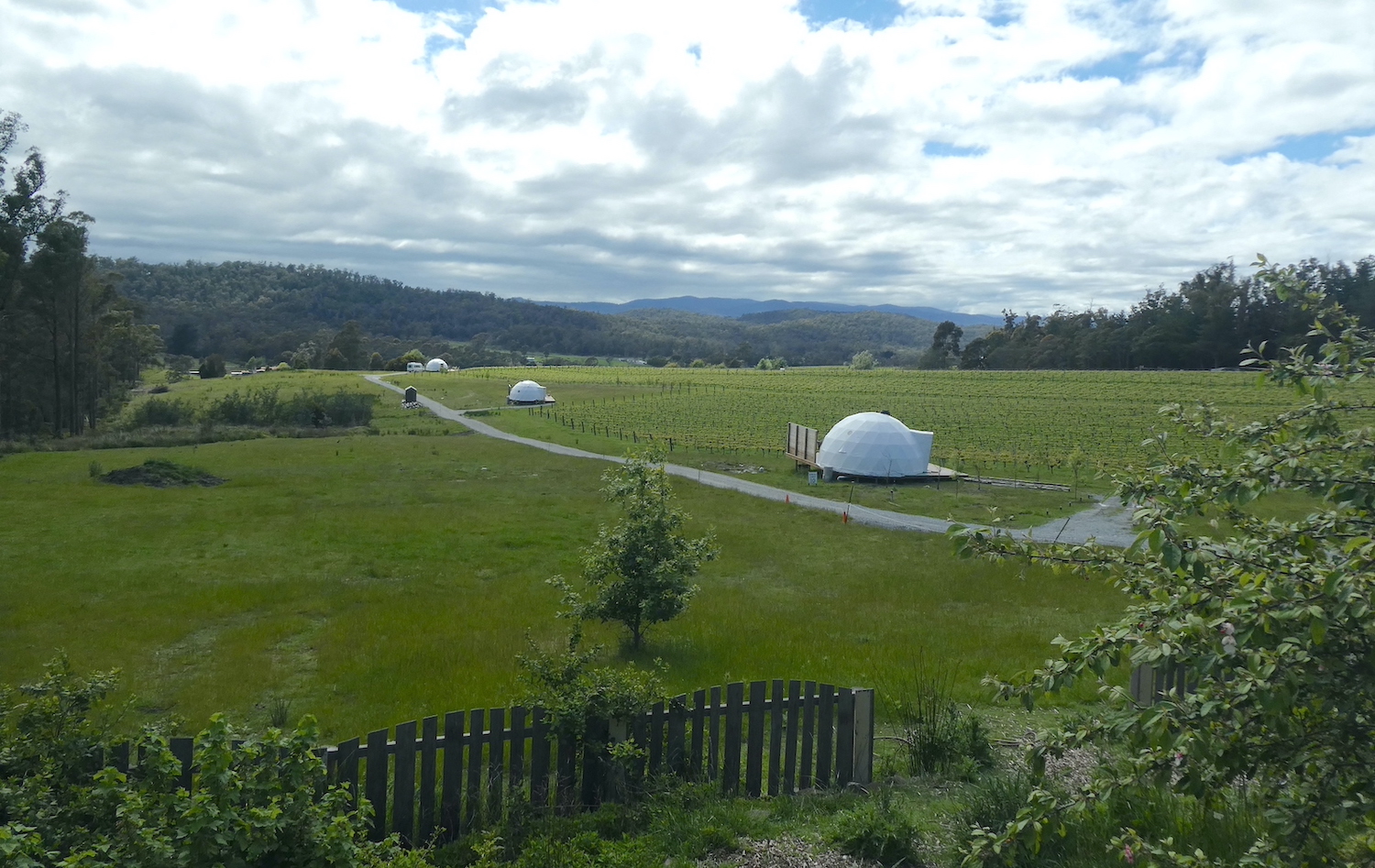
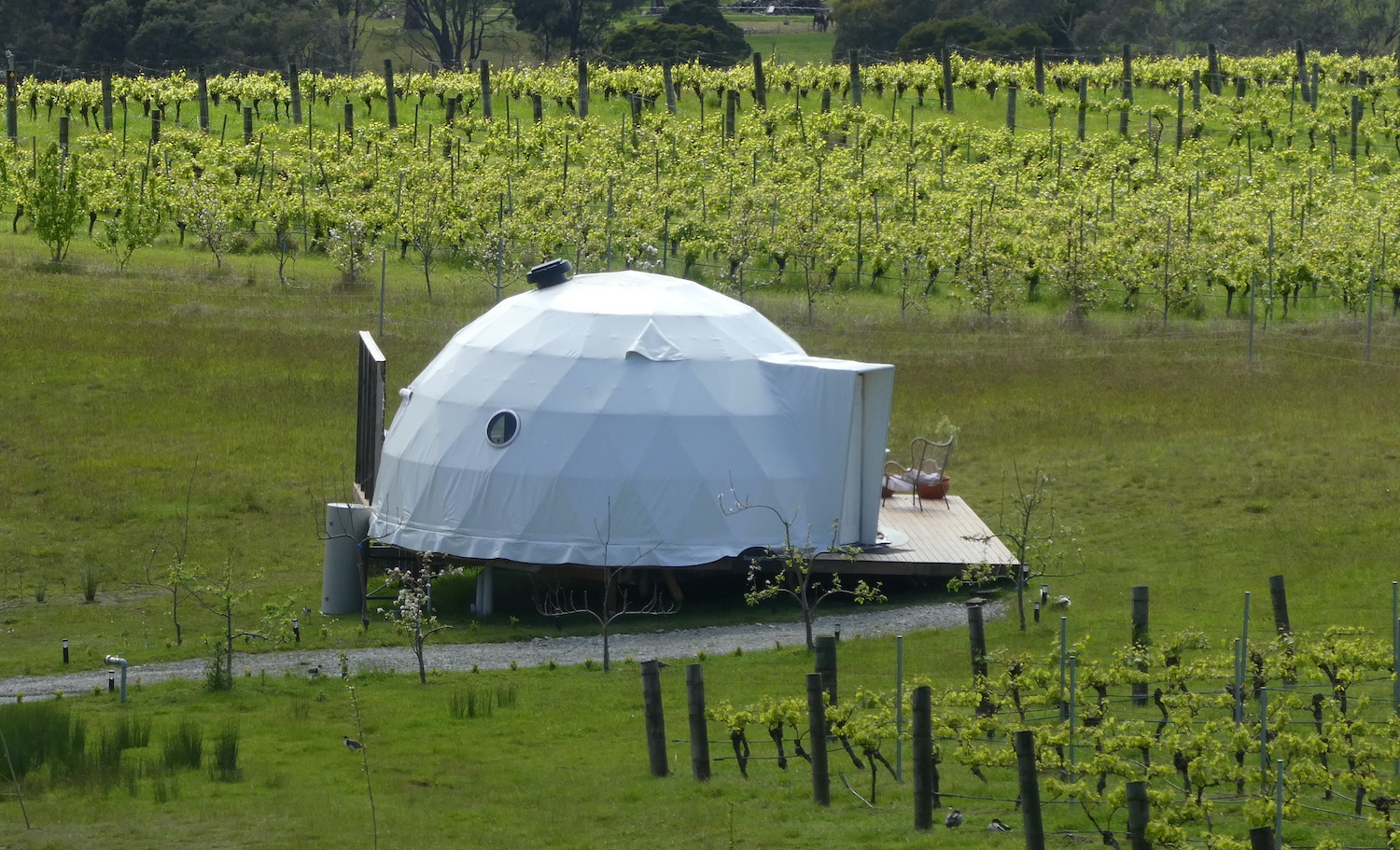
Swinging Gate is not just a winery. In 2019 the first geodesic dome appeared amongst the vines, and there are now three dotting the landscape.
Offering the ultimate glamping experience, each 6 metre dome is furnished with a king-size bed and, as well as private ensuites, two of the domes have outdoor bathtubs. I have just added an item to our bucket list.