Orvieto underground

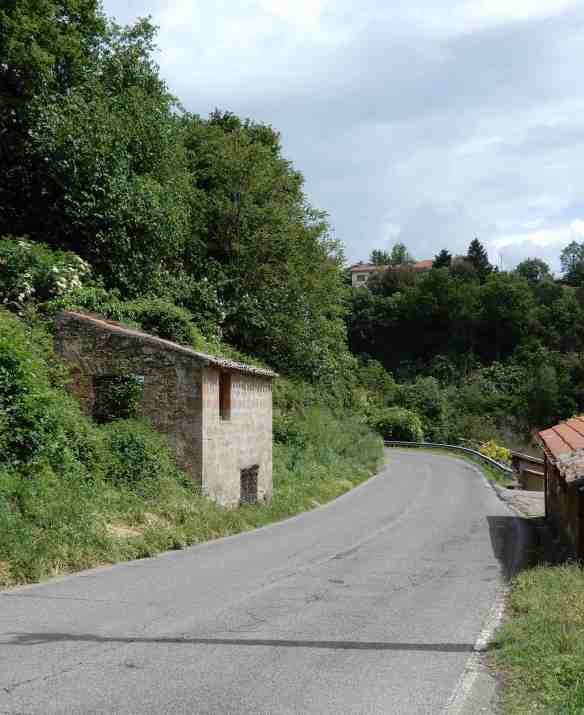
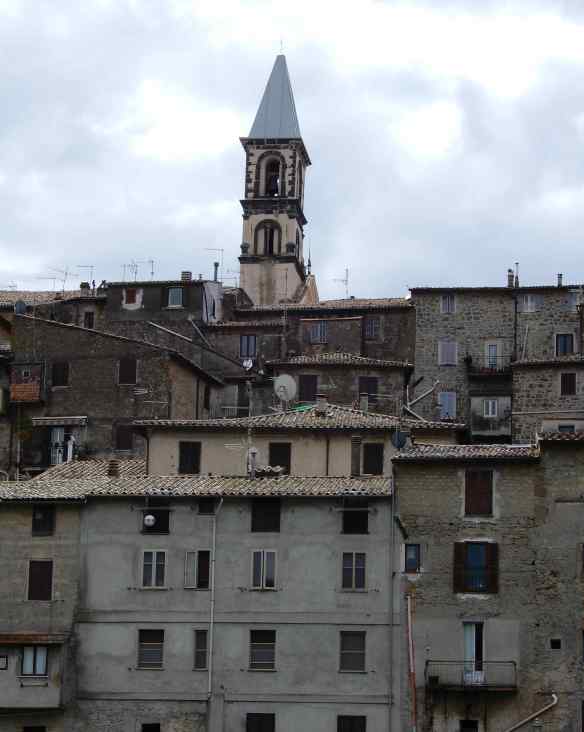
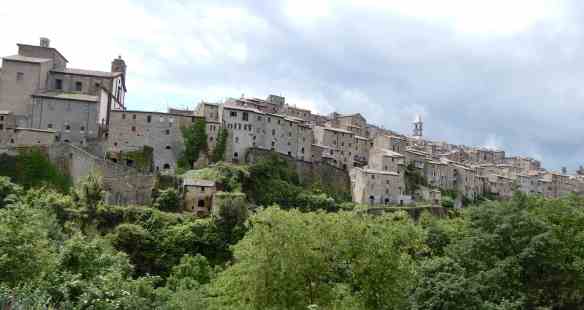
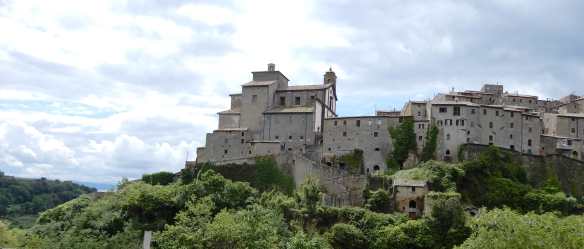
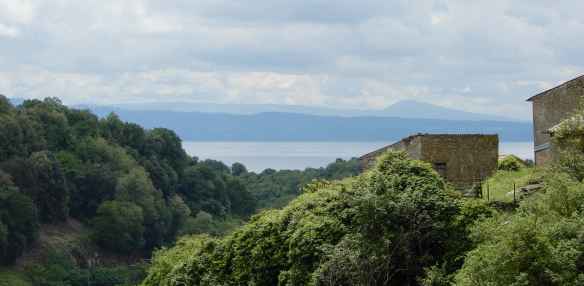
While in Orvieto, we signed up for the tour underground, a fascinating insight into the lives of the inhabitants thousands of years ago. At the end of the 1970s, a landslide opened up a large hole a few hundred metres from the duomo, tempting a number of speleologists (a new word I have learnt meaning someone who studies caves) to investigate. They found an incredible underground world, dug by hand out of the tufa beneath the town, that had been forgotten. The beautiful Umbrian countryside accompanied us as we made our way to the entrance of the caves.
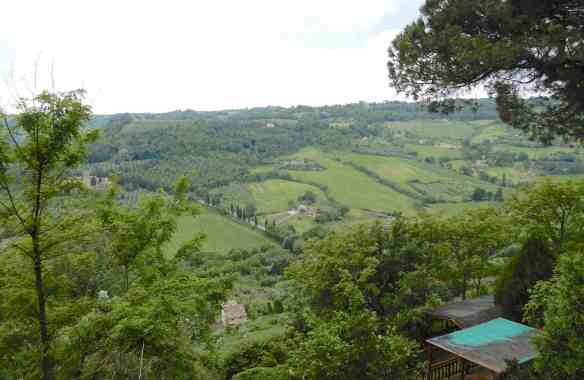
1.Orvieto

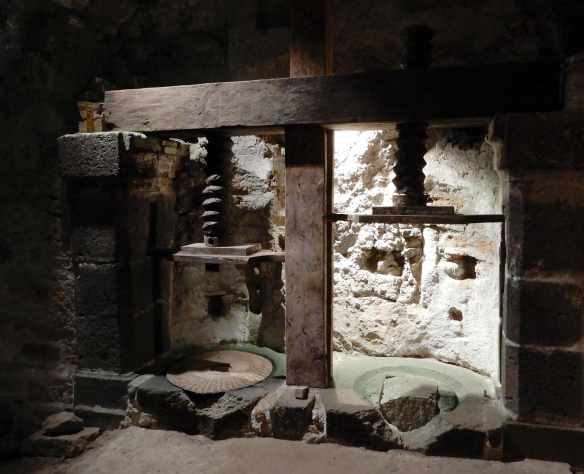
We found ourselves at the centre of medieval olive oil production, complete with millstones, a press, furnace and mangers for the animals working the grindstones.
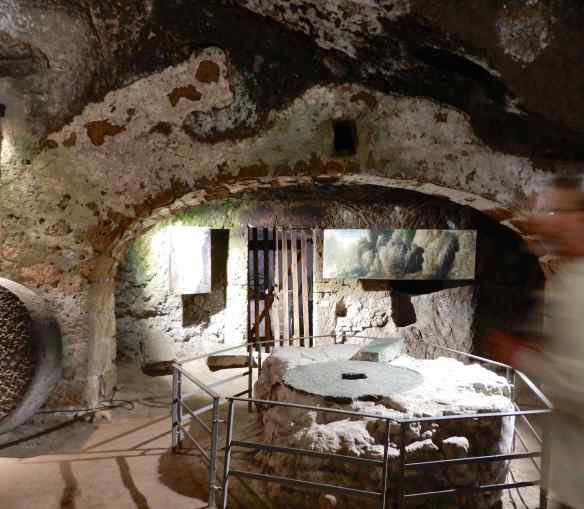
2.grinding stone

3.olive press

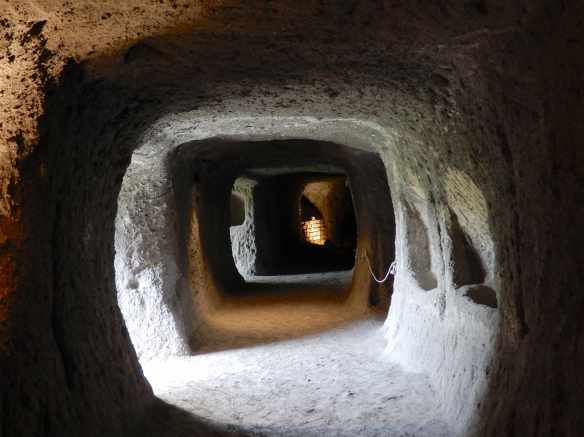
Intriguing tunnels led in all directions, beckoning us to investigate further.

The Etruscans created cisterns for holding rainwater and very deep narrow wells in search of underground springs. There are small notches on the two longest sides called pedarole, footholds to enable someone to climb down and out again.
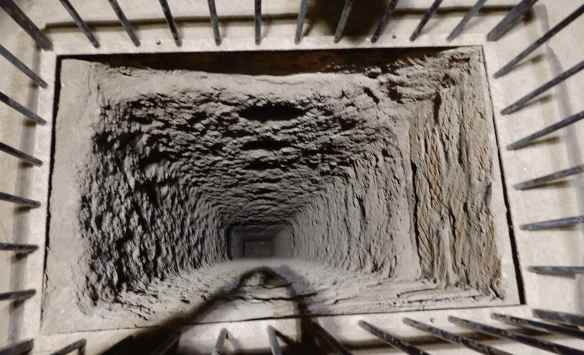
10.well

The tour continued, revealing more grottoes that had a variety of uses such as wine storage and pottery kilns, over twelve hundred have been discovered.
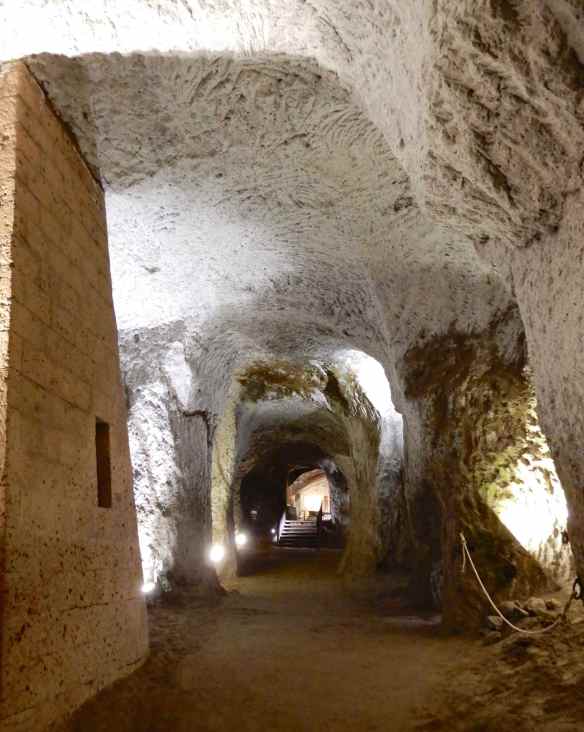
11.caves

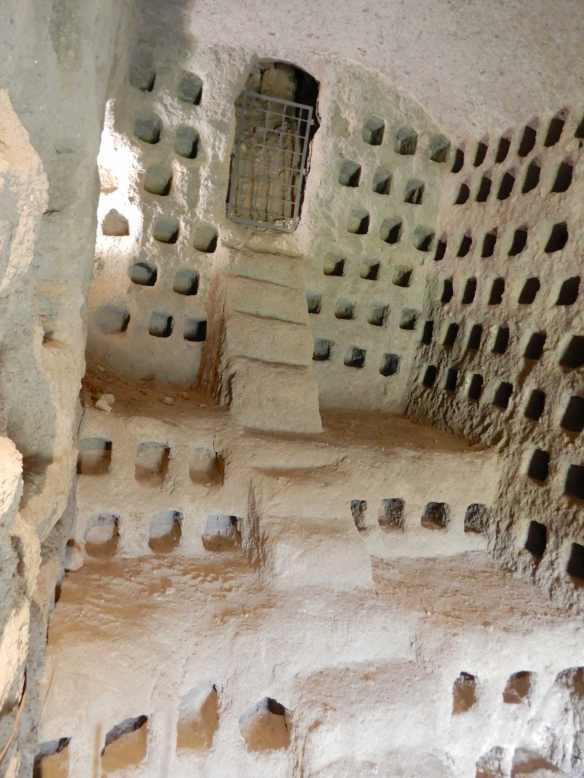
The walls of some were covered in small cubic niches created to breed pigeons, now a classic dish of the local cuisine.
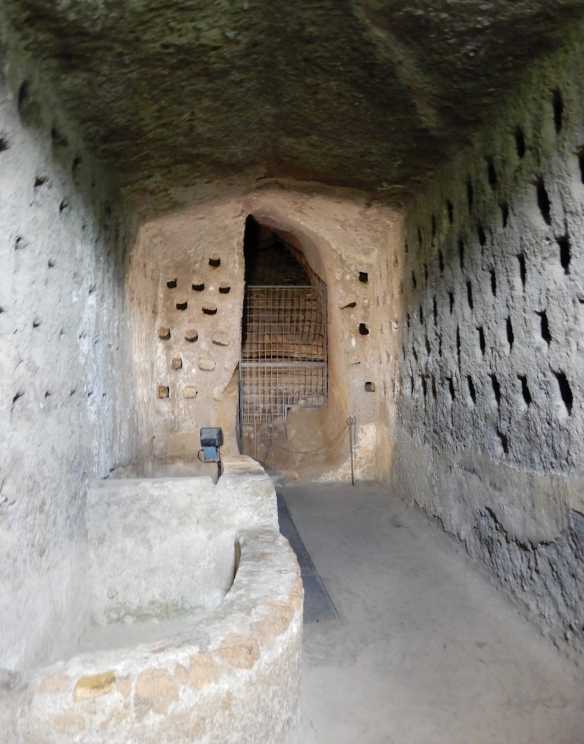
12.columbarium

16.columbarium

There are narrow tunnels at the back of the walls, just big enough for a person to pass on all fours. Unfortunately, their destinations remain unknown, the mystery secured by centuries of landslides.

Every so often, light streamed in from openings in the cliff and we were treated to another glimpse of the spectacular vista.
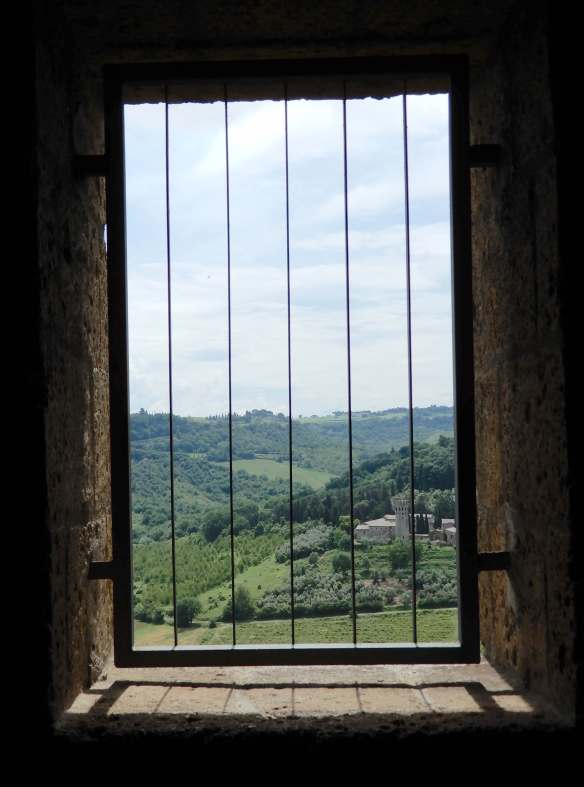
19.view

There seemed to be an endless labyrinth of tunnels, stairs and passageways intersecting in all directions.

25.tunnels

Thank goodness we had a guide, we may never have made it back.
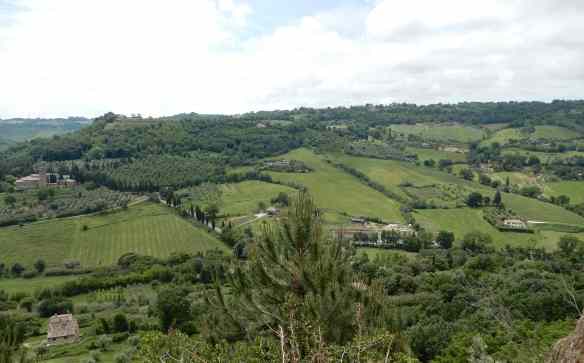
26.view

Arts Centre Market

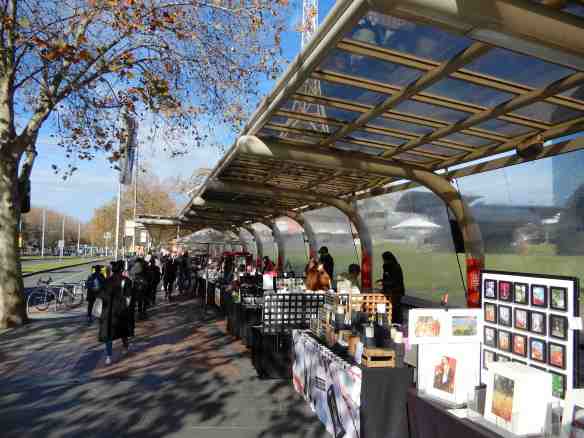
There is no shortage of markets in Melbourne and of the few I have experienced, the Arts Centre Market is my favourite. The setting, on the lawns adjacent to the Arts Centre and along St. Kilda Road, allow plenty of space for browsing without feeling confined. The landmark spire towers 162 metres above the skirt, designed to represent the billowing of a ballerina’s tutu.

On the same theme, a bronze sculpture by Melbourne artist David Maughan, Les Belle Hélène, depicts two female ballet dancers who seem to be celebrating the sunshine on this magnificent winters day.

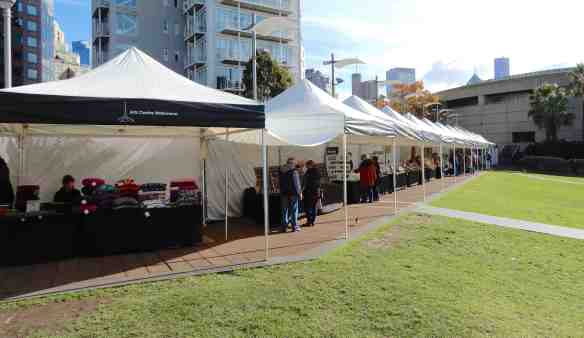
We arrived early and took our time investigating the unique treasures on offer and enjoying the bucolic atmosphere. Stallholders are selected based on the quality and originality of their locally produced wares, there was no end to the temptation.

5.Arts Centre Market6.Arts Centre Market7.Indian Myna

Following our noses to the origin of the delectable aroma wafting through the air, we found Choo La La and their French praline nuts. As if the salivary glands weren’t already in overdrive, the free samples helped us choose between peanuts, almonds and macadamias (actually, they didn’t really help – we bought all three).

8.Chooh La La

After a perusal of the roadside stalls

9.Arts Centre Market

it was time to think about lunch. There were many options but we couldn’t resist a ham & Swiss cheese crepe from the mobile French style Creperie, Street Crepes.

10.Street Crepes

Once the artist had created his masterpiece, we found a convenient bench by the National Gallery on which to sit and enjoy the result. It was delicious, just enough to fortify us for an afternoon ambling around the exhibitions at the NGV.

17.NGV

autumn leaves

Autumn is a lovely time of year in the garden. The sun is lower in the sky, casting shadows that hint of winter and the deciduous trees shrug off their coats, revealing gangly limbs ready for pruning.

1.autumn trees2.autumn trees

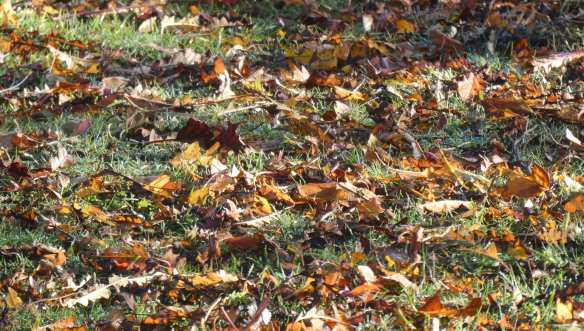
Only nature could paint the colours in the leaves as they turn from green to gold before relinquishing their hold to lay a carpet below.

4.autumn leaves

The blueberry leaves are a stunning shade of red prior to their partition.

7.blueberry leaf

Golden foliage of the Ginkgo slowly descends until only the frame remains.

8.ginkgo

12.ginkgo leaves13.ginkgo

Our gorgeous Ash tree protects the fern garden through summer,

14.Ash tree

relinquishing her frondescence to bathe lilies and irises in winter sunlight.

18.Ash tree

Before long, the buds of spring will appear……

Botswana Butchery

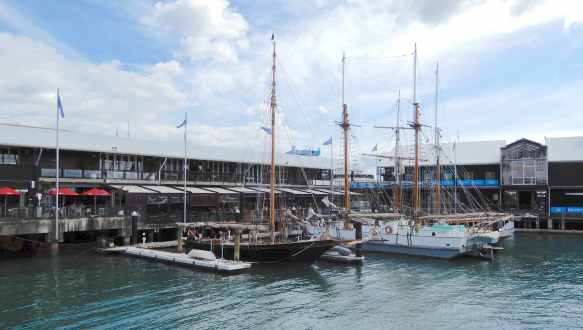
Leaving the ferry after our wonderful day on Waiheke Island we enjoyed a supplementary beverage at Viaduct Harbour before exploring further.

1.Viaduct Harbour

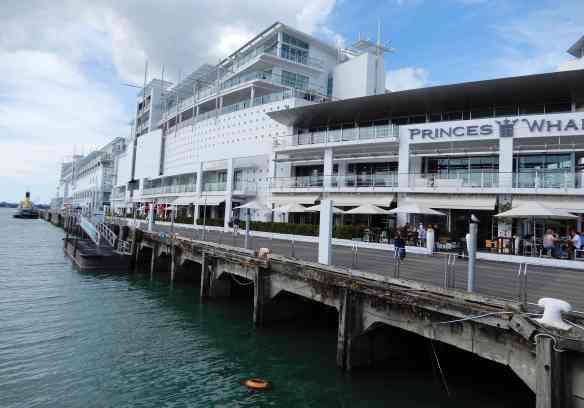
With evening meal time still a couple of hours away, we scouted the restaurant menus along Princes Wharf. There were some definite possibilities but the doof-doof music emanating from the establishments wasn’t really enticing for a relaxing dining experience.

2.Princes Wharf

Returning to the old Ferry Building, we settled in the sunshine at Botswana Butchery for, you guessed it, another beverage.

3.Botswana Butchery

We were very comfortable watching the ferries come and go

4.wharf

and, after perusing the menu, we moved inside to dine as the light was fading.

5.Botswana Butchery6.Botswana Butchery

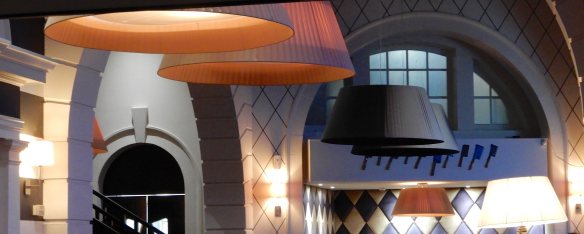
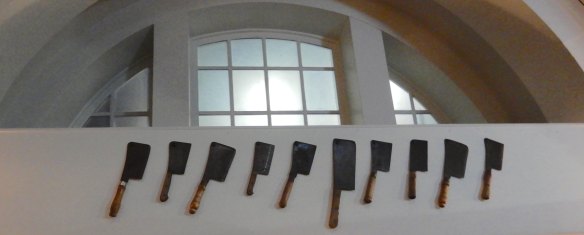
The stunning décor coupled with genial waiting staff made for a lovely, relaxing ambience.

9.Botswana Butchery

10.Botswana Butchery

Using the best local ingredients, the meals were superb. I had Crispy Half Duckling with blackberries, parsnip puree, baby vegetables, watercress & duck jus, while Michael opted for the Raukumara Venison Loin (from the Raukumara Ranges, Bay of Plenty). Steamed Seasonal Vegetables completed the main event.

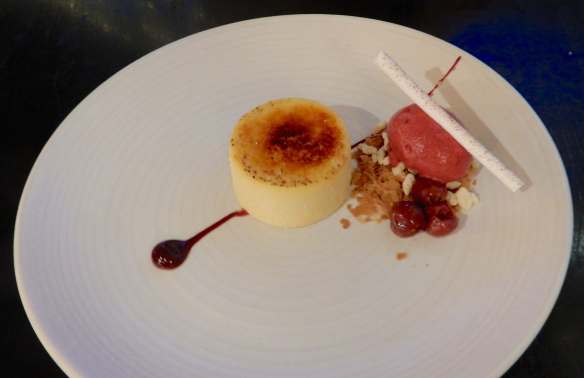
There was only one element left to make my day complete – Vanilla Crème Brulee with cherry sorbet, rice flakes, pickled cherries and a meringue cigar.

14.Vanilla Creme Brulee

Grotte di Castro

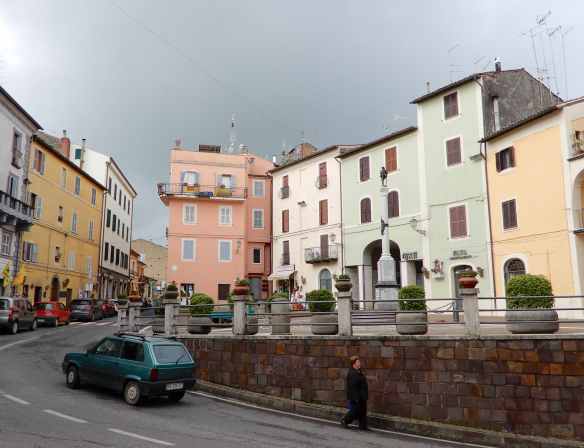
On our way to Bolsena for a lakeside lunch, we stopped to explore the town of Grotte di Castro. The Etruscans lived here quite happily, even after the Romans conquered in the 3rd century BC. That all changed when the Lombards invaded in the 8th century and the inhabitants, deprived of all their possessions, were forced to live in the many caves around the cliffs. Fast forward to 1537 when the town was bought by the Farnese family and became part of the Duchy of Castro. Hence the name, meaning Caves of Castro. We parked on the outskirts and wandered along Via Vittorio Veneto

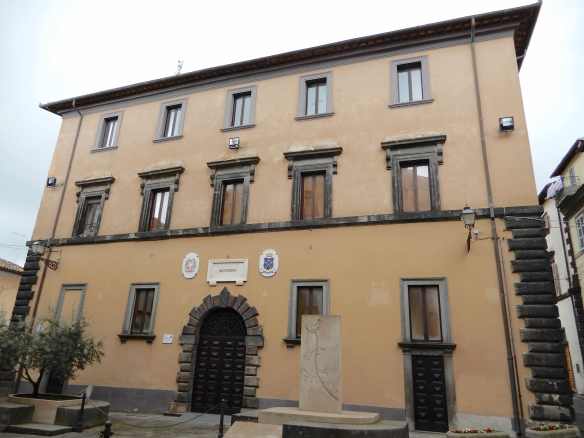
to the main square, Piazza Cavour. The colourful buildings added some brightness to the overcast day and the war memorial stands proudly as a centrepiece.

5.Piazza Cavour6.Piazza Cavour

We caught glimpses of Lake Bolsena between the houses,

10.Lake Bolsena

some of which must have magnificent views.

11.Grotte di Castro12.Grotte di Castro13.Grotte di Castro

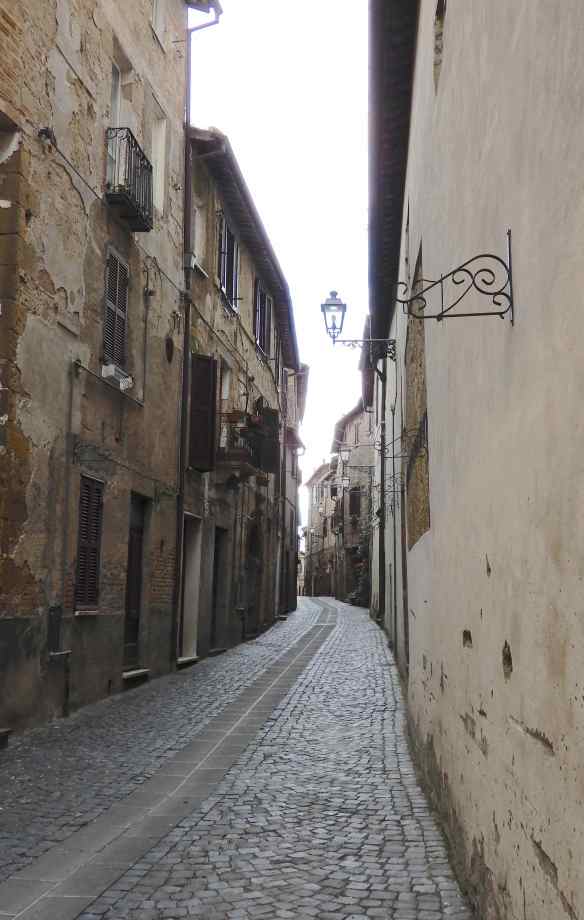
This is the best way to traverse the narrow, cobbled streets.

We continued on foot through the older part of town

20.Town Hall

21.Grotte di Castro

before returning to the car for the short drive to Bolsena.

22.Grotte di Castro

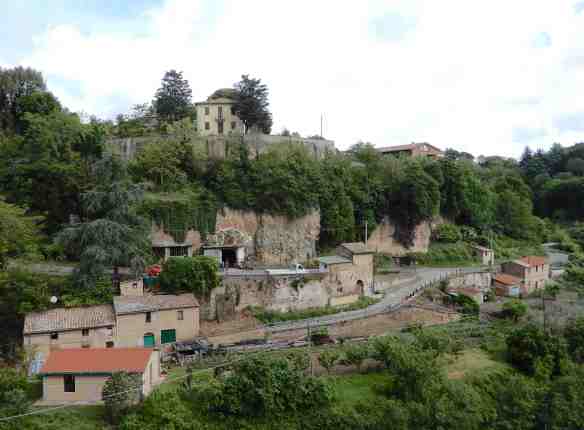
The vision of Grotte di Castro from the road as we left was stunning

23.Grotte di Castro24.Grotte di Castro25.Grotte di Castro26.Grotte di Castro27.Grotte di Castro

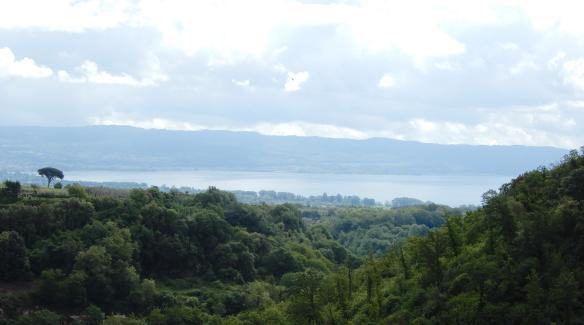
along with another enticing scene of Lake Bolsena.

28.Lake Bolsena