Villa San Rocco

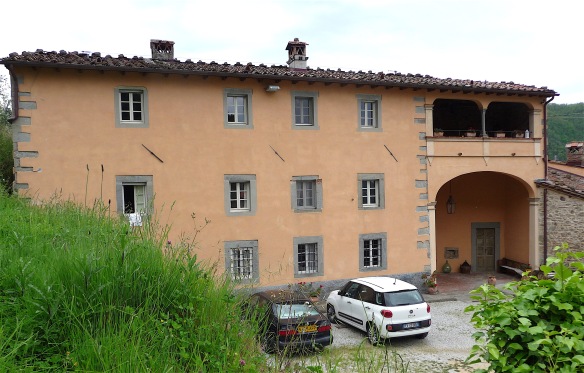
After leaving Ponte a Serraglio, the next two weeks were spent in the village of Benabbio at Villa San Rocco. The 10 bedroom villa would be home to the five budding luthiers attending the guitar making course and their partners. Villa San Rocco dates back to the 14th century and is believed to have been a seminary and pilgrims’ rest. In 1688, it was purchased and remodeled by a rich merchant family from Lucca and became Villa Bendetti.

1.outside

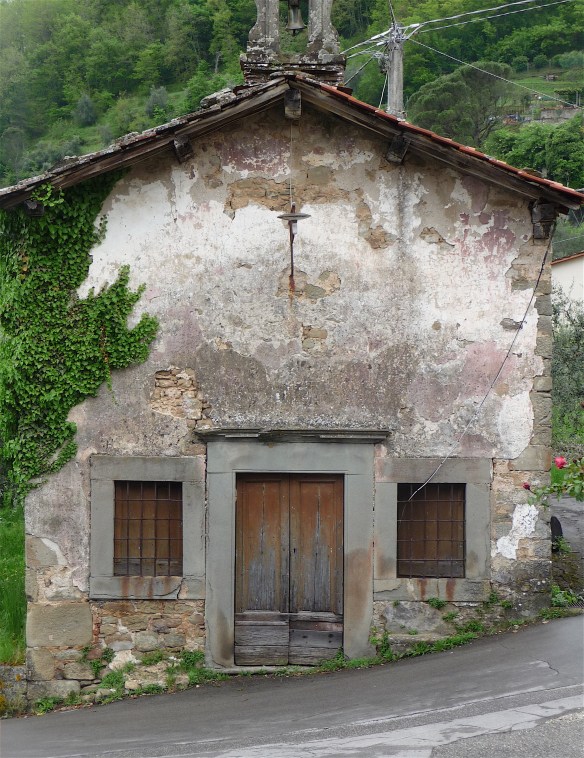
In 1960, it was bequeathed to an orphans’ association in Lucca and for the next twenty five years it became a summer residence for orphans and abandoned children. By the late 1980s, the villa was derelict and for two decades it was left to rot. In 2004, it was restored using local materials and traditional workmanship. The name was inspired by the chapel opposite the main gate dedicated to San Rocco, a patron saint of illnesses.

chapel

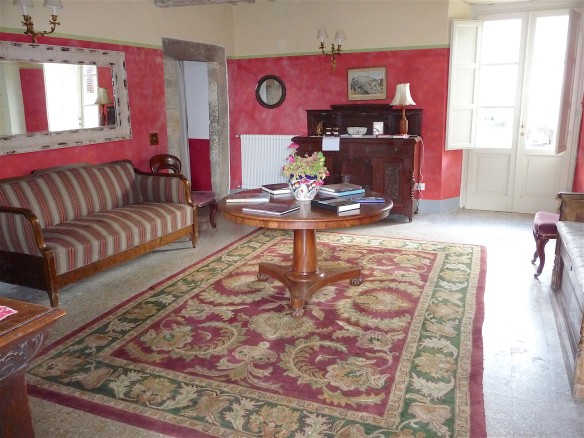
The entrance hall gives a hint of what lies within the walls of this amazing home.

2.entrance hall

The main salon was warm and inviting and many a musical evening was shared in here.

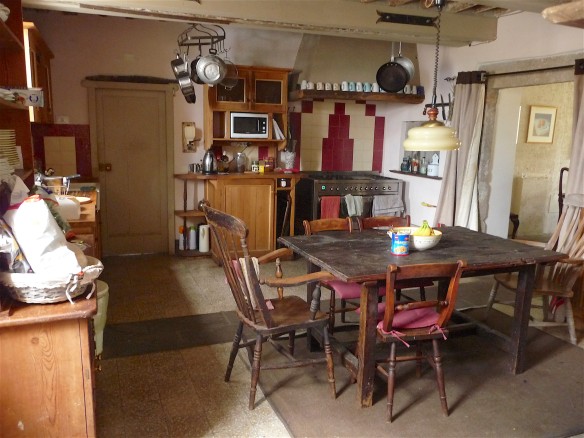
Some wondrous meals were created in the rustic kitchen

6.kitchen

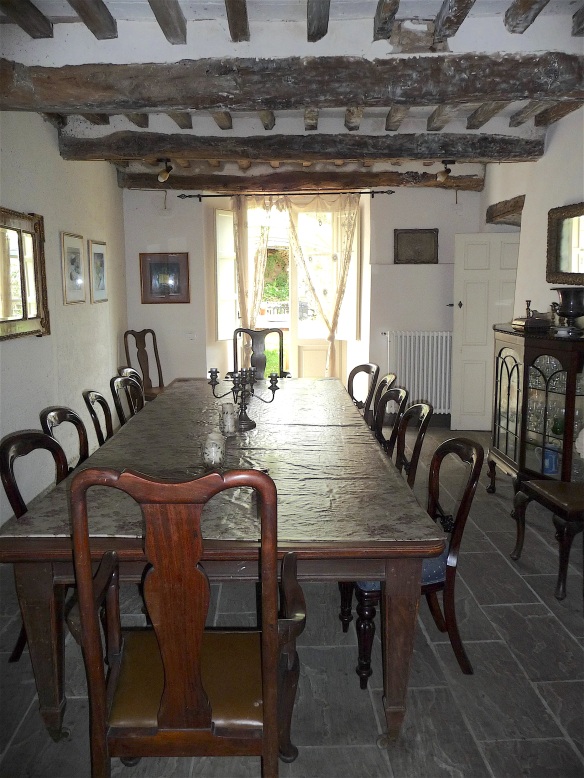
and enjoyed in the spacious dining room.

8.dining room

The smaller sitting room was decorated exquisitely.

A glass pane on the first floor landing looked down to the chairs below

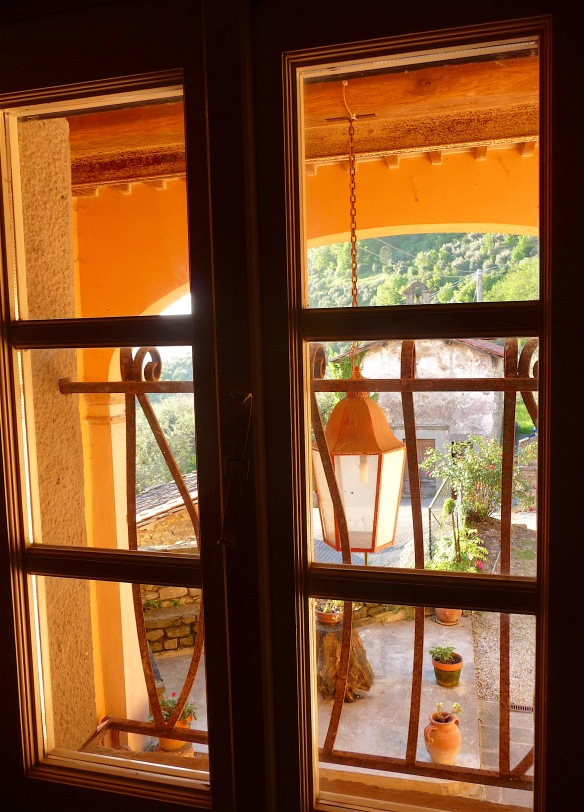
and along the hall was a lovely view to the front courtyard and chapel.

14.view to front

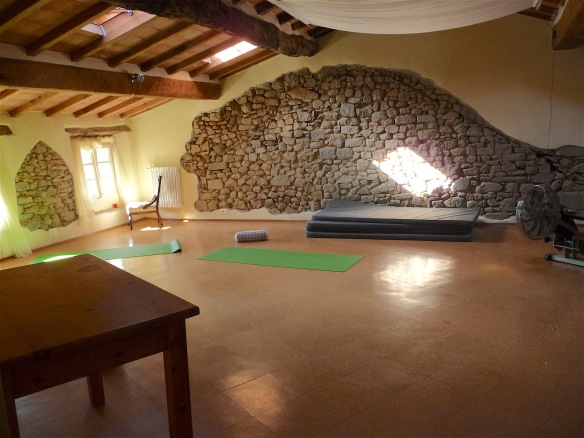
On this floor, as well as many bedrooms, was a very peaceful yoga room with warming, ambient light.

15.yoga room

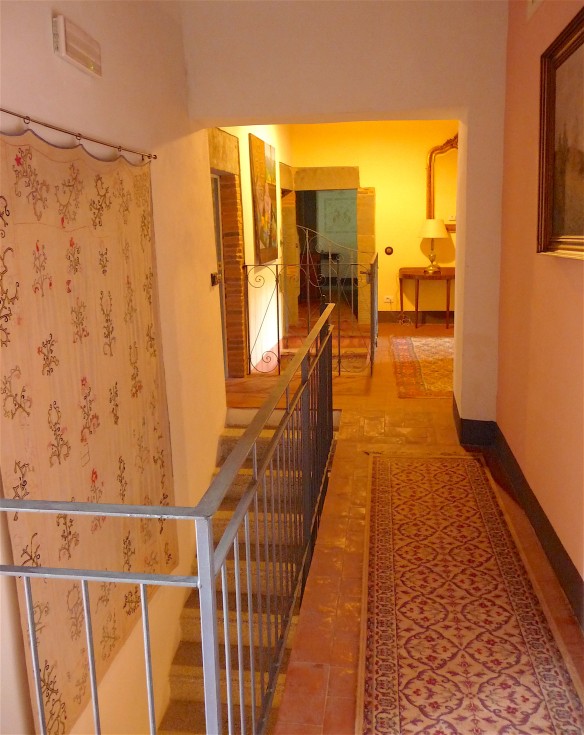
The hallway on the top floor

16.upstairs hall1

led to more bedrooms.

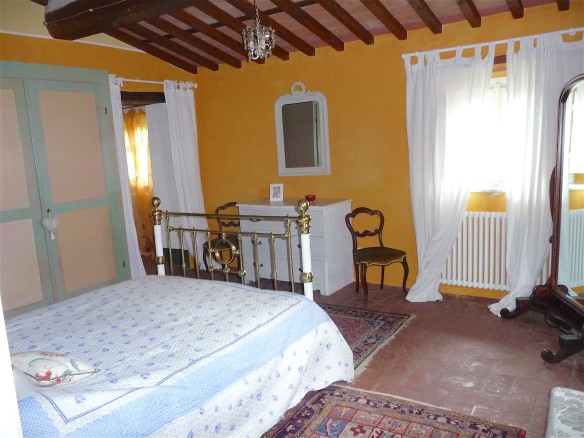
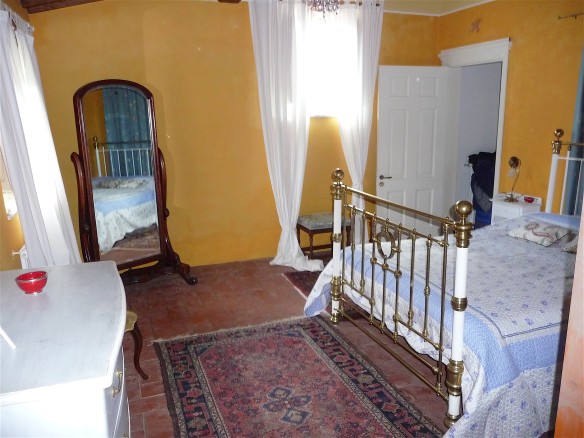
17.bedroom

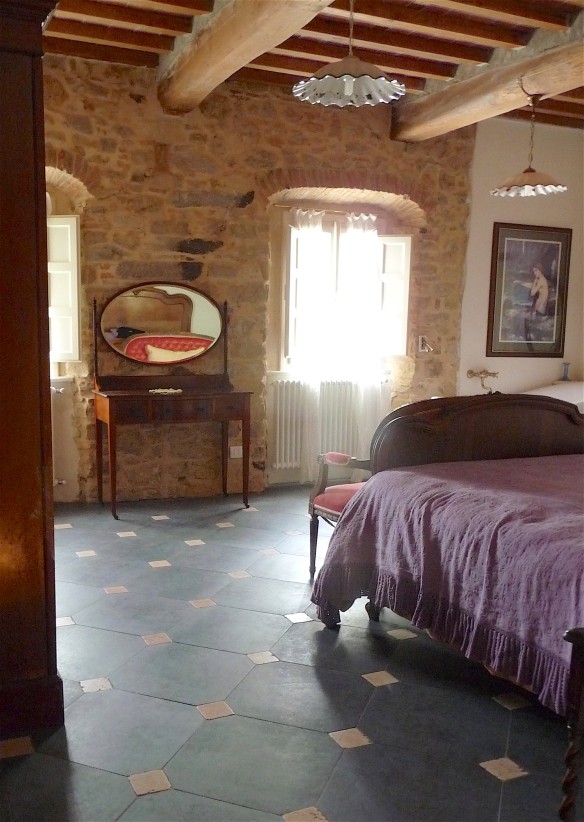
I think ours was the best

18.our bedroom19.bedroom2

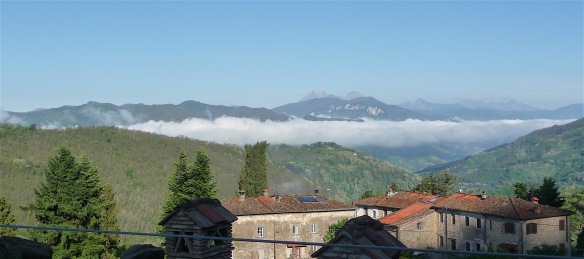
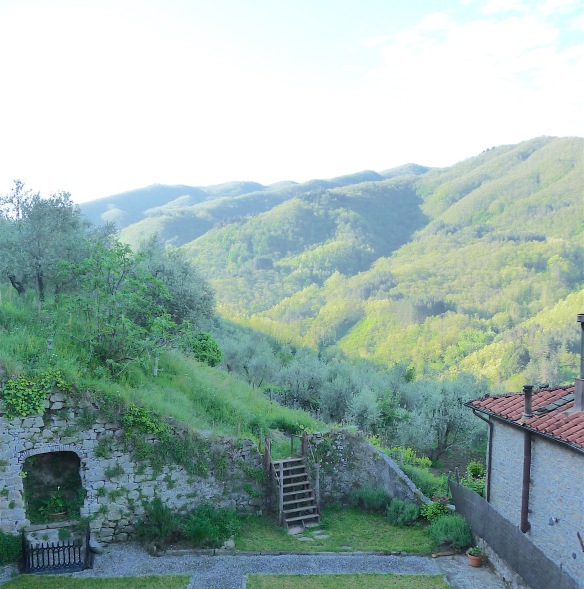
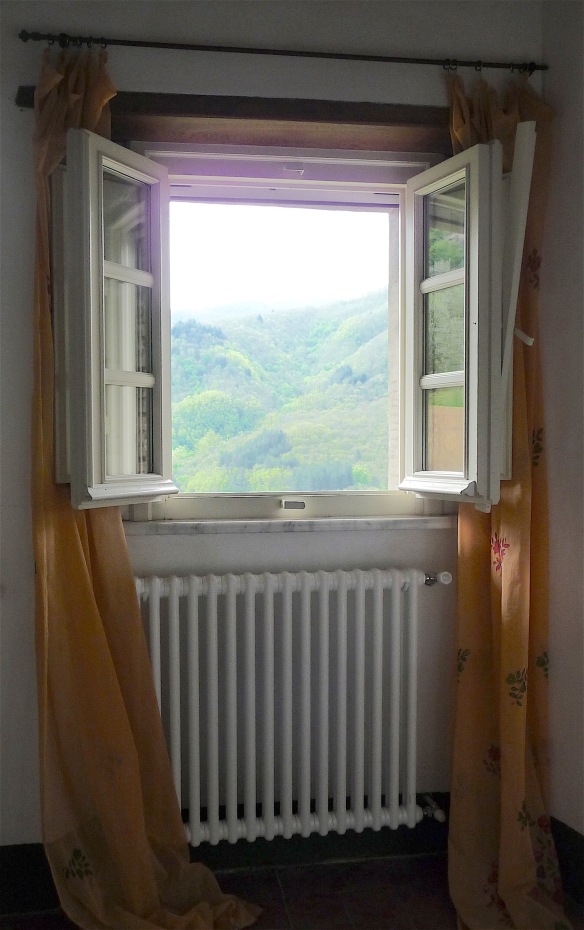
and the scenery on opening the shutters was breathtaking.

22.bedroom view221.bedroom view1

The bathroom was quaint

with more stunning views.

25.our bathroom view

A doorway across the hall from our bedroom opened to a balcony where we would gather for beverages at the end of the day.

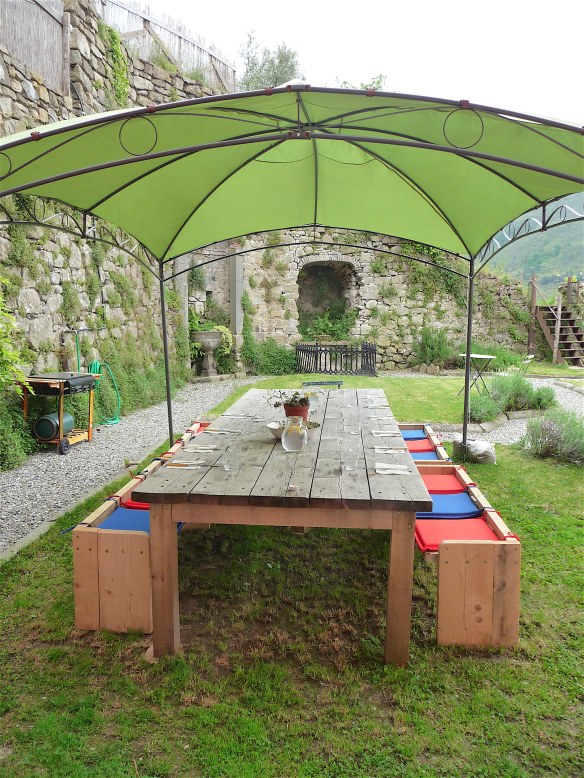
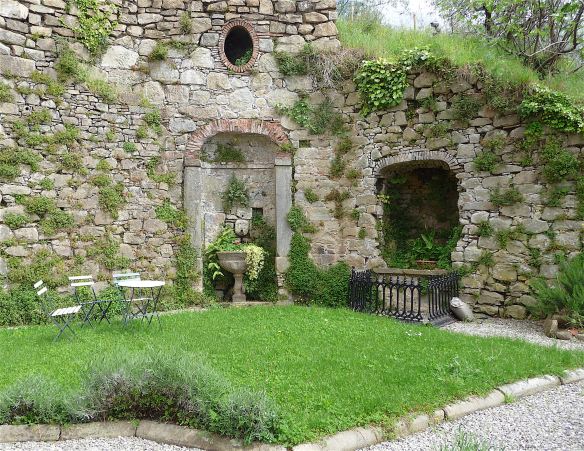
The courtyard garden was a perfect spot to relax and enjoy lunch.

28.garden129.garden

Intriguing alleys led to the workshop where the guitar course took place.

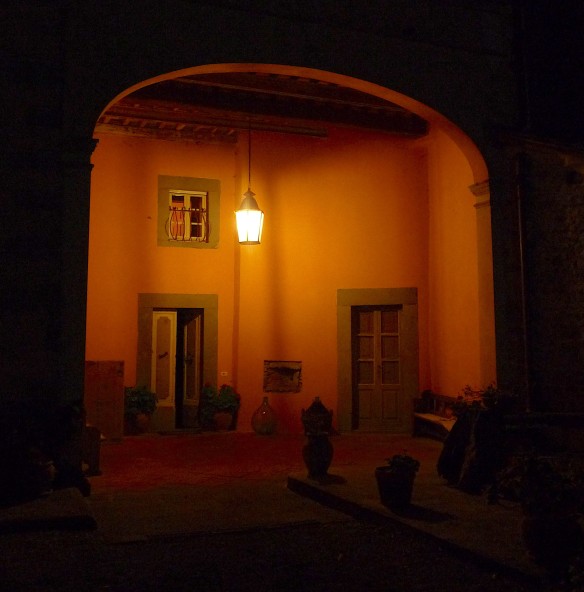
The night time glow was welcoming on returning from dinner in the village.

34.night

Villa San Rocco was a beautiful introduction to the two fabulous weeks that lay ahead.

Lacock Abbey

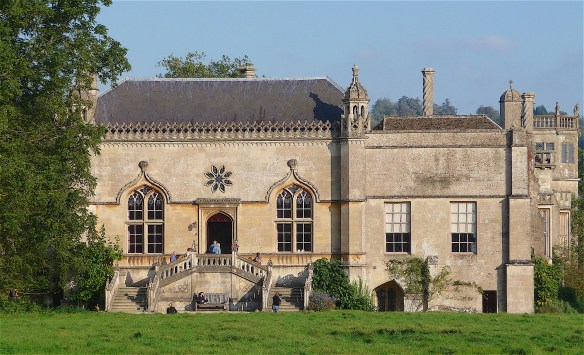
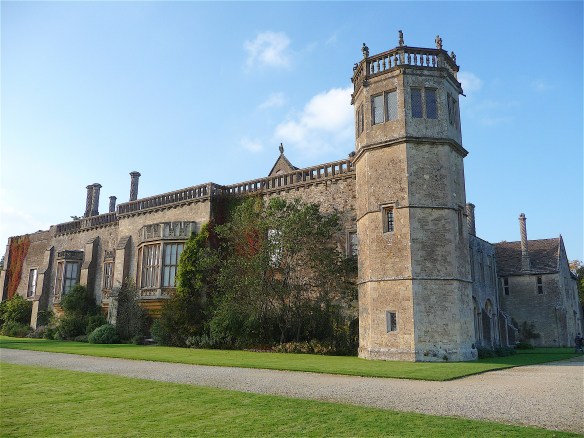
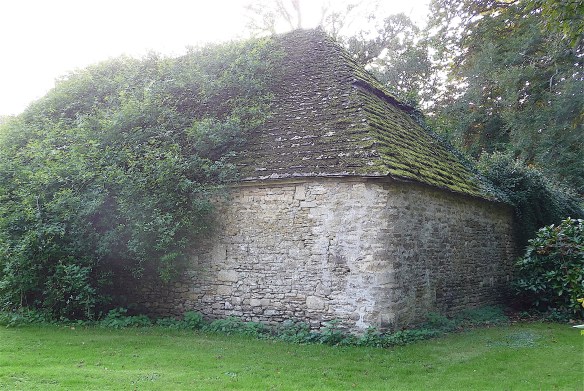
Lacock Abbey, in the village of Lacock, Wiltshire, was founded in 1232 and served as a nunnery until it was converted into a country house in 1540.

1.Lacock Abbey2.Lacock Abbey

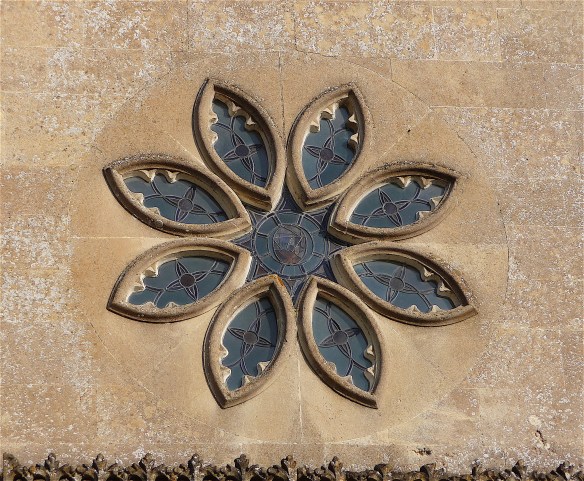
A lot of work had gone into the window above the entrance door.

3.Lacock Abbey

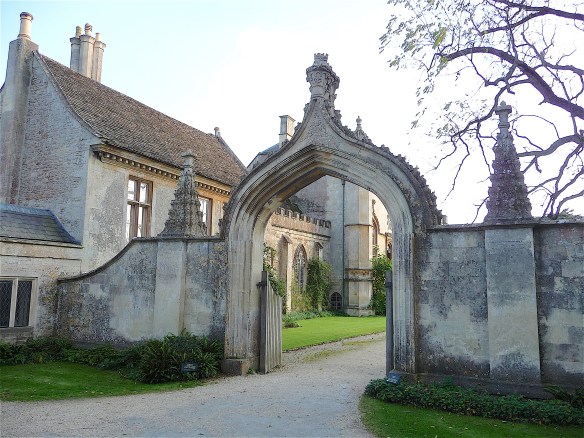
The Gothic Arch

4.Gothic Arch

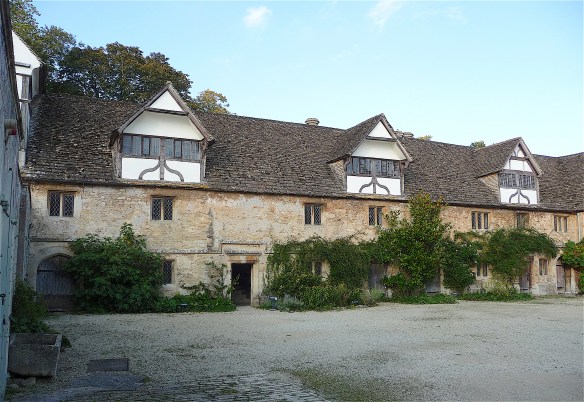
led to the Stable courtyard

5.The Stable Courtyard with brewery & bakehouse

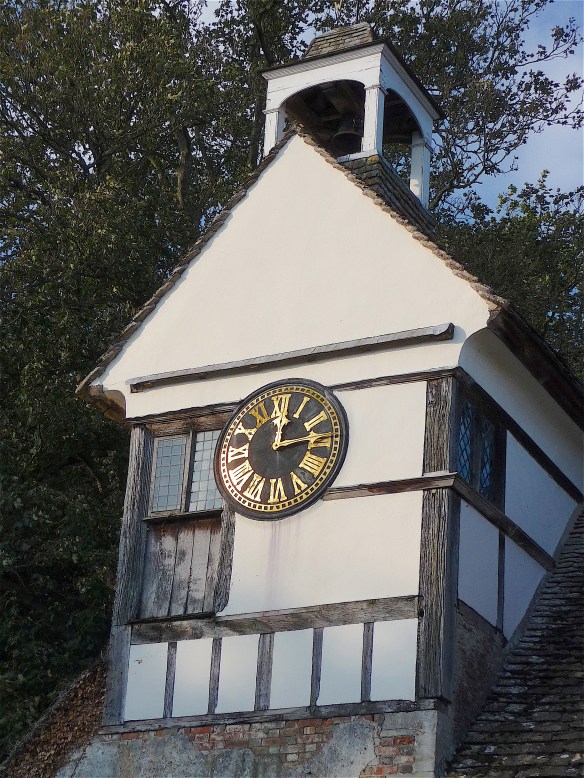
with its quirky Tudor clockhouse,

6.Clockhouse

bakehouse and brewery.

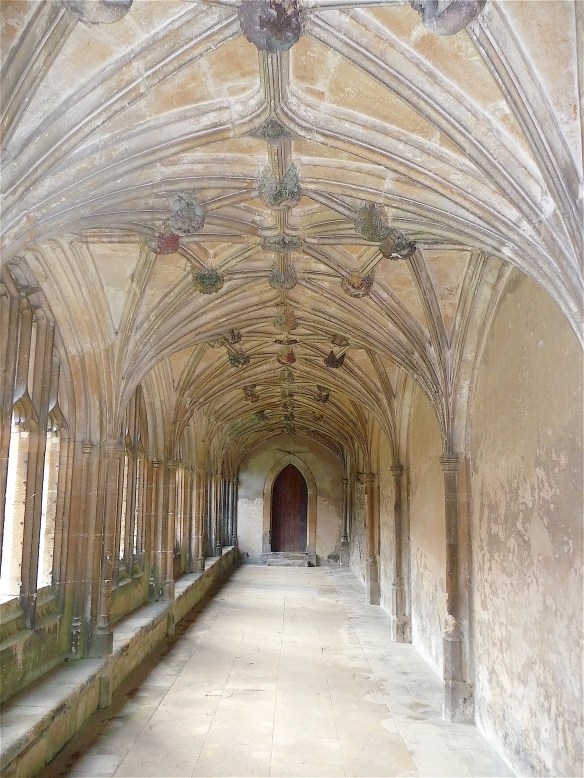
We spent some time wandering through the fascinating rooms. They may look familiar if you have seen the Harry Potter films, particularly the medieval cloisters.

14.cloisters

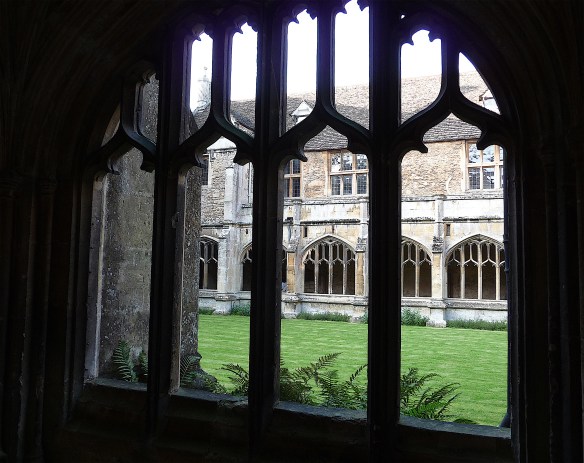
The internal cloister courtyard had a certain tranquility.

15.internal courtyard of the cloisters16.Lacock Abbey

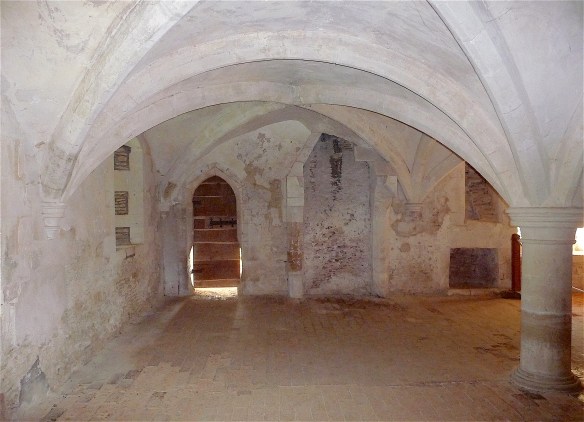
The Warming Room was the only room in the original Abbey where any warmth was provided and the 500 year old cauldron remains.

17.500 year old cauldron in the warming room

The Chaplain’s Room had a 14th century doorway and remnants of a medieval wall painting.

18.Chaplain's room

The valuables of the Abbey would have been housed in the Sacristy.

19.sacristy

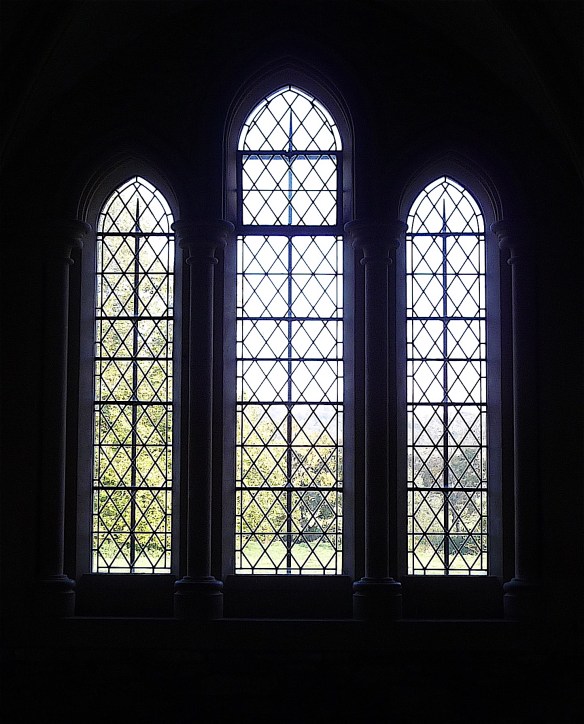
The Chapter House windows were stunning.

20.Chapter House windows

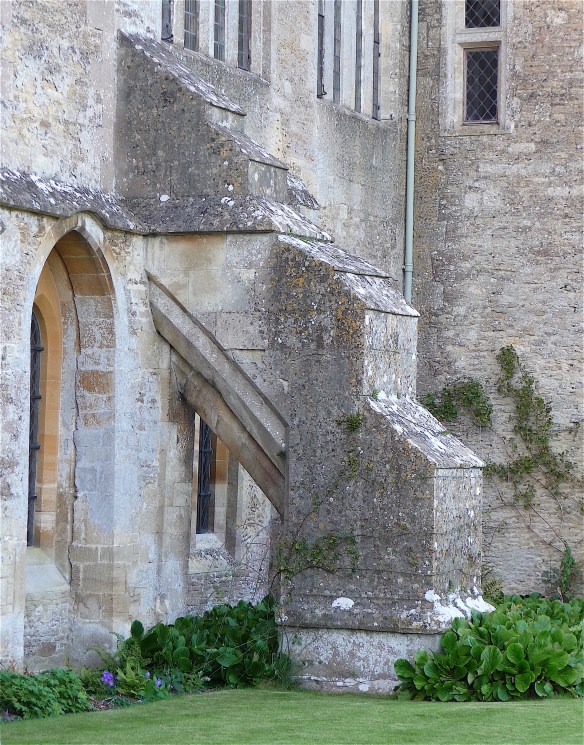
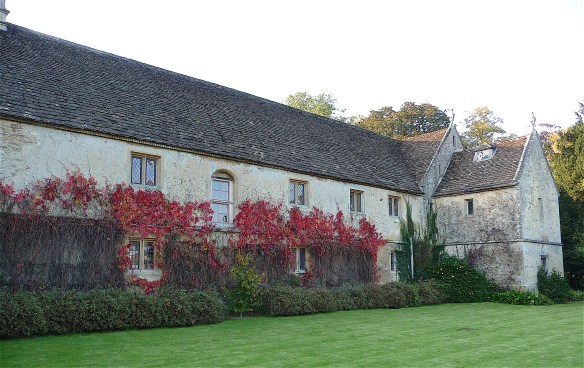
We strolled around the grounds, admiring the Abbey from all angles.
9.Lacock Abbey10.Lacock Abbey11.from the south12.Lacock Abbey21.Lacock Abbey22.Lacock Abbey23.Lacock Abbey

It would have been nice to have seen more of Lacock village – maybe next time.

Devils Marbles

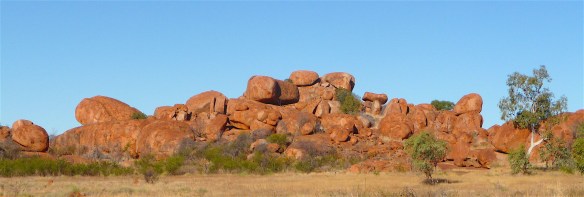
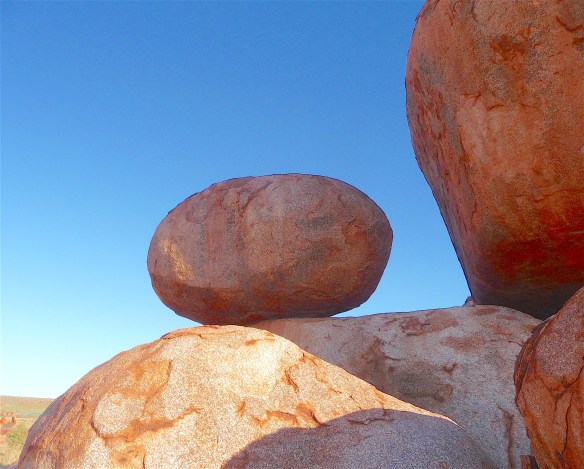
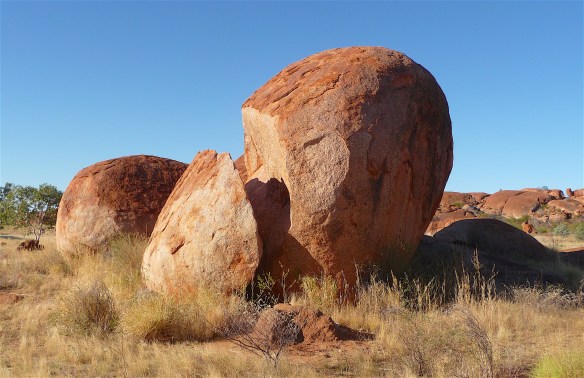
In the middle of nowhere, 1084km south of Darwin and 393km north of Alice Springs, the Devils Marbles are spectacularly scattered across the desert.

1.Devils marbles3.Devils marbles

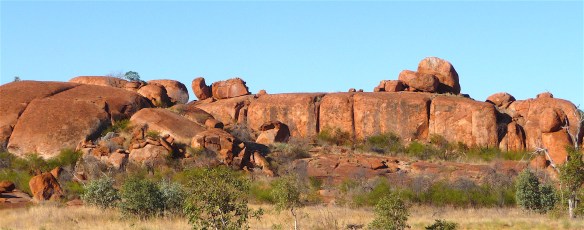
Located in the traditional country of the Warumungu, Kaytetye and Alyawarre people, they call the Devils Marbles Karlu Karlu, which literally translates as ‘round boulders’.

4.Devils marbles

The stones are made of granite and have been formed by erosion over millions of years.

5.Devils marbles

They vary in size, from 50 centimetres up to six metres across.

6.Devils marbles

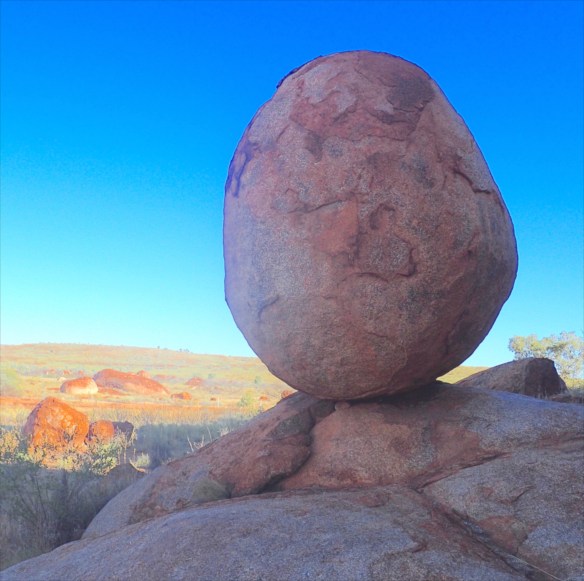
Many of the giant stones are precariously balanced on top of one another, appearing to defy gravity.

8.Devils marbles

They continue to crack and erode today, creating an ever-changing landscape.

10.Devils marbles

The Devils Marbles have great significance for the Aboriginal people and there are many ancient creation legends surrounding Karlu Karlu. Many of these stories are secret and only a few can be shared with visitors. One of the main Dreaming stories for the area relates to how the Devils Marbles were made. An ancient ancestor, ‘Arrange’, was walking through the area making a hair-string belt. As he was twirling the hair to make strings, he dropped clusters of hair on the ground which turned into the big red boulders.

11.Devils marbles

Montefegatesi

Our last day in Ponte a Serraglio was grey and drizzly but we had planned a drive to Montefegatesi and nothing was going to stop us. On the way we passed San Gemignano and took the opportunity to pull over and admire the scenery.

1.San Gemignano2.San Gemignano3.view

Montefegatesi is the highest village in Bagni di Lucca at 842m above sea level and was used by Lucca to guard the boundary with Modena.

4.Montefegatesi

We wandered through the village along impossibly narrow streets

11.walk7

14.walk10

with random cars parked at impossible angles.

15.car1

The old wooden doorways had so much character

and the houses were wedged into every available space.

25.house2

26.house328.house5

At the top of the village is a monument to Dante Alighieri built by the villagers in 1908.

29.Dante530.Dante6

His stern countenance belies the breathtaking vista from his vantage point or maybe he just doesn’t like the rain.

31.Dante432.Dante333.Dante734.Dante8

Returning to the village we were rewarded with more gorgeous views.

35.view136.view237.view3

We enjoyed a prosciutto & formaggio panini at the Pizzeria (ham & cheese roll sounds much more enticing in Italian)

38.pizzeria

before the hair-raising drive back down the mountain for our last night in Ponte a Serraglio.

Bradford-on-Avon

Returning from our day out in Bath we discovered the lovely town of Bradford-on-Avon. With Roman origins, it grew in the 17th century with a thriving woollen textile industry. We parked the car and walked to the river.

2.Bradford on Avon1.Bradford on Avon3.Bradford on Avon

The Town Bridge was built in Norman times. The small building in the middle of the bridge was originally a chapel but later used as a town lockup. The unusual weather vane has a fish on top.

4.The Town Bridge5.Lock up

Many of the old textile factories have been converted into modern flats and apartments.

6.Bradford on Avon

Holy Trinity Church is the original parish church and is Norman in origin. The tower and spire was replaced around 1480.

7.Bradford on Avon8.Holy Trinity Church

We wandered through the town with its quaint shops and buildings.

9.Bradford on Avon10.Bradford on Avon11.Bradford on Avon12.Bradford on Avon13.Bradford on Avon

The Swan Hotel is one of the few buildings that are still used as they were originally intended. There has been a public house on the same site since the 1500s, though the current building is 17th century.

14.Swan Hotel

We would like to have had more time to sample the local ale but more adventures awaited.