Wing’s Wildlife Park

Wing’s Wildlife Park has the largest collection of Australian wildlife in Australia. A forty five minute drive from our door, the park is set in a stunning location at Gunns Plains
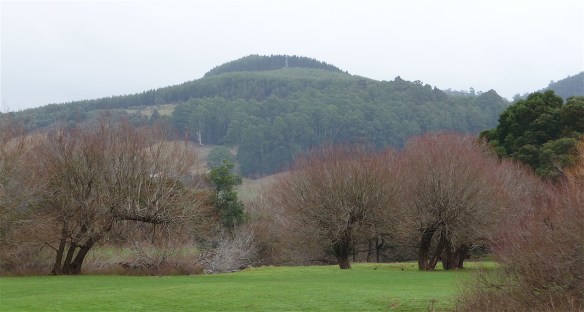
1.Gunns Plains

on the banks of the Leven River.
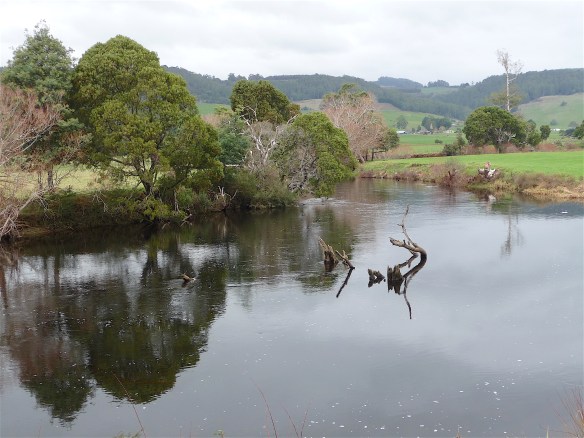
2.Leven River

In January 2011, the Leven River broke its banks and the wildlife park sustained extensive flood damage. The Wing family considered closing the park but with the help of some fantastic volunteers, they re-opened within two weeks. We arrived in time for the feeding of the Tasmanian Devils.

There were a number of assorted ducks and geese wandering around.

Most of the native animals have been rescued following injury. If they are able, they are released into their natural habitat when rehabilitated, otherwise they stay at the park for the rest of their lives.
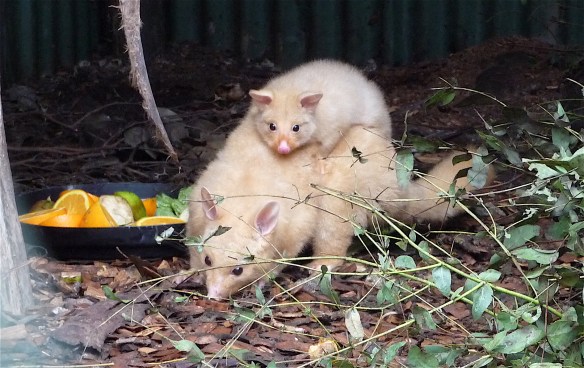
17.golden brushtail possum18.sugar glider

The eastern quoll is considered extinct on the mainland, but it does inhabit much of Tasmania.

The Bennett’s wallaby has a wonderful enclosure.

22.Bennett's wallaby enclosure

Known as the red-necked wallaby on the mainland, they are a common sight in Tasmania.
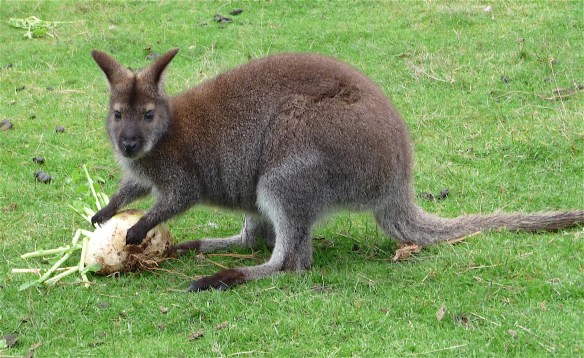
23.Bennett's wallaby1

Pademelons are gorgeous creatures, they frequent our garden at night, although I don’t think albinos would fare too well in the wild.

Wombats look so cuddly.
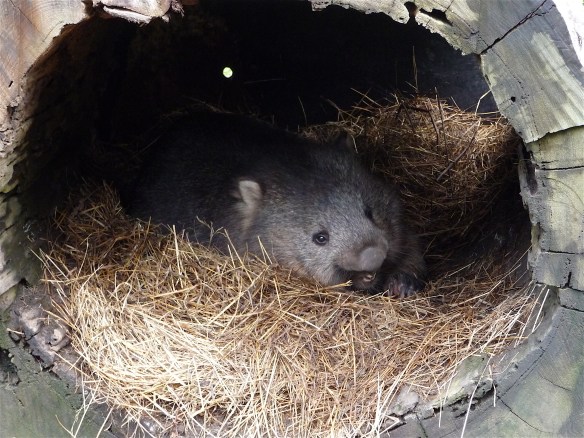
31.wombat1

This one was a bit of an acrobat.

We don’t have koalas in the wild in Tasmania

but we have plenty of lizards
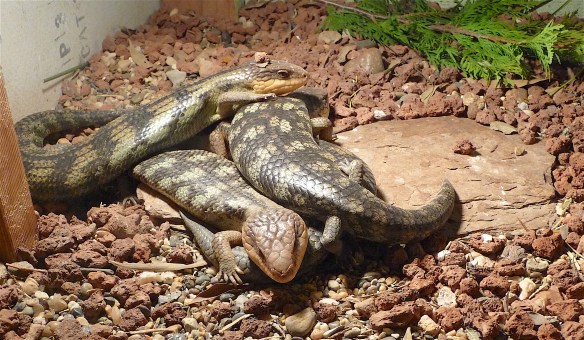
38.blotched blue tongues

and birds.

The crab-eating macaque was deep in thought

The park was the first to import American bison into Tasmania.

54.bison

There are a variety of four-legged friends

and some very cute mums with baby.

The camels seemed to be having a hard time with their vegetables.

The animals have some gorgeous scenery to enjoy

74.view175.view5

and the poplar lined driveway is a beautiful farewell to a wonderful day.

76.view4

Sidmouth

Continuing westward on our travels, we stumbled across Sidmouth, a seaside town on the coast of East Devon.

1.Sidmouth

It began to develop as a destination for ‘discriminating  visitors’ around 1800. Its popularity was a result of its climate and surroundings. We both remember the coffee and scrumptious cake we enjoyed at a café on The Esplanade.

2.Esplanade

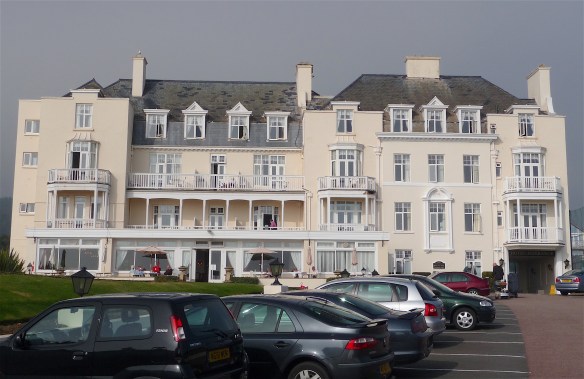
We wandered along the seafront, past the Belmont Hotel, a gorgeous luxury reminder of the Regency era.

3.The Belmont Hotel

The South West Coast Path, a 630 mile walk along stunning coastline, passes through Sidmouth.

4.Sidmouth5.Sidmouth

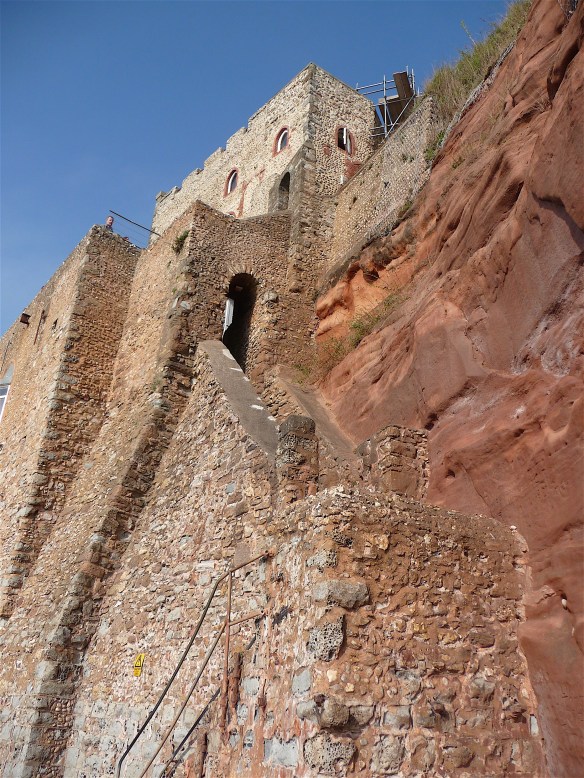
The striking red cliffs, formed 240 million years ago during the Triassic period, form part of the Jurassic Coast.

6.Sidmouth7.Sidmouth

Once a 17th century lime kiln, the Clocktower Café is perched on the cliff with sensational views.

8.The Clocktower Cafe

The path around the cliff leads to Jacob’s Ladder beach, named after the series of wooden steps leading up to the cliff top gardens.

9.Jacobs Ladder beach

The 24  colourful beach huts at the base of the steps can be rented from April to September.

10.beach huts Jacobs ladder beach

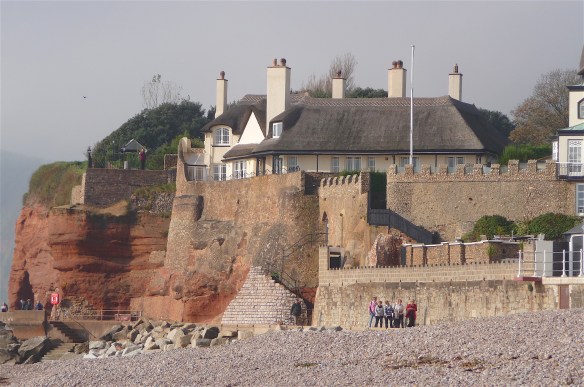
The house on the cliff overlooking the beach was intriguing.

11.The Gazebo

The ‘Gazebo’ was built on Peak Hill in 1962 by playwright, R.F. Delderfield. You could have purchased it for £795,000 in February 2011.

11.The Gazebo copy

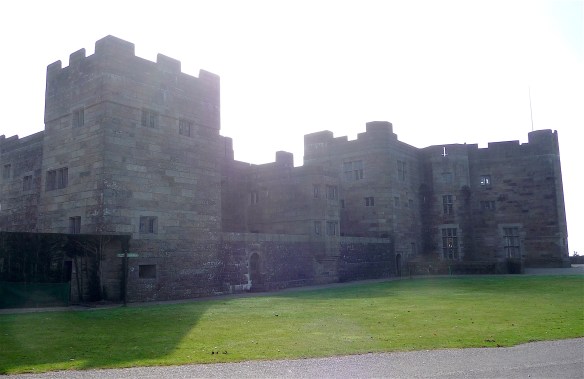
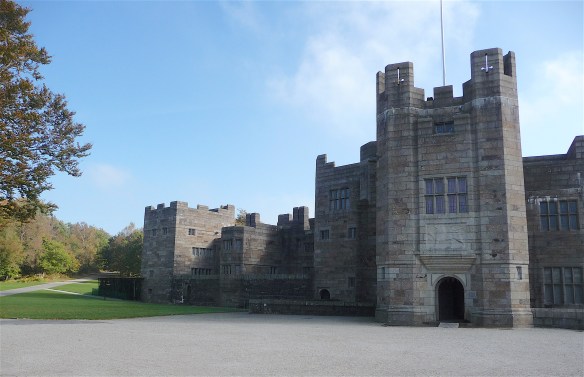
Not far from Sidmouth, on the edge of Dartmoor National Park, we discovered Castle Drogo.

12.Castle Drogo

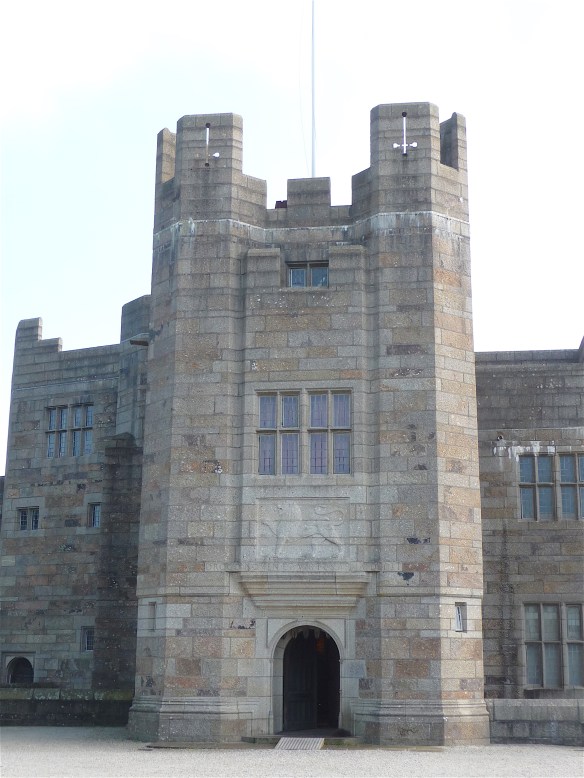
Although it appears to be a medieval castle, it was built from local granite between 1911 and 1930 for self made millionaire Julius Drewe. It was the last castle built in England and was delayed with the First World War and subsequent economic downturn.

13.Castle Drogo

Above the entrance was a sculpted lion and the Drewe family motto, ‘Drogo is my name and valour gave me arms.’

14.Castle Drogo14.Castle Drogo copy

Beyond the chapel

15.Castle Drogo chapel

the views across Devon were breathtaking.

16.Castle Drogo

Wauchope

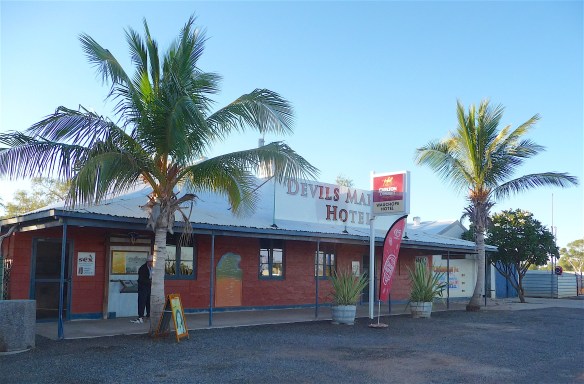
There aren’t a lot of options for somewhere to stay overnight through the middle of the Northern Territory, we fortunately found an oasis in the desert. Not far from the Devils Marbles is the tiny settlement of Wauchope, 375km north of Alice Springs. The hotel opened in 1930 to serve the needs of the local miners and cattle workers.

1.Devils Marbles Hotel

The accommodation wasn’t five star luxury

3.accommodation

but it was clean, comfortable and cosy

4.room

and I liked the sentiment found on the wall above the bed.

5.room

The garden was immaculate

6.garden7.garden8.garden

with a couple of quirky features

and a great spot to relax with a beverage

11.beer garden

by the pool.

12.pool

The locals were very friendly

13.boxer

and eager for a game of football.

14.dog

Adjacent to the dining room,

the winery offered a wide selection to choose from

17.winery

to accompany our sumptuous meals.

Before leaving the next morning, we had a closer look at the rusted wrecks garaged at the front of the hotel under the harsh desert sun.

21.cars

We were observed from on high by this magnificent creature.

33.bird

I hope he found a tasty morsel for breakfast.

Lacock Abbey

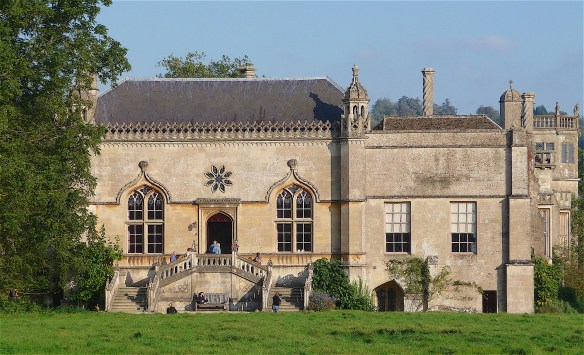
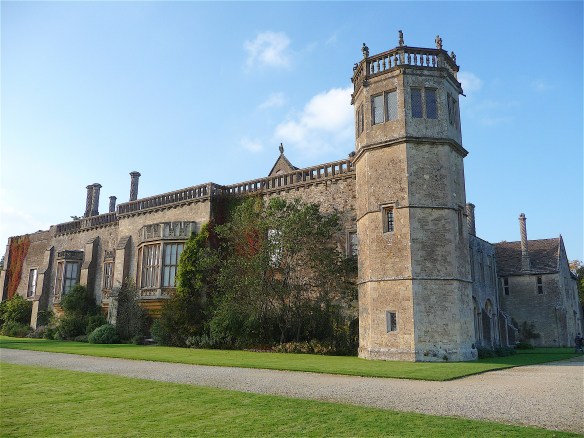
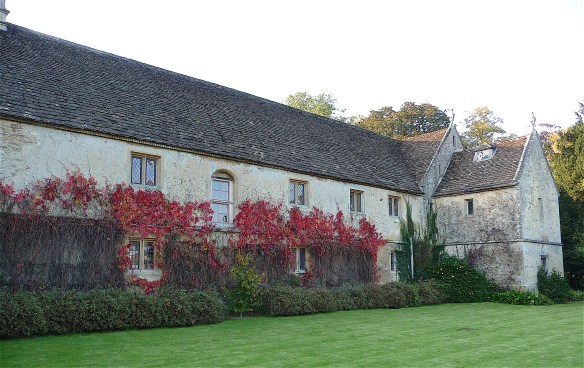
Lacock Abbey, in the village of Lacock, Wiltshire, was founded in 1232 and served as a nunnery until it was converted into a country house in 1540.

1.Lacock Abbey2.Lacock Abbey

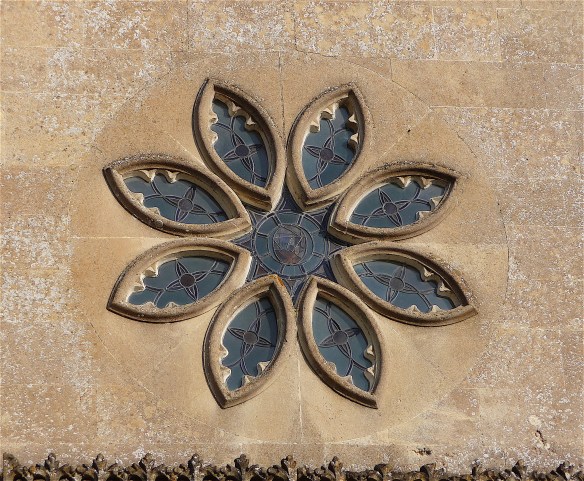
A lot of work had gone into the window above the entrance door.

3.Lacock Abbey

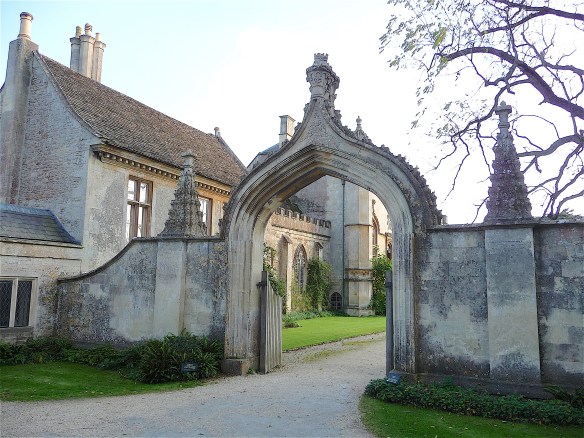
The Gothic Arch

4.Gothic Arch

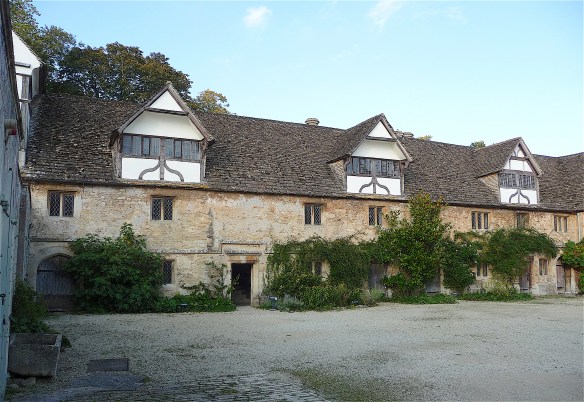
led to the Stable courtyard

5.The Stable Courtyard with brewery & bakehouse

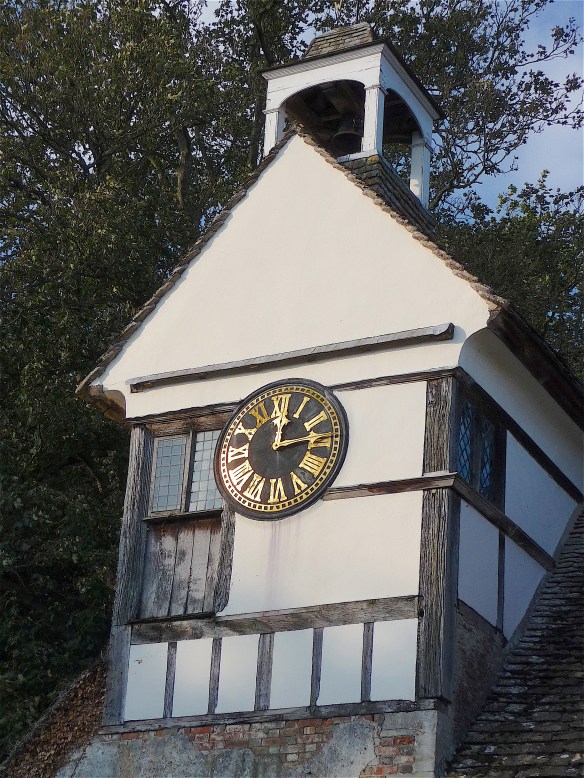
with its quirky Tudor clockhouse,

6.Clockhouse

bakehouse and brewery.

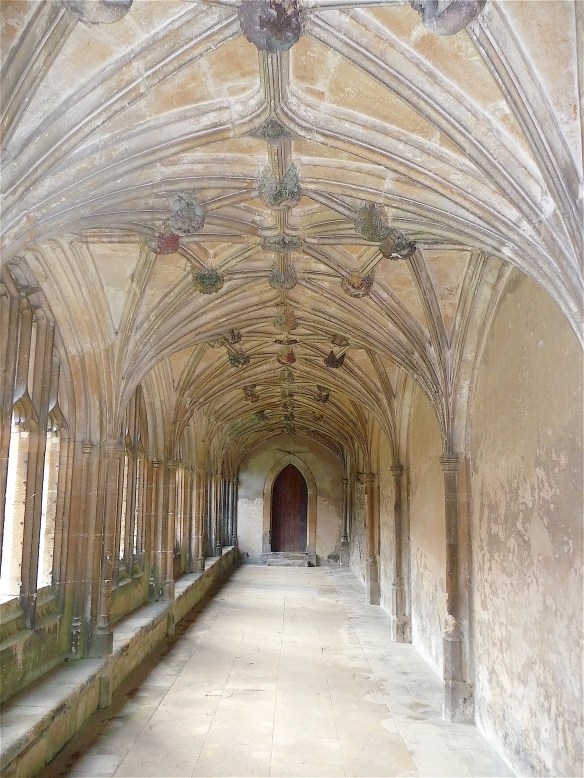
We spent some time wandering through the fascinating rooms. They may look familiar if you have seen the Harry Potter films, particularly the medieval cloisters.

14.cloisters

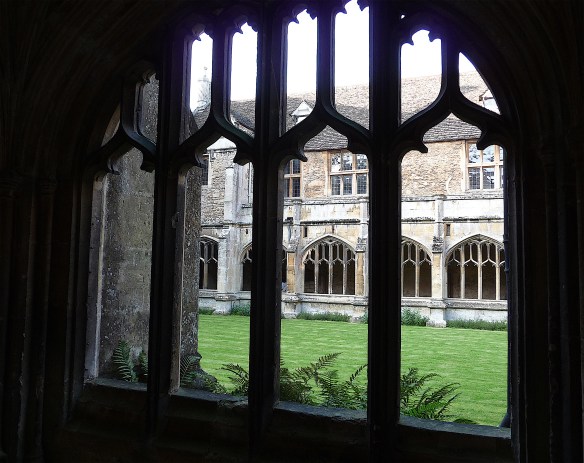
The internal cloister courtyard had a certain tranquility.

15.internal courtyard of the cloisters16.Lacock Abbey

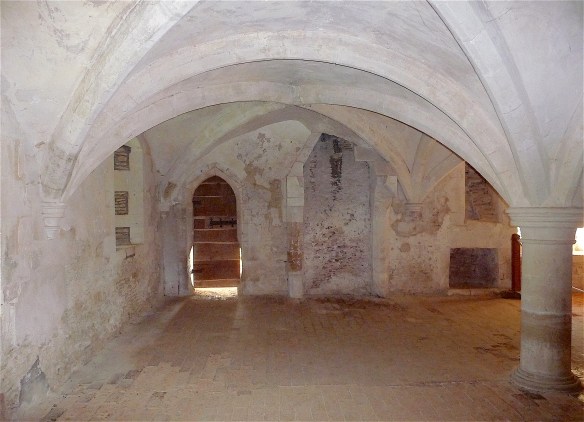
The Warming Room was the only room in the original Abbey where any warmth was provided and the 500 year old cauldron remains.

17.500 year old cauldron in the warming room

The Chaplain’s Room had a 14th century doorway and remnants of a medieval wall painting.

18.Chaplain's room

The valuables of the Abbey would have been housed in the Sacristy.

19.sacristy

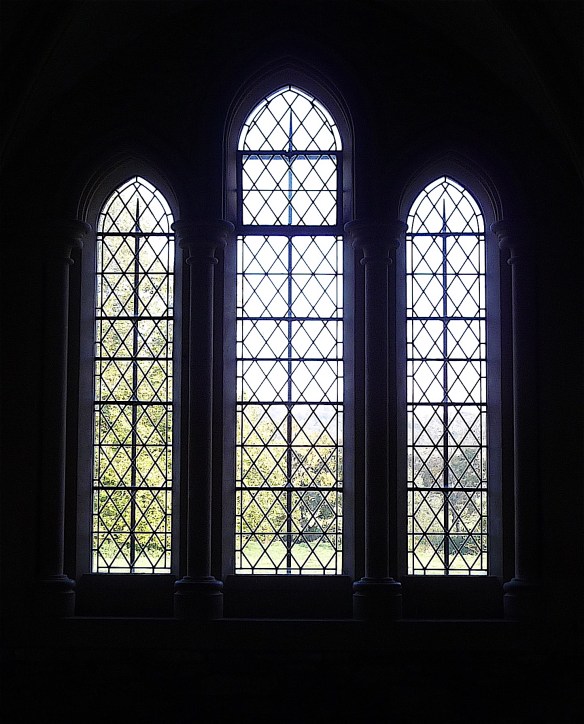
The Chapter House windows were stunning.

20.Chapter House windows

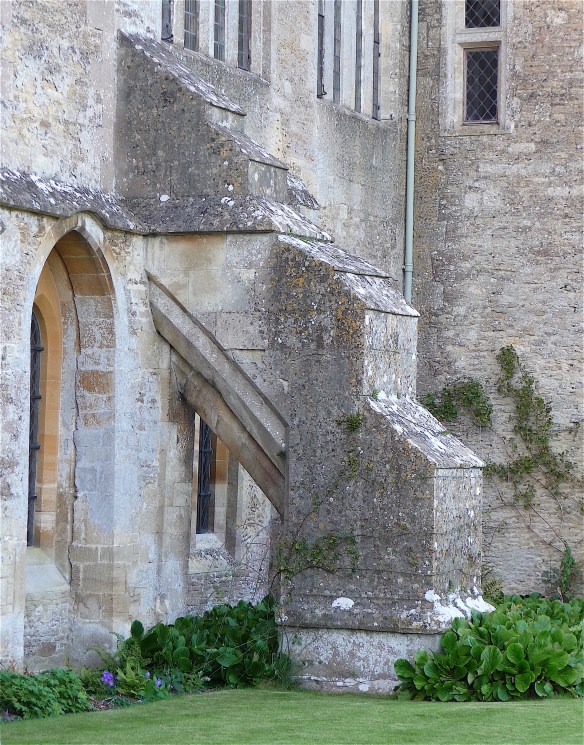
We strolled around the grounds, admiring the Abbey from all angles.

9.Lacock Abbey10.Lacock Abbey11.from the south12.Lacock Abbey21.Lacock Abbey22.Lacock Abbey23.Lacock Abbey

It would have been nice to have seen more of Lacock village – maybe next time.

Devils Marbles

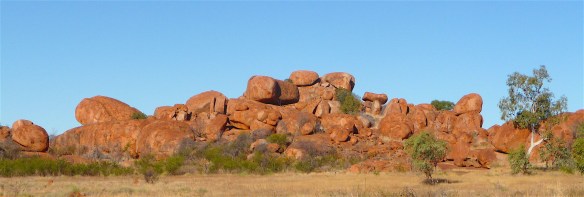
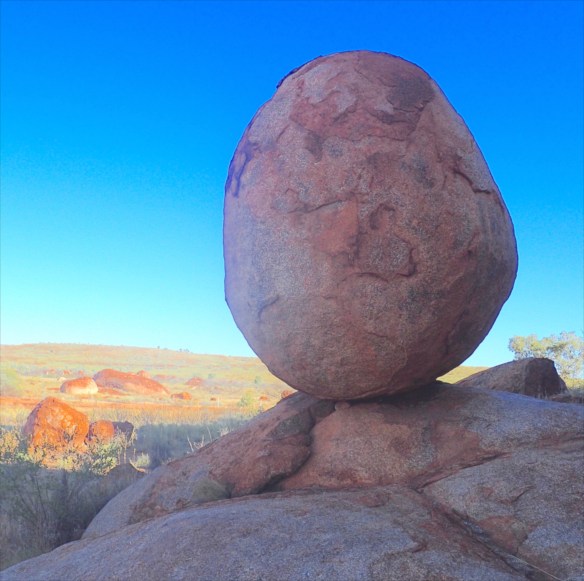
In the middle of nowhere, 1084km south of Darwin and 393km north of Alice Springs, the Devils Marbles are spectacularly scattered across the desert.

1.Devils marbles3.Devils marbles

Located in the traditional country of the Warumungu, Kaytetye and Alyawarre people, they call the Devils Marbles Karlu Karlu, which literally translates as ‘round boulders’.

4.Devils marbles

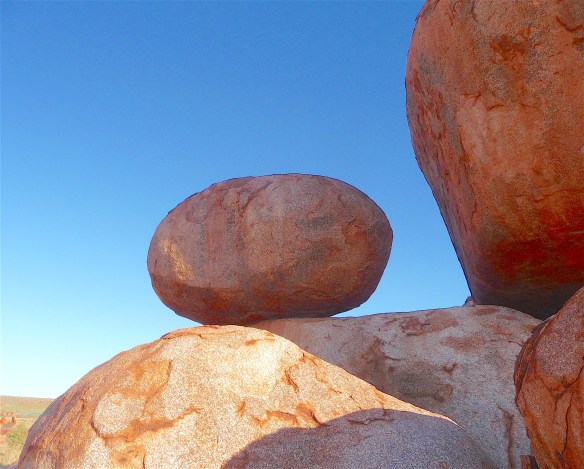
The stones are made of granite and have been formed by erosion over millions of years.

5.Devils marbles

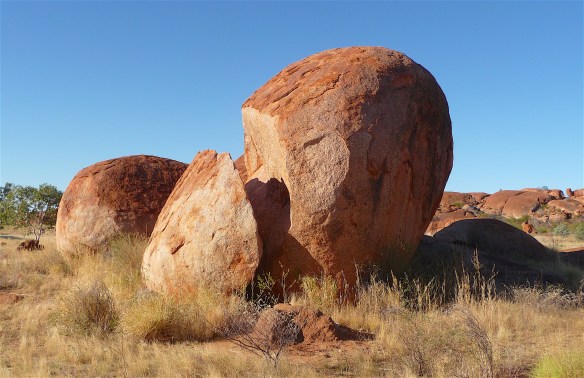
They vary in size, from 50 centimetres up to six metres across.

6.Devils marbles

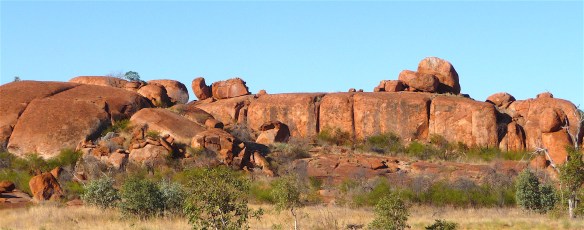
Many of the giant stones are precariously balanced on top of one another, appearing to defy gravity.

8.Devils marbles

They continue to crack and erode today, creating an ever-changing landscape.

10.Devils marbles

The Devils Marbles have great significance for the Aboriginal people and there are many ancient creation legends surrounding Karlu Karlu. Many of these stories are secret and only a few can be shared with visitors. One of the main Dreaming stories for the area relates to how the Devils Marbles were made. An ancient ancestor, ‘Arrange’, was walking through the area making a hair-string belt. As he was twirling the hair to make strings, he dropped clusters of hair on the ground which turned into the big red boulders.

11.Devils marbles