Devils Marbles

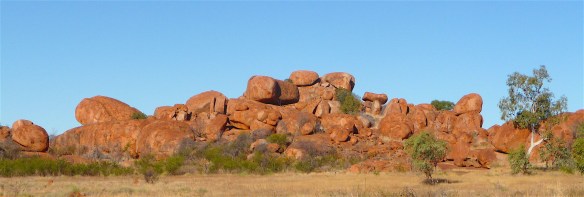
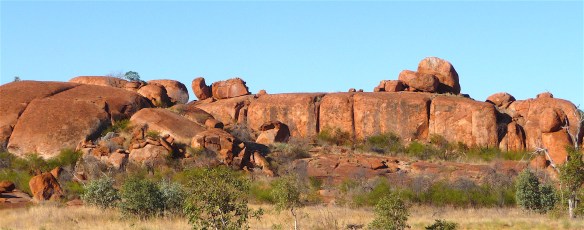
In the middle of nowhere, 1084km south of Darwin and 393km north of Alice Springs, the Devils Marbles are spectacularly scattered across the desert.

1.Devils marbles3.Devils marbles

Located in the traditional country of the Warumungu, Kaytetye and Alyawarre people, they call the Devils Marbles Karlu Karlu, which literally translates as ‘round boulders’.

4.Devils marbles

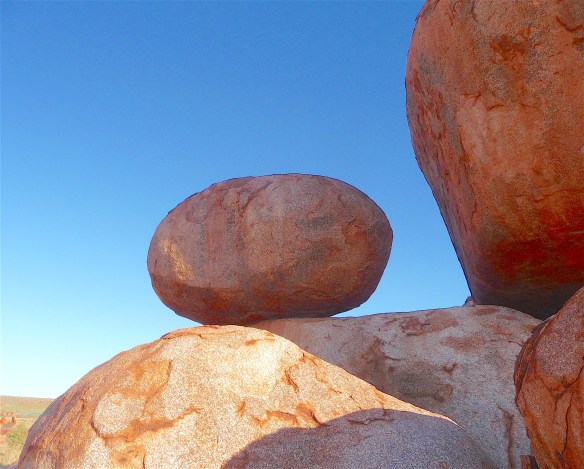
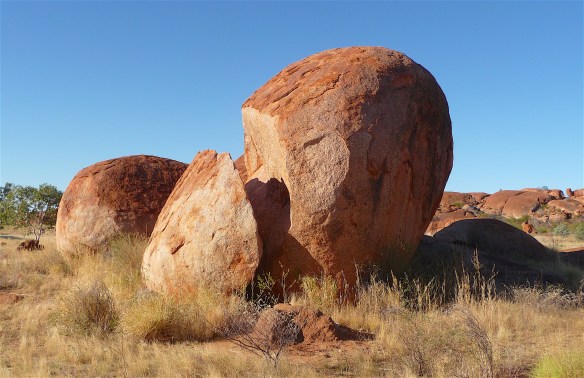
The stones are made of granite and have been formed by erosion over millions of years.

5.Devils marbles

They vary in size, from 50 centimetres up to six metres across.

6.Devils marbles

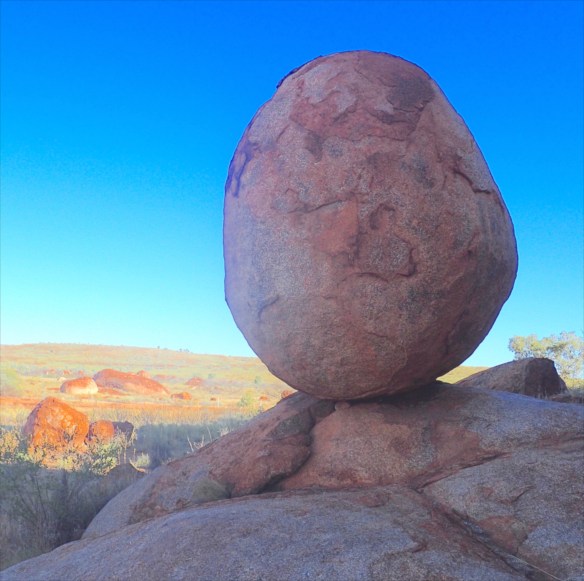
Many of the giant stones are precariously balanced on top of one another, appearing to defy gravity.

8.Devils marbles

They continue to crack and erode today, creating an ever-changing landscape.

10.Devils marbles

The Devils Marbles have great significance for the Aboriginal people and there are many ancient creation legends surrounding Karlu Karlu. Many of these stories are secret and only a few can be shared with visitors. One of the main Dreaming stories for the area relates to how the Devils Marbles were made. An ancient ancestor, ‘Arrange’, was walking through the area making a hair-string belt. As he was twirling the hair to make strings, he dropped clusters of hair on the ground which turned into the big red boulders.

11.Devils marbles

auspicious autumn

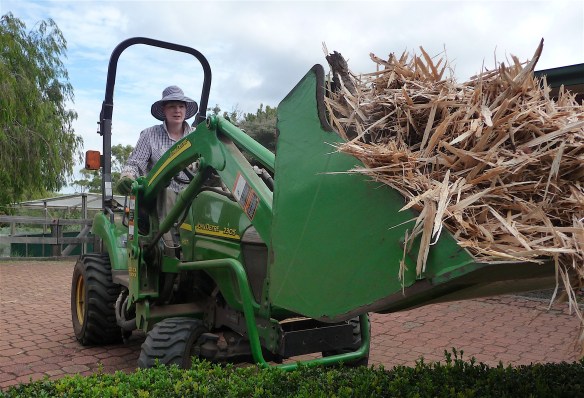
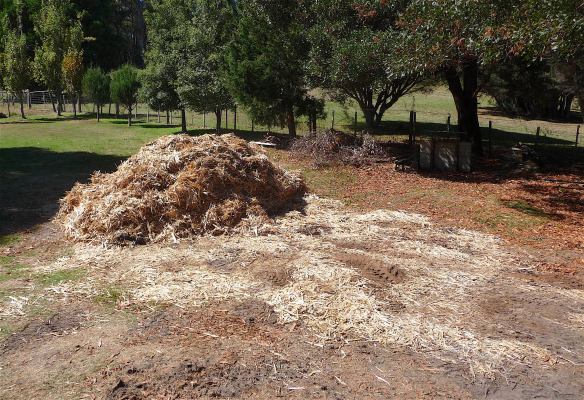
Autumn is a busy time in the garden, with two truckloads of mulch to spread

1.mulch pile14.mulching 3.mulch pile3

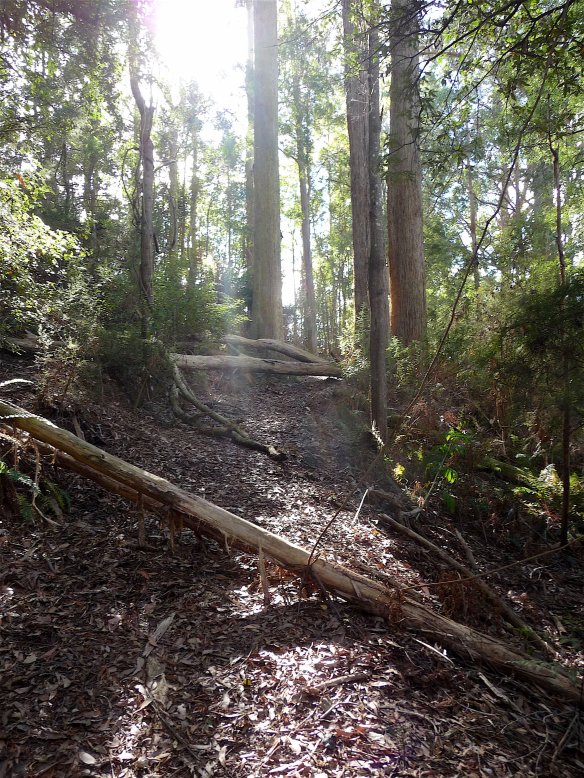
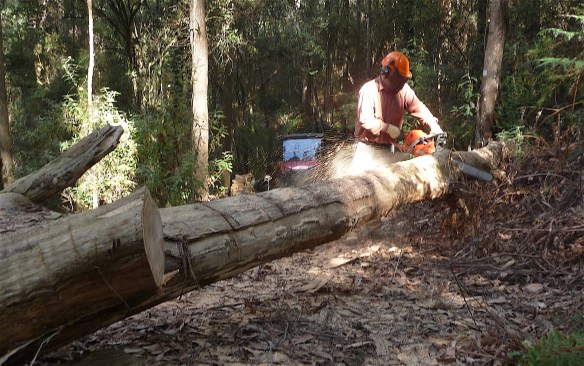
and firewood to get in for the winter. We don’t cut down trees in our forest but sometimes nature helps out.

5.wood16.wood2

It’s hard work – he cuts,

7.wood38.wood49.wood5

I stack

then Betsy helps us take it up the hill.

12.wood8

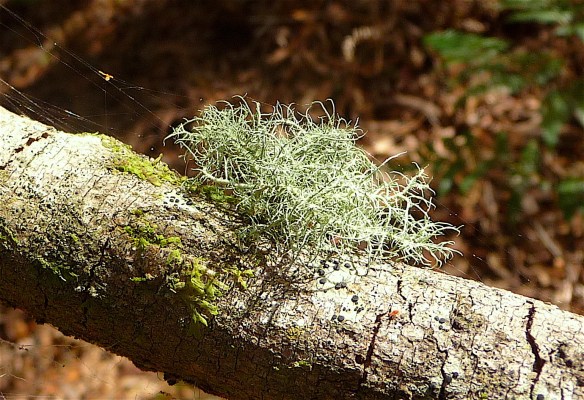
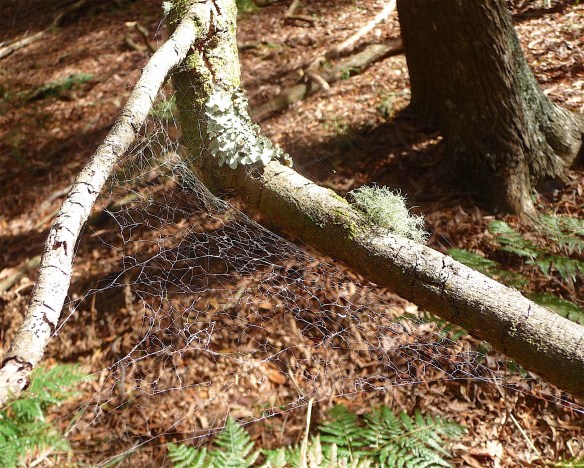
I find some fascinating features in the forest

15.lichen16.web

trees that appear to have died have not.

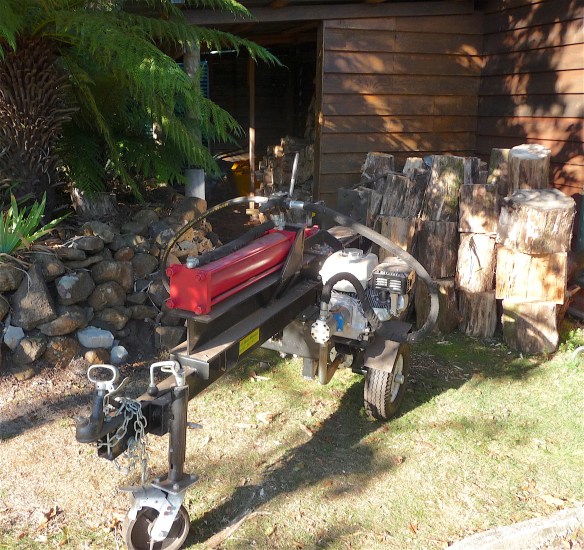
We split

19.splitter1

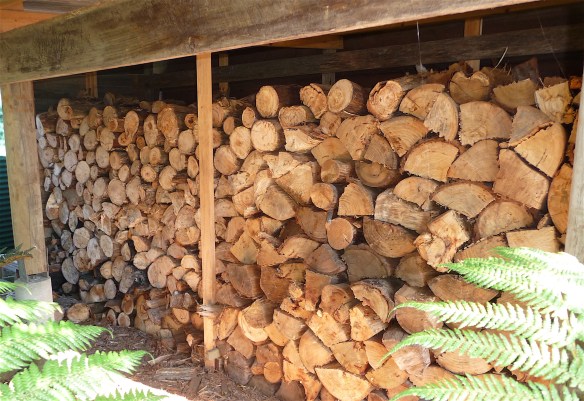
and stack the wood ready for our winter warmth.

23.woodshed1

The garden still has some colour

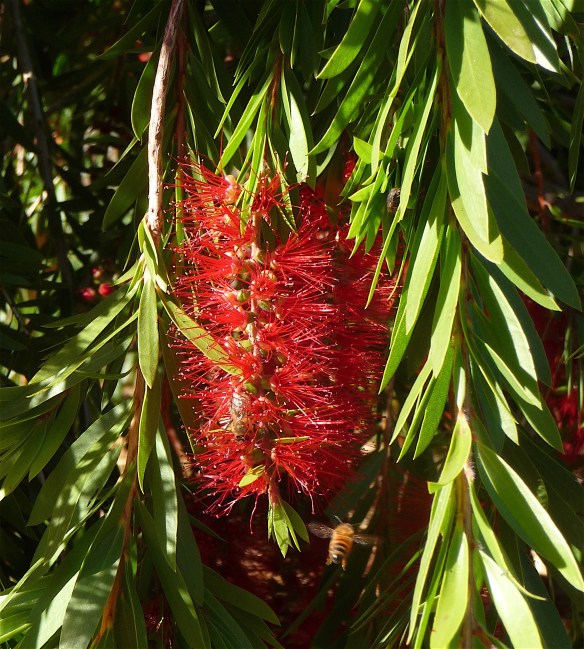
and the bees love the callistemon.

36.callistemon bee

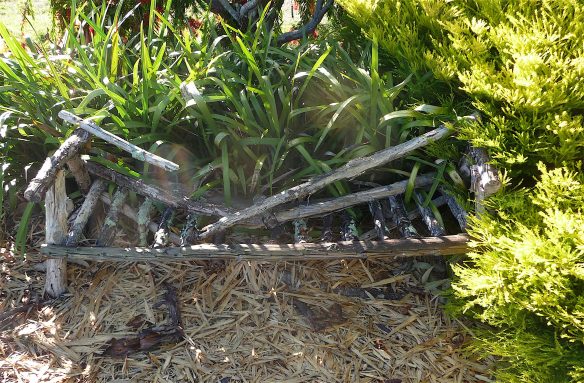
Five years ago I made a bench from the branches of our pruned fruit trees.

37.bench1

Sadly, it has succumbed to the elements.

38.bench3

Maybe another project…..

Montefegatesi

Our last day in Ponte a Serraglio was grey and drizzly but we had planned a drive to Montefegatesi and nothing was going to stop us. On the way we passed San Gemignano and took the opportunity to pull over and admire the scenery.

1.San Gemignano2.San Gemignano3.view

Montefegatesi is the highest village in Bagni di Lucca at 842m above sea level and was used by Lucca to guard the boundary with Modena.

4.Montefegatesi

We wandered through the village along impossibly narrow streets

11.walk7

14.walk10

with random cars parked at impossible angles.

15.car1

The old wooden doorways had so much character

and the houses were wedged into every available space.

25.house2

26.house328.house5

At the top of the village is a monument to Dante Alighieri built by the villagers in 1908.

29.Dante530.Dante6

His stern countenance belies the breathtaking vista from his vantage point or maybe he just doesn’t like the rain.

31.Dante432.Dante333.Dante734.Dante8

Returning to the village we were rewarded with more gorgeous views.

35.view136.view237.view3

We enjoyed a prosciutto & formaggio panini at the Pizzeria (ham & cheese roll sounds much more enticing in Italian)

38.pizzeria

before the hair-raising drive back down the mountain for our last night in Ponte a Serraglio.

down the track

We left Katherine early with a long day’s drive ahead of us. Our first break was Mataranka Homestead. Built in 1916 to serve the original sheep station, the homestead borders Elsey National Park and is situated between two rivers, the Waterhouse river and the Little Roper river.

1.Mataranka Homestead circa 19162.peacock

The early morning sun bathed us as we walked to the thermal pool.

4.walk3.walk

The thermal pool is spring fed, bubbling at a constant 34ºC. The dappled light on the surface of the water adds to the relaxing atmosphere.

5.thermal pool6.thermal pool

The river was so peaceful and still

9.river

and the return walk was hugged by majestic palm trees.

11.return walk

In the early 1980s, a movie based on Jeannie Gunn’s “We of the Never Never” was shot around Mataranka. A replica of the old Elsey Homestead was erected for the film and still stands at Mataranka Homestead.

12.We of the Never Never

200km along the track we stopped at Daly Waters. The name was given to a series of natural springs by John McDouall Stuart, after the new Governor of South Australia, Sir Dominick Daly.

There was some interesting signage in the town.

The famous pub is decorated with memorabilia left by visitors from all over the globe. Rumour has it that it started in the 1980s with a drinking bet between a coach driver and his female passengers.

27.bras

The beer garden was delightfully rustic

31.beer garden

and the signage theme continued.

We lunched a bit further on at the roadhouse at Dunmarra, a small settlement on the historic Overland Telegraph Line. We were joined by a group of apostlebirds, named after the apostles because they travel in groups of 12.

I like to know how places get their names and this one is quite convoluted. Dan O’Mara, an Overland Telegraph linesman, disappeared in the region in the early 1900s. Drover Noel Healy established a cattle station in the 1930s and discovered O’Mara’s skeleton in the bush. The local Aboriginal people couldn’t pronounce O’Mara and their attempts sounded more like Dunmarra and so, the station was named.

the wild west

The small settlement of Arthur River on Tasmania’s west coast is home to less than 50 permanent residents.

1.looking back

Named after the only Tasmanian river that is completely wild – never logged, never dammed – the mouth of which empties into the mighty Southern Ocean.

2.river meets ocean

The winds of the Roaring Forties combine with fierce ocean currents and travel from  Argentina, 15,000km away, across the longest uninterrupted expanse of ocean in the world. I tried to capture the power of the waves breaking over this solitary rock. I didn’t succeed.

3.rock14.rock25.rock3

The washing machine effect of the waves, combined with the river flow, carry five hundred year old forest giants of Tasmanian Oak, Blackwood, Myrtle and Sassafras and heave them ashore as if they were twigs.

6.flotsam17.flotsam2

Just south of Arthur River is Gardiner Point…..The Edge of the World….

8.the edge

Written by Brian Inder, a Tasmanian tourism pioneer, he describes exactly how it feels to stand on the rugged coastline with nothing but ocean beyond.

9.shoreline110.shoreline211.shoreline3