monochrome Melbourne

In 1973, Paul Simon released the song, ‘Kodachrome’ and I distinctly remember his notion that “…everything looks worse in black and white.” I decided to put this to the test on a recent trip to Melbourne. I have always found something fascinatingly enigmatic about monochrome photographs, perhaps it’s the invitation to look closer to discern images less obvious. The London plane tree below our apartment window does seem to lack something without the verdancy,
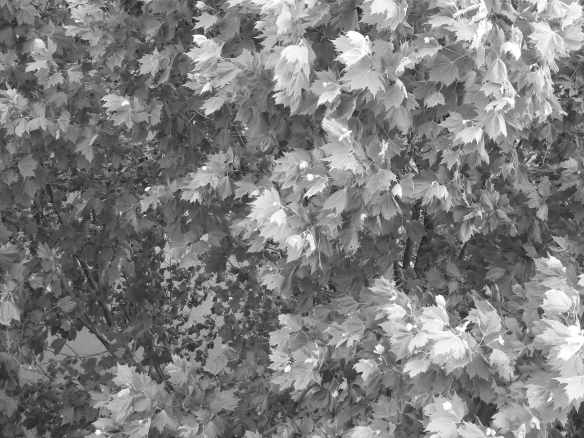
1.London plane tree

and the food looks a little less enticing.
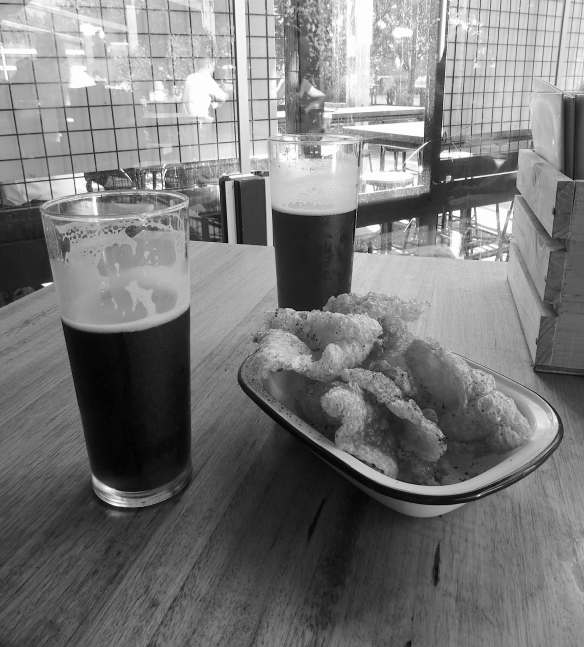
2.ale & pork crackle

We wandered along Southbank, the late afternoon sunlight glinting off the water. The bar on Ponyfish Island seems to be perpetually crowded.

3.Southbank Pedestrian Bridge & Ponyfish Island4.Ponyfish Island5.Southbank Pedestrian Bridge

It was a perfect evening to be out on the Yarra

6.rowers

or to sit with a beverage and just observe.

7.wine

Friends, lovers and loners were enjoying the ambience,

as the sinking sun danced on the leaves of the plane trees.

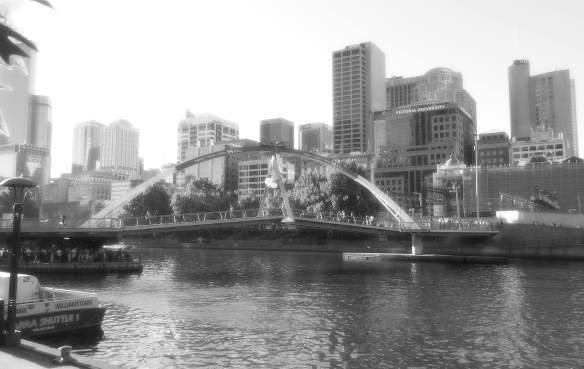
The next morning, we crossed the pedestrian bridge
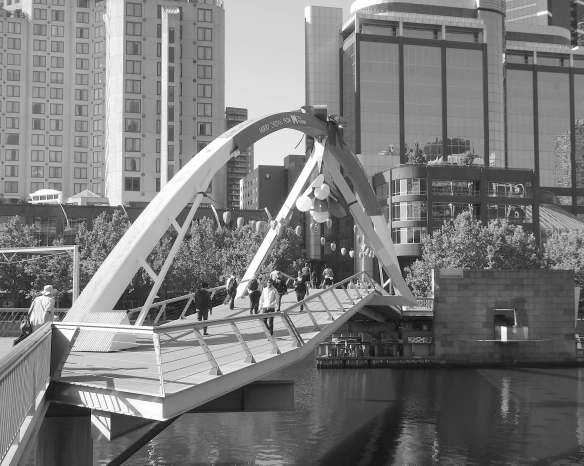
13.Southbank Pedestrian Bridge

pausing halfway to capture the view upstream.

14.Yarra River, Princes Bridge

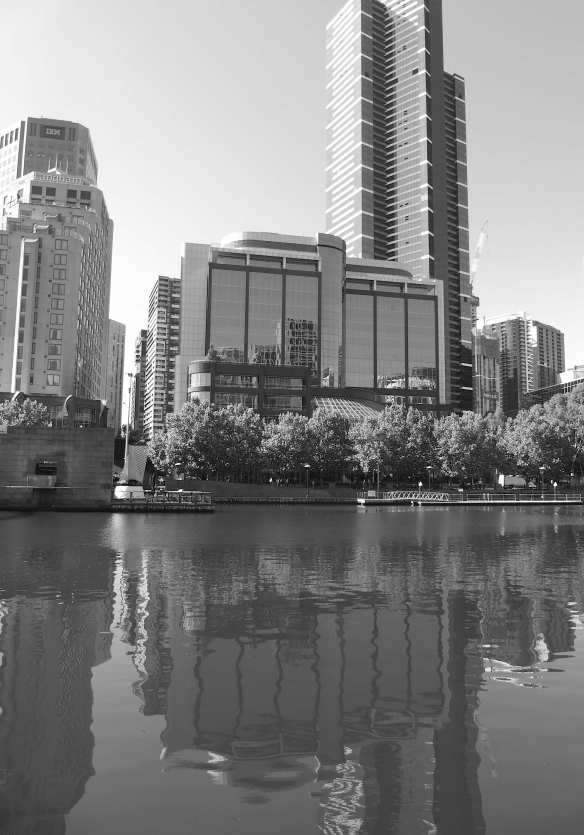
The buildings are just as impressive without colour

15.Eureka Tower16.Melbourne skyline

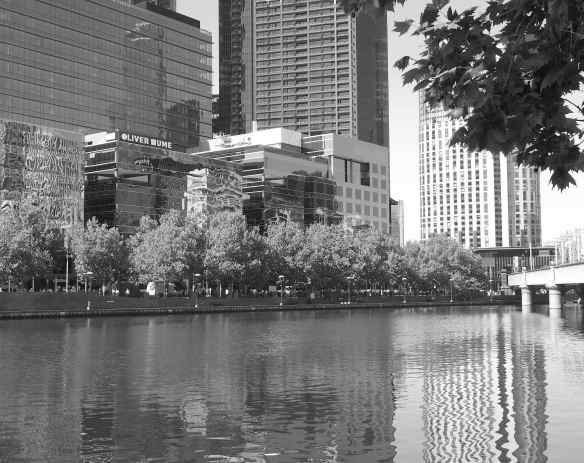
and the reflections mesmerising

17.Southbank18.Southbank19.Southbank

as we strolled along Flinders Walk.

20.Flinders Walk

We passed Sandridge Bridge, The Travellers sculptures telling stories of past immigrants to Australia.

23.rowers24.Sandridge Bridge & skyline

Someone had kindly left birdseed for our feathered friends.
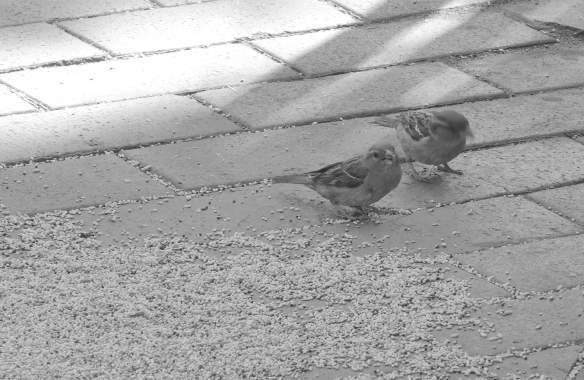
25.birds

The rowers were being pursued by a lone gull – or so it seemed.

26.rowers

I wonder if this cormorant could smell the fish at the Sea Life Aquarium across the river. He looks like a statue against the abstract motion of the water.

28.cormorant27.Sealife

Not far past Seafarers Bridge

29.Seafarers Bridge

we reached our destination – DFO, South Wharf.
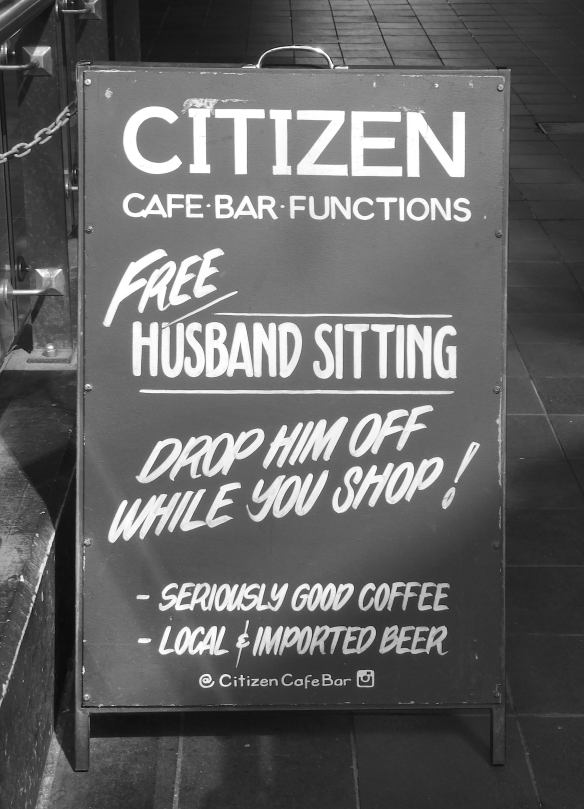
30. DFO South Wharf

Interestingly, when Paul Simon recorded his concerts in Central Park in 1982 and 1991, he changed the lyrics to “…everything looks better in black and white.” You can decide for yourself.

summer sunset

Last evening, after a sweltering 30°C day, we drove Cooper, with the top down, into Burnie to attend the preview of the “National Geographic 50 Greatest Photographs” exhibition at the art gallery. We are very privileged to have this fantastic exhibition here in Burnie as part of the world tour. Each 3′ X 4′ image is accompanied by the story behind the photo as well as the photographer who captured the moment. I shall have to return and spend more time absorbing the works and to watch the many videos with behind-the-scenes stories and interviews. We used the excuse of being in town to dine at our favourite Bayviews Restaurant once again. With heavy cloud cover I didn’t expect much of a sunset but at 9pm, the world outside turned a stunning shade of pink.
1.summer sunset2.summer sunset

I should never have doubted nature’s ability to produce a spectacular show.

3.summer sunset

Lake Claremont

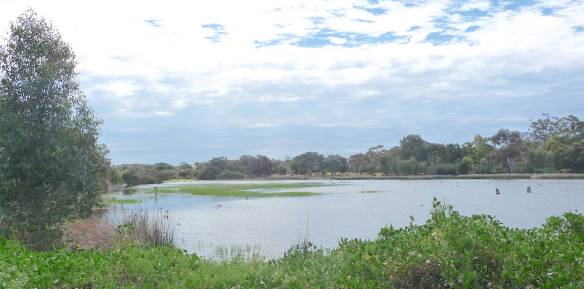
The last thing I expected in the middle of suburban Perth was the beautiful conservation area that is Lake Claremont. The reserve covers 70ha and hosts a variety of flora and fauna, including over 87 species of birds. Prior to 1831, the wetland area provided food for the Mooro people. With pressure from European settlement and rising waters, the last of the Aborigines moved away in the 1940s. It is now a recognised site of Aboriginal heritage.

1.Lake Claremont

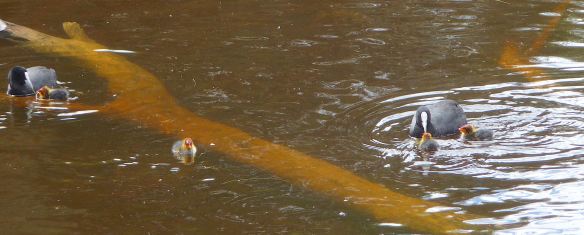
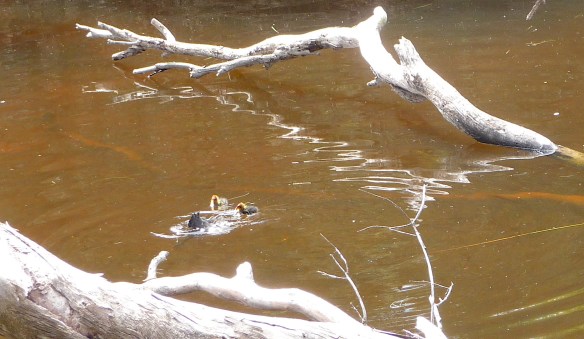
Although spring had not yet sprung, the birdlife was busy with family raising duties. The Eurasian coot, though attractive, is not particularly colourful. The bright, fluffy chicks are absolutely gorgeous.

2.Eurasian Coot

Both parents share the rearing responsibilities, including teaching them how to dive for food.

5.Eurasian Coot chicks

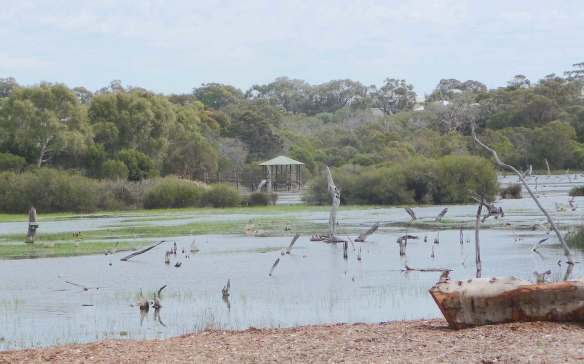
The Aborigines weren’t the only victims of the rising waters. The once majestic paperbarks that dominated the central area couldn’t survive the permanent submergence.

6.Lake Claremont

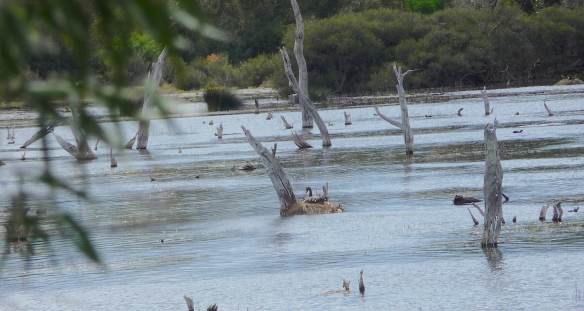
The remnants provide nesting grounds for the waterbirds

7.nesting Black Swan

and add another dimension to the landscape.

8.Lake Claremont

The black swan is the official bird emblem of Western Australia, this majestic mother comfortable on her nest mound.

9.nesting Black Swan

Another swan family were out with their youngsters while the Australian shelducks seemed to walk on water.

10.Black Swan with cygnets & shelducks

Pink-eared ducks were resting nearby, they feed by filtering water and soft mud with their specially shaped bills.

11.pink-eared duck

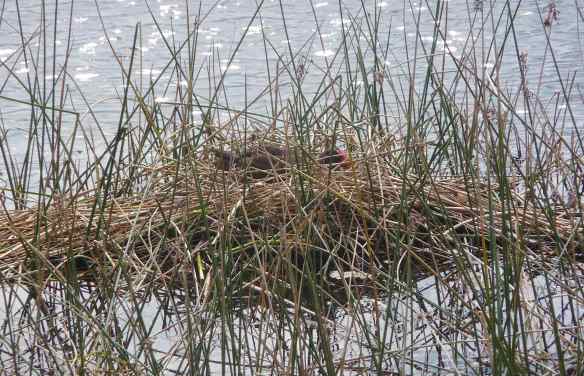
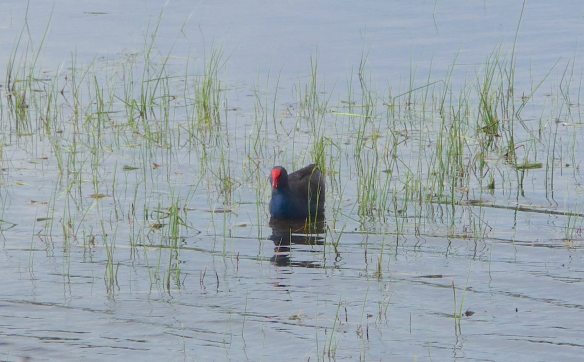
Purple swamphens build nesting mounds among the reeds at the lakes edge,

12.nesting Purple Swamphen

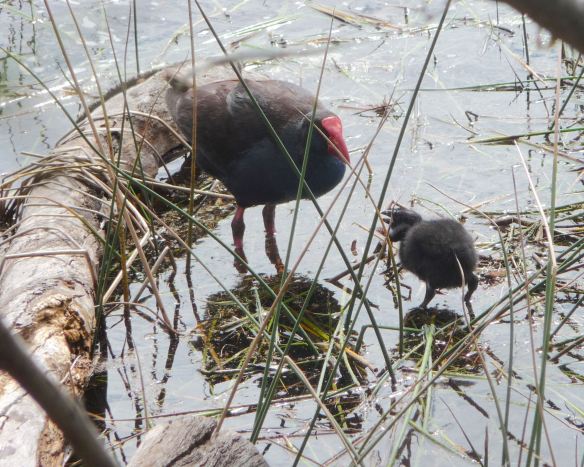
the chicks have feeding lessons in the shallows.

13.Purple Swamphen with chick

The swamphens are mostly vegetarian but will also eat eggs and very young birds.

14.Purple Swamphen

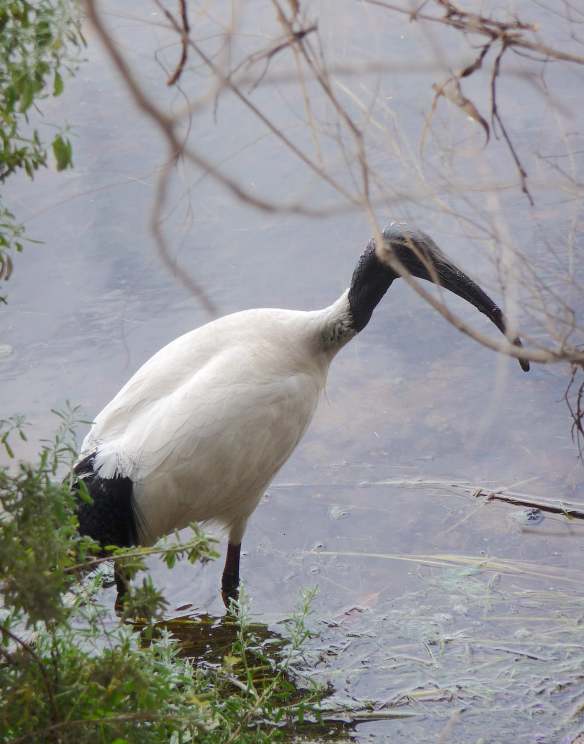
The Australian white ibis is one of two ibis species at the lake. They forage for aquatic animals and are known to eat snakes.

16.Australian white ibis

As we continued our circuit of the lake,

17.Lake Claremont

we found some paperbarks still thriving on the shore.

18.paperbark

This lone Pacific black duck was taking some time out.

19.Pacific black duck

Another family of purple swamphens were enjoying breakfast

24.Purple Swamphen & chick

as we returned to our starting point.

25.Lake Claremont

What a wonderful way to start the day, thank you Jude.

snooping snake

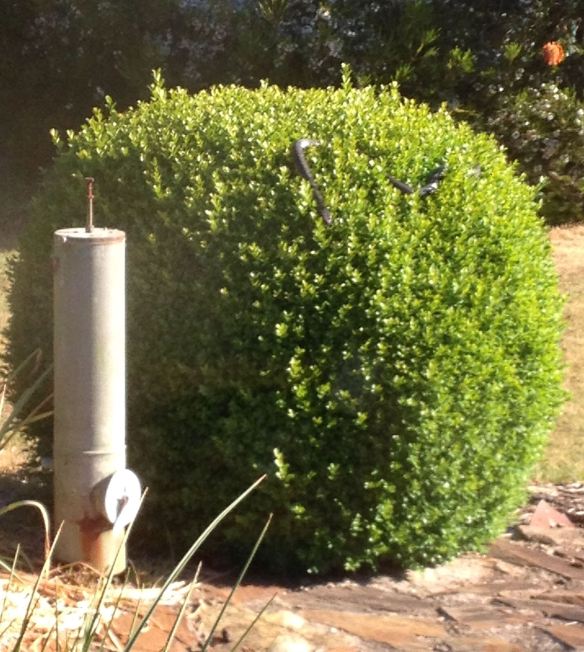
After a long cold winter, our resident reptiles have been enjoying the summer sunshine. Once the weather warms up, we become more vigilant around the garden and when walking Poppy in the forest. We recently had a visitor waiting at the door when I returned from work. She moved off as I approached and I encouraged her direction of retreat to the other side of the house. We met again about an hour later on my way back from the veggie patch, she promptly sought sanctuary under the box hedge by the front door. Poppy and I went inside but I kept an eye out at to see where our guest would go next. Expecting to see her at ground level as she emerged from the hedge, I was surprised to see something atop a bush four metres away.

1.snake atop bush

Once my heart restarted, I snapped a couple of pics with my phone. Usually, the small birds alert us to the presence of a snake, staying well out of the way and making lots of noise. The blue wren next to the bush didn’t seem to be aware at all.

2.waiting for the birds

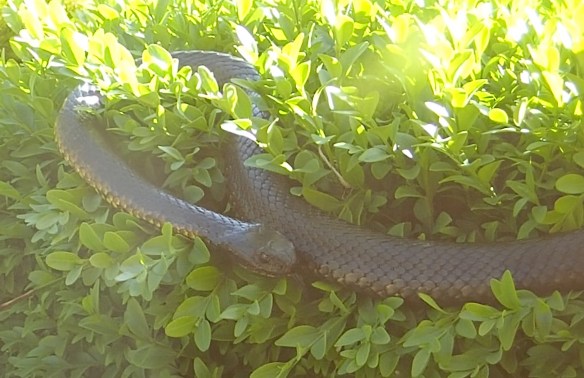
I raced inside to grab the camera and when I returned, the snake was no longer on the bush. Scanning the garden, a blasphemous expletive escaped my lips as I saw her on the box hedge right outside the window.

3.on box hedge

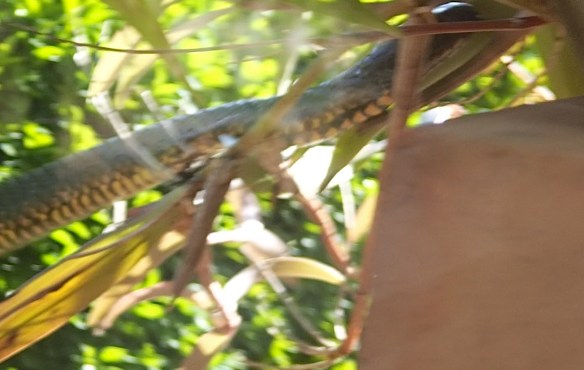
I don’t know if she was admiring our new renovations but she obviously wanted a closer look because she crossed open space, mid-air, to a pot plant nearer the window.

4.on box hedge5.crossing to pot plant6.crossing to pot plant

At this point, the camera peeked outside – I didn’t.

7.in pot plant

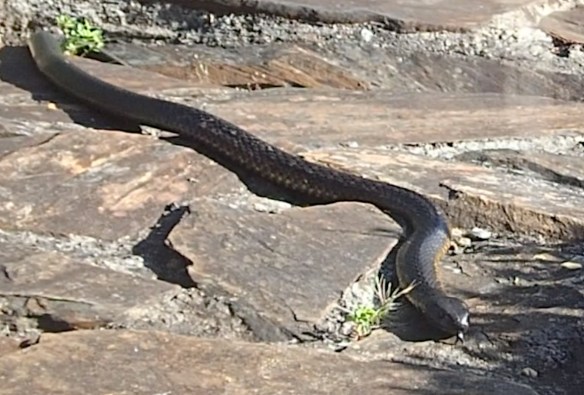
She then dropped to the ground and headed toward the pond, possibly in search of a tasty frog or two.

8.still searching

I don’t think she found any, she came back to the window.

9.coming back10.coming back

She may have seen her reflection as a mate or rival,

11.up close

or maybe she could see me and the glint off the camera.

12.can she see me?

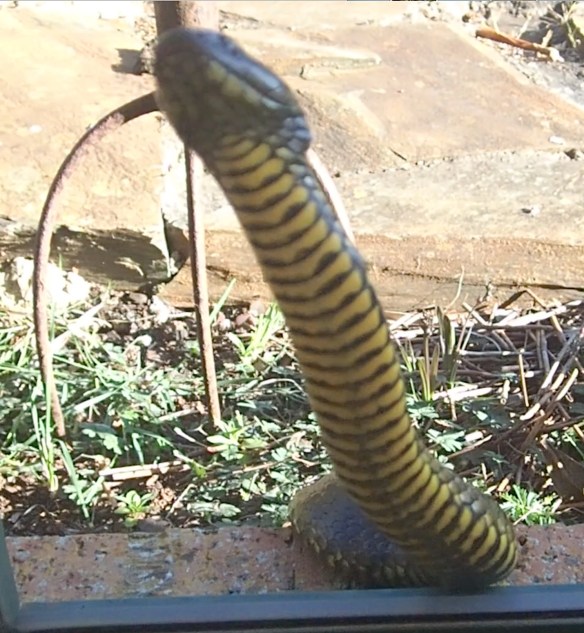
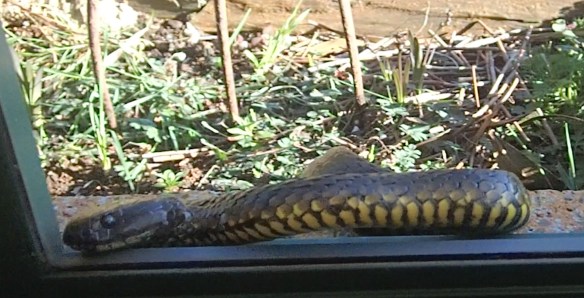
I’m referring to her as a female because she wasn’t as big as some and her head isn’t that distinctive diamond shape of the males with the wide jaw.

13.can she see her reflection?

I could be wrong. It’s easy to see from the markings why they are called tiger snakes.

14.fabulous markings

Is that a smile?

15.is that a smile?

She finally got bored and moved off, hopefully to find what she was looking for.

If you would like to watch the video of this encounter, here is the link https://www.youtube.com/watch?v=R9PSWwWqijw&feature=youtu.be

By the way, in our experience, this is not the usual behaviour of tiger snakes. They are timid creatures and will retreat very quickly in human presence. Yes, they are deadly but only if they bite. People get bitten when they are trying to kill, catch or corner them. We prefer to live and let live and anyway,  they are protected in Tasmania.

La Lucciola

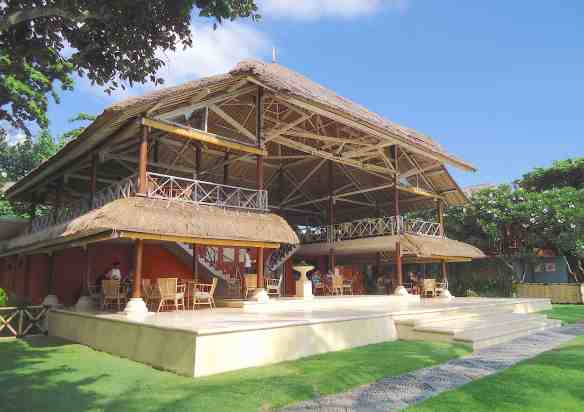
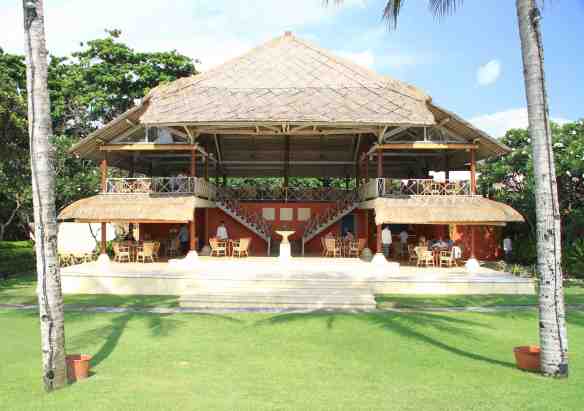
If there is one thing you can rely on in Bali, it’s the fabulous food. Coupled with a stunning location, you have La Lucciola at Seminyak. After a stroll along the main street accompanied by the cacophony of traffic and populace, reaching La Lucciola was nirvana.

1.La Lucciola2.La Lucciola

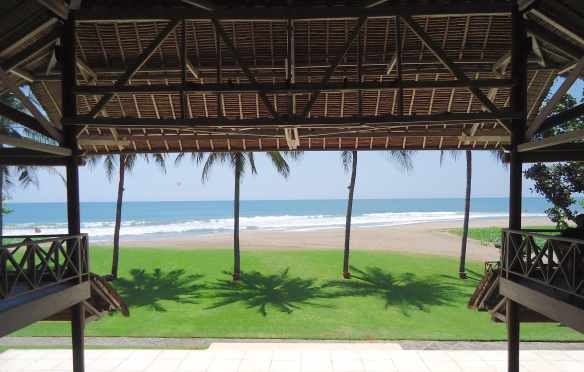
Seated on the upstairs balcony, the gentle sea breeze mingled with that of the overhead fans and the tranquil view perfected the scene.

3.La Lucciola

The undrinkable water forced us to order cocktails instead, anything to quench the thirst.

The flower arrangements were quite spectacular, even in the bathrooms.

The meals disappeared too quickly for photographs but I caught a couple of the desserts.

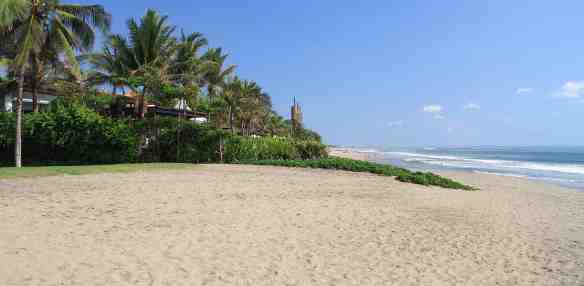
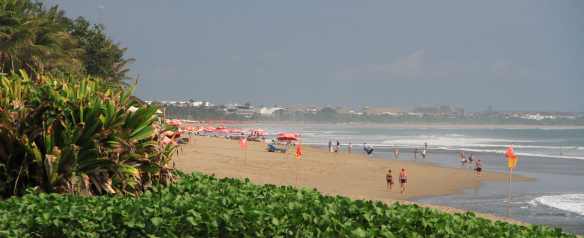
After lunch, we walked onto the sands, soft and golden on this part of the island.

11.Seminyak Beach

Seminyak Beach comprises three adjoining coastal strips, the southernmost bordering Legian Beach.

12.Seminyak Beach

This little squirrel has certainly chosen a lovely spot to call home.