Cosmeston

After wrenching ourselves away from Cornwall, we continued on our travels to Wales. Staying in Penarth, we were able to explore the surrounding Vale of Glamorgan. We discovered Cosmeston Medieval Village.
13.Cosmeston

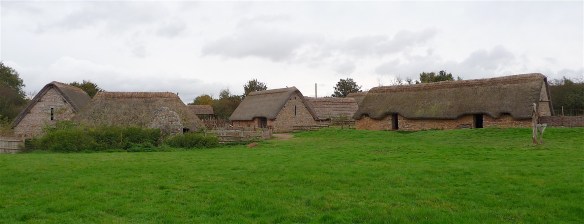
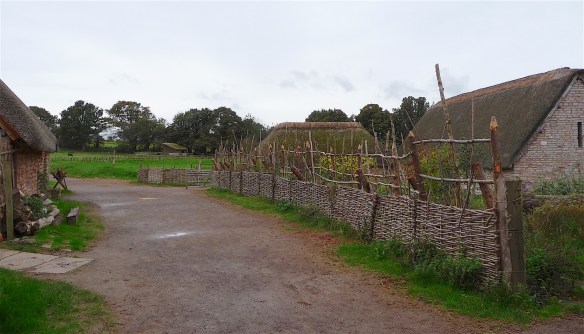
The remains of 14th century stone buildings were unearthed during the development of Cosmeston Lakes Country Park in 1978.
1.Cosmeston

A unique archaeological project restored the medieval village of Cosmeston on its original site and foundations. We were greeted by a man dressed for the year 1350, then left to roam at will.

2.Cosmeston4.Cosmeston

5.Cosmeston

The pigs had a very cosy house.
There was plenty happening in 1350 – Britain was in its twelfth year of the Hundred Years War with France

9.Cosmeston10.Cosmeston

and was slowly recovering from the Black Death of 1348, which killed almost half the population.
13.Cosmeston

Some of the pigs were shy

17.Pig

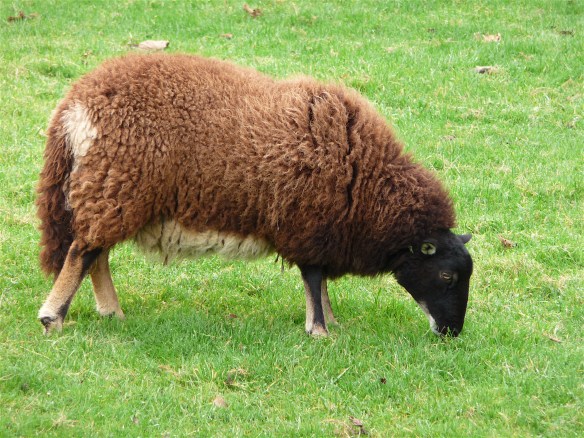
but the sheep seemed contented.

18.sheep

We wandered around Cosmeston Lakes, with 12 hectares of open water

19.Cosmeston

there was plenty of birdlife.

The park was beautiful

24.Cosmeston

and the autumn colours quite spectacular.

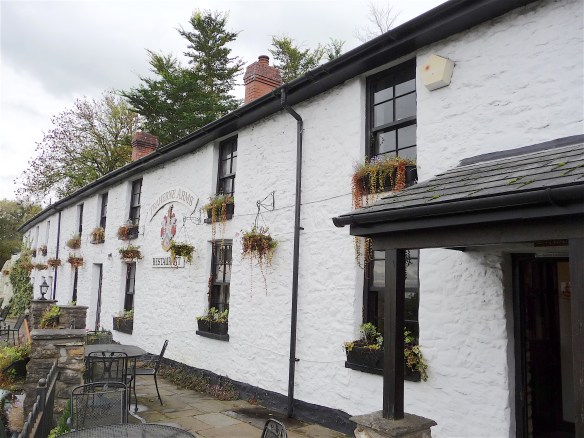
We had worked up a bit of a thirst and luckily, stumbled across the Traherne Arms. Situated on a hill called the Tumble, overlooking Cardiff, it was actually a very busy restaurant. The gentleman behind the bar was initially not very happy but took pity on us and served us a pint. He took the time out for a chat and then gave us a souvenir ‘Brains’ bar towel!

27.Traherne Arms

I like this story. Until the 19th Century it was known as the Tumbledown Dick Inn. Named after Richard, the son of Oliver Cromwell, following an ample lunch in the company of the Jones’ of Fonmon Castle, fell off his horse while descending the hill, giving him the alias of Tumbledown Dick.

Vico Pancellorum

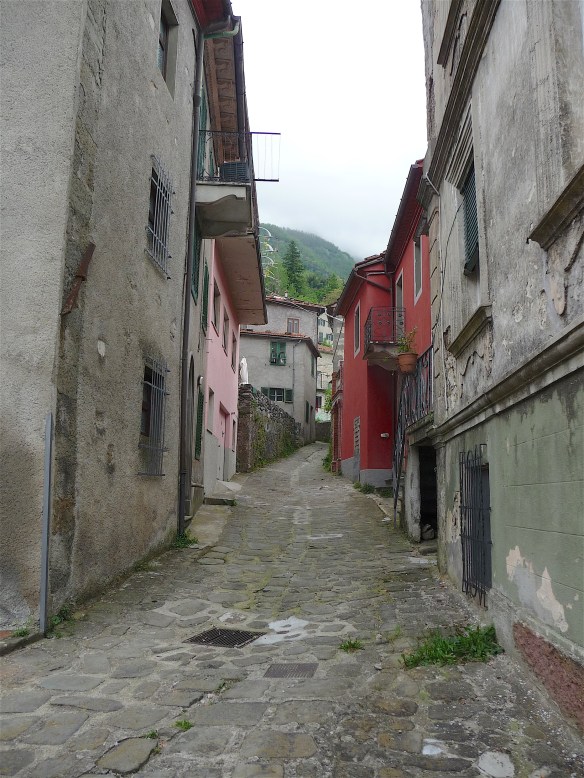
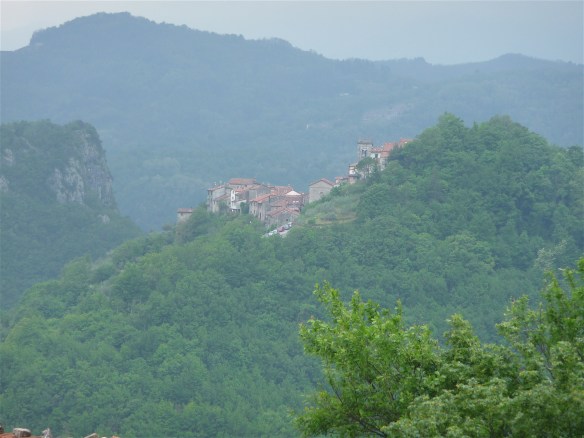
Sunday was a day of rest for the hardworking luthiers so, having been recommended a certain restaurant, we drove to the village of Vico Pancellorum to sample for ourselves. The village is the last in Bagni di Lucca heading up the Lima River. We spent some time before lunch exploring the village

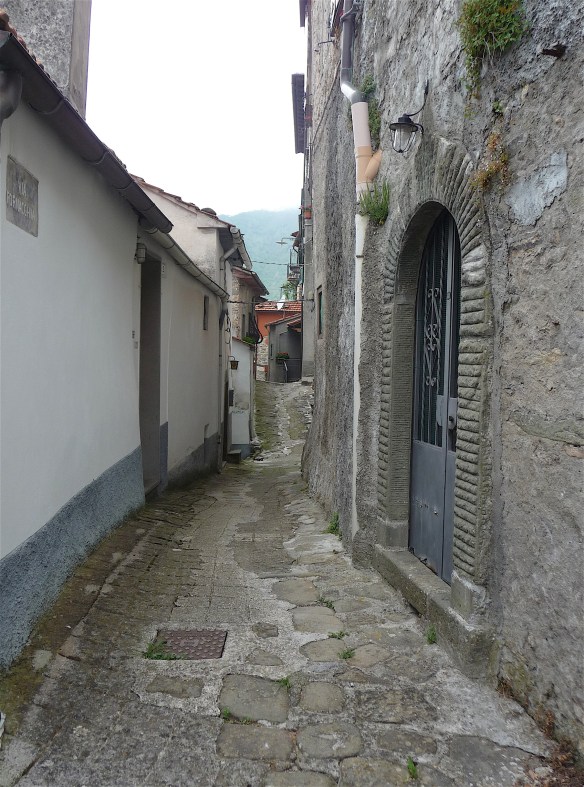
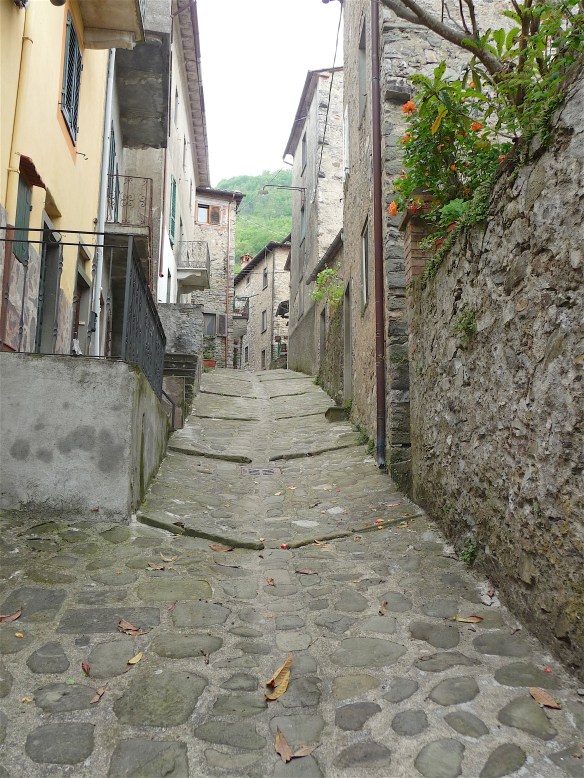
1.walk2.walk

and admiring the majesty of the countryside.

3.view

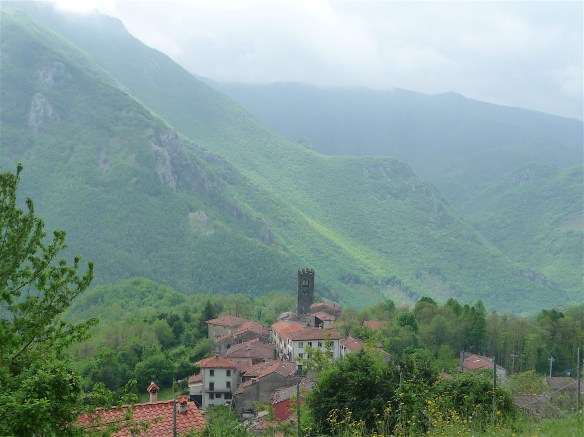
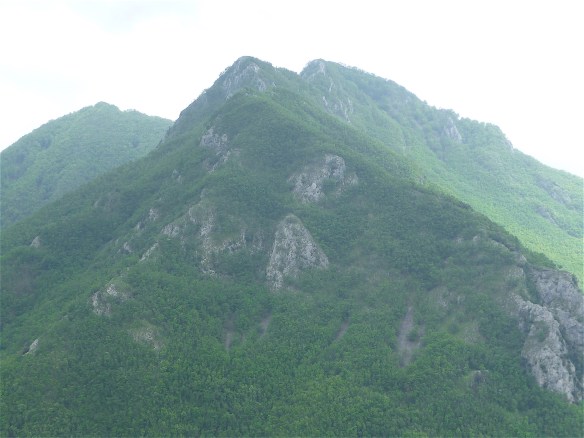
The houses cling to the steep hillside leading to one of the tallest mountains in Tuscany,

4.village

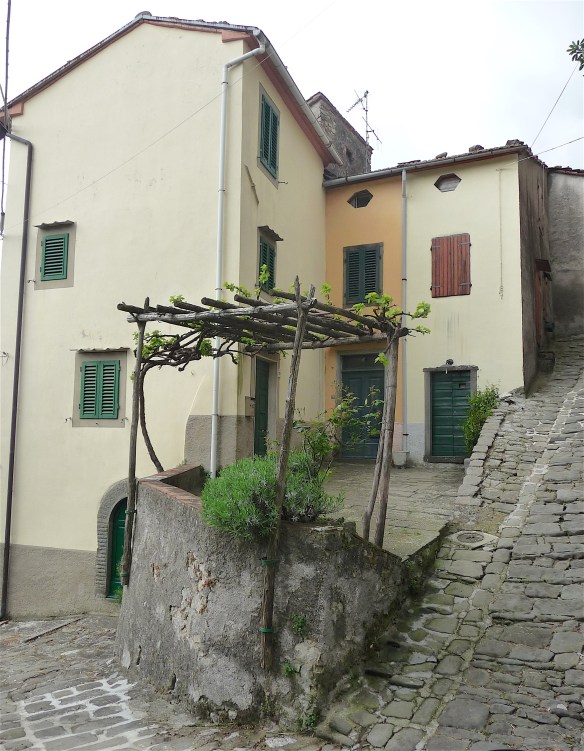
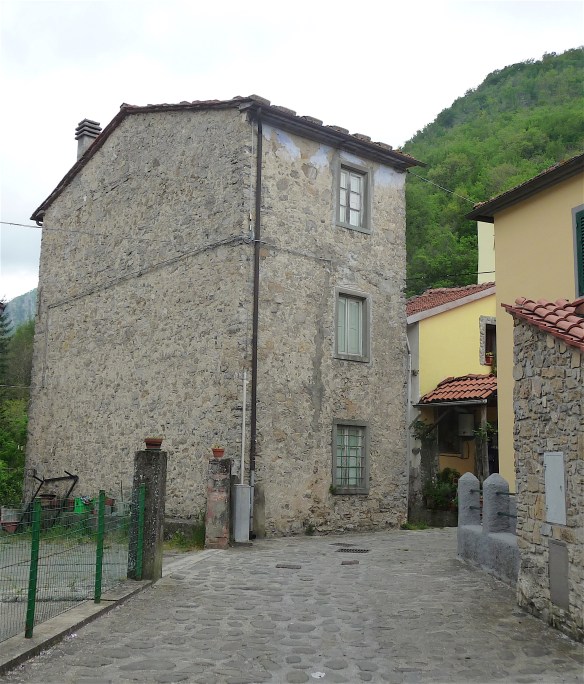
each had its own character.

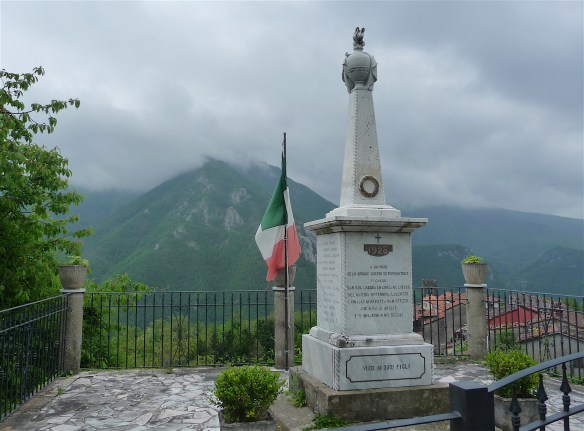
This monument appears to be a memorial to those who fought in the Apennines.

8.monument

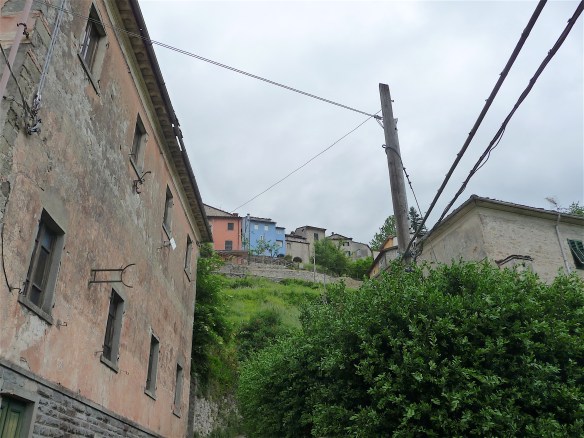
We paused to look back at the village

9.village

and the neighbours across the valley

10.village

before continuing up the hill.

11.walk12.walk

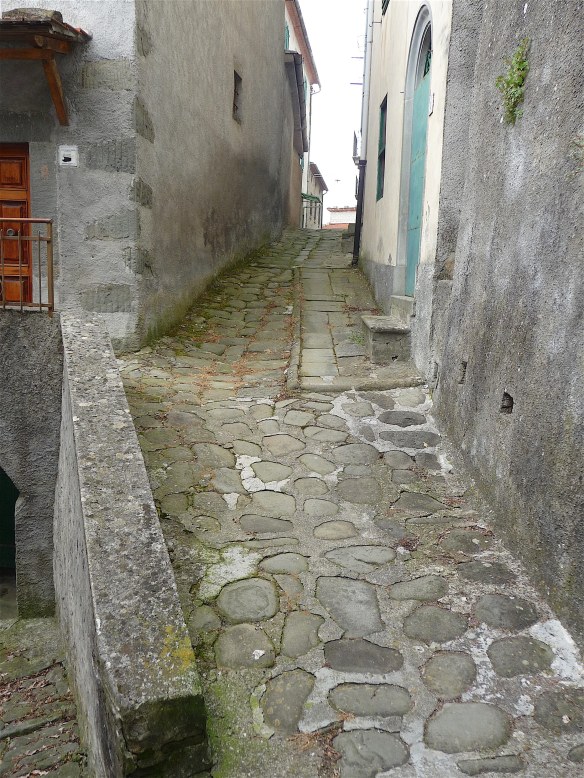
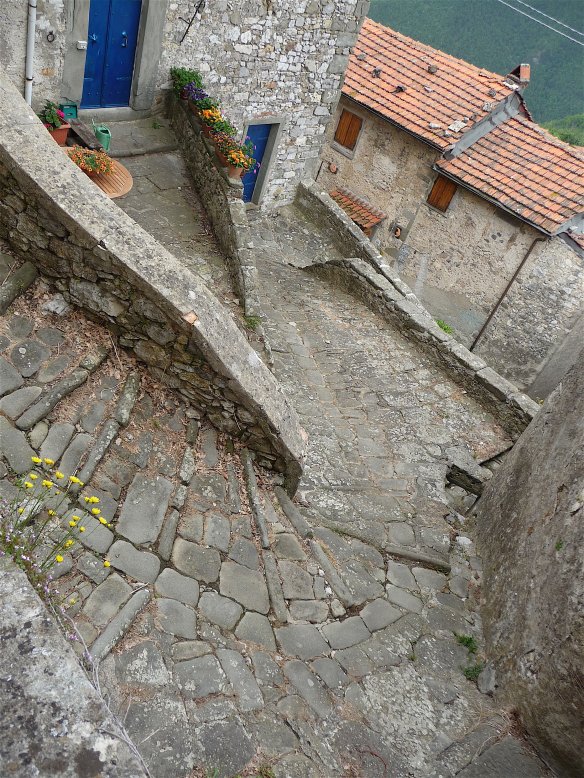
Once again, I was intrigued by the old doorways

and gates.

We ambled on,

22.walk23.walk24.walk25.walk

bursts of colour revealed themselves

and it was time to take in the gorgeous view over the village

29.village

before returning for lunch. There were some lovely surprises as we strolled back.

We had worked up an appetite and Buca di Baldabò didn’t disappoint.

39.Buca di Baldabò

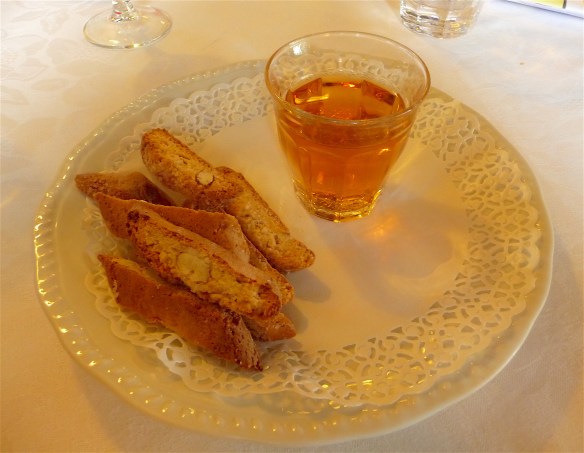
With no written menu, we were happy to be guided by our hosts. Unfortunately, I didn’t take food photos but the four of us shared a selection of traditional Tuscan dishes including Gnocchi with Gypsy Sauce, Tagliatelli with Wild Game Sauce, Spinach & Ricotta Ravioli with Basil, Slow Cooked Lamb and Rabbit with Olives. I came up for air long enough to snap the wonderful finale of Biscotti con Vin Santo.

40.Biscotti con Vin Santo

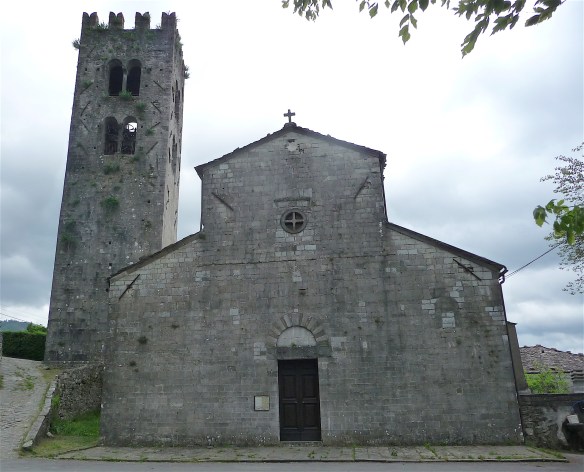
Before leaving the village, we had a closer look at Pieve di San Paolo.

41.Pieve di San Paolo

Dating back to 873AD, it is the oldest church of the Val di Lima.

One last look at the gorgeous mountains and we were braced for the drive home.

44.view from Pieve di San Paolo

A perfect way to spend a Sunday.

The Bridge

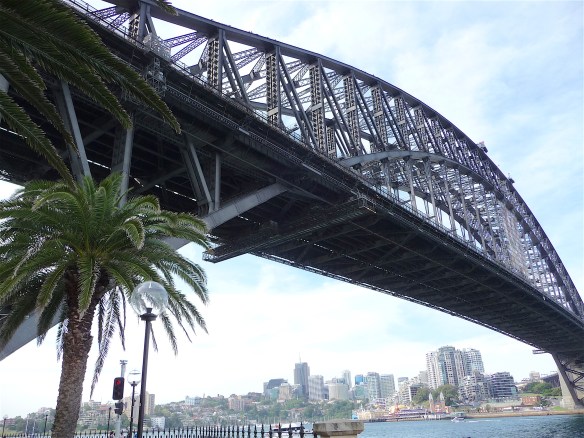
Whichever way you look at it, Sydney Harbour Bridge is spectacular.

1.The Bridge2.The Bridge3.The Bridge

When it was opened in 1932, after eight years of construction, it was the longest single span steel arch bridge in the world.

4.The Bridge

Today, there are eight lanes of traffic, two railway lines, a pedestrian pathway and a cycleway connecting the city of Sydney with the North Shore.

5.The Bridge6.The Bridge

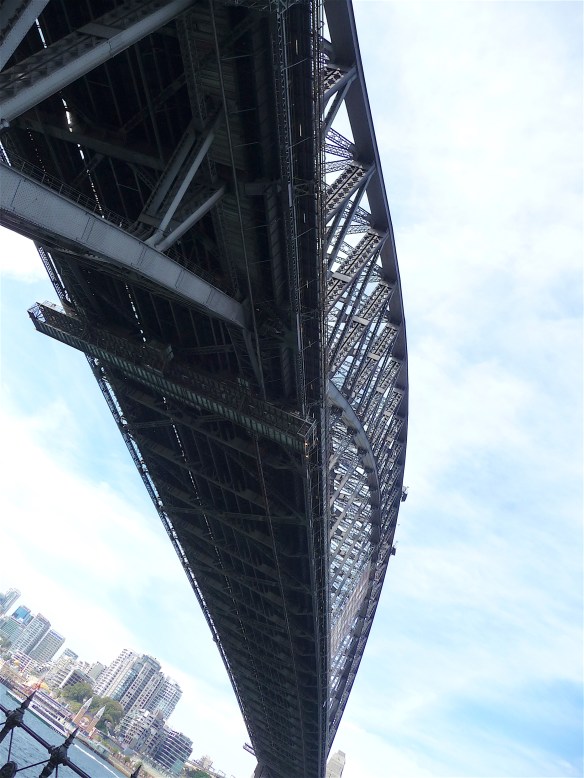
The closer you look, the more fascinating it becomes.

7.The Bridge8.The Bridge

Six million hand driven rivets and 53,000 tonnes of steel come together with artistic precision.

The Bridge Climb was on our bucket list for quite some time and we weren’t disappointed.

17.climb3

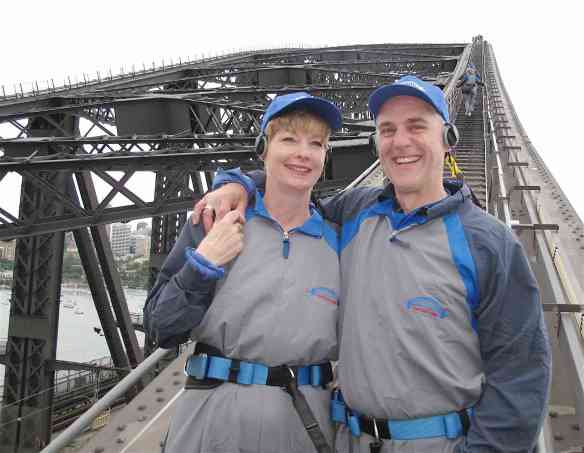
Dressed in regulation climbing gear, we had a safety briefing and practiced climbing narrow, steep ladders before the real thing. The climb started below the highway and after navigating catwalks with ease, we had to ascend four ladders that took us up through the traffic to the start of the upper arch.

The jelly knees soon settled and the rest of the 1,332 steps was quite leisurely. We weren’t allowed to take cameras or anything else that could drop to the roadway but we had a few photos taken by the leader.

21.bridge climb

Though a tad windy and overcast, it was pleasant for walking.

22.bridge climb

134 metres above the harbour, we lingered for a while to admire the breathtaking panorama.

23.bridge climb

Too soon, we returned to solid ground, vowing next time we will do a sunset climb. There is certainly something magical about that bridge.

24.The Bridge

Cornwall conclusion

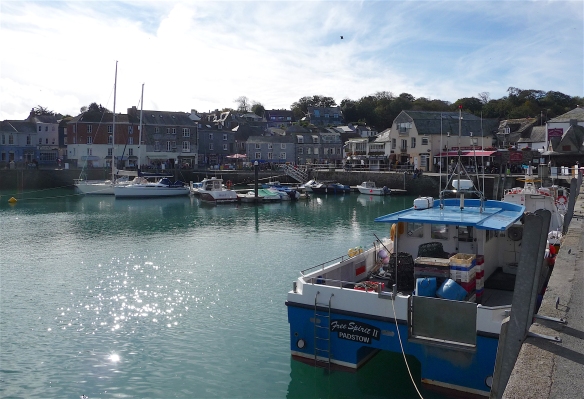
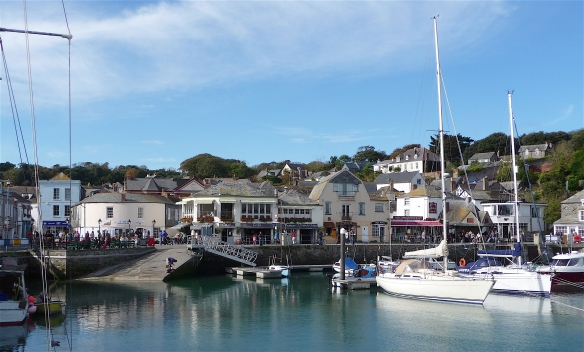
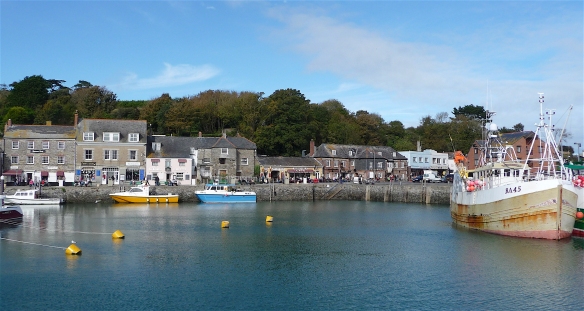
There were so many beautiful places in Cornwall, it was difficult to decide where to go next. Our last day loomed and we made the most of it. Padstow was traditionally a fishing port, situated at the mouth of the River Camel estuary.

1.Padstow2.Padstow

It is now a popular tourist destination and yachting haven.

3.Padstow

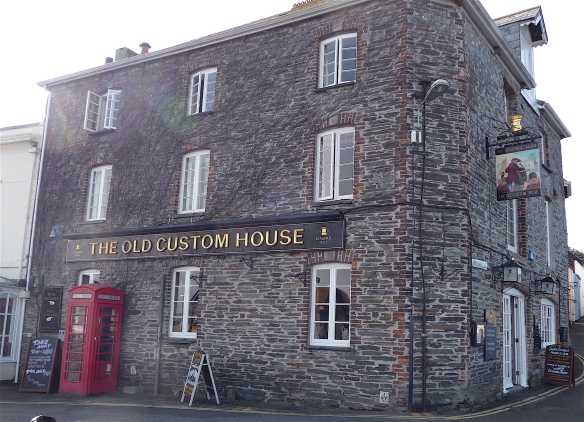
The former customs house offers accommodation in a gorgeous old 3-storey building.

4.Padstow

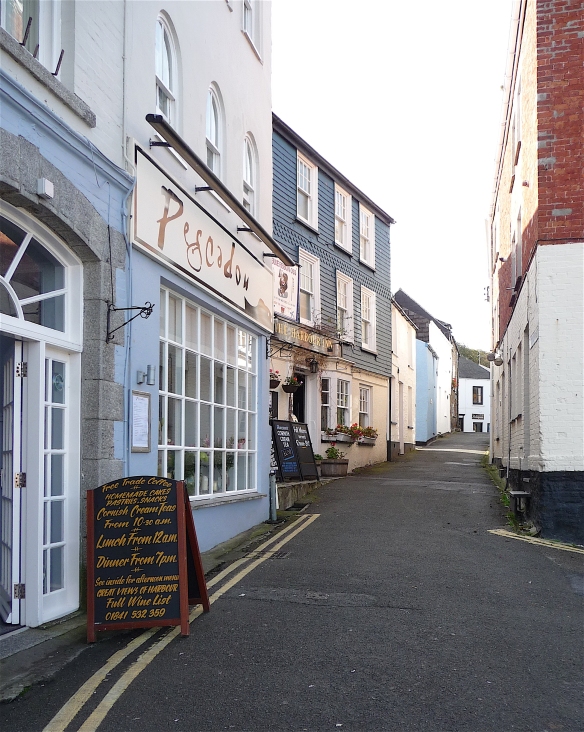
Restaurateur Rick Stein owns several restaurants and businesses in the town, in fact, we have heard the town referred to as ‘Padstein’. There are also many eateries not owned by him.

5.Padstow

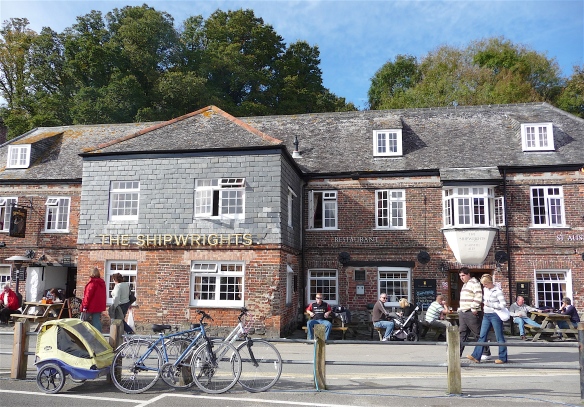
We had a bite to eat in the sunshine at The Shipwrights

6.The Shipwrights

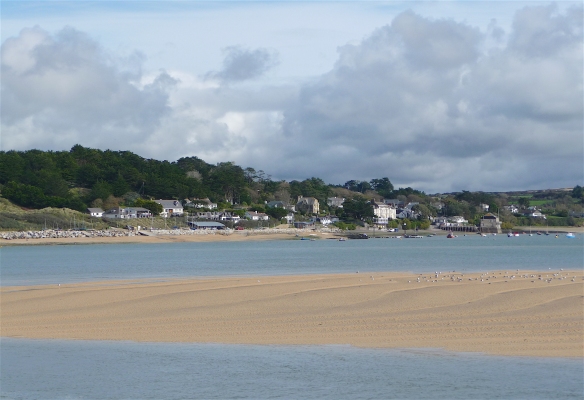
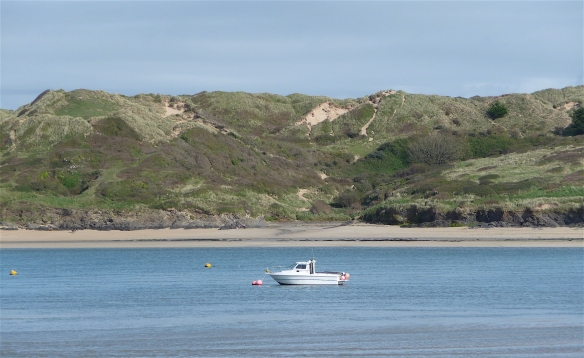
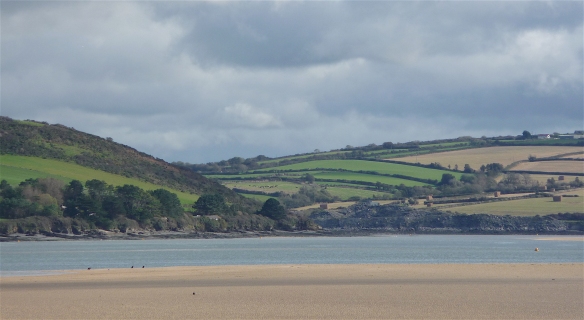
while taking in the peaceful surroundings and magnificent view.

7.Padstow8.Padstow9.Padstow

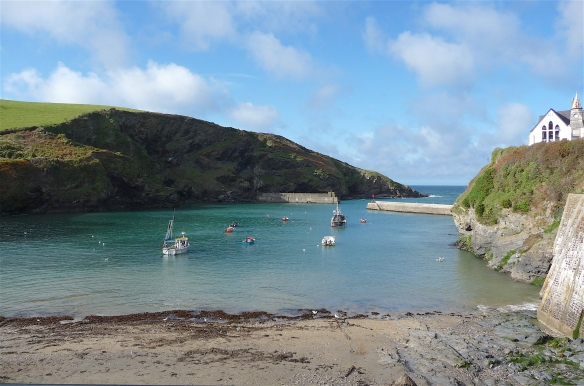
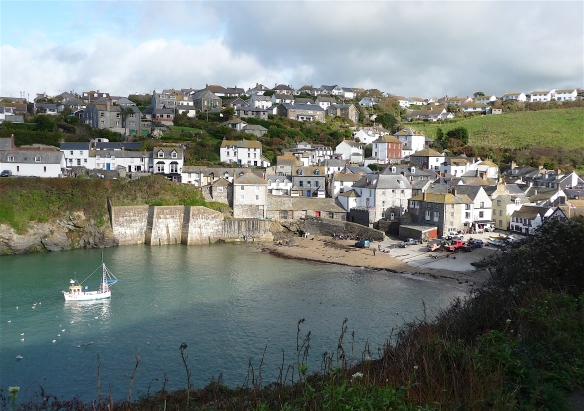
Our next port of call (no pun intended) was Port Isaac, a fishing village since the 14th century. We explored the narrow, winding streets lined with old white-washed cottages,

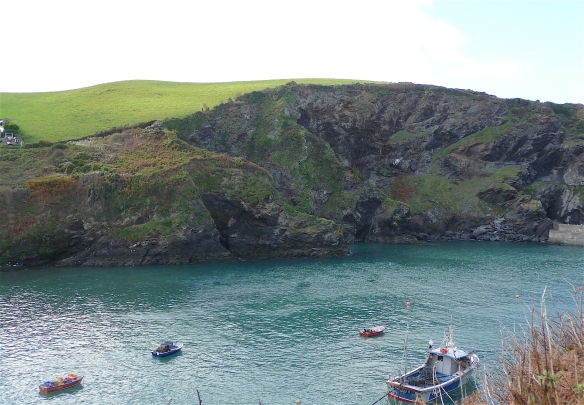
glimpsing the majestic cliffs across the harbour.

14.Port Isaac

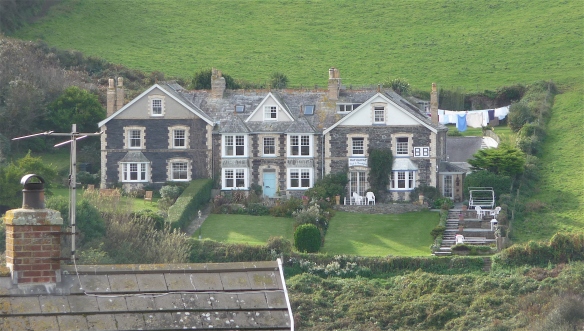
On top of the cliff, this impressive Victorian house, now a B&B, would have the most stunning views.

15.Hathaway B&B

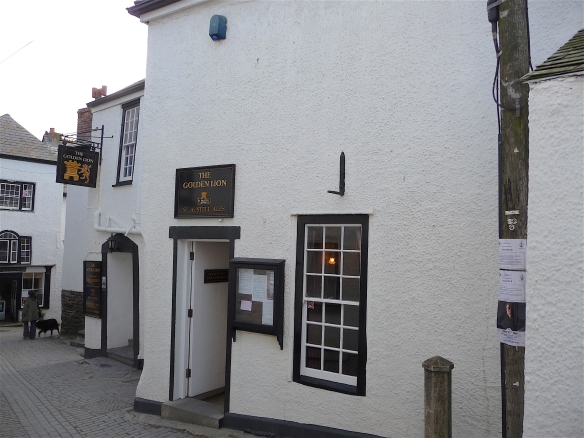
True to form, we found a pub. The Golden Lion dates back to the 18th century and has a smuggling tunnel leading down onto a causeway on the beach.

16.The Golden Lion

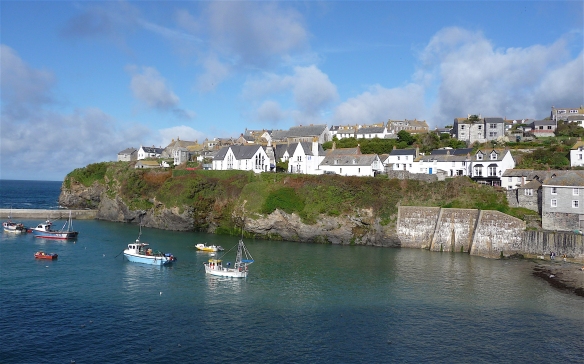
We found a sunny spot on the terrace with a different perspective of the cottages

17.Port Isaac

and a fabulous view of the harbour.

18.Port Isaac

Those who have seen the TV series Doc Martin are probably thinking this is all familiar.

Bert Large’s restaurant was incognito

21.Port Isaac

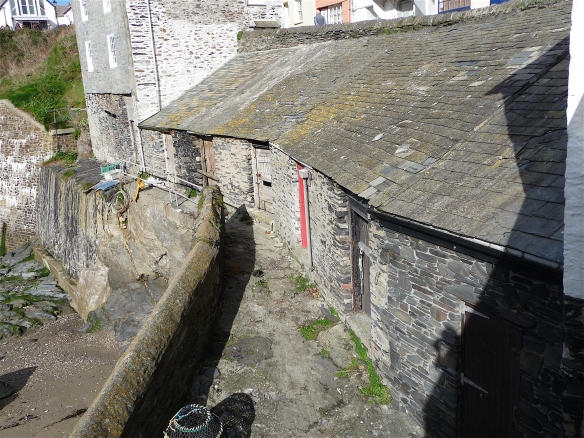
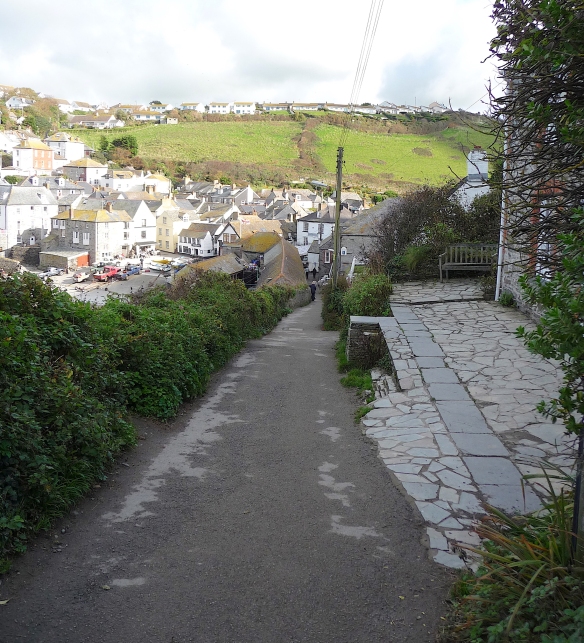
but there was no mistaking this well trodden path.

22.Port Isaac

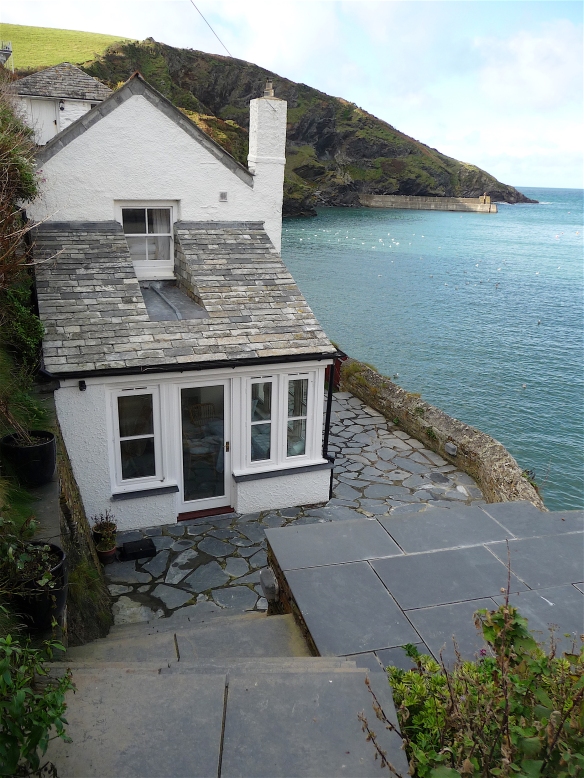
I don’t know how the Doc could be so grumpy with this outlook from his house.

23.Port Isaac24.Port Isaac

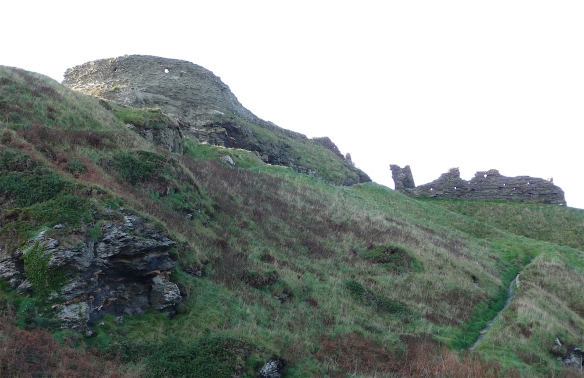
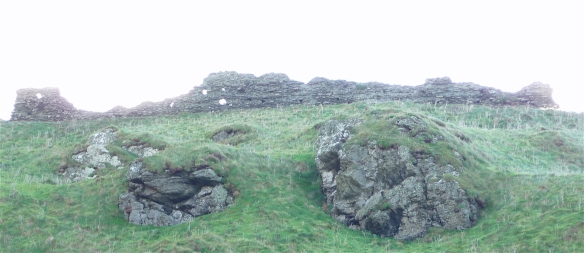
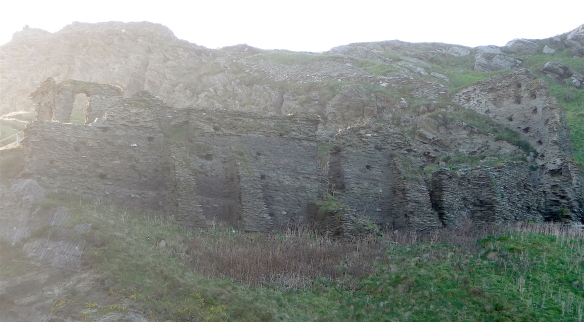
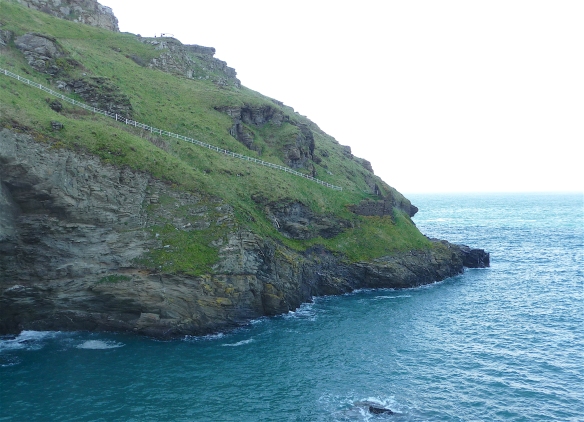
The time had come to move on, we were too late getting to Tintagel to walk up to the castle ruins.

25.Tintagel Castle

The legend of King Arthur has surrounded Tintagel since it was named as the place of his conception in the 12th century.

26.Tintagel Castle

This may have inspired the Earl of Cornwall to build a castle on this site in the 13th century.

27.Tintagel Castle

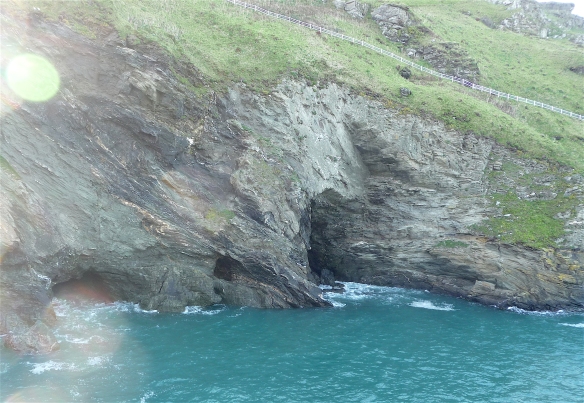
In the cliff below Tintagel Castle, Merlin’s Cave can be explored at low tide

28.Merlin's Cave

but not today.

29.Tintagel

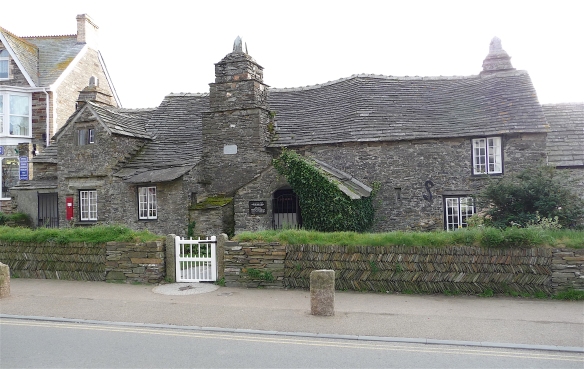
The Old Post Office in the village of Tintagel was built in 1380 as a farmhouse. It has served many purposes but has always been a home, its final use as a letter-receiving office for the village during the 1870s.

30.Old Post Office

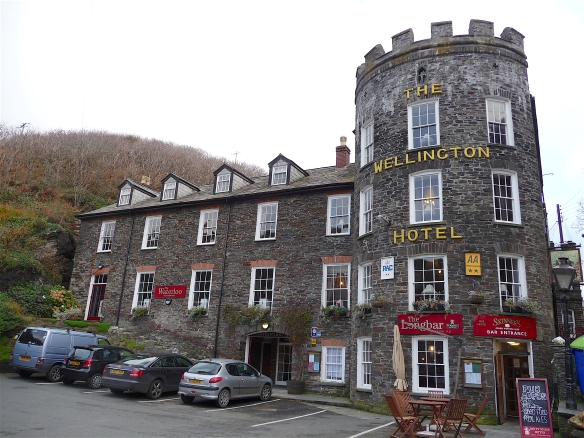
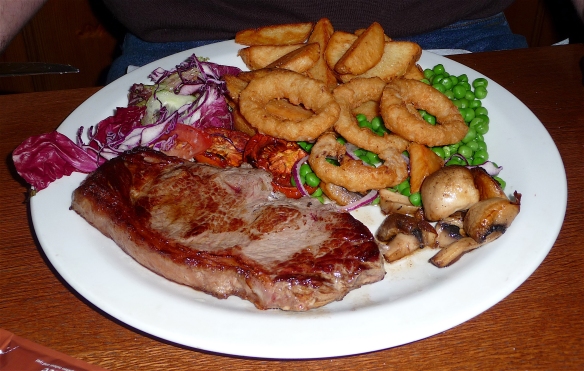
The nearest village to our accommodation at Trevigue Farm was Boscastle. We had ventured there the previous night and dined at The Wellington Hotel, one of the oldest coaching inns in Cornwall dating back to the 16th century.

31.The Wellington Hotel

The steaks were mouthwatering.

32.The Wellington Hotel

We returned to Boscastle for a closer look.

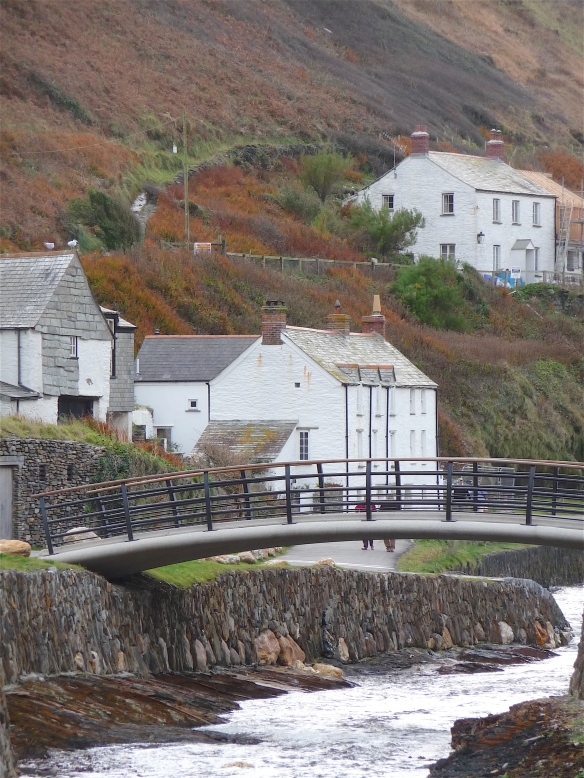
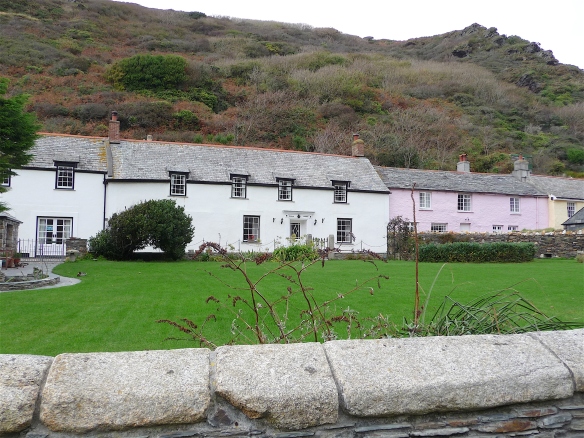
The area was settled in the 12th century and, being the only safe harbour along 40 miles of coastline, was a commercial port throughout most of the 19th century. The houses along the River Valency were idyllic

35.Boscastle

belying the devastating floods of 2004.

36.Boscastle

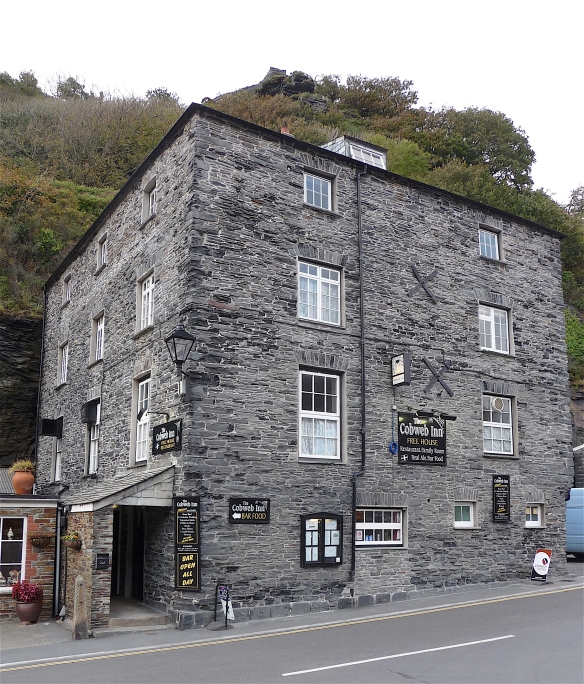
There were a few dining options

including The Cobweb Inn, an off-licence since the 1700s.

40.Boscastle

We had a wonderful meal at The Riverside, built around 1854. Unfortunately, I didn’t take a photo.

Benabbio Castle

In the hills behind the village of Benabbio lie the ruins of Castle Benabbio. One afternoon, we took a walk to the top of the village and found the path that would take us there.

1.walk2.walk3.walk4.walk

There were intriguing reminders of the past as we made our way further up the hill.

We left the village behind

9.walk

and the views across the valley and village were breathtaking.

10.walk11.walk12.walk13.view

Within the castle walls is the ancient church of San Michele, founded in 1218.

14.church

It is thought to be the first parish church of Benabbio but ceased religious activities after the dismantling of the defenses of the castle in 1334.

In 1855, the old medieval cemetery was used to bury the 44 victims of a cholera epidemic. There is a plaque, in their memory, on the outside wall of the church.

18.church

The castle has been the site of archeological excavations for years, with many important finds. Some parts of the walls remain intact.

19.castle

The castle was owned by the Lupari family who swore to the City of Lucca to guard the Apennines against enemy invasion.

When war broke out between the Florentines and Lucchesi in 1334, Lupo Lupari deceived the Lucchese who, in turn, travelled to Benabbio to punish Lupo. They claimed the castle and the Lupari family fled to Bologna. However, legend has it that Lupo is buried in a tunnel accessible from the existing well.

24.well25.well