Kangaroo Ground

On a crisp, clear winters morning, we left Healesville after another delicious breakfast at Cherry Tree Cafe to fortify us for the drive to Werribee. We had only been driving for half an hour when we passed a sign announcing Kangaroo Ground Memorial Lookout Tower. Executing a U-turn, we went to investigate. Kangaroo Ground is a tiny town about 26km from Melbourne and the tower is located on the highest hill in the area. Unveiled on 11th November 1926, the 12 metre tall edifice was erected in memory of local men killed in action in World War I.

1.memorial tower

The memorial now commemorates those who also lost their lives in World War II. A large bronze plaque above the doorway lists 107 names of the fallen. In 1974, the rather unattractive box on top was added for the purpose of fire watching and is still in use during the summer months.

2.memorial tower

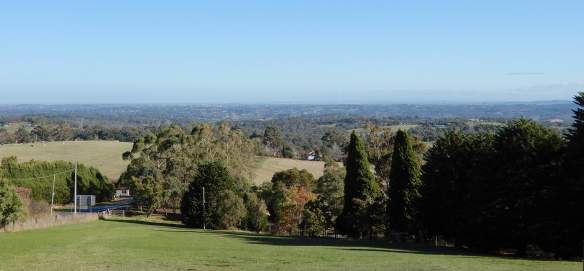
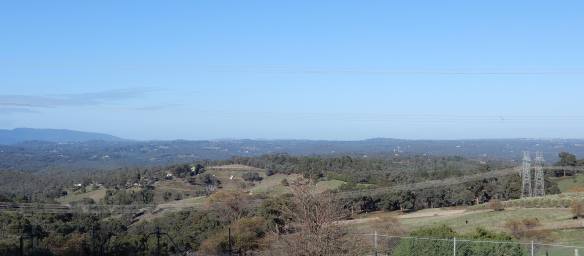
We didn’t climb the tower to take in the 360 degree views across Melbourne, the north eastern suburbs and the Dandenong and Kinglake Ranges. We were quite happy with the ones we had from ground level.

3.panorama4.panorama5.Melbourne city6.panorama7.panorama

A single pine tree near the tower, succumbing slightly to the prevailing winds, drew our attention. Planted as a sapling on 11th November 2005, it is a direct descendent of the original Lone Pine from Gallipoli.

8.lone pine9.lone pine plaque

Vernazza

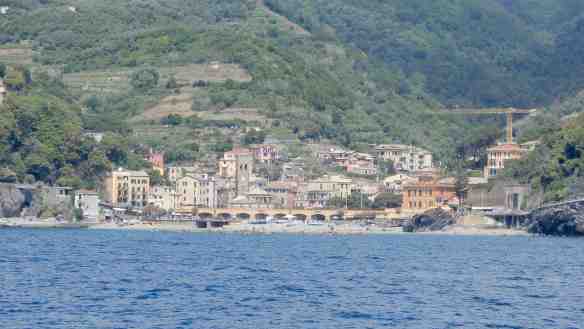
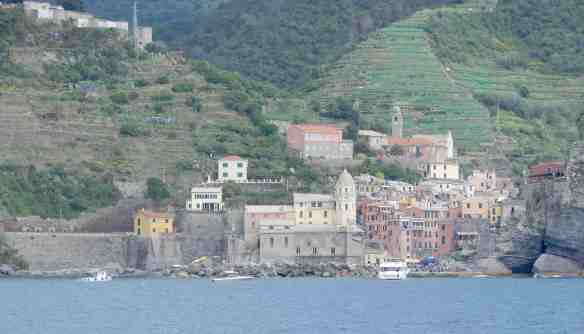
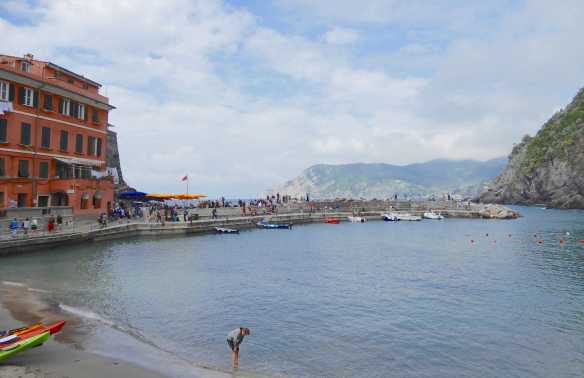
The village of Vernazza was our first onshore experience of the Cinque Terre, arriving late morning with a plan for coffee and pastries.

1.Vernazza

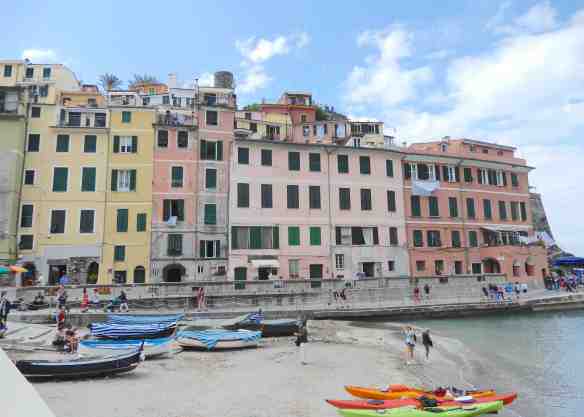
Dating back to the early 11th century, the fortified military base defended the coast from Saracen pirates. In the middle ages, the water went right up to the buildings and the boats would tie up there, as they do in Venice.

2.Vernazza

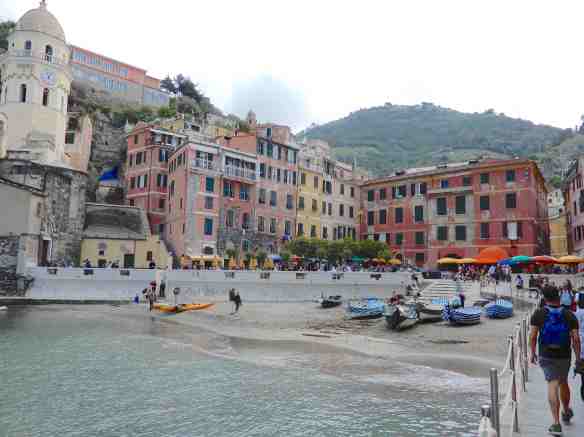
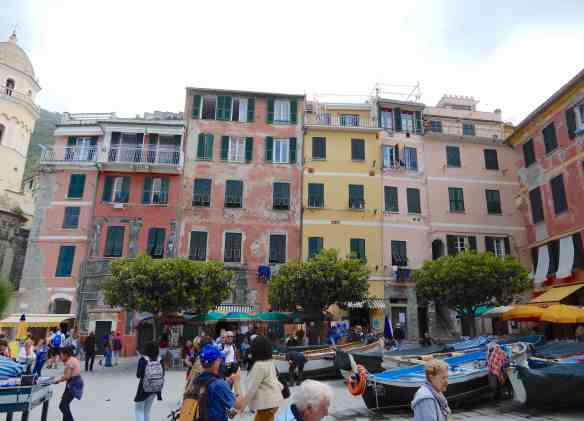
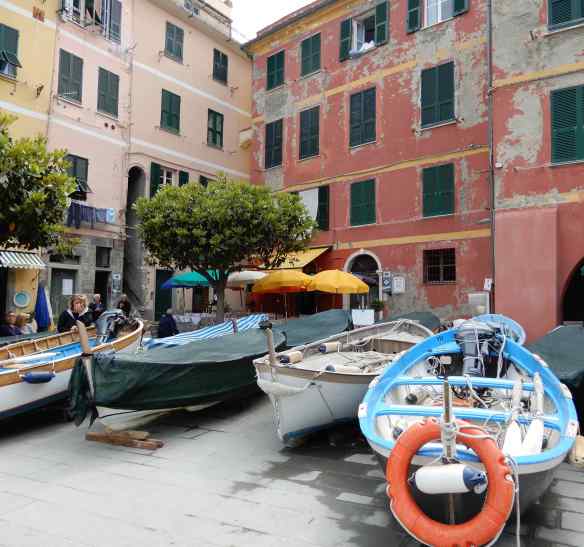
These days, they remain on buoys in the harbour unless rough weather is forecast, then they can be found in the main piazza.

3.Piazza Guglielmo Marconi4.boats outside Albergo Barbara

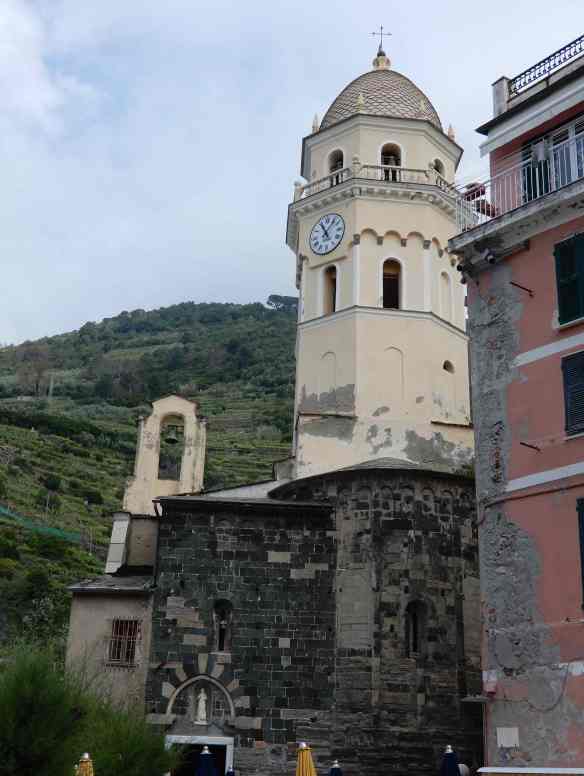
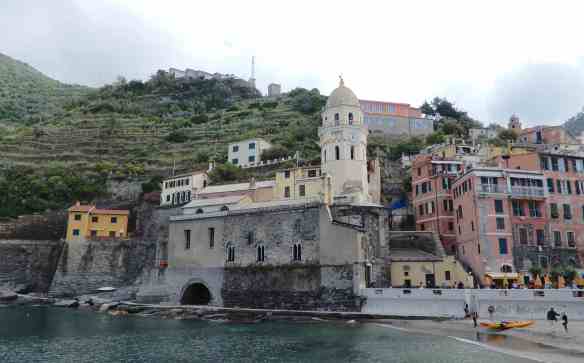
Seated on a base of rocks at the entrance to the inlet, the parish church of Santa Margherita d’Antiochia was built in 1318.

5.Chiesa di Santa Margherita d'Antiochia

The views would be spectacular from the tower, almost as rewarding as those from the cemetery on top of the hill where, rather than being buried in the ground, the coffin is slid into something like a drawer in a wall, known as a loculo.

6.Chiesa di Santa Margherita d'Antiochia

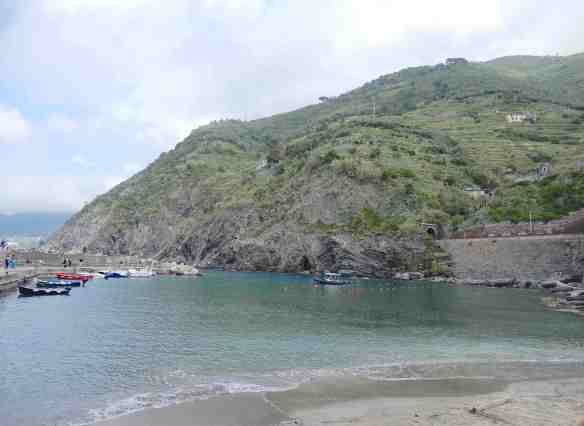
In October 2011, Vernazza was devastated when torrential rains, resulting in flooding and mudslides, buried her under four metres of mud and debris. For months the village was uninhabitable and years later, restoration work still continues. It is hard to imagine the peaceful harbour

7.harbour8.harbour

and beautiful pastel shades of Liguria under siege from nature.

9.Vernazza

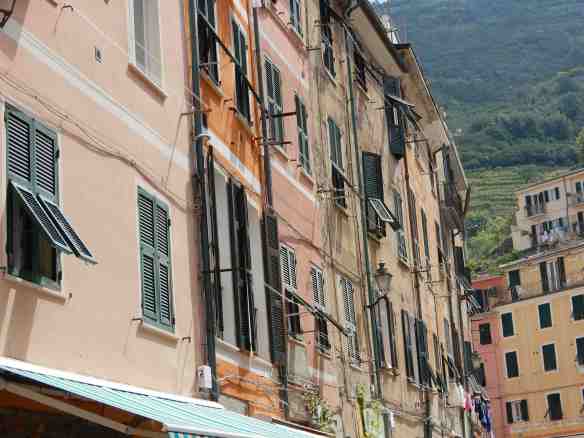
We wandered up the main thoroughfare, Via Roma, my aversion to crowds and having people in my photographs meant my eye was drawn to the upper level of the streetscape.

10.Via Roma

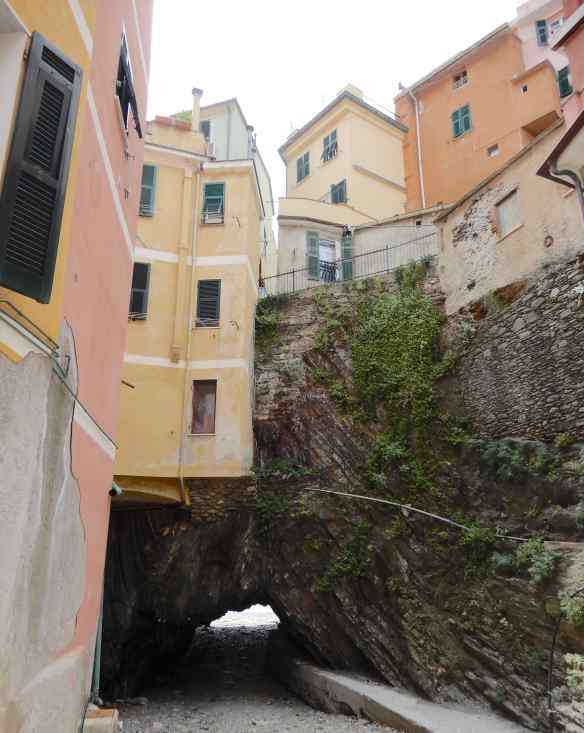
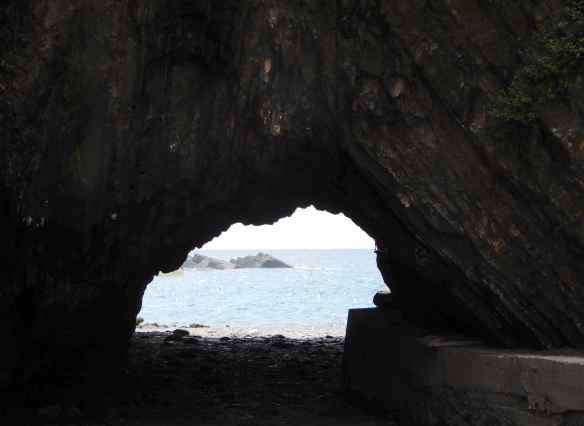
Returning to the harbour, houses seemed to be suspended above a cave entrance

11.cliff houses

which, it turned out, led to another beach.

12.beach beyond

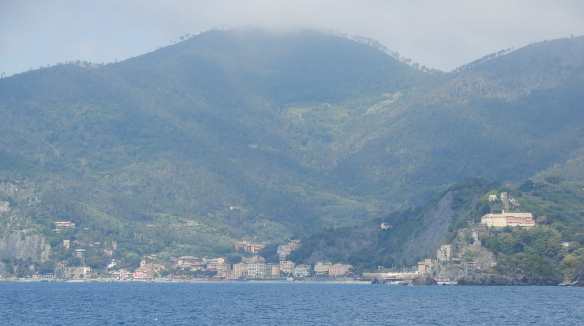
From this side of the harbour we could see the next town, Monterosso, in the distance.

13.view to Monterosso

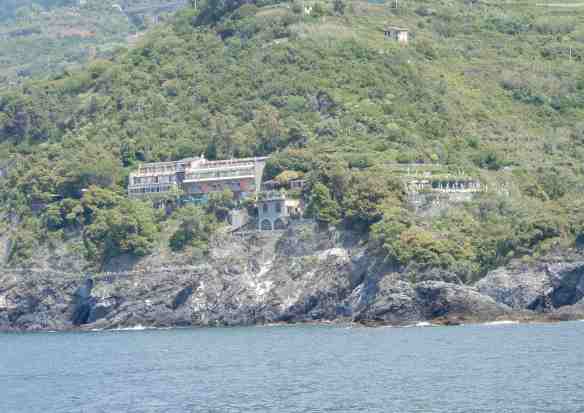
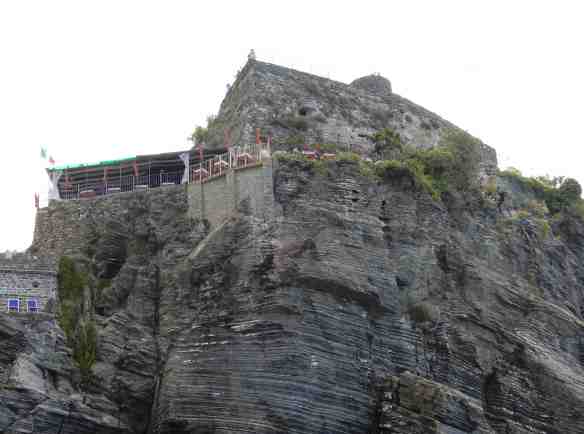
The remains of Doria Castle and its lookout tower stand proudly on the rocky promontory

14.Doria Castle

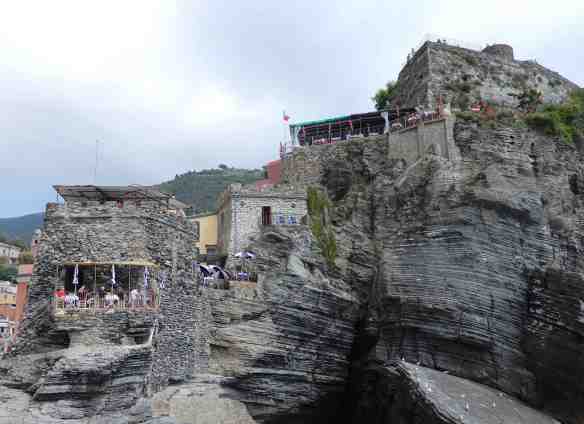
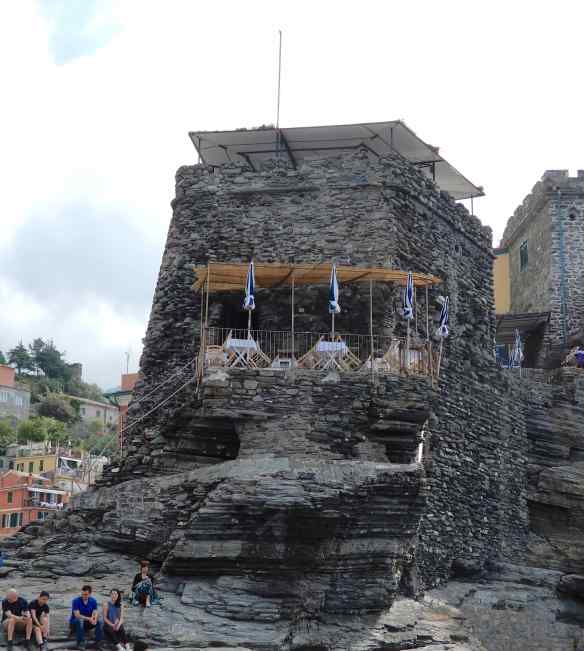
while below, on the terraces of the medieval watchtower, Ristorante Belforte has been serving quintessential Ligurian cuisine for the past fifty years.

15.Doria Castle & restaurant16.Ristorante Belforte

We had time to admire the stunning rock formations

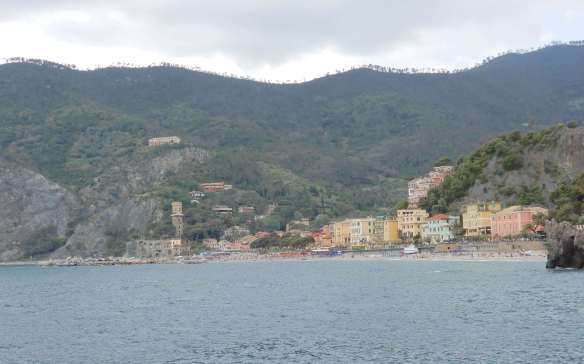
while waiting for the boat to take us to our next destination, Monterosso.

21.Monterosso

Porto Venere

We had an early start for our day trip to Cinque Terre, catching the bus from Le Grazie for the 3km trip to Porto Venere. The winding, narrow road made for an interesting ride, one of the reasons we opted to leave the car behind. We alighted at the Grand Hotel, a majestic building from the 1600s that has seen many incarnations since. The original monastery became the Hospital of the Marine Military in the 1800s and then the headquarters of the Municipality of Porto Venere. A hotel was established in 1975 but closed in the 2000s before being refurbished and re-opened in 2014 as the luxury boutique hotel it is today.

1.Grand Hotel

The tall, narrow houses seemed to defy gravity, as though they were being pushed toward the water by the cliffs behind.

2.Porto Venere

We followed the road along the harbour to the headland, spying a perfect spot for breakfast. Unfortunately, Le Bocche was closed and thoughts of food would have to wait.

3.end of the road, Porto Venere

Climbing the steps to investigate the church at the top of the cliff

4.Chiesa di San Pietro

we found much more to explore. Part of the ancient stone fortifications are still standing,

5.old stone wall

a plaque above a doorway announced Byron’s Grotto through which steep stone steps led to the bay below.
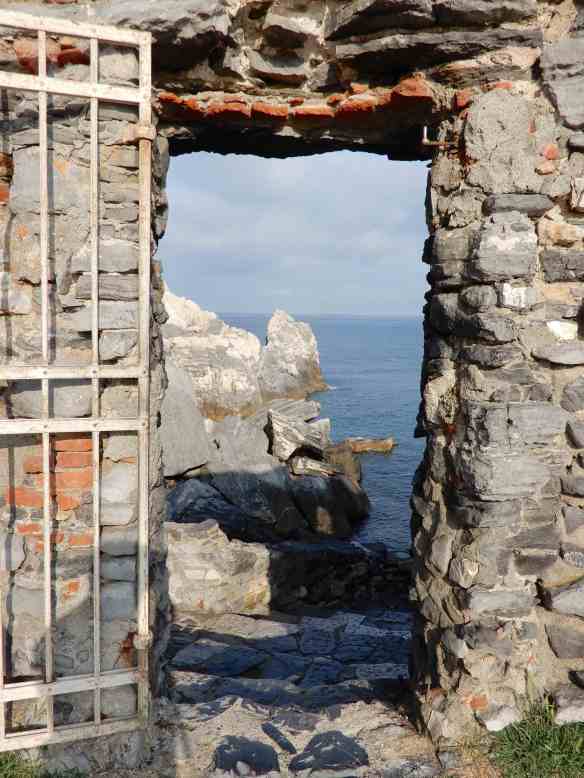
6.steps to Byron's Grotto

English poet, Lord Byron, would swim in these waters and even crossed the bay to visit his friend, Percy Bysshe Shelley, who lived in Lerici. Hence, the stretch of water is known as Golfo dei Poeti, the Gulf of Poets. The legendary swim is commemorated each year with the Byron Cup swimming race across the 7.5km from Porto Venere to San Terenzo. We were content to remain on dry land and savour the spectacular scenery.
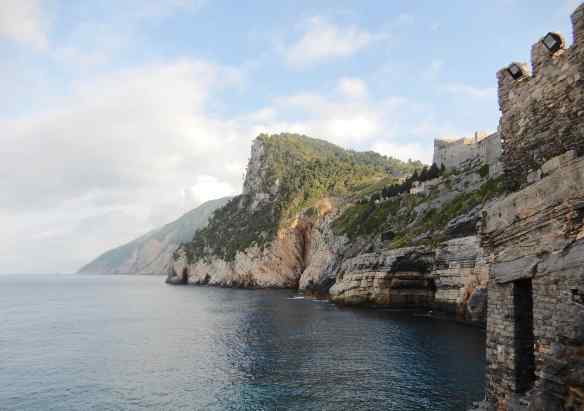
7.Byron's Grotto

High above the sea caves, the remains of Doria Castle dominate the ridge. Built by the Genoese in 1161 for the wealthy Doria family, the military stronghold has undergone major restoration and is now open to the public.

8.Doria Castle

On the opposite side of the cove, the remains of an ancient defensive post balance on a tumble of rocks

9.ancient defensive post

and the views across the gulf are mesmerising.

10.Gulf of Poets

I wasn’t the only one who thought so. Just beyond the steps to the grotto, the serene figure of a rather buxom lady sits gazing out to sea. The bronze sculpture, Mater Naturae, is the work of Lello Scorzelli but there is no indication as to how long she has sat here. Her thoughts are summed up beautifully in a wonderful piece of prose, The custodian of Portovenere by Francesca Lavezzoli.

We spied the octagonal domes of the 11th century Chiesa di San Lorenzo, in the centre of the village, arising from the terraced hillside
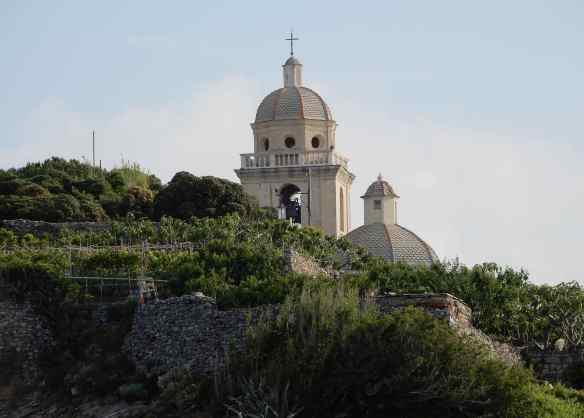
16.Chiesa di San Lorenzo

before we retraced our steps to explore Chiesa di San Pietro.

17.Chiesa di San Pietro

Dating back to ancient Roman times, the town was called Portus Veneris and a pagan temple, dedicated to the goddess Venus, occupied this site. An early Christian basilica replaced the temple in the 5th century and was consecrated in 1198. The black and white bands were added in the 13th century by the Genoese, though the belltower retains the original stonework.

18.Chiesa di San Pietro

Sculptor Lello Scorzelli created the magnificent bronze portals depicting the handing over of the keys to the Kingdom of Heaven by Jesus to St. Peter.

When the doors are closed Jesus, dressed in the robes of a poor man, offers the keys to Peter who reaches up to accept them

21.St. Peter

while intricate figures representing the apostles bear witness to the ceremony.

Morning light streamed into the central apse, the striking vaulted ceiling seemed impossibly supported by black and white marble.

25.central apse with altar

A small pipe organ fills an alcove and a statue of St. Peter resides in an adjacent niche.

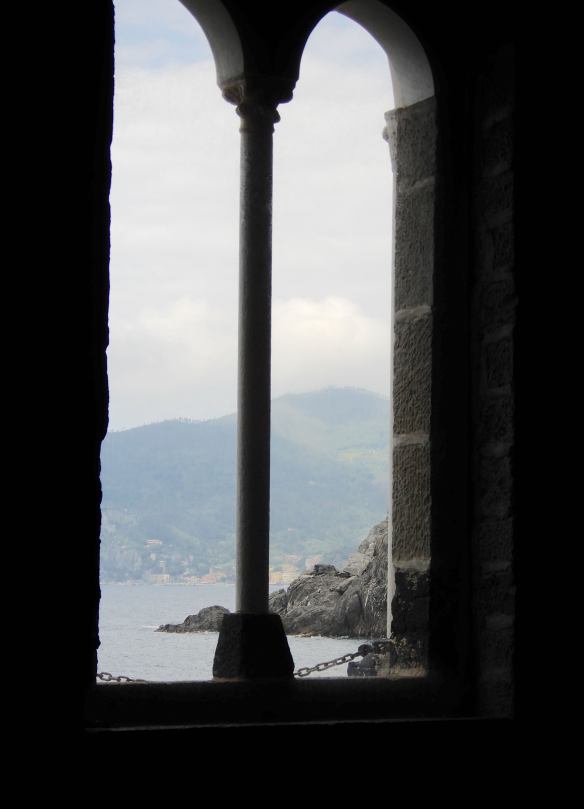
We savoured yet more spectacular coastal views from the sheltered loggia

28.loggia, Chiesa di San Pietro

before returning to the town in search of breakfast. Via Giovanni Capellini is the main shopping thoroughfare, stone steps connecting it to the harbour.

31.steps to Via Giovanni Capellini

The street was quiet at this hour, shops were just opening

and thoughts of food amplified in our heads.

Replenished with coffee and pastries, we made our way to the harbour to meet up with friends, Deb & Jim, to board the boat for Cinque Terre.
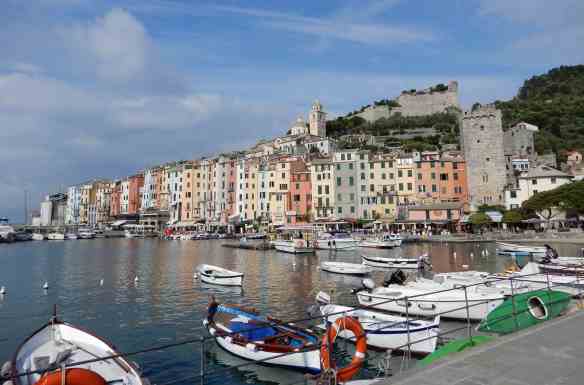
37.Porto Venere harbour38.Porto Venere harbour

As we rounded the promontory, we could appreciate a different perspective of Chiesa di San Pietro and Doria Castle clinging precariously to their rocky foundations.

41.Chiesa di San Pietro42.Doria Castle

Black Spur

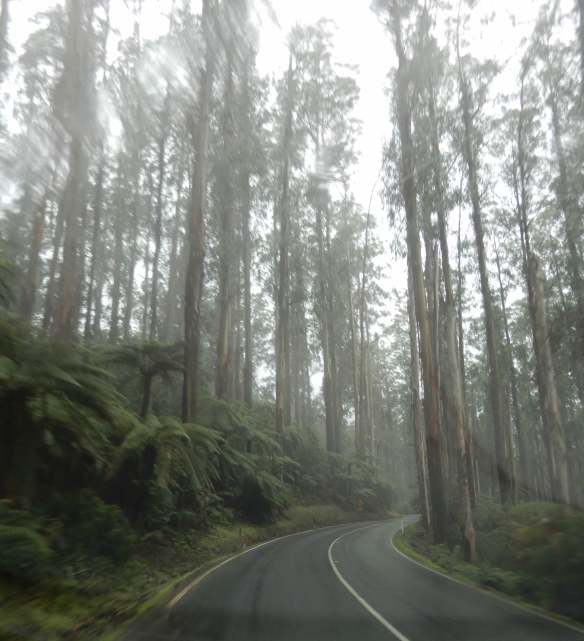
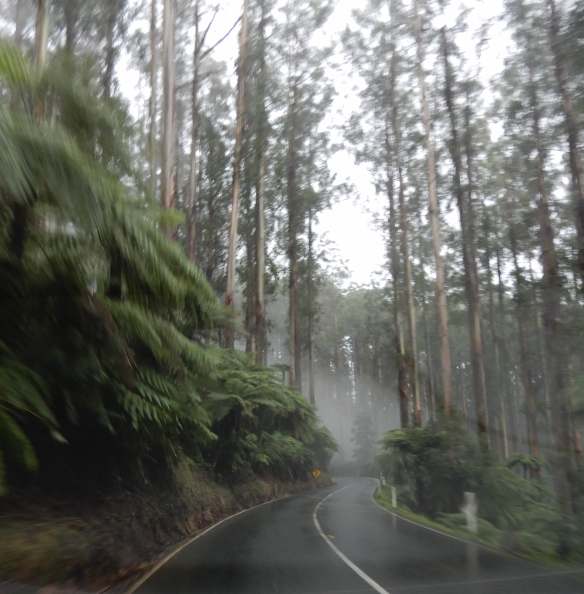
The Black Spur Drive is a thirty kilometre stretch of road between Healesville and Marysville in the Yarra Ranges. The meandering course, with sharp bends and gentle gradients, promises spectacular scenery along the way. Towering mountain ash trees rise above a lush forest of tree ferns.
1.Black Spur

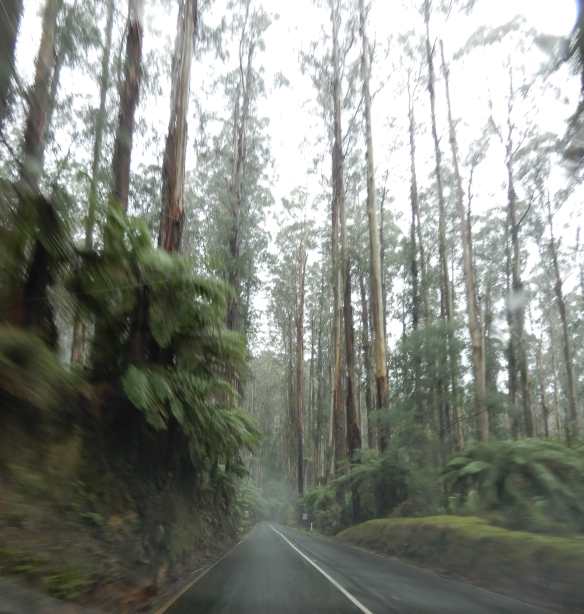
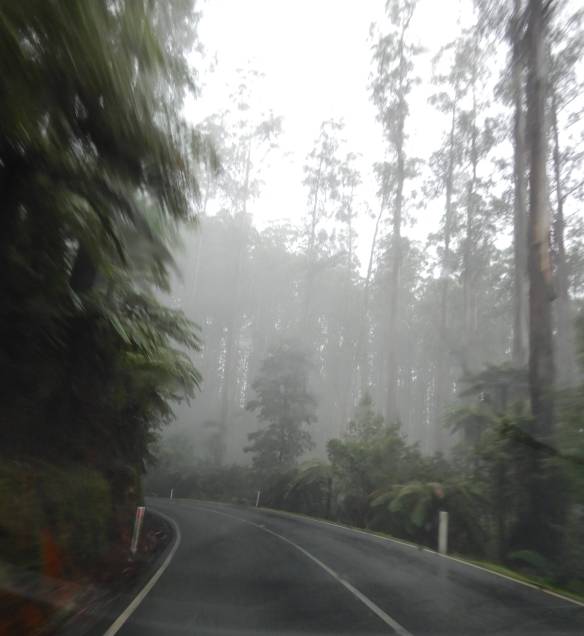
Unfortunately, our scenic drive didn’t go quite as planned thanks to the weather gods, although the rain and mist didn’t dampen the beauty of nature.

2.Black Spur3.Black Spur

Originally known as ‘The Blacks’ Spur’, the road follows the route taken by displaced indigenous people to Coranderrk Aboriginal Station in the late 1800s.
4.Black Spur

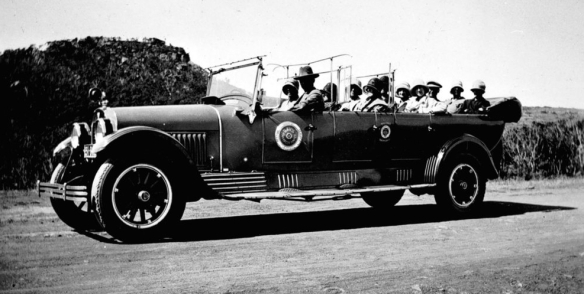
Horse drawn coaches also carried miners and settlers to the goldfields along this section of the old Yarra Track. It became popular for tourists and photographers and a bus service, operating two twelve-seater Buick charabancs, was introduced in 1916.
5.charabanc courtesy of australianmountains.com

Photo courtesy of australianmountains.com

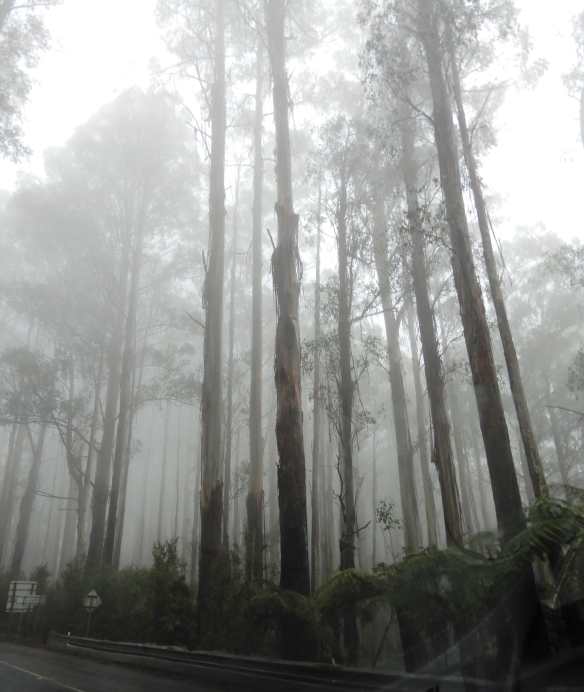
We resisted the suggestion in the tourism brochure to, “roll down the windows and experience fresh crisp air any time of the year”, and had to settle for photographs through the car window.

6.Black Spur

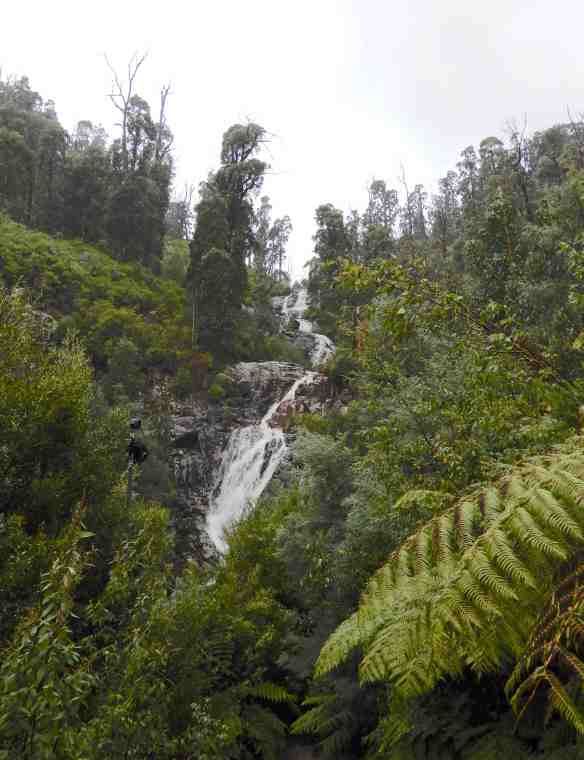
Our destination of Marysville is home to one of Victoria’s highest waterfalls, nestled in native forest in the surrounding mountains.

7.Steavenson Falls

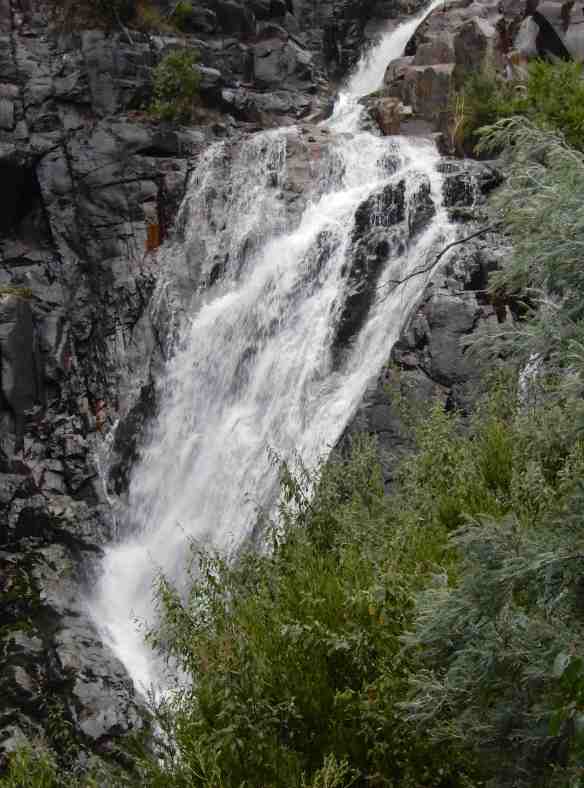
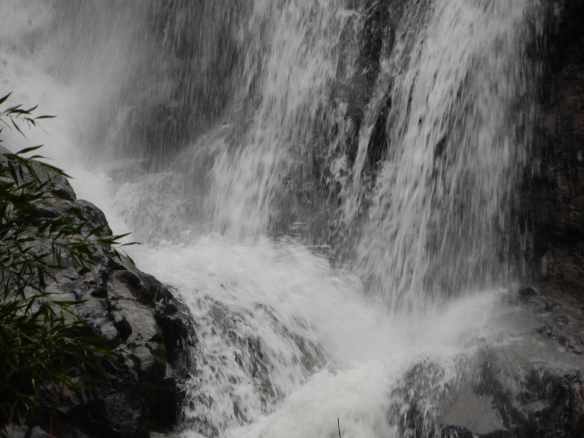
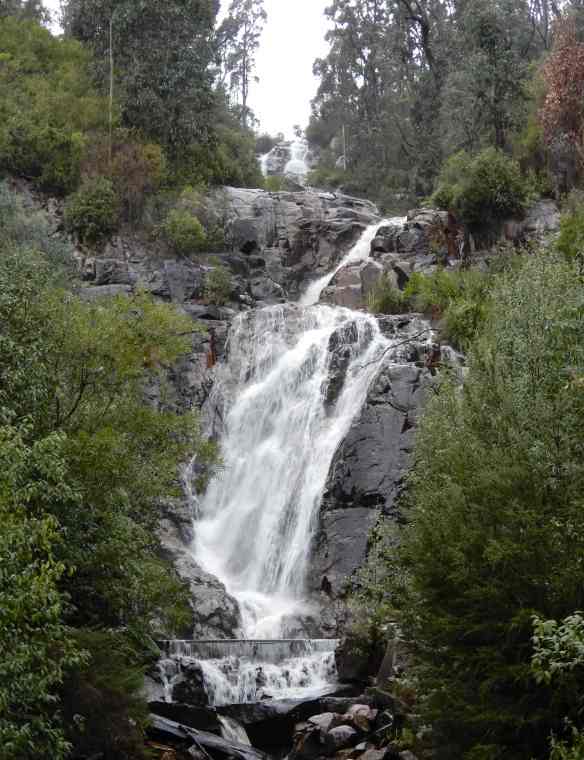
Steavenson Falls are named after John Steavenson, the Assistant Commissioner of Roads and Bridges who first visited the site that is now Marysville, in 1862. Opinion on the actual height of the falls seems to be divided, some claim 122 metres while others suggest 84 metres. Either way, there are five cascades, the last one descending 21 metres into a small rock pool.

8.Steavenson Falls9.Steavenson Falls

Residents first cut a track to the falls in 1866, it is now an easy walk from the car park to see natures wondrous display. The weather wasn’t conducive to walking to the viewing platforms below or above the falls, I’m sure it would have been spectacular. The falls are floodlit until 11pm each night, a turbine driven by water at the base of the falls generates the power. What a lovely place to spend a summer evening.

10.Steavenson Falls

Duomo di San Cristoforo

At the highest point in the medieval hilltop town of Barga, the Duomo di San Cristoforo is well worth the climb.

1.Duomo di San Cristoforo

Built in the year 998, the white marble edifice was enlarged during the 12th and 13th centuries and has been modified further over the years.

2.Duomo di San Cristoforo

The arch above the main entrance is carved with acanthus leaf motifs, the bas relief above the door depicts scenes of a grape harvest. The two lions at the top of the columns symbolise the strength of faith.

3.Duomo di San Cristoforo

The castle-like belltower houses three bells that are still played manually.

4.Belltower

The first thing I noticed about the interior was the absence of seating. The second thing was the ancient faded fresco of Santa Lucia above an elegant marble font.

The stunning wooden ceiling replaced the old one, in the same style, in 1862.

7.interior

The nave is divided into two parts by a large barrier made from red marble slabs framed with decorated white marble.

8.marble pluteus

The 13th century marble pulpit is a spectacular work of art. The front section has an intricately carved depiction of the Annunciation and the Birth of Christ, a Latin inscription explains the symbolism.

12.pulpit,The Annunciation and the Birth of Christ

The other side represents the Adoration of the Magi, the three kings bearing their gifts for baby Jesus. Partially blocking them is a group of figures portraying the four Evangelists; Mathew as the human, Mark as the lion, Luke as the ox and John as the eagle. The human figure on the left is thought to be Joseph.

13.pulpit, The Four Evangelists

Four columns support the pulpit, each with a unique carved capital at the top.

There are two lions at the base of the front columns symbolising the triumph of Christianity over evil and heresy. The left one has a serpent (evil) between its legs and the one on the right is standing over a man (heresy) who is stroking the lion with one hand while stabbing it with the other.

One of the rear columns rests on the back of a midget (the pagan world) and the fourth rests on the floor (the Christian world).

20.midget, pulpit

The long, narrow stained glass windows have many more stories to tell.

A 9th century wooden statue of Saint Christopher, the patron saint of Barga, stands within a niche behind the main altar.

23.St. Christopher

Leaving the church

24.view from door

we lingered a while to appreciate the breathtaking vista across the rooftops to the mountains beyond.

26.view from cathedral25.view from cathedral