Pienza

We took our time driving from Le Grazie to our next destination, Podere Montepozzo, in northern Lazio and stopped to explore Pienza. Established as the medieval village of Corsignano, Pope Pius II renamed and redesigned the place of his birth in the late 15th century. He enlisted the help of architect, Bernardo Rossellino, to create the ideal Renaissance town and it has remained unchanged since that time. We parked the car and made our way to the centre of town,

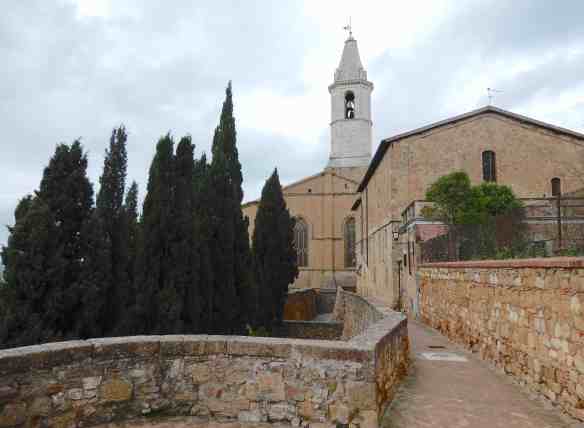
1.Pienza2.back of Pienza cathedral3.Pienza

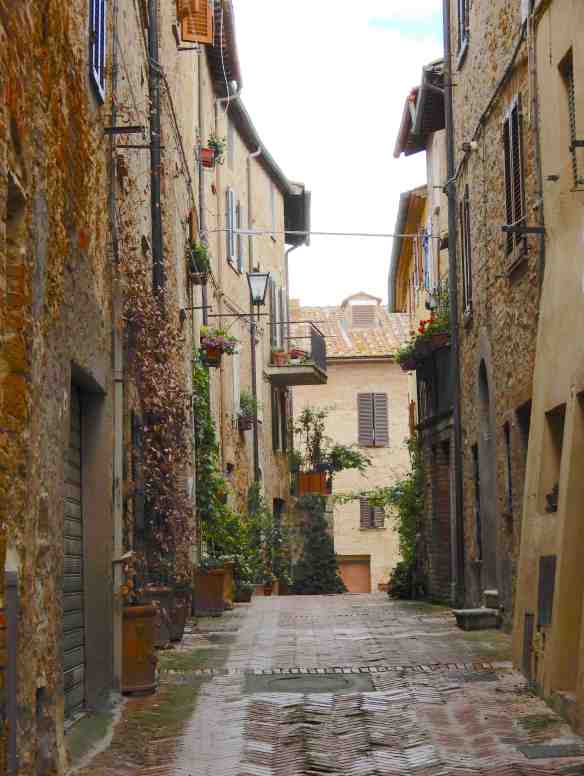
the colours of spring brightened the pavements.

On the lookout for somewhere to lunch,

we found ourselves at the edge of the village
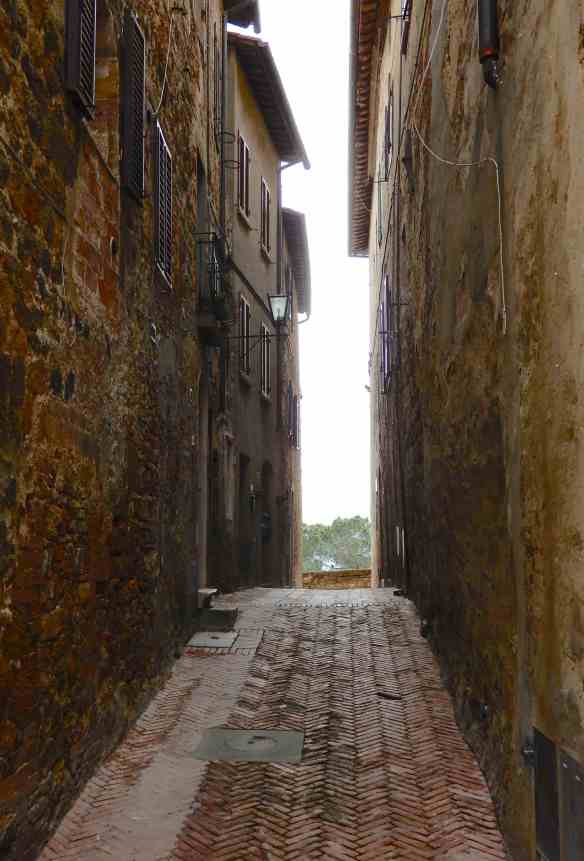
20.Pienza21.Pienza

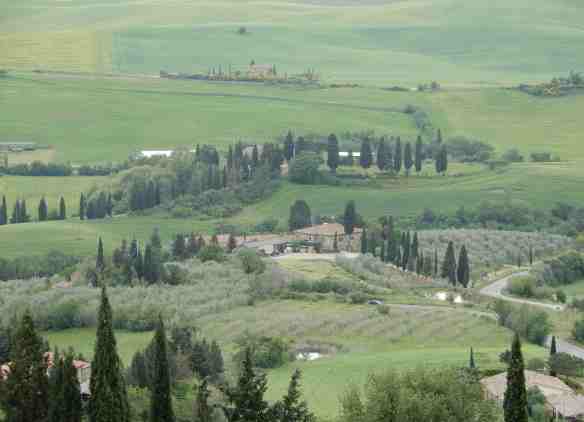
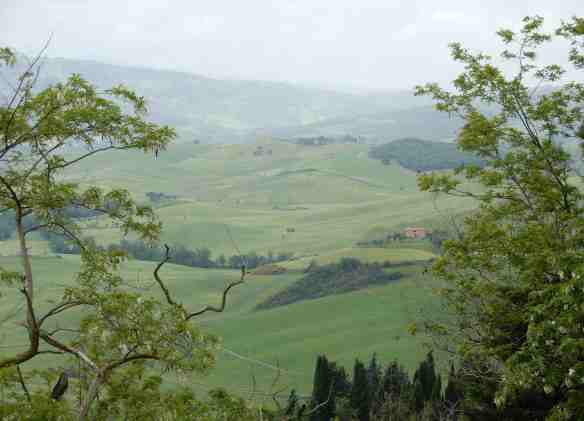
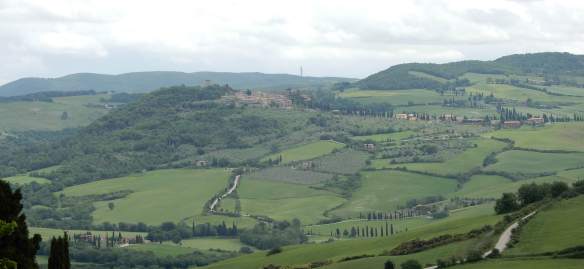
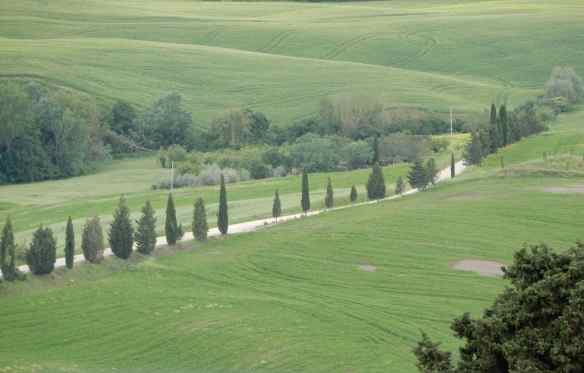
stunned by the breathtaking vista across the Val d’Orcia to Mount Amiata beyond.

22.Val d'Orcia23.Val d'Orcia24.Val d'Orcia25.Val d'Orcia26.Val d'Orcia

Returning to the main square, we couldn’t resist a peek inside the walls of Relais Chiostro di Pienza, an exquisite hotel on the site of a 13th century Franciscan convent. The beautiful ancient cloister

27.cloister

led to the former garden of the friars and the perfect venue for lunch, La Terrazza del Chiostro.
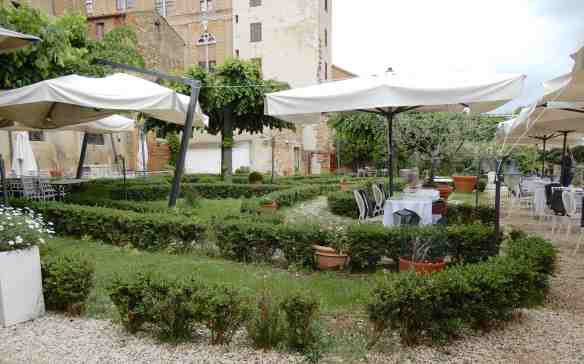
28.La Terrazza del Chiostro

With storm clouds gathering on the horizon, we risked outdoor dining.

The service was impeccable, from the leather bound menu to the handbag holder (hastily produced when I placed my bag on the floor), the unique cutlery

and that spectacular view.

36.Val d'Orcia37.Val d'Orcia38.Val d'Orcia

The meals were delicious, starting with a colourful palate cleanser and a selection of breads.

The pigeon was a work of art with breast, leg and a wing lollipop coated in hazelnut & mushroom powder and the local pork fillet with wild fennel carbonara sauce and seasonal vegetables was mouthwatering.

We finished our meal just in time before the heavens opened and wandered through the opulent interior of the hotel

before braving the weather the short distance to Pienza Cathedral. Built in 1459 on the ruins of an ancient Romanesque church, the Cathedral of Santa Maria Assunta is dedicated to the Virgin Mary.

49.Pienza Cathedral

The gothic interior is quite spectacular

with elaborate altars
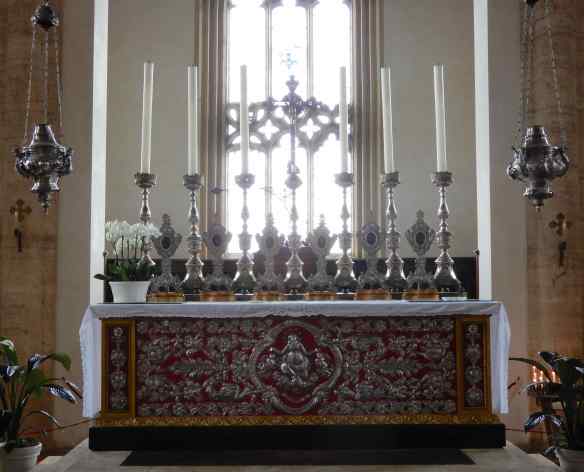
53.altar

and intricately designed labyrinthine ceilings.

The baptismal font seemed simple in comparison.

I think someone was contemplating a quick confession before we left.

Returning to the car, we found divine inspiration to remind us of our objective.
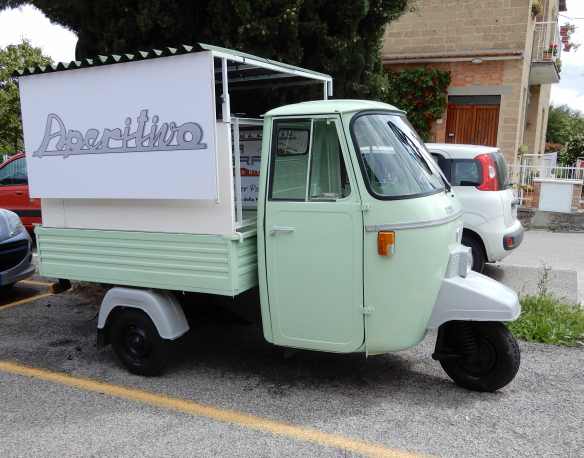
65.Aperitivo Van

Riomaggiore

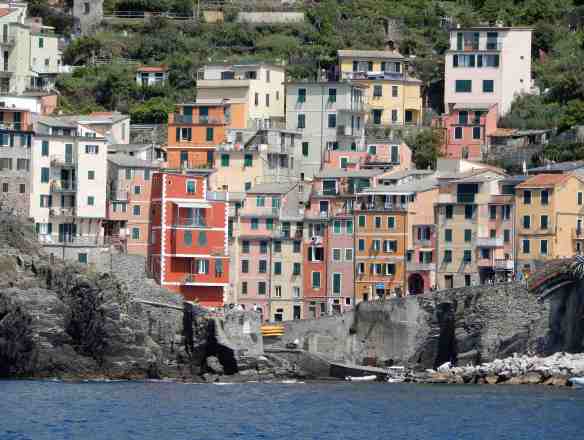
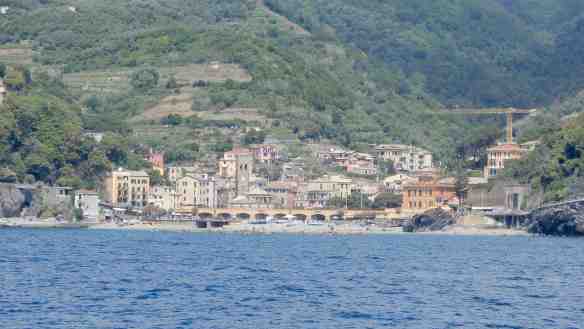
Although every town in the Cinque Terre has its own charm, for me Riomaggiore was the most magical. Approaching from the water, the village nestled in a valley between two steep hills

1.Riomaggiore

and the colourful buildings beckoned.

2.Riomaggiore

Alighting from the boat, we climbed a series of stone steps, rewarded with a spectacular view along the coastline we has just travelled.

3.Riomaggiore

The small harbour of this 13th century village is beautiful. Despite tourist numbers, there was a feeling of tranquility as the fishing boats lazed upon the water

4.Riomaggiore5.Riomaggiore6.Riomaggiore

or patiently awaited their next outing.

7.Riomaggiore8.Riomaggiore9.Riomaggiore

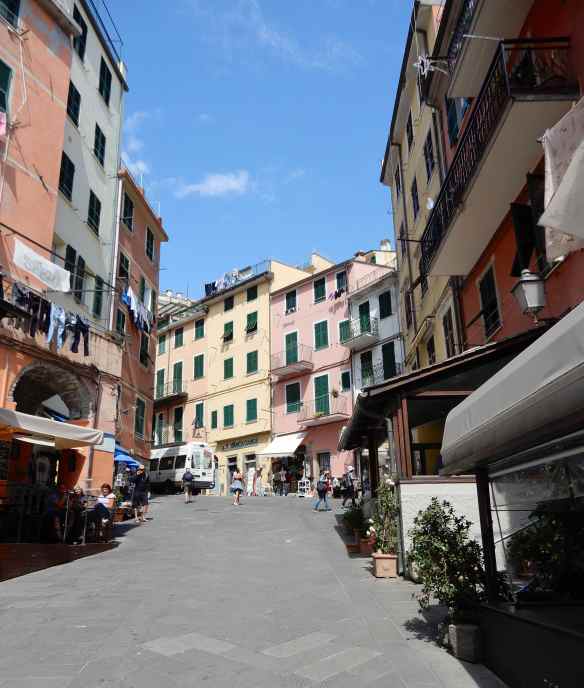
We wandered up the main thoroughfare, Via Colombo, lined with colourful dwellings, fascinating shops, restaurants and bars.

10.Via Colombo

13.Via Colombo14.Via Colombo

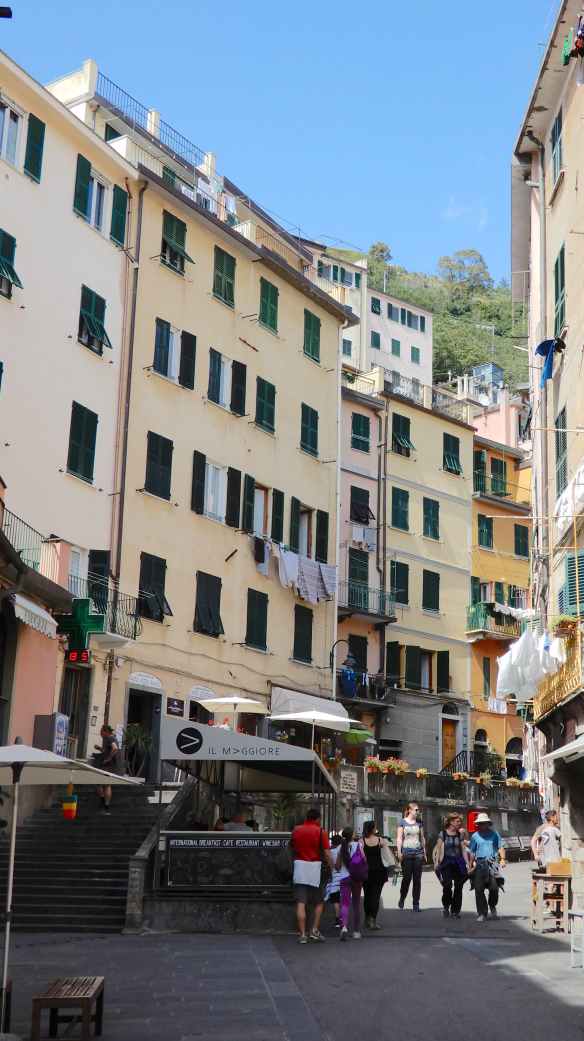
Retracing our steps, we digressed for beer and bruschetta at Il Maggiore

19.Via Colombo20.Via Colombo21.Il Maggiore

while others attended to the mundane chores of life.

A storm was threatening by the time we returned to the harbour,

25.storm brewing

wondering if we would arrive in Porto Venere before the heavens opened.

26.return boat

Back in Le Grazie, a gentle rain accompanied our walk to La Marinara for a pizza dinner and reflection on our wonderful day in Cinque Terre.

Highfield House

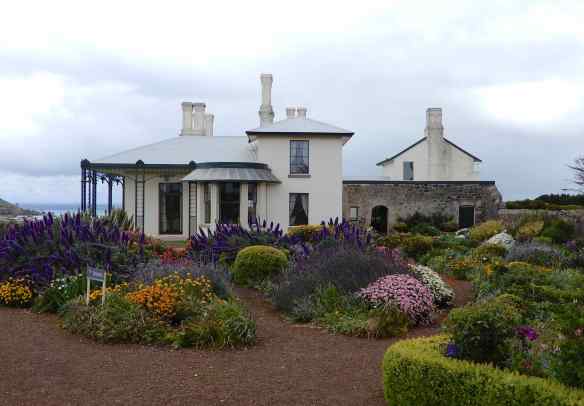
I know I’ve said it before but Stanley really is one of our favourite places and having guests from interstate is always a great excuse to return. The drive up the hill to Highfield House and the views as we descend back to the beach are quite spectacular. A few years have passed since we took the time to visit Highfield House so we welcomed the opportunity on a recent expedition. The Van Diemen’s Land Company was formed in 1826  by a group of London based businessmen to establish a wool growing venture on the island. Edward Curr, the chief agent of the VDL Company, arrived at Circular Head in the remote northwest with his family in November 1827. They lived in a small cottage until his new homestead, with twenty four rooms, was completed in 1835.

1.Highfield House

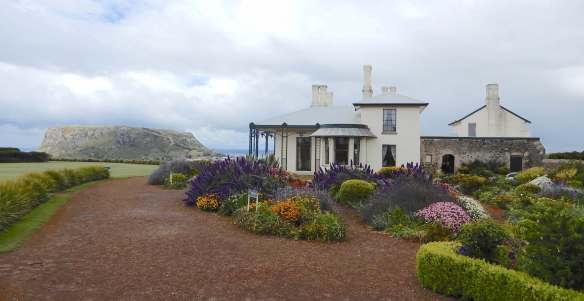
The garden is immaculate

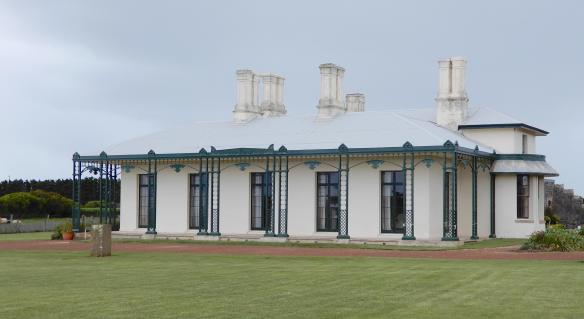
and the house impressive even on an inclement day.

4.Highfield House

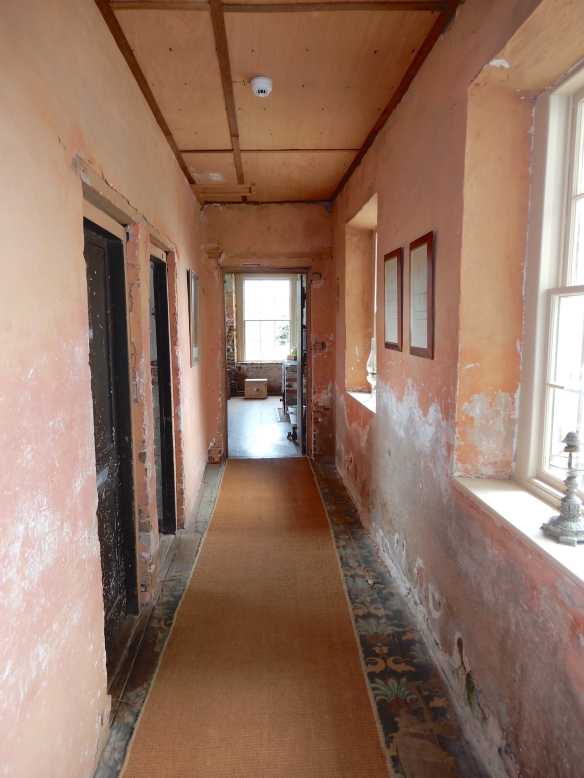
Through the front door, down the main hallway

5.hall

we entered the gallery where guests would be welcomed. Portraits and stories of those who lived and worked in the house and around the estate adorn the walls.

6.gallery

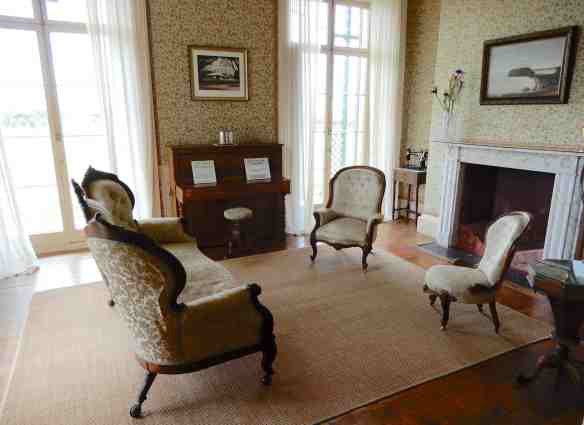
Storyboards in each room relate a different part of life at Highfield House, the history of the VDL Company and the settlement of Circular Head. First impressions of the settlers to the wild, rugged northwest are shared in the adjacent drawing room,

7.drawing room

while the failure of the planned fine wool enterprise and hefty financial losses are described in the study.

Across the hall, the china closet displays remnants of crockery that were found during restoration of the house

and parts of the original ceiling and walls have been exposed.

Henry Hellyer travelled to Van Diemen’s Land in 1826 as architect and surveyor for the VDL company. His explorations and mapping of the remote northwest opened up the area to settlement. In 1831, he began designing Highfield House but, sadly, he committed suicide in September 1832 and never saw his plans come to fruition. His adventures are told in the room set up as a nursery.

Beneath the staircase, two cellars provide ample storage for the plethora of goods imported on the Company ships. Detailed inventories indicate the residents of the house wanted for nothing.

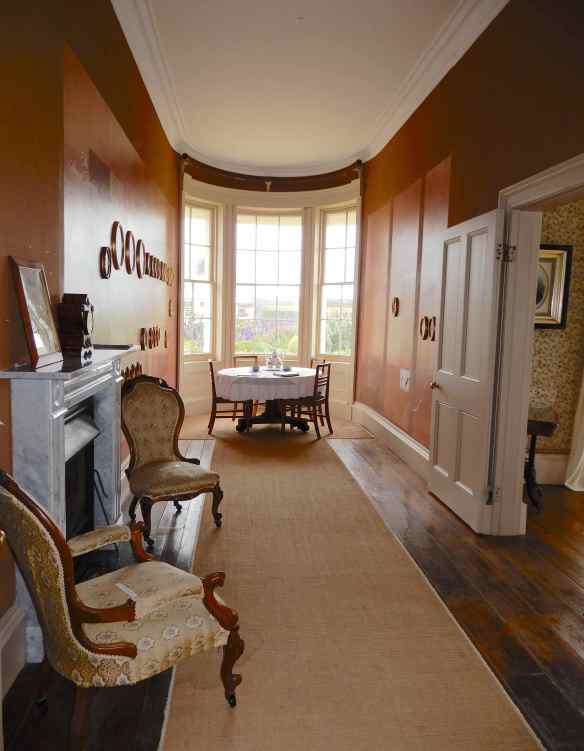
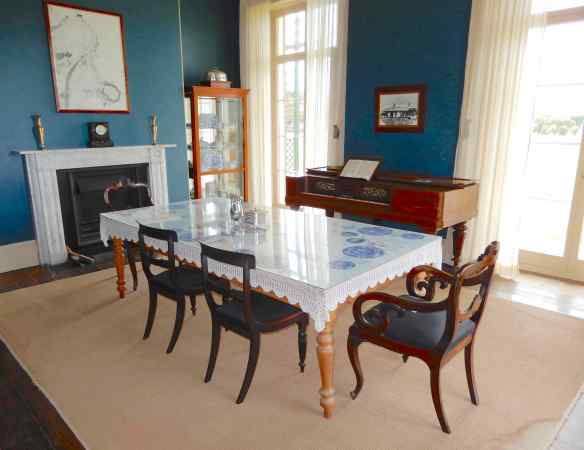
Places are set at the dining room table and snippets of conversation are written on the cloth. The clinking of glasses and cutlery accompany the gossip of the day.

22.dining room

25.dining room

Upstairs,

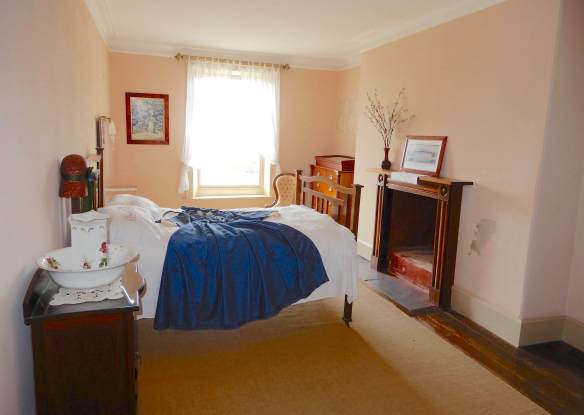
the master bedroom is set out beautifully, though it is shrouded in sadness with the sound of a woman sobbing. Presumably, Elizabeth Curr is mourning the death of her two year old daughter, Julia, in a tragic accident.

28.master bedroom

Conversely, there is a calm ambience with stunning garments laid out

and a surprisingly comfortable ensuite.

32.ensuite

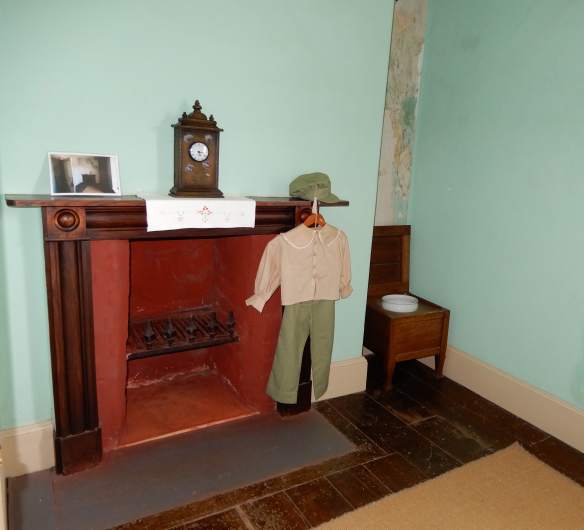
Down the hall, the children’s bedroom seems a bit on the small side for fifteen children, nine sons and six daughters. Apparently, all were sent back to England for schooling around the age of four.

33.children's bedroom

The guest room has a spectacular view of the Nut, the ancient volcanic plug around which the town of Stanley has grown. Suitcases half packed (or unpacked) give the impression of visitors in residence.

Returning to the ground floor, through the Butler’s Pantry (which is now the Reception Office) there is another hall

36.hall

that leads past the larder and pantry ( with more exposed original ceiling)

to the kitchen.

40.kitchen

A collection of not-so-modern appliances make us aware of how arduous the simplest of tasks were at that time.

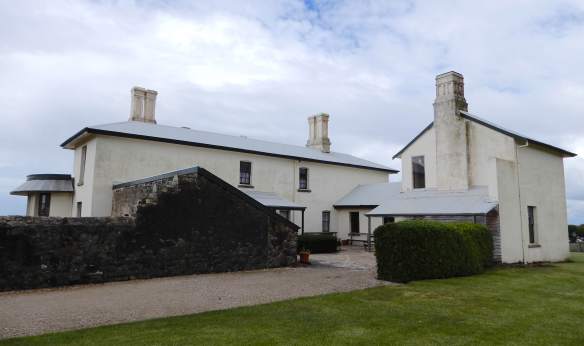
The kitchen leads to a rear courtyard

46.rear courtyard

and we set off to explore the various outbuildings on the estate. A small stone building houses a chapel on the ground floor

and schoolhouse above.

51.chapel:schoolhouse

There are stables

52.stables

and a large barn that was divided up for separate uses.

56.barns

Through the straw barn

57.straw barn

there is a separate section that houses some old implements including a rather striking woolpress.

At the other end, on a mezzanine level, the original threshing barn is now a popular venue for weddings and functions.

65.threshing barn

Following Curr’s dismissal in 1842, Highfield House has had several owners until 1982 when the State Government acquired the estate. If you are planning on a visit to Stanley, be sure to take the time to explore Highfield House.

66.Highfield House & The Nut

Monterosso

A short boat trip along the coast from Vernazza brought us to the next village of the Cinque Terre, Monterosso.

1.Monterosso

Dating back to Roman times, the oldest and most populated of the Cinque Terre villages is divided into two parts. The old, medieval village

2.Monterosso Vecchio

and the new, modern area known as Fegina

3.Fegina

are separated by San Cristoforo hill.

4.San Cristoforo hill

A strong defence system was built on the hill in the 16th century with only three of the thirteen towers still standing. One of those is the Aurora Tower, with pride of place on the promontory it is now a private residence.
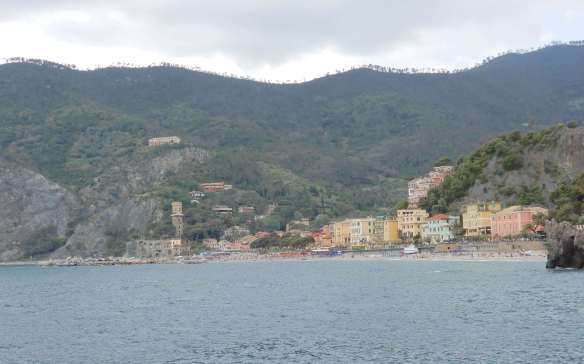
5.Torre Aurora

Ancient lookout turrets and fortress walls adorn the hillside.

Dominating the headland, the Convent of the Capuchin Friars has had a turbulent history since construction in 1619. Closed for the Napoleonic laws in 1816 and again for the Savoy laws in 1867, it has been used as a hospital and warehouse and eventually returned to the friars in 2006.

8.Convento Frati Cappuccini

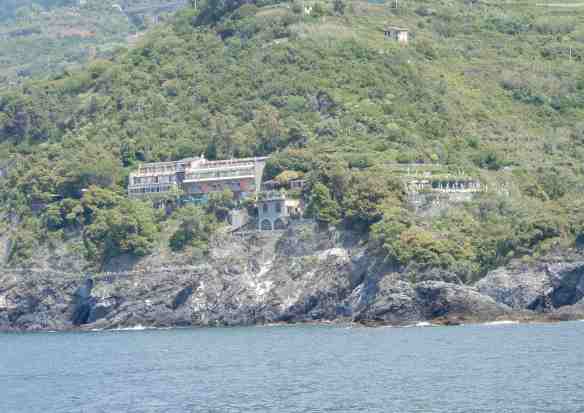
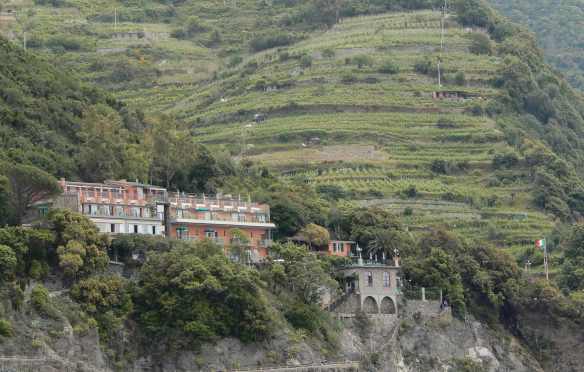
Across the bay on the other side of the old town, the Hotel Porto Roca clings to the rocky foundations of Punta Corone.

9.Hotel Porto Roca

In 1960, Giacinto Jacazzi, a fashion creator from Milan, fell in love with the village and bought the land. Rather than a family home, he decided to build a hotel so more people could enjoy it. Workers had to construct roads to the isolated site and fearless excavator drivers manoeuvred their machines on the edge of sheer cliffs.

10.Hotel Porto Roca

Three years later, the dream came true. I will definitely be staying here if we are lucky enough to return one day.

11.Hotel Porto Roca

The boat tied up in the harbour of Monterosso Vecchio,

12.Monterosso vecchio

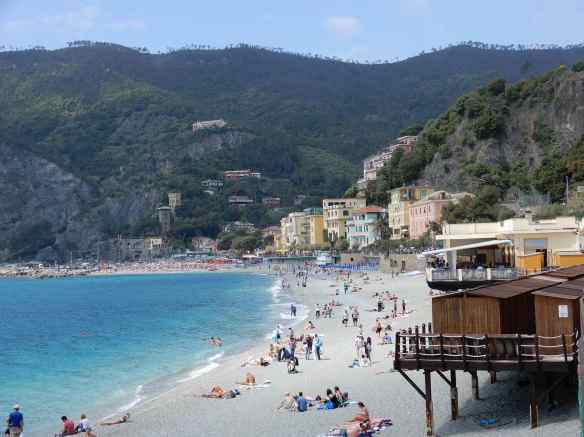
we climbed some stairs and walked along the path to the new part of town. Fegina Beach is the biggest sand covered beach in the Cinque Terre and is a popular destination for tourists.

15.Fegina Beach14.Fegina Beach13.Fegina Beach

We enjoyed a seafood lunch overlooking the bay and then, armed with gelati, wandered along Via Fegina where majestic hotels and apartments afforded uninterrupted views of the coastline.

16.Via Fegina

Returning to the boat, we farewelled Monterosso for a sedate cruise back to Riomaggiore in time for aperitivo.

17.Monterosso Vecchio

Kangaroo Ground

On a crisp, clear winters morning, we left Healesville after another delicious breakfast at Cherry Tree Cafe to fortify us for the drive to Werribee. We had only been driving for half an hour when we passed a sign announcing Kangaroo Ground Memorial Lookout Tower. Executing a U-turn, we went to investigate. Kangaroo Ground is a tiny town about 26km from Melbourne and the tower is located on the highest hill in the area. Unveiled on 11th November 1926, the 12 metre tall edifice was erected in memory of local men killed in action in World War I.

1.memorial tower

The memorial now commemorates those who also lost their lives in World War II. A large bronze plaque above the doorway lists 107 names of the fallen. In 1974, the rather unattractive box on top was added for the purpose of fire watching and is still in use during the summer months.

2.memorial tower

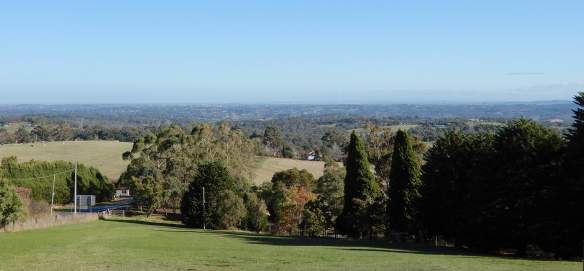
We didn’t climb the tower to take in the 360 degree views across Melbourne, the north eastern suburbs and the Dandenong and Kinglake Ranges. We were quite happy with the ones we had from ground level.

3.panorama4.panorama5.Melbourne city6.panorama7.panorama

A single pine tree near the tower, succumbing slightly to the prevailing winds, drew our attention. Planted as a sapling on 11th November 2005, it is a direct descendent of the original Lone Pine from Gallipoli.

8.lone pine9.lone pine plaque