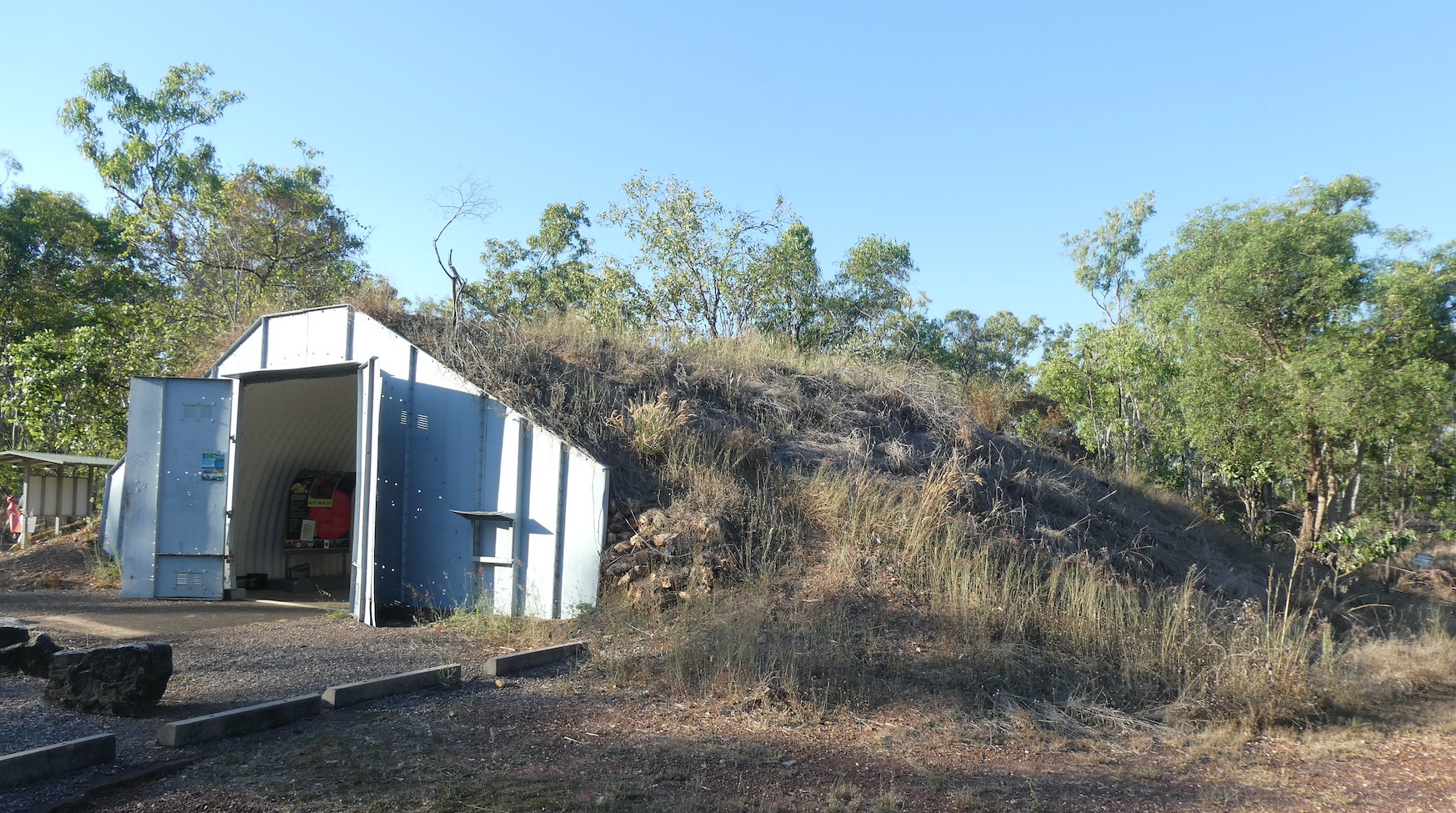
On the outskirts of the city named after the great scientist and naturalist, Charles Darwin National Park is full of surprises. Created in 1997, the five square miles provide a natural recreation area as well as protection for significant vegetation, Aboriginal and World War II history. Developed as an Explosive Ordnance Storage Area during World War II,eleven of the bunkers that housed the explosives during the war are still standing. Nine were set into the contours of the hills, the barrel vault constructions are covered with vegetated earth.
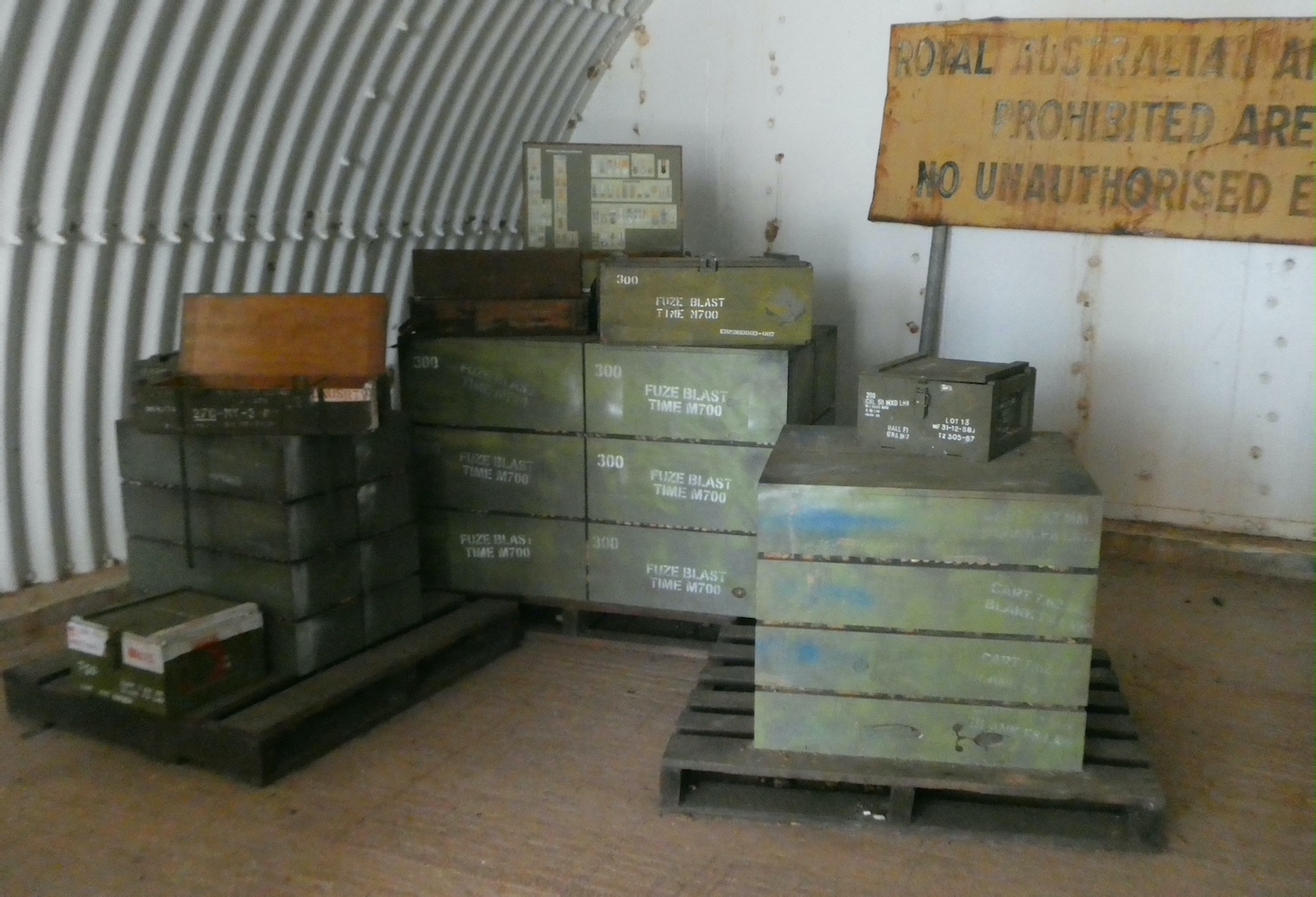
There is a display of memorabilia in one of the bunkers and a fascinating insight into Darwin’s role in the Pacific War.
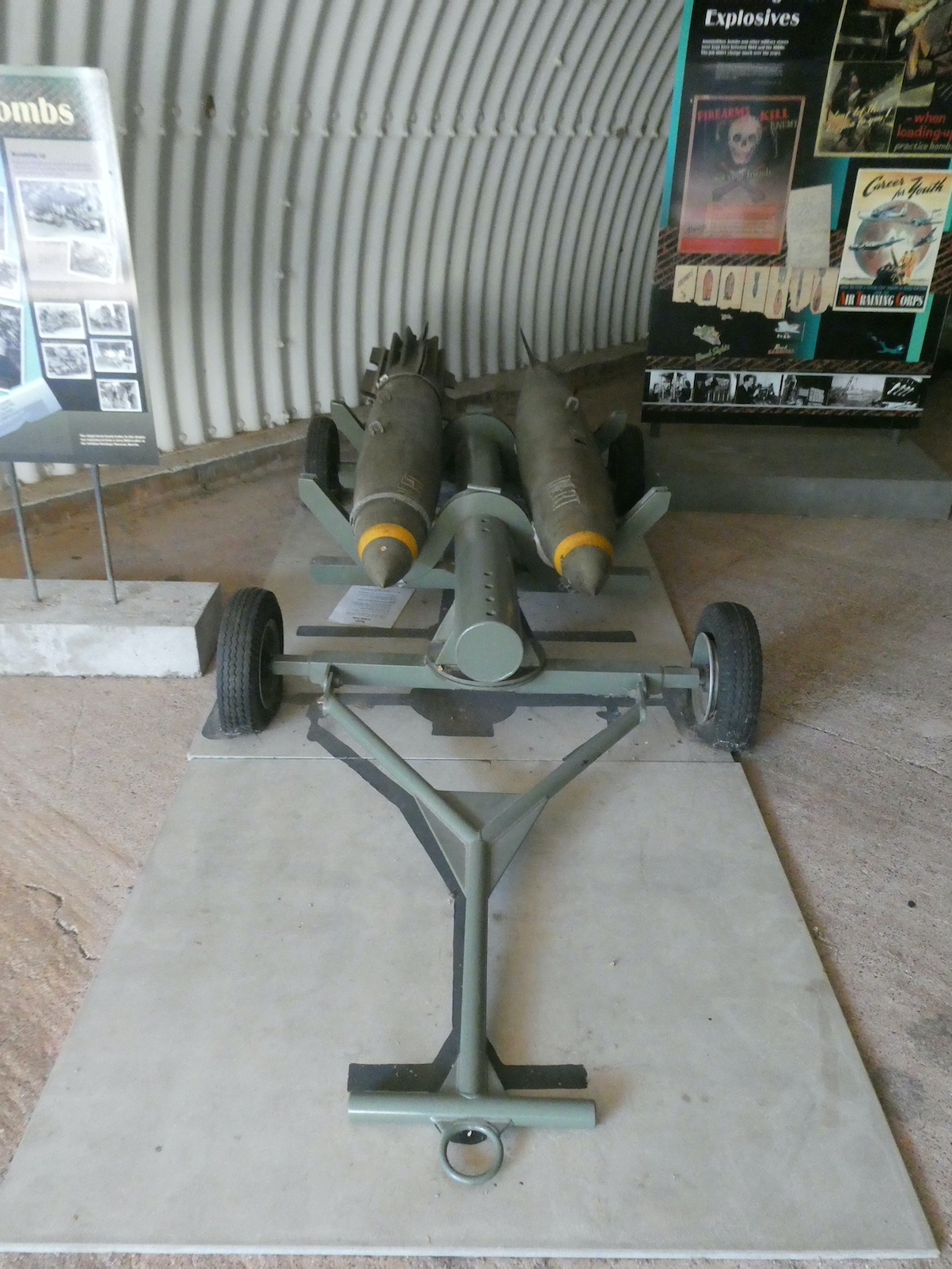
Bomb trolleys were used to move bombs weighing up to 1,000 lb (that’s about 450kg) to be loaded into aircraft and were common at bomber bases in the 1940s.
There are two free-standing storage sheds, one of which is now adorned with a magnificent work of art.
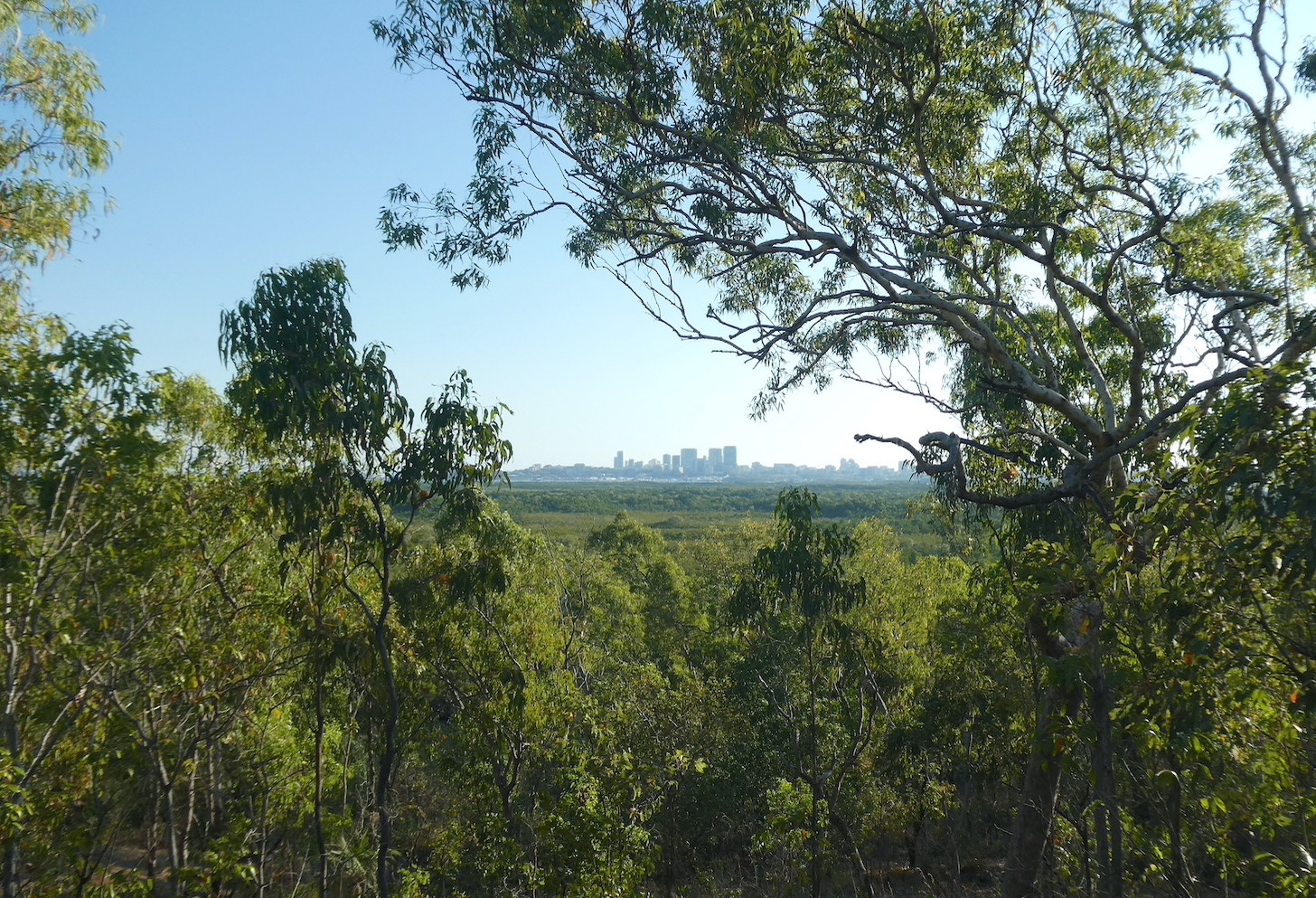
One of Australia’s most important wetlands is also protected by the park. The Port Darwin wetland comprises undisturbed mangrove forests, with 36 of the Northern Territory’s 51 mangrove species within its system of inlets, islands and bays. The vista from Charles Darwin Lookout is spectacular.
There are many reminders in the Northern Territory of Australia’s involvement in World War II and a visit to Darwin Military Museum gives a fascinating insight into just how close the Japanese invasion came. On 19th February 1942, the Japanese bombed Darwin, killing 252 people, destroying aircraft, sinking 10 ships and severely damaging the township. Over the next 21 months, the Northern Territory was subjected to a further 97 air attacks by the Japanese, including 51 bombing raids.
Since the mid-1960s, the Royal Australian Artillery Association has been accumulating war memorabilia and the vast collection includes artefacts from the Boer War to the present day. Once past the entrance display,
I realised there were far too many intriguing items to photograph, not least this painted feather. The MV Manunda was launched in 1929 as a passenger liner and souvenirs of voyages, such as this, were common. The vessel became HMAS Manunda and served as a hospital ship during World War II before returning to civilian life in 1946. Ten years later, in an ironic twist of fate, she was sold to a Japanese Shipping Company, broken up and used for scrap.
We continued our exploration outside, where larger artillery pieces and military vehicles are scattered through tropical gardens and various outbuildings. A memorial to the Australian Digger stands adjacent to one dedicated to Gunner, a kelpie credited with the ability to alert his squadron when Japanese aircraft were approaching.
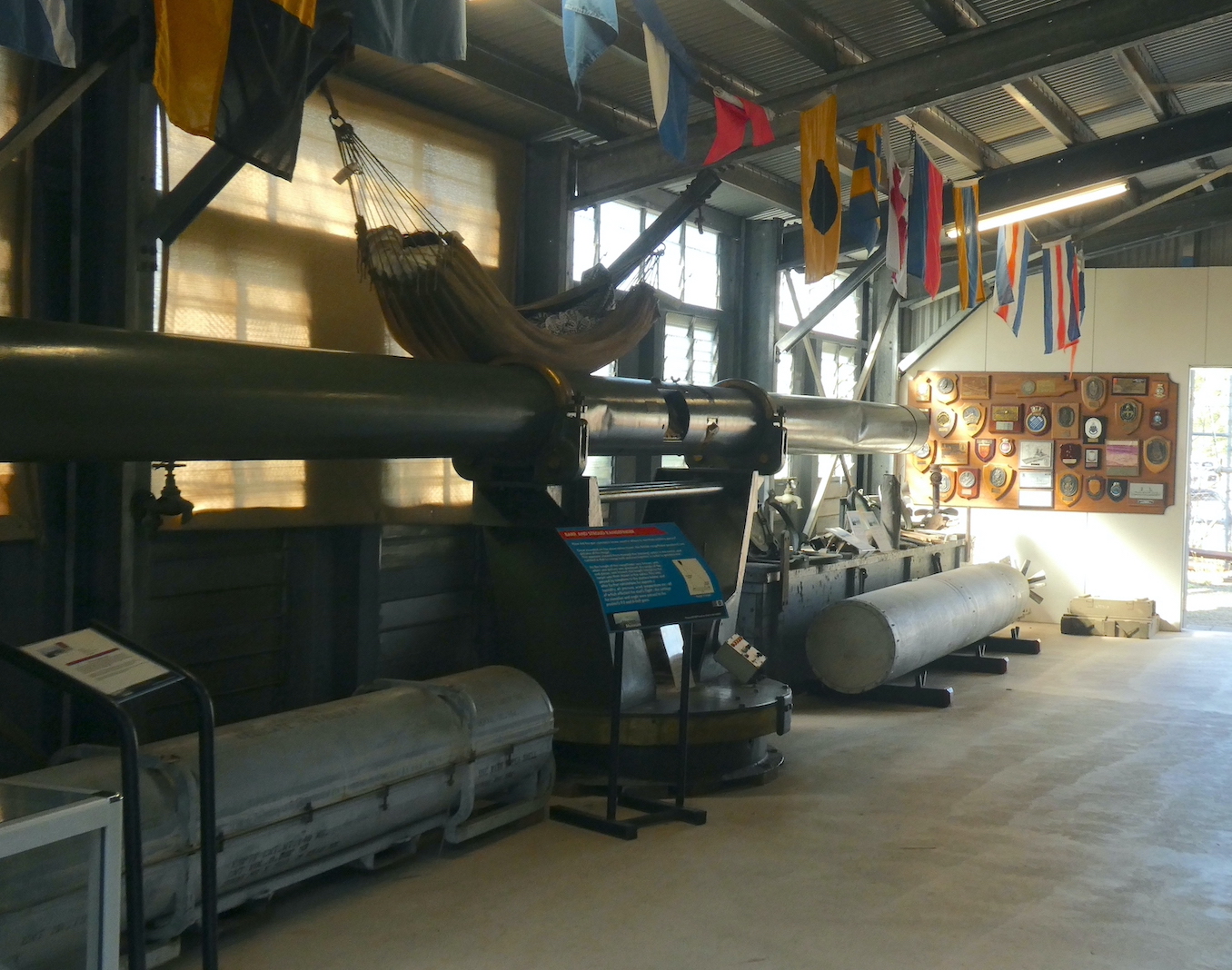
The sheer scale of some of the exhibits is boggling, it is difficult to fathom the logistics of deploying this equipment in the field. Boom net buoys were used to suspend the huge cable for the anti-submarine net stretched across Darwin Harbour. For added security, a massive metal detecting loop was laid on the floor of the harbour to detect any submarine activity.
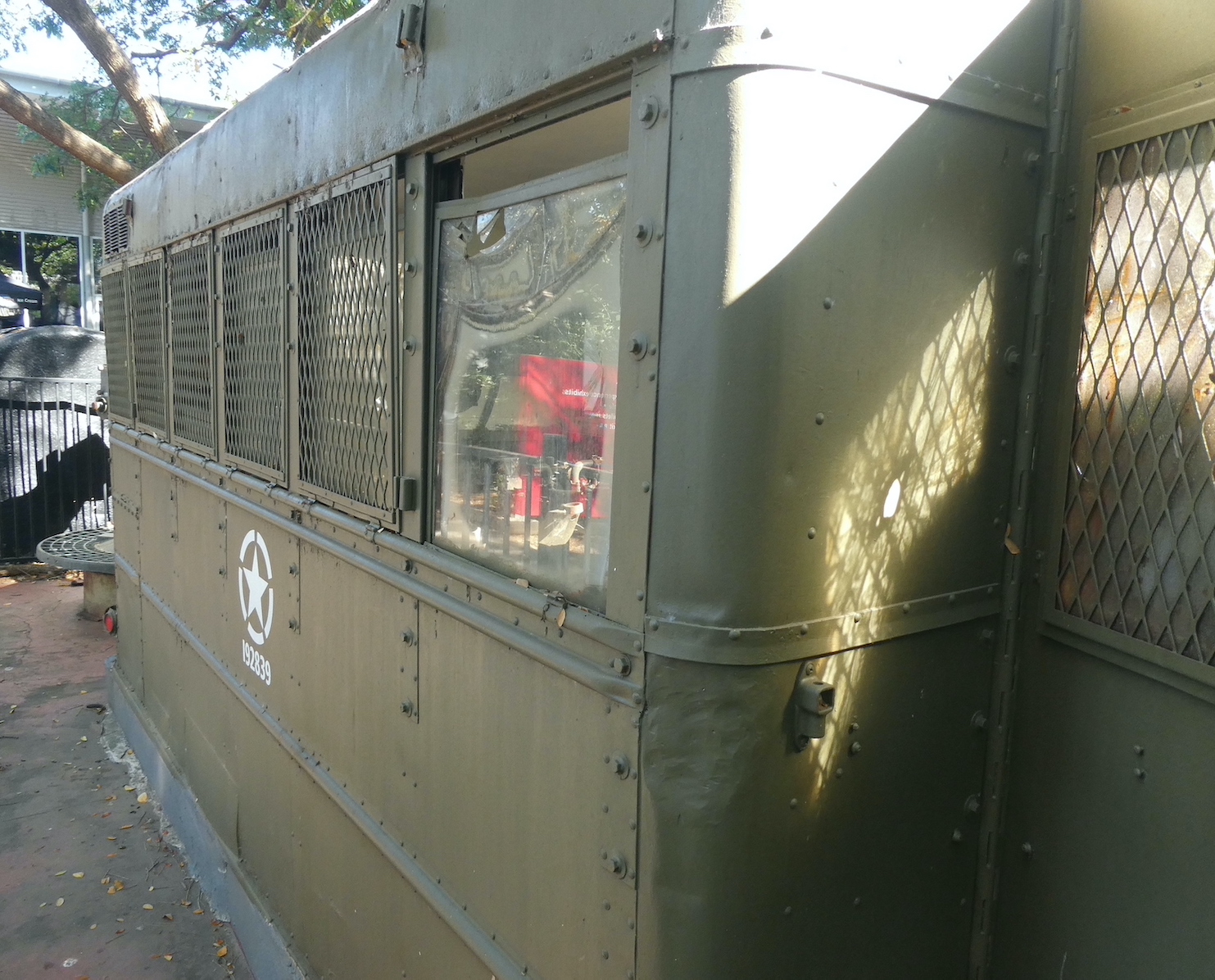
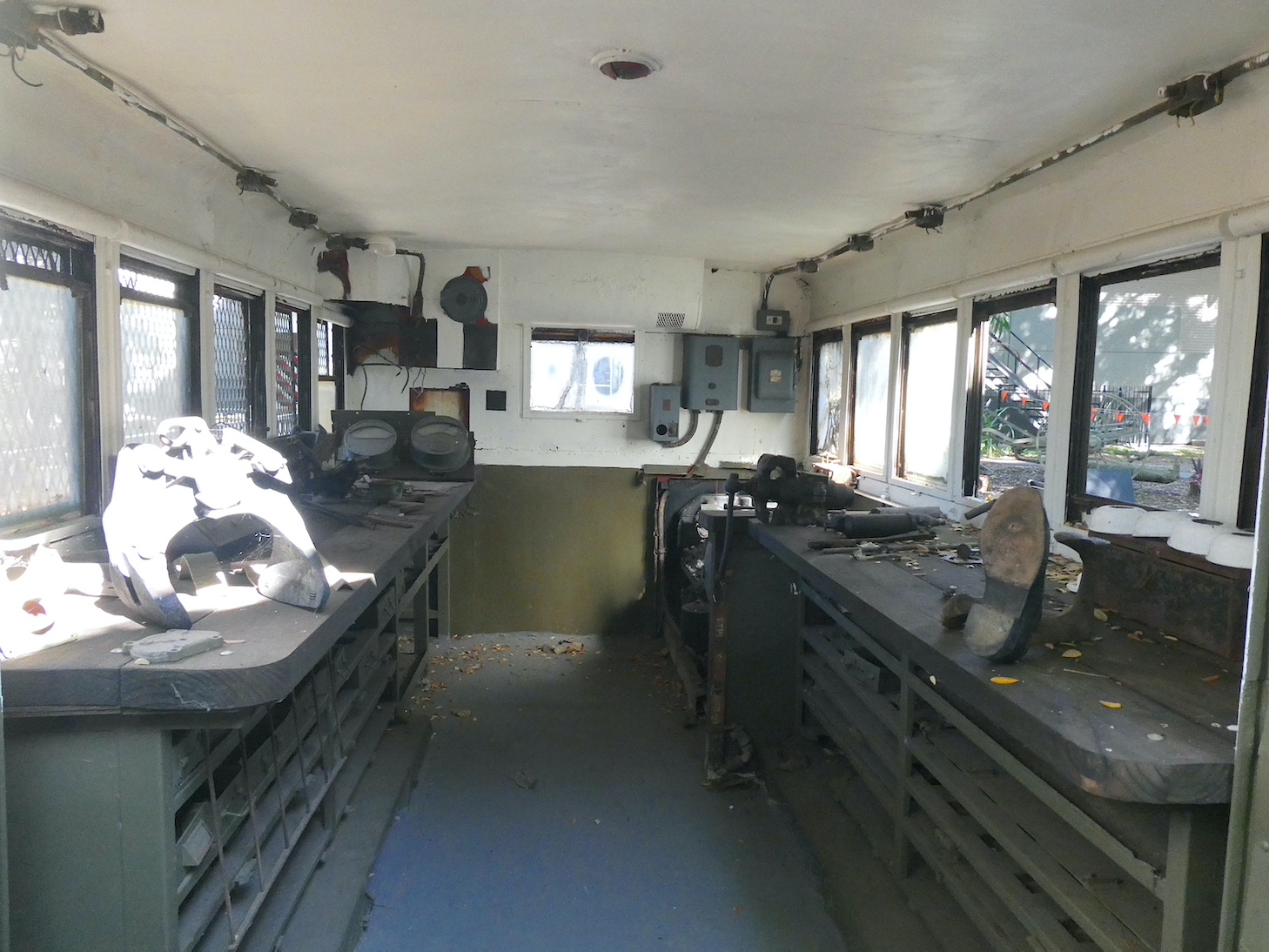
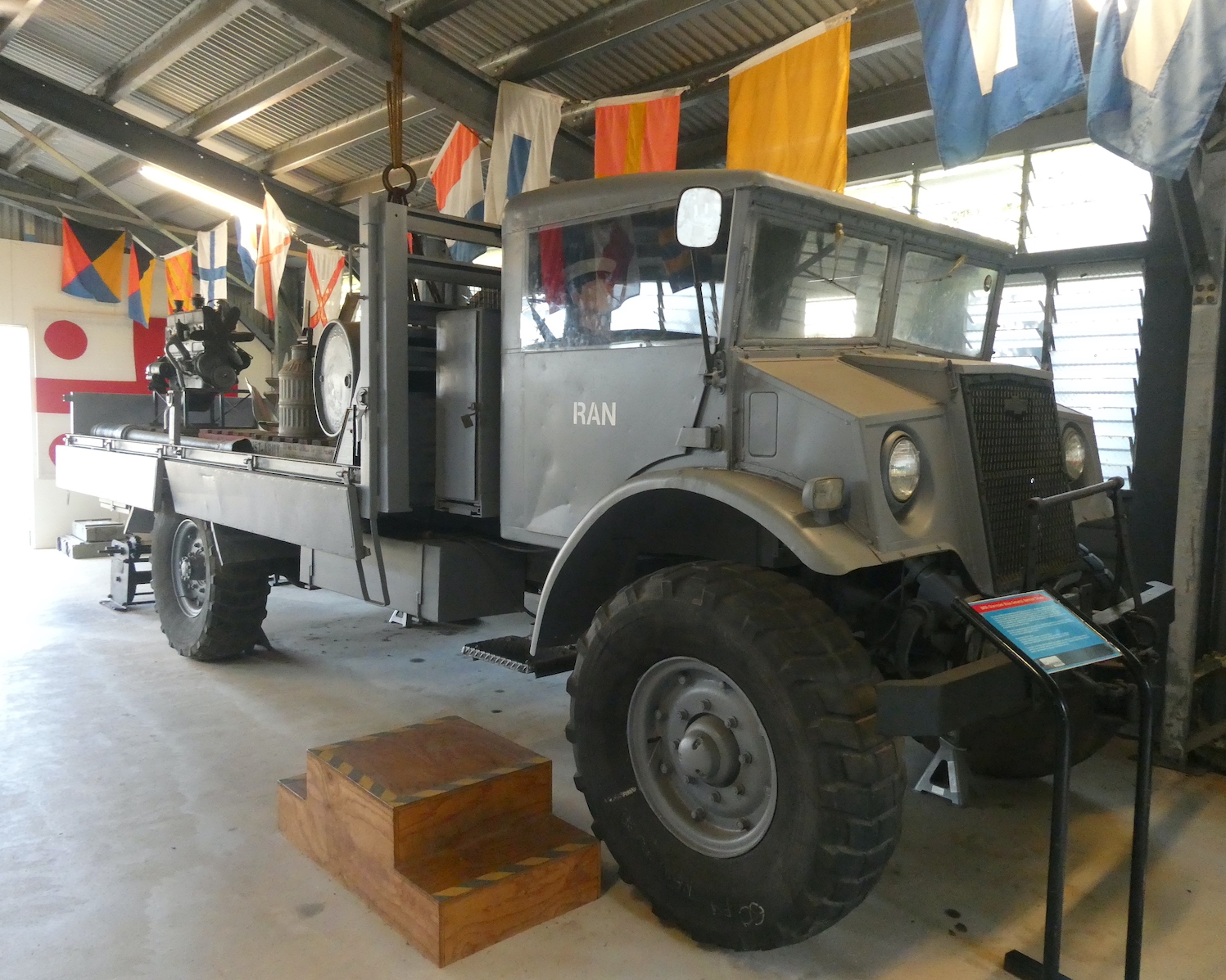
Vehicle-mounted workshops were primarily used for maintenance in the field, with small engines under the bench to run electrical items such as grinders and compressors.
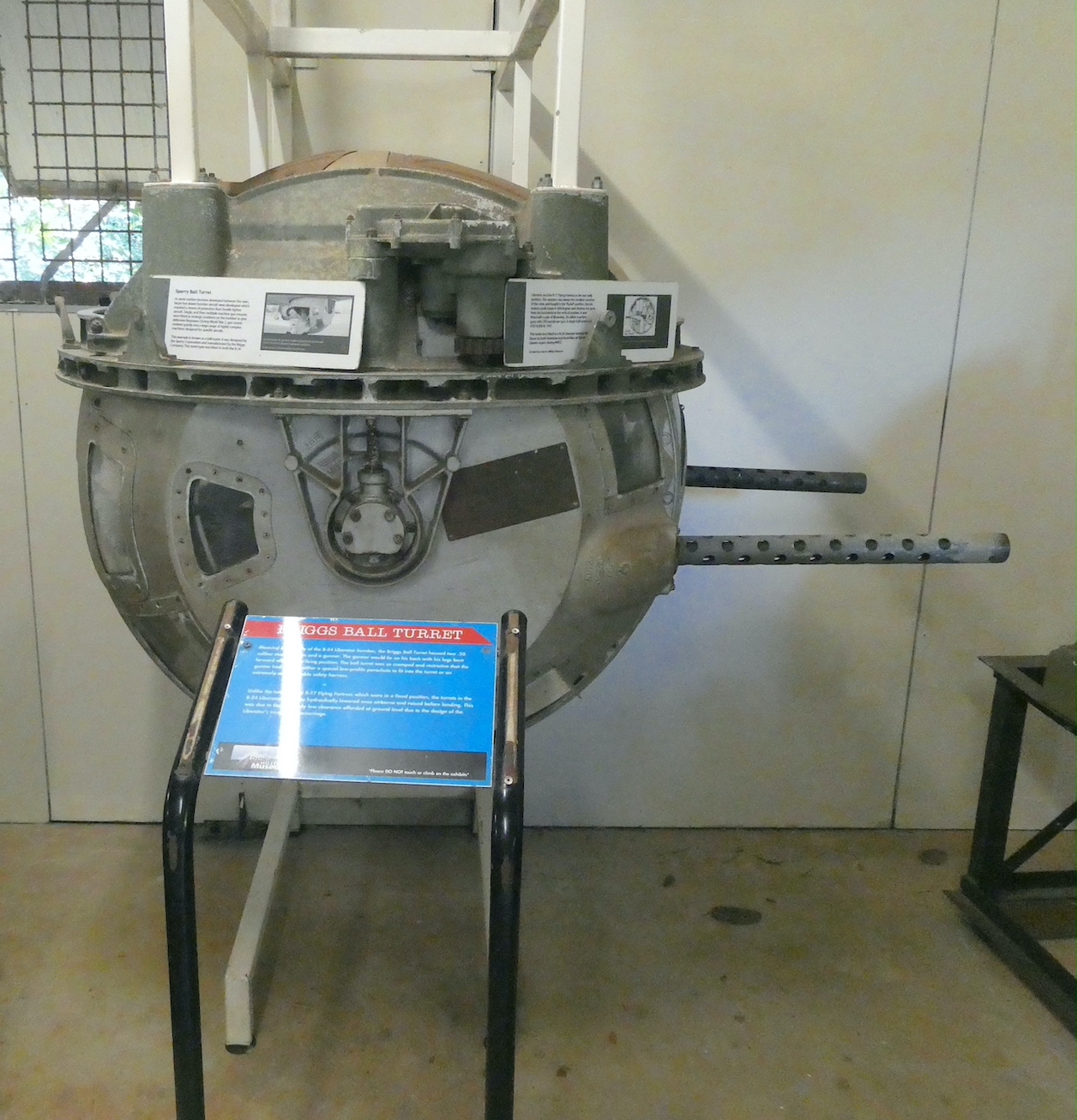
Probably the most terrifying place to be on the fighter planes was the ball gun turret. Suspended underneath the aircraft, the gunner, usually the smallest man in the crew, had to assume a foetal-like position on missions of up to ten hours.
Some remnants of wartime are still being found in the N.T., like this Japanese drop tank. The tanks carried extra fuel to extend the range of the aircraft and, once empty, could be released to reduce drag in combat situations.
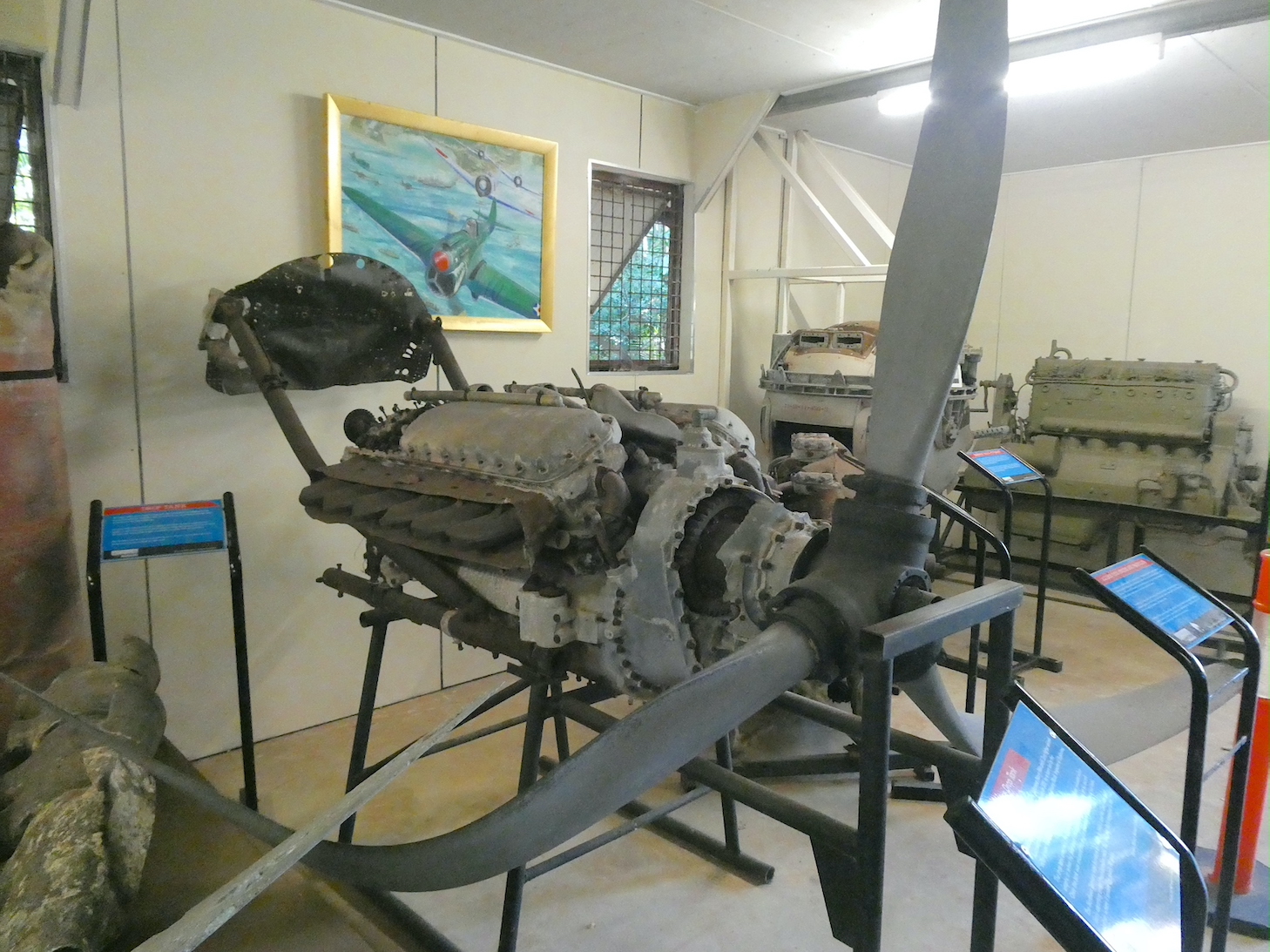
There are several engines and propellors on display, each with their own story. This one separated from the fuselage of a Kittyhawk during a forced landing in 1942. Fortunately, the pilot survived.
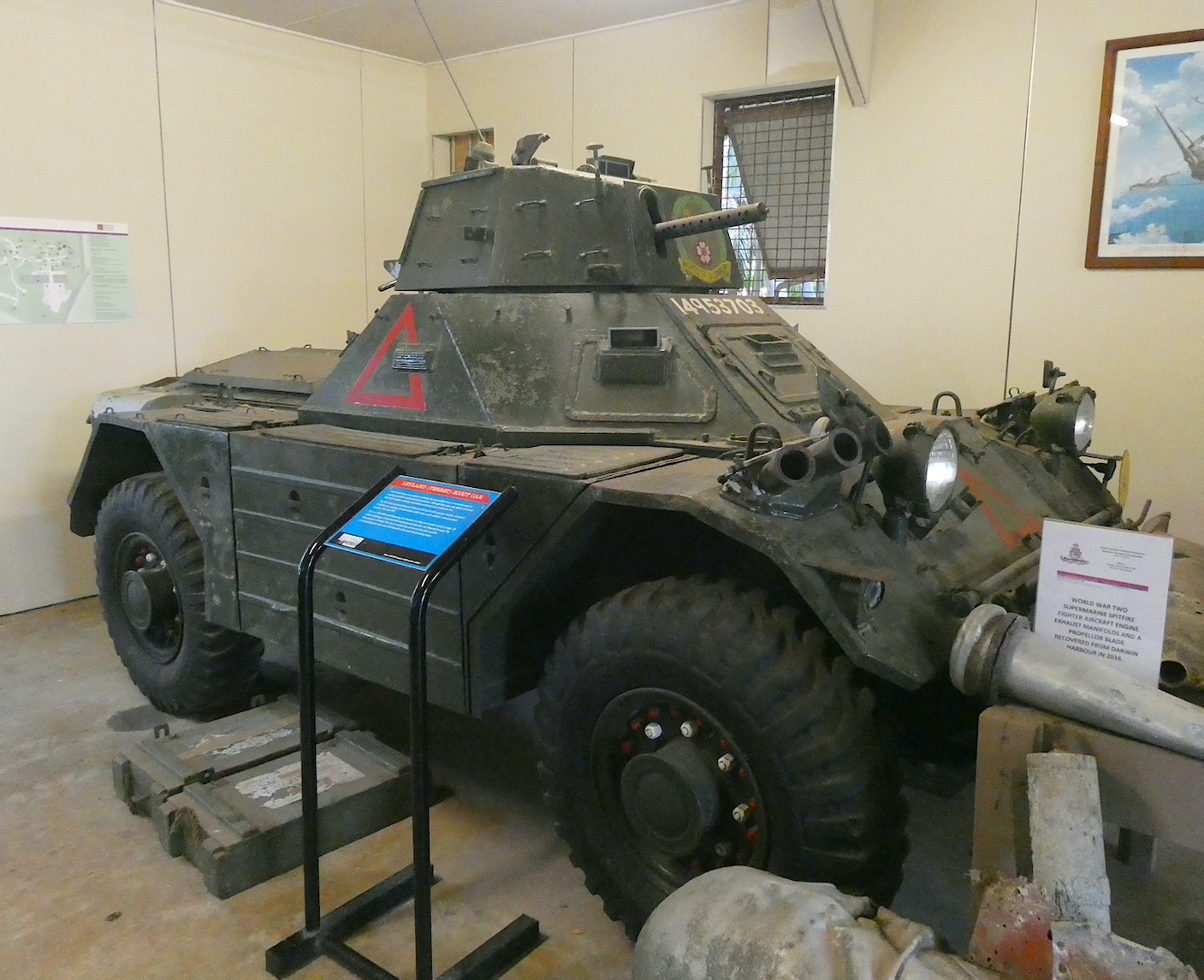
Almost as uncomfortable as the ball turret, two personnel would be squeezed into the hot, noisy cabin of the Ferret scout car. One would drive and the other would man the machine gun and grenade launchers.
On a much larger scale, the Buffalo was used as an amphibious transport vehicle, though its design meant it could only operate in the calmest of seas without taking on too much water.
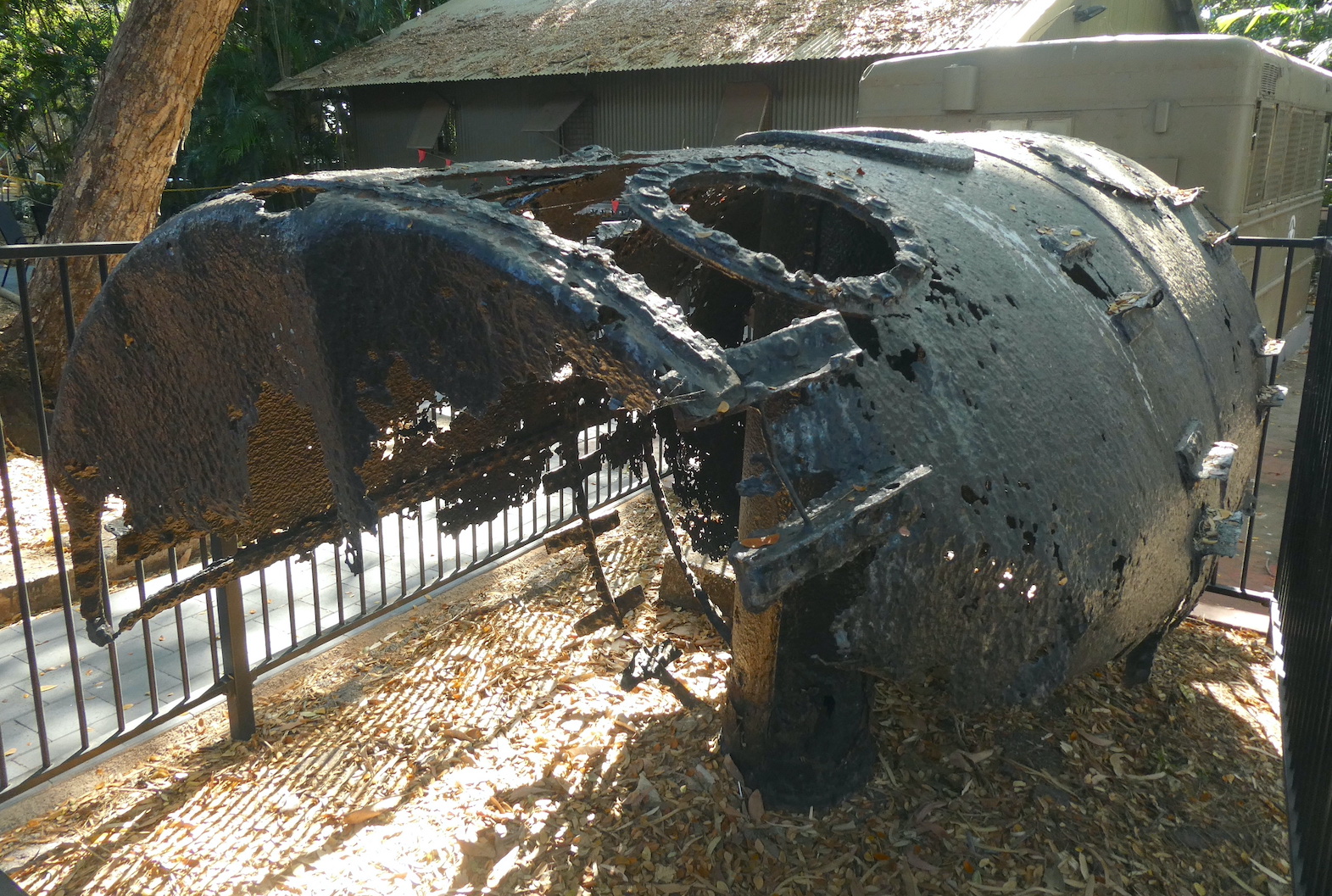
Looking suspiciously like a missile, paravanes were actually used in minesweeping operations. With a cutting cable attached, they were dragged behind a minesweeper at a pre-determined depth and, once the enemy mine was located and detached, it was destroyed by small-arms fire. Sometimes the paravane received collateral damage.
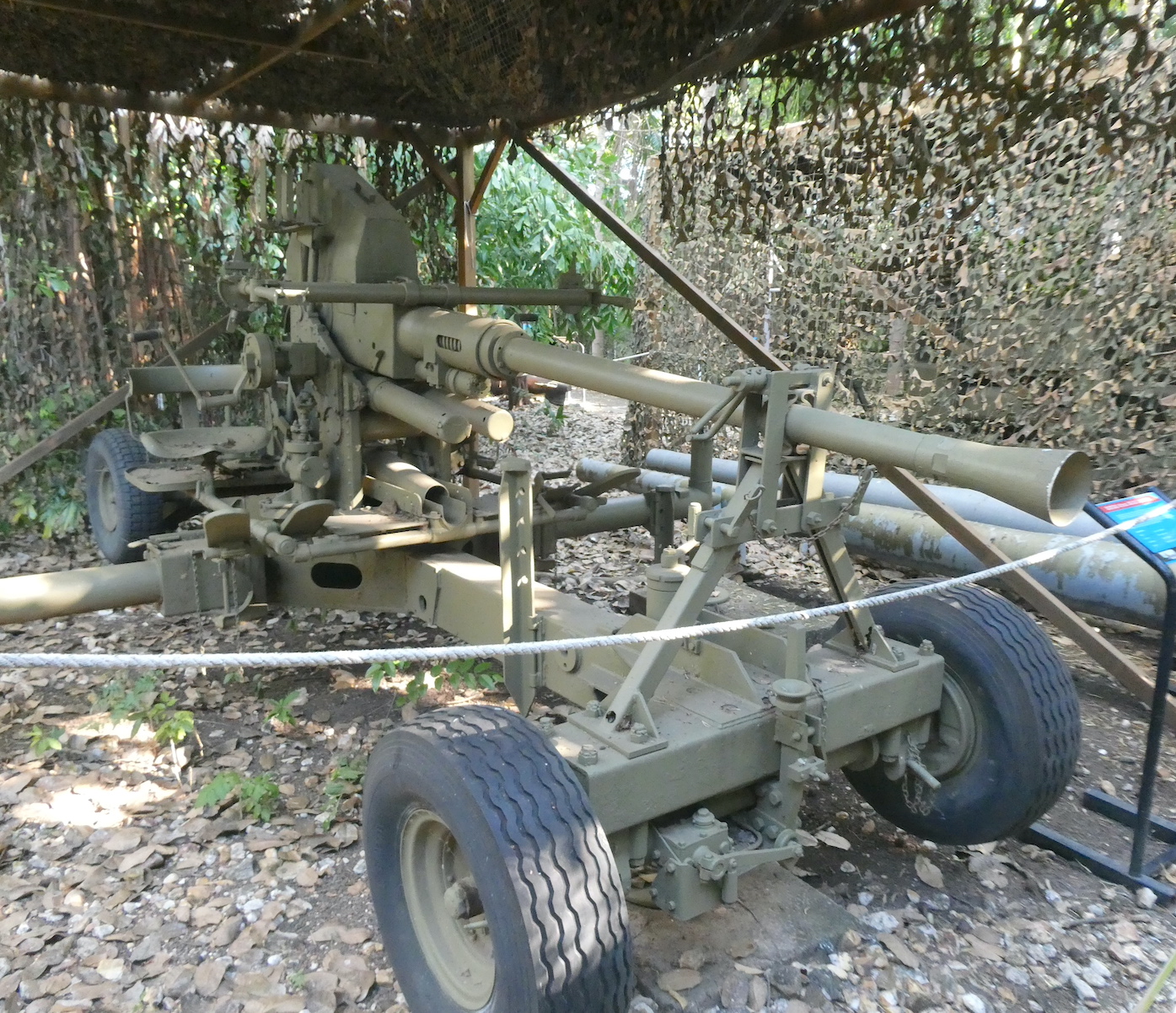
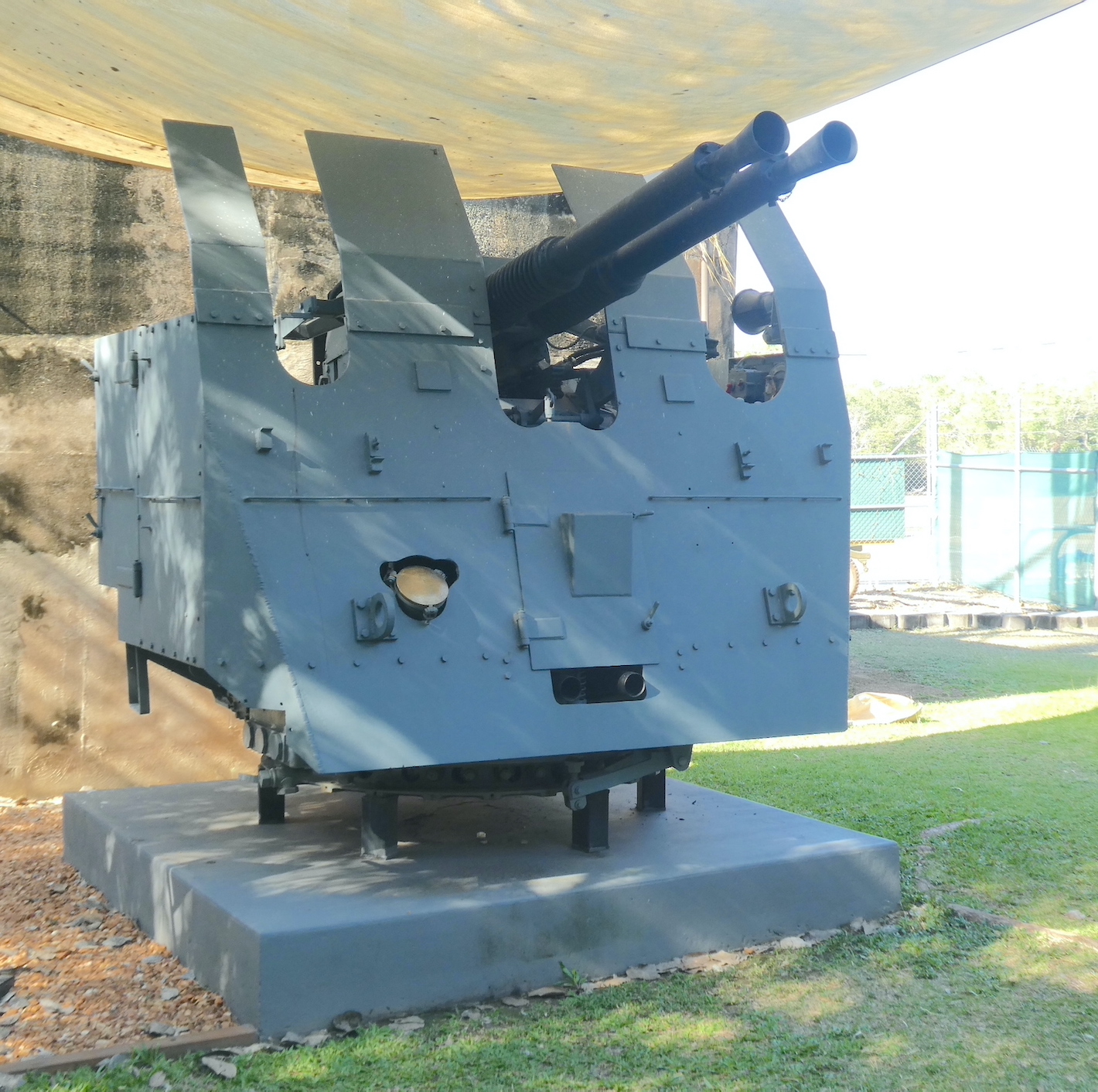
The big guns were just around the corner, an impressive collection of field and anti-aircraft guns, all of which must have been onerous to manoeuvre in battle.
Knowing where to aim the artillery pieces was a little more complicated than it is these days. A rangefinder was used to determine the angle and distance to the target, this one is the largest in the world and was installed at the East Point gun emplacements.
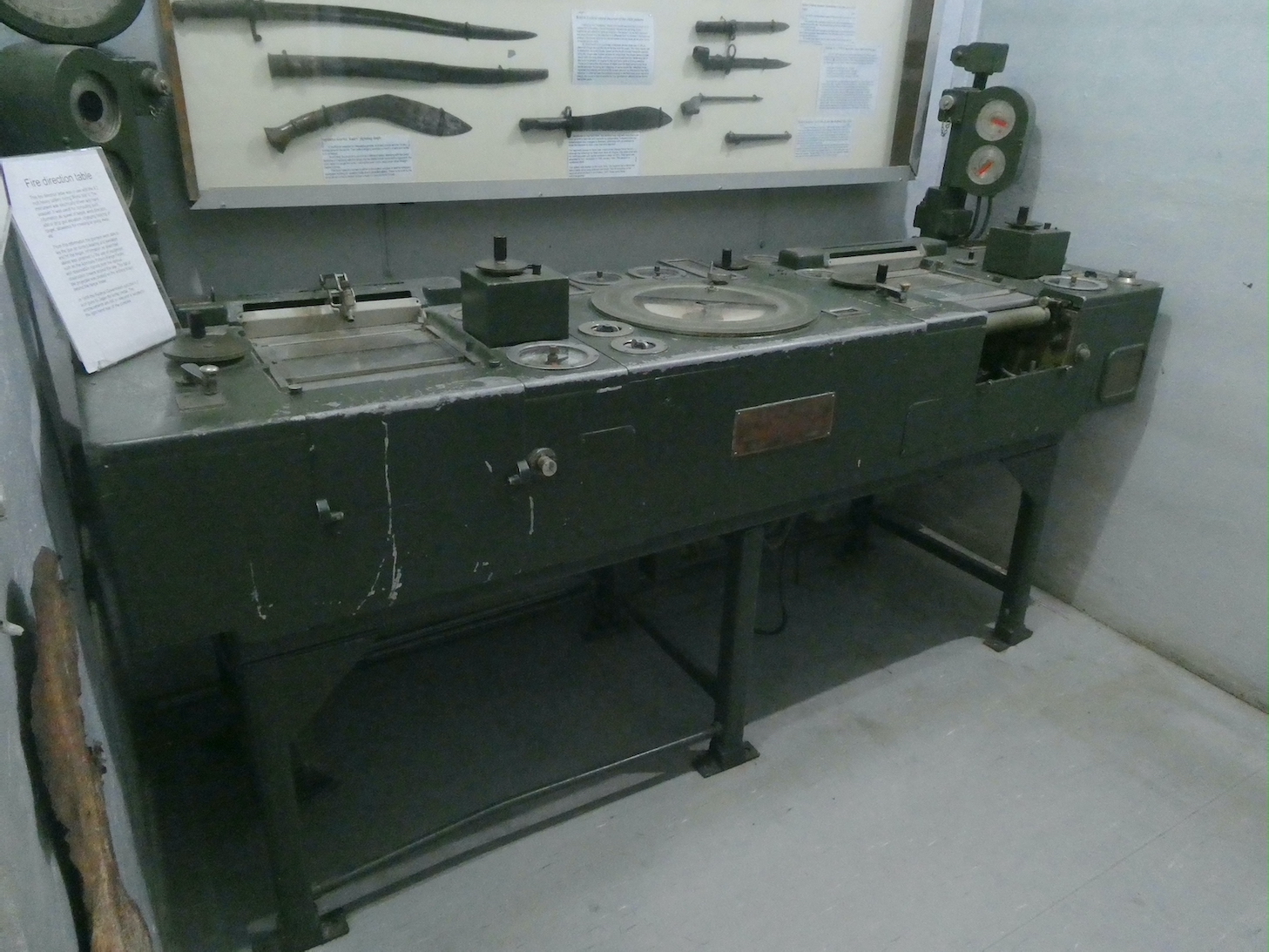
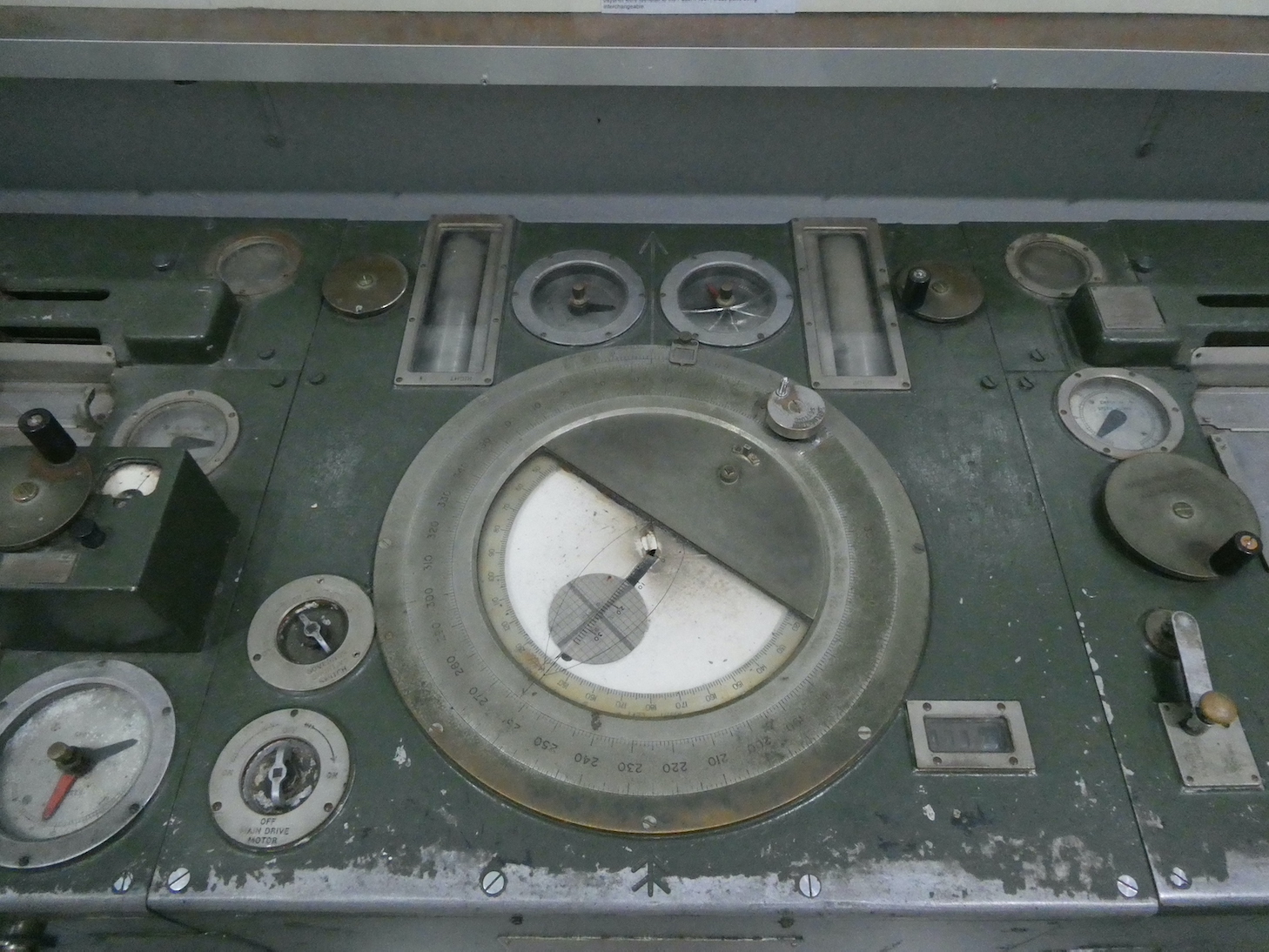
The information was then passed via telephone to the plotters manning the ‘fire direction table’ where they computed such things as wind speed, air pressure, humidity and temperature, all of which affected the shell’s flight.
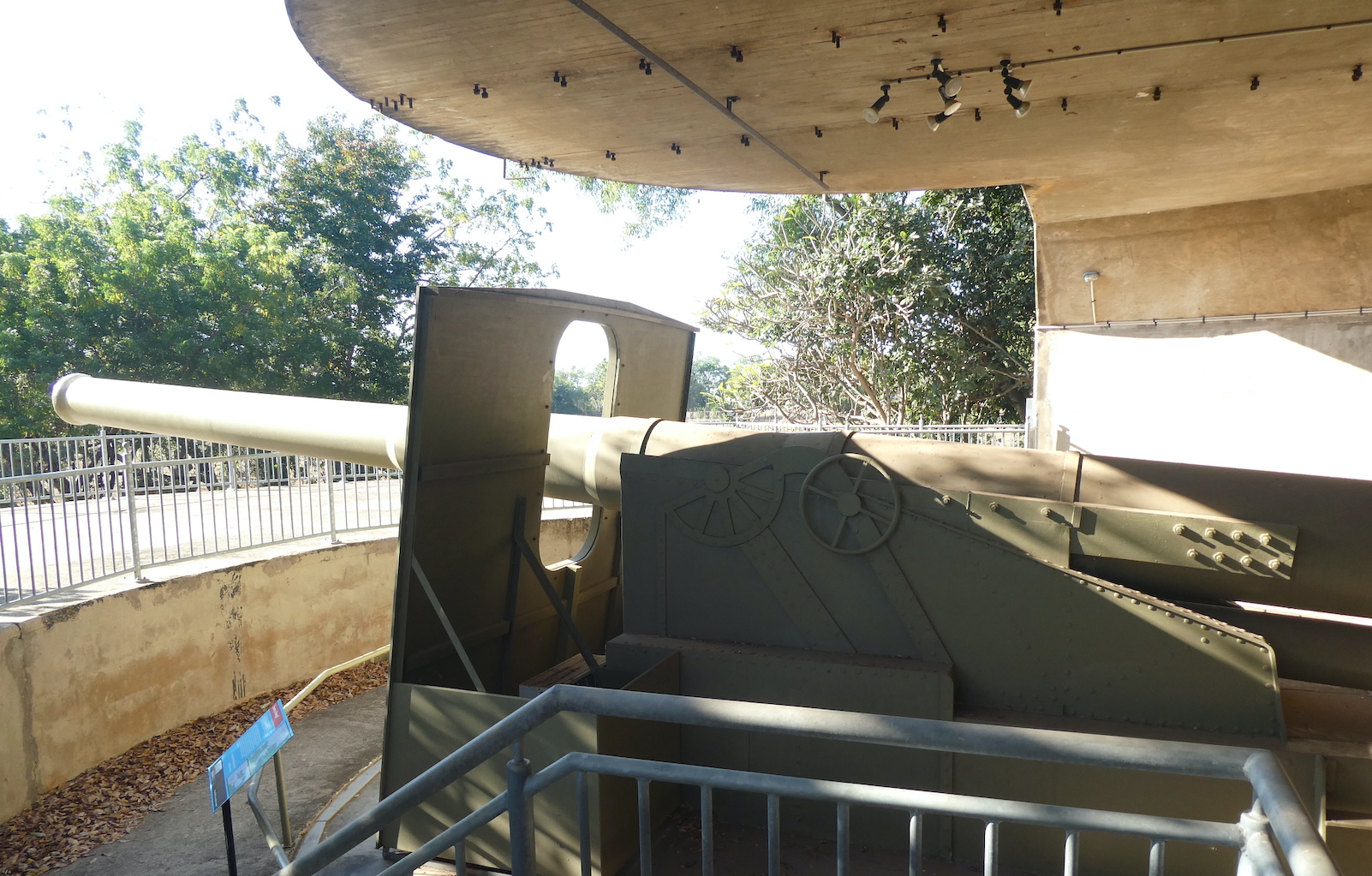
The gunners were then able to set the correct bearing and elevation to hit the target. The initial 6” guns were replaced by two 9.2” guns but they didn’t arrive until February 1944. Consequently, the only rounds fired from these were three proof rounds, the war ended and, in 1959, both guns were sold to a Japanese salvage firm and cut up for scrap metal. The replicas that now stand on the site are quite impressive.
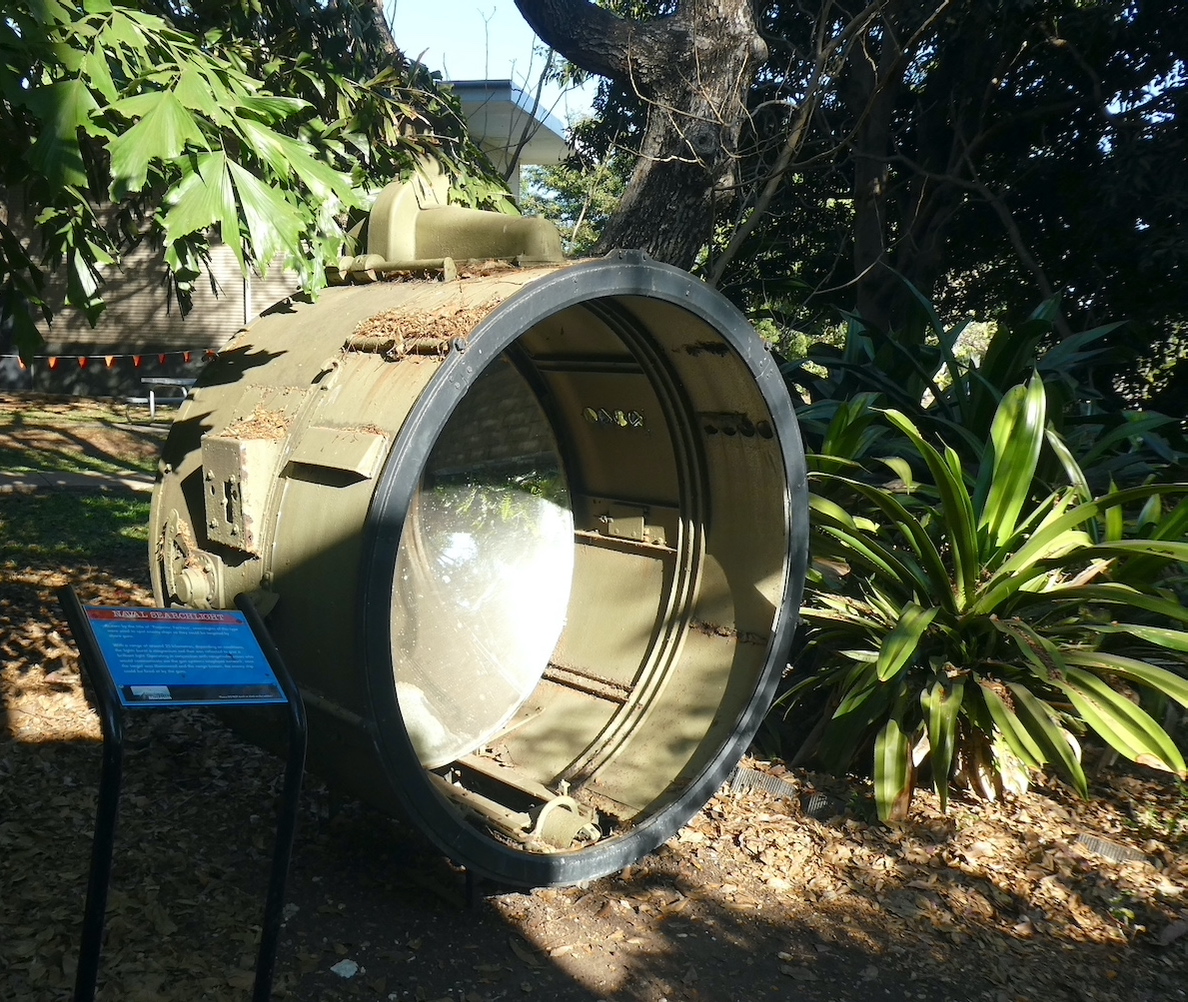
Operating in conjunction with the rangefinder crews, massive searchlights with a range around 25 kilometres were used to spot enemy ships.
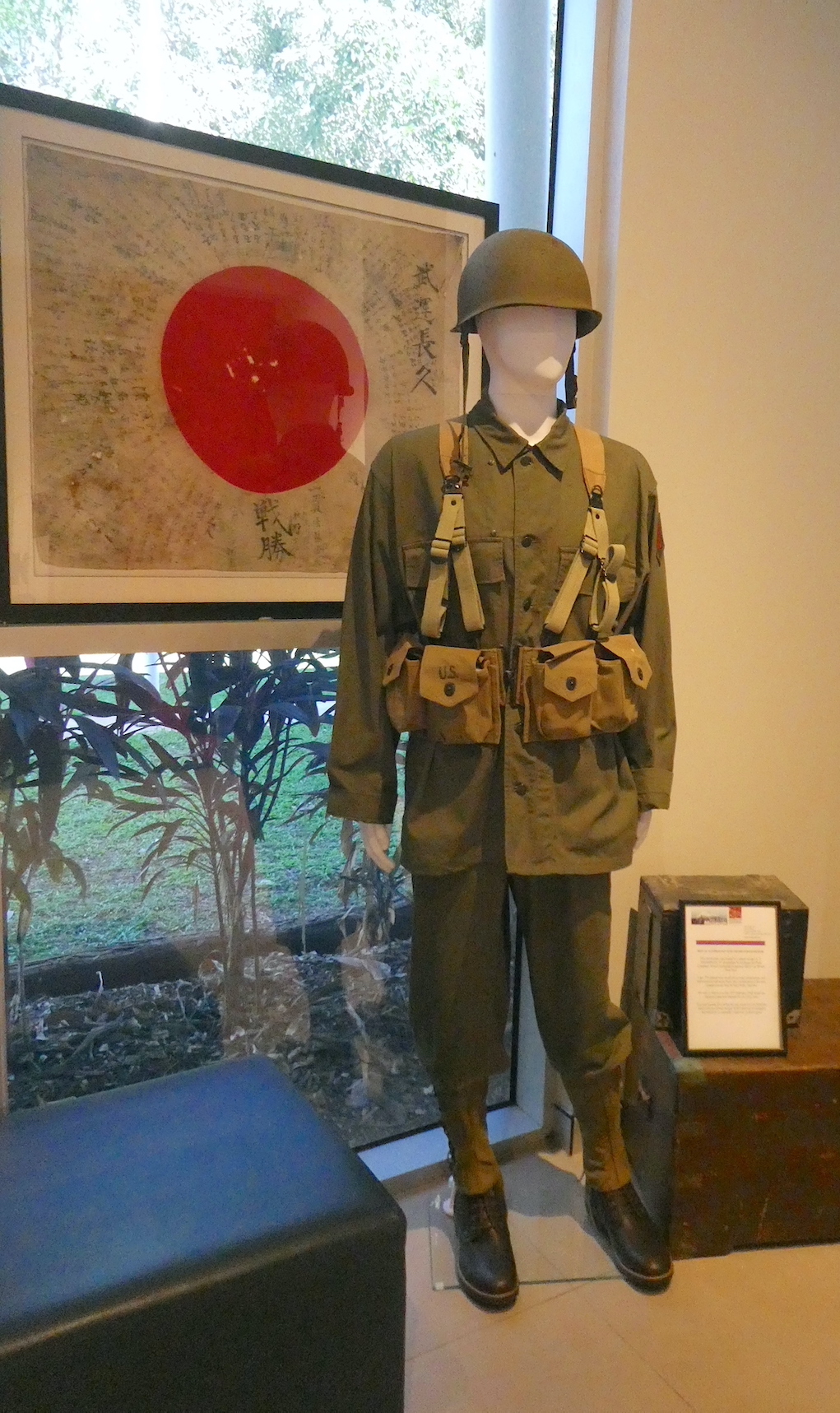
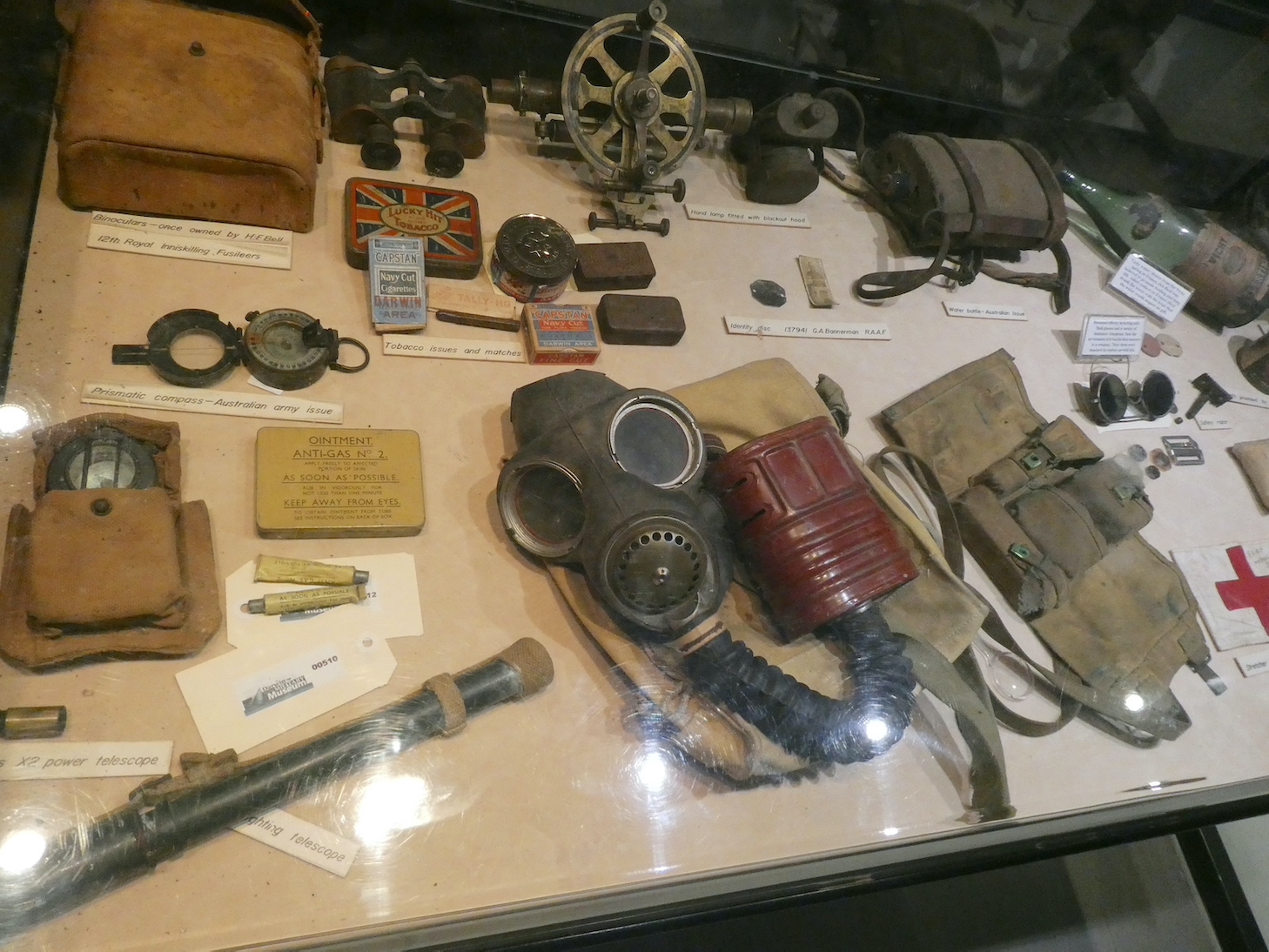
There are many displays of assorted paraphernalia
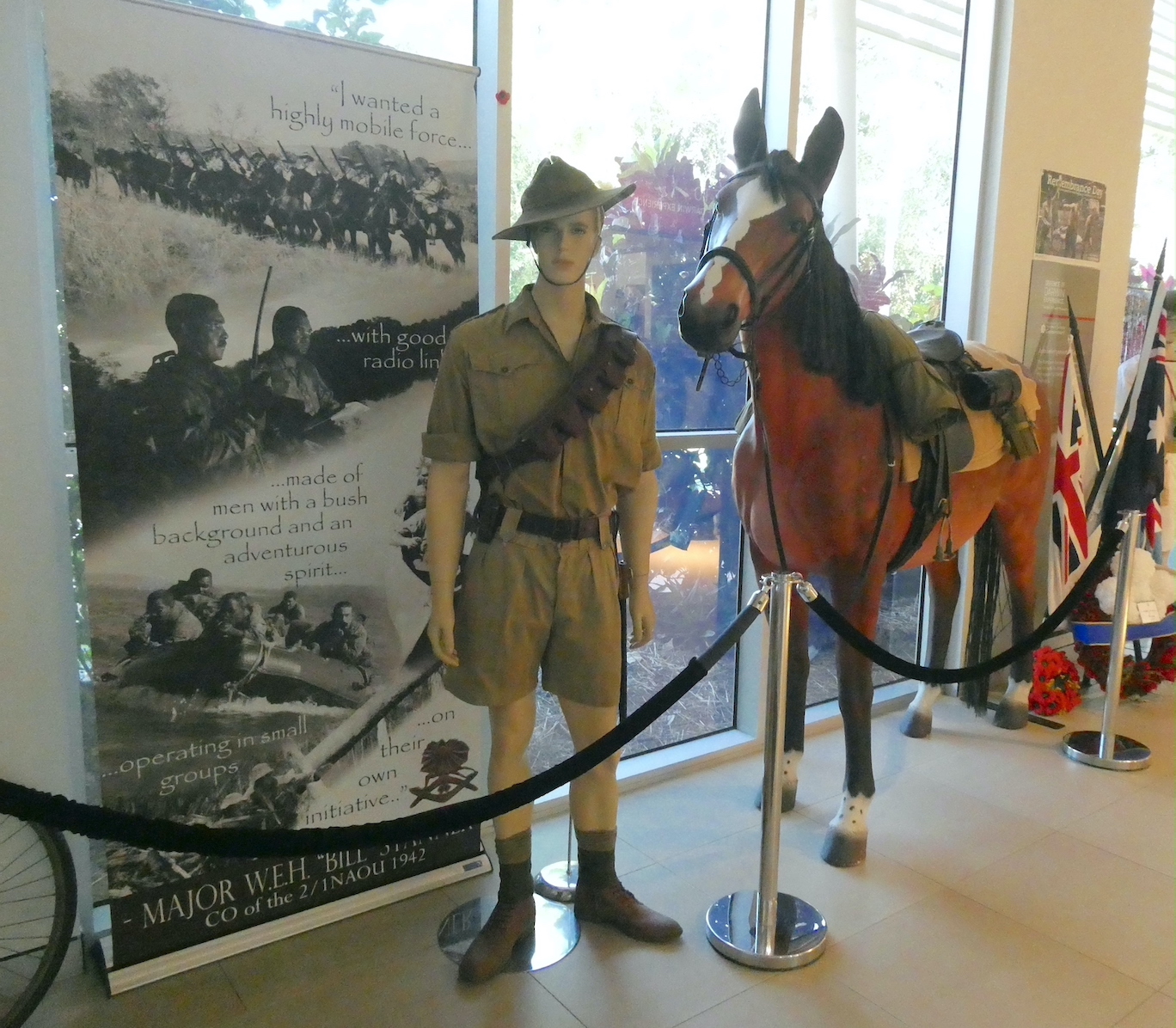
and a tribute to the military horse troops. Around 1500 horses and men of the North Australia Observation Unit, known as Nackeroos, were stationed in remote locations to watch for enemy activity.
The final outbuilding contained a wonderful array of service vehicles from trucks to Bren Gun carriers.
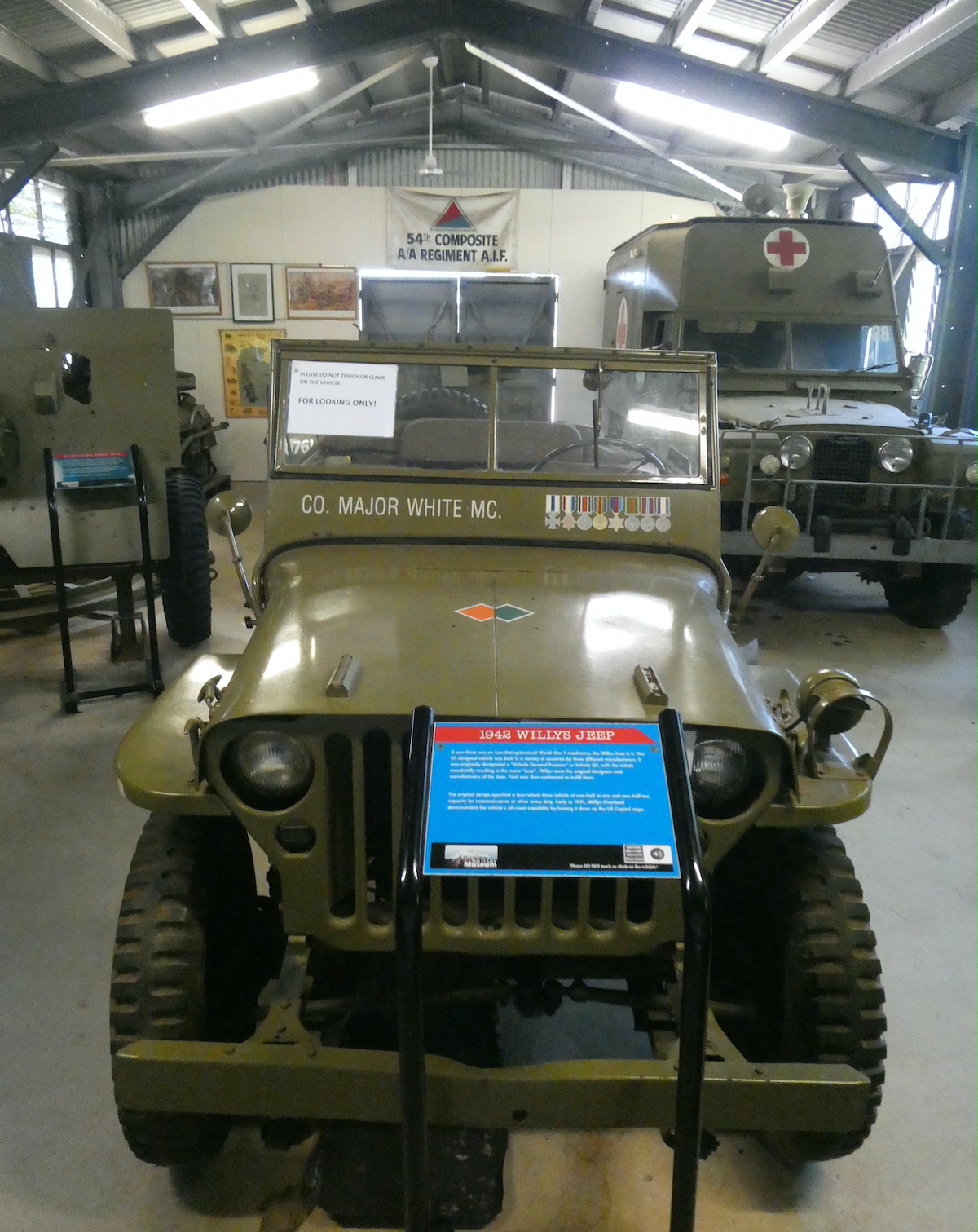
The most recognisable is the 1942 Willys Jeep. Originally designated a ‘Vehicle General Purpose’ or ’Vehicle GP’, the name resulted in the term ‘jeep’. Willys were the original designers and manufacturers of the Jeep and then contracted the building of them to Ford.
If you are planning a visit to the museum, allow plenty of time, there was so much more to see.
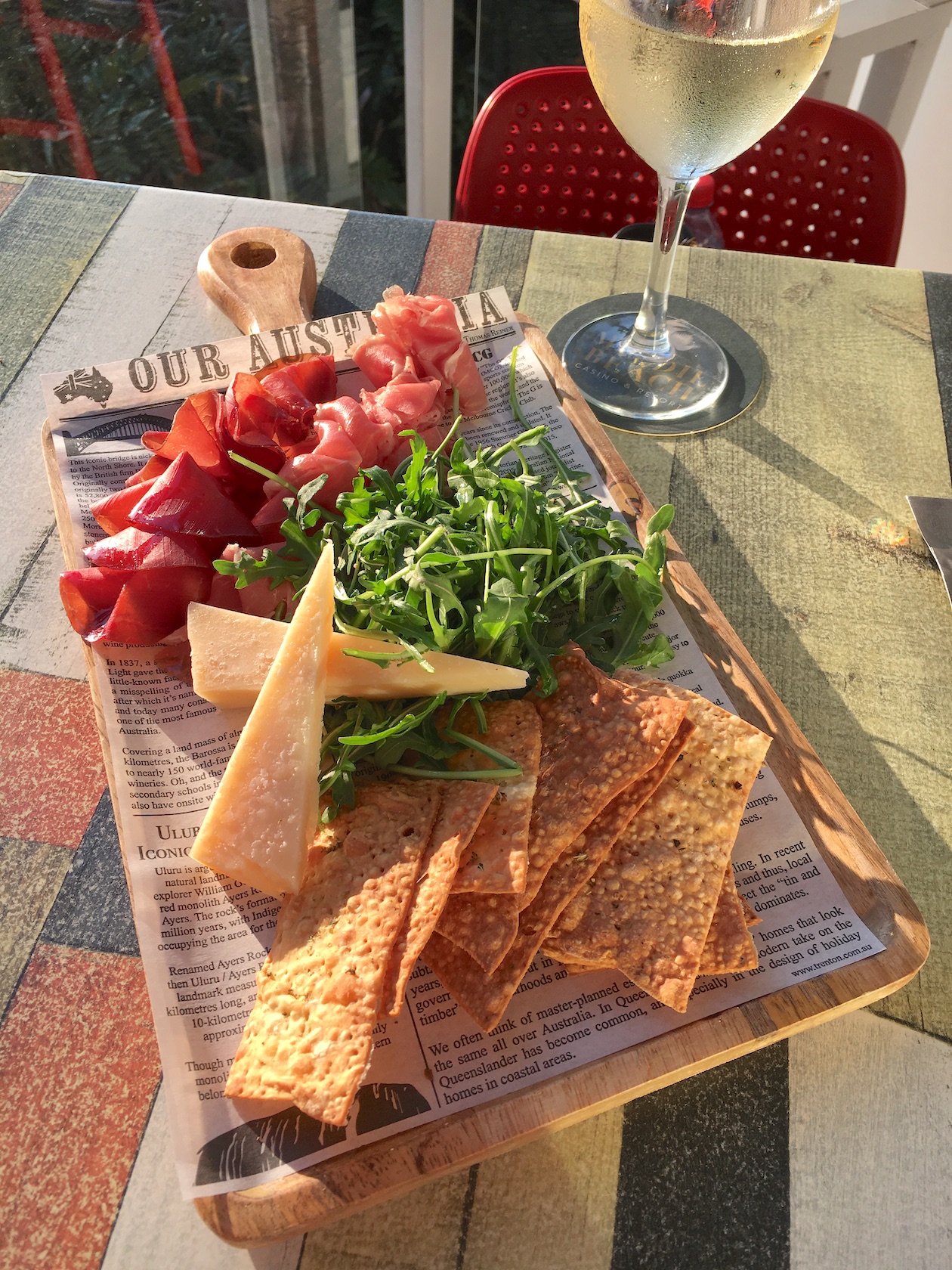
On the ‘must do’ list while in Darwin during the dry season is Mindil Beach Market. As the heat of the day subsides, a wander around the myriad stalls provides the opportunity to purchase unusual artisan crafts or that obligatory souvenir for those at home. More importantly, the Mindil Beach Casino Resort is right next door and the Sandbar is a perfect location to enjoy a well-earned beverage.
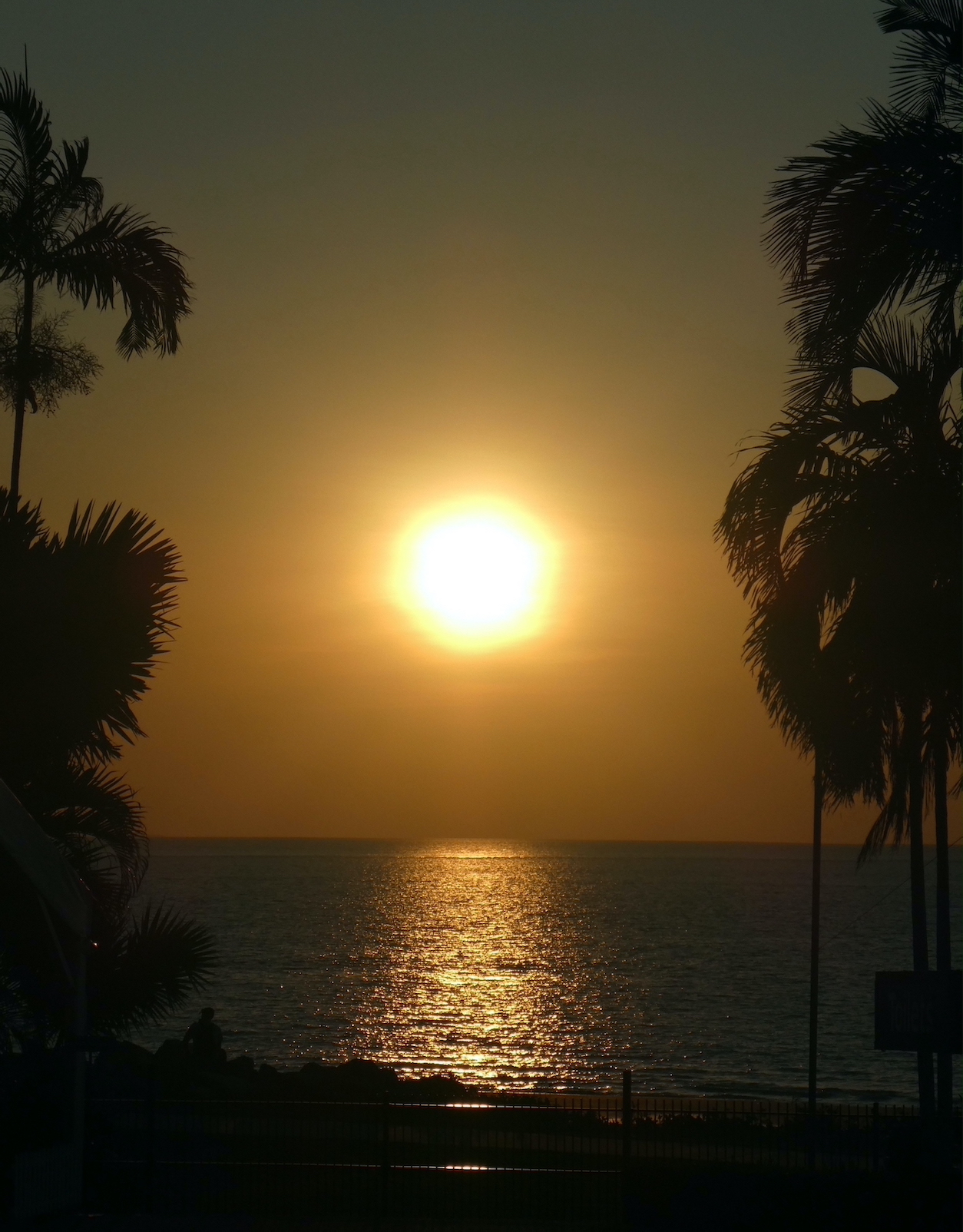
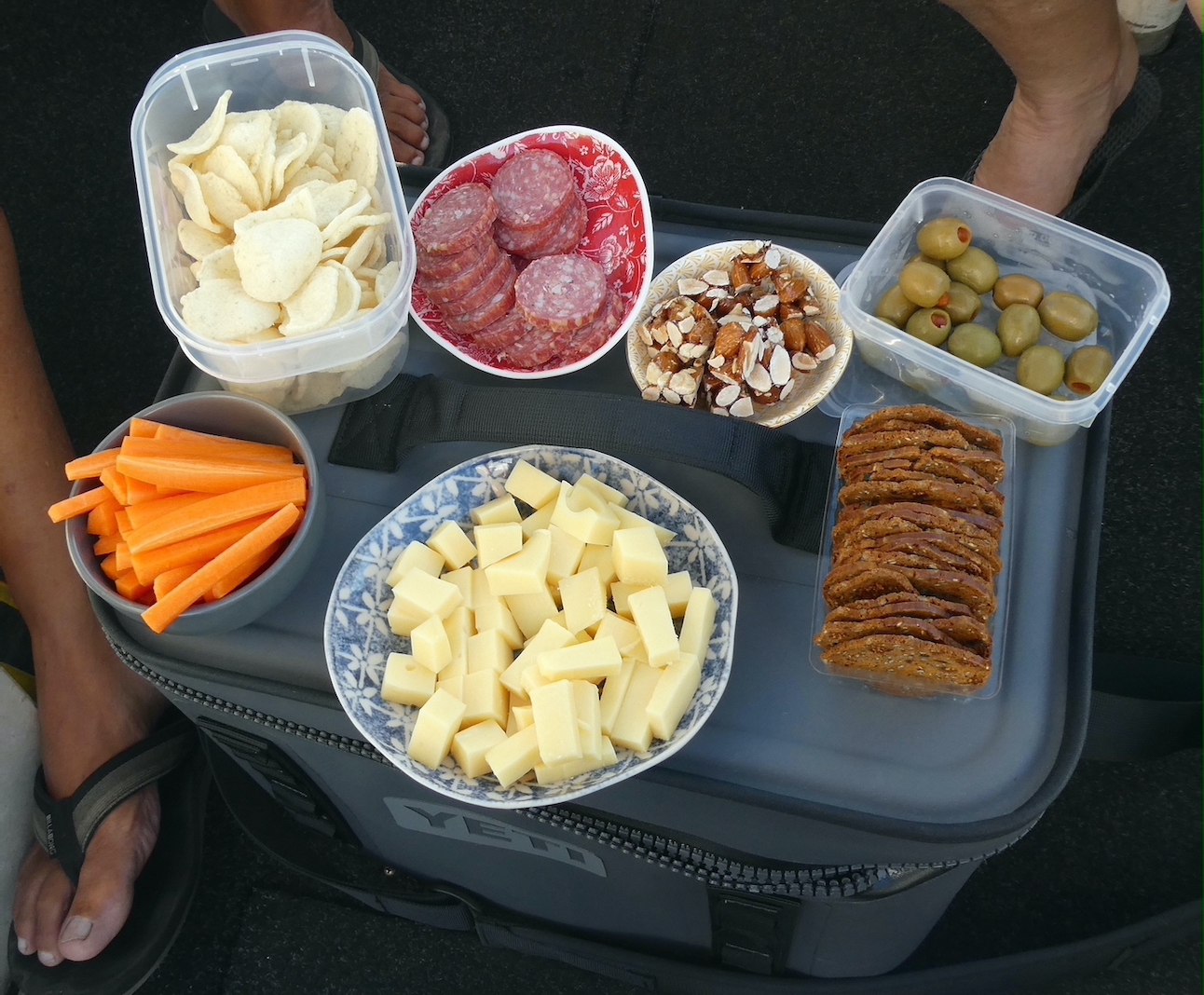
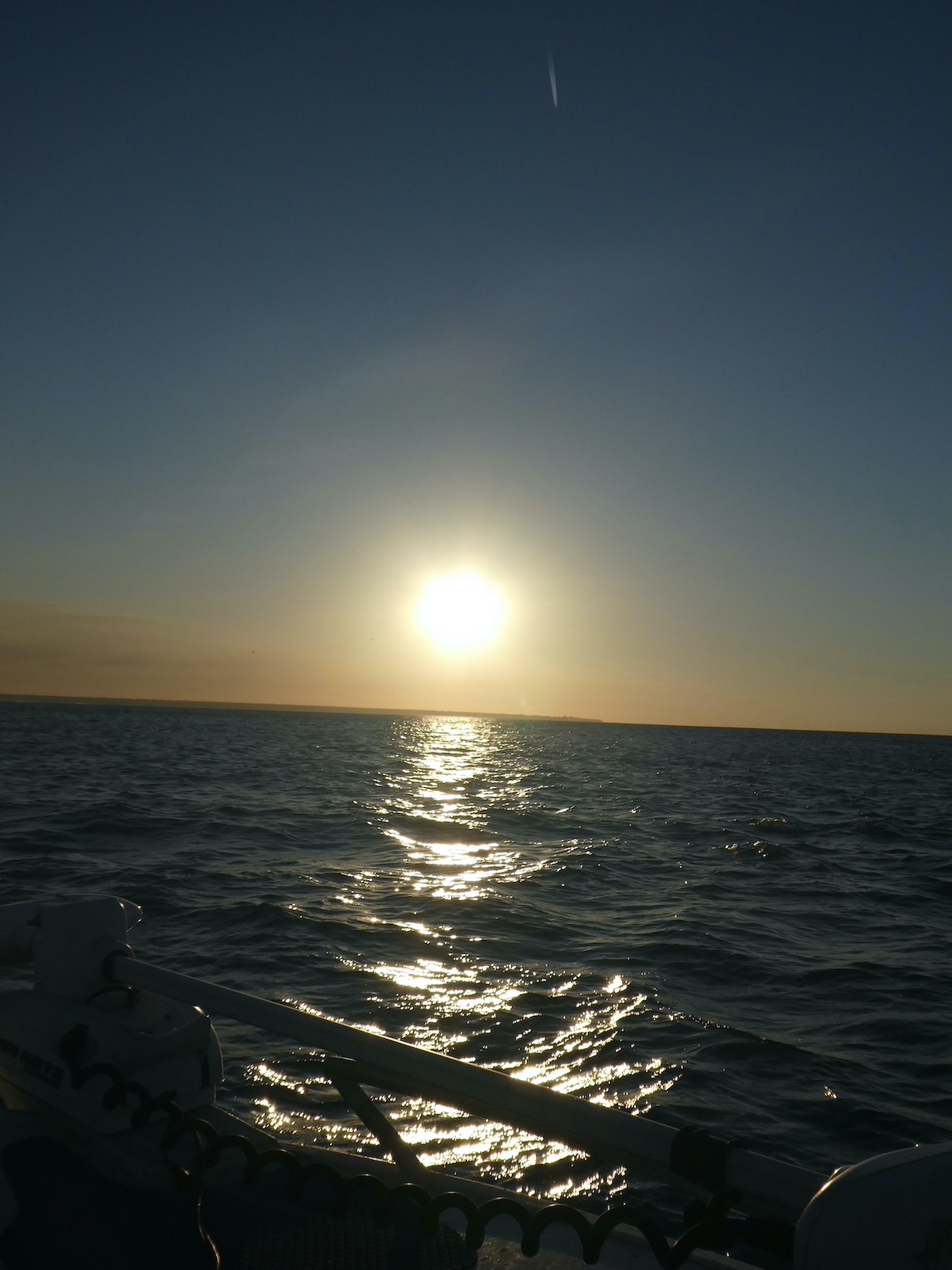
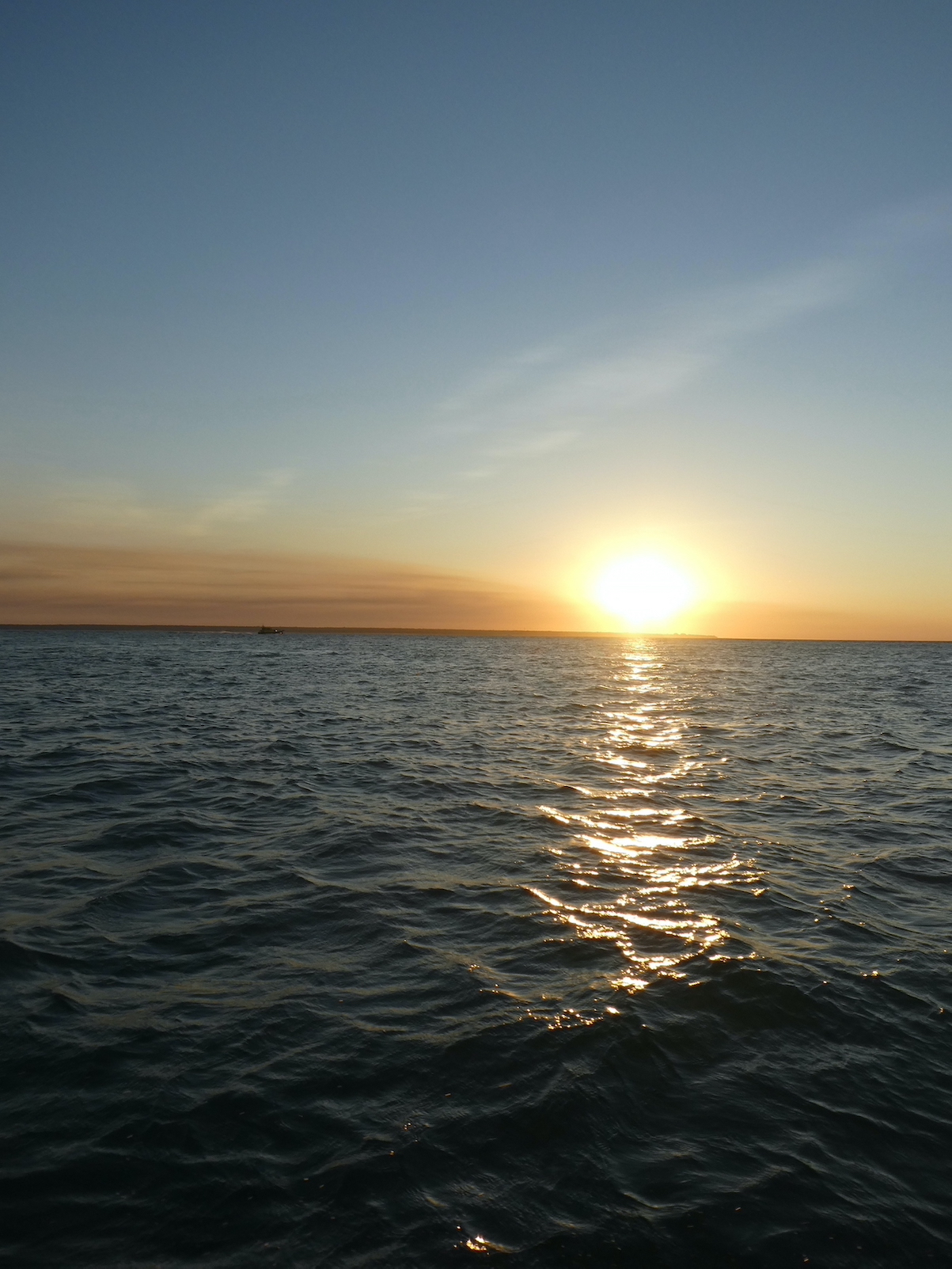
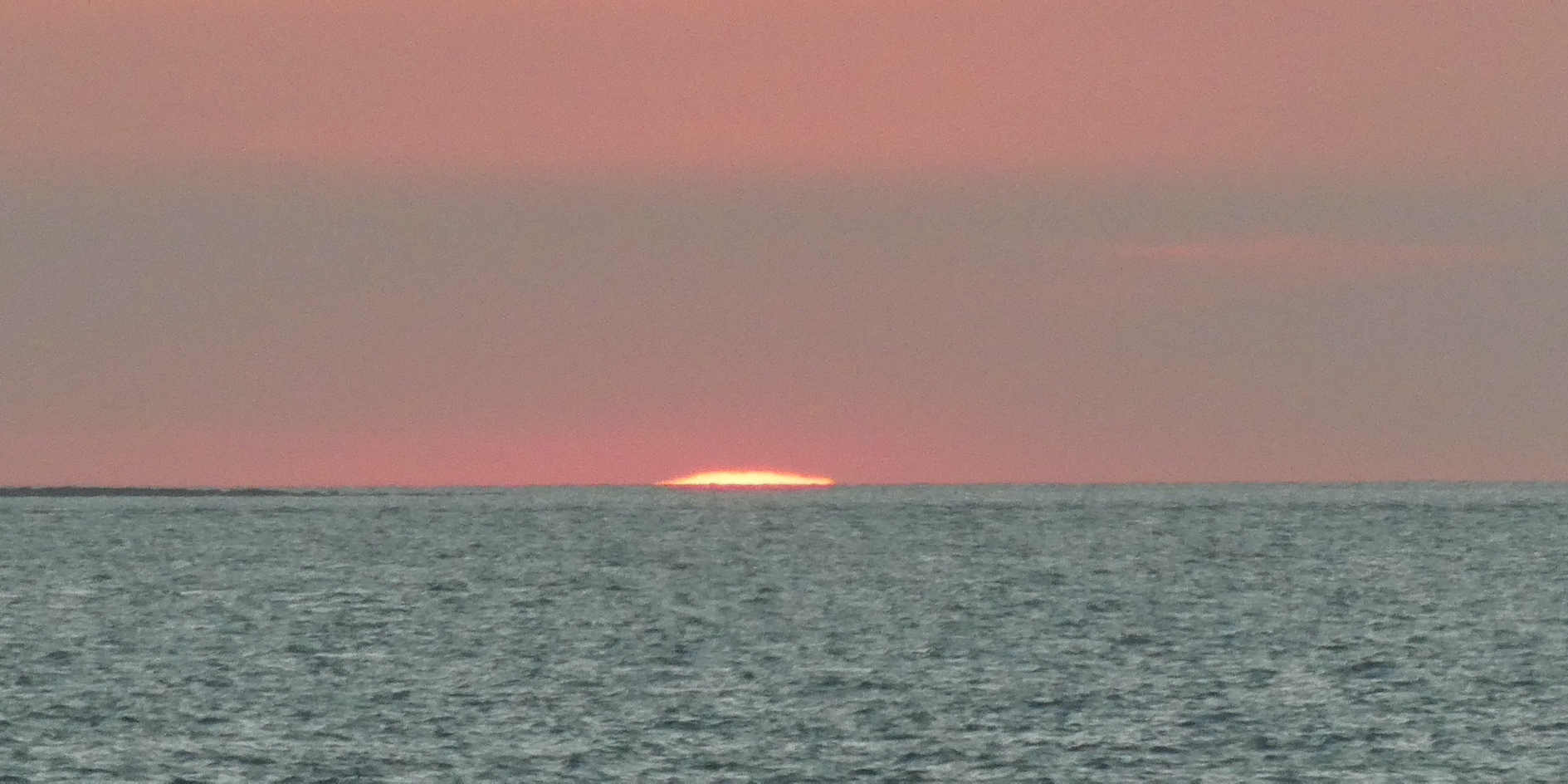
With a delicious antipasto platter and magnificent view of the descending sun over the Arafura Sea, I was catered.
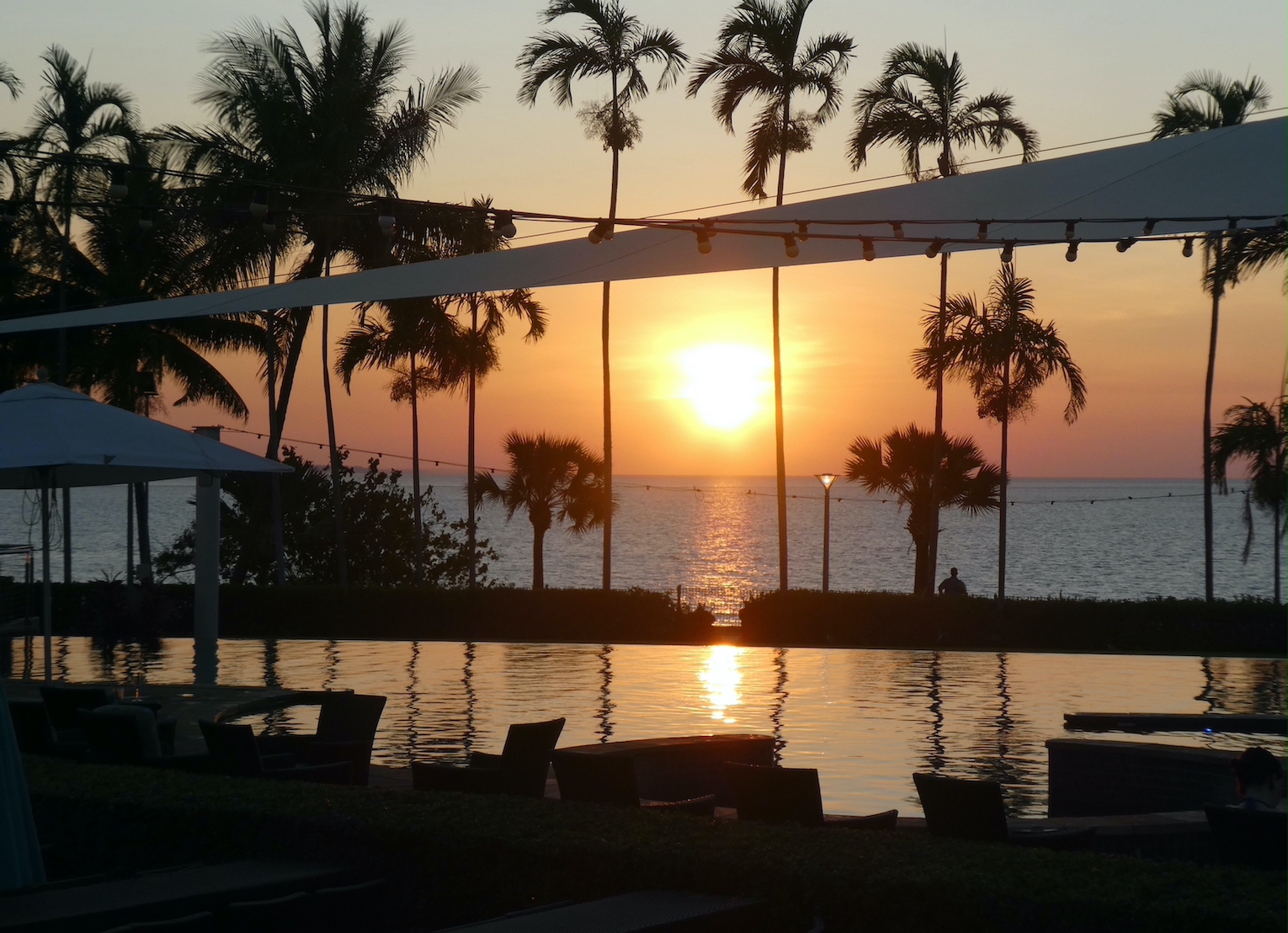
Another spectacular Top End sunset
accompanied us to our table on the deck of The Vue restaurant.
Overlooking the infinity pool and, appropriately named, Infinity bar
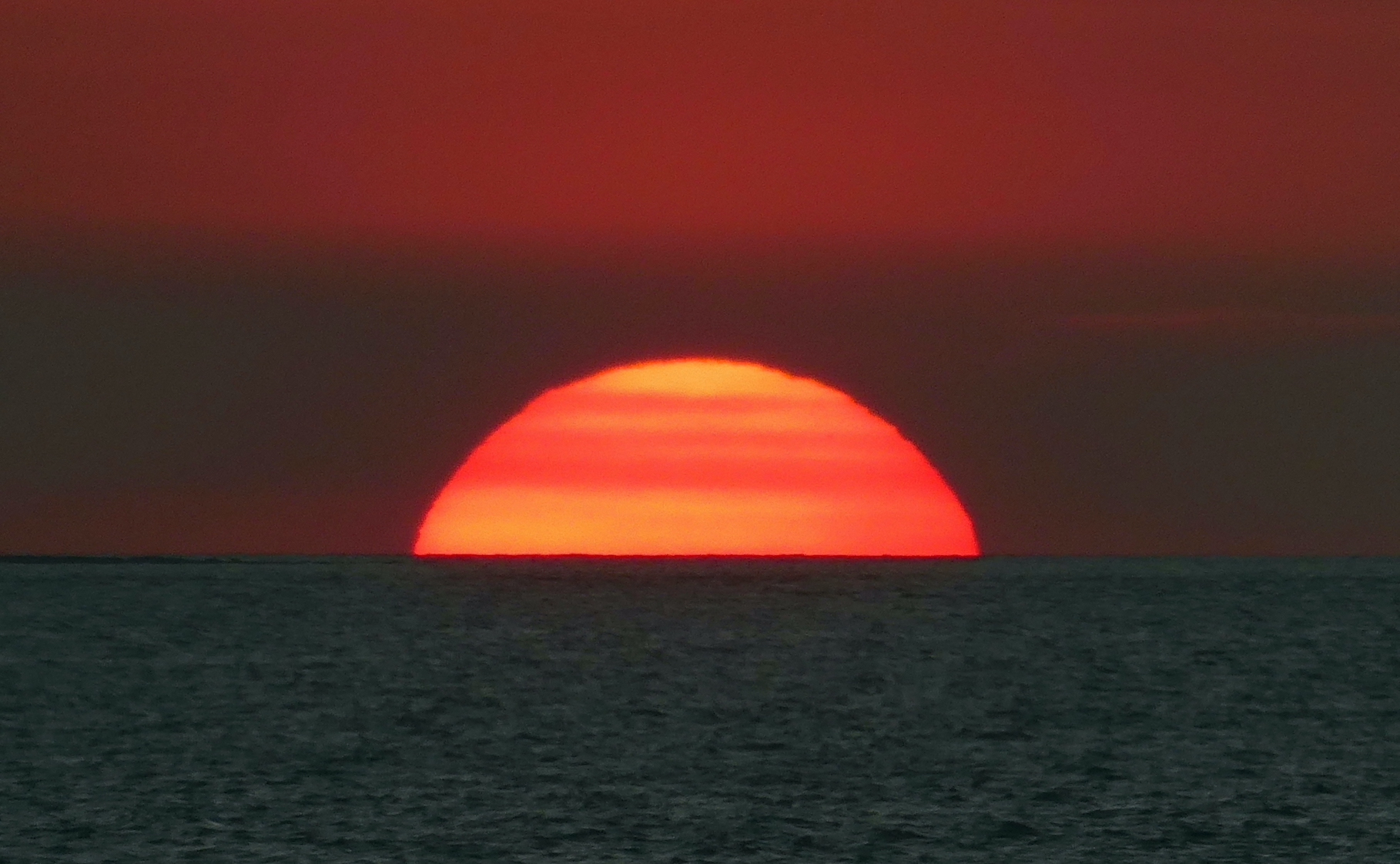
we watched as the earth turned and another fabulous day came to an end.
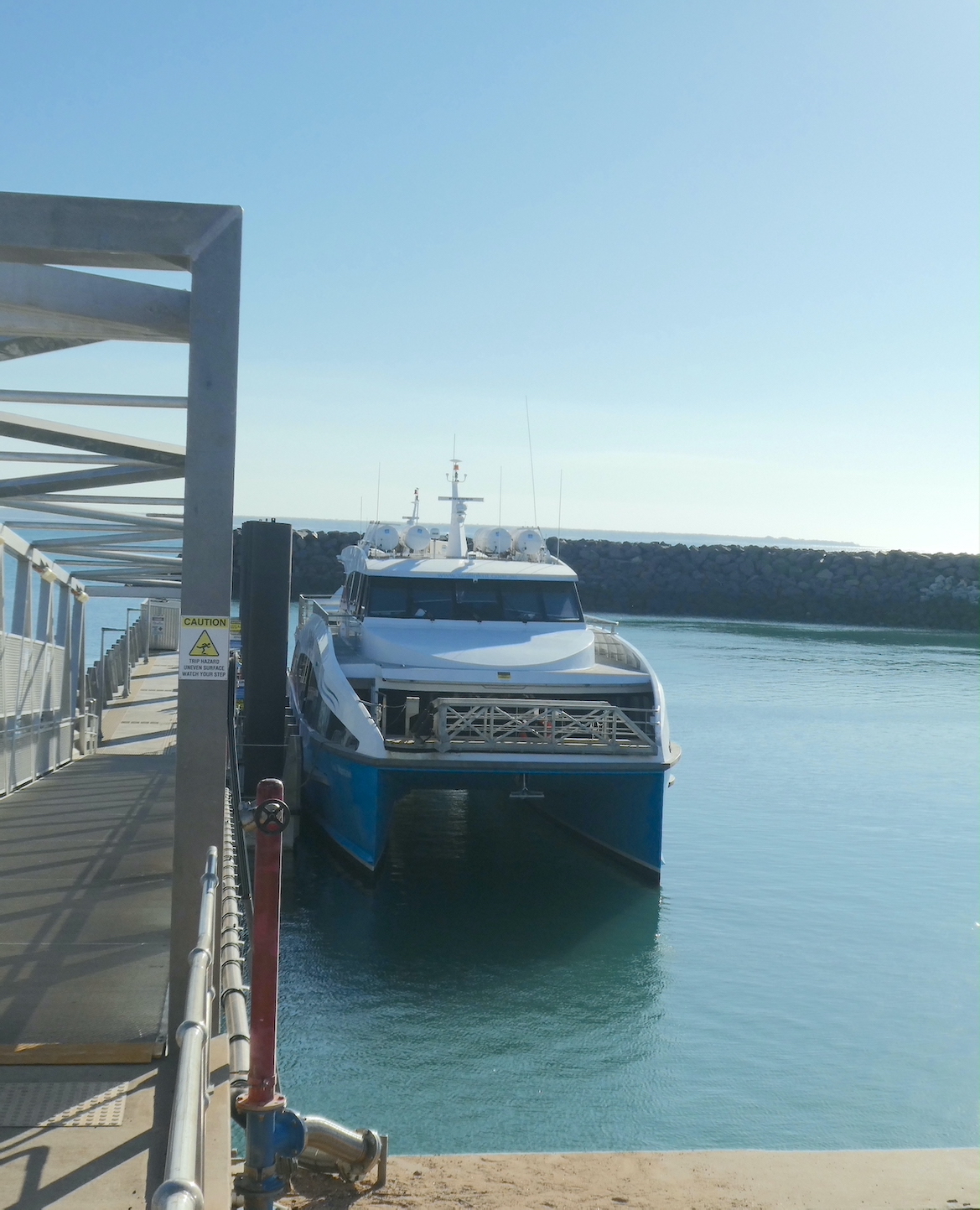
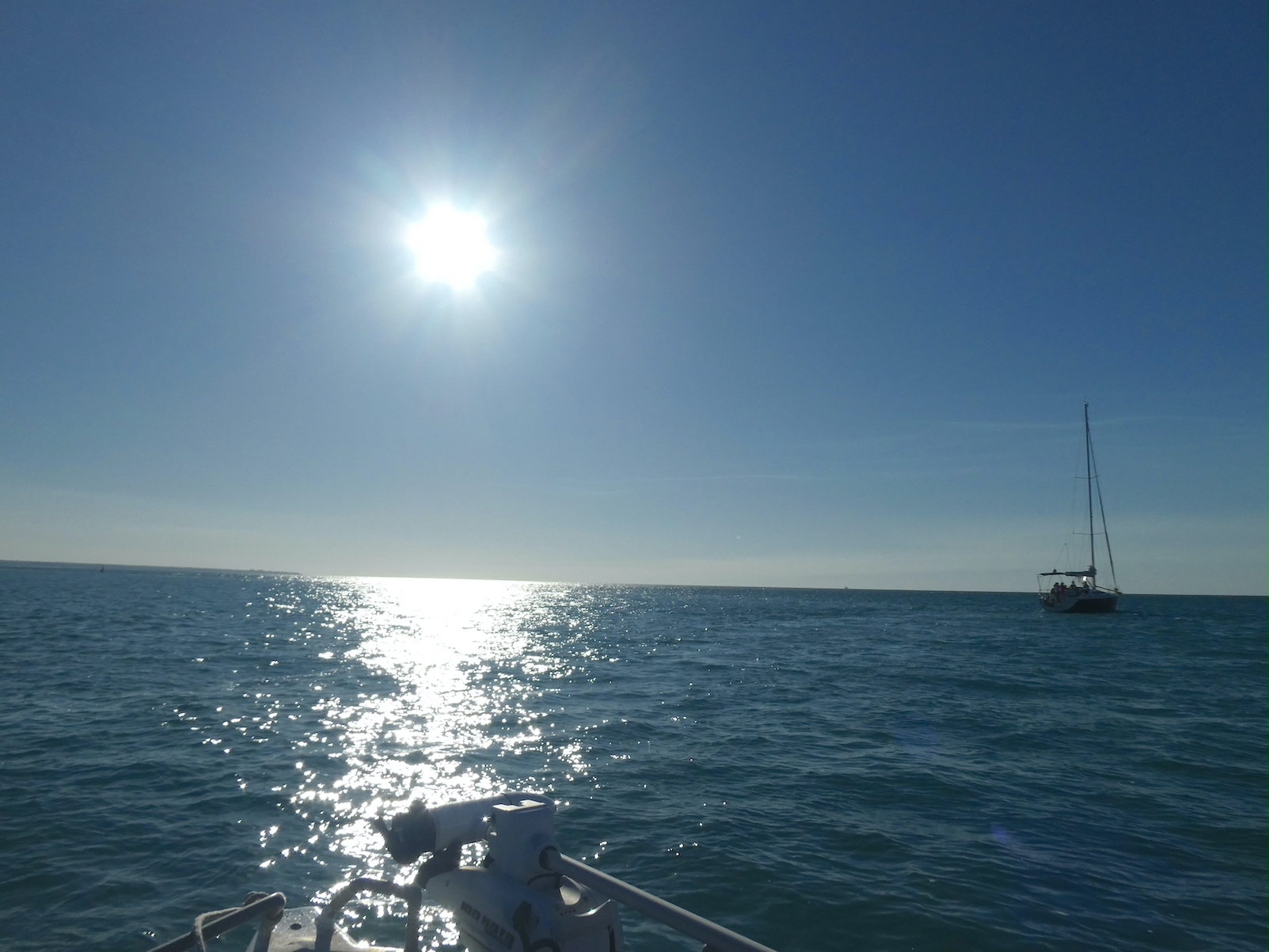
Winter is the perfect time of year to visit friends in Darwin, especially when they own a boat.
No, not that one….this one.
We set off on a sea of glass from Cullen Bay Ferry Wharf
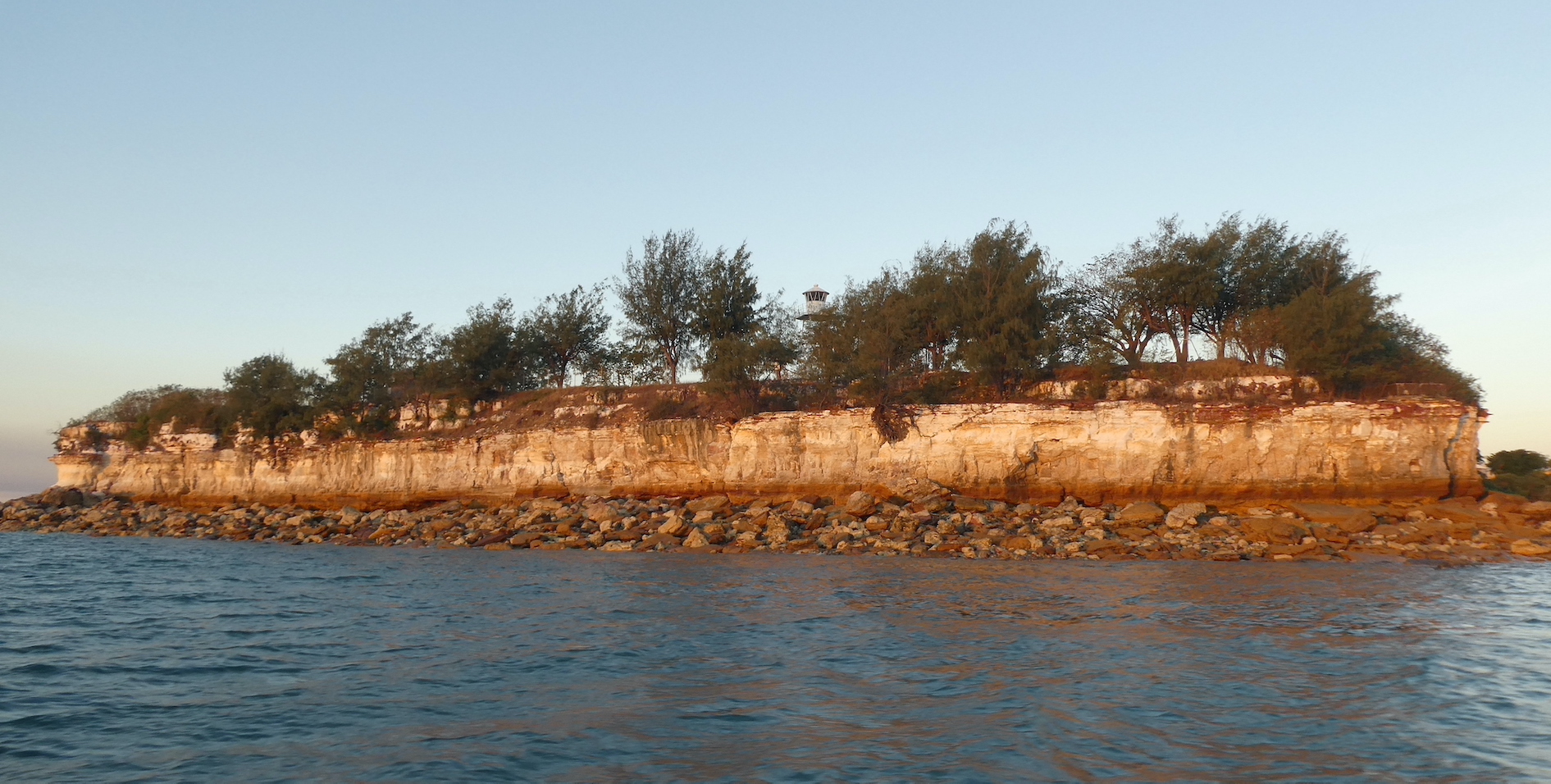
and rounded the headland,
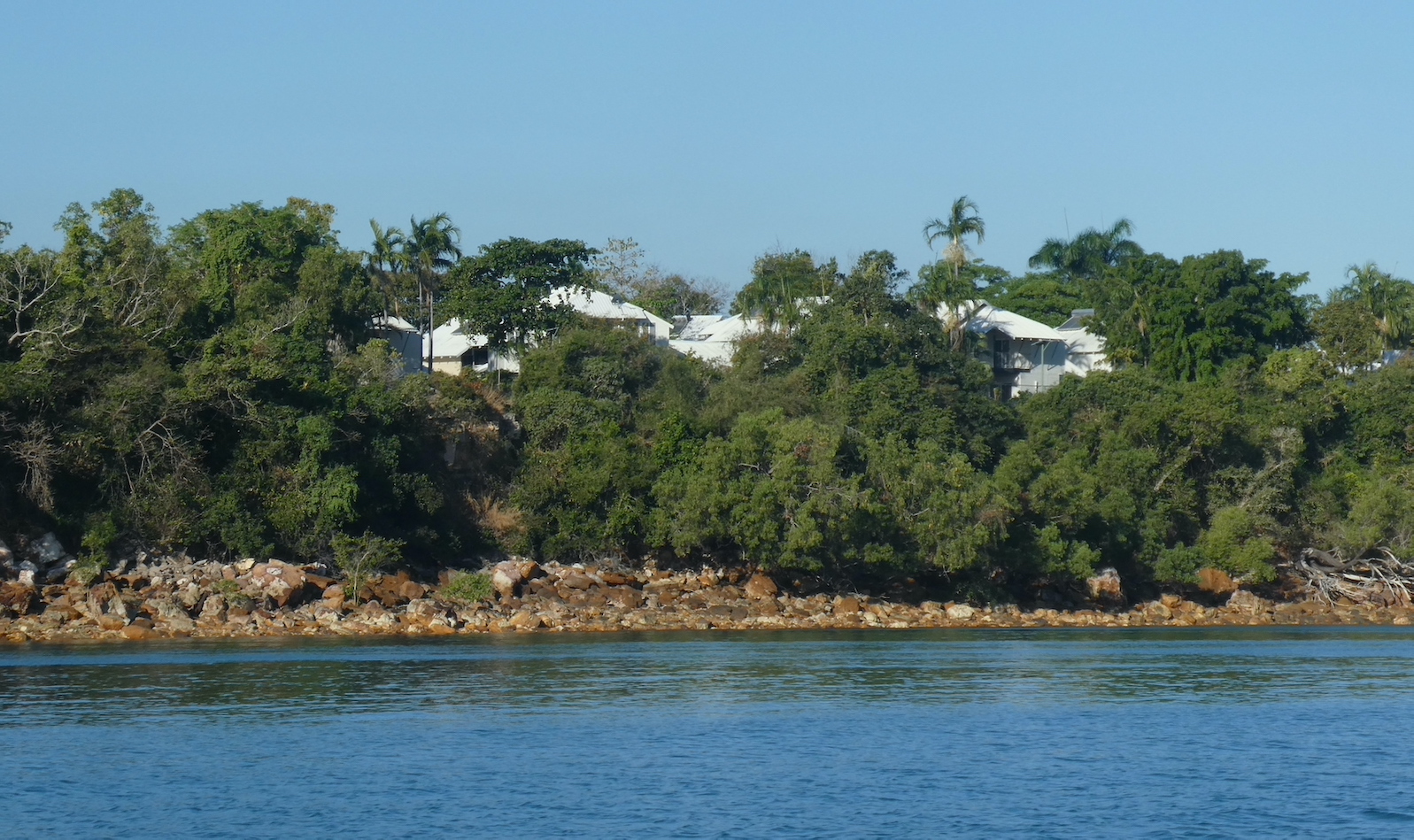
before the hint of tropical houses in the suburb of Larrakeyah peeked at us through the trees.
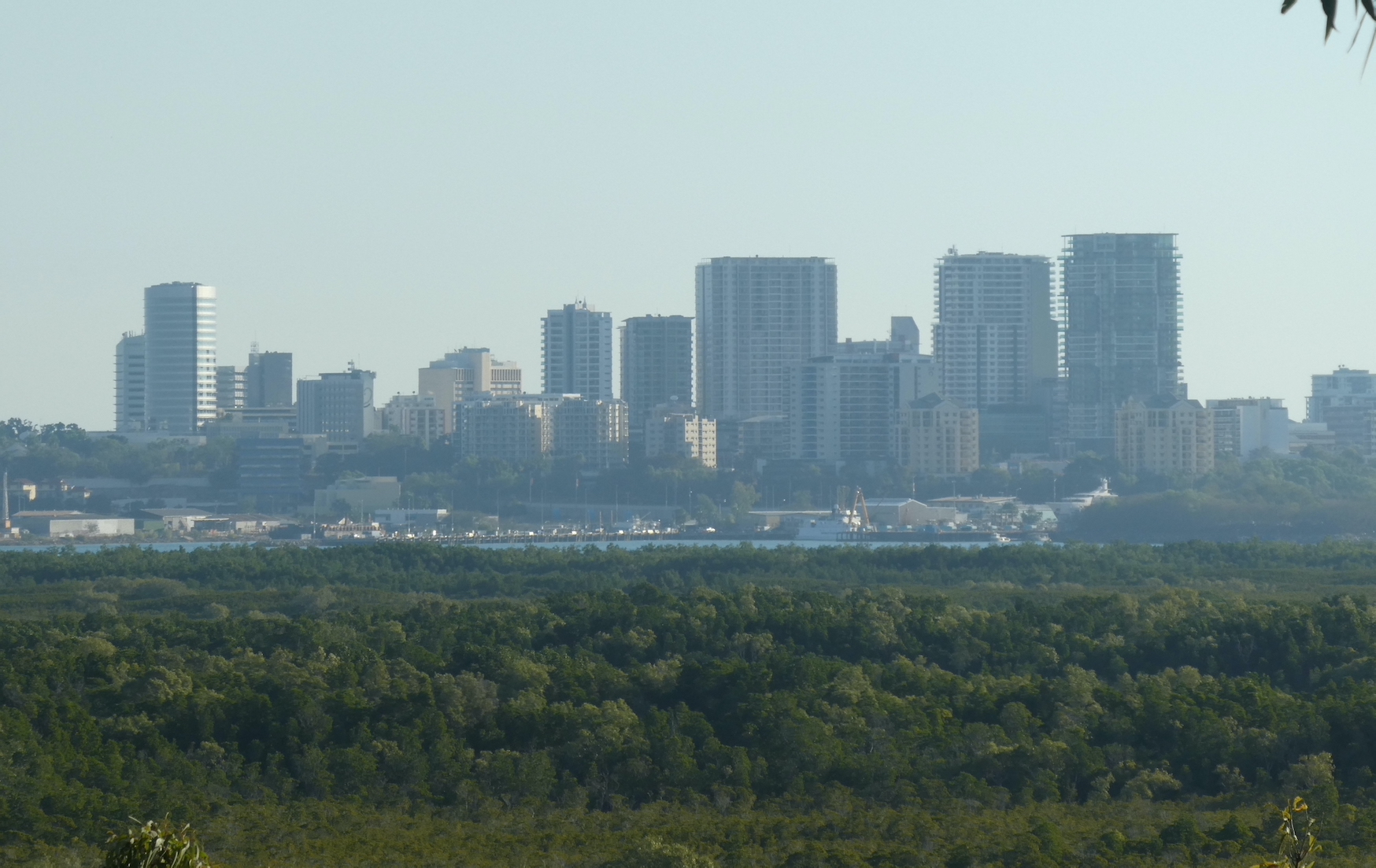
In the distance, Darwin city cut the colour blue with a swathe of silver and green.
Larrakeyah was one of the first parts of the city to be developed, with the colony’s first hospital built in 1874. It is named after the Larrakia people, the traditional custodians of the land.
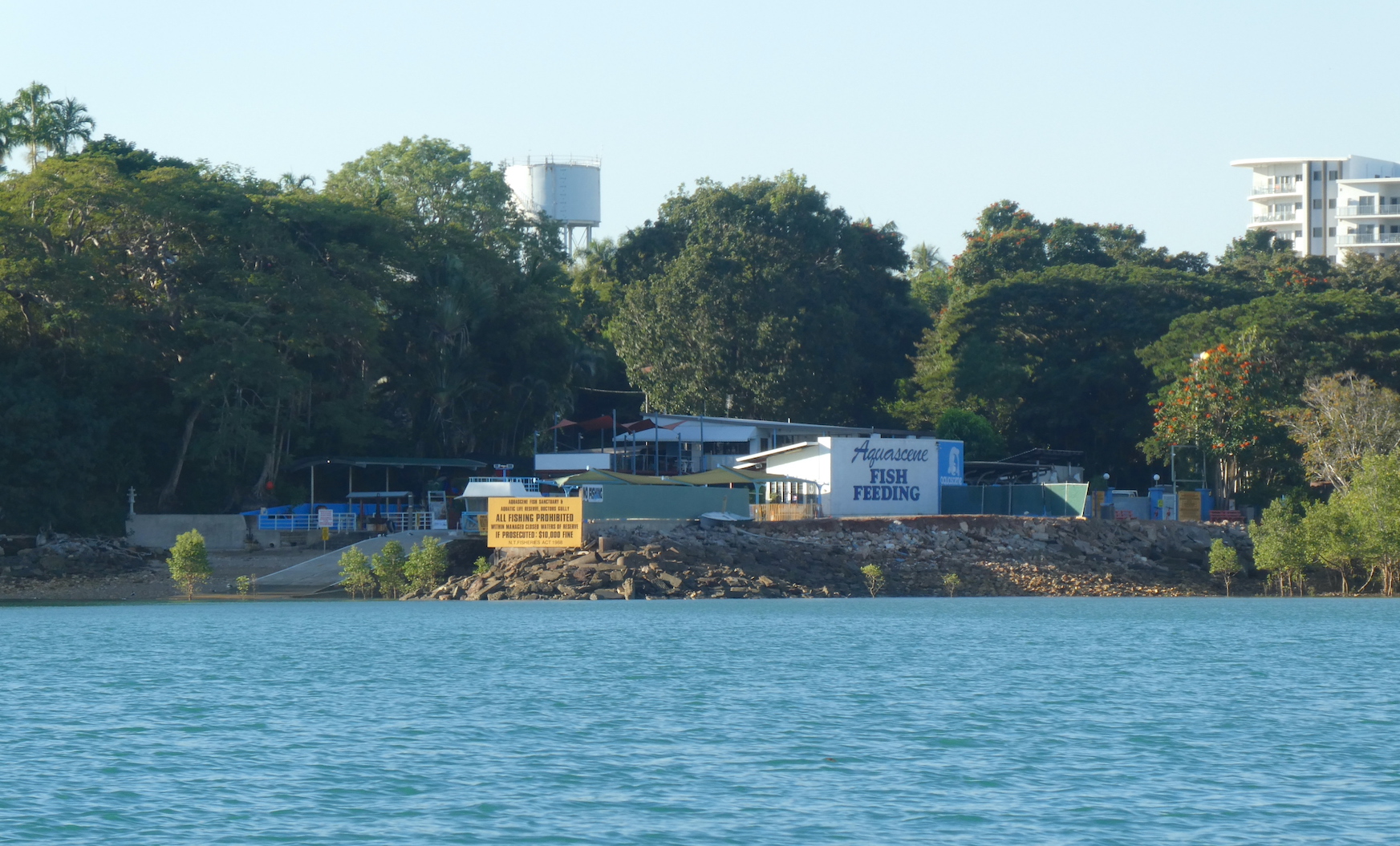
In 1869, Dr. Robert Peel, a surgeon with the first survey team, found water ‘…in a gully between Fort Point and Point Emery’. Aptly named Doctors Gully, it soon became a landing point. In the early 1950s, a nearby resident started throwing bread scraps to the fish that would gather at high tide and in 1981, Aquascene Fish Feeding was established. Visitors can now stand in the shallows and hand feed the fish in the waters of this official marine sanctuary.
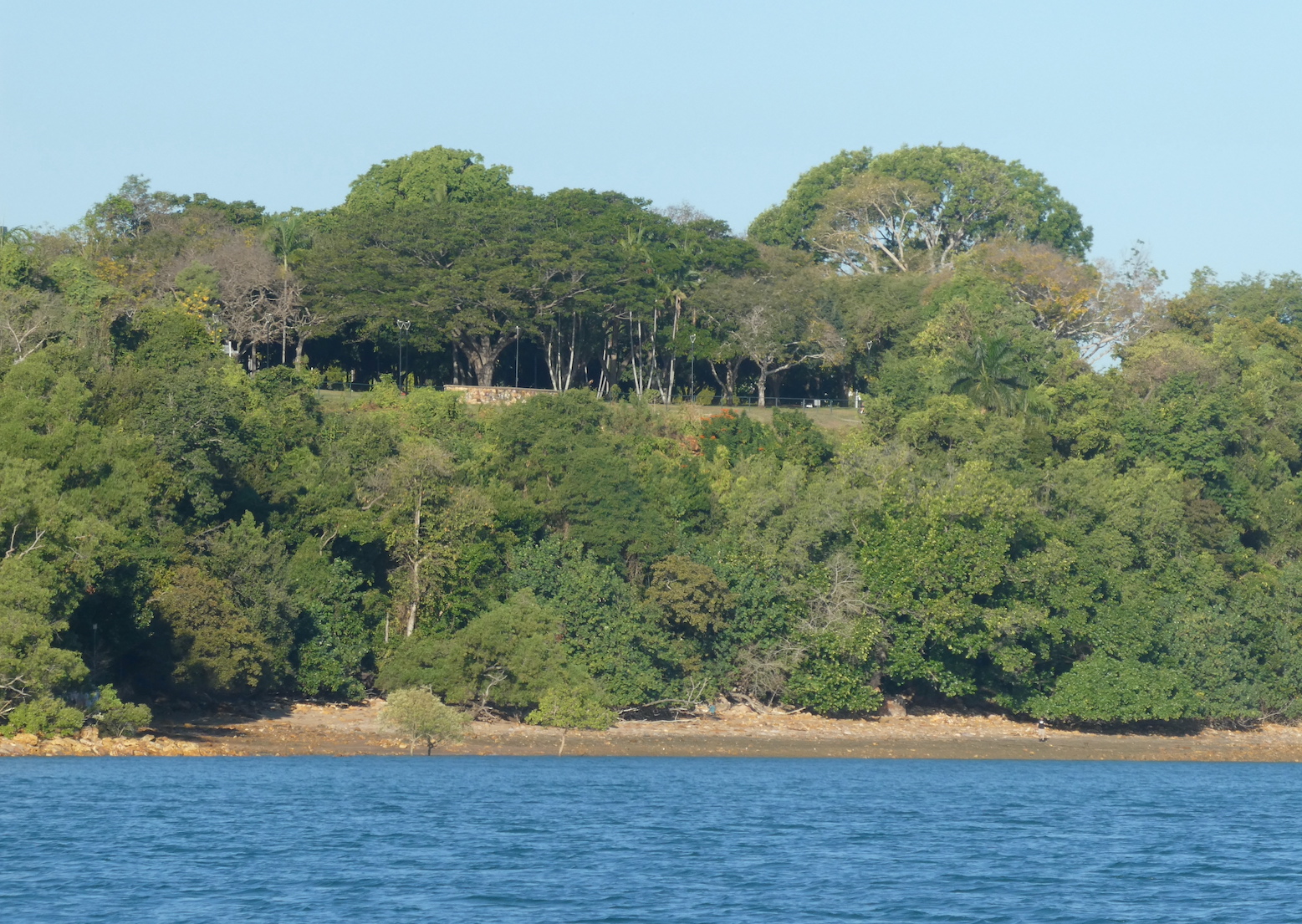
The Esplanade runs the length of the waterfront overlooking Darwin Harbour and alongside, Bicentennial Park is home to monuments and memorials as part of the WWII walking trail. Lookout Point is a good place to start.
With calm waters and stupendous scenery, it was time to serve drinks and nibbles.
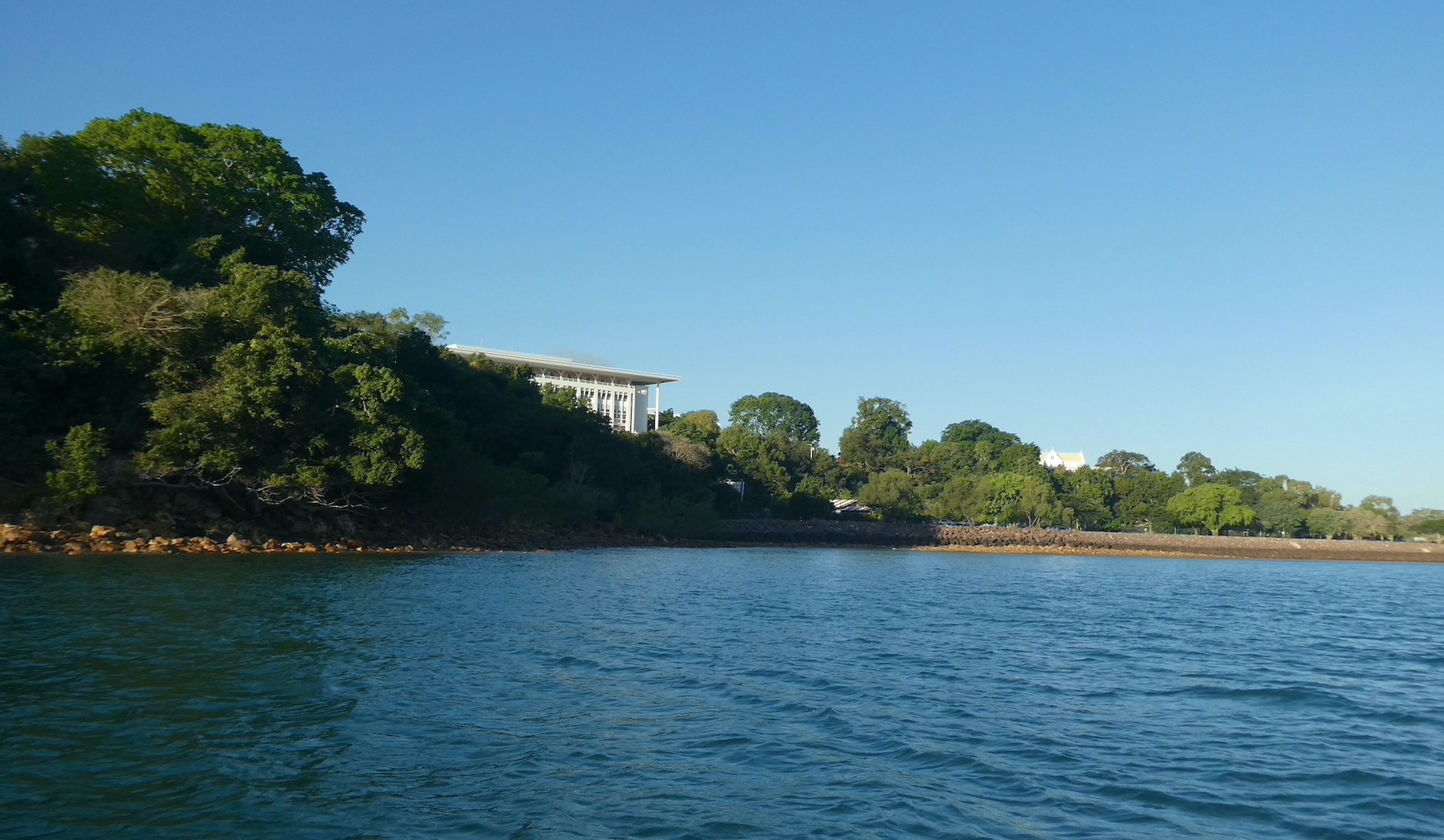
Continuing down the coast toward the end of the park,
the Deckchair Cinema operates seven nights a week in the dry season. Established in 1954, Darwin’s only independent cinema gives audiences the chance to watch a diverse range of movies that would otherwise go unseen on the big screen.
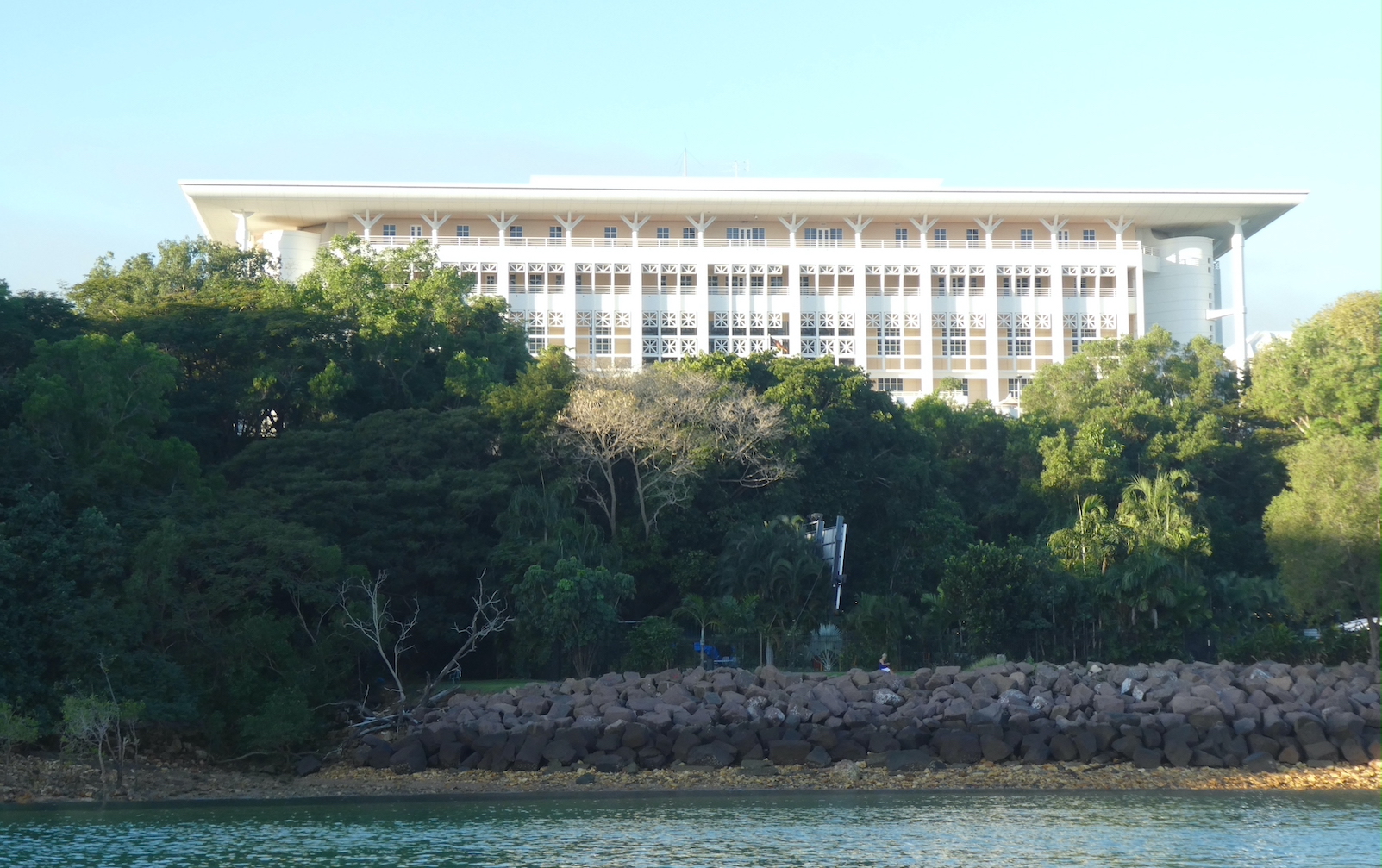
Adjacent to the cinema, Parliament House was opened in 1994 on the site of the Darwin Post Office that was bombed in February 1942.
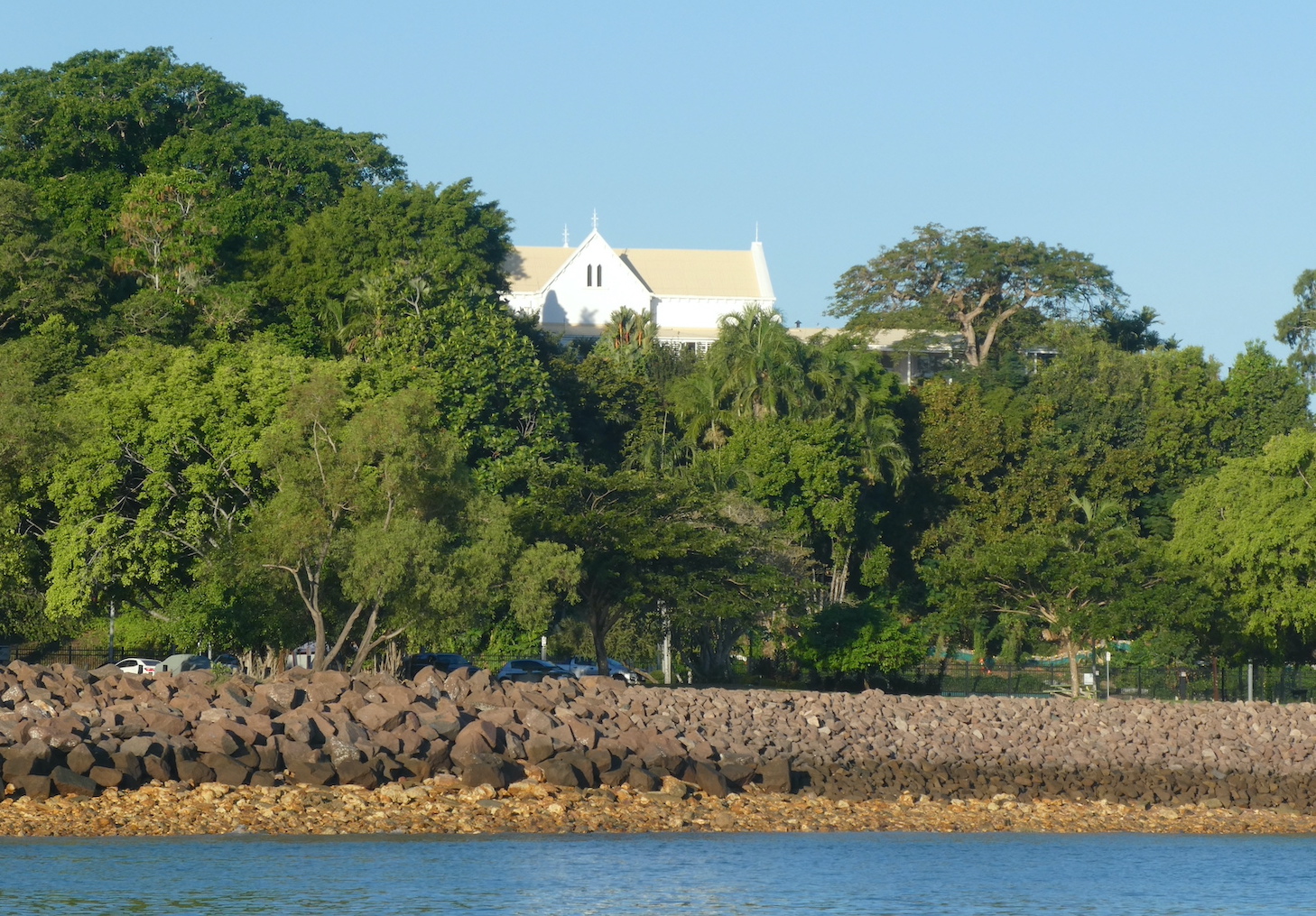
On the other side of the cinema, Government House is well hidden from view. It is the oldest European building in the Northern Territory and has been home to Government Residents and Administrators since 1871.
At the end of the Esplanade, Jervois Park marked our point of return
as the evening sun cast the cityscape in a new light.
The occupants of this fishing boat should probably have looked behind them.
On the horizon, eight jet skiers resembled the riders of the Apocolypse, fortunately not close enough to shatter the serenity.
Having run out of time on our first reconnaissance, we returned a few days later to continue our discovery of the artistic embellishments adorning the lanes of Darwin. As well as the annual Darwin Street Art Festival, the ‘Art to Street’ project in July 2019 invited local and emerging artists to create murals on seven public spaces across Darwin. Two of these colour the walls of West Lane Car Park.
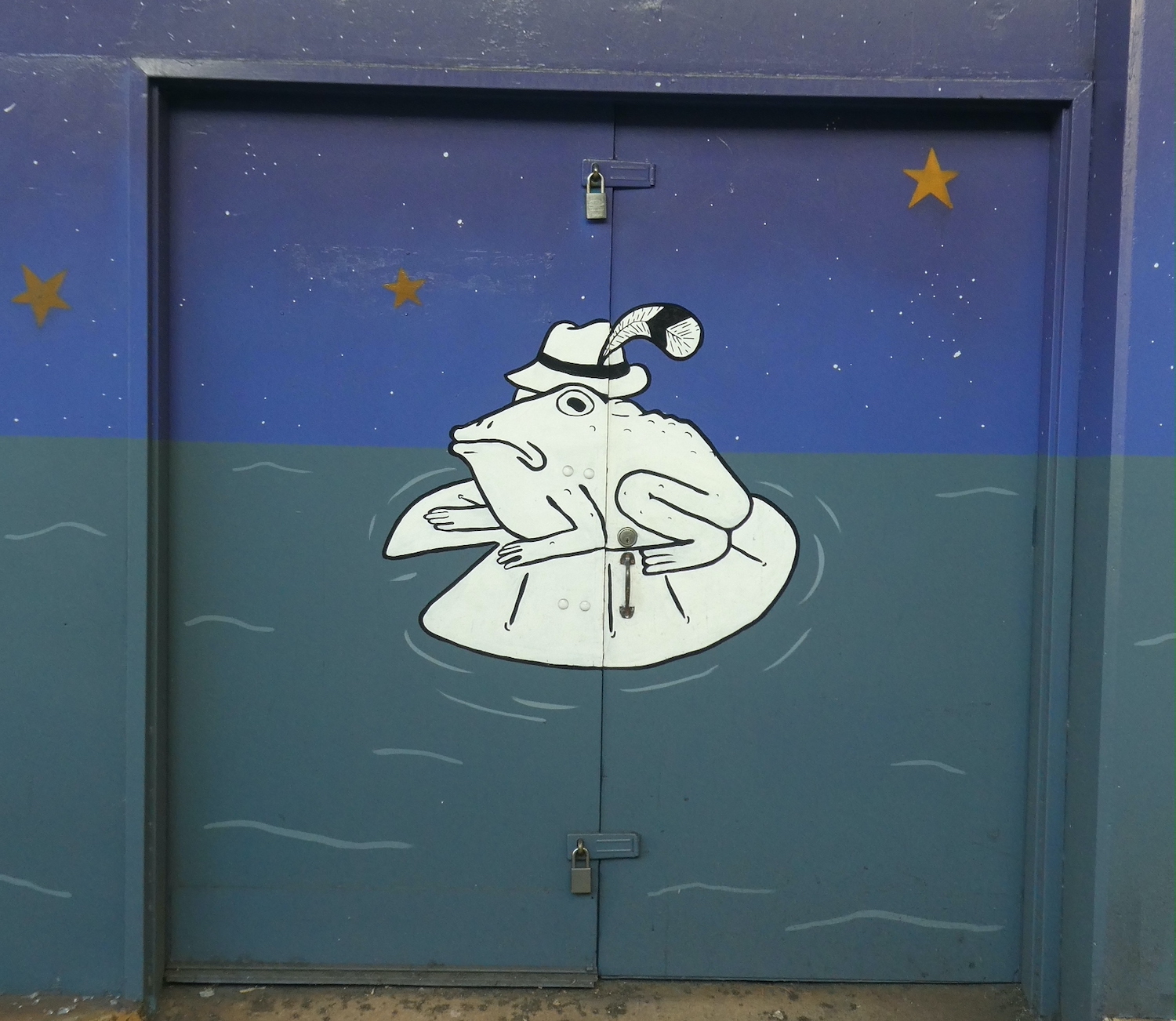
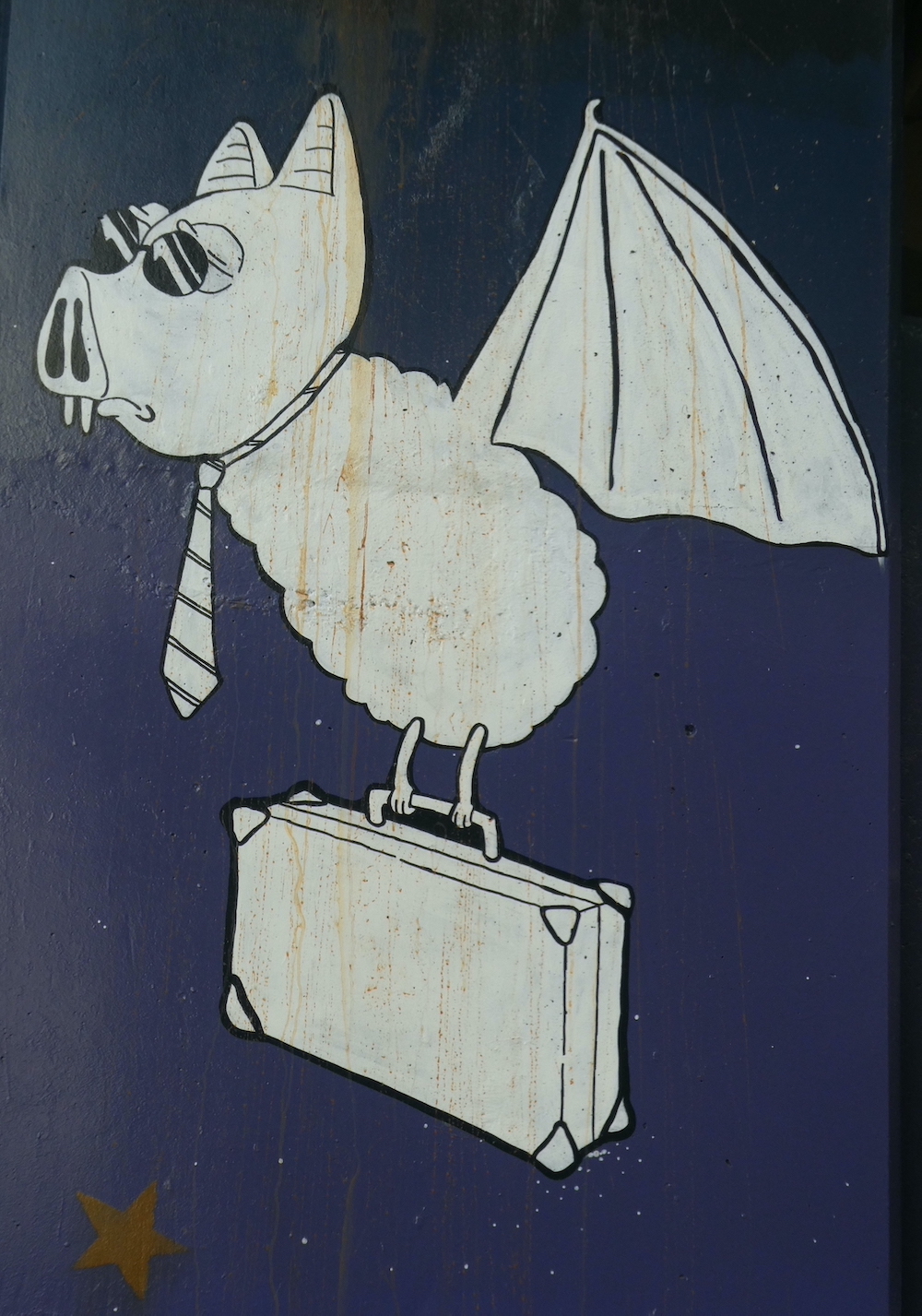
Talented mural artist Lara Connor collaborated with local school student Caleb Schatz (aka Mr Calebdude) to fill the space with subtle colour and quirky characters.
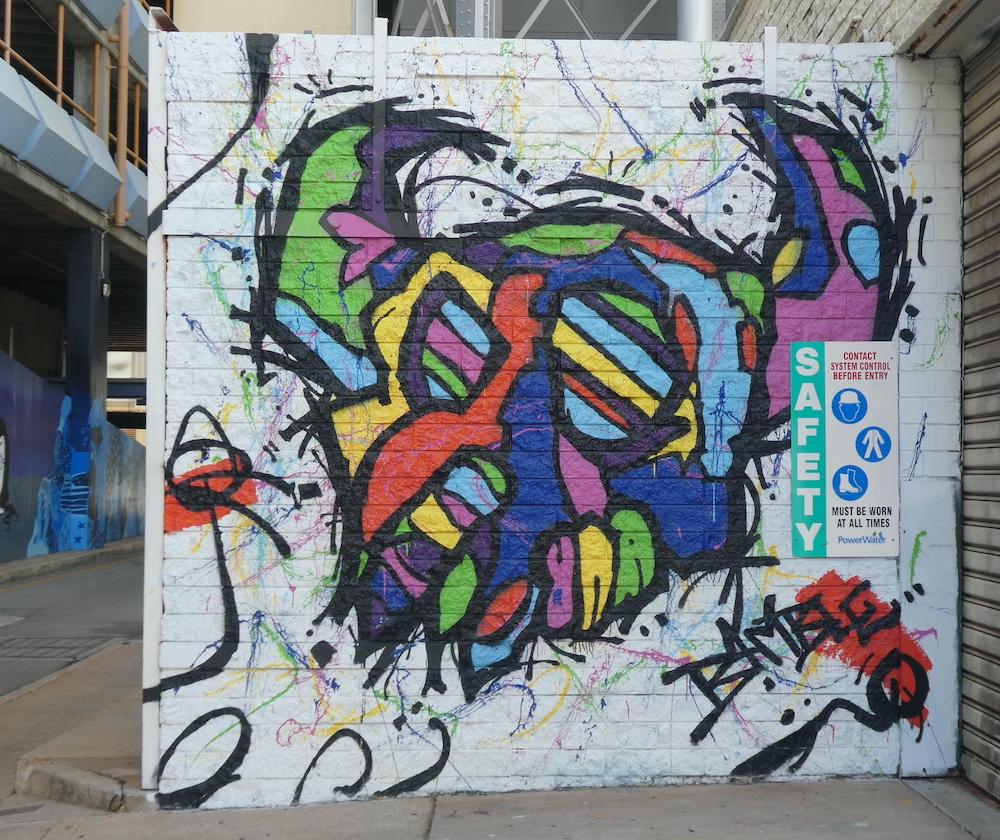
Back to the festival…..a buffalo skull was the inspiration for Darwin contemporary artist Jimmy B4mble’s contribution, Rukus in 2019.
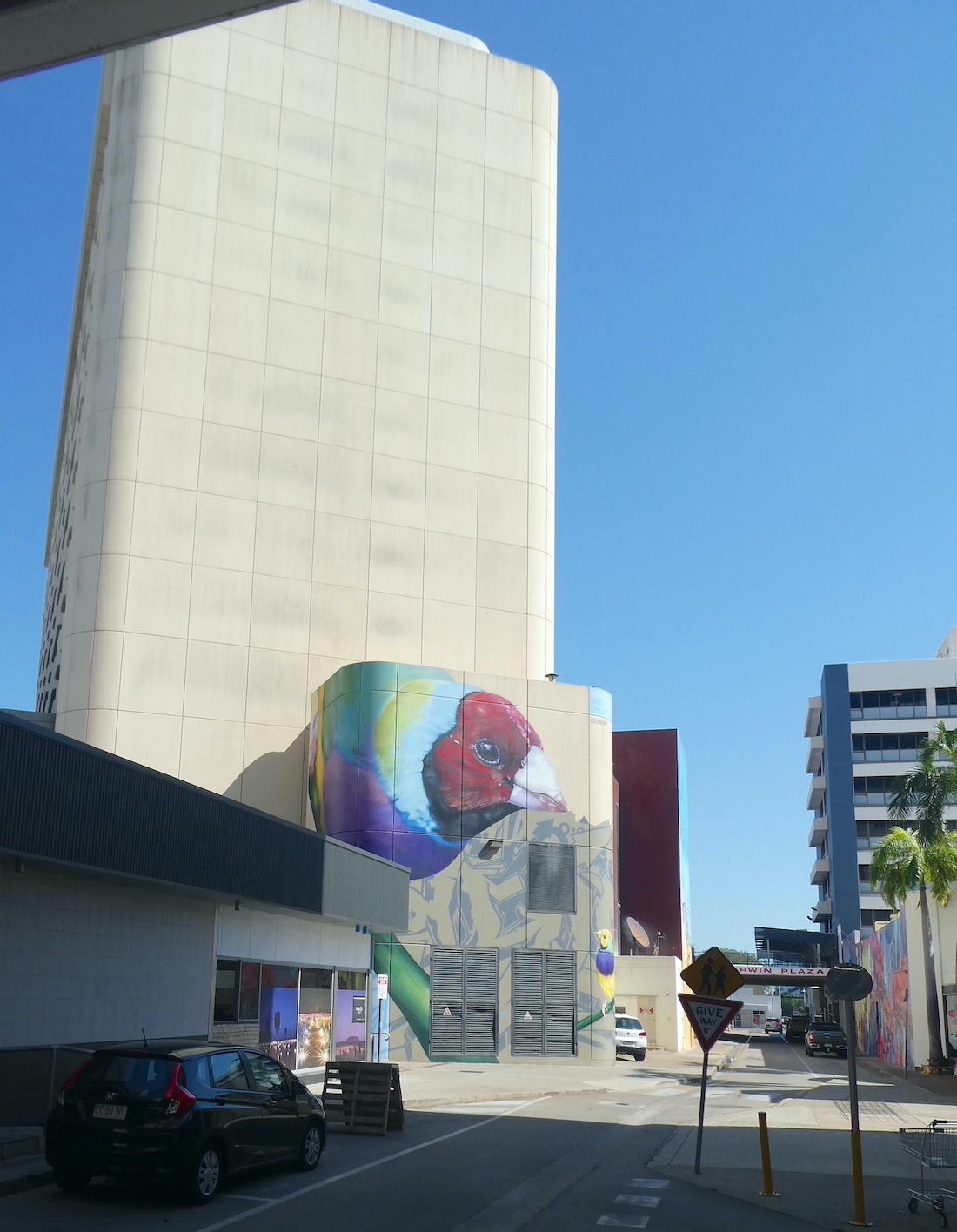
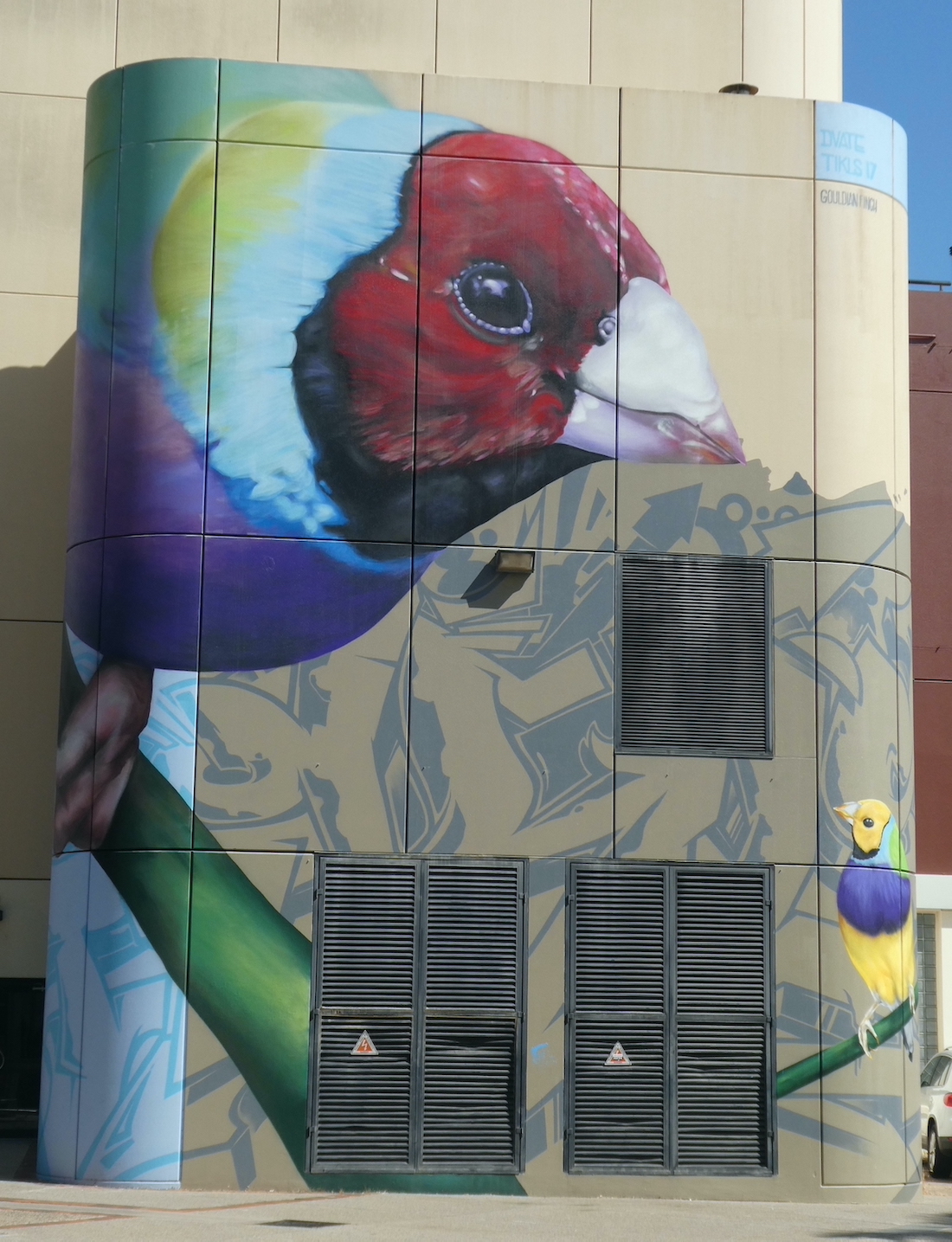
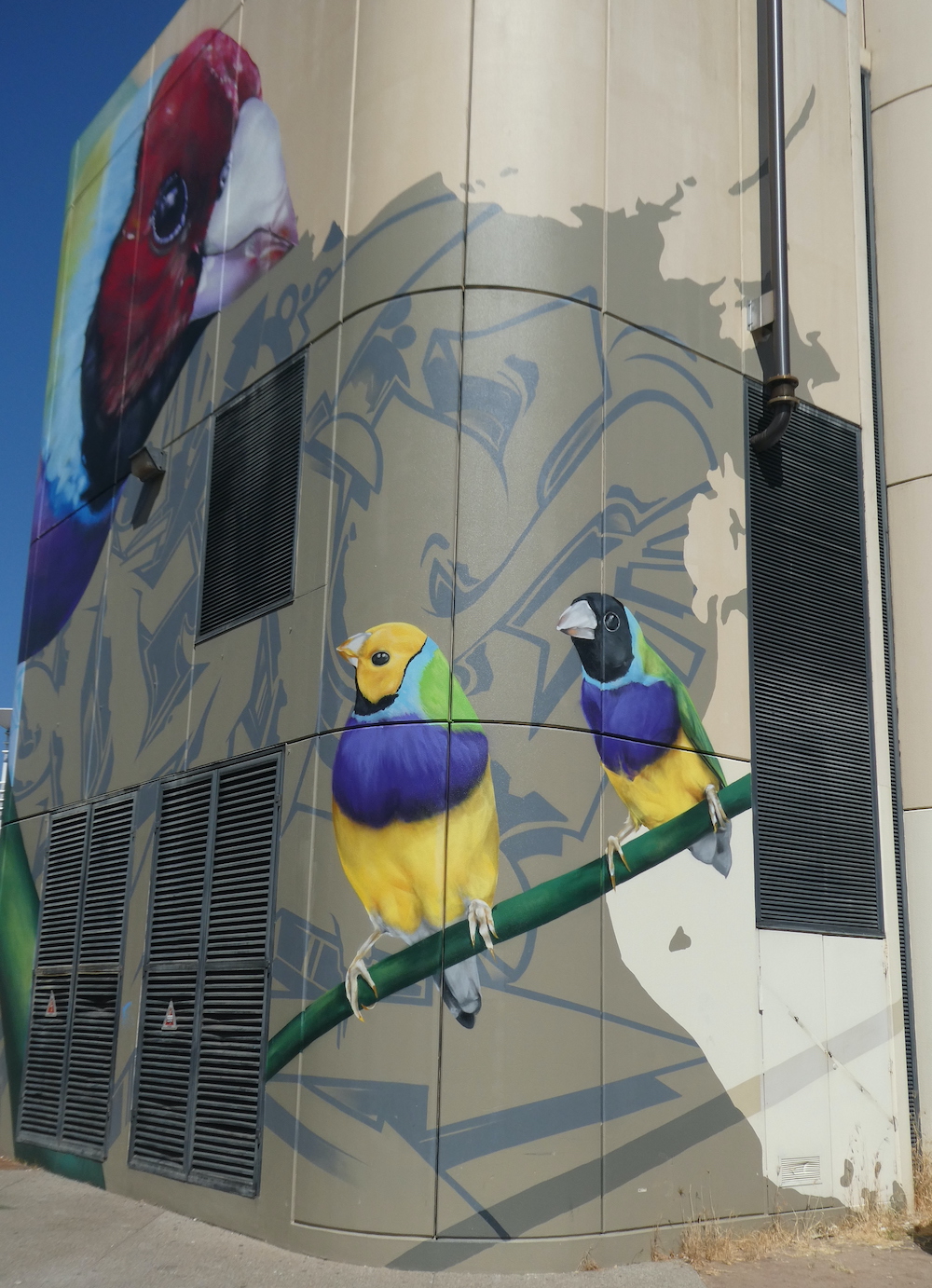
A little further down the lane, the enormous Gouldian Finch was painted for the inaugural festival in 2017 on a wall at the rear of the Darwin Hilton. Melbourne artist James Beattie (aka Jimmy Dvate) teamed with local Jesse Bell to present the three colour variations of the birds; the most common black-faced, the lesser known red-faced and the very rare yellow-faced. There are now fewer than 2500 Gouldian finch in the wild, their existence threatened by changing fire practices that reduce the availability of food and the aviary trade that saw thousands of birds trapped until it was banned in 1981.
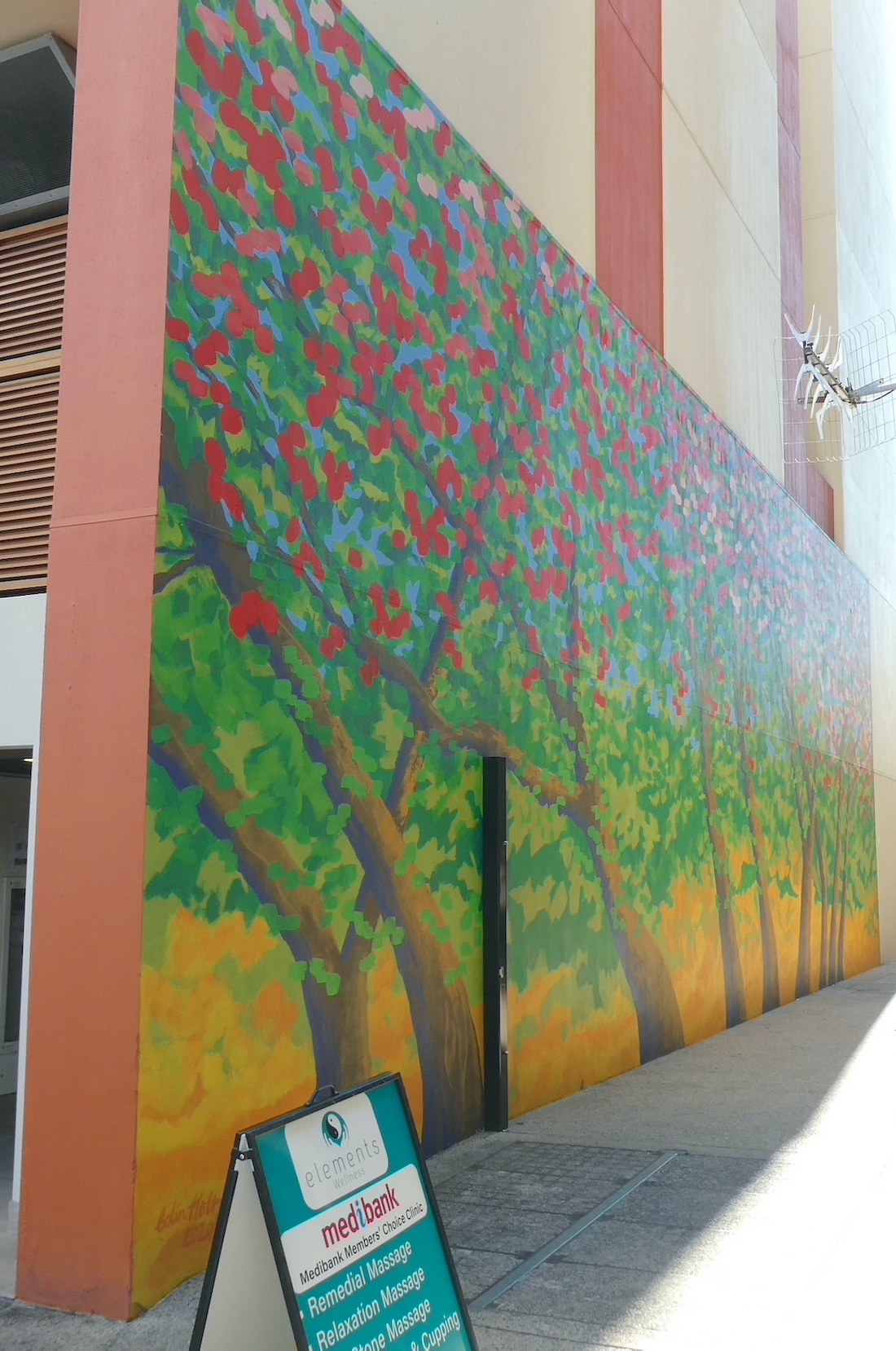
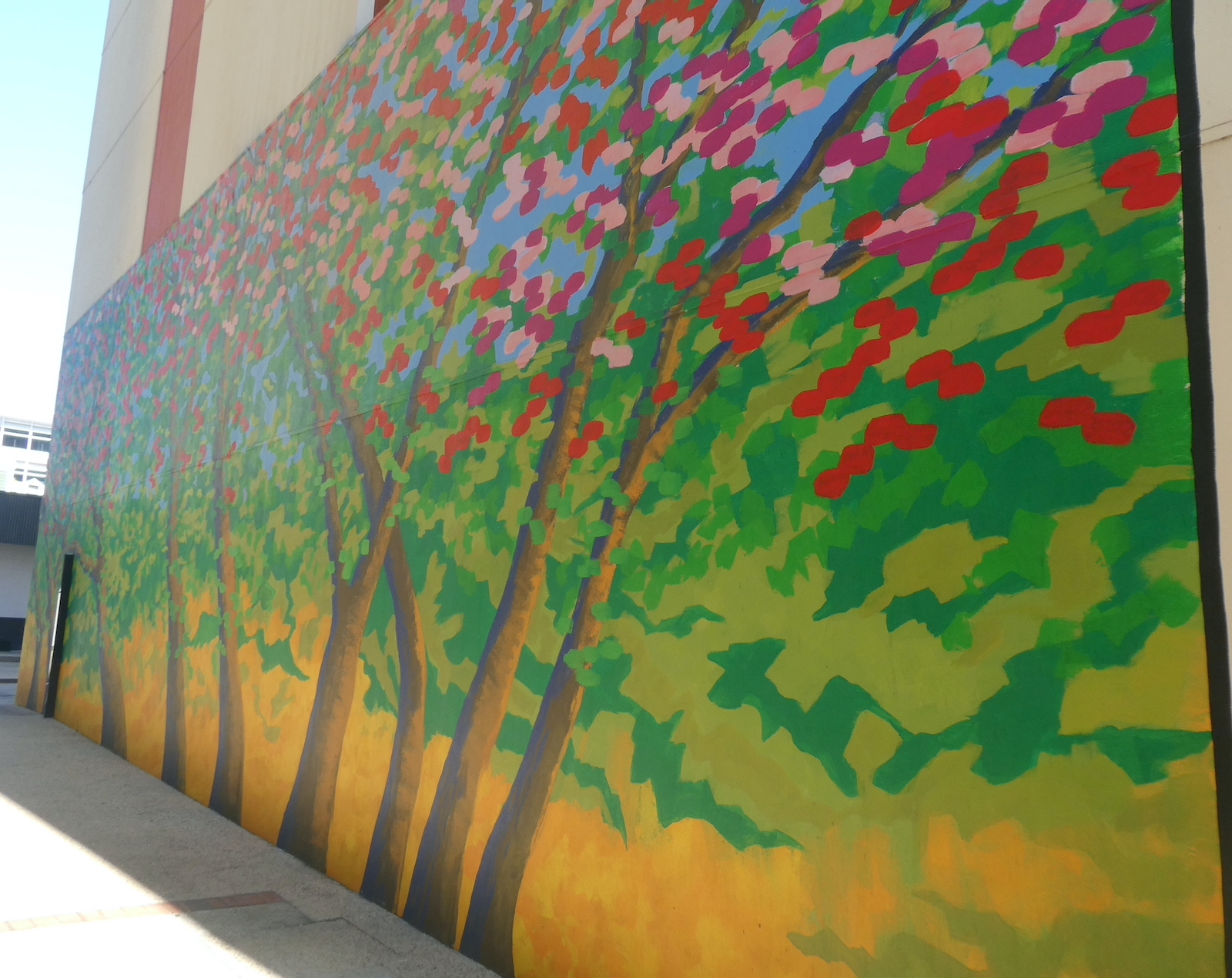
With a career spanning four decades, celebrated Darwin artist Colin Holt contributed a vibrant treescape in 2020.
Larrakia, Wardaman and Karajarri artist Jason Lee (aka Choplee) painted the seven main seasons of the Gulumoerrgin (Larrakia) calendar in 2018: Dalirrgang (build-up, September to October) – flying fox, cocky apple and cycad nuts; Balnba (rainy season, November to December) – long bums, black plum and bush potatoes; Dalay (monsoon season, January to March) – crocodile laying eggs and big red apple fruiting; Mayilema (March to April) – dragonflies and bush cherry; Damibila (April to June) – black cockatoo and bush peanut; Dinidjanggama (heavy dew time, June to August) – Dugong and water lillies; Gurrulwa (big wind time, July to September) – stingray and yellow kapok.
There is no denying the overwhelming talent on display throughout this exposition and I was absolutely boggled by the image that emerged from this inconspicuous nook.
Portuguese artist, Odeith, has a special interest in perspective and shading, calling his style “sombre 3D”. On his first trip to Darwin in 2019, he wanted to create a truly Australian artwork, the spectacular result being a kangaroo standing atop a transit van.
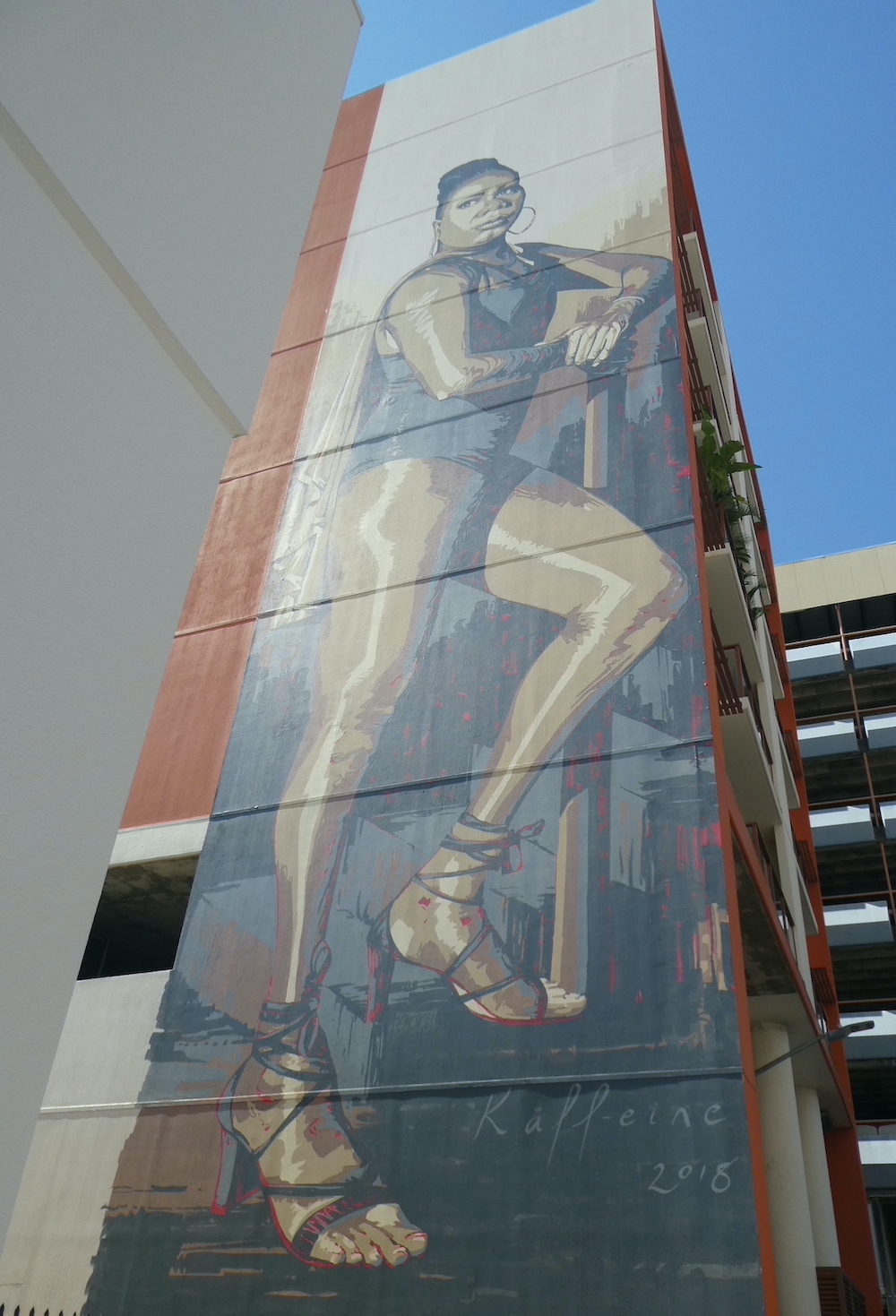
Sistagirls are transgender Aboriginal Australians traditionally known in the Tiwi Islands, north of Darwin, as yimpininni. Melburnian artist, Kaff-eine, met with the sistagirls and, in 2018 painted an elegant portrait of Shaniquá to celebrate the strength, power, character & beauty of the sistagirl community.
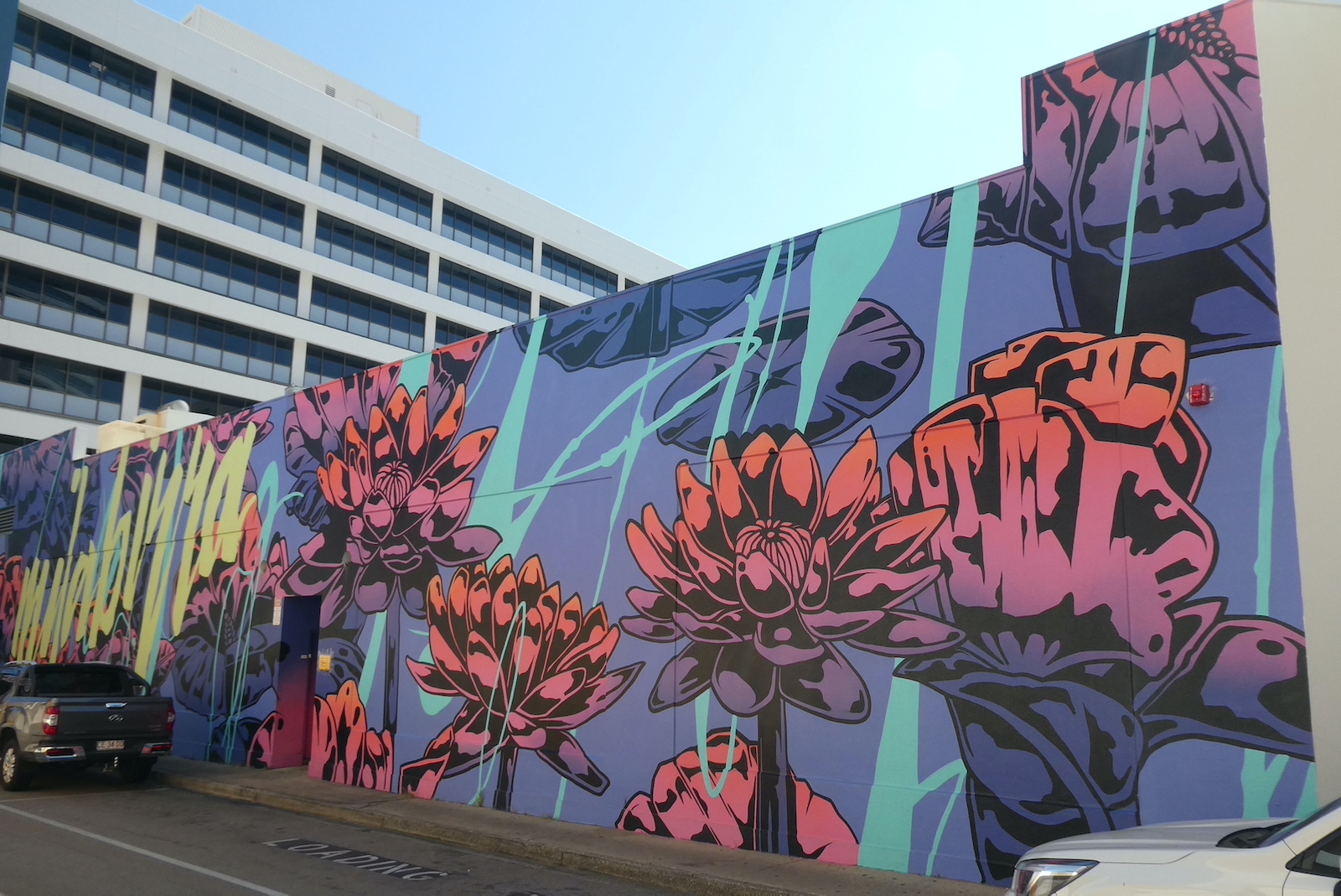
Also in 2018, Melbourne-based artist, George Rose, drew on her appreciation of the Australian landscape for her colourful work featuring Sturt Desert rose, Hibiscus brennanii and Nymphaea violacea.
Born and raised in Darwin, Larrakia man Shaun Lee (aka Hafleg) combined traditional and contemporary designs to create a beautiful turtle and jellyfish mural in 2018.
Nearby, he collaborated with Trent Lee two years later on a stunning piece featuring barramundi.
Known as the ‘build up’ in the Northern Territory, the weather cycle where heat and humidity increase leads up to the wet season. Build Up/Melt Down by local artist Vincent Poke in 2018 is a depiction of what it is like to live through this experience in the Top End.
In 2017, NT artist Polly Johnstone completed a mural, For the Love of Reading, featuring the image of Darwin local Artia Ratahi. She returned the following year and once again chose Artia, with her Indigenous and Maori heritage, to represent the diverse backgrounds of the community. The vibrant colours reflect the Top End soil, the crystal blue waters and the pinks and purples of the sunsets.
The wall of Monsoons nightclub provided the canvas for a collaboration between Melburnian Cam Scale and NT artist Les Huddleston in 2017. The painting, entitled Monsoon, represents the new life brought to the billabongs after monsoonal rains. Brolgas descend on the billabongs to breed and feed on turtles and fish, depicted swirling amongst the water plants at the feet of the dancing brolgas.
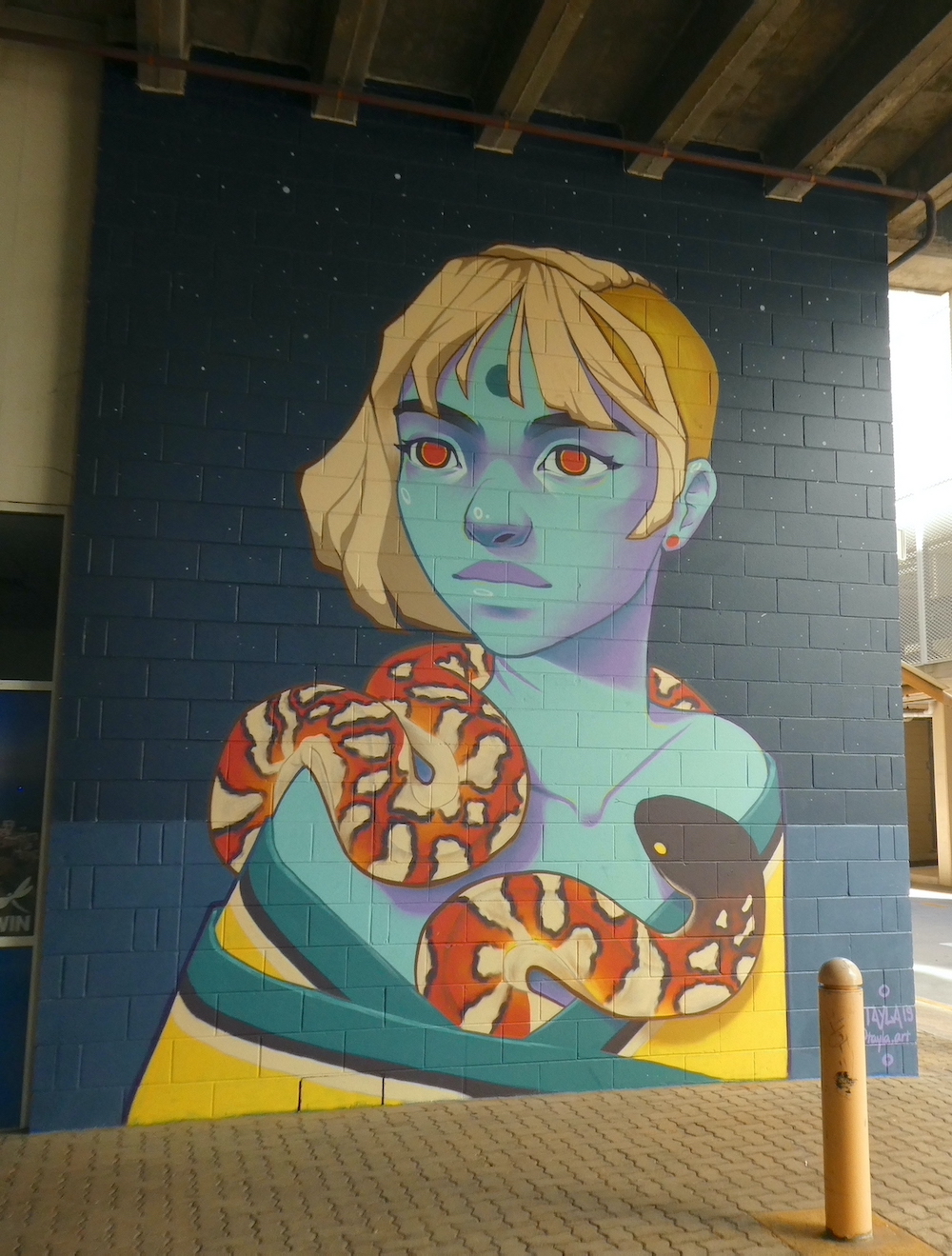
Our connection to animals and the need to preserve our wildlife and their habitats inspired a striking piece by Melbourne- based Tayla Broekman in 2019. The White-Bellied mangrove snake is found in the mangroves of northern Australia, the bright colours are enhanced by the dark background illustrating the sky and vast, flat landscape of the NT desert.
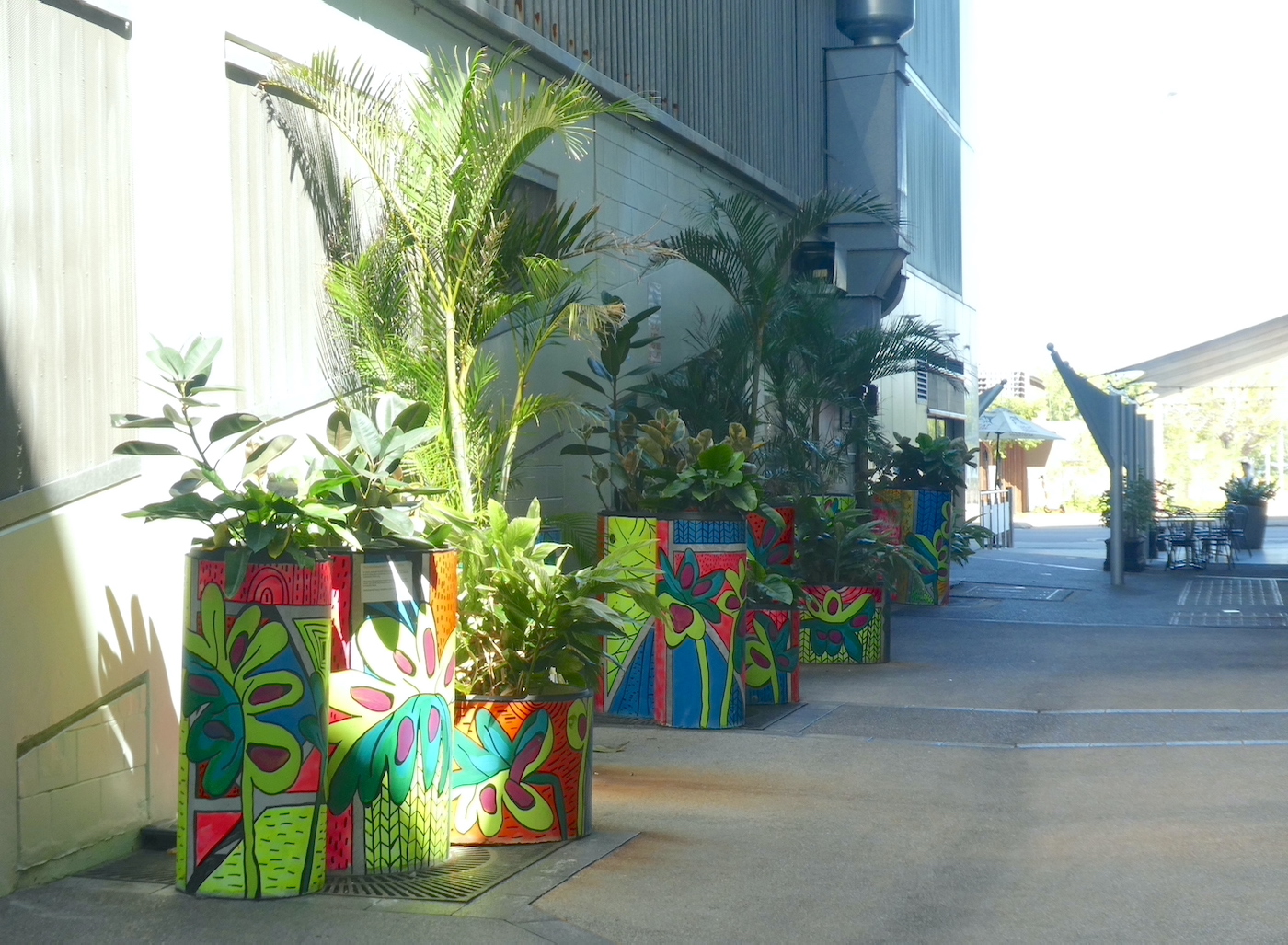
I don’t think these planter boxes are part of the festival but they certainly brighten up the streetscape.
The Street Art Festival has now expanded from the CBD all the way to Alice Spring with more than 18 new murals painted in 2021. I might need a bit more time on my next visit.
















































 cannonhillchronicles