When we created our veggie patch, we used reclaimed hardwood roof trusses to make the raised beds, thinking they would outlast our time here. Eleven years of Tasmanian weather proved us wrong and the timber was starting to rot, the screws were no longer holding and the boxes developed all sorts of twists and turns.
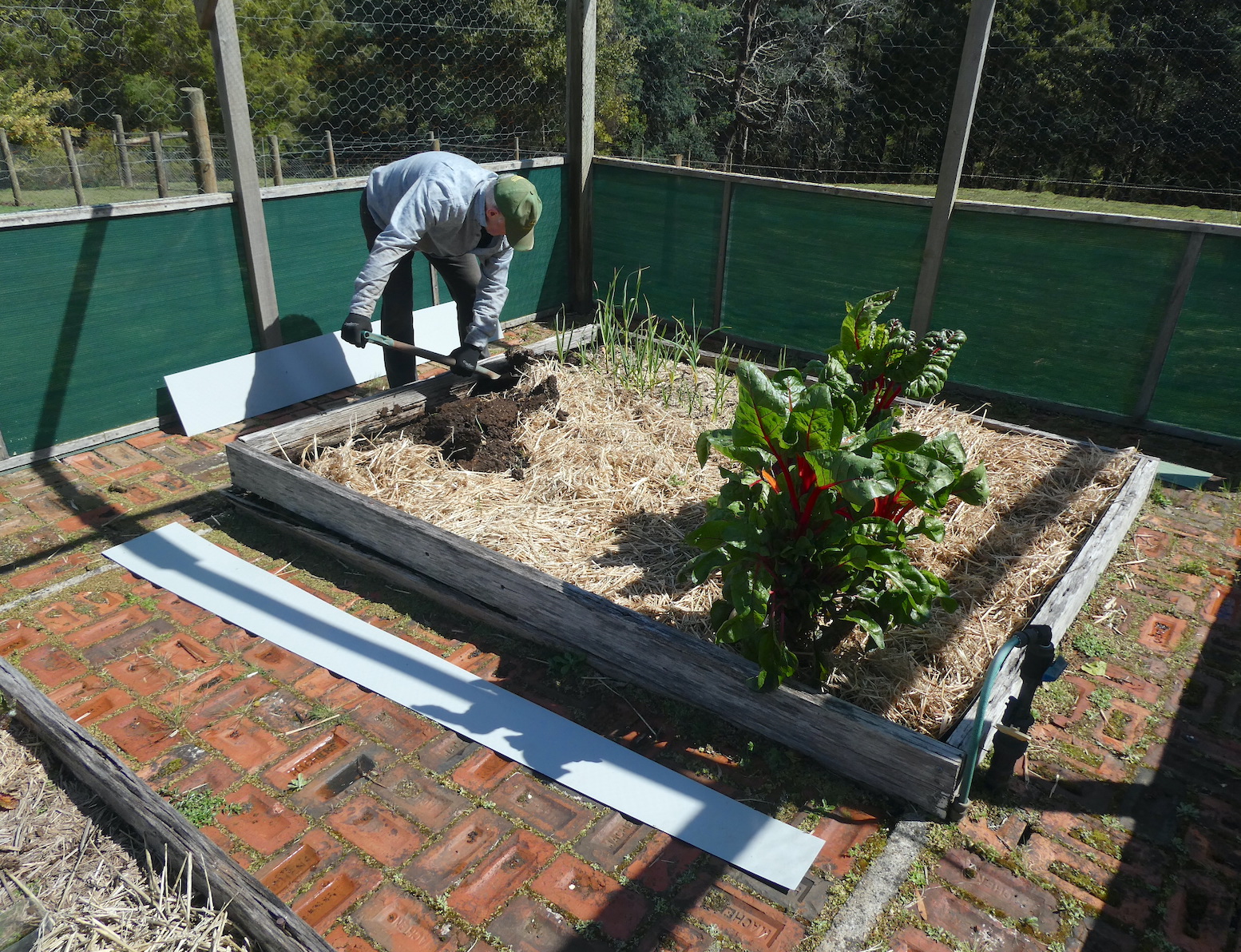
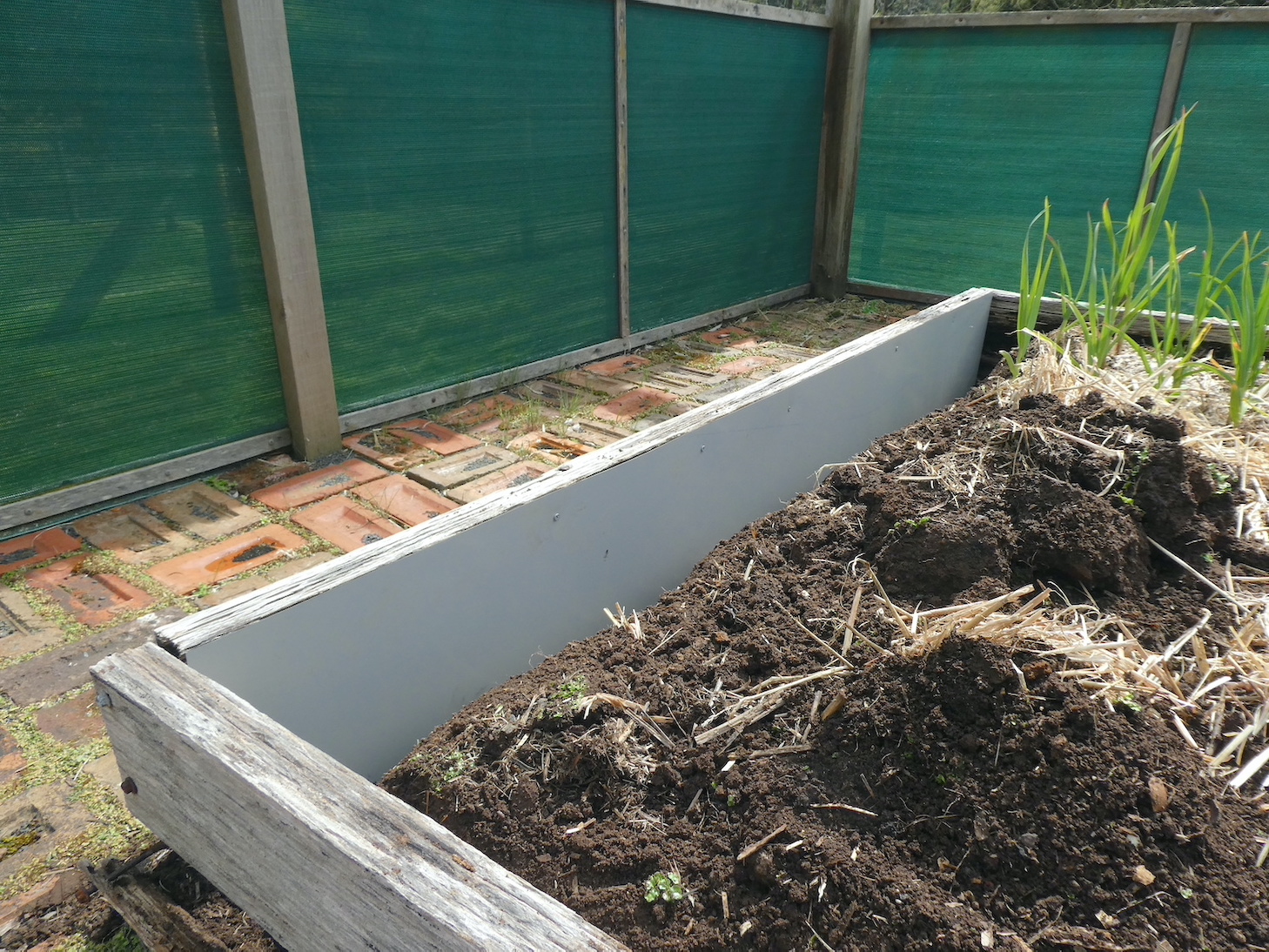
After weeks of mulling over possible solutions, we came up with the idea of reinforcing each box using metal sheeting on the inside. Our local Colorbond supplier was very helpful. We gave them the measurements of each piece required and they cut them from ends of rolls that would otherwise have been discarded (at a reasonable price). After digging away the soil at the edges,
the strips of steel were screwed to the timber with pond liner at the corners to avoid water seepage.
We were happy with the tidy result.
The rhubarb box was a bit of a challenge, just as well it needed thinning out.
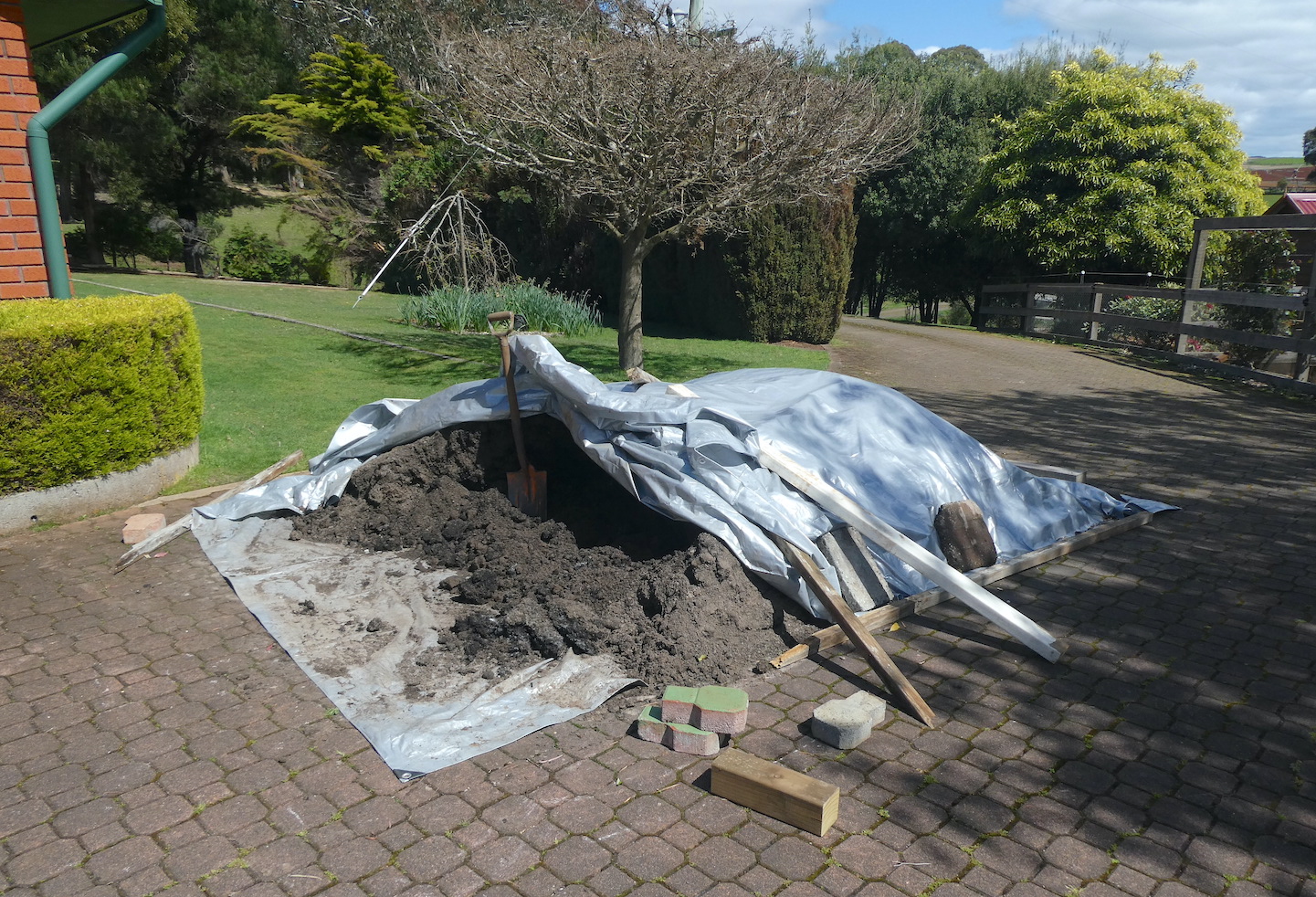
We had a truck load of loam/ compost mix delivered and topped up all the beds
just in time for spring planting.
The fruit salad tree box had to be completely demolished and rebuilt (I was too distracted to take photos of the process).
Our unpredictable spring weather meant I was constantly chasing sunlight and warmth for the seedlings
but I finally had success and planted out in summer.
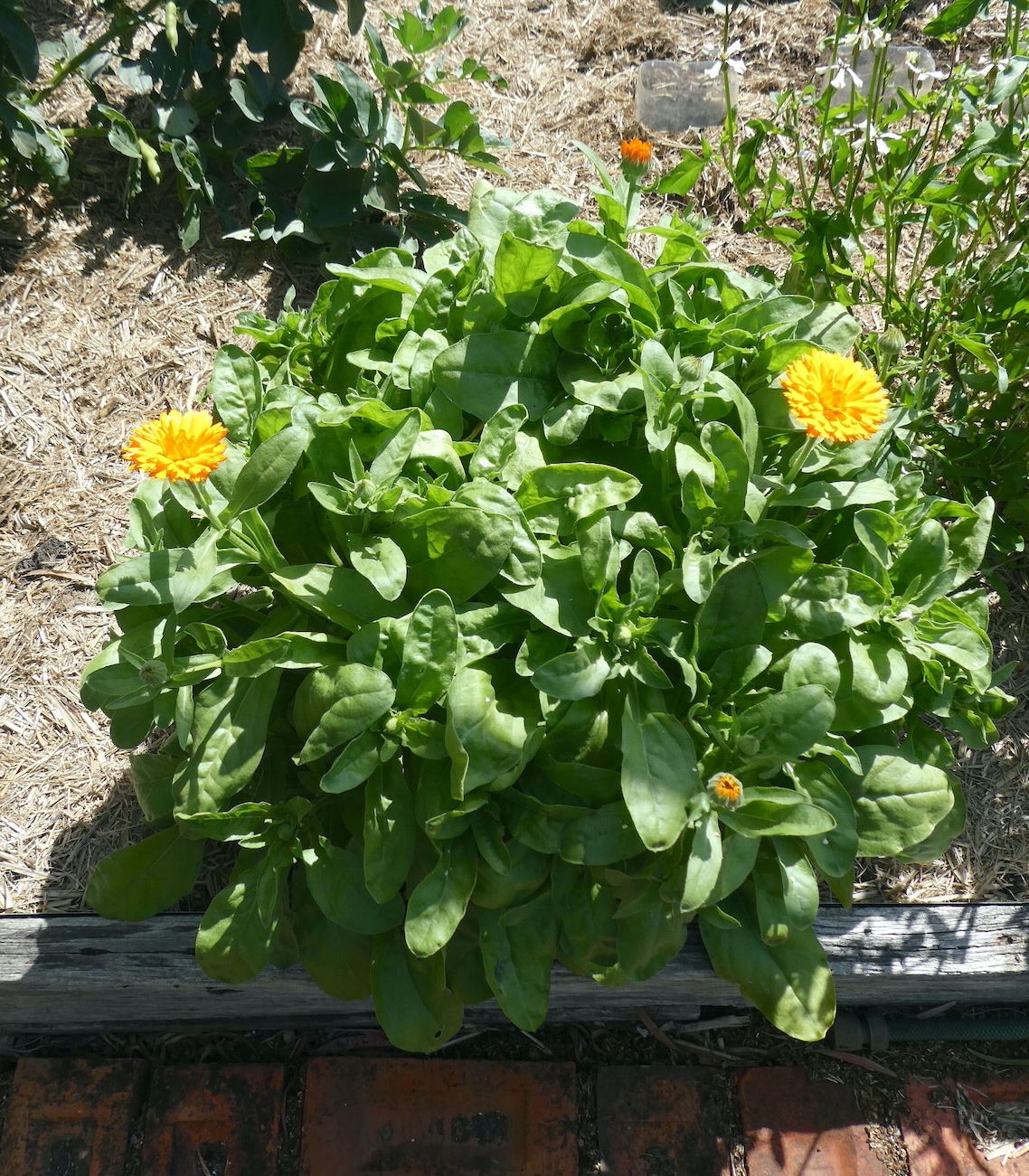
I threw some marigold seeds in for the first time, they supposedly deter pests as well as looking pretty.
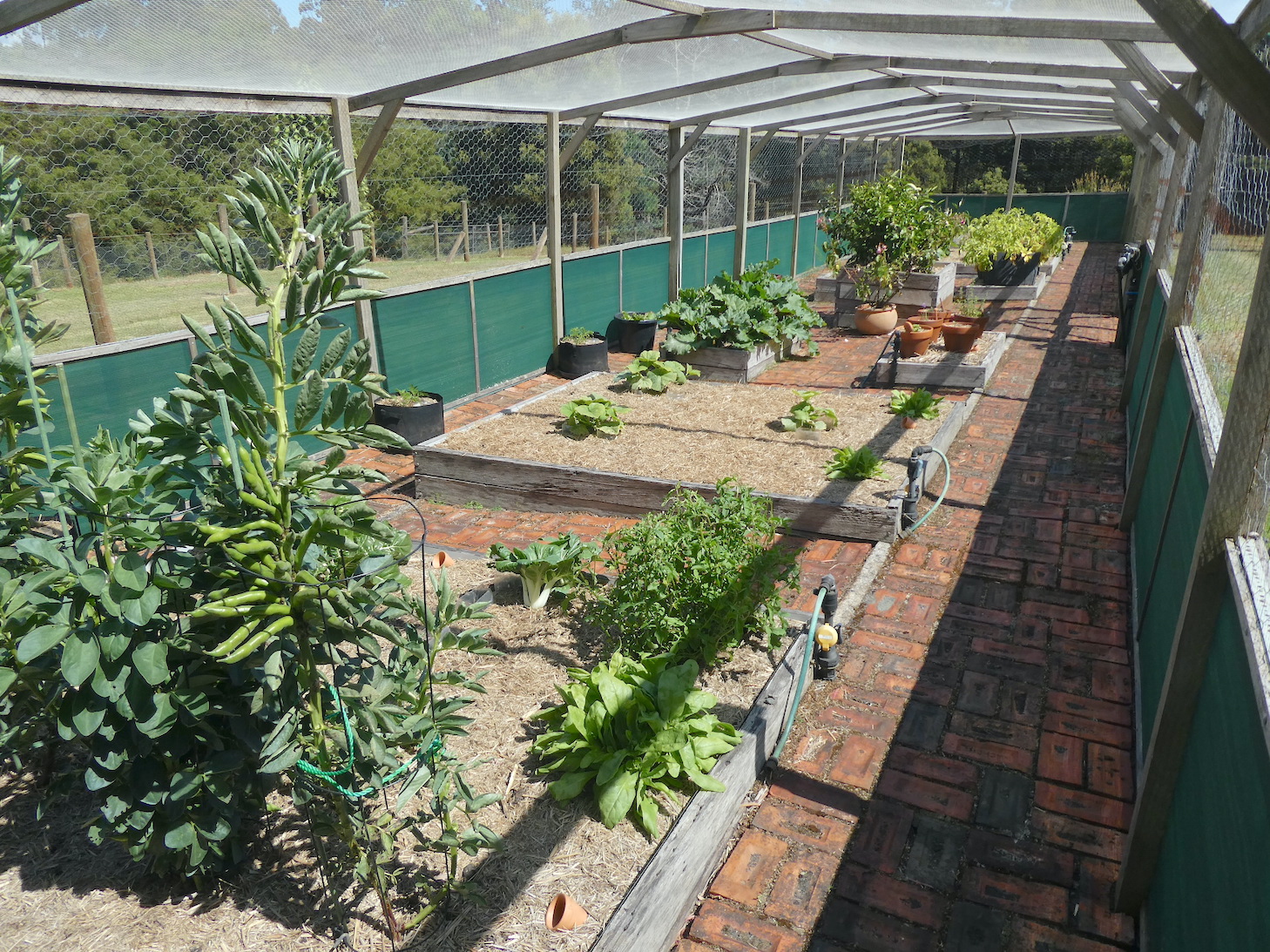
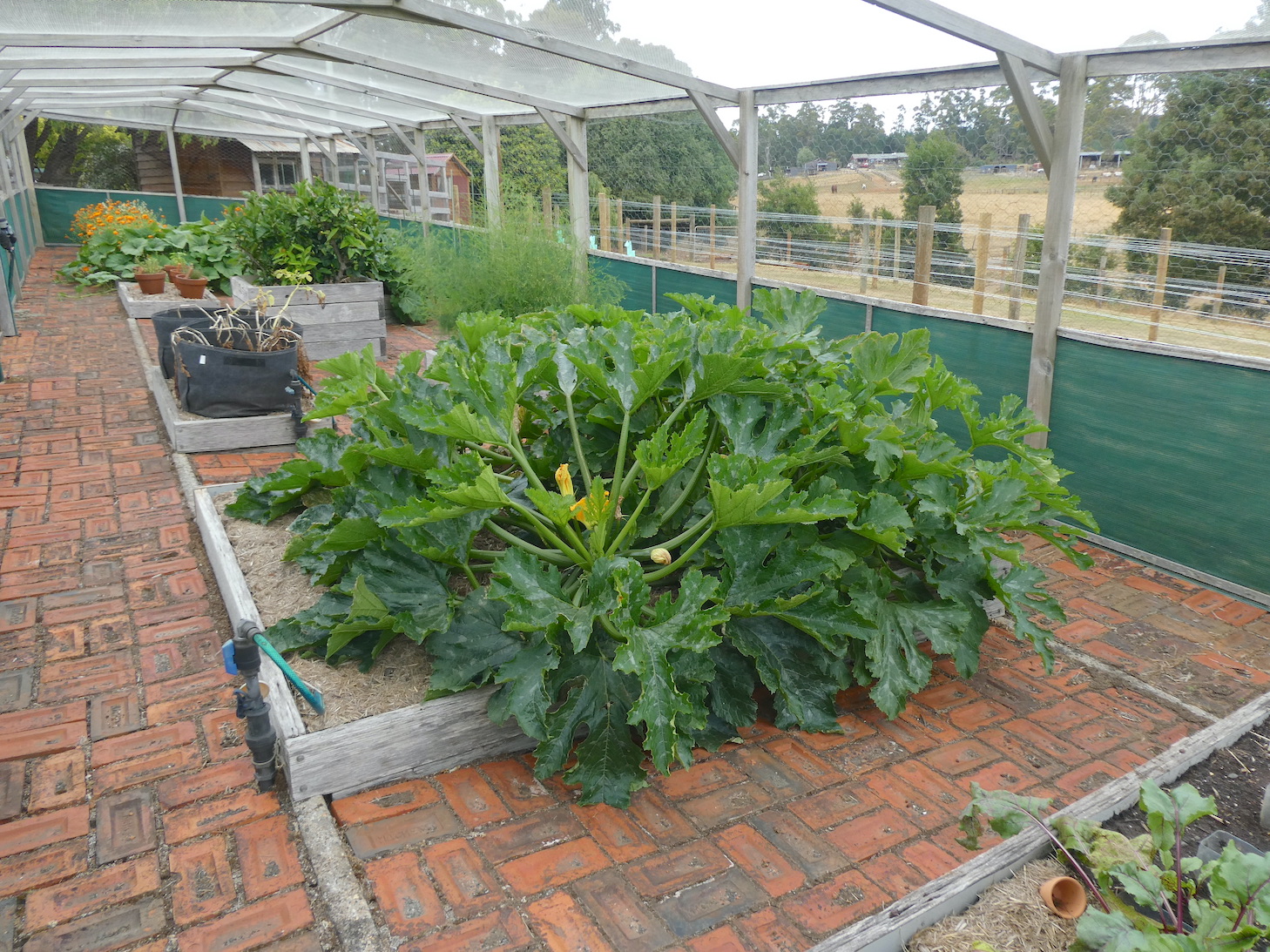
By the end of January, there was no stopping the flow of produce.
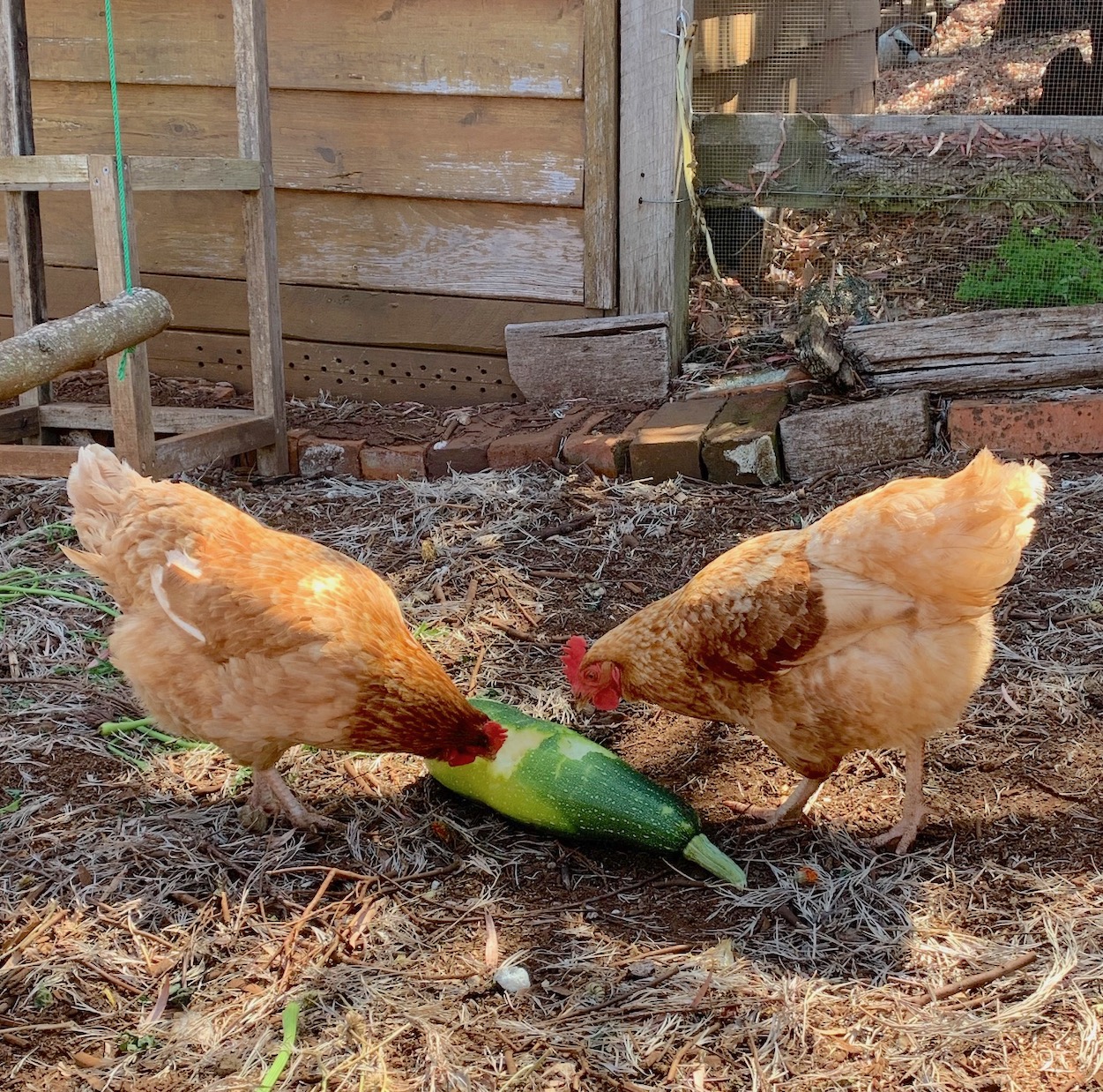
Thankfully, we found some willing recipients for the monster zucchini.
There are many reminders in the Northern Territory of Australia’s involvement in World War II and a visit to Darwin Military Museum gives a fascinating insight into just how close the Japanese invasion came. On 19th February 1942, the Japanese bombed Darwin, killing 252 people, destroying aircraft, sinking 10 ships and severely damaging the township. Over the next 21 months, the Northern Territory was subjected to a further 97 air attacks by the Japanese, including 51 bombing raids.
Since the mid-1960s, the Royal Australian Artillery Association has been accumulating war memorabilia and the vast collection includes artefacts from the Boer War to the present day. Once past the entrance display,
I realised there were far too many intriguing items to photograph, not least this painted feather. The MV Manunda was launched in 1929 as a passenger liner and souvenirs of voyages, such as this, were common. The vessel became HMAS Manunda and served as a hospital ship during World War II before returning to civilian life in 1946. Ten years later, in an ironic twist of fate, she was sold to a Japanese Shipping Company, broken up and used for scrap.
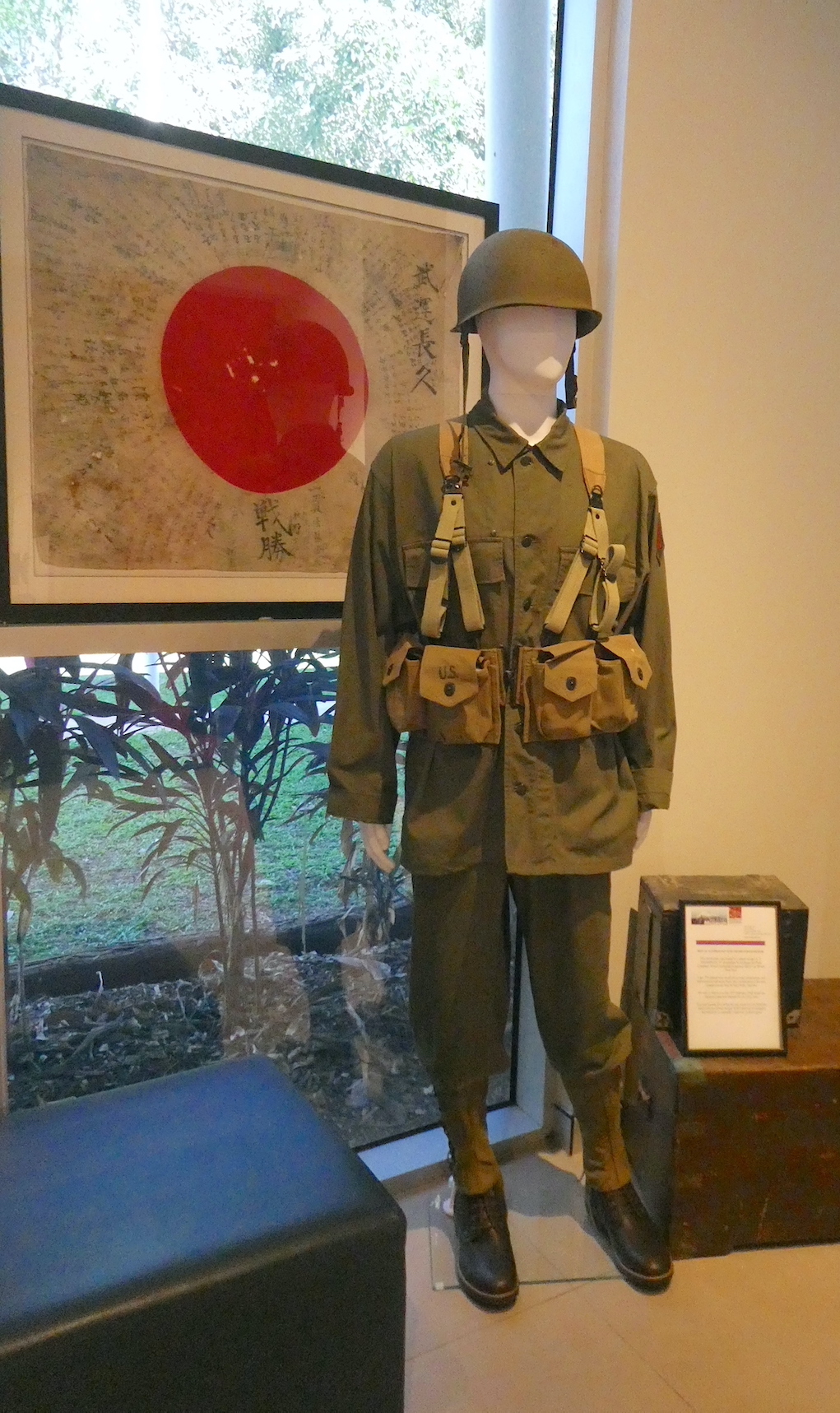
We continued our exploration outside, where larger artillery pieces and military vehicles are scattered through tropical gardens and various outbuildings. A memorial to the Australian Digger stands adjacent to one dedicated to Gunner, a kelpie credited with the ability to alert his squadron when Japanese aircraft were approaching.
The sheer scale of some of the exhibits is boggling, it is difficult to fathom the logistics of deploying this equipment in the field. Boom net buoys were used to suspend the huge cable for the anti-submarine net stretched across Darwin Harbour. For added security, a massive metal detecting loop was laid on the floor of the harbour to detect any submarine activity.
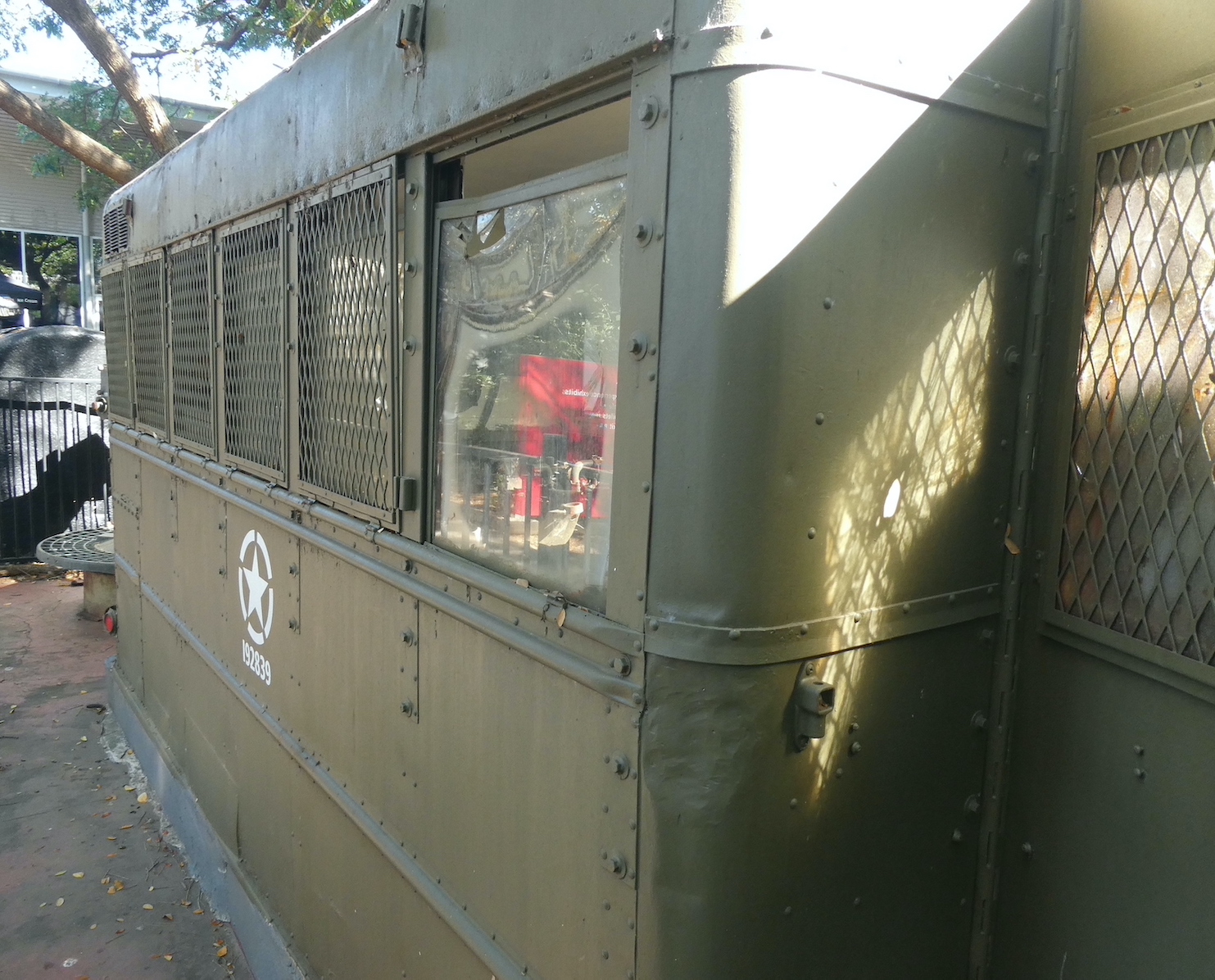
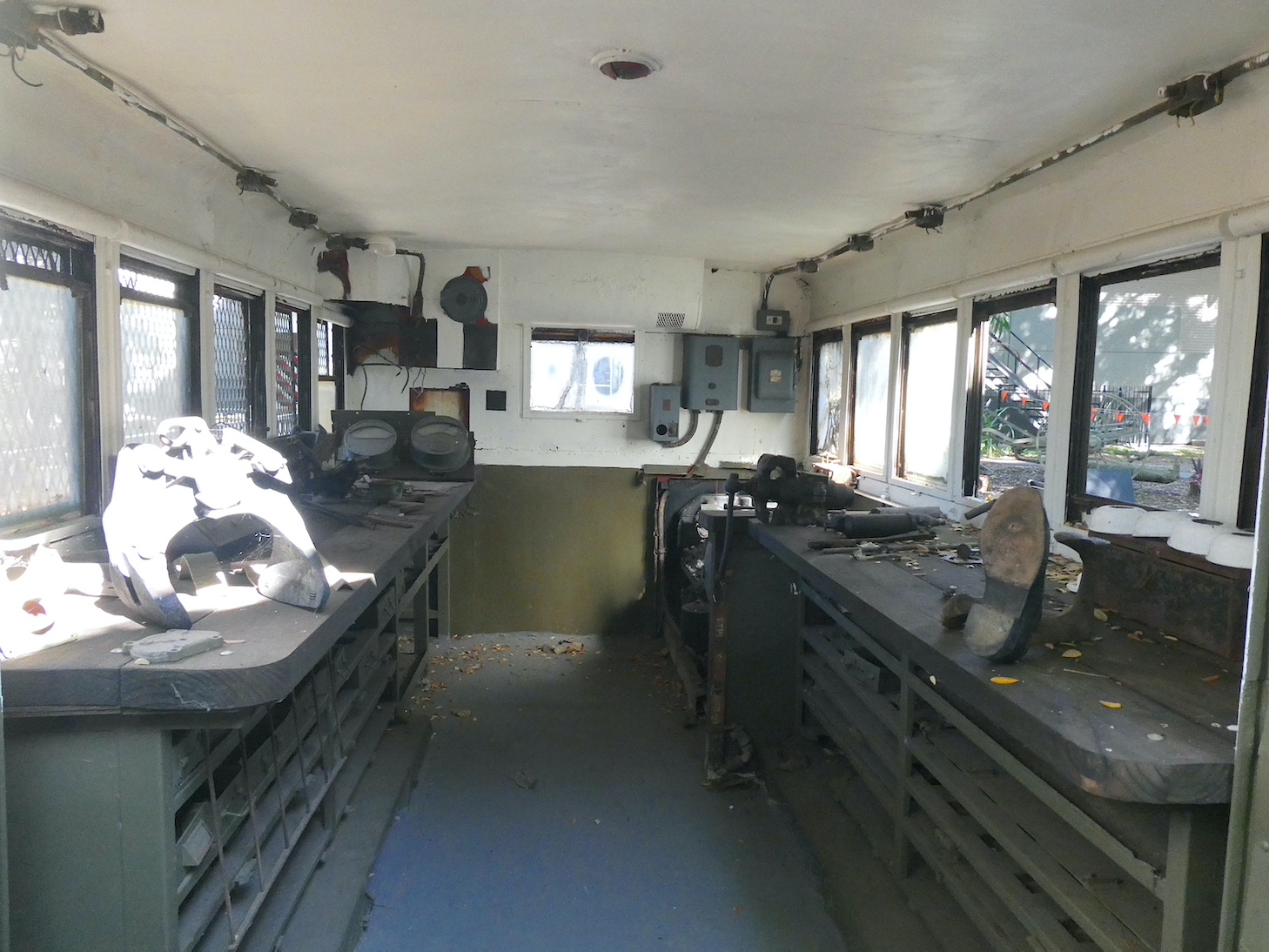
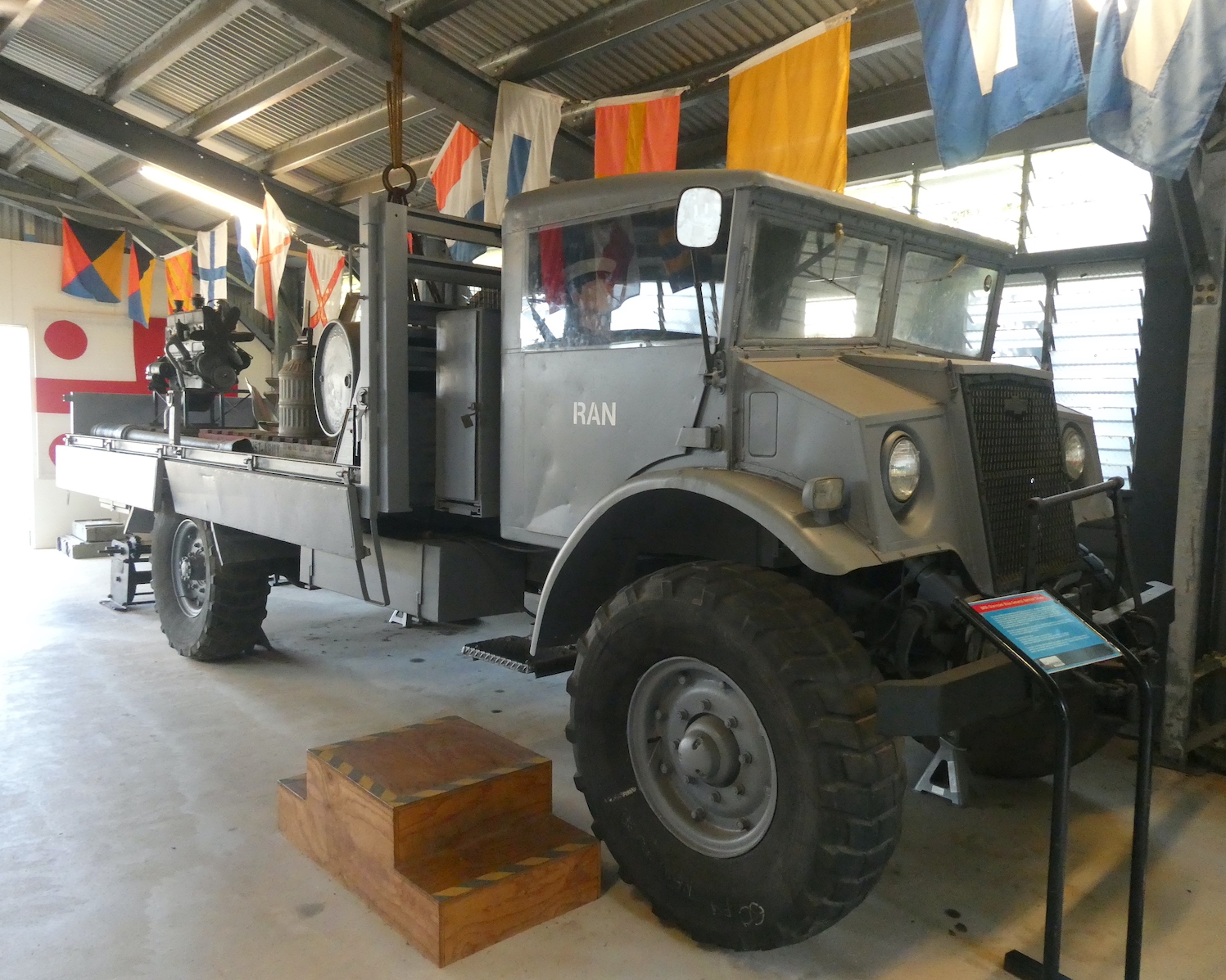
Vehicle-mounted workshops were primarily used for maintenance in the field, with small engines under the bench to run electrical items such as grinders and compressors.
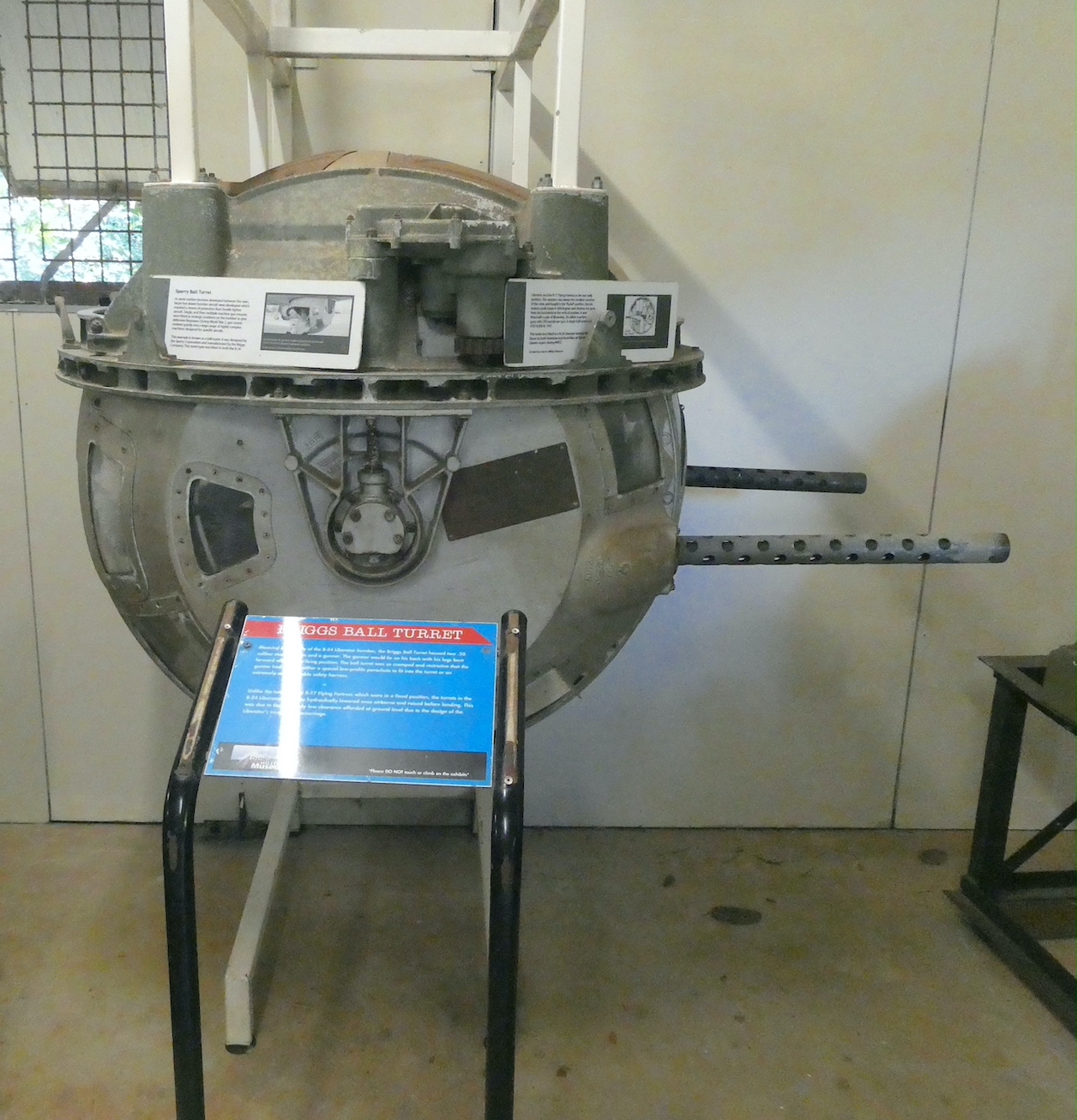
Probably the most terrifying place to be on the fighter planes was the ball gun turret. Suspended underneath the aircraft, the gunner, usually the smallest man in the crew, had to assume a foetal-like position on missions of up to ten hours.
Some remnants of wartime are still being found in the N.T., like this Japanese drop tank. The tanks carried extra fuel to extend the range of the aircraft and, once empty, could be released to reduce drag in combat situations.
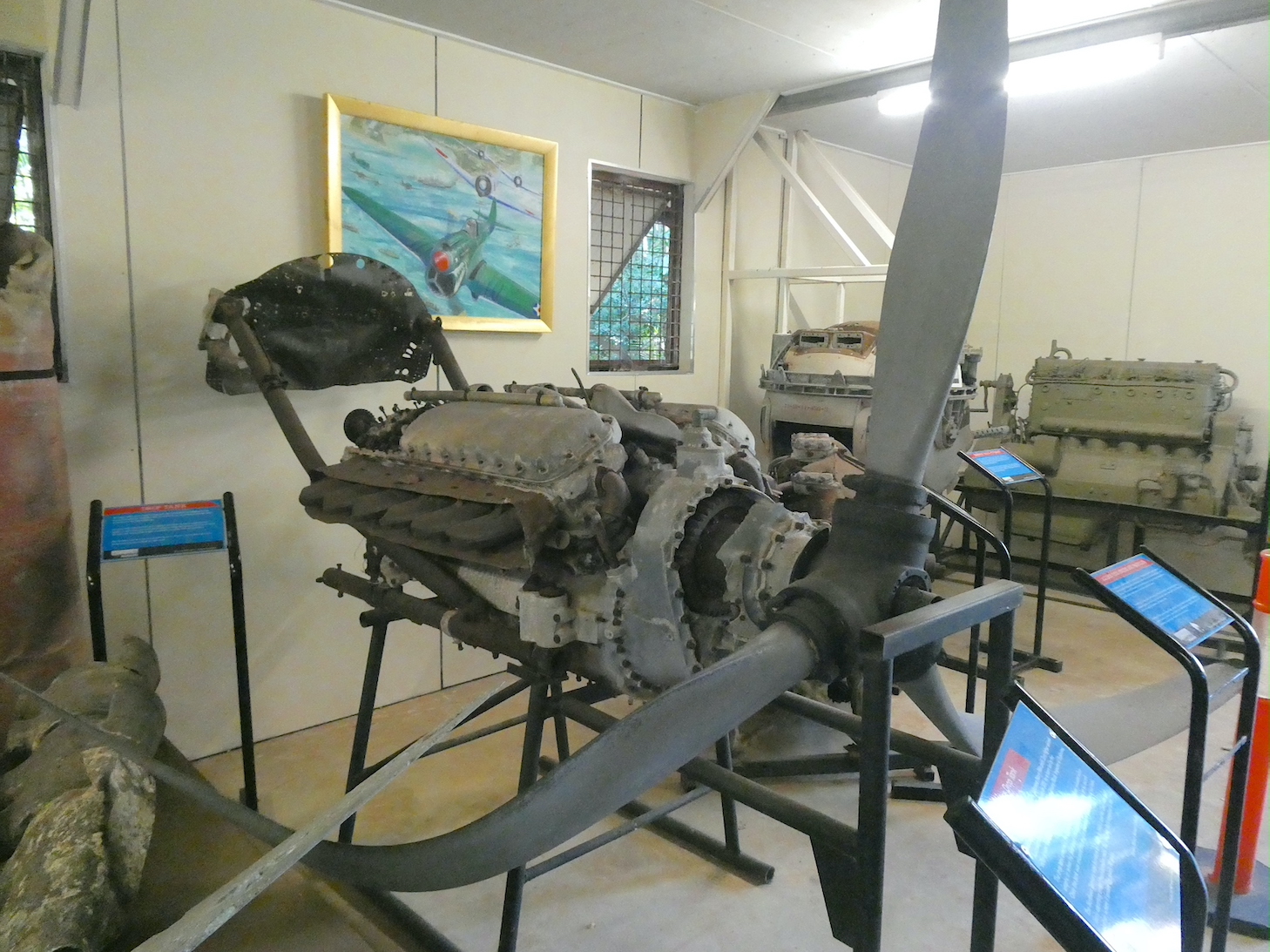
There are several engines and propellors on display, each with their own story. This one separated from the fuselage of a Kittyhawk during a forced landing in 1942. Fortunately, the pilot survived.
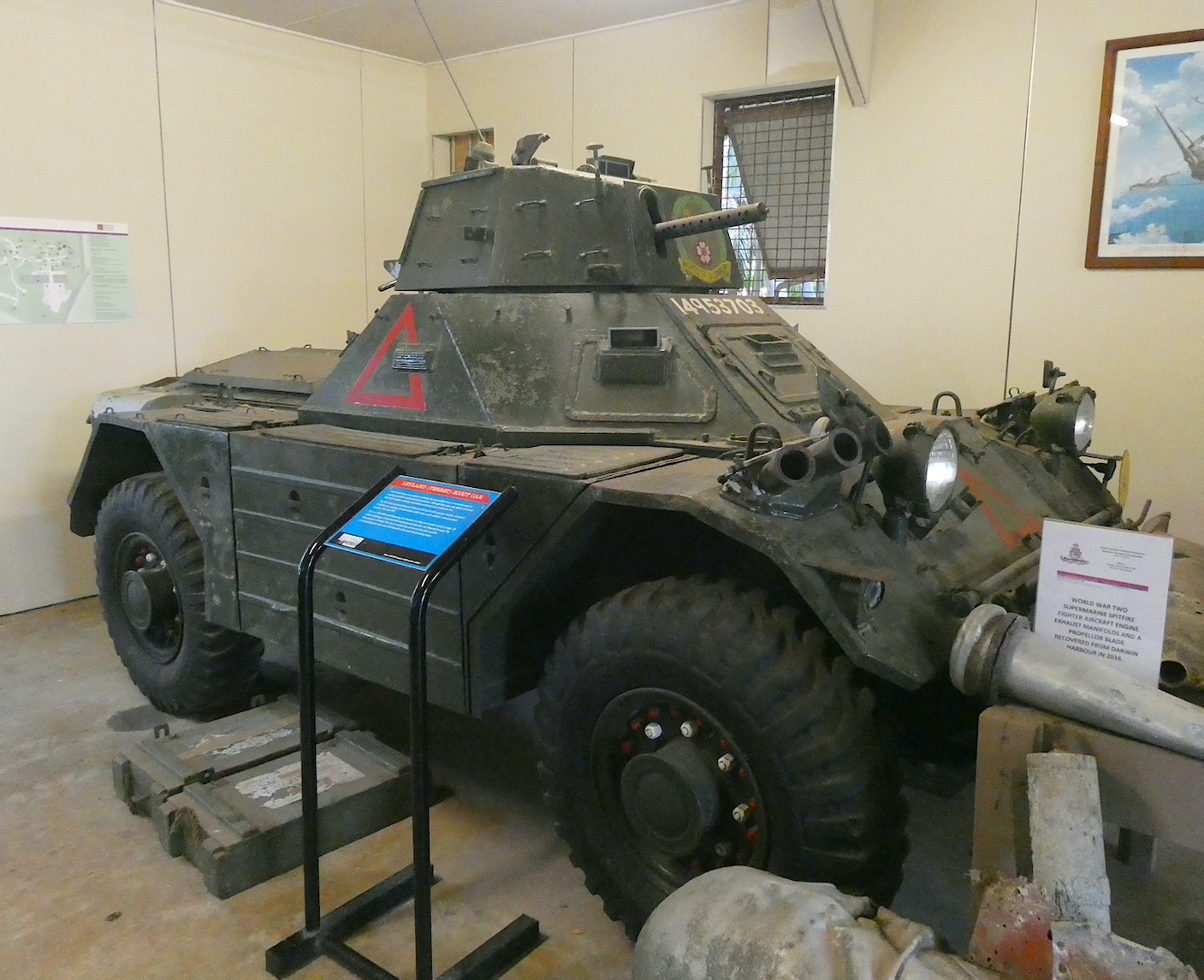
Almost as uncomfortable as the ball turret, two personnel would be squeezed into the hot, noisy cabin of the Ferret scout car. One would drive and the other would man the machine gun and grenade launchers.
On a much larger scale, the Buffalo was used as an amphibious transport vehicle, though its design meant it could only operate in the calmest of seas without taking on too much water.
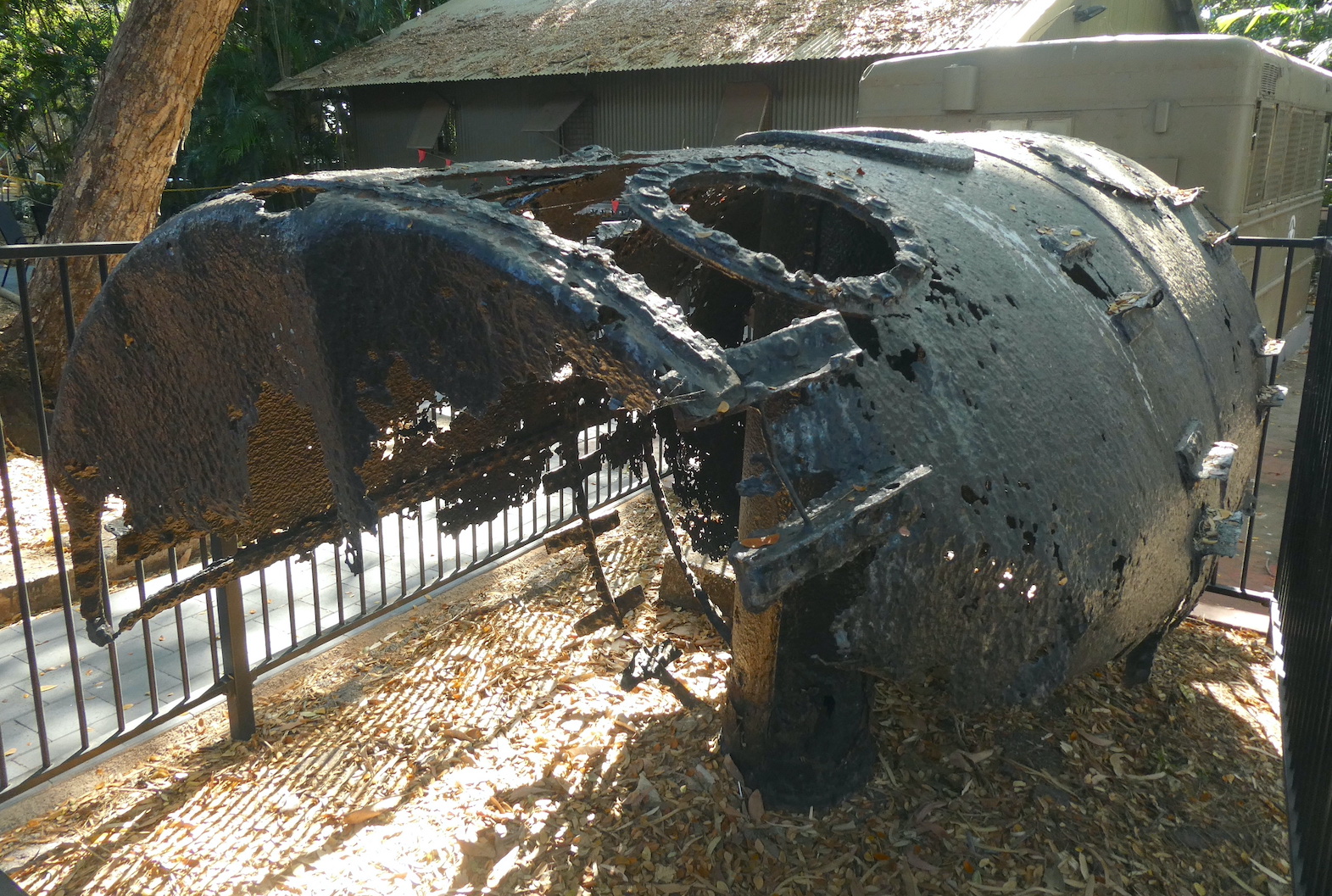
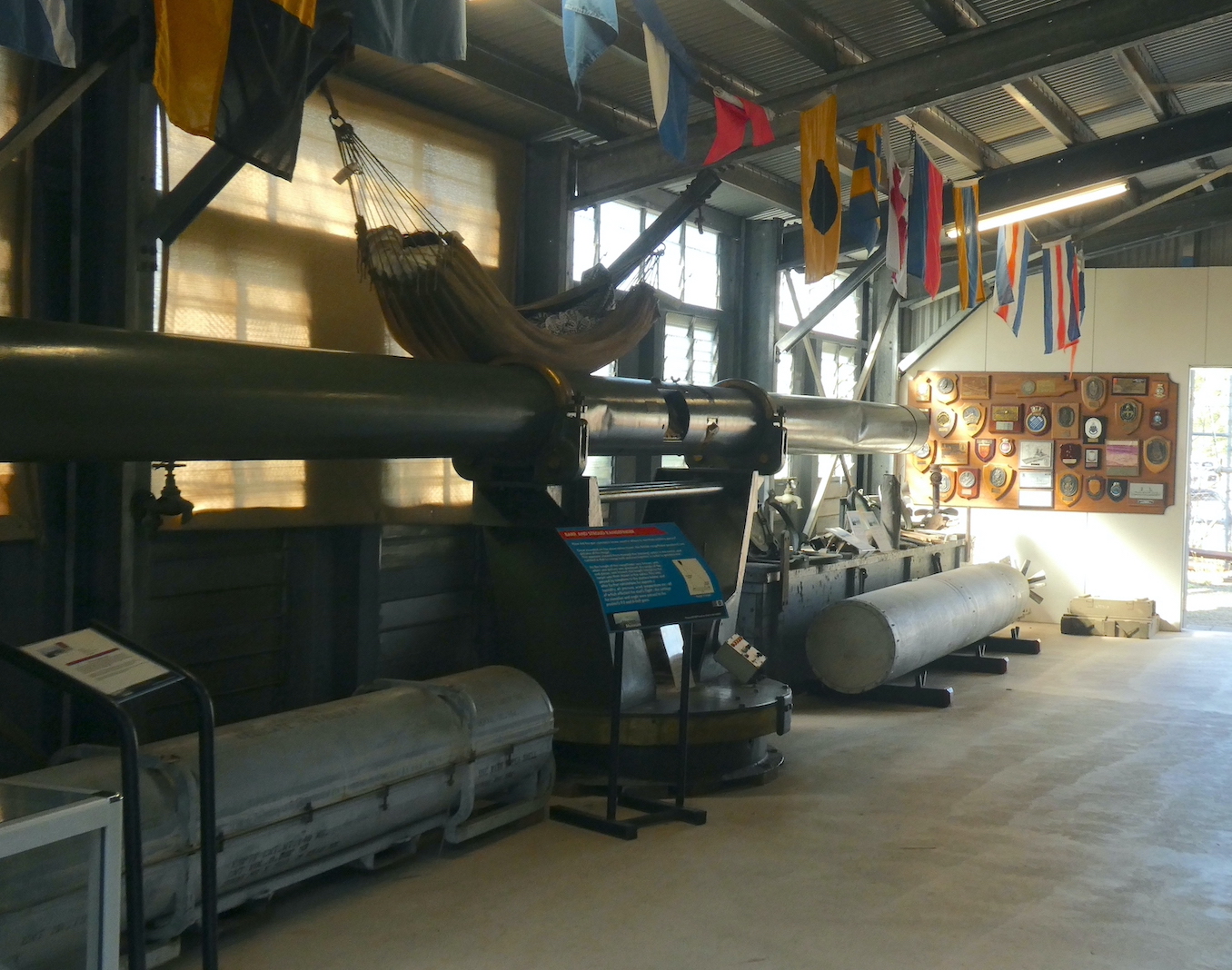
Looking suspiciously like a missile, paravanes were actually used in minesweeping operations. With a cutting cable attached, they were dragged behind a minesweeper at a pre-determined depth and, once the enemy mine was located and detached, it was destroyed by small-arms fire. Sometimes the paravane received collateral damage.
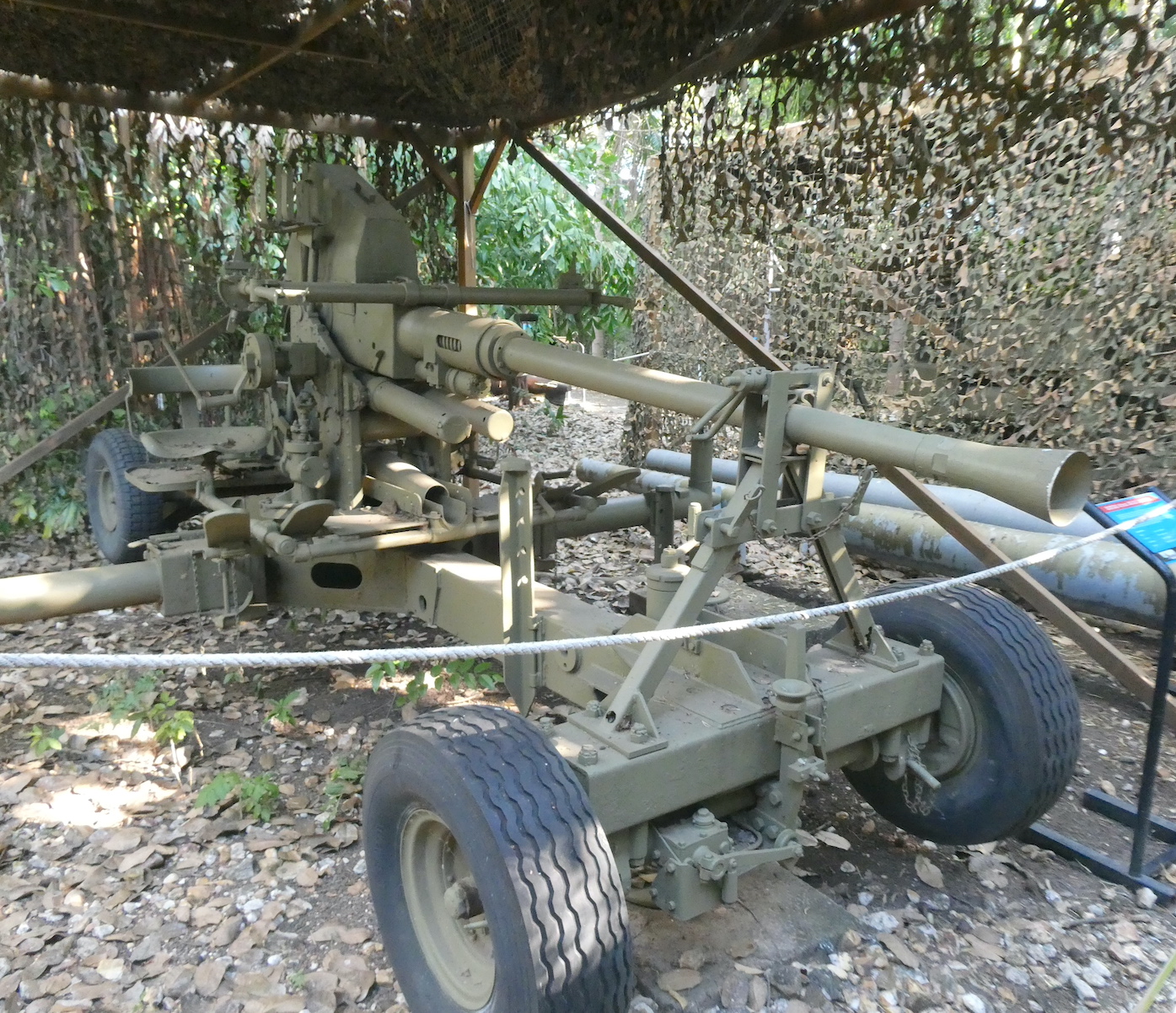
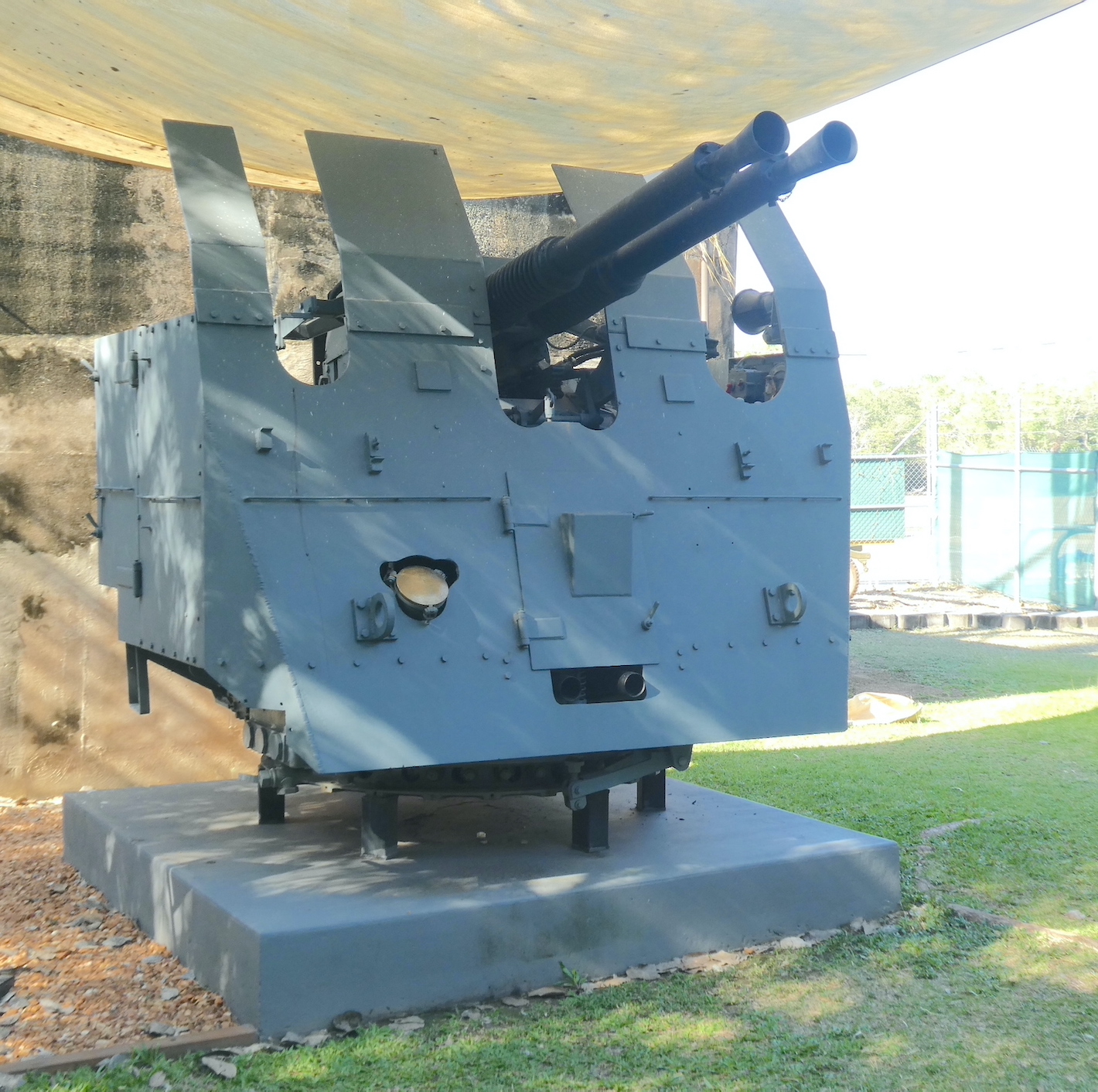
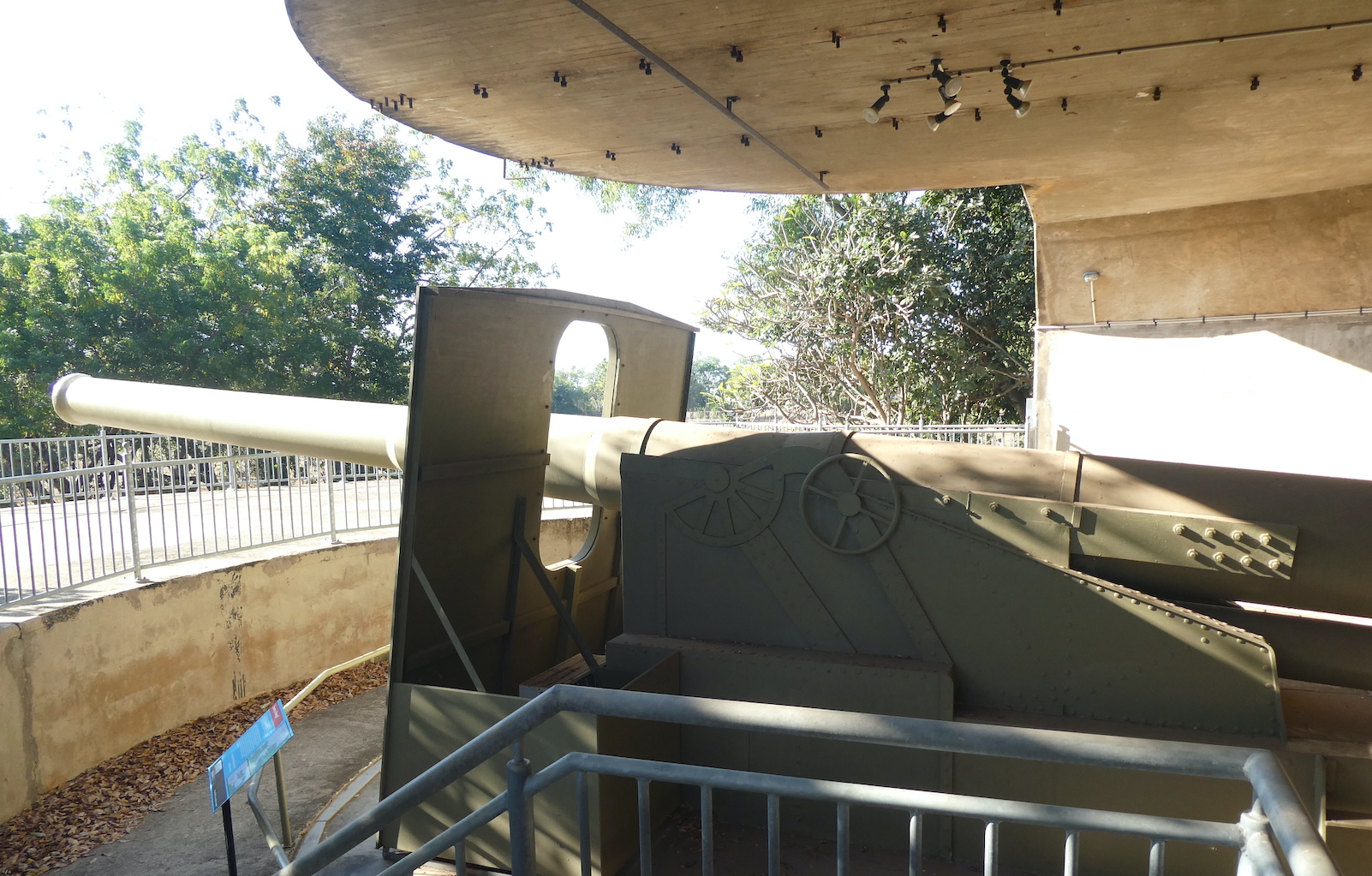
The big guns were just around the corner, an impressive collection of field and anti-aircraft guns, all of which must have been onerous to manoeuvre in battle.
Knowing where to aim the artillery pieces was a little more complicated than it is these days. A rangefinder was used to determine the angle and distance to the target, this one is the largest in the world and was installed at the East Point gun emplacements.
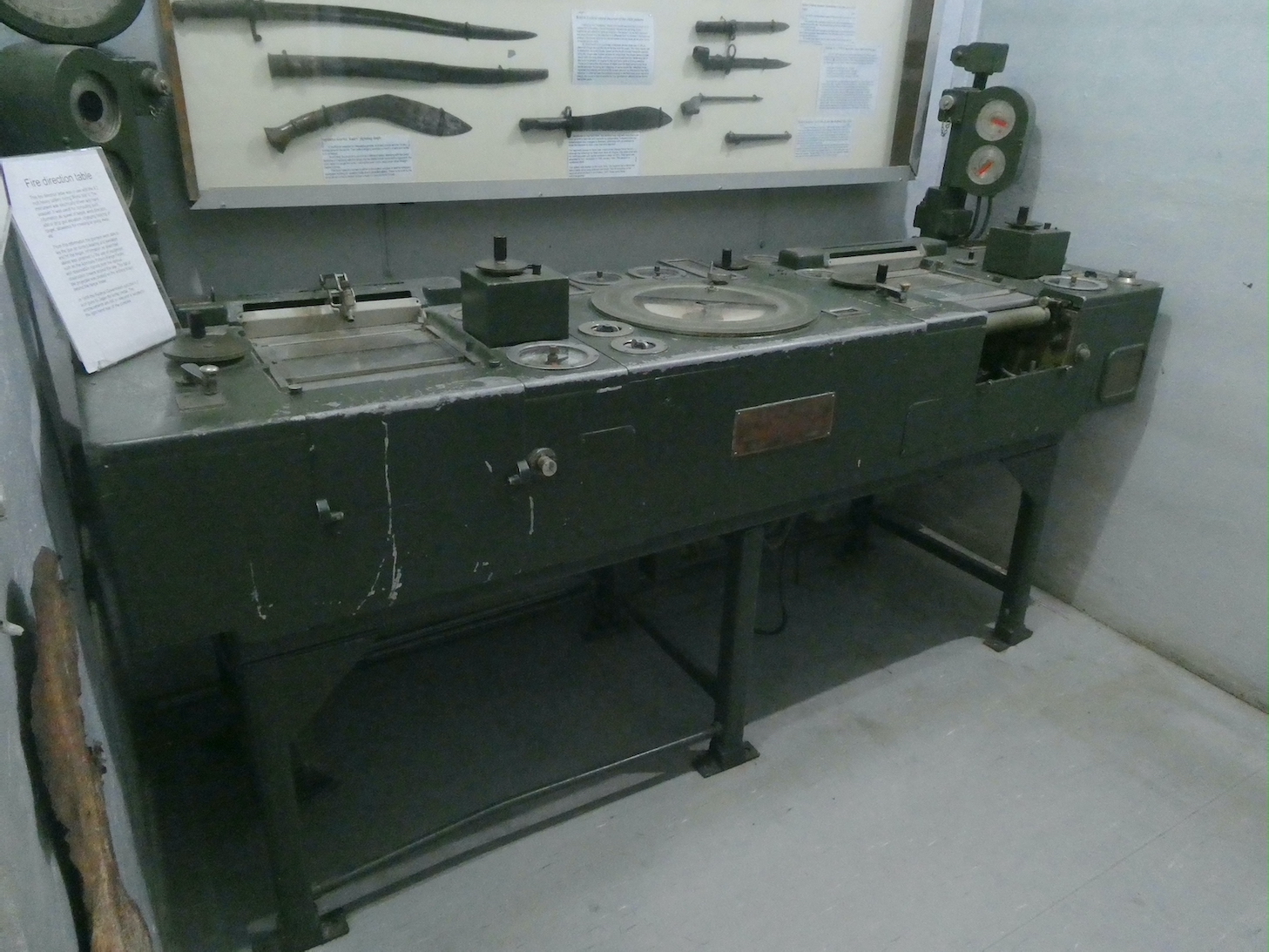
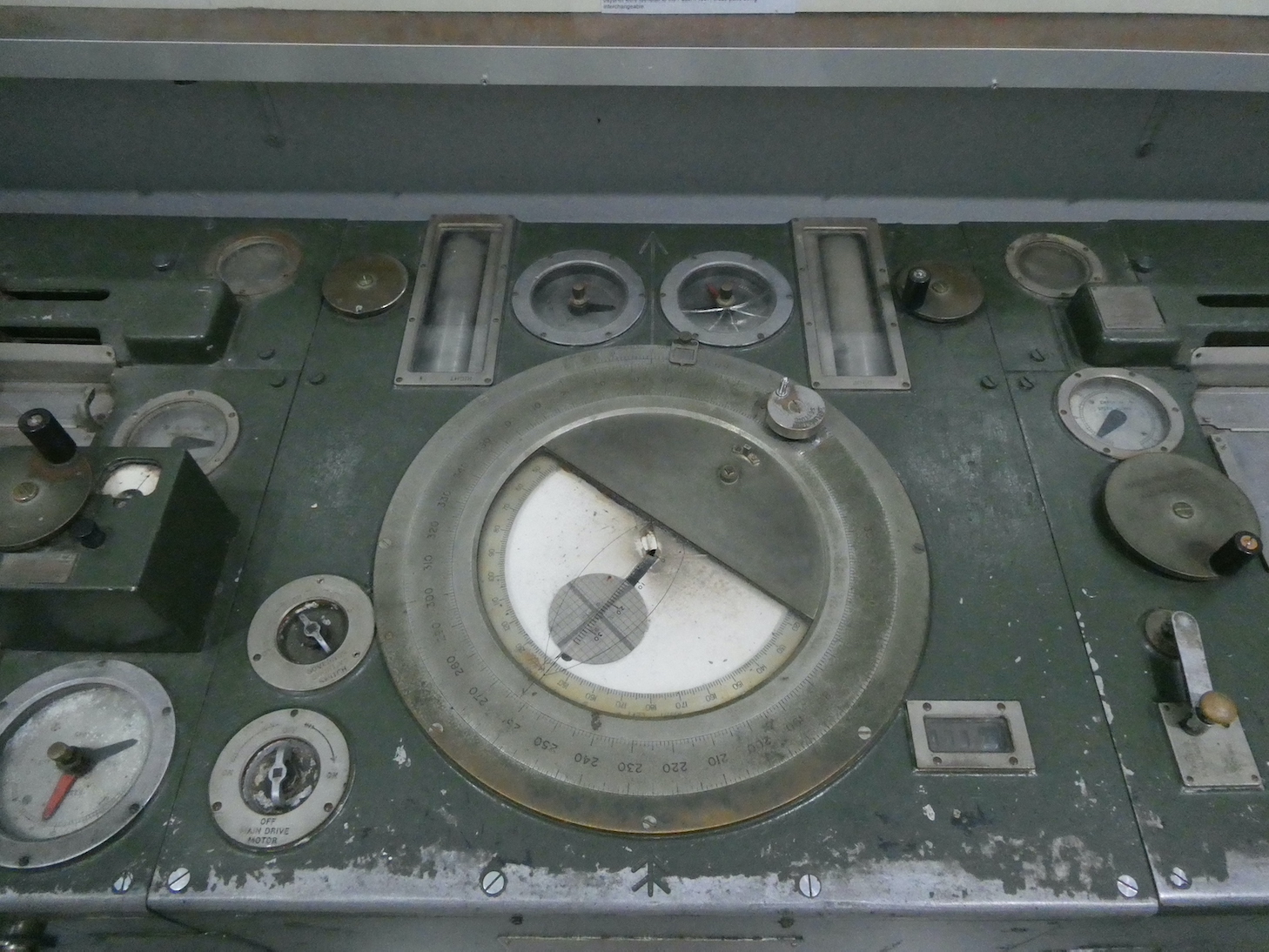
The information was then passed via telephone to the plotters manning the ‘fire direction table’ where they computed such things as wind speed, air pressure, humidity and temperature, all of which affected the shell’s flight.
The gunners were then able to set the correct bearing and elevation to hit the target. The initial 6” guns were replaced by two 9.2” guns but they didn’t arrive until February 1944. Consequently, the only rounds fired from these were three proof rounds, the war ended and, in 1959, both guns were sold to a Japanese salvage firm and cut up for scrap metal. The replicas that now stand on the site are quite impressive.
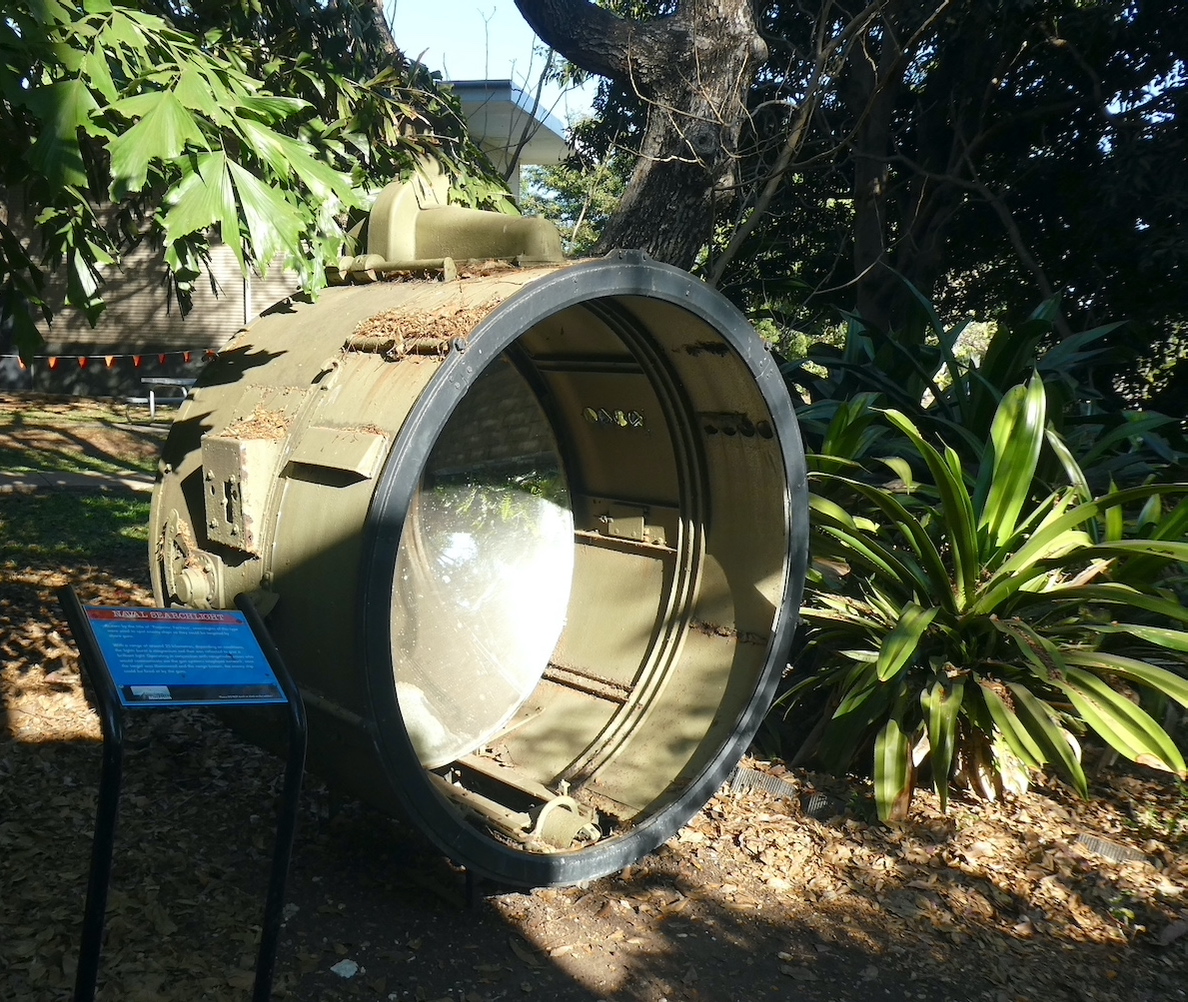
Operating in conjunction with the rangefinder crews, massive searchlights with a range around 25 kilometres were used to spot enemy ships.
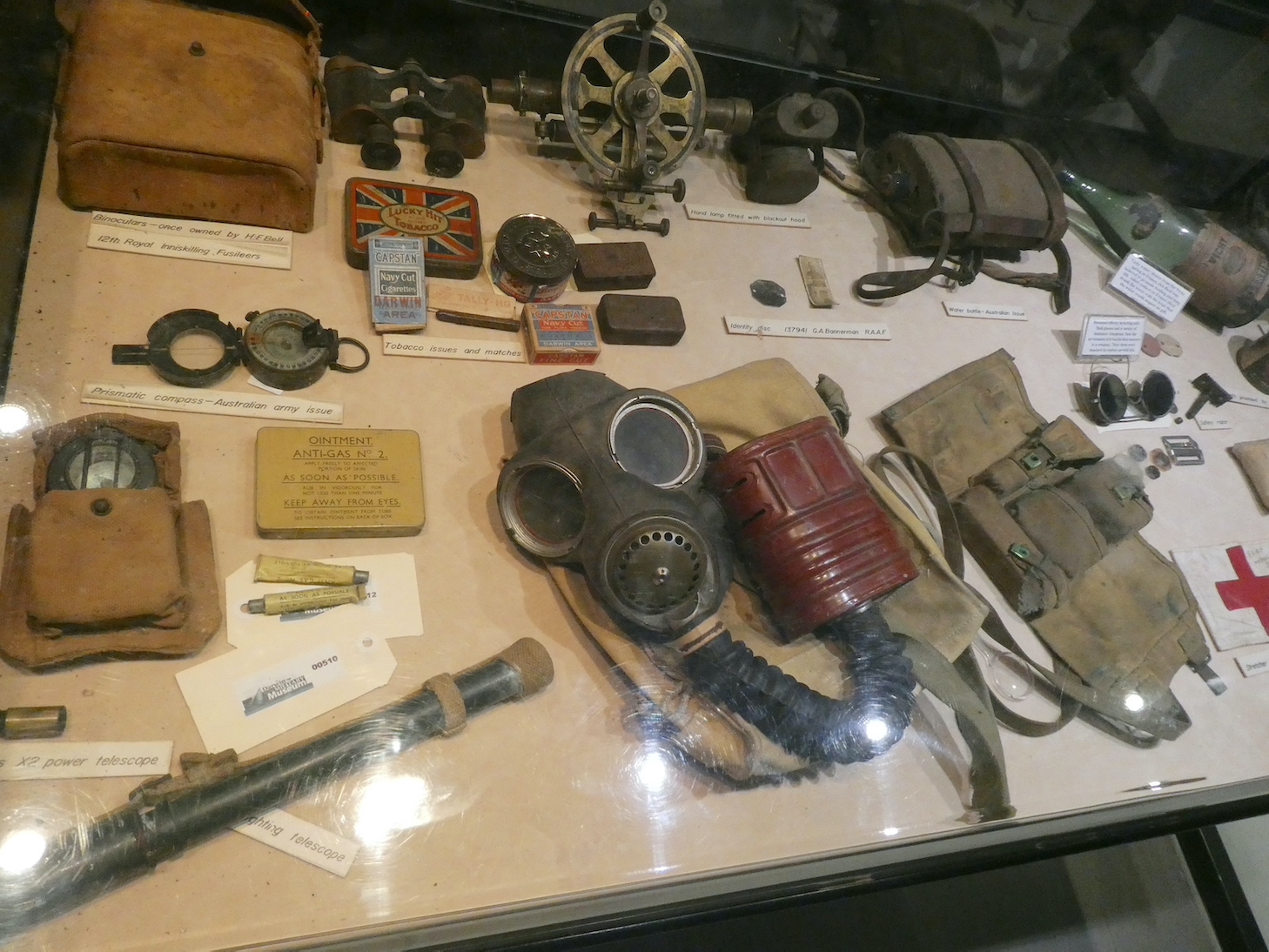
There are many displays of assorted paraphernalia
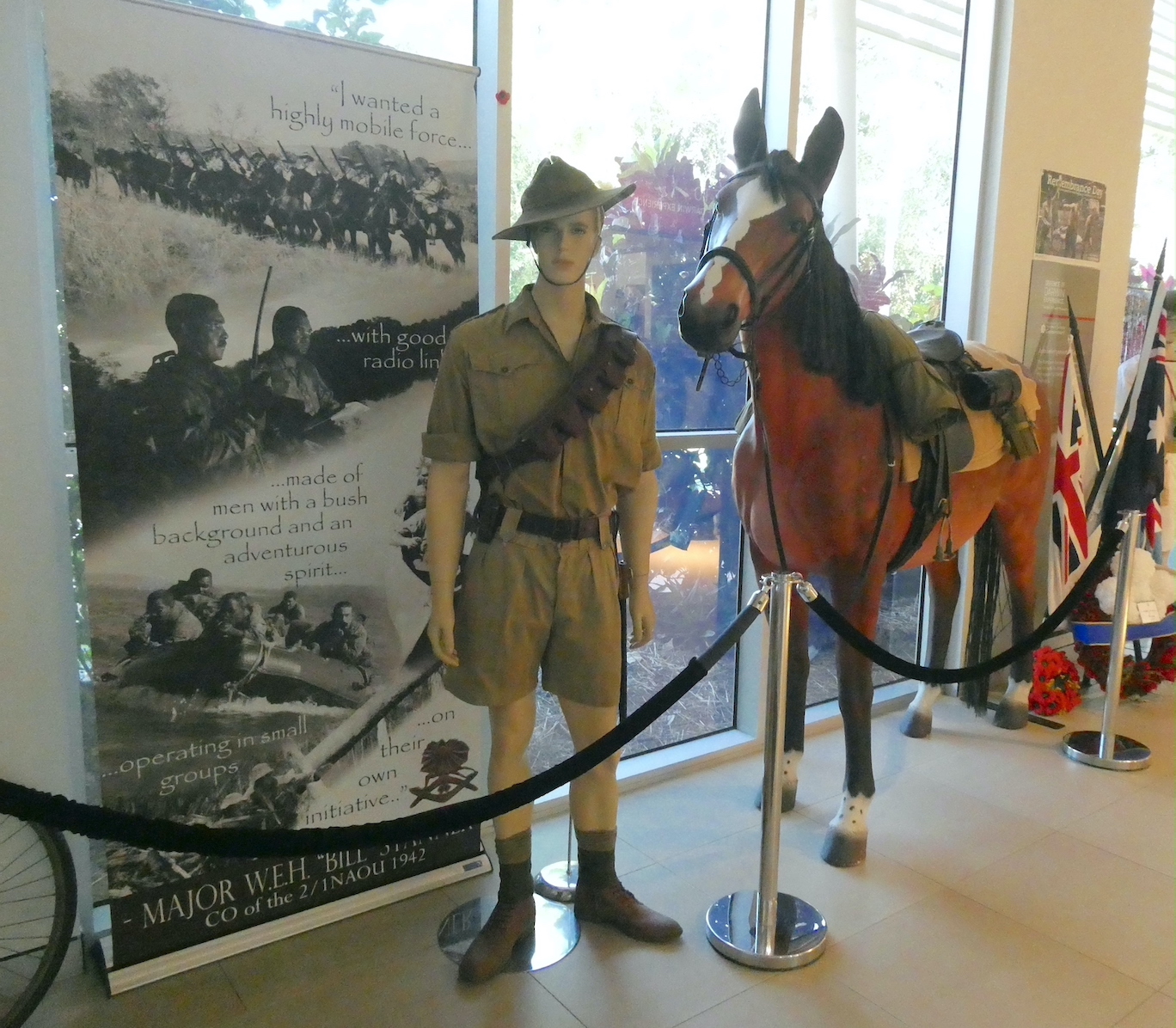
and a tribute to the military horse troops. Around 1500 horses and men of the North Australia Observation Unit, known as Nackeroos, were stationed in remote locations to watch for enemy activity.
The final outbuilding contained a wonderful array of service vehicles from trucks to Bren Gun carriers.
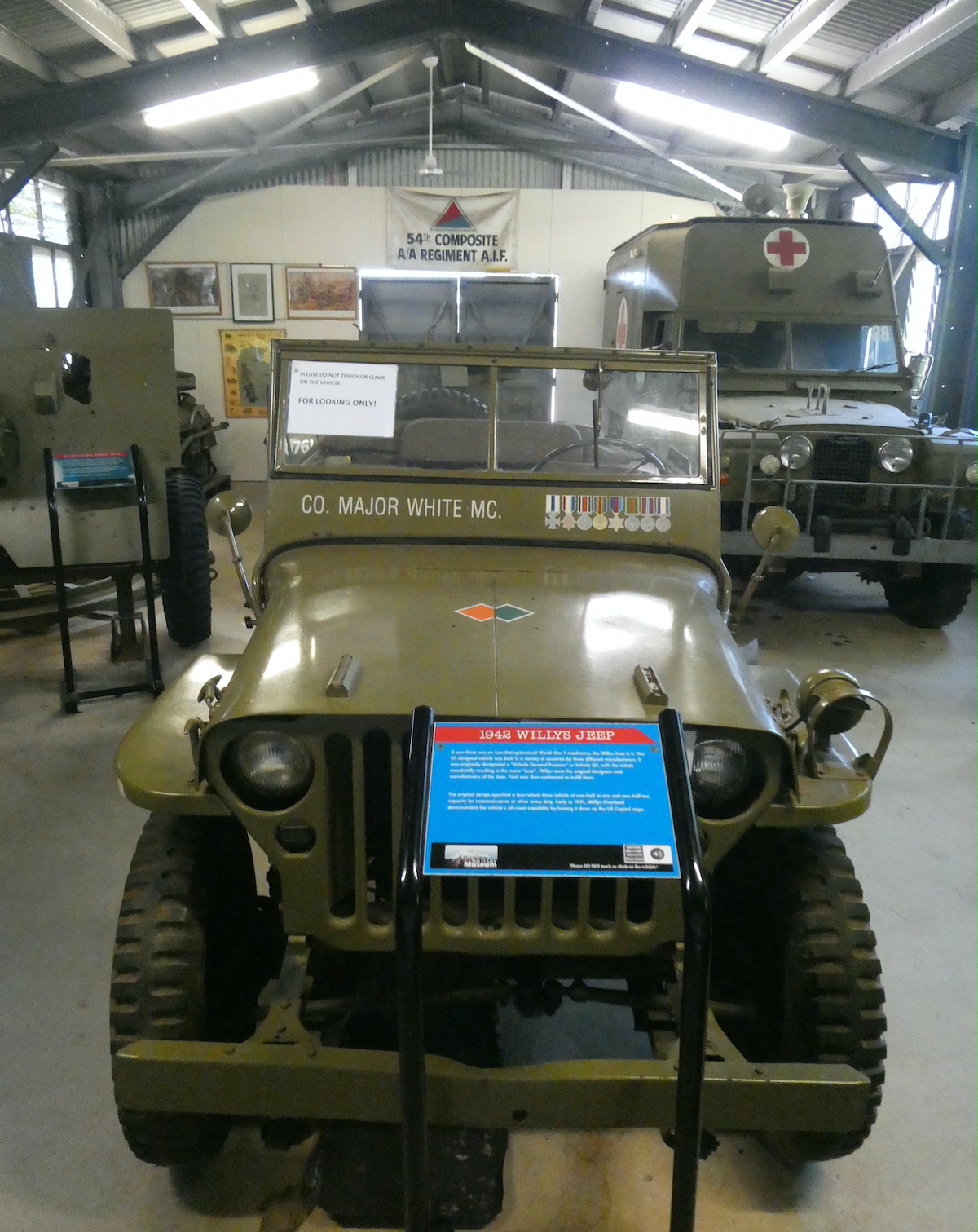
The most recognisable is the 1942 Willys Jeep. Originally designated a ‘Vehicle General Purpose’ or ’Vehicle GP’, the name resulted in the term ‘jeep’. Willys were the original designers and manufacturers of the Jeep and then contracted the building of them to Ford.
If you are planning a visit to the museum, allow plenty of time, there was so much more to see.
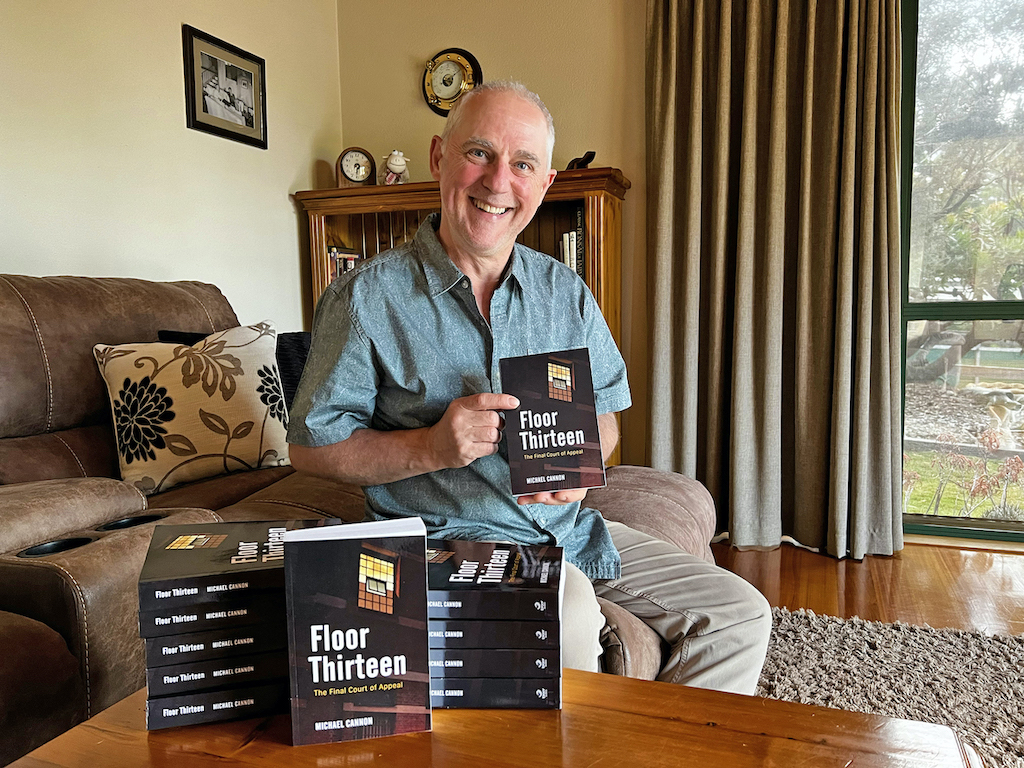
Most of you will already be aware that my husband is a talented musician, artist and author. I am proud to announce the publication of Michael’s magnum opus, Floor Thirteen.
Although it is a mere five months since the release of the short story compilation,Old Ned’s Secret, this latest tome has had a lengthy gestation from an initial idea conceived around seven years ago. The premise is one we would all be familiar with. How many times have we seen a news story involving an obviously guilty perpetrator walking away from their crime without punishment? I shan’t say any more but here is the copy from the back cover,
“What happens to ex-Special Forces personnel once they retire from careers addressing the failures of the justice system?
Raymond and Elizabeth do what is right for them. They marry, relocate to Tasmania and take on a commercial flower business — all the while striving to keep their past lives from everyone including, and especially, their children.
Fast forward thirty years when circumstances draw them back into the lives they’d left behind a generation ago. The challenge for Raymond and Elizabeth is adapting to the expectations of their earlier vocations, coupled with the greater angst of confessing to their now adult children.
Trixie and Joseph must overcome their incredulity and cooperate with their parents or risk a catastrophic mission failure.”
Floor Thirteen is available as paperback or Kindle through Amazon in your country or, for a signed copy, you can contact Michael through tigerdreaming.com.au.
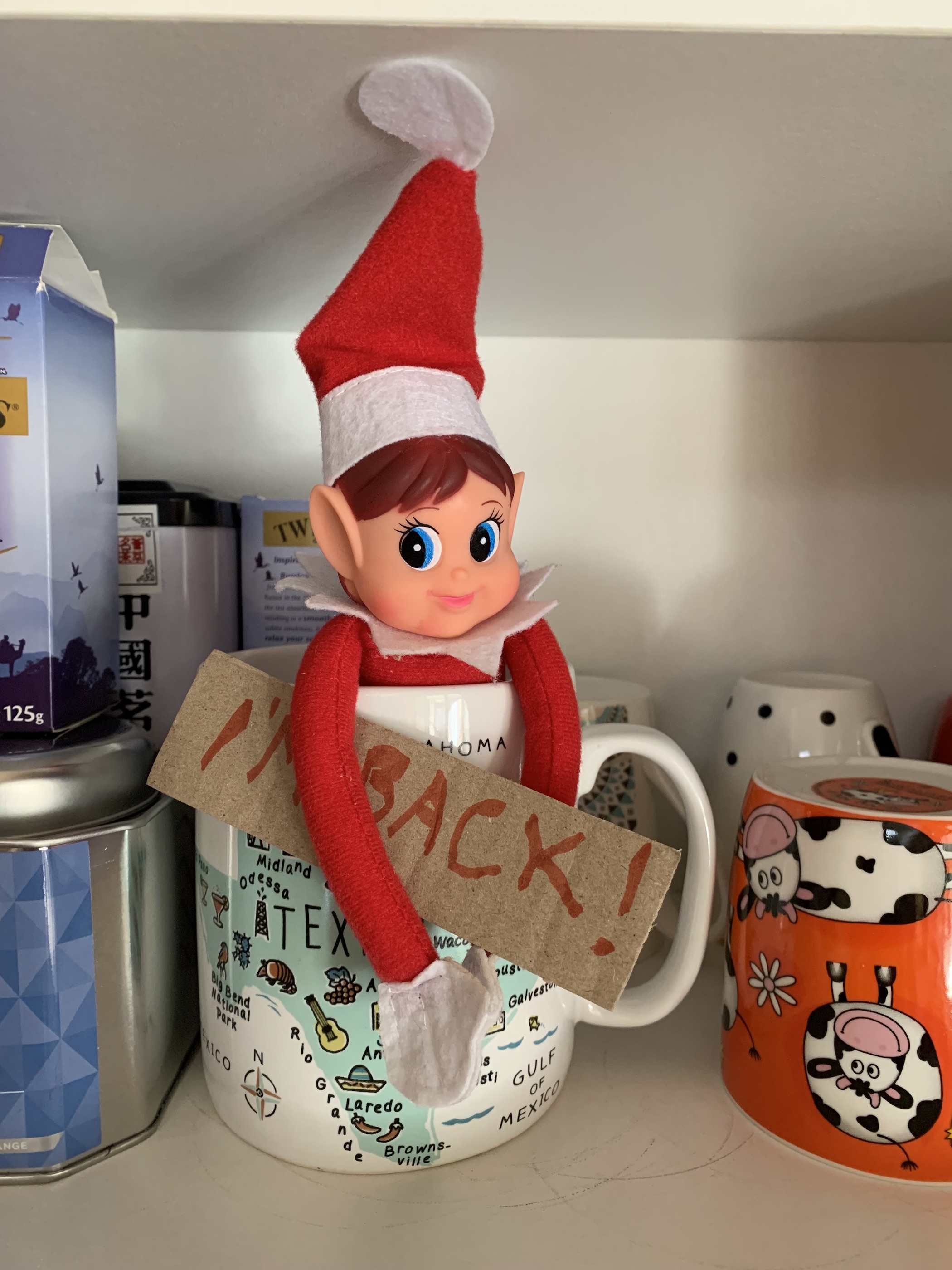
I wasn’t sure if we would see the Elf again this Christmas, I had heard there were staff shortages in Santa’s workshop and it might be difficult for him to get away. Sure enough, there he was on 1st December waiting for Michael to make his early morning cuppa.
The next morning, he had hitched a ride in the Tibetan singing bowl but then got a bit carried away with his mischief and ended up caught in a booby trap.
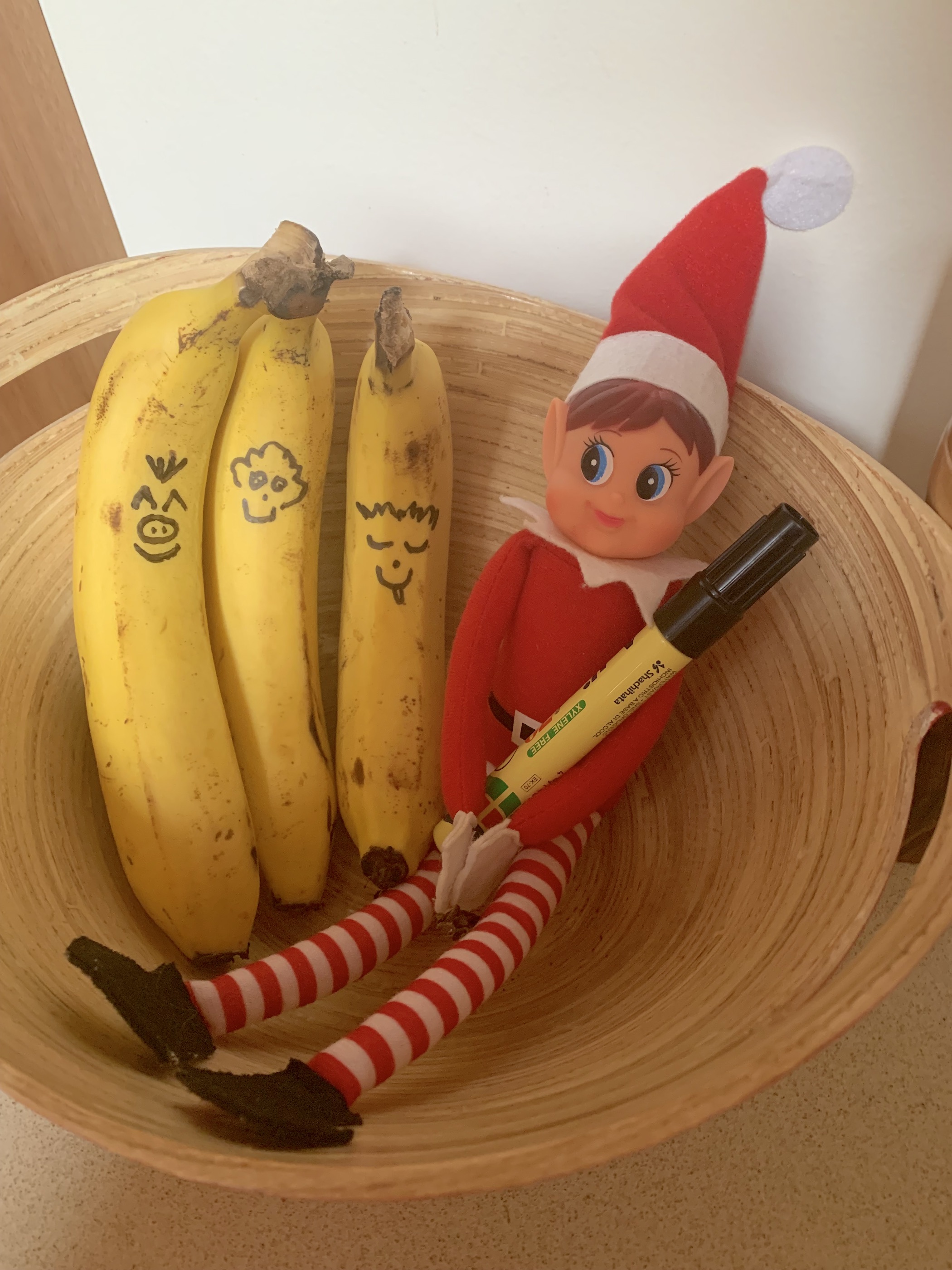
He created his own friends in the fruit bowl and found a willing participant in Poppy’s hippo to share a dram or two.
A close shave with a razor was a reminder for me to hide sharp implements. I think he was missing Santa while keeping an eye on us.
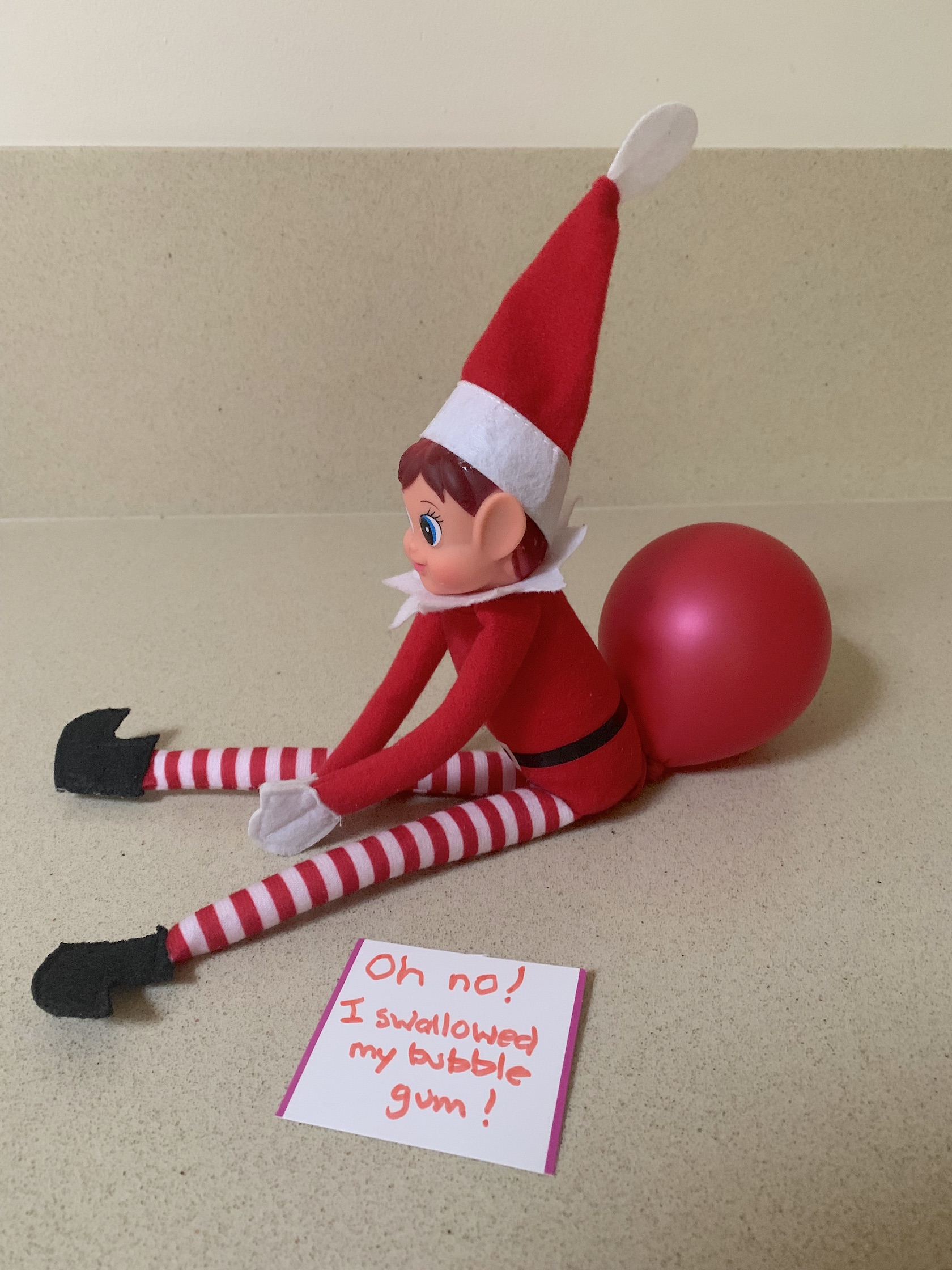
I don’t know where he found the bubble gum but this could have ended badly.
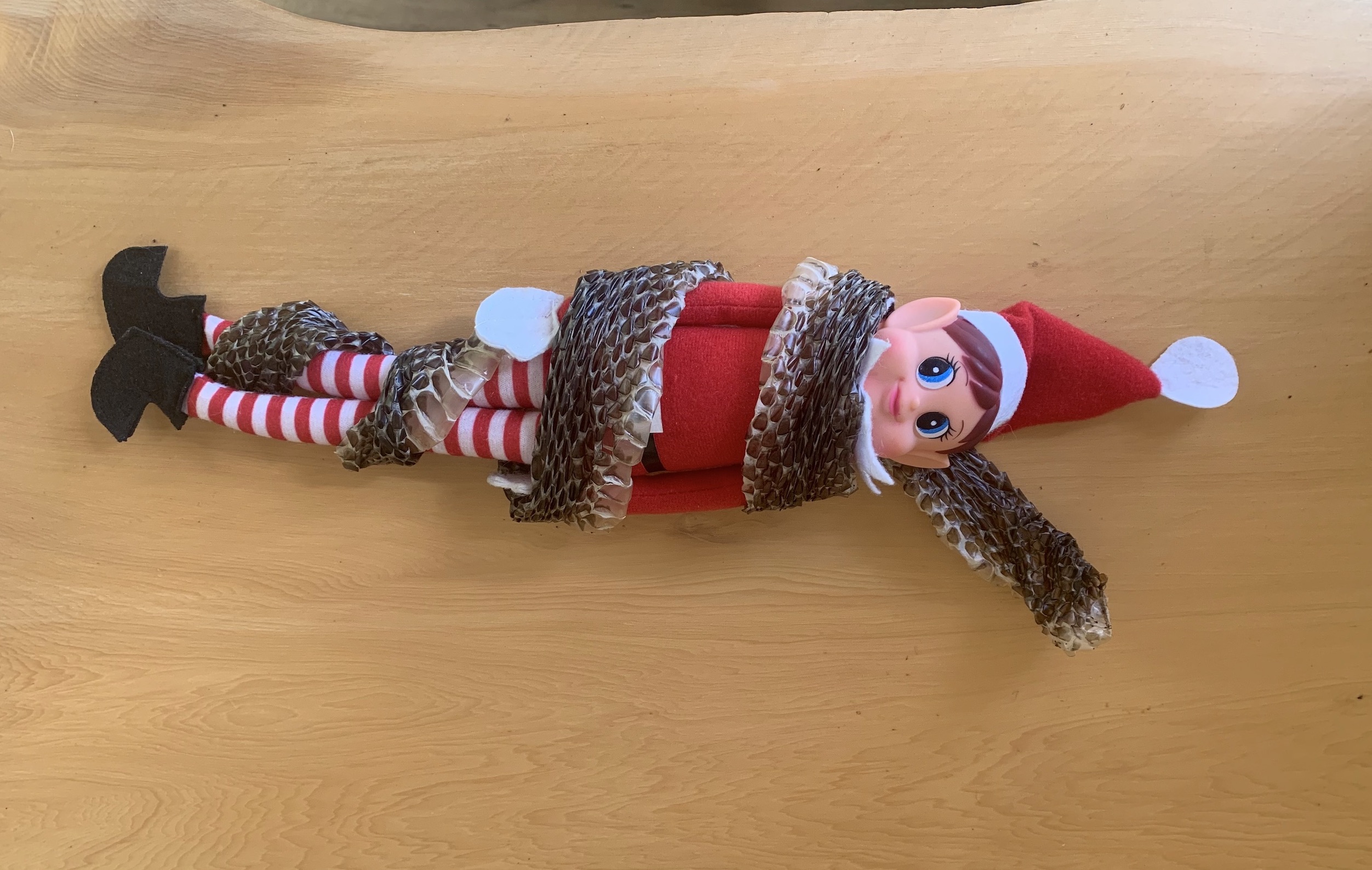
Just when we thought he was too busy at the North Pole, he was found hiding in the cereal box munching on Weet-Bix. We forgot to warn him against playing with snakes.
We were both surprised by his artistic talent with his impressive (s)elf portrait.
Seeking companionship, he spied a mouse atop a picture frame. Sadly, conversation was limited and the next night he resorted to the booze once again.
I doubt Poppy’s breakfast was as tasty as he hoped, he decided to try his hand at music instead.
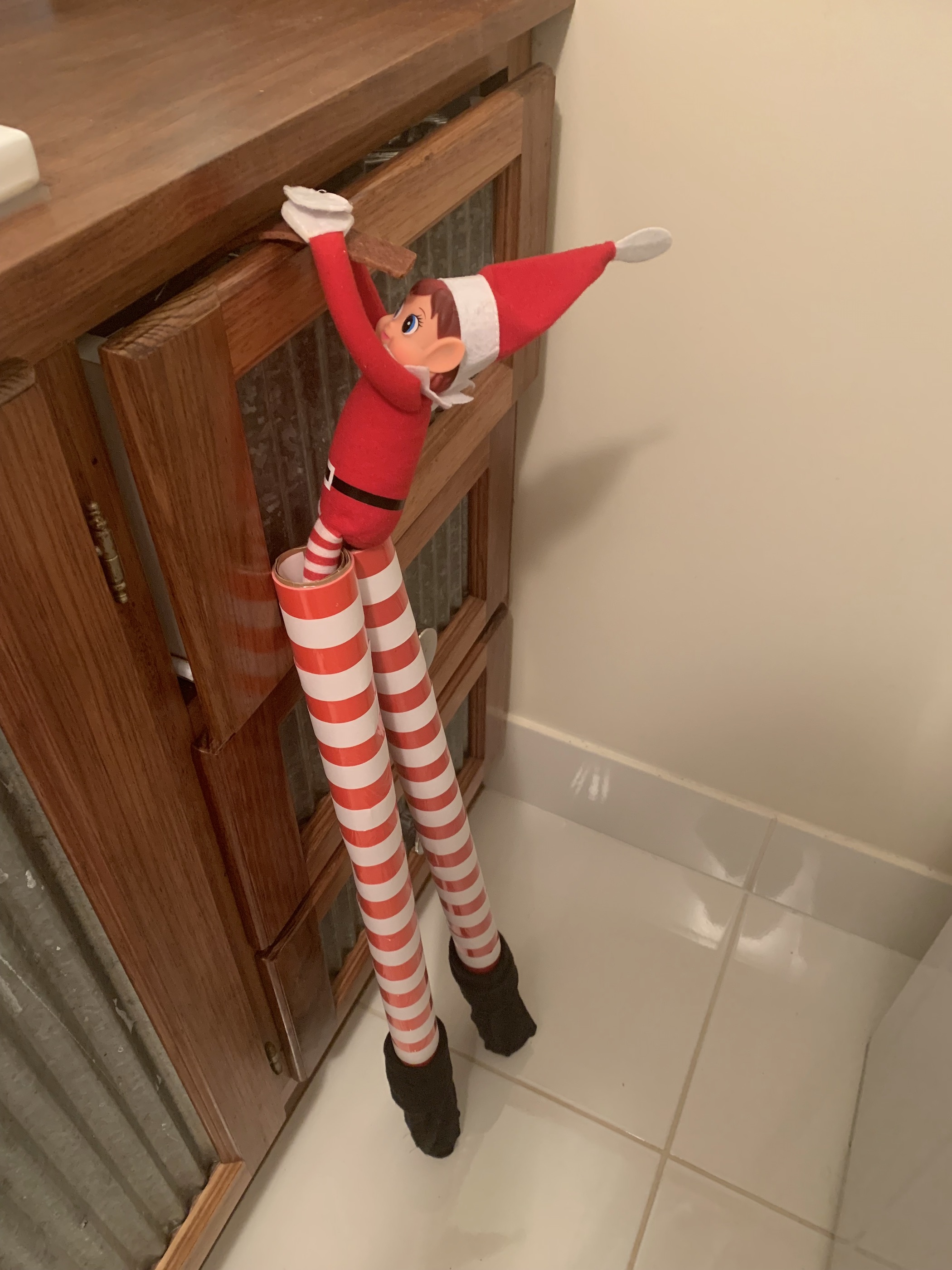
The crafty little fella brought stilts in an attempt to steal one of Poppy’s Schmakos.
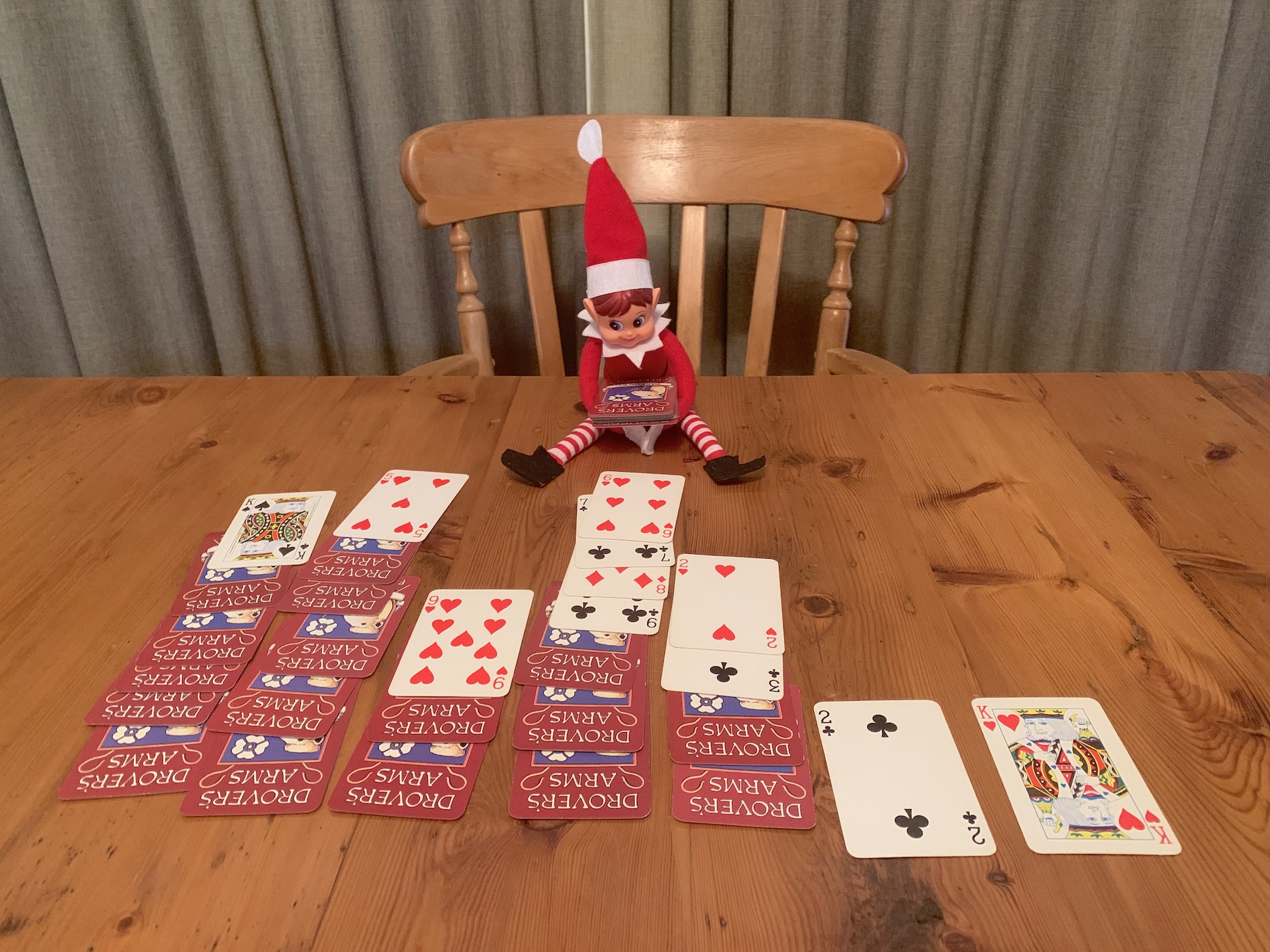
A quiet game of solitaire made for a pleasant change. Even elves get caught short sometimes.
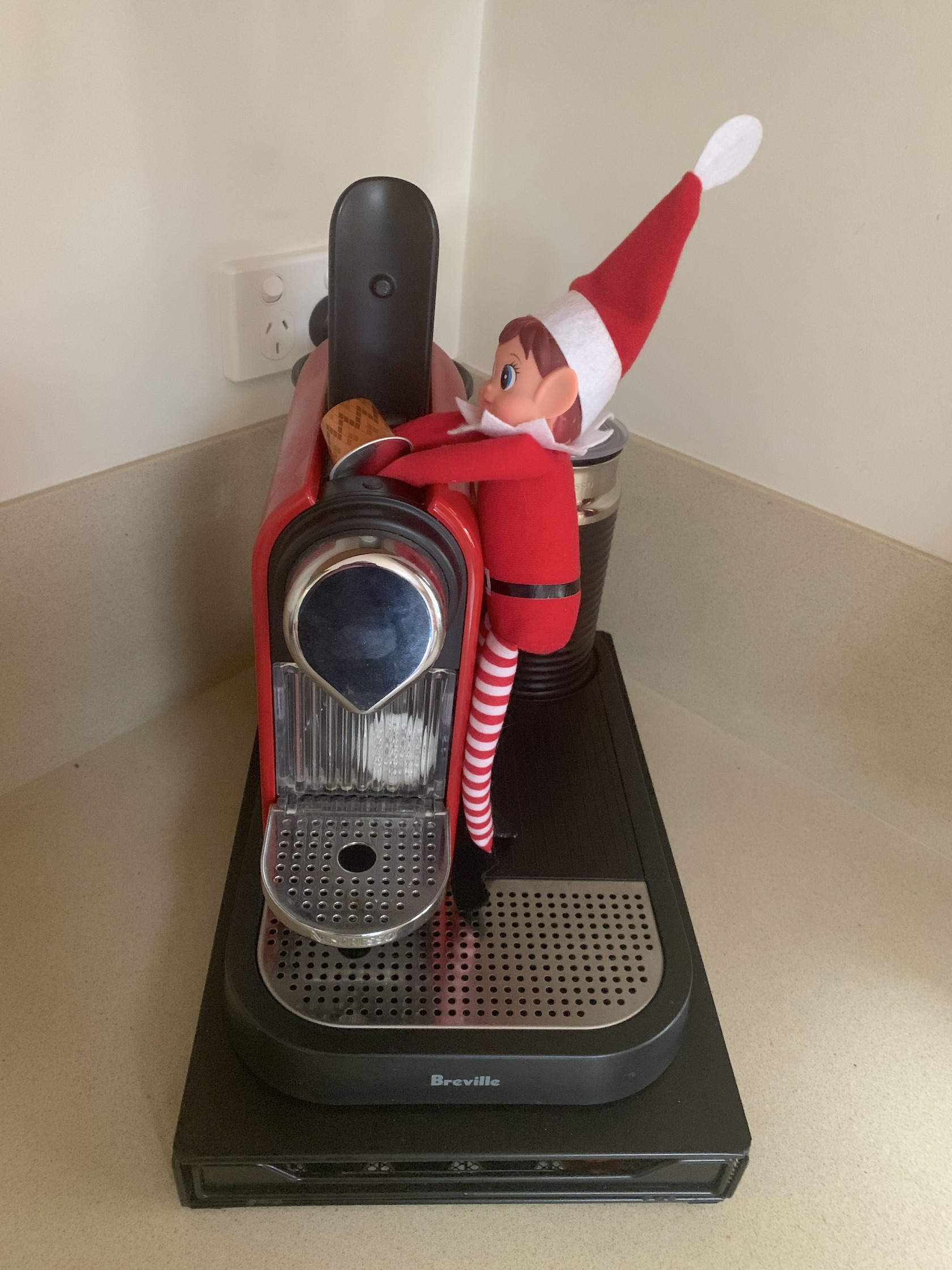
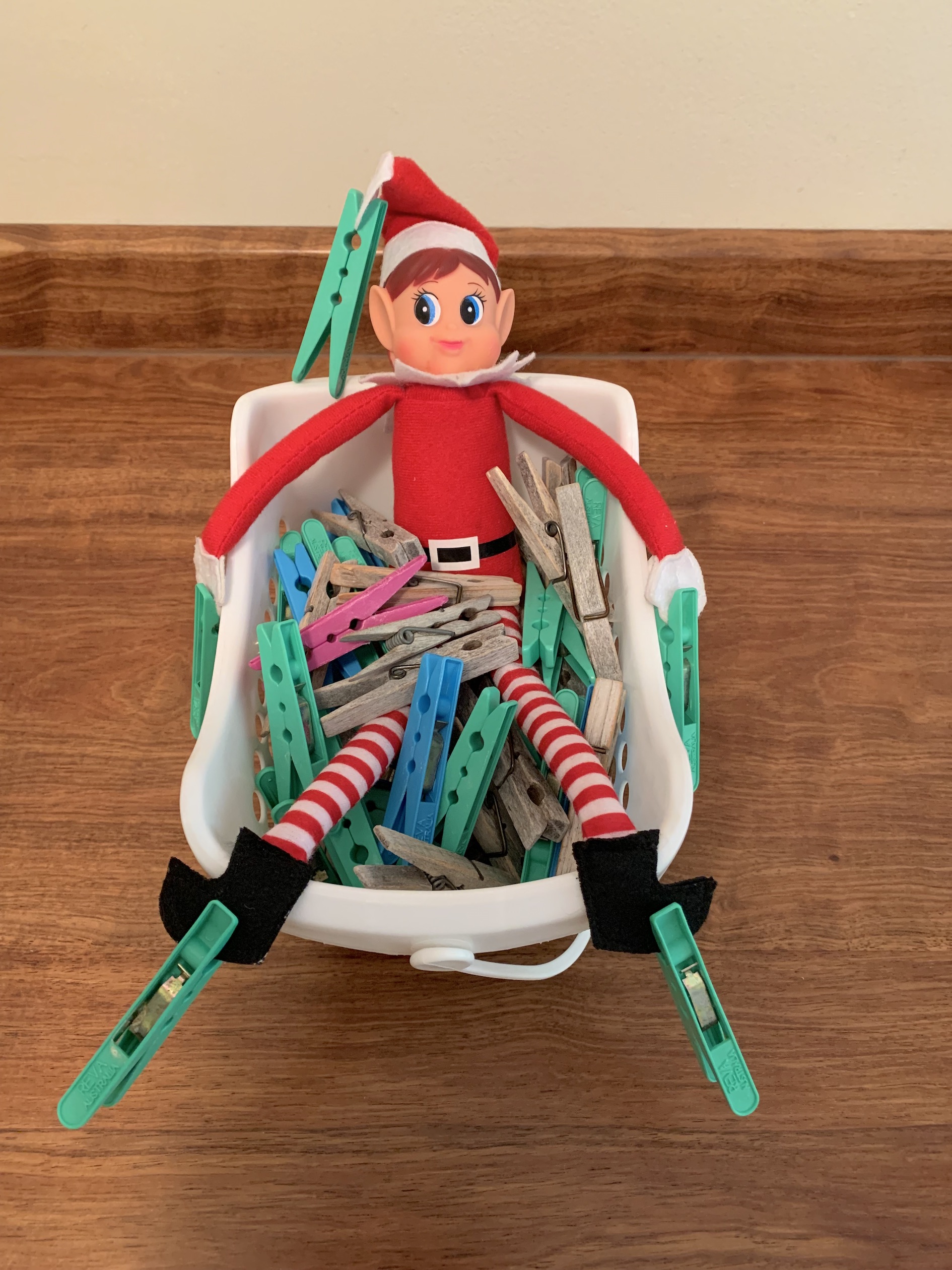
He couldn’t quite get the hang of the coffee machine and the peg basket proved equally as perplexing.
It’s the thought that counts and this gesture was much appreciated.
Fortunately, a Friendship Ball doesn’t do as much damage as a wrecking ball but I think that was his inspiration. We were starting to worry about his proclivity for alcohol
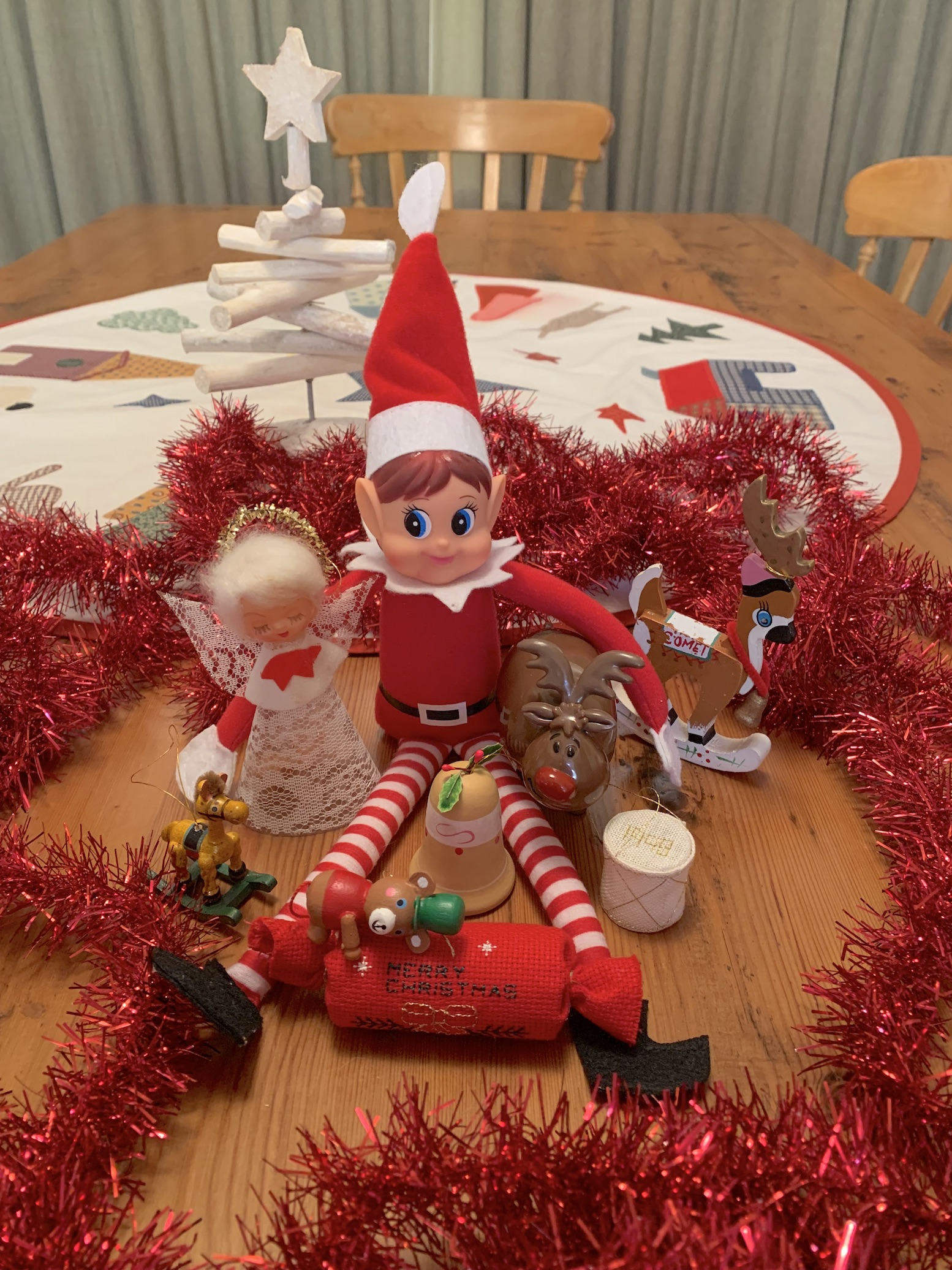
when he left us on Christmas Eve after bidding farewell to his festive friends.
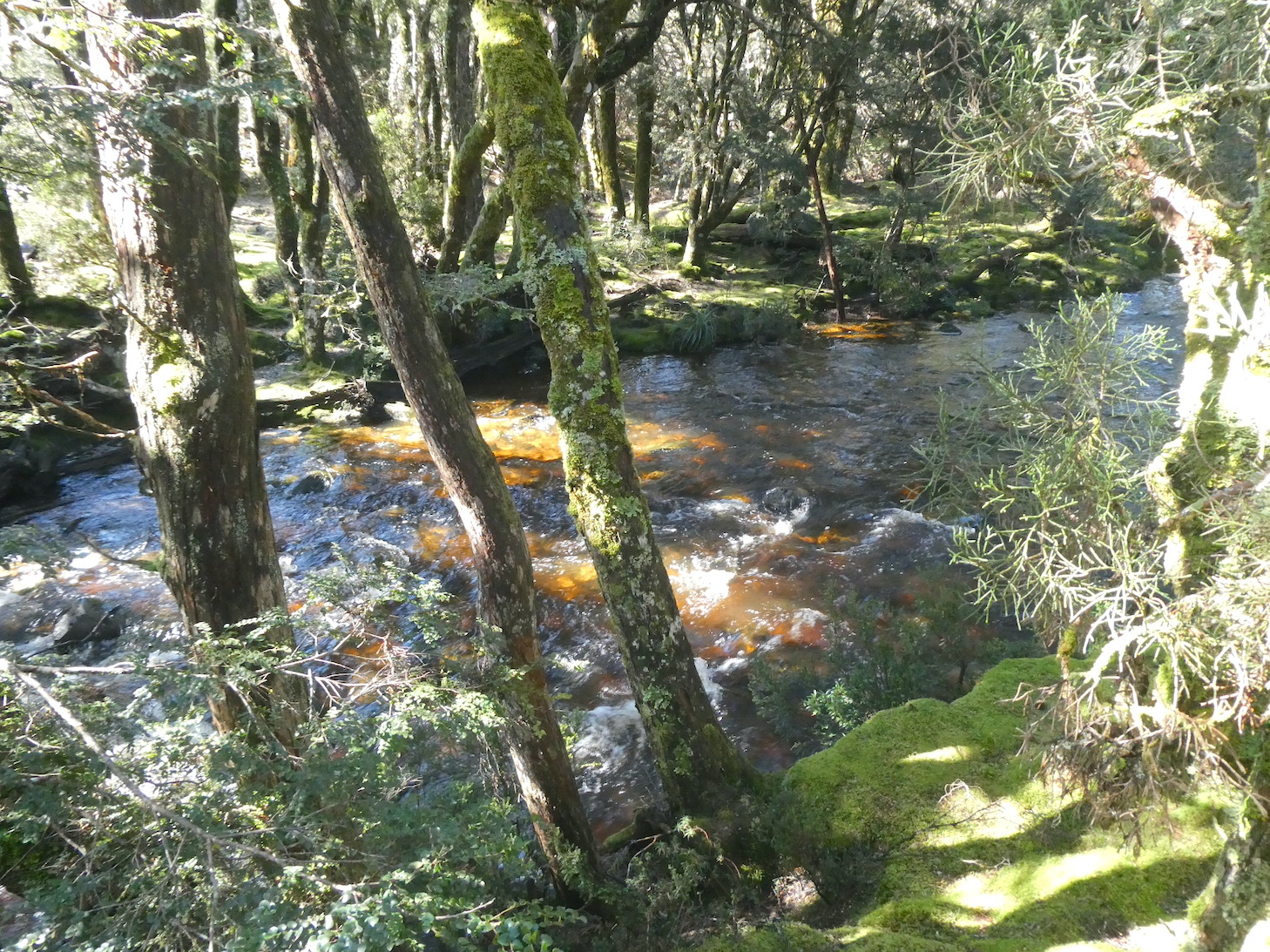
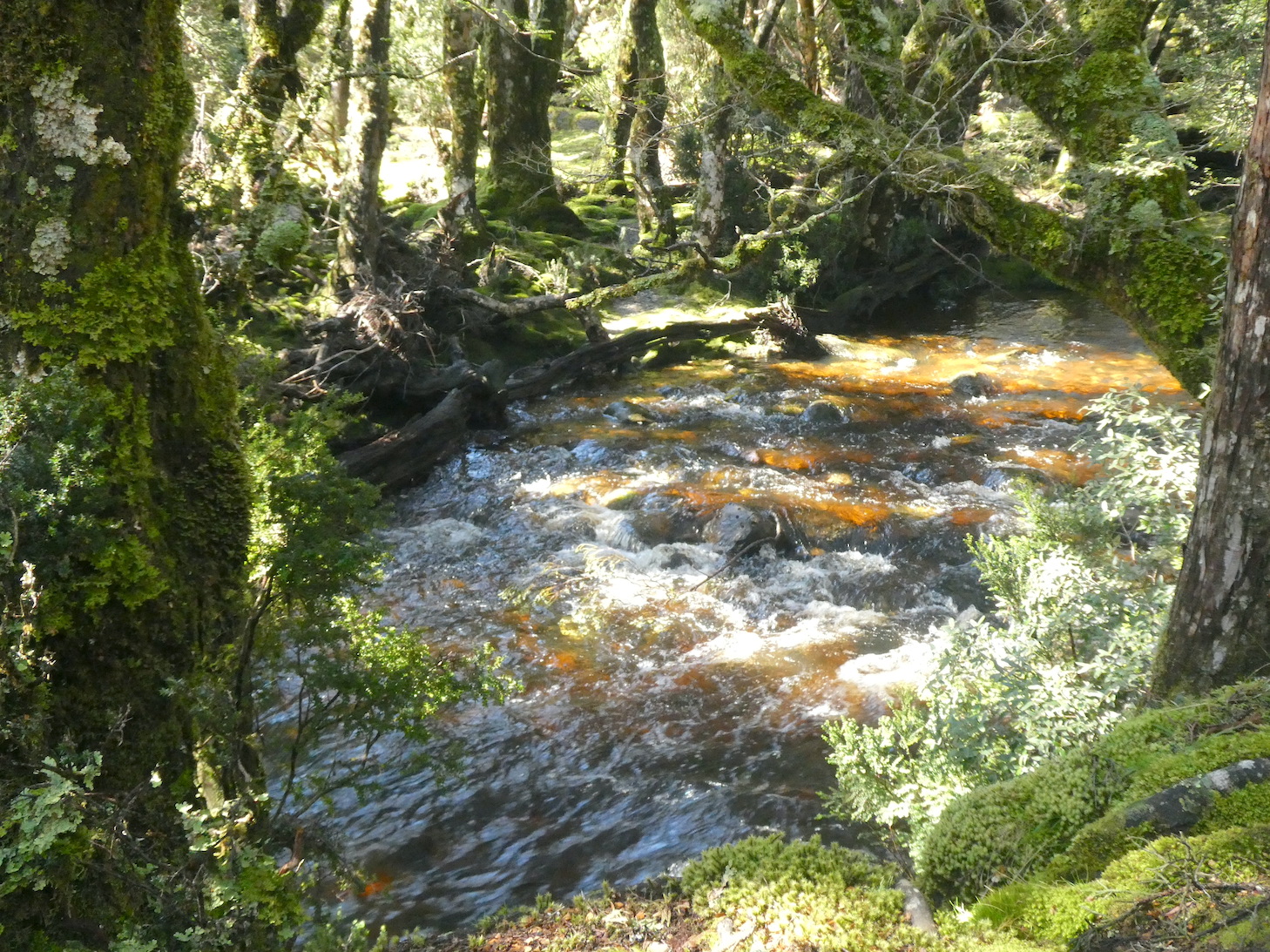
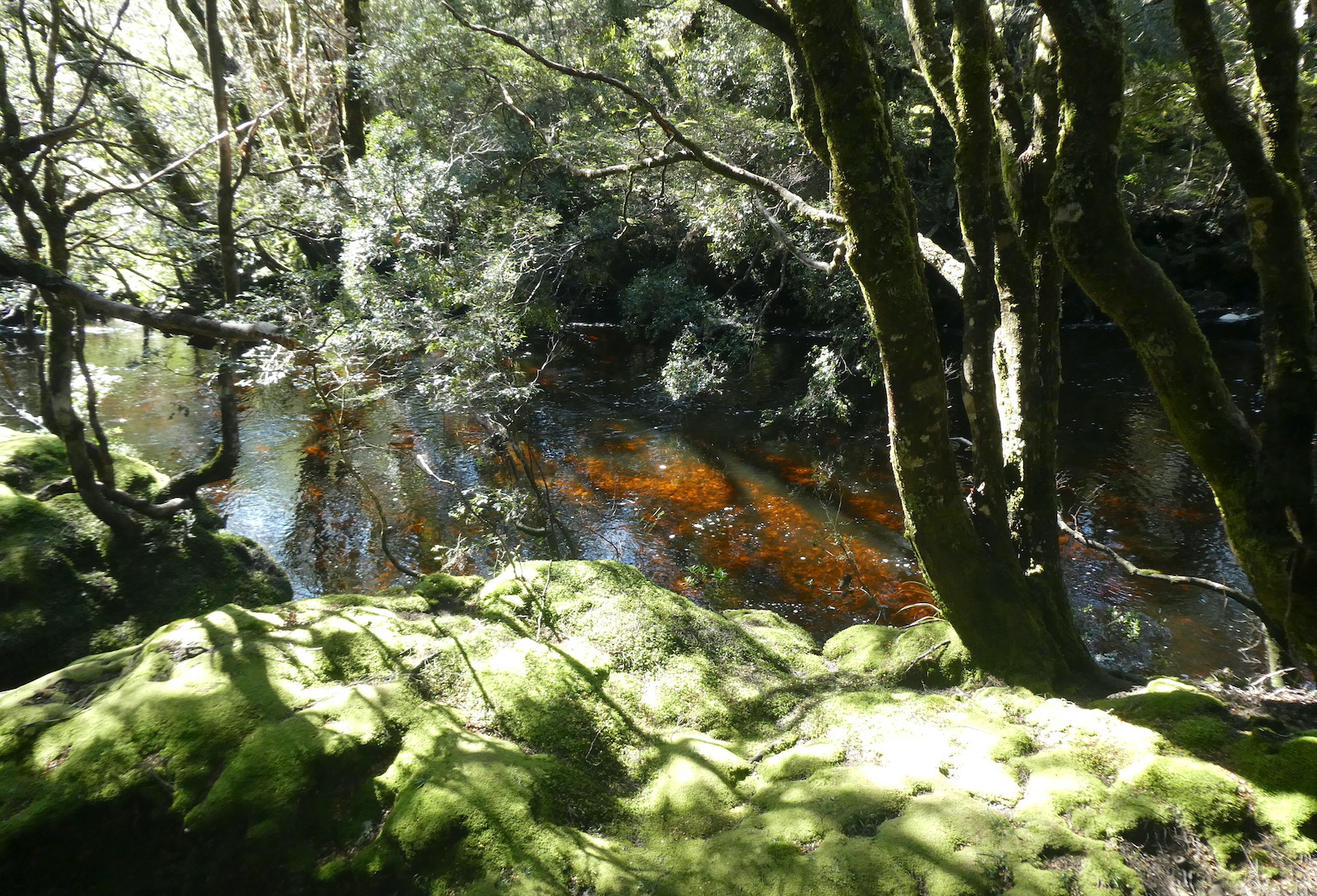
There are many wondrous walks to choose from in Cradle Mountain National Park but my favourite is Enchanted Walk. Just over one kilometre long, the circuit takes around twenty minutes, depending on how much time one spends admiring the scenery. The trail starts at Cradle Mountain Lodge and follows Pencil Pine Creek as it bubbles along, embraced by mossy banks and majestic trees of the rainforest. On this morning the sunlight danced on the water, highlighting natures artistry.
Tannins from surrounding buttongrass moorland created a startling palette of orange hues amidst the shadows.
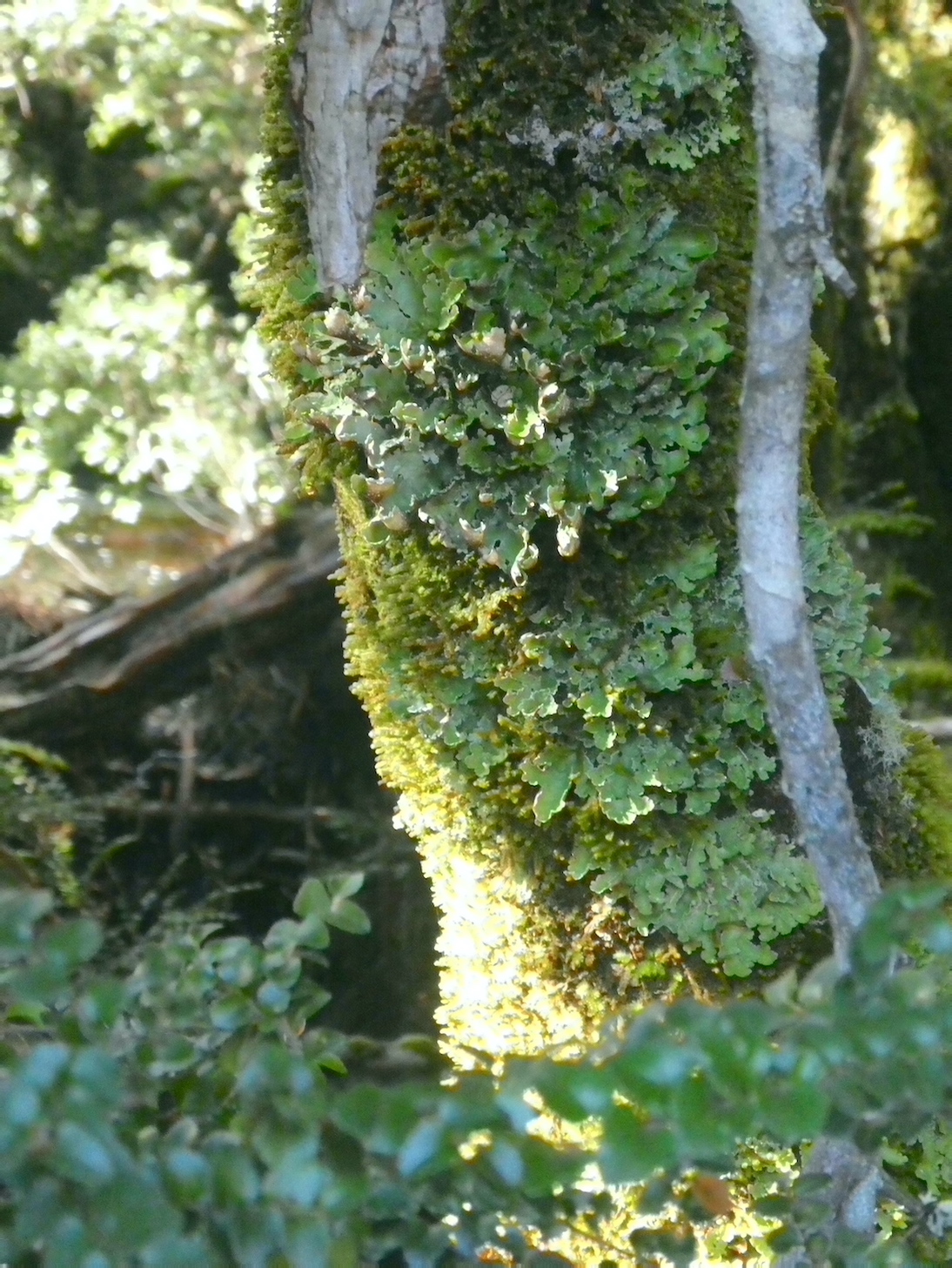
As we meandered further into the forest, verdant lichens complemented the russet glow.
At the end of the walk, the creek tumbles over rocks at Pencil Pine Cascades on its way to Pencil Pine Falls and, eventually, on a convoluted journey into the Forth River and Bass Strait.









































 cannonhillchronicles