raising the bar

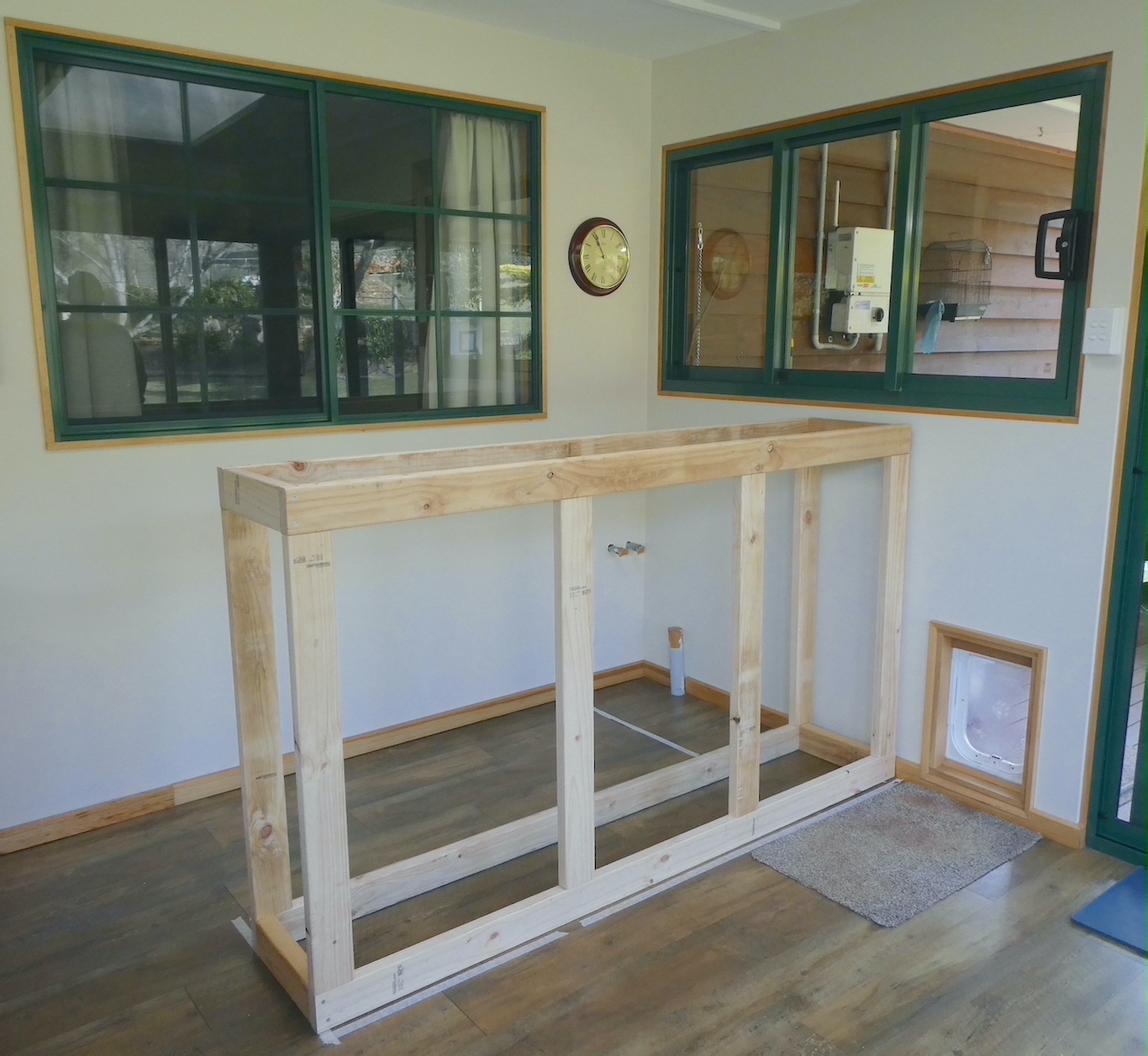
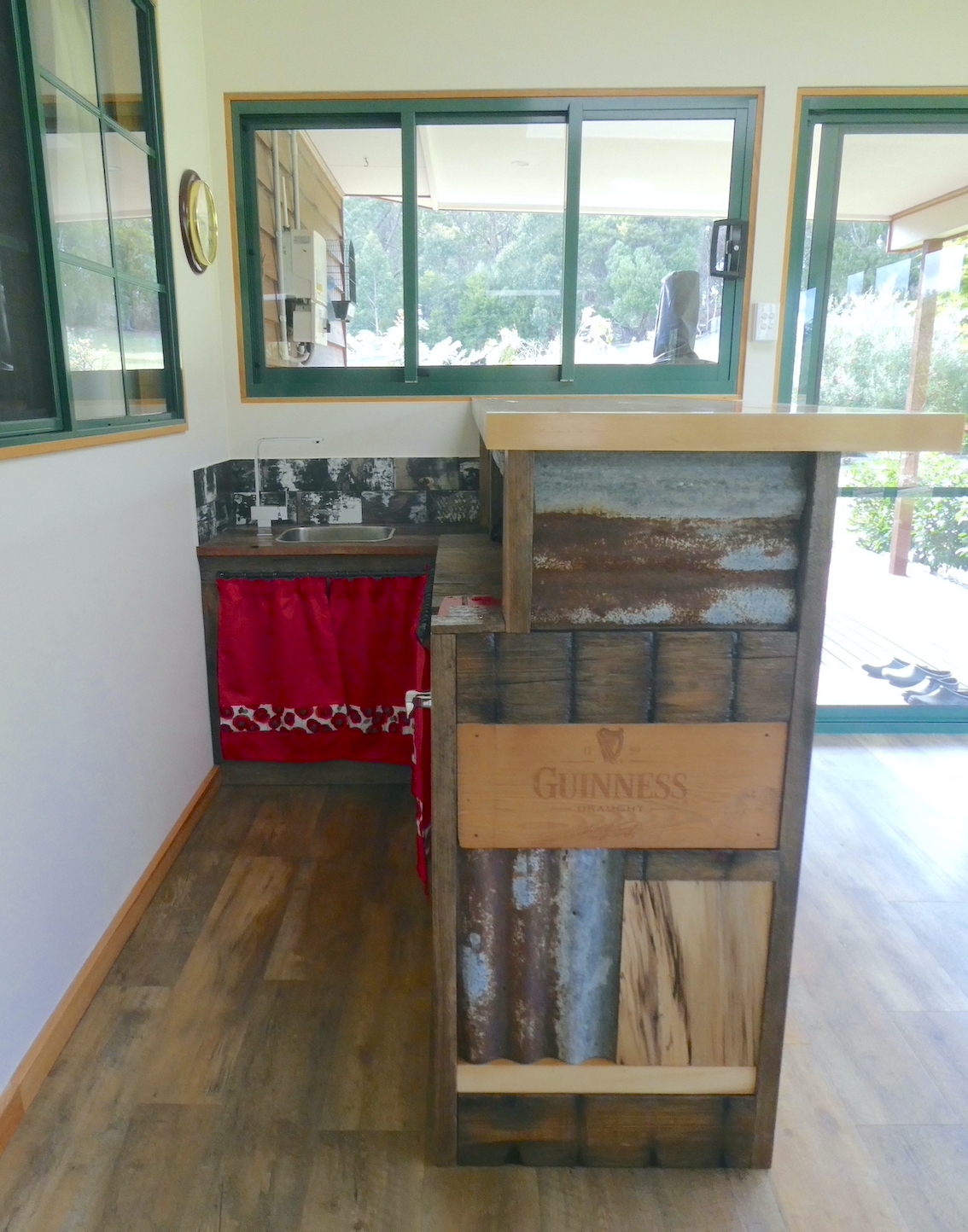
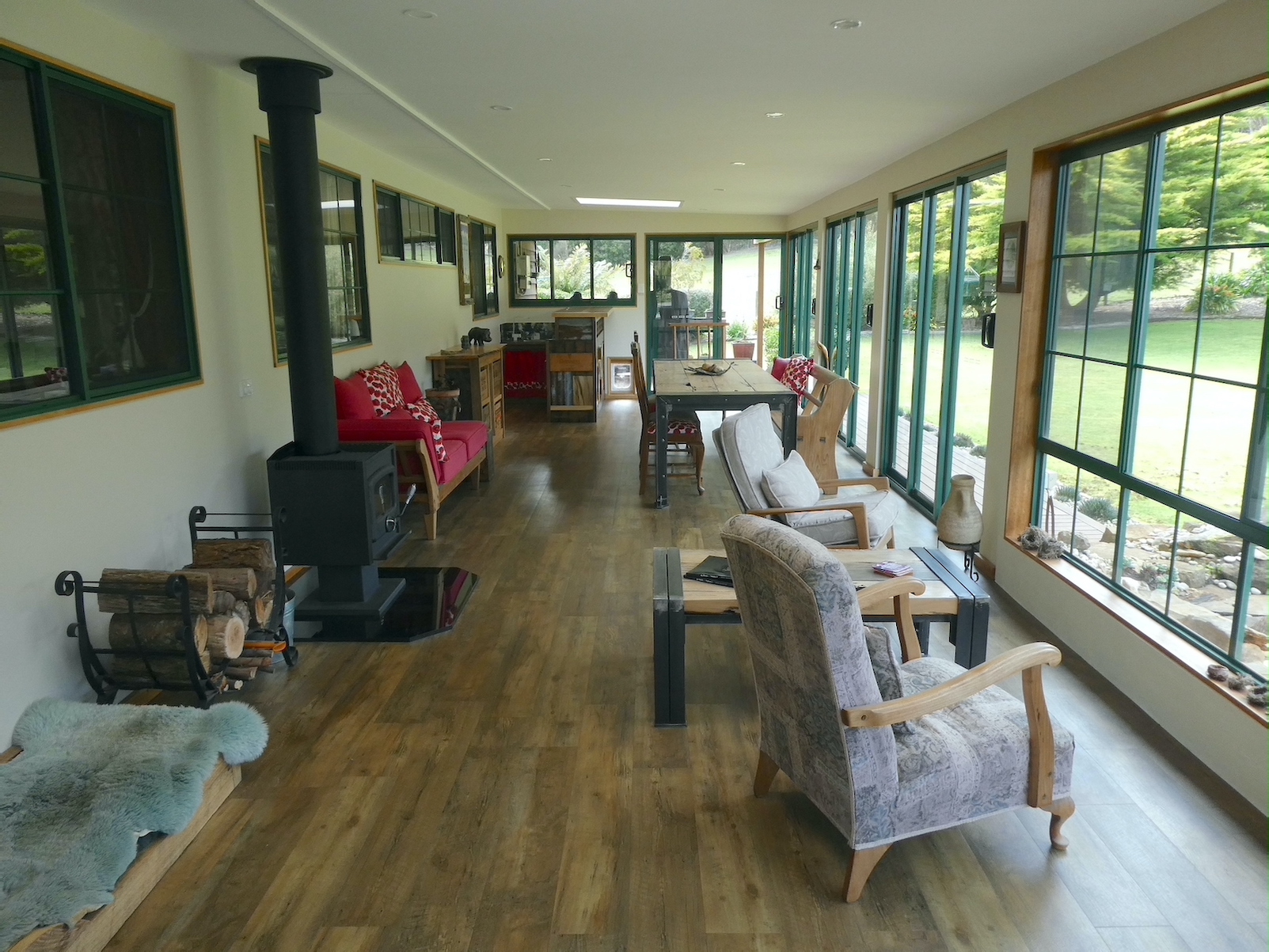
When we finished our renovation of the back verandah, our intention was to create a bespoke bar, the plumbing for which was installed at the time. Seven years on, we had a window of opportunity around our other projects. We started with a vague idea

and a basic frame.

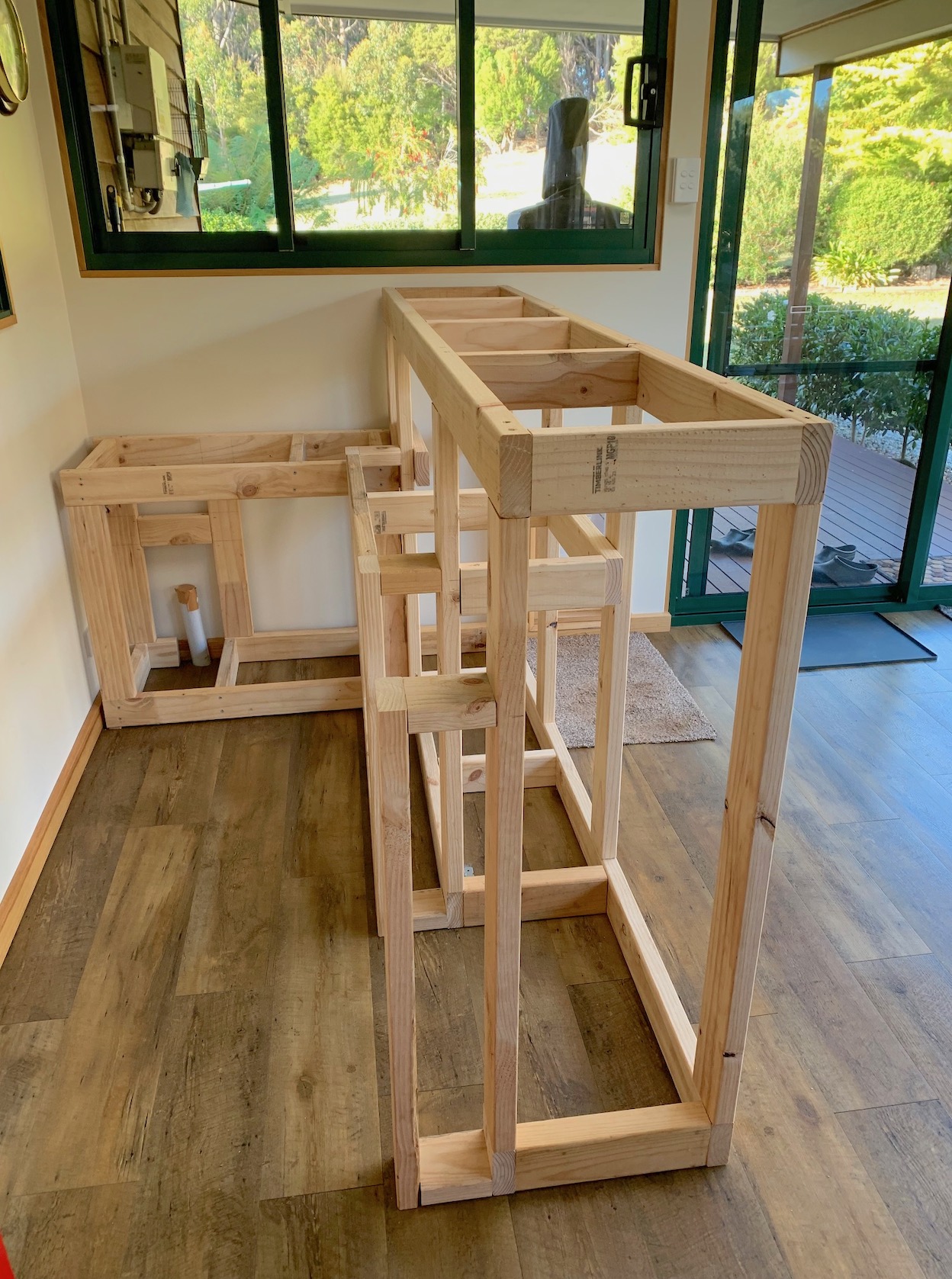
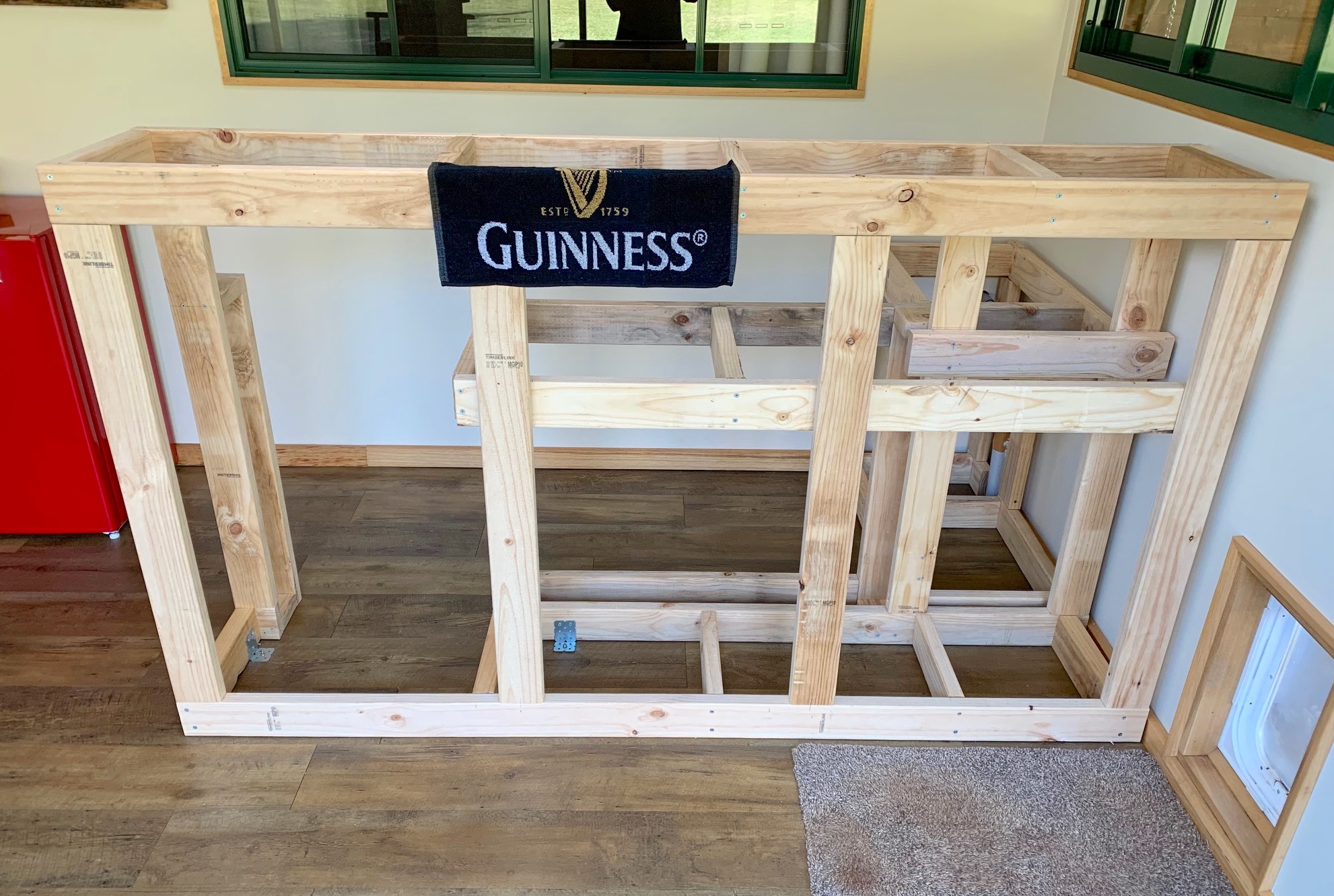
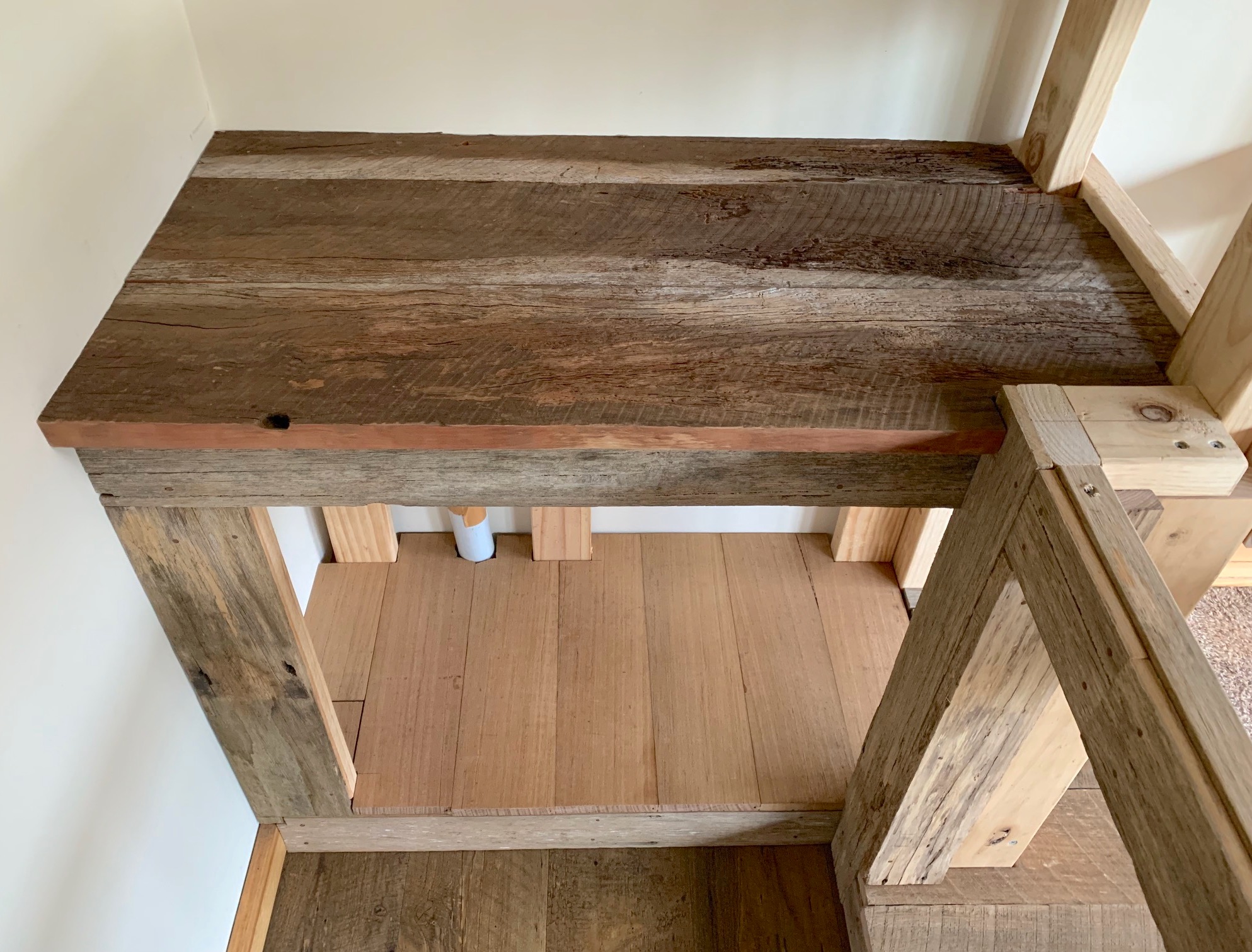
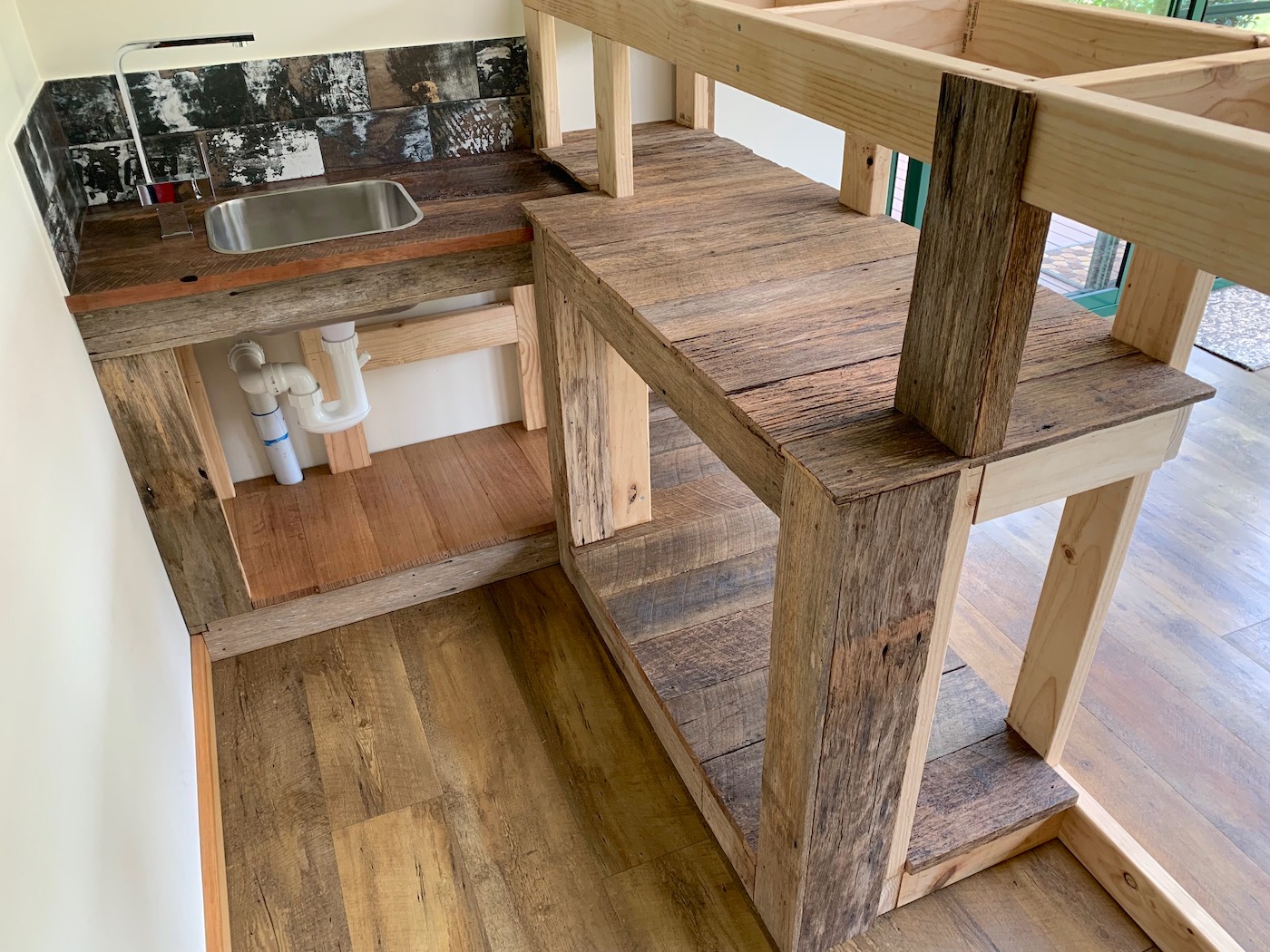
The framework for the sink section came next and before long, the skeleton was complete.

With a bit of inspiration,

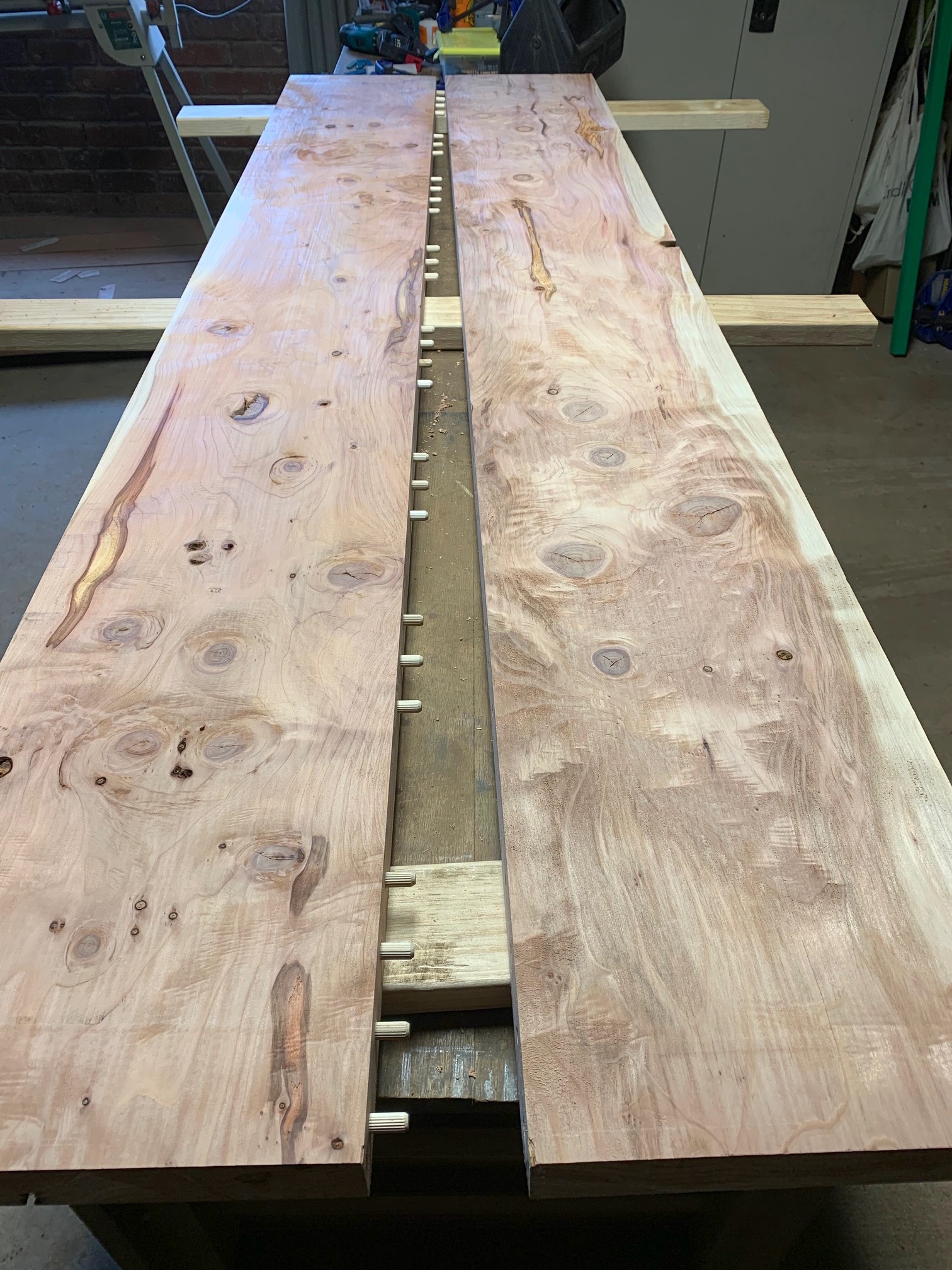
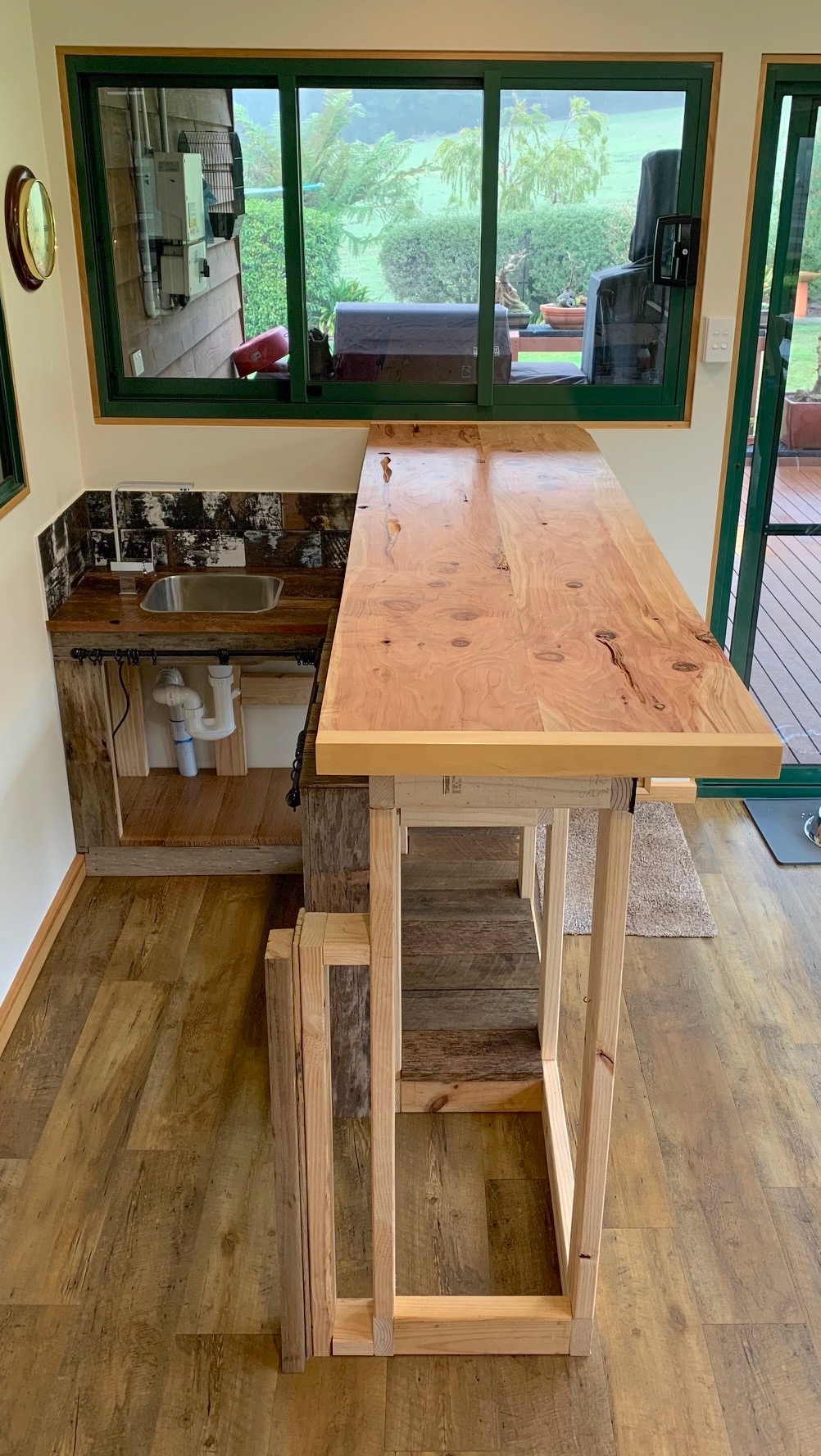
the next step was the bar top. Michael had acquired a couple of magnificent slabs of California redwood and spent many hours sanding them to perfection. We needed to join the two sides and embarked on the nerve-racking task with a newly purchased dowel jig kit.

The timber was too thick to use the jig as designed so we modified our approach with great success.

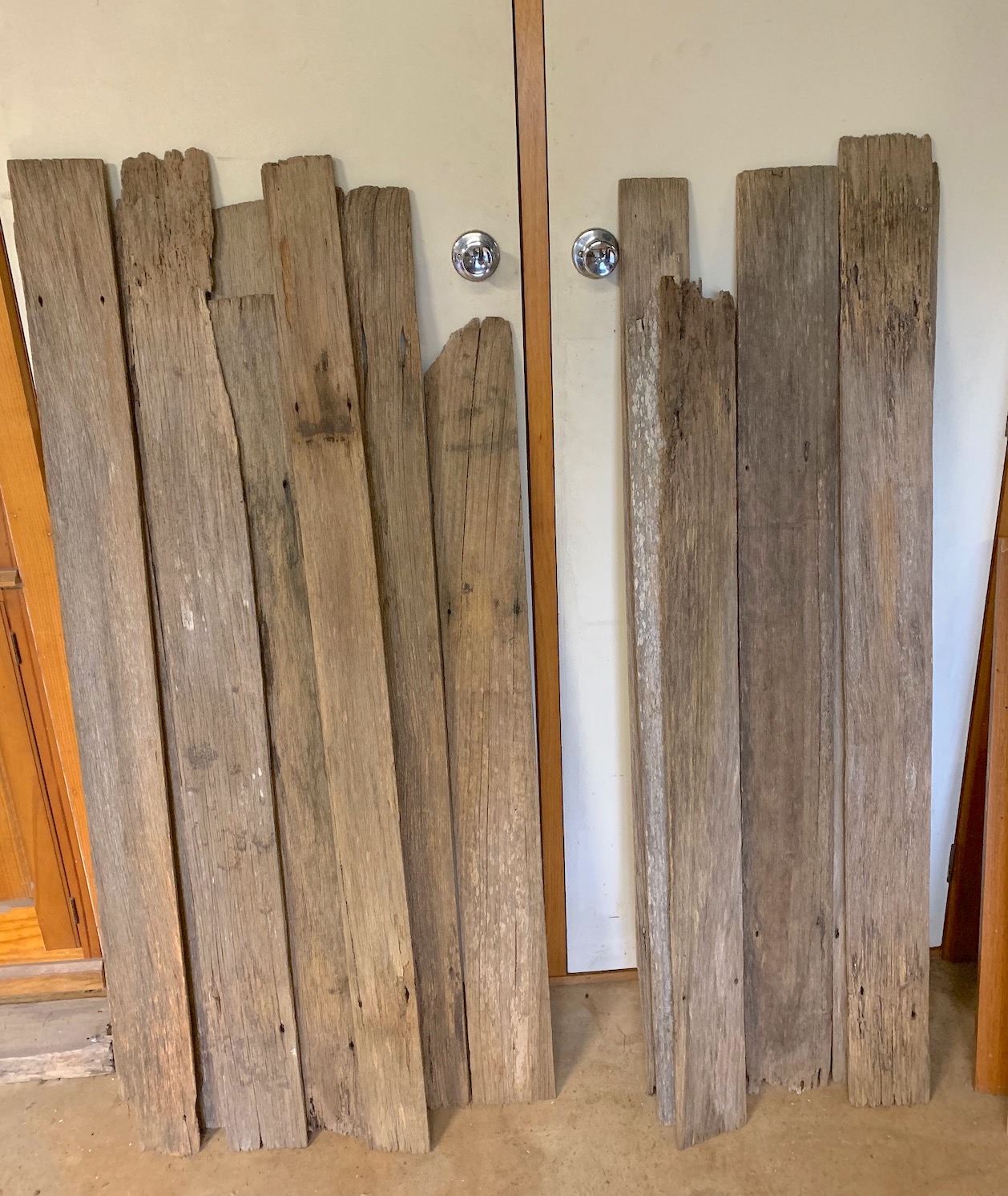
Our collection of reclaimed fence palings were finally put to use for shelving.

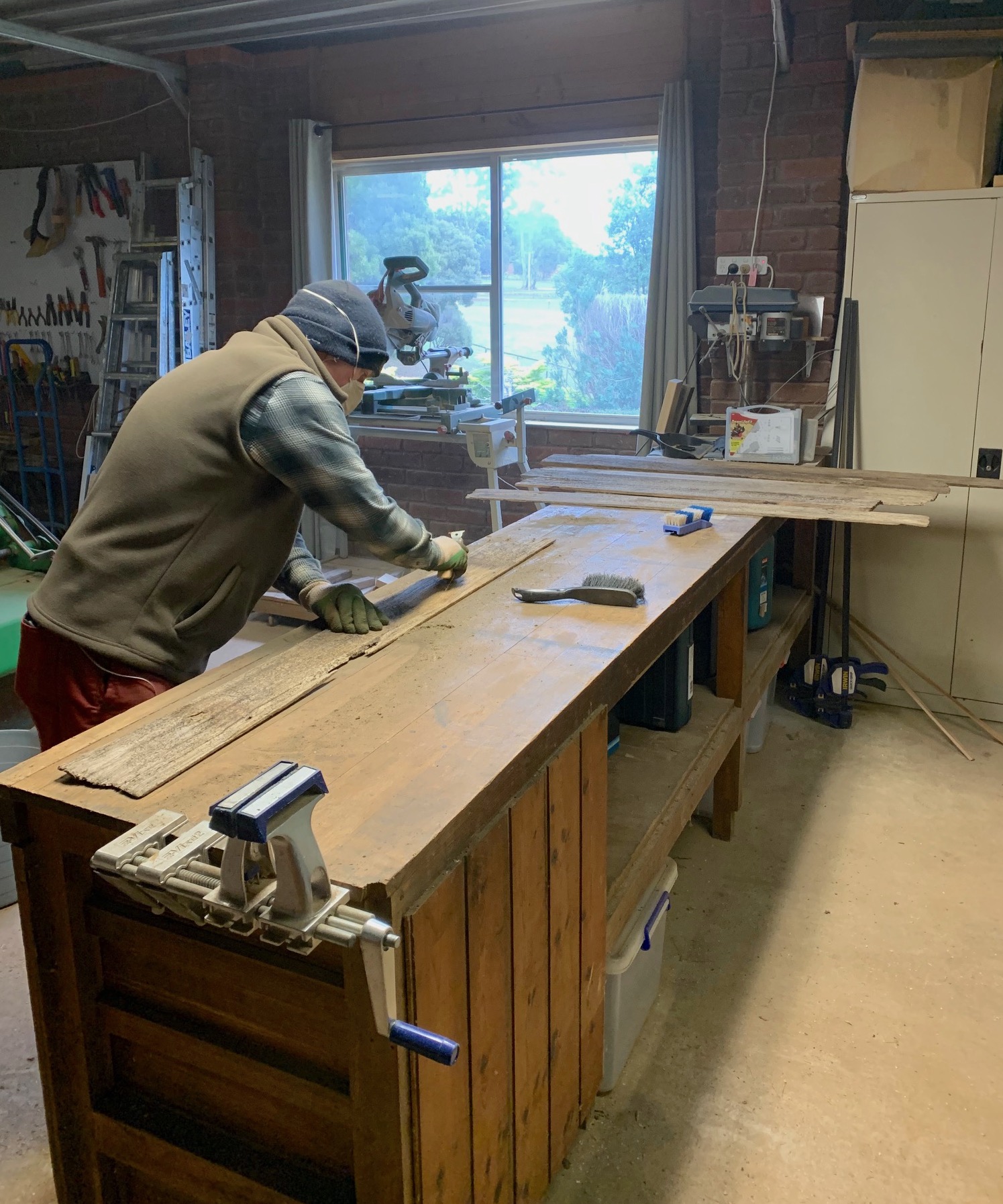
More hours of preparation with the invaluable help of Michael’s new toy.

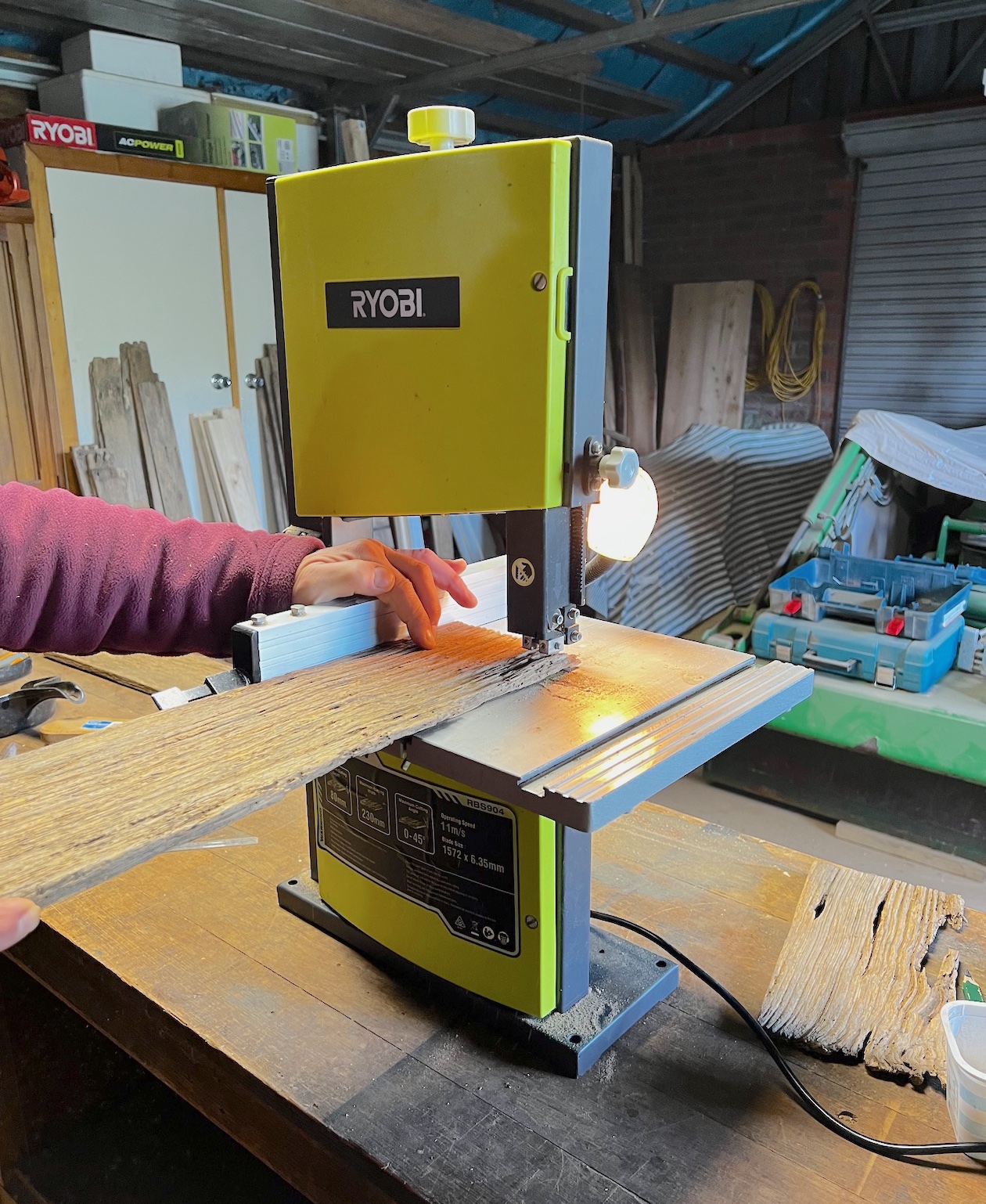
At this point, our trusty old drop saw gave up the ghost so we added another new toy to the ever growing arsenal.

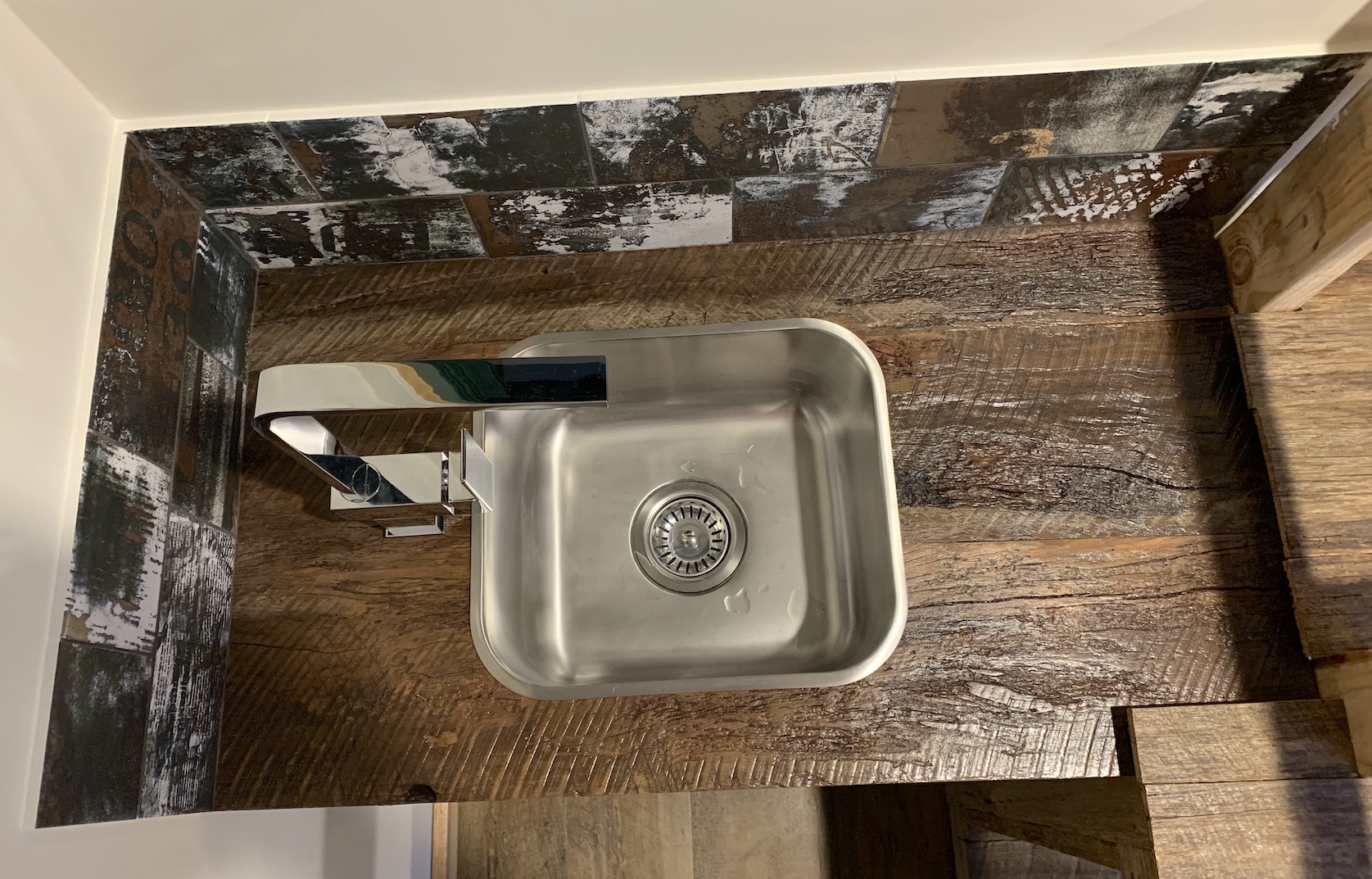
With shelving installed on the base of the bar, we moved on to the sink fitting.

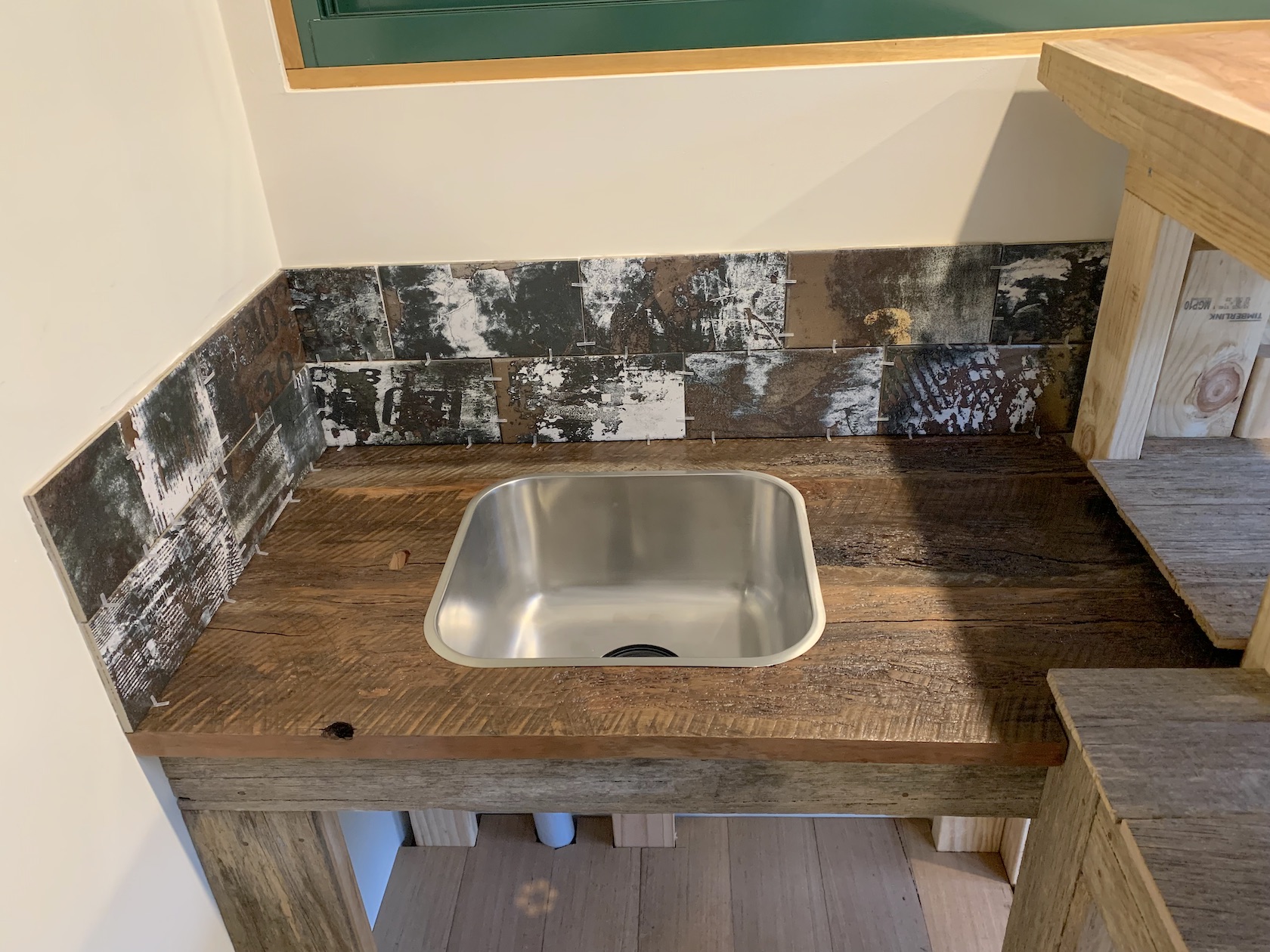
Some unidentified reclaimed timber we had lying around in the workshop made for the perfect sink bench.

With tiled splash back and plumbing complete, the worktop shelving was added.

A strip of Huon pine to edge the bar top and a few coats of Cabothane later, it was fixed in place without drama.

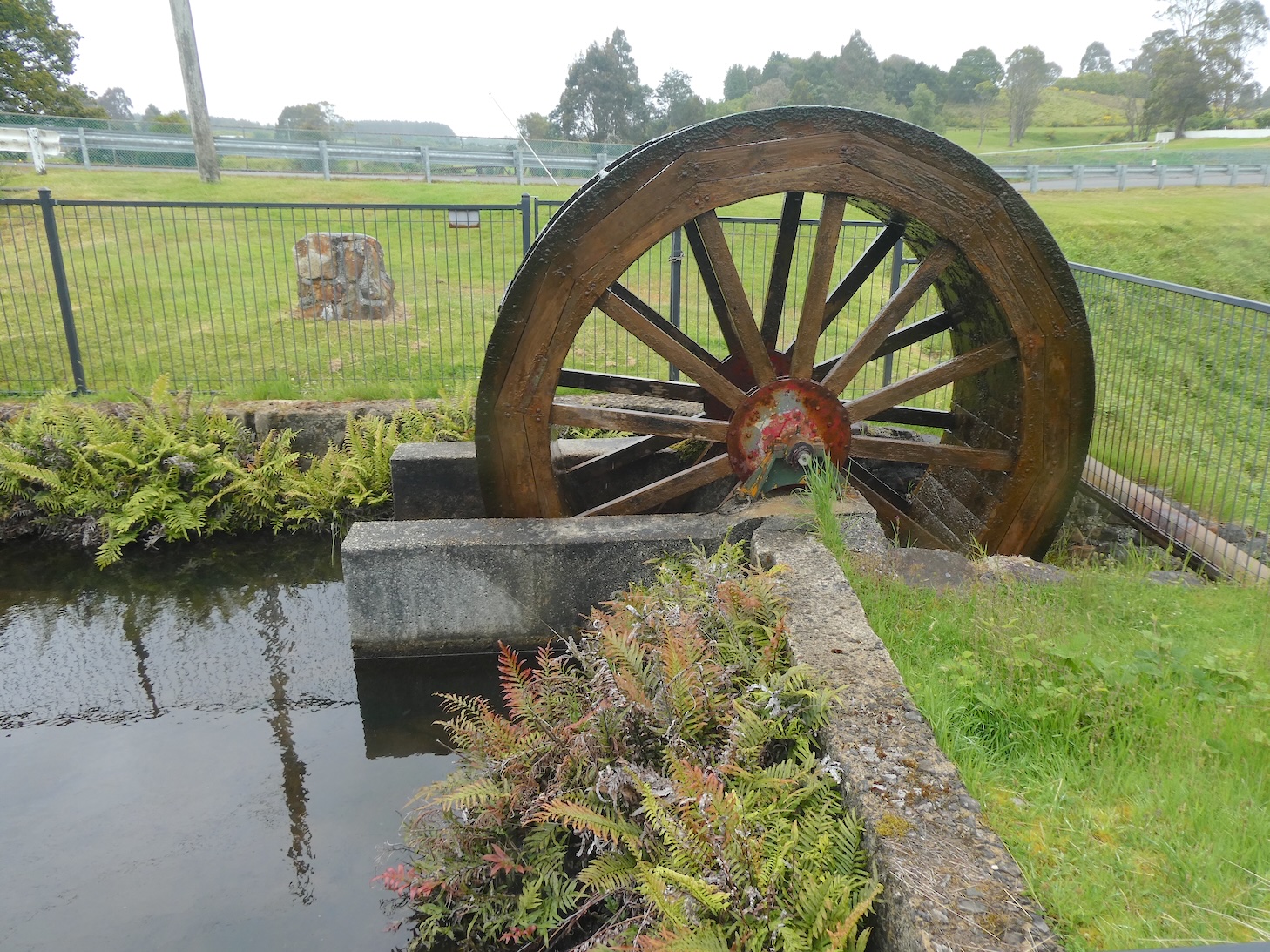
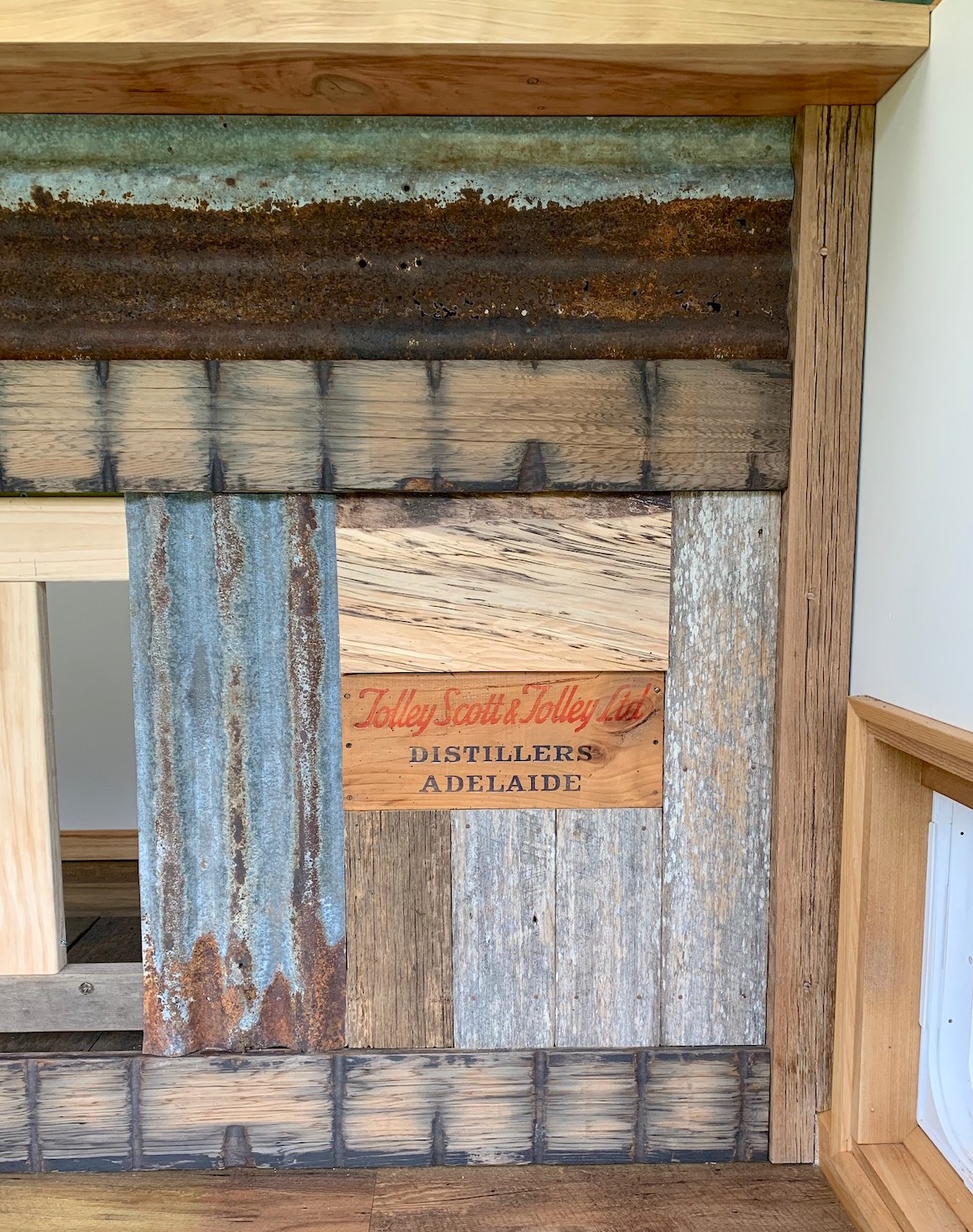
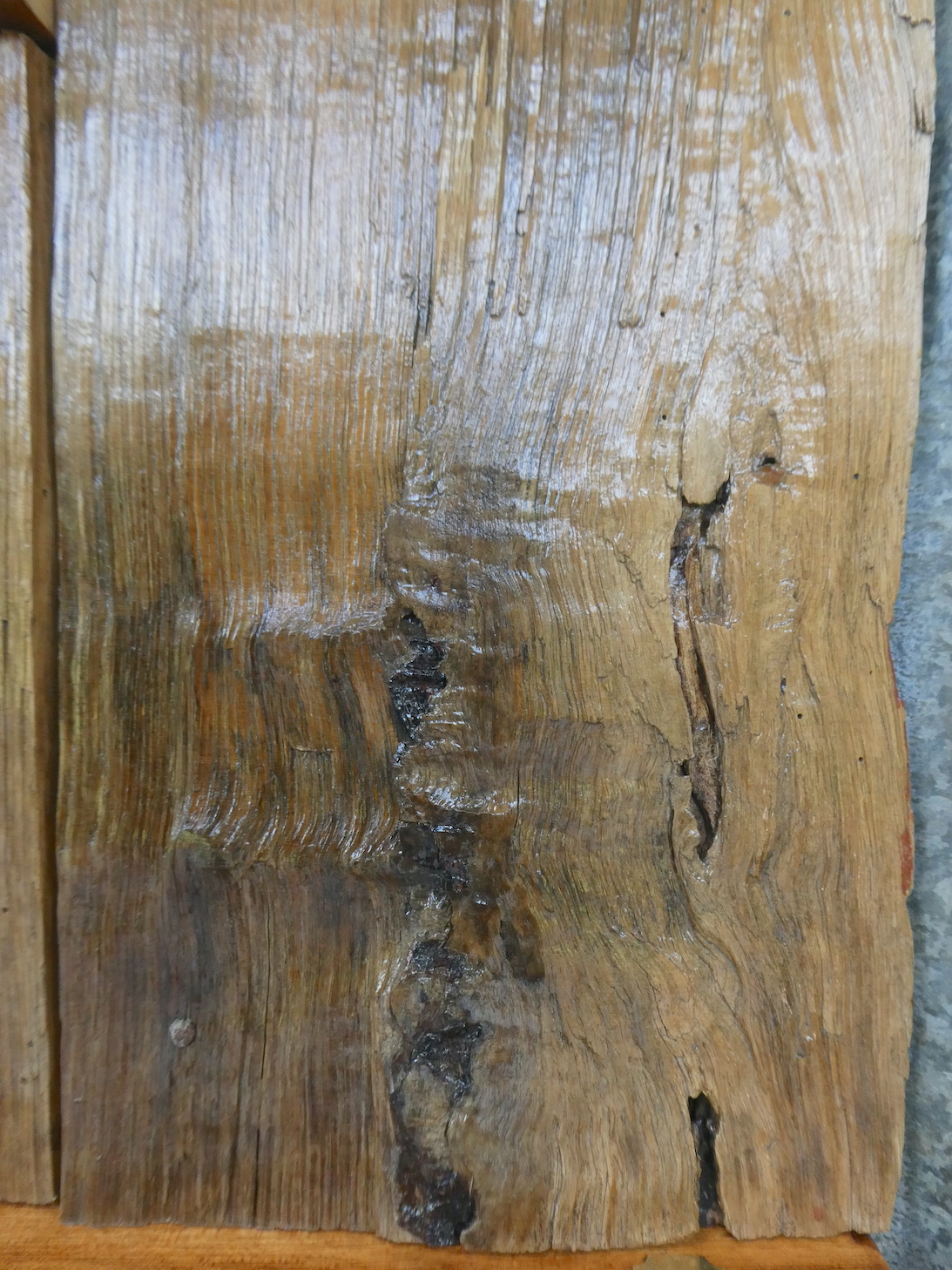
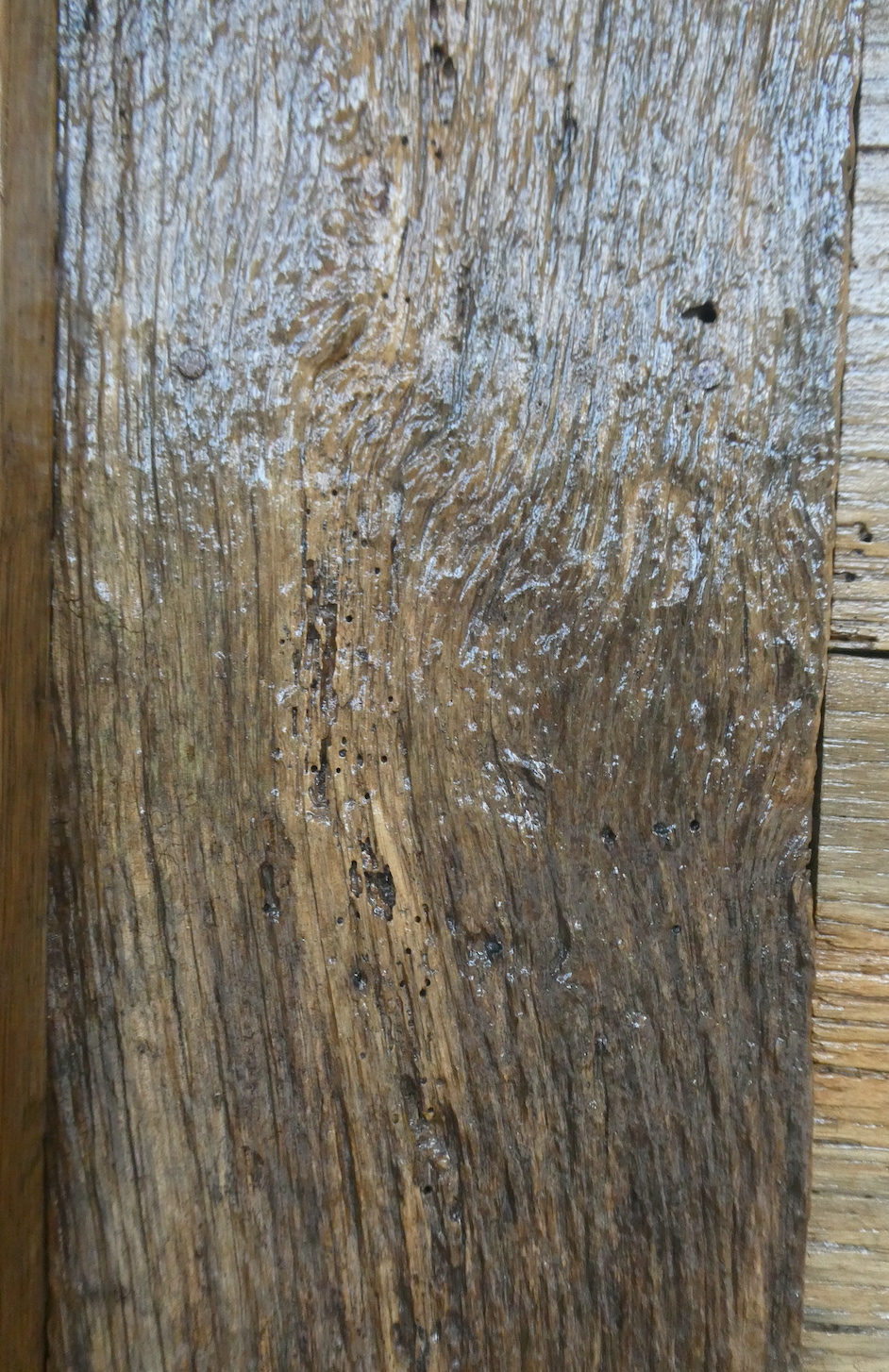
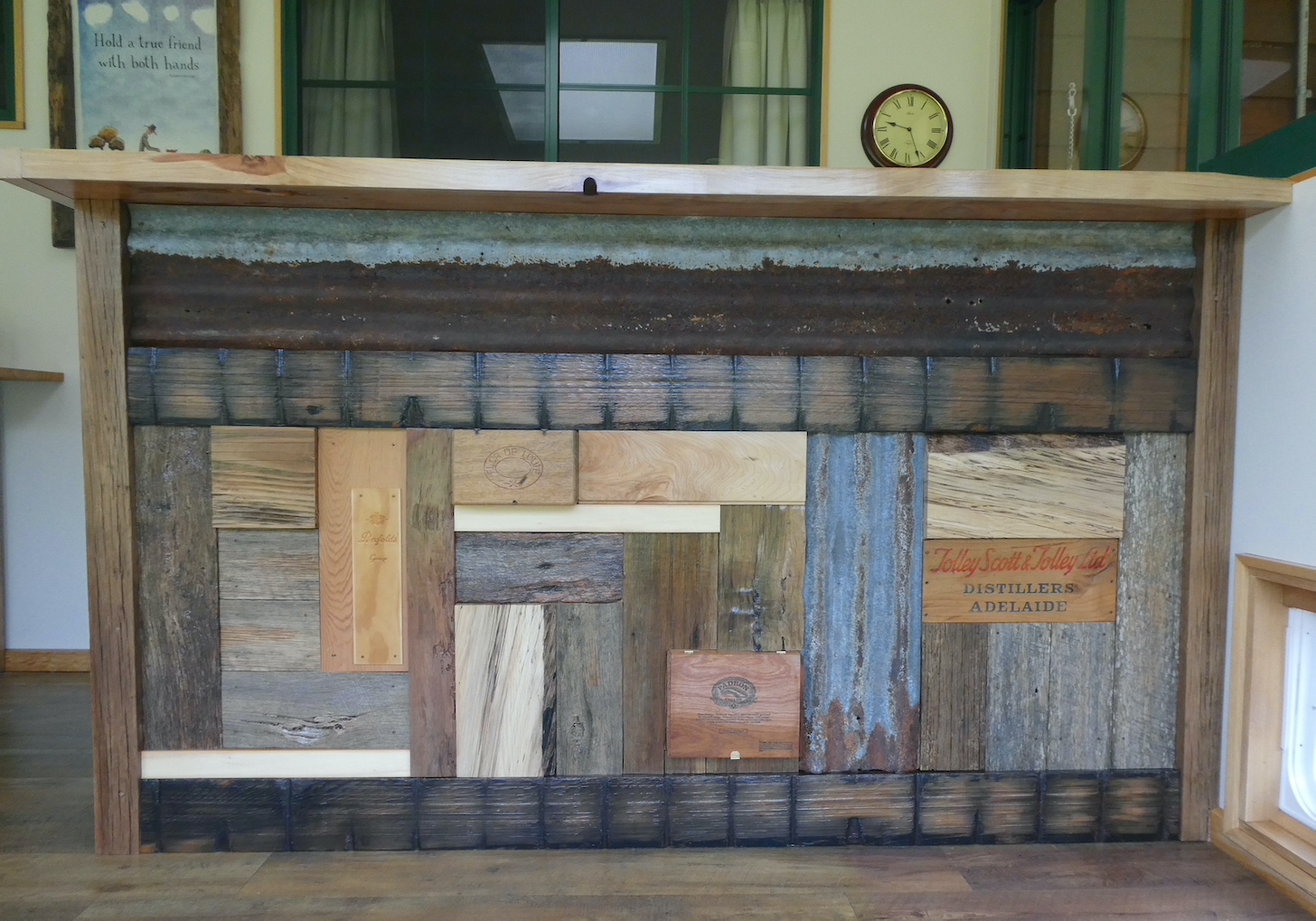
Now for the cladding. We had collected a few random pieces of timber over the years, starting with the King Billy planks from the old hydro water pipes, complete with marks from the strapping. We always intended them to be a feature on the bar.

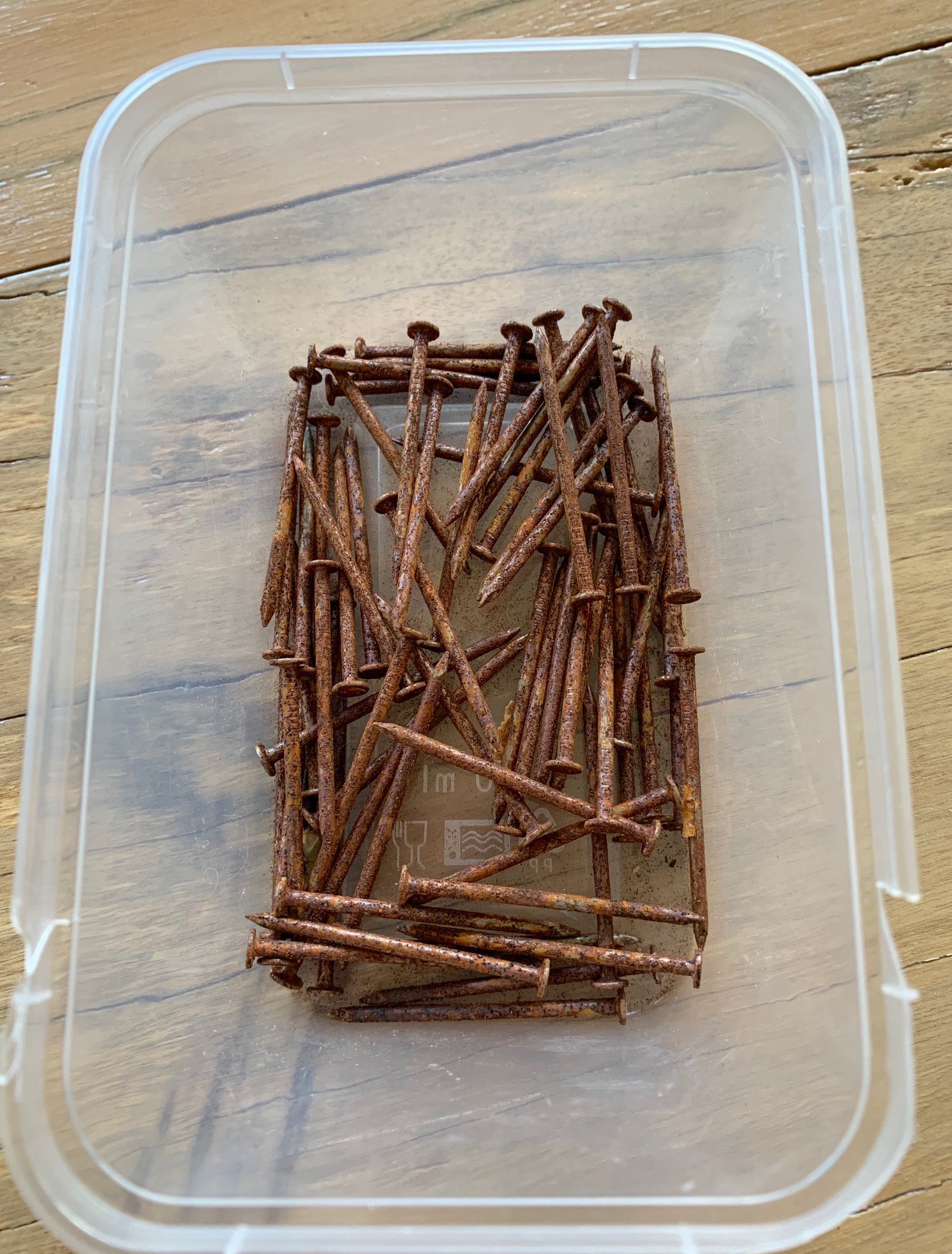
A concoction of vinegar and bleach easily rusted some nails to use on the other elements of the cladding.

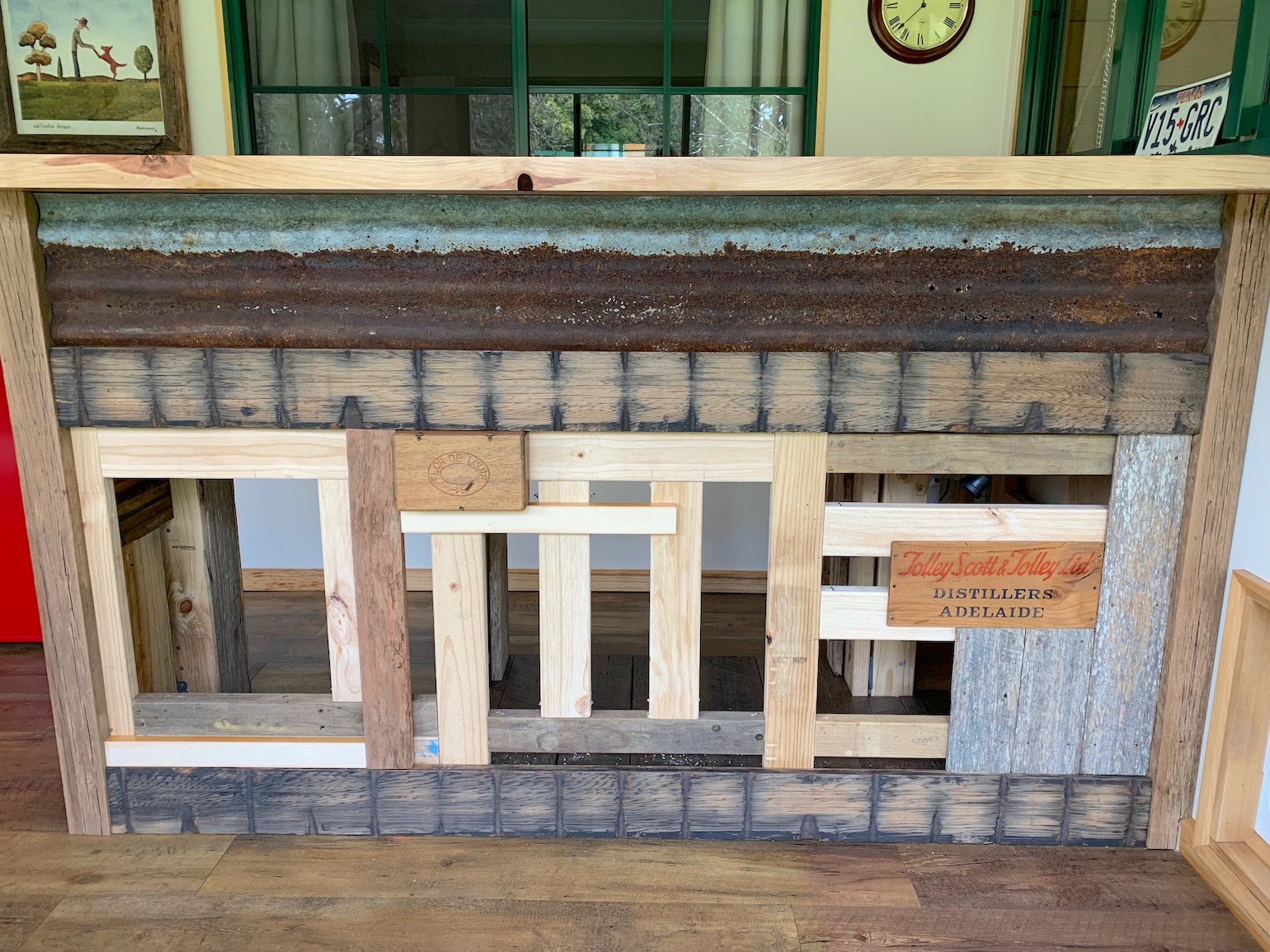
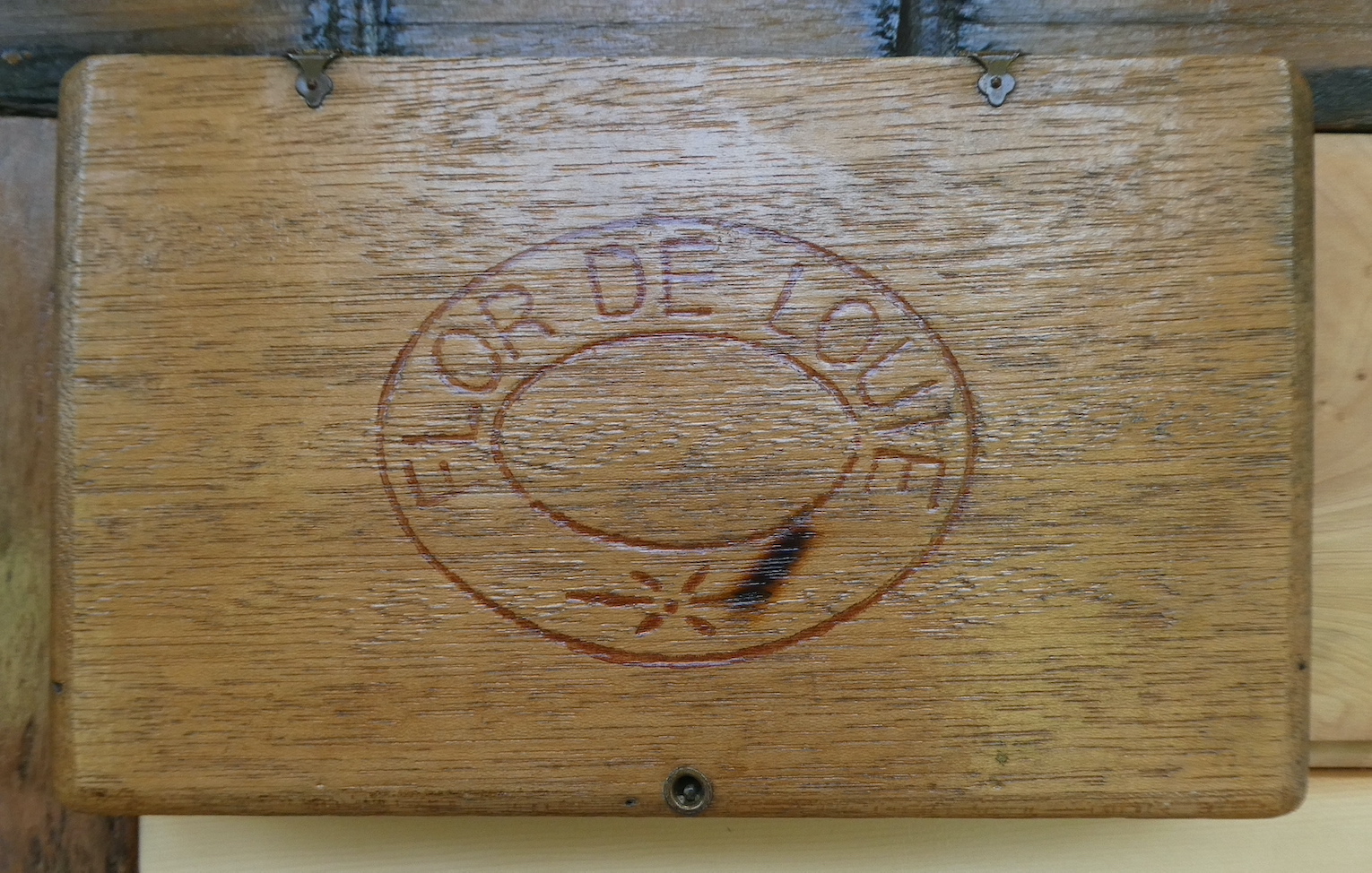
Our approach of “make it up as we go along” seemed to work well as we added an assortment of timbers, some feature panels and a couple of cigar boxes.

Cupboard curtains complemented the bar fridge as well as the soft furnishings in the room.

Another two coats of Cabothane on the bar top

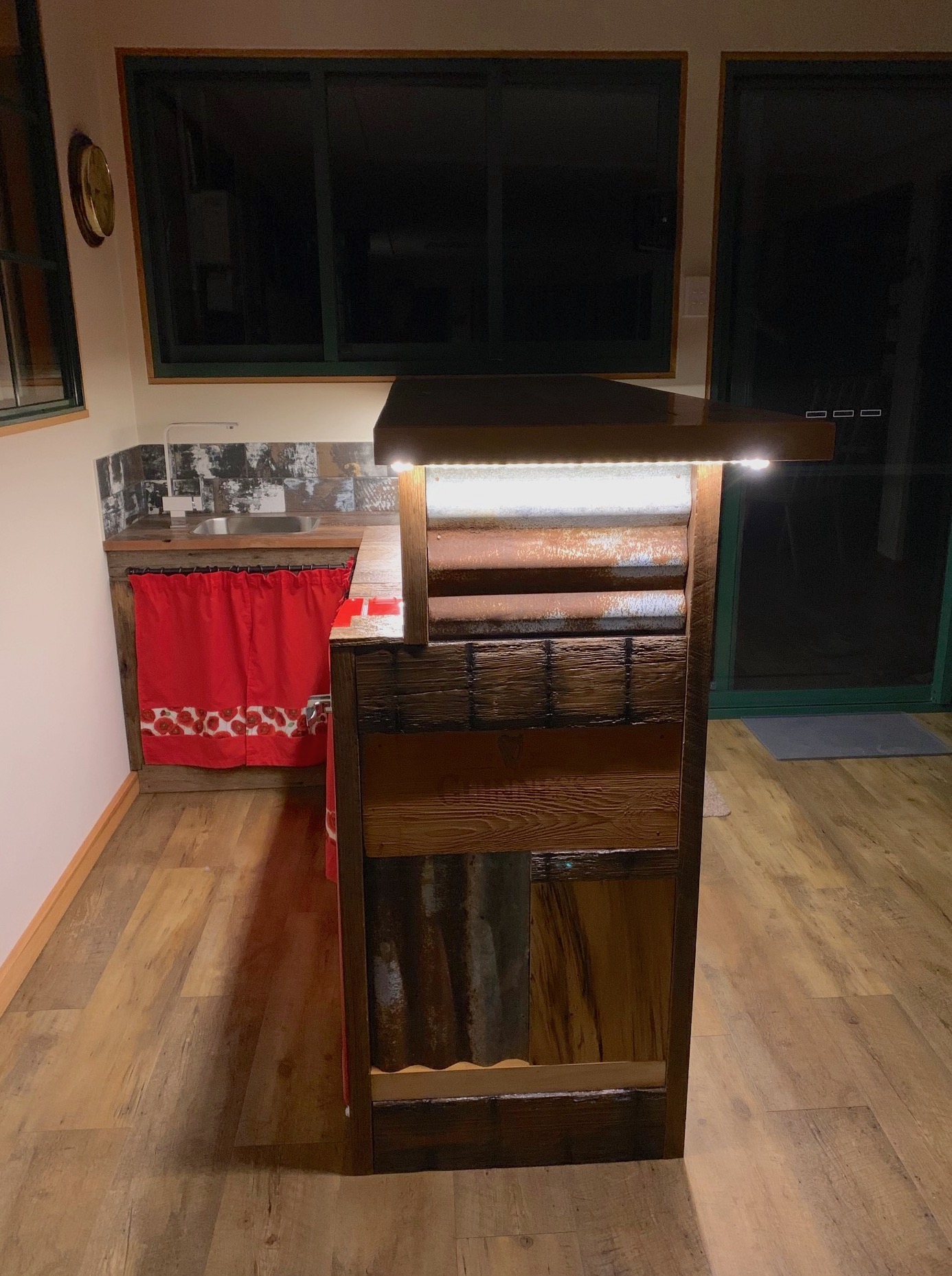
and the addition of LED lights

and we have another project successfully concluded.

blissful bubbles

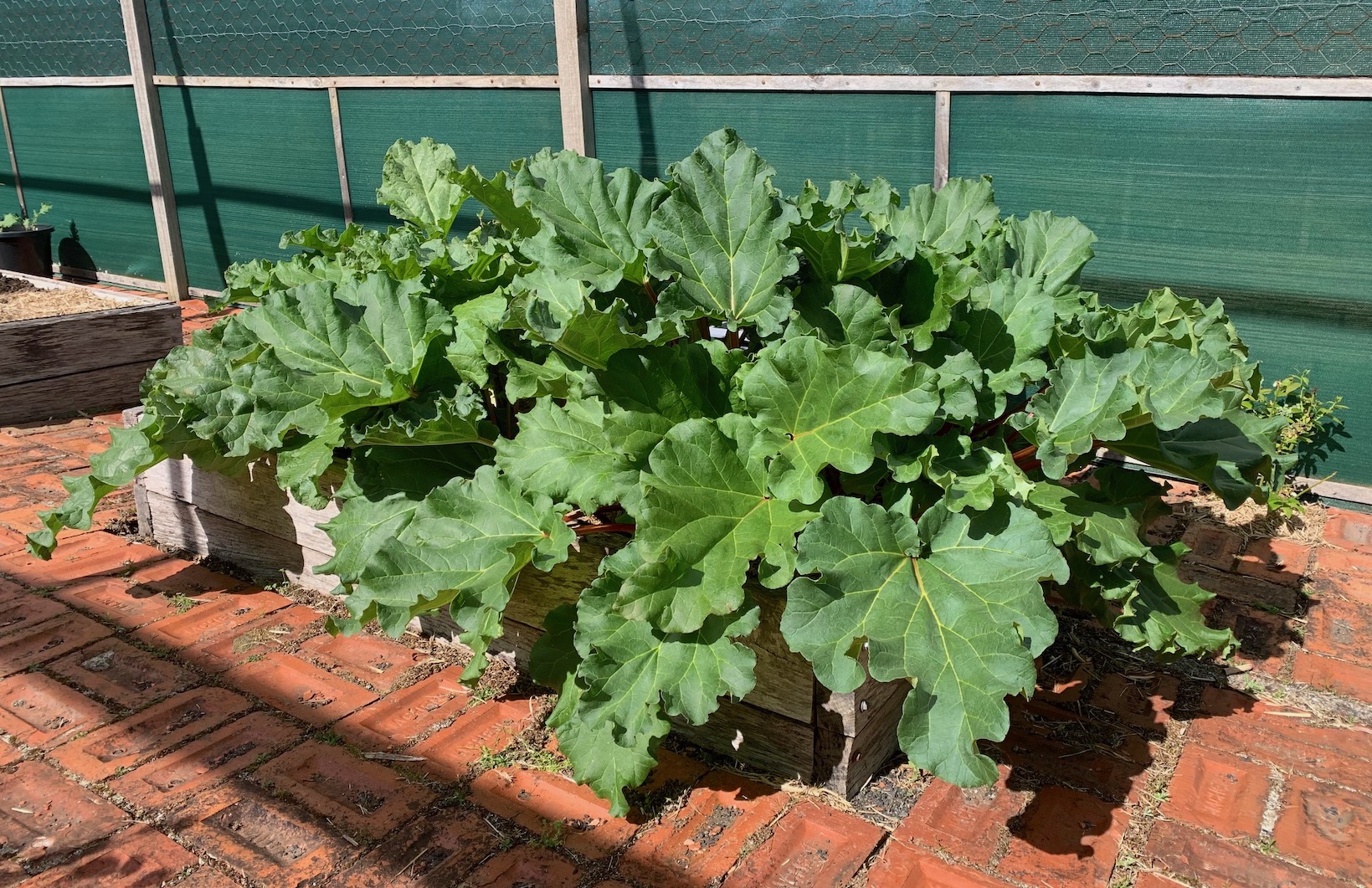
It’s that time of year when the veggie patch is transforming from winter weariness to summer surplus. Our robust rhubarb provides at a steady rate throughout the year but I am now digging deep into the repertoire of rhubarb recipes to keep up with the harvest.

One of my favourites is rhubarb champagne, the reward is definitely worth the effort. Start with 875g rhubarb, 875g sugar, a lemon (from the abundant lemon tree) and 11 tablespoons of apple cider vinegar.

Chop the rhubarb, slice the lemon

and place all these ingredients, along with 5 litres of cold water, into a food safe bucket (I use our beer fermenter). Cover loosely with a clean tea towel and leave for 48 hours.

Sterilise 10 PET bottles (I use Milton solution)

and strain 500ml of the mixture into each.

PET bottles are preferable as they have more ‘give’ and it is advisable to squeeze out as much air as you can before capping.

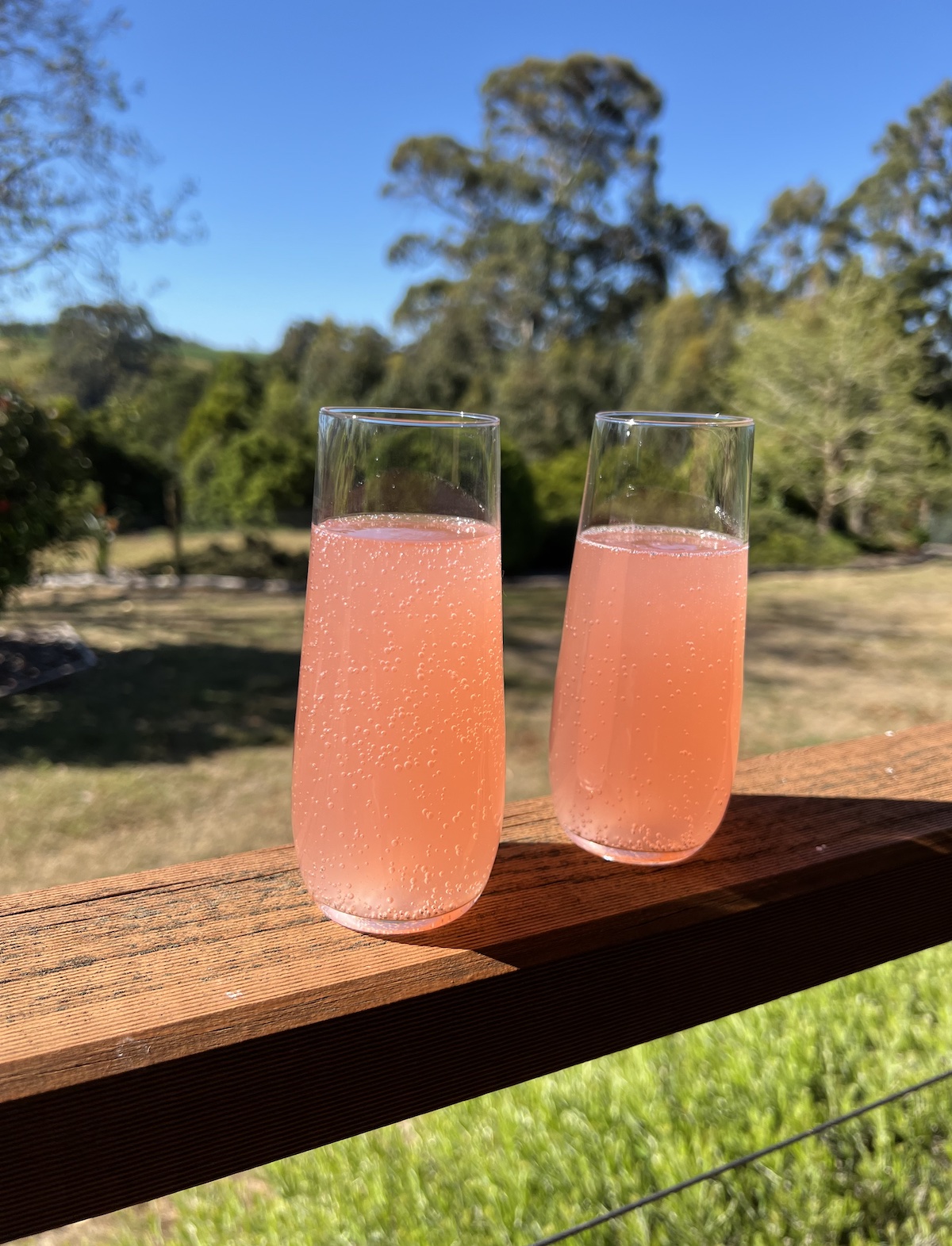
Pop the bottles in the fridge and try to refrain from sampling for at least two weeks. Deliciously refreshing as a sparkling beverage,

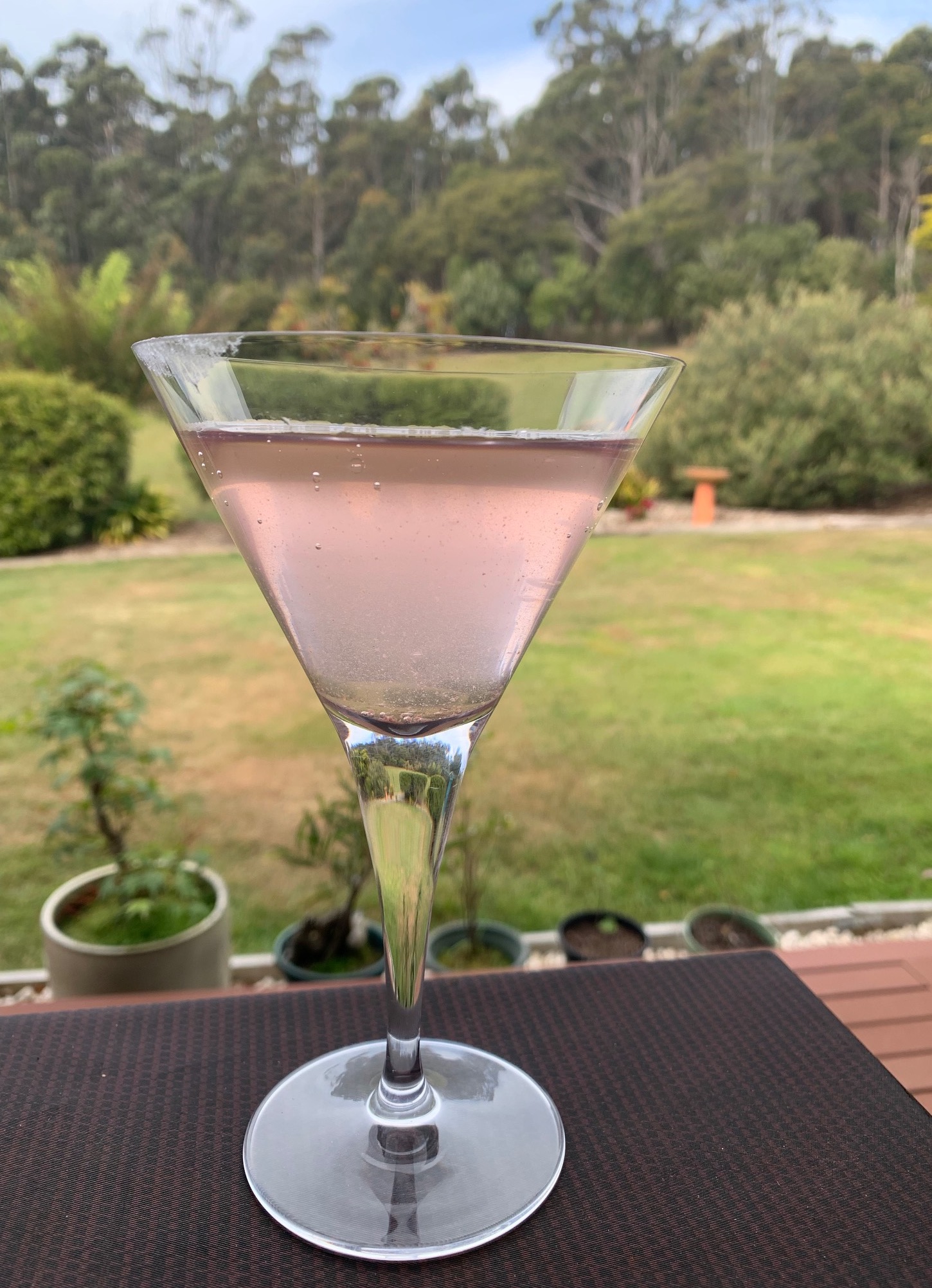
we recently discovered the benefits as a mixer. One and a half measures of gin topped up with rhubarb champagne, we have lovingly named it the ‘Stowport Stonker’. Cheers.

Warning: open bottles VERY slowly.

broken hearts

Our darling Poppy has left us. We are broken hearted. It has been quite a journey from the neglected puppy I found wandering in July 2009.

Poppy has been a very special part of our lives, happily taking Michael for a walk each morning and evening come rain, hail or shine.

She would cheekily ask for any paper or cardboard if she saw us with it, take it into the lounge and rip it to pieces.

That habit stopped a couple of years ago but she still enjoyed running and jumping on her stuffed hippo, giving him a good shake and then summoning us with her eyes to join her on the floor for a much loved armpit tickle.

Four years ago she developed a dreadful autoimmune disease called pemphigus, her daily medication was something she learned to tolerate after a bumpy start with the aid of peanut butter.

One of the side effects of her medication was increased hair growth and she sported a delightful quiff that needed serious trimming for a while.

Over recent years, the hours snoozing between walks and meals had lengthened, she had plenty of comfy beds to choose from around  the house.

She never missed an opportunity between naps to explore the garden and just sit and contemplate her lot.

Poppy was diagnosed with arthritis in her lower spine a couple of months ago and started on anti-inflammatory drops. She refused to restrict her walks in the forest and it was impossible to deny her eager little face.

She was doing very well until Sunday evening when she declined her meal and again on Monday morning. Despite that, she still insisted on her long walk into the forest, Michael had no idea this would be the last photo of our Poppy when he captured her on video.

On her return, she rapidly became very stiff and had difficulty walking, no wagging tail and looking very sad. Obviously in a lot of pain, we managed to get a lunch time vet appointment. Faced with the option of strong pain killers which would render her heavily sedated for the remainder of her days, and after much deliberation, we chose the dignified option. She had lived her best life. At the age of 16, the sun has set on our sweet pea but she will never be far from our sides.

hen haven

Our chooks have always had plenty of room to forage and scratch and play and, well, do what chooks do. Part of their run was completely enclosed and safe from predators and a larger area was fenced but otherwise open.

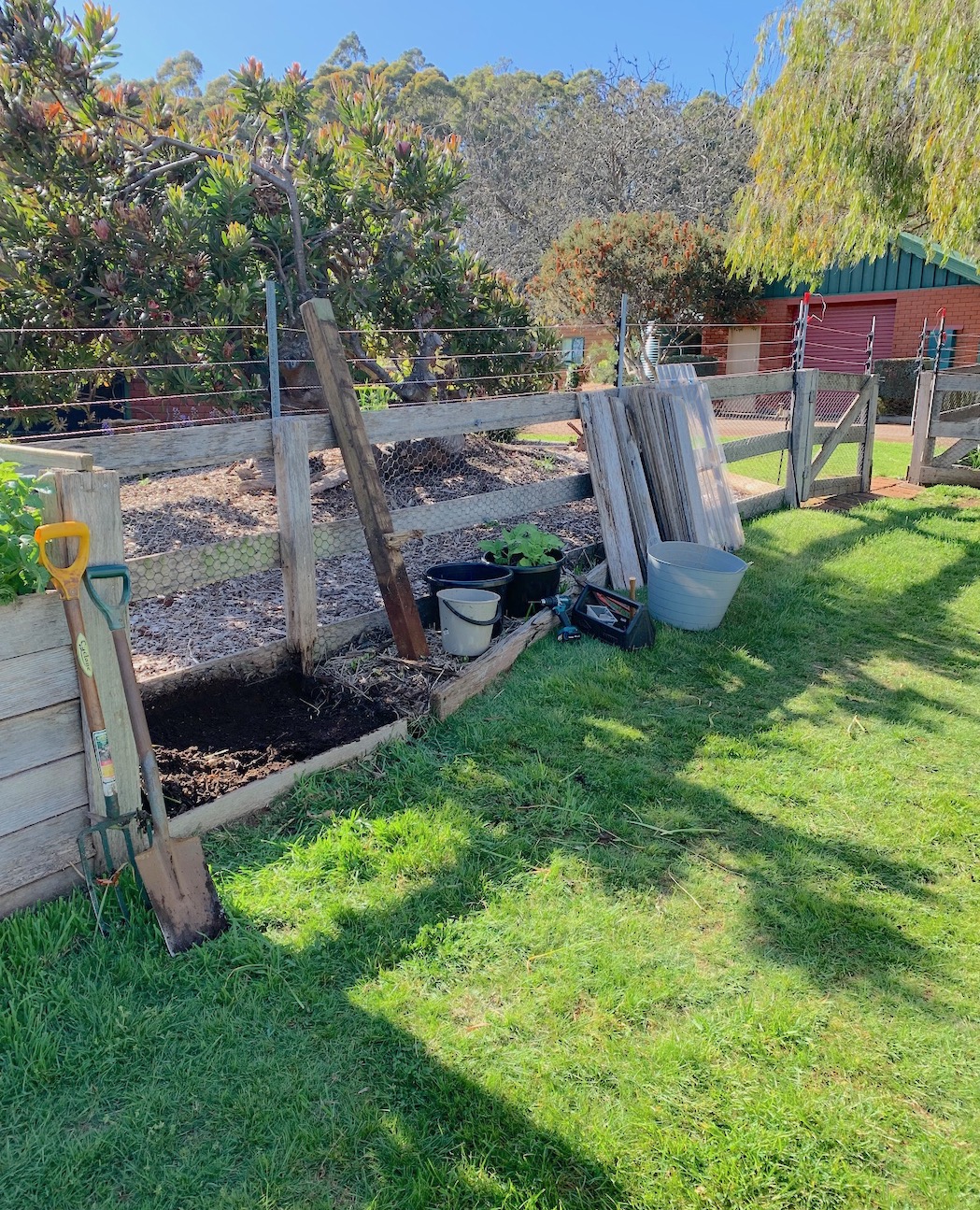
We had thought about enclosing the whole area for a while, mainly to keep the ornery sparrows from stealing the chook food, and finally tackled the mammoth project after visitations from raptors with eyes on our girls. The first task was to remove the huge native pittosporum, a favourite hotel for the sparrows and far too big to retain within the new run.

We proceeded with hole digging and post erecting,

and it wasn’t long before we realised the need to allow the girls to roam and shut them out of the work space. They were just a little too helpful.

Unfortunately, they make a terrible mess of any tidy garden space, something I had to ignore until the end of our mission.

Once the boundary posts were in, we added the support beams

before continuing with the central posts and beams.

Next came the tricky part – the roof.

Accompanied by minor swearage, we manhandled the first section of wire into place and secured it, feeling inspired to carry on.

We soon finished the roof and used netting clips to join the sections.

Rather than purchase a lightweight aluminium screen door from a local retailer, we sourced a solid steel model from the salvage yard at a quarter of the price. By the time we sprayed a coat of primer, spent hours painting two coats of colorbond and fixed the bird wire, I’m not sure the effort:reward ratio was favourable but it serves its purpose.

Once the wire sides were completed,

we removed the original boundary fence line and relocated the grazing cages inside the new run.

A place to shelter from inclement weather,

climbing frame

and seesaw completed the new enclosure.

We created a new border where the original fence line came down, added mulch, planted a few Kangaroo Paws and re-seeded the lawn area.

And planted two apple trees in the new yard. The chooks are wondering – what’s next?

cockatoo chaos

We have so many bird species in our garden I couldn’t even begin to name them. The biggest by far are the yellow-tailed black cockatoos. They are often in pairs quenching their thirst at the stock troughs, one will keep lookout in a nearby tree while the other sups and then they swap places. Then there are times when a whole flock will descend on the Banksia tree for a feast.

We hear them coming as they call to each other in their distinctive raucous, yet delightful, manner. They nibble the cones and break them open to eat the seeds.

I don’t begrudge their much needed nutrition but I wish they wouldn’t leave such a trail of destruction.

These stunning birds were first described in 1794 by the English naturalist George Shaw as Psittacus funereus, relating to the dark, sombre plumage as if dressed for a funeral. He seems to have missed the bright yellow cheek patches and tail band. Our magnificent peppermint tree is a popular spot to survey the surrounds before indulging in another Banskia banquet.

The body feathers are edged in yellow and those of the subspecies found in Tasmania have a more prominent scalloped appearance.

Adult males have pinkish red eye rings and black beaks

while females have grey eye rings, a bone coloured beak and brighter, more clearly defined yellow cheek patches.

The monogamous couples raise a single chick each year which will remain with them for 12 to 18 months. The constant ‘begging’ squawk of the young is enough to test any parental patience. One particular pair at Rotterdam Zoo stopped breeding when they were 41 and 37 years of age, though continued to bond closely. I suspect these two will be bringing offspring to dine before long.

With warmer weather around the corner, we look forward to seeing more of these beautiful creatures.