forest walk

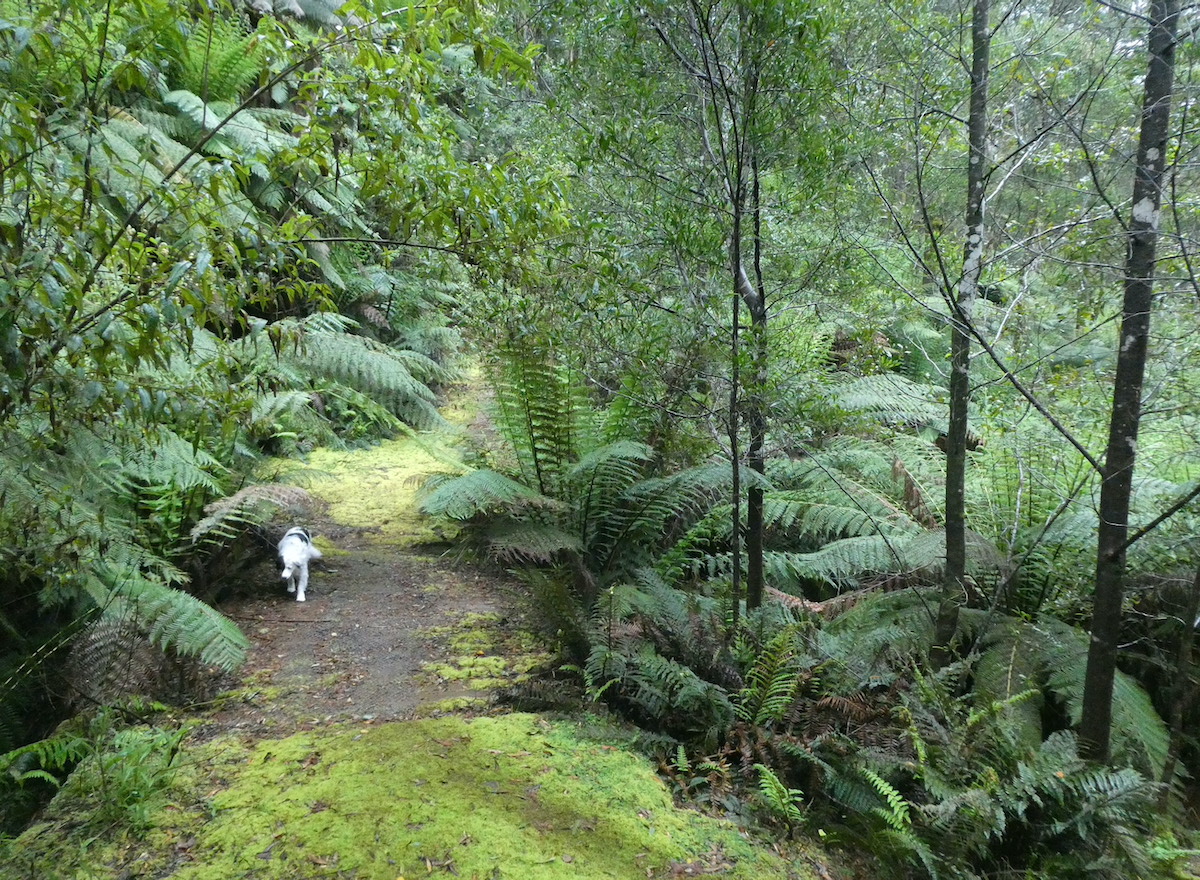
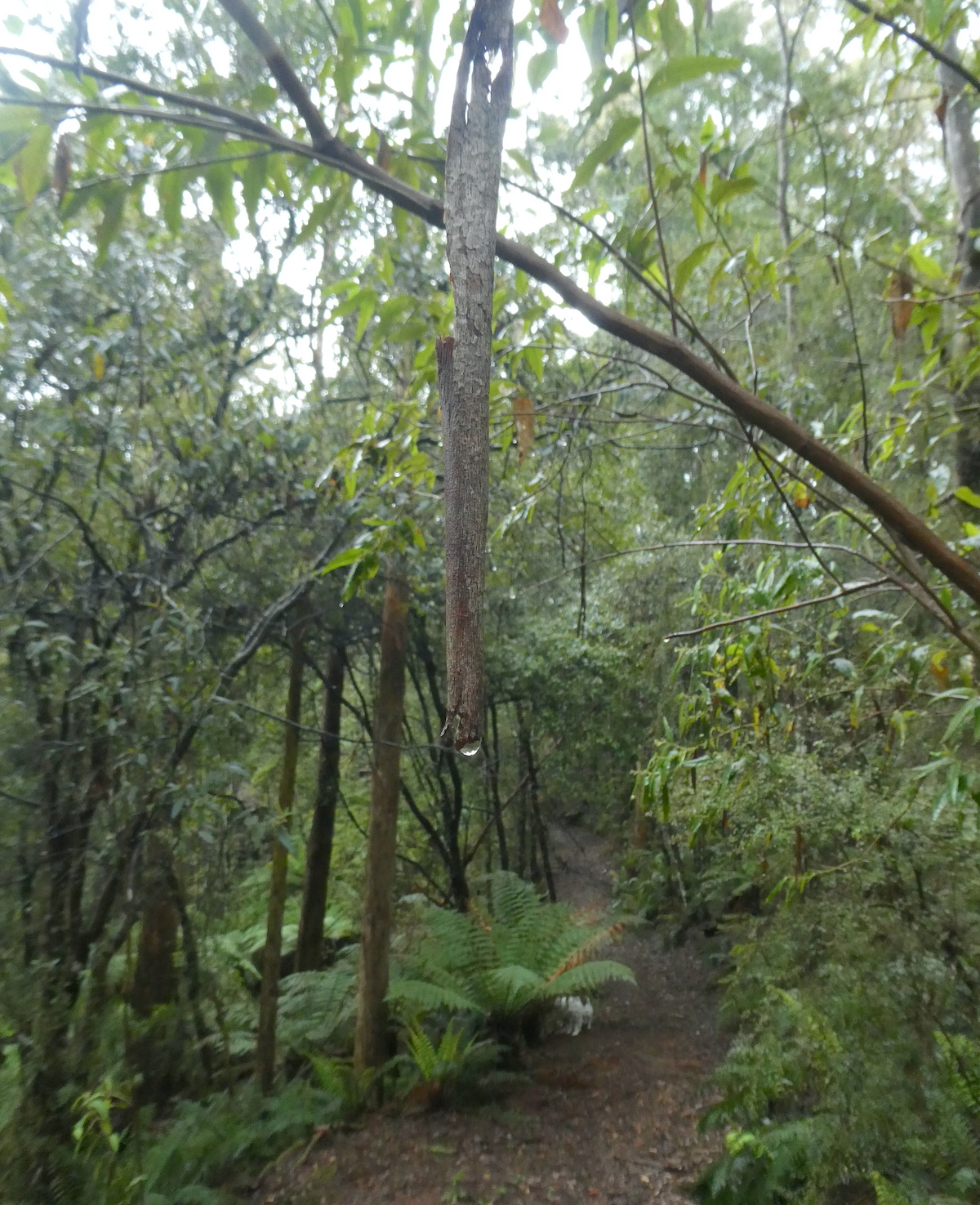
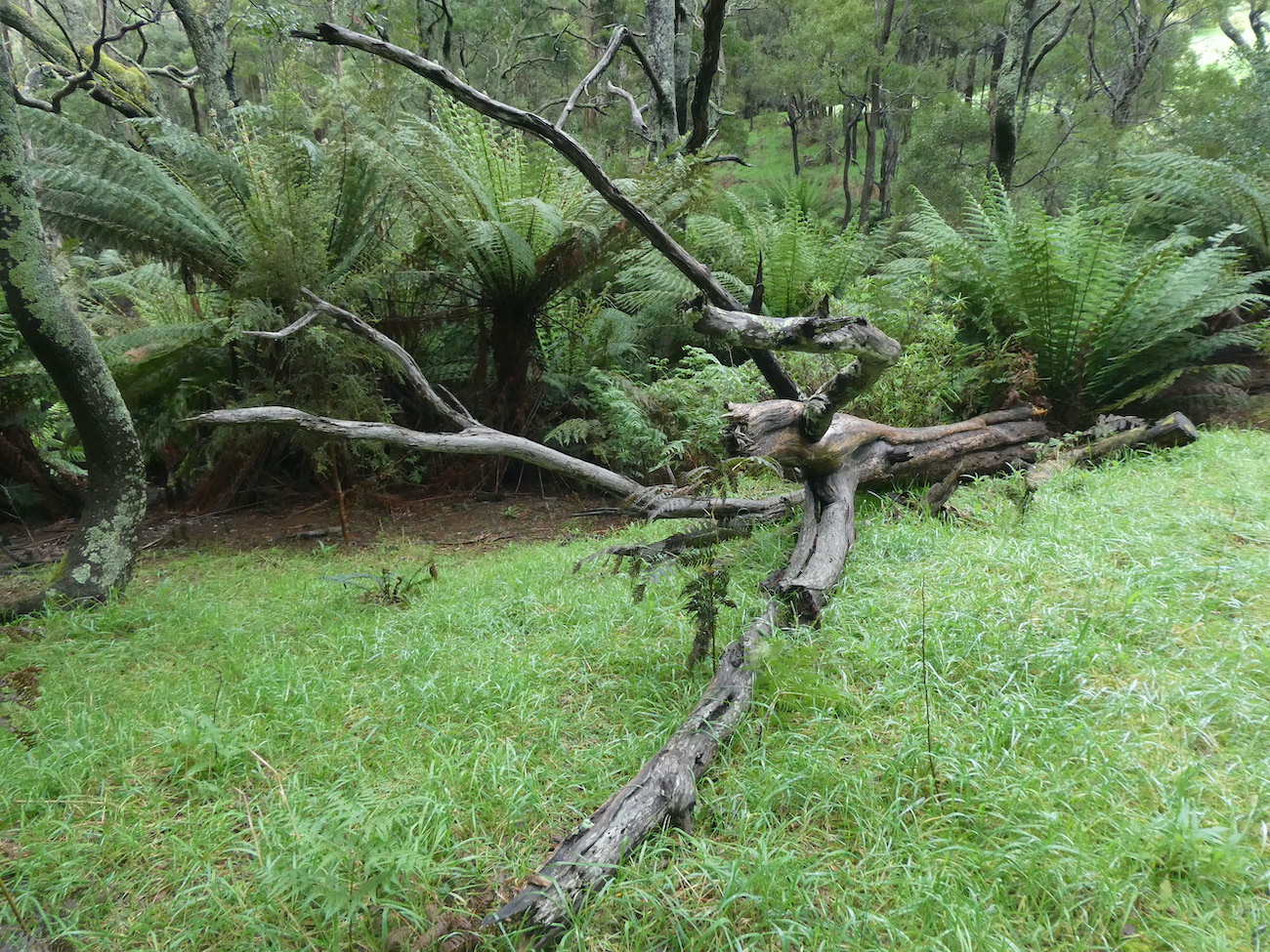
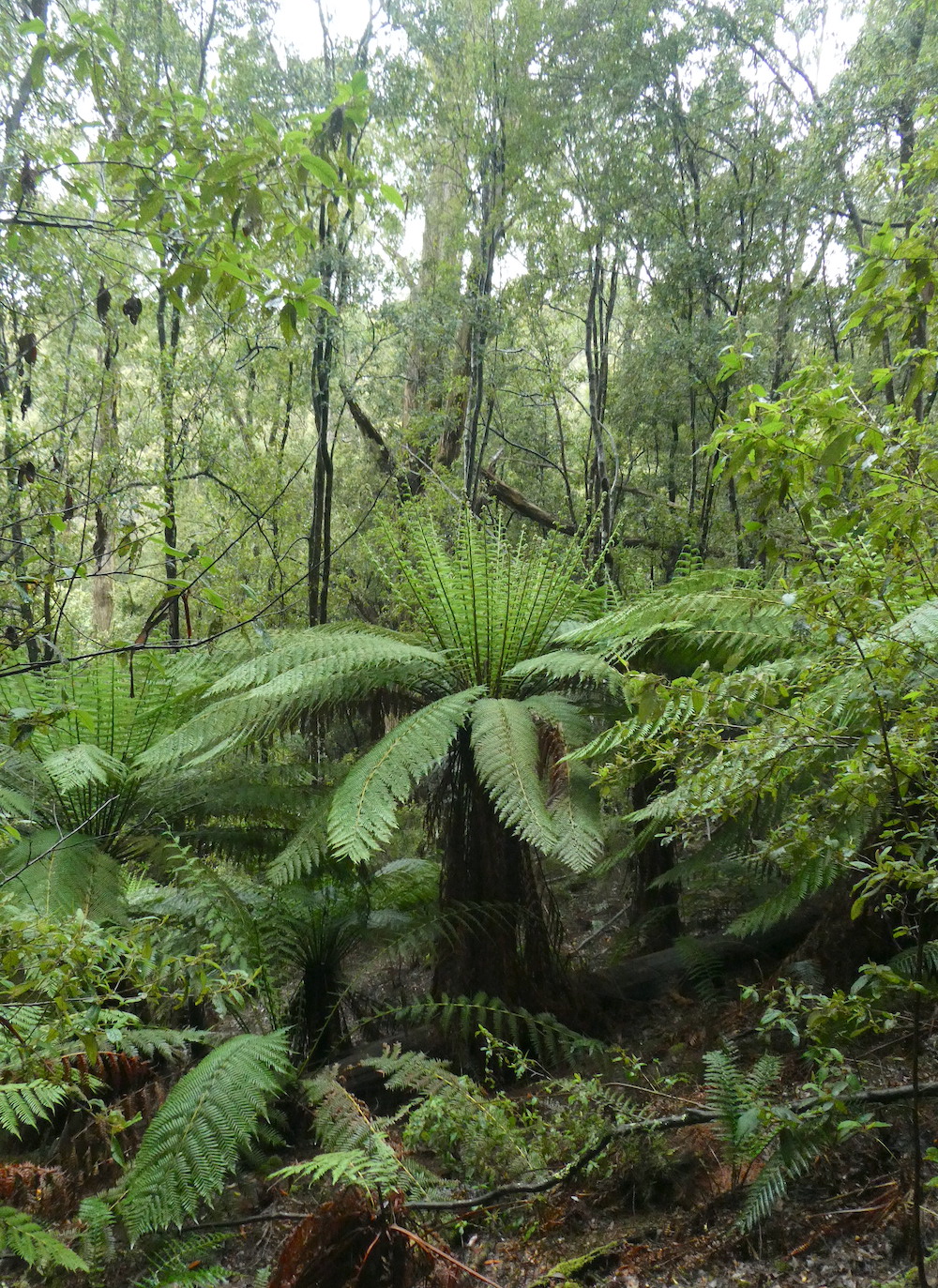
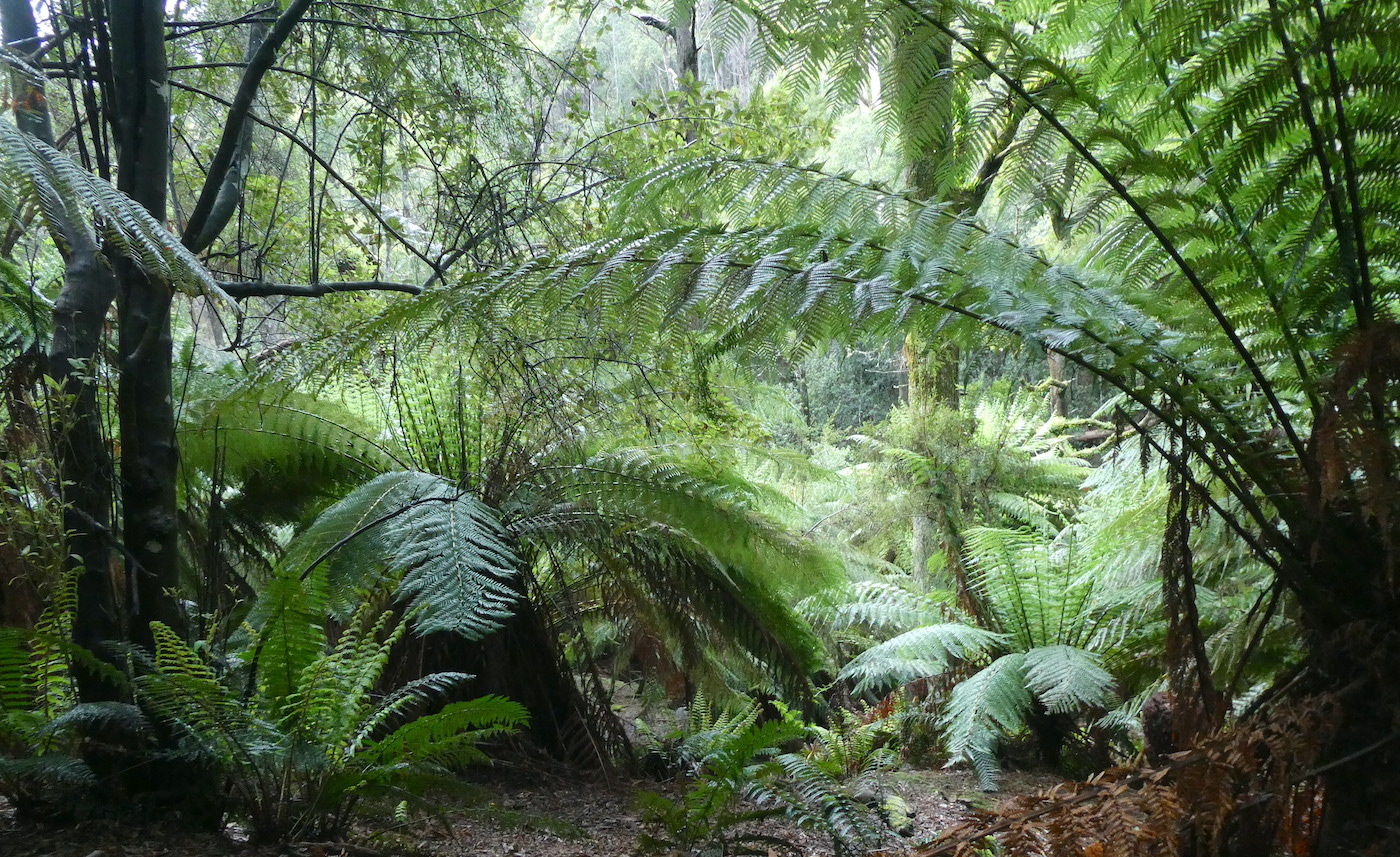
With Michael recently sidelined sporting a badly sprained ankle, I stepped in for Poppy-walking duty. Saturday is always the long walk down the steep hill into our forest. It had been quite a while since my last venture this way and I was amazed how much had changed. The tree ferns are enormous and every shade of green.

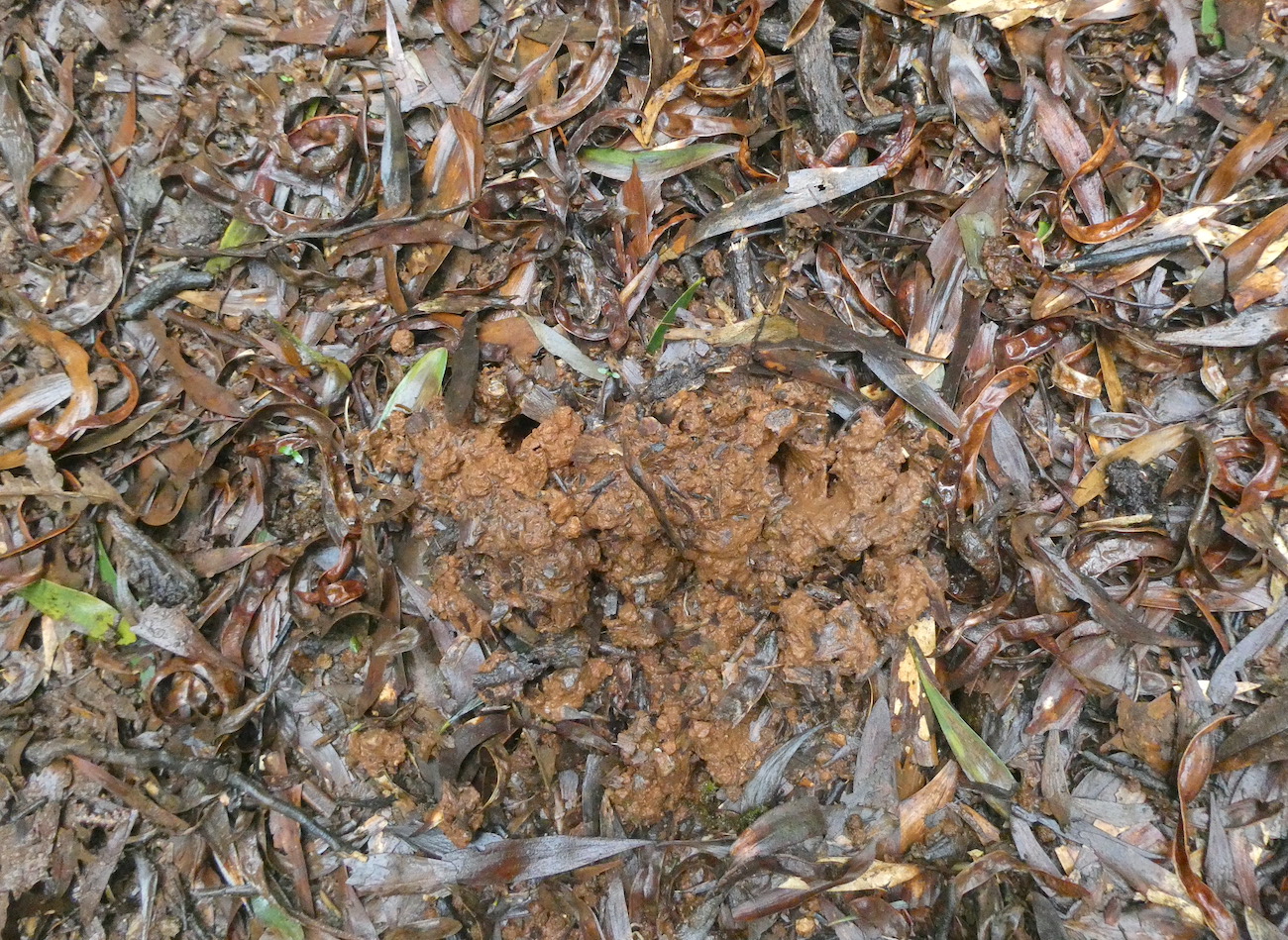
If Michael hadn’t pre-warned me about the crayfish burrows on the path, I probably would have stepped on them. Freshwater burrowing crayfish live in tunnel systems in muddy banks, only venturing out at night or in damp, overcast conditions. The Tasmanian genera has claws that open vertically to the body rather than horizontally to allow for larger claws in narrow tunnels. Characteristic ‘chimneys’, some as high as 40cm, announce the entrance to the burrow.

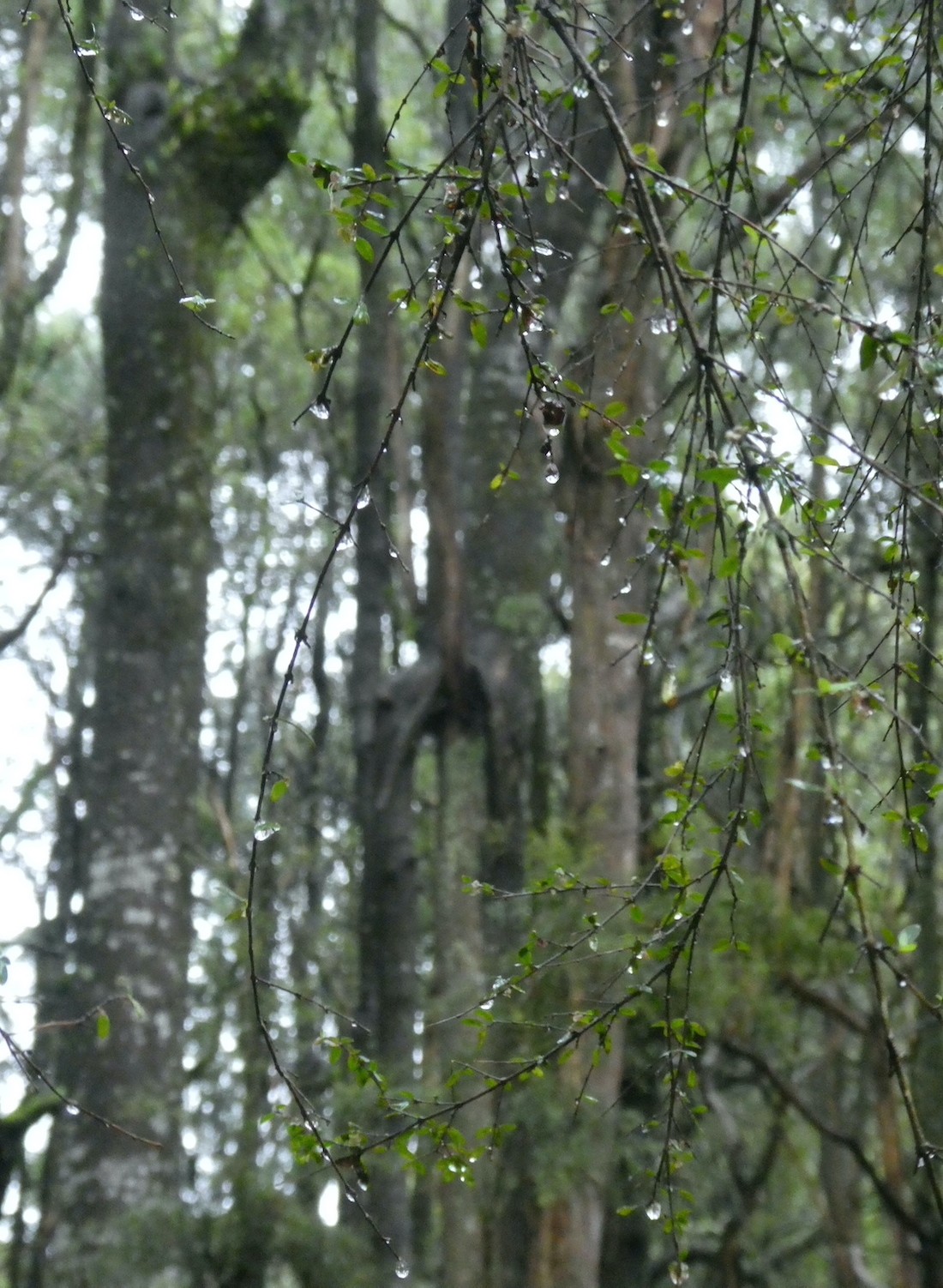
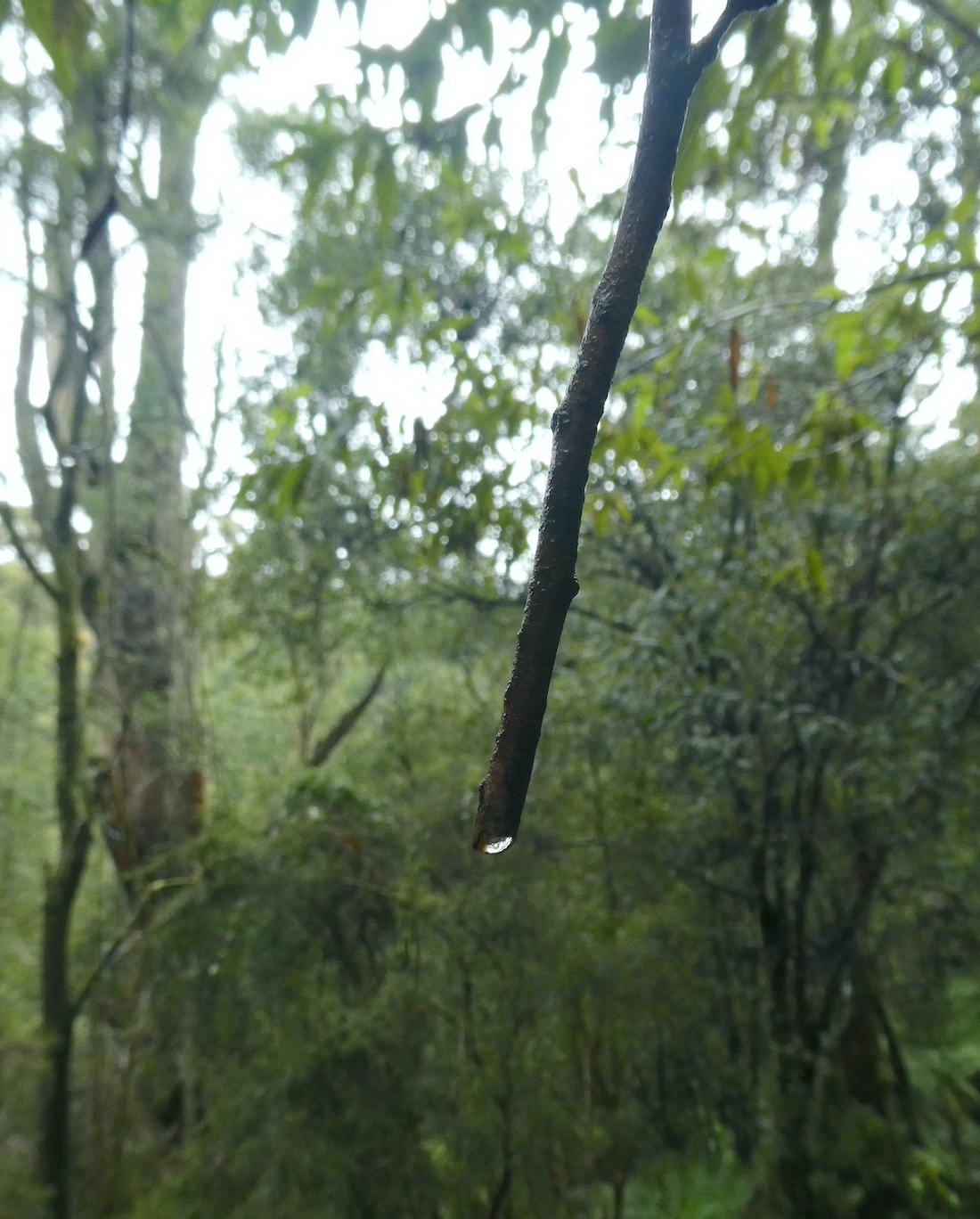
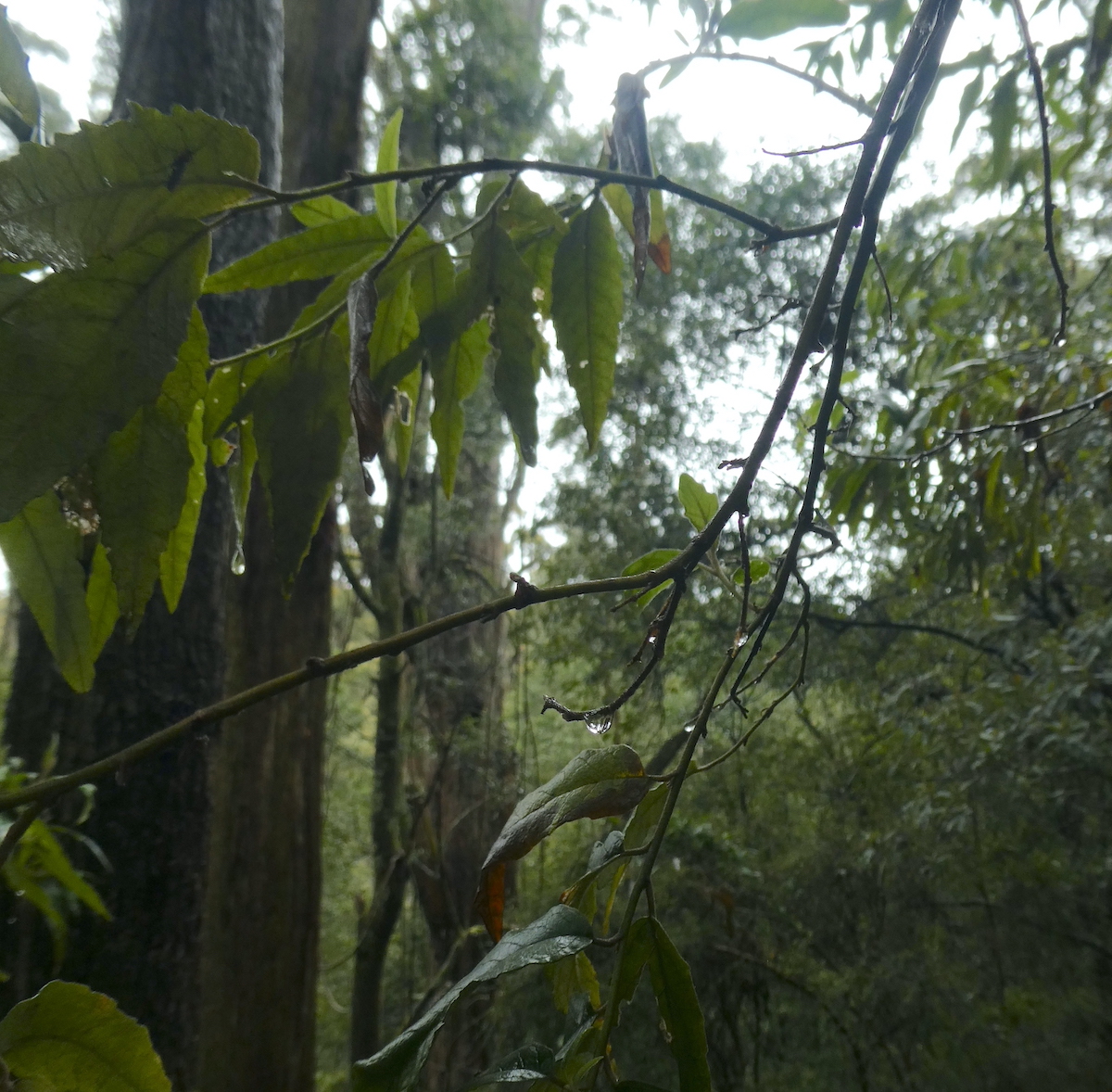
Remnants of an overnight rain shower sparkled on foliage

while contorted trees danced amongst their lofty companions.

I dutifully followed Poppy along the boundary of adjoining farmland

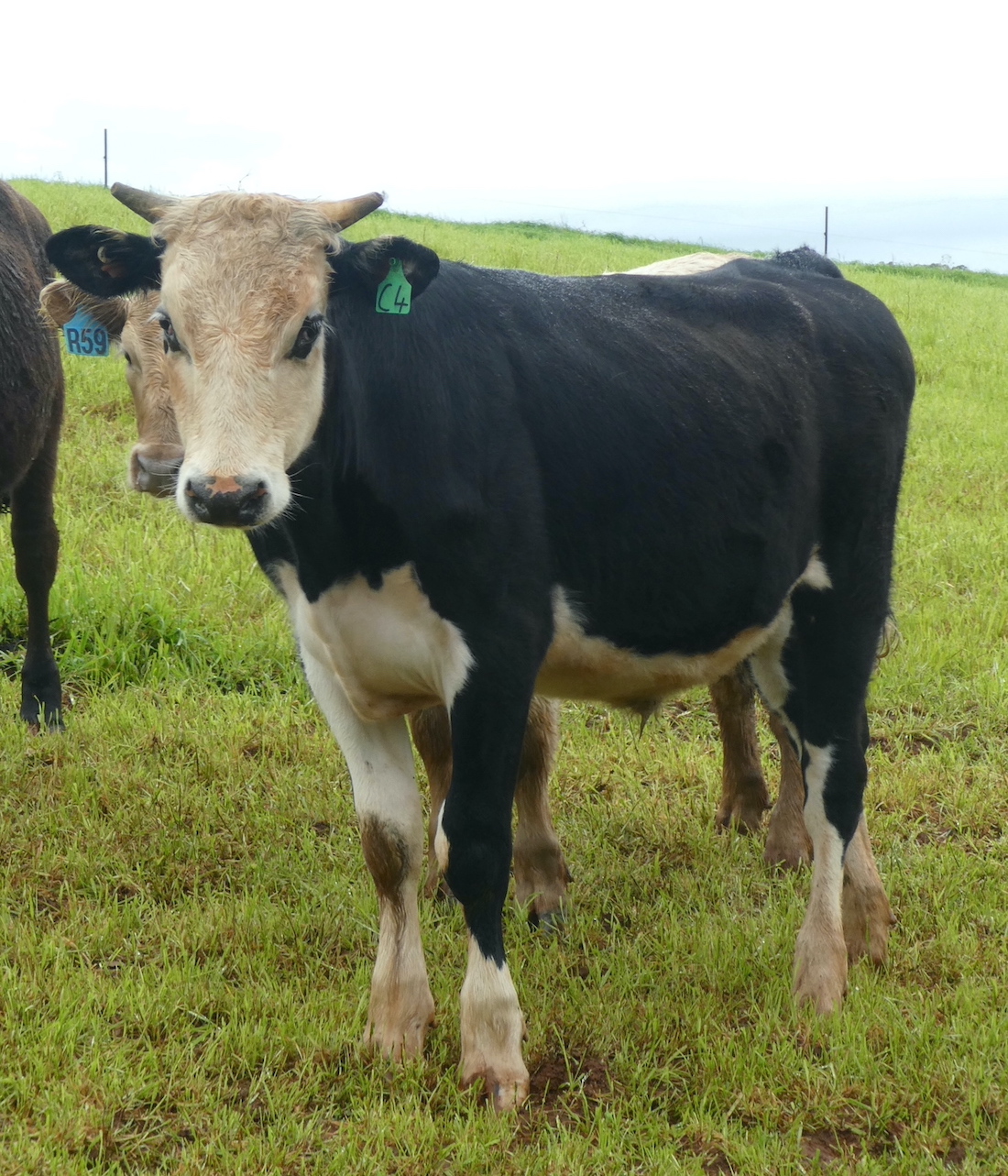
where we attracted the interest of neighbouring cattle who didn’t hesitate to take a closer look.

Our circuit returned us to the forest, the winter season has delivered more firewood from nature,

the manferns are thriving

and the stream is bubbling its way to the Blythe River.

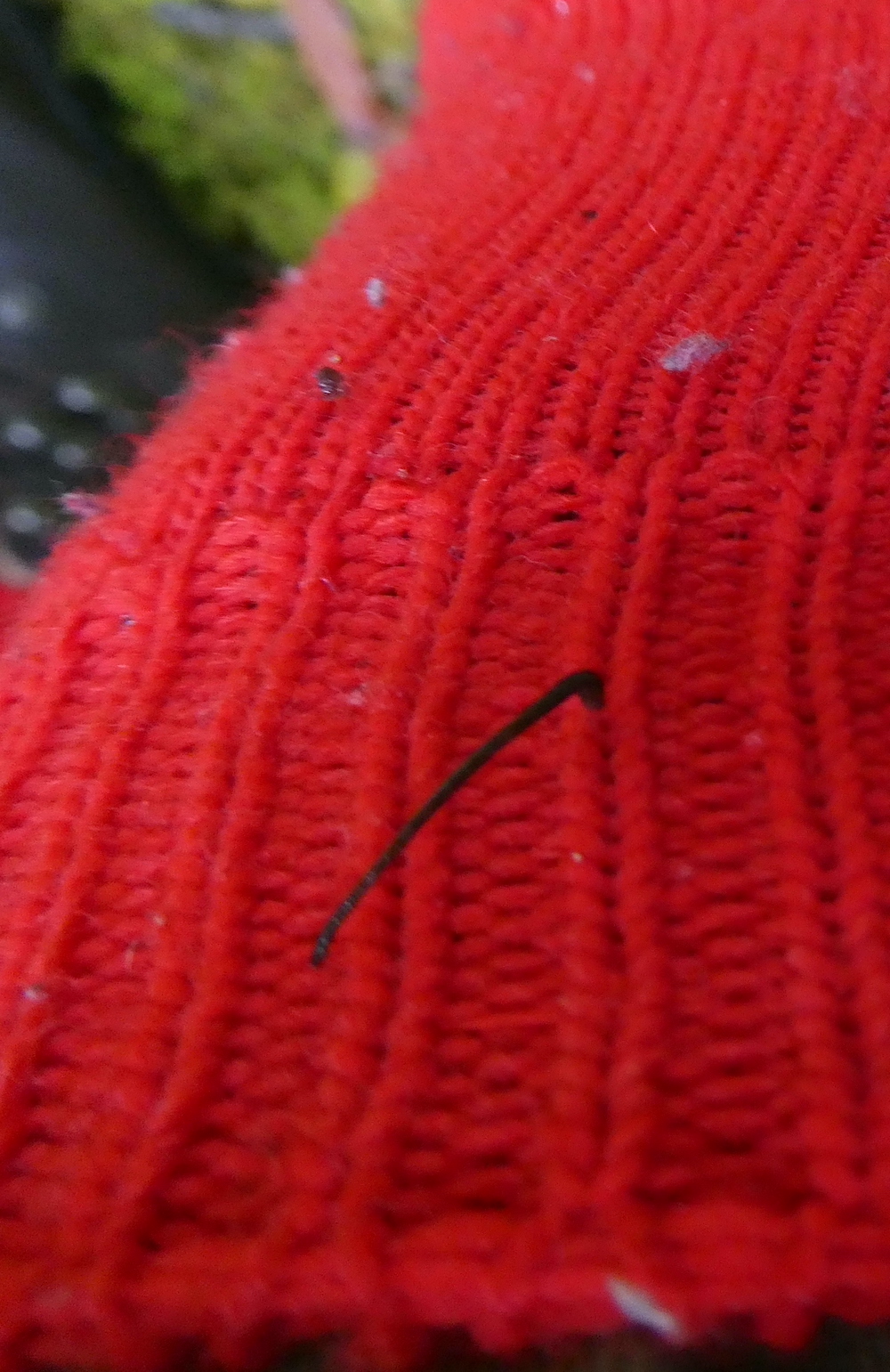
I wisely chose bright red socks for my pilgrimage, all the better to see the leeches that abound in the damp conditions.

Whakapapa

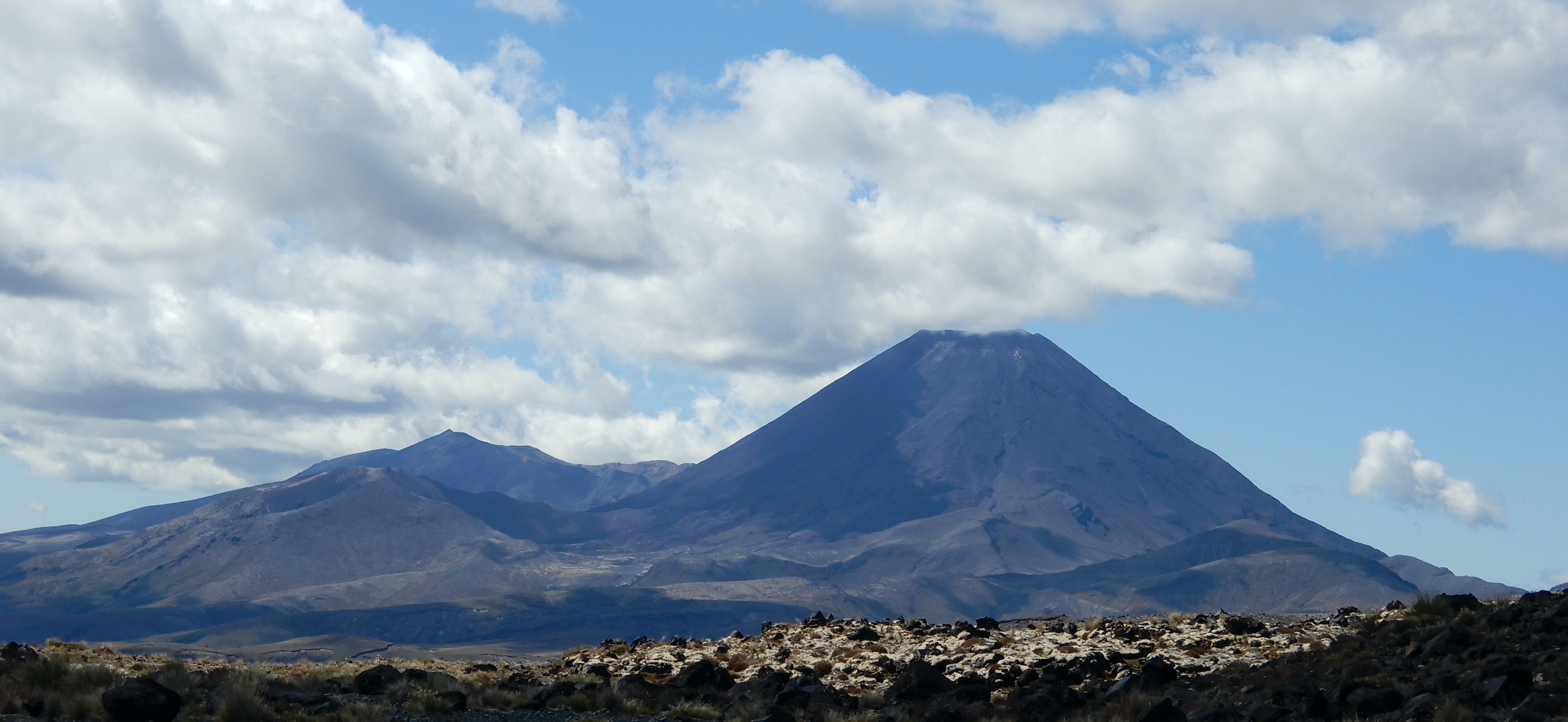
Tongariro National Park was a scenic forty minute drive from our haven at Motuoapa Bay. New Zealand’s first national park, Tongariro was gifted to the people by Te Heuheu Tukino IV, the Paramount Chief of local Māori tribe Ngati Tuwharetoa, in September 1887. The 80,000 hectare park is centred around three sacred volcanic peaks. A lookout on the way to our destination, Whakapapa Village, rewarded us with views of Mount Tongariro and Mount Ngauruhoe, the latter (on the right) may be recognised by The Lord of the Rings fans as Mount Doom.

From this height, the sweeping panorama across the Central Plateau was spectacular.

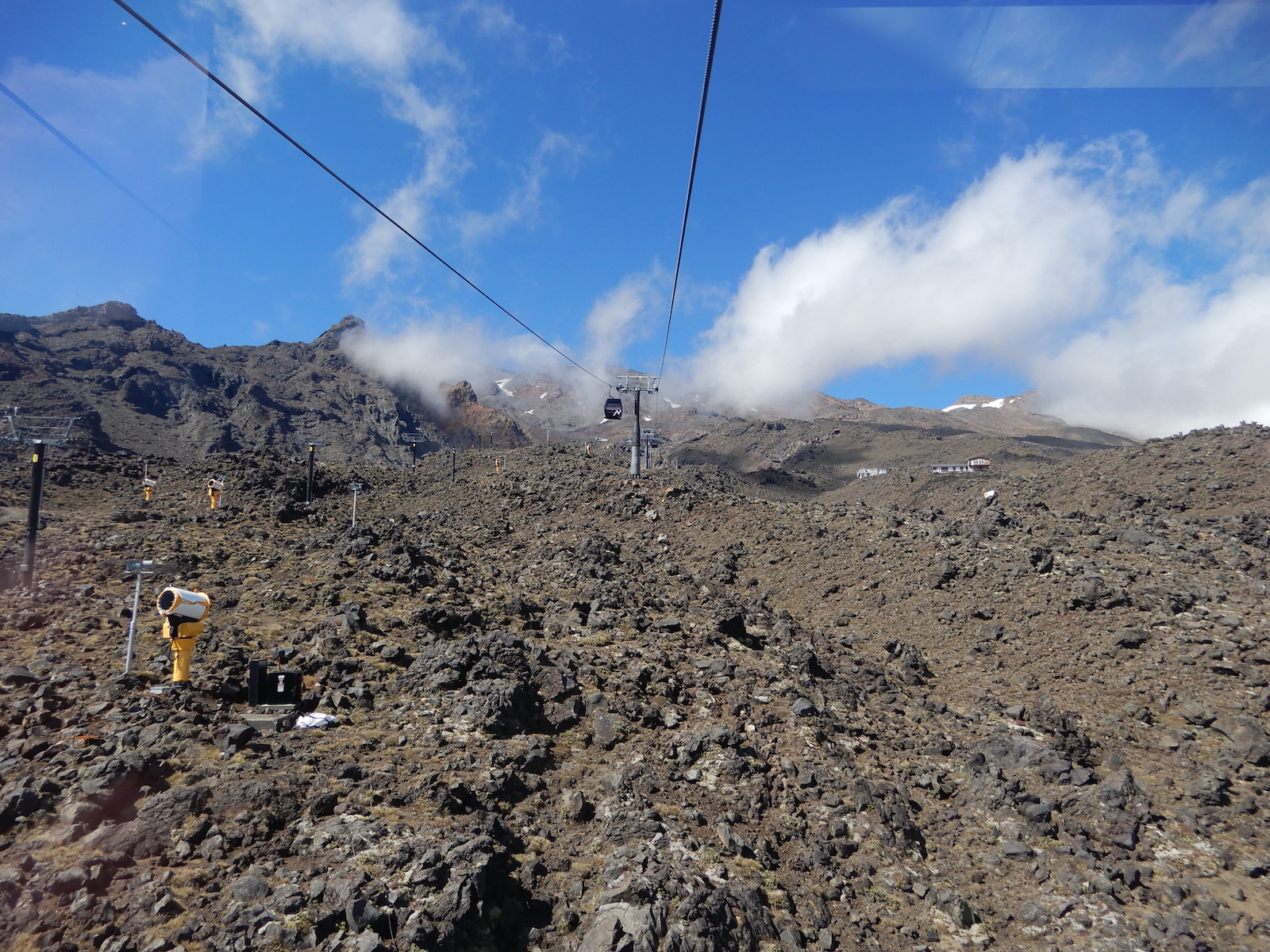
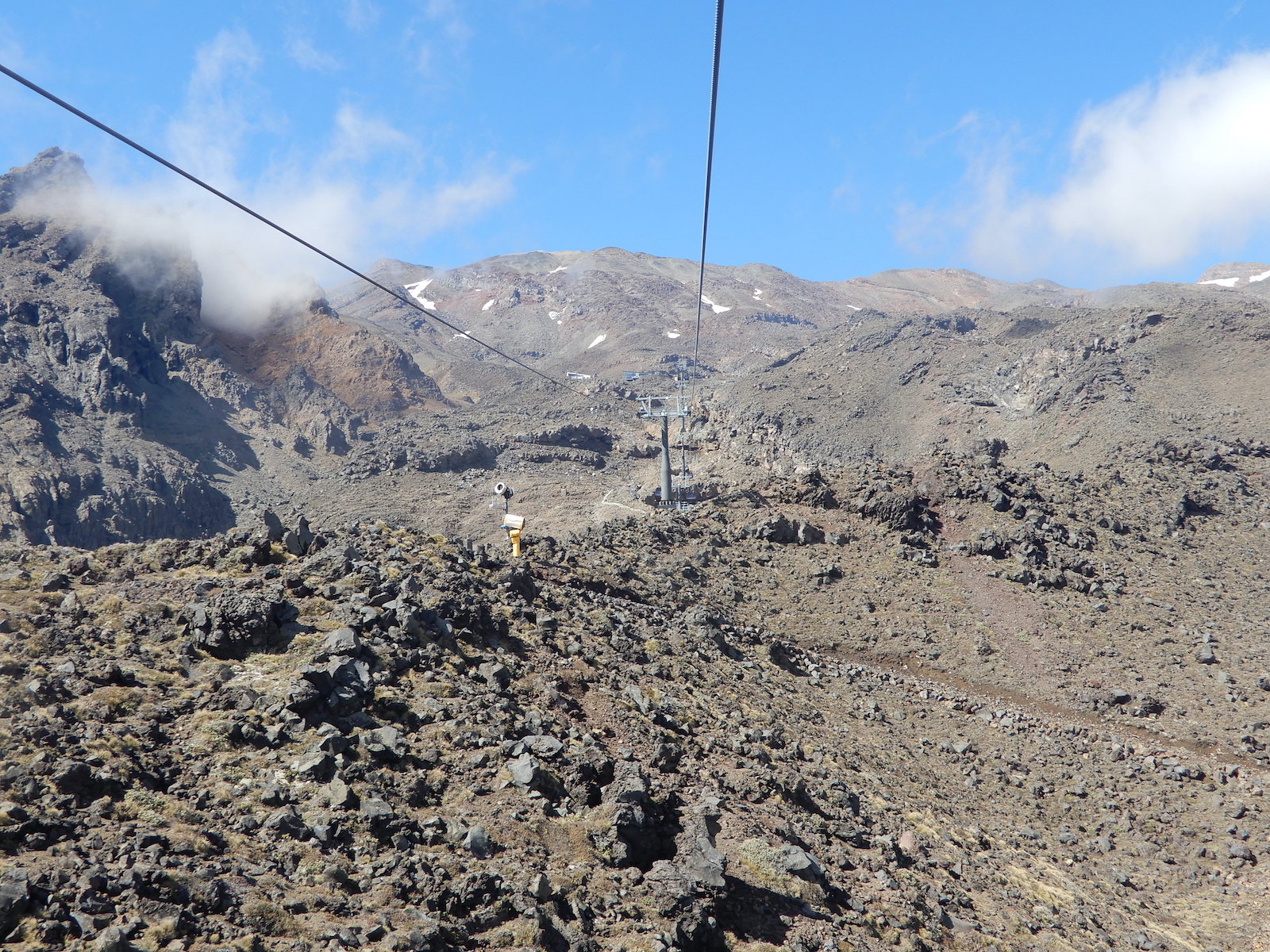
We parked the car at the village and considered our options, deciding on the Sky Waka gondola ride and buffet lunch combo. Mount Ruapehu is the centrepiece of the national park, the North Island’s highest peak is home to the largest ski field in New Zealand. The terrain in March is quite different to that during ski season, it is hard to imagine the Rock Garden Chairlift conveying skiers on the advanced beginners run.

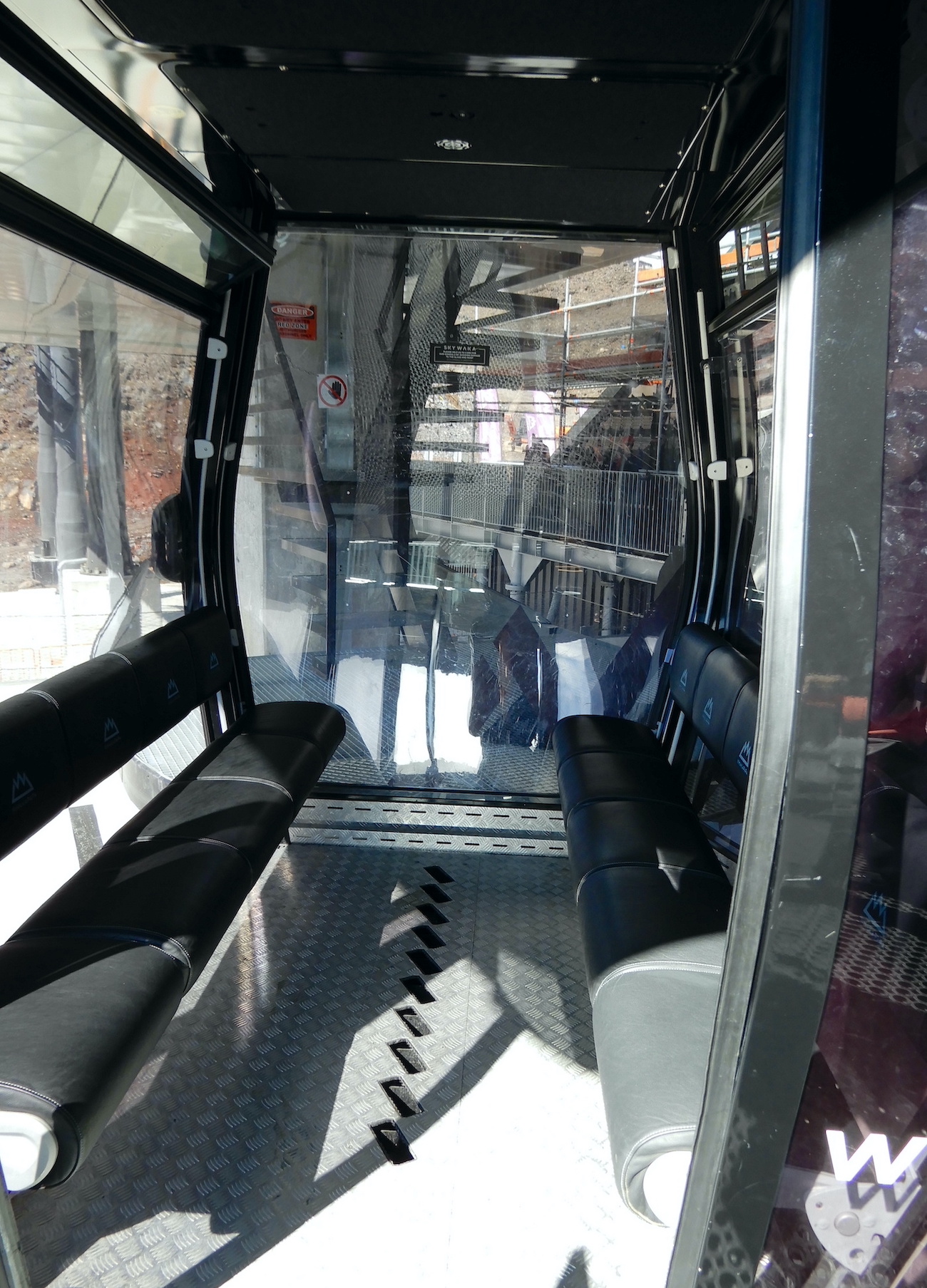
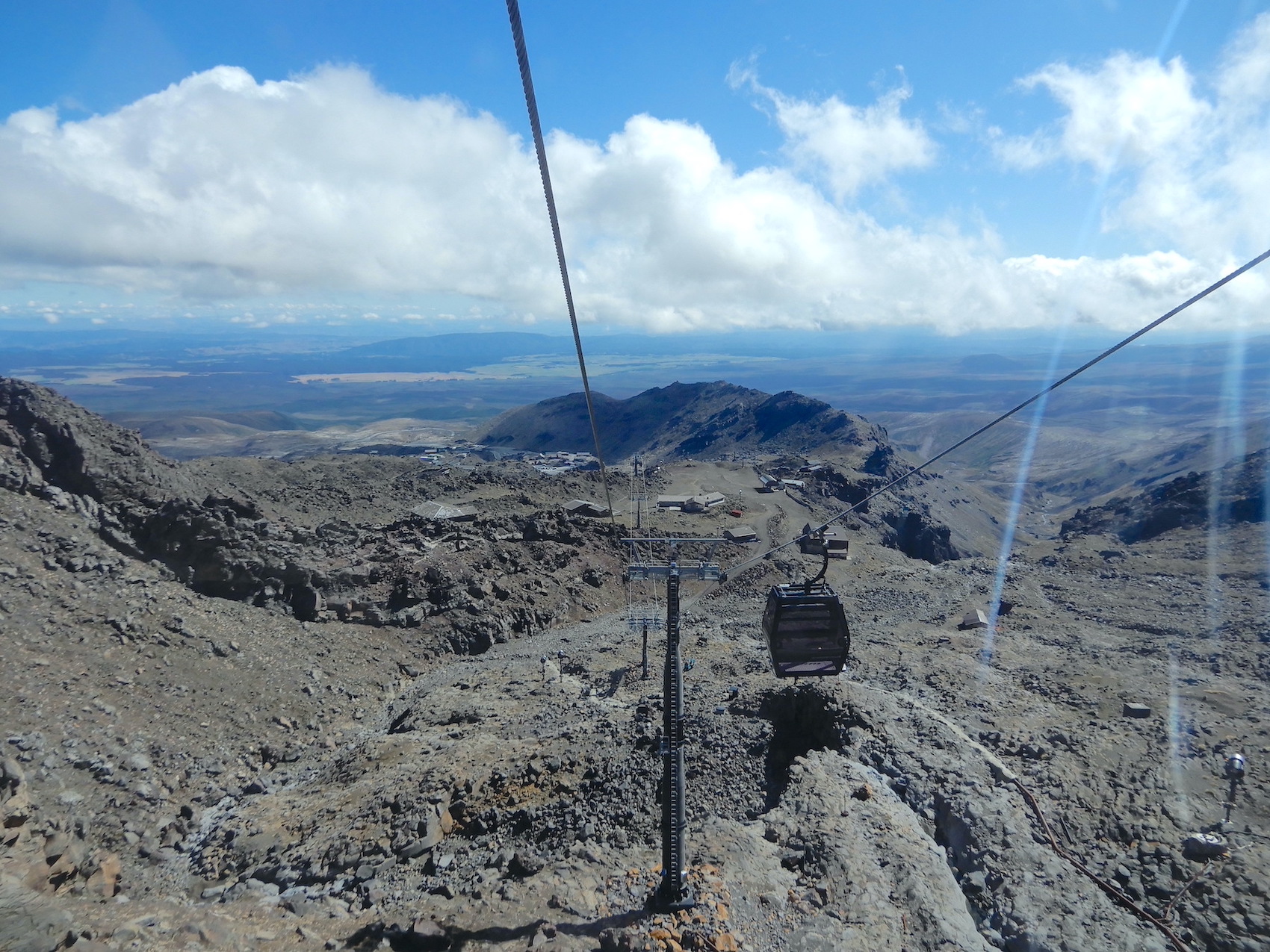
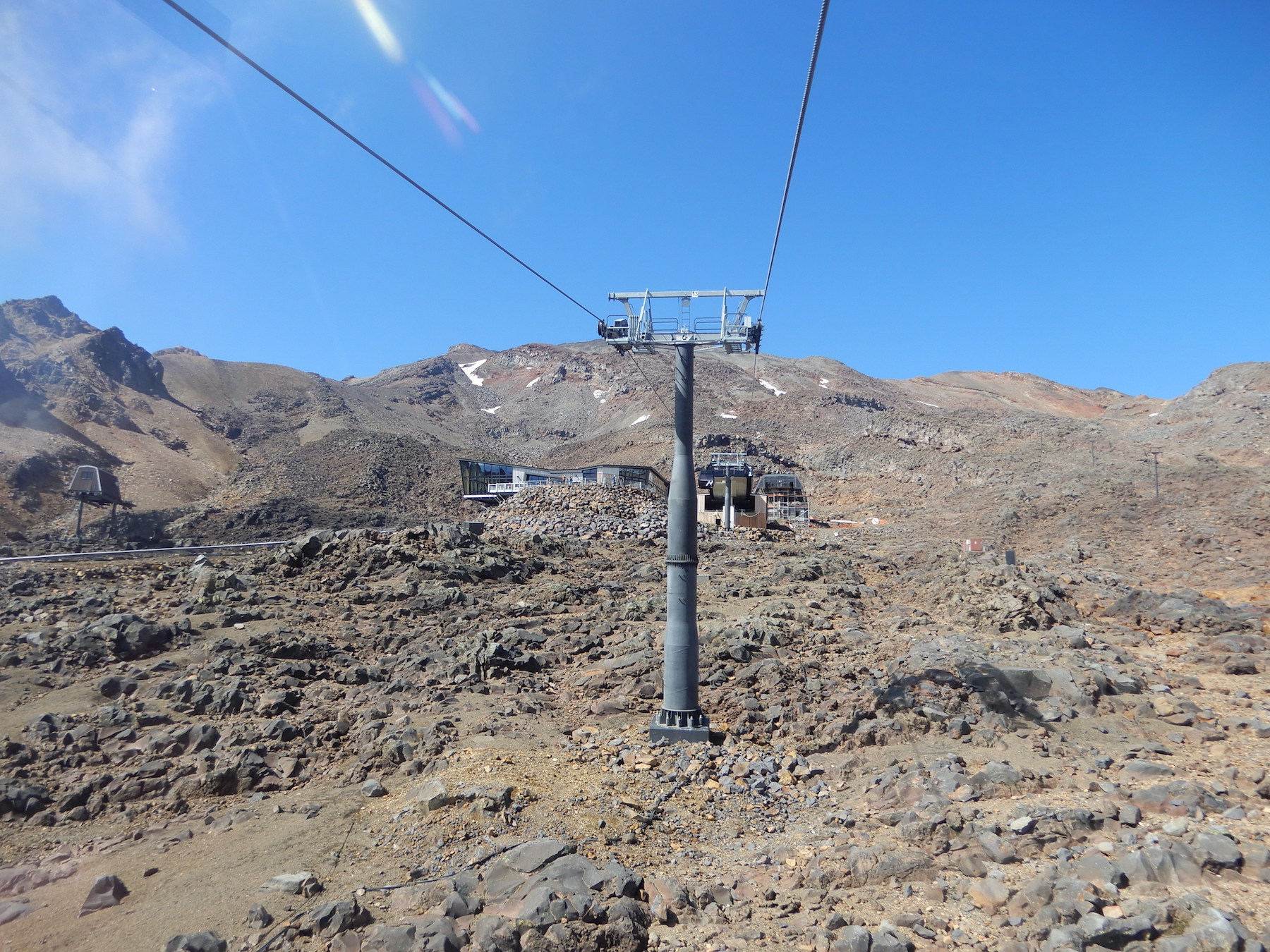
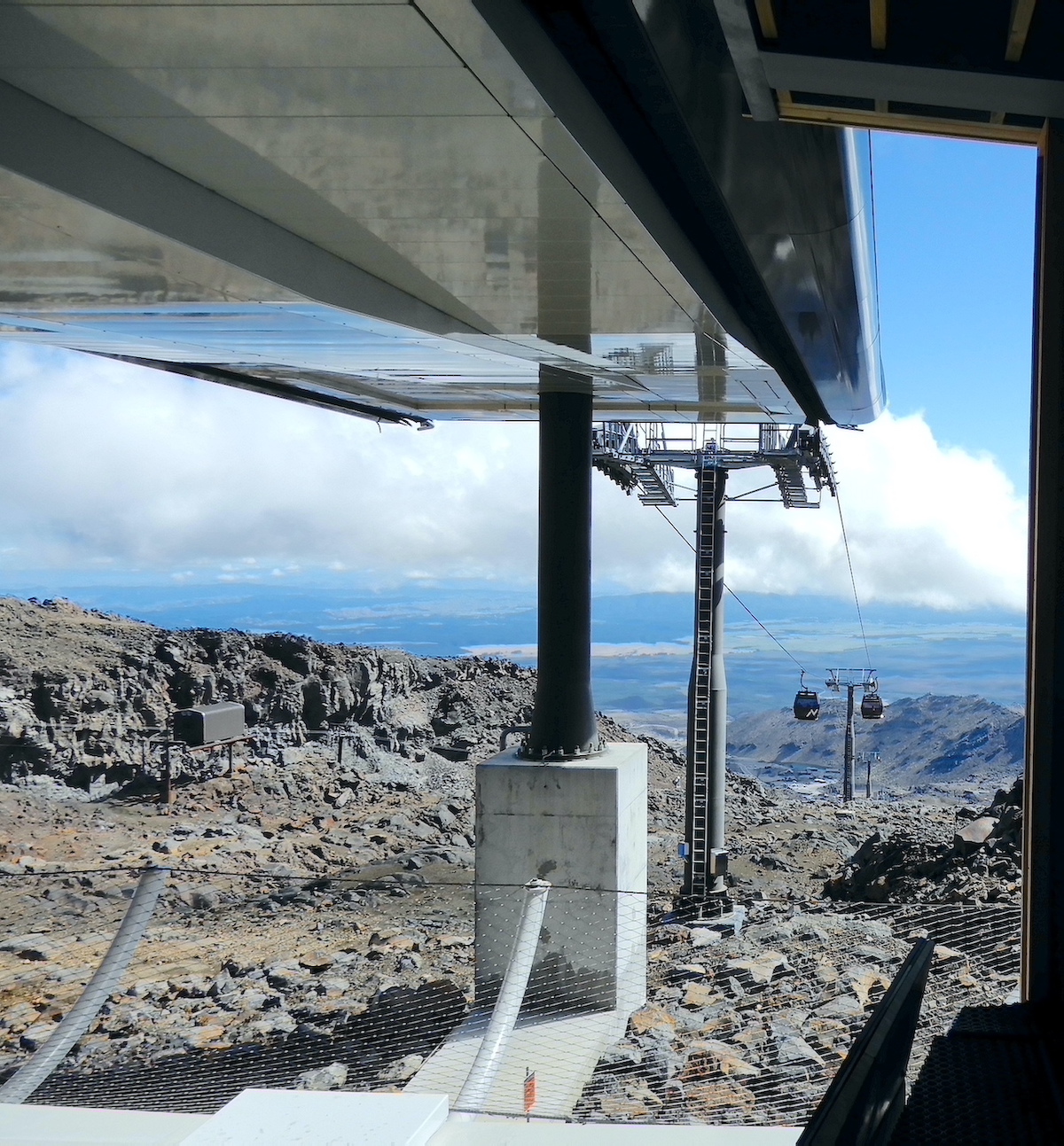
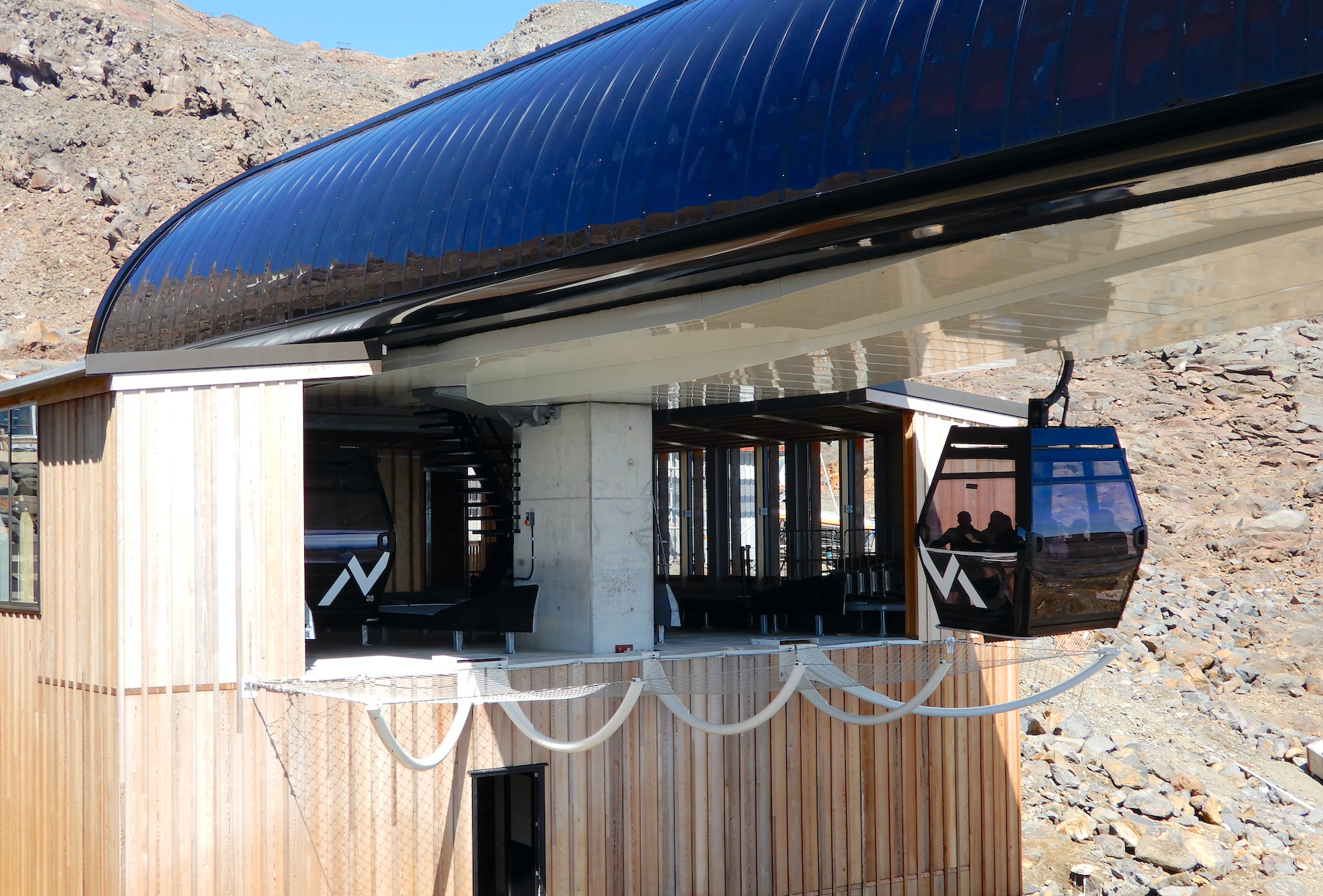
The $25 million Sky Waka gondola opened in July 2019 to transport 2,400 people an hour, a distance of 1.8km, up the northern slopes of Mount Ruapehu. It really didn’t feel as though we were travelling at 6 metres per second.

Back to The Lord of the Rings, scenes of Mordor were filmed on the rugged landscape of Whakapapa ski field and the slopes of Mount Ruapehu, including the scene where Isildur cuts off Sauron’s finger.

Our ride culminated at Knoll Ridge Chalet, a multi-storey eatery built in 2009 to replace the original café that was destroyed by fire earlier in the year.

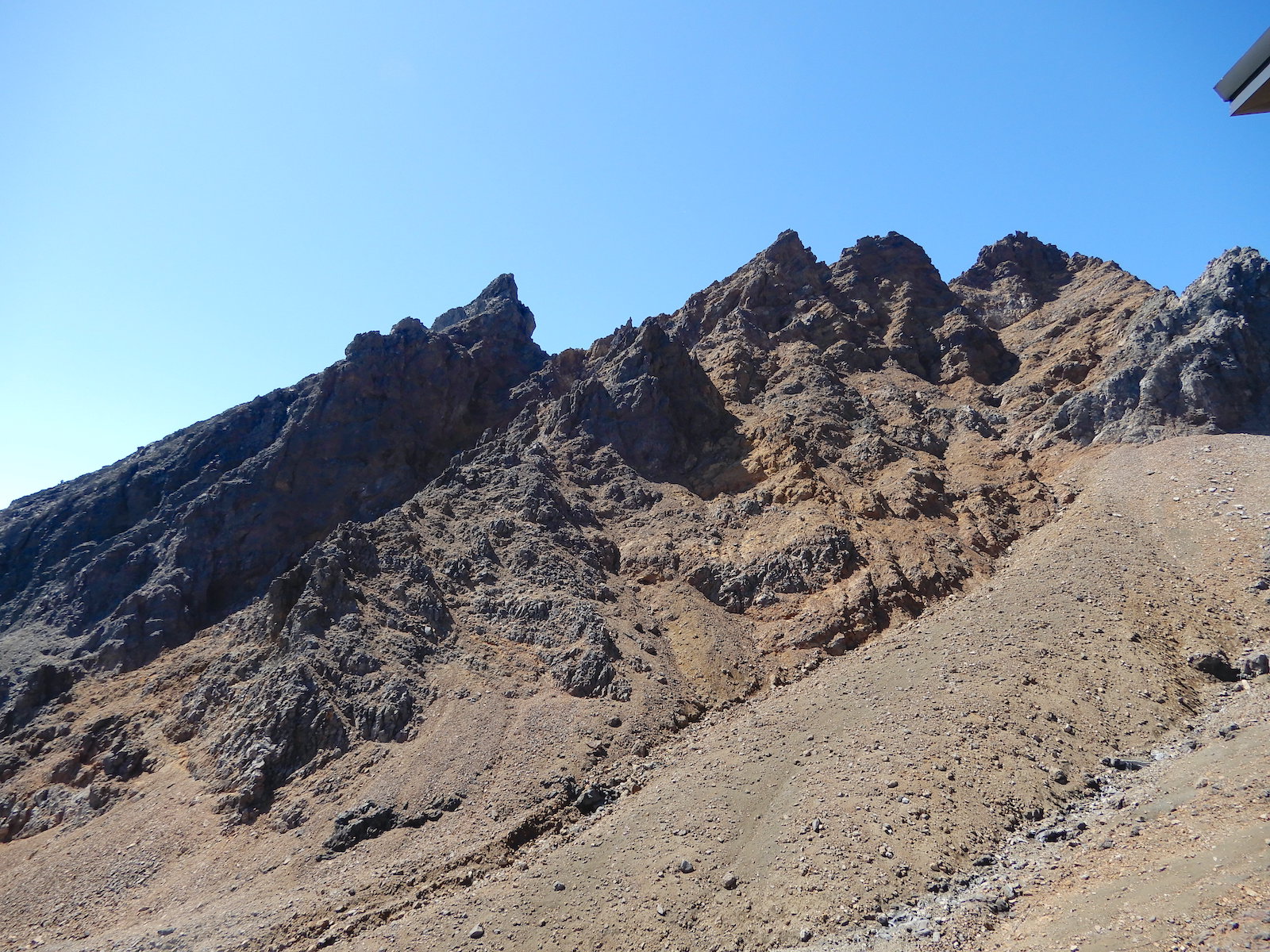
The magnificent Pinnacles Ridge was shrouded in cloud when we arrived and it was a bit cool for alfresco dining.

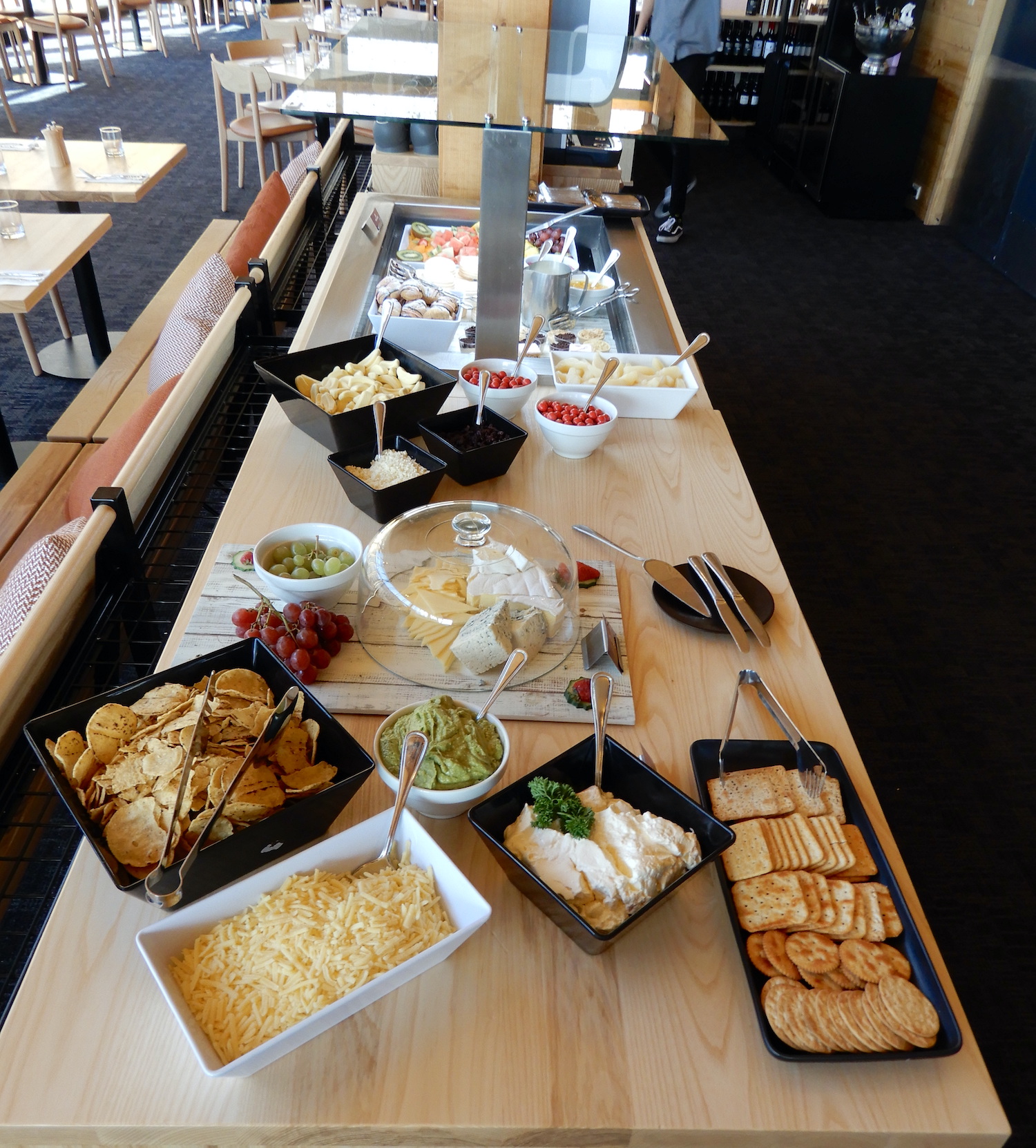
The Pinnacles Restaurant was warm and welcoming, the extensive use of timber created the feeling of a traditional mountain chalet.

Lunch at the highest restaurant in New Zealand, at 2,020 metres above sea level, was delicious.

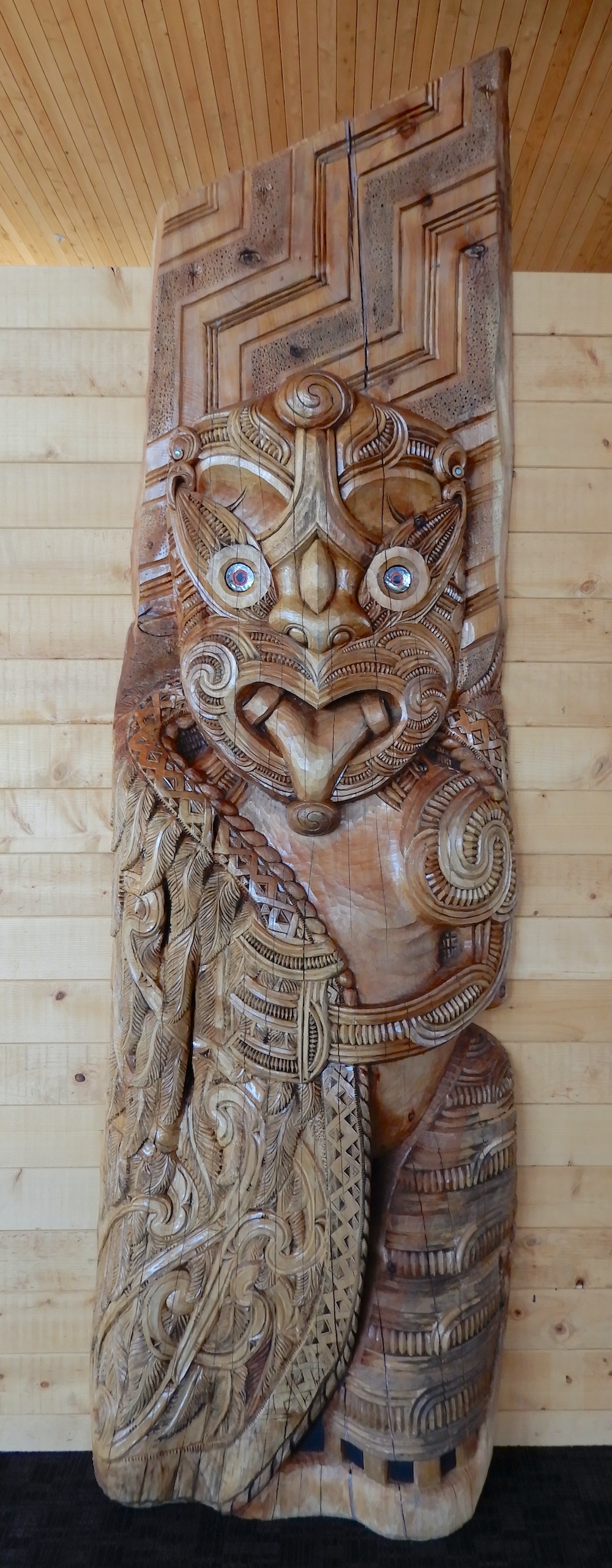
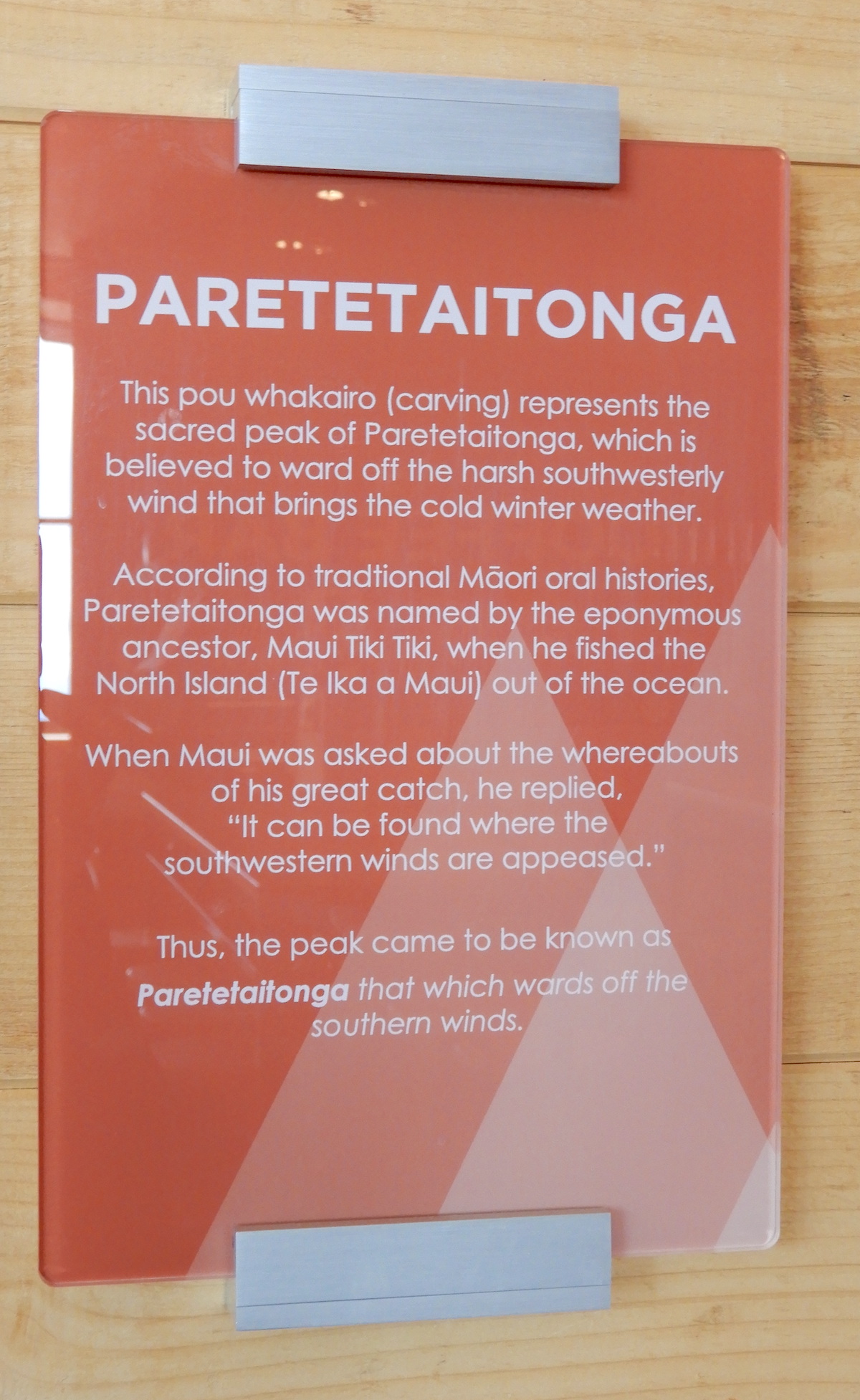
Mount Ruapehu is the largest active volcano in New Zealand and has three major peaks. There is a beautiful carving representing Paretetaitonga, the peak that wards off the southern winds.

By the time we finished lunch, the clouds had lifted from Pinnacles Ridge

and Sky Waka was the only way down

with more stupendous scenery to absorb.

Antico Borgo

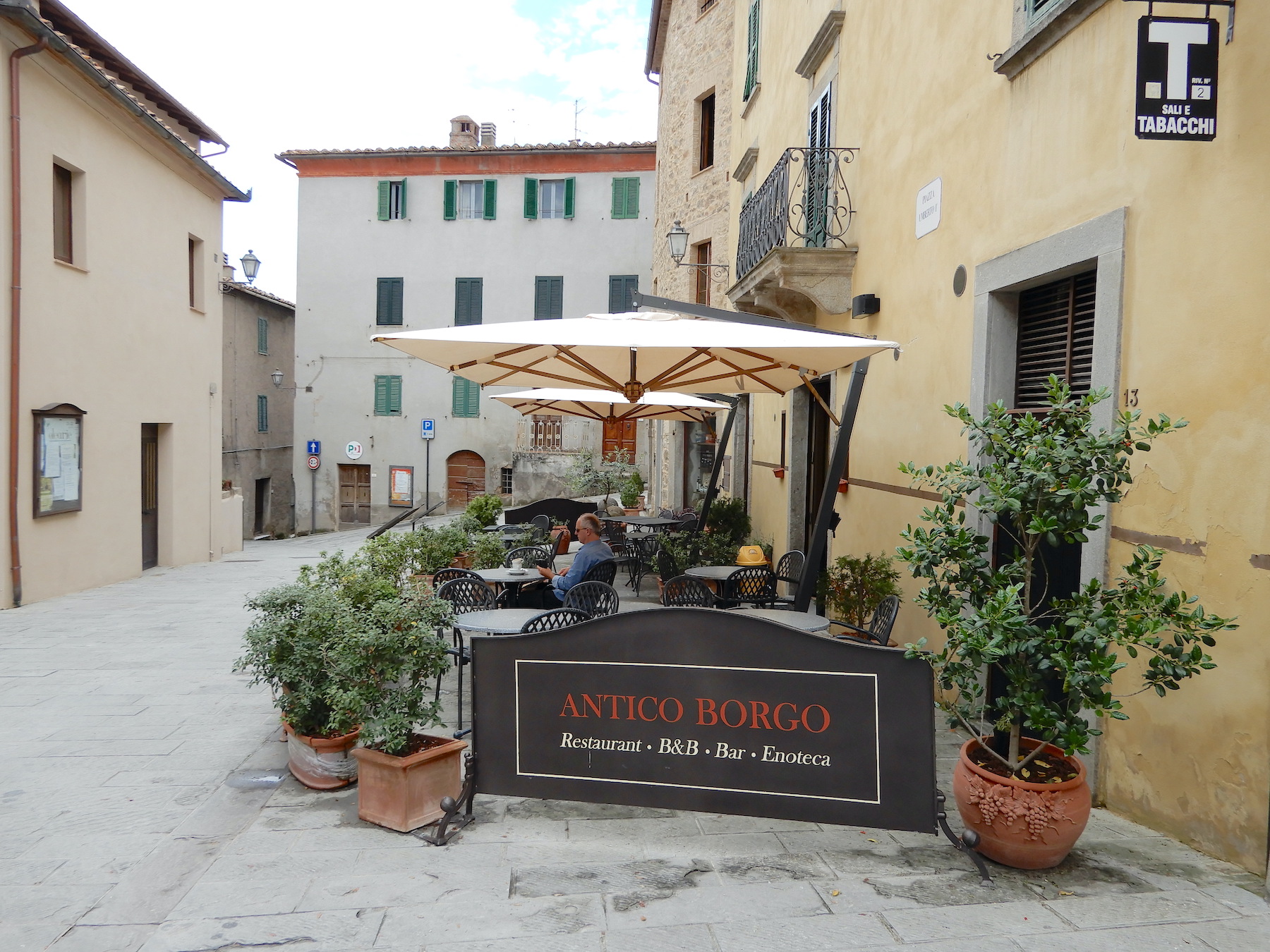
As soon as we arrived in Seggiano, we knew Antico Borgo was the place to partake of lunch. The blissful setting in Piazza Umberto guaranteed a relaxing repast.

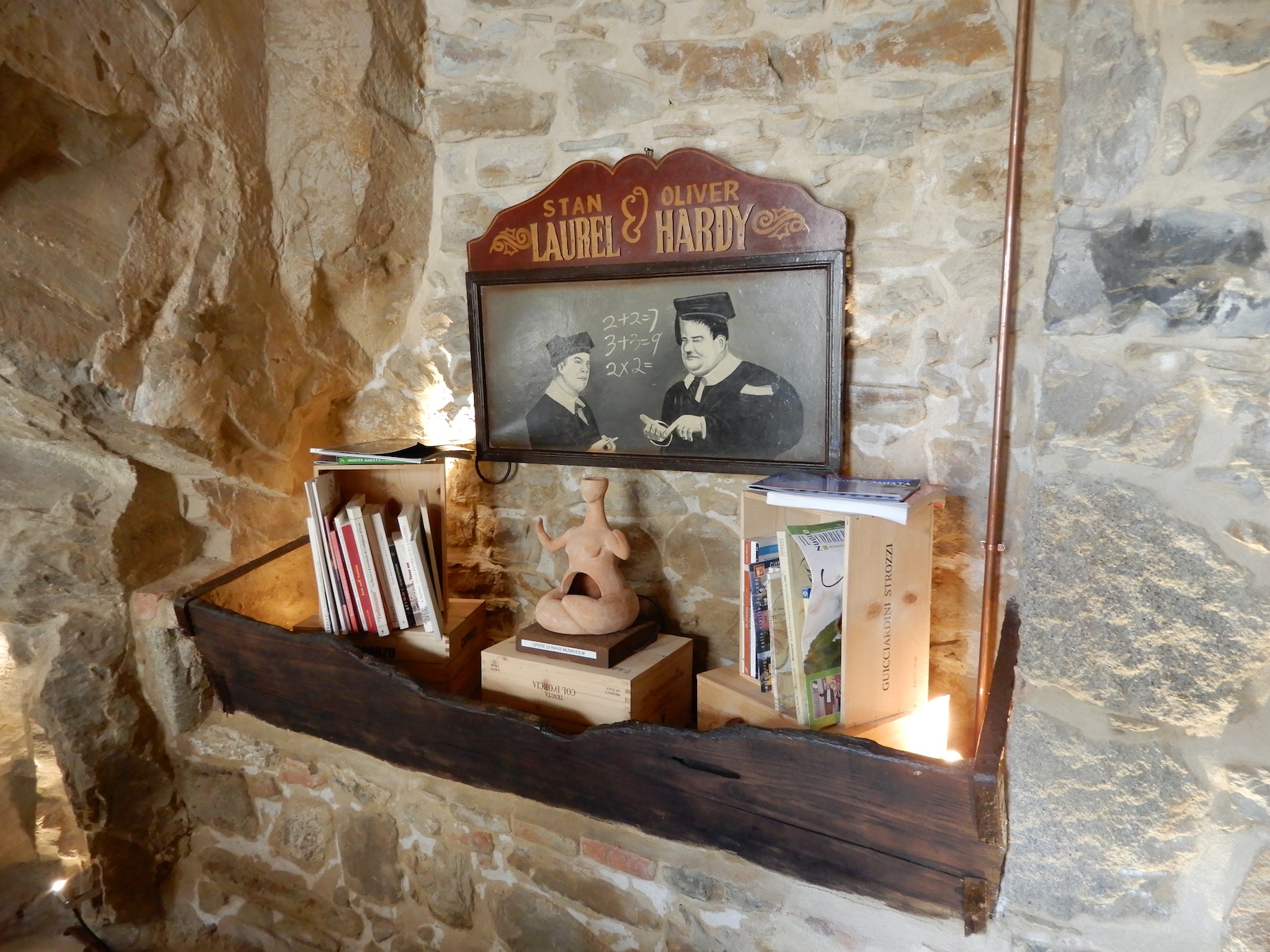
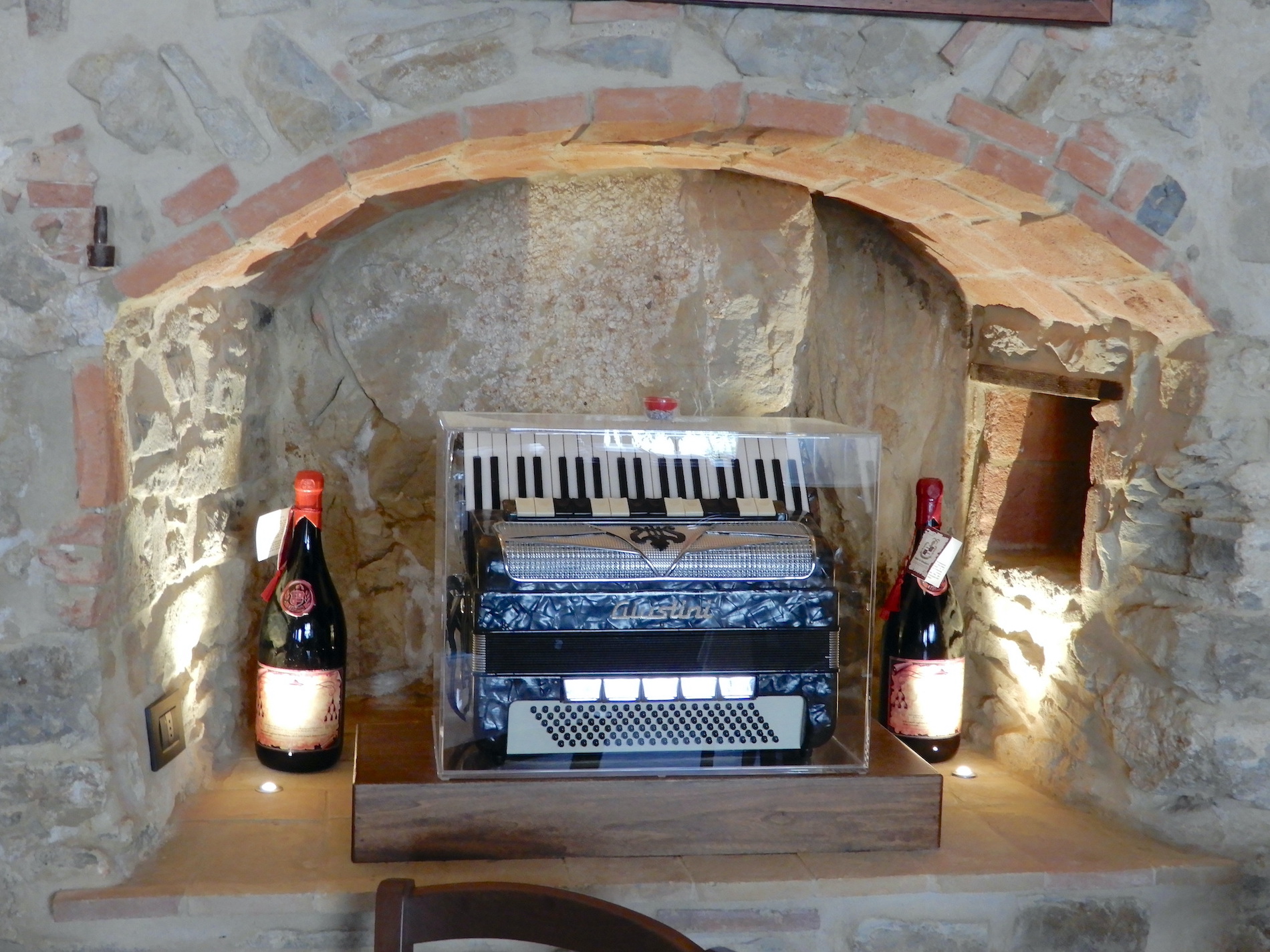
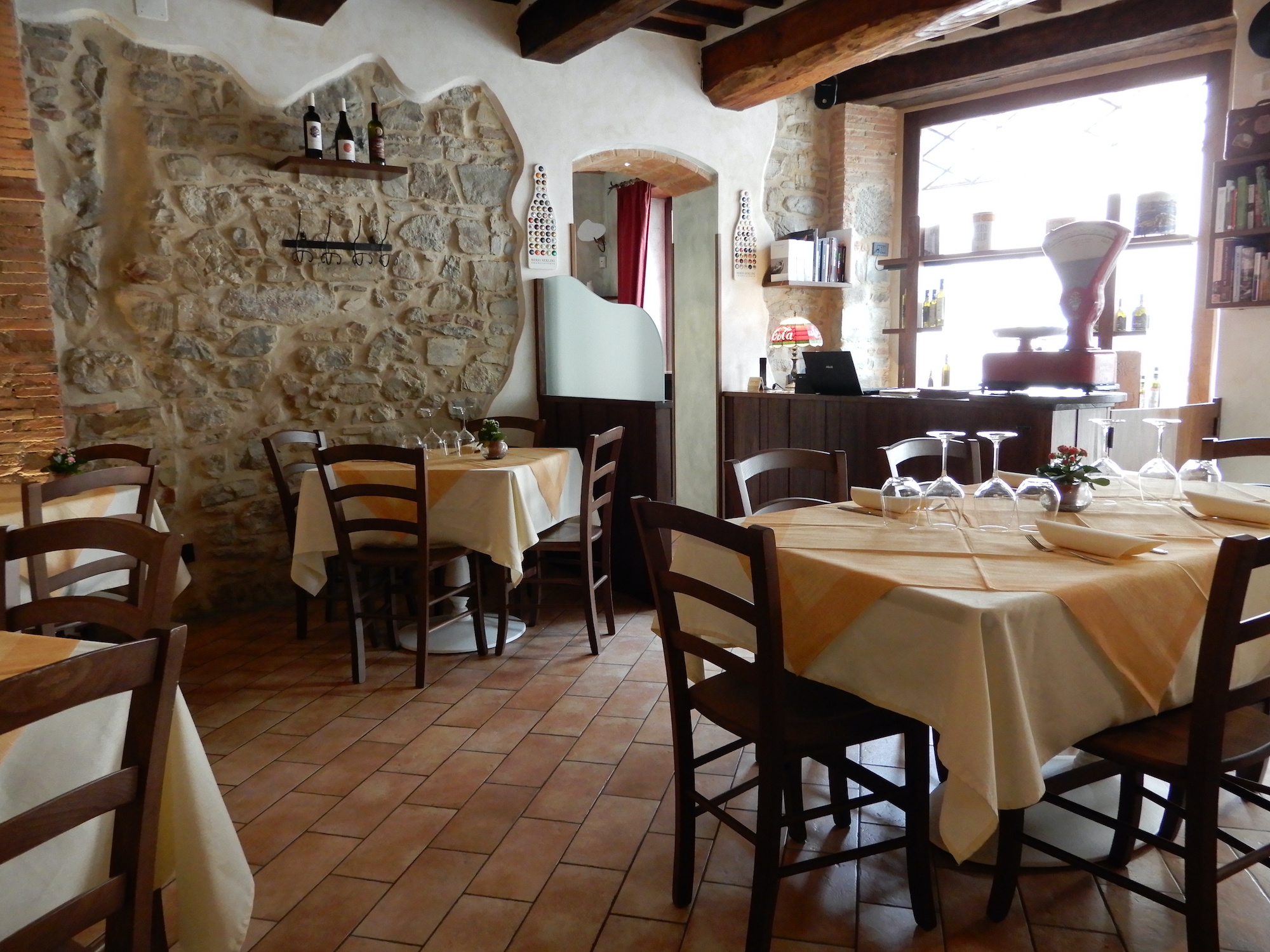
Within the renovated building, dating back to 1878, there are three apartments offering bed and breakfast accommodation. The Taverna is on the ground floor and the interior is astounding. Carved entirely out of stone on which the town rests, there are several rooms, all softly lit to evoke an intimate atmosphere.
A stairway leads down, presumably to a storage area and there is another room dedicated to the tasting of Seggianese olive oil.

We dined alfresco under the curious gaze of a handsome observer from a first floor balcony.

The menu enticed us with typical Tuscan dishes, spoilt for choice we selected Pici con Ragu and Bistecca Maiale.  

I think our onlooker would have liked to share the succulent pork steak.

miscellaneous moments

A few years ago, I posted ‘random rambling’, a selection of photos that didn’t really fit any one subject. I have since accumulated a few more that I thought I would share with you. The male blue wrens have been in their eclipse phase through winter and are now bobbing around the garden in their bright blue plumage in pursuit of the ladies.

In the forest, flowers of wild white clematis transform in autumn to feathery seed floss.

Here is a bit of silliness. Spreading a few tons of mulch, Michael captured this from his perch on the tractor. He calls it, “burying the wife”.

After dark, our garden becomes a marsupial playground and sometimes the critters are slow to leave come morning. This pademelon didn’t seem in any particular hurry to return to the forest.

The elegant art installation by a local orb spinner decorated the verandah. Backlit by the morning sun, it was fortunately too high to trap the unsuspecting human.

Sitting at the dining table one afternoon, I saw a flash of white in my peripheral vision. I assumed it was a sulphur-crested cockatoo but on closer inspection, a beautiful Grey Goshawk had landed in a tree just outside the window. The threatened species has a population currently estimated at less than 110 breeding pairs in Tasmania, we are hopeful our forest is home to at least one of those pairs.

I spotted this humongous fungus in the crevice of a tree trunk in the garden,

ten days later, it had started to shrivel and change shape.

Our magnificent Golden Ash tree provides shelter through summer before the leaves turn gold in autumn and fall to the ground.

On this particular day, I looked up from my usual gardening position on my knees and was awed by the comfort of the canopy. I felt as though the tree was embracing me

or maybe it was my handsome North Wind man?

Looking out of the window one day, I could see black objects on the horizon (my eyesight isn’t what it used to be). I took a photo for identification purposes and confirmed nothing more exciting than the neighbouring cattle searching for tasty remnants in a barren field.

I discovered this delicate, white fungus while picking the last of our daffodils, it reminds me of coral. Apparently, it is called Shizophyllum commune and is very common on dead wood.

Our holly tree, once starved of light under a huge gum tree we have since removed, has flourished. I think this is proof that Christmas should be in winter.

Both the red and yellow waratahs are presenting a stunning display this year

and the port wine magnolia is again in bloom.

Tolmer Falls

Feeling inspired by our Wangi Falls expedition, we ventured 10km further down the road to walk the 1.6km Tolmer Creek loop before lunch. The trail started with an easy amble along a flat path surrounded by scattered rock formations

and sporadic blooms of Sturt’s desert rose. The floral emblem of the Northern Territory, this delicate flower was named after the explorer Charles Sturt. Interestingly, the stylised version on the official flag has seven petals instead of five.

Hundreds of cycads dotted the prehistoric landscape.

The male plants grow a large, pollen producing cone on the top of the trunk but the females grow a cluster of stalks that grow upward until the seeds at the end get heavy and they droop. They are not recommended for a bush tucker menu as they contain a neurotoxin and are poisonous.

The track became steep and rocky as we neared the top of the falls, taking a moment to ponder some carefully constructed rock art.

The crystal clear water of Tolmer Creek trickled its way over golden sandstone to the edge of the escarpment.

We were rewarded with awe-inspiring views and spectacular cliffs as we made our way to the viewing platform.

Explorer Frederick Henry Litchfield named the falls after his late father’s colleague in the South Australia Police, Alexander Tolmer. The water cascades over two high escarpments into a deep plunge pool where swimming is prohibited.

The panorama from the other side of the viewing platform was quite different but equally as impressive.