Hobart

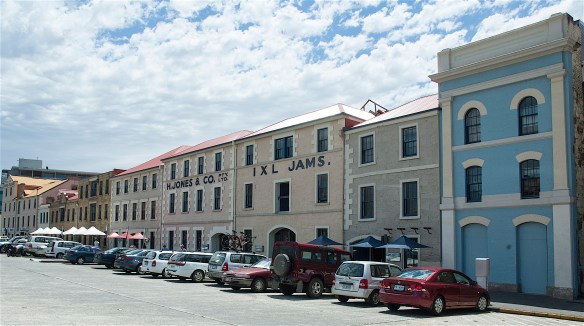
Hobart is Australia’s second oldest capital city, after Sydney. It is an intriguing mix of old and new and the waterfront precinct is captivating. The Georgian sandstone warehouses lining the dock were built in the 1830s. The IXL Jam Factory is now the Henry Jones Art Hotel and others have been converted into businesses, galleries and restaurants.
1.Waterfront

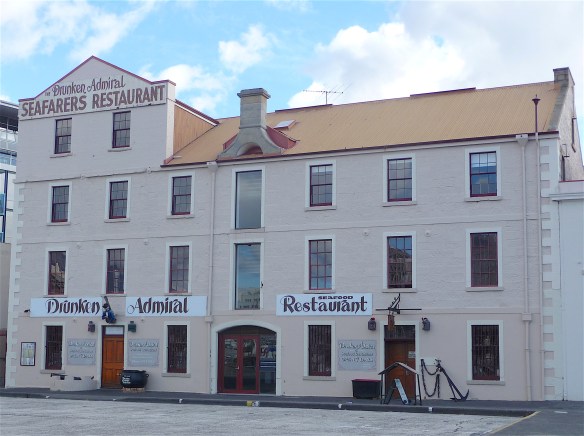
There are many fabulous restaurants to choose from, with seafood the specialty. The Drunken Admiral is very popular,
2.Drunken Admiral

unfortunately we missed out without a reservation.

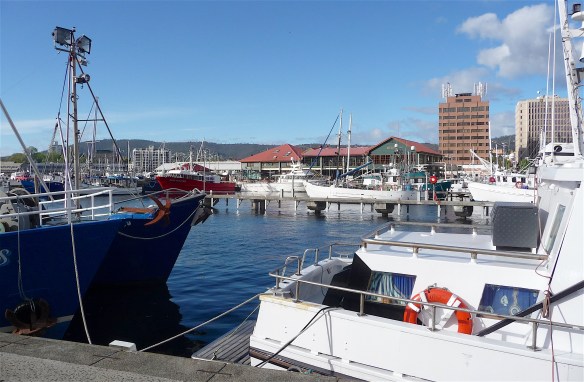
Looking across Victoria Dock,
5.Victoria Dock

Mures Lower Deck offers casual dining while the Upper Deck is a unique experience with fresh seafood caught, prepared and served by this local family owned business.
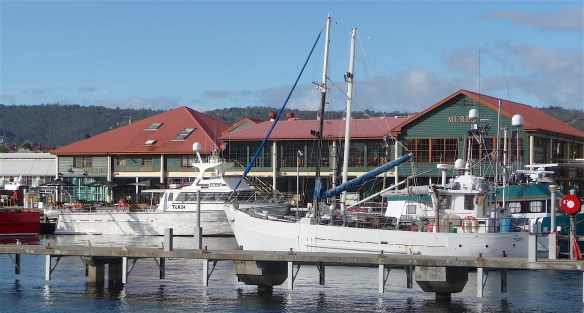
6.Victoria Dock

Strolling along Franklin Wharf, we encountered a series of bronze sculptures, a tribute to the Antarctic Expedition of 1899. Louis Bernacchi was raised in Tasmania and is immortalised in this, “Self Portrait, Louis and Joe”.

7.Bernacchi

Nearby are other sculptures depicting the penguins and seals of Antarctica

as well as some of the supplies and other animals present on the expedition.

Sullivans Cove, on the Derwent River, was the original landing point in 1804 of Hobart’s founder, Lieutenant Governor David Collins and the site of initial European settlement in the area.
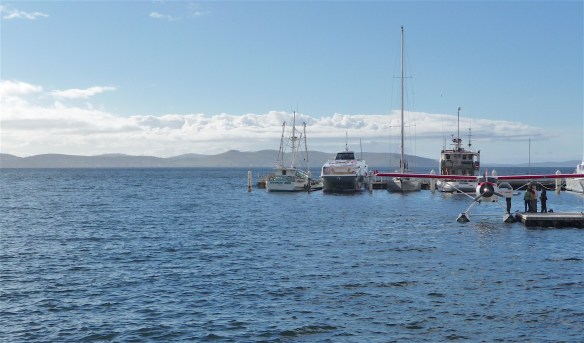
13.Sullivan's Cove

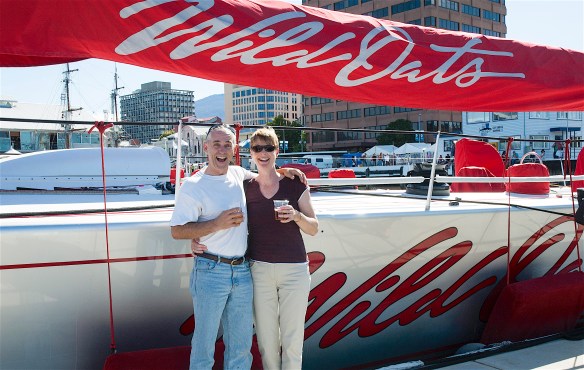
Further along the wharf is Constitution Dock, the finishing line for the Sydney to Hobart yacht race. We were very excited to be there for the celebrations.

14.Sydney-Hobart

Wild Oats XI had claimed its third consecutive line honours. Even for someone who doesn’t know a thing about yachts, I think she is a magnificent vessel.

17.Wild Oats

The dock was bustling

but this gull had seen it all before.
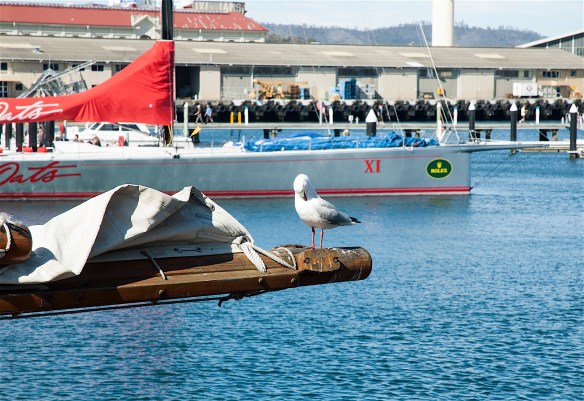
22.seagull

This heritage travelling steam crane, built in 1899, sits proudly on the wharf since retirement in 1969.

23.steam crane

Elizabeth Street Pier underwent a transformation in 1997

24.Elizabeth St pier

and now comprises an apartment style hotel, conference centre and eateries.

Moored at the pier is a full size replica of the Lady Nelson, one of the vessels arriving in 1804 with the first free settlers. She now spends her days sailing the River Derwent with passengers who wish to enjoy a tall ship sailing experience.

27.Lady Nelson

A short walk across the lawns of Parliament Square is Salamanca Place. Each Saturday there is a very busy market
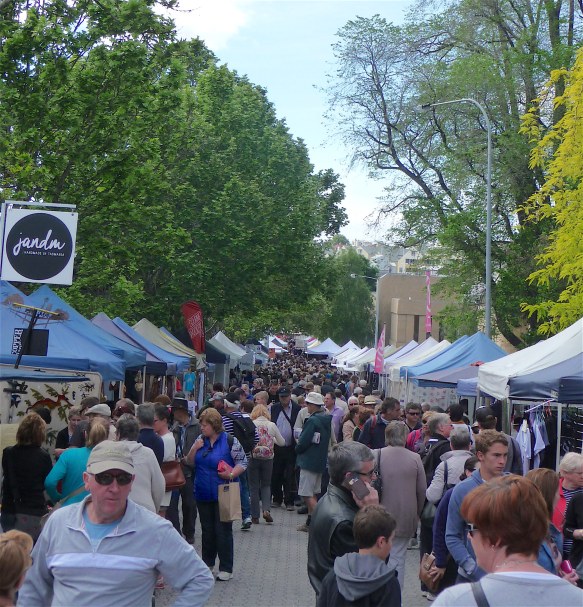
28.market

offering a great variety of wares, mostly from local artisans.
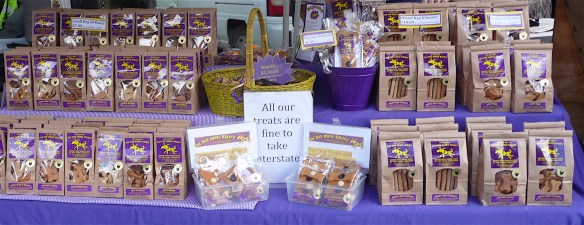
29.market

Even the world famous can be seen busking in Salamanca.
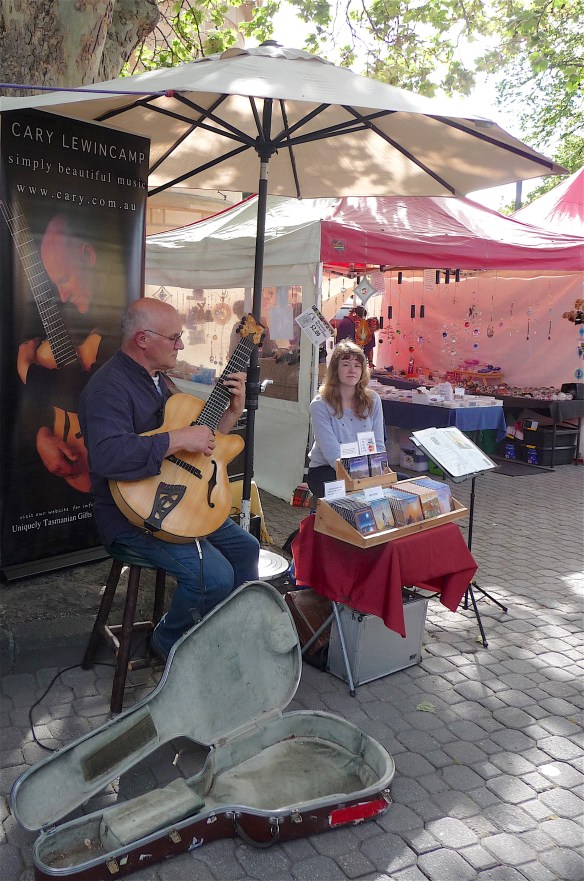
34.market

Behind the market stalls are rows of sandstone buildings built in the 1830s to house grain, wool, whale oil and imported goods. They have since been converted into restaurants, galleries, craft shops and offices.
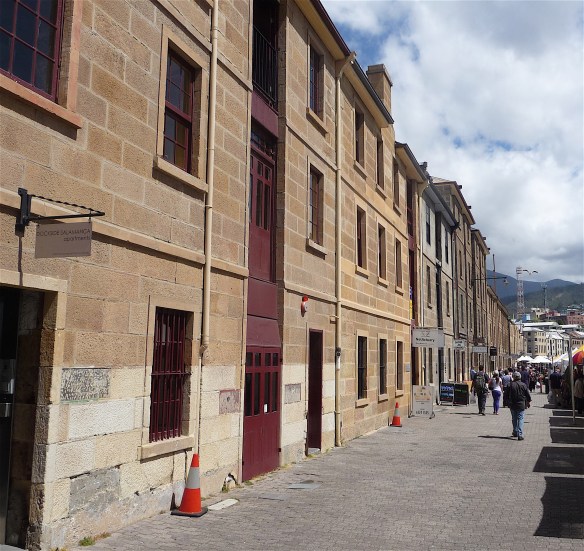
35.Salamanca

There are many laneways and squares to discover around Salamanca

and the new is starting to encroach on the old.

38.Salamanca

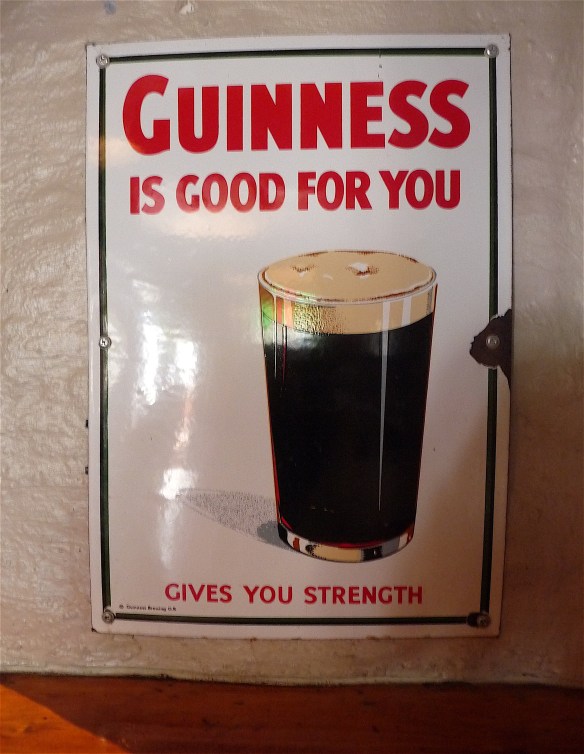
When a break is needed from the shopping and exploring, Irish Murphy’s is the perfect spot

39.Irish Murphy's

for a light refreshment

40.Irish Murphy's

to give you the strength to carry on.
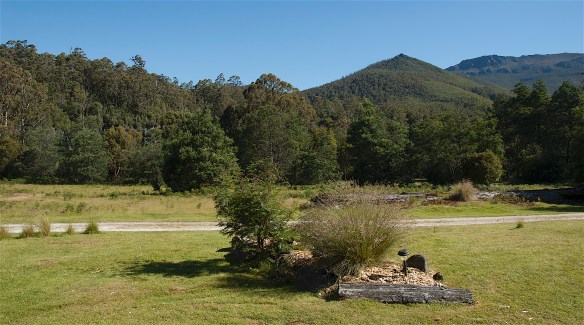
Mountain Valley

Mountain Valley is a secluded retreat in the Loongana Valley, we first discovered while on holiday here.

1.setting

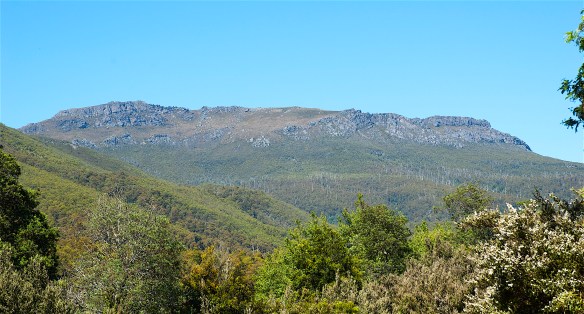
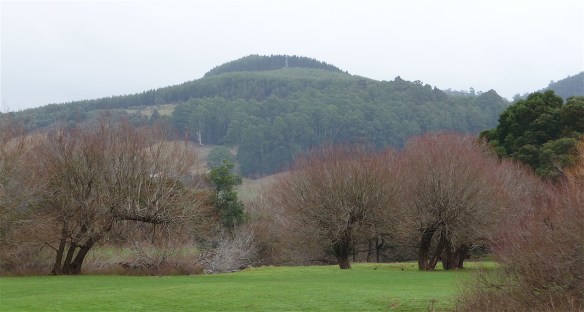
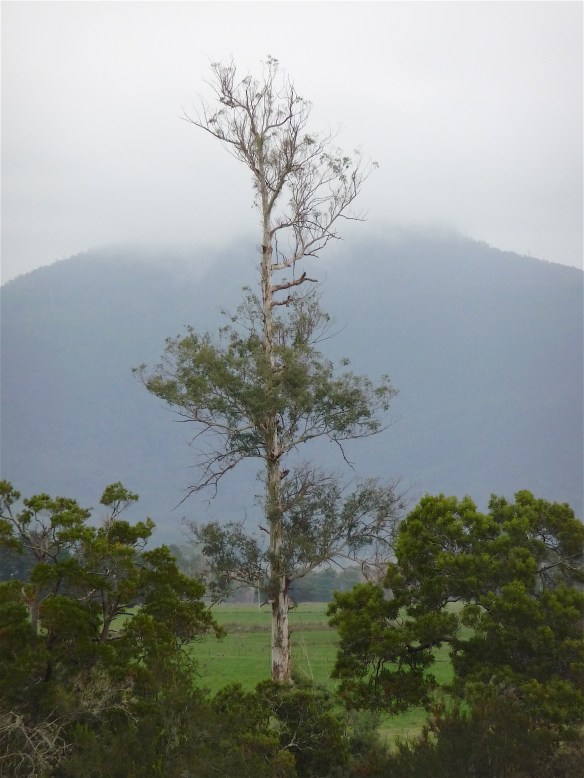
50km inland from the coast of northwest Tasmania, this 61 hectare Private Nature Reserve nestles beneath the majestic Black Bluff.

2.Black Bluff

There are six eco-cabins to choose from, our favourite is Blue Wren.

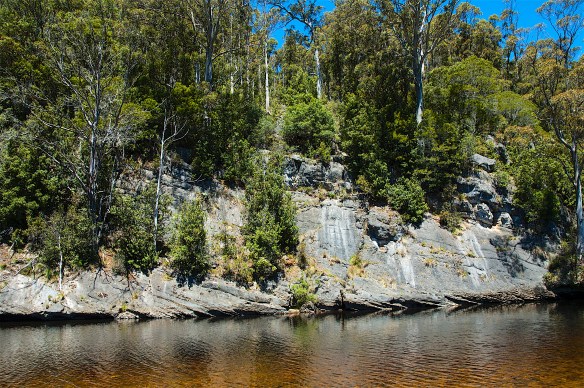
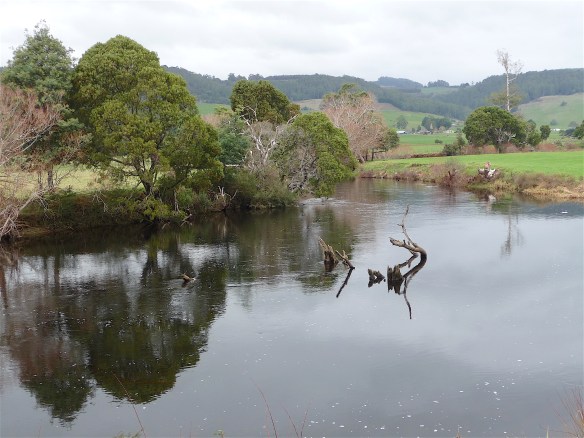
The Leven River flows through the property

7.river8.river

and many an hour has been spent idly waiting to spy the elusive platypus.

9.river10.river11.river12.river13.cliff

Across the bridge,

14.bridge

the path follows the river. Trout can be seen jumping in the shallows

15.river16.river

and the native hens appear when you least expect them.

17.river

The path becomes narrow and we still search for that perplexing platypus.

18.river19.river

Native creatures abound in this sanctuary – wallabies, possums, quolls, birds and of course, our gorgeous pademelons.

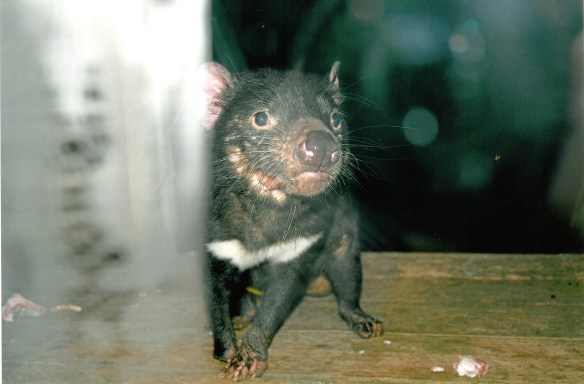
We watched Tasmanian Devils and quolls eating their evening meal on the verandah. Our host placed tasty morsels for them at dusk and they slowly came after dark as Michael sat motionless among them while I opted to watch through the window.

22.Devil

The guided walk to the glow worm grotto took us through serene grassland,

23.walk to cave

and we learned the beautiful foxglove is regarded as an environmental weed in Tasmania.

24.foxglove

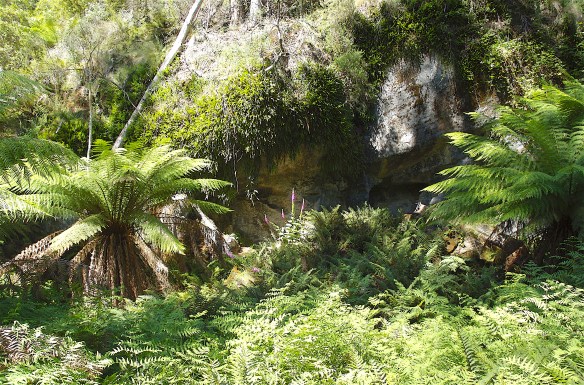
There are many walks to take through fern glades

25.walk to cave

and rainforest

to discover hidden caves.

31.walk to cave

There is much more to explore at Mountain Valley, it is a wonderful experience and for those who are feeling energetic, there is the walk to the top of Black Bluff.

32.Black Bluff

I am looking forward to our next visit. http://mountainvalley.com.au

crazy chooks

Two and a half years ago, we decided to get some chooks. We had chooks for many years before moving to Tassie. Always the ‘domestic reds’, purchased as point-of-lay from the local fodder store. They even had names, Satay and Tandoori were the first.

1.Satay & Tandoori

Then we moved to the country and had four, named after my mum and her three sisters – Jean, Doreen, Mavis and Susan.

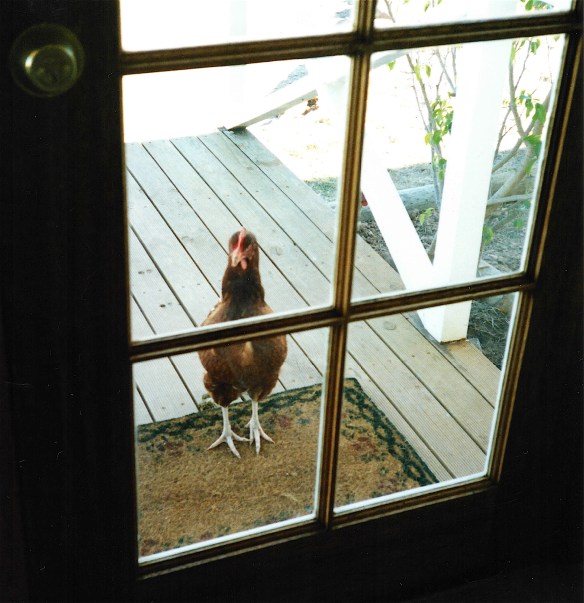
Lovely chooks, they’d sit on our laps, knock on the front door,

4.Jean

help with the gardening,

go to bed when asked, give us eggs in return for a comfortable home, food & water. We thought we’d do a bit of research for our Tassie chooks, something to withstand the harsher climate yet provide us with the eggs they were intended for. The number one recommended all-purpose fowl for a cool-temperate climate…..the Barnevelder.

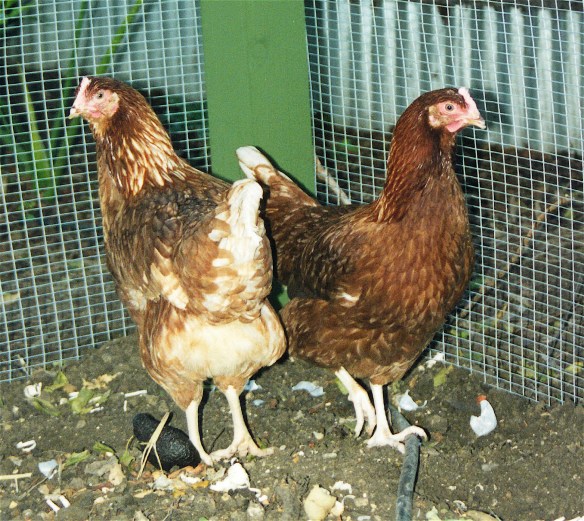
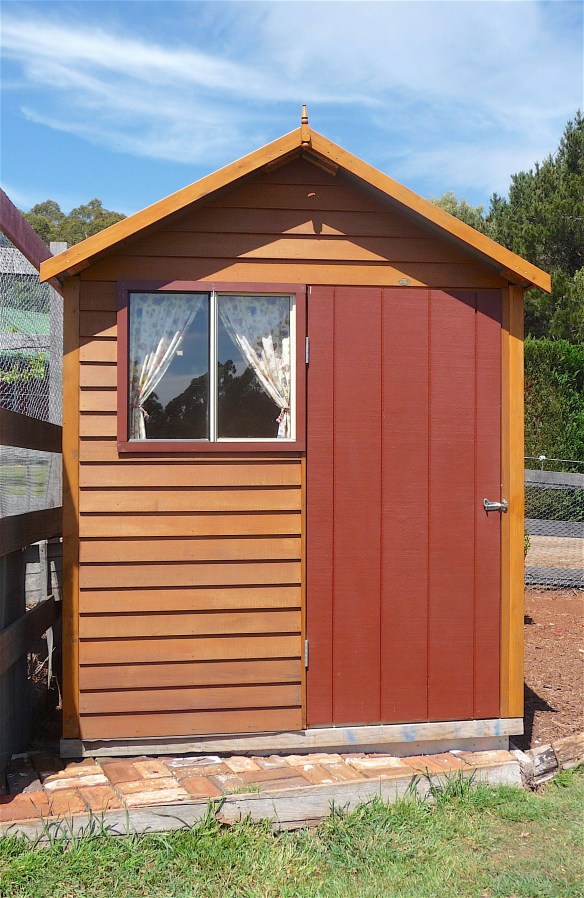
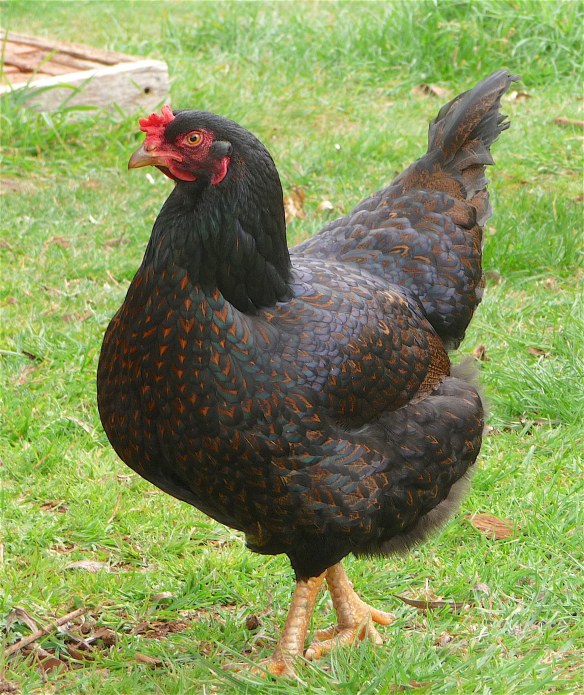
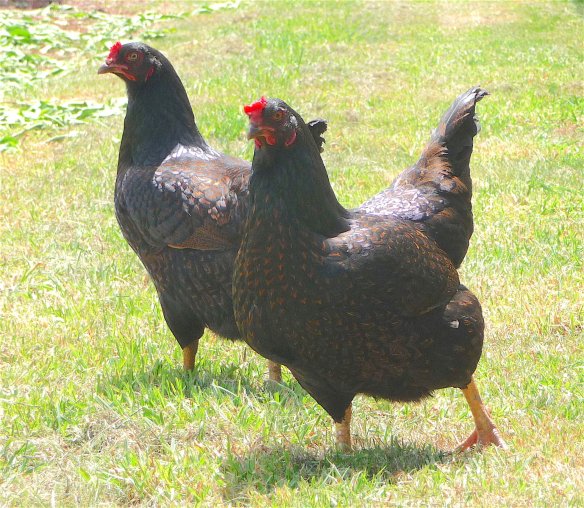
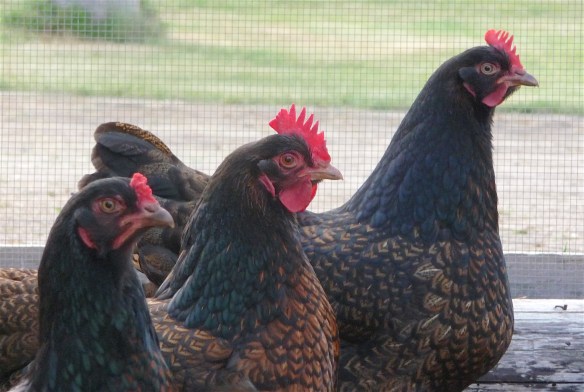
Adaptable, sedate, calm, quiet, easy to tame and train to the hand. Not to mention the lustrous satin-like plumage and glorious dark red-brown eggs. We built a house and a run, making sure it was impenetrable to lurking quolls (we don’t have foxes in Tasmania but the native quoll will do the same damage). We went to the local poultry show and agreed they were a fine looking specimen. We sought out a local breeder and brought home four, supposedly ‘point-of-lay’. The first morning, I opened the door to the chook house, greeted them with, ‘good morning girls’, and was met with a face full of feathers, dust and chook poo as they bounced off the walls in sheer terror. I thought to myself, ‘hmmm, that went well’, as I spat out the detritus. As time progressed, we realized the chook house wasn’t going to be big enough for these large birds. We built a new one

11. house

and decorated it with curtains and memorabilia designed to encourage normal chook behaviour.

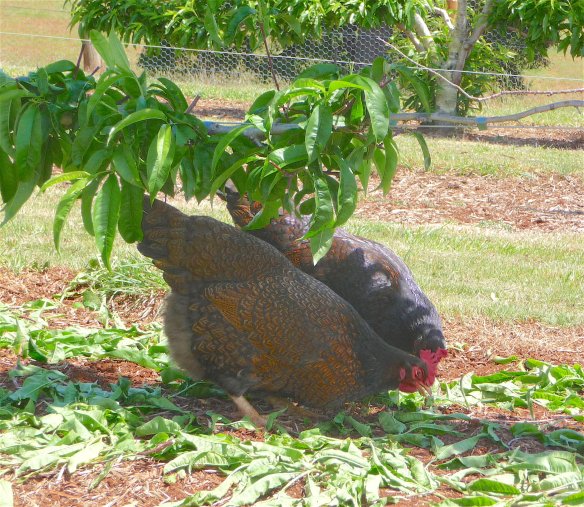
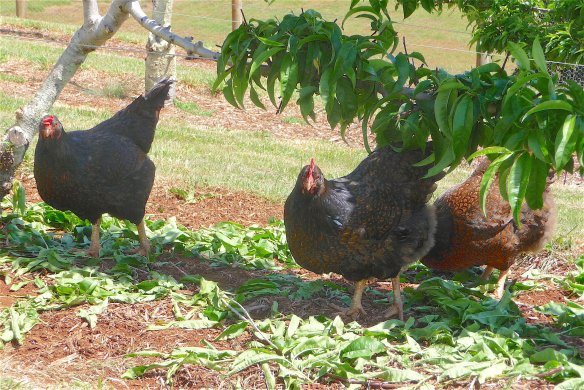
It has had the desired effect, to a degree. They are happy to free-range around the orchard

15.orchard16.orchard

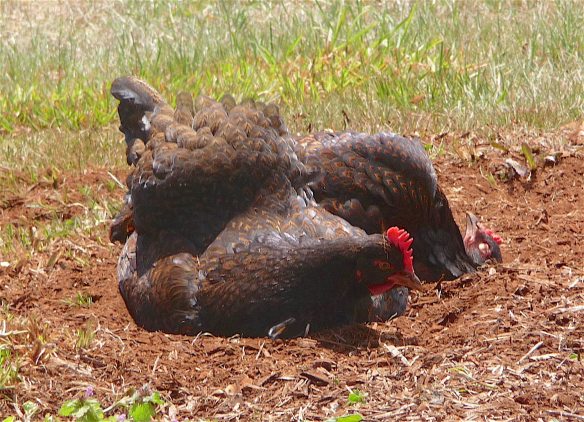
and dust baths are a regular treat.

21.dust bath

After seven months, they starting contributing toward their keep in a very sporadic manner.

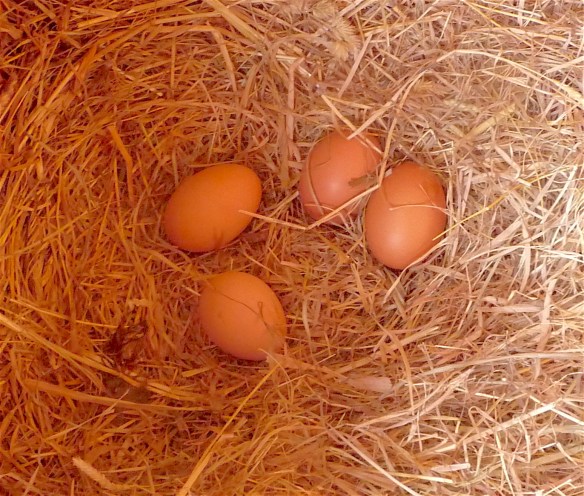
22.eggs

We haven’t named them, apart from one we call Broody, a reflection of her habit when she should be laying.

23.Broody

The others have a few chosen nicknames but I won’t repeat them in print. After all this time, our dream of civilized chooks still eludes us. Their first instinct is to flee

24.run away

and the look of panic in our presence is never far away.

25.terror26.terror

If anyone would like four deranged hens, let me know. If you can catch them, you can keep them.

Wing’s Wildlife Park

Wing’s Wildlife Park has the largest collection of Australian wildlife in Australia. A forty five minute drive from our door, the park is set in a stunning location at Gunns Plains

1.Gunns Plains

on the banks of the Leven River.

2.Leven River

In January 2011, the Leven River broke its banks and the wildlife park sustained extensive flood damage. The Wing family considered closing the park but with the help of some fantastic volunteers, they re-opened within two weeks. We arrived in time for the feeding of the Tasmanian Devils.

There were a number of assorted ducks and geese wandering around.

Most of the native animals have been rescued following injury. If they are able, they are released into their natural habitat when rehabilitated, otherwise they stay at the park for the rest of their lives.

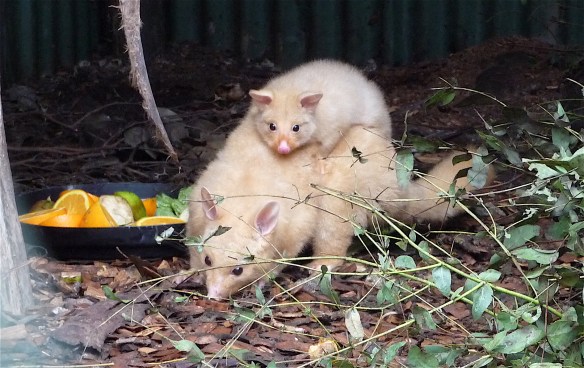
17.golden brushtail possum18.sugar glider

The eastern quoll is considered extinct on the mainland, but it does inhabit much of Tasmania.

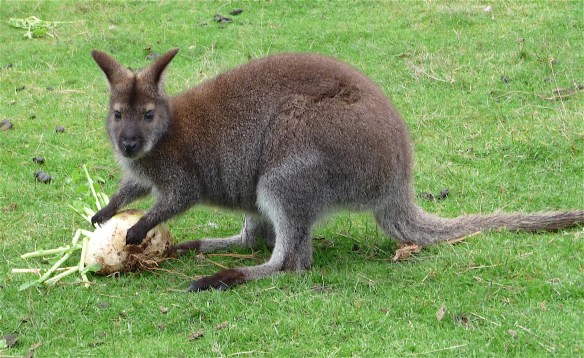
The Bennett’s wallaby has a wonderful enclosure.

22.Bennett's wallaby enclosure

Known as the red-necked wallaby on the mainland, they are a common sight in Tasmania.

23.Bennett's wallaby1

Pademelons are gorgeous creatures, they frequent our garden at night, although I don’t think albinos would fare too well in the wild.

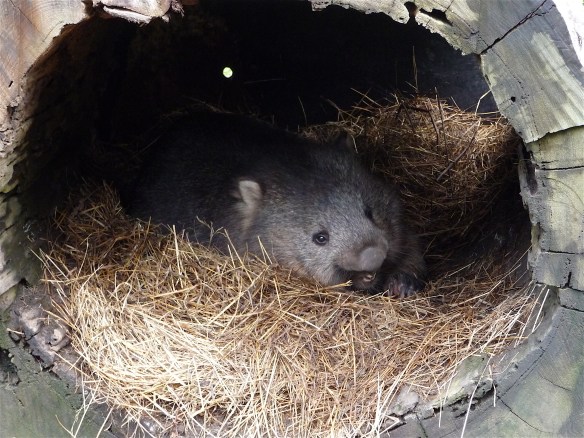
Wombats look so cuddly.

31.wombat1

This one was a bit of an acrobat.

We don’t have koalas in the wild in Tasmania

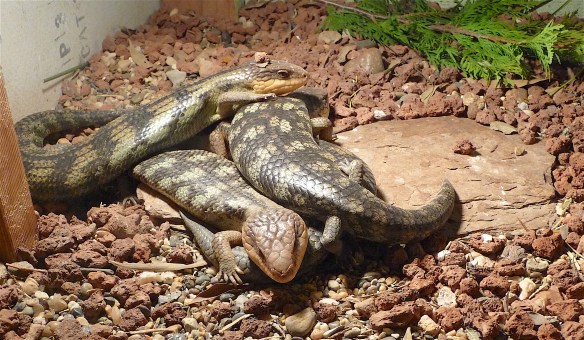
but we have plenty of lizards

38.blotched blue tongues

and birds.

The crab-eating macaque was deep in thought

The park was the first to import American bison into Tasmania.

54.bison

There are a variety of four-legged friends

and some very cute mums with baby.

The camels seemed to be having a hard time with their vegetables.

The animals have some gorgeous scenery to enjoy

74.view175.view5

and the poplar lined driveway is a beautiful farewell to a wonderful day.

76.view4

The Tramp revisited

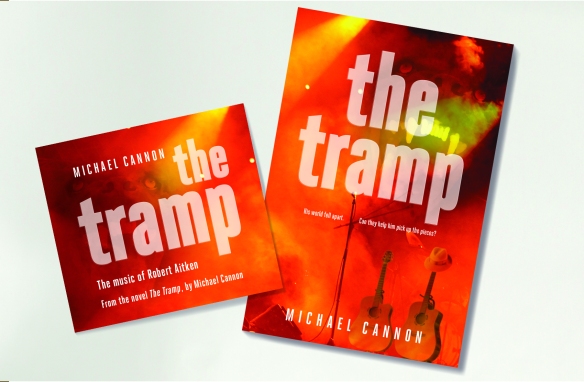
I am pleased to report that Michael’s crowdfunding campaign (see post on The Tramp) has successfully concluded. It has been a turbulent journey with wonderful support from myriad avenues, both known and new.

The Tramp CD_Novel Mock

Thank you to all those who believe in Michael enough to pre-order books and CDs and to others who generously pledged support without reward. Congratulations to the new custodian of The Beast, the hand crafted cigar box guitar that will be heard on the CD.

1.The Beast

If you are contemplating crowdfunding your next project you will need a very thick skin and be prepared to learn some lessons on friendship along the way. There are still many hours of work ahead for Michael and I wish him much success, he deserves it.