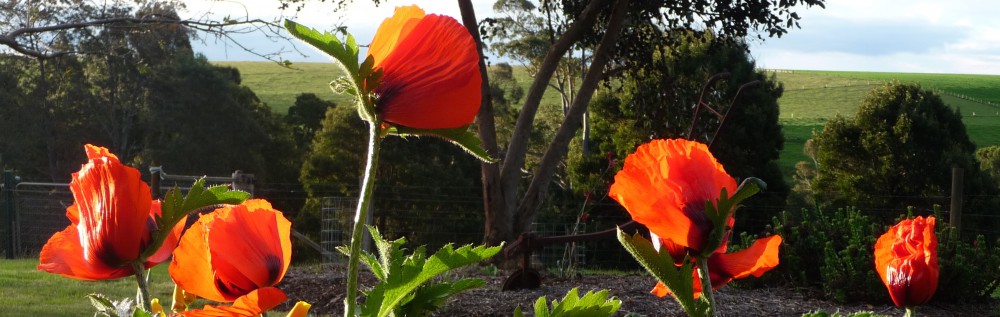
midwinter morning

Winter is well and truly upon us. After a very mild autumn, we are having one of the coldest winters in Tasmania I can remember. Maybe it’s just that the bones are getting older? One morning last week, I awoke early and, after turning off the alarm on my phone, I checked the weather forecast. Currently 1ºC, feels like -3ºC. Fortunately, it was considerably warmer inside as the wood fire was still burning. Just before I left for work, I became aware of the subtle hues in the sky, promising a spectacular sunrise.

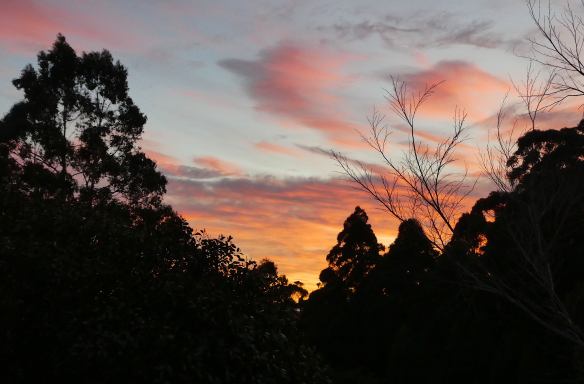
1.pre sunrise2.pre sunrise

Making my way to the garage, I noticed the bird bath had frozen. The nocturnal creatures had left their calling cards as usual.
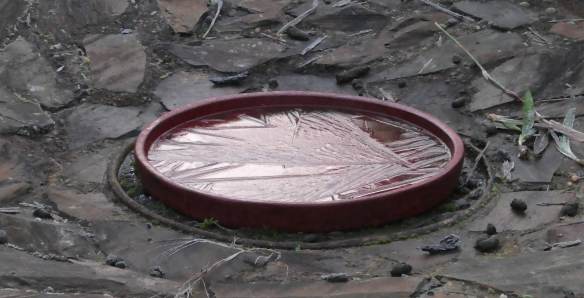
3.birdbath

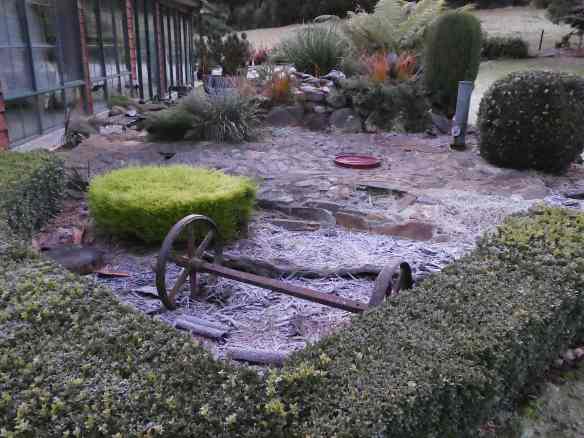
The frost was beautiful

4.frosty garden

and crisp underfoot as Michael and Poppy headed off for their morning walk.
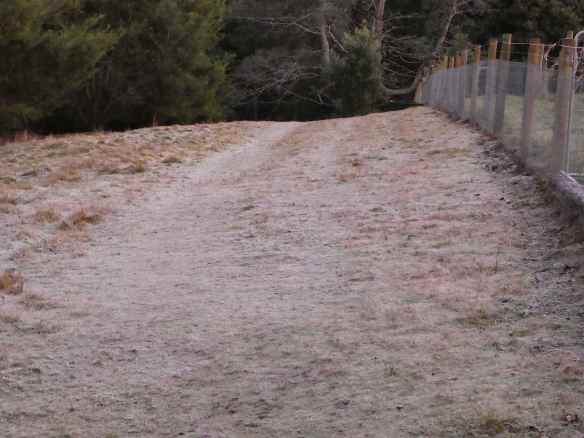
7.frosty paddock

Driving along the dirt road toward the bitumen, this vision had me reaching for my camera.
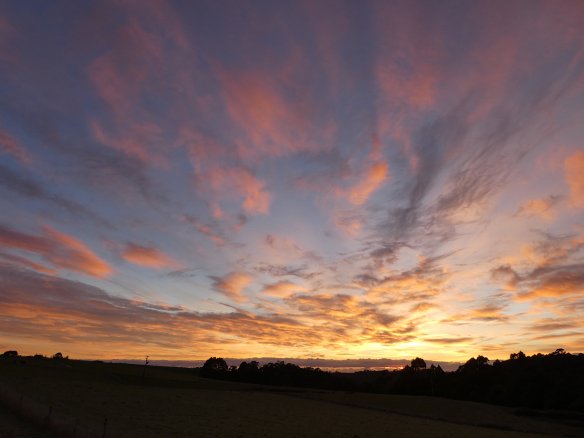
8.almost sunrise

As I drove, I kept watch from every angle, intermittently testing the brakes as I stopped to capture the spectacle.
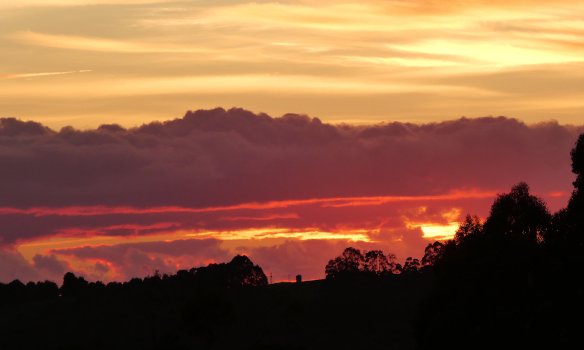
9.almost sunrise

The newly ploughed chocolate paddock had a delicious topping of vanilla ice.
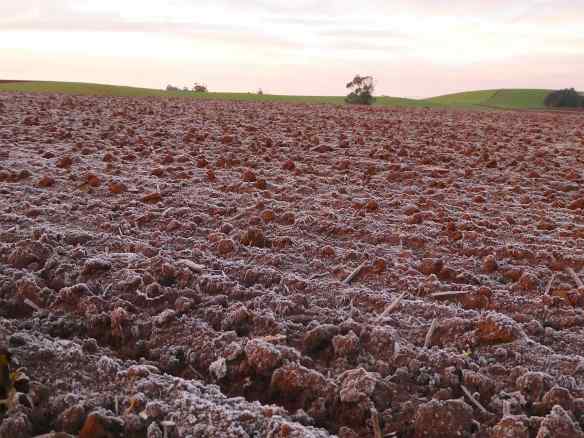
10.chocolate field

Travelling north, the fire in the east simmered,

11.sky on fire

the roofline silhouettes a captivating contrast.
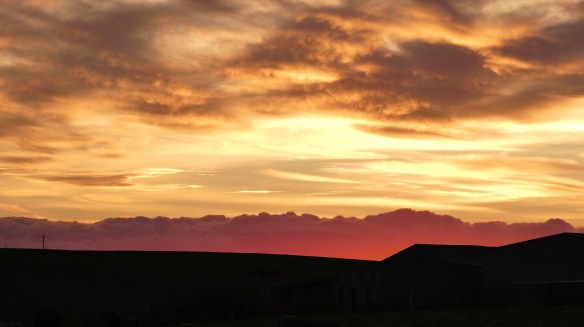
12.silhouette

In the valley, the frost lingered

13.rolling frost

before the road climbed again. One last glimpse of nature’s wonder.

14.sunrise at last

The moon was still high in the sky over the suburbs of Burnie.

15.moon over Burnie

I really had to get to work.
Watershed Winery

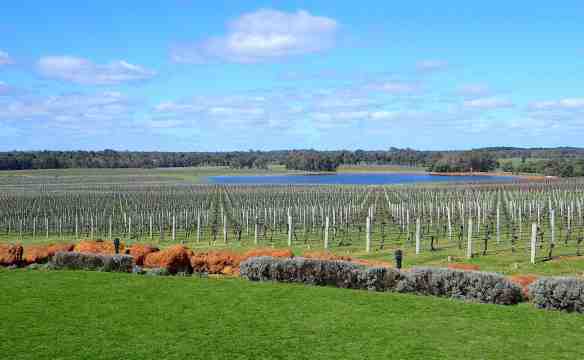
With lunch time approaching, we arrived at Watershed Winery, not far from the township of Margaret River. The expanse of regimented vines

1.Watershed vines

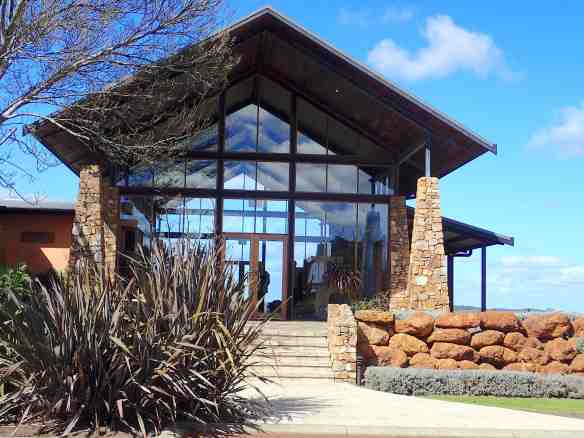
followed us down the driveway to the impressive cellar door edifice.

2.entrance

The light, airy café and restaurant are separated only by seating arrangement and menu.

3.restaurant

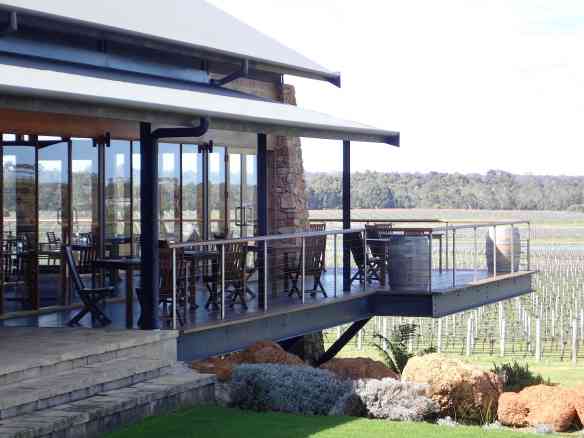
Head Chef, Dan Gedge, was trained in Cornwall by none other than Rick Stein. Sourcing the freshest seasonal produce, he creates a very tempting menu. I can’t remember what we ate and I have no photos but I do know it was delicious. On a warmer day it would have been perfect to sit outside. The extensive alfresco dining area

5.alfresco6.alfresco4.alfresco

delivers stunning views over the dam and rolling vineyards.

7.vineyard & dam

The architecture is exceptional, and with the beautiful setting, I can see why it is a popular venue for weddings.

8.rear entrance9.rear courtyard

We didn’t linger after lunch, there were more wineries to conquer.

mellow monotreme

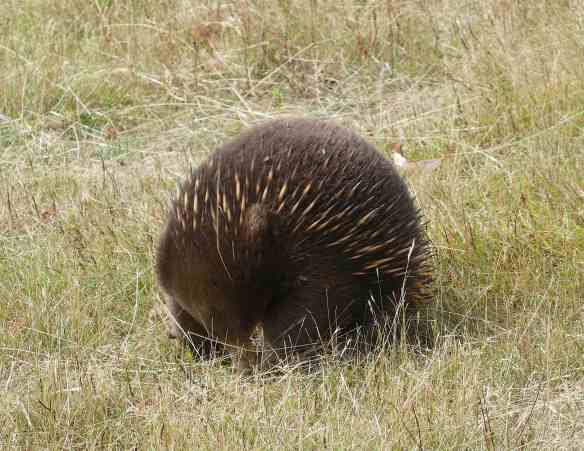
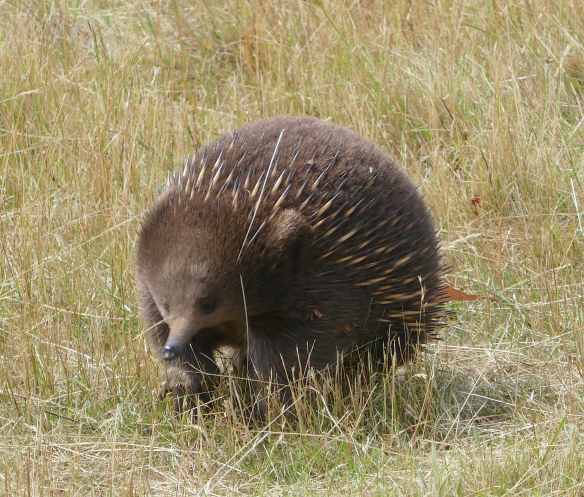
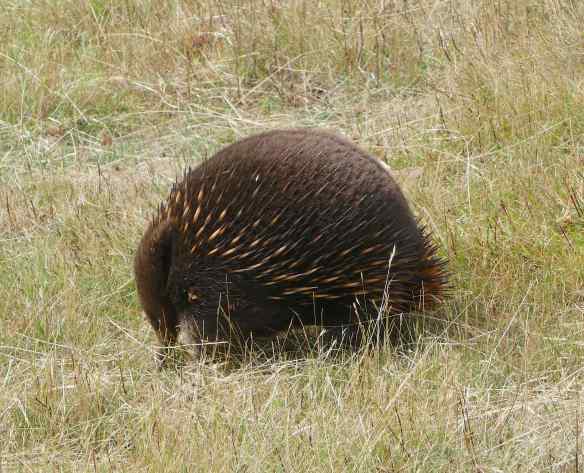
We rarely see echidnas in the wild and were very excited when, travelling back from lunch at a friend’s house, we spotted one foraging in the grass.

1.echidna

Echidnas are fascinating creatures. Along with the platypus, they belong to the order of monotremes, the only living mammals that lay eggs. Evolving between 20 and 50 million years ago, their ancestors were aquatic before echidnas adapted to life on land.

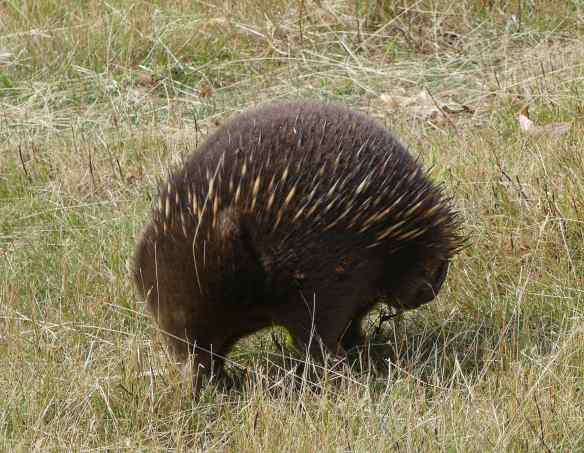
2.echidna

The cream coloured spines, around 50mm in length, are actually modified hairs. The fur between the spines provides insulation and ranges in colour from honey to dark reddish-brown and even black.

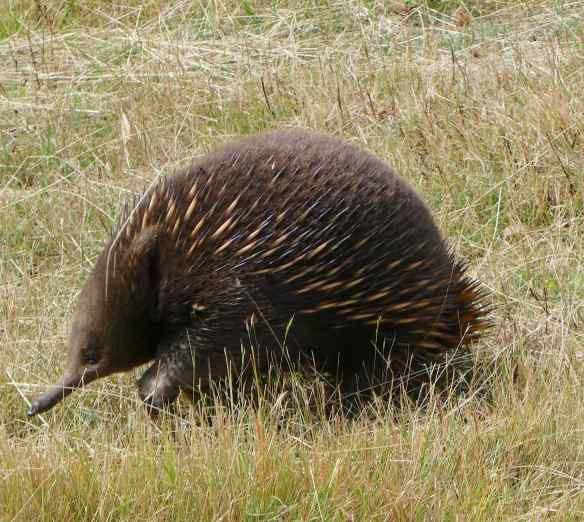
3.echidna

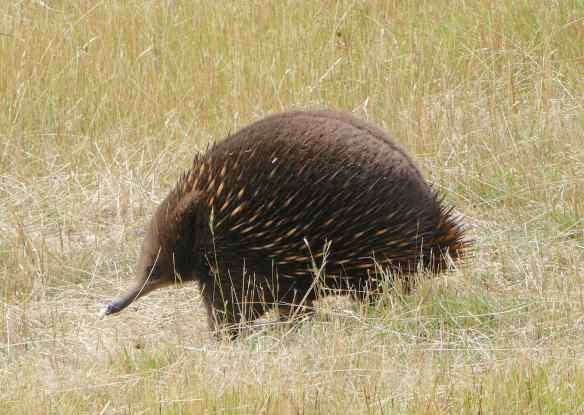
Long-beaked echidnas are only found in New Guinea, we have the short-beaked variety here in Australia. The Tasmanian ones are larger than those on the mainland and their fur is thicker and longer, concealing most of the spines.

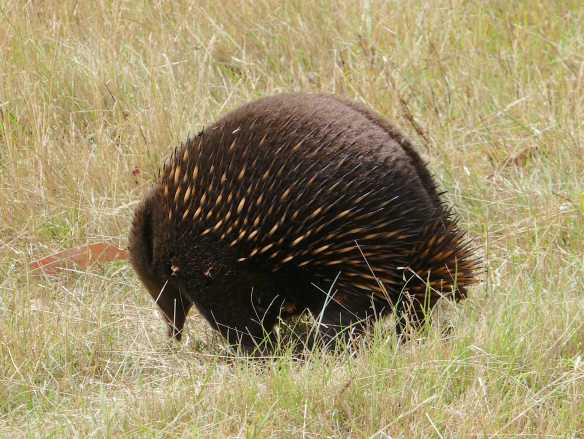
4.echidna

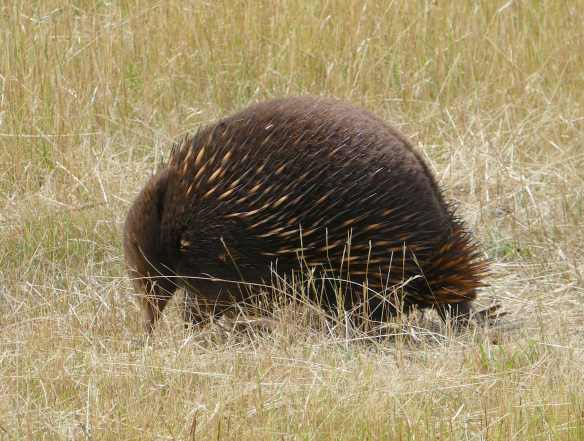
Their diet is mainly ants and termites but the echidna is also partial to grubs, larvae and worms.

5.echidna

The pointy snout is an amazing appendage. Not only can it sense the smell of its prey, it detects the electrical impulses from the insect’s bodies. Then, the long, sharp claws on strong forepaws are used to dig into the soil or open up ant’s nests, followed by the devoration of a meal with a sticky, 15cm tongue. They have no teeth, but grind their tasty morsels with horny pads in their mouths and on the back of their tongues.

6.echidna

Breeding season is between June and September. A single egg is laid into the backward facing pouch where it hatches after 10 days. Echidnas don’t have nipples, they secrete milk through two patches on the skin from which the young suckle. Around 3 months of age, the puggle (such a cute name for the baby echidna) leaves the pouch or rather, mother ejects it due to the growth of the spines. Mum leaves the puggle while she goes off to forage and returns every 5 days to suckle it, until it is weaned at 6 months of age. She then leaves it to fend for itself, never to return.

7.echidna

Echidnas do have natural predators, despite their spines, such as eagles and Tasmanian Devils. They were a favourite food of the early settlers and Aboriginal people. Fortunately, even though they are not considered endangered, they are now protected by law. After posing for a few photos, we left him (or her) to enjoy afternoon tea.

8.echidna

Swallows Welcome

There are many fabulous wineries in the Margaret River region but Swallows Welcome, the smallest winery in the region, is really something special. Tim & Pat Negus first planted grapes in 1994 and the family run business has been producing wine since 1997. The rural setting is peaceful and the artistic influences are evident on arrival.

Patricia Negus is a well known watercolour artist, her illustrations of wildflowers and birds have graced the pages of many books. Tim & Pat built the mudbrick and timber Chapel of the Flowers, a serene gallery, to exhibit 102 of Pat’s works that are featured in Wildflowers of Southwest Australia (the plastic chairs were remnants of a recent social occasion).

9.Chapel of the Flowers

The beautiful leadlight windows create a subtle ambience.

The delights continue outside,

the garden is a testament to Pat’s love of nature.

31. honeyeater

We made our way, past the magnificent magnolia tree, to her studio, filled with stunning artwork, books and cards for sale.

We wandered through a gorgeous courtyard cottage garden,

inhabited by a few frogs

and the occasional snail.

45.snail

After all the distractions, we finally reached the tasting room,

46.tasting room

adorned with more colourful leadlight.

Pat guided us through the range of superb reds,

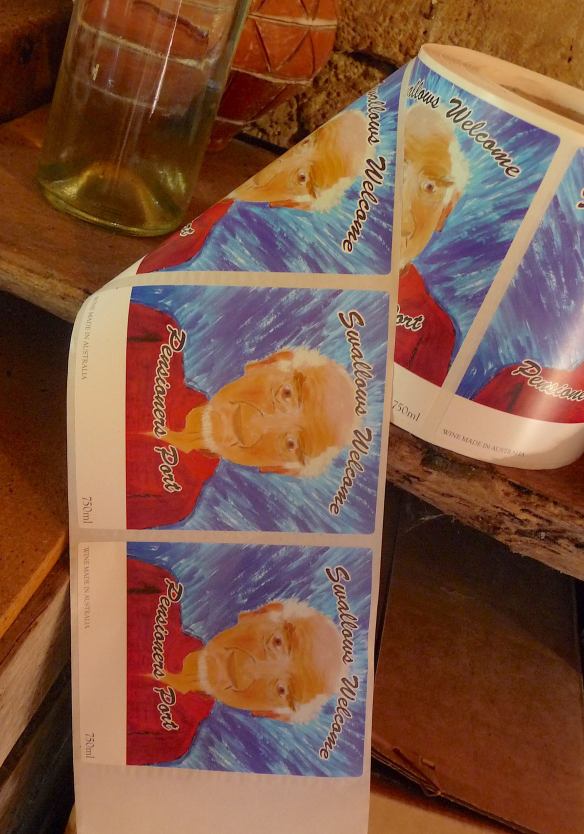
finishing with a nip of Pensioners Port. Tim’s self-portrait graces the label

51.tasting room

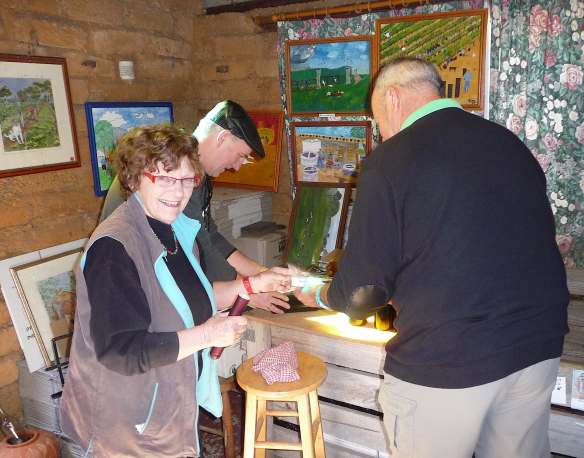
and his other works decorate the walls. Pat instructed the boys on the fine art of labelling

52.Pat, Michael and Dave

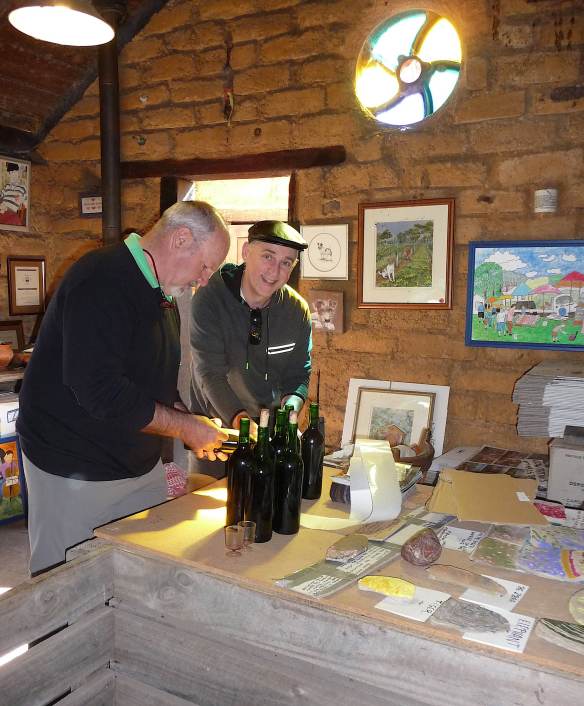
and they soon had a dozen ready to ship home.

53.labelling

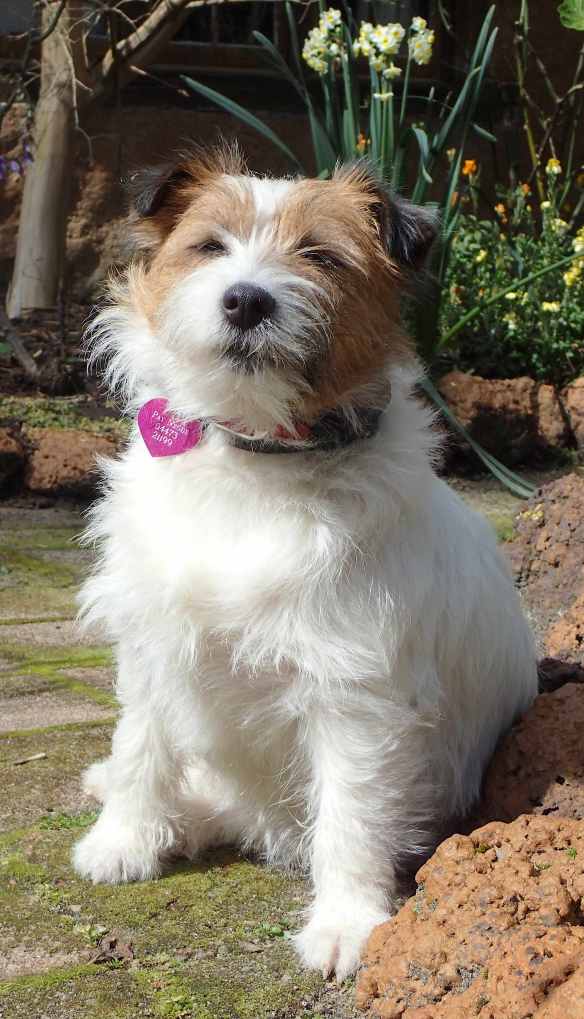
I could have lingered in that garden all day but lunch was beckoning. It’s a good life for some……..

54.winery dog