Waratah

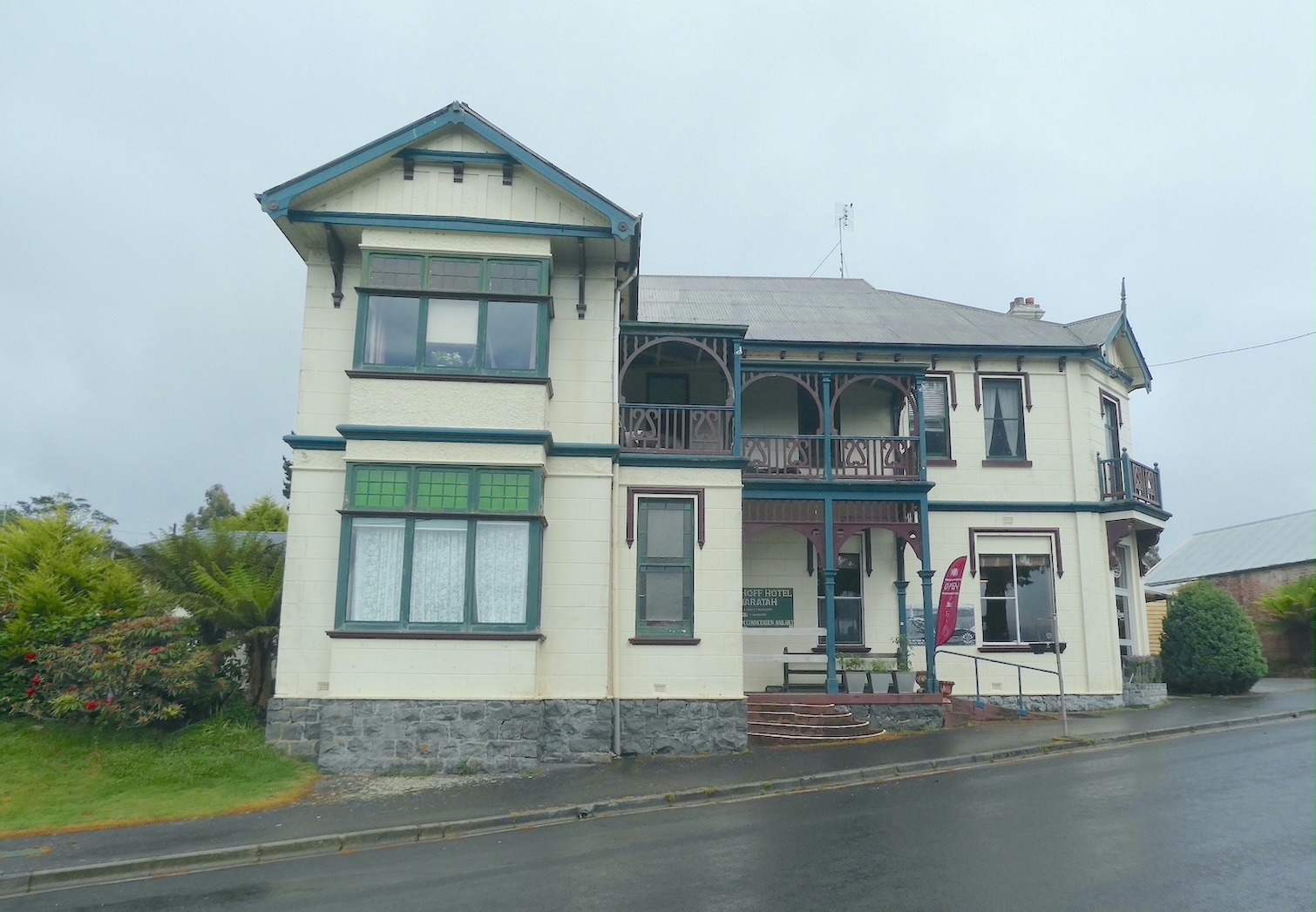
Our journey to Corinna took us through the former mining town of Waratah on the edge of Tasmania’s west coast wilderness. The plan was for lunch at the Bischoff Hotel, the only hotel remaining in the town. Originally built in 1879, it burned down in 1902 before being rebuilt and burning down again in 1909. The present Queen Anne style incarnation was completed later that same year.
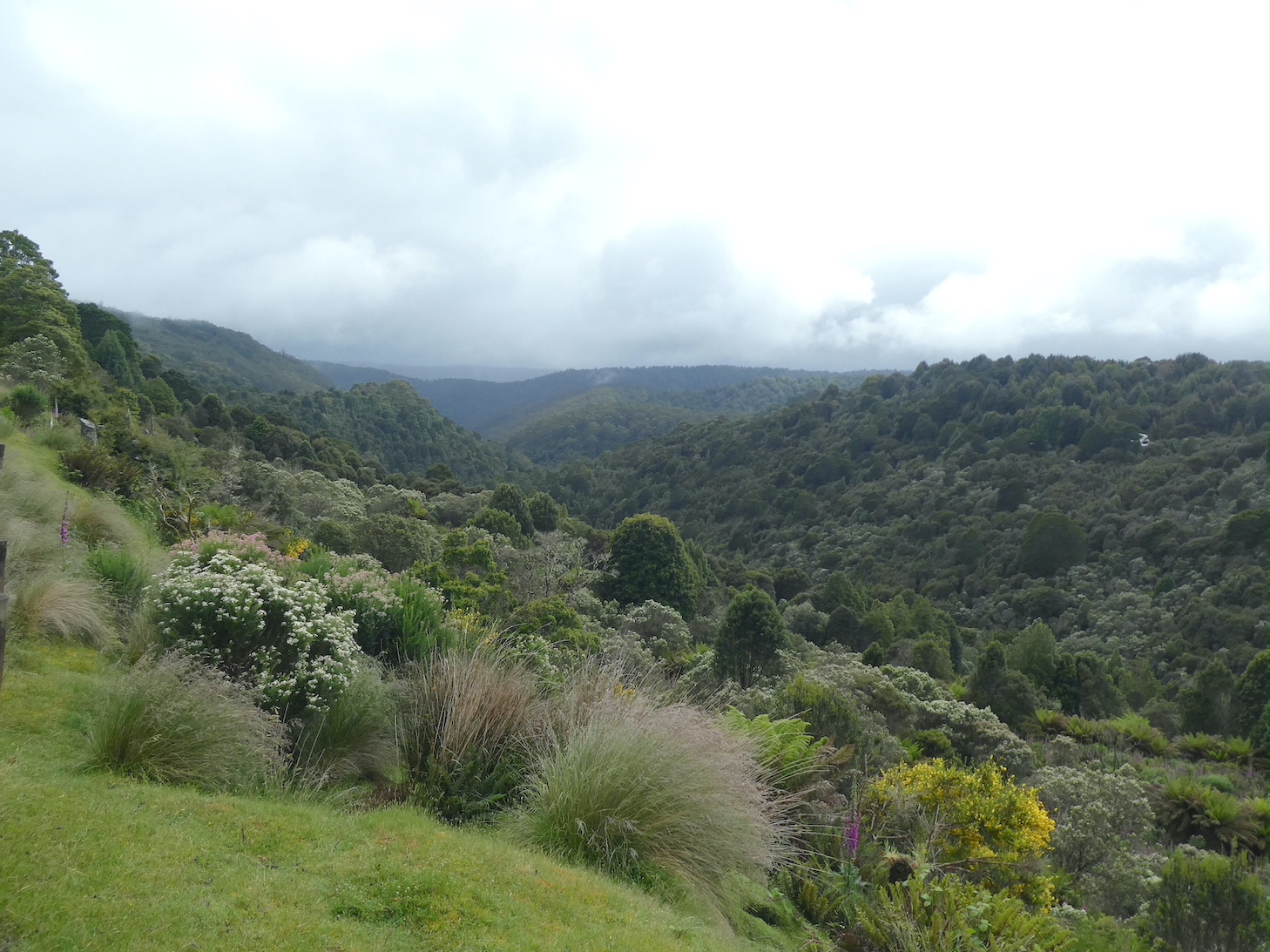
The view from the hotel is spectacular, even on a drizzly day

and the waterfall in the middle of town flows all year round. The water provided vital power to the mine directly through a series of seven water wheels and was later piped to the Waratah Power Station to produce hydro power.

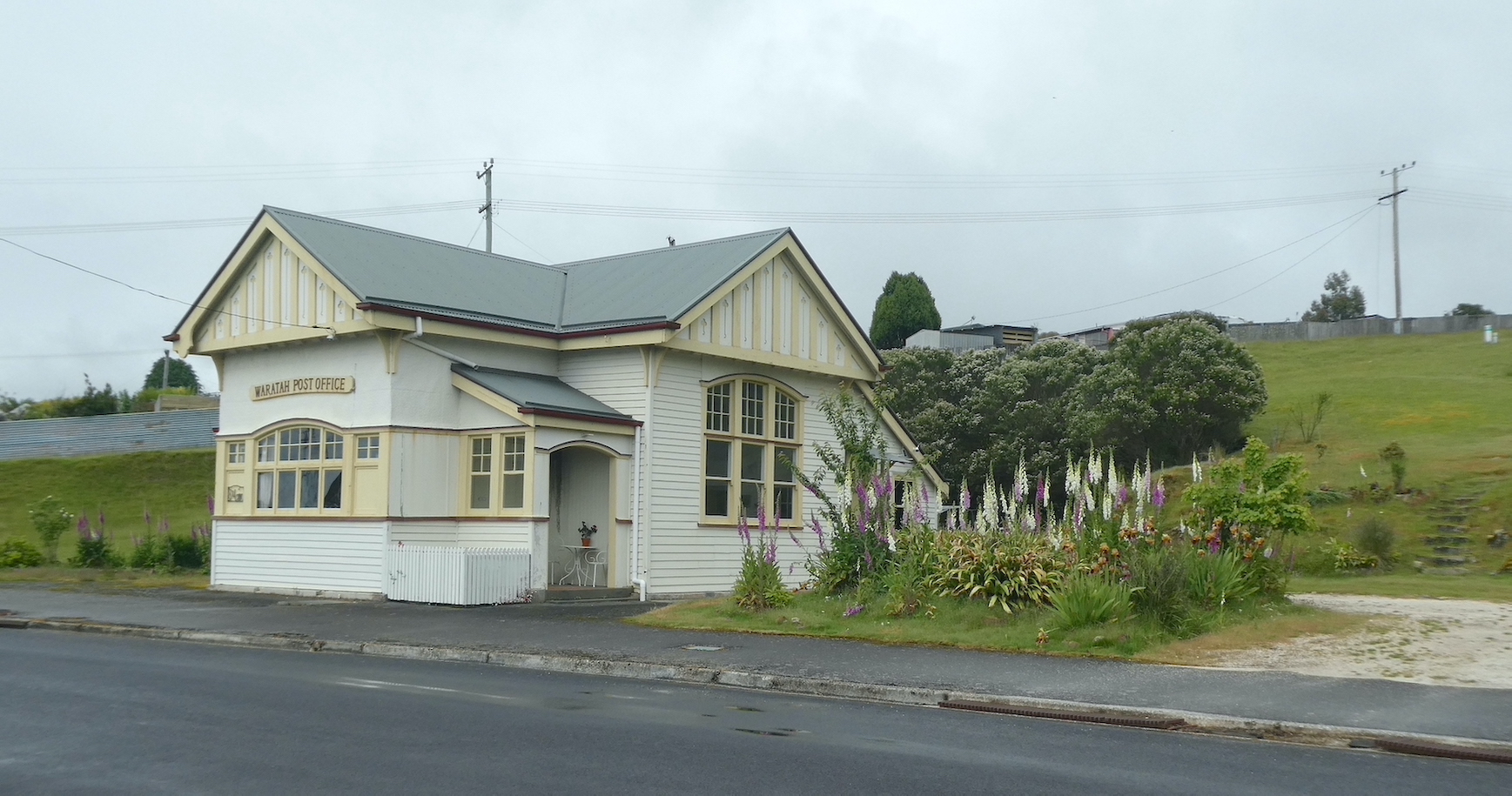
With some time to spare before dining, we set out to explore. The Waratah Post Office opened in 1882 and the current building replaced the original in 1913. It has been lovingly restored and is now available as luxury holiday accommodation.

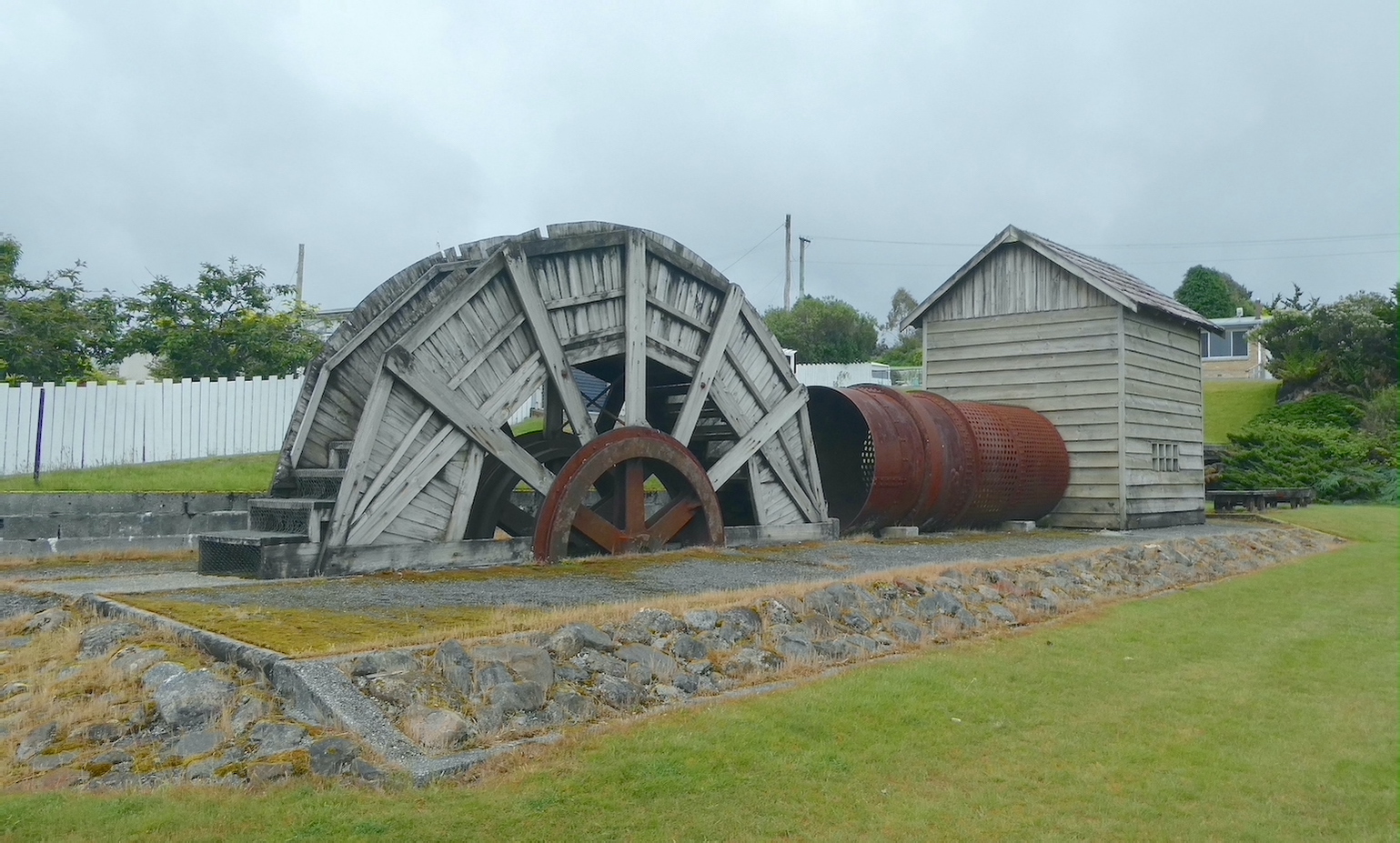
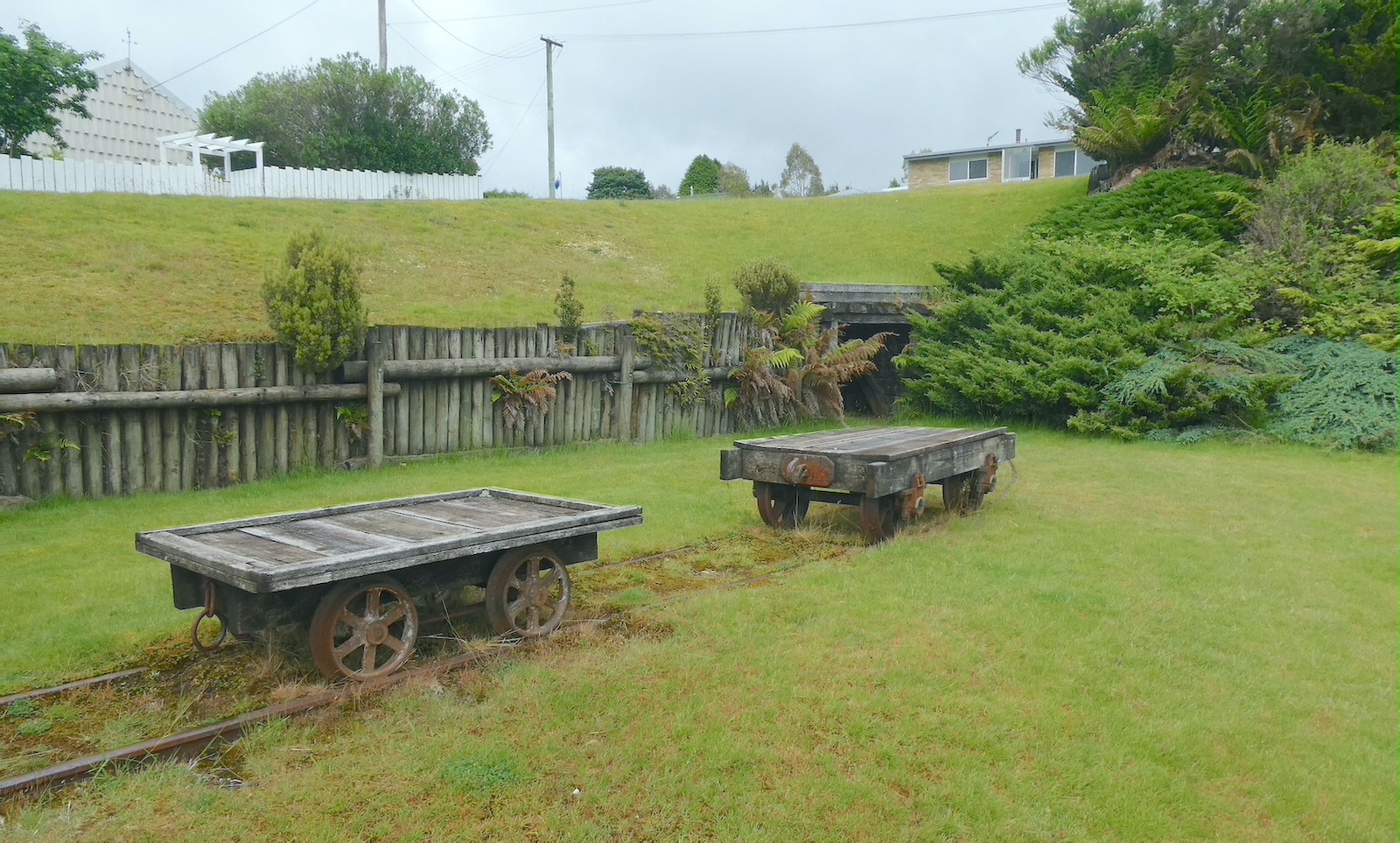
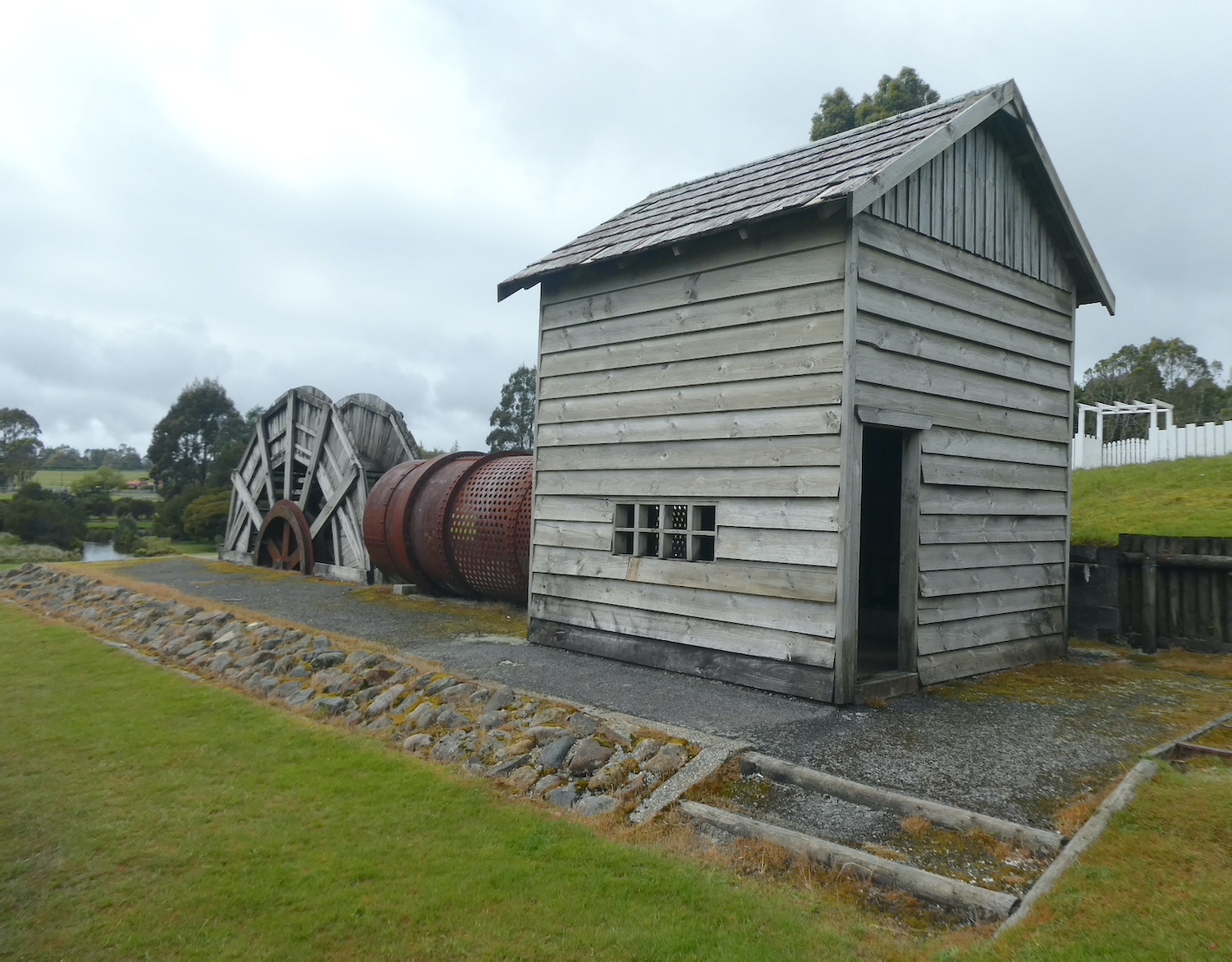
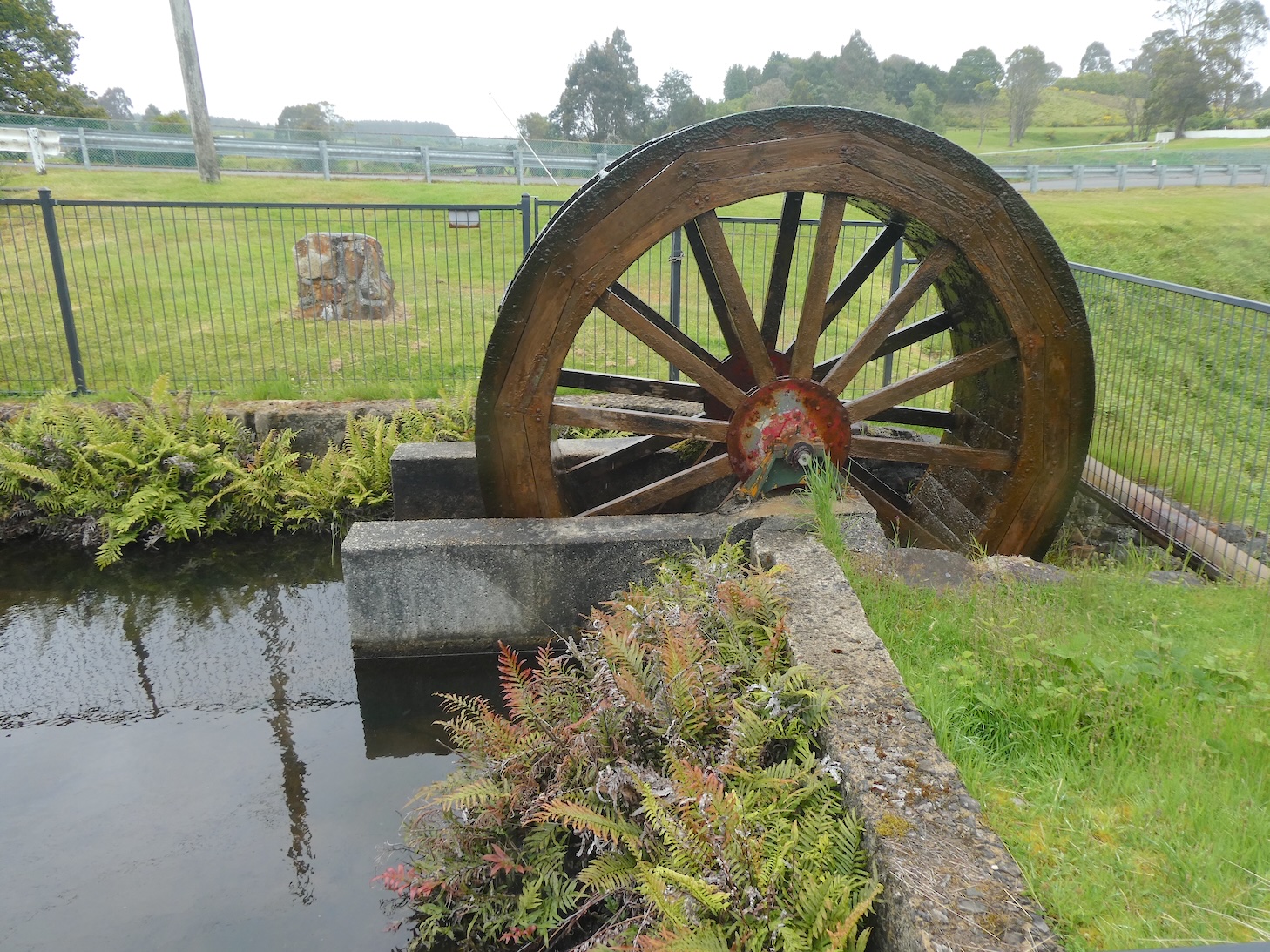
We made our way to the lake and came across an old waterwheel and pump house near what appeared to be an old entrance for the mine carts.

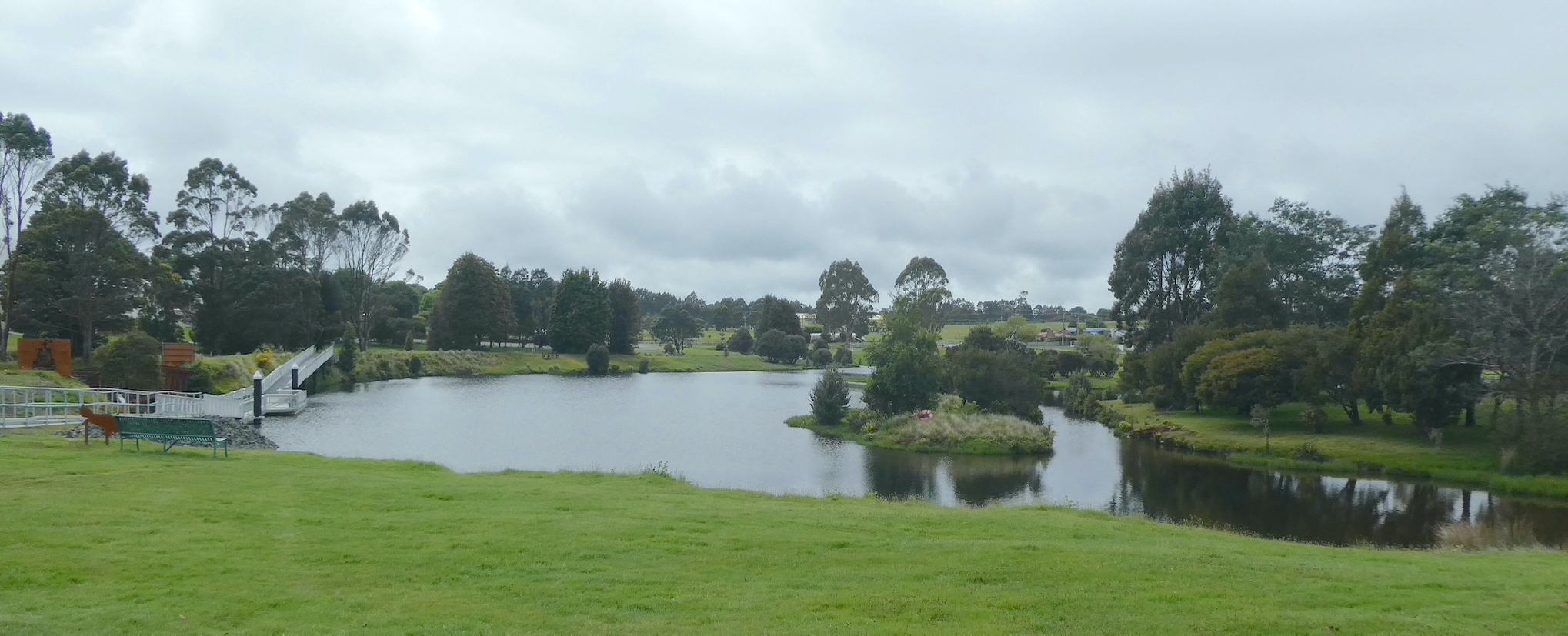
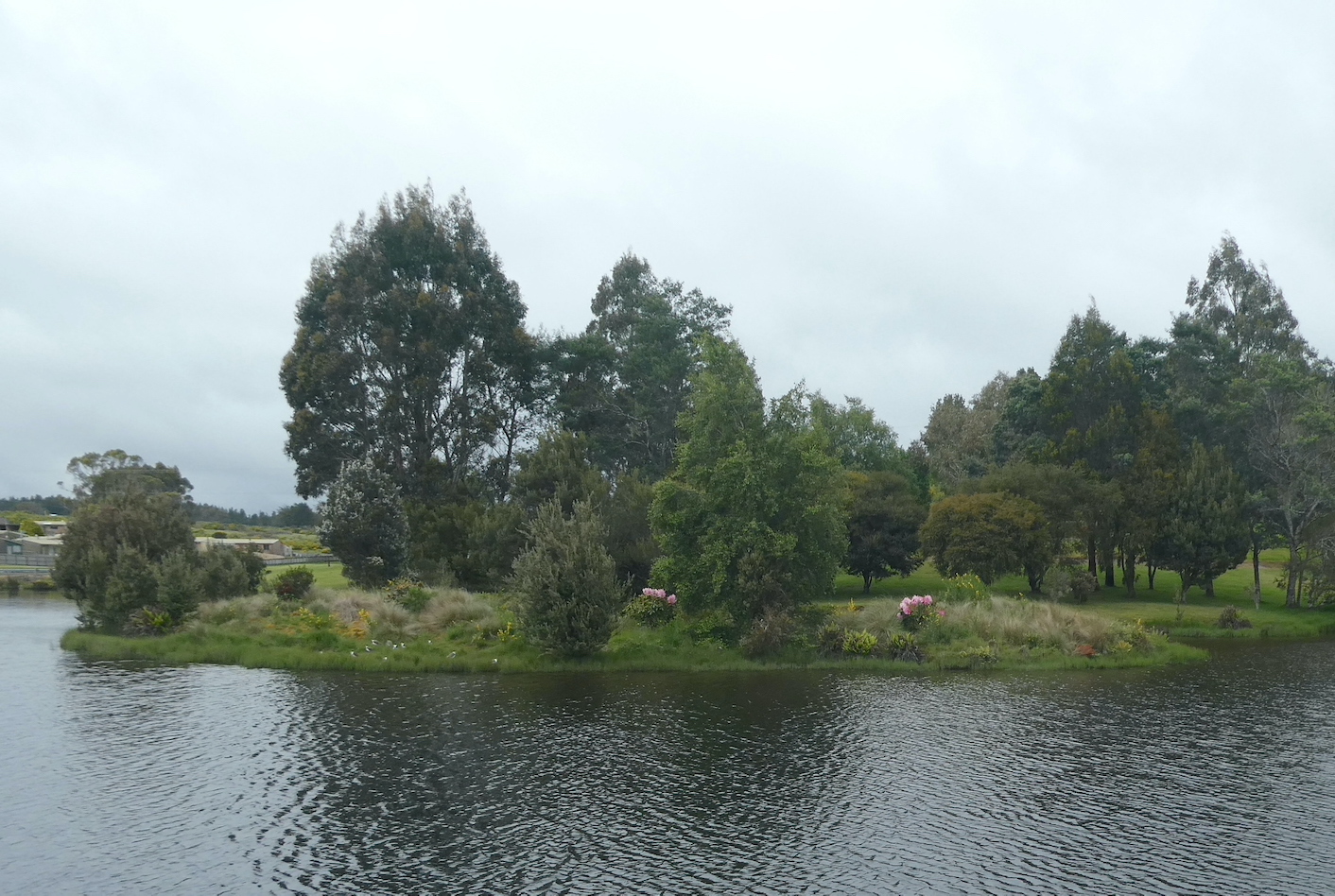
As we entered the town, we noticed how immaculate the public lawns and gardens were kept. Lake Waratah is a beautiful centrepiece.

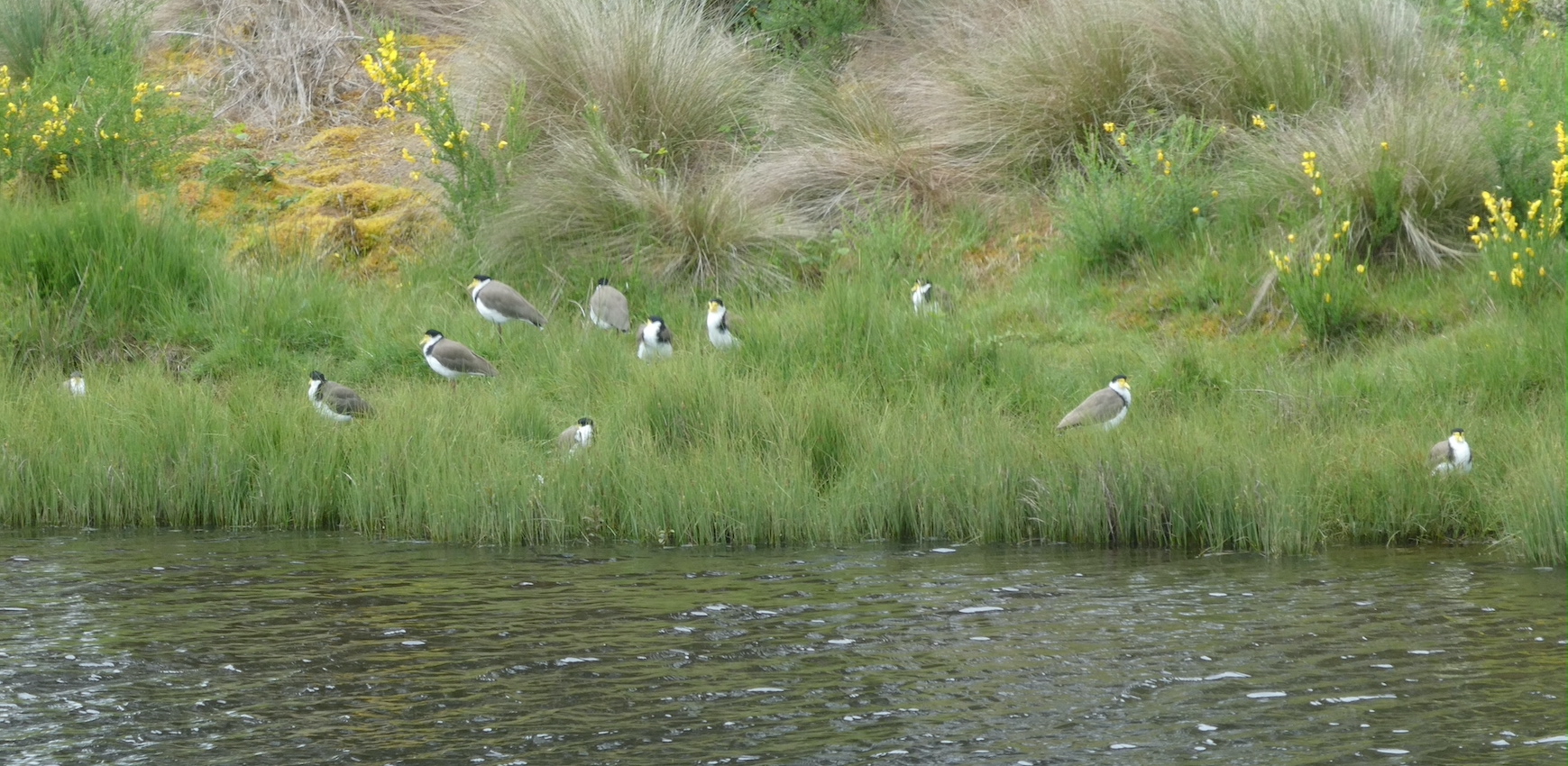
I have never seen a colony of masked lapwings in these numbers, they have chosen a lovely spot to call home.

We took a closer look at the iron truss rail bridge, built over the Waratah River in 1895, essential for getting people and supplies to Waratah and getting the ore out.

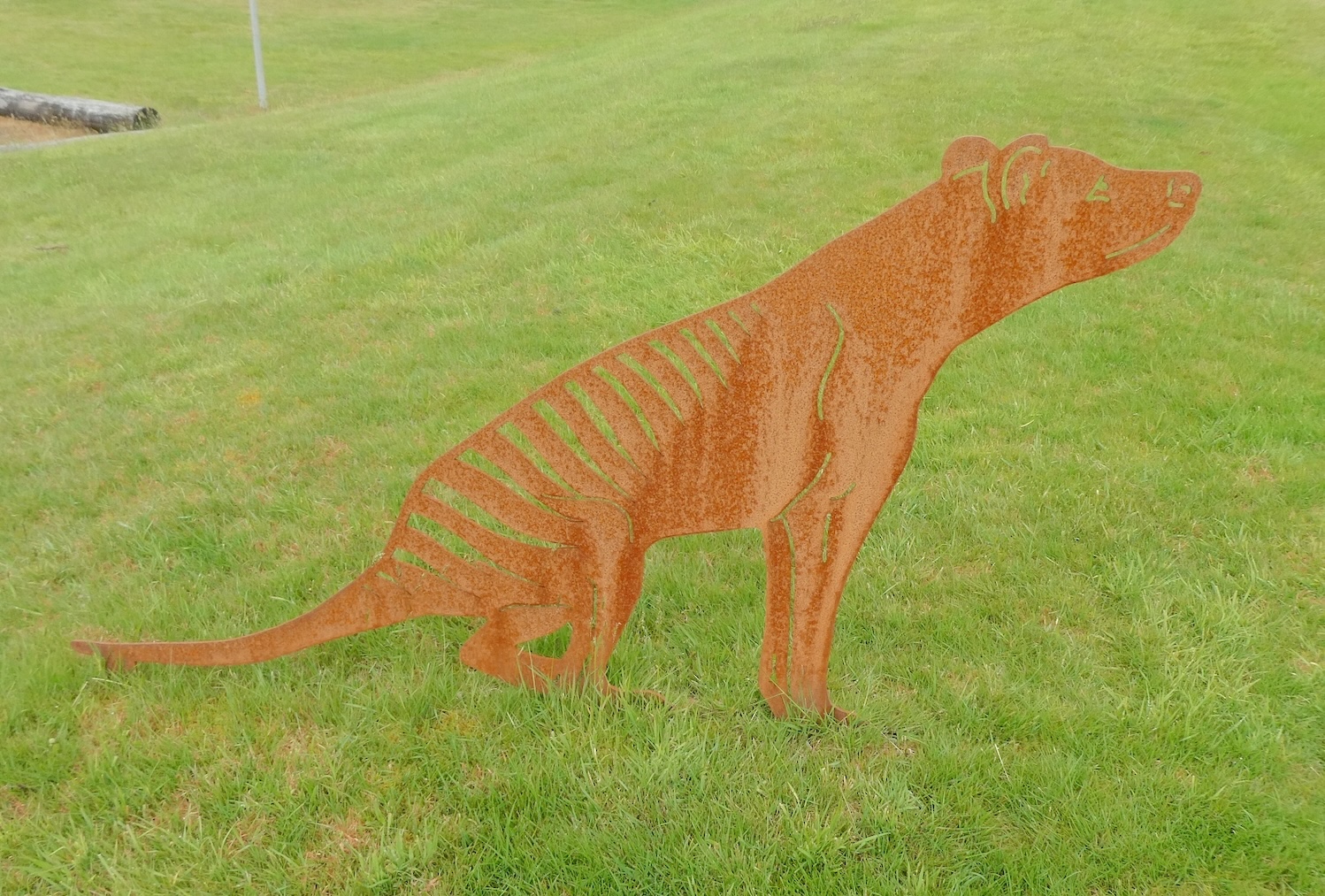
Waratah is known as one of the last bastions of the thylacine, thought by some to be extinct. We are ever hopeful of proving this theory wrong, it seems we are not alone.

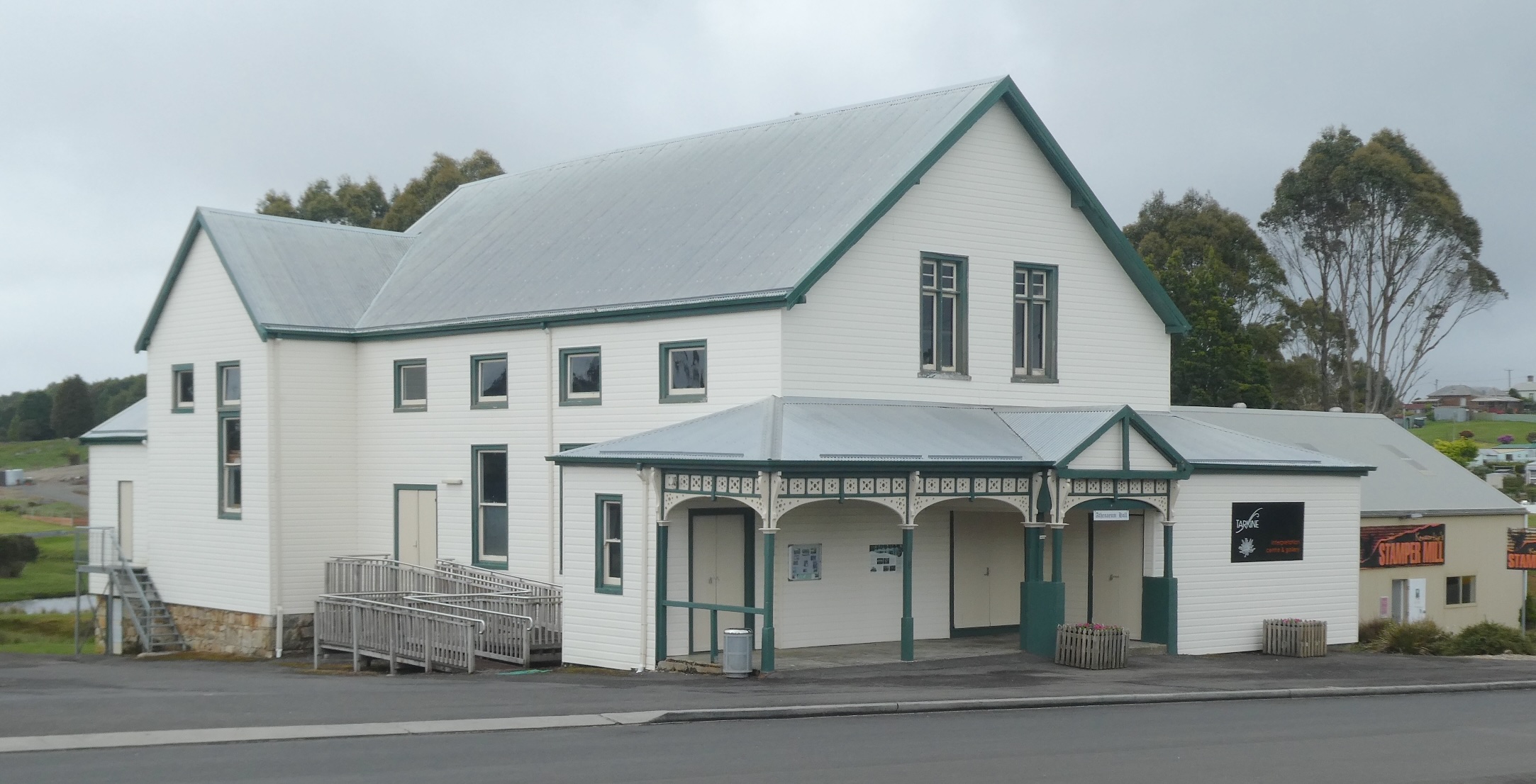
The Athenaeum Hall is a very impressive building completed in 1887 when the town was enjoying the economic prosperity provided by the tin mine. Built for the workers and families, it started as a library and later became the town hall and cinema. Today, it is home to the Tarkine Visitor Interpretation Centre and is still used for functions.

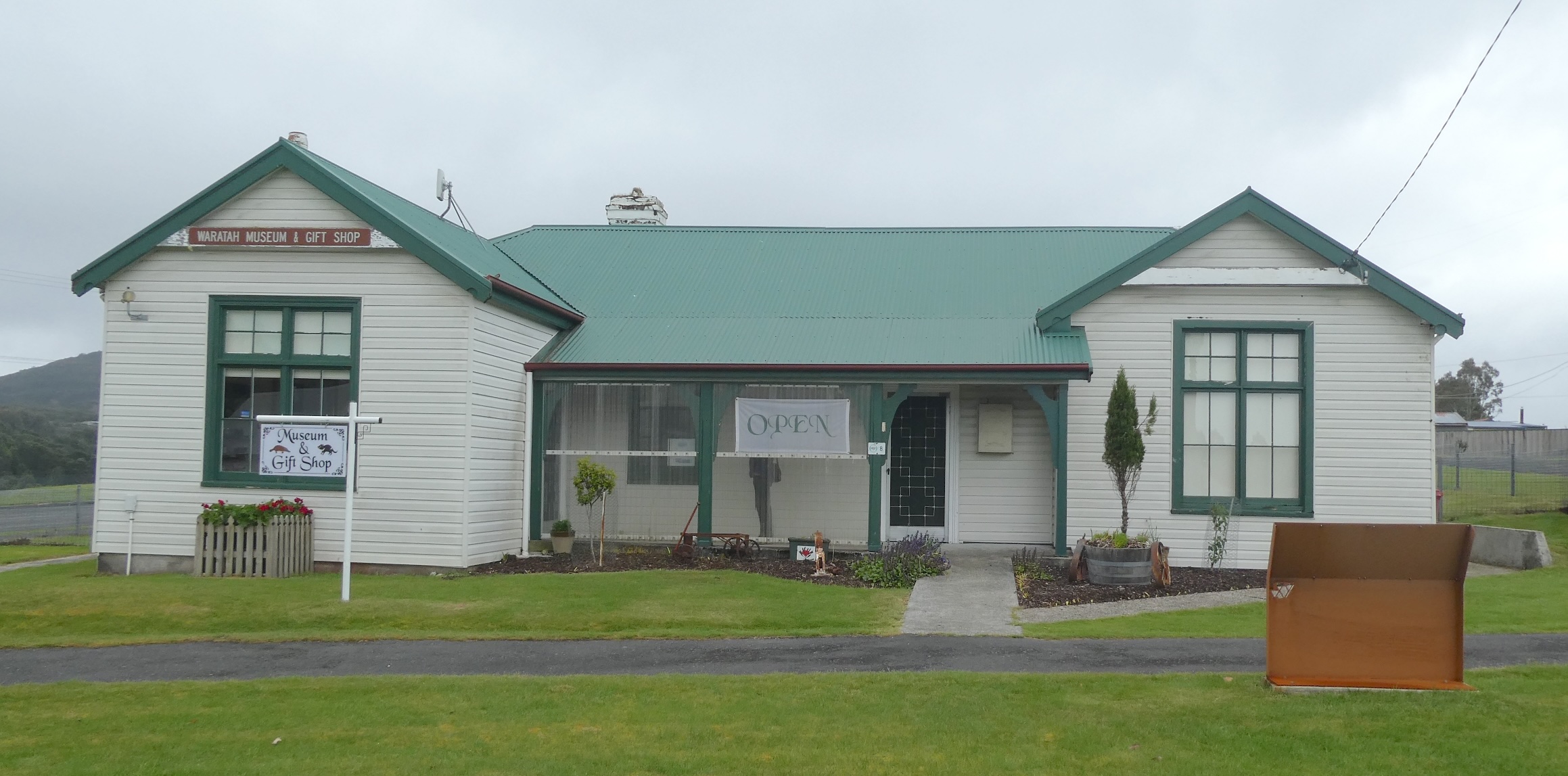
Across the road, the Waratah Museum occupies in the old Court House (that will be another post).

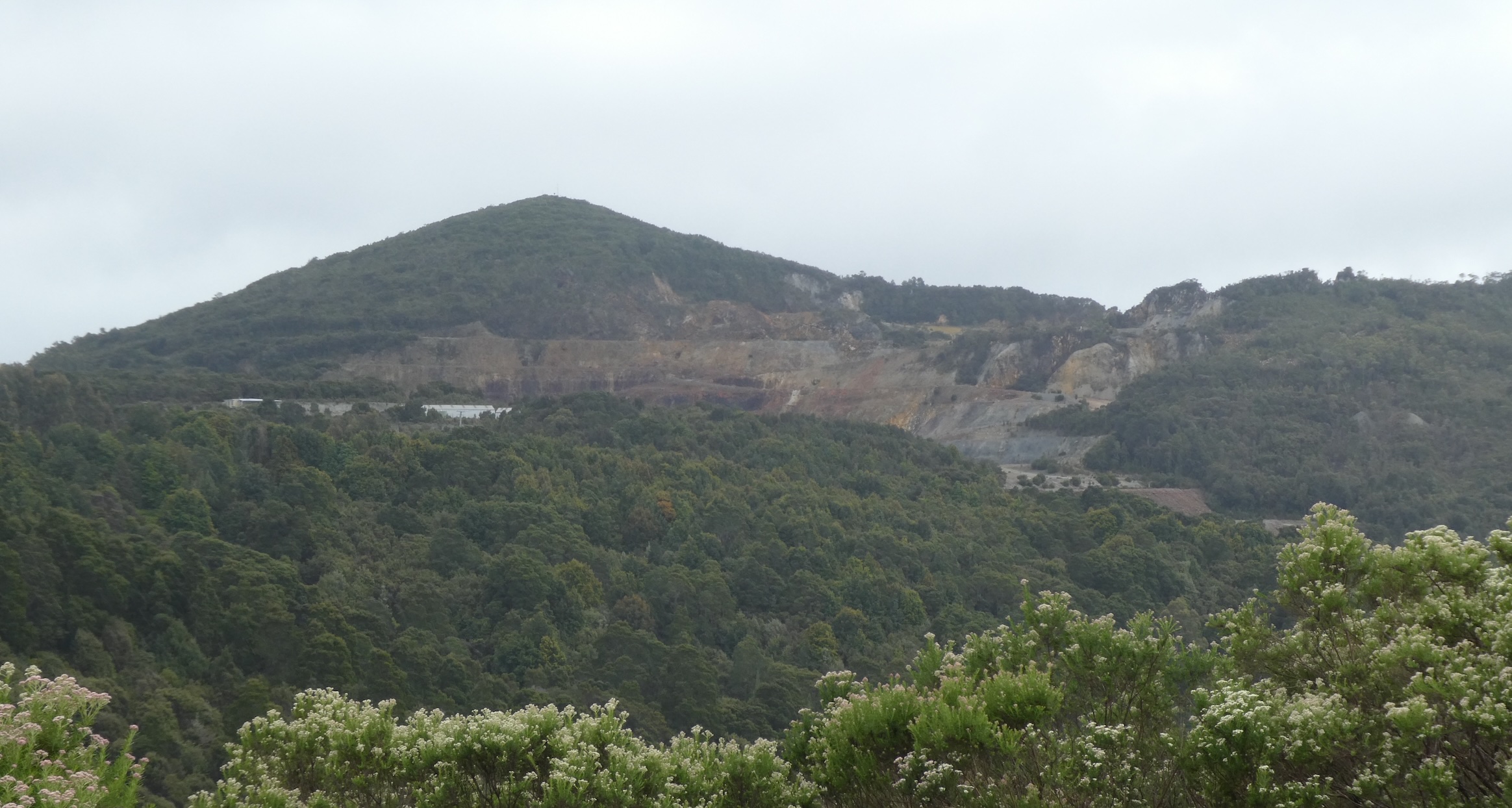
Despite a leisurely perambulation around the museum, we still had time for a walk to the bottom of the falls. The scarred landscape of the Mt. Bischoff mine loomed in the distance. Tin was discovered in the area in 1871 and by 1881, Mt. Bischoff was the richest tin mine in the world.  The mine closed in 1947 after seventy years of continuous production but open cut mining resumed in 2008. Three years later, with resources depleted, it again closed and the pit is now flooded.

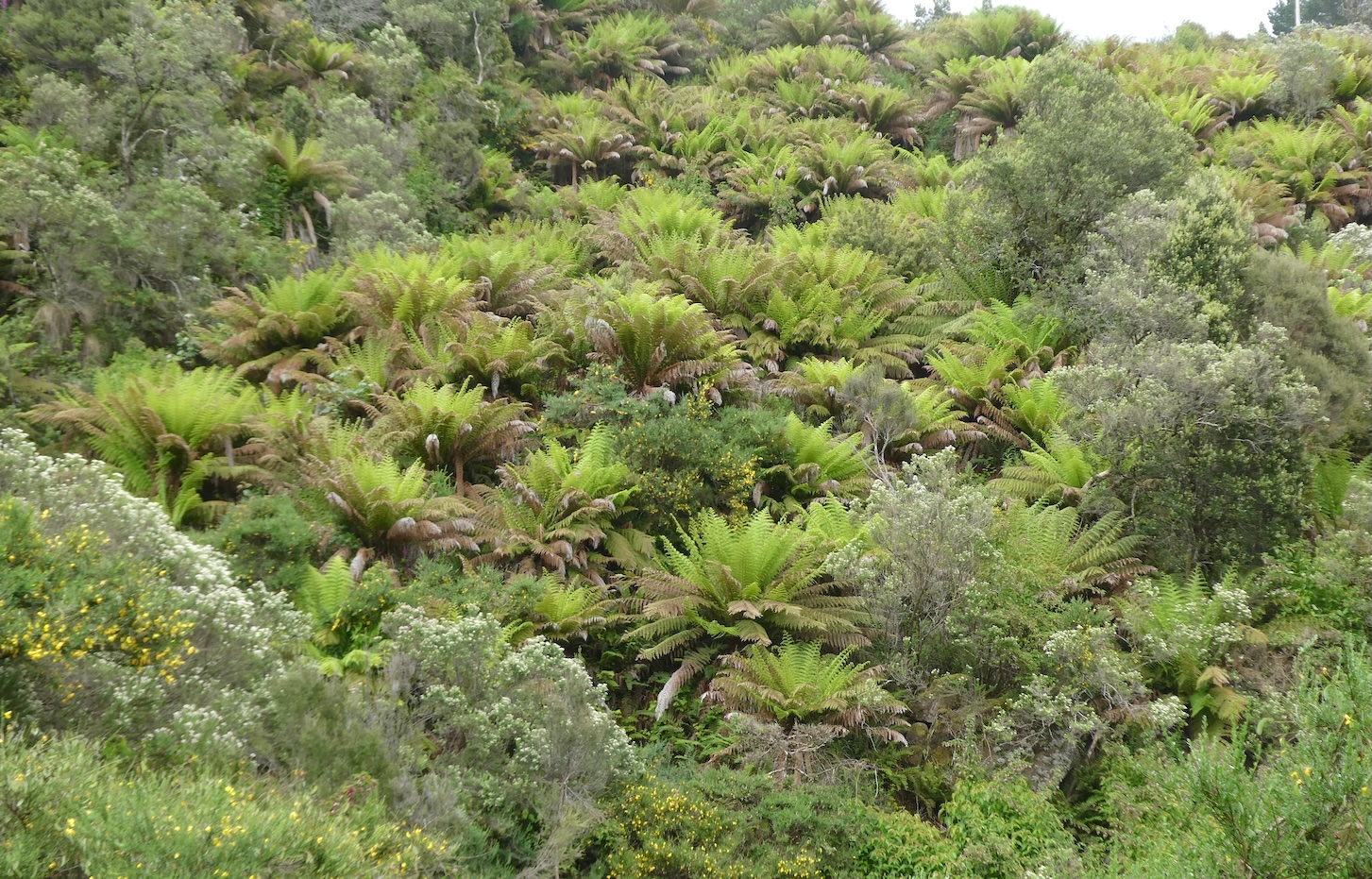
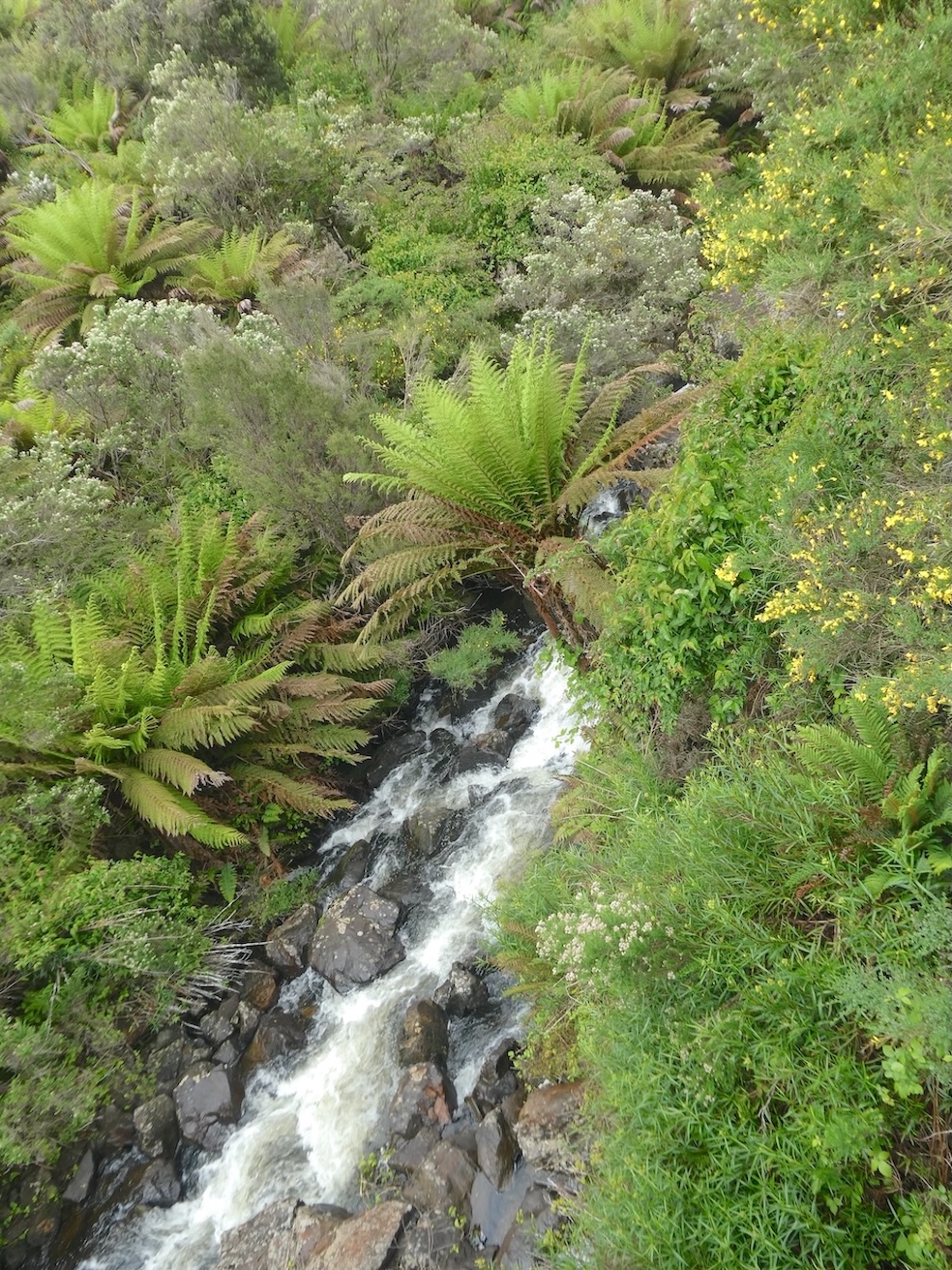
The walking trail was enveloped by tree ferns and verdant native vegetation

and the waterfall was magnificent after steady spring rain.

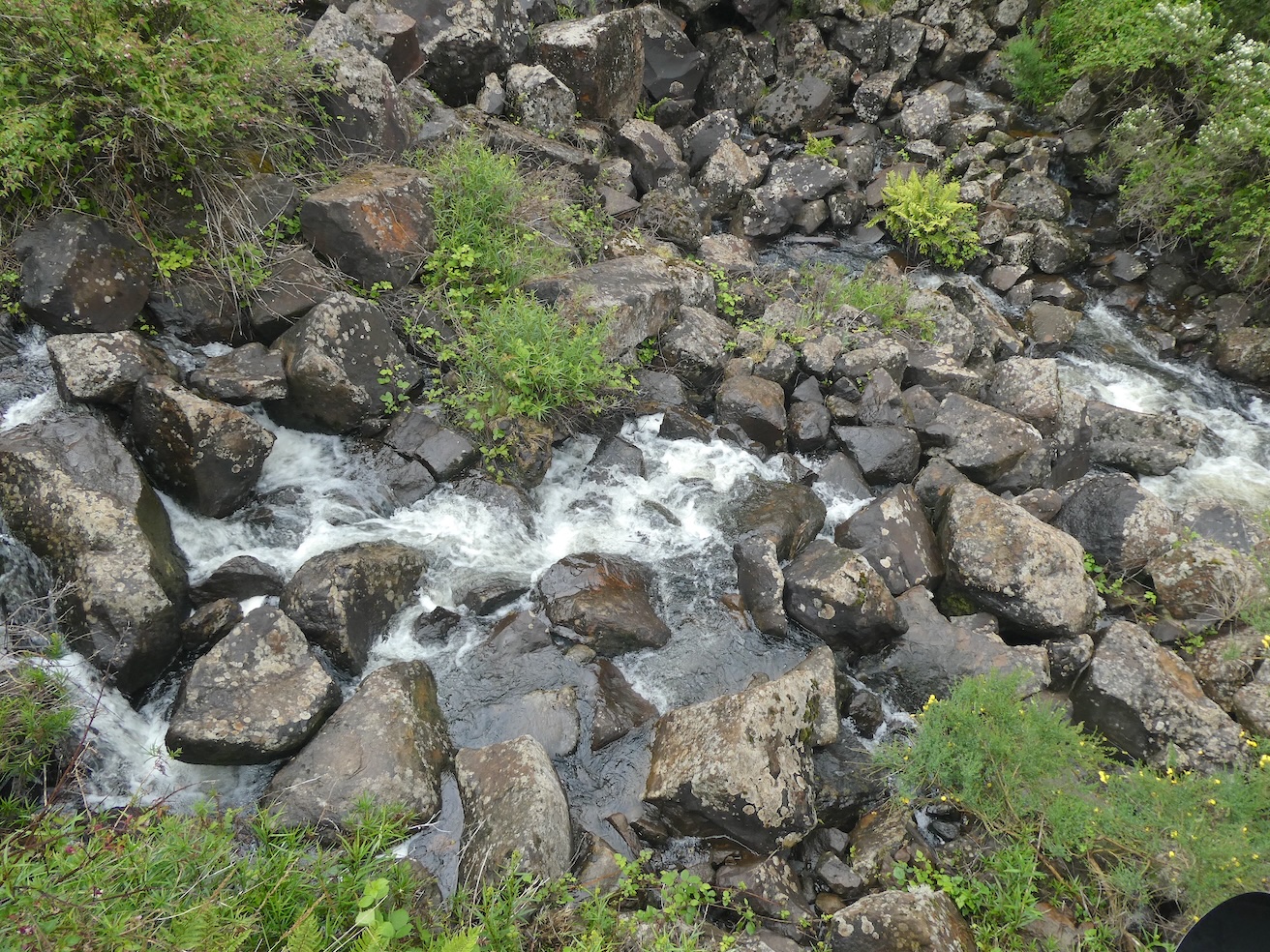
Returning to the top of the falls, the Waratah River wends its way over the cliff and continues ten kilometres before merging with the Arthur River.

The Dudley Kenworthy water wheel is named after the gentleman who recognised the potential to harness the year round water supply, making Waratah the first industrial site in Australia to be lit by hydro-electricity.

After a substantial lunch of delicious fish ’n’ chips and a schooner of stout, we were ready to tackle the long and winding road to Corinna.

canny composting

The compost bays we constructed when we created the veggie patch have slowly suffered the same fate as the raised beds. Two years ago we resurrected the beds to prevent further deterioration of the timbers and now it was time to do the same for these bays.

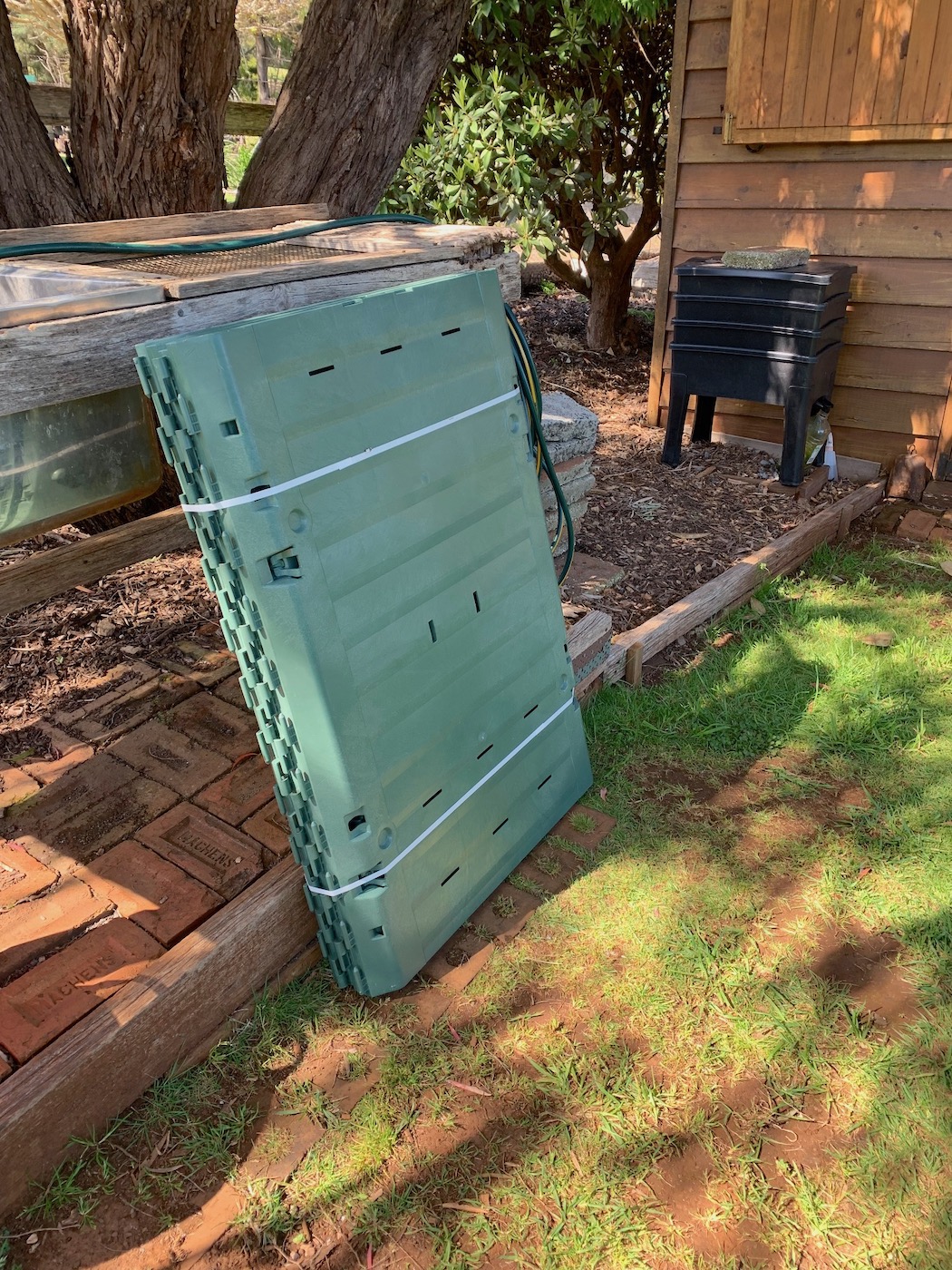
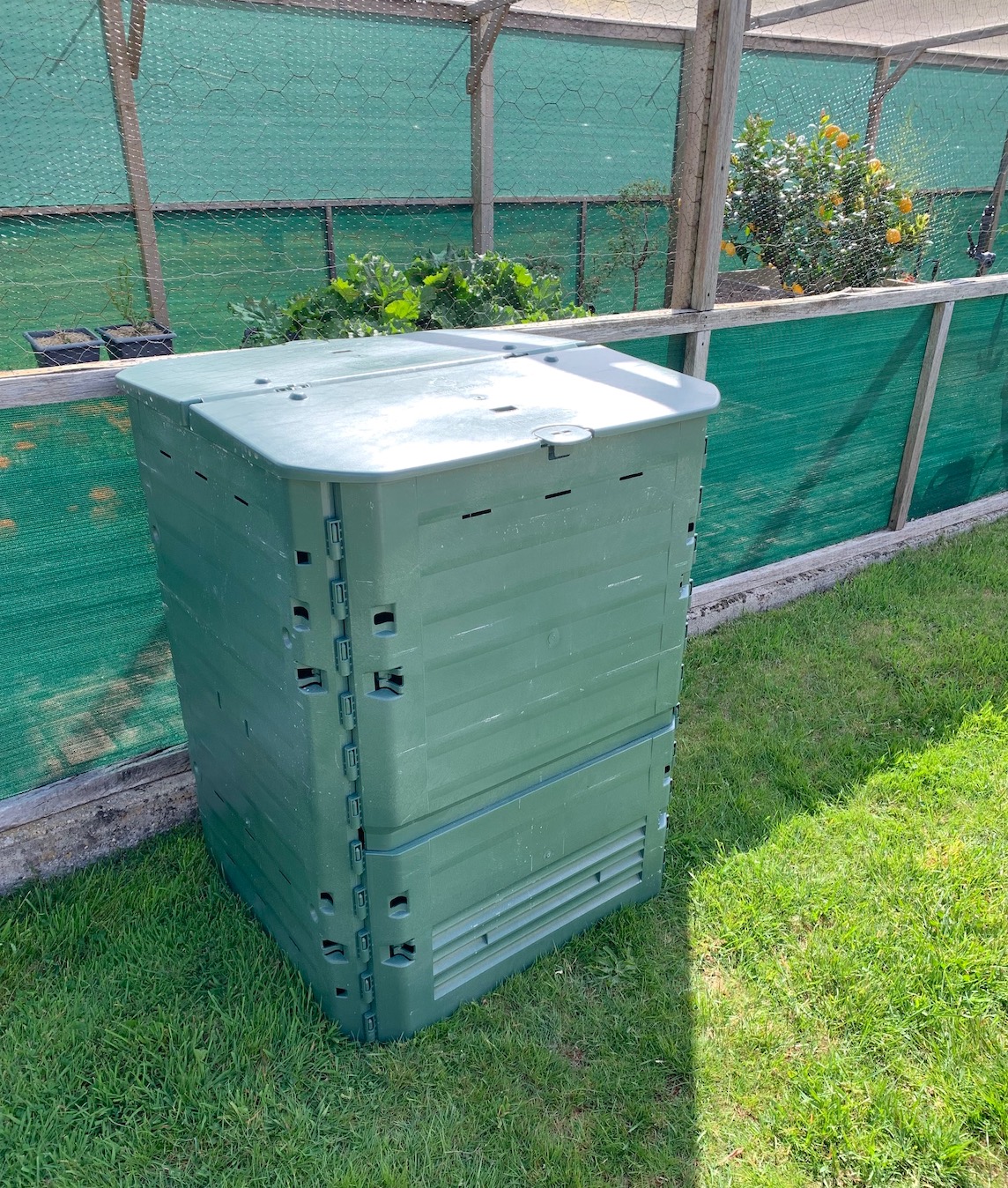
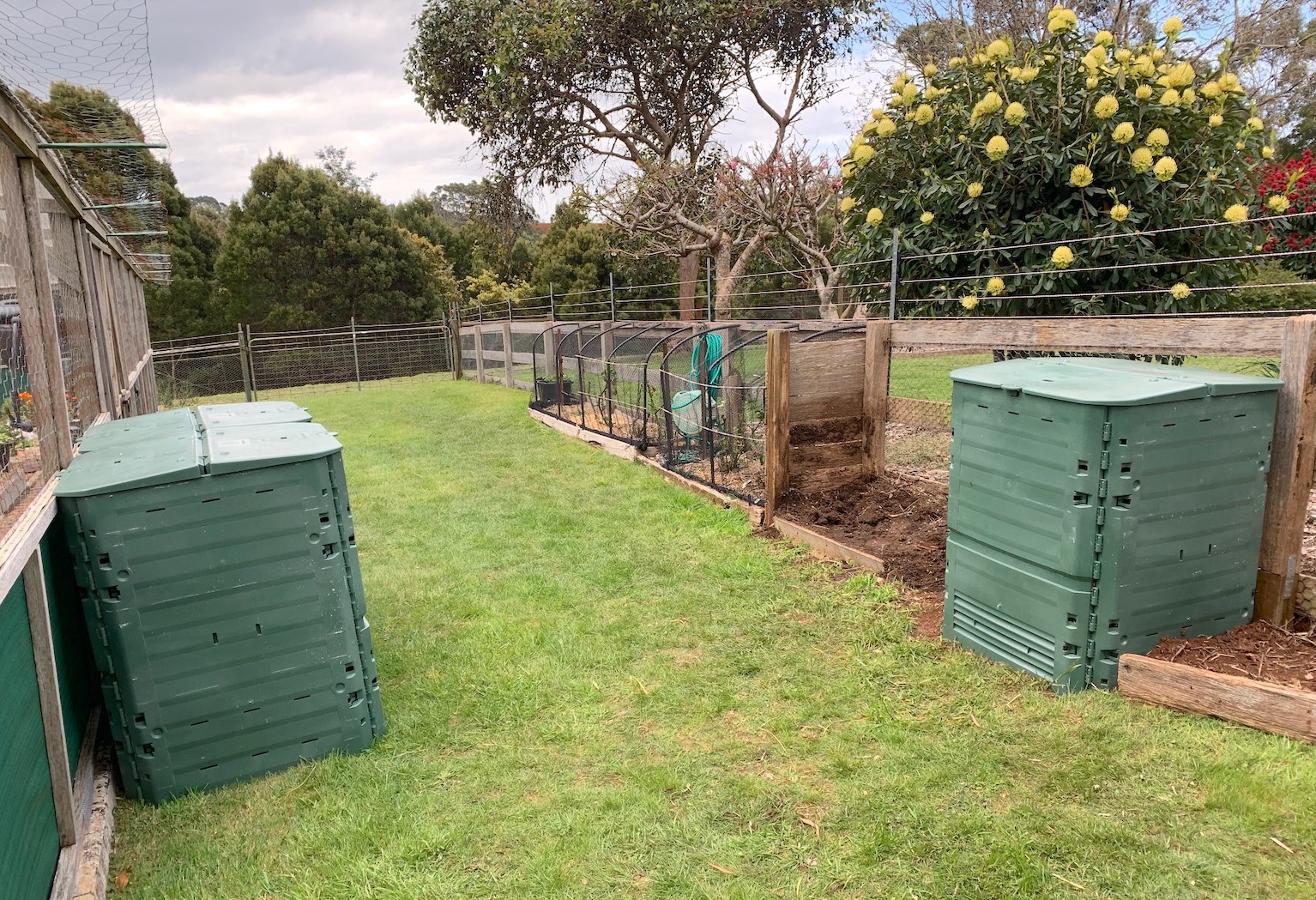
After much brainstorming, we decided the sensible thing was to buy ready made compost bins that would out live and look better than anything we could build. The three 600 litre bins were delivered and we wasted no time unpacking them.

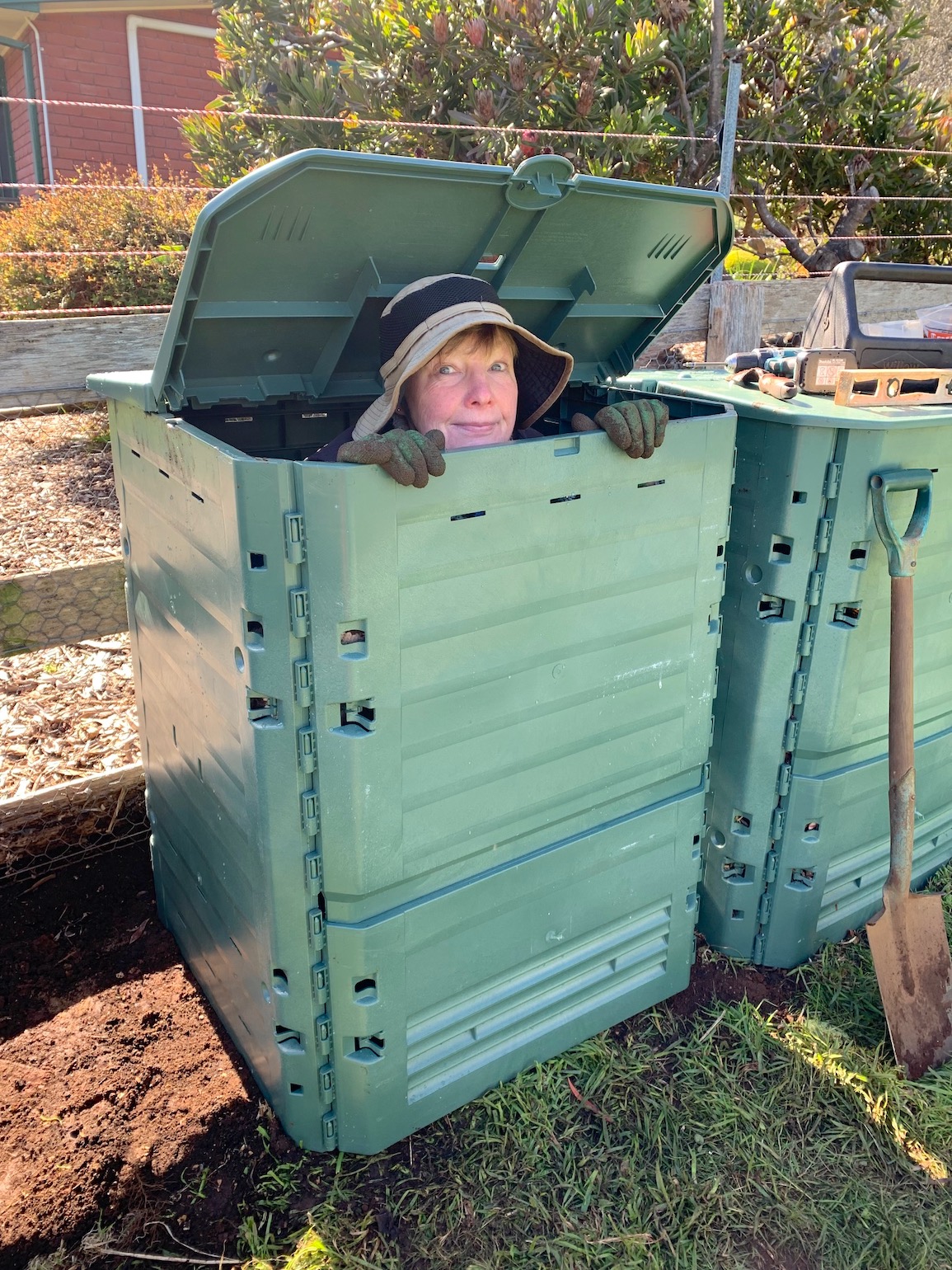
Assembly was ridiculously easy,

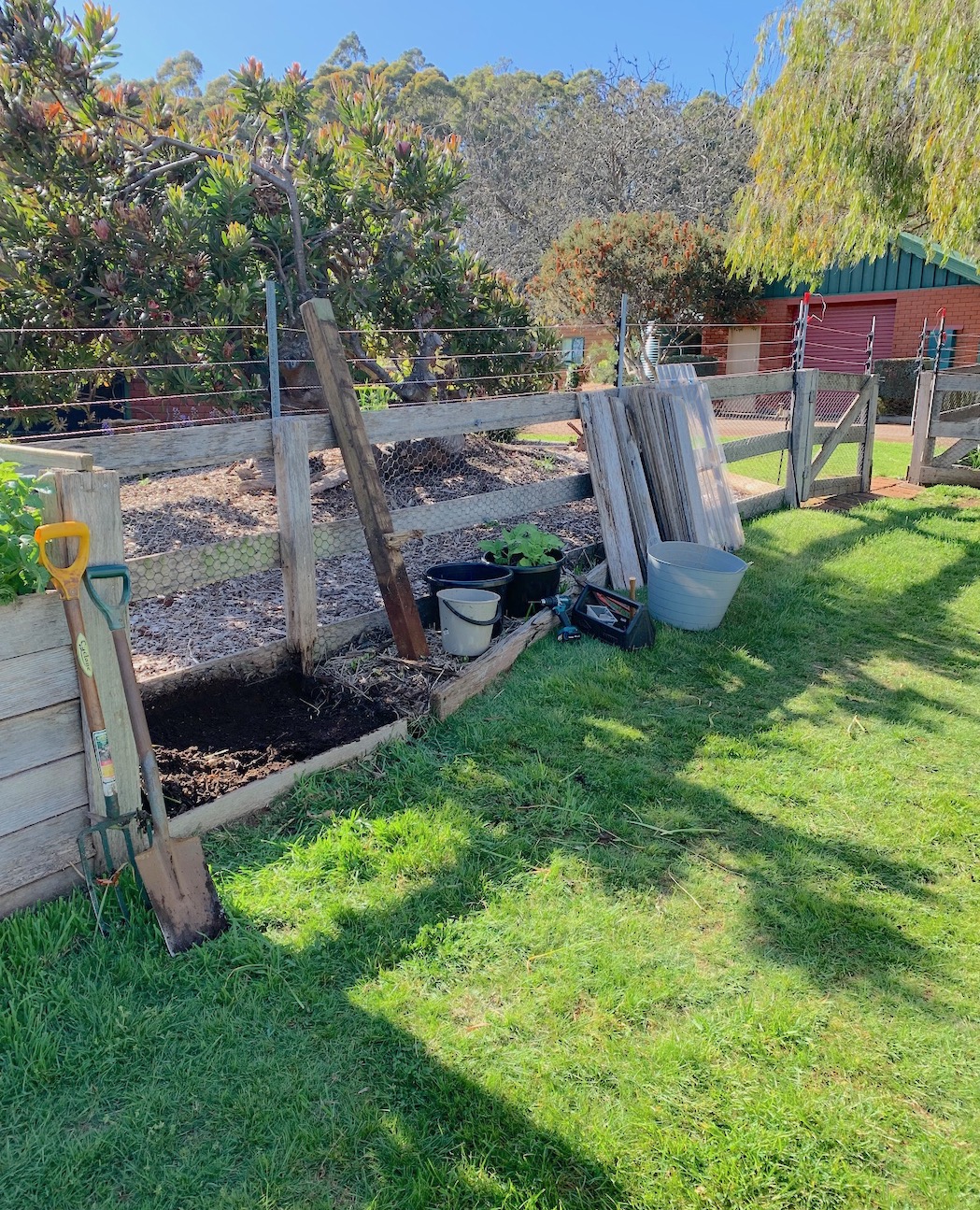
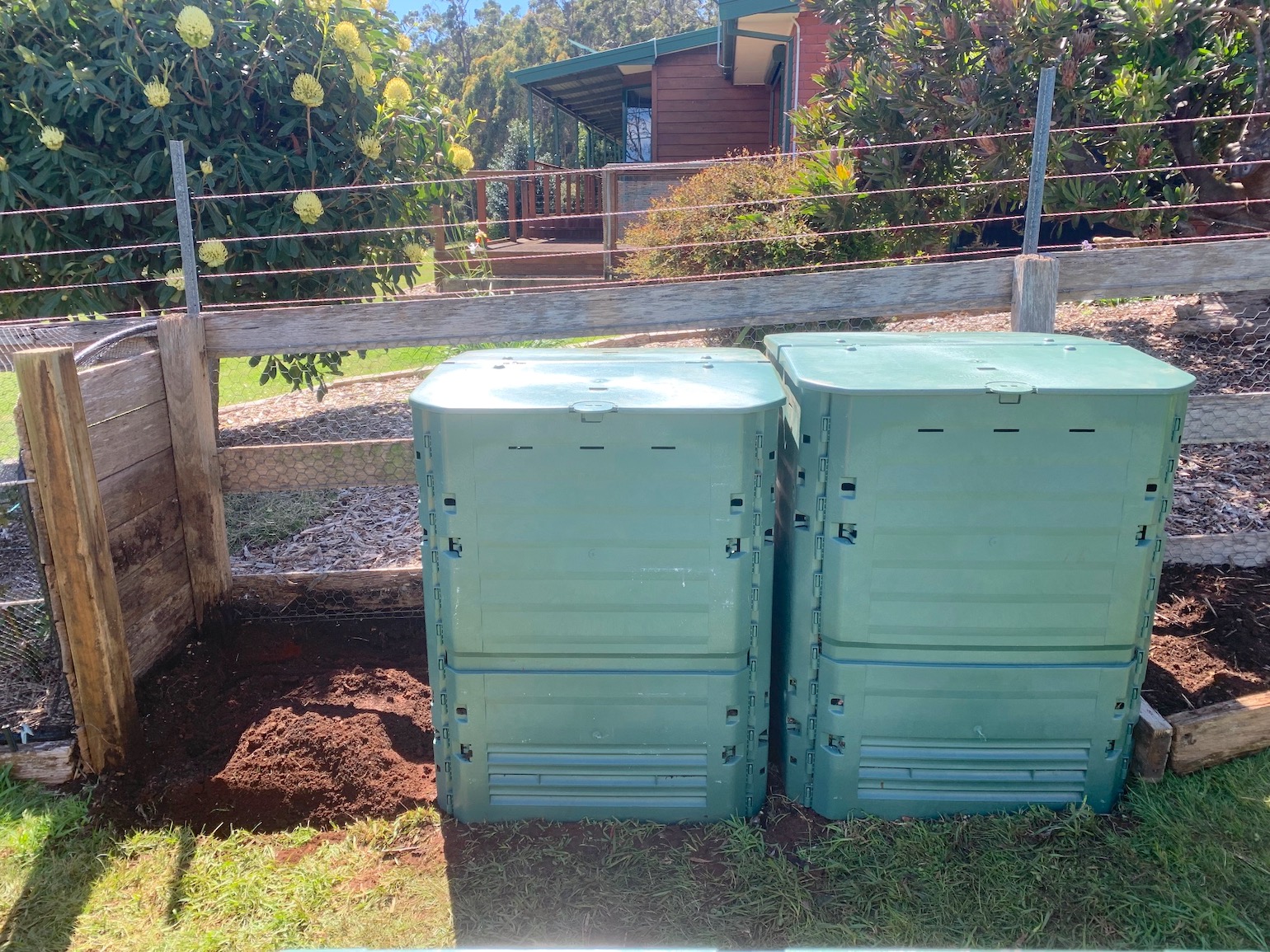
site preparation took a little longer. We emptied the contents of the first bay into wheel barrows and demolished the structure, saving any timbers worthy for future use.

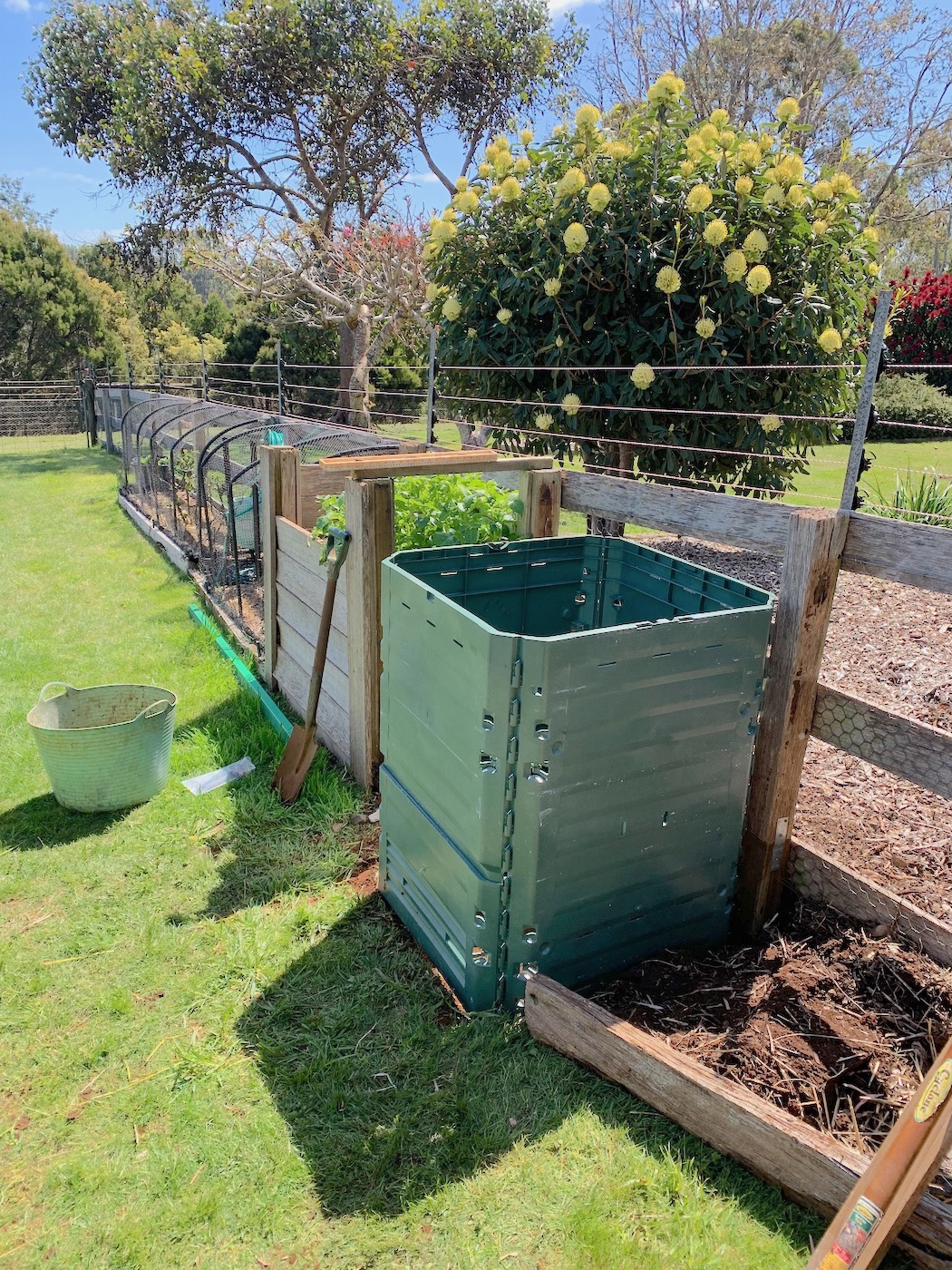
The new bin fit the space perfectly and the half-composted material was shovelled in.

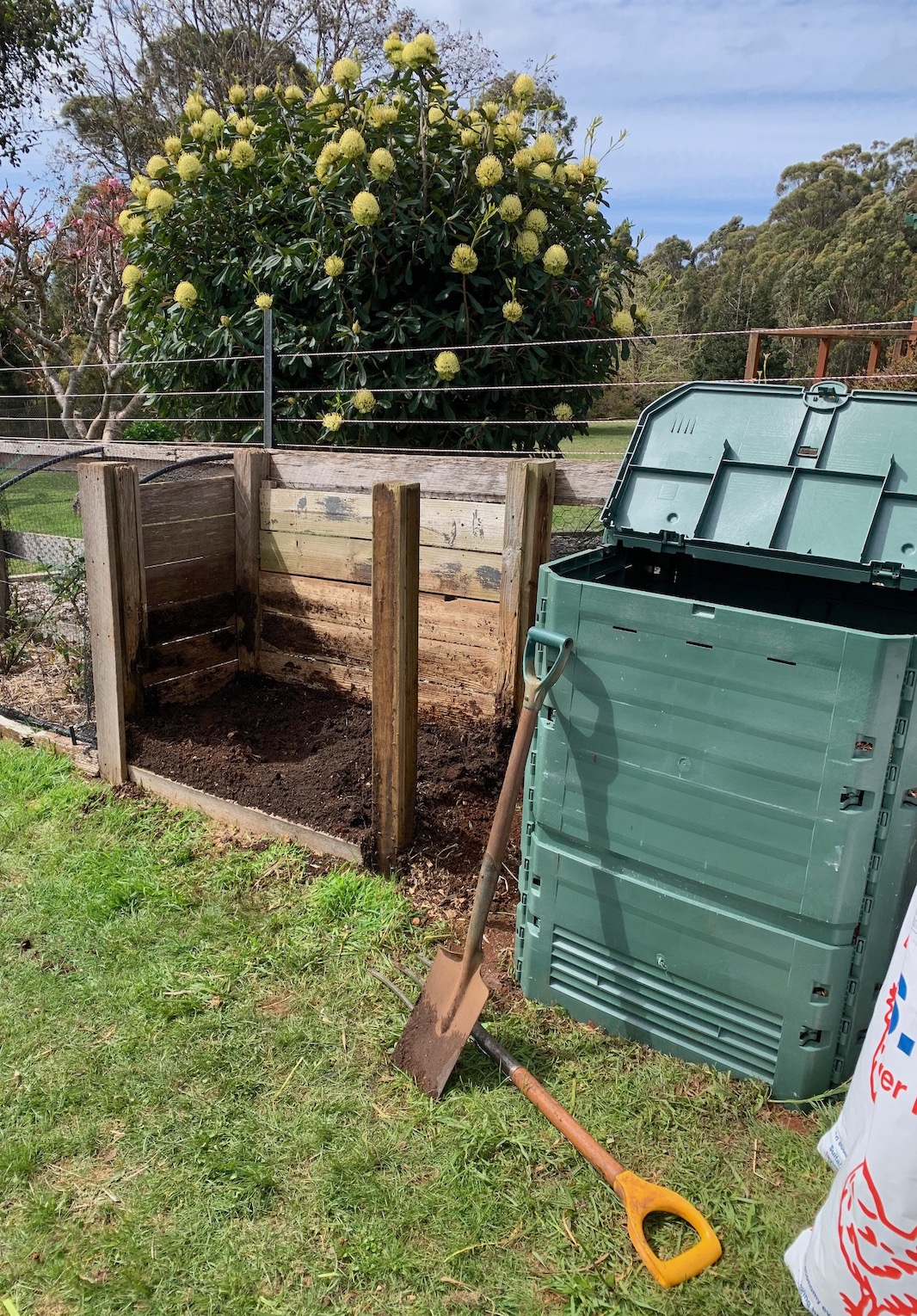
Potatoes were harvested from the random growth in the second bay before that, too, was emptied and demolished.

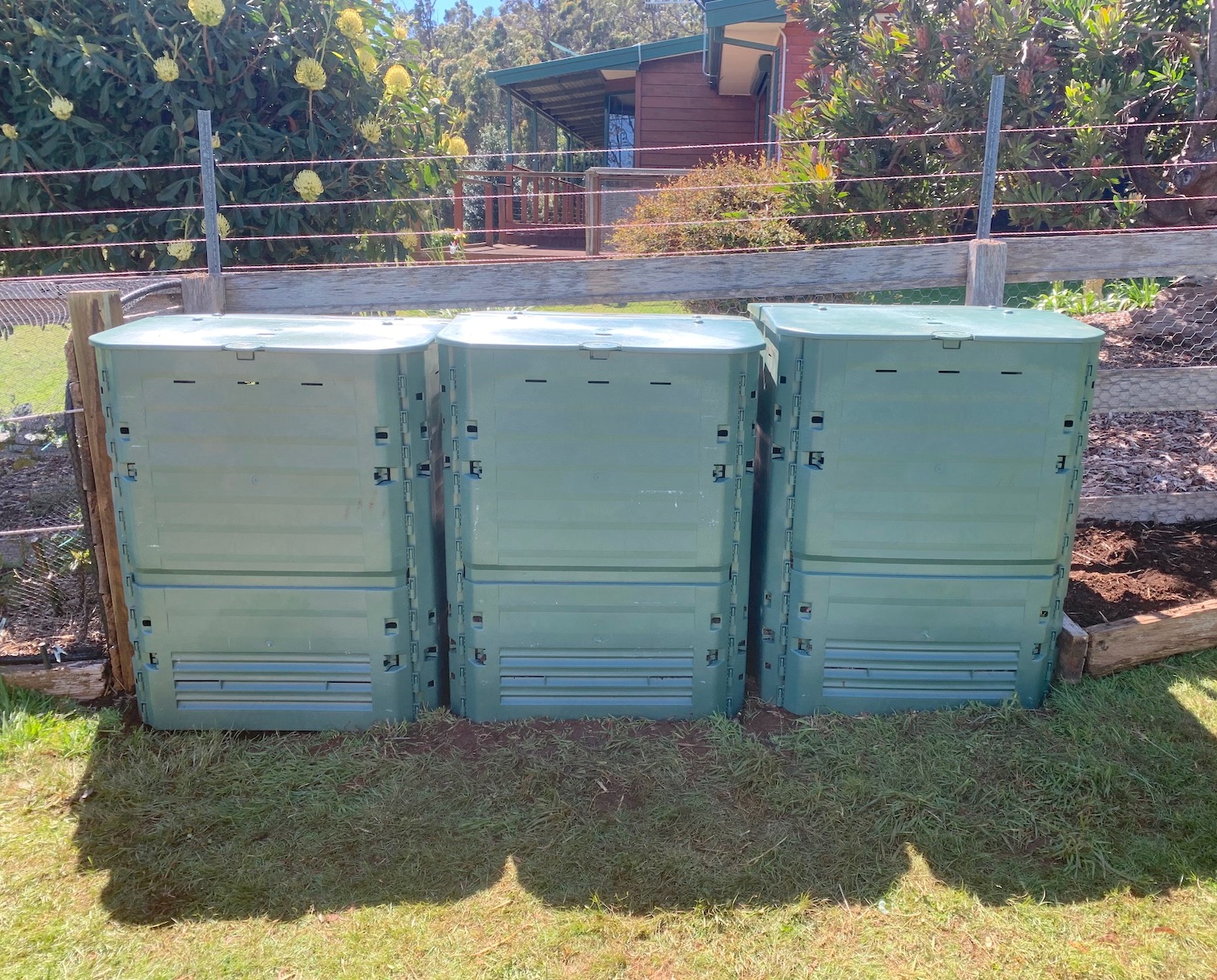
It didn’t take long to position the remaining two bins, replace the contents and admire our work.

It’s amazing what you can compost these days.

blissful bubbles

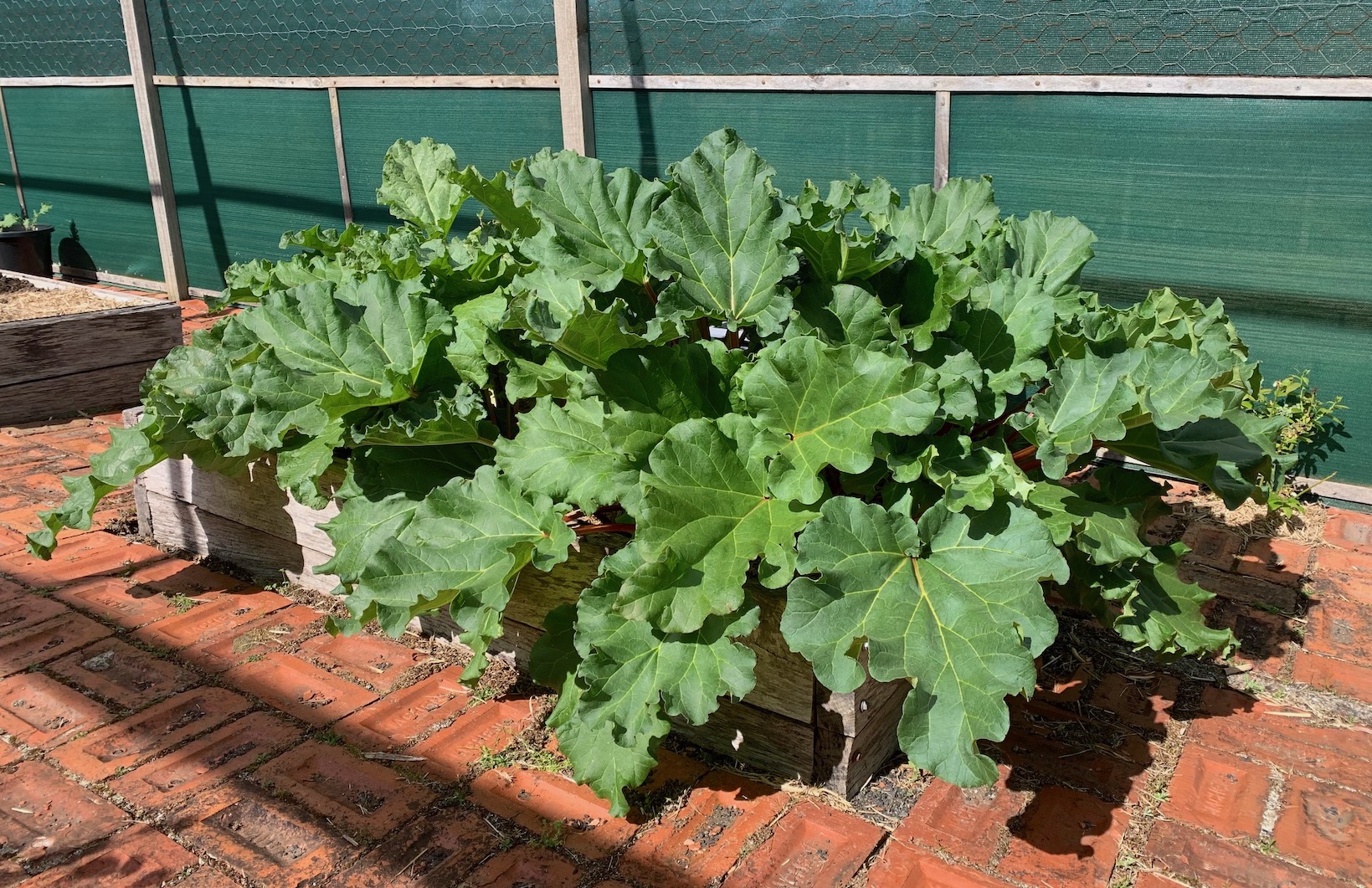
It’s that time of year when the veggie patch is transforming from winter weariness to summer surplus. Our robust rhubarb provides at a steady rate throughout the year but I am now digging deep into the repertoire of rhubarb recipes to keep up with the harvest.

One of my favourites is rhubarb champagne, the reward is definitely worth the effort. Start with 875g rhubarb, 875g sugar, a lemon (from the abundant lemon tree) and 11 tablespoons of apple cider vinegar.

Chop the rhubarb, slice the lemon

and place all these ingredients, along with 5 litres of cold water, into a food safe bucket (I use our beer fermenter). Cover loosely with a clean tea towel and leave for 48 hours.

Sterilise 10 PET bottles (I use Milton solution)

and strain 500ml of the mixture into each.

PET bottles are preferable as they have more ‘give’ and it is advisable to squeeze out as much air as you can before capping.

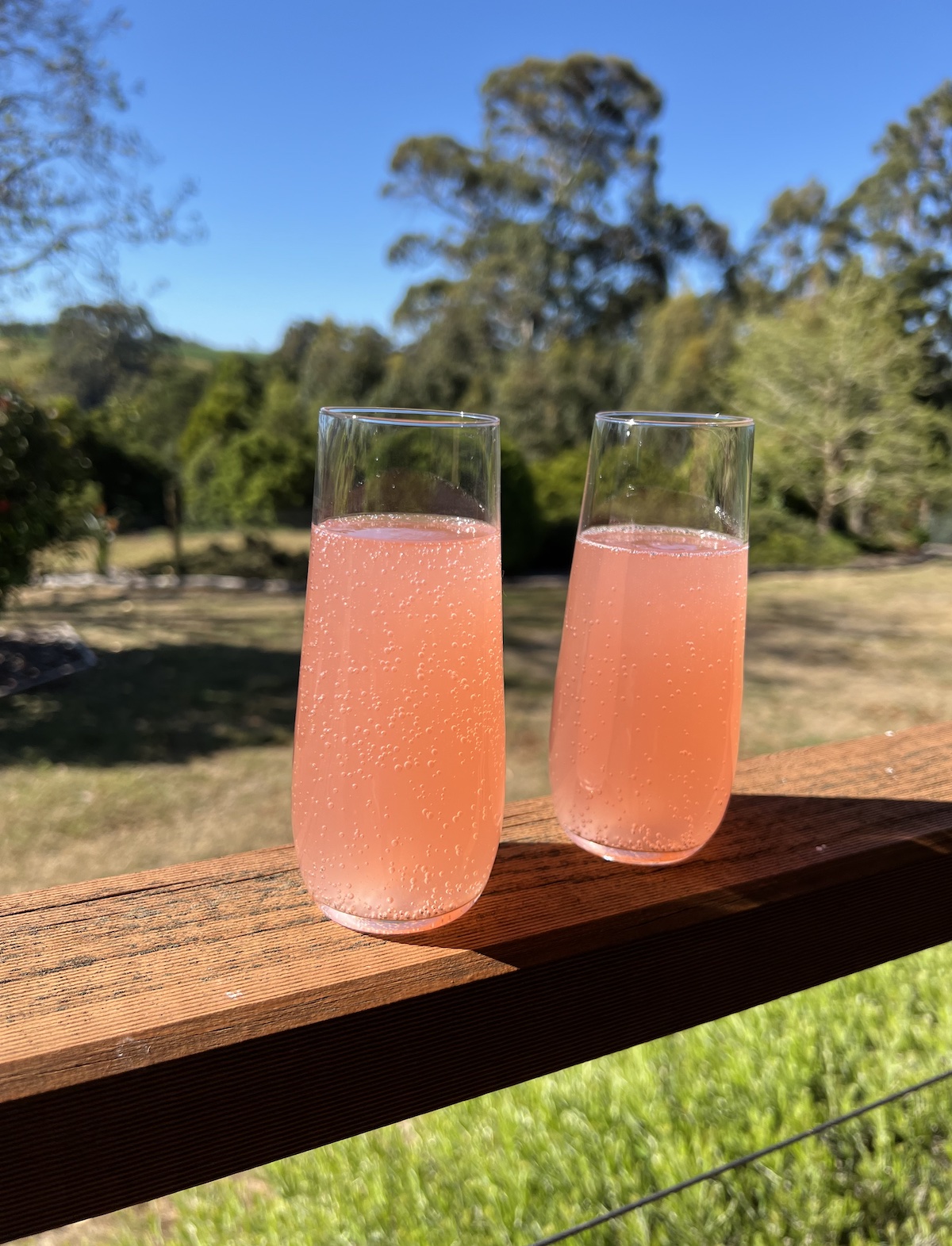
Pop the bottles in the fridge and try to refrain from sampling for at least two weeks. Deliciously refreshing as a sparkling beverage,

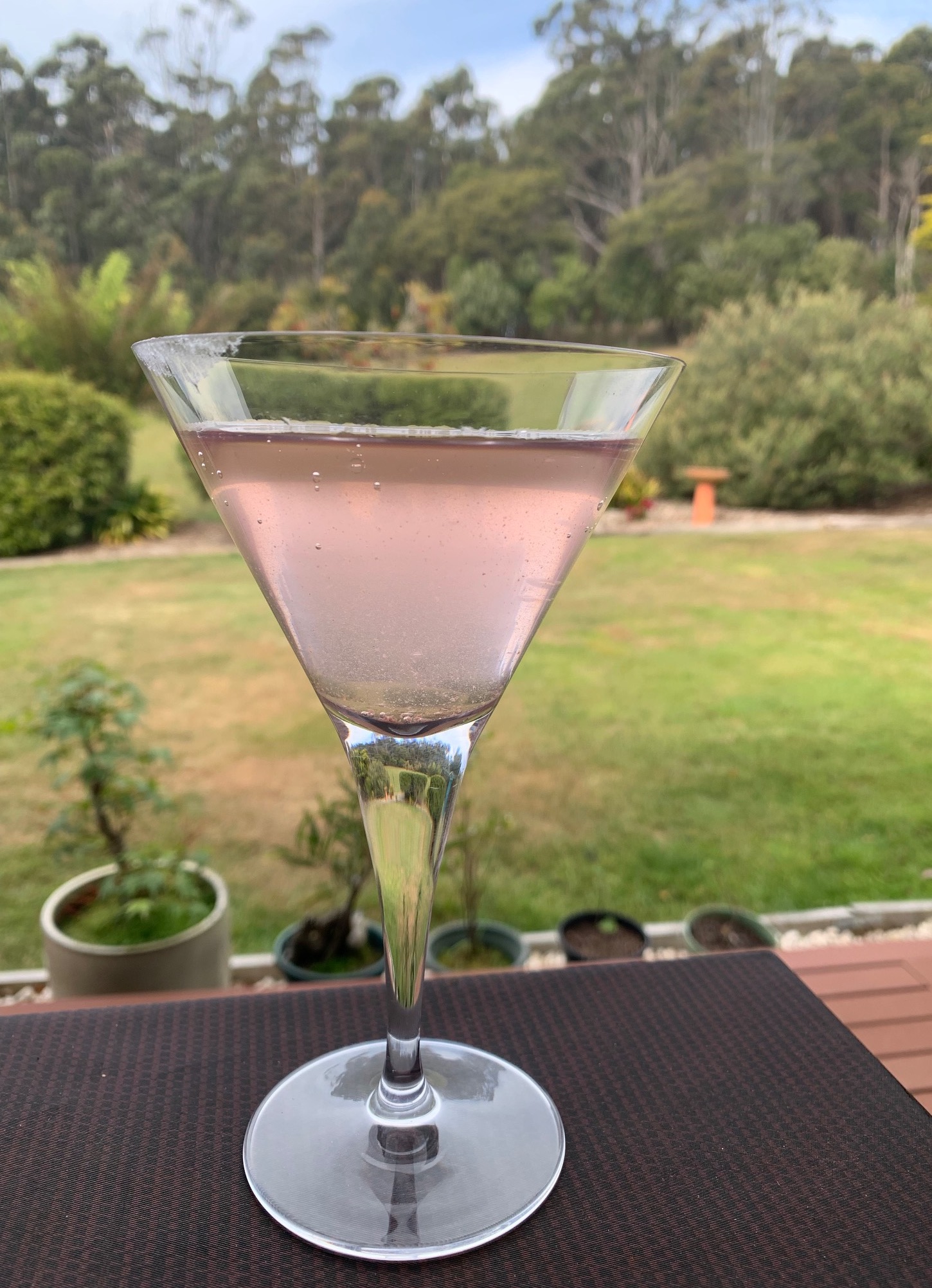
we recently discovered the benefits as a mixer. One and a half measures of gin topped up with rhubarb champagne, we have lovingly named it the ‘Stowport Stonker’. Cheers.

Warning: open bottles VERY slowly.

hen haven

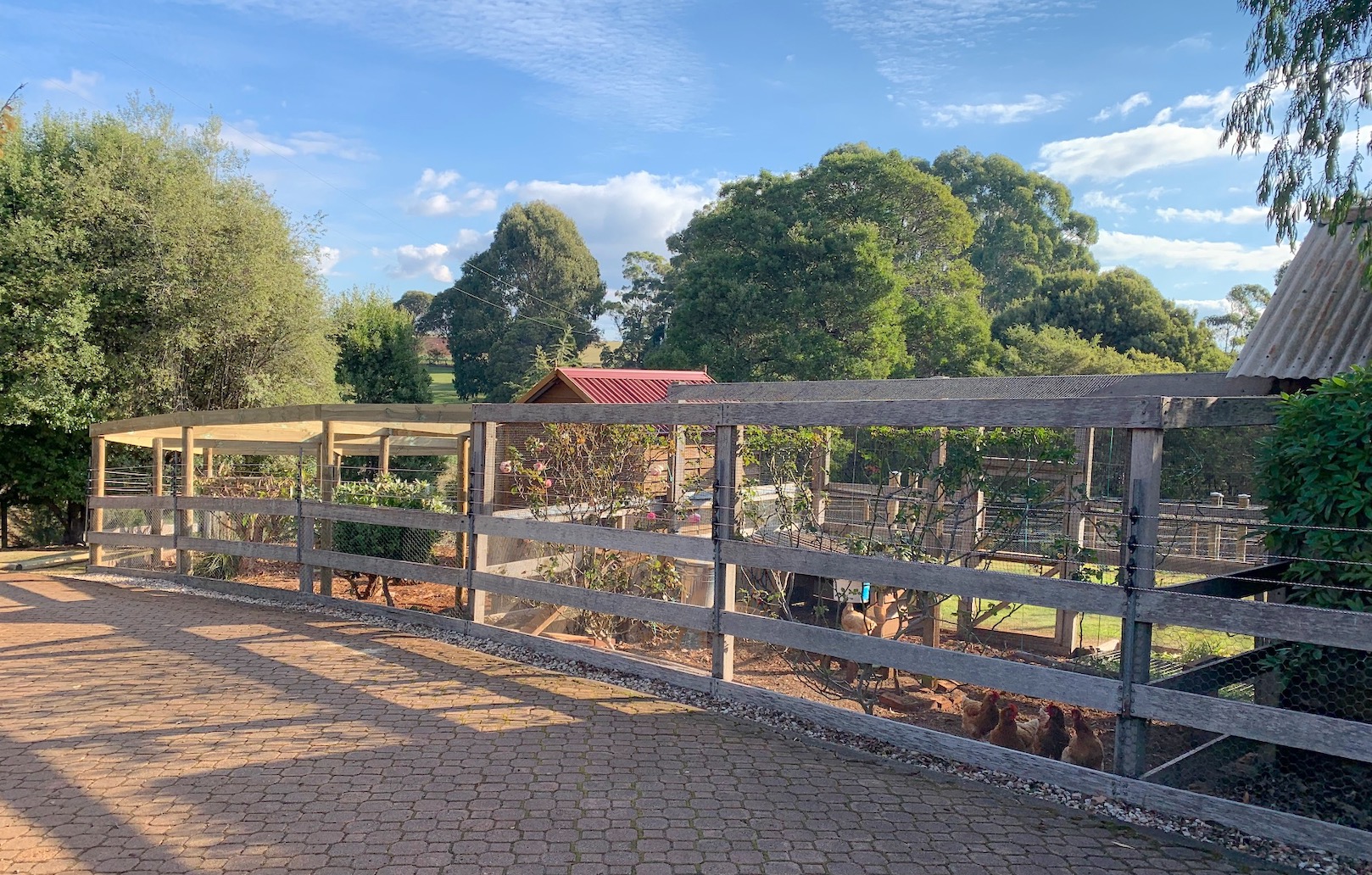
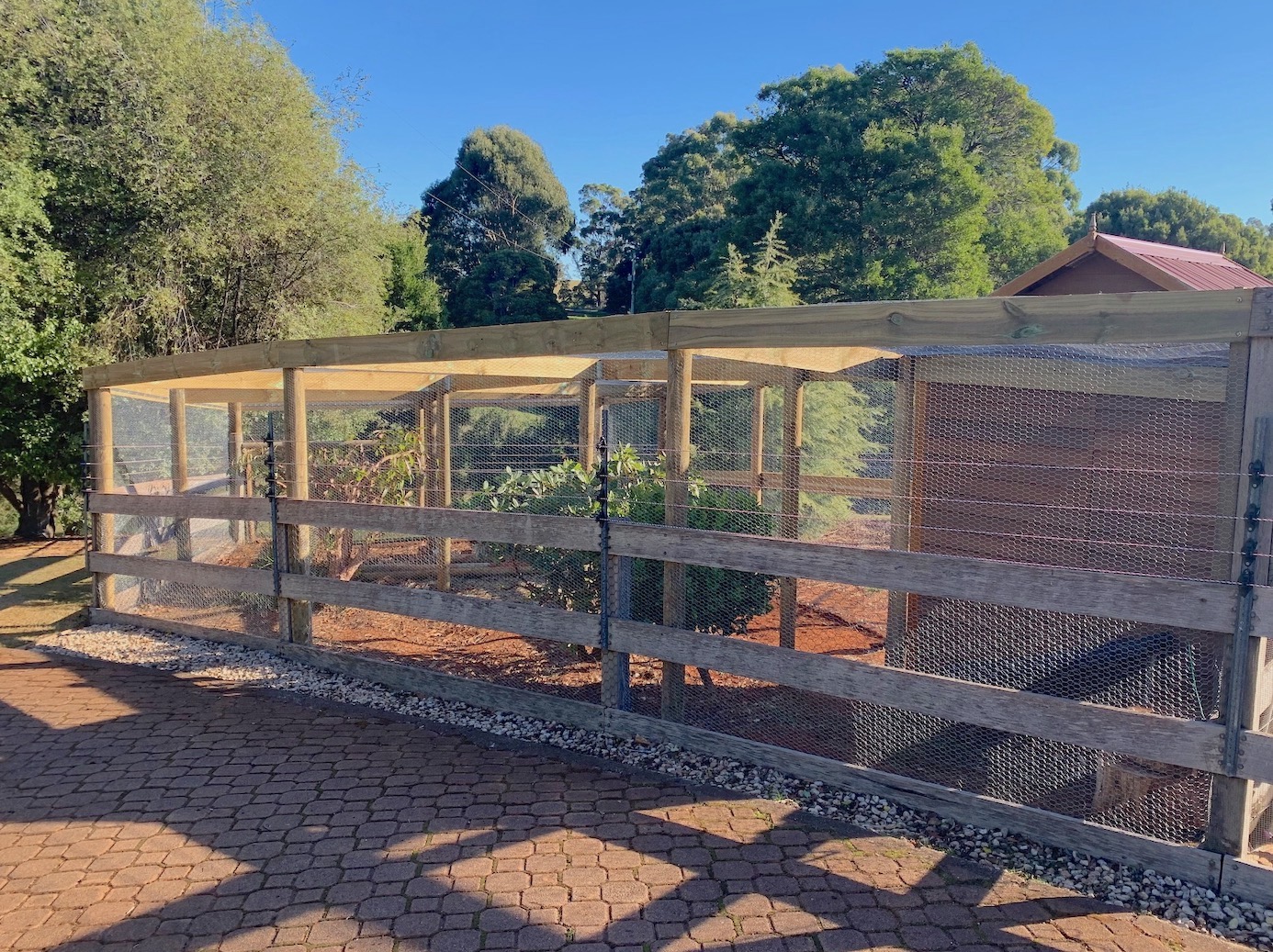
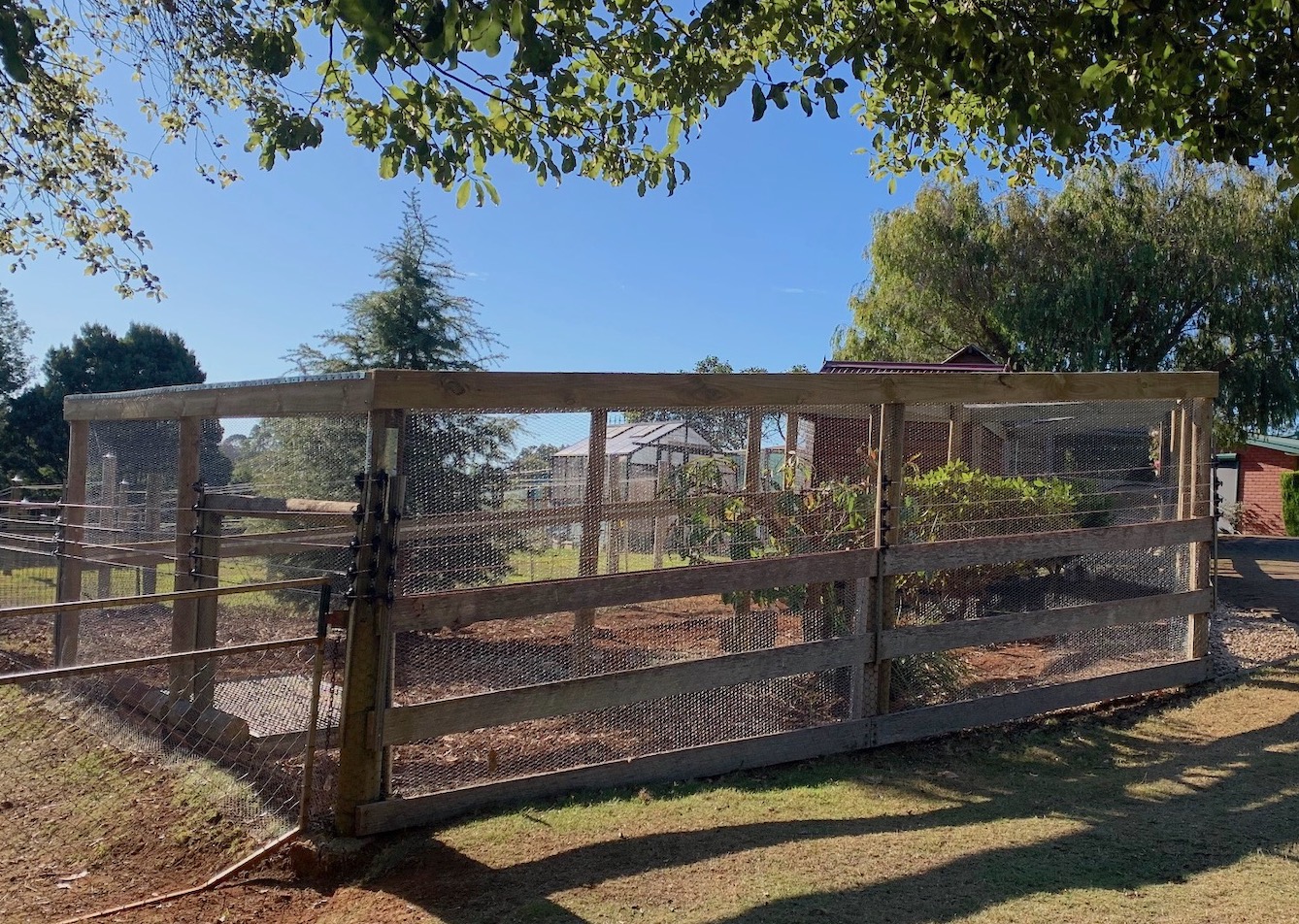
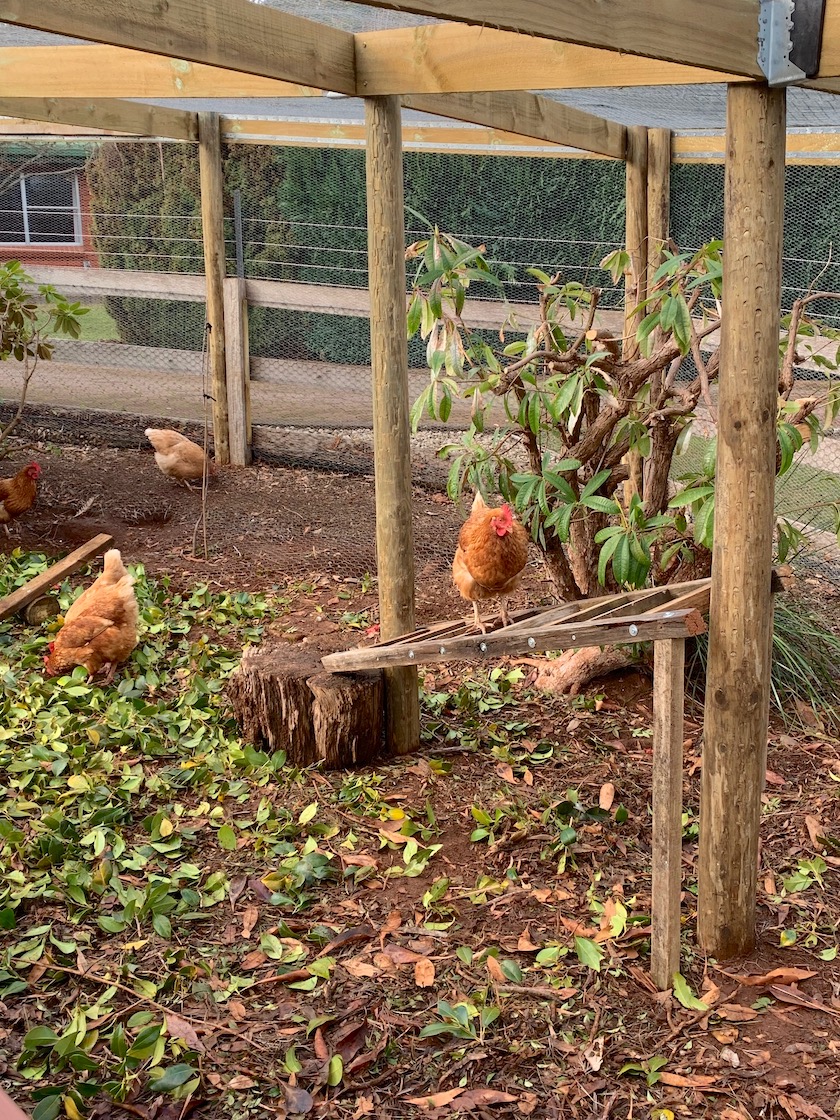
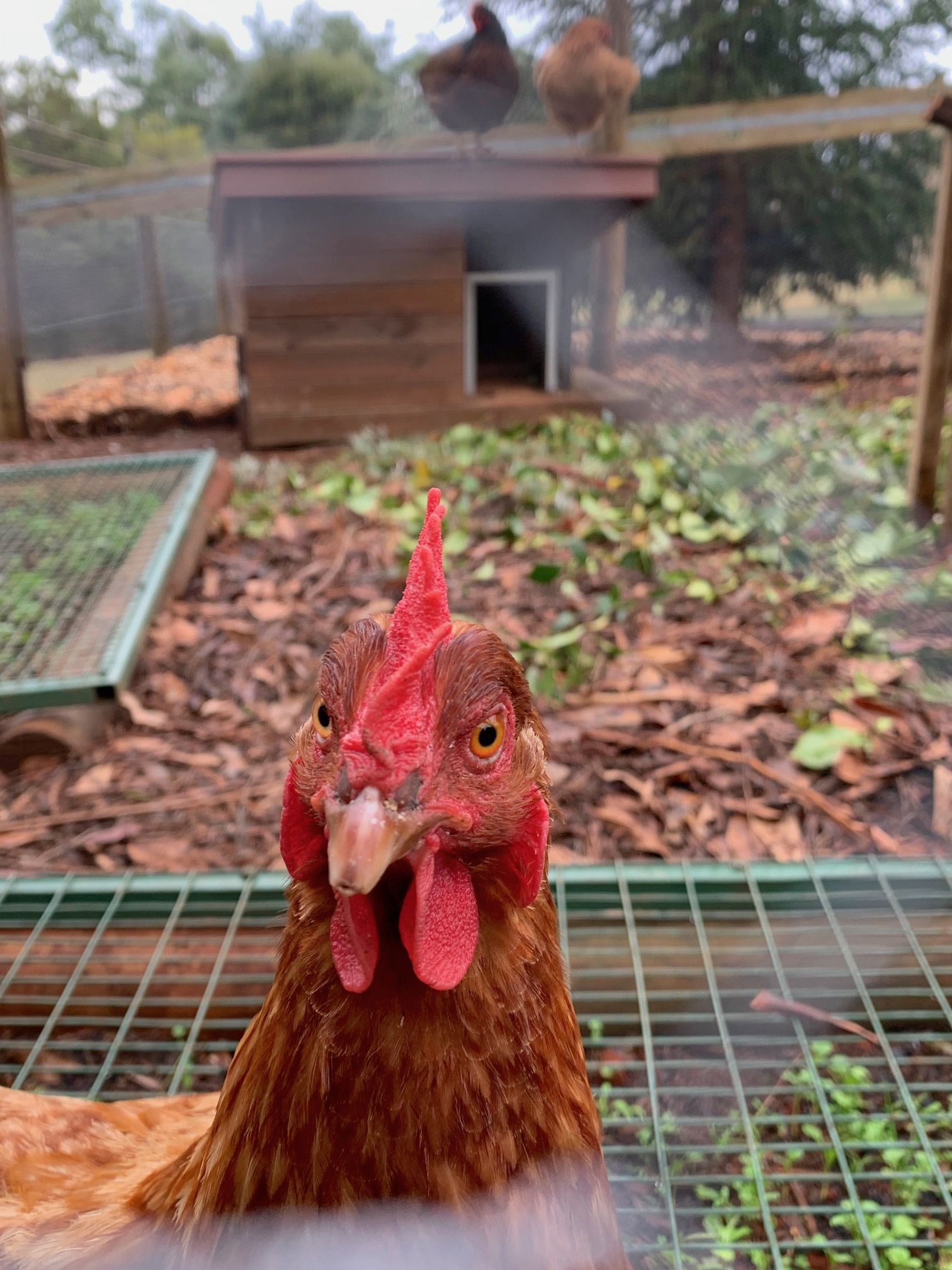
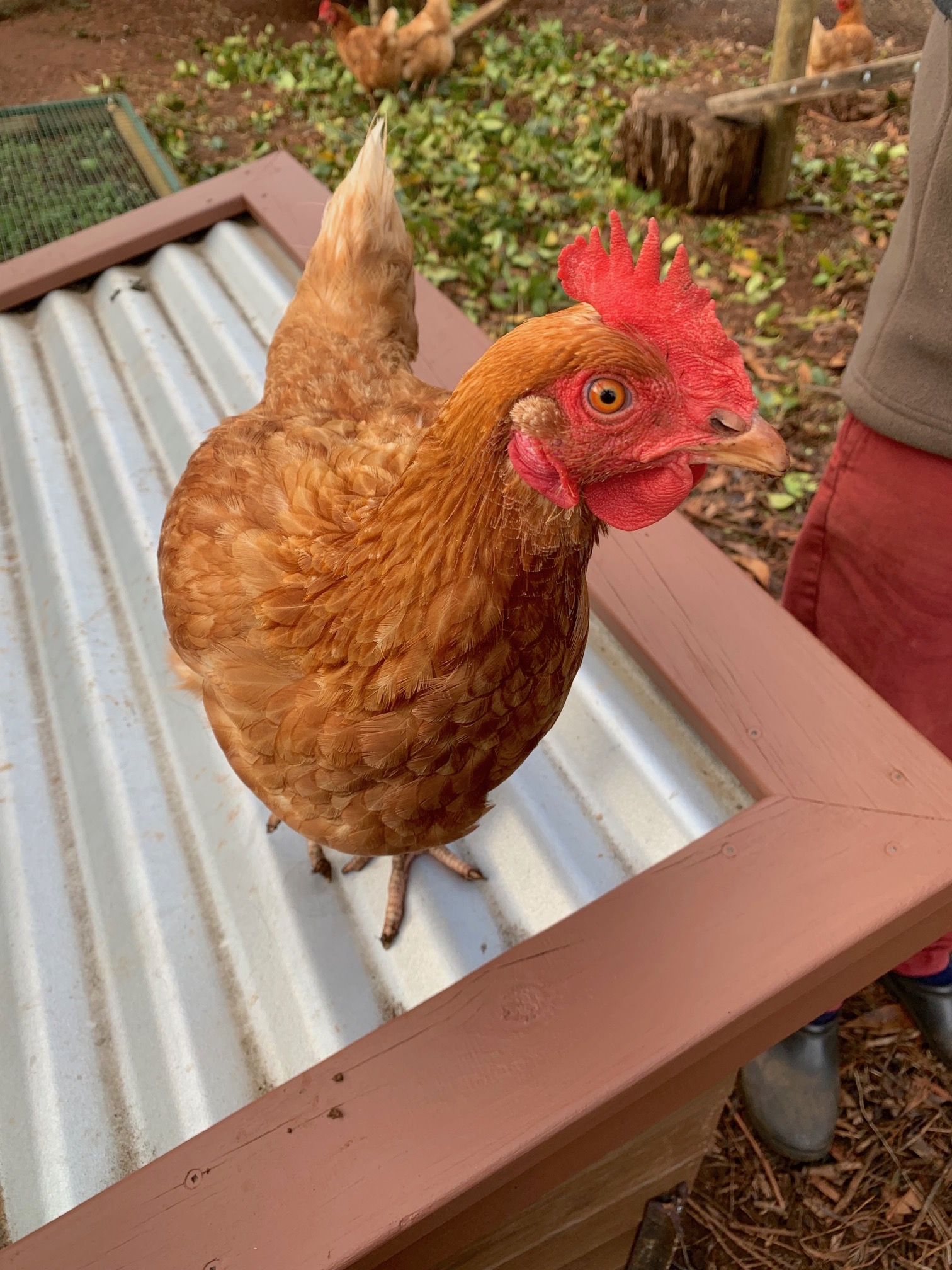
Our chooks have always had plenty of room to forage and scratch and play and, well, do what chooks do. Part of their run was completely enclosed and safe from predators and a larger area was fenced but otherwise open.

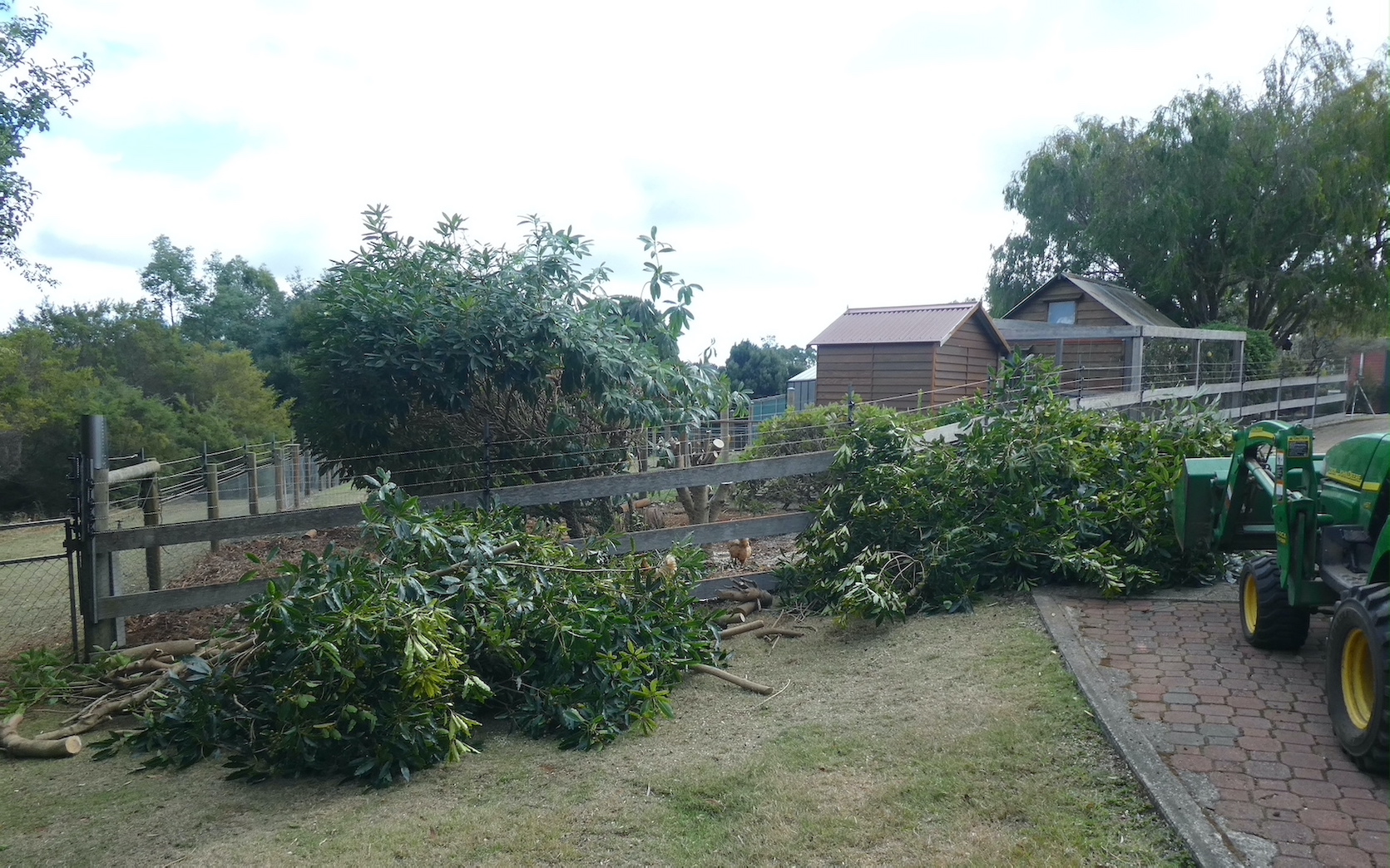
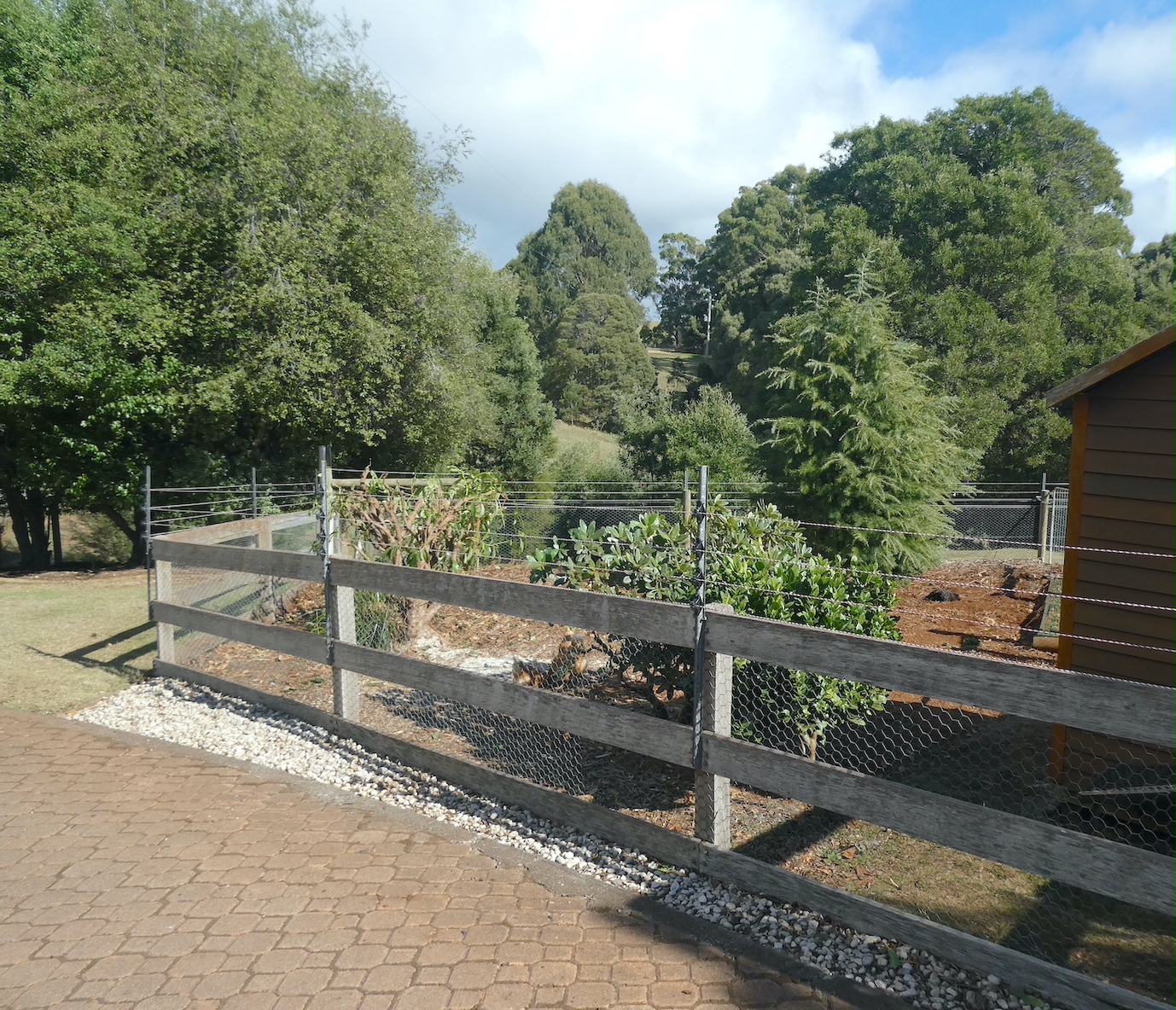
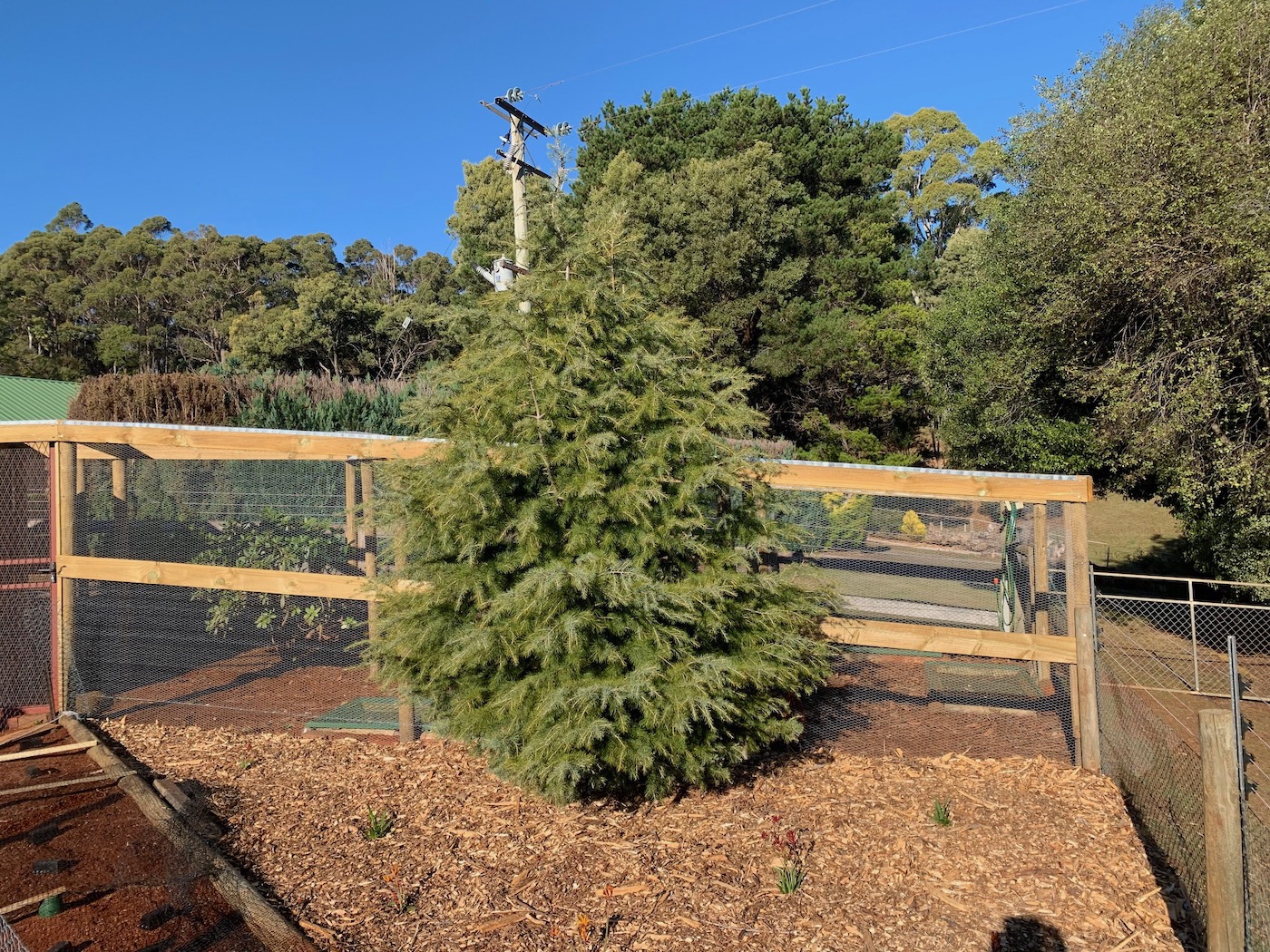
We had thought about enclosing the whole area for a while, mainly to keep the ornery sparrows from stealing the chook food, and finally tackled the mammoth project after visitations from raptors with eyes on our girls. The first task was to remove the huge native pittosporum, a favourite hotel for the sparrows and far too big to retain within the new run.

We proceeded with hole digging and post erecting,

and it wasn’t long before we realised the need to allow the girls to roam and shut them out of the work space. They were just a little too helpful.

Unfortunately, they make a terrible mess of any tidy garden space, something I had to ignore until the end of our mission.

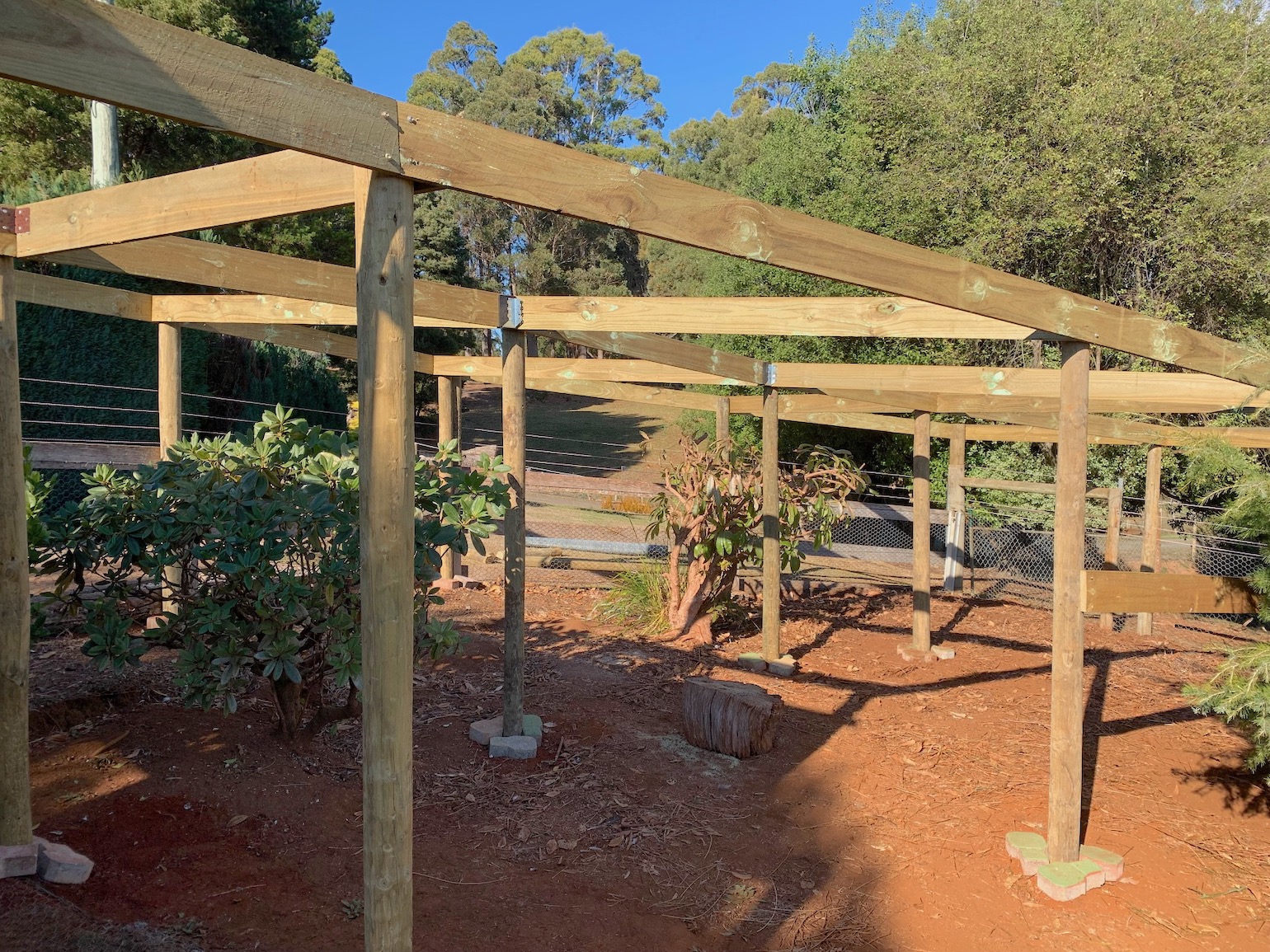
Once the boundary posts were in, we added the support beams

before continuing with the central posts and beams.

Next came the tricky part – the roof.

Accompanied by minor swearage, we manhandled the first section of wire into place and secured it, feeling inspired to carry on.

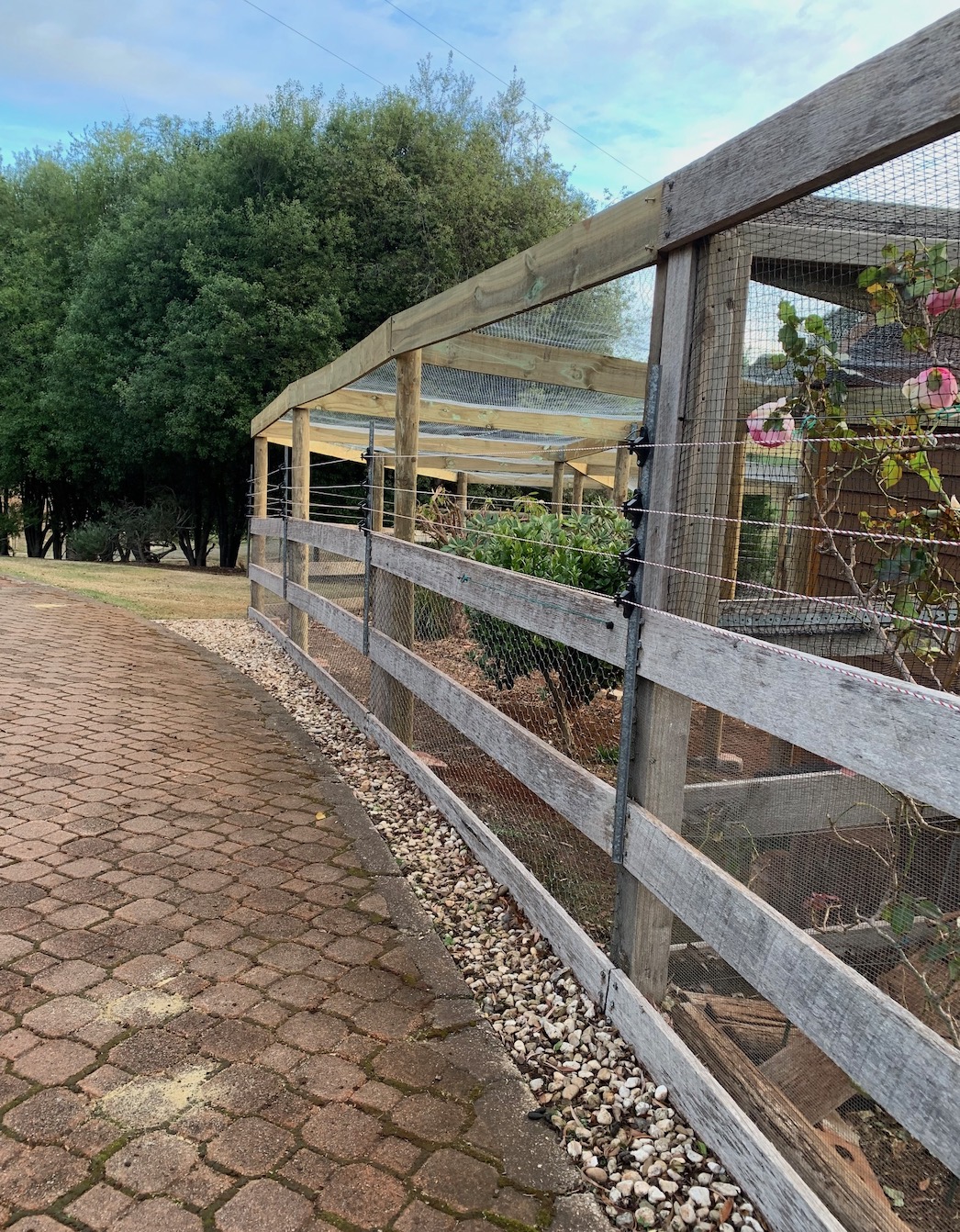
We soon finished the roof and used netting clips to join the sections.

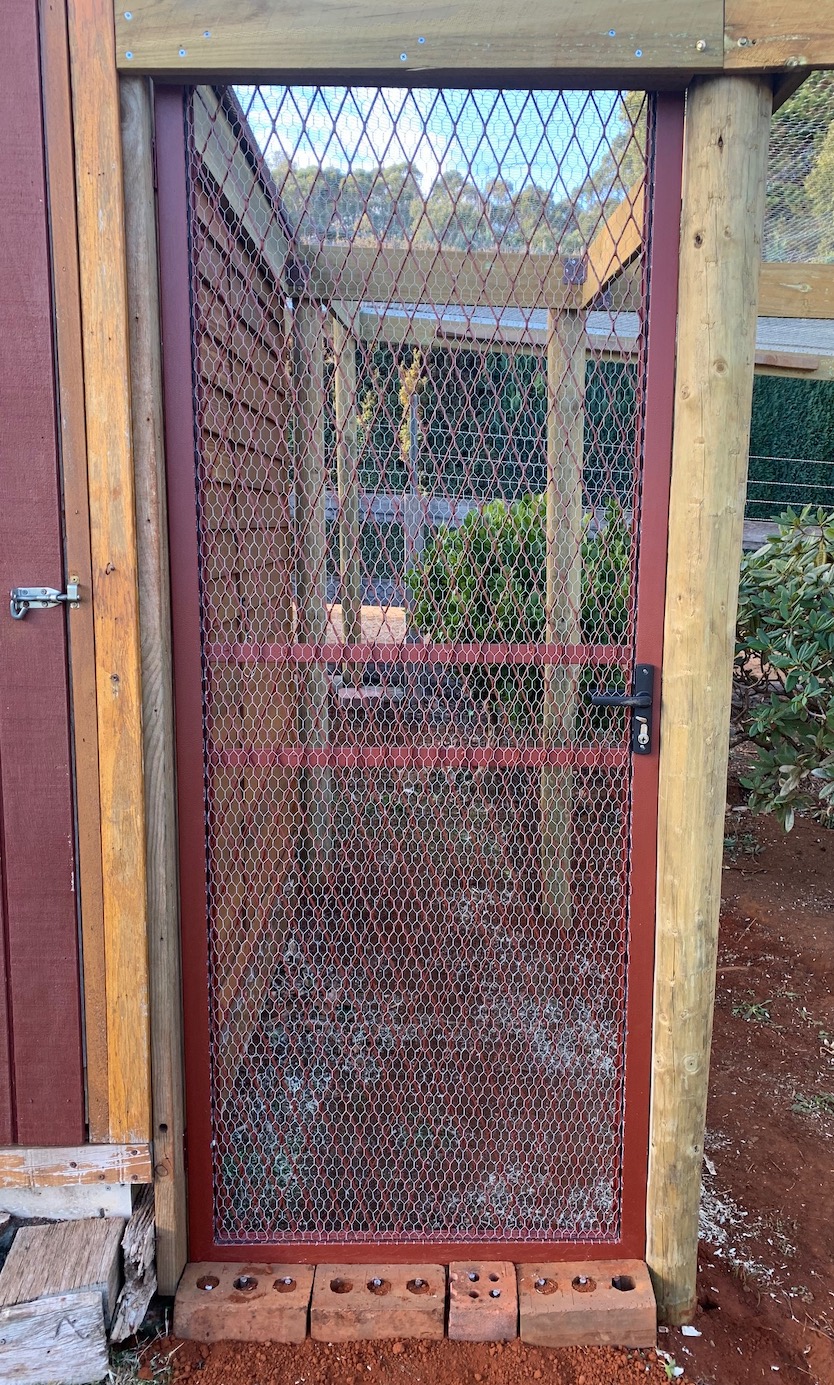
Rather than purchase a lightweight aluminium screen door from a local retailer, we sourced a solid steel model from the salvage yard at a quarter of the price. By the time we sprayed a coat of primer, spent hours painting two coats of colorbond and fixed the bird wire, I’m not sure the effort:reward ratio was favourable but it serves its purpose.

Once the wire sides were completed,

we removed the original boundary fence line and relocated the grazing cages inside the new run.

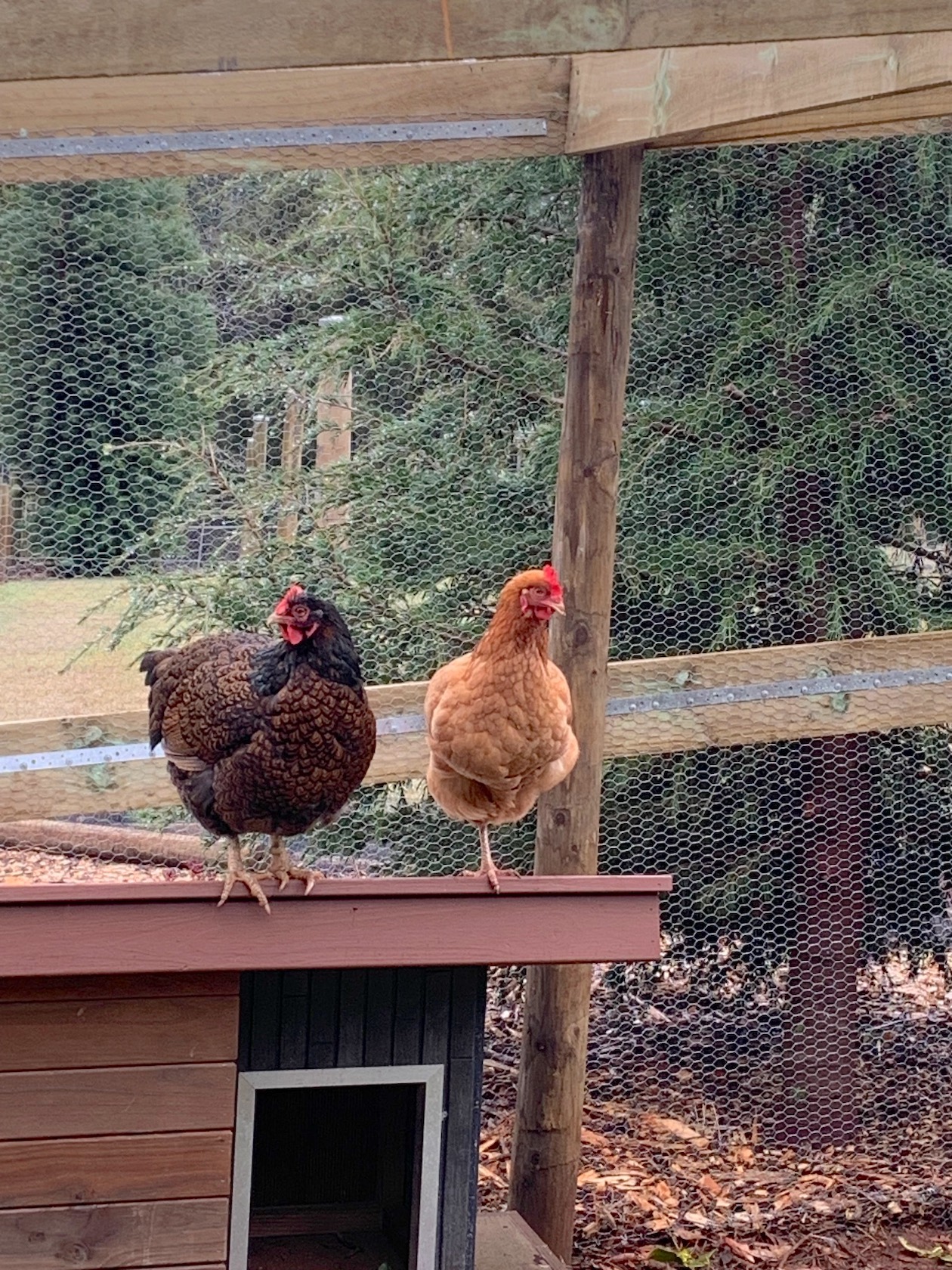
A place to shelter from inclement weather,

climbing frame

and seesaw completed the new enclosure.

We created a new border where the original fence line came down, added mulch, planted a few Kangaroo Paws and re-seeded the lawn area.

And planted two apple trees in the new yard. The chooks are wondering – what’s next?

cockatoo chaos

We have so many bird species in our garden I couldn’t even begin to name them. The biggest by far are the yellow-tailed black cockatoos. They are often in pairs quenching their thirst at the stock troughs, one will keep lookout in a nearby tree while the other sups and then they swap places. Then there are times when a whole flock will descend on the Banksia tree for a feast.

We hear them coming as they call to each other in their distinctive raucous, yet delightful, manner. They nibble the cones and break them open to eat the seeds.

I don’t begrudge their much needed nutrition but I wish they wouldn’t leave such a trail of destruction.

These stunning birds were first described in 1794 by the English naturalist George Shaw as Psittacus funereus, relating to the dark, sombre plumage as if dressed for a funeral. He seems to have missed the bright yellow cheek patches and tail band. Our magnificent peppermint tree is a popular spot to survey the surrounds before indulging in another Banskia banquet.

The body feathers are edged in yellow and those of the subspecies found in Tasmania have a more prominent scalloped appearance.

Adult males have pinkish red eye rings and black beaks

while females have grey eye rings, a bone coloured beak and brighter, more clearly defined yellow cheek patches.

The monogamous couples raise a single chick each year which will remain with them for 12 to 18 months. The constant ‘begging’ squawk of the young is enough to test any parental patience. One particular pair at Rotterdam Zoo stopped breeding when they were 41 and 37 years of age, though continued to bond closely. I suspect these two will be bringing offspring to dine before long.

With warmer weather around the corner, we look forward to seeing more of these beautiful creatures.