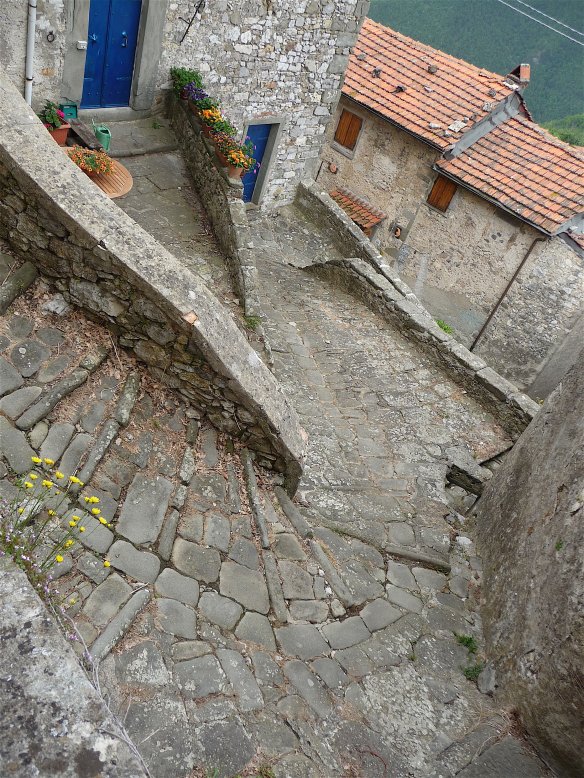
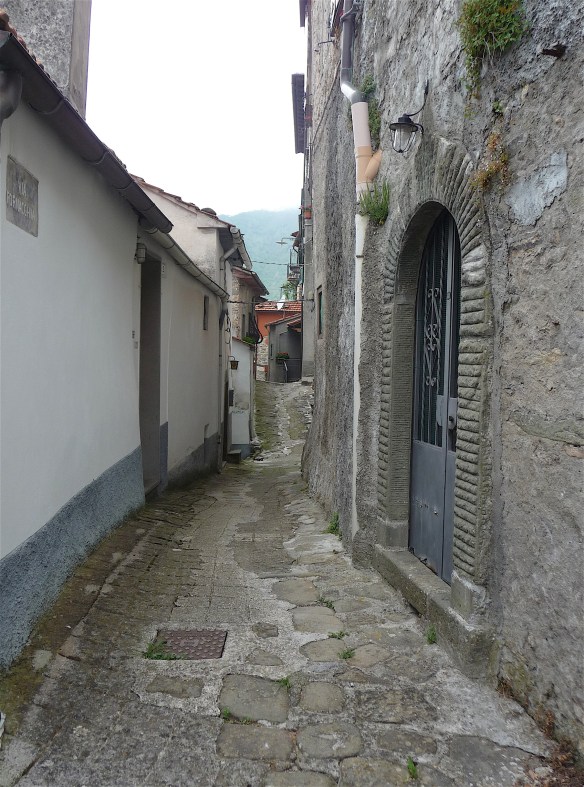
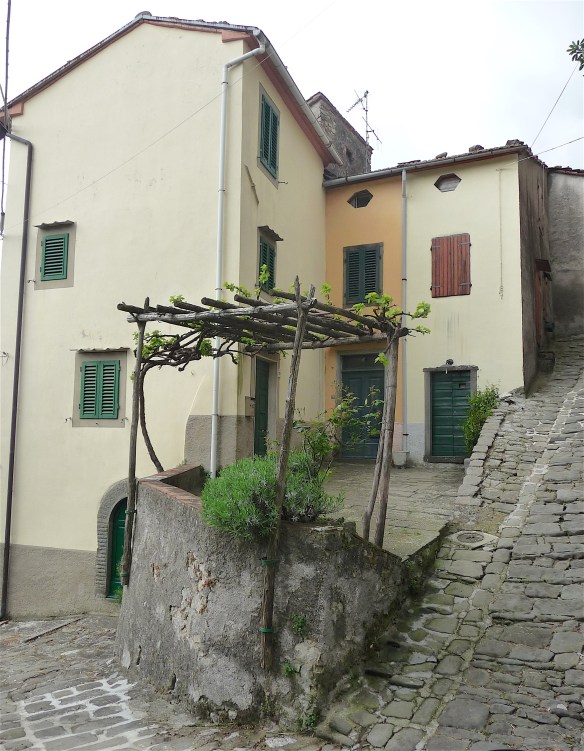
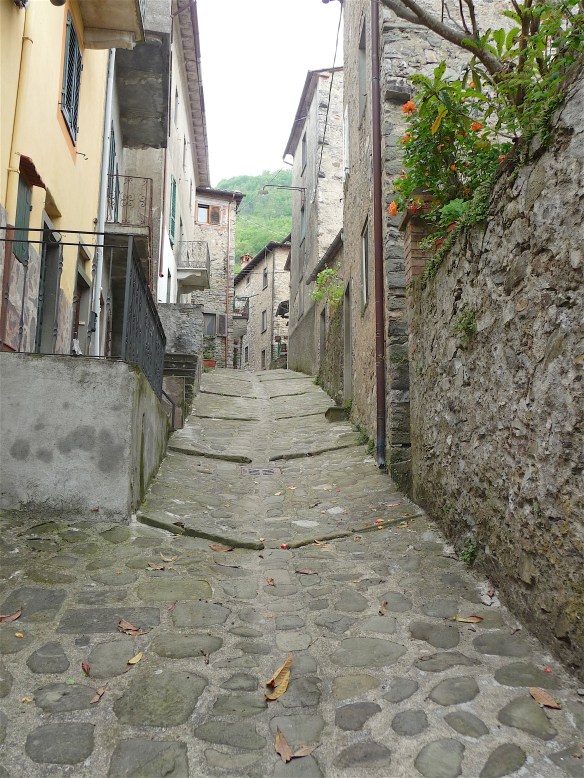
Farewell Benabbio

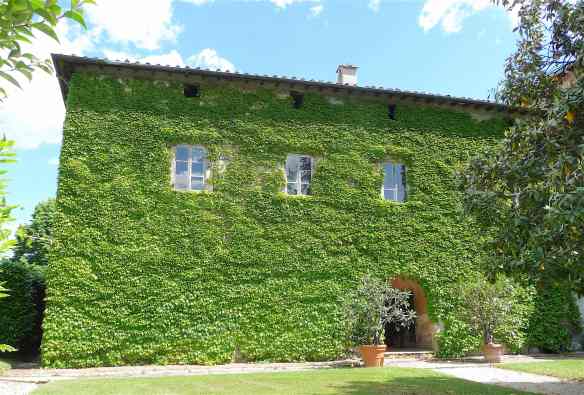
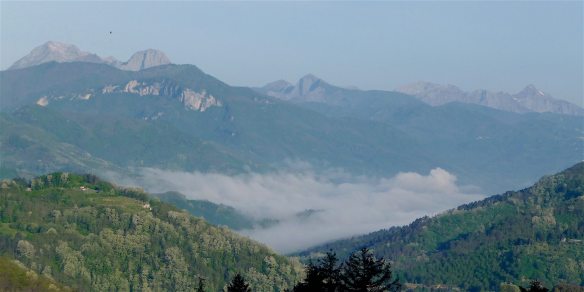
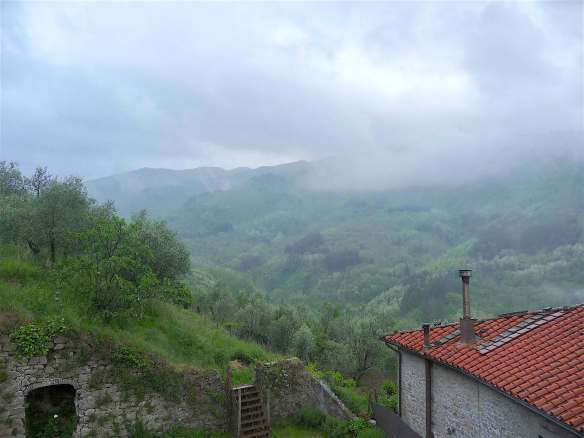
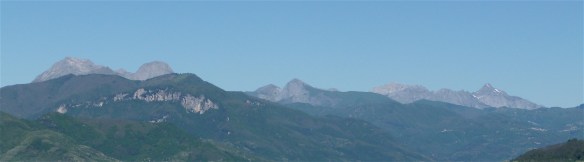
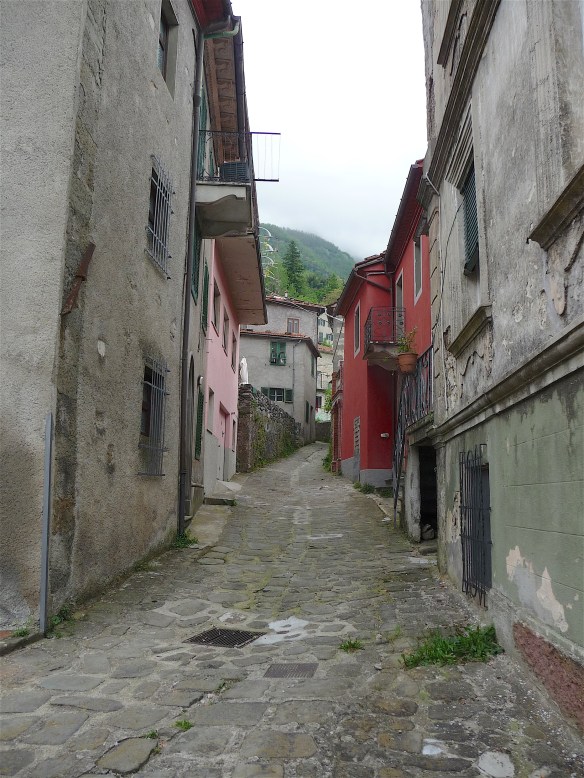
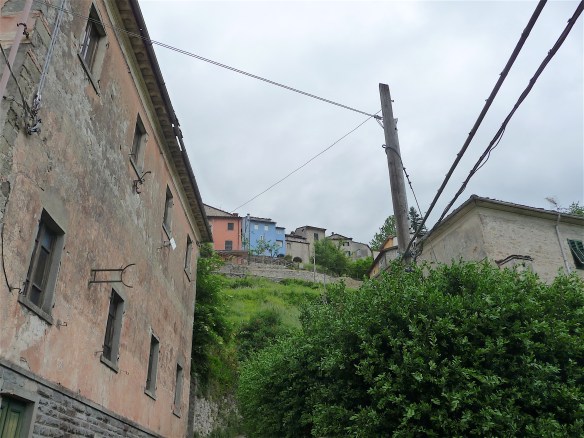
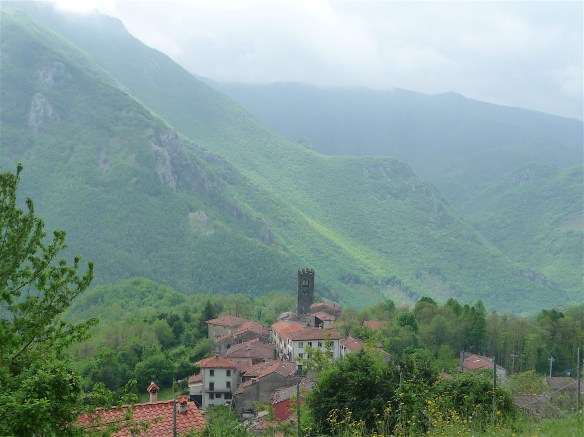
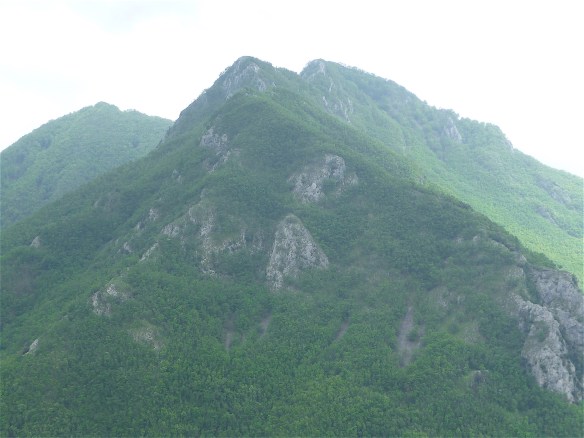
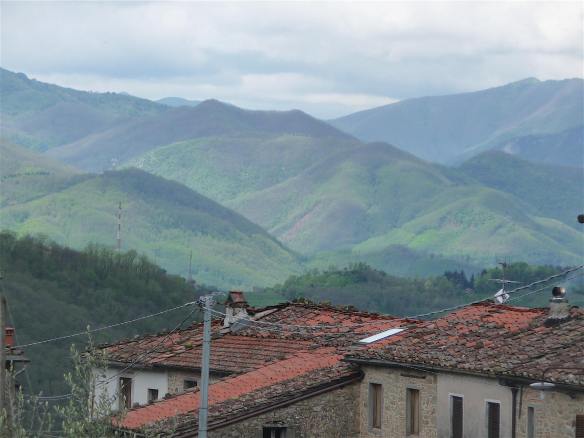
The time had come to leave Benabbio. There were many things I would miss, the tranquility and beauty not least. I never tired of the mountains that surrounded us

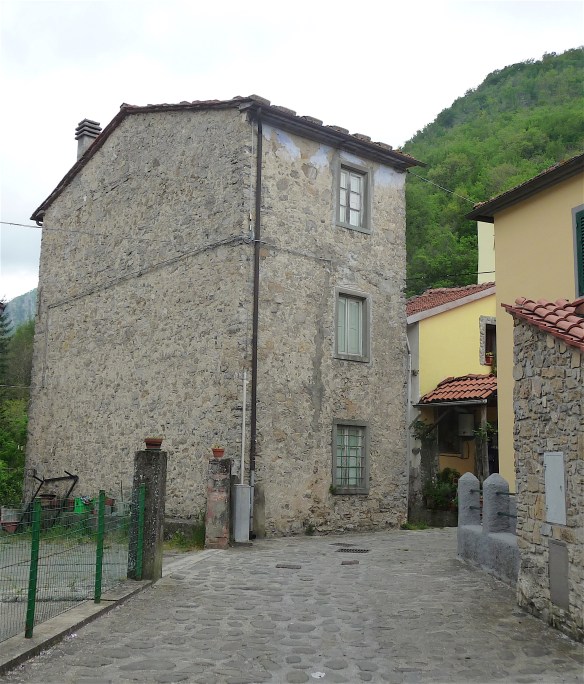
1-benabbio

4-mountains

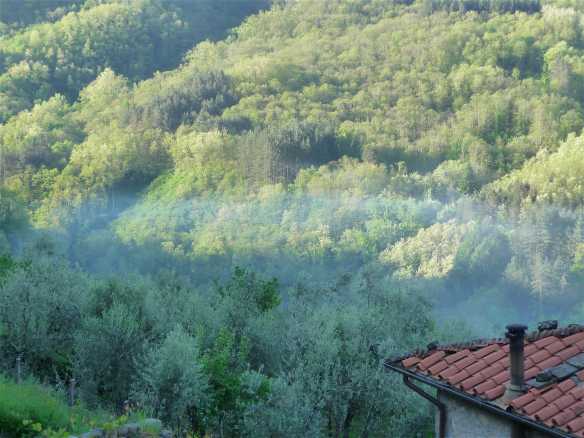
and the mesmerising mist that awaited when I opened the bedroom shutters in the morning.

5-morning-mist6-morning-mist7-morning-mist8-morning-mist

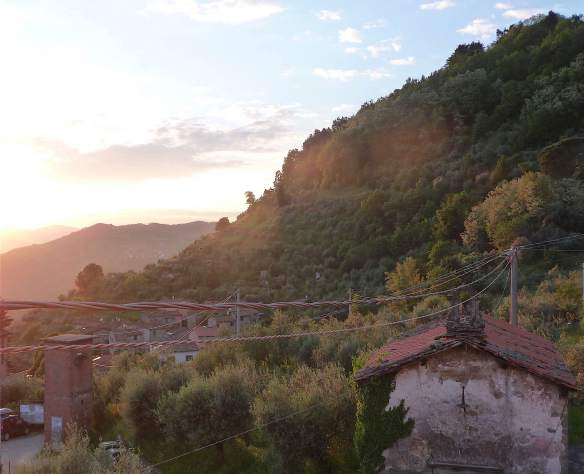
No matter where we wandered in the village, the mountains followed us.

9-mountains10-mountains11-mountains

We were sad to say goodbye to beautiful Benabbio and our new found friends

14-view

but there were more adventures awaiting us.

Benabbio doors

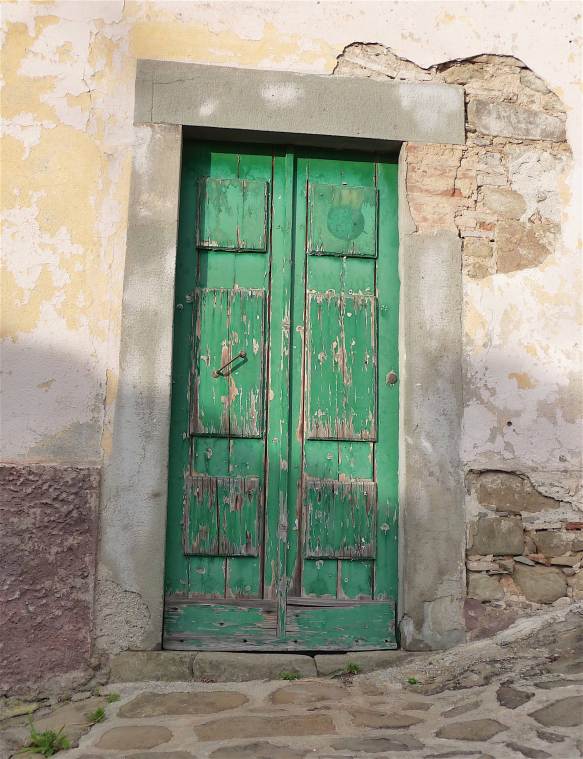
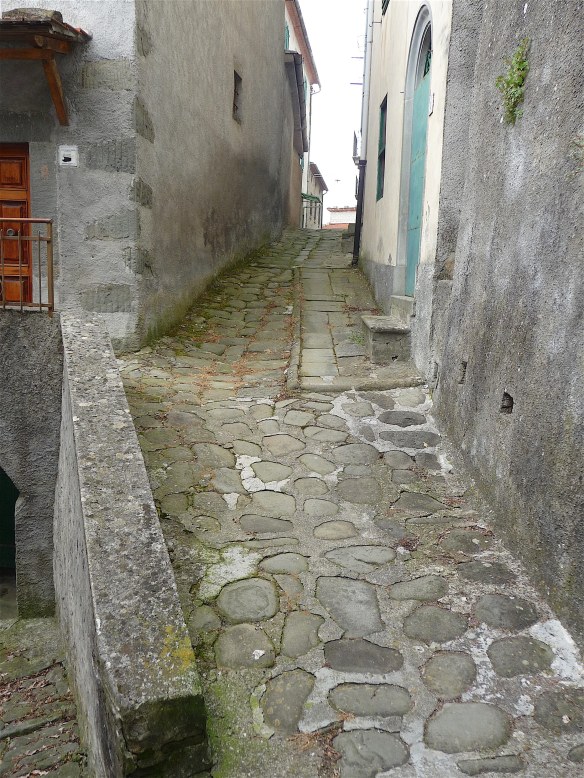
One of the things I found fascinating in the Tuscan villages was the seemingly infinite array of doors. Wandering around Benabbio, I was intrigued by the lives unfolding behind these portals and what may have been in the past few hundred years. There were many green doors and I wondered at the significance.

1-green-door

I found some interesting insights, from suggestions of traditional values, caring about home & community,

2-green-door

to being ambitious and good with finances.

3-green-door

Green insinuates health, safety, tranquility and harmony.

In ancient times, green was worn to appeal to nature spirits for protection.

4-green-door

Whatever the reason, I think green is a fabulous colour for a front door.

Some doors were quite opulent

9-door

or at least, displayed a certain style.

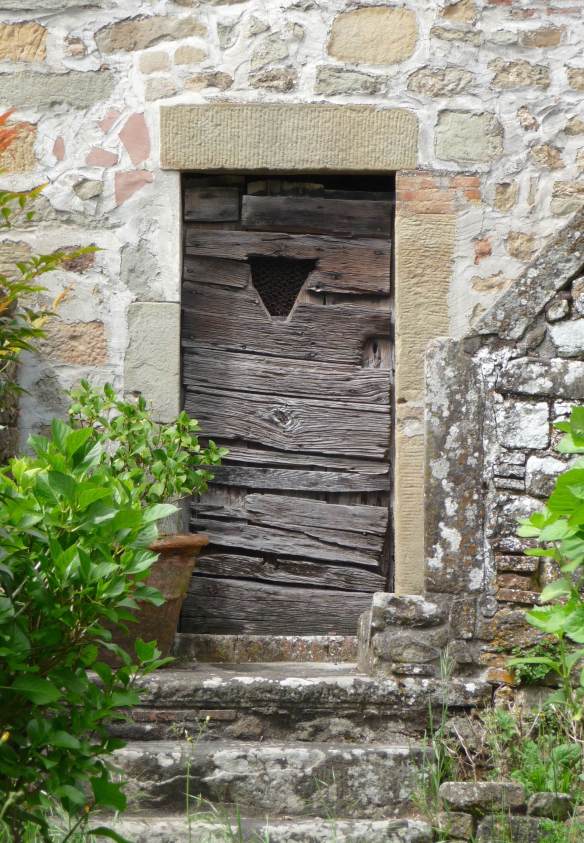
Others exhibited their many years of service.

16-door

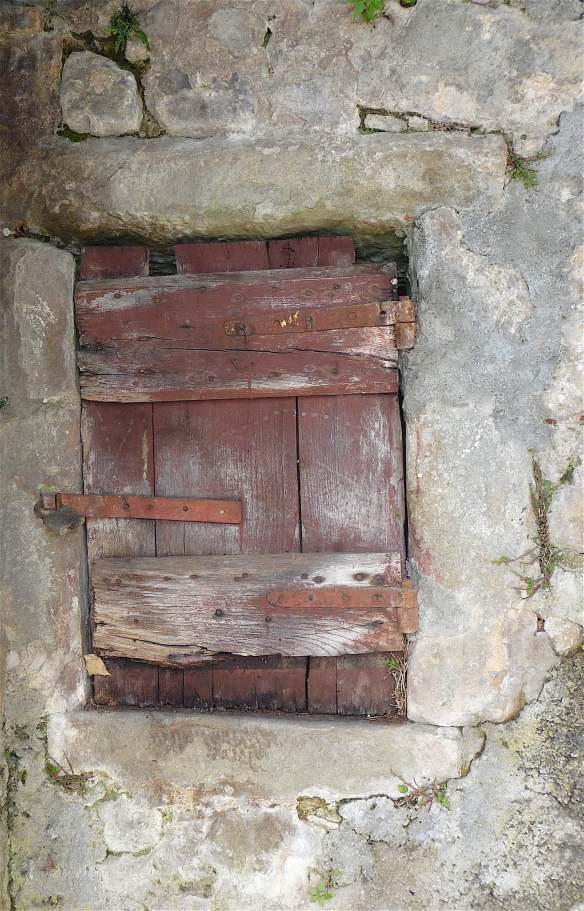
Then there were those that haven’t been opened in recent times.

I wonder what this mysterious little hatch was used for?

24-not-door

Villa Reale di Marlia

After a morning strolling around the grounds of Villa Grabeau, followed by another delicious Tuscan lunch, we found our way to Villa Reale.

1-entrance-copy

In 1806, the sister of Napoleon, Elisa Bonaparte Baciocchi, purchased the 16th century villa for her country residence.
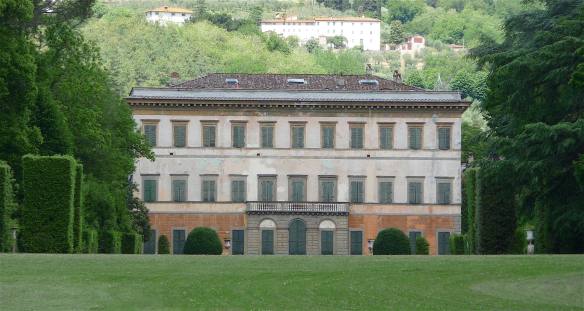
2-villa-reale-di-marlia3-villa-reale-di-marlia

She also acquired other neighbouring properties, including Villa del Vescovo.

4-villa-del-vescovo5-villa-del-vescovo

The sweeping lawns and lake were breathtaking.

As we walked around the villa

9-villa-del-vescovo13-villa-del-vescovo

we discovered the Italian Renaissance garden

10-italian-garden

and the abandoned inner courtyard.
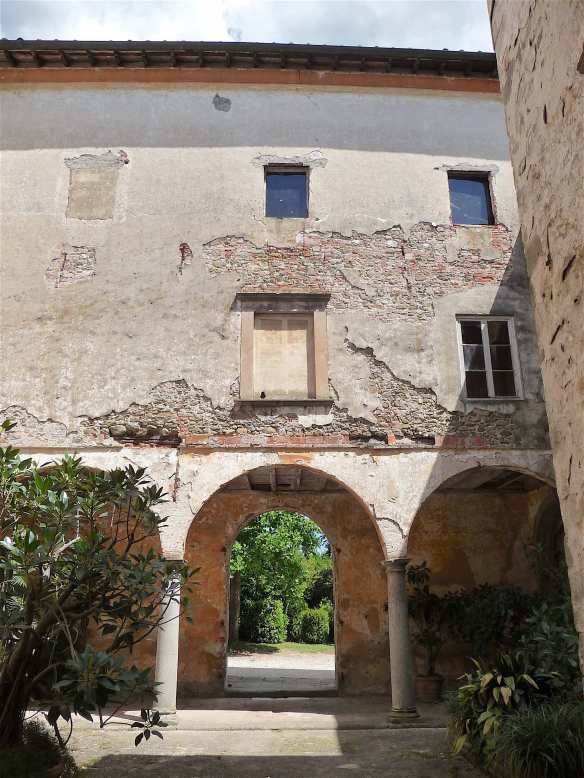
14-inner-courtyard15-inner-courtyard

There were some surprising smaller buildings like the summer house

and chapel.

The nymphaeum (sacred place of the nymphs), is dedicated to the god Pan.

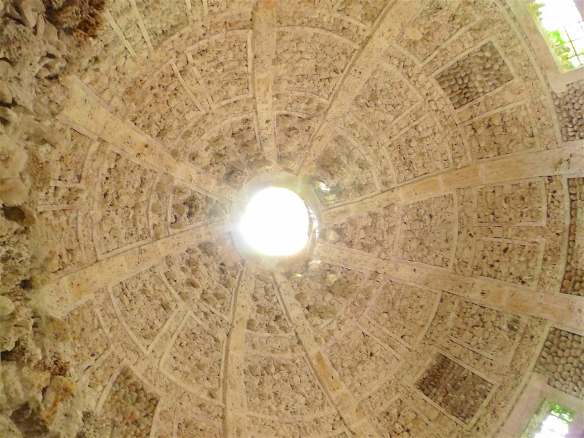
Built around 1580, the circular grotto has a domed roof with a single opening at the top.
25-grotta-del-dio-pan

Nestling within niches in the interior limestone wall are the statue of Pan

26-grotta-del-dio-pan

along with disturbing sea figures and gargoyles.

The art deco influenced Spanish Garden was created in 1924 when the park underwent restoration.

34-giardino-spagnolo

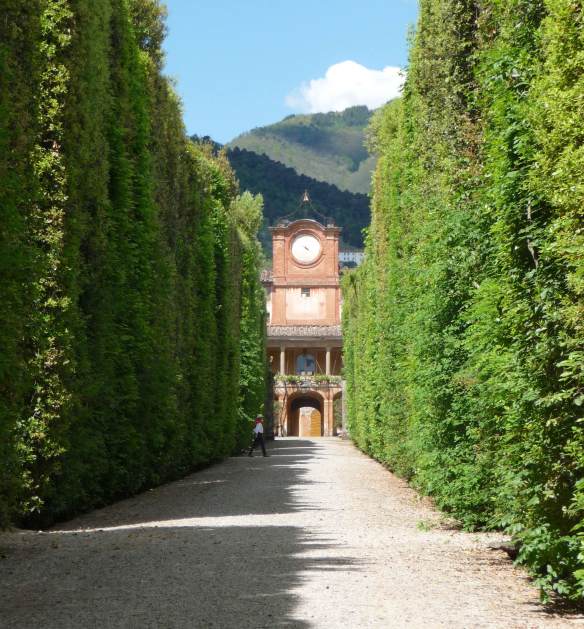
The Palazzina dell’Orologio waited majestically at the end of the avenue
40-palazzina-dellorologio

as we made our way to the 17th century Lemon Garden where more than two hundred citrus trees surround four magnificent magnolias

41-giardino-dei-limoni

At one end, the fountain of the Three Graces is set in a semicircle of rustic mosaics.

42-giardino-dei-limoni

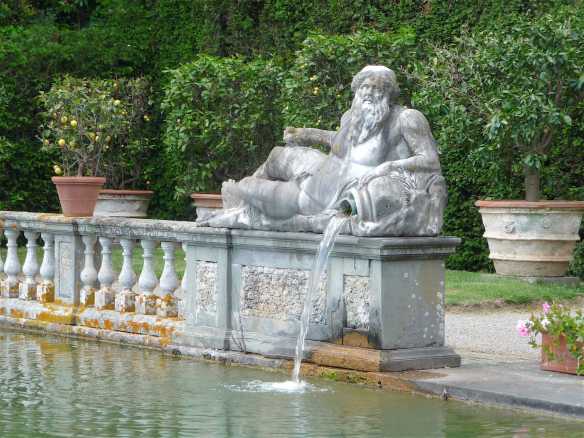
At the opposite end is a large fishpond bordered by a marble balustrade.

43-giardino-dei-limoni44-giardino-dei-limoni

Two statues of giants, representing the Arno and Serchio rivers, spill urns into the pond
45-giardino-dei-limoni

while Leda and the Swan keep watch from their niche.

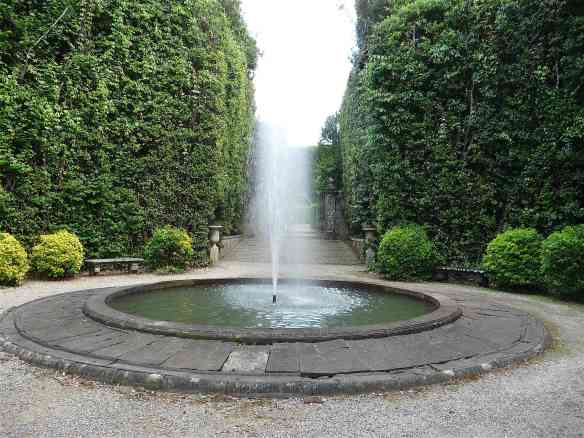
We continued on to the atrium of the Green Theatre with it’s beautiful fountain
49-atrio-del-teatro-della-verzura

and statues.

50-atrio-del-teatro-della-verzura

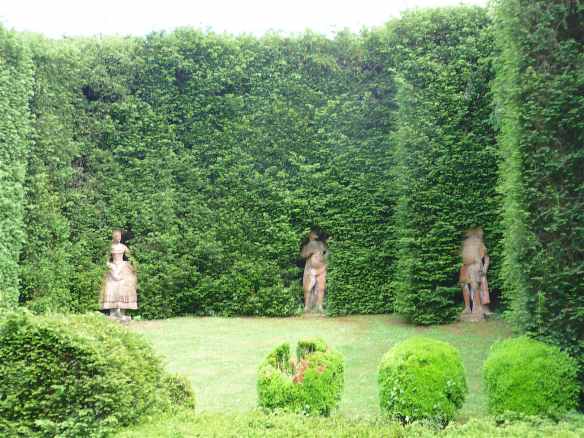
A natural theatre formed by yew hedges, the Teatro di Verzura was created in 1652. The semi-circular stage has a series of wings 5.5m high and the spherical bushes at the front imitate footlights.
51-teatro-di-verzura

Surrounding the grass stage are terracotta statues of Columbine, Pantaloon and Punchinello.

After a closer look at the 17th century Clock Palace,

54-palazzini-dellorologio55-palazzini-dellorologio

we descended the steps

56-teatro-dacqua

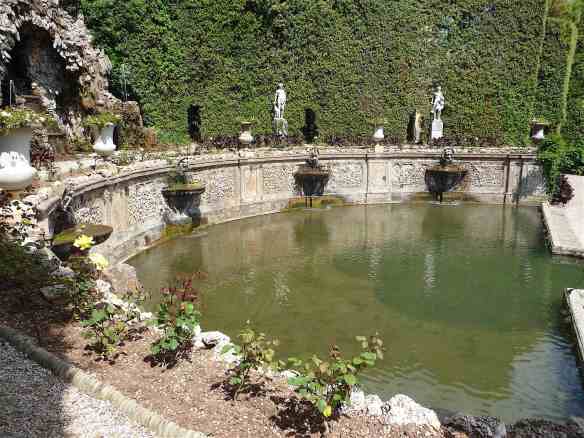
to the spectacular Teatro d’Acqua. Water pours from the mouths of five masks around the semi-circular pool,
57-teatro-dacqua58-teatro-dacqua

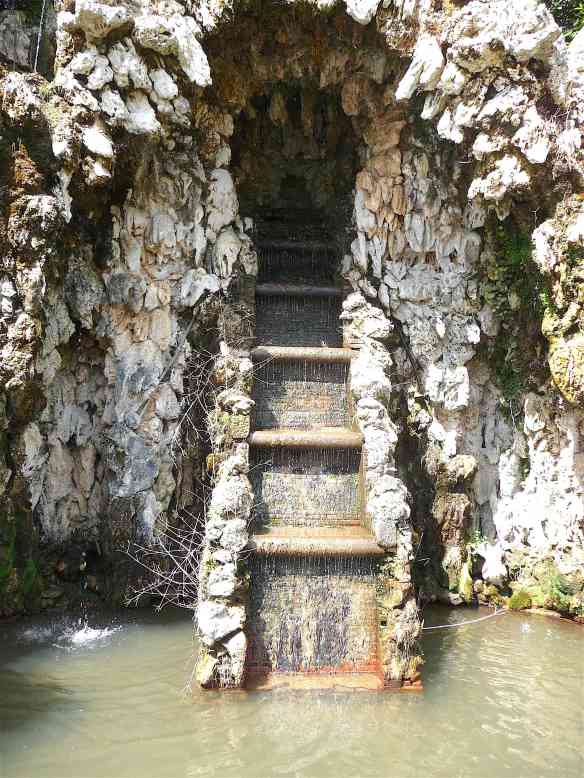
the Grotto fountain is a marvellous centrepiece.
59-teatro-dacqua

Statues of Jupiter, Saturn, Adonis and Pomona

overlook the pool and immaculate gardens beyond.

63-teatro-dacqua64-teatro-dacqua

In 2015 the Villa Reale Di Marlia was sold to a couple from Switzerland. The 18,000sq m building on 19ha of land is going to be turned in a luxury hotel.
Benabbio church

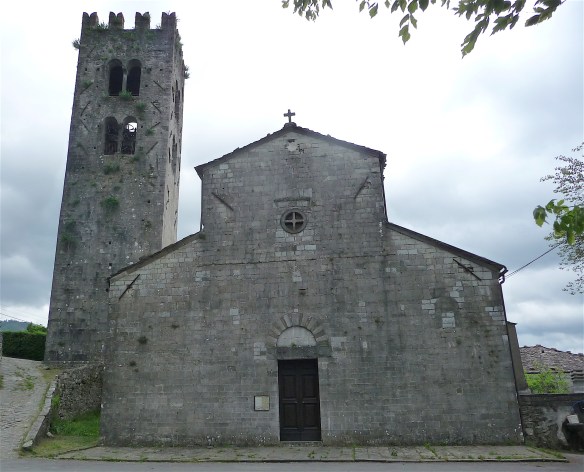
The Benabbio church, Chiesa di Santa Maria Assunta, was first opened in the year 1336.

2-bell-tower

The beautiful stone buildings grace the piazza of the same name.

8-piazza

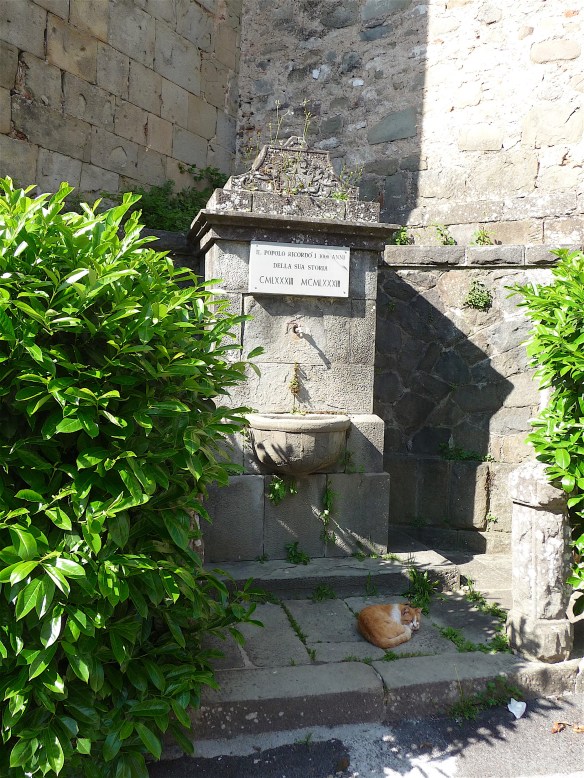
There is a monument commemorating a thousand years from 983 to 1983.

10-monument

Behind the church is a former chapel which has been converted to a museum

11-museum

housing religious objects hundreds of years old. One evening before dinner, we were privileged to have a guided tour of the museum, not normally open to the public.

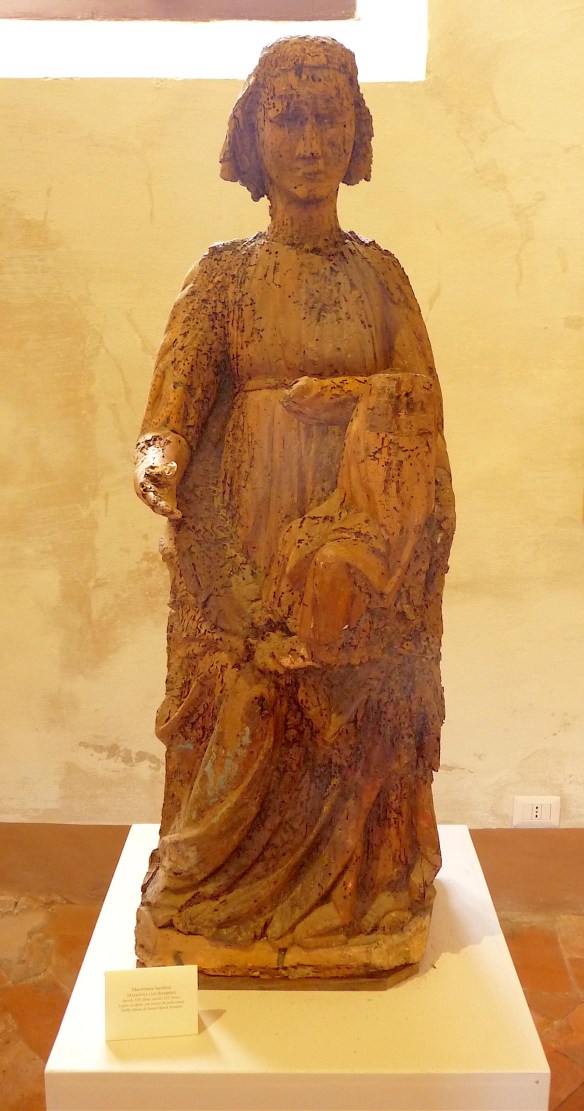
This statue was carved out of a hollow tree trunk in the 13th century

16-statue

and the back of this one is an old wooden door.

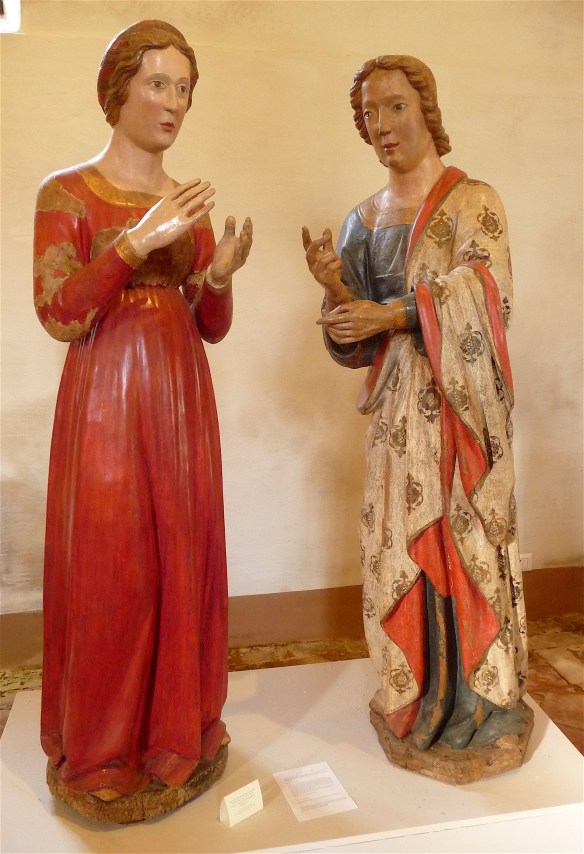
These two wooden statues, representing the annunciation, were carved in 1394 and are in surprisingly good condition.

19-the-annunciation

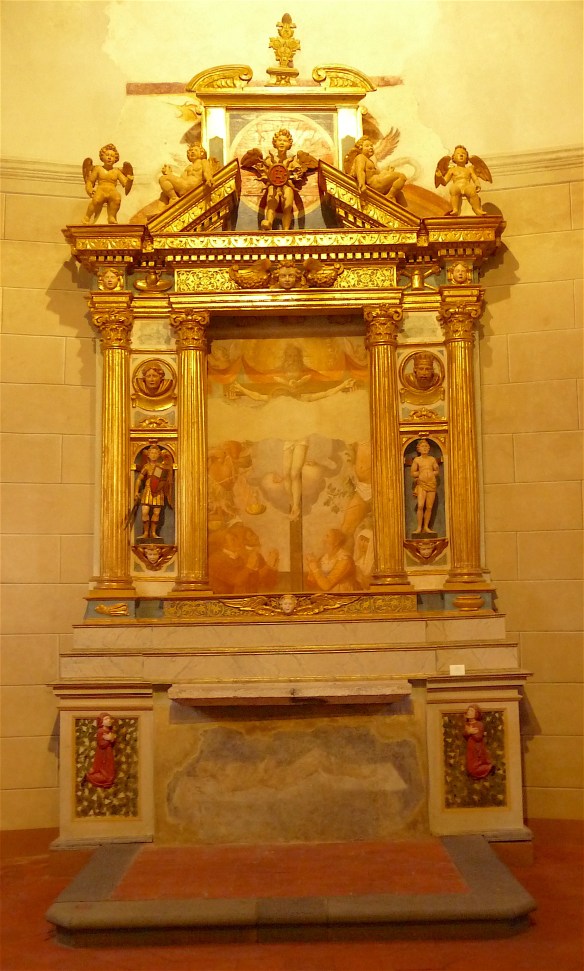
Some of the expressions on the faces within this altar were quite disturbing.

20-altar

I like the floor tiles with reference to brothers and sisters.

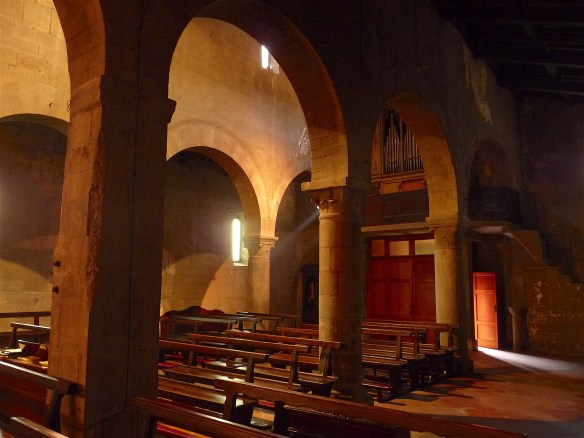
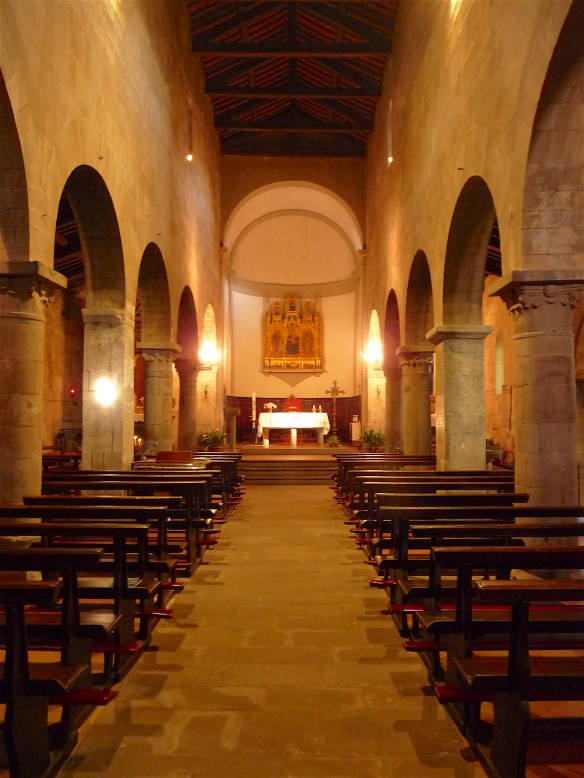
The church was beautiful with the late afternoon sun creating a peaceful ambience.

28-chiesa29-chiesa

The carved and painted triptych hanging over the altar was made in 1469.

30-chiesa

The church is floodlit at night, a tradition in Italy even out in the countryside and mountains.

Vico Pancellorum

Sunday was a day of rest for the hardworking luthiers so, having been recommended a certain restaurant, we drove to the village of Vico Pancellorum to sample for ourselves. The village is the last in Bagni di Lucca heading up the Lima River. We spent some time before lunch exploring the village

1.walk2.walk

and admiring the majesty of the countryside.

3.view

The houses cling to the steep hillside leading to one of the tallest mountains in Tuscany,

4.village

each had its own character.

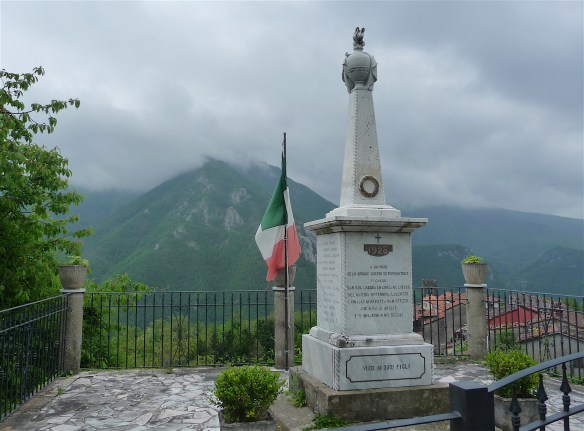
This monument appears to be a memorial to those who fought in the Apennines.

8.monument

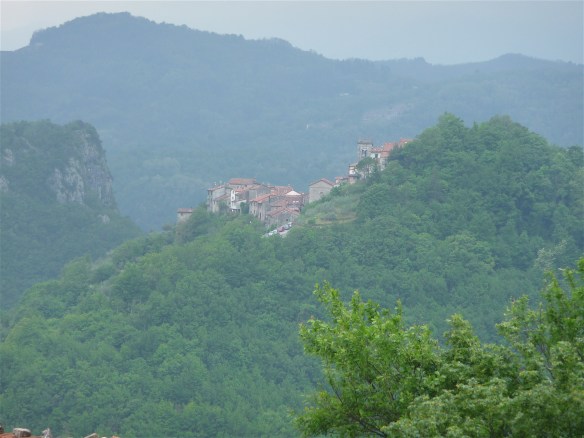
We paused to look back at the village

9.village

and the neighbours across the valley

10.village

before continuing up the hill.

11.walk12.walk

Once again, I was intrigued by the old doorways

and gates.
We ambled on,

22.walk23.walk24.walk25.walk

bursts of colour revealed themselves

and it was time to take in the gorgeous view over the village

29.village

before returning for lunch. There were some lovely surprises as we strolled back.

We had worked up an appetite and Buca di Baldabò didn’t disappoint.

39.Buca di Baldabò

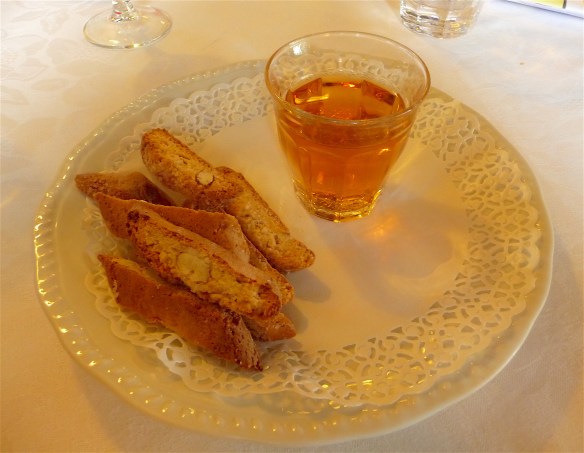
With no written menu, we were happy to be guided by our hosts. Unfortunately, I didn’t take food photos but the four of us shared a selection of traditional Tuscan dishes including Gnocchi with Gypsy Sauce, Tagliatelli with Wild Game Sauce, Spinach & Ricotta Ravioli with Basil, Slow Cooked Lamb and Rabbit with Olives. I came up for air long enough to snap the wonderful finale of Biscotti con Vin Santo.

40.Biscotti con Vin Santo

Before leaving the village, we had a closer look at Pieve di San Paolo.

41.Pieve di San Paolo

Dating back to 873AD, it is the oldest church of the Val di Lima.

One last look at the gorgeous mountains and we were braced for the drive home.

44.view from Pieve di San Paolo

A perfect way to spend a Sunday.