standing stones

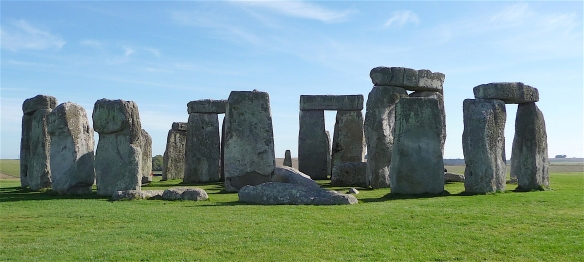
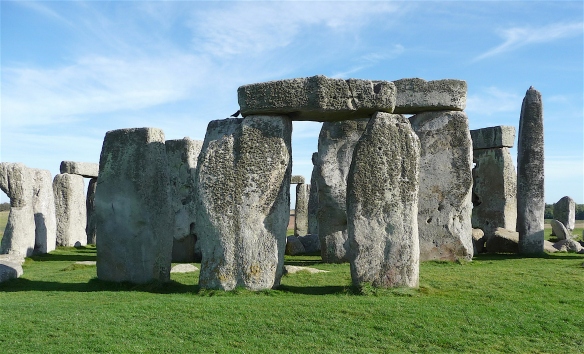
No trip to Wiltshire would be complete without a visit to Stonehenge. A path leads sightseers around the perimeter of the stones, the audio tour educating us through headsets as we marvel at the lost technology.
1.Stonehenge2.Stonehenge

It remains a mystery how these stones, the heaviest weighing around 45 tons, were moved into place as far back as 3150BC.

The view across Salisbury Plain is stunning.

6.Salisbury Plain

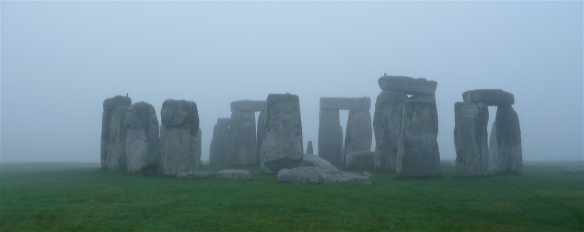
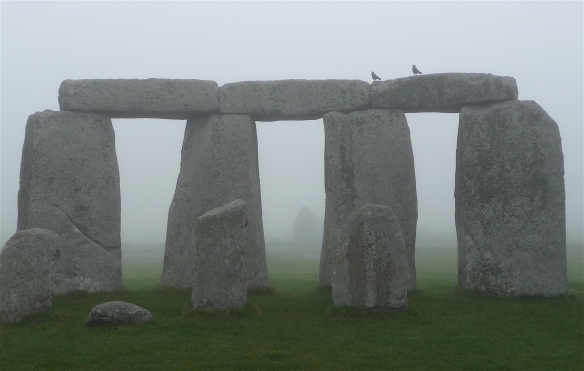
It is possible to walk amongst the stones with special access at sunrise and sunset. Early on a misty morning, we did just that.
7.Stonehenge8.Stonehenge

There are many theories about the meaning of the stones but most agree they were a centre for ceremonial activities, most likely a burial site.

The stones have faces, some more obvious than others.

Woodhenge is another Neolithic site not far from Stonehenge. Built about 2300BC, it is believed to have been for ceremonial use. Originally a wooden structure, concrete posts now mark the positions of the original timbers.
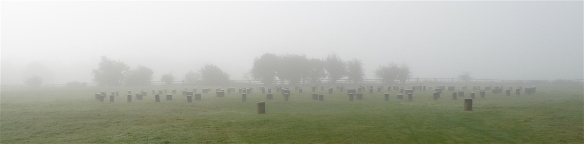
16.Woodhenge

The White Horses of Wiltshire are scattered throughout the countryside. Cut into the chalk hillsides are eight figures of horses, the oldest believed to date back to 878AD.
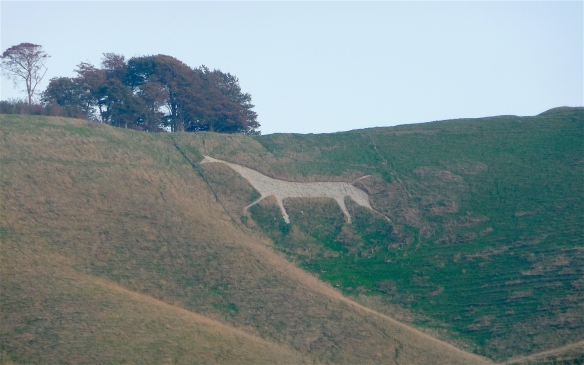
17.Chalk Horse

Another unsolved mystery in the history of Wiltshire is Silbury Hill. The largest man-made mound in Europe, it was built around 2400BC and compares in height and volume to the Egyptian pyramids. It apparently contains no burial and its original purpose is unknown.
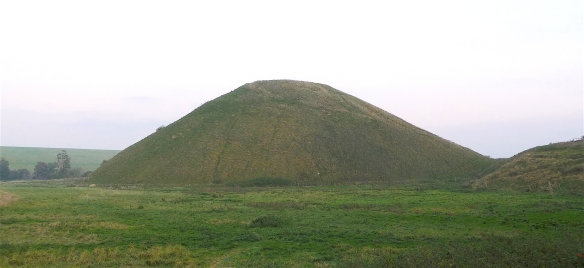
18.Silbury Hill

The Avebury henge, dating back to around 2600BC, is the largest stone circle in Britain.
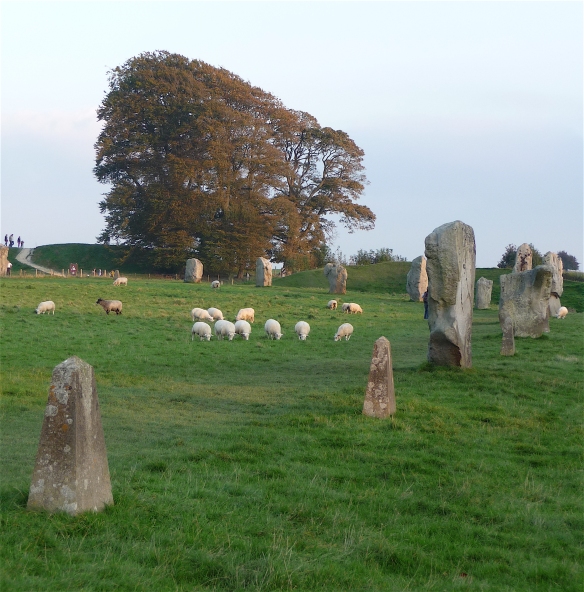
19.Avebury

Once consisting of 154 stones, only 36 remain after they were removed to make way for crops and broken up to build houses in the 17th & 18th centuries.
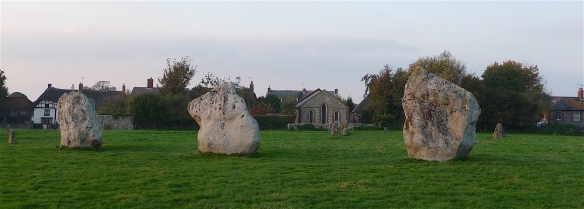
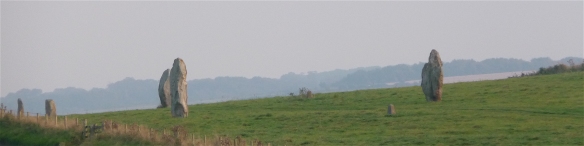
20.Avebury21.Avebury

The faces at Avebury are a little more obscure.

The village was quaint and inviting
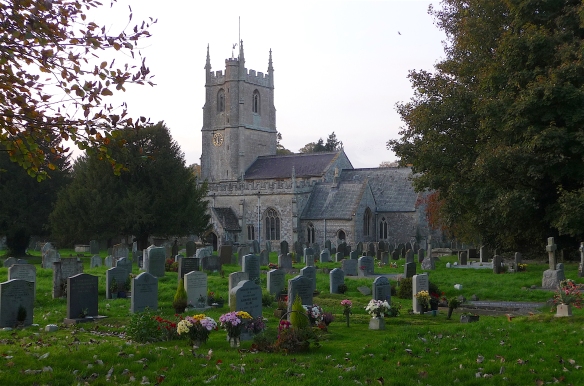
24.Avebury25.Avebury26.Avebury

but the shadows were lengthening and we had much to ponder over dinner.
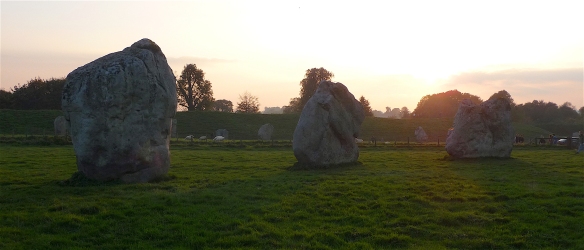
27.Avebury

heading south

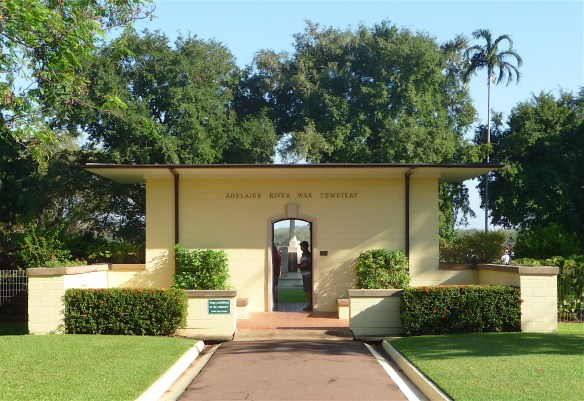
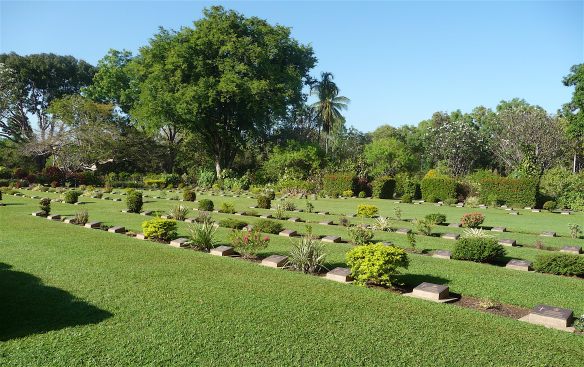
After five days in Darwin, we began our road trip southward. Our first stop was Adelaide River War Cemetery.

1.Adelaide River12.Adelaide River2

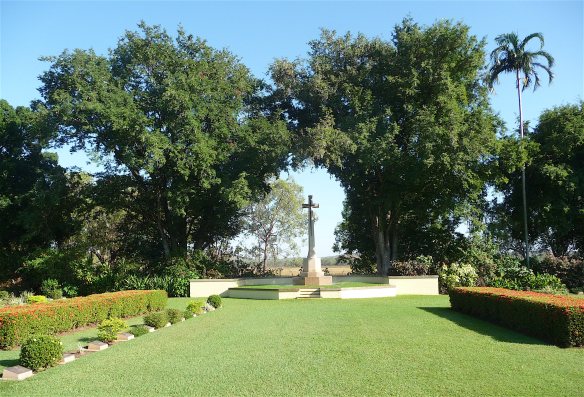
There are 434 war graves of service personnel who died in this part of Australia, marked by bronze plaques.

3.Adelaide River3

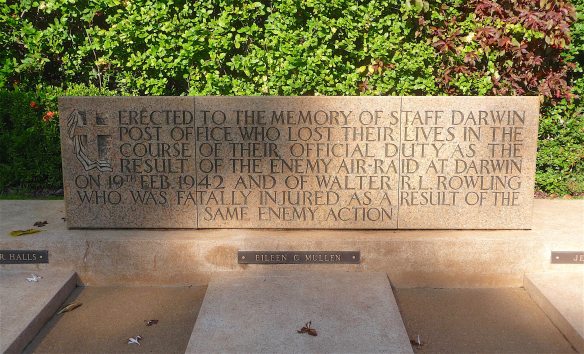
A further 292 are honoured by the Memorial of the Missing. The civil section contains the graves of nine Post Office staff killed in one of 63 bombing raids on Darwin.

4.Adelaide River4

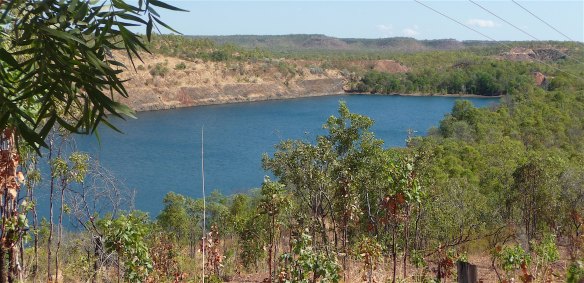
Pine Creek was the next break to have a look at the now closed open-cut gold mine. The main pit, Enterprise Pit, has been filled with water to prevent acid build up.

5.Pine Creek16.Pine Creek2

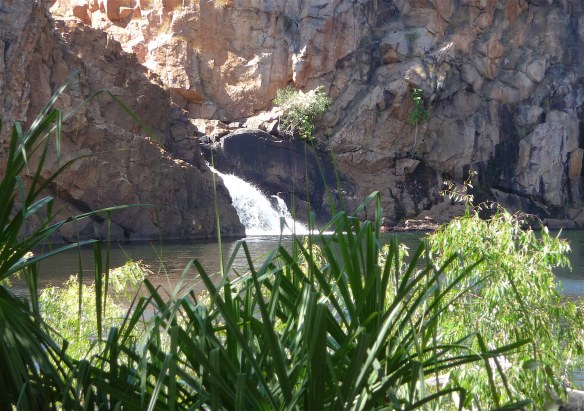
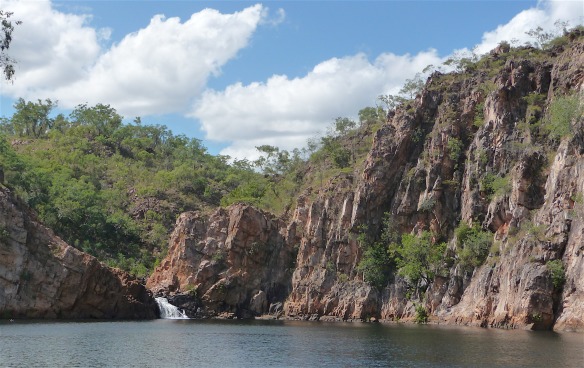
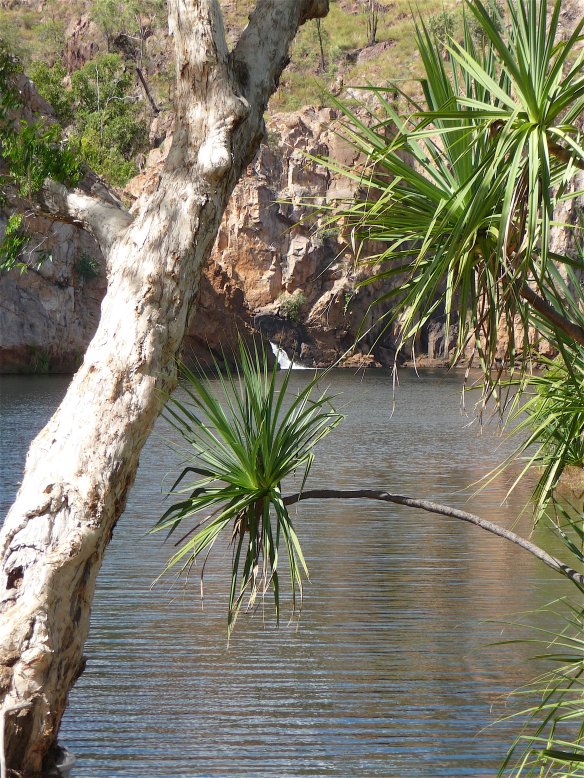
Further on, we lunched in the shade overlooking the swimming hole at Edith Falls.

7.Edith Falls1

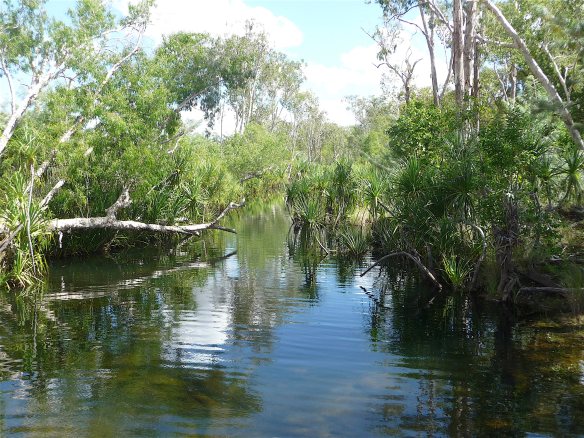
Leliyn, as it is known in the Aboriginal Jawoyn language, is a series of cascading waterfalls and pools on the Edith River in the Nitmiluk National Park, about 60km north of Katherine.

9.Edith Falls310.Edith Falls411.Edith Falls5

30km south of Katherine, the Cutta Cutta caves tour took us into a tropical limestone cave 15 metres below the surface. Venturing 700 metres into the cave, we were surrounded by all sorts of fascinating formations.

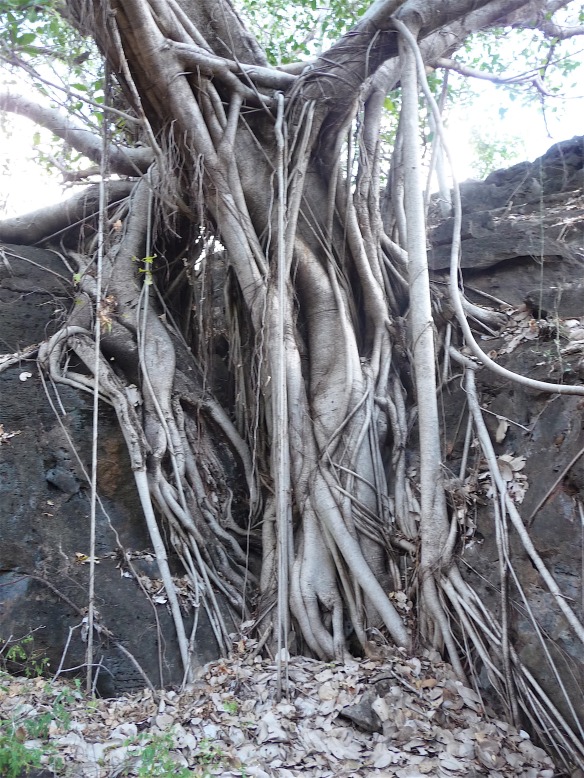
The spectacle wasn’t all underground, this amazing tree stood at the entrance to the cave.

22.cutta cutta11

After checking into our motel in Katherine and a much needed shower, we followed the river northward to Cicada Lodge, an exclusive resort located in Nitmiluk National Park.

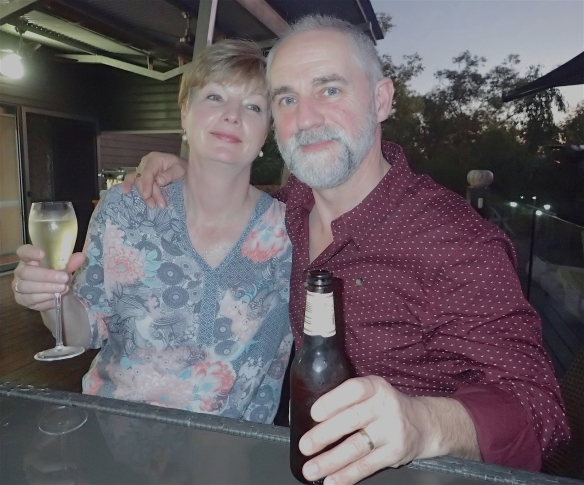
We savoured a beverage on the deck

OLYMPUS DIGITAL CAMERA

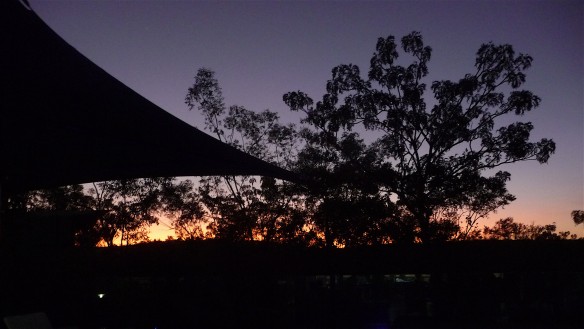
while watching the descent of the sun

28.cicada lodge6

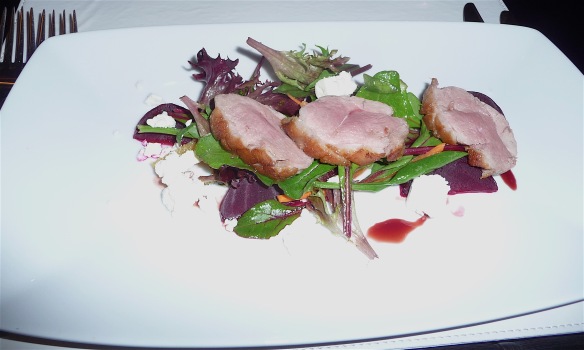
then moved inside for a unique dining experience. The Chef’s menu features specialty dishes of the Chef’s choice combining traditional elements and incredible flavours from the region. We started with ciabatta with extra virgin olive oil & balsamic vinegar. Entrée was a delicious canard (that’s duck) salad, with beetroot, orange segments, fetta & a merlot and orange glaze.

29.canard salad

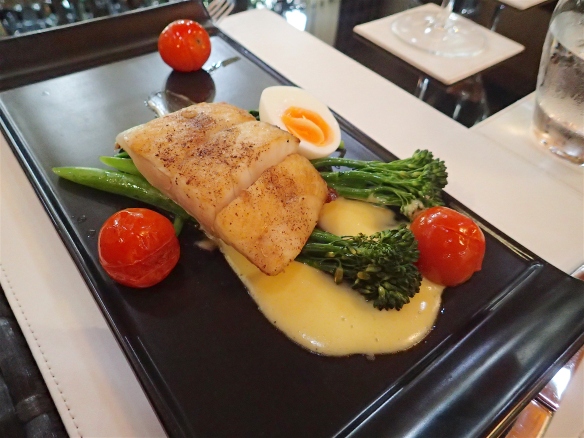
Lemon Myrtle Barramundi followed, with broccolini, soft egg, confit cherry tomatoes, wilted spinach & hollandaise.

OLYMPUS DIGITAL CAMERA

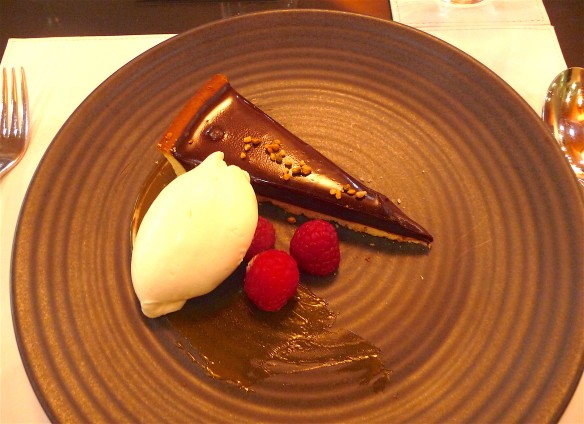
The culinary journey was completed with dessert of chocolate tart with calvados cream & fresh raspberries.

31.chocolate tart

What a fabulous way to end an awesome day.

32.cicada lodge7

Casa Debbio

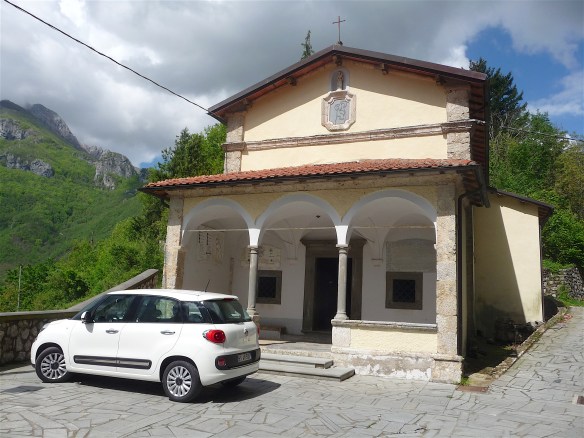
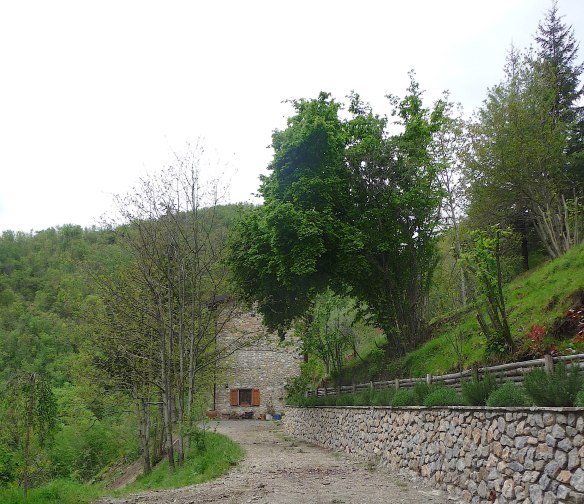
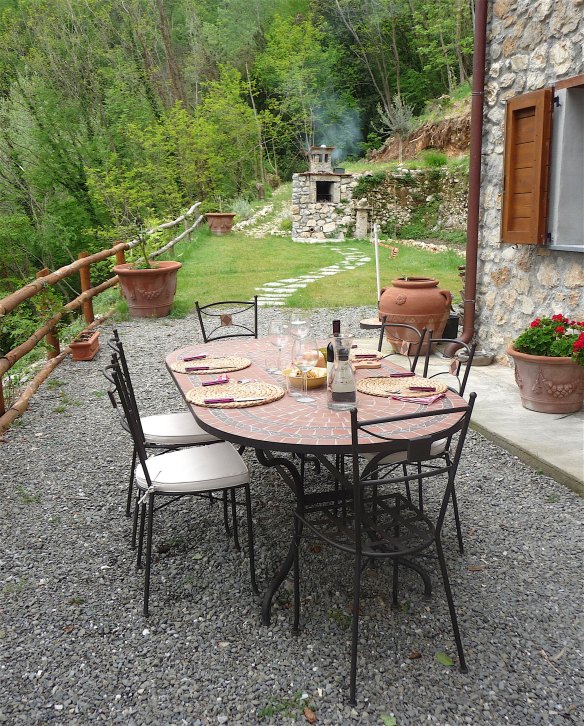
While staying in the apartment in Ponte a Serraglio, the lovely owners, Debra & Jim, invited us to lunch at their other home just outside the village of Vergemoli in the Garfagnana National Park. After a 45 minute drive up a very narrow, winding mountain road, we arrived at our meeting place, a quaint little church on the edge of the village.

1.Arrival

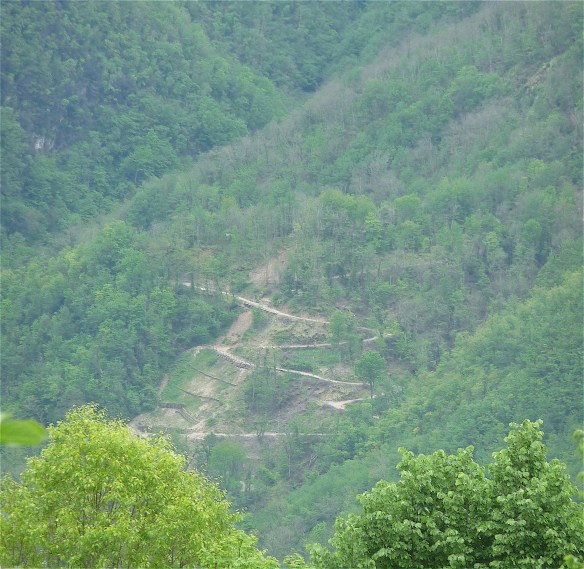
With knees still trembling, I looked back down the road I had just driven up.

2.Vergemoli

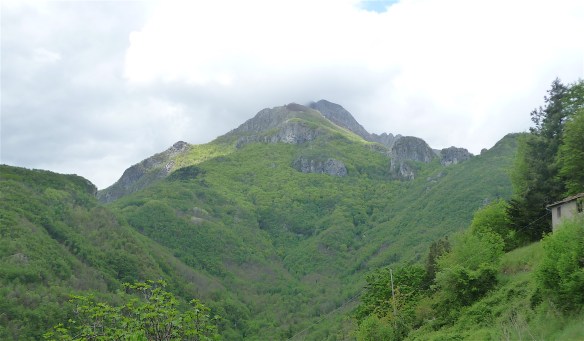
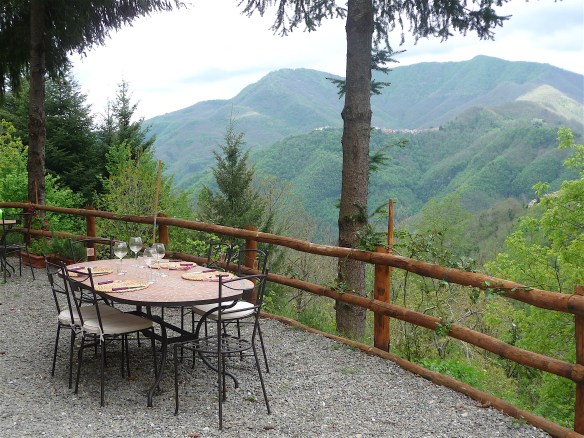
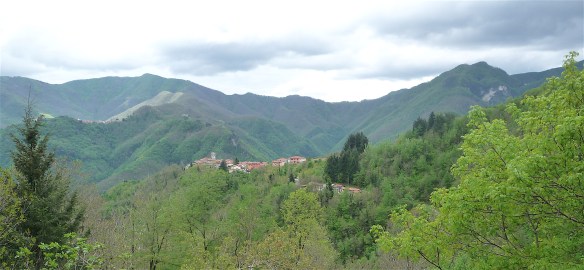
The scenery had a wonderful calming effect

3.view14.view25.view3

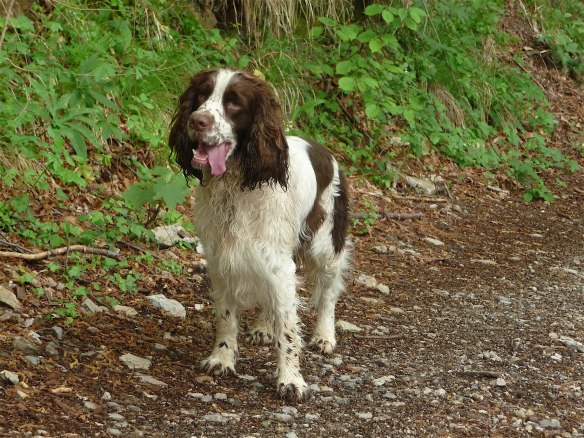
and a friendly spaniel came to greet us.

6.Bella

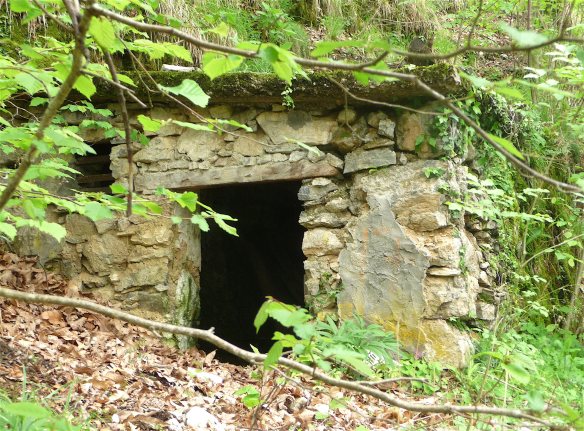
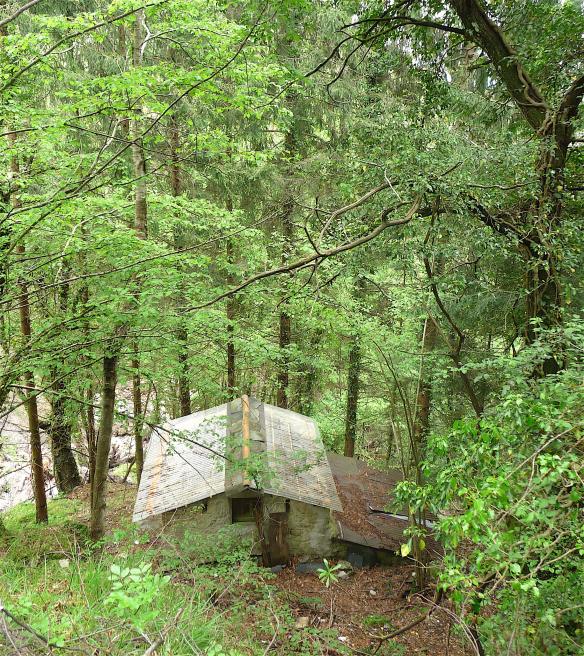
The walk to the house through peaceful countryside

12.walk113.walk214.walk3

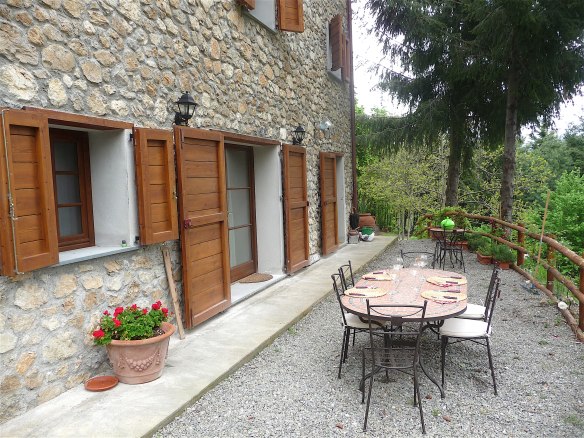
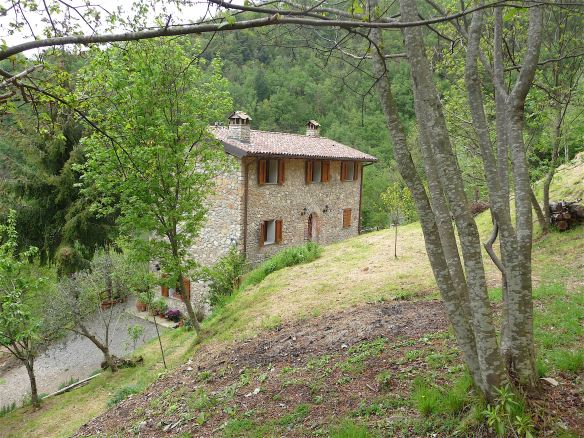
led to Casa Debbio. Resurrected from ruins in 2012, the house was stunning.

14a.entrance15.Casa Debbio16.rear view17.garden20.terrace

The views from the terrace were breathtaking.

18.view from terrace19.Vergemoli

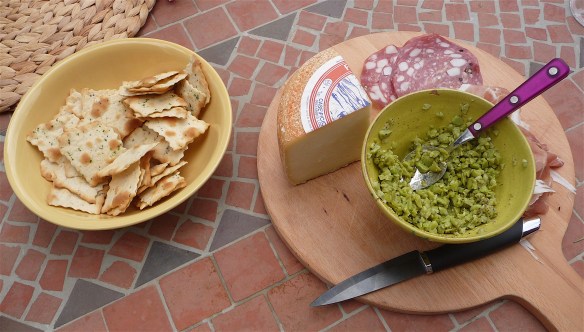
Lunch was delicious. We enjoyed antipasto of fava bean dip, prosciutto & cheese

21.lunch

followed by pork chops cooked to perfection on the barbecue

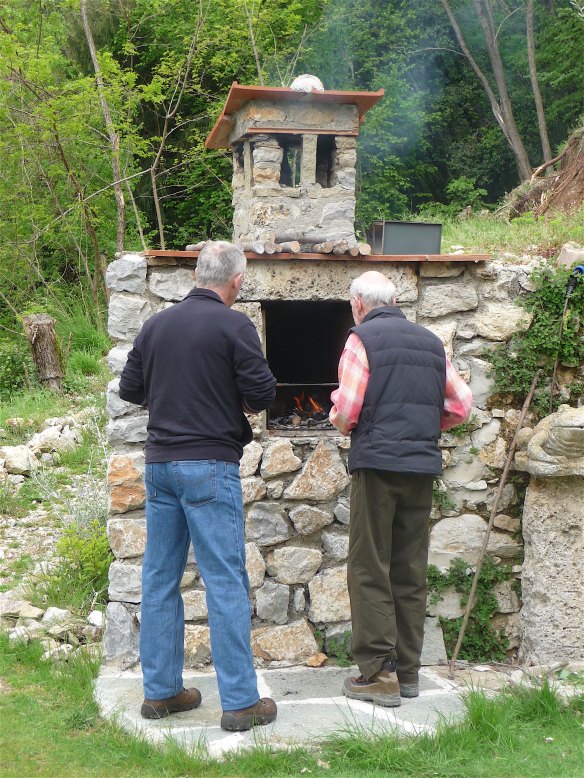
22.BBQ

accompanied by pan-fried potato & onion, little fat sausages (undoubtedly they have an exotic Italian name), salad and homemade bread. Dessert of strawberry trifle topped off a wonderful afternoon. One last look at the vista

23.view424.view5

and we walked back to the car, bracing ourselves for the drive home.

To see more of Casa Debbio and the wondrous changes to the property, visit Debra’s blog https://bagnidilucca.wordpress.com and website http://www.casadebbio.com

Guide Falls

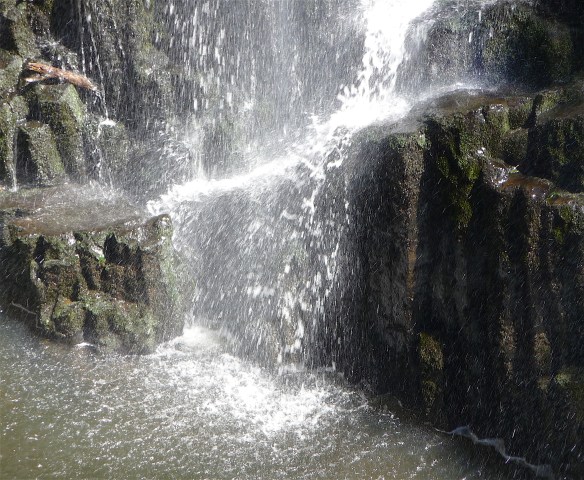
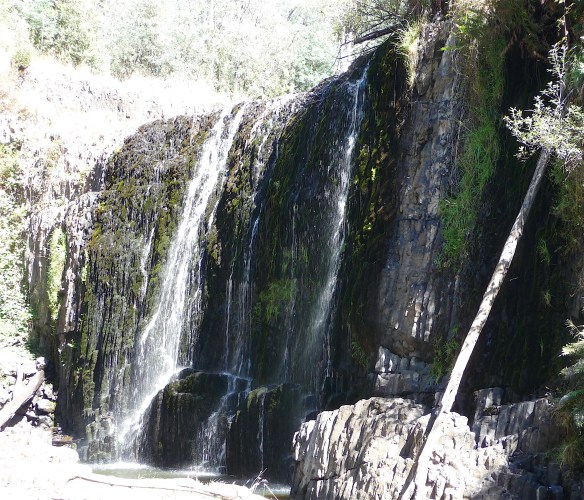
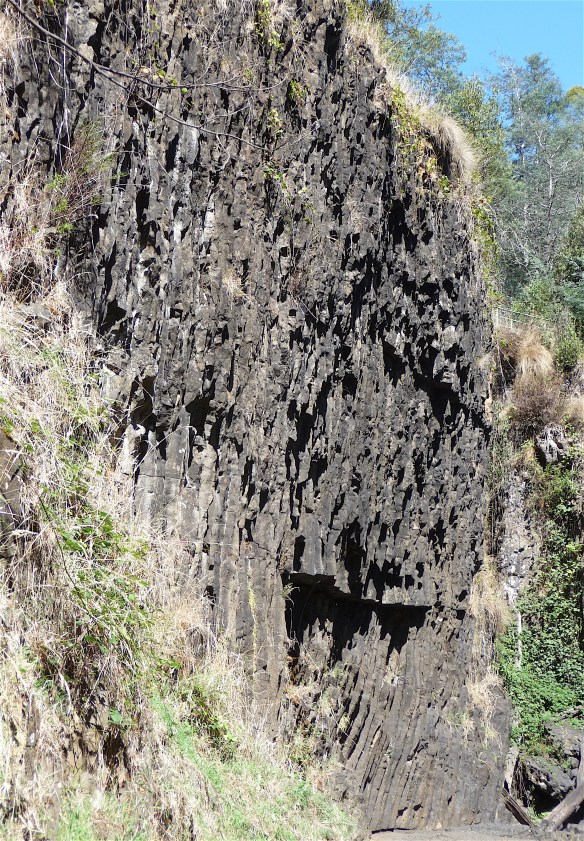
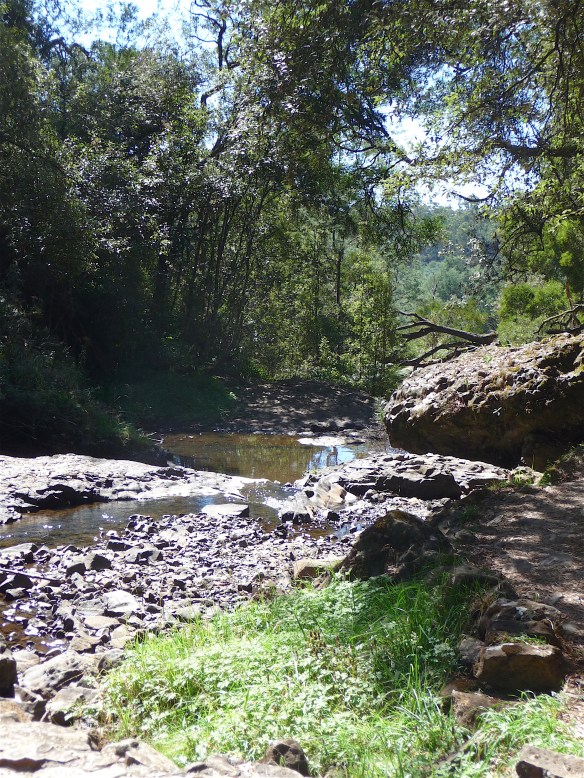
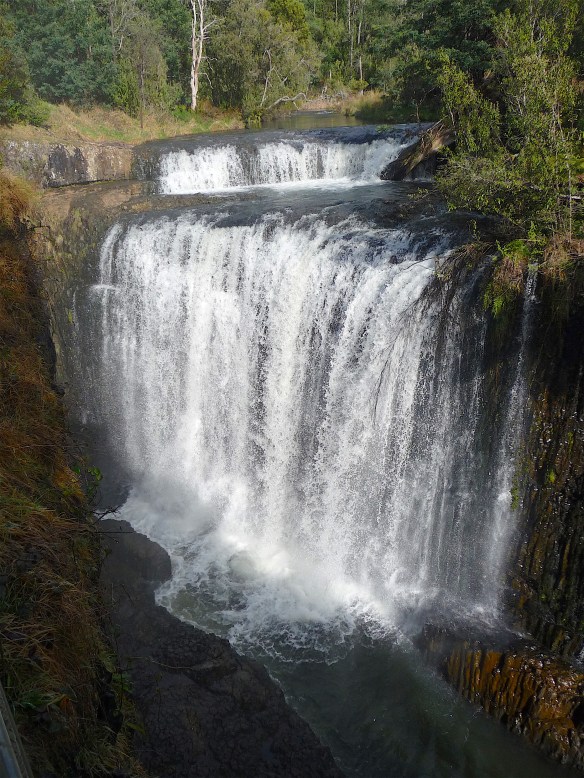
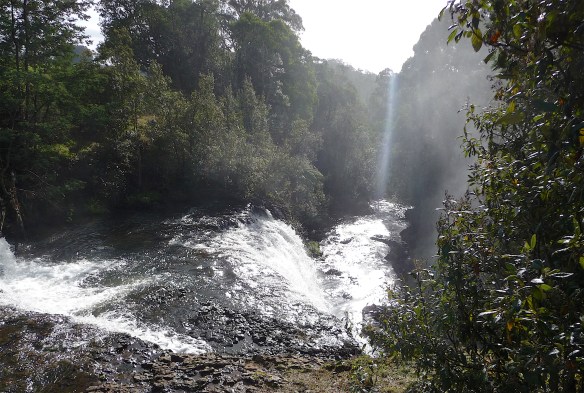
The pristine Guide Falls is a twenty minute drive from our house. It is a lovely spot to have a picnic or just enjoy the scenery.

1.summer2.summer3.summer

There are steps to the bottom of the falls and a walking track along the river.

5.summer4.summer6.summer7.summer

At the end of summer there isn’t a lot of water flowing

8.summer

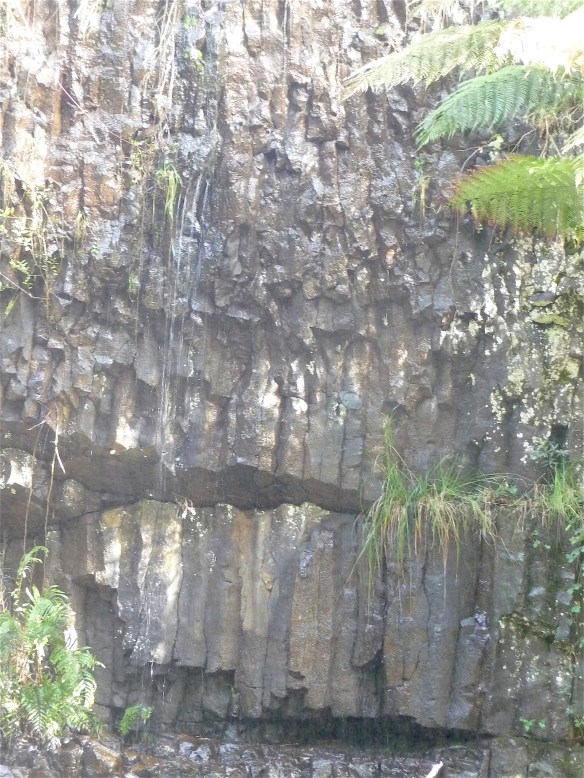
but winter paints a different picture.

9.winter10.winter11.winter12.winter13.winter14.winter15.winter16.winter

Another beautiful place right on our doorstep.

Isle of Wight

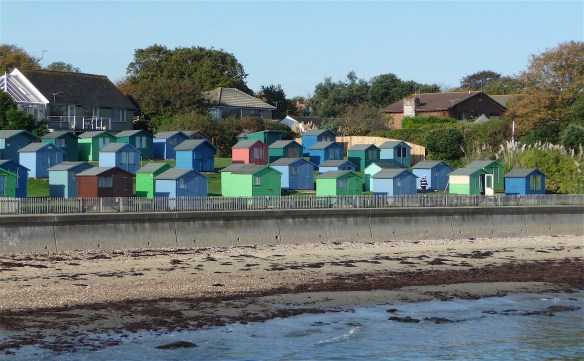
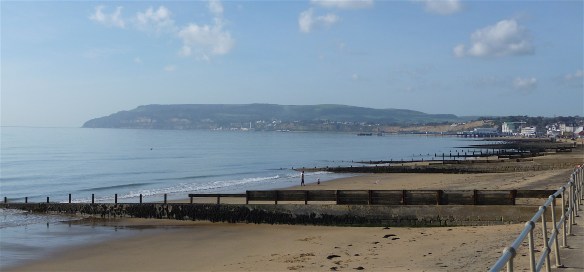
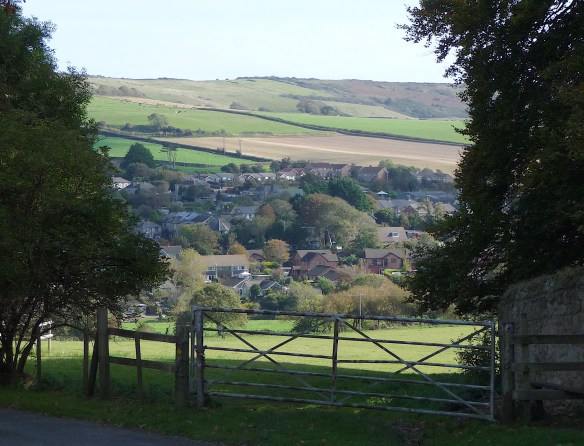
The Isle of Wight was a lovely surprise, so much to see and so much beauty in just 380 sq.km. We started early with a walk along Bembridge seafront

1.Bembridge2.Bembridge3.Bembridge

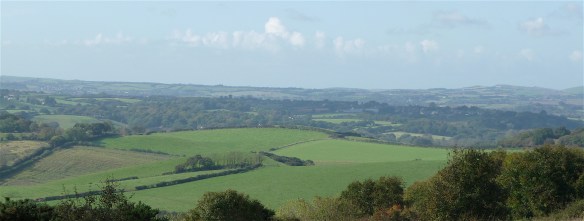
through peaceful countryside.

4.Bembridge

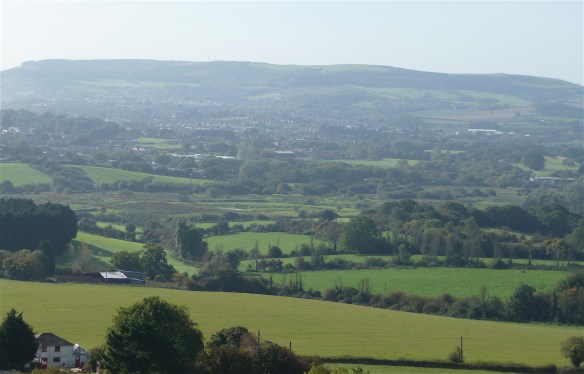
A short drive westward, we stopped at Adgestone Vineyard, the oldest vineyard in Britain. Unfortunately, there was no tasting but the views were breathtaking.

5.Adgestone Vineyard View6.Adgestone Vineyard View7.Adgestone Vineyard View

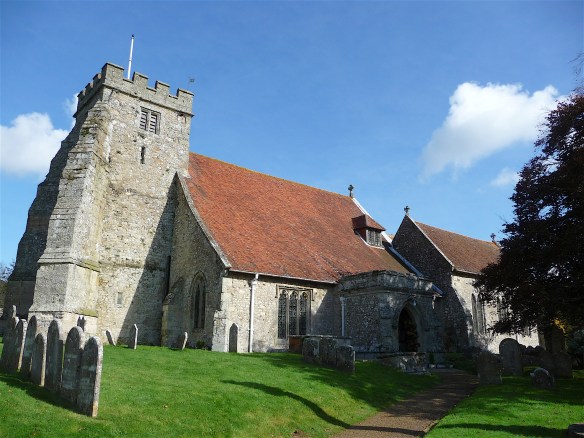
On to Arreton Barns, a traditional working craft village

with the 12th century Church of St George.

11.Arreton Barns

Donkeys are one of my favourite animals. I’ve always wanted a couple but Michael says they’re too noisy. The Donkey Sanctuary was heaven, a deserving retirement for these beautiful creatures who have patiently walked the seashores with all shapes and sizes on their backs.

We were hoping for a raptor experience at the Owl & Falconry centre but it was closed. All we got was more stunning scenery.

18.Owl &Falconry Centre

After a delicious pub lunch at The White Lion in Niton

19.White Lion, Niton

we ventured on to Mottistone Manor. Dating from early 16th century, the house is not open to the public

20.MottistoneManor21.MottistoneManor

but the gardens are wondrous to stroll around.

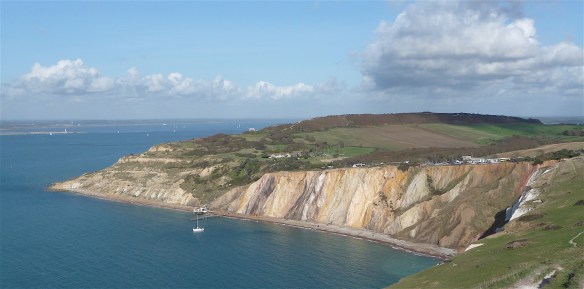
We continued driving to the most western point on the island. A short walk along the cliff top

28.The Needles

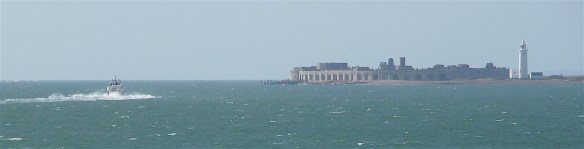
rewarded with magnificent views across the Solent to Hurst Castle, built by Henry VIII in 1544.

29.Hurst Castle

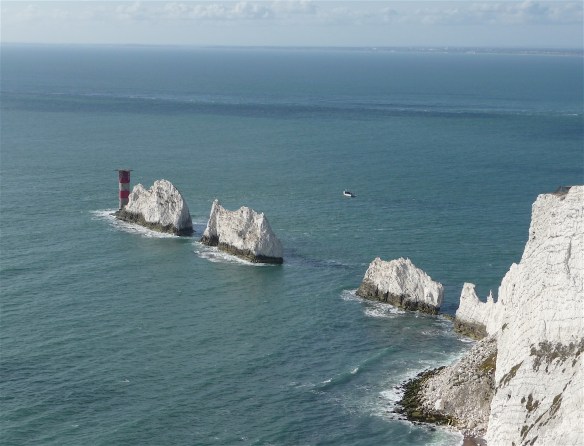
At the tip of the headland are The Needles, three distinctive stacks of chalk rising out of the sea.

31.The Needles

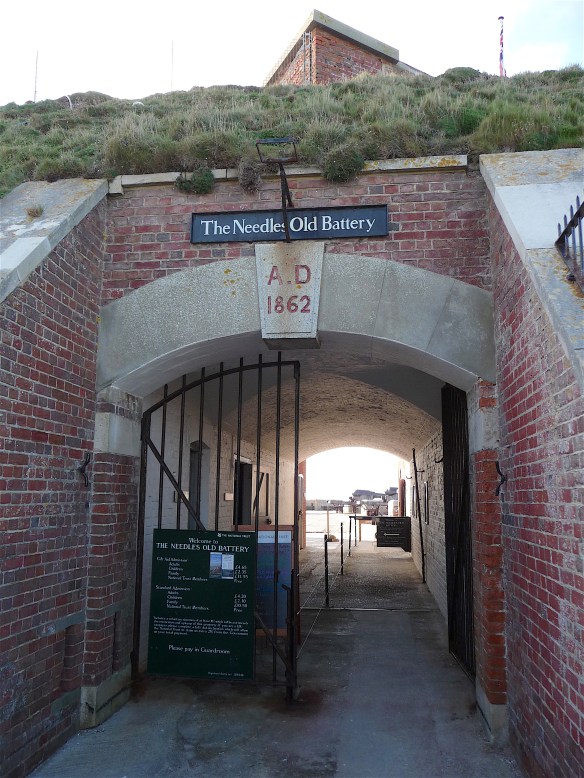
The Old Battery is a fort built in 1862 following the threat of French invasion.

34.The Needles

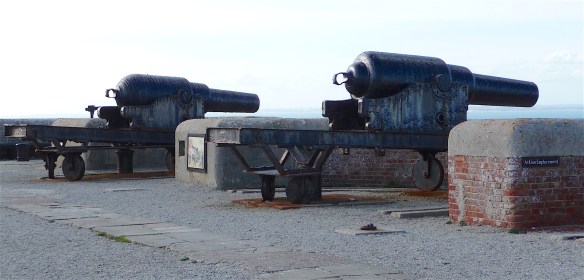
These two gun barrels are original from 1873.

35.The Needles

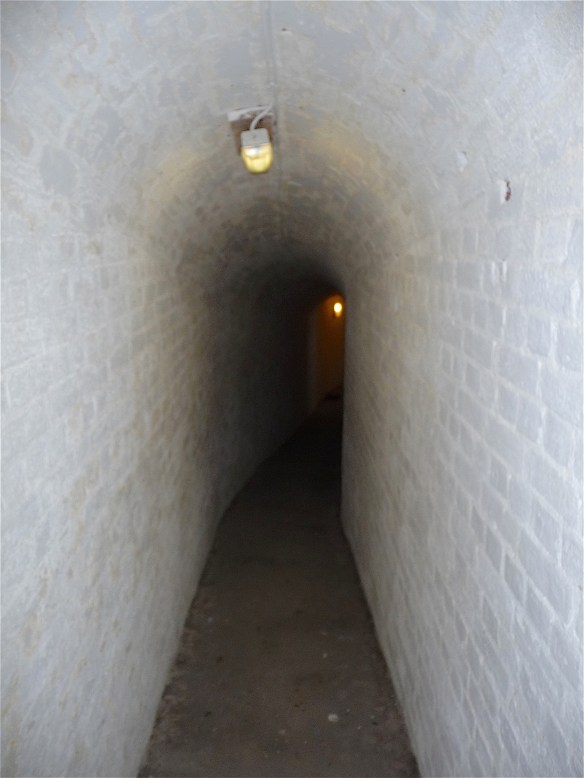
An underground tunnel

36.The Needles

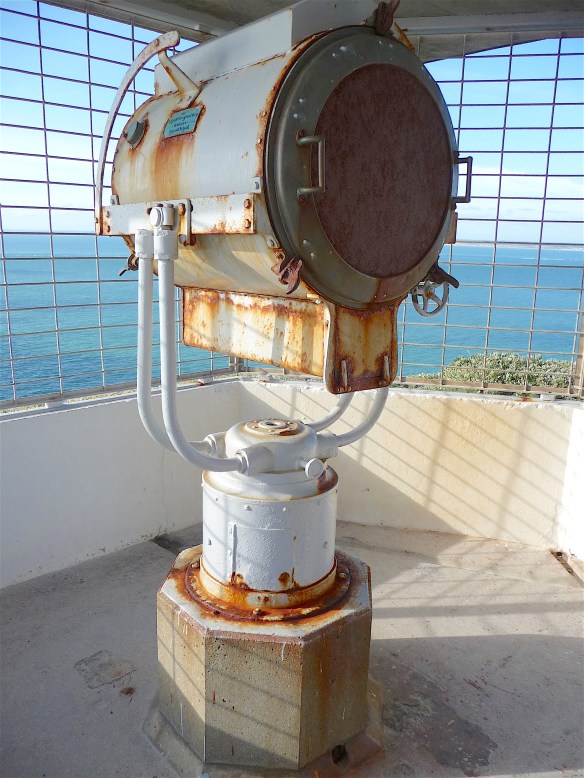
leads to an observation post housing a searchlight dating from 1899.

37.The Needles

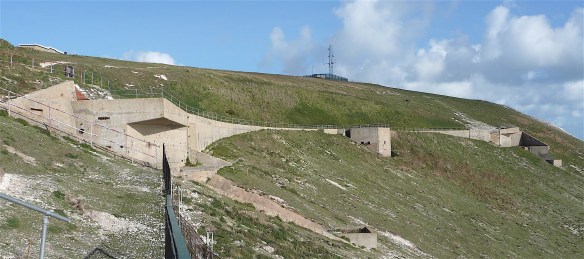
Further up the headland is the New Battery where British space rockets were secretly tested in the 1950s & 60s. After testing, they were taken to Woomera in South Australia for launching.

38.The Needles

We made our way back to Bembridge for a well earned beverage and dinner. Next morning, we visited Bembridge Windmill. Built around 1700, it is the only remaining windmill on the Isle of Wight.
39.Bembridge Windmill

Last operated in 1913, most of the original machinery is intact.

Our final destination on the island was Yarmouth for the ferry journey back to the big island.

We appreciated a different perspective of Hurst Castle

49.Hurst Castle

and Lymington marina welcomed us back.

50.Lymington Marina