introduction to Ireland

On a grey, drizzly November day, we sadly farewelled England to spend the last 12 days of our holiday in Ireland. We had heard so much about the beauty and verdancy of the landscape, we were eager to see for ourselves. We wanted to avoid staying in the big cities on our trip to the U.K. and had managed to do it well so far. Rather than stay in Dublin, we had a B&B booked in Edenderry, about 60km inland. With time on our side, we thought it might be nice to spend a few hours in Dublin before heading west. The Tourist Information Office seemed like a sensible place to start so, after collecting the hire car, we set the satnav to assist us. After a few minutes, it became apparent we were driving back toward the airport and we were shortly informed we had reached our destination on the left!
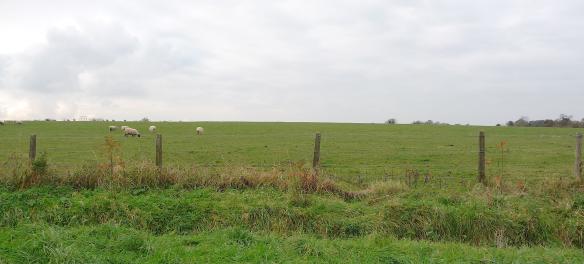
1.Tourist Information Dublin

The Irish are well known for their humour but we didn’t think it had been programmed into the GPS (which, incidentally, we named Holly. Anyone who has seen ‘Red Dwarf’ will understand). We found our own way into Dublin without assistance but, I must admit, our hearts weren’t really in it. The overcast sky didn’t help, casting a gloomy pall over the city. We wandered along the River Liffey, admiring the beautiful Georgian architecture lining its banks. The Ha’penny Bridge, officially known as the Liffey Bridge, was built in 1816 to replace the seven ferries that crossed the river. The ferries had fallen into disrepair and the operator, William Walsh, was ordered to fix them or build a bridge. To compensate for lost income from the ferries, a ha’penny toll was charged to anyone crossing the bridge for the first 100 years.

2.The Ha'penny Bridge

The Ha’penny was the only pedestrian bridge across the river until the Millennium Bridge was installed in December 1999 to, obviously, commemorate the new millennium. The bridge further upstream was originally built in 1676, then known as Essex Bridge. Over the years, flood damage and pier collapses meant a rebuild and in 1874 the bridge re-opened as Grattan Bridge.

3.Millenium Bridge and Grattan Bridge

The main thoroughfare is downstream from the Ha’penny Bridge. Built between 1791-1794, the bridge was originally named Carlisle Bridge, a very impressive granite structure with a stone balustrade. The bridge was reconstructed and widened between 1877-1880 and re-opened in 1882 as O’Connell Bridge.
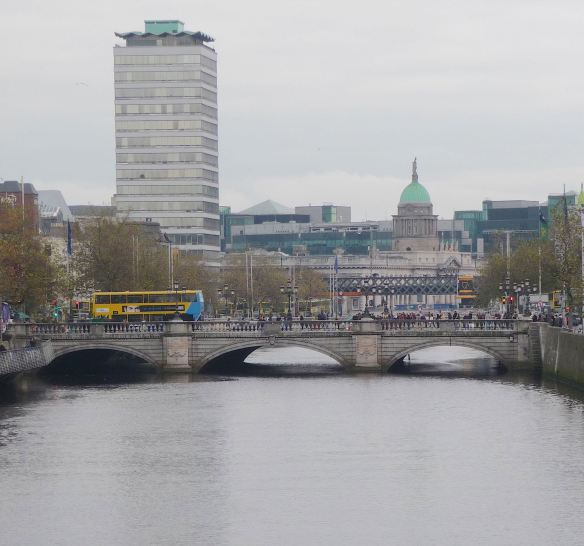
4.O'Connell Bridge

Not really knowing what else to do, we opted for a quick Guinness before making our way to Edenderry.
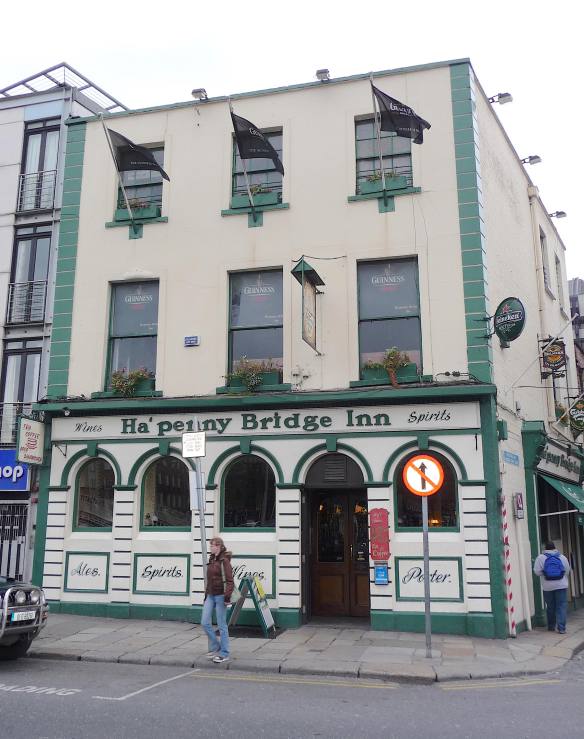
5.Ha'penny Bridge Inn

After navigating endless roadworks, we arrived at our B&B, Auburn Lodge, relieved to be back in the open air.
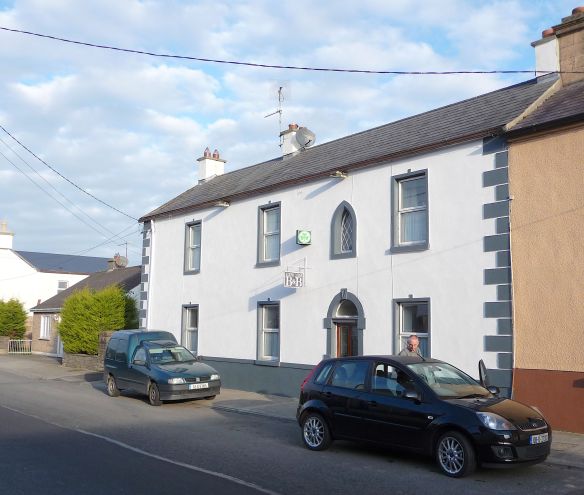
6.Auburn Lodge, Edenderry

We had seen signage for The Grand Canal and decided a walk was just what we needed. The canal was completed in 1804, connecting Dublin, 131km through the midlands, to the River Shannon. Closed to commercial traffic in 1951, the canal is now popular for recreational use.

7.Grand Canal, Edenderry

Edenderry is the home of the first car manufactured in Ireland in 1907, the Alesbury. There were very few cars built in Ireland, I wonder if this was one of them?

8.car wreck Grand Canal, Edenderry

The path closed in, surrounded by lovely autumn hues and falling leaves
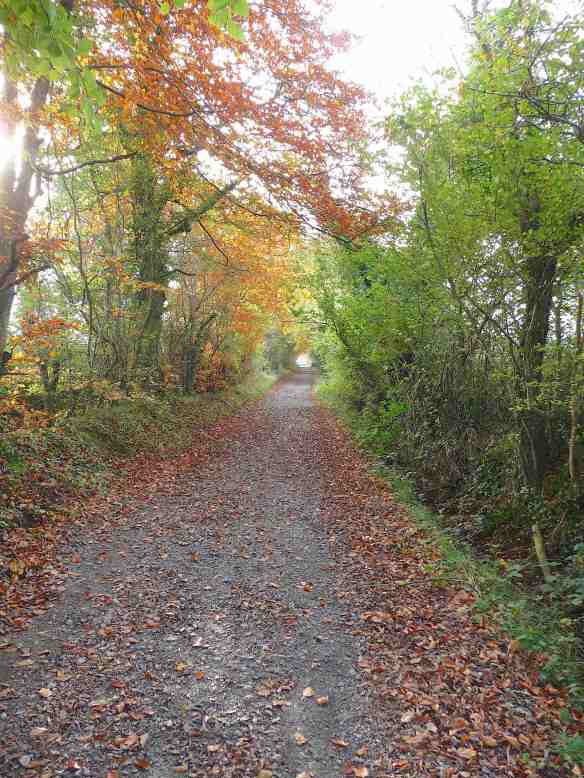
9.Grand Canal walk, Edenderry10.Grand Canal walk, Edenderry

before returning to the water. Old stone bridges dotted the canal, more reminders of a bygone era.
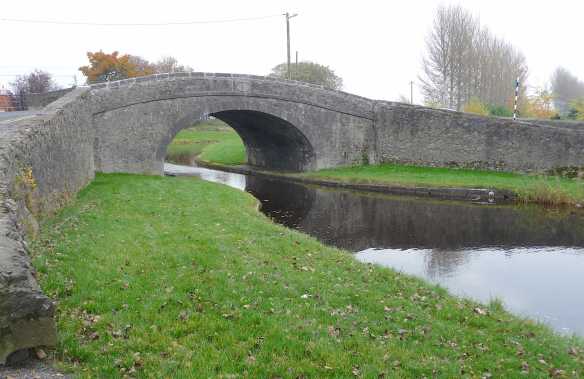
11.Grand Canal, Edenderry

Refreshed by our walk, there was only one way to end the day. A short stroll into town on a crisp, clear evening for a fabulous meal at Larkins
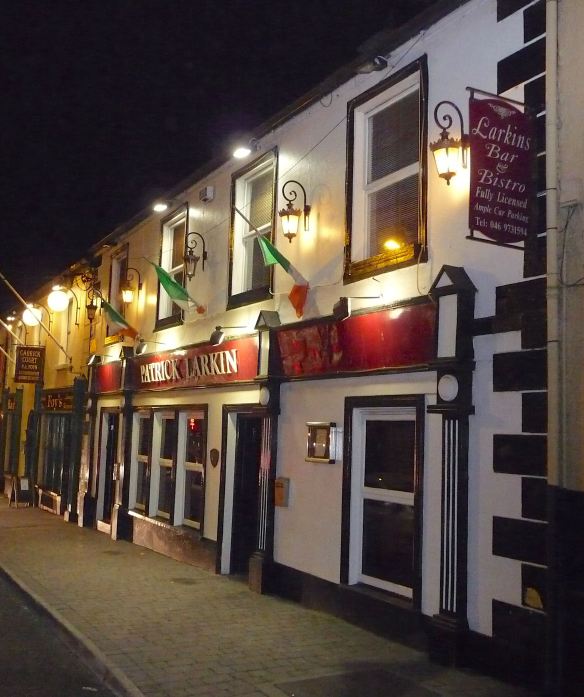
12.Larkins, Edenderry

and, of course, a Guinness or two.

13.Larkins, Edenderry

monochrome Melbourne

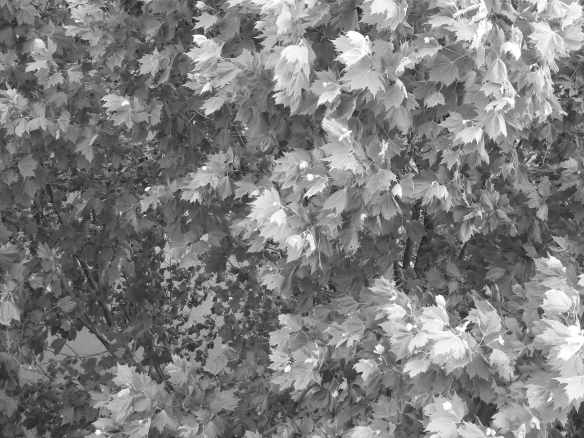
In 1973, Paul Simon released the song, ‘Kodachrome’ and I distinctly remember his notion that “…everything looks worse in black and white.” I decided to put this to the test on a recent trip to Melbourne. I have always found something fascinatingly enigmatic about monochrome photographs, perhaps it’s the invitation to look closer to discern images less obvious. The London plane tree below our apartment window does seem to lack something without the verdancy,

1.London plane tree

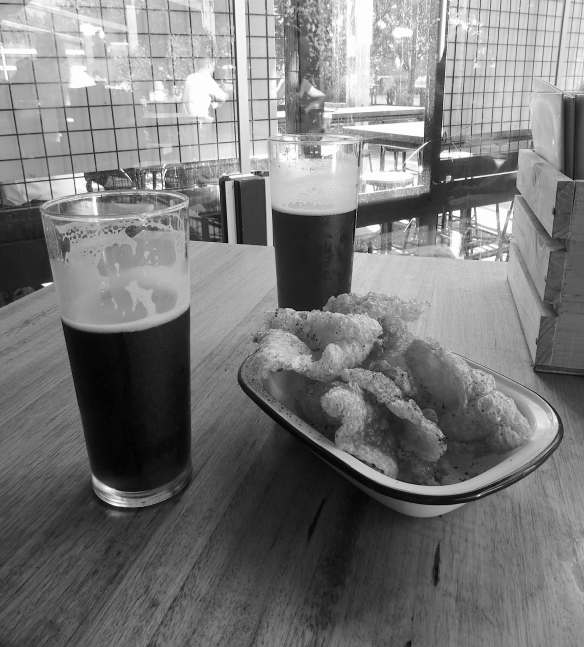
and the food looks a little less enticing.

2.ale & pork crackle

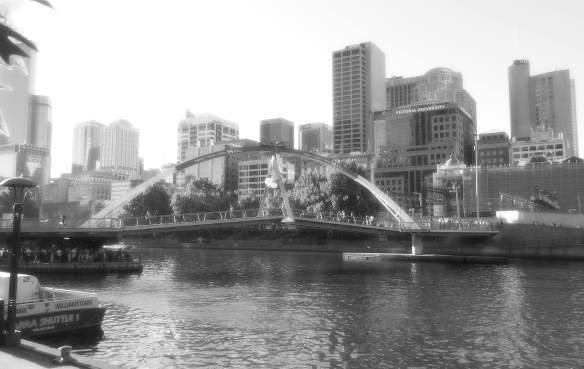
We wandered along Southbank, the late afternoon sunlight glinting off the water. The bar on Ponyfish Island seems to be perpetually crowded.

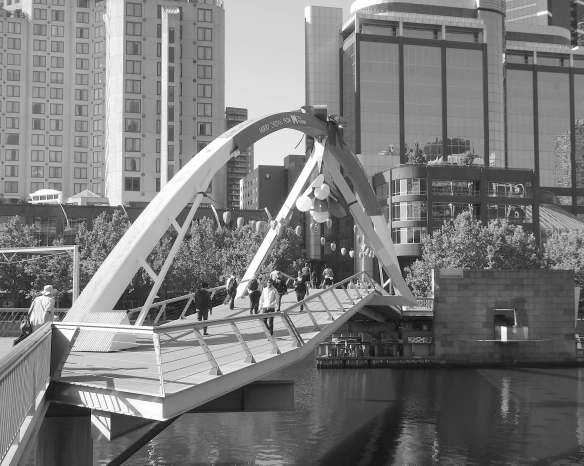
3.Southbank Pedestrian Bridge & Ponyfish Island4.Ponyfish Island5.Southbank Pedestrian Bridge

It was a perfect evening to be out on the Yarra

6.rowers

or to sit with a beverage and just observe.

7.wine

Friends, lovers and loners were enjoying the ambience,

as the sinking sun danced on the leaves of the plane trees.

The next morning, we crossed the pedestrian bridge

13.Southbank Pedestrian Bridge

pausing halfway to capture the view upstream.

14.Yarra River, Princes Bridge

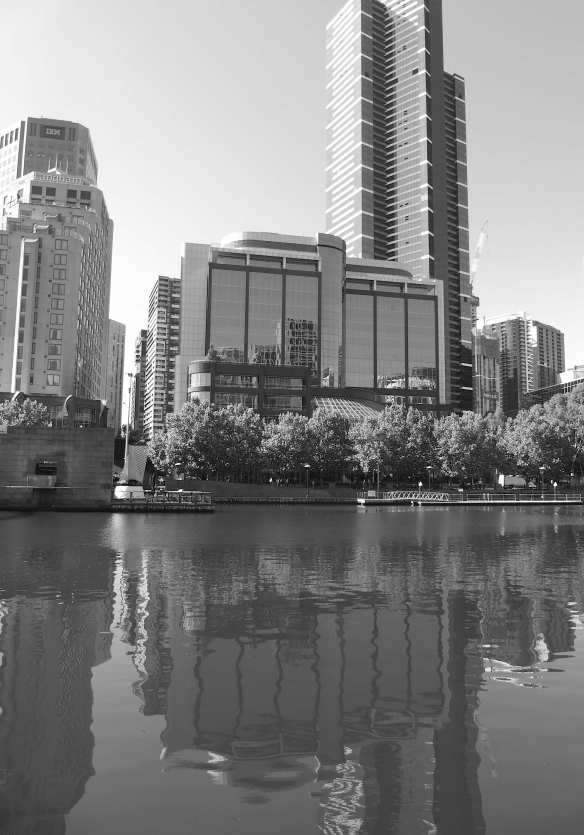
The buildings are just as impressive without colour

15.Eureka Tower16.Melbourne skyline

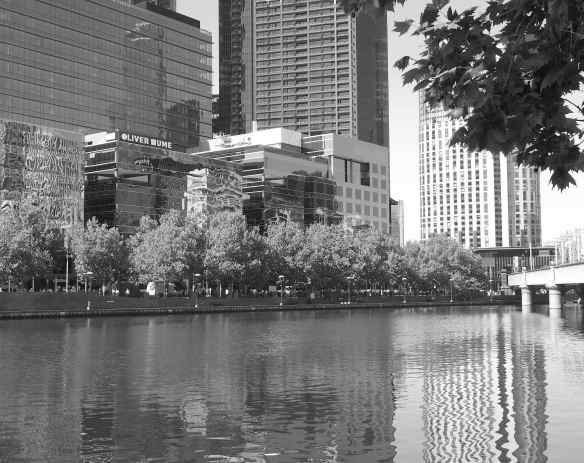
and the reflections mesmerising

17.Southbank18.Southbank19.Southbank

as we strolled along Flinders Walk.

20.Flinders Walk

We passed Sandridge Bridge, The Travellers sculptures telling stories of past immigrants to Australia.

23.rowers24.Sandridge Bridge & skyline

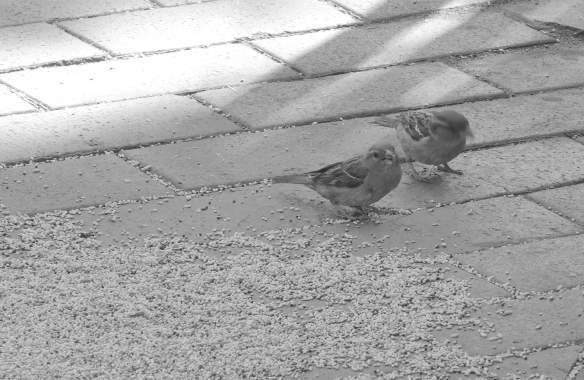
Someone had kindly left birdseed for our feathered friends.

25.birds

The rowers were being pursued by a lone gull – or so it seemed.

26.rowers

I wonder if this cormorant could smell the fish at the Sea Life Aquarium across the river. He looks like a statue against the abstract motion of the water.

28.cormorant27.Sealife

Not far past Seafarers Bridge

29.Seafarers Bridge

we reached our destination – DFO, South Wharf.

30. DFO South Wharf

Interestingly, when Paul Simon recorded his concerts in Central Park in 1982 and 1991, he changed the lyrics to “…everything looks better in black and white.” You can decide for yourself.

Canggu: Tugu to Seseh

We had heard about the popular surfing beaches of Bali, one of them being Seseh, the location of our villa. In order to discover more, we asked the driver one morning to take us a little further down the coast so we could walk back along the beach. He dropped us off at the back entrance of the Hotel Tugu, about 3 km away.

1.Hotel Tugu

A paved path led toward the beach, past old rustic buildings

2.Hotel Tugu

and the hotel grounds behind the wall.

Sun lounges looked inviting and we could glimpse the specks of hopeful surfers in the water.

6.Tugu Hotel

Just as well it was too early for a cocktail, the bar appeared in need of restocking.

7.Tugu bar

Barongs were on guard to repel the evil spirits, possibly to protect those seeking slumber.

Canggu, as well as being a small village, is the name given to a stretch of coastline between Seminyak and Tanah Lot. From Hotel Tugu, we walked along the black sand of Batu Bolong Beach.

The waves didn’t look particularly impressive to us but what would we know?

13.surfer

Volcanic rocks loomed out of the water making interesting obstacles for unsuspecting surfers.

14.Batu Bolong Beach15.Batu Bolong Beach

Looking beyond the modern villas, we could see the hint of a temple.

16.Batu Bolong Beach

Pura Batu Mejan is a Balinese Hindu sea temple, guarding the coast and giving its name to the beach, Pantai Batu Mejan.

17.Pura Batu Mejan temple

One of Canggu’s most popular surfing beaches, Echo Beach is the nickname given to this stretch by the wave riders.

20.Echo Beach21.Echo Beach

We watched them in action while we lunched at Echo Beach Club.

22.surfer Echo Beach23.surfers Echo Beach

The local transport didn’t look too reliable

24.bicycle

so we made our way down to the beach for the walk back to Seseh.

26.Echo Beach25.Echo Beach

This family picnic looked lovely

27.picnic

but I don’t know how they keep their whites so white.

28.picnic

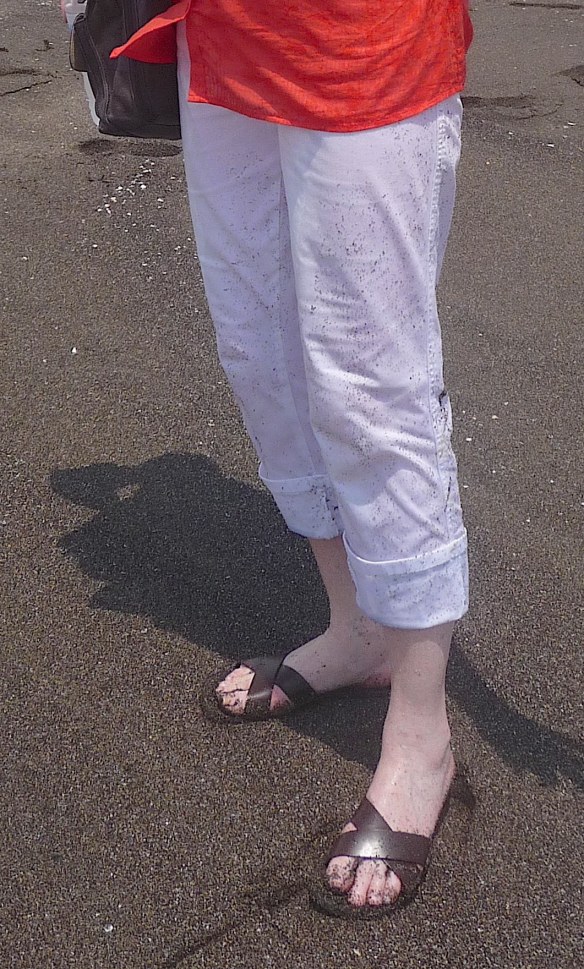
It seemed like a bad choice for me to wear with the black sand.

29.white pants copy

Mary Arden’s Farm

After soaking up Shakespearean history in Stratford-upon-Avon, we drove three miles to the village of Wilmcote to the family home of the great bard’s mother. Mary Arden lived with her parents and seven sisters until she married John Shakespeare in 1557 at the age of twenty. Mary Arden’s Farm is a working farm and portrays 16th century life. Costumed workers complete the scene and we really felt we had stepped back in time. The Shakespeare Birthplace Trust bought the farmhouse in 1930 and refurbished it in the Tudor period style.

1.Palmer's farmhouse

The funny thing is, in 2000 it was discovered that the house actually belonged to a neighbour, Adam Palmer, and it was renamed Palmer’s Farm. The rooms have been beautifully preserved.

The Arden family house had been acquired by the Trust in 1968 as part of the farm without realising its significance. A more modest dwelling, some of the timber framework has been replaced with Victorian brickwork but the original features date back to 1514.

6.Mary Arden's house

The outbuildings have been maintained, providing comfortable shelter for animals and vehicles.

7.Mary Arden's Farm

The evidence of hard manual labour has been retained,

10.millstone

the outdoor Tudor oven could have been the prototype of today’s pizza ovens?

11.Tudor outdoor oven

We wandered past the birds of prey, patiently waiting for their moment in the spotlight.

The boss was in her office making sure things ran smoothly.

16.the boss

Of course, I fell in love with the donkeys.

Michael fell in love with a couple of birds. He learned the way to win a heart was with a nuzzle rather than a stroke. Apparently, birds see the offering of a hand as aggression.

The occasional dead chick works, too.

23.peregrine falcon

Into a barn for, not surprisingly, a barn owl experience.

24.barn owl

No prizes for guessing who volunteered to don the glove.

25.barn owl

No nuzzles this time but the reward was the same.

28.barn owl

Lake Claremont

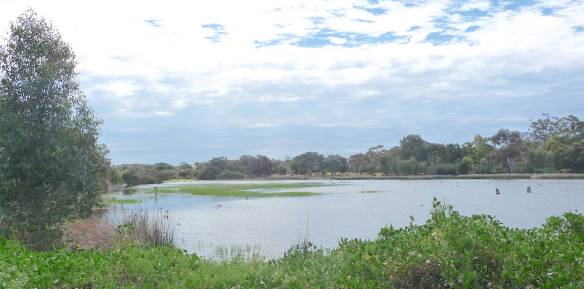
The last thing I expected in the middle of suburban Perth was the beautiful conservation area that is Lake Claremont. The reserve covers 70ha and hosts a variety of flora and fauna, including over 87 species of birds. Prior to 1831, the wetland area provided food for the Mooro people. With pressure from European settlement and rising waters, the last of the Aborigines moved away in the 1940s. It is now a recognised site of Aboriginal heritage.

1.Lake Claremont

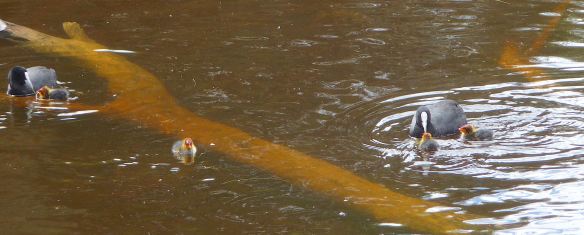
Although spring had not yet sprung, the birdlife was busy with family raising duties. The Eurasian coot, though attractive, is not particularly colourful. The bright, fluffy chicks are absolutely gorgeous.

2.Eurasian Coot

Both parents share the rearing responsibilities, including teaching them how to dive for food.

5.Eurasian Coot chicks

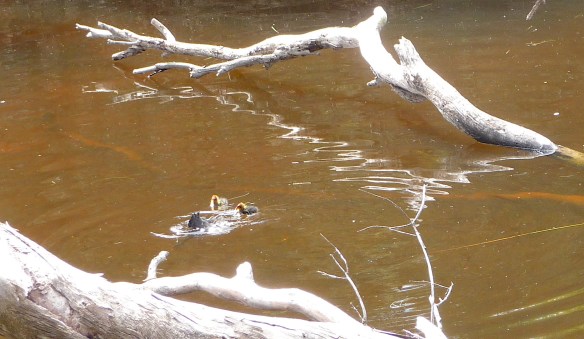
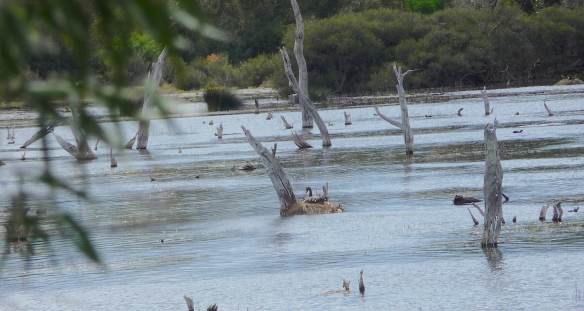
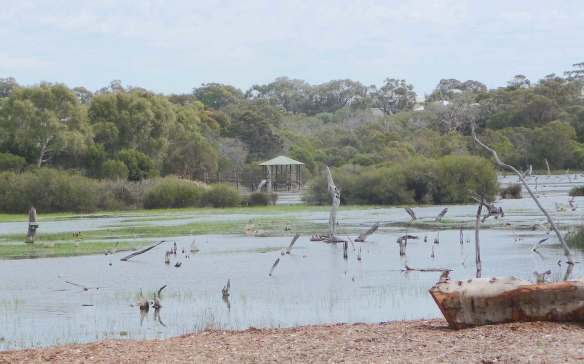
The Aborigines weren’t the only victims of the rising waters. The once majestic paperbarks that dominated the central area couldn’t survive the permanent submergence.

6.Lake Claremont

The remnants provide nesting grounds for the waterbirds

7.nesting Black Swan

and add another dimension to the landscape.

8.Lake Claremont

The black swan is the official bird emblem of Western Australia, this majestic mother comfortable on her nest mound.

9.nesting Black Swan

Another swan family were out with their youngsters while the Australian shelducks seemed to walk on water.

10.Black Swan with cygnets & shelducks

Pink-eared ducks were resting nearby, they feed by filtering water and soft mud with their specially shaped bills.

11.pink-eared duck

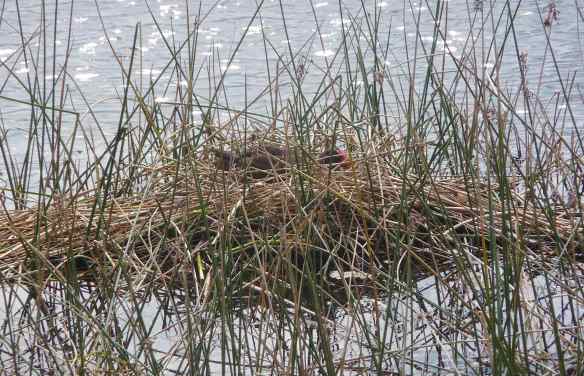
Purple swamphens build nesting mounds among the reeds at the lakes edge,

12.nesting Purple Swamphen

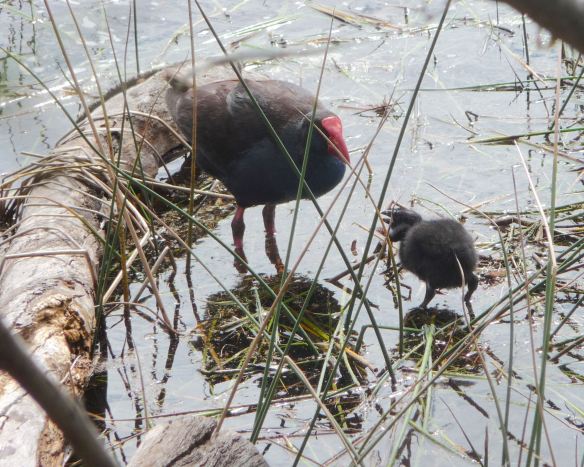
the chicks have feeding lessons in the shallows.

13.Purple Swamphen with chick

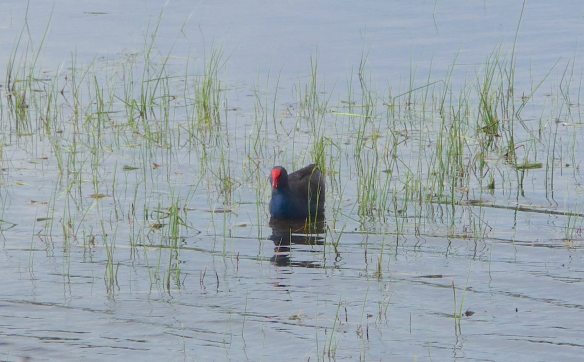
The swamphens are mostly vegetarian but will also eat eggs and very young birds.

14.Purple Swamphen

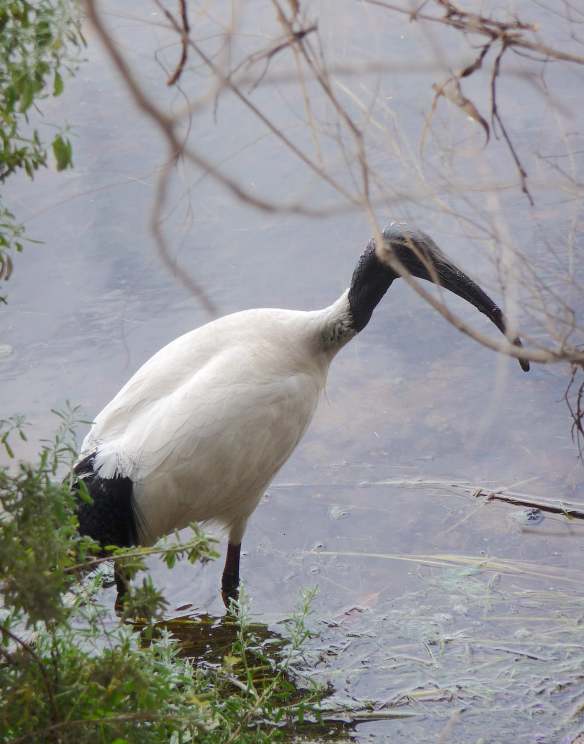
The Australian white ibis is one of two ibis species at the lake. They forage for aquatic animals and are known to eat snakes.

16.Australian white ibis

As we continued our circuit of the lake,

17.Lake Claremont

we found some paperbarks still thriving on the shore.

18.paperbark

This lone Pacific black duck was taking some time out.

19.Pacific black duck

Another family of purple swamphens were enjoying breakfast

24.Purple Swamphen & chick

as we returned to our starting point.

25.Lake Claremont

What a wonderful way to start the day, thank you Jude.