Canggu: Tugu to Seseh

We had heard about the popular surfing beaches of Bali, one of them being Seseh, the location of our villa. In order to discover more, we asked the driver one morning to take us a little further down the coast so we could walk back along the beach. He dropped us off at the back entrance of the Hotel Tugu, about 3 km away.

1.Hotel Tugu

A paved path led toward the beach, past old rustic buildings

2.Hotel Tugu

and the hotel grounds behind the wall.

Sun lounges looked inviting and we could glimpse the specks of hopeful surfers in the water.

6.Tugu Hotel

Just as well it was too early for a cocktail, the bar appeared in need of restocking.

7.Tugu bar

Barongs were on guard to repel the evil spirits, possibly to protect those seeking slumber.

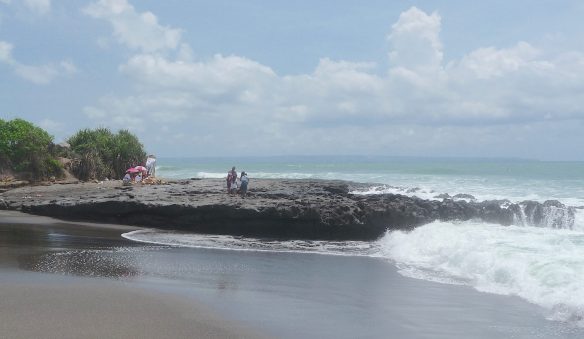
Canggu, as well as being a small village, is the name given to a stretch of coastline between Seminyak and Tanah Lot. From Hotel Tugu, we walked along the black sand of Batu Bolong Beach.

The waves didn’t look particularly impressive to us but what would we know?

13.surfer

Volcanic rocks loomed out of the water making interesting obstacles for unsuspecting surfers.

14.Batu Bolong Beach15.Batu Bolong Beach

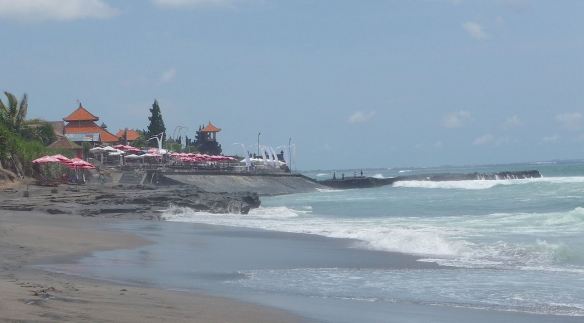
Looking beyond the modern villas, we could see the hint of a temple.

16.Batu Bolong Beach

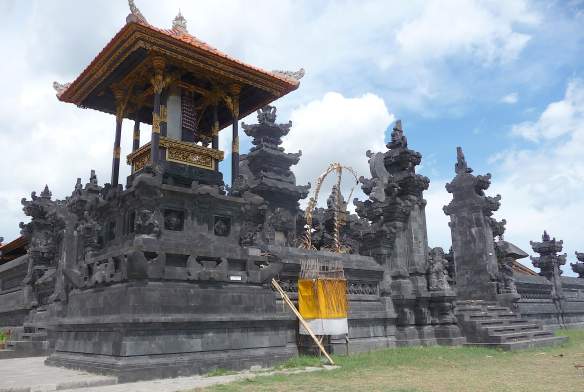
Pura Batu Mejan is a Balinese Hindu sea temple, guarding the coast and giving its name to the beach, Pantai Batu Mejan.

17.Pura Batu Mejan temple

One of Canggu’s most popular surfing beaches, Echo Beach is the nickname given to this stretch by the wave riders.

20.Echo Beach21.Echo Beach

We watched them in action while we lunched at Echo Beach Club.

22.surfer Echo Beach23.surfers Echo Beach

The local transport didn’t look too reliable

24.bicycle

so we made our way down to the beach for the walk back to Seseh.

26.Echo Beach25.Echo Beach

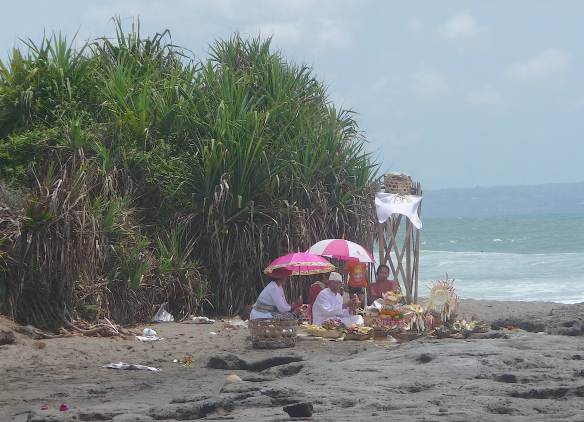
This family picnic looked lovely

27.picnic

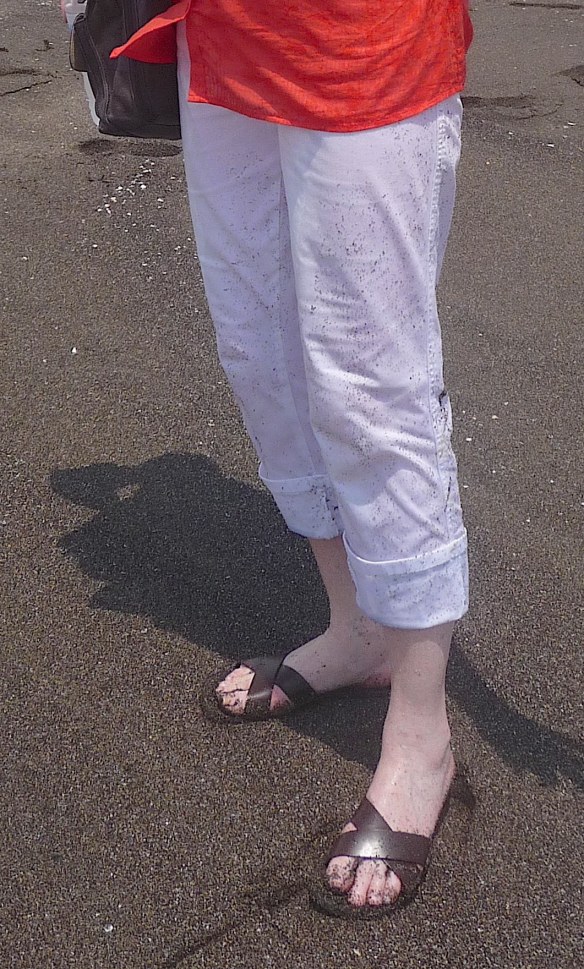
but I don’t know how they keep their whites so white.

28.picnic

It seemed like a bad choice for me to wear with the black sand.

29.white pants copy

Mary Arden’s Farm

After soaking up Shakespearean history in Stratford-upon-Avon, we drove three miles to the village of Wilmcote to the family home of the great bard’s mother. Mary Arden lived with her parents and seven sisters until she married John Shakespeare in 1557 at the age of twenty. Mary Arden’s Farm is a working farm and portrays 16th century life. Costumed workers complete the scene and we really felt we had stepped back in time. The Shakespeare Birthplace Trust bought the farmhouse in 1930 and refurbished it in the Tudor period style.

1.Palmer's farmhouse

The funny thing is, in 2000 it was discovered that the house actually belonged to a neighbour, Adam Palmer, and it was renamed Palmer’s Farm. The rooms have been beautifully preserved.

The Arden family house had been acquired by the Trust in 1968 as part of the farm without realising its significance. A more modest dwelling, some of the timber framework has been replaced with Victorian brickwork but the original features date back to 1514.

6.Mary Arden's house

The outbuildings have been maintained, providing comfortable shelter for animals and vehicles.

7.Mary Arden's Farm

The evidence of hard manual labour has been retained,

10.millstone

the outdoor Tudor oven could have been the prototype of today’s pizza ovens?

11.Tudor outdoor oven

We wandered past the birds of prey, patiently waiting for their moment in the spotlight.

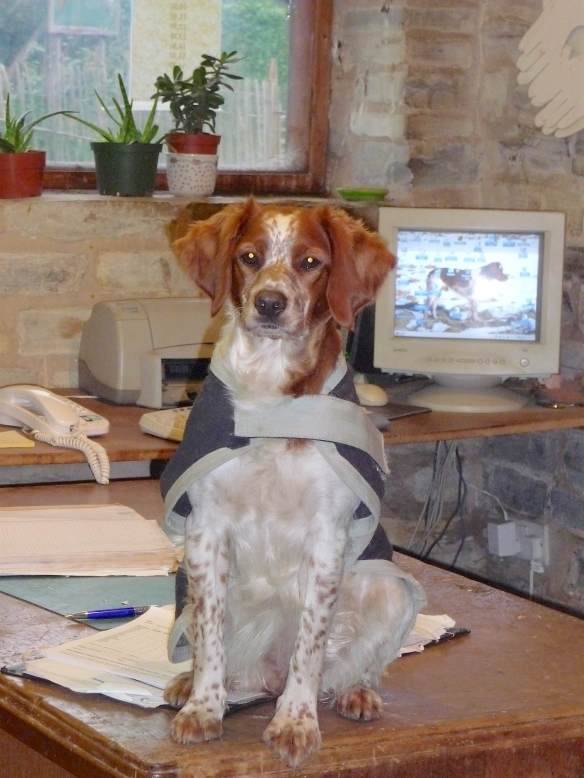
The boss was in her office making sure things ran smoothly.

16.the boss

Of course, I fell in love with the donkeys.

Michael fell in love with a couple of birds. He learned the way to win a heart was with a nuzzle rather than a stroke. Apparently, birds see the offering of a hand as aggression.

The occasional dead chick works, too.

23.peregrine falcon

Into a barn for, not surprisingly, a barn owl experience.

24.barn owl

No prizes for guessing who volunteered to don the glove.

25.barn owl

No nuzzles this time but the reward was the same.

28.barn owl

Lake Claremont

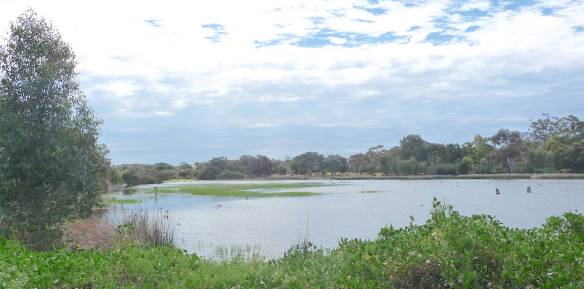
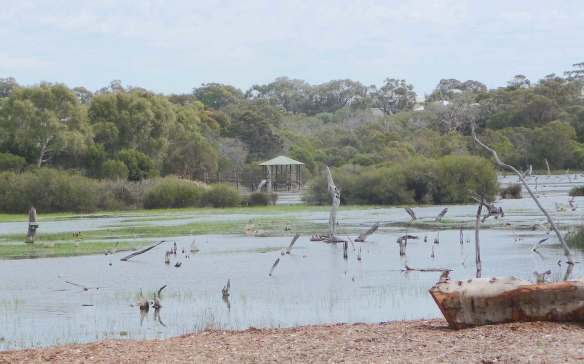
The last thing I expected in the middle of suburban Perth was the beautiful conservation area that is Lake Claremont. The reserve covers 70ha and hosts a variety of flora and fauna, including over 87 species of birds. Prior to 1831, the wetland area provided food for the Mooro people. With pressure from European settlement and rising waters, the last of the Aborigines moved away in the 1940s. It is now a recognised site of Aboriginal heritage.

1.Lake Claremont

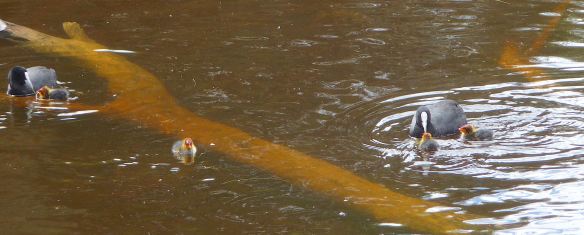
Although spring had not yet sprung, the birdlife was busy with family raising duties. The Eurasian coot, though attractive, is not particularly colourful. The bright, fluffy chicks are absolutely gorgeous.

2.Eurasian Coot

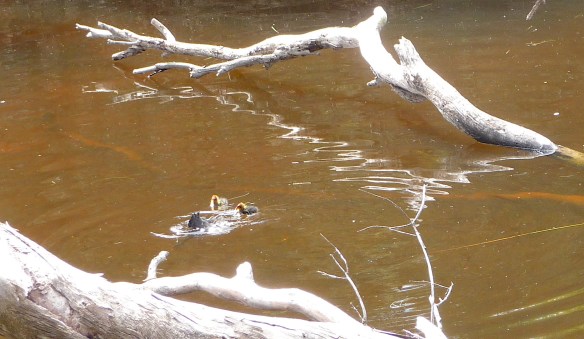
Both parents share the rearing responsibilities, including teaching them how to dive for food.

5.Eurasian Coot chicks

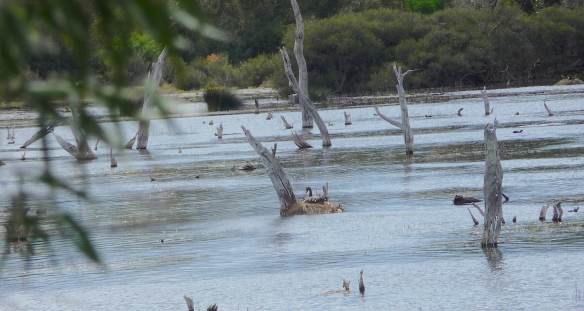
The Aborigines weren’t the only victims of the rising waters. The once majestic paperbarks that dominated the central area couldn’t survive the permanent submergence.

6.Lake Claremont

The remnants provide nesting grounds for the waterbirds

7.nesting Black Swan

and add another dimension to the landscape.

8.Lake Claremont

The black swan is the official bird emblem of Western Australia, this majestic mother comfortable on her nest mound.

9.nesting Black Swan

Another swan family were out with their youngsters while the Australian shelducks seemed to walk on water.

10.Black Swan with cygnets & shelducks

Pink-eared ducks were resting nearby, they feed by filtering water and soft mud with their specially shaped bills.

11.pink-eared duck

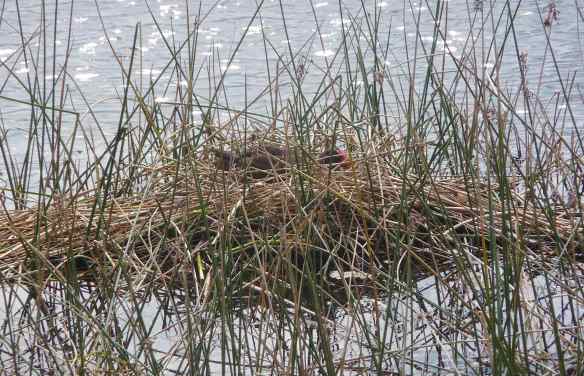
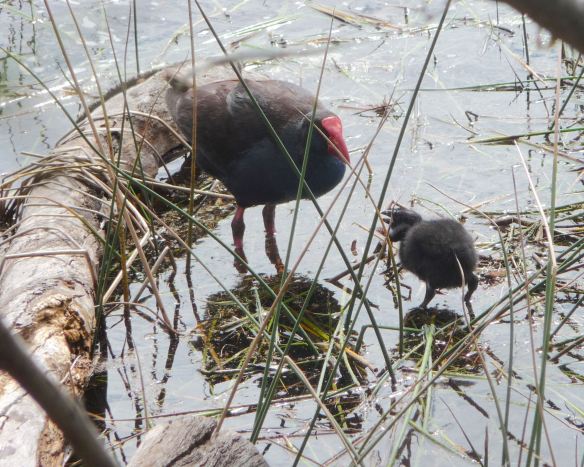
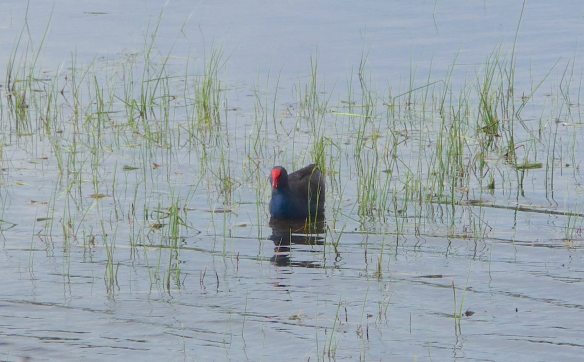
Purple swamphens build nesting mounds among the reeds at the lakes edge,

12.nesting Purple Swamphen

the chicks have feeding lessons in the shallows.

13.Purple Swamphen with chick

The swamphens are mostly vegetarian but will also eat eggs and very young birds.

14.Purple Swamphen

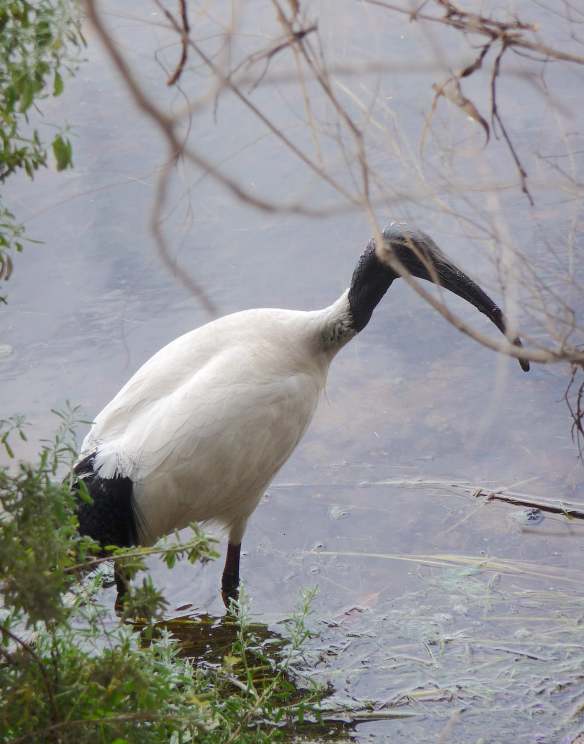
The Australian white ibis is one of two ibis species at the lake. They forage for aquatic animals and are known to eat snakes.

16.Australian white ibis

As we continued our circuit of the lake,

17.Lake Claremont

we found some paperbarks still thriving on the shore.

18.paperbark

This lone Pacific black duck was taking some time out.

19.Pacific black duck

Another family of purple swamphens were enjoying breakfast

24.Purple Swamphen & chick

as we returned to our starting point.

25.Lake Claremont

What a wonderful way to start the day, thank you Jude.

La Lucciola

If there is one thing you can rely on in Bali, it’s the fabulous food. Coupled with a stunning location, you have La Lucciola at Seminyak. After a stroll along the main street accompanied by the cacophony of traffic and populace, reaching La Lucciola was nirvana.

1.La Lucciola2.La Lucciola

Seated on the upstairs balcony, the gentle sea breeze mingled with that of the overhead fans and the tranquil view perfected the scene.

3.La Lucciola

The undrinkable water forced us to order cocktails instead, anything to quench the thirst.

The flower arrangements were quite spectacular, even in the bathrooms.

The meals disappeared too quickly for photographs but I caught a couple of the desserts.

After lunch, we walked onto the sands, soft and golden on this part of the island.

11.Seminyak Beach

Seminyak Beach comprises three adjoining coastal strips, the southernmost bordering Legian Beach.

12.Seminyak Beach

This little squirrel has certainly chosen a lovely spot to call home.

Avon amble

Having explored Shakespeare’s birthplace and home town, it was only right we would visit his place of rest. On the banks of the River Avon, Holy Trinity Church is the oldest building in Stratford. Dating back to 1210, much rebuilding was undertaken between 1465 and 1491. The original wooden spire was replaced in 1763.

1.Holy Trinity Church

There were many fascinating gravestones, these two seemed to be connected in some way.

2.gravestones

I could find no information about Catharine Gill who died in 1868 at the age of 71 (on the right of the photo). However, I found that Abigail Insall, (on the left), who was buried in 1869 at 80 years of age, had lived in this gorgeous semi-detched early Georgian Town House at 4 Tyler Street. I liberated this photo from Google maps.

3.4 Tyler Street

The interior of the church was breathtaking

4.the nave and font

with several huge stained glass windows.

5.stained glass windows

William Shakespeare was buried in 1616 in the chancel alongside other members of his family.

6.the chancel

During services, priests had to stand, which was particularly hard on the older ones. Small hinged seats, called misericords, were installed in the 15th century so the priests could rest, yet appear to be standing up. There are 26 of these misericords and each one has three carvings on the underside, only visible when the seat is folded up. There are no religious scenes but an interesting array of bawdy, theatrical faces – a reminder of the devil’s presence and his search for wayward souls.

7.carvings on misericord seats

The impressive pipe organ dates from 1841 and has undergone several restorations.

8.the organ

Leaving the church, we wandered along the banks of the River Avon enjoying a different perspective of Holy Trinity along the way.

9.Holy Trinity Church10.Holy Trinity Church

The magnificent stained glass window in the chancel was more subdued from the outside.

11.Holy Trinity Church from the east

Autumn leaves littered the path

12.River Walk

and the geese were out for an afternoon walk.

The Tramway Bridge was built in 1822 to carry the horse tramway and is now a footbridge across the river.

15.Tramway Bridge

100 metres to the east, road traffic crosses the river via Clopton Bridge. Built in the 15th century to replace an earlier timber bridge, the reflections from the 14 pointed arches on a clear day would be amazing.

16.Clopton Bridge