Canal Rocks

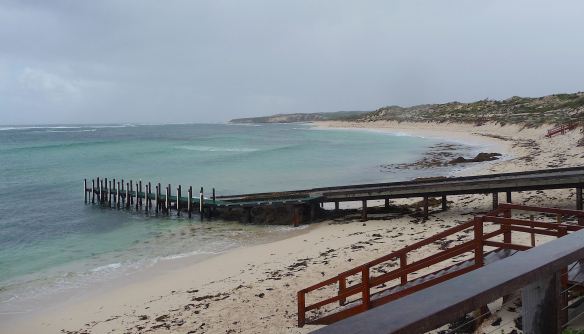
The coastline of the Margaret River region delivered one stunning spectacle after another. We had enjoyed a fabulous dinner the previous night at Lamont’s Restaurant at Smiths Beach Resort. Returning the next morning, the stretch of white sand and crystal-clear blue water of Smiths Beach was revealed.

1.Smiths Beach2.Smiths Beach

A little further down the coast,

3.Canal Rocks

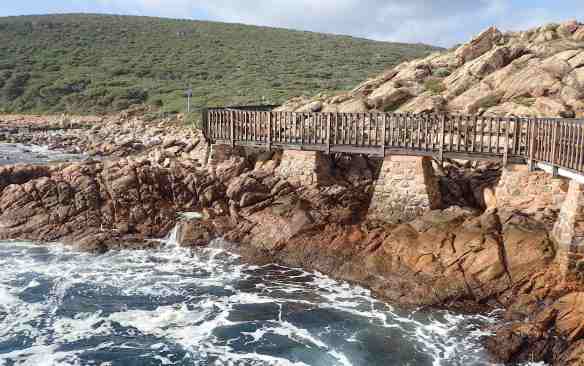
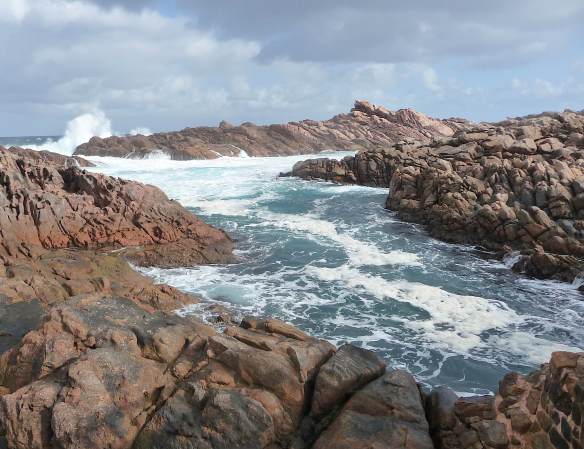
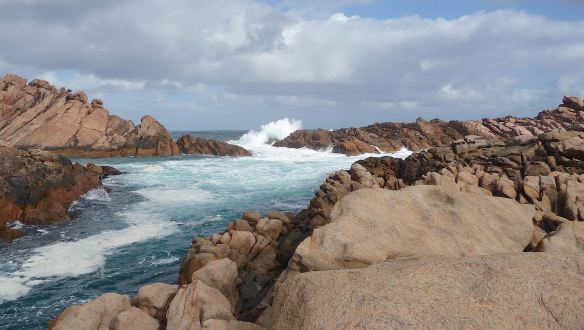
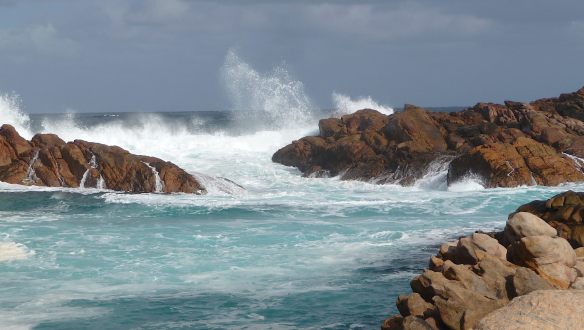
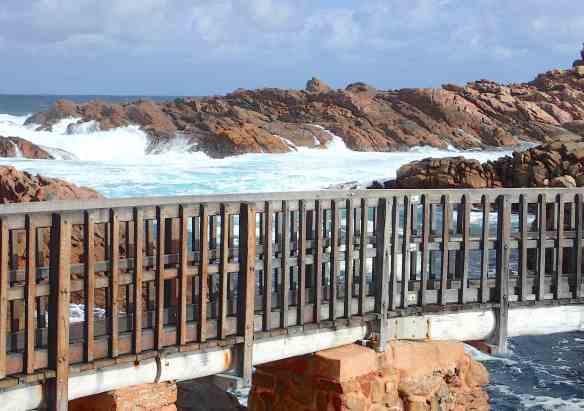
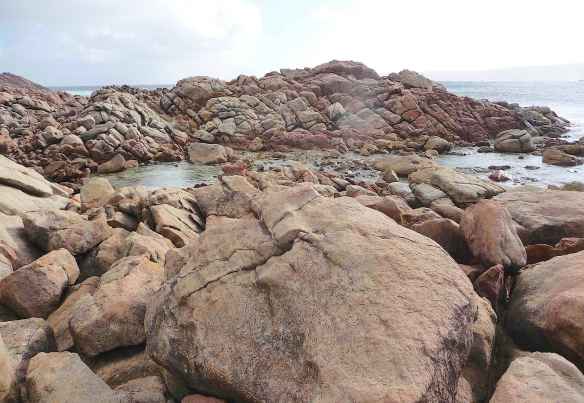
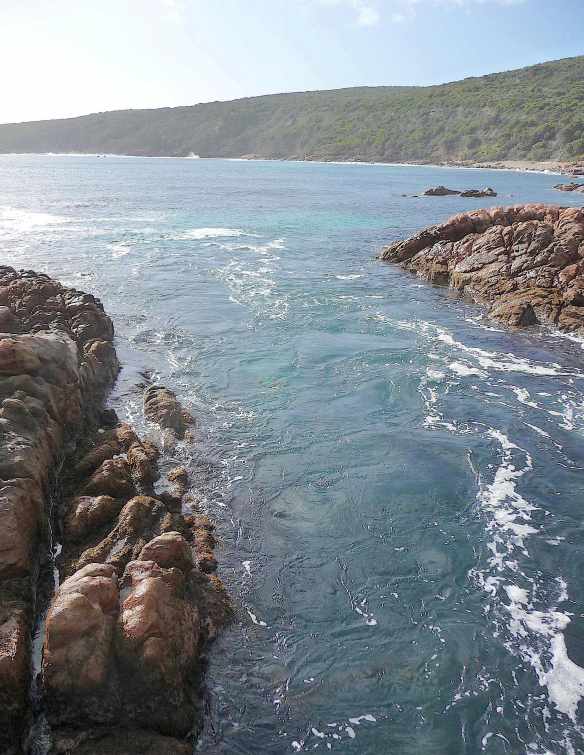
the Indian Ocean has carved a narrow channel between ancient granite rocks, creating the remarkable phenomenon that is Canal Rocks. From the car park, a boardwalk skirts the granite outcrop

4.Boardwalk Canal Rocks5.Boardwalk Canal Rocks

and leads to a wooden bridge where we stood, mesmerized, as the ocean currents danced a briny ballet.

6.Canal Rocks7.Canal Rocks8.Canal Rocks9.Canal Rocks10.Canal Rocks

Across the bridge,

11.Canal Rocks

the rocks have been worn smooth over the centuries.

12.Canal Rocks14.Canal Rocks13.Canal Rocks

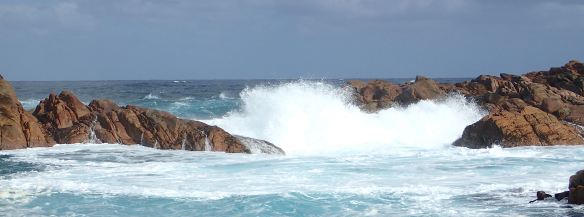
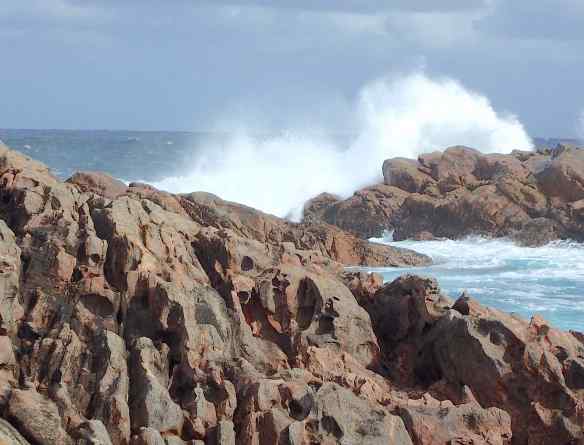
The water was turbulent enough on this relatively calm day,

15.Canal Rocks

I imagine it would be absolutely breathtaking when the storms roll in.

16.Canal Rocks

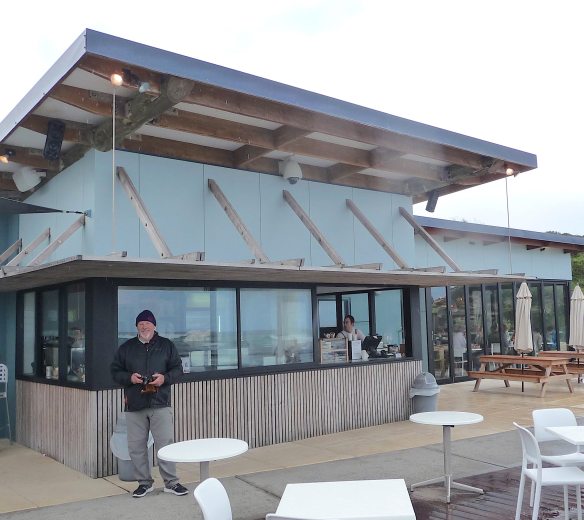
A short drive further, we warmed up with a coffee at the White Elephant Café

17.White Elephant Cafe

while enjoying the beautiful panorama of Gnarabup Beach.
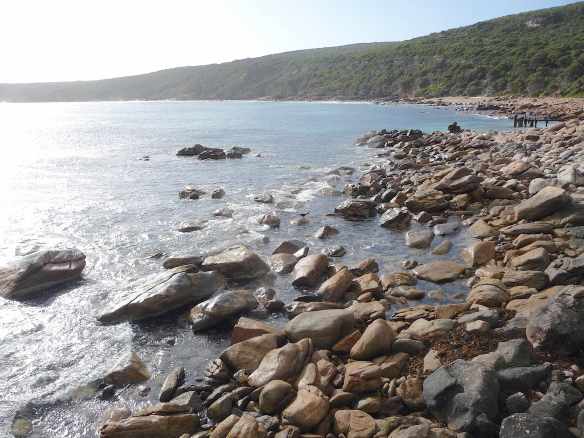
18.Gnarabup Beach

Assisi

Following our wonderful morning exploring Spello, we drove to Assisi, another ancient town dating back to 1000BC. Sometimes it is difficult to discern where the roads end and pedestrian ways begin when entering these old towns. I was more than a little alarmed to find myself driving into the main piazza. I hastily retreated down the first apparent exit and sought a car park outside the town walls. We re-enacted the initial entry, sans vehicle, and proceeded with our Assisi adventure.

1.Piazza del Comune2.Piazza del Comune

In 238AD, Assisi was converted to Christianity by Bishop Rufino, his remains rest in Assisi Cathedral. Built in the 12th century and dedicated to San Rufino, it was in this church that Saint Francis of Assisi was baptized in 1182.

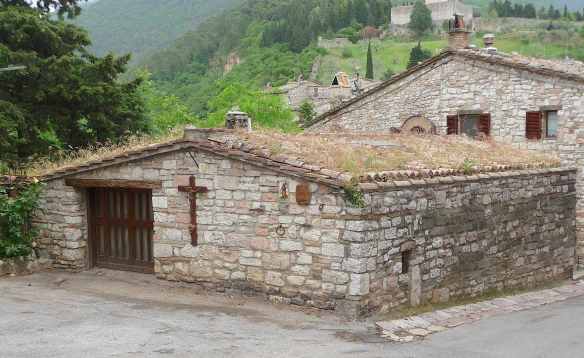
We wandered the streets of this beautiful town

6.Assisi

10.Assisi

17.Assisi

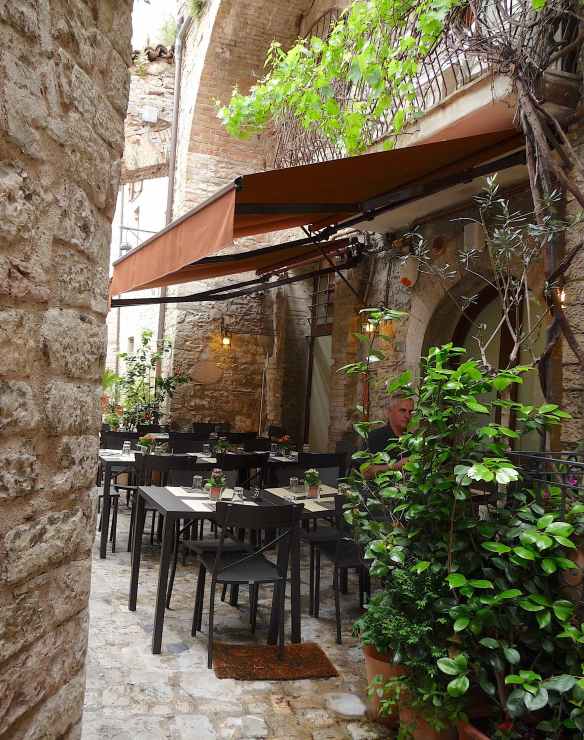
before enjoying a delicious lunch at La Lanterna. I finally got the chance to try cinghiale (wild boar) in a sensational stew and Michael had superbly cooked maialino (suckling pig).

18.La Laterna

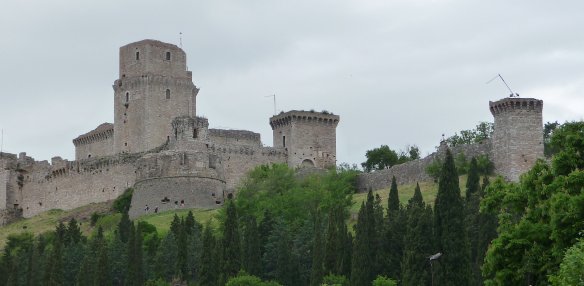
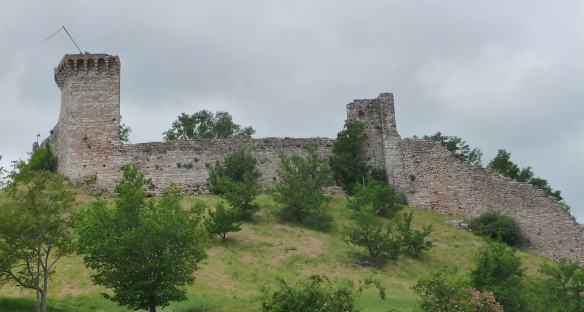
We walked off our lunch climbing to Rocca Maggiore,

19.Rocca Maggiore

a huge medieval castle built as a military fortress around 1174 on the summit of the hill.

20.Rocca Maggiore22.Rocca Maggiore23.Rocca Maggiore

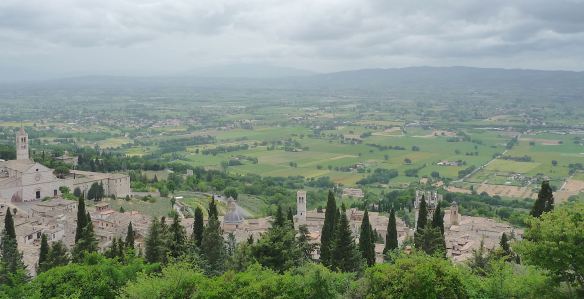
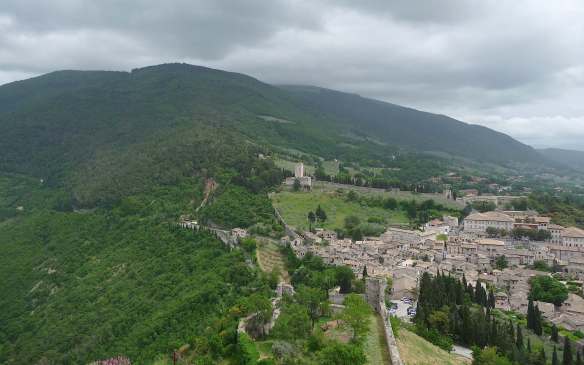
Stopping to catch our breath, we were rewarded with spectacular views of Assisi.

24.Assisi

The 13th century Basilica of Saint Clare featured majestically in the landscape.

25.Basilica of St Clare26.Spoleto Valley

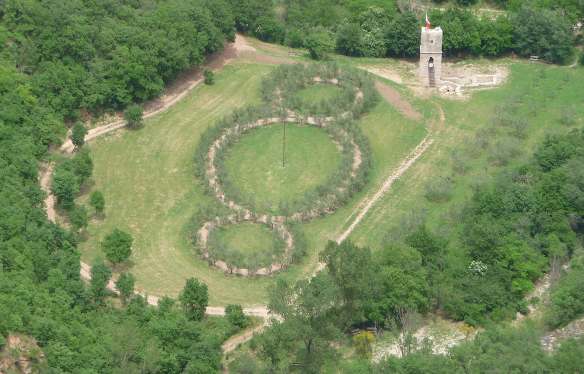
There was much to explore at Rocca Maggiore.

35.Rocca Maggiore

41.Rocca Maggiore

47.Rocca Maggiore

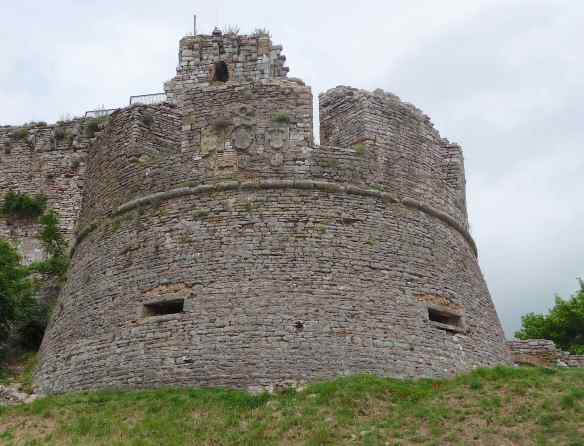
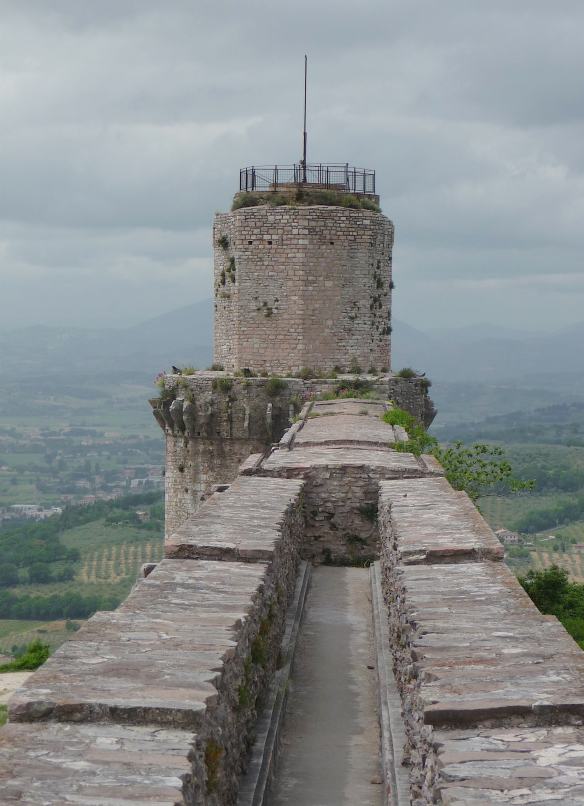
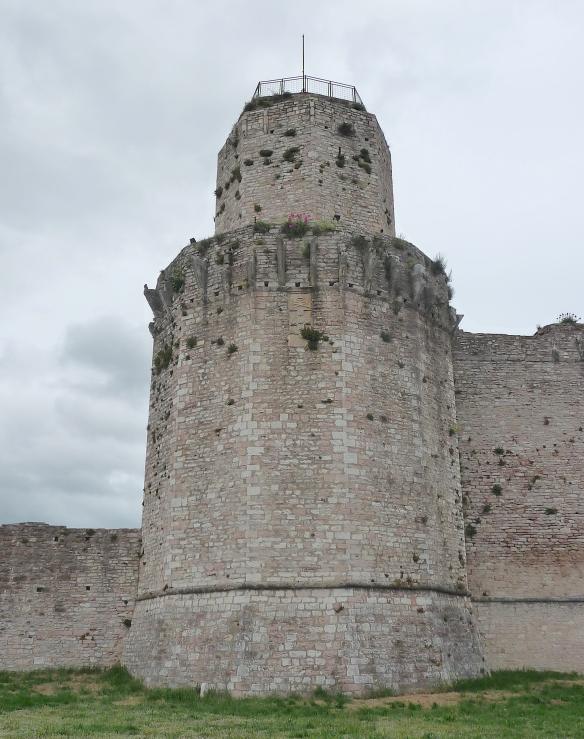
This inscription commemorates Pope Pius II

48.Rocca Maggiore polygonal tower

who completed the polygonal tower in 1460,

49.Rocca Maggiore polygonal tower

as well as the passages linking it to the main fortifications.

50.Rocca Maggiore51.Rocca Maggiore

The castle was extensively renovated in 2002 and there are fantastic exhibitions of medieval life, weaponry and musical instruments.

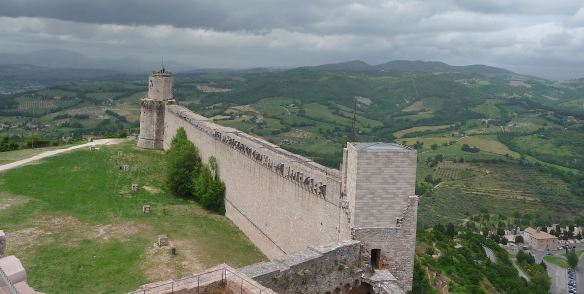
From the top, the 360° views across the Spoleto Valley and Assisi were breathtaking.

69.view from Rocca Maggiore65.view from Rocca Maggiore66.view from Rocca Maggiore67.view from Rocca Maggiore70.view from Rocca Maggiore71.view from Rocca Maggiore

We ambled down the hill to town, had one last gelato for the road,

72.gelato

and returned for our final night at Il Castagno.

Inverness

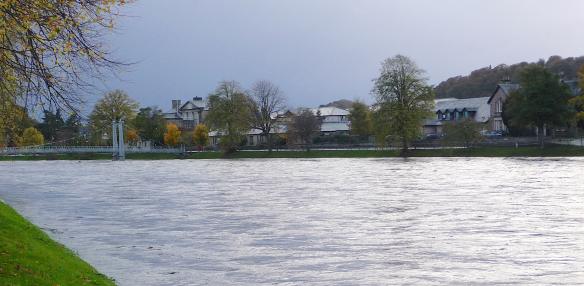
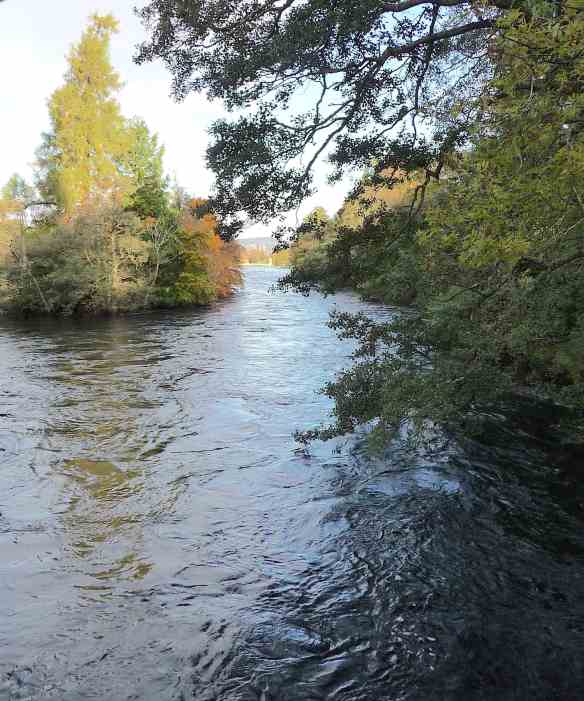
We were hoping to find accommodation on the banks of Loch Ness but it seemed there was none to be had. We were very happy with the compromise of a lovely hotel overlooking the River Ness, only a short walk into town.

1.River Ness2.River Ness

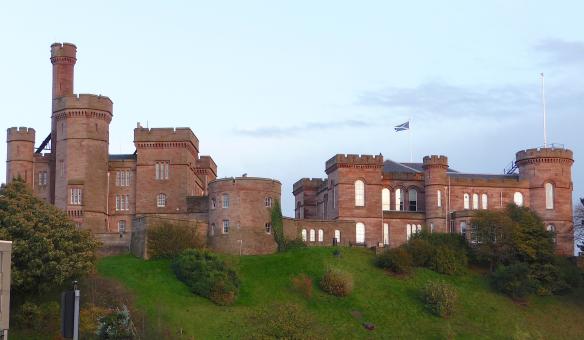
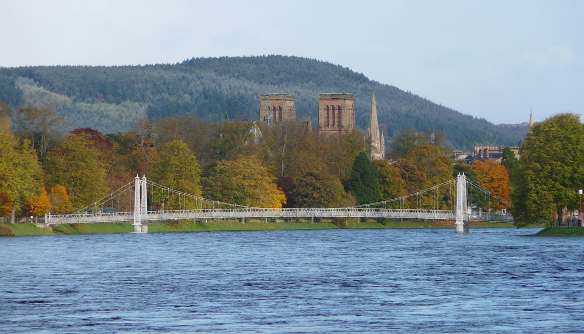
A succession of castles has stood guard over the river since 1057. Built in 1836, the magnificent red sandstone of Inverness Castle shone in the afternoon sunshine. It is now the Court house and not open to the public.
3.Inverness Castle

We had planned on a Loch Ness cruise for the next day but the weather was threatening inclemency so we decided to explore the Black Isle instead. Not far from Inverness, it is not actually an island, but a peninsula, surrounded on three sides by water. As well as gorgeous villages and towns, the highland scenery was spectacular.

4.Black Isle

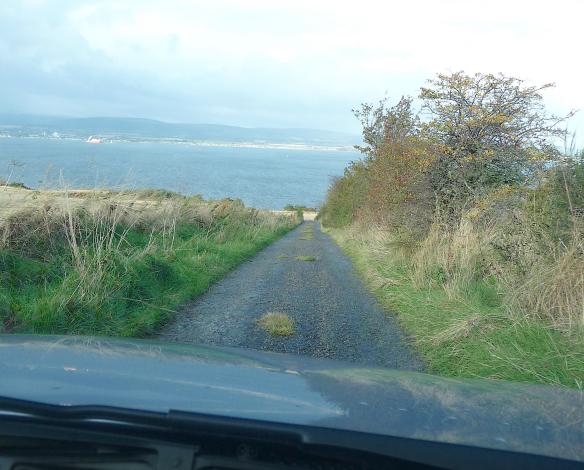
We had many issues with our satnav throughout our trip, we named her Holly (if you have ever seen Red Dwarf, you will understand why). She was adamant that this was a major road!

5.Black Isle

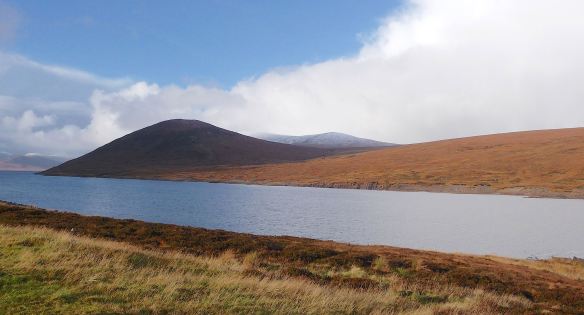
We had our sights set on snow-capped Ben Wyvis.

6.Black Isle7.Ben Wyvis

Unfortunately, Holly was not in the mood to co-operate and after negotiating a multitude of narrow mountain roads, we returned to Inverness.

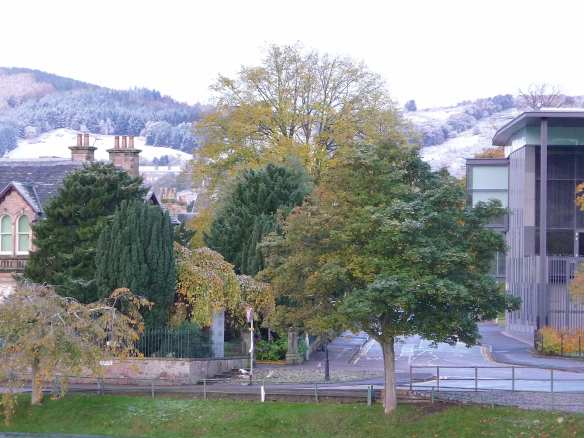
We awoke the following morning to a beautiful winter wonderland, an early snowfall.

11.Inverness

After breakfast, we wandered through the Ness Islands.

12.Ness Islands

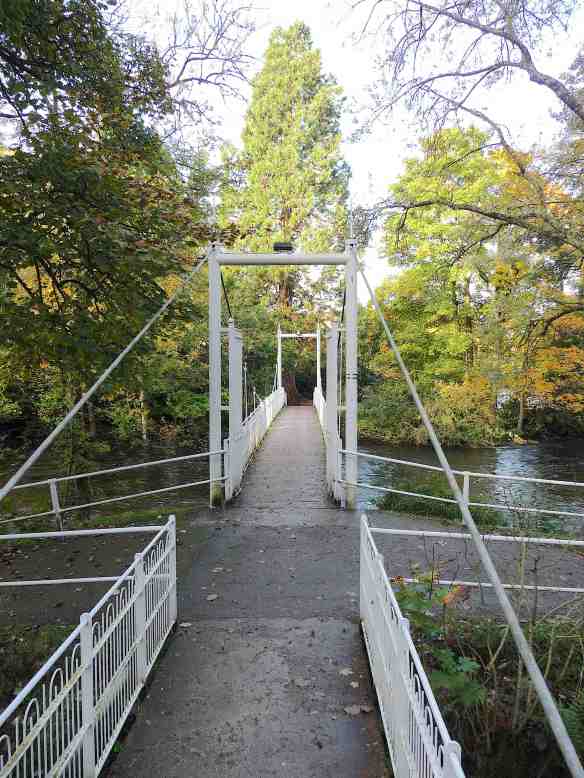
The two wooded islands are connected by footbridges

13.Ness Islands

and have been used as a public park since the 1840s.

14.Ness Islands

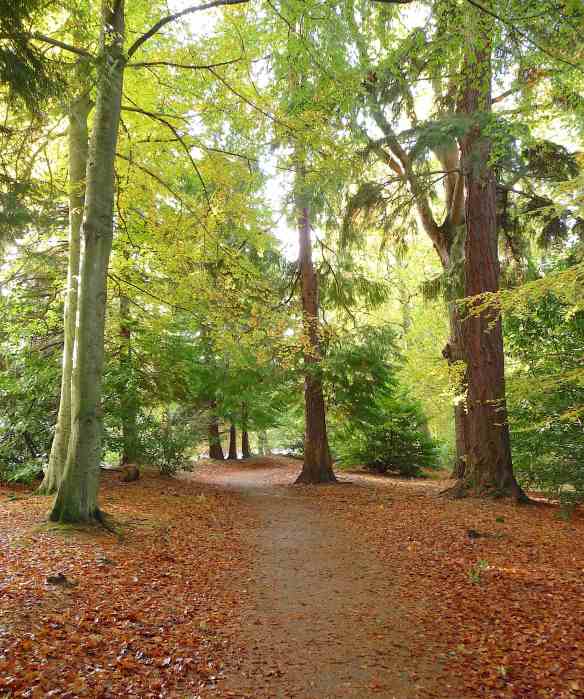
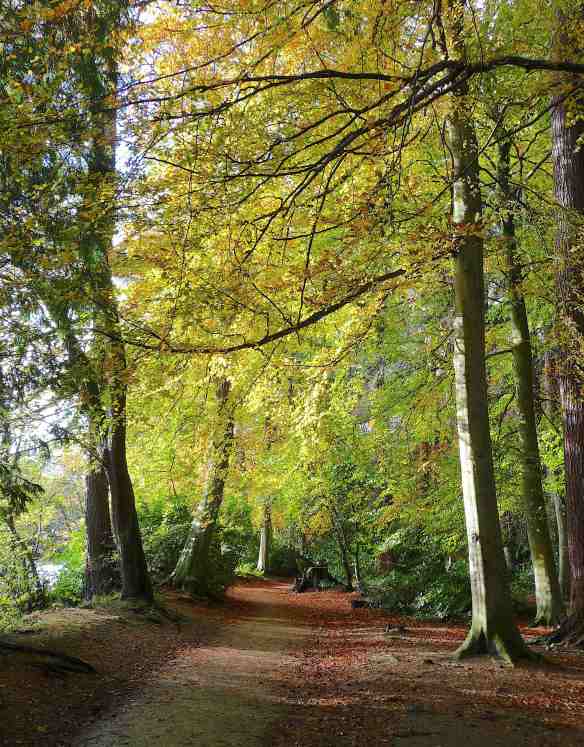
The walk in the crisp, fresh air amidst the stunning autumn foliage was a perfect start to the day.

15.Ness Islands16.Ness Islands17.Ness Islands18.Ness Islands

Reluctantly leaving Inverness, we continued our southward journey.

19.River Ness

Yallingup Reef

The coastline in the north of the Margaret River Region is spectacular. Our day trip began with a diversion to Yallingup Reef.

1.Yallingup Reef

We stood, mesmerized by the breaking surf and perfectly placed rainbow.

2.Yallingup Reef3.Yallingup Reef

A little further north, Yallingup Beach is famous for its legendary surf breaks. However, Yallingup Reef is well protected from the wind and the beach stays very shallow for a long way out.

4.Yallingup Reef

The granite rocks of the point surround it completely and the breaking waves are far from the beach.

5.Yallingup Reef6.Yallingup Reef7.Yallingup Reef8.Yallingup Reef

I can see why the Aboriginal name for this beautiful area means ‘place of love’.

9.Yallingup Reef


Spello

After consulting the map to plan another day trip from Il Castagno, we ventured across the border into Umbria. The warm day was overcast as we reached Spello, an ancient walled town that became a Roman colony, Hispellum, in the 1st century BC.

1.Portonaccio

The town walls and arched entrance gates are remarkably intact, we began our walk at Porta Consolare.

2.Porta Consolare

We were instantly enchanted by this place, with its beautiful architecture

and narrow, stone streets.

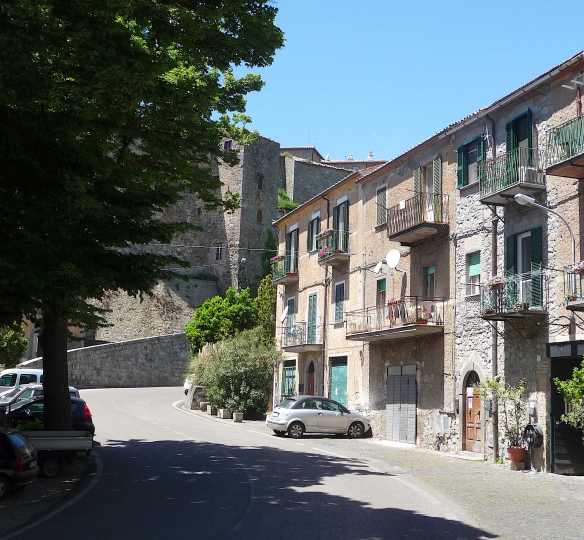
12.street

13.street

Magnificent arches led down intriguing alleyways.

We ambled our way to the top of the town, admiring the homes with more than a little envy.

Some windows had better views than others,

and, of course, those fabulous Italian doors were countless.

The most impressive doorway was that of the Baglioni Chapel, part of the Church of Santa Maria Maggiore.

44.Baglioni Chapel

The chapel is adorned with well preserved frescoes, painted by Pinturicchio in 1500AD, none of which I photographed.

45.Baglioni Chapel

There was so much to admire in this wonderful, ancient town.

Porta dell’ Arce, a double limestone arc, was the original northern entrance to the Roman city.

We made our way back to the lower end of town, not forgetting to investigate the shops

59.Spello

and admire the spectacular scenery along the way.

66.view