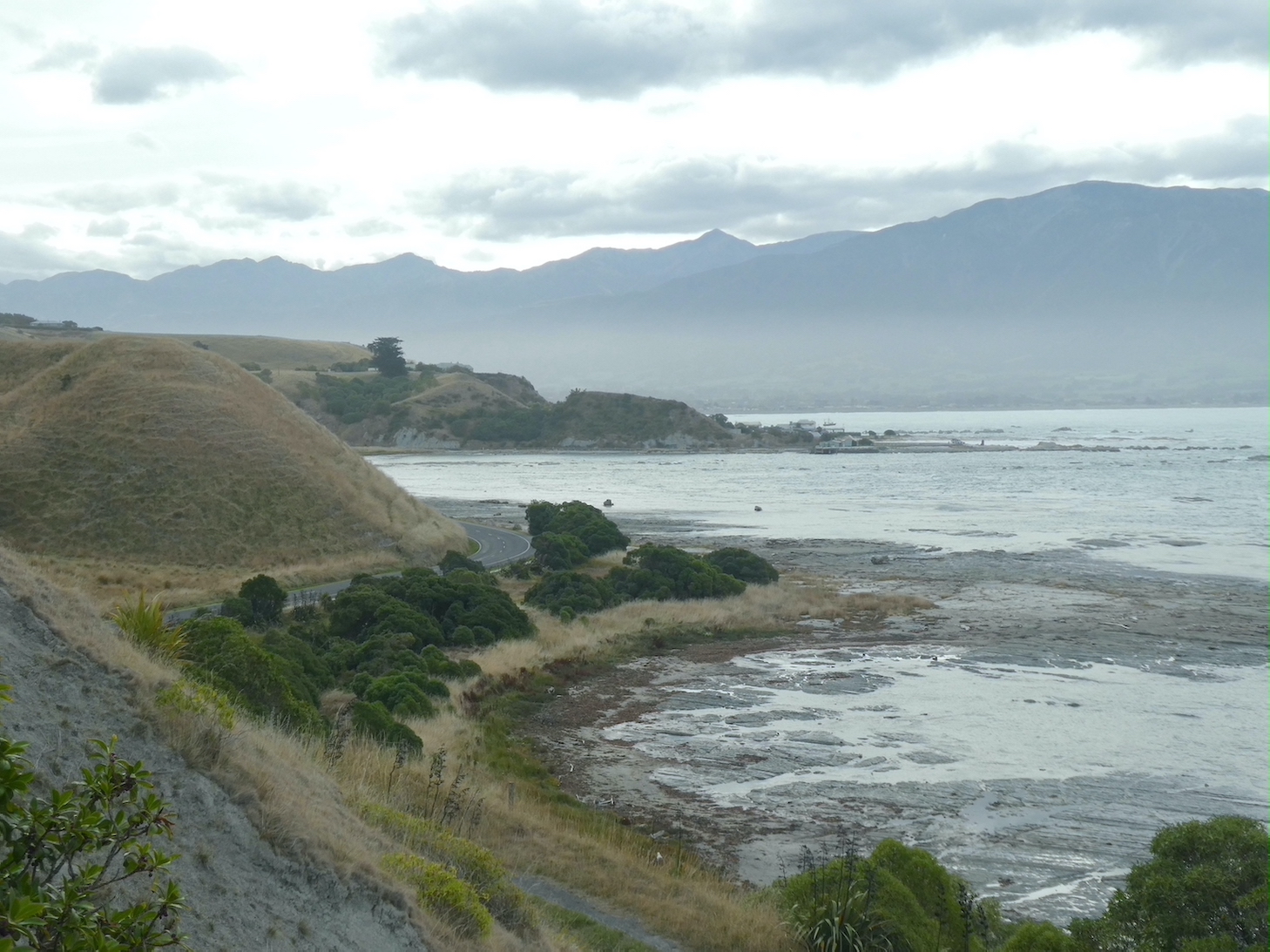
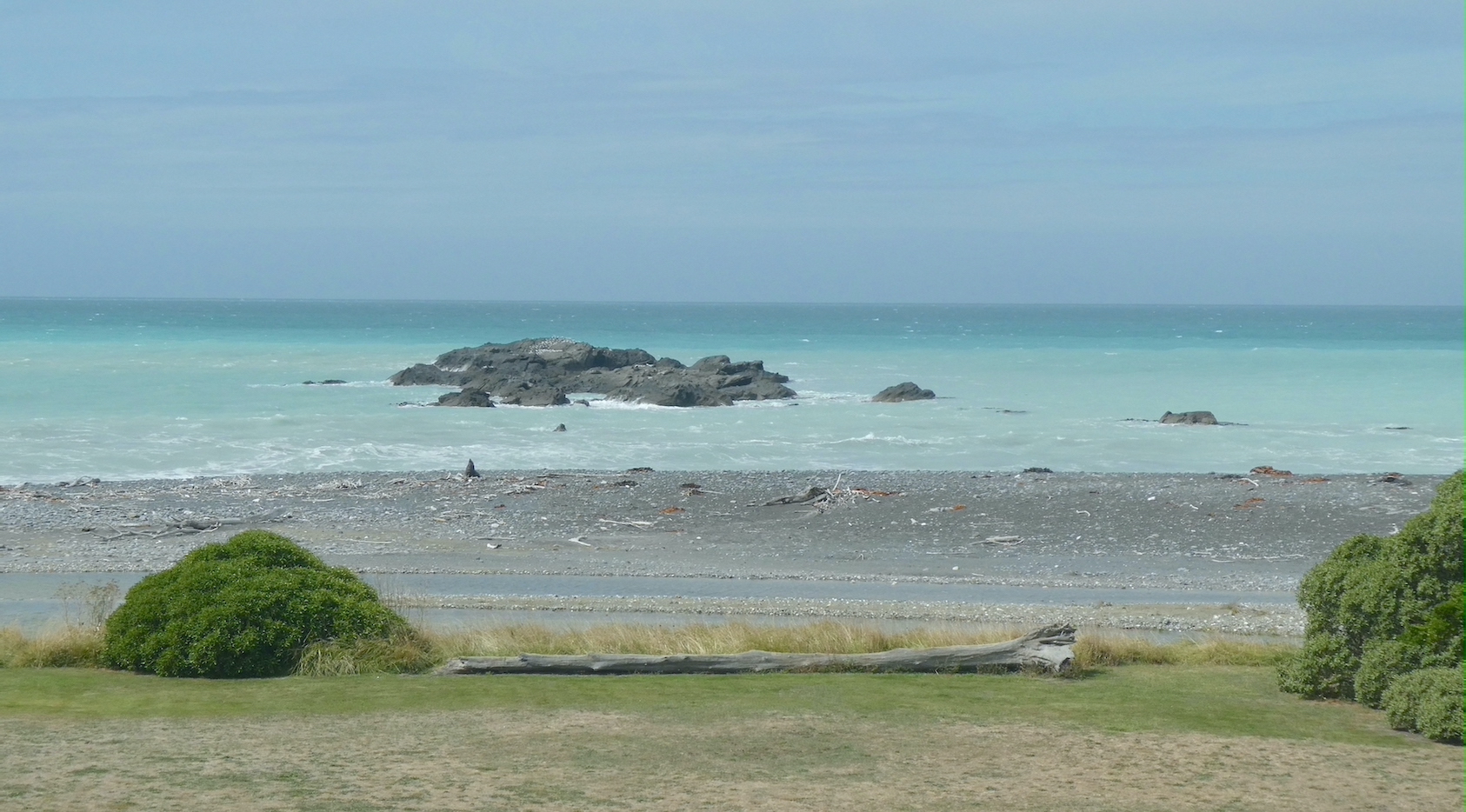
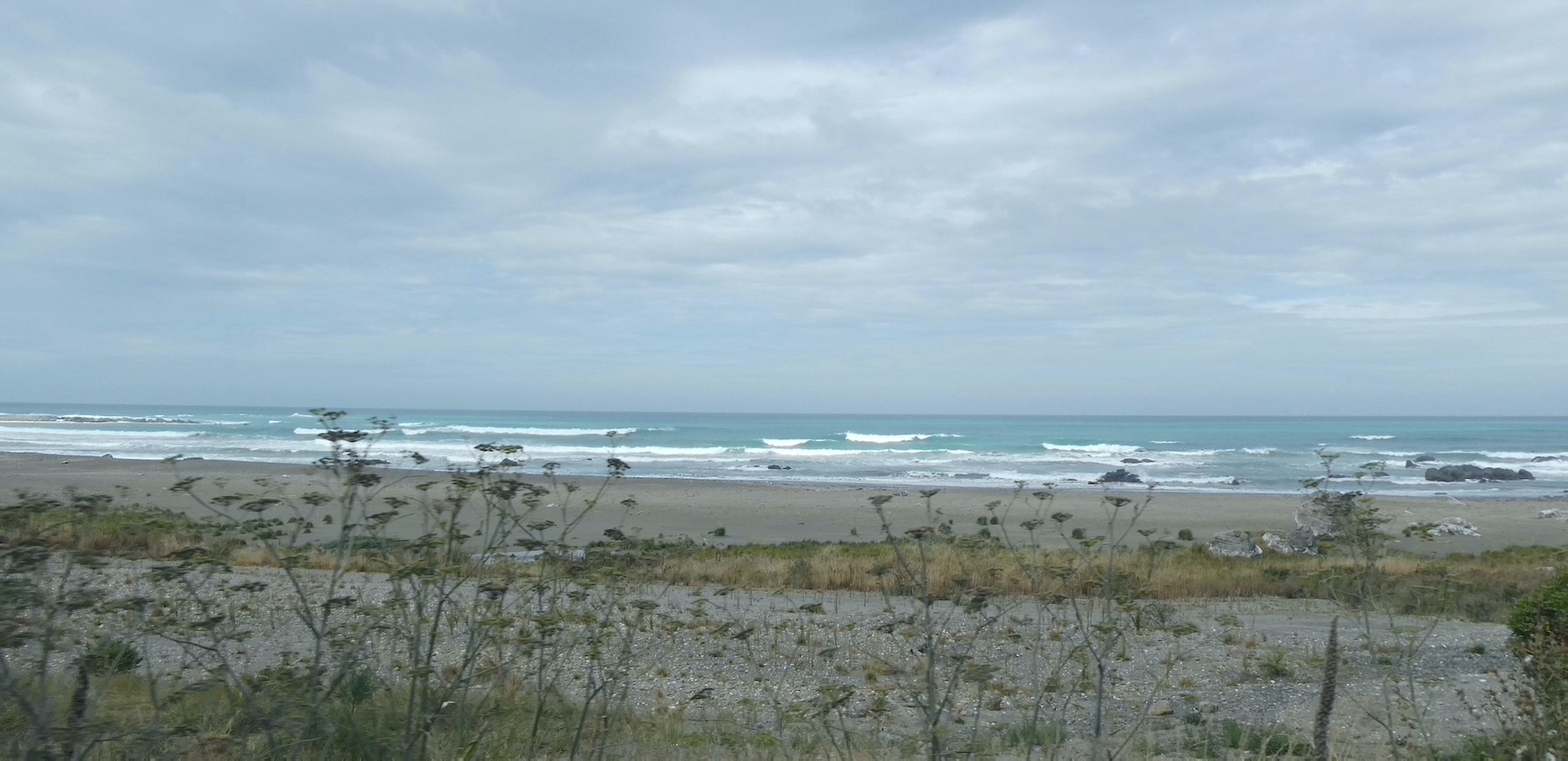
After feeding the farm animals at Wacky Stays, we drove to the Kaikoura Peninsula to visit the Point Kean seal colony. The view was spectacular looking back towards Kaikoura township and Armers Beach with the Seaward Kaikoura Range in the distance.
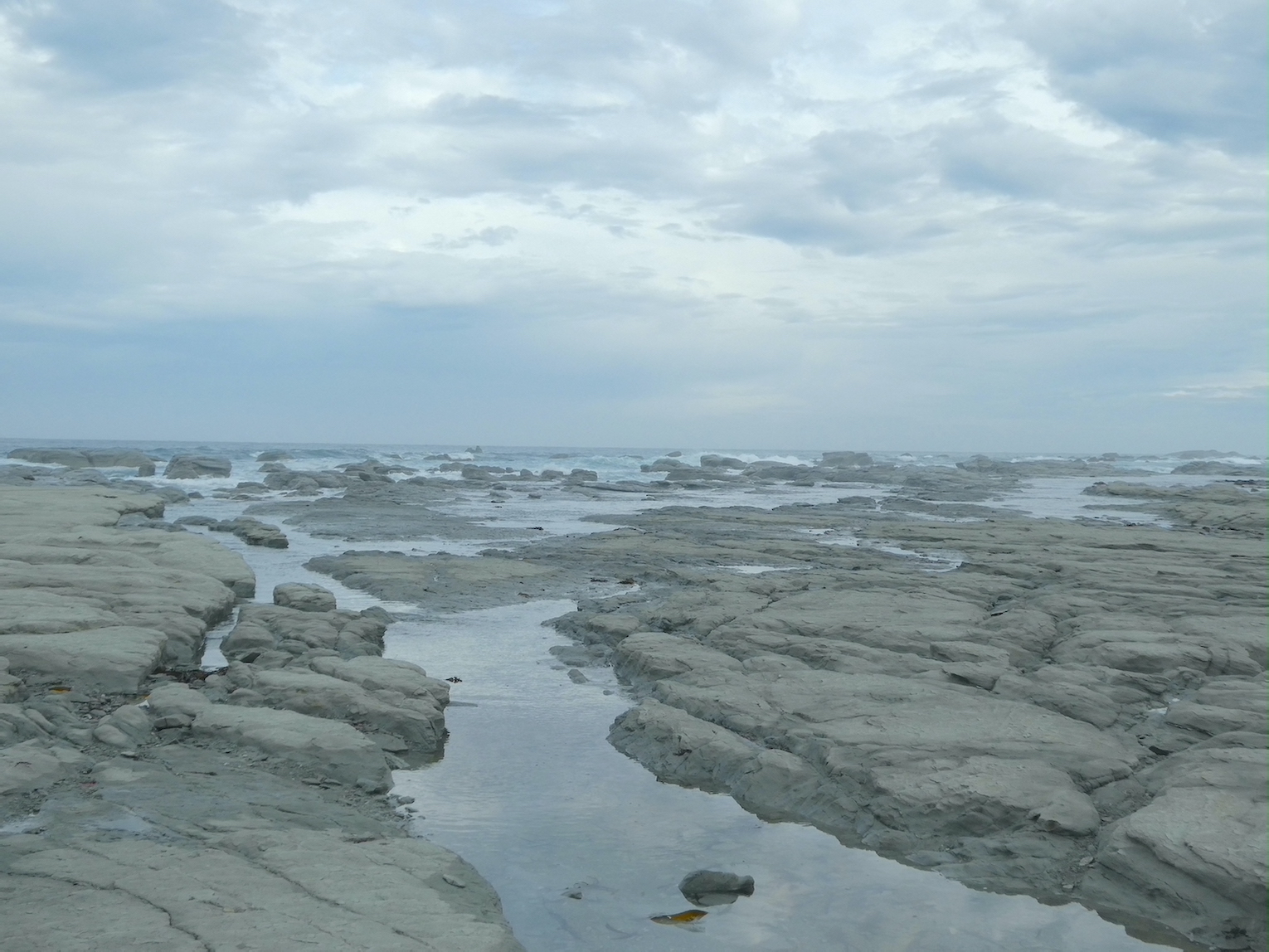
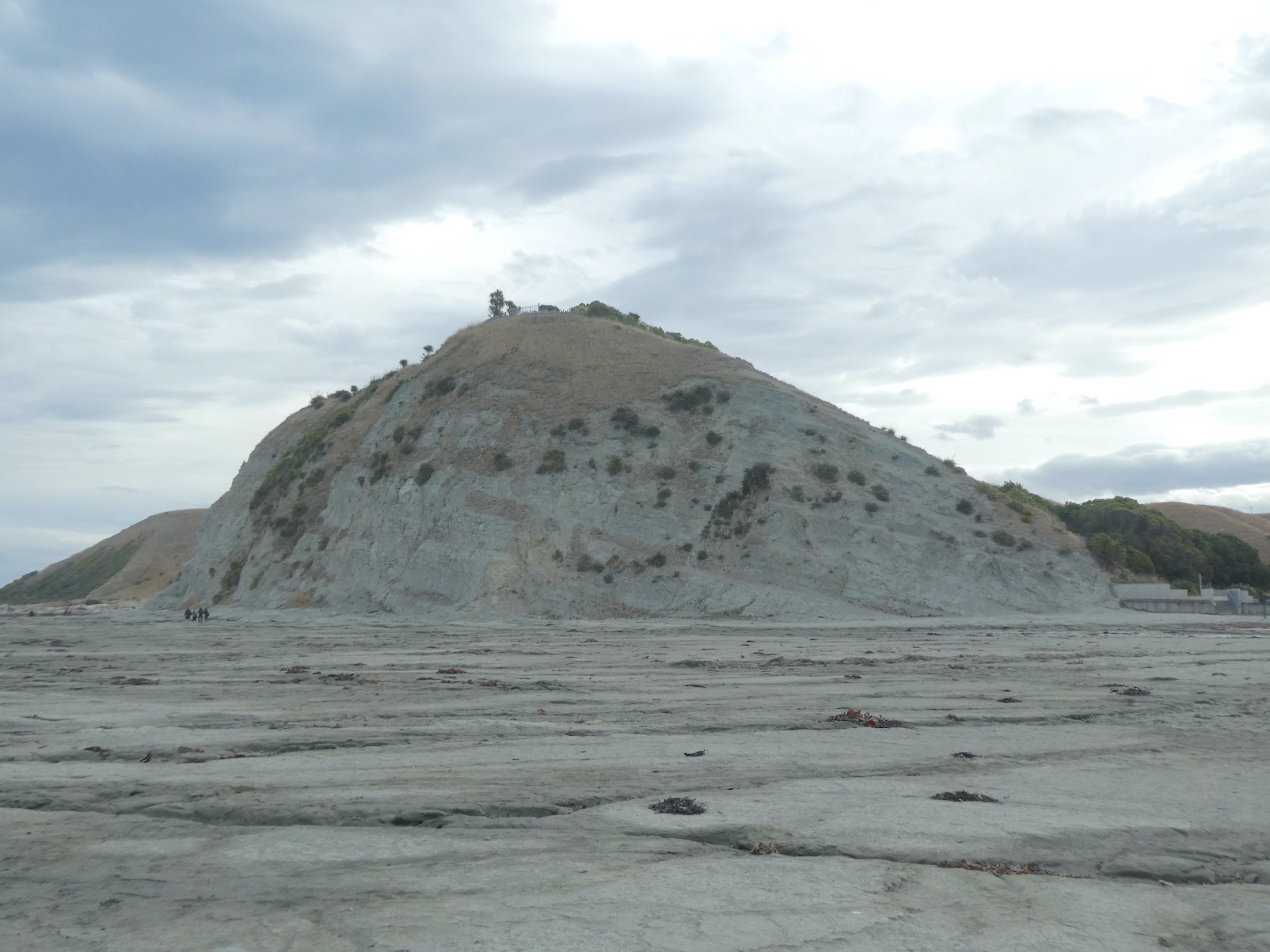
Major coastal uplift during the devastating earthquake of 2016 means areas of Point Kean Reef that were once the seabed are now visible. Kaikoura Peninsula sits right on the fault line that bisects the South Island of New Zealand. Not only did the ocean bed rise by up to two metres, the Seaward Kaikoura’s are some of the fastest growing mountains in the world.
While busily scanning the rocks for a glimpse of the seals
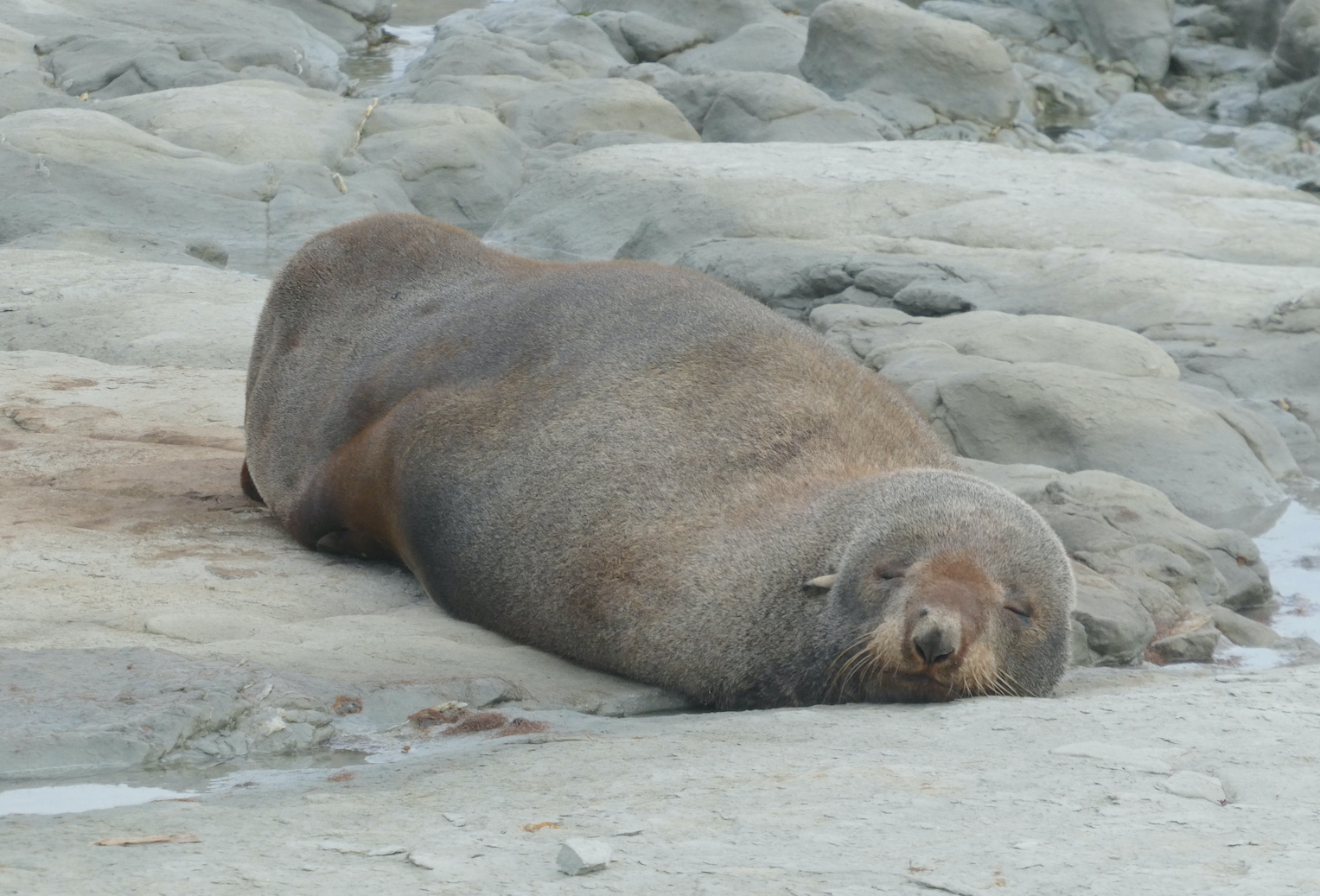
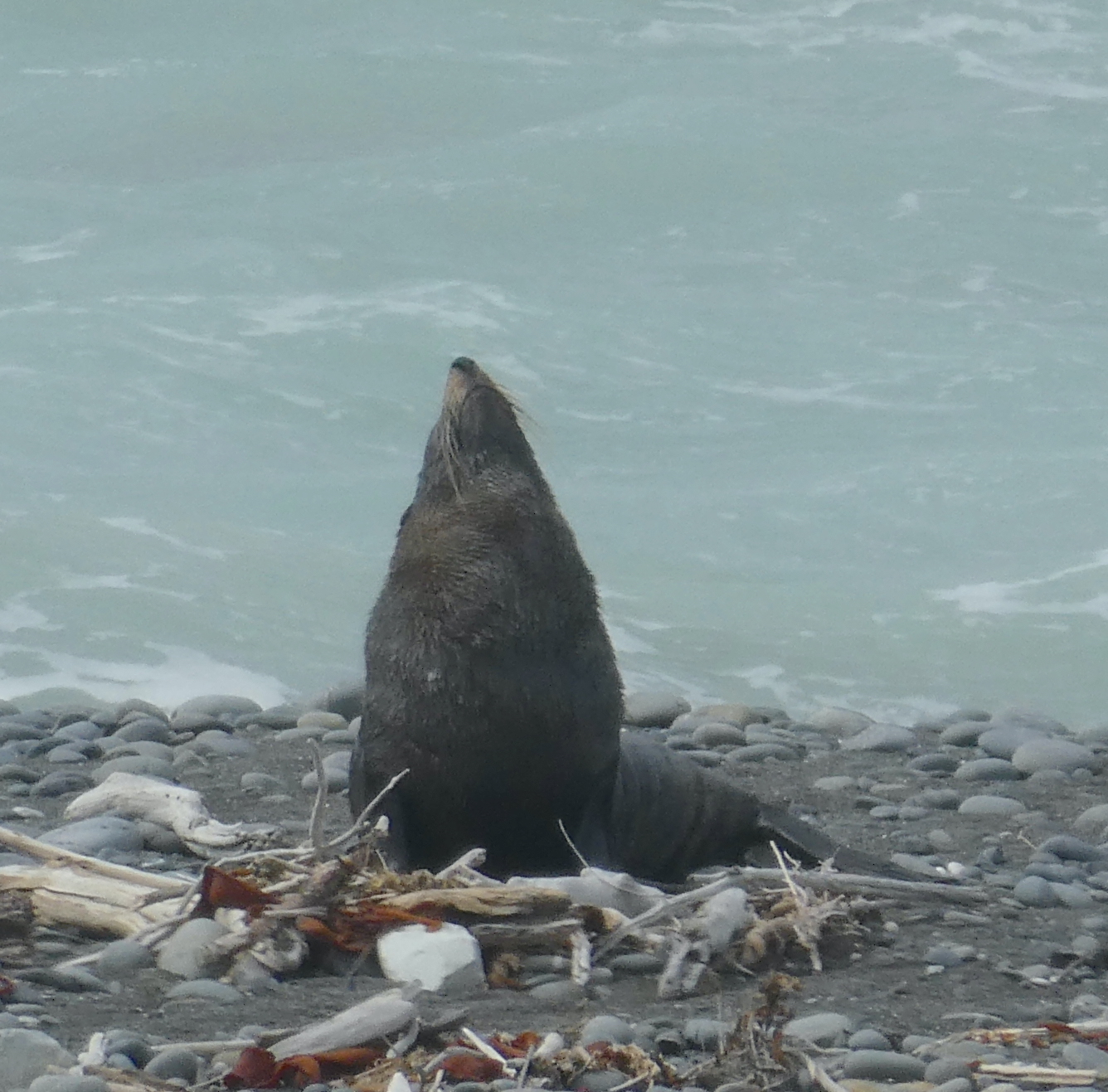
we almost missed the one basking right by our feet.
The New Zealand fur seal, known as kekeno in the Māori language, is smaller and darker in colour than its Australian cousin. Decimated by commercial sealing in the late 18th and early 19th centuries, numbers have now recovered and continue to increase.
We explored more of the reef
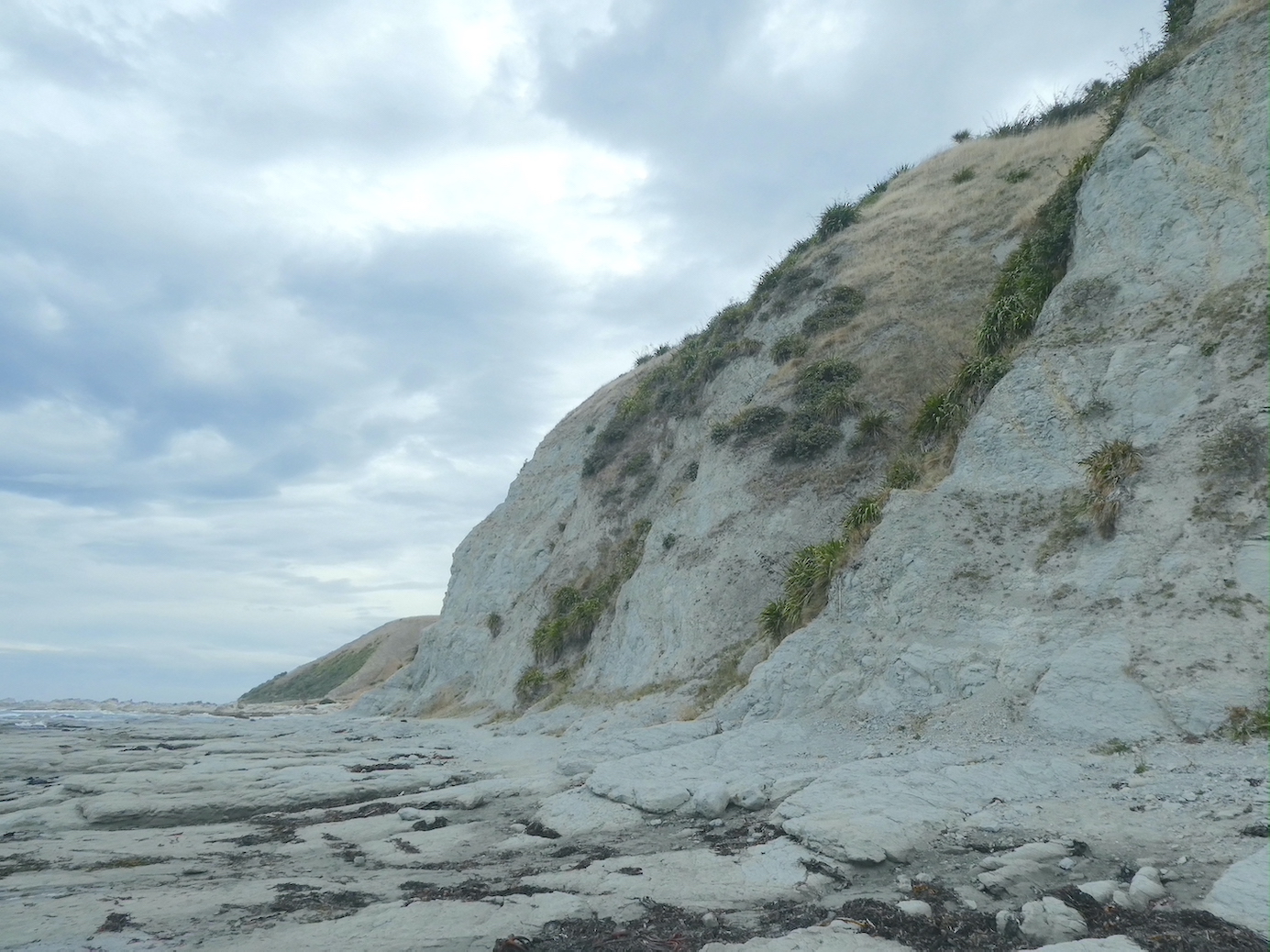
before climbing the steep incline to Point Kean Lookout .
The stunning coastline and fascinating rock formations can really be appreciated from the lofty vantage point.
There are further walking trails along the clifftops we would have liked to follow but with evening approaching, it was time to seek out some fish’n’chips.
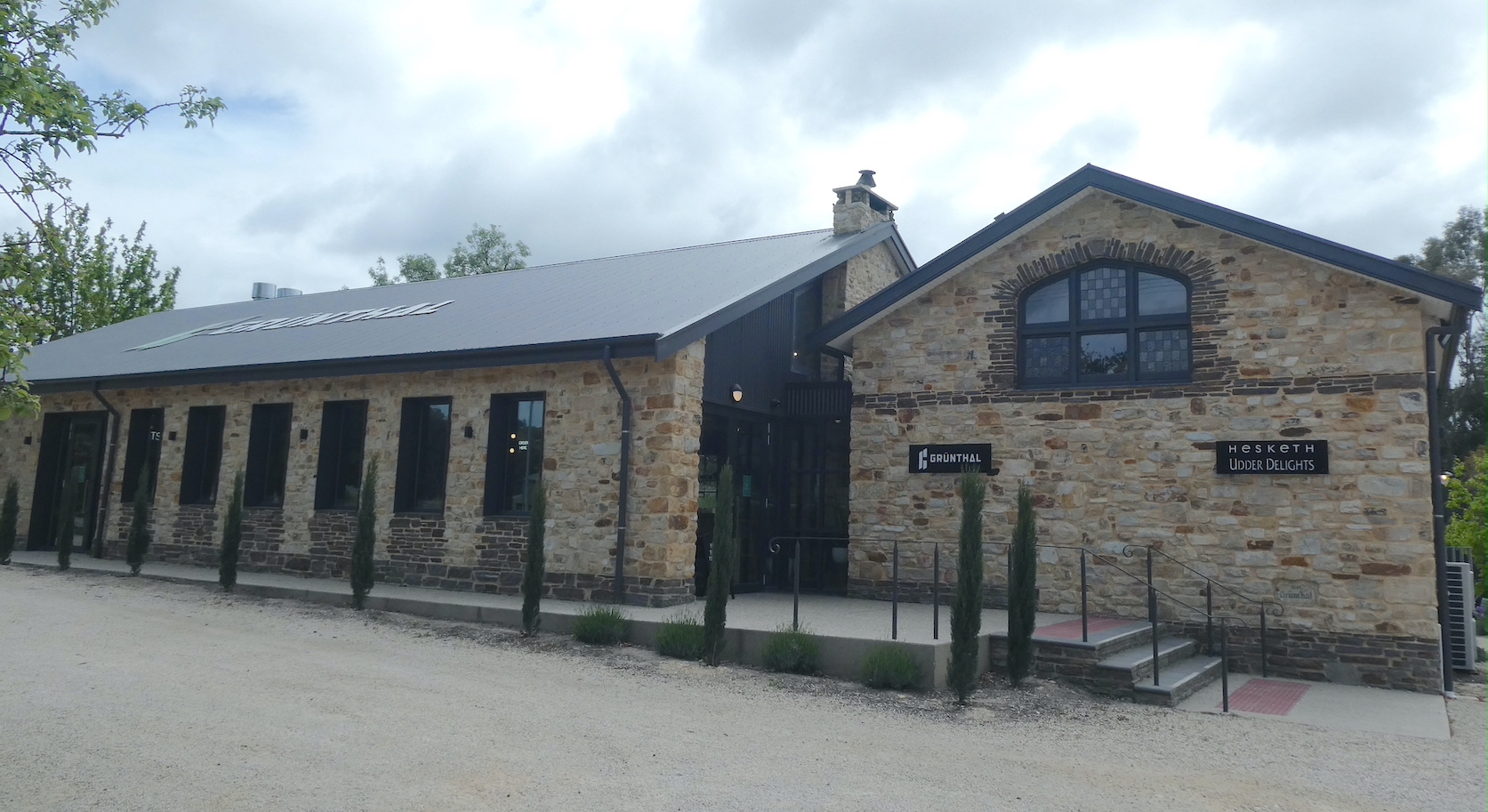
We have many fond memories of times spent in Grumpy’s Brewhaus at Verdun in the Adelaide Hills, not least the evening of our farewell in November 2008 before relocating to Tasmania. Tragically, fire gutted the restaurant in 2016 and, although the brewery survived, it was the end of Grumpy’s. The site remained undeveloped for nearly five years until new owners realised their vision for the historic venue.
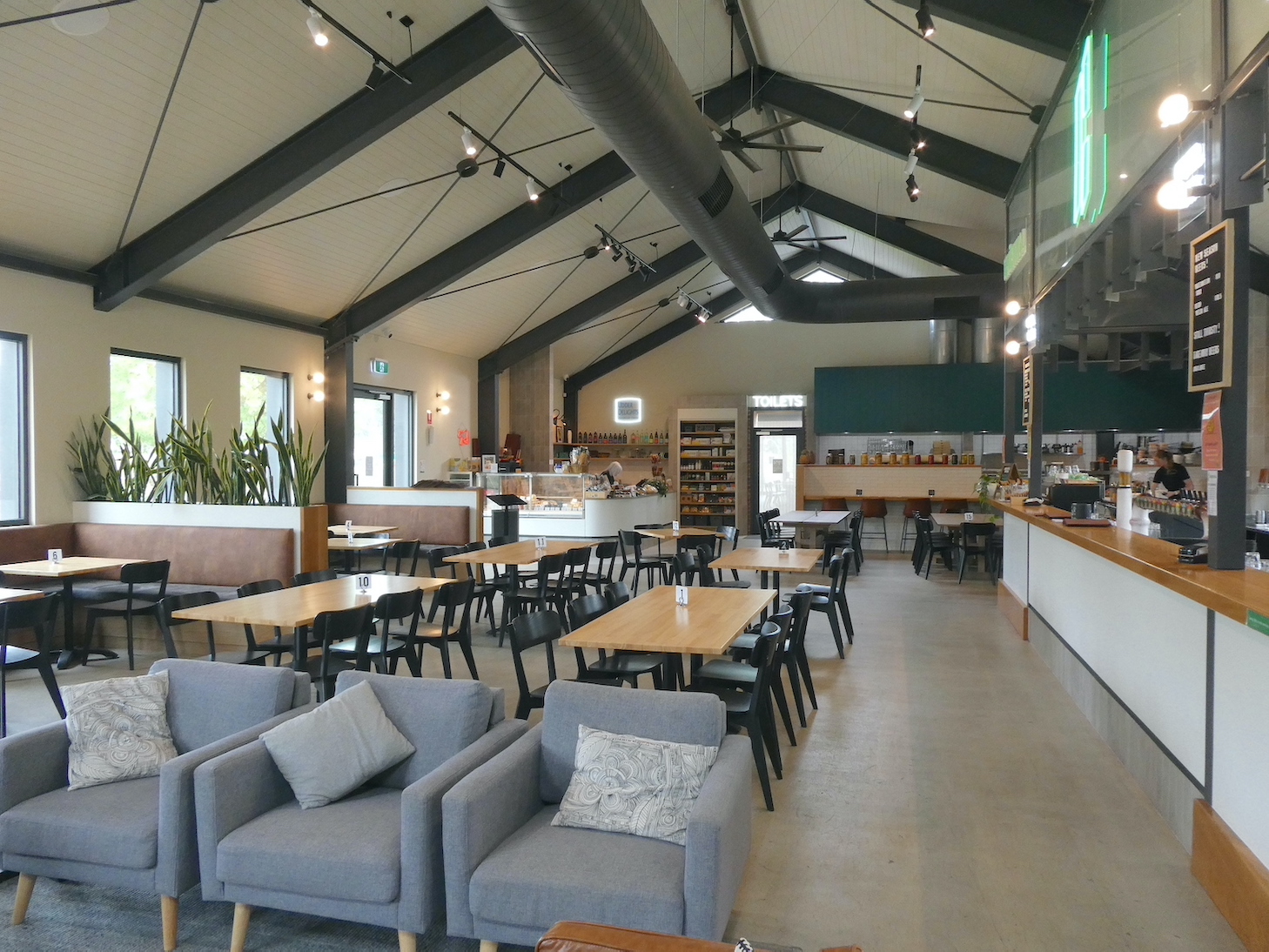
While in Adelaide recently, we visited the new incarnation, Grünthal, the name given to Verdun by the original Prussian settlers meaning Green Valley. The expansive restaurant space offers a variety of seating options as well as a conservatory for private functions.
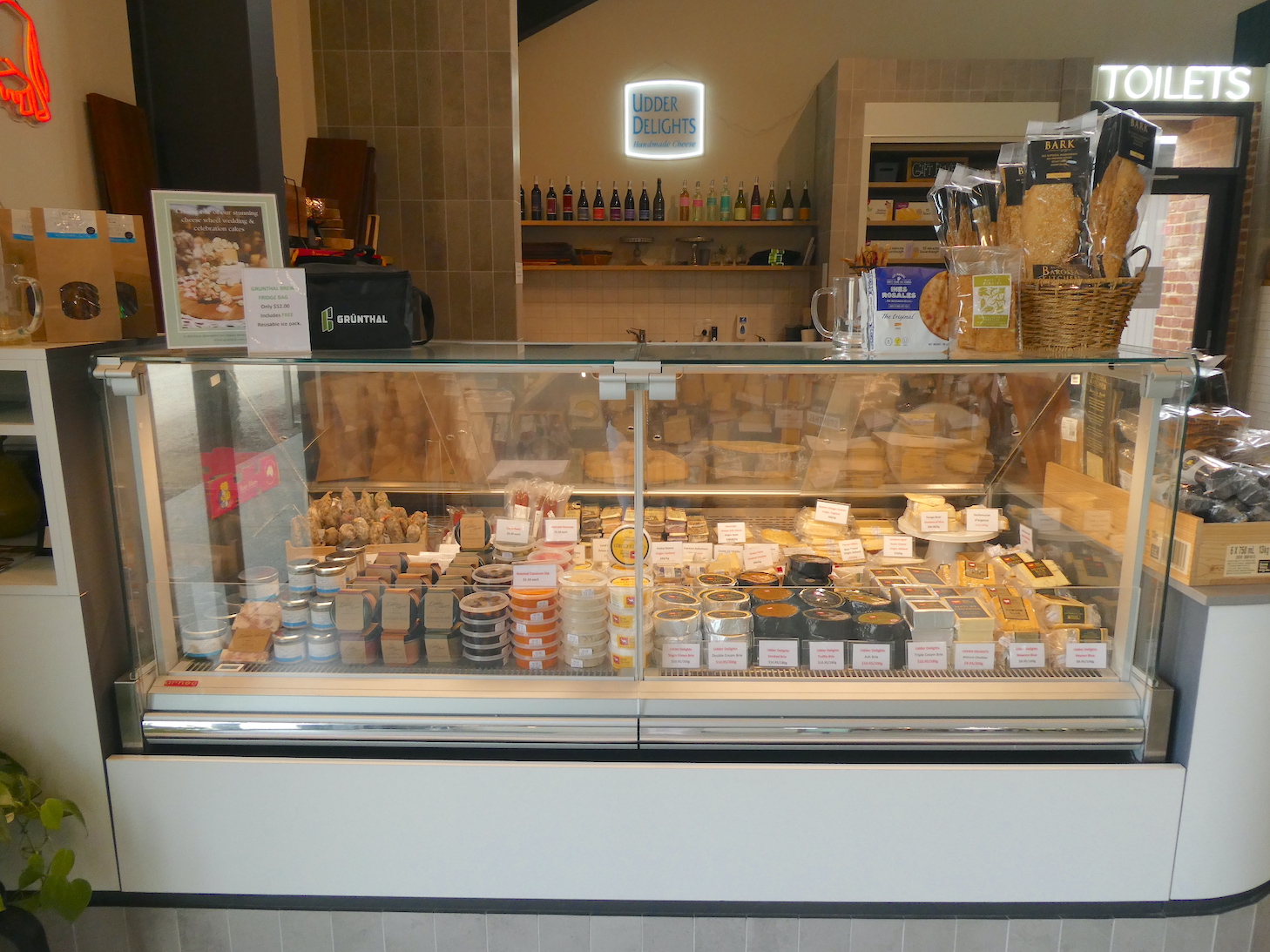
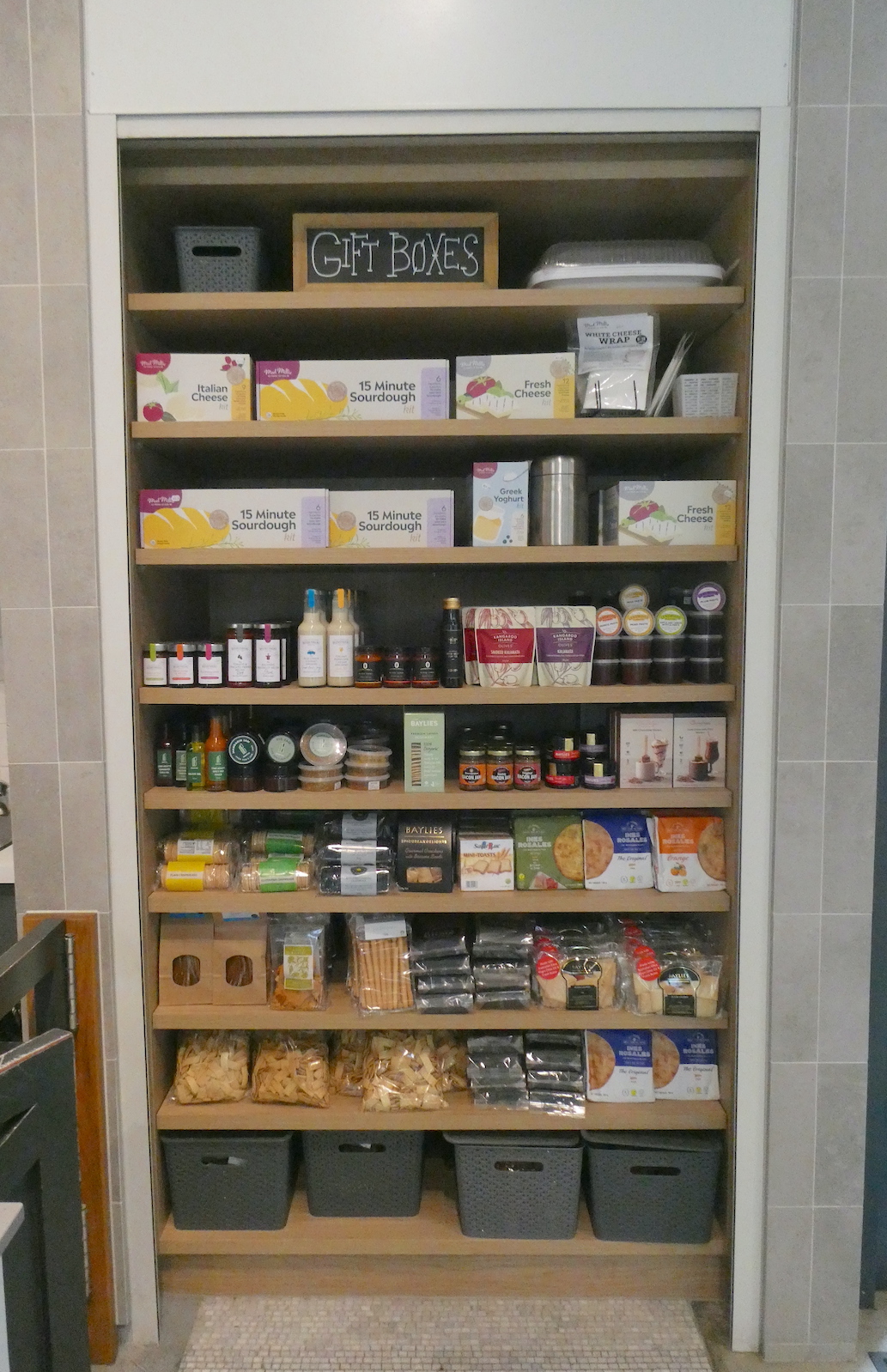
Saul and Sheree Sullivan already had years of experience creating specialty cheeses at their Udder Delights factory, also in the Adelaide Hills, before Saul decided to try his hand at the art of beer brewing. A wondrous display of local smallgoods, patés, terrines, crackers, honeys and delicious produce greeted us at the door.
Complimentary cheese tastings are offered daily and despite a looming lunch engagement elsewhere, we couldn’t resist a nibble and chat.
For those not enamoured with the amber brew, a comprehensive range of colourfully labelled Hesketh Wines are available at the bar. The family owned winery sources fruit from premium South Australian wine estates, making the most of the individual strengths of different growing regions.
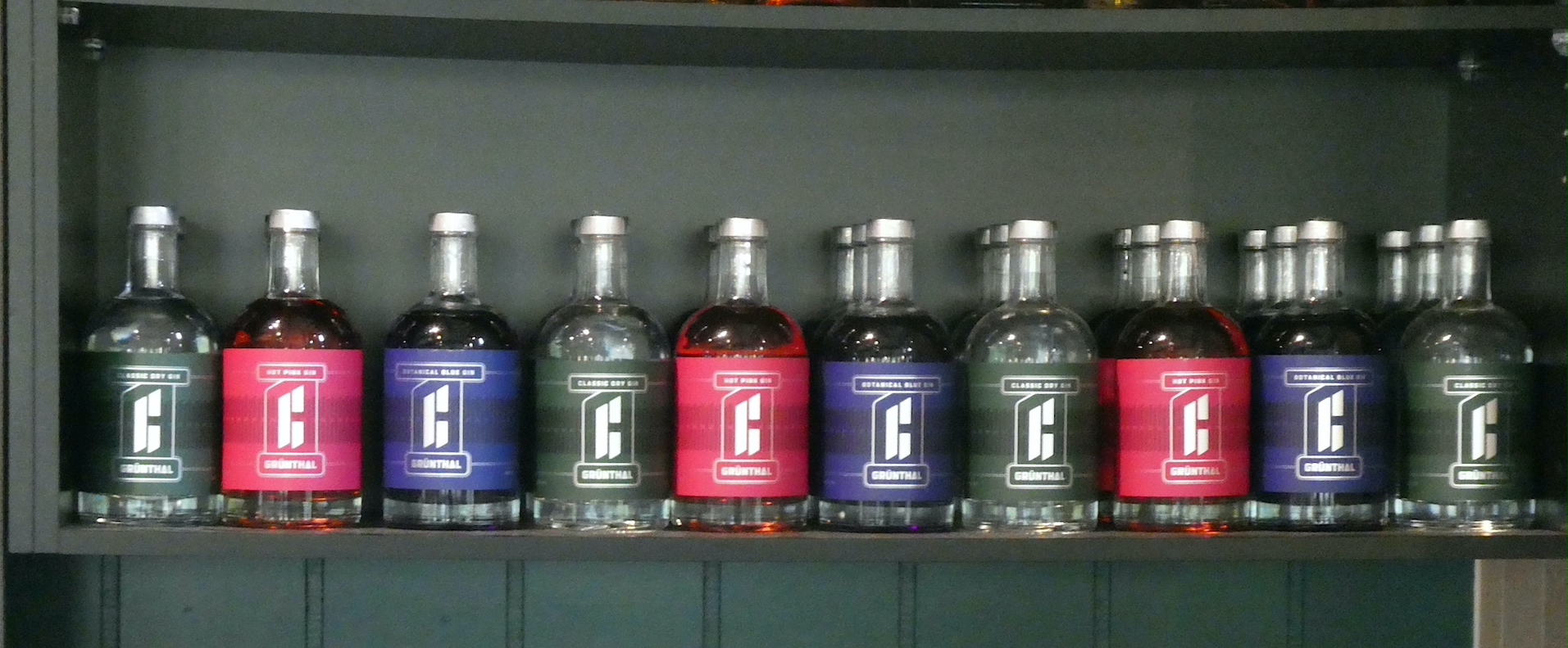
While Sheree works with an offsite distiller to produce Grünthal gins,
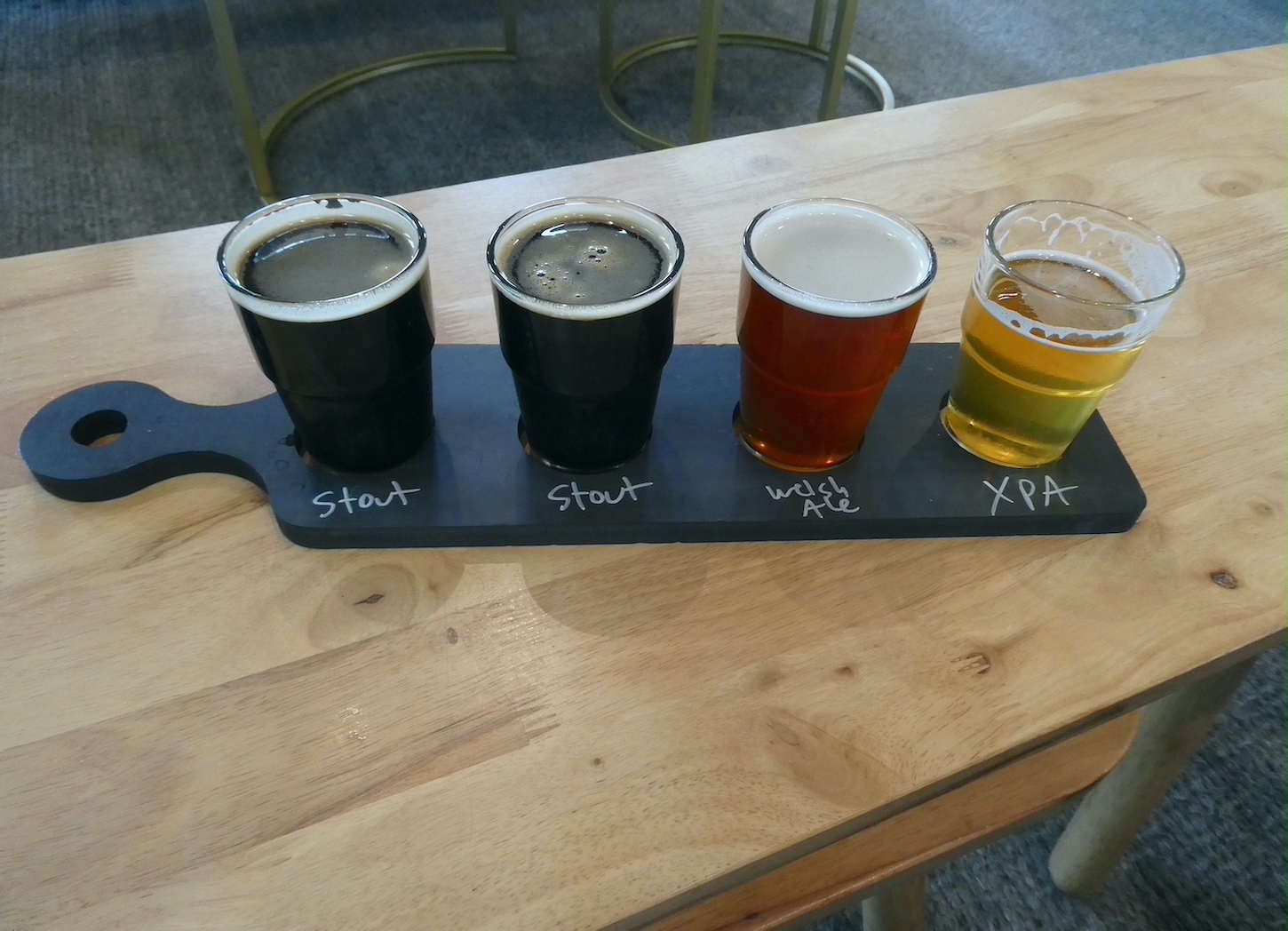
Saul’s dedication in the brewery can be found on tap.
We selected a tasting paddle (with driving duty, I restricted myself to a small stout) and made ourselves comfortable.
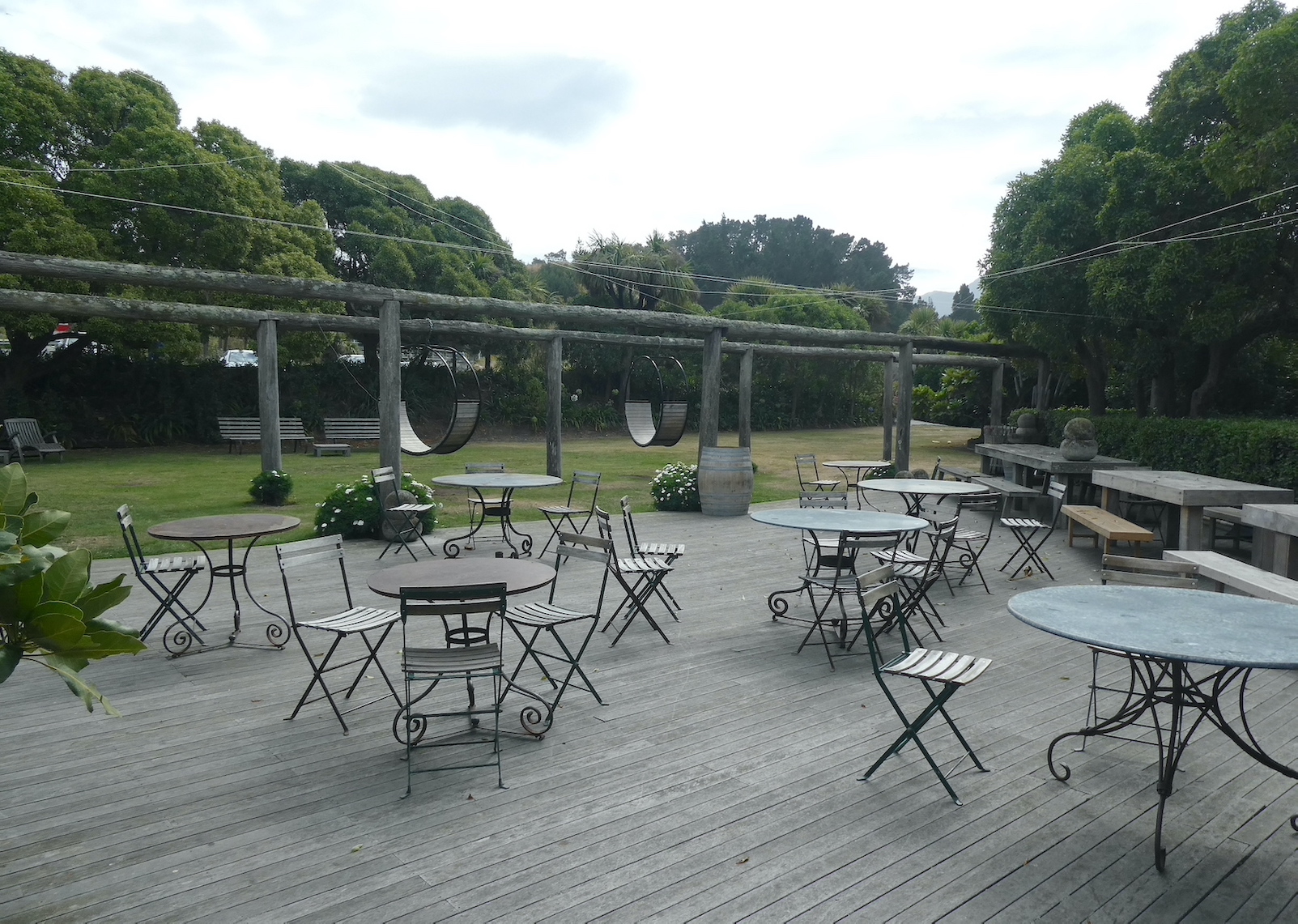
While Michael finished his breakfast, I wandered outside to peruse the grounds and outdoor seating options.
I’m so pleased we were introduced to Grünthal, they have done Grumpy’s proud.
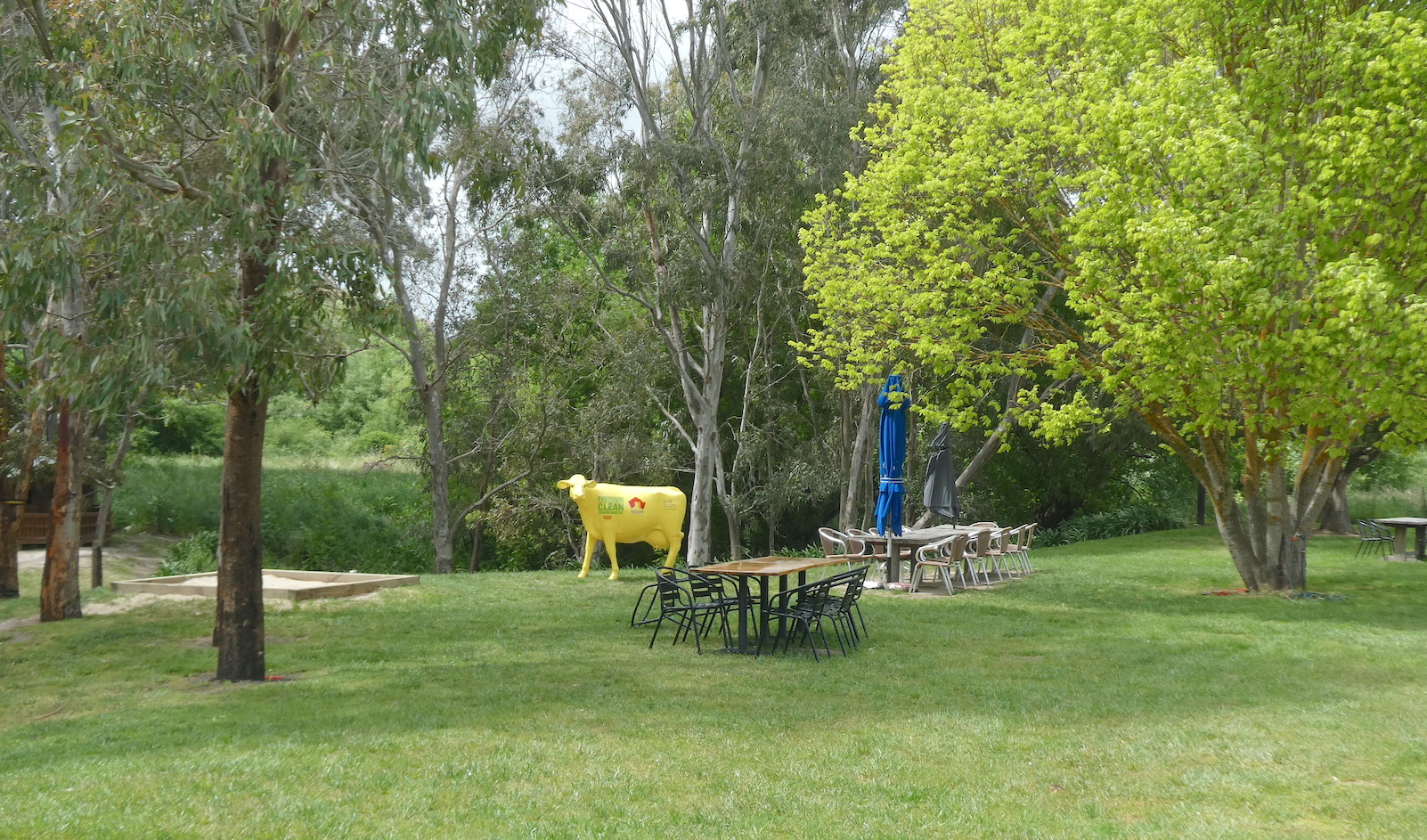
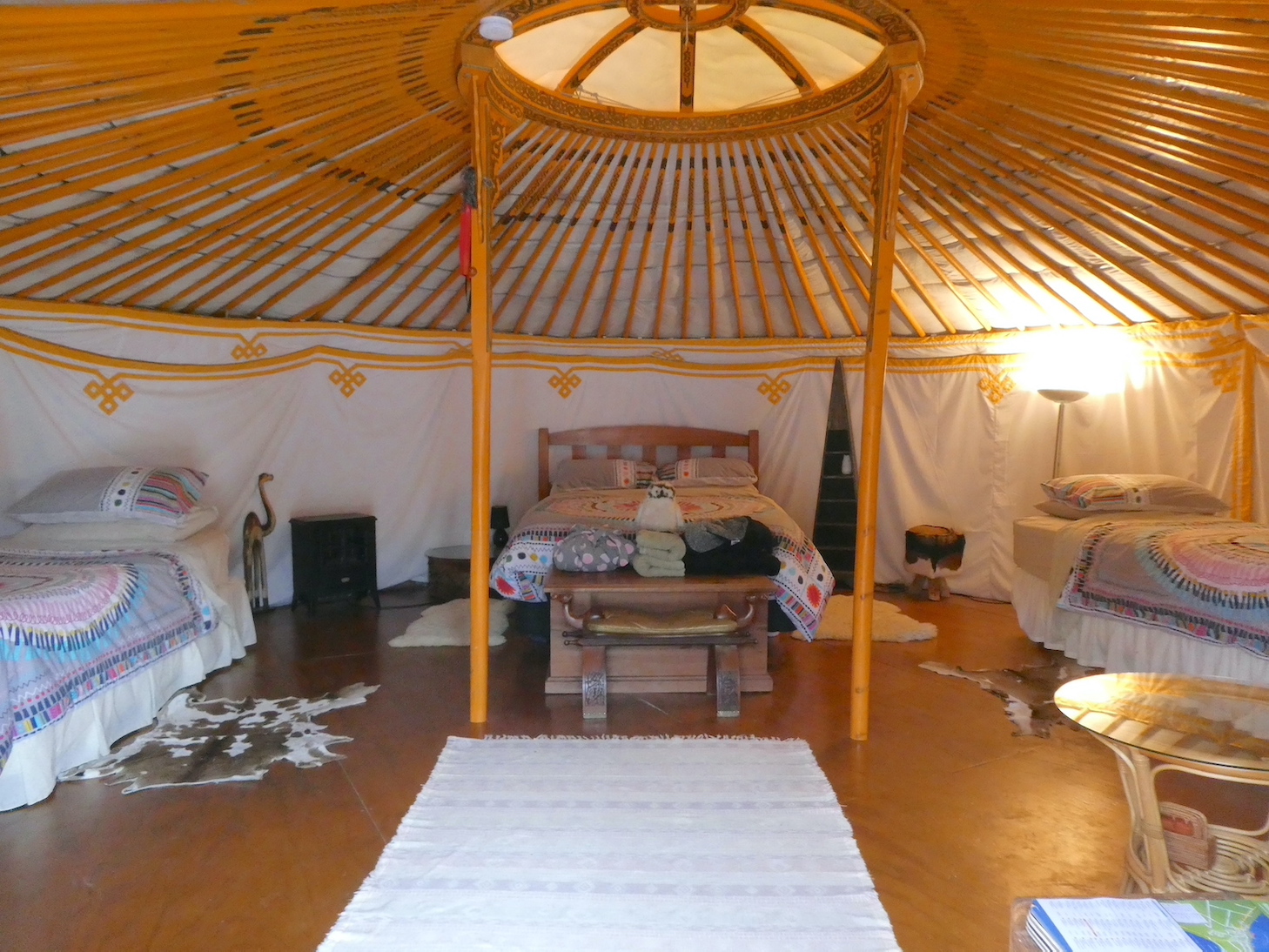
I’ve always wanted to stay in a yurt and the opportunity to realise my dream arose in Kaikoura. I stumbled upon Wacky Stays when searching for accommodation and, though tempted by the other five unique offerings on the property, I snapped up the yurt. It was obvious on arrival at the farm that this was going to be a memorable stay.
Our friendly host, Kevin, greeted us and showed us to our comfy nook and adjacent private bathroom.
The seven-metre Mongolian yurt was spacious and comfortable and could easily house a family.
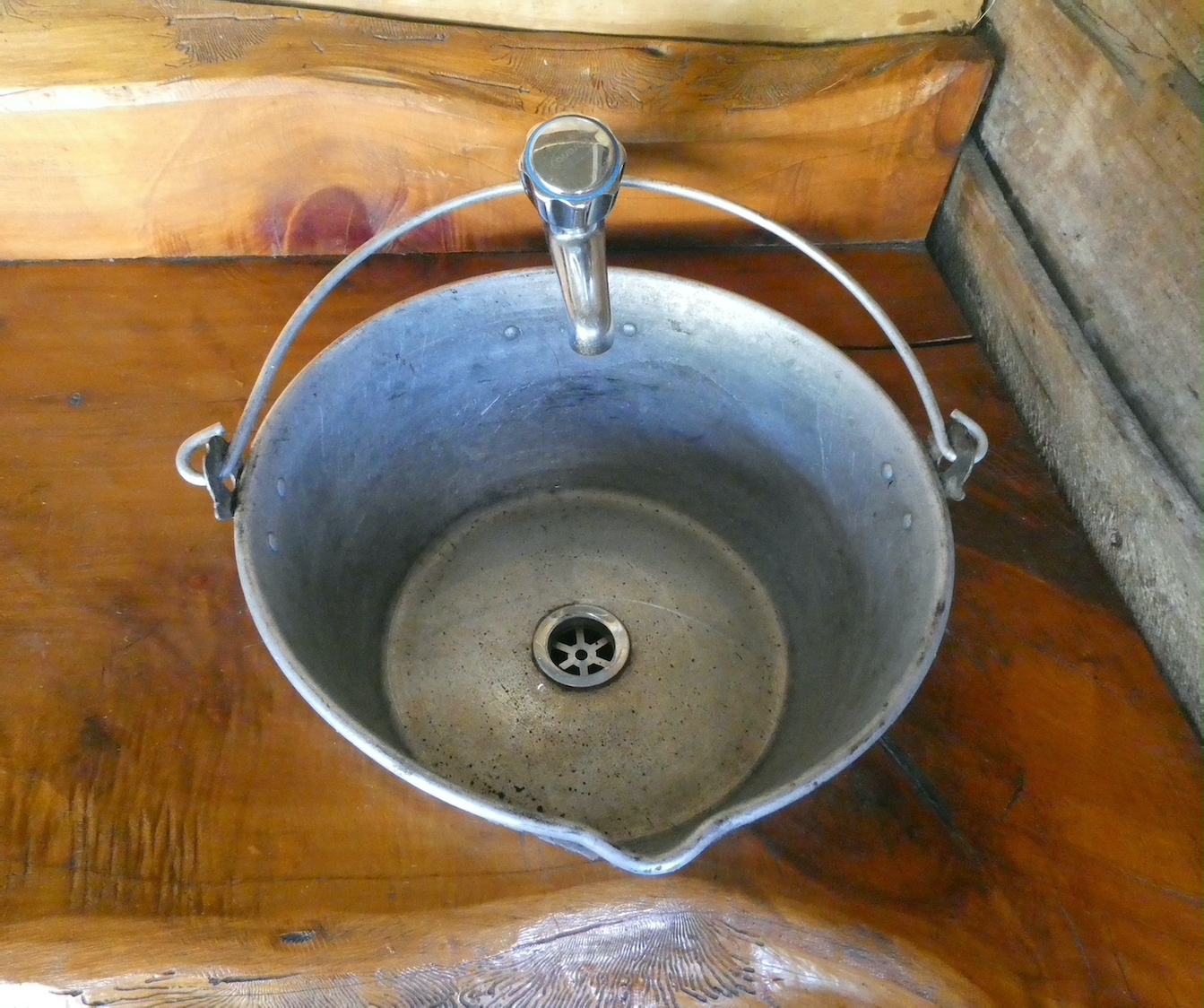
The bathroom and fully-equipped outdoor kitchen had all we could need.
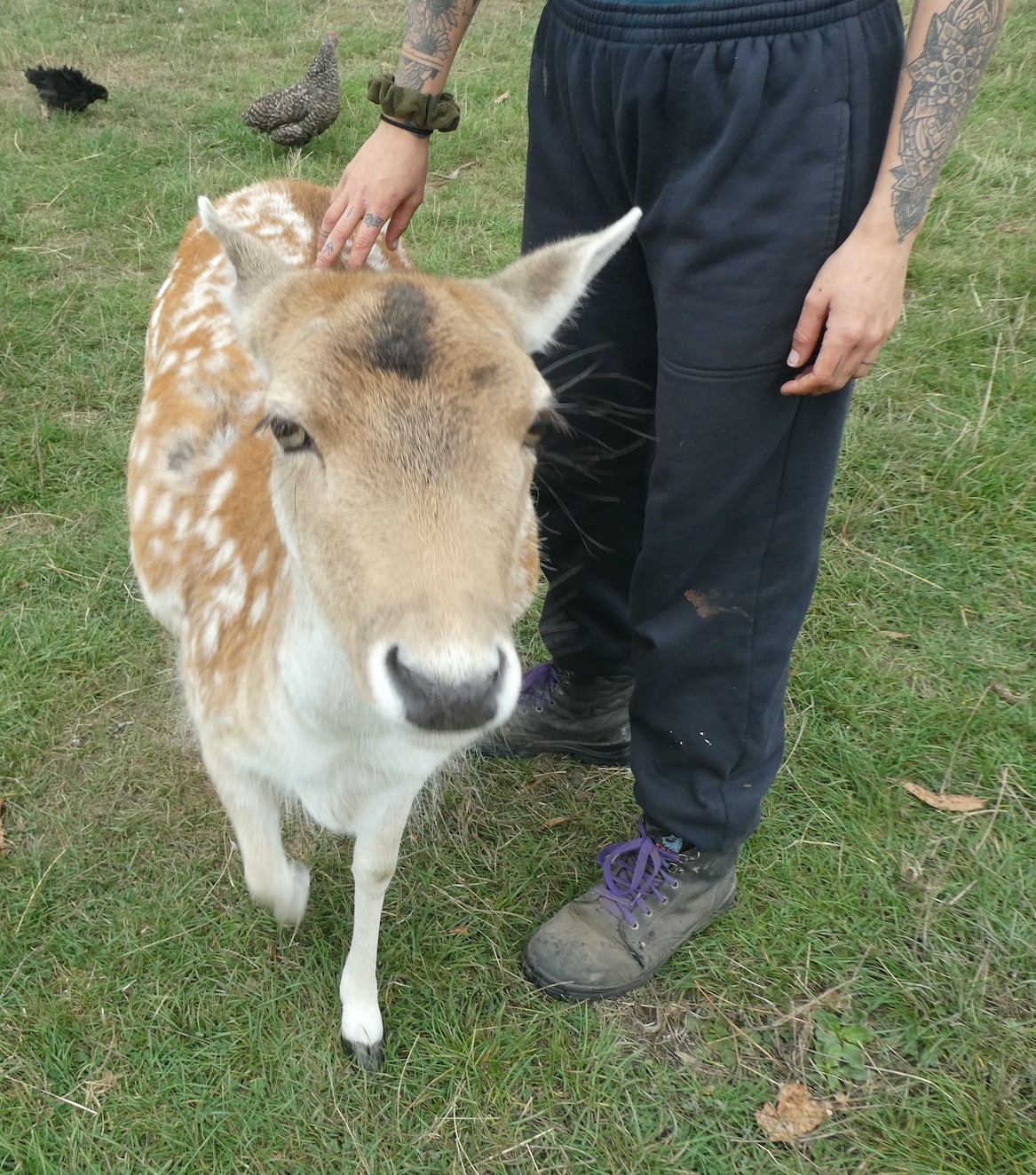
Each afternoon, guests are invited to join in the hand-feeding of the farm animals. Of course, we couldn’t resist that.
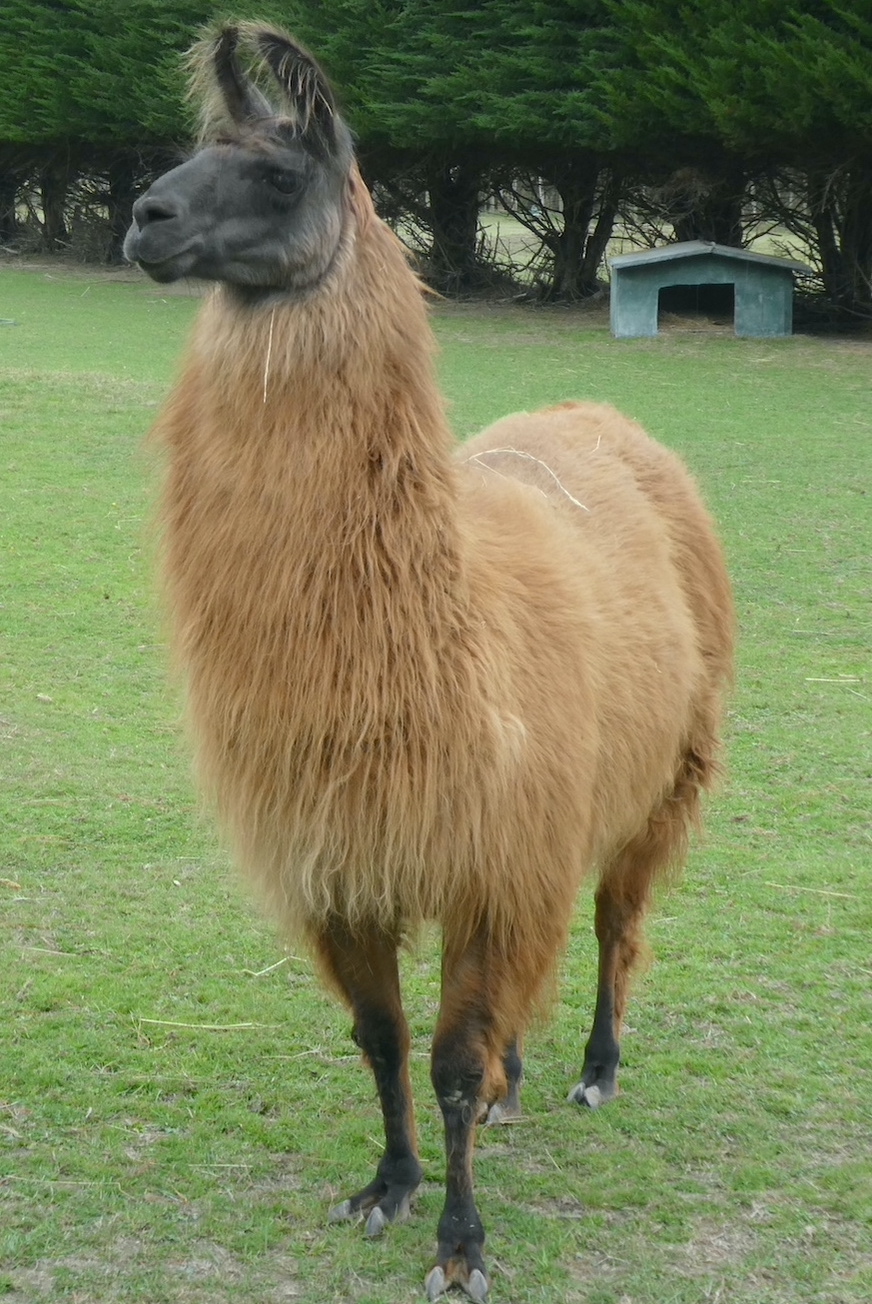
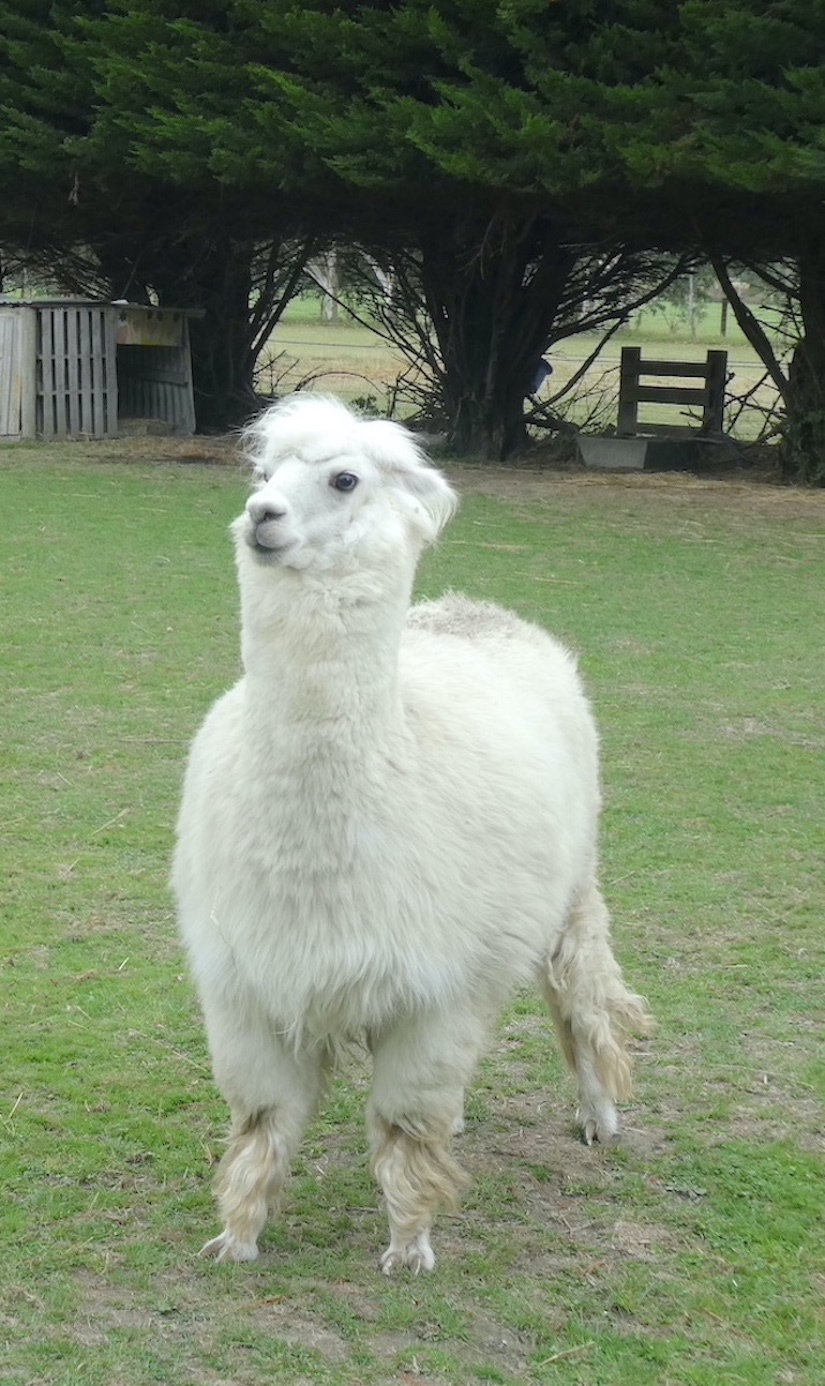
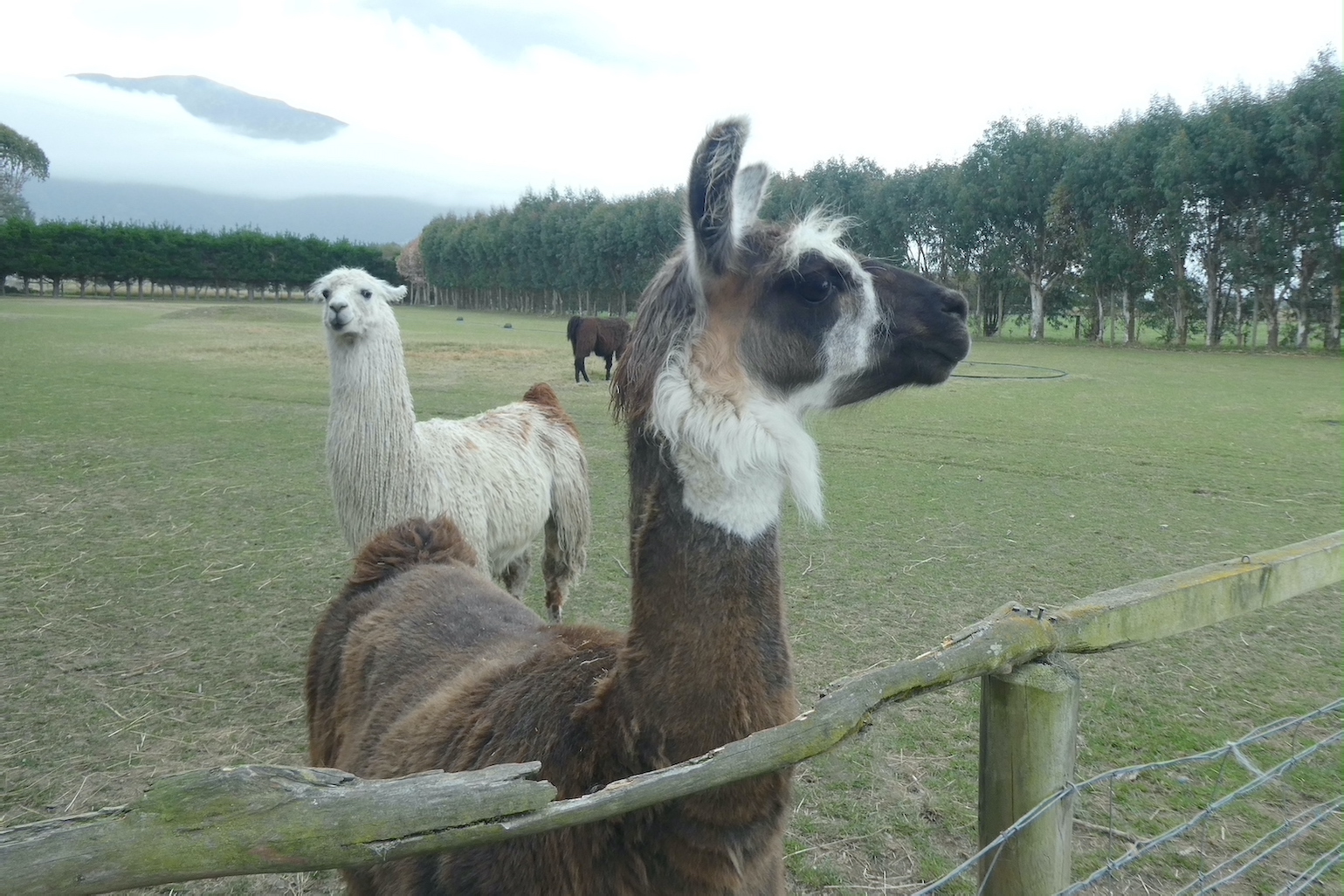
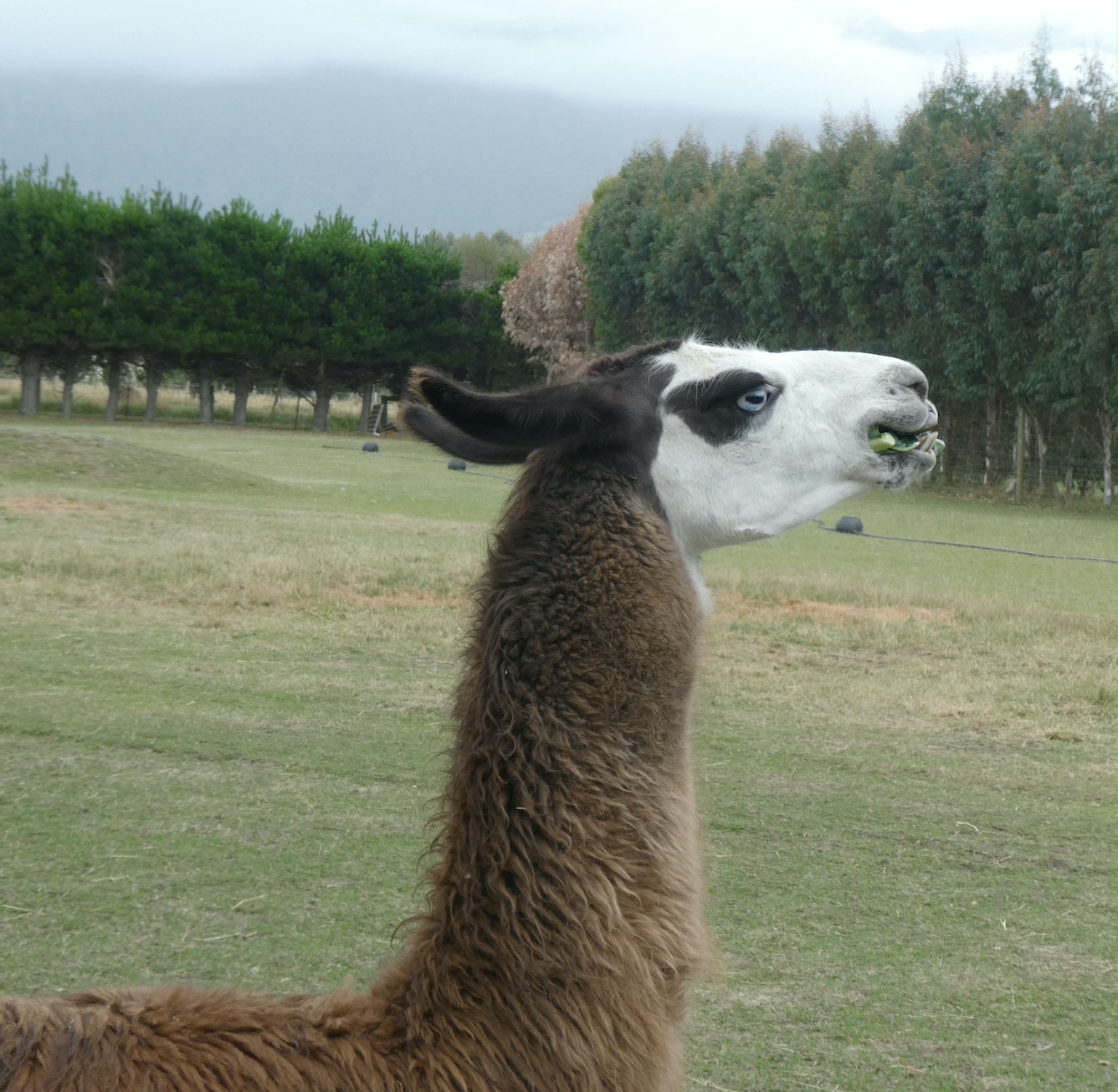
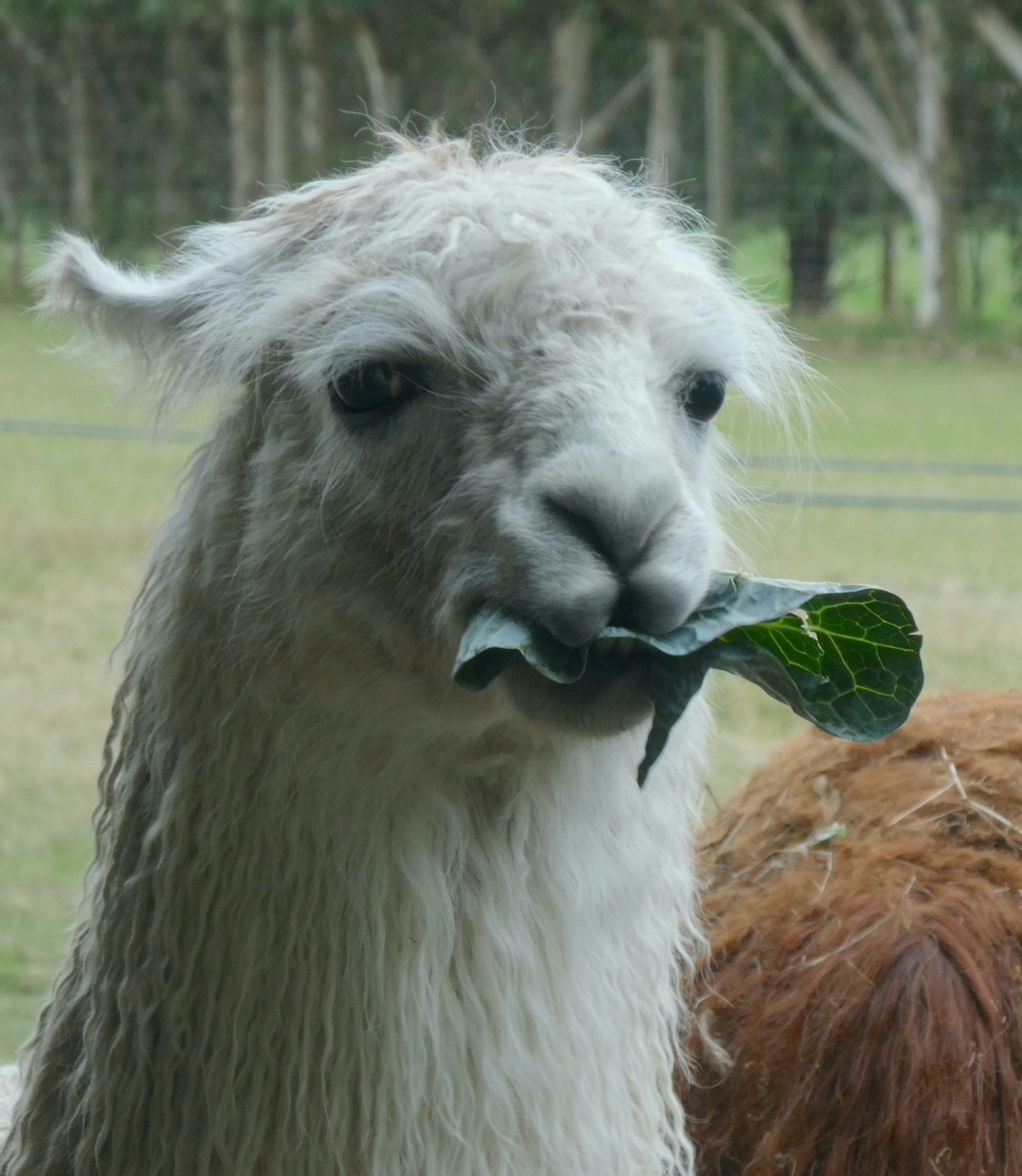
Unfortunately, we didn’t have the time to experience a llama trek but it would have been amazing to enjoy a walk with these majestic creatures.
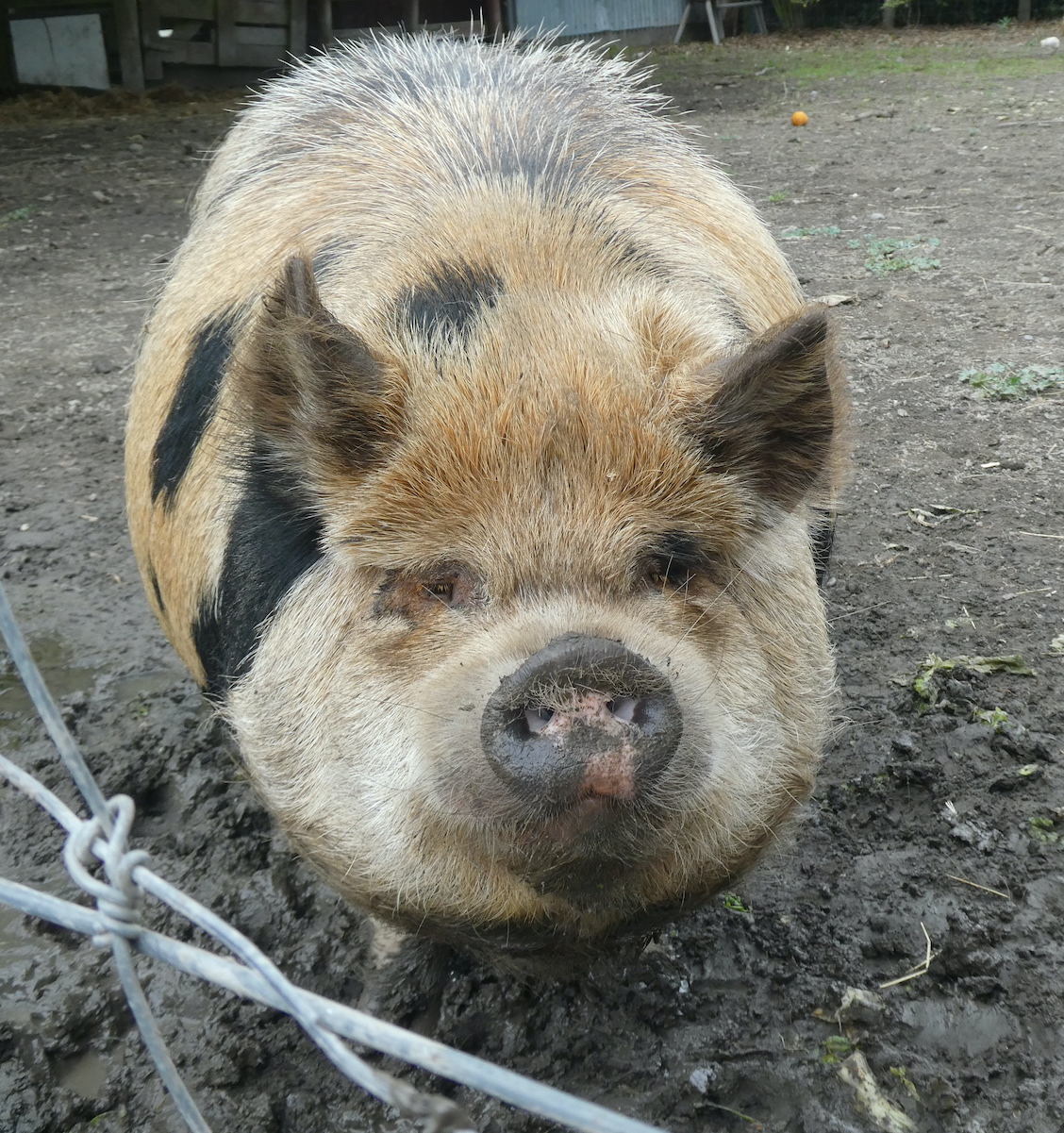
The pigs were very entertaining
while the ducks and sheep had a little more decorum.
After finishing off the greens, some filled up on hay,
others preferred a snooze.
I’m pleased we had our own bathroom.
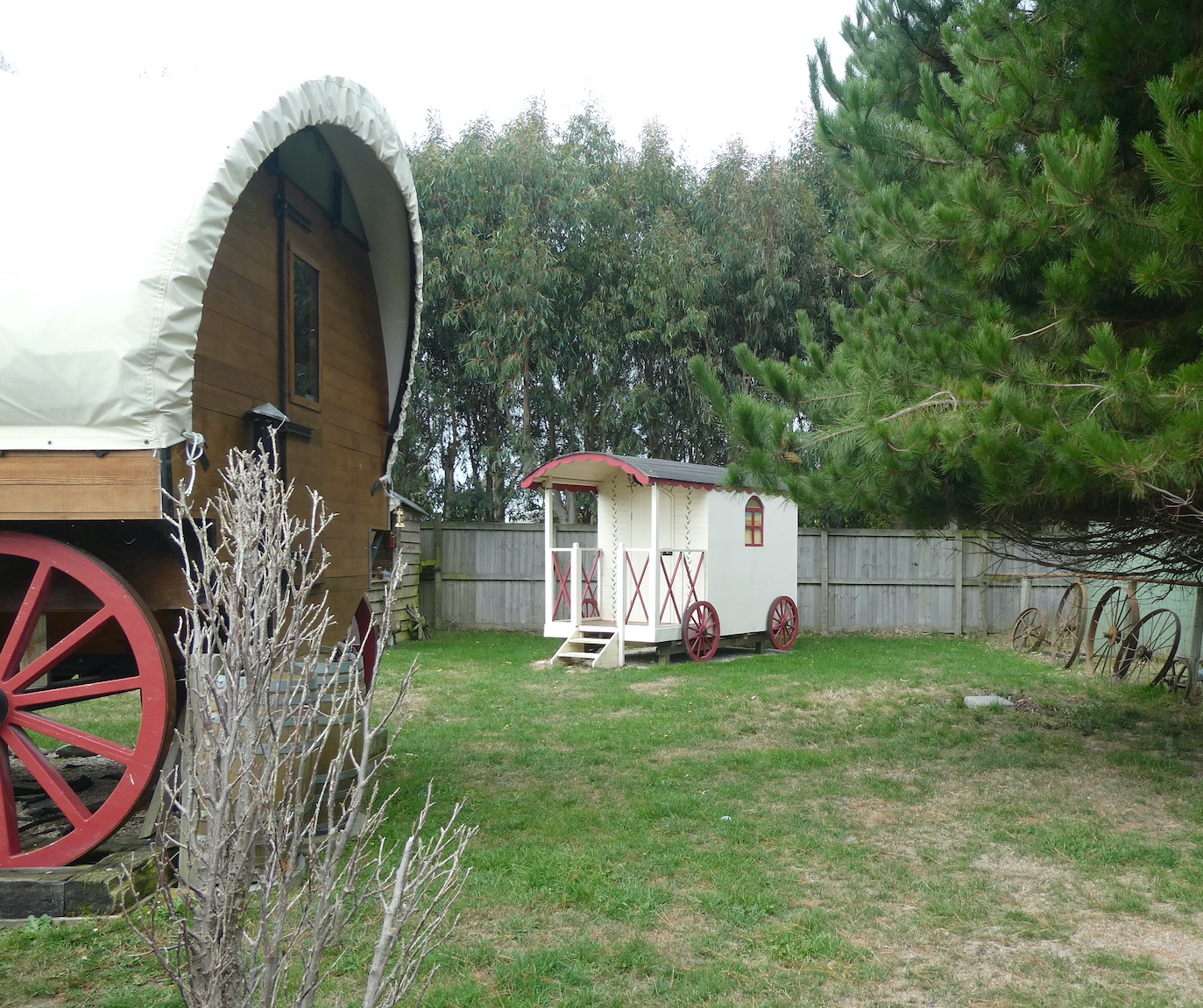
Our nearest neighbour was a 1940’s Bedford K series truck that has been converted to a Gypsy Caravan. There is a double bed above the driver’s cab, kitchen, lounge (with flat-screen TV) and onboard bathroom facilities.
On the far side of the truck, the restored Train Carriage, crafted from hardwood in 1889, has two bedrooms and everything needed for a self-catering holiday.
In a more secluded spot, the Colonial Wagon is perfect for a romantic getaway, with a super-king bed, cosy lounge area and outdoor kitchen.
A sleepout with two bunk beds provides combined accommodation for up to four guests.
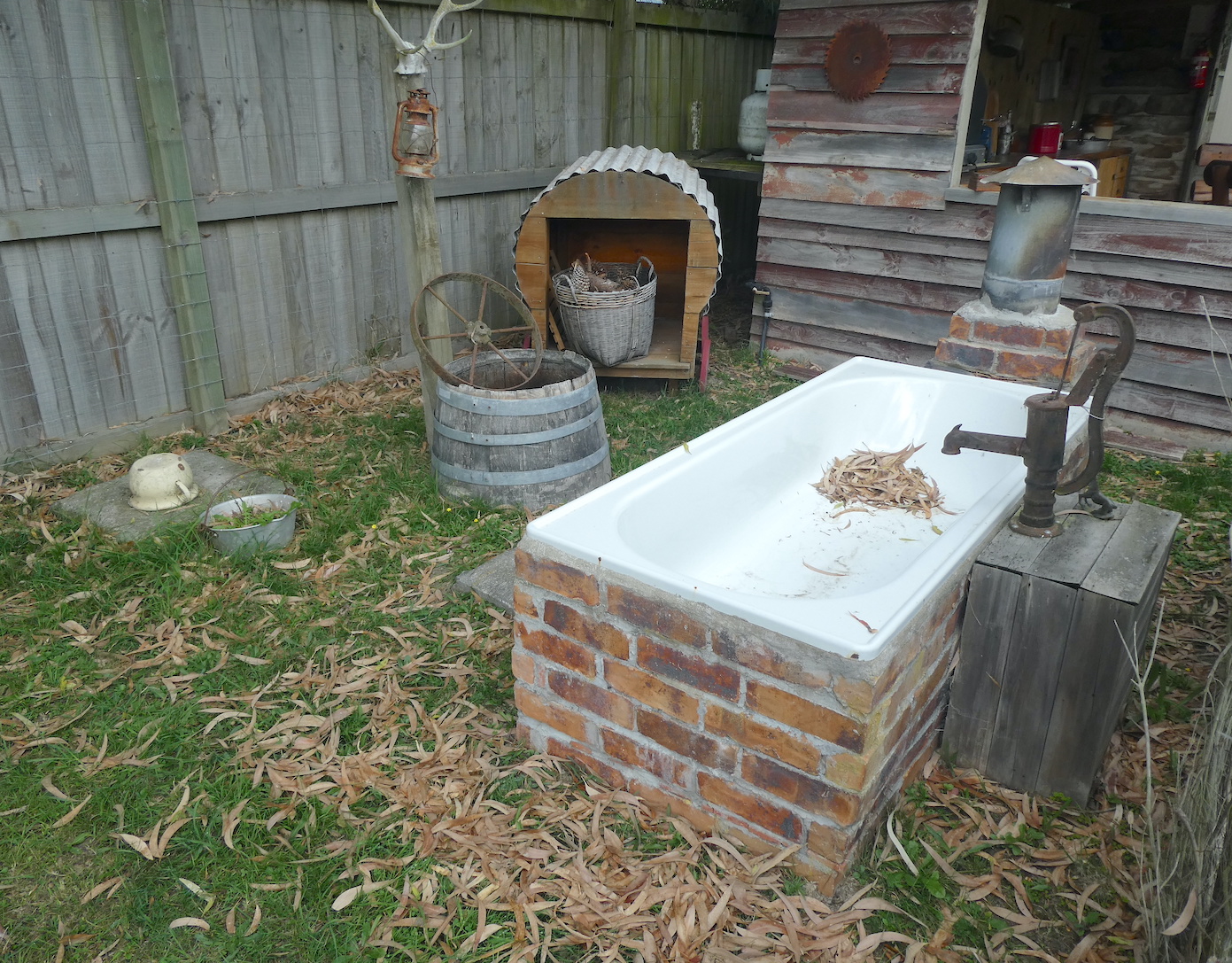
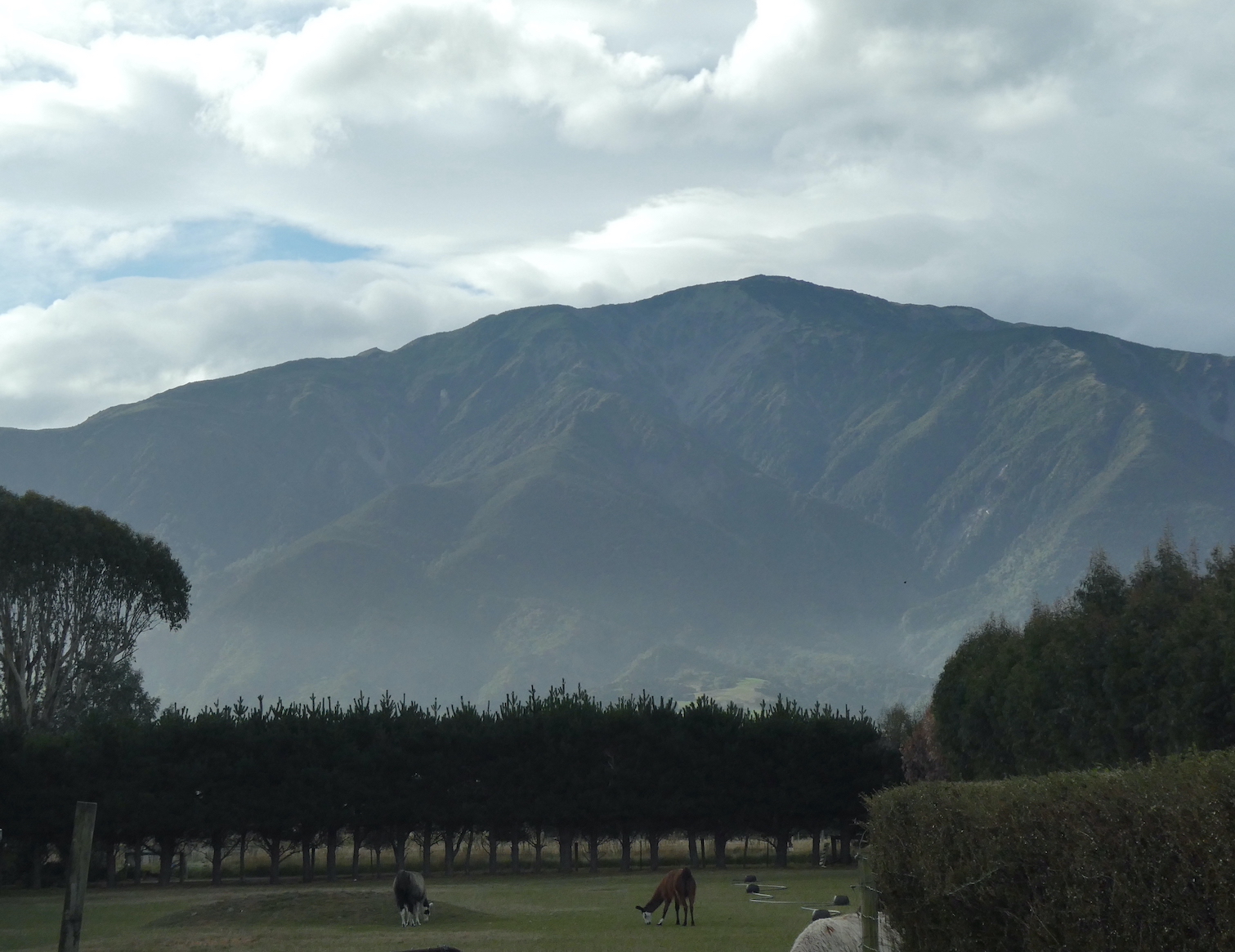
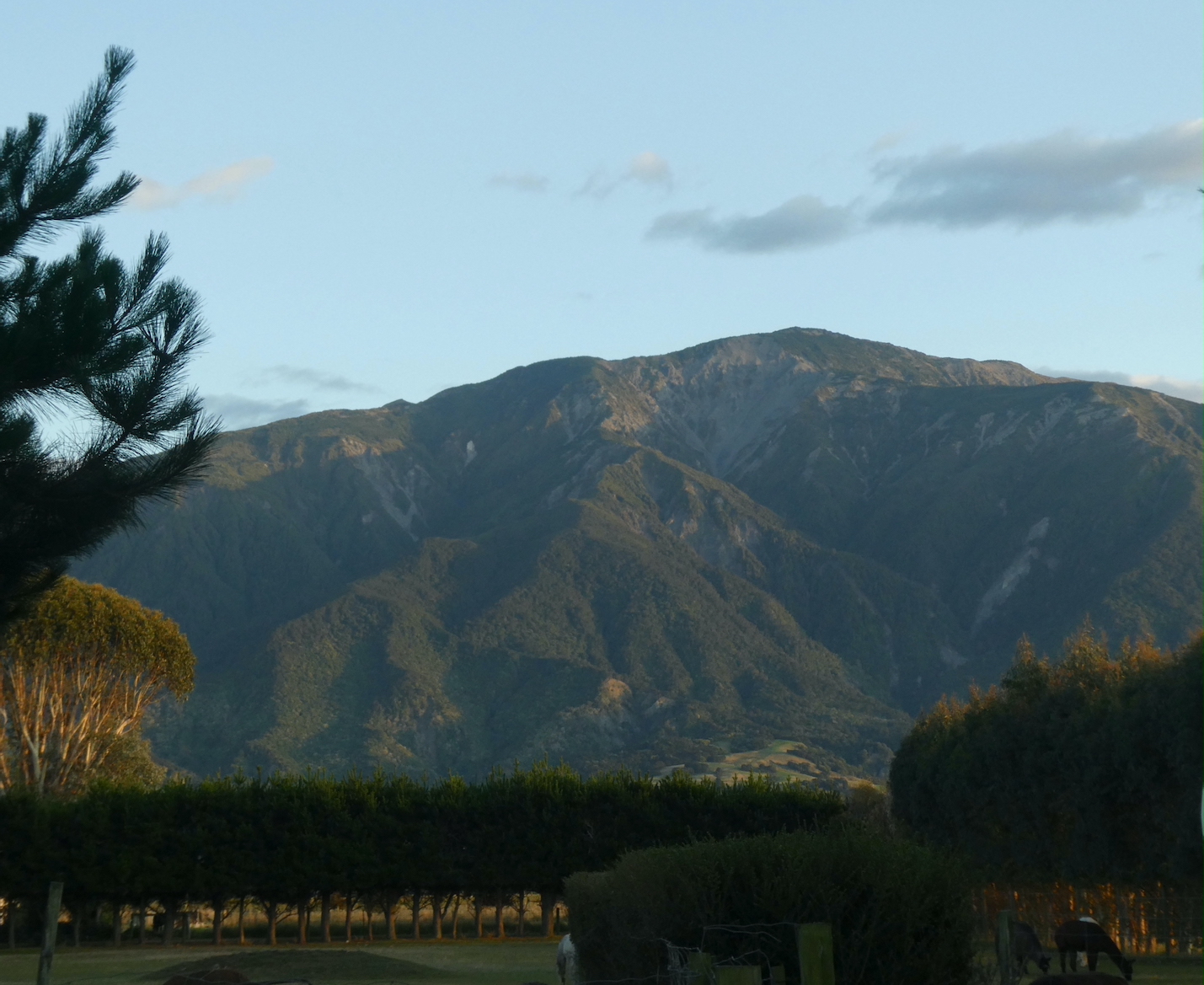
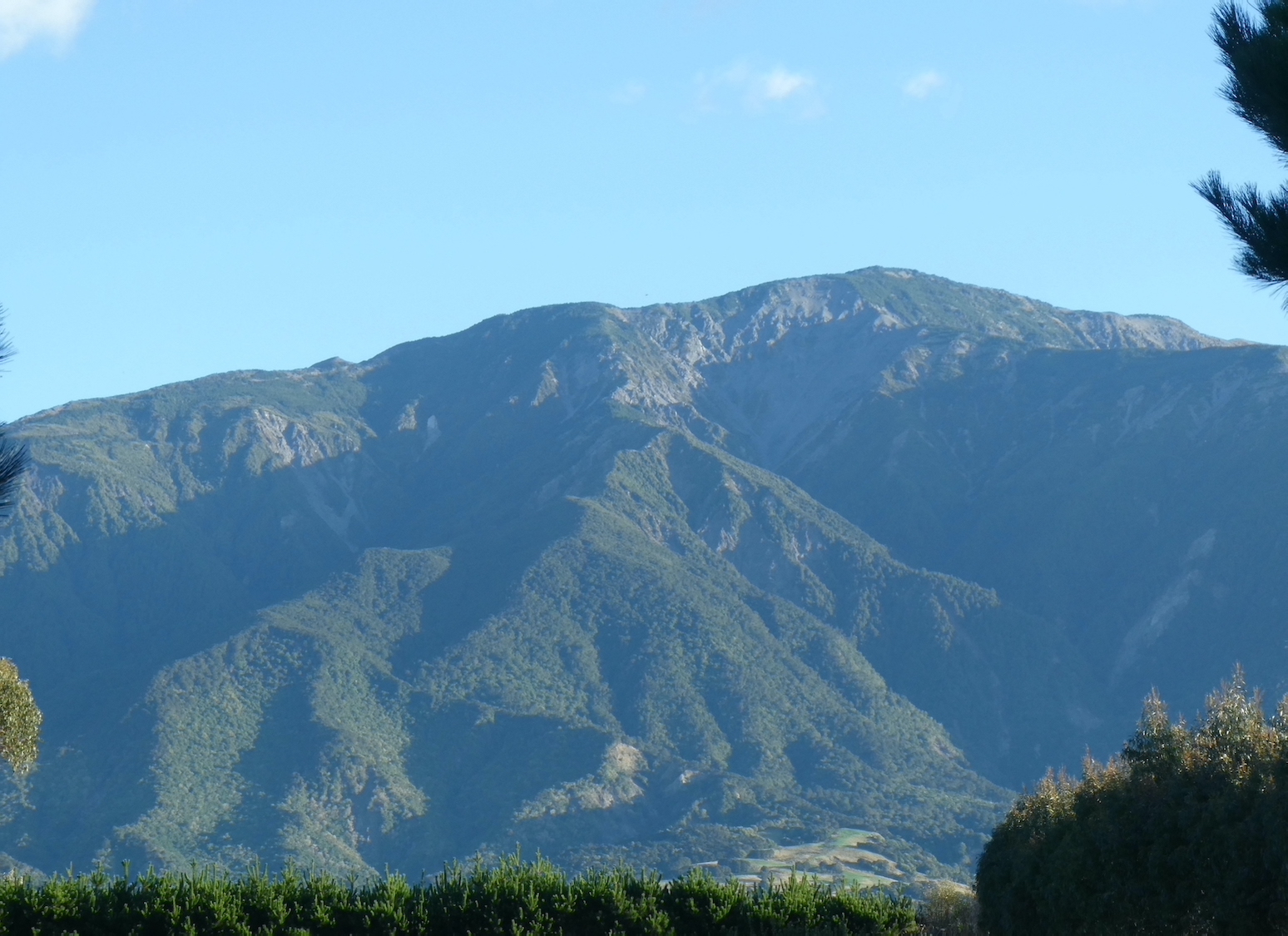
Panoramic views of Mount Fyffe can be enjoyed from the outdoor bath.
There is also a lovingly restored Farmers Cottage and seven-metre wide Teepee on the property, perhaps we will investigate next time. Kaikoura is well known for its delectable fish’n’chips and we indulged, take-away style, with a bottle of Marlborough Pinot Gris to commiserate our wonderful holiday coming to an end.
The next day, early morning rays of Sol highlighted our peaceful surroundings
as our toast went up in flames due to an unforeseen gas leak. A fitting end to the aforementioned memorable stay.
We were looking forward to exploring Marlborough wine country on our way to Blenheim but, sadly, early morning is not the time for winery visits. We indulged instead in a leisurely coffee and cake stop somewhere amidst the eye popping countryside. Another hour down the road, we came across The Store at Kēkerengū, perfect timing for lunch.
First established in 1994 as a tearooms and garage, The Store was transformed twenty years ago into the restaurant, café and gift shop it is today. There are options for indoor and outdoor dining
and a stroll around the grounds revealed a thriving kitchen garden.
Despite the overcast skies, we opted for a seat in the fresh air at the top of the stairs,
with a front row view of the Pacific Ocean and resident seals preening on the sand.
Beachfront campsites are available with mountain views and secluded bays from which to enjoy East Coast sunrises.
Tempting though it was to partake in a stroll along the beach
or a short post-prandial nap,
it was time to continue the journey to our next destination, Kaikōura.
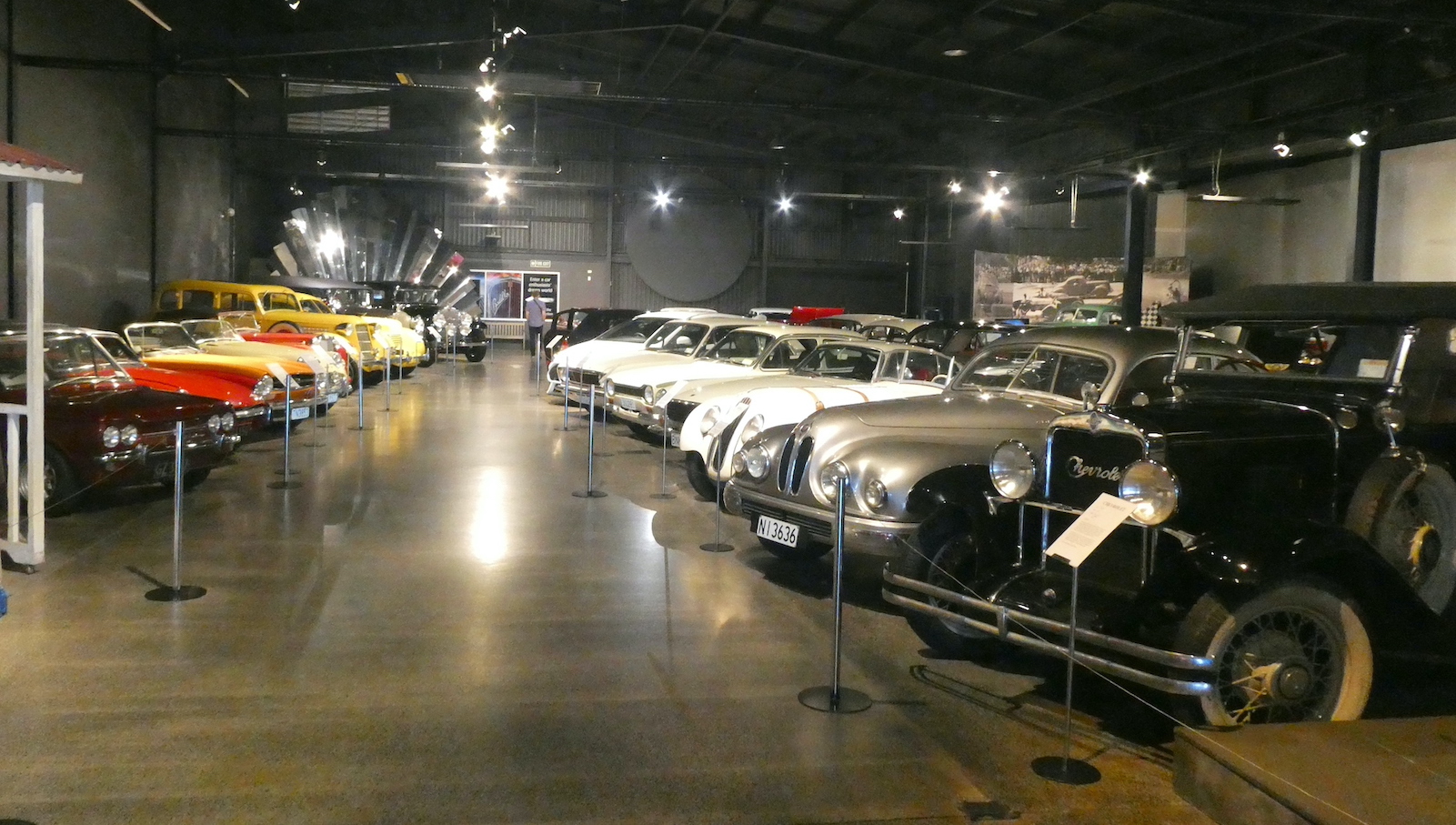
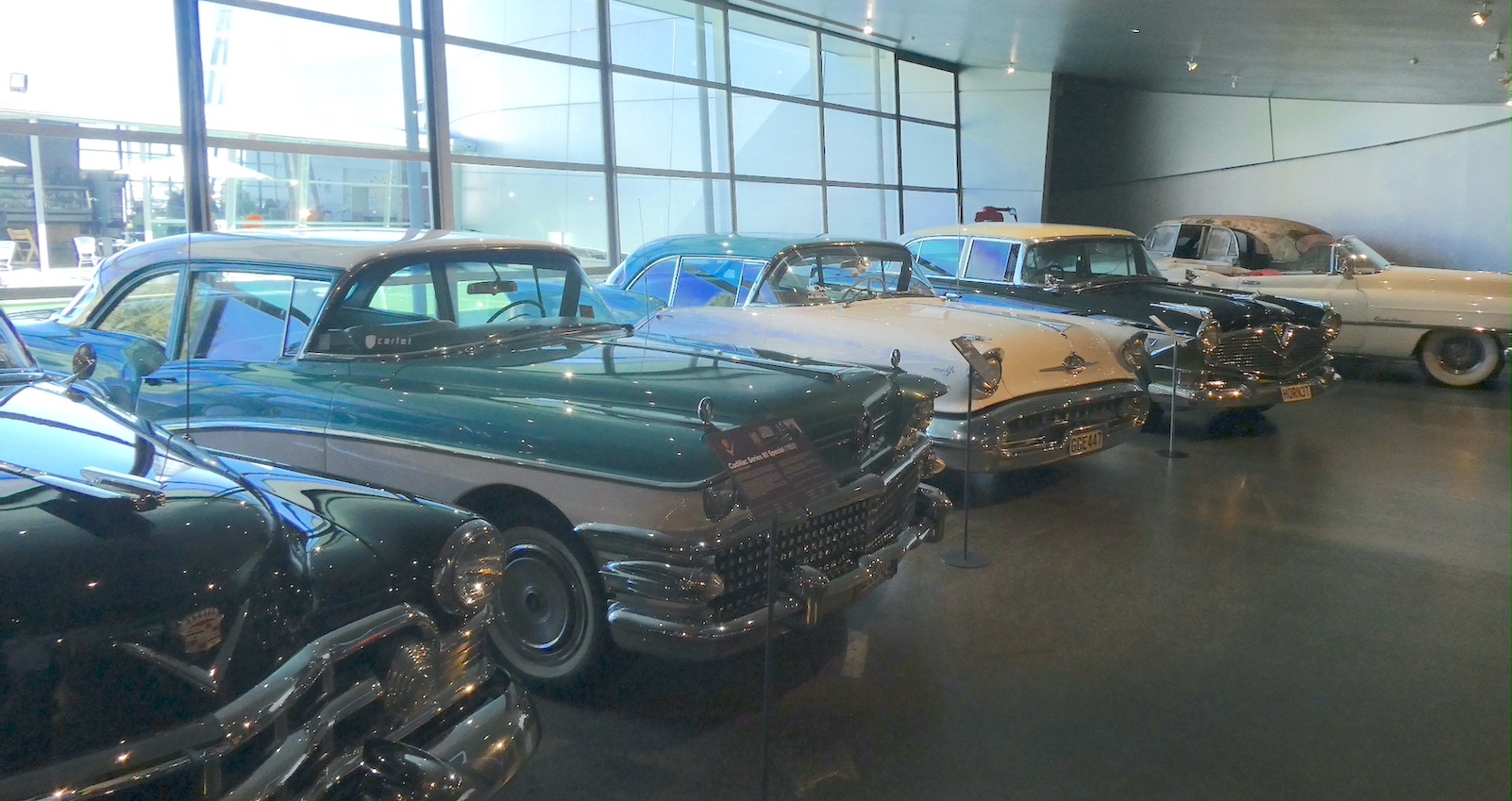
Following our sensory stimulation at the World of WearableArt Museum, we next ventured into the adjacent Nelson Classic Car Museum. I’m not really what you would call a ‘car enthusiast’, as long as it transports me from A to B in comfort I am happy. I do, however, appreciate the form and am of the opinion that when it comes to cars, and fashion for that matter, style and class are a thing of the past. The fabulous collection of vehicles began in 1967 and all have been fully restored and are presented in immaculate condition. Our attention was instantly drawn to ‘The Flamboyant Fifties’ section to our right
but we chose to traverse the museum in the other direction after spying an intriguing red Mini. It seems two blokes decided, over a beer, an attempt to break the land speed record in a 1964 Mini was a great idea. Guy Griffith and Garry Orton assembled a team, known as Project 64. Long story short, they did indeed set a new land speed record of 166mph (267kph) on Bonneville Salt Flats, Utah in 2016.
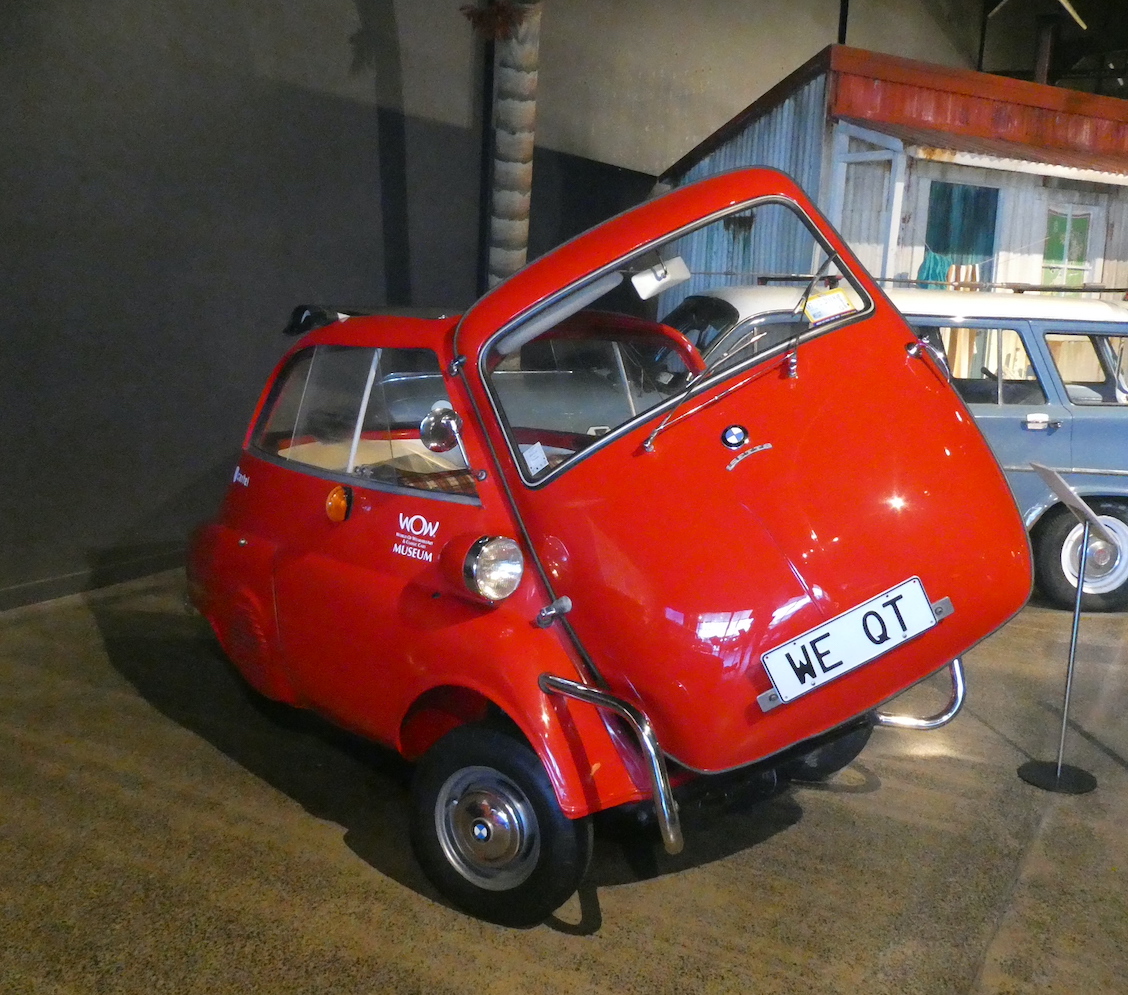
I suspect a more sedate history is attached to the cute little BMW Isetta parked in the next bay. The entire front end of the Italian-designed microcar opens out as a single door, along with the steering wheel and instrument panel. Driver and passenger were to exit through the canvas sunroof in the event of an accident. The right-hand drive version, produced under licence in England from 1957, meant the driver and engine were on the same side, so a 27kg counterweight was added to the left-hand side to compensate. Popularity waned until a three-wheeled version was introduced and it was therefore classed as a three-wheeled motorcycle, requiring only a motorcycle licence. Unfortunately, the three wheels made it more prone to rolling over.
Adding a touch of nostalgic ambience, some displays are accompanied by an innovative façade. A 1962 Holden station wagon has been packed for a beachside holiday
and a 1922 Hupmobile is parked suspiciously outside Luigi’s Barbershop.
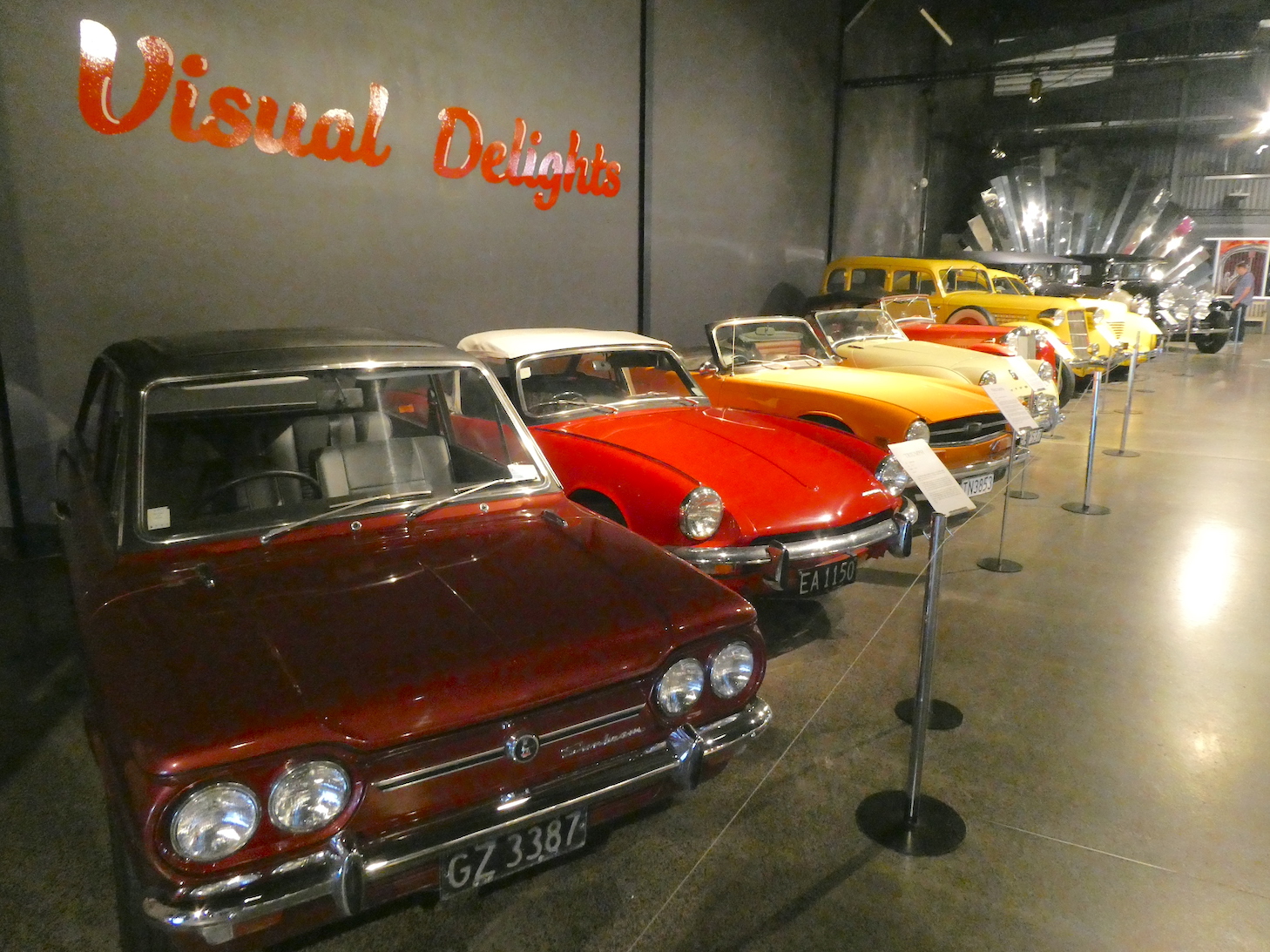
The next section was aptly named ‘Visual Delights’.
A dazzling line-up of 1960s sports cars opened with a Sunbeam Stiletto. Despite lacking the pizzazz of the classic convertibles, the Stiletto was considered a rival to the Mini Cooper in its day. Only around 9,000 of these cars were manufactured between 1967 and 1972.
A trio of tantalizing Triumphs
terminate in a time warp, back to the 1930s. Auburn automobiles, produced in America from 1900 to 1937, were renowned for being fast, good-looking and expensive. Business declined following the Great Depression and the Auburn 653 was developed in 1934 to offer more affordable models. Re-styled in 1935, it still wasn’t enough to save the company and all vehicle business came to a halt in 1937.
BMW were more successful during the same era with the 328 sports car. Produced from 1936 to 1940, the BMW 328 won its first race at the Nürburgring in 1936 and went on to achieve more than 100 class wins the following year. Incidentally, Frank Pratt won the 1948 Australian Grand Prix driving a 328.
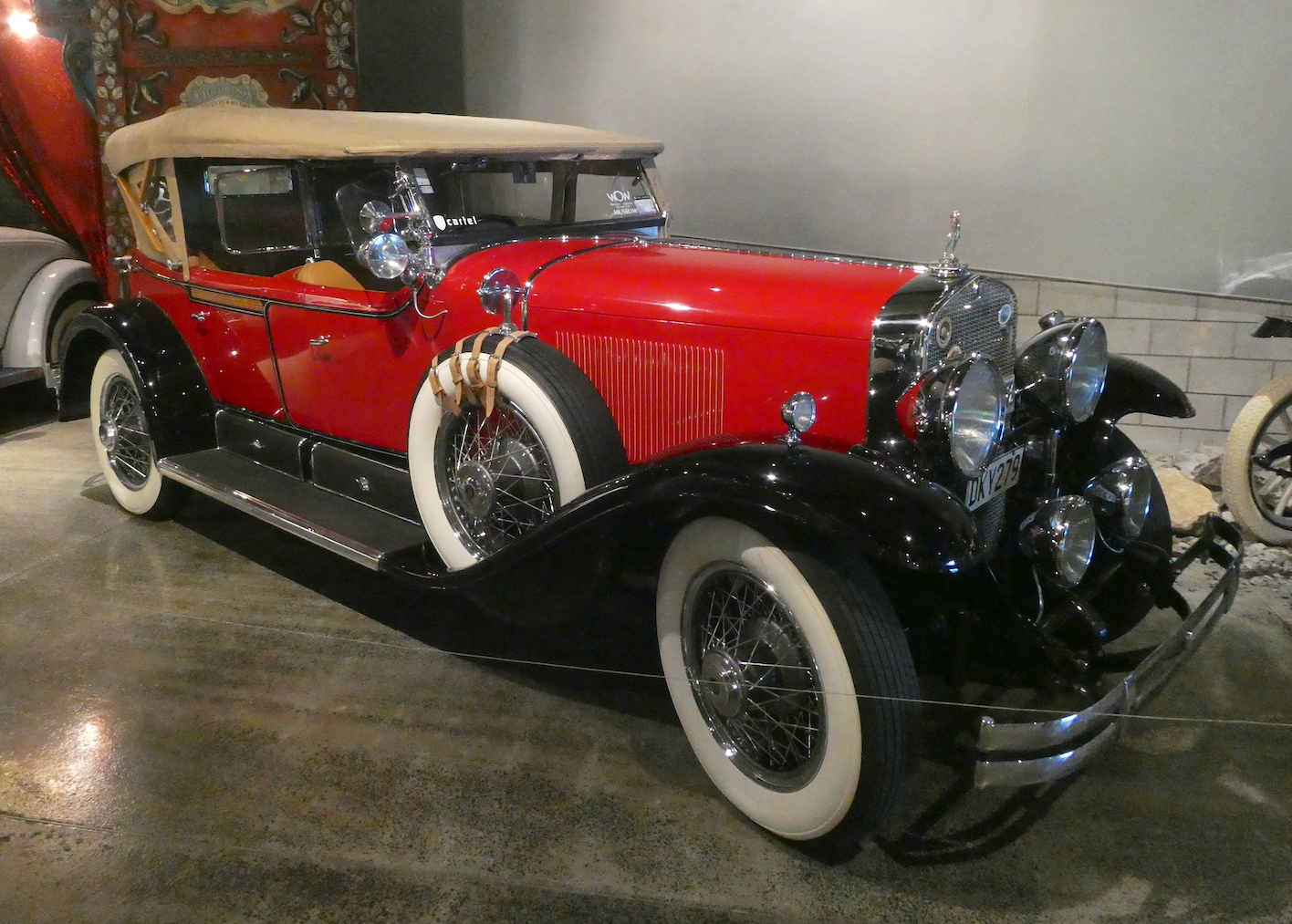
New innovations in the ‘sporty’ Cadillacs of 1929 included a synchronized 3-speed transmission, eliminating the need to double-clutch when changing gear, and four-wheel brakes requiring considerably less pedal pressure.
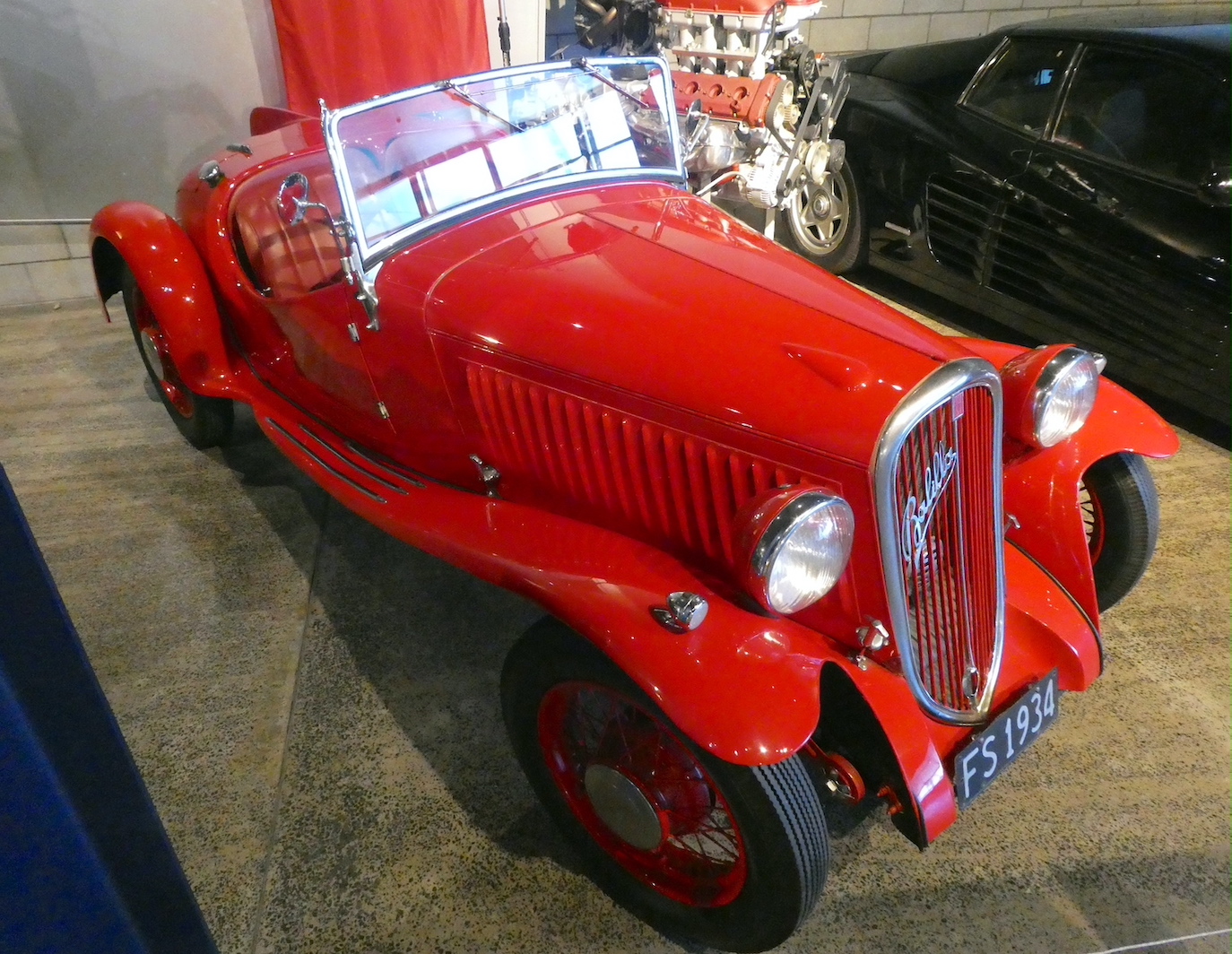
Looking a lot more ‘sporty’, the 1934 Fiat Balilla Spider, originally with the 3-speed ‘no-syncromesh’ gearbox, benefitted from an upgrade to a 4-speed transmission.
A recently restored 1900s Ford waited to find its place within the exhibition buildings.
On a completely different scale, the 1959 Cadillac Coupe de Ville boasts the world’s largest tail fins on a production automobile. At the time, Cadillac’s design philosophy was heavily influenced by jet aircraft and the tail light arrangement represents the exhausts of a jet.
Back to the more ‘classic’ form
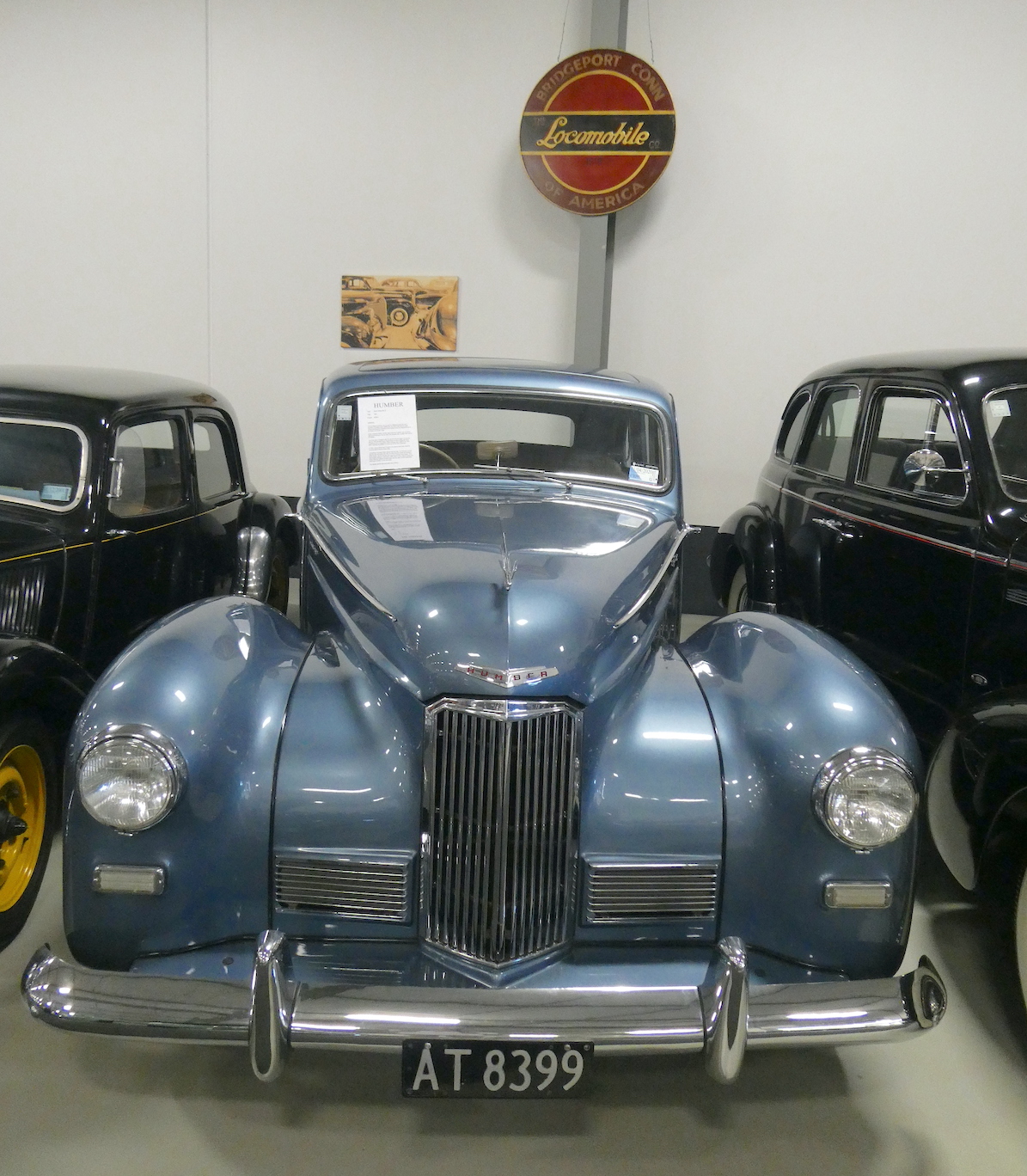
the Humber Super Snipe was produced by British-based Humber Limited from 1938 to 1967, the Mark III commenced in 1950.
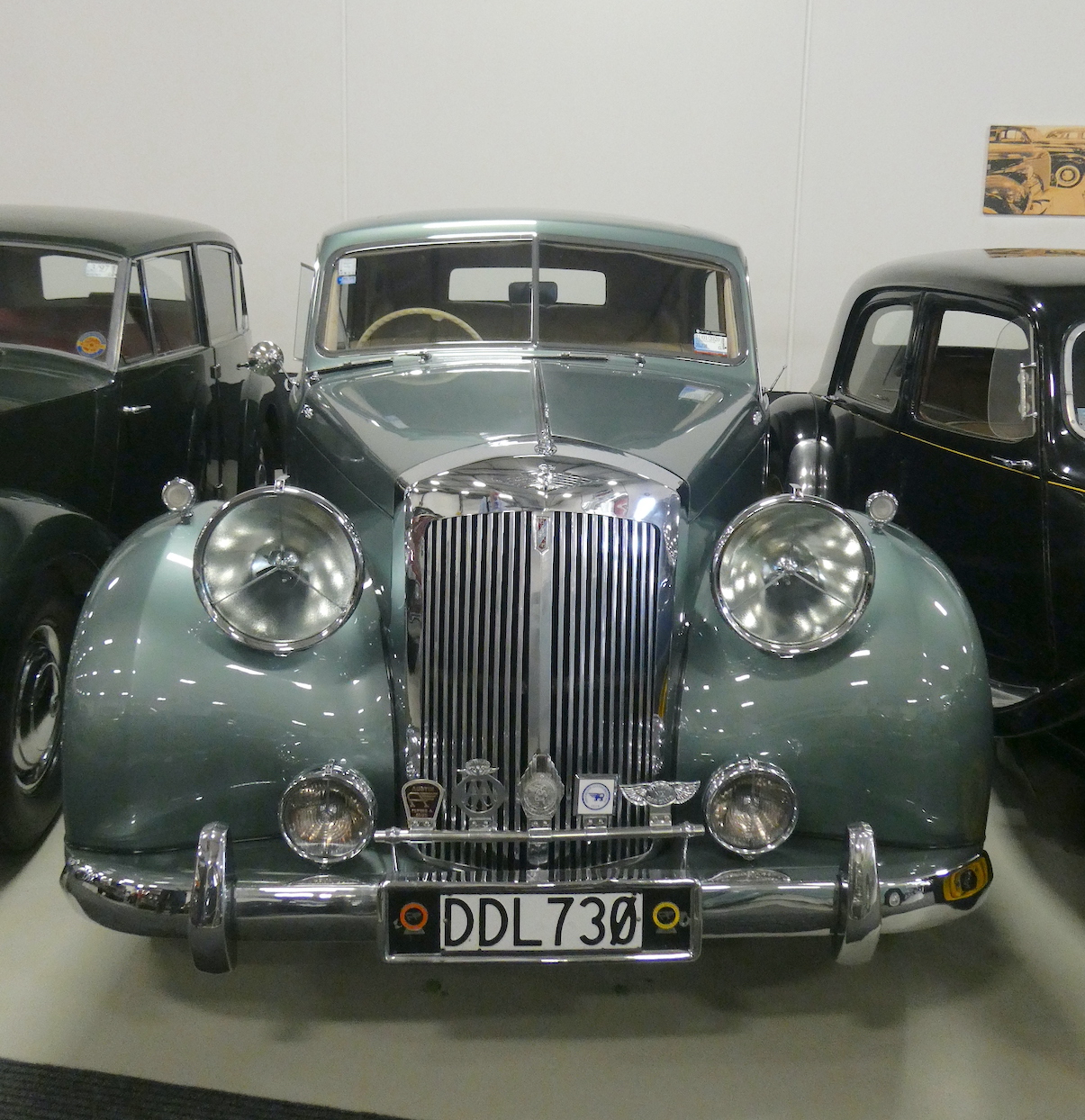
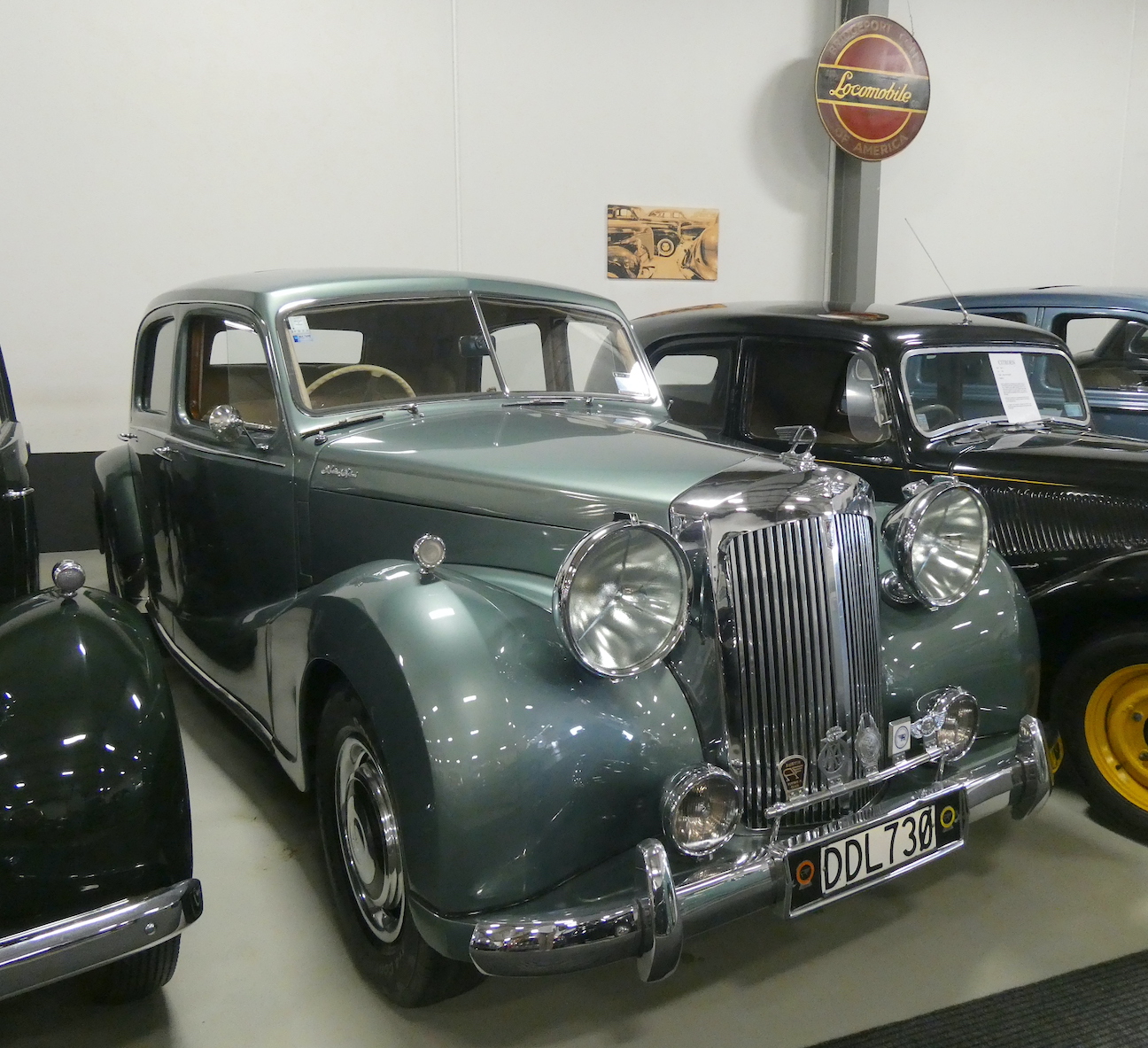
U.K. luxury car, the Austin Sheerline, was designed during WW II but production was delayed until 1947. The style was similar to the Rolls Royce or Bentley of the time but the Austin was around two-thirds of the price.
The Ford Motor Company introduced its De Luxe line in 1938 to bridge the gap between its base and luxury models. 1939 saw the first year of hydraulic brakes at Ford.
At the beginning of 1950, Britain was the leading exporter of cars, dominated by Morris and followed closely by Austin. These two companies merged to become the British Motor Company (BMC) in 1952. I have vivid memories of the drives home from primary school in Mum’s blue Morris Minor, affectionately known as Gertrude. If she didn’t have a clear run at top speed to tackle a particularly steep hill en route, we would slow to a halt before reaching the top, despite our verbal encouragement from the back seat. Encouragement turned to screams as mum juggled gear stick and clutch, my fear of careening rearward only allayed by the perfection of yet another hill start.
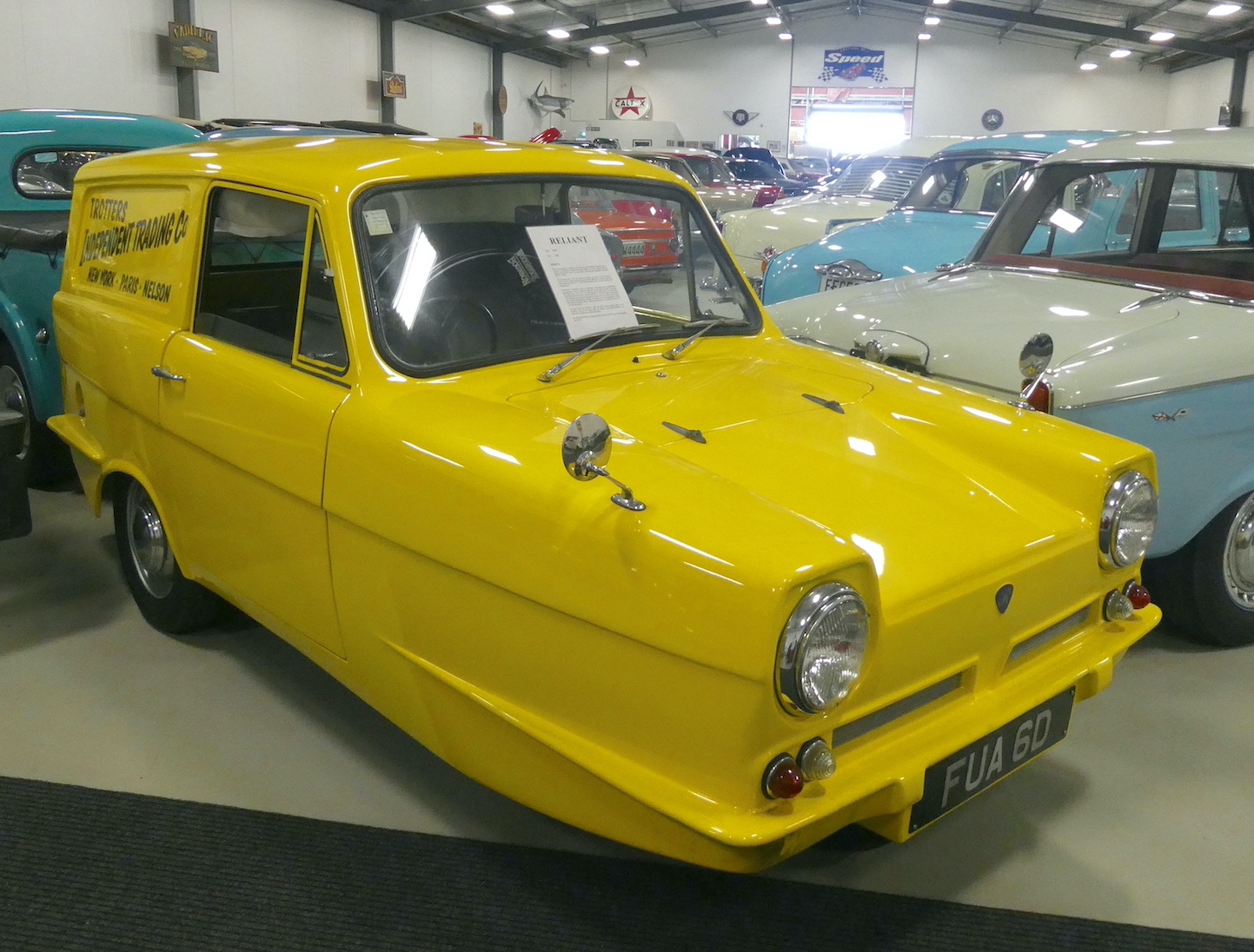
The Reliant Motor Company was founded in 1935 and are mostly remembered for their range of 3-wheeled vehicles. The Supervan III was introduced in 1956 and was the first to have a full fibreglass body. As I mentioned previously, 3-wheeled cars were popular as they didn’t require a car licence to drive. However, the EU changed this rule for vehicles over 550kg in 2001, severely affecting Reliant’s market share and they ended car production a year later.
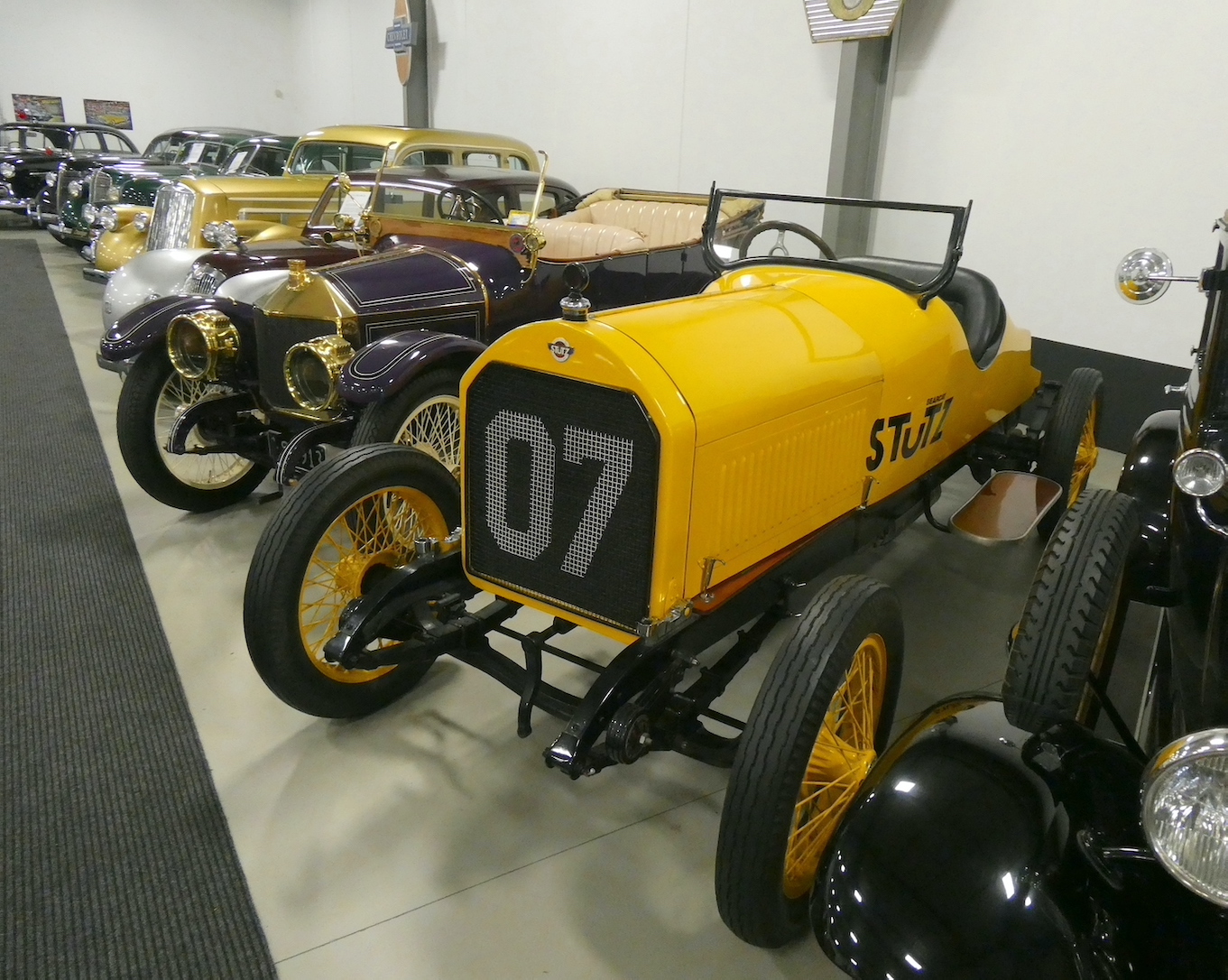
Winding the clock back to the World War I period, the Stutz Bearcat was named America’s racing champion in 1915. Although it was fast for the era, it was considered a ‘man’s car’ because the clutch was so stiff and the brakes required much force to operate. Supposedly, this prevented women from driving.
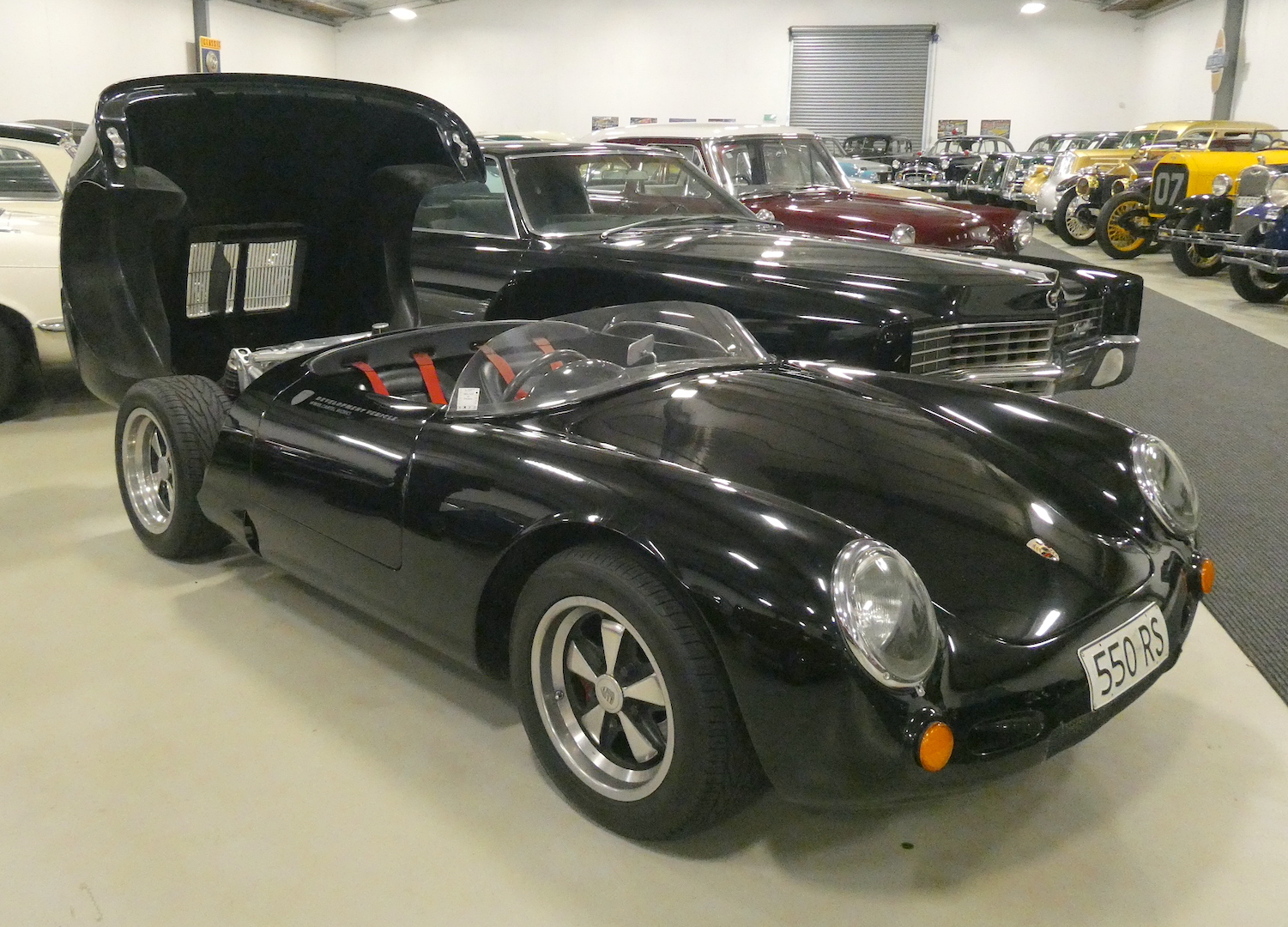
Porsche built only 90 of its first purpose-built racing cars, the 550 RS Spyder, between 1953 and 1956 and was the first car manufacturer to get race sponsorship. Apart from a successful race history, it is probably most famous for being the model James Dean was driving when he was killed. Avid Porsche collector, Jerry Seinfeld, sold his 1955 550 RS Spyder for $5,335,000 at auction in March 2016, a world record price for the model.
The Porsche 356 preceded the 550, with production starting in 1948. Although intended to be a road vehicle, the engineers couldn’t help themselves with a few tweaks to make it raceworthy.
The Jaguar XJS was unveiled in 1975 as a replacement for the iconic E-Type and, despite some initial market reticence with the new, angular lines, it went on to be one of British Leyland’s more successful ventures. A convertible model called the XJ-SC was introduced in 1983, the small rear seats were removed to make space for the removable soft top.
Surely one of the most beautiful cars of all time is the E-Type Jaguar (in my humble opinion). Produced between 1961 and 1974, it was surprisingly tasteful, unlike many fashions of that era. I would prefer a British racing green rather than Austin Powers’ psychedelic ‘Shaguar”.
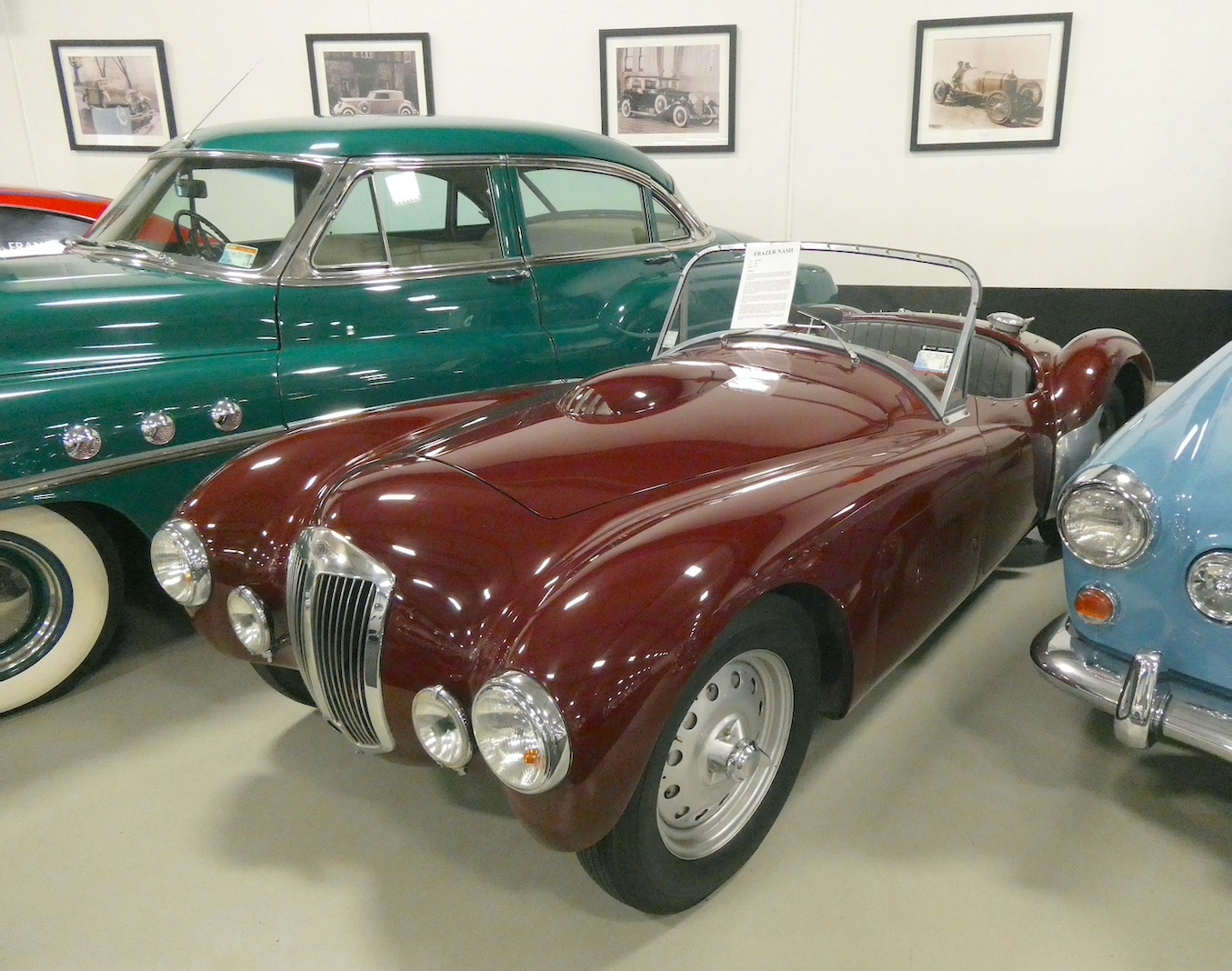
Frazer Nash sports cars were first manufactured in 1922, with the BMW 328 design used as the basis for the later models. All cars were built to order, meaning small numbers but many different models. Only 12 of the Frazer Nash Mille Miglia were made between 1948 and 1953.
GT Beetles were the only classic Beetle produced in Europe to be officially badged a ‘Beetle’. Built to celebrate the importation of Britain’s 300,000th Beetle, only 2500 were made in three unique colours – lemon yellow (1250), apple green (250) and tomato red (1000).
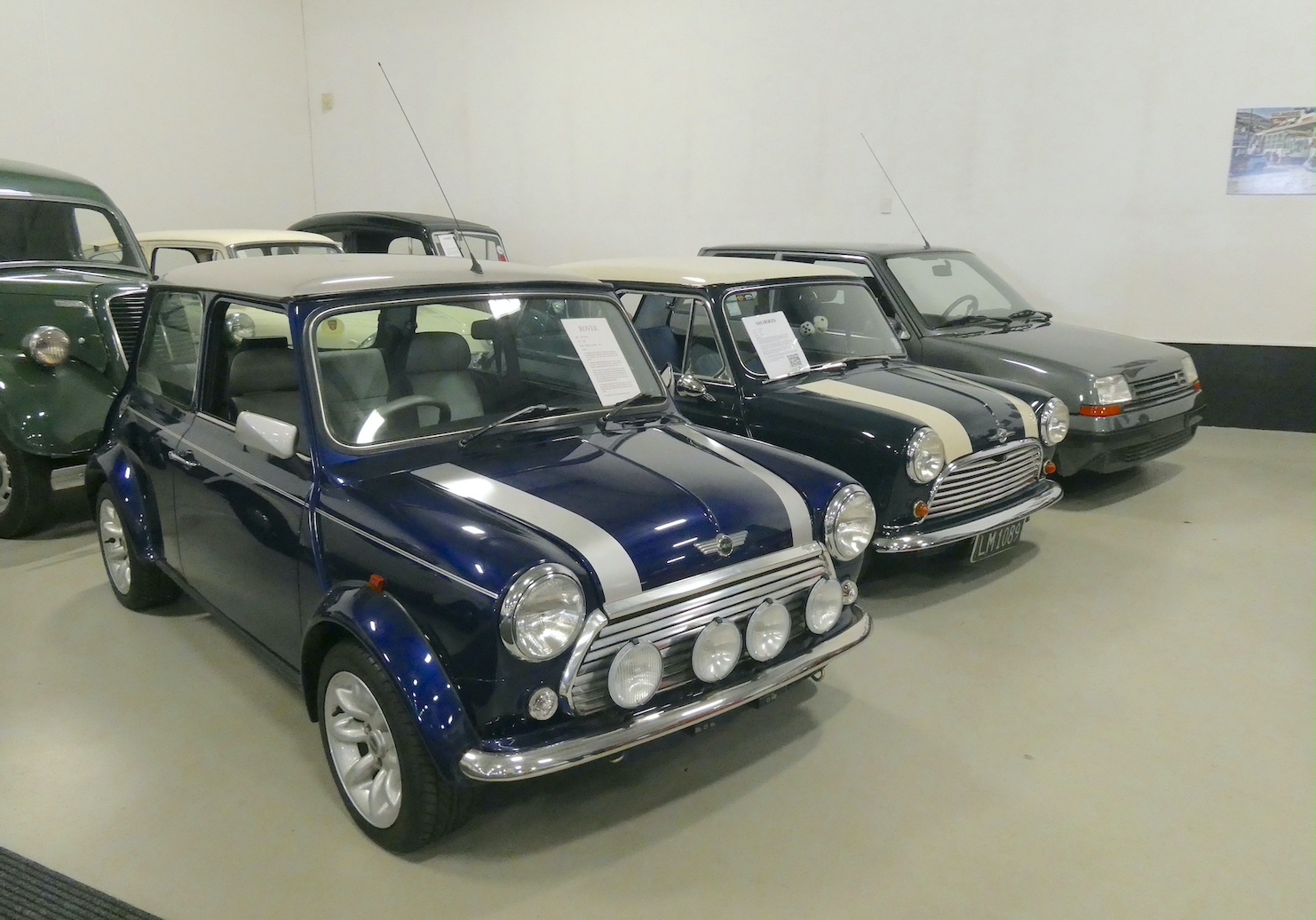
The Mini came about because of a fuel shortage caused by the 1956 Suez Crisis when petrol was rationed and sales of large cars slumped. The Mini was marketed under the Austin and Morris names until 1969 when the simple name ‘Mini’ replaced the separate brands. Rover Minis were the last of the original shape, built from 1996 until the end of production, after 41 years, in 2000.
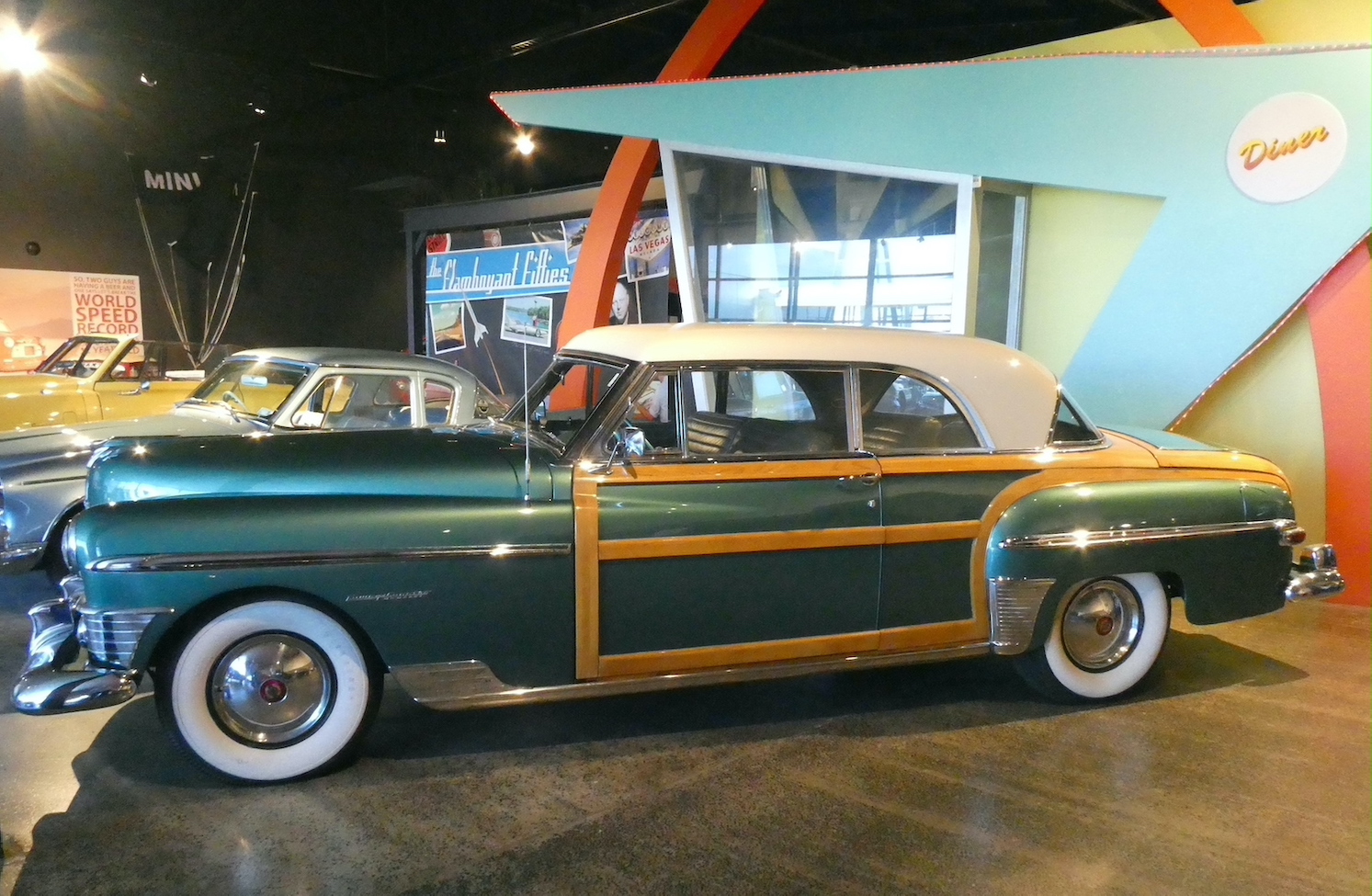
We finally made it back to our starting point, at ‘The Flamboyant Fifties’.
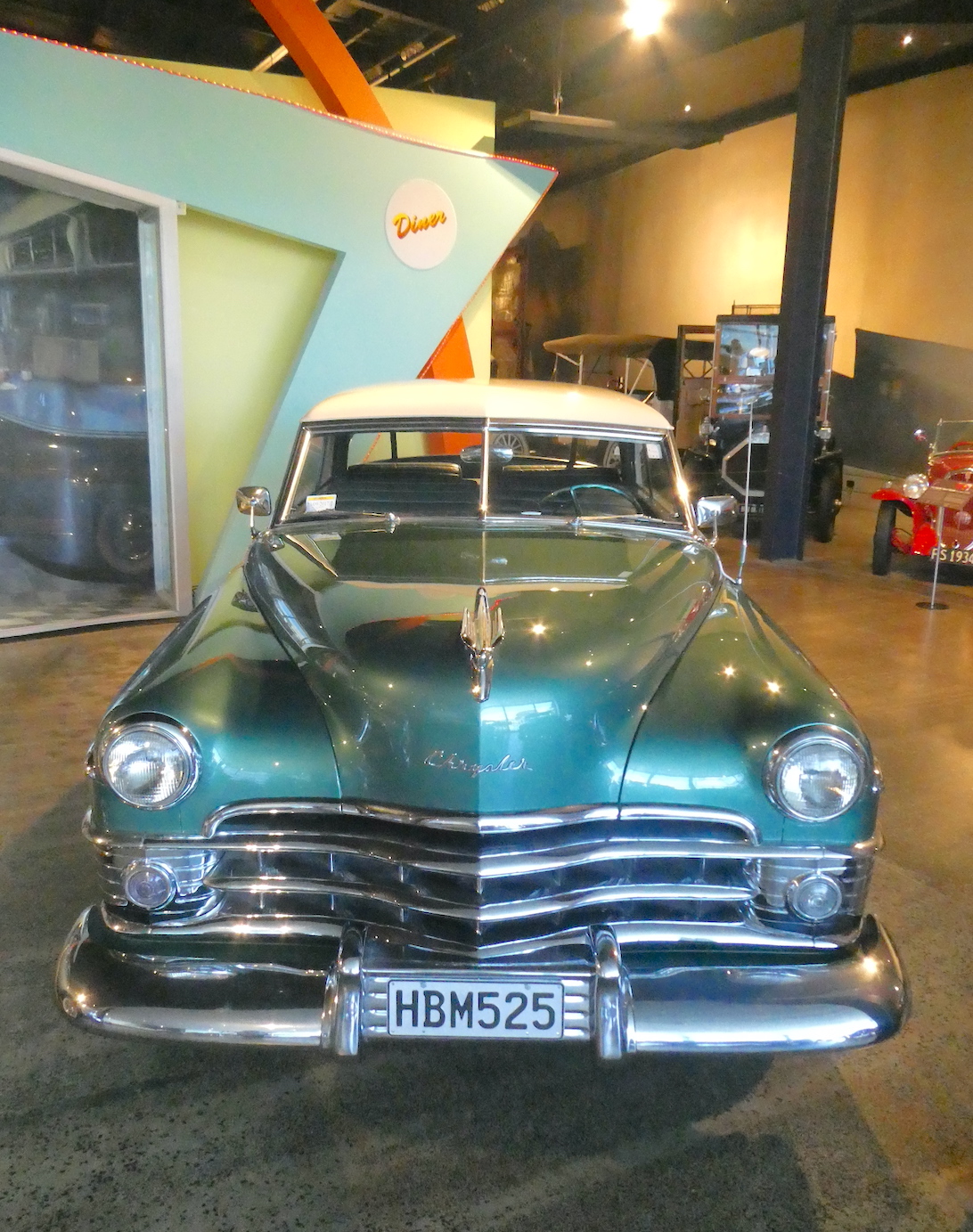
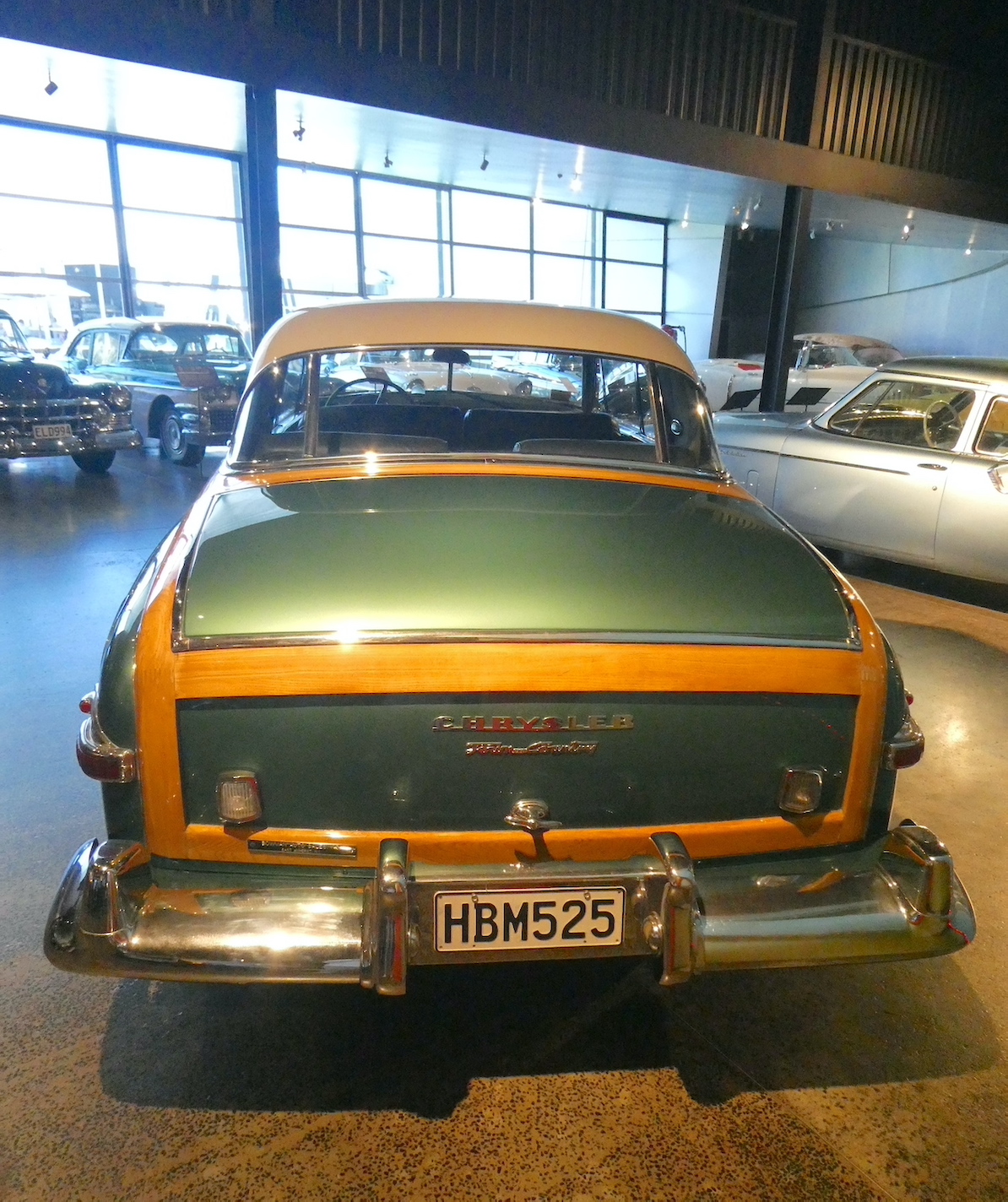
The scale of these extravagant American vehicles was boggling. I’ve always loved the old Morris Woody Wagons but Chrysler outdid themselves with the Town and Country Newport Coupe. Only 698 of these last true woodies were produced for one year only in 1950.
Built to celebrate Cadillac’s Golden Anniversary, a limited edition convertible version of the El Dorado concept car was released in 1953. More a method of testing the market, production was restricted to 532 vehicles.
Presumably beyond repair, a 1953 Buick has been laid to rest in a mock graveyard.
























































 cannonhillchronicles