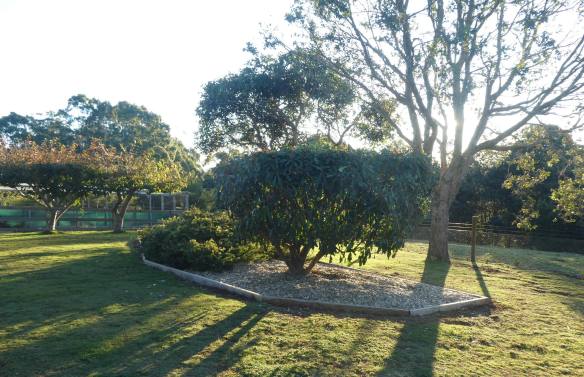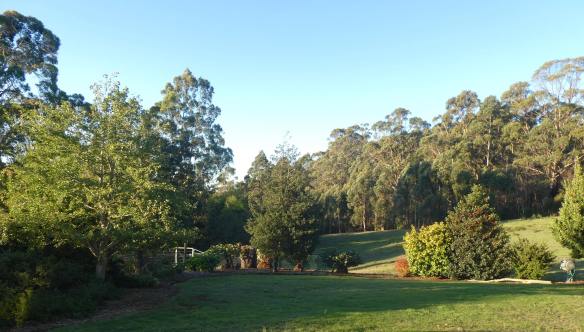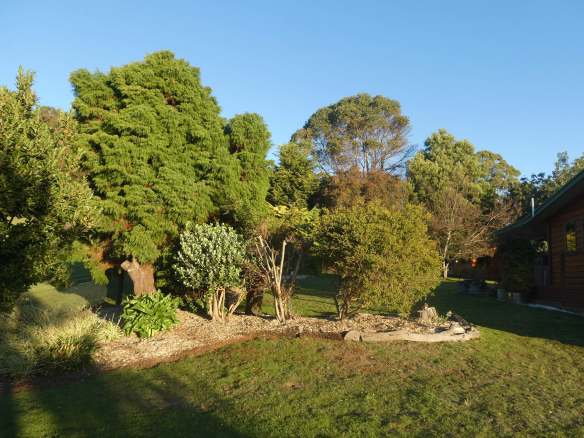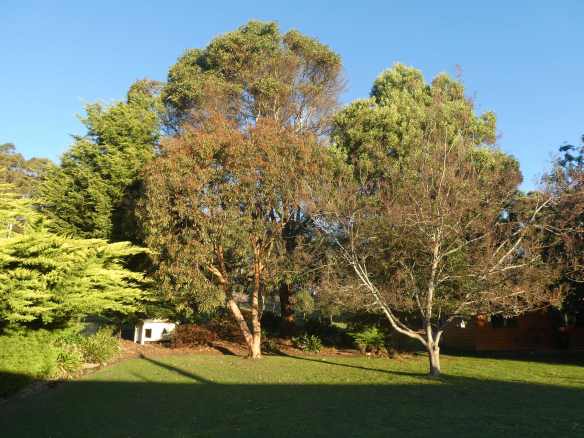
leaving lockdown

Our two weeks of isolation after returning from New Zealand in March turned into seven weeks, with lockdown imposed following an outbreak of a certain virus here in northwest Tasmania. There is a lot to be said for staying at home, we certainly didn’t sit around wondering what to do next. The eastern wall of the house, potting shed and chook house have had a fresh coat of stain

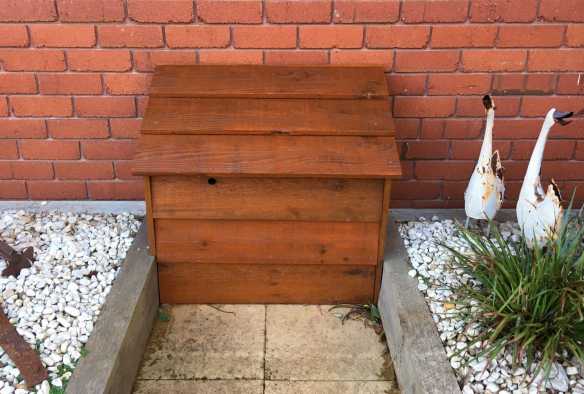
and Michael created a unique cover for the gas bottles.

5.gas bottle cover

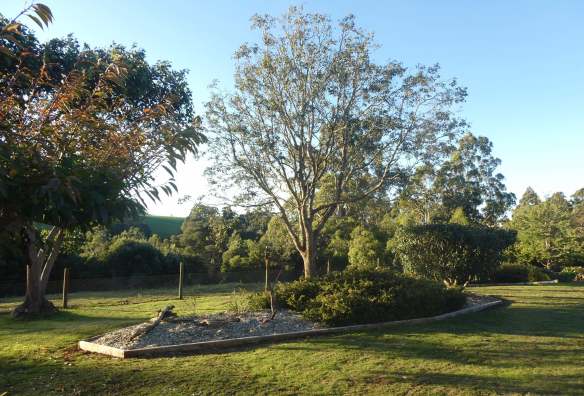
The garden has had quite an overhaul with much trimming, new timber edging to the beds and a fresh layer of mulch.

6.garden7.garden8.garden

It is an ongoing project.

9.garden10.garden11.garden12.garden

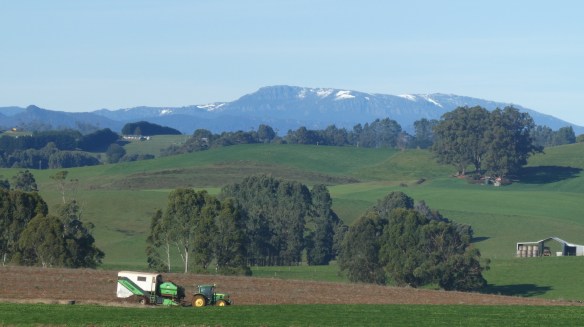
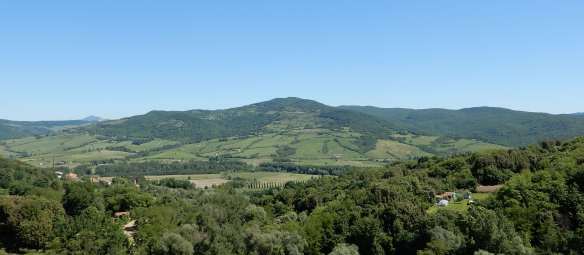
With the lifting of lockdown last Monday, while it seems much of the population headed to the shops, we took Cooper for a much needed run around the local country roads with the top down. The sun was shining and the scenery was breathtaking. Snow atop Black Bluff is a gentle reminder that winter is just around the corner

13.Black Bluff

but there was no sign of it this day.

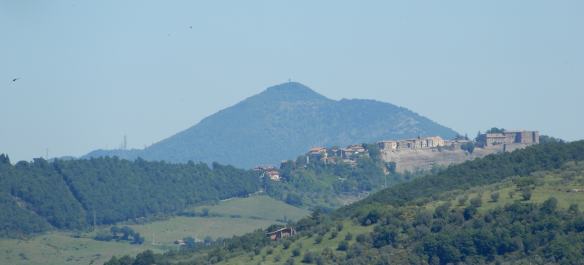
14.Dial Range

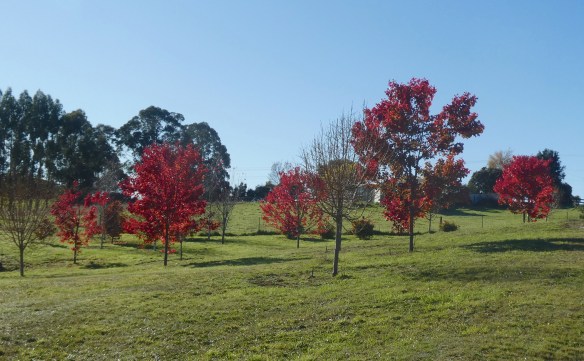
The autumn hues of liquidambar added a stunning contrast to the blues and greens.

15.liquidambar

Hopefully, we will have some more days like this before hunkering down until spring arrives.

16.Dial Range17.Natone18.Natone

Waiheke Island

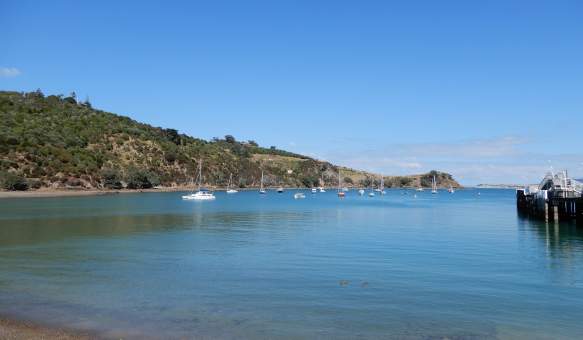
One of the first things I booked when planning our New Zealand trip was a Taste of Waiheke Tour. With the promise of wine tasting at three wineries, lunch at one of them and olive oil tasting, how could I resist? Waiheke Island is the second largest island in the Hauraki Gulf, a very comfortable 40 minute ferry ride from Auckland. Known as the ‘island of wine’, there are twenty-six vineyards to choose from, most offering gourmet delights as well as a diverse range of wines for tasting. The weather couldn’t have been better if we had ordered it. Both the sea and sky were a clear blue as we arrived at Matiatia Bay.

1.Matiatia Bay

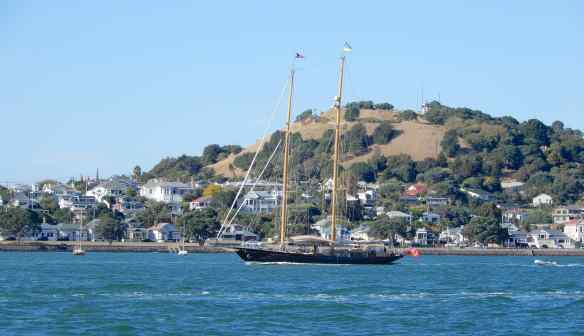
Sailing boats dotted the water

2.Matiatia Bay3.Matiatia Bay4.Matiatia Bay

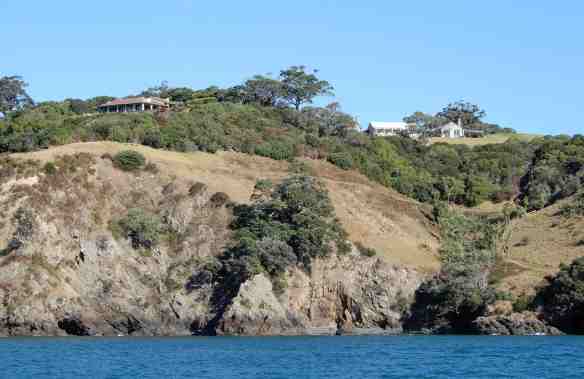
and beautiful homes nestled on the hillside overlooking the bay.

5.Matiatia Bay6.homes, Matiatia Bay7.house, Matiatia Bay

I couldn’t help feeling a little envious of the island lifestyle.

8.Matiatia Bay

Our bus driver and guide for the day was a vivacious local lady who has lived on the island for 25 years and regaled us with stories laced with a good dose of humour. The roads are narrow and winding and, although the island is only 92 square kilometres, it would be easy to get lost. After lunch and wine tasting at Stonyridge Vineyard, we called into Rangihoua Estate to sample their award winning Extra Virgin Olive Oils. As well as four olive oil blends, they have a range of spreads and skin care products.

A floor chess board with magnificent carved pieces occupied a space in the tasting room.

11.Rangihoua chess set

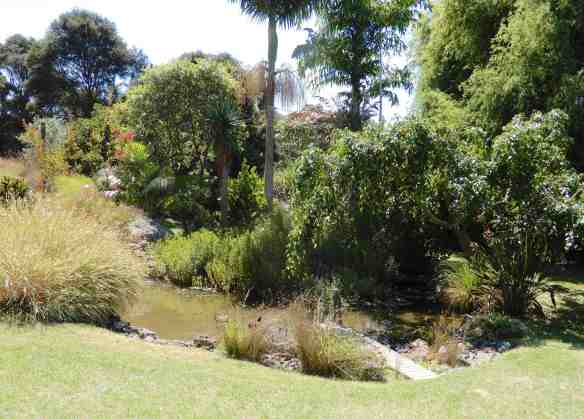
We could have lingered in the immaculate gardens all afternoon

26.garden28.garden

29.garden

but we had another two vineyards to visit and more wine to taste before returning to Matiatia Bay for the ferry journey back to Auckland.

31.Matiatia Bay

With calm waters ahead

32.Matiatia Bay33.toward Auckland

we found a comfortable perch at the back of the boat, soothed by the thrum of the engines and the dancing droplets of the white wake.

34.farewell Waiheke

As we neared the city

35.Waiheke to Auckland36.tall ship37.Auckland

our attention was diverted by the appearance of an enormous sea monster, dwarfing what we thought was our rather substantial ferry.

41.Ovation of the Seas

The impressive Edwardian façade of the ferry terminal awaited, the tour had ended but there was more wine to be tasted that day.

42.ferry terminal


Acquapendente

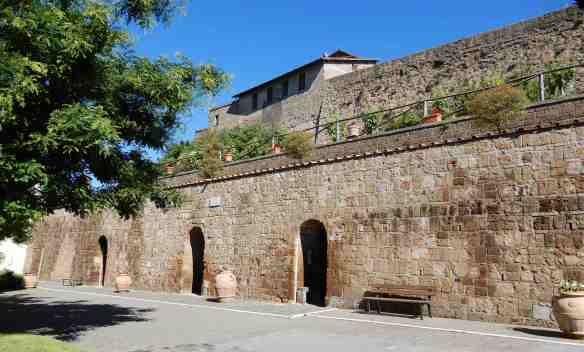
The nearest town to Montepozzo was a pleasant 4km drive away. Acquapendente, in northern Lazio, sits right at the borders of Tuscany to the west and Umbria to the east. First settled by the Etruscans, then Romans, it was established in the Middle Ages as a village and monastery by the Benedictine order. The name means “falling water” because of its vicinity to numerous small waterfalls flowing into the river Paglia. Our exploration of the town started at the Cathedral of San Sepolcro.  As far as Italian cathedrals go, it wasn’t particularly impressive from the outside. Built between 890 and 968, it was originally the church of a former Benedictine monastery, became a Romanesque church in the 12th century and eventually made it to cathedral status in 1649. Apparently, the crypt contains a blood-stained stone from the Holy Sepulchre in Jerusalem.

1.Cattedrale del Santo Sepolcro

We crossed the road for a look in the tourist information centre and found a range of local products and interesting artefacts.

We continued down Via Roma

10.Via Roma

past the City Museum

11.Museo della Città

and ventured into the Church of Saints Anthony and Catherine. The 19th century façade was easy to miss but the detail inside was lovely.

12.Chiesa dei Santi Antonio e Caterina

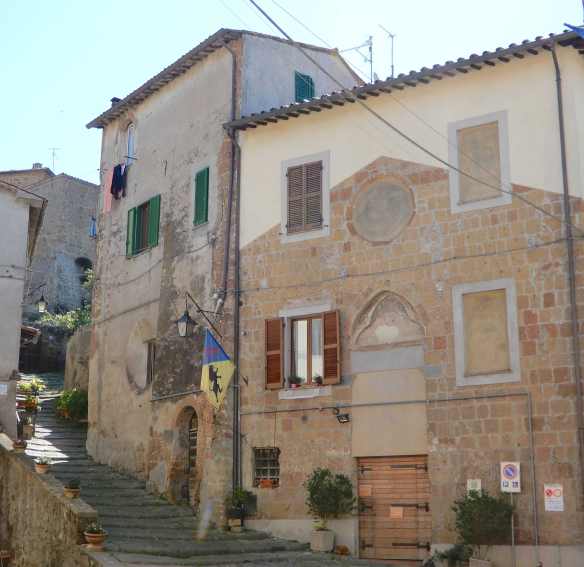
There was no shortage of colour in the streets

16.houses

as we made our way to the Church of Saint Agostino. Yet another unassuming façade belied a fascinating interior. Founded in 1290 by the Augustinian convent, it was rebuilt in 1747 after being completely destroyed by fire a year earlier.

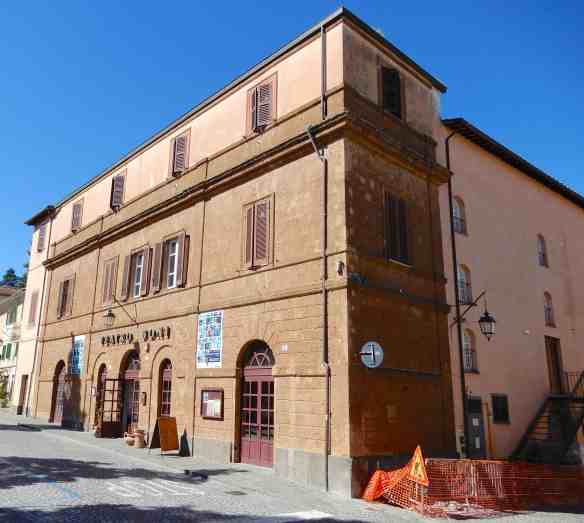
We passed the 19th century Boni Theatre

30.Teatro Boni

and around the corner, arrived at a beautiful piazza. The waters of Fonte del Rigombo flow from a natural spring, providing refreshment for both traveller and mount on their journey in medieval times. The fountain also became known as Mascheroni in the 19th century when the waters were framed architecturally with pilasters, cornices and grotesque masks around the water spouts.

31.Fonte del Rigombo

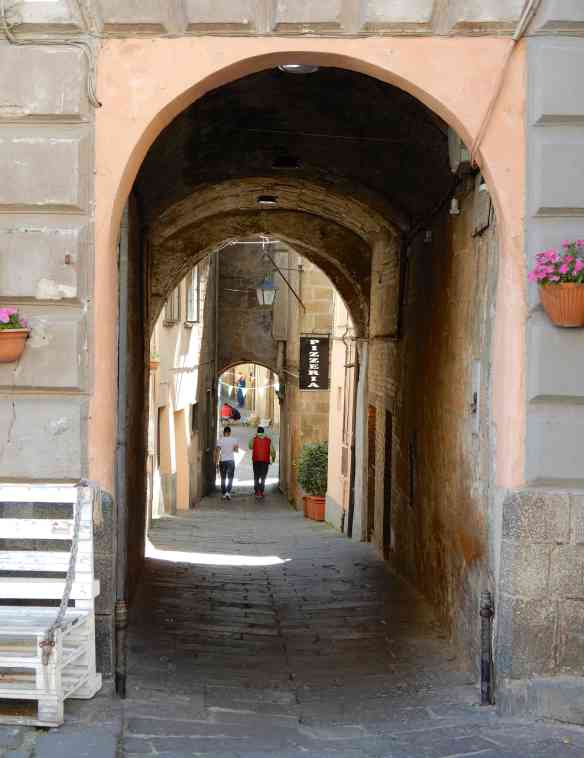
Cobblestoned side streets beckoned

36.Acquapendente

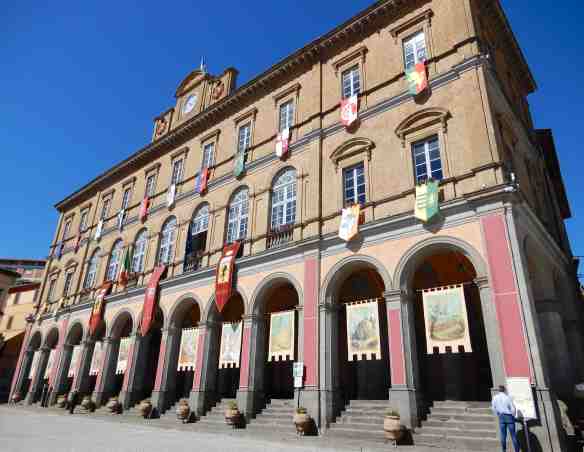
but we were on a mission as we reached Piazza Girolamo Fabrizio and the magnificent Town Hall.

37.Town Hall

Time for coffee & pastries,

38.pastries

the perfect setting to relax and watch the world go by.

Suitably replenished, we ambled further, enjoying the sights, sounds and sunshine.

66.strolling

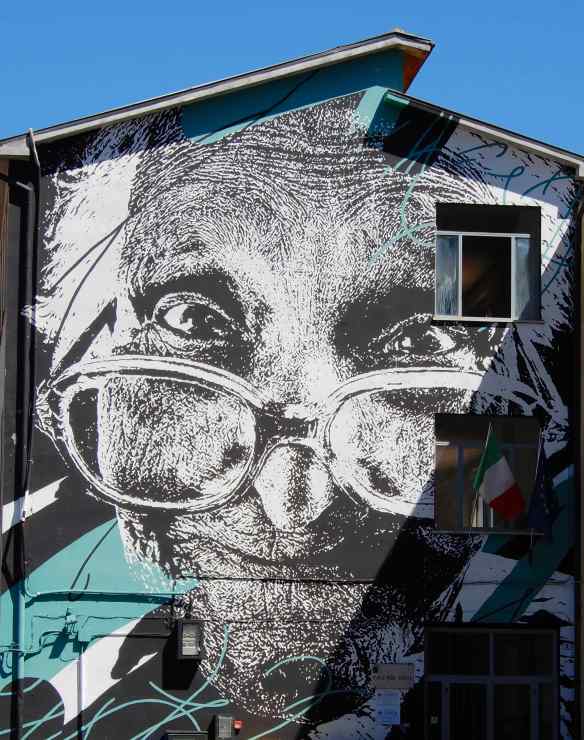
Throughout our rambling, we had noticed huge portrait paintings that appeared randomly on walls where least expected. They are entries in the Street Art section of The Urban Vision Festival, a two day festival each July that began in 2015.

82.Urban Vision

Just past the hospital,

at the end of the town, we were rewarded with a spectacular vista across verdant countryside.

86.view87.view

resplendent roses

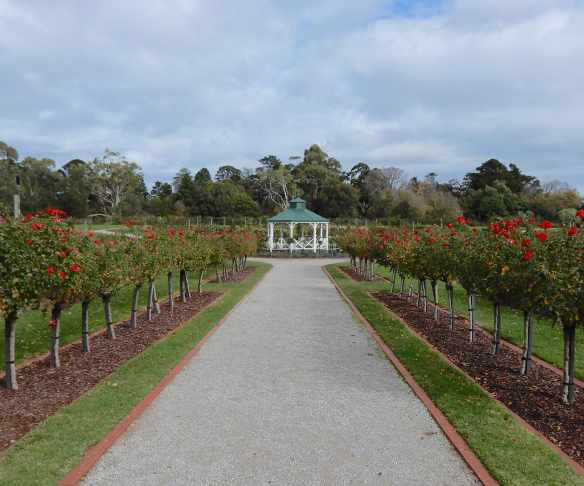
There is no better place to stop and smell the roses than Victoria State Rose Garden.

1.main entrance

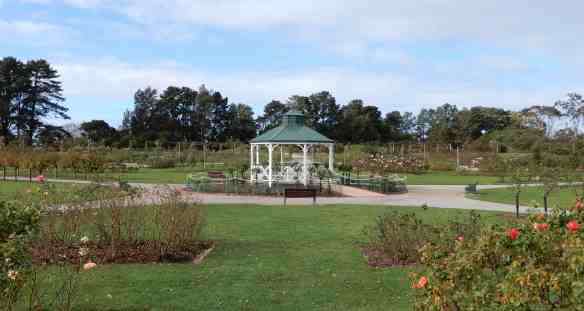
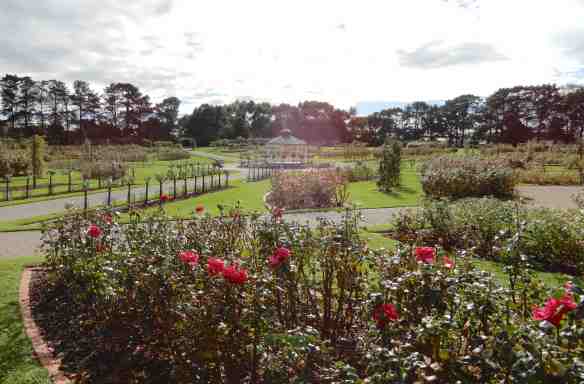
Developed in stages from 1986 to 2001, over 5,000 rose bushes flourish in the 5 hectare garden and are all tended by volunteers. The main part of the garden is set out in the shape of a Tudor Rose, wide paths separate the five petals and a gazebo marks the centre.

2.gazebo

We wandered amongst the blooms, boggled by the variety and colours.

13.gazebo

Beyond the Tudor Rose, there is an area shaped as a leaf and one as a bud. The leaf celebrates horticultural achievements of Australian rose growers since 1900 and comprises 50 bushes especially bred for Australia’s sunny conditions.

The bud-shape highlights over 60 cultivars of David Austin roses.

22.roses

A 400 metre long Heritage Rose Border contains 250 types of old and species roses.

31.roses

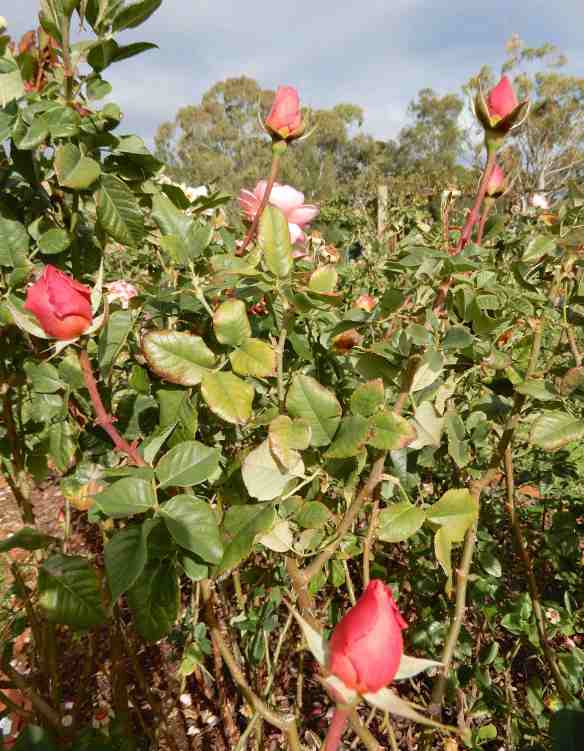
The best time to see the roses is during the summer months but we weren’t disappointed with the splendour on offer in the middle of June.

32.rose garden

Auckland

Our first day in Auckland dawned bright and sunny and we decided a ticket for the Hop On Hop Off bus was the best way to see the sights. Departing from Sky Tower, just down the road from our apartment, we were surprised by the amount of traffic and roadworks in Auckland. A huge extension to the waterfront precinct began last December, we weren’t enticed by the crowded construction site and remained on the bus as it travelled along Tamaki Drive on the way to Bastion Point. The views across Waitematā Harbour from the upper deck were breathtaking,

1.Waitematā Harbour2.Waitematā Harbour3.Waitematā Harbour

the city clearly visible, looking back across the water.

4.Auckland

The volcanic cone of Maungauika forms the headland that is North Head Reserve, adjacent to the harbourside suburb of Devonport. There are underground tunnels and old gun emplacements to explore at the former military defence installation.

5.North Head

The symmetrical cone of Rangitoto Island is the youngest and largest volcano in the Auckland field, emerging a mere 600 years ago.

6.Rangitoto

We alighted at Bastion Point to wander around the Michael Joseph Savage Memorial Park. Set on 49 hectares, the landscaped gardens, sunken pool and obelisk are a memorial to New Zealand’s first Labour Prime Minister.

7.Michael Savage Memorial

In office from 1935 until his death in 1940, Michael Savage is recognised as the founder of the Welfare State as well as creating a political alliance with the Māori Rātana movement.

8.Michael Savage Memorial

The gardens are immaculate, designed by two Auckland architects who won a national competition to design the memorial in 1941.

9.Michael Savage Memorial

10.Michael Savage Memorial

This site of a former gun emplacement affords a spectacular view of Auckland Harbour Bridge.

13.Auckland Harbour Bridge

We walked the steep path and steps from Bastion Point to Mission Bay, a popular beach with calm waters and plenty of cafes and bars.

14.Mission Bay

We had a different perspective of Devonport and North Head from the beach.

15.Devonport & North Head from Mission Bay

At the bottom of the steps, there are a series of beautiful pebble mosaics but no explanatory signage. I have since discovered the origin of this art, you can read about it here.

16.mosaic17.mosaic18.mosaic