Waratah

Our journey to Corinna took us through the former mining town of Waratah on the edge of Tasmania’s west coast wilderness. The plan was for lunch at the Bischoff Hotel, the only hotel remaining in the town. Originally built in 1879, it burned down in 1902 before being rebuilt and burning down again in 1909. The present Queen Anne style incarnation was completed later that same year.
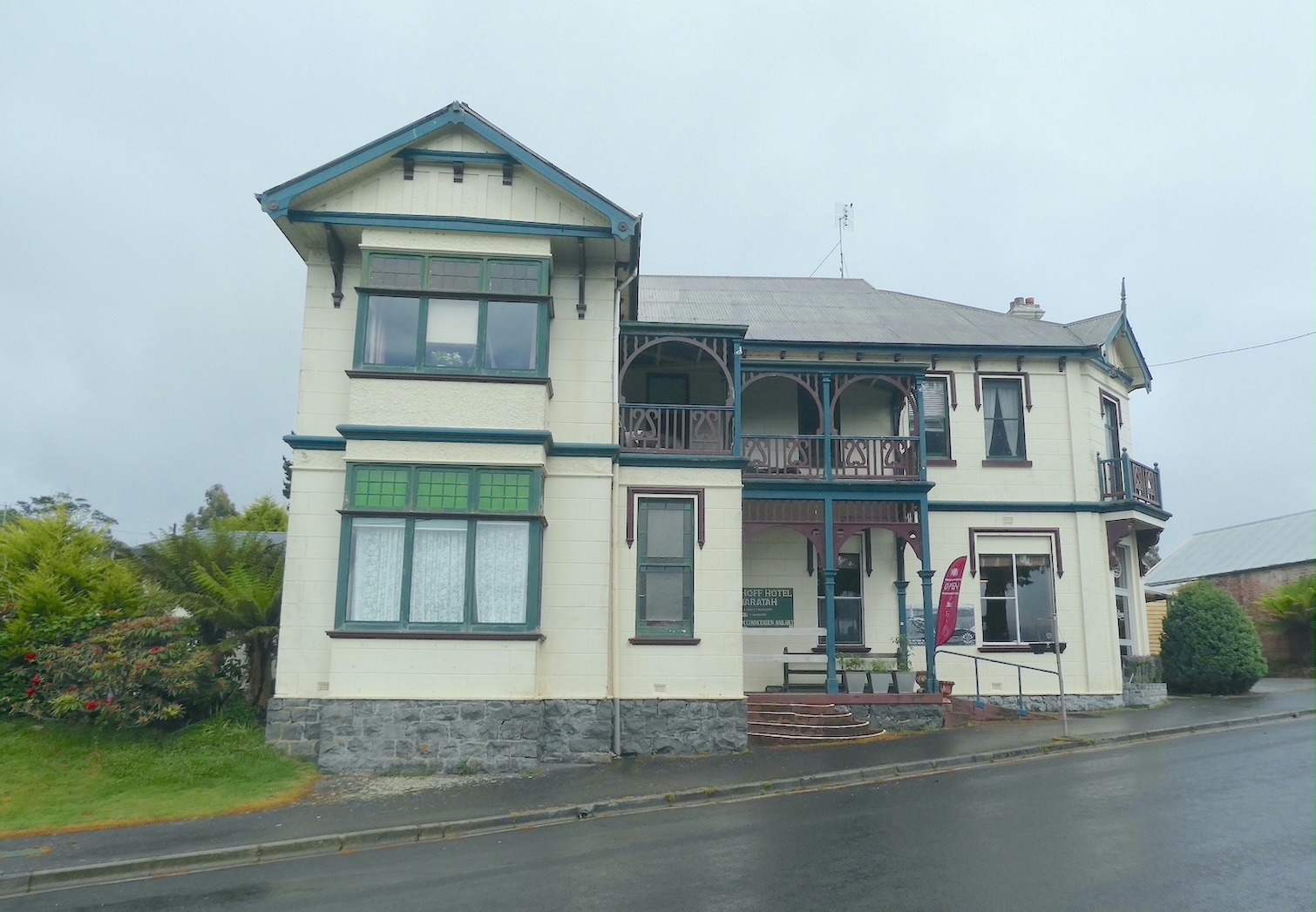
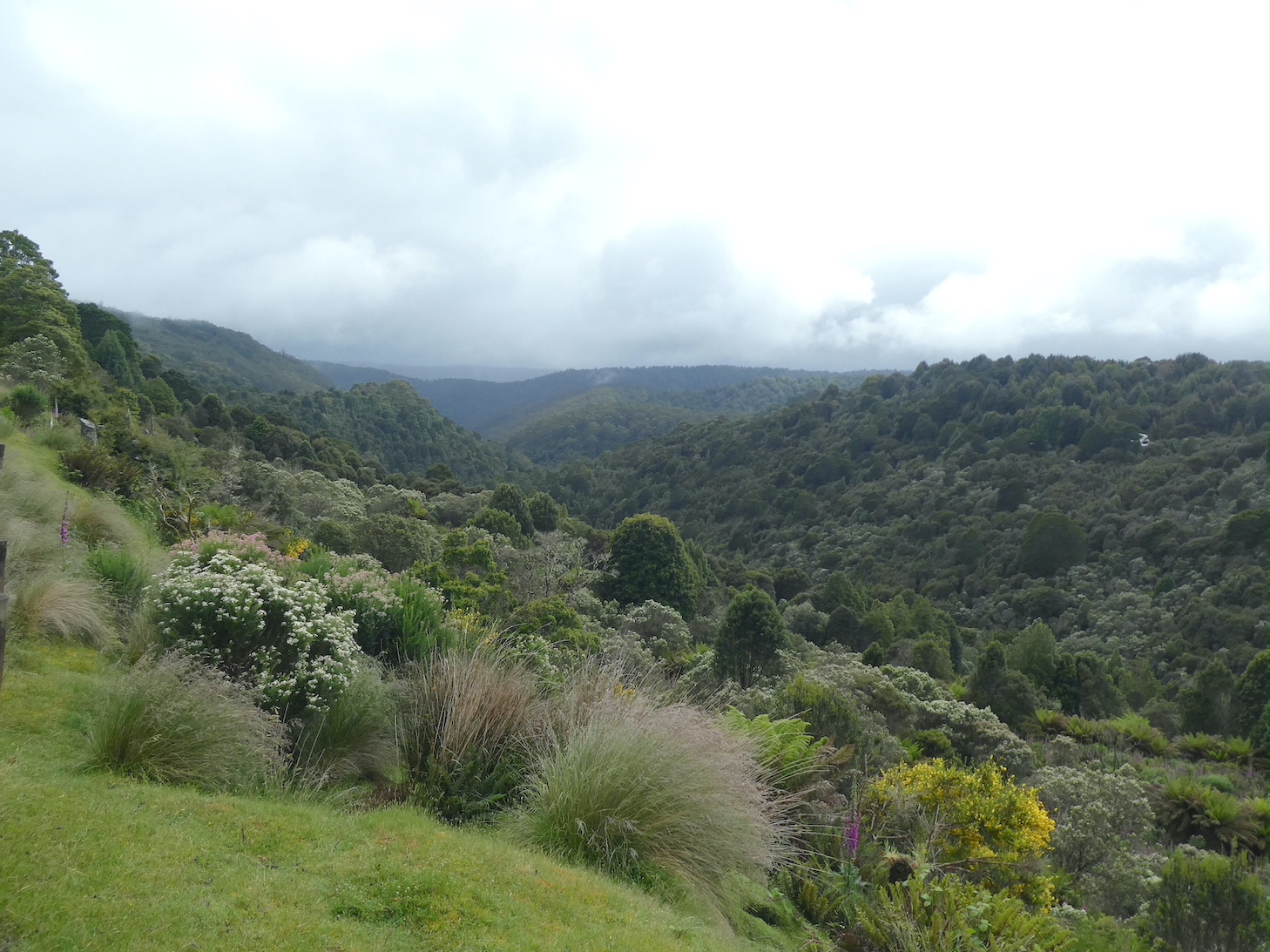
The view from the hotel is spectacular, even on a drizzly day
and the waterfall in the middle of town flows all year round. The water provided vital power to the mine directly through a series of seven water wheels and was later piped to the Waratah Power Station to produce hydro power.

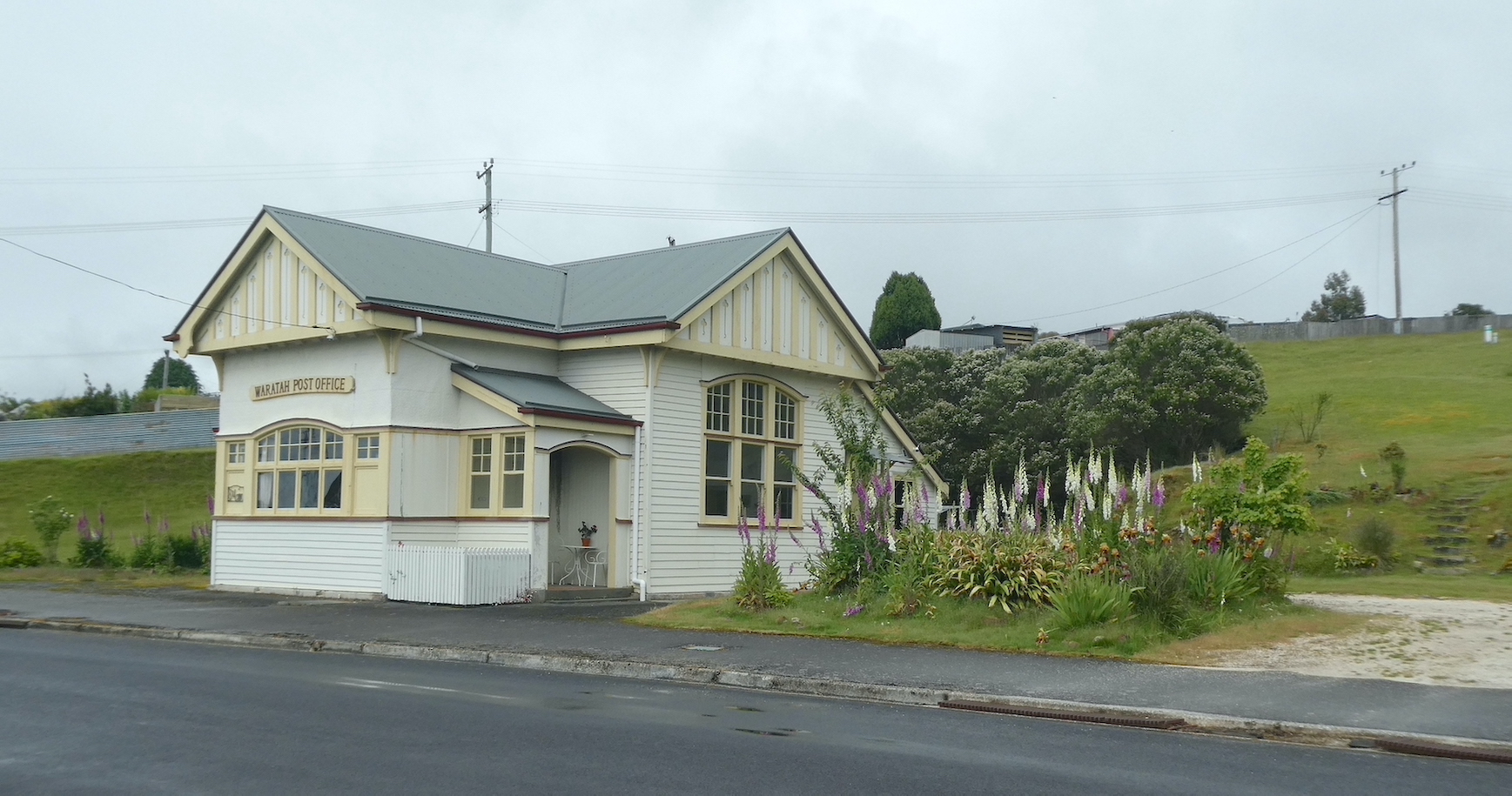
With some time to spare before dining, we set out to explore. The Waratah Post Office opened in 1882 and the current building replaced the original in 1913. It has been lovingly restored and is now available as luxury holiday accommodation.

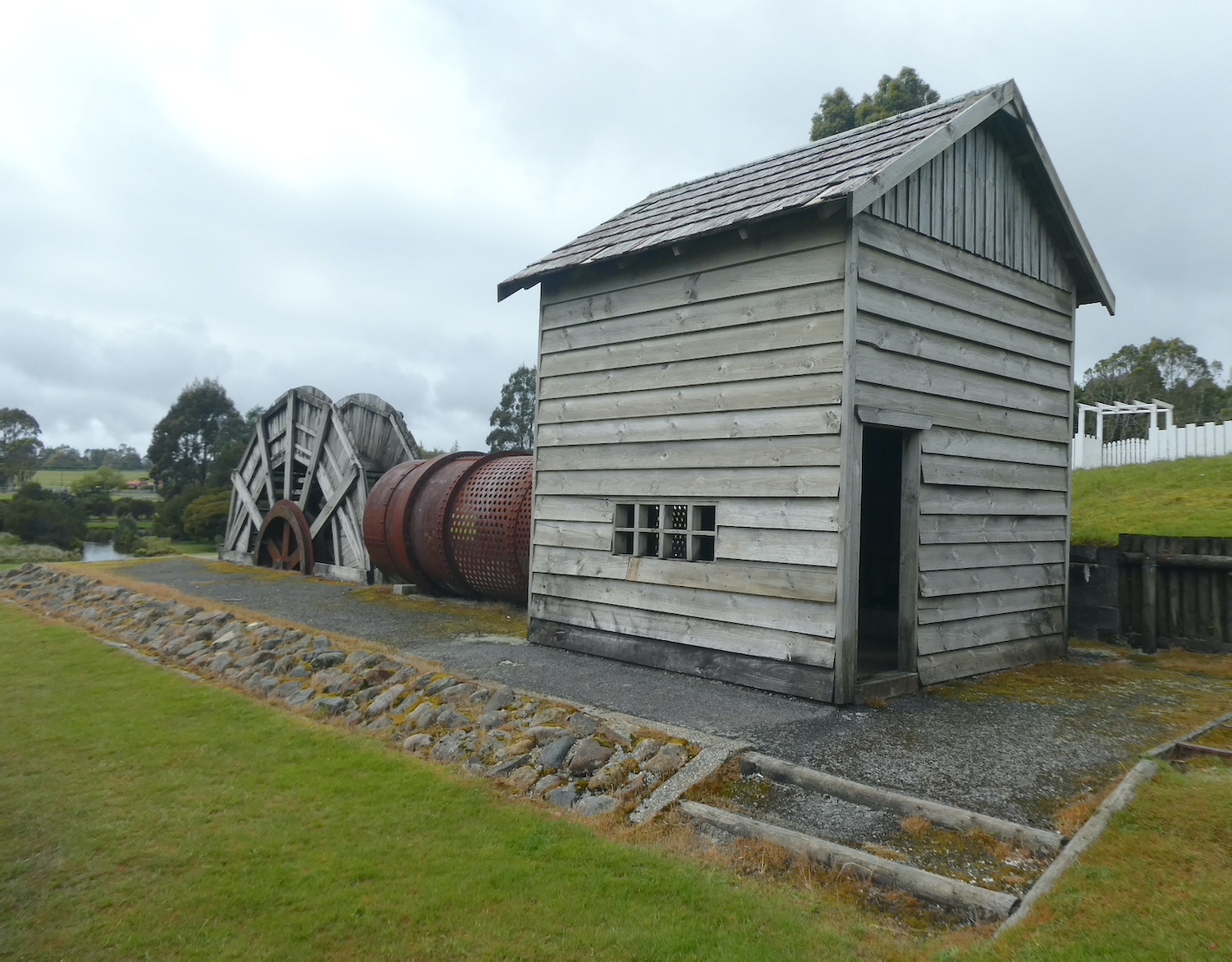
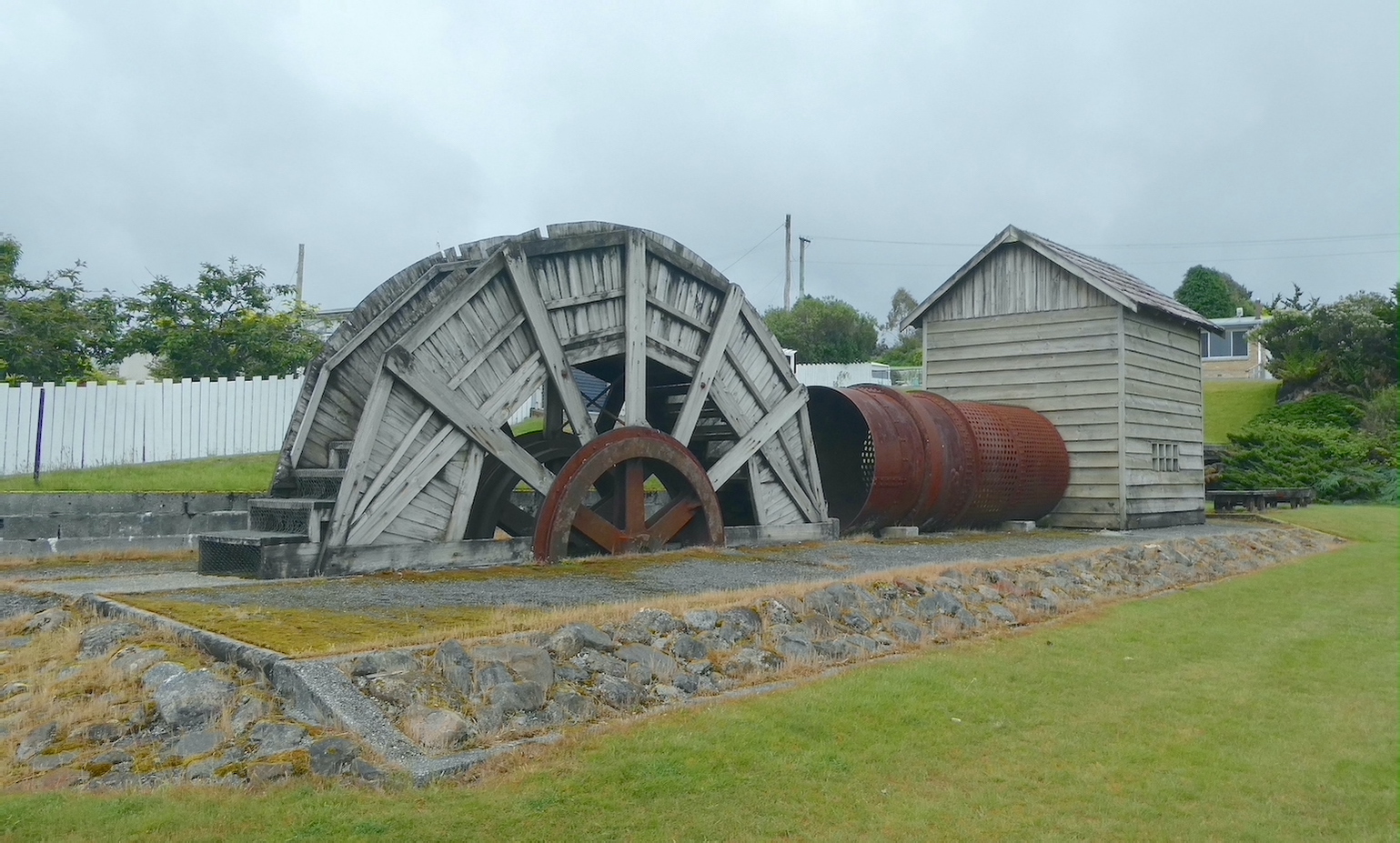
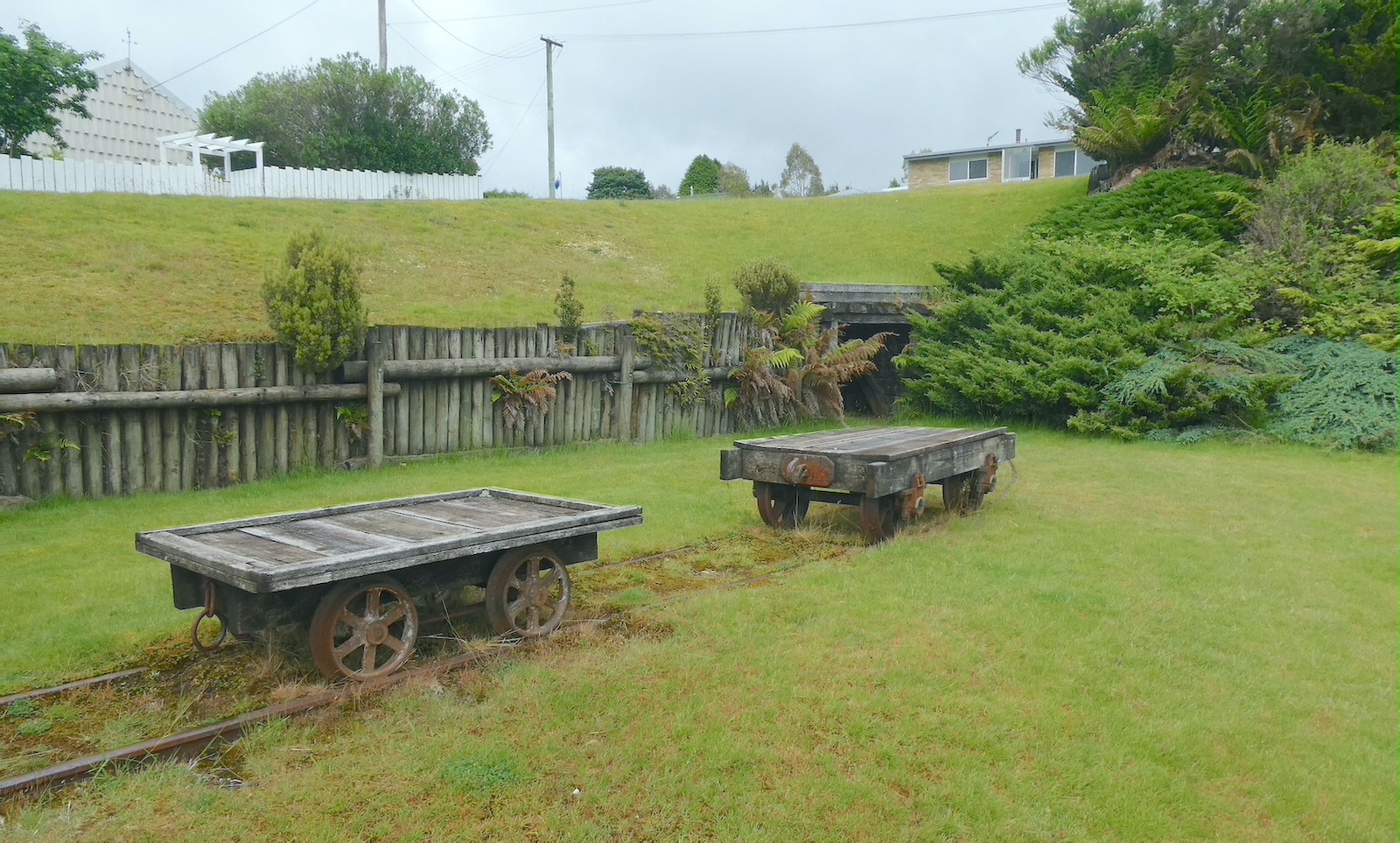
We made our way to the lake and came across an old waterwheel and pump house near what appeared to be an old entrance for the mine carts.
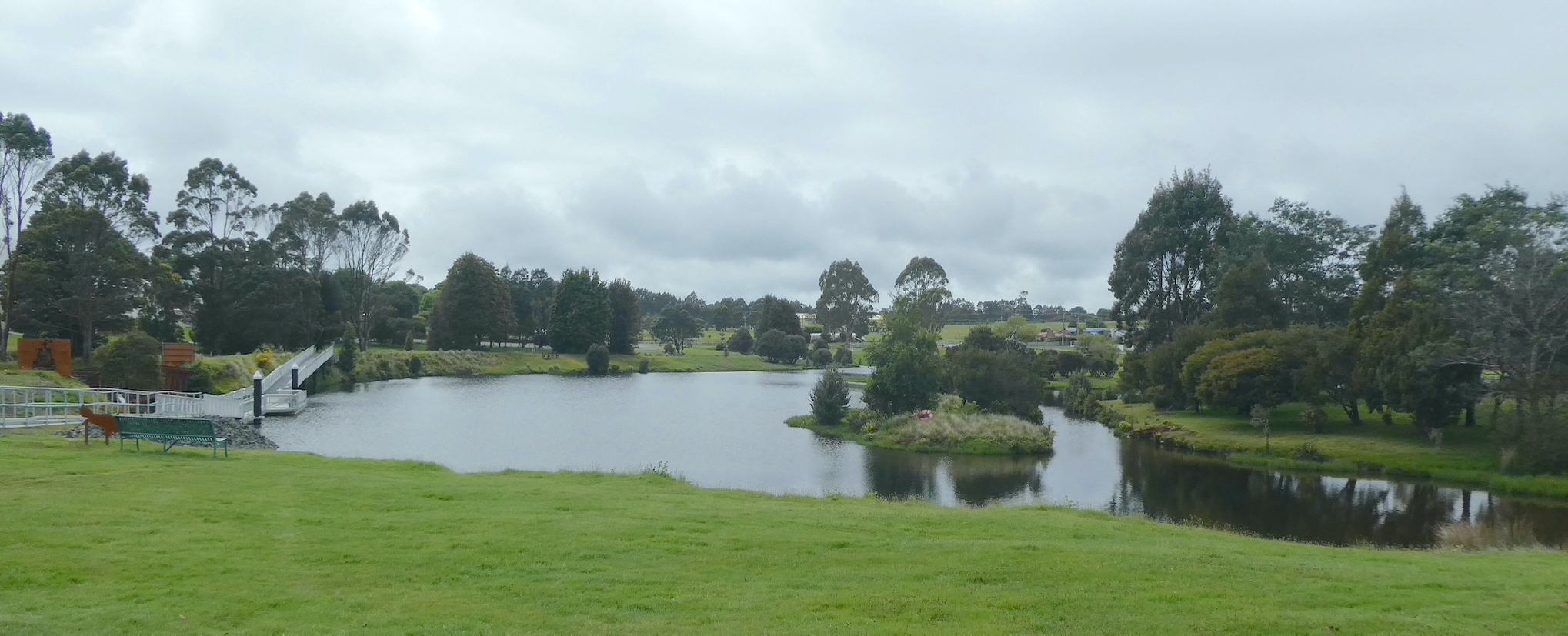
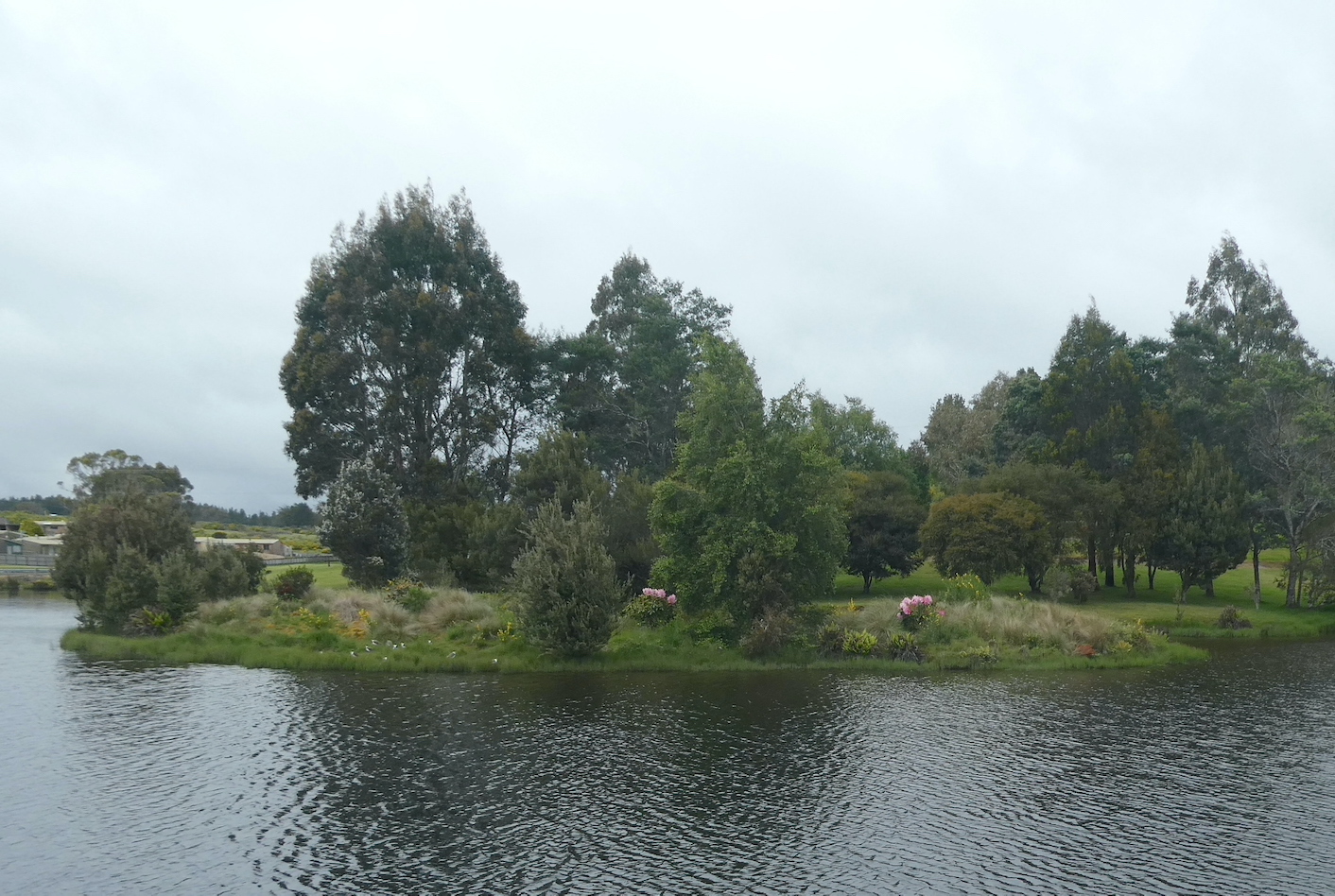
As we entered the town, we noticed how immaculate the public lawns and gardens were kept. Lake Waratah is a beautiful centrepiece.

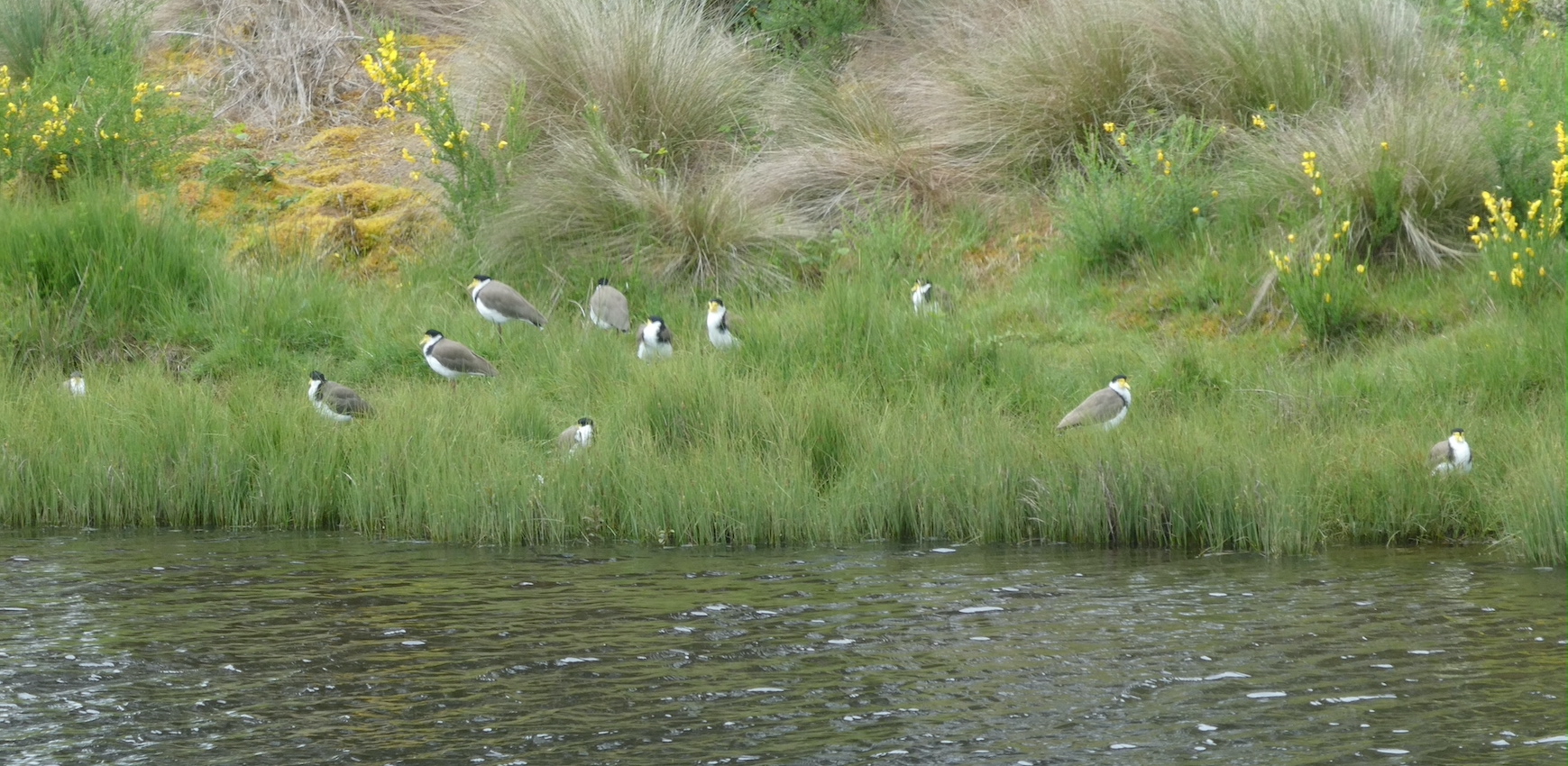
I have never seen a colony of masked lapwings in these numbers, they have chosen a lovely spot to call home.
We took a closer look at the iron truss rail bridge, built over the Waratah River in 1895, essential for getting people and supplies to Waratah and getting the ore out.

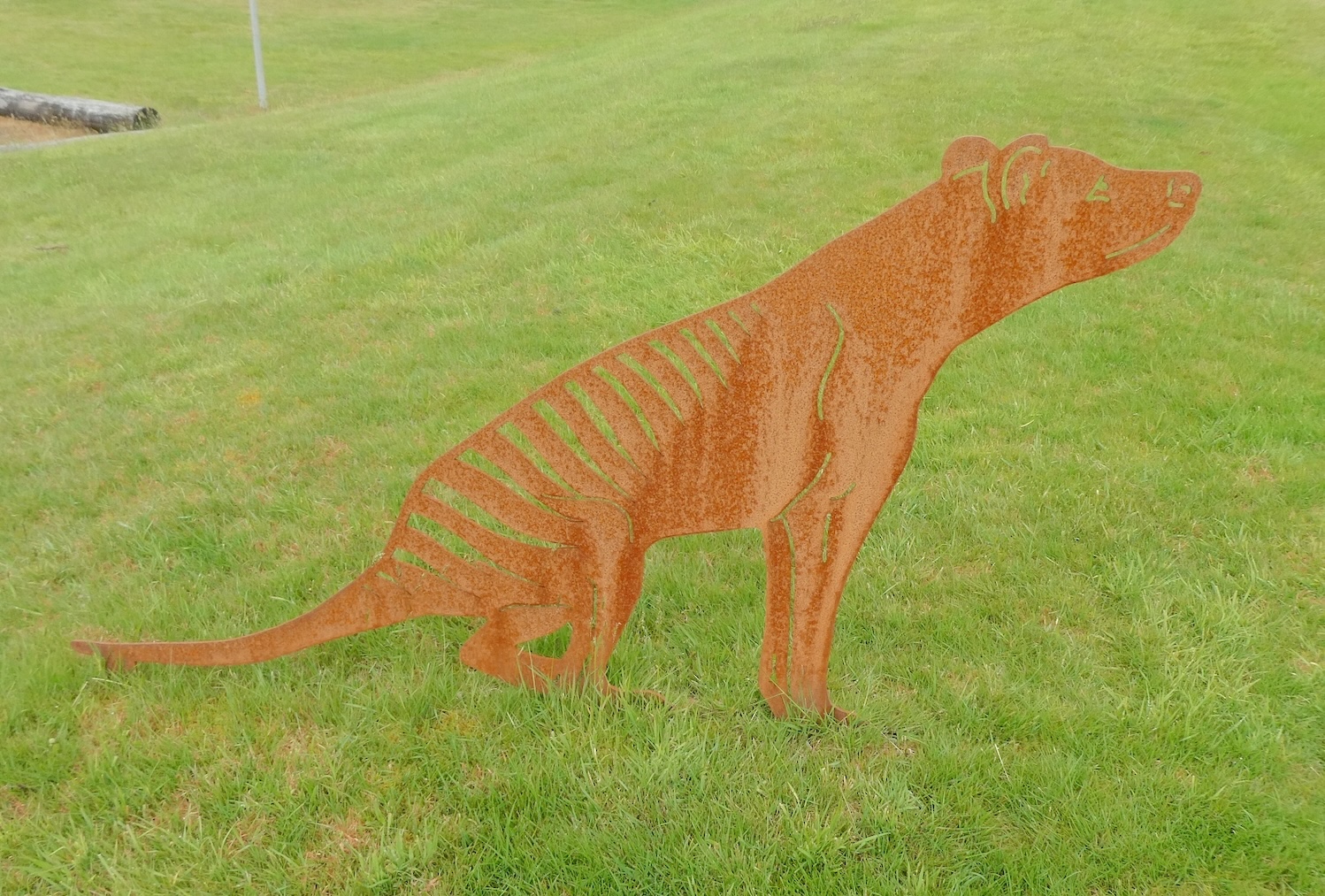
Waratah is known as one of the last bastions of the thylacine, thought by some to be extinct. We are ever hopeful of proving this theory wrong, it seems we are not alone.

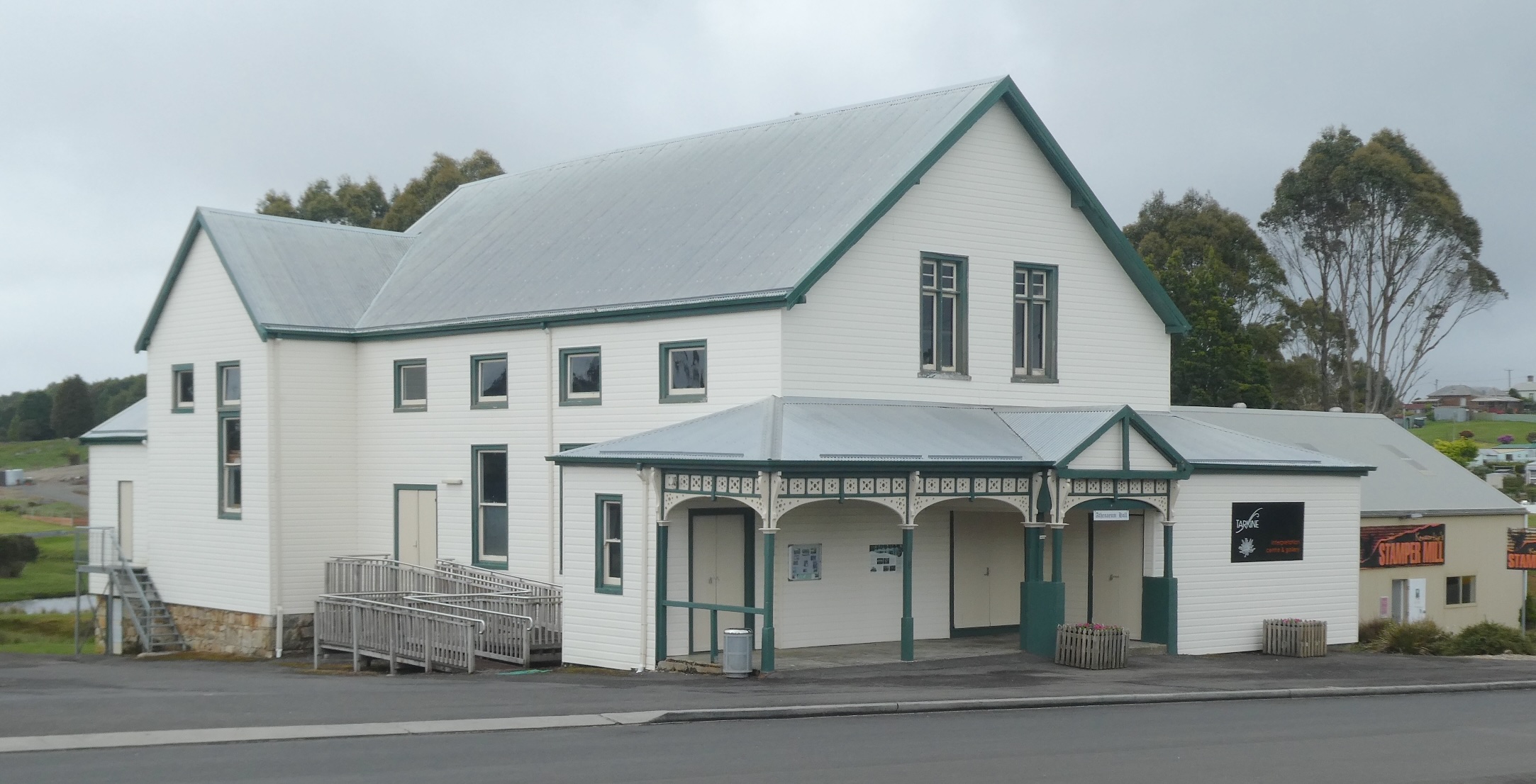
The Athenaeum Hall is a very impressive building completed in 1887 when the town was enjoying the economic prosperity provided by the tin mine. Built for the workers and families, it started as a library and later became the town hall and cinema. Today, it is home to the Tarkine Visitor Interpretation Centre and is still used for functions.
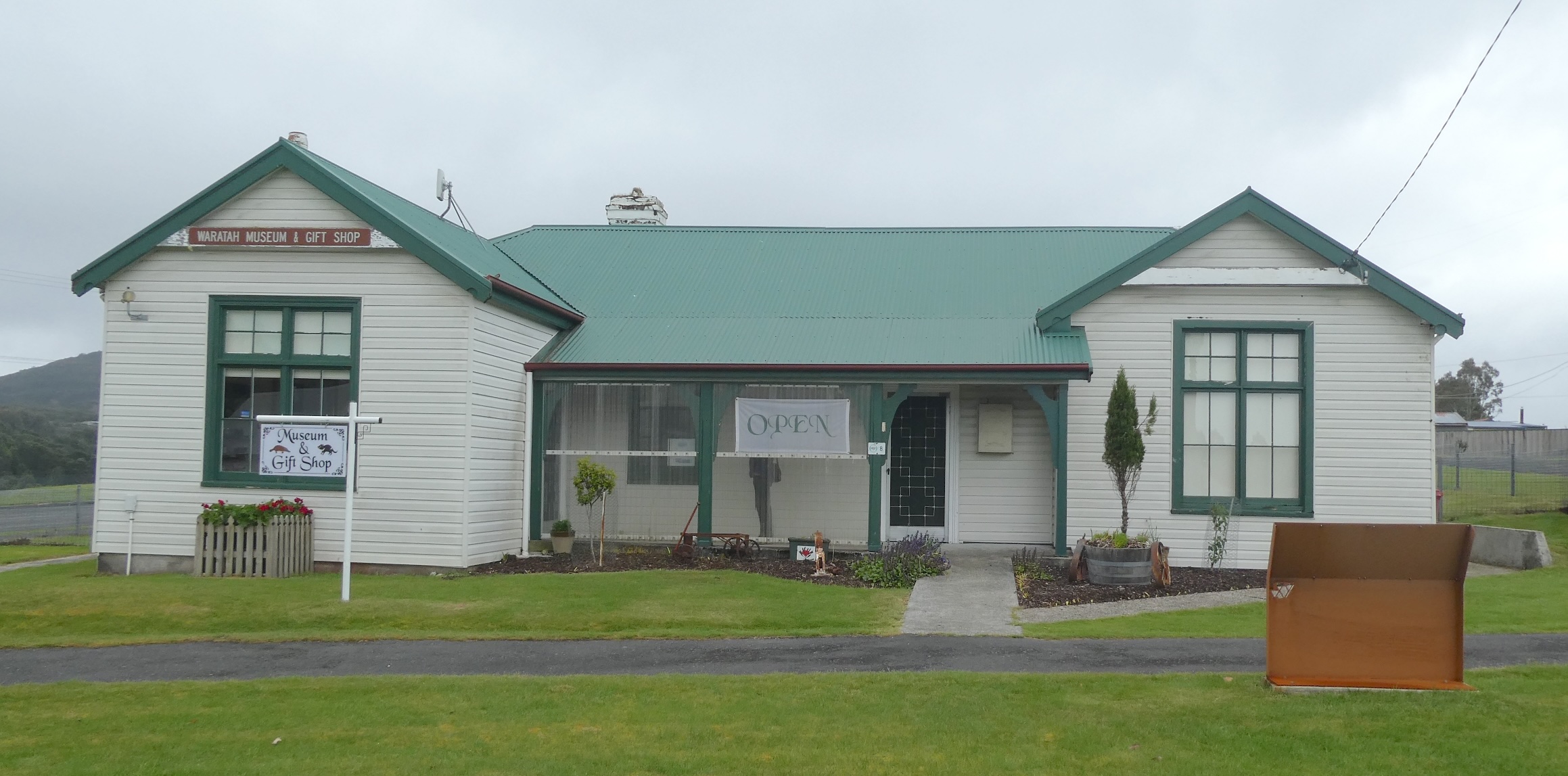
Across the road, the Waratah Museum occupies in the old Court House (that will be another post).
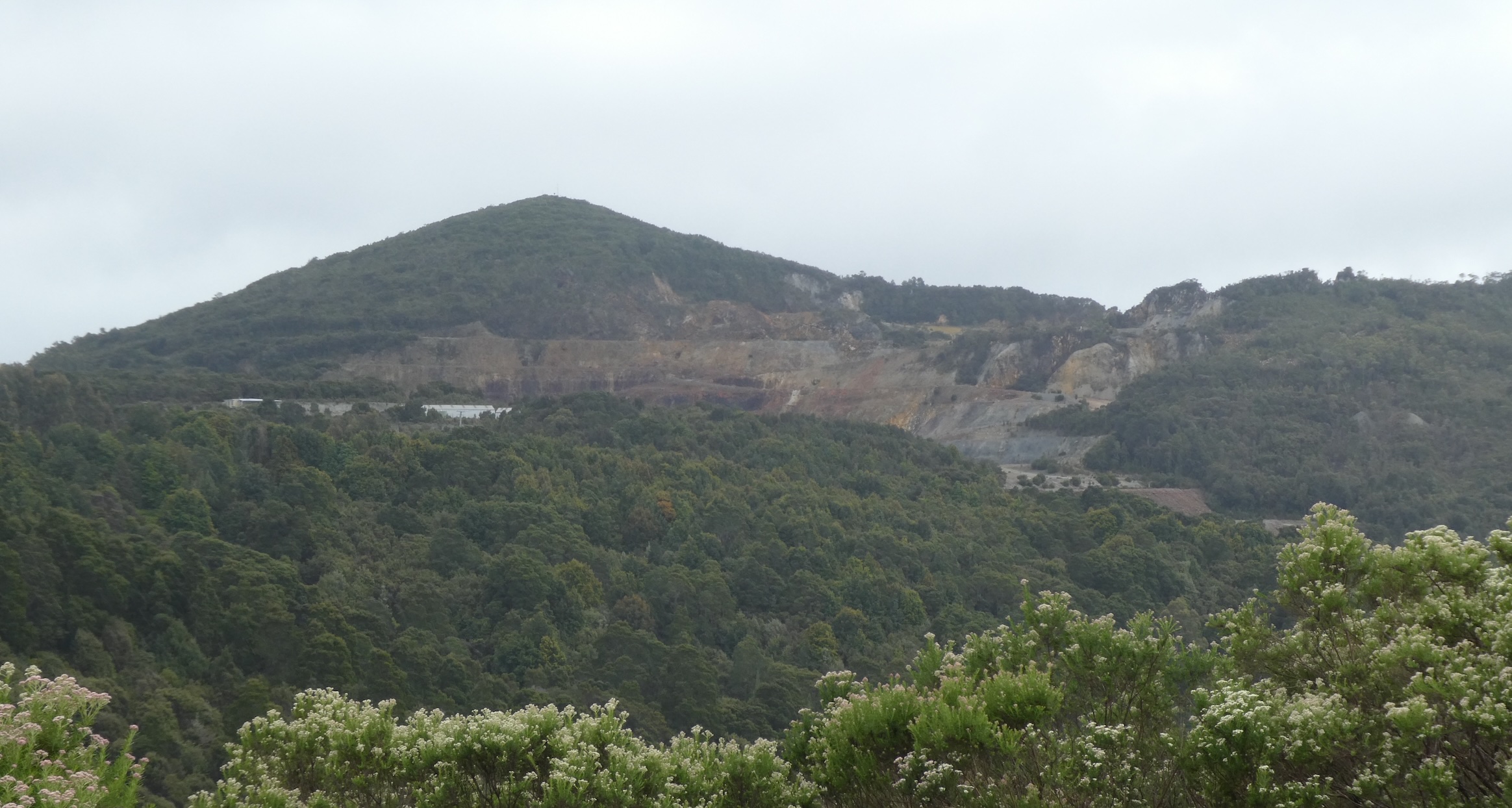
Despite a leisurely perambulation around the museum, we still had time for a walk to the bottom of the falls. The scarred landscape of the Mt. Bischoff mine loomed in the distance. Tin was discovered in the area in 1871 and by 1881, Mt. Bischoff was the richest tin mine in the world.  The mine closed in 1947 after seventy years of continuous production but open cut mining resumed in 2008. Three years later, with resources depleted, it again closed and the pit is now flooded.
The walking trail was enveloped by tree ferns and verdant native vegetation
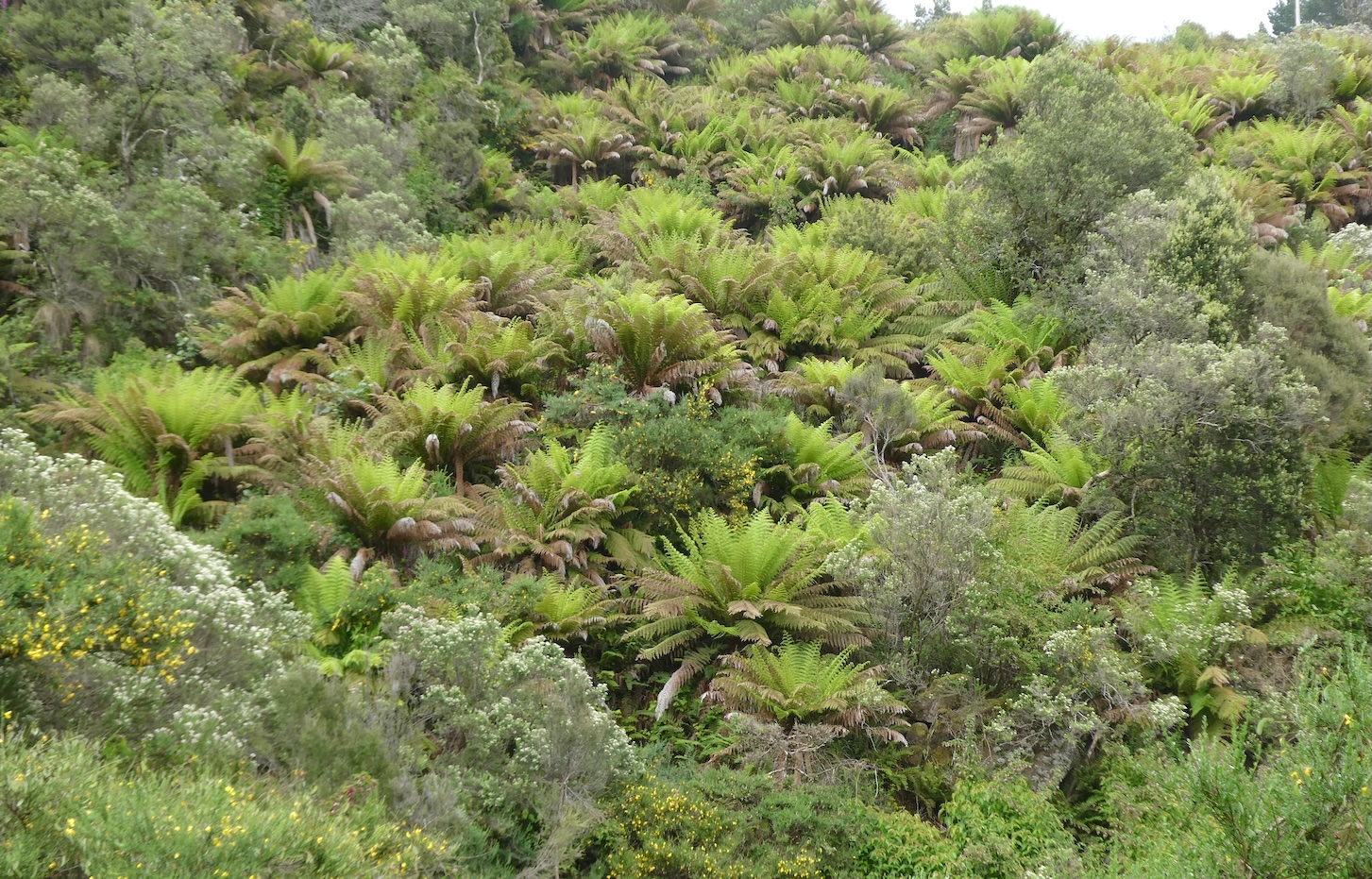
and the waterfall was magnificent after steady spring rain.

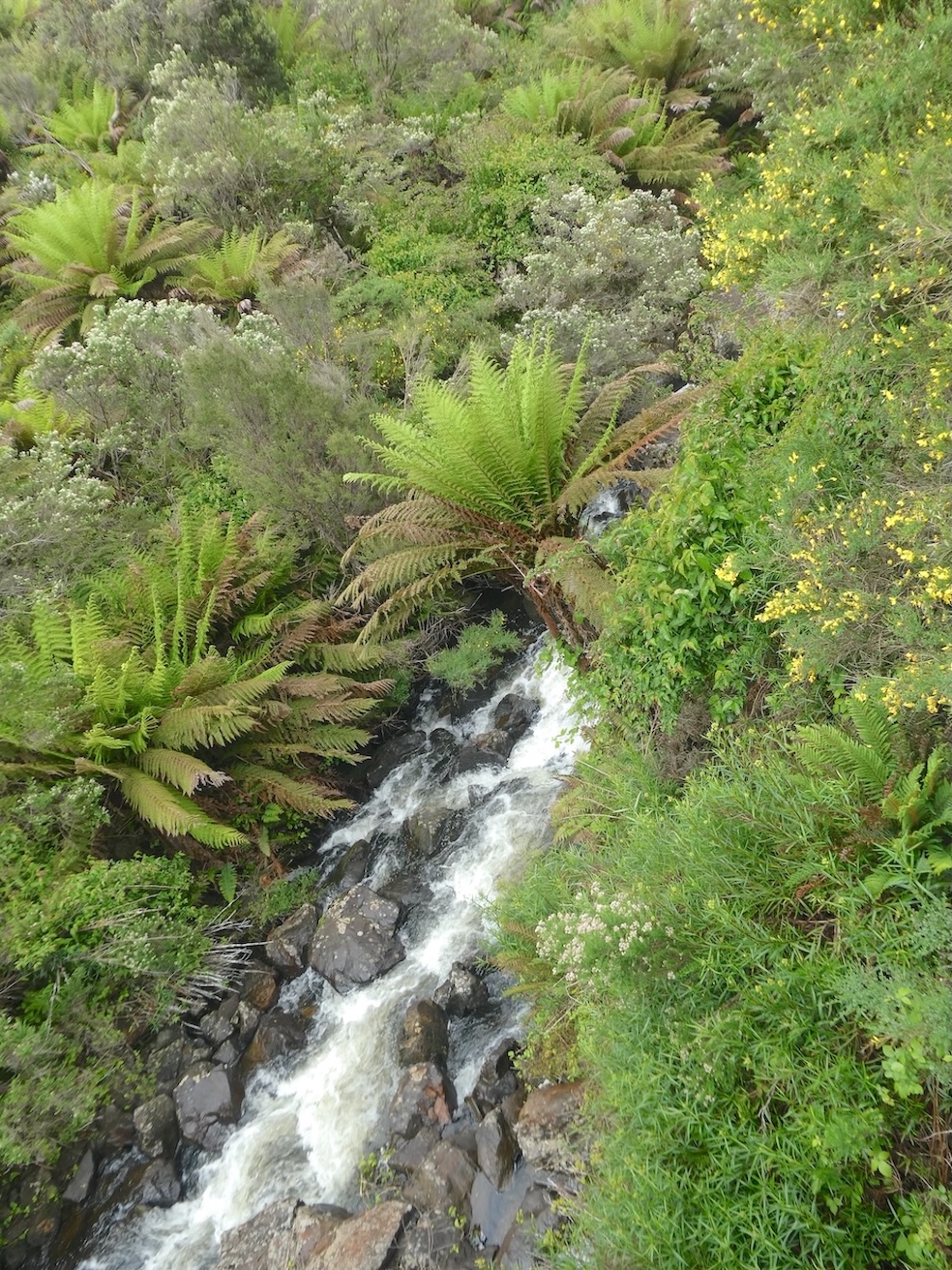
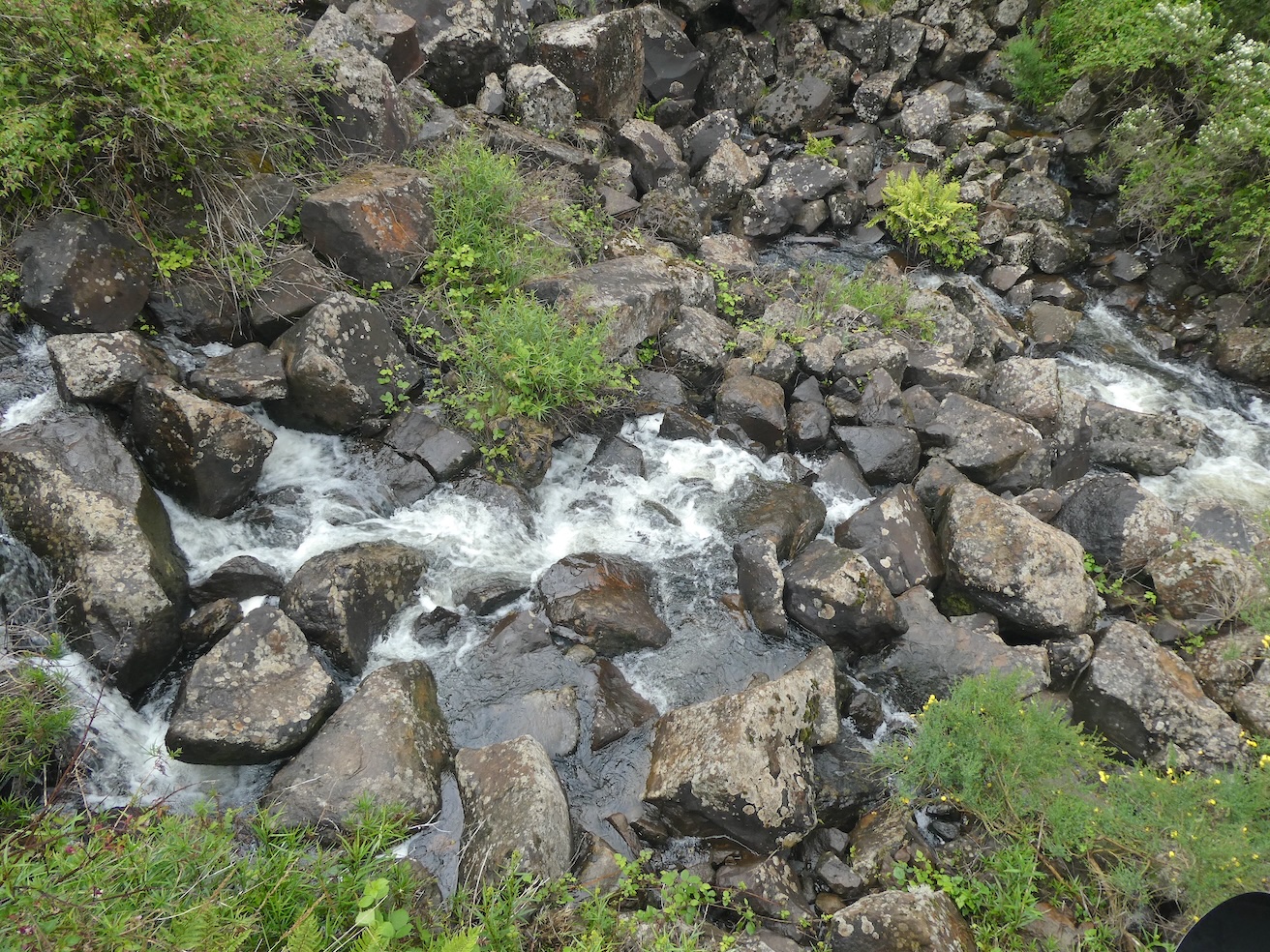
Returning to the top of the falls, the Waratah River wends its way over the cliff and continues ten kilometres before merging with the Arthur River.

The Dudley Kenworthy water wheel is named after the gentleman who recognised the potential to harness the year round water supply, making Waratah the first industrial site in Australia to be lit by hydro-electricity.
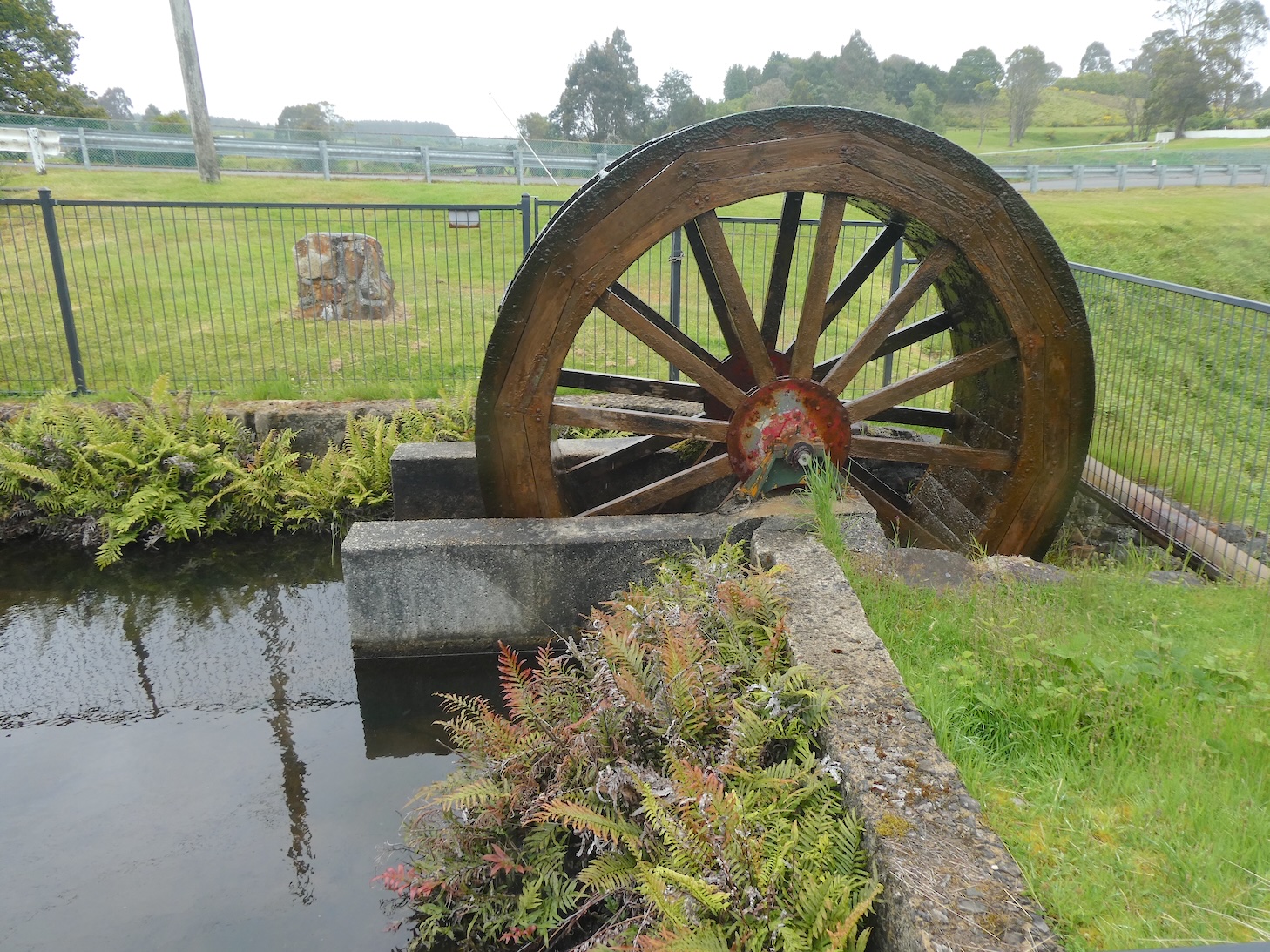
After a substantial lunch of delicious fish ’n’ chips and a schooner of stout, we were ready to tackle the long and winding road to Corinna.

canny composting

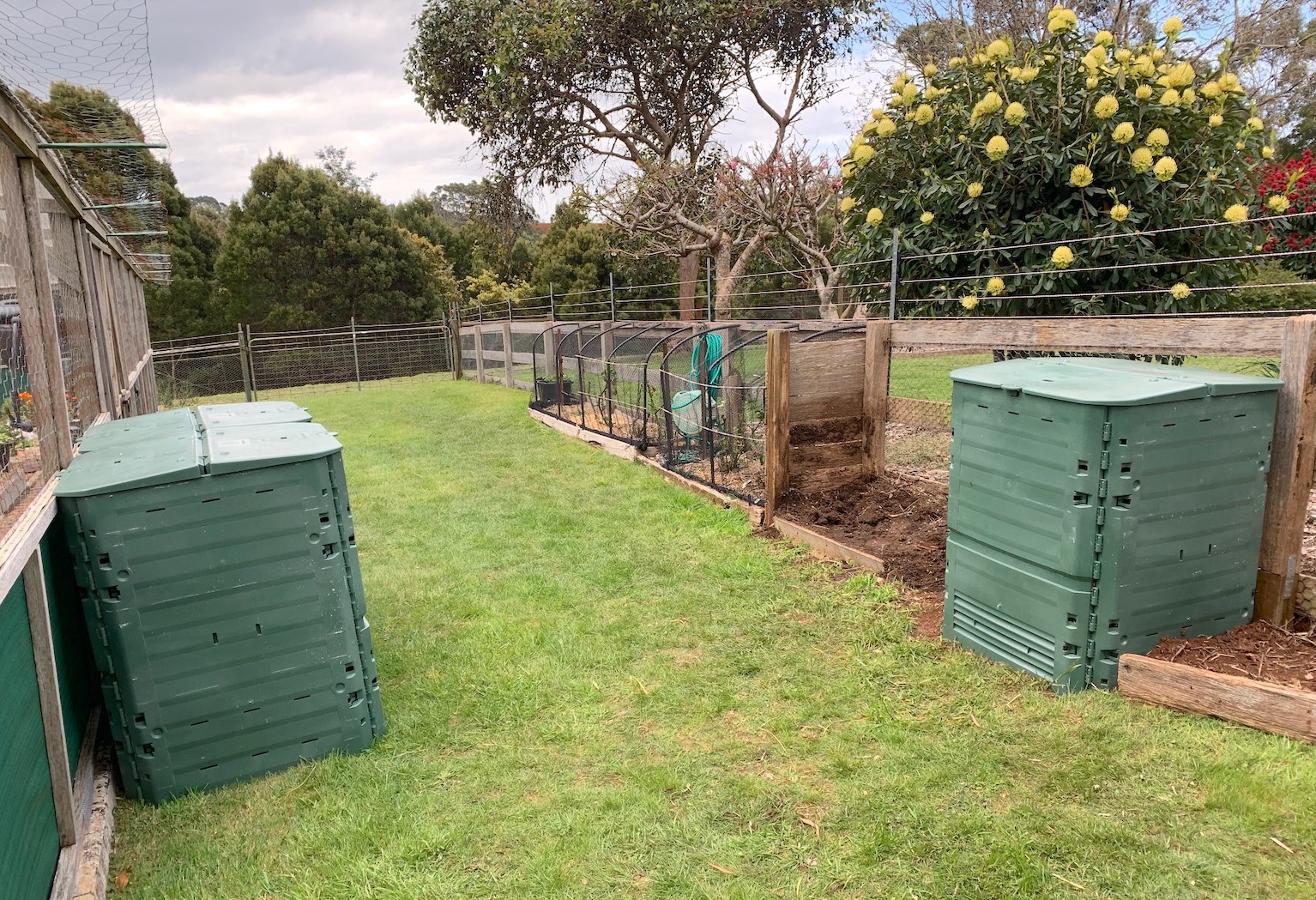
The compost bays we constructed when we created the veggie patch have slowly suffered the same fate as the raised beds. Two years ago we resurrected the beds to prevent further deterioration of the timbers and now it was time to do the same for these bays.

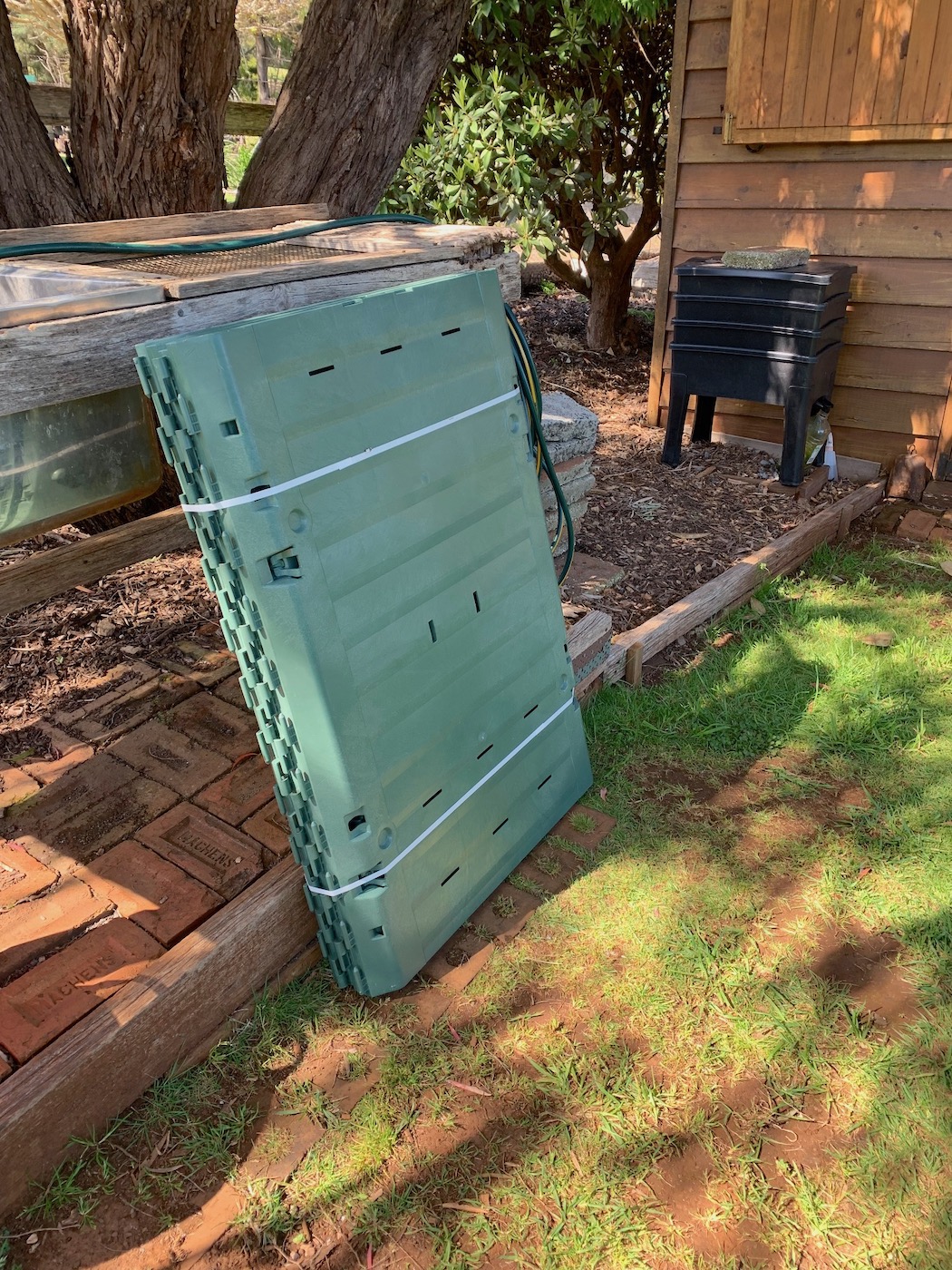
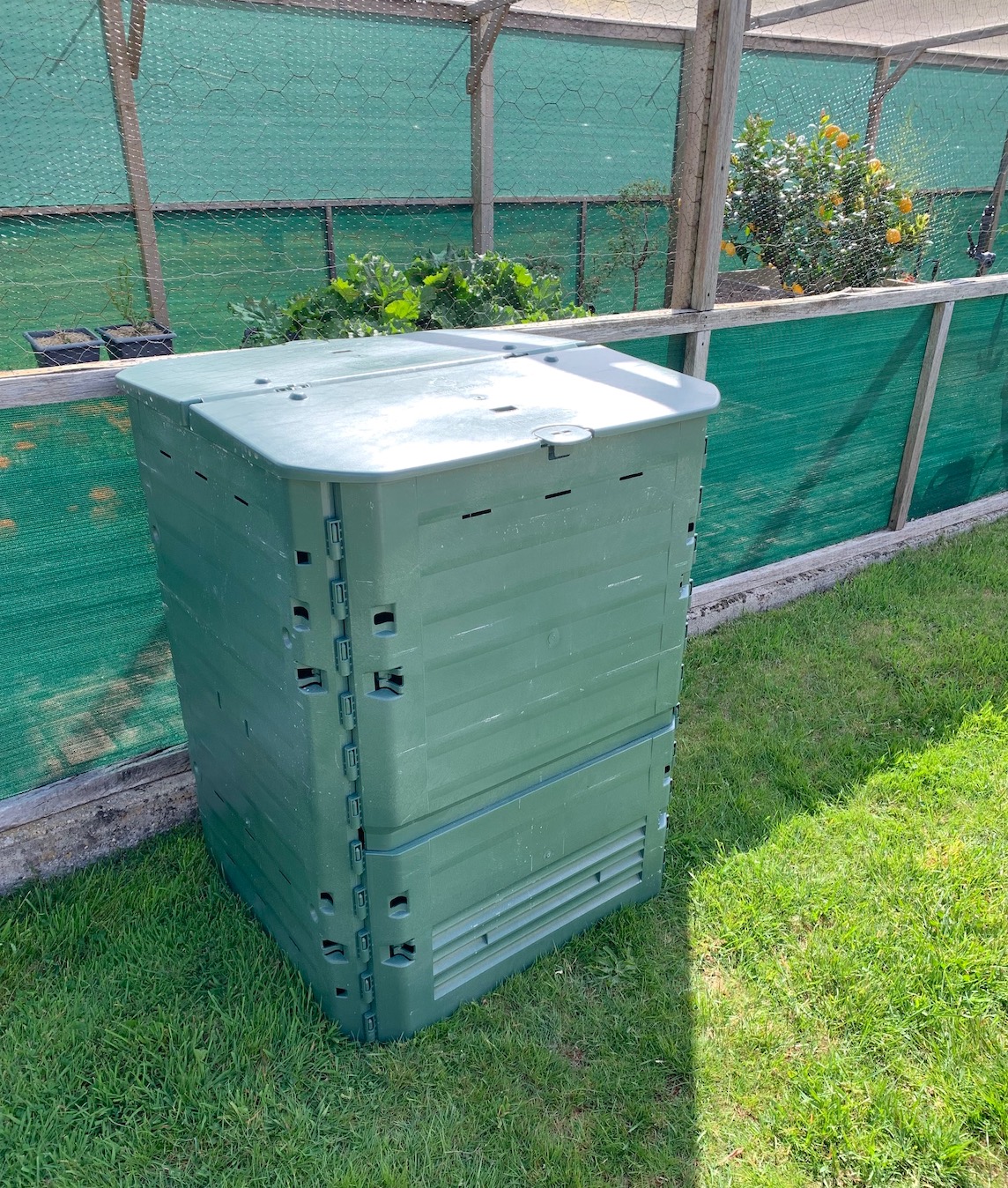
After much brainstorming, we decided the sensible thing was to buy ready made compost bins that would out live and look better than anything we could build. The three 600 litre bins were delivered and we wasted no time unpacking them.

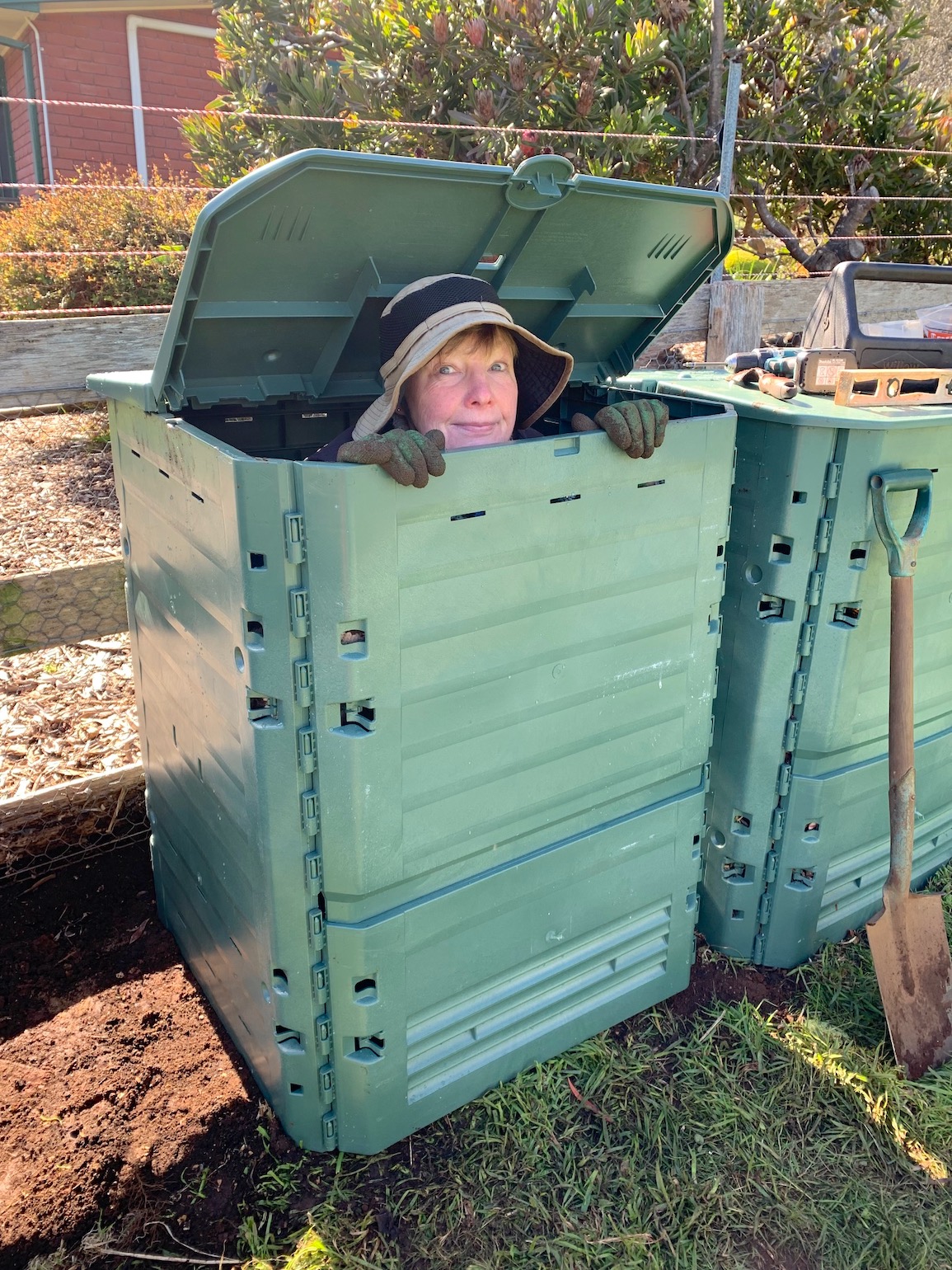
Assembly was ridiculously easy,

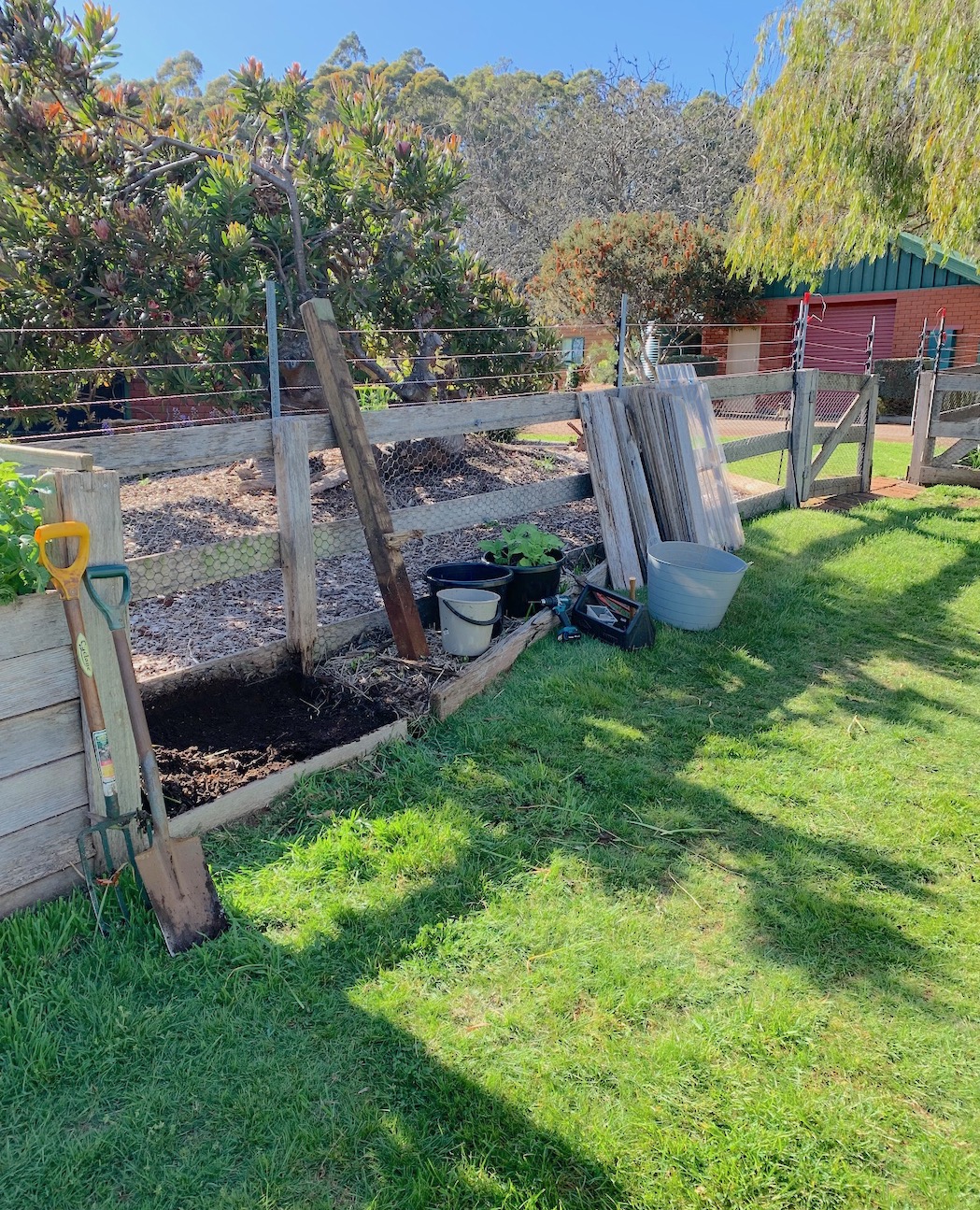
site preparation took a little longer. We emptied the contents of the first bay into wheel barrows and demolished the structure, saving any timbers worthy for future use.

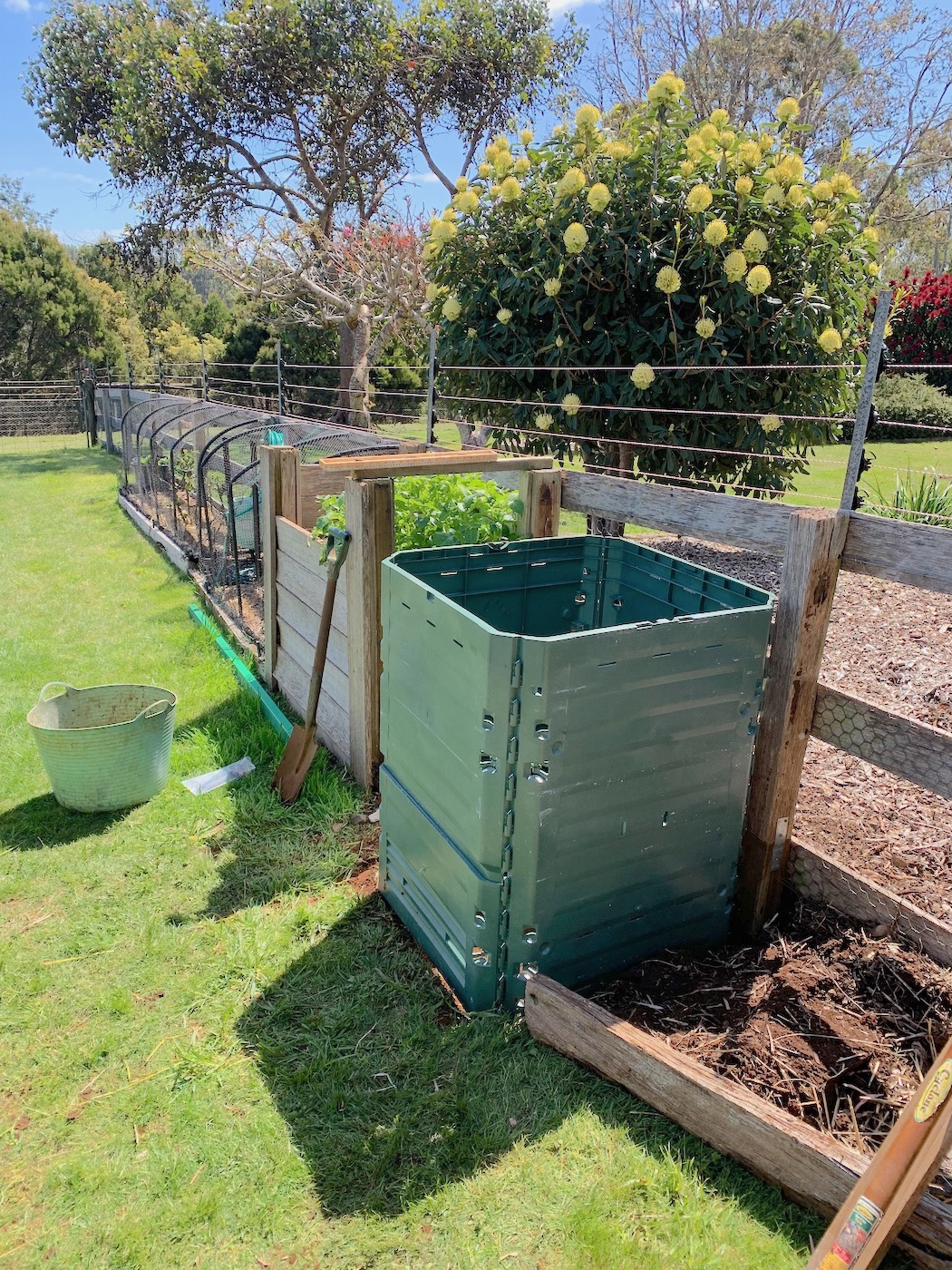
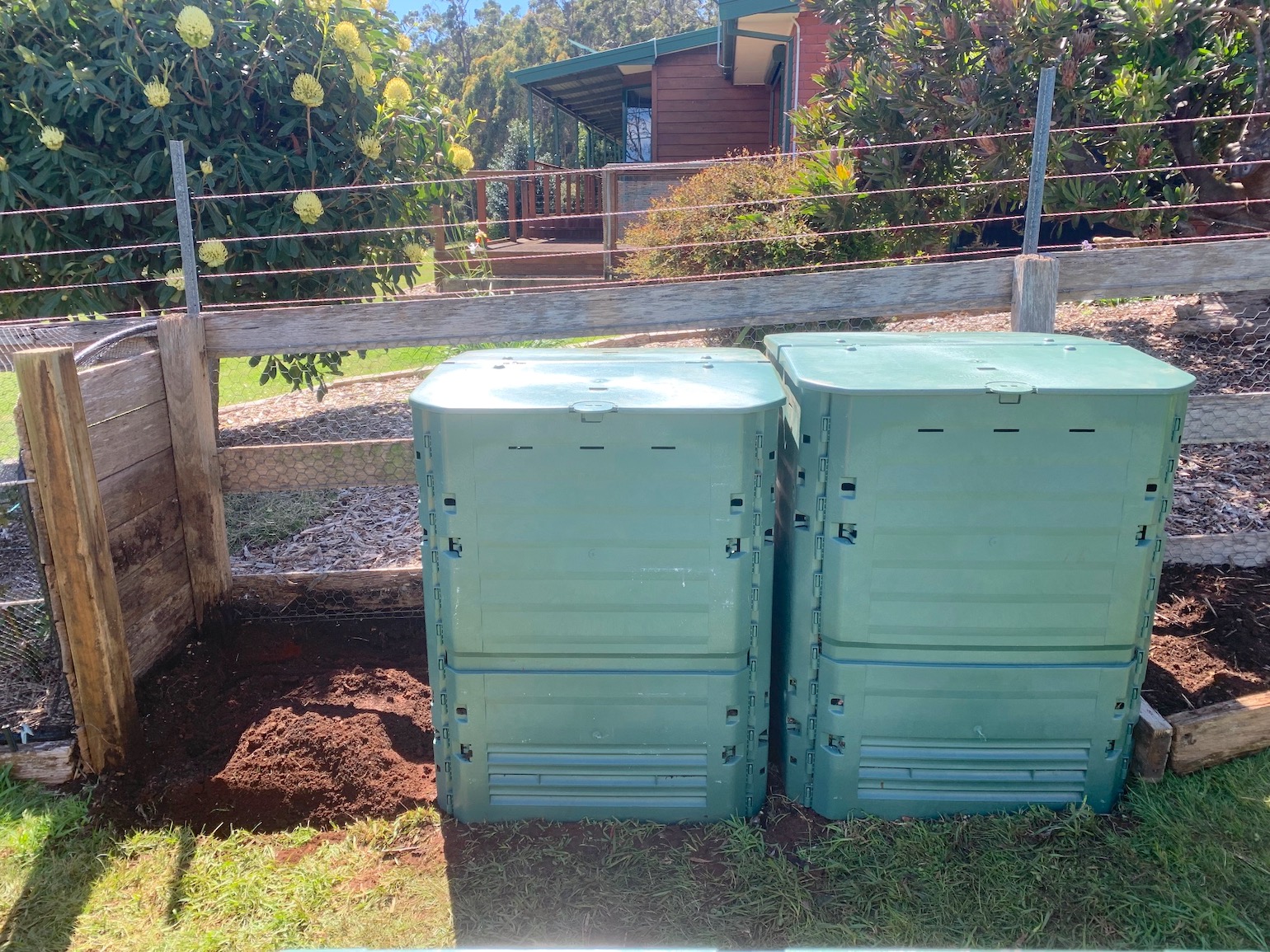
The new bin fit the space perfectly and the half-composted material was shovelled in.

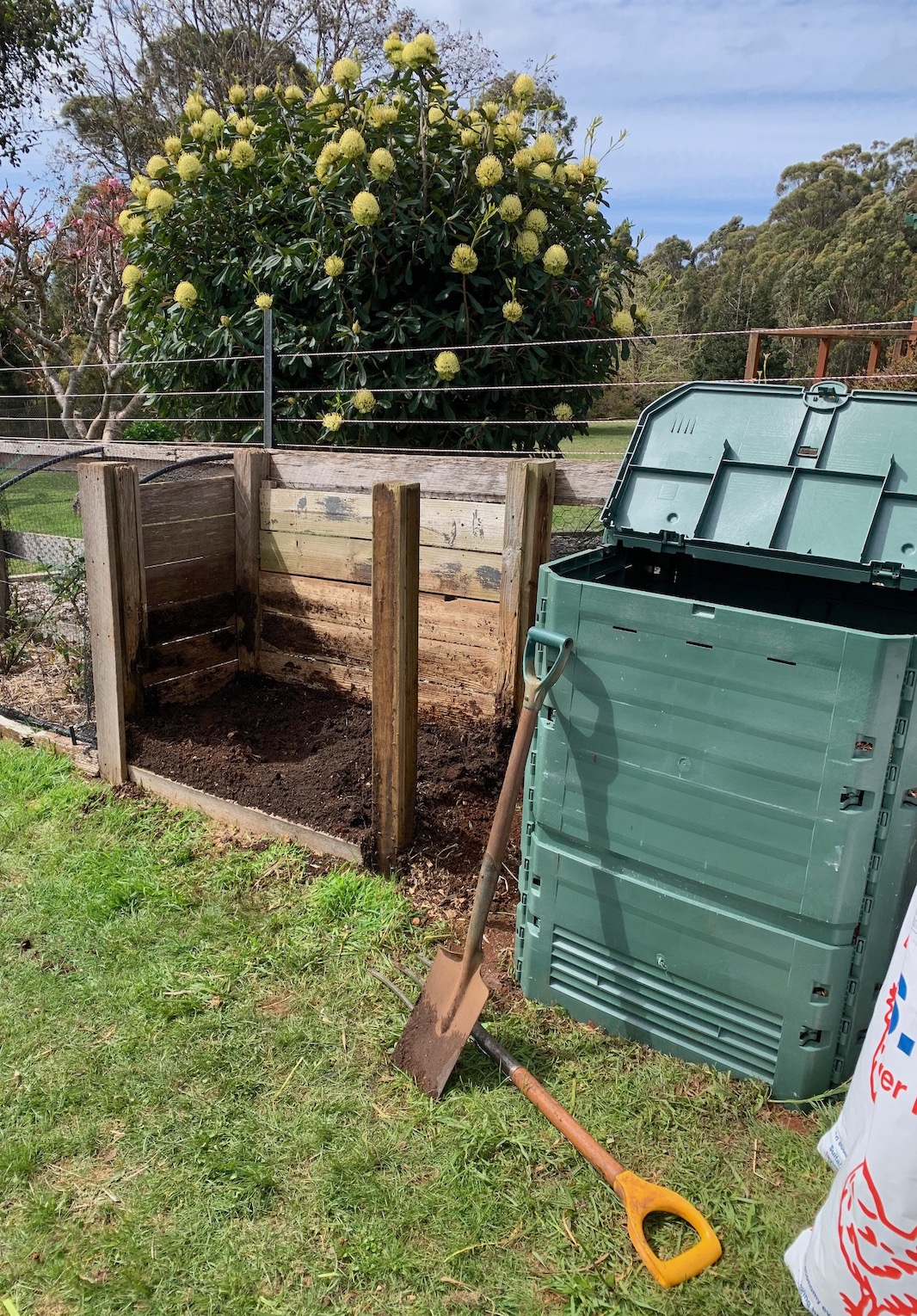
Potatoes were harvested from the random growth in the second bay before that, too, was emptied and demolished.

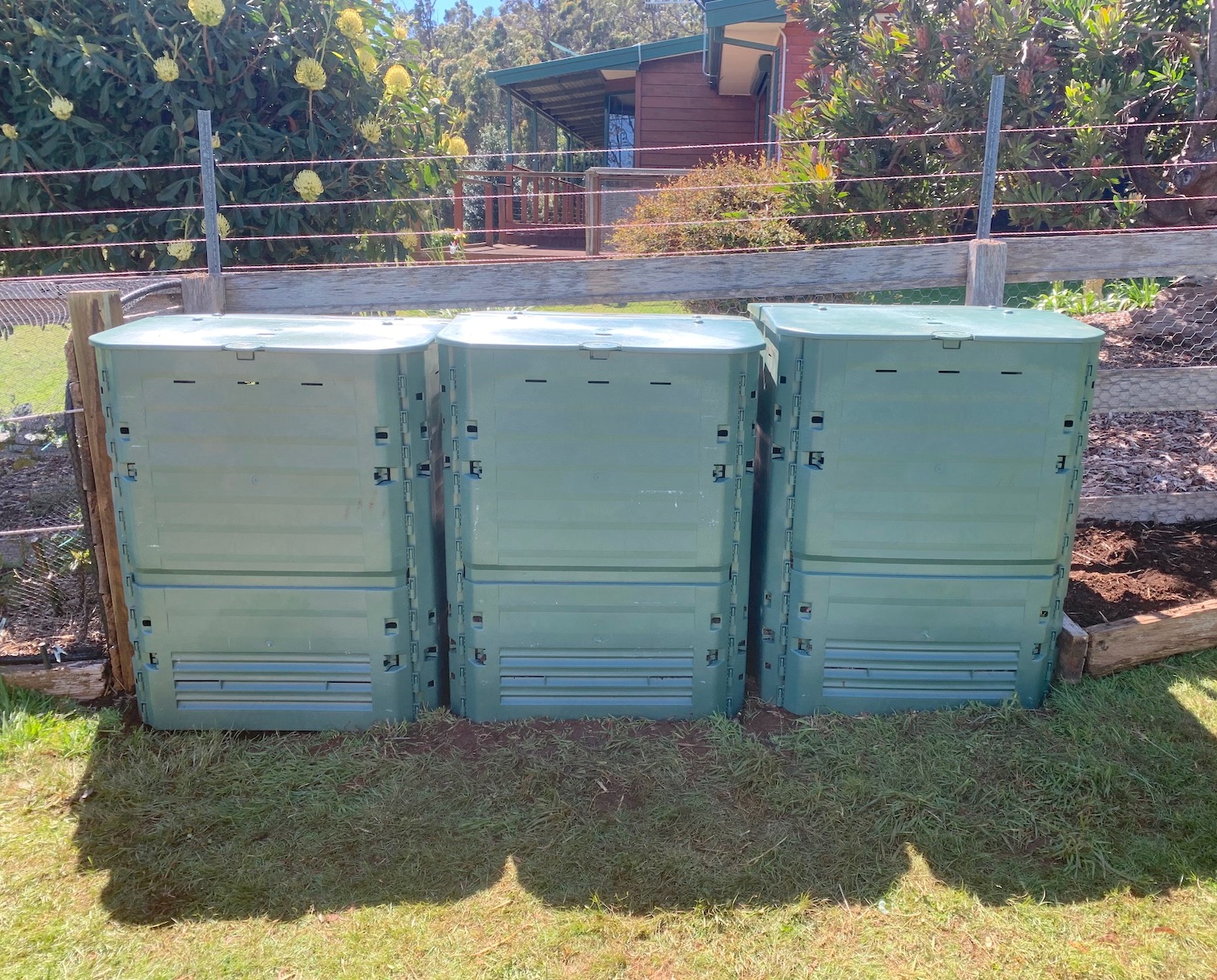
It didn’t take long to position the remaining two bins, replace the contents and admire our work.

It’s amazing what you can compost these days.

Corinna

We recently ticked another item off our bucket list with a short stay at Corinna on the west coast of Tasmania. The gold rush of the early 1880s brought a flood of people to the area and Corinna was proclaimed a town in 1894 with a population of 2500. Within a few years, the gold deposits that could be easily worked were exhausted and the town declined in population when the Emu Bay railway to Zeehan was opened in 1900. The historic mining town is now a wilderness retreat set on three hectares surrounded by the Tarkine rainforest. The owners have restored and developed the buildings in heritage style to create a village atmosphere. We enjoyed a very comfortable three nights in “Hobbs” cottage.

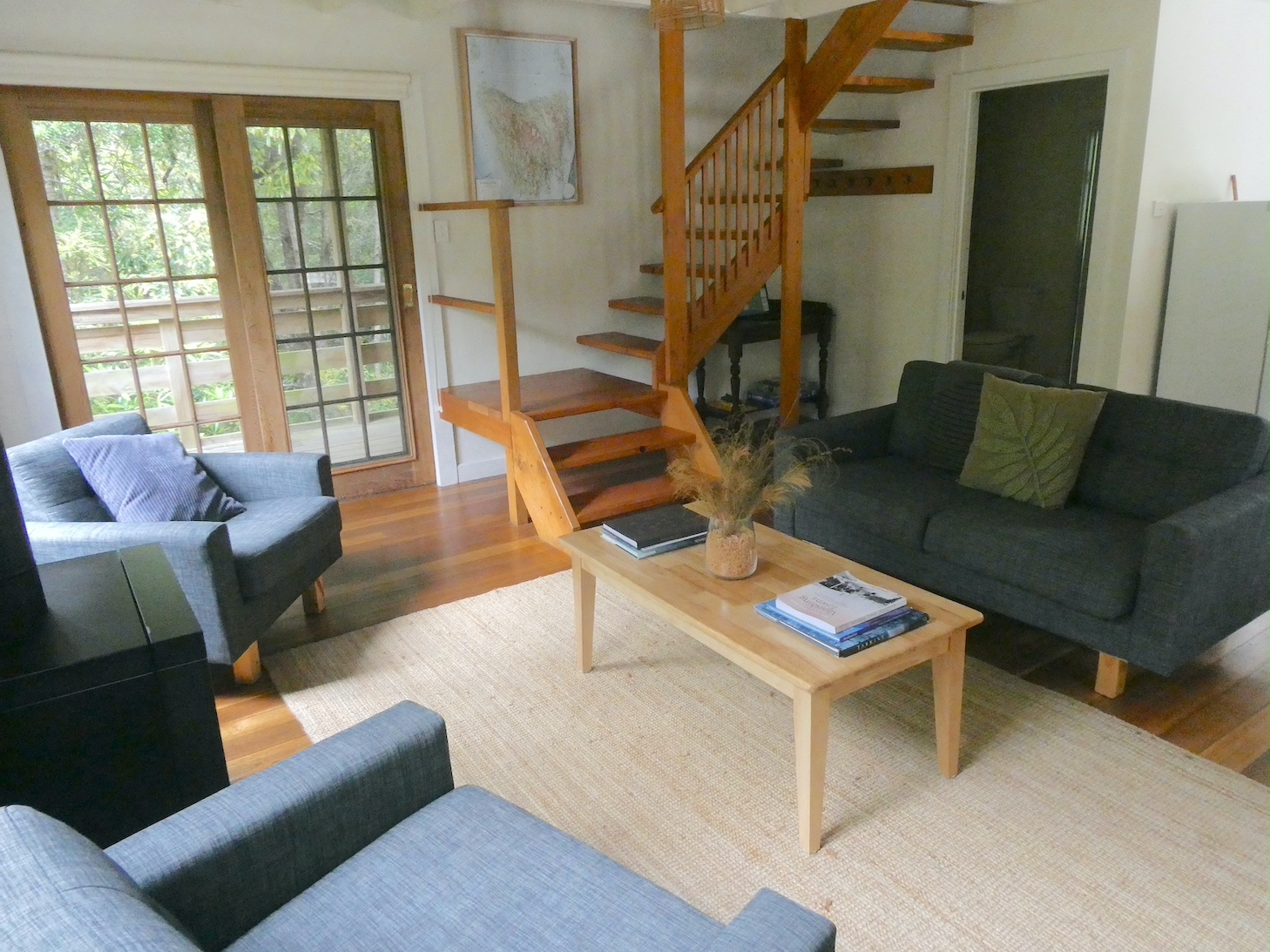
Named in honour of explorer James Hobbs who led a party to the west coast of Van Diemen’s Land in early 1824, our level of comfort far exceeded that of poor Hobbs. I am always prepared that photos on property websites are more enticing than in reality but we weren’t disappointed. The open plan living space downstairs

and bedrooms upstairs

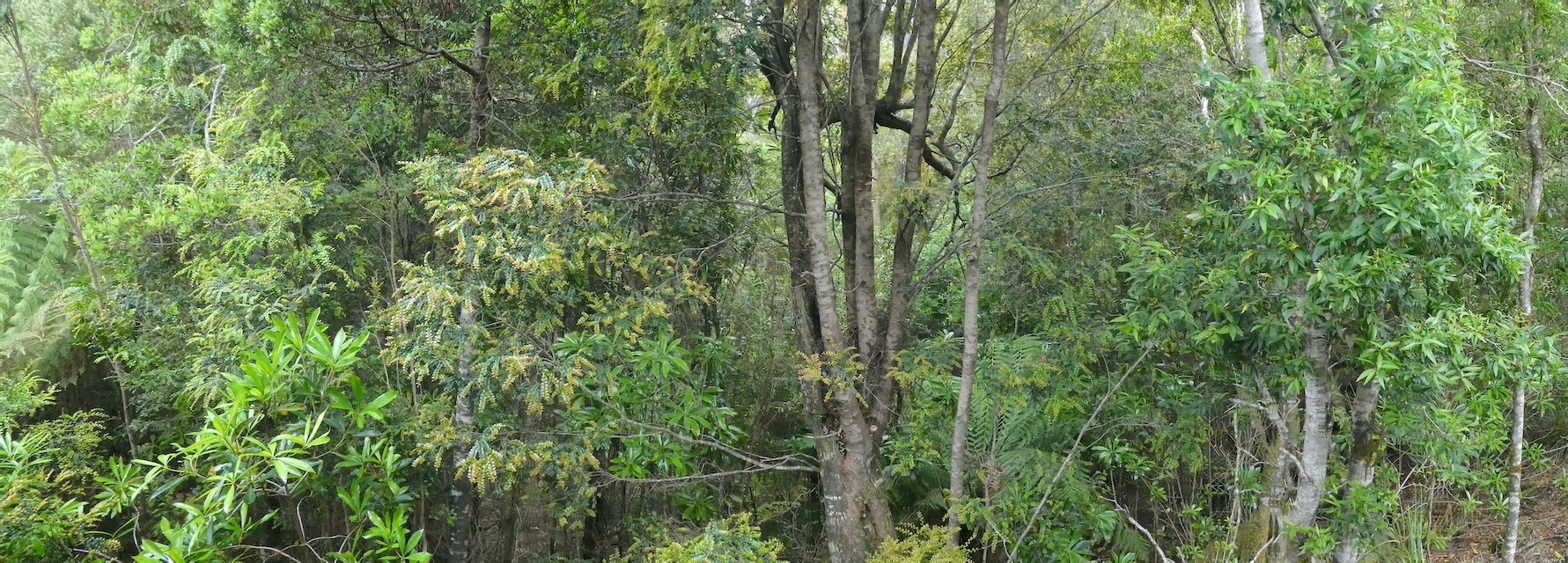
were even better than anticipated and the gas heater warmed the whole area without effort. The rainforest embraced the spacious back deck

and the front verandah was the perfect spot to share a platter and bottle.

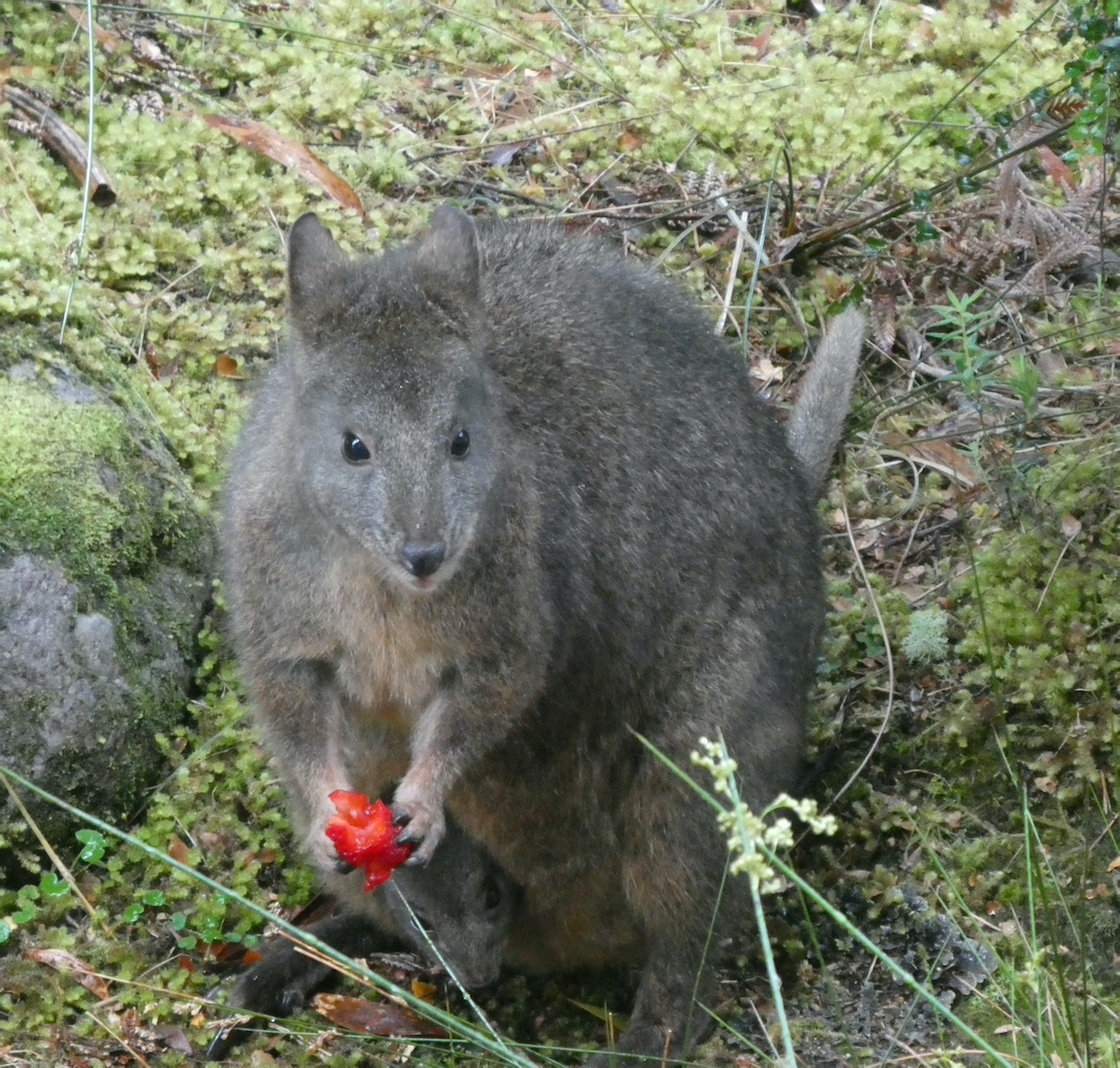
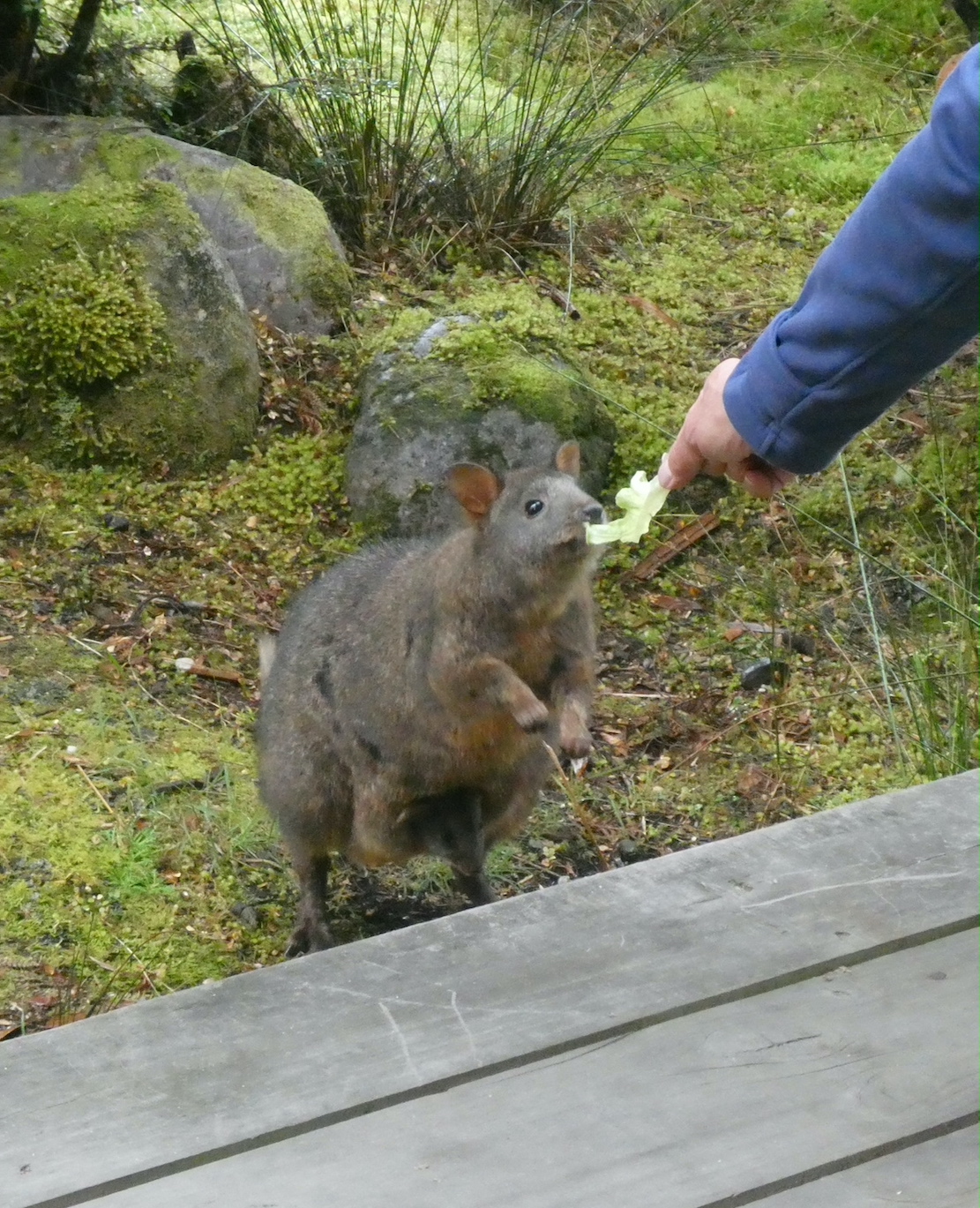
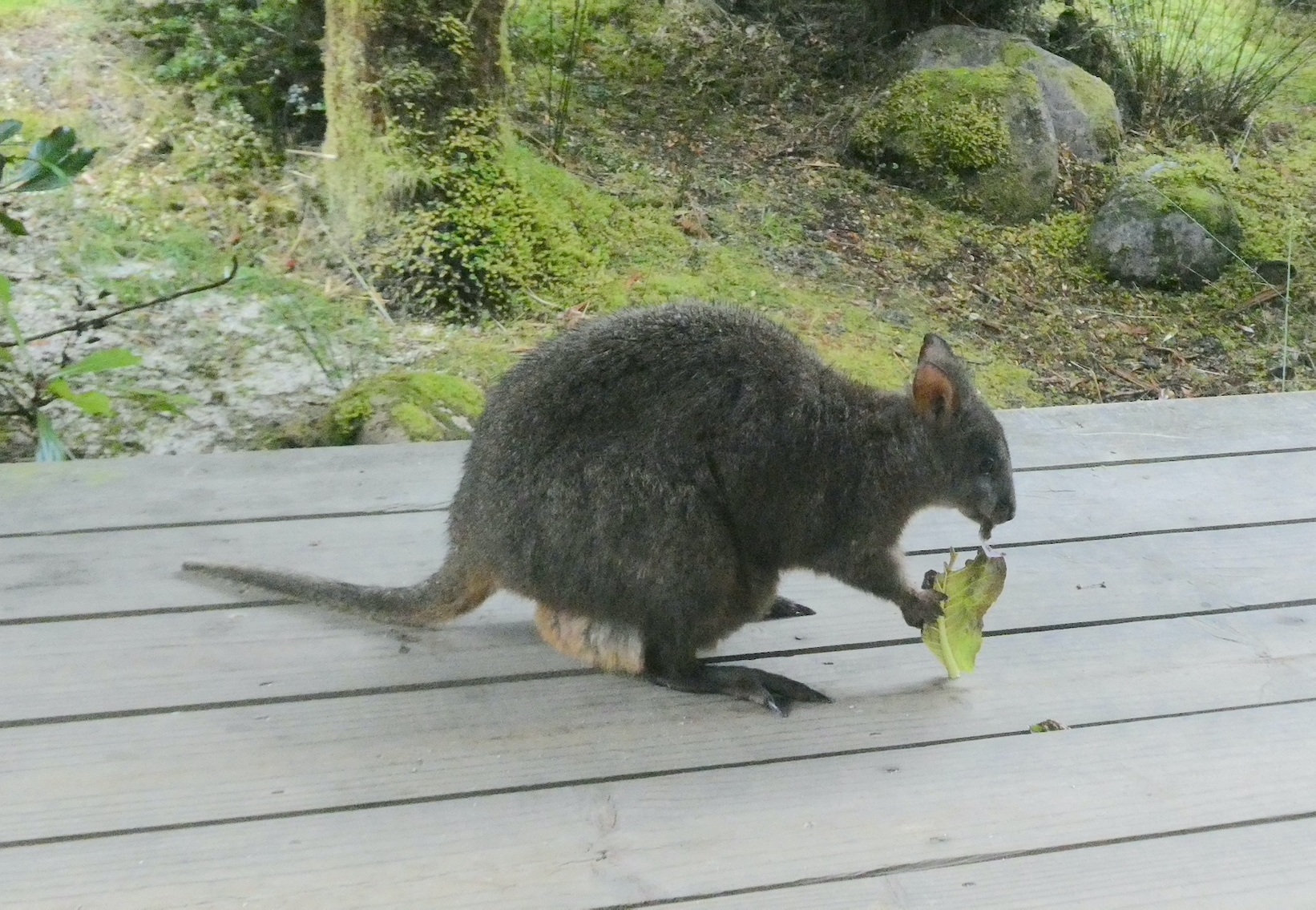
We were happy to share our food with the locals, especially when one had a baby on board.

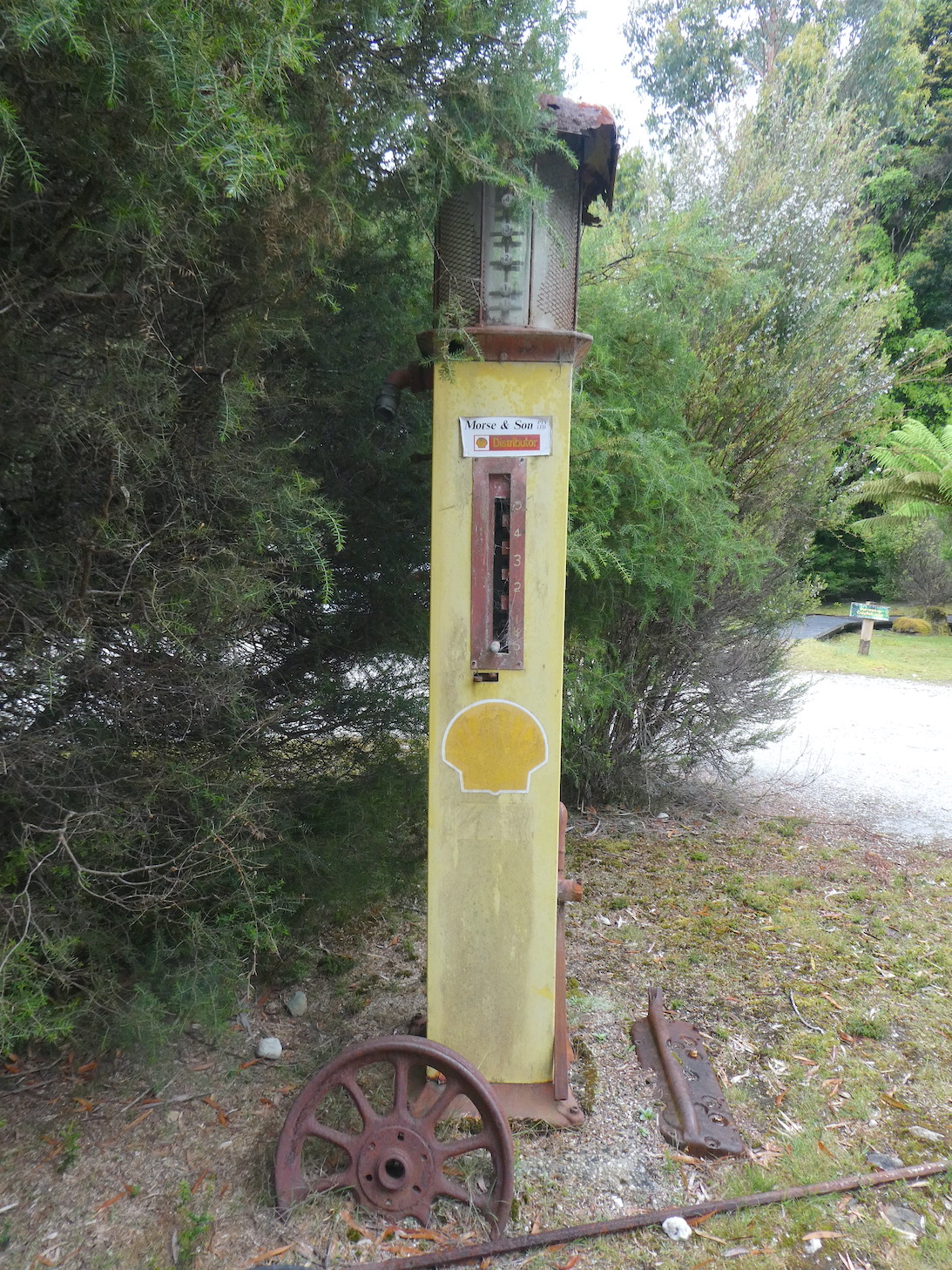
Corinna is totally off grid with solar power, rain and bore water and chemical free sewage treatment. Cooking, hot water and heating are powered by gas cylinders. Visitors are requested to take any rubbish with them when they leave, not a big ask to maintain the pristine environment. After settling in, a stroll around the village revealed remnants of times past.

The old butcher’s shop is now guest accommodation.

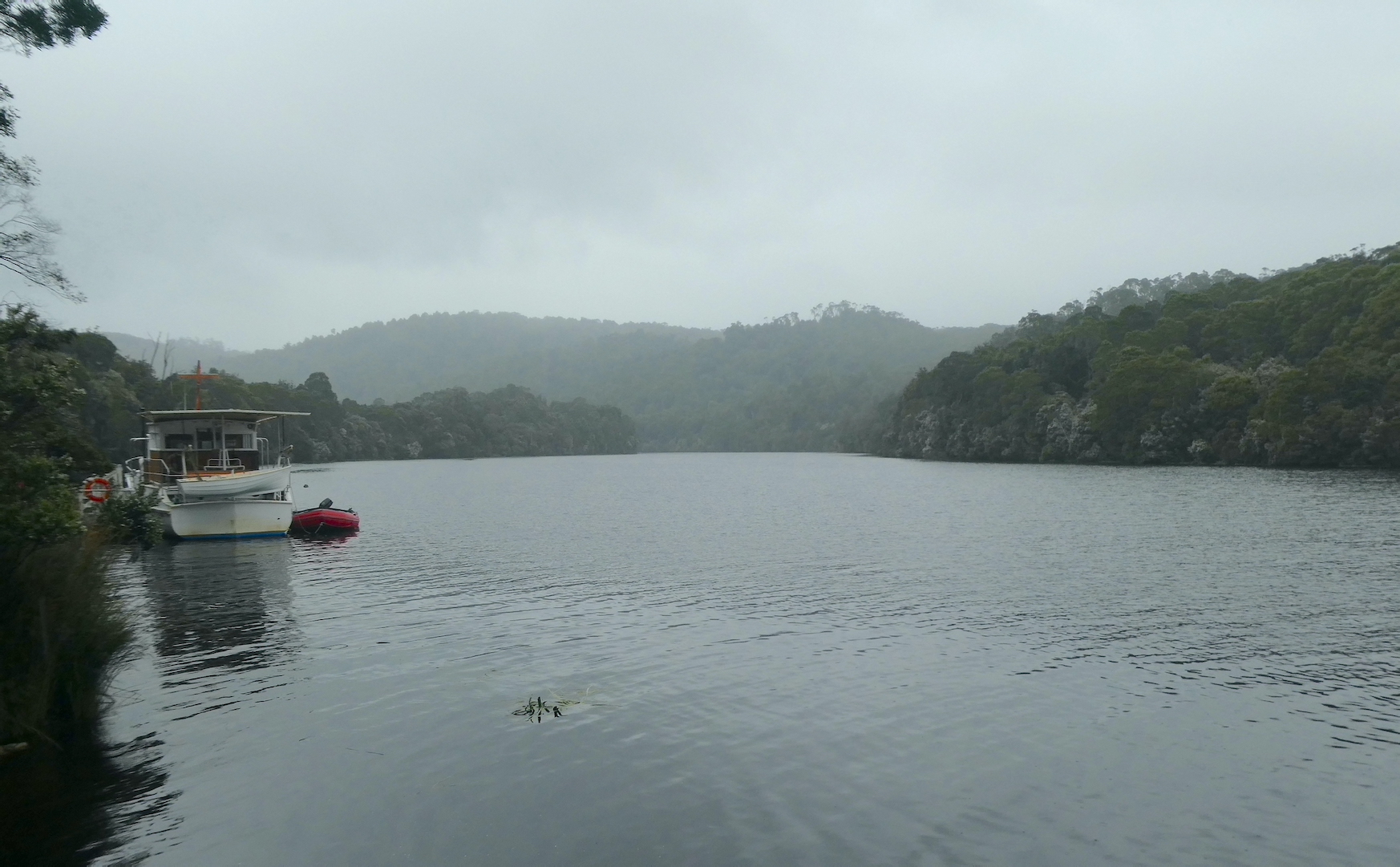
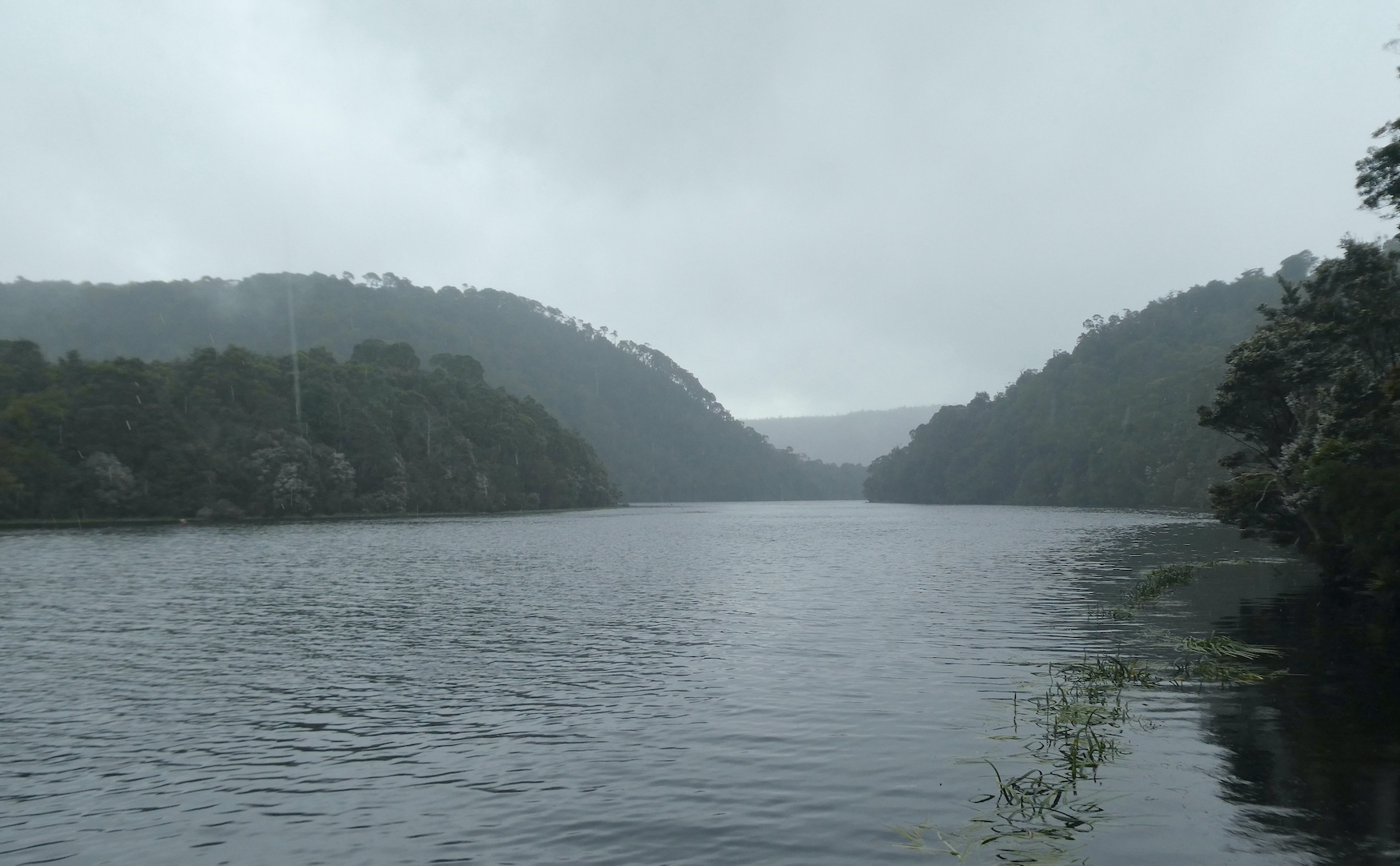
A light drizzle accompanied us as we wandered to the Pieman River at the edge of the property.

For those arriving at or leaving Corinna in a southerly direction, the Fatman Barge takes five minutes to cross the 130 metres to the other side of the river. It is the only cable driven vehicular barge remaining in Tasmania.

Although the cottage was equipped for self-catering, the Tannin Restaurant in the on-site Tarkine Hotel has a mouthwatering menu.

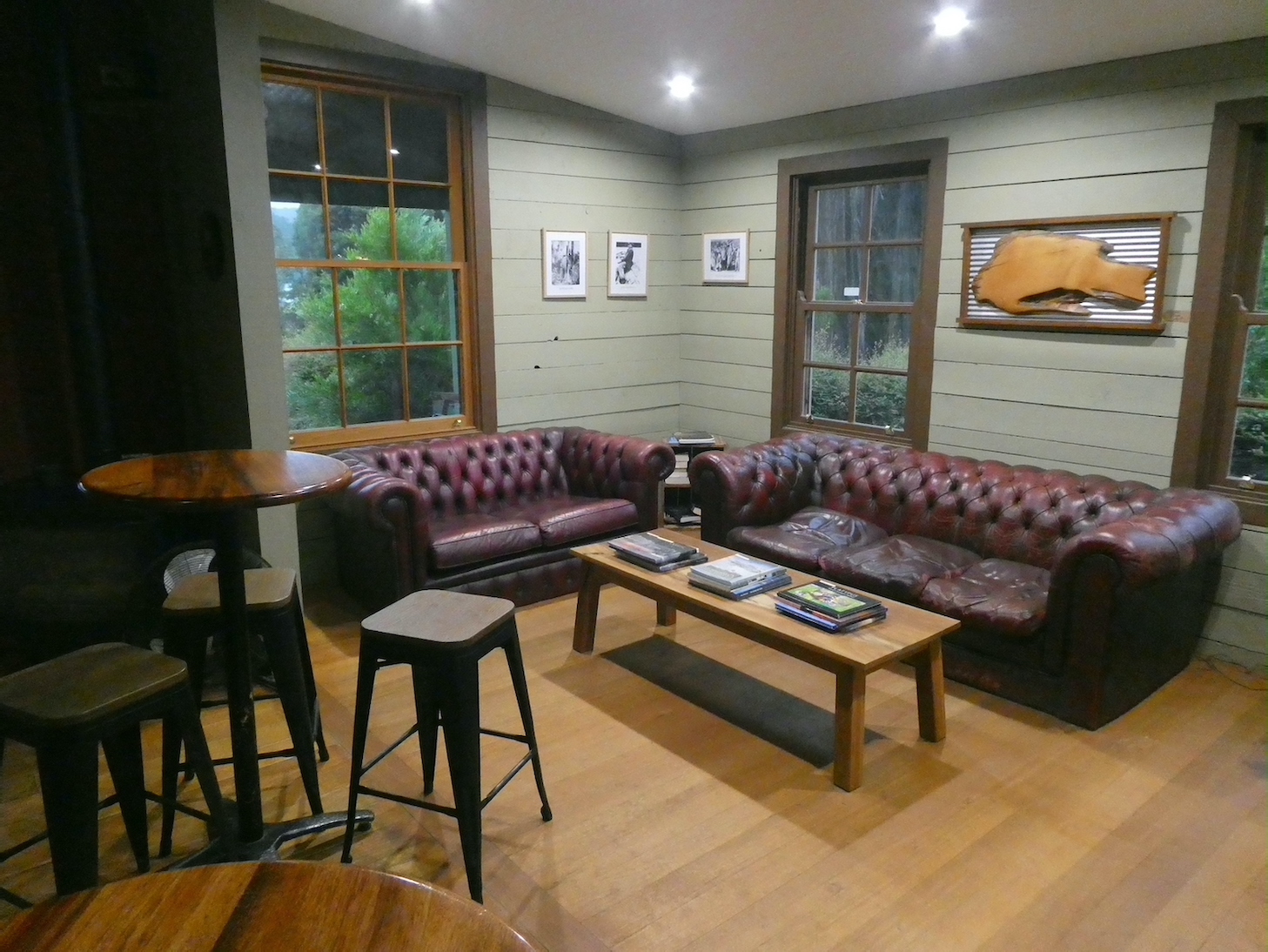
After a days adventure we would amble to the Ahrberg Bar and take up residence on the squidgy Chesterfield with a pre dinner beverage.

Moving on to the dining area, the meals were superb, all prepared using fresh Tasmanian produce. The only down side was, I didn’t have any room for the desserts on offer.

With no TV or Wi-fi (a blessing) it was back to the cottage for board games and bed.

raising the bar

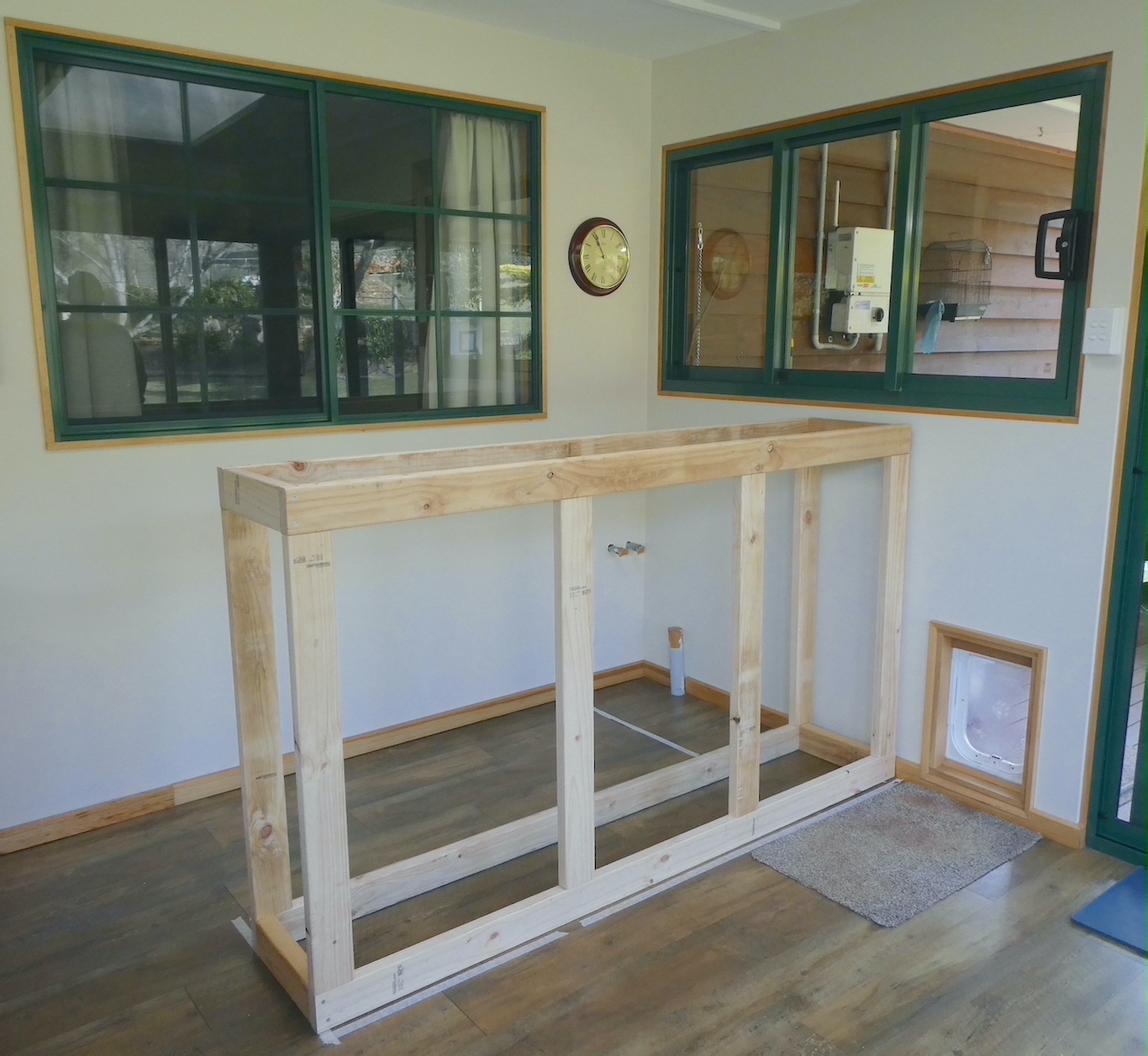
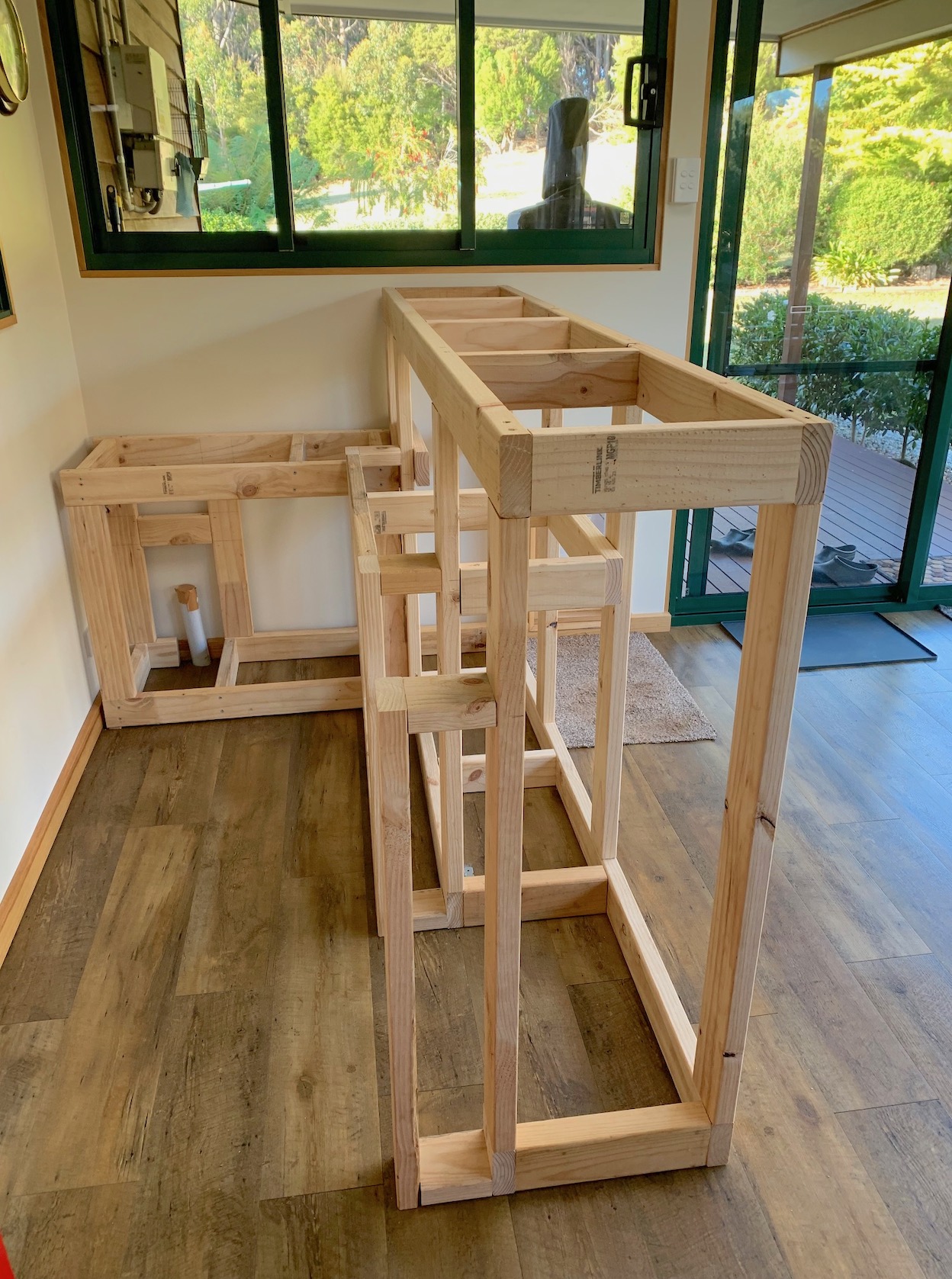
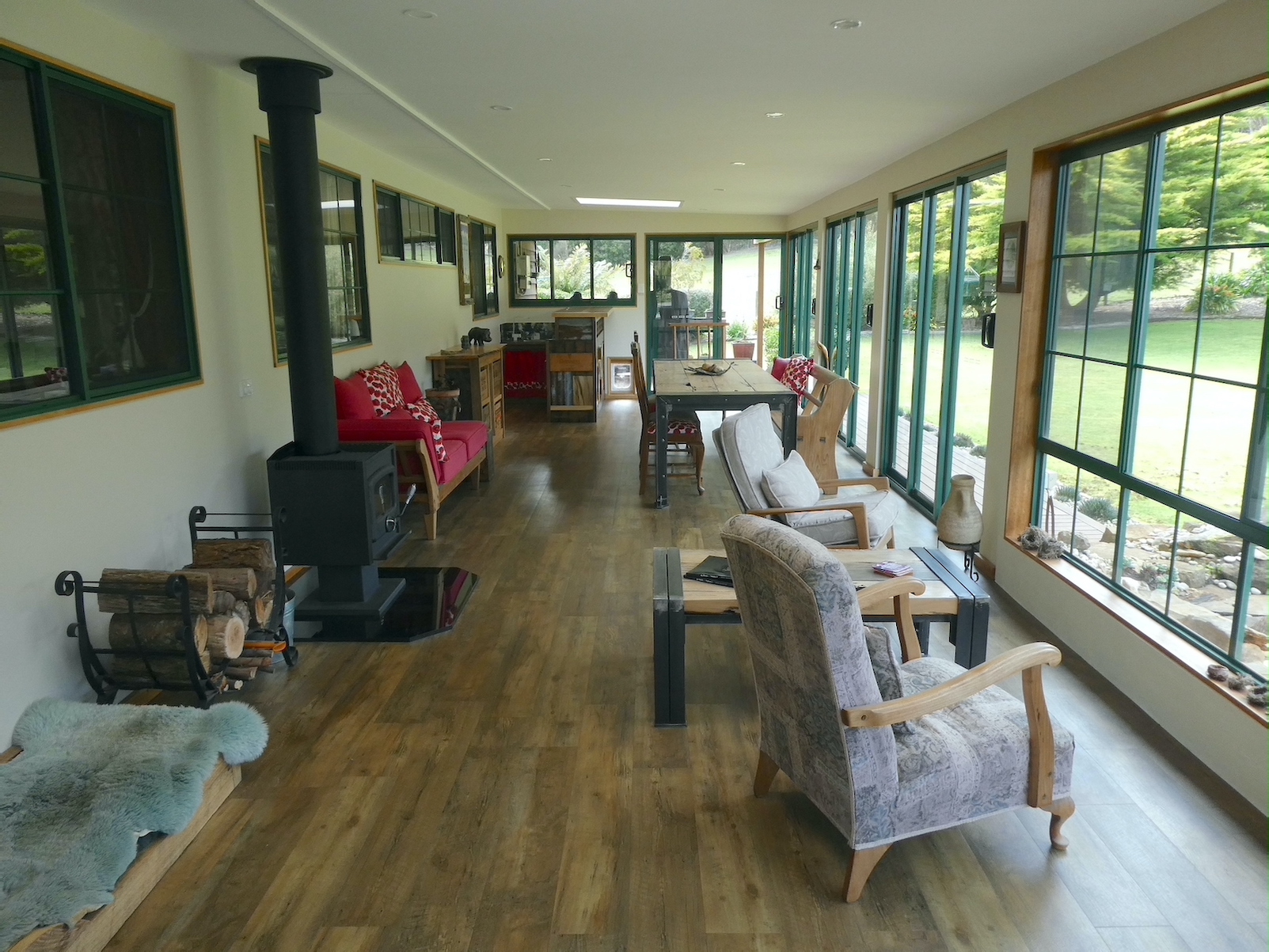
When we finished our renovation of the back verandah, our intention was to create a bespoke bar, the plumbing for which was installed at the time. Seven years on, we had a window of opportunity around our other projects. We started with a vague idea

and a basic frame.

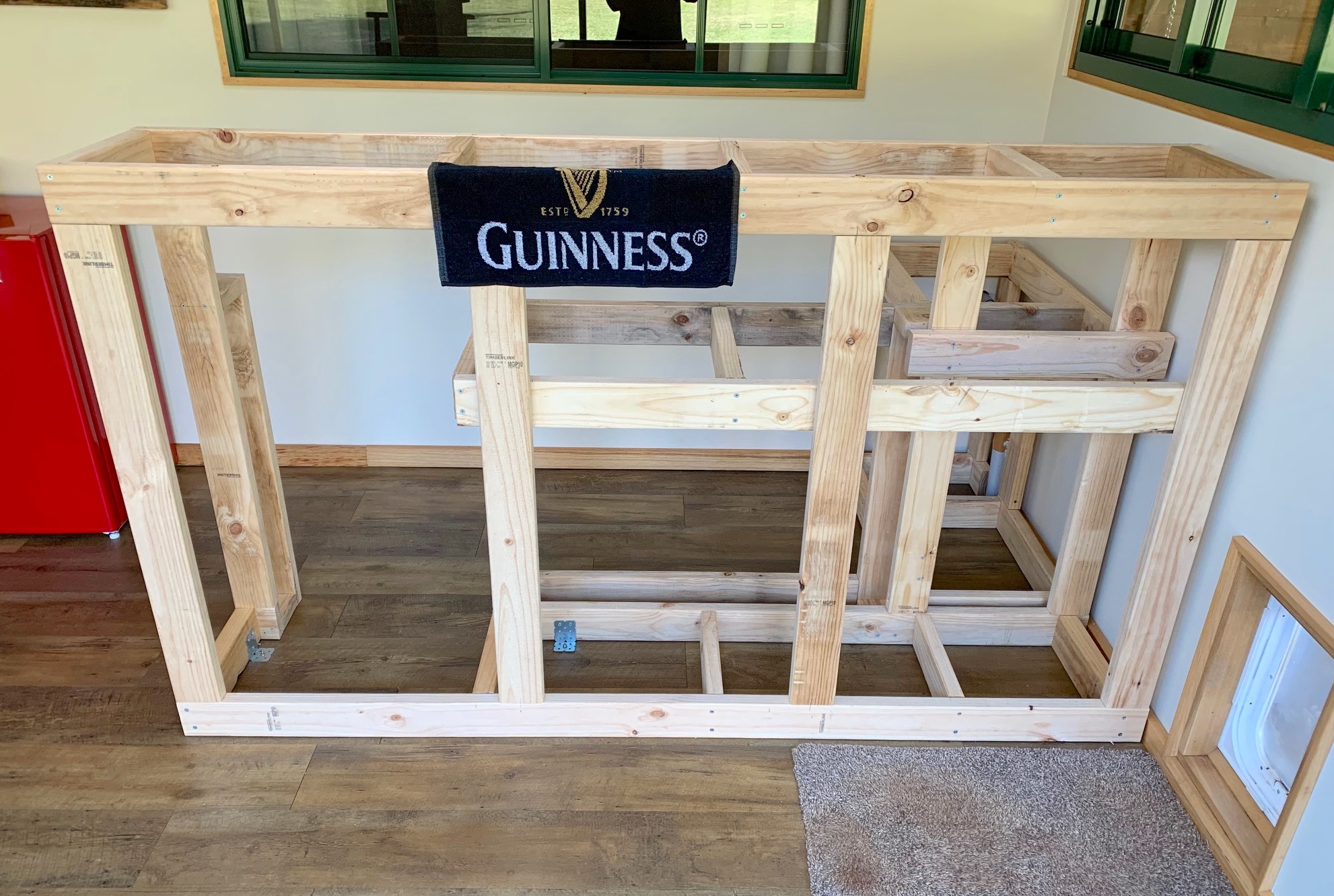
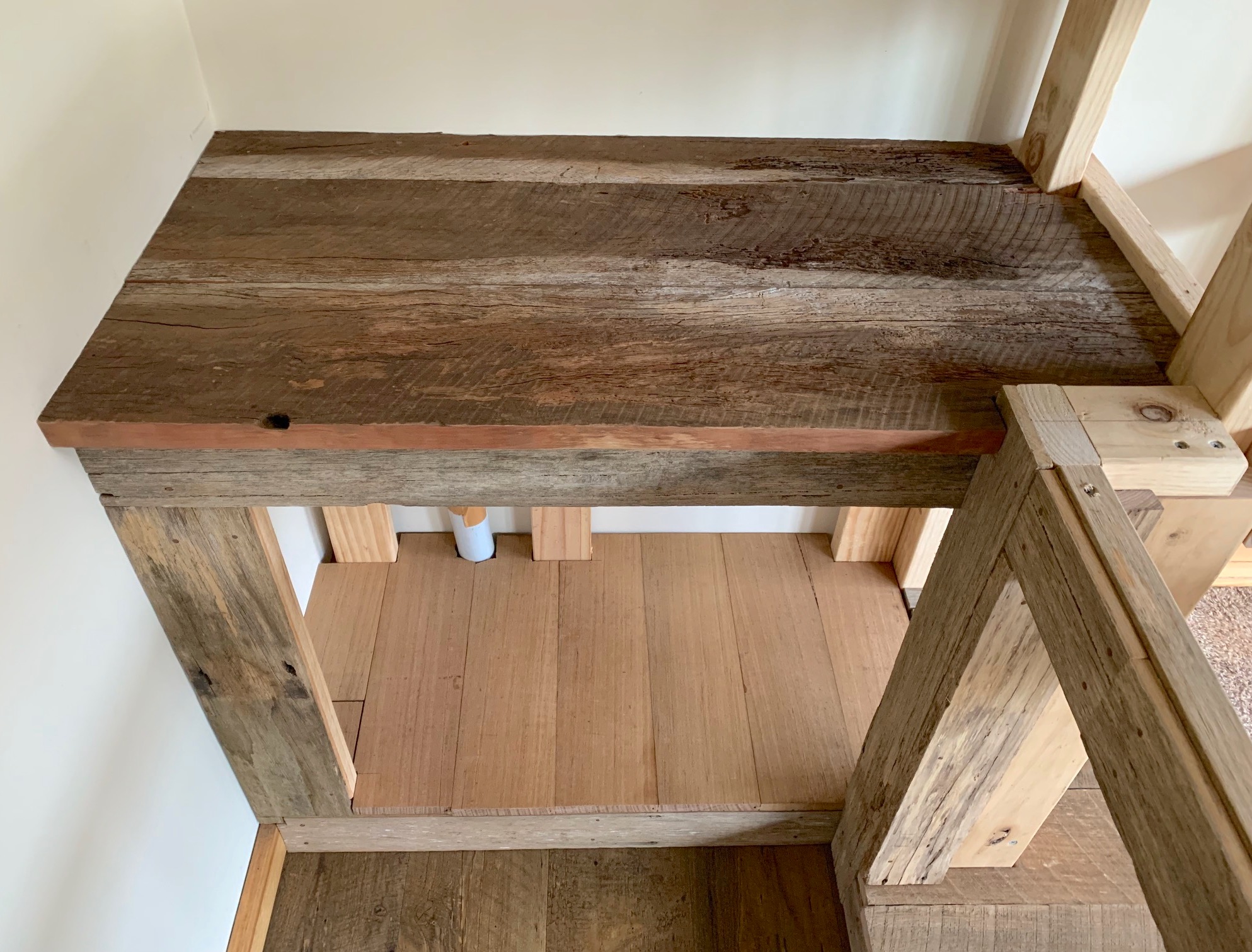
The framework for the sink section came next and before long, the skeleton was complete.

With a bit of inspiration,

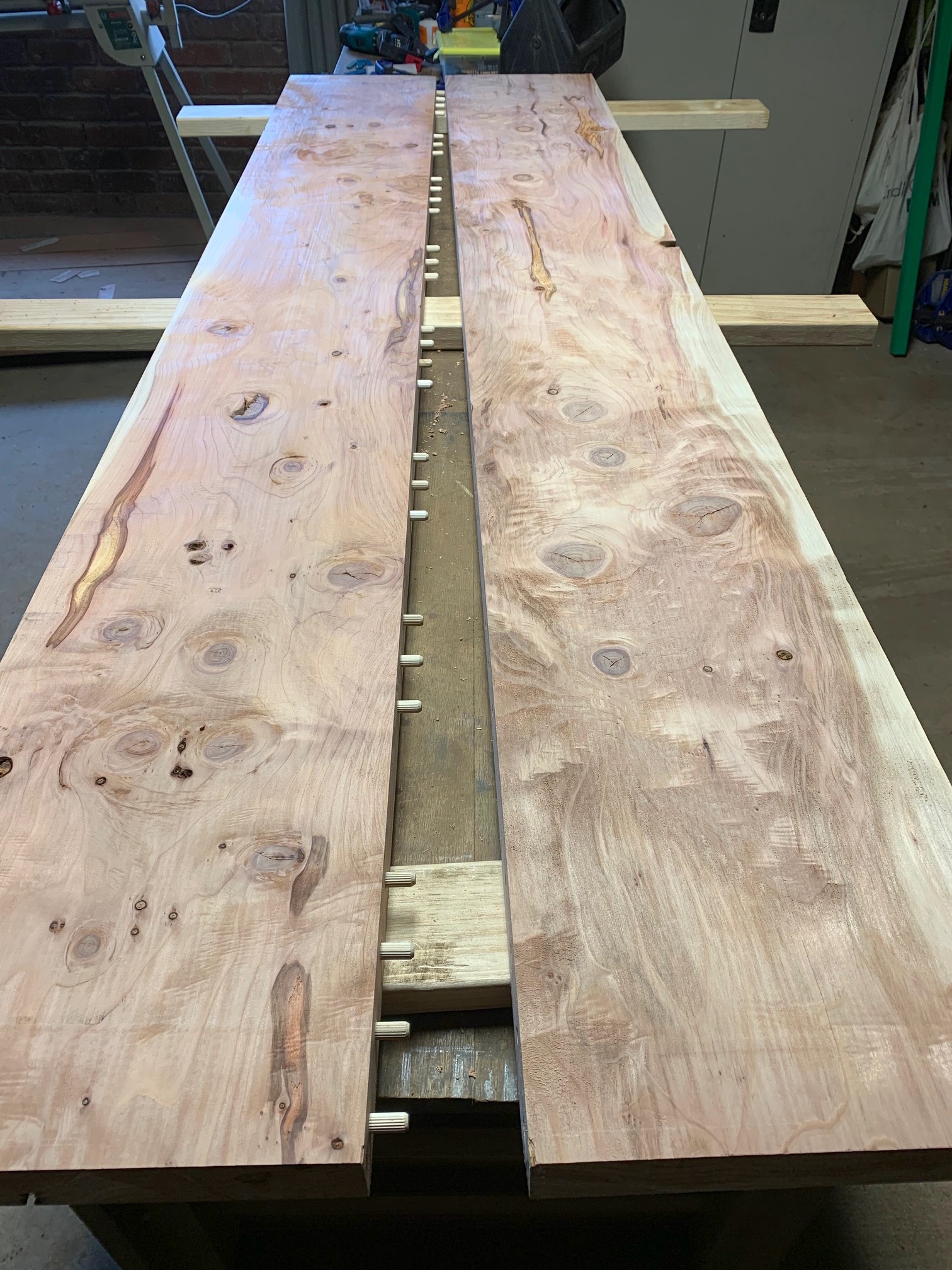
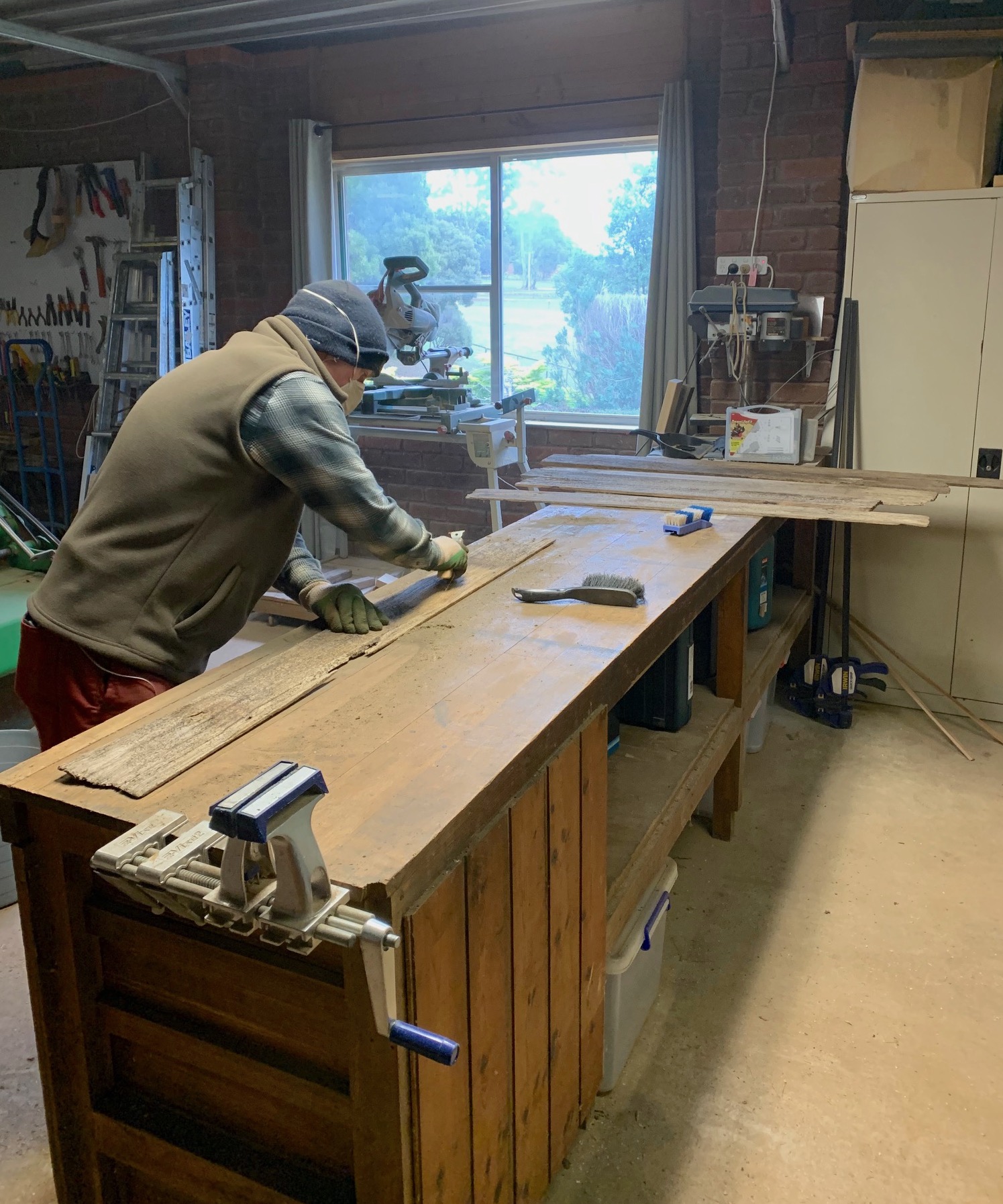
the next step was the bar top. Michael had acquired a couple of magnificent slabs of California redwood and spent many hours sanding them to perfection. We needed to join the two sides and embarked on the nerve-racking task with a newly purchased dowel jig kit.

The timber was too thick to use the jig as designed so we modified our approach with great success.

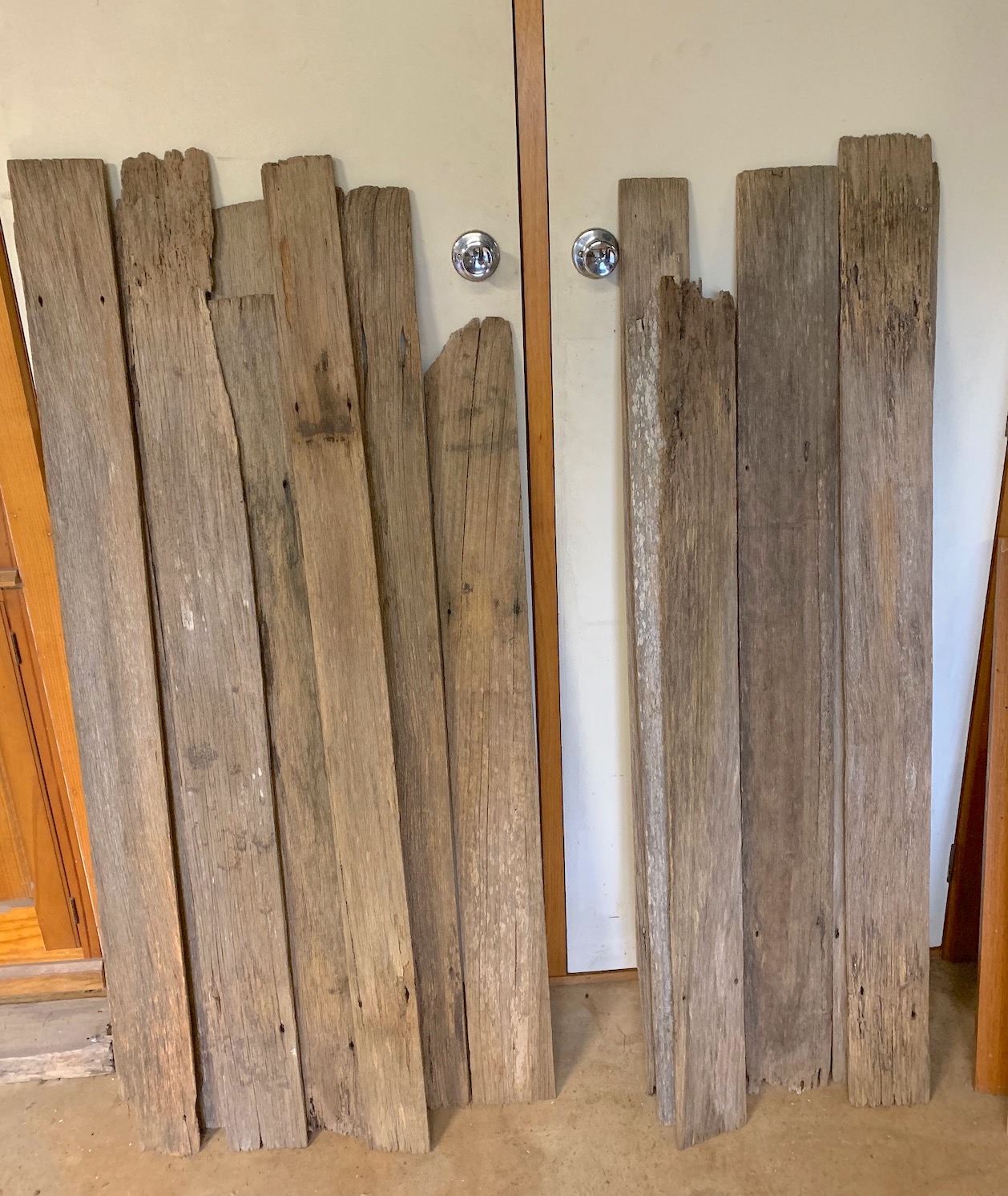
Our collection of reclaimed fence palings were finally put to use for shelving.

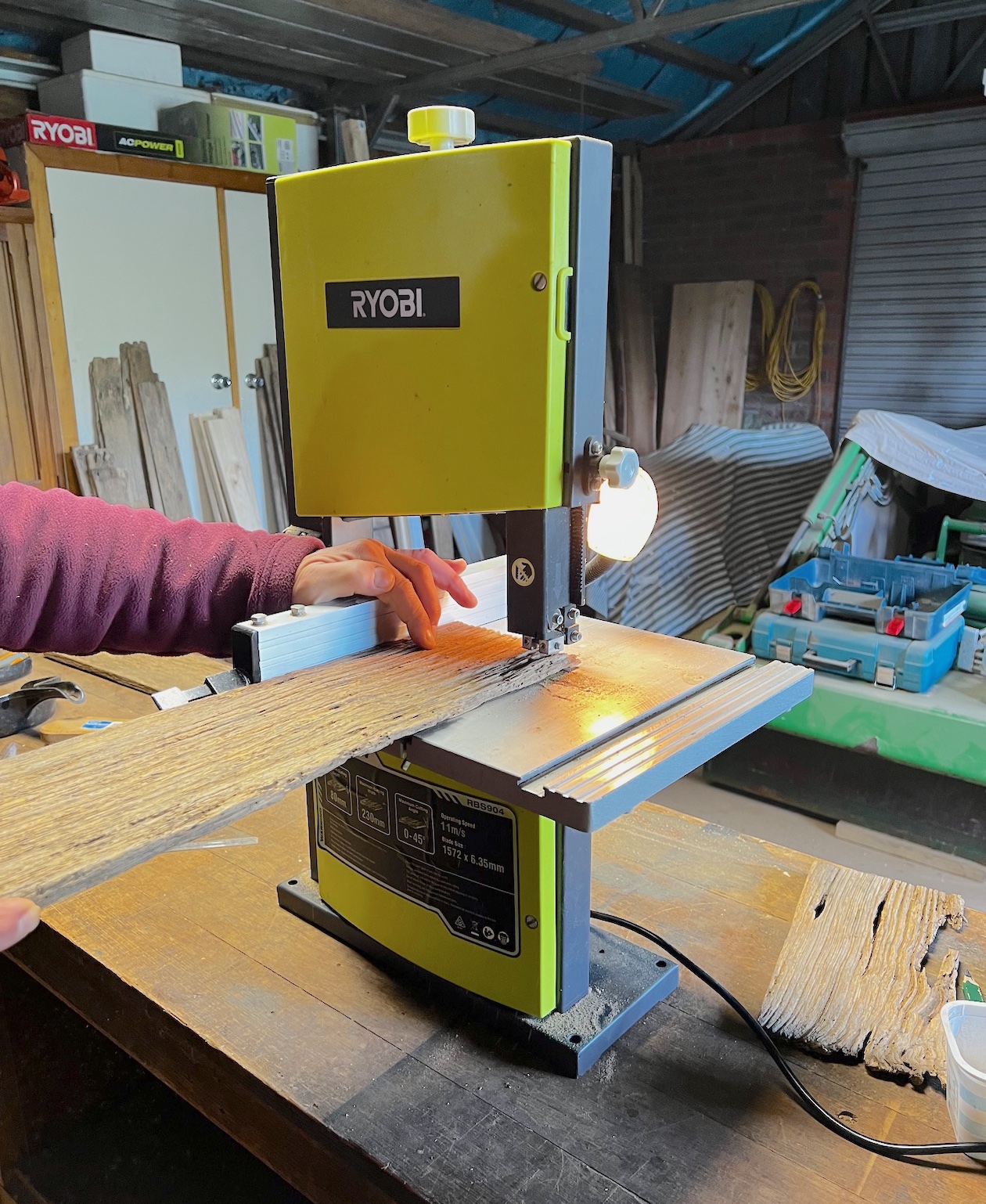
More hours of preparation with the invaluable help of Michael’s new toy.

At this point, our trusty old drop saw gave up the ghost so we added another new toy to the ever growing arsenal.

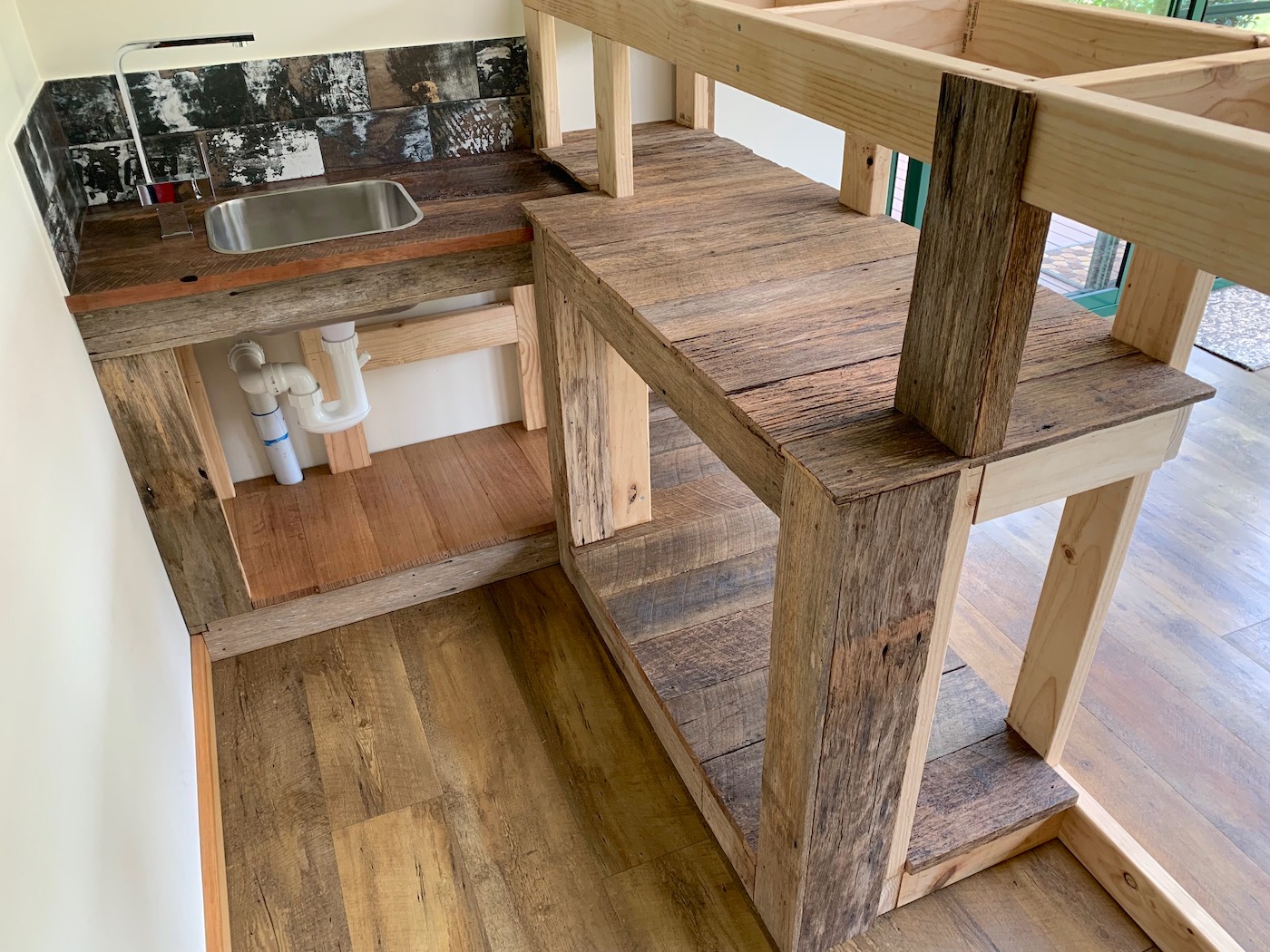
With shelving installed on the base of the bar, we moved on to the sink fitting.

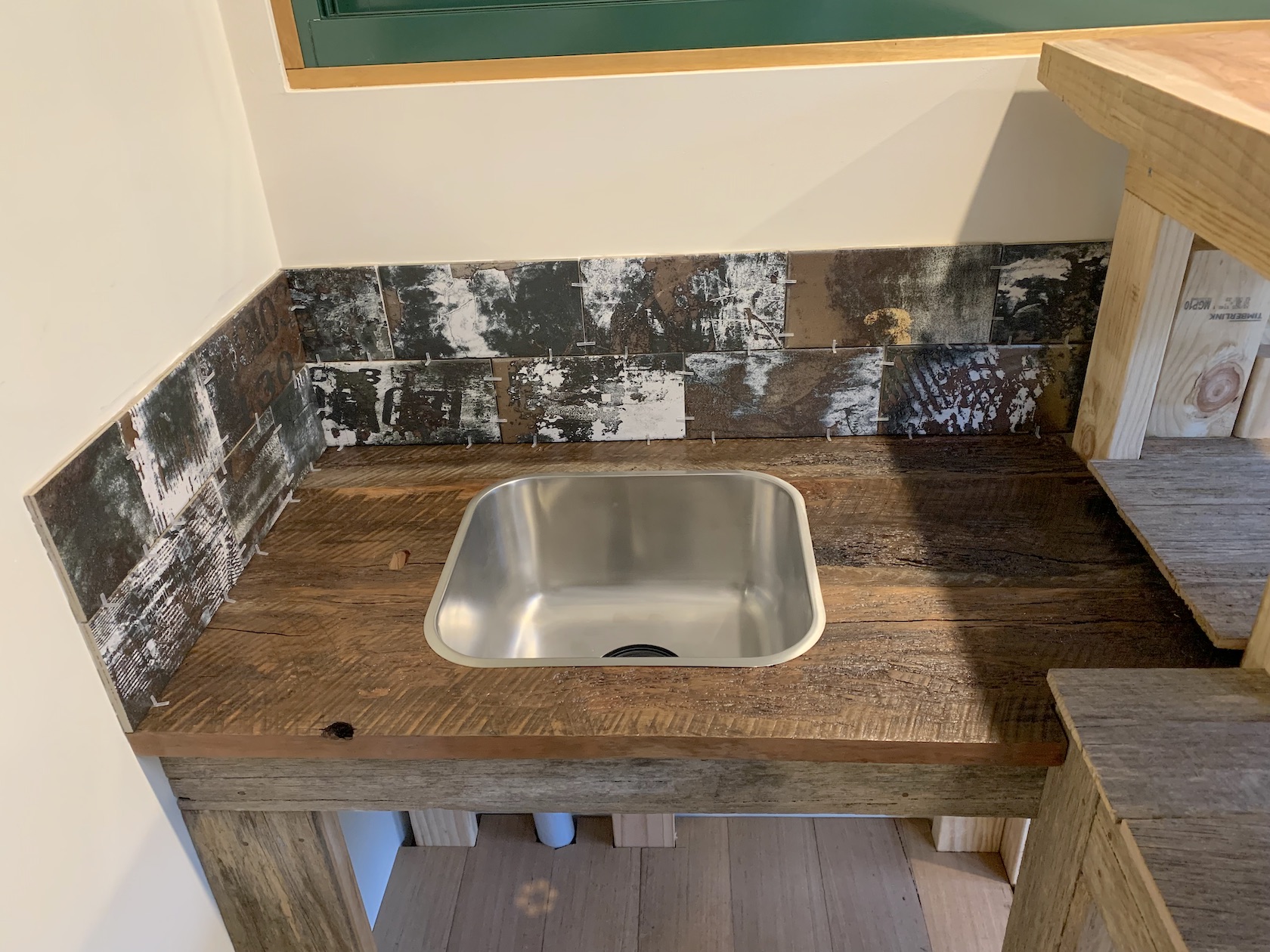
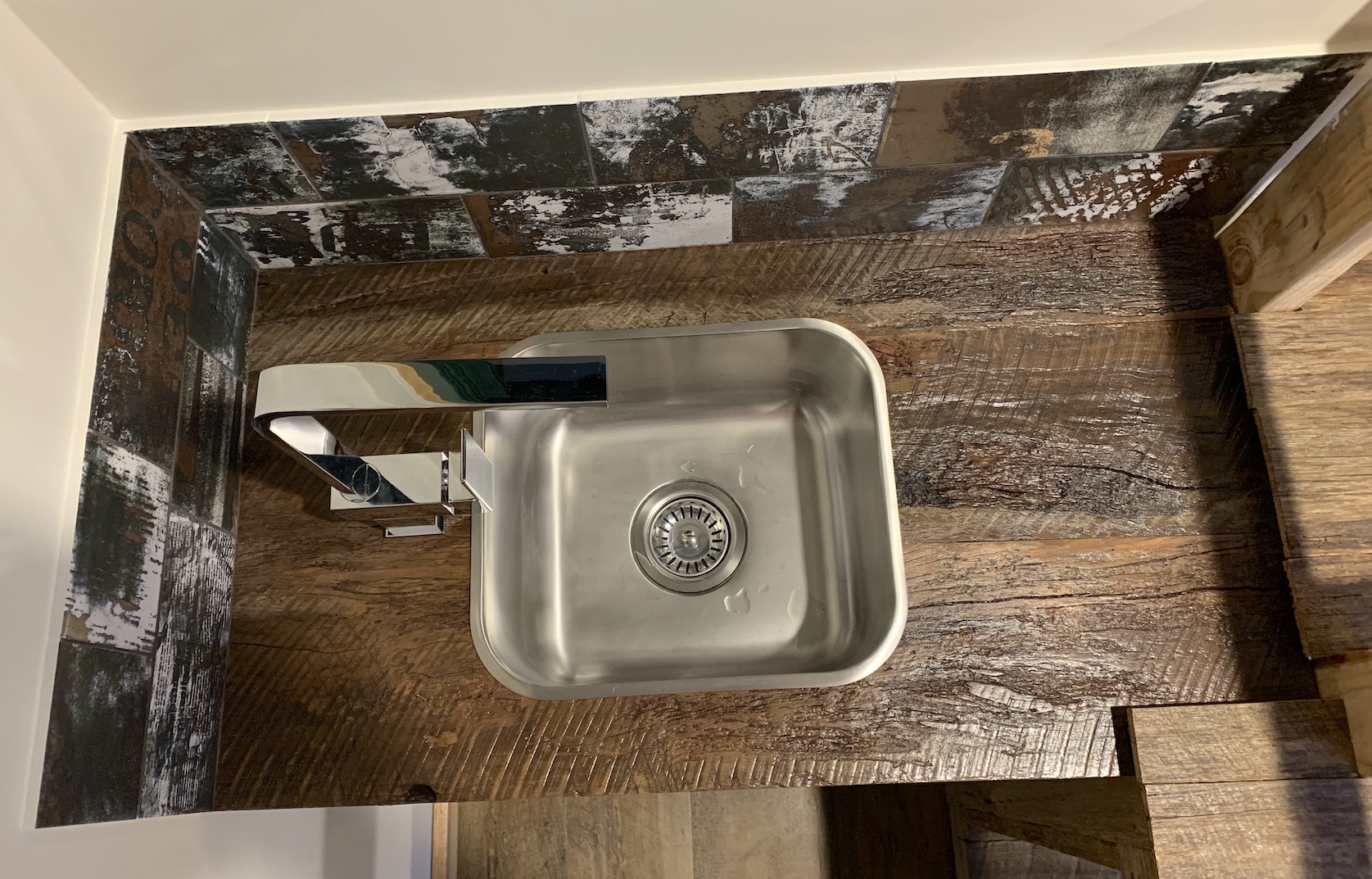
Some unidentified reclaimed timber we had lying around in the workshop made for the perfect sink bench.

With tiled splash back and plumbing complete, the worktop shelving was added.

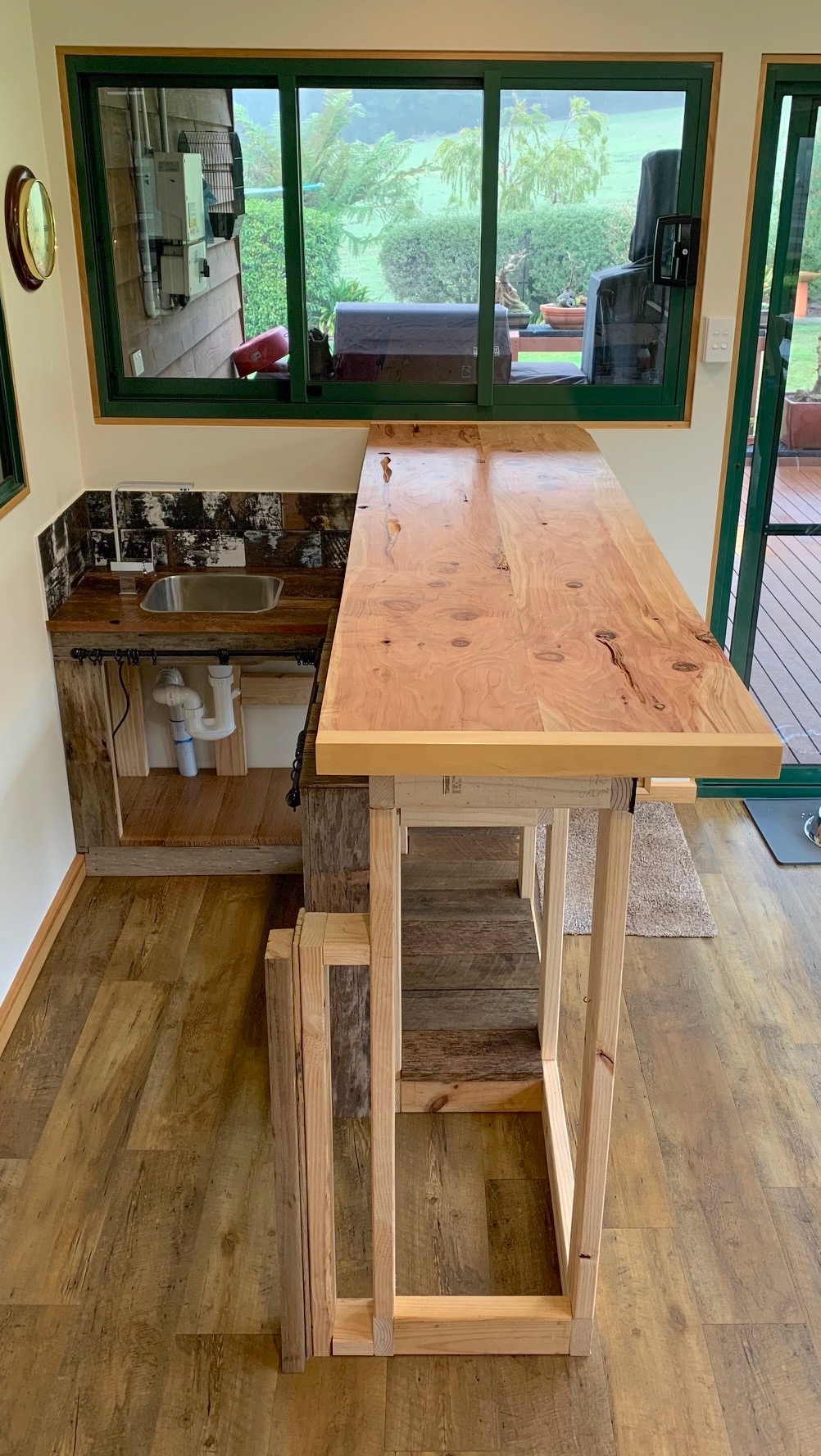
A strip of Huon pine to edge the bar top and a few coats of Cabothane later, it was fixed in place without drama.

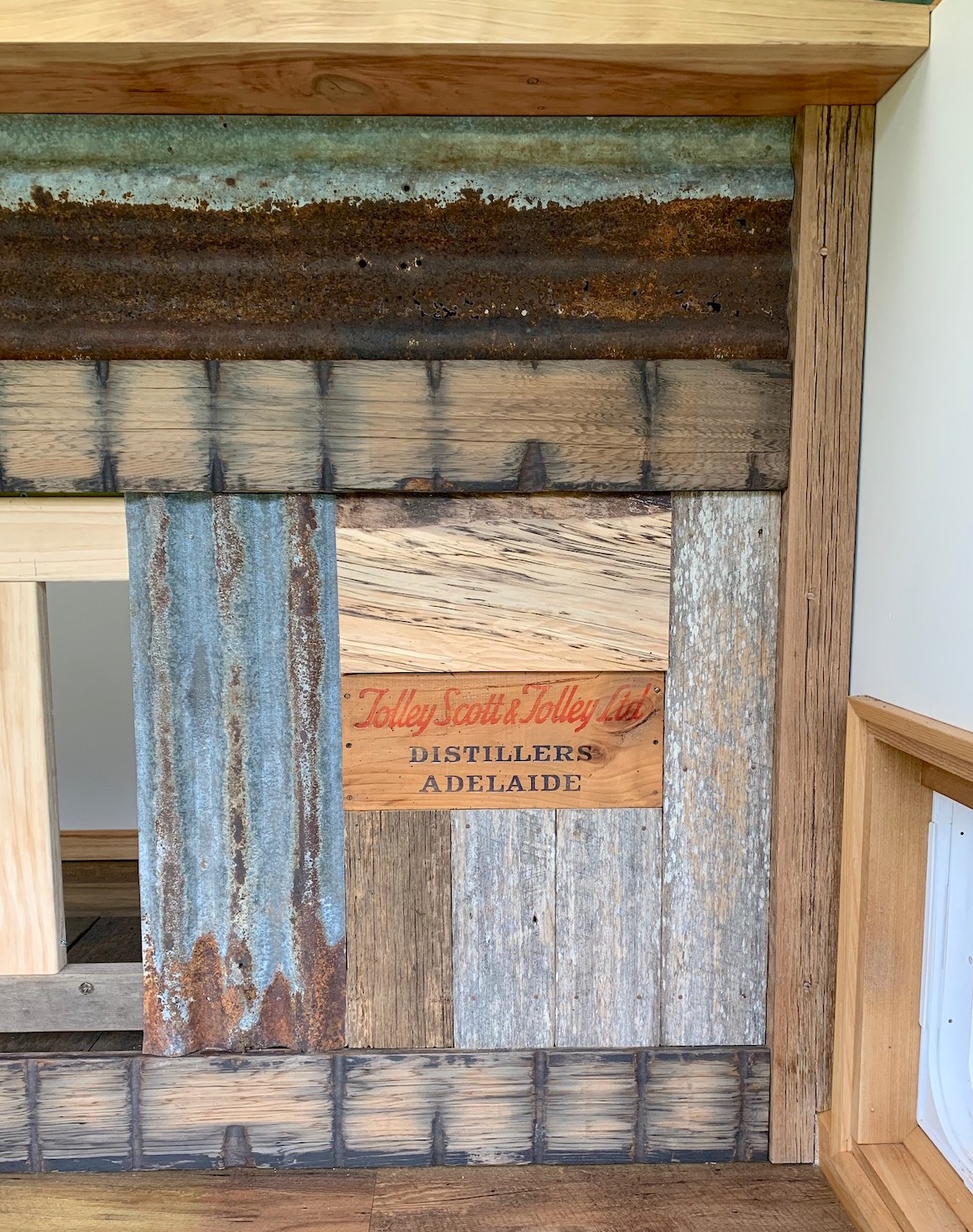
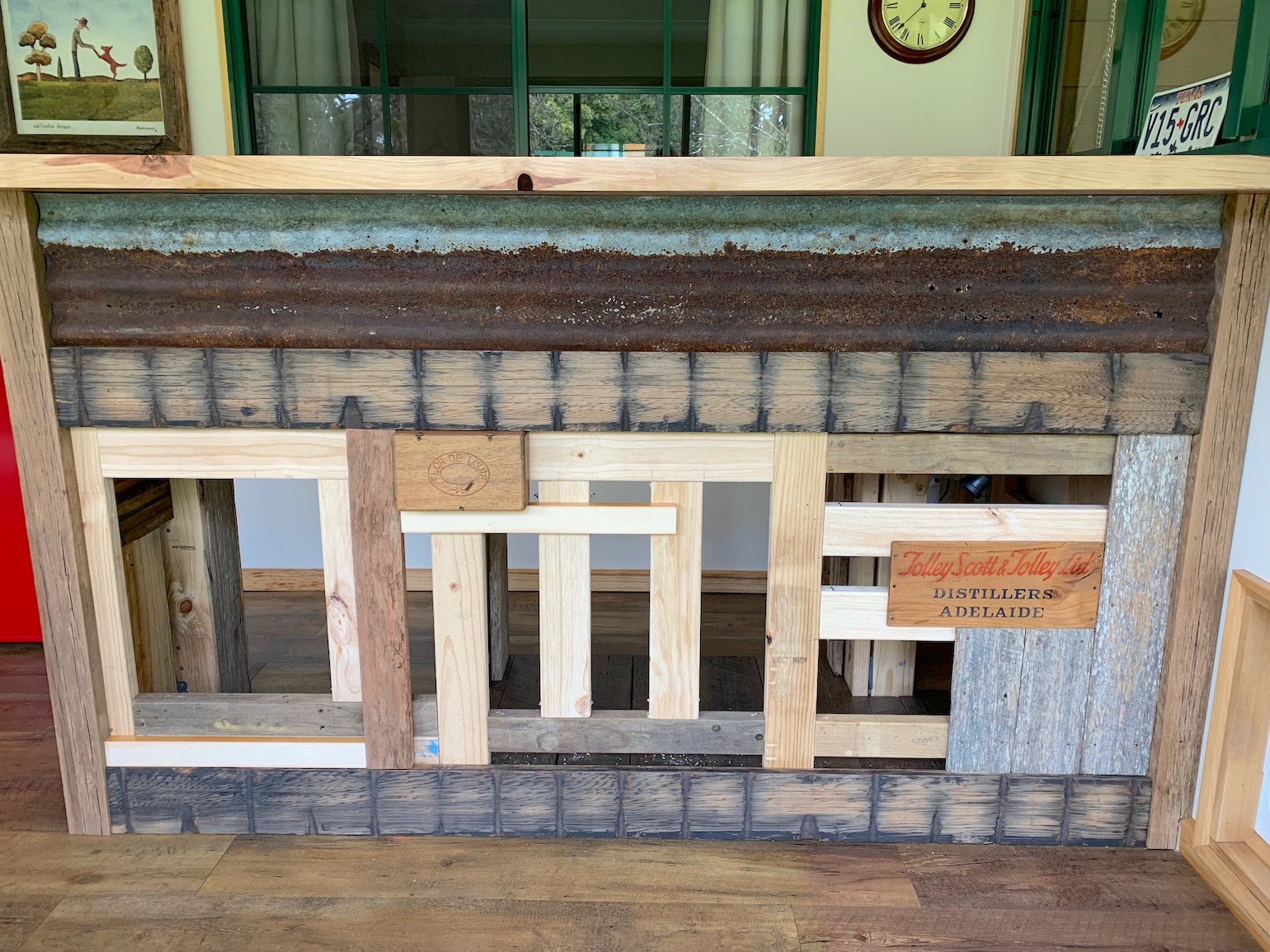
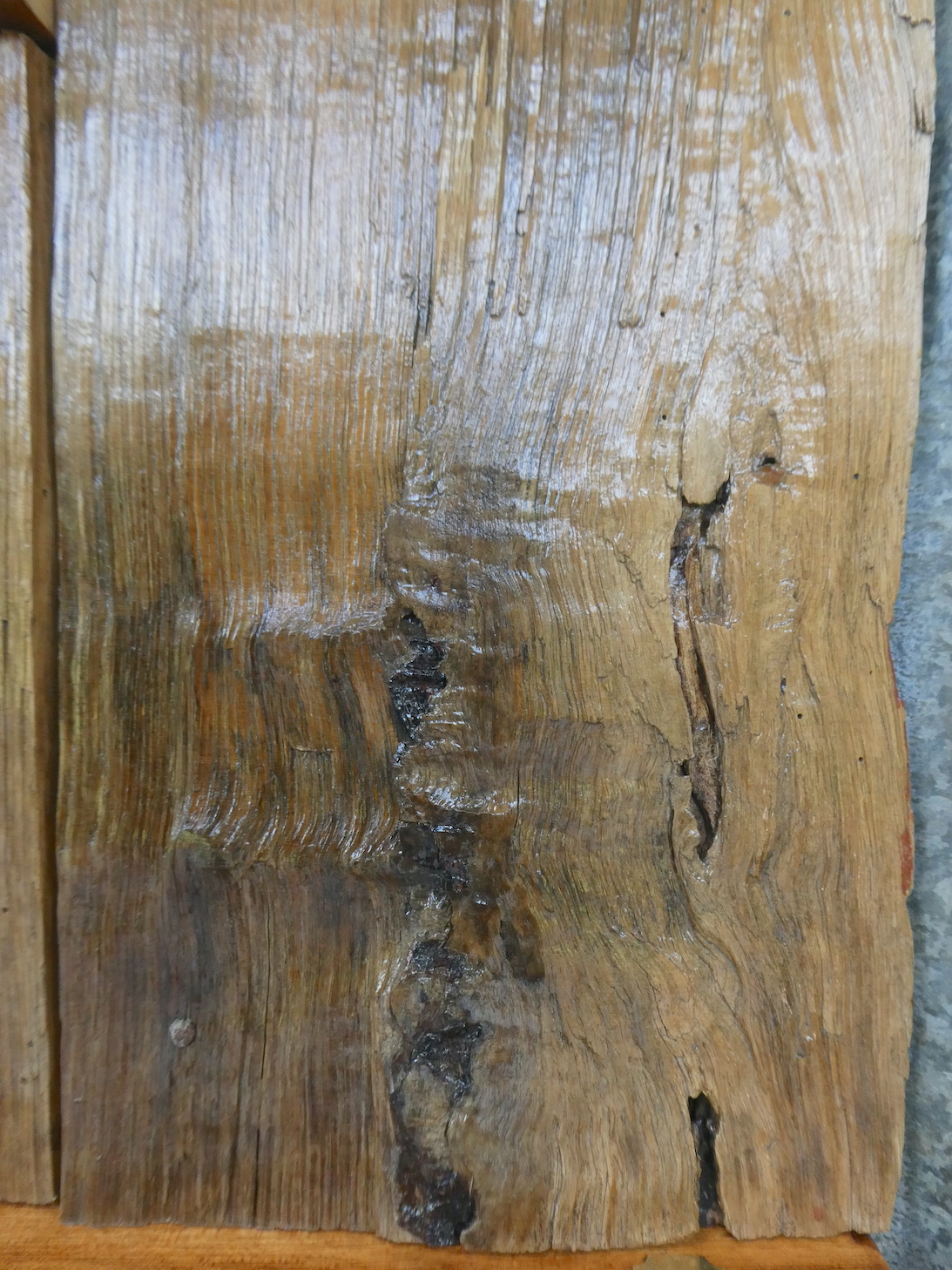
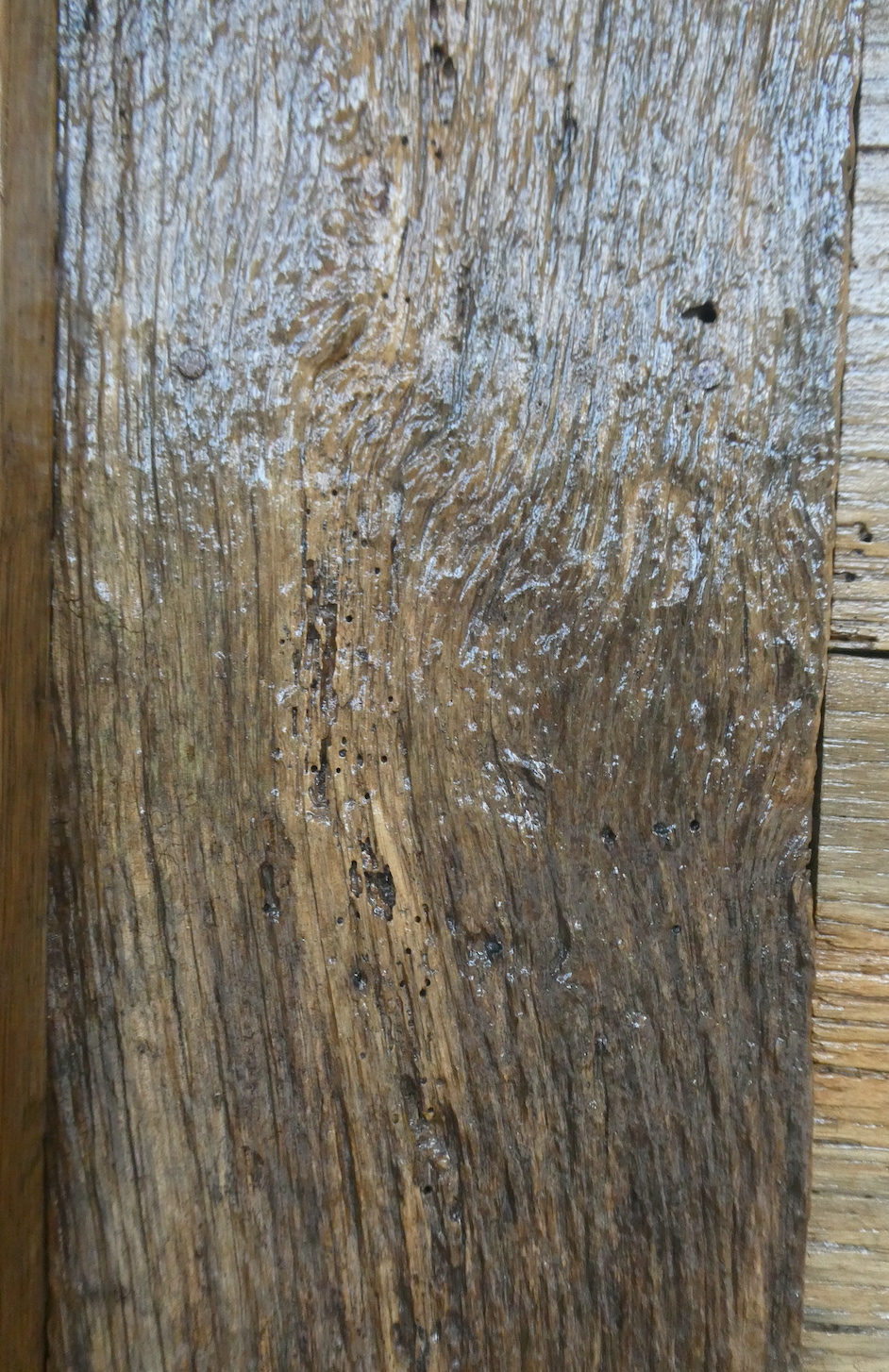
Now for the cladding. We had collected a few random pieces of timber over the years, starting with the King Billy planks from the old hydro water pipes, complete with marks from the strapping. We always intended them to be a feature on the bar.

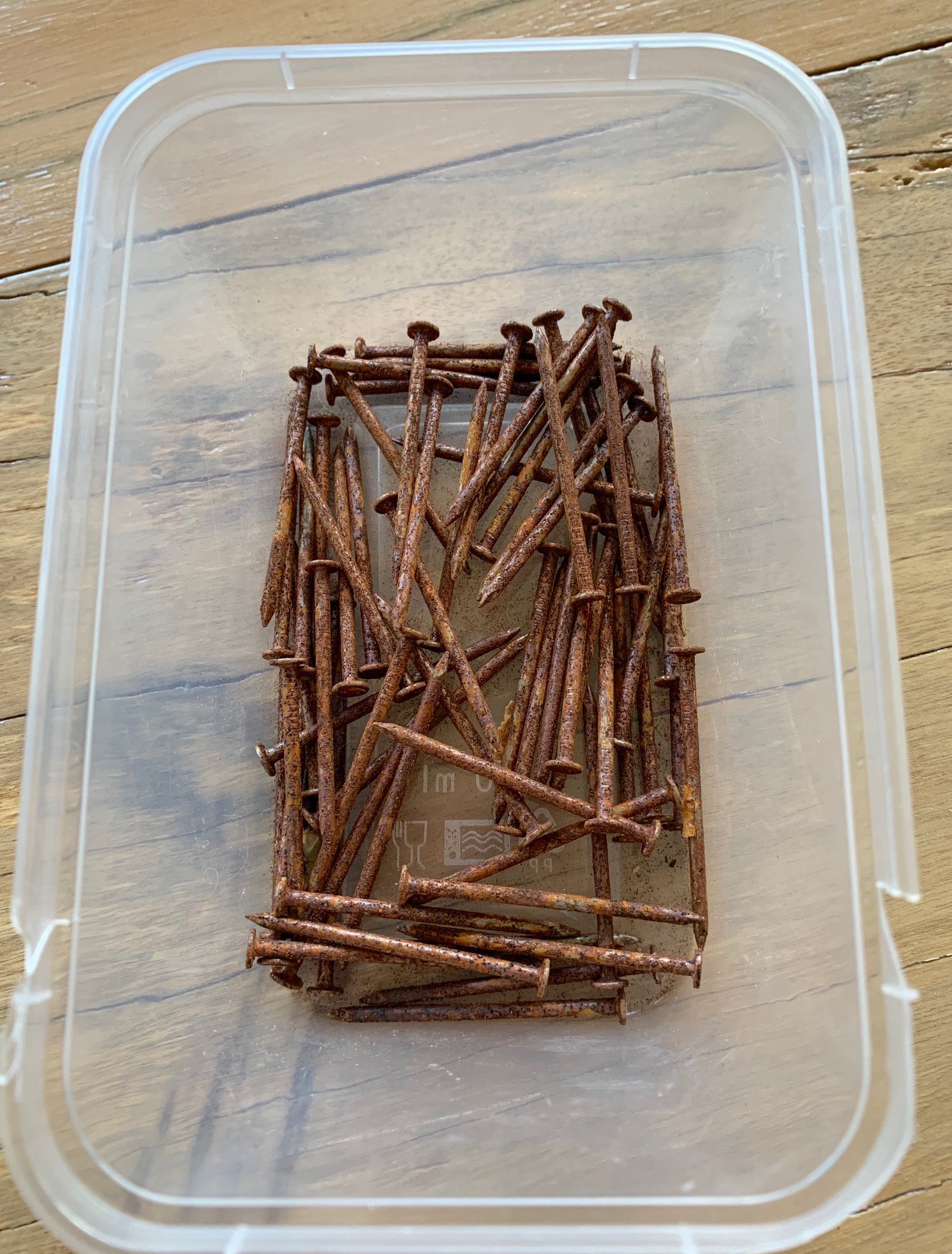
A concoction of vinegar and bleach easily rusted some nails to use on the other elements of the cladding.

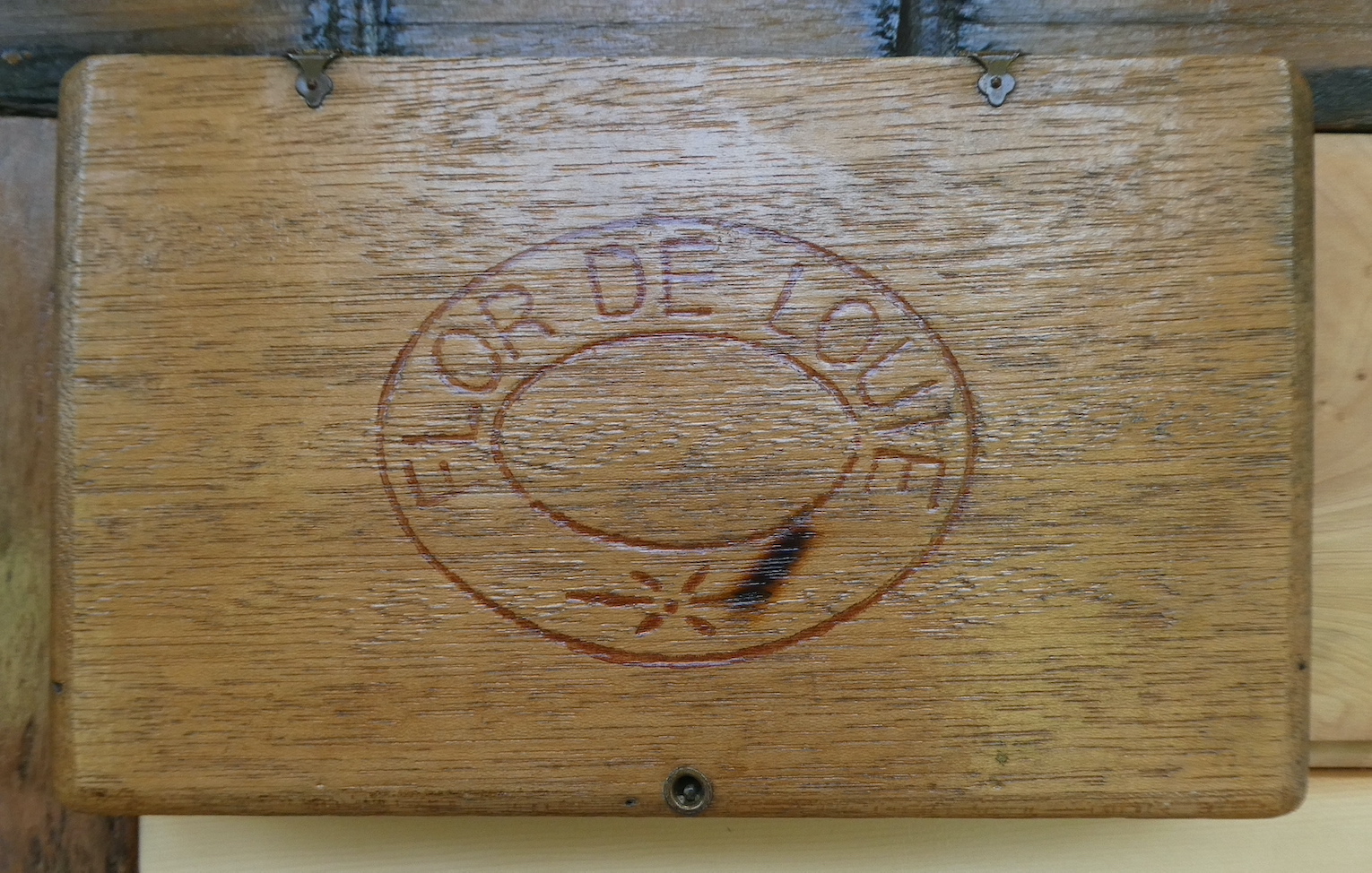
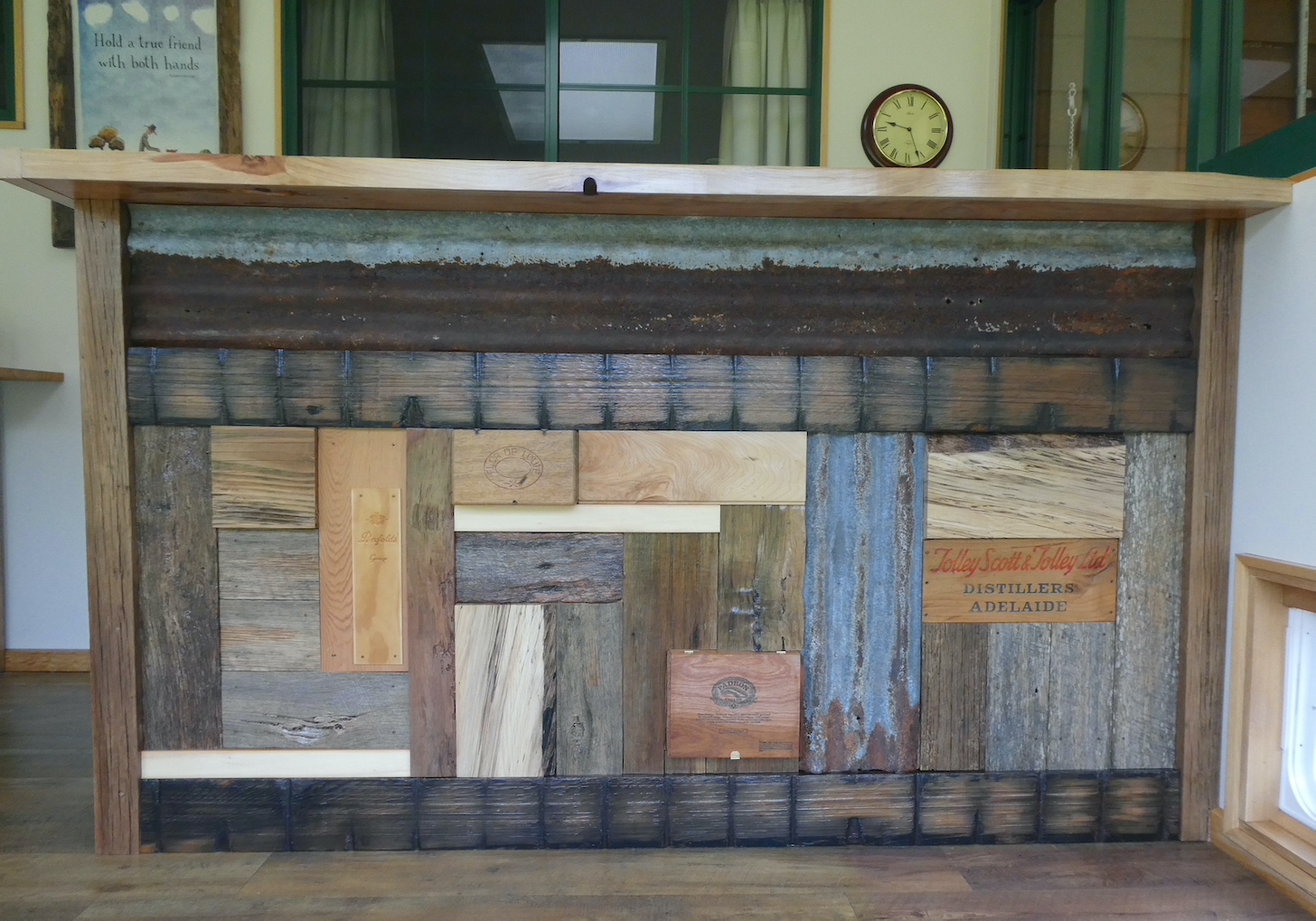
Our approach of “make it up as we go along” seemed to work well as we added an assortment of timbers, some feature panels and a couple of cigar boxes.

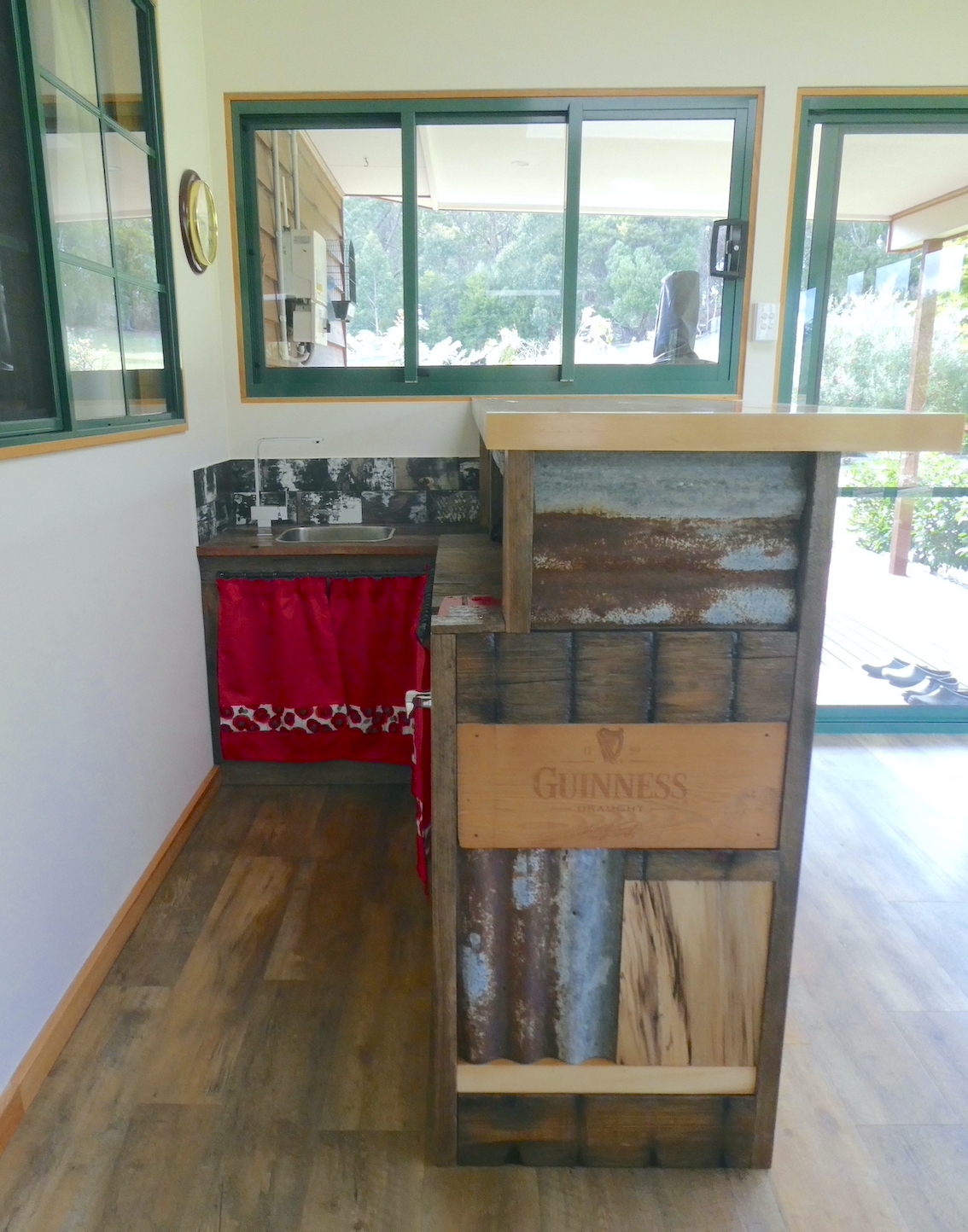
Cupboard curtains complemented the bar fridge as well as the soft furnishings in the room.

Another two coats of Cabothane on the bar top

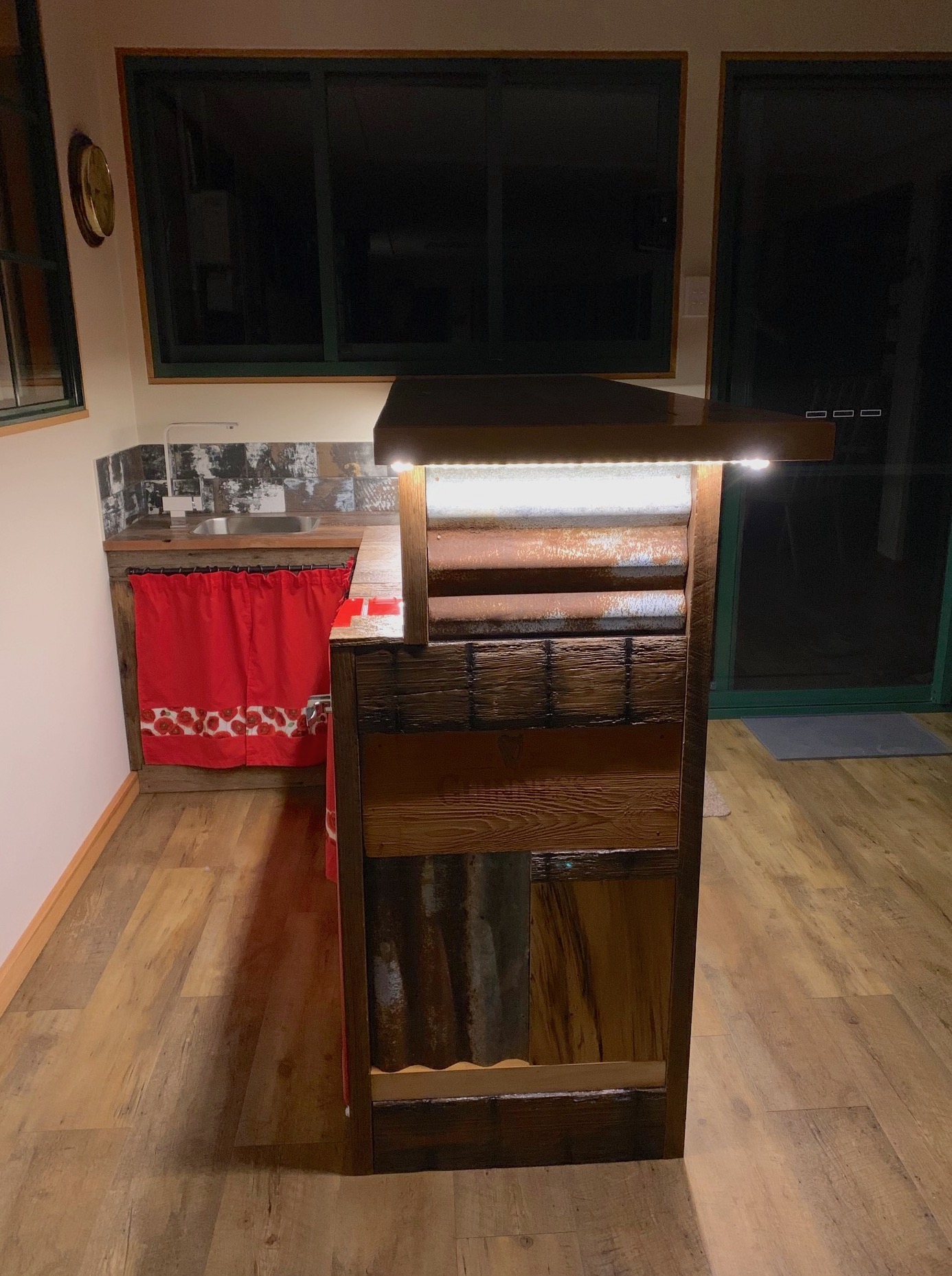
and the addition of LED lights

and we have another project successfully concluded.

blissful bubbles

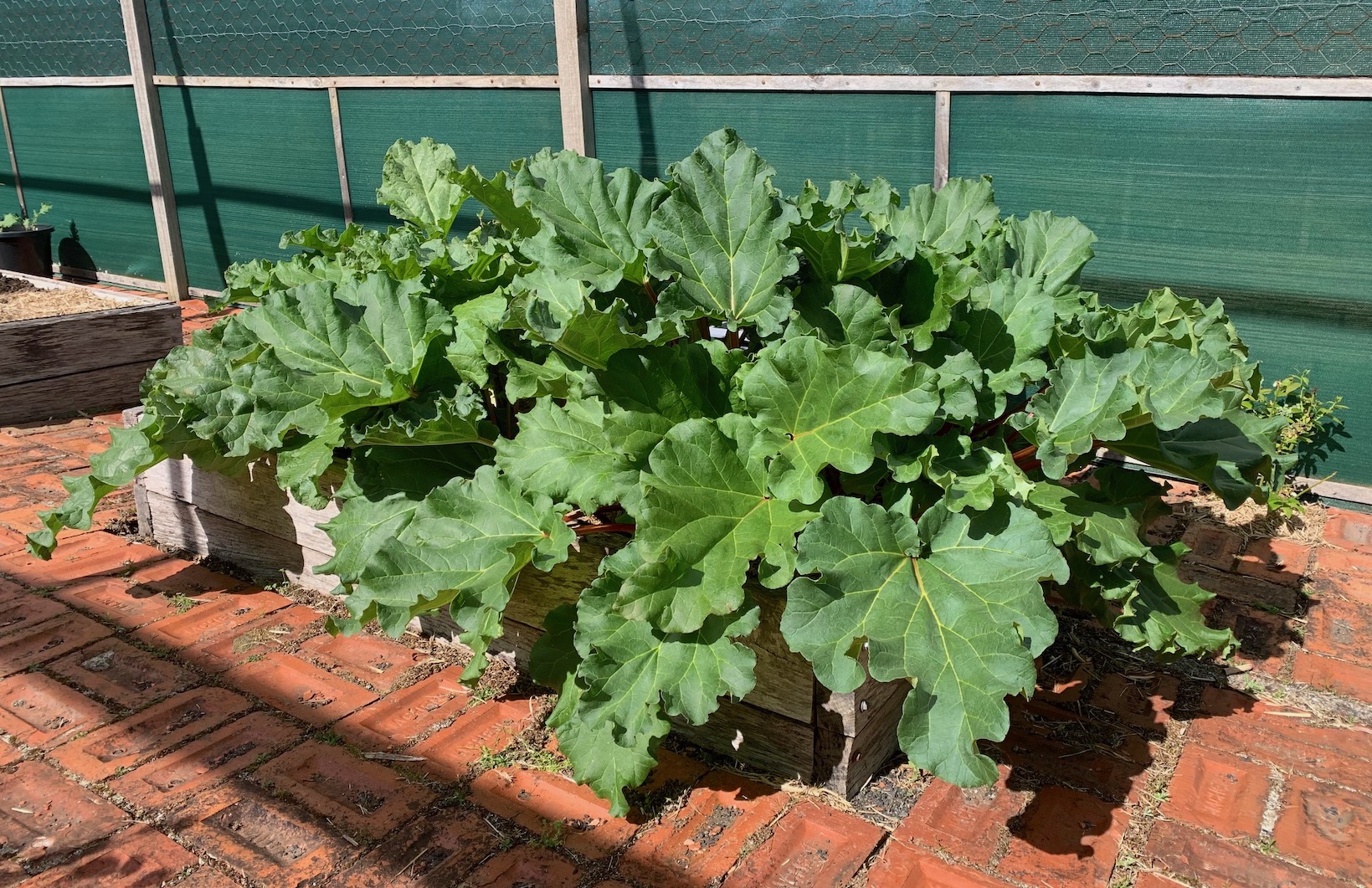
It’s that time of year when the veggie patch is transforming from winter weariness to summer surplus. Our robust rhubarb provides at a steady rate throughout the year but I am now digging deep into the repertoire of rhubarb recipes to keep up with the harvest.

One of my favourites is rhubarb champagne, the reward is definitely worth the effort. Start with 875g rhubarb, 875g sugar, a lemon (from the abundant lemon tree) and 11 tablespoons of apple cider vinegar.

Chop the rhubarb, slice the lemon

and place all these ingredients, along with 5 litres of cold water, into a food safe bucket (I use our beer fermenter). Cover loosely with a clean tea towel and leave for 48 hours.

Sterilise 10 PET bottles (I use Milton solution)

and strain 500ml of the mixture into each.

PET bottles are preferable as they have more ‘give’ and it is advisable to squeeze out as much air as you can before capping.

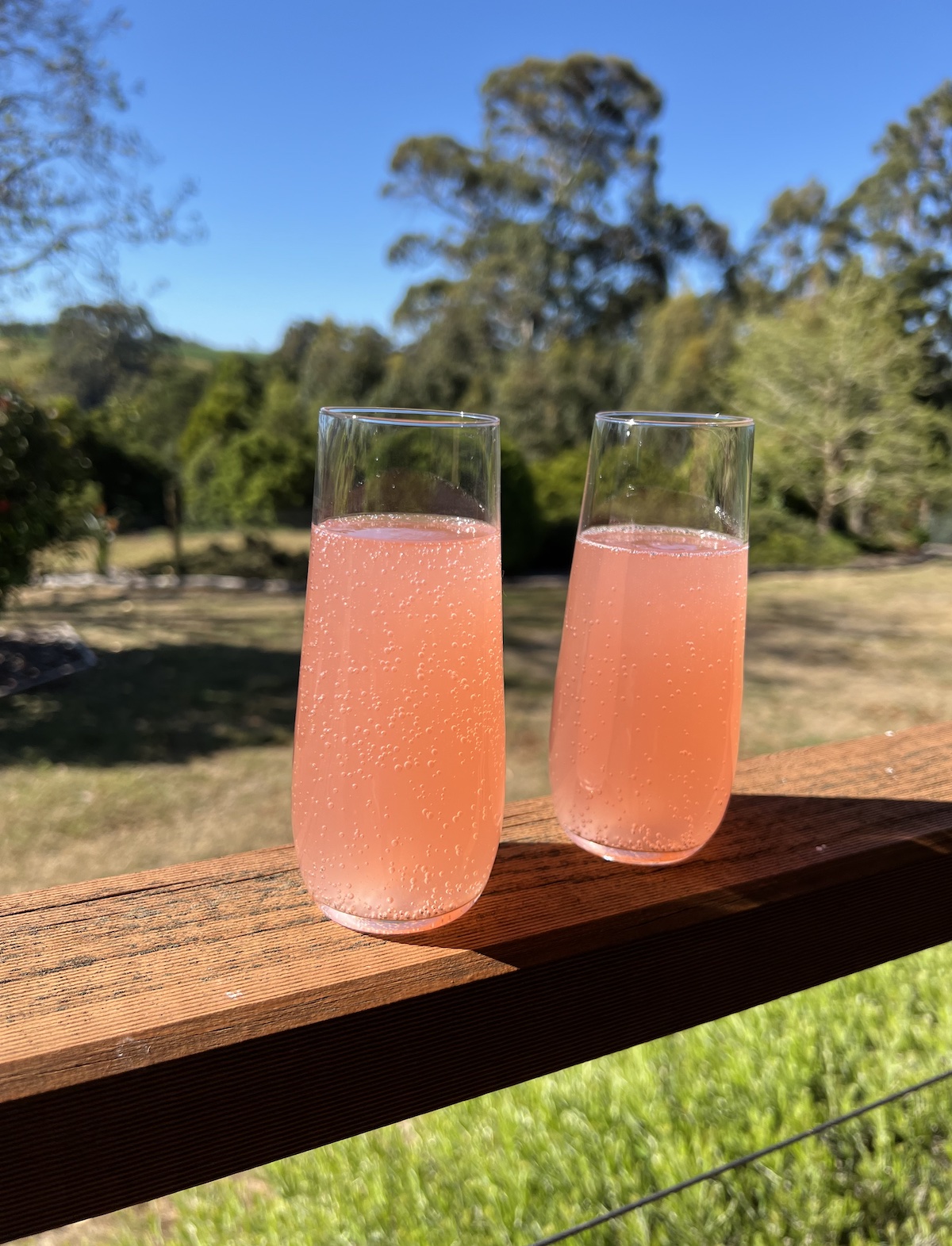
Pop the bottles in the fridge and try to refrain from sampling for at least two weeks. Deliciously refreshing as a sparkling beverage,

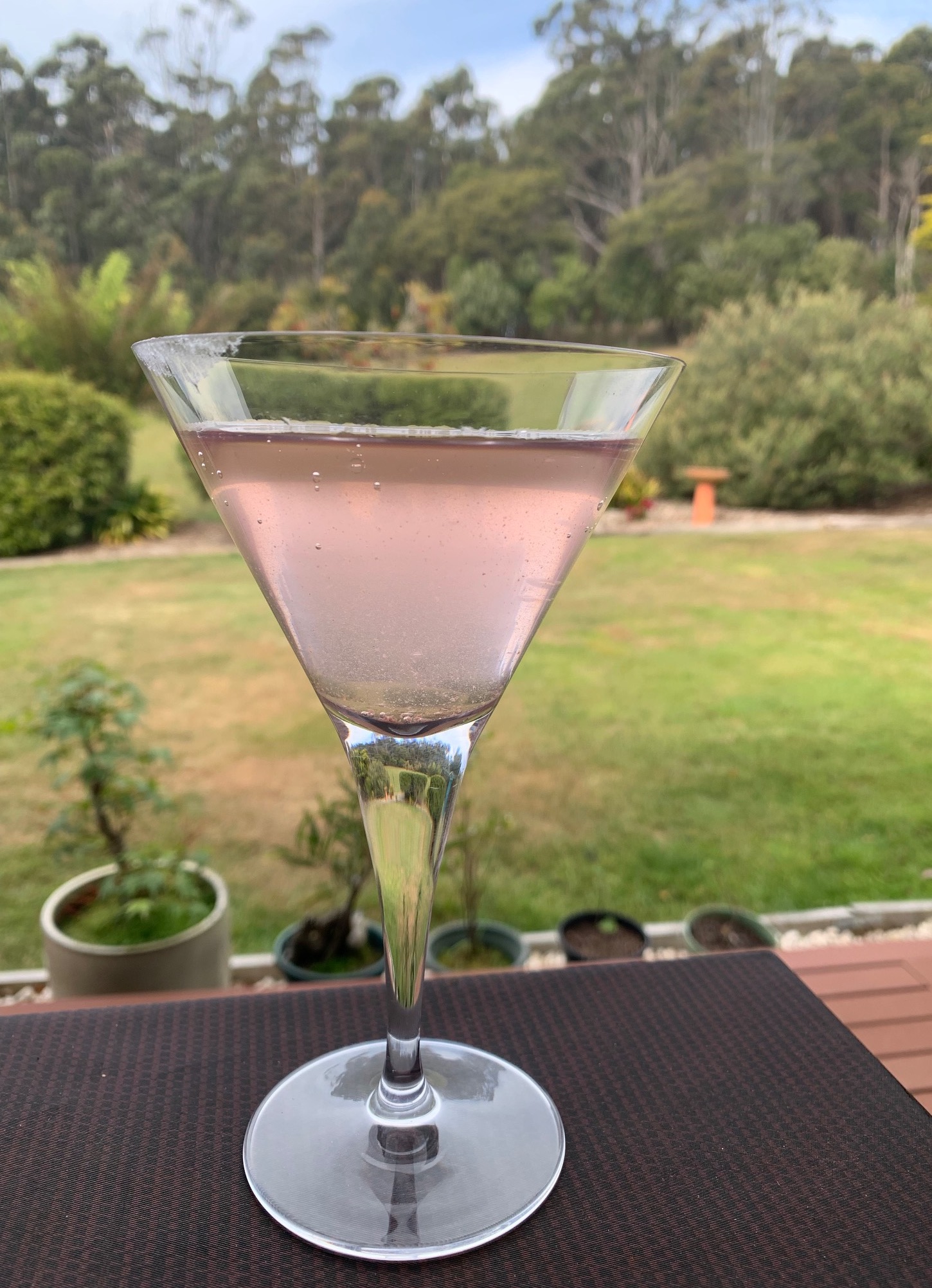
we recently discovered the benefits as a mixer. One and a half measures of gin topped up with rhubarb champagne, we have lovingly named it the ‘Stowport Stonker’. Cheers.

Warning: open bottles VERY slowly.