Termite Mounds

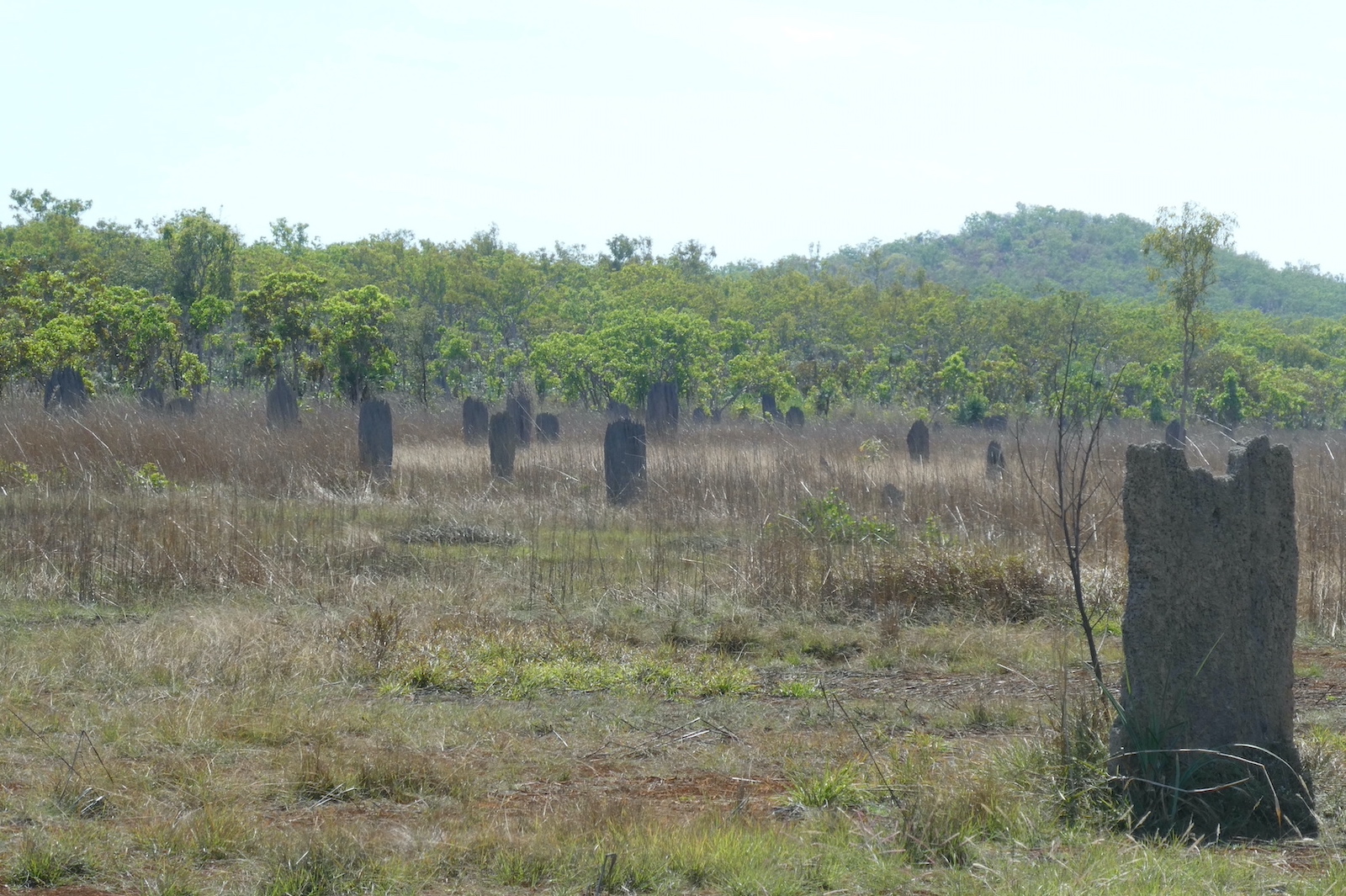
Not only does Litchfield Park have spectacular waterfalls, it is also home to hundreds of magnetic termite mounds. Unique to northern parts of Australia, the two metre high structures are built with their thin edges pointing north-south and broad sides facing east-west.

Amitermes meridionalis, commonly known as the Magnetic Termite, have cleverly grasped the concept of thermo-regulation and this orientation creates high humidity and stable temperatures within the mound.
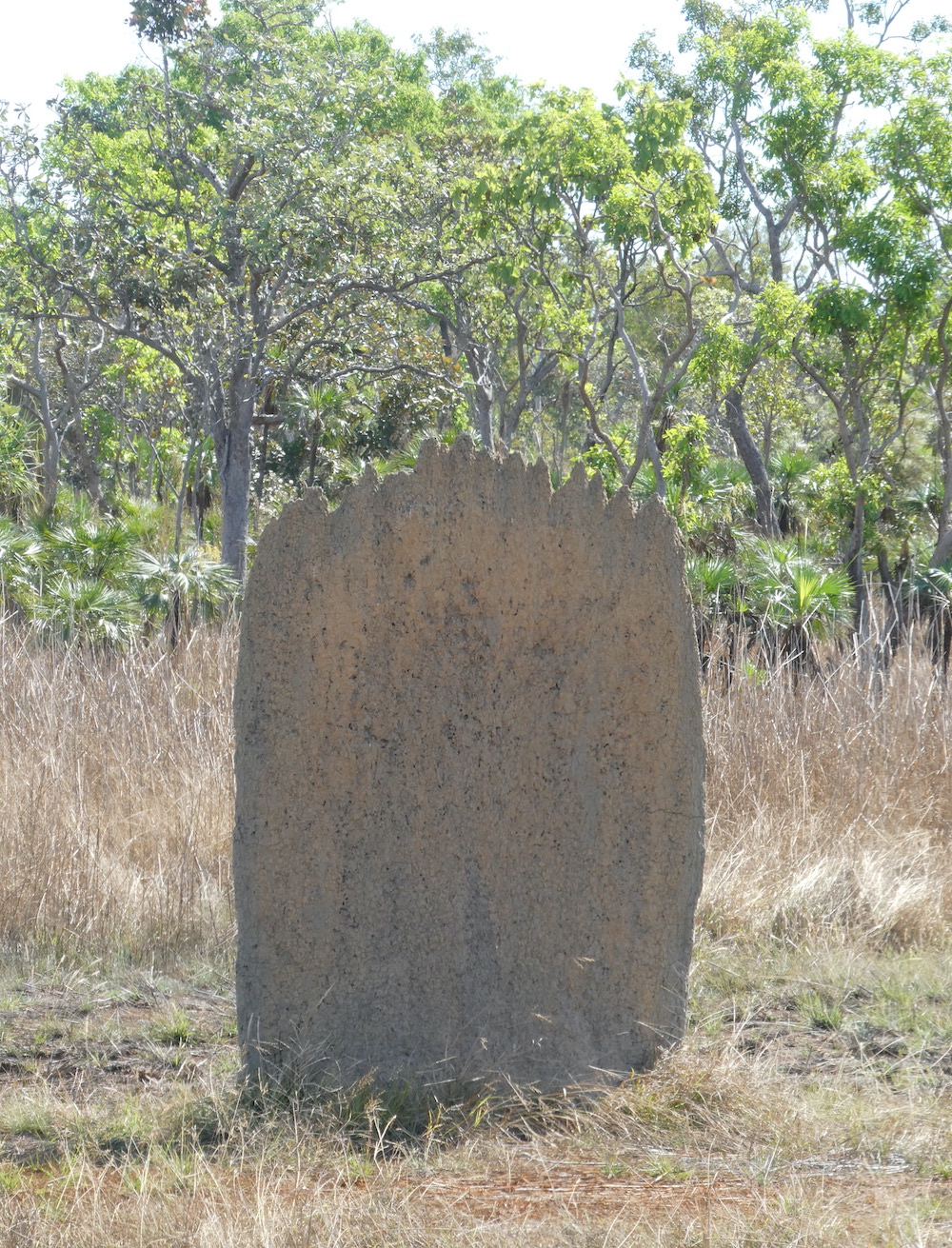
A large mound may house up to a million termites comprising the queen, king, reproductives, soldiers and workers. Although the exterior is hard and durable, the material inside separating the chambers and galleries is a papery texture.
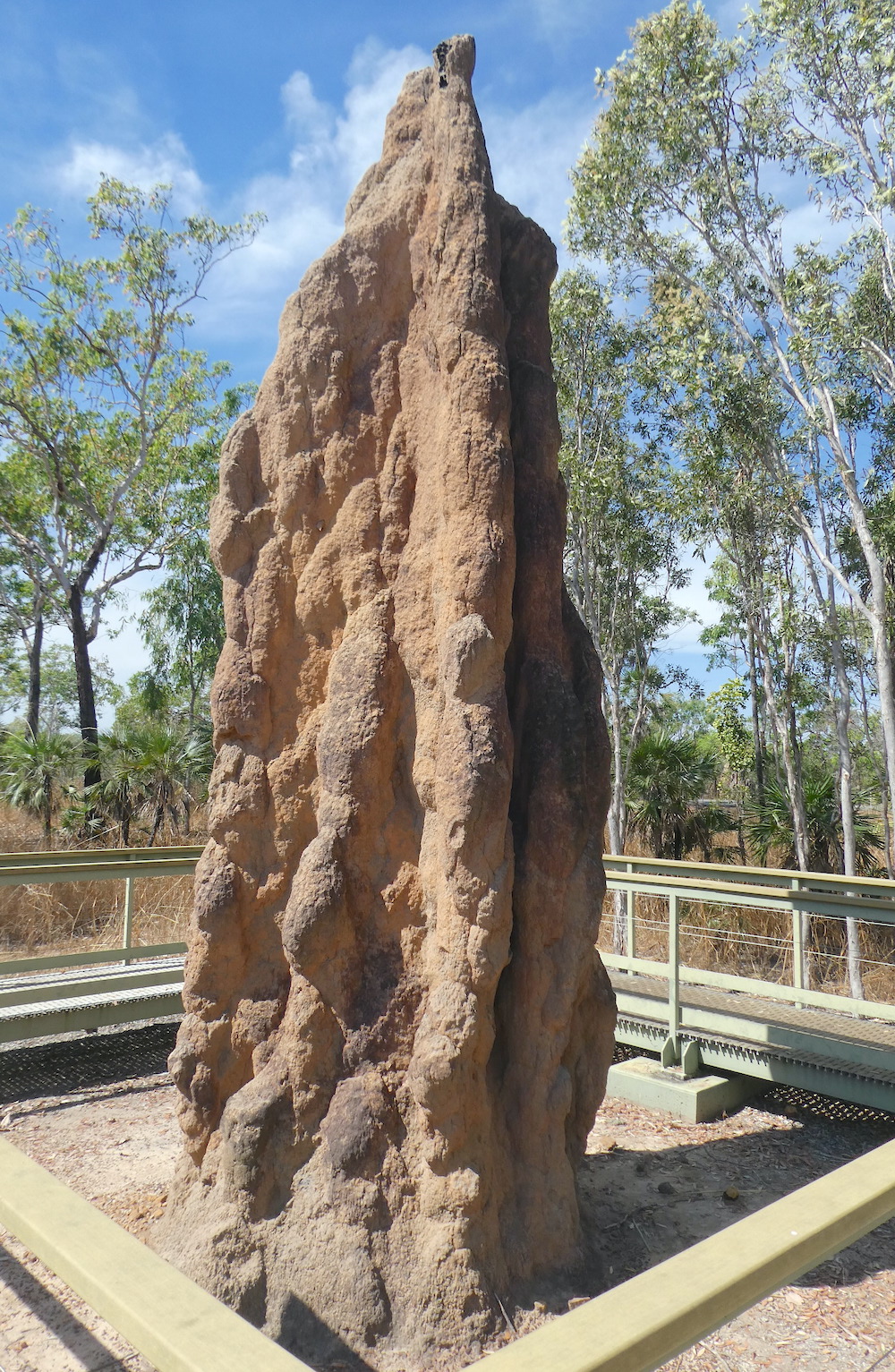
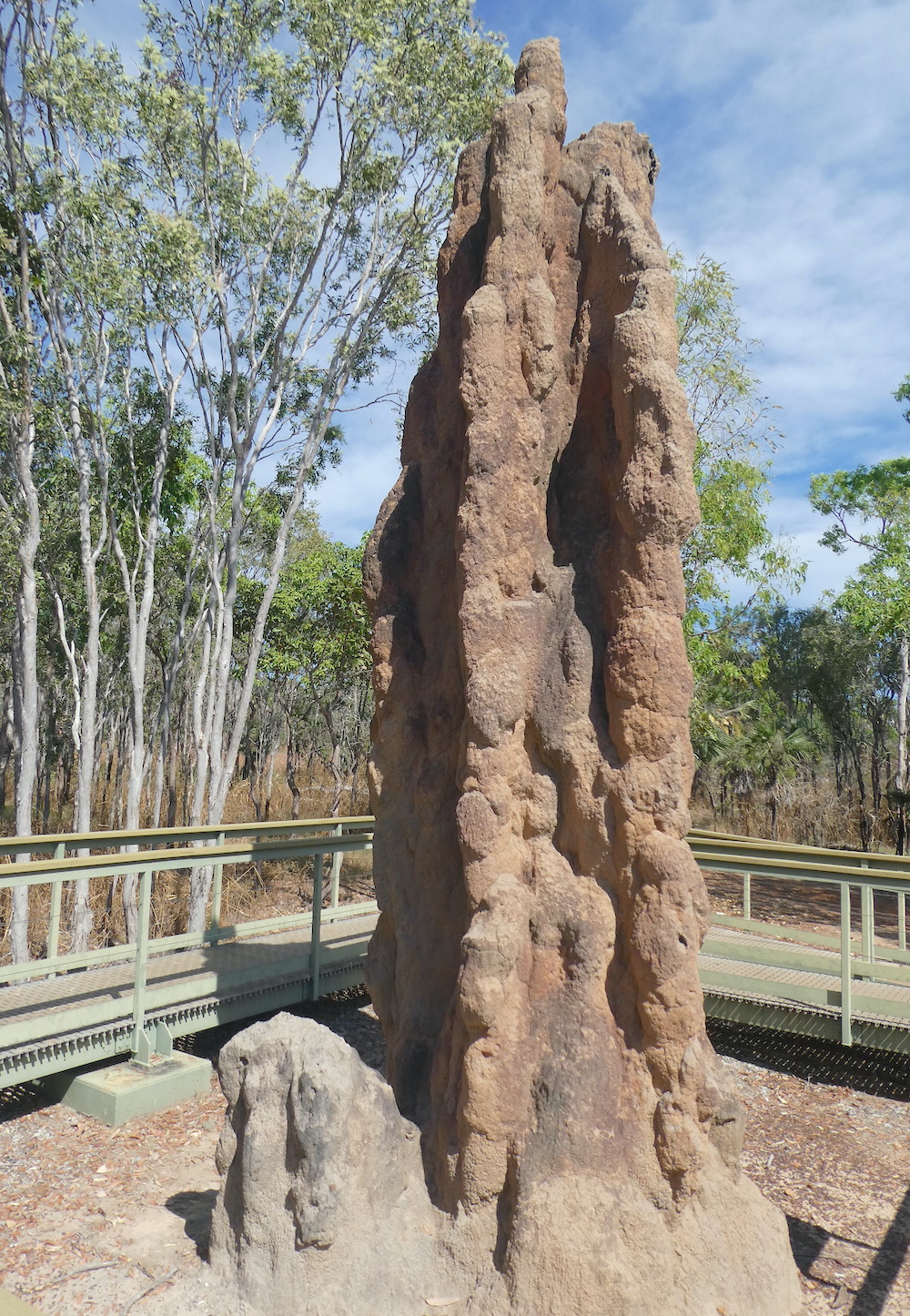
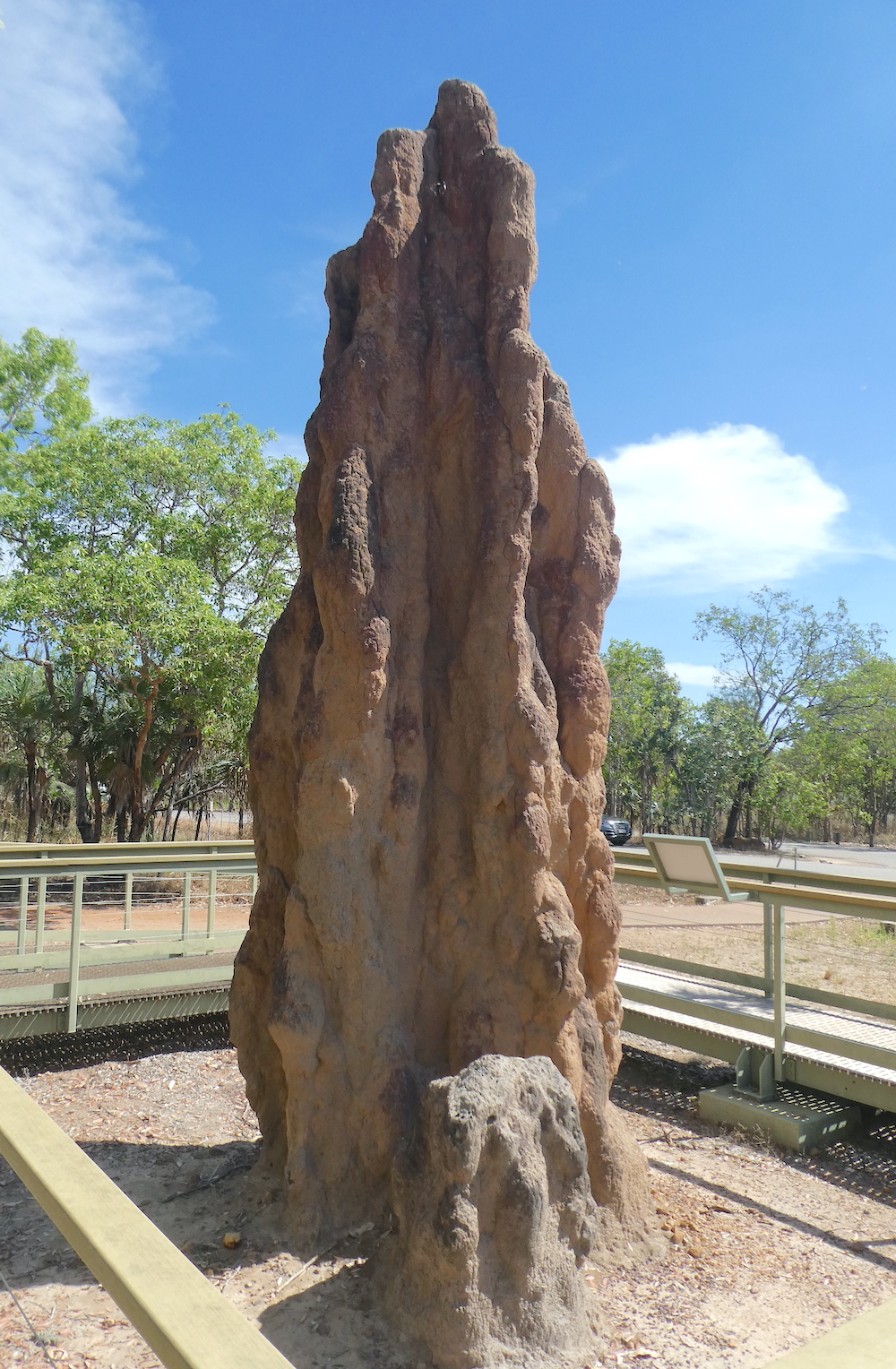
Another fascinating inhabitant of this area is Nasutitermes triodiae, the Cathedral Termite. Their mounds are much bigger, reaching four to eight metres in height and the hollow columns inside create a central air-conditioning system to enable the colony to remain cool.

There is a very impressive example of a cathedral termite mound, estimated to be over 50 years old, surrounded by a boardwalk to allow for closer inspection.
These feisty little insects have a long, horn-like snout with which they can cut grass to add to saliva, sand and faeces to make the mound. They can defend the colony by shooting chemical secretions from their snout to irritate and repel invaders.

Some Aborigines believe that anyone who knocks over a mound will get diarrhoea. Coincidentally, termite mounds contain high proportions of kaolin, a compound used for the treatment of indigestion and diarrhoea.
Whakapapa

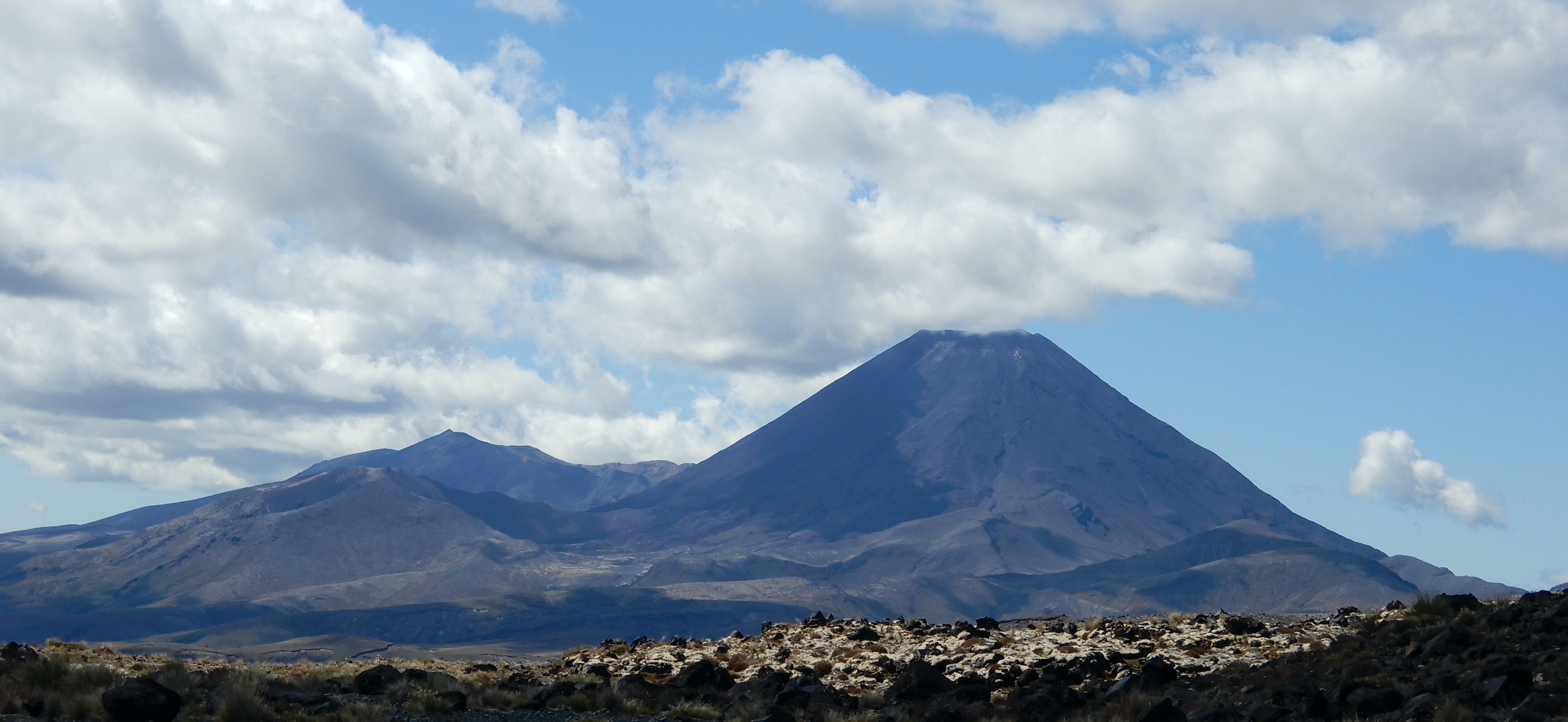
Tongariro National Park was a scenic forty minute drive from our haven at Motuoapa Bay. New Zealand’s first national park, Tongariro was gifted to the people by Te Heuheu Tukino IV, the Paramount Chief of local Māori tribe Ngati Tuwharetoa, in September 1887. The 80,000 hectare park is centred around three sacred volcanic peaks. A lookout on the way to our destination, Whakapapa Village, rewarded us with views of Mount Tongariro and Mount Ngauruhoe, the latter (on the right) may be recognised by The Lord of the Rings fans as Mount Doom.

From this height, the sweeping panorama across the Central Plateau was spectacular.

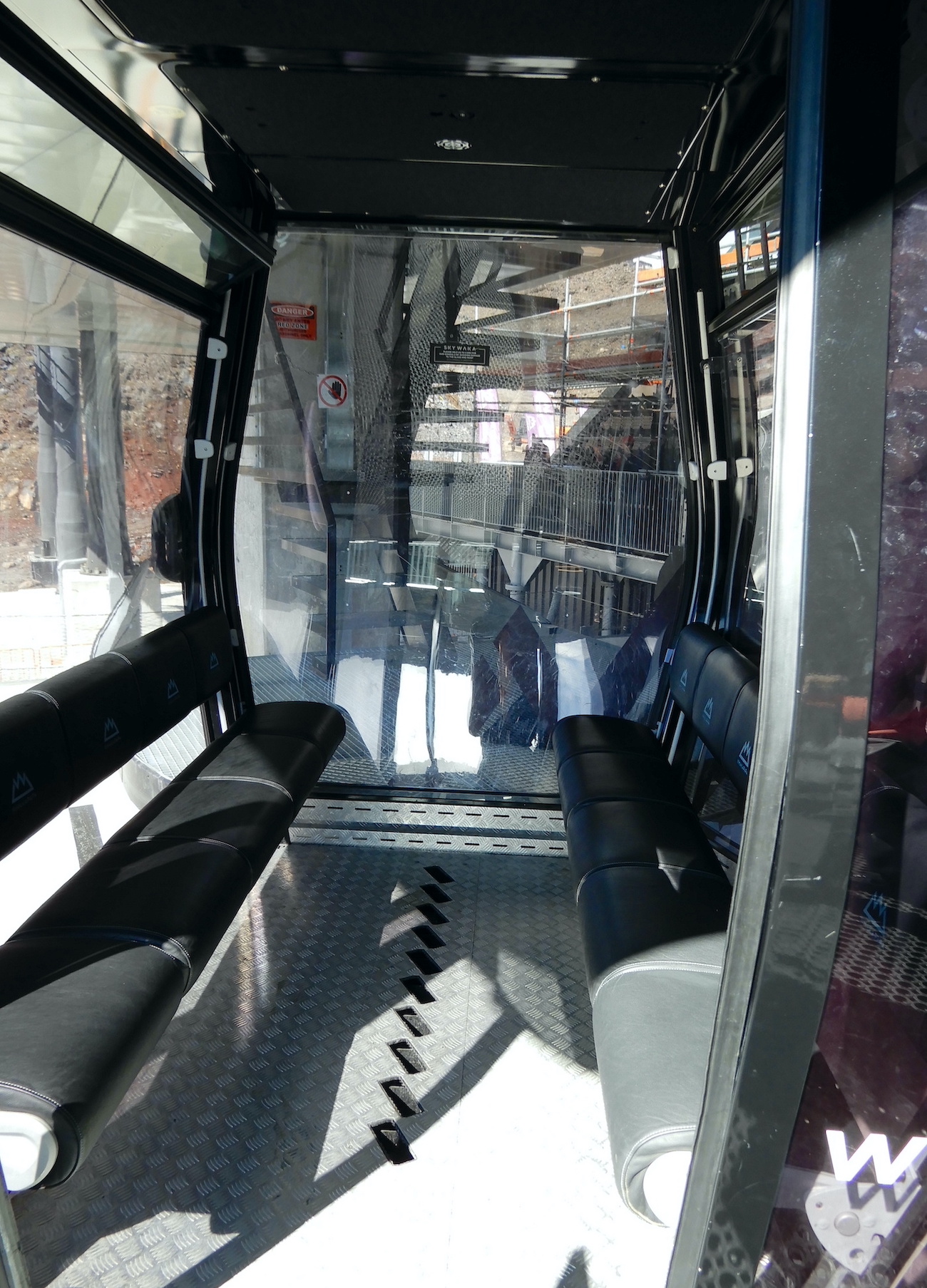
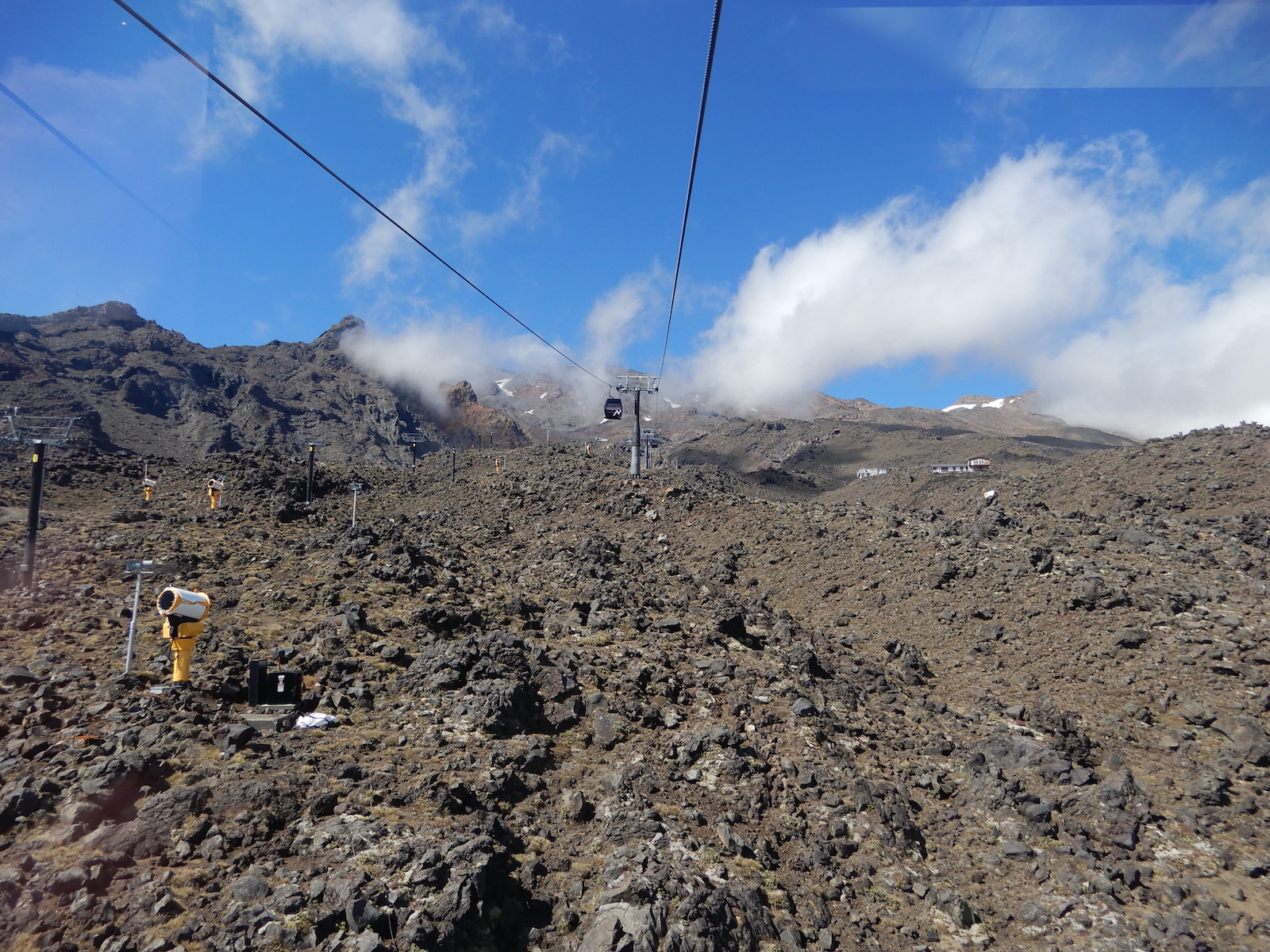
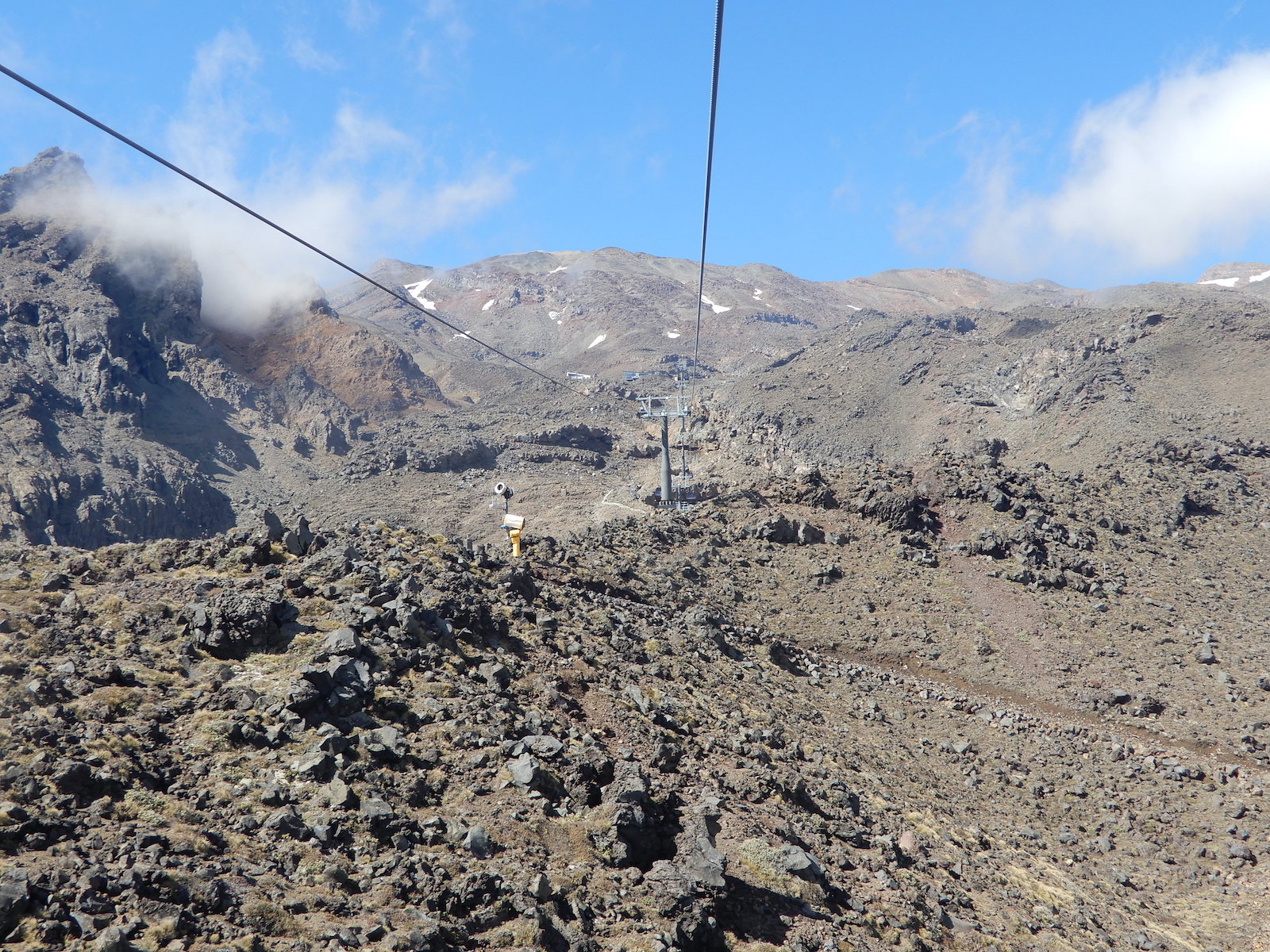
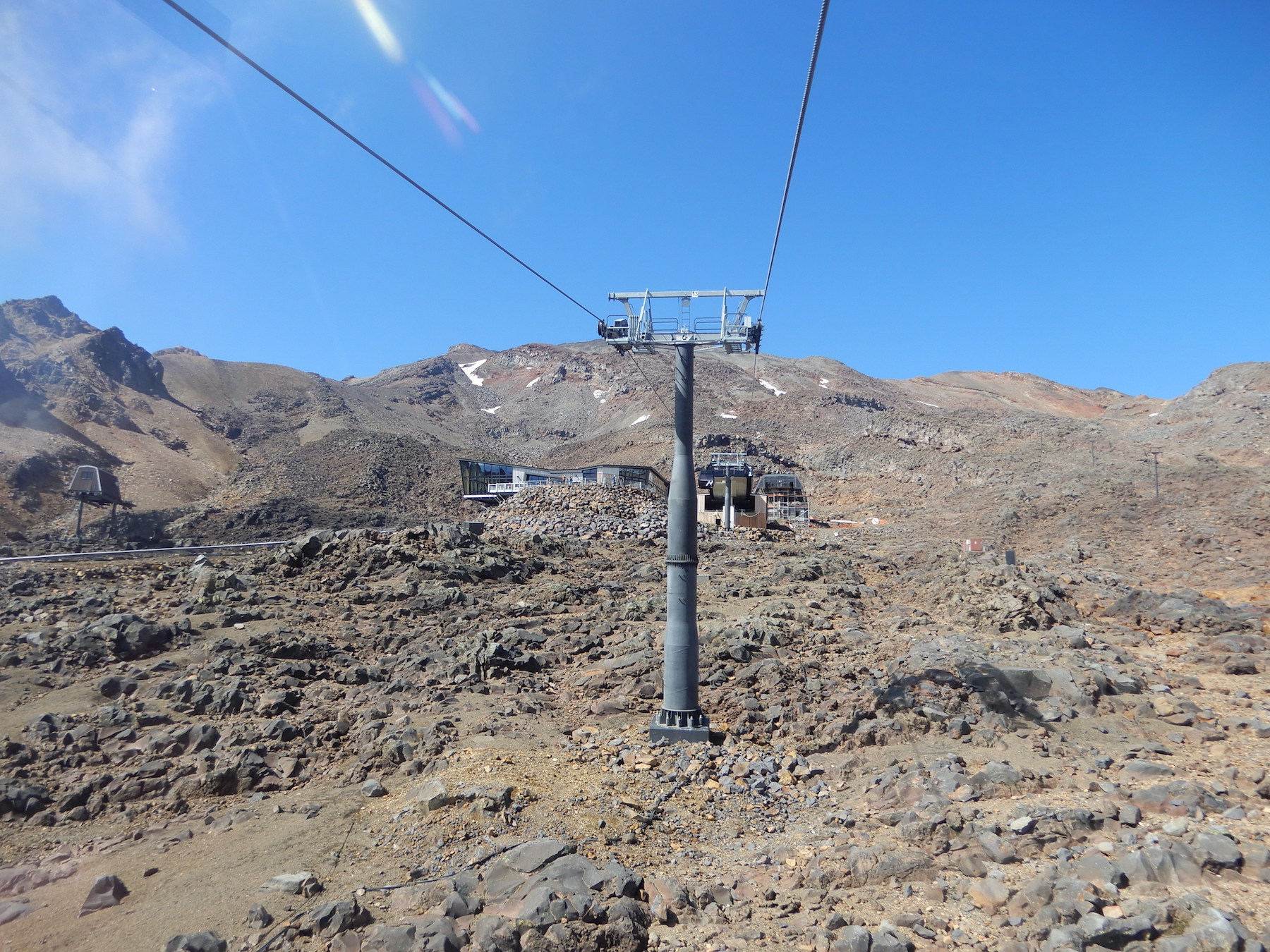
We parked the car at the village and considered our options, deciding on the Sky Waka gondola ride and buffet lunch combo. Mount Ruapehu is the centrepiece of the national park, the North Island’s highest peak is home to the largest ski field in New Zealand. The terrain in March is quite different to that during ski season, it is hard to imagine the Rock Garden Chairlift conveying skiers on the advanced beginners run.

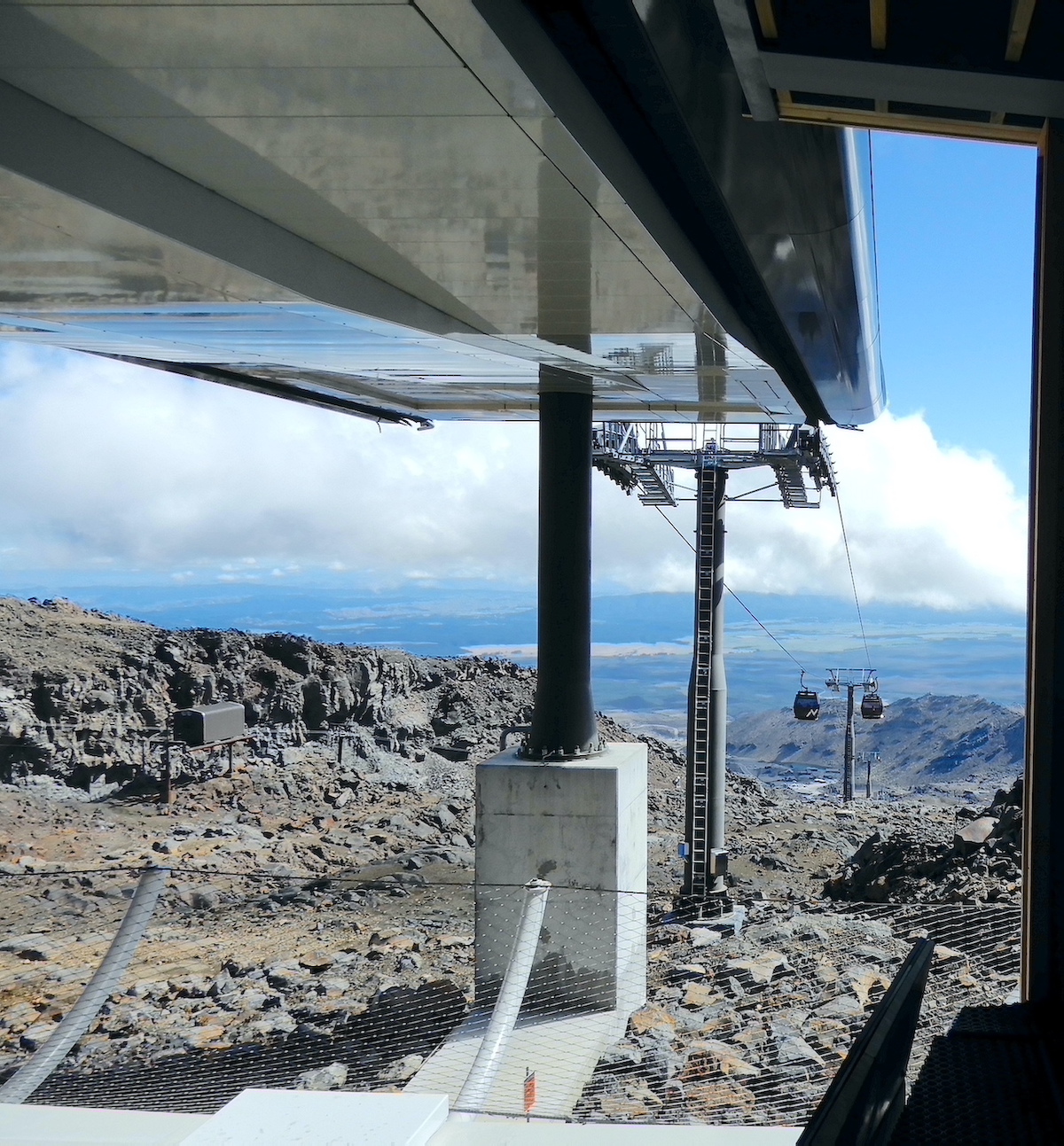
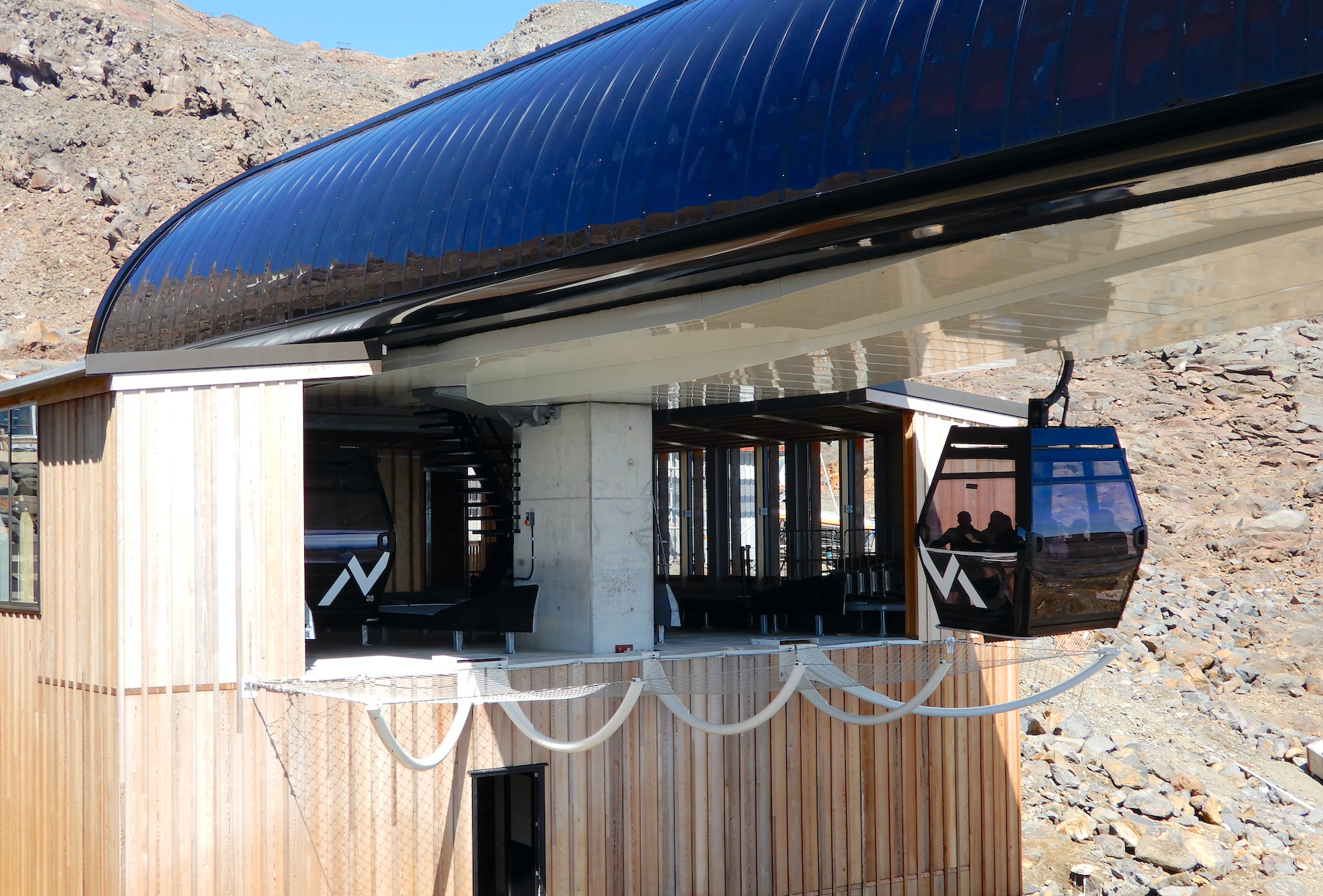
The $25 million Sky Waka gondola opened in July 2019 to transport 2,400 people an hour, a distance of 1.8km, up the northern slopes of Mount Ruapehu. It really didn’t feel as though we were travelling at 6 metres per second.

Back to The Lord of the Rings, scenes of Mordor were filmed on the rugged landscape of Whakapapa ski field and the slopes of Mount Ruapehu, including the scene where Isildur cuts off Sauron’s finger.

Our ride culminated at Knoll Ridge Chalet, a multi-storey eatery built in 2009 to replace the original café that was destroyed by fire earlier in the year.

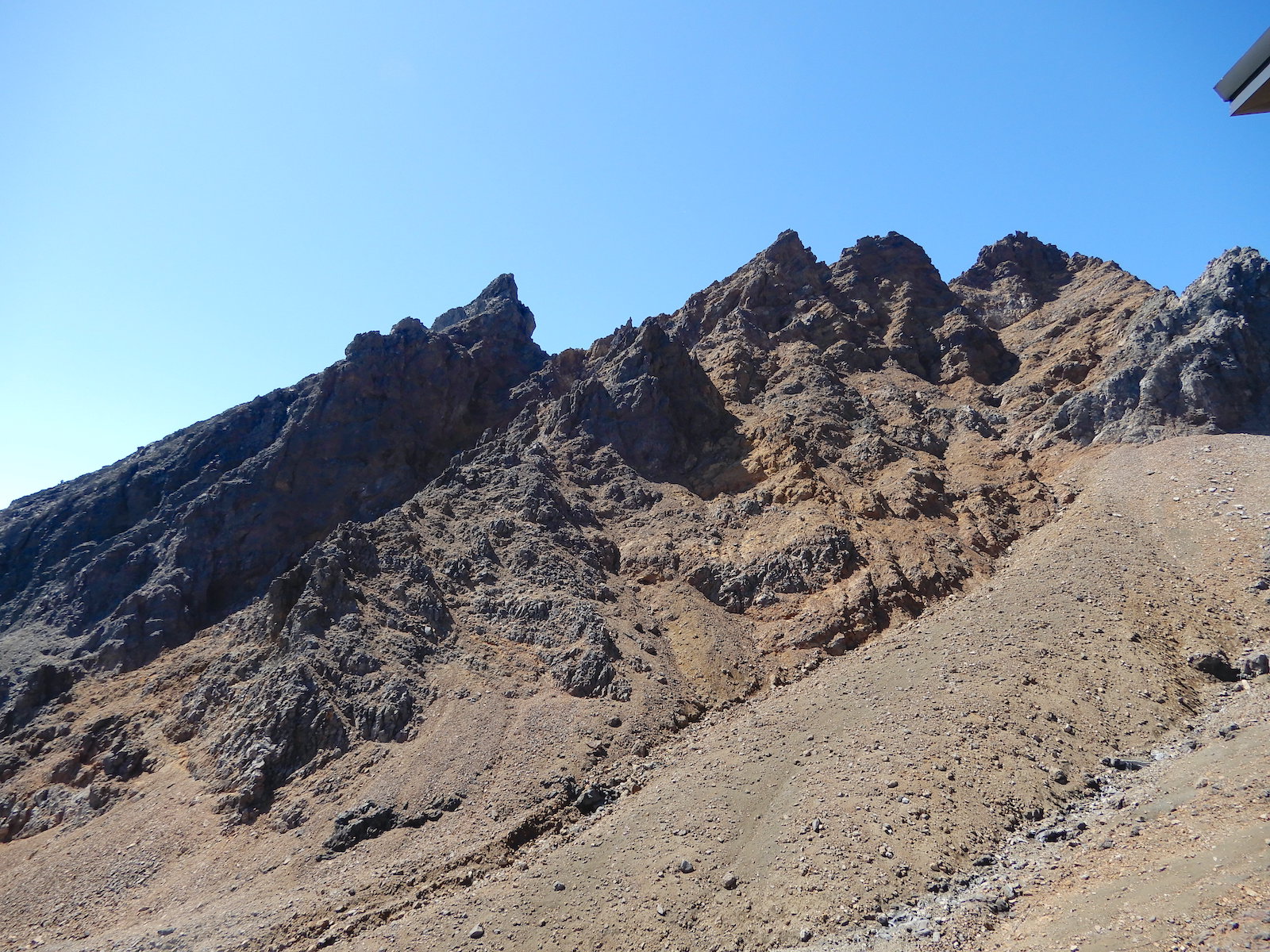
The magnificent Pinnacles Ridge was shrouded in cloud when we arrived and it was a bit cool for alfresco dining.

The Pinnacles Restaurant was warm and welcoming, the extensive use of timber created the feeling of a traditional mountain chalet.

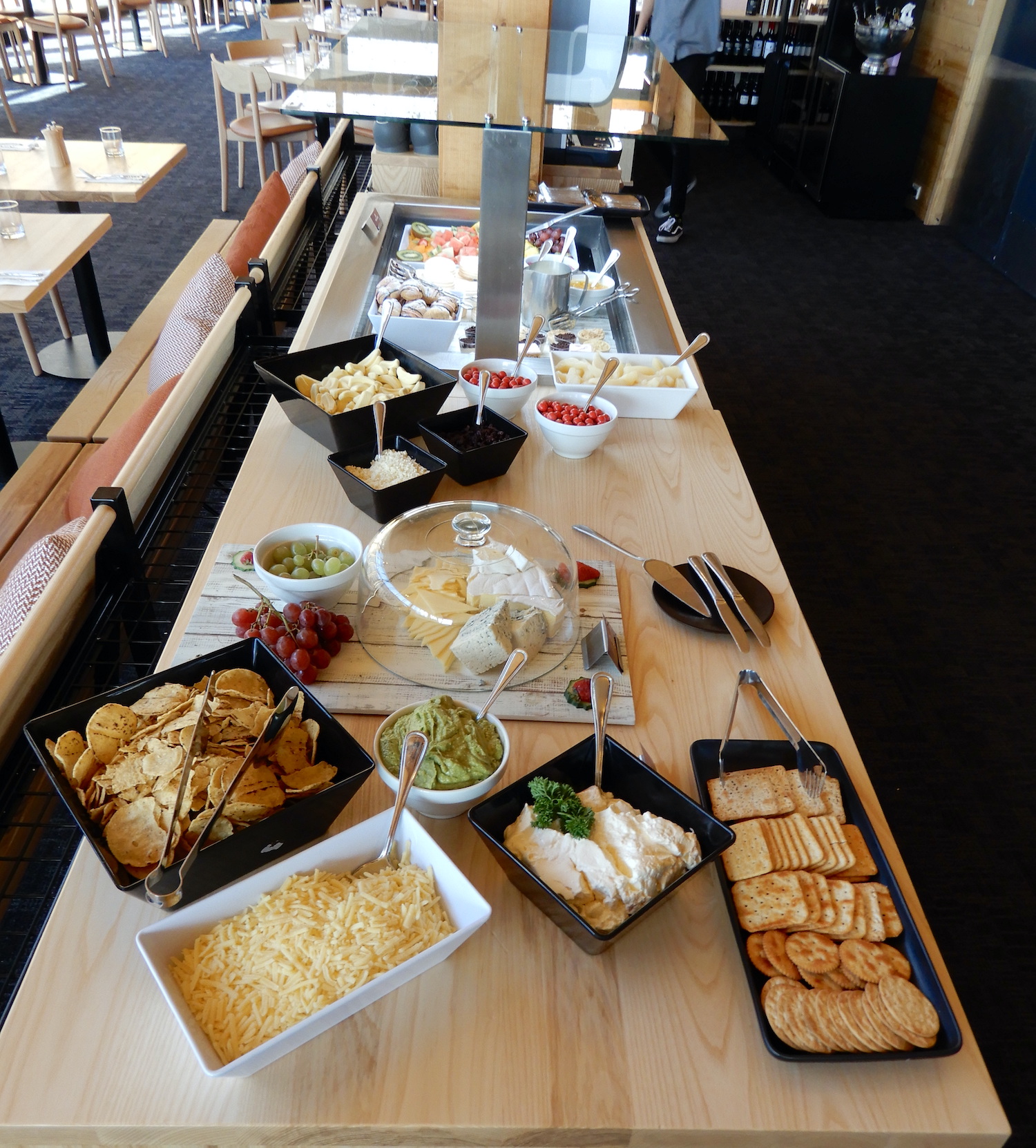
Lunch at the highest restaurant in New Zealand, at 2,020 metres above sea level, was delicious.

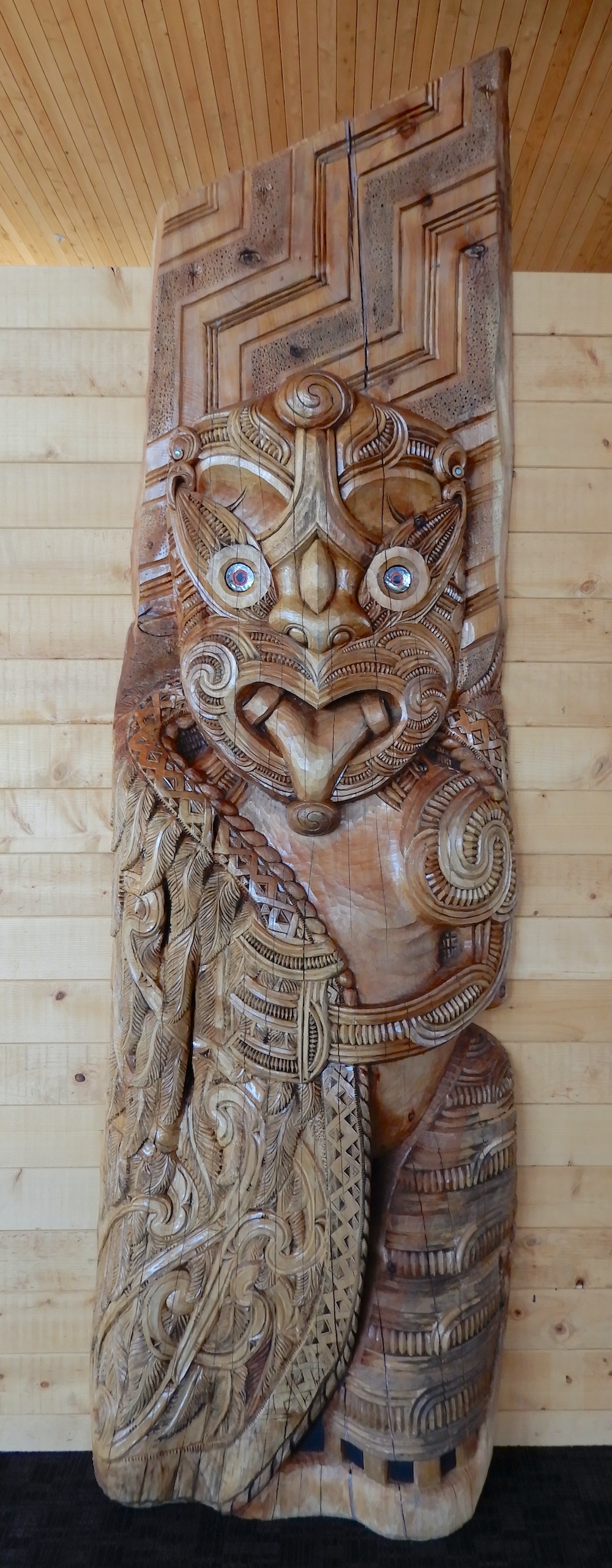
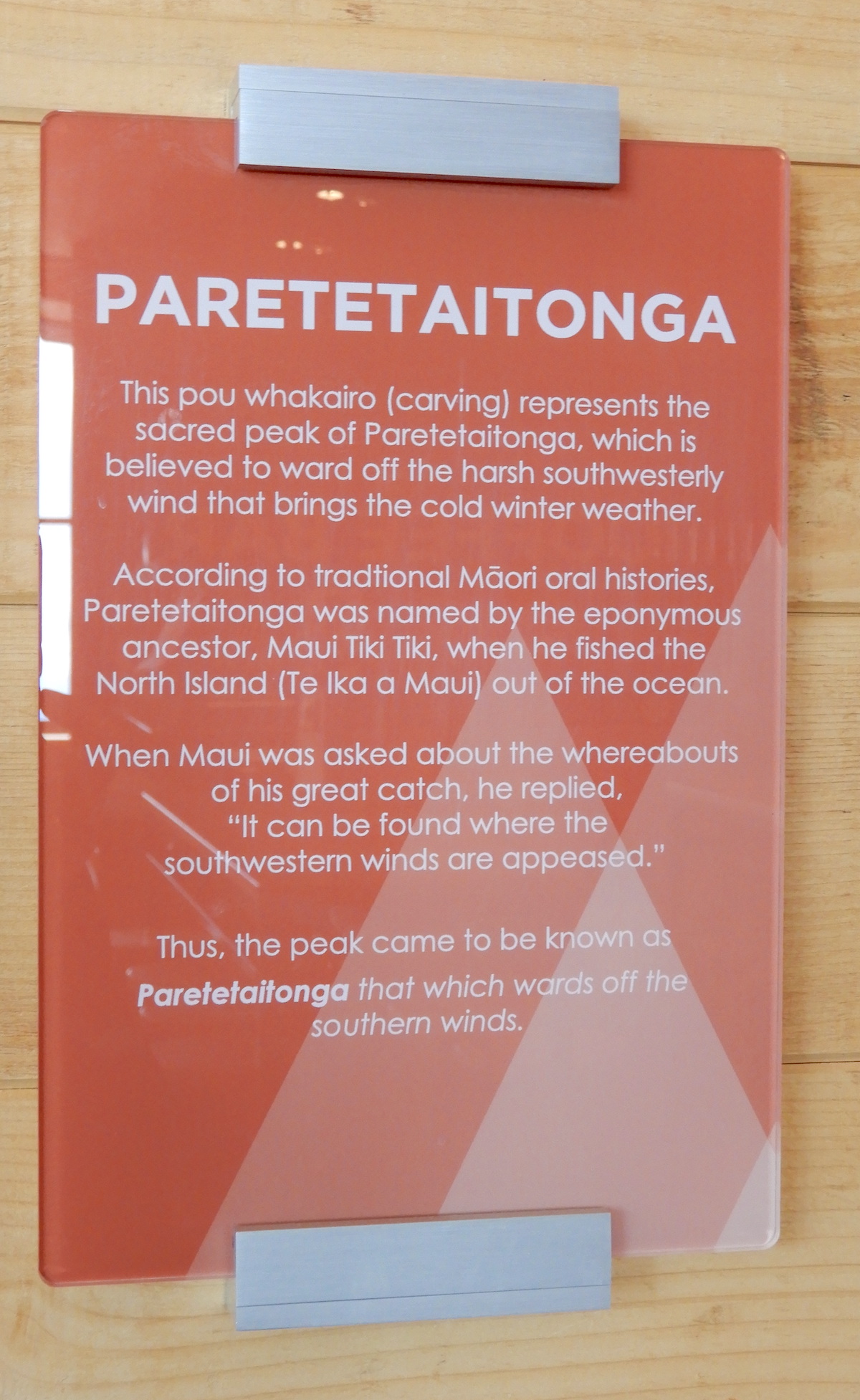
Mount Ruapehu is the largest active volcano in New Zealand and has three major peaks. There is a beautiful carving representing Paretetaitonga, the peak that wards off the southern winds.

By the time we finished lunch, the clouds had lifted from Pinnacles Ridge

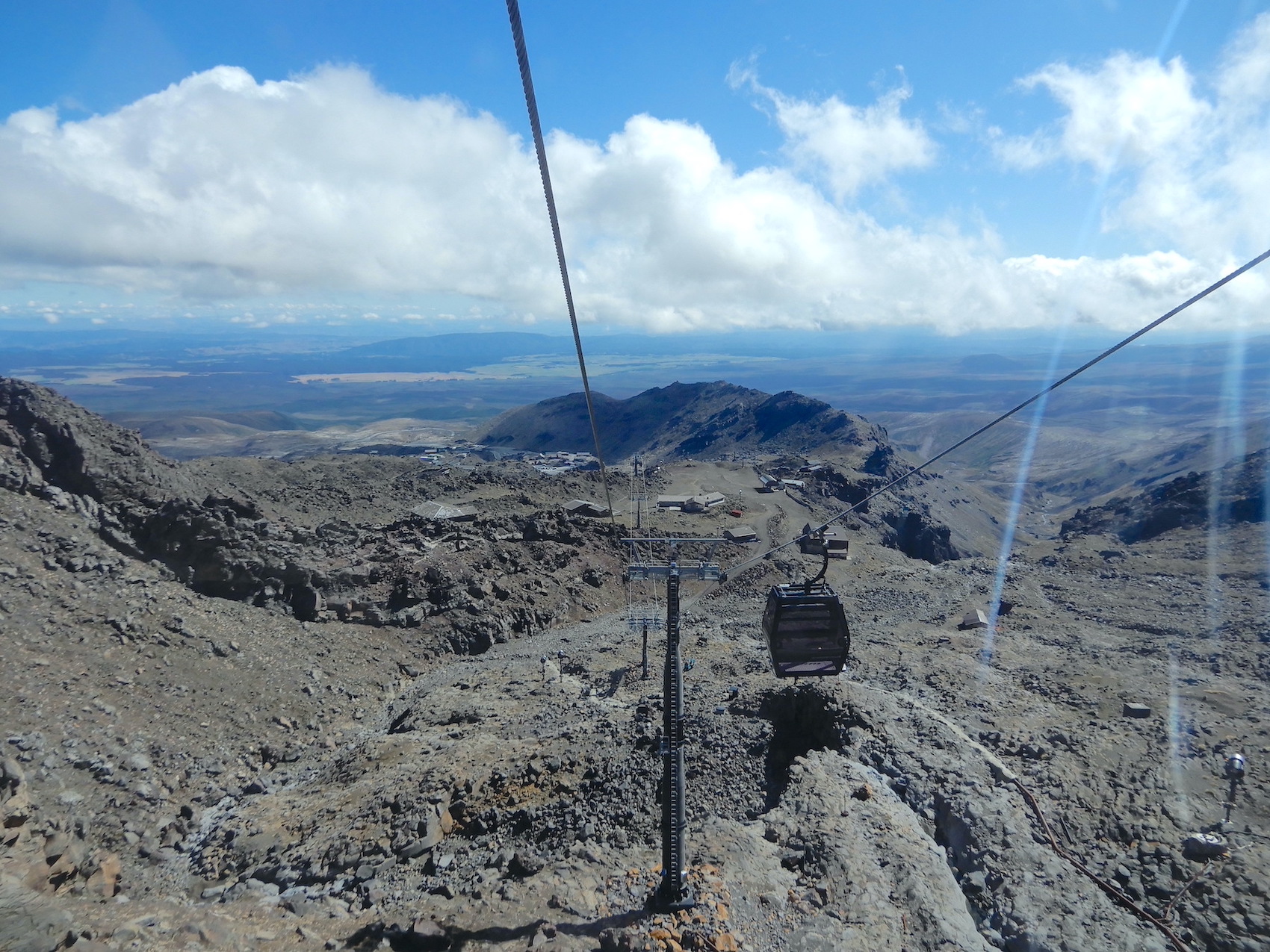
and Sky Waka was the only way down

with more stupendous scenery to absorb.

Antico Borgo

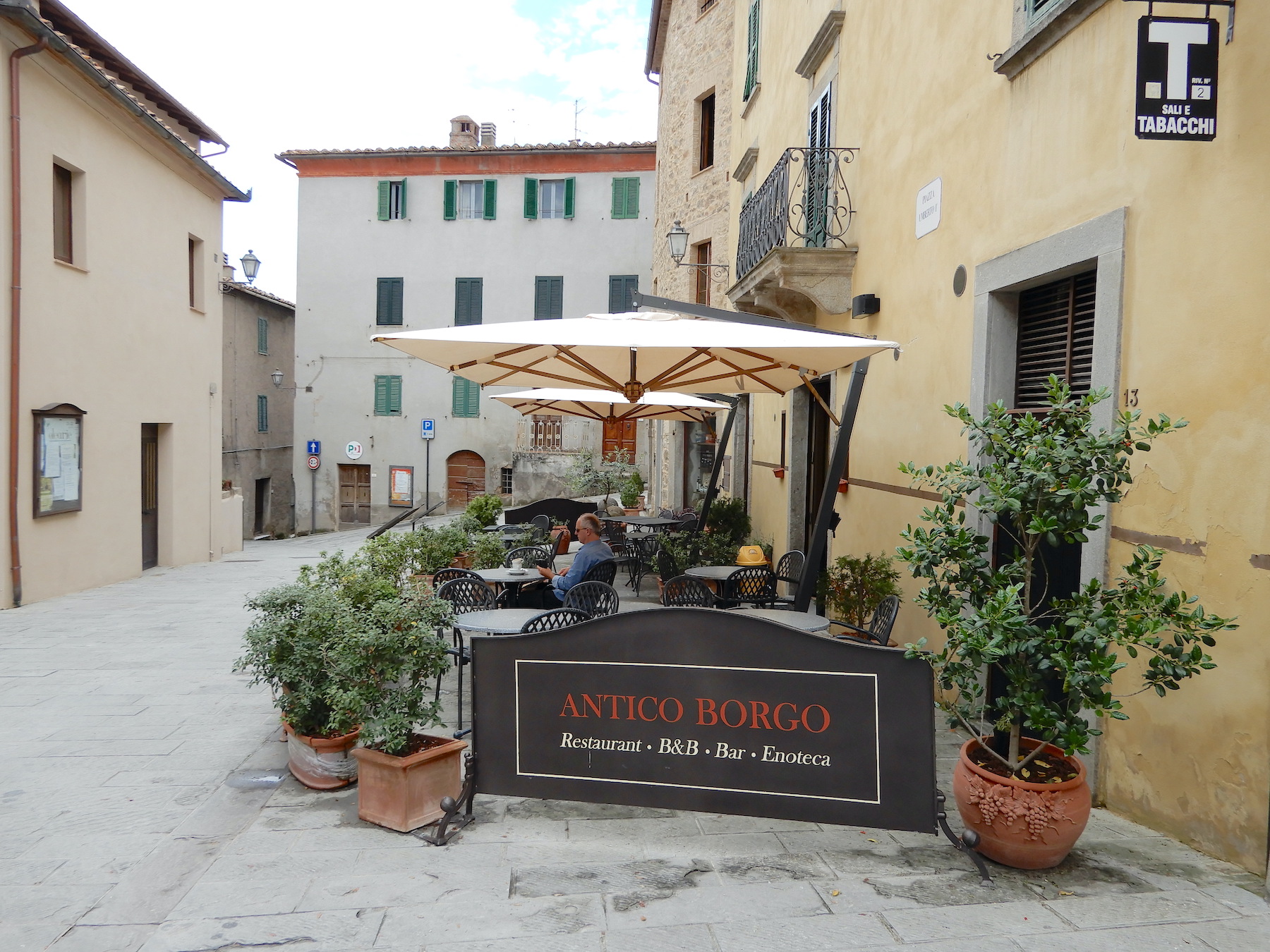
As soon as we arrived in Seggiano, we knew Antico Borgo was the place to partake of lunch. The blissful setting in Piazza Umberto guaranteed a relaxing repast.

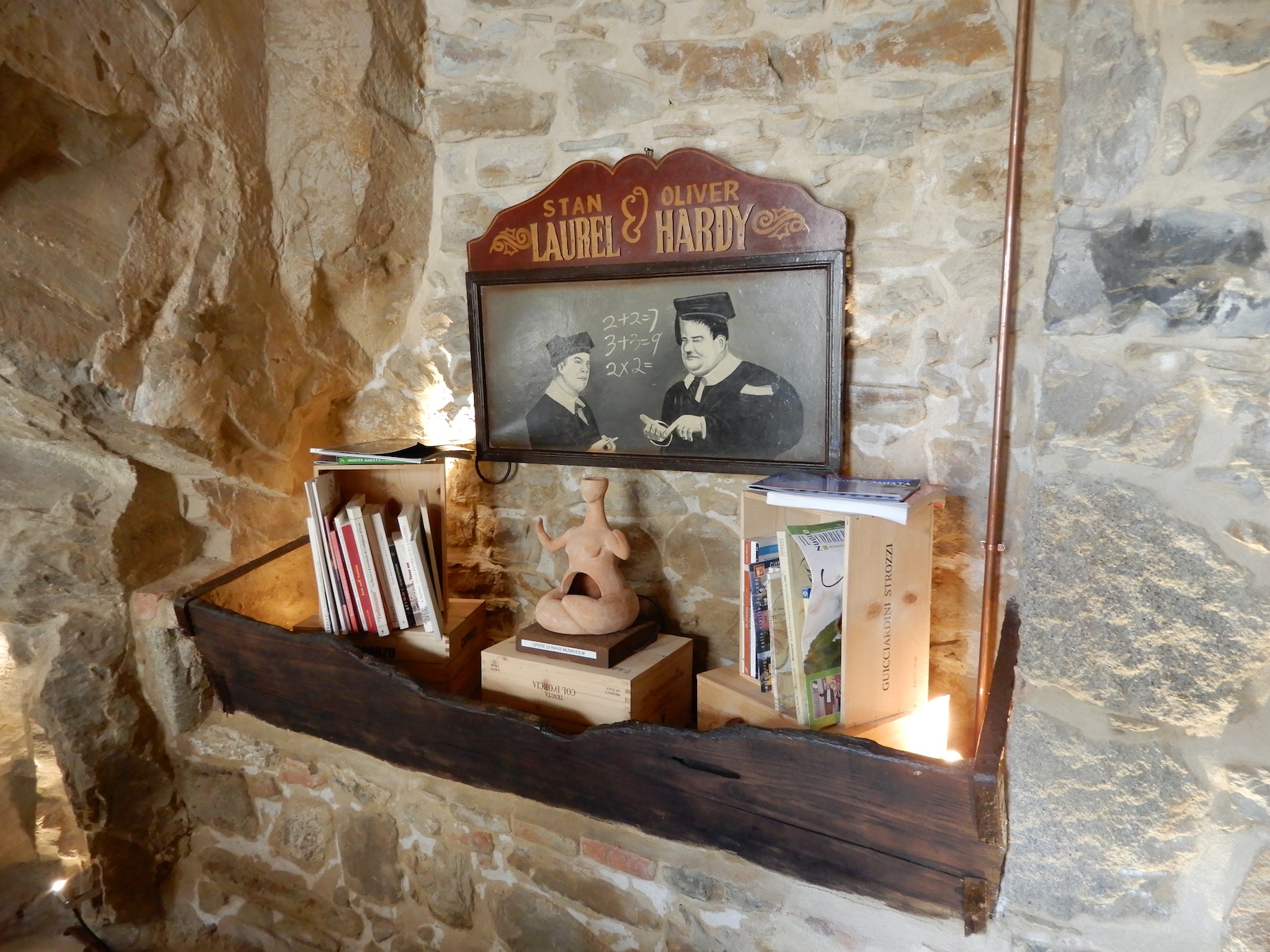
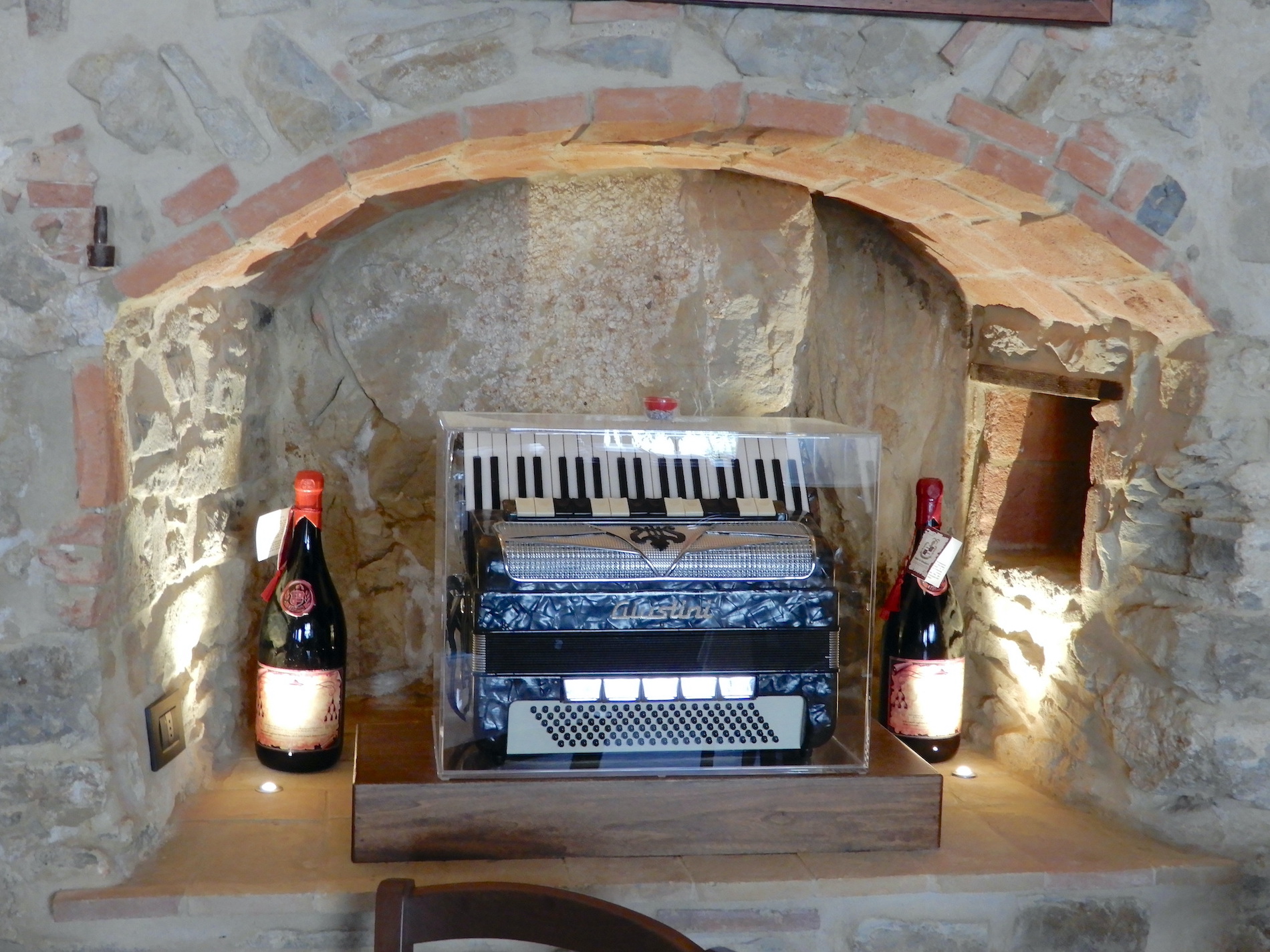
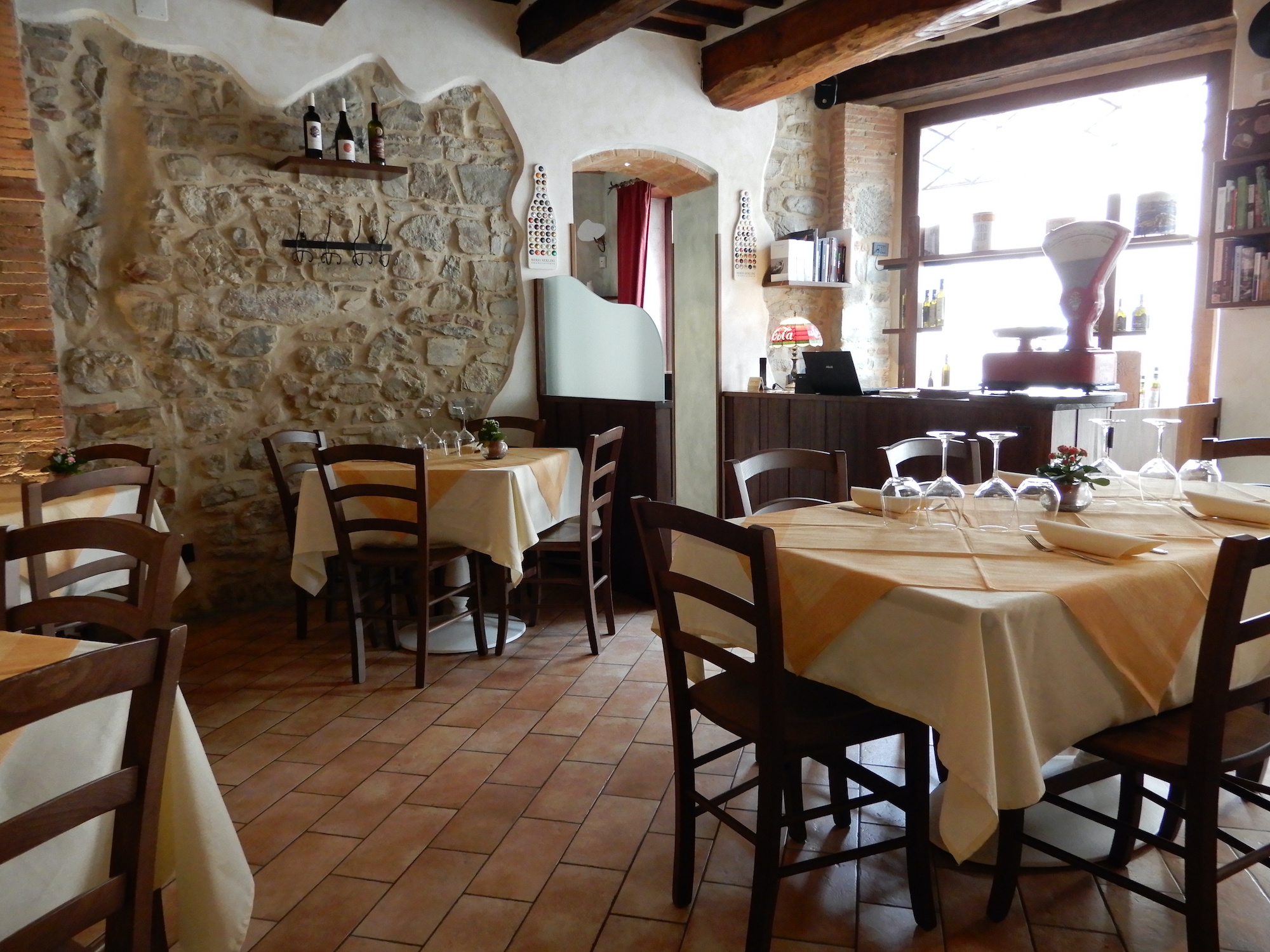
Within the renovated building, dating back to 1878, there are three apartments offering bed and breakfast accommodation. The Taverna is on the ground floor and the interior is astounding. Carved entirely out of stone on which the town rests, there are several rooms, all softly lit to evoke an intimate atmosphere.

A stairway leads down, presumably to a storage area and there is another room dedicated to the tasting of Seggianese olive oil.

We dined alfresco under the curious gaze of a handsome observer from a first floor balcony.

The menu enticed us with typical Tuscan dishes, spoilt for choice we selected Pici con Ragu and Bistecca Maiale.  

I think our onlooker would have liked to share the succulent pork steak.

Tolmer Falls

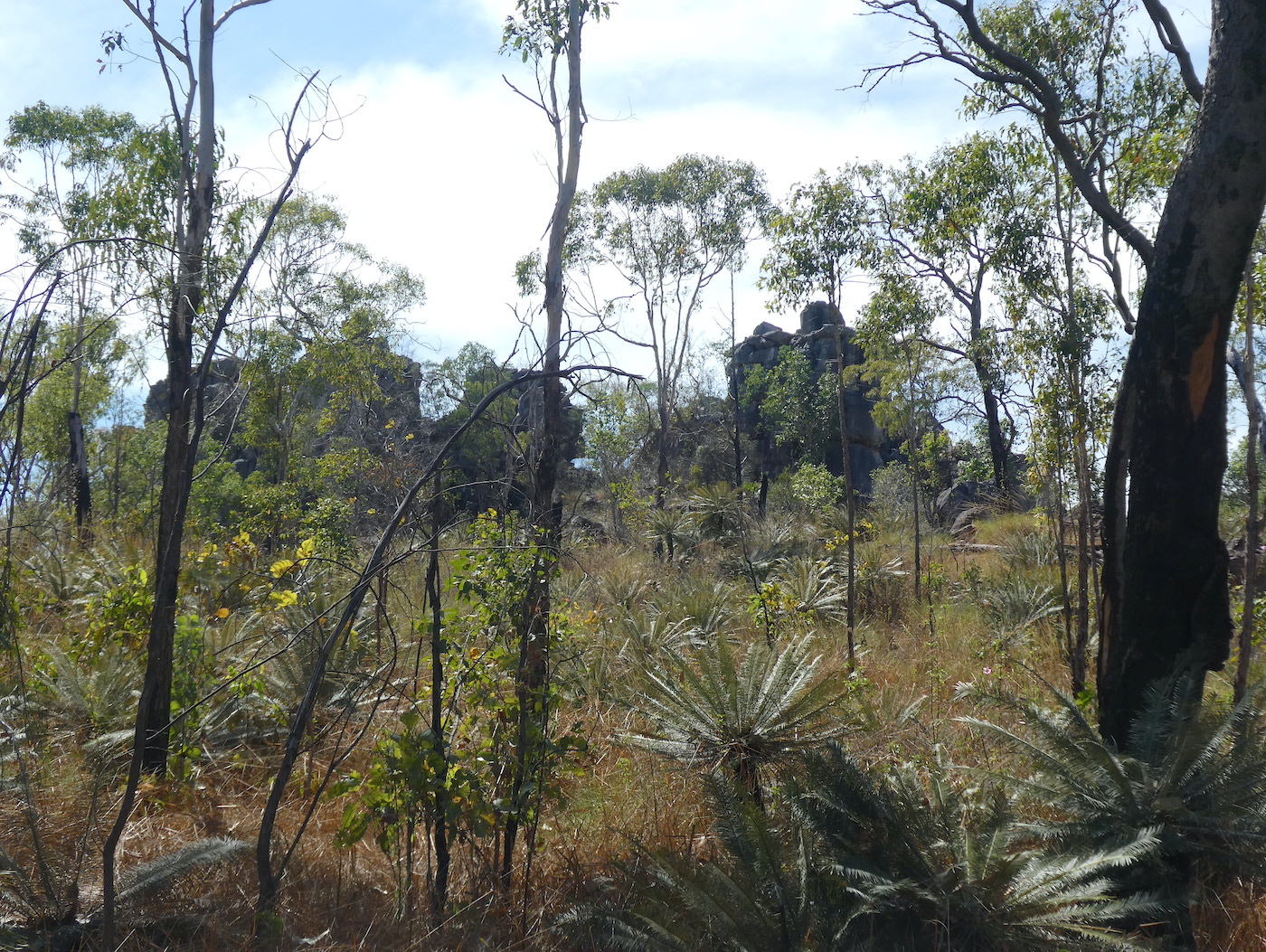
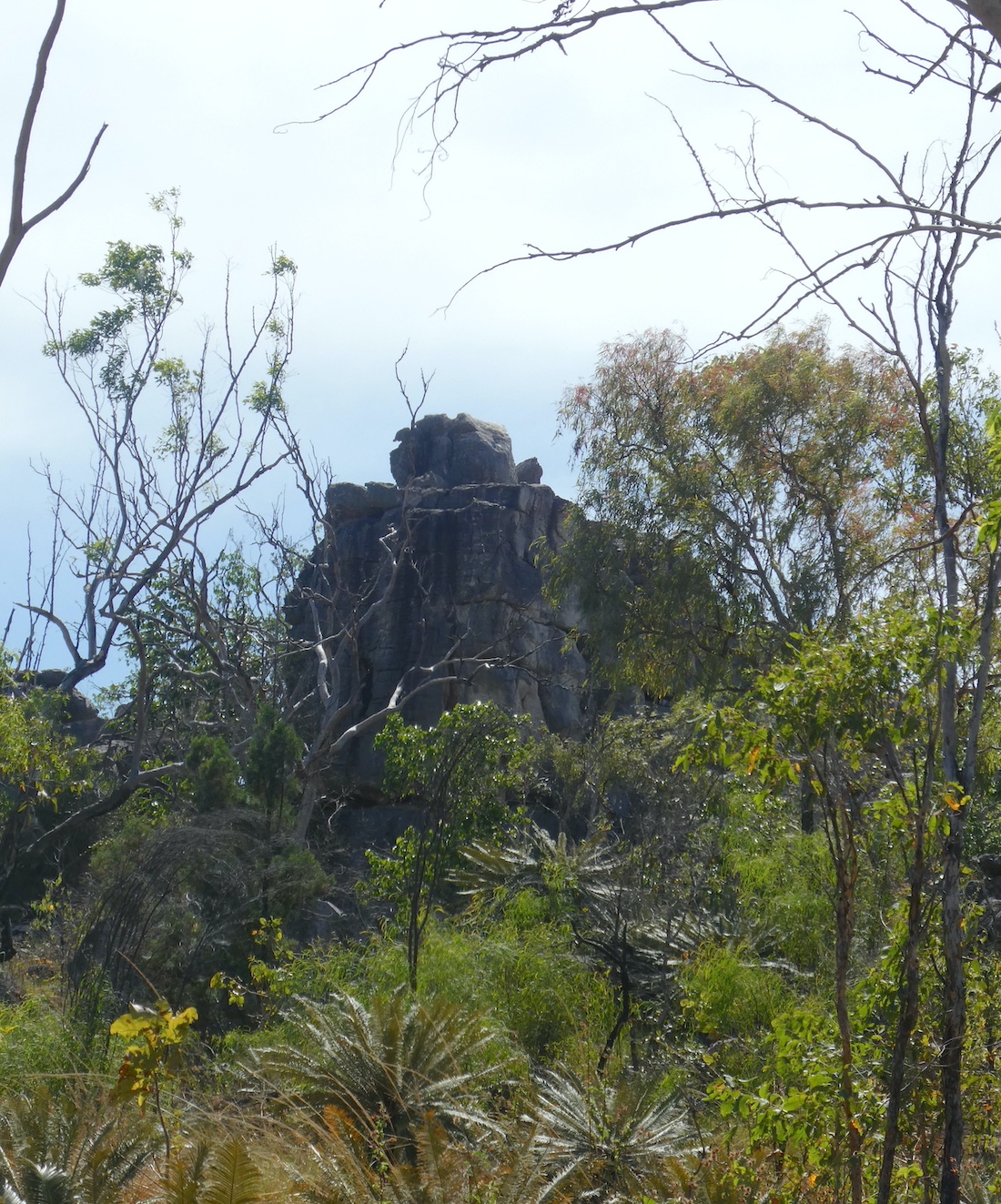
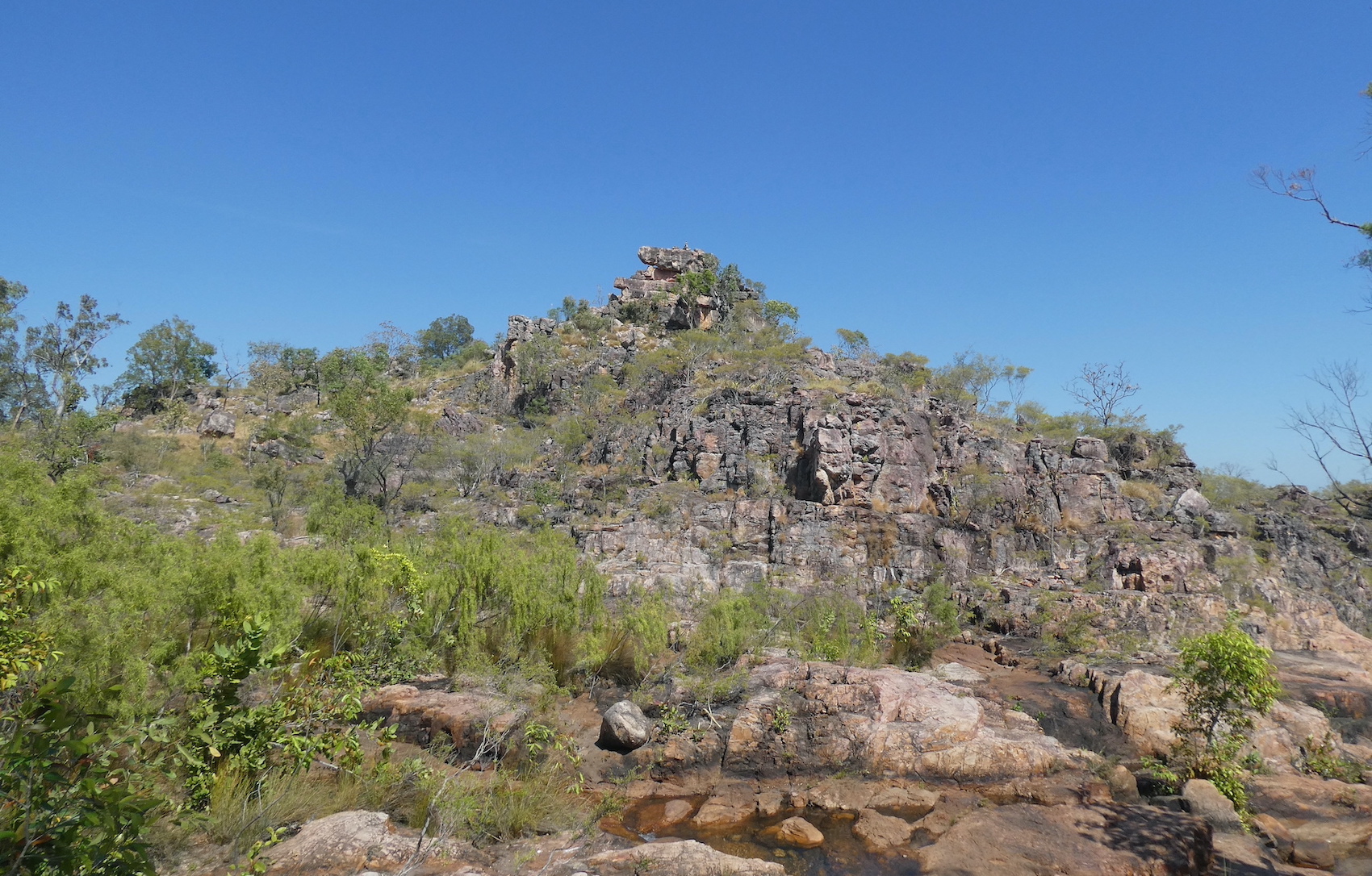
Feeling inspired by our Wangi Falls expedition, we ventured 10km further down the road to walk the 1.6km Tolmer Creek loop before lunch. The trail started with an easy amble along a flat path surrounded by scattered rock formations

and sporadic blooms of Sturt’s desert rose. The floral emblem of the Northern Territory, this delicate flower was named after the explorer Charles Sturt. Interestingly, the stylised version on the official flag has seven petals instead of five.

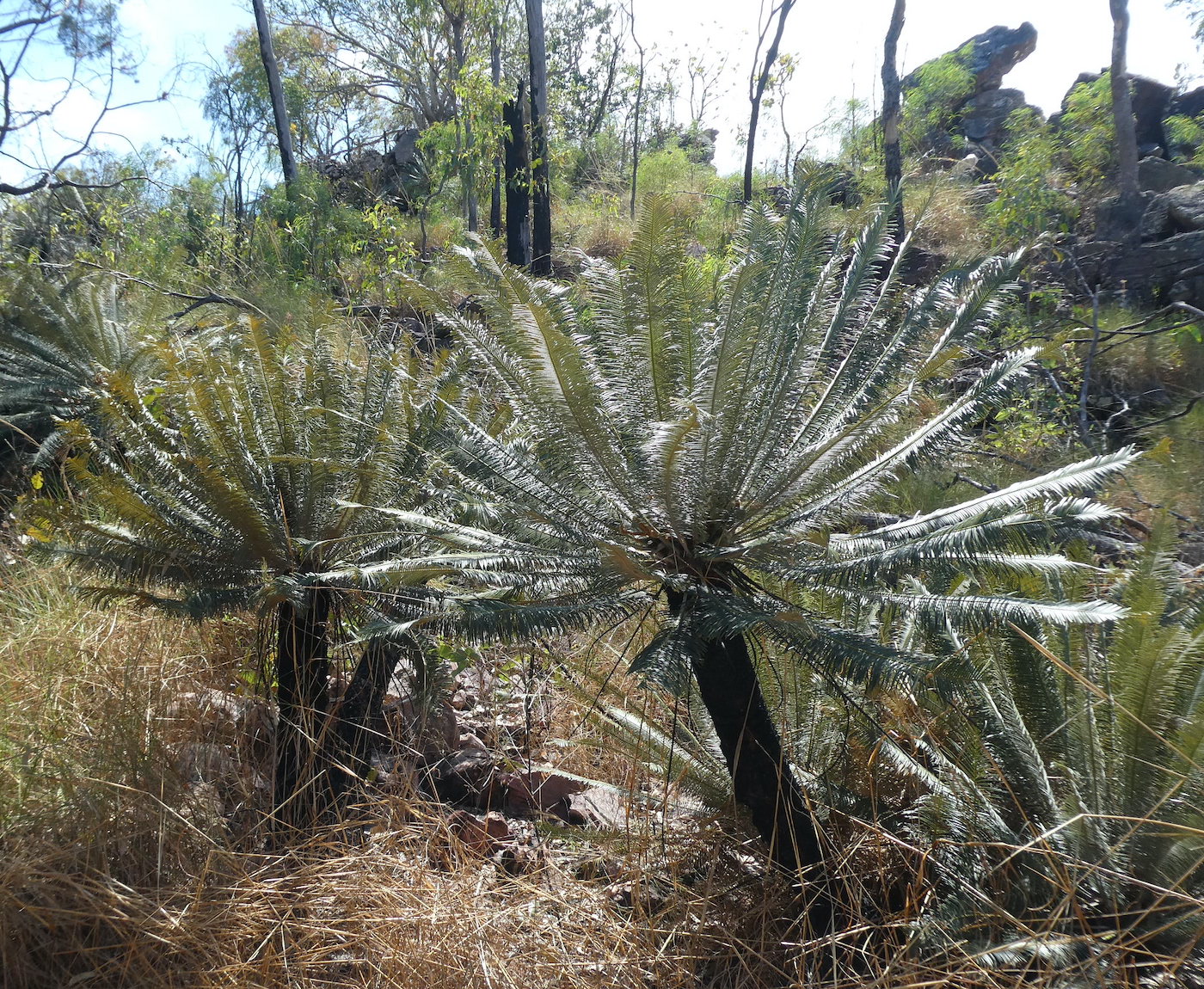
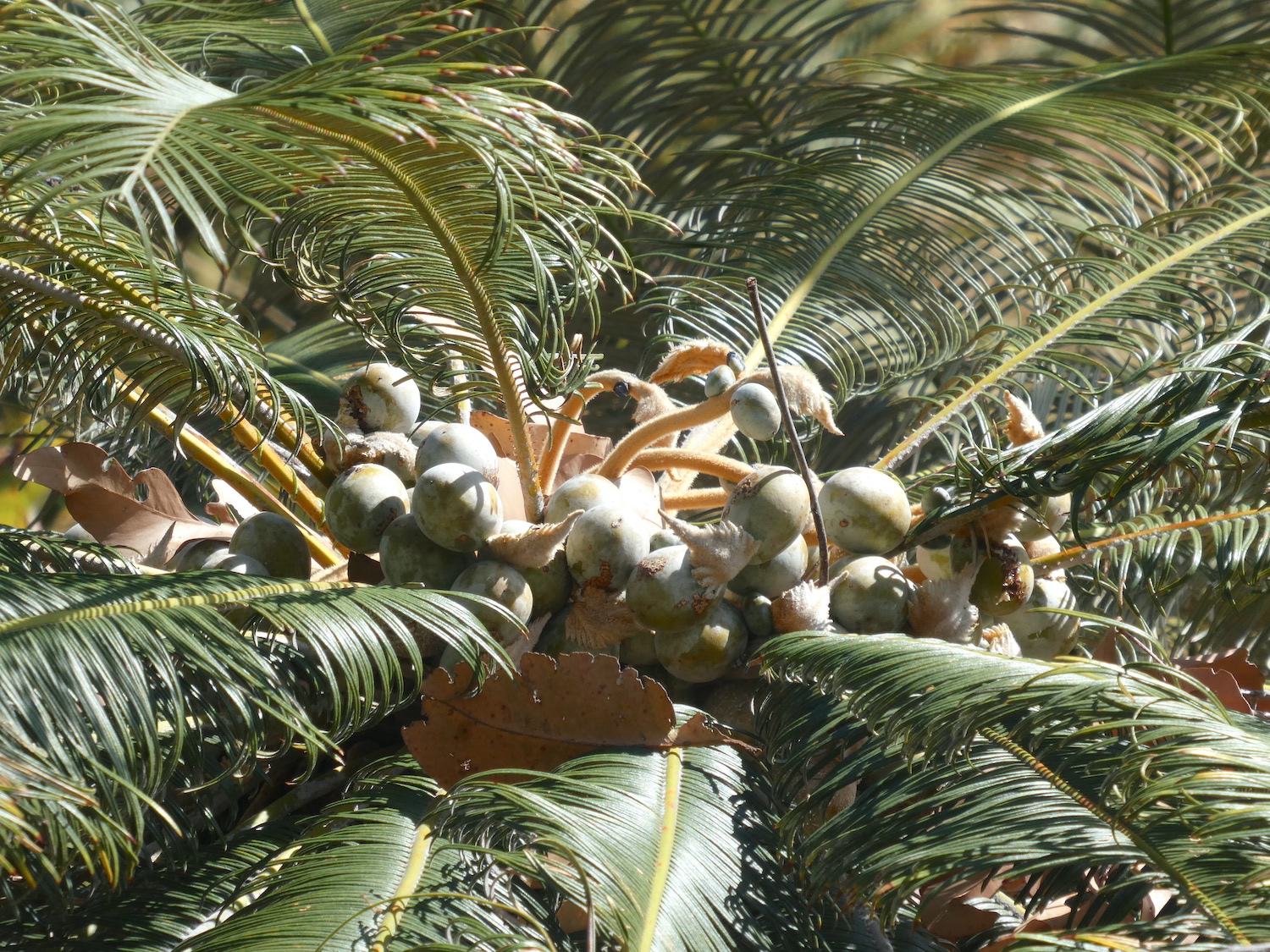
Hundreds of cycads dotted the prehistoric landscape.

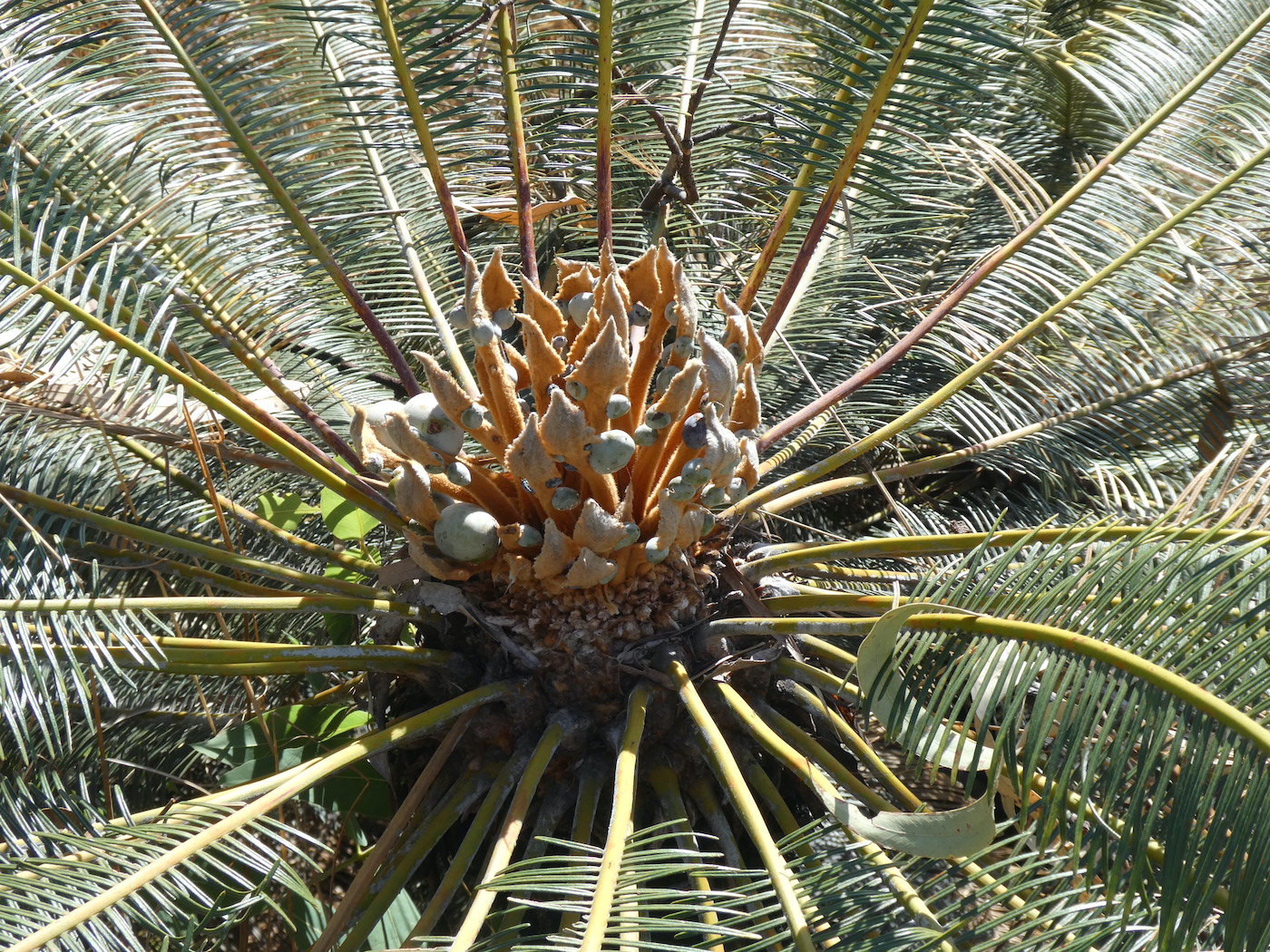
The male plants grow a large, pollen producing cone on the top of the trunk but the females grow a cluster of stalks that grow upward until the seeds at the end get heavy and they droop. They are not recommended for a bush tucker menu as they contain a neurotoxin and are poisonous.

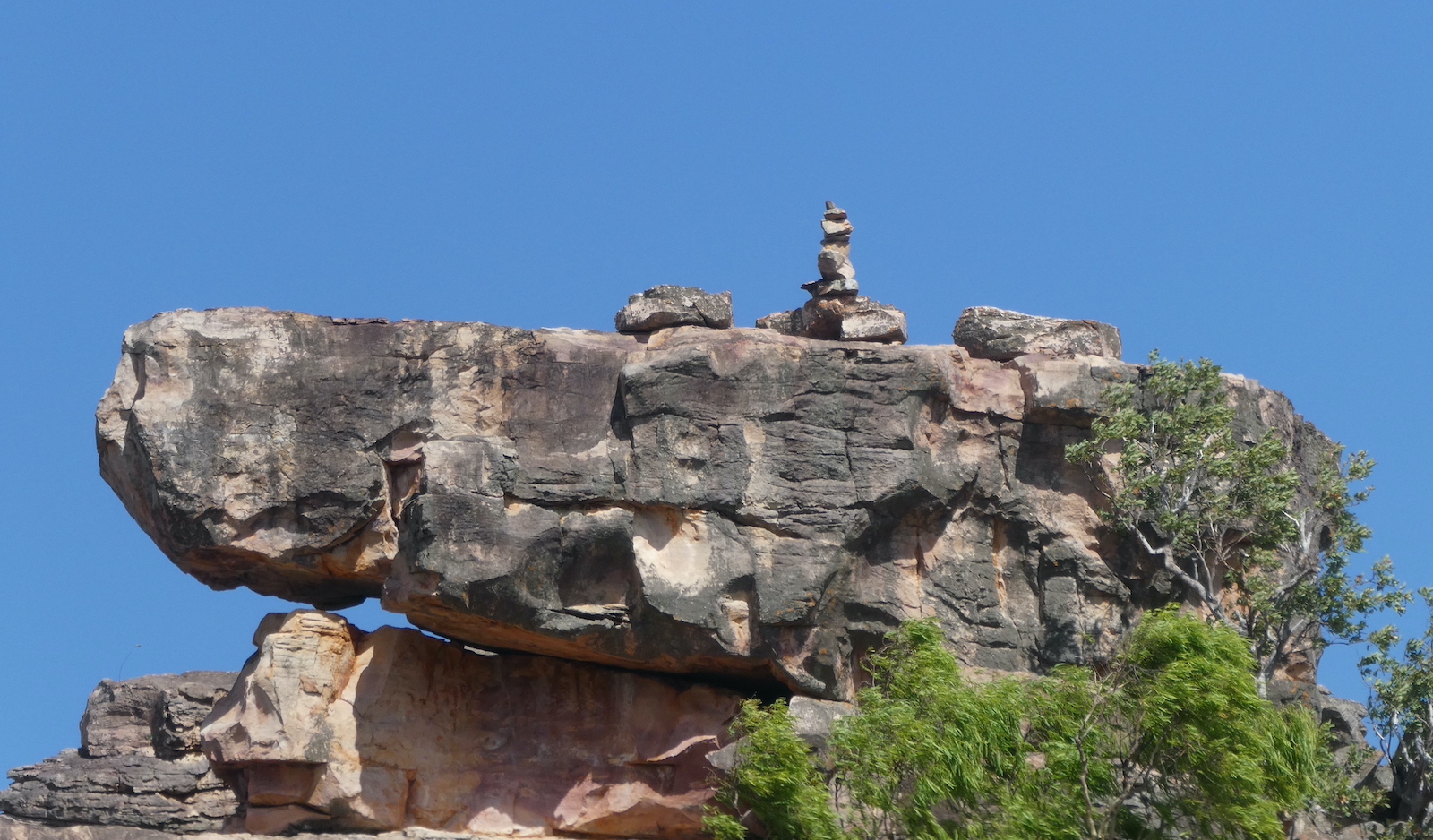
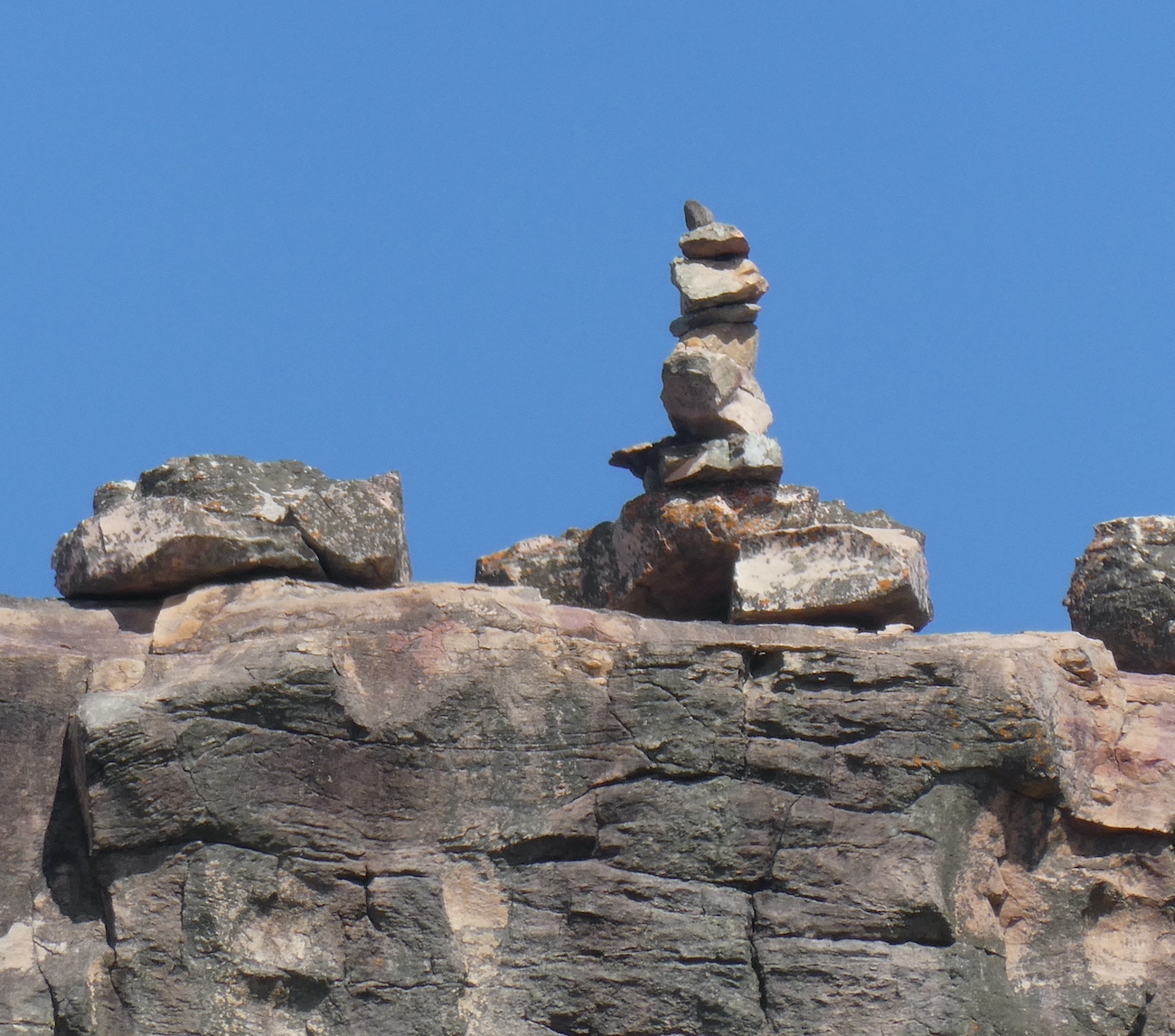
The track became steep and rocky as we neared the top of the falls, taking a moment to ponder some carefully constructed rock art.

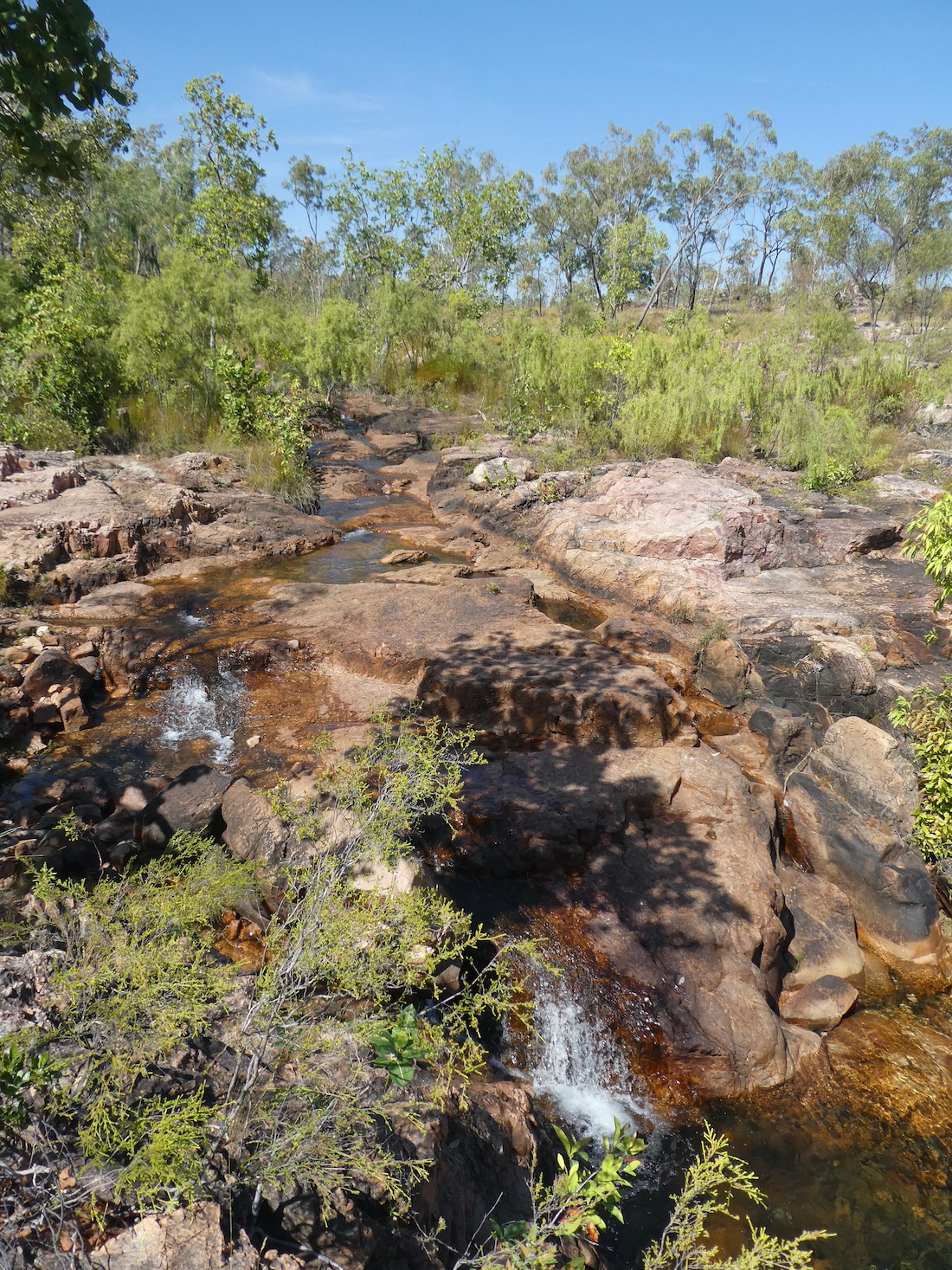
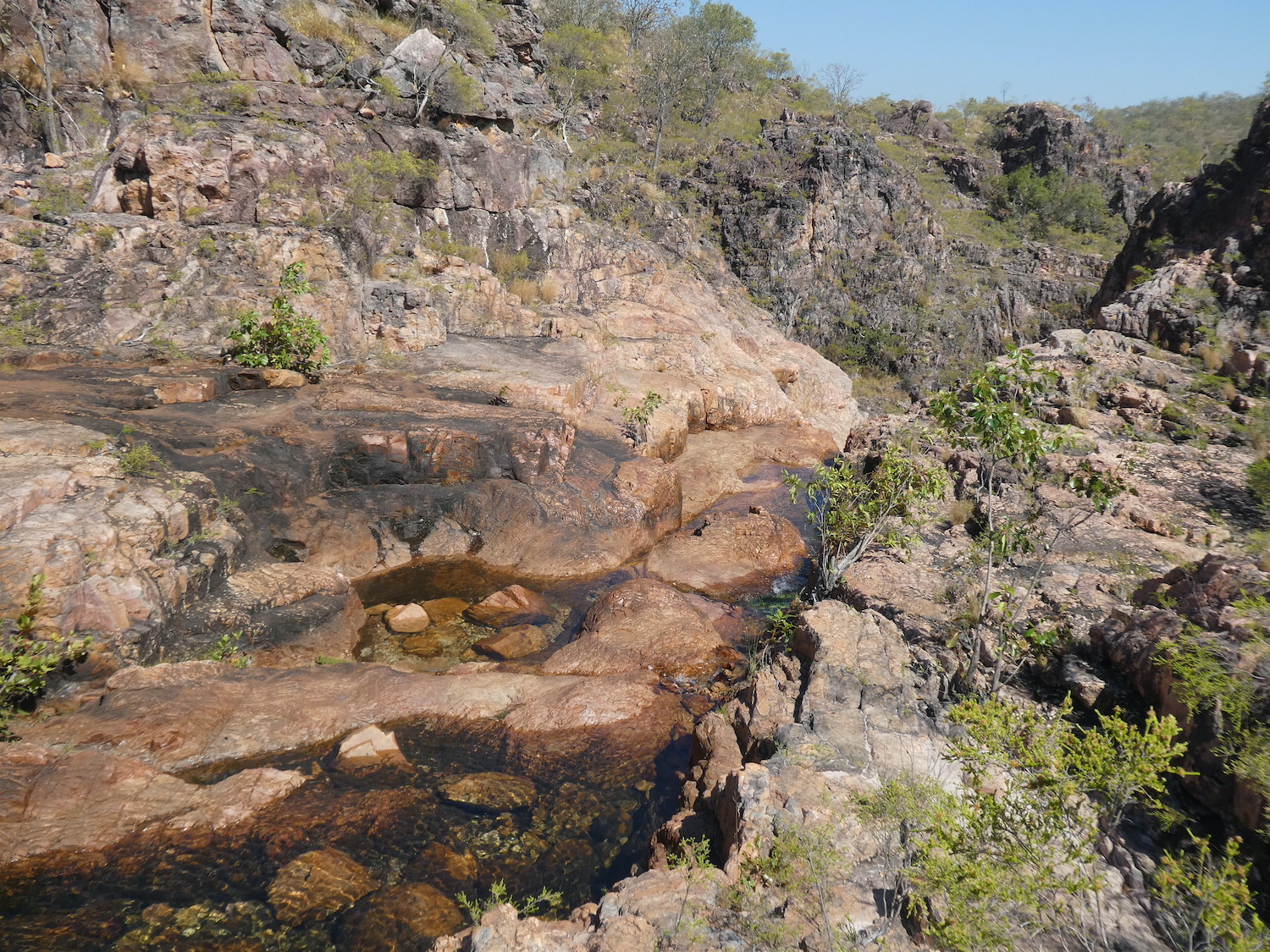
The crystal clear water of Tolmer Creek trickled its way over golden sandstone to the edge of the escarpment.

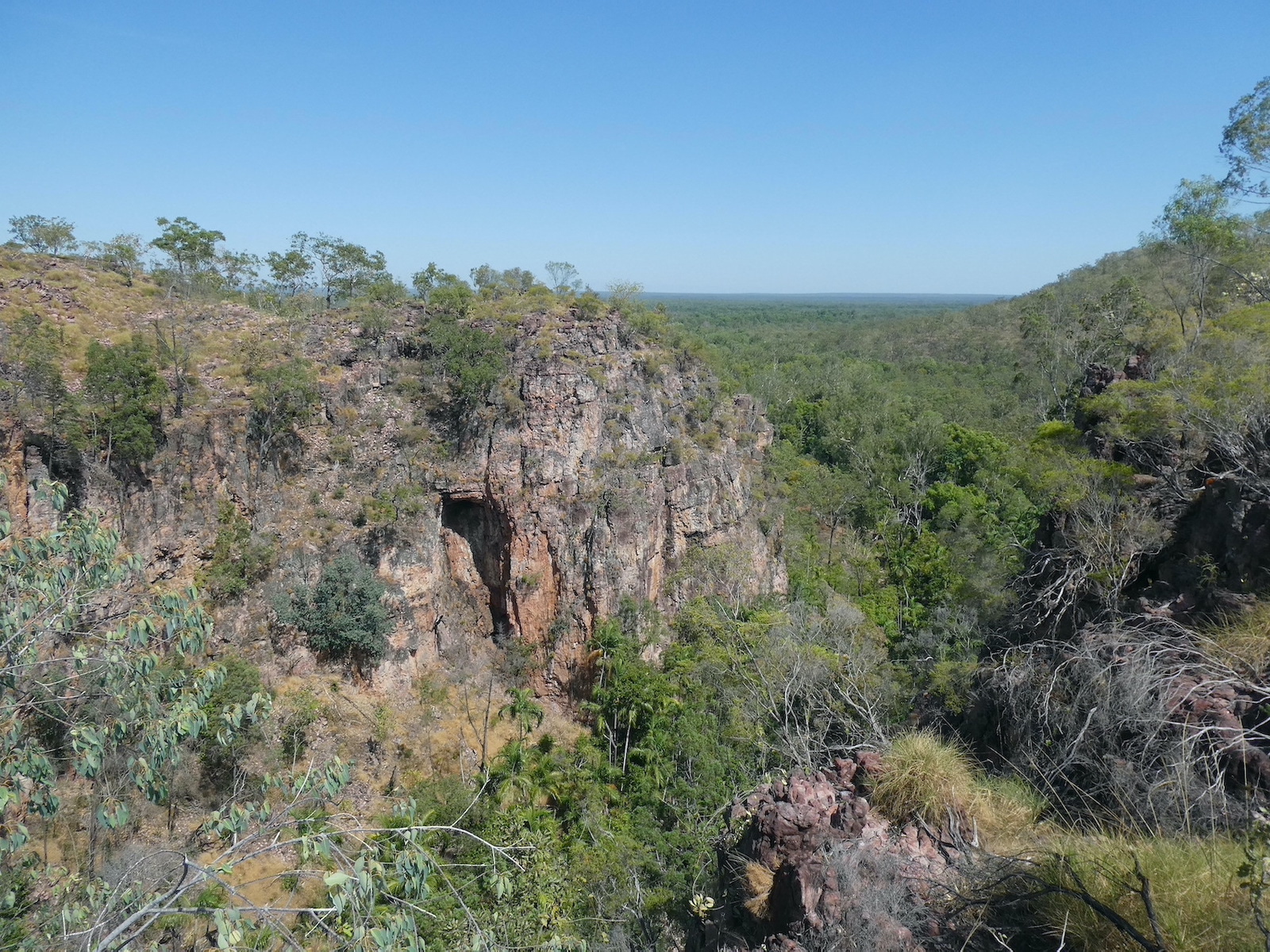
We were rewarded with awe-inspiring views and spectacular cliffs as we made our way to the viewing platform.

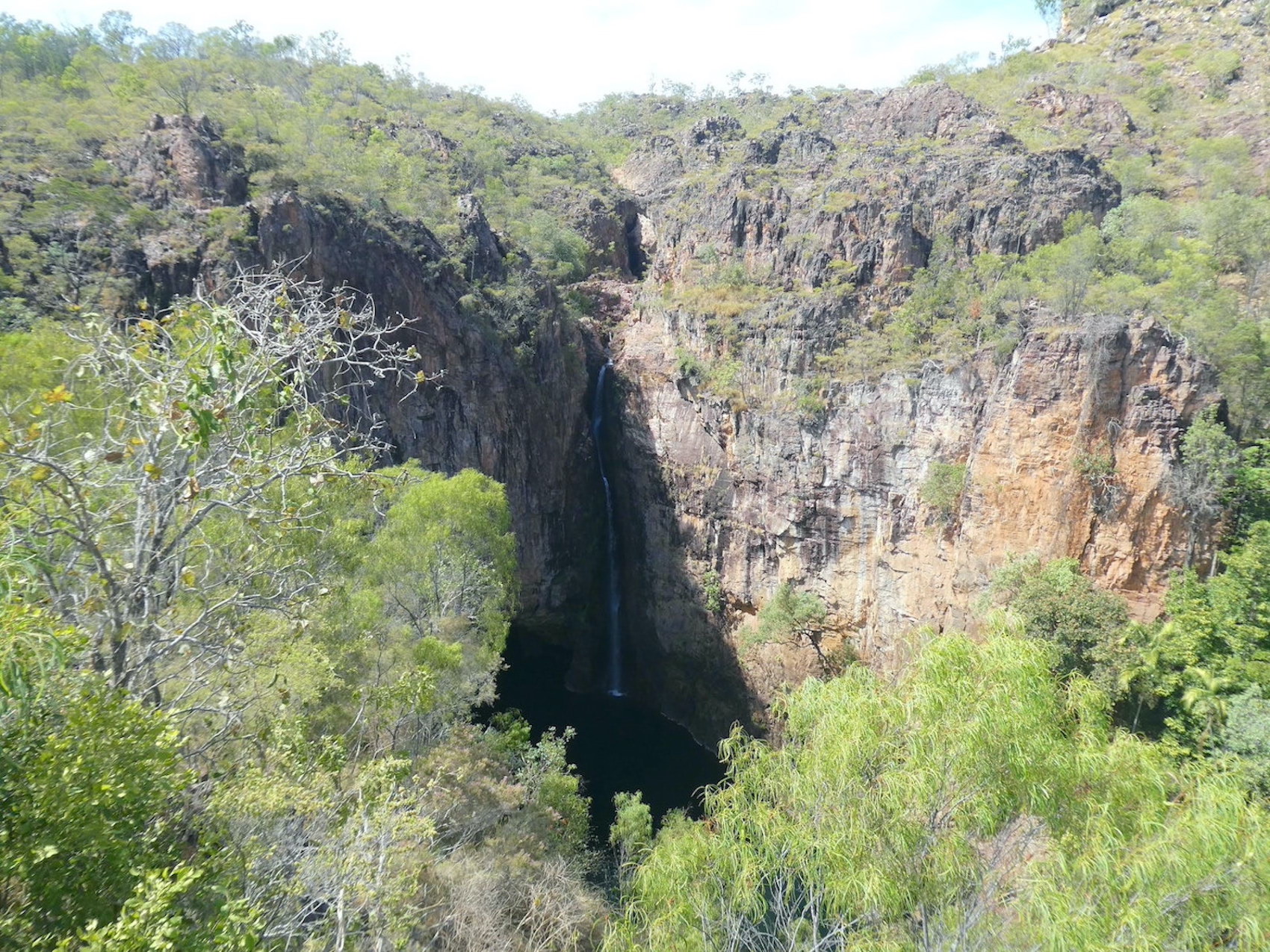
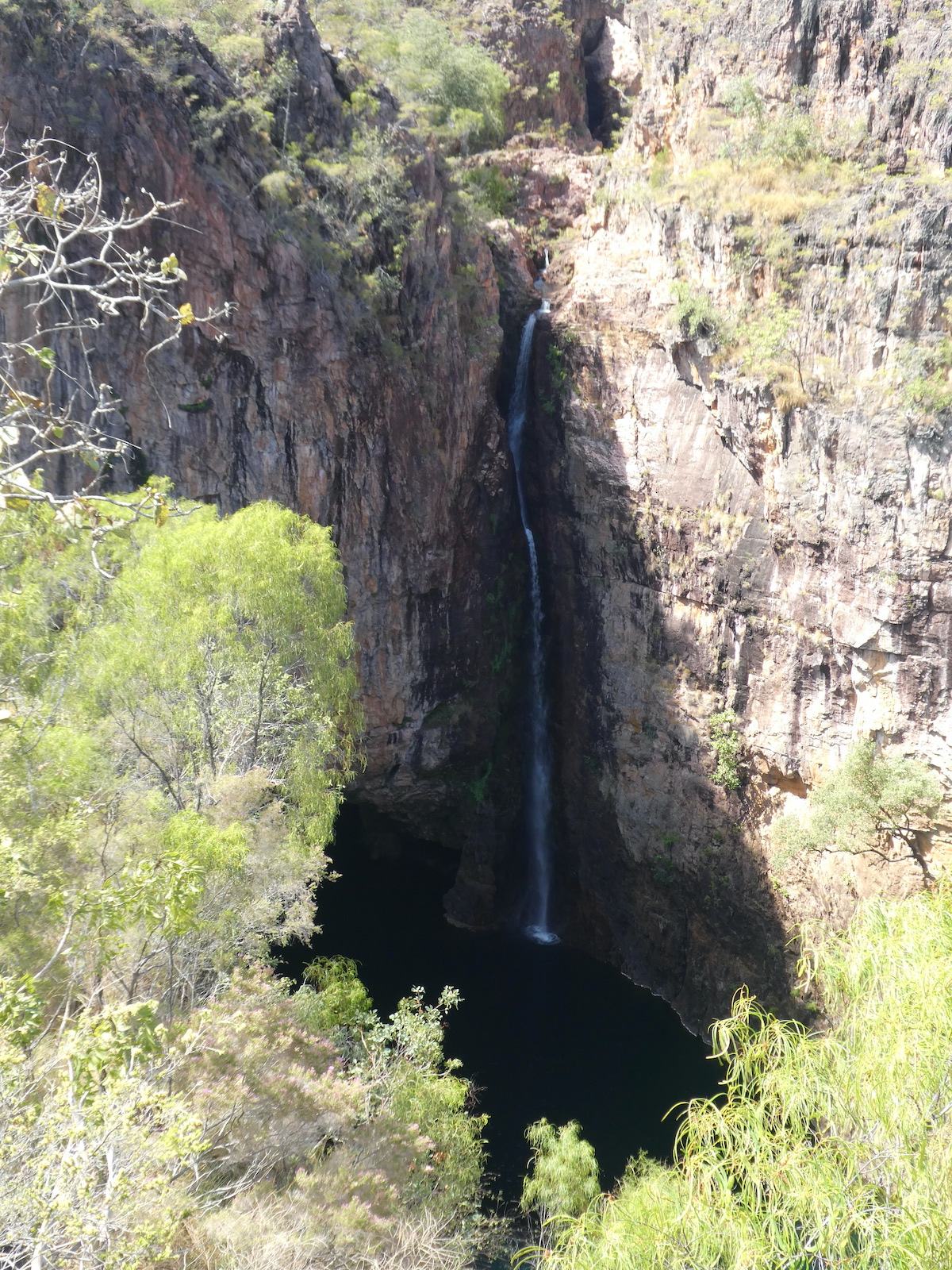
Explorer Frederick Henry Litchfield named the falls after his late father’s colleague in the South Australia Police, Alexander Tolmer. The water cascades over two high escarpments into a deep plunge pool where swimming is prohibited.

The panorama from the other side of the viewing platform was quite different but equally as impressive.

Motuoapa Bay

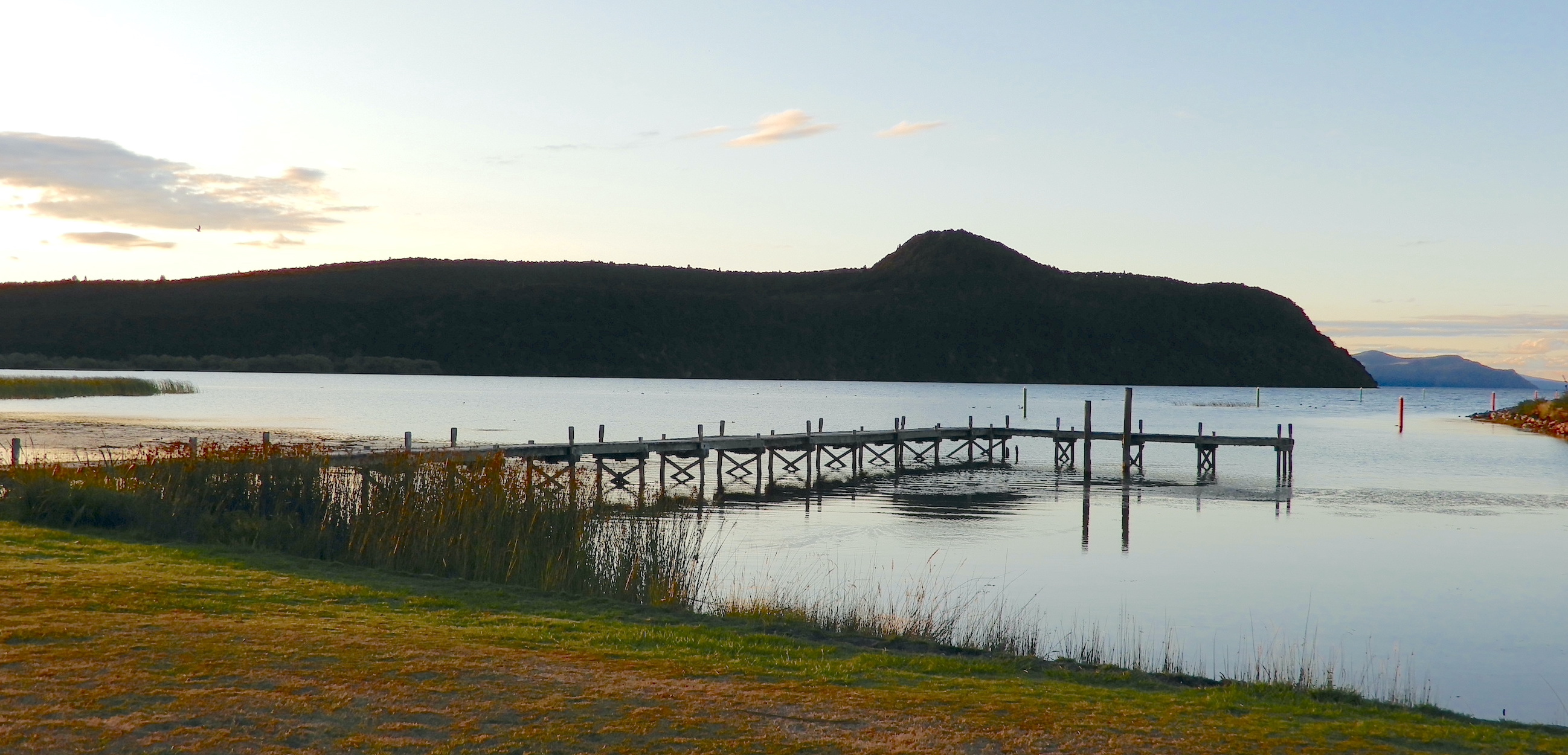
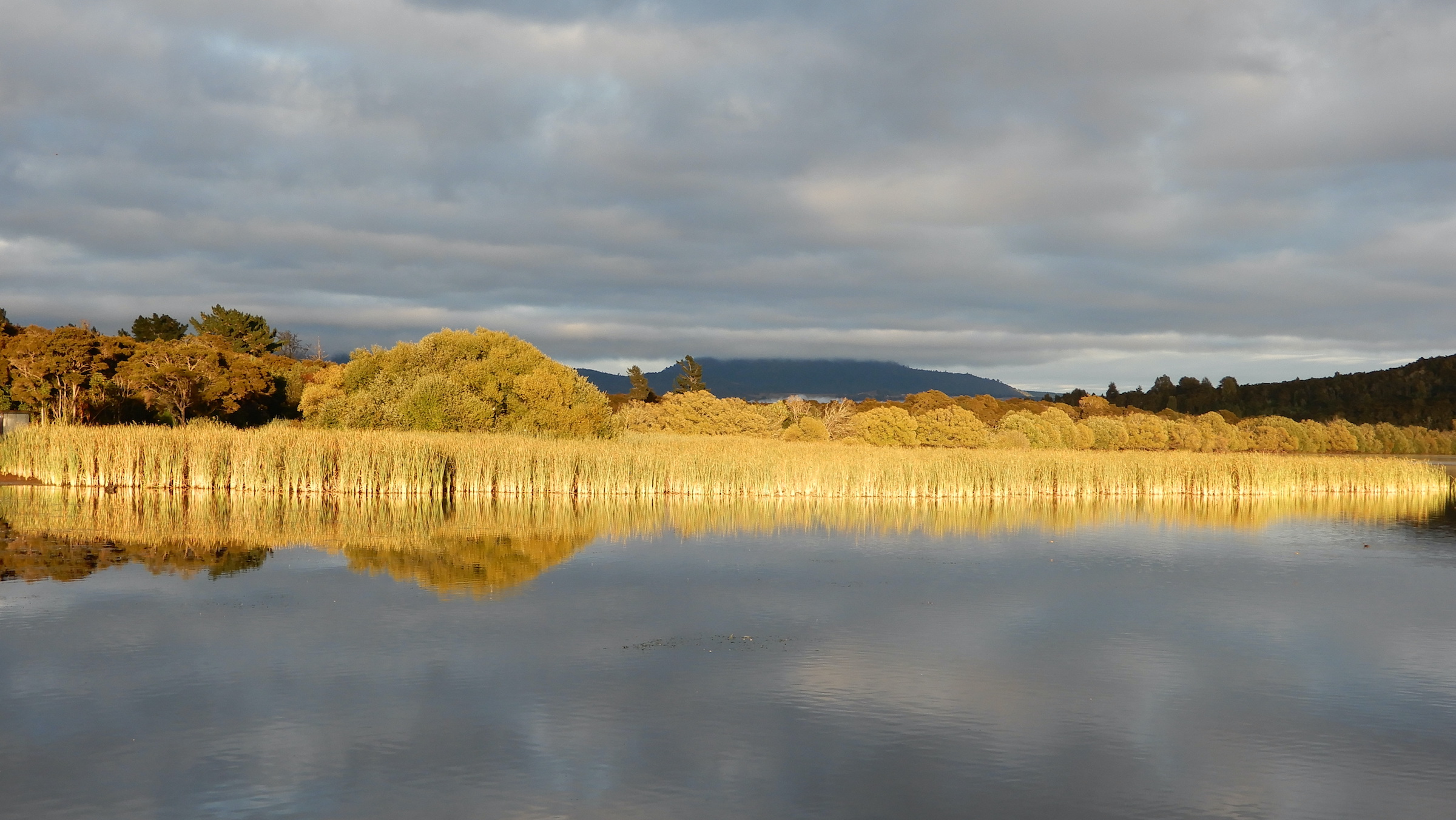
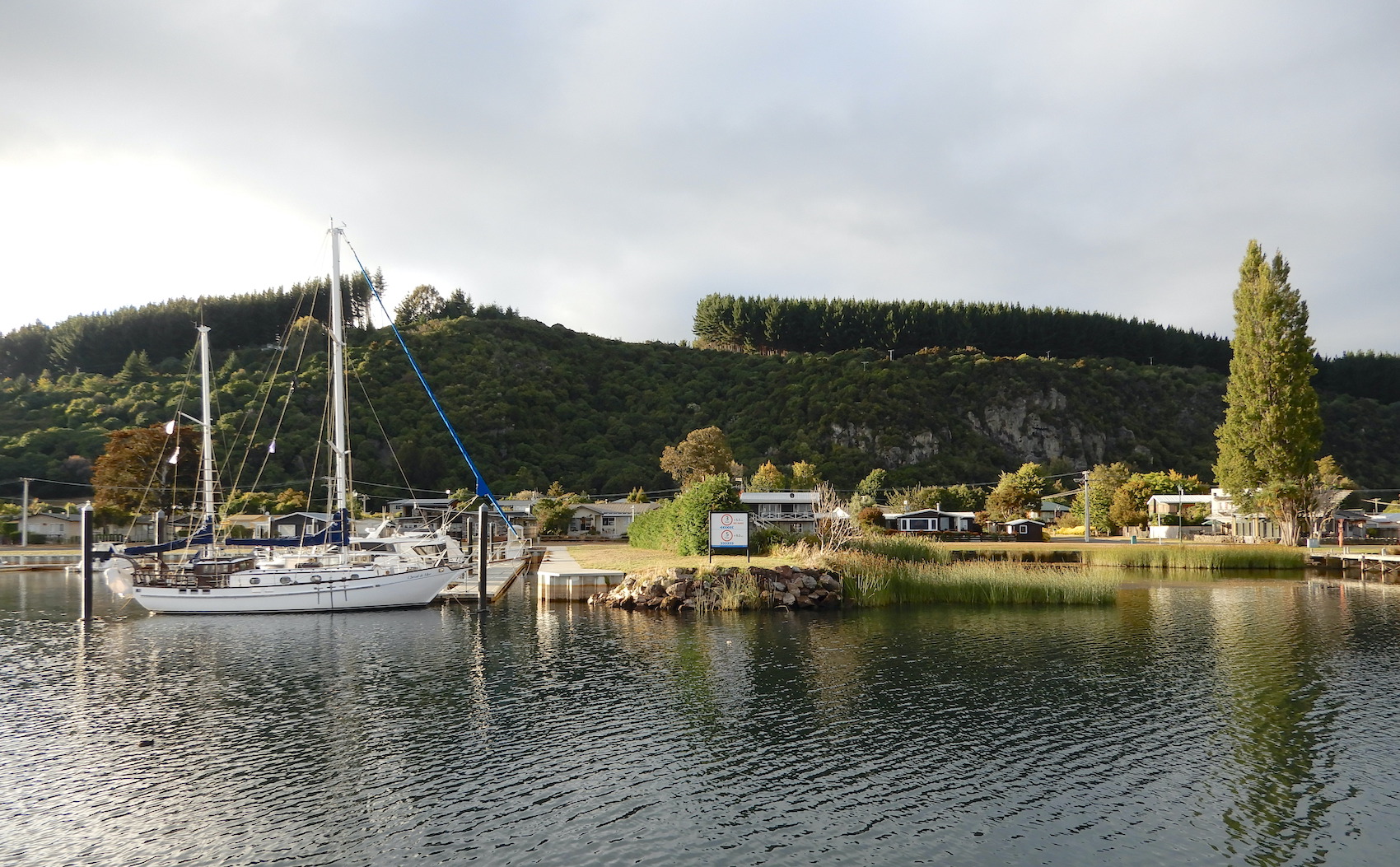
Our few days at the Lake House remain in my memory as the most idyllic sojourn of our trip. On the southern shore of Lake Taupo, Motuoapa Bay is a tranquil cove that is situated to capture the most beautiful sunrises and sunsets. A short stroll on our first evening delivered a fine example of things to come.

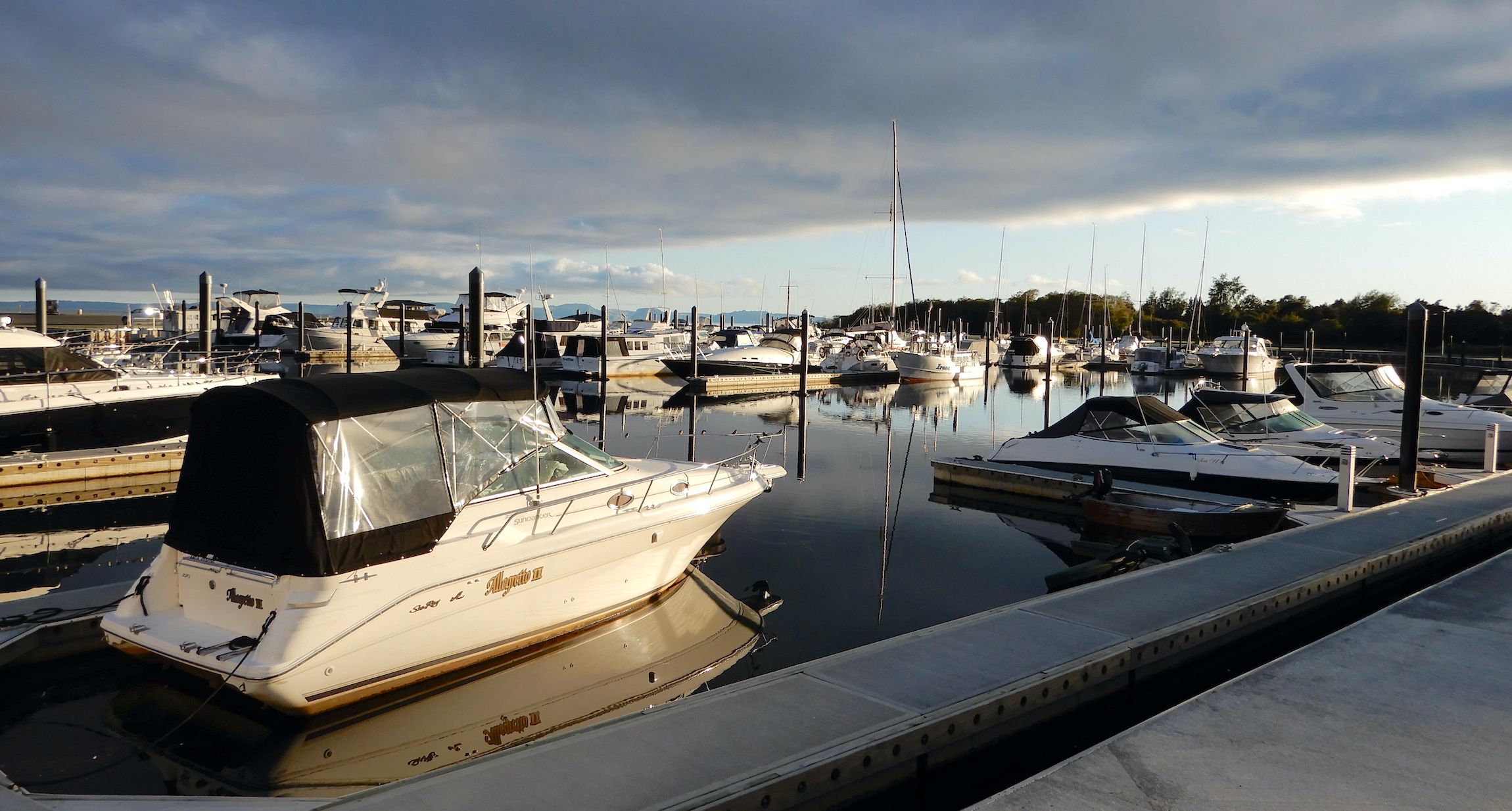
The bay is also the location of a fabulous marina and home to an assortment of pleasure craft. The $6 million redevelopment took 18 years from original plans to completion in November 2017. For those into statistics, over 39,000 cubic metres of sediment was removed from the original marina basin and channel before being turned into 5.5 acres of reclaimed land. Nearly 1,600 square metres of concrete floating docks offer 158 berths. There was very little activity during our stay.

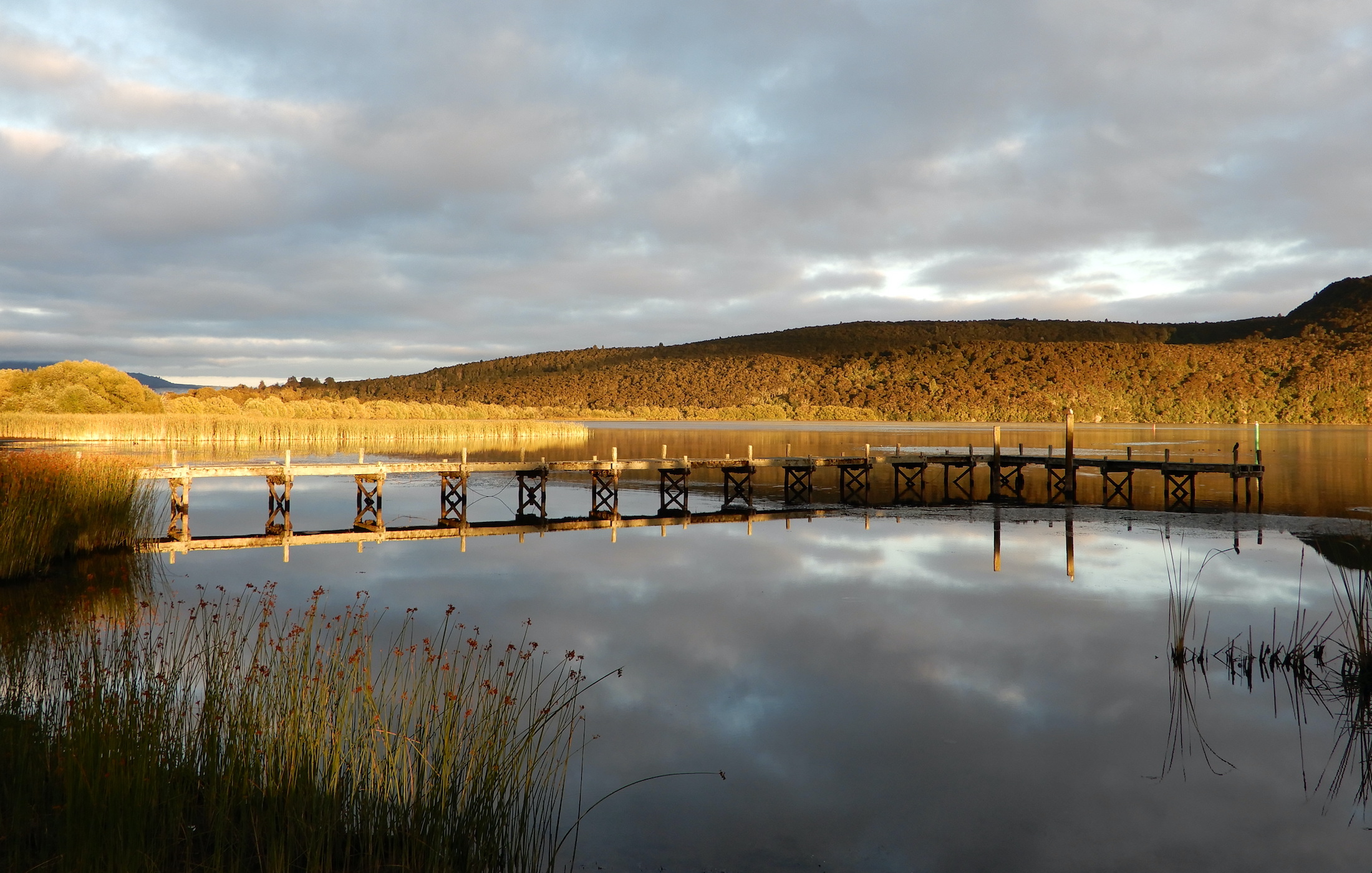
The next morning, with cups of tea in hand to warm against the chill, we ventured out in the early light.

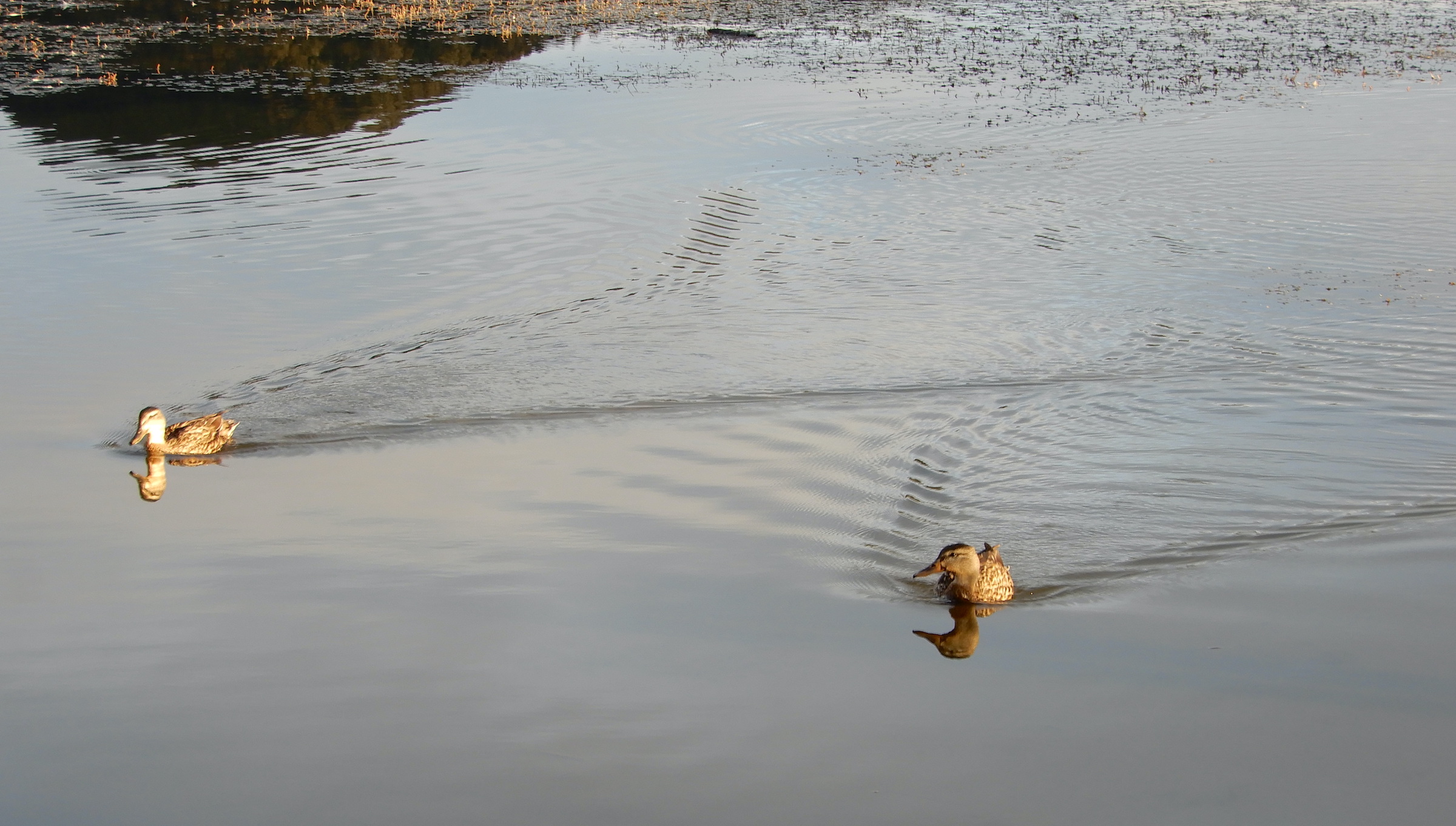
We weren’t the only ones enjoying the serenity.

Taking a closer look at the marina,

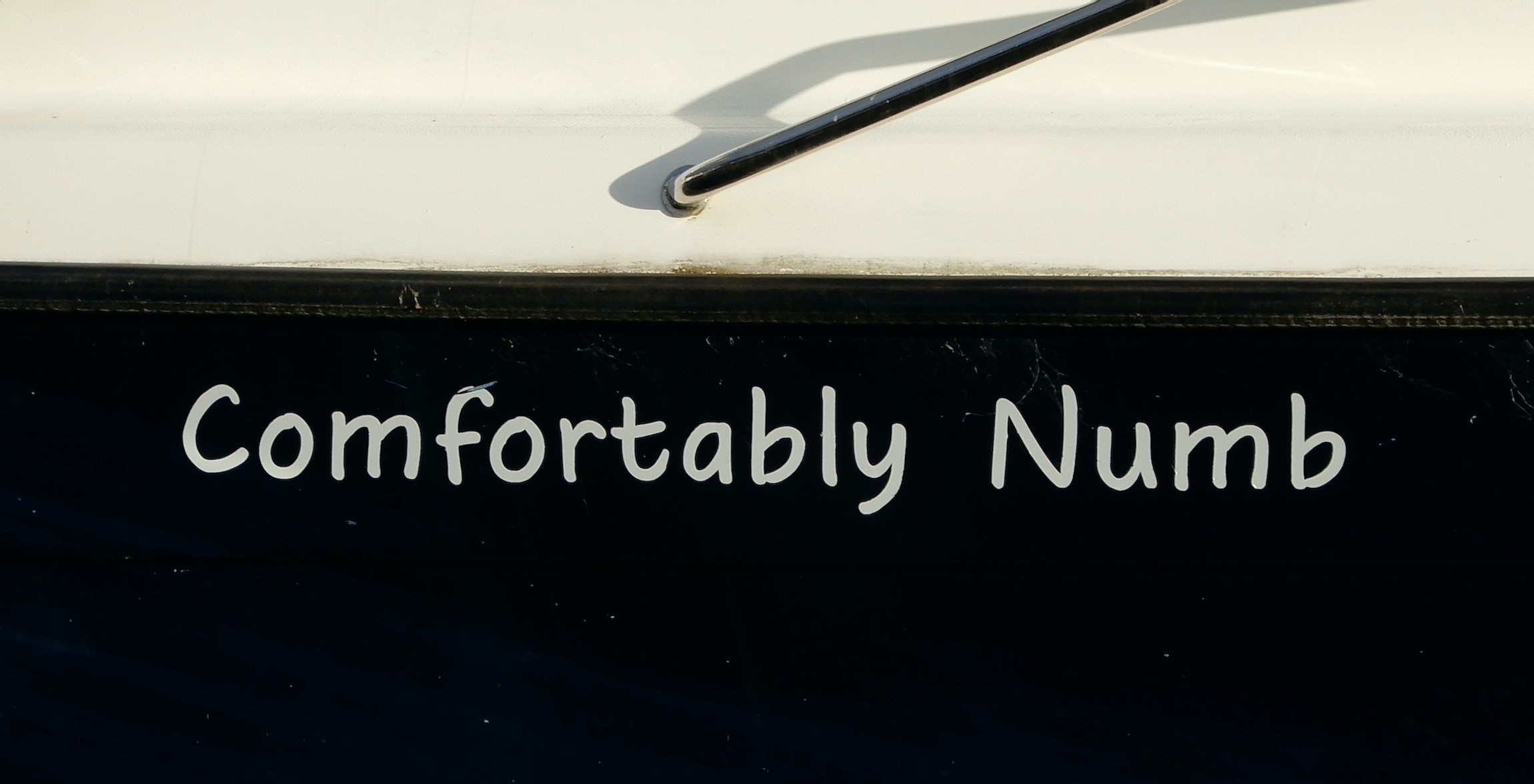
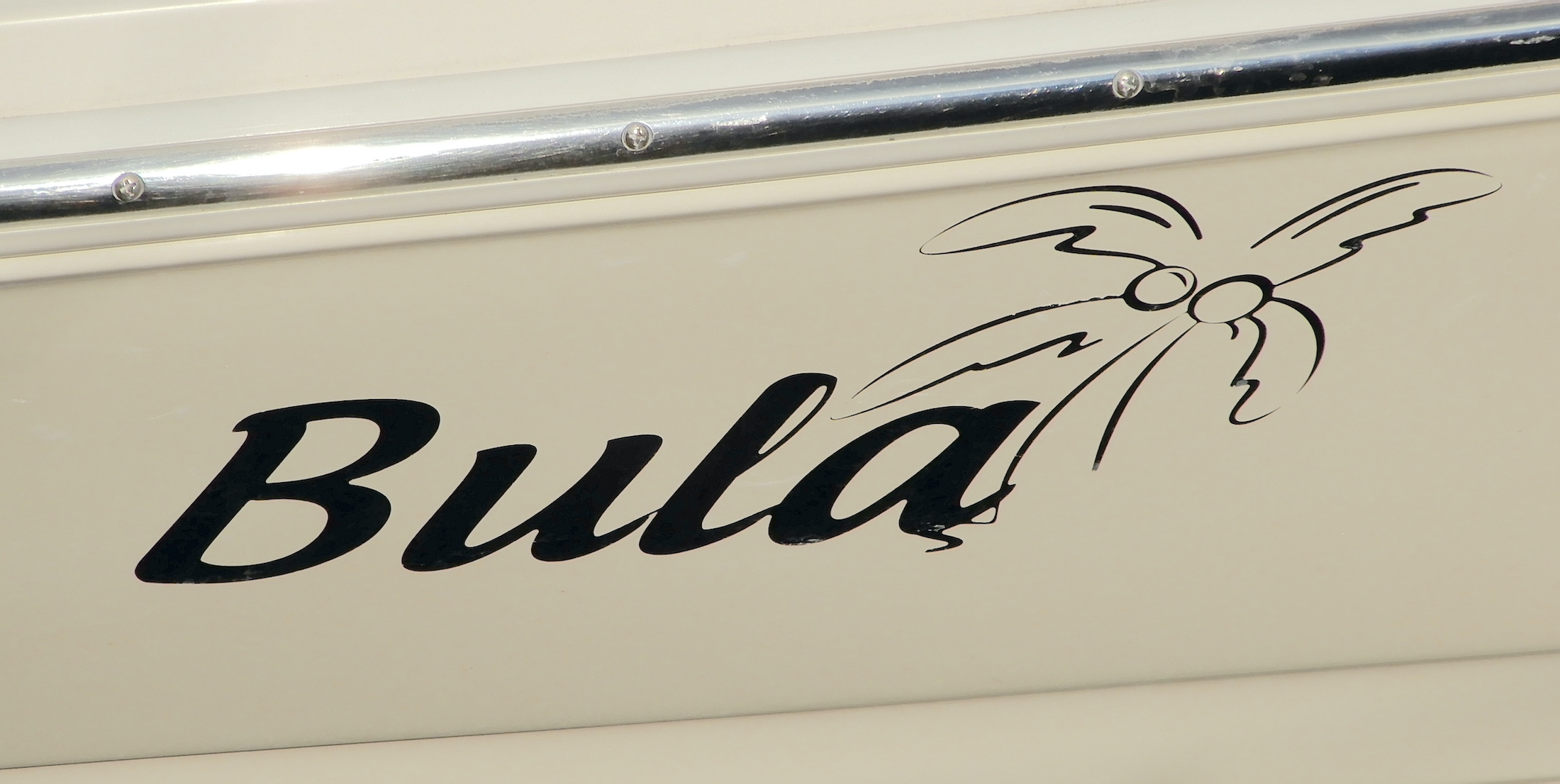
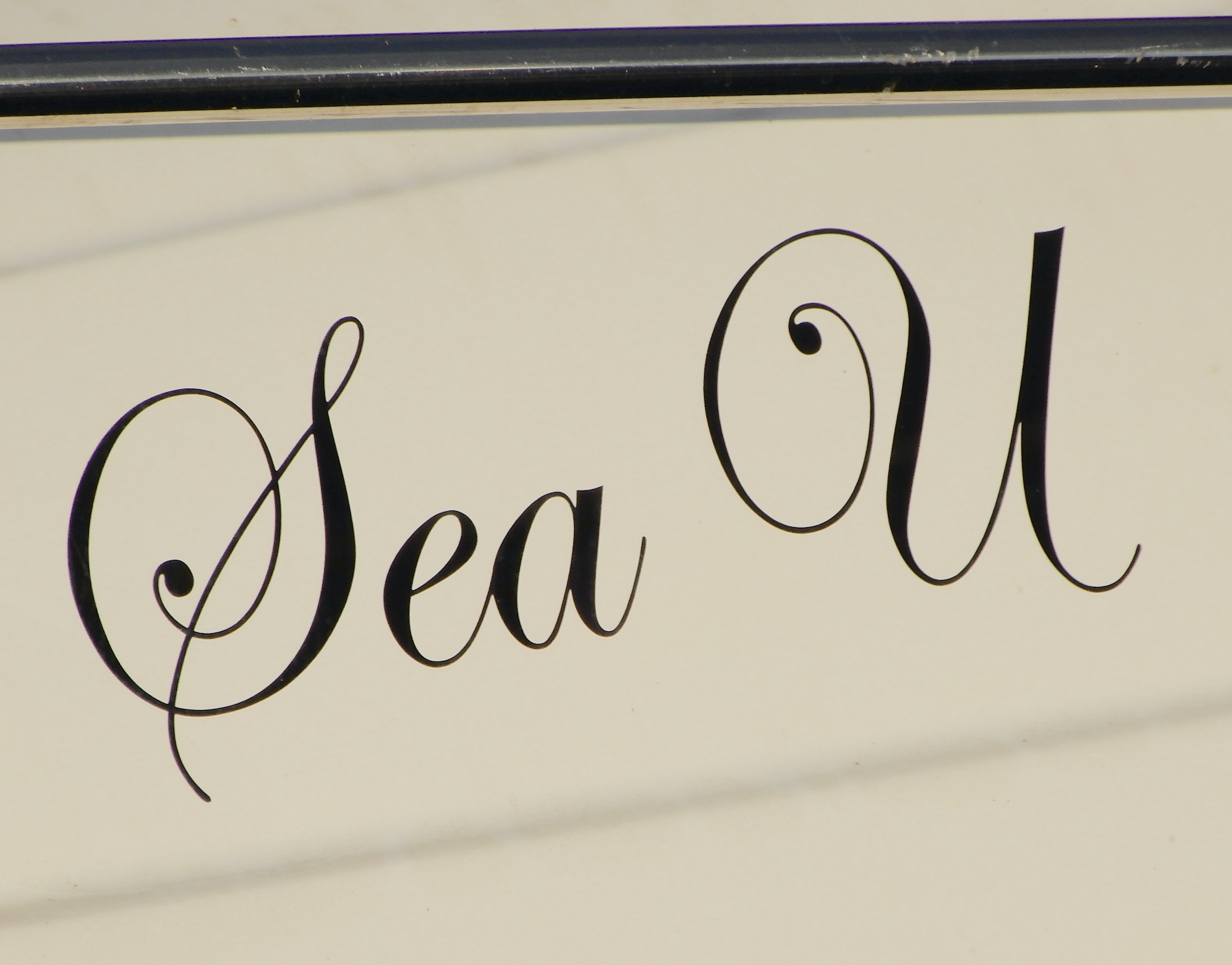
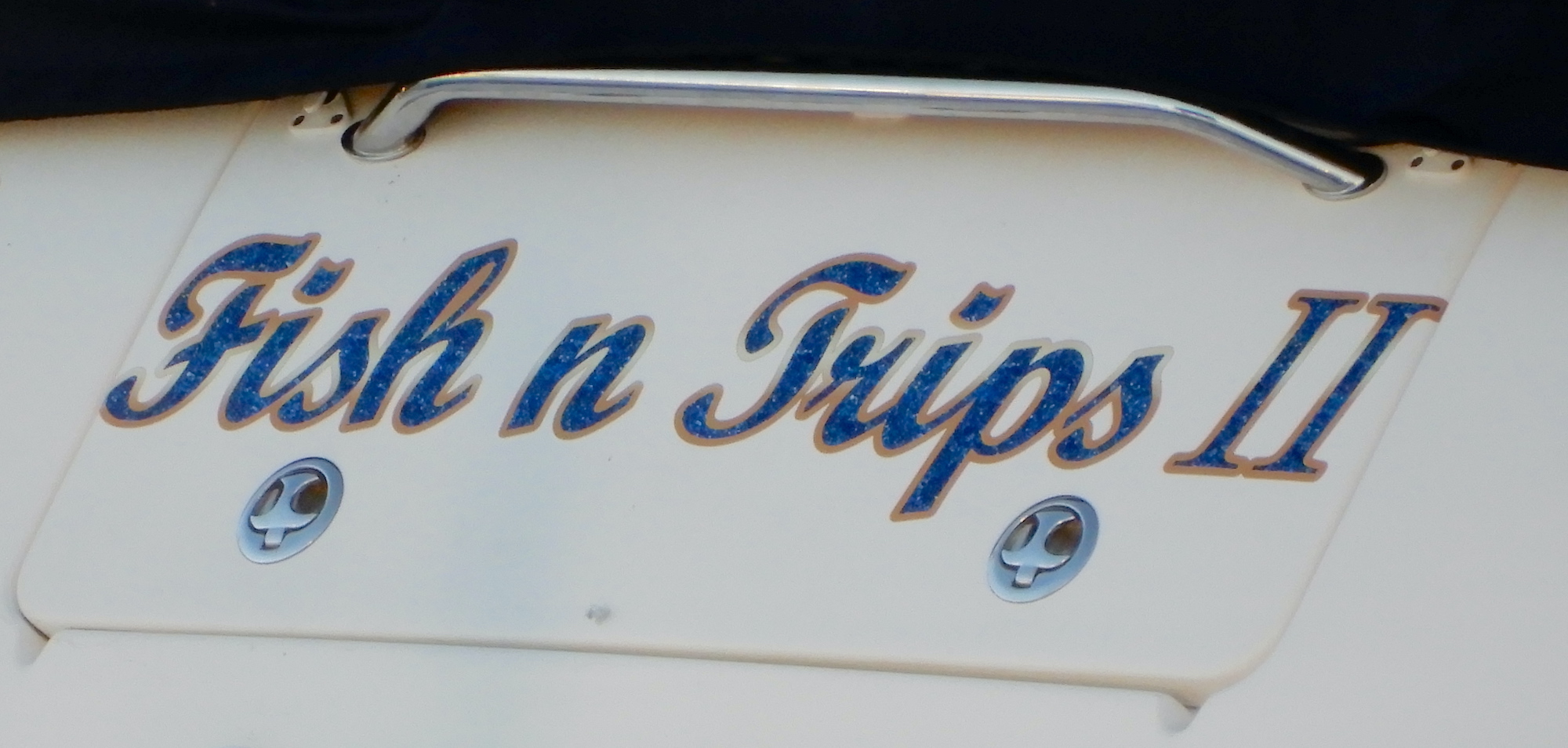
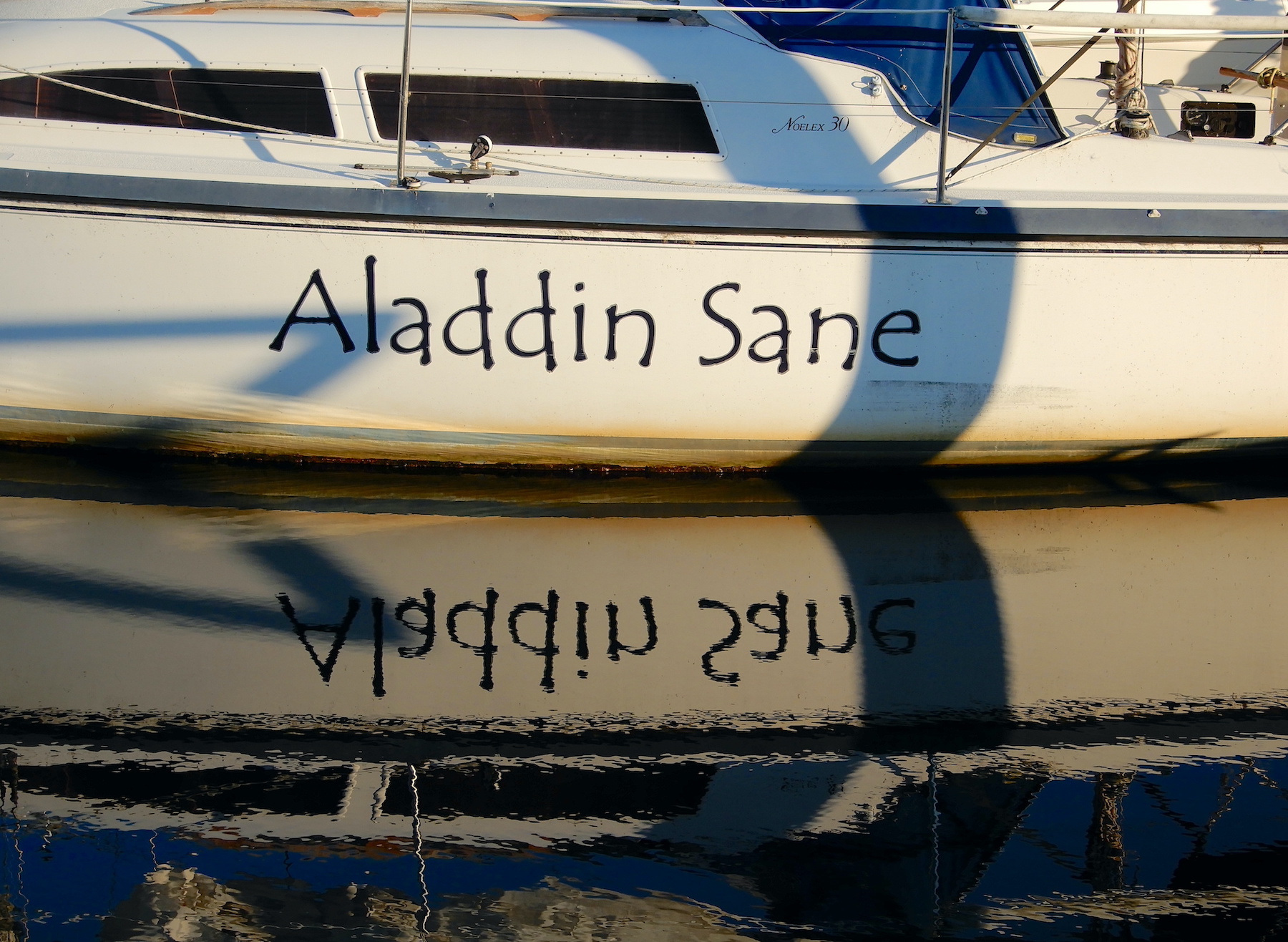
I wondered about the intriguing names on some of the boats.

We returned to our base to prepare for an exciting day out at Tongariro National Park.

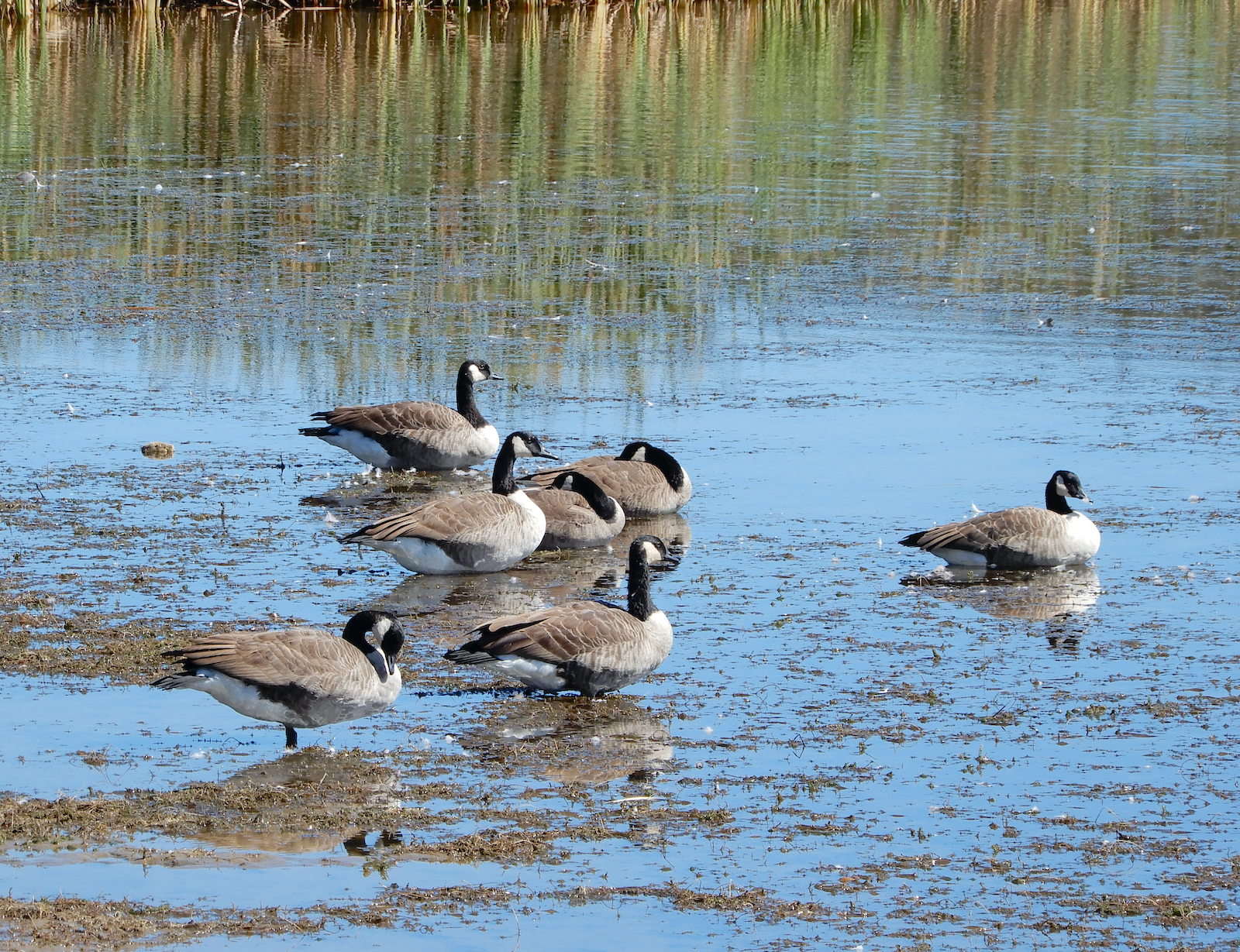
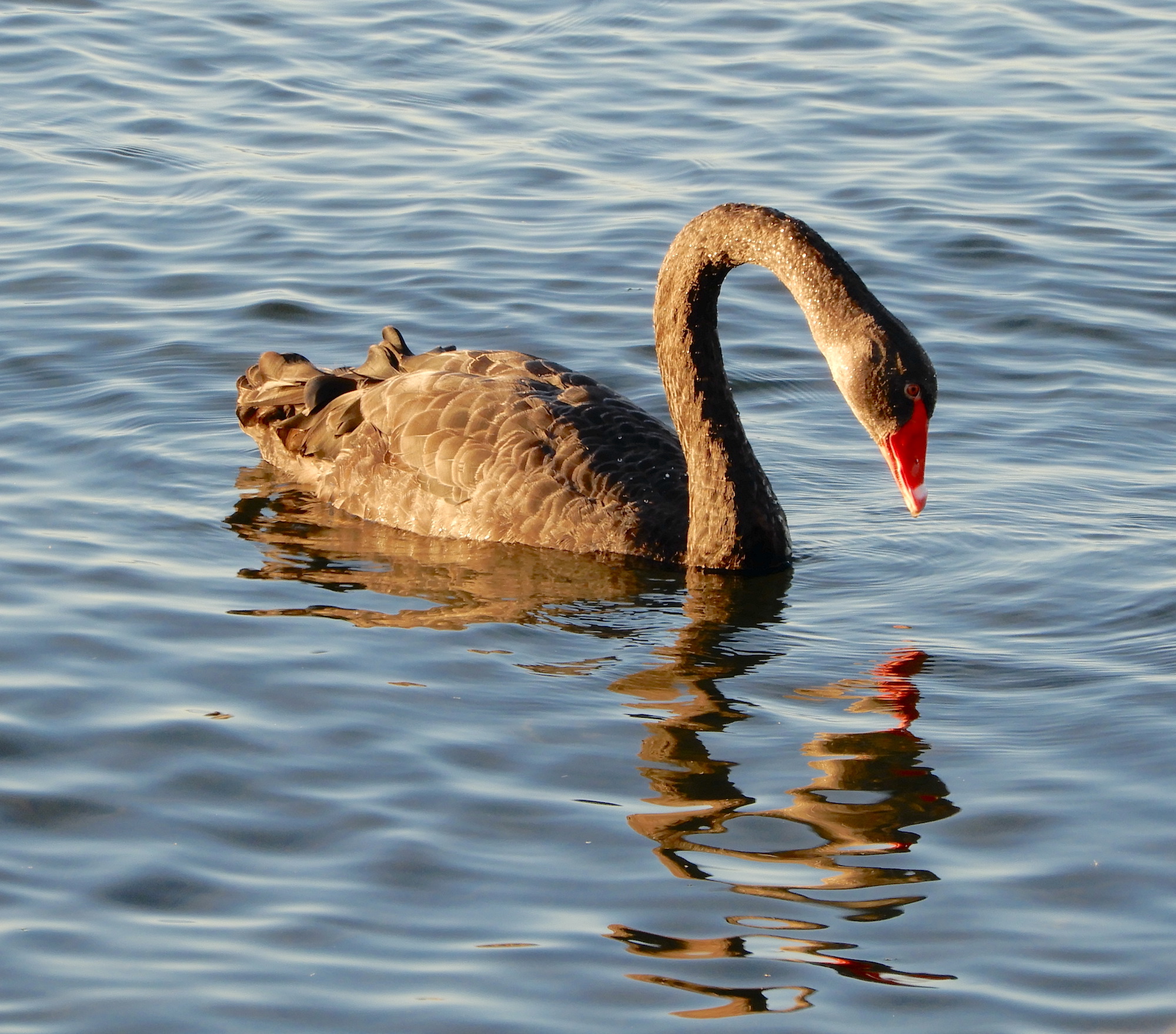
The following day was one of relaxation and, as the light began to fade, we couldn’t resist one last dose of the stunning surrounds. Canada geese and black swans were seeking their supper in the spotlight of a descending Sol.

Another round of the marina and still no sign of life.

We spied a few of these unusual birds and have since discovered they are California quail, an introduced game bird with an interesting head dress.

Reluctant as we were to leave Motuoapa Bay and the Lake House, there were new adventures awaiting.