desert delights

As we journeyed through the Northern Territory, we were randomly distracted from the vastness of the desert by some very interesting features along the way. Central Mount Stuart is a mountain peak, about 200km north of Alice Springs, named in honour of the Scottish explorer John McDouall Stuart who reached the area in April 1860. He determined a point approximately 4km south of the peak to be the centre of Australia.

1.Central Mt Stuart

Stuart originally named the peak Central Mount Sturt after former expedition leader Charles Sturt but the name was changed soon after Stuart’s return to Adelaide.

I was very excited to find a winery in the desert, although there was little evidence of vines.

‘Shatto Mango’ at Ti-Tree, 180km north of Alice Springs had some surprisingly palatable offerings.

We tasted a crisp Mango Magic, fortified Mango Moonshine liqueur and sparkling Mango Mist. We even bought a couple of bottles.

Not too far down the road, we stopped at Aileron roadhouse

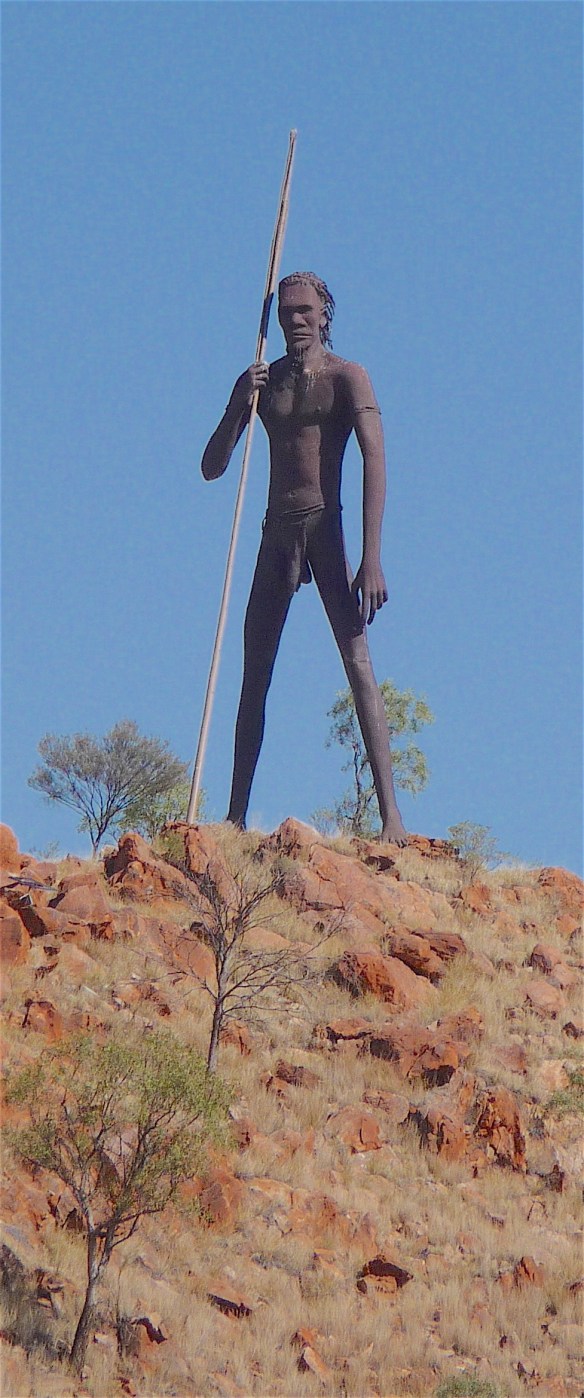
to meet ‘Anmatjere Man’. The statue, based on a traditional man from the local Anmatjere tribe, is 17 metres tall and weighs 8 tonne.
10.Aileron

He took twelve months to build and was joined three years later, in 2008, by a wife and child.

11.Aileron

30km north of Alice Springs is the Tropic of Capricorn marker, a stylized globe of the world on top of a 6.5 metre slanted pole.

In 1987, the local Alice Springs radio station ran a competition for design sketches from the public. The winner was a part time announcer for ABC radio. A local artist was commissioned to carve the Capricorn Goats in either side of the cement base.

90km west of Alice Springs, we had a brief stop at Stuarts Well roadhouse.

17.Stuarts Well

The pub/ campground is also the site of a camel farm, set on 9 acres at the foot of the James Ranges.

Continuing westward, we discovered the Cannonball Run Monument.

22.Cannonball Run

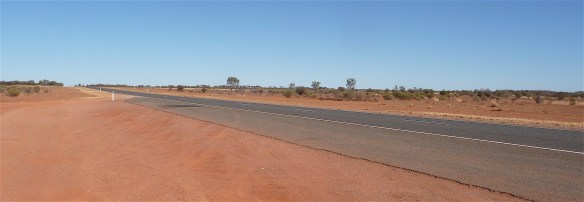
The race, run in 1994, was 3200km along the Stuart Highway from Darwin to Alice Springs and return.
23.Cannonball Run

On 24th May, a Ferrari F40 crashed into a checkpost killing the two Japanese occupants and two track officials. The cause of the accident was found to be excessive speed.

We lunched on the lawn under some magnificent gum trees at Curtin Springs, a cattle station 100km east of Ayers Rock. The station covers just over a million acres – that’s 100km long x 40km wide!

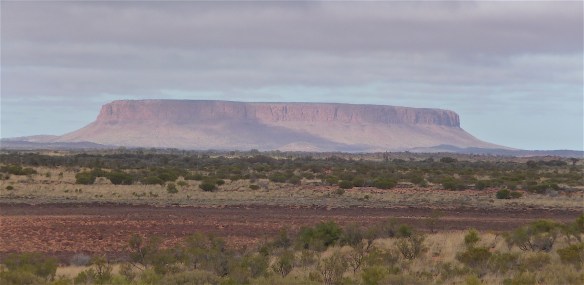
Back on the road, we soon spied Mt Conner, at the border of Curtin Springs station, often mistaken for Uluru by excitable tourists.
29.Mt Conner

There are so many wonderful surprises in the Australian outback, many we would have missed without our fabulous friends to guide us.

Lugliano

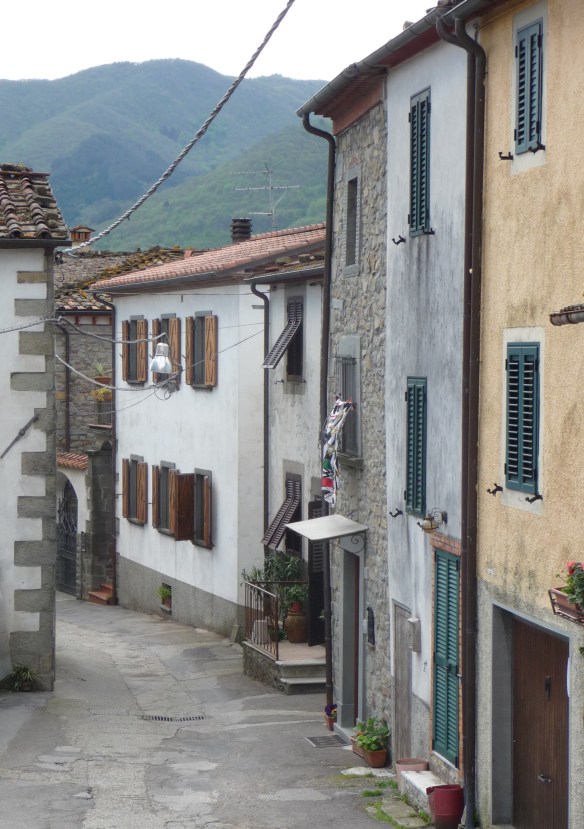
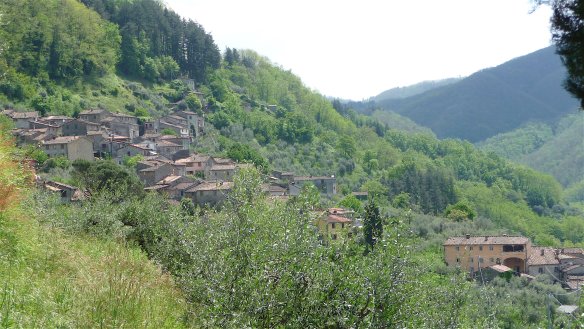
On a warm, sunny morning, while the boys were busy building guitars, I drove with two of the wives to a nearby village in Bagni di Lucca – Lugliano. Having learned how narrow the village streets can be, we opted to park at the church

1.chiesa di San Jacopo

and discover the rest on foot. Lugliano dates back to 853 AD and as we had anticipated, the main road

2.main road

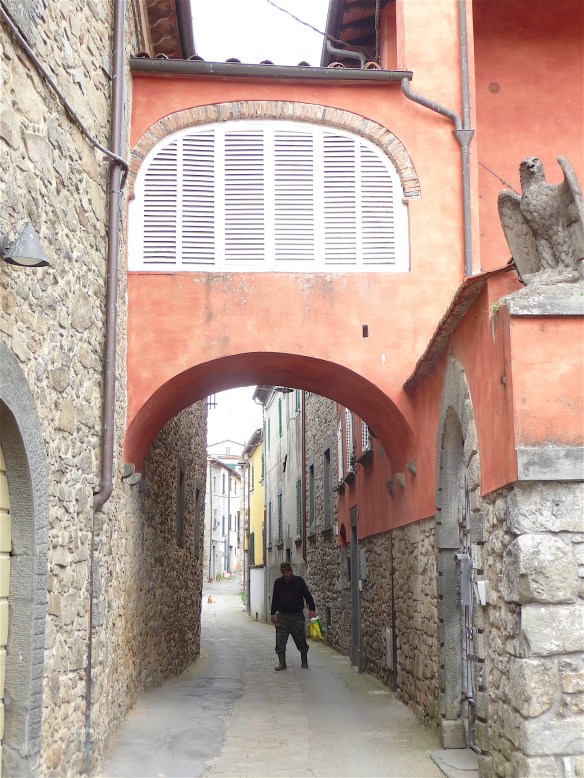
soon became narrow, cobbled streets

3.walk4.walk

7.walk

full of wonderful surprises.

The village had a serenity, enhanced by the sunshine,

21.walk

20.walk

the four legged residents were testament to the tranquility.

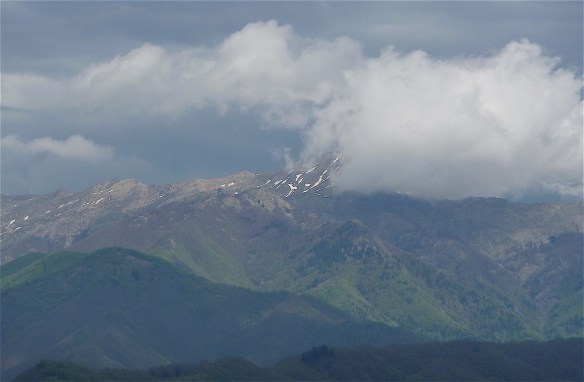
The views across the mountains

31.view32.view

and the valley below were spectacular.

33.view

36.view

I couldn’t resist the intriguing doorways

as we returned to our starting point.

44.walk45.walk46.walk

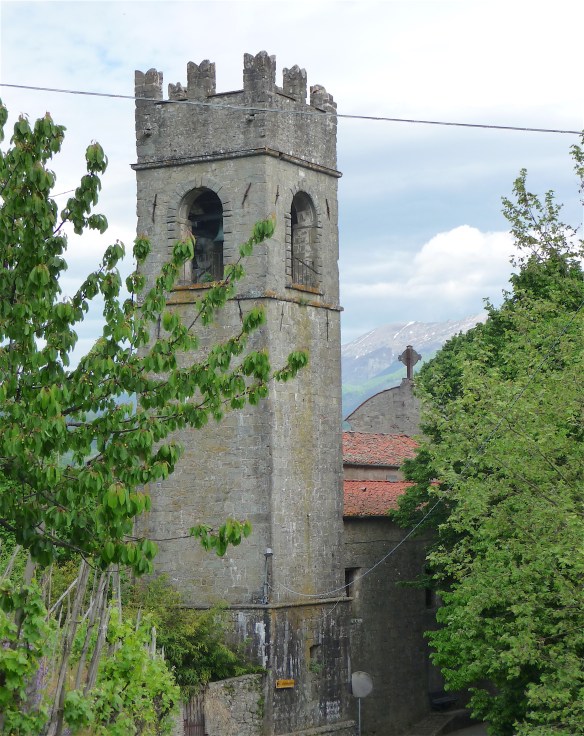
The Chiesa di San Jacopo was magnificent when viewed from the village.

47.chiesa di San Jacopo

The wildflowers were lovely

and the gardens had colourful blooms.
We wandered up the road in the other direction

53.walk

and discovered the village cemetery

with a striking view across the mountains.

59.cemetery view

It was time to return to Benabbio for lunch, with one last view of the Chiesa di San Jacobo.

60.chiesa di San Jacopo61.chiesa di San Jacopo

Launceston Castle

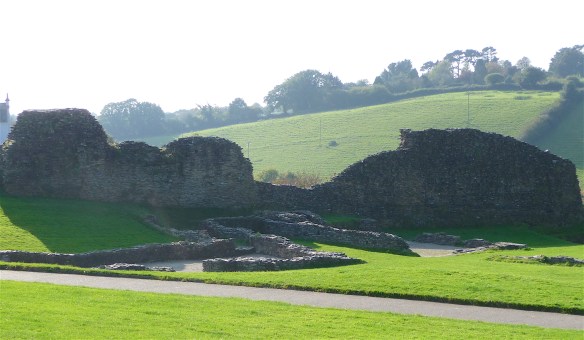
Following our adventure in Britain, our plan was to relocate to Tasmania and rent a house in Launceston while we searched for a property of our own. Little did we know, in the early 19th century, Launceston had been given the name of the town in Cornwall (although there it is pronounced ‘lawn-sten’). Known as the Gateway to Cornwall, Launceston is just across the border from Devon and so, to control the river crossing, a castle was built soon after the Norman Conquest of 1066.

2.Launceston Castle

Originally a wooden structure, the castle is set high on a grassy mound and was replaced with a circular stone keep in the 12th century.

3.Launceston Castle

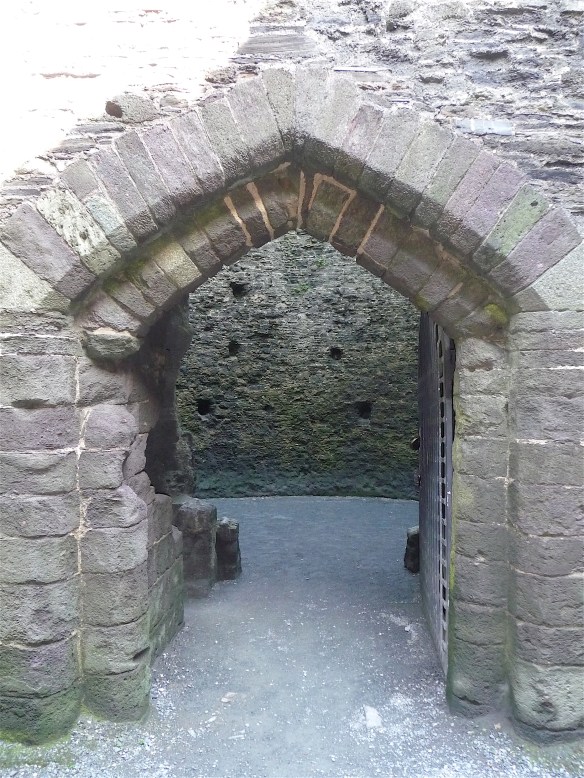
We wandered around the castle, marvelling at the stonework from so long ago.

4.Launceston Castle6.Launceston Castle7.Launceston Castle8.Launceston Castle9.Launceston castle

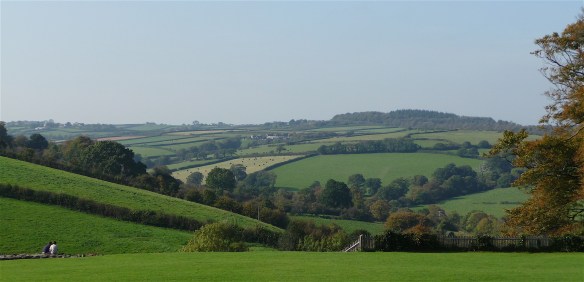
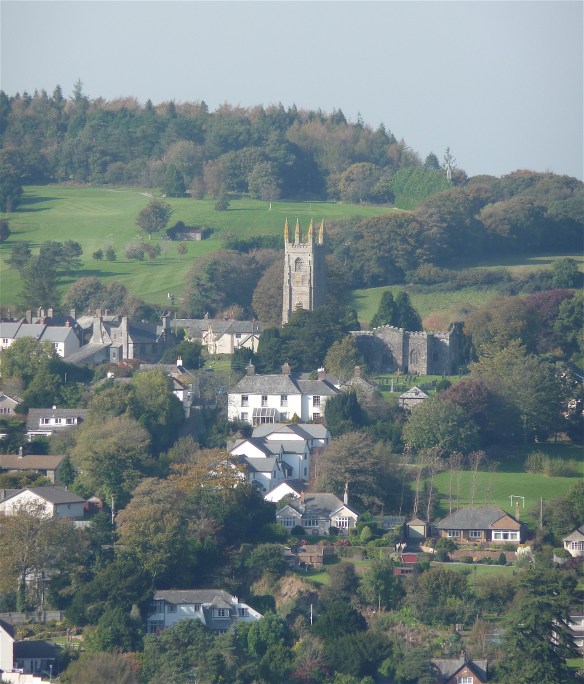
The views across the town and the Tamar Valley were breathtaking.

10.view11.view12.view13.view14.view

From the top, the remains of the moat are evident.

15.view

By the middle of the 17th century, after the Civil War, the castle was virtually in ruins

16.Launceston Castle17.Launceston Castle

and large parts of the wall are now missing.

18.view

In the 19th century, the castle area was landscaped and turned into a public park.

19.Launceston Castle

We ended our perfect day with a pint at the Bell Inn, a three storey 15th century Inn reputed to be the oldest public house in Launceston.

20.The Bell Inn

It doesn’t get much better than that.

Barrow Creek

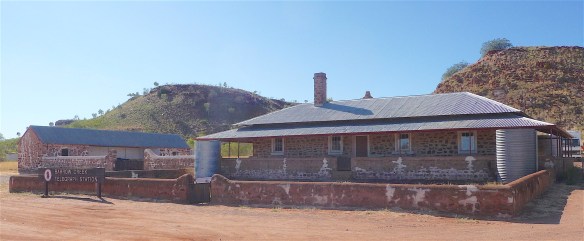
Barrow Creek is in the middle of nowhere. 1818km north of Adelaide, 1210km south of Darwin, there is a roadhouse/hotel and a telegraph station.

1.telegraph station

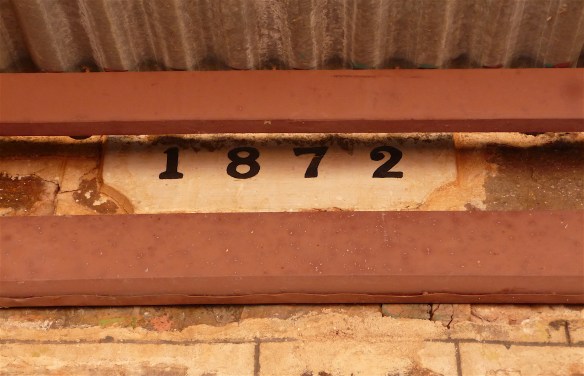
In 1860, John McDouall Stuart, on the return journey of his first attempt to cross Australia from south to north, named Barrow Creek after John Henry Barrow, the treasurer of South Australia. Dating back to 1871, the historic Overland Telegraph Station was one of 15 morse repeater stations across Australia and linking to Europe.

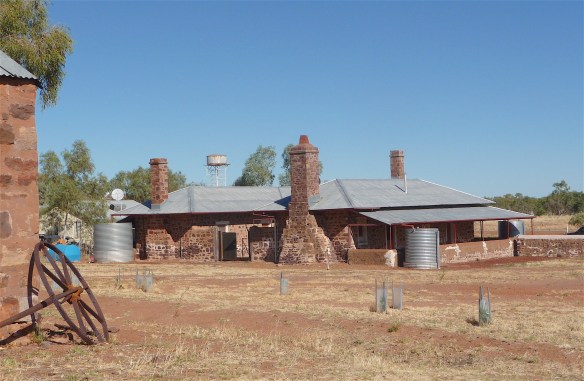
2.front

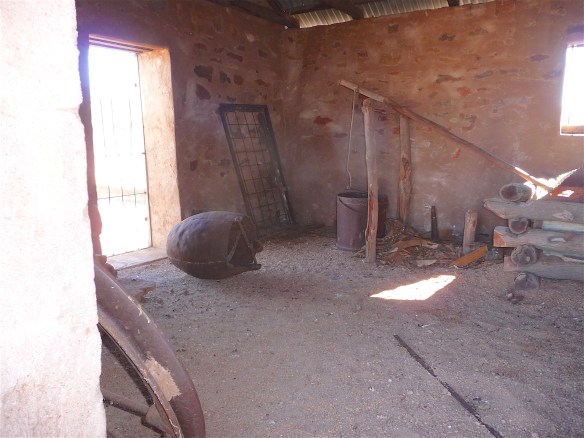
We spent some time wandering around the site that has been remarkably maintained.

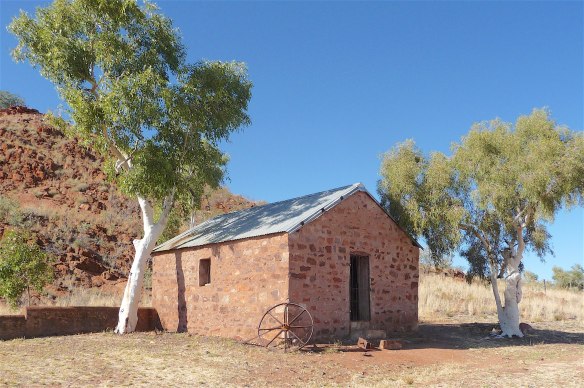
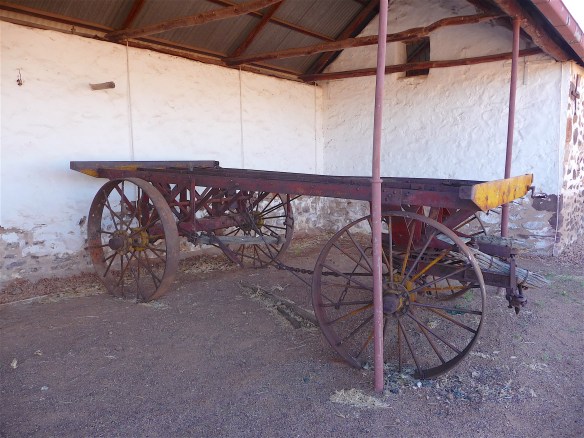
3.wagon shed & blacksmith's hut

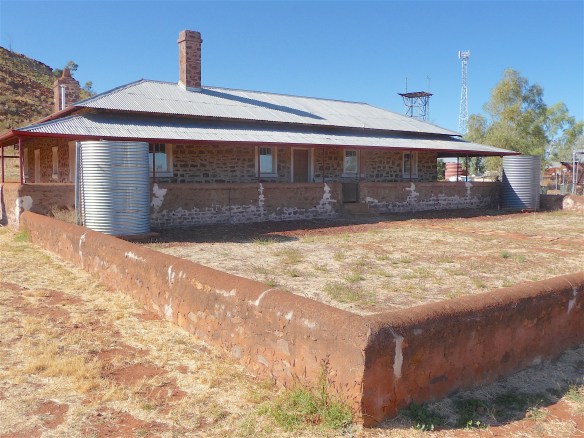
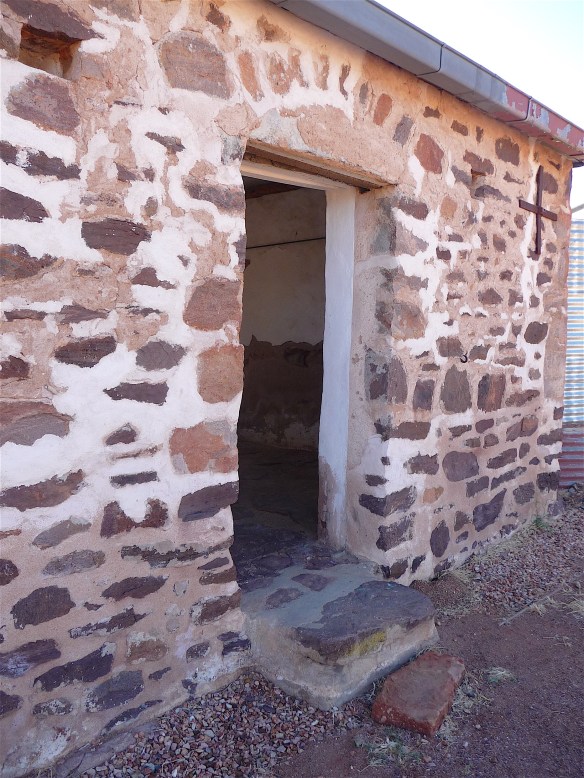
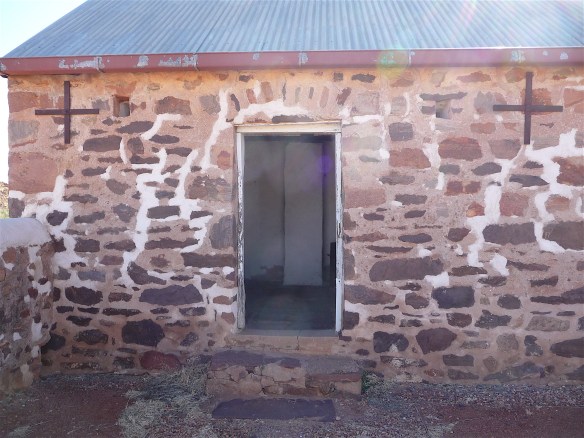
The original roof was destroyed during a gale in 1941 and was subsequently replaced with a lower pitched roof on a steel frame but the original stonework remains.

4.front door

The telegraph office at the front of the building

5.telegraph office

has views over the barren landscape.

These small windows were apparently for safely firing guns at the marauding aborigines.

8.telegraph office

In 1874, two telegraph station workers were killed by Aborigines and their graves are marked by a tombstone surrounded by a wall.

There is a central courtyard at the back of the building

9.back view

housing an underground cistern which collected rainwater from the roof.

10.cistern

Some of the windows reflect the need for protection from outside elements.

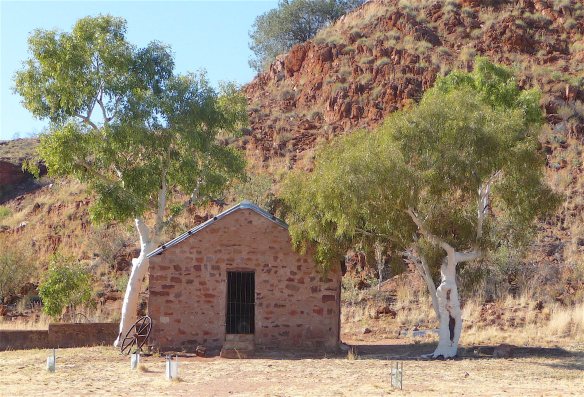
The blacksmith’s hut

14.blacksmith's hut15.blacksmith's hut

has a collection of blacksmithing tools

16.blacksmith's hut17.blacksmith's hut

and this magnificent tree is a constant companion.

18.tree

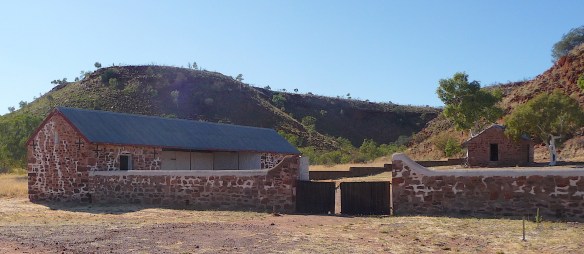
The wagon shed was constructed in 1875

19.wagon shed

with an open central section

20.wagon shed21.wagon shed

and enclosed room at each end.

22.wagon shed23.wagon shed24.wagon shed

In 1980, a microwave telecommunications link made Barrow Creek Telegraph Station redundant.

25.sign

Tom Roberts, the last linesman to live at the Station, came for a week in 1952 and stayed as caretaker until 1986.

Benabbio

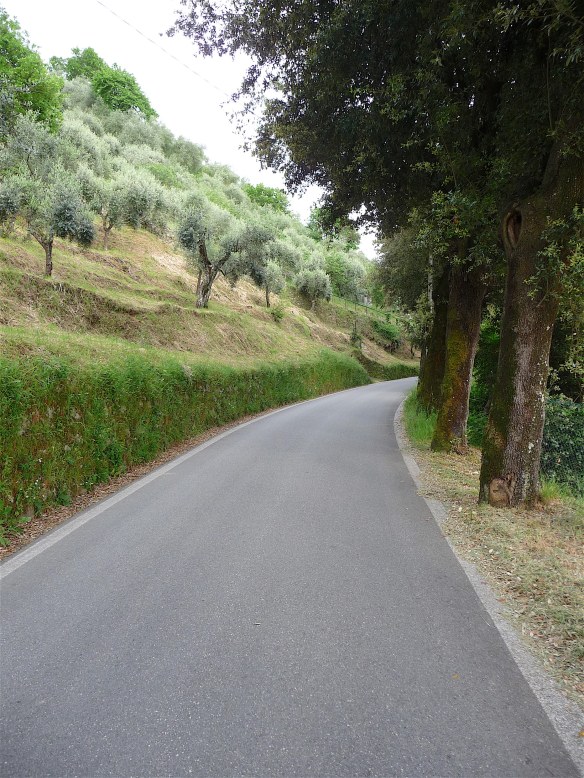
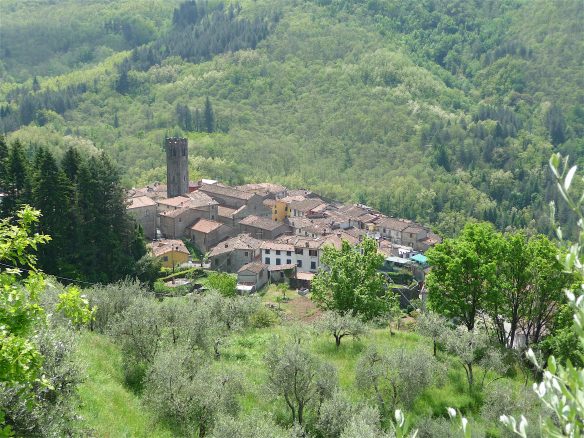
Benabbio is one of the mountain villages of Bagni di Lucca, dating back to 983AD. It was owned by the Lupari family and cousin Lupo swore to defend the Apennine Mountains against invaders. The drive to the village is narrow and winding with gorgeous views if you dare to look.

1.road2.road

Past the cemetery,

3.cemetery

the houses at the entrance to the village give a hint of the history awaiting.

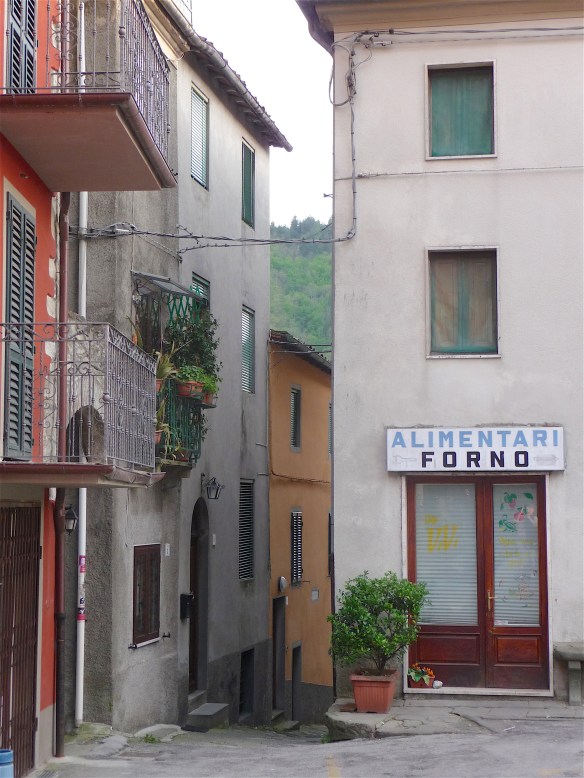
The road leads to the small Piazza Santa Maria, with a grocery store,

6.grocery store

newsagent,

7.newsagent

parish church and ristorante. We enjoyed some memorable evenings at Il Cavallino Bianco.

8.Il Cavallino Bianco

There were some intriguing alleyways leading off the piazza.

The stone steps took us further up the hill,

12.walkway steps

passing more rural properties

and the fabulous pizzeria, Acquolina in Bocca.

15.Acquolina in Bocca

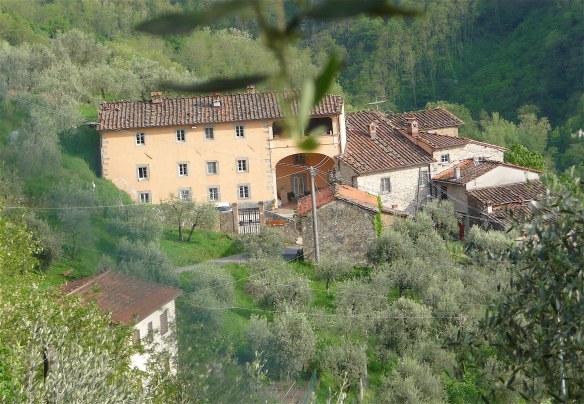
Villa San Rocco was situated about halfway up the hill

16.Villa San Rocco

with much of the village to discover beyond.

18.P1090210

There was plenty of spring colour around, both wild and potted.

There were many walking paths through the surrounding hills

45.P1090814

with magnificent views of the stunning landscape

48.P109080649.P1090809

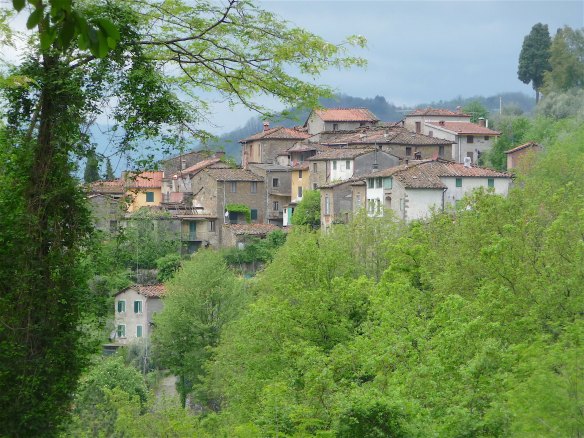
and the village below.

50.P109080551.P1090813

There were so many fragments of history to be seen on our wanderings.

Even the four-legged inhabitants look contented to be living in this wonderful village.

67.P1090796

There are too many amazing things about Benabbio to cover in one post, there will be more to come.