GWK

On a balmy Balinese morning, we journeyed south from our villa at Seseh to experience Garuda Wisnu Kencana Cultural Park. GWK, as it is known, is a 60 hectare park devoted to the Hindu God, Wisnu and his mythical half-man, half-bird companion, Garuda. There are different areas used for various art & cultural performances. We first encountered Kura Kura Plaza, or Turtle Plaza. The turtle sculptures are believed to guard the earth from natural disasters.

1.Kura Kura Plaza

The views were spectacular from the elevated position of the park, looking over the ocean and Denpasar.

2.view-Denpasar on right

There is an ongoing project at GWK, the creation of one of the largest statues in the world. The finished copper and brass monument, portraying Wisnu riding on the back of Garuda, will apparently be 120 metres tall and Garuda will have 65 metre long wings.

3.Garuda Wishnu Kencana

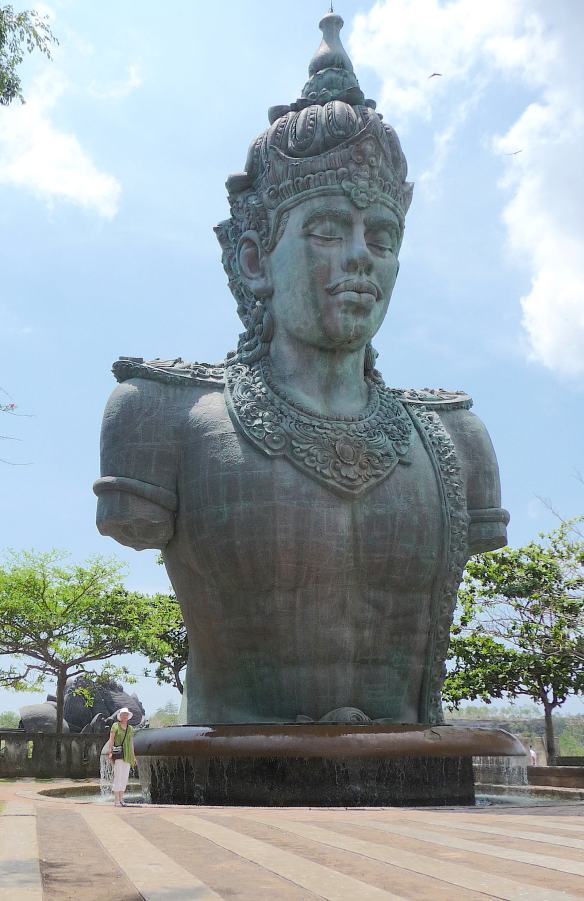
Started in 1997 by Balinese sculptor Nyoman Nuarta, some parts of the statue have been completed. The first sight of the 20 metre high Wisnu was absolutely breathtaking.

4.Wisnu

Wisnu Plaza is on the highest part of GWK and is the setting for traditional Balinese art performances.
5.Wisnu Plaza

It must be awe inspiring to present a show under the watchful eye of Wisnu.

6.Wisnu

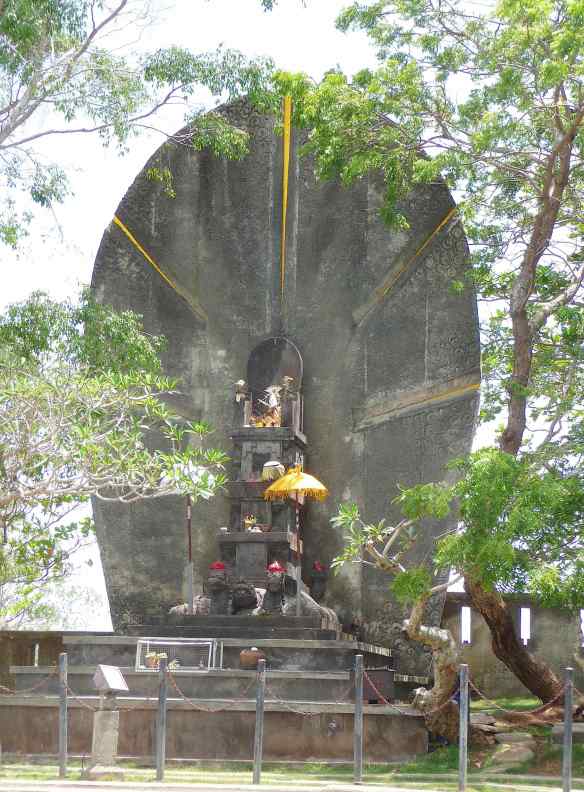
We passed this Hindu shrine

7.shrine

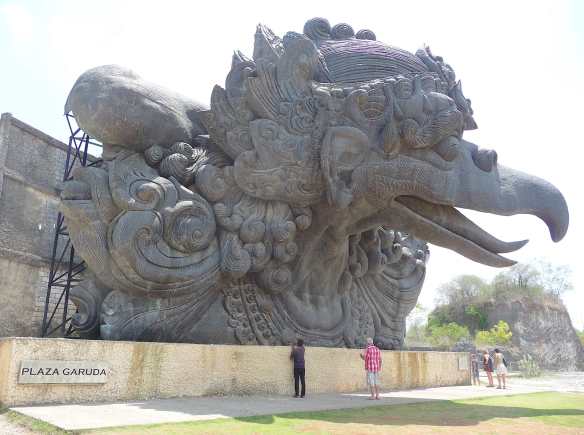
on the way to Garuda Plaza.

8.Garuda Plaza

This part of the statue was not as tall, but equally as impressive as Wisnu.

9.Garuda Plaza

The largest outdoor venue in the park is called Lotus Pond. It isn’t actually a pond but the massive limestone pillars around the perimeter make it a fascinating venue for big events such as music concerts.
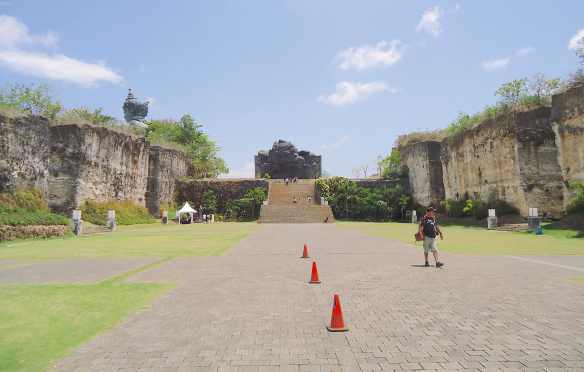
10.Lotus Pond

It is also the perfect setting for a Segway ride. Michael soon mastered the balancing act and there was no stopping him.

With the beautiful limestone columns as a backdrop, Nyoman Nuarta has weaved his magic again. The magnificent Peace Memorial is dedicated to all the Bali bombing victims in the hope of uniting the world into a peaceful, harmonious community.
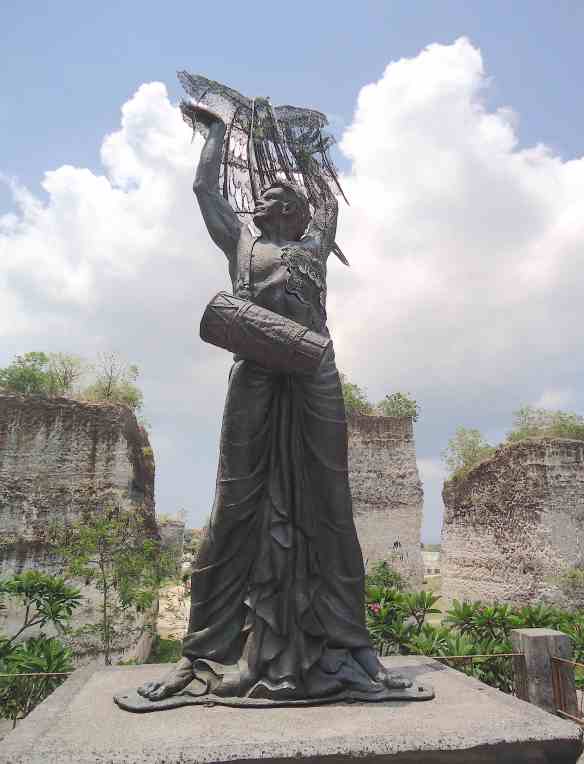
14.Peace Memorial

Marple Locks

On our way through Cheshire, we stayed overnight with my Uncle Jim who lived in the small town of Marple. We enjoyed an afternoon stroll along the Peak Forest Canal where a series of 16 locks raise the canal by 64 metres over the course of 1.6km. We began our walk at Marple Memorial Park where this fabulous chainsaw wood sculpture was commissioned after the demise of a large Copper Beech tree.

1.tree sculpture Memorial Prk

Local school children submitted ideas on the theme of nature and knowledge featuring animals and books. They also chose the name, Midnight, for the central owl character.

2.tree sculpture, Marple Memorial Park

Other animals carved in the wood include a fox, badger, mole, squirrel and hedgehog.

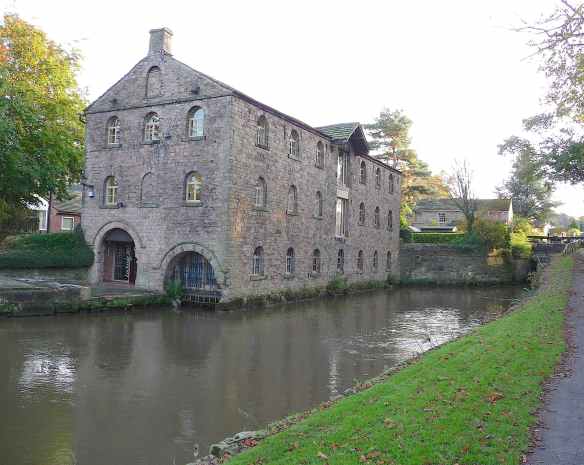
We started at Lock 9, by Oldknow’s Warehouse.

8.Oldknow's Warehouse

Samuel Oldknow was an English cotton manufacturer who promoted the construction of the canal, which opened in 1804. When commercial carrying ended, the locks became dilapidated and were impassable by the early 1960s. The Peak Forest Canal Society were instrumental in the restoration and re-opening of the Marple Locks in 1974.

9.Lock 9

Oldknow’s Warehouse has since been converted to offices. I can think of worse places to work.

10.Oldknow's Warehouse

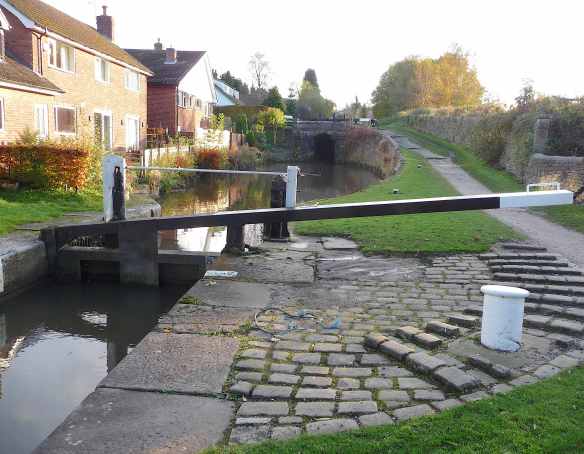
We continued our walk past Lock 10

11.Lock 10

and Lock 11.

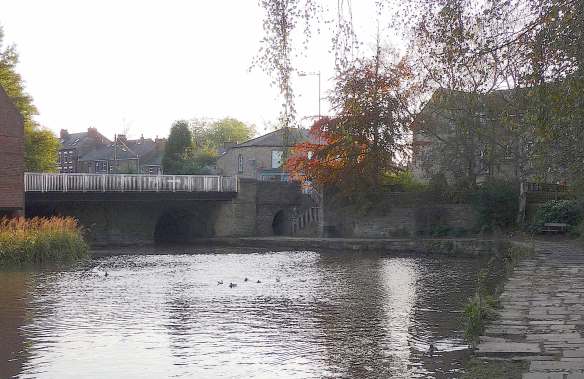
After Lock 12, we approached Posset Bridge, completed in 1804. The bridge has three arches, the left hand one has been filled in

14.Posset Bridge

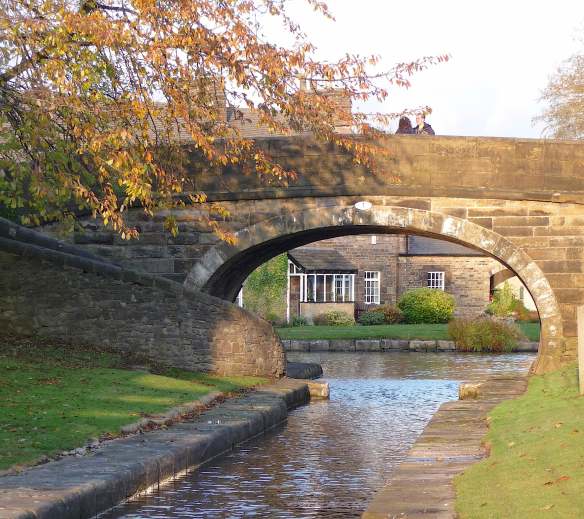
and the right hand one is a narrow oval tunnel built to allow the horses to pass under the bridge after being untied from the boats.

15.Posset Bridge horse tunnel

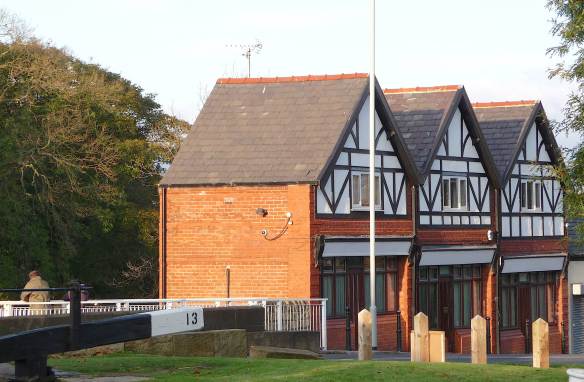
The canal continues through the middle arch to Lock 13 and more beautiful buildings, now office space.

16.Lock 13

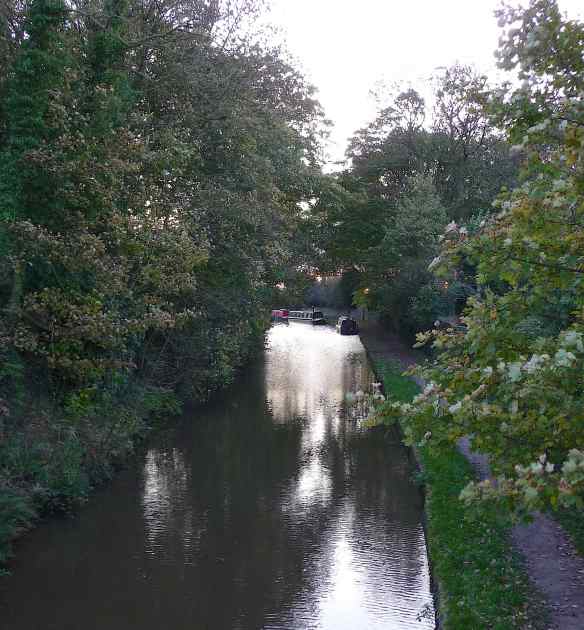
Between the locks, the canal is tranquil.

17.Peak Forest Canal

The Macclesfield Canal joins in just beyond Top Lock Bridge.

18.Top Lock Bridge19.Top Lock Bridge

This magnificent home has prime position

20.Macclesfield Canal

with the marina just around the corner.

21.Top Lock Marina

I think a canal boat holiday would be a great way to relax and see some stunning scenery. Maybe one day……

22.Macclesfield Canal

Busselton

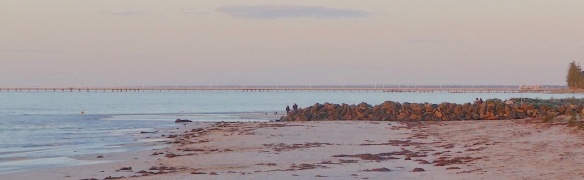
After a day spent savouring the digestible delights of Margaret River, and a peaceful amble through a magnificent Karri forest, we thought there wasn’t much else we could do to top off a wonderful day. We were wrong. We arrived in Busselton as the sun was setting, casting an eerie light to the east. The longest wooden jetty in the southern hemisphere, Busselton Jetty stretches almost two kilometres out to sea.

1a.Busselton jetty

Construction began in 1853 and the jetty was gradually extended until the 1960s. Closed to shipping in 1972, a period of neglect ensued, along with damage by a cyclone in 1978 and a fire in 1999. The jetty has since been restored and the Underwater Observatory at the end is on the list of things to see next time.

1.Busselton jetty

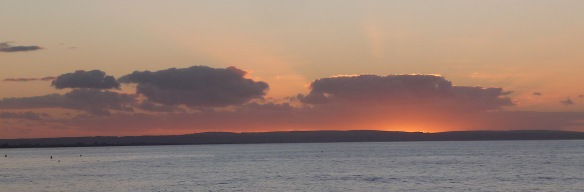
Toward the west, the descending sun was creating a spectacle.

2.Busselton

We were the only ones on the sheltered beach, the calm waters of Geographe Bay gently lapping at the shore. The changing palette was mesmerising as Sol slipped below the horizon.

3.Busselton4.Busselton5.Busselton6.Busselton

A perfect end to a glorious day.

7.Busselton

Seseh Beach

Our first morning in Bali, we walked the few hundred metres from our villa to Seseh Beach.

1.towards beach

Undaunted by the warnings,

2.warning

we continued on past neighbouring properties

3.villa neighbours

to the lure of the ocean ahead.

4.just down the road

As we neared the beach

5.seseh beach

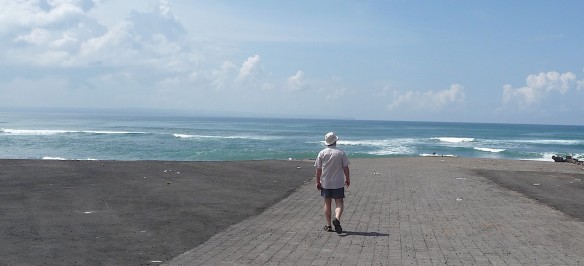
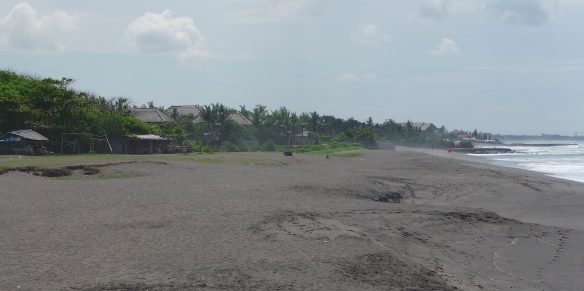
we were surprised and somewhat disappointed to find, not the expanse of untouched golden sand one might imagine, but a beach of black sand.

6.seseh beach

This western coastline is among Bali’s favourite surf spots, though not conducive to relaxing on the beach. The volcanic rock formations were fascinating

7.seseh beach

and the flotsam intriguing.

8.seseh beach

The fishing boats of Seseh village were patiently awaiting their next adventure.

9.seseh beach

We strolled back, past curious doorways

10.doorway

with intricate carvings.

11.another doorway

Returning to the villa, we were welcomed by the familiar shrines at the entrance.

12.shrines at villa

Lyme Park

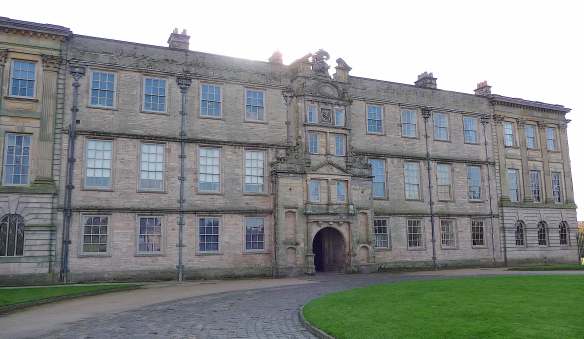
Leaving the beautiful county of Yorkshire, we made our way south to the equally stunning county of Cheshire. We couldn’t resist a visit to Lyme Park estate. The largest house in the county, surrounded by 6 hectares of formal gardens, is set in a deer park of 550 hectares in the Peak District National Park. The entrance gate was impressive, I love the mysterious padlocked door.

1.entrance gate Lyme Park

The house dates from the late 16th century and has been gradually developed since then, with modifications made by Italian architect, Giacomo Leoni, in the 1720s. The sweeping circular drive approaches the north front of the house.

2.north facade

The west front dates from the 18th century

3.west facade

as does the magnificent south front.

4.south facade

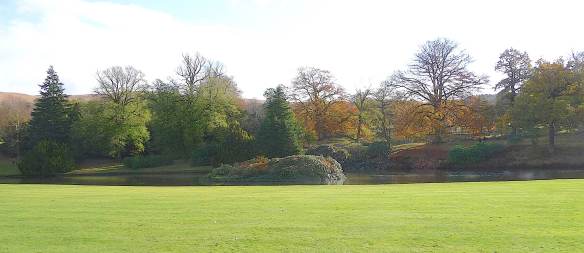
You may recognise this as Pemberley from the TV production of Pride & Prejudice. Who can forget the scene where, after taking a bath (fully clothed) in the lake, Colin Firth as Mr. Darcy encounters Miss Bennet, attired in his soaking wet, white shirt?

5.Lyme Park

Sorry, where was I? Oh yes, the gardens. The formal gardens were created in the late 19th century,

6.Lyme Park

the intricate Dutch garden was initially laid out as an Italian garden and is usually bursting with colour. Unfortunately, the summer bedding plants had finished in late autumn. The four cherub statues represent the elements of Earth, Fire, Air and Water.

7.Dutch garden

The Huntress, Diana,

8.statue of Diana

overlooks the Orangery Terrace

9. Orangery terrace

and an aged stone eagle majestically stands guard.

10.stone eagle

The Timber Yard is a cluster of buildings where we found a cosy café and quaint shops. Created in 1904, the café was once the joiner’s workshop and the ice cream parlour was the boiler house. During the war years, it was used as living quarters for the RAF. Some of the buildings are now residential cottages.

11.The Timber Yard

I can think of worse places to live.