Tramonte Trails

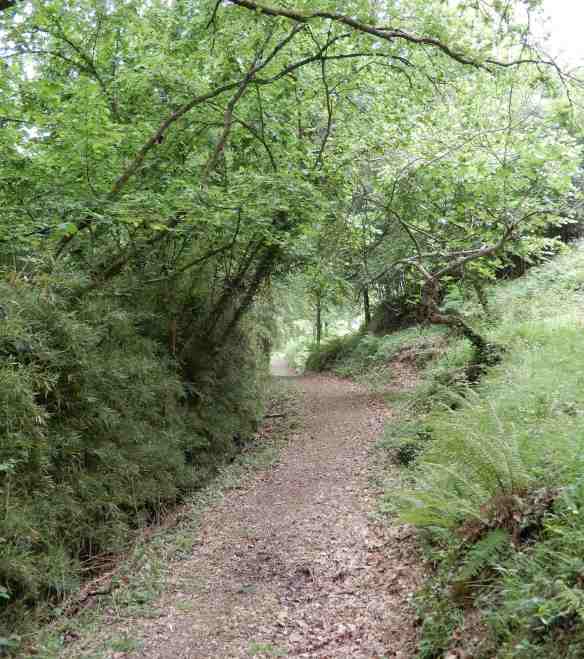
On an overcast morning, we set off to explore the walking trails around the Villa Boccella estate. The Old Tramonte walk follows part of the old road from Ponte a Moriano to the village of Tramonte.

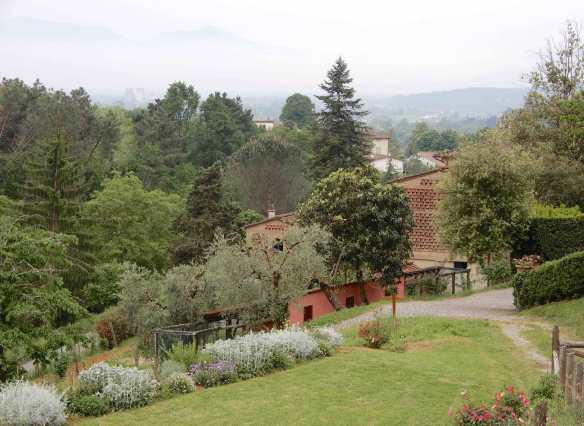
We passed the main villa

3.Villa Boccella

and as we continued up the hill, the views would have been spectacular on a clear day.

4.Old Tramonte walk

I don’t know what was in the cute stone shed but it looked as though the firewood was well seasoned.

We stayed on the main path with an Acacia forest to our right

7.Acacia forest

and pine walk to our left.

8.Pine walk

Sporadic wildflowers added colour to the verdant setting.

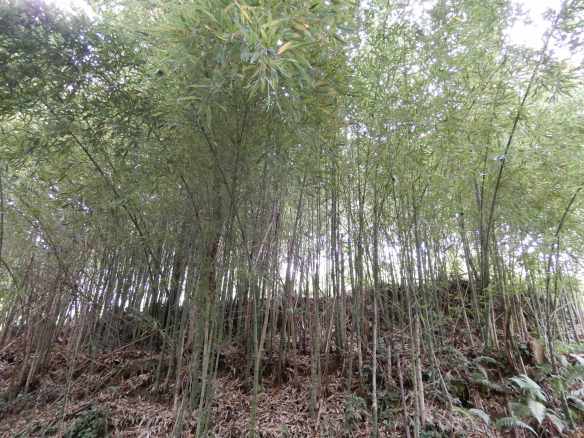
The last thing we expected to find in the Tuscan countryside was bamboo.

15.Bamboo walk

We followed Bamboo Walk until, eventually, the woodland changed as we descended along Valley Walk.

16.Bamboo walk

20.Valley walk

Beautiful irises bloomed sporadically in the sheltered lowland.

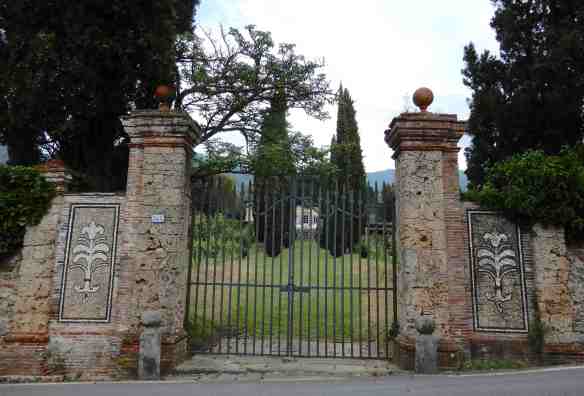
The track led to the road, Via Tramonte, at the edge of the estate

and we could see the main villa

25.Villa Boccella

and Limonaia Piccola through the gates.

26.Limonaia Piccola

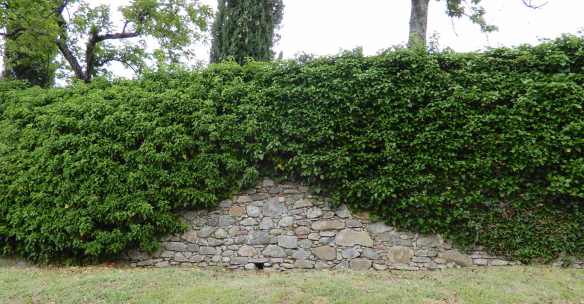
We followed the stone walled boundary of the grounds,

27.stone wall

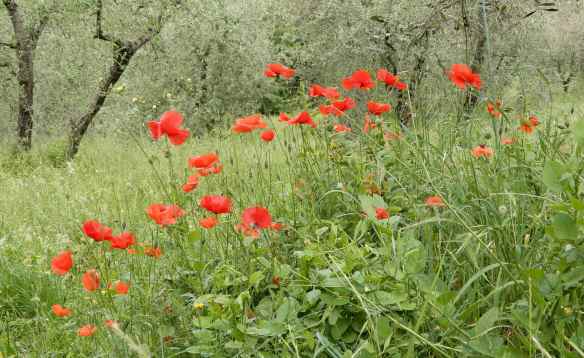
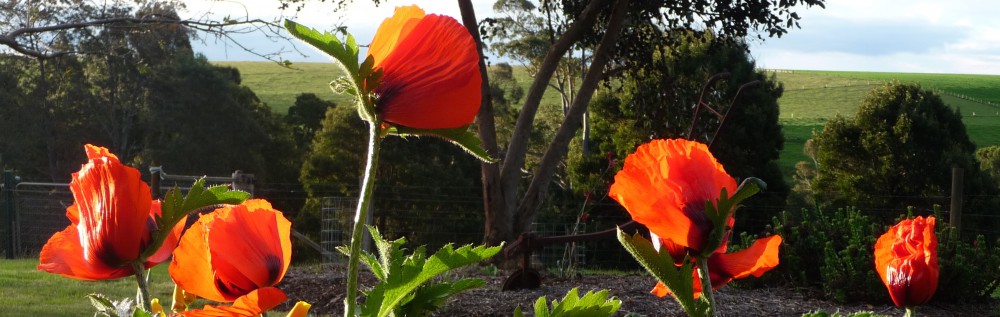
past a patch of magnificent wild poppies,

28.poppies

to the entrance that would return us to the limonaie.

31.Via Tramonte

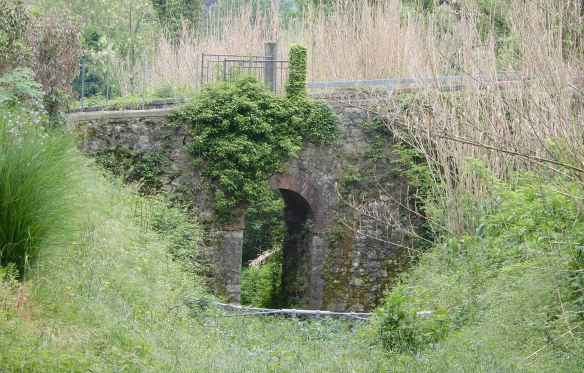
There was another walk that would have taken us across the river

32.River walk33.bridge34.river35.bridge

but lunch time was approaching, it would have to wait for another day.

Dublin

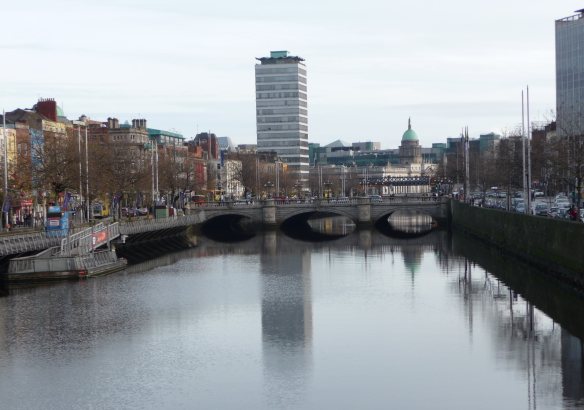
It was a very good decision of ours to return to Dublin and revise our initial  impression from our previous visit. Although the sky wasn’t exactly clear, the Liffey River offered stunning reflections of the Ha’penny Bridge

1.Ha'penny Bridge

and O’Connell Bridge.

2.O'Connell Bridge

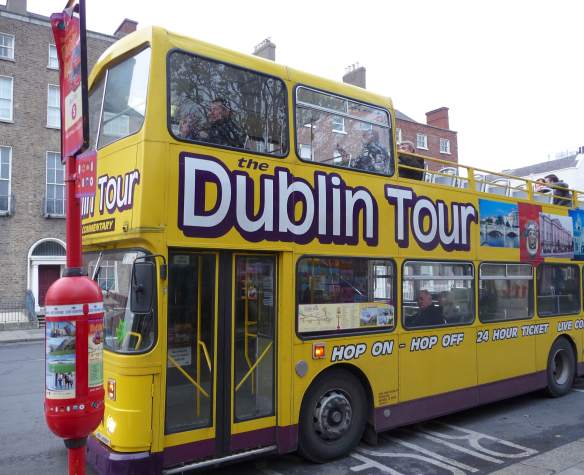
We opted for a Hop On Hop Off bus experience to make the most of our limited time.

3.Hop On Hop Off bus

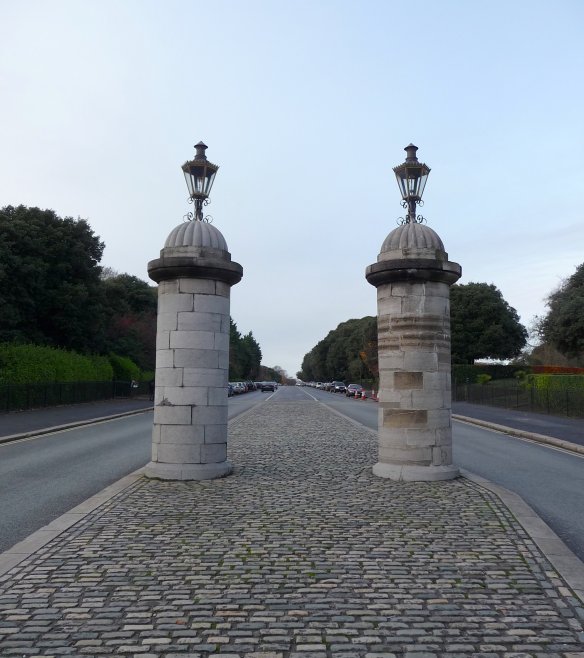
We hopped off at Phoenix Park, the largest enclosed public park in any European capital city. The 11 km perimeter wall encloses 1,752 acres, twice the size of Central Park in New York and bigger than all the parks in London put together.

4.Phoenix Park entrance

The name of the park is not related to the mythical bird but the Gaelic expression Fionn Uisce, meaning clear water. The park was originally formed in the 1660s for royal hunting and was opened to the public in 1747.

5.Phoenix Park

We had intended visiting Dublin Zoo which is also within the grounds but we didn’t really have the time to do it justice. We did discover the Wellington Monument, commemorating the victories of the Duke of Wellington. The 62 metre tall obelisk is the largest in Europe and would have been even higher if funding hadn’t run out. The four bronze plaques around the base were cast from cannons captured at the Battle of Waterloo.

6.Wellington Monument

Instead of hopping back on the bus, we walked in the direction of the city centre, stumbling across Old Jameson Distillery on the way. Founded in 1780 as the Bow Street Distillery, the building is now a Heritage Centre displaying the various steps that produce Jameson Irish Whiskey.

7.Old Jameson Distillery

We ventured far enough to admire the magnificent derelict still in the entrance courtyard.

10.derelict still

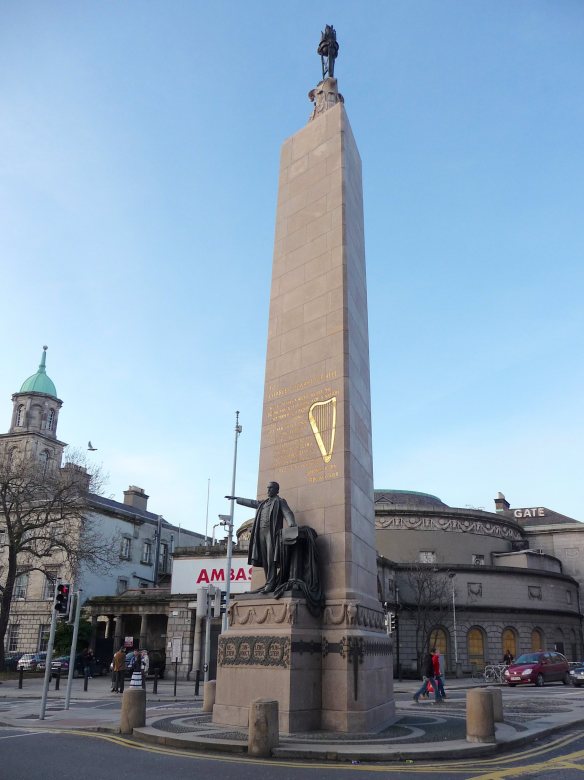
Continuing on foot, we reached the northern end of O’Connell Street, Dublin’s main thoroughfare. A bronze statue of Charles Stewart Parnell stands at the base of an imposing granite obelisk, a memorial to the founder and leader of the Irish Parliamentary Party in the late 1800s.

11.Charles Stewart Parnell memorial

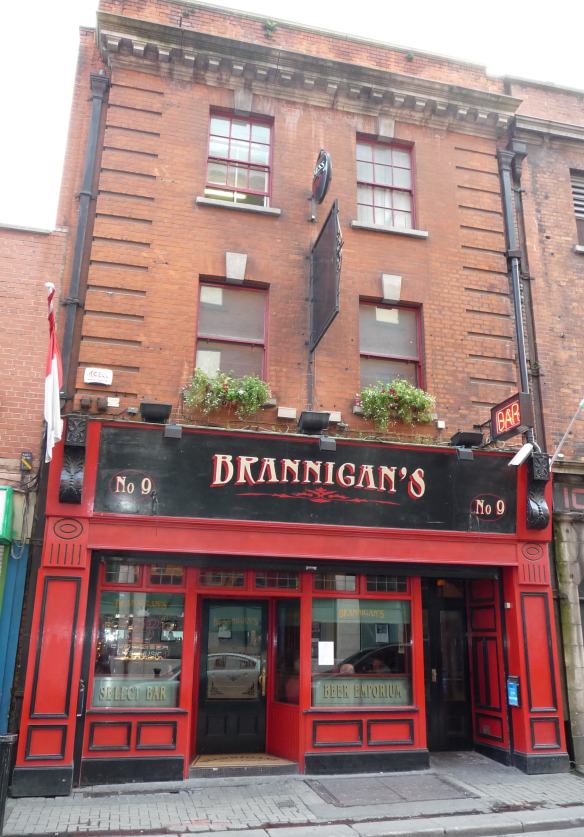
Having worked up a bit of a thirst, we couldn’t possibly pass Brannigan’s without closer inspection. The pub was named in the late nineties after local policeman James Brannigan, otherwise known as ‘Lugs’. As well as serving in the force for over forty years, he was a distinguished boxer and was known for dispensing his own form of justice.

12.Brannigans

The Nescafé jar was an absurdly incongruous adjunct to the commercial coffee machine.

13.Irish Coffee Machine

We hopped back on the bus to appreciate O’Connell Street from the top deck. The huge Christmas tree was a new addition but apparently Dubliners weren’t too happy about it. The 18 metre structure cost the city €300,000 and would supposedly remain for ten years, thereby saving money that was usually spent each year on multiple trees around the city. Designed by the French firm that created the lighting for the Eiffel Tower, the 100,000 bulbs would look spectacular at night.

14.O'Connell St

With winter upon us, the leafless trees allowed an uninterrupted view of the gorgeous façades along the street. Many of the original buildings were destroyed during the Easter rising of May 1916 but have been beautifully resurrected.

15.O'Connell St

As we made our way back to our hotel, we detoured through Merrion Square where a new memorial had just been unveiled. The pyramid-shaped granite structure is dedicated to the members of the Irish Defence Forces who died while serving with the United Nations. Four bronze figures, representing the Army, Navy, Air Corps and Reserve, stand guard over an eternal flame that emanates from the Defence Forces badge.

16.Merrion Square

The manicured gardens are at the centre of the square and the lovely Georgian houses that surround it have been home to many famous folk including literary notables Oscar Wilde and W.B.Yeats.

17.Merrion Square

I know the Irish are often, unfairly, the subject of ridicule but I can’t help sharing this. I have to question the logic of the placement of the toilet roll holder.

18.Irish toilet roll holder

parcheggio Italiano

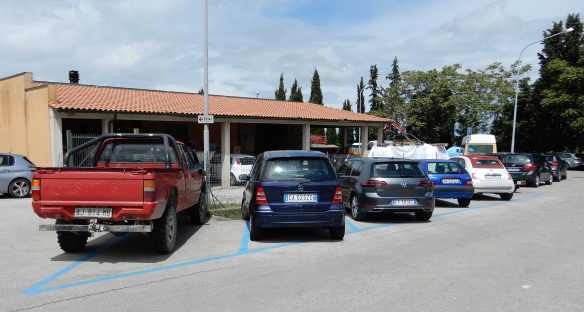
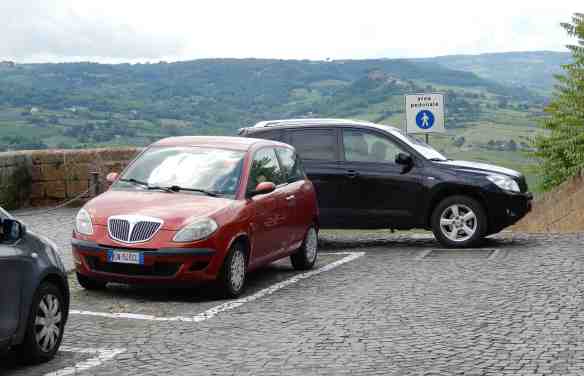
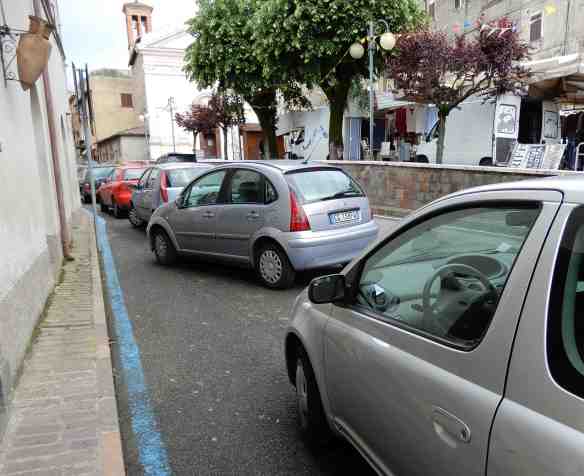
It’s no secret that driving in Italy is not for the faint-hearted. It is fast, crazy and a lot of fun. Parking in Italy is something else, an art form that takes years to perfect. The rules are quite simple and the zones are colour coded to assist the unwitting tourist. Blue zones are for paid parking, you can buy your ticket from the machine, display it on your dashboard and be sure to return to your vehicle in the allotted time frame. Alternatively, you can purchase a disco orario, a blue disc that represents a clock, from a bank, tourist office, post office or tobacconist (except for the bank we went into, although the lovely ladies wrote a note in Italian for us to use in place of a disc). You set the hands to show the time you arrived and you can park for free, usually for 2 hours. Parking is free in blue zones during lunch time and on Sundays. Having said all that, it seems parking within the lines is optional.

1.Le Grazie2.Pienza

7.Grotte di Castro

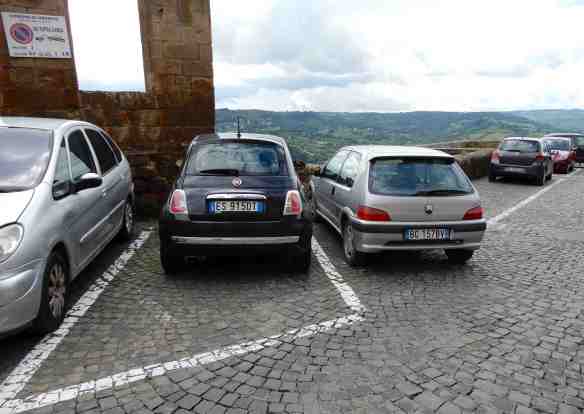
White lines mean parking is free but there may be time limits. If this is the case, it is a good idea to display the time you arrived on your blue disc. Travel advice warns that it is essential to park within the lines to avoid a fine, however, free spaces are often limited and so, creativity prevails.

8.Seggiano9.Orvieto10.Orvieto

It seems to be universal that parking areas marked with a yellow line are reserved for handicapped drivers and delivery zones.

11.Acquapendente

Some towns have pink spaces especially for expectant mothers and those with infants. Parking is not permitted in green zones on working days between 8 – 9.30am and 2.30 – 4pm. Often, there are no parking squares marked and it seems to be a free-for-all.

12.Grotte di Castro

It only takes one to start a trend. Don’t let a roundabout on the main thoroughfare deter you, just follow where others have led.

13.Le Grazie14.Le Grazie15.Le Grazie

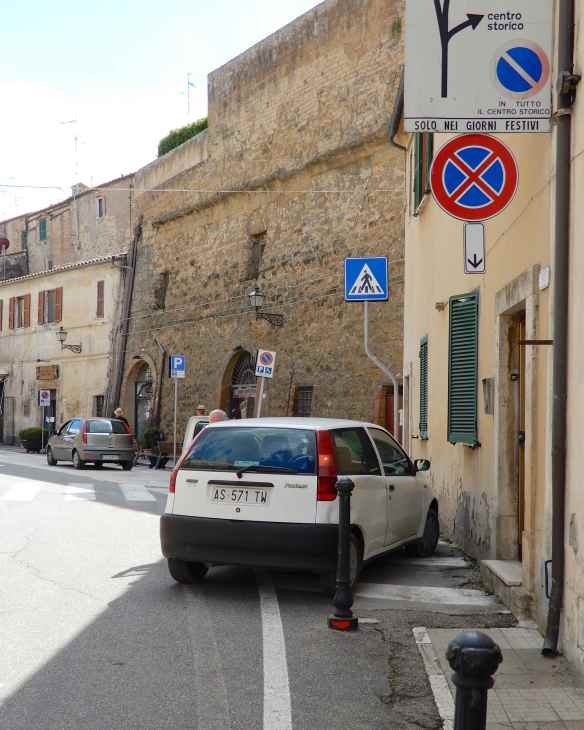
If there is no parking spot available, just leave the car in close proximity to your destination in the knowledge that passing motorists will avoid your vehicle.

16.Acquapendente

17.Pitigliano

If all else fails, don’t even pretend to look for a parking spot, just leave the Mercedes in the middle of the road while you go about your business.

22.Pitigliano

If your neighbour encroaches on your space, you are entitled to squeeze him out.

23.Orvieto

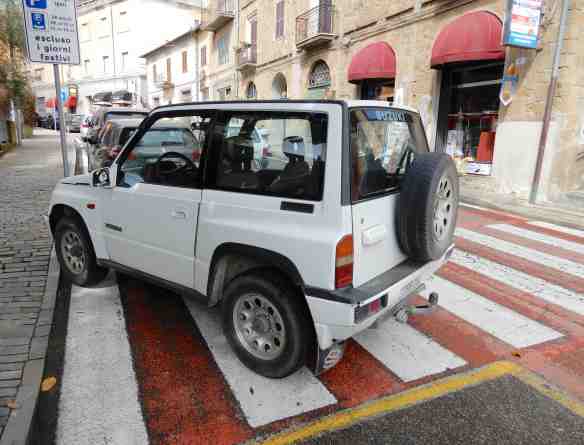
Sometimes there are zones that are just too confusing, the colours are random and there is no indication of time limits. This is what you do.

24.Acquapendente

Lake Plimsoll

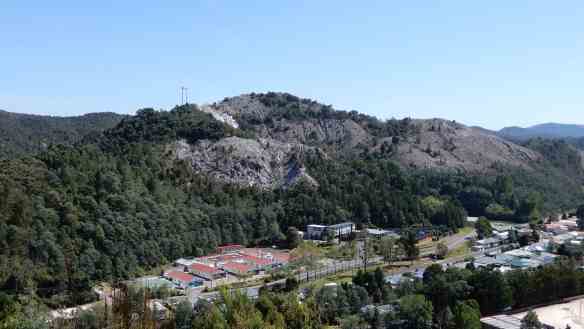
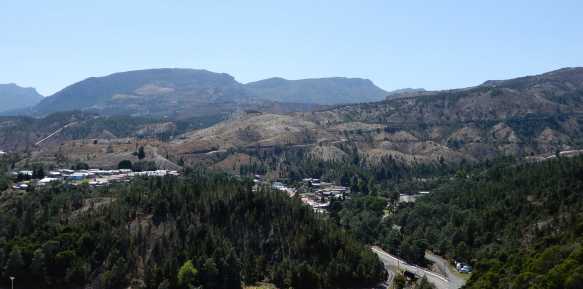
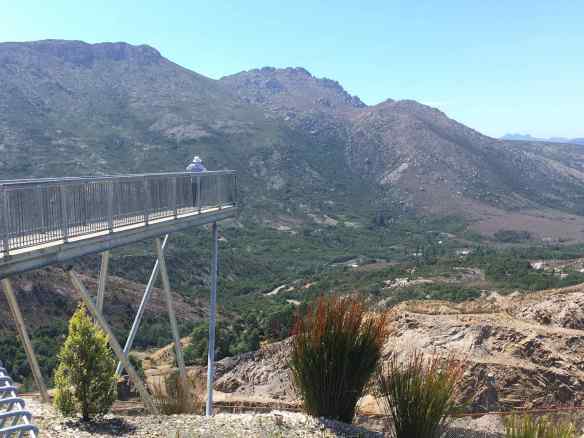
Our trip to Pumphouse Point earlier this year gave us the opportunity to travel a road we hadn’t been before. Anthony Road, built as part of the Hydro Tasmania scheme, leaves the A10 five kilometres south of Tullah and reconnects just north of Queenstown. I had been advised by a work colleague to stop at Lake Plimsoll lookout for some spectacular views, it was very good advice.

1.Lake Plimsoll

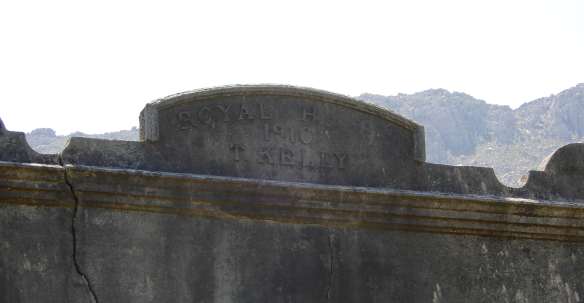
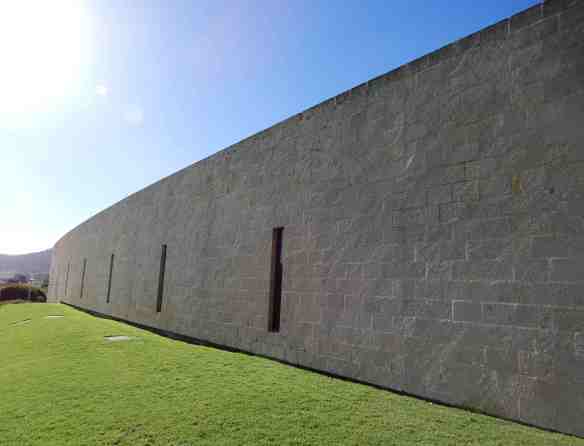
In 1994, the Anthony River was dammed by the Hydro-Electric Commission and the 340 hectare lake was created.

2.Lake Plimsoll

Named for Sir James Plimsoll, the Governor of Tasmania from 1982 to 1987, it was the last major dam constructed by the Commission.

3.Lake Plimsoll

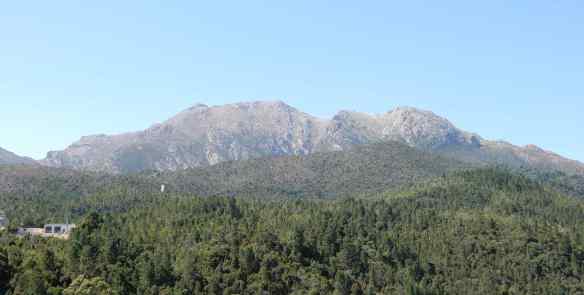
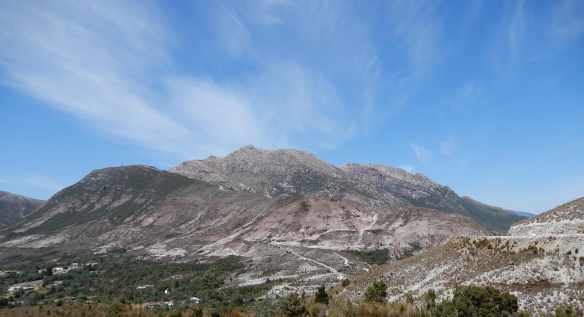
Beyond the lake lies the Tyndall Range, an area marked by the course of  glaciers in the last Ice Age. It seems fitting that it is named in honour of Irish physicist Professor John Tyndall, who had a special interest in glacier motion.

4.Tyndall Range

The sharp peaks of the range contrast with the gentle arch of Mount Tyndall, composed of Owen conglomerate from the Ordovician era, about 480 million years ago.

5.Mount Tyndall

We wandered down to the water’s edge, the sunlight sparkled on the surface. Stocked with brook trout, the lake is a popular fishing spot. I can imagine spending a few hours afloat, though I prefer the company of a good book to a fishing rod.

6.Lake Plimsoll

Ponte a Moriano

An easy walk from Villa Boccella, the lovely town of Ponte a Moriano had everything we could possibly need. A butchers shop,

1.Macelleria Pierotti

bakery with stupendous custard tarts

as well as another pastry shop we didn’t sample.

4.Pasticceria Furio

On the opposite side was a rather impressive gelataria that we again, sadly, didn’t try.

5.Gelateria Sauro

Further down the road was a bar next to a small supermarket

and heading out of town, the Melody Caffè advertised live music along with good food, beer and wine.

8.Melody Caffè

Of course, the collection would be incomplete without a $2 shop or, in this case, a €1 & €2 shop.

9.Uno,Due Shop

A very unassuming façade disguised the presence of a fabulous restaurant, Da Pinzo, where we enjoyed a delicious meal or two.

10.Da Pinzo

Tuesday was market day and we wandered down to Piazza Cesare Battisti on a beautiful, sunny morning to see what was on offer. There were colourful plants

and clothing

and more plants

and vegetables.
Satisfied with our purchases, we explored the town further and came across an old wall with steps that led to the other side.
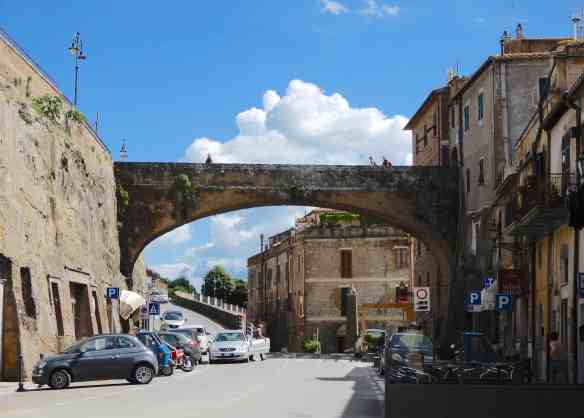
21.old wall22.old wall23.old wall

From the top of the wall we could see the Ponte di Sant’Ansano. The bridge was built in 1828 to replace the original medieval wooden structure, built in 1115, that was destroyed by floods in 1819.

24.Ponte di Sant’Ansano

Ponte a Moriano means, ‘bridge in the Moriano locality’ but the actual bridge is named after Saint Ansano, the patron saint of Siena who died in 304 AD. In the centre of the bridge, there is a statue of the Virgin and Saint Ansano.

25.statues of the Virgin and Saint Ansano

The view downstream is peaceful, the gentle sound of water tumbling over rocks a salve for the soul.

26.Serchio River27.Serchio River28.Serchio River

This lovely home has prime position.

29.riverside house

Once across the bridge,

30.Ponte di Sant’Ansano

we could look back at the town and the riverside homes upstream.

31.Ponte a Moriano32.Ponte a Moriano33.potting shed

The magnificent Convento dell’Angelo was clearly visible, the white walls contrasting vividly with the green of the hillside.

34.Serchio River upstream

The church and adjoining monastery was built in the 1820s for the Passionist Fathers and is now home to the Academy of Montegral.

35.Convento dell'Angelo

There were so many things to appreciate in Ponte a Moriano, one that really stole our hearts was this little Fiat. I want one.