devilish dining

The Tasmanian Devil may not fit the ideal impression of cute and cuddly but I think they have a certain appeal. A recent visit to Wings Wildlife Park confirmed my notion and, watching them lazing in the sunshine, I would go as far as saying they are adorable.

The glossy dark fur is marked with a characteristic white stripe across the chest and sometimes across the rump.

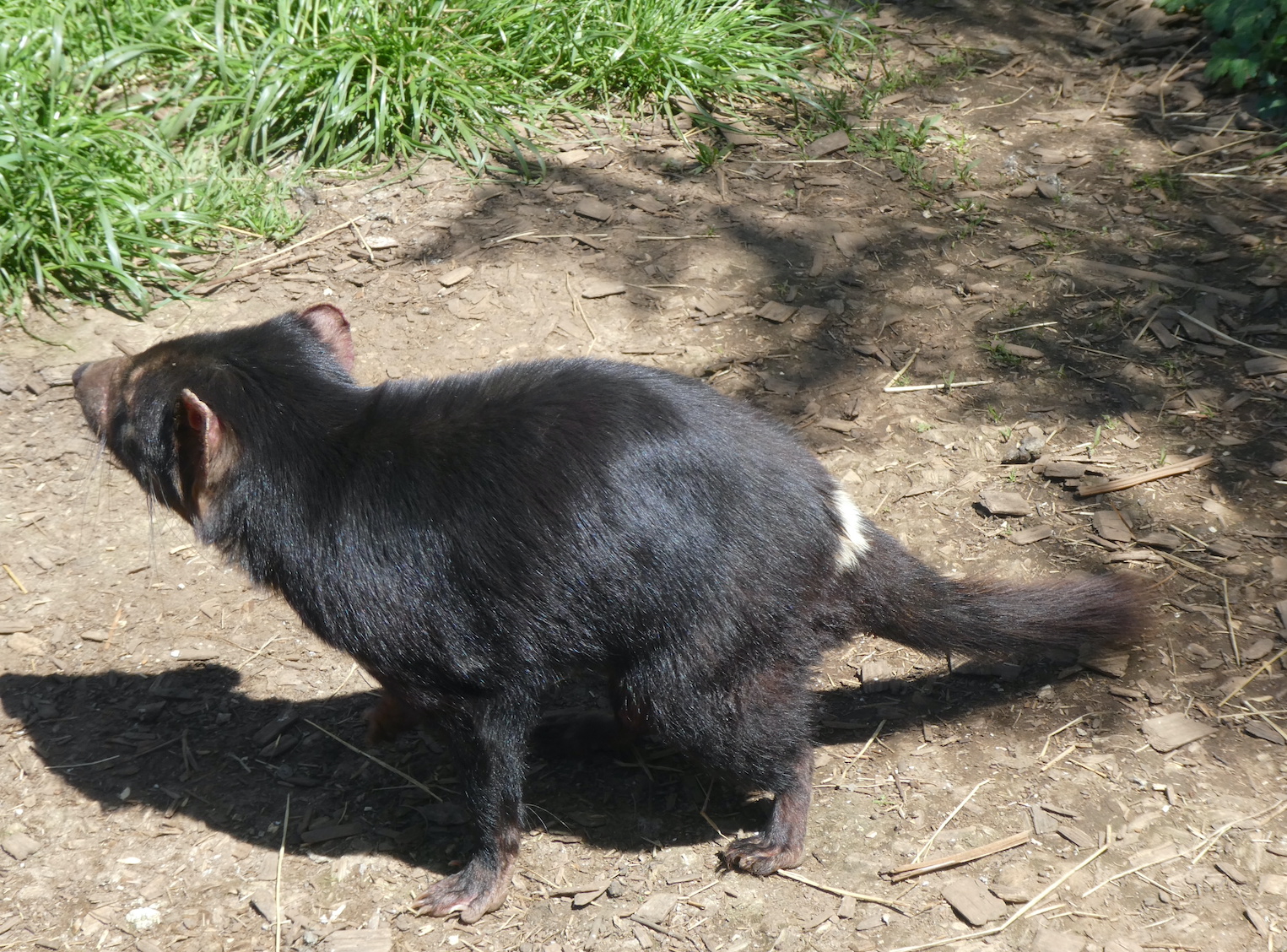
The largest carnivorous marsupials in the world, the devils powerful jaws and teeth enable them to devour every scrap of their food, including bones and fur.

The Devil Facial Tumour Disease, first recorded in 1996, decimated the devil population and a large network of captive breeding programmes was established in the early 2000s. The contagious cancers were transmitted through biting during the fierce competition for food. Facial scarring is not unusual from the frenzied activity.

Peace was about to be shattered

as a meerkat impersonator spotted the arrival of lunch.

There is nothing quite like a succulent wallaby leg to elicit the grunts and growls that have earned the Tasmanian Devils their reputation for being aggressive.

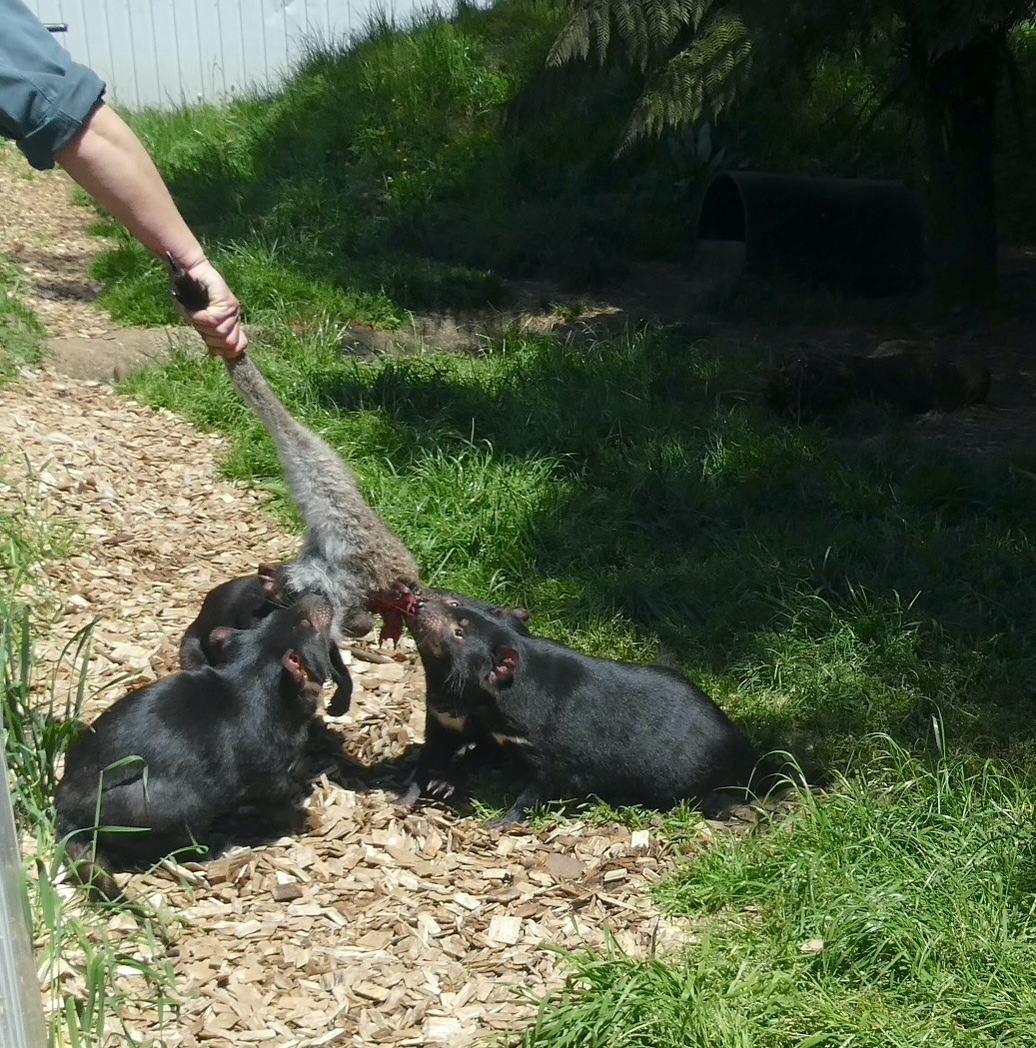
They seemed to understand the concept of sharing for a while

before breaking a large enough morsel to enjoy in private.

precious Pinot

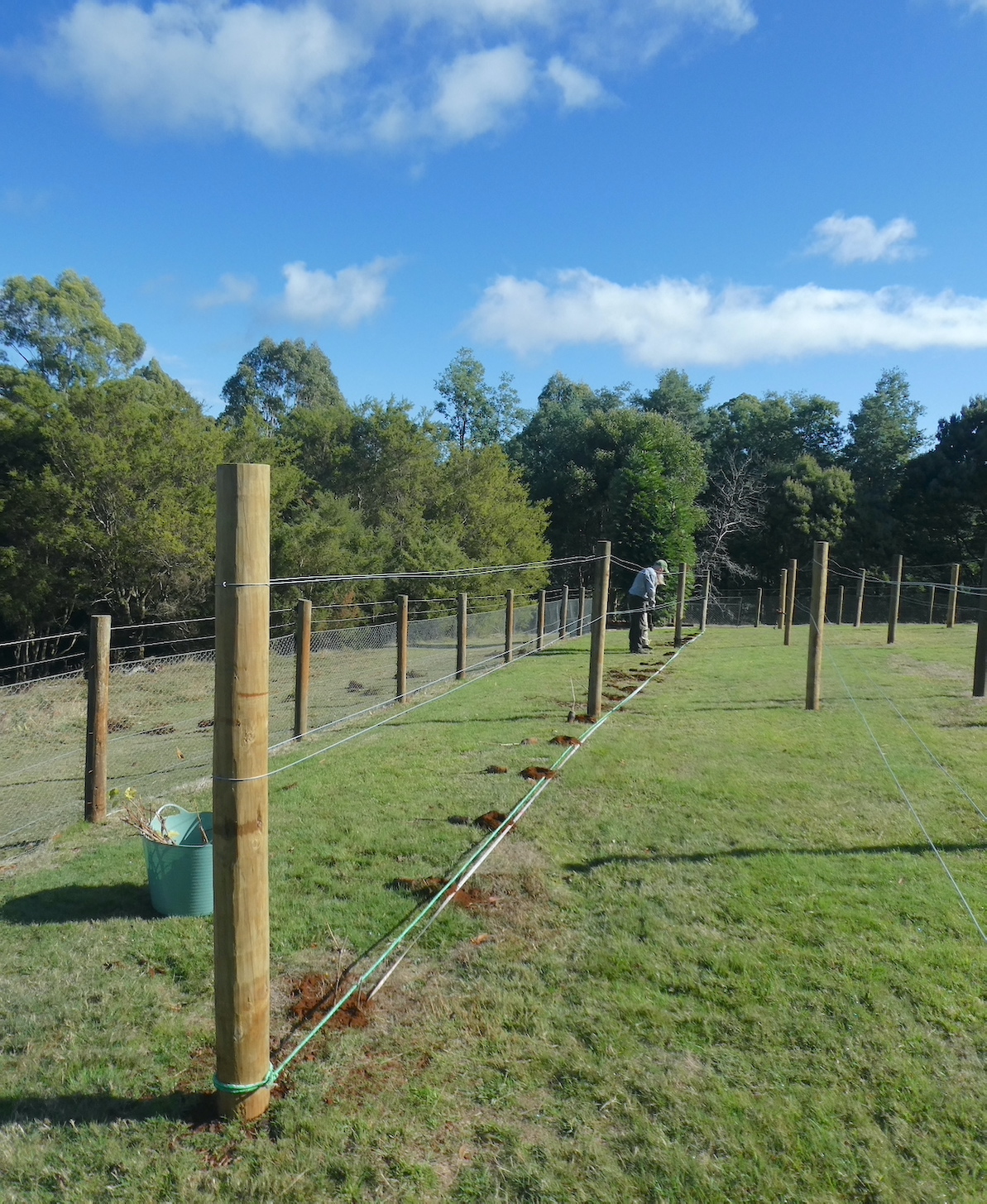
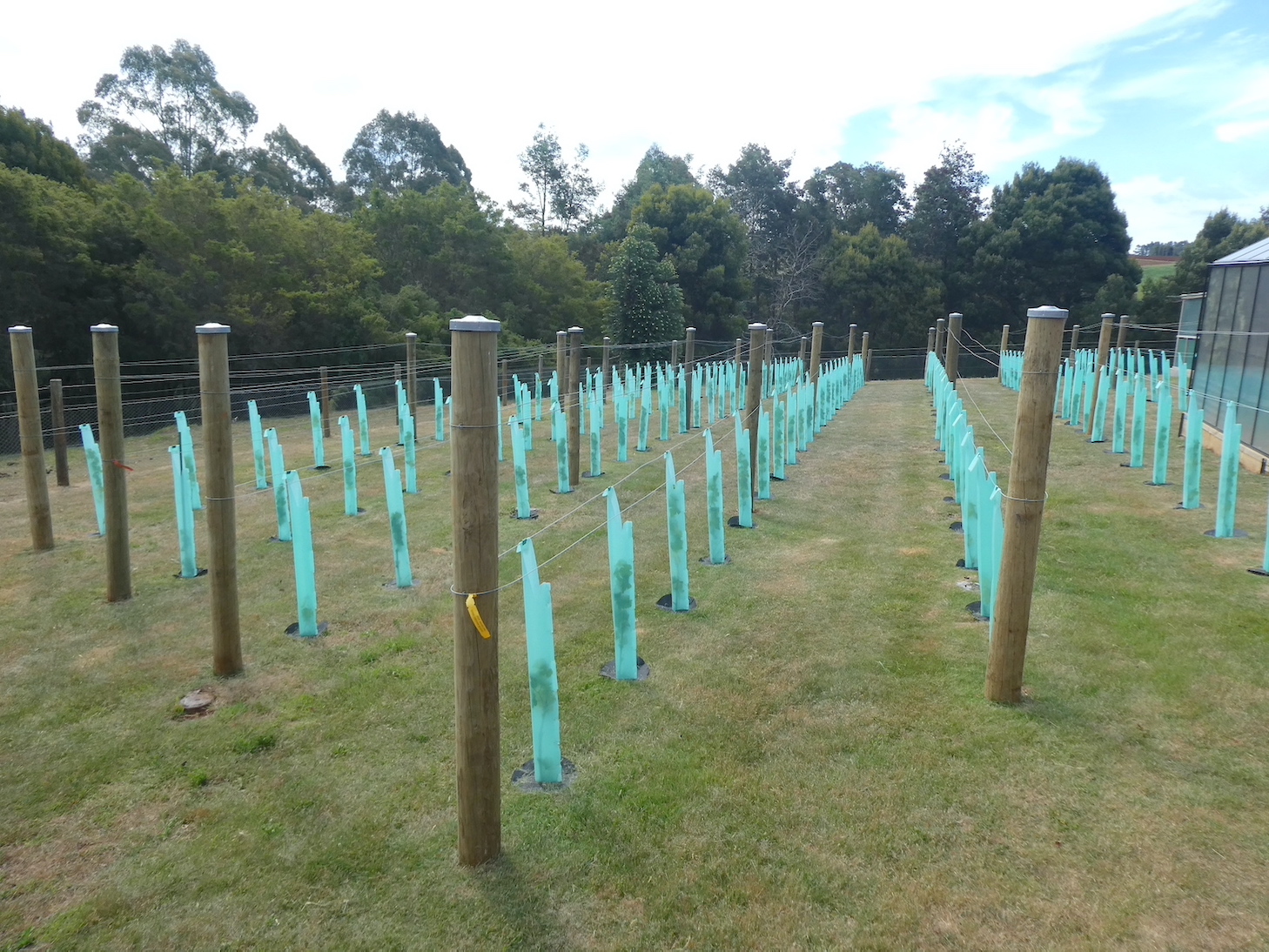
Last summer, a conversation over lunch with a friend revealed her desire to establish a micro-vineyard. However, finding the right parcel of land was proving difficult, at which point we offered a few options on our property. The area designated as ‘orchard’ when we moved here has, over the years, seen the demise of the aged fruit trees and we had intended moving the remaining plants. This plot was deemed perfect for the project. Posts were added to our already existing few just before the new year

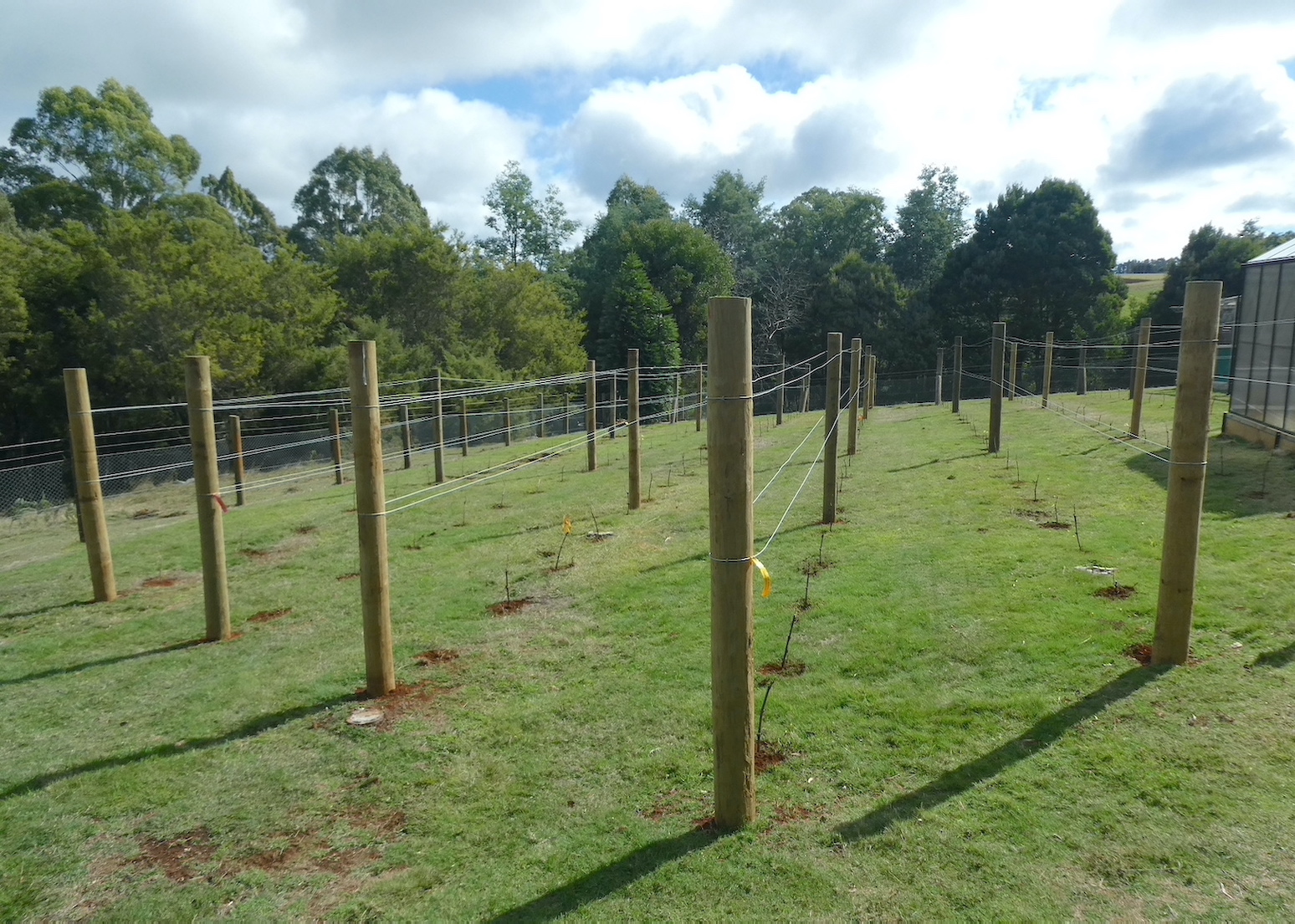
and support wires were strung soon after.

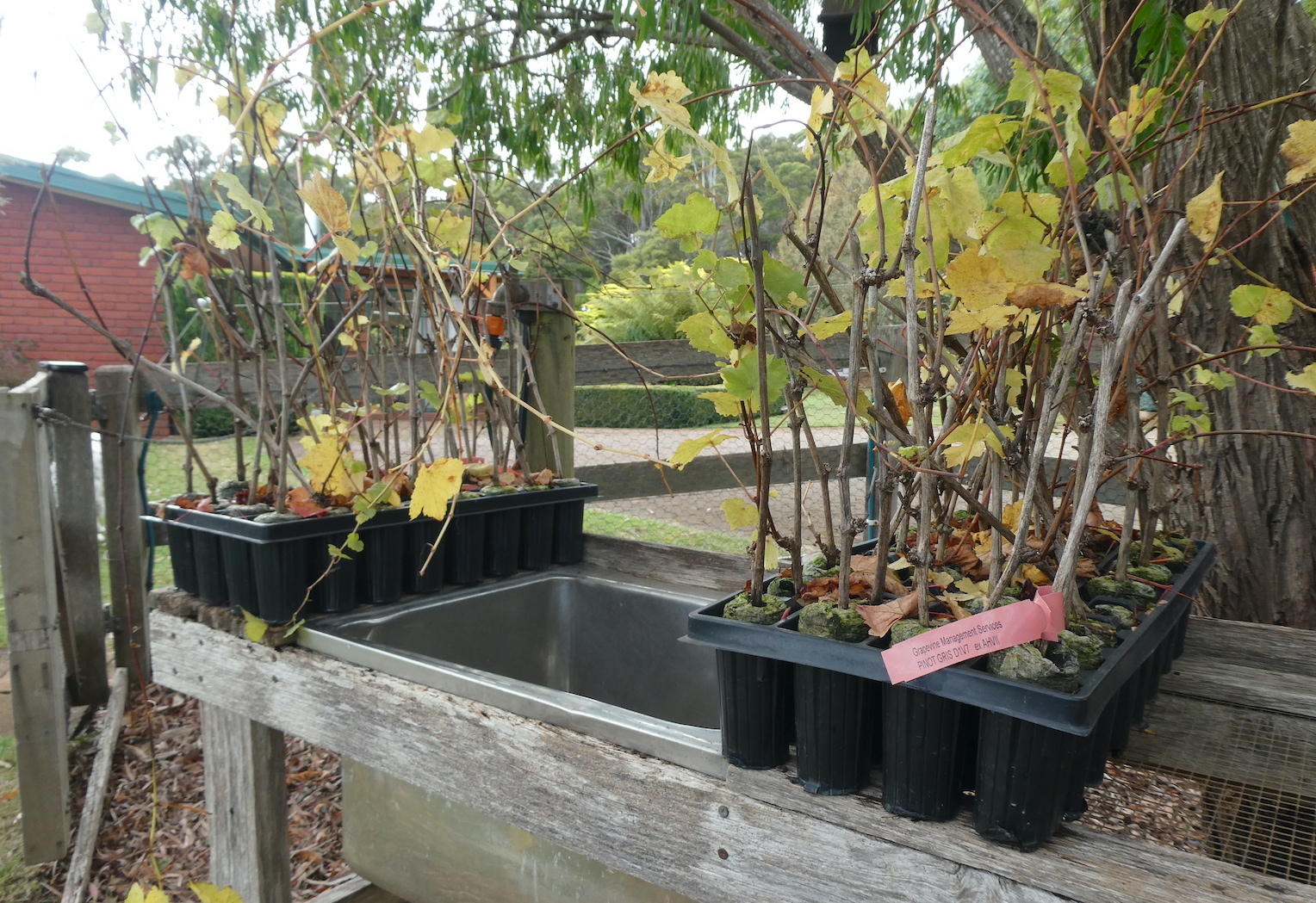
The vines were secured within the veggie enclosure through summer

until ready for planting in autumn.

Each vine was trimmed to the first two or three buds

while Michael took up the auger and embraced the arduous task of hole digging.

Each plant was placed into the precisely drilled holes, backfilled and watered

until 158 vines nestled in their new home.

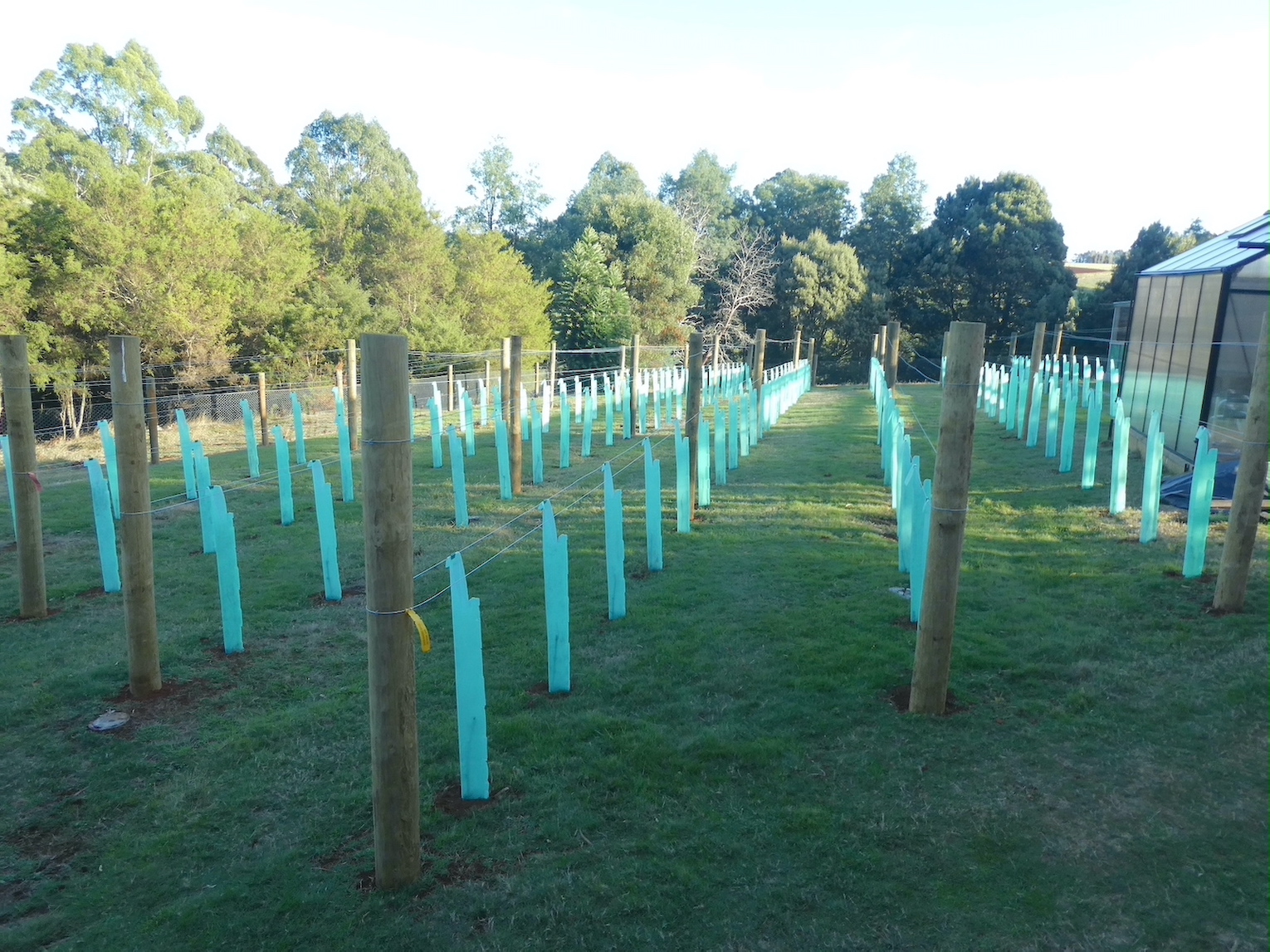
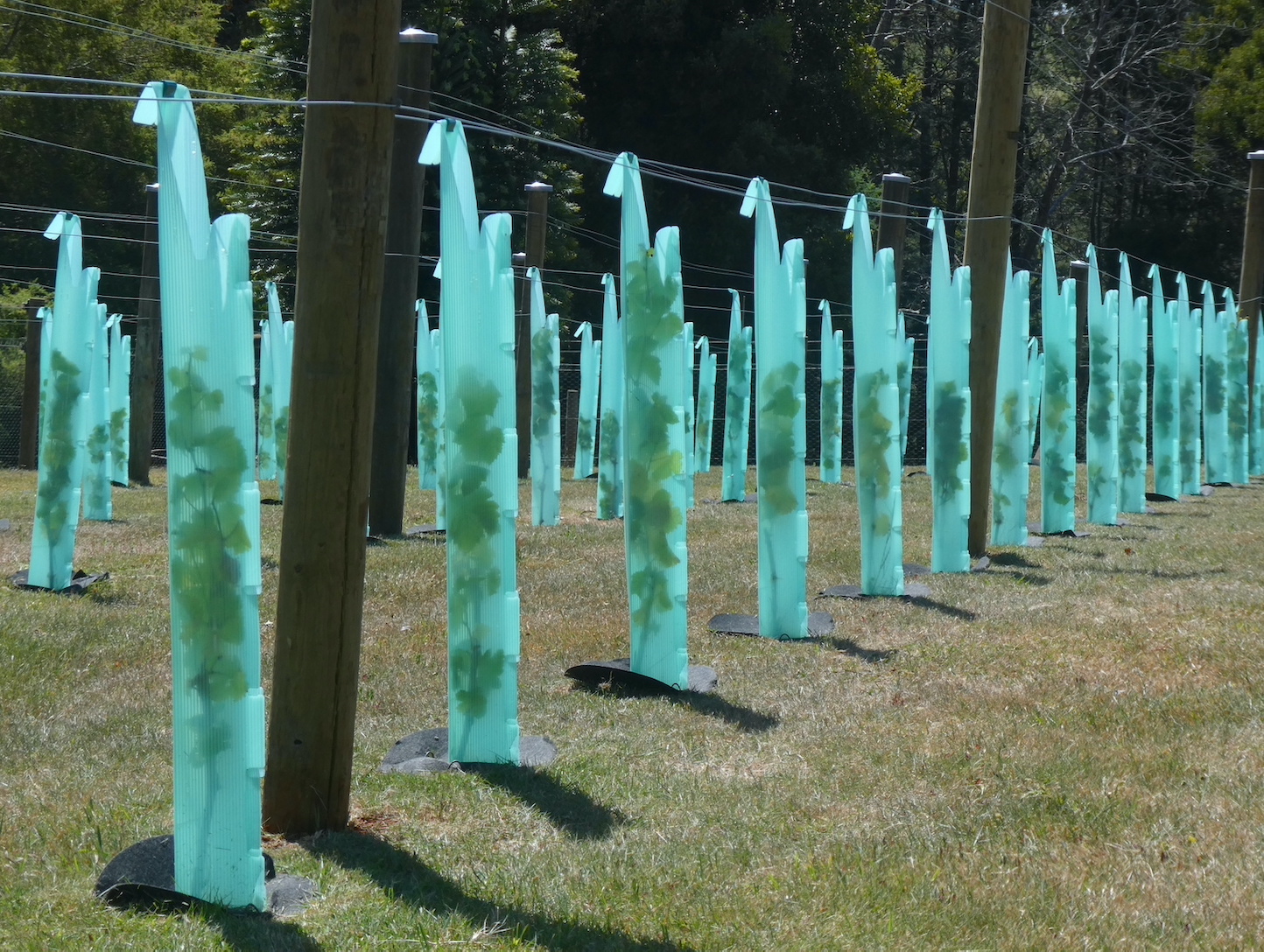
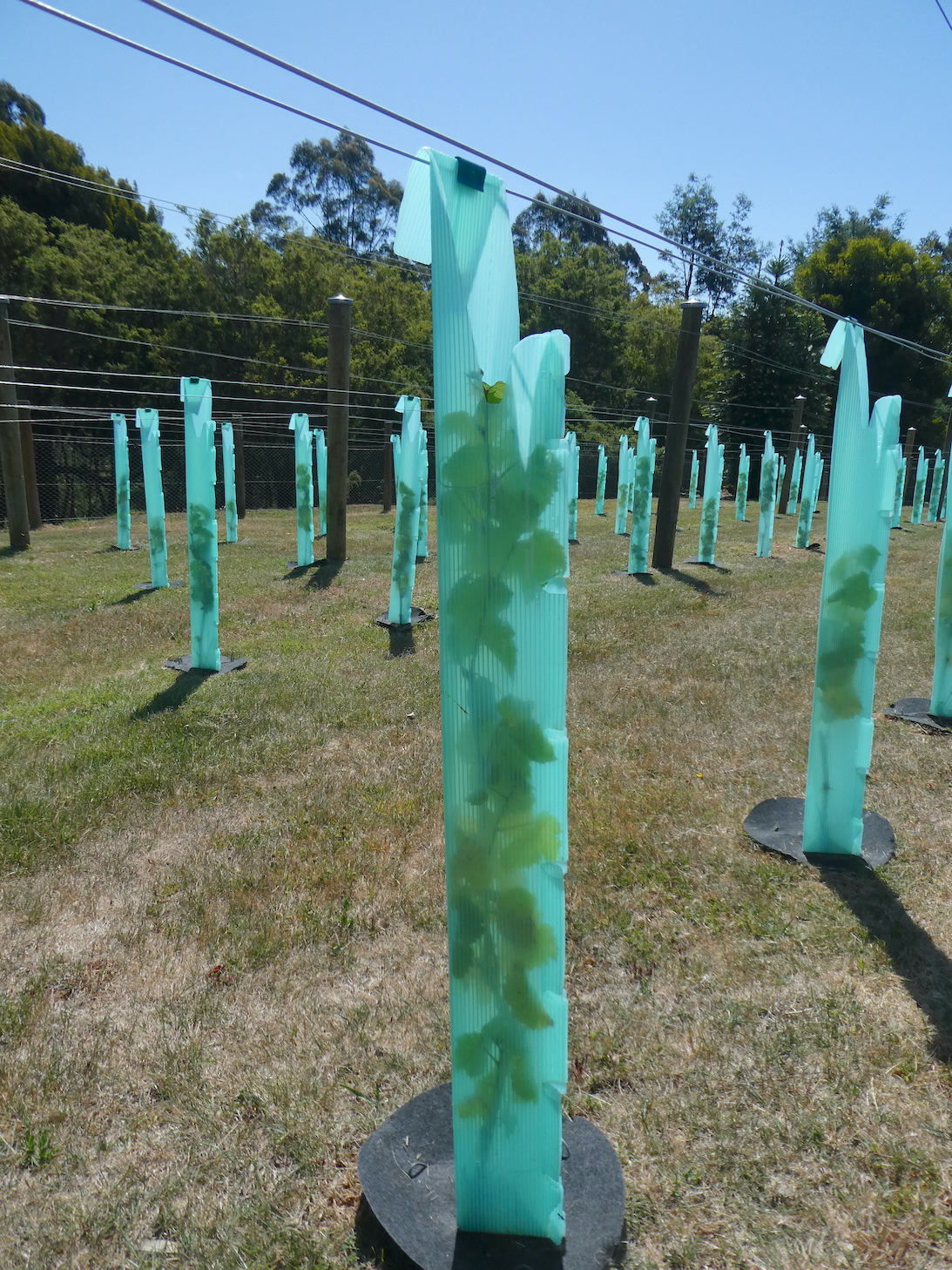
Tree guards would protect the youngsters through the winter months and stave off attacks by marauding wildlife.

There was nothing left to do but wait and let nature work her magic. Seven months later, they are thriving, safe from the dreaded spring winds within their corflute cocoons.

There are two rows of Pinot Gris and the rest are Pinot Noir, a few years away from the bottle yet but an exciting journey lies ahead.

grand greenhouse

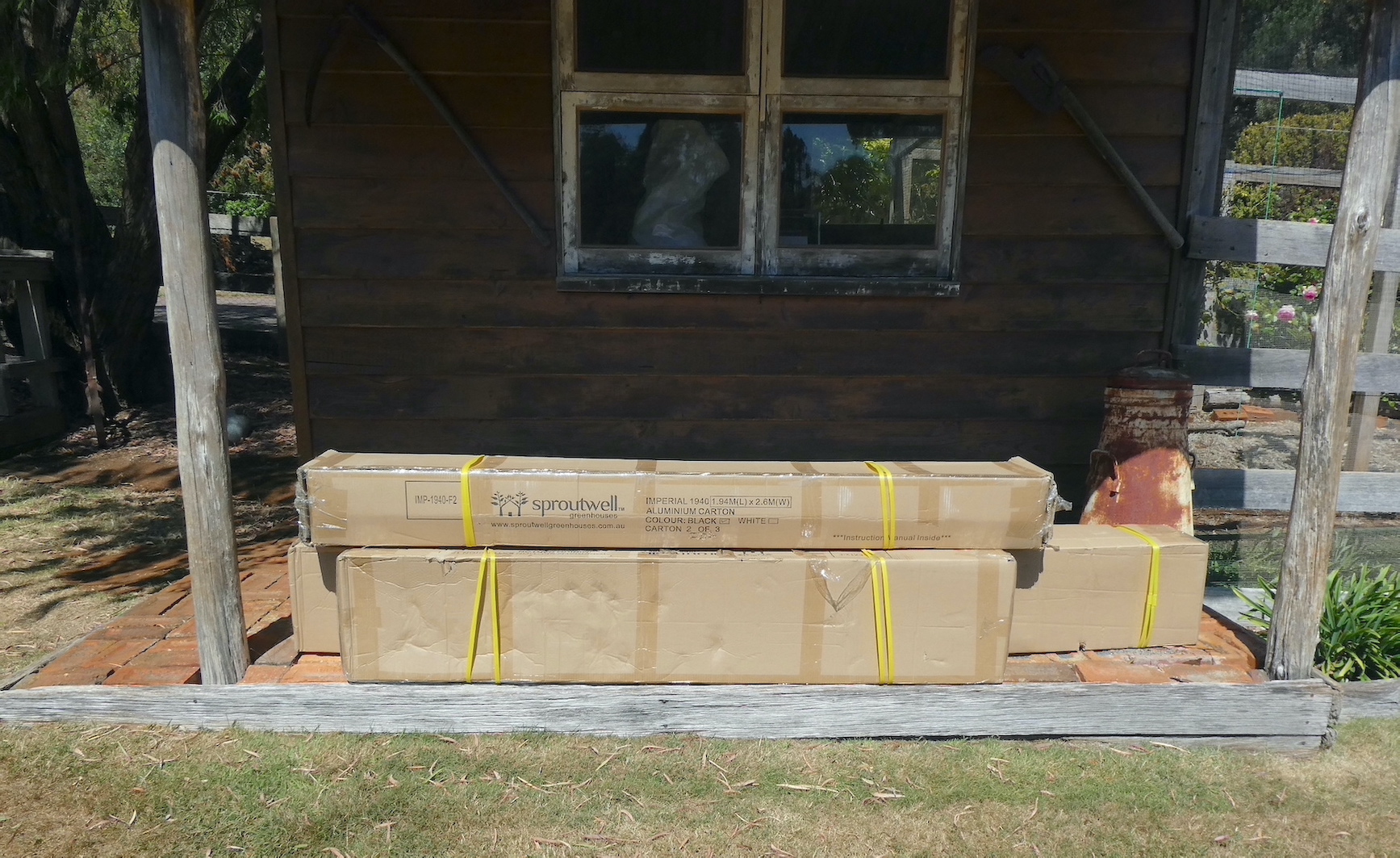
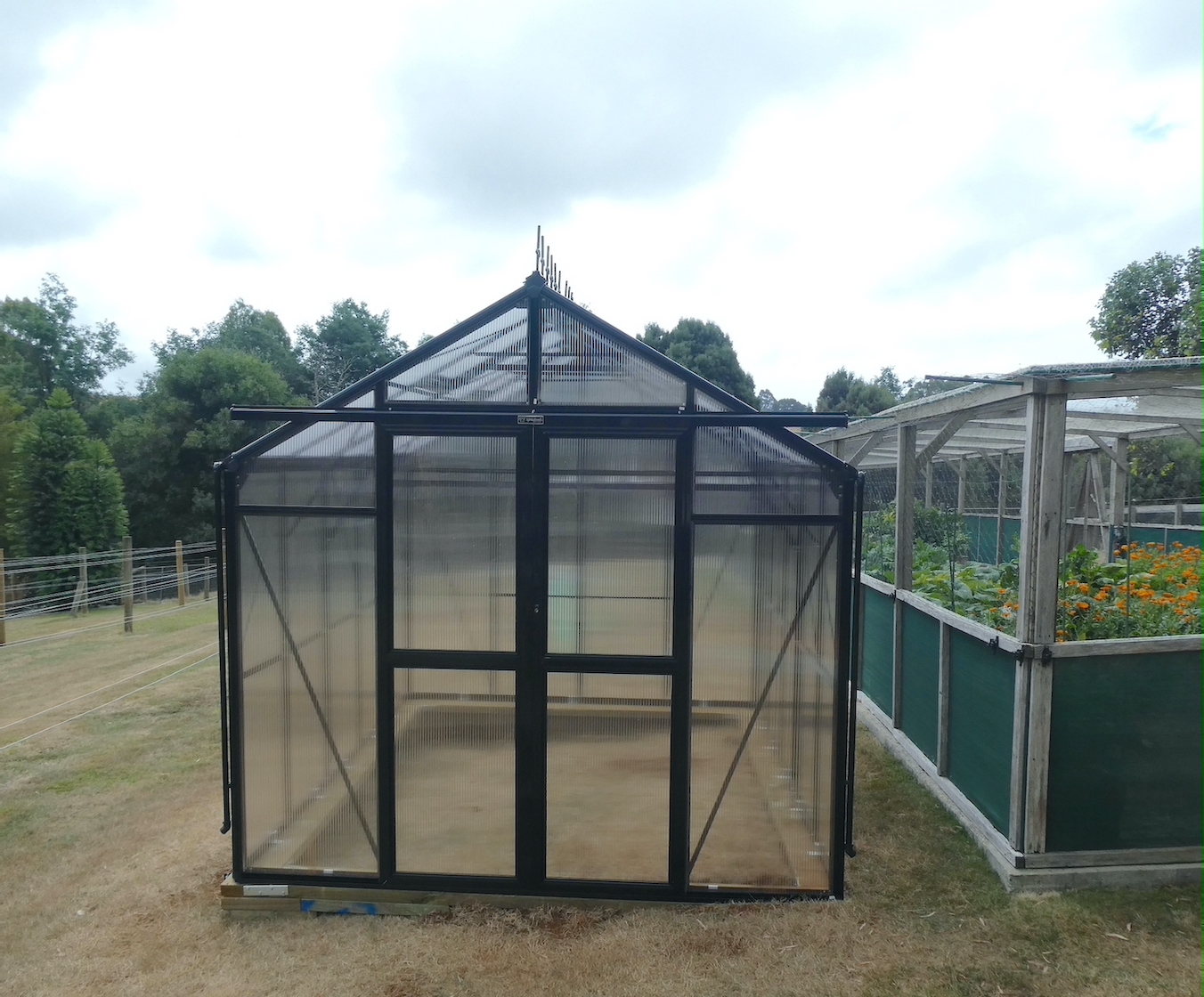
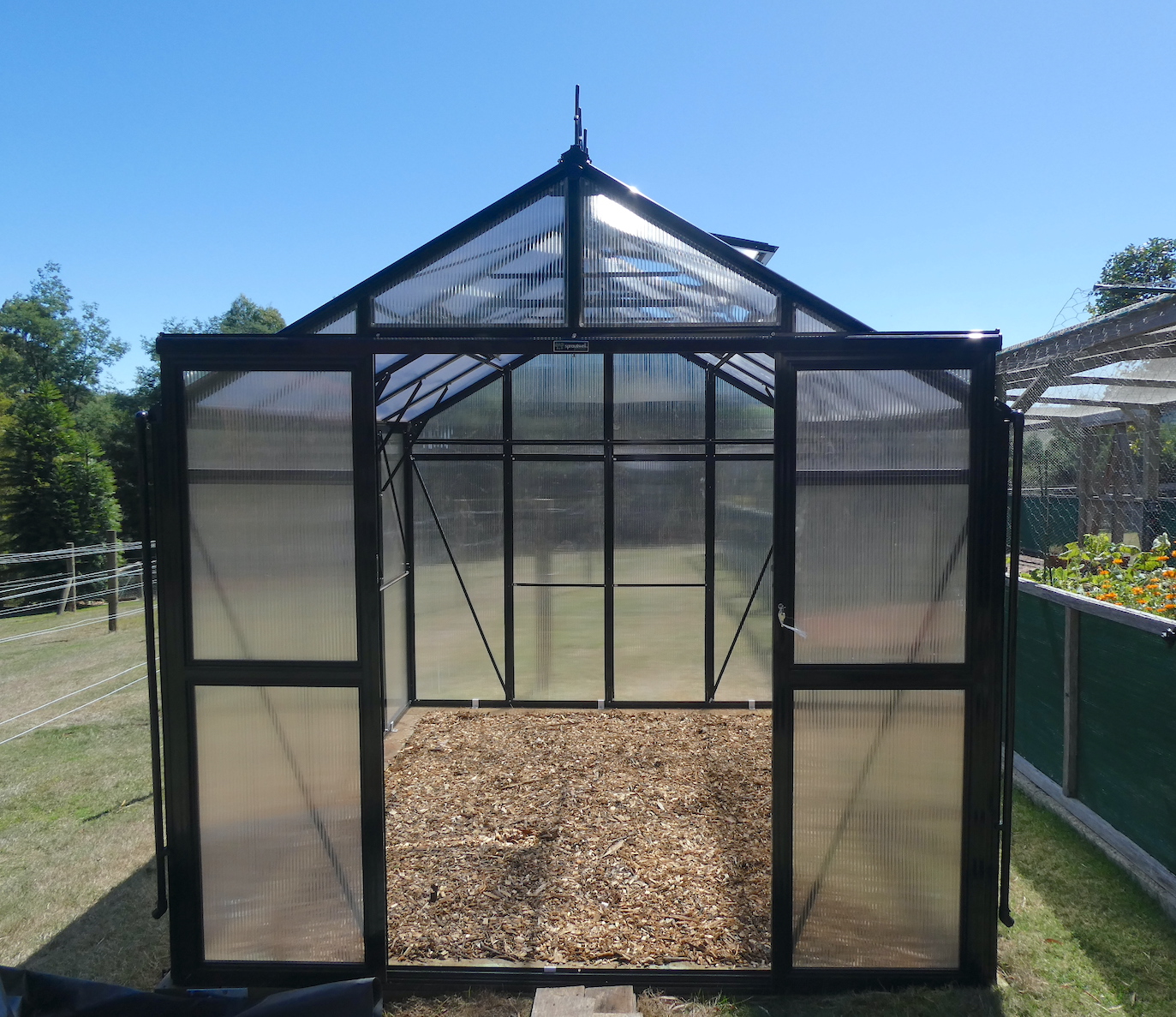
Although our veggie patch is prolific through summer, it tends to be somewhat limited once the colder months descend. After much contemplation, we took the plunge and ordered a greenhouse last February.

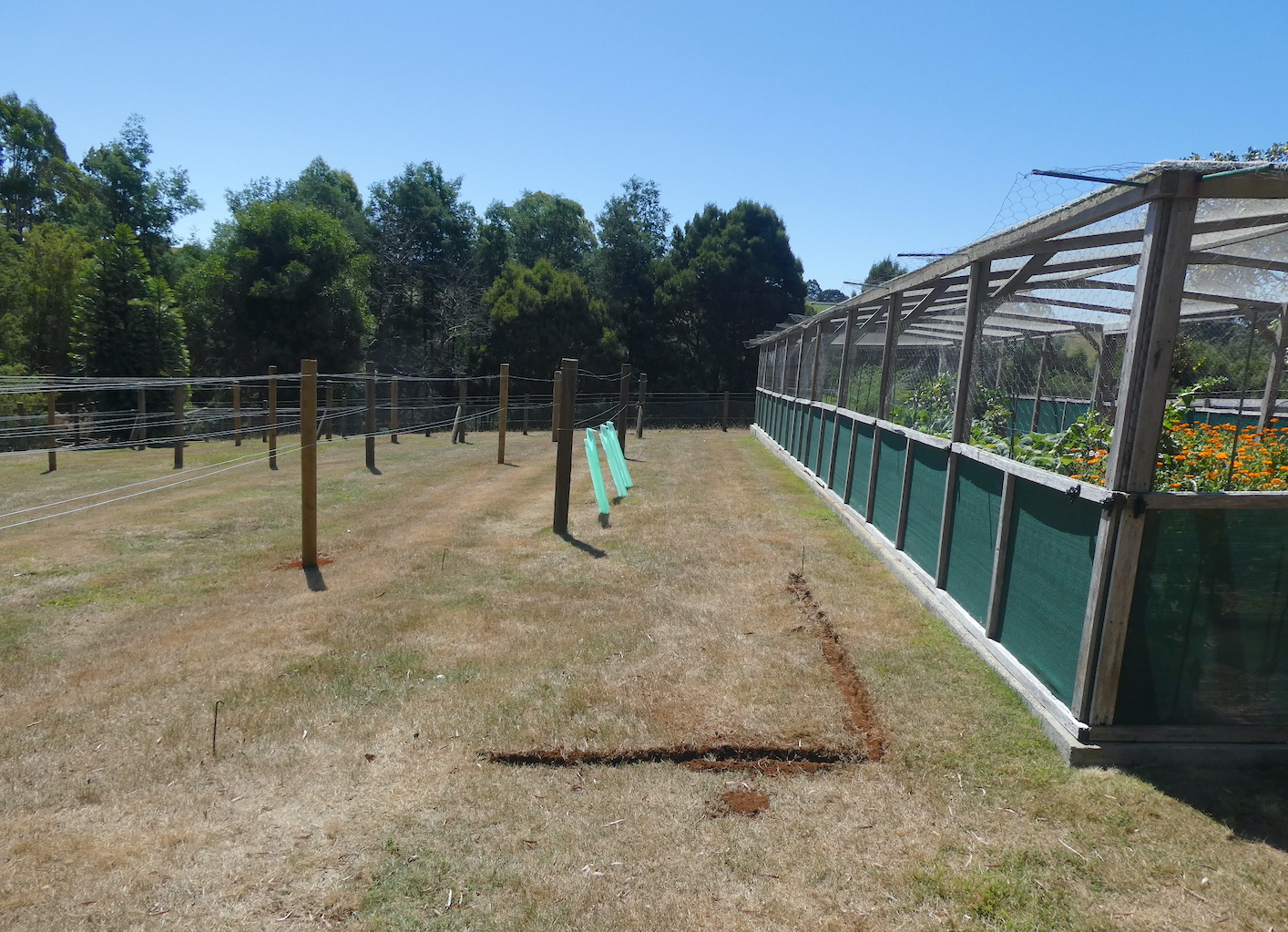
We chose a site adjacent to the vegetable enclosure with the potting shed and running water close by.

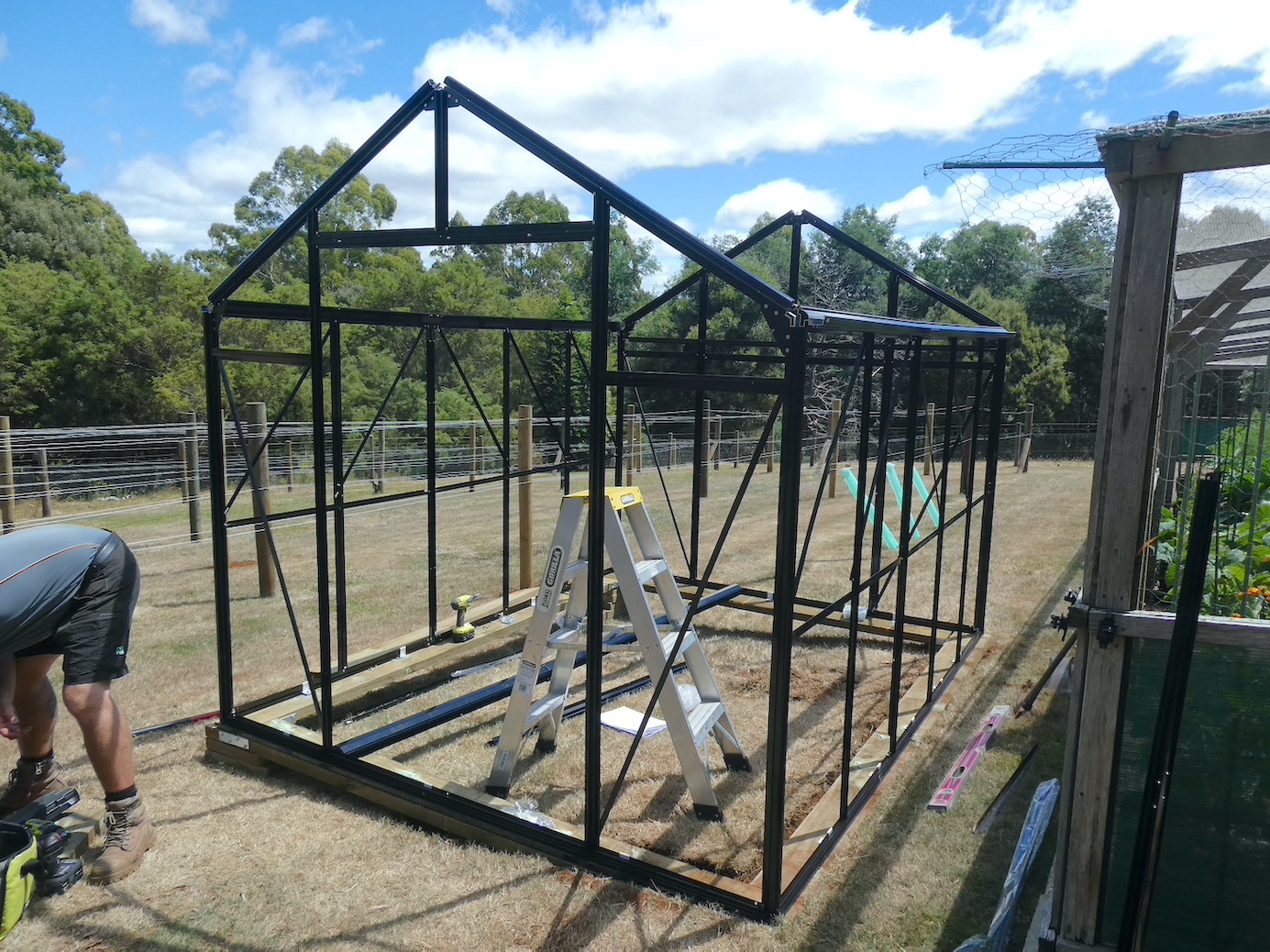
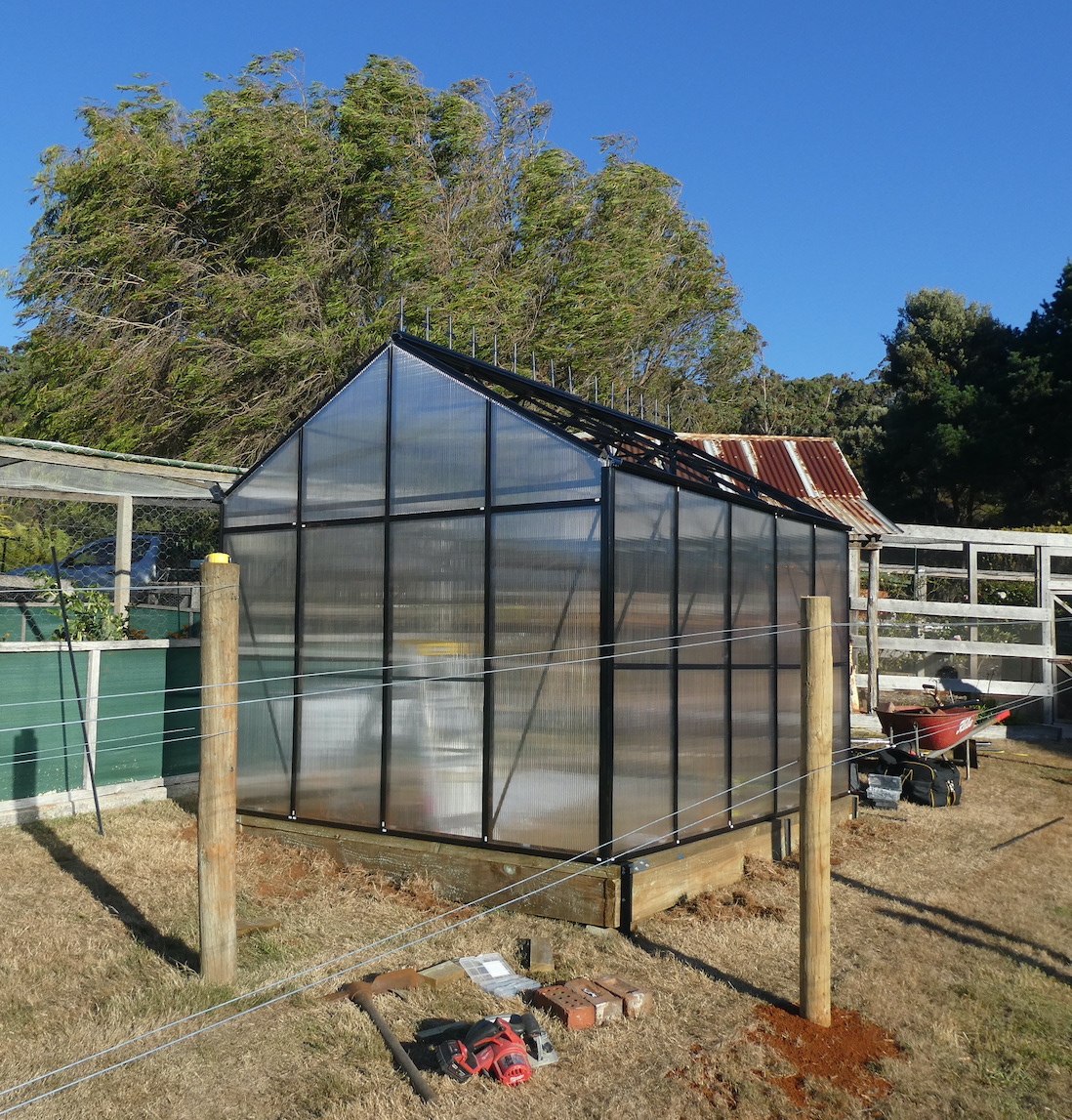
We have found that self-build is not always the easy option, with dubious instructions and missing pieces and so, we relied on those with prior experience. Even so, it took a little longer than the one day allocated to finish but the result was worth it.

We brought in a couple of scoops of earth for the base followed by a layer of blue metal to assist with drainage and a topping of mulch that can be watered down to increase humidity.

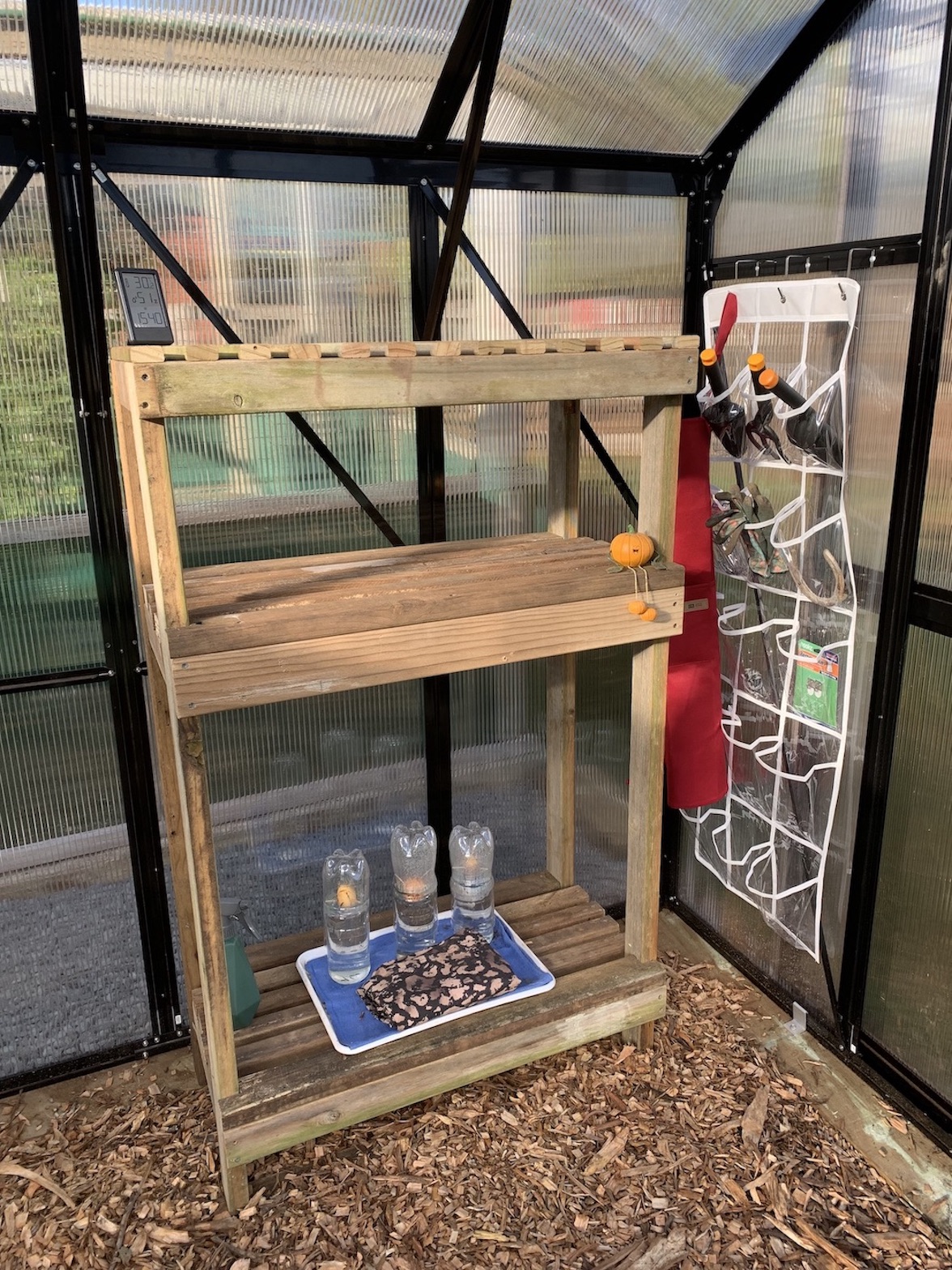
Michael constructed a staging shelf out of reclaimed timbers

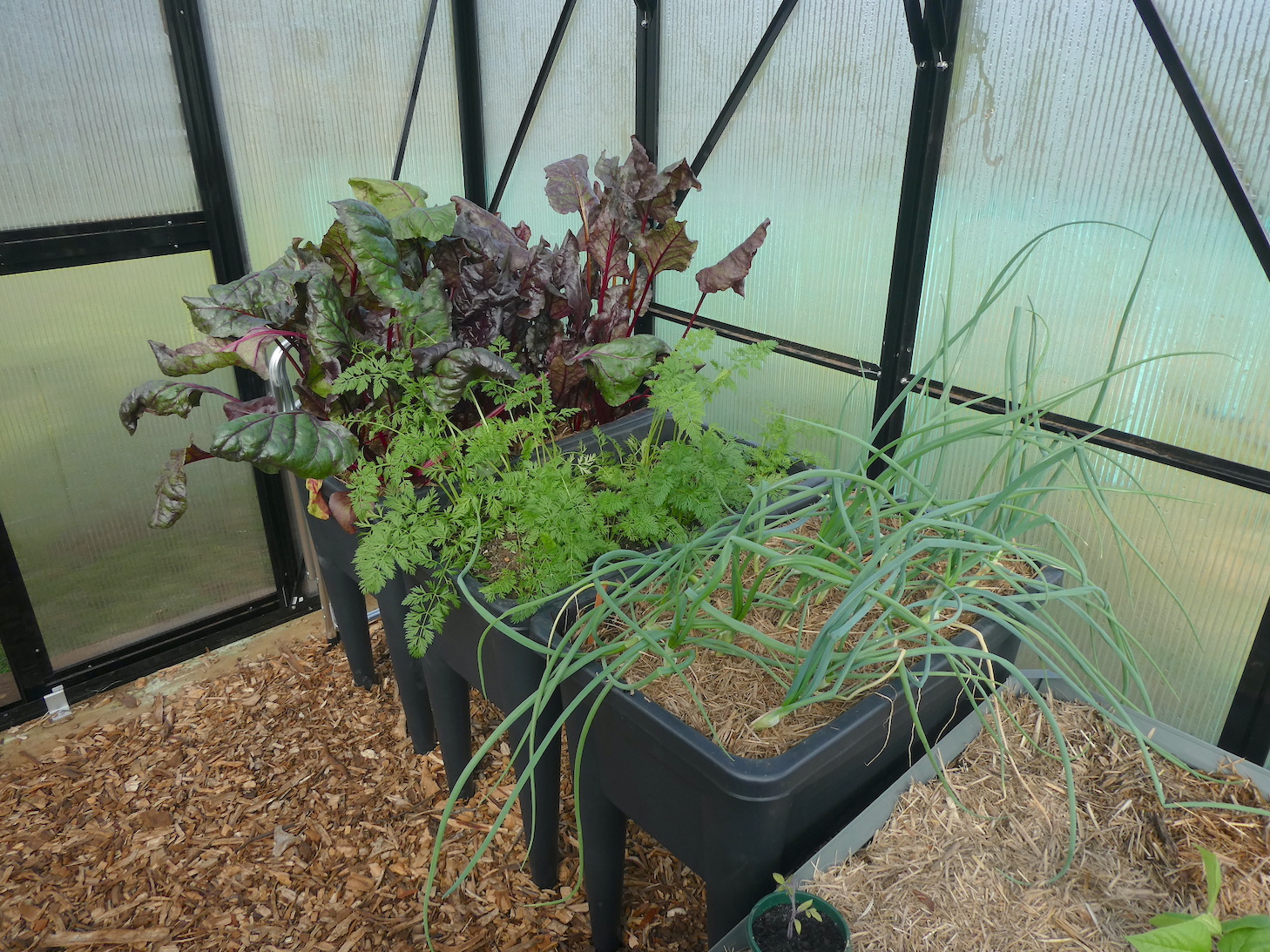
and we bought raised beds to fill the rest of the space. Once we realised how high the temperature reaches, we installed a sunshade on the northern side.

A temporary trestle provided the perfect environment to cure the butternuts in May. I then store them on a shelf high in the  potting shed where they last for a good six months.

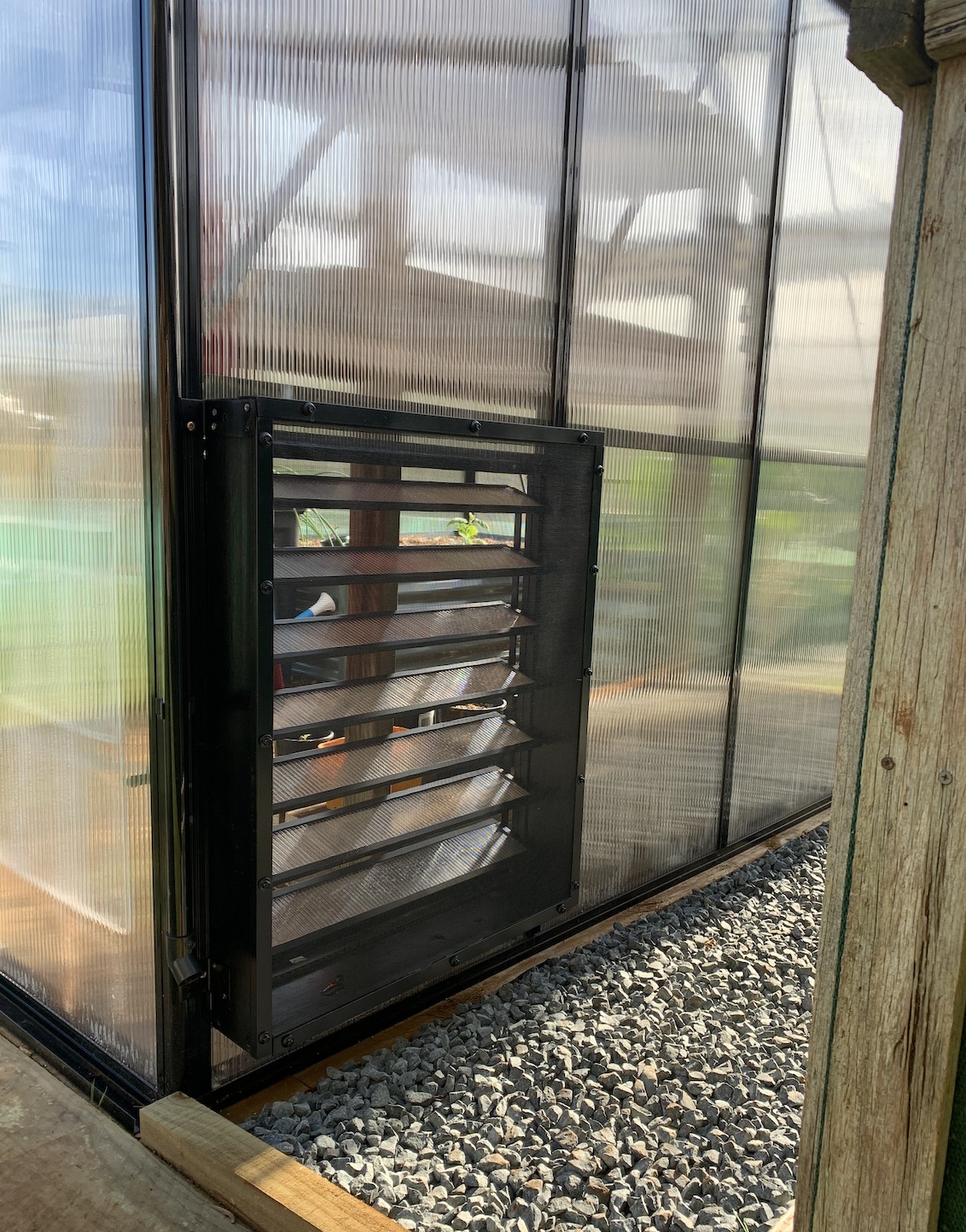
To help with temperature control, we added louvres to one of the panels and Michael cunningly created a screen to keep out creepy crawlies and resident reptiles.

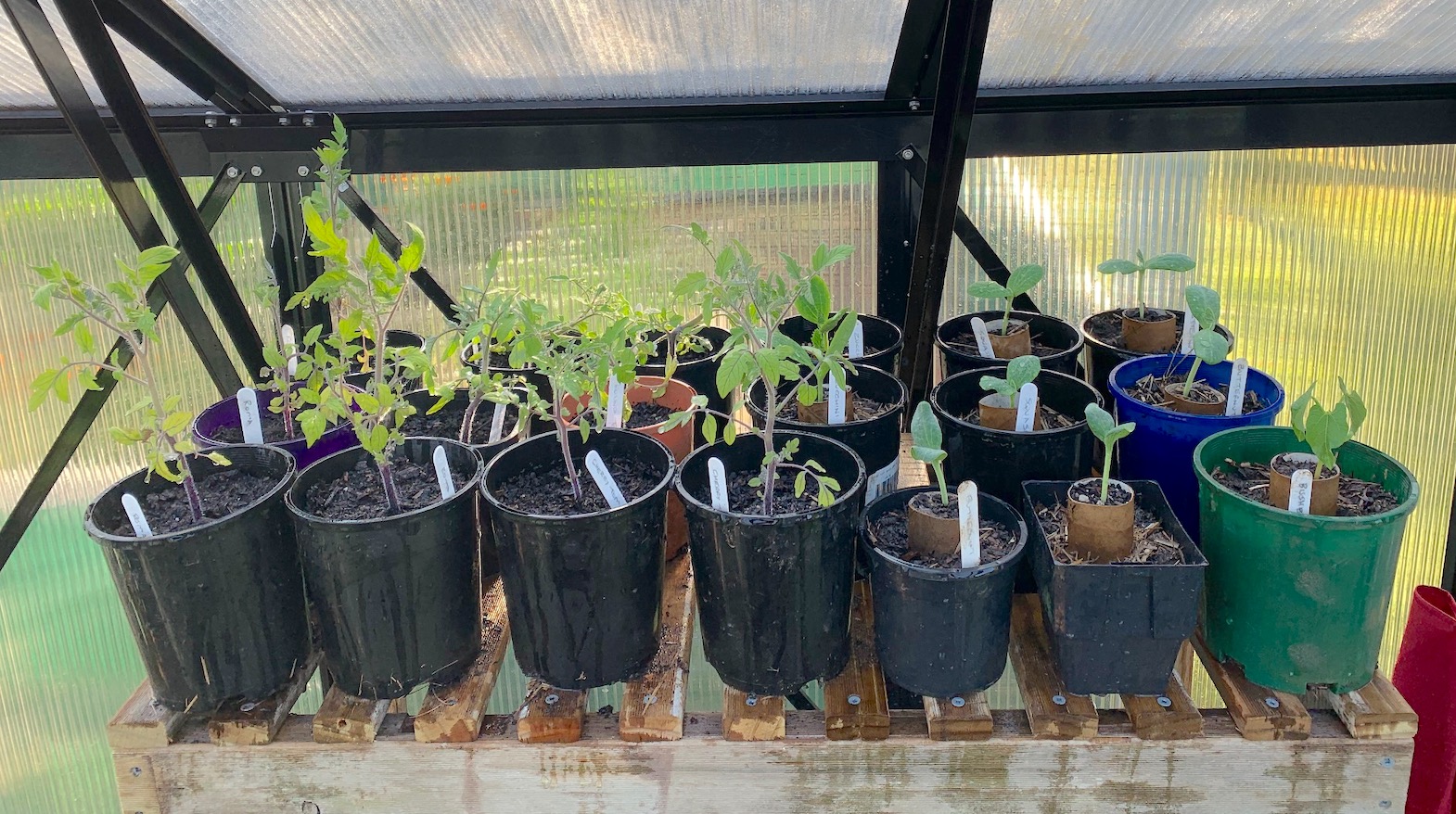
Being in the apprentice stage of greenhouse gardening, we weren’t sure which plants would be successful. We started with brassicas, beetroot, carrot, onion, capsicum, butternut and bush bean.

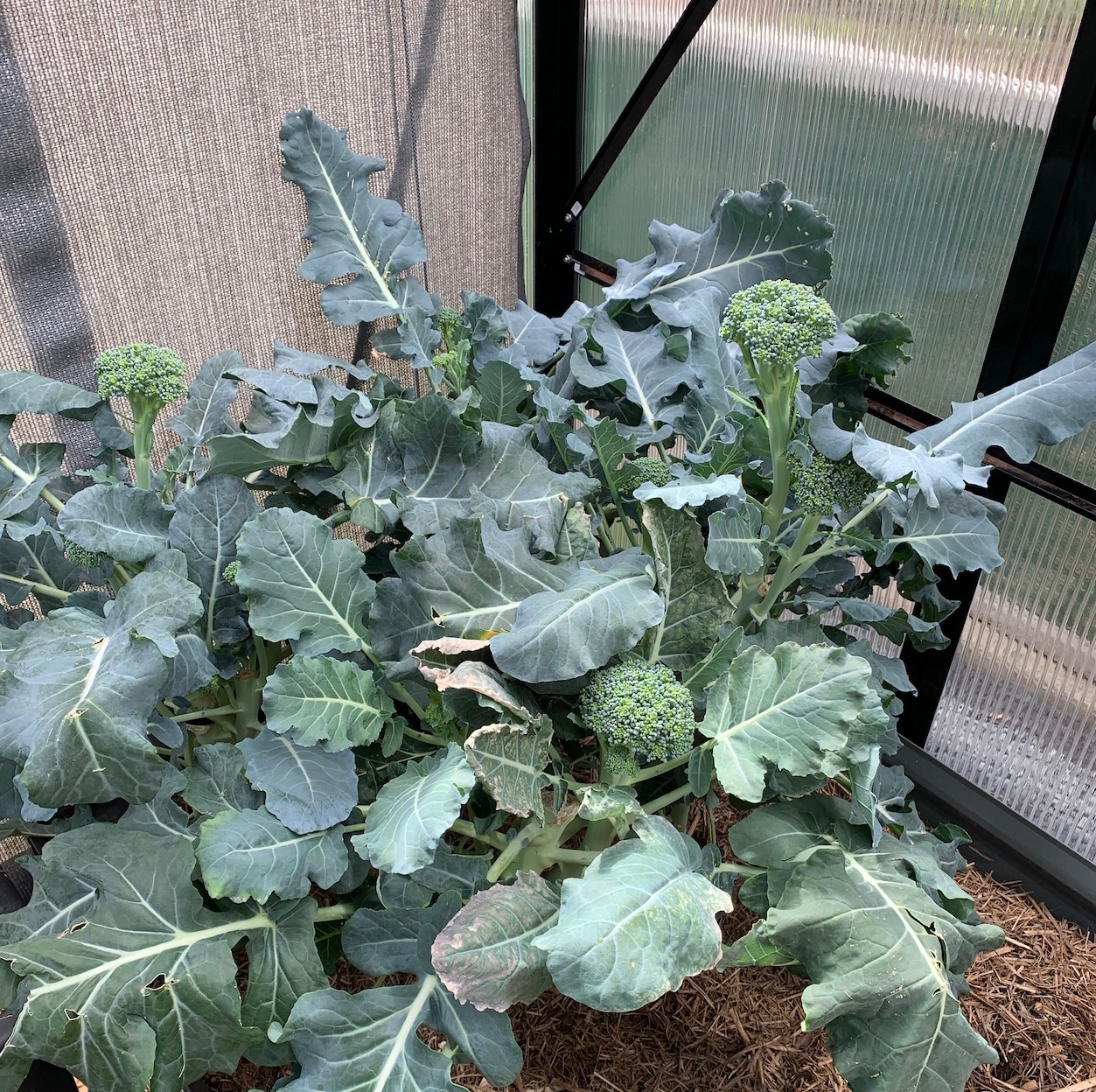
The first broccoli was very impressive and, three months on, we are still harvesting smaller florets.

The capsicum are thriving but yet to bear fruit.

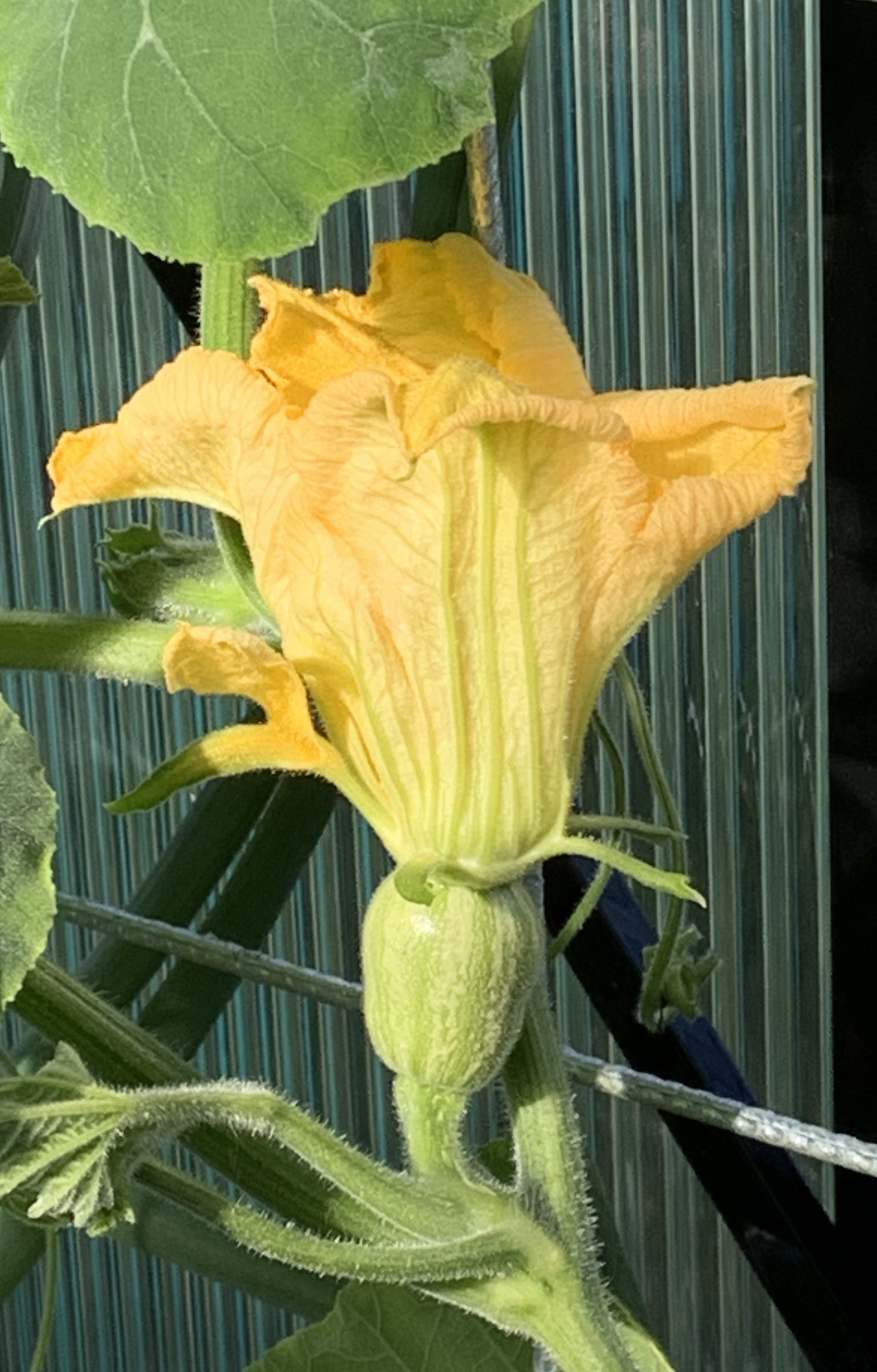
The bush bean and butternut are happy companions, we have harvested some beans but will have to be patient for the butternuts.

We have a plethora of seedlings ready to plant in another week or so, once the night time temperatures are a little more moderate.
My first attempt at striking Grevilleas from cuttings seems to be successful,

and after many months of coddling, the avocado stones have finally sprouted.

Michael has turned on the tap of creative juices once again and presented me with a stylish trug to collect the harvest

as well as a bespoke egg collecting box (the girls are giving us 5 to 6 eggs a day).

Of course, I needed a keyring befitting a fine greenhouse.

renewable rain

There is a belief that it rains all the time in Tasmania. This is a myth. We have four distinct seasons and hot, dry summers just like any other city on the 41st parallel (Rome, for example). Our rural paradise is reliant on rain for water supply, although we have a spring fed dam that services the garden. We soon realised the original 13,500 litre tank would not suffice and replaced it with a 15,000 litre

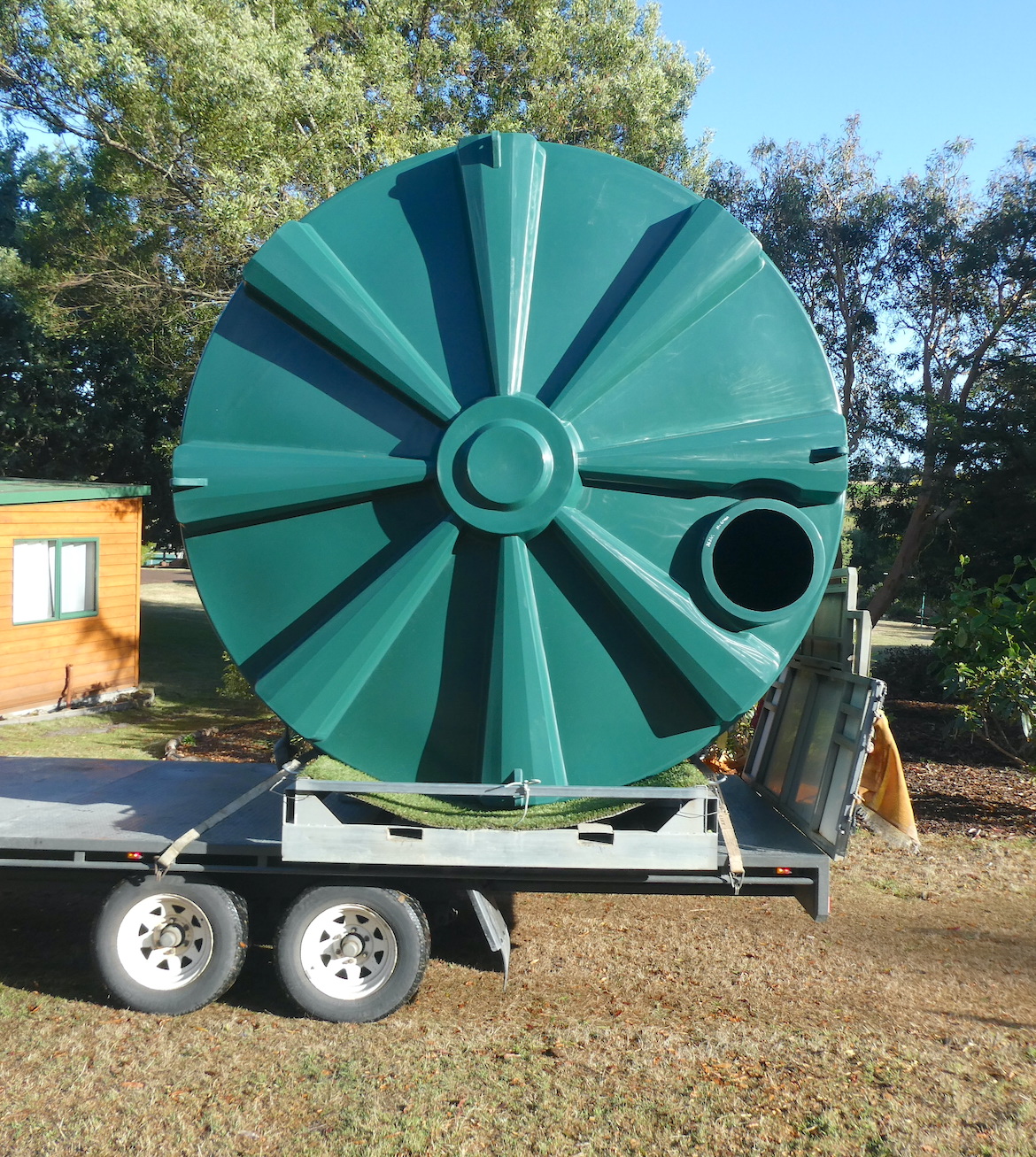
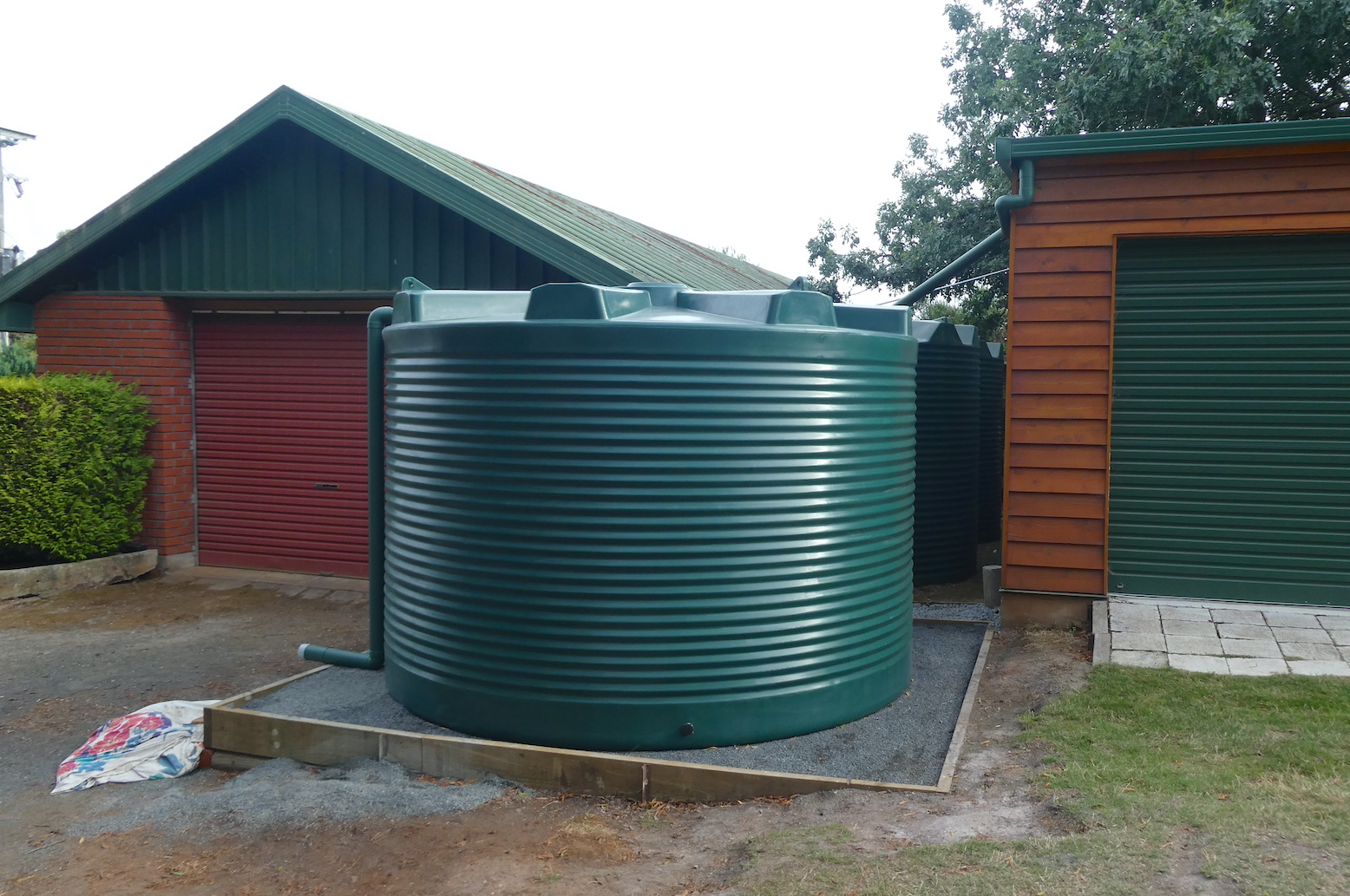
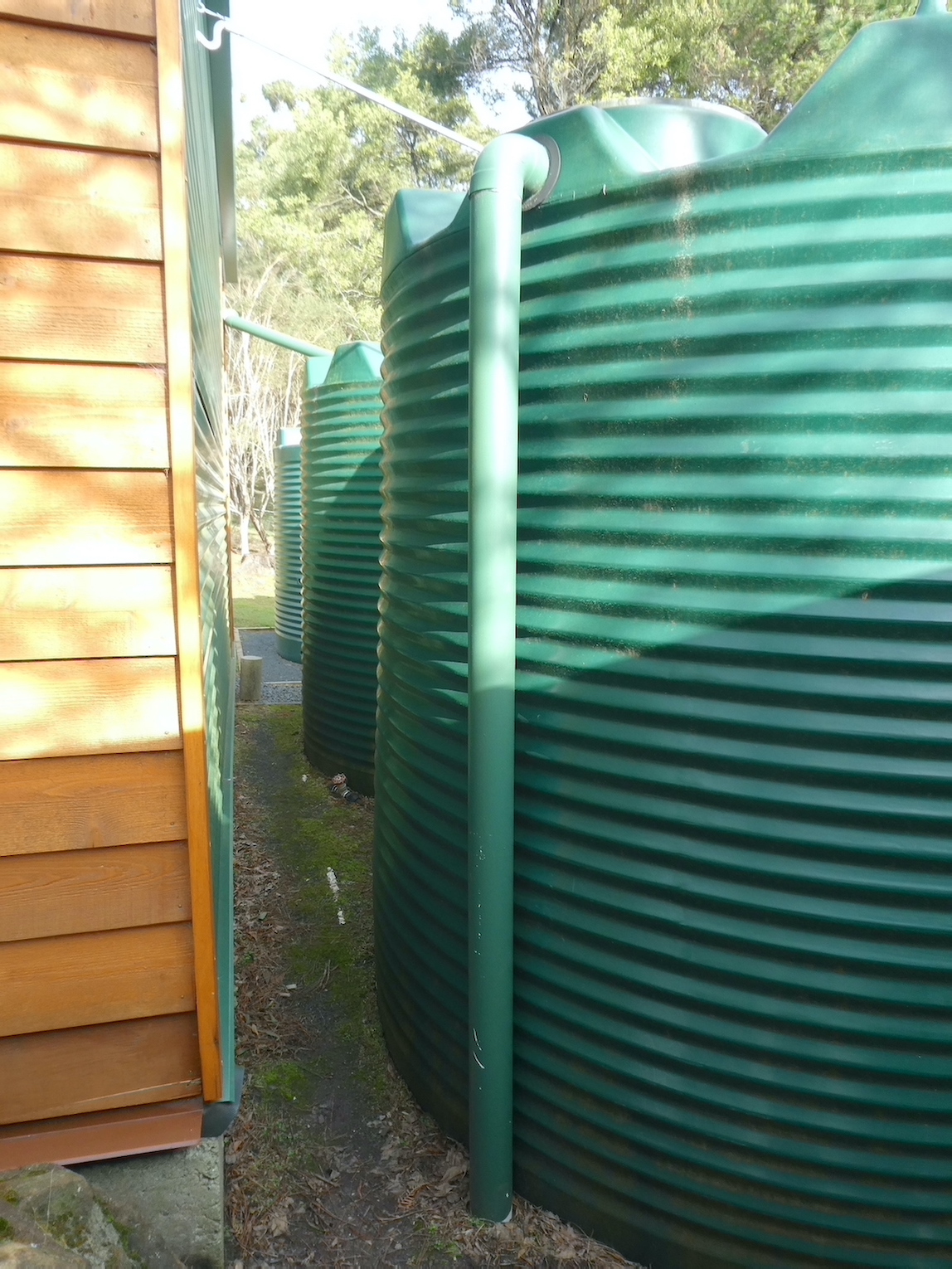
and two 10,000 litre tanks cunningly concealed between two sheds.

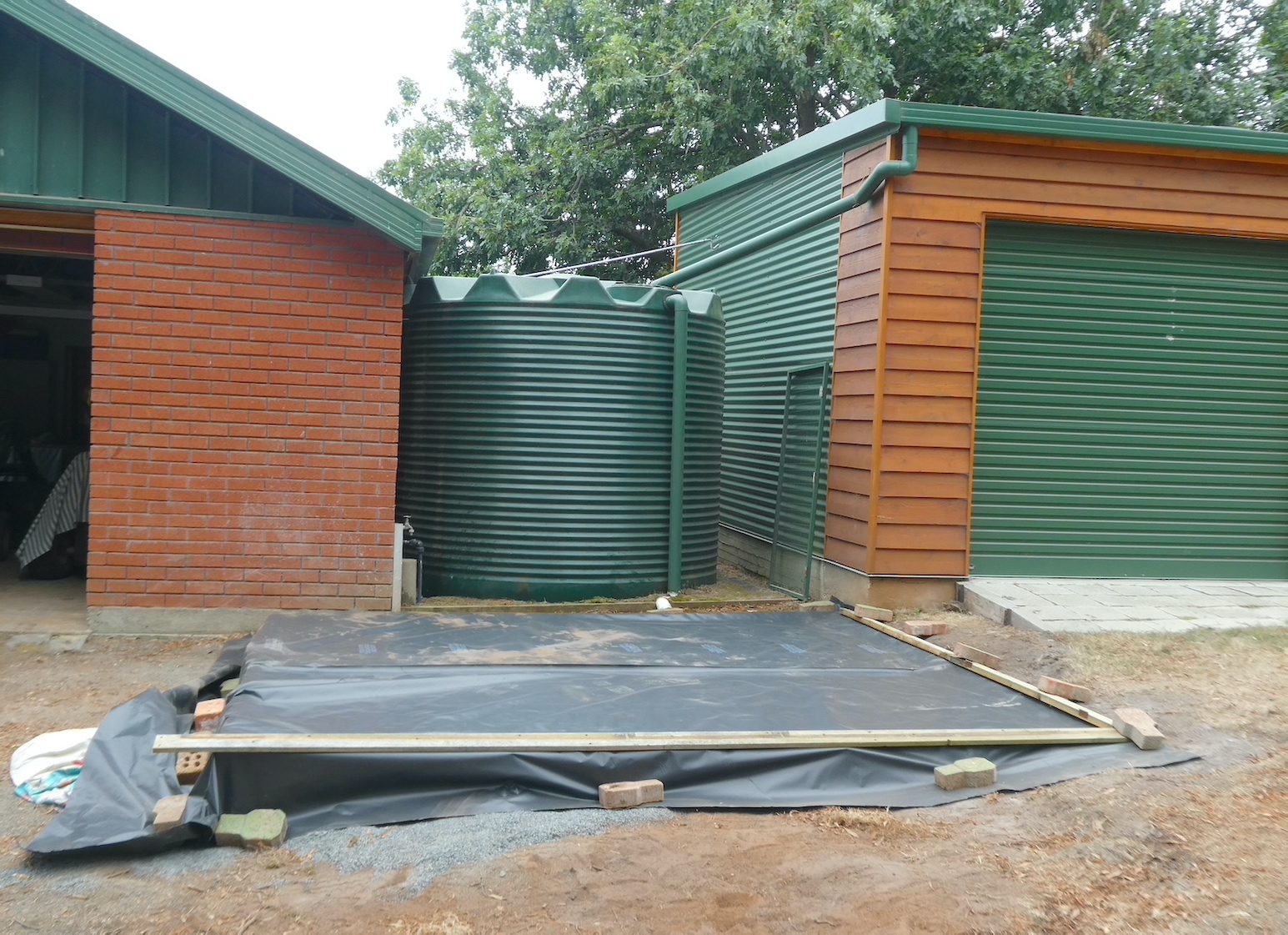
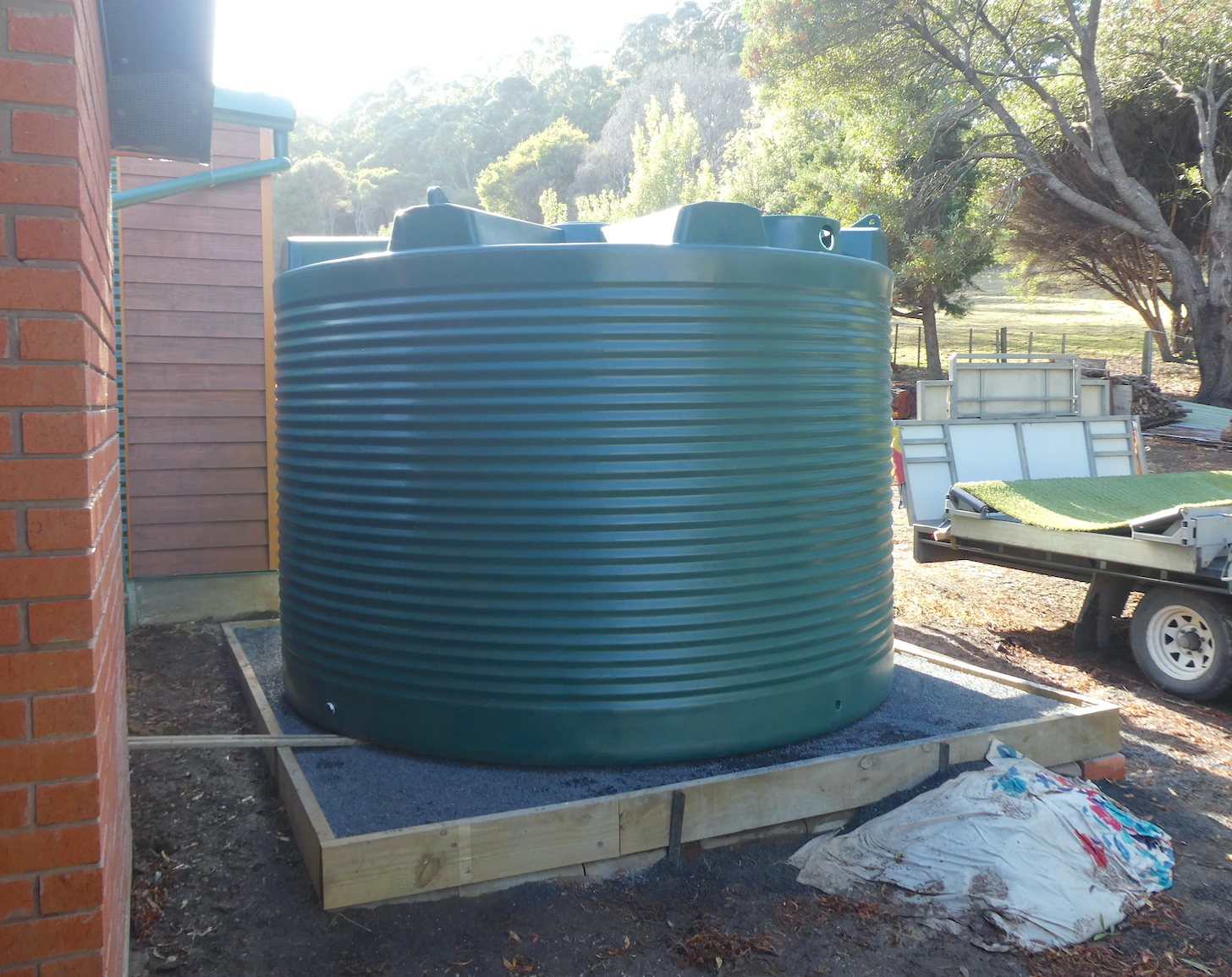
Last summer was particularly dry and the tank levels were worryingly low (we actually had to buy water to fill the tanks in 2020). We decided to add another 15,000 litre tank to the arsenal before the winter rains. After receiving two very prompt quotes, we set about preparing the base. As the tanks are linked to fill in unison, the trick was to have the level precise so all would reach capacity together. We started with a frame

and filled it with earth.

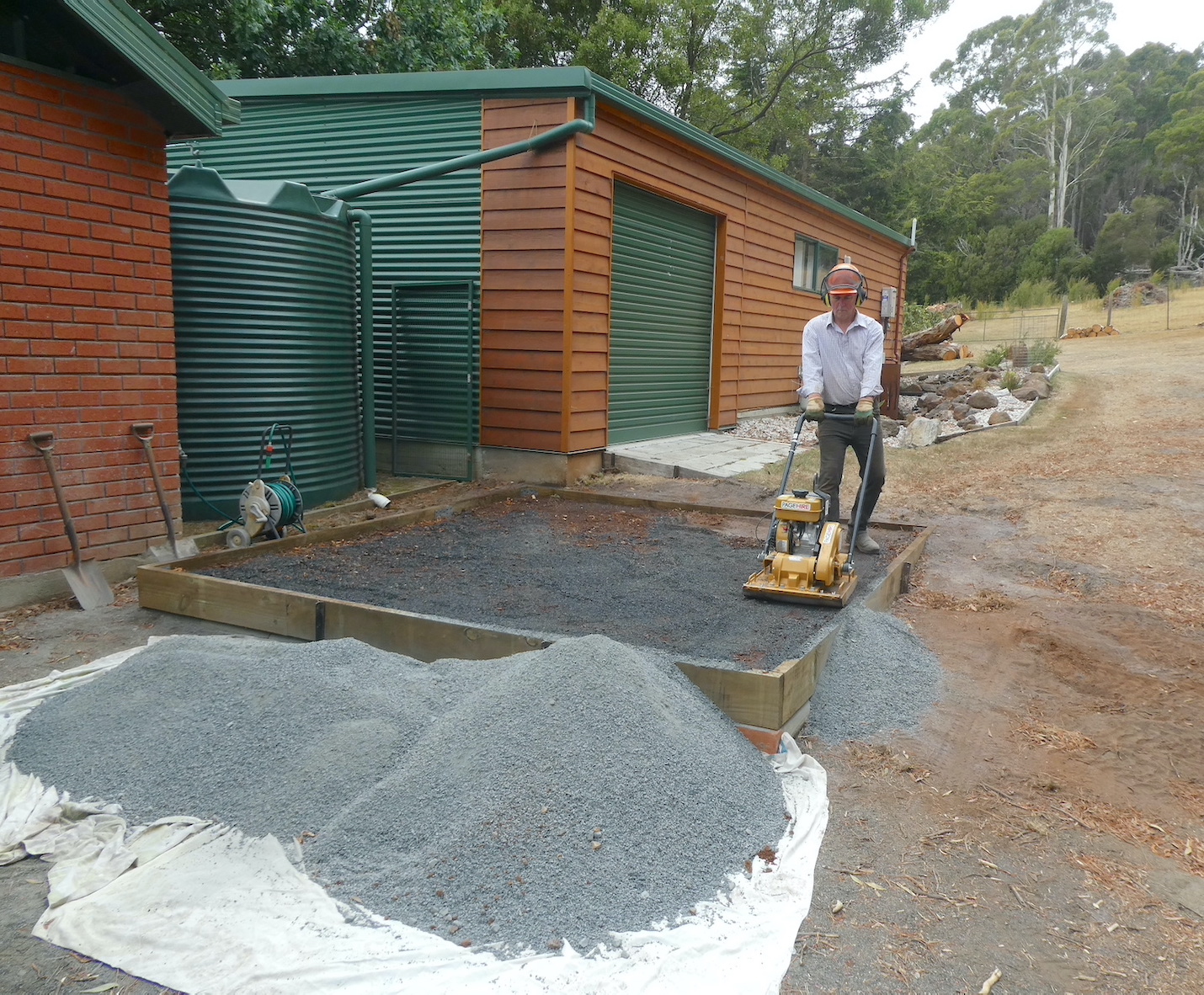
In came a couple of cubic metres of crusher dust

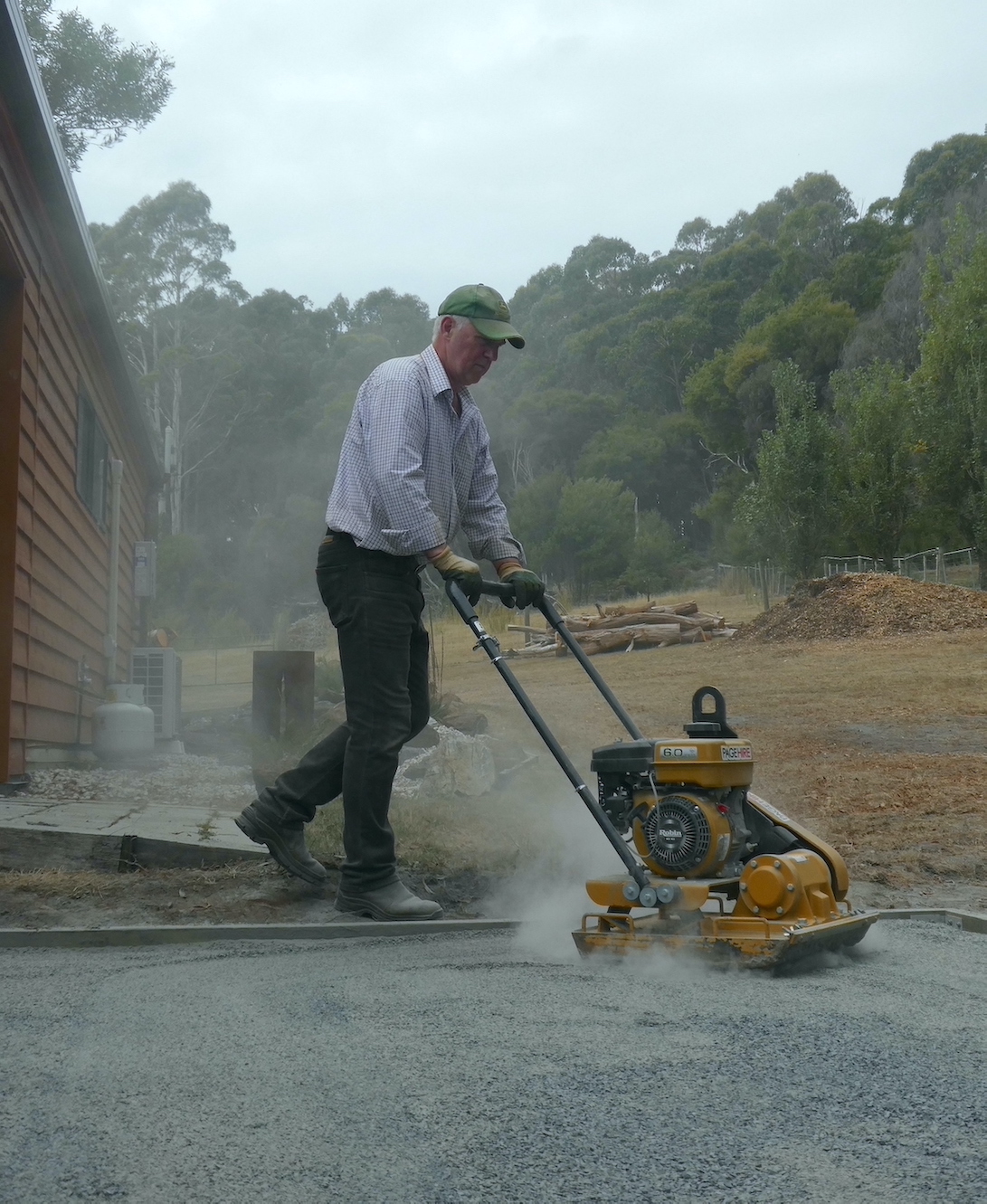
followed by a trip to the hire shop for some fun with a wacker packer.

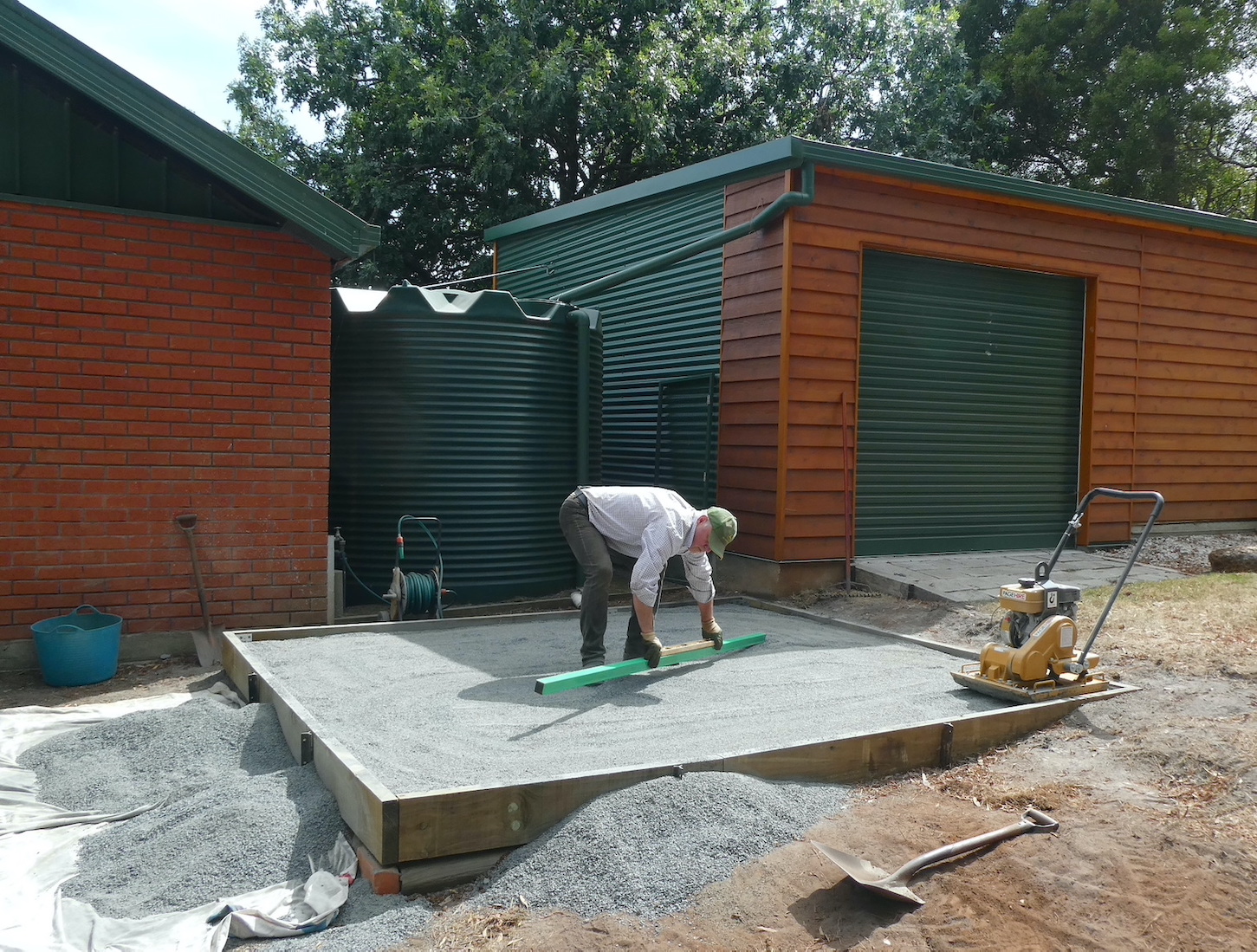
We filled and packed in increments, making sure the base was level after each addition.

Of course, Poppy was on hand to oversee the project.

A soaking to settle the dust

and we covered our masterpiece to protect it from tree detritus and big-footed nocturnal creatures.

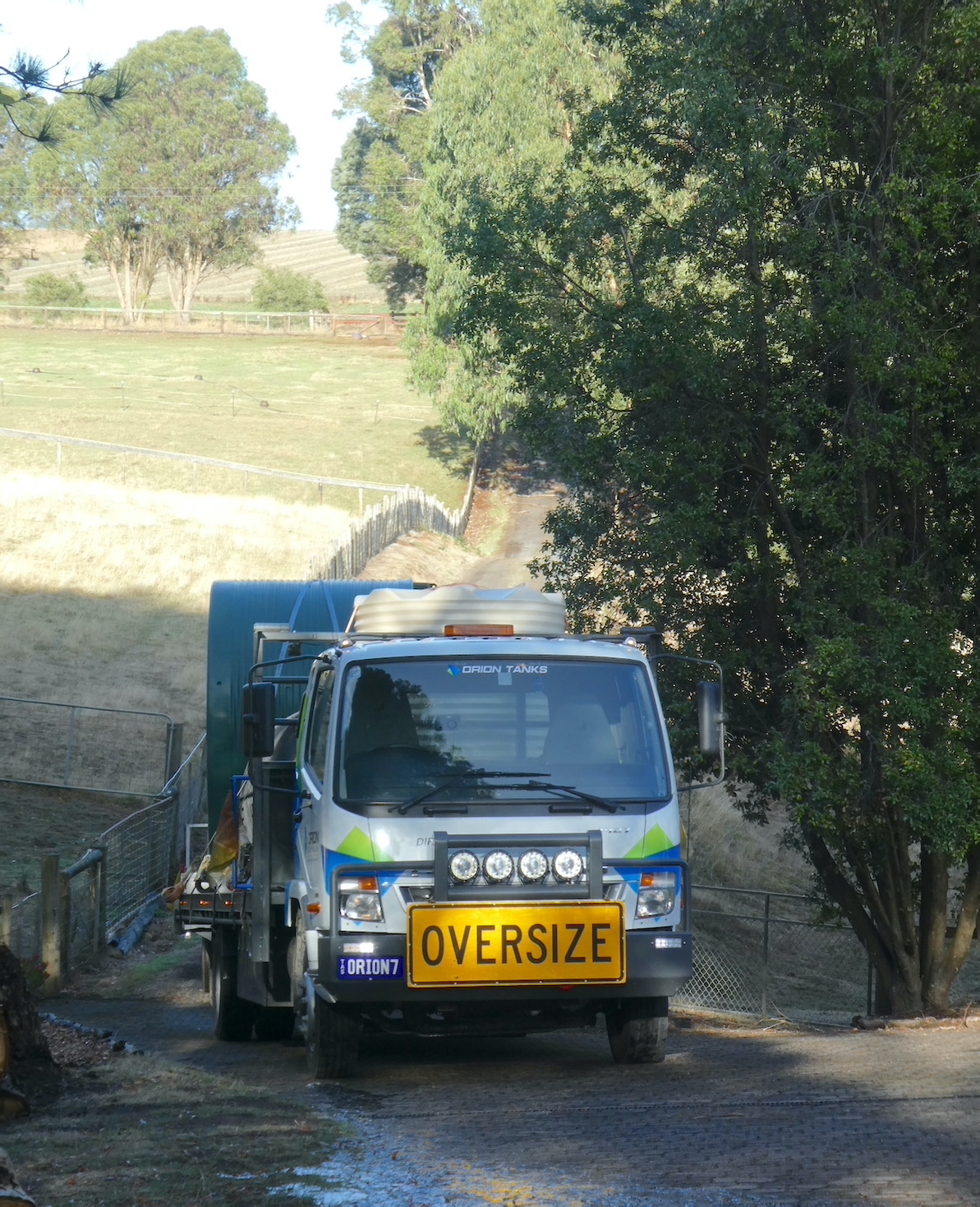
I would like to point out that I did participate in the physical labour, not just lounge around drinking beer and taking photos. Two weeks later, our tank arrived right on schedule.

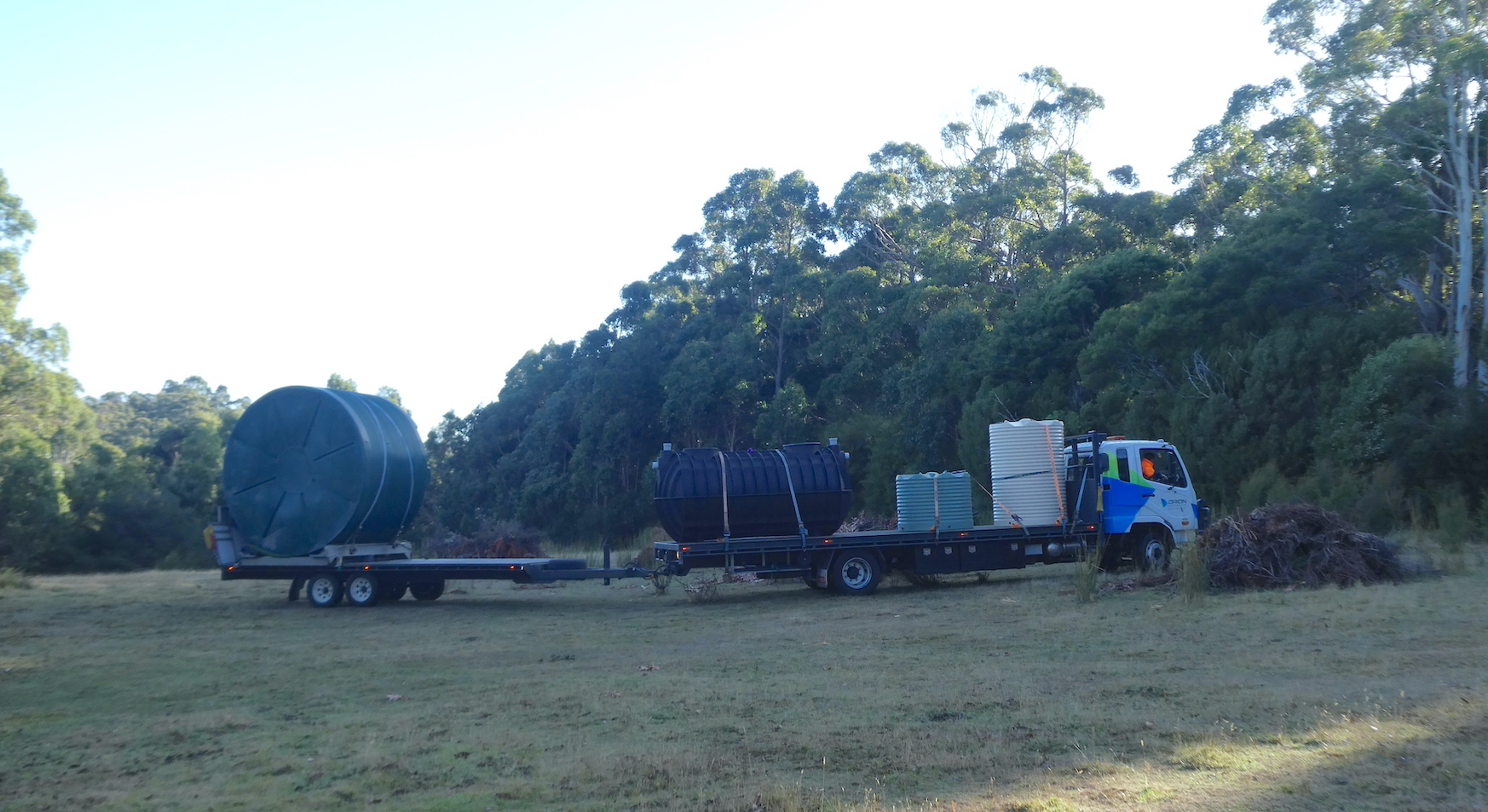
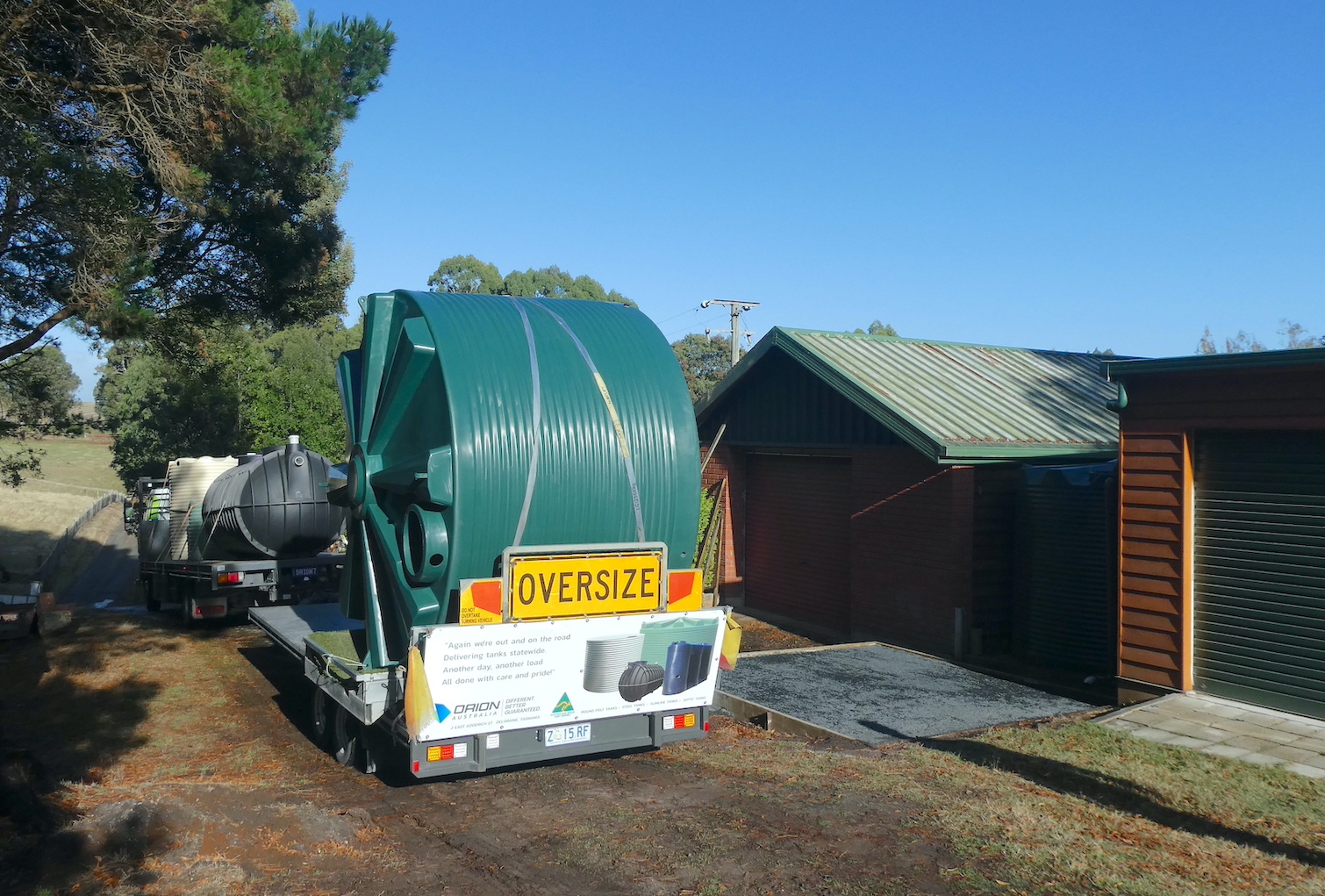
Fortunately, the driver had access to a paddock for a very proficient three-point turn of the 19 metre truck and trailer.

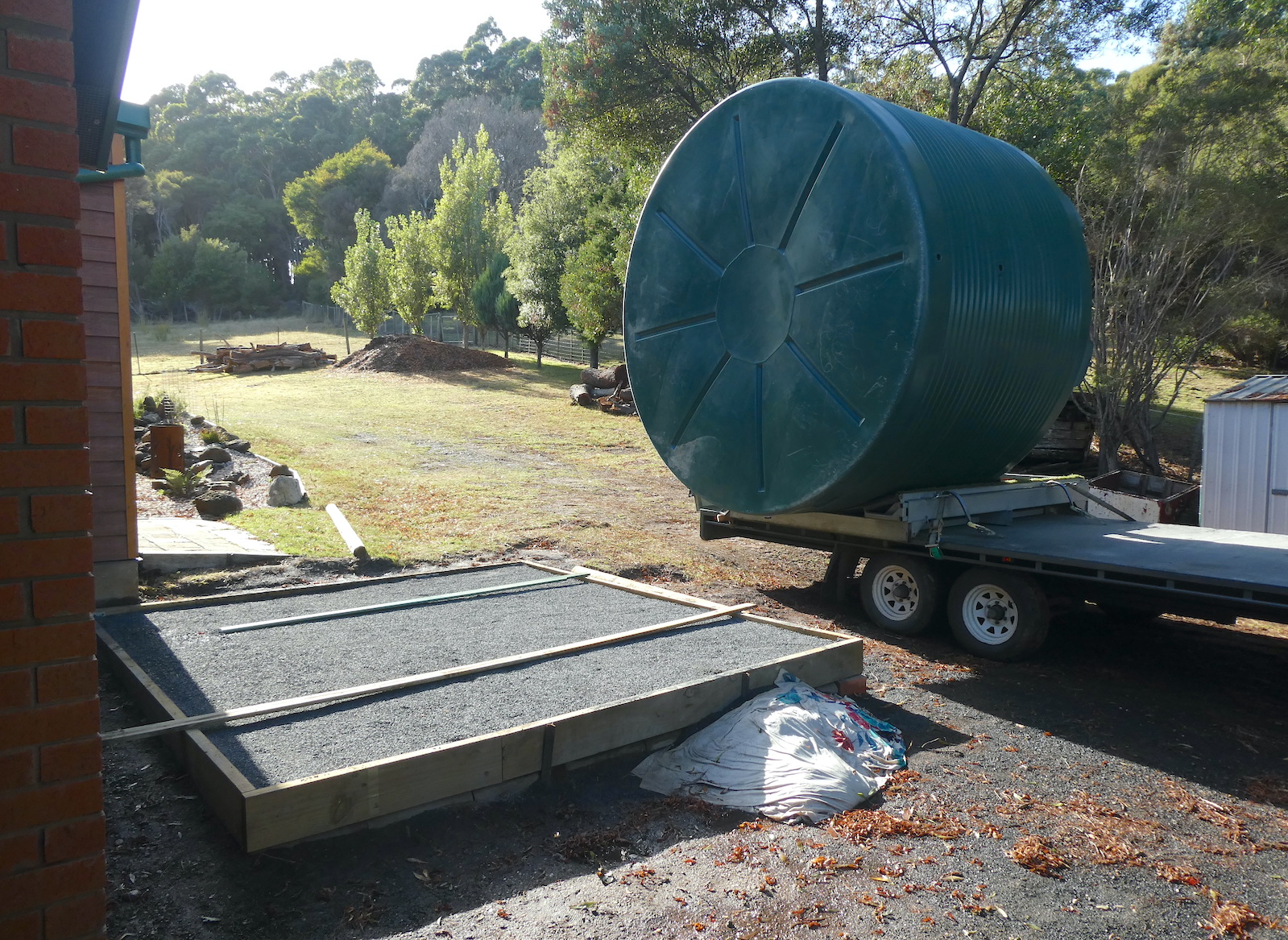
He parked alongside the prepared base

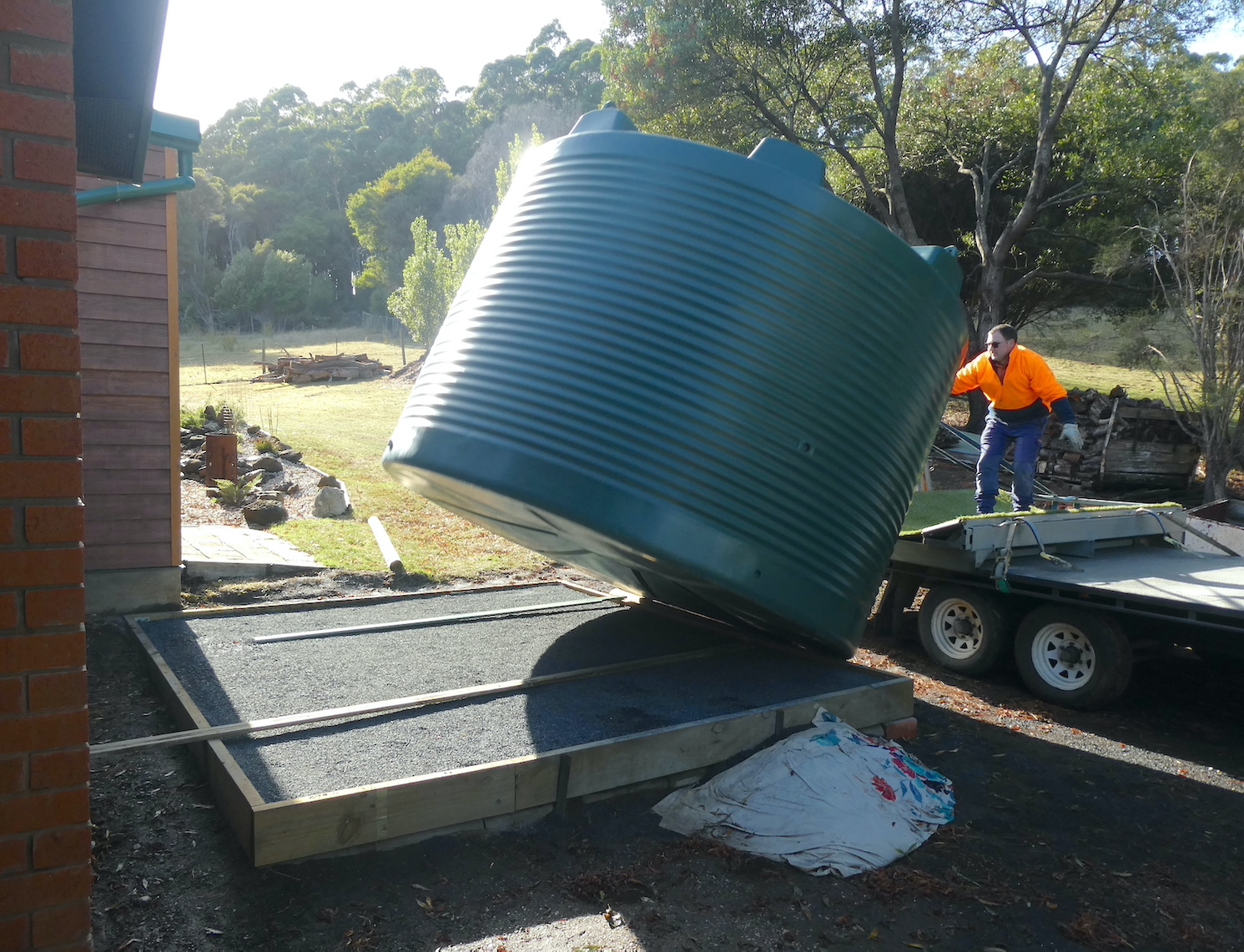
and assured us it would just take a push to land it in place.

He was right!

Some minor manhandling positioned it perfectly.

The driver went on his way to the next delivery

and, with strong winds forecast, we took the precaution of securing the tank with ropes.

A few days later, the plumber completed the installation

and we are now confident that 50,000 litres will see us through summer.

I can’t recommend Orion Tanks highly enough. From the timely response to my initial enquiry through the website to the seamless delivery that went without a hitch. The driver was amazing, very professional and instilled great confidence and ability. If you’re in the market for a rainwater tank, be sure to contact Orion.

mulching mania

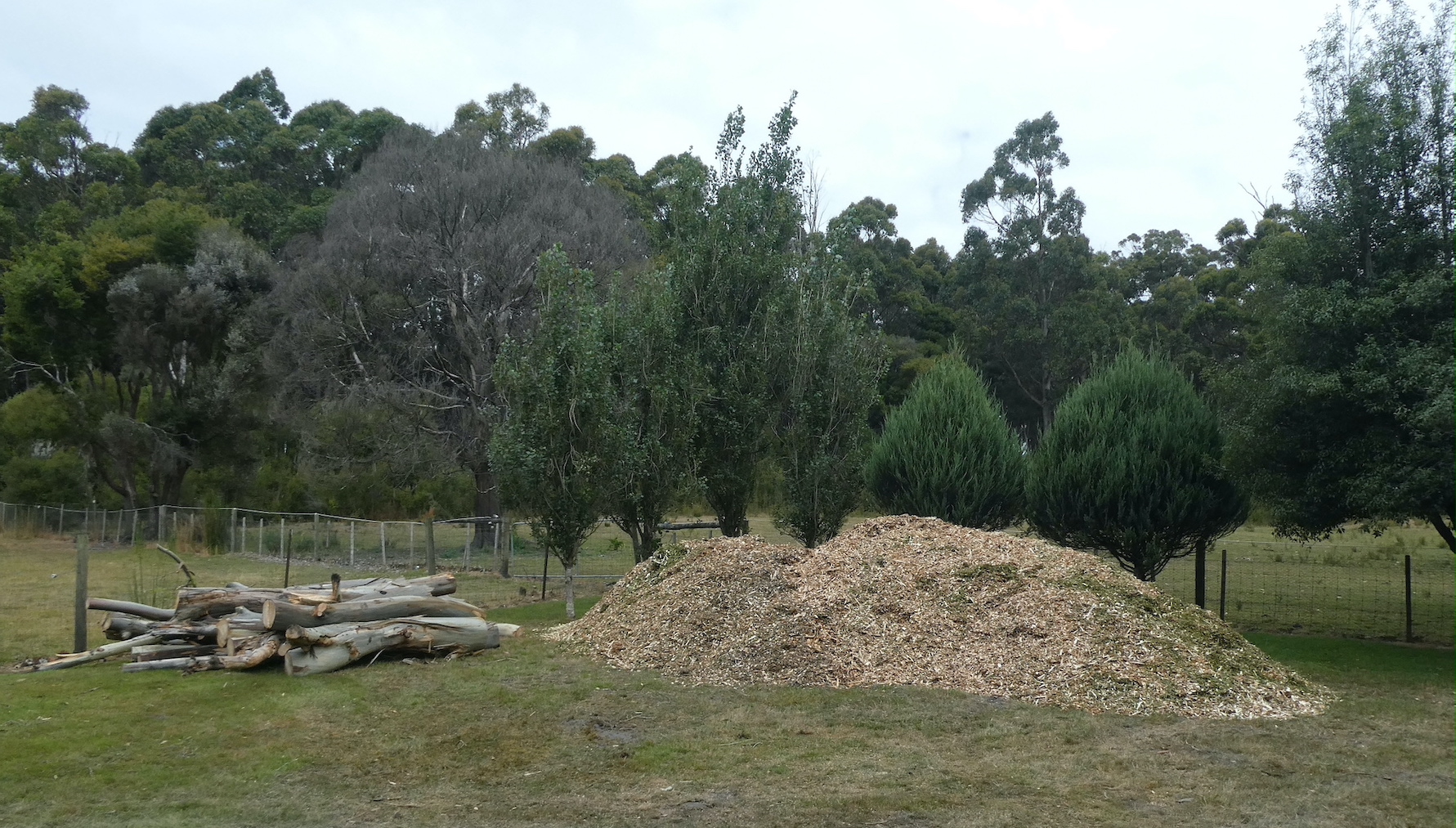
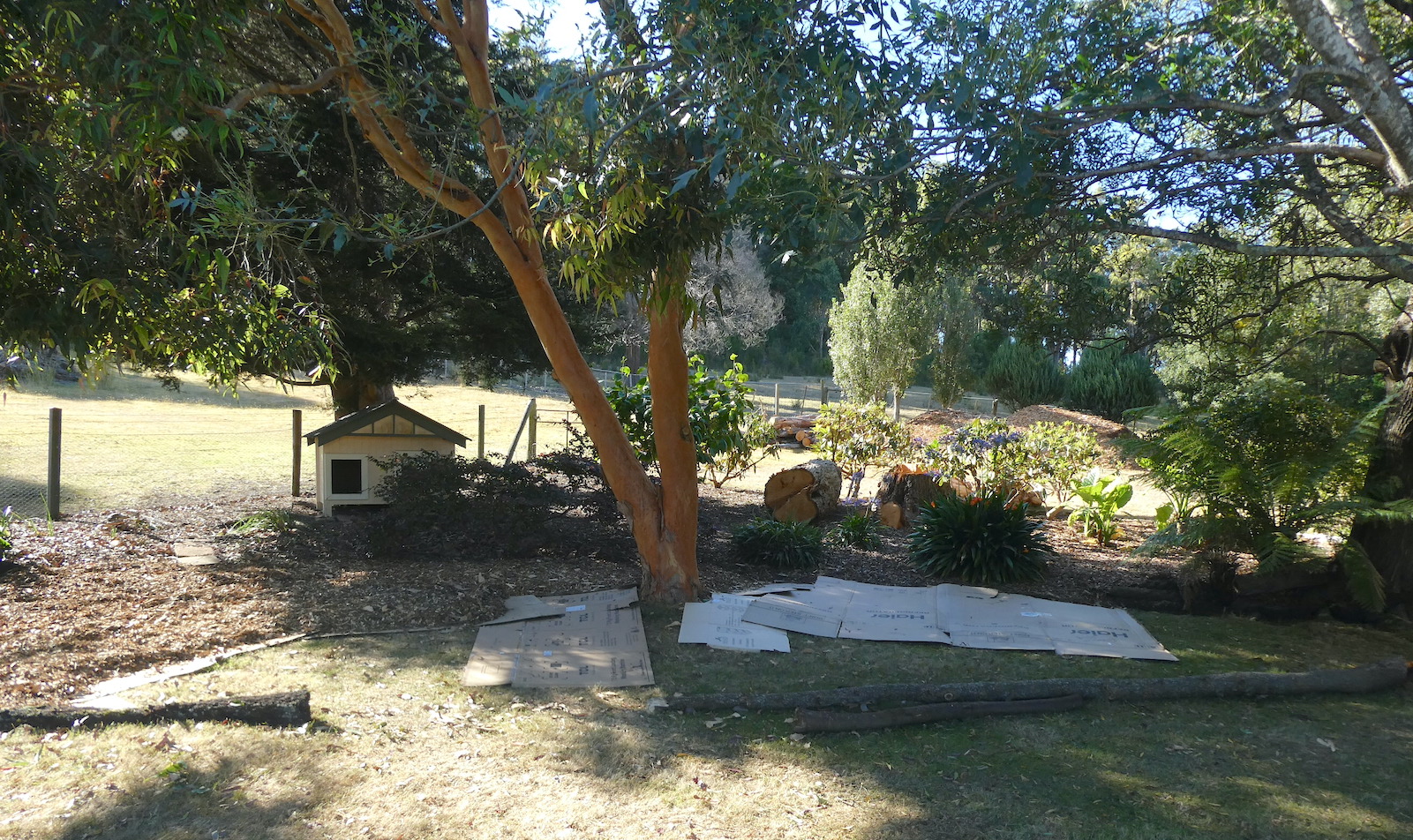
The arboreal aftermath left us with a monstrous mulch pile to deal with and so, I made it my mission to replenish every garden bed before the onset of winter.

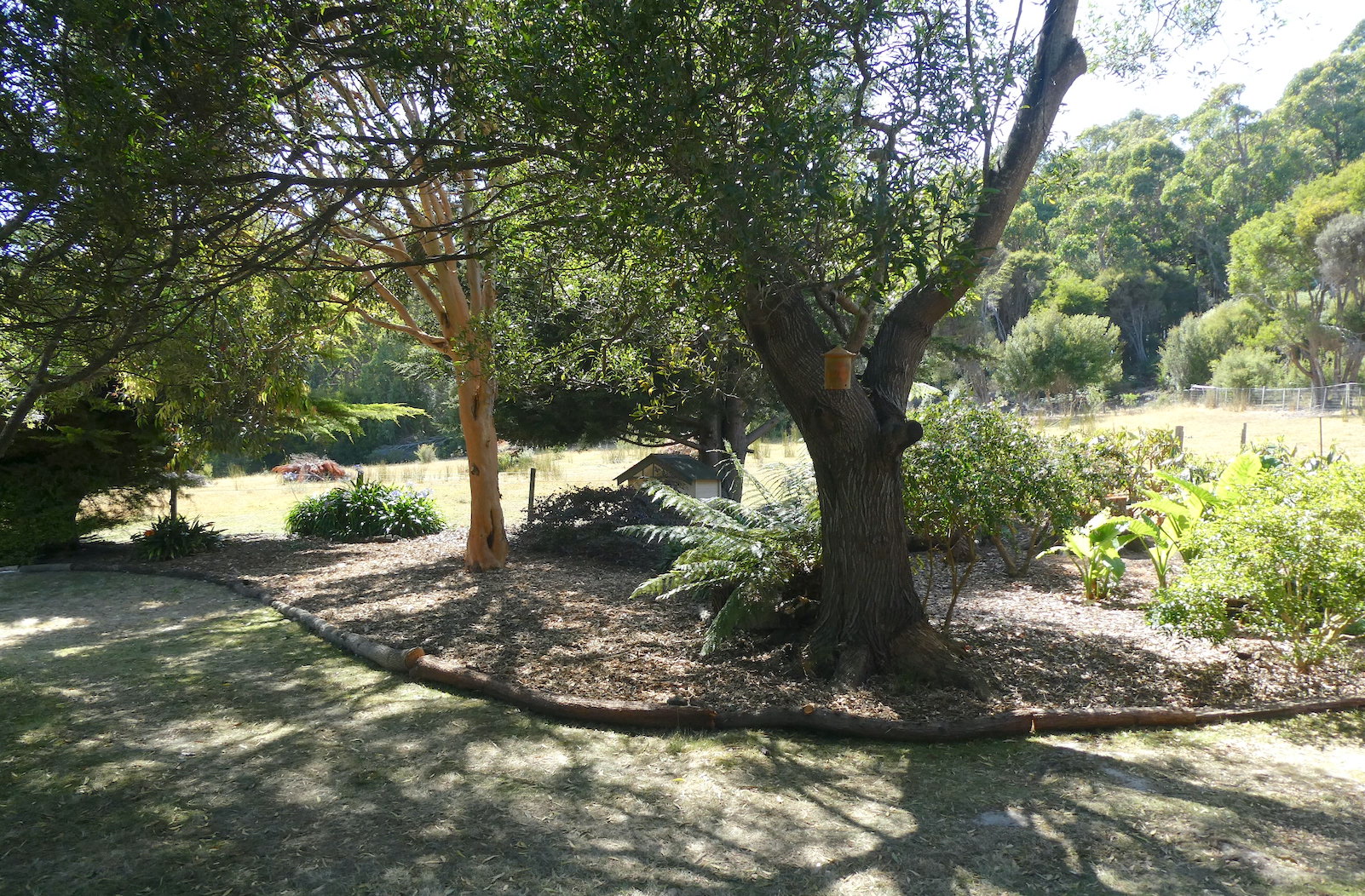
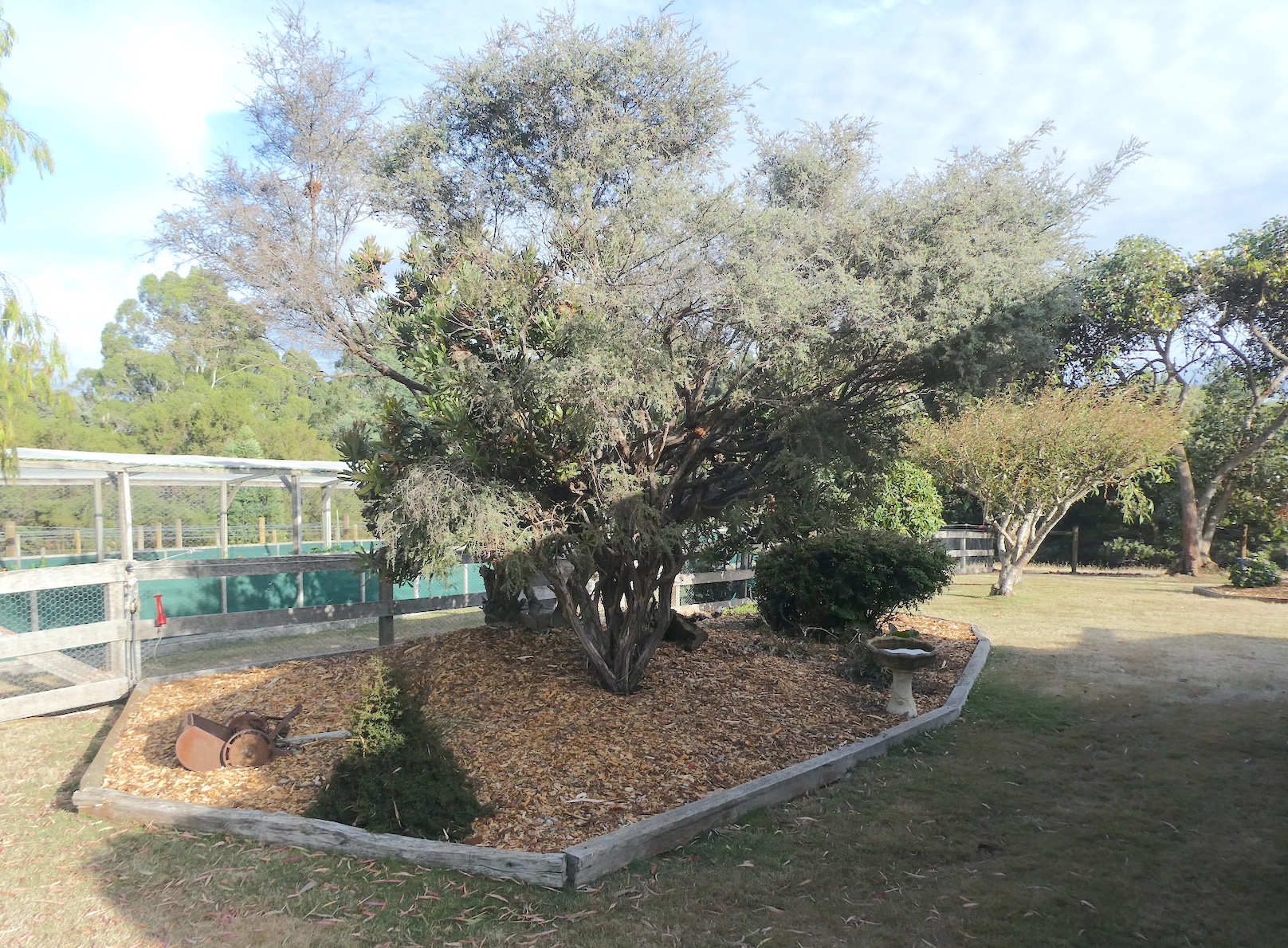
The Tree Doctor advised us to cover the exposed roots of a couple of large trees or they would certainly suffer. We moved the existing edging to extend the mulched area and procured some huge cardboard boxes from a local electrical store. After placing the cardboard as a weed mat, I dumped a hefty layer of mulch

and am very pleased with the result.

Come and have a look at the refreshed garden.

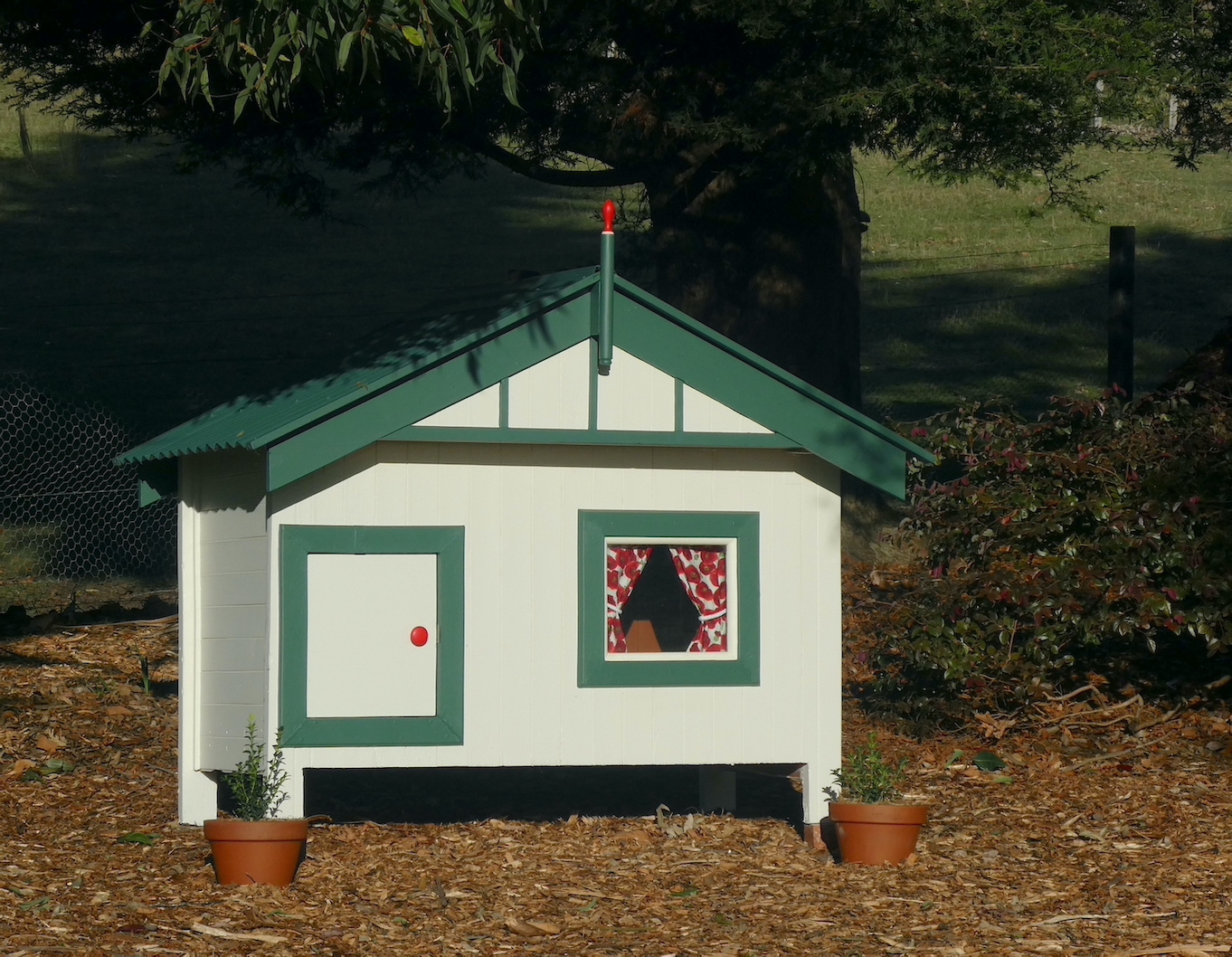
We then decided to rejuvenate the old dog kennel (that none of our dogs have actually used) and move it to a more prominent position.

With a fresh coat of paint, new bright curtains and the addition of a door and gable finial, she is flanked by a pair of potted English Box.