canny composting

The compost bays we constructed when we created the veggie patch have slowly suffered the same fate as the raised beds. Two years ago we resurrected the beds to prevent further deterioration of the timbers and now it was time to do the same for these bays.

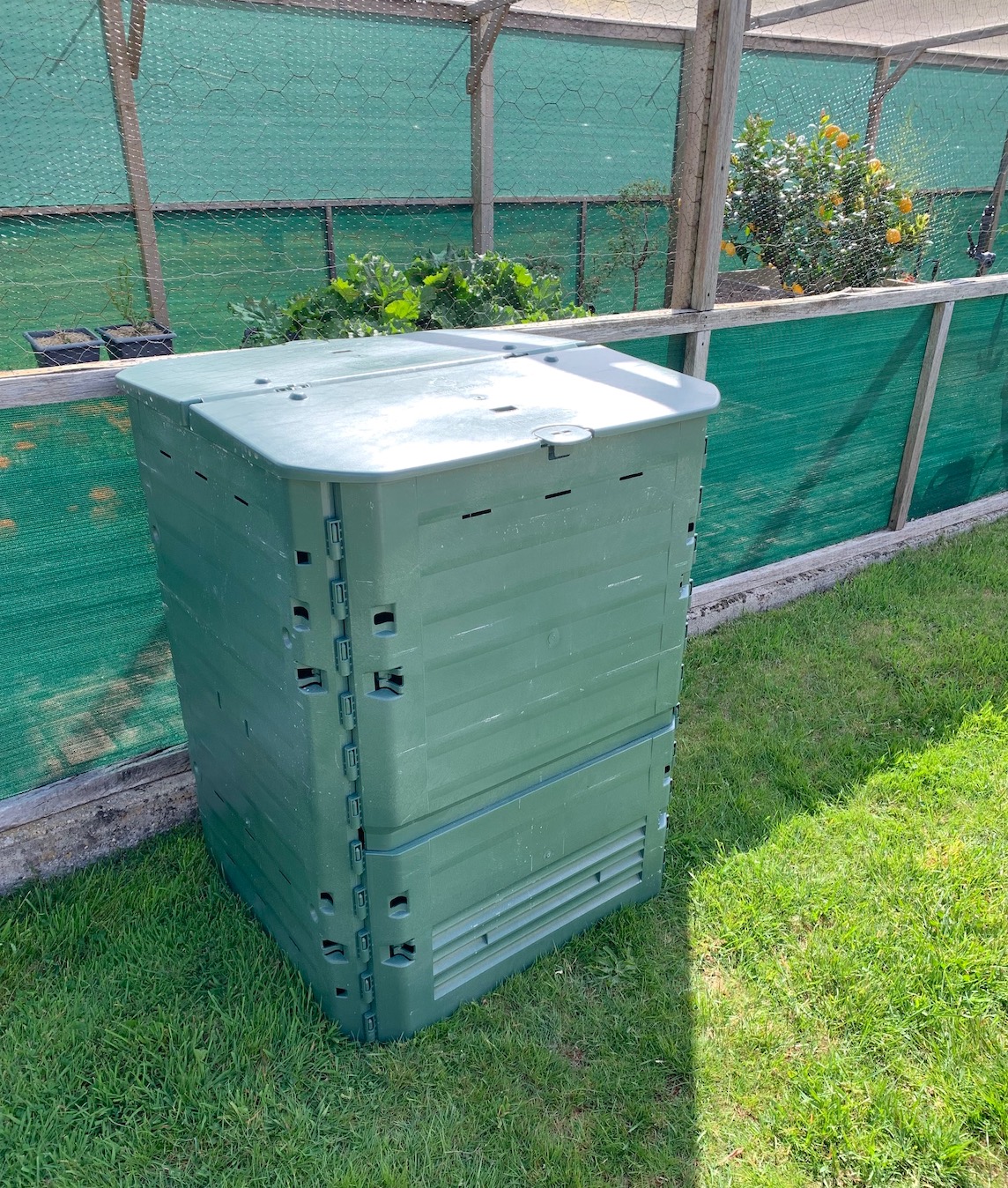
After much brainstorming, we decided the sensible thing was to buy ready made compost bins that would out live and look better than anything we could build. The three 600 litre bins were delivered and we wasted no time unpacking them.
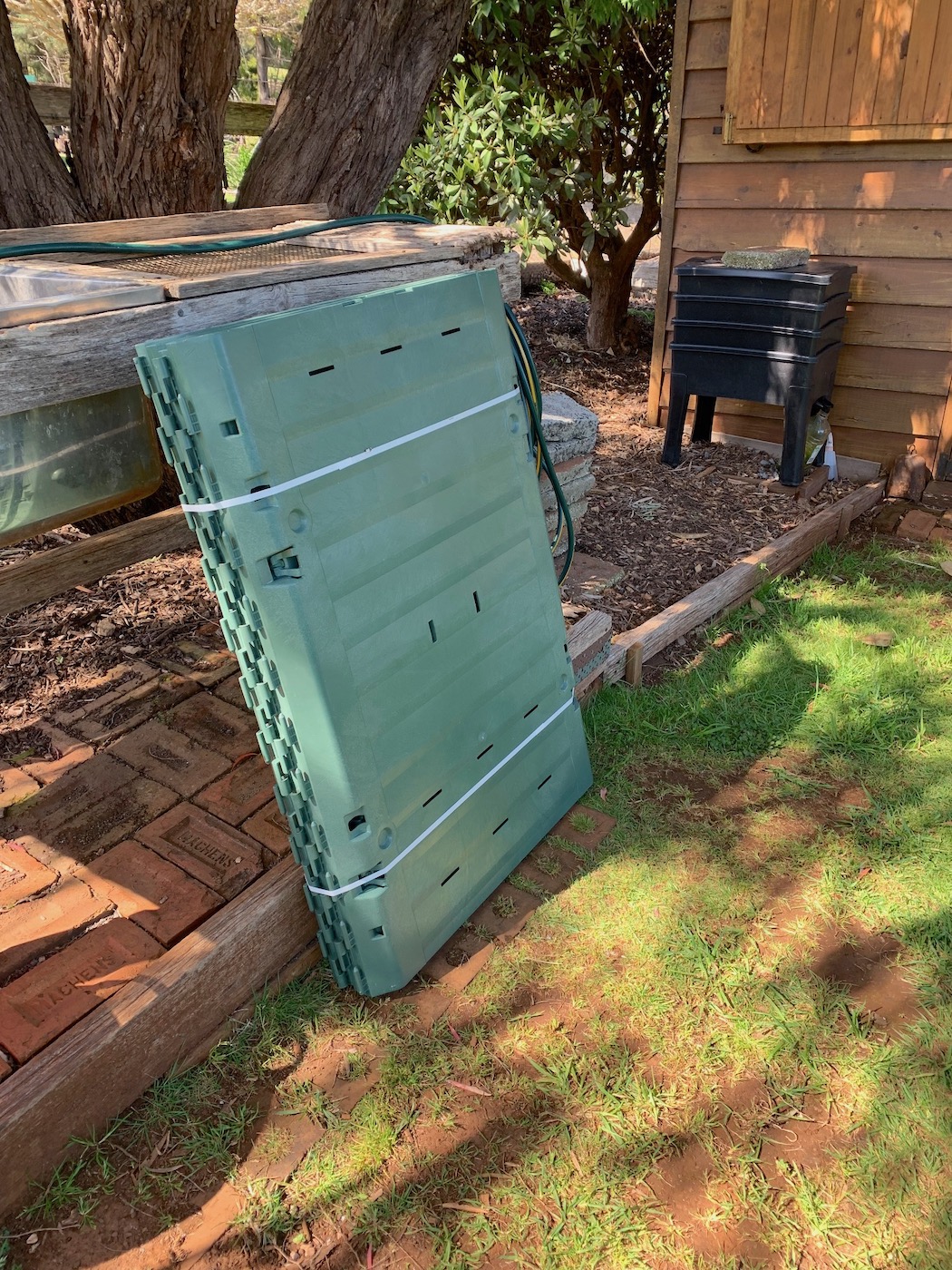
Assembly was ridiculously easy,

site preparation took a little longer. We emptied the contents of the first bay into wheel barrows and demolished the structure, saving any timbers worthy for future use.
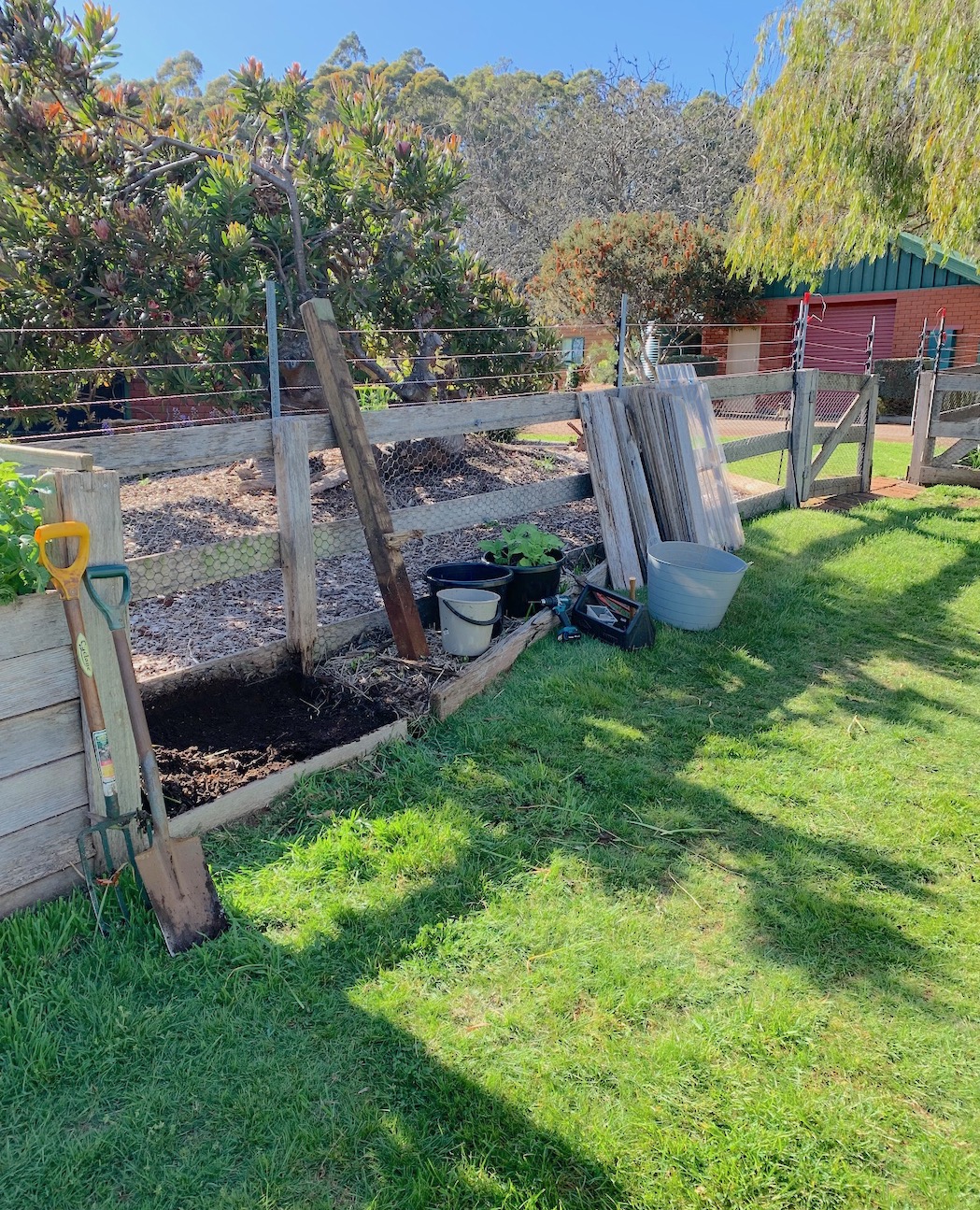
The new bin fit the space perfectly and the half-composted material was shovelled in.
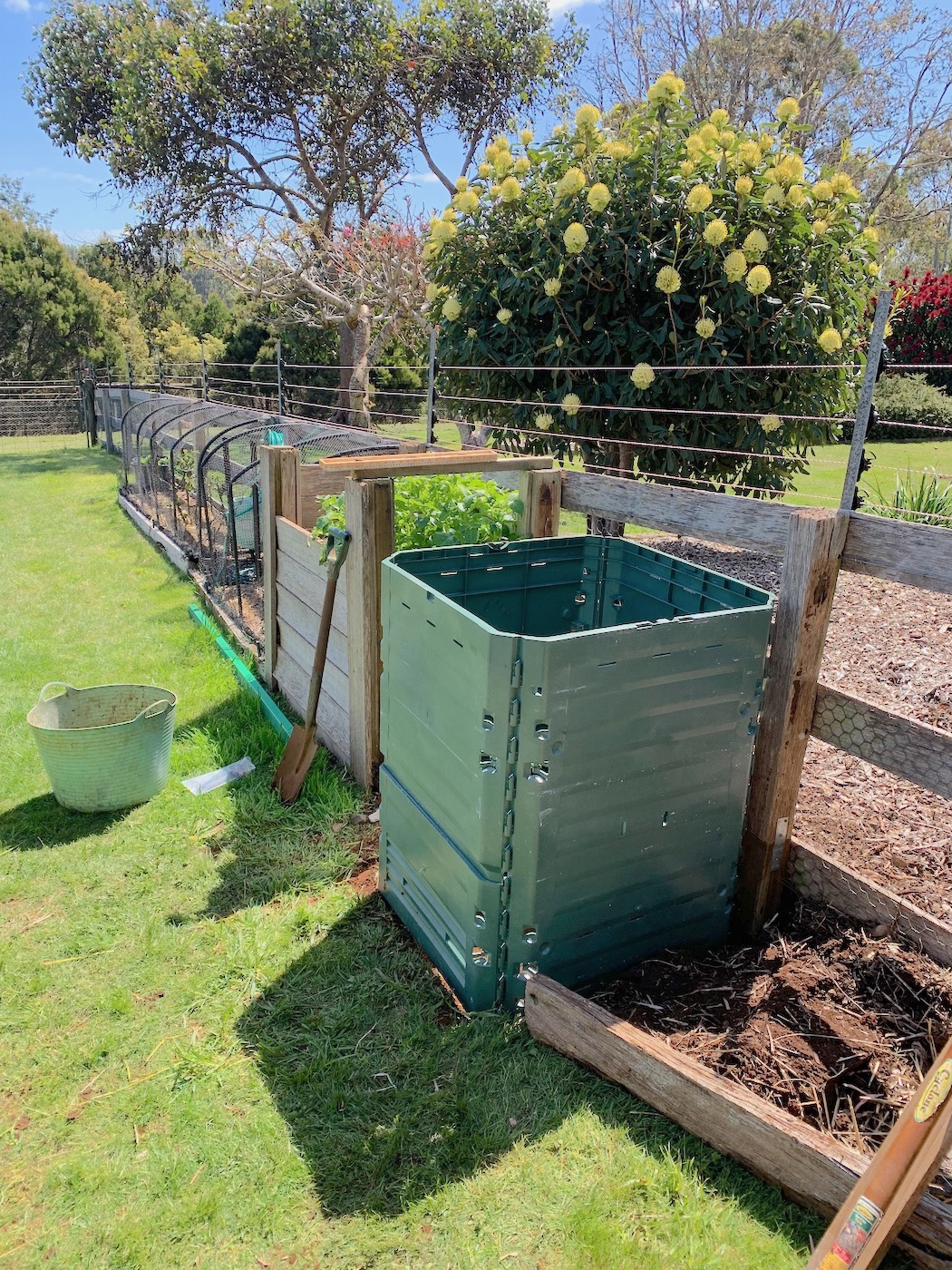
Potatoes were harvested from the random growth in the second bay before that, too, was emptied and demolished.

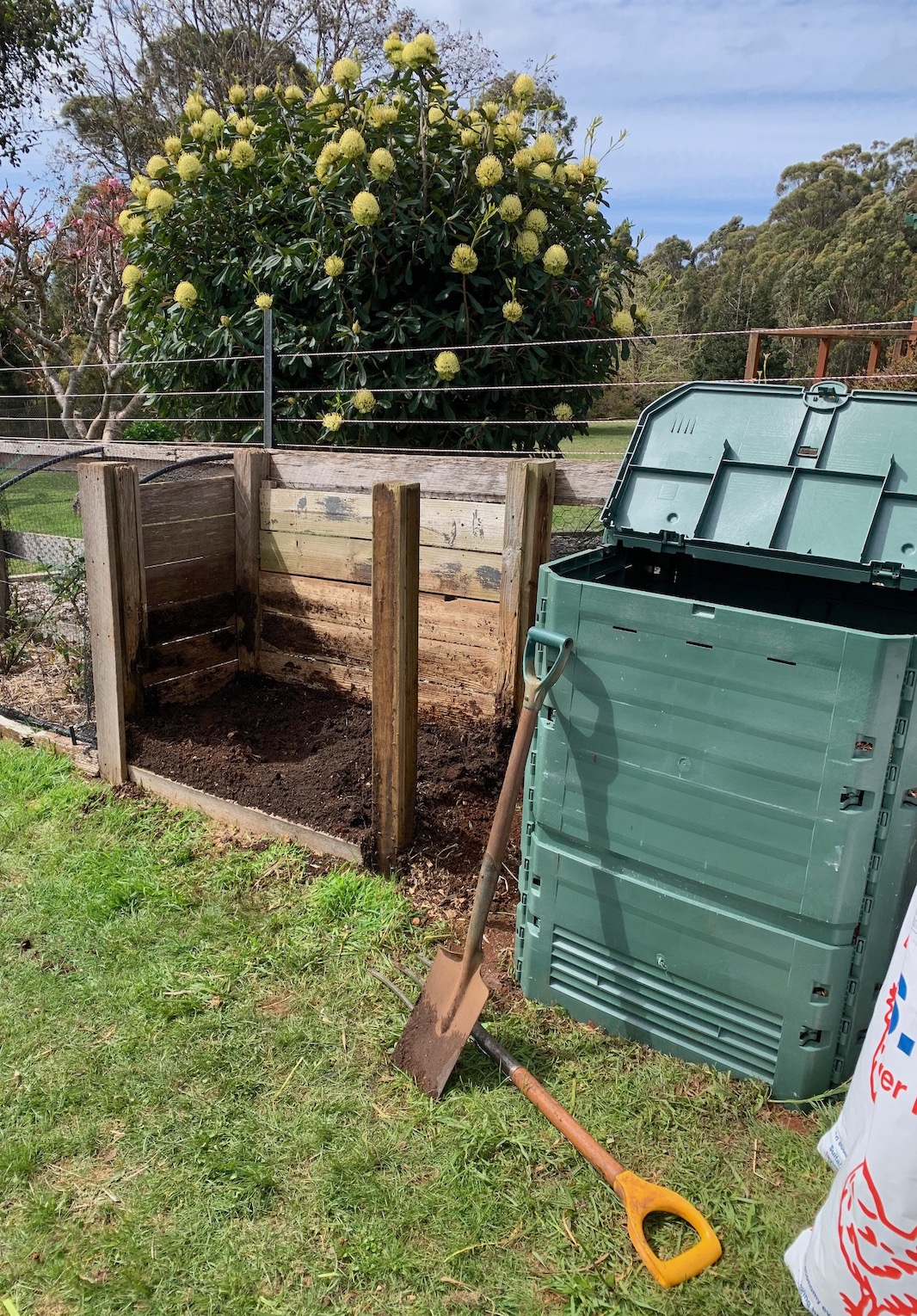
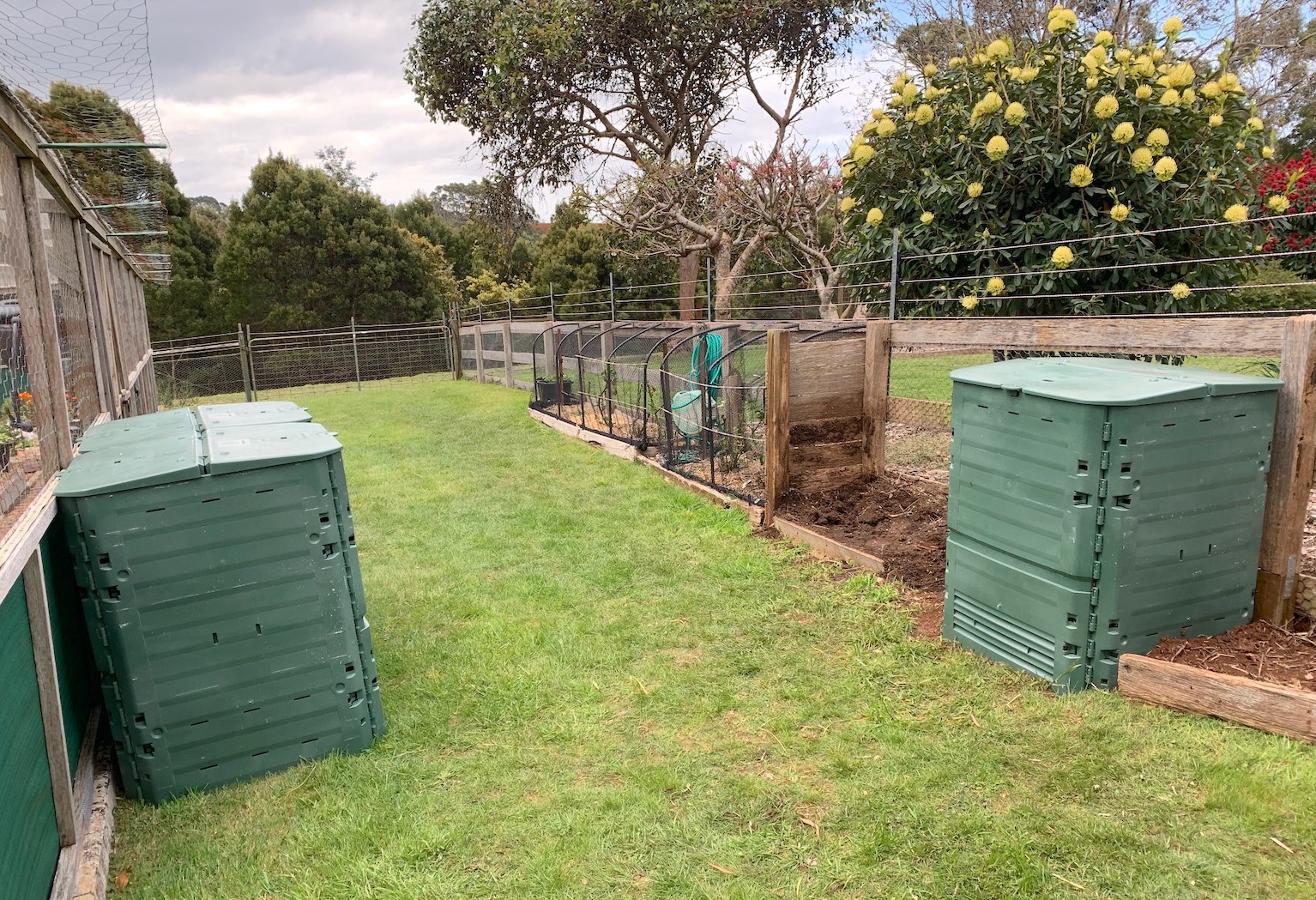
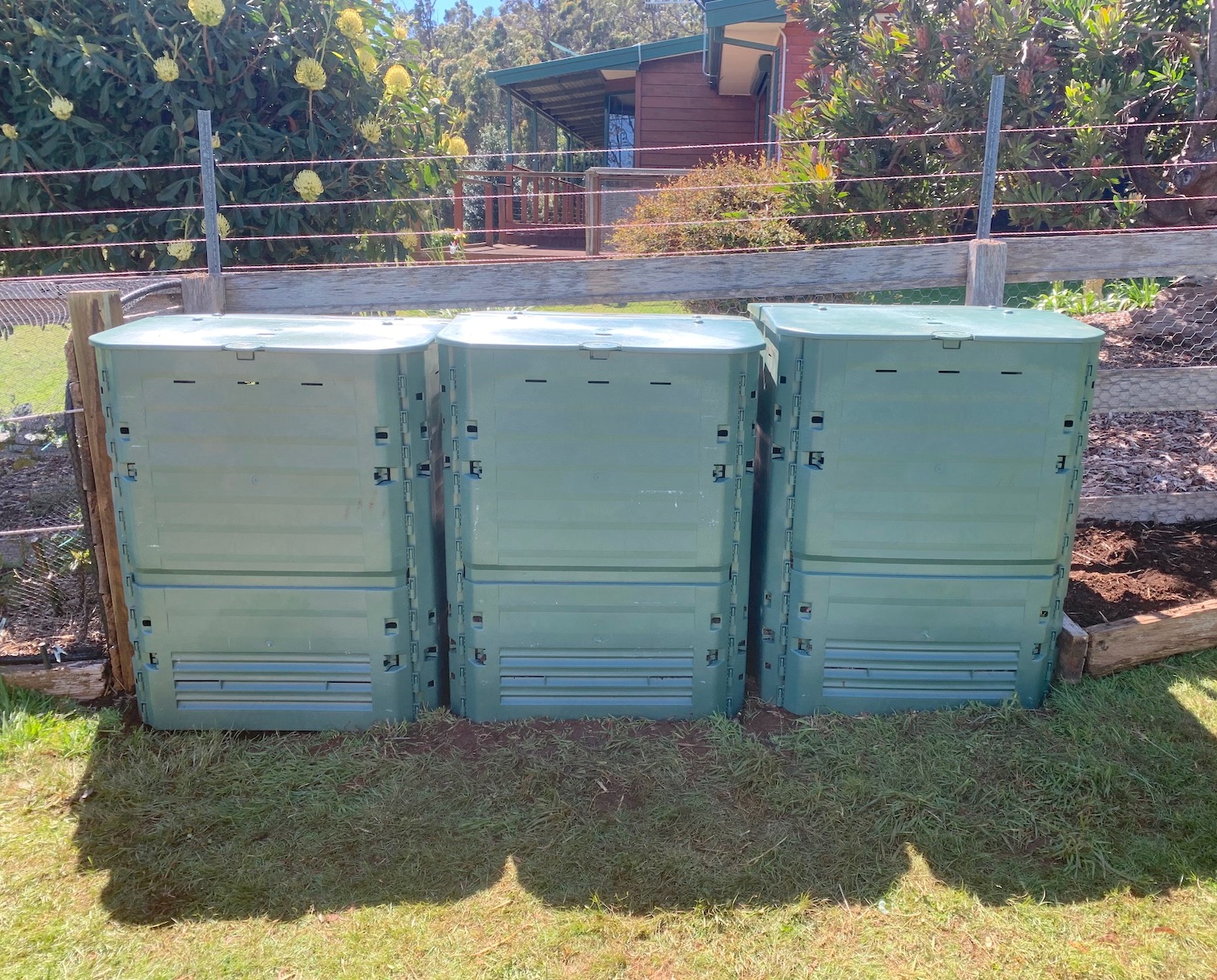
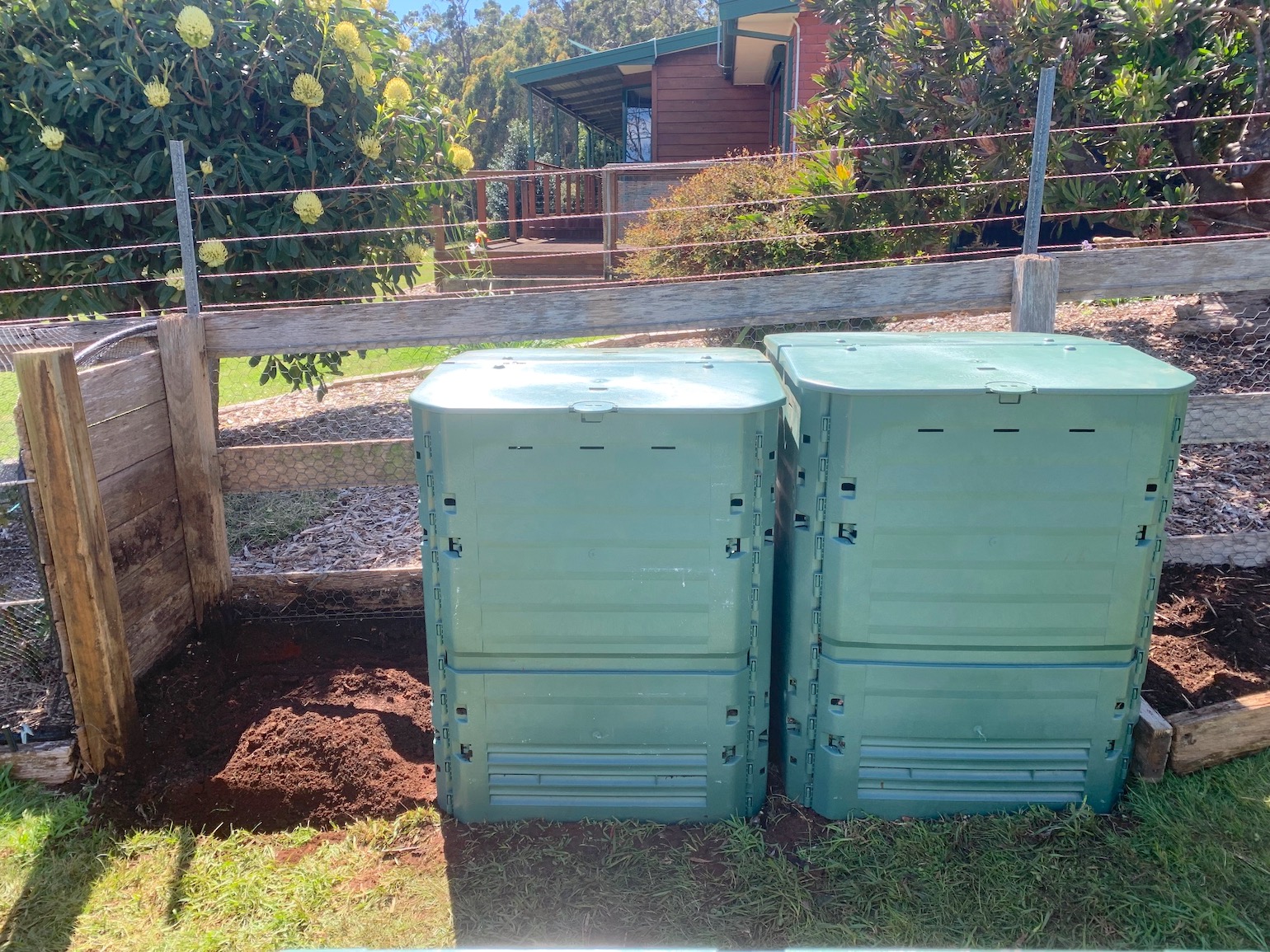
It didn’t take long to position the remaining two bins, replace the contents and admire our work.
It’s amazing what you can compost these days.
Corinna

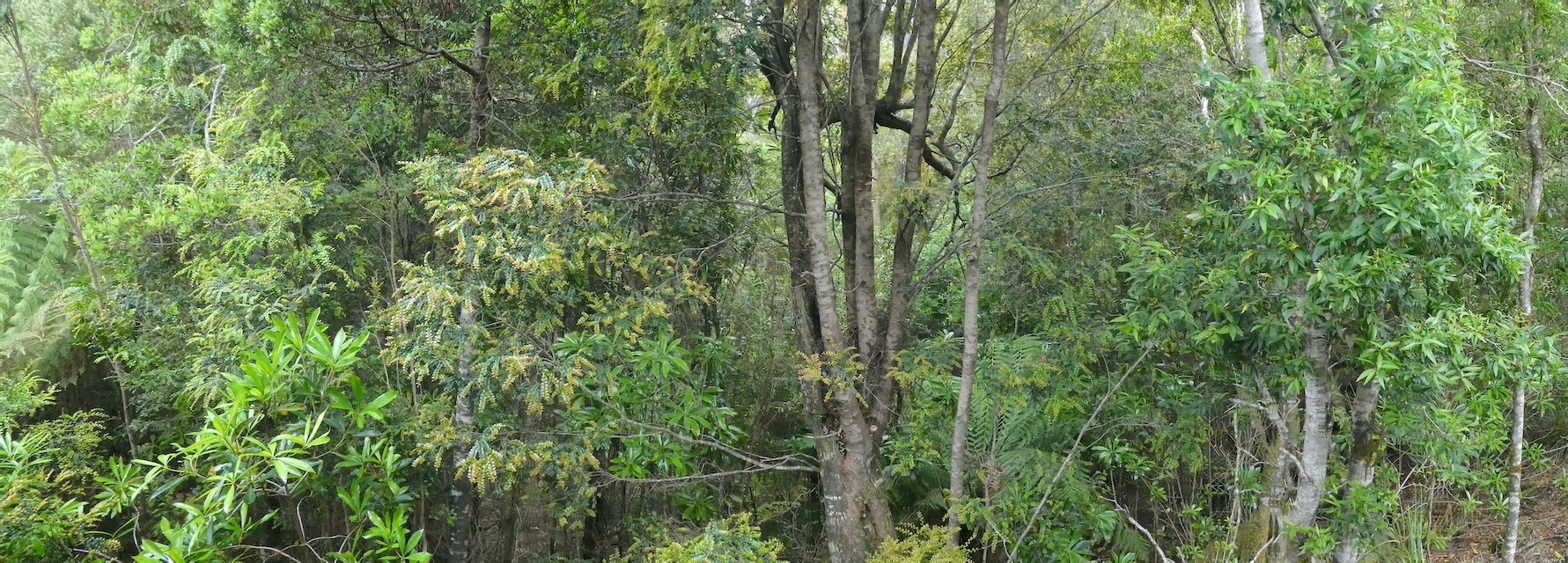
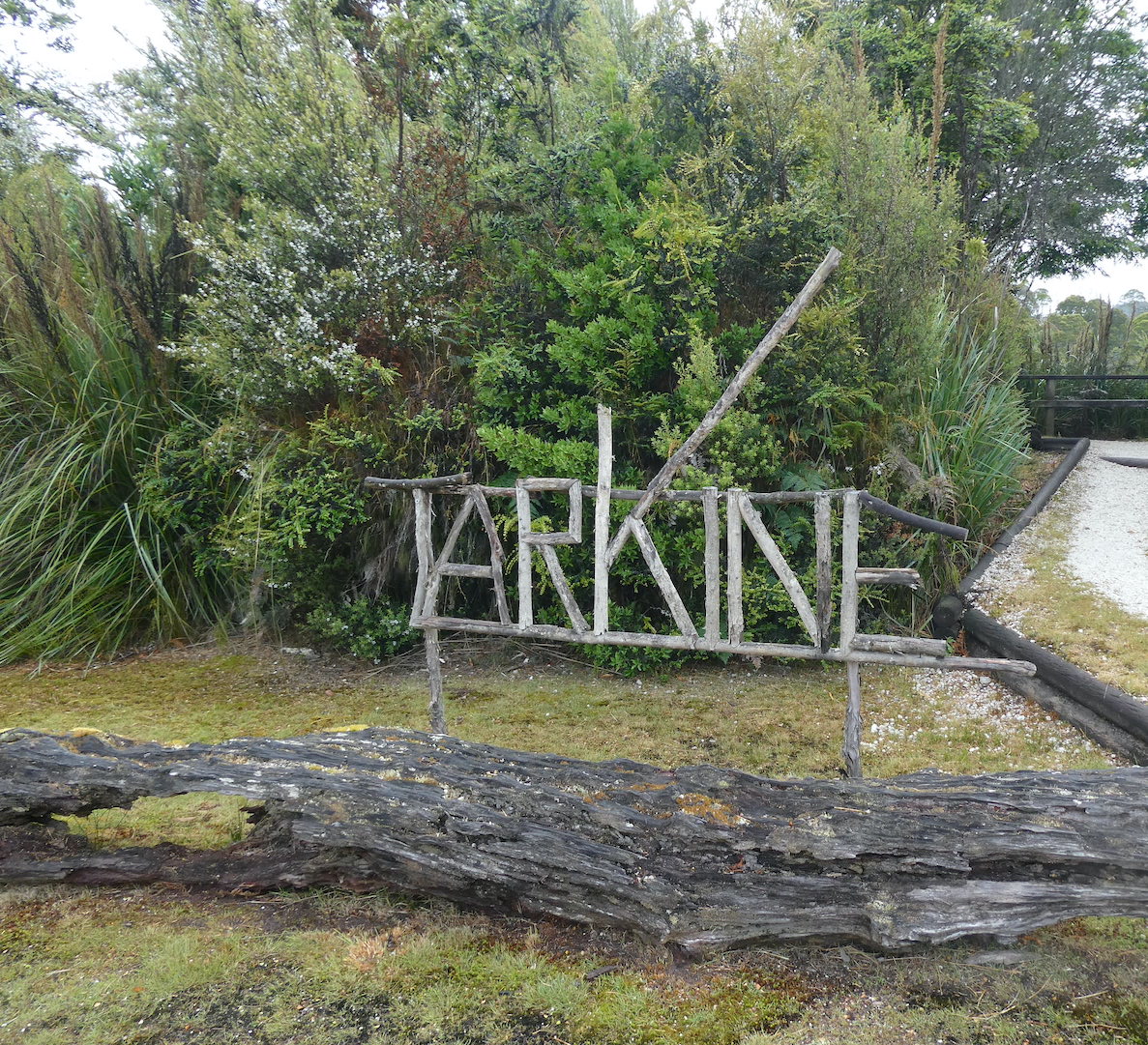
We recently ticked another item off our bucket list with a short stay at Corinna on the west coast of Tasmania. The gold rush of the early 1880s brought a flood of people to the area and Corinna was proclaimed a town in 1894 with a population of 2500. Within a few years, the gold deposits that could be easily worked were exhausted and the town declined in population when the Emu Bay railway to Zeehan was opened in 1900. The historic mining town is now a wilderness retreat set on three hectares surrounded by the Tarkine rainforest. The owners have restored and developed the buildings in heritage style to create a village atmosphere. We enjoyed a very comfortable three nights in “Hobbs” cottage.

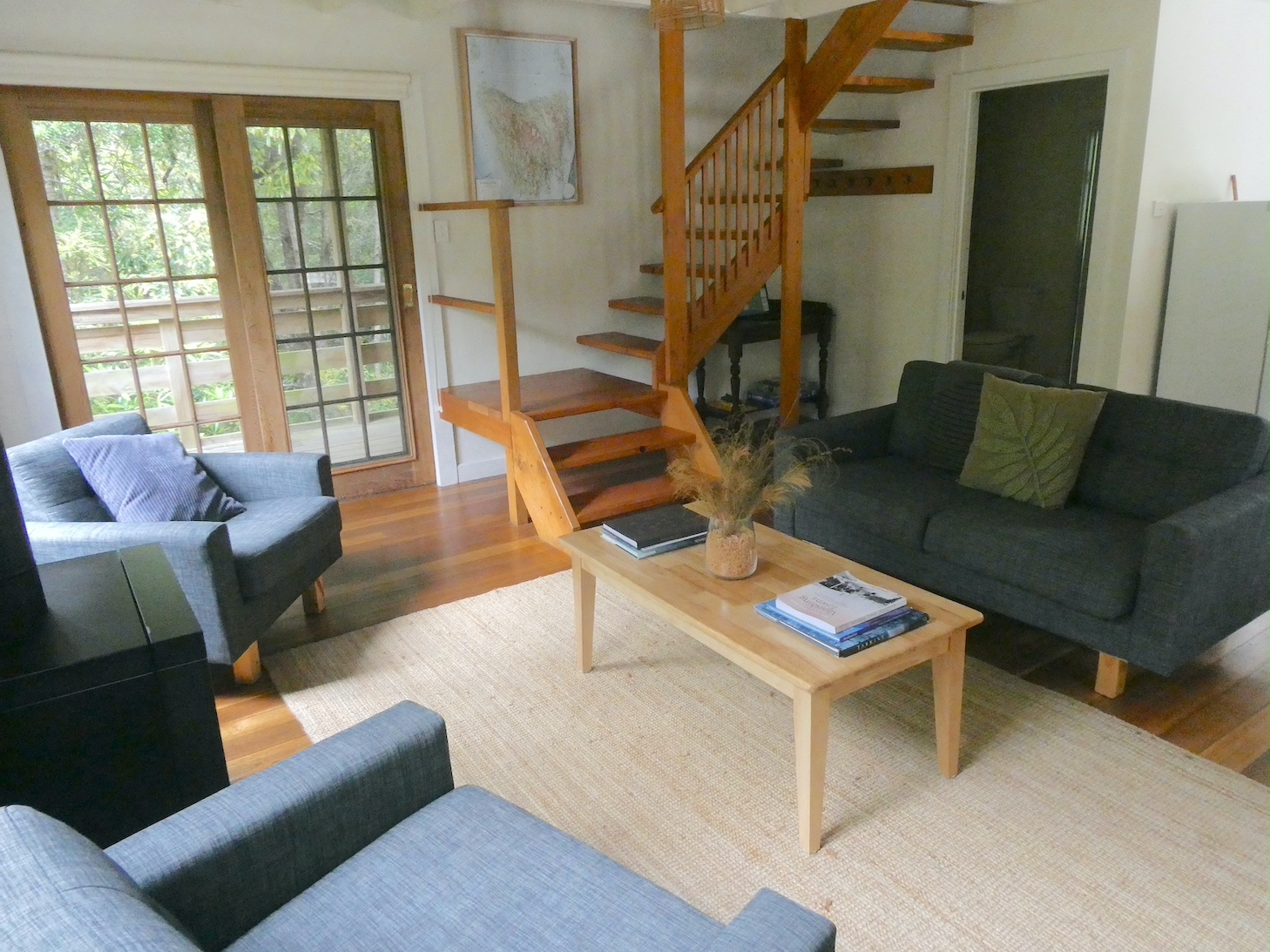
Named in honour of explorer James Hobbs who led a party to the west coast of Van Diemen’s Land in early 1824, our level of comfort far exceeded that of poor Hobbs. I am always prepared that photos on property websites are more enticing than in reality but we weren’t disappointed. The open plan living space downstairs

and bedrooms upstairs

were even better than anticipated and the gas heater warmed the whole area without effort. The rainforest embraced the spacious back deck

and the front verandah was the perfect spot to share a platter and bottle.

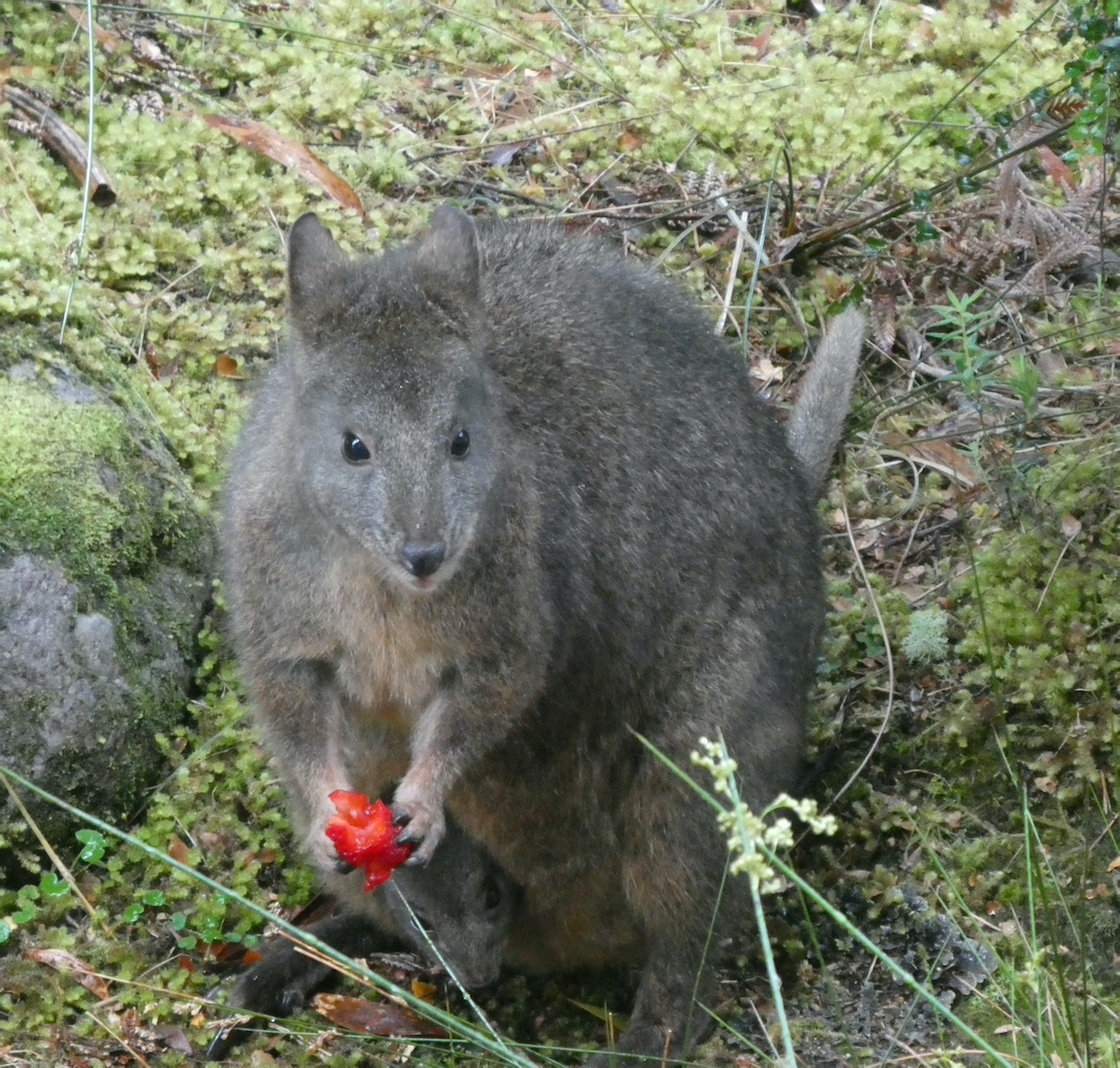
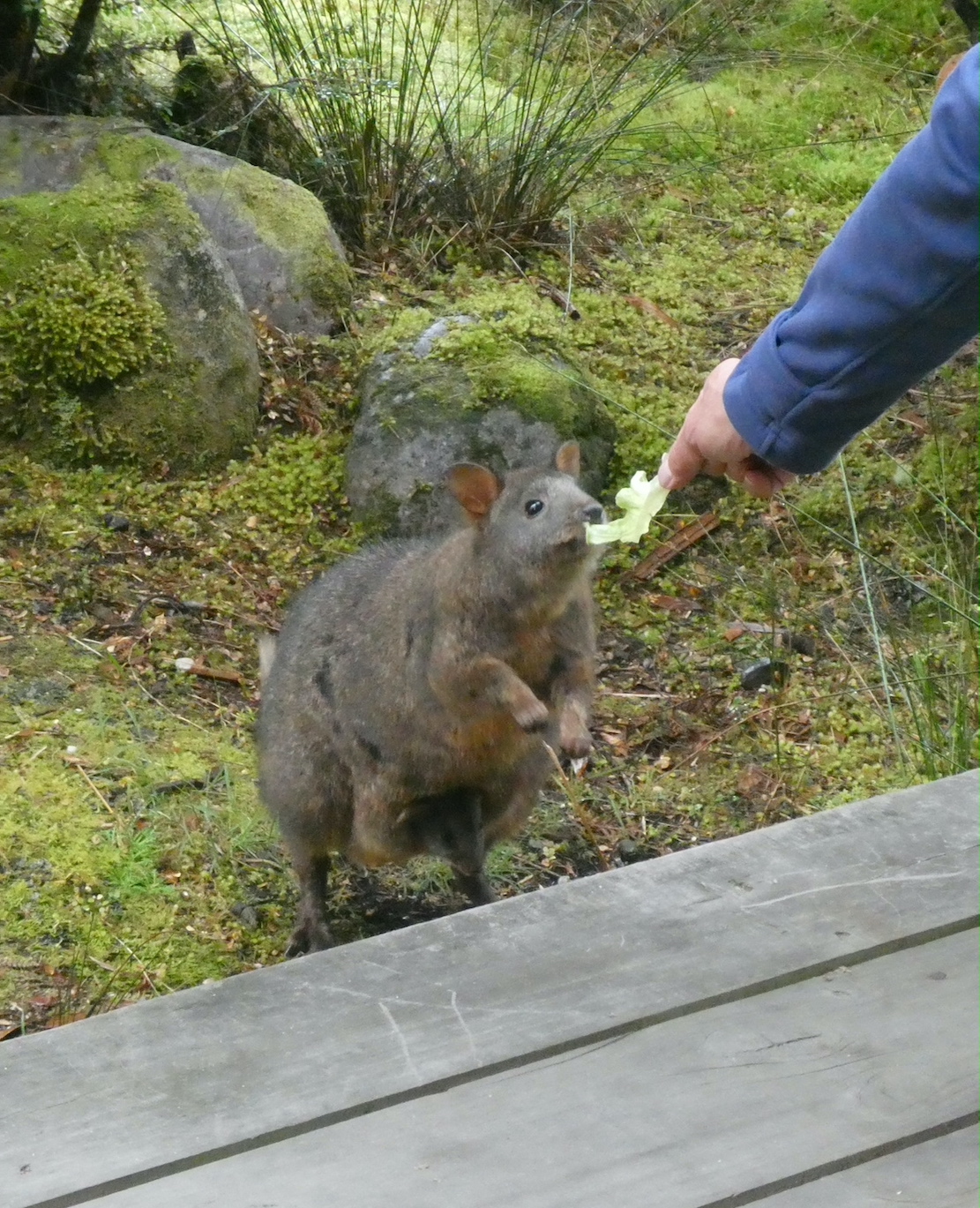
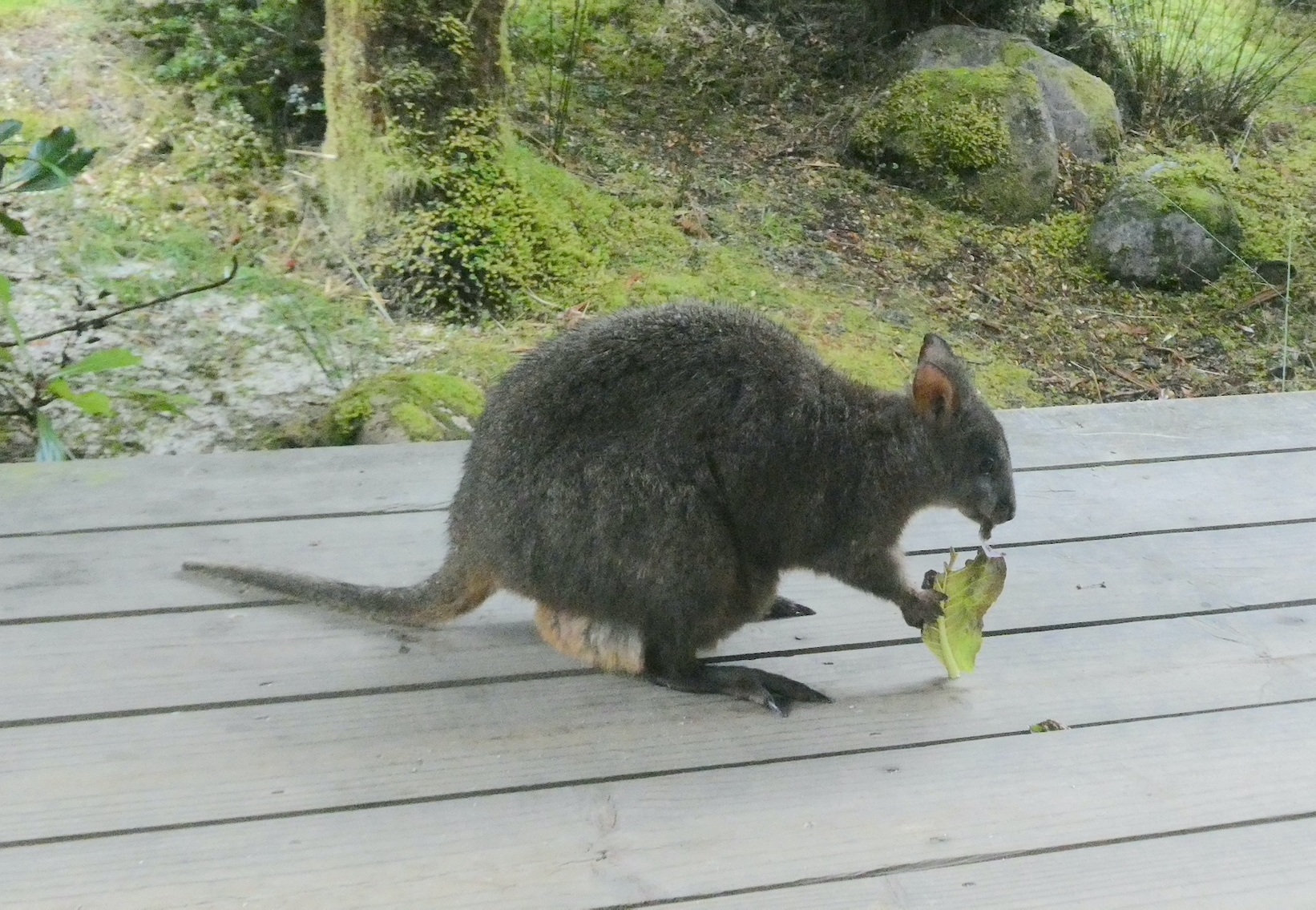
We were happy to share our food with the locals, especially when one had a baby on board.

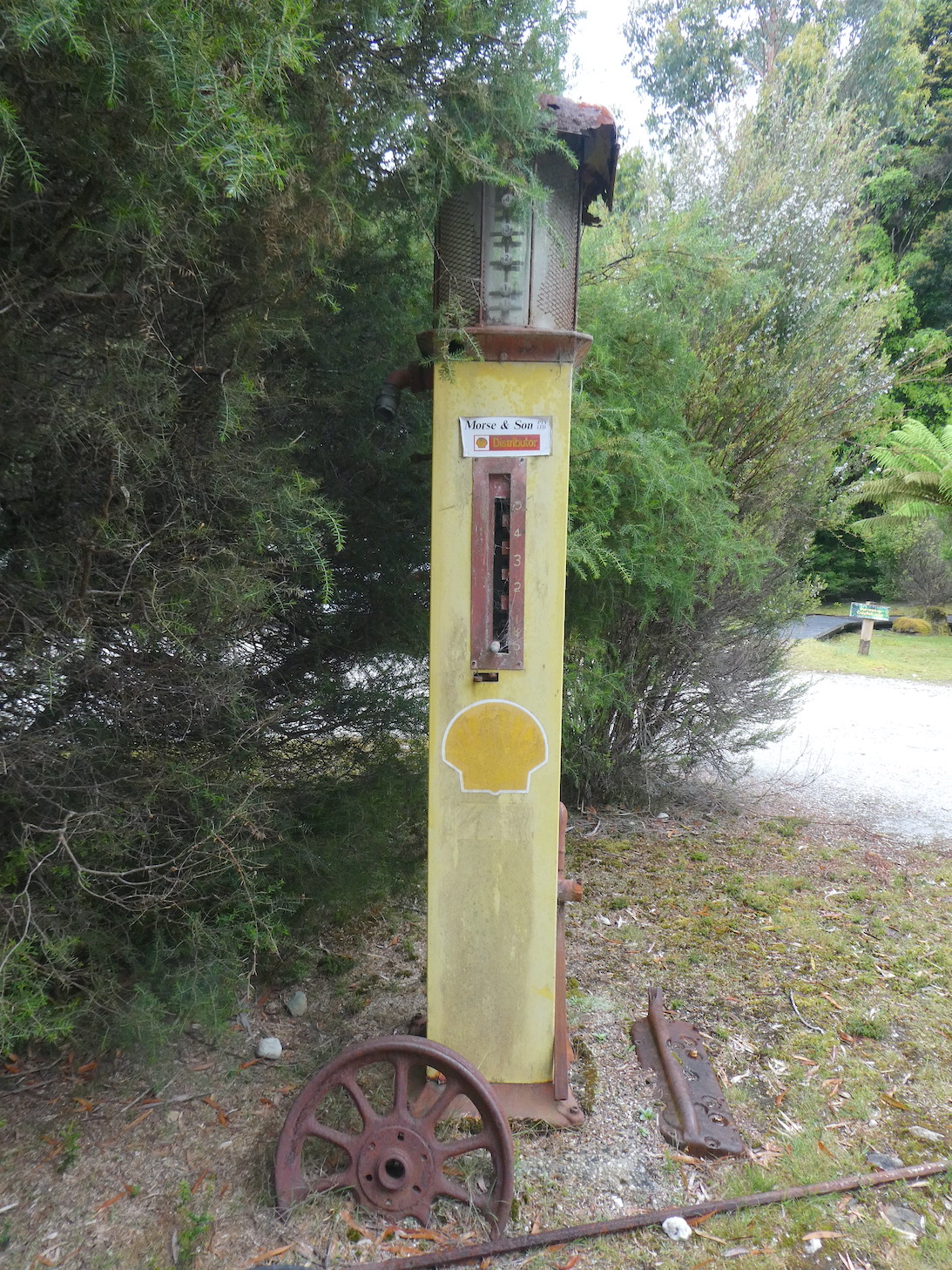
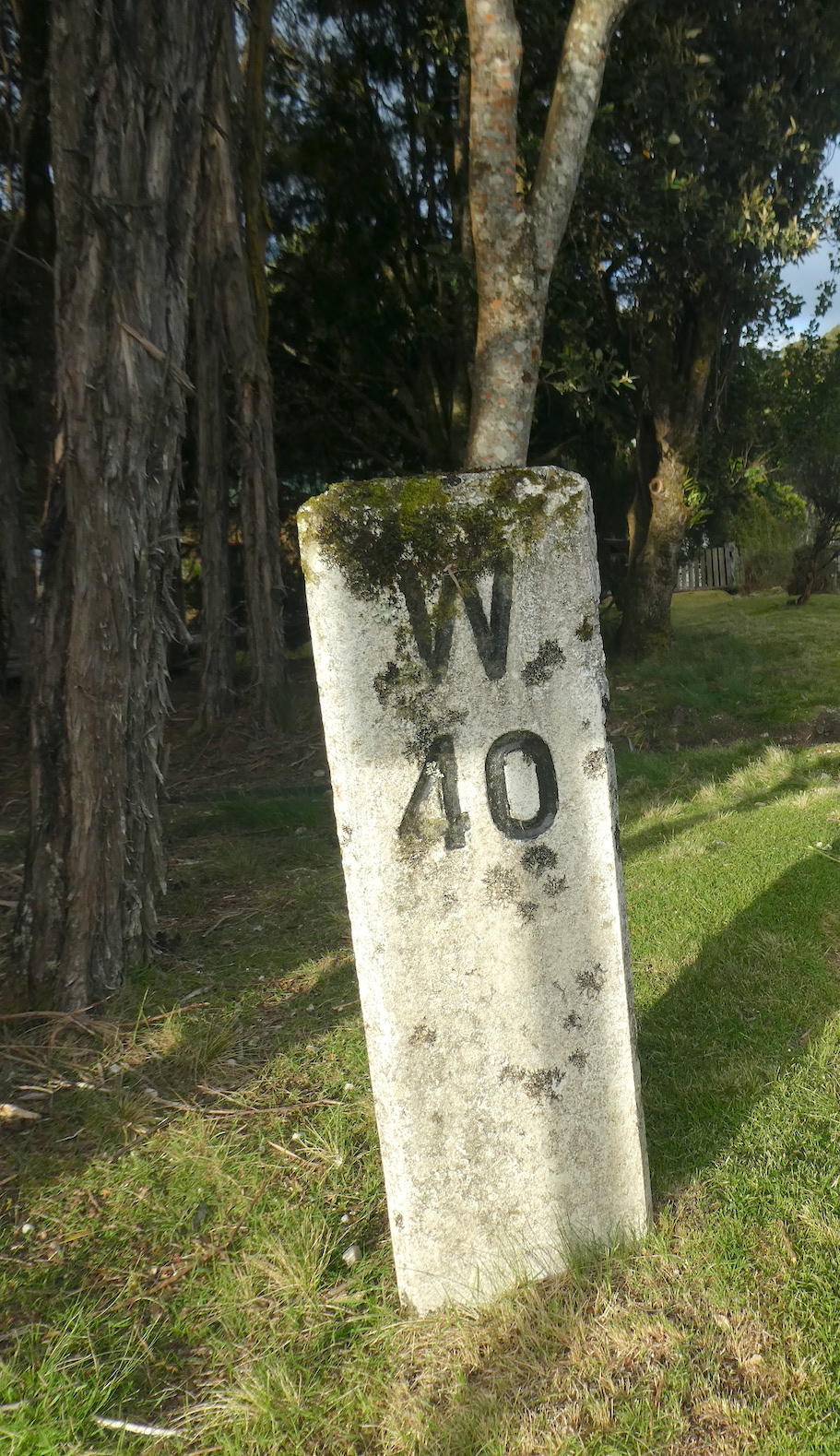
Corinna is totally off grid with solar power, rain and bore water and chemical free sewage treatment. Cooking, hot water and heating are powered by gas cylinders. Visitors are requested to take any rubbish with them when they leave, not a big ask to maintain the pristine environment. After settling in, a stroll around the village revealed remnants of times past.
The old butcher’s shop is now guest accommodation.

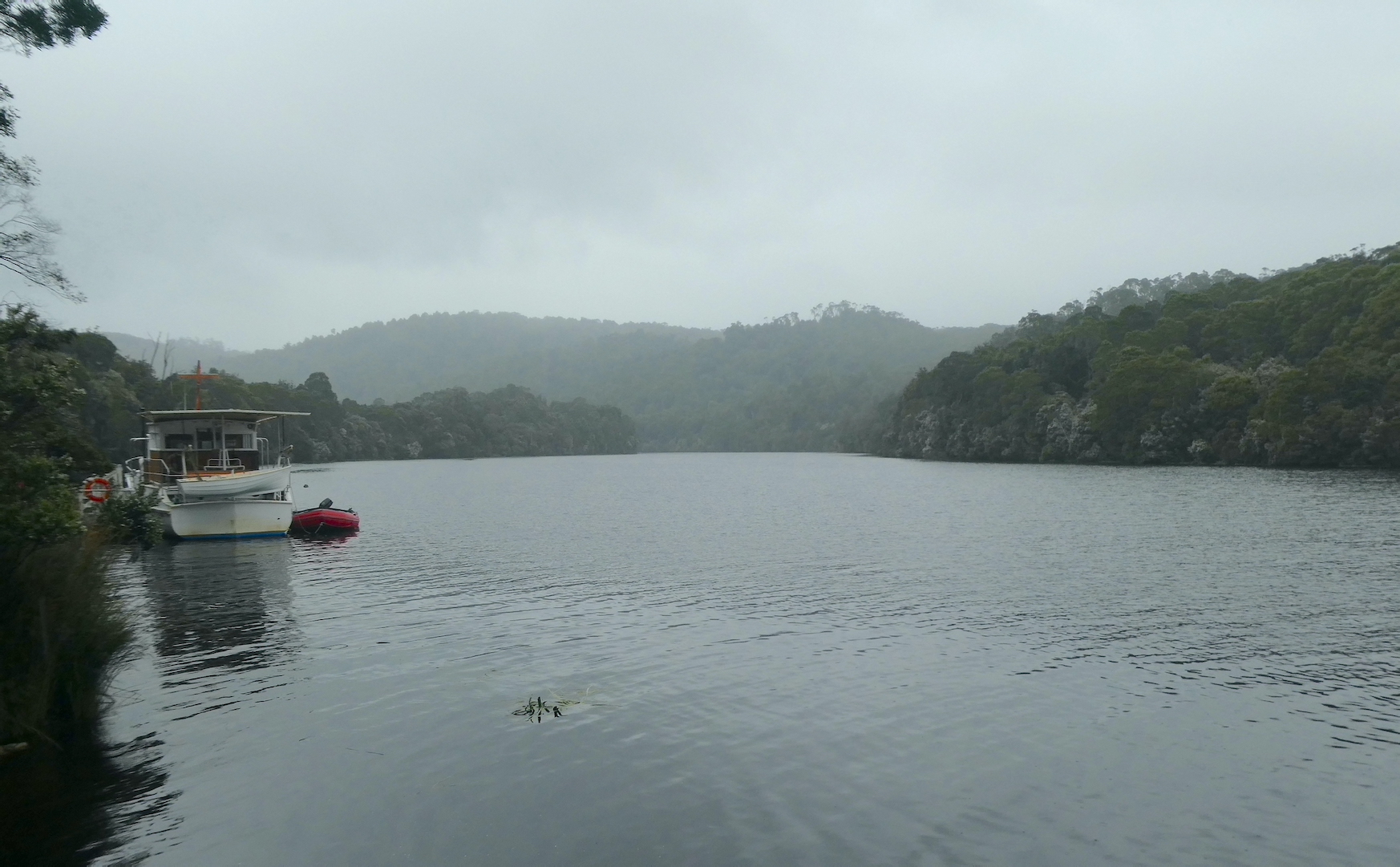
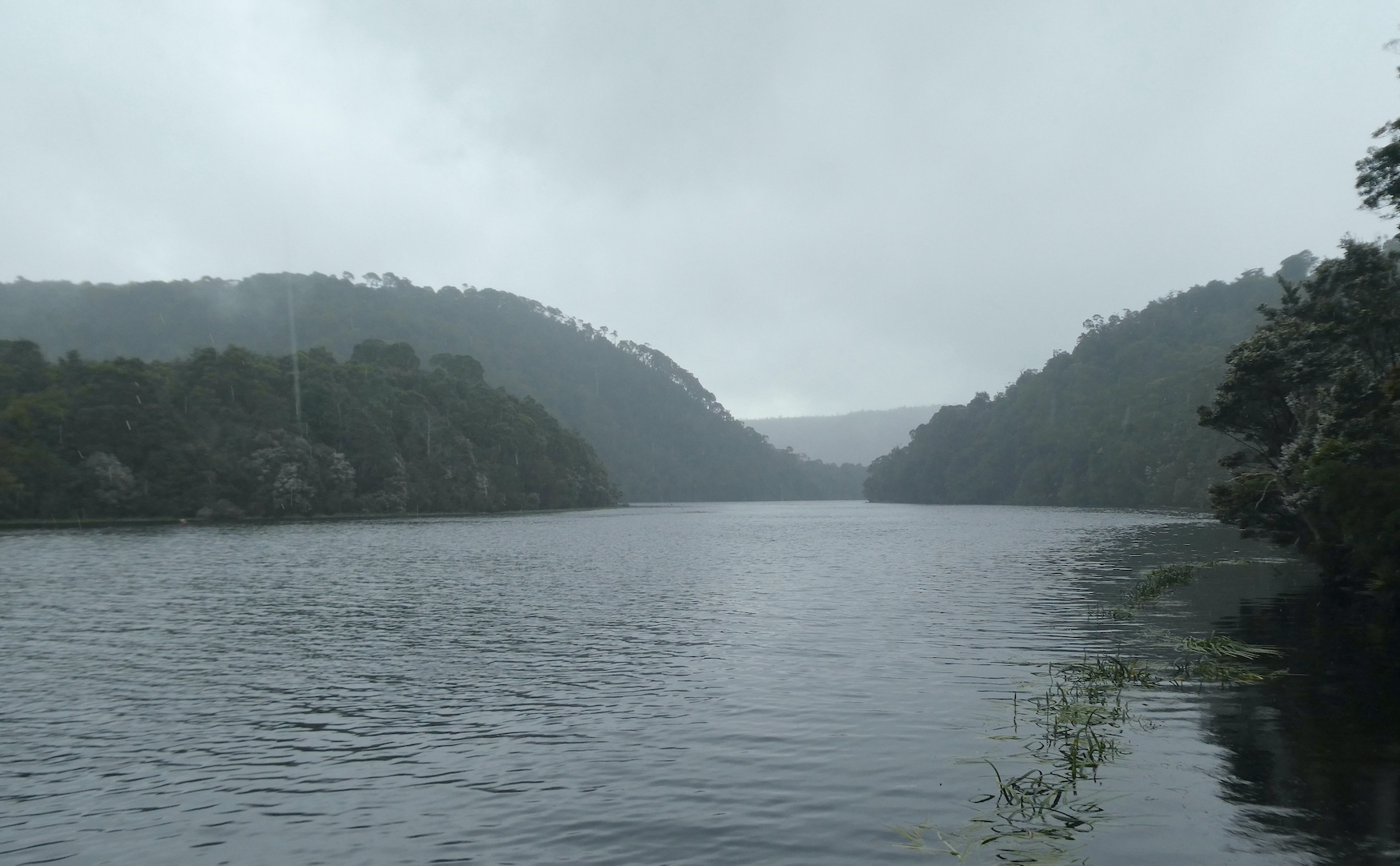
A light drizzle accompanied us as we wandered to the Pieman River at the edge of the property.

For those arriving at or leaving Corinna in a southerly direction, the Fatman Barge takes five minutes to cross the 130 metres to the other side of the river. It is the only cable driven vehicular barge remaining in Tasmania.

Although the cottage was equipped for self-catering, the Tannin Restaurant in the on-site Tarkine Hotel has a mouthwatering menu.

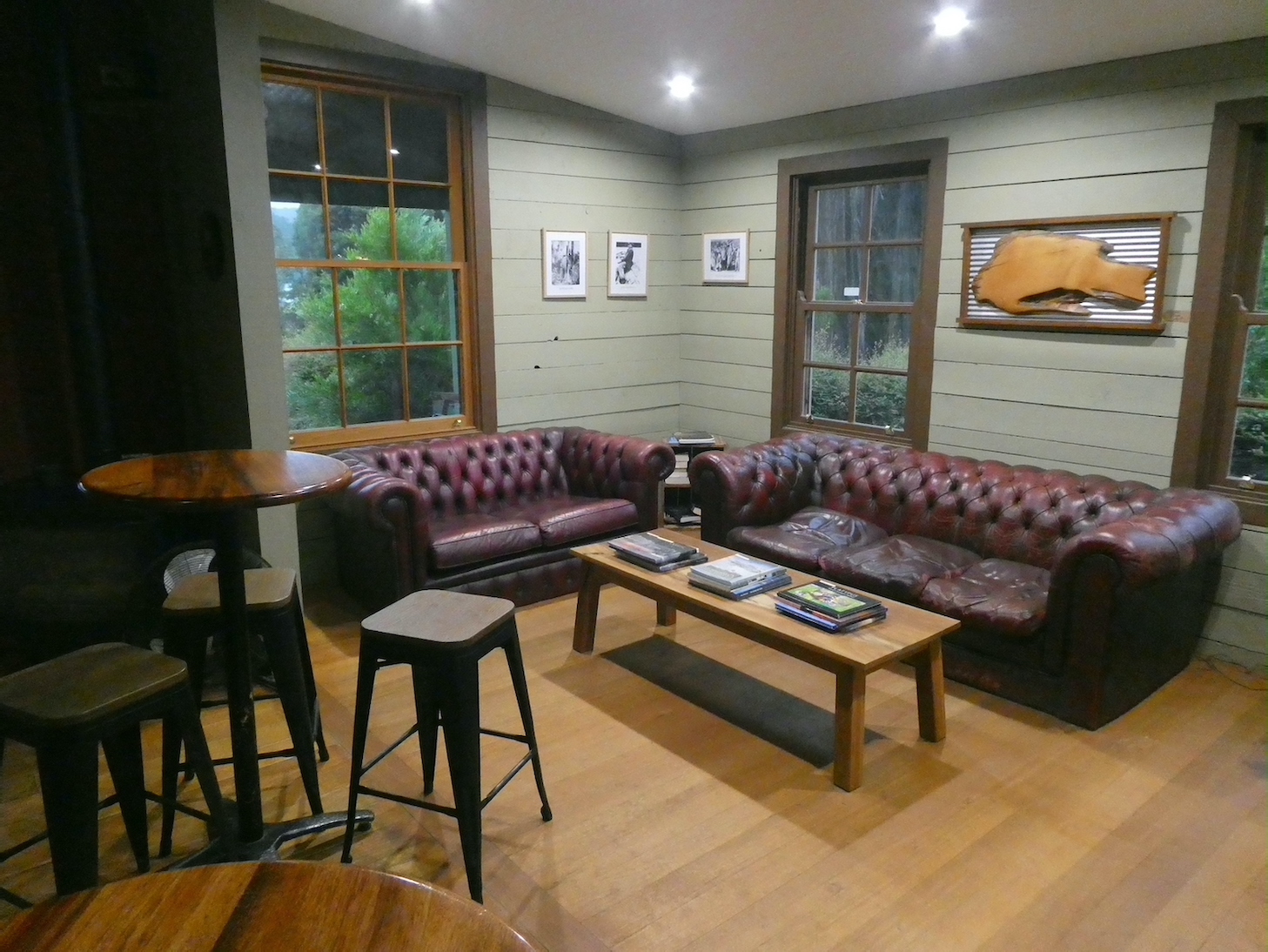
After a days adventure we would amble to the Ahrberg Bar and take up residence on the squidgy Chesterfield with a pre dinner beverage.

Moving on to the dining area, the meals were superb, all prepared using fresh Tasmanian produce. The only down side was, I didn’t have any room for the desserts on offer.

With no TV or Wi-fi (a blessing) it was back to the cottage for board games and bed.

cockatoo chaos

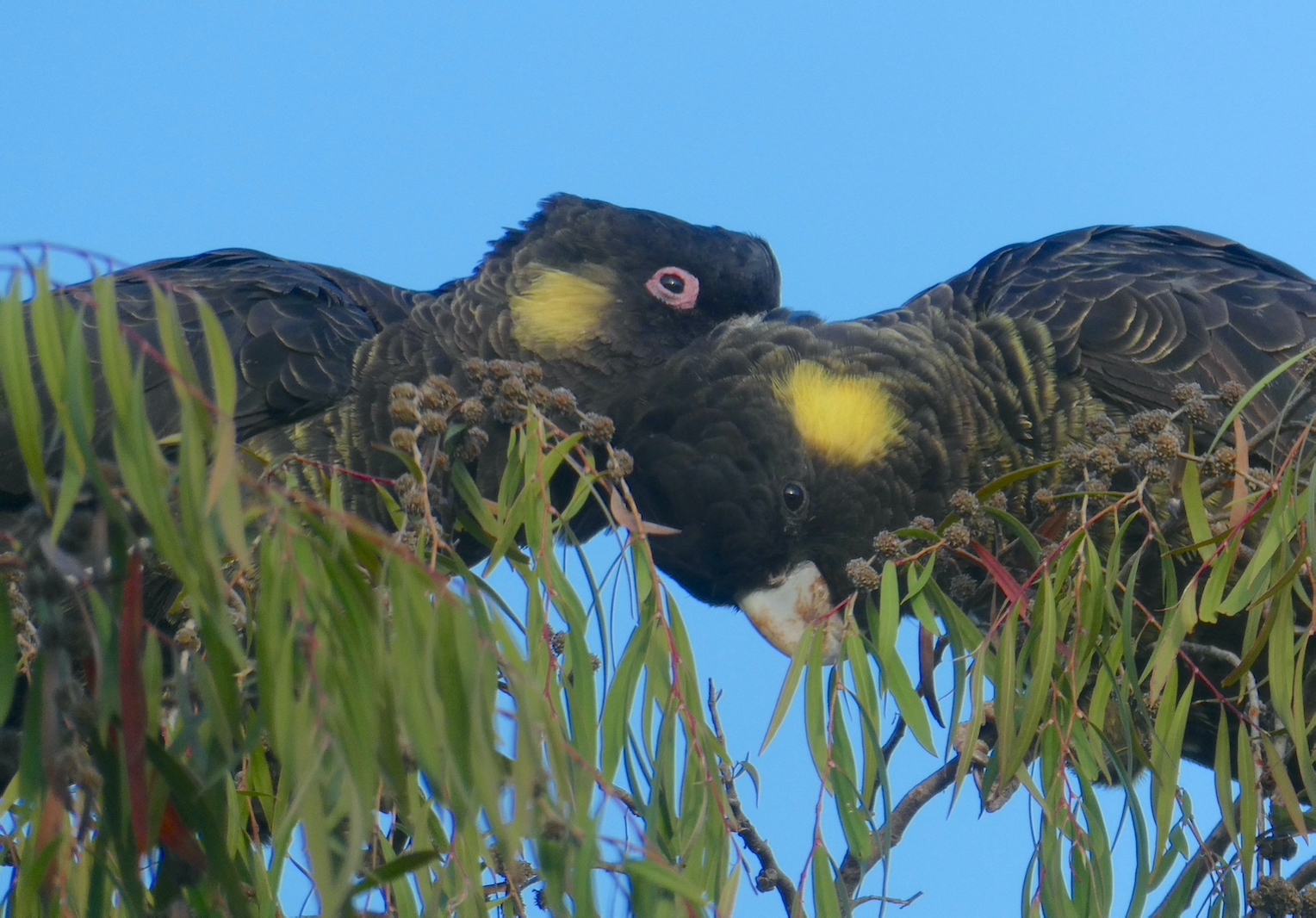
We have so many bird species in our garden I couldn’t even begin to name them. The biggest by far are the yellow-tailed black cockatoos. They are often in pairs quenching their thirst at the stock troughs, one will keep lookout in a nearby tree while the other sups and then they swap places. Then there are times when a whole flock will descend on the Banksia tree for a feast.

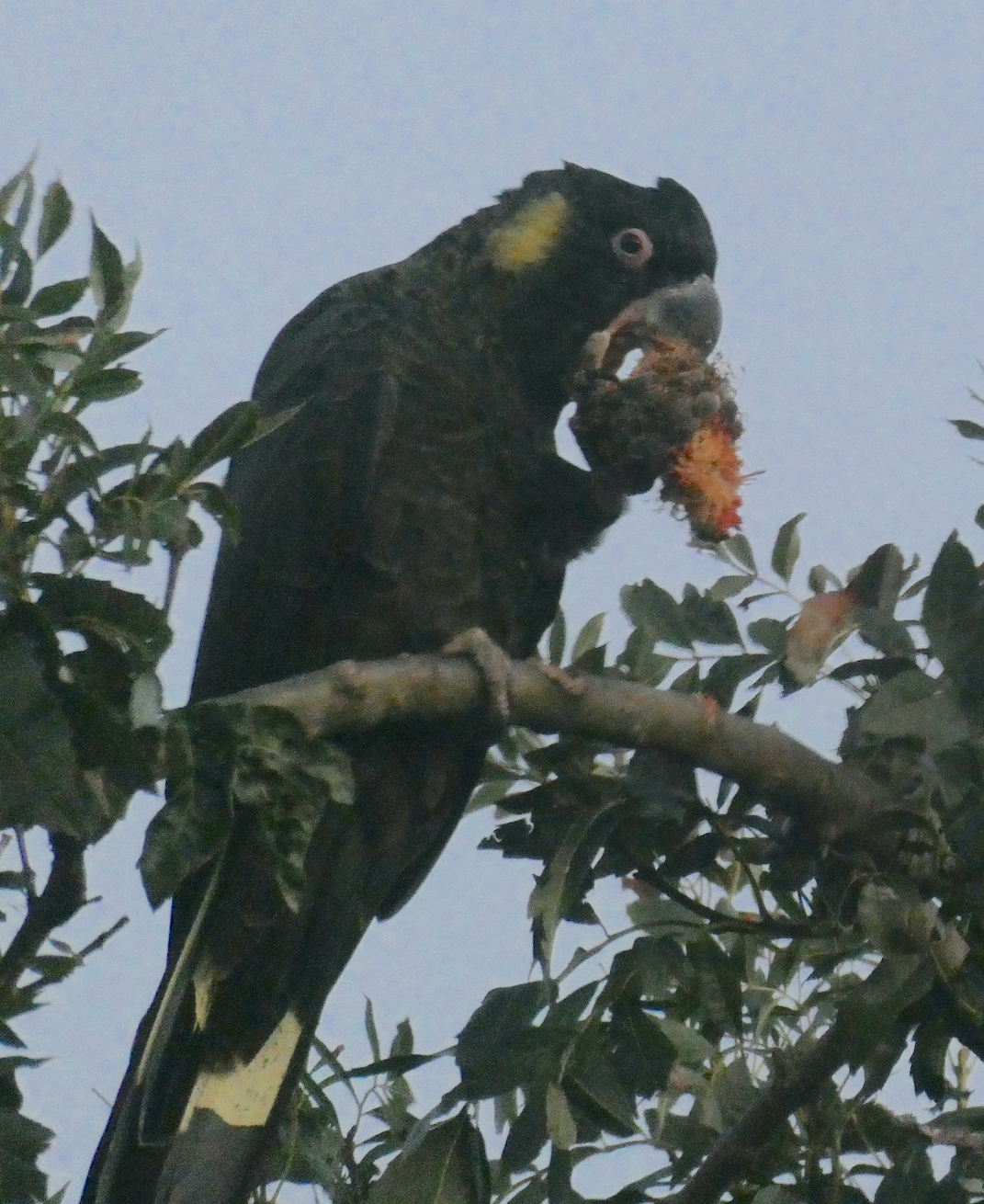
We hear them coming as they call to each other in their distinctive raucous, yet delightful, manner. They nibble the cones and break them open to eat the seeds.

I don’t begrudge their much needed nutrition but I wish they wouldn’t leave such a trail of destruction.

These stunning birds were first described in 1794 by the English naturalist George Shaw as Psittacus funereus, relating to the dark, sombre plumage as if dressed for a funeral. He seems to have missed the bright yellow cheek patches and tail band. Our magnificent peppermint tree is a popular spot to survey the surrounds before indulging in another Banskia banquet.

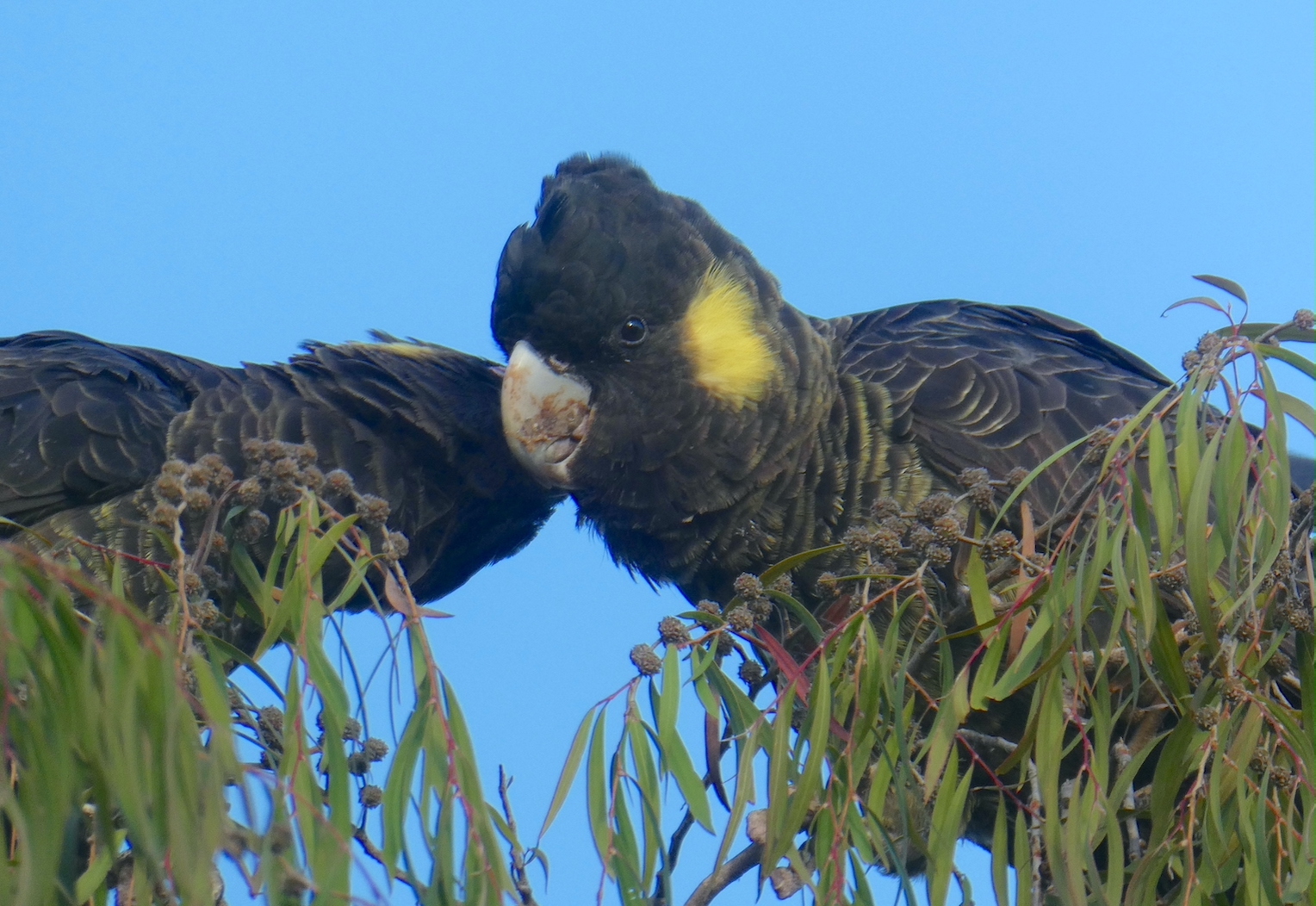
The body feathers are edged in yellow and those of the subspecies found in Tasmania have a more prominent scalloped appearance.

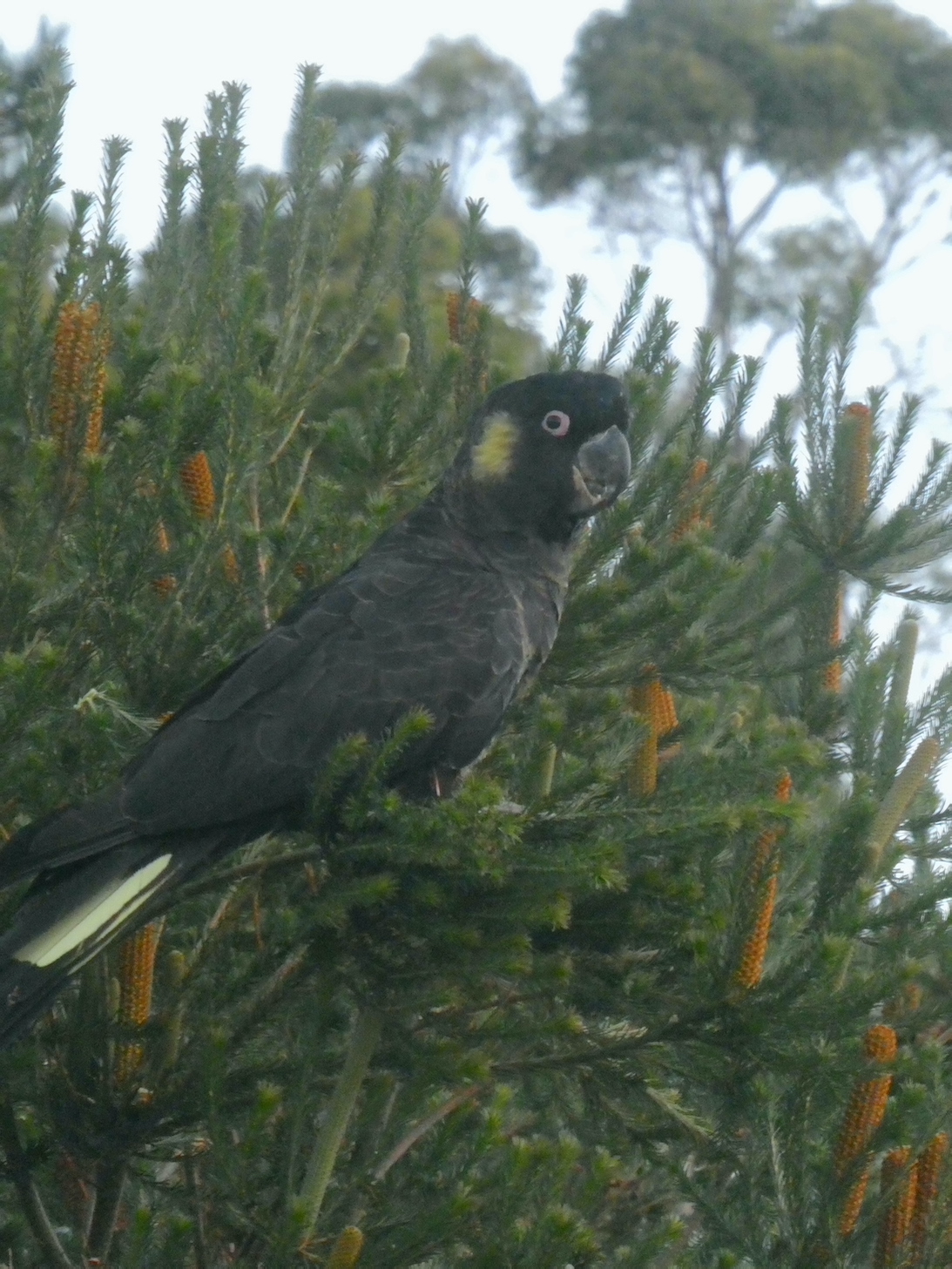
Adult males have pinkish red eye rings and black beaks

while females have grey eye rings, a bone coloured beak and brighter, more clearly defined yellow cheek patches.

The monogamous couples raise a single chick each year which will remain with them for 12 to 18 months. The constant ‘begging’ squawk of the young is enough to test any parental patience. One particular pair at Rotterdam Zoo stopped breeding when they were 41 and 37 years of age, though continued to bond closely. I suspect these two will be bringing offspring to dine before long.

With warmer weather around the corner, we look forward to seeing more of these beautiful creatures.

Johnson’s Beach

At the end of another winter, thoughts turn to warmer days, sunshine and walks along the beach. Just a 10 minute drive from us is the peaceful Johnson’s Beach at Penguin. Apparently, it is named after a certain Mr. Johnson who lived at the end of Clerke Street near the beach but he remains a mystery.

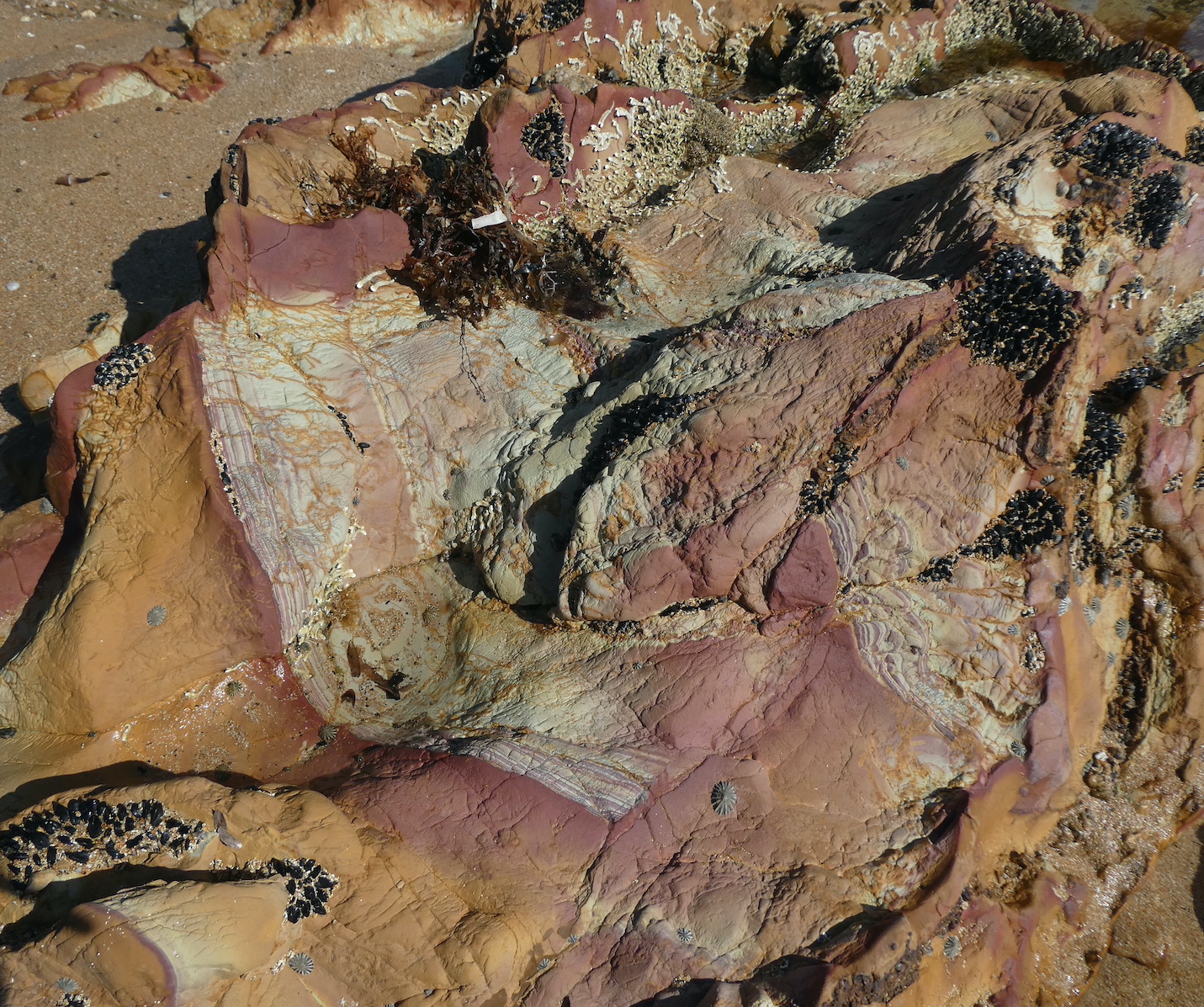
A stroll along the shore reveals art installations with a difference, courtesy of the artist in residence, Mother Nature. Magnificent rocks of all shapes and sizes are coloured with myriad earthy hues.

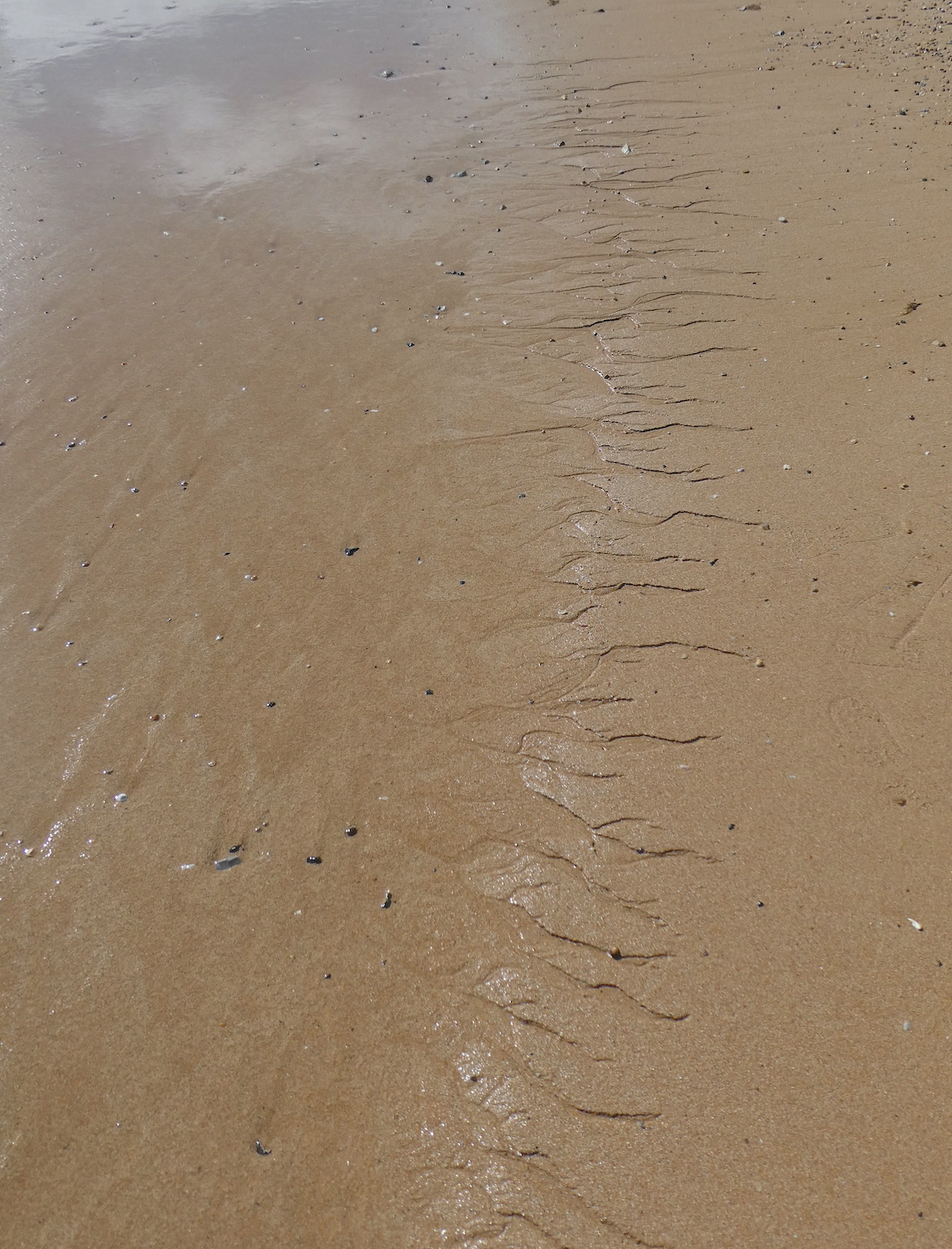
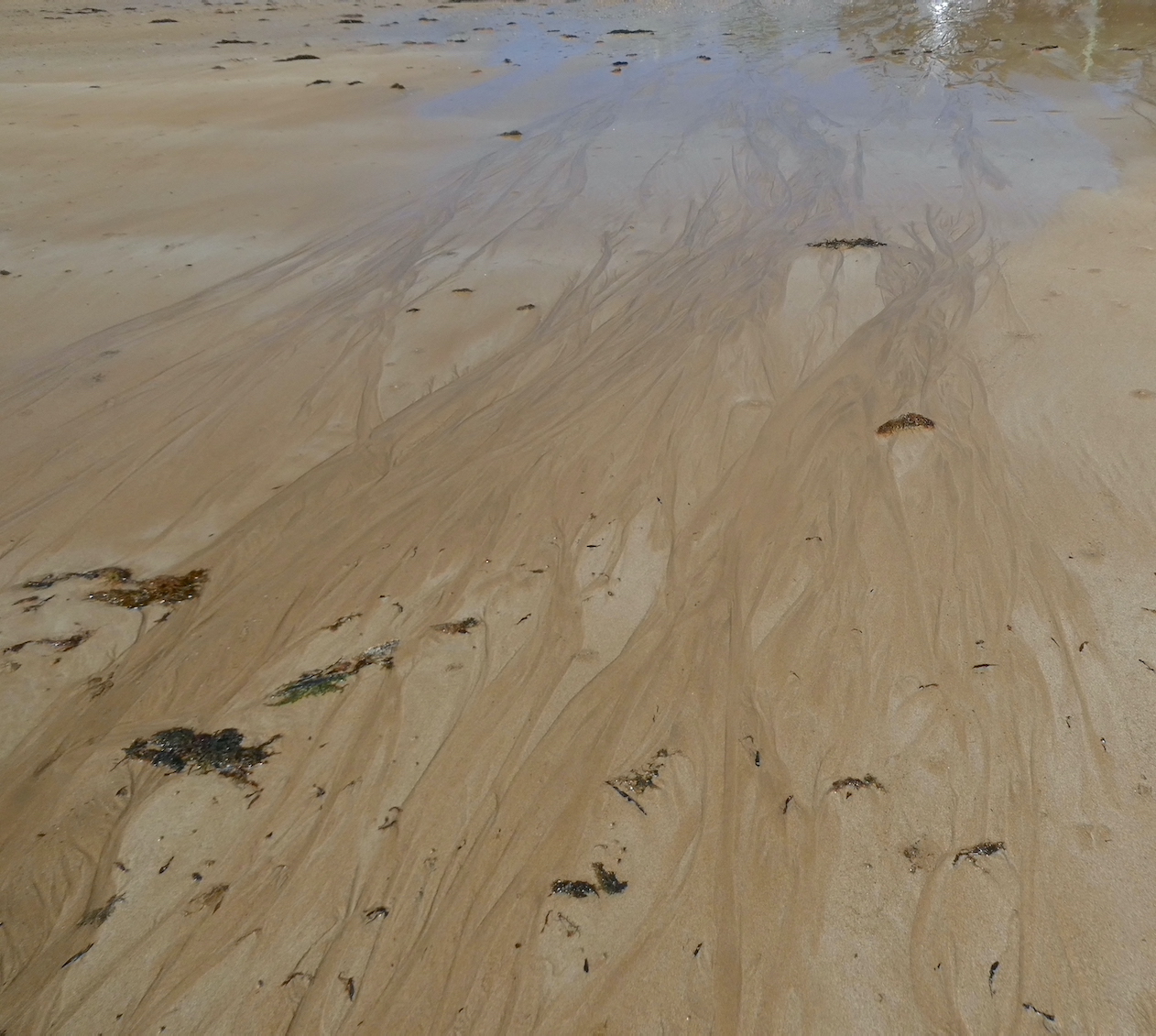
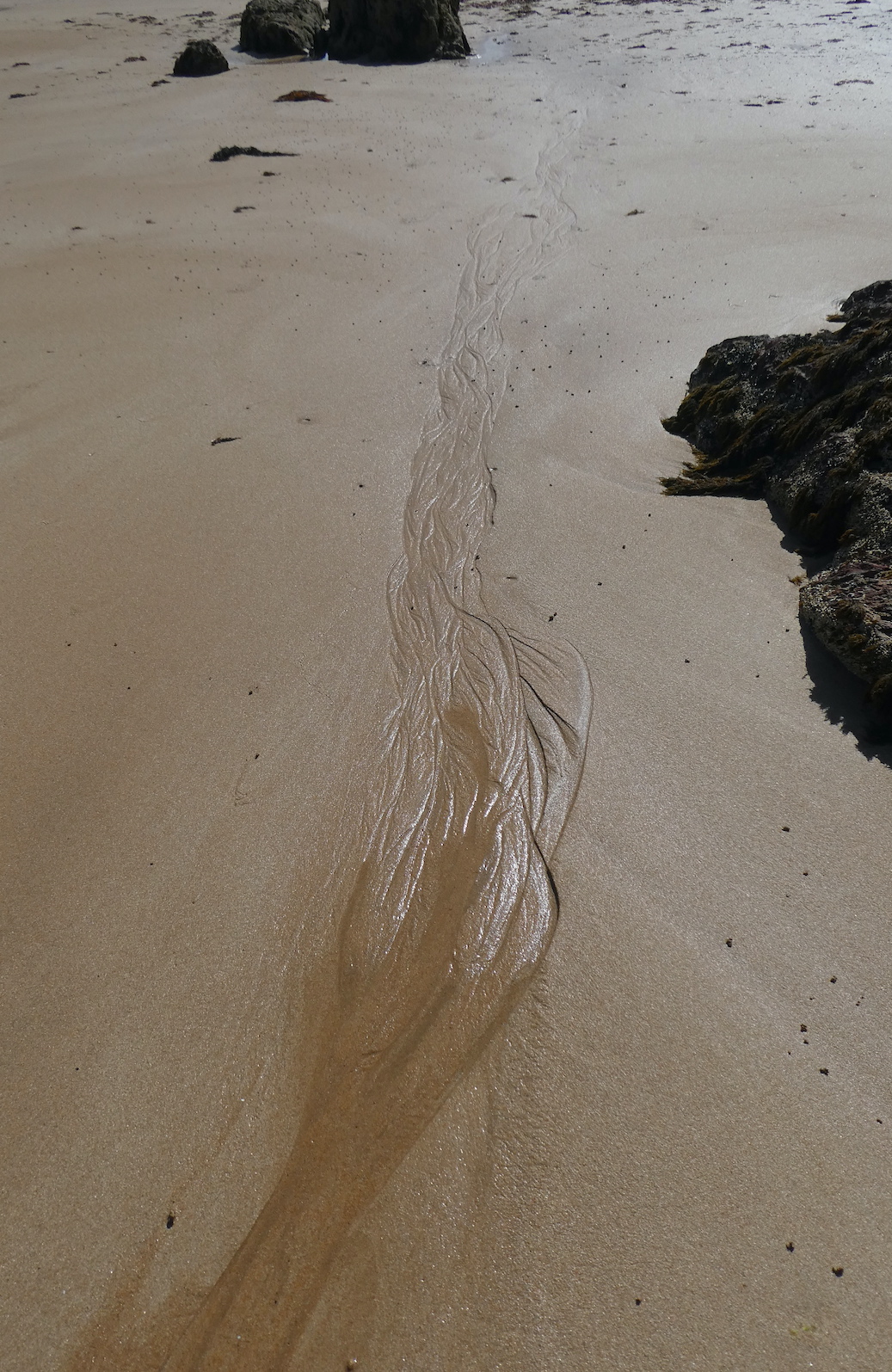
Subtle brush strokes and feathering etch the sand, following the retreating tide.

Smooth vanilla mounds are drizzled with raspberry coulis

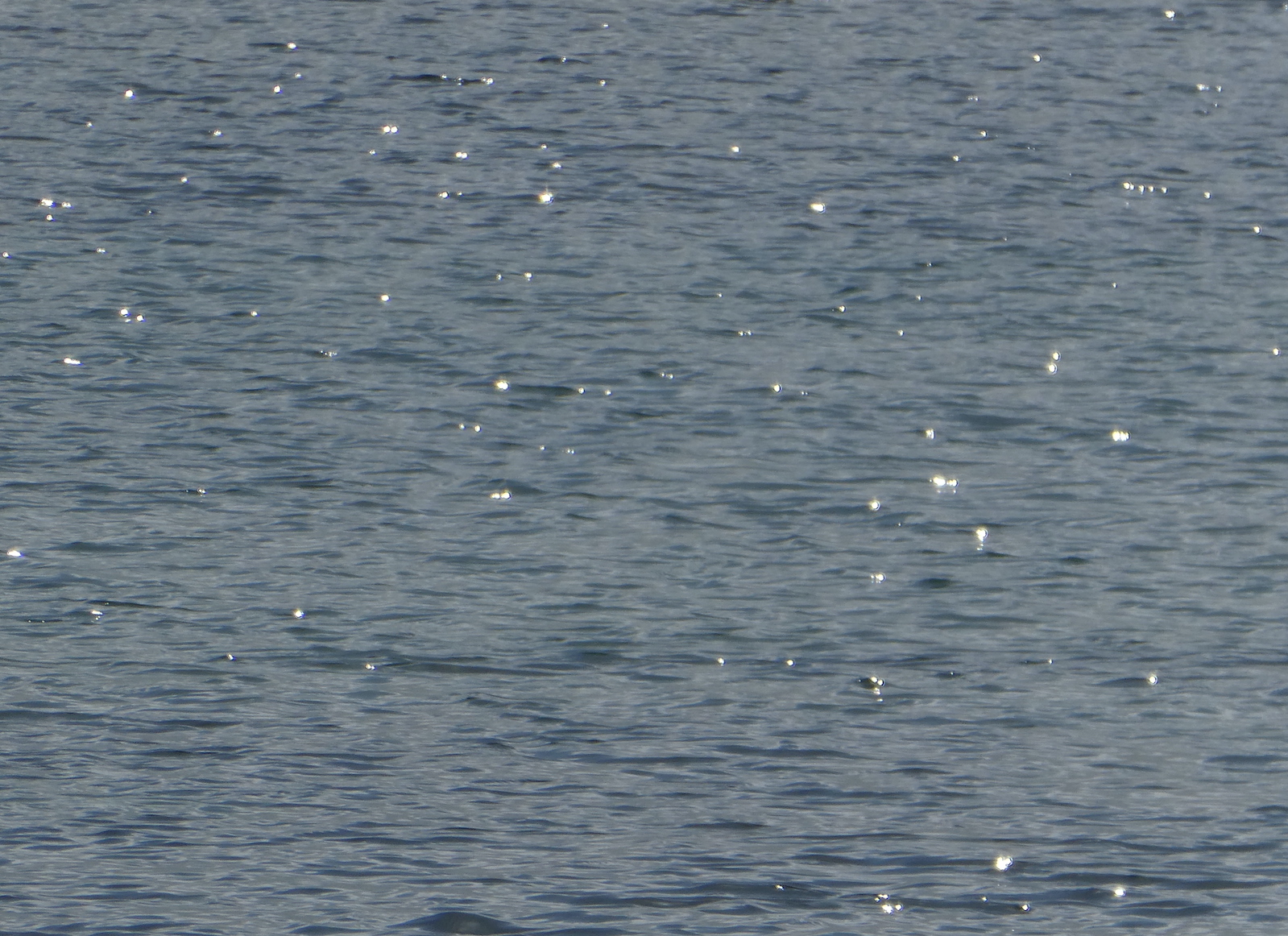
and diamonds sparkle on a watercolour background.

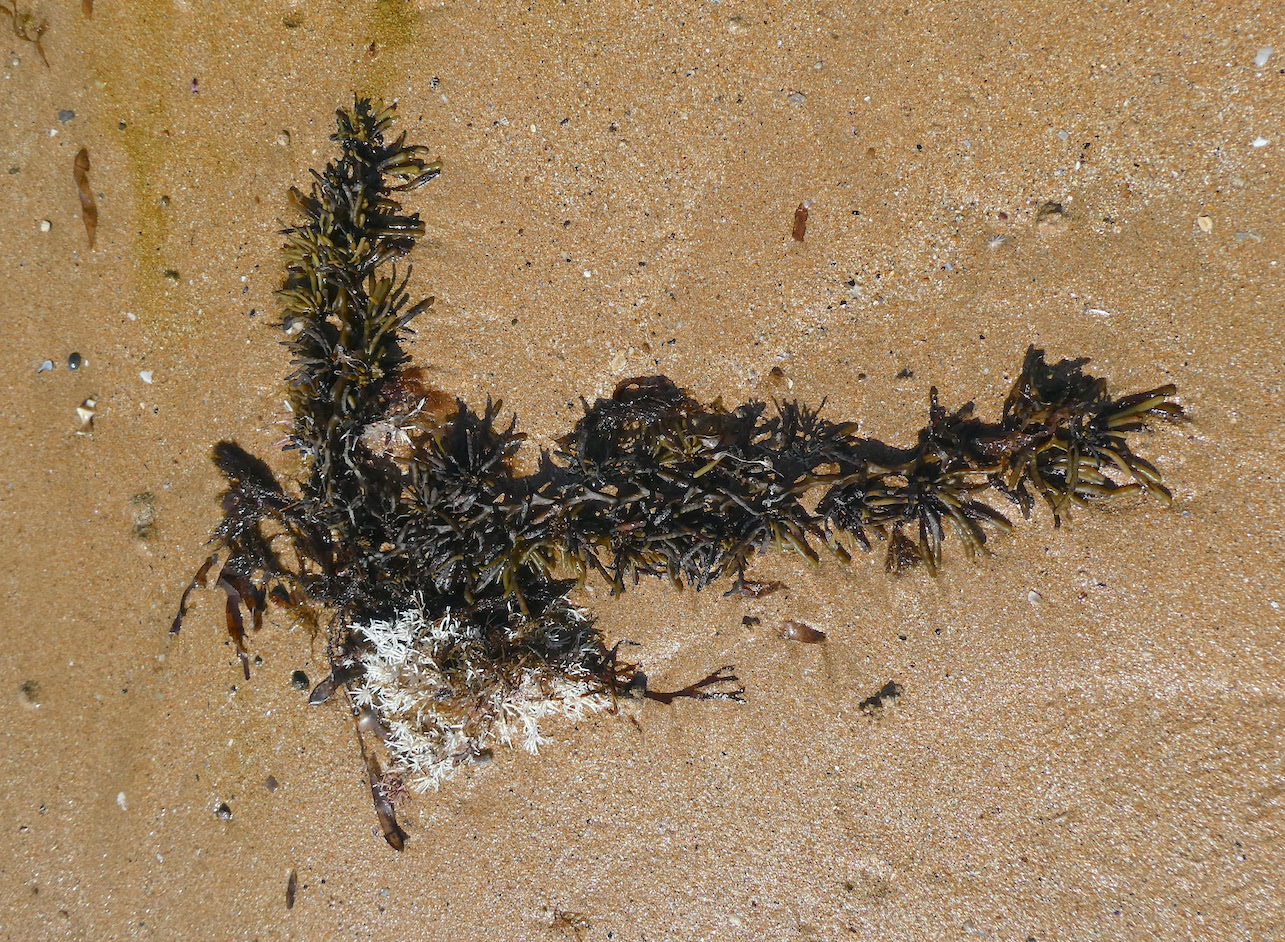
Elegant accessories have been discarded flippantly, awaiting a seat at the next salty soiree .

Returning to reality…. Spring isn’t far away and a drive to Penguin for a meander along Johnson’s Beach followed by a leisurely lunch is high on the agenda.

ponderous project

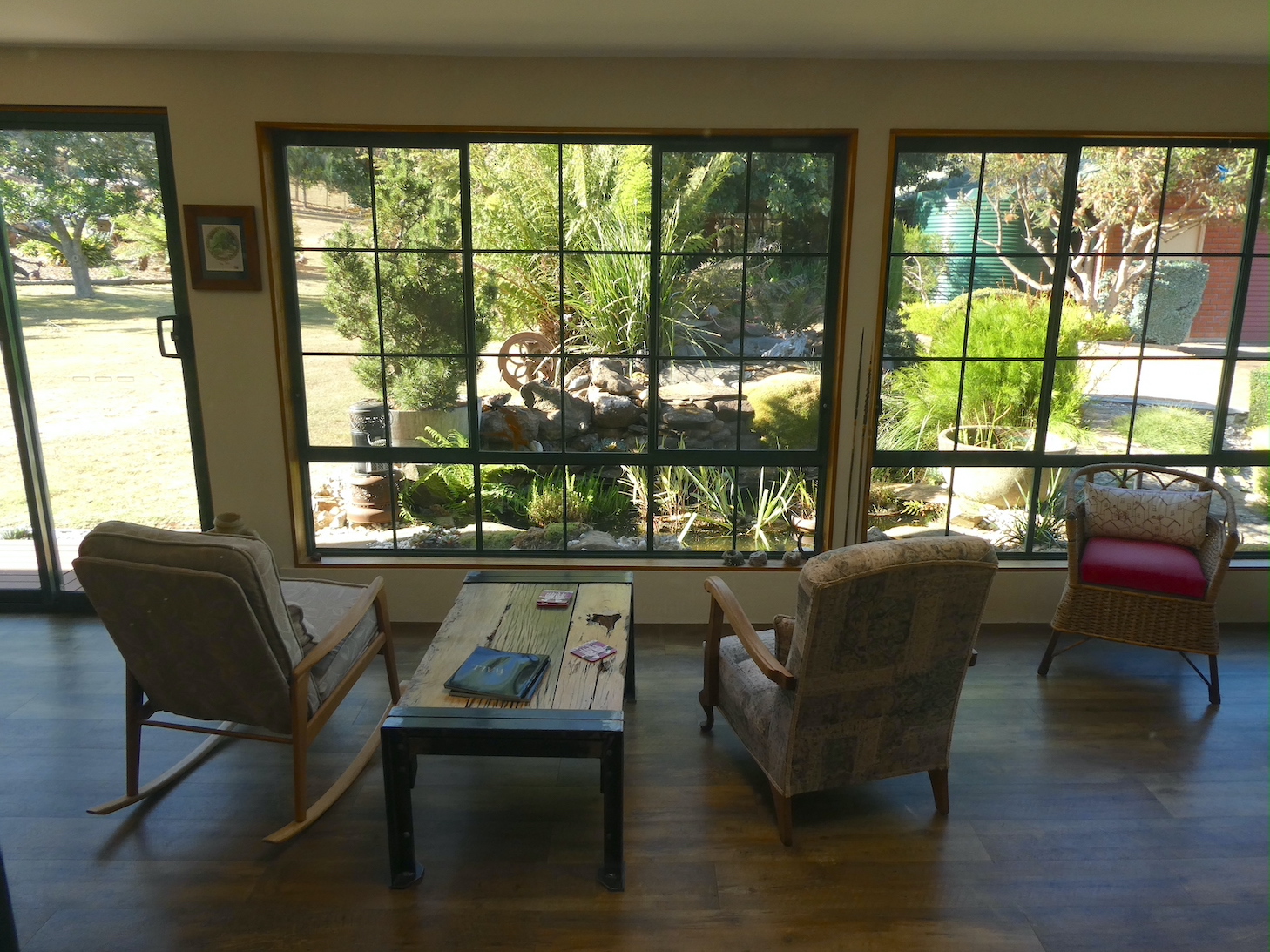
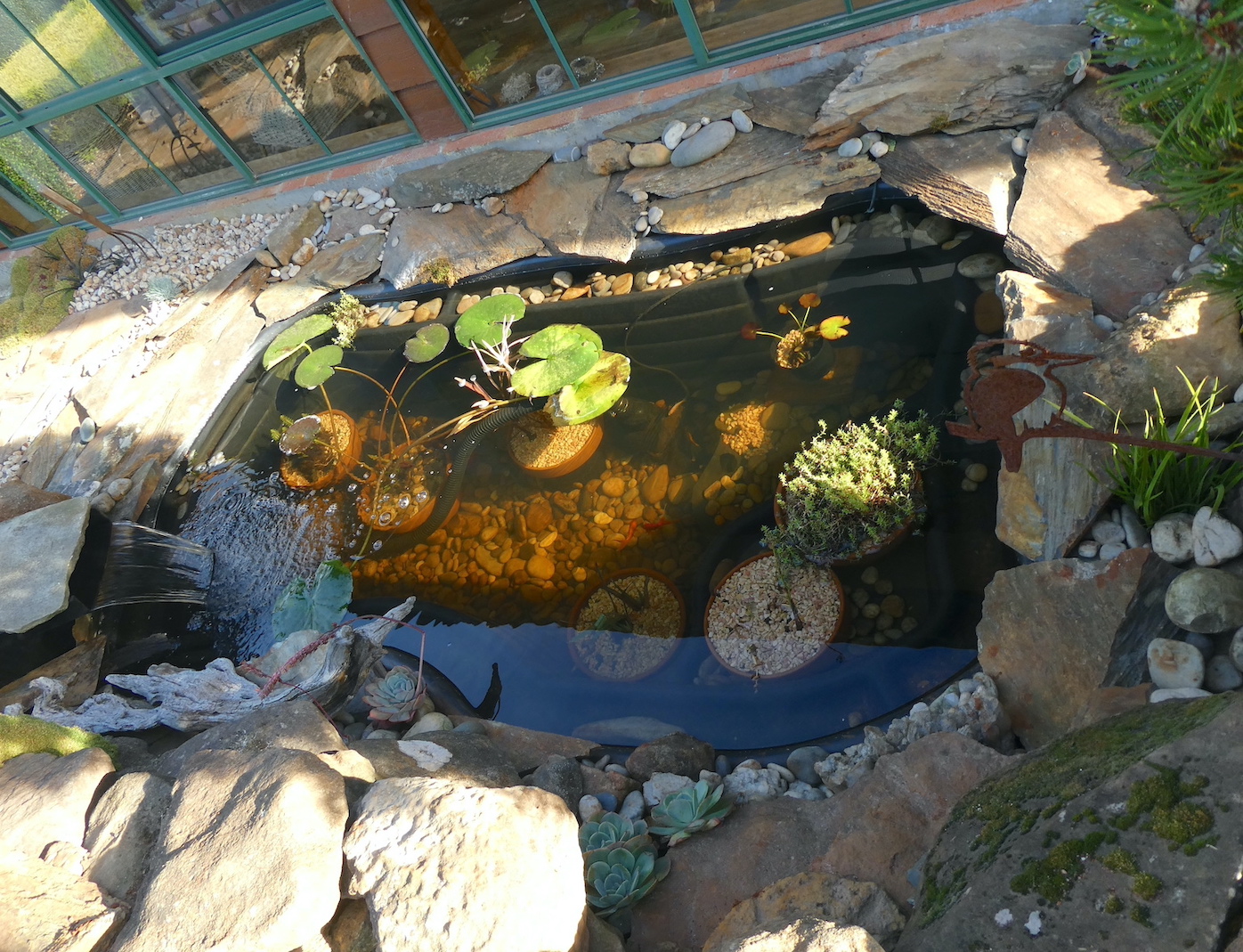
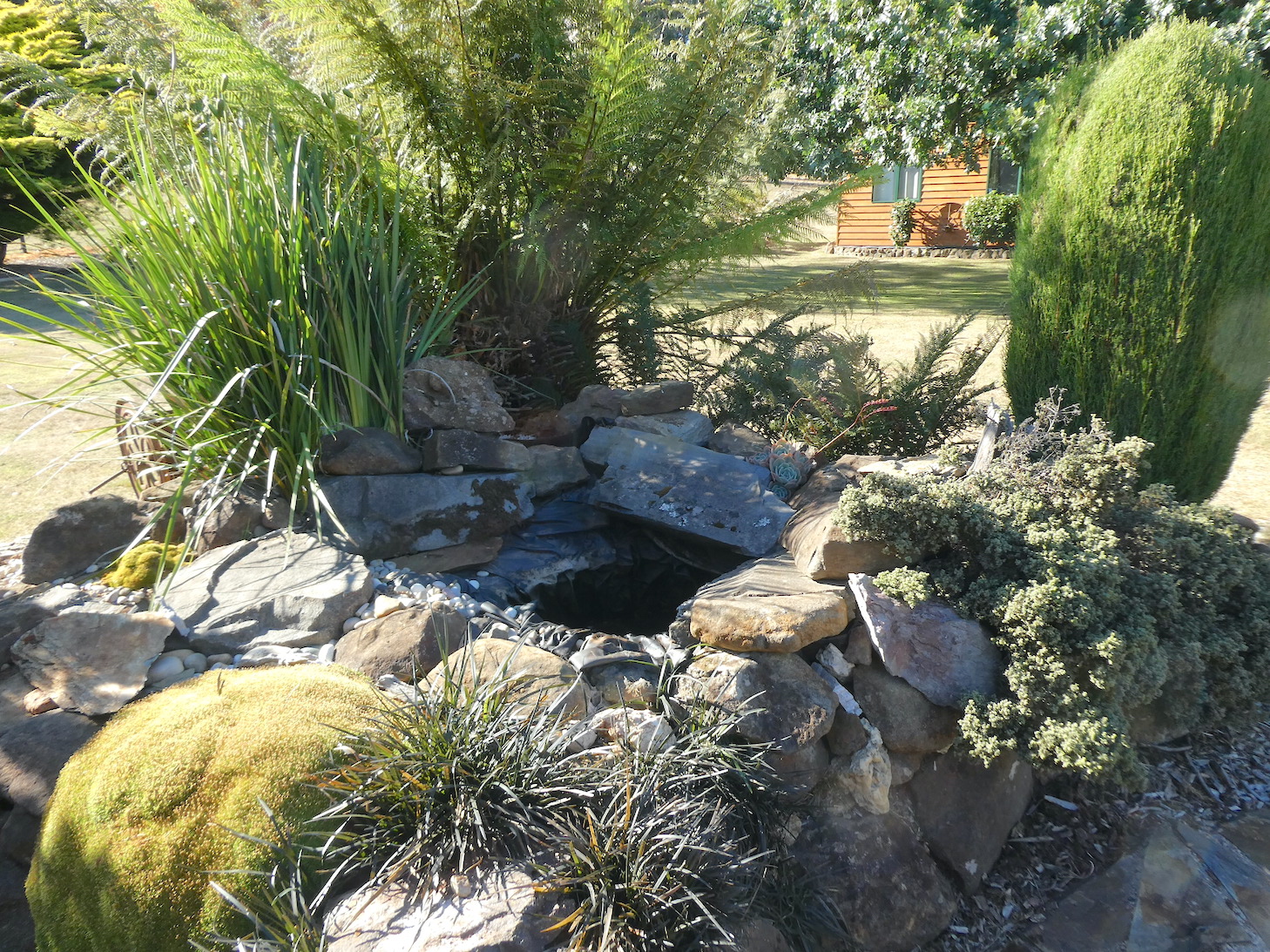
When we first viewed our property (fifteen years ago), we were impressed with the pond and the rather large goldfish inhabitants. Michael landscaped the area with rocks and plants and created a smaller top pond, adding a cascade for completion. It is a lovely, peaceful setting to gaze upon from the kitchen window

but Michael has lamented the ever present algae due, in part, to the lack of water depth and more recently the obvious presence of a leak in the liner.

Deciding on a pre-formed pond rather than replacing the liner, we set about the project we had been procrastinating on for months. The first job was to create easy access by relocating the pot pond and trimming plants.

The pond plants and surrounding rocks were removed to expose the liner

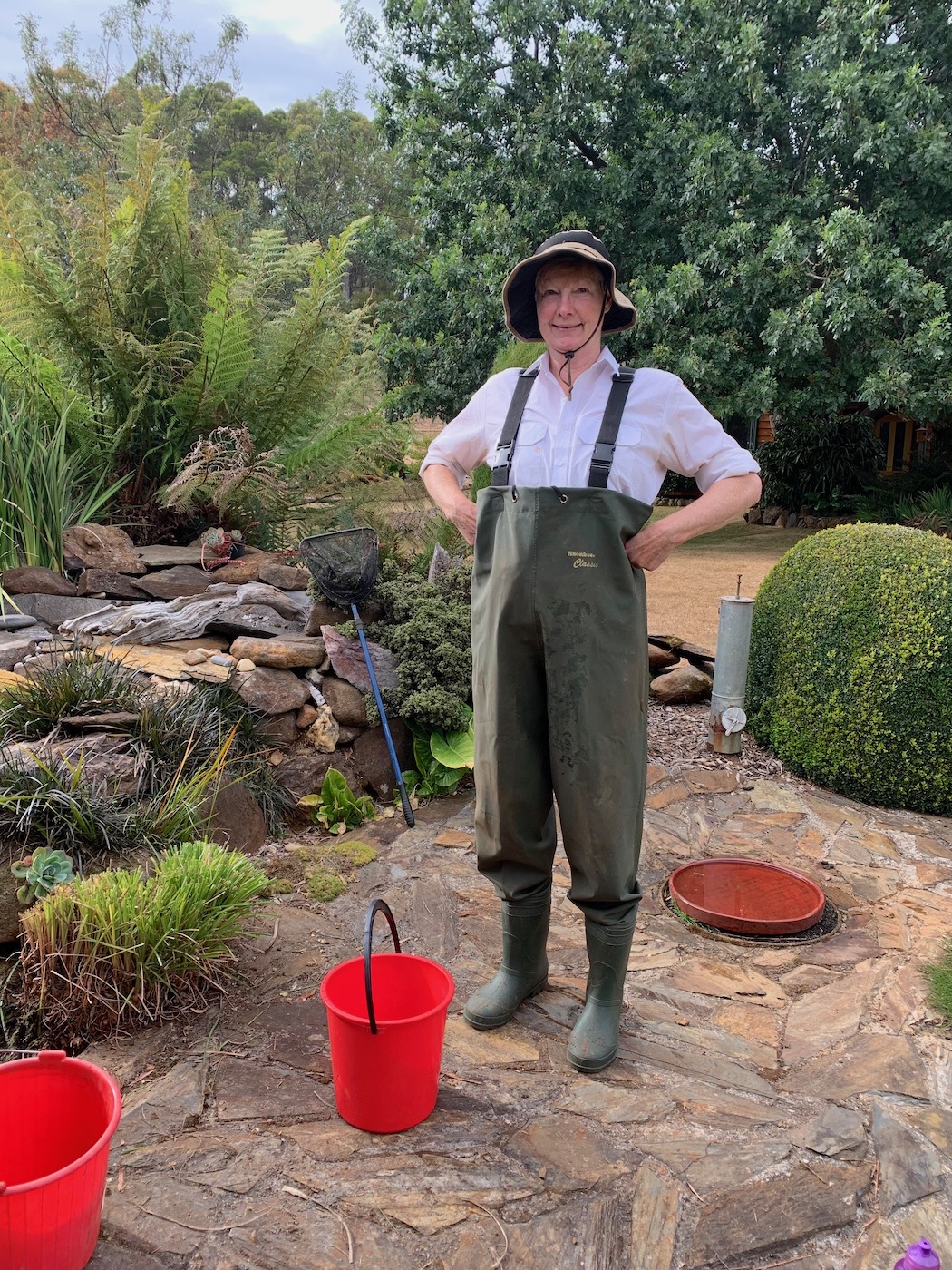
before I donned the appropriate outfit to bucket out the water which Michael diligently distributed around the garden (we were having a very dry summer).

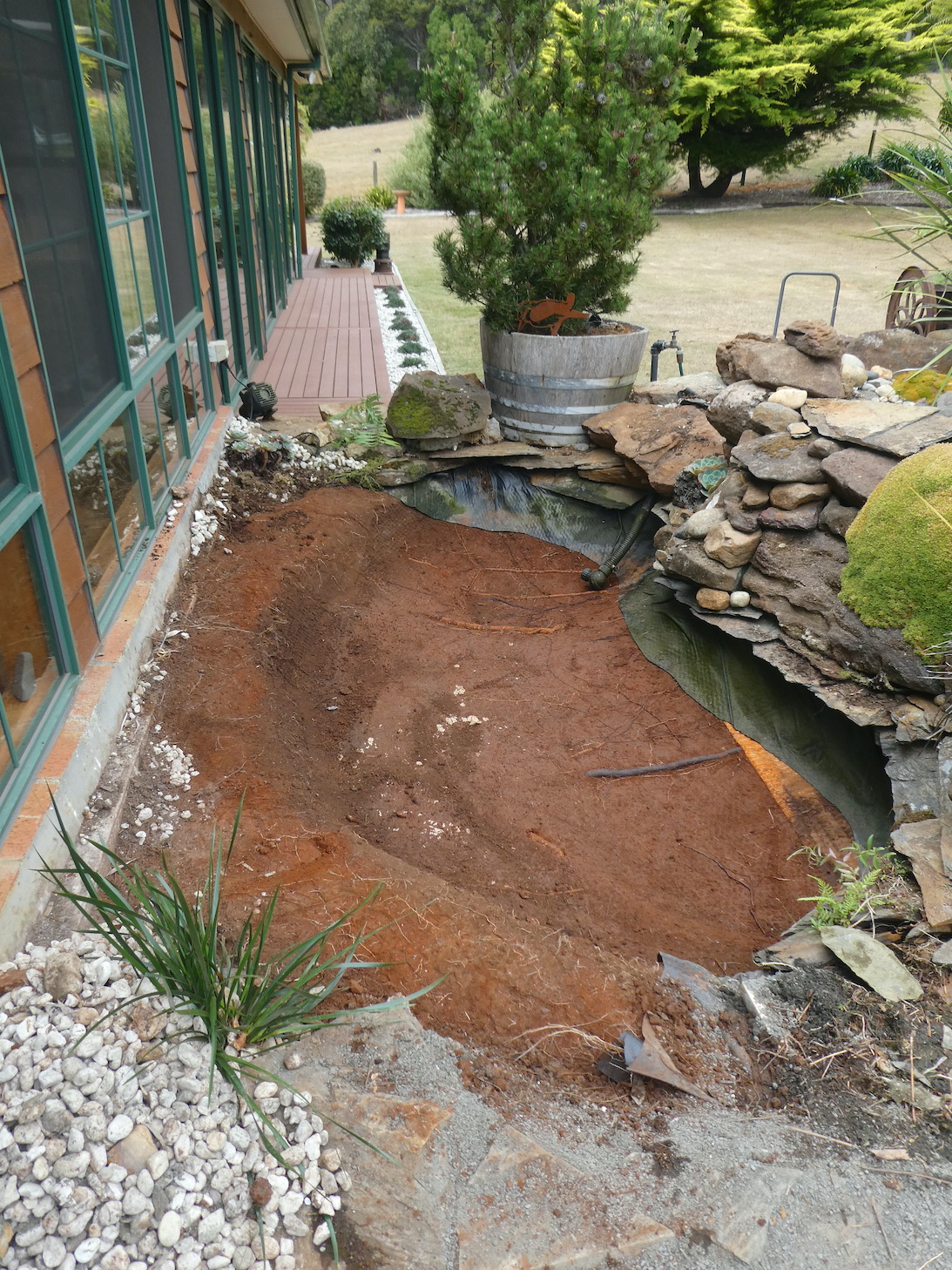
We pulled the old liner out (which did, indeed, have an obvious split)

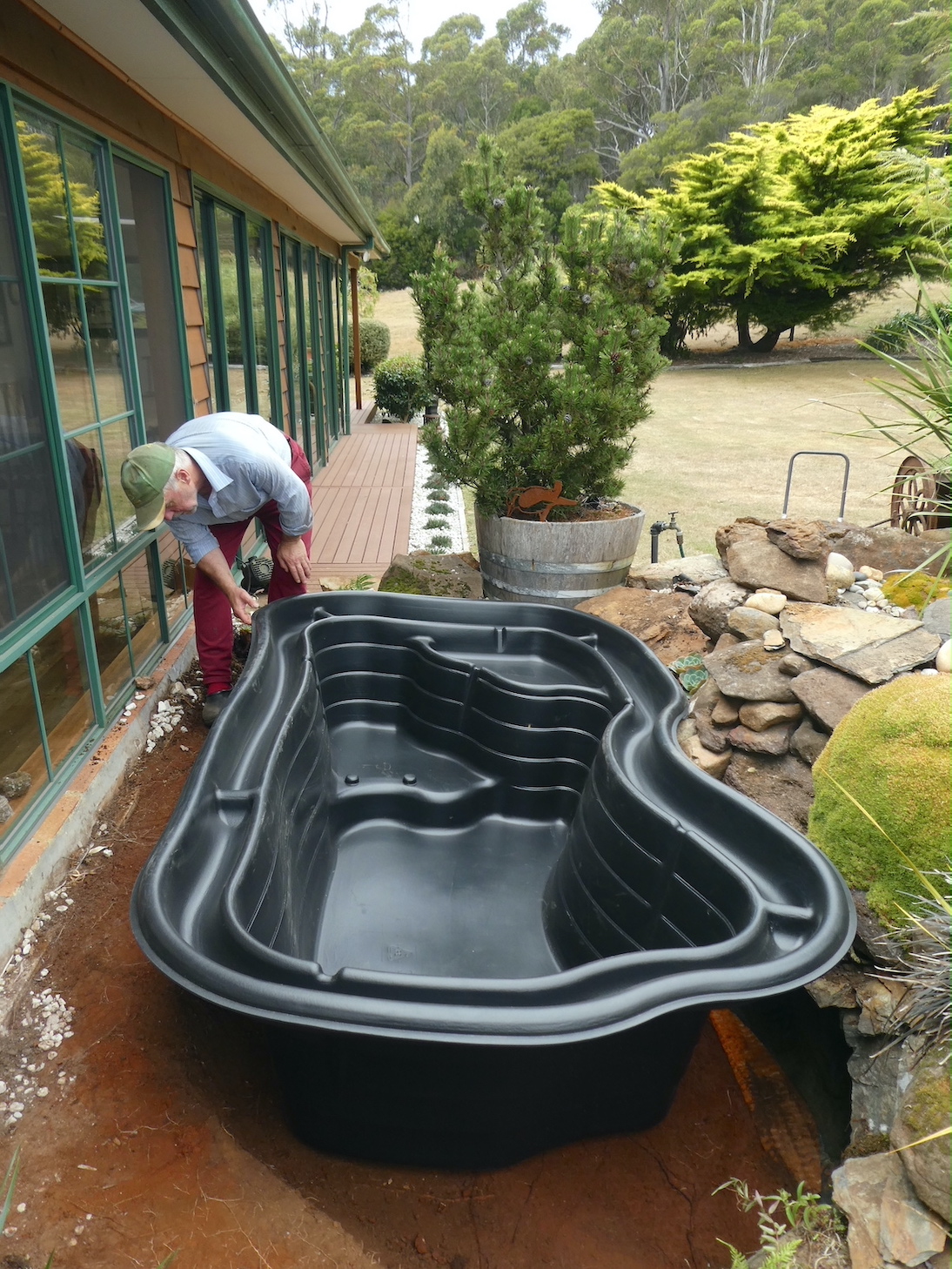
and tried the new pond for size.

Hoping to not encounter tree roots, the digging commenced.

With periodic fittings, and no underground impediments, the site was ready.

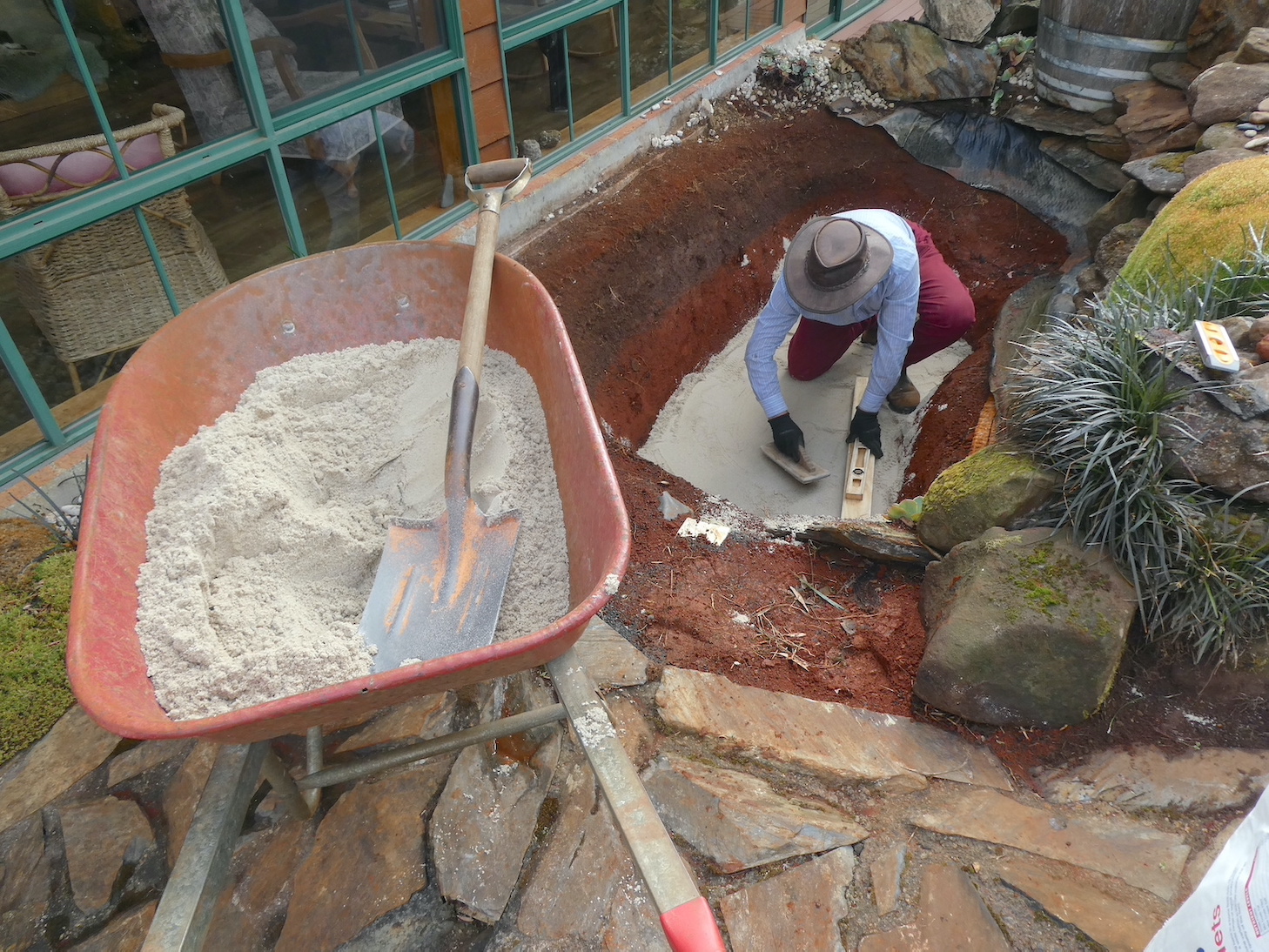
With a trailer load of sand on standby, the base was prepared

and the pond lined with plastic to protect it from the river stones.

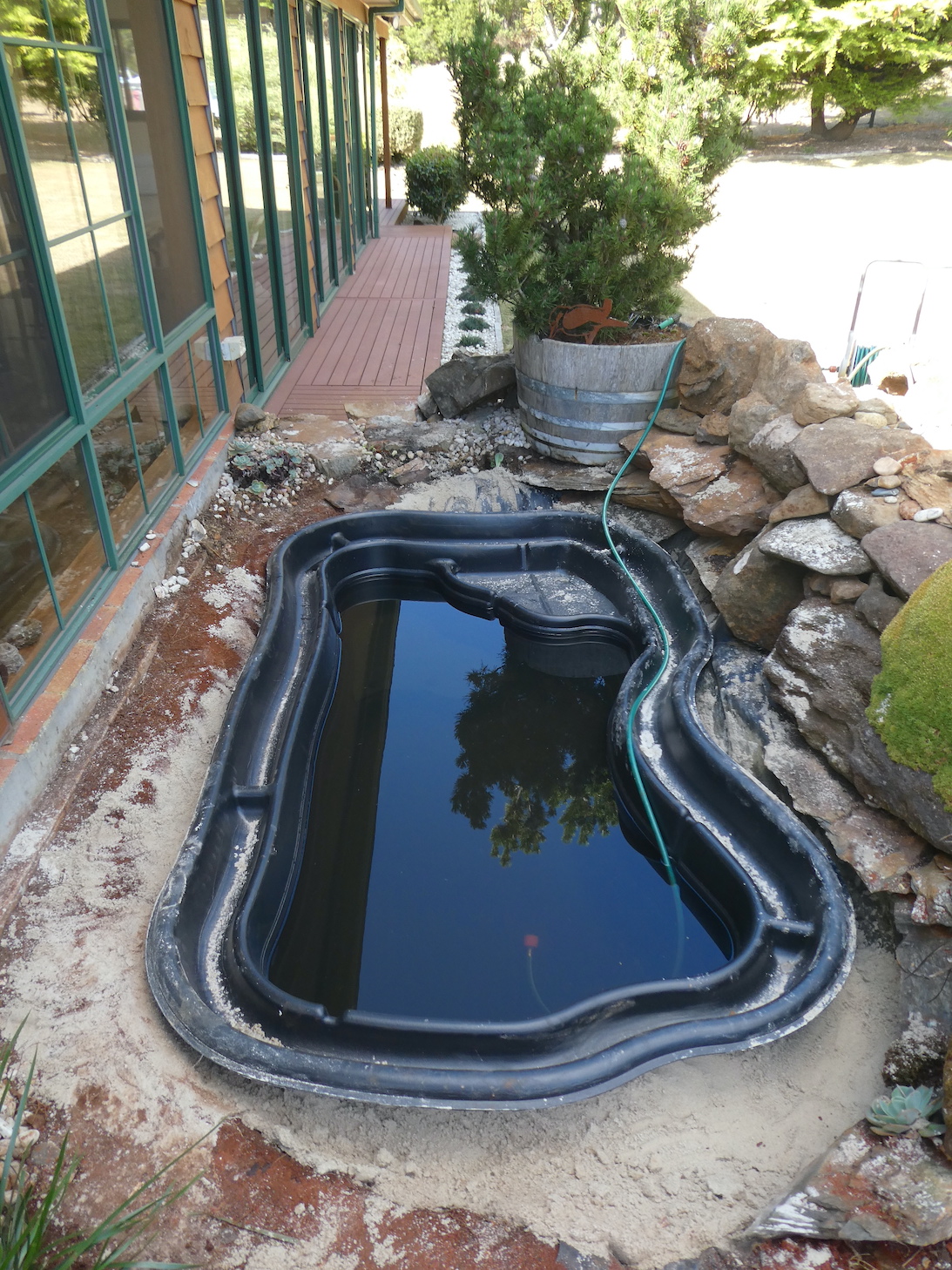
Once levelled,

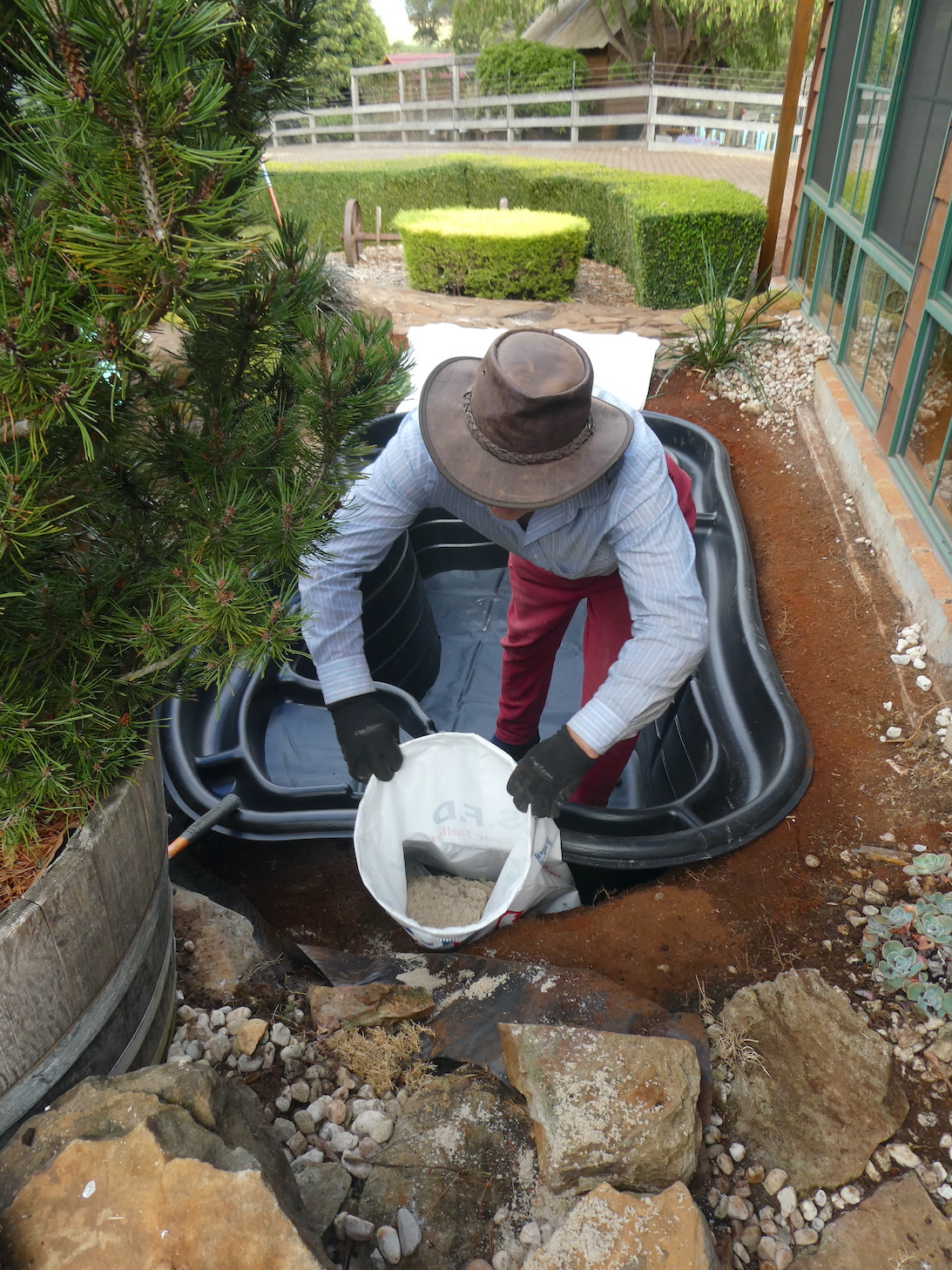
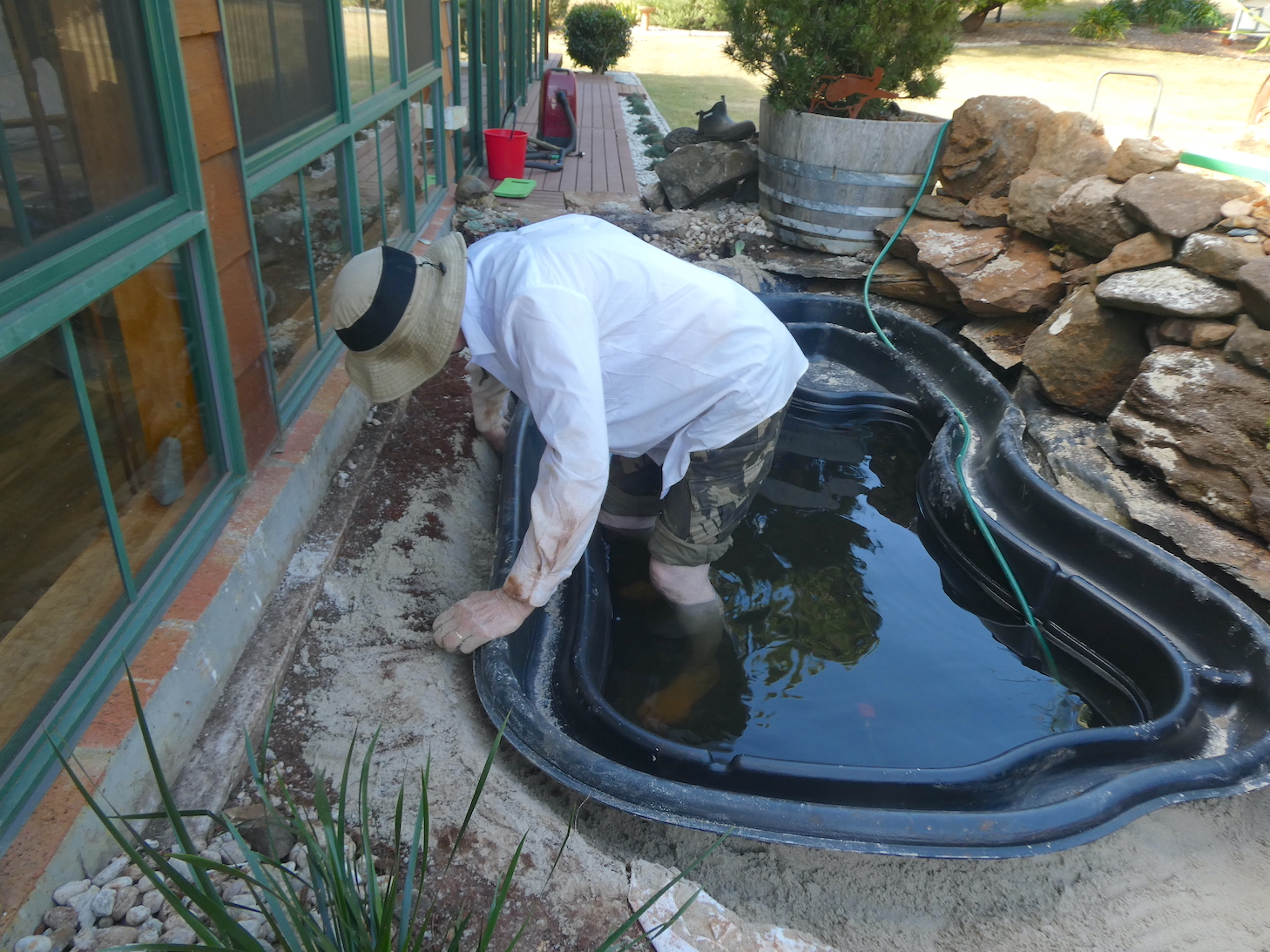
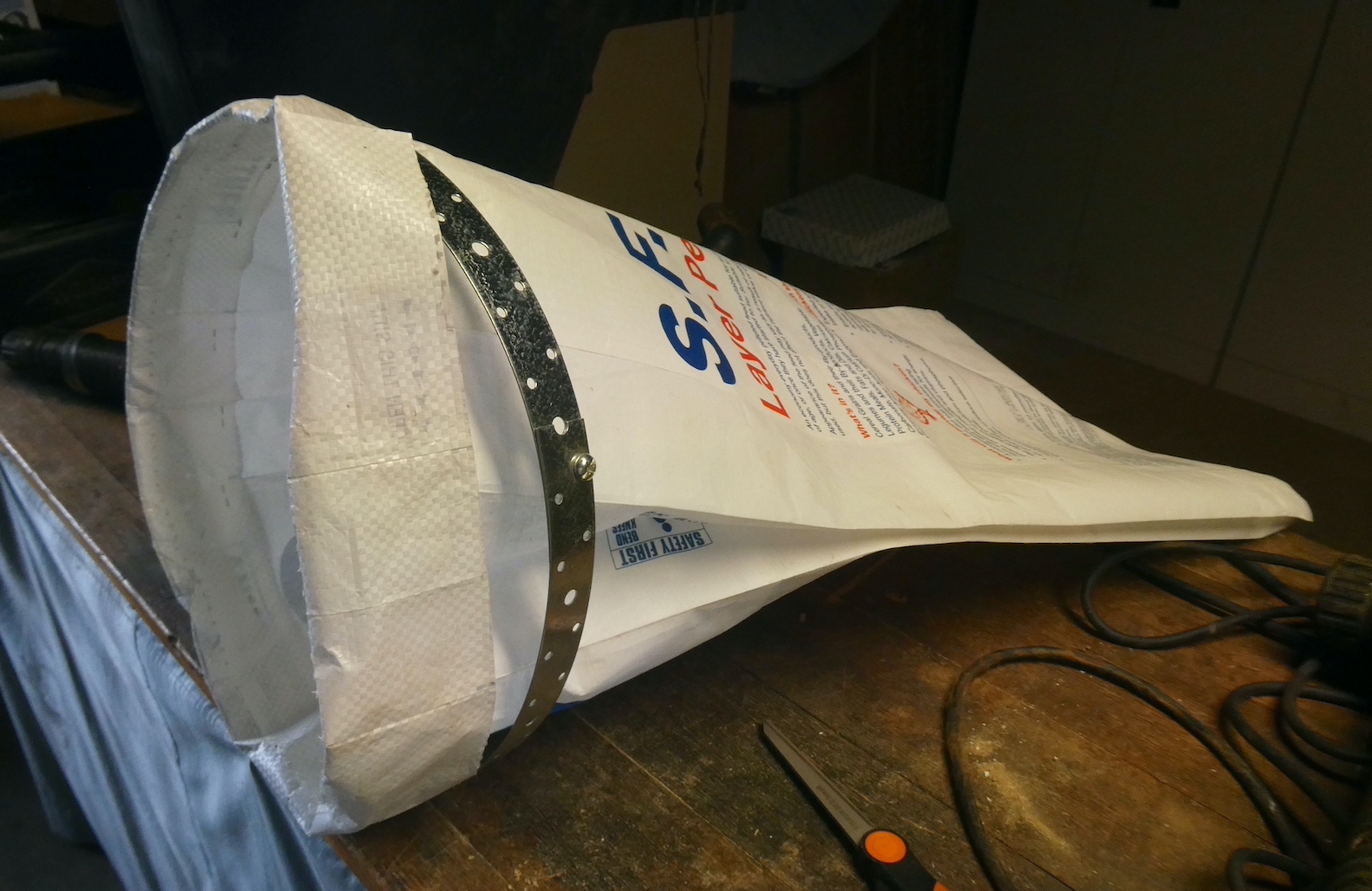
the task of packing the sand around the outside began. Between us, we came up with an ingenious plan to convey the sand into the tight spaces – a funnel made from a chook feed bag and a ring of builders strapping.

It worked brilliantly.

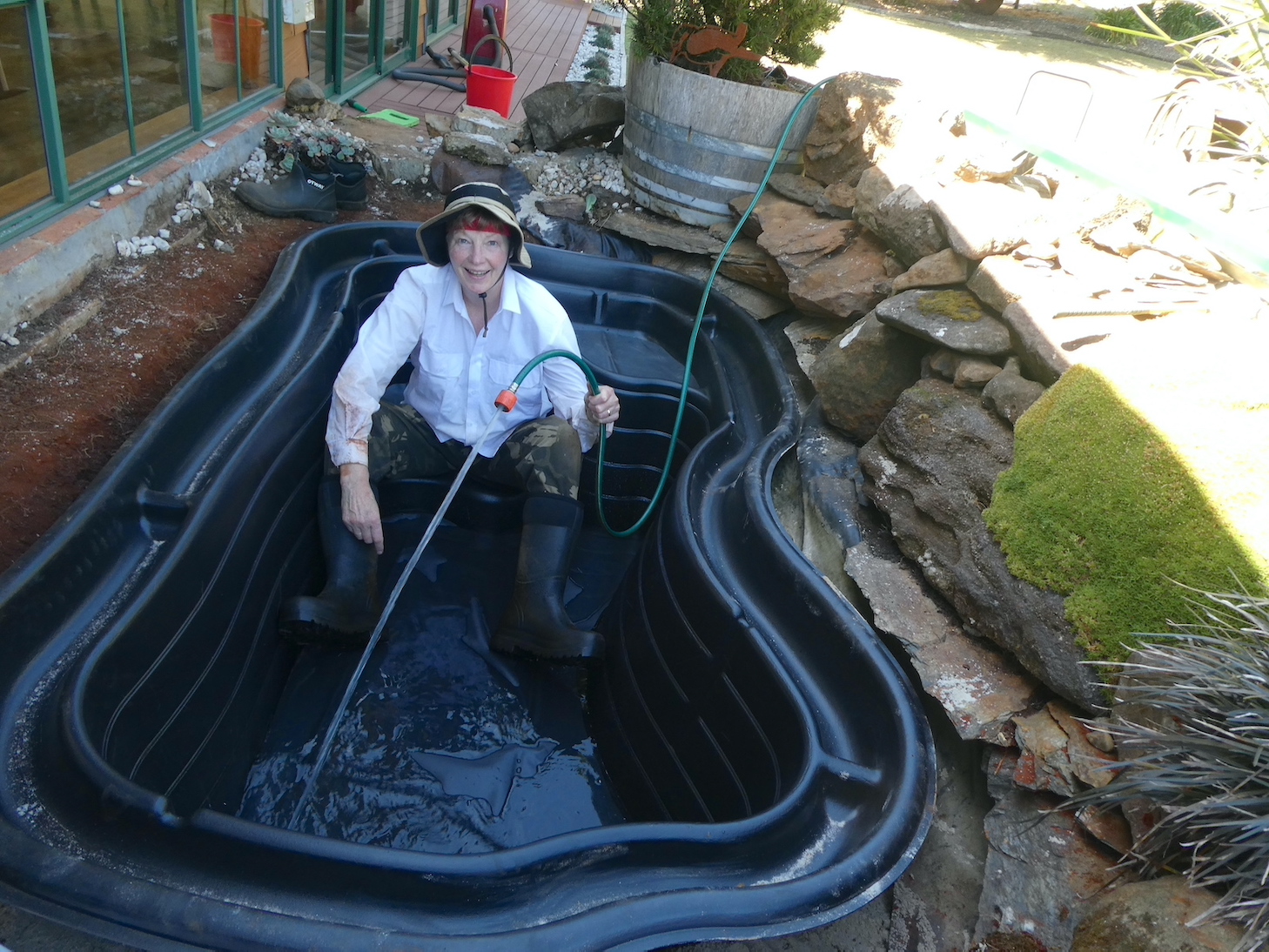
We had been advised to pack some sand, then fill some water and repeat in stages to avoid distortion of the pond shell.

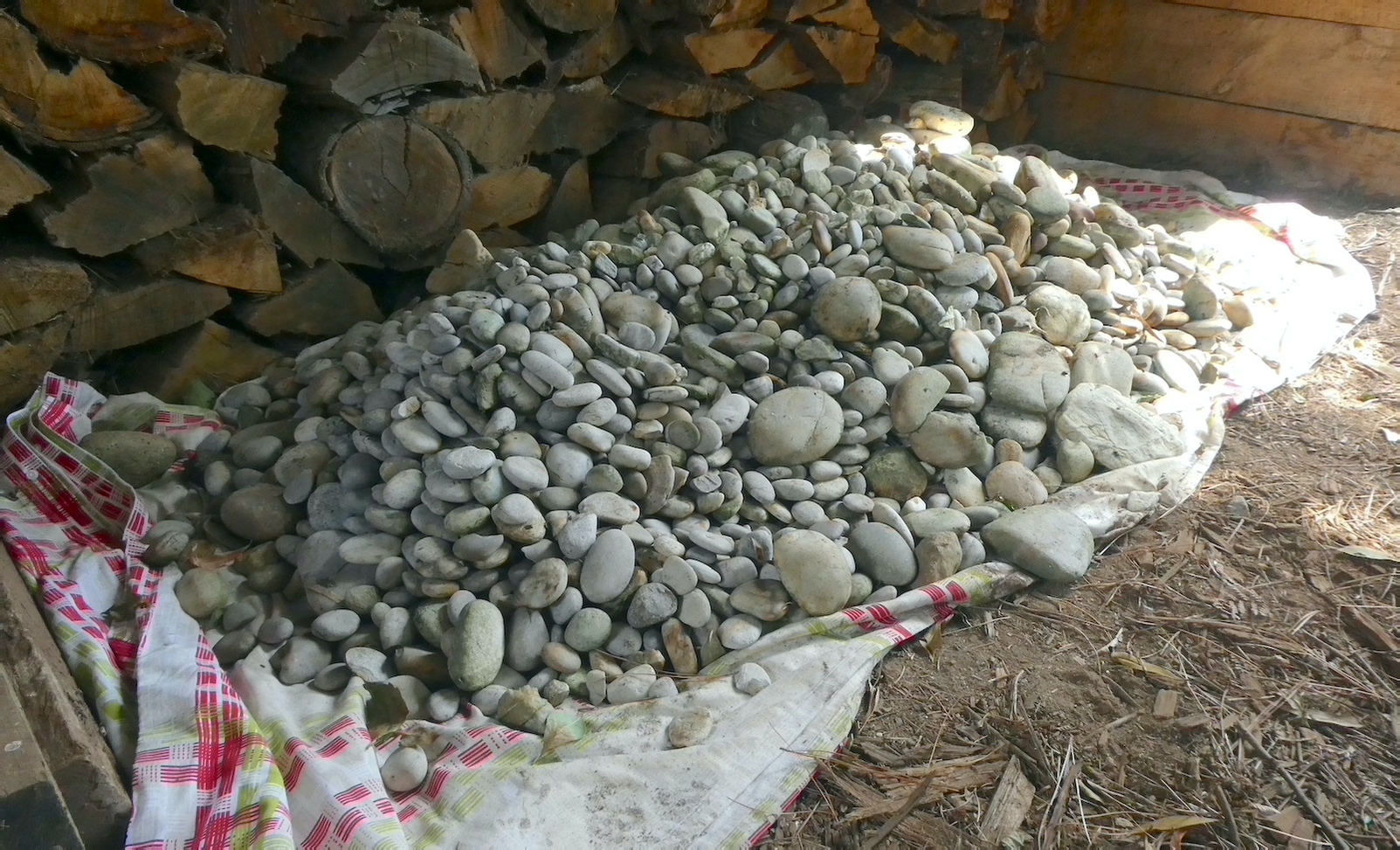
The river stones from the old pond had been saved and I spent some time sorting them

while Michael repotted the plants.

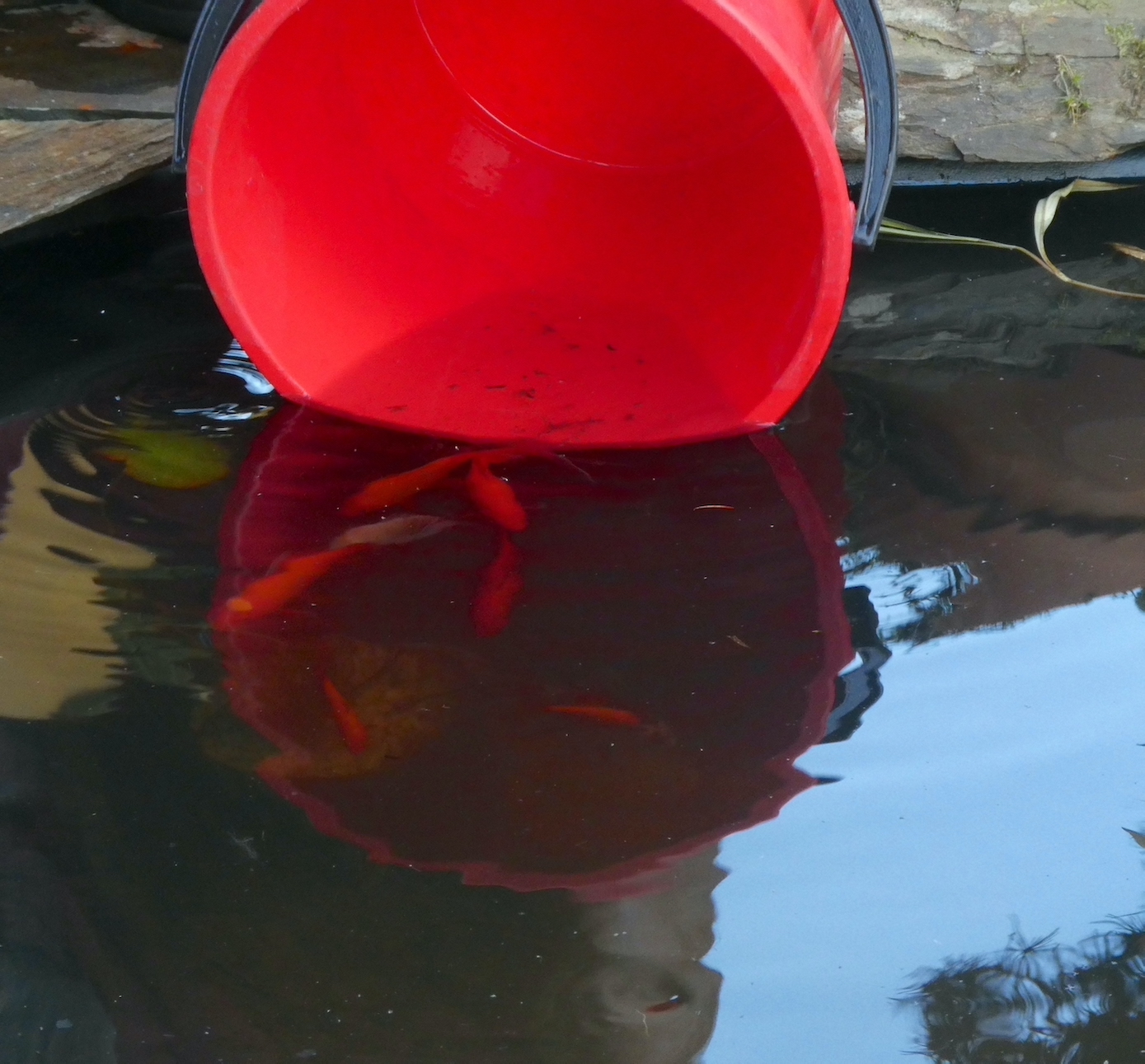
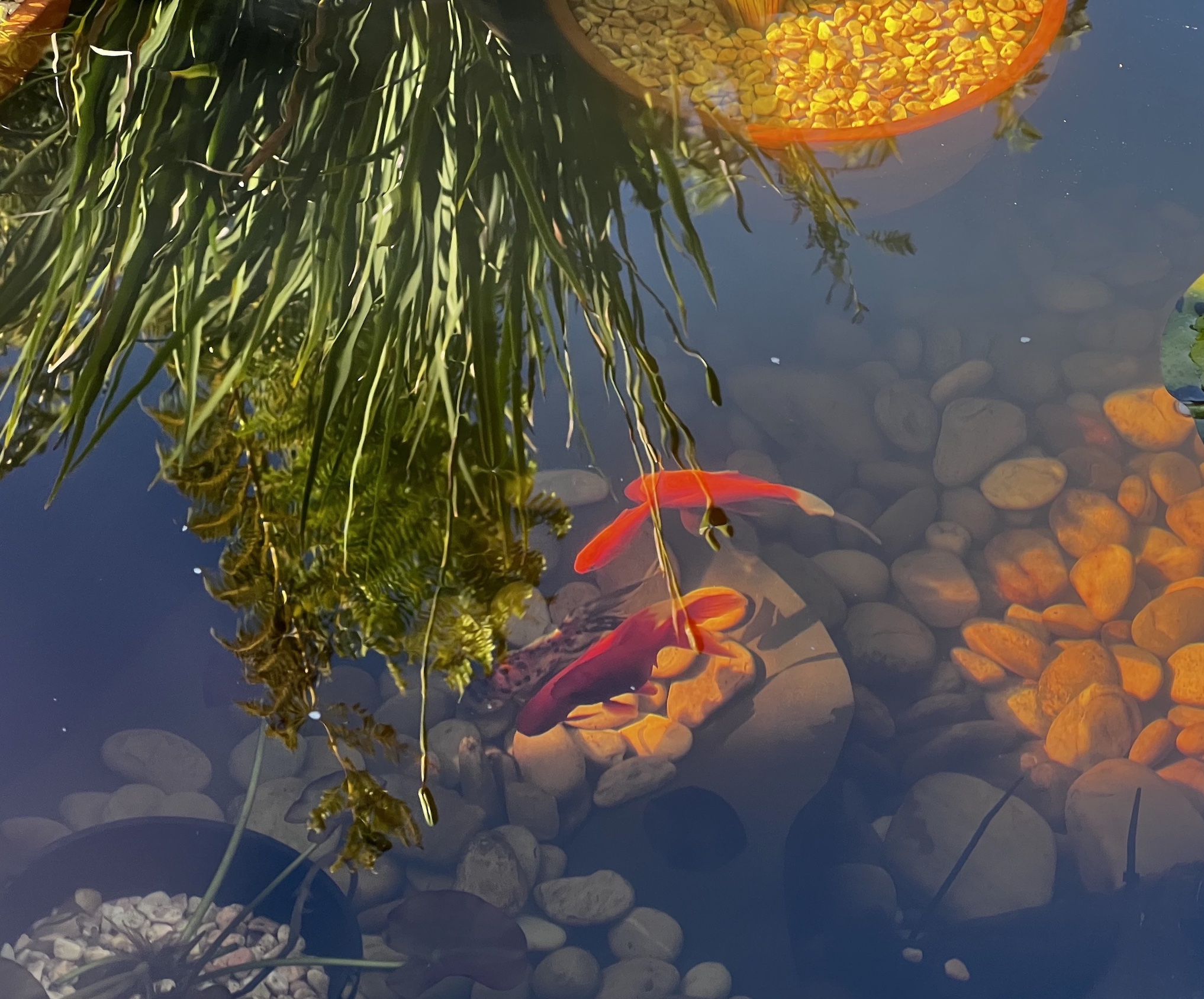
The fish were returned to their new home, along with the plants

and a new cascade perfected the picture.

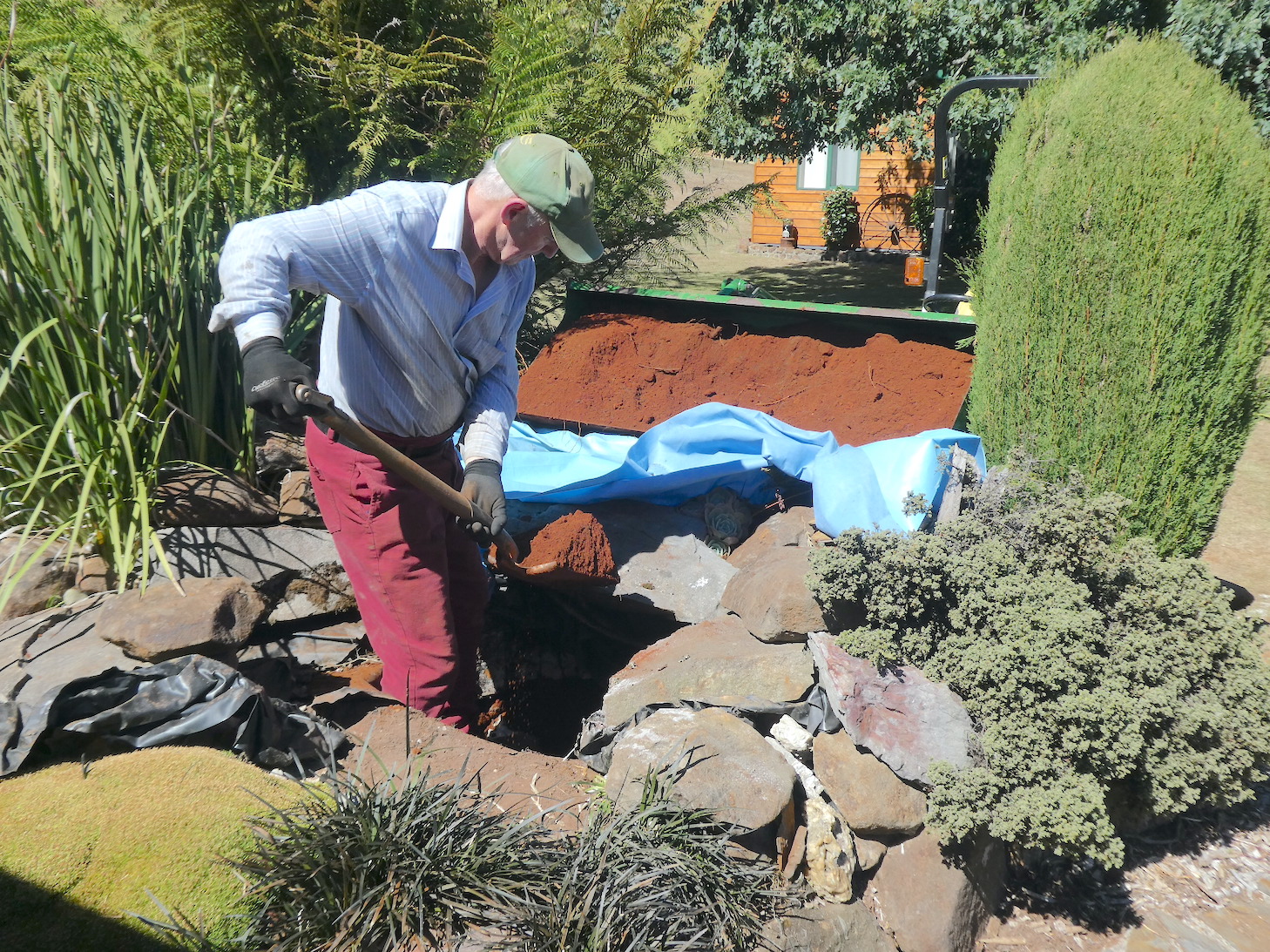
We then set about filling in the top pond,

and after some further landscaping,

declared the project finished.