Giant’s Causeway

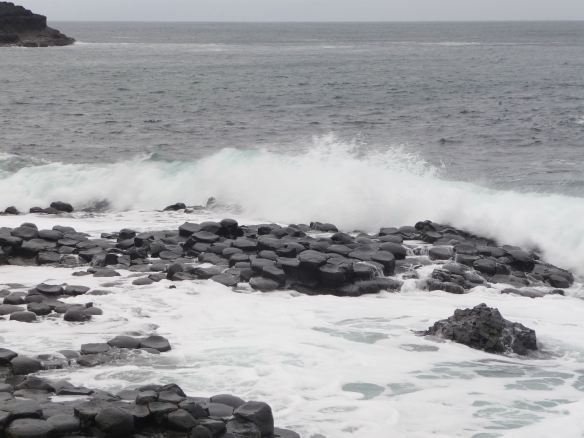
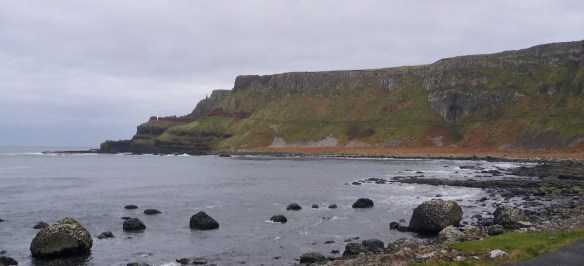
The Giant’s Causeway was discovered by the Bishop of Derry in 1692 and much debate ensued as to the origin of this amazing phenomenon.

1.Giant's Causeway

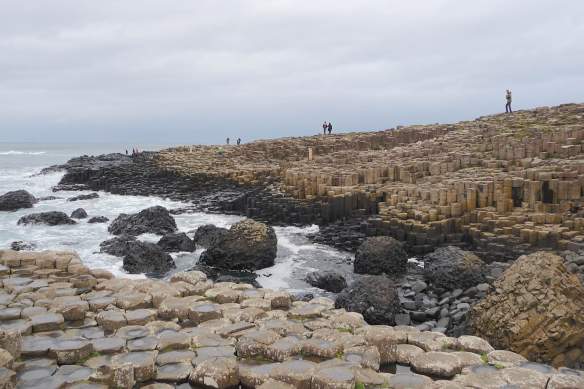
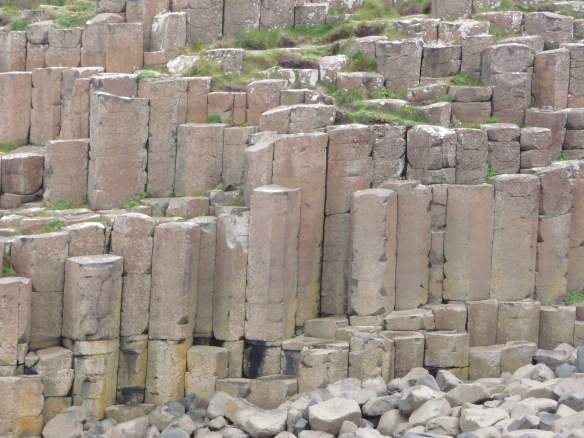
One theory was that it was created by an Irish giant called Finn MacCool who was challenged to a fight by the Scottish giant Benandonner. Finn built the causeway across the North Channel to meet his foe but he chickened out when he saw the size of the Scot. Instead, he disguised himself as his own son. Benandonner took fright at the thought of just how big his rival must be and retreated to Scotland, destroying the causeway as he went. The mystery was solved in 1771 when French geologist, Nicolas Desmarest, announced the structure was the result of volcanic activity around 60 million years ago. Almost 40,000 basalt columns were created as the molten lava cooled, forming a pavement from the cliff to the sea.

2.Giant's Causeway

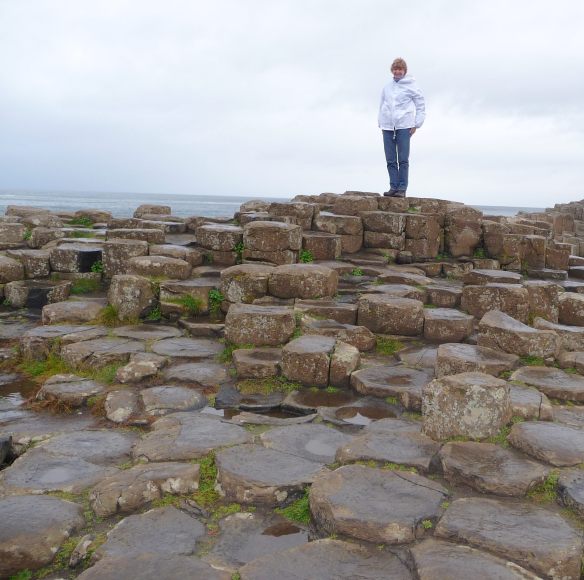
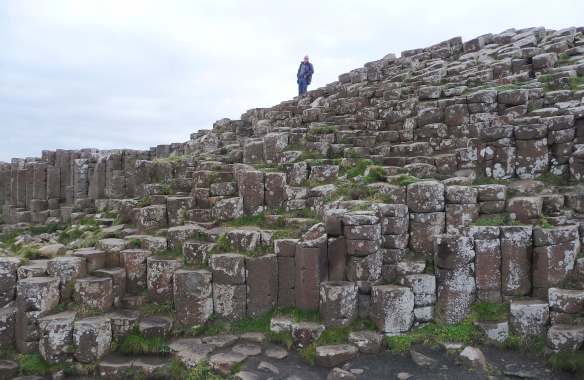
Most of the columns are hexagonal,

3.Giant's Causeway

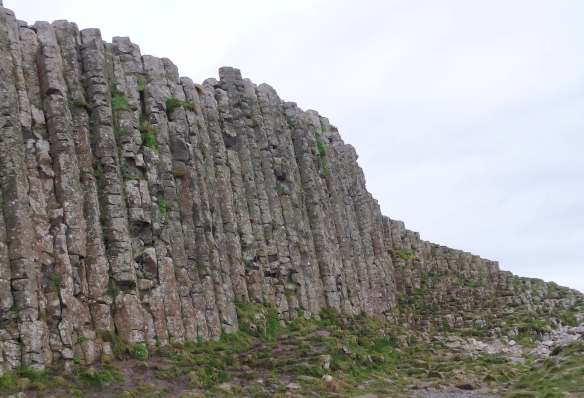
the tallest being around 12 metres high.

4.Giant's Causeway5.Giant's Causeway

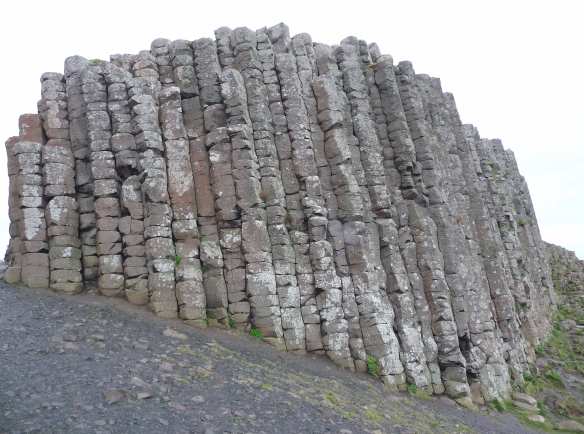
Some of the formations have been named after objects they resemble. In the distance are the Chimney Stacks and about two thirds along the cliff to the right, the Organ Pipes.

6.Chimney Stacks

There was a lot more to see along the Giant’s Causeway Walk but unfortunately, it was too late in the day to tackle that. I was happy just to be standing in this spectacular location,

7.Giant's Causeway

Michael was a little more adventurous.

8.Giant's Causeway

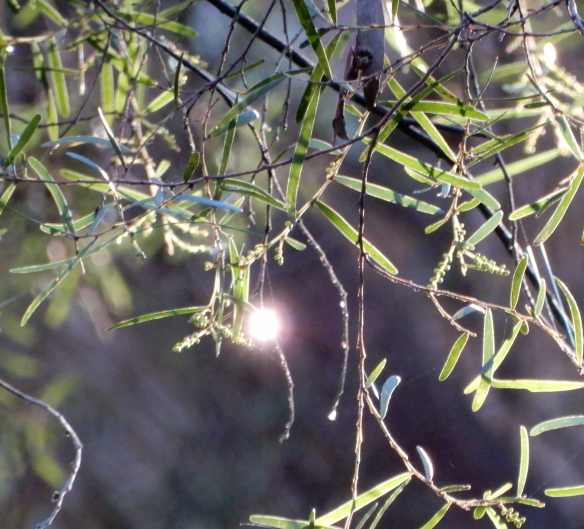
dewdrop diamonds

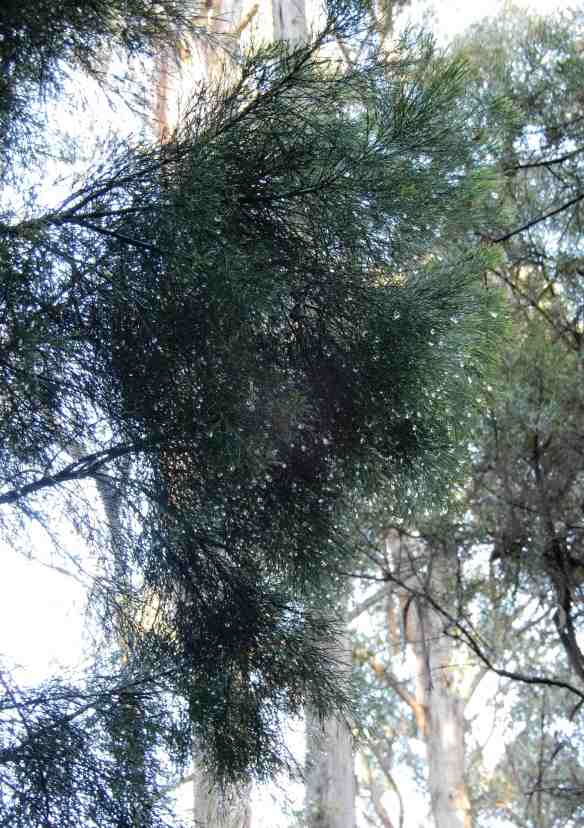
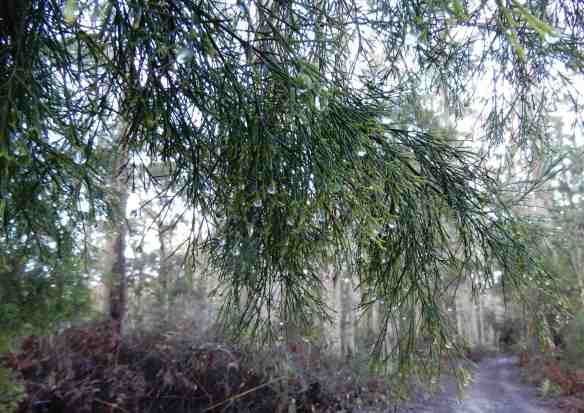
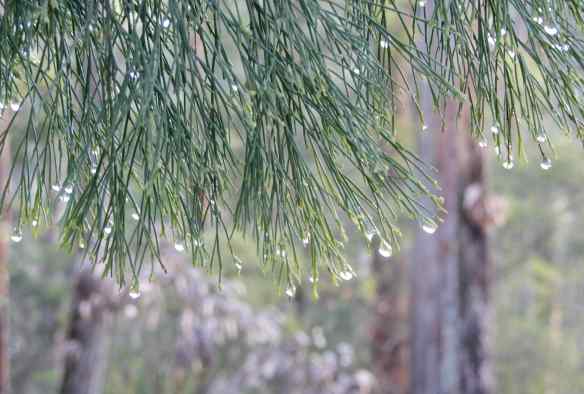
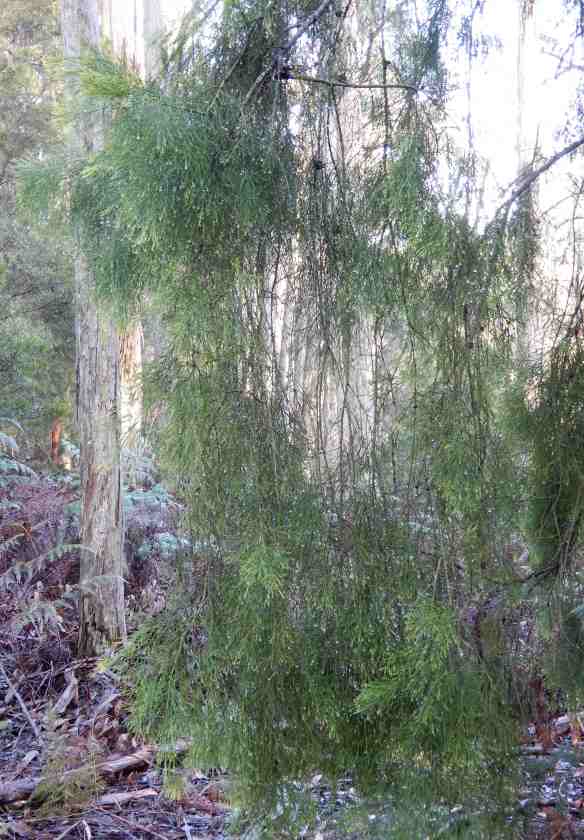
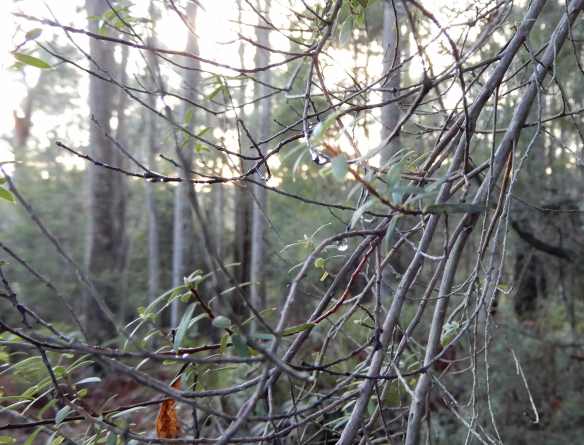
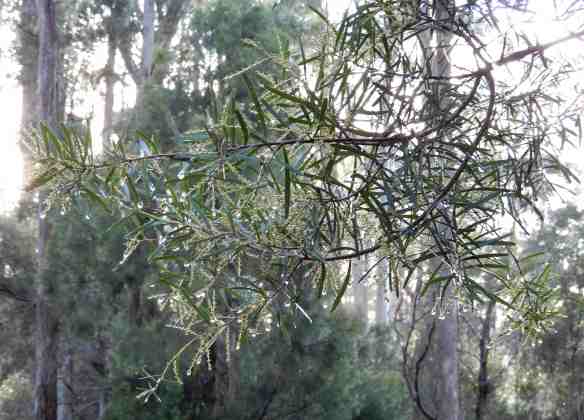
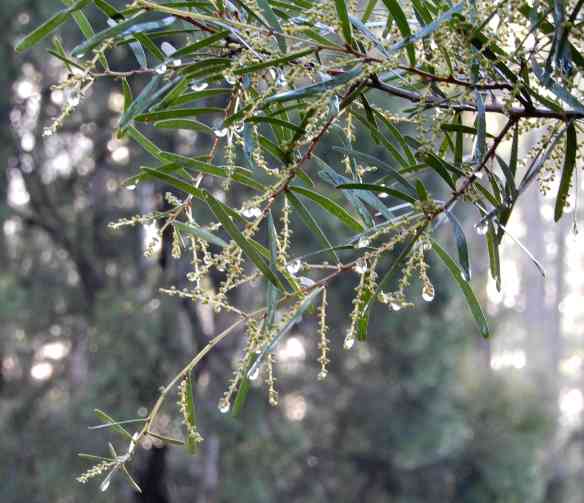
Walking in the forest on a crisp, cold morning after a heavy frost is like strolling through nature’s jewellery store. The sun, low in the sky, turns simple dew drops into glittering diamonds.

1.dewdrops2.dewdrops3.dewdrops4.dewdrops5.dewdrops6.dewdrops

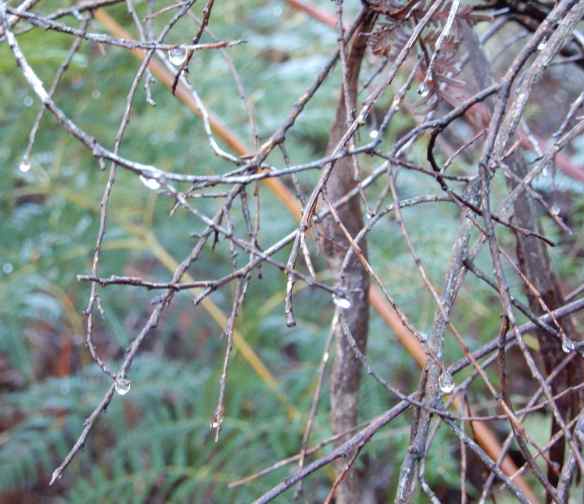
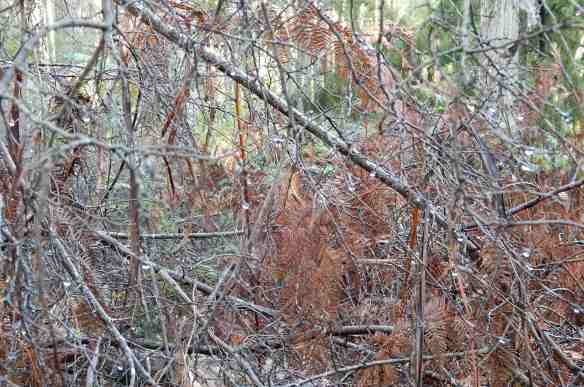
Even those stems bereft of foliage held onto the occasional glistening droplet.

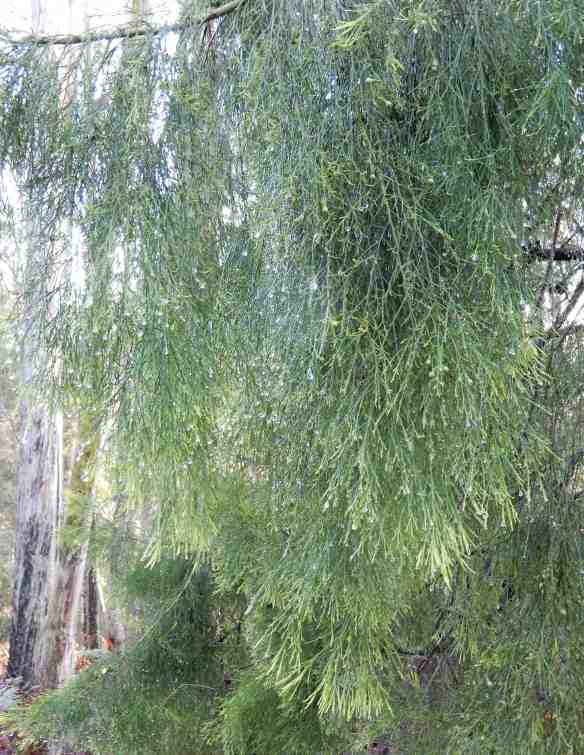
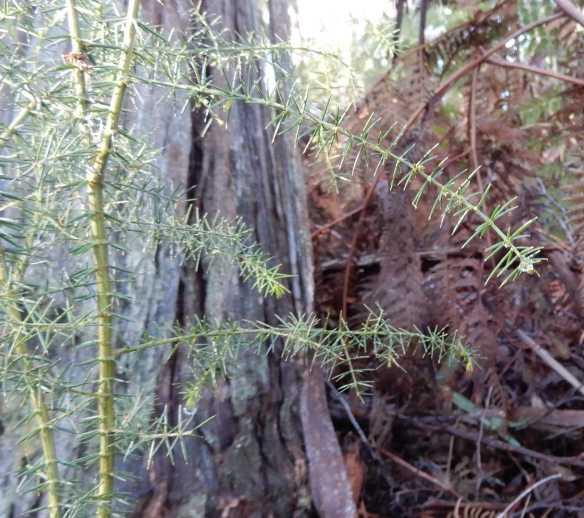
7.dewdrop8.dewdrops9.dewdrops10.Prickly Moses

I was like a child in a sweet shop, I couldn’t get enough of this amazing beauty.

11.dewdrops12.dewdrops13.dewdrop

The gems would disappear as the sun climbed, but for now I was content to experience another of nature’s treats.

14.dewdrop


Hotel Ranieri

Finding affordable accommodation in the centre of Rome isn’t easy. We were fortunate to be able to plan our trip well ahead and booked a wonderful hotel in the historic centre of the city. We had arranged airport transfer through the hotel and enjoyed a very comfortable ride, the driver kindly pointed out some of the sights along the way. Hotel Ranieri is set in a restored 19th century Umbertine palace on Via Venti Settembre.

1.Hotel Ranieri

The entrance is very inviting and almost hidden from the road by the beautiful orange trees lining the footpath.

2.entrance

The hotel has 47 rooms over five floors as well as some privately owned apartments. The staircase is magnificent, whether standing at reception looking up

3.staircase looking up

or on the fifth floor looking down.

4.staircase looking down

The tiny lift was just big enough for two adults with a suitcase each, certainly reminiscent of a bygone era.

5.lift

Our room was very comfortable and we could open a window onto a courtyard (five floors below), no need for the air conditioner. It was also surprisingly quiet, not what we expected on such a busy street.

7.room

Beyond the reception desk and an interesting work of art,

8.art

the lounge bar had a relaxed, intimate ambience, a very pleasant setting to partake of a beverage.

9.lounge bar

Breakfast was included in the room rate, and down the stairs to the basement

was a bright and airy breakfast room.

12.breakfast room

There was something for every taste, a great way to start the day.

renovation ruminations: part 7

Once we finished the renovation of the back room, we moved straight on to the decking of the outdoor space. We removed the old pavers

1.removing pavers2.pavers gone

and, under the watchful eye of the foreman,

3.the foreman

built the frame while working around existing obstacles as best we could.

4.framework

After much research, we decided to use Ekodeck, a composite material that (this is the best bit) requires no oiling, painting or maintenance.

5.Ekodeck

It didn’t take long to cut and lay the planks, we used the CAMO hidden screw system so there are no screws visible on top of the boards.

6.decking7.decking

We laid a metre wide strip to connect the doors with the garden

8.framework11.decking

and then added the edges.

12.deck13.decking done

For completeness, we laid a border of white pebbles

14.deck finished

and planted six dwarf camellias at the barbecue end.

15.deck finished16.deck finished

Next is the outdoor kitchen area….

Causeway Coast

The coast of Northern Ireland has some of the most spectacular scenery in the world. The present coast road was engineered in the 1830s and is now known as the Causeway Coastal Route, 190km hugging the Atlantic Coast from Belfast to Londonderry. Amidst the geology and greenery, there was the unexpected. Just before we reached Ballygally, a very happy bear appeared out of nowhere. The origin of the polar bear persona is unknown but every year, the locals touch up the paint and ensure his smile never fades.

1.Bear Rock

The village of Ballygally nestles along the shore of Ballygally Bay.

2.Ballygally

At the head of the bay, Ballygally Castle has an interesting history. Built in 1625 by Scotsman James Shaw, it would have been surrounded by four walls and withstood several incursions during the 1642 rebellion. It remained in the Shaw family into the 1800s and then passed through a few different families. In the 1950s, an entrepreneur bought, refurbished and opened the castle as a hotel and further development in 1966 created the hotel as it is now. Reputed to be one of the most haunted places in Ulster, there are a number of resident ghosts. The most active is Lady Isobel Shaw who had been starved and locked in her room by her husband. Tragically, she fell to her death from the window. She now has a habit of knocking on the doors of the rooms and disappearing.

3.Ballygally

The rest of the houses around the bay look very peaceful and undisturbed.

4.Ballygally5.Ballygally

Looking out to sea, The Maidens are visible 9km offshore. The two lighthouses date back to 1829, the lighthouse keepers and their families lived for a year at a time on these islets. The isolation was no obstacle to romance; in the 1830s, the assistant keeper of one lighthouse fell in love with the daughter of the keeper of the other. He often visited by boat until the families had a falling out and her father forbade them to meet. They found a solution, they eloped to Carrickfergus. No longer inhabited, the West Maiden was abandoned in 1903 and the East Maiden was automated in 1977.

6.The Maidens

The Mull of Kintyre broke the horizon, only 10km from the coast of County Antrim.

7.Mull of Kintyre from Glenarm

It was a pleasure to drive the coastal road surrounded by mountains to the left and ocean to the right. This fence line reminded me of Michael’s engineering feats when we lived in the Adelaide Hills.

8.Ballycastle

The next town was Ballycastle,

9.Ballycastle

the sunlight through the clouds illuminated the clifftops of Fairhead.

10.Fair Head

Rising 196 metres above the bay, Ballycastle’s headland formed as a result of volcanic activity 60 million years ago. The upper half of the cliff is composed of gigantic columns of dolerite up to 12 metres in diameter.

11.Fair Head

Further up the coast, rocky islands are scattered throughout the waters of Larrybane Bay.

12.Larrybane Bay

The dolerite cliffs of Sheep Island were magnificent.

13.Sheep Island, Larrybane Bay copy

Remnants of old machinery remain on Stackaboy Island from the days when dolerite was carried on overhead lines to the island and then loaded onto steamboats for the trip to Scotland.

14.Stackaboy Island, Larrybane Bay

I had mentally prepared myself for the heart-stopping walk across the rope bridge at Carrick-a-Rede, not realising it was another icon that closed down for the winter season. First erected by salmon fishermen in 1755, the 20 metre long bridge is suspended 30 metres above the sea. The waters around Carrick Island were teeming with salmon migrating to the North Atlantic and the fishermen would walk the bridge in all weather and return with their catch. Whether due to changing migratory patterns or over-fishing of the area, there are now very few salmon left and the tradition ended in 2002. Carrick Island is the first bump from the headland (it looks attached from this angle).

15.Carrick Island, Larrybane Bay

These photos may look familiar to anyone who watches Game of Thrones, much of the filming took place along the Causeway Coast.