The Conservatory

Over the years of living here in Tasmania, we have made many trips to Launceston. About halfway along the Bass Highway, at a place called Parramatta Creek, there is a fascinating building that has always intrigued us. The conservatory was built 40 years ago by a Devonport man who designed it to house his grand piano.
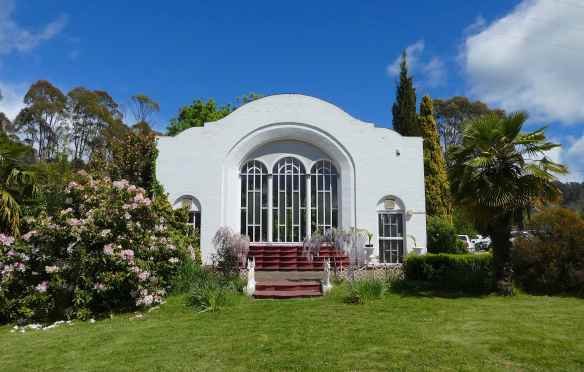
1.Tasmanian Food and Wine Conservatory

The mother-daughter team who run the café and providore approached the owner of the building and he eventually agreed to sell. In March 2015, The Tasmanian Food & Wine Conservatory opened. The interior is reminiscent of a bygone era,

2.interior Conservatory

the furnishings are comfortable and inviting.

The beautiful grand piano has pride of place.

The shelves are stocked with 100% Tasmanian goods from the best growers and producers across the state.

I took a stroll around the gardens before lunch, the late spring rewarded with some magnificent blooms.

27.front garden

Returning through the rear entrance,

36.rear view

lunch was served. The menu changes daily to make the most of fresh, local produce. Two of us chose Okonomiyaki; Japanese savoury pancake served with Scottsdale twice cooked sticky pork belly, crushed toasted peanuts, crispy fried shallots, bean shoots, fresh chilli and Thirlstane Gardens coriander.

It was a tough decision between the pork and the Braefield pulled lamb burger on a Pigeon Whole bakery brioche bun with smoky baba ganoush, baby spinach, crispy Brandsema balsamic eggplant and house pickled red onion served with sweet potato chips and tzatziki.

39.Pulled lamb burger

There are also vegetarian options, including a selection of delicious dips.

40.dips

Of course, the local wines are superb. I don’t think we can travel to Launceston without stopping in for, at least, a coffee and cake.
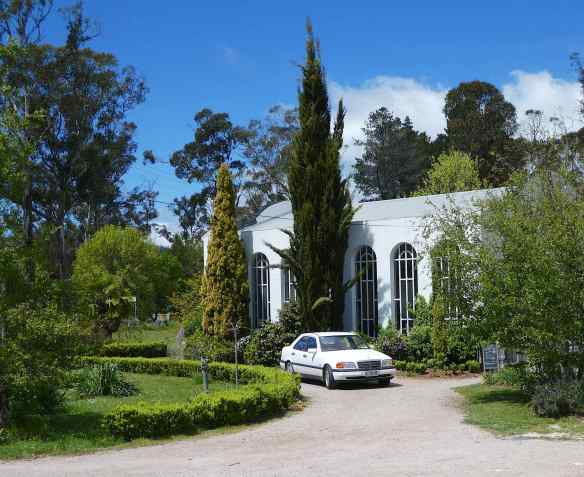
41.not our car42.Tasmanian Food & Wine Conservatory

https://www.facebook.com/Tasmanianfoodandwineconservatory/

Lough Ree

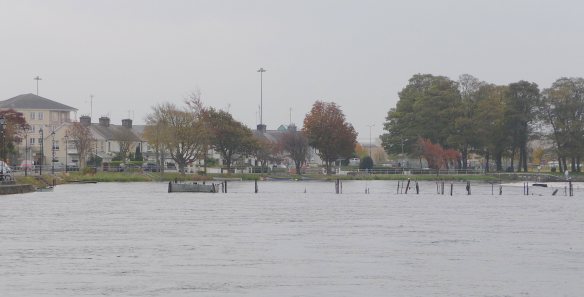
With two nights accommodation booked at Edenderry, we consulted the map and decided to explore the middle of the island. Scotch whisky has been my favourite tipple for as long as I can remember, although I have never really taken to Irish whiskey. Tullamore distillery was only half an hour away so a perfect opportunity to educate my palate. We enlisted the help of Holly (the satnav) who, true to form, deposited us on a dirt road in the middle of nowhere and declared we had reached our destination. Giving her the benefit of the doubt, we returned to the main road and issued the instructions again. She performed a perfect replay of the first attempt, this time we narrowly missed being flattened by an oncoming truck and we realised Tullamore was not on our agenda after all. Back to the main road, we continued to the town of Athlone. The River Shannon was as grey as the sky

1.Athlone

and, although it is the second most populous town in the Midlands, there didn’t seem to be much happening.

2.Athlone

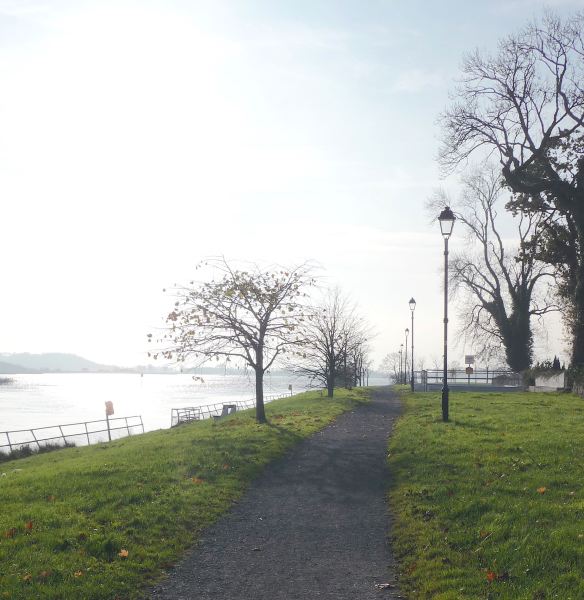
The 12th century castle was closed for the winter season so we reverted to the usual Plan B – a pint of Guinness and a spot of lunch. After a post prandial stroll through the park,

3.park walk

we followed the river

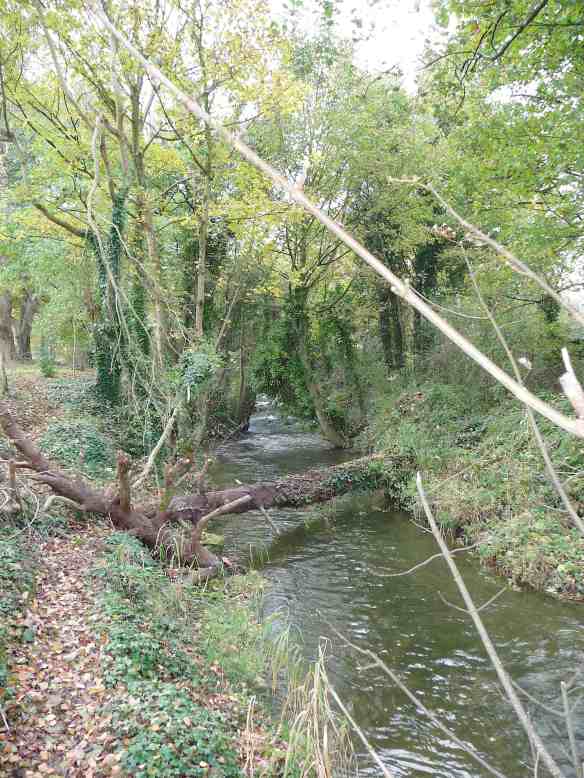
4.River Shannon

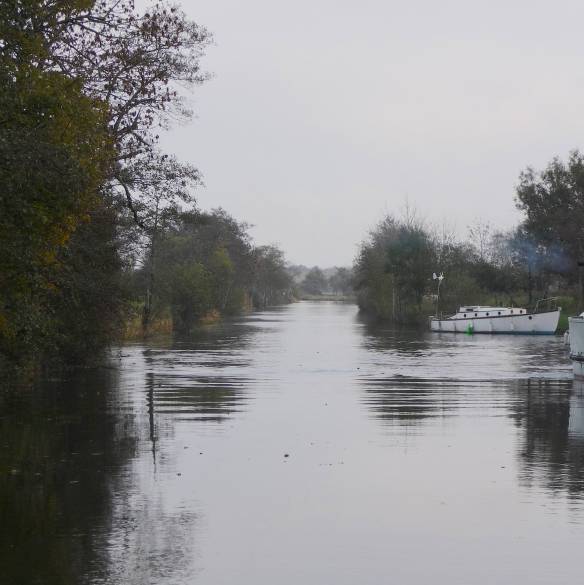
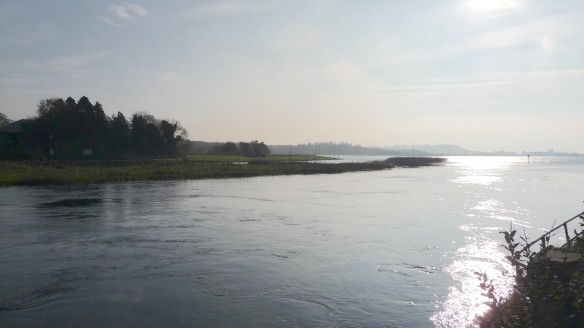
until it became a huge inland lake. Lough Ree (Lake of the Kings) is one of three major lakes on the River Shannon. Thirty-two kilometres long, it is the geographical centre of Ireland.
5.Lough Ree

Myths and legends abound with ghosts of high kings and fallen warriors and, of course, a rumoured lake monster lurking beneath the depths.

6.Lough Ree

Small lakeside towns were picturesque in their autumn colours,

7.Lough Ree

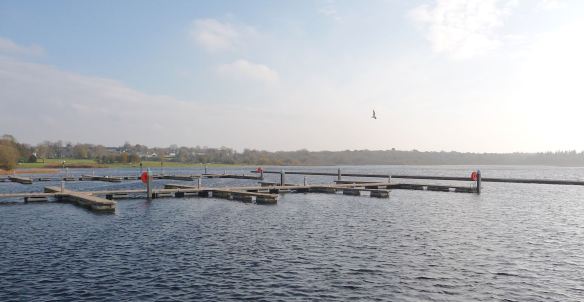
though the marina lay empty, perhaps awaiting some warmer weather.

8.Lough Ree

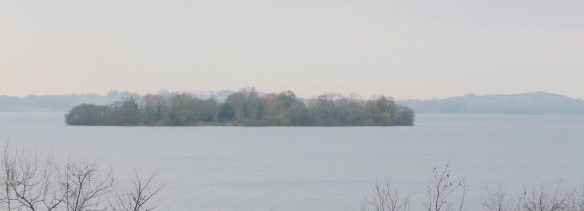
Lough Ree is dotted with small islands, many have ancient ruins of monastic sites from the middle ages.

9.Lough Ree island

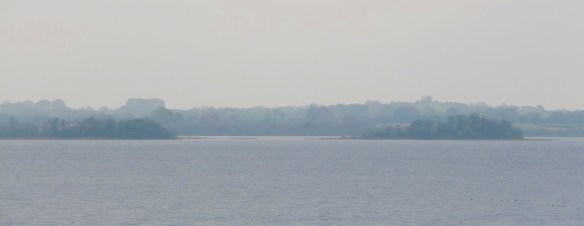
It is believed that when out on the water, the eyes of ancient monks peer through the mist and linger in the air. I was pleased to be safely on land.

10.Lough Ree islands

We left Lough Ree and returned to Edenderry for another superb meal and a pint at Larkins.

11.Lough Ree

Bali rice

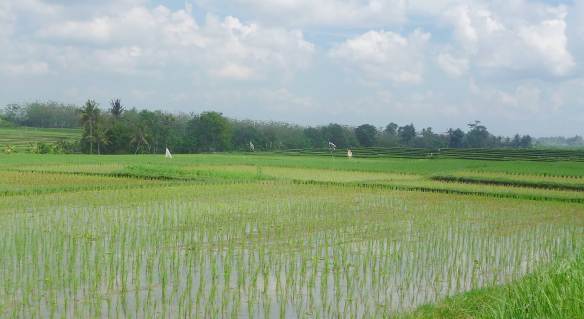
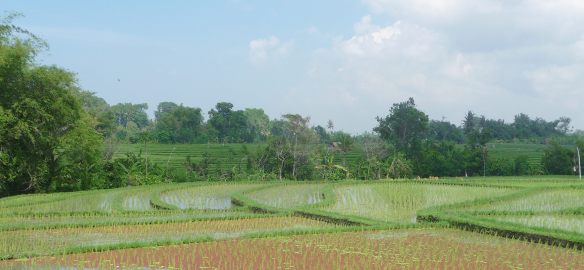
One of the things we liked about the location of our villa in Bali was the open space around us. Rice paddies almost embraced our doorstep

1.paddies next door

and stretched as far as the eye could see.
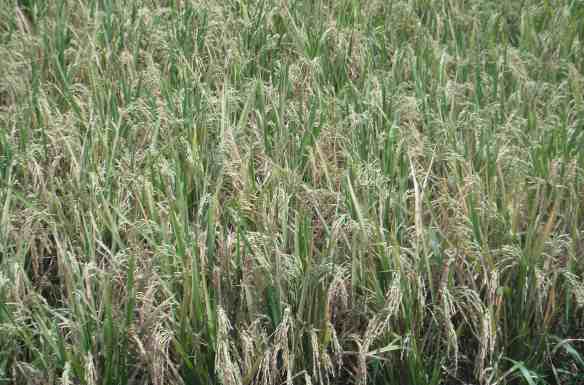
2.rice paddies3.rice paddies4.rice paddies

We didn’t have to walk far to really appreciate the intensive nature of rice farming. Seedlings are cultivated in a special nursery and are then transplanted by hand into the ploughed paddy fields. It looked like back-breaking work, hour after hour bent over to plant the rice in long rows in the mud.
5.labour

Apparently, a farmer can plant 10,000 square feet of seedlings a day, each one placed 8-10 inches apart.

11.rice seedlings

The water level is vital for the developing crop

12.irrigation13.irrigation

and the innovative means of water control were fascinating.

There were thatched shelters scattered through the fields

18.shelter

and colourful shrines ensured a bountiful crop. Offerings are made to the Hindu goddess Dewi Sri at crucial periods such as planting, full moon, when the rice is a month old, the first appearance of the grains and before harvesting.

19.shelter & shrine

The rice is ready to be harvested after three months

23.rice

and the cycle begins again.

24.cycle

iridescent irrigation

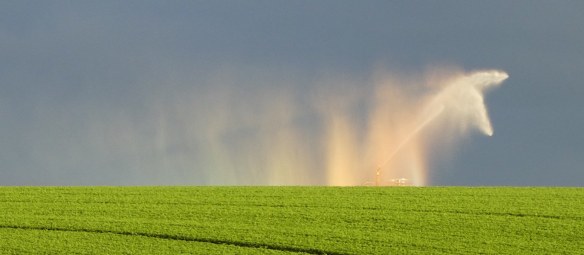
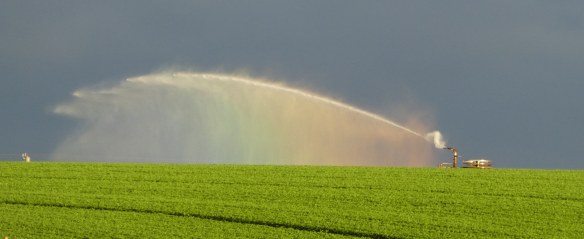
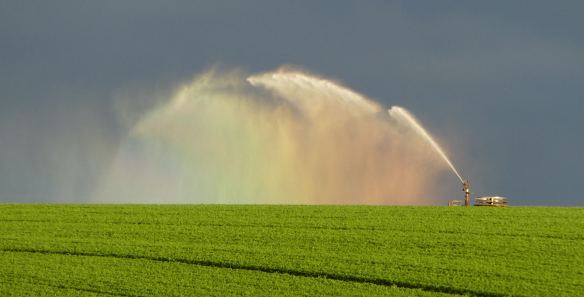
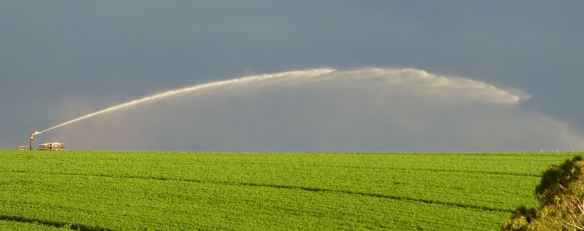
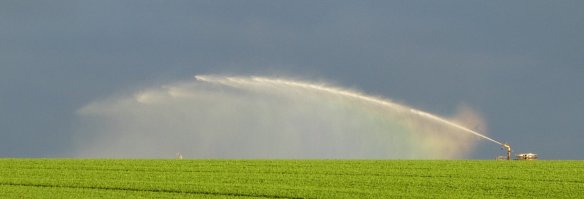
Sometimes, the simple things around us that we take for granted can present us with extraordinary moments. We have had a very dry summer and the irrigators on our neighbouring farms have been put to good use. They do come in handy for a free carwash if the timing is right. Early one morning last week, I glanced out of the window and the paddock on the hill across the valley was receiving a refreshing dowse.

1.irrigator

The slate grey sky of daybreak highlighted the curve of the water

2.irrigator

and, as I watched, the accession of colours produced a spectacular choreography.

3.irrigator4.irrigator5.irrigator6.irrigator7.irrigator8.irrigator9.irrigator

A few minutes later, the show was over. The fluidic trajectory blended with the brightening sky and disappeared into normality.

monochrome Melbourne

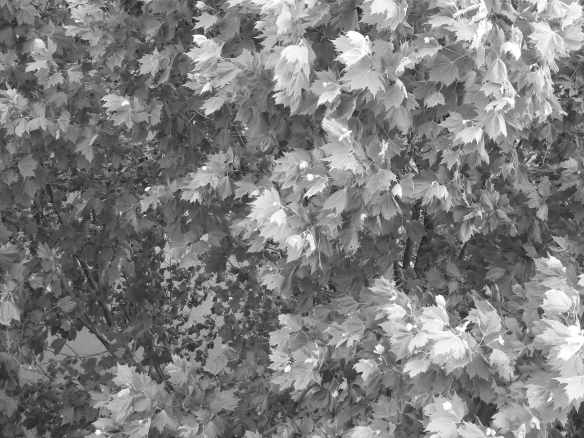
In 1973, Paul Simon released the song, ‘Kodachrome’ and I distinctly remember his notion that “…everything looks worse in black and white.” I decided to put this to the test on a recent trip to Melbourne. I have always found something fascinatingly enigmatic about monochrome photographs, perhaps it’s the invitation to look closer to discern images less obvious. The London plane tree below our apartment window does seem to lack something without the verdancy,

1.London plane tree

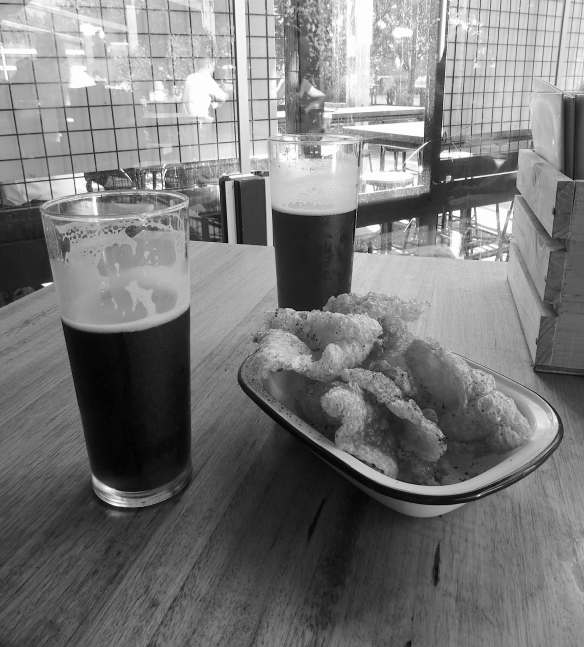
and the food looks a little less enticing.

2.ale & pork crackle

We wandered along Southbank, the late afternoon sunlight glinting off the water. The bar on Ponyfish Island seems to be perpetually crowded.

3.Southbank Pedestrian Bridge & Ponyfish Island4.Ponyfish Island5.Southbank Pedestrian Bridge

It was a perfect evening to be out on the Yarra

6.rowers

or to sit with a beverage and just observe.

7.wine

Friends, lovers and loners were enjoying the ambience,

as the sinking sun danced on the leaves of the plane trees.

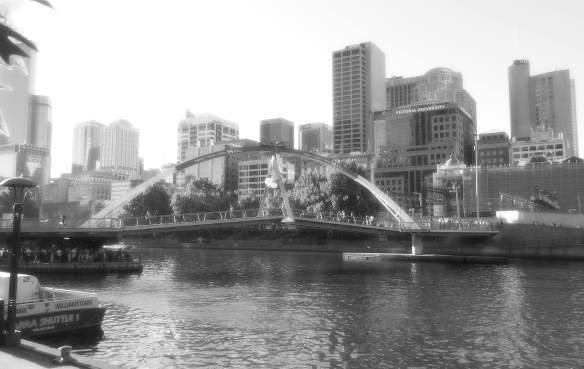
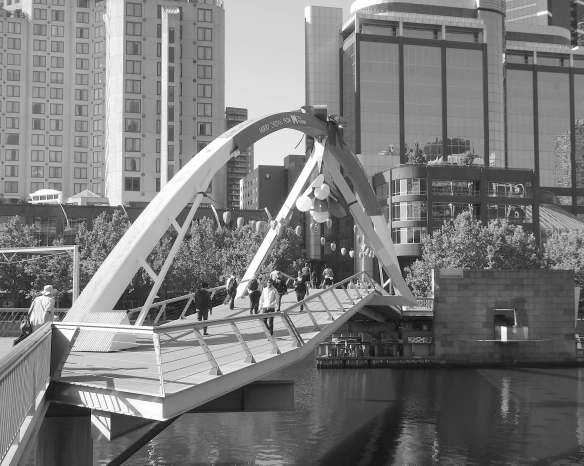
The next morning, we crossed the pedestrian bridge

13.Southbank Pedestrian Bridge

pausing halfway to capture the view upstream.

14.Yarra River, Princes Bridge

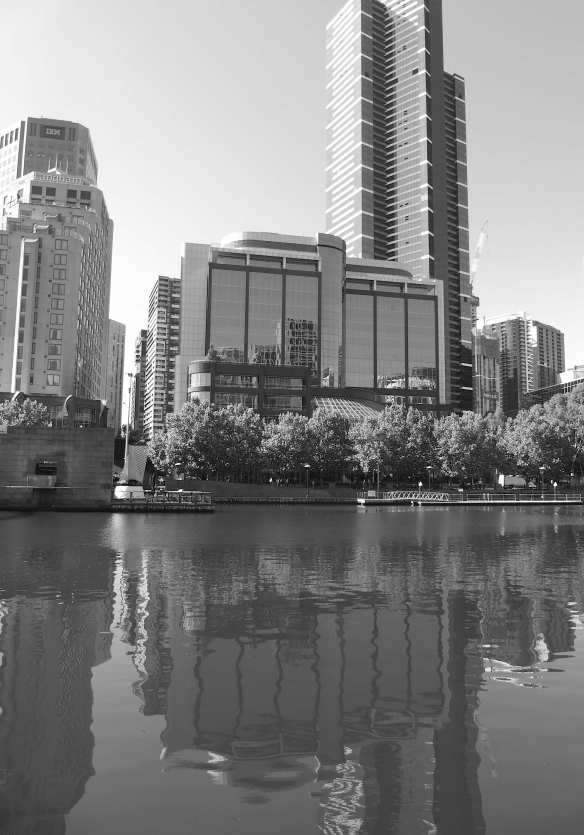
The buildings are just as impressive without colour

15.Eureka Tower16.Melbourne skyline

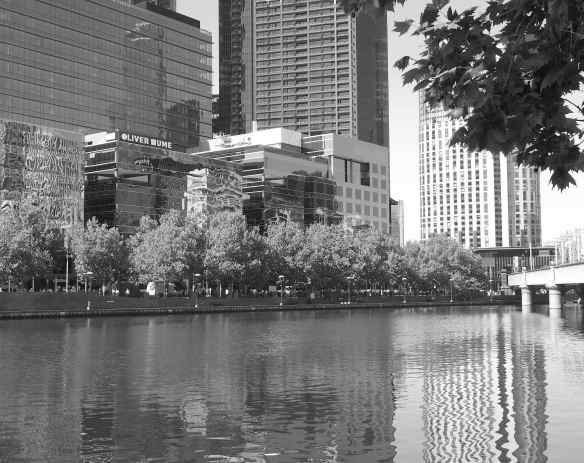
and the reflections mesmerising

17.Southbank18.Southbank19.Southbank

as we strolled along Flinders Walk.

20.Flinders Walk

We passed Sandridge Bridge, The Travellers sculptures telling stories of past immigrants to Australia.

23.rowers24.Sandridge Bridge & skyline

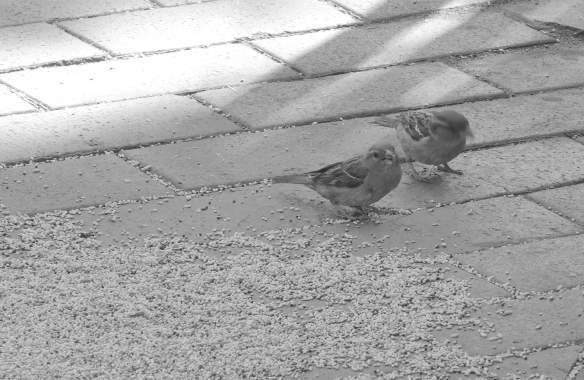
Someone had kindly left birdseed for our feathered friends.

25.birds

The rowers were being pursued by a lone gull – or so it seemed.

26.rowers

I wonder if this cormorant could smell the fish at the Sea Life Aquarium across the river. He looks like a statue against the abstract motion of the water.

28.cormorant27.Sealife

Not far past Seafarers Bridge

29.Seafarers Bridge

we reached our destination – DFO, South Wharf.

30. DFO South Wharf

Interestingly, when Paul Simon recorded his concerts in Central Park in 1982 and 1991, he changed the lyrics to “…everything looks better in black and white.” You can decide for yourself.