Dip Falls

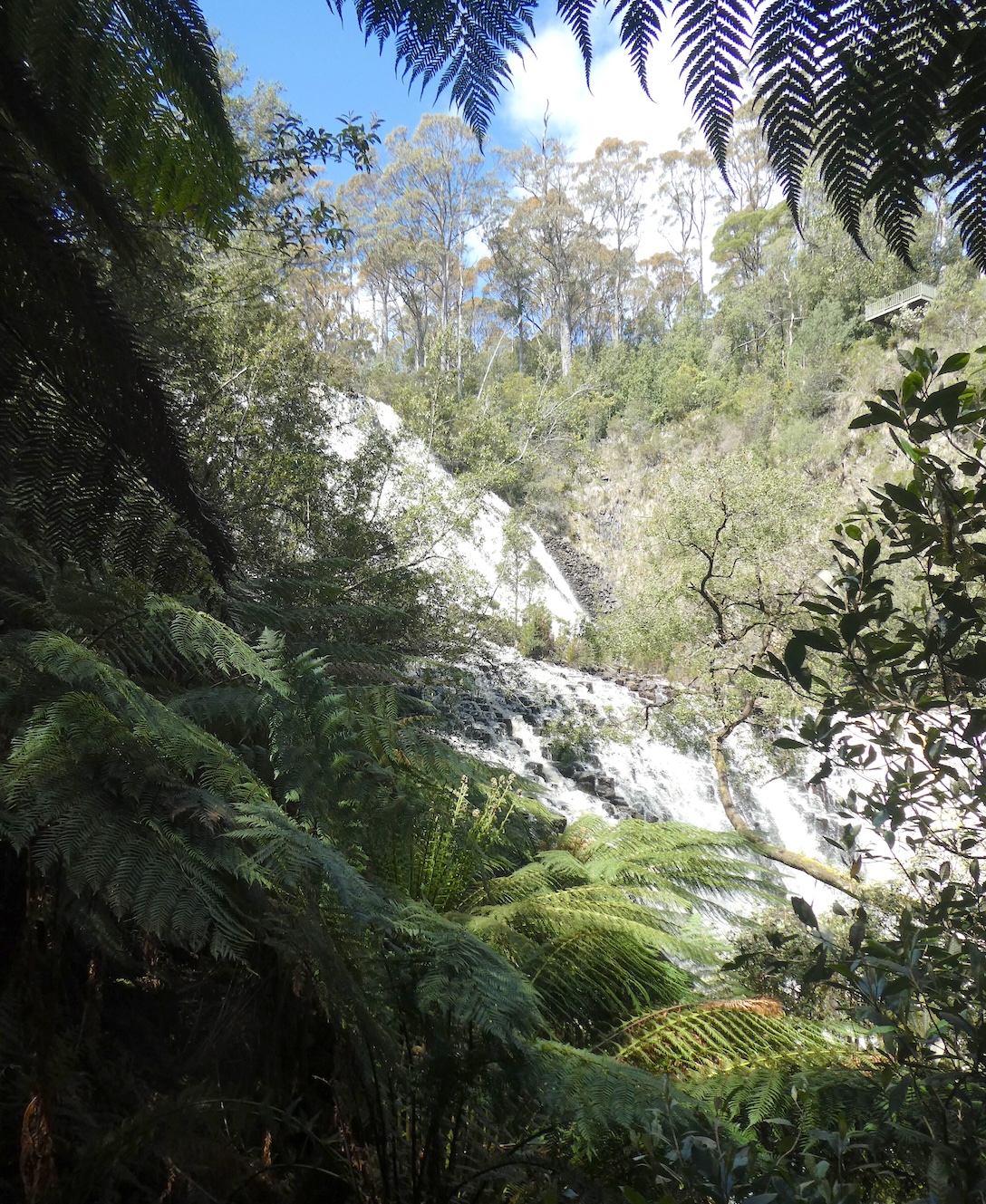
We have been to the town of Stanley on many occasions, it is one of the ‘go to’ places to take visitors. The signpost on the highway to Dip Falls, 27km inland, has always intrigued me but time has been our limiting factor in the past. We decided to stay overnight on our latest trip which gave us the opportunity for a detour and picnic lunch. The peaceful drive through picturesque farmland was on a mostly sealed road with the last few kilometres unsealed but well maintained. We chose to view the falls from below first, the initial impression on our descent held promise of something spectacular.
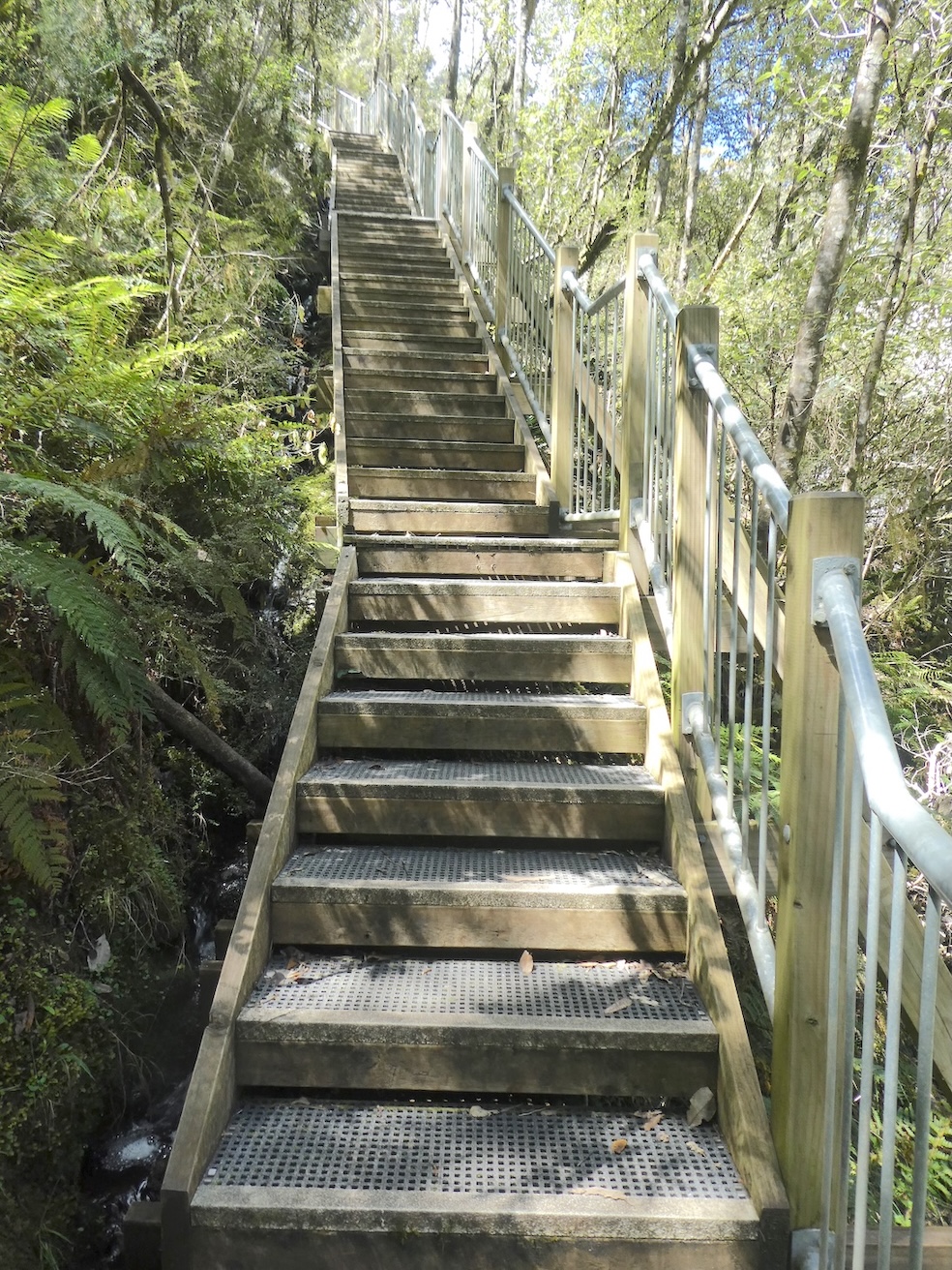
The stairs are steep but easily traversed (with a rest or two on the ascent).
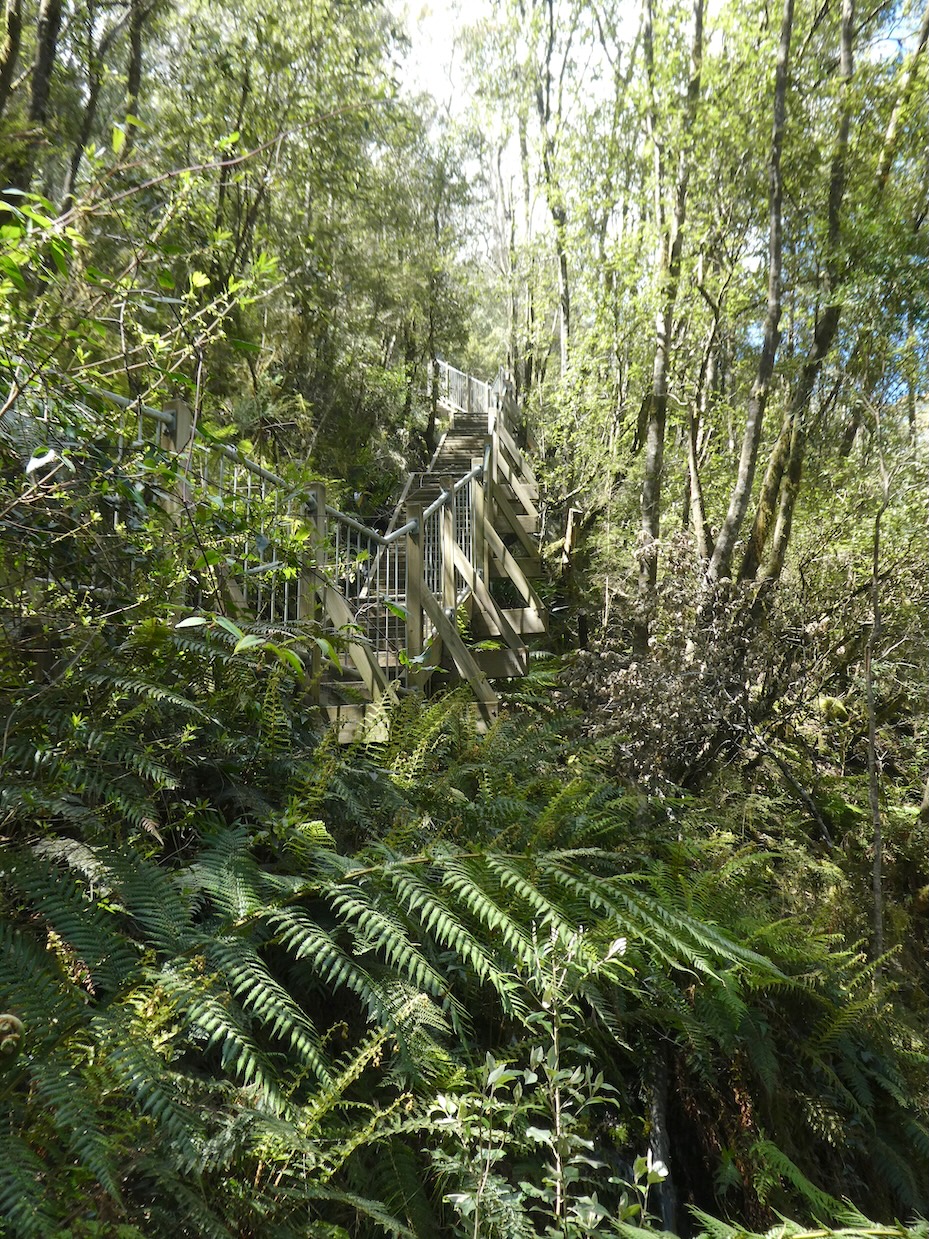
The roar of the tumbling water and further glimpses through the foliage spurred us on.
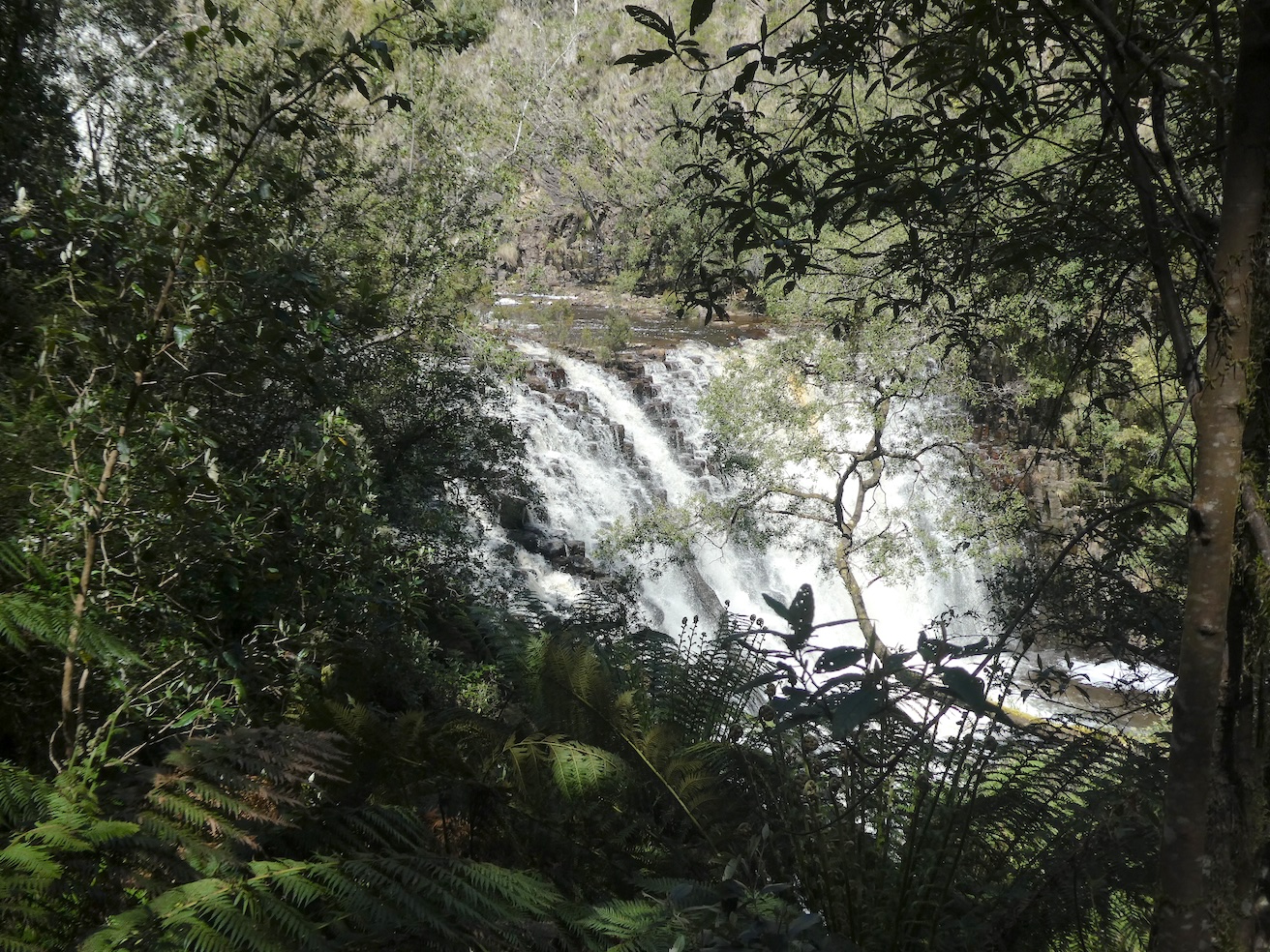
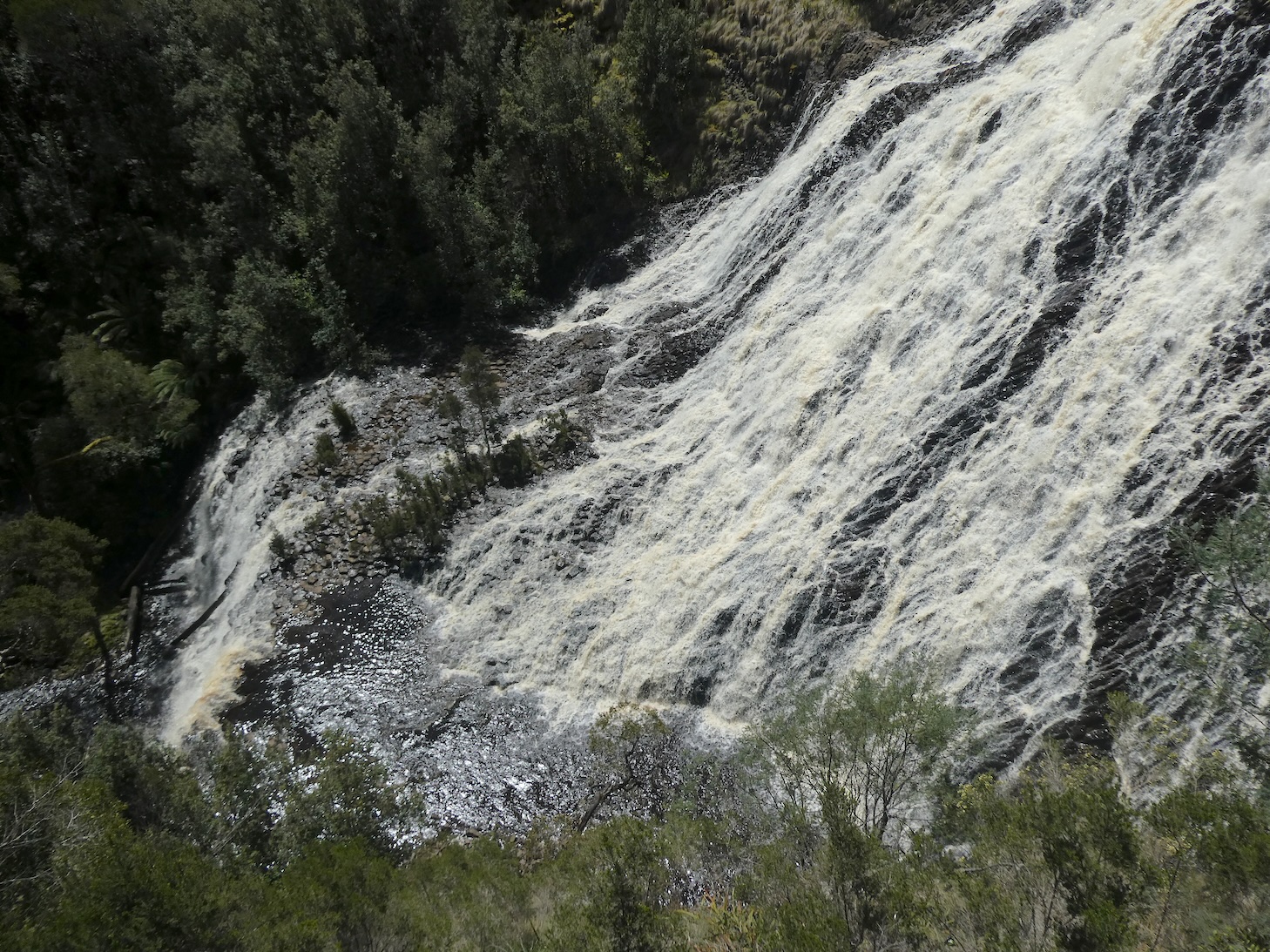
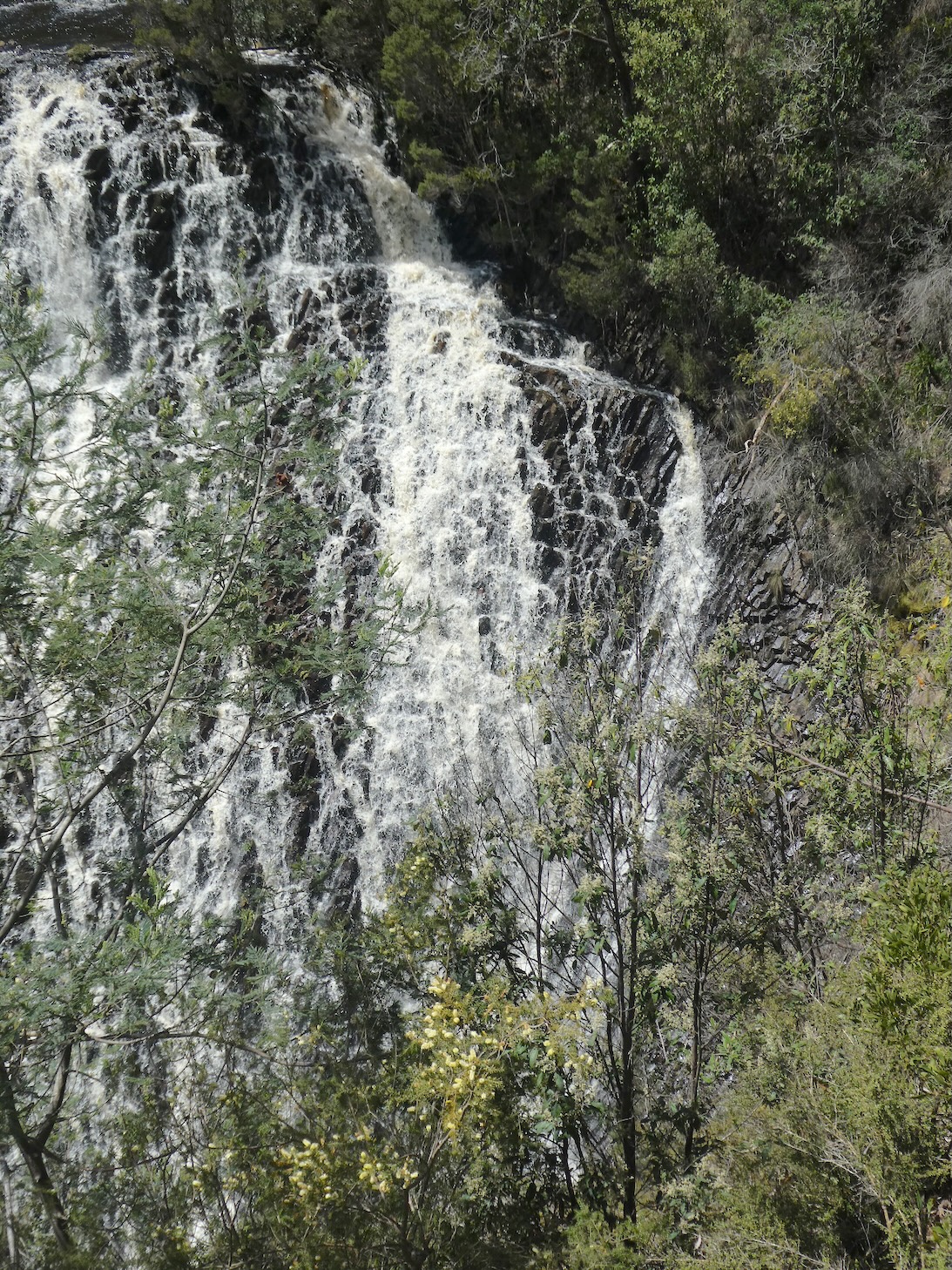
The wonder that awaited us was breathtaking.
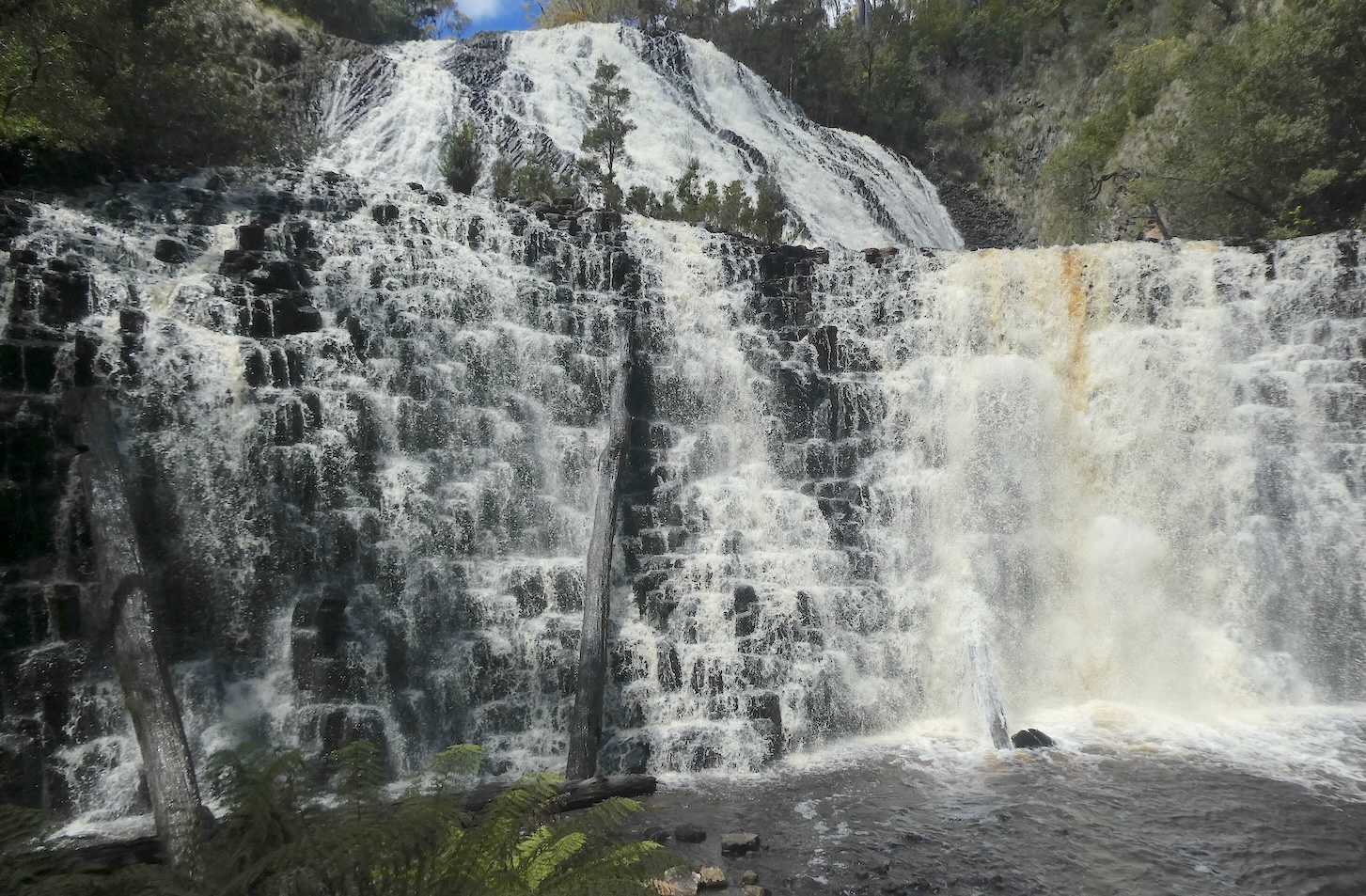
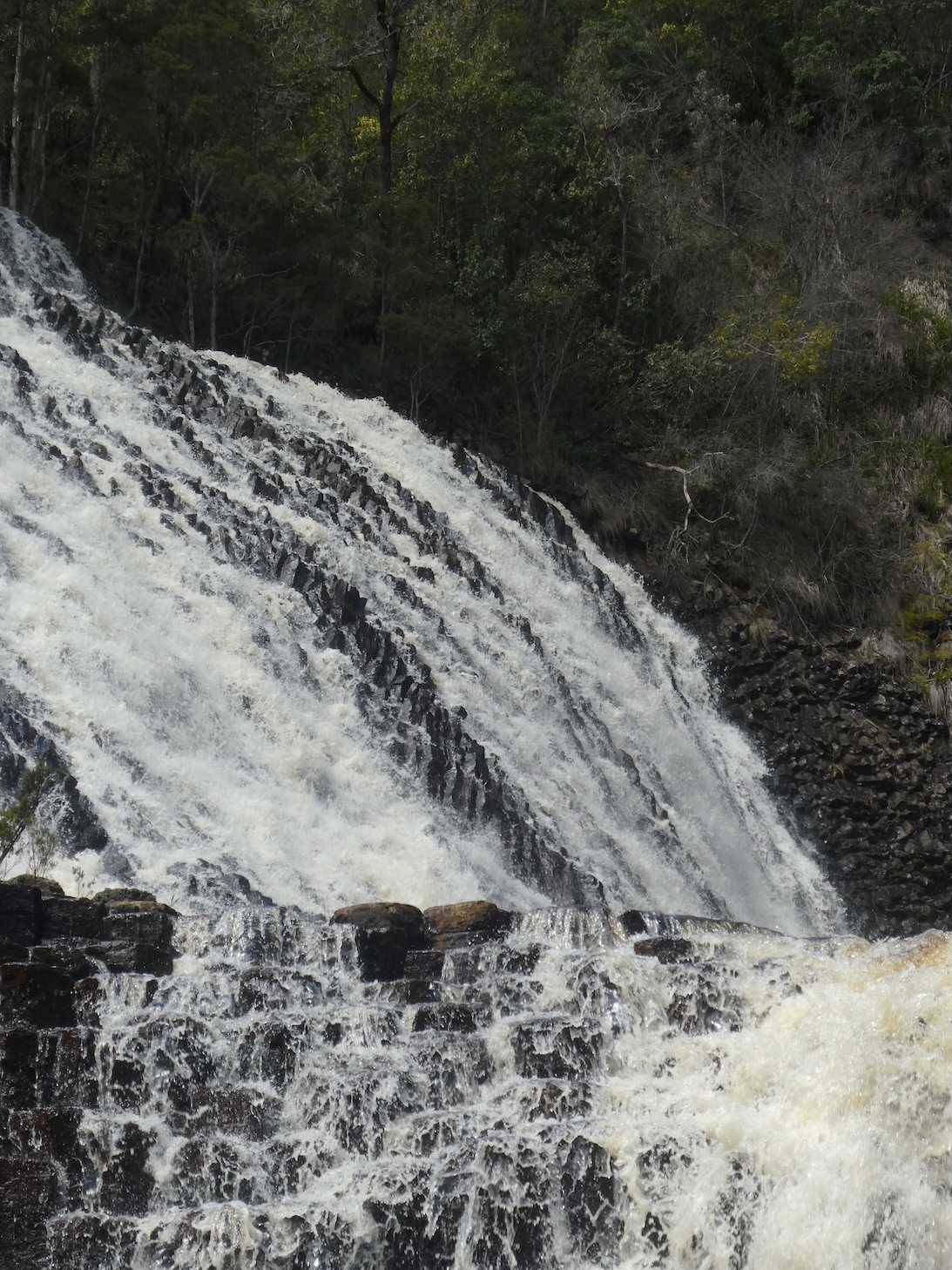
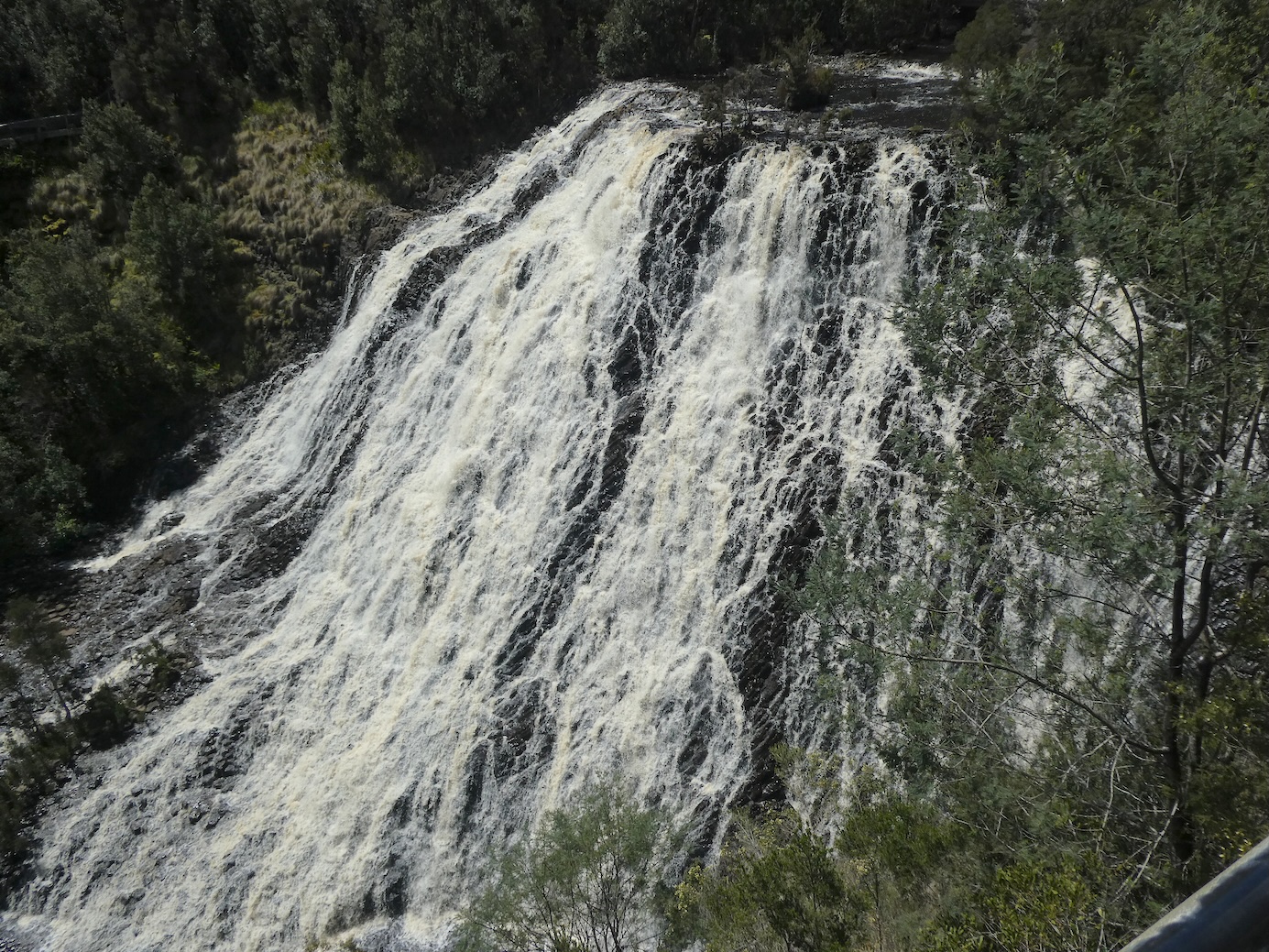
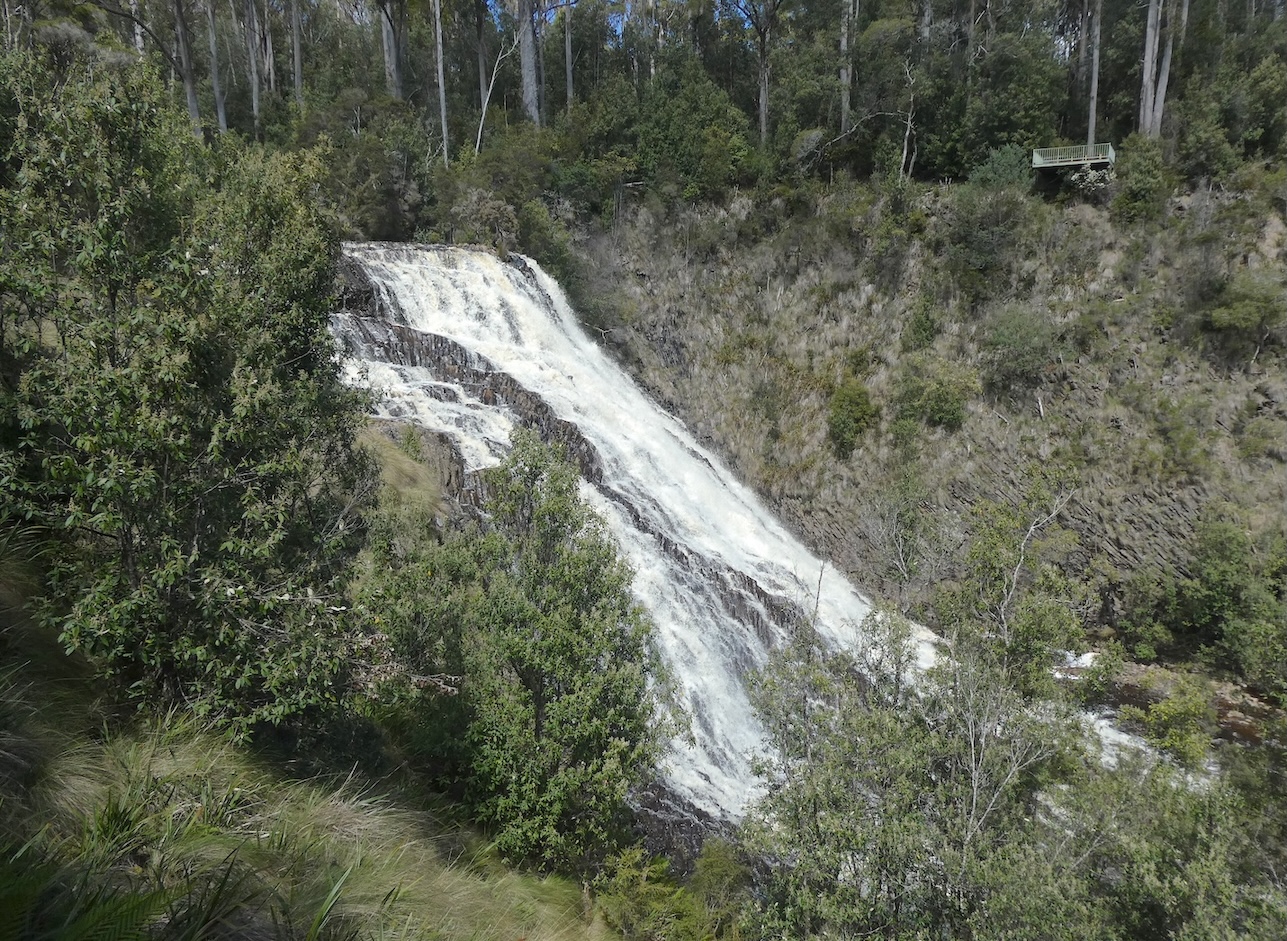
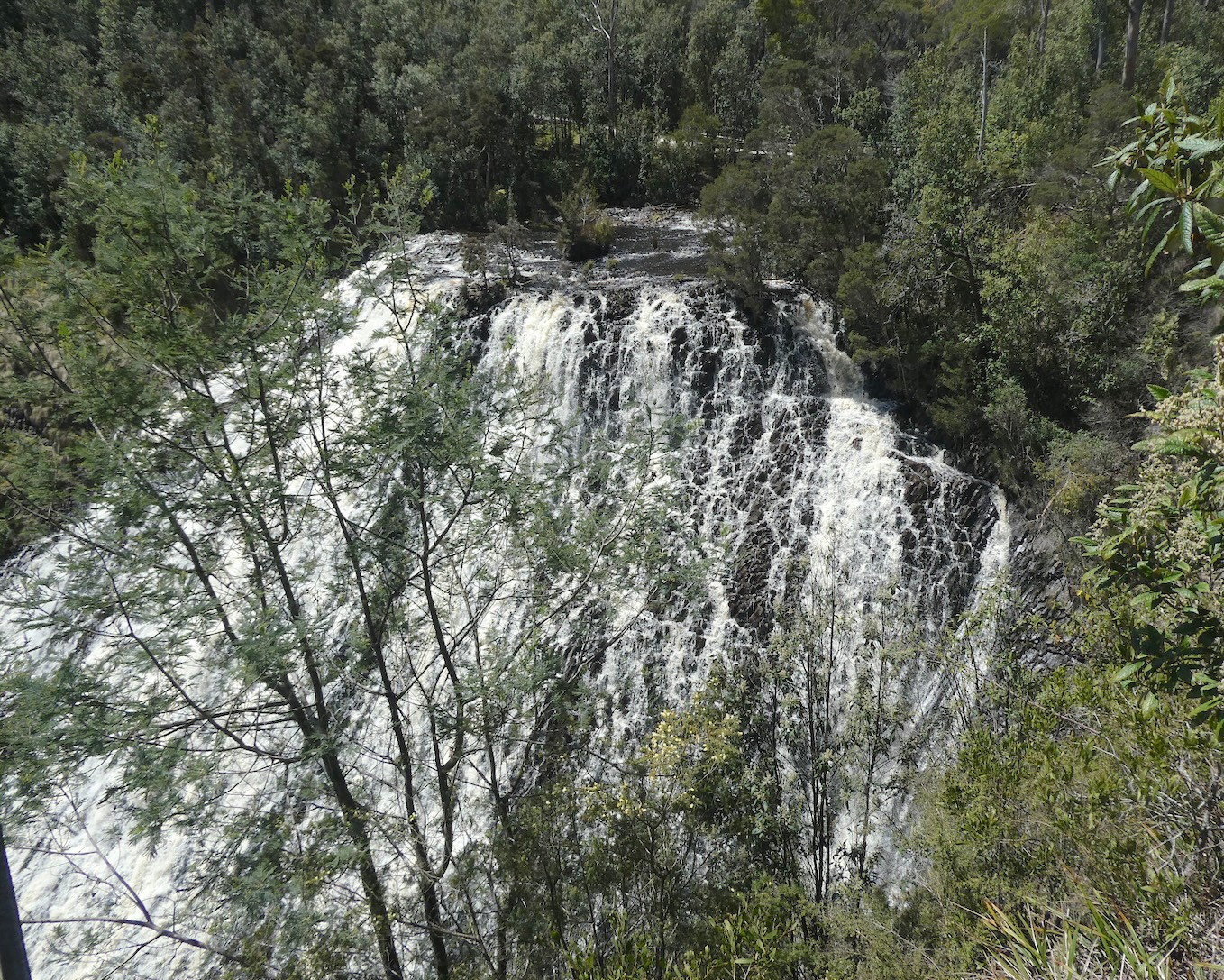
In the absence of a very wide angle lens, I resorted to photographing sections of the falls as the two tiers dropped thirty metres over distinctive dolerite columns.
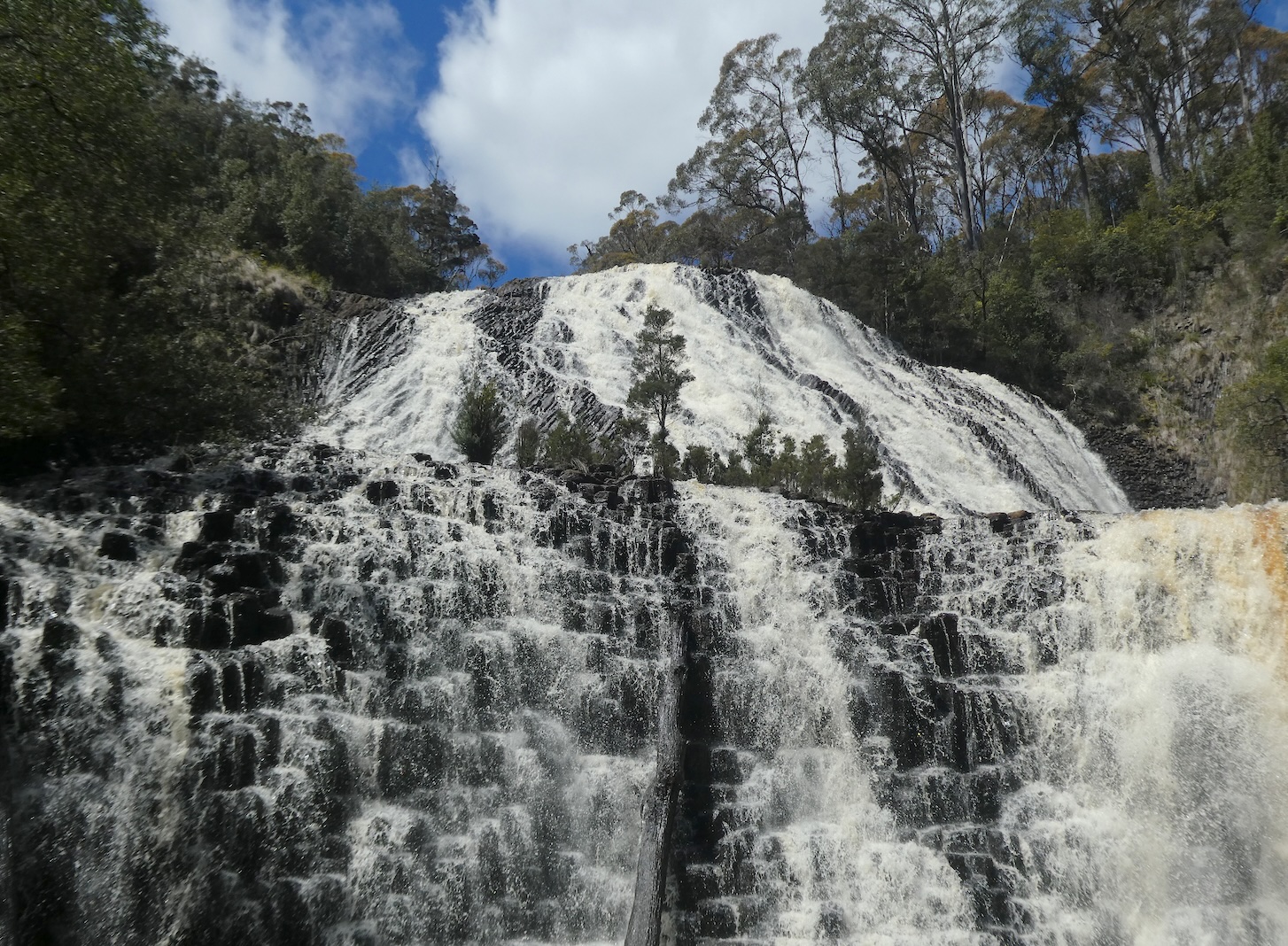
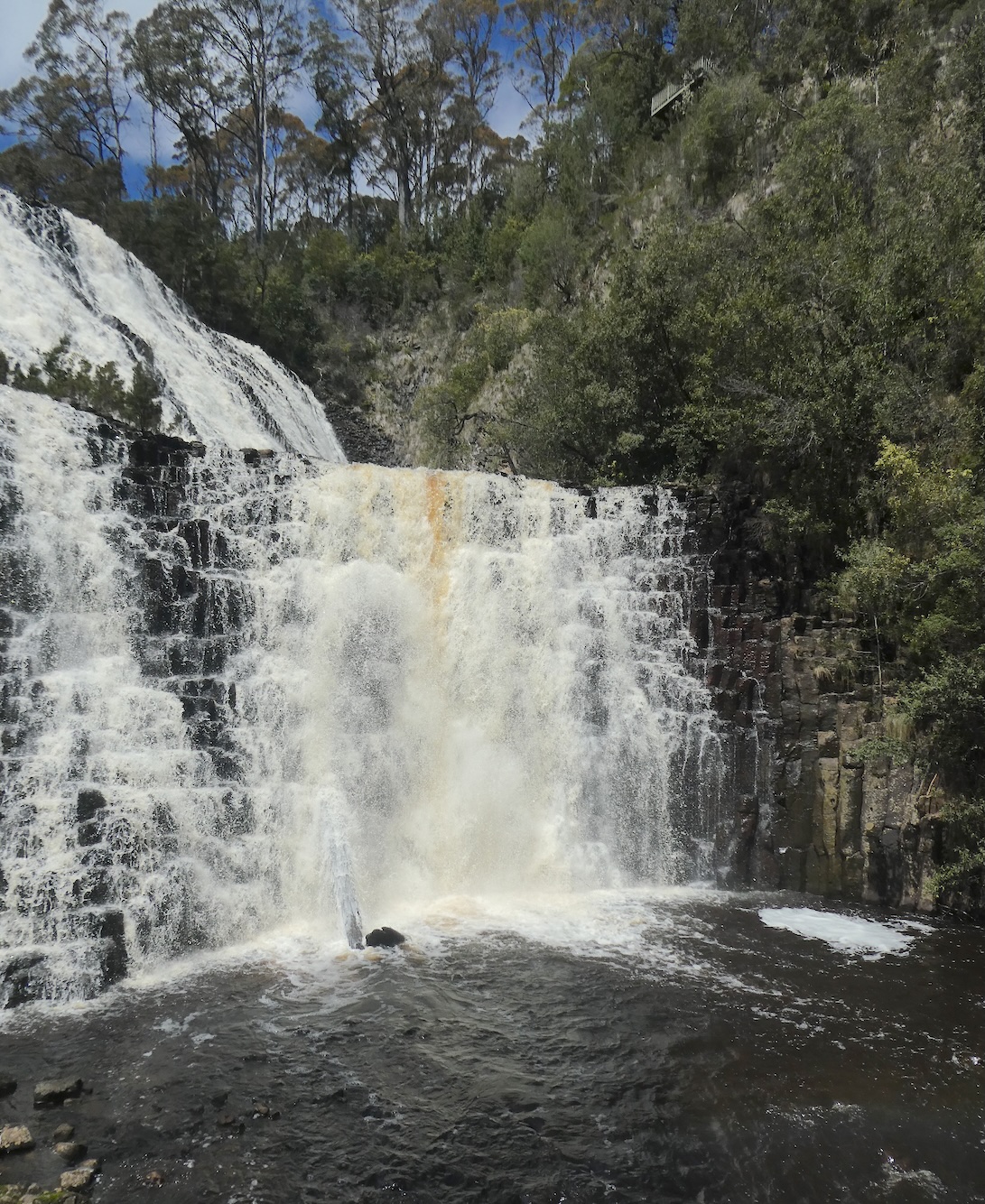
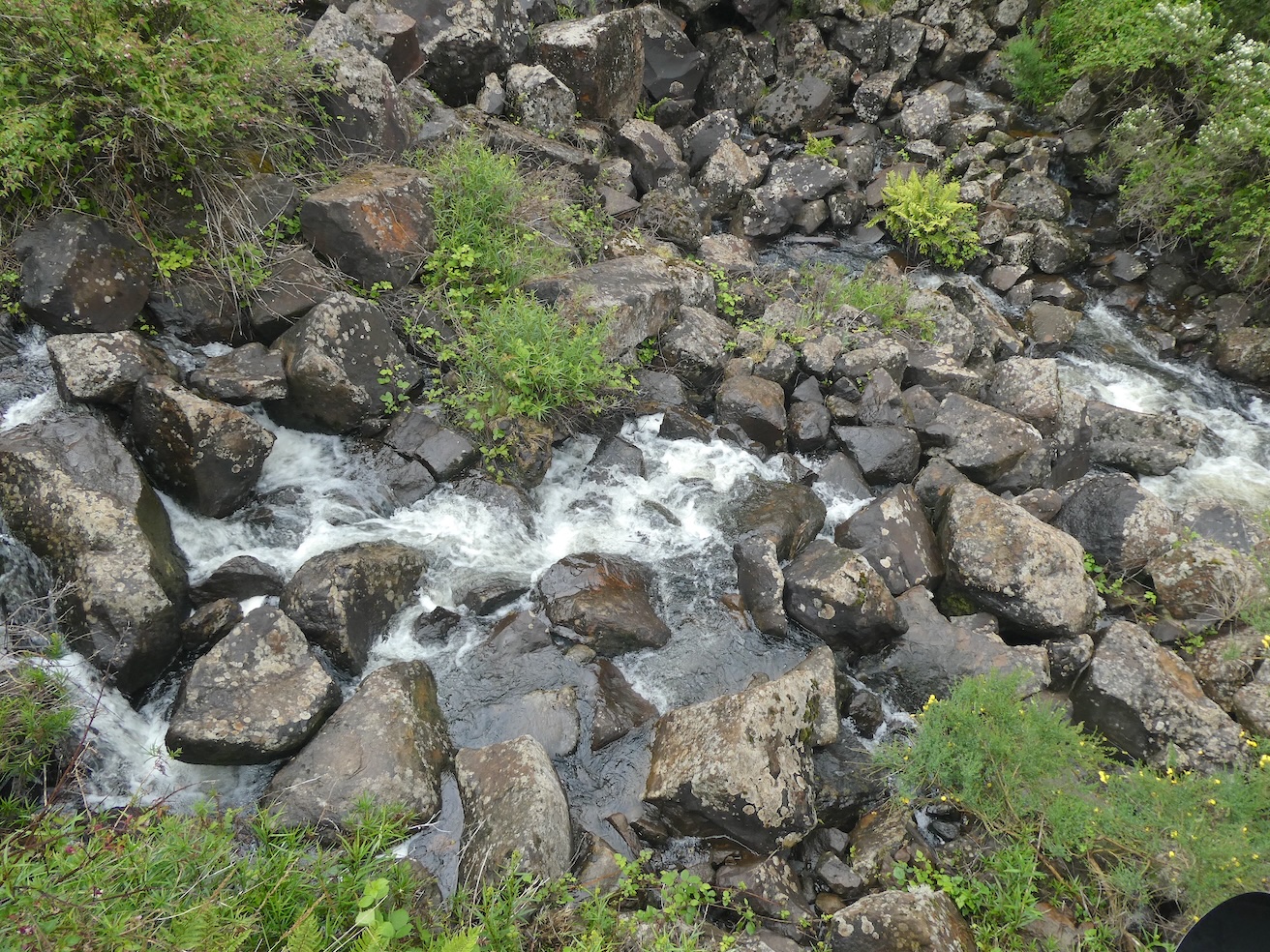
The tranquility downstream belied the tempest of the falls mere metres away.
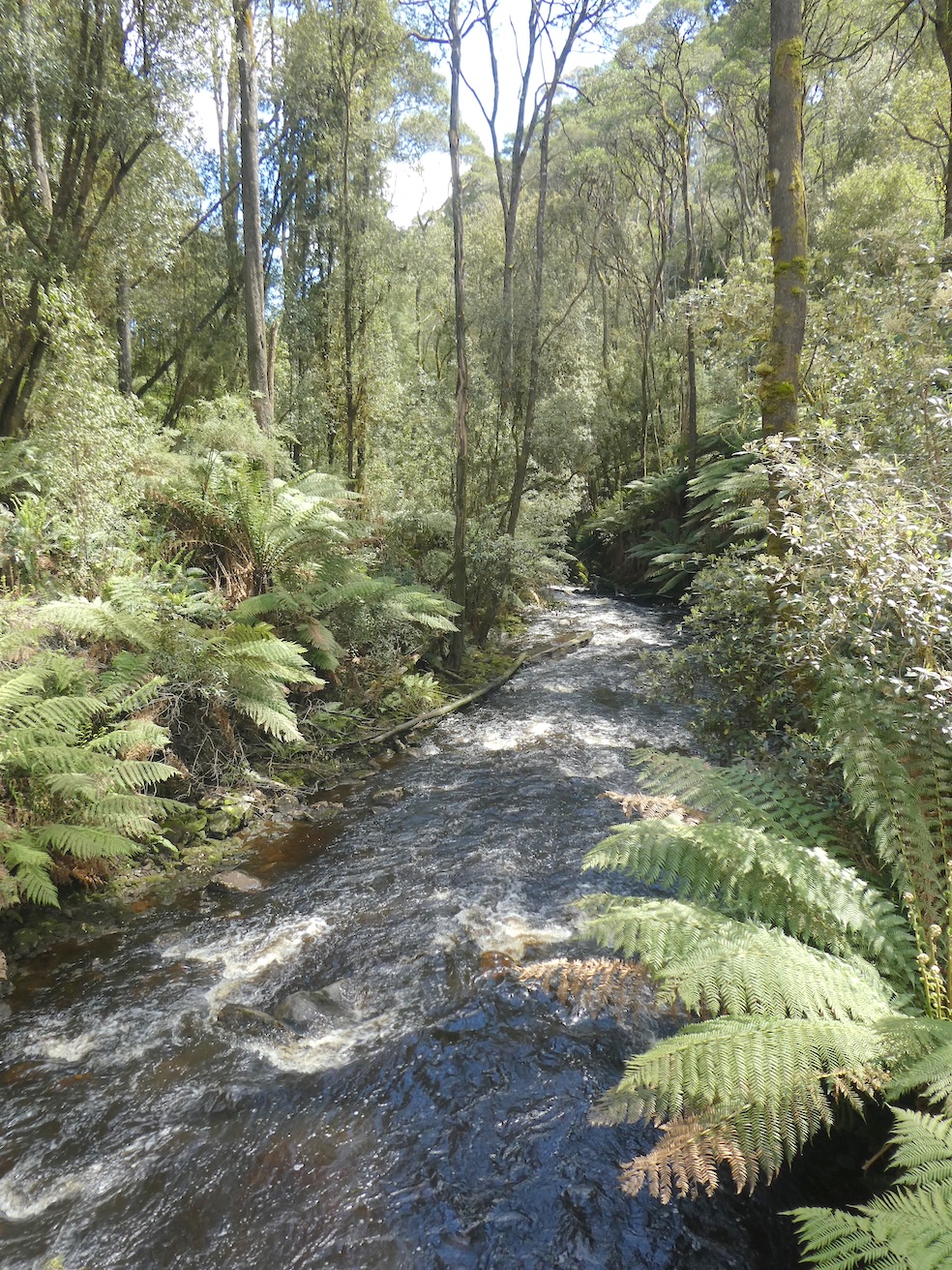
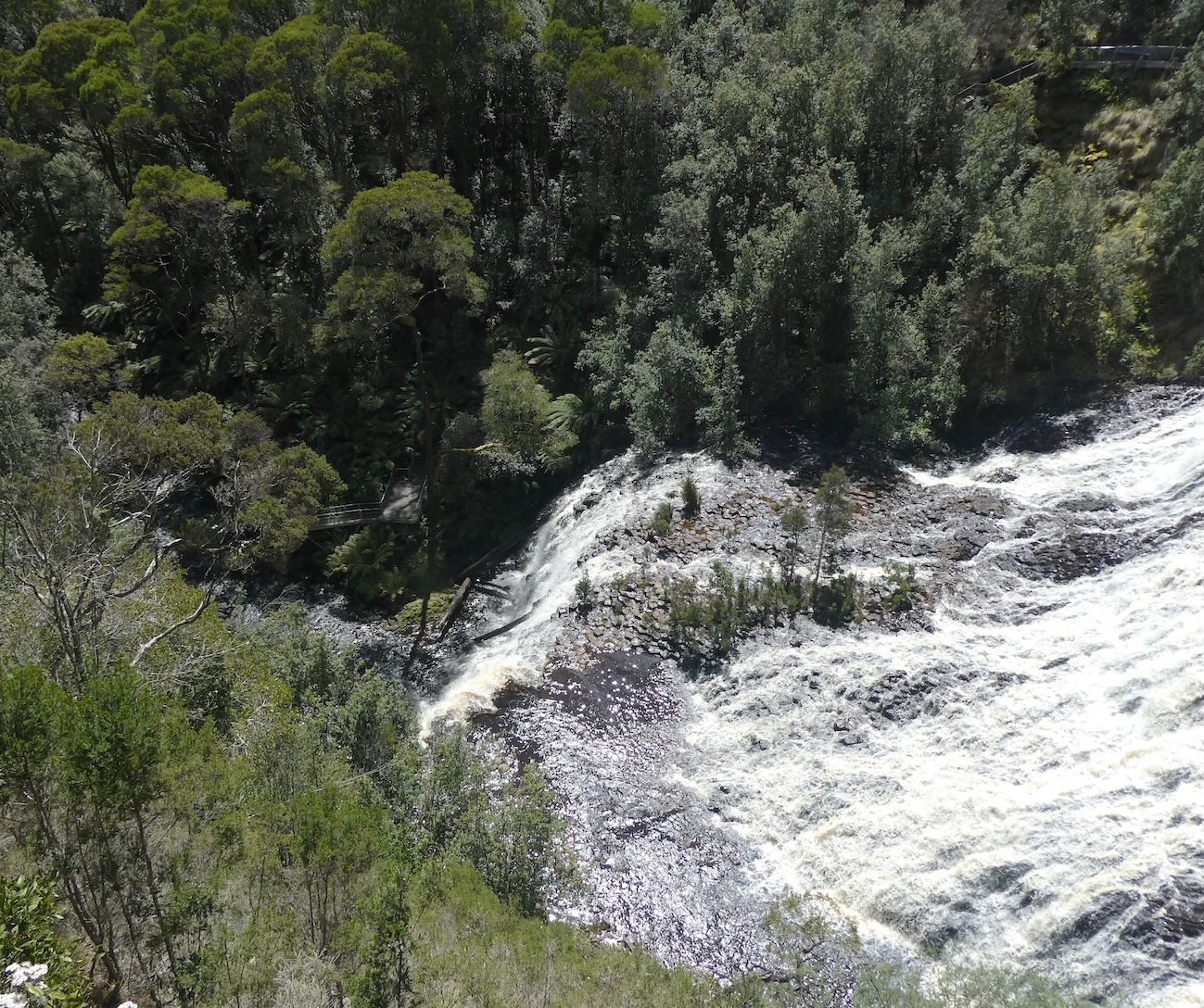
At the top of the falls, the serene waters were idyllically unaware of their impending adventure.
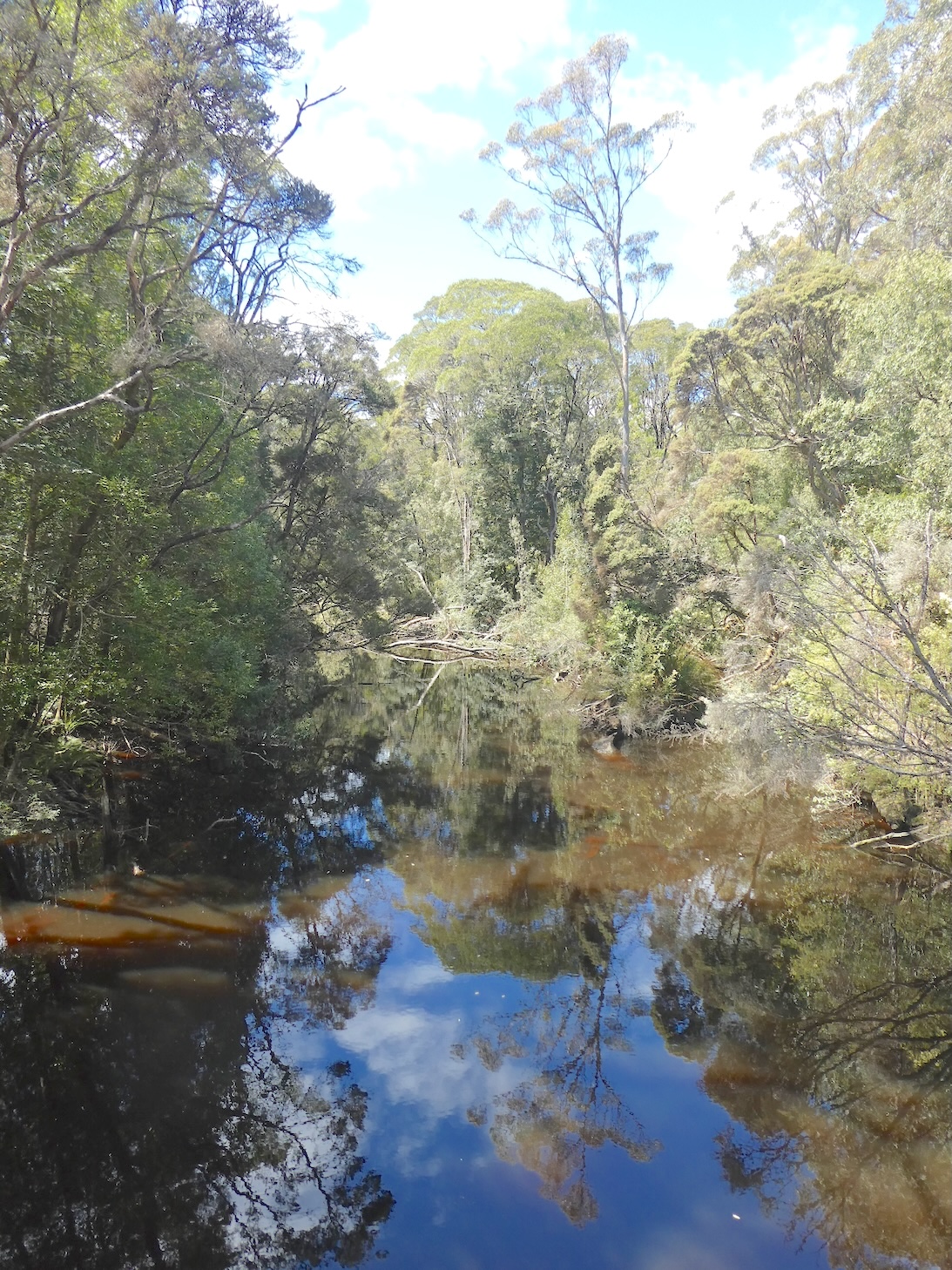
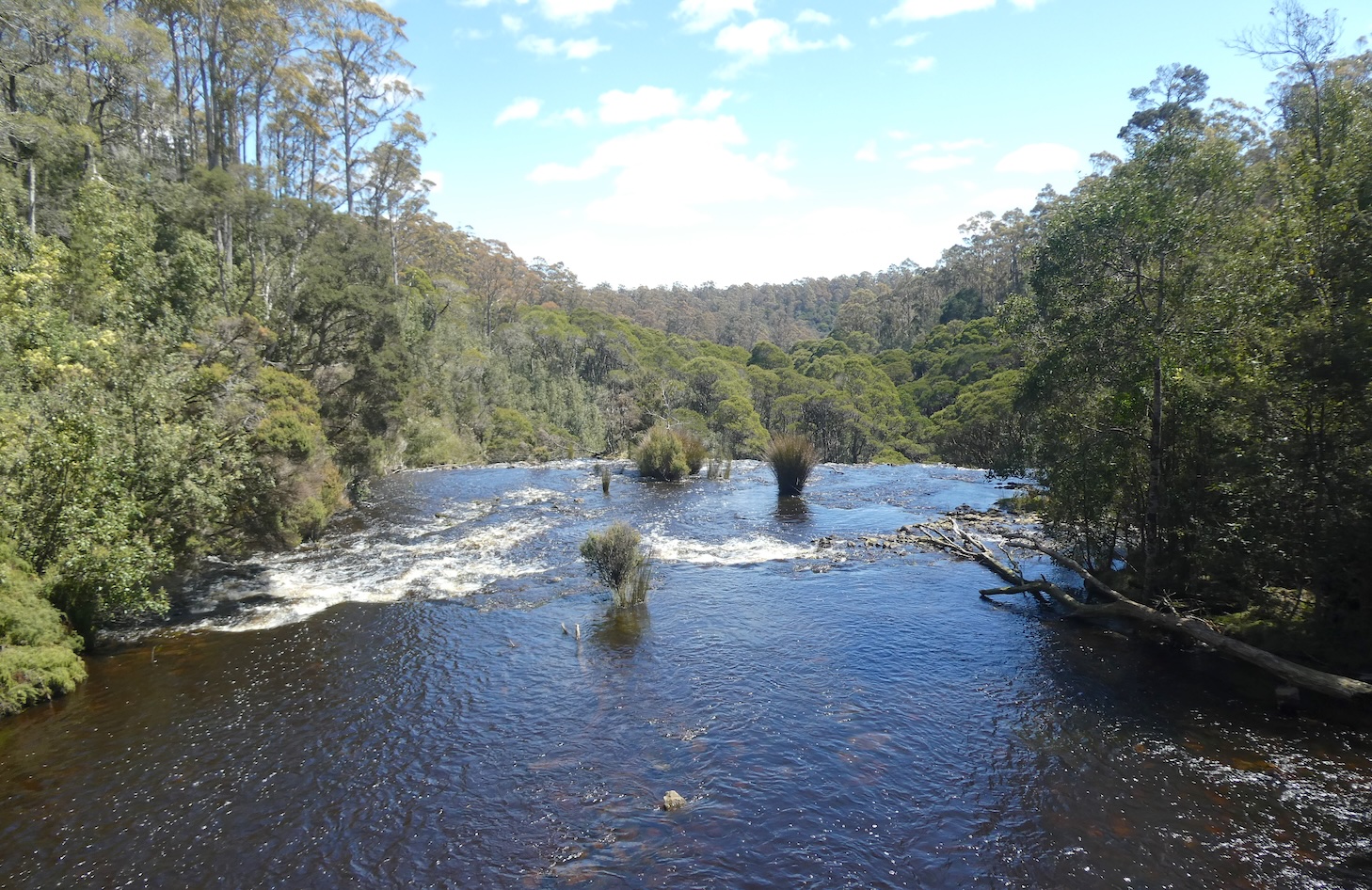
Even from the lookout, the extent of the vista demanded serial photographs.
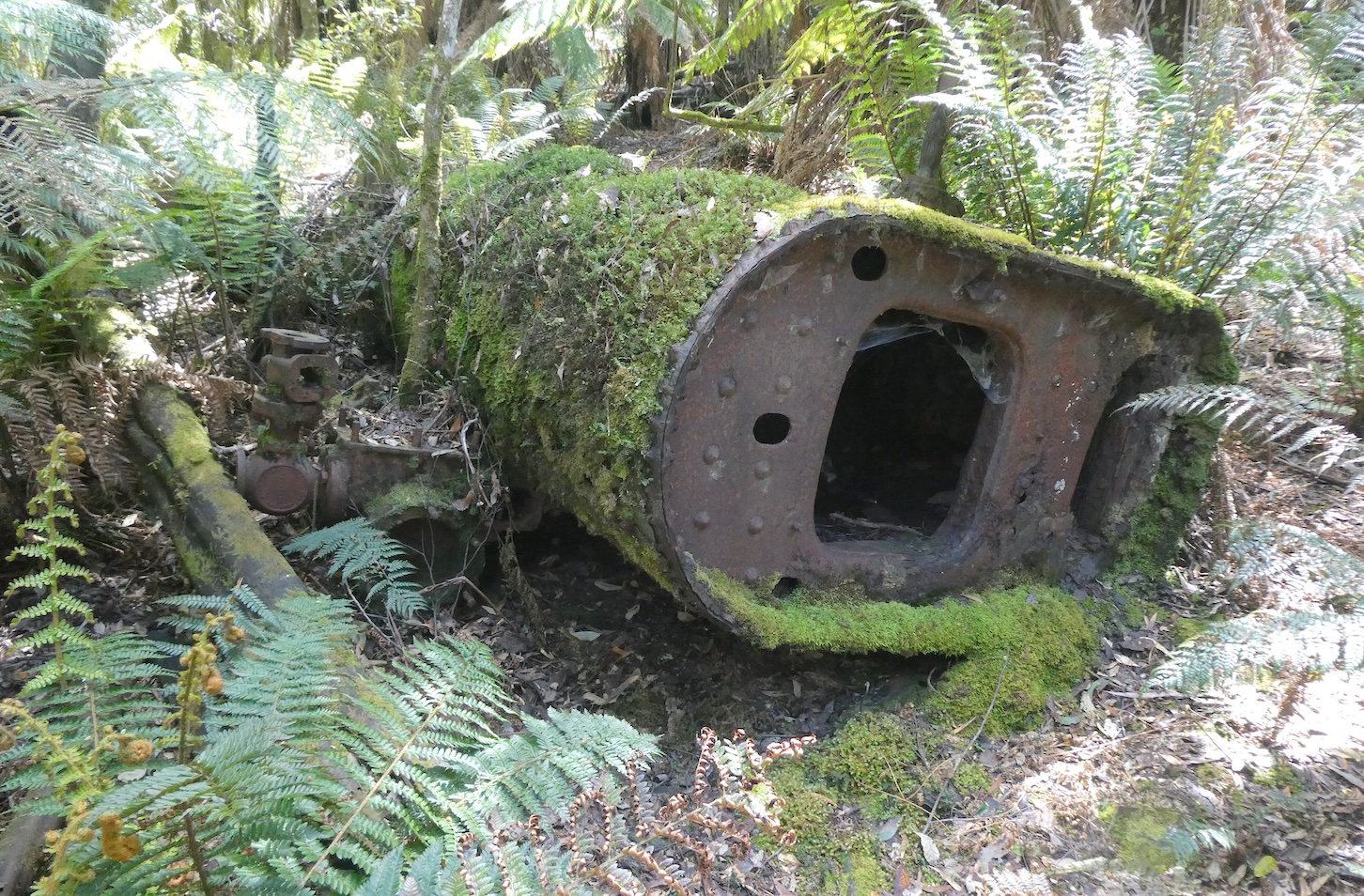
Dip River was once a working forest and during the 1920s, the small community of three houses endured isolation and hardship to manage the sawmill. Not far from the top of the falls, remnants of an old boiler that provided steam to power the sawmill, lies as a reminder of Tasmania’s timber heritage.
Pieman River

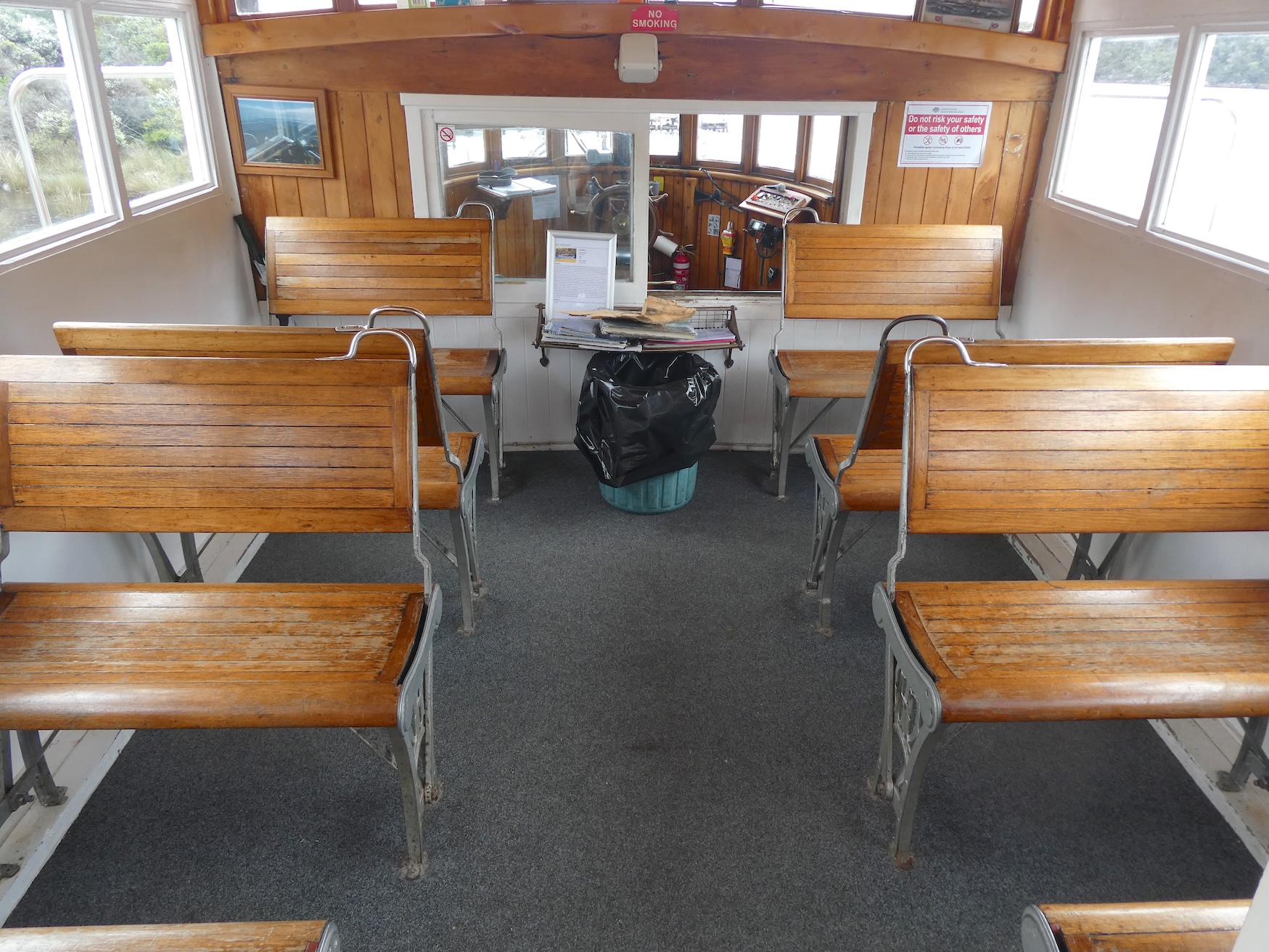
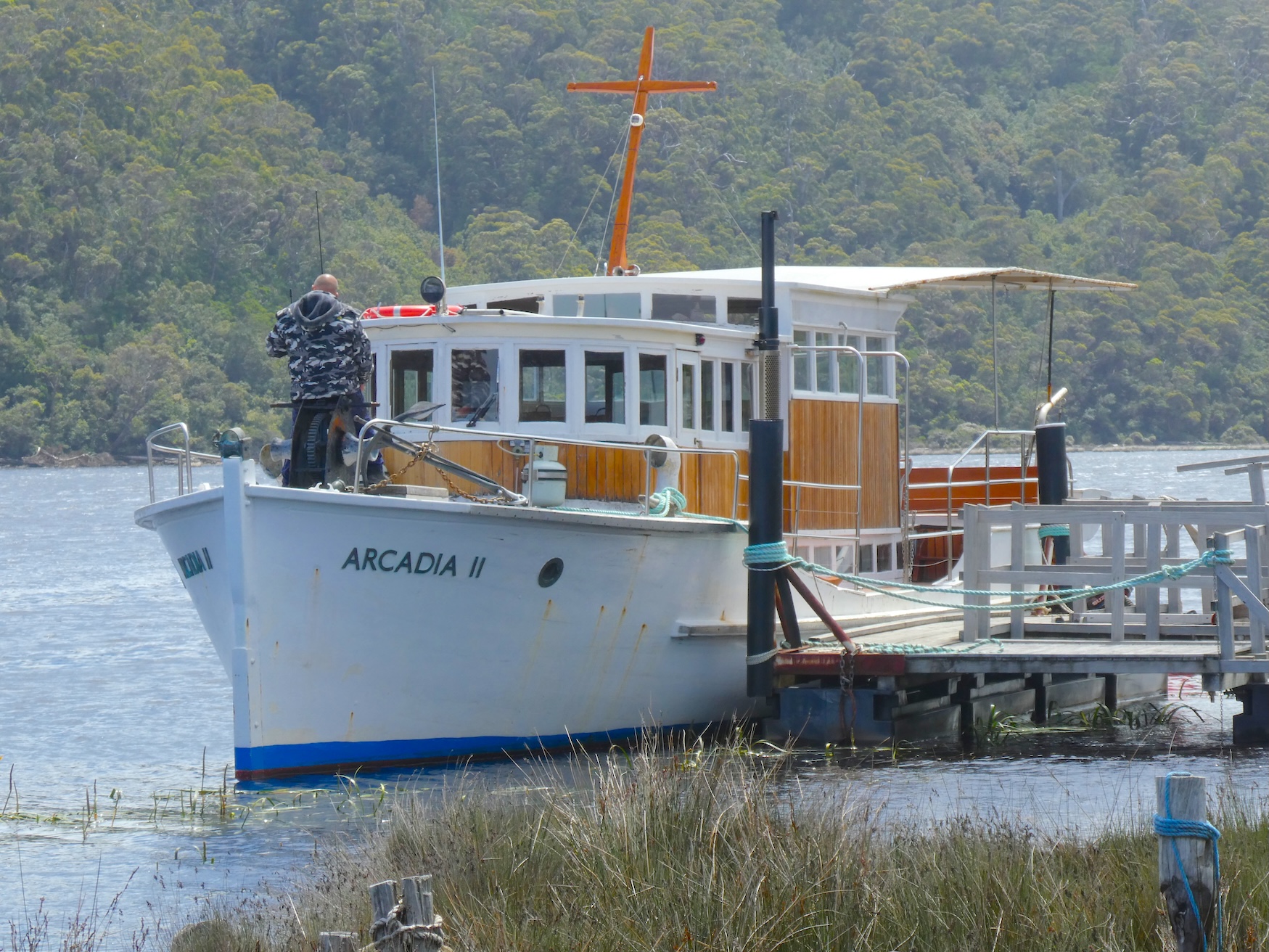
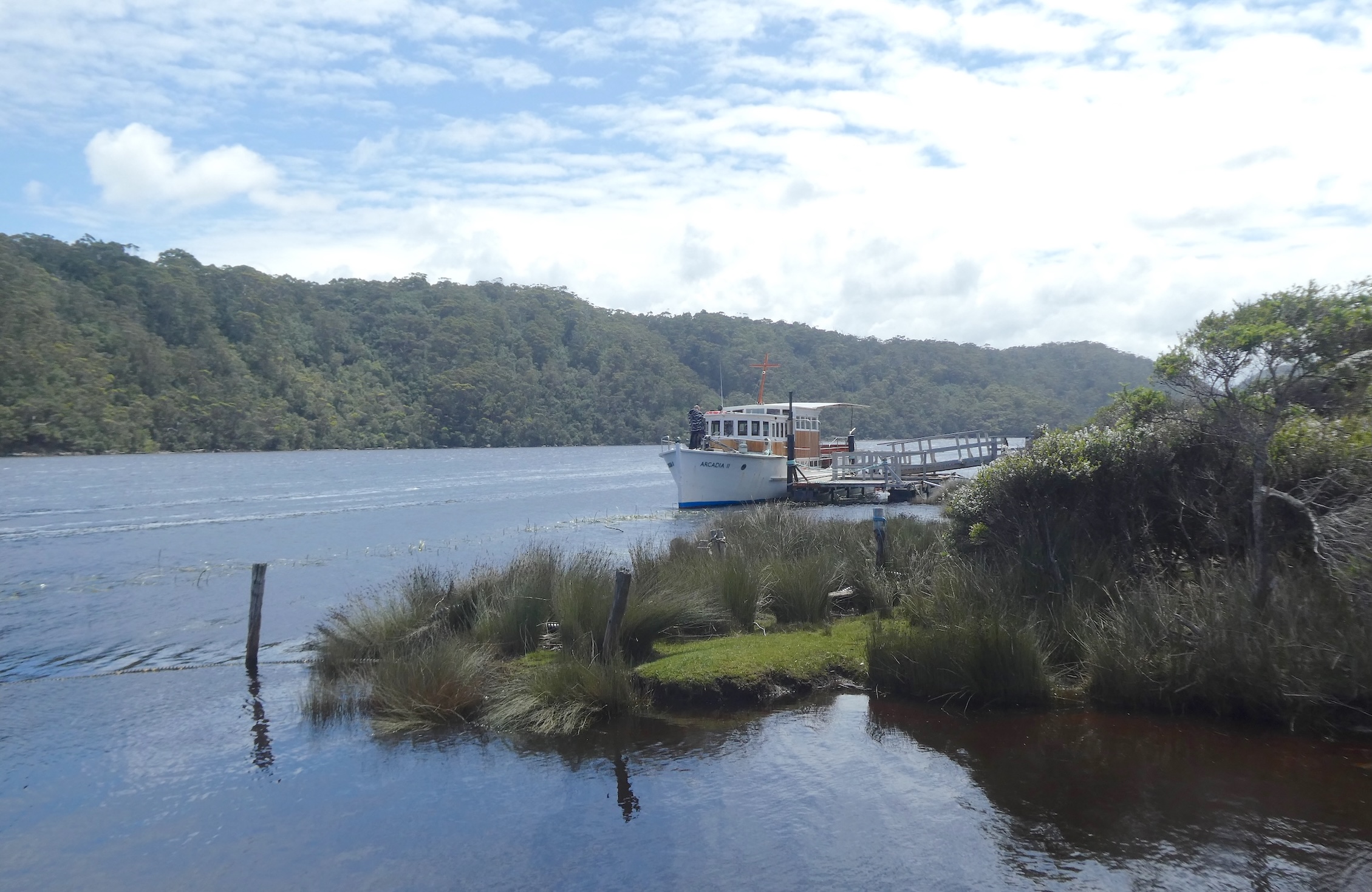
A leisurely way to experience the Tarkine Wilderness is to spend a few hours on the Pieman River aboard the heritage vessel, MV Arcadia II.

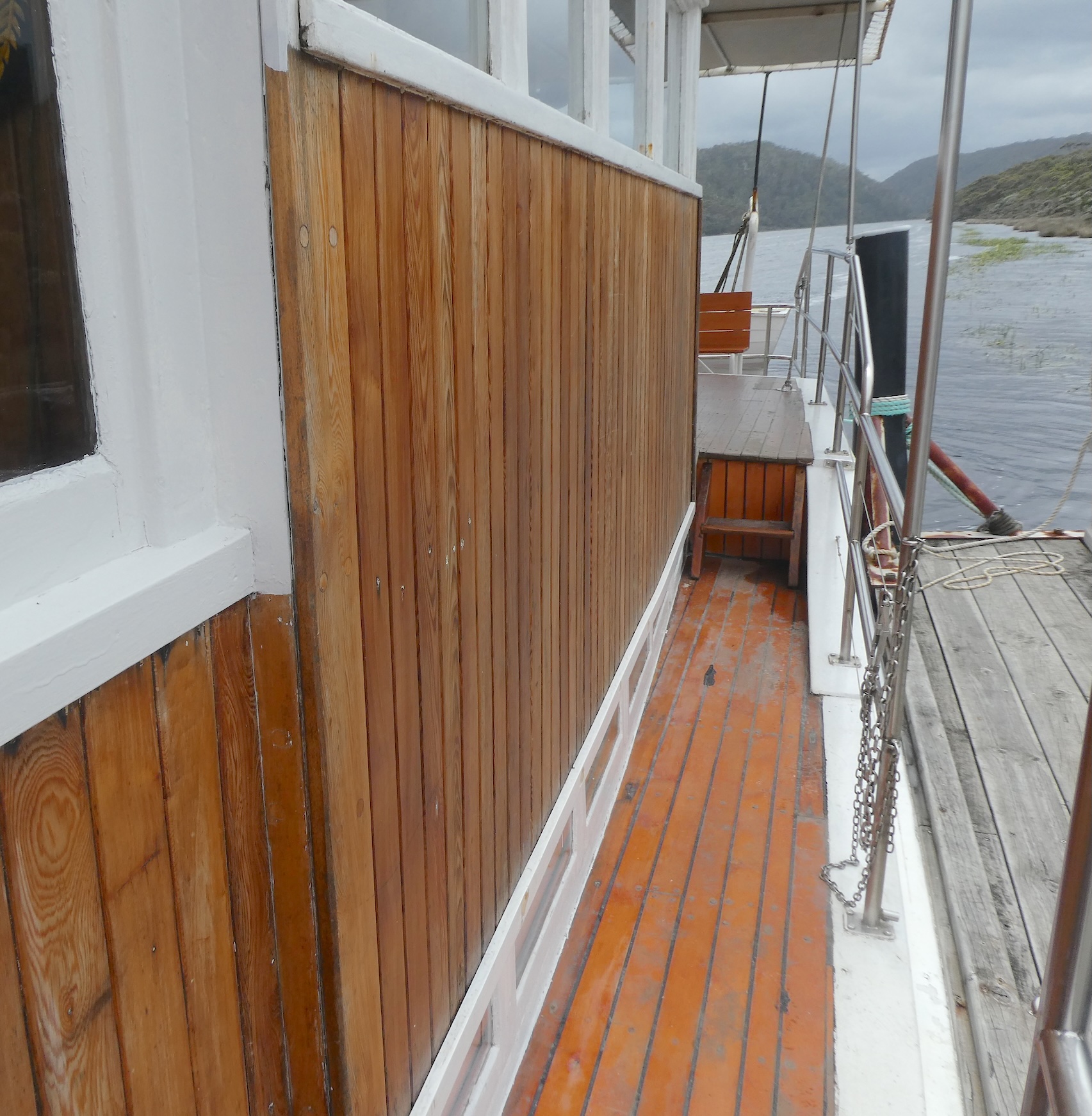
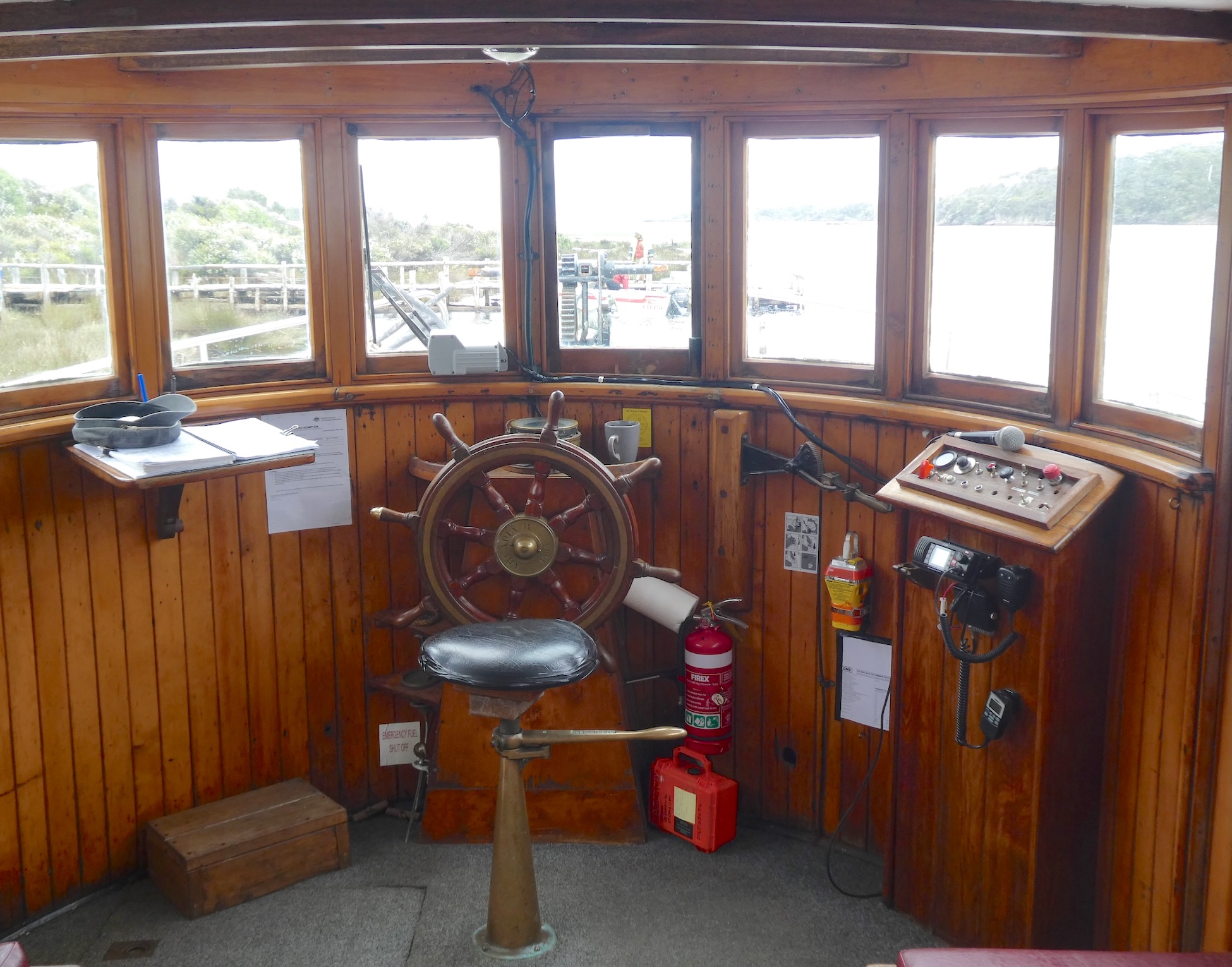
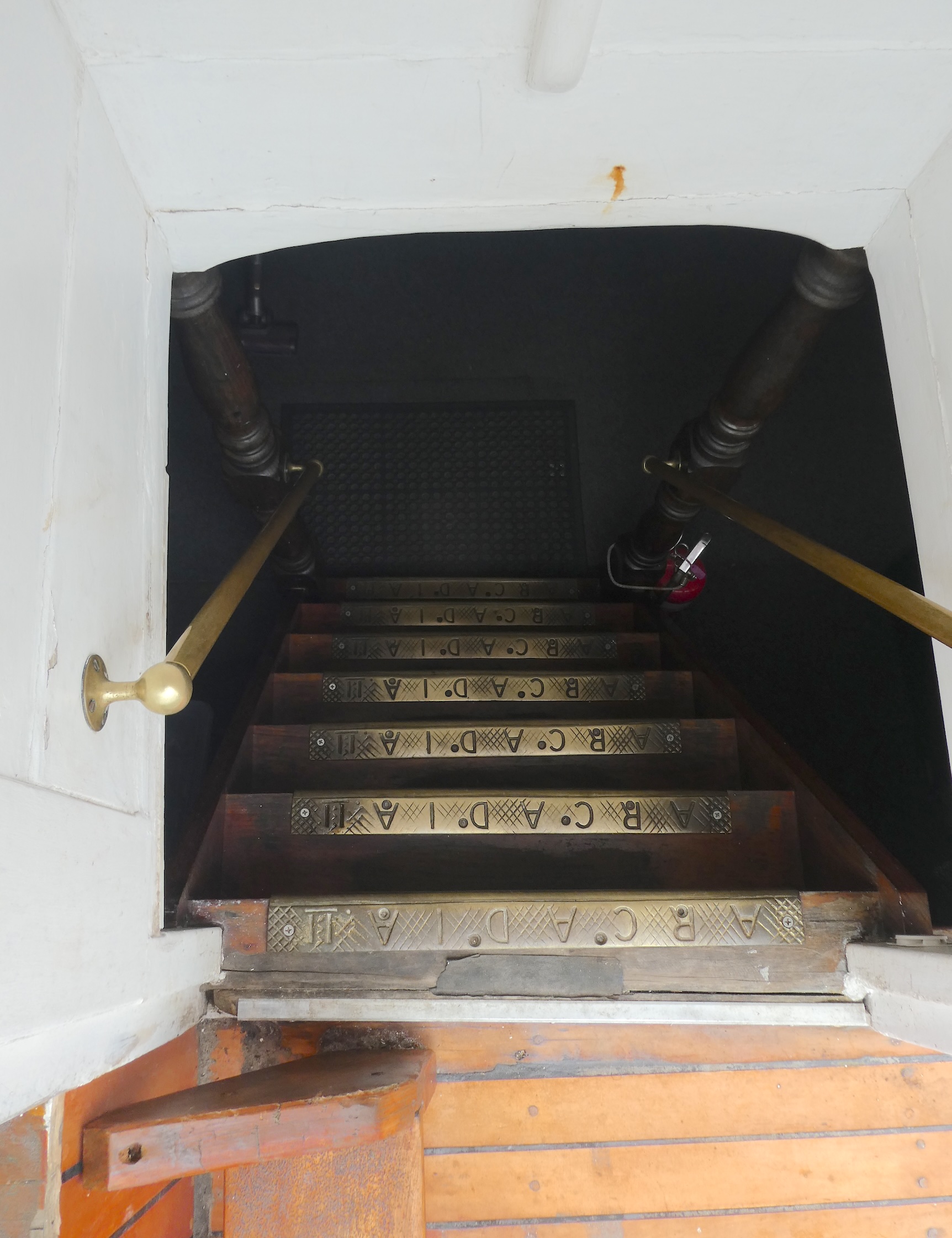
The 17 metre boat was built of Huon Pine in 1939 as a luxury pleasure craft based in Hobart. She was requisitioned to serve as a supply ship in New Guinea during the Second World War. Life became more peaceful as a scallop fishing boat on the east coast of Tasmania and then as a cruise boat on Macquarie Harbour and the Gordon River in 1961.

The Arcadia II has been cruising the Pieman River since 1970 and is the only Huon Pine river cruiser still operating anywhere in the world. A refurbishment in 2006 returned her to original pristine condition. I was hoping we had no need for the lifeboat.

We departed from Corinna at 10am on a moody, overcast morning.

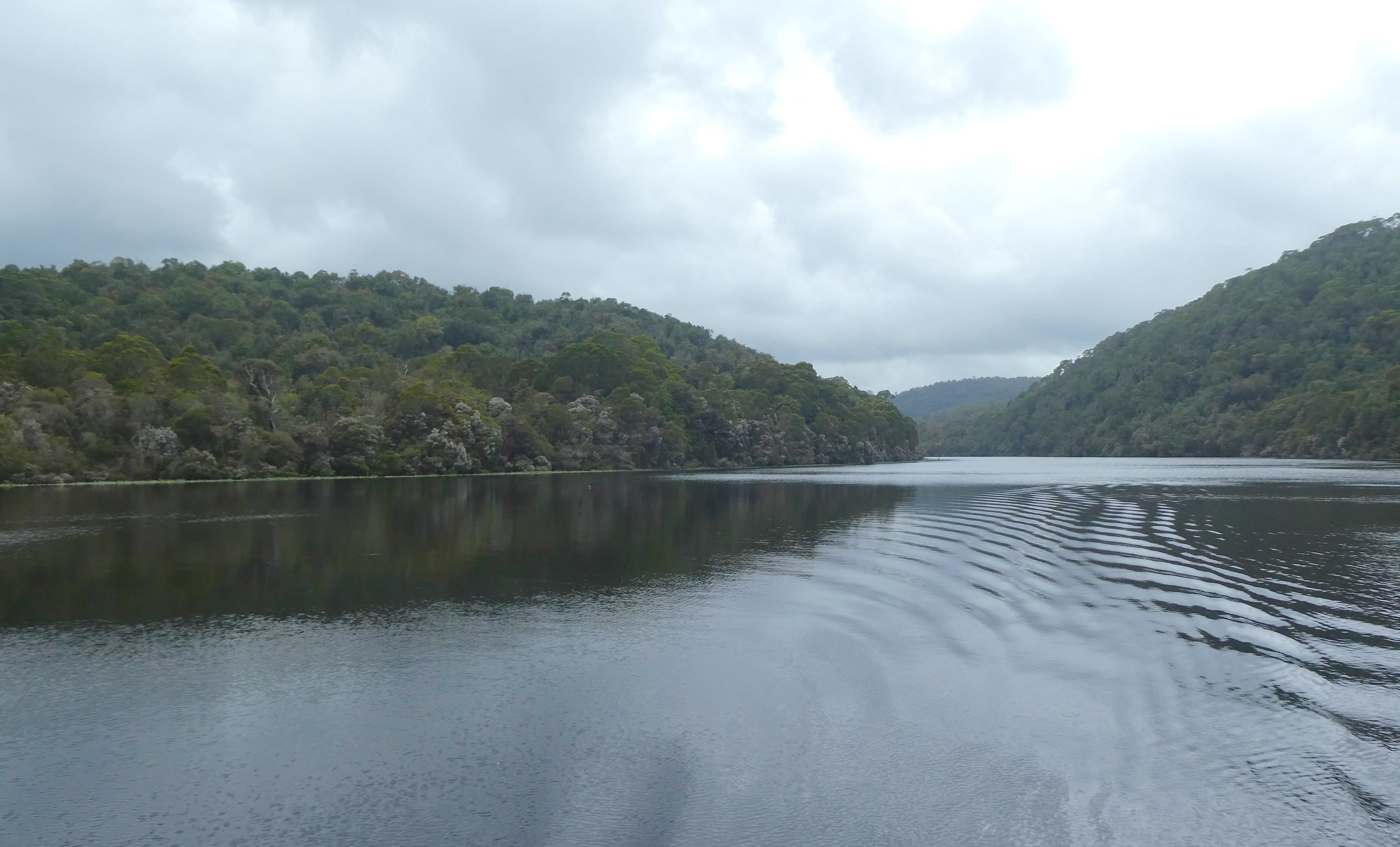
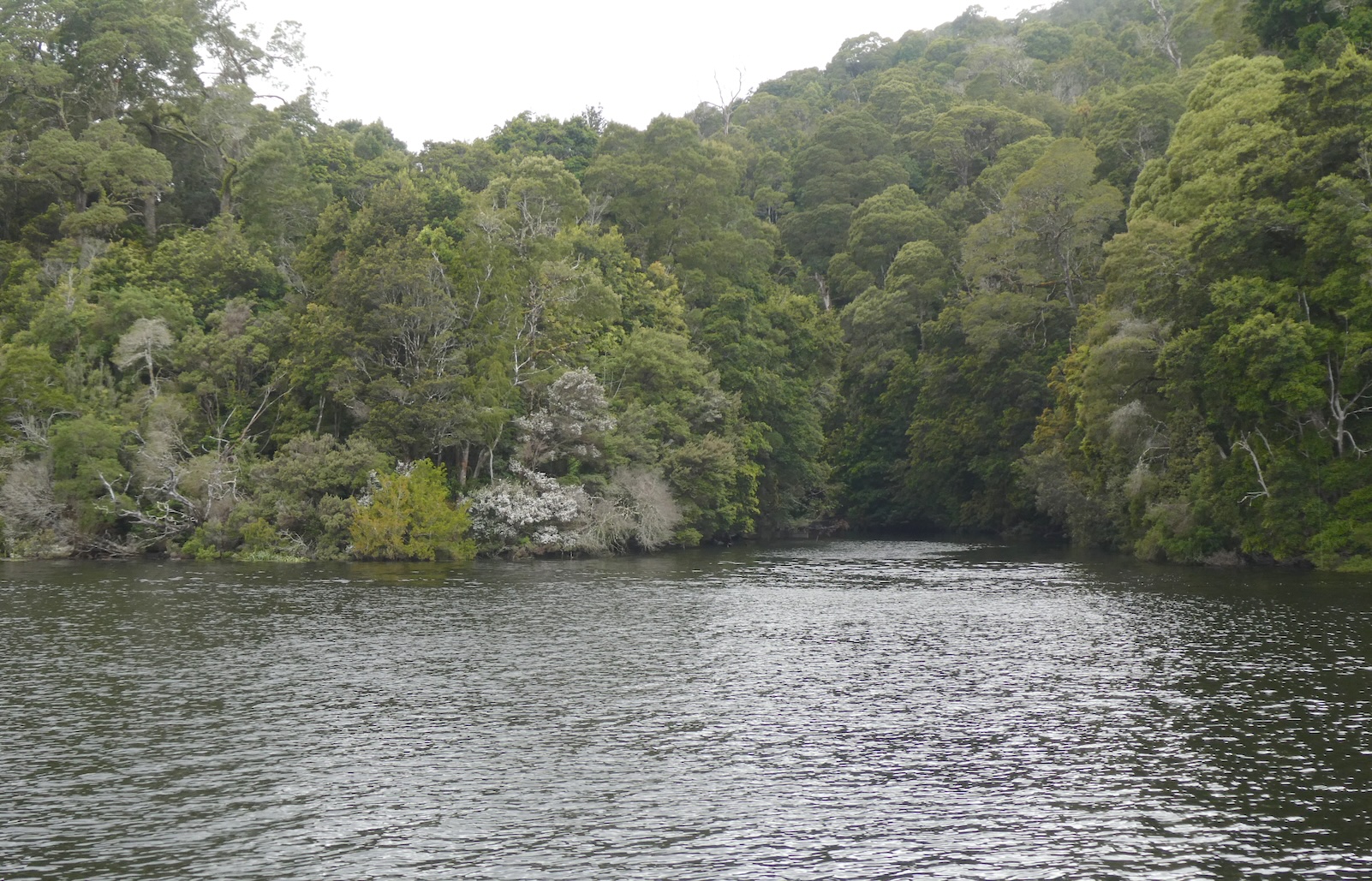
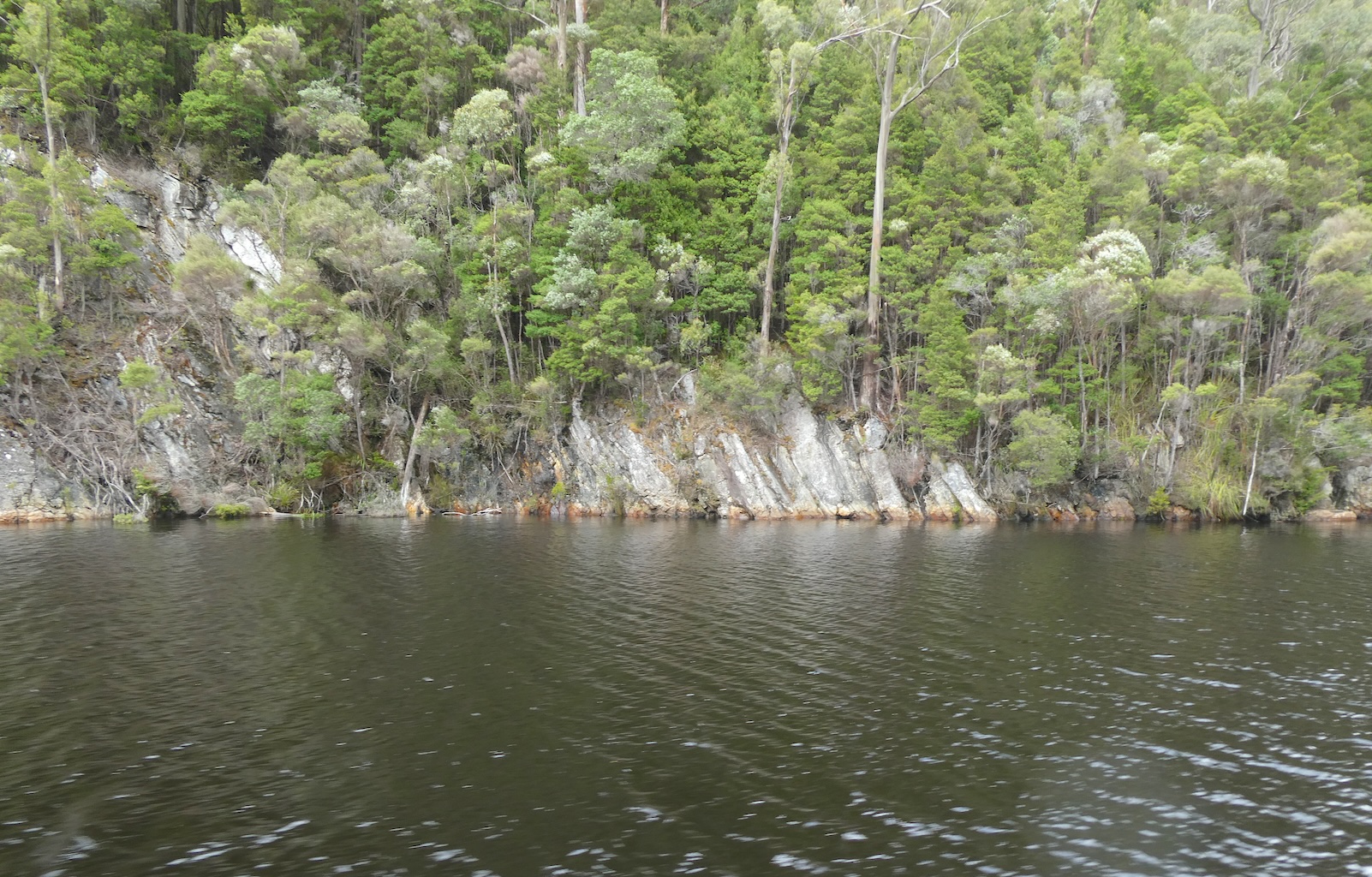
Huon Pines dipped their pendulous foliage in the tannin hued water

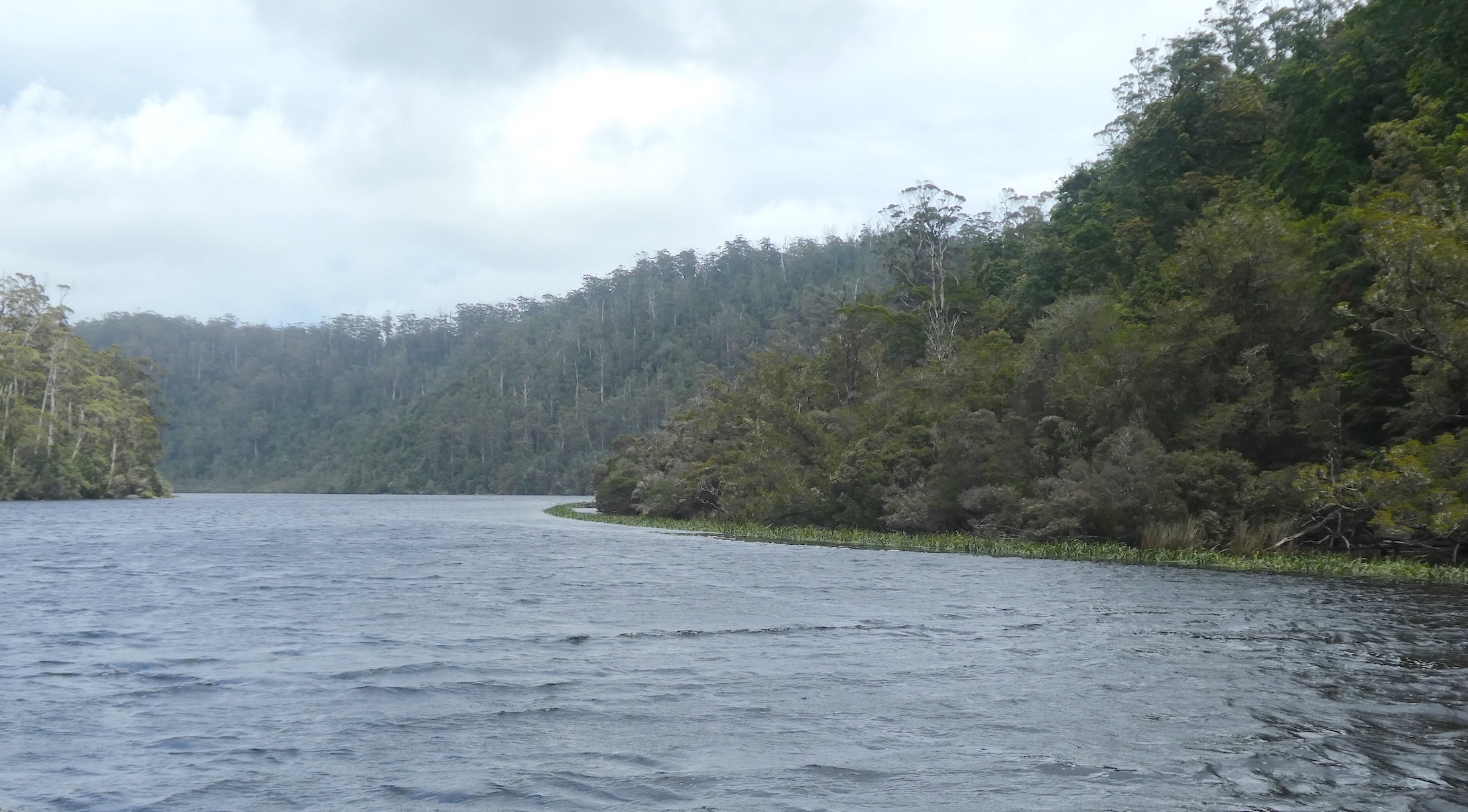
as we rounded a bend, leaving Corinna behind .

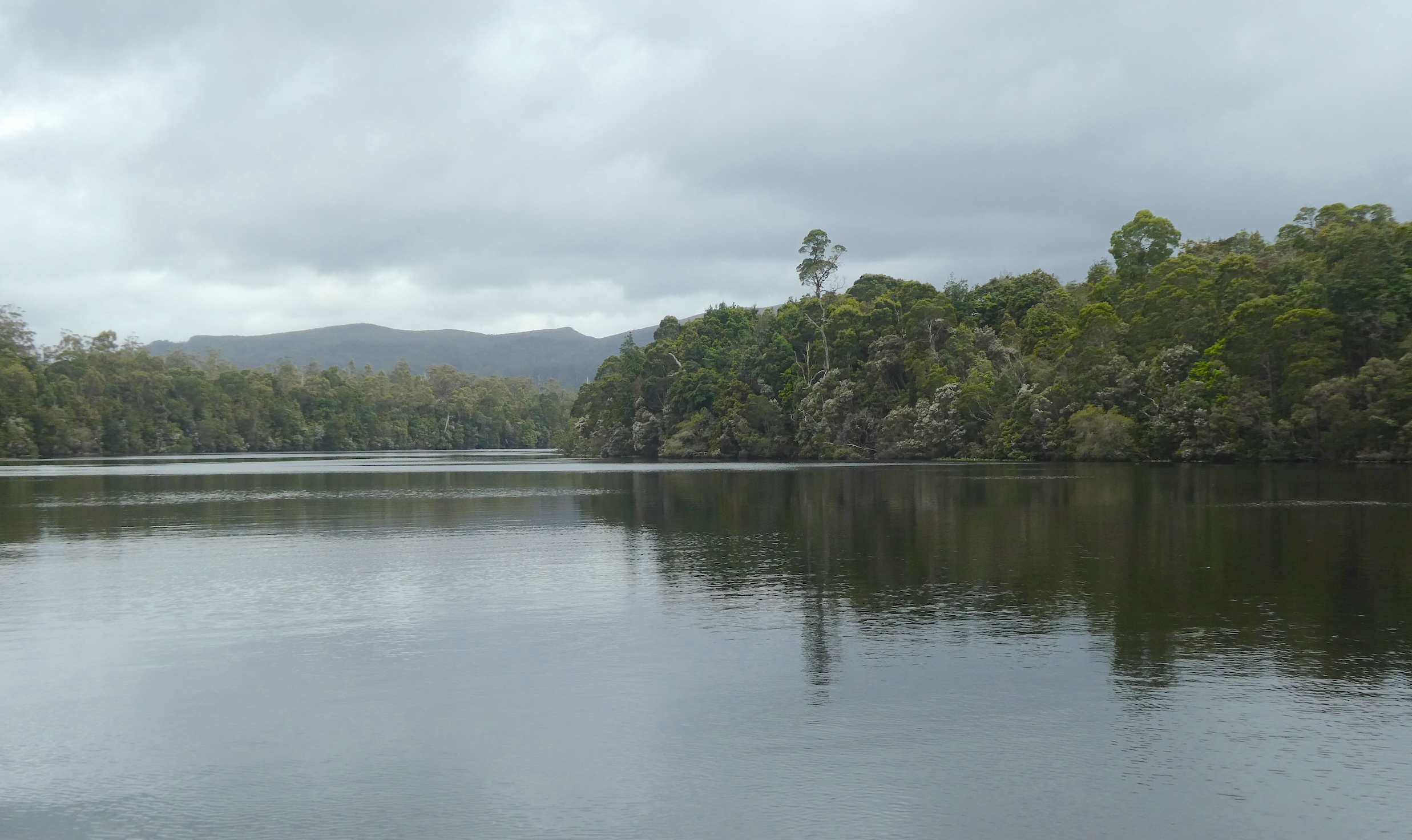
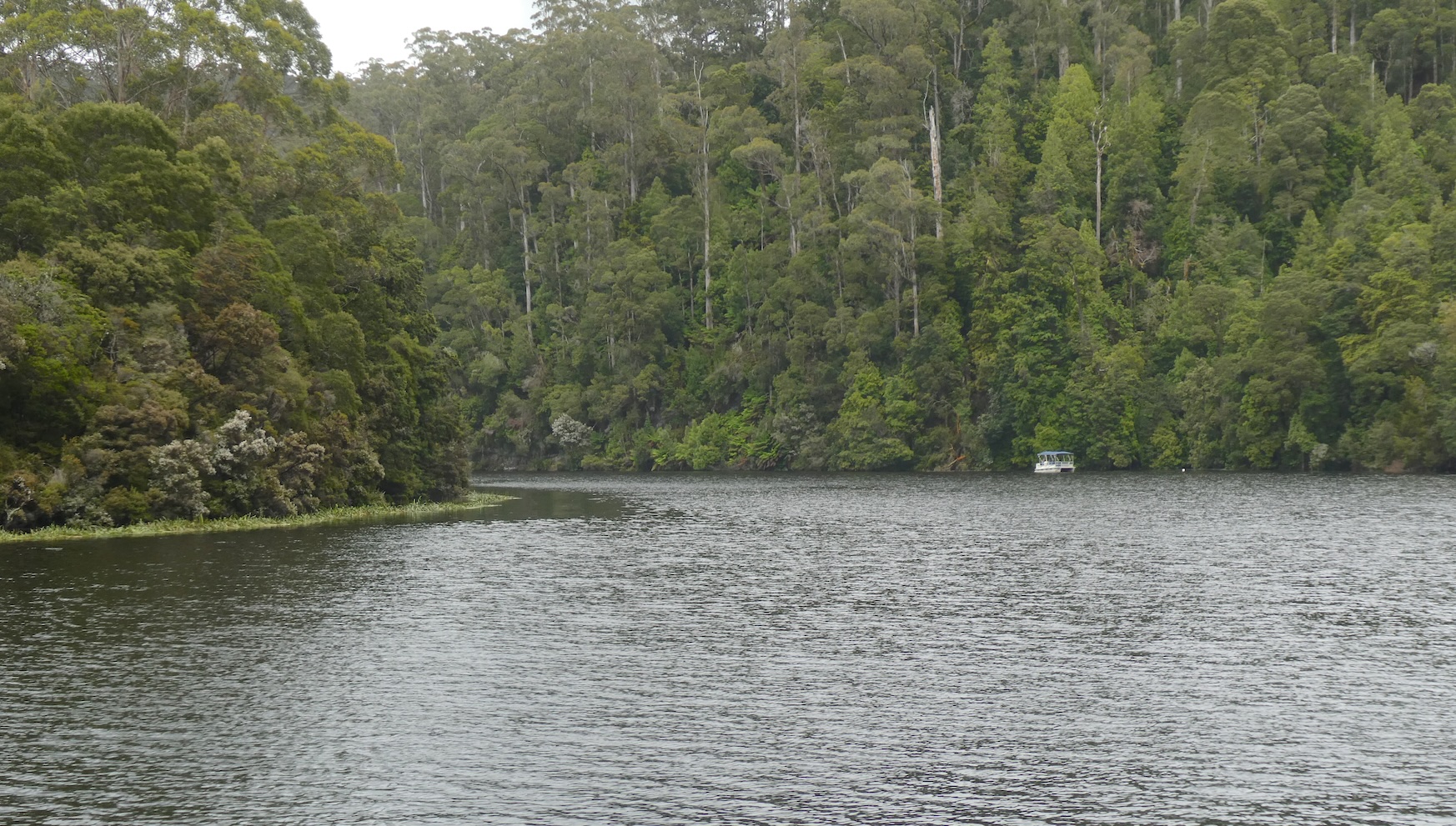
The 434 metre peak of Mount Donaldson, part of the Norfolk Range, loomed in the distance

as we passed the confluence of the Savage River, ending its 71.7km journey.

A little further downstream, the Donaldson River also flows into the Pieman after a 54km course from its source.
We were hopeful for a sighting of the ever elusive platypus and, keeping our eyes peeled, we weren’t disappointed.

We would have missed the sea eagles nest if it hadn’t been pointed out by the skipper.

Enjoying the tranquility, we were served hot chocolate, cake and biscuits – what could be better?

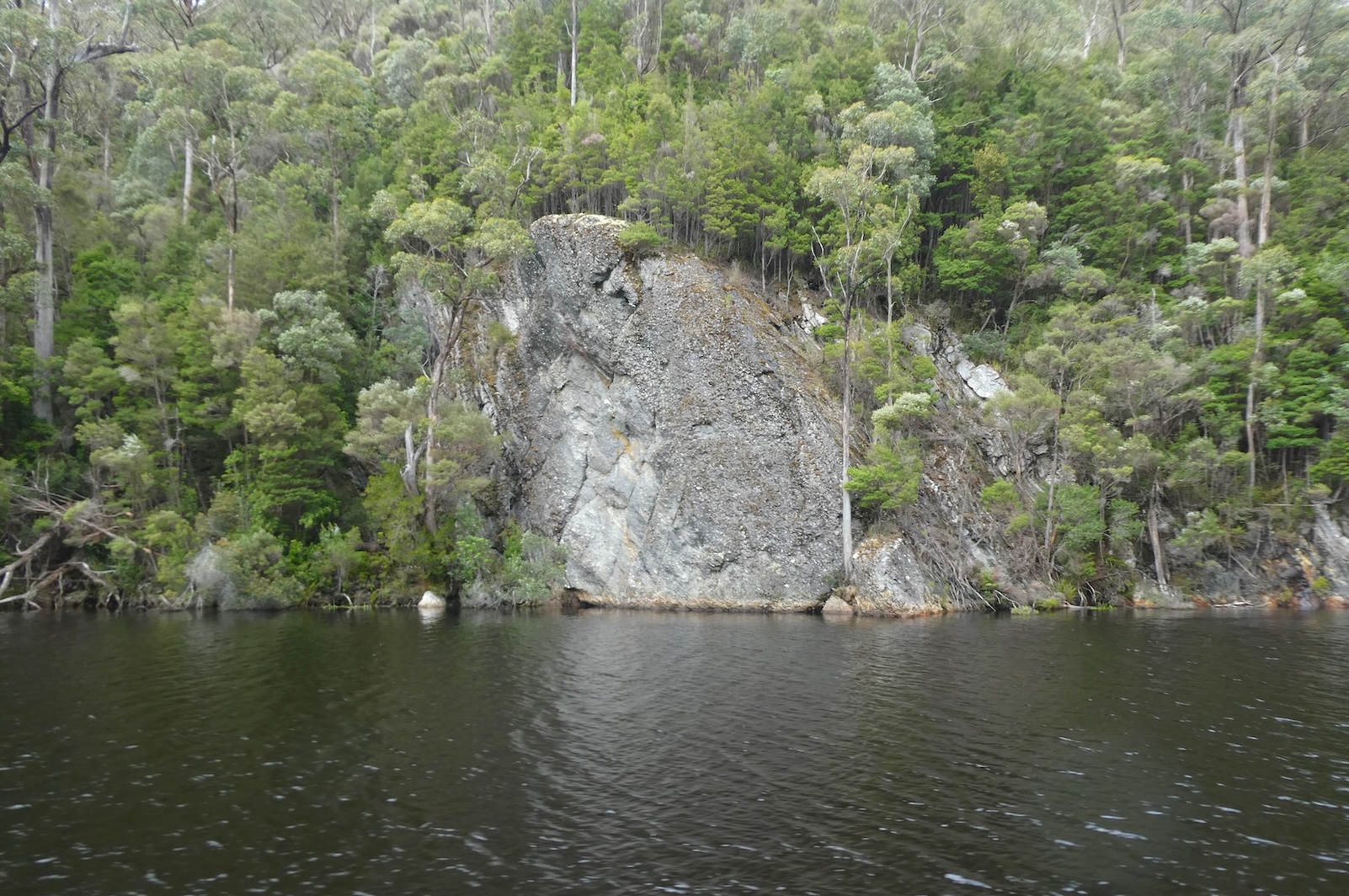
As the skies cleared and the forest vegetation changed, we soon arrived at our destination.

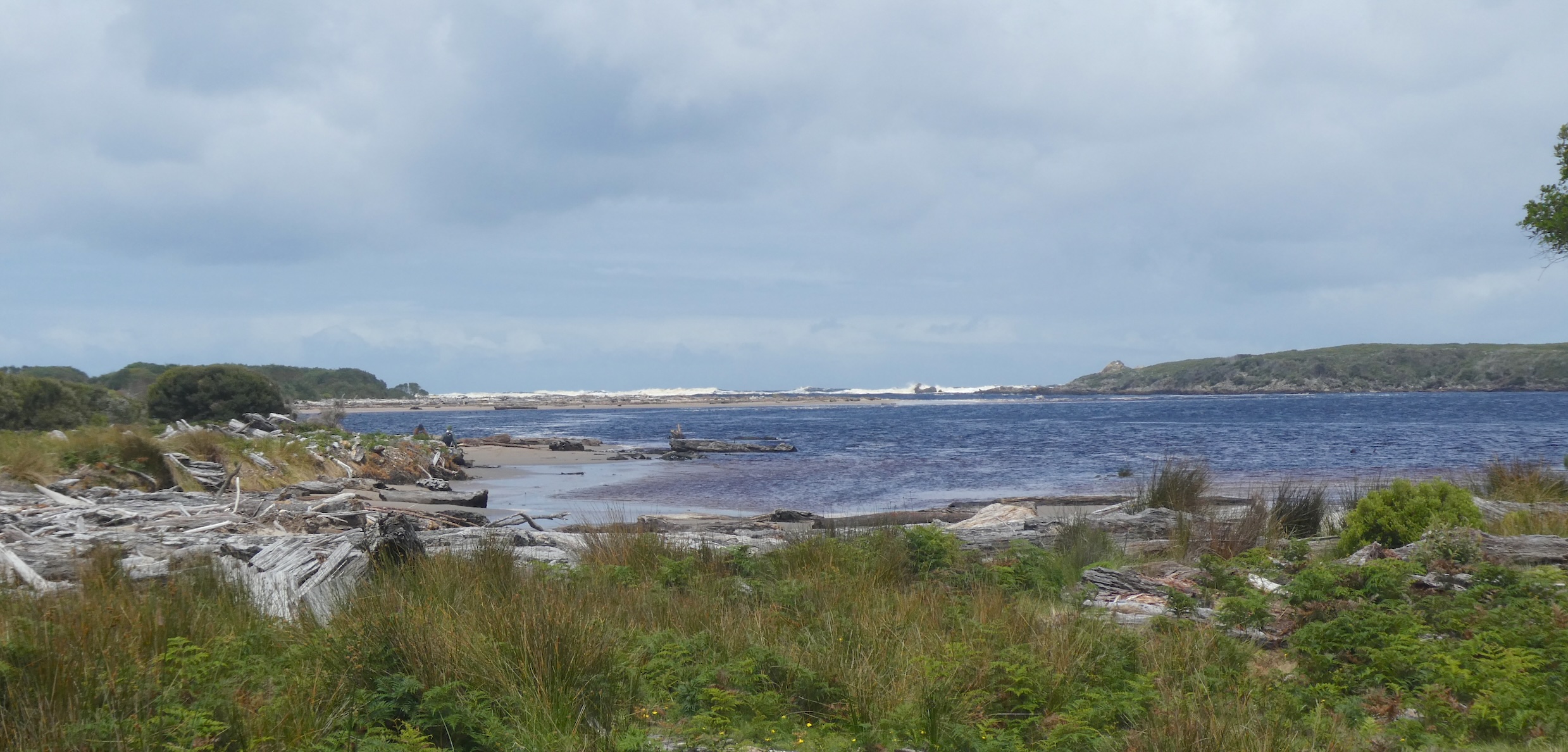
Pieman Heads, where the Pieman River meets the Indian Ocean, marks the southern extremity of the Arthur-Pieman Conservation Area.

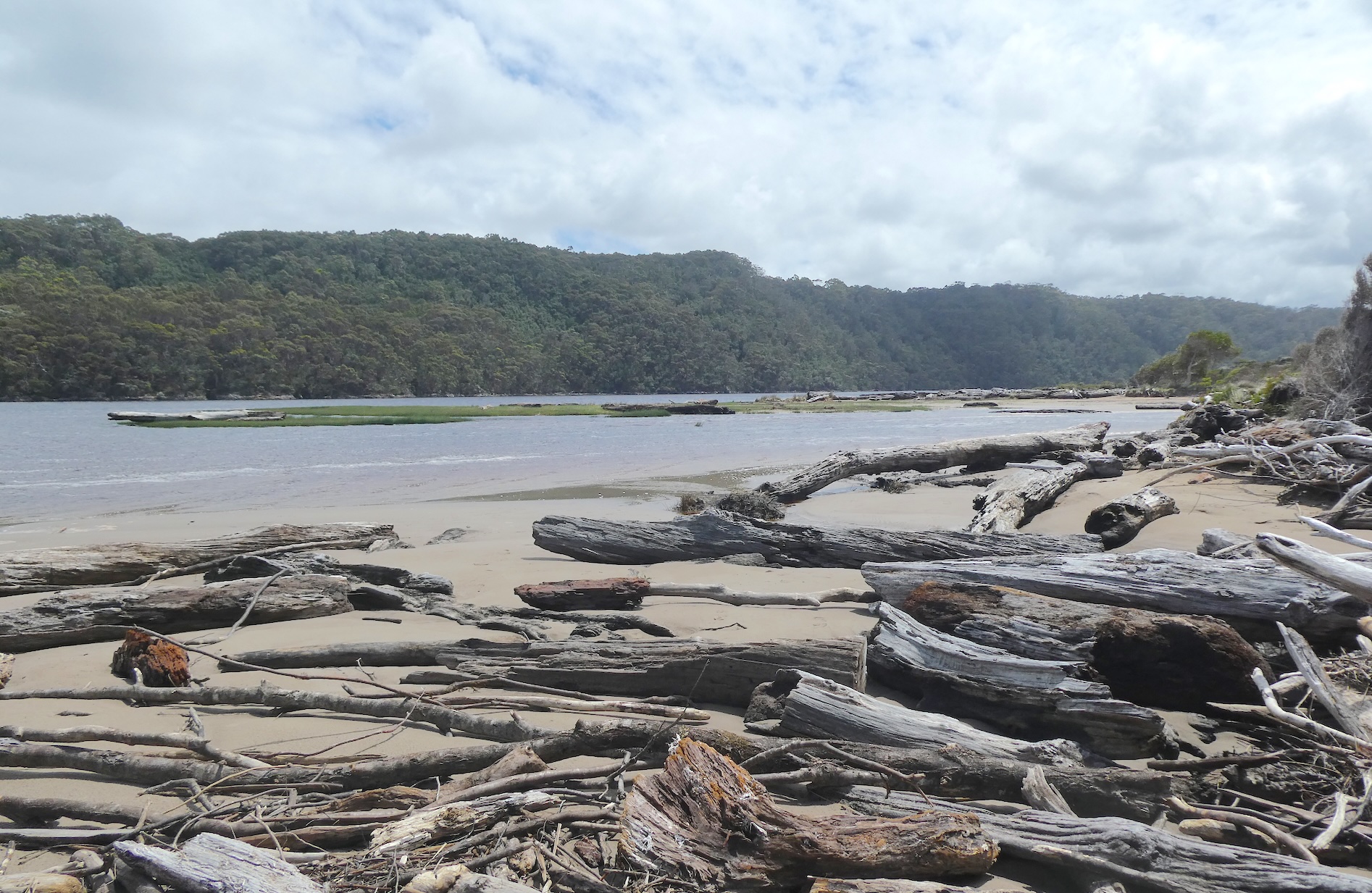
Breathing in the freshest air on Earth, we walked a few hundred metres from the boat and perched amongst the driftwood to savour our tasty packed lunch.

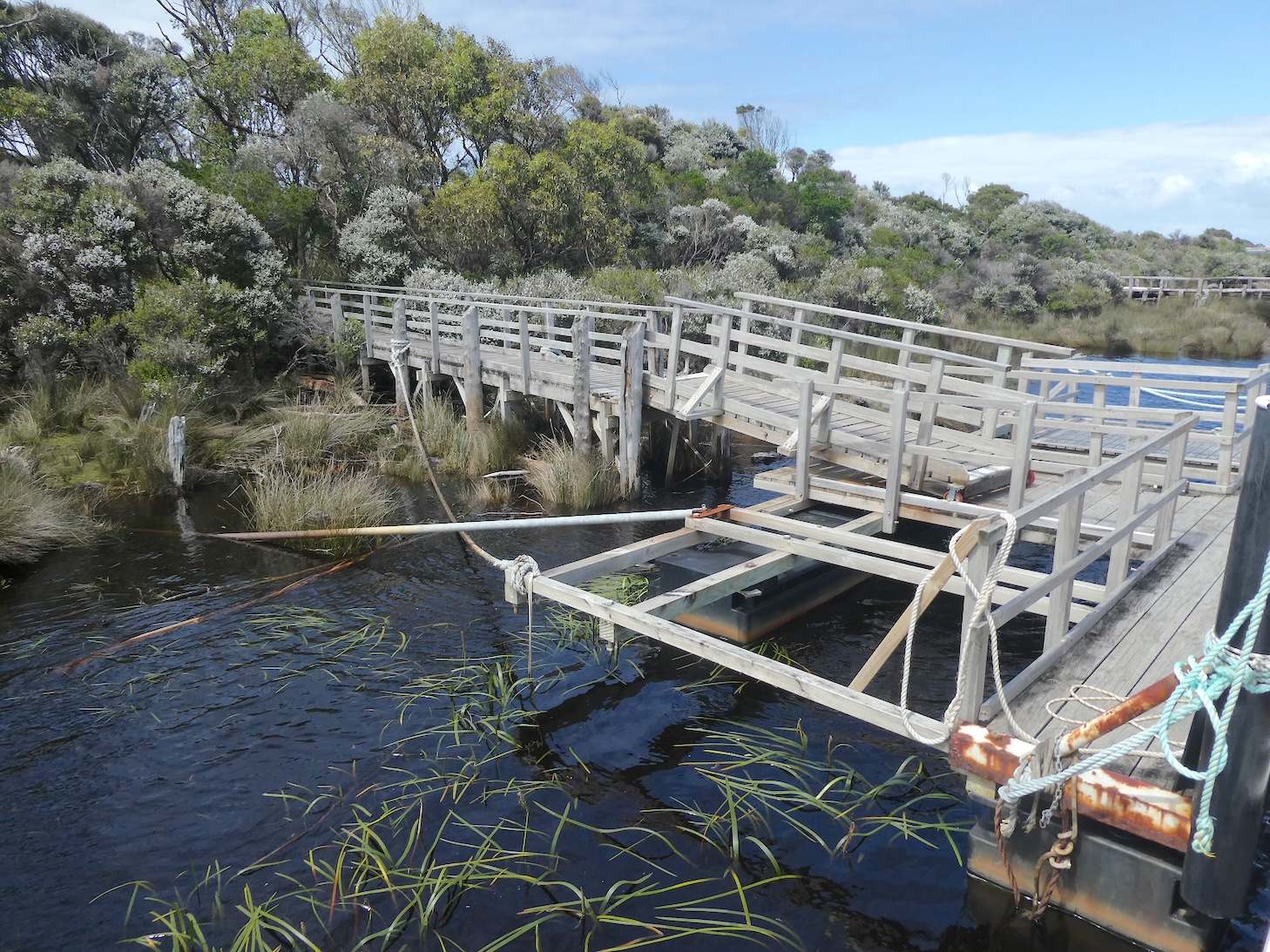
Strolling back an hour or so later, we came across an interesting structure. The Huon Pine timbers were recovered from the river in 2005 after spending forty years buried in silt and sand at the heads. They were part of the original Corinna barge, built in 1878, that transported prospectors, surveyors, livestock and general goods across the river using a cable and hand winch. From 1945, the barge plied up and down the river assisted by a power boat tied alongside. It’s life came to an end when, in 1964, it was washed away from its moorings in a flood and lost.
We returned to our more reliable form of transport

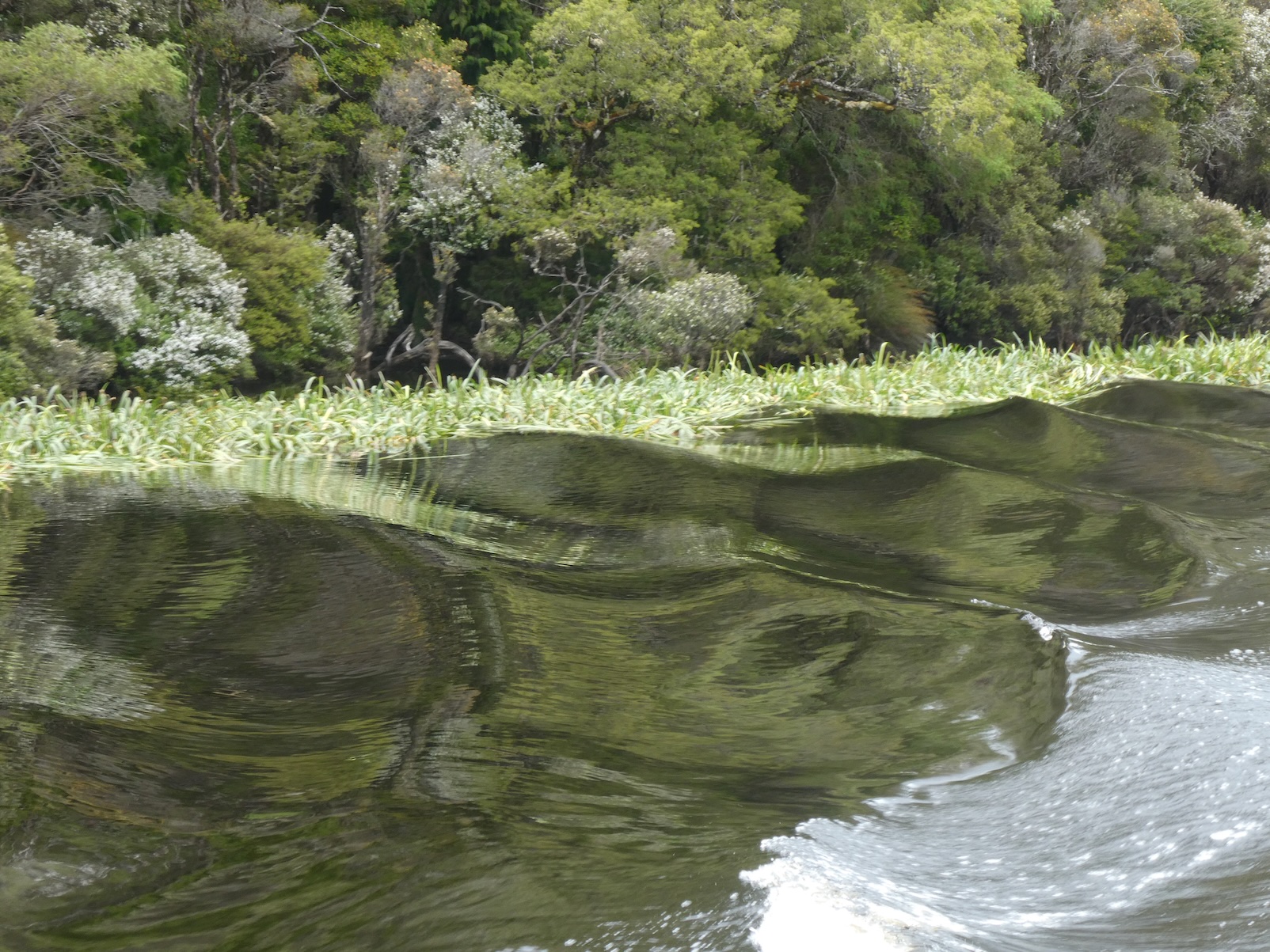
with nothing to do but relax and enjoy the ride.

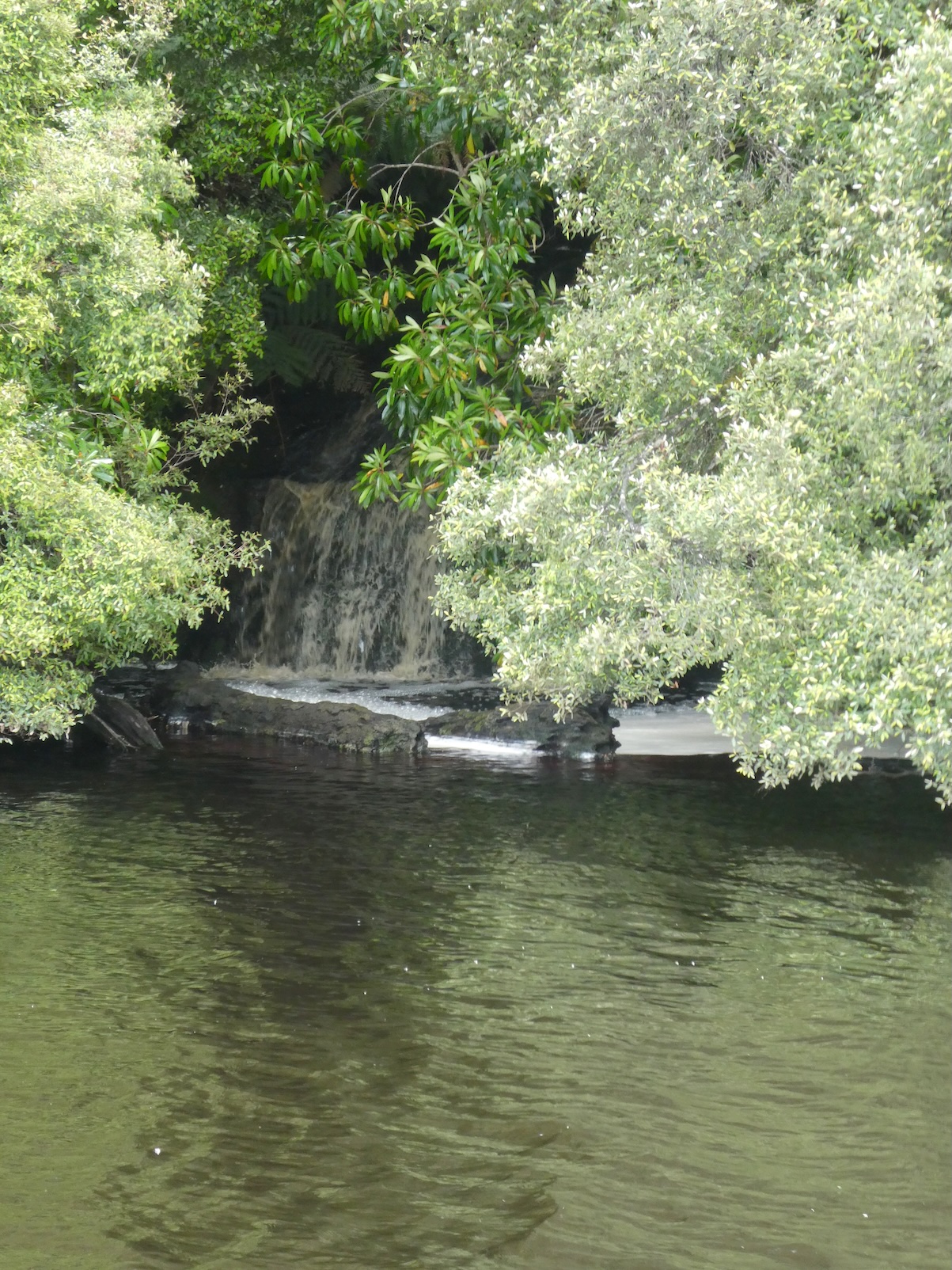
The mysterious stairway along the river, not far downstream from Corinna, leads to Lovers Falls.

There is a shorter cruise on a smaller craft, (Sweetwater Cruise) that ties up at the stairs to enable a walk to the waterfall. The only other way to reach them is by kayak.

Arriving back at Corinna at 2.30pm, we had time for a short walk before bevvies and a delicious dinner at the hotel.

Philosopher Falls Walk

Having read some horror reviews of the condition of the road from Waratah to Corinna, we had no idea how long the drive would take, especially as some roads were still closed following heavy spring rains. We deliberated a diversion to explore Philosopher Falls, named after explorer James ‘Philosopher’ Smith who discovered the waterfall in 1871. Setting ourselves a time limit, we ventured along the trail

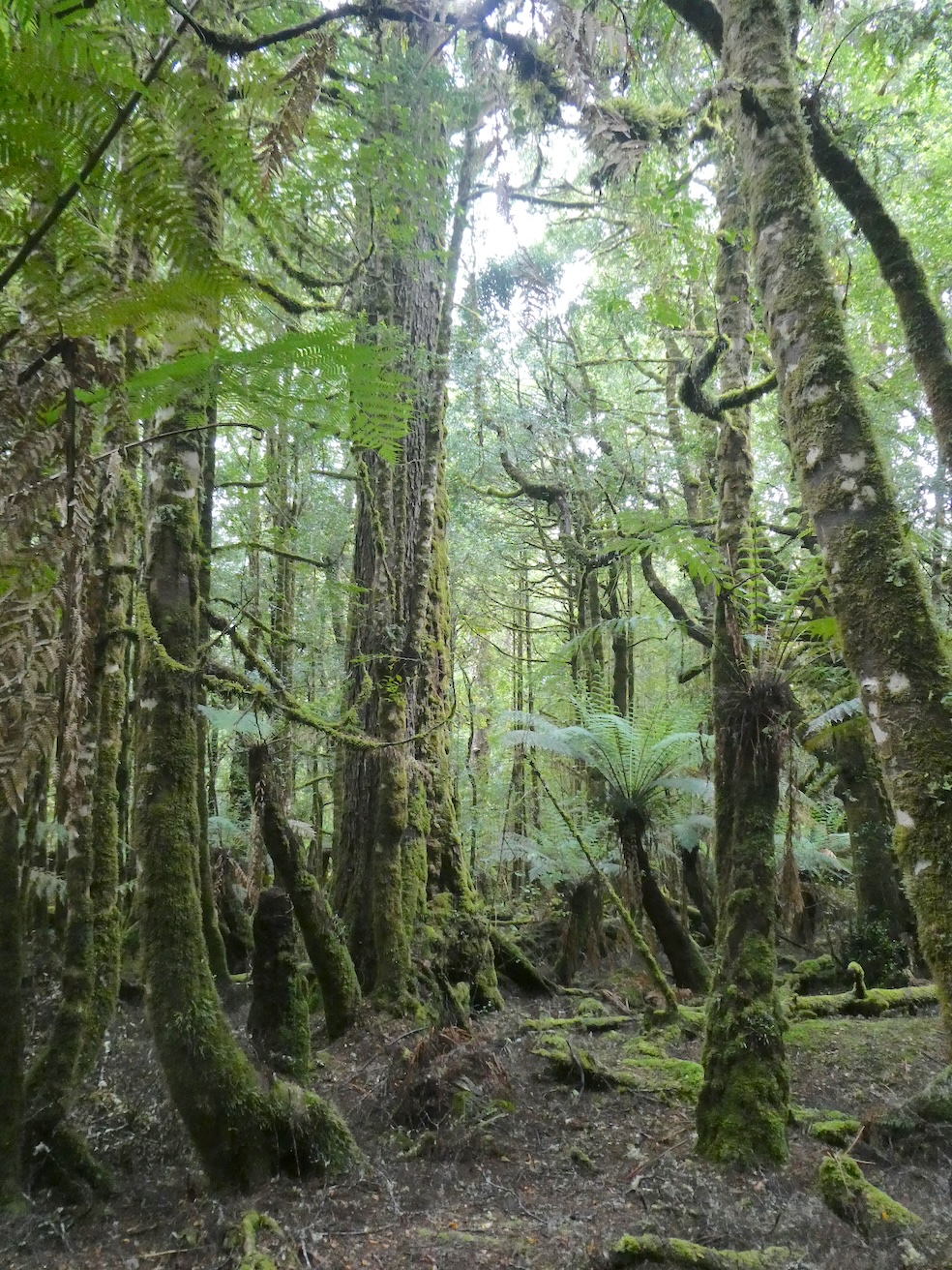
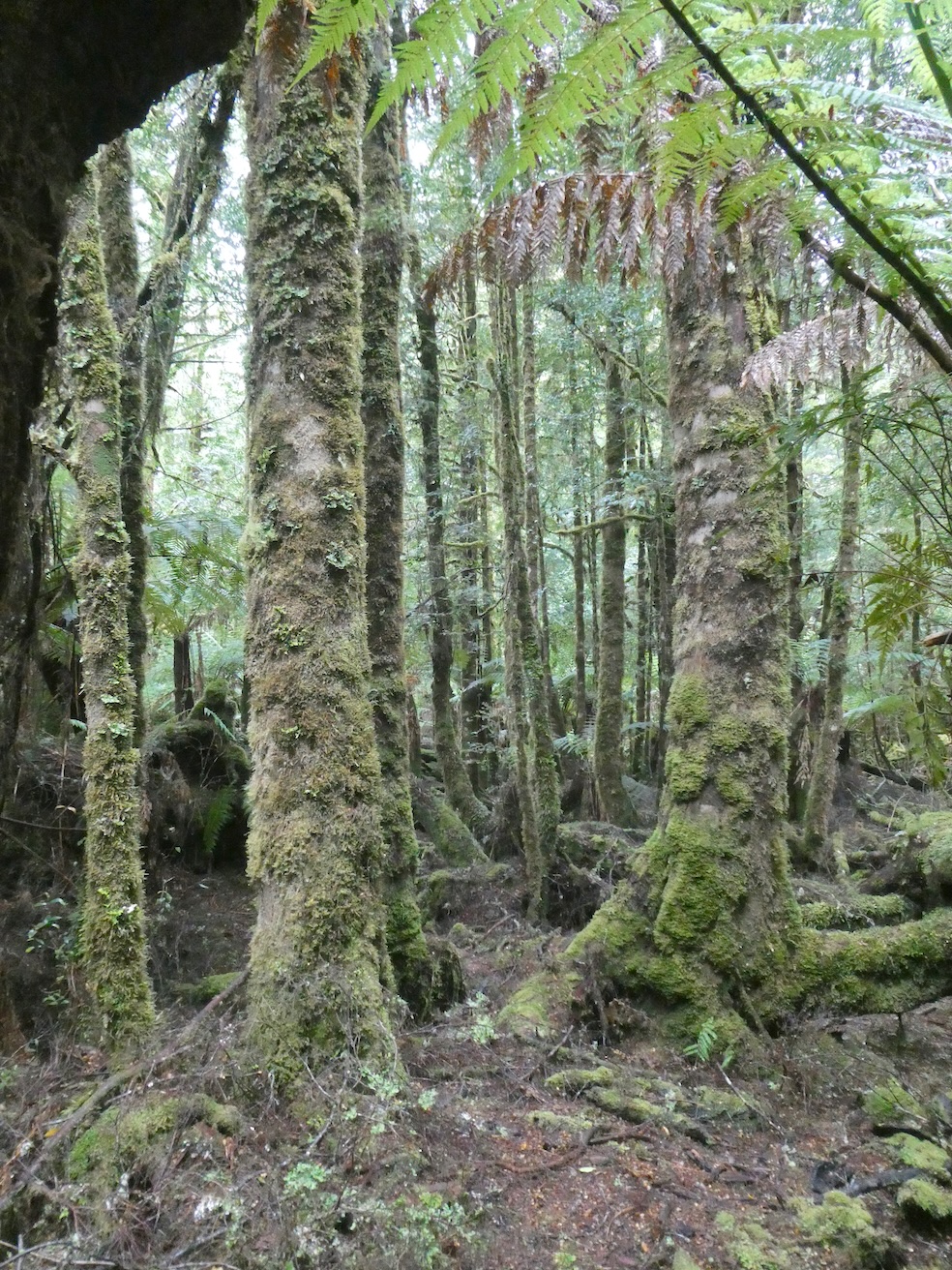
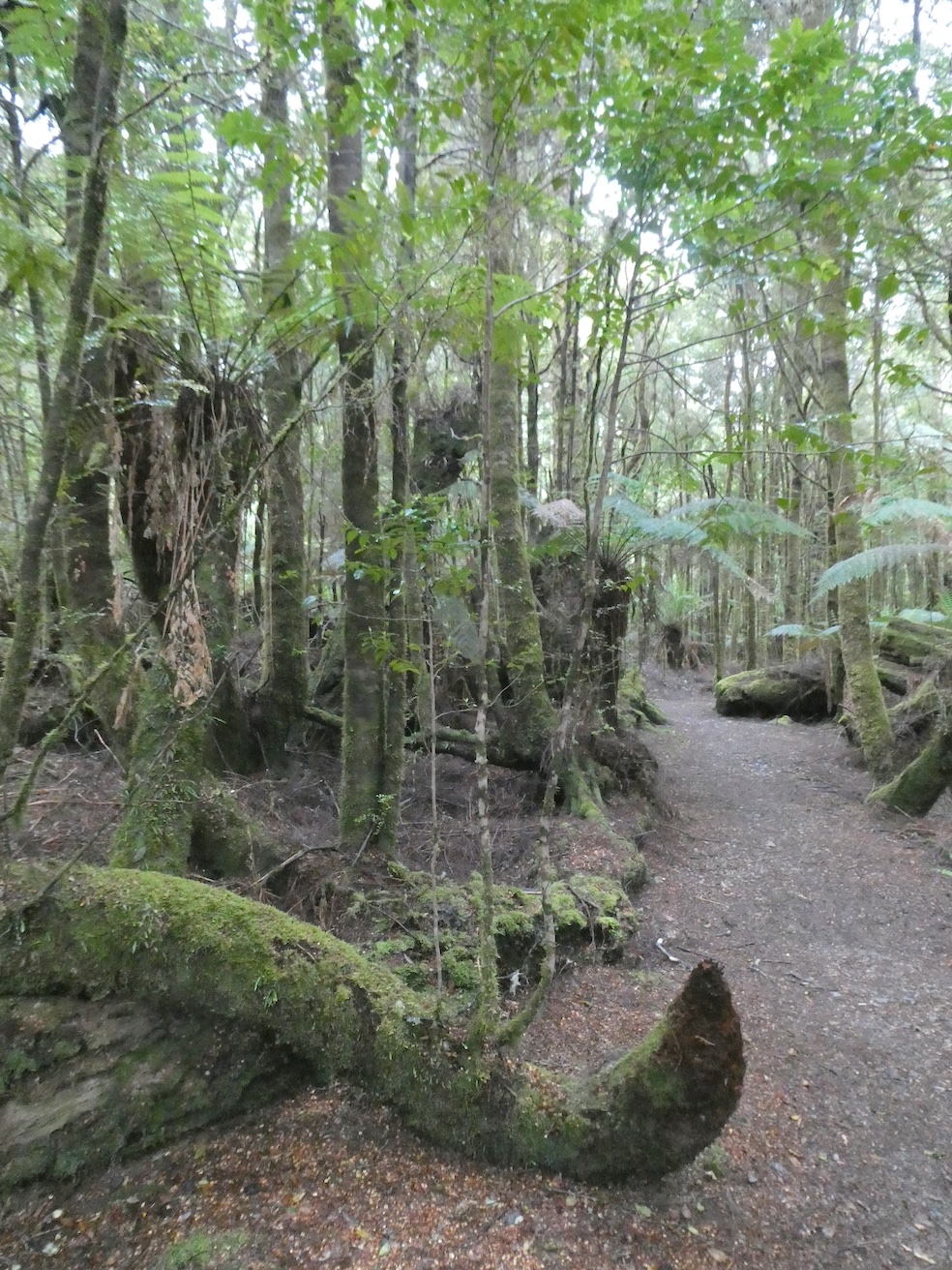
and were soon embraced by towering myrtles and sassafras trees.

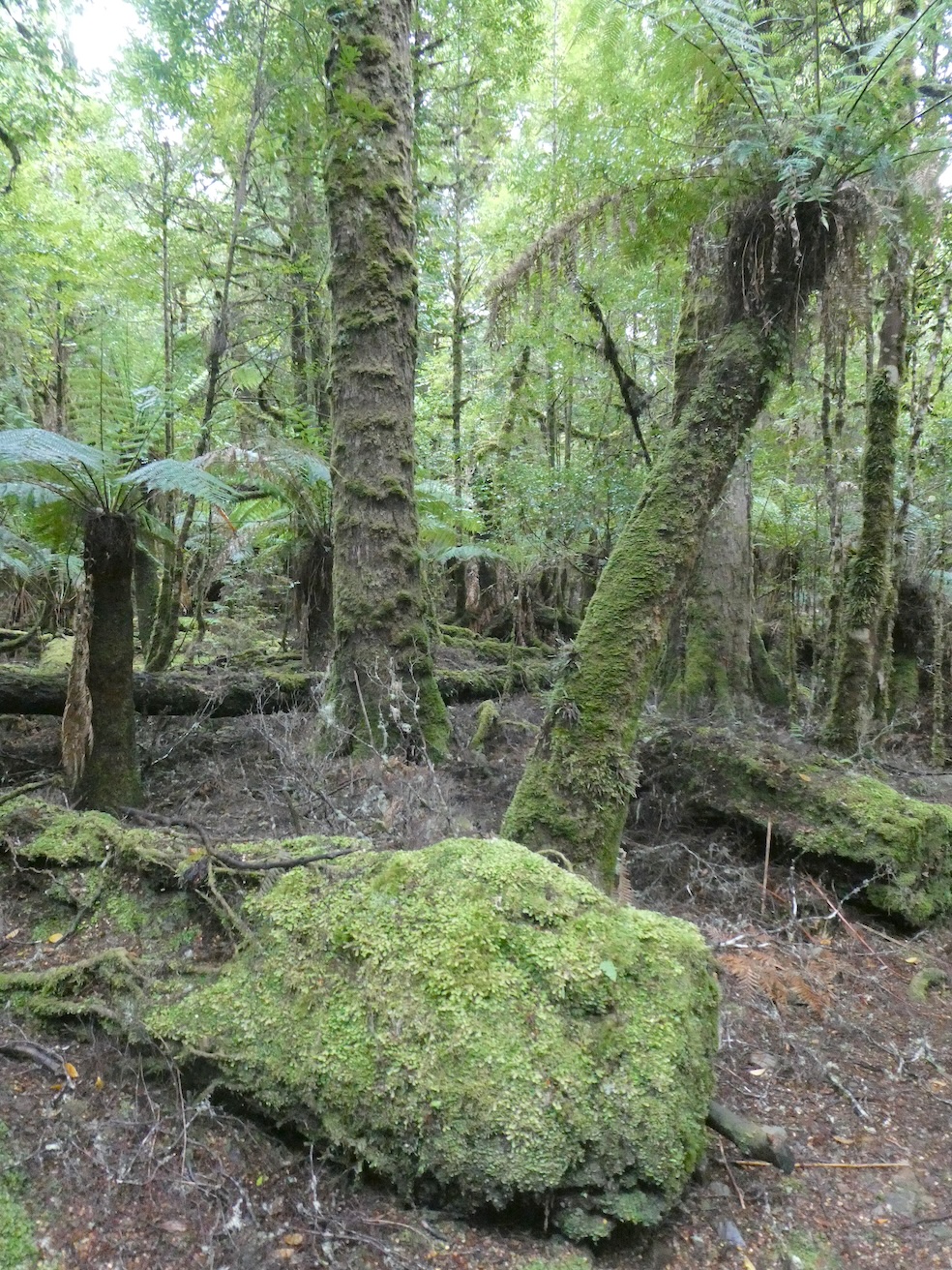
Verdant ferns and mosses carpeted the ground beneath the canopy.

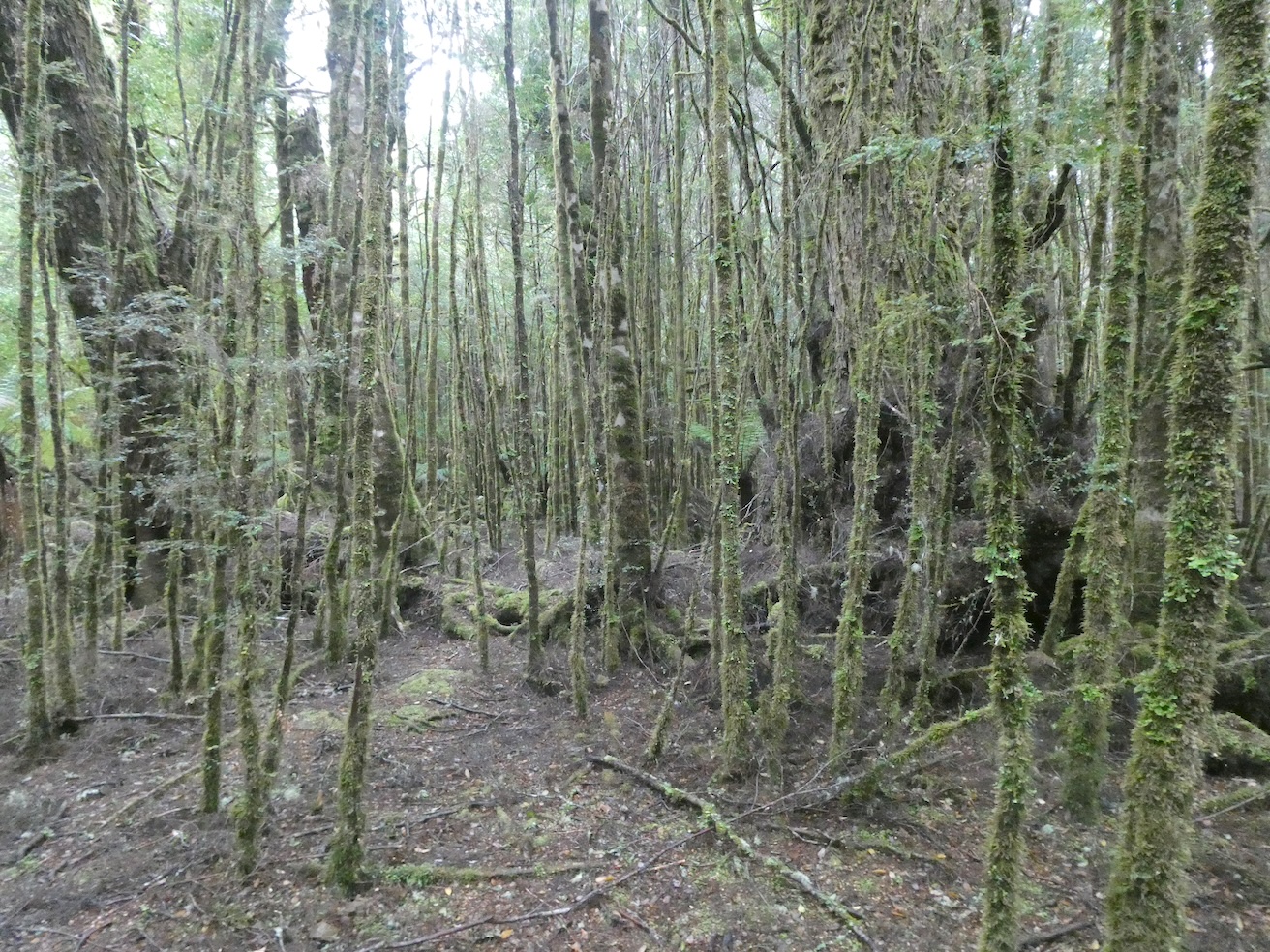
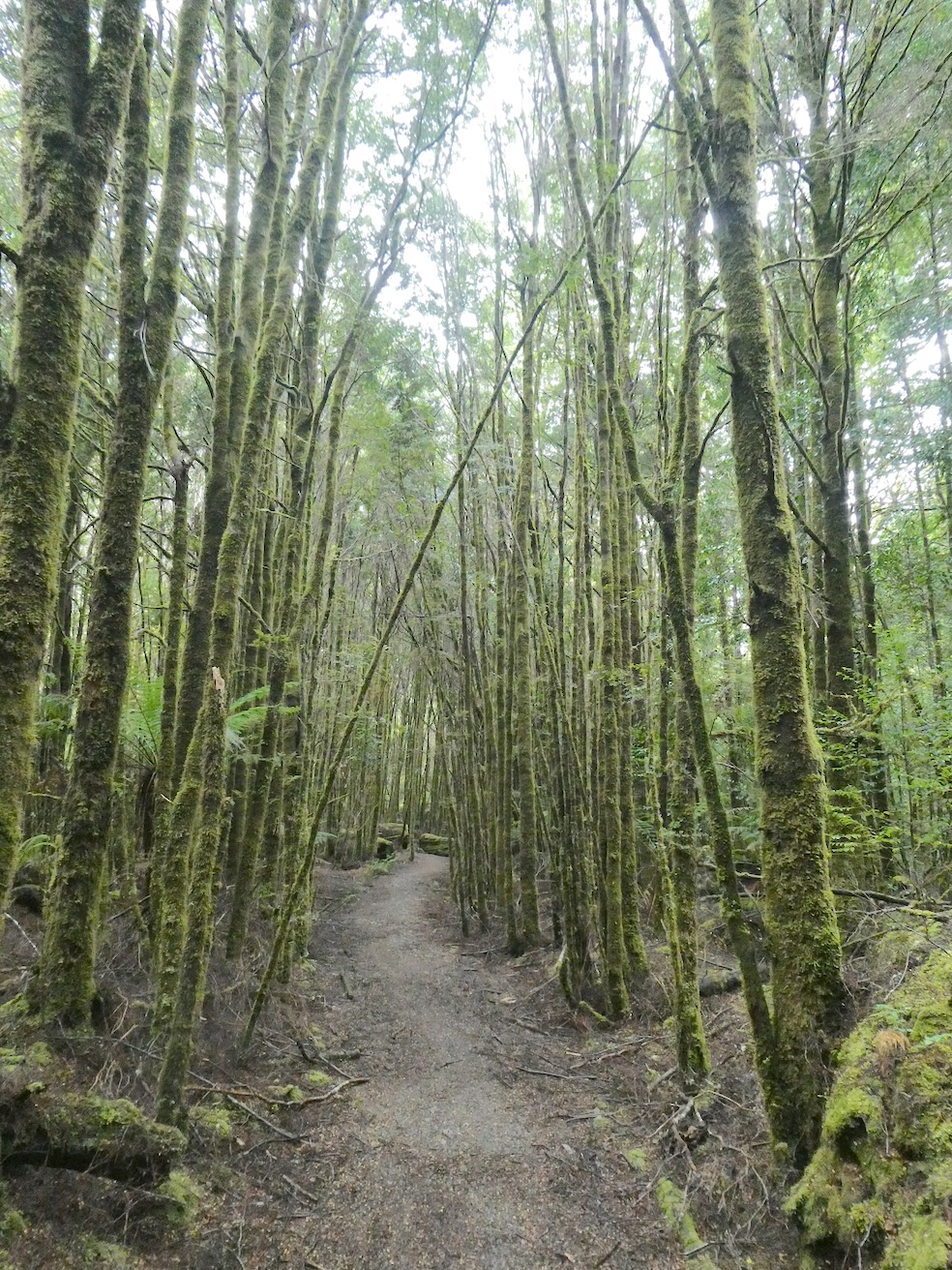
Suddenly, the thick forest transformed and an area of tall, spindly trees flanked the path.

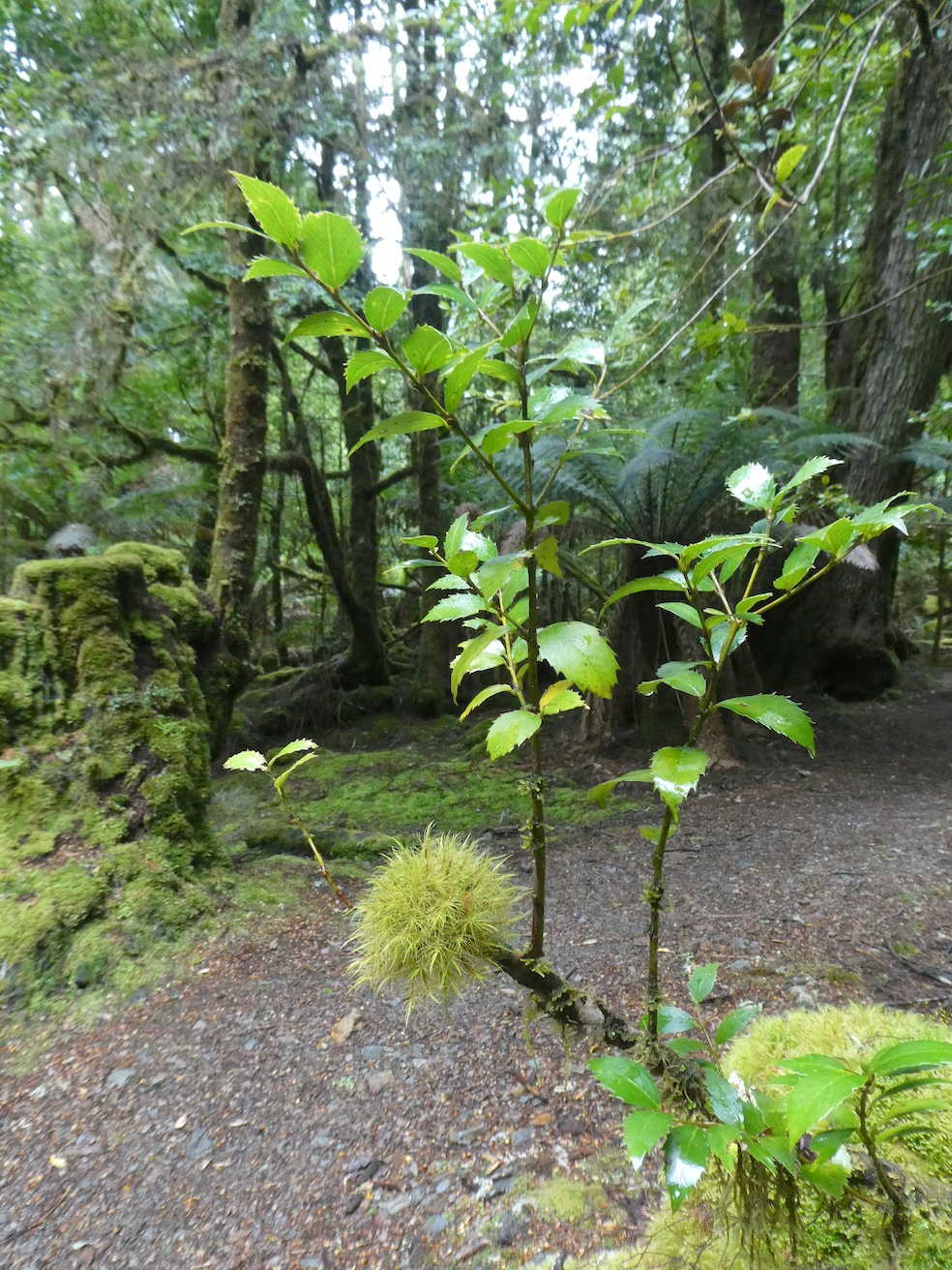
As the canopy closed in again,

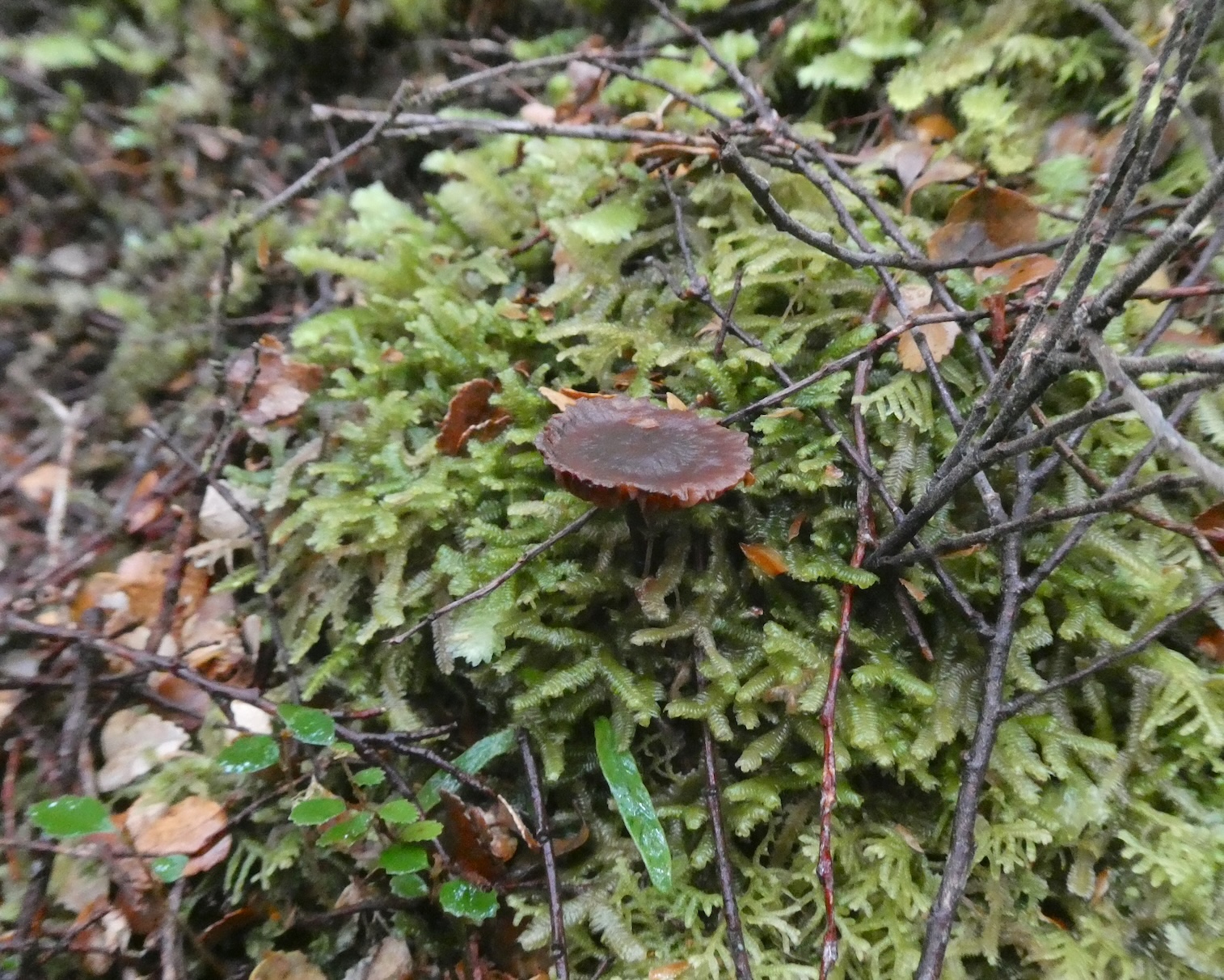
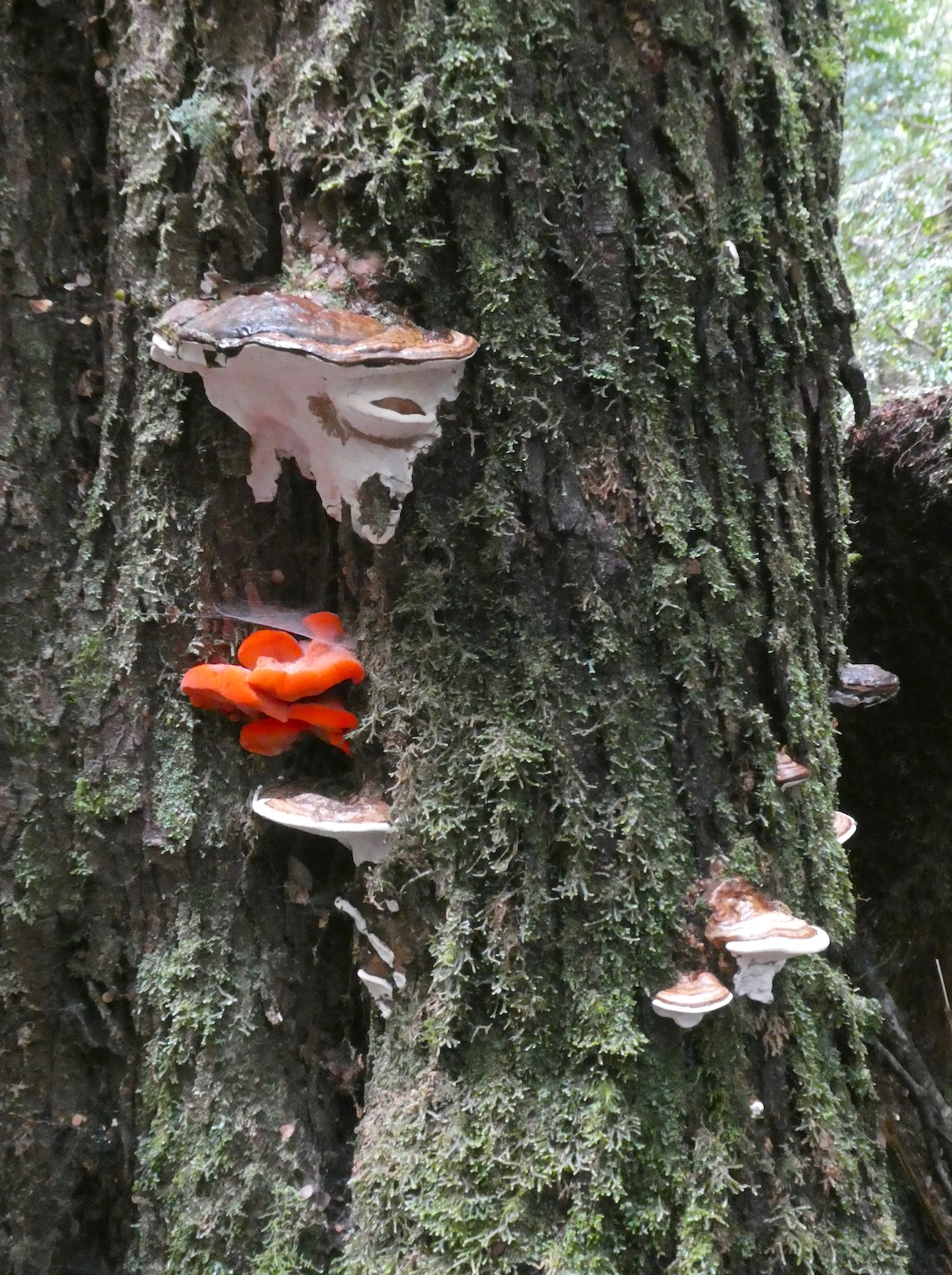
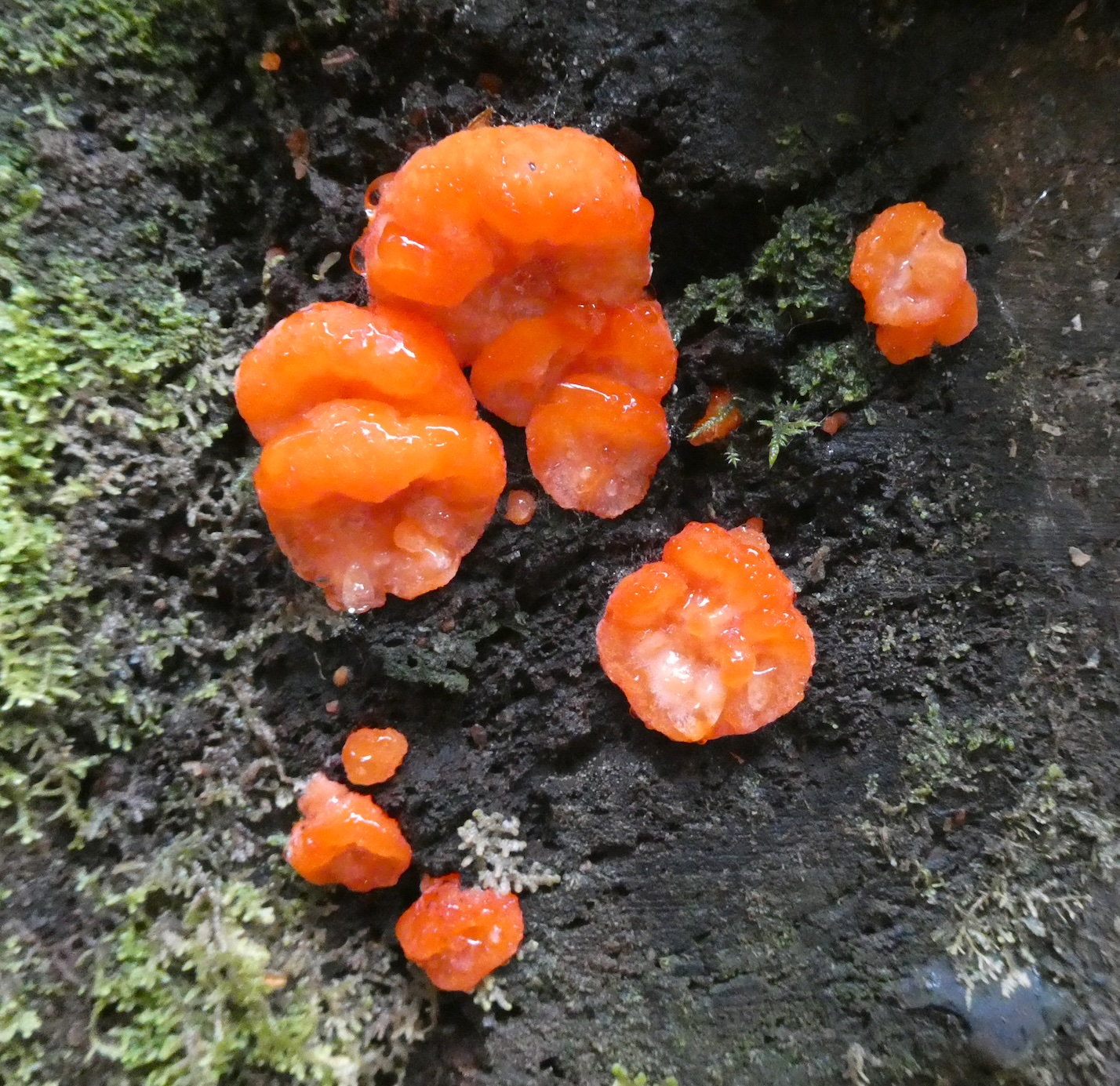
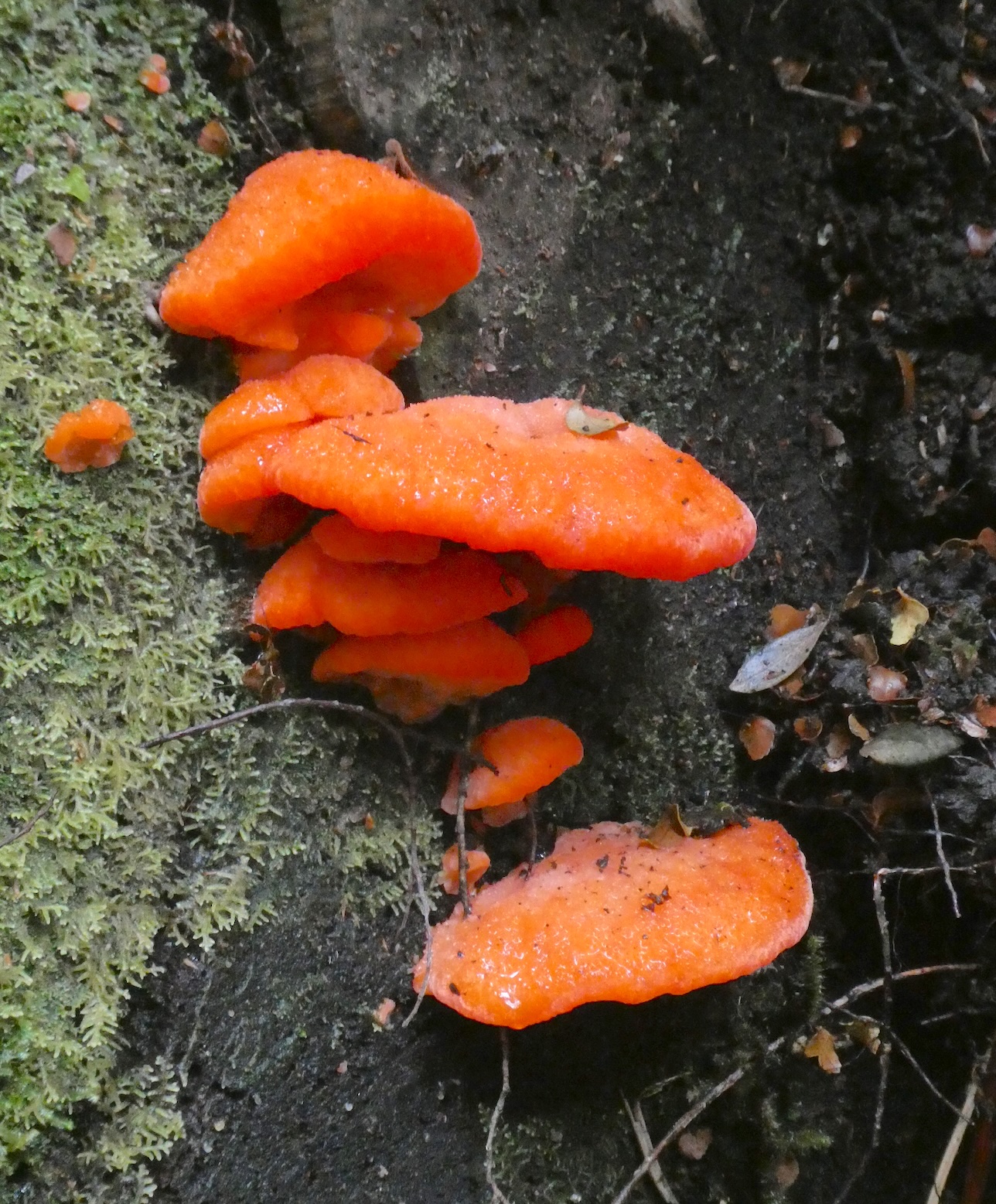
we were entranced by vibrant fungi, coloured courtesy of nature’s palette.

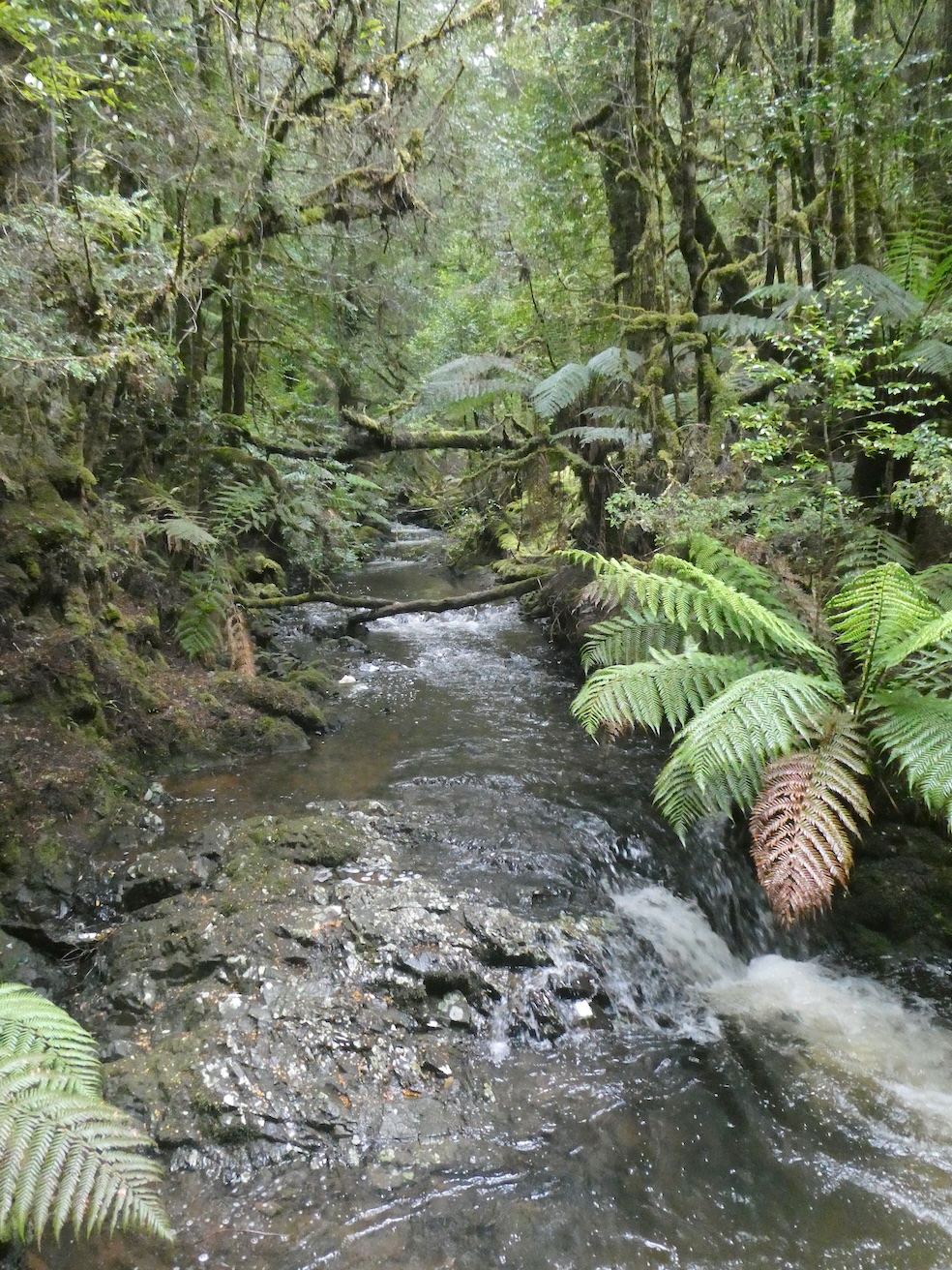
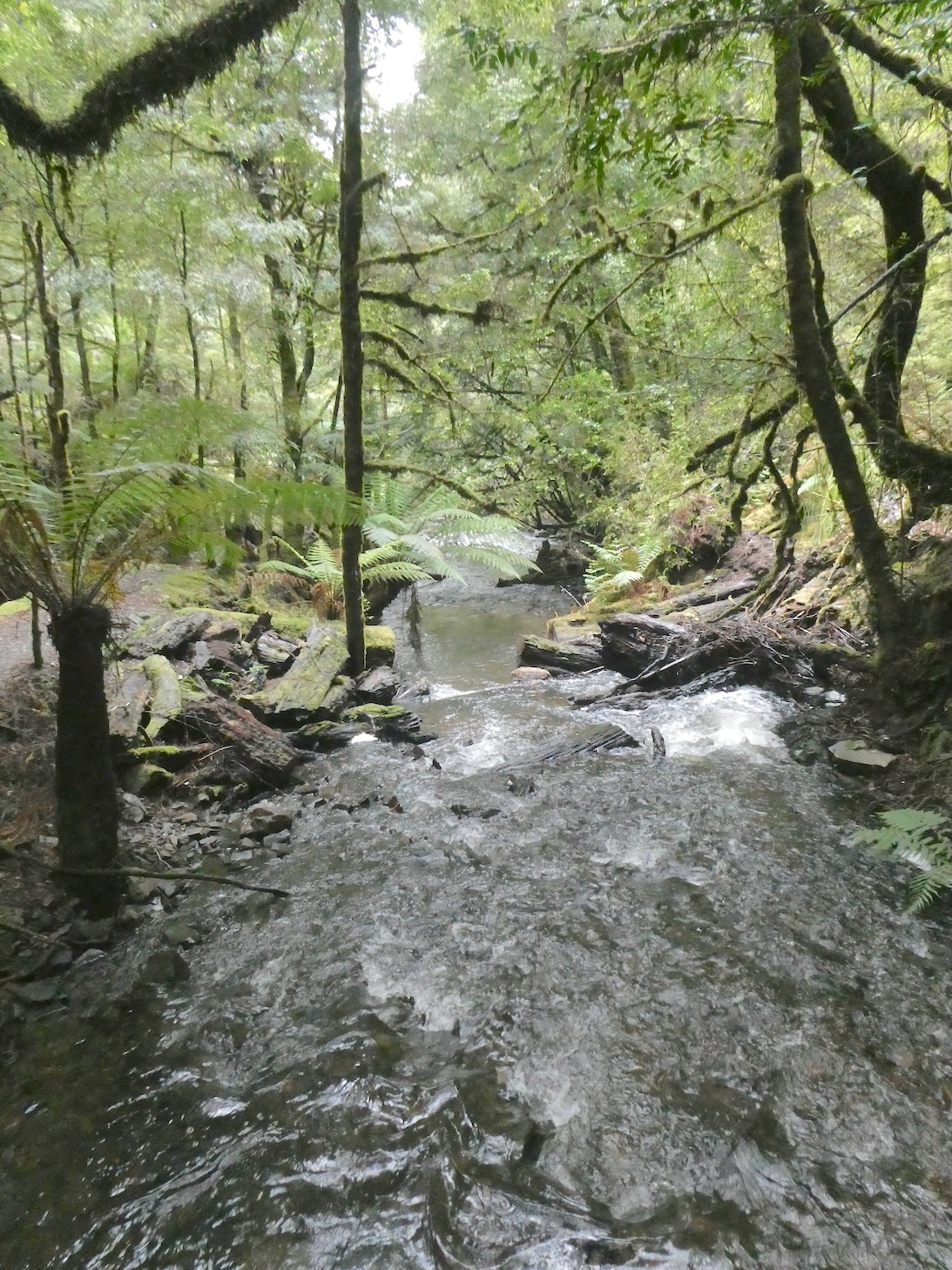
We came to a footbridge spanning a flowing creek, a tributary to the Arthur River, and made the decision to turn back.

Had we continued, we would have walked the track that follows an old water race built to supply Magnet Mine in the early 1900s. Eventually, a 210-step staircase leads to a view from the bottom of the multi-tiered waterfall. We will have to return one day when we have no time constraints.

possum proofing

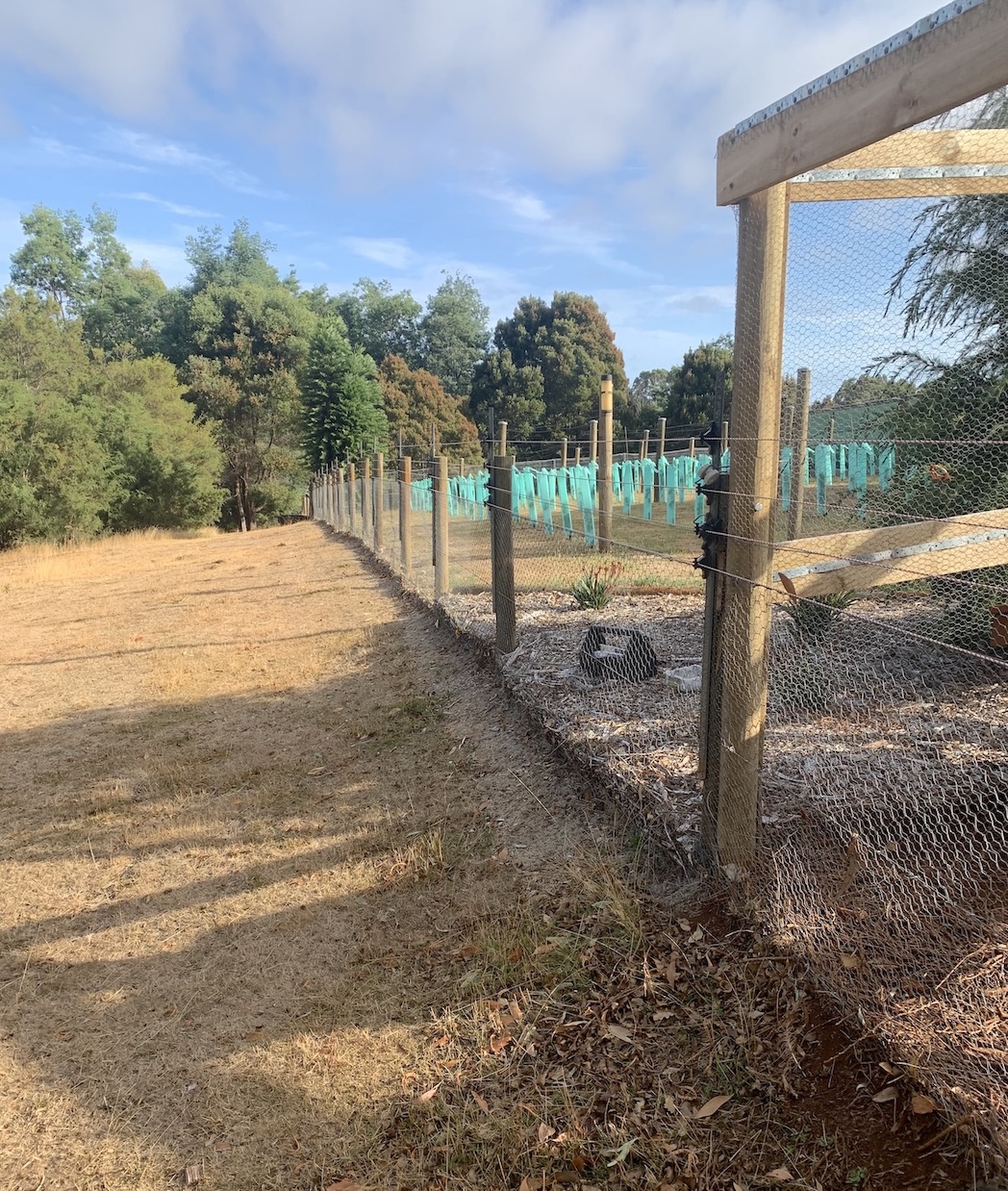
When we decided to plant a micro vineyard two years ago, we didn’t really anticipate the devious, destructive determination of the local possum population. Despite four lines of electric fence, to a height of 1.4 metres, delivering 5,000 volts to any unsuspecting creature coming into contact with it, the pesky possums continued to make ingress. They managed to elude the motion detection cameras we set up, denying us any hope of targeting their entry points. We tried using bird spikes without success and finally conceded the only solution was to create a ‘floppy fence’ around the whole perimeter. I had my reservations about this due to the aesthetics, especially on the garden side but we had no choice. We started on the fence line along the paddock so we could modify our system, depending on the outcome, before getting to the garden line.

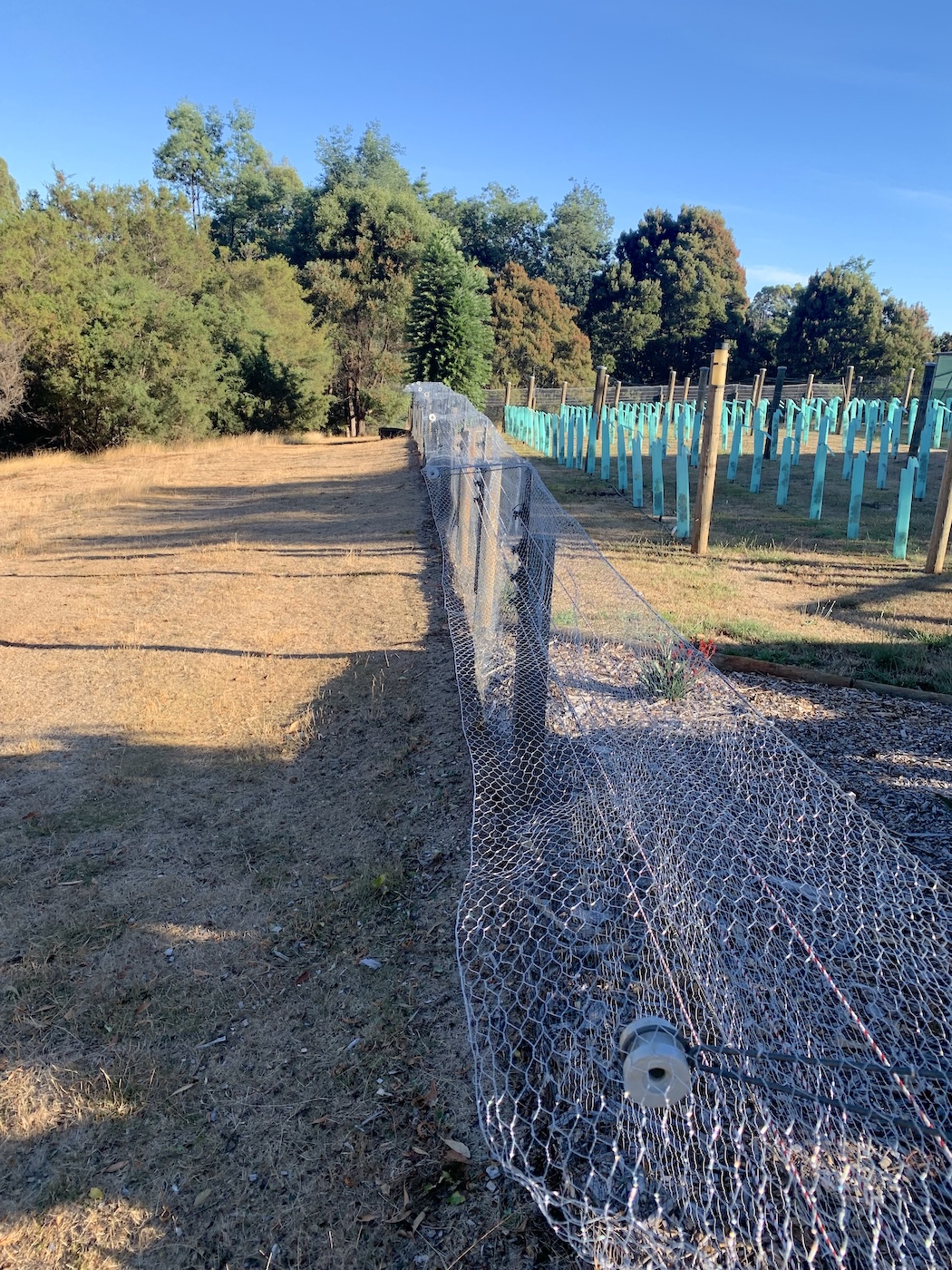
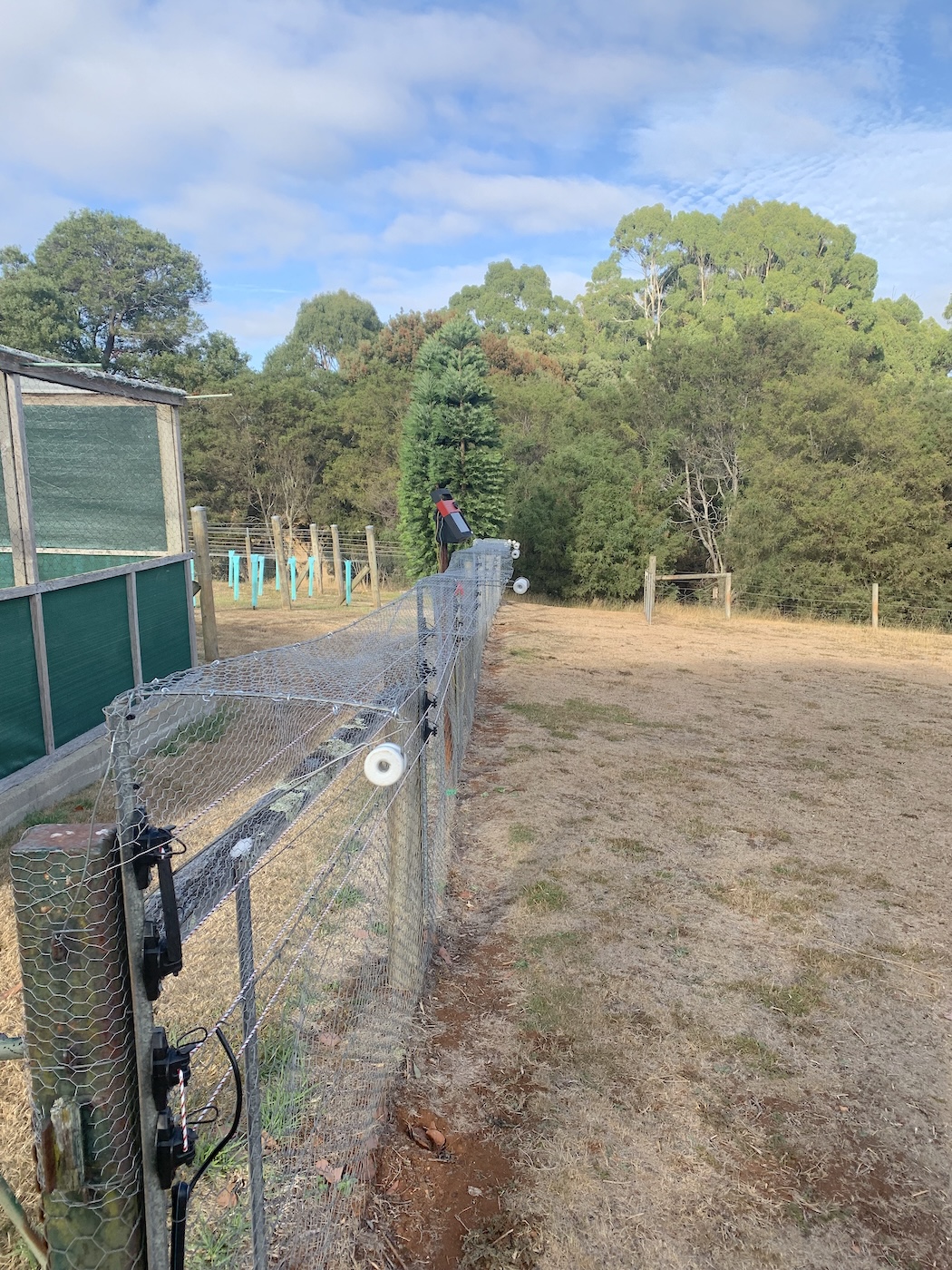
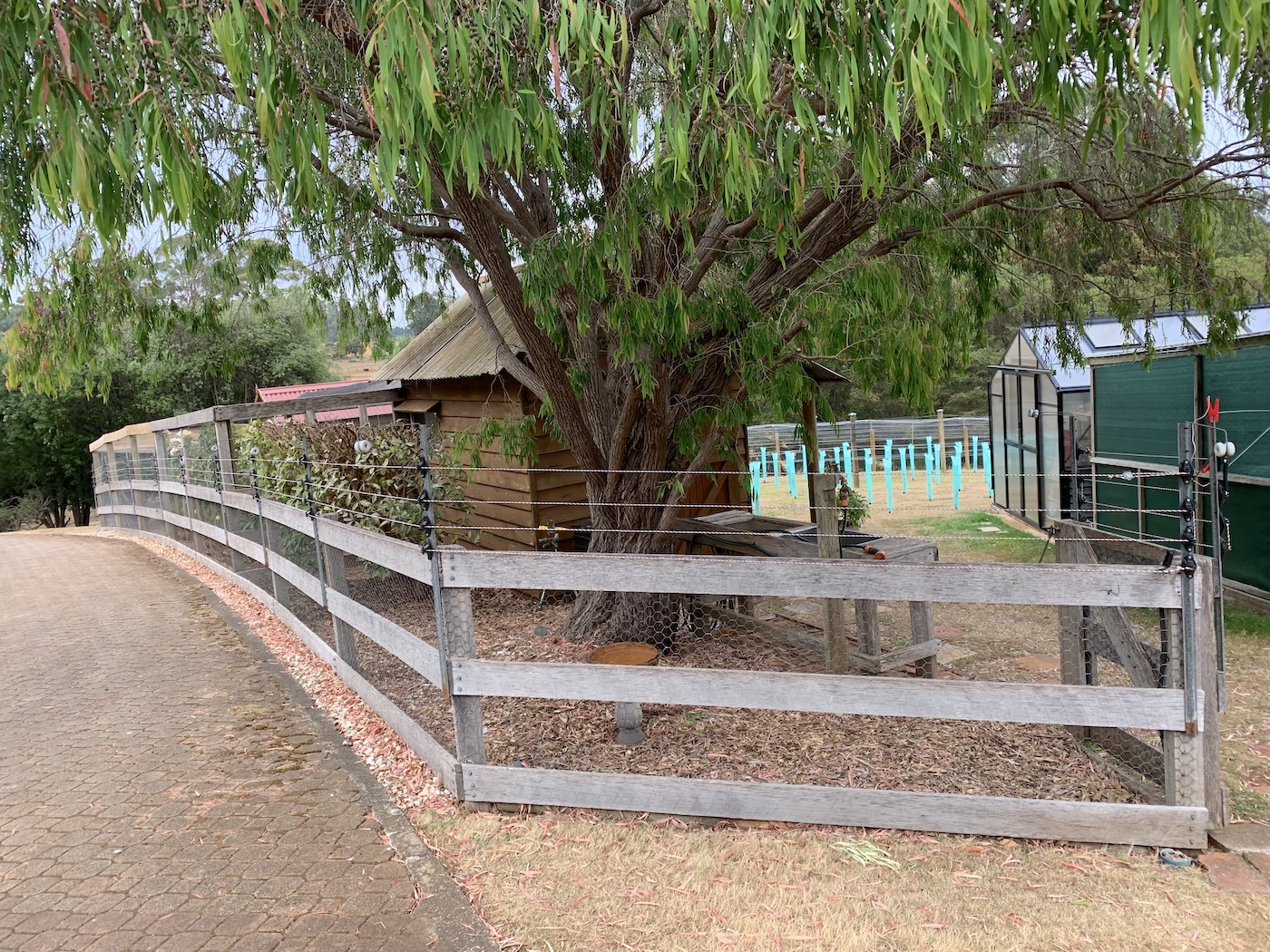
We came up with the idea of using the electric fence outriggers we had stashed in the shed to support the wire.

The usual level of swearage ensued as we fought with the wire and wind but the result is actually quite neat.

The second paddock line followed

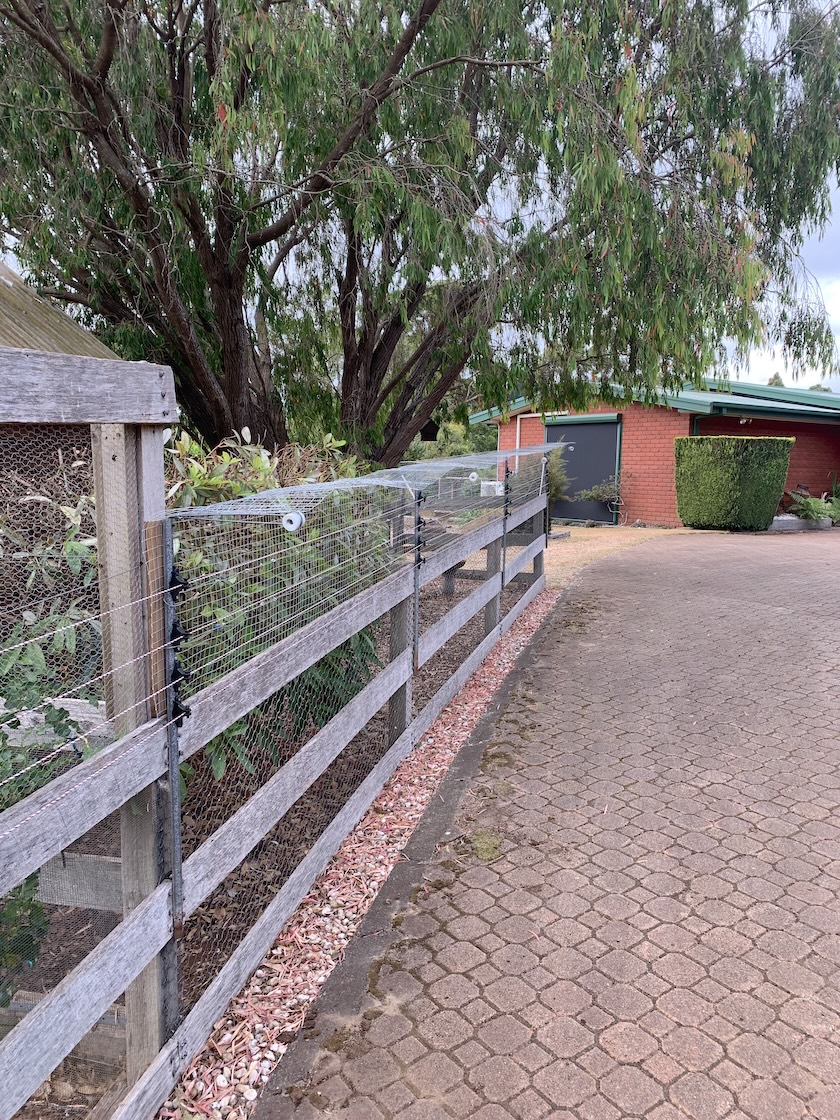
and we turned our attention to the garden side. We opted for a firmer wire for the sake of neatness but stayed with our method using the outriggers.

I have to admit, it doesn’t look as ugly as I thought it would.

We did the same for the line along the driveway,

joined them at the corner and then finished the gates in the same way.

I am very pleased to report there has been no evidence of possum pandemonium since completion and hopefully, after pruning the vines this winter, we will see substantial growth in spring.

Waratah

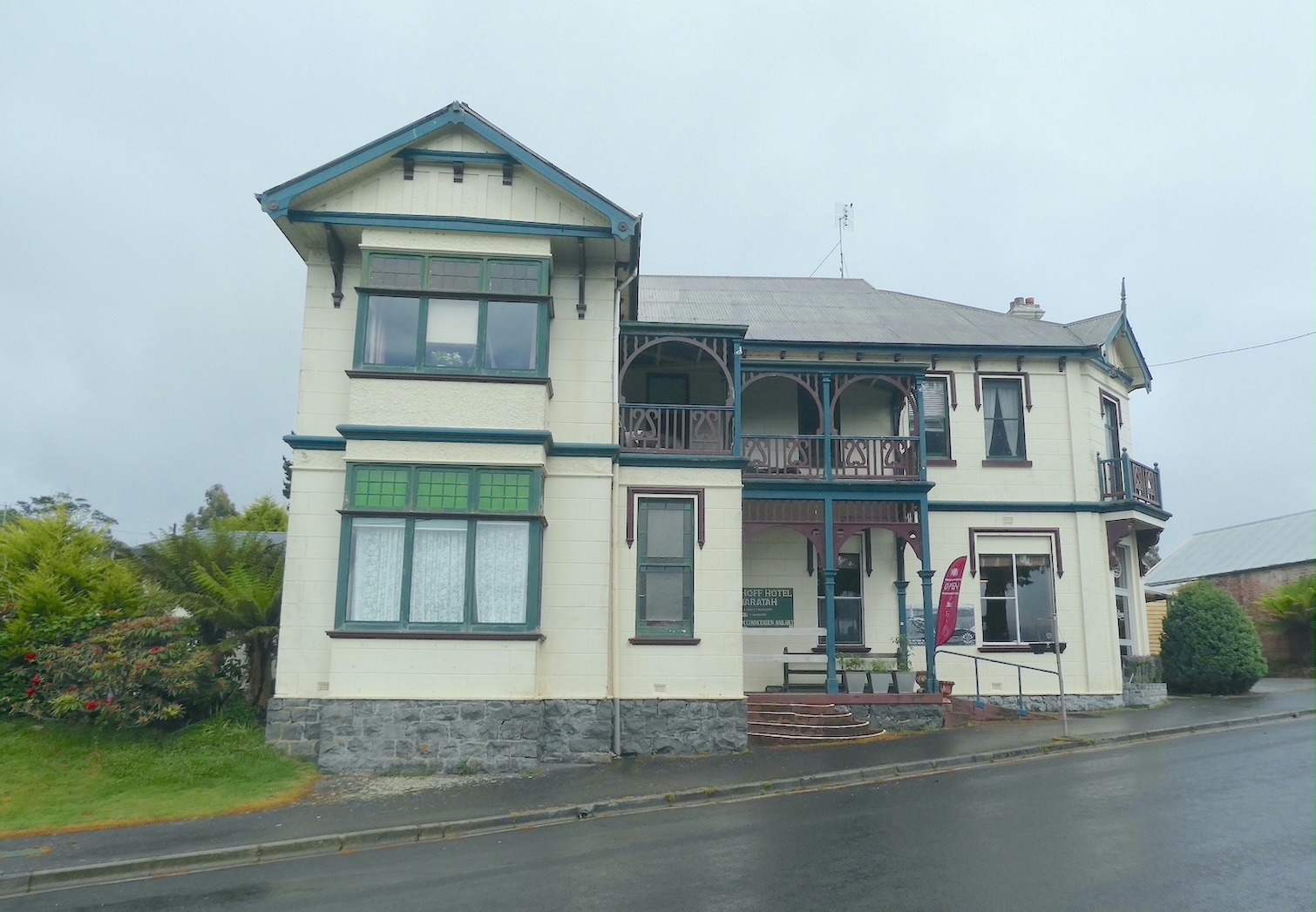
Our journey to Corinna took us through the former mining town of Waratah on the edge of Tasmania’s west coast wilderness. The plan was for lunch at the Bischoff Hotel, the only hotel remaining in the town. Originally built in 1879, it burned down in 1902 before being rebuilt and burning down again in 1909. The present Queen Anne style incarnation was completed later that same year.

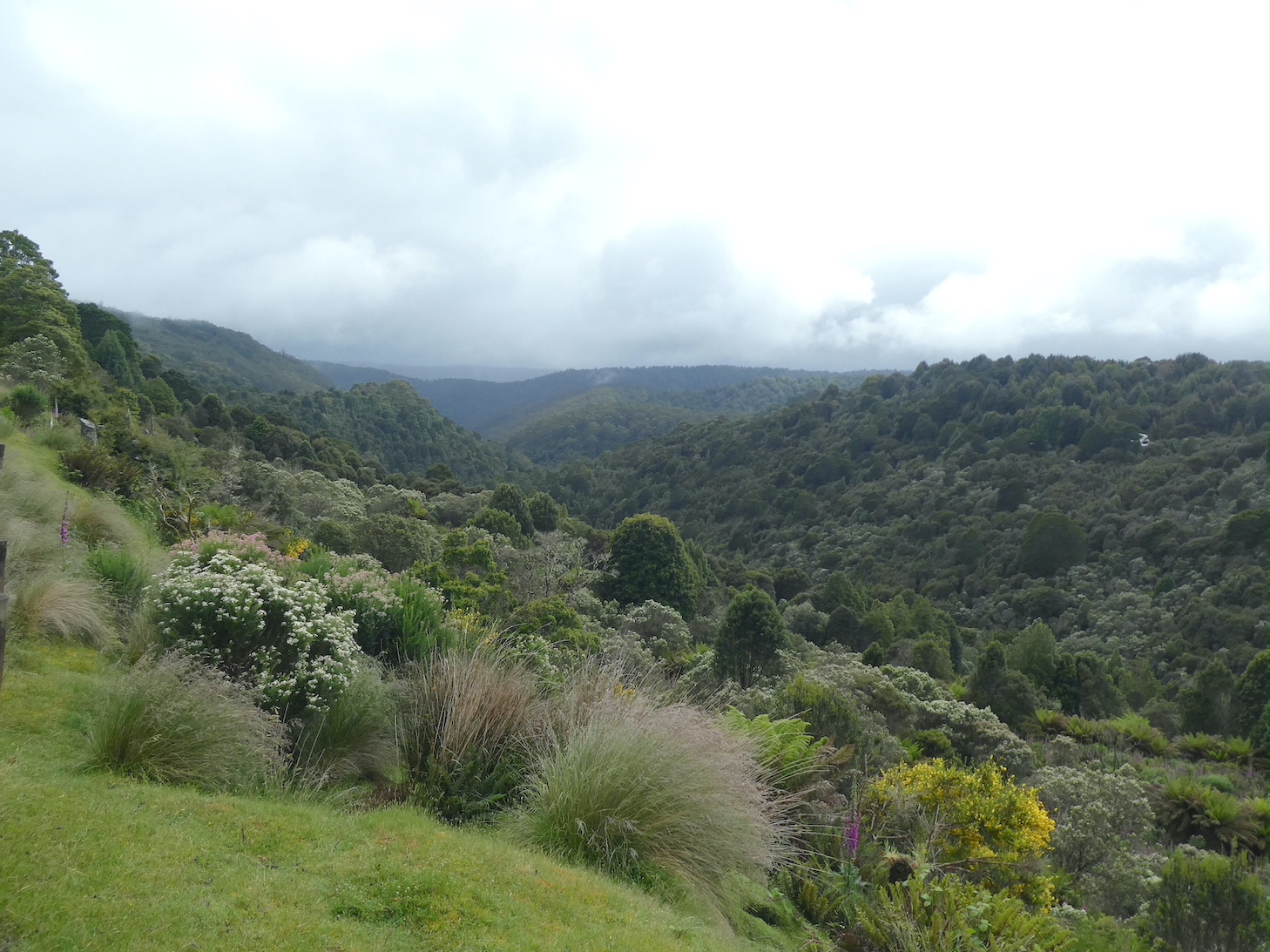
The view from the hotel is spectacular, even on a drizzly day

and the waterfall in the middle of town flows all year round. The water provided vital power to the mine directly through a series of seven water wheels and was later piped to the Waratah Power Station to produce hydro power.

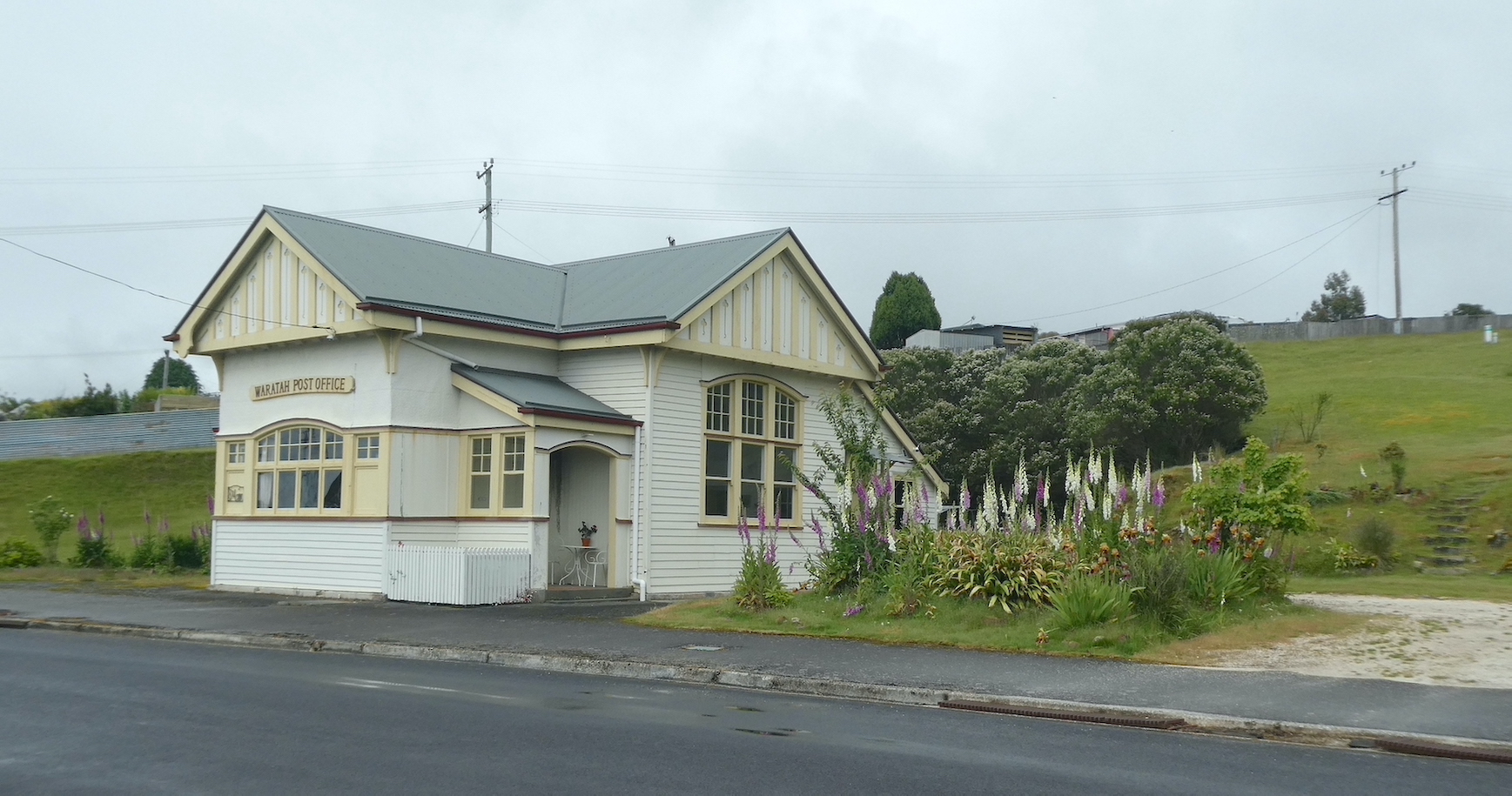
With some time to spare before dining, we set out to explore. The Waratah Post Office opened in 1882 and the current building replaced the original in 1913. It has been lovingly restored and is now available as luxury holiday accommodation.

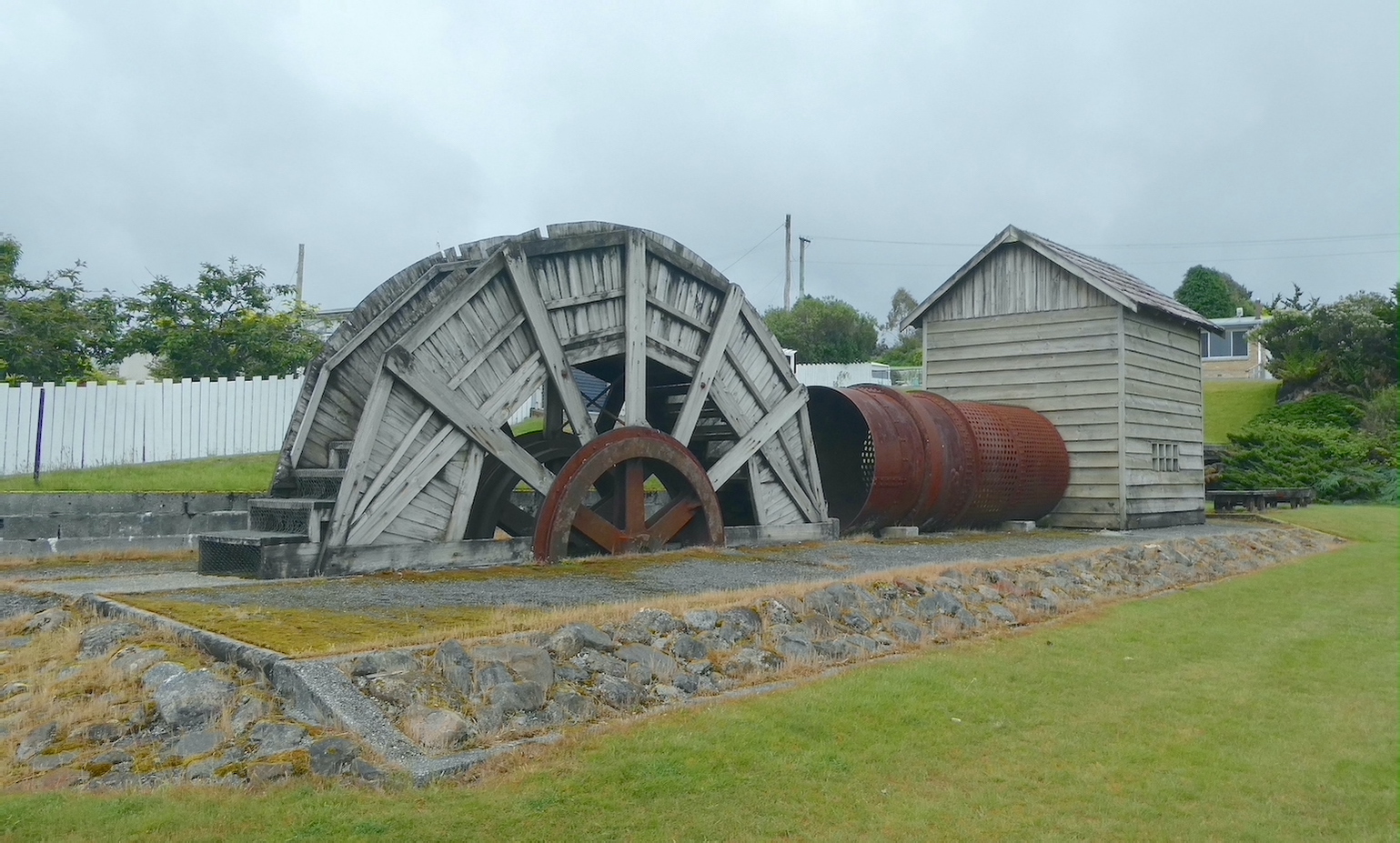
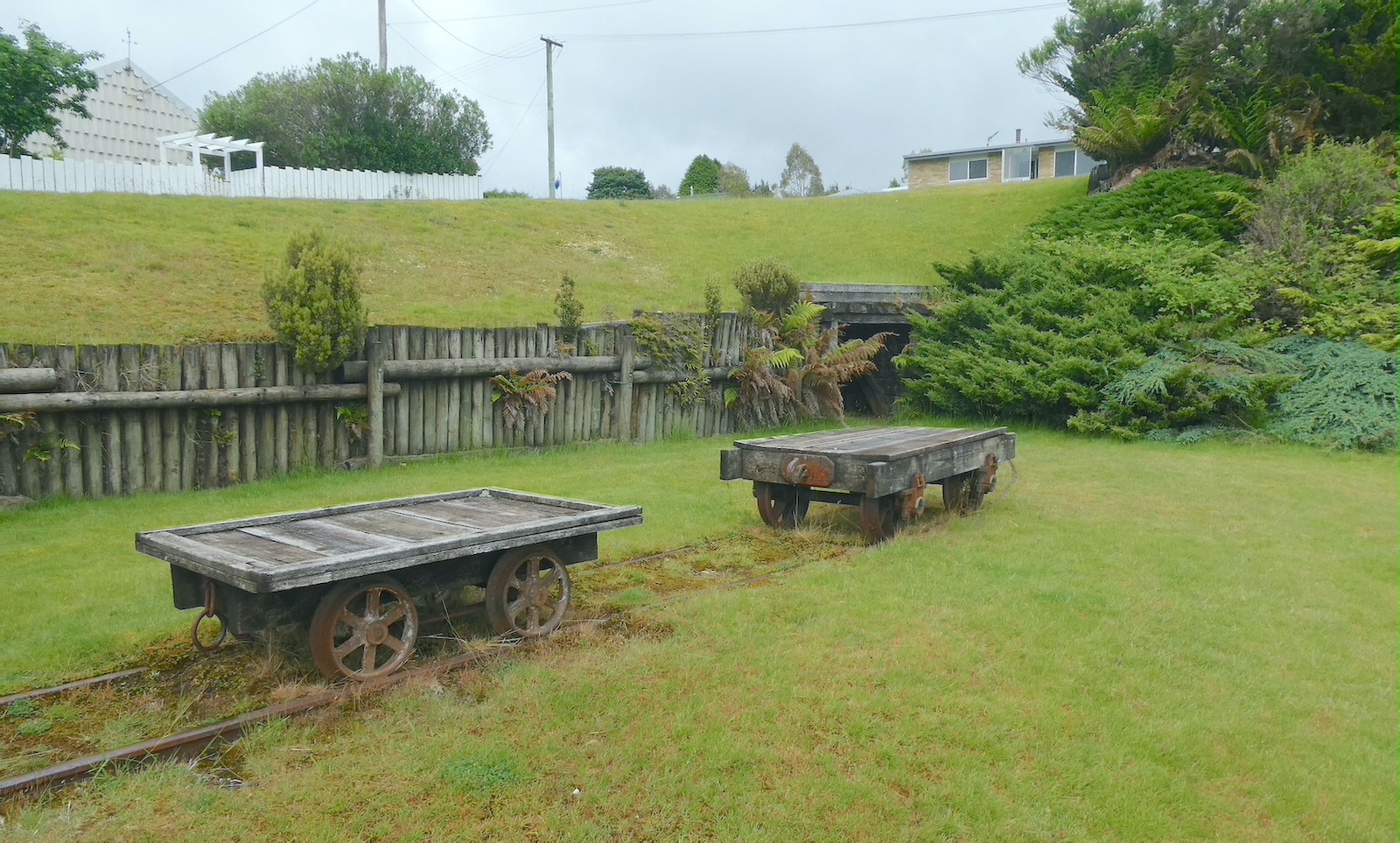
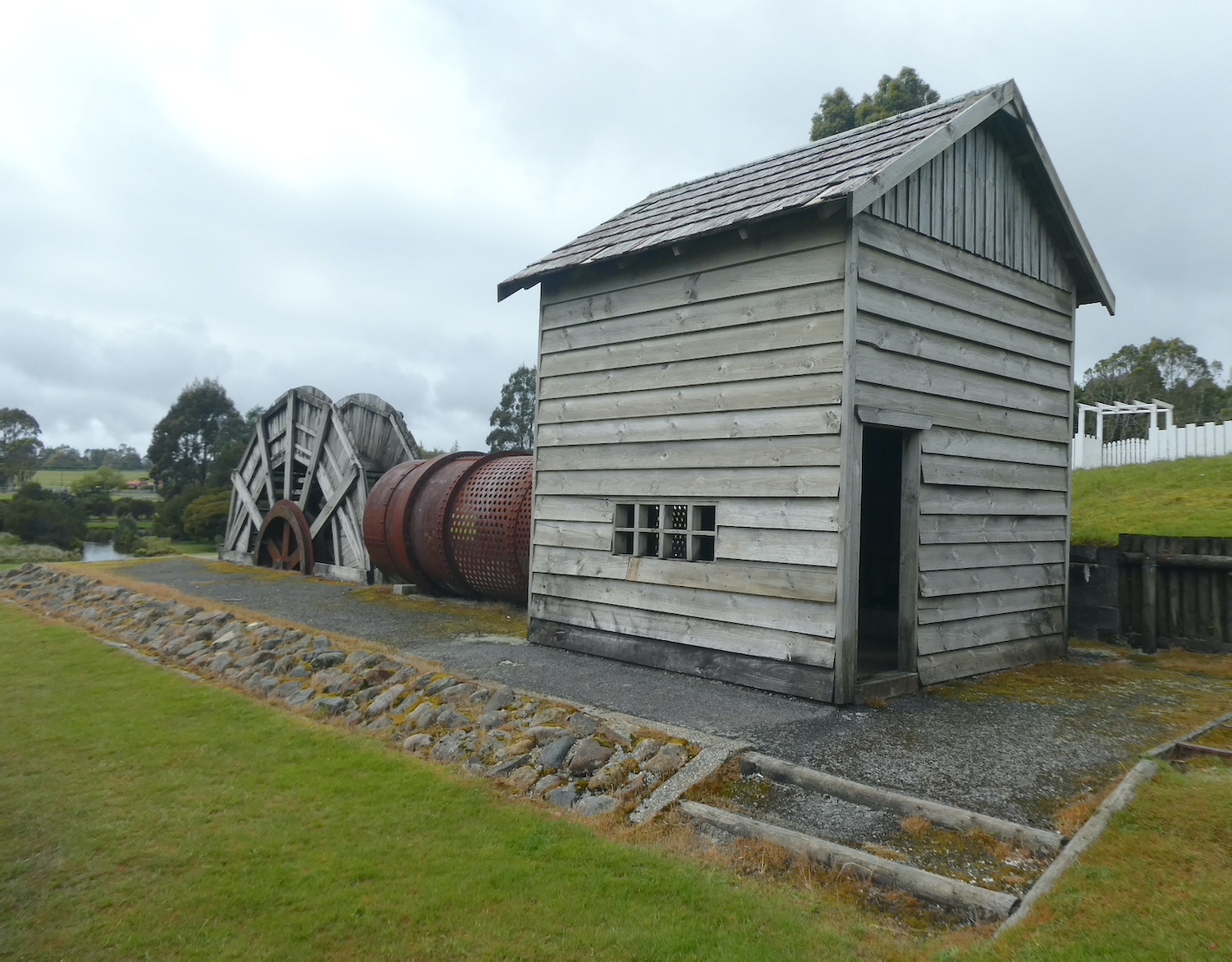
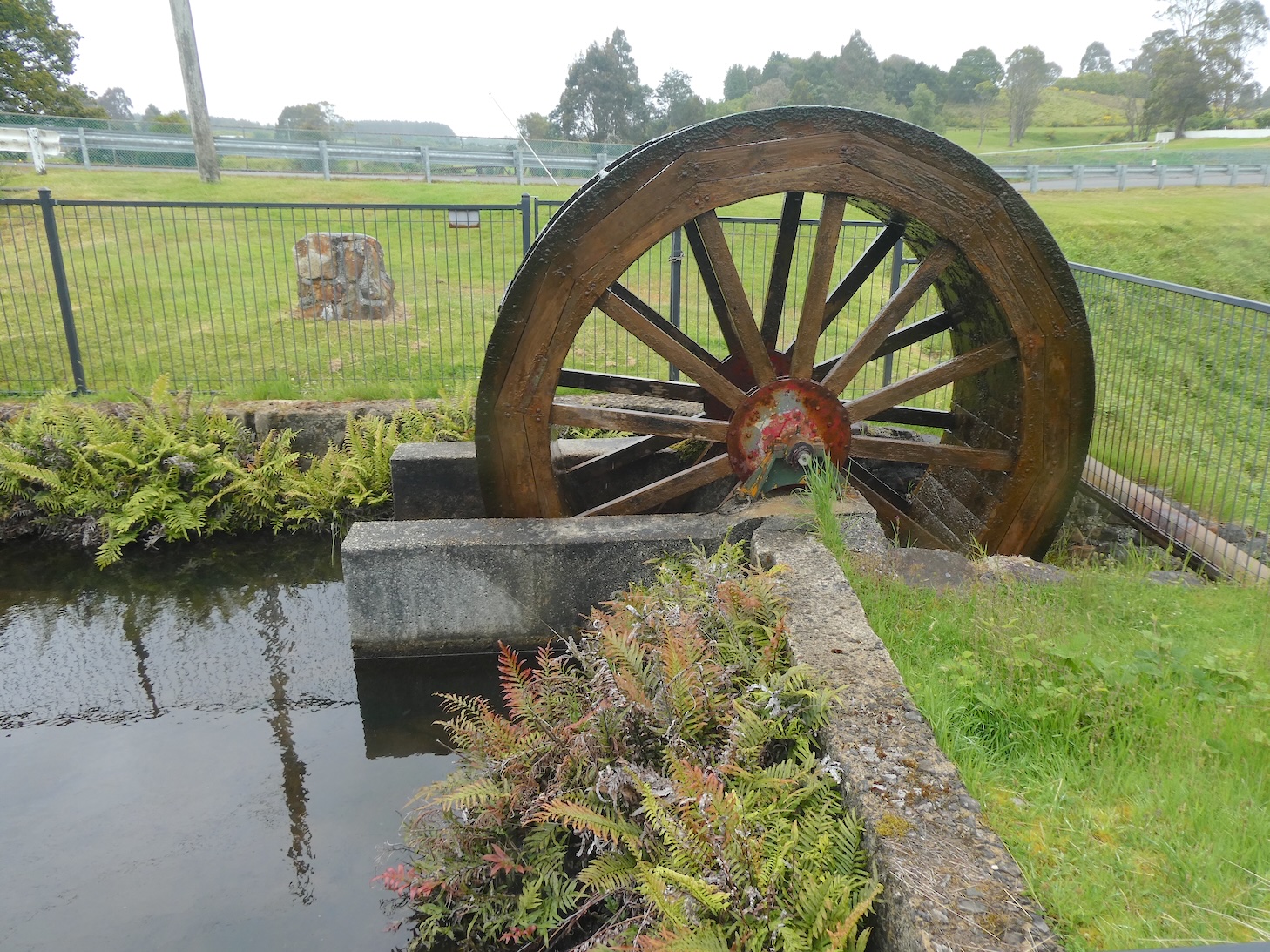
We made our way to the lake and came across an old waterwheel and pump house near what appeared to be an old entrance for the mine carts.

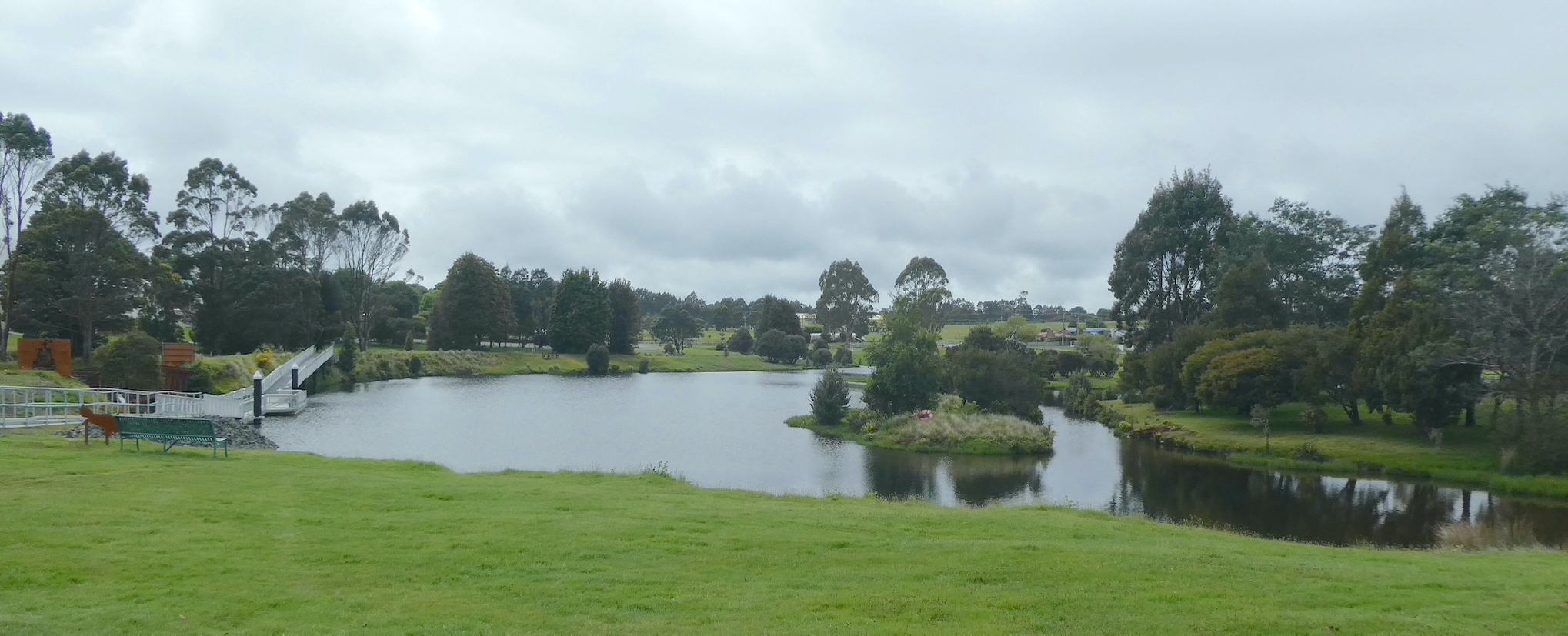
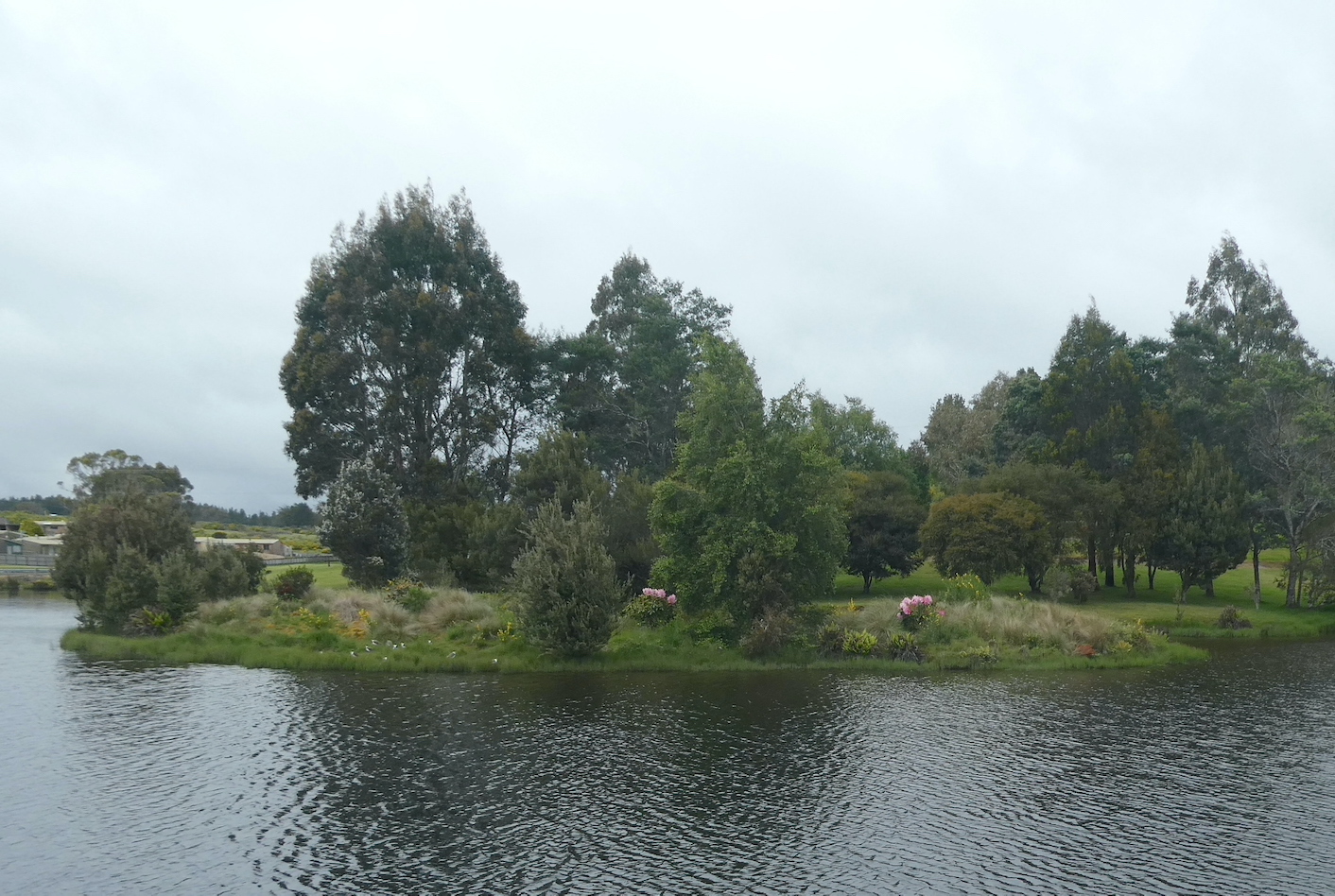
As we entered the town, we noticed how immaculate the public lawns and gardens were kept. Lake Waratah is a beautiful centrepiece.

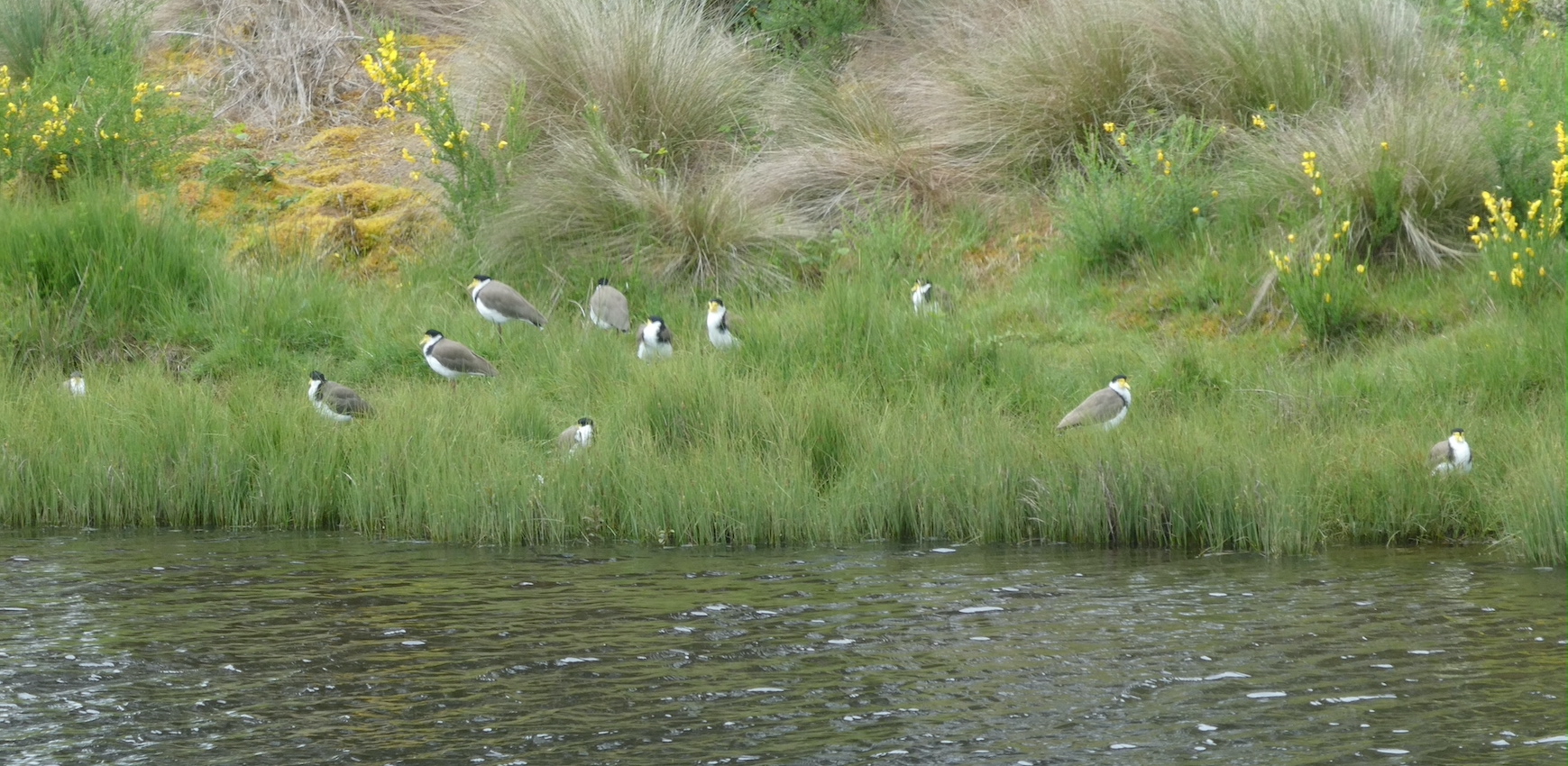
I have never seen a colony of masked lapwings in these numbers, they have chosen a lovely spot to call home.

We took a closer look at the iron truss rail bridge, built over the Waratah River in 1895, essential for getting people and supplies to Waratah and getting the ore out.

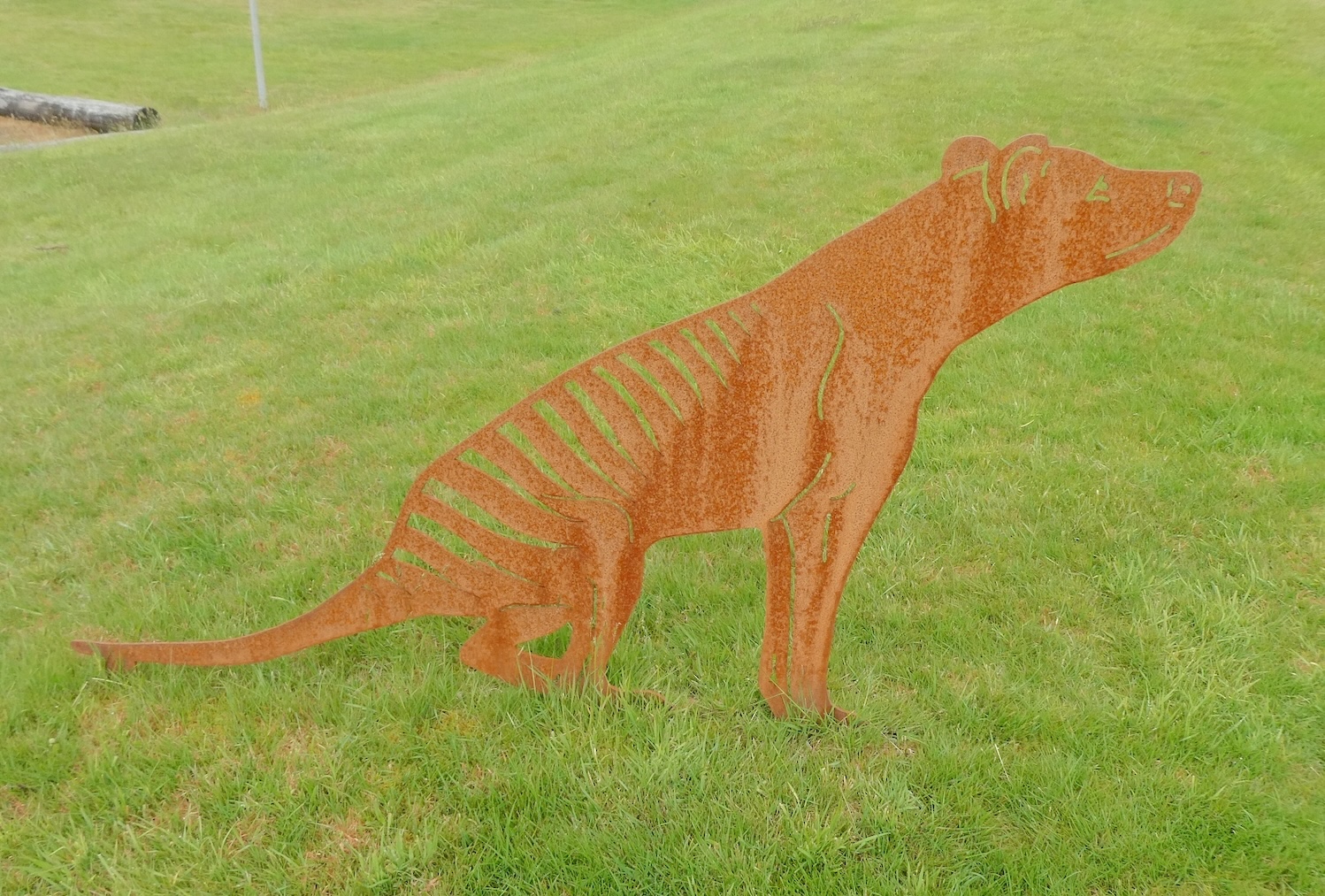
Waratah is known as one of the last bastions of the thylacine, thought by some to be extinct. We are ever hopeful of proving this theory wrong, it seems we are not alone.

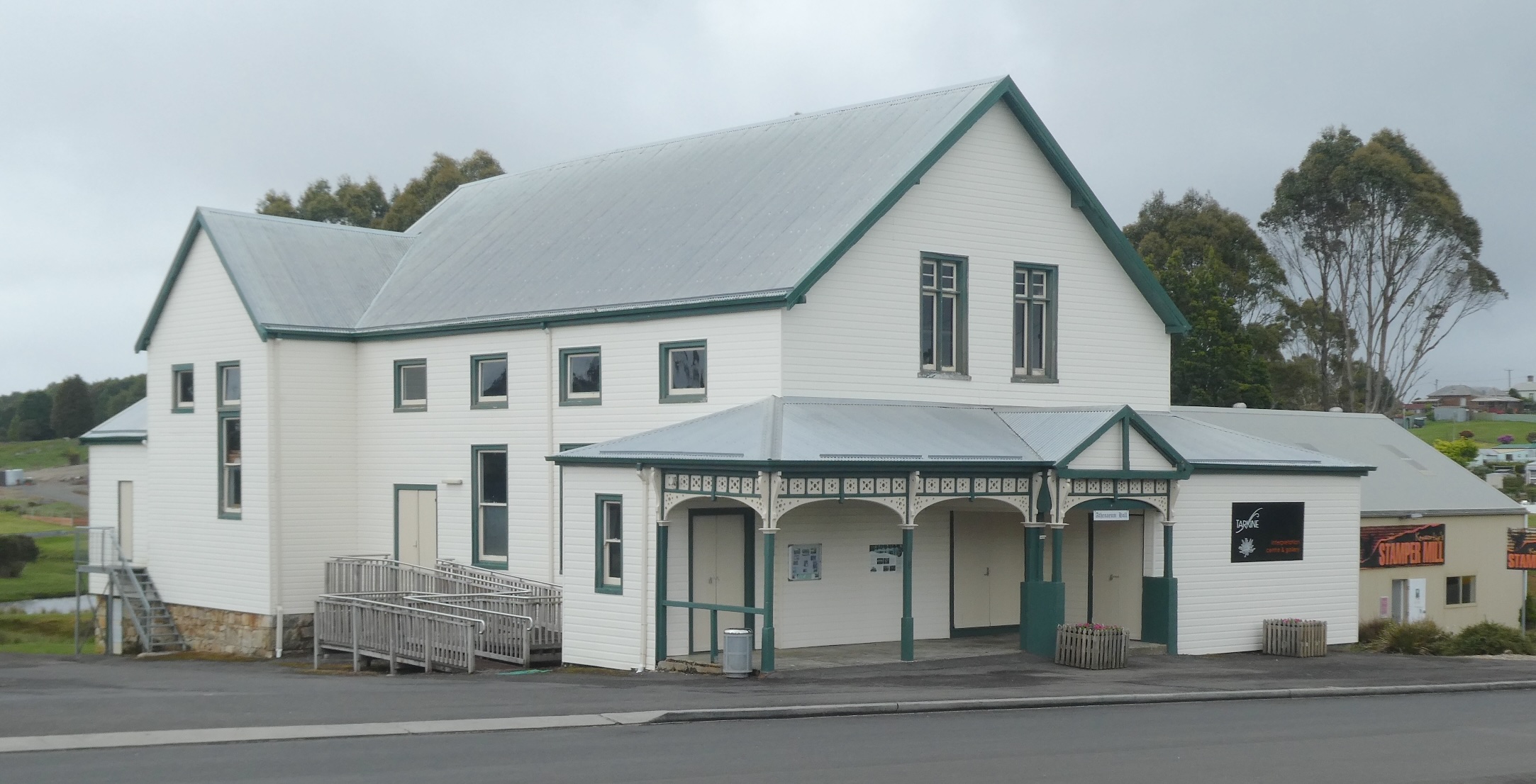
The Athenaeum Hall is a very impressive building completed in 1887 when the town was enjoying the economic prosperity provided by the tin mine. Built for the workers and families, it started as a library and later became the town hall and cinema. Today, it is home to the Tarkine Visitor Interpretation Centre and is still used for functions.

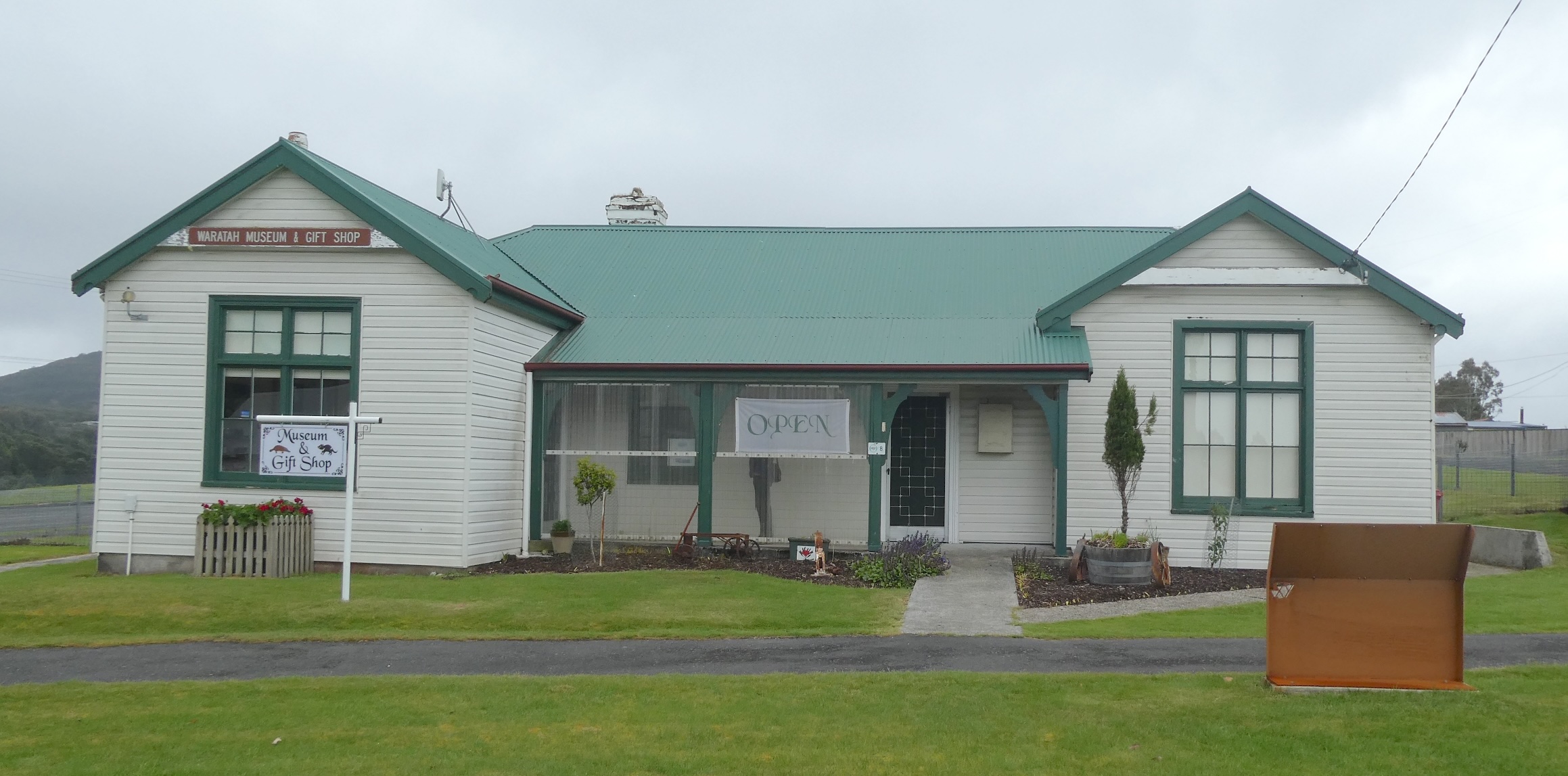
Across the road, the Waratah Museum occupies in the old Court House (that will be another post).

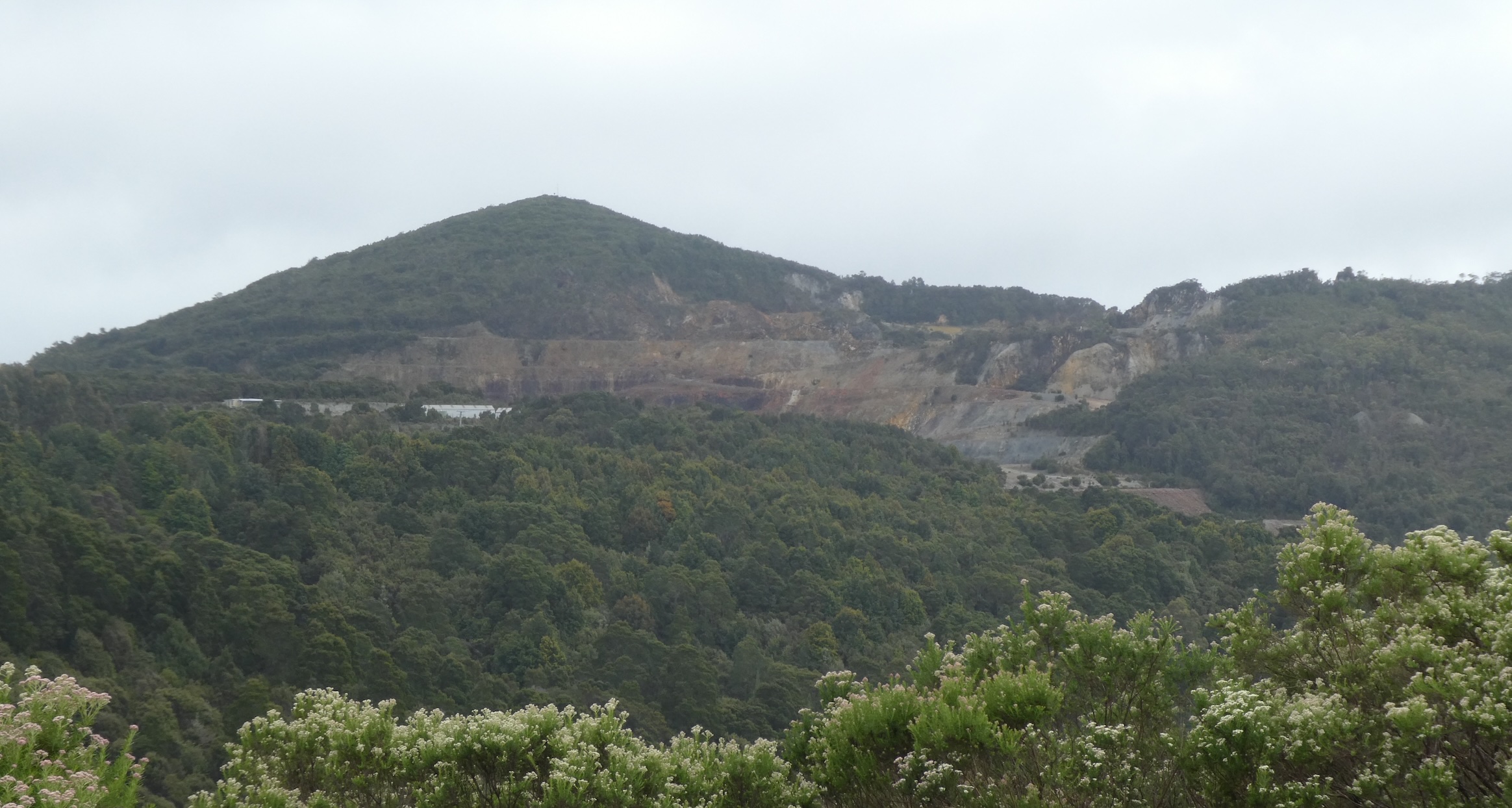
Despite a leisurely perambulation around the museum, we still had time for a walk to the bottom of the falls. The scarred landscape of the Mt. Bischoff mine loomed in the distance. Tin was discovered in the area in 1871 and by 1881, Mt. Bischoff was the richest tin mine in the world.  The mine closed in 1947 after seventy years of continuous production but open cut mining resumed in 2008. Three years later, with resources depleted, it again closed and the pit is now flooded.

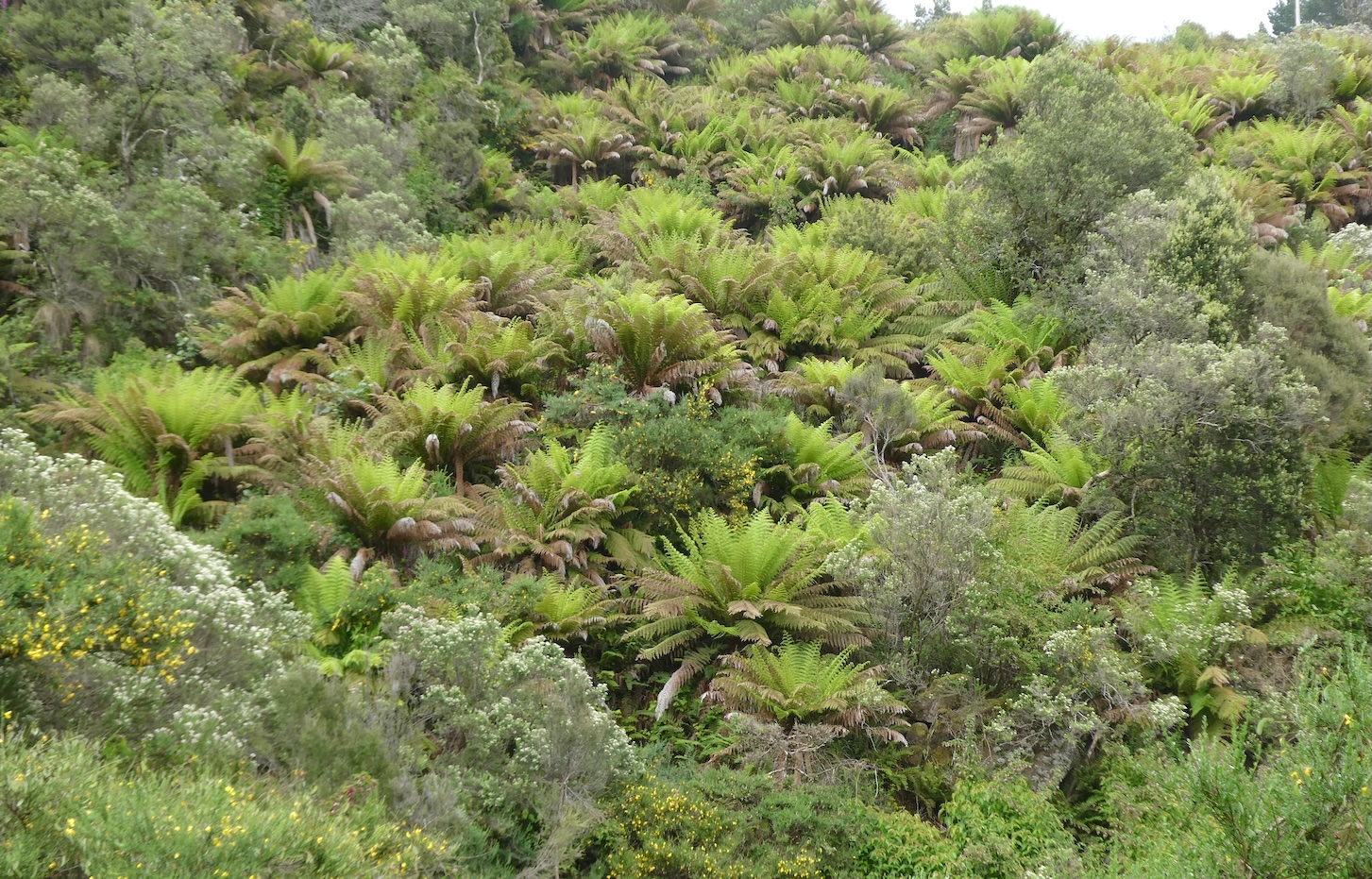
The walking trail was enveloped by tree ferns and verdant native vegetation

and the waterfall was magnificent after steady spring rain.

Returning to the top of the falls, the Waratah River wends its way over the cliff and continues ten kilometres before merging with the Arthur River.

The Dudley Kenworthy water wheel is named after the gentleman who recognised the potential to harness the year round water supply, making Waratah the first industrial site in Australia to be lit by hydro-electricity.

After a substantial lunch of delicious fish ’n’ chips and a schooner of stout, we were ready to tackle the long and winding road to Corinna.