back to Bolsena

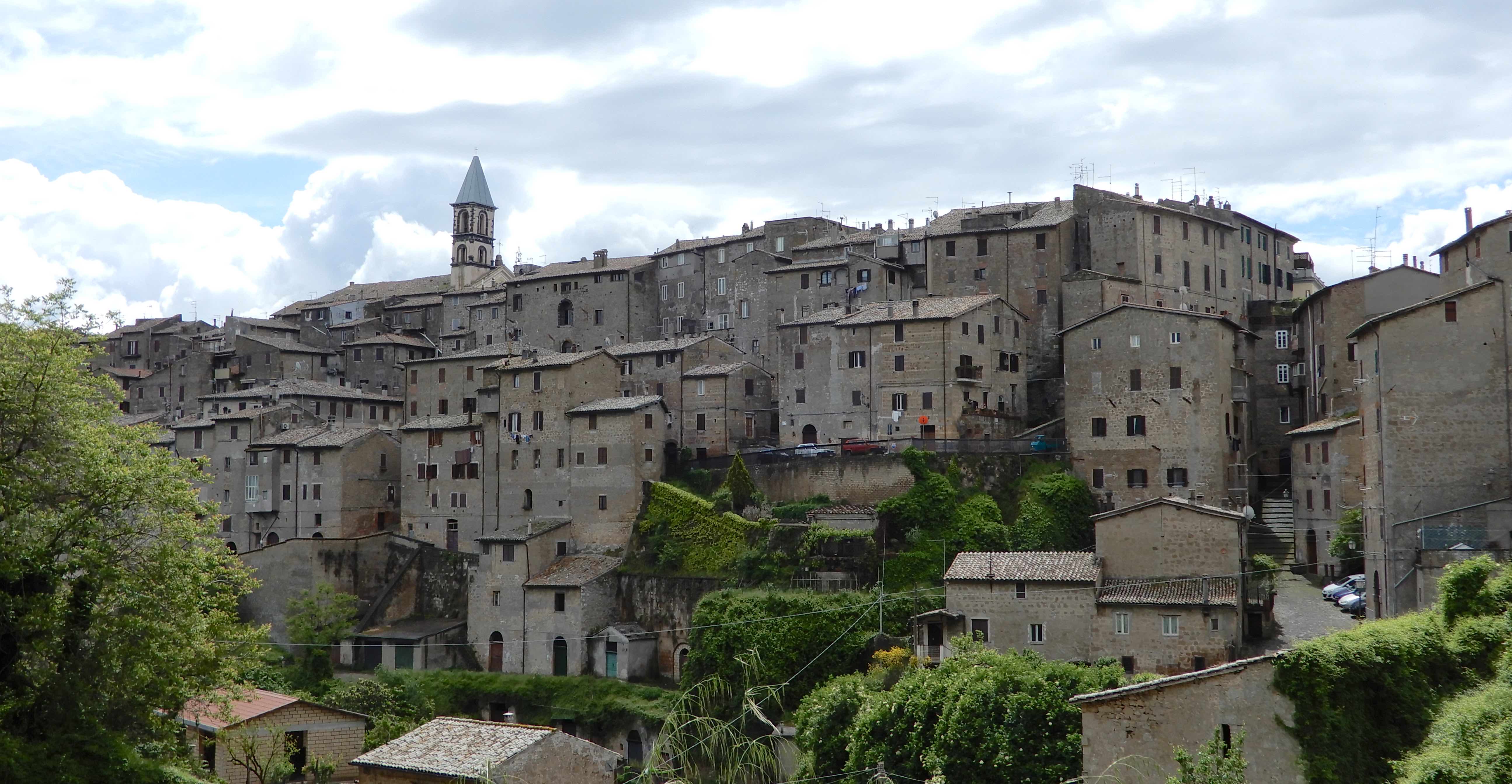
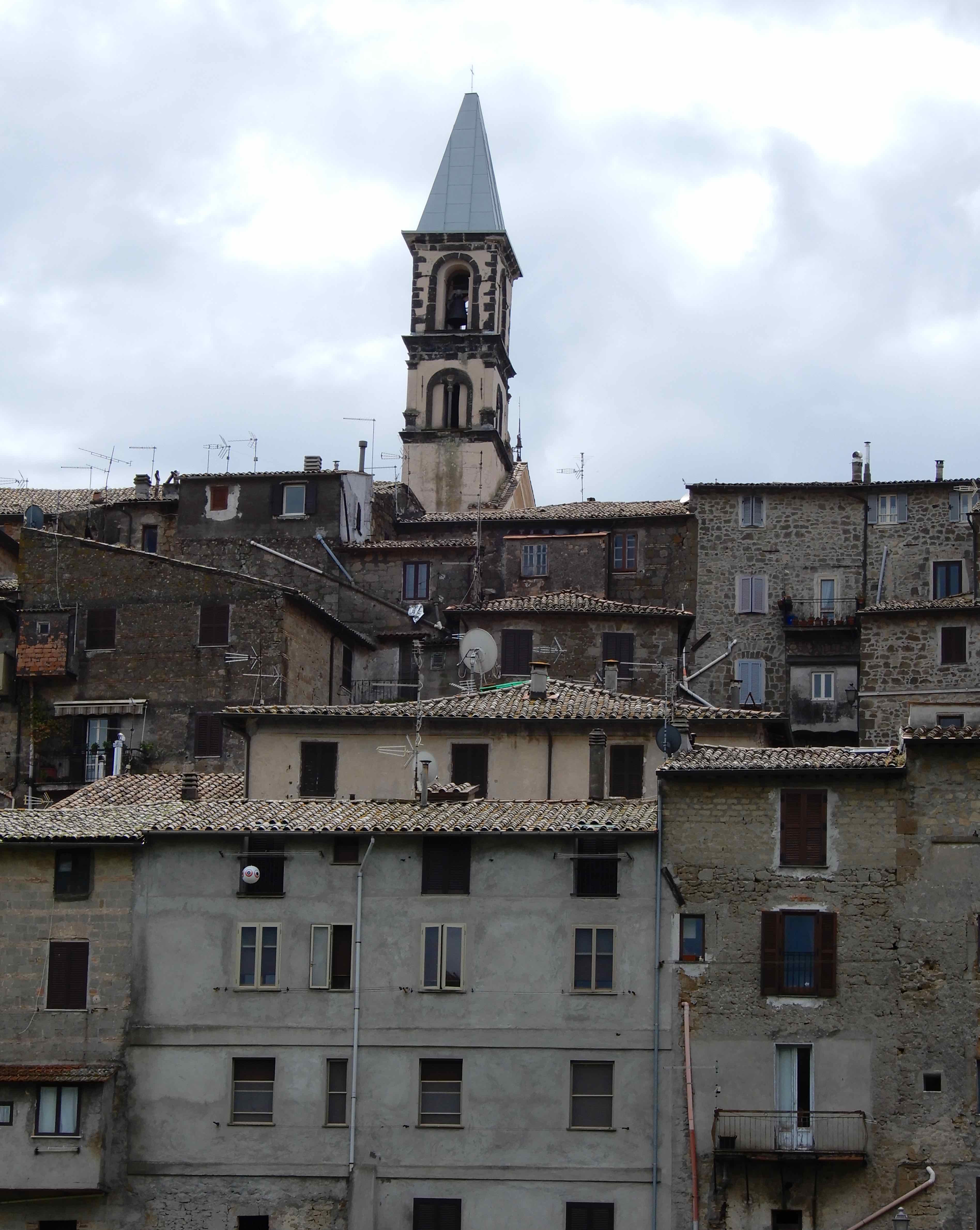
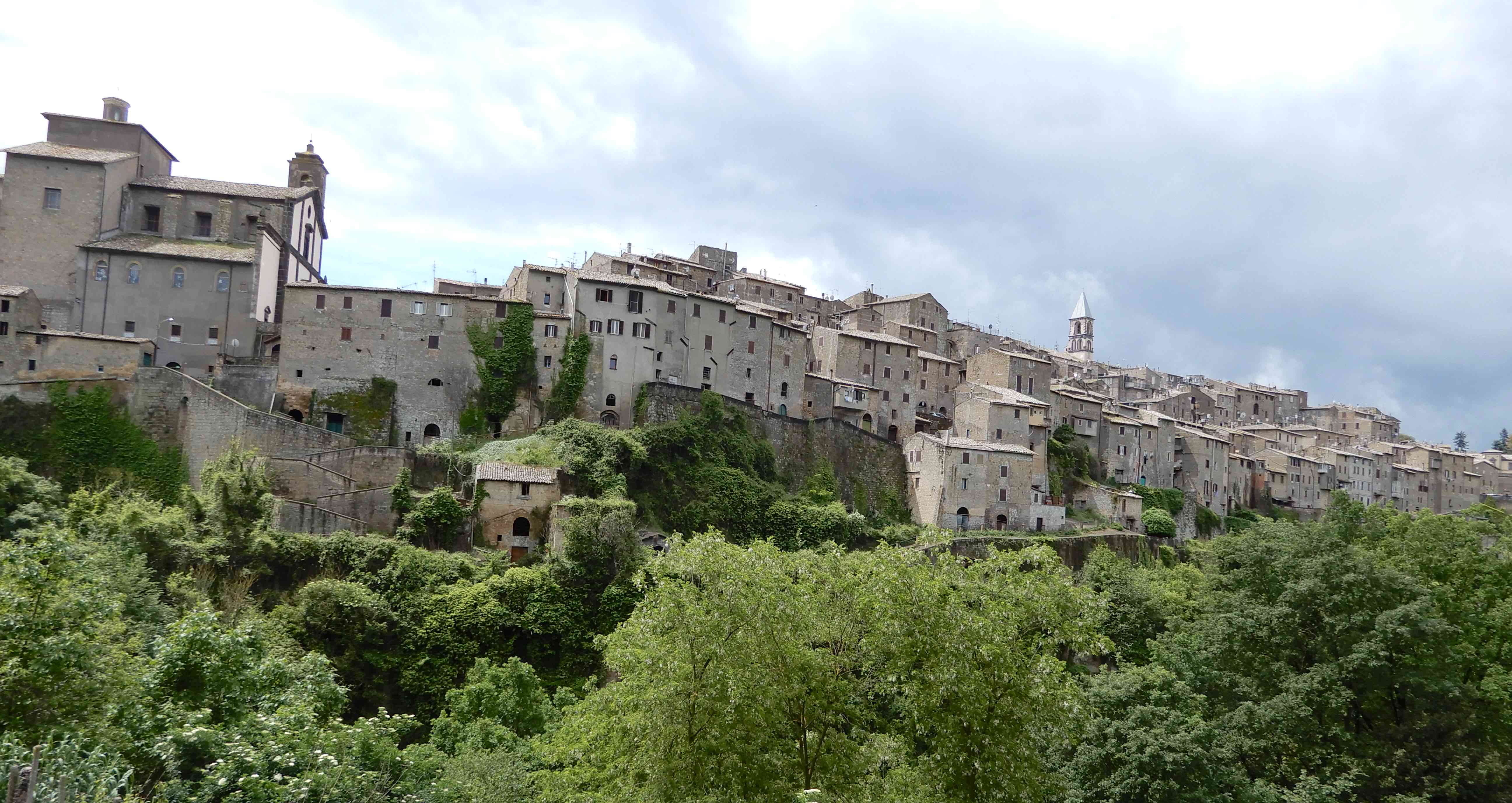
On our first trip to Italy, we discovered Bolsena when we chose a place on the map to break our journey from Cortona to Rome. Our brief sojourn left us wanting to return and see more of this beautiful town as well as explore the magnificent Castello Rocca Monaldeschi.

Refreshed from our sustenance at RetroGusto, we continued down Corso Cavour
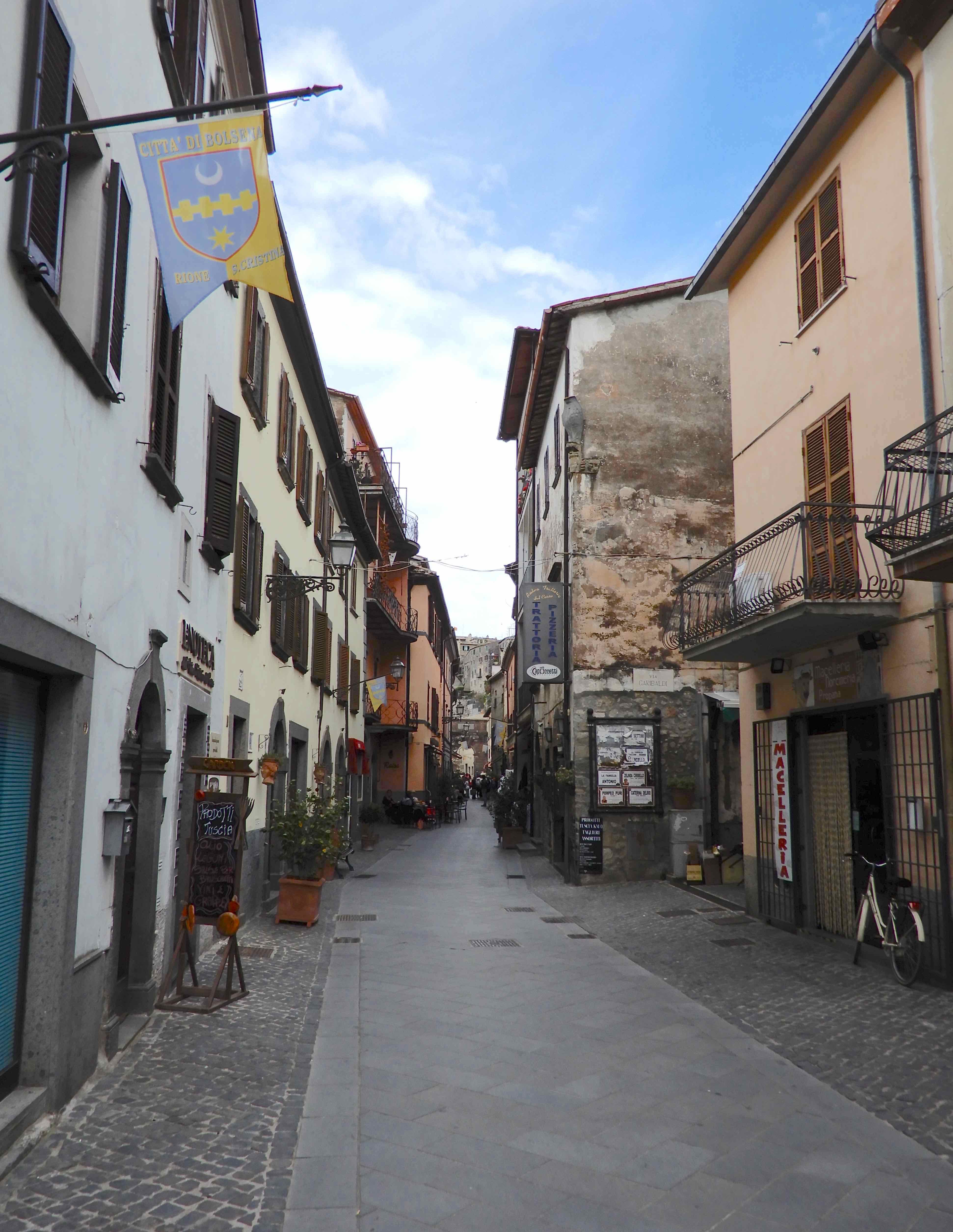
to the medieval Fountain of San Rocco. Built in 1450, the spring water was deemed to be miraculous when San Rocco recovered from a thigh wound after drinking it.

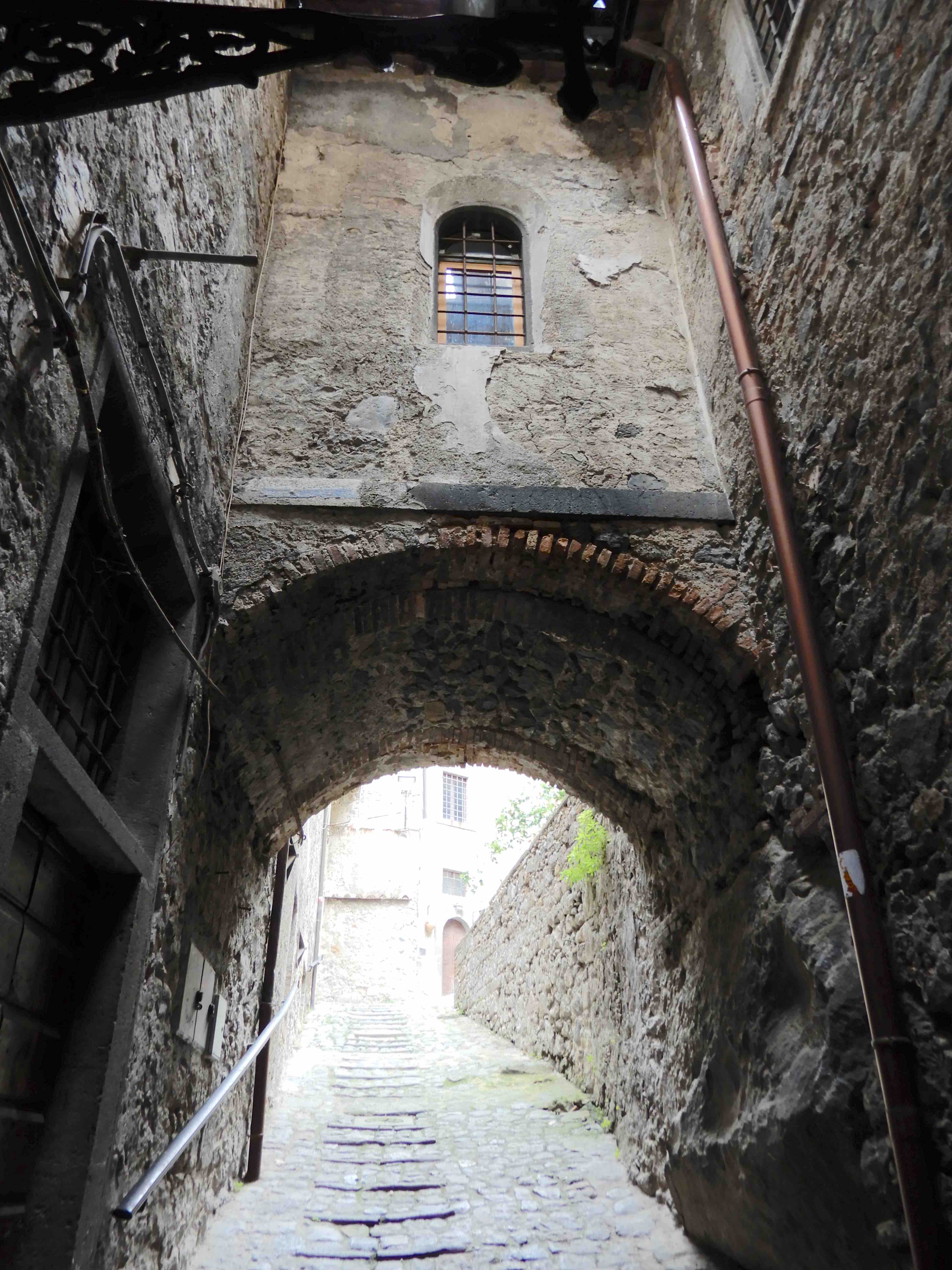
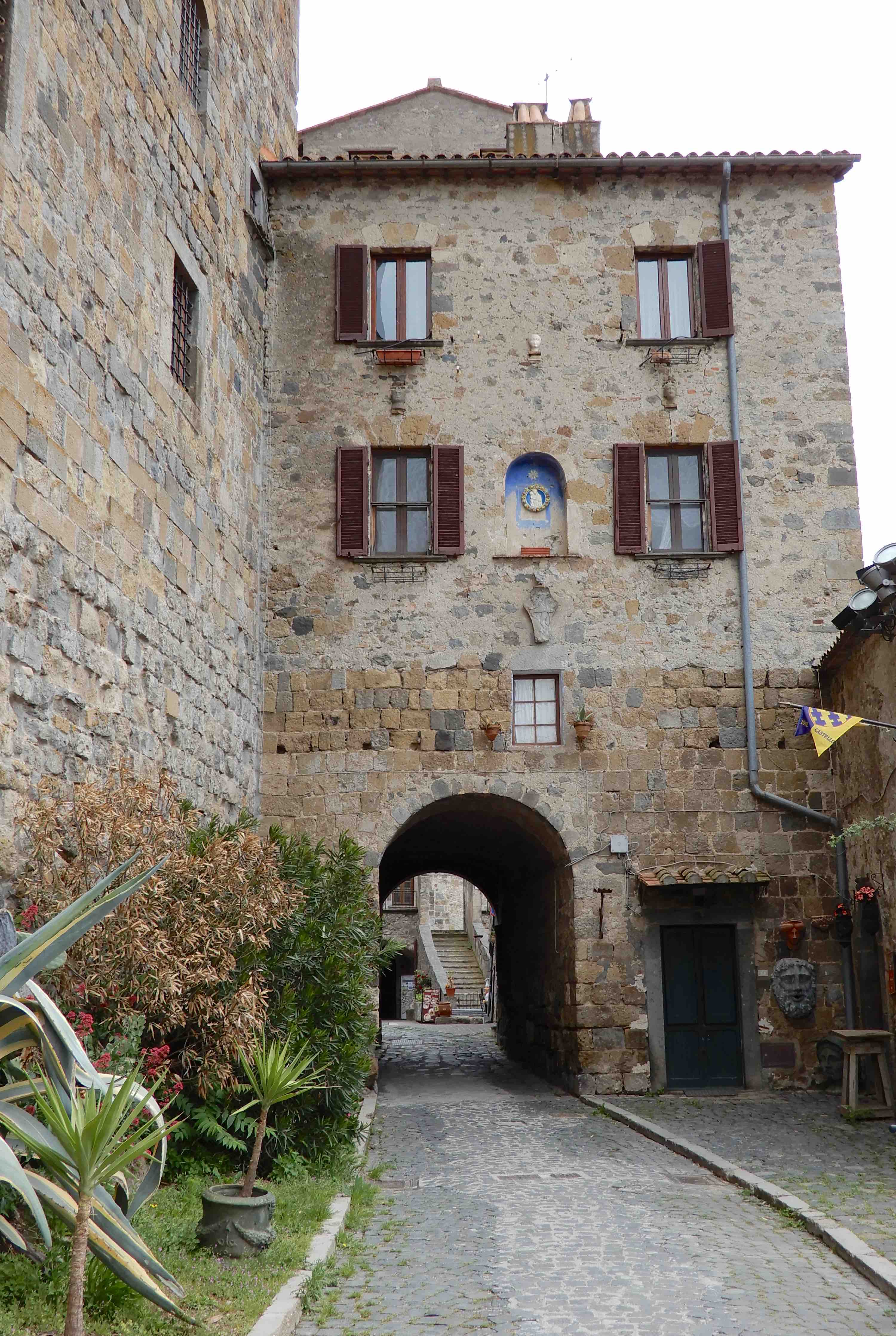
We made our way up ancient stone steps, along narrow alleys and through medieval arches to the castle.

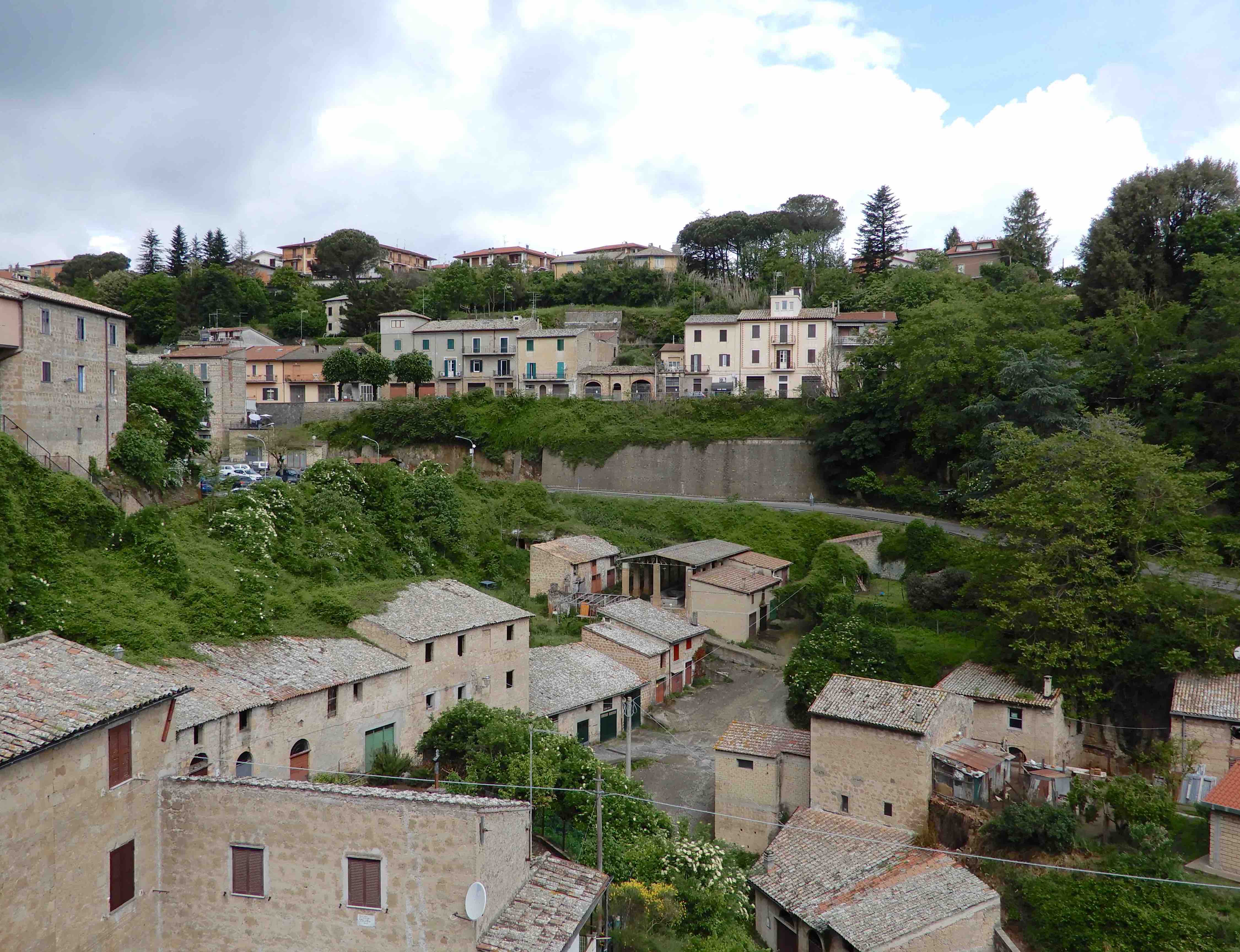
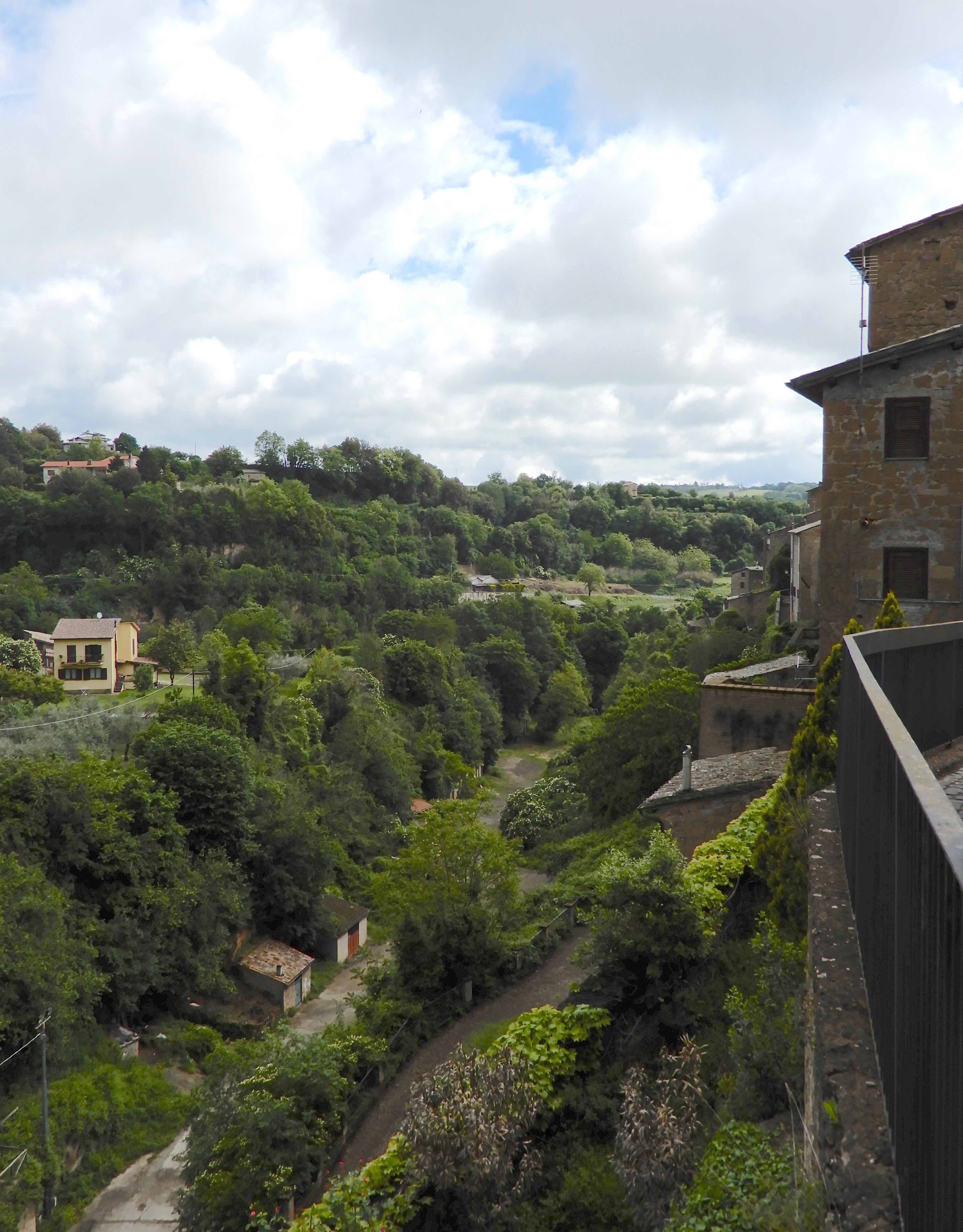
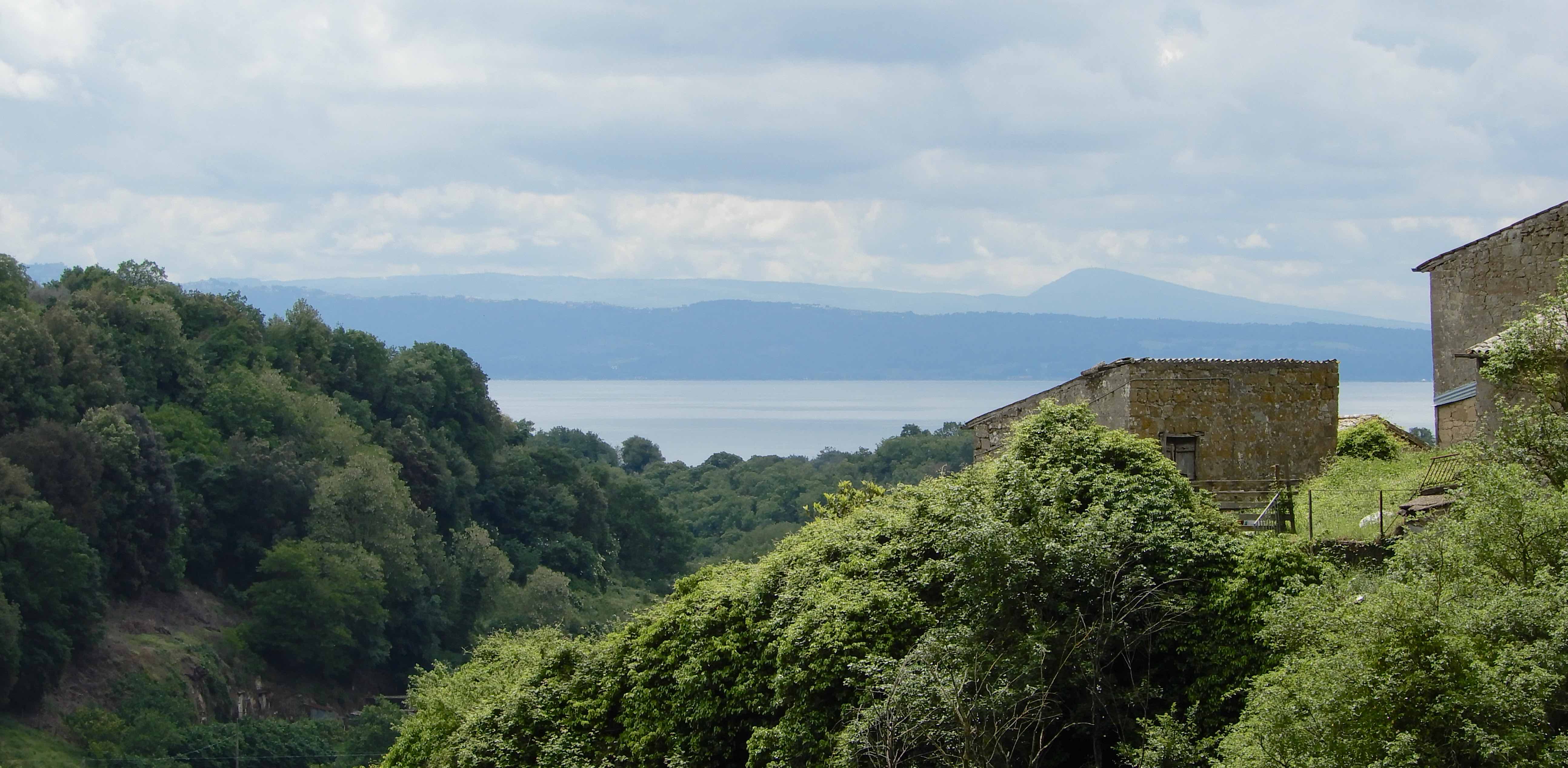
A thoughtfully positioned bench beckoned us to rest awhile and admire the vista across rooftops to Lake Bolsena under the gaze of insentient eyes.

A fortress was originally built above the town in 1156 to protect from invasion. In 1295, the Monaldeschi family of Orvieto asserted their power and moved in. The walls were reinforced and the castle extended with the addition of three more towers. The Monaldeschi ruled until the mid 15th century and over the ensuing years the fortress was robbed, burnt, restored and used as a prison and warehouse. Renovation work began in the 1970s and the restored fort has been home to the Territorial Museum of Lake Bolsena since 1990.
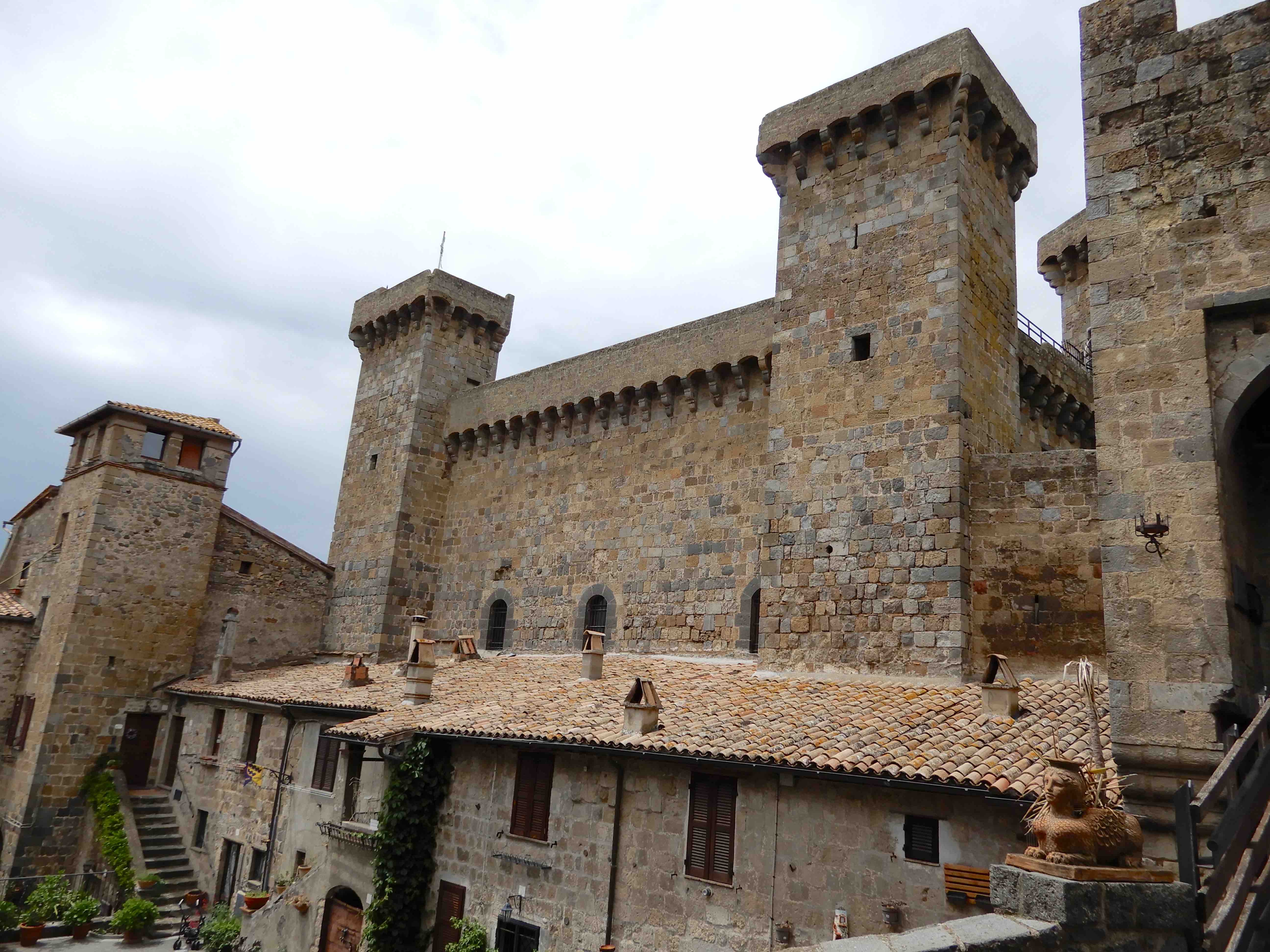
Unfortunately, the museum was closed but the climb had certainly been worth it. On the opposite side of Piazza Monaldeschi,

the 15th century Church of San Salvatore was intended to look more like a fortress than a religious building.

We returned to the car

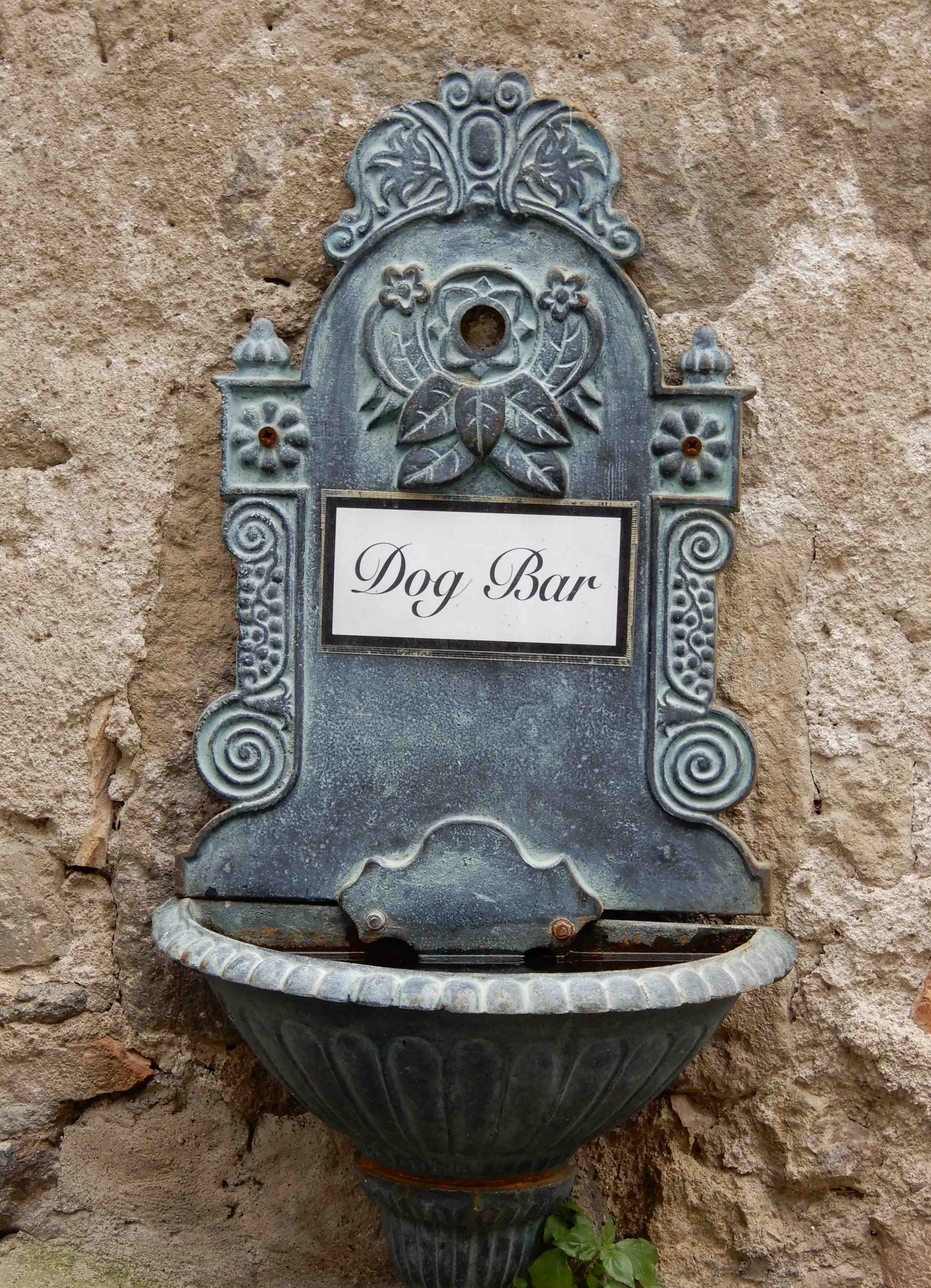
and parked lakeside for lunch at Trattoria del Moro, an experience we had been looking forward to since our first visit.

Lake Bolsena is the largest volcanic lake in Europe, formed 370,000 years ago following the eruption of the Vulsini volcano which was active until 104BC. The lake covers an area of 115sq km, has a circumference of 43 km and a maximum depth of 151 metres. Impossible to envision from photographs.

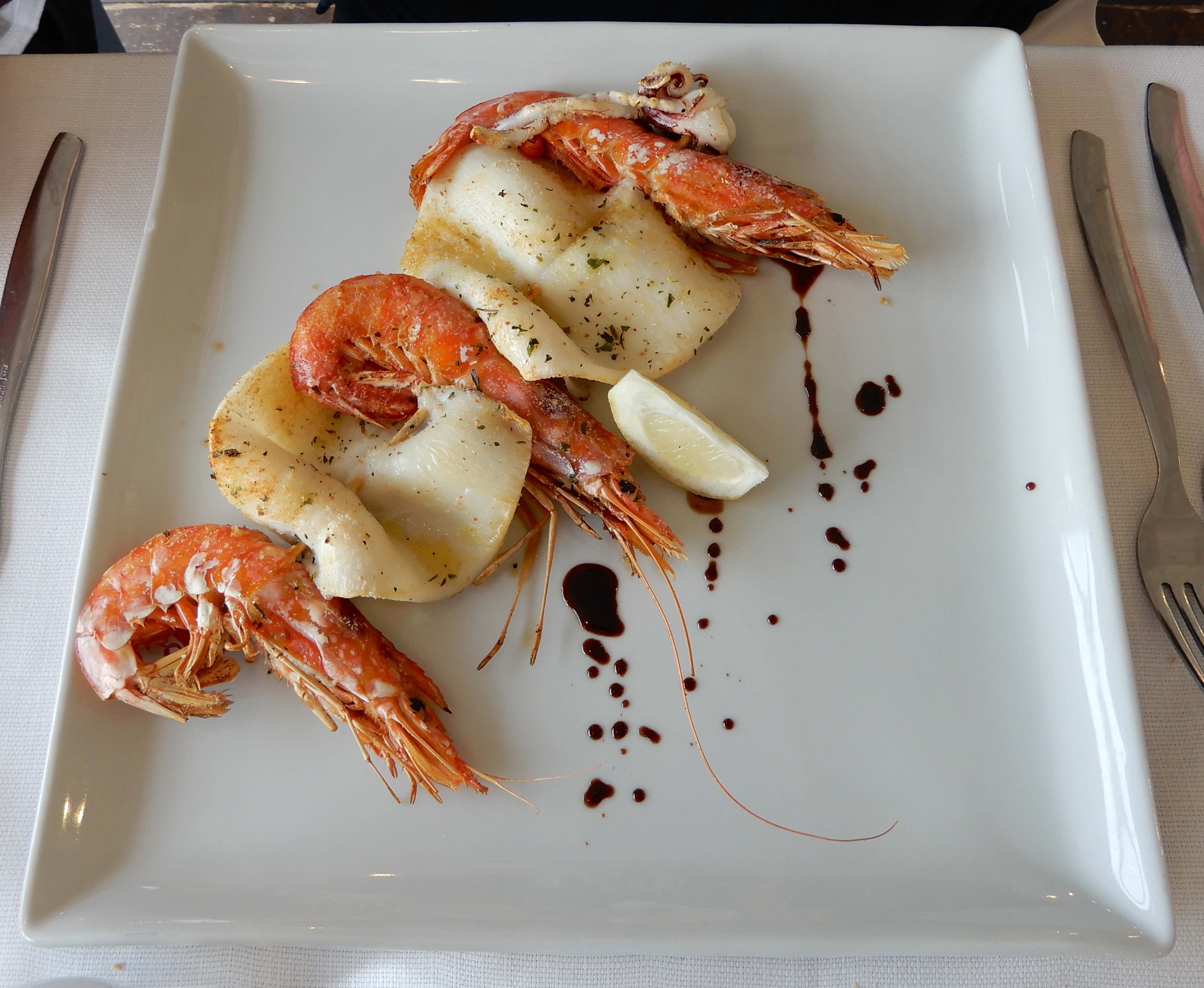
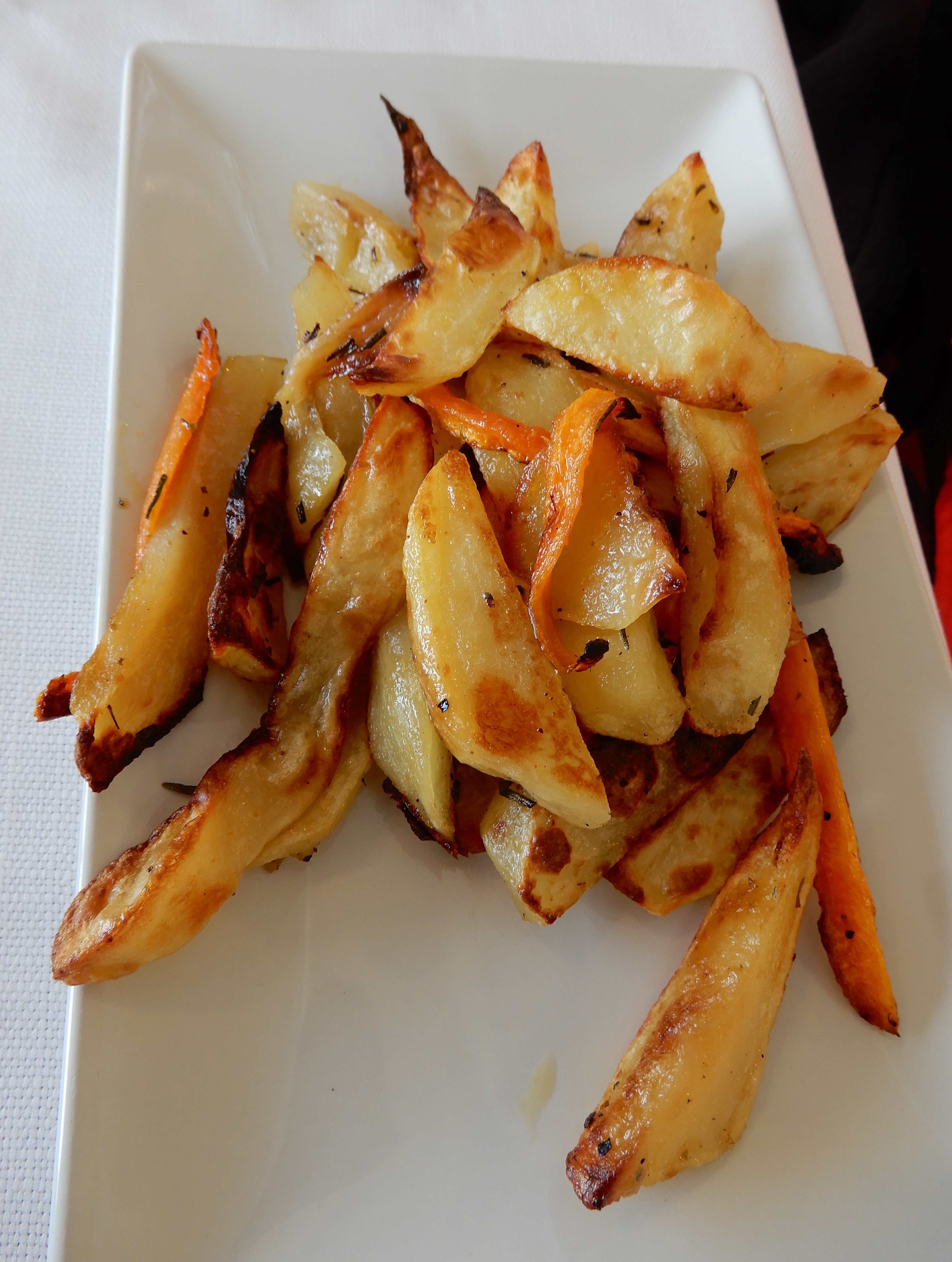
Our meals were equally as delicious, if not better, than we remembered.

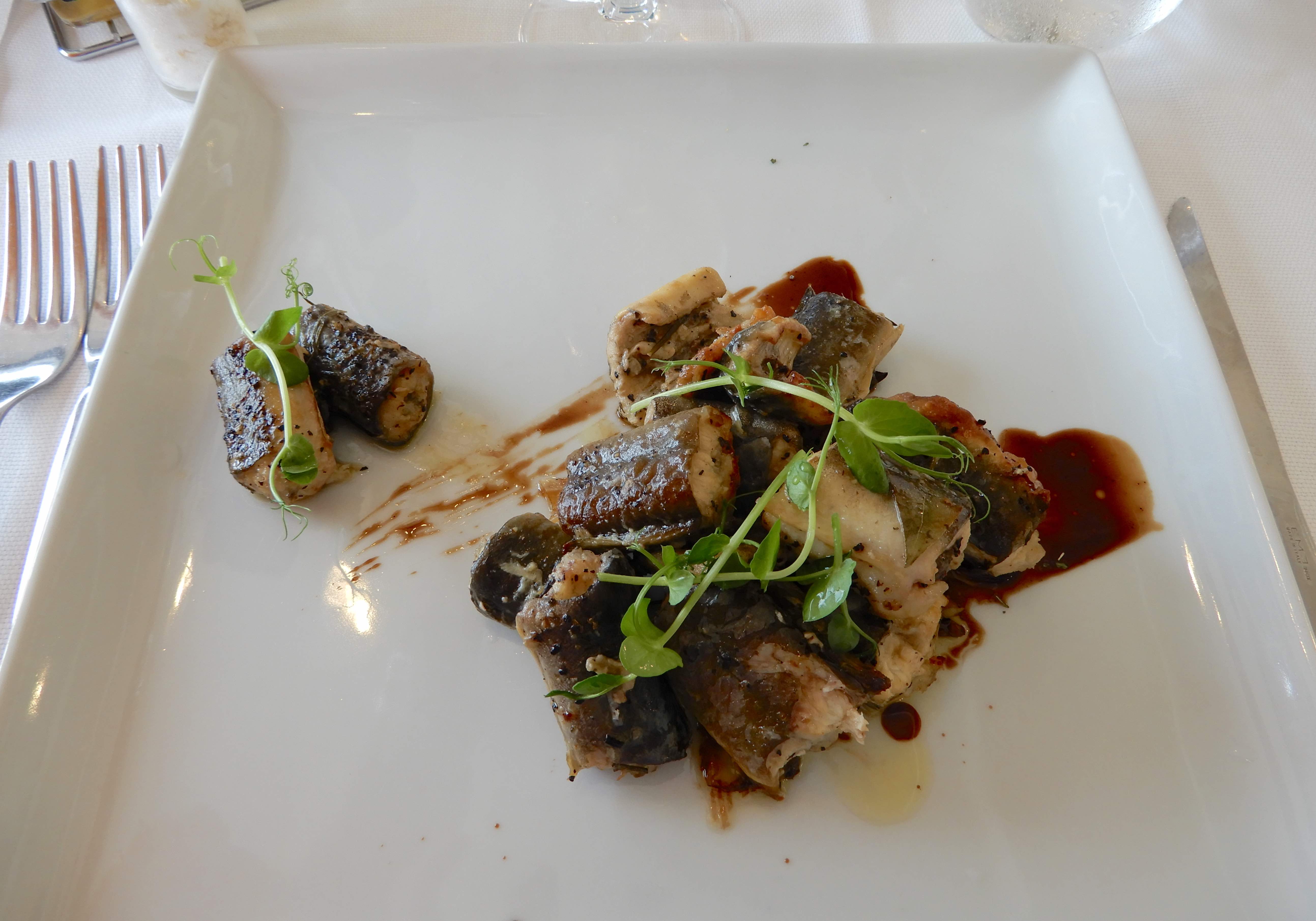
The same can’t be said for the weather but the inclement conditions didn’t detract from the peaceful surroundings as we ambled back to the car.

I would like to think we will return again to Bolsena and Trattoria del Moro.

The Hotel Windsor

Our wonderful trip to Victoria was coming to an end and one of the things we had planned for our last day was Afternoon Tea at The Hotel Windsor. Established in 1883, this magnificent building was then known as The Grand Hotel and soon became recognised as the most stylish and luxurious accommodation in Melbourne.

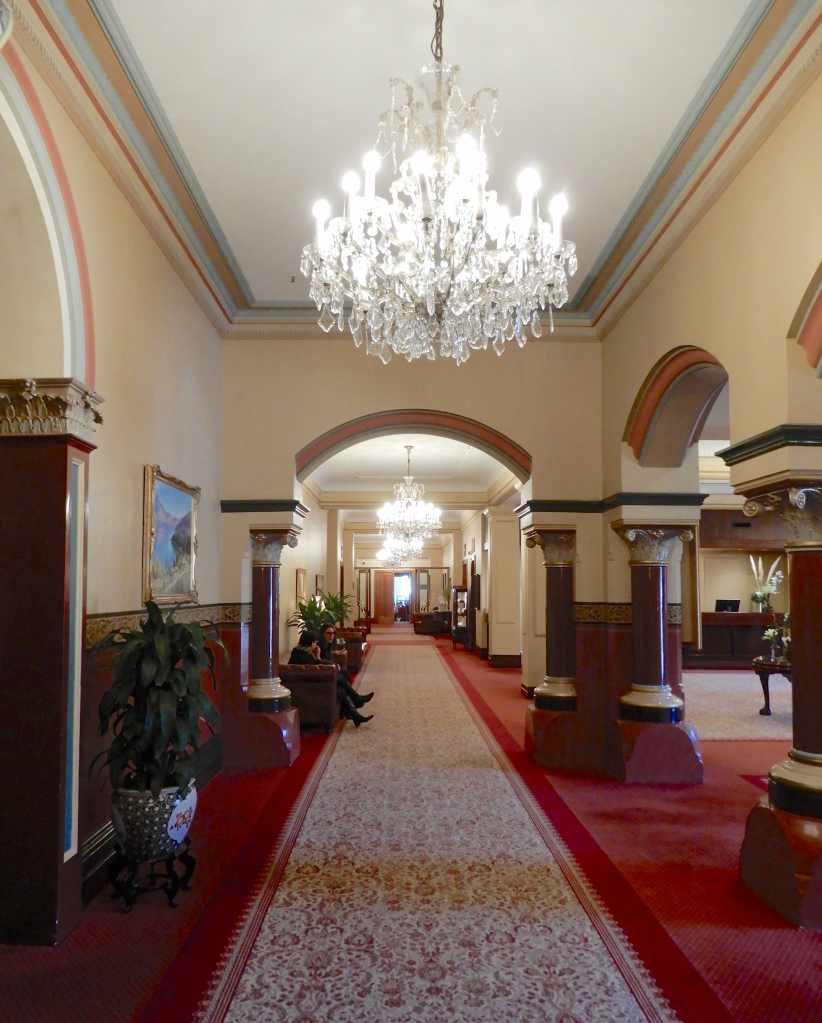
The property changed hands in 1886 and soon after, under the influence of the temperance movement’s teetotal ideals at the time, became The Grand Coffee Palace. Apparently, serving coffee isn’t quite as profitable as serving alcohol and ten years later, the liquor license was reinstated and The Grand Hotel was reborn. The name was changed to The Windsor following a luncheon attended by The Prince of Wales in 1923. Expansions, renovations and changes of ownership have ensued over the years and, under threat of demolition in 1976, the Victorian Government bought the hotel. As we stepped into the foyer, we were instantly transported to a time of elegance and etiquette.

The arched entrance to The Grand Ballroom features etched glass panes and cut ruby glass

and the cantilevered Grand Staircase, built of Stawell stone, rises 75 feet above the lobby.

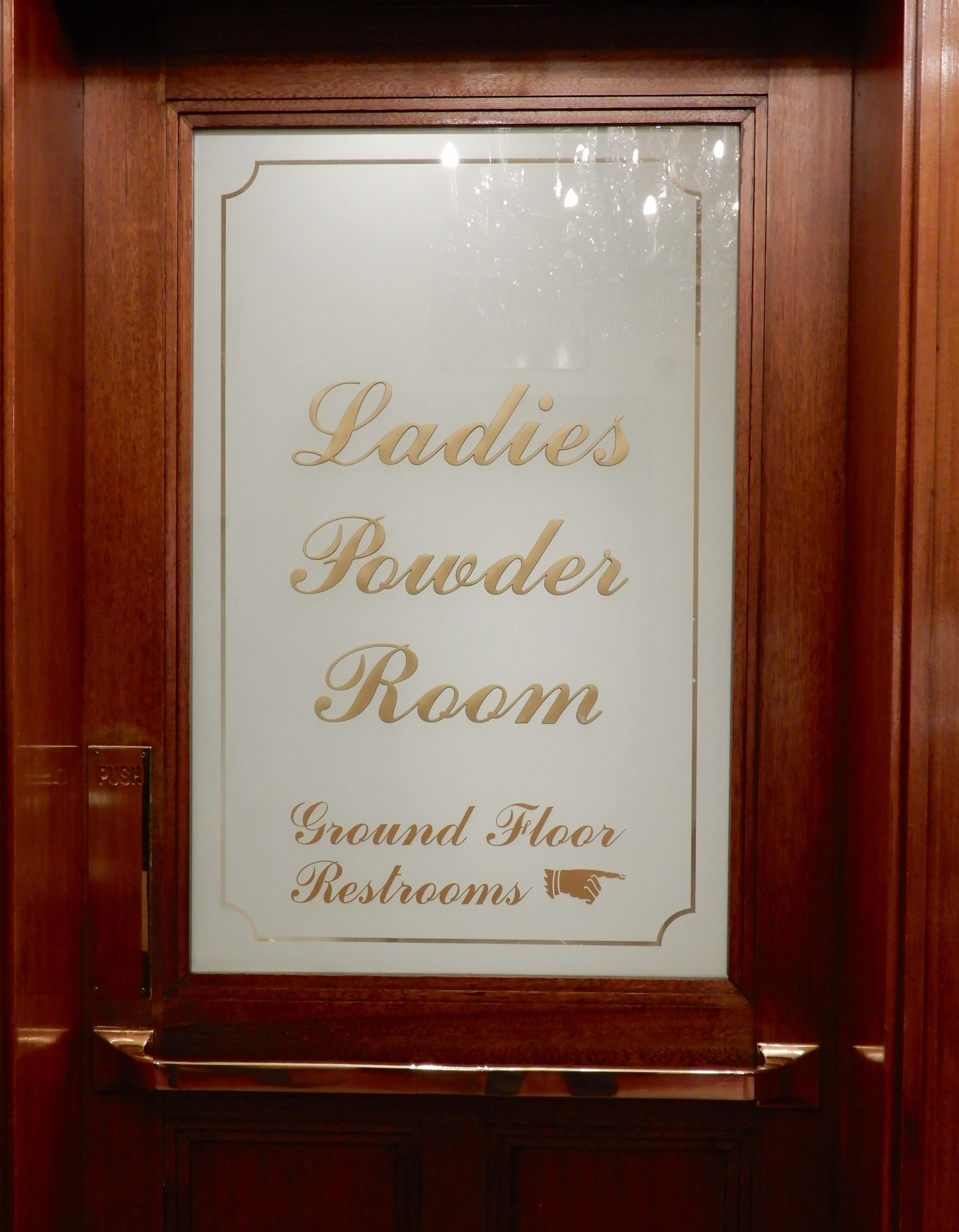
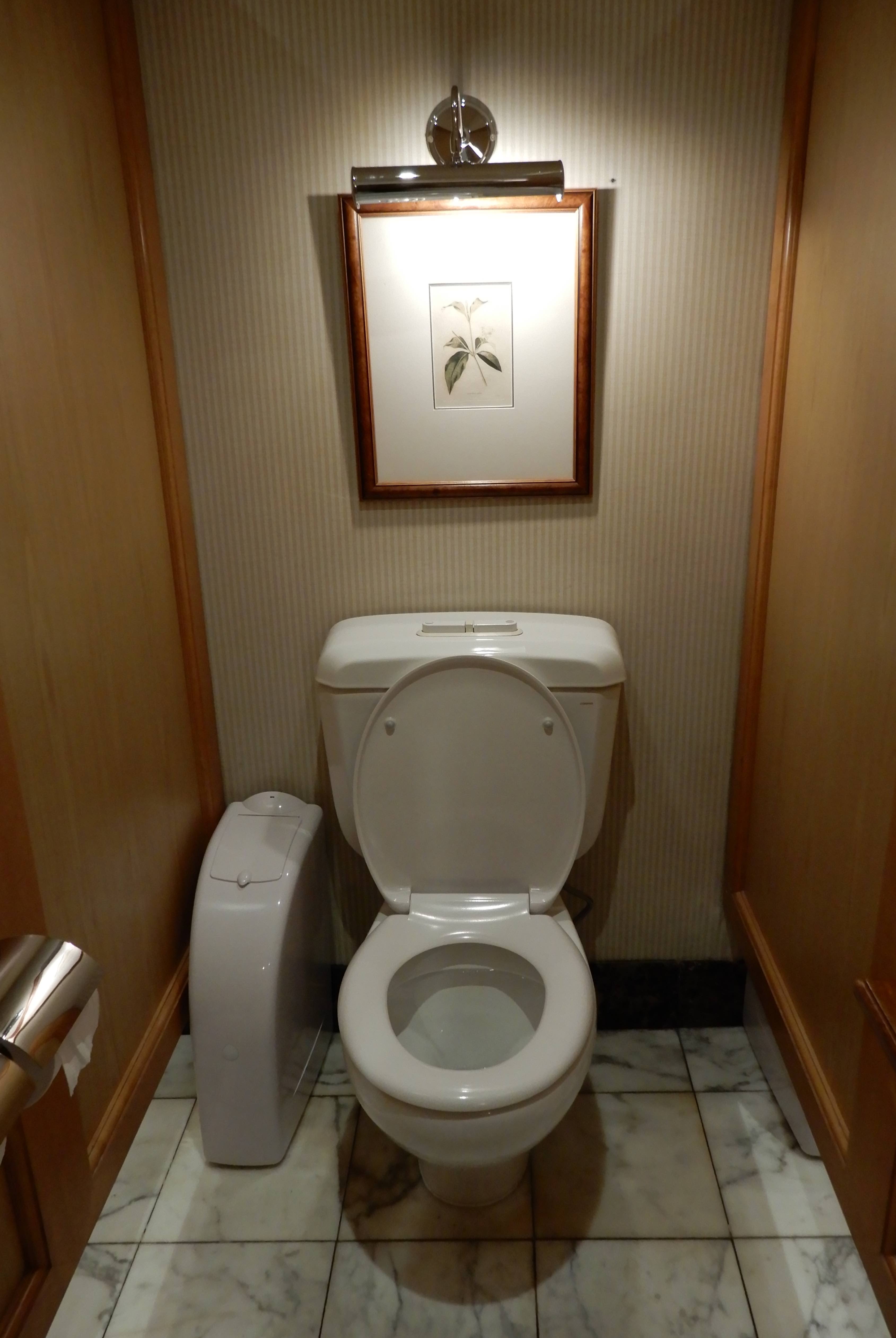
Even the Ladies Powder Room has an air of grandeur.

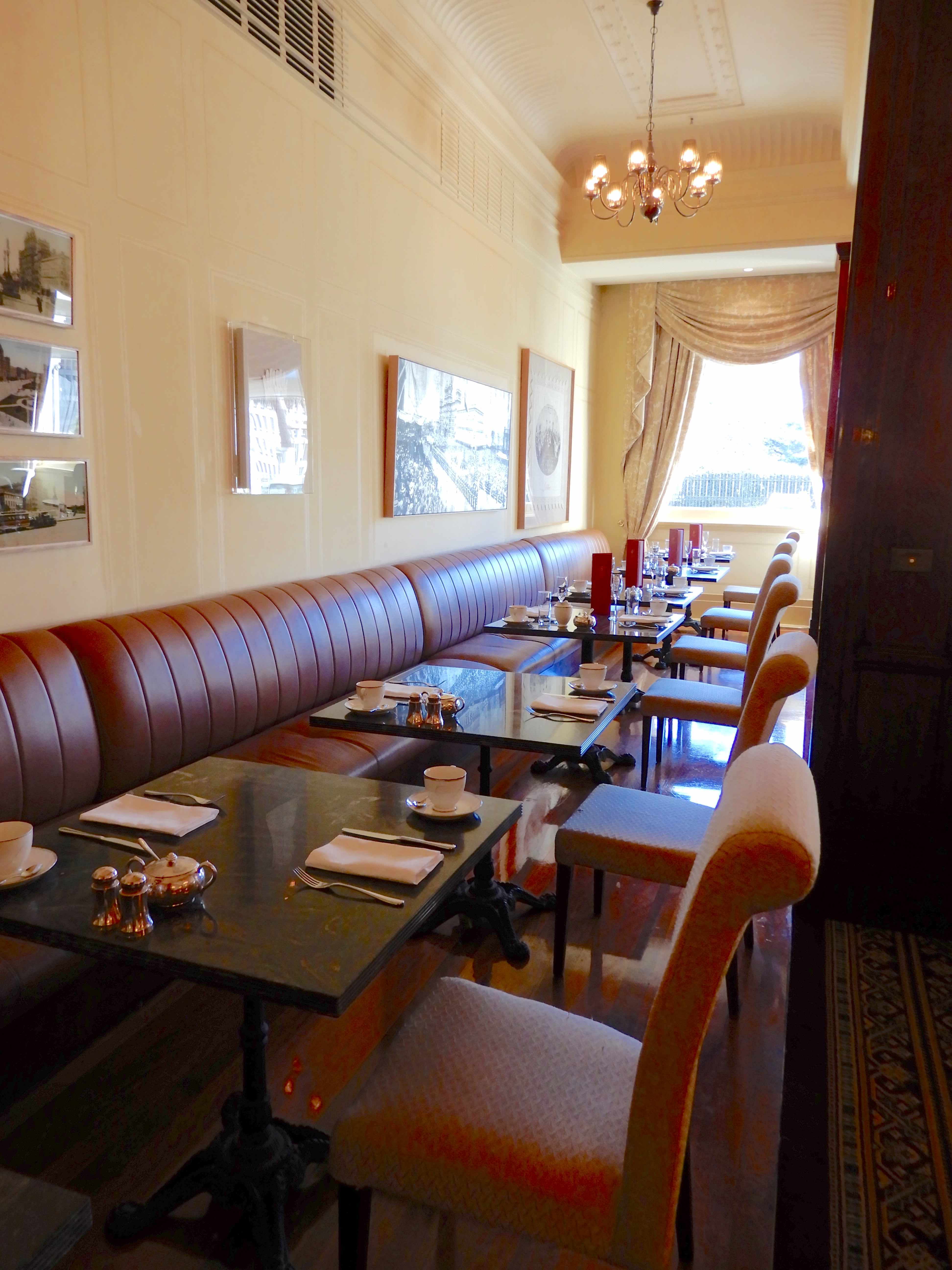
The sumptuous One Eleven lounge is the setting for The Windsor’s Afternoon Tea, a Melbourne institution served since 1883.

The custom of afternoon tea is said to have originated around the time gas lighting was introduced in the 1800s in Britain. This meant people could stay up later and eat their evening meal later, leaving a longer gap without food. One of Queen Victoria’s ladies-in-waiting is credited with the innovation when, in 1840, she began inviting friends to join her for afternoon beverages and delicious snacks. By 1880, the trend had spread to the homes of the upper classes and tea shops appeared across the country. After years of believing this to be called ‘High Tea’, I have discovered this is not the case. ‘High Tea’ was a substantial meal eaten at a high table by the working classes at the end of the day, around 5pm. What we were about to experience is known as ‘Low Tea’ in reference to the low drawing room tables the tea and delicacies were served from in upper class homes. By that definition, ours was probably ‘Middle Tea’. Greeted with a flute of sparkling wine, it wasn’t long before a three-tiered cake stand laden with mouthwatering morsels arrived.

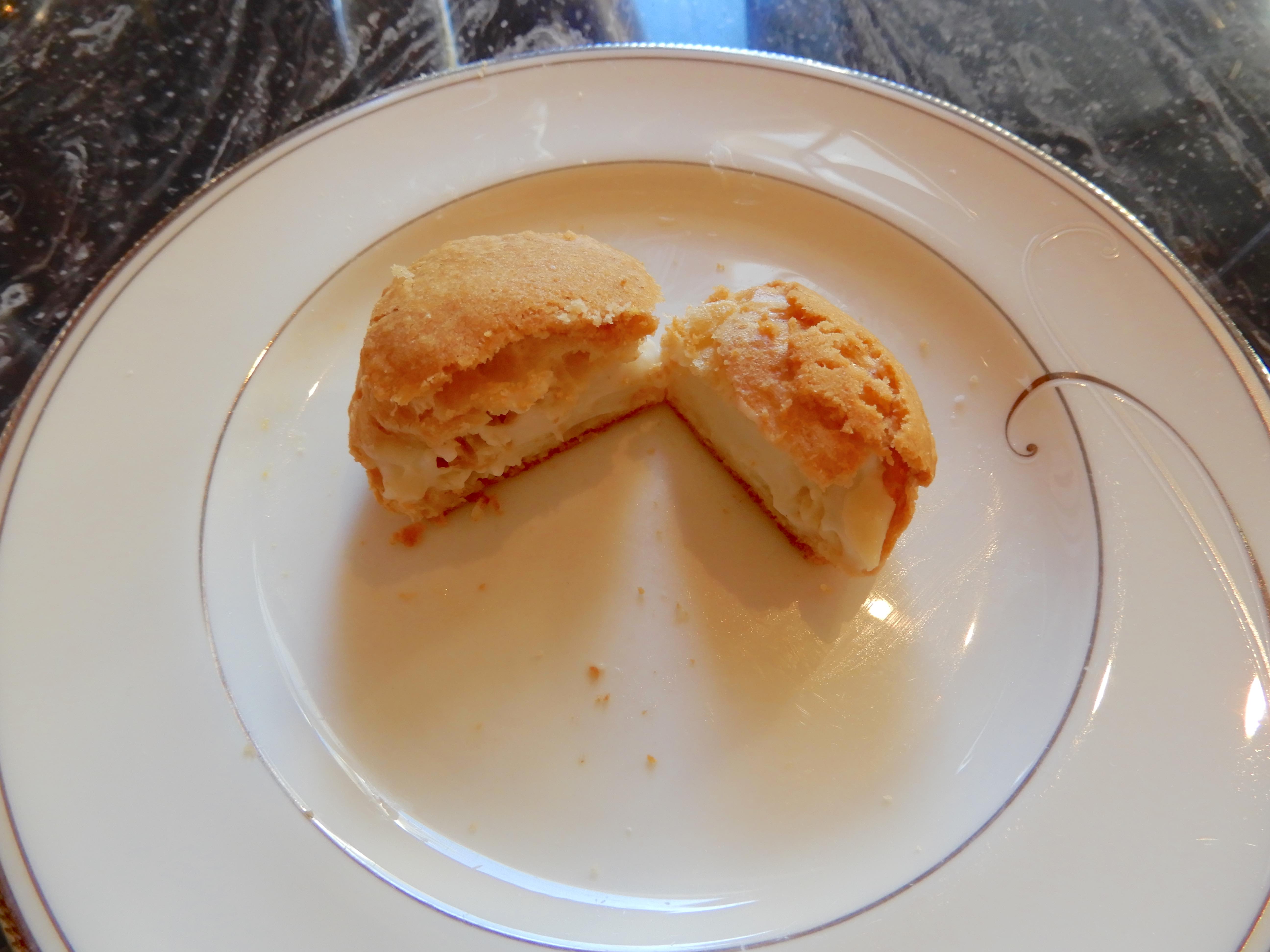
The menu changes seasonally, our winter warm savoury appetisers were roasted Jerusalem artichoke tart with ricotta, thyme & fine herbs and parmesan crusted gougere with a delicious Gruyere filling.

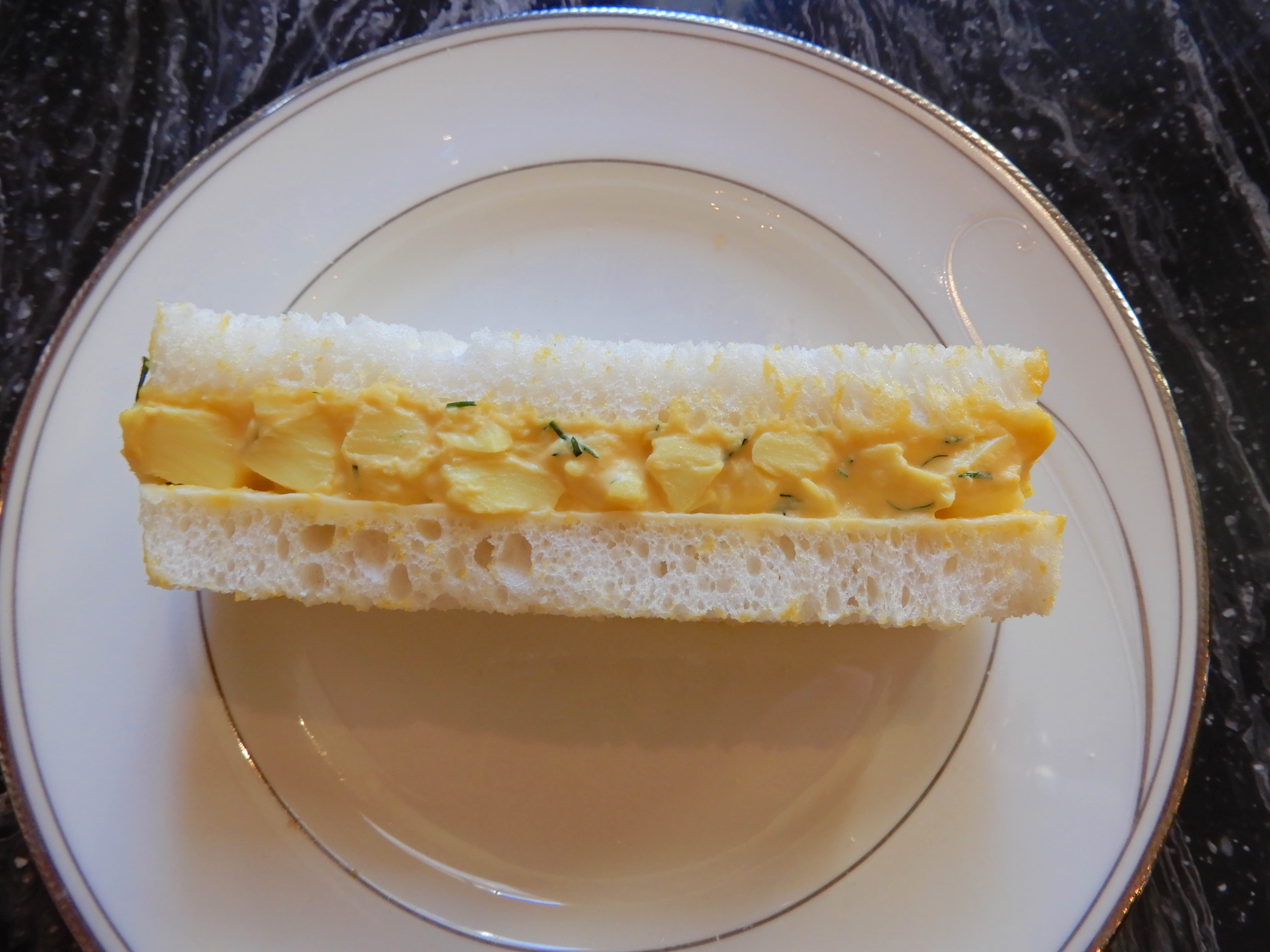
There were three varieties of melt-in-your-mouth ribbon sandwiches; free range egg with saffron aioli & mustard,smoked chicken Waldorf salad with Victorian walnuts and cucumber with peperonata & Yarra Valley fetta.

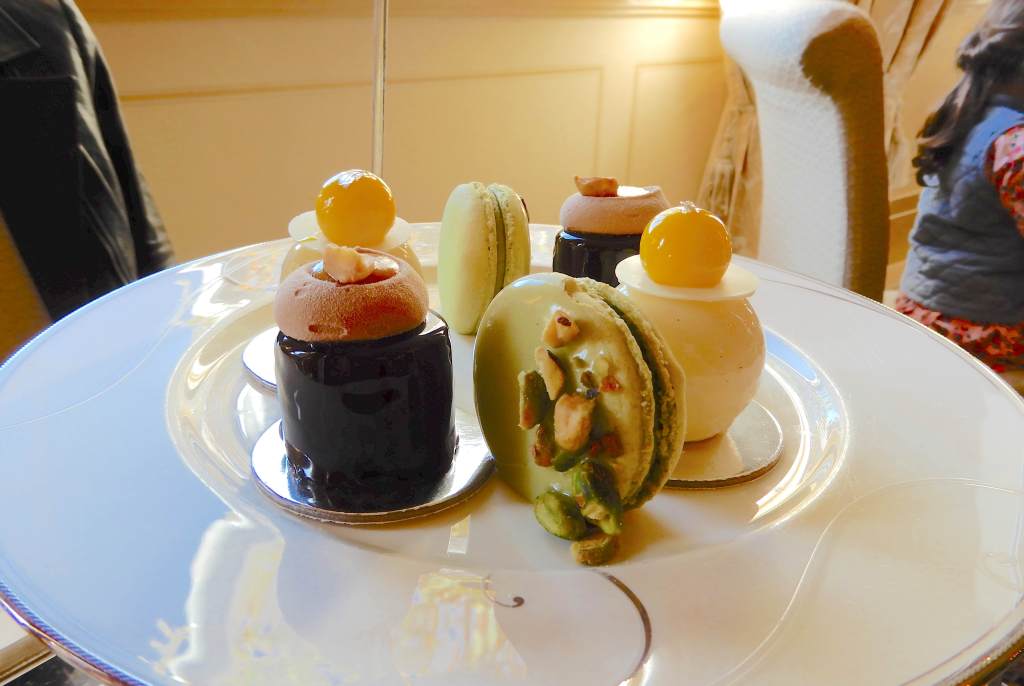
The patisserie presentation was exquisite, we couldn’t decide which to devour first; the pistachio macaron with roasted pistachio & Sicilian pistachio ganache, the vanilla and yuzu religieuse with vanilla bean mousse, yuzu sauce, cremeux & almond sponge or the longchamp with milk chocolate mousse & crispy hazelnut praline.

On arrival, we were asked to choose from a selection of eleven teas which were now served in individual silver teapots with an accompanying pot of hot water for those of us who enjoy our brew on the weak side. Freshly baked traditional and raisin scones with housemade jam and double cream completed the indulgence.

The two hour session seems ample when booking but we could happily have lingered all afternoon.

Orvieto underground

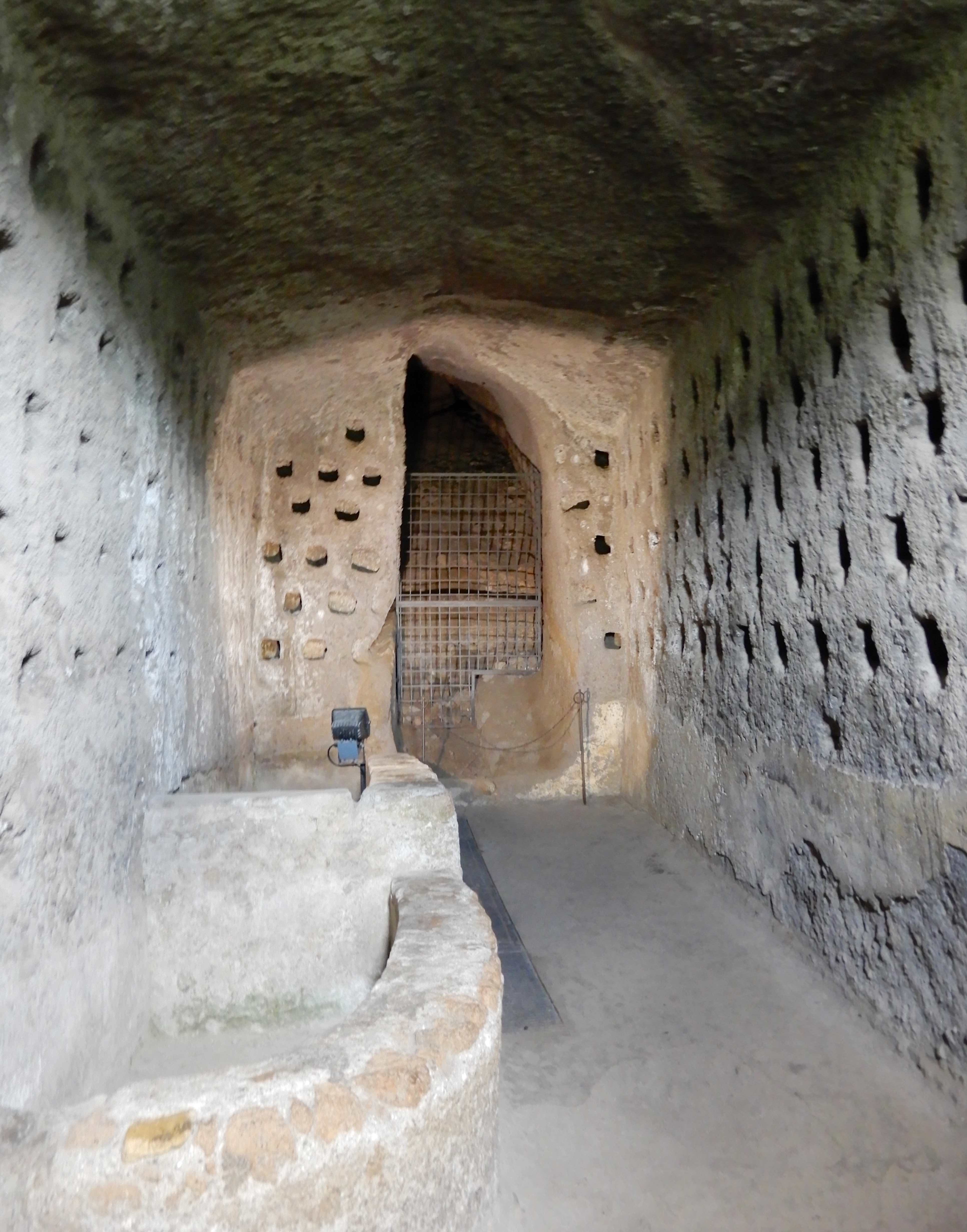
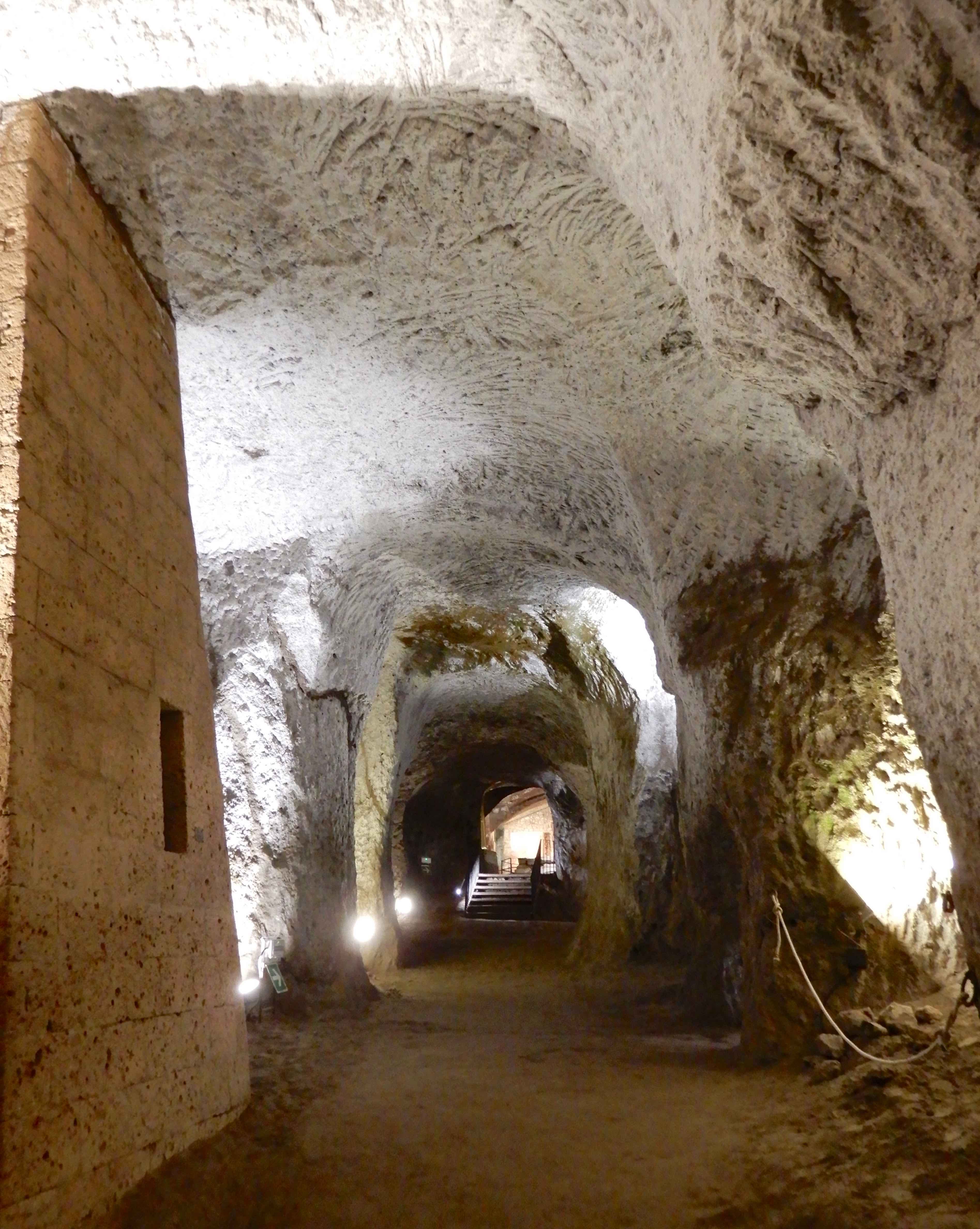
While in Orvieto, we signed up for the tour underground, a fascinating insight into the lives of the inhabitants thousands of years ago. At the end of the 1970s, a landslide opened up a large hole a few hundred metres from the duomo, tempting a number of speleologists (a new word I have learnt meaning someone who studies caves) to investigate. They found an incredible underground world, dug by hand out of the tufa beneath the town, that had been forgotten. The beautiful Umbrian countryside accompanied us as we made our way to the entrance of the caves.

1.Orvieto

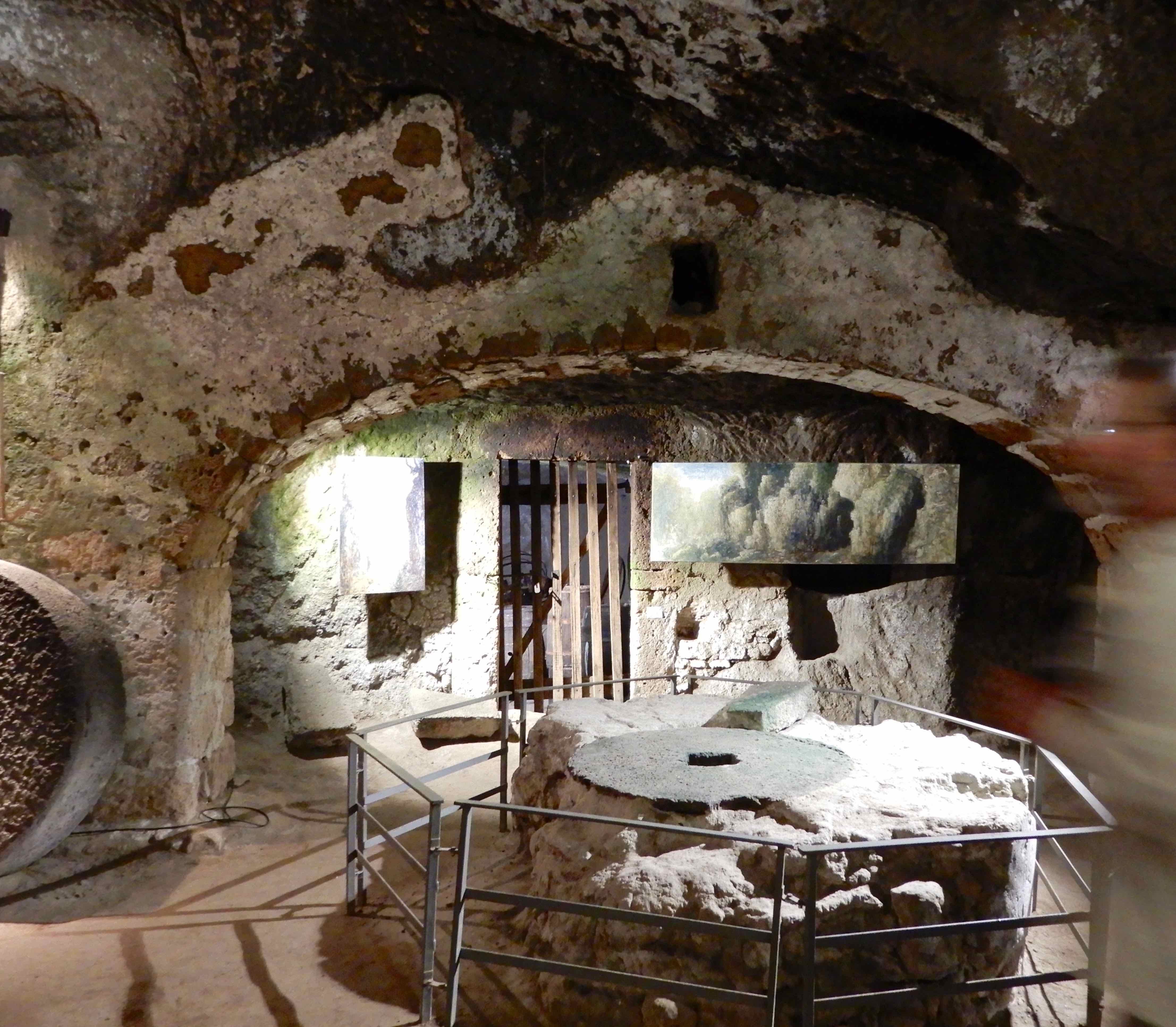
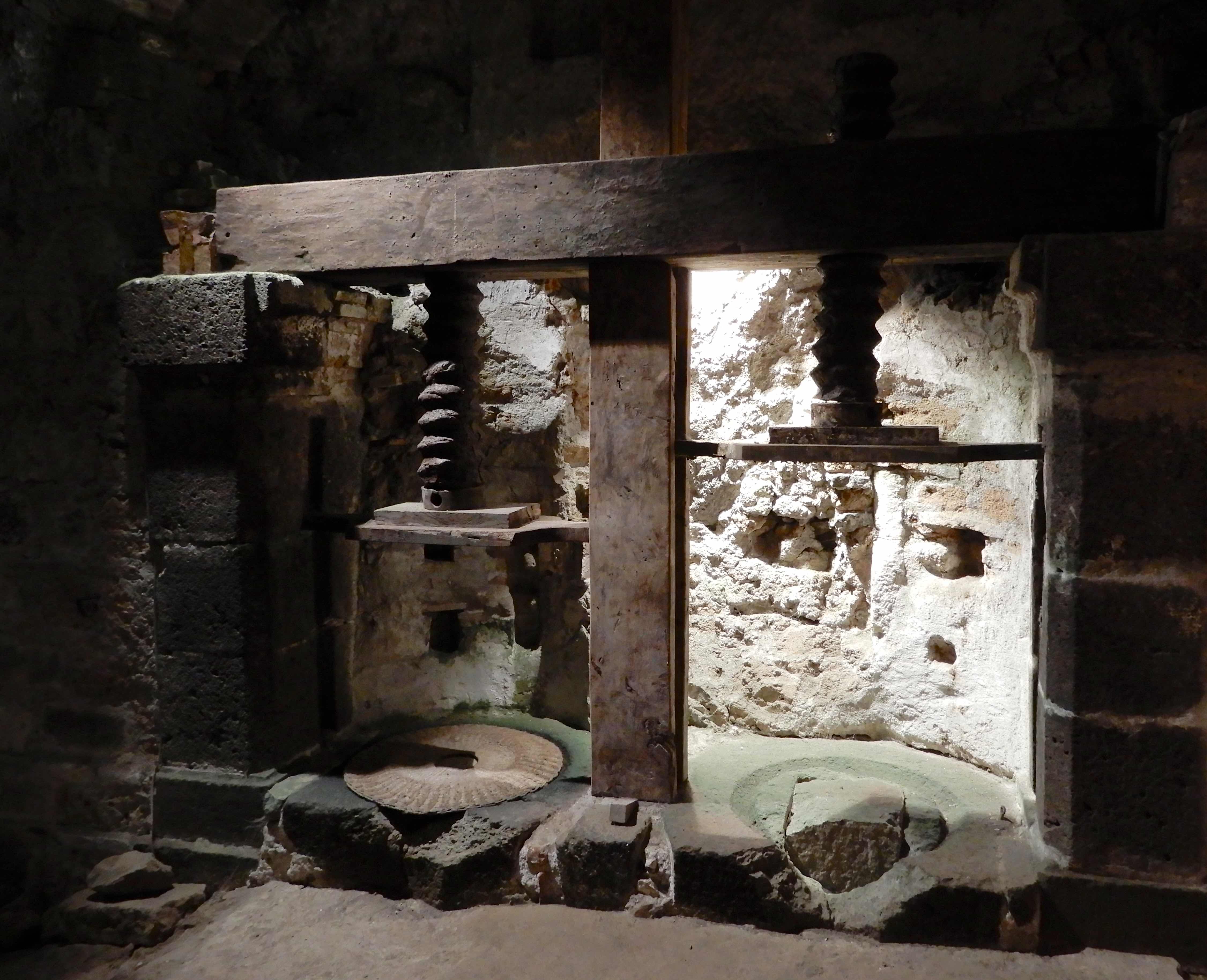
We found ourselves at the centre of medieval olive oil production, complete with millstones, a press, furnace and mangers for the animals working the grindstones.

2.grinding stone

3.olive press

Intriguing tunnels led in all directions, beckoning us to investigate further.

The Etruscans created cisterns for holding rainwater and very deep narrow wells in search of underground springs. There are small notches on the two longest sides called pedarole, footholds to enable someone to climb down and out again.

10.well

The tour continued, revealing more grottoes that had a variety of uses such as wine storage and pottery kilns, over twelve hundred have been discovered.

11.caves

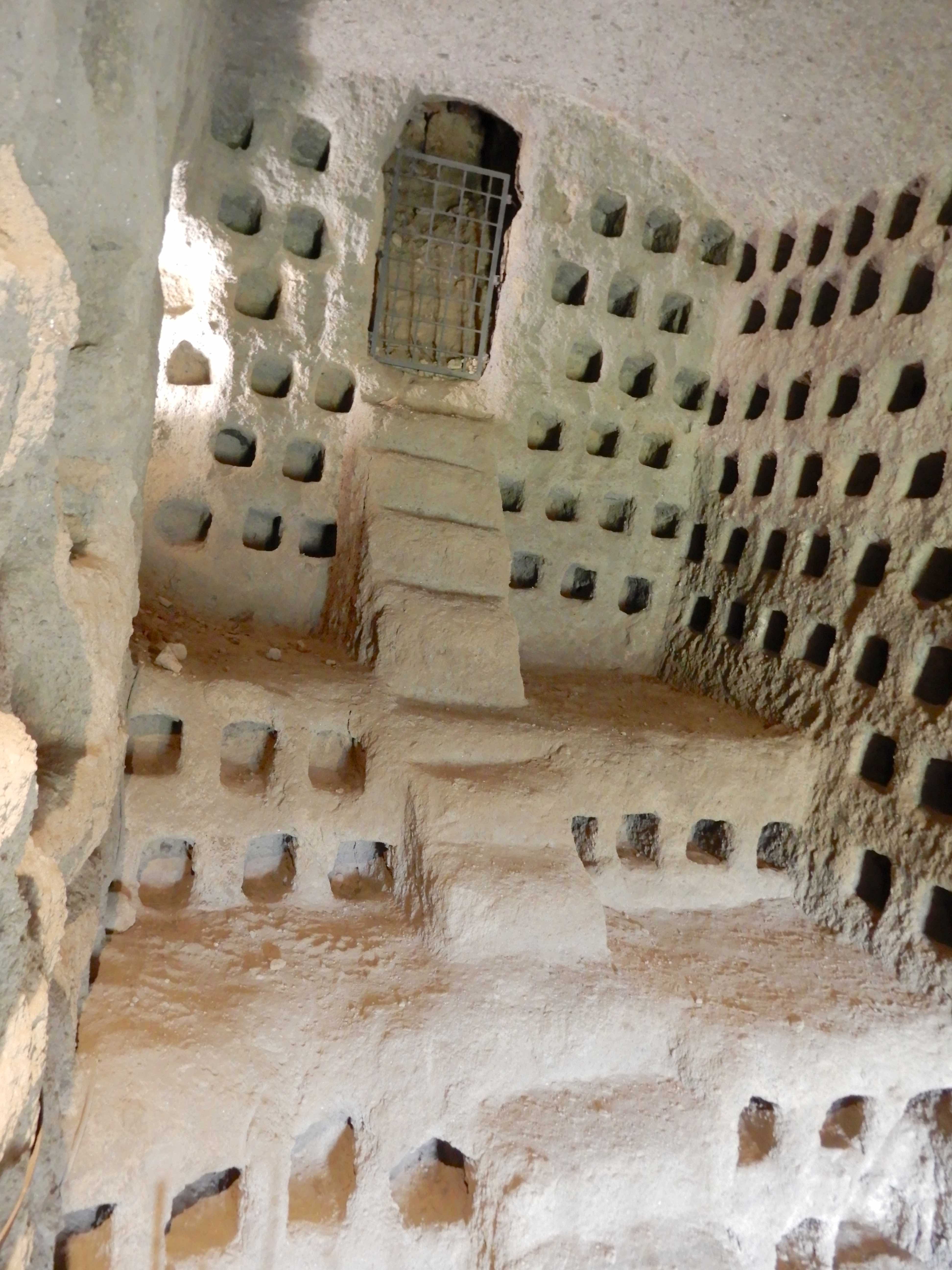
The walls of some were covered in small cubic niches created to breed pigeons, now a classic dish of the local cuisine.

12.columbarium

16.columbarium

There are narrow tunnels at the back of the walls, just big enough for a person to pass on all fours. Unfortunately, their destinations remain unknown, the mystery secured by centuries of landslides.

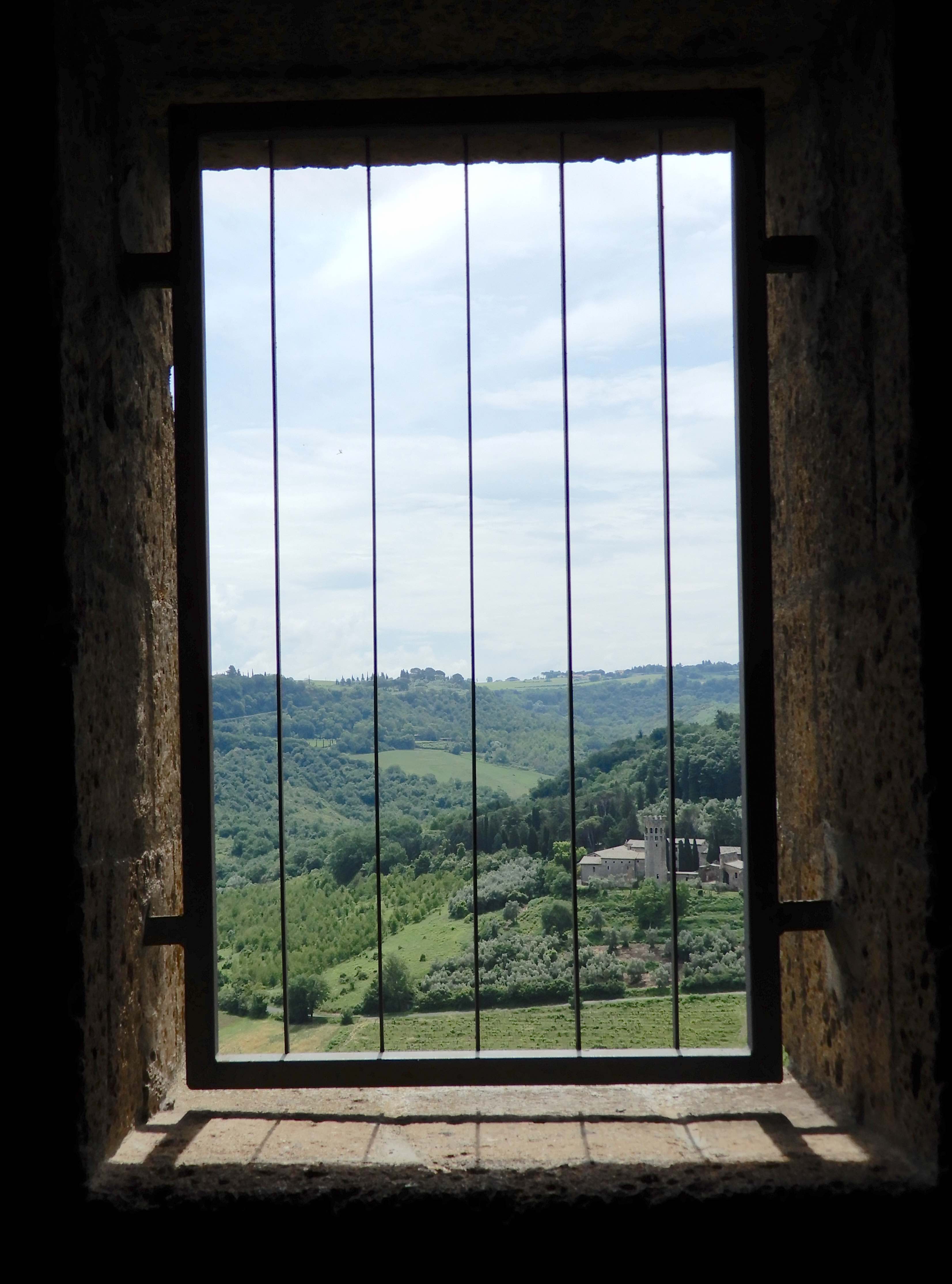
Every so often, light streamed in from openings in the cliff and we were treated to another glimpse of the spectacular vista.

19.view

There seemed to be an endless labyrinth of tunnels, stairs and passageways intersecting in all directions.

25.tunnels

Thank goodness we had a guide, we may never have made it back.

26.view

Grotte di Castro

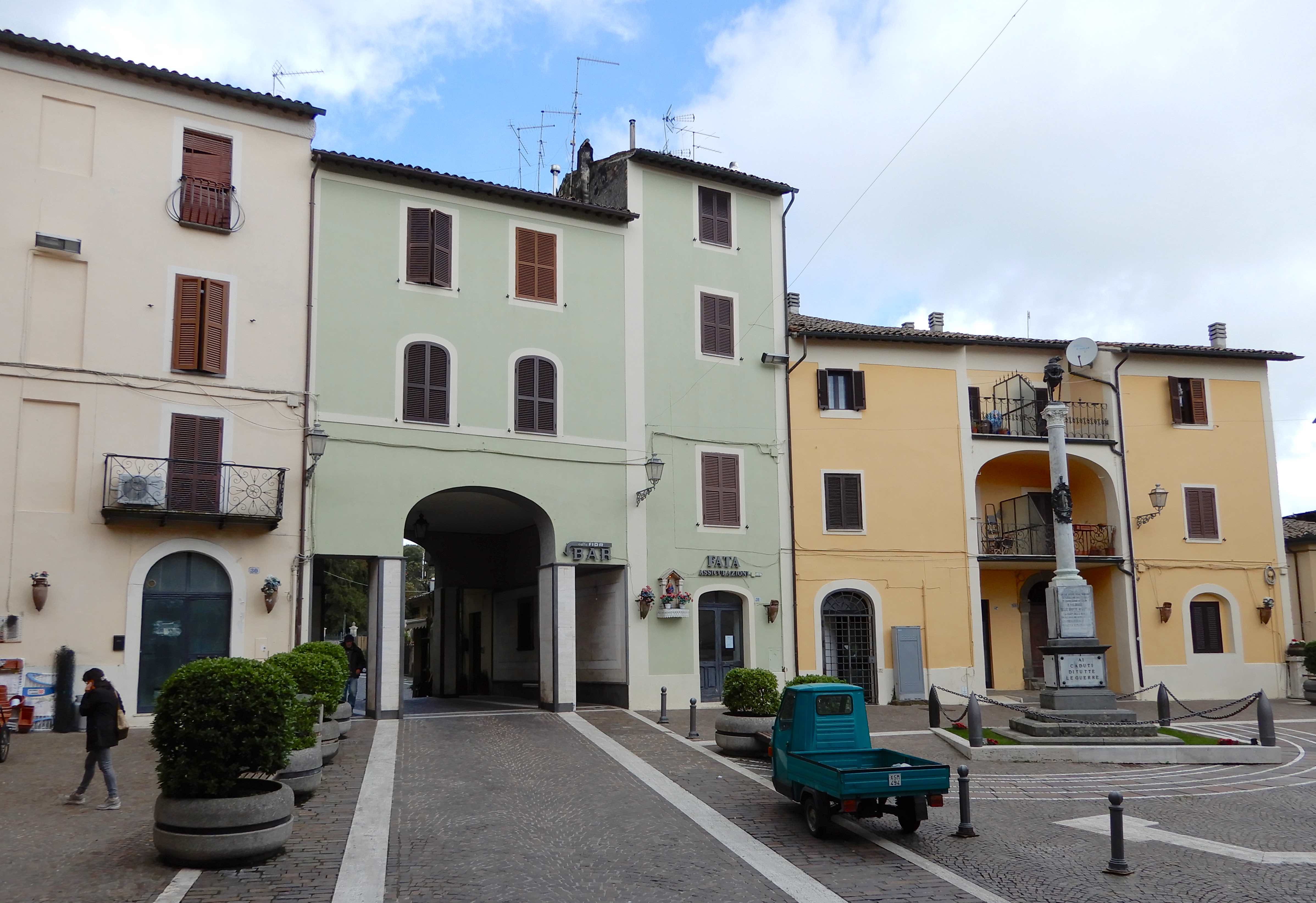
On our way to Bolsena for a lakeside lunch, we stopped to explore the town of Grotte di Castro. The Etruscans lived here quite happily, even after the Romans conquered in the 3rd century BC. That all changed when the Lombards invaded in the 8th century and the inhabitants, deprived of all their possessions, were forced to live in the many caves around the cliffs. Fast forward to 1537 when the town was bought by the Farnese family and became part of the Duchy of Castro. Hence the name, meaning Caves of Castro. We parked on the outskirts and wandered along Via Vittorio Veneto
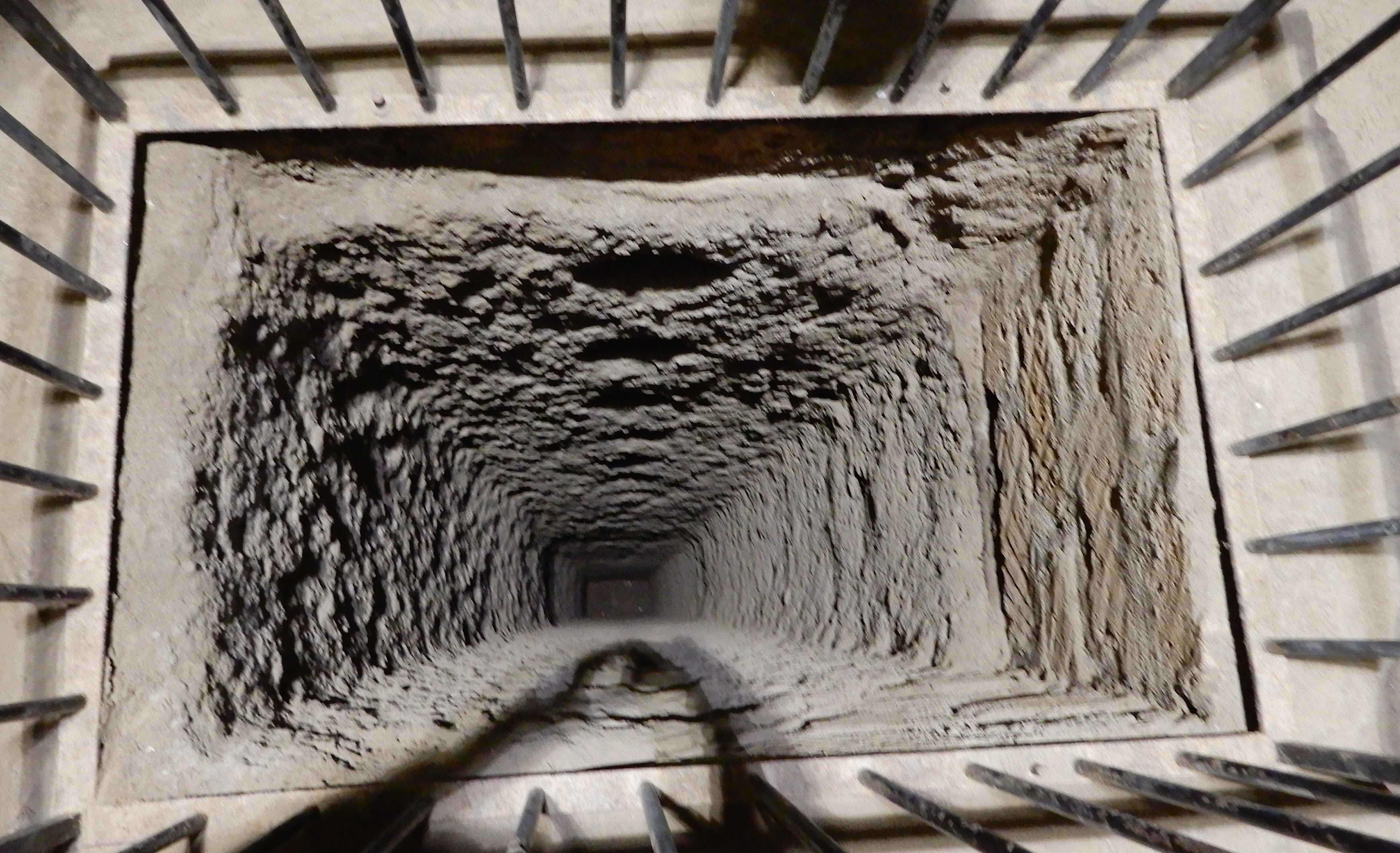
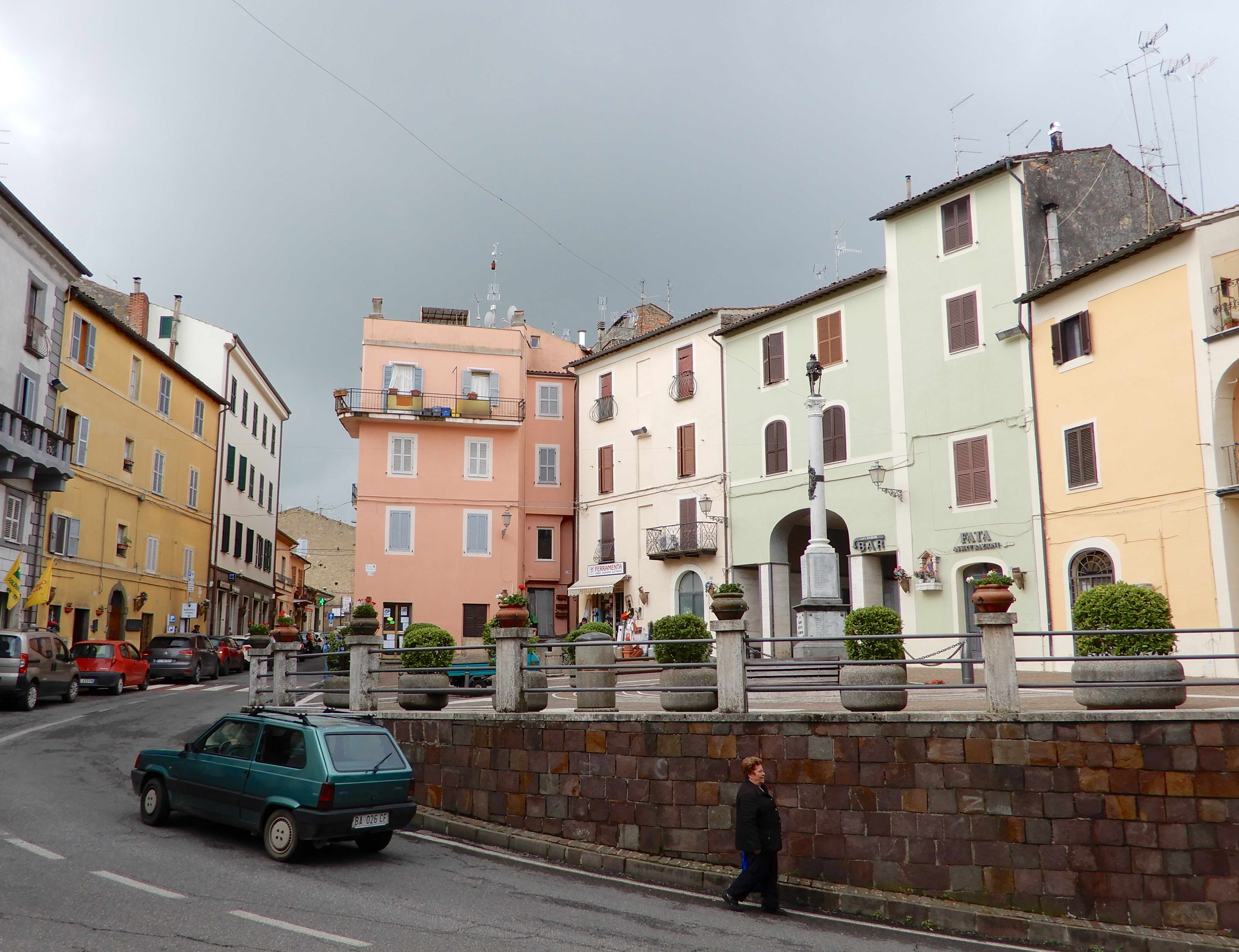
to the main square, Piazza Cavour. The colourful buildings added some brightness to the overcast day and the war memorial stands proudly as a centrepiece.

5.Piazza Cavour6.Piazza Cavour

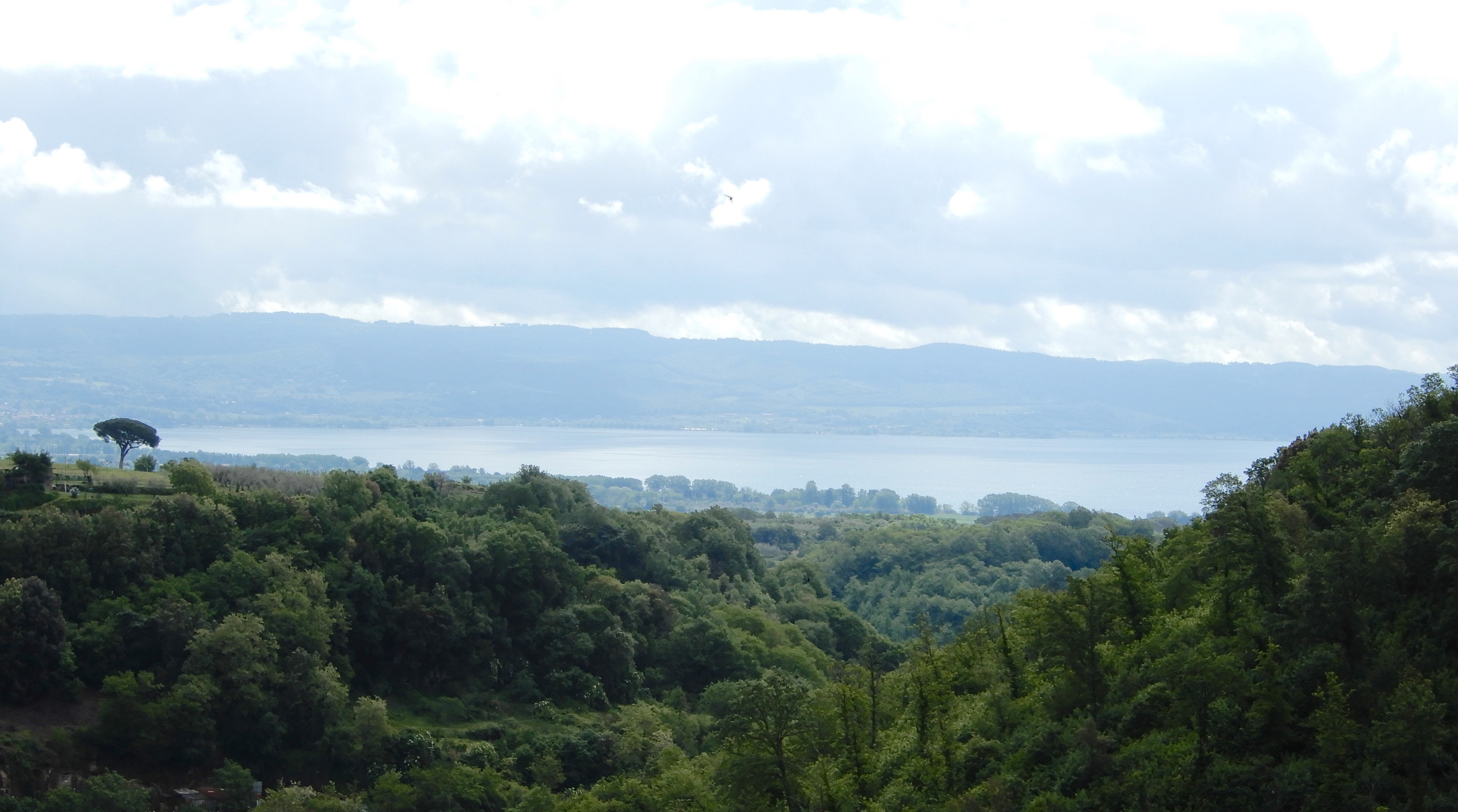
We caught glimpses of Lake Bolsena between the houses,

10.Lake Bolsena

some of which must have magnificent views.

11.Grotte di Castro12.Grotte di Castro13.Grotte di Castro

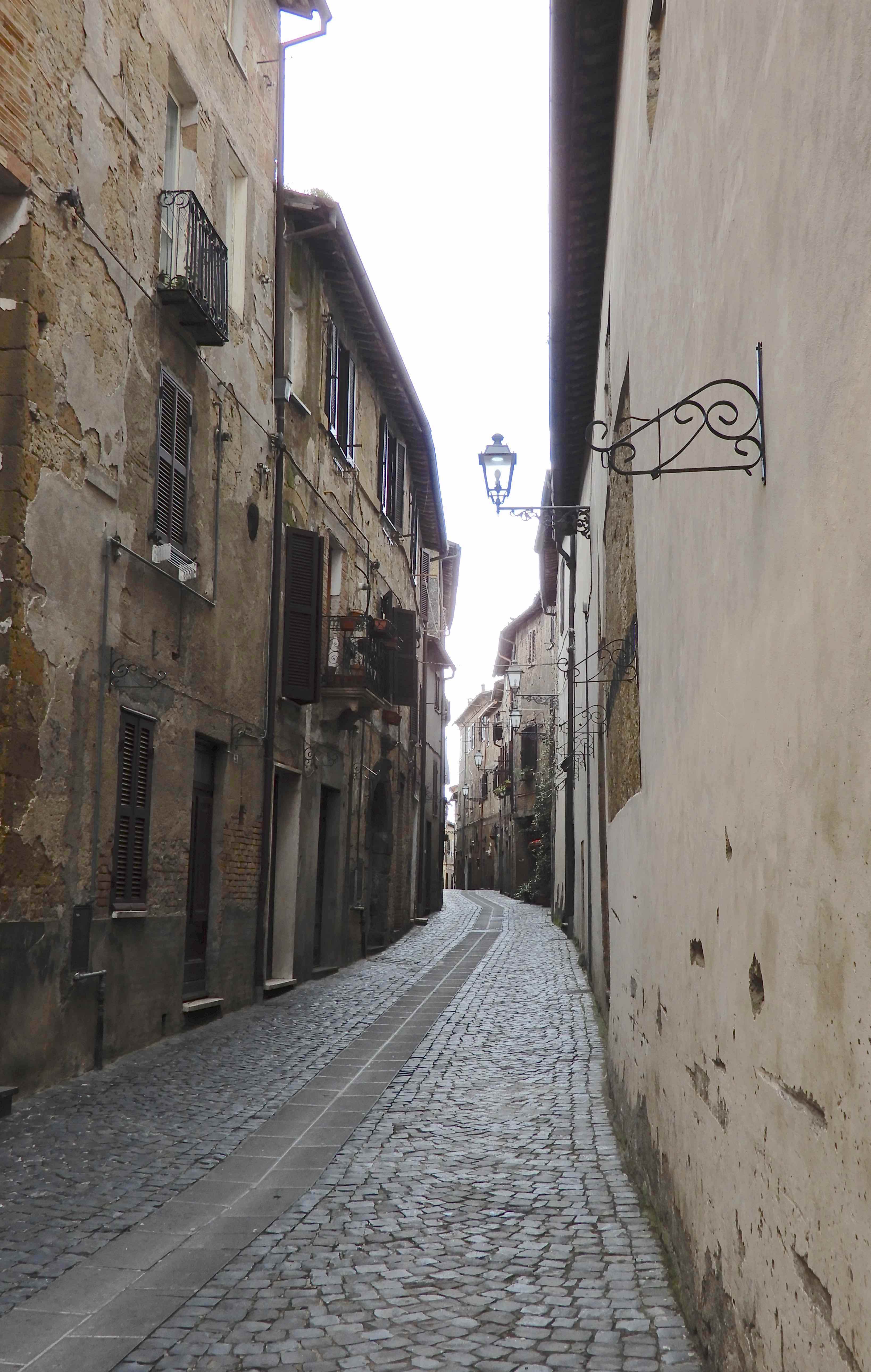
This is the best way to traverse the narrow, cobbled streets.

We continued on foot through the older part of town

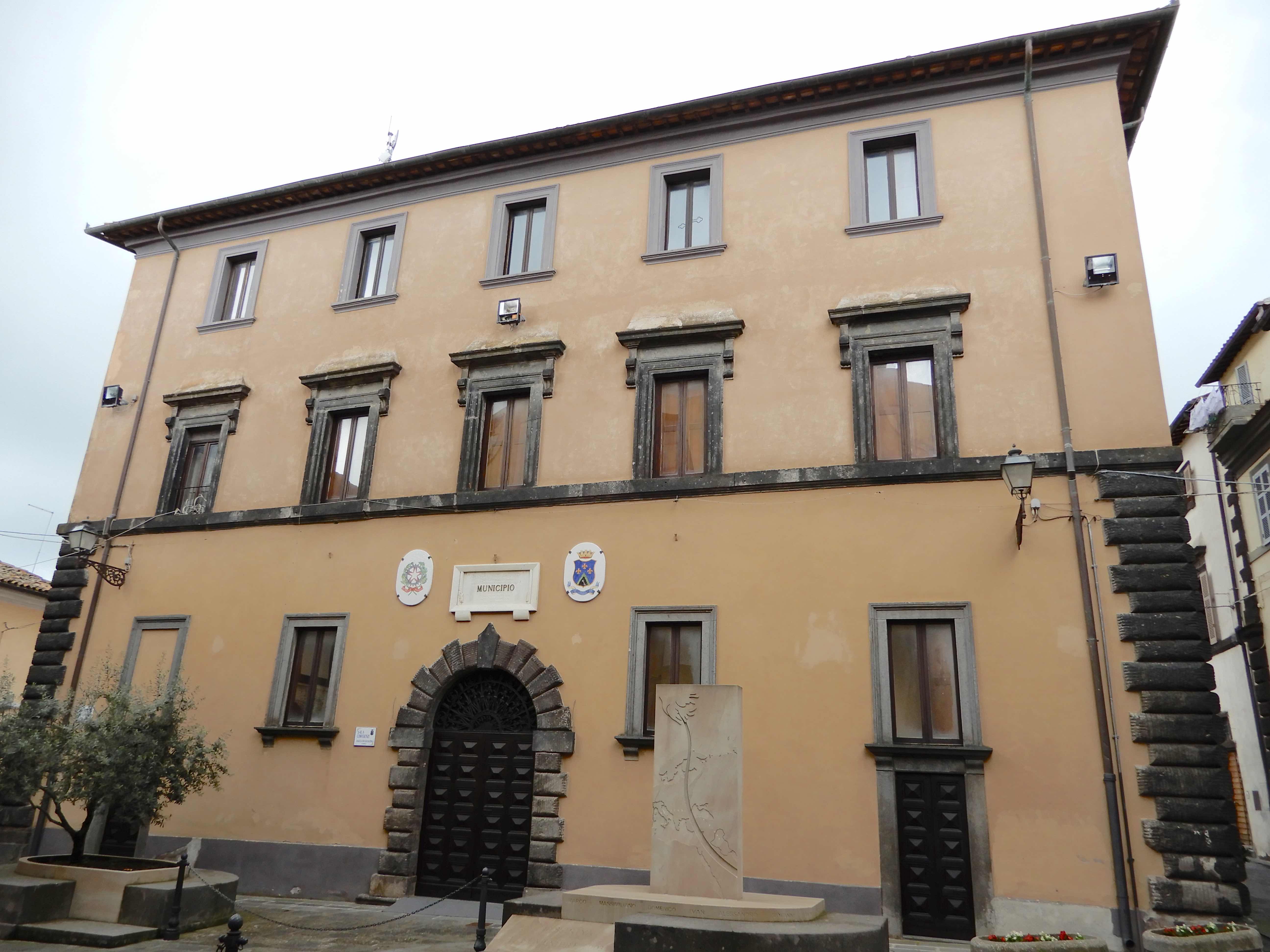
20.Town Hall

21.Grotte di Castro

before returning to the car for the short drive to Bolsena.

22.Grotte di Castro

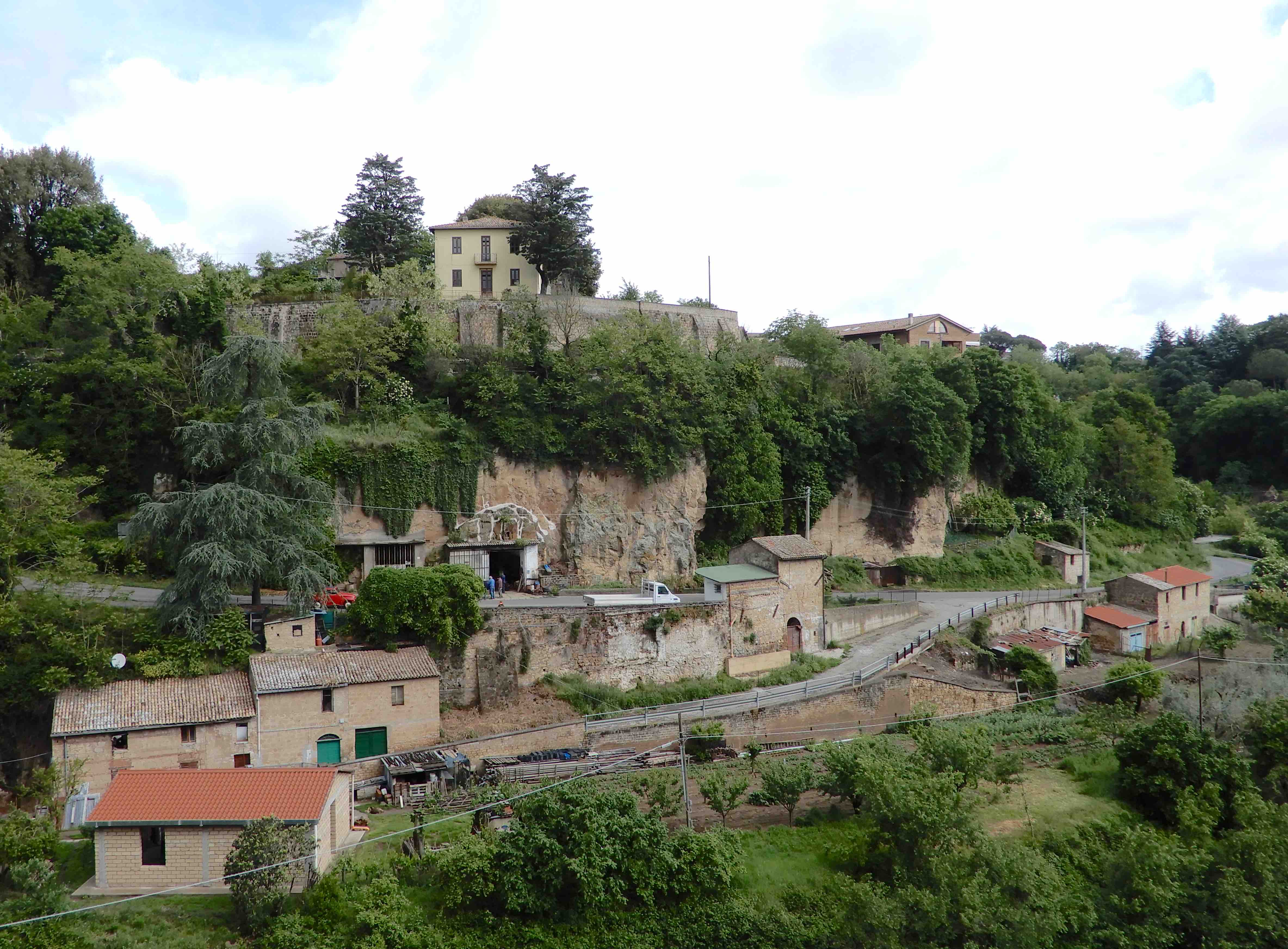
The vision of Grotte di Castro from the road as we left was stunning

23.Grotte di Castro24.Grotte di Castro25.Grotte di Castro26.Grotte di Castro27.Grotte di Castro

along with another enticing scene of Lake Bolsena.

28.Lake Bolsena

Liquid Light

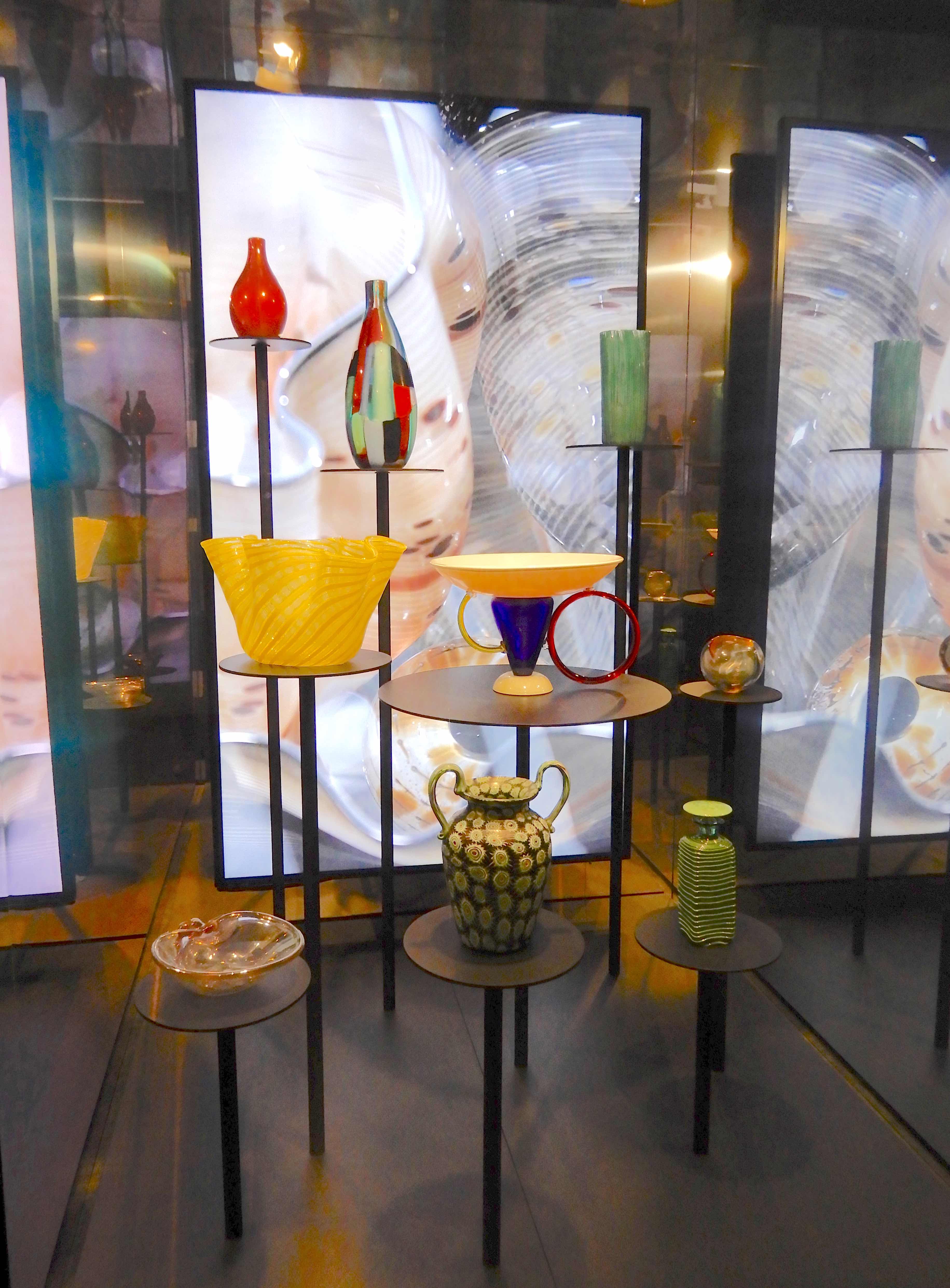
While in Melbourne last year, we were fortunate to see the Liquid Light: 500 years of Venetian Glass exhibition at the NGV. The island of Murano in Venice has been home for hundreds of years to local artisans who have created the world famous Venetian glass. Evidence of glassmaking in Venice has been found as early as the 7th century but it wasn’t until the mid 15th century that Murano glassmaker Angelo Barovier produced a new glass formula, named cristallo, for its resemblance to rock crystal. The elaborate designs and vibrant colours have changed over the years but the exquisiteness is a constant.

1.installation

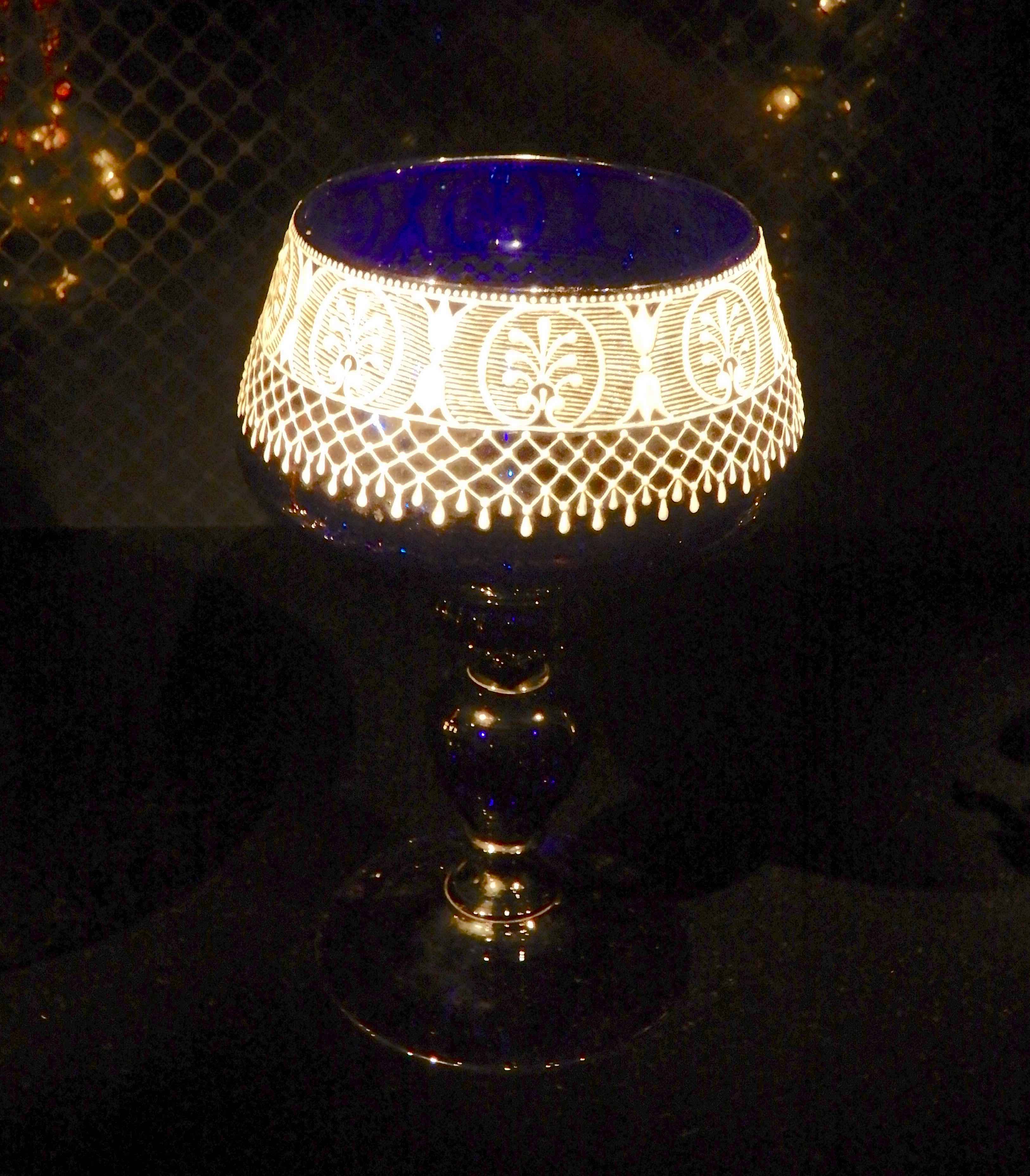
A new form of decoration called vetro a filigrana (filigree glass) emerged in the mid 16th century. Canes of white glass are embedded into the cristallo, the result is stunning.

4.wine glass & decanter 1880

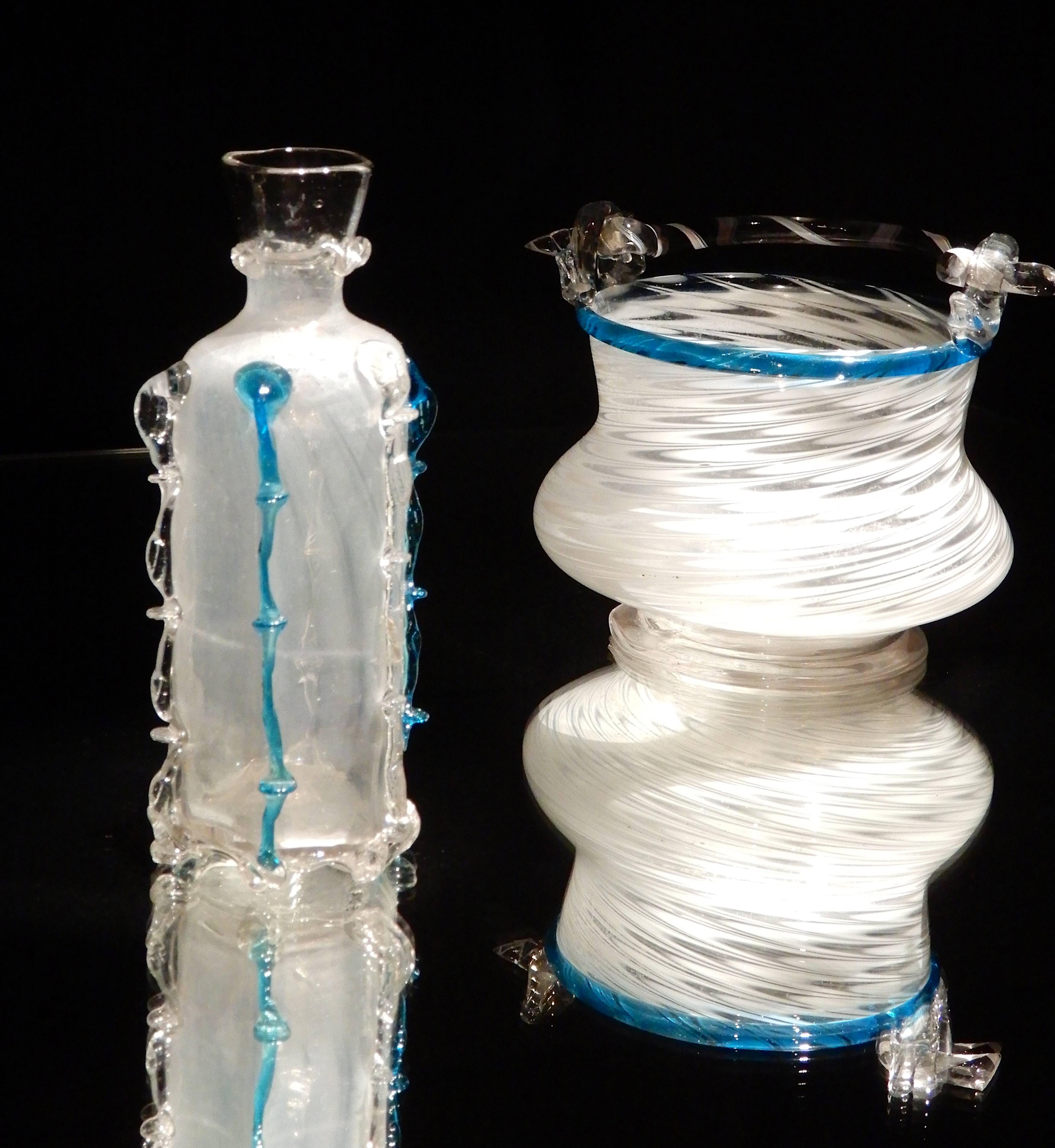
Another process that was developed around this time produced an opaque white glass, known as lattimo. It became popular in the 18th century when it was used to imitate porcelain.
5.bottle & bowl

The earlier wine glasses weren’t a lot different to those we use today,

8.goblet 1880

except for the goblets with the ornately embellished stems. I would be very nervous drinking my wine from one of these.

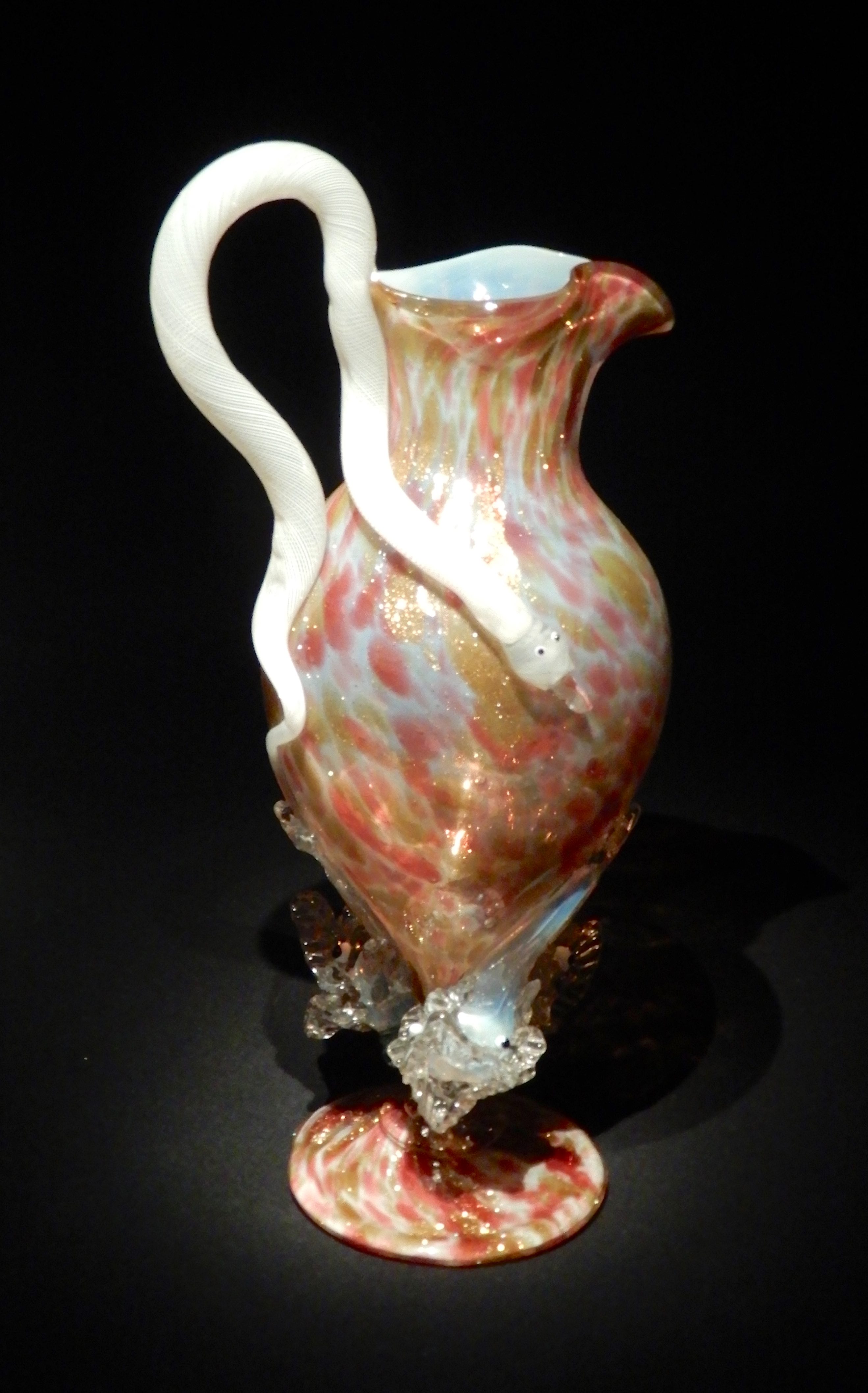
The Venetian glass industry suffered a decline in the 17th century in the wake of a financial crisis following the Italian plague of 1629-1631. A less expensive version of Venetian-style glass emerged and undercut the market for the authentic cristallo. Things went from bad to worse with the Napoleonic Wars and the industry all but collapsed by the mid 19th century. Fortunately, in 1866, The Venice and Murano Glass and Mosaic Company Ltd. was established and the glass making techniques of the 16th and 17th centuries were revived. It seemed that vases and jugs took on a simpler form

16.ewer 1880

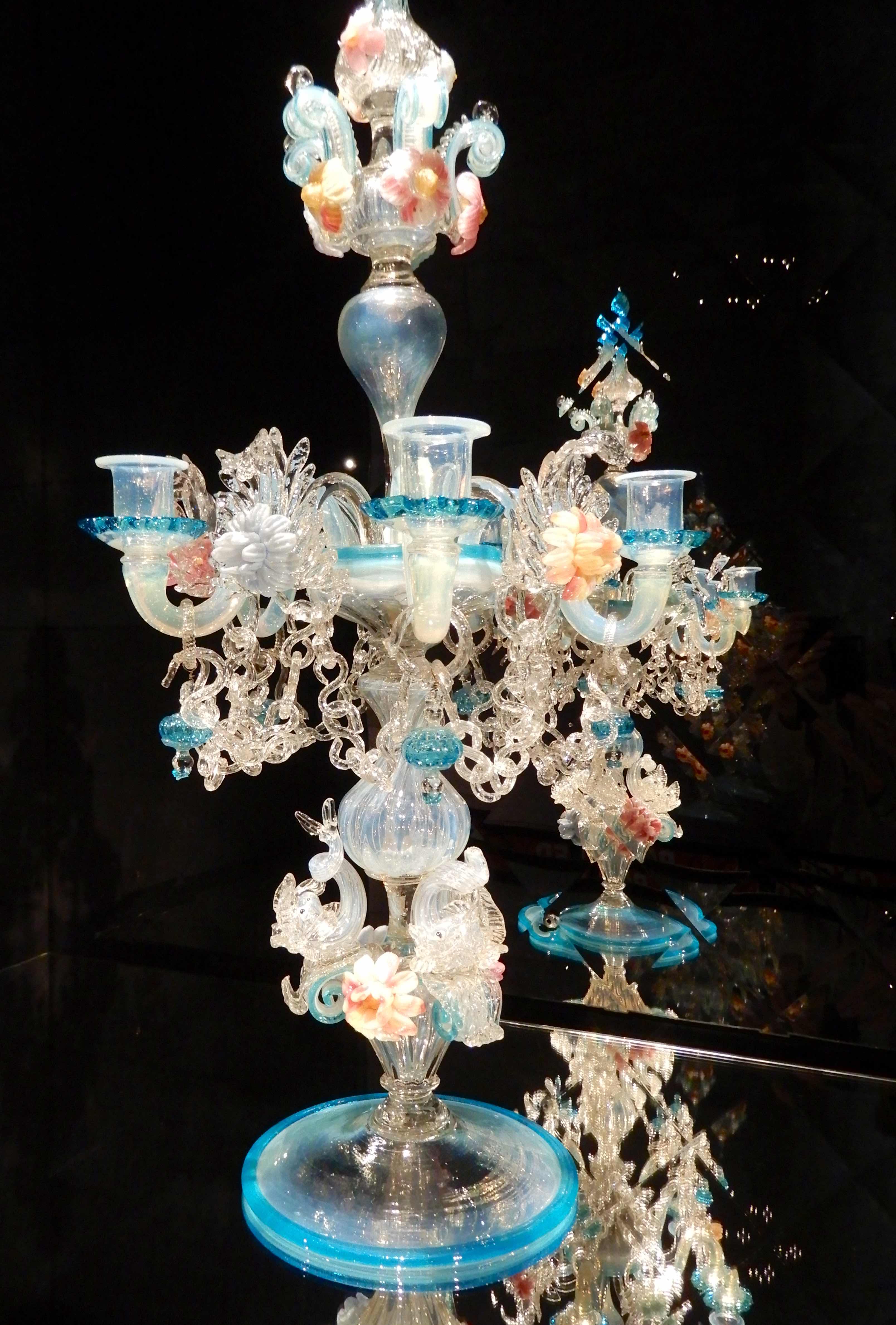
although the same can’t be said for this candelabrum.

17.Candelabrum 1880

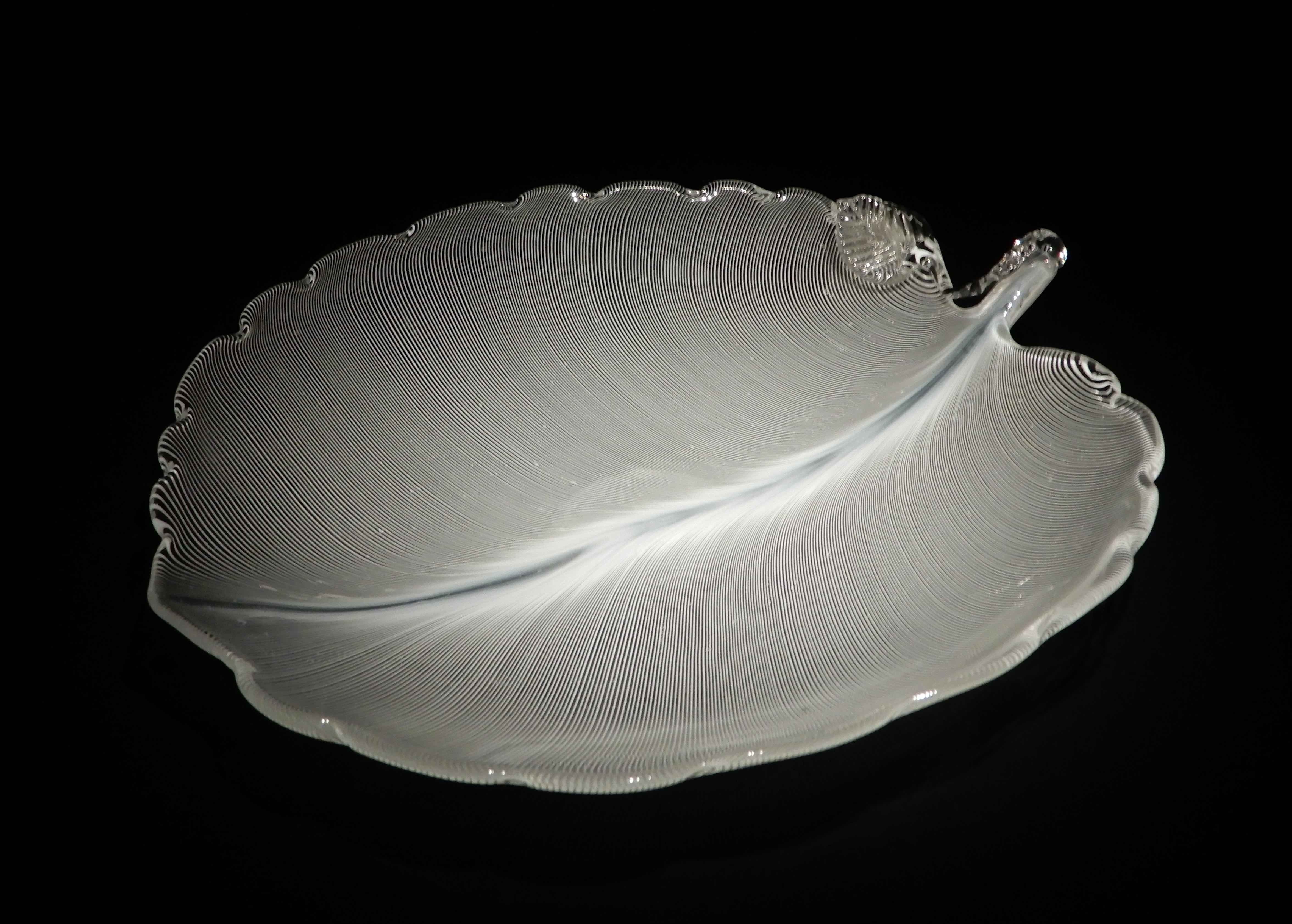
Moving into the 20th century, the same techniques were used to produce some beautiful, elegant pieces. Designed by Swedish Tyra Lundgren in 1938, this leaf dish is made with very fine vetro a fili decoration (white glass threads).

18.Venini & Co leaf dish 1950

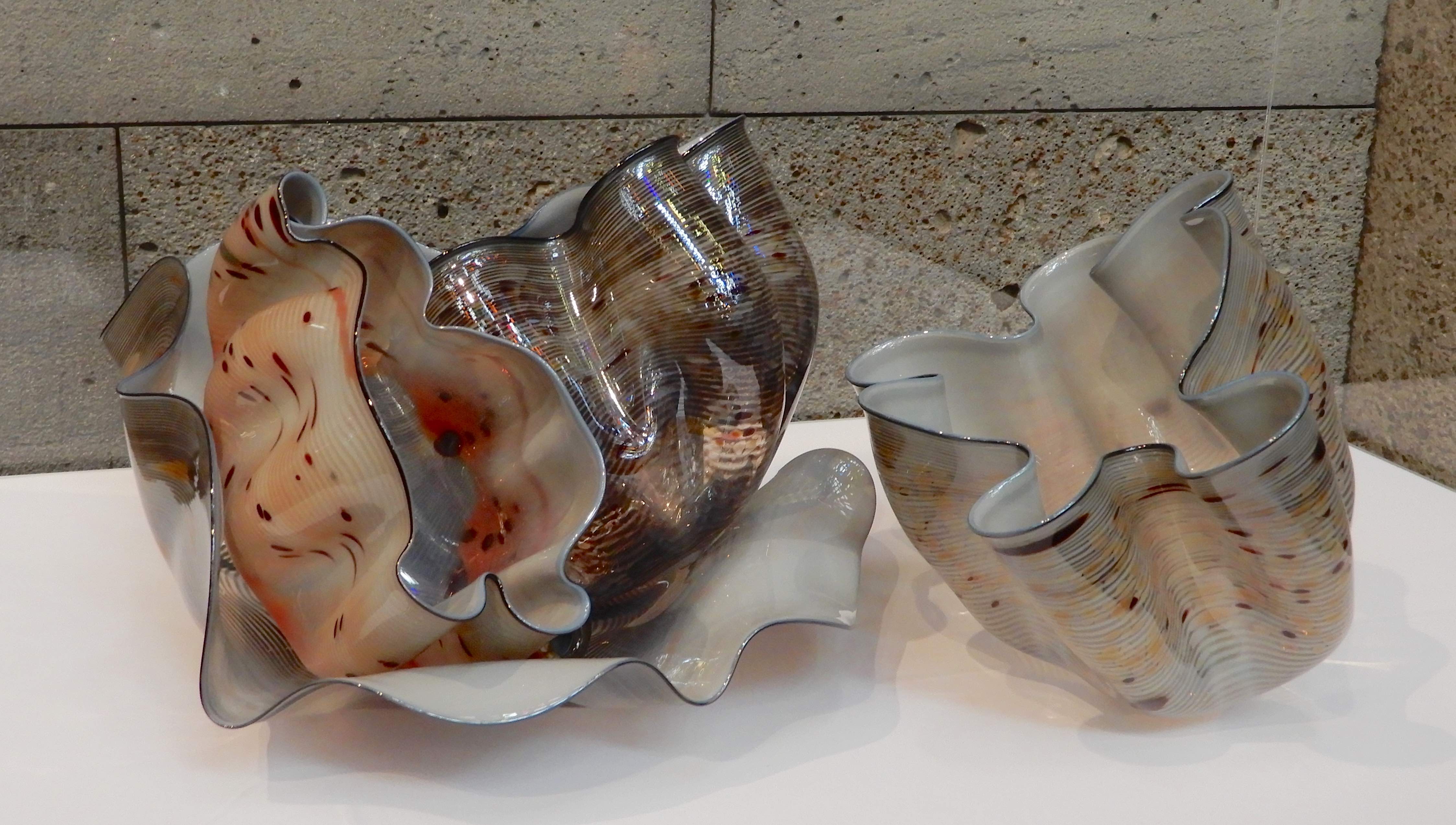
In the 1960s, Dale Chihuly was one of the first Americans to study glassmaking in Venice and in 1969, established the Pilchuk Glass School in Washington where he worked with Toots Zynsky and Richard Marquis. Chihuly began his Macchia series in the 1980s, named for the speckled effect of colours in the shell-like forms (macchia is Italian for spot).

19.Macchia series 198220.Macchia, Dale Chihuly 1993

The vivid colours of the fine glass canes in this fascinating piece by Toots Zynsky were inspired by the plumage of exotic African birds.

21.Toots Zynsky 1990

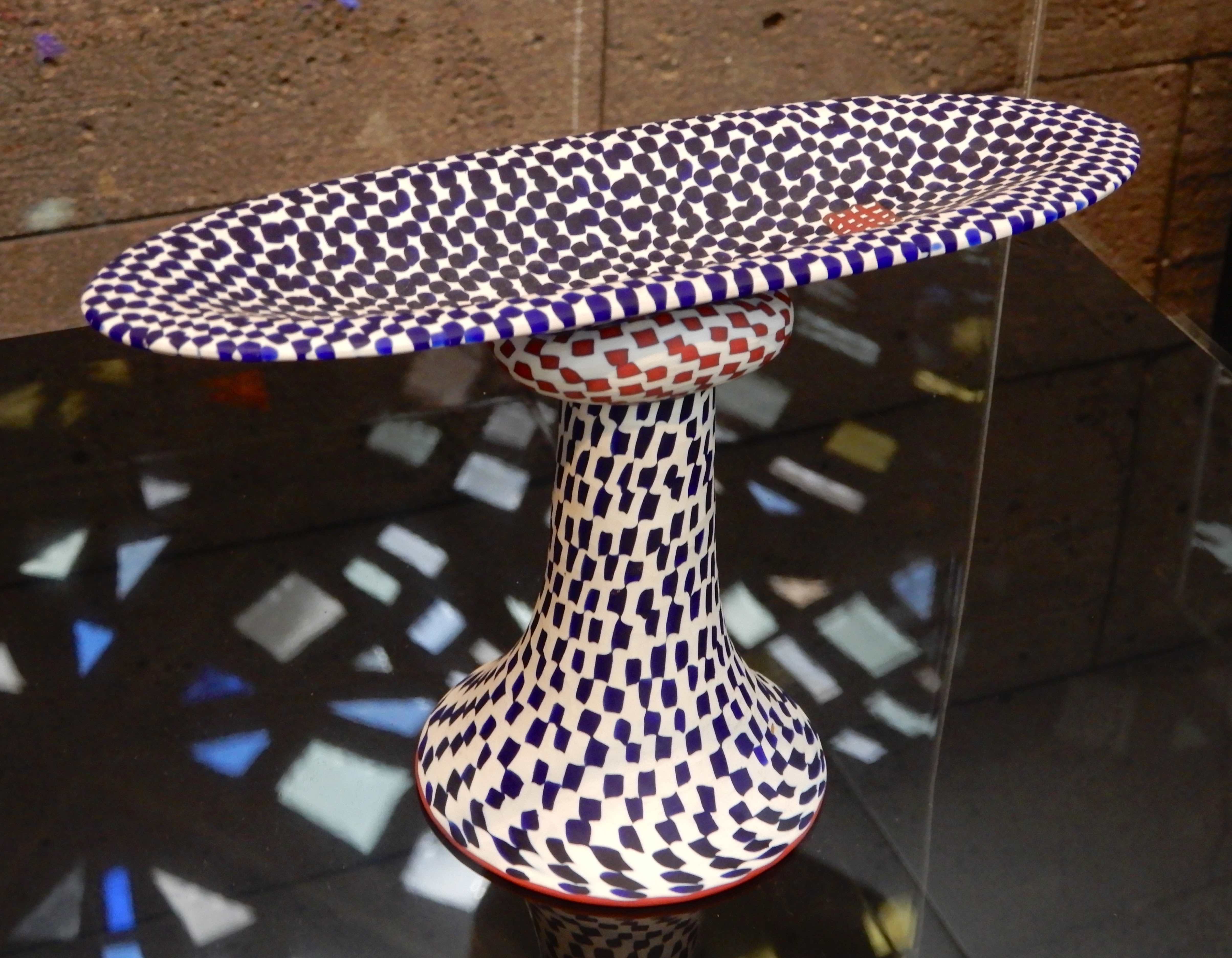
The name of the Marquiscarpa series is a combination of Richard’s surname and that of Carlo Scarpa to pay homage to the Italian architect. The footed platters have an intriguing mosaic appearance, created using glass canes sliced into cross sections.

22.Marquiscarpa #9, 1991

In the 21st century, the Venetian glass industry has to compete with the incursion of cheaper imports. Hopefully, ongoing collaborations between Muranese workshops and outside artists will secure its future.